BOARD CERTIFICATION EXAM STUDY GUIDES Lower Extremity Trauma
[Click on Image to Enlarge]
ME-P Free Advertising Consultation
The “Medical Executive-Post” is about connecting doctors, health care executives and modern consulting advisors. It’s about free-enterprise, business, practice, policy, personal financial planning and wealth building capitalism. We have an attitude that’s independent, outspoken, intelligent and so Next-Gen; often edgy, usually controversial. And, our consultants “got fly”, just like U. Read it! Write it! Post it! “Medical Executive-Post”. Call or email us for your FREE advertising and sales consultation TODAY [678.779.8597] Email: MarcinkoAdvisors@outlook.com
Medical & Surgical e-Consent Forms
ePodiatryConsentForms.com
iMBA Inc., OFFICES
Suite #5901 Wilbanks Drive, Norcross, Georgia, 30092 USA [1.678.779.8597]. Our location is real and we are now virtually enabled to assist new long distance clients and out-of-town colleagues.
ME-P Publishing
SEEKING INDUSTRY INFO PARTNERS?
If you want the opportunity to work with leading health care industry insiders, innovators and watchers, the “ME-P” may be right for you? We are unbiased and operate at the nexus of theoretical and applied R&D. Collaborate with us and you’ll put your brand in front of a smart & tightly focused demographic; one at the forefront of our emerging healthcare free marketplace of informed and professional “movers and shakers.” Our Ad Rate Card is available upon request [678-779-8597].
Posted on May 3, 2024 by Dr. David Edward Marcinko MBA MEd CMP™
MEDICAL EXECUTIVE-POST–TODAY’SNEWSLETTERBRIEFING
***
Essays, Opinions and Curated News in Health Economics, Investing, Business, Management and Financial Planning for Physician Entrepreneurs and their Savvy Advisors and Consultants
“Serving Almost One Million Doctors, Financial Advisors and Medical Management Consultants Daily“
A Partner of the Institute of Medical Business Advisors , Inc.
Yesterday, sales of Wegovy more than doubled last quarter, and at least 25,000 people are starting to take it in the US per week. It also posted a $3.65 billion net profit and increased its sales outlook for 2024. But its stock Novo Nordisk still dropped yesterday.
***
iPhone sales are down but Apple share buybacks are up. Apple managed to keep investors happy, sending its stock shooting up after-hours yesterday, despite selling fewer iPhones last quarter. Sales of the signature phone dipped 10% year over year, and revenue fell 4.3% to $90.8 billion. But Apple also announced $110 billion in share buybacks, the largest in the company’s history, per CNBC. And sales in China, which has been a sore spot, came in at $16.4 billion, less than a year earlier but more than analysts had predicted.
***
Stocks rose yesterday as investors digested Jerome Powell’s recent comments and decided they only had to fear fear itself—and not interest rate hikes. Investors changed into the fast lane to buy Carvana after the used car sales site reported its best earnings ever Wednesday evening.
***
Stat: 16%. That’s the percentage by which CVS stocks plummeted Wednesday after the company reported earnings below expectations and cut its annual outlook, according to (CNBC).
But – Here’s where the major stock market benchmarks ended Thursday:
The S&P 500® index (SPX) rose 45.81 points (0.9%) to 5,064.20; the Dow Jones Industrial Average® ($DJI) added 322.37 points (0.9%) to 38,225.66; the NASDAQ Composite® ($COMP) surged 235.48 points (1.5%) to 15,840.96.
The 10-year Treasury note yield (TNX) dropped about 1 basis point to 4.583%.
The CBOE Volatility Index® (VIX) fell 0.71 to 14.68.
Transportation shares helped lead the market higher after C.H. Robinson (CHRW) reported stronger-than-expected quarterly results, sending the freight logistics and trucking company’s stock up 12%. The Dow Jones Transportation Average ($DJT) jumped 2.5%. Semiconductors were also strong after Qualcomm (QCOM) advanced 9.7% in the wake of the chip maker’s better-than-expected earnings.
Apple (AAPL) shares advanced 2.2% ahead of the company’s quarterly earnings report scheduled after Thursday’s close.
In other markets, WTI Crude Oil (/CL) futures bounced back to end with a slight gain after earlier dropping to a seven-week low under $78.50 per barrel.
Posted on May 3, 2024 by Dr. David Edward Marcinko MBA MEd CMP™
By Dr. David Edward Marcinko MBA MEd CMP
***
***
Medicare [Dis] Advantage Plans [Medicare Part C] commenced in 2003 or so and I have railed against them since then. First, for their low physician payments. And then as a patient advocate for the last decade. And, today, for both reasons. As a doctor and independent health insurance agent myself, believe me when I speak thusly.
Now, while Medicare Advantage plans are undoubtedly not the right choice for everyone, insurance companies still say there are some folks who will get exactly what they need from the plans and at a moderate price.
Nevertheless, Ernesto Jaboneta, the IT Director of California-based Medicare insurance agency Agent Pitstop, acknowledged there are many predatory salespeople who will jump to have you join a plan that doesn’t end up helping you in the long run. Still, there are precautions you can take to make falling into this trap less likely.
“The first thing anyone can do is invite along a family member or trusted friend to any appointments with an insurance agent,” Jaboneta told Newsweek. “Don’t feel pressured to decide right away.”
Before you commit to anything, you should compare plans and find out if your doctors will remain in your network. And if you’re unsure about some of the information you received from an insurance agent, you can also call 1-800-MEDICARE for more assistance.
Jaboneta also said there’s a big difference between captive insurance agents and independent agents, as well, and seniors should take note of this.
“A captive agent is an insurance agent who works directly for an insurance carrier,” Jaboneta said. “They have no incentive to compare options outside their own company, which is different than an independent agent who can compare all the options available. In many cases, when a beneficiary calls into an insurance company to find information, they will be talked into enrolling.”
The open enrollment period lasts from October 15th to December 8th, but there’s another enrollment period from January 1st to March 31st for anyone unhappy with their Medicare Advantage plan who wants to switch or revert to Medicare.
INVESTING UPDATE: Managed-care companies are reporting that seniors on Medicare Advantage Part C plans used far more medical services than expected in the final months of 2023. The announcements have sparked two separate selloffs over the past week: The first came January 12th, when UnitedHealth Group announced its fourth-quarter earnings. The second came after Humana just laid out preliminary fourth-quarter results, and said the high utilization trends would have a material impact on its 2024 performance “if current trends continue.”
Humana said it would be ending some plans and cutting benefits for patients in 2025 as it hopes to boost its financial performance. Altogether, 6 million Americans are insured through Humana’s Medicare Advantage.
Posted on May 2, 2024 by Dr. David Edward Marcinko MBA MEd CMP™
MEDICAL EXECUTIVE-POST–TODAY’SNEWSLETTERBRIEFING
***
Essays, Opinions and Curated News in Health Economics, Investing, Business, Management and Financial Planning for Physician Entrepreneurs and their Savvy Advisors and Consultants
“Serving Almost One Million Doctors, Financial Advisors and Medical Management Consultants Daily“
A Partner of the Institute of Medical Business Advisors , Inc.
Here’s where the major stock market benchmarks ended:
The S&P 500® index (SPX) fell 17.30 points (0.3%) to 5,018.39; the Dow Jones Industrial Average® ($DJI) gained 87.37 points (0.2%) to 37,903.29; the NASDAQ Composite® ($COMP) lost 52.34 points (0.3%) to 15,605.48.
The 10-year Treasury note yield (TNX) dropped more than 5 basis points to 4.63%.
The CBOE Volatility Index® (VIX) decreased 0.28 to 15.37.
Banks and other financial shares led the market’s afternoon upswing, reflecting renewed optimism over the outlook for interest rates. The KBW Regional Bank Index (KRX) jumped 2.4% and posted its first gain in five days. Biotechnology and communication services were also strong.
Energy shares were among the weakest performers as WTI Crude Oil (/CL) futures extended a week-long nosedive and dropped under $80 per barrel for the first time since mid-March. Crude futures sank over 3% after the Energy Information Administration reported U.S. oil inventories surged 1.6% last week.
Among top companies, Amazon (AMZN) gained 2.2% after reporting stronger-than-expected earnings and revenue late Tuesday. Starbucks (SBUX) tumbled 16% following unexpectedly soft quarterly results. Apple (AAPL) eased 0.6% ahead of its quarterly results, expected after Thursday’s close.
Speaking of stock companies, however big you think UnitedHealth is, it’s bigger than that. For example:
With a market cap of nearly $450 billion, it’s the fourth-largest company in the US by revenue this year, beating out Alphabet and Microsoft.
The company is eyeing a $24.7 billion profit in 2024.
One analyst estimated that more than 5% of US GDP flows through UnitedHealth’s systems daily.
And so, lawmakers in Washington are prepared to grill UnitedHealth CEO Andrew Witty in two congressional hearings today, months after a cyberattack on a subsidiary of the healthcare giant, Change Healthcare, rattled the industry and left pharmacies, doctors, and hospitals in the dark. Change processes roughly half of all Americans’ medical claims. Congress wants Witty to clarify how UnitedHealth handled the breach of patient data. But beyond that, it wants to investigate whether the company—the nation’s largest private health insurer—has grown too big and taken on too much risk.
Retailer Walmart announced plans Tuesday to shutter its network of 51 health clinics in five states, along with its telehealth business. The impending closures signify that Walmart is scuttling its initial plans to expand the services, citing escalating operation costs and “challenging reimbursement environment,” the company said in a news release.
Finally – Happy Women’s Health Month! Women and people assigned female at birth are disproportionately affected by a range of health conditions, including autoimmune diseases, chronic pain, and dementia. The month of May is intended to raise awareness of these disparities and educate women on steps they can take to improve their health, such as getting annual breast exams. For all our woman-identifying readers, take some time to prioritize your health this month!
Posted on May 2, 2024 by Dr. David Edward Marcinko MBA MEd CMP™
By Health Capital Consultants, LLC
***
***
On February 27, 2024, the Wall Street Journal (WSJ) reported that the Department of Justice (DOJ) has launched an antitrust investigation into UnitedHealth Group (UHG), the owner of the biggest health insurer in the U.S. and the leading manager of drug benefits and one of the largest networks of physician groups. This investigation comes as the Biden administration’s antitrust enforcers have ramped up investigations into some of the biggest U.S. companies, including Amazon, Apple, and Google.
Posted on April 30, 2024 by Dr. David Edward Marcinko MBA MEd CMP™
MEDICAL EXECUTIVE-POST–TODAY’SNEWSLETTERBRIEFING
***
Essays, Opinions and Curated News in Health Economics, Investing, Business, Management and Financial Planning for Physician Entrepreneurs and their Savvy Advisors and Consultants
“Serving Almost One Million Doctors, Financial Advisors and Medical Management Consultants Daily“
A Partner of the Institute of Medical Business Advisors , Inc.
It’ll be a big week for hot takes on the US economy, after the Federal Reserve meeting Tuesday and Wednesday and the April jobs report dropping Friday. Because inflation has been sticking around, the FOMC is expected to hold interest rates steady at this meeting and for the foreseeable future. On the jobs front, economists are projecting another strong month for employment growth.
In 2022, with bipartisan support, Congress passed the CHIPS and Science Act, an ambitious plan to juice domestic manufacturing of a product vital to national security: semiconductors. Two years later, the government has doled out more than half of the CHIPS Act’s $39 billion in incentives. According to the Financial Times …
Chip companies and their suppliers have announced US investments of $327 billion over the next 10 years, per the Semiconductor Industry Association.
Construction of manufacturing facilities for computing and electronics devices has jumped 15x, government data shows.
By 2030, the US will likely produce around 20% of the world’s most advanced chips, according to USCommerce Secretary Gina Raimondo. Right now, it’s making 0%.
The proposed factories are massive and could transform regional economies. Micron, which received $6.1 billion in federal grants last week, plans to invest $100 billion in a manufacturing campus near Syracuse.
The S&P 500® index (SPX) rose 16.21 points (0.3%) to 5,116.17, its highest close in over two weeks; the Dow Jones Industrial Average® ($DJI) gained 146.43 points (0.4%) to 38,386.09, the NASDAQ Composite® ($COMP) advanced 55.18 points (0.4%) to 15,983.08.
The 10-year Treasury note yield (TNX) fell more than 5 basis points to 4.616%.
The CBOE Volatility Index® (VIX) declined 0.36 to 14.67.
Communication services shares were among the market’s weakest performers Monday, reversing last Friday’s upswing as Alphabet (GOOGL) dropped more than 3% and Meta Platforms (META) lost 2.4%. Banks and retailers were also soft. The Philadelphia Semiconductor Index (SOX) climbed for the sixth-straight day and ended near a three-week high even though its biggest member, Nvidia (NVDA), ended little changed.
In other markets, the U.S. Dollar Index ($DXY) faded from early gains but is still up about 1% in April, driven by expectations domestic rates will remain high. “The U.S. dollar’s strength continues to reflect the relative strength of the economy and the wide interest rate differentials between the United States and other major developed markets,” Schwab Center for Financial Research analysts said in a report.
Despite last week’s strength, the S&P 500 index and the NASAQ Composite are still down 2.6% and 2.4%, respectively, for April and on track to break five-month winning streaks.
Humana expects to exit Medicare Advantage (MA) markets in 2025, company executives told investors. The company reported its first quarter earnings April 24th. Humana posted $741 million in net income in the first quarter of 2024, beating investor expectations, but pulled its 2025 earnings guidance.
Posted on April 30, 2024 by Dr. David Edward Marcinko MBA MEd CMP™
LAWSUIT
***
Humana Used AI Tool from UnitedHealth to Deny Medicare Advantage Claims
Humana used an artificial intelligence tool owned by UnitedHealth Group to wrongfully deny Medicare Advantage [Part C] members’ medical claims, according to a class-action complaint filed on Dec. 12th. The lawsuit was filed in the U.S. District Court for the Western District of Kentucky and is the latest legal action against major insurers such as UnitedHealthcare and Cigna for allegedly using automated data tools to wrongfully deny members’ claims.
The complaint against Humana, the country’s second-largest Medicare Advantage insurer, accuses the company of using an AI tool called nH Predict to determine how long a patient will need to remain in post-acute care and overrides physicians’ determinations for the patient. The plaintiffs claim Humana set a goal to keep post-acute facility stay lengths for MA members within 1% of nH Predict’s estimations. Employees who deviate from the algorithm’s estimates are “disciplined and terminated, regardless of whether a patient requires more care,” the lawsuit alleges. When decisions made by the algorithm are appealed, they are allegedly overturned 90% of the time.
Source: Jakob Emerson Becker’s Payer Issues [12/13/23]
Posted on April 30, 2024 by Dr. David Edward Marcinko MBA MEd CMP™
By Staff Reporters
***
***
Humana Plans to Leave Some Medicare Advantage Markets in 2025
Humana expects to exit Medicare Advantage (MA) markets in 2025, company executives told investors. The company reported its first quarter earnings April 24th. Humana posted $741 million in net income in the first quarter of 2024, beating investor expectations, but pulled its 2025 earnings guidance.
On an April 24th 2024 call with investors, Humana executives said it will look to pull back benefits and exit some markets, as CMS continues phasing in risk adjustment changes. CMS published its final MA rate notice for 2025 earlier this month. The agency slightly cut benchmark payments and continued phasing in coding changes. Humana previously said the agency’s rates were lower than its expectations.
Other payers have signaled they will likely cut benefits to accommodate the rate notice.
Posted on April 27, 2024 by Dr. David Edward Marcinko MBA MEd CMP™
MEDICAL EXECUTIVE-POST–TODAY’SNEWSLETTERBRIEFING
***
Essays, Opinions and Curated News in Health Economics, Investing, Business, Management and Financial Planning for Physician Entrepreneurs and their Savvy Advisors and Consultants
“Serving Almost One Million Doctors, Financial Advisors and Medical Management Consultants Daily“
A Partner of the Institute of Medical Business Advisors , Inc.
Here’s where the major stock market benchmarks ended:
The S&P 500 index gained 51.54 points (1.0%) to 5,099.96, up 2.7% for the week; the Dow Jones Industrial Average® ($DJI) increased 153.86 points (0.4%) to 38,239.66, up 0.7% for the week; the NASDAQ Composite jumped 316.14 points (2.0%) to 15,927.90, up 4.2% for the week.
The 10-year Treasury note yield (TNX) lost about 4 basis points to 4.665%.
The CBOE Volatility Index® (VIX) fell 0.34 to 15.03.
Alphabet’s rally helped communication services reverse Thursday’s downturn, which was driven by disappointing quarterly results from Meta Platforms (META). The S&P 500 Communication Services index ($SP500#50) surged 4.7% Friday and ended the week with a 2.7% gain. Semiconductor shares were also strong, led by a 6% gain in Nvidia (NVDA). The Russell 2000® Index (RUT) added 1.1% Friday and posted a 2.8% advance for the week.
In other markets, WTI Crude Oil (/CL) futures rose slightly Friday, ending around $83.65 per barrel and shutting down a three-week losing streak.
Midi Health, a health clinic geared toward women in midlife, raised $60 million in Series B funding to expand its network to 150 clinicians by the end of the year, among other efforts. (MobiHealthNews)
“We’re fooling ourselves if we think that’s cheap or can be done less expensively.”—Carmela Coyle, president and CEO of the California Hospital Association, on hospital finances and cutting costs (AP)
The federal government implemented new staffing rules to improve patient care, but most nursing homes won’t be able to meet that demand. (KFF Health News/NPR)
The Biden administration is considering a change that would downgrade cannabis from a Schedule I drug to a Schedule III drug this year. The reclassification would have major effects on the business of cannabis, but for that to happen, the Drug Enforcement Agency needs proof of medical effectiveness.
Posted on April 26, 2024 by Dr. David Edward Marcinko MBA MEd CMP™
MEDICAL EXECUTIVE-POST–TODAY’SNEWSLETTERBRIEFING
***
Essays, Opinions and Curated News in Health Economics, Investing, Business, Management and Financial Planning for Physician Entrepreneurs and their Savvy Advisors and Consultants
“Serving Almost One Million Doctors, Financial Advisors and Medical Management Consultants Daily“
A Partner of the Institute of Medical Business Advisors , Inc.
New GDP numbers out yesterday show a worrying combo of stubborn inflation + waning growth that dampens hopes for a potential interest rate cut. Per the latest data from the Bureau of Economic Analysis, the first quarter of 2024 was a confounding one:
GDP increased at a 1.6% annualized rate, far below projections of 2.4% and notably down from 3.4% at the end of 2023.
While slow growth would typically signal that the Fed could cut rates, another metric complicates matters: Consumer prices (excluding volatile categories), a solid indicator of inflation, shot up to a much higher than anticipated 3.7%.
***
Meta reported record Q1 revenue yesterday, but it was overshadowed by the billions of dollars the company is spending in its efforts to win the Artificial Intelligence race and make the Metaverse happen. Investors were unhappy with the company’s forecast that its spending will rise by $10 billion dollars to support Artificial Intelligence development, sending Meta’s stock price down 15% after hours.
Here’s where the major benchmarks ended:
The S&P 500 index fell 23.21 points (0.5%) to 5,048.42; the Dow Jones Industrial Average lost 375.12 points (1.0%) to 38,085.80; the NASDAQ Composite® ($COMP) shed 100.99 points (0.6%) to 15,611.76.
The 10-year Treasury note yield (TNX) rose about 5 basis points to 4.704%.
The CBOE Volatility Index® (VIX) fell 0.64 to 15.33.
Communication services shares were the weakest S&P 500 sector Thursday behind the plunge in Meta Platforms. Late Wednesday, the Facebook parent provided lighter-than-expected second-quarter revenue guidance, while CEO Mark Zuckerberg discussed spending in currently unprofitable pursuits such as artificial intelligence (AI) and mixed reality. Meta’s first-quarter earnings and revenue both came above analysts ‘ estimates, however.
Meta’s slump helped send the S&P 500 Communication Services index ($SP500#50) down 4%. Banks were also particularly soft amid concern that persistently high interest rates may compress lender margins. Semiconductor and transportation shares were among the few pockets of strength.
But, Alphabet, Microsoft, and Snap reported Q1 earnings yesterday, and were generally good. Alphabet issued its first-ever dividend and authorized $70 billion in stock buybacks, after it beat Wall Street’s revenue expectations. Microsoft also beat revenue forecasts on the strength of its cloud services. And Snap shares soared after it topped estimates and impressed investors with its 422 million global daily active users. It was a much-needed boost for the sector after Meta spooked the market with how much it’s spending on AI.
Posted on April 20, 2024 by Dr. David Edward Marcinko MBA MEd CMP™
MEDICAL EXECUTIVE-POST–TODAY’SNEWSLETTERBRIEFING
***
Essays, Opinions and Curated News in Health Economics, Investing, Business, Management and Financial Planning for Physician Entrepreneurs and their Savvy Advisors and Consultants
“Serving Almost One Million Doctors, Financial Advisors and Medical Management Consultants Daily“
A Partner of the Institute of Medical Business Advisors , Inc.
A group of 15 financial officers representing 13 states issued a warning to Bank of America over its alleged practices of “politicized de-banking” targeting conservatives. In a letter to Bank of America CEO Brian Moynihan, the officials said the bank’s practices threaten its own financial health and reputation with customers while simultaneously harming the U.S. economy and Americans’ civil liberties. They pointed to examples of Bank of America shuttering the accounts belonging to Christian groups and leaders and joining a net-zero climate alliance in addition to its poor viewpoint diversity rating.
Texas and Missouri will soon have about two dozen Walmart health centers, the retail giant announced this month, adding to its 50-site roster. The company plans to open eight clinics in the Houston metro area, 10 sites in the Dallas-Fort Worth area, and four facilities in Kansas City by the end of 2024, Modern Healthcare reported.
Hospitals reported the strongest quarter of mergers and acquisitions since 2020, according to consulting firm Kaufman Hall. Four of the 20 announced transactions in the first quarter of 2024 were “megamergers” and brought in $12 billion in revenue in that time period, per the firm’s analysis. The era of consolidation is here.
The S&P 500 index fell 43.89 points (0.9%) to 4,967.23, down 3% for the week; the Dow Jones Industrial Average gained 211.02 points (0.6%) to 37,986.40, little changed for the week; the NASDAQ Composite lost 319.49 points (2.1%) to 15,282.01, down 5.5% for the week.
The 10-year Treasury note yield (TNX) dropped more than 2 basis points to 4.623%, still up about 10 basis points for the week.
The CBOE Volatility Index® (VIX) rose 0.71 to 18.71.
Nvidia (NVDA) plunged 10% to lead the chip sector lower, sending the Philadelphia Semiconductor Index (SOX) down 4.1% to a two-and-a-half-month low. Communication Services shares were also among the weakest sectors, fueled by Netflix weakness. There were several pockets of strength, however. Banking shares posted firm gains Friday behind stronger-than-expected quarterly results from some regional lenders. Utilities also advanced.
The S&P 500 has fallen 5.5% from a record close March 28, more than halfway to the 10% threshold that’s traditionally viewed as a correction. The NASDAQ Composite is down 7.1% from a record close on April 11th.
Posted on April 19, 2024 by Dr. David Edward Marcinko MBA MEd CMP™
MEDICAL EXECUTIVE-POST–TODAY’SNEWSLETTERBRIEFING
***
Essays, Opinions and Curated News in Health Economics, Investing, Business, Management and Financial Planning for Physician Entrepreneurs and their Savvy Advisors and Consultants
“Serving Almost One Million Doctors, Financial Advisors and Medical Management Consultants Daily“
A Partner of the Institute of Medical Business Advisors , Inc.
If the practice makes a reasonable effort to collect from a patient who is experiencing financial hardship (e.g., job loss due to COVID-19), providers may be able to offer a discount (e.g., settle for 70% of the amount owed) without violating Stark Law, says Reed Tinsley, CPA, healthcare consultant in Houston, Texas. “But remember that just because even if someone doesn’t have a job, they could still have money,” he adds. “There are a lot of people out there with big savings accounts.”
Source: Lisa A. Eramo, MA, Keith A. Reynolds, Physicians Practice [4/3/24]
23andMe cofounder and CEO Anne Wojcicki wants to take the once-hot DNA company private. 23andMe said a Special Committee would evaluate the proposal in light of other options. The company’s valuation has tumbled since its stock market debut in 2021. The struggling DNA company once valued in the billions — was essentially worthless as of Wednesday.
But,shares soared Thursday less than three years after it began selling shares. Wojcicki told board members she is proposing to acquire the company in a potential go-private transaction, according to a filing with the Securities and Exchange Commission.
The S&P 500 index fell 11.09 points (0.2%) to 5,011.12; the Dow Jones Industrial Average® ($DJI) rose 22.07 points (0.1%) to 37,775.38; the NASDAQ Composite lost 81.88 points (0.5%) to 15,601.50.
The 10-year Treasury note yield (TNX) gained almost 5 basis points to 4.633%.
The CBOE Volatility Index® (VIX) dropped 0.22 to 17.99.
Weakness in chip maker shares pushed the Philadelphia Semiconductor Index (SOX) down 1.7% to a two-month low. Biotechnology and consumer discretionary shares were also among the weakest sectors. Energy companies eroded as WTI Crude Oil (/CL) futures dropped for a third straight trading day and closed at a three-week low.
The S&P 500 is on track for its third consecutive weekly decline, its weakest stretch since September, while the NASDAQ Composite appears headed for a fourth straight weekly slide.
Posted on April 17, 2024 by Dr. David Edward Marcinko MBA MEd CMP™
MEDICAL EXECUTIVE-POST–TODAY’SNEWSLETTERBRIEFING
***
Essays, Opinions and Curated News in Health Economics, Investing, Business, Management and Financial Planning for Physician Entrepreneurs and their Savvy Advisors and Consultants
“Serving Almost One Million Doctors, Financial Advisors and Medical Management Consultants Daily“
A Partner of the Institute of Medical Business Advisors , Inc.
Stat: 10%. That’s the percentage of Tesla employees that will be impacted by its global workforce reduction. Elon Musk sent an email to employees on Monday informing them of the layoffs, which he said were made to “reduce costs and increase productivity,” according to the WSJ. The move comes as the electric vehicle maker deals with a wider slowdown in EV sales. (the Wall Street Journal)
UnitedHealth Group, reeling from the Change cyberattack, recorded a loss of $1.4 billion in the first quarter. Still, its EPS exceeded expectations and the stock is trading up.
And … physicians made steady pay gains last year, but increases were undercut by inflation rates. See how other specialties fared, according to a report from Medscape.
The social determinants of health can impact a woman’s chance of being up to date with her mammogram, according to a recent Centers for Disease Control and Prevention report. Women are less likely to get a mammogram if they feel socially isolated, have lost a job or don’t have reliable transportation.
And…A major House subcommittee is considering whether to issue another short-term extension on telehealth flexibilities as they continue to evaluate cost and quality issues or to enact permanent changes to virtual care reimbursement. The American Telemedicine Association is pushing Congress to make permanent the Medicare telehealth flexibilities implemented during the COVID-19 pandemic.
The S&P 500® index (SPX) declined 10.41 points (0.2%) to 5,051.41, its lowest close in almost two months; the Dow Jones Industrial Average® ($DJI) advanced 63.86 points (0.2%) to 37,798.97; the NASDAQ Composite® ($COMP) eased 19.77 points (0.1%) to 15,865.25.
The 10-year Treasury note yield gained almost 4 basis points to 4.667%.
The CBOE Volatility Index® (VIX) fell 0.83 to 18.40.
Scaled-back expectations for Fed rate cuts continued to burden interest-rate-sensitive sectors, such as banks and utilities. The KBW Regional Bank Index (KRX) lost 1.4% and ended near a five-month low. The small-cap Russell 2000® Index (RUT) dropped 0.4% and ended at a two-month low.
In other markets, the U.S. dollar index (DXY) strengthened for the fifth consecutive trading day and hit its highest level since late October, reflecting expectations rates will stay elevated.
Posted on April 16, 2024 by Dr. David Edward Marcinko MBA MEd CMP™
MEDICAL EXECUTIVE-POST–TODAY’SNEWSLETTERBRIEFING
***
Essays, Opinions and Curated News in Health Economics, Investing, Business, Management and Financial Planning for Physician Entrepreneurs and their Savvy Advisors and Consultants
“Serving Almost One Million Doctors, Financial Advisors and Medical Management Consultants Daily“
A Partner of the Institute of Medical Business Advisors , Inc.
Here’s where the major stock market benchmarks ended:
The S&P 500 index fell 61.59 points (1.2%) to 5,061.82; the Dow Jones Industrial Average lost 248.13 points (0.7%) to 37,735.11; the NASDAQ Composite® ($COMP) dropped 290.08 points (1.8%) to 15,885.02.
The 10-year Treasury note yield (TNX) surged almost 12 basis points to 4.618%.
The CBOE Volatility Index® (VIX) rose 1.92 to 19.23.
Interest-rate-sensitive sectors like real estate and utilities were among the weakest performers Monday. Technology shares were also under pressure. The small-cap Russell 2000® Index (RUT) shed 1.4% and ended at a two-month low.
In other markets, the U.S. dollar index (DXY) strengthened for the fourth consecutive trading day and hit its highest level since early November, reflecting expectations rates will stay elevated. Volatility based on the VIX jumped near 19.50, its highest level since late October.
Monday’s session also produced technical damage on the charts of benchmarks like the S&P 500, which closed under its 50-day simple moving average, currently around 5,114, for the first time since early November. The S&P 500 has dropped almost 4% from a record intraday high posted March 28th.
And, after a tough funding year for digital health startups, the first quarter of 2024 saw a flurry of deals announced—a “positive signal” that the funding landscape is looking up, according to Adriana Krasniansky, head of research at digital health strategy group and venture fund Rock Health’s advisory arm. Overall, the number of digital health funding deals (133) that closed in Q1 was the highest in six quarters, though the average deal size ($20.6 million) was smaller, according to a Rock Health report. Total funding for digital health startups was $2.7 billion, the lowest level since 2019. An increase in the frequency of deals—even if they’re smaller—is a good sign, according to Krasniansky.
Dental startup Tend aims to simplify the patient billing process via a partnership with health tech startup Cedar, the companies announced on April 11th, 2024. The US spends roughly $165 billion per year on dental services as of 2022, according to professional organization the American Dental Association—but the payment experience can be “opaque” and “confusing,” Matthew Fitzgerald, chief marketing officer at Tend, told Healthcare Brew. “From the outset, Tend has sought to innovate the dental experience by leveraging technology and hospitality to build a company around the patient,” Tend CEO Troy Bage said in a statement. “By partnering with Cedar, we’ll be able to streamline and simplify the payment process for all our members—further enhancing their overall experience with Tend, while unlocking new ways for us to elevate engagement.”
Posted on April 15, 2024 by Dr. David Edward Marcinko MBA MEd CMP™
MEDICAL EXECUTIVE-POST–TODAY’SNEWSLETTERBRIEFING
“Worried about an IRS audit? Avoid what’s called a red flag. That’s something the IRS always looks for. For example, say you have some money left in your bank account after paying taxes. That’s a red flag.“
― Jay Leno
***
Essays, Opinions and Curated News in Health Economics, Investing, Business, Management and Financial Planning for Physician Entrepreneurs and their Savvy Advisors and Consultants
“Serving Almost One Million Doctors, Financial Advisors and Medical Management Consultants Daily“
A Partner of the Institute of Medical Business Advisors , Inc.
Americans are saving less at their lowest pace in more than a year, and are apparently spending more than the growth of their incomes, according to an analysis by Wells Fargo that was shared with Newsweek.
In February, the personal savings rate hit 3.6 percent, “marking the lowest rate at which households saved in 14 months,” Wells Fargo economists noted in the Thursday report, adding that spending outpaced income growth for the month. The savings rate is higher than the below 3 percent level it fell to following the COVID-19 pandemic, but is nevertheless way down from the pre-pandemic rate of 6 percent.
The deadline for most people to file a 2023 tax return with the IRS is fast approaching; returns are due by 11:59 p.m., in your time zone, on Monday, April 15th today, with some exceptions. Taxpayers in Massachusetts and Maine have until April 17th to file and pay taxes because of the Patriots’ Day and Emancipation Day holidays. There are also extensions in some areas impacted by extreme weather. Individuals and businesses impacted by the October 7th attack on Israel have also been given an extension, the IRS announced. There are extensions for certain active-duty military members and citizens living abroad.
Nike announced plans to lay off around 1,600 employees, or about 2% of its global workforce, as part of a $2 billion cost-cutting strategy. CEO John Donahoe said performance has not been the best and took responsibility. Donahoe said, “This is a painful reality and not one that I take lightly.”
Stellantis is the world’s fourth-largest automaker by sales, behind Toyota, Volkswagen Group, and Hyundai Motor Group. The company designs, manufactures, and sells automobiles bearing its 14 brands: Abarth, Alfa Romeo, Chrysler, Citroën, Dodge, DS, Fiat, Jeep, Lancia, Maserati, Opel, Peugeot, Ram, and Vauxhall. Their headquarters is located in Amsterdam, and they have over 300,000 employees in 130 countries.
***
The Biden administration wants to make changes to private Medicare insurance plans that officials say will help seniors find plans that best suit their needs, promote access to behavioral health care and increase use of extra benefits such as fitness and dental plans. “We want to ensure that taxpayer dollars actually provide meaningful benefits to enrollees,” said Health and Human Services Secretary Xavier Becerra. If finalized, the proposed rules rolled out Monday could also give seniors faster access to some lower-cost drugs. Administration officials said the changes, which are subject to a 60-day comment period, build on recent steps taken to address what they called confusing or misleading advertisements for Medicare Advantage [Part C] plans. Just over half of those eligible for Medicare get coverage through a private insurance plan rather than traditional, government-run Medicare.
***
Healthcare varies substantially by state based on dozens of factors. The same is valid for cities. Some of this is due to the availability of medical facilities. Some have to do with health habits. Some have to do with incomes and poverty levels. People who live in poor states, based on income, almost always have unhealthy populations. A new study from Renew Bariatrics shows the “Healthiest (and Unhealthiest) States in the US—2024 Rankings,” and reviews alcohol use, diabetes, drug overdoses, mental health, isolation, tobacco use, exercise, and the presence of heart disease, obesity, and cancer. These, taken together, create an index from 0 to 100, with 100 being the worst possible score. These are the most expensive states to live in.
Posted on April 14, 2024 by Dr. David Edward Marcinko MBA MEd CMP™
MEDICAL EXECUTIVE-POST–TODAY’SNEWSLETTERBRIEFING
***
Essays, Opinions and Curated News in Health Economics, Investing, Business, Management and Financial Planning for Physician Entrepreneurs and their Savvy Advisors and Consultants
“Serving Almost One Million Doctors, Financial Advisors and Medical Management Consultants Daily“
A Partner of the Institute of Medical Business Advisors , Inc.
Texas Governor Greg Abbott has issued a sharp warning about proposed changes to Medicaid, claiming they could “strip millions of Americans” from access to healthcare. In February 2023, the Centers for Medicare & Medicaid Services (CMS) issued a new proposed rule that would change long-standing practices for how states fund the non-federal share of Medicaid payments. In particular, the CMS is pushing for greater oversight of how states use of healthcare provider taxes to help fund their programs.
Democratic lawmakers Sen. Richard Blumenthal and Rep. Andy Kim have partnered up with RepublicanRep. Jen Kiggans to introduce legislation aiming to give army reservists and members of the National Guard that also work for the federal government options on the type of health care plans they can receive. The bill, which could impact thousands of federal employees that are also in the U.S. Army, plans to give this group of Americans the ability to decide whether they want military or civilian health care. The lawmakers said in a shared statement that their proposal will fix current regulations that limit service members who also work for the government to enroll in the cheaper Tricare Reserve Select (TRS) health plan when they also qualify for federal health plans.
Stocks tanked last Friday after the big banks reported underwhelming earnings and the sheen from the Magnificent Seven’s AI-driven surge earlier this week wore off. Meanwhile, oil prices continue to rise near six-month highs as concern grows over geopolitical tensions in the Middle East. The tech sector was highlighted in this market, particularly due to the exceptional performance of a group of mega-cap tech giants last year nicknamed the “Magnificent Seven.” This elite group includes Apple (AAPL), Amazon (AMZN), Alphabet (GOOGL), Meta Platforms (META), Microsoft (MSFT), Nvidia (NVDA) and Tesla (TSLA).
Posted on April 13, 2024 by Dr. David Edward Marcinko MBA MEd CMP™
MEDICAL EXECUTIVE-POST–TODAY’SNEWSLETTERBRIEFING
***
Essays, Opinions and Curated News in Health Economics, Investing, Business, Management and Financial Planning for Physician Entrepreneurs and their Savvy Advisors and Consultants
“Serving Almost One Million Doctors, Financial Advisors and Medical Management Consultants Daily“
A Partner of the Institute of Medical Business Advisors , Inc.
Medical colleague and our financial planning for physicians textbook contributor Michael Burry MD predicted a second inflation surge, and price growth re-accelerated in March,. 2024.
The “Big Short” investor first warned of inflation in April 2020, over two years before it peaked.
Burry expected a recession, rate cuts, and stimulus spending to reignite inflation.
A growing number of drugs are in short supply around the U.S., according to pharmacists.
In the first three months of the year, there were 323 active medication shortages, surpassing the previous high of 320 shortages in 2014, according to a survey by the American Society of Health-System Pharmacists (ASHP) and Utah Drug Information Service. It also amounts to the most shortages since the trade group started keeping track in 2001. “All drug classes are vulnerable to shortages. Some of the most worrying shortages involve generic sterile injectable medications, including cancer chemotherapy drugs and emergency medications stored in hospital crash carts and procedural areas,” ASHP said in a statement.
Scheduling an appointment with a primary care doctor who belongs to a large health system might cause an increase in health care spending, according to a recent study. Such physicians tend to make more referrals to specialists, and emergency room visits and hospitalizations sometimes increase, according to the research out of Harvard T.H. Chan School of Public Health.
In short, physicians who work for health care systems like hospitals are more likely to recommend that patients use other services within those systems, compared with independent physicians. For the study — which was published in JAMA Health Forum, a journal of the American Medical Association — researchers analyzed the experiences of more than 4 million patients in Massachusetts.
UnitedHealth ChairmanStephen Hemsley and other executives sold $102 million in company stock months before a federal antitrust probe became public, Bloomberg reported.
***
Small physician practices are still struggling in the wake of February’s Change Healthcare cyberattack, according to an American Medical Association (AMA) survey released Wednesday.
More than half of ~1,400 respondents (55%) reported that they’ve had to use personal funds to cover their practice’s expenses due to the cyberattack’s effects on cash flow. Practices across the country have been unable to fill prescriptions or process insurance claims as Change Healthcare systems went offline, Healthcare Brew previously reported. About two-thirds of respondents said they’ve experienced restrictions to core functions, such as suspending claim payments (36%), not being able to submit claims (32%), and not being able to obtain electronic remittance advice (39%), according to the survey.
The S&P 500 index fell 75.65 points (1.5%) to 5,123.41, down 1.6% for the week; the Dow Jones Industrial Averagelost 475.84 points (1.2%) to 37,983.24, down 2.4% for the week; the NASDAQ Composite® ($COMP) dropped 267.10 points (1.6%) to 16,175.09, down 0.5% for the week.
The 10-year Treasury note yield (TNX) fell more than 5 basis points to 4.52%, still up about 12 basis points for the week.
The CBOE Volatility Index® (VIX) rose 2.38 to 17.30.
Semiconductor shares were also among the weakest performers Friday as chip makers reversed Thursday’s sharp gains. The Philadelphia Semiconductor Index (SOX) dropped more than 3% and ended with its third straight weekly decline. Energy companies were also under pressure after crude oil prices retreated from the morning rally. Oil futures are still up 20% this year. The small-cap Russell 2000® Index (RUT) lost 1.9% and posted a 2.9% drop for the week.
In other markets, the U.S. dollar index (DXY) strengthened to a five-month high and gained 1.7% this week, reflecting beliefs the hotter-than-expected inflation readings earlier this week will keep interest rates elevated. Volatility based on the VIX jumped to its highest level since late October.
The paradox of thrift (saving) states that an increase in autonomous saving leads to a decrease in aggregate demand and thus a decrease in gross output which will in turn lower total saving. The paradox is that total saving may fall because of individuals’ attempts to increase their saving, and, broadly speaking, that increase in saving may be harmful to an economy.
Both the narrow and broad claims are paradoxical within the assumption underlying the fallacy of composition, namely that which is true of the parts must be true of the whole. The narrow claim transparently contradicts this assumption, and the broad one does so by implication, because while individual thrift is generally averred to be good for the economy, the paradox of thrift holds that collective thrift may be bad for the economy.
Posted on April 12, 2024 by Dr. David Edward Marcinko MBA MEd CMP™
MEDICAL EXECUTIVE-POST–TODAY’SNEWSLETTERBRIEFING
***
Essays, Opinions and Curated News in Health Economics, Investing, Business, Management and Financial Planning for Physician Entrepreneurs and their Savvy Advisors and Consultants
“Serving Almost One Million Doctors, Financial Advisors and Medical Management Consultants Daily“
A Partner of the Institute of Medical Business Advisors , Inc.
Costco started selling gold bars to its members last August, and Wells Fargo analysts believe that the product is now bringing in between $100 million and $200 million a month. The retailer doesn’t reveal the price of the 1-ounce bullion to nonmembers online, but it’s estimated to be ~2% above the spot price gold trades at, per CNBC—and that price has soared since Costco got into the gold game. The price of gold has gone up 13% this year and reached record highs as investors pile in amid inflation worries.
The big numbers from the Consumer Price Index data released on Thursday
In March, inflation rose 3.5% from the year before, up from 3.2% in February.
The “core” CPI reading, which excludes volatile food and fuel prices, came in even higher, rising 3.8% on an annual basis. That’s the same as in February, but this time it’s serious.
Half of the increases came from rising gas prices and housing.
After seeing inflation fall by 3% over the course of 2023, Fed officials believed that higher inflation readings in January and February 2024 represented a hiccup in an otherwise downward trajectory. However, with the March reading also coming in hotter than anticipated, analysts say this is more than a fluke. That means hopes for a June interest rate cut are dashed. Even the US Postal Service plans to raise the price of “forever” stamps to $0.73 in July. Get yours now. And the Mexican peso is on an absolute tear, leaving the US dollar behind.
The S&P 500® index (SPX) advanced 38.42 points (0.7%) to 5,199.06; the Dow Jones Industrial Average® ($DJI) lost 2.43 points to 38,459.08; the NASDAQ Composite gained 271.84 points (1.7%) to 16,442.20.
The 10-year Treasury note yield (TNX) rose nearly 2 basis points to 4.578%.
The CBOE Volatility Index® (VIX) fell 0.89 to 14.91.
Chip maker strength lifted the Philadelphia Semiconductor Index (SOX) more than 2% and extended the benchmark’s year-to-date gain to more than 17%. Communications services and transportation shares were also among the strongest sectors. Financial shares were mixed ahead of expected quarterly results Friday from some major banks including JPMorgan Chase (JPM), Citigroup (C), and Wells Fargo (WFC).
Posted on April 11, 2024 by Dr. David Edward Marcinko MBA MEd CMP™
MEDICAL EXECUTIVE-POST– Today’sNewsletter
***
Essays, Opinions and Curated News in Health Economics, Investing, Business, Management and Financial Planning for Physician Entrepreneurs and their Savvy Advisors and Consultants
“Serving Almost One Million Doctors, Financial Advisors and Medical Management Consultants Daily“
A Partner of the Institute of Medical Business Advisors , Inc.
NEW YORK (Reuters) -The U.S. accounting watchdog on Wednesday said it has hit KPMG Netherlands with a $25 million civil penalty, a record for the regulator, in response to “egregious” and widespread exam cheating at the foreign affiliate of the major audit firm.
As millions of Americans approach age 66, they face the inevitable question, is it time to retire? The physician population is aging alongside the general population—more than 40% of physicians in the U.S. will be 65 years or older within the next decade. In the case of surgeons, there is little guidance on how to best ensure their competency throughout their career and at the same time maintain patient safety while preserving mature physician dignity.
It is a scenario playing out nationwide. From Oregon to Pennsylvania, hundreds of communities have in recent years either stopped adding fluoride to their water supplies or voted to prevent its addition. Supporters of such bans argue that people should be given the freedom of choice. The broad availability of over-the-counter dental products containing the mineral makes it no longer necessary to add to public water supplies, they say. The Centers for Disease Control and Prevention says that while store-bought products reduce tooth decay, the greatest protection comes when they are used in combination with water fluoridation.
More health systems are going to be opting out of Medicare Advantage (MA) plans, George Hill, a managing director at Deutsche Bank in Boston, predicted Monday at a “Wall Street Comes to Washington” webinar hosted by the Brookings Institution. “I think you’re going to see more large provider organizations threaten to opt out of networks, particularly as it relates to MA,” Hill said, adding that there are a number of reasons for this. “Prior authorizations are the problem, claims denials are a huge problem, delayed payments and rates are the problem — barriers in access to care in all varieties are the problem.”
The latest budget update from the nonpartisan Congressional Budget Office (CBO) found that the federal government has spent more on paying interest on the national debt than on the military in fiscal year 2024. The CBO’s budget report for March showed that the U.S. has spent $412 billion on military programs at the Department of Defense through the first half of FY-2024, according to preliminary figures from CBO and the Treasury Department.
Consumer price increases remained high last month, boosted by gas, rents, and car insurance, the government said Wednesday in a report that will likely give pause to the Federal Reserve as it weighs when and by how much to cut interest rates this year. Prices outside the volatile food and energy categories rose 0.4% from February to March, the same accelerated pace as in the previous month. Measured from a year earlier, these core prices were up 3.8%, unchanged from the year-over-year rise in February. The Fed closely tracks core prices because they tend to provide a good read of where inflation is headed.
Here’s where the major benchmarks ended:
The S&P 500® index (SPX) dropped 49.27 points (1.0%) to 5,160.64; the Dow Jones Industrial Average lost 422.16 points (1.1%) to 38,461.51; the NASDAQ Composite® ($COMP) fell 136.28 points (0.8%) to 16,170.36.
The 10-year Treasury note yield (TNX) soared more than 18 basis points to 4.548%.
The CBOE Volatility Index® (VIX) jumped 0.82 to 15.80.
Interest-rate-sensitive sectors like banks, real estate, and utilities led Wednesday’s decliners. The KBW Regional Bank Index (KRX) tumbled 5% to its lowest point since late November. The small-cap Russell 2000® Index (RUT) lost 2.5%. Energy shares were among the few gainers as WTI Crude Oil (/CL) futures rebounded after three-straight losing sessions.
In other markets, the U.S. dollar index (DXY) jumped 1% to a five-month high amid expectations interest rates will remain elevated.
On August 14, 2023, the Centers for Medicare and Medicaid Services (CMS) announced updates to their Accountable Care Organization Realizing Equity, Access, and Community Health (ACO REACH) model.
In response to feedback from stakeholders, starting in performance year (PY) 2024, the agency expects to increase the predictability for the model and further advance health equity. Only in its first PY, ACO REACH is a revision and replacement of the Global and Professional Direct Contracting (GPDC) model and the Geographic Direct Contracting (Geo Model) model, a subset of the GPDC model. This Health Capital Topics article will discuss the updates to the ACO REACH model and its implications for existing accountable care organizations (ACOs). (Read more…)
Written by doctors and healthcare professionals, this textbook should be mandatory reading for all medical school students—highly recommended for both young and veteran physicians—and an eliminating factor for any financial advisor who has not read it. The book uses jargon like ‘innovative,’ ‘transformational,’ and ‘disruptive’—all rightly so! It is the type of definitive financial lifestyle planning book we often seek, but seldom find. —LeRoy Howard MA CMPTM,Candidate and Financial Advisor, Fayetteville, North Carolina I taught diagnostic radiology for over a decade. The physician-focused niche information, balanced perspectives, and insider industry transparency in this book may help save your financial life. —Dr. William P. Scherer MS, Barry University, Ft. Lauderdale, Florida This book was crafted in response to the frustration felt by doctors who dealt with top financial, brokerage, and accounting firms. These non-fiduciary behemoths often prescribed costly wholesale solutions that were applicable to all, but customized for few, despite ever-changing needs. It is a must-read to learn why brokerage sales pitches or Internet resources will never replace the knowledge and deep advice of a physician-focused financial advisor, medical consultant, or collegial Certified Medical Planner™ financial professional. —Parin Khotari MBA,Whitman School of Management, Syracuse University, New York In today’s healthcare environment, in order for providers to survive, they need to understand their current and future market trends, finances, operations, and impact of federal and state regulations. As a healthcare consulting professional for over 30 years supporting both the private and public sector, I recommend that providers understand and utilize the wealth of knowledge that is being conveyed in these chapters. Without this guidance providers will have a hard time navigating the supporting system which may impact their future revenue stream. I strongly endorse the contents of this book.—Carol S. Miller BSN MBA PMP,President, Miller Consulting Group, ACT IAC Executive Committee Vice-Chair at-Large, HIMSS NCA Board Member This is an excellent book on financial planning for physicians and health professionals. It is all inclusive yet very easy to read with much valuable information. And, I have been expanding my business knowledge with all of Dr. Marcinko’s prior books. I highly recommend this one, too. It is a fine educational tool for all doctors.—Dr. David B. Lumsden MD MS MA,Orthopedic Surgeon, Baltimore, Maryland There is no other comprehensive book like it to help doctors, nurses, and other medical providers accumulate and preserve the wealth that their years of education and hard work have earned them. —Dr. Jason Dyken MD MBA,Dyken Wealth Strategies, Gulf Shores, Alabama I plan to give a copy of this book written ‘by doctors and for doctors’ to all my prospects, physician, and nurse clients. It may be the definitive text on this important topic. —Alexander Naruska CPA,Orlando, Florida
Health professionals are small business owners who need to apply their self-discipline tactics in establishing and operating successful practices. Talented trainees are leaving the medical profession because they fail to balance the cost of attendance against a realistic business and financial plan. Principles like budgeting, saving, and living below one’s means, in order to make future investments for future growth, asset protection, and retirement possible are often lacking. This textbook guides the medical professional in his/her financial planning life journey from start to finish. It ranks a place in all medical school libraries and on each of our bookshelves. —Dr. Thomas M. DeLauro DPM,Professor and Chairman – Division of Medical Sciences, New York College of Podiatric Medicine
Physicians are notoriously excellent at diagnosing and treating medical conditions. However, they are also notoriously deficient in managing the business aspects of their medical practices. Most will earn $20-30 million in their medical lifetime, but few know how to create wealth for themselves and their families. This book will help fill the void in physicians’ financial education. I have two recommendations: 1) every physician, young and old, should read this book; and 2) read it a second time! —Dr. Neil Baum MD,Clinical Associate Professor of Urology, Tulane Medical School, New Orleans, Louisiana
I worked with a Certified Medical Planner™ on several occasions in the past, and will do so again in the future. This book codified the vast body of knowledge that helped in all facets of my financial life and professional medical practice. —Dr. James E. Williams DABPS, Foot and Ankle Surgeon, Conyers, Georgia
This is a constantly changing field for rules, regulations, taxes, insurance, compliance, and investments. This book assists readers, and their financial advisors, in keeping up with what’s going on in the healthcare field that all doctors need to know. —Patricia Raskob CFP® EA ATA, Raskob Kambourian Financial Advisors, Tucson, Arizona I particularly enjoyed reading the specific examples in this book which pointed out the perils of risk … something with which I am too familiar and have learned (the hard way) to avoid like the Black Death. It is a pleasure to come across this kind of wisdom, in print, that other colleagues may learn before it’s too late— many, many years down the road. —Dr. Robert S. Park MD, Robert Park and Associates Insurance, Seattle, Washington
Although this book targets physicians, I was pleased to see that it also addressed the financial planning and employment benefit needs of nurses; physical, respiratory, and occupational therapists; CRNAs, hospitalists, and other members of the health care team….highly readable, practical, and understandable. —Nurse Cecelia T. Perez RN, Hospital Operating Room Manager, Ellicott City, Maryland
Personal financial success in the PP-ACA era will be more difficult to achieve than ever before. It requires the next generation of doctors to rethink frugality, delay gratification, and redefine the very definition of success and work–life balance. And, they will surely need the subject matter medical specificity and new-wave professional guidance offered in this book. This book is a ‘must-read’ for all health care professionals, and their financial advisors, who wish to take an active role in creating a new subset of informed and pioneering professionals known as Certified Medical Planners™. —Dr. Mark D. Dollard FACFAS, Private Practice, Tyson Corner, Virginia As healthcare professionals, it is our Hippocratic duty to avoid preventable harm by paying attention. On the other hand, some of us are guilty of being reckless with our own financial health—delaying serious consideration of investments, taxation, retirement income, estate planning, and inheritances until the worry keeps one awake at night. So, if you have avoided planning for the future for far too long, perhaps it is time to take that first step toward preparedness. This in-depth textbook is an excellent starting point—not only because of its readability, but because of his team’s expertise and thoroughness in addressing the intricacies of modern investments—and from the point of view of not only gifted financial experts, but as healthcare providers, as well … a rare combination. —Dr. Darrell K. Pruitt DDS, Private Practice Dentist, Fort Worth, Texas This text should be on the bookshelf of all contemporary physicians. The book is physician-focused with unique topics applicable to all medical professionals. But, it also offers helpful insights into the new tax and estate laws, fiduciary accountability for advisors and insurance agents, with investing, asset protection and risk management, and retirement planning strategies with updates for the brave new world of global payments of the Patient Protection and Affordable Care Act. Starting out by encouraging readers to examine their personal ‘money blueprint’ beliefs and habits, the book is divided into four sections offering holistic life cycle financial information and economic education directed to new, mid-career, and mature physicians.
This structure permits one to dip into the book based on personal need to find relief, rather than to overwhelm. Given the complexity of modern domestic healthcare, and the daunting challenges faced by physicians who try to stay abreast of clinical medicine and the ever-evolving laws of personal finance, this textbook could not have come at a better time. —Dr. Philippa Kennealy MD MPH, The Entrepreneurial MD, Los Angeles, California Physicians have economic concerns unmatched by any other profession, arriving ten years late to the start of their earning years. This textbook goes to the core of how to level the playing field quickly, and efficaciously, by a new breed of dedicated Certified Medical Planners™. With physician-focused financial advice, each chapter is a building block to your financial fortress. —Thomas McKeon, MBA, Pharmaceutical Representative, Philadelphia, Pennsylvania An excellent resource … this textbook is written in a manner that provides physician practice owners with a comprehensive guide to financial planning and related topics for their professional practice in a way that is easily comprehended. The style in which it breaks down the intricacies of the current physician practice landscape makes it a ‘must-read’ for those physicians (and their advisors) practicing in the volatile era of healthcare reform. —Robert James Cimasi, MHA ASA FRICS MCBA CVA CM&AA CMP™, CEO-Health Capital Consultants, LLC, St. Louis, Missouri Rarely can one find a full compendium of information within a single source or text, but this book communicates the new financial realities we are forced to confront; it is full of opportunities for minimizing tax liability and maximizing income potential. We’re recommending it to all our medical practice management clients across the entire healthcare spectrum. —Alan Guinn, The Guinn Consultancy Group, Inc., Cookeville, Tennessee Dr. David Edward Marcinko MBA CMP™ and his team take a seemingly endless stream of disparate concepts and integrate them into a simple, straightforward, and understandable path to success. And, he codifies them all into a step-by-step algorithm to more efficient investing, risk management, taxation, and enhanced retirement planning for doctors and nurses. His text is a vital read—and must execute—book for all healthcare professionals and physician-focused financial advisors. —Dr. O. Kent Mercado, JD, Private Practitioner and Attorney, Naperville, Illinois
Kudos. The editors and contributing authors have compiled the most comprehensive reference book for the medical community that has ever been attempted. As you review the chapters of interest and hone in on the most important concerns you may have, realize that the best minds have been harvested for you to plan well… Live well. —Martha J. Schilling; AAMS® CRPC® ETSC CSA, Shilling Group Advisors, LLC, Philadelphia, Pennsylvania I recommend this book to any physician or medical professional that desires an honest no-sales approach to understanding the financial planning and investing world. It is worthwhile to any financial advisor interested in this space, as well. —David K. Luke, MIM MS-PFP CMP™, Net Worth Advisory Group, Sandy, Utah Although not a substitute for a formal business education, this book will help physicians navigate effectively through the hurdles of day-to-day financial decisions with the help of an accountant, financial and legal advisor. I highly recommend it and commend Dr. Marcinko and the Institute of Medical Business Advisors, Inc. on a job well done. —Ken Yeung MBA CMP™, Tseung Kwan O Hospital, Hong Kong I’ve seen many ghost-written handbooks, paperbacks, and vanity-published manuals on this topic throughout my career in mental healthcare. Most were poorly written, opinionated, and cheaply produced self-aggrandizing marketing drivel for those agents selling commission-based financial products and expensive advisory services. So, I was pleasantly surprised with this comprehensive peer-reviewed academic textbook, complete with citations, case examples, and real-life integrated strategies by and for medical professionals. Although a bit late for my career, I recommend it highly to all my younger colleagues … It’s credibility and specificity stand alone. —Dr. Clarice Montgomery PhD MA,Retired Clinical Psychologist In an industry known for one-size-fits-all templates and massively customized books, products, advice, and services, the extreme healthcare specificity of this text is both refreshing and comprehensive. —Dr. James Joseph Bartley, Columbus, Georgia
My brother was my office administrator and accountant. We both feel this is the most comprehensive textbook available on financial planning for healthcare providers. —Dr. Anthony Robert Naruska DC,Winter Park, Florida
Posted on April 6, 2024 by Dr. David Edward Marcinko MBA MEd CMP™
THE AMA A.U.I. REPORT
***
By Staff Reporters
Doctors are excited—yet cautious—about the role augmented intelligence (AUI) could play in the future of healthcare. That’s the takeaway from an American Medical Association (AMA) survey released last month.
About two-thirds (65%) of 1,000+ physicians that the AMA surveyed in August 2023 agreed that there was at least some advantage to using AUI-powered tools, particularly when it comes to diagnostic ability (72%), work efficiency (69%), and clinical outcomes (61%). More than half (56%) of doctors said AUI tools could best help address administrative burdens.
Posted on April 3, 2024 by Dr. David Edward Marcinko MBA MEd CMP™
By Staff Reporters
***
DEFINITION: A safety net hospital is a type of medical center in the United States that by legal obligation or mission provides healthcare for individuals regardless of their insurance status or ability to pay. This legal mandate forces safety net hospitals to serve all populations. Such hospitals typically serve a proportionately higher number of uninsured, Medicaid, Medicare, Children’s Health Insurance Program, low-income, and other vulnerable individuals than their “non-safety net hospital” counterpart.
But, some Safety net hospitals will soon learn how the government plans to reimburse them for nearly $10 billion resulting from underpayments from the federal drug discount program. The question is whether it will come at the expense of other hospitals. The Centers for Medicare and Medicaid Services [CMS] is poised to reveal a repayment plan to facilities in the 340B program, after the Supreme Court found the agency made illegal program cuts from 2018 to September 2022.
Posted on April 2, 2024 by Dr. David Edward Marcinko MBA MEd CMP™
By Staff Reporters
***
***
Federal health officials said they would offer emergency funding to physicians, physical therapists, and other professionals that provide outpatient healthcare, following a cyberattack that crippled the nation’s largest processor of medical claims and left many organizations in financial distress. The Centers for Medicare and Medicaid Services also announced that it would make advance payments available to suppliers that bill through Medicare Part B, which serves a wide array of healthcare organizations.
***
***
Officials had previously announced a similar program to make emergency payments available for hospitals that had been ensnared by the February 21st hack of Change Healthcare, a unit of UnitedHealth Group, and have struggled to get paid for more than two weeks. The emergency funds represent upfront payments made to healthcare providers and suppliers based on their expected future claims.
Posted on April 1, 2024 by Dr. David Edward Marcinko MBA MEd CMP™
By Health Capital Consultants, LLC
***
***
On March 9th, 2024, President Biden signed into law a $460 billion spending package to continue funding the federal government for the remainder of the 2024 fiscal year. Contained within the spending package was legislation to cut in half the 2024 Medicare physician payment update of approximately -3.4%.
This Health Capital Topics article discusses the payment update, other healthcare provisions contained in the bipartisan spending bills, and responses from stakeholders. (Read more…)
Posted on March 28, 2024 by Dr. David Edward Marcinko MBA MEd CMP™
By Staff Reporters
***
***
Independent pharmacies have struggled in recent years to stay open—and new financial constraints may mean a record number of pharmacy closures in 2024. And, nearly a third of independent pharmacies are at risk of going out of business due in part to a new rule from the Centers for Medicare and Medicaid Services (CMS) that results in lower prescription reimbursements, according to the National Community Pharmacists Association (NCPA), a trade group that represents more than 19,400 US pharmacies.
“This is an emergency,” NCPA CEO B. Douglas Hoey said in a statement. “If Congress fails to act again, thousands of local pharmacies could be closed within months and millions of patients could be stranded without a pharmacy.” The CMS rule, which went into effect on January 1st, requires payers and pharmacy benefit managers (PBMs) to apply what’s called direct and indirect remuneration (DIR) fees at the time a patient picks up a prescription.
The S&P 500 index added 44.91 points (0.9%) to 5,248.49; the Dow Jones Industrial Average climbed 477.75 points (1.2%) to 39,760.08; the NASDAQ Composite added 83.82 points (0.5%) to 16,399.52.
The 10-year Treasury note yield fell four basis points to just under 4.2%.
The CBOE Volatility Index® (VIX) dropped 0.48 to 12.76.
In addition to utility stocks, real estate, industrials, and materials were the strongest sectors. Information technology and communications were the weakest but found late-day strength to finish higher.
Posted on March 24, 2024 by Dr. David Edward Marcinko MBA MEd CMP™
By Staff Reporters
***
***
Financial hardship has led dozens of operators of senior facilities to file for bankruptcy over the past three years, with 13 companies filing petitions in 2021, 12 debtors filing in 2022 and 15 more in 2023, according to Gibbins Advisors.
***
***
Notable Chapter 11 filings over the past year have included Evangelical Retirement Homes of Greater Chicago, which filed Chapter 11 in the U.S. Bankruptcy Court for the Northern District of Illinois in June 2023 to sell its assets at auction. Also, Windsor Terrace Health, an operator of 32 nursing homes in California and three in Arizona, filed its petition in the U.S. Bankruptcy Court for the Central District of California in August 2023 listing $1 million to $10 million in assets and liabilities and unable to pay its debts.
More recently, Magnolia Senior Living, an operator of four facilities in Georgia, filed for Chapter 11 protection on March. 19 in the U.S. Bankruptcy Court for the Northern District of Georgia.
***
The Great Recession of 2008 had a lot of downsides: People lost homes, jobs, and retirement savings, had their careers derailed, and were forced to learn what the heck synthetic collateralized debt obligations are. But according to recent research, it also made people in the US live longer.
Posted on March 15, 2024 by Dr. David Edward Marcinko MBA MEd CMP™
By Health Capital Consultants, LLC
***
***
On December 26, 2023, a study published in the Journal of the American Medical Association (JAMA) found concerning changes in patient outcomes and hospital adverse events associated with private equity (PE) acquisition and ownership of hospitals. Over the past ten years, PE firms have set their sights on hospitals as a lucrative investment opportunity, spending nearly $1 trillion to finance healthcare acquisitions, and purchasing more than 200 hospitals from non-PE owners.
Posted on March 14, 2024 by Dr. David Edward Marcinko MBA MEd CMP™
***
***
As tax season kicks off, the Internal Revenue Service is warning taxpayers and administrators of health spending plans that personal expenses for general health and wellness are not legally considered medical expenses, as it fears some may be misled.
In a press release published Wednesday, the IRS reminded individuals filing their taxes that medical expenses for areas such as weight loss are not deductible or reimbursable under health flexible spending arrangements, health savings accounts, health reimbursement arrangements or medical savings accounts, and that they should beware of companies suggesting otherwise.
“Legitimate medical expenses have an important place in the tax law that allows for reimbursements,” said Danny Werfel, the IRS commissioner, in a statement. “But taxpayers should be careful to follow the rules amid some aggressive marketing that suggests personal expenditures on things like food for weight loss qualify for reimbursement when they don’t qualify as medical expenses.”
According to the IRS, while some companies claim that a doctor’s note based on self-reported health information is enough to qualify a non-medical nutritional, wellness or exercise program as a reimbursable medical expense, that’s not the case. Legally, such a note does not back a targeted diagnosis-specific activity or treatment that would qualify as a medical expense, but simply a personal expense. Cite: Newsweek Giulia Carbonaro
Posted on March 12, 2024 by Dr. David Edward Marcinko MBA MEd CMP™
By Health Capital Consultants, LLC
***
***
On January 29, 2024, the Centers for Medicare and Medicaid Services (CMS) announced that Performance Year 2024 participation increased in their various accountable care organization (ACO) initiatives. Specifically, 50 new ACOs joined the Medicare Shared Savings Program (MSSP), and 71 ACOs renewed their contracts, bringing the total participation in the MSSP to 480 ACOs.
Additionally, 245 organizations chose to continue participation in two other CMS models – the ACO Realizing Equity, Access, and Community Health (REACH) Model and the Kidney Care Choice (KCC) Model.
Posted on March 11, 2024 by Dr. David Edward Marcinko MBA MEd CMP™
Indications for 2024
By Health Capital Consultants, LLC
***
***
After healthcare mergers and acquisitions (M&A) activity began to regain momentum in 2022, following the slowing of deals in the wake of the COVID-19 pandemic, transactional activity continued to accelerate in 2023. While the healthcare sector continued to be impacted by factors such as valuation gaps, higher-for-longer interest rates, general macroeconomic risks, and increased state and federal regulatory concerns in 2023, the outlook for 2024 remains cautiously optimistic.
This Health Capital Topics article reviews the U.S. healthcare industry’s 2023 M&A activity and discusses what these trends may mean for 2024. (Read more…)
Posted on March 10, 2024 by Dr. David Edward Marcinko MBA MEd CMP™
By Staff Reporters
***
***
Stat: According to HIPPA, and the cyberattack on Change Healthcare, there were 725 “large” reported healthcare security breaches in the US last year. Experts say health organizations suffer from a lack of basic security measures, and are being targeted by “increasingly sophisticated cyberattacks.” (The HIPAA Journal)
Quote: “Having a [doctor] who can coordinate your healthcare and is willing to do so on a personal basis was very important to me. And I really feel like that is completely gone, and I feel like it happened overnight.”—Deborah Wood, an older adult patient at primary care provider Iora Health, where some patients say care quality has worsened after Amazon acquired its parent company One Medical in 2022 (the Washington Post)
Posted on March 4, 2024 by Dr. David Edward Marcinko MBA MEd CMP™
Spiked in 2023
By Staff Reporters
***
***
Healthcare company bankruptcies spiked in 2023 amid high interest rates, rising labor and supply costs, and an uptick in denials from payers, according to a January report from healthcare restructuring firm Gibbins Advisors.
For example, Seventy-nine healthcare companies filed for bankruptcy in 2023—the highest number since 2019, which saw 51 bankruptcies, according to the report. The volume of bankruptcies last year was nearly 2x as high as 2022 and over 3x the level seen in 2021.
“We saw a dramatic increase in healthcare bankruptcy filings in 2023, continuing the trend which began in mid-2022,” Clare Moylan, co-founder and principal at Gibbins Advisors, said in a statement. “Key observations from 2023 are the return of large bankruptcy cases with over $100 million in liabilities, and a spike in hospital filings, both of which appear to primarily be a result of Covid-19 pandemic-related protections ending.”
Posted on March 1, 2024 by Dr. David Edward Marcinko MBA MEd CMP™
By Staff Reporters
***
***
Cyber villains have struck again, and they’re going after the US health system. Pharmacies and hospitals nationwide are coping with a debilitating cyberattack against the prescription processor Change Healthcare, owned by America’s biggest health insurer, UnitedHealth.
The health tech company noticed the breach last week and rushed to disconnect its systems, throwing a wrench into pharmacies’ ability to dispense pills. Change Healthcare said some of its services were still on pause, and it’s unclear if any patient info was stolen.
Posted on February 23, 2024 by Dr. David Edward Marcinko MBA MEd CMP™
DR. DAVID EDWARD MARCINKO MBA MEd CMP
By Staff Reporters
***
***
DEFINITION: Behavioral economics is grounded in empirical observations of human behavior, which have demonstrated that people do not always make what neoclassical economists consider the “rational” or “optimal” decision, even if they have the information and the tools available to do so.
For example, why do people often avoid or delay investing in 401ks or exercising, even if they know that doing those things would benefit them? And why do gamblers often risk more after both winning and losing, even though the odds remain the same, regardless of “streaks”?
By asking questions like these and identifying answers through experiments, the field of behavioral economics considers people as human beings who are subject to emotion and impulsivity, and who are influenced by their environments and circumstances.
***
***
The state and federal governments and health insurance companies are harnessing lessons from a still-emerging academic field of behavioral economics to nudge clients and customers into spending more money.
“Behavioral economics was developed by incorporating ideas from psychology into standard economic theories,” said Cait Lamberton, a professor of marketing at the University of Pennsylvania’s Wharton School. “If you see a deal that is available for only a short amount of time [like Medicare open enrollment periods], and thus pay more than you usually would, standard economics would say you’ve made an irrational decision. Behavioral economics says that no, what your brain is doing is responding to scarcity.”
These seemingly irrational choices are called “biases,” many of which can affect how we shop. For example, “loss aversion” makes us hypersensitive to losing money and more likely to buy something like whole life insurance for children.
The “decoy effect” makes us more likely to choose between two sub-optimal options when a third, even worse option is presented. For example, Medicare Part D providers may offer a decoy like an high costs, which may make the cheaper Medicare Part C with more [so-called] benefits look more appealing.
Most companies are well aware of these tendencies and how they drive our decisions. So to save money customers, patients and clients need to understand how the purchasing and shopping experience has been engineered to exploit our biases.
Managed care insurers have profited handsomely from Medicare Advantage plans, scoring billions in annual profits. They credit this financial wizardry to their use of sophisticated data analytics, preventative care, cost optimization, provider networks, evidence and value-based care and risk mitigation strategies. However, doctors, hospitals, and medical providers assert something else.
In fact, Medicare Advantage plans have been making headlines in 2024, but not in a positive light, at least for health insurance companies. Medicare is a government-sponsored health insurance benefit; generally for retired people aged 65 and older.
For most, the money for Medicare Part B medical insurance or Part C Medicare Advantage plans is withdrawn directly from Social Security benefits monthly, coupled with a relatively small monthly payment from the patient. Nearly half of the Medicare population is enrolled in Part C Medicare Advantage plans.
***
***
However, there have been rumblings in the medical sector between medical providers and medical insurers coming to a head. So, where do you stand?
Informational essays of most current interest to healthcare professionals. Check back periodically for practical updates. Our catalogue library of major books, texts, case models and dictionaries is suggested for additional financial, economic, business and medical practice management information and education.
Three healthcare industry groups—America’s Health Insurance Plans (AHIP), the American Medical Association (AMA), and the National Association of Accountable Care Organizations (NAACOS)—released the 36-page playbook on July 25th, 2023. Adoption of the best practices in the playbook is voluntary; the playbook is intended to encourage the adoption of value-based care arrangements in the private sector, according to a news release from the three groups.
Under a value-based care model, providers are reimbursed based on patient outcomes rather than the quantity of services provided like in the traditional fee-for-service model. The value-based care model has been around since the late 1960s. But, widespread adoption has been slow—less than half of the primary care physicians said in a 2022 survey from the Commonwealth Fund that they had received any value-based payments.







 Support our online development, and advance our onground research initiatives in free market economics, as we seek to showcase the brightest Next-Gen minds.
THE ME-P DISCLAIMER: Posts, comments and opinions do not necessarily represent iMBA, Inc., but become our property after submission. Copyright © 2006 to-date. iMBA, Inc allows colleges, universities, medical and financial professionals and related clinics, hospitals and non-profit healthcare organizations to distribute our proprietary essays, photos, videos, audios and other documents; etc. However, please review copyright and usage information for each individual asset before submission to us, and/or placement on your publication or web site. Attestation references, citations and/or back-links are required. All other assets are property of the individual copyright holder.
Support our online development, and advance our onground research initiatives in free market economics, as we seek to showcase the brightest Next-Gen minds.
THE ME-P DISCLAIMER: Posts, comments and opinions do not necessarily represent iMBA, Inc., but become our property after submission. Copyright © 2006 to-date. iMBA, Inc allows colleges, universities, medical and financial professionals and related clinics, hospitals and non-profit healthcare organizations to distribute our proprietary essays, photos, videos, audios and other documents; etc. However, please review copyright and usage information for each individual asset before submission to us, and/or placement on your publication or web site. Attestation references, citations and/or back-links are required. All other assets are property of the individual copyright holder.






























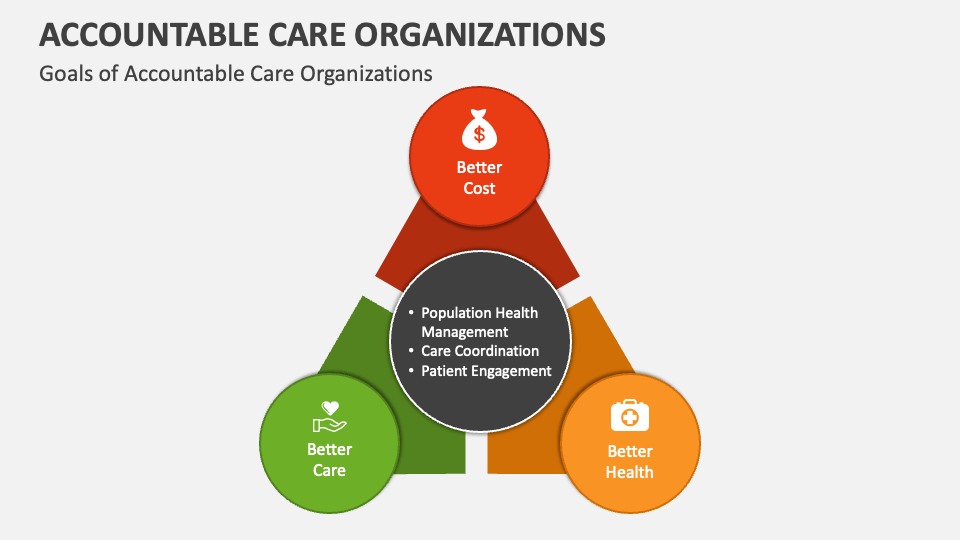



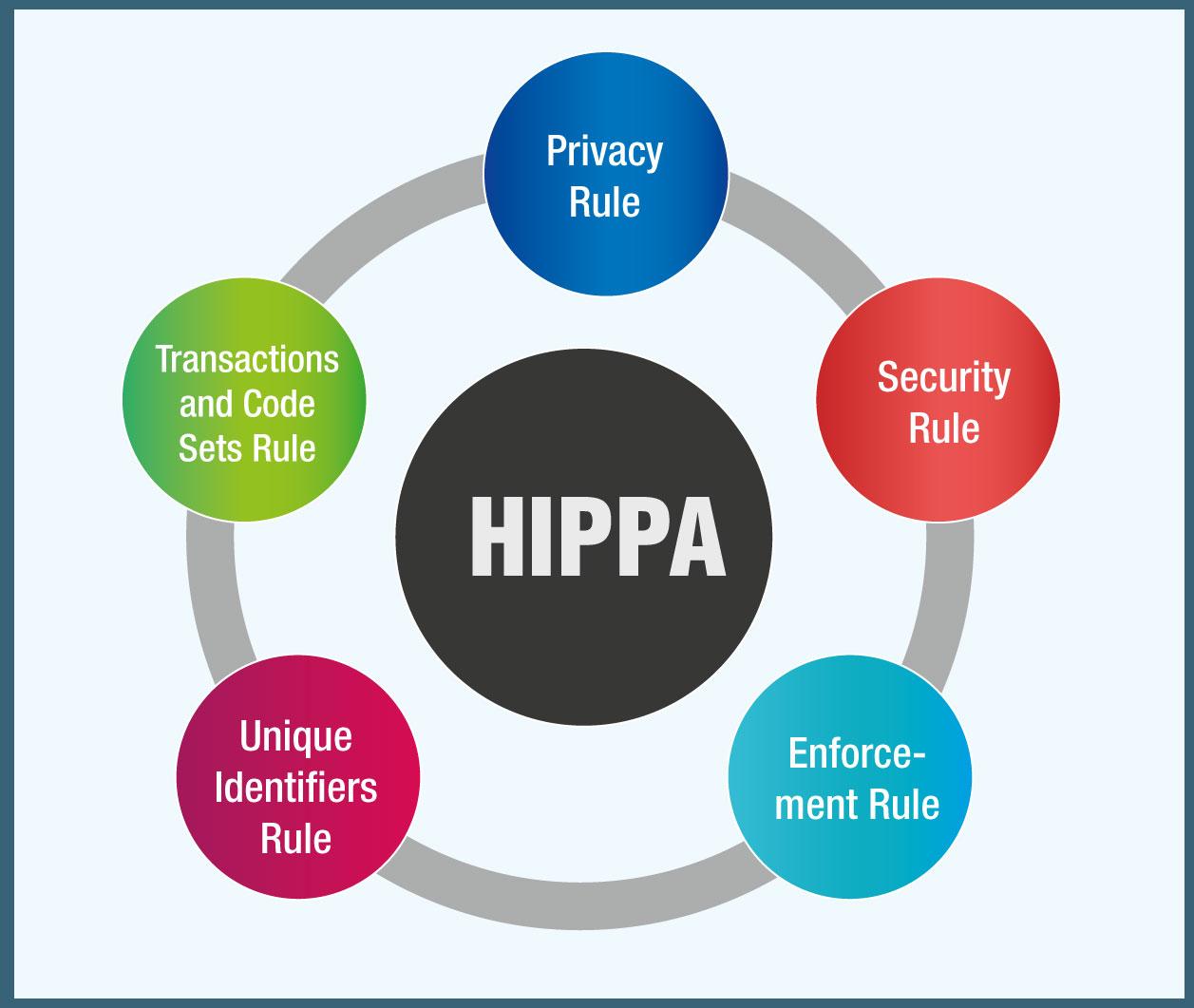









 The Leading Business Education Network for Doctors, Financial Advisors and Health Industry Consultants