BOARD CERTIFICATION EXAM STUDY GUIDES Lower Extremity Trauma
[Click on Image to Enlarge]
ME-P Free Advertising Consultation
The “Medical Executive-Post” is about connecting doctors, health care executives and modern consulting advisors. It’s about free-enterprise, business, practice, policy, personal financial planning and wealth building capitalism. We have an attitude that’s independent, outspoken, intelligent and so Next-Gen; often edgy, usually controversial. And, our consultants “got fly”, just like U. Read it! Write it! Post it! “Medical Executive-Post”. Call or email us for your FREE advertising and sales consultation TODAY [678.779.8597] Email: MarcinkoAdvisors@outlook.com
Medical & Surgical e-Consent Forms
ePodiatryConsentForms.com
iMBA Inc., OFFICES
Suite #5901 Wilbanks Drive, Norcross, Georgia, 30092 USA [1.678.779.8597]. Our location is real and we are now virtually enabled to assist new long distance clients and out-of-town colleagues.
ME-P Publishing
SEEKING INDUSTRY INFO PARTNERS?
If you want the opportunity to work with leading health care industry insiders, innovators and watchers, the “ME-P” may be right for you? We are unbiased and operate at the nexus of theoretical and applied R&D. Collaborate with us and you’ll put your brand in front of a smart & tightly focused demographic; one at the forefront of our emerging healthcare free marketplace of informed and professional “movers and shakers.” Our Ad Rate Card is available upon request [678-779-8597].
Posted on March 26, 2024 by Dr. David Edward Marcinko MBA MEd CMP™
By Staff Reporters
***
***
About 1,300 nurses at Staten Island University Hospital (SIUH) will strike on April 2nd if contract negotiations fail, the New York State Nurses Association (NYSNA) announced Thursday. The union, which represents about 42,000 nurses across the state, is looking for higher wages and improved nurse-to-patient ratios for their members—sticking points for Northwell Health, according to NYSNA.
The S&P 500 index sank 15.99 points (0.3%) to 5,218.19; the Dow Jones Industrial Average dropped 162.26 points (0.4%) to 39,313.64; the NASDAQ Composite lost 44.35 points (0.3%) to 16,384.47.
The 10-year Treasury note yield (TNX) rose three basis points to 4.25% after a four-day retreat.
The CBOE Volatility Index® (VIX) edged up 0.14 to 13.20.
The energy sector followed crude oil prices and was the strongest sector Monday. Utilities and materials also saw strength. Weakest sectors included industrials, information technology, and real estate.
Posted on March 24, 2024 by Dr. David Edward Marcinko MBA MEd CMP™
By Staff Reporters
***
***
Financial hardship has led dozens of operators of senior facilities to file for bankruptcy over the past three years, with 13 companies filing petitions in 2021, 12 debtors filing in 2022 and 15 more in 2023, according to Gibbins Advisors.
***
***
Notable Chapter 11 filings over the past year have included Evangelical Retirement Homes of Greater Chicago, which filed Chapter 11 in the U.S. Bankruptcy Court for the Northern District of Illinois in June 2023 to sell its assets at auction. Also, Windsor Terrace Health, an operator of 32 nursing homes in California and three in Arizona, filed its petition in the U.S. Bankruptcy Court for the Central District of California in August 2023 listing $1 million to $10 million in assets and liabilities and unable to pay its debts.
More recently, Magnolia Senior Living, an operator of four facilities in Georgia, filed for Chapter 11 protection on March. 19 in the U.S. Bankruptcy Court for the Northern District of Georgia.
***
The Great Recession of 2008 had a lot of downsides: People lost homes, jobs, and retirement savings, had their careers derailed, and were forced to learn what the heck synthetic collateralized debt obligations are. But according to recent research, it also made people in the US live longer.
Posted on March 21, 2024 by Dr. David Edward Marcinko MBA MEd CMP™
By Staff Reporters
CHERRY BLOSSOM FESTIVAL, DC.
***
***
KROGER, the supermarket chain said it expects to close the sale of its specialty pharmacy business during the second half of 2024. Kroger said it is planning to sell its speciality pharmacy business to pharmacy benefit manager CarelonRx, a subsidiary of Elevance Health, the company just reported.
Nvidia continues its bid for world domination with the announcement of its new B200 “Blackwell” chip. The Blackwell is 2.5 times more powerful than the “Hopper” chip which helped it become a $2 trillion company. (Bloomberg)
Here’s where the major benchmarks ended:
The S&P 500 index added 46.11 points (0.9%) to 5,224.62; the Dow Jones Industrial Average gained 401.37 points (1%) to 39,512.13; the NASDAQ Composite rose 202.62 points (1.3%) to 16,369.41.
The 10-year Treasury note yield slid two basis points to 4.27%.
The CBOE Volatility Index®(VIX) fell 0.77 to 13.06.
Health care was the biggest loser among the S&P 500 sectors. Energy was also lower after crude oil prices sank on the heels of weekly inventory data. Brent Crude Oil (/BZ) futures, the global benchmark, dropped 1.6% on the heels of five days of gains.
The producer price index (PPI) rose 0.6% for the month, according to the Bureau of Labor Statistics—double the Dow Jones estimate, CNBC reported. February’s larger-than-expected PPI uptick follows a more modest 0.3% increase in January and a 0.1% decline in December. On an annual basis, the PPI increased 1.6%, “the largest rise since moving up 1.8% for the 12 months ended September 2023,” according to the BLS.
The market had a good Tuesday, with stocks climbing as investors await word from the Fed meeting today on any changes to interest rates. The bank is expected to keep rates the same for now, but could signal when (or how often) it’ll lower them later in the year. Meanwhile, Nordstrom shares surged following a report that the retailer’s founding family wants to take it private.
The S&P 500 index added 29.09 points (0.6%) to 5,178.51; the Dow Jones Industrial Average® ($DJI) gained 320.33 points (0.8%) to 39,110.76; the NASDAQ Composite® ($COMP) rose 63.34 points (0.40%) to 16,166.79.
The 10-year Treasury note yield (TNX) eased four basis points to just under 4.3%.
The CBOE Volatility Index® (VIX) lost 0.50 to 13.83.
The energy sector was the top performer after crude oil prices notched multi-month highs ahead of weekly inventory data from the American Petroleum Institute. After a 2% rally to start the trading week, Brent Crude Oil (/BZ) futures, the global benchmark, added another 0.6% Tuesday.
Industrials, consumer discretionary, and utilities were among the other strong sectors. Communications, real estate, and materials finished modestly lower.
Posted on March 15, 2024 by Dr. David Edward Marcinko MBA MEd CMP™
By Staff Reporters
***
***
Stocks fell yesterday after another round of hotter-than-expected inflation data chilled investors. But it was a tremendous Thursday for sporting goods store Dick’s, as it soared 15% after posting its largest sales quarter in history in Q4, thanks in part to consumers buying more expensive items.
Here’s where the major stock benchmarks ended:
The S&P 500 index fell 14.83 points (0.3%) to 5,150.48; the Dow Jones Industrial Average® ($DJI) declined 137.66 points (0.4%) to 38,905.66; the NASDAQ Composite shed 49.24 points (0.3%) to 16,128.53.
The 10-year Treasury note yield (TNX) rose about 10 basis points to 4.292%.
The CBOE Volatility Index® (VIX) rose 0.65 to 14.40.
Technology shares remained under pressure, as a pullback in Nvidia (NVDA) and other chip makers sent the Philadelphia Semiconductor Index (SOX) down almost 2% to its lowest close of the month. Nvidia fell 3.2% Thursday and has dropped nearly 10% from a record intraday high of $974 last Friday. Banks and small-cap stocks were also among the market’s weakest performers.
“Tech shares appear to be going through a corrective phase following last Friday’s key reversal day in Nvidia. The question remains whether a potential correction in tech will spill over into the broader market or whether money will rotate into other areas of the market.”
In other markets, WTI crude oil futures (/CL) extended this week’s rally with a gain of 1.7% and ended slightly above $81 per barrel, its highest level since early November. Oil’s strength has been driven by an unexpected drop in U.S. inventories and concerns over supply disruptions after Ukrainian strikes on oil refineries in Russia.
Posted on March 15, 2024 by Dr. David Edward Marcinko MBA MEd CMP™
By Health Capital Consultants, LLC
***
***
On December 26, 2023, a study published in the Journal of the American Medical Association (JAMA) found concerning changes in patient outcomes and hospital adverse events associated with private equity (PE) acquisition and ownership of hospitals. Over the past ten years, PE firms have set their sights on hospitals as a lucrative investment opportunity, spending nearly $1 trillion to finance healthcare acquisitions, and purchasing more than 200 hospitals from non-PE owners.
Posted on March 14, 2024 by Dr. David Edward Marcinko MBA MEd CMP™
***
***
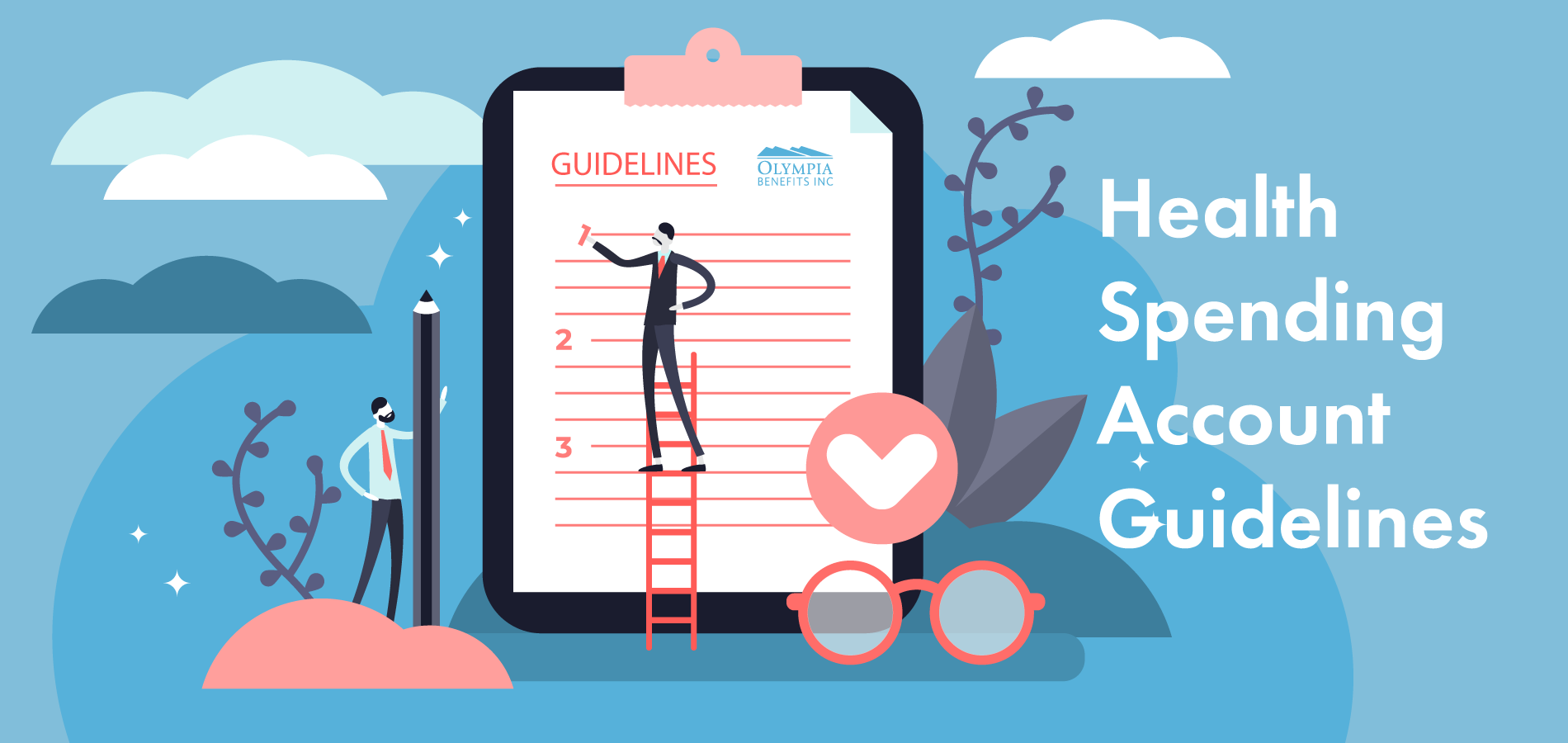
As tax season kicks off, the Internal Revenue Service is warning taxpayers and administrators of health spending plans that personal expenses for general health and wellness are not legally considered medical expenses, as it fears some may be misled.
In a press release published Wednesday, the IRS reminded individuals filing their taxes that medical expenses for areas such as weight loss are not deductible or reimbursable under health flexible spending arrangements, health savings accounts, health reimbursement arrangements or medical savings accounts, and that they should beware of companies suggesting otherwise.
“Legitimate medical expenses have an important place in the tax law that allows for reimbursements,” said Danny Werfel, the IRS commissioner, in a statement. “But taxpayers should be careful to follow the rules amid some aggressive marketing that suggests personal expenditures on things like food for weight loss qualify for reimbursement when they don’t qualify as medical expenses.”
According to the IRS, while some companies claim that a doctor’s note based on self-reported health information is enough to qualify a non-medical nutritional, wellness or exercise program as a reimbursable medical expense, that’s not the case. Legally, such a note does not back a targeted diagnosis-specific activity or treatment that would qualify as a medical expense, but simply a personal expense. Cite: Newsweek Giulia Carbonaro
Posted on March 13, 2024 by Dr. David Edward Marcinko MBA MEd CMP™
By Staff Reporters
***
***
Pharmaceutical companies have filed a slew of suits around the country to get federal judges to invalidate a government program aimed at lowering drug costs for seniors by allowing Medicare to negotiate prices, as is the norm in many other countries, according to the Washington Post. The companies argue it’s unconstitutional and would inhibit their ability to develop new treatments.
The Federal Reserve is looking for steady, reliable signs that inflation is simmering down before it cuts interest rates this year. So far, 2024 has not delivered. Data released by the Bureau of Labor Statistics on Tuesday showed prices rose 3.2 percent over last year, slightly outpacing forecasts of 3.1 percent. Prices also rose 0.4 percent in February over the previous month — in line with expectations, but still hotter than economists would like to discern.
Stocks swung up on Tuesday as investors shrugged off a middling inflation report and looked ahead to next week’s Fed meeting. Meanwhile, Oracle went sky-high, posting its best day since 2021 after demand for AI prompted a huge increase in sales for its cloud computing business.
Here’s where the major benchmarks ended:
The S&P 500® index (SPX) gained 57.33 points (1.1%) to 5,175.27; the Dow Jones Industrial Average® ($DJI) added 235.83 points (0.6%) to 39,005.49; the NASDAQ Composite® (COMP) climbed 246.36 points (1.5%) to 16,265.64.
The 10-year Treasury note yield (TNX) rose about 5 basis points to 4.155%.
The CBOE Volatility Index® (VIX) fell 1.38 to 13.84.
Chip makers’ bounce-back helped boost the Philadelphia Semiconductor Index (SOX) more than 2%, as it recovered part of a 5% drop the previous two trading days. Industry leader Nvidia (NVDA) jumped over 7%. Consumer discretionary and communications services shares were also among the strongest areas. Regional banks and real estate were among the weakest sectors as the CPI data spurred an upturn in Treasury yields.
Posted on March 12, 2024 by Dr. David Edward Marcinko MBA MEd CMP™
By Health Capital Consultants, LLC
***
***
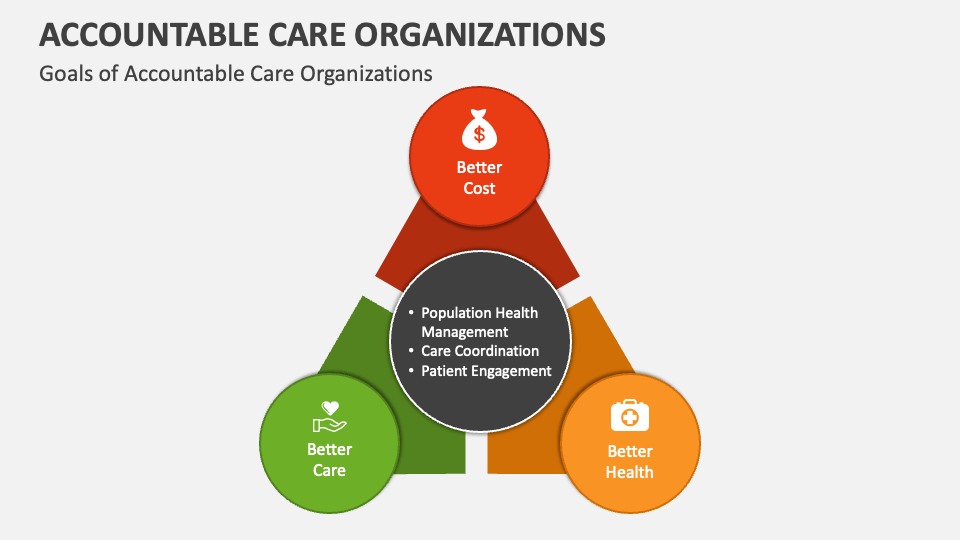
On January 29, 2024, the Centers for Medicare and Medicaid Services (CMS) announced that Performance Year 2024 participation increased in their various accountable care organization (ACO) initiatives. Specifically, 50 new ACOs joined the Medicare Shared Savings Program (MSSP), and 71 ACOs renewed their contracts, bringing the total participation in the MSSP to 480 ACOs.
Additionally, 245 organizations chose to continue participation in two other CMS models – the ACO Realizing Equity, Access, and Community Health (REACH) Model and the Kidney Care Choice (KCC) Model.
Posted on March 11, 2024 by Dr. David Edward Marcinko MBA MEd CMP™
Indications for 2024
By Health Capital Consultants, LLC
***
***
After healthcare mergers and acquisitions (M&A) activity began to regain momentum in 2022, following the slowing of deals in the wake of the COVID-19 pandemic, transactional activity continued to accelerate in 2023. While the healthcare sector continued to be impacted by factors such as valuation gaps, higher-for-longer interest rates, general macroeconomic risks, and increased state and federal regulatory concerns in 2023, the outlook for 2024 remains cautiously optimistic.
This Health Capital Topics article reviews the U.S. healthcare industry’s 2023 M&A activity and discusses what these trends may mean for 2024. (Read more…)
Posted on March 10, 2024 by Dr. David Edward Marcinko MBA MEd CMP™
By Staff Reporters
***
***
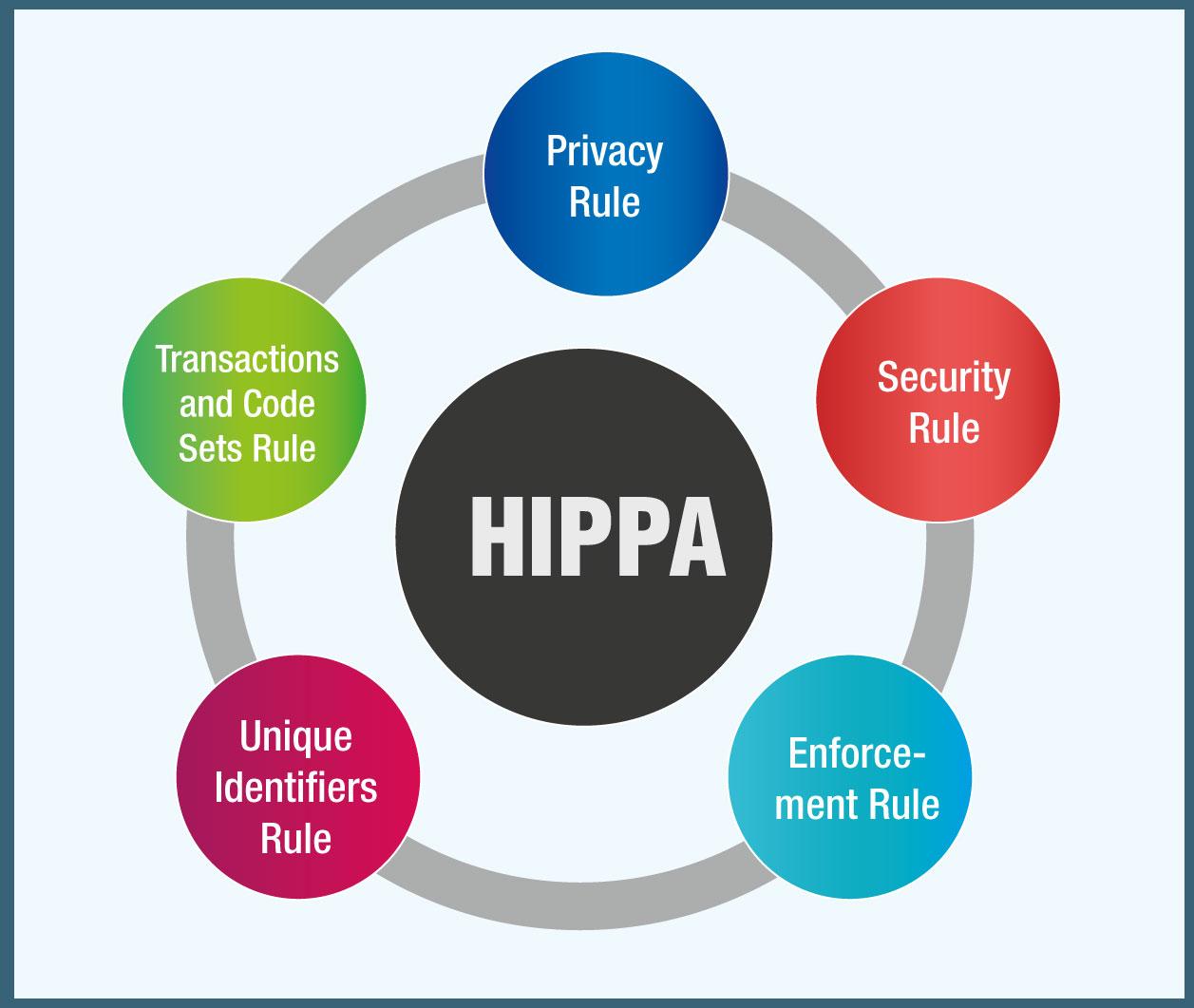
Stat: According to HIPPA, and the cyberattack on Change Healthcare, there were 725 “large” reported healthcare security breaches in the US last year. Experts say health organizations suffer from a lack of basic security measures, and are being targeted by “increasingly sophisticated cyberattacks.” (The HIPAA Journal)
Quote: “Having a [doctor] who can coordinate your healthcare and is willing to do so on a personal basis was very important to me. And I really feel like that is completely gone, and I feel like it happened overnight.”—Deborah Wood, an older adult patient at primary care provider Iora Health, where some patients say care quality has worsened after Amazon acquired its parent company One Medical in 2022 (the Washington Post)
Posted on March 8, 2024 by Dr. David Edward Marcinko MBA MEd CMP™
TO FIX THE FDA APPROVAL’S FLAW
By Staff Reporters
***
***
DEFINITION: Right-to-try laws are United States state laws and a federal law that were created with the intent of allowing terminally ill patients access to experimental therapies (drugs, biologics, devices) that have completed Phase I testing but have not been approved by the Food and Drug Administration (FDA).
This law would allow patients suffering from rare and genetic diseases to try personalized treatments not yet approved by the FDA, as long as they have the support of their physician and have exhausted other treatment options. This policy would have an outsized impact on patients with rare diseases. Although rare diseases have small patient pools by definition, collectively, about 30 million Americans are estimated to have a rare disease.
Posted on March 8, 2024 by Dr. David Edward Marcinko MBA MEd CMP™
By Staff Reporters
***
***
Stocks surged yesterday, once again pushing the S&P 500 and NASDAQ to record highs, after Fed Chair Jerome Powell said he expects interest rates to come down this year. It was also a big day for Rivian which zoomed 13% after it revealed three new vehicles.
Here’s where the major benchmarks ended:
The S&P 500 index rallied 52.60 points (1.0%) to 5,157.36; the Dow Jones Industrial Average gained 130.30 points (0.3%) to 38,791.35; the NASDAQ Composite climbed 241.83 points (1.5%) to 16,273.38.
The 10-year Treasury note yield (TNX) lost almost 2 basis points to 4.085%.
The CBOE Volatility Index® (VIX) fell 0.06 to 14.44.
Chip-maker strength boosted the Philadelphia Semiconductor Index (SOX) 3.4% to its fourth record close in the past five trading days. The index has gained 9.3% so far this month and 24% for the year. Oilfield services and communication services companies were also among the market’s strongest sectors. Small-cap shares joined the rally, boosting the Russell 2000® Index (RUT) 0.8% to a two-year high.
In other markets, the U.S. dollar index (DXY) slipped 0.5%, its fifth consecutive daily decline, and touched a five-week low. The dollar has been under pressure from expectations for lower U.S. interest rates.
Posted on March 6, 2024 by Dr. David Edward Marcinko MBA MEd CMP™
By Staff Reporters
***
***
According to Fidelity, in documents filed with the Maine attorney general’s office, miscreants “likely acquired” information about 28,268 people’s life insurance policies after infiltrating Infosys.
***
***
Criminals have probably stolen nearly 30,000 Fidelity Investments Life Insurance customers’ personal and financial information — including bank account and routing numbers, credit card numbers and security or access codes — after breaking into Infosys’ IT systems.
***
***
Healthcare providers across the United States are struggling to get paid following the week-long ransomware outage at a key tech unit of UnitedHealth Group, with some smaller medical providers saying they are already running low on cash.
And, the nation’s health-care system continues to reel from a cyberattack that has crippled payments for tens of thousands of organizations as Daniel Gilbert writes in The Post.
The S&P 500® index (SPX) dropped 52.30 points (1.0%) to 5,078.65; the Dow Jones Industrial Average decreased 404.64 points (1.0%) to 38,585.19; the NASDAQ Composite fell 267.92 points (1.7%) to 15,939.59.
The 10-year Treasury note yield (TNX) fell about 8 basis points to 4.137%.
The CBOE Volatility Index® (VIX) rose 0.97 to 14.46.
With chip makers under pressure, the Philadelphia Semiconductor Index (SOX) fell 2.1%, reversing part of a recent surge to a record high. Consumer discretionary and real estate shares also ranked among the weakest performers Tuesday. Banks were one of the few industries to buck the broader weakness, perhaps supported by further declines in Treasury yields. The 10-year Treasury note yield (TNX) almost fell to a four-week low near 4.11%. The KBW Regional Banking Index (KRX) jumped 4.3%.
In other markets, bitcoin plunged almost 10% after climbing earlier Tuesday to a record above $69,000. The cryptocurrency had rallied as much as 36% over the last week of February.
As fellow doctors, we understand better than most the more complex financial challenges physicians can face when it comes to their financial planning. Of course, most physicians ultimately make a good income, but it is the saving, asset and risk management tolerance and investing part that many of our colleagues’ struggle with. Far too often physicians receive terrible guidance, have no time to properly manage their own investments and set goals for that day when they no longer wish to practice medicine.
For the average doctor or healthcare professional, the feelings of pride and achievement at finally graduating are typically paired with the heavy burden of hundreds of thousands of dollars in student loan debt.
You dedicated countless hours to learning, studying, and training in your field. You missed birthdays and holidays, time with your families, and sacrificed vacations to provide compassionate and excellent care for your patients. Amidst all of that, there was no time to give your finances even a second thought.
Between undergraduate, medical school, and then internship and residency, most young physicians do not begin saving for retirement until late into their 20s, if not their 30s. You’ve missed an entire decade or more of allowing your money and investments to compound and work for you. When it comes to addressing your financial health and security, there’s no time to waste.
And you may be misled by unscrupulous “advisors”.
For example:
Question: Do you know the difference between a “Fee-Only” and a “Fee-Based financial advisor? Not knowing may cost you tens of thousands of dollars, or more, in excessive advisory fees.
Posted on March 4, 2024 by Dr. David Edward Marcinko MBA MEd CMP™
Spiked in 2023
By Staff Reporters
***
***
Healthcare company bankruptcies spiked in 2023 amid high interest rates, rising labor and supply costs, and an uptick in denials from payers, according to a January report from healthcare restructuring firm Gibbins Advisors.
For example, Seventy-nine healthcare companies filed for bankruptcy in 2023—the highest number since 2019, which saw 51 bankruptcies, according to the report. The volume of bankruptcies last year was nearly 2x as high as 2022 and over 3x the level seen in 2021.
“We saw a dramatic increase in healthcare bankruptcy filings in 2023, continuing the trend which began in mid-2022,” Clare Moylan, co-founder and principal at Gibbins Advisors, said in a statement. “Key observations from 2023 are the return of large bankruptcy cases with over $100 million in liabilities, and a spike in hospital filings, both of which appear to primarily be a result of Covid-19 pandemic-related protections ending.”
Posted on March 3, 2024 by Dr. David Edward Marcinko MBA MEd CMP™
By Staff Reporters
***
***
Stocks were ripping last week, with the NASDAQ notching an all-time high and the S&P 500 closing above 5,100 for the first time. Tech stocks led the way, especially Nvidia, which closed with a market cap over $2 trillion. But trouble may be brewing at regional banks:New York Community Bancorpplummeted after swapping out its CEO and revealing it had found weaknesses in its risk controls.
The IRS is going after people who earned between $400,000 and $1 million but failed to file tax returns as far back as 2017.
***
Elon Musksued OpenAI and its co-founders, CEO Sam Altman and President Greg Brockman, Friday, alleging that they breached the organization’s founding agreement by letting it become too profit-motivated.
***
The CDC says you no longer need to isolate for five days if you have COVID-19 as long as you’re fever-free and your symptoms are improving.
Posted on March 2, 2024 by Dr. David Edward Marcinko MBA MEd CMP™
By Staff Reporters
***
***
Welcome back to the Gregorian calendar. Along with being a leap day, yesterday was Rare Disease Day—bringing visibility to the 7,000 conditions that each affect fewer than 200,000 people in the US. Combined, around 10% of US residents have one, per the National Institute of Health.
***
Rite Aid is planning to close 77 stores in 2024 as part of its Chapter 11 bankruptcy.
That makes 431 stores that the drugstore chain has decided to close since October.
Rite Aid has been shrinking its store count for years, losing ground to rivals Walgreens and CVS.
The S&P 500 index added 40.81 points (0.8%) to 5,137.08, up 0.95% for the week and its seventh weekly gain in the past eight; the Dow Jones Industrial Average® (DJI) gained 90.99 points (0.2%) to 39,087.38, down 0.1% for the week; the NASDAQ Composite rose 183.02 points (1.1%) to 16,274.94, up 1.7% for the week.
The 10-year Treasury note yield fell about 7 basis points to 4.182%.
The CBOE Volatility Index® (VIX) dropped 0.29 to 13.11.
Chipmaker strength drove a 4.3% advance in the Philadelphia Semiconductor Index (SOX), which ended at a record high. The NASDAQ-100®(NDX), which includes the NASDAQ’s largest non-financial companies, also ended at a record high. Small-cap shares finished the week strong. The Russell 2000® Index (RUT) rose 1.1% to settle at a 23-month high and notched a 3% gain for the week.
Banks were among the weakest performers as concerns over regional lenders flared up, underscored by another nosedive in shares of troubled New York Community Bancorp (NYCB).
Posted on March 1, 2024 by Dr. David Edward Marcinko MBA MEd CMP™
By Staff Reporters
***
***
Cyber villains have struck again, and they’re going after the US health system. Pharmacies and hospitals nationwide are coping with a debilitating cyberattack against the prescription processor Change Healthcare, owned by America’s biggest health insurer, UnitedHealth.
The health tech company noticed the breach last week and rushed to disconnect its systems, throwing a wrench into pharmacies’ ability to dispense pills. Change Healthcare said some of its services were still on pause, and it’s unclear if any patient info was stolen.
Posted on February 29, 2024 by Dr. David Edward Marcinko MBA MEd CMP™
By Staff Reporters
HAPPY LEAP YEAR DAY
***
***
Stocks fell yesterday, while bitcoin almost touched an all-time high after surging 20% in five days as its halving approaches. UnitedHealth dipped on reports that antitrust regulators are investigating the massive insurer.
***
***
Here’s where the major benchmarks ended:
The S&P 500® index (SPX) fell 8.42 points (0.2%) to 5,069.76; the Dow Jones Industrial Average lost 23.39 points (0.1%) to 38,949.02; the NASDAQ Composite® (COMP) declined 87.56 points (0.6%) to 15,947.74.
The 10-year Treasury note yield (TNX) fell about 5 basis points to 4.264%.
The CBOE Volatility Index® (VIX) rose 0.39 to 13.82.
Regional banks and semiconductors were among the weakest performers Wednesday, and communications services and health care shares were also soft. Real estate shares bucked the weakness in many sectors to post firm gains. Food and beverage and consumer discretionary sectors also firmed. In other markets, WTI crude oil (/CL) futures rose to a three-month high at $79.62 per barrel before ending lower after the Energy Information Administration reported a rise in U.S. inventories.
Posted on February 28, 2024 by Dr. David Edward Marcinko MBA MEd CMP™
Pay for Performance Initiatives
[By Staff Writers]
Of course, consumer directed healthcare trends and fee transparency increasingly mandate physician economic accountability, such as in the P4P initiatives, but CMS may also begin profiling physicians and targeting those it deems inefficient sometime next year, as well.
In May 2007, Herbert Kuhn, acting deputy administrator of CMS, told a House subcommittee that the agency will have the data and computer capacity available to do tracking as soon as mid-2008.
To monitor efficiency, CMS would compare levels of tests physicians order for certain types of patients to tests ordered by other doctors who achieve similar outcomes. The agency would then contact the physicians whose testing patterns seem to be out of line. No doubt, the effects on private pay-for-performance [P4P] initiatives is obvious. Kuhn told the subcommittee that his largest concern was figuring out how to use the data to help physicians grow more efficient.
Assessment
To date, the agency hasn’t established plans to link efficiency measures with reimbursement changes. If it wants to do so, Congress would probably have to enact new legislation, according to several policymakers.
Conclusion
Your thoughts and comments on this ME-P are appreciated. Feel free to review our top-left column, and top-right sidebar materials, links, URLs and related websites, too. Then, subscribe to the ME-P. It is fast, free and secure.
Speaker: If you need a moderator or speaker for an upcoming event, Dr. David E. Marcinko; MBA – Publisher-in-Chief of the Medical Executive-Post – is available for seminar or speaking engagements. Contact: MarcinkoAdvisors@msn.com
OUR OTHER PRINT BOOKS AND RELATED INFORMATION SOURCES:
Posted on February 26, 2024 by Dr. David Edward Marcinko MBA MEd CMP™
By Staff Reporters
***
***
On Tuesday, February 20th, the S&P Dow Jones Indices, which oversees additions and subtractions to the highly followed Dow Jones Industrial Average, announced that, as of the start of trading on Monday, February, 26th pharmacy chain Walgreens Boots Alliance (NASDAQ: WBA) would be getting the literal boot.
Meanwhile, e-commerce kingpinAmazon (NASDAQ: AMZN) will be taking its place.
And, Redditfiled to go public last week in an IPO that will resemble the platform itself—unusual, chaotic, and reliant on its opinionated users. Planned for next month, Reddit’s public listing will be the first social media IPO since Pinterest in 2019 and the first major tech IPO of the year.
Posted on February 23, 2024 by Dr. David Edward Marcinko MBA MEd CMP™
DR. DAVID EDWARD MARCINKO MBA MEd CMP
By Staff Reporters
***
***
DEFINITION: Behavioral economics is grounded in empirical observations of human behavior, which have demonstrated that people do not always make what neoclassical economists consider the “rational” or “optimal” decision, even if they have the information and the tools available to do so.
For example, why do people often avoid or delay investing in 401ks or exercising, even if they know that doing those things would benefit them? And why do gamblers often risk more after both winning and losing, even though the odds remain the same, regardless of “streaks”?
By asking questions like these and identifying answers through experiments, the field of behavioral economics considers people as human beings who are subject to emotion and impulsivity, and who are influenced by their environments and circumstances.
***
***
The state and federal governments and health insurance companies are harnessing lessons from a still-emerging academic field of behavioral economics to nudge clients and customers into spending more money.
“Behavioral economics was developed by incorporating ideas from psychology into standard economic theories,” said Cait Lamberton, a professor of marketing at the University of Pennsylvania’s Wharton School. “If you see a deal that is available for only a short amount of time [like Medicare open enrollment periods], and thus pay more than you usually would, standard economics would say you’ve made an irrational decision. Behavioral economics says that no, what your brain is doing is responding to scarcity.”
These seemingly irrational choices are called “biases,” many of which can affect how we shop. For example, “loss aversion” makes us hypersensitive to losing money and more likely to buy something like whole life insurance for children.
The “decoy effect” makes us more likely to choose between two sub-optimal options when a third, even worse option is presented. For example, Medicare Part D providers may offer a decoy like an high costs, which may make the cheaper Medicare Part C with more [so-called] benefits look more appealing.
Most companies are well aware of these tendencies and how they drive our decisions. So to save money customers, patients and clients need to understand how the purchasing and shopping experience has been engineered to exploit our biases.
Managed care insurers have profited handsomely from Medicare Advantage plans, scoring billions in annual profits. They credit this financial wizardry to their use of sophisticated data analytics, preventative care, cost optimization, provider networks, evidence and value-based care and risk mitigation strategies. However, doctors, hospitals, and medical providers assert something else.
In fact, Medicare Advantage plans have been making headlines in 2024, but not in a positive light, at least for health insurance companies. Medicare is a government-sponsored health insurance benefit; generally for retired people aged 65 and older.
For most, the money for Medicare Part B medical insurance or Part C Medicare Advantage plans is withdrawn directly from Social Security benefits monthly, coupled with a relatively small monthly payment from the patient. Nearly half of the Medicare population is enrolled in Part C Medicare Advantage plans.
***
***
However, there have been rumblings in the medical sector between medical providers and medical insurers coming to a head. So, where do you stand?
Posted on February 21, 2024 by Dr. David Edward Marcinko MBA MEd CMP™
By Staff Reporters
***
***
Stocks fell to start the week as investors awaited Nvidia’s big earnings report today. Recent earnings for tech companies in the so-called Magnificent Seven have been a mixed bag, but as a group, they have never been stronger. Meanwhile, Intuitive Machines’s stock zoomed as its pilot less spacecraft remained on track to touch down on the lunar surface Thursday.
Here’s where the major benchmarks ended:
The S&P 500® index (SPX) fell 30.06 points (0.6%) to 4,975.51; the Dow Jones Industrial Average lost 64.19 points (0.2%) to 38,563.80; the NASDAQ Composite declined 144.87 points (0.9%) to 15,630.78.
The 10-year Treasury note yield (TNX) fell about 2 basis points to 4.275%.
The CBOE Volatility Index® (VIX) rose 0.71 to 15.42.
Nvidia shares fell 4.4%, weakness that helped drag down shares of other chip makers and contributed to a drop of 1.6% in the Philadelphia Semiconductor Index (SOX), which ended near a two-week low. Energy shares also took pressure as WTI crude oil futures (/CL) sank 1.6%. Small caps were also soft, as the Russell 2000® Index (RUT) dropped 1.4%.
Informational essays of most current interest to healthcare professionals. Check back periodically for practical updates. Our catalogue library of major books, texts, case models and dictionaries is suggested for additional financial, economic, business and medical practice management information and education.
Posted on February 19, 2024 by Dr. David Edward Marcinko MBA MEd CMP™
Get ’em … While They are Hot!
By Ann Miller RN MHA
[ME-P Executive Director]
Just click on the book icon to order; get any one or all three! You’ll be glad you did.
Speaker: If you need a moderator or speaker for an upcoming event, Dr. David E. Marcinko; MBA – Publisher-in-Chief of the Medical Executive-Post – is available for seminar or speaking engagements. Contact: MarcinkoAdvisors@msn.com
Posted on February 18, 2024 by Dr. David Edward Marcinko MBA MEd CMP™
By Staff Reporters
***
***
Nike is planning to restructure and lay off 2% of its staff, more than 1,500 people, as consumers pull back on spending.
***
If the total U.S. debt were divided by every household in the country, each household would get about $252,000, according to a September tweet from The Kobeissi Letter.
And, Jerome Powell, the Chair of the Federal Reserve, shared his concerns regarding the fiscal direction of the United States during a “60 Minutes” interview with Scott Pelley.
Powell said, “The U.S. is on an unsustainable fiscal path,” emphasizing that the growth of the national debt is outstripping the growth of the economy.
Posted on February 17, 2024 by Dr. David Edward Marcinko MBA MEd CMP™
By Staff Reporters
***
***
The CDC may update Covid-19 isolation guidelines from five days to 24 hours if an individual is fever-free without medication—standardizing the protocol for the disease with the same rule for the flu and RSV. (the New York Times)
Here’s where the major benchmarks ended:
Stocks slumped into the long weekend yesterday, snapping a five-week weekly winning streak when they fell in the wake of wholesale price data that shows inflation is probably not as tamed as the Fed would like it to be. But Coinbase gave the latest indication that the crypto winter has thawed. The crypto exchange’s stock rose after it reported its first quarterly profit in two years.
The S&P 500 index fell 24.16 points (0.5%) to 5,005.57, down 0.4% for the week; the Dow Jones Industrial Average® (DJI) lost 145.13 points (0.4%) to 38,627.99, down 0.1% for the week; the NASDAQ Composite® (COMP) declined 130.52 points (0.8%) to 15,775.65, down 1.3% for the week.
The 10-year Treasury note yield (TNX) rose over 4 basis points to 4.285%.
The CBOE Volatility Index® (VIX) rose 0.23 to 14.24.
Communications services and transportation shares were among the market’s weakest performers Friday, while energy companies firmed behind strength in crude oil futures. The small-cap Russell 2000® Index (RUT) fell 1.4% Friday but still ended the week with a gain of 1.1%, its second straight weekly advance.
Posted on February 15, 2024 by Dr. David Edward Marcinko MBA MEd CMP™
By Staff Reporters
***
***
Stocks rose yesterday after they plunged following Tuesday’s unexpectedly hot inflation report. And, investors hit the gas pedal on Uber when the company revealed it would buy back $7 billion worth of shares in its first-ever repurchase plan.
Here’s where the major benchmarks ended:
The S&P 500 index rose 47.45 points (1.0%) to 5,000.62; the Dow Jones Industrial Average® (DJI) gained 151.52 points (0.4%) to 38,424.27; the NASDAQ Composite® (COMP) added 203.55 points (1.3%) to 15,859.15.
The 10-year Treasury note yield (TNX) fell almost 5 basis points to 4.269%.
The CBOE Volatility Index® (VIX) fell 1.47 to 14.38.
Small-cap shares were among the upside leaders Wednesday as the Russell 2000® Index (RUT) surged 2.4% to erase over half of its 4% nosedive on Tuesday. Banks and semiconductors were also among the strongest sectors. Energy companies were under pressure after WTI crude oil (/CL) futures dropped 1.6% in the wake of a larger-than-expected increase in U.S. inventories.
Posted on February 13, 2024 by Dr. David Edward Marcinko MBA MEd CMP™
HAPPY MARDI GRAS
By Staff Reporters
***
***
In welcome news for physicians, a bipartisan group of senators will get to work on Medicare payment reform. The lawmakers plan to propose changes to the physician fee schedule and updates to the 2015 MACRA law.
***
Stat: $3+ billion. That’s how much restitution New York State Attorney General Letitia James is now seeking from Digital Currency Group, Genesis Global Capital, and Gemini, the crypto exchange run by the Winklevoss twins, for allegedly defrauding more than 230,000 investors, after initially suing in October (CNBC).
The S&P 500 index fell 4.77 points (0.1%) to 5,021.84; the Dow Jones Industrial Average gained 125.69 points (0.3%) to 38,797.38; the NASDAQ Composite lost 48.12 points (0.3%) to 15,942.55.
The 10-year Treasury note yield (TNX) dropped more than 1 basis point to 4.173%.
The CBOE Volatility Index® (VIX) rose 1.00 to 13.93.
Despite the mixed performance of large-cap stock indexes, several other market sectors got off to a strong start this week. Banking and retail were among the strongest performers, and the small-cap Russell 2000® Index (RUT) surged 1.8% to end at its highest level since late December.
Tech shares erased early gains, with the Philadelphia Semiconductor Index (SOX) fading to a 0.2% loss after earlier rising to a record intra-day high.
Peterson noted shares of many semiconductor companies are well into technically overbought territory, which often can lead to sharp pullbacks, though the timing of such a move is difficult to pinpoint. He cited unusually elevated Relative Strength Index (RSI) readings, at 90-plus, for two AI darlings: Arm Holdings (ARM) and Super Micro Computer (SMCI).
Posted on February 11, 2024 by Dr. David Edward Marcinko MBA MEd CMP™
By Staff Reporters
***
***
US Economists just polled by The Wall Street Journal forecast a mild 0.2% in increase in consumer prices in the first month of 2024. The inflation rate in the past 12 months would decelerate to 2.9% from a prior 3.4%. If forecasters are right, it would mark the first time the CPI has fallen below 3% in almost three years.
The drama in the report, if there’s any, is likely to come from the more closely followed core CPI that omits food and energy prices. The core rate is viewed as a better predictor of future inflation. Wall Street expects the core rate to rise 0.3% — the upper limit of what the Fed would find tolerable in the short run. The 12-month increase in the core rate could also dip to 3.7% from 3.9%.
UPS, the shipping giant, which forecast weak demand for parcel delivery in 2024, has said it plans to lay off 12,000 employees to save $1 billion in costs. It’s also mulling a sale of its Coyote brokerage unit.
This shocking announcement was made on January 30th and comes just six months after unionized UPS workers landed a “lucrative” new labor deal, which will see delivery drivers earning an average of $170,000 in annual pay and benefits by the end of the five years. “2023 was a unique, and quite candidly, difficult and disappointing year,” said UPS CEO Carol Tomé during the company’s earnings call. “We experienced declines in volume, revenue and operating profits and all three of our business segments.”
Three healthcare industry groups—America’s Health Insurance Plans (AHIP), the American Medical Association (AMA), and the National Association of Accountable Care Organizations (NAACOS)—released the 36-page playbook on July 25th, 2023. Adoption of the best practices in the playbook is voluntary; the playbook is intended to encourage the adoption of value-based care arrangements in the private sector, according to a news release from the three groups.
Under a value-based care model, providers are reimbursed based on patient outcomes rather than the quantity of services provided like in the traditional fee-for-service model. The value-based care model has been around since the late 1960s. But, widespread adoption has been slow—less than half of the primary care physicians said in a 2022 survey from the Commonwealth Fund that they had received any value-based payments.
Posted on February 10, 2024 by Dr. David Edward Marcinko MBA MEd CMP™
By Staff Reporters
***
***
Walgreens tapped Mary Langowski, a former CVS Health executive, to lead its U.S. healthcare segment. The move comes as the retail pharmacy giant looks to boost profitability in its healthcare business.
CVS Health cut its outlook for 2024 on the back of higher medical costs in the fourth quarter. The drugstore chain, which owns Aetna, joins other healthcare companies to see a spike in utilization.
Posted on February 9, 2024 by Dr. David Edward Marcinko MBA MEd CMP™
By Staff Reporters
***
***
Stat: $1.43 billion. That’s Uber’s first full-year profit since 2018. And, it’s the first time the rides hare giant has shown a profit from its operations. The company has had $30 billion in operating losses since 2016. (the Wall Street Journal)
Stocks ticked up, putting the S&P 500over the 5,000-point milestone for the first time, as more strong company earnings poured in. And, Arm soared 48% after it surprised investors with record computer chip sales.
Here’s where the major benchmarks ended:
The S&P 500 index added 2.85 points (0.1%) to 4,997.91, after briefly rising to 5,000.40, breaching the 5,000 level for the first time; the Dow Jones Industrial Average gained 48.97 points (0.1%) to 38,726.33; the NASDAQ Composite climbed 37.07 points (0.2%) to 15,793.71.
The 10-year Treasury note yield (TNX) rose more than 5 basis points to 4.154%.
The CBOE Volatility Index® (VIX) fell 0.04 to 12.79.
Semiconductor shares were among the strongest performers Thursday behind Arm Holdings (ARM), which soared 48% after the chip maker reported a better-than-expected quarter profit. The Philadelphia Semiconductor Index (SOX) gained 1.6%. Energy shares were also firm as WTI crude oil (/CL) futures surged 3.6% to a high for the month above $76 per barrel, reflecting growing concern the Middle East conflict may disrupt supplies.
Posted on February 8, 2024 by Dr. David Edward Marcinko MBA MEd CMP™
By Staff Reporters
***
***
Billionaire Michael Bloomberg is taking a swing at the healthcare staffing shortage. His philanthropy arm recently dedicated $250 million to create high schools that move grads straight into healthcare jobs. The schools plan to partner directly with big-name health systems, including Mass General Brigham and Northwell Health.
Stocks climbed as investors got good news from companies reporting their quarterly earnings, including Chipotle and Ford. NY Community Bancorp continued its wild ride since reporting surprise Q4 losses, finishing on an upward swing yesterday after reassuring investors about its liquidity and deposits—though it’s still down 31% from the beginning of the month.
Here’s where the major benchmarks ended:
The S&P 500 index rose 40.83 points (0.8%) to 4,995.06; the Dow Jones Industrial Average gained 156.00 points (0.4%) to 38,677.36; the NASDAQ Composite® (COMP) added 147.65 points (1.0%) to 15,756.64.
The 10-year Treasury note yield (TNX) rose slightly more than 2 basis points to 4.117%.
The CBOE Volatility Index® (VIX) fell 0.23 to 12.83.
Transportation shares were among the strongest performers behind gains in trucking companies like XPO, Inc. (XPO), which rallied 18% after reporting stronger-than-expected earnings before Wednesday’s open. The Dow Jones Transportation Average (DJT) rose 0.4% and hit its highest level since mid-August. Consumer discretionary and semiconductor shares also ranked among the strongest sectors.
Posted on February 7, 2024 by Dr. David Edward Marcinko MBA MEd CMP™
By Staff Reporters
***
***
Stocks rose yesterday as investors mulled earnings reports that beat expectations from companies like Palantir and Spotify. But not every company had good news to share: Snap plunged after hours when it reported less revenue than expected and said the Middle East conflict was a headwind to growth. Meanwhile, New York Community Bancorp fell to its lowest since 1997, and Moody’s downgraded it to junk.
***
Here’s where the major benchmarks ended:
The S&P 500® index (SPX) rose 11.42 points (0.2%) to 4,954.23; the Dow Jones Industrial Average® (DJI) gained 141.24 points (0.4%) to 38,521.36; the NASDAQ Composite® (COMP)added 11.32 points (0.1%) to 15,609.00.
The 10-year Treasury note yield (TNX) fell about 7 basis points to 4.089%.
The CBOE Volatility Index® (VIX) dropped 0.60 to 13.07.
Transportation shares were among the strongest performers Tuesday behind strength in United Parcel Service (UPS), which jumped 4.8% following an analyst upgrade. The Dow Jones Transportation Average (DJT) rose 2.1% to end at its highest level since late December. Energy shares also firmed as WTI Crude Oil (/CL) futures gained 1%.
Posted on February 6, 2024 by Dr. David Edward Marcinko MBA MEd CMP™
By Staff Reporters
***
***
Operating margins at not-for-profit hospitals are expected to “gradually improve” in 2024 but will still lag far behind pre-pandemic levels, according to a January report from credit rating agency Fitch Ratings.
Median operating margins for not-for-profit hospitals dipped to record lows during the pandemic, falling to 0.2% in 2022, according to the agency, which has yet to report numbers for 2023. In 2019, the median not-for-profit hospital operating margin was 2.4%, according to Moody’s.
Despite signs that margins are improving, they’re still “nowhere near” where they were pre-2020, and a “larger expense base will keep huge gains unlikely,” according to Fitch.
“2024 will not be markedly better and certainly not the V-shaped recovery we’re hoping for,” Kevin Holloran, senior director and sector head at Fitch, said in a statement.
Posted on February 5, 2024 by Dr. David Edward Marcinko MBA MEd CMP™
By Staff Reporters
***
***
As the federal government seeks to rein in drug prices, pharmaceutical companies this year have been raising prices on hundreds of name-brand drugs. A new analysis by the drug research firm 46brooklyn Research found that companies increased prices on 910 branded drugs in January, although the median increase was 4.7% – the lowest drug inflation rate in more than a decade, the analysis shows.
Whether you’re into (McDonald’s), (Disney), (Ford), (Chipotle), or paying extra for medicine (Eli Lilly), there’s an earnings report for you this week. A strong earnings season so far has helped push the major stock indexes to four straight weekly gains.
And, while Meta’s historic stock-pop hosted the headlines last week, Nvidia has quietly put together a phenomenal start to 2024. The chip-making giant added nearly $300 billion in market value in January, its biggest monthly gain ever. That’s one reason the S&P 500 is kicking off the week at a record high.
The Marcinko & Associates case study and white-paper compendium is a teaching vehicle that presents potential clients with a critical management issue that serves as a spring board to lively debate in which participants present and defend their analysis and prescriptions. The average case is 2 to 100 pages long (prose, tables, graphs, charts, spread sheets and figures, etc).
Our two main types of cases are actual “field cases” based on onsite research, and “library cases”, written from public reference sources. We also write “Marcinko & Associates “armchair cases” based entirely on our general knowledge and subject matter experience.
Unfortunately and regardless of specialty, most doctors quickly realize there are few case model guidelines available to steer them through the day-to-day management maze. One solution is to discuss best-of-breed practices with leading practitioners in order to discern what successful doctors are doing [coaching concept].
Posted on February 3, 2024 by Dr. David Edward Marcinko MBA MEd CMP™
By Staff Reporters
***
***
Anew set of rules from the Biden administration seeks to rein in private health insurance companies’ use of prior authorization – a byzantine practice that requires people to seek insurance company permission before obtaining medication or having a procedure. The cost-containment strategy often delays care and forces patients, or their doctors, to navigate opaque and labyrinthine appeals.
The S&P 500 index rose 52.42 points (1.1%) to 4,958.61, up 1.4% for the week; the Dow Jones Industrial Average gained 134.58 points (0.4%) to 38,654.42, up 1.4% for the week; the NASDAQ Composite rallied 267.31 points (1.7%) to 15,628.95, up 1.1% for the week.
The 10-year Treasury note yield (TNX) surged about 16 basis points to 4.024%.
The CBOE Volatility Index® (VIX) fell 0.04 to 13.84.
The market’s strength continued to be driven by the biggest companies, while smaller names lagged. The small-cap Russell 2000® Index (RUT) fell 0.6% Friday and posted a drop of 0.8% for the week. In other markets, the U.S. dollar index (DXY) rose 0.8%, reaching its strongest level in nearly two months, amid expectations interest rates will remain elevated, which boosted demand for dollar-denominated assets, such as Treasuries.
Posted on February 2, 2024 by Dr. David Edward Marcinko MBA MEd CMP™
By Staff Reporters
LEAP YEAR: This February month is a Leap Year. It’s stuffed with 29 days for 2024. If we didn’t have leap years, then our seasons would completely flip every ~750 years!
GROUND HOG DAY: A tradition observed in the United States and Canada on February 2nd of every year. It derives from the Pennsylvania Dutchsuperstition that if a ground hog emerges from its burrow on this day and sees its shadow, it will retreat to its den and winter will go on for six more weeks; if it does not see its shadow, spring will arrive early.
The S&P 500® index (SPX) rose 60.54 points (1.3%) to 4,906.19; the Dow Jones Industrial Average (DJI) gained 369.54 points (1.0%) to 38,519.84; the NASDAQ Composite® (COMP) added 197.63 points (1.3%) to 15,361.64.
The 10-year Treasury note fell over 10 basis points to 3.86%.
The CBOE Volatility Index® (VIX) fell 0.47 to 13.88.
Regional bank shares remained under pressure in the wake of poorly received quarterly results earlier this week from New York Community Bancorp (NYCB), which took over the failed Signature Bank in 2023. The bank’s shares fell another 11% on top of a 38% drop Wednesday while the KBW Regional Banking Index (KRX) sank 2.3% to a two-month low. The bank weakness was offset by strength in several other sectors, including retail and consumer discretionary.
Posted on February 1, 2024 by Dr. David Edward Marcinko MBA MEd CMP™
By Staff Reporters
HCSC will acquire Cigna’s Medicare Advantage, Part D, supplemental benefits and CareAllies businesses, and the parties expect the deal to close in the first quarter of 2025. And, as January exits, we enter the thick of earnings call season. This week executives at AbbVie, Cigna, and Merck—to name a few—will brief healthcare investors on how their companies fared in 2023, and provide insights on what to expect in 2024.
And, Anne Wojcicki’s billions have vanished. 23andMe’s valuation has crashed 98% from its peak and NASDAQ has threatened to delist its sub-$1 stock. Wojcicki reduced staff by a quarter last year through three rounds of layoffs and a subsidiary sale. The company has never made a profit and is burning cash so quickly it could run out by 2025.
Posted on February 1, 2024 by Dr. David Edward Marcinko MBA MEd CMP™
By Staff Reporters
***
***
Microsoft and Google rode the AI wave to huge quarters. Microsoft posted revenues of ~$62 billion in its fiscal Q2 ending Dec. 31, a year over year increase of 17.6% and ahead of analyst’s expectations. That was its best revenue growth in seven quarters, thanks to the release of new AI-enabled Office products. Meanwhile, Google reported strong results, too: Ad revenue at YouTube skyrocketed to $9.2 billion in Q4 of last year, up from below $8 billion the year before. Alphabet CEO Sundar Pichai said YouTube is “already benefiting from our AI investments and innovation.” Alphabet’s total revenue was up 13% year over year to ~$86 billion.
UPS slashed 12k jobs. The shipping giant said it will require employees to return to the office five days a week this year as it changes how it operates amid a slowdown in demand. Revenue declined in Q4, while annual sales fell 9.3% in 2023. Amazon, its biggest customer, accounted for 11.8% of revenue last year, up from the year before, as revenue from other customers declined due to lower demand and more in-store pickups, executives said. UPS is also dealing with higher labor costs due to the deal it made with the Teamsters union to avoid a strike last summer.
The IMF has the US to thank for raising its global forecast. The International Monetary Fund—the UN’s flagship financial agency—said the global economy will grow 3.1% this year, a slight increase from its projection in October. That’s largely due to the strength of the US economy, which has defied economists’ expectations, growing 3.3% in the fourth quarter of 2023. But the improved outlook was also boosted by economic stimulus in China, which has faced deflation and a real estate crisis, among other issues. Other economies, including India, Brazil, and Russia, also performed better than expected, helping to juice the IMF’s forecast.
The S&P 500® index (SPX) fell 79.32 points (1.6%) to 4,845.65; the Dow Jones Industrial Average® (DJI) lost 317.01 points (0.8%) to 38,150.30; the NASDAQ Composite® (COMP) dropped 345.89 points (2.2%) to 15,164.01, a two-week low.
The 10-year Treasury note yield (TNX) decreased nearly 9 basis points to 3.969%.
The CBOE Volatility Index® (VIX) jumped 1.03 to 14.34.
Regional banks led Wednesday’s declines after New York Community Bancorp (NYCB), which took over the failed Signature Bank last year, reported a fourth-quarter loss of $193 million, sending its shares down nearly 38%. The KBW Regional Banking Index (KRX) sank 6%. Communications services shares were also among the weakest performers. Energy companies were also under pressure as WTI Crude Oil futures (/CL) shed nearly 3%.







 Support our online development, and advance our onground research initiatives in free market economics, as we seek to showcase the brightest Next-Gen minds.
THE ME-P DISCLAIMER: Posts, comments and opinions do not necessarily represent iMBA, Inc., but become our property after submission. Copyright © 2006 to-date. iMBA, Inc allows colleges, universities, medical and financial professionals and related clinics, hospitals and non-profit healthcare organizations to distribute our proprietary essays, photos, videos, audios and other documents; etc. However, please review copyright and usage information for each individual asset before submission to us, and/or placement on your publication or web site. Attestation references, citations and/or back-links are required. All other assets are property of the individual copyright holder.
Support our online development, and advance our onground research initiatives in free market economics, as we seek to showcase the brightest Next-Gen minds.
THE ME-P DISCLAIMER: Posts, comments and opinions do not necessarily represent iMBA, Inc., but become our property after submission. Copyright © 2006 to-date. iMBA, Inc allows colleges, universities, medical and financial professionals and related clinics, hospitals and non-profit healthcare organizations to distribute our proprietary essays, photos, videos, audios and other documents; etc. However, please review copyright and usage information for each individual asset before submission to us, and/or placement on your publication or web site. Attestation references, citations and/or back-links are required. All other assets are property of the individual copyright holder.





























 The Leading Business Education Network for Doctors, Financial Advisors and Health Industry Consultants