UNICORNS: Successful Private Companies?

The Healthcare, IT AND FINANCIAL Sectors

DEFINITION: A private, non-public, company valued at more than a billion dollars.

CITE: https://www.r2library.com/Resource/Title/0826102549

Now, just five months into 2021, there were 199 new companies that reached unicorn status (a private company with a $1+ billion valuation), eclipsing the 163 companies that reached unicorn status in all of 2020, according to Crunchbase data shared with Emerging Tech Brew. And it’s not just a pandemic rebound: That figure is higher than any full-year total over the last nine years. 

***

***

Landscape lowdown 

After a 2020 full of stagnation and uncertainty, the VC scene is making up for lost time and then some. 

“Many of the concerns…that ground deal making to a halt have largely been alleviated in what many investors see as a new normal,” Joshua Chao, venture capital analyst at PitchBook told us. “We’re now seeing VCs invest in companies outside of their immediate networks and it’s just full steam ahead on deal making and fundraising.” 

Deena Shakir, partner at Lux Capital, said VCs are branching out of their traditional comfort zones to chase opportunities, leading to stiff competition and unprecedented valuations.

  • “Everyone [is] inching further upstream and downstream than their normal sweet spot,” Shakir said. “Hedge funds [are] now leading seed deals and seed funds [are] participating in growth deals.”

Why so exuberant? Blame the same Big Acceleration society underwent since Covid hit: the shift to digital. Tami Hutchinson, VP at Intel Capital, told us the pandemic-fueled digital transformation has now become “a critical must-have for all enterprises,” creating opportunities for startups to serve that need.

Health Care: Health care, financial services, and privacy and security are the most popular sectors for new $1+ billion companies, per Crunchbase. Shakir echoed that idea, saying Lux is most excited by deals at the intersections of “clinical data and AI, hardware and software, care delivery and clinical insights, [and] physical and digital security.”

More proof…

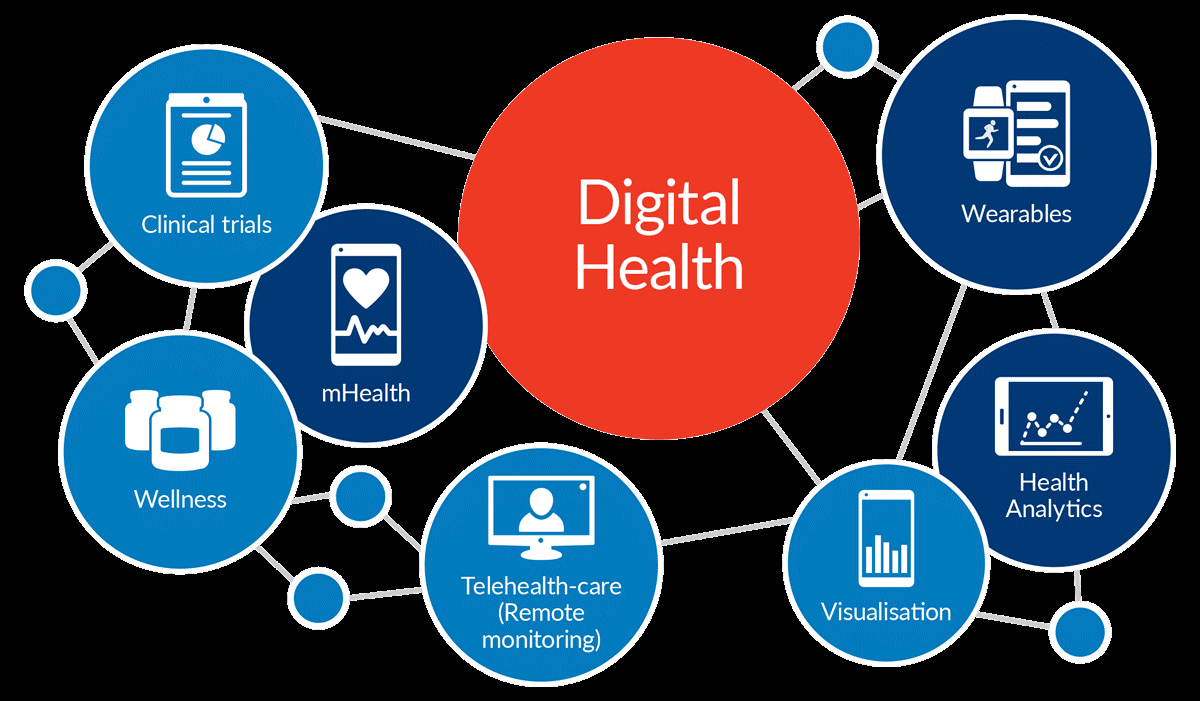
  • In Q1 2021, digital health startups amassed a record $6.7 billion in funding, on pace to eclipse the $14 billion raised in all of 2020.
  • On the fintech side, Webull, the Chinese-owned Robinhood rival, reached unicorn status in February after a $150 million funding round.
  • Israeli cybersecurity firm Wiz is an example of a fresh unicorn in the space—it was valued at $1.7 billion as of May 2021.

Looking ahead…VCs say it’s a safe bet to assume that more billion-dollar companies are on the horizon this year.

“For entrepreneurs, this is possibly one of the most founder-friendly periods we’ve seen in several years—all-time highs for valuations across the board coupled with all-time lows for deals,” Chao said.

ASSESSMENT: Your thoughts and comments are appreciated.

MORE: https://www.amazon.com/Business-Medical-Practice-Transformational-Doctors/dp/0826105750/ref=sr_1_9?ie=UTF8&qid=1448163039&sr=8-9&keywords=david+marcinko

RELATED: https://www.amazon.com/Comprehensive-Financial-Planning-Strategies-Advisors/dp/1482240289/ref=sr_1_1?ie=UTF8&qid=1418580820&sr=8-1&keywords=david+marcinko

THANK YOU

***

Biden Administration to Overhaul Vertical [Health Systems] Merger Guidelines

***

By Health Capital Consultants, LLC

***

***

Biden Administration to Overhaul Vertical Merger Guidelines

The U.S. healthcare industry has seen a rise in vertical integration transactions since the passage of the ACA, especially among physician groups integrating with health systems or insurers, as providers seek to fill gaps in their continuum of care. In response to these trends and resulting market imbalances, the Biden Administration is aggressively pursuing antitrust enforcement by updating and revising U.S. antitrust law guidance.

This Health Capital Topics article will discuss the vertical integration movement and the proposed changes to antitrust laws that may affect the future of healthcare. (Read more…) 

***

CITE: https://www.r2library.com/Resource/Title/0826102549

***

COMMENTS APPRECIATED

Thank You

RELATED: https://www.amazon.com/Financial-Management-Strategies-Healthcare-Organizations/dp/1466558733/ref=sr_1_3?ie=UTF8&qid=1380743521&sr=8-3&keywords=david+marcinko

HOSPITALS: https://www.amazon.com/Hospitals-Healthcare-Organizations-Management-Operational/dp/1439879907/ref=sr_1_4?s=books&ie=UTF8&qid=1334193619&sr=1-4

***

MEDICARE: More Bad News!

By AnneMarie Schieber

A great many physician practices already do not accept Medicare. A recent article in Healthcare News indicates that the trend will only continue.

***

***

READ: https://heartlanddailynews.com/2021/11/medicare-premium-increase-erodes-social-security-inflation-adjustment/

COMMENTS APPRECIATED

Thank You

***

DICTIONARY: https://www.amazon.com/Dictionary-Health-Insurance-Managed-Care/dp/0826149944/ref=sr_1_4?ie=UTF8&s=books&qid=1275315485&sr=1-4

FIVE CONDITIONS: Total 50% of Healthcare Financial Costs

By Staff Reporters

***

***

5 Conditions Total 50% of Healthcare Costs

 •  Cancer makes up nearly 15% of all healthcare spending with employers in the study paying $533 million for nearly 103,000 cancer claims.
 •  Musculoskeletal conditions (including joint wear, knee injuries, hip pain, etc.) makes up 13% of healthcare spending with employers spending $477 million for 317,000 musculoskeletal claims.
 •  Cardiovascular conditions (including heart rhythm issues, stroke, heart attack, and heart failure) makes up 9% of healthcare spending with employers paying $357 million towards 169,000 claims.
 •  Gastrointestinal conditions (including colitis, irritable bowel system, celiac disease, etc.) makes up 7% of healthcare spending with employers paying $284 million for 136,000 claims.
 •  Neurological conditions (including Parkinson’s disease, migraines, epilepsy, etc.) makes up 6% of total health care spending with employers paying $225 million for 240,000 claims.

Source: HAC and UHC via ACDIS, April 14, 2022

CITE: https://www.r2library.com/Resource/Title/082610254

HOSPITALS: https://www.amazon.com/Financial-Management-Strategies-Healthcare-Organizations/dp/1466558733/ref=sr_1_3?ie=UTF8&qid=1380743521&sr=8-3&keywords=david+marcinko

MANAGED CARE: https://www.amazon.com/Dictionary-Health-Insurance-Managed-Care/dp/0826149944/ref=sr_1_4?ie=UTF8&s=books&qid=1275315485&sr=1-4

***

CURRENCY: Crypto -OR- Fiat?

From Morning Brew

***

***

COMMENTS APPRECIATED

Thank You

Information Technology: https://www.amazon.com/Dictionary-Health-Information-Technology-Security/dp/0826149952/ref=sr_1_5?ie=UTF8&s=books&qid=1254413315&sr=1-5

***

HOME VALUES: Appraised vs. Assessed vs. Fair Market Value

KNOW THE THE DIFFERENCE

By Staff Reporters

***

As doctors, nurses and medical professionals try to get an idea of what their home is worth, please go into the process with the knowledge that the concept of “value” can carry a different definition depending on who’s assigning it.

***

Home Value Estimator | What Is Your House Worth?

For example:

  • Appraised value – The appraised value of your home is the number assigned to it by a professional appraiser. This value is especially important when a home buyer is getting a mortgage. The lender will typically require a professional appraisal to verify that the borrower hasn’t agreed to an unrealistic valuation.
  • Assessed value – The assessed value of your home is the figure assigned to it by the county where it’s located for property tax purposes. While an appraisal involves someone inspecting the interior and exterior of your home, assessments are often conducted in a mass approach by using pricing trends.
  • Fair market value – The fair market value of your home doesn’t involve a professional. Instead, it involves other people just like you who might be willing to pay more because they love a home or a certain neighborhood. So, for example, an appraised value might be $300,000, but a recent surge in buying activity and limited supply might motivate a buyer to go above that price. On the flip side, keep in mind that those buyers might be willing to pay less than what you believe it’s worth, too.
  • CITE: https://www.r2library.com/Resource/Title/082610254

***

MORTGAGES: https://medicalexecutivepost.com/2022/01/23/manual-mortgage-underwriting-what-is-it-really/

RENT v. BUY: https://medicalexecutivepost.com/2017/03/14/the-apartment-rent-vs-home-buy-decision/

MORTGAGE CALCULATOR: https://www.msn.com/en-us/money/personalfinance/use-this-calculator-to-find-out-how-much-house-you-really-can-afford/ar-AATkoSK?li=BBnb7Kz

***

COMMENTS APPRECIATED

Thank You

Subscribe to the Medical Executive-Post

MORE: https://www.amazon.com/Comprehensive-Financial-Planning-Strategies-Advisors/dp/1482240289/ref=sr_1_1?ie=UTF8&qid=1418580820&sr=8-1&keywords=david+marcinko

***

SURVEY: Artificial Intelligence [A.I.] in Health Care

By AMA and MCOL

***

****

JAMA: Public Views About Artificial Intelligence in Health Care

A recent JAMA survey asked “Overall, in the next 5 years, do you think AI will make health care in the United States?” The survey results were as follows:

 •  Much better: 10.9%
 •  Somewhat better: 44.5%
 •  Minimal change: 19.3%
 •  Somewhat worse: 4.3%
 •  Much worse: 1.9%
 •  Don’t know: 19%

Source: JAMA Network, May 4, 2022

***

COMMENTS APPRECIATED

Thank You

DICTIONARY: https://www.amazon.com/Dictionary-Health-Information-Technology-Security/dp/0826149952/ref=sr_1_5?ie=UTF8&s=books&qid=1254413315&sr=1-5

***

PODCAST: Employer Healthcare Priorities

By Eric Bricker MD

A Mercer Employer Survey

***

***

COMMENTS APPRECIATED

Thank You

DHIMC: https://www.amazon.com/Dictionary-Health-Insurance-Managed-Care/dp/0826149944/ref=sr_1_4?ie=UTF8&s=books&qid=1275315485&sr=1-4

MORE: https://www.amazon.com/Financial-Management-Strategies-Healthcare-Organizations/dp/1466558733/ref=sr_1_3?ie=UTF8&qid=1380743521&sr=8-3&keywords=david+marcinko

***

HEALTHCARE POLICY: Blog and Internet Sources of Gravitas

BY DR. DAVID E. MARCINKO MBA CMP®

CMP logo

SPONSOR: http://www.CertifiedMedicalPlanner.org

REFERENCES

https://mises.org/library/mayo-clinic-and-free-market

http://www.kevinmd.com/blog/2017/08/problem-free-market-health-care.html

http://www.healthsharetv.com/content/dr-zeke-emanuel-history-healthcare-reform-us

https://www.pointnurse.com/blog/do-you-have-a-healthcare-blockchain-strategy/

Not Really Insurance: The Pre-Existing Condition Debate

Learn More about Concierge Medicine

http://www.kevinmd.com/blog/2017/04/health-care-right-privilege-cant-answer.html

http://www.healthissocial.com/

http://www.msn.com/en-us/money/markets/brave-new-world-of-bitcoins-what-they-are-and-how-to-buy-them/ar-AAoWUza?li=BBnbfcN

https://www.pointnurse.com/blog/do-you-have-a-healthcare-blockchain-strategy/

http://www.kevinmd.com/blog/2017/06/golden-era-medicine-never-coming-back.html

http://mdwhistleblower.blogspot.com/2016/02/concierge-medicine-is-it-ethical-or.html

http://www.msn.com/en-us/money/healthcare/americas-health-care-crisis-is-a-gold-mine-for-crowdfunding/ar-BBCxjbU?li=BBnbfcN

http://www.msn.com/en-us/money/companies/the-company-behind-many-surprise-emergency-room-bills/ar-AAoKYCK?li=BBnbfcN

https://studymatescom.wordpress.com/

Is Healthcare a Right? A Privilege? Something Entirely Different?

http://www.kevinmd.com/blog/2017/07/moral-assassination-physicians-must-stop.html

http://www.kevinmd.com/blog/2017/01/emphasize-public-health-medical-education.html

Hobson’s Wrong Answer

Is Health Privacy a Human Right?

http://www.kevinmd.com/blog/2016/12/must-temper-unregulated-free-market-philosophy-health-care.html

http://www.kevinmd.com/blog/2017/06/slow-death-private-practices.html

A Primer For Conservatives: Health Insurance is not Really Insurance

http://www.kevinmd.com/blog/2017/06/doctors-pr-problem.html

http://www.kevinmd.com/blog/2017/06/doctors-cops-can-fight-mistrust-way.html

http://www.msn.com/en-us/health/healthtrending/did-a-1980-letter-help-spark-the-us-opioid-crisis/ar-BBBKkM4?li=BBnb7Kz

http://alertandoriented.com/

http://www.sheknows.com/health-and-wellness/articles/1030383/crowdsourcing-health-care

DIY Textbooks: https://medicalexecutivepost.com/2021/04/29/why-are-certified-medical-planner-textbooks-so-darn-popular/

INVITE DR. MARCINKO: https://medicalexecutivepost.com/dr-david-marcinkos-

CONTACT: Ann Miller RN MH

[Executive Director]

MarcinkoAdvisors@msn.com

***

UPDATE: Cuban’s Crypto, Celsius Network, JPMorgan Chase, and Job Payrolls

By Staff Reporters

***

***

Mark Cuban, the billionaire entrepreneur, has been facing a torrent of criticism for several days linked to a partnership forged with a crypto firm. Indeed, Cuban, an evangelist of the crypto industry in which he has invested, signed an agreement linking his NBA team, the Dallas Mavericks, to the crypto lender Voyager Digital last October. The contract, signed on October 28, is for five years and has a mission to promote cryptocurrencies by making coins more accessible through educational and digital programs.

Beleaguered crypto lender Celsius Network operated as a classic “Ponzi scheme,” the former head of the company’s key investment strategy alleged in a lawsuit, claiming the company used customer deposits to cover huge liabilities caused by reckless mismanagement.

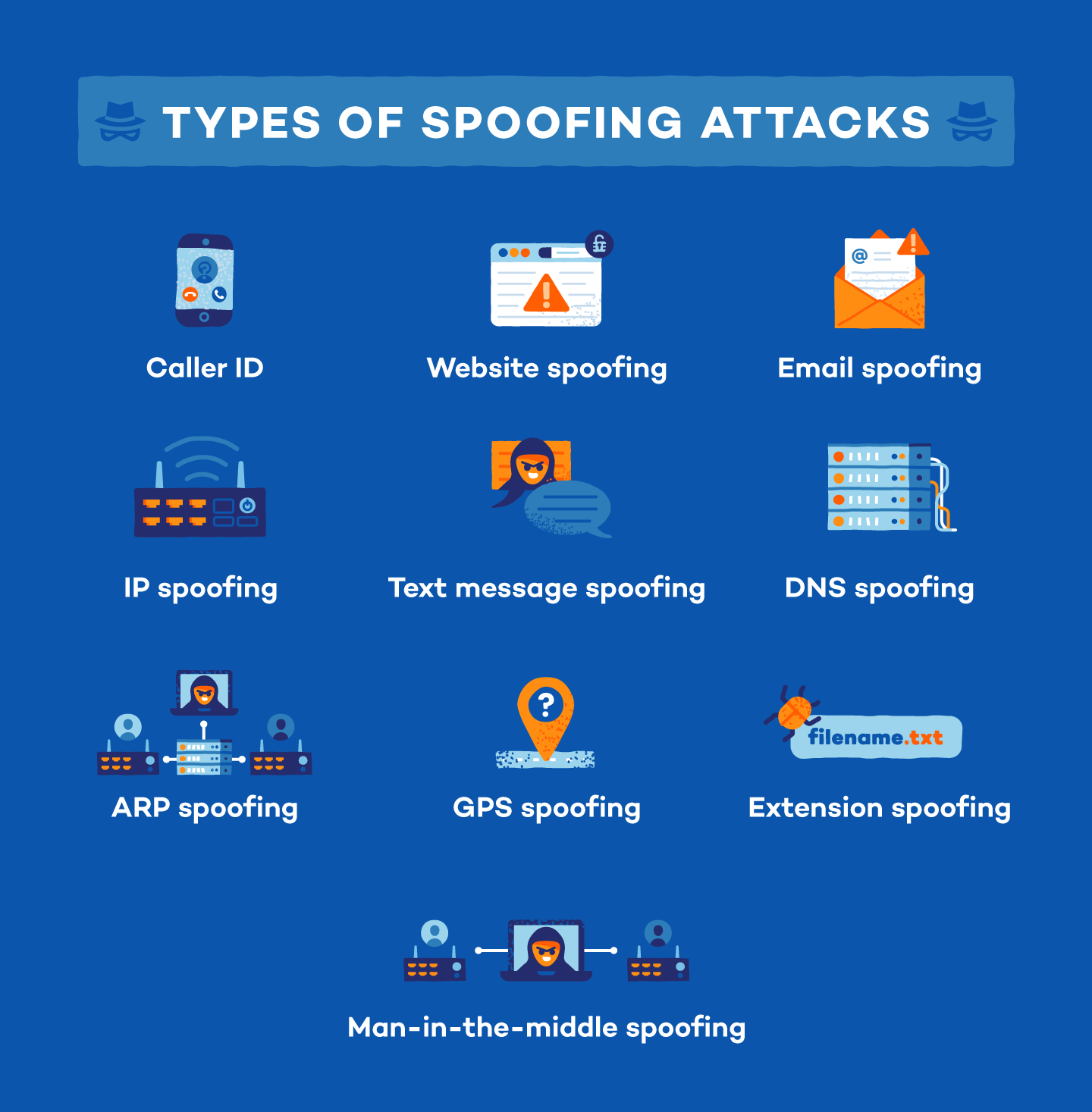
The closely watched criminal trial of three former JPMorgan Chase & Co employees just commenced, with a prosecutor saying they “ripped off” the precious metals futures market with fake orders and defense attorneys saying the orders were genuine. The bank’s former global precious metals desk head Michael Nowak, precious metals trader Gregg Smith and salesperson Jeffrey Ruffo are charged with racketeering and conspiracy in the U.S. Justice Department’s most aggressive case to date targeting the manipulative trading tactic known as spoofing.

Finally, job payrolls grew by 372,000 in June, according to the Labor Department, easing fears over a potential recession while clearing the way for another round of interest rate hikes by the Federal Reserve later this month and beyond.

***

COMMENTS APPRECIATED

Thank You

***

***

What is Financial Portfolio “DI-WORSIFICATION”

Versus Di-Versification

BUSINESS MANAGEMENT: The term “diworsification” was coined by legendary investor Peter Lynch in his book, One up on Wall Street, to describe the over-expansion of a company into new growth projects and businesses they do not fully understand and which do not align with the company’s core competencies.

See the source image

PORTFOLIO MANAGEMENT: The term diworsification has since grown to also refer to over-diversifying an investment portfolio in such a way that it reduces the overall risk-return characteristics.

ORDER CITATION: https://www.r2library.com/Resource/Title/0826102549

INVESTOPEDIA: https://www.investopedia.com/terms/d/diworsification.asp

RELATED: https://medicalexecutivepost.com/2021/05/29/modern-portfolio-theory-and-asset-correlation-not-allocation/

MORE: https://medicalexecutivepost.com/2014/11/12/the-negative-short-term-implications-of-diversification/

YOUR COMMENTS ARE APPRECIATED.

Thank You

***

UPDATE: e-Commerce & Defining the “Wealthy”

By Staff Reporters

***

***

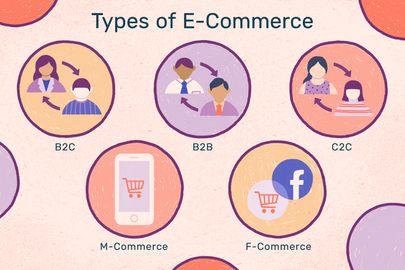
According to research from the International Monetary Fund, e-commerce went from taking up 10.3% of total global spending in 2019 to 14.9% at the height of the pandemic in 2020 before falling again to 12.2% in 2021.

***

Respondents to Schwab’s 2021 Modern Wealth Survey said a net worth of $1.9 million qualifies a person as wealthy. Indeed, the annual Schwab survey found that respondents are lowering the bar for what they consider wealthy. Compared to 2021 standards, respondents to the 2020 survey described the threshold for wealth as being a net worth of $2.6 million.

COMMENTS APPRECIATED

Thank You

***

***

AMA: Doctors Committed to Tele-Health

By AMA / MCOL

***

***

AMA: Doctors Committed to Tele-Health

 •  More than 80% said patients have better access to care since using telehealth.
 •  62% believe patients have higher satisfaction since offering telehealth.
 •  60% agreed telehealth enabled them to provide high-quality care.
 •  56% are motivated to increase telehealth use in their practices.
 •  44% indicated that telehealth decreased the costs of care.

Source: AMA, April 1, 2022

***
COMMENTS APPRECIATED

Thank You

***

***

***

UPDATE: Dollar-Euro Parity, Crude Oil and the Markets

By Staff Reporters

***

***

The Euro lost 10% versus the dollar this year and at $1.0238 EUR=EBS is close to the psychologically crucial parity point it last saw in mid-2002. It also hit new seven-year lows versus the Swiss franc and dropped against the sterling and the yen, but few observers are willing to call a bottom yet. Nomura’s analysts cut their euro/dollar target to $0.95 and said parity could be breached as soon as August. Citibank says a move to parity is “inevitable.” However, Nomura said that $0.95 was not that important historically, noting that the euro fell from $1.17 after its creation to $0.82 in October 2002. Extrapolating backwards using its legacy currencies, the euro traded as weak as $0.6444 in February 1985.

On the New York Mercantile Exchange, benchmark U.S. crude oil for August delivery fell $8.93 to $99.50 a barrel, its first dip below $100 since May 11th. Brent crude for September delivery fell $10.73 to $102.70 a barrel.

Finally, the Dow dropped 129.44 points, or 0.4%, to finish at 30,967.82; it had been down more than 700 points at its lows earlier in the session. The S&P 500 gained 6.06 points, or 0.2%, closing at 3,831.39. And, the NASDAQ Composite advanced 194.39 points, or 1.8%, to finish at 11,322.24.

***

COMMENTS APPRECIATED

Thank You

***

***

How Much Health Insurers Pay for Almost Everything Is About to Go Public

By Julie Appleby KHN

***

***

READ HERE: https://khn.org/news/article/health-insurers-price-transparency-public-rates-costs/?utm_source=pocket-newtab

***

COMMENTS APPRECIATED

Thank You

***

***

***

***

DICTIONARY: Health Economics and Finance

By Dr. David Edward Marcinko MBA CMP

CMP logo

COURTESY: http://www.CertifiedMedicalPlanner.org

***

FOREWORD

***

***
ORDER: https://www.r2library.com/Resource/Title/0826102549

***

Q1 2022 – The Entrepreneurial Digital Health Financing Boom Chills

By Phil Taylor

***

***

US digital health company investment financing experienced a dip in Q1 of 2022, dropping to $6 billion from the $6.7 billion invested in Q1 2021. In addition, the average size of each investment deal dropped from $46 million last year to just shy of $33 million. These declines come after a boom in investments in recent years. The Rock Health Digital health securities index also reflected this year’s trend, including special purpose acquisition company (SPAC) listings.

According to Phil Taylor of PharmaPhorum, “SPACs have been a popular route to public listing for digital health as well as many other sectors, but the deals have underperformed, with steep declines in share prices after they closed that has “exerted downwards pressure” on the Rock Health Digital Health Index (RHDHI).”

Read more by clicking here

SPACs: https://medicalexecutivepost.com/2021/11/12/spac-popularity-soaring-in-healthcare/

***

COMMENTS APPRECIATED

Thank You

Subscribe to the Medical Executive-Post

***

***

***

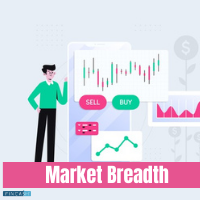
What is Stock Price BREADTH?

By Staff Reporters

***

The market is made up of thousands of stocks. And on any given day, investors are actively buying and selling them. This measure looks at the amount, or volume, of shares on the NYSE that are rising compared to the number of shares that are falling.

Link: https://medicalexecutivepost.com/2022/05/01/what-up-vix/

A low (or even negative) number is a bearish sign. The Fear & Greed Index uses decreasing trading volume as a signal for Fear.

CITE: https://www.r2library.com/Resource/Title/0826102549

The formula: Breadth Line Value= (No. of Advance Stocks – No of Decline Stocks) + Breadth Line Value of the Previous day. When the number of advance stocks exceeds the number of the decline stocks then the breadth line will rise and vice versa.

***

COMMENTS APPRECIATED

Thank You

***

***

PODCASTS: 36 Blue Cross / Blue Shield Organizations Explained

By Eric Bricker MD

By Laurence Baker MD

***

***

***

COMMENTS APPRECIATED

Thank You

***

***

IMHO @TeamCigna Should Treat their Dentists Better!

***

By Darrell Pruitt DDS

***

***

“How Is The Market Feeling About Cigna?” Spoiler – According to Benzinga insights, the market is not optimistic about Cigna’s future. Neither am I. But then, I’m only their clients’ dentist.

Link: https://www.benzinga.com/short-sellers/22/06/27888029/how-is-the-market-feeling-about-cigna

Tomorrow is my last day as a Cigna Preferred Provider .. Never Again!

***

COMMENTS APPRECIATED

Thank You

***

***

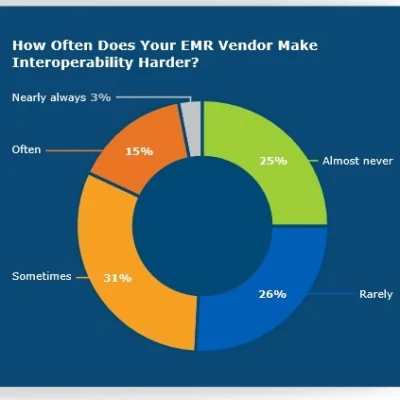
PODCAST: Healthcare I.T. Interoperability Rankings

By Eric Bricker MD

***

***

PODCAST: https://www.youtube.com/watch?v=yQSY957s_GY

***

COMMENTS APPRECIATED

Thank You

***

***

ENTREPRENEURIAL MANAGEMENT EFFICIENCY: “Slowly I Turned … Step by Step … Inch by Inch”

By Staff Writers

***

***

Venture capitalists who are in a rut should stop talking about how hard it is to raise a $100 million fund. Instead, raise a $5 million fund.

Rather, they should stop trying to invest $5 million at a time (with an 18-month window before going public). A better strategy is to start doing smaller investments with longer time horizons.

CITE: https://www.r2library.com/Resource/Title/082610254

Just like chili, low and slow is the way to maximum flavor.

READ: https://tinyurl.com/2ewwvz2c

***

COMMENTS APPRECIATED

Thank You

***

***

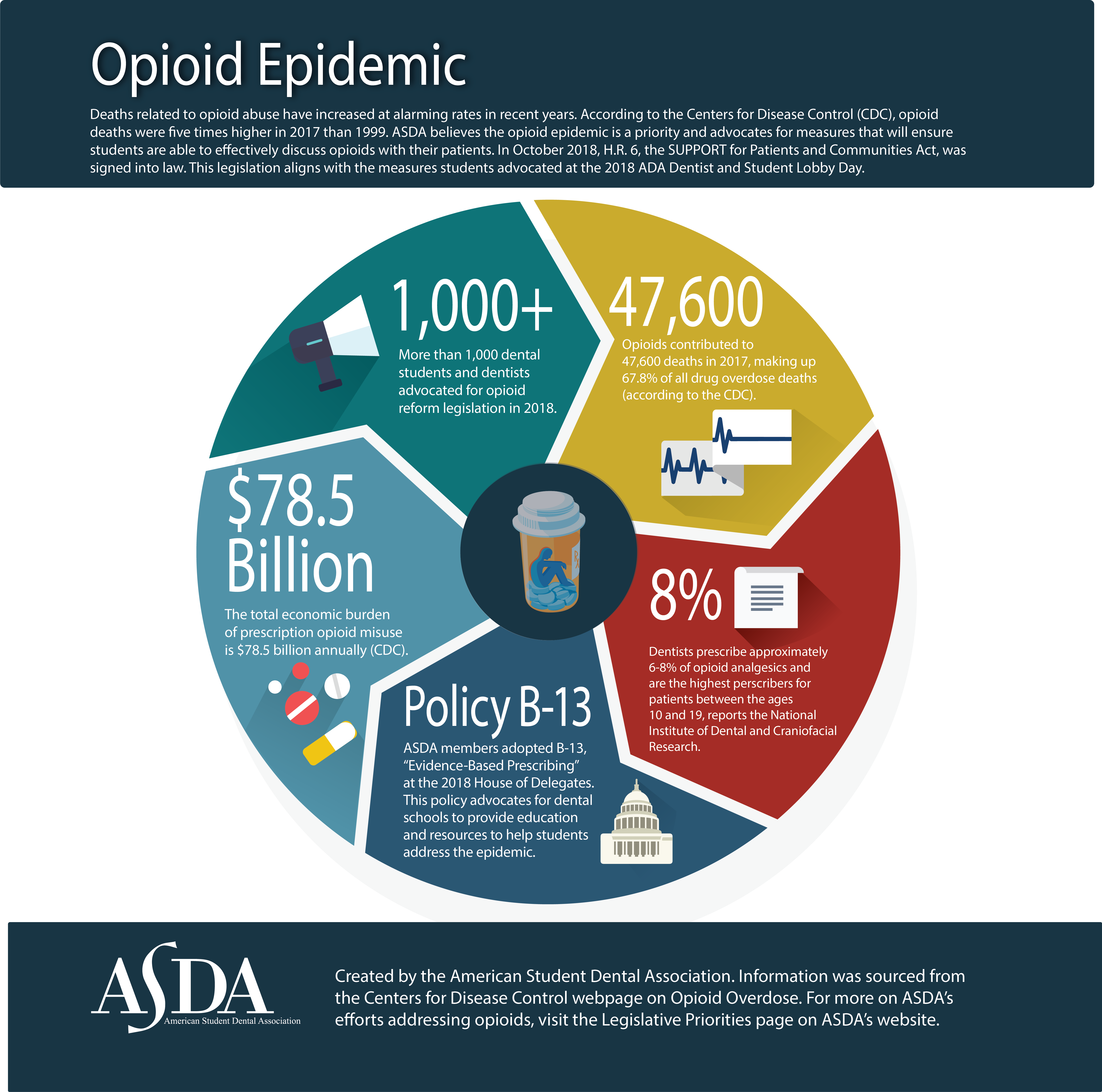
U.S. Supreme Court Sides with Doctors Challenging Opioid Convictions

***

By Nate Raymond

***

***

(Reuters) – The U.S. Supreme Court just made it harder for prosecutors to win convictions of doctors accused of running “pill mills” and excessively prescribing opioids and other addictive drugs by requiring the government to prove that defendants knew their prescriptions had no legitimate medical purpose.

READ FULL STORY: https://www.msn.com/en-us/news/us/u-s-supreme-court-sides-with-doctors-challenging-opioid-convictions/ar-AAYUg31?cvid=c26cb4159770466e984575227031e724

Related: https://medicalexecutivepost.com/2012/02/26/medical-uses-of-abused-drugs/

FAKE Rx: https://medicalexecutivepost.com/2022/05/10/fake-prescription-drug-rx-example/

***

COMMENTS APPRECIATED

Thank You

***

***

REPORT: Digital Health Technology

By Staff Reporters and MCOL

***

***

Digital Health Tech Report – 5 Key Findings

 •  48% of hospitals don’t have a strong digital health strategy.
 •  90% believe a strong digital health strategy is critical to improving outcomes, increasing productivity, and enhancing clinician satisfaction.
 •  55% receive more than 11 vendor calls and emails from digital health solution vendors per week.
 •  95% say it’s challenging to narrow down the list of digital health solutions to evaluate.
 •  25% are “very confident” that, after selecting a new digital health solution, it’s truly the best one for their unique needs.

Source: Panda Health, April 2022

***

***

***

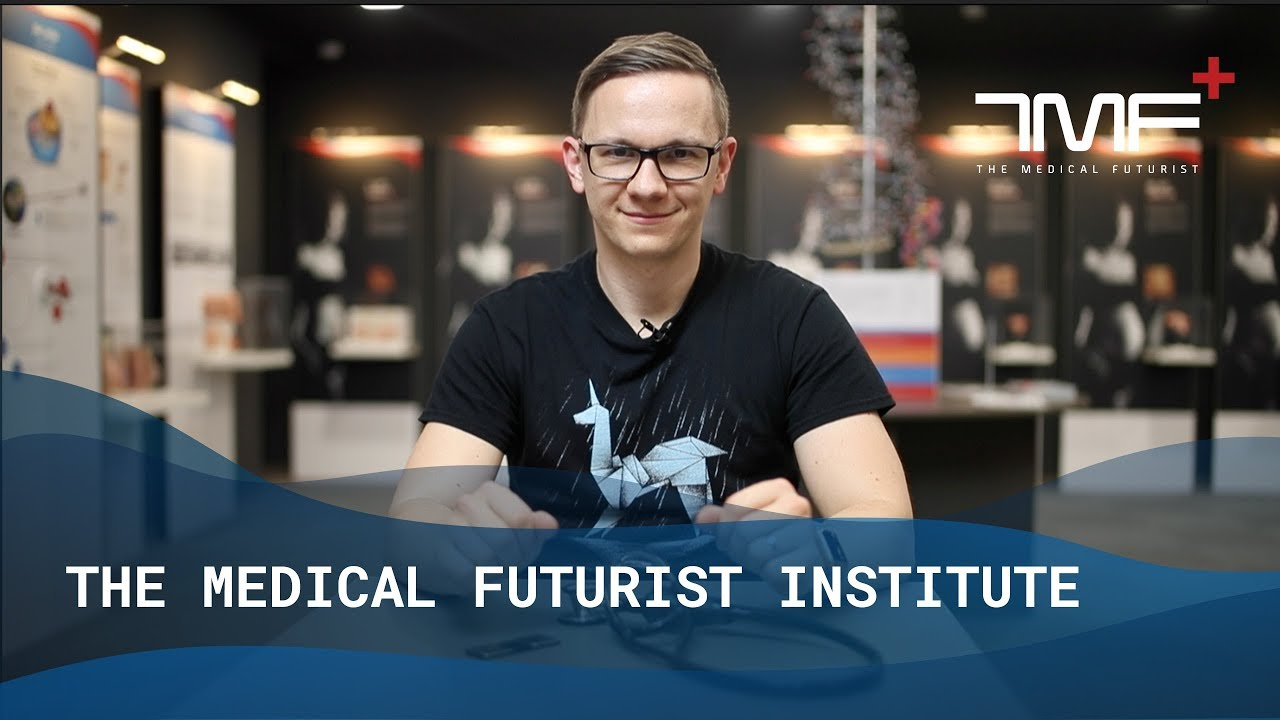
HEALTH TECH: Technology Giants?

***

Dr. Bertalan Meskó, MD PhD

***


The Medical Futurist

***

  • Google in healthcare: The search giant has repeatedly successfully transferred its in-depth knowledge of algorithms in the field of medicine, particularly since it acquired DeepMind.
  • Apple in healthcare: Apple will keep on working on expanding the health features of its devices, Apple Watch and iPhones included.
  • Microsoft in healthcare: Microsoft’s cloud solutions provide integrated capabilities that make it easier to improve the healthcare experience.
  • Amazon in healthcare: Amazon will make further use of its vast knowledge of online shopping trends and behavior and will keep on providing what people need, from medicine to wearables.
  • IBM in healthcare: IBM has a lot to offer in federated learning, blockchain, and quantum computing
  • Nvidia in healthcare: NVIDIA seems incredibly focused on its approach to healthcare. We can expect NVIDIA to be a leader in the use of artificial intelligence in healthcare
  • Facebook in healthcare: The Metaverse developed by Facebook/Meta has incredible potential to revolutionize healthcare.

***

COMMENTS APPRECIATED

Thank You

***

***

UPDATE: Market Predictions and the Global Economy?

By Staff Reporters

***

***

  • Predictions: The stock market could surge 7% this week as quarter-end re-balancing leads to a buying spree in equities, according to JPMorgan. The bank expects re-balancing trades to favor equities after a year-to-date decline of nearly 20%. “Next week’s re-balance is important since equity markets were down significantly over the past month, quarter and six-month time periods.”
  • Markets: With the S&P having plunged nearly 18% this year, expect W. Buffett to preach the value of value stocks (aka steady, non-flashy public companies). By one measure, they’re on track to beat growth stocks by the widest margin in more than two decades, according to the WSJ.
  • Global economy: Russia defaulted on its foreign-currency sovereign debt for the first time since the Bolshevik Revolution in 1918 after failing to pay bondholders $100 million worth of interest by the end of a 30-day grace period. The default marks the beginning of a complex legal journey for bondholders, but it’s not expected to have any major consequences for the Russian economy, which has already been battered by Western sanctions.

CITE: https://www.r2library.com/Resource/Title/0826102549

***

COMMENTS APPRECIATED

Thank You

***

***

What is Techno SCAM-BAITING?

BY ANONYMOUS

SPONSOR: http://www.CertifiedMedicalPlanner.org

CMP logo

Scam-Baiting Behind the Scenes

The most basic form of scambaiting sets out to waste a scammer’s time. At a minimum, scambaiters attempt to make scammers answer countless questions or perform pointless and random tasks. By keeping a scammer busy, scambaiters claim they’re preventing the scammer from defrauding a real victim.

Scambaiting may also be conducted with a specific purpose in mind. Sometimes scambaiters attempt to obtain an offender’s bank account information, for instance, which they then report to a financial institution. But there are other, less benevolent motives in the scambaiting community.

Thousands of scambaiters are organised on the 419eater forum, which describes itself as the “largest scambaiting community on earth”, with over 1.7 million forum threads. The forum was first established in 2003 to tackle the growing issue of 419 emails – a scam that promises people huge sums of cash in return for a small upfront fee.

419eater provides a particularly interesting case study because members are incentivised and rewarded for their scambaits through a unique system of icons, regarded as trophies, that they can obtain in their profile’s signature lines.

***

Romance Scam : Find Out How We Uncovered This Chinese Scam

***

MORE: https://www.theguardian.com/technology/2021/oct/03/who-scams-the-scammers-meet-the-amateur-scambaiters-taking-on-the-crooks?utm_source=pocket-newtab

Healthcare: https://www.scamwatch.gov.au/types-of-scams/buying-or-selling/health-medical-products

Medical Insurance: https://www.reddit.com/r/scambait/comments/jsgffx/just_got_a_scam_call_to_sign_me_up_for_bogus/

YOUR COMMENTS ARE APPRECIATED.

***

THANK YOU

***

What is Stock Price STRENGTH

By Staff Reporters

A few big stocks can skew returns for the market. It’s important to also know how many stocks are doing well versus those that are struggling. This shows the number of stocks on the NYSE at 52-week highs compared to those at 52-week lows.

When there are many more highs than lows, that’s a bullish sign and signals Greed.

CITE: https://www.r2library.com/Resource/Title/0826102549

Now; Relative Price Strength (RPS) compares the price trend of a stock to the market.

An RPS > 1 indicates that the stock outperformed the market, an RPS < 1 indicates that the stock underperformed the market, and an RPS = 1 indicates that the stock performed on par with the market.

RPS can be misleading as it uses historical data and does not take into account risk.

***

COMMENTS APPRECIATED

Thank You

***

***

Mutual Fund Terms and Definitions for Physicians

A “Need-to-Know” Glossary for all Medical Professionals

http://www.HealthDictionarySeries.org

HDS

[ME-P Staff Writers] 

ADV: A two-part form filed by investment advisors who register with the Securities and Exchange Commission (SEC), as required under the Investment Advisers Act. ADV Part II information must be provided to potential investors and made available to current investors.

Alpha: A measure of the amount of a portfolio’s expected return that is not related to the portfolio’s sensitivity to market volatility. A benchmark that uses beta as a measure of risk, a benchmark and a risk free rate of return (usually T-bills) to compare actual performance with expected performance.

For example, a fund with a beta of .80 in a market that rises 10% is expected to rise 8%.

If the risk-free return is 3%, the alpha would be –.6%, calculated as follows: (Fund return – Risk-free return) – (Beta x Excess return) = Alpha   (8% – 3%) – [.8 × (10% – 3%)] = (–) .6%   

Note: A positive alpha indicates out-performance while a negative alpha means underperformance. 

Asset allocation: Strategic asset allocation refers to the long-term targets for allocation of a percentage of a portfolio among different asset classes. In contrast, tactical asset allocation refers to short-term targets.

Average maturity: The average weighted maturity of the bonds in a portfolio providing an indication of interest rate risk.

Benchmark: An index, managed portfolio, or fund used to compare performance characteristics with the targeted portfolio or fund.

Beta: A statistically computed measure of the portfolio’s relationship to changes in market value. If, compared to the S&P 500, a fund has a beta of .80; it is expected to underperform a rising market by 20% and outperform a falling market by 20%. 

Bond: Publicly traded debt instruments that are issued by governments and corporations. The issuer agrees to pay a fixed amount of interest over a specified time period and to repay the principal at maturity.

Closed-end mutual fund: An investment company that registers shares in accordance with SEC regulations and is traded in securities markets at prices determined by investments. 

Diversification: Buying a number of different investment vehicles to protect against default of a single vehicle, thereby reducing the risk of the portfolio.

Duration: A more technical calculation of interest rate risk exposure that uses the present value of expected cash flows to be returned to the bond holder over the term of the bond. 

Fundamental analysis: An analysis of a company’s stock that focuses on the economic environment, the industry the company is in, and the company’s financial situation and operating results.

Mutual fund: A regulated investment company that manages a portfolio of securities for its shareholders.

Net asset value (NAV): The value of fund assets fewer liabilities divided by outstanding shares. 

Open-end mutual fund: An investment company that invests money in accordance with specific objectives on behalf of investors. Fund assets expand or contract based on investment performance, new investments and redemptions.

Portfolio manager: The person(s) who is/are responsible for managing the portfolio in accordance with the objectives dictated by an investor or a fund’s prospectus.

Prospectus: A disclosure document filed with the SEC and made available to prospective and current investors. The prospectus covers sales charges, expenses, investment objectives and restrictions, management fees, financial highlights, and other information. 

R-squared (R2): Relationship of a fund or portfolio’s performance to a benchmark index.

For example, a fund R-squared of .5 means only 50% of its return is explained by the index. Other factors are responsible for the balance of performance. 

SEC yield: A standardized calculation of yield over a 30-day period, sometimes quoted as the “30-day yield.” It takes into account yield-to-maturity rather than current dividends. 

Standard deviation: A statistic that looks at a series of returns and expresses the average deviation from the mean return.

Statement of additional information: A disclosure document filed with the SEC that supplements the prospectus. It is made available to investors upon request. 

Technical analysis: An analysis that focuses on trends in financial markets generally.

For example, a technical analyst may view an entire industry’s group of stocks to be declining. Although the analyst may be correct about the group of stocks as a whole, there may be exceptions represented by specific, individual companies.

Total return: The combination of investment return from income, such as dividends and interest, and appreciation or depreciation in the value of the investment (Income returns plus capital return.) 

Turnover: Under SEC rules, a figure computed that indicates how often securities in the portfolio are bought and sold. For example, if turnover is 100% over a one-year period, the securities (on average) were replaced once. 

12b-1 fee: The maximum annual fee payable from fund assets for distribution and sales costs as allowed by the SEC. 

MORE: Glossary Terms Ap 3

Library

https://www.amazon.com/Comprehensive-Financial-Planning-Strategies-Advisors/dp/1482240289/ref=sr_1_1?ie=UTF8&qid=1418580820&sr=8-1&keywords=david+marcinko

SURVEY: Primary Care Doctor Trust or NOT?

By Staff Reporters

***

***

75% Trust Their Primary Care Physicians

 •  Primary care physicians: 75%
 •  Specialty care physicians: 66%
 •  Pharmacies: 59%
 •  Hospitals and clinics: 58%
 •  Health insurance company: 51%
 •  Government: 24%

Source: Health Sparq, “2022 Annual Consumer Sentiment Benchmark Report,” January 2022

***

COMMENTS APPRECIATED

Thank You

***

https://www.amazon.com/Dictionary-Health-Insurance-Managed-Care/dp/0826149944/ref=sr_1_4?ie=UTF8&s=books&qid=1275315485&sr=1-4

***

The Real Economic Business Cycle?

REALLY?

By Dr. David Edward Marcinko MBA

***

The business cycle is also known as the economic cycle and reflects the expansion or contraction in economic activity. Understanding the business cycle and the indicators used to determine its phases may influence investment or economic business decisions and financial or medical planning expectations. 

Although often depicted as the regular rising and falling of an episodic curve, the business cycle is very irregular in terms of amplitude and duration. Moreover, many elements move together during the cycle and individual elements seldom carry enough momentum to cause the cycle to move.  

However, elements may have a domino effect on one another, and this is ultimately drives the cycle, too.  We can also have a large positive cycle, coincident with a smaller but still negative cycle, as may be seen in the current healthcare climate of today. 

  1. First Phase: Trough to Recovery (service and production driven)

Scenario: A depressed GNP leads to declining industrial production and capacity utilization. Decreased workloads result in improved labor productivity and reduced labor (unit) costs until actual producer (wholesale) prices decline. 

  1. Second Phase: Recovery to Expansion (patient and consumer driven)

Scenario: CPI declines (due to reduced wholesale prices) and consumer real income rises, improving consumer sentiment and actual demand for consumer goods. 

  1. Third Phase: Expansion to Peak (service and production driven)

Scenario: GNP raises leading to increased industrial production and capacity utilization. But, labor productivity declines and unit labor costs and producer (wholesale) prices rise. 

  1. Fourth Phase: Peak to Contraction (patient and consumer driven)

Scenario: CPI rises making consumer real income and sentiment erode until consumer demand, and ultimately purchases, shrink dramatically.  Recessions may occur and economists have an alphabet used to describe them.  

For example, with a “V” graph shape, the drop and recovery is quick. For a “U” shaped graph, the economy moves up more sluggishly from the bottom. A “W” is what you would expect: repeated recoveries and declines. An “L” shaped recession describes a prolonged dry economic spell or even depression.

And now, the REAL Cycle?

MORE: https://etonomics.com/2021/11/09/real-business-cycle-theory/

***

COMMENTS APPRECIATED

Thank You

***

***

e-Prescriptions for Dentists?

By Darrell K. Pruitt DDS

***

***

Some say e-prescriptions are a swell idea for dentists!

“Over 70% of organizations suffered two or more ransomware attacks in the past 12 months – According to the data presented by the Atlas VPN team based on a Veeam 2022 Ransomware Trends Report, 73% of organizations suffered two or more ransomware attacks in the past 12 months. The majority — 44% of ransomware infections entered through phishing emails, links, and websites. In total, 35% of organizations experienced two ransomware attacks, nearly a quarter (24%) endured three, close to a fifth (9%) of companies had four, and 4% went through five. Meanwhile, 1% of organizations suffered six or more ransomware attacks in the past 12 months. The remaining 27% of organizations faced only one ransomware attack.” By Acrofan, June 15, 2022.
https://us.acrofan.com/detail.php?number=679260

“Why Ransomware Extortion is a Threat – In a typical ransomware extortion scheme, files are not only encrypted, but are also copied and exfiltrated from the network. Then, when the time comes to demand payment, hackers also say that if the business doesn’t meet their ransom demands within a given timeframe, they will publish the stolen files, or undertake some other activity to harm the business, such as a DDoS attack. This is known as double, or even triple extortion, with threats to release confidential information to the public, disrupt internet access or inform customers, shareholders or other partners about the incident unless they pay the ransom. It puts more pressure on businesses to make a quick decision, boosts the odds of criminals getting a big payout and increases the number of risks firms are exposed to, so this type of ransomware is something every firm should be concerned about.” By Brenda Robb for Security Boulevard on June 15, 2022.
https://securityboulevard.com/2022/06/why-ransomware-extortion-is-a-threat/

It is also worth noting that if a dentist suffers a ransomware attack, HIPAA demands that all affected patients be notified that their identities might have been breached and might show up on the internet. If the breach involves 500 or more records, a description of the incident must be reported in the local media. This could easily bankrupt a practice even before the ransom is paid. What’s more, from the increasing numbers of data breaches that are occurring, one can surmise that dentists are not obeying the law … not yet.

***

COMMENTS APPRECIATED

Thank You

***

***

PODCAST: Roadmap to a High Performance Employee Health Plan

By Eric Bricker MD

***

***

COMMENTS APPRECIATED

Thank You

***

CITE: https://www.r2library.com/Resource/Title/082610254

***

***

SURVEY: Medicare Part C Plan Enrollment

By Staff Reporters

***

***

Total Medicare Advantage Enrollment 2016-2021

 •  2016: 18M
 •  2017: 19M
 •  2018: 20M
 •  2019: 22M
 •  2020: 24M
 •  2021: 26M

Source: OIG, “Some Medicare Advantage Organization Denials of Prior Authorization Requests Raise Concerns About Beneficiary Access to Medically Necessary Care,” April 2022

***

COMMENTS APPRECIATED

Thank You

***

***

***

Great Depression versus Great Recession [A Voting Opinion Poll]

Join Our Mailing List

Yesterday versus Today?

The Great Depression is often compared to the 2001-08  Great Recession. There are some interesting facts when comparing the Great Depression to the Great Recession. It may even be considered scary when laid out directly in front of you.

The cause of the Great Depression was because people were borrowing too much money, unlike the Great Recession where the banks were lending too much money irresponsibly. Don’t forget that what was once a recession turned into the Great Depression because of unemployment rates reaching 25%, bank failures covering half of all banks, and more.

Both Roosevelt and Obama have used “wall street bankers” as a scapegoat.

***

***

View more interesting facts about the Great Depression and Recession by viewing this infographic presented by Payday Loan.

Assessment

Do you think we are going into another Great Depression in 2022?

Conclusion

Your thoughts and comments on this ME-P are appreciated. Feel free to review our top-left column, and top-right sidebar materials, links, URLs and related websites, too. Then, subscribe to the ME-P. It is fast, free and secure.

Link: http://feeds.feedburner.com/HealthcareFinancialsthePostForcxos

Speaker: If you need a moderator or speaker for an upcoming event, Dr. David E. Marcinko; MBA – Publisher-in-Chief of the Medical Executive-Post – is available for seminar or speaking engagements. Contact: MarcinkoAdvisors@msn.com

OUR OTHER PRINT BOOKS AND RELATED INFORMATION SOURCES:

***

Risk Management, Liability Insurance, and Asset Protection Strategies for Doctors and Advisors: Best Practices from Leading Consultants and Certified Medical Planners™8Comprehensive Financial Planning Strategies for Doctors and Advisors: Best Practices from Leading Consultants and Certified Medical Planners™

***

Product DetailsProduct DetailsProduct Details

PODCAST: Hospital SUPPLY CHAIN Status

By Staff Reporters

***

Hospital Supply Chain Optimization Status: Survey Results

A recent survey from Syft of 100 hospital and supply chain leaders found:

 •  65% said better supply chain management could improve margins by 1-3%, with 23% of respondents believing margins can improve by more than 3%.
 •  94% agreed that supply chain analytics can reduce supply chain costs. 76% said it can improve quality.
 •  24% said their organizations identify supply standardization opportunities very well.
 •  32% said it would cost their organizations more than $500,000 annually to meet new supply chain regulations like California Assembly Bill 2357.

Source: Syft via. PRNewswire, December 8, 2021

***

PODCAST: https://medicalexecutivepost.com/2021/08/04/podcast-medical-supply-chain-management/

COMMENTS APPRECIATED.

***

MORE: https://www.amazon.com/Hospitals-Healthcare-Organizations-Management-Operational/dp/1439879907/ref=sr_1_4?s=books&ie=UTF8&qid=1334193619&sr=1-4

***

HOSPITALS https://www.amazon.com/Financial-Management-Strategies-Healthcare-Organizations/dp/1466558733/ref=sr_1_3?ie=UTF8&qid=1380743521&sr=8-3&keywords=david+marcinko

***

THANK YOU

UPDATE: The Markets, Gasoline, Recession and the Bear

By Staff Reporters

***

***

For the domestic markets, the S&P 500 closed down 151 points, or 3.88%. It’s down nearly 22% since January. The Dow was down 876 points (2.79%) and the NASDAQ dropped 530 points (4.68%). And, investors were disappointed to learn that inflation is moving in the wrong direction. U.S. consumer prices surged 8.6% year-over-year in May, to a fresh 40-year high, led by higher prices for energy, food and housing.

For the first time in history, a gallon of regular gasoline now costs $5 on average nationwide, according to AAA, and experts predict gas prices could average $6 a gallon by August.

Moreover, nearly 70% of leading economists expect the US to tumble into a recession as the country grapples with inflation. In a Financial Times poll, the bulk of economists said they expect a recession to be declared in the first half of 2023. The poll comes after US inflation soared to 8.6% in May, outstripping economists’ expectations and piling the pressure on the Fed.

Finally, S&P Global says a 20% decline in the S&P 500 on a closing basis from its previous peak is all it takes to define a bear market. Which means that this bear market is already more than five months old, since the S&P 500 all-time high came on January 3rd, 2022.

***

***

COMMENTS APPRECIATED

Thank You

***

***

What is an [Famous] ECONOMIST?

The Top 15 Most Famous?

By Staff Reporters
***

***

15 Famous Economists and Their Contributions That’ll Truly Amaze You

According to Wikipedia, an economist is a professional and practitioner in the social science discipline of economics. The individual may also study, develop, and apply theories and concepts from economics and write about economic policy. Within this field there are many sub-fields, ranging from the broad philosophical theories to the focused study of minutiae within specific markets, macroeconomic analysis, microeconomic analysis or financial statement analysis, involving analytical methods and tools such as econometrics, statistics, economics computational models, financial economics, mathematical finance and mathematical economics.

CITE: https://www.r2library.com/Resource/Title/082610254

***

The Famous 15

READ: https://historyplex.com/famous-economists

***

COMMENTS APPRECIATED

Thank You

***

***

How [DOCTORS] Construct Investment Portfolios That Protect Them

***

ASK AN ADVISOR

***

Vitaliy N. Katsenelson, CFA - YouTube

By Vitaliy N. Katsenelson, CFA

***

Question: How do you construct investment portfolios and determine position sizes (weights) of individual stocks?

I wanted to discuss this topic for a long time, so here is a very in-depth answer.
CITE: https://www.r2library.com/Resource/Title/082610254

Answer
For a while in the value investing community the number of positions you held was akin to bragging on your manhood– the fewer positions you owned the more macho an investor you were. I remember meeting two investors at a value conference. At the time they had both had “walk on water” streaks of returns. One had a seven-stock portfolio, the other held three stocks. Sadly, the financial crisis humbled both – the three-stock guy suffered irreparable losses and went out of business (losing most of his clients’ money). The other, after living through a few incredibly difficult years and an investor exodus, is running a more diversified portfolio today.

Under-diversification: Is dangerous, because a few mistakes or a visit from Bad Luck may prove to be fatal to the portfolio.

On the other extreme, you have a mutual fund industry where it is common to see portfolios with hundreds of stocks (I am generalizing). There are many reasons for that. Mutual funds have an army of analysts who need to be kept busy; their voices need to be heard; and thus their stock picks need to find their way into the portfolio (there are a lot of internal politics in this portfolio). These portfolios are run against benchmarks; thus their construction starts to resemble Noah’s Ark, bringing on board a few animals (stocks) from each industry. Also, the size of the fund may limit its ability to buy large positions in small companies.

There are several problems with this approach. First, and this is the important one, it breeds indifference: If a 0.5% position doubles or gets halved, it will have little impact on the portfolio. The second problem is that it is difficult to maintain research on all these positions. Yes, a mutual fund will have an army of analysts following each industry, but the portfolio manager is the one making the final buy and sell decisions. Third, the 75th idea is probably not as good as the 30th, especially in an overvalued market where good ideas are scarce.

Then you have index funds. On the surface they are over-diversified, but they don’t suffer from the over-diversification headaches of managed funds. In fact, index funds are both over-diversified and under-diversified. Let’s take the S&P 500 – the most popular of the bunch. It owns the 500 largest companies in the US. You’d think it was a diversified portfolio, right? Well, kind of. The top eight companies account for more than 25% of the index. Also, the construction of the index favors stocks that are usually more expensive or that have recently appreciated (it is market-cap-weighted); thus you are “diversified” across a lot of overvalued stocks.

If you own hundreds of securities that are exposed to the same idiosyncratic risk, then are you really diversified?

Our portfolio construction process is built from a first-principles perspective. If a Martian visited Earth and decided to try his hand at value investing, knowing nothing about common (usually academic) conventions, how would he construct a portfolio?

We want to have a portfolio where we own not too many stocks, so that every decision we make matters – we have both skin and soul in the game in each decision. But we don’t want to own so few that a small number of stocks slipping on a banana will send us into financial ruin.

In our portfolio construction, we are trying to maximize both our IQ and our EQ (emotional quotient). Too few stocks will decapitate our EQ – we won’t be able to sleep well at night, as the relatively large impact of a low-probability risk could have a devastating impact on the portfolio. I wrote about the importance of good sleep before (link here). It’s something we take seriously at IMA.

Holding too many stocks will result in both a low EQ and low IQ. It is very difficult to follow and understand the drivers of the business of hundreds of stocks, therefore a low IQ about individual positions will eventually lead to lower portfolio EQ. When things turn bad, a constant in investing, you won’t intimately know your portfolio – you’ll be surrounded by a lot of (tiny-position) strangers.

Portfolio construction is a very intimate process. It is unique to one’s EQ and IQ. Our typical portfolios have 20–30 stocks. Our “focused” portfolios have 12–15 stocks (they are designed for clients where we represent only a small part of their total wealth). There is nothing magical about these numbers – they are just the Goldilocks levels for us, for our team and our clients. They allow room for bad luck, but at the same time every decision we make matters.

Now let’s discuss position sizing. We determine position sizing through a well-defined quantitative process. The goals of this process are to achieve the following: Shift the portfolio towards higher-quality companies with higher returns. Take emotion out of the portfolio construction process. And finally, insure healthy diversification.

Our research process is very qualitative: We read annual reports, talk to competitors and ex-employees, build financial models, and debate stocks among ourselves and our research network. In our valuation analysis we try to kill the business – come up with worst-case fair value (where a company slips on multiple bananas) and reasonable fair value. We also assign a quality rating to each company in the portfolio. Quality is absolute for us – we don’t allow low-quality companies in, no matter how attractive the valuation is (though that doesn’t mean we don’t occasionally misjudge a company’s quality).

The same company, at different stock prices, will merit a higher or lower position size. In other words, if company A is worth (fair value) $100, at $60 it will be a 3% position and at $40 it will be a 5% position. Company B, of a lower quality than A but also worth $100, will be a 2% position at $60 and a 4% position at $40 (I just made up these numbers for illustration purposes). In other words, if there are two companies that have similar expected returns, but one is of higher quality than the other, our system will automatically allocate a larger percentage of the portfolio to the higher-quality company. If you repeat this exercise on a large number of stocks, you cannot but help to shift your portfolio to higher-quality, higher-return stocks. It’s a system of meritocracy where we marry quality and return.

Let’s talk about diversification. We don’t go out of our way to diversify the portfolio. At least, not in a traditional sense. We are not going to allocate 7% to mining stocks because that is the allocation in the index or they are negatively correlated to soft drink companies. (We don’t own either and are not sure if the above statement is even true, but you get the point.) We try to assemble a portfolio of high-quality companies that are attractively priced, whose businesses march to different drummers and are not impacted by the same risks.  Just as bank robbers rob banks because that is where the money is, value investors gravitate towards sectors where the value is. To keep our excitement (our emotions) in check, and to make sure we are not overexposed to a single industry, we set hard limits of industry exposure. These limits range from 10%–20%. We also set limits of country exposure, ranging from 7%–30% (ex-US).

CONCLUSION

In portfolio construction, our goal is not to limit the volatility of the portfolio but to reduce true risk – the permanent loss of capital. We are constantly thinking about the types of risks we are taking. Do we have too much exposure to a weaker or stronger dollar? To higher or lower interest rates? Do we have too much exposure to federal government spending? I know, risk is a four-letter word that has lost its meaning. But not to us. Low interest rates may have time-shifted risk into the future, but they haven’t cured it.

***

COMMENTS APPRECIATED

Thank You

Subscribe to the Medical Executive-Post

***

***

PODCAST: Optum – The $101 Billion Division of United Health Group Explained

By Eric Bricker MD

***

PODCAST: https://www.youtube.com/watch?v=dHAr0s33Gns

RELATED: https://www.youtube.com/watch?v=-21-h5lZBEU

***

***

***

COMMENTS APPRECIATED

Thank You

***

More on Concierge, Retail, Cash Pay and Boutique Medicine; etc [SAM’S CLUB]

Sam’s Club Launches Innovative Pilot to Help Make Healthcare More Affordable


cropped-dem

By Dr. David E. Marcinko MBA CMP
I devoted a full chapter of my book; “The Business of Medical Practice” to concierge and boutique medicine, retail medicine, direct, cash and private pay medicine; etc. We included terms and definitions, process and methodologies, marketing and advertising, and examples, etc. In fact, who knew I was so prescient and the landscape would finally begin evolving.

For example, we recently learned about Sam’s Club offering targeted “bundles” of health care services collaborating with Humana. https://lnkd.in/ejHGGzk

And, earlier, we learned of Amazon’s new virtual / primary care clinic model. And of course, in the past couple of weeks, Walmart’s (Sam’s affiliate) opening their freestanding clinics, along with new behavioral health services, as well.

 ******

Assessment: Your thoughts are appreciated.

THANK YOU

Product DetailsProduct Details

***

SURVEY: Surgical Cost Spending

By MCOL

***

***

EHIR was started nearly a decade ago out of a need for objective support in identifying and assessing emerging solutions to sift through the noise and stay ahead of the curve amid a rapidly changing competitive landscape. EHIR provides a streamlined and efficient innovation intake and evaluation process along with valuable insights to the world’s leading employers.

CITE: https://www.r2library.com/Resource/Title/082610254

Employer Health Innovation Roundtable, LLC

4 KEY Findings

 •  The survey found that 59% indicated lowering costs was a very high, or high, priority – up from 52% prior to the pandemic.
 •  Over half of the employers surveyed indicated that surgical costs were a significant issue, with surgery accounting for 34% of their total healthcare spend. About 75% noted that by controlling surgery costs, they can largely reduce their total spend.

***

*  Even though 69% of employers have a COE (Center of Excellence), the majority of them have been implemented within the past two years, and not with an eye to specifically reducing surgical costs.
 *  Only 9% of respondents rely on carrier-sponsored COEs, which suggests that they are seeking out third-party vendors for this benefit, as either the sole COE provider or as a partner with the employer’s health plan carrier.

Source: EHIR and Carrum Health via PRNewswire, May 4, 2022

***

COMMENTS APPRECIATED

Thank You

***

***

***

BUSINESS MANAGEMENT STUDY: Physician Vertical Integration

***

BY HEALTH CAPITAL CONSULTANTS, LLC.

DEFINITION: Vertical integration is an arrangement in which the supply chain of a company is integrated and owned by that company. Usually each member of the supply chain produces a different product or service, and the products combine to satisfy a common need.

CITE: https://www.r2library.com/Resource/Title/0826102549

***

Study: Vertical Integration Not Financially Beneficial for Physicians


A study released in the December 2021 issue of Health Affairs examined the correlation between hospital/health system ownership of physician practices and physician compensation. While a number of studies have analyzed the “rapidly growing trend” of vertical integration from the hospital/health system perspective, this is the first study to evaluate vertical integration from the physician practice perspective.

This Health Capital Topics article will discuss the study’s findings and potential implications. (Read more…) 

***

***

COMMENTS APPRECIATED

Thank You

Subscribe to the Medical Executive-Post

***

***

The RETURN of Paper Dental Records?

By Darrell Pruitt DDS

***

***

More reasons to stick with paper if you haven’t yet become paperless, Doc 

“Paying Ransomware Paints Bigger Bullseye on Target’s Back – Ransomware attackers often strike targets twice, regardless of whether the ransom was paid. Paying ransomware attackers doesn’t pay off and often paints a bigger target on a victim’s back. Eighty percent of ransomware victims that paid their attackers were hit a second time by the malware scourge.” – Threatpost, June 8, 2022.

A dentist can avoid the second ransomware attack by returning to paper … What? Yeah. I said it.

“New ransomware numbers come from a Cybereason’s April ransomware survey of 1,456 cybersecurity professionals. According to the gated report (registration required), victims that were successfully extorted were not only targeted a second time, but frequently data encrypted by criminals later became unusable during the decryption process because of corruption issues.”

OR – one can retire!

***

***

COMMENTS APPRECIATED

Thank You

***

***

***

SURVEY: Tele-Health Weekly Visits

By MCOL

***

***

% Providing Video Telehealth Visits to 5+ Patients Per Week

 •  Primary Care Physician: 74%
 •  Behavioral Health Provider: 88%
 •  Registered Nurse: 62%
 •  Medical Assistant: 80%

Source: RAND, “Experiences of Health Centers in Implementing Telehealth Visits for Underserved Patients During the COVID-19 Pandemic,” May 2022

***

COMMENTS APPRECIATED

Thank You

***

***

***

PODCASTS: Health Economics and the AMA

By Professor Jon

***

***

PODCAST: https://www.youtube.com/watch?v=fwYYae_U1OI

PODCAST: https://medicalexecutivepost.com/2022/05/30/ama-to-teach-medical-students-about-health-economics/

***

***

***

***

COMMENTS APPRECIATED

Thank You

***