PODCAST: Healthcare Stocks, Investing & IPOs?

By Eric Bricker MD

Healthcare Stock and IPO Investing Can Be Confusing. The Story of Privia Health is a Good Case Study in Understanding the Underlying Economics in Healthcare Investing:

CITE: https://www.r2library.com/Resource/Title/0826102549

***

***
YOUR COMMENTS ARE APPRECIATED.

Thank You

Comprehensive Financial Planning Strategies for Doctors and Advisors: Best Practices from Leading Consultants and Certified Medical Planners™

ORDER: https://www.routledge.com/Comprehensive-Financial-Planning-Strategies-for-Doctors-and-Advisors-Best/Marcinko-Hetico/p/book/9781482240283

***

PODCAST: Why AMAZON CARE Will Fail?

BY Eric Bricker MD

Employee AGE AND Demographics

****

***

Healthcare Costs (Per Person Per Year) by Age:
Less than 18: $3,628
19 – 44: $4,422
45-64: $8,370
65+: $18,424

***

YOUR COMMENTS ARE APPRECIATED.

Thank You

***

Risk Management, Liability Insurance, and Asset Protection Strategies for Doctors and Advisors : Best Practices from Leading Consultants and Certified Medical Planners™ book cover

ORDER: https://www.routledge.com/Risk-Management-Liability-Insurance-and-Asset-Protection-Strategies-for/Marcinko-Hetico/p/book/9781498725989

***

ORDER: https://www.amazon.com/Financial-Management-Strategies-Healthcare-Organizations/dp/1466558733/ref=sr_1_3?ie=UTF8&qid=1380743521&sr=8-3&keywords=david+marcinko

***

My Conversation with an Anonymous Cigna Representative

***

Cigna, do you even have a clue that dentists don’t like you?

***

By Darrell K. Pruitt DDS

***

Hi Dr. Pruitt,

I’m truly sorry for any negative experience you’ve encountered with us. Is there a claim, benefit, or authorization concern I can help with? Please email me at LetUsHelpU@cigna.com. I’d like an opportunity to assist.

At a time when interest rates are surging, and just when I request an increase, CIGNA REDUCED MY REIMBURSEMENTS! Never again will I do business with you, and will discourage other dentists from falling into your trap …. And that is why dentists don’t like #TeamCigna. 

What is your name, anyway. You know mine. Perhaps Linkedin’s transparency makes it a poor choice for marketing Cigna.

As if things could get no worse between Cigna and dentists, you censored my response!

NOTE: Cigna representatives prefer to remain anonymous for reasons of accountability.

***

COMMENTS APPRECIATED

Thank You

***

BUSINESS MEDICINE: https://www.amazon.com/Business-Medical-Practice-Transformational-Doctors/dp/0826105750/ref=sr_1_9?ie=UTF8&qid=1448163039&sr=8-9&keywords=david+marcinko

Health Insurance: https://www.amazon.com/Dictionary-Health-Insurance-Managed-Care/dp/0826149944/ref=sr_1_4?ie=UTF8&s=books&qid=1275315485&sr=1-4

***

PODCAST: The “Hospital” – A Book Review

By Eric Bricker MD

***

Book Review: ‘The Hospital’ by Brian Alexander –

***

***

HOSPITALS: https://www.amazon.com/Financial-Management-Strategies-Healthcare-Organizations/dp/1466558733/ref=sr_1_3?ie=UTF8&qid=1380743521&sr=8-3&keywords=david+marcinko

HEALTH INSURANCE: https://www.amazon.com/Dictionary-Health-Insurance-Managed-Care/dp/0826149944/ref=sr_1_4?ie=UTF8&s=books&qid=1275315485&sr=1-4

***

COMMENTS APPRECIATED

Thank You

***

The “Uberization” of Nursing

By MCOL.com

Dr. Seleem R. Choudhury

***

***

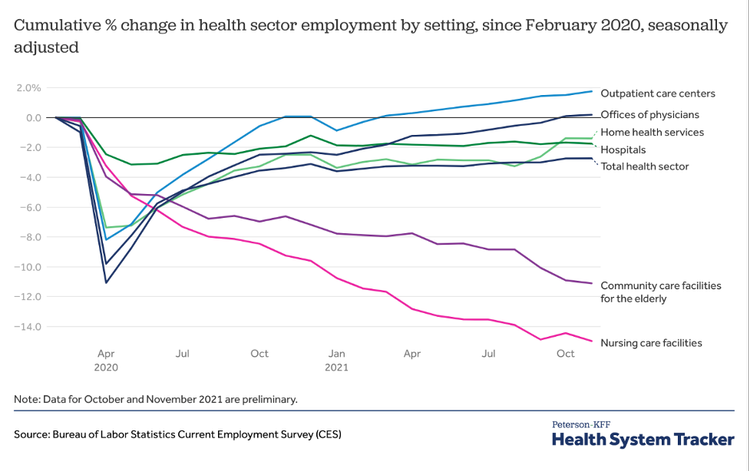
“Uberization” is a catchphrase that has quickly become part of common parlance in discussions about the pandemic-induced economy. Uberization is the movement by organizations to “replace fixed wage contracts with ‘dynamic pricing’ for labor” (Davis, & Sinha, 2021).  It is transforming many elements of the economy and replacing employees employed by the organization with a type of self-employed or contract employee. In essence, it allows businesses to “recruit labour at a large scale in new ways” (Davis, & Sinha, 2021). 

The global business community has had a range of responses to the trend of uberization (Babali, 2019), as has the healthcare industry in particular.  Yet as health systems emerge from the pandemic, Bloomberg reports that “the ongoing elevated costs of [healthcare] workers are causing profit warnings” (KHN, 2022; Court, & Coleman-Lochner, 2022). Regardless of one’s resistance or acceptance of uberization, healthcare employment is in crisis. Change must occur to keep health systems from financial disaster.

It seems that the tide of uberization in the healthcare industry is already rising. An increasing number of employees are contracting with hospitals and health systems via a staffing agency. This trend is likely to evolve, with a portion of staff employed directly by the hospital, and the remaining employees self-contracting with hospitals or health systems with short-term or even daily contracts. In fact, hospitals are reporting that rather than temporary “travel nurses” coming from other states to work on a contract basis, nurses are taking short-term contract work at hospitals a short drive from their own homes rather than pursue permanent employment with these organizations.  We are witnessing the uberization of nursing, which will eventually extend to other healthcare occupations.

Why uberization?

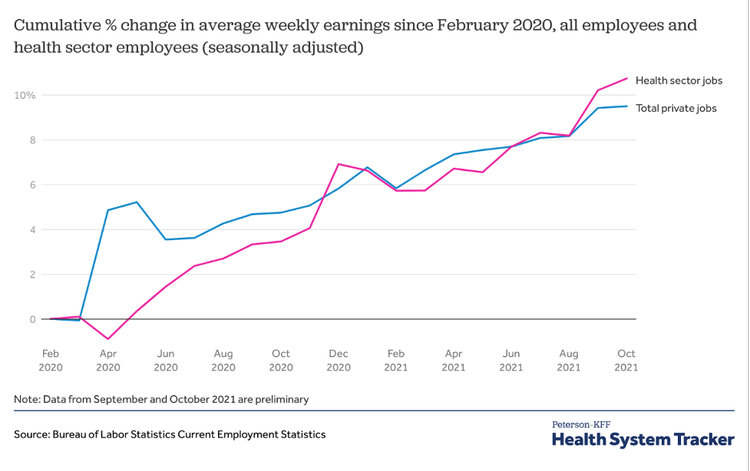
The healthcare workforce shouldered the heavy burden of fighting the COVID-19 pandemic. Yet a collaborative study from Indiana University, the nonprofit Rand Corp., and the University of Michigan that analyzed the changes in the U.S. healthcare workforce during the COVID-19 pandemic found that “the average wages for U.S. healthcare workers rose less than wages in other industries during 2020 and the first six months of 2021” (Toler, 2022; Cantor, Whaley, Kosali, & Nguyen, 2022). According to a February 2022 report by the U.S. Bureau of Labor Statistics, only about 35 percent of healthcare and social assistance organizations “increased wages and salaries, paid wage premiums, or provided bonuses because of the COVID-19 pandemic” (U.S. Bureau of Labor Statistics, 2022).

Due to the media attention the “Great Resignation” has received, it is common knowledge that workers across industries have been leaving their jobs at higher rates than before the pandemic (Parker, & Horowitz, 2022).  Yet by October 2021, when the “quit rates” were at their highest recorded levels, healthcare and social assistance job resignations had increased to 35% higher than they had been before the pandemic, slightly higher than the increase of resignations among all workers in the same period (29%) (Wager, Amin, Cox, & Hughes-Cromwick, 2021).  

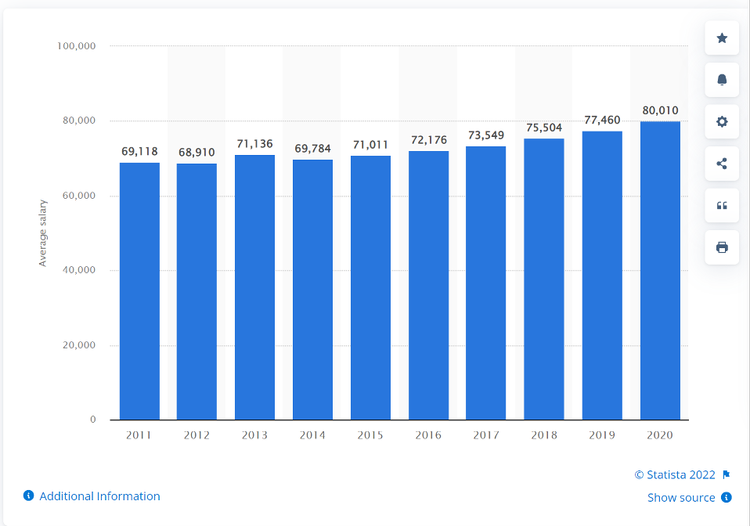
Over the last ten years, “the salary of registered nurses increased by 1.67 percent in the United States” (Michas, 2021). Whereas healthcare executives make on average eight times more than their hourly employees (Saini, Garber, & Brownlee, 2022). The pandemic has rebalanced the scales in favor of those underpaid for many years. The salary landscape has changed, and in response many hospital systems blindly grasp to the pre-pandemic state of agency staffing. This, combined with near flat salary increases, contribute to the uberization of healthcare.

For many healthcare professionals, the combination of work-related stress and incommensurate compensation was the final straw. However, in addition to fair salary, flexibility has become a top demand of employees—even in healthcare. “Gone are the days when job security or pay was everything. Workers now are giving more thought to how their jobs fit into their lives. Ambition for ambition’s sake is being reassessed” (Buckingham, & Richardson, 2022).

A recent survey articulated “higher pay and dissatisfaction with management were also key drivers of nurses changing work settings in 2020 or 2021,” with 28% of respondents saying they’ve changed work settings (Lagasse, 2022). The percentage of nurses considering changing employers increased by 6% from 2020 to 2021, with 17% saying they are contemplating making an employment change. The percentage of nurses who are “passive job seekers – not actively looking for a new job but open to new opportunities – also increased, from 38% in 2020 to 47% in the current survey” (Lagasse, 2022).

The moment: contractor or non-contractor

As the trend of uberization continues to spread beyond the transportation industry, the global business community should be watchful of challenges that the trendsetter Uber is facing to understand future implications of this movement in their own industry. For example, recent legal battles regarding the employment status of Uber drivers will likely impact the cost-benefit analysis of those considering traditional employment or independent contracting. While an independent contractor is free to offer services to anyone and doesn’t have the limits on their freedom that comes with being an employee of a single organization, the U.S. National Labor Relations Board decision that Uber drivers are independent contractors means that drivers have no federal right to unionize (HyreCar, 2021; Fishman, 2020). In Europe, however, Uber drivers are considered employees and not independent, which could mean that unionization could occur en masse.

The future

The future of healthcare employment could be via an app on smart phones. Imagine: daily staffing supplemented by workers employed and credentialed through the app. The healthcare worker could choose their rate and shifts, and the hospital could determine the desired experience, quality, and patient experience reviews for the open position. It could shift the future of employment healthcare significantly.

The rate of change in today’s workplace is accelerating whether it is through the uberization of healthcare workers or advancements in workers’ rights. A recent New York Times article entitled “The Revolt of the College-Educated Working Class” states: “The support for labor unions among college graduates has increased from 55 percent in the late 1990s to around 70 percent in the last few years, and is even higher among younger college graduates” (Scheiber, 2022).  

This may have a ripple effect on the healthcare workforce. Years of stagnating salaries and organizations’ undefined workforce vision has primed the industry for action with record job-quits within healthcare. This has proven especially true in rural markets where recruitment of permanent and agency staff has posed numerous challenges. Our current climate potentially opens the door for workers to leverage themselves via the advocacy of a union.   

Summary

The labor supply and demand are out of balance. The long-term effects on the health sector labor market from the pandemic are unknown, but changes in healthcare delivery (such as the growth of telehealth) may lead to lasting shifts in the healthcare industry. Fierce competition for healthcare workers means that employers must go beyond good pay and benefits to attract the best candidates. Healthcare recruitment is a zero-sum game. There isn’t a pool of healthcare workers lying idle, and so recruitment is often at the cost of a competitor. The employee knows that this demand exists, and this could further drive the uberization of healthcare workers. However, there is potential for this new movement to benefit both parties. As limited number of employees equates to skill scarcity which drives salaries, hospitals could utilize their skilled workforce based on need and demand. 

Resources

Babali, B. (2019). What is Uberization? The Business Year.

Buckingham, M., & Richardson, N. (2022). What’s Really Driving the ‘Great Resignation’. Barron’s.

Cantor, J., Whaley, C., Kosali, S., & Nguyen, T. (2022). US Health Care Workforce Changes During the First and Second Years of the COVID-19 Pandemic. JAMA Health Forum. 2022;3(2):e215217.

Court, E., & Coleman-Lochner, L. (2022). ‘Unsustainable’ Squeeze Grips U.S. Hospitals on Covid Labor Cost. Bloomberg.

Davis, G., & Sinha, A. (2021). Varieties of Uberization: How technology and institutions change the organization(s) of late capitalism. Sage Journals, 2(1).

Fishman, S. (2020). Uber Drivers are Contractors Not Employees According to the NLRB. NOLO.

HyreCar (2021). Are Uber Drivers Employees or Independent Contractors: Explained. HyreCar

KHN (2022). Hospitals Losing Money, Thanks To Covid-Driven Cost Increases. KHN Morning Briefing, April 28, 2022.

Lagasse, J. (2022). Almost 30% of nurses are considering leaving the profession. Healthcare Finance News.

Michas, F. (2021). Average annual salary of registered nurses in the United States from 2011 to 2020. Statista.

Parker, K., & Horowitz, J. (2022). Majority of workers who quit a job in 2021 cite low pay, no opportunities for advancement, feeling disrespected. Pew Research Center.

Saini, V., Garber, J., & Brownlee, S. (2022). Nonprofit Hospital CEO Compensation: How Much Is Enough? Health Affairs.

Scheiber, N. (2022). The Revolt of the College-Educated Working Class. The New York Times.

Toler, A. (2022). Health care wage growth has lagged behind other industries, despite pandemic burden. Indiana University.

U.S. Bureau of Labor Statistics (2022). 24 percent of establishments increased pay or paid bonuses because of COVID-19 pandemic. U.S. Bureau of Labor Statistics.

Wager, E., Amin, K., Cox, C., & Hughes-Cromwick, P. (2021). What impact has the coronavirus pandemic had on health employment? Peterson-KFF Health System Tracker.

***

COMMENTS APPRECIATED

Thank You

DICTIONARY: https://www.amazon.com/Dictionary-Health-Insurance-Managed-Care/dp/0826149944/ref=sr_1_4?ie=UTF8&s=books&qid=1275315485&sr=1-4

***

Q1 2022 – The Entrepreneurial Digital Health Financing Boom Chills

By Phil Taylor

***

***

US digital health company investment financing experienced a dip in Q1 of 2022, dropping to $6 billion from the $6.7 billion invested in Q1 2021. In addition, the average size of each investment deal dropped from $46 million last year to just shy of $33 million. These declines come after a boom in investments in recent years. The Rock Health Digital health securities index also reflected this year’s trend, including special purpose acquisition company (SPAC) listings.

According to Phil Taylor of PharmaPhorum, “SPACs have been a popular route to public listing for digital health as well as many other sectors, but the deals have underperformed, with steep declines in share prices after they closed that has “exerted downwards pressure” on the Rock Health Digital Health Index (RHDHI).”

Read more by clicking here

SPACs: https://medicalexecutivepost.com/2021/11/12/spac-popularity-soaring-in-healthcare/

***

COMMENTS APPRECIATED

Thank You

Subscribe to the Medical Executive-Post

***

***

***

PODCASTS: 36 Blue Cross / Blue Shield Organizations Explained

By Eric Bricker MD

By Laurence Baker MD

***

***

***

COMMENTS APPRECIATED

Thank You

***

***

When Routine Medical Tests Trigger a Cascade of Costly, Unnecessary Care

By N.P.R

***

***

READ: https://www.npr.org/sections/health-shots/2022/06/13/1104141886/cascade-of-care?utm_source=pocket-newtab

***

COMMENTS APPRECIATED

Thank You

***

***

***

PODCAST: Healthcare I.T. Interoperability Rankings

By Eric Bricker MD

***

***

PODCAST: https://www.youtube.com/watch?v=yQSY957s_GY

***

COMMENTS APPRECIATED

Thank You

***

***

Ransomware Simplified?

***

By Darrell K. Pruitt DDS

***

***

“We’re now truly in the era of ransomware as pure extortion without the encryption –
Why screw around with cryptography and keys when just stealing the info is good enough”

Jessica Lyons Hardcastle

{The Register, June 25, 2022]

READ: https://www.theregister.com/2022/06/25/ransomware_gangs_extortion_feature/

***

***

COMMENTS APPRECIATED

Thank You

***

***

e-Prescriptions for Dentists?

By Darrell K. Pruitt DDS

***

***

Some say e-prescriptions are a swell idea for dentists!

“Over 70% of organizations suffered two or more ransomware attacks in the past 12 months – According to the data presented by the Atlas VPN team based on a Veeam 2022 Ransomware Trends Report, 73% of organizations suffered two or more ransomware attacks in the past 12 months. The majority — 44% of ransomware infections entered through phishing emails, links, and websites. In total, 35% of organizations experienced two ransomware attacks, nearly a quarter (24%) endured three, close to a fifth (9%) of companies had four, and 4% went through five. Meanwhile, 1% of organizations suffered six or more ransomware attacks in the past 12 months. The remaining 27% of organizations faced only one ransomware attack.” By Acrofan, June 15, 2022.
https://us.acrofan.com/detail.php?number=679260

“Why Ransomware Extortion is a Threat – In a typical ransomware extortion scheme, files are not only encrypted, but are also copied and exfiltrated from the network. Then, when the time comes to demand payment, hackers also say that if the business doesn’t meet their ransom demands within a given timeframe, they will publish the stolen files, or undertake some other activity to harm the business, such as a DDoS attack. This is known as double, or even triple extortion, with threats to release confidential information to the public, disrupt internet access or inform customers, shareholders or other partners about the incident unless they pay the ransom. It puts more pressure on businesses to make a quick decision, boosts the odds of criminals getting a big payout and increases the number of risks firms are exposed to, so this type of ransomware is something every firm should be concerned about.” By Brenda Robb for Security Boulevard on June 15, 2022.
https://securityboulevard.com/2022/06/why-ransomware-extortion-is-a-threat/

It is also worth noting that if a dentist suffers a ransomware attack, HIPAA demands that all affected patients be notified that their identities might have been breached and might show up on the internet. If the breach involves 500 or more records, a description of the incident must be reported in the local media. This could easily bankrupt a practice even before the ransom is paid. What’s more, from the increasing numbers of data breaches that are occurring, one can surmise that dentists are not obeying the law … not yet.

***

COMMENTS APPRECIATED

Thank You

***

***

PODCAST: Roadmap to a High Performance Employee Health Plan

By Eric Bricker MD

***

***

COMMENTS APPRECIATED

Thank You

***

CITE: https://www.r2library.com/Resource/Title/082610254

***

***

How Much Do You Earn Dr. Dad … or Dr. Mom?

Join Our Mailing List

Your Children and Your Money

Rick Kahler MS CFPBy Rick Kahler CFP

As a doctor – Do your kids know how much money you make? If not, and they asked, would you feel comfortable telling them?

My hunch is that the most common answer to both these questions is “No.” Talking about money is such a strong taboo that it often keeps us from sharing information about our earnings and net worth even with members of our immediate families.

Yet being honest with children about what we earn and how we spend it is a perfect opportunity to teach them important life lessons about money.

Here are a few suggestions to foster those conversations:

  1. Take advantage of teachable moments. As with many other big questions, like where babies come from or whether cats go to heaven (personally, I doubt it, but that may say more about my prejudices than my theology), the ideal time to answer money questions is when the kids ask.
  2. Provide context for numbers. To a child who gets an allowance of five bucks a week, either $10,000 or $100,000 a year can seem huge. One way to put those numbers into context is with comparisons: “I earn about the same amount as your teachers do,” or, “Most doctors probably earn about twice as much as our family does.”
  3. Talk about expenses as well as income. This is huge. It’s another important way of providing context. Plus it helps open kids’ eyes to the realities of earning and spending. When my kids, at about age 10 and 14, first asked about my income, they were impressed with how high the number was. Then we looked at the family expenses: house payment, health insurance, food, college savings, and everything else. They were even more impressed. Seeing what things cost and where the money goes is a good start to educating kids about spending, saving, and creating healthy money habits.
  4. Share appropriately for kids’ ages and understanding. Seven-year-olds and 13-year-olds aren’t ready for the same information. Don’t underestimate your kids’ comprehension, however; if you encourage them to ask questions and are willing to explain and clarify, they may understand more than you expect.
  5. Tell the truth. If you have financial difficulties that stem from your own money mistakes or other bad choices, being honest with your kids can be a powerful teaching opportunity. If you don’t earn a lot but are managing to take care of the family, that’s something to be proud of. If your kids may inherit substantial amounts, it’s wise to start teaching them early how to deal with wealth. Whether you have a net worth in the millions or are barely getting by from month to month, clean honesty about the family finances is a good policy.
  6. Remember that you’re the adult. Over-sharing about financial challenges can frighten your kids. It’s more useful to be matter-of-fact about problems and focus on what you’re doing to solve them.
  7. Keep in mind that when parents don’t talk about money, kids will make up their own stories. Typically this will be either that you earn and have more than you do, or that the family is on the brink of bankruptcy and homelessness.
  8. Look at your own shame and secrecy about money. If parents never talk about money, kids may never ask money questions. Either the topic is simply not on their radar, or they have internalized the unspoken message that it is off limits. In either case, parents can change the family culture by becoming more open about their finances. Those teachable moments for kids begin to happen when money is no longer a secret.

***

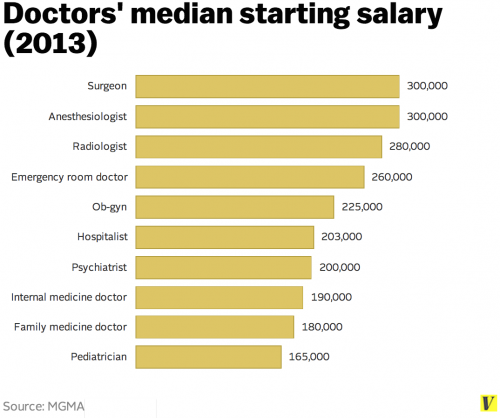
Doctor salary

***

More:

Conclusion

Your thoughts and comments on this ME-P are appreciated. Feel free to review our top-left column, and top-right sidebar materials, links, URLs and related websites, too. Then, subscribe to the ME-P. It is fast, free and secure.

Speaker: If you need a moderator or speaker for an upcoming event, Dr. David E. Marcinko; MBA – Publisher-in-Chief of the Medical Executive-Post – is available for seminar or speaking engagements. Contact: MarcinkoAdvisors@msn.com

OUR OTHER PRINT BOOKS AND RELATED INFORMATION SOURCES:

[PHYSICIAN FOCUSED FINANCIAL PLANNING AND RISK MANAGEMENT COMPANION TEXTBOOK SET]

  Risk Management, Liability Insurance, and Asset Protection Strategies for Doctors and Advisors: Best Practices from Leading Consultants and Certified Medical Planners™ Comprehensive Financial Planning Strategies for Doctors and Advisors: Best Practices from Leading Consultants and Certified Medical Planners™

***

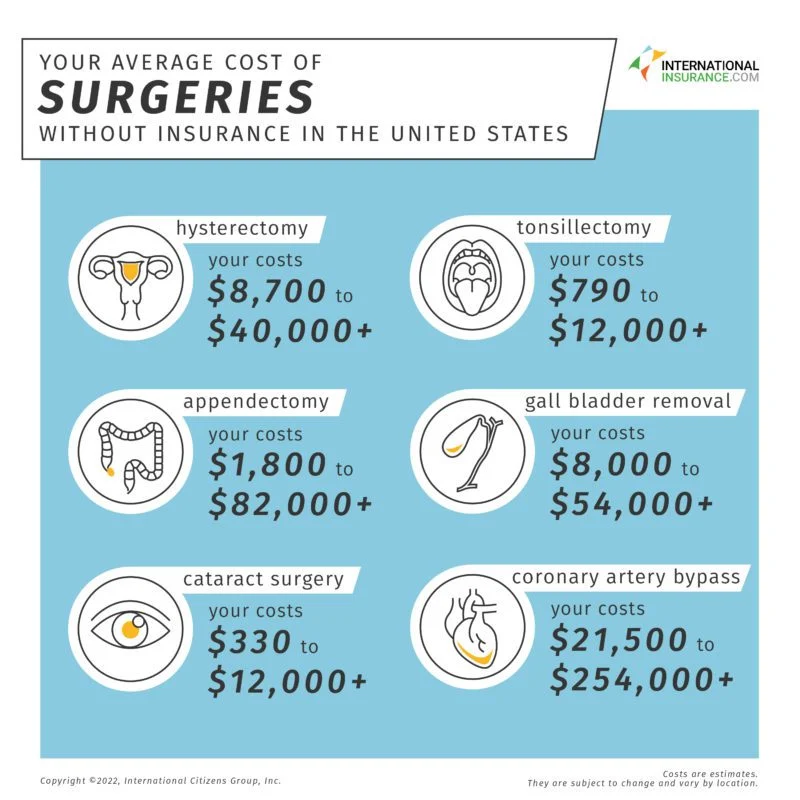
SURVEY: Surgical Cost Spending

By MCOL

***

***

EHIR was started nearly a decade ago out of a need for objective support in identifying and assessing emerging solutions to sift through the noise and stay ahead of the curve amid a rapidly changing competitive landscape. EHIR provides a streamlined and efficient innovation intake and evaluation process along with valuable insights to the world’s leading employers.

CITE: https://www.r2library.com/Resource/Title/082610254

Employer Health Innovation Roundtable, LLC

4 KEY Findings

 •  The survey found that 59% indicated lowering costs was a very high, or high, priority – up from 52% prior to the pandemic.
 •  Over half of the employers surveyed indicated that surgical costs were a significant issue, with surgery accounting for 34% of their total healthcare spend. About 75% noted that by controlling surgery costs, they can largely reduce their total spend.

***

*  Even though 69% of employers have a COE (Center of Excellence), the majority of them have been implemented within the past two years, and not with an eye to specifically reducing surgical costs.
 *  Only 9% of respondents rely on carrier-sponsored COEs, which suggests that they are seeking out third-party vendors for this benefit, as either the sole COE provider or as a partner with the employer’s health plan carrier.

Source: EHIR and Carrum Health via PRNewswire, May 4, 2022

***

COMMENTS APPRECIATED

Thank You

***

***

***

PODCAST: In-Patient Psychiatric Care

By Eric Bricker MD

***

***

RELATED: https://medicalexecutivepost.com/2013/02/13/a-review-of-mental-healthcare-provider-types/

***

COMMENTS APPRECIATED

Thank You

***

ORDER: https://www.barnesandnoble.com/w/risk-management-liability-insurance-and-asset-protection-strategies-for-doctors-and-advisors-david-edward-marcinko/1137103900?ean=9781498725989

***

***

BUSINESS MANAGEMENT STUDY: Physician Vertical Integration

***

BY HEALTH CAPITAL CONSULTANTS, LLC.

DEFINITION: Vertical integration is an arrangement in which the supply chain of a company is integrated and owned by that company. Usually each member of the supply chain produces a different product or service, and the products combine to satisfy a common need.

CITE: https://www.r2library.com/Resource/Title/0826102549

***

Study: Vertical Integration Not Financially Beneficial for Physicians


A study released in the December 2021 issue of Health Affairs examined the correlation between hospital/health system ownership of physician practices and physician compensation. While a number of studies have analyzed the “rapidly growing trend” of vertical integration from the hospital/health system perspective, this is the first study to evaluate vertical integration from the physician practice perspective.

This Health Capital Topics article will discuss the study’s findings and potential implications. (Read more…) 

***

***

COMMENTS APPRECIATED

Thank You

Subscribe to the Medical Executive-Post

***

***

The RETURN of Paper Dental Records?

By Darrell Pruitt DDS

***

***

More reasons to stick with paper if you haven’t yet become paperless, Doc 

“Paying Ransomware Paints Bigger Bullseye on Target’s Back – Ransomware attackers often strike targets twice, regardless of whether the ransom was paid. Paying ransomware attackers doesn’t pay off and often paints a bigger target on a victim’s back. Eighty percent of ransomware victims that paid their attackers were hit a second time by the malware scourge.” – Threatpost, June 8, 2022.

A dentist can avoid the second ransomware attack by returning to paper … What? Yeah. I said it.

“New ransomware numbers come from a Cybereason’s April ransomware survey of 1,456 cybersecurity professionals. According to the gated report (registration required), victims that were successfully extorted were not only targeted a second time, but frequently data encrypted by criminals later became unusable during the decryption process because of corruption issues.”

OR – one can retire!

***

***

COMMENTS APPRECIATED

Thank You

***

***

***

SURVEY: On Nurse Caregivers and Unions

By MCOL

***

***

Nurses Survey: The 4 Takeaways

 •  87% of patients or their caregivers feel some level of stigma associated with their or the person in their care’s current health condition.
 •  44% reported feeling embarrassed to talk about their current health condition.
 •  43% felt their health condition isn’t something that’s regularly talked about and is rarely represented in the media.
 •  99% patients and their caregivers say that stigma can negatively impact or slow perceived healing of a patient with a current health condition.

Source: Convatec Group Plc via PRNewswire, May 18, 2022

UNIONS: https://www.msn.com/en-us/health/medical/unions-tempt-nurses-to-change-their-principles/ar-AAY2cUg?li=BBnb7Kz

***

COMMENTS APPRECIATED

Thank You

***

***

***

PODCAST: Physician Entrepreneurial Tips on Opening Your Own Medical Practice

***

By MEDICAL ECONOMICS

James Underberg, MD, discusses how he left a large health system to open his own practice, and provides tips for physicians considering the same move.

***

***

Private Healthcare Equity: https://www.youtube.com/watch?v=tBwHu1uigoA

ME-P Business Plan: https://medicalexecutivepost.com/2022/04/05/get-your-free-medical-office-start-up-business-plan-from-imba-inc/

***

COMMENTS APPRECIATED

Thank You

***

***

***

****

Are MDs and FAs being Replaced by Robotic Technology?

Join Our Mailing List

On Disruptive Innovation or Deus ex Machina

By Dr. David Edward Marcinko MBA CMP

[Editor-in-Chief]

Dr David E Marcinko MBAAccording to Wikipedia, a disruptive technology is an innovation that helps create a new market and value network, and eventually goes on to disrupt an existing market and value network (over a few years or decades), displacing an earlier technology.

The term is often used today used in business, healthcare and technology literature to describe innovations that improve a product or service in ways that the market does not expect, typically first by designing for a different set of consumers in a new market and later by lowering prices in the existing market.

For Doctors

You can feel it happening in the marketplace around us. Retail clinics, medical tourism, technology-enabled self care — disruptive innovations in the U.S. health care system challenge the status quo. These and other new phenomena zero in on unmet needs, leverage new technologies and business models, and deliver enhanced value throughout the health care supply chain.

So, along with consumerism, healthcare reform and technology, disruptive innovation is one of the three major themes we follow at the ME-P: www.CertifiedMedicalPlanner.org  and www.MedicalBusinessAdvisors.com

For Financial Advisors

According to Mike Kitces CFP, MTax, MSFS many of the things that financial advisors do can be implemented far more efficiently with technology, and overall it’s important to acknowledge that there are some things that humans do better but some things that really are done better by computers.

Which means in the end, the real winner may not be the robo-advisors, nor the human advisors, but the technology-augmented humans – the cyborg advisors – who blend human and technology together into an optimal financial advice solution for consumers.

###

cyborg

###

Assessment

And so, do these big changes create big value opportunities; or not? Of course they may … but only if you know where to look!

Conclusion

Your thoughts and comments on this ME-P are appreciated. Feel free to review our top-left column, and top-right sidebar materials, links, URLs and related websites, too. Then, subscribe to the ME-P. It is fast, free and secure.

Link: http://feeds.feedburner.com/HealthcareFinancialsthePostForcxos

Speaker: If you need a moderator or speaker for an upcoming event, Dr. David E. Marcinko; MBA – Publisher-in-Chief of the Medical Executive-Post – is available for seminar or speaking engagements. Contact: MarcinkoAdvisors@msn.com

OUR OTHER PRINT BOOKS AND RELATED INFORMATION SOURCES:

DICTIONARIES: http://www.springerpub.com/Search/marcinko
PHYSICIANS: www.MedicalBusinessAdvisors.com
PRACTICES: www.BusinessofMedicalPractice.com
HOSPITALS: http://www.crcpress.com/product/isbn/9781466558731
CLINICS: http://www.crcpress.com/product/isbn/9781439879900
BLOG: www.MedicalExecutivePost.com
FINANCE: Financial Planning for Physicians and Advisors
INSURANCE: Risk Management and Insurance Strategies for Physicians and Advisors

Product DetailsProduct DetailsProduct Details

Product Details  Product Details

Product DetailsProduct Details

Risk Management, Liability Insurance, and Asset Protection Strategies for Doctors and Advisors: Best Practices from Leading Consultants and Certified Medical Planners™8Comprehensive Financial Planning Strategies for Doctors and Advisors: Best Practices from Leading Consultants and Certified Medical Planners™

***

Medicare for All?

OR

Worse Care for All?

THE CBO OPINES

***

***

Senate Budget Committee Chairman Bernie Sanders (I-Vt.) has announced that as early as next week, his committee will hold a hearing “on the need to pass a Medicare for All single-payer program.”  

Sanders gets an “A” for passion, but an “F” in compassion.  

But, the non-partisan Congressional Budget Office has cautioned that Sanders’ Medicare for All bill would create “a shortage of providers, longer wait times, and changes in the quality of care.” 

MORE: https://www.msn.com/en-us/news/politics/medicare-for-all-would-mean-worse-care-for-all/ar-AAWVDo6?li=BBnb7Kz

CITE: https://www.r2library.com/Resource/Title/0826102549

***

COMMENTS APPRECIATED

Thank You

***

***

****

PODCAST: The Financial Cost of Medication Non-Adherence

Cost of Medication Non-Adherence: 33- 69% of Hospitalizations

By Eric Bricker MD

***

***

COMMENTS APPRECIATED

Thank You

***

CITE: https://www.r2library.com/Resource/Title/082610254

***

***

****

SURVEY: Medical Clinicians of the Future?

By Staff Reporters

***

***

Clinician of the Future Study – 5 Key Findings

 •  62% of clinicians agreed the role of the clinician will change to be more of a partnership with the patient in 10 years’ timer.
 •  51% of clinicians agreed tele-health will negatively impact their ability to demonstrate empathy with patients.
 •  56% agreed patients will be more empowered to take care of their own health.
 •  77% of clinicians expect real-time patient analytics to be critical to personalized care in the future.
 •  43% expect every individual will have their genome sequenced to support illness prevention.

Source: Elsevier, Clinician of The Future, Report 2022

***

***

FRUSTRATED Physicians!

By Staff Reporters

***

65% of Physicians Report Feeling Frustrated in Past 3 Months

A recent study by Survey Healthcare Global on the mental health of healthcare professionals found:

 •  65% of physicians report feeling frustrated.
 •  54% of physicians report feeling burned out.
 •  52% of physicians report feeling unappreciated.
 •  Respondents rank constant stress (34%) and staff shortages (30%) as the leading factors for stress.
 •  18% report that they are more likely to drink, smoke, or use/abuse substances as a result.
 •  75% say their organizations do not offer any wellness resources and programs to HCP employees.

Source: Survey Healthcare Global Via Business Wire, March 21, 2022

***

***

COMMENTS APPRECIATED

Thank You

***

***

***

ORDER: https://www.routledge.com/Risk-Management-Liability-Insurance-and-Asset-Protection-Strategies-for/Marcinko-Hetico/p/book/9781498725989

****

RECAST: An Interview with Fiduciary Bennett Aikin AIF®

On Financial Fiduciary Accountability

[By Dr. David E. Marcinko MBA CMP™]

[By Ann Miller; RN, MHA]

Currently, there is a growing dilemma in the financial sales and services industry. It goes something like this:

  • What is a financial fiduciary?
  • Who is a financial fiduciary?
  • How can I tell if my financial advisor is a fiduciary?

Now, in as much as this controversy affects laymen and physician-investors alike, we went right to the source for up-to-date information regarding this often contentious topic, for an email interview and Q-A session, with Ben Aikin.ben-aikin

About Bennett Aikin AIF® and fi360.com

Bennett [Ben] Aikin is the Communications Coordinator for fi360.com. He oversees all communications for fi360. His responsibilities include messaging, brand management, copyrights and trademarks, and publications. Mr. Aikin received his BA in English from Virginia Tech in 2003 and is currently an MS candidate in Journalism from Ohio University.

Q. Medical Executive Post 

You have been very helpful and gracious to us. So, let’s get right to it, Ben. In the view of many; attorneys, doctors, CPAs and the clergy are fiduciaries; most all others who retain this title seem poseurs; sans documentation otherwise.

A. Mr. Aikin

You are correct. Attorneys, doctors and clergy are the prototype fiduciaries. They have a clear duty to put the best interests of their clients, patients, congregation, etc., above their own. [The duty of a CPA isn’t as clear to me, although I believe you are correct]. Furthermore, this is one of the first topics we address in our AIF training programs, and what we call the difference between a profession and an industry.  The three professions you name have three common characteristics that elevate them from an industry to a profession:

  1. Recognized body of knowledge
  2. Society depends upon practitioners to provide trustworthy advice
  3. Code of conduct that places the clients’ best interests first

Q. Medical Executive Post 

It seems that Certified Financial Planner®, Chartered Financial Analysts, Registered Investment Advisors and their representatives, Registered Representative [stock-brokers] and AIF® holders, etc, are not really financial fiduciaries, either by legal statute or organizational charter. Are we correct, or not? Of course, we are not talking ethics or morality here. That’s for the theologians to discuss.

A. Mr. Aikin

One of the reasons for the “alphabet soup”, as you put it in one of your white papers [books, dictionaries and posts] on financial designations, is that while there is a large body of knowledge, there is no one recognized body of knowledge that one must acquire to enter the financial services industry.  The different designations serve to provide a distinguisher for how much and what parts of that body of knowledge you do possess.  However, being a fiduciary is exclusively a matter of function. 

In other words, regardless of what designations are held, there are five things that will make one a fiduciary in a given relationship:

  1. You are “named” in plan or trust documents; the appointment can be by “name” or by “title,” such as CFO or Head of Human Resources
  2. You are serving as a trustee; often times this applies to directed trustees as well
  3. Your function or role equates to a professional providing comprehensive and continuous investment advice
  4. You have discretion to buy or sell investable assets
  5. You are a corporate officer or director who has authority to appoint other fiduciaries

So, if you are a fiduciary according to one of these definitions, you can be held accountable for a breach in fiduciary duty, regardless of any expertise you do, or do not have. This underscores the critical nature of understanding the fiduciary standard and delegating certain duties to qualified “professionals” who can fulfill the parts of the process that a non-qualified fiduciary cannot.

Q. Medical Executive Post 

How about some of the specific designations mentioned on our site, and elsewhere. I believe that you may be familiar with the well-known financial planner, Ed Morrow, who often opines that there are more than 98 of these “designations”? In fact, he is the founder of the Registered Financial Consultants [RFC] designation. And, he wrote a Foreword for one of our e-books; back-in-the-day. His son, an attorney, also wrote as a tax expert for us, as well. So, what gives?

A. Mr. Aikin

As for the specific designations you list above, and elsewhere, they each signify something different that may, or may not, lend itself to being a fiduciary: For example:

• CFP®: The act of financial planning does very much imply fiduciary responsibility.  And, the recently updated CFP® rules of conduct does now include a fiduciary mandate:

• 1.4 A certificant shall at all times place the interest of the client ahead of his or her own. When the certificant provides financial planning or material elements of the financial planning process, the certificant owes to the client the duty of care of a fiduciary as defined by CFP Board. [from http://www.cfp.net/Downloads/2008Standards.pdf]

•  CFA: Very dependent on what work the individual is doing.  Their code of ethics does have a provision to place the interests of clients above their own and their Standards of Practice handbook makes clear that when they are working in a fiduciary capacity that they understand and abide by the legally mandated fiduciary standard.

• FA [Financial Advisor]: This is a generic term that you may find being used by a non-fiduciary, such as a broker, or a fiduciary, such as an RIA.

• RIA: Are fiduciaries.  Registered Investment Advisors are registered with the SEC and have obligations under the Investment Advisers Act of 1940 to provide services that meet a fiduciary standard of care.

• RR: Registered Reps, or stock-brokers, are not fiduciaries if they are doing what they are supposed to be doing.  If they give investment advice that crosses the line into “comprehensive and continuous investment advice” (see above), their function would make them a fiduciary and they would be subject to meeting a fiduciary standard in that advice (even though they may not be properly registered to give advice as an RIA).

• AIF designees: Have received training on a process that meets, and in some places exceeds, the fiduciary standard of care.  We do not require an AIF® to always function as a fiduciary. For example, we allow registered reps to gain and use the AIF® designation. In many cases, AIF designees are acting as fiduciaries, and the designation is an indicator that they have the full understanding of what that really means in terms of the level of service they provide.  We do expect our designees to clearly disclose whether they accept fiduciary responsibility for their services or not and advocate such disclosure for all financial service representatives.

Q. Medical Executive Post 

Your website, http://www.fi360.com, seems to suggest, for example, that banks/bankers are fiduciaries. We have found this not to be the case, of course, as they work for the best interests of the bank and stockholders. What definitional understanding are we missing?

A. Mr. Aikin

Banks cannot generally be considered fiduciaries.  Again, it is a matter of function. A bank may be a named trustee, in which case a fiduciary standard would generally apply.  Banks that sell products are doing so according to their governing regulations and are “prudent experts” under ERISA, but not necessarily held to a fiduciary standard in any broader sense.

Q. Medical Executive Post 

And so, how do we rectify the [seemingly intentional] industry obfuscation on this topic. We mean, our readers, subscribers, book and dictionary purchasers, clients and colleagues are all confused on this topic. The recent financial meltdown only stresses the importance of understanding same.

For example, everyone in the industry seems to say they are the “f” word. But, our outreach efforts to contact traditional “financial services” industry pundits, CFP® practitioners and other certification organizations are continually met with resounding silence; or worse yet; they offer an abundance of parsed words and obfuscation but no confirming paperwork, or deep subject-matter knowledge as you have kindly done. We get the impression that some FAs honesty do-not have a clue; while others are intentionally vague.

A. Mr. Aikin

All of the evidence you cite is correct.  But that does not mean it is impossible to find an investment advisor who will manage to a fiduciary standard of care and acknowledge the same. The best way to rectify confusion as it pertains to choosing appropriate investment professionals is to get fiduciary status acknowledged in writing and go over with them all of the necessary steps in a fiduciary process to ensure they are being fulfilled. There also are great resources out there for understanding the fiduciary process and for choosing professionals, such as the Department of Labor, the SEC, FINRA, the AICPA’s Personal Financial Planning division, the Financial Planning Association, and, of course, Fiduciary360.

We realize the confusion this must cause to those coming from the health care arena, where MD/DO clearly defines the individual in question; as do other degrees [optometrist, clinical psychologist, podiatrist, etc] and medical designations [fellow, board certification, etc.]. But, unfortunately, it is the state of the financial services industry as it stands now.

Q. Medical Executive Post 

It is as confusing for the medical community, as it is for the lay community. And, after some research, we believe retail financial services industry participants are also confused. So, what is the bottom line?

A. Mr. Aikin

The bottom line is that lay, physician and all clients have a right to expect and demand a fiduciary standard of care in the managing of investments. And, there are qualified professionals out there who are providing those services.  Again, the best way to ensure you are getting it is to have fiduciary status acknowledged in writing, and go over the necessary steps in a fiduciary process with them to ensure it is being fulfilled.

Q. Medical Executive Post 

The “parole-evidence” rule, of contract law, applies, right? In dealing with medical liability situations, the medics and malpractice attorneys have a rule: “if it wasn’t written down, it didn’t happen.”  

A. Mr. Aikin

An engagement contract accepting fiduciary status should trump a subsequent attempt to claim the fiduciary standard didn’t apply. But, to reiterate an earlier point, if someone acts in one of the five functional fiduciary roles, they are a fiduciary whether they choose to acknowledge it or not.  I have attached a sample acknowledgement of fiduciary status letter with copies of our handbook, which details the fiduciary process we instruct in our programs, and our SAFE, which is basically a checklist that a fiduciary should be able to answer “Yes” to every question to ensure the entire fiduciary process is being covered.

Q. Medical Executive Post 

It is curious that you mention checklists. We have a post arguing that very theme for doctors and hospitals as they pursue their medial error reduction, and quality improvement, endeavors. And, we applaud your integrity, and wish only for clarification on this simple fiduciary query?

A. Mr. Aikin

Simple definition: A fiduciary is someone who is managing the assets of another person and stands in a special relationship of trust, confidence, and/or legal responsibility.

Q. Medical Executive Post 

Who is a financial fiduciary and what, if any, financial designation indicates same?

A. Mr. Aikin

Functional definition: See above for the five items that make you a fiduciary.

Financial designations that unequivocally indicate fiduciary duty: Short answer is none, only function can determine who is a fiduciary. 

Q. Medical Executive Post 

Please repeat that?

A. Mr. Aikin

Financial designations that indicate fiduciary duty: none. It is the function that determines who is a fiduciary.  Now, having said that, the CFP® certification comes close by demanding their certificants who are engaged in financial planning do so to a fiduciary standard. Similarly, other designations may certify the holder’s ability to perform a role that would be held to a fiduciary standard of care.  The point is that you are owed a fiduciary standard of care when you engage a professional to fill that role or they functionally become one.  And, if you engage a professional to fill a non-fiduciary role, they will not be held to a fiduciary standard simply because they have a particular designation.  One of the purposes the designations serve is to inform you what roles the designation holder is capable of fulfilling.

It is also worth keeping in mind that just being a fiduciary doesn’t equate to a full knowledge of the fiduciary standard. The AIF® designation indicates having been fully trained on the standard.

Q. Medical Executive Post 

Yes, your website mentions something about fiduciaries that are not aware of same! How can this be? Since our business model mimics a medical model, isn’t that like saying “the doctor doesn’t know he is doctor?” Very specious, with all due respect!

A. Mr. Aikin

I think it is first important to note that this statement is referring not just to investment professionals.  Part of the audience fi360 serves is investment stewards, the non-professionals who, due to facts and circumstances, still owe a fiduciary duty to another.  Examples of this include investment committee members, trustees to a foundation, small business owners who start 401k plans, etc.  This is a group of non-sophisticated investors who may not be aware of the full array of responsibilities they have. 

However, even on the professional side I believe the statement isn’t as absurd as it sounds.  This is basically a protection from both ignorant and unscrupulous professionals.  Imagine a registered representative who, either through ignorance or design, begins offering comprehensive and continuous investment advice.  Though they may deny or be unaware of the fact, they have opened themselves up to fiduciary liability. 

Q. Medical Executive Post 

Please clarify the use of arbitration clauses in brokerage account contracts for us. Do these disclaim fiduciary responsibility? If so, does the client even know same?

A. Mr. Aikin

By definition, an engagement with a broker is a non-fiduciary relationship.  So, unless other services beyond the scope of a typical brokerage account contract are specified, fiduciary responsibility is inherently not applicable.  Unfortunately, I do imagine there are clients who don’t understand this. Furthermore, AIF® designees are not prohibited from signing such an agreement and there are some important points to understand the reasoning.

First, by definition, if you are entering into such an agreement, you are entering into a non-fiduciary relationship. So, any fiduciary requirement wouldn’t apply in this scenario.

Second, if this same question were applied into a scenario of a fiduciary relationship, such as with an RIA, this would be a method of dispute resolution, not a practice method. So, in the event of dispute, the advisor and investor would be free to agree to the method of resolution of their choosing. In this scenario, however, typically the method would not be discussed until the dispute itself arose.

Finally, it is important to know that AIF/AIFA designees are not required to be a fiduciary. It is symbolic of the individuals training, knowledge and ongoing development in fiduciary processes, but does not mean they will always be acting as a fiduciary.

Q. Medical Executive Post 

Don’t the vast majority of arbitration hearings find in favor of the FA; as the arbitrators are insiders, often paid by the very same industry itself?

A. Mr. Aikin

Actual percentages are reported here: http://www.finra.org/ArbitrationMediation/AboutFINRADR/Statistics/index.htm However, brokerage arbitration agreements are a dispute resolution method for disputes that arise within the context of the securities brokerage industry and are not the only means of resolving differences for all types of financial advisors.  Investment advisers, for example, are subject to respond to disputes in a variety of forums including state and federal courts.  Clients should look at their brokerage or advisory agreement to see what they have agreed to. If you wanted to go into further depth on this question, we would recommend contacting Brian Hamburger, who is a lawyer with experience in this area and an AIFA designee. Bio page: http://www.hamburgerlaw.com/attorneys/BSH.htm.

Q. Medical Executive Post 

What about our related Certified Medical Planner® designation, and online educational program for financial advisors and medical management consultants? Is it a good idea – reasonable – for the sponsor to demand fiduciary accountability of these charter-holders? Cleary, this would not only be a strategic competitive advantage, but advance the CMP™ mission to put medical colleagues first and champion their cause www.CertifiedMedicalPlanner.org above all else. 

A. Mr. Aikin

I think it is a good idea for any plan sponsor to demand fiduciary status be acknowledged from anyone engaged to provide comprehensive and continuous investment advice.  I also think it is a good idea to be proactive in verifying that the fiduciary process is being followed.

Q. Medical Executive Post 

Is there anything else that we should know about this topic?

A. Mr. Aikin

Yes, a further note about fi360’s standards. I wrote generically about the fiduciary standard, because there is one that is defined by multiple sources of regulation, legislation and case law.  The process defined in our handbooks, we call a Fiduciary Standard of Excellence, because it covers that minimum standard and also best practice standards that go above and beyond.  All of our Practices, which comprise that standard, are legally substantiated in our Legal Memoranda handbook, which was written by Fred Reish’s law firm, who is considered a leading ERISA attorney.

Additional resources:

Q. Medical Executive Post 

Thank you so much for your knowledge and willingness to frankly share it with the Medical-Executive-Post.

Assessment

All are invited to continue the conversation with Mr. Aikin, asynchronously online, or thru this contact information:

fi360.com
438 Division Street
Sewickley, PA 15143
412-741-8140 Phone
866-390-5080 Toll-free phone
412-741-8142 Fax

Conclusion

Your thoughts and comments on this ME-P are appreciated. Feel free to review our top-left column, and top-right sidebar materials, links, URLs and related websites, too. Then, subscribe to the ME-P. It is fast, free and secure.

Link: http://feeds.feedburner.com/HealthcareFinancialsthePostForcxos

Speaker: If you need a moderator or speaker for an upcoming event, Dr. David E. Marcinko; MBA – Publisher-in-Chief of the Medical Executive-Post – is available for seminar or speaking engagements. Contact: MarcinkoAdvisors@msn.com

OUR OTHER PRINT BOOKS AND RELATED INFORMATION SOURCES:

LEXICONS: http://www.springerpub.com/Search/marcinko
PRACTICES: www.BusinessofMedicalPractice.com
HOSPITALS: http://www.crcpress.com/product/isbn/9781466558731
CLINICS: http://www.crcpress.com/product/isbn/9781439879900
ADVISORS: www.CertifiedMedicalPlanner.org
BLOG: www.MedicalExecutivePost.com

Product DetailsProduct DetailsProduct Details

Product Details  Product Details

Product DetailsProduct Details

Product Details

Risk Management, Liability Insurance, and Asset Protection Strategies for Doctors and Advisors: Best Practices from Leading Consultants and Certified Medical Planners™8Comprehensive Financial Planning Strategies for Doctors and Advisors: Best Practices from Leading Consultants and Certified Medical Planners™

HIMSS REPORT: The State of Healthcare IT in 2022

***

By Staff Reporters

***

***

4 Takeaways from HIMSS

 •  84% of respondents say their organizations require them to use digital health tools and most clinicians see the value in digital transformation.
 •  99% of leaders in U.S.-based health systems say it is important for their organizations to invest in digital transformation and 95% of international health system leaders agree.
 •  93% of international payer respondents and 74% of U.S. payers say their organizations have a team focused on digital transformation.
 •  80% of health system leader respondents in the U.S. think that a physician visit deserves to be reimbursed at the same or higher levels than an in-person visit.

Source: HIMSS via Healthcare Innovation, March 18, 2022

NOTE: The Healthcare Information and Management Systems Society is an American not-for-profit organization dedicated to improving health care in quality, safety, cost-effectiveness and access through the best use of information technology and management systems.

CITE: https://www.r2library.com/Resource/Title/082610254

***

COMMENTS APPRECIATED

Thank You

***

***

Our ME-P Second Opinion Service

By Staff Reporters

***

Finally, telephonic, video or electronic advice for medical professionals that is:

  • Objective, affordable, medically focused and personalized
  • Rendered by a pre-screened financial consultant or medical management advisor
  • Offered on a pay-as-you-go basis, by phone or secure e-mail transmission.

***

***

***

Second Opinions: https://medicalexecutivepost.com/schedule-a-consultation/

Coaching: https://medicalexecutivepost.com/coach/

***

THANK YOU

***

The BUSINESS of Medical Practice

“NO MARGIN – NO MISSION”

Within Reason

***

BY DR. DAVID E. MARCINKO MBA CMP®

SPONSOR: http://www.CertifiedMedicalPlanner.org

CMP logo

INVITE DR. MARCINKO: https://medicalexecutivepost.com/dr-david-marcinkos-

Your thoughts are appreciated.

THANK YOU

***

SURVEY on COVID-19’s Impact On Physician Practices and Employment

***

By Staff Reporters

***

***

• 108,700 additional physicians became employees of hospitals or other corporate entities – 83,000 of that shift occurred after the onset of COVID-19.
• Hospital and other corporate entities acquired 36,200 additional physician practices over the three-year period, resulting in a 38% increase in the percentage of corporate owned practices.
• 58,200 additional physicians become hospital employees – 51,000 of that shift occurred after the onset of COVID-19.
• 50,500 additional physicians became employees of corporate entities – 32,000 of that shift occurred after the onset of COVID-19.

Source: Physicians Advocacy Institute, April 2022

***

Great Resignation: https://medicalexecutivepost.com/2022/03/08/healthcare-industry-hit-with-the-great-resignation-retirement/

***

***

****

Valuation of Home Health Agencies [The Reimbursement Environment]

***

By Health Capital Consultants, LLC

***

***

Valuation of Home Health Agencies: Reimbursement Environment

The U.S. government is the largest payor of medical costs, through Medicare and Medicaid, and has a strong influence on reimbursement for home healthcare services. In 2020, Medicare and Medicaid accounted for an estimated $829.5 billion and $671.2 billion in healthcare spending, respectively. The outsized prevalence of these public payors in the healthcare marketplace often results in their acting as a price setter, and being used as a benchmark for private reimbursement rates. This effect may be even stronger in the home health industry.

The third installment of this home health valuation series will discuss the reimbursement environment in which these organizations operate. (Read more…) 

***

CITE: https://www.r2library.com/Resource/Title/0826102549

COMMENTS APPRECIATED

Thank You

***

***

***

9 TECHNOLOGIES THAT WILL SHAPE THE FUTURE OF DENTISTRY

***

By BertalanMesko MD PhD

9 TECHNOLOGIES THAT WILL SHAPE THE FUTURE OF DENTISTRY


Can you imagine that you might get your 3D-printed prosthesis in an hour instead of 4-5 sessions at the dentist? How about having a tele-dentist consultation? Or being able to grow new teeth at the age of 80?

Here are 9 technologies that will shape the future of dentistry!

READ MORE

***

COMMENTS APPRECIATED

Thank You

***

***

PODCAST: Elective Surgery is Seasonal!

By Eric Bricker MD

1) Patients Have Met their Deductible and OOP Max.

2) They Do Not Have To Take Time Off of Work for Recovery.

CITE: https://www.r2library.com/Resource/Title/082610254

However, Is This the Best Time of Year to Have Surgery for Patients?

***

***

COMMENTS APPRECIATED

Thank You

***

***

****

PODCAST: Is Direct Medical Specialty Care Even Possible?

***

***

DEFINITION: Direct Medical Specialty Care (DMSC) is an innovative alternative payment model improving access to high functioning healthcare with a simple, flat, affordable membership fee.  No fee-for-service payments.  No third party billing.  The defining element of DPC is an enduring and trusting relationship between a patient and his or her primary care provider.  Patients have extraordinary access to a physician of their choice, often for as little as $70 per month, and physicians are accountable first and foremost their patients.  DPC is embraced by health policymakers on the left and right and creates happy patients and happy doctors all over the country!

CITE: https://www.r2library.com/Resource/Title/0826102549

***

By Doug Geinzer

***

Doug Geinzer, Founder and President of High Performance Providers, specializes in high-cost, steerable surgeries. During the episode, Geinzer and host Chris Habig discuss the direct alignment between the specialty care community and the direct primary care community, as well as Geinzer’s job as a consultant to surgeons.

PODCAST: https://healthcareamericana.com/episode/is-specialty-direct-care-possible/

***

COMMENTS APPRECIATED

Thank You

Subscribe to the Medical Executive-Post

***

***

***

****

PODCAST: How To Understand U.S. Healthcare?

Follow The Money!

***

***

By Jonathan Burroughs MD MBA

For those seeking to better understand the US healthcare system, national healthcare consultant Dr. Jonathan Burroughs suggests playing a game of “follow the money.” He asserts that whenever healthcare appears illogical, following the money will make it all rational and clear. The U.S. spends 2x as much money as the rest of the industrialized world, yet its citizens do not live as long as they do in 36 other nations. Dr. Burroughs gives an overview on how to fix the system.

Dr. Burroughs has worked with over 1,100 hospitals across the country to help healthcare leaders navigate the 21st century. He is a popular national speaker, who speaks to the impact of healthcare reform on hospitals, physicians and patients. Jonathan is a healthcare legal expert, who has participated in over 65 cases across the country. He is the winner of the James A Hamilton Award in 2016 awarded by the American College of Healthcare Executives titled “Redesign the Medical Staff Model”. This talk was given at a TEDx event using the TED conference format but independently organized by a local community. Learn more at https://www.ted.com/tedx

***

***

COMMENTS APPRECIATED

Thank You

Subscribe to the Medical Executive_Post

***

***

***

***

PODCAST: Economic Cycles in Healthcare

By Eric Bricker MD

***

***

COMMENTS APPRECIATED

Thank You

***

****

PODCAST: 50% of Medical Treatments Have Unknown Effectiveness

By Eric Bricker MD

***

***

COMMENTS APPRECIATED

Thank You

Subscribe to the Medical Executive-Post

***

ORDER: https://www.routledge.com/Risk-Management-Liability-Insurance-and-Asset-Protection-Strategies-for/Marcinko-Hetico/p/book/9781498725989

***

***

Opioid Use Disorder (OUD) Study

By Staff Reporters

***

***

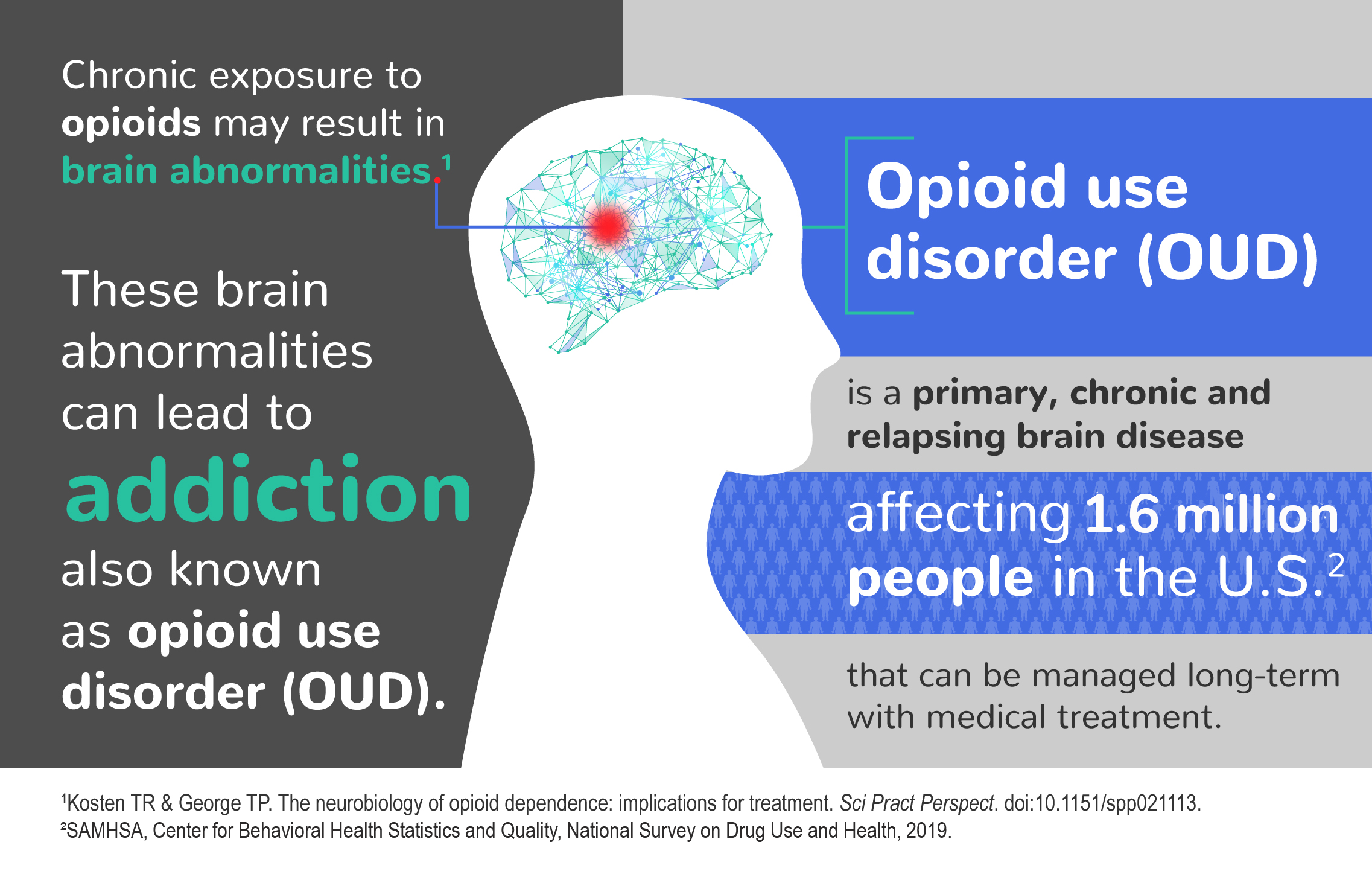
DEFINITION: Physical and psychological reliance on opioids, a substance found in certain prescription pain medications and illegal drugs like heroin.

Opioids are prescribed to treat pain. With prolonged use, pain-relieving effects may lessen and pain can become worse. In addition, the body can develop dependence. Opioid dependence causes withdrawal symptoms, which makes it difficult to stop taking them. Addiction occurs when dependence interferes with daily life. Taking more than the prescribed amount or using illegal opioids like heroin may result in death.

Symptoms of addiction include uncontrollable cravings and inability to control opioid use even though it’s having negative effects on personal relationships or finances.

Treatment varies but may include discontinuing the drug. Medications such as methadone can help alleviate the symptoms of withdrawal and cravings. Pairing medication with inpatient or support programs generally has the most success.

CITE: https://www.r2library.com/Resource/Title/082610254

***

Bicycle Health Study – 4 Findings

A recent survey of nearly 1,000 patients with opioid use disorder (OUD) about recovery, telehealth, and stigma found in regards to recovery:

 •  95% Describe their overall outlook on recovery as positive; just 1% describe as negative.
 •  76% Report having a strong support system to help navigate treatment.
 •  43% Returned to treatment immediately after relapse, 34% took over 3 months to start over.
 •  30% Blame individuals for the opioid crisis (over drug companies, doctors, and the government.)

Source: Bicycle Health, “Cost, Access are Biggest Barriers to OUD Recovery, But Telemedicine Can Help, According to New Report from Bicycle Health,” March 23, 2022

***

COMMENTS APPRECIATED

Thank You

***

***

PODCAST: High Cost Healthcare Claimants

By Eric Bricker MD

***

***

CITE: https://www.r2library.com/Resource/Title/082610254

COMMENTS APPRECIATED

Thank You

***

***

****

PODCAST: The Dartmouth Atlas of Healthcare

Geographic Variation in Spine Surgery

By Dr. Eric Bricker MD

****

***

MORE: https://www.dartmouthatlas.org/

John Wennberg MD: https://tdi.dartmouth.edu/about/our-people/directory/john-e-wennberg-md-mph

CHECKLISTS: https://medicalexecutivepost.com/2009/01/20/a-homer-simpson-moment-of-clarity-on-medical-quality/

YOUR COMMENTS ARE APPRECIATED.

Thank You

****

***

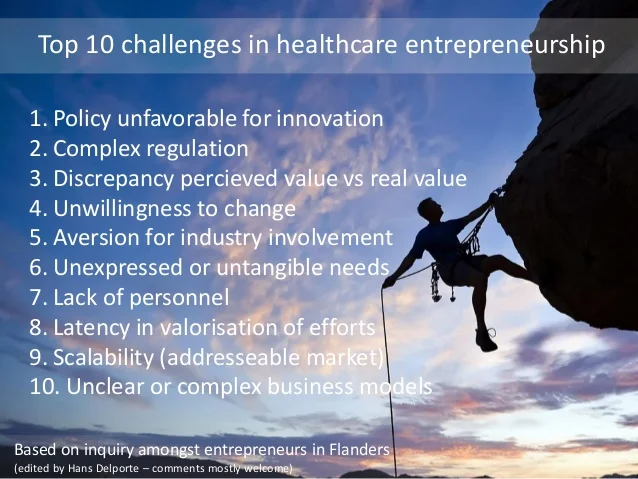
PODCAST: Matrix of Healthcare Regulation VS Entrepreneurship

By Free Market Medical Association

***

***

CITE: https://www.r2library.com/Resource/Title/082610254

COMMENTS APPRECIATED

Thank You

***

***

***

MEDICAL PRACTICE: Business Uses of Life Insurance for Doctors

****

Dr. David Edward Marcinko | The Leading Business Education Network for  Doctors, Financial Advisors and Health Industry Consultants

By Dr. David E. Marcinko MBA CMP®

INVITE DR. MARCINKO: https://medicalexecutivepost.com/dr-david-marcinkos-

CMP logo

SPONSOR: http://www.CertifiedMedicalPlanner.org

[A] Key Person Insurance

Hospitals, a local family practice office, a pharmaceutical company, all likely have one thing in common. Somewhere within these companies or partnerships, there are key employees or profit makers. Due to their expertise, management skills, knowledge, or “history of why,” they have become indispensable to their employers.

If this key employee were to die prematurely, what would potentially happen to the company?  In many cases, especially in smaller companies, it would have a devastating effect on the bottom line, or even precipitate a bankruptcy. In these circumstances, a form of business insurance, called key person coverage, is recommended in order to alleviate the potential financial problems resulting from the death of that employee.

The business would purchase and own a life insurance policy on the key person. Upon the death of the employee, the life insurance proceeds could be used to:

  • Pay off bank loans.
  • Replace the lost profits of the company.
  • Establish a reserve for the search, hiring and training of a replacement.

[B] Business Continuation Funding

See the chapters on buy-sell agreements and asset protection planning.

[C] Executive Bonus Plan

An executive bonus plan (or § 162 plan) is an effective way for a company to provide valued, select employees an additional employment benefit.  One of the main advantages to an executive bonus plan, when compared to other benefits, is its simplicity. In a typical executive bonus plan, an agreement is made between the employer and employee, whereby the employer agrees to pay for the cost of a life insurance policy, in the form of a bonus, on the life of the employee.

The major benefits of such a plan to the employee are that he or she is the immediate owner of the cash values and the death benefit provided.  The only cost to the employee is the payment of income tax on any bonus received.  The employer receives a tax deduction for providing the benefit, improves the morale of its selected employees, and can use the plan as a tool to attract additional talent.

[D] Non-Qualified Salary Continuation

Commonly referred to as deferred compensation, this is a legally binding promise by an employer to pay a salary continuation benefit at a specific point in the future, in exchange for the current and continued performance of its employee.  These plans are normally used to supplement existing retirement plans.

Although there are different variations of deferred compensation, in a typical deferred compensation agreement, the employer will purchase and own a life insurance policy on the life of the employee. The cash value of the policy grows tax deferred during the employee’s working years. After retirement, these cash values can be withdrawn from the policy to reimburse the company for its after-tax retirement payments to the employee. 

Upon the death of the employee, any remaining death benefit would likely be received income tax free by the employer (Alternative Minimum Taxes could apply to any benefit received by certain larger C corporations).  The death benefit could then be used to pay any required survivor benefits to the employee’s spouse, or provide partial or total cost recovery to the employer.

In a typical plan, the terms of the agreement are negotiated as to the amount of benefit received by the employee, when retirement benefits can begin, how long retirement benefits will be paid, and if benefits will be provided for death or disability.  The business has established what is commonly referred to as “golden handcuffs” for the employee.  As a result, the benefit will only be received if the employee continues to work for the company until retirement. If the employee is terminated or quits prior to retirement, the plan would end and no benefits would be payed.

[E] Split Dollar Plans

Split dollar arrangements can be a complicated and confusing concept for even the most experienced insurance professional or financial advisor. This concept is, in its simplest terms, a way for a business to share the cost and benefit of a life insurance policy with a valued employee. In a normal split dollar arrangement, the employee will receive valuable life insurance coverage at little cost to them. The business pays the majority of the premium, but is usually able to recover the entire cost of providing this benefit at termination of employment, death or surrender of the policy.

Following the publication of IRS Notices 2002-8 and 2002-59, there are currently two general approaches to the ownership of business split-dollar life insurance: Employer-owned or Employee-owned.

***

[1] Employer-Owned Method

In the employer-owned method the employer is the sole owner of the policy. A written split-dollar agreement usually permits the employee to name the beneficiary for most of the death proceeds. The employer owns all the cash value and has the unfettered right to borrow or withdraw it as necessary. At the end of the formal agreement, the business can generally (1) continue the policy as key person insurance, (2) transfer ownership to the insured and report the cash values as additional income to the insured, (3) sell the policy to the insured, or (4) use a combination of these methods. This is commonly referred to as “rollout.”

Practitioners should be careful not to include rollout language in the split-dollar agreement. The reason the rollout should not be included is that if the parties formally agree that after a specified number of years—or following a specific event—related only to the circumstances surrounding the policy, that the policy will be turned over to the insured, the IRS could declare that the entire transaction was a sham and that its sole purpose was to avoid taxation of the premiums to the employee, generating substantial interest and penalties in addition to the additional taxes due.

The death proceeds available to the insured employee’s beneficiary is considered a current and reportable economic benefit (REB), and it is an annually taxable event to the employee. If an individual policy is involved, the REB is calculated by multiplying the face amount times the government’s Table 2004 rates or the insurance company’s alternative term rates, using the insured’s age. If a second-to-die policy is involved, the government’s PS38 rates or the company’s alternative PS38 rates will be used. Any part of the premium actually paid by the employee is used to offset any REB dollar-for-dollar.

[2] Employee-Owned Method

With the employee-owned method, the insured-employee is generally the applicant and owner of the policy. Any premiums paid by the business are deemed to be loans to the employee and the employee reports as income an imputed interest rate on the cumulative amount of loan based on Code § 7872. A collateral assignment is made for the benefit of the business to cover the cumulative loan amount. In some cases, the assignment may allow the assignee to have access to the cash values of the policy by way of a policy loan. This method is unavailable for officers and executives of publicly- held corporations because of the current restrictions on corporate loans (the Sarbanes-Oxley Act of 2002).

The employee-owned method is somewhat similar to the older collateral assignment form of split-dollar. The benefits for the employee are both the ability to control large amounts of death proceeds as well as developing equity in the policy. Whether or not this new method catches on will depend greatly on the imputed interest rate published by the IRS every July. If set low enough, this may be an excellent opportunity for the employee to use inexpensive business dollars to pay for life insurance. 

***

CITE: https://www.r2library.com/Resource/Title/0826102549

***

Your Comments are appreciated.

Risk Management, Liability Insurance, and Asset Protection Strategies for Doctors and Advisors : Best Practices from Leading Consultants and Certified Medical Planners™ book cover

Risk Management Textbook: https://www.routledge.com/Risk-Management-Liability-Insurance-and-Asset-Protection-Strategies-for/Marcinko-Hetico/p/book/9781498725989

THANK YOU

***

PODCAST: High Per-Capita Metropolitan Healthcare Costs

SPUR INNOVATION

The Dallas Morning News Reported that Healthcare Costs Per Capita in the Dallas-Fort Worth Metro Area are Higher than New York City, Houston, Miami, Chicago, Atlanta and Washington, D.C.

By Eric Bricker MD

***

***

Citation: https://www.r2library.com/Resource/Title/0826102549

COMMENTS APPRECIATED

Thank You

***

***

***

***

INDUSTRIAL ORGANIZATION: For Hospitals, Clinics and Healthcare CXOs, CEOs, CMOs and CTOs, etc.

MANAGEMENT STRATEGIES, TOOLS TEMPLATES AND CASE STUDIES

***

Reviews:

Hospitals and Health Care Organizations is a must-read for any physician and other health care provider to understand the multiple, and increasingly complex, interlocking components of the U.S. health care delivery system, whether they are employed by a hospital system, or manage their own private practices.

The operational principles, methods, and examples in this book provide a framework applicable on both the large organizational and smaller private practice levels and will result in better patient care. Physicians today know they need to better understand business principles and this book by Dr. David E. Marcinko and Professor Hope Rachel Hetico provides an excellent framework and foundation to learn important principles all doctors need to know.
―Richard Berning, MD, Pediatric Cardiology

… Dr. David Edward Marcinko and Professor Hope Rachel Hetico bring their vast health care experience along with additional national experts to provide a health care model-based framework to allow health care professionals to utilize the checklists and templates to evaluate their own systems, recognize where the weak links in the system are, and, by applying the well-illustrated principles, improve the efficiency of the system without sacrificing quality patient care. … The health care delivery system is not an assembly line, but with persistence and time following the guidelines offered in this book, quality patient care can be delivered efficiently and affordably while maintaining the financial viability of institutions and practices.
―James Winston Phillips, MD, MBA, JD, LLM

***

***

***

PURCHASE: https://www.amazon.com/dp/B00BC9IIUM?ref_=k4w_oembed_faGUzLlJ9ojLIx&tag=kpembed-20&linkCode=kpd

***

Doctors “Pay Up” OR ELSE “Don’t Work”

Physicians Suspected of Mental Health Issues

J. Wesley Boyd M.D., Ph.D.

I used to be an Associate Director in a state physician health program (PHP) and I served as a consultant when the state of North Carolina audited its PHP. Now, roughly twice a month I am contacted by a physician somewhere in the U.S. who is, effectively, being extorted.

How are they being extorted? These physicians are forced to either pay tens of thousands of dollars to for-profit evaluation/treatment centers or else lose their ability to practice medicine.

LINK: https://www.psychologytoday.com/us/blog/almost-addicted/201912/doctors-pay-or-else-dont-work#=

MD Mental CARE: https://www.psychologytoday.com/us/blog/almost-addicted/201904/why-physicians-who-need-psychiatric-care-go-kansas

MEDICAL BOARDS: https://medicalexecutivepost.com/2016/07/14/a-brief-history-of-medical-boards/

EDITOR’S NOTE: Colleague J. Wesley Boyd, M.D., Ph.D., is a professor of psychiatry and medical ethics at Baylor College of Medicine. He is also a lecturer on global health and social medicine at Harvard Medical School. He writes on issues of social justice, human rights, immigration and asylum, access to care, and substance use disorders. And, he is the author of the book, Almost Addicted, which won the Will Solemine Award for Excellence in Medical Writing from the New England American Medical Writer’s Association. Dr. Boyd also contributed to our major textbook on Risk Management, Liability Insurance and Asset Protection Strategies for Doctors and Advisors. We appreciate his work and contributions.

Dr. David E. Marcinko MBA

***

Risk Management, Liability Insurance, and Asset Protection Strategies for Doctors and Advisors: Best Practices from Leading Consultants and Certified Medical Planners™

ORDER TEXTBOOK: https://www.routledge.com/Risk-Management-Liability-Insurance-and-Asset-Protection-Strategies-for/Marcinko-Hetico/p/book/9781498725989

INVITE DR. MARCINKO: https://medicalexecutivepost.com/dr-david-marcinkos-

THANK YOU

***

Primary Care in High-Income Countries [How the United States Compares?]

By Staff Reporters

***

***

Commonwealth Fund: % of Adults Who Have Regular Doctors

 •  Norway: 100%
 •  Netherlands: 99%
 •  U.K.: 97%
 •  New Zealand: 96%
 •  Germany: 96%
 •  France: 95%
 •  Australia: 93%
 •  Switzerland: 93%
 •  Canada: 90%
 •  U.S.: 89%
 •  Sweden: 87%

Source: The Commonwealth Fund, “Primary Care in High-Income Countries: How the United States Compares,” March 15, 2022

Citation: https://www.r2library.com/Resource/Title/0826102549

***

COMMENTS APPRECIATED

Thank You

Subscribe to the Medical Executive-Post

***

***

***

***

HEALTHCARE ENTREPRENEURS: “Top 10” Challenges

By Staff Reporters

***

***

COMMENTS APPRECIATED

Thank You

Subscribe to the Medical Executive-Post

***

***

***

PODCAST: Health Care EMR and I.T. Inter-Operability Explained

By Eric Brikcer MD

***

Electronic Medical Record Interoperability is the Ability of Different Hospital Systems and Doctor Practices to Share Patient Data.

***

***

MEDICINE: https://www.amazon.com/Business-Medical-Practice-Transformational-Doctors/dp/0826105750/ref=sr_1_9?ie=UTF8&qid=1448163039&sr=8-9&keywords=david+marcinko

***

DHIT: https://www.amazon.com/Dictionary-Health-Information-Technology-Security/dp/0826149952/ref=sr_1_5?ie=UTF8&s=books&qid=1254413315&sr=1-5

***

PODCAST: Hospital Finance 101

***

A basic understanding of hospital finance is crucial as leaders continue to create policy that shapes healthcare financing. This updated 30,000-foot view of hospital finance is intended to shed some light on the complex system.

By The Center for Health Affairs

***

***

CITE: https://www.r2library.com/Resource/Title/082610254

COMMENTS APPRECIATED

Thank You

Subscribe to the Medical Executive-Post

***

***

****

Happy NATIONAL DOCTOR’s Day 2022

By Staff Reporters

To all our valued physicians readers and subscribers

***

You have always been the shield defending and healing patients in our communities. Now more than ever, you have become a guiding light through uncertainty as we navigate toward a brighter future.

This is our chance to thank you for your hard work and incredible impact!

***

***

THANK YOU

Medical Executive-Post

CERTIFIED MEDICAL PLANNER™

http://www.CertifiedMedicalPlanner.org

***

DOJ Recoveries for False Claims Act Cases Doubled in 2021

BY HEALTH CAPITAL CONSULTANTS, LLC.

DEFINITION: The False Claims Act, also called the “Lincoln Law”, is an American federal law that imposes liability on persons and companies who defraud governmental programs. It is the federal Government’s primary litigation tool in combating fraud against the Government. The law includes a provision that allows people who are not affiliated with the government, called “relators” under the law, to file actions on behalf of the government. Persons filing under the Act stand to receive a portion of any recovered damages.

CITE: https://www.r2library.com/Resource/Title/0826102549

***

DOJ Recoveries for False Claims Act Cases Doubled in 2021

On February 1, 2022, the U.S. Department of Justice (DOJ) announced their recovery of $5.6 billion in settlements and judgments from civil cases involving fraud and false claims for fiscal year (FY) 2021. Over $5 billion was recouped from the healthcare industry for federal losses alone, and included recoveries from drug and medical device manufacturers, managed care providers, hospitals, pharmacies, hospice organizations, laboratories, and physicians.

***

This figure is more than double the amount of healthcare-related recoveries secured in FY 2020, which totaled $1.8 billion. (Read more…)

***

***

***

COMMENTS APPRECIATED

Thank You

Subscribe to the Medical Executive-Post

***