BOARD CERTIFICATION EXAM STUDY GUIDES Lower Extremity Trauma
[Click on Image to Enlarge]
ME-P Free Advertising Consultation
The “Medical Executive-Post” is about connecting doctors, health care executives and modern consulting advisors. It’s about free-enterprise, business, practice, policy, personal financial planning and wealth building capitalism. We have an attitude that’s independent, outspoken, intelligent and so Next-Gen; often edgy, usually controversial. And, our consultants “got fly”, just like U. Read it! Write it! Post it! “Medical Executive-Post”. Call or email us for your FREE advertising and sales consultation TODAY [678.779.8597] Email: MarcinkoAdvisors@outlook.com
Medical & Surgical e-Consent Forms
ePodiatryConsentForms.com
iMBA Inc., OFFICES
Suite #5901 Wilbanks Drive, Norcross, Georgia, 30092 USA [1.678.779.8597]. Our location is real and we are now virtually enabled to assist new long distance clients and out-of-town colleagues.
ME-P Publishing
SEEKING INDUSTRY INFO PARTNERS?
If you want the opportunity to work with leading health care industry insiders, innovators and watchers, the “ME-P” may be right for you? We are unbiased and operate at the nexus of theoretical and applied R&D. Collaborate with us and you’ll put your brand in front of a smart & tightly focused demographic; one at the forefront of our emerging healthcare free marketplace of informed and professional “movers and shakers.” Our Ad Rate Card is available upon request [678-779-8597].
Posted on June 14, 2023 by Dr. David Edward Marcinko MBA MEd CMP™
By Staff Reporters
FLAG DAY 2023
***
***
Measured year over year, inflation slowed to just 4 per cent in May — the lowest 12-month figure in over two years and well below April’s 4.9 per cent annual rise. The pullback was driven by tumbling gas prices and smaller increases in grocery prices and other items.
***
Here is where the major benchmarks ended, today:
The S&P 500® Index was up 30.08 points (0.7%) at 4,369.01; the Dow Jones industrial average was up 145.79 (0.4%) at 34,212.12; the NASDAQ Composite was up 111.40 (0.8%) at 13,573.32.
The 10-year Treasury note yield (TNX) was up about 6 basis points at 3.829%.
CBOE’s Volatility Index (VIX) was down 0.4 at 14.61.
Regional banks and oilfield services stocks led the gainers Tuesday. Crude oil futures rose 3% on expectations of stronger demand from China. Small-caps were also strong, with the Russell 2000 Index (RUT) rising more than 1% to its highest level since early March. The U.S. Dollar Index (DXY) fell to its lowest level in more than three weeks thanks to expectations interest rates could be near their peak.
Posted on June 13, 2023 by Dr. David Edward Marcinko MBA MEd CMP™
By Staff Reporters
***
***
The Biden administration finalized a deal to preserve the federal mandate requiring U.S. health insurers to cover preventive care like cancer screenings and HIV-preventing medication at no extra cost to patients while a legal challenge continues. The agreement, first disclosed last Friday and now finalized in a filing in the New Orleans-based 5th U.S. Circuit Court of Appeals, leaves the mandate in place nationwide while the administration appeals a court order striking it down.
***
Here is where the major benchmarks ended yesterday:
Stock indices finished yesterday’s trading session in the green. The NASDAQ 100 (NDX), S&P 500 (SPX), and the Dow Jones Industrial Average (DJIA) gained 1.76%, 0.94%, and 0.56%, respectively. The energy sector (XLE) was the session’s laggard, as it fell 0.95%. Conversely, the technology sector (XLK) was the session’s leader, with a gain of 2.18%.
Furthermore, the U.S. 10-Year Treasury yield saw little change, as it hovers around 3.74%. Conversely, the Two-Year Treasury yield decreased to 4.58%. This brings the spread between them to -84 basis points.
Posted on June 12, 2023 by Dr. David Edward Marcinko MBA MEd CMP™
By Staff Reporters
***
***
The US economy remains “very, very hot,” though not as much as it was six to 12 months ago, said former Treasury Secretary Lawrence Summers. “The United States is, today, an underlying 4.5-5% inflation country,” Summers said, speaking via video link at the start of the two-day Caixin Asia New Vision Forum in Singapore. At the same time, soft landings “represent the triumph of hope over experience,” and commercial real estate is one area where there are likely to be “pockets of distress,” said Professor Summers of Harvard University.
At its meeting this week, the Federal Reserve is expected to do something it hasn’t done in the last 15 months: not raise interest rates. Chair Jerome Powell suggested it might be time to take a breather as a series of rate hikes filters through the economy.
***
Last week, the S&P 500 reached its fourth consecutive winning week and the NASDAQ seventh as investors find fewer things to be worried about. In a sign of that cautious optimism, Goldman Sachs slashed its probability of a recession in the next year from 35% to 25%.
Crypto: SEC Chair Gary Gensler dramatically escalated his war on crypto-currency last week, and prices took a big hit. Four of the 10 most valuable cryptocurrencies fell by at least 15%, per CoinMarketCap.
Posted on June 10, 2023 by Dr. David Edward Marcinko MBA MEd CMP™
By Staff Reporters
***
***
Republicans in the U.S. House of Representatives just unveiled a series of new tax breaks aimed at businesses and families while proposing to reverse some of President Joe Biden’s legislative victories, including credits to spur the sale of clean-burning electric vehicles.
Under the proposed legislation, married couples filing jointly would receive a $4,000 “deduction bonus” for two years that the committee said would potentially help up to 107 million families who take the standard deduction.
The legislation also would significantly increase the way businesses could claim depreciation deductions, raising the threshold to a permanent $2.5 million from the current $1 million that was contained in the Republicans’ broad 2017 tax cut package.
Other provisions include an expansion of tax benefits for small start-up enterprises to “S Corporations,” while eliminating some “red tape” that small businesses experience related to contract workers.
***
The Closing Friday Markets
Markets: Stocks celebrated the summer Friday by jumping up yesterday, giving the S&P 500, which recently reentered bull market territory, its fourth positive week in a row. And, Tesla enjoyed its eleventh consecutive trading day in the green, matching its longest hot streak.
The S&P 500 Index was up 4.93 points (0.11%) at 4,298.86; the Dow Jones Industrial Average (DJIA) was up 43.17 points (0.13%) at 33,876.78; the NASDAQ Composite (COMPX) was up 20.62 points (0.16%) at 13,259.14.
The 10-year Treasury note yield (TNX) was little changed at 3.740%.
CBOE’s Volatility Index (VIX) was up 10 points at 13.75.
The Technology, Consumer Discretionary, and Communication Services sectors—home to market heavyweights such as Alphabet (GOOGL), Apple (AAPL), Meta (META), Microsoft (MSFT), NVIDIA (NVDA), and Tesla (TSLA)—were the strongest performers Friday. Energy was among the weaker sectors, as crude oil futures fell 1.5% to just above $70. The small-company-focused Russell 2000 (RUT) lagged, falling about 0.9%.
Posted on June 8, 2023 by Dr. David Edward Marcinko MBA MEd CMP™
By Staff Reporters
***
***
Turkey’s lira plunged 7% to a record low yesterday in its biggest selloff since a historic 2021 crash, a move traders said is a “strong signal” that Ankara is moving away from state controls toward a freely traded currency. The currency has come under increasing pressure since President Tayyip Erdogan was re-elected on May 28. It was trading at 23.18 against the dollar at 1500 GMT, after touching a record low of 23.19, bringing its losses this year to around 20%.
***
Treasury Secretary Janet Yellen, in her first interview since the U.S. debt-ceiling was lifted last week by Congress, warned on Wednesday about the potential for banks to feel strain from their exposure to weakening commercial real estate valuations. Yellen was asked by CNBC “Squawk Box” host Andrew Ross Sorkin about if she’s worried about the state of estimated $20.7 trillion commercial real-estate market, particularly the office, and if weakness in the sector could potentially spark more bank failures.
“Well, I do think that there will be issues with respect to commercial real estate,” Yellen said. “Certainly, the demand for office space since we’ve seen such a big change in attitudes and behavior toward remote work has changed and especially in an environment of higher interest rates.”
***
The equities market diverged today between a small handful of strong-performing mega-cap companies, which delivered most of the gains recently in the big benchmark indexes, and the lagging majority. Such concentration suggests a weakness below the headline numbers that could become a problem down the line.
Here is where the major benchmarks ended today:
The S&P 500® Index (SPX) was down 16.33 points (0.4%) at 4267.52; the Dow Jones Industrial Average (DJIA) was up 91.74 (0.3%) at 33,665.02; the NASDAQ Composite (COMPX) was down 171.52 (1.3%) at 13,104.90.
The 10-year Treasury note yield (TNX) was up about 9 basis points at 3.791%.
CBOEs Volatility Index (VIX) was down 0.04 at 13.92.
Smaller financial companies were also in the spotlight again, with the KBW Regional Banking Index (KRX) continuing its rebound with a nearly 4% jump. Energy stocks were also strong as crude oil futures climbed more than 1%, and transportation companies also gained. Communication Services led decliners among S&P 500 sectors.
Posted on June 7, 2023 by Dr. David Edward Marcinko MBA MEd CMP™
By Staff Reporters
Meta, the Facebook tech giant sold the GIF platform it had recently bought at a steep loss after the UK’s competition regulator demanded it unwind its acquisition over antitrust concerns.
Meta had acquired Giphy in 2020 for $400 million, and just sold the company to Shutterstock for nearly $350 million less than that—$53 million. This was the first instance of British authorities dismantling a Big Tech deal that had already closed
The Biden administration is confident it will succeed in the courts against Merck & Co’s lawsuit filed on Tuesday, the White House said, defending the Medicare health insurance program’s authority to seek deals on medicine prices. “We are confident we will succeed in the courts: there is nothing in the Constitution that prevents Medicare from negotiating lower drug prices,” White House spokeswoman Karine Jean-Pierre said in a statement.
Behind negative returns for shares of UnitedHealth and Merck, as noted above, UnitedHealth’s shares were off $14.28, or 2.9%, while those of Merck have dropped $3.23, or 2.9%. A $1 move in any one of the 30 components of the Dow results in a 6.59-point swing. In summary:
***
Here is where the major benchmarks ended yesterday:
The S&P 500® Index was up 10.04 points (0.2%) at 4283.84; the Dow Jones industrial average was up 10.48 at 33,573.34; the NASDAQ Composite was up about 47 points (0.36%) at 13,276.42.
The 10-year Treasury yield was little changed at 3.687%.
Posted on June 6, 2023 by Dr. David Edward Marcinko MBA MEd CMP™
By Staff Reporters
***
***
The Securities and Exchange Commission sued cryptocurrency platform Coinbase today, charging the company with operating an unregistered securities platform and brokerage service. The lawsuit comes a day after the SEC filed charges against Binance, below.
***
Cryptocurrencies and shares in crypto and blockchain-related companies tumbled yesterday after the U.S. securities regulator sued crypto exchange Binance, another blow to the industry. The U.S. Securities and Exchange Commission sued Binance and its CEO Changpeng Zhao for secretly controlling Binance.US as part of a “web of deception” to evade U.S. laws, among other charges. Reuters earlier reported that Binance controlled its US affiliate’s bank accounts, despite claiming it was independent.
The SEC also said Binance artificially inflated trading volumes on the platform, diverted customer funds and failed to restrict U.S. customers from its platform and misled investors about market surveillance controls.
Bitcoin, the world’s biggest cryptocurrency was down 5.45% after falling to its lowest level since mid-March following the news. Binance’s cryptocurrency fell 9.72%.
Posted on June 6, 2023 by Dr. David Edward Marcinko MBA MEd CMP™
By Staff Reporters
***
***
The Normandy landings were the landing operations and associated airborne operations on Tuesday, 6th June 1944 of the Allied invasion of Normandy in Operation Overlord during World War II. Code-named Operation Neptune and often referred to as D-Day, it was the largest seaborne invasion in history.
***
It has also been 42 years since the CDC first reported on AIDS in the US, describing five Los Angeles-area patients with Pneumocystis jiroveci pneumonia. Today about 1.2 million people in the US live with HIV, the virus that causes AIDS, a condition that’s considered chronic but not necessarily fatal. Still, US leaders want to end the HIV epidemic by 2030.
Advocates are calling for gun violence to be considered as an “adverse childhood experience.”
Chicago health officials still recommend exercising caution over Mpox in the year following a major outbreak.
***
With the drama of earnings season, the debt ceiling battle, and last Friday’s crucial jobs report in the rear-view mirror, Wall Street enters the week seeking new catalysts.
The S&P 500 Index (SPX) starts the week on the cusp of a new bull market. A close of 4,292 or above would represent approximately a 20% gain from the 2022 low close of 3,577 posted last October 12. A 20% gain from the bottom represents a new bull market. That said, the SPX is still down about 11% from its all-time high close of 4,796 posted January 3, 2022.
You may recall a strong rally last summer. But the 17% rally that lasted from mid-June 2022 through mid-August 2022 lifted the SPX just 17%—not enough to put it into bull market territory.
The 10-year Treasury note yield ($TNX) was down slightly to 3.68%. The U.S. Dollar Index ($DXY) is up slightly to 104.29. The Cboe Volatility Index® ($VIX) has been in positive territory all day today and was last seen up by 0.27 to 14.87. WTI Crude Oil (/CL) is up to $73.22 per barrel after Saudi Arabia said it would cut production.
Gold prices have traded in a range of $1,953.80 to $1,978.00 and were last seen trading higher by 0.17% to $1,973.00.
Natural Gas prices have traded in a range of $2.184-2.2301 so far today and were last seen trading higher by $0.077 (or + 3.55%) to $2.249/MMBtu.
Posted on June 5, 2023 by Dr. David Edward Marcinko MBA MEd CMP™
By Staff Reporters
***
***
Saudi Arabia said yesterday that it will reduce how much oil it sends to the global economy, taking a unilateral step to support the sagging cost of crude after two earlier production cuts by members of the OPEC+ alliance of major oil-producing countries failed to push prices higher. The announcement of the Saudi cuts of 1 million barrels per day, which will start in July, followed a meeting of the alliance at OPEC headquarters in Vienna. The rest of the OPEC+ producers agreed to extend earlier cuts in supply through the end of 2024.
The slump in oil prices has helped U.S. drivers fill their tanks more cheaply and given consumers worldwide some relief from inflation. That the Saudis felt another cut was necessary underlines the uncertain outlook for demand for fuel in the months ahead. And, there are still concerns about economic weakness in the U.S. and Europe, while China’s rebound from COVID-19 restrictions has been less robust than many had hoped.
However, some statistics from the US Chamber of Commerce show signs the situation is getting better: Leisure and hospitality lost 833,000 workers in July 2022, but 1.1 million people were hired into the industry that same month.
Posted on June 4, 2023 by Dr. David Edward Marcinko MBA MEd CMP™
By Staff Reporters
***
***
The US kept adding jobs according to new data from the Bureau of Labor Statistics. The economy gained 339,000 pay-rolled employees in May, more than in each of the preceding three months and way more than the 190,000 Dow Jones predicted (to be fair, expert estimates low-balled 13 of the last 16 job reports, according to CNBC. This growth happened despite climbing interest rates, inflation, recent bank failures, and a nerve-racking debt ceiling standoff that threatened to destroy the economy And, Wall Street interpreted the data as a big green “buy” sign. For example:
Stocksleaped up last week as investors celebrated the deal to lift the debt ceiling being showed that the economy is still going strong. In fact, Lululemon stretched toward the heavens after beating earnings expectations thanks to a 24% year over year jump in sales.
But not all indications pointed to the hot streak continuing indefinitely.
The unemployment rate inched, wage growth slowed, and workers appear less self-assured in the labor market:
The self-employed lost 369,000 people from its ranks in May, a possible sign that folks might be ditching the self-employment for the security of a traditional employer.
And, recent data shows the quit rate has declined from an all-time high in late 2021, bringing an end to the pandemic job-hopping trend dubbed the Great Resignation.
Ultimately, the Fed will have to use the conflicting and mixed economic indicators to decide whether to further crank up interest rates at their next meeting. The Federal Reserve has been hinting that it might cease raising interest rates, and investors seem convinced the central bank will follow through and at least “skip” a hike this month even though the labor market is still radiating heat.
Posted on June 3, 2023 by Dr. David Edward Marcinko MBA MEd CMP™
By Staff Reporters
***
***
The end of debt standoff and a stronger-than-expected jobs report helped boost the Dow to its biggest gain in over six months, while the NASDAQ is near a 14-month high.
Here is where the major benchmarks ended yesterday:
The S&P 500® Index (SPX) was up 61.35 points (1.5%) at 4282.37, near a 10-month high; the Dow Jones industrial average was up 701.19 (2.1%) at 33,762.76; the NASDAQ Composite was up 139.78 (1.1%) at 13,240.77.
The 10-year Treasury note yield (TNX) was up about 9 basis points at 3.695%.
CBOE’s Volatility Index (VIX) was down 1.07 at 14.58.
Financial companies were among the strongest performers Friday, with the KBW Regional Banking Index (KRX) rising more than 6%.
Oilfield services companies and others in the energy sector were also strong, as crude oil futures extended a recent rally above $70 per barrel. Volatility measures dropped as the debt ceiling deal removed a source of uncertainty, with the VIX hitting its lowest level since July 2021.
Though individual borrowers are expected to pay off debts, the same isn’t true for governments, Paul Krugman argued in a column for the New York Times last week. That’s because unlike people, governments don’t die, and they gain more revenue with each passing generation. “Governments, then, must service their debts – pay interest and repay principal when bonds come due – but they don’t necessarily have to pay them off; they can issue new bonds to pay principal on old bonds and even borrow to pay interest as long as overall debt doesn’t rise too much faster than revenue,” he added.
Posted on June 2, 2023 by Dr. David Edward Marcinko MBA MEd CMP™
By Staff Reporters
***
***
National Hurricane Season Commences
The Atlantic hurricane season is the period in a year, from June 1st through November 30th, when tropical or subtropical cyclones are most likely to form in the North Atlantic Ocean. These dates, adopted by convention, encompass the period in each year when most tropical cyclogenesis occurs in the basin. Even so, subtropical or tropical cyclogenesis is possible at any time of the year, and often does occur.
Interest Rates?
New US government data shows there were more open jobs last month than expected, raising the possibility that the Federal Reserve could keep hiking Interest Rates Up.
Banks
Shares of large and mid-sized U.S. banks sharply under performed the broader markets with worries about commercial real estate loans in focus among bank investors.
Companies
The e-commerce giant Amazon has agreed to shell out the cash to settle a pair of lawsuits lodged by the Federal Trade Commission. It will cough up $5.8 million to resolve claims that it let employees and contractors access footage from Ring doorbell cameras and another $25 million because Alexa allegedly improperly retained information from children. Amazon’s also facing criticism from its staff—hundreds of corporate employees walked out yesterday to protest the company’s layoffs, return to office mandate, and contributions to climate change.
Advance Auto Parts tanked after the car parts seller cut its dividend and outlook for the year.
The Markets
Here is where the major benchmarks ended, yesterday:
The S&P 500 Index was up 41.19 points (1.0%) at 4221.02; the Dow Jones industrial average (DJIA) was up 153.30 (0.5%) at 33,061.57; the NASDQ Composite was up 165.70 (1.3%) at 13,100.98.
The 10-year Treasurynoteyield (TNX) was down about 3 basis points at 3.603%.
CBOE’s Volatility Index (VIX) was down 2.25 at 15.69.
Oilfield services providers and other energy companies led sector gains, as crude oil futures rallied nearly 3% and pushed back above $70 barrel despite higher-than-expected U.S. inventories reported Thursday. Semiconductor makers and other tech companies continued their recent show of strength. The U.S. Dollar Index ($DXY) fell to its lowest level in more than a week amid ideas the Fed may soon “pause” its sharp rate hikes of the past year.
Posted on June 1, 2023 by Dr. David Edward Marcinko MBA MEd CMP™
By Staff Reporters
***
***
Student loan payments could restart soon. Tucked into the debt ceiling deal agreed to by President Biden and House Speaker Kevin McCarthy is a measure that requires student loan borrowers to start paying their monthly bills again 60 days after June 30th.
A freeze on repayments has been in place since March 2020 due to COVID-19, and it’s been extended several times as the pandemic dragged on. This deadline for the resumption of payments is similar to the timeline previously laid out by President Joe Biden, but it prevents him from issuing another pause.
Posted on June 1, 2023 by Dr. David Edward Marcinko MBA MEd CMP™
By Staff Reporters
***
According to ABC News, the US House of Representatives just approved a bill to raise the nation’s debt ceiling while cutting some government spending over the next two years, in a major victory for both the White House and Republican leaders as the country tip-toes closer to a historic default on its bills. The final vote was 314-117. Now, the deal moves to the Senate, where Majority Leader Chuck Schumer has promised to work to pass it quickly.
***
***
Here is where the major benchmarks ended yesterday:
The S&P 500 Index was down 25.69 points (0.6%) at 4179.83; the Dow Jones industrial average was down 134.51 (0.4%) at 32,908.27; the NASDAQ Composite was down 82.14 (0.6%) at 12,935.29.
The 10-year Treasury yield was down about 5 basis points at 3.641%.
CBOE’s Volatility Index was up 0.26 at 17.74.
Regional banks were among the weakest performers Wednesday, while energy stocks also slumped as crude oil futures extended a recent sell-off.
The utilities and healthcare sectors were among the few gainers.
Despite weakness in technology, the NASDAQ still ended with a gain of 5.8% for the month, while the S&P 500 was up 0.3%. The U.S. dollar index rose to a 2½-month high.
Posted on May 31, 2023 by Dr. David Edward Marcinko MBA MEd CMP™
By Staff Reporters
***
***
Workers appear to value paid time off even more than having employer-funded health insurance, a recent study found. The Pew Research Center report called “How Americans view their jobs” found 62% of the 5,900 people surveyed felt it’s “extremely” important to have paid time off for vacations or minor illness, with a further 27% saying it’s “very” important. That’s higher than the 51% who said employer-funded health insurance was extremely important, with 28% saying it’s very important.
And, here is where the major market benchmarks ended yesterday:
The S&P 500 Index was up 0.07 point at 4205.52; the Dow Jones industrial average was down 50.56 (0.2%) at 33,042.78; the NASDAQ Composite was up 41.74 (0.32%) at 13,017.43.
The 10-year Treasury yield was down about 13 basis points at 3.694%.
CBOE’s Volatility Index was little changed at 17.46.
Oilfield services companies and others in energy were among the weakest performers as crude oil futures dropped more than 4% to less than $70 a barrel, reflecting ample supply.
Consumer staples and health care were also weak. The U.S. dollar index was down slightly after rising earlier to its highest level since mid-March.
Posted on May 30, 2023 by Dr. David Edward Marcinko MBA MEd CMP™
By Vitaliy N. Katsenelson CFA
***
***
You can also listen to a professional narration of this article on iTunes, Google & online.
CHARTER COMMUNICATIONS: Why we’re confident in our investment
December 12, 2022
When my wife Rachel and I were getting married, the preparations for the wedding were stressful. It was the usual stuff – finding caterers, picking a wedding dress and invitations, shrinking the enormous guest list, and making a lot of other (in hindsight), unimportant decisions. (My advice to my kids: Have a destination wedding in Hawaii on the beach; this will shrink your guest list by 90%, leaving only those who really care about you. This way, you’ll be planning a small party, not orchestrating a giant brawl.)
I remember the preparations for the wedding being unnecessarily frustrating. My bride and I thought once we got married and the wedding was behind us, life would get easier. My father made an important observation: “Do you think all your problems will go away once you get married? This is when a different, often more difficult, chapter of your life begins – you’ll be facing different, more important, problems.”
He was so right.
This applies to investing as well. Researching companies is preparation for the wedding. But after we buy a stock – “get married” – is when the real research begins, because life happens to companies. I have to admit, this wedding analogy is imperfect on many levels: Selling stocks is not as traumatic as getting divorced (our stocks don’t know we own them). We are not really married to our stocks; we would love to own them for a long time but will sell them with ease if new information starts hinting that our initial thesis was wrong.
I did not enjoy the preparations for my wedding, but I actually love doing research. Most of our research doesn’t turn into weddings – we buy only a few companies a year but research hundreds.
If this analogy is so bad, why keep it? It highlights what investing is and, as importantly, what it is not. Plus, I sank an hour into it, which I’ll never get back.
We had done a tremendous amount of research before we bought Charter Communications (CHTR). It seems like we have done twice as much research since we bought CHTR (“got married to it“) and have been kicked in the face by the declining stock price. However, we are convinced that our initial decision, although in hindsight it was imperfectly timed (an understatement), was the correct one.
The market’s concerns about the competitive threat to cable operators from fiber and fixed wireless drove all cable stocks down, creating an opportunity (more on that later). The more work we have done, the more we are convinced that this threat, though it may shave off a few percent from revenue growth in the short run, will have little impact on cable operators’ cash flows in the long term.
This is what I wrote about wireless competition: Let’s start with 5G. It is exponentially better than 4G. It is faster, has less latency, and drains batteries less. But it is still constrained by the scarcity of wireless spectrum – the “air pipe.” This is why wireless providers usually limit how much you can download on your device. Typical wireless providers put a cap of 50GB a month of downloads per household. The average cable customer consumes 400GB of data if they have TV service and 700GB if they don’t. (Remember, if you don’t have TV, you stream it over the internet, and thus consume more data.) Our internet data consumption is only moving in one direction, at a very fast pace, indefinitely: up! This will put further stress on the finite 5G spectrum, whereas broadband’s upward bound is virtually unlimited.
5G wireless customers will pay as much as Charter cable customers but will get 10-15x less data and slower speeds. If each 5G customer used as much internet as broadband customers, wireless providers would either go broke (they’d have to be spending hundreds of billions of dollars on new spectrum) or download speeds would slow to a crawl.The observation above is partially correct. T-Mobile, after merging with Sprint, has more spectrum than AT&T and Verizon and has been offering unlimited broadband, at very fast download speeds, for only $30 a month.
Brendan Snow (IMA analyst) and I went to the T-Mobile store to check it out. T-Mobile offered broadband in Brendan’s neighborhood but not in mine. I live in a very average suburban neighborhood, but despite owning more spectrum than its rivals, T-Mobile doesn’t have enough spectrum capacity to offer its service to me. Remember, broadband users consume 50–70 times more broadband than traditional wireless consumers.
Also, this offer is only available to customers who have wireless service with T-Mobile. I have read reviews of T-Mobile’s broadband service, and they all mention one thing in common: Service is intermittent and speed fluctuates a lot depending on the time of day. Bottom line: This service will take some market share from cable providers in areas with low population density, where cable companies have limited presence anyway.
Fiber is another threat that drove cable stocks down. “Fiber to the home providers” offer 1 gigabit speed on both downloads and uploads. Both Charter and Comcast have announced they will be upgrading their networks to DOCSIS 4.0, a new technology which, at a relatively small cost (less than $200 per customer), will put cable data speeds at parity with fiber. Comcast announced that they will roll out the technology everywhere by 2025, while Charter said they will focus on markets where they face the most competition from fiber. DOCSIS 4.0 will turn cable networks from smart to “brilliant” (this is how one cable executive described this technology), promising to increase uptime and reduce maintenance capital expenditures.
Our thinking on the wireless offerings by Charter and Comcast has changed. Initially, we thought it was a defensive move to compete with wireless providers, with the ultimate goal of bundling it with internet service and reducing churn. We assumed it would produce a limited stream of cash flows.
We changed our thinking here.
Cable companies have a structural cost advantage in offering wireless service, as consumers have been trained to connect their phones to Wi-Fi. This means that when we are on our mobile phones, we offload 90–95% of our data to wired networks, where cable companies have virtually unlimited capacity.
Wireless companies have to spend a tremendous amount of money on building and maintaining wireless networks, and pay tens of billions of dollars for spectrum. Cable companies, however, are able to shortcut this expense by buying buckets of data from wireless companies (AT&T and Verizon). As a result, both Charter and Comcast are offering wireless service at a significant discount to their wireless competitors.
The wireless business is growing at a rate of 30–40% a year, requiring minimal investment from cable companies. In a few years, once it reaches scale, it will become a significant contributor to earnings.
December 18th, 2022
Just as we were ready to send out this letter, right after I wrote the above, Charter held an investor day on December 13th. Management said they would roll out DOCSIS 4.0 across their full footprint in three years. The cost per customer is going to be $100, not the $200 that we, and everyone else, had expected. This was great news! $100 is less than two months of internet subscription.
Charter has 55 million customers, so additional investment (capital expenditure) over the next three years will total $5.5 billion. Charter will pay for it from its abundant cash flows. This new technology will allow customers to download and upload at 1 gigabit per second (with potential to take it up to 10 gigabits per second), putting cable technology completely on par with fiber.
In addition to increasing the company’s competitive advantage and pricing power (its product is priced lower than the fiber competition), management said that this investment in DOCSIS 4.0 will reduce its maintenance capital expenditures by $600 million to $1 billion a year.
The stock declined by 20% in response to the news. We laughed!
The market did not appreciate this investment, as it meant that Charter would have to reduce the amount of money it spends on buying back its own stock by the increase in capital expenditures. This is one of the best examples of time arbitrage we have ever seen. The market is not looking past its nose. Charter’s management’s time horizon is years into the future, as it should be.
The value of any asset, be it a company, cow, or bond, is the present value of its future cash flows. We put the new assumptions into our Charter discounted cash flow model: We reduced its cash flows by $5.5 billion over the next three years, and then increased them by $800 million after that (a midpoint number in the company’s guidance). Cost savings alone, ignoring the improved ability to raise prices and grow market share, increase Charter’s value (the present value of cash flows) by about 10%.
Paraphrasing Ben Graham, in the short term the market is a speculative casino but in the long term it is an Excel spreadsheet running discounted cash flows.
All cable stocks have declined, so we did some minor reshuffling of the portfolio. In taxable accounts we sold all of Charter, took a short-term loss, and bought Comcast. In nontaxable accounts we reduced our position in Charter and bought Comcast. We also bought Liberty Broadband in almost all accounts. Liberty Broadband is a company controlled by John Malone that owns about 30% of Charter. The Liberty discount for Charter has widened to about 25%, giving us the opportunity to buy Charter at a significant discount. Though this number may vary by portfolio, our exposure to the cable industry is now about 5%.
Charter and Comcast are like two first cousins who share the same grandparent – John Malone. A large part of Comcast is TCI, a company started by Malone. Today, Malone personally owns roughly 2% of Charter through his Liberty Broadband holding.
Cable is a much better business than wireless, for one reason: It has much less competition. Charter and Comcast compete with wireless carriers and phone companies, but they don’t compete against each other. Their footprints don’t overlap and will never overlap. In fact, they have joint ventures together. Charter’s and Comcast’s cable businesses are of a similar size. Charter has a laser focus on the cable business, whereas Comcast also has a media business (it owns NBC, Sky, and other media properties). Charter is more leveraged than Comcast, but its stock is cheaper. We like the management of both companies.
Posted on May 29, 2023 by Dr. David Edward Marcinko MBA MEd CMP™
COLLEGE 529 SAVINGS PLAN DAY
By Staff Reporters
***
***
May 29th is observed across the U.S. as 529 Day or 529 College Savings day. It was introduced to increase awareness of these plans and encourage families to start saving toward future education expenses.
Posted on May 28, 2023 by Dr. David Edward Marcinko MBA MEd CMP™
By Staff Reporters
***
***
Happy Summer 2023
***
Key negotiators struck an agreement in principle Saturday night to extend the debt ceiling and avert a catastrophic default, just days before the Treasury Department says the U.S. could run out of money, according to three Republican sources. The deal — which will raise the federal debt limit in exchange for cuts to spending — still has to be converted into legislative language and pass both the Republican-led House and Democratic-controlled Senate. It follows weeks of negotiations led by President Joe Biden and Speaker Kevin McCarthy, amid demands by the GOP to extract spending cuts in exchange for allowing the nation to continue to pay the bills.
***
Nvidia published thunderous first quarter earnings and shared insane forecasts for the second quarter that fueled its stock in after-hours trading. Nvidia shares, which closed at $305.38, soared nearly 29% to $393.49. This spectacular surge put Nvidia close to the symbolic threshold of $1 trillion in market value ($972 billion). Nvidia (NVDA) – Get Free Report said, in a statement, it expects revenue of around $11 billion, plus or minus 2%, for the second quarter of its fiscal year. This figure is about $4 billion higher than analysts’ expectations of $7.15 billion.
Posted on May 27, 2023 by Dr. David Edward Marcinko MBA MEd CMP™
By Staff Reporters
***
***
Money managers often share their thoughts in real time, but fewer still have 50 years of experience navigating the markets. Hedge fund manager Doug Kass is one of them.
Kass, who offers his stock picks and insights in his Real Money Pro Daily Diary, doesn’t pull any punches when it comes to managing risk. He recently told investors interested in artificial intelligence that the road to AI profits will likely be rockier than expected for the likes of Nvidia (NVDA) – Get Free Report, Microsoft (MSFT) – Get Free Report, Alphabet (GOOGL) – Get Free Report, and C3.ai (AI) – Get Free Report.
***
Here is where the major benchmarks ended yesterday:
The S&P 500® Index was up 54.17 points (1.3%) at 4205.45; the Dow Jones industrial average was up 328.69 (1.0%) at 33,093.34; the NASDAQ Composite was up 277.59 (2.2%) at 12,975.69.
The 10-year Treasury yield was little changed at 3.81%.
CBOE’s Volatility Index was down 1.22 at 17.93.
Tech remains the runaway upside leader among sectors, with the Philadelphia Semiconductor index soaring over 6% to a 14-month high Friday. The NASDAQ-100 also ended near a 14-month high. Communications services and real estate were also strong.
Oilfield services and other energy companies were among the weakest sectors, despite a jump of more than 1% in crude oil futures.
Posted on May 26, 2023 by Dr. David Edward Marcinko MBA MEd CMP™
By Staff Reporters
***
The value of the US tech company Nvidia has soared by a quarter after it predicted a boom in demand for its computer chips to meet the needs of artificial intelligence products such as ChatGPT. Nvidia’s share price rose by 25% in early trading on the back of the announcement, and gave it a market valuation of more than $940bn (£760bn) after stock markets opened on Wall Street on Thursday, up from $755bn on Wednesday evening. The share price had already more than doubled over the course of 2023, amid huge optimism over the rapid progress of generative AI products. These require massive data centers full of semiconductor chips to operate.
***
Here is where the major benchmarks ended yesterday:
The S&P 500® Index was up 36.04 points (0.9%) at 4151.28; the Dow Jones industrial average was down 35.27 (0.1%) at 32,764.65; the NASDAQ Composite was up 213.93 (1.7%) at 12,698.09.
The 10-year Treasury yield was up about 10 basis points at 3.823%.
CBOE’s Volatility Index was down 1.01 at 19.02.
The Philadelphia Semiconductor Index also rose more than 4% to near a 14-month high, while the NASDAQ-100 hit a 13-month high. Transportation stocks were also higher. Oilfield services companies were among the weakest performers as crude oil futures fell more than 3%.
***
US credit rating called into question
Credit rating agency Fitch just warned that the fight over the debt ceiling could force it to question the US’ perfect credit rating. It said it had put the nation’s triple-A credit rating on “rating watch negative,” meaning it’s poised for a downgrade if lawmakers can’t work things out. Even negotiations that drag on too long before a deal is reached could trigger a downgrade: That’s what happened in 2011, when S&P dinged the US’ credit over default fears. S&P still hasn’t returned the nation’s score to its highest rating.
Posted on May 25, 2023 by Dr. David Edward Marcinko MBA MEd CMP™
By Staff Reporters
***
***
Thousands of clients of Maxim Healthcare Services are about to receive a payment of up to $5,000 in compensation for a data breach. According to information obtained by The Sun, the private medical personnel company based in Columbia, Maryland; agreed to pay 2020 data breach claims filed in a class action lawsuit by residents of the state of California.
***
***
Gold futures tallied a third consecutive session decline settling at their lowest in nearly a week as further strength in the U.S. dollar pressured prices for the precious metal. Gold gave up early gains that had been driven by uncertainty surrounding a U.S. debt-ceiling deal in Congress.
***
And, here is where the major benchmarks ended yesterday:
The S&P 500 Index was down 30.34 points (0.7%) at 4115.24; the Dow Jones industrial average was down 255.59 (0.8%) at 32,799.92; the NASDAQ Composite was down 76.08 (0.6%) at 12,484.16.
The 10-year Treasury yield was up about 4 basis points at 3.742%.
CBOEs Volatility Index was up 1.52 at 20.04.
Technology and regional bank stocks were among the weakest sectors, with the Philadelphia Semiconductor Index down more than 2%. Energy was one of the few gainers among S&P 500 sectors as crude oil futures climbed to a three-week high of near $74 a barrel. The U.S. dollar index rose a third straight day to a two-month high.
Posted on May 24, 2023 by Dr. David Edward Marcinko MBA MEd CMP™
By Staff Reporters
Markets: Stocks sagged as investors wondered whether those “productive” debt-ceiling meetings would actually lead to the production of a deal to raise the borrowing cap. The “X-date” by which the US would default on its debts could arrive in eight days [June 6-8].
Stock spotlight: Yelp shares popped after an activist investment firm called on the review app to explore strategic alternatives, including a sale, the WSJ reported. The activist investor believes that Yelp could fetch a price that’s more than double its current value.
Posted on May 24, 2023 by Dr. David Edward Marcinko MBA MEd CMP™
By Anonymous
***
***
The HHS OIG Fall 2022 report was recently released to Congress. On page 20, there are many referrals to seven inappropriate payments to a variety of Medicare “Advantage” Plans. Topping the list is Humana. The OIG claims that Humana in the time period studied falsified records to receive $34.4M worth of payments they received from CMS for risk diagnosis code risk assessments. If even half this amount is true, it is unconscionable that Humana is not severely fined, their executives terminated and subjected to criminal proceedings, and they should be banned from the Medicare program for ten years. This is no different from how other healthcare providers are criminalized, so the question is, why is the insurance industry treated different and preferentially when they commit fraud?
These OIG studies are great reads, but up until now, they have done nothing to stop the insurance industry’s abusive practices of denying “clean claims”, denying claims after prior authorization, ignoring CCI edits, “losing” charts sent for review and then claiming higher error rates to Congress, paying providers often less than 50% of Medicare, and this the last draw… falsifying data so they can be paid more from CMS. When will this madness stop? When will providers have the gumption to actually act out the famous quote, “I’m mad as hell and I’m not going take it anymore!” (from the movie Network), and Peter Finch it!
Posted on May 24, 2023 by Dr. David Edward Marcinko MBA MEd CMP™
By Staff Reporters
***
***
Washington’s failure to wrap up the debt-ceiling negotiations sent stocks tumbling yesterday. Here is where the major benchmarks ended:
The S&P 500 Index was down 47.05 points (1.1%) at 4145.58; the Dow Jones industrial average was down 231.07 (0.7%) at 33,055.51; the NASDAQ Composite was down 160.53 (1.3%) at 12,560.25.
The 10-year Treasury yield was down about 2 basis points at 3.701%.
Posted on May 23, 2023 by Dr. David Edward Marcinko MBA MEd CMP™
By Staff Reporters
***
***
Last week, investors shrugged off debt ceiling worries to send the S&P and the NASDAQ to their best weekly performance since March. Tech stocks have posted impressive gains this year thanks to the hype around artificial intelligence:
Four giants that have made a big deal about investing in AI—Meta, Alphabet, Microsoft, and Nvidia—have surged in 2023 and now account for ~15% of the S&P 500’s market capitalization, according to Barron’s.
Posted on May 23, 2023 by Dr. David Edward Marcinko MBA MEd CMP™
By Staff Reporters
***
***
Here is where the major benchmarks ended yesterday:
The S&P 500® Index was up 0.65 point at 4192.63; the Dow Jones industrial average was down 140.05 (0.4%) at 33,286.58; the NASDAQ Composite was up 62.88 (0.5%) at 12,720.78.
The 10-year Treasury yield was up about 3 basis points at 3.721%.
CBOE’s Volatility Index was up 0.38 at 17.19.
The NASDAQ-100 Index ended at a 13-month high, driven by gains in large tech companies. Lenders were also particularly strong, with the KBW Regional Banking Index up nearly 3%. Oilfield services companies also rose as crude oil futures ticked higher. Consumer staples was among the weaker sectors.
***
Debt ceiling negotiations could result in less funding for state and local health officials to combat STDs. Remote work is making it easier for some family caregivers to fill care gaps. An RSV vaccine for pregnant women is another step closer to approval. Congress will question CIGNA over its practice of rejecting medical claims by the hundreds of thousands every month.
Posted on May 22, 2023 by Dr. David Edward Marcinko MBA MEd CMP™
By Staff Reporters
***
***
Staff-level discussions over the debt ceiling and budget between the White House and congressional Republicans will resume later today evening after President Joe Biden and House Speaker Kevin McCarthy spoke by phone Sunday afternoon, according to a White House official.
***
Traders who WFH do less crime. Employees of financial institutions who work the trading desk from home are less likely to commit securities fraud than in-person colleagues, according to a forthcoming article in European Financial Management.
One theory is that being out of the office shields do-gooders from their crime-inclined colleagues’ peer pressure, which is likely more potent face-to-face than over Slack. Remote work reduced the likelihood of misconduct reports among traders by nearly 15%, but it’s worth noting that the workers allowed to WFH are the ones who already showed a lower risk of committing securities violations.
Posted on May 20, 2023 by Dr. David Edward Marcinko MBA MEd CMP™
By Staff Reporters
***
***
Regional bank stocks slid again on Friday on fears that more banks might fail or need intervention from the government. The KBW Regional Bank index fell by nearly 3% from rumors that Treasury Secretary Janet Yellen said additional bank consolidations might need to occur, according to a CNN report.
***
Yesterday, stocks turn south after Republicans walked out on debt ceiling talks, but the S&P 500 and NASDAQ are still higher for the week. In summary:
The Dow Jones Industrial Average fell 109.28 points, or 0.3%, to close at 33,426.63.
The S&P 500 fell 6.1 points, or 0.1%, to finish at 4,191.98.
The NASDAQ Composite dropped 30.94 points, or 0.2%, to end at 12,657.90.
All three major indexes booked weekly gains, with the Dow rising 0.4% to snap two straight weeks of losses. The S&P 500 saw a 1.6% gain for the week, also snapping back-to-back weekly losses; the NASDAQ rose 3% in a fourth straight week of gains for its longest winning streak since the week ending Feb. 3rd, according to Dow Jones Market Data.
Posted on May 19, 2023 by Dr. David Edward Marcinko MBA MEd CMP™
By Staff Reporters
***
***
Markets: Stocks climbed for the second straight day as a last-minute deal to raise the debt ceiling begins to take shape. GOP House Speaker Kevin McCarthy and Democratic Senate Majority Leader Chuck Schumer signaled their chambers could vote next week on an agreement that would avert the US’ first-ever default.
Stock spotlight: Netflix shares popped after the streamer said its cheaper ad-supported plan is off to a hot start. Earlier this week, Netflix said that 25% of its new subscribers opted for the ad tier in regions where it’s available.
***
Here is where the major benchmarks ended yesterday:
The S&P 500 Index was up 39.28 points (0.9%) at 4198.05; the Dow Jones industrial average was up 115.14 (0.3%) at 33,535.91; the NASDAQ Composite was up 188.27 (1.5%) at 12,688.84.
The 10-year Treasury yield was up about 7 basis point at 3.65%.
CBOE’s Volatility Index was down 0.78 at 16.09.
The tech sector continued to be one of the market’s strongest performers, with the Philadelphia Semiconductor Index jumping nearly 3% and the Nasdaq-100 closing at a 13-month high. Real estate led decliners among S&P 500 sectors.
Also, the U.S. dollar index surged near a two-month high amid growing confidence the Fed won’t be lowering rates any time soon.
A collateralized debt obligation (CDO) is a type of structured asset-backed security (ABS). Originally developed as instruments for the corporate debt markets, after 2002 CDOs became vehicles for refinancing mortgage-backed securities (MBS).
Like other private label securities backed by assets, a CDO can be thought of as a promise to pay investors in a prescribed sequence, based on the cash flow the CDO collects from the pool of bonds or other assets it owns. Distinctively, CDO credit risk is typically assessed based on a probability of default (PD) derived from ratings on those bonds or assets.
A CMO is a debt security backed by mortgages. These mortgage pools are usually separated into different maturity classes called tranches (from the French word for “slice”). The securities were issued by private issuers, as well as the Federal Home Loan Mortgage Corporation (Freddie Mac). As the mortgages were usually government-guaranteed, CMOs usually carried AAA ratings until their current financial meltdown. The early versions of CMOs were known as “plain vanilla,” but recent developments gave us PACs (planned amortization certificates) and TACs (targeted amortization certificates); among too many others. They were all variations on how principal repayments in advance of maturity date were treated.
Posted on May 18, 2023 by Dr. David Edward Marcinko MBA MEd CMP™
By Staff Reporters
***
***
Elizabeth Holmes has been ordered to report to prison on May 30th after an appeals court denied her bid to stay out of jail while she challenges her conviction for defrauding Theranos’s investors.
***
Here is where the major benchmarks ended yesterday:
The S&P 500® Index was up 48.87 points (1.2%) at 4158.77; the Dow Jones industrial average was up 408.63 (1.2%) at 33,420.77; the NASDAQ Composite was up 157.51 (1.3%) at 12,500.57.
The 10-year Treasury yield was up about 3 basis point at 3.577%.
CBOE’s Volatility Index was down 1.11 at 16.88.
Financials were among the strongest performers, with the KBW Regional Banking index soaring over 7%. Semiconductors also climbed and oilfield services companies gained as crude oil futures surged nearly 3%. Utility stocks were among the laggards.
Posted on May 17, 2023 by Dr. David Edward Marcinko MBA MEd CMP™
By Staff Reporters
***
***
The Federal Trade Commission said on Tuesday [yesterday] it will try to block an effort by bio-pharmaceutical leader Amgen Inc. from purchasing Horizon Therapeutics for $28.3 billion, charging the move could force insurance companies to favor their products. The FTC said the coupling of Amgen and Horizon could have allowed Amgen to leverage its portfolio of top-selling drugs to entrench a monopoly position in treatments for thyroid eye disease and chronic refractory gout. The watchdog agency said Amgen could force insurance companies and pharmacy benefit managers, or PBMs, into favoring Horizon’s two monopoly products. It said Tepezza is used to treat thyroid eye disease, while Krystexxa is used to treat chronic refractory gout. The agency said neither of the treatments has competition in the pharmaceutical marketplace.
And, the CME FedWatch Tool shows an 82% probability of the Fed leaving rates where they are, versus an 18% chance of another rate hike. As for rate cuts, Liz Ann Sonders of Schwab said they remain unlikely “unless the banking crisis significantly worsens and/or the economy or labor market sinks notably.” “Otherwise, the most likely outcome is for the Fed to pause and hold,” she added.
***
So, here is where the major benchmarks ended yesterday:
The S&P 500® Index was down 26.38 points (0.64%) at 4,109.90; the Dow Jones Industrial Average was down 336.46 (1.01%) at 33,012.14; the NASDAQ Composite was down 22.16 (0.18%) at 12,343.05.
The 10-year Treasury yield was up about 4 basis points at 3.541%.
CBOE’s Volatility Index was up 90 basis points at 18.02.
The energy sector was one of the weakest performers Tuesday, as WTI Crude Oil futures dipped. The Dow Jones U.S. Oil & Gas Total Stock Market Index was down more than 2%, while the S&P Global Oil Index shed 2.5%. Real estate and utilities also lagged. Communication services and tech were the strongest performers.
Posted on May 16, 2023 by Dr. David Edward Marcinko MBA MEd CMP™
By Staff Reporters
***
***
Earnings roundup
The following companies are in the earnings pipeline this week:
Home Depot is due to release its results for its last fiscal quarter before the market opens Tuesday. Analysts expect the home-improvement chain to report earnings of $3.81 per share, down from $4.09 during the same quarter a year earlier, according to Zacks Investment Research. Home improvement businesses benefited from increased spending on renovations during the pandemic but have struggled as inflation picked up. Home Depot’s shares were down about 0.9% Monday.
Target will follow Wednesday, with analysts predicting the big box retailer will report earnings of $1.75 per share, down from $2.19 the year before. Again, investors will be looking to see how Target has dealt with inflation and recession-wary shoppers. Its shares were up more than 1.3%.
Walmart wraps up big-retailer week Thursday. Analysts expect the retailer to report earnings of $1.31 per share, a slight improvement from $1.3 a year earlier. Its shares were down about 0.8%.
Cisco Systems (CSCO) will report results for the fiscal quarter ended in April on Wednesday. Analysts expect the software company to report earnings of $0.87 per share, up from $0.78 a year before.
Two major Chinese tech companies will also report results this week, with Baidu (BIDU) going first before market open Tuesday and Alibaba (BABA) following Thursday.
Posted on May 16, 2023 by Dr. David Edward Marcinko MBA MEd CMP™
By Staff Reporters
***
***
The executive branch of the European Union said Monday that Microsoft has offered enough remedies to address antitrust concerns, paving the way for the proposed $69 billion acquisition of gaming giant Activision Blizzard. The acquisition was opposed by rival game developer and PlayStation console maker Sony over fears it would see Microsoft’s Xbox platform push it out of the market. Market regulators globally, meanwhile, expressed concern over whether Microsoft would come to dominate the cloud-gaming market through the acquisition. On Monday, however, the European Commission, the executive arm of the EU, said Microsoft had done enough to allay concerns on cloud gaming specifically to warrant a positive decision on the merger.
***
Here is where the major benchmarks ended [yesterday] Monday:
The S&P 500 Index was up 12.20 points (0.30%) at 4,136.28; the Dow Jones Industrial Average was up 47.98 (0.14%) at 33,348.60; the NASDAQ Composite was up 80.47 (0.66%) at 12,365.21.
The 10-year Treasury yield was up 3 basis points at 3.50%.
CBOE’s Volatility Index was up 17 basis points at 17.20.
Financial companies were among the leaders Monday, with regional lenders Citizens Bank (CFG), PacWest Bancorp (PACW), Western Alliance (WAL), and Zions Bancorporation (ZION) all bouncing higher after a punishing stretch for the banks last week. The materials and technology sectors were also up, while utilities and real estate lagged.
Posted on May 15, 2023 by Dr. David Edward Marcinko MBA MEd CMP™
By Staff Reporters
***
***
Markets: Despite the risk of the US defaulting on its debts next month, equity traders have kept calm and carried on, sending the NASDAQ to a weekly gain last week. But over in the bond market, investors are sweating. The cost of credit-default swaps, which act as insurance against a default, is higher in the US than in emerging markets like Mexico and Brazil.
Stock spotlight: This stat about the stock market’s concentration is wild…Apple’s market cap is now greater than the value of every company in the Russell 2000 small-cap index combined.
Posted on May 15, 2023 by Dr. David Edward Marcinko MBA MEd CMP™
By Staff Reporters
***
***
The US is experiencing the biggest decline in worker productivity since 1948, according to research from EY-Parthenon, and many executives have been quick to single out remote work as the main culprit.
This is what they cite to prove their point.:
A study published in Nature Human Behaviour found that working remotely made Microsoft’s remote workers miss important learning opportunities by not rubbing elbows with coworkers who aren’t part of their immediate team.
More recent research showed that interacting through a screen can make workers less likely to generate ideas. That’s a problem for tech companies needing to out-innovate the competition.
For many industry leaders, accessing a wider talent pool outside of traditional tech hubs isn’t enough to make up for those drawbacks. And as widespread labor shortages subside and layoffs sweep through Silicon Valley, companies are no longer in a perk war to recruit and retain the brightest minds.
Finally, the Big Tech office pushed mirrors broader thru white-collar labor market dynamics; according to Morning Brew. In December, 13% of LinkedIn postings were for remote jobs, compared to 20% nine months prior.
Posted on May 13, 2023 by Dr. David Edward Marcinko MBA MEd CMP™
By Staff Reporters
***
***
Here is where the major benchmarks ended this week:
The S&P 500 Index was down 6.54 points (0.2%) at 4124.08; the Dow Jones industrial average was down 8.89 at 33,300.62; the NASDAQ Composite was down 43.76 (0.4%) at 12,284.74.
The 10-year Treasury yield was up about 7 basis points at 3.464%.
CBOE’s Volatility Index was up 0.10 at 17.03.
Consumer Discretionary Socks led the declines Friday among S&P 500 sectors, with financials and energy shares also weaker. Worries over the potential for more trouble in the banking sector helped send the KBW Regional Bank Index to its lowest close since late 2020. Utilities and Consumer Staples were among the stronger performers.
Jerome Powell May Get a New No. 2. President Biden said yesterday that he would nominate economist Philip Jefferson, who is already on the Fed’s board, to become second-in-command at the central bank, replacing Lael Brainard. He also plans to nominate the current US rep to the World Bank, Adriana Kugler, to an empty board seat. She would be the Fed’s first Latina governor. If confirmed by the Senate, the pair will jump into their new roles as the Fed continues to try to curb inflation without tipping the economy into a recession.
Posted on May 12, 2023 by Dr. David Edward Marcinko MBA MEd CMP™
By Staff Reporters
***
***
Here is where the major benchmarks ended:
The S&P 500® Index was down 7.02 points (0.2%) 4130.62; the Dow Jones industrial average was down 221.82 (0.7%) at 33,309.51; the NASDAQ Composite was up 22.06 (0.2%) at 12,328.51.
The 10-year Treasury yield was down about 5 basis points at 3.382%.
CBOE’s Volatility Index was down 0.03 at 16.91.
Financial companies were among the weakest performers Thursday, with the KBW Regional Bank Index dropping for a fourth straight day and ending near a 2½-year low. Energy shares were also under pressure with crude oil futures down more than 1%. Consumer Staples and Consumer Discretionary were among the few sectors posting gains. The U.S. dollar index jumped to its highest level in over a week.
Earnings roundup
The following companies reported results over the past day or had large, news-driven stock price moves:
Disney reported earnings of 93 cents per share, which met expectations, and better-than-expected revenue of $21.82 billion, but the drop in streaming subscribers alarmed investors. Subscriptions for the Disney+ streaming service totaled 157.8 million, down 2% from the end of 2022 and below expectations of closer to 163.2 million. This decline overshadowed a 17% jump in revenue from Disney parks. The company’s shares fell more than 8% to near a two-month low.
Alphabet (GOOGL) shares rose over 4% after the Google parent introduced several new artificial intelligence-driven tools at a developers’ conference, according to reports.
Beyond Meat (BYND) reported an expected net quarterly loss of 92 cents per share, an improvement from the $1.58 per share loss a year earlier. But shares of the plant-based meat producer were down about 18% after the company also said it would sell up to $200 million of common stock.
Peloton (PTON) shares fell more than 8% following reports the U.S. Consumer Product Safety Commission said it was recalling more than 2 million bikes over concerns about seat breakages and related injuries. Peloton will offer free, updated seat posts to anyone using the recalled model.
Robinhood (HOOD) reported a net loss of 45 cents per share, better than Wall Street expectations for a loss of about 61 cents per share, as well as stronger than expected revenue. Monthly active users rose 3.5% compared to the previous quarter, to 11.8 million. Shares of the broker rose more than 6%.
Trade Desk (TTD)reported net earnings 2 cents per share, compared with a loss of 3 cents per share a year earlier and above Wall Street expectations. Shares ofthe advertising technology company were down more than 1%.
Earnings reports taper off Friday, with a little over 100 companies expected to report, according to Nasdaq. Next week will also be relatively earnings-light, though several major retailers, including Target Corp. (TGT) on May 17 and Wal-Mart Inc. (WMT) on May 18, are on tap to announce results. Kohl’s Corp. (KSS) is scheduled to report results May 24.
Posted on May 11, 2023 by Dr. David Edward Marcinko MBA MEd CMP™
By Staff Reporters
***
***
Stocks were a mixed bag yesterday after the consumer price index showed prices rose 4.9% last month, marking the 10th month in a row of cooling inflation and the first time inflation has dipped below 5% in two years. That’s still higher than the Fed’s 2% target, but it leaves space for Jerome Powell to chill out a bit. Tech stocks got a boost from that news, especially Google’s parent, Alphabet, which also benefited from rolling out its new AI.
Economists polled by the Wall Street Journal had forecast the CPI increasing 0.4% and advancing 5.0% over the past year. The core inflation rate rose 0.4% in April for the second straight month, in line with economists forecasts. For the year, the core inflation rate, excluding food and energy prices, increased 5.5% down from a 5.6% rise in March.
“The below 5% headline CPI number is a sigh of relief to a market on edge,” said Alexandra Wilson-Elizondo, co-head of portfolio management for multi asset solutions at Goldman Sachs Asset Management.
Traders hoped that the lower-than-expected inflation data may leave room for the U.S. central bank to refrain from raising interest rates further at its June meeting.
“The data today will be interpreted as not hot enough to force the Fed’s hand in June … We do not think this one data point will determine the outcome of the June FOMC meeting because we still have a string of economic data to process between now and then,” wrote Wilson-Elizondo.
“The details of the print suggest that we are still a meaningful distance from the Fed’s 2% target, giving little reason for the Fed to cut this year.”
Investors priced in the Federal Reserve beginning to trim borrowing costs in coming months, a hope that is seen underpinning stocks of late and helping the S&P 500 index move towards the top of the 3,800 to 4,200 range its has held all year.
Posted on May 11, 2023 by Dr. David Edward Marcinko MBA MEd CMP™
By Staff Reporters
***
***
Because the inflation data came in roughly as expected, Wall Street sees the door still open for the Federal Reserve to leave interest rates alone at its next meeting in June. That would be the first time it hasn’t raised rates at a meeting in more than a year, and a pause would offer some breathing room for the economy and financial markets.
Today is the last day of the US Covid-19 public health emergency, which has been in place since Jan. 31st, 2020. With it comes the end of certain Covid-era rules, though some telehealth protections have been extended through the end of 2024. Here’s to all the medical professionals who got us through, and a remembrance for the millions who lost their lives to Covid.
***
Brightline, a California-based mental health startup, laid off 20% of its staff this week following a data breach. North Carolina is the latest state to consider changes to the prior authorization process that advocates say delays care. A board member at Geisinger claims that consolidation prompted the healthcare provider to sell to Kaiser Permanente. Texas Gov. Greg Abbottsaid the state should address mental health issues in the wake of a shopping mall mass shooting, but did not call for gun control reform.
Finally, here is where the major benchmarks ended yesterday:
The S&P 500 Index was up 18.47 points (0.5%) at 4137.64; the Dow Jones industrial average was down 30.48 (0.1%) at 33,531.33; the NASDAQ Composite was up 126.89 (1.0%) at 12,306.44.
The 10-year Treasury yield was down about 8 basis points at 3.441%.
CBOE’s Volatility Index was down 0.80 at 16.91.
Oilfield services providers and other energy companies were among the laggards Wednesday, pressured by a more-than 1% drop in WTI crude oil futures.
Financial sector stocks struggling to escape the effects of the bank volatility earlier this spring helped push the KWB Regional Bank Index back near a 2½-year low reached last week.
The S&P 500® Index was down 18.95 points (0.5%) 4119.17; the Dow Jones industrial average was down 56.88 (0.2%) at 33,561.81; the NASDAQ Composite was down 77.36 (0.6%) at 12,179.55.
The 10-year Treasury yield was up about 1 basis point at 3.53%.
CBOE’s Volatility Index was up 0.66 at 17.64.
Semiconductor stocks and other technology shares were among the weakest performers Tuesday, with materials and health care also slightly lower.
Energy companies including oil field services providers were among the strongest, as WTI crude oil futures rose for a fourth consecutive day to their highest level since May 1st.
Posted on May 7, 2023 by Dr. David Edward Marcinko MBA MEd CMP™
By Staff Reporters
***
***
Treasury Secretary Janet Yellen warned this week that the government could run out of cash to cover its expenses as early as June 1st. Congress can avert the looming economic catastrophe by authorizing more government borrowing so the US can keep paying its bills and avoid an unprecedented default on its financial obligations.
But with the deadline just weeks away, lawmakers are locked in a game of chicken.
Republicans in Congress say they won’t increase the debt limit without budget cuts. Last month, the GOP-controlled House passed a bill that would lift the borrowing cap and slash government spending by around $3.2 trillion over 10 years.
But that bill is DOA in the Democrat-led Senate. Democrats insist the debt limit should be raised with no strings attached.
If the US does run out of money…look out. The Treasury would have a range of extremely bad to absolutely terrible belt-tightening options, including delaying payments to federal contractors and Social Security recipients, all to avoid falling behind on interest payments for Treasury bonds.
Posted on May 6, 2023 by Dr. David Edward Marcinko MBA MEd CMP™
By Staff Reporters
***
***
Dr. Rochelle Walensky, the head of the Centers for Disease Control and Prevention, submitted her resignation yesterday, saying the waning of the COVID-19 pandemic was a good time to make a transition.
***
The World Health Organization just reported that COVID-19 no longer qualifies as a global emergency, marking a symbolic end to the devastating coronavirus pandemic that triggered once-unthinkable lock-downs, upended economies and killed millions of people worldwide.
***
Here’s where the major indexes ended:
The S&P 500® Index was up 75.03 points (1.9%) at 4136.25; the Dow Jones industrial average was up 546.64 (1.7%) at 33,674.38; the NASDAQ Composite was up 269.01 (2.3%) at 12,235.41.
The 10-year Treasury yield was up about 8 basis points at 3.431%.
CBOE’s Volatility Index was down 2.89 at 17.20.
Financial shares were a bright spot Friday, with the KBW Regional Banking Index up over 4% after sinking near a 2½-year low Thursday. Energy stocks were also strong as crude oil futures rallied over 4% and pushed back above $70 a barrel. Small-cap stocks also gained, with the Russell 2000 up more than 2%.
***
* UNC Health might be able to expand its footprint faster, pending state approval. * A new chatbot called Pi is helping people with their emotional well-being. * The FDA approved the first RSV vaccine, which comes from GSK.
Posted on May 5, 2023 by Dr. David Edward Marcinko MBA MEd CMP™
By Staff Reporters
***
***
Happy Cinco de Mayo. The holiday commemorates the defeat of French forces by the Mexican army at the Battle of Puebla in 1862, but its popularity jumped in the 1980s when beer companies began to leverage Cinco de Mayo in marketing campaigns.
***
The antitrust watchdogs at the Federal Trade Commission (FTC) just tore into Facebook saying the agency has caught the social media giant violating kids’ data privacy for profit — for the third time. Now the FTC has had enough. In a new proposal to protect kids, the agency wants to ban the platform from ever monetizing youth data again. In a ferocious rebuke, the FTC said Facebook defied its direct order to protect kids’ online privacy and broke the promise the company made in a 2019 consent order when it was forced to pay a $5 billion penalty for violating a 2012 order.
***
Here’s where the major indexes ended:
The S&P 500 Index was down 29.53 points (0.7%) at 4061.22; the Dow Jones industrial average was down 286.50 (0.9%) at 33,127.74; the NASDAQ Composite was down 58.93 (0.5%) at 11,966.40.
The 10-year Treasury yield was down about 4 basis points at 3.364%.
CBOE’s Volatility Index was up 1.74 at 20.08.
Financial stocks led the market’s declines, with the KBW Regional Banking index sinking nearly 3% to its lowest level since November 2020. Transportation stocks were also under pressure as banking sector troubles exacerbated recession concerns. Crude oil futures initially extended this week’s slump, dropping under $64 a barrel to a 17-month low before rebounding.
Posted on May 4, 2023 by Dr. David Edward Marcinko MBA MEd CMP™
By Staff Reporters
MAY THE FOURTH BE WITH YOU
***
***
Many pharma companies reported earnings in the last week, and the common thread is crashing Covid-related sales.
For example, AstraZeneca’s Covid medication sales dropped $1.5b in Q1, Merck’s Covid antiviral sales fell 88% from the same quarter in 2022, and Roche’s diagnostics division sales fell 28% from Q1 2022, thanks to low Covid-test demand. Clearly, pharma companies have to figure out how to pivot their strategies in a post-Covid world.
The CDCwill not continue to track Covid-19 community spread as the country enters the endemic stage of the pandemic.
***
The Food and Drug Administration approved Wednesday the first-ever vaccine to combat severe respiratory syncytial virus, or RSV. Arexvy, the new vaccine developed by GlaxoSmithKline, was approved for adults 60 and older and was 82% effective at preventing lower respiratory tract illness caused by RSV, according to trial data. It was also 94% effective in those who had at least one underlying medical condition.
***
The Federal Reserve voted unanimously to raise interest rates by a quarter point yesterday, the tenth rate hike since the central bank started its battle against inflation last March. The move comes amid ongoing fragility in the banking sector triggered partly by higher interest rates, and following the collapse of three regional banks. Markets had anticipated the rate hike, and remained fairly muted after the Fed’s announcement.
***
Finally, here’s where the major indexes ended up:
The S&P 500® Index was down 28.83 points at 4090.75; the Dow Jones industrial average was down 270.29 (0.8%) at 33,414.24; the NASDAQ Composite was down 55.18 (0.5%) at 12,025.33.
The 10-year Treasury yield was down about 7 basis points at 3.367%.
CBOE’s Volatility Index was up 0.52 at 18.30.
Energy companies were among the market’s weakest performers as crude oil continued a recent decline, with WTI crude futures falling more than 4% under $70 a barrel—a nearly six-week low.
Semiconductor and financial shares were also weak. The U.S. dollar index dropped sharply in the wake of the Fed announcement before rebounding.
Posted on May 3, 2023 by Dr. David Edward Marcinko MBA MEd CMP™
By Staff Reporters
***
***
Here’s where the key indexes settled yesterday.
The S&P 500® Index was down 48.29 points (1.2%) at 4119.58; the Dow Jones industrial average was down 367.17 (1.1%) at 33,684.53; the NASDAQ Composite was down 132.09 (1.1%) at 12,080.51.
The 10-year Treasury yield was down about 15 basis points at 3.428%.
CBOE’s Volatility Index was up 1.67 at 17.77.
Regional banks led the declines, with the KBW Regional Banking index sinking more than 5% to its lowest level since late 2020.
Energy stocks were also weaker as crude oil futures extended a slide, dropping under $72 a barrel to their lowest level in more than five weeks. Small-caps also slumped, with the Russell 2000 index down 2%.
***
More specifically, ahead of the Federal Reserve’s latest policy decision and fresh earnings results:
By 6:45pm ET (10:45pm GMT) Dow Jones Futures were flat while S&P 500 Futures and NASDAQ 100 Futures eased 0.1% apiece.
In extended deals, Advanced Micro Devices Inc (NASDAQ:AMD) fell 6.5% after reporting Q1 EPS of $0.60 versus $0.56 expected on revenues of $5.4 billion versus $5.3 billion expected. Looking ahead, the company forcasted Q2 2023 revenue in the range of $5-5.6 billion versus $5.49 billion expected.
Ford Motor (NYSE:F) slipped 1.6% after the company reported Q1 EPS of $0.63, beating expectations of $0.42,ewhile revenue was reported at $39.1 billion versus $37.4 billion expected.
Sprout Social (NASDAQ:SPT) dipped 17.4%, reporting Q1 EPS of $0.06, beating expected losses of $0.01 per share, while revenue came in at $75.2 million versus $75.07 million expected.







 Support our online development, and advance our onground research initiatives in free market economics, as we seek to showcase the brightest Next-Gen minds.
THE ME-P DISCLAIMER: Posts, comments and opinions do not necessarily represent iMBA, Inc., but become our property after submission. Copyright © 2006 to-date. iMBA, Inc allows colleges, universities, medical and financial professionals and related clinics, hospitals and non-profit healthcare organizations to distribute our proprietary essays, photos, videos, audios and other documents; etc. However, please review copyright and usage information for each individual asset before submission to us, and/or placement on your publication or web site. Attestation references, citations and/or back-links are required. All other assets are property of the individual copyright holder.
Support our online development, and advance our onground research initiatives in free market economics, as we seek to showcase the brightest Next-Gen minds.
THE ME-P DISCLAIMER: Posts, comments and opinions do not necessarily represent iMBA, Inc., but become our property after submission. Copyright © 2006 to-date. iMBA, Inc allows colleges, universities, medical and financial professionals and related clinics, hospitals and non-profit healthcare organizations to distribute our proprietary essays, photos, videos, audios and other documents; etc. However, please review copyright and usage information for each individual asset before submission to us, and/or placement on your publication or web site. Attestation references, citations and/or back-links are required. All other assets are property of the individual copyright holder.



















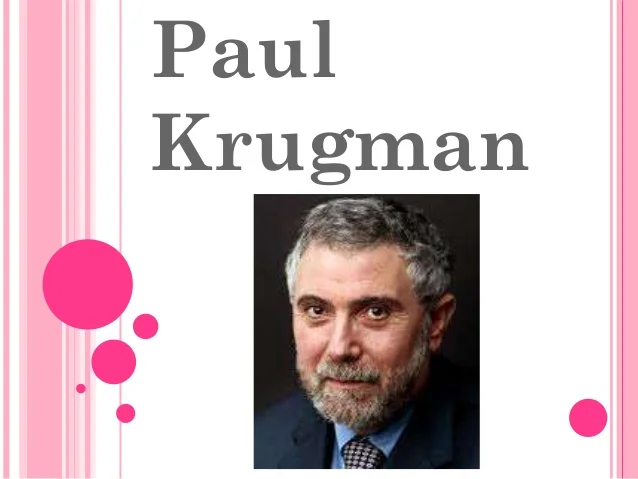

























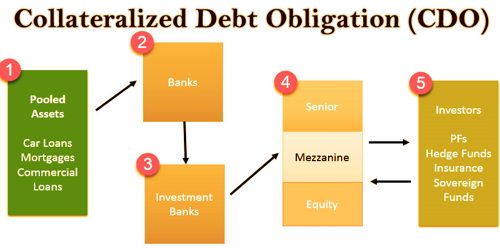
















 The Leading Business Education Network for Doctors, Financial Advisors and Health Industry Consultants