BOARD CERTIFICATION EXAM STUDY GUIDES Lower Extremity Trauma
[Click on Image to Enlarge]
ME-P Free Advertising Consultation
The “Medical Executive-Post” is about connecting doctors, health care executives and modern consulting advisors. It’s about free-enterprise, business, practice, policy, personal financial planning and wealth building capitalism. We have an attitude that’s independent, outspoken, intelligent and so Next-Gen; often edgy, usually controversial. And, our consultants “got fly”, just like U. Read it! Write it! Post it! “Medical Executive-Post”. Call or email us for your FREE advertising and sales consultation TODAY [678.779.8597] Email: MarcinkoAdvisors@outlook.com
Medical & Surgical e-Consent Forms
ePodiatryConsentForms.com
iMBA Inc., OFFICES
Suite #5901 Wilbanks Drive, Norcross, Georgia, 30092 USA [1.678.779.8597]. Our location is real and we are now virtually enabled to assist new long distance clients and out-of-town colleagues.
ME-P Publishing
SEEKING INDUSTRY INFO PARTNERS?
If you want the opportunity to work with leading health care industry insiders, innovators and watchers, the “ME-P” may be right for you? We are unbiased and operate at the nexus of theoretical and applied R&D. Collaborate with us and you’ll put your brand in front of a smart & tightly focused demographic; one at the forefront of our emerging healthcare free marketplace of informed and professional “movers and shakers.” Our Ad Rate Card is available upon request [678-779-8597].
Posted on July 7, 2024 by Dr. David Edward Marcinko MBA MEd CMP™
ADVERSE SELECTION
By staff reporters
The tendency of people who are less than standard health insurance risks to seek or continue insurance to a greater extent than other individuals. This so called “selection against the insurer”, or “anti-selection”, is a form of stacking the deck and is also found in the tendency of policy owners to take advantage of favorable options in health insurance or managed care contracts.
Or, a particular health plan, whether indemnity or managed care, is selected against by the enrollee, and thus an inequitable proportion of enrollees requiring more medical services are found in that plan.
Example: Low enrollee out-of-pocket costs might lure those individuals requiring more health services into an HMO rather than an indemnity-plan because the former does not have a deductible.
Therefore, the HMO would have a greater proportion of less-healthy enrollees, thereby driving up costs and increasing financial risks. Also occurs with one of the following:
When a premium doesn’t cover costs. Some populations, perhaps due to age or health status, have a great potential for high utilization.
Some population parameter such as age (e.g., a much greater number of 65-year-olds or older to young population) that increases the potential for higher utilization and often increases costs above those covered by a payer’s capitation rate.
***
COMMENTS?
Thank You
“DICTIONARY OF TERMS FOR THE BUSINESS OF MEDICINE”
***
Capitated reimbursement is predominantly, but not exclusively, within the realm of physician providers. But, a decade ago Community Nursing Organization project examined an innovative approach to community nursing and ambulatory care services for Medicare beneficiaries. The hypothesis was that provision of such services would promote the timely and appropriate use of health care and to reduce the use of costly acute care services.
Organizations participating in the CNO demonstration were paid a fixed per-member-per-month capitated rate for covered services. But, the participating CNOs were only at risk under capitation for a subset of Medicare benefits [partial-capitation or carve-out]. The financial incentive was to minimize utilization covered under the capitated payment, but not necessarily to minimize utilization of services not covered because traditional Medicare, not the CNO, would be at risk.
Assessment
Final results indicated that the CNO model under partial capitation led to increased Medicare costs based on findings consistent across several analytic approaches. The cost differences between treatment and control or reference groups persisted after the application of increasingly complex risk-adjustment methods.
Moreover, the differences increased over time and were robust to changes in the way CNO participation was defined.
Lastly, there was no statistically significant evidence of increase in physical or social functioning of the treatment group, as compared with the control group. CNOs cost more without providing any health benefits along dimensions measured
[Source: Voluntary Partial Capitation: The CNO Medicare Demonstration Project, Austin Frakt, Steve Pizer, Robert Schmitz, and Soeren Mattke – Health Care Financing Review 2005).
Posted on July 7, 2024 by Dr. David Edward Marcinko MBA MEd CMP™
Understanding the Uncertainty of Loss
By Dr. David E. Marcinko MBA MEd CMP
Because of the high degree of uncertainty inherent in the estimates of ultimate losses underlying the liability for unpaid claims, the IRS will not allow a Managed Care Organization to deduct an IBNR because the financial statements are based on an estimate (IRS, 134-155).
Loss Based Deductions
Unless the taxpayer healthcare entity qualifies for the insurance company exclusion, the IRS does not allow any taxpayer entity to deduct losses based on estimates. However, the precedent has been set that the IRS will accept an amount for IBNR claims if the amount is supported by actuarial projections and/or valid receipts of claims that the company has in-house prior to the filing of the tax return.
Time Line Controversy
There has been some controversy as to how long a reporting time period the IRS will allow to include those estimates. The time period ranges from three to six months to file a claim (IRS, 137). The process by which these reserves are established requires reliance upon estimates based on known facts and on interpretations of circumstances, including the business’s experience with similar cases and historical trends involving claim payment patterns, claim payments, pending levels of unpaid claims, and product mix, as well as other factors such as court decisions, economic conditions, and public attitudes.
Assessment
There has been no clear indication from the IRS that it will accept an accrual for these losses and entities. Therefore, healthcare organizations deducting such losses may eventually find themselves in a position where the IRS may challenge the relating deductibility of those losses.
Conclusion
And so, your thoughts and comments on this Medical Executive-Post are appreciated. Feel free to review our top-left column, and top-right sidebar materials, links, URLs and related websites, too. Then, be sure to subscribe to the ME-P. It is fast, free and secure.
Speaker:If you need a moderator or speaker for an upcoming event, Dr. David E. Marcinko; MBA – Publisher-in-Chief of the Executive-Post – is available for seminar or speaking engagements. Contact: MarcinkoAdvisors@msn.com
Subscribe Now: Did you like this Medical Executive-Post, or find it helpful, interesting and informative? Want to get the latest ME-Ps delivered to your email box each morning? Just subscribe using the link below. You can unsubscribe at any time. Security is assured.
Sponsors Welcomed: And, credible sponsors and like-minded advertisers are always welcomed.
Posted on July 7, 2024 by Dr. David Edward Marcinko MBA MEd CMP™
Significance Often Under Appreciated
By Dr. David Edward Marcinko; MBA, MEd, CMP™
[Publisher-in-Chief]
As some MedicalExecutive-Post readers and subscribers are aware, hospitals that filed bankruptcy a decade ago include: a two-hospital system in Honolulu; one in Pontiac, MI; Trinity Hospital in Erin, Tennessee; Century City Doctors Hospital in Beverly Hills, and four hospital system Hospital Partners of America, in Charlotte. Today,
one can only wonder about the impact of Incurred But Not Reported claims on their plight?
IBNR Definition
According to the www.CertifiedMedicalPlanner.org, an IBNR claim is a concept that signifies healthcare services have been rendered but not invoiced or recorded by the healthcare provider, clinic, hospital, or organization.
Cause and Affect
IBNRs are usually the result of a commercial prospective payment risk contract between managed care organizations and healthcare providers, an IBNR claim refers to the estimated cost of medical services for which a claim has not been filed, or monitored by an IBNR collection systems or control sheet.
IBNR Types
More formally, IBNRs are a financial accounting of all services that have been performed but, as a result of a short period of time or “lag,” have not been invoiced or recorded. The medical services that will not be collected should be accounted for using the following accrued but not recorded (ABNR) entry:
Debit — accrued payments to medical providers or healthcare entity
Credit — IBNR accrual account
Example:
An example of an IBNR is hospital Coronary Artery Bypass Graft [CABG] surgery for a managed care plan member. Out of the capitated or prospective payment funds, the surgeon and/or healthcare organization has to pay for all related physical and respirator therapy, and rehabilitation services, as well as ancillary providers, drugs, and durable medical equipment [DME], as contractually obligated. This may also include complication diagnosis and extensive follow-up treatment.
Accordingly, the health plan will not be completely billed until several weeks, months, or quarters later or even further downstream in the reporting year after the patient is discharged. In order to accurately project the health plan’s financial liability, however, the health plan and hospital must estimate the cost of care based on past expenses.
Accounting Cost Controls
Since the identification and control of costs are paramount in financial healthcare management, an IBNR reserve fund (an interest bearing account) must be set up for claims that reflect services already delivered but, for whatever reason, not yet reimbursed.
From the accounting perspective, IBNR is accrued as an expense and is related as a short-term liability each fiscal month or accounting period.
Otherwise, the organization may not be able to pay the claim, if the associated revenue has already been spent. The proper handling of these “bills in the pipeline” is crucial for proactive providers and health organizations that are exploring arrangements that put them in the role of adjudicating claims or operating in a sub-capitated system.
###
###
Assessment
IBNRs are especially important with newer patients who may be sicker than prior norms.
Recoverables that hospitals post as part of their large reserve charges are also, in many cases, IBNR losses. They may be recorded as IBNR claims on their balance sheets. Once these losses start becoming actual losses, the hospital may look to the insurer to pay a part of the claim. This causes disputes between the payor, provider, and/or healthcare organization.
Conclusion
Your thoughts and comments on this ME-P are appreciated. Feel free to review our top-left column, and top-right sidebar materials, links, URLs and related websites, too. Then, subscribe to the ME-P. It is fast, free and secure.
Speaker: If you need a moderator or speaker for an upcoming event, Dr. David E. Marcinko; MBA – Publisher-in-Chief of the Medical Executive-Post – is available for seminar or speaking engagements. Contact: MarcinkoAdvisors@msn.com
OUR OTHER PRINT BOOKS AND RELATED INFORMATION SOURCES:
There are a myriad of reasons for obtaining a Fair Market Value [FMV], Venture Capital [VC} and/or Investment Banking [IB] funding appraisal engagement:
Outright Selling-Buying
Partnership and Associate buy-in / buy-out
Mergers and Acquisitions
Organic growth tracking
Hospital integrations
Private and public reporting
Financing and Venture Capital
Estate and Tax Planning
And, there are many cautions, too. On July 19, 2023, the Federal Trade Commission (FTC) and the Department of Justice (DOJ) released a draft update of its Merger Guidelines, which guides the regulatory agencies in their review of both mergers and acquisitions in evaluating compliance with federal antitrust laws.
The new Guidelines replace, amend, and consolidate the Vertical Merger Guidelines and Horizontal Merger Guidelines, which were published in 2020 and 2010, respectively.
Posted on July 6, 2024 by Dr. David Edward Marcinko MBA MEd CMP™
MEDICAL EXECUTIVE-POST–TODAY’SNEWSLETTERBRIEFING
***
Essays, Opinions and Curated News in Health Economics, Investing, Business, Management and Financial Planning for Physician Entrepreneurs and their Savvy Advisors and Consultants
“Serving Almost One Million Doctors, Financial Advisors and Medical Management Consultants Daily“
A Partner of the Institute of Medical Business Advisors , Inc.
As home hospital programs continue to grow—employment in the home health industry is projected to increase by nearly 30% by 2029—so does the concern that home healthcare professionals are increasingly vulnerable to assault and harassment.
The S&P 500 index® (SPX)rose 30.17 points (0.54%) to 5,567.19; the Dow Jones Industrial Average® ($DJI) rose 67.87 points (0.17%) to 39,375.87; the NASDAQ Composite® ($COMP) climbed 164.46 points (0.9%) to 18,352.76.
The 10-year Treasury note yield (TNX) dropped nearly seven basis points to just below 4.28%.
The CBOE Volatility Index® (VIX) increased slightly to 12.45.
What’s up
Meta Platforms rose 5.88% a day after CEO Mark Zuckerberg posted a video of himself wearing a tux, holding an American flag and a beer, and wakeboarding. Shareholders apparently approve of such an absolute stud running the company.
Koss Corp. rose another 25.68% as the latest meme stock continues to rally for no reason at all.
Macy’s popped 9.48% after bidders looking to acquire the beleaguered retailer raised their offer from $6.6 billion to $6.9 billion.
Southwest sank 5.67% on the first full trading day after the company adopted a “poison pill” to fend off activist investor Elliott Management.
Budget airline companies took a blow after a Raymond James analyst downgraded the industry due to a “clear as mud” outlook for the third quarter. Frontier Group fell 6.79%, while Spirit Airlines dropped 8.70%.
Crypto-related stocks tumbled after bitcoin fell below $54,000 at one point today, though they recovered alongside the cryptocurrency later in the trading session. Coinbase Global fell 0.56%, Robinhood Markets dropped 0.98%, and MicroStrategy fell 1.56%.
Vicki Rackner MD, author, speaker, ME-P thought-leader and President of Targeting Doctors, helps financial advisors accelerate their practice growth by acquiring more physician clients. She calls on her experience as a practicing surgeon, clinical faculty at the University of Washington School of Medicine and nationally-noted expert in physician engagement to offer a bridge between the world of medicine and the world of business.
Conclusion
Your thoughts and comments on this ME-P are appreciated. Feel free to review our top-left column, and top-right sidebar materials, links, URLs and related websites, too. Then, subscribe to the ME-P. It is fast, free and secure.
Speaker: If you need a moderator or speaker for an upcoming event, Dr. David E. Marcinko; MBA – Publisher-in-Chief of the Medical Executive-Post – is available for seminar or speaking engagements. Contact: MarcinkoAdvisors@msn.com
OUR OTHER PRINT BOOKS AND RELATED INFORMATION SOURCES:
Posted on July 5, 2024 by Dr. David Edward Marcinko MBA MEd CMP™
MEDICAL EXECUTIVE-POST–TODAY’SNEWSLETTERBRIEFING
***
Essays, Opinions and Curated News in Health Economics, Investing, Business, Management and Financial Planning for Physician Entrepreneurs and their Savvy Advisors and Consultants
“Serving Almost One Million Doctors, Financial Advisors and Medical Management Consultants Daily“
A Partner of the Institute of Medical Business Advisors , Inc.
Wednesday’s stock market trading was brief but sweet—the S&P 500 and NASDAQ closed at records in a half-day session. The stock market was closed yesterday for the Fourth of July, but will reopen today with all eyes on the June jobs report to be released this morning. It’s expected to show more cooling in the labor market, which would reinforce the FOMC is likely plan to cut interest rates this fall.
A federal court temporarily paused a ban on noncompetes from taking effect in September, ruling that the FTC overstepped its authority in April when it ordered a halt to the clauses affecting 30 million Americans. The ban on noncompetes was intended to allow workers like doctors and nurses to move jobs more easily and boost wages in the process, but businesses opposed it on the grounds that competitors could poach their employees and they’d lose valuable trade secrets.
Posted on July 5, 2024 by Dr. David Edward Marcinko MBA MEd CMP™
US ECONOMY
By Staff Reporters
The Labor Department just reported that the U.S. added 206,000 jobs last month, slightly beating expectations. But the unemployment rate ticked up to 4.1%, a sign of slack in a labor market that has been remarkably strong even in the face of high interest rates.
There were other signs as well that the job market continues to cool. Average hourly earnings were up 3.9% in June from a year earlier, marking their smallest gain since 2021. The jobs counts for both April and May were revised lower. The labor force participation rate, the share of working-age people who were employed or seeking work, ticked up—an indication that more people are entering the labor market.
Posted on July 5, 2024 by Dr. David Edward Marcinko MBA MEd CMP™
By Vitaliy Katsenelson CFA
***
*** Today I am sharing with you an excerpt from a letter I wrote to IMA clients in the winter of 2023.
I discussed my condensed views on the stock market, economy, and our investment strategy. I think it is a good overview of where we are still today, almost a year and a half later. If you’ve read it before, skip to the end, where I share my updated thoughts on the Magnificent Seven and Nvidia.
This will authorize the Department of Public Health to conduct a pilot program that will provide visits to at-risk and under served rural communities during pregnancy and early childhood.
***
HB591– The bill relates to mental health and it authorizes marriage and family therapists to perform certain acts that physicians and psychologists are authorized to perform regarding emergency exams for involuntary evaluation and treatment for mental illness, alcohol or drug abuse.
HB548 – The bill provides reasonable access to records concerning reports of child abuse to the Administrative Office of the Courts.
HB128– This bill enacts Gracie’s Law, which prohibits providers from discriminating against potential organ transplant recipients due to physical or mental disabilities.
Posted on July 4, 2024 by Dr. David Edward Marcinko MBA MEd CMP™
MEDICAL EXECUTIVE-POST–TODAY’SNEWSLETTERBRIEFING
***
Essays, Opinions and Curated News in Health Economics, Investing, Business, Management and Financial Planning for Physician Entrepreneurs and their Savvy Advisors and Consultants
“Serving Almost One Million Doctors, Financial Advisors and Medical Management Consultants Daily“
A Partner of the Institute of Medical Business Advisors , Inc.
The S&P 500 broke above 5,500 yesterday and stayed there for the first time in market history, notching yet another all-time high for the index—its 32nd this year alone. With so much bullishness it’s understandable that investors may be wondering if we’re at the top yet, but chartists suggests gains tend to beget gains. The bulls have too much momentum to stop now—and if/when the FOMC cuts rates later this year, it seems likely that we’ll see more all-time highs in 2024? Any thoughts.
The Biden administration has awarded $206.3 million of funding to clinician training programs across 42 universities and provider organizations to bolster the nation’s geriatrics care workforce. Programs will be able to integrate geriatrics training into primary care and will work to educate older adults’ families on their care needs. Health and Human Services, in its announcement, noted that primary care providers are a crucial source of care for much of the aging population.
As Walmart shutters its primary care clinics, the retail giant inked a deal to sell its MeMD telehealth business to health tech startup Fabric. Fabric provides a telemedicine platform for a range of customers, including provider groups, with the goal of improving the clinician and patient experience, as well as operational efficiency. The acquisition will expand its provider network, add virtual behavioral health to the company’s services and build on Fabric’s employer and payer solutions.
And…The U.S. Supreme Court has overturned the Chevron deference, stripping power from federal agencies to interpret and enforce regulations. Courts no longerhave to defer to reasonable agency interpretations. One healthcare attorney told Fierce Healthcare he predicts the Centers for Medicare & Medicaid Services will be under a microscope from the courts going forward, and there will be more scrutiny towards provider reimbursement cuts, drug pricing regulation and the Inflation Reduction Act.
The S&P 500 index®(SPX)rose 28.01 points (0.51%) to 5,537.02; the Dow Jones Industrial Average® ($DJI) fell 23.85 points (-0.1%) to 39,308.00; the NASDAQ Composite® ($COMP) gained 159.54 points (0.9%) to 18,188.30.
The 10-year Treasury note yield (TNX) dropped seven basis points to 4.36%.
The CBOE Volatility Index® (VIX) held steady at 12.09.
What’s up
Tesla rose yet another 6.54% as investors continue to celebrate stronger-than-expected delivery numbers. Much like the company’s self-driving mode, this stock can’t stop.
Nvidia rose 4.57%, with the bulls seemingly beating profit-taking bears heading into the holiday.
MGM Resorts popped 2.24% after BTIG analysts gave the company a “buy” rating and a price target 20% higher than shares trade for today.
Quest Diagnostics rose 3.11% after announcing it will acquire fellow laboratory service provider LifeLabs for $985 million.
What’s down
First Foundation plummeted 23.81% after the bank announced it will raise $225 million to shore up a balance sheet burdened by commercial real estate loans.
Constellation Brands fell 3.76% after the alcoholic beverage maker reported stronger than expected earnings but missed Wall Street’s expectations on revenue.
Simulations Plus slid 14.87% after it reported strong third-quarter earnings but announced it’s cutting its dividend.
CureVac popped then dropped 6.59% after GSKbought the rights to the smaller pharma company’s Covid-19 and flu vaccines for $1.6 billion.
Posted on July 3, 2024 by Dr. David Edward Marcinko MBA MEd CMP™
By Staff Reporters
***
***
Reminder: The stock market will close early today and remain closed all day tomorrow so we can relax.
Markets: Stocks ticked up yesterday after Jerome Powell acknowledged progress on inflation while reiterating that he wasn’t quite ready for rate cuts—and new data showing the labor market remains hot helps explain why.
Stock spotlight: Tesla got supercharged after announcing that deliveries (sales) dipped last quarter compared to the year before…but not as much as Wall Street expected them to.
Posted on July 3, 2024 by Dr. David Edward Marcinko MBA MEd CMP™
MEDICAL EXECUTIVE-POST–TODAY’SNEWSLETTERBRIEFING
***
Essays, Opinions and Curated News in Health Economics, Investing, Business, Management and Financial Planning for Physician Entrepreneurs and their Savvy Advisors and Consultants
“Serving Almost One Million Doctors, Financial Advisors and Medical Management Consultants Daily“
A Partner of the Institute of Medical Business Advisors , Inc.
SCOTUS: Two technology company cases involving Texas and Florida laws challenging social-media companies’ content moderation were sent to lower courts. SCOTUS thus effectively granted the companies a victory. The Supreme Court isn’t willing to blow up the internet just yet.
PitchBook released its analysis of digital health venture capital deals done in the first quarter. The first quarter saw downturns in telehealth and digital therapeutics, but opportunities exist in mental health chatbots and care search platforms.
Amedisys, a large home health provider, plans to divest a number of care centers to an affiliate of VitalCaring Group in advance of its planned merger with UnitedHealth Group later this year.
Paramount Global rose 5.97% on a report from the New York Times that Barry Diller’s IAC may be exploring an acquisition of the embattled entertainment company. IAC fell just 0.26%.
Archer Aviation popped 8.92% after the air taxi manufacturer received a $55 million investment from Stellantis.
Oliveda International is up 19.81% today after the olive oil company announced massive quarterly revenue growth at a key subsidiary.
Pure Storage plunged 4.15% after UBS analysts downgraded the stock to “sell,” citing its high valuation and overhyped AI potential.
Homebuilders took a beating after Citi analysts downgraded Lennar and D.R. Horton from “neutral” to “sell,” noting the housing market will remain soft in the second half of the year. Lennar dropped 1.61%, and D.R. Horton fell 1.35%.
Here’s where the major benchmarks ended:
The S&P 500 index rose 33.92 points (0.62%) to 5,509.01; the Dow Jones Industrial Average® ($DJI) climbed 162.33 points (0.41%) to 39,331.85; the NASDAQ Composite® ($COMP) rallied 149.46 points (0.84%) to 18,028.76.
The 10-year Treasury note yield (TNX) dipped four basis points to 4.43%.
The CBOE Volatility Index® (VIX) dropped to 12.03 after earlier trading at its lowest intraday level since late May.
SCOTUS: Health policy leaders say patients, providers, and health systems should brace for more uncertainty and less stability in the healthcare system. Even routine government functions such as deciding the rate to pay doctors for treating Medicare beneficiaries could become embroiled in long legal battles that disrupt patient care or strain providers to adapt.
Posted on July 2, 2024 by Dr. David Edward Marcinko MBA MEd CMP™
Did you know that today is the real Independence Day?
The Continental Congress formally declared freedom from Great Britain on July 2nd, 1776, but approved the Declaration of Independence two days later.
John Adams was so sure that July 2nd would be the date of the holiday that he wrote, “I am apt to believe that it will be celebrated, by succeeding Generations, as the great anniversary Festival … It ought to be solemnized with Pomp and Parade with shews, Games, Sports, Guns, Bells, Bonfires and Illuminations.”
Posted on July 2, 2024 by Dr. David Edward Marcinko MBA MEd CMP™
MEDICAL EXECUTIVE-POST–TODAY’SNEWSLETTERBRIEFING
***
Essays, Opinions and Curated News in Health Economics, Investing, Business, Management and Financial Planning for Physician Entrepreneurs and their Savvy Advisors and Consultants
“Serving Almost One Million Doctors, Financial Advisors and Medical Management Consultants Daily“
A Partner of the Institute of Medical Business Advisors , Inc.
Private equity gets a big accounting firm yet. The March story about private equity firm New Market Capital buying a $2.8 billion stake in accounting firm Grant Thorton was a big story. Private equity is gobbling up accounting firms, signaling a potential sea change in how accounting firms will operate in the future, with “more than half” of the top 20 accounting firms in talks with private equity.
The S&P 500® index (SPX) rose 14.61 points (0.27%) to 5,475.09; the Dow Jones Industrial Average® ($DJI) climbed 50.66 points (0.13%) to 39,169.52; the NASDAQ Composite® ($COMP) added 146.70 points (0.83%) to 17,879.30.
The 10-year Treasury note yield (TNX) rose 12 basis points to 4.47%, the highest level since May 30 and back above its 50-day moving average, a technically important move.
The CBOE Volatility Index® (VIX) slipped to 12.19.
Crude oil is up sharply over the last month amid rising Middle East tensions.
Spirit AeroSystems Holdings rose 3.35% on the news that Boeing plans to acquire the airplane parts supplier. Boeing shares rose a tepid 2.58%.
Birkenstock climbed 1.78% after UBS analysts rated the stock a “buy” and increased their price target 63% due to the company’s expansion plans.
French stocks rose on snap election results that showed the far-right National Rally may be unable to form a majority after the next round of elections on July 7.
What’s down
Chewy stock popped then dropped 6.63% after Roaring Kitty revealed a 6.6% stake in the pet products company.
GameStop shares fell 5.35% after CEO Ryan Cohen posted on Twitter/X for the first time in months to advertise a job opening.
Uber fell 2.17% and Lyft fell 0.92% on the news that Massachusetts now requires both companies to pay rideshare drivers $32.50 an hour, plus benefits.
Cruise stocks sank on the news that Hurricane Beryl is stronger than expected and will disrupt service throughout the Caribbean. Norwegian Cruise Line fell 5.86%, Carnival fell 5.40%, and Royal Caribbean fell 1.86%.
The largest nursing union in the US, National Nurses United (NNU), is sounding the alarm about the use of artificial intelligence (AI) in healthcare. In April, the union’s affiliate California Nurses Association (CNA) protested an AI conference helmed by managed care consortium Kaiser Permanente. Like workers in other sectors who are worried about AI encroachment, the nurses fear that the tech is contributing to the devaluation of their skills amid what they say is already a “chronic” understaffing crisis, nurses reported in an NNU survey of 2,300 registered nurses and members in early 2024.
Posted on July 2, 2024 by Dr. David Edward Marcinko MBA MEd CMP™
By Staff Reporters
***
***
Employers expect health benefit costs to rise by more than 5% on average in 2024 as factors like high inflation, health labor shortages, and expensive new therapies put pressure on plan spending after years of 3%–4% annual growth, early data suggests.
Preliminary results from Mercer’s 2023 National Survey of Employer-Sponsored Health Plans found that total health benefit costs could increase by as much as 6.6% per employee if companies do nothing to control spending, or an average of 5.4% if employers take steps to hold down costs.
That slight gap suggests most employers don’t plan to make cost-cutting changes to their plans—likely due to concerns about healthcare affordability, the analysis noted. Many large companies (with 500+ employees) have avoided shifting costs to employees over the last five years, resulting in little growth in deductibles and other cost-sharing requirements.
Posted on July 1, 2024 by Dr. David Edward Marcinko MBA MEd CMP™
MEDICAL EXECUTIVE-POST–TODAY’SNEWSLETTERBRIEFING
***
Essays, Opinions and Curated News in Health Economics, Investing, Business, Management and Financial Planning for Physician Entrepreneurs and their Savvy Advisors and Consultants
“Serving Almost One Million Doctors, Financial Advisors and Medical Management Consultants Daily“
A Partner of the Institute of Medical Business Advisors , Inc.
If you can believe it, Friday was the final trading day of the first half of 2024. It might be a good time to reflect on your New Year’s resolutions to see how you’re measuring up halfway through the year.
Dogs of the Dow: The 139-year-old index has never looked more its age, with components Nike, Intel, and Boeing all down more than 30% in 2024. The Dow has gained less than 4% this year.
But, the S&P 500 gained a sublime 15% in H1, and Nvidia alone was responsible for more than a third of that gain. The maker of AI chips surged ~150% since Jan. 1st to become the most valuable company in the USA at one point.
Going into 2024, investors were expecting the Fed to cut interest rates six times. There hasn’t been a single rate cut yet, but that hasn’t stopped the S&P from notching 31 all-time closing highs, good for the second-best tally of records this century. Stocks have overcome the Fed’s delay thanks to strong earnings, a sturdy economy, and AI fever.
Commodities soar and a currency plummets. Cocoa boomed nearly 85% over shortage concerns. Gold hit a record high last month. The Japanese yen has slumped to a 38-year low against the US dollar.
Bitcoin got a boost from new ETFs, but it’s getting boring.
Posted on July 1, 2024 by Dr. David Edward Marcinko MBA MEd CMP™
By Health Capital Consultants LLC.
***
On April 30, 2024, retail giant Walmart announced their closure of Walmart Health, a network of 51 health centers that provided “primary and urgent care, labs, x-ray and diagnostics, behavioral health, dental, optometry and hearing services.” Walmart cited the lack of profitability, escalating costs of operation, and challenging environment for reimbursement as the reasons behind Walmart Health’s unsustainability.
This Health Capital Topics article discusses Walmart’s closures, the other corporate entrants struggling in the healthcare market, and what these challenges indicate for the primary care space. (Read more…)
Posted on June 30, 2024 by Dr. David Edward Marcinko MBA MEd CMP™
Randy Frederick
Nonfungible tokens have become the latest investment craze. Here’s what you need to know.
Until recently, nonfungible tokens (NFTs) were written off by many as a virtual fad and a waste of money. After all, why would someone pay $2.9 million to own the very first tweet when anyone with internet access can view it for free?
But when auction house Christie’s sold the NFT of Everydays: The First 5000 Days, a collage by the artist Beeple, for $69.3 million in March 2021, it suddenly put this emerging asset class on par with collecting a Picasso (whose heirs have jumped on the digital bandwagon by selling NFTs of the artist’s ceramics).
So, what’s all the fuss about?
The basics
Like cryptocurrencies, NFTs are stored on a blockchain, which is a digital, publicly available transaction ledger. However, while a single bitcoin can be exchanged for any other bitcoin—just as a $1 bill can be exchanged for any other $1 bill—each NFT is unique (i.e., nonfungible). In that sense, NFTs are more like the Hope Diamond or Picasso’s Guernica—a one-of-a-kind work for which there is no substitute.
Indeed, an NFT’s inherent scarcity, whether because it’s a unique piece of art or a limited-issue collectible, makes it potentially lucrative—but also substantially less liquid than, say, your average stock or bond. As a result, you may need to drop the price or hold on to your NFT if the demand isn’t there when you want or need to sell it. Other risks include:
Security: Like bitcoin, NFTs require a private key that functions as a password. If your key is lost or stolen, you may never again be able to access your NFT. Other security risks involve replicas that purport to be the original—as with any collectibles marketplace—and fraudulent sites designed to steal private keys and their attendant assets.
Taxation: Although the IRS has yet to issue specific guidance, NFTs are generally treated as collectibles. As such, if you sell an NFT you’ve held on to for less than a year, any short-term gains will be taxed as ordinary income. Any gains on an NFT held for a year or longer will be taxed at a top collectibles rate of 28%—plus a 3.8% net investment income tax if your modified adjusted gross income exceeds $200,000 ($250,000 for married couples).
Where to start
If, after careful consideration, you’re still interested in dipping your toe in NFT waters, you’ll first need to do three things:
Pick a marketplace: To buy or sell NFTs, you’ll need to choose a reputable marketplace. Both Nifty Gateway and OpenSea are popular, although specialty marketplaces also exist, including ArtOfficial if you’re a fine-art collector and NBA Top Shot for basketball enthusiasts.
Get a wallet: Shopping through most NFT marketplaces requires a Web3 wallet, such as MetaMask, that can store both cryptocurrencies and NFTs. Some marketplaces, like Nifty Gateway, will store your NFT, but you’ll have to pay a fee to transfer it to another wallet should you wish to do so later.
Buy cryptocurrency: Some marketplaces accept payment in so-called fiat currencies, such as the U.S. dollar. However, many marketplaces are built on the Ethereum blockchain and prefer to transact in its native cryptocurrency, ether.
Tread with caution
Although the popularity of NFTs has exploded in the past year, with first-quarter sales topping $11 billion by mid-March 2022—up from $53 million for the fourth quarter of 2020—only time will tell if NFTs will realize their long-term potential or fall tragically short of it.
Either way, it will be fascinating to see how this new form of digital authentication changes how we invest. (Ernst & Young, for example, is working on NFT-inspired technology that can help collectors track the provenance of fine wines.)
Quantum leap
NFTs experienced exponential growth in 2021.
DappRadar.com
Sales figures include only on-chain transactions conducted on the 49 NFT marketplaces that DappRadar tracks, excluding LooksRare.
*Q1 2022 data as of 03/25/2022.
ASSESSMENT
For the time being, however, there’s a lot to be said for taking a go-slow approach to this new asset class and all the risks it entails.
In general, those interested in crypto assets like NFTs are wise to limit their exposure to no more than 1% of investable assets.
Posted on June 30, 2024 by Dr. David Edward Marcinko MBA MEd CMP™
MEDICAL EXECUTIVE-POST–TODAY’SNEWSLETTERBRIEFING
***
Essays, Opinions and Curated News in Health Economics, Investing, Business, Management and Financial Planning for Physician Entrepreneurs and their Savvy Advisors and Consultants
“Serving Almost One Million Doctors, Financial Advisors and Medical Management Consultants Daily“
A Partner of the Institute of Medical Business Advisors , Inc.
The S&P 500 and NASDAQ shot to record highs last week on a solid PCE reading. But all three indexes spent Friday hovering around flat levels before they all fell into the red by the end of the trading session.
Treasury yields and gold prices alike popped higher on PCE news, with traders hoping that the Fed now has good reason to cut interest rates sooner rather than later. Despite this decline, oil wrapped up a fantastic month, with prices rising for a third straight week on higher demand this summer in the US and higher risks to supply given geopolitical turmoil between Israel and Lebanon.
But, Bitcoin continued to fall, with the crypto inching closer to the all-important $60,000 price point—a line in the sand that traders are desperate not to cross for fear of further declines.
Some financial analysts believe that the focus on asset classes may have gone too far as physicians and other investors have sought to “over optimize” their portfolios.
In fact, colleague David Loeper, CEO of Wealthcare Capital Management, explained this concept as follows:
“Where things have really got off track has been the insistence on breaking asset classes into sub-classes by style, market capitalization, etc. The unpredictability of all the inputs into our optimizers, even over long periods of time, has been ignored. We have attempted to take efficient portfolios of stocks, bonds and cash and make them even more efficient by breaking the unpredictable asset classes into even less predictable sub-classes. This has all been done into the pursuit of “efficiency” as the proposal was validated by the Brinson & Beebower study, which purports to find that over 90% of the investment return variance is explained by asset allocation. The risk that you produce inefficient portfolios INCREASES if you increase the number of “asset classes” for which you must forecast not only the risk and returns but also each asset class’ correlation to the others.”
Assessment
If true, and I think it is a valid point, the results of the optimizer and your resulting portfolio’s efficiency is based on the accuracy of the inputs and NOT THE NUMBER OF THE INPUTS.
Or, is this like the TNTC situation in cell cultures and microbiology [Too Numerous To Count].
Conclusion
Your thoughts and comments on this ME-P are appreciated. Feel free to review our top-left column, and top-right sidebar materials, links, URLs and related websites, too. Then, subscribe to the ME-P. It is fast, free and secure.
Speaker: If you need a moderator or speaker for an upcoming event, Dr. David E. Marcinko; MBA – Publisher-in-Chief of the Medical Executive-Post – is available for seminar or speaking engagements. Contact: MarcinkoAdvisors@msn.com
OUR OTHER PRINT BOOKS AND RELATED INFORMATION SOURCES:
Posted on June 29, 2024 by Dr. David Edward Marcinko MBA MEd CMP™
By Staff Reporters
***
***
The healthcare industry has tried for years—but to little avail—to figure out how artificial intelligence (AI) can be used to make work easier and improve patient care.
Despite the middling success healthcare has had with AI, Andreessen Horowitz (a16z), the largest venture capital firm in the US, has bet big on healthcare AI startups in the past year. The firm has invested in at least four startups and co-led three funding rounds totaling $328 million.
Investment partner Daisy Wolf and general partner Vijay Pande at a16z wrote in an August blog post that the VC firm is aware that “the AI hype cycle has hit healthcare before.” But, the two partners wrote, “we’re excited by today’s overlap of data availability, public foundation models, and widespread interest.”
Posted on June 29, 2024 by Dr. David Edward Marcinko MBA MEd CMP™
MEDICAL EXECUTIVE-POST–TODAY’SNEWSLETTERBRIEFING
***
Essays, Opinions and Curated News in Health Economics, Investing, Business, Management and Financial Planning for Physician Entrepreneurs and their Savvy Advisors and Consultants
“Serving Almost One Million Doctors, Financial Advisors and Medical Management Consultants Daily“
A Partner of the Institute of Medical Business Advisors , Inc.
In an interview with the Wall Street Journal, CEO Tim Wentworth said the pharmacy chain Walgreens will shutter a significant share of its 8,600 locations in the US. The closures are part of a broader attempt to boost the ailing company, which also includes reducing its stake in the primary care business VillageMD. Wentworth said the company can reassign most employees instead of conducting layoffs. Shares cratered yesterday after Walgreens whiffed on Wall Street’s earnings projections due to weak consumer spending.
And, read how some counties reduced opioid overdose deaths during the pandemic. (Politico)
Oliveda International, which makes beauty products from olive oil, rose 38.33% for no apparent reason. Maybe people just really like the feel of extra virgin olive oil on their skin?
Infinera popped 16.38% after Nokia announced it would acquire the telecommunications hardware manufacturer for $2.3 billion.
Synchrony Financial rose 6.17% after a Baird analyst initiated coverage of the financial services company with an outperform rating.
Regional banking stocks rose on the hopes that a good PCE reading means a better chance of the Fed cutting rates soon. RegionsFinancial rose 3.83%, while CitizensFinancialGroup rose 3.16%.
What’s down
Trump Media & Technology Group fell 18.09%, despite initially popping this morning after the first presidential debate.
Accolade bombed 44.29% after the health tech company reported decent earnings but revealed lower guidance for the year ahead than Wall Street expected.
Kura Sushi USA, which is in fact a publicly traded sushi company, plummeted 24.04% due to worse-than-expected earnings, as well as poor full-year guidance.
A late round of selling in the Treasury market sent yields to fresh highs as the day ended so here’s where the major benchmarks ended:
The S&P 500® index (SPX) dipped 22.39 points (0.41%) to 5,460.48; the Dow Jones Industrial Average® ($DJI) fell 45.20 points (0.12%) to 39,118.86; the NASDAQ Composite® ($COMP) lost 126.08 points (0.71%) to 17,732.6.
The 10-year Treasury note yield climbed nine basis points to 4.38%.
The CBOE Volatility Index® (VIX) moved up slightly to 12.43.
Nearly 200 people have been charged for their roles in various health care fraud schemes across the U.S. that federal authorities say amounted to over $2.7 billion in intended losses, the Justice Department announced. Attorney General Merrick Garland said charges against 193 people, including 76 doctors, nurse practitioners, and other licensed medical professionals in 32 different federal districts. The defendants were charged over a two-week sweep involving numerous law enforcement agencies nationwide, resulting in the seizure of more than “$231 million in cash, luxury vehicles, gold, and other assets,” according to Garland.
“The informed voice of a new generation of fiduciary advisors for healthcare”
***
Like market research analysts, financial analysts, personal financial advisors, and other jobs in personal finance that require manipulating significant amounts of numerical data can be affected by Artificial Intelligence, Mark Muro, a researcher at The Brookings Institute, said recently.
“AI can identify trends in the market, highlight what investments in a portfolio are doing better and worse, communicate all that, and then use various other forms of data by, say, a financial company to forecast a better investment mix.”
These analysts make a lot of money, he said, but parts of their jobs are auto-matable.
Posted on June 28, 2024 by Dr. David Edward Marcinko MBA MEd CMP™
Institutional Shares
By Rick Kahler CFP®
One of the low points of my career was the day I lost a client because another advisor “had found a way to put their clients into the lowest cost shares available only to large institutions.”
This experience was especially painful because, through my office, the client already was invested in those same low-cost shares. I just hadn’t made sure the client knew that. It was a significant mistake in my personal communication.
Mutual Fund Classes
Many investors don’t know that most mutual fund companies offer a special class of share available only to investors with sizable minimum investments (usually over $1 million per fund). These shares carry the lowest expense ratio (annual fees paid to the fund manager) of any other share class and usually waive any front-end or trailing sales charges. Because it’s generally large private and public intuitions that have the large sums to meet the minimum investment, these are called institutional shares.
Most Registered Investment Advisers (RIAs) who don’t receive commissions have special access to institutional shares through their custodian. Over the life of your investments, these low-cost shares can result in thousands upon thousands of dollars of savings.
If you are in class A, B, C, or R shares, the expense ratio is higher than the fund’s institutional shares, often called I shares. The other share classes often include a commission paid to the broker/advisor. The average annual expense ratio of these funds is around 1.25%. That charge can drop to as little as 0.03% when an advisor places clients in institutional shares.
Example:
For example, take the Rydex S&P 500 Fund, Class C (RYSYX). The Rydex fund tracks the S&P 500, just like hundreds of other index funds. It charges investors 2.33 percent. As an alternative, you can buy the retail share of Vanguard’s S&P 500 Index Fund (VFINX) with a cost of just 0.14 percent, a 94% savings. But you can still save another 71% if your advisor places you in Vanguard’s institutional share of the same fund (VINIX), with a expense ratio of just 0.04 percent.
Any RIA who doesn’t accept commissions and who uses a major custodian like TD Ameritrade, Schwab, or Fidelity has access to institutional class shares. These advisers not only can use them, but are strongly encouraged by the SEC to use them if at all possible. RIAs who don’t put clients in institutional shares had better have a good reason: perhaps a company doesn’t have that class of share, or the client is so small that using a higher cost class of share which eliminates a transaction fee to the investor is actually cheaper.
Selling Point
t had never occurred to me to use our firm’s use of institutional shares as a selling point to prospective clients. After all, every other RIA not only does the same, but is basically required to do so by the SEC.
If you don’t use the services of a RIA and don’t have the $1 million minimum per fund to get into the I shares of the funds, you have several options.
One would be to look for a similar fund with a lower expense ratio, like the example above of replacing the Rydex 500 with the Vanguard 500.
You can also consider an online robo advisor that for 0.25 to 0.50 will put you in institutional shares.
Or you can consider engaging an advice-only planner who is an RIA.
Assessment
Whatever you do, check the share class of your mutual funds. If they are not I shares, ask your fund company or advisor why they are not and how you can move into the I shares. The savings could be phenomenal.
Conclusion
Your thoughts and comments on this ME-P are appreciated. Feel free to review our top-left column, and top-right sidebar materials, links, urls and related websites, too. Then, subscribe to the ME-P. It is fast, free and secure.
Speaker: If you need a moderator or speaker for an upcoming event, Dr. David E. Marcinko; MBA – Publisher-in-Chief of the Medical Executive-Post – is available for seminar or speaking engagements.
Contact: MarcinkoAdvisors@msn.com
Subscribe: MEDICAL EXECUTIVE POST for curated news, essays, opinions and analysis from the public health, economics, finance, marketing, I.T, business and policy management ecosystem.
Posted on June 28, 2024 by Dr. David Edward Marcinko MBA MEd CMP™
MEDICAL EXECUTIVE-POST–TODAY’SNEWSLETTERBRIEFING
***
Essays, Opinions and Curated News in Health Economics, Investing, Business, Management and Financial Planning for Physician Entrepreneurs and their Savvy Advisors and Consultants
“Serving Almost One Million Doctors, Financial Advisors and Medical Management Consultants Daily“
A Partner of the Institute of Medical Business Advisors , Inc.
Stat: 40%. That’s how much Tenet Healthcare’s shares jumped in Q1. (Yahoo Finance)
Stat: 12%. This is how much the yen has weakened so far this year against the US dollar, which has people wondering whether the Japanese government will need to intervene. (Bloomberg)
Quote: “We believe the opportunity ahead is significant.”—RJ Scaringe, CEO and co-founder of Rivian, commenting on Volkswagen Group’s plans to invest as much as $5 billion in the EV company. (CNBC)
Walgreens Boots Alliance plummeted 22.16% due to a worse-than-expected earnings report that saw the company slash its full-year guidance.
Hims & Hers dropped 7.19% after Hunter Growth Capital accused the company of using a shady supplier for its new weight-loss drugs.
Levi Strauss crashed 15.27% in a denim downfall for the ages, with second quarter earnings missing expectations after consumers spent less on blue jeans.
Micron Technology slid 7.12% despite beating analyst expectations in the third quarter. Unfortunately, management isn’t as bullish as analysts about the rest of the year.
Chewy fell 0.03% despite a tweet from Roaring Kitty of a cartoon dog—which is apparently all it takes to move markets these days.
The U.S. government’s final gross domestic product (GDP) estimate announced early Thursday included a downward revision to quarterly consumer spending.
Treasury yields could move on the data, especially if the report is “hotter” than expected. Yields fell Thursday following mostly soft U.S. economic readings this morning.
Here’s where the major benchmarks ended:
The S&P 500® index (SPX) rose 4.97 points (0.1%) to 5,482.87; the Dow Jones Industrial Average® ($DJI) rose 36.26 points (0.1%) to 39,164.06; the NASDAQ Composite® ($COMP) rose 53.53 points (0.3%) to 17,858.68.
The 10-year Treasury note yield lost two basis points to 4.29%.
The CBOE Volatility Index® (VIX) fell to 12.29, its lowest close since June 13.
Posted on June 28, 2024 by Dr. David Edward Marcinko MBA MEd CMP™
Understanding Vehicular Pros and Cons
By Dr. David Edward Marcinko MBA MEd CMP™
[Publisher-in-Chief]
It is possible to buy or sell during a trading day with SPDRs, just as one would with a common stock, and, accordingly, the trading price may be set anytime during the day. This could prove valuable in a sudden market downturn. Also, they may be traded using the same types of orders used for stocks (market, limit, at the close, and at the opening) and sold short, even on a downtick.
However, dividend reinvestment is provided by only a few brokers. Since SPDRs represent passive equity portfolios, they tend to be fully invested in the stock market, which removes a significant drag on performance; their expense ratios are significantly below that of stock mutual funds in general, and below many index mutual funds; and they have virtually no turnover and accordingly, minimal capital gains.
Index Mutual Funds
Index funds, on the other hand, may only be purchased or redeemed at the net asset value (NAV) at the end of the trading day. Short sales are not possible; however, dividend reinvestment is available.
The Disadvantages
On the down side, SPDRs are sold like common stocks and, therefore, incur brokerage commissions, but this can be minimized by using discount brokers. SPDRs have been so successful that both the American and New York Stock Exchanges launched internationally indexed products modeled after SPDRs in the spring of 1996. They are termed World Equity Benchmark Shares (WEBS) and Country Baskets.
Note: “Index Stocks: An Introduction to SPDRs—S&P 500 Depository Receipts,” Robert T. Kleiman, in his article, AAII Journal, January 1997, pp. 23–26, American Association of Individual Investors [312] 280-0170).
Conclusion
Your thoughts and comments on this ME-P are appreciated. Feel free to review our top-left column, and top-right sidebar materials, links, URLs and related websites, too. Then, subscribe to the ME-P. It is fast, free and secure.
Speaker: If you need a moderator or speaker for an upcoming event, Dr. David E. Marcinko; MBA – Publisher-in-Chief of the Medical Executive-Post – is available for seminar or speaking engagements. Contact: MarcinkoAdvisors@msn.com
OUR OTHER PRINT BOOKS AND RELATED INFORMATION SOURCES:
Posted on June 28, 2024 by Dr. David Edward Marcinko MBA MEd CMP™
A Better Financial Product than Mutual Funds?
[By JD Steinhilber]
Exchange-traded funds are inherently more tax efficient than actively managed mutual funds, which have been rightly criticized for their tax-inefficiency. Tax-efficiency is a critical issue for financial advisors and physician-investors because delaying the taxation of appreciating assets normally enhances after-tax returns over time.
For example, it is estimated that between 1994 and 1999, investors in diversified U.S. stock mutual funds lost, on average, 15% of their annual gains to taxes. The tax inefficiency of mutual funds is the result of portfolio turnover at the fund level caused by two factors: the trading activity of the portfolio manager and the activity of other shareholders in the fund.
The Mutual Fund Performance / Redemption Problem
Due to fund manager efforts to outperform benchmarks, actively managed mutual funds almost invariably experience more “manager-driven” portfolio turnover than ETFs, where trading is generally driven by change in the composition of the underlying indexes being replicated. Mutual fund portfolio turnover can also be caused by the actions of shareholders in the fund.
In a mutual fund structure, redemption requests by shareholders can force the fund to sell securities to raise cash. These sales may give rise to gains that, by law, must be distributed and will be taxed to all shareholders in the fund.
Unique Architectural Structure
ETFs, in contrast, are structured in such a way that the actions of one shareholder do not result in tax consequences to another shareholder. ETFs accomplish this through the innovative architecture in which ETF “units” (which are subdivided into individual ETF shares) are created and redeemed to accommodate the fluctuating demand for the shares of a particular ETF.
ETF units are created and redeemed by institutional investors though non-taxable, “in-kind” transactions, which means that only securities – not cash – change hands in the creation and redemption process.
An example of this process would be an institution exchanging a portfolio of stocks constituting the S&P 500 index for an S&P 500 ETF “creation unit”. And, once created, the S&P 500 ETF can be subdivided into individual shares that are tradable by investors on the exchange.
Assessment
As a result of the above – physicians may be insulated from a tax standpoint by the actions of other investors – because taxable transactions don’t take place at the fund level. Instead, ETF shares are traded between retail investors in transactions on the exchanges, so the tax accounting becomes very similar to that associated with individual stocks.
Have you used ETFs in your own portfolio, and what is your tax efficiency experience with them; truth or hype?
Conclusion
Your thoughts and comments on this ME-P are appreciated. Feel free to review our top-left column, and top-right sidebar materials, links, URLs and related websites, too. Then, subscribe to the ME-P. It is fast, free and secure.
Speaker: If you need a moderator or speaker for an upcoming event, Dr. David E. Marcinko; MBA – Publisher-in-Chief of the Medical Executive-Post – is available for seminar or speaking engagements. Contact: MarcinkoAdvisors@msn.com
OUR OTHER PRINT BOOKS AND RELATED INFORMATION SOURCES:
Posted on June 28, 2024 by Dr. David Edward Marcinko MBA MEd CMP™
An Easy Answer to Retirement Planning -or- MisStep?
By David Wallace [Search and social media marketer from Anthem, Arizona]
Investing in a target date mutual fund seems like the easy answer to retirement planning.
But, how can a single fund be appropriate for thousands of investors, doctors and medical professionals?
Assessment
Check out the above infographic to see the limitations of target date funds.
Conclusion
Your thoughts and comments on this ME-P are appreciated. Feel free to review our top-left column, and top-right sidebar materials, links, URLs and related websites, too. Then, subscribe to the ME-P. It is fast, free and secure.
Speaker: If you need a moderator or speaker for an upcoming event, Dr. David E. Marcinko; MBA – Publisher-in-Chief of the Medical Executive-Post – is available for seminar or speaking engagements. Contact: MarcinkoAdvisors@msn.com
Now – Trading individual bonds is not like trading stocks. Stocks can be bought at uniform prices and are traded through exchanges. Most bonds trade over the counter, and individual brokers price them. But, price transparency has gotten better in the last decade.
For example, in 1999, the bond markets gained clearness from the House of Representatives’ Bond Price Competition Improvement Act of 1999. Responding to this pioneering law, the site http://www.investinginbonds.com was established. This site provides current prices on bonds that have traded more than four times the previous day. With the advent of Investinginbonds.com and real-time reporting of many trades, investors are much better off today. Many well regarded brokers including Schwab, Ameritrade, and Fidelity Investments now have dedicated websites devoted to bond trading and pricing.
Fidelity Investments chose to disclose its fee structure for all bonds, making it clear what it will cost you per trade. Fidelity charges $1 per bond trade. Some on-line brokers charge a flat fee as well, ranging from $10.95 at Zions Direct to $45 at TD Ameritrade. Depending on the number of bonds trading, one may be more complimentary than another. The trading fee disclosures, however, do not divulge the spreads between the buy and sell price embedded in the transaction that some dealer is making in the channel. Keep in mind that only by comparison shopping can assist you in finding the best transaction price, after all fees are taken into account. Other sites may not charge any fee, but rather embed the profit in the spread.
Despite the difficulty in pricing and transparency, investing in individual bonds offers several rewards over purchasing bond mutual funds.
First, bond mutual funds never mature.
Second, you know exactly what you will be receiving in interest each year. You will also know the exact maturity date.
Furthermore, your individual investment is protected against interest rate risk, at least over the full term to maturity. Both individual bonds and bond funds share interest-rate risk (the risk of locking up an investment at a given rate, only to see rates rise). This pushes bond prices down. At least with an individual bond, you can re-invest it at the higher, market rate once the bond matures.
But, the lack of a fixed maturity date on a bond mutual fund causes an open ended problem; there is no promise of the original investment back. Short of default, an individual bond will return all principal and pay all interest assuming you hold it to maturity. Bond funds are not likely to default as most funds maintain positions in hundreds of individual bonds. The force of interest rate risk to individual bond or bond mutual fund prices depends on the maturity of a bond investment: the longer the maturity of a bond or bond fund (average), the more the price will drop due to rising rates. This is known as duration.
Duration is a statistical term that measures the price sensitivity to yield, is the primary measurement of a bond or bond fund’s sensitivity to interest rate changes. Duration indicates approximately how much the price of a bond or bond fund will adjust in the reverse direction given a rise in interest rates. For instance, an individual bond with an average duration of five years will fall in value approximately 5% if rates rise by 1% and the opposite is accurate as well.
Although stated in years, duration is not simply a gauge of time. Instead, duration signals how much the price of your bond investment is likely to oscillate when there is an up or down movement in interest rates. The higher the duration number, the more susceptible your bond investment will be to changes in interest rates. If you have money in a bond or bond fund that holds primarily long-term bonds, expect the value of that fund to decline, perhaps significantly, when interest rates rise. The higher a bond’s duration, the greater its sensitivity to interest rates alterations. This means fluctuations in price, whether positive or negative, will be more prominent.
For example, a bond fund with 10-year duration will diminish in value by 10 percent if interest rates increase by one percent. On the other hand, the bond fund will rise in value by 10 percent if interest rates descend by one percent. The important concept to remember is once you recognize a bond’s or bond fund’s duration, you can forecast how it will react to a change in interest rates.
UPDATE:
The yield on the 10-year Treasury note serves as a benchmark for interest rates across the US economy. Since bond prices and yields move in opposite directions, falling yields signal higher demand for Treasuries.
Why it matters: At the most basic level, the 10-year yield is a key indicator of investors’ confidence in future US economic growth. As the Delta variant spreads and threatens to slow the economic recovery, the fall in yields means investors are souring on a mega growth spurt and snapping up safer assets rather than riskier stocks.
What does this mean for inflation? Because investors sell bonds when they think inflation is coming, the runup in bond prices means the worst of Wall Street’s inflation concerns may be over. “It feels like we have moved from thinking inflation will be transitory, to fearing growth will be transitory,” Art Hogan, chief marketing strategist at National Securities, said.
Posted on June 27, 2024 by Dr. David Edward Marcinko MBA MEd CMP™
MEDICAL EXECUTIVE-POST–TODAY’SNEWSLETTERBRIEFING
***
Essays, Opinions and Curated News in Health Economics, Investing, Business, Management and Financial Planning for Physician Entrepreneurs and their Savvy Advisors and Consultants
“Serving Almost One Million Doctors, Financial Advisors and Medical Management Consultants Daily“
A Partner of the Institute of Medical Business Advisors , Inc.
The S&P 500® index (SPX) rose 8.6 points (0.16%) to 5,477.9; the Dow Jones Industrial Average® ($DJI) added 15.64 points (0.04%) to 39,127.8; the NASDAQ Composite® ($COMP) climbed 87.5 points (0.49%) to 17,805.16.
The 10-year Treasury note yield rose 8 points to 4.32%.
The CBOE Volatility Index® (VIX) eased to 12.5
What’s up
FedEx shipped 15.52% directly to your portfolio after beating fourth-quarter earnings expectations and guiding for higher-than-expected earnings in the coming fiscal year.
Vista Outdoor rose 9.09% after MNC Capital raised its bid to acquire the ammunition maker to $3.2 billion.
What’s down
General Mills dipped 4.58% thanks to a poor quarterly earnings report, with lower sales due to lower demand from consumers.
Paychex fell 6.11% despite beating earnings estimates this quarter. The problem is slower growth ahead due to small and mid-sized businesses struggling with high inflation.
Aptiv dropped 7.93% after news of the Rivian-Volkswagen deal prompted Piper Sandler analysts to downgrade the stock and lower their price target.
The disastrous ransomware attacks on Change Healthcare and Ascension this year ran up staggering costs and put a spotlight on the healthcare sector’s vulnerability. But healthcare orgs are hardly new to eye-popping bills after a major hack. Analyzing attacks on organizations in 16 countries, IBM/Ponemon Institute has shown healthcare to be the industry with the highest cost per data breach for over a decade, coming in at an average hit of $10.93 million in 2023.
Posted on June 27, 2024 by Dr. David Edward Marcinko MBA MEd CMP™
Is there a correlation between higher incomes and high cognitive abilities as measured by IQ tests?
By Rick Kahler MS CFP®
“The higher your IQ, the greater the probability you will earn more than average.”
Like many people, I have believed this common money script to be true. It seems to make sense that the smarter you are, the more likely you are to succeed financially. Many of us assume there must be a correlation between higher incomes and high cognitive abilities as measured by IQ tests.
The Studies
I was surprised, however, to learn that this is not the case. A study published in November 2016 in the Proceedings of the National Academy of Sciences showed that a high level of innate intelligence is no indicator of financial success.
A December 2016 article in Bloomberg cited one of the co-authors of the study, economist James Heckman. When he asks how much of the difference between people’s incomes can be tied to their IQ’s, most people guess between 25% and 50%. The actual number is about one or two percent.
The study found that personality plays a much bigger part than IQ in financial success. The personality trait that was most strongly associated with earning a high income was conscientiousness.
Conscientiousness?
What, then is conscientiousness? One definition from the English Oxford Dictionary is “wishing to do one’s work or duty well and thoroughly.” A conscientious person is described as diligent, dedicated, perseverant, self-disciplined, meticulous, attentive, careful, studious, rigorous, and hard-working.
The article also warned to be careful not to confuse a high IQ with good grades. They are two very different things. It found that grades and the results of achievement tests were better than raw IQ scores at predicting success. Cognitive ability is only one factor in getting good grades. There are several non-cognitive factors that heavily influence grades, such as perseverance, good study habits, and the ability to collaborate. All of these, of course, are qualities of being conscientious.
The study also found that a secondary trait influencing financial success was curiosity. This is one of the nine traits commonly found in people with high emotional intelligence, according to Dr. Travis Bradberry, author of Emotional Intelligence 2.0.
In a November 2016 article titled “9 Habits Of Highly Emotionally Intelligent People”, Bradberry says that emotionally intelligent people are curious about everyone around them. “Curiosity is the product of empathy, one of the most significant gateways to a high EQ.” Bradberry says the more a person cares about other people and what they’re going through, the more curiosity they will have about them.
The bottom line in financial success is that personality counts, a lot.
This is good news for parents of young children. While you can’t do much to influence a child’s IQ, you can influence conscientiousness and curiosity. One way to do this is through direct teaching.
***
***
Direct Teaching
For example: Give them some responsibility for household chores. Provide work spaces and schedules to foster good study habits. Help them explore and learn about things they show interest in. Show them that you appreciate emotional intelligence and relationships. Encourage them to finish what they start, and celebrate and appreciate their successes when they persevere.
To teach financial conscientiousness, encourage kids to save for things they want. Allow them to experience the consequences of financial misjudgments like spending all their allowance the minute they get it. Involve them in family projects like planning and saving for a vacation.
Of course, just as with most behaviors and personality traits we would like our children to develop, the most effective form of teaching is by example. The best way to raise conscientious and curious kids is to let them see us being conscientious and curious ourselves.
Conclusion
Your thoughts and comments on this ME-P are appreciated. Feel free to review our top-left column, and top-right sidebar materials, links, URLs and related websites, too. Then, subscribe to the ME-P. It is fast, free and secure.
Speaker: If you need a moderator or speaker for an upcoming event, Dr. David E. Marcinko; MBA – Publisher-in-Chief of the Medical Executive-Post – is available for seminar or speaking engagements. Contact: MarcinkoAdvisors@msn.com
OUR OTHER PRINT BOOKS AND RELATED INFORMATION SOURCES:
Posted on June 27, 2024 by Dr. David Edward Marcinko MBA MEd CMP™
“Correlation” has been used over the past twenty years by institutions, [physician] investors and financial advisors to assemble portfolios of moderate INVESTMENT risk
Modern Portfolio Theory approaches investing by examining the complete market and the full economy. MPT places a great emphasis on the correlation between investments.
DEFINITION: Correlation is a measure of how frequently one event tends to happen when another event happens. High positive correlation means two events usually happen together – high SAT scores and getting through college for instance. High negative correlation means two events tend not to happen together – high SATs and a poor grade record. No correlation means the two events are independent of one another.
In statistical terms two events that are perfectly correlated have a “correlation coefficient” of 1; two events that are perfectly negatively correlated have a correlation coefficient of -1; and two events that have zero correlation have a coefficient of 0.
In calculating correlation, a statistician would examine the possibility of two events happening together, namely:
If the probability of A happening is 1/X;
And the probability of B happening is 1/Y; then
The probability of A and B happening together is (1/X) times (1/Y), or 1/(X times Y).
There are several laws of correlation including;
Combining assets with a perfect positive correlation offers no reduction in portfolio risk. These two assets will simply move in tandem with each other.
Combining assets with zero correlation (statistically independent) reduces the risk of the portfolio. If more assets with uncorrelated returns are added to the portfolio, significant risk reduction can be achieved.
Combing assets with a perfect negative correlation could eliminate risk entirely. This is the principle with “hedging strategies”. These strategies are discussed later in the book.
In the real world, negative correlations are very rare. Most assets maintain a positive correlation with each other. The goal of a prudent investor is to assemble a portfolio that contains uncorrelated assets. When a portfolio contains assets that possess low correlations, the upward movement of one asset class will help offset the downward movement of another. This is especially important when economic and market conditions change.
As a result, including assets in your portfolio that are not highly correlated will reduce the overall volatility (as measured by standard deviation) and may also increase long-term investment returns. This is the primary argument for including dissimilar asset classes in your portfolio. Keep in mind that this type of diversification does not guarantee you will avoid a loss. It simply minimizes the chance of loss.
In this table provided by Ibbotson, the average correlation between the five major asset classes is displayed. The lowest correlation is between the U.S. Treasury Bonds and the EAFE (international stocks). The highest correlation is between the S&P 500 and the EAFE; 0.77 or 77 percent. This signifies a prominent level of correlation that has grown even larger during this decade. Low correlations within the table appear most with U.S. Treasury Bills.
Posted on June 26, 2024 by Dr. David Edward Marcinko MBA MEd CMP™
MEDICAL EXECUTIVE-POST–TODAY’SNEWSLETTERBRIEFING
***
Essays, Opinions and Curated News in Health Economics, Investing, Business, Management and Financial Planning for Physician Entrepreneurs and their Savvy Advisors and Consultants
“Serving Almost One Million Doctors, Financial Advisors and Medical Management Consultants Daily“
A Partner of the Institute of Medical Business Advisors , Inc.
The U.S. surgeon general just declared gun violence a public health crisis, driven by the fast-growing number of injuries and deaths involving firearms in the country. The advisory issued by Dr. Vivek Murthy, the nation’s top doctor, came as the U.S. grappled with another summer weekend marked by mass shootings that left dozens of people dead or wounded.
The S&P 500 index rose 21.43 points (0.39%) to 5,469.30; the Dow Jones Industrial Average® ($DJI) fell 299.05 points (0.76%) to 39,112.6; the NASDAQ Composite® ($COMP) gained 220.84 points (1.26%) to 17,717.65.
The 10-year Treasury note yield (TNX) fell slightly to 4.24%.
The CBOE Volatility Index® (VIX) dropped to 12.84.
What’s up
Nvidia rose 6.76% as investors realized they could buy shares of the world’s biggest semiconductor company at a discounted price.
Trump Media & Technology Group rose another 8.50% today on the hopes of a cash infusion, as well as hype ahead of Thursday’s presidential debate.
Carnival popped 8.85% after it beat analyst expectations for the second quarter, and raised its profit forecast for the rest of the year.
Novo Nordisk rose 3.25% after its weight-loss drug Wegovy was approved in China.
Enovix soared 35.05% on the news that it signed a major deal to provide VR headset batteries for an as-yet-unnamed California company.
SolarEdge Technologies dropped 20.60% through no fault of its own—instead, a key customer declared bankruptcy, and will be unable to pay the solar power company the $11.4 million it is owed.
Airbus fell 9.41% after the company announced it is cutting financial guidance for the remainder of 2024 thanks to supply chain snarls and higher costs.
Auto dealer stocks continue to suffer the effects of a massive cyberattack on CDK, a key supplier of dealership management software. The company says its systems will remain down until June 30, but in the meantime shares of Autonation fell 2.04%, Sonic Automotive dropped 2.56%, and Group 1 Automotive slid 2.49%.
Digital health company Sharecare has agreed to be acquired by private equity firm Altaris for $1.43 in cash per share, or about $518 million.
Nearly three months after Kaiser Permanente’s Risant Health acquired Geisinger Health, the group has now agreed to terms with Cone Health in North Carolina.
Several years ago a group of highly trusted and deeply experienced financial services professionals and estate planners noted that far too many of their physician clients, using traditional stock brokers, management consultants and financial advisors, seemed to be less successful than those who went it alone. These Do-it-Yourselfers [DIYs] had setbacks and made mistakes, for sure. But, the ME Inc. doctors seemed to learn from their mistakes and did not incur the high management and service fees demanded from general or retail one-size-fits-all “advisors.“
”In fact, an informal inverse relationship was noted, and dubbed the “Doctor Effect.” In others words, the more consultants an individual doctor retained; the less well they did in all disciplines of the financial planning and medical practice management, continuum.
Of course, the reason for this discrepancy eluded many of them as Wall Street brokerages and wire-houses flooded the media with messages, infomercials, print, radio, TV, texts, tweets, and internet ads to the contrary. Rather than self-learn the basics, the prevailing sentiment seemed to purse the holy grail of finding the “perfect financial advisor.” This realization was a confirmation of the industry culture which seemed to be: Bread for the advisor – Crumbs for the client!
And so, at D.E. Marcinko & Associates, our informed cadre’ of technology focused and highly educated doctors, nurses, financial advisors, attorneys, accountants, psychologists and educational visionaries decided there must be a better way for their healthcare colleagues to receive financial planning advice and related management services within a culture of fiduciary responsibility.
Posted on June 25, 2024 by Dr. David Edward Marcinko MBA MEd CMP™
Our ME-P MARKETING Colleague
By Vicki Rackner MD
Have you been frustrated in your efforts to attract, engage and serve doctors? In this episode, colleague Dr. Vicki Rackner shares 5 common mistake financial advisors make; with more.
Posted on June 25, 2024 by Dr. David Edward Marcinko MBA MEd CMP™
By Staff Reporters
***
***
Casey McIntyre, a 38-year-old book publisher and mother of one, helped wipe out more than $30 million in unpaid medical bills for other people…without being alive to see it. McIntyre’s husband posted a message on her behalf after she died of ovarian cancer last year, asking people to participate in a “debt jubilee” that pays off the medical bills of others. The response has been overwhelming:
As of recently, the nonprofit RIP Medical Debt has received more than $300,000 in donations through McIntyre’s campaign. The organization relieves $10,000 of medical debt for every $100
Posted on June 25, 2024 by Dr. David Edward Marcinko MBA MEd CMP™
MEDICAL EXECUTIVE-POST–TODAY’SNEWSLETTERBRIEFING
***
Essays, Opinions and Curated News in Health Economics, Investing, Business, Management and Financial Planning for Physician Entrepreneurs and their Savvy Advisors and Consultants
“Serving Almost One Million Doctors, Financial Advisors and Medical Management Consultants Daily“
A Partner of the Institute of Medical Business Advisors , Inc.
The S&P 500 index lost 16.75 points (0.31%) to 5,447.87; the Dow Jones Industrial Average ($DJI) gained 260.88 points (0.67%) to 39,411.21; the NASDAQ Composite ($COMP) dropped 192.54 points (1.09%) to 17,496.82.
The 10-year Treasury note yield (TNX) fell one basis point to 4.25%.
The CBOE Volatility Index® (VIX) ended slightly up at 13.47, the highest close since May 30.
Trump Media & Technology Group soared 36.15% today after the company announced it expects to receive over $69.4 million from recently exercised stock warrants.
Target rose 2.44% on the news that it has teamed up with Shopify to allow vendors to sell on Target’s third-party website, Target Plus. Shopify shares fell 1.11%.
Alnylam Pharma popped 34.52% after trial results revealed its new drug to treat a rare form of heart disease cuts the risk of death and cardiovascular events by up to 33%.
Nvidia dropped 6.68% as the semiconductor stock continues to fall, with the stock entering correction territory earlier today—a sentence we never thought we’d write.
Eli Lilly’s weight-loss drug Zepbound can also help people with sleep apnea, cutting into the sleep-aid market, sending shares of ResMed down 11.40% and Inspire Medical Systems down 16.45% on the news.
Bitcoin-connected stocks are taking a hit as the crypto selloff continues. Coinbase Global fell 6%, while MicroStrategy fell 7.52%.
The dental industry—like other parts of healthcare—is facing significant staffing challenges. The US is in need of nearly 10,000 dental professionals and has more than 6,800 health professional shortage areas (HPSAs), which the US Department of Health and Human Services defines as “a geographic area, population, or facility with a shortage of primary care, dental, or mental health providers and services.”
Posted on June 25, 2024 by Dr. David Edward Marcinko MBA MEd CMP™
Money Management and Portfolio Performance
By Jeffrey S. Coons; PhD, CFA
By Christopher J. Cummings; CFA, CFP™
Evaluating portfolio performance is a vital and often contentious topic in monitoring progress towards a physician’s investment goals.
Introduction
A typical portfolio’s objective may be to preserve the purchasing power of its assets by achieving returns above inflation – or to have total returns adequate to satisfy an annual spending need without eroding original capital, etc. Whatever the absolute goal for the doctor; performance numbers need to be evaluated based on an understanding of the market environment over the period being measured.
One way to put a portfolio’s a time-weighted return in the context of the overall market environment is to compare the performance to relevant alternative investment vehicles. This can be done through comparisons to either market indices, which are board baskets of investable securities, or peer groups, which are collections of returns from managers or funds investing in a similar universe of securities with similar objectives as the portfolio.
By evaluating the performance of alternatives that were available over the period, the physician investor and/or his/her advisor are able to gain insight to the general investment environment over the time period.
The Indices
Market indices are frequently used to gain perspective on the market environment and to evaluate how well the portfolio performed relative to that environment.
Market indices are typically segmented into different asset classes.
Common stock market indices include the following:
· Dow Jones Industrial Average – a price-weighted index of 30 large U.S. corporations.
· Standard & Poor’s (S&P) 500 Index – a capitalization-weighted index of 500 large U.S. corporations.
· Value Line Index – an equally-weighted index of 1700 large U.S. corporations.
·Russell 2000 – a capitalization-weighted index of smaller capitalization U.S. companies.
· Wilshire 5000 – a cap weighted index of the 5000 largest U.S. corporations.
· Morgan Stanley Europe Australia, Far East (EAFE) Index – a capitalization-weighted index of the stocks traded in developed economies.
Common bond market indices include the following:
· Lehman Brothers Government Credit Index – an index of investment grade domestic bonds excluding mortgages.
· Lehman Brothers Aggregate Index – the LBGCI plus investment grade mortgages.
· Solomon Brothers Bond Index – similar in construction to the LBAI.
· Merrill Lynch High Yield Index – an index of below investment grade bonds.
·JP Morgan Global Government Bond – an index of domestic and foreign government-issued fixed income securities.
Assessment
The selection of an appropriate market index depends on the goals of the portfolio and the universe of securities from which the portfolio was selected.
Just as a portfolio with a short-time horizon and a primary goal of capital preservation should not be expected to perform in line with the S&P 500, a portfolio with a long-term horizon and a primary goal of capital growth should not be evaluated versus Treasury Bills.
Conclusion
While the Dow Jones Industrial Average and S&P 500 are often quoted in the newspapers, there are clearly broader market indices available to describe the overall performance of the U.S. stock market.
Likewise, indices like the S&P 500 and Wilshire 5000 are capitalization-weighted, so their returns are generally dominated by the largest 50 of their 500 – 5000 stocks.
Fortunately, capitalization-bias does not typically affect long-term performance comparisons, but there may be periods of time in which large cap stocks out-or under-perform mid-to-small cap stocks, thus creating a bias when cap-weighted indices are used versus what is usually non-cap weighted strategies of managers or mutual funds.
Finally, the fixed income indices tend to have a bias towards intermediate-term securities versus longer-term bonds. Therefore, a physician investor with a long-term time horizon, and therefore potentially a higher allocation to long bonds, should keep this bias in mind when evaluating performance.
Posted on June 24, 2024 by Dr. David Edward Marcinko MBA MEd CMP™
Fake savings bond scheme leads to $50M in losses and issues for legitimate savers
By Staff Reporters
***
***
Authorities claimed that $1 million in counterfeit savings bonds showed up at South Texas banks as part of one crackdown on a scheme to steal money by cashing phony savings bonds, including inflation-indexed or I Bonds, according to the U.S. Attorney’s Office for the Southern District of Texas.
Posted on June 24, 2024 by Dr. David Edward Marcinko MBA MEd CMP™
MEDICAL EXECUTIVE-POST–TODAY’SNEWSLETTERBRIEFING
***
Essays, Opinions and Curated News in Health Economics, Investing, Business, Management and Financial Planning for Physician Entrepreneurs and their Savvy Advisors and Consultants
“Serving Almost One Million Doctors, Financial Advisors and Medical Management Consultants Daily“
A Partner of the Institute of Medical Business Advisors , Inc.
Apple and Meta are considering an AI partnership. The two tech giants are discussing integrating Meta’s generative AI model into Apple’s new AI platform, Apple Intelligence, the WSJ reports. Instead of building an in-house AI model, Apple opted for the partnership route and previously announced a deal with OpenAI to bring ChatGPT to iPhones. Apple has also reportedly held talks with AI startups Anthropic and Perplexity to fuse their AI models with Apple Intelligence and get that sweet, sweet distribution Apple provides.
Genome testing can spot rare disease risks at birth. Newborn babies typically get blood tested for dozens of diseases, but some parents living in North Carolina and New York have recently been able to get their bundles of joy screened for hundreds of potentially life-threatening medical conditions that regular tests can’t catch thanks to a growing field called genomic medicine. Early results from two ongoing studies are very promising, the Washington Post reported, but scaling the new type of testing could be tricky: A full genome read (which covers all of your DNA) costs around $1,000 per patient. Still, research into the cost-benefit of genome sequencing has found that it can ultimately save families money on hospital care.
Markets: Sweating the upcoming election? Investors aren’t. The S&P 500 is on track for its best first-half performance in an election year going back to 1976, per Dow Jones Market Data. And as trading begins Monday morning, Microsoft is back on the Iron Throne as the US’ most valuable company following Nvidia’s stumbles at the end of last week.
A general understanding of these bank types is suggested for any medical professional prior to launching a self-directed [ME, Inc] medical practice, clinic, guided investment strategy, personal financial plan or wealth building portfolio effort; etc.
Posted on June 24, 2024 by Dr. David Edward Marcinko MBA MEd CMP™
[By Dr. David Edward Marcinko; MBA, MEd, CMP™]
Because of today’s stock market volatility, and virtual collapse in some banks and world equities, an interesting question often arises when the physician-investor considers investing in bonds; as more and more are doing.
Question
How much will a bond’s price change from a 1 percent change in interest rates?
Duration Defined
To answer this, consider the concept of duration. According to Jeff Coons PhD, CFP™, a bond’s duration is the weighted average life of its cash flows.
Thus, if your bond pays $60 per year in coupon payments for ten years and $1,000 in par value at the end of the ten years, the duration is the length of time that it takes for you to receive the present value of the coupon payments and par value.
How does this help answer the original question? There is a handy rule-of-thumb that says the duration of a bond times the change in market interest rates is the approximate price change of the bond. Thus, the price of a ten-year Treasury bond with a duration of approximately 7.8 years will appreciate (decline) by about 7.8 percent with a drop (increase) in interest rates of 1 percent.
Assessment
For each of the two basic types of bonds, the duration is the following:
1. Zero-Coupon Bond – Duration is equal to its time to maturity, and
2. Vanilla Bond – Duration will always be less than its time to maturity.
Channel Surfing the ME-P
Have you visited our other topic channels? Established to facilitate idea exchange and link our community together, the value of these topics is dependent upon your input. Please take a minute to visit. And, to prevent that annoying spam, we ask that you register. It is fast, free and secure.
Your thoughts and comments on this ME-P are appreciated. Feel free to review our top-left column, and top-right sidebar materials, links, URLs and related websites, too. Then, subscribe to the ME-P. It is fast, free and secure.
Speaker: If you need a moderator or speaker for an upcoming event, Dr. David E. Marcinko; MBA – Publisher-in-Chief of the Medical Executive-Post – is available for seminar or speaking engagements. Contact: MarcinkoAdvisors@msn.com
OUR OTHER PRINT BOOKS AND RELATED INFORMATION SOURCES:
Posted on June 23, 2024 by Dr. David Edward Marcinko MBA MEd CMP™
MEDICAL EXECUTIVE-POST–TODAY’SNEWSLETTERBRIEFING
***
Essays, Opinions and Curated News in Health Economics, Investing, Business, Management and Financial Planning for Physician Entrepreneurs and their Savvy Advisors and Consultants
“Serving Almost One Million Doctors, Financial Advisors and Medical Management Consultants Daily“
A Partner of the Institute of Medical Business Advisors , Inc.
The de-aging biz: Time to pull back the hospital curtain and see who’s behind the booming longevity market. This article, sponsored by Timeline, lays out who’s making $$$ on “reverse aging.*
The S&P 500 and NASDAQ have often outperformed the Dow in recent years thanks to their focus on tech, as well as their market-cap weighting vs the Dow’s price weighting. When tech stocks roar higher, the younger indexes rise above their older peer—but the last few days have seen a sell off of tech stocks led by NVIDIA, bringing the S&P 500 and NASDAQ lower to end the week while the Dow has continued to rise.
Bonds remained unchanged for most of the day, ending the trading session flat as investors parse through a week of economic data and prepare for next week’s PCE report.
Gold plunged after the dollar rose, making it more expensive for gold bugs to hold the precious metal.
As for oil, read on to learn why crude has high hopes today but may not be a smart investment tomorrow.
Nvidia faltered for the second day in a row, falling off the world’s most valuable company perch and shedding $220+ billion in market cap. But the S&P 500 has gone 377 days without a 2.05% sell-off, the longest streak since the 2008 financial crisis, per CNBC.
The Credit Card Competition Act is proposed legislation in Congress that could fundamentally change credit card systems. If passed, it could devastate the future of cash-back and travel rewards.







 Support our online development, and advance our onground research initiatives in free market economics, as we seek to showcase the brightest Next-Gen minds.
THE ME-P DISCLAIMER: Posts, comments and opinions do not necessarily represent iMBA, Inc., but become our property after submission. Copyright © 2006 to-date. iMBA, Inc allows colleges, universities, medical and financial professionals and related clinics, hospitals and non-profit healthcare organizations to distribute our proprietary essays, photos, videos, audios and other documents; etc. However, please review copyright and usage information for each individual asset before submission to us, and/or placement on your publication or web site. Attestation references, citations and/or back-links are required. All other assets are property of the individual copyright holder.
Support our online development, and advance our onground research initiatives in free market economics, as we seek to showcase the brightest Next-Gen minds.
THE ME-P DISCLAIMER: Posts, comments and opinions do not necessarily represent iMBA, Inc., but become our property after submission. Copyright © 2006 to-date. iMBA, Inc allows colleges, universities, medical and financial professionals and related clinics, hospitals and non-profit healthcare organizations to distribute our proprietary essays, photos, videos, audios and other documents; etc. However, please review copyright and usage information for each individual asset before submission to us, and/or placement on your publication or web site. Attestation references, citations and/or back-links are required. All other assets are property of the individual copyright holder.

























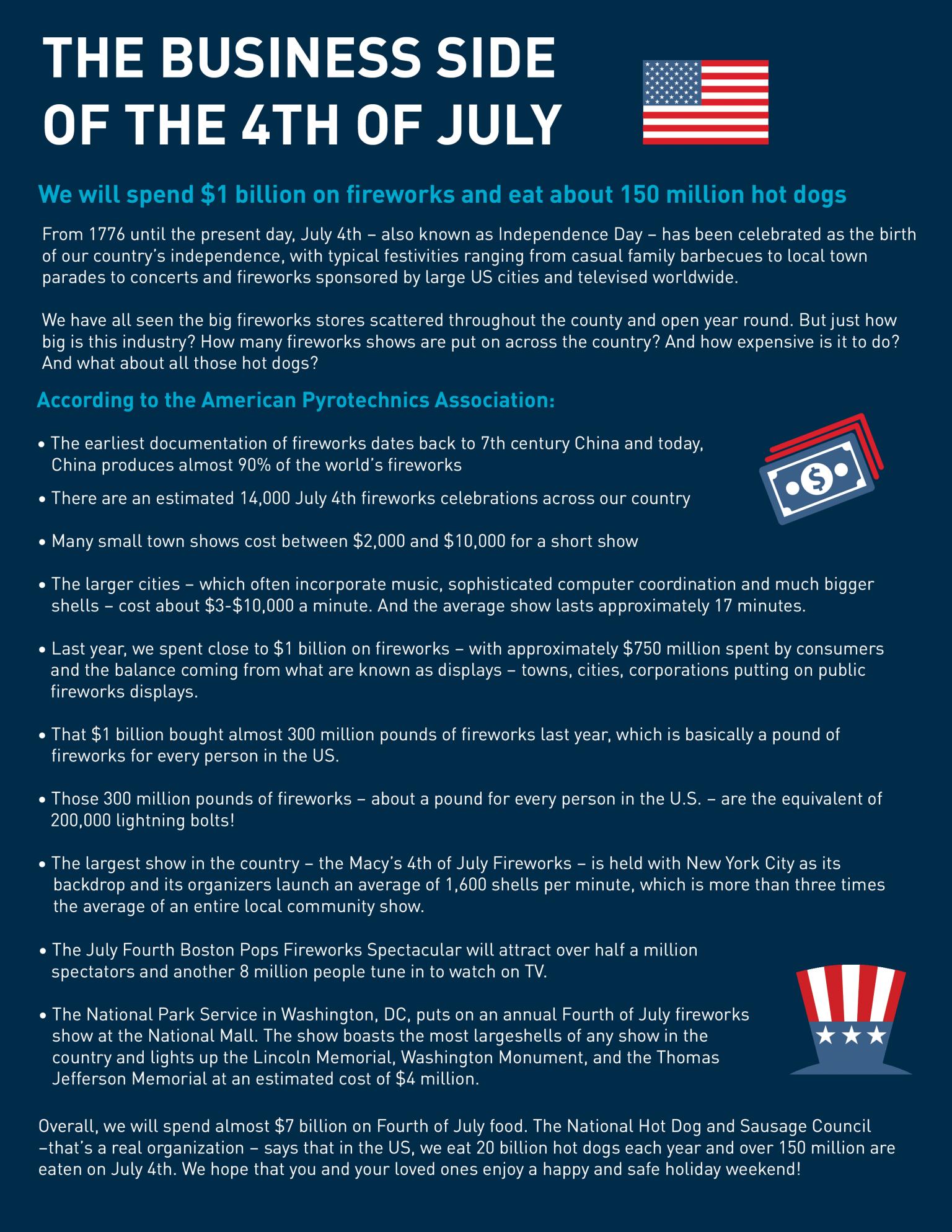













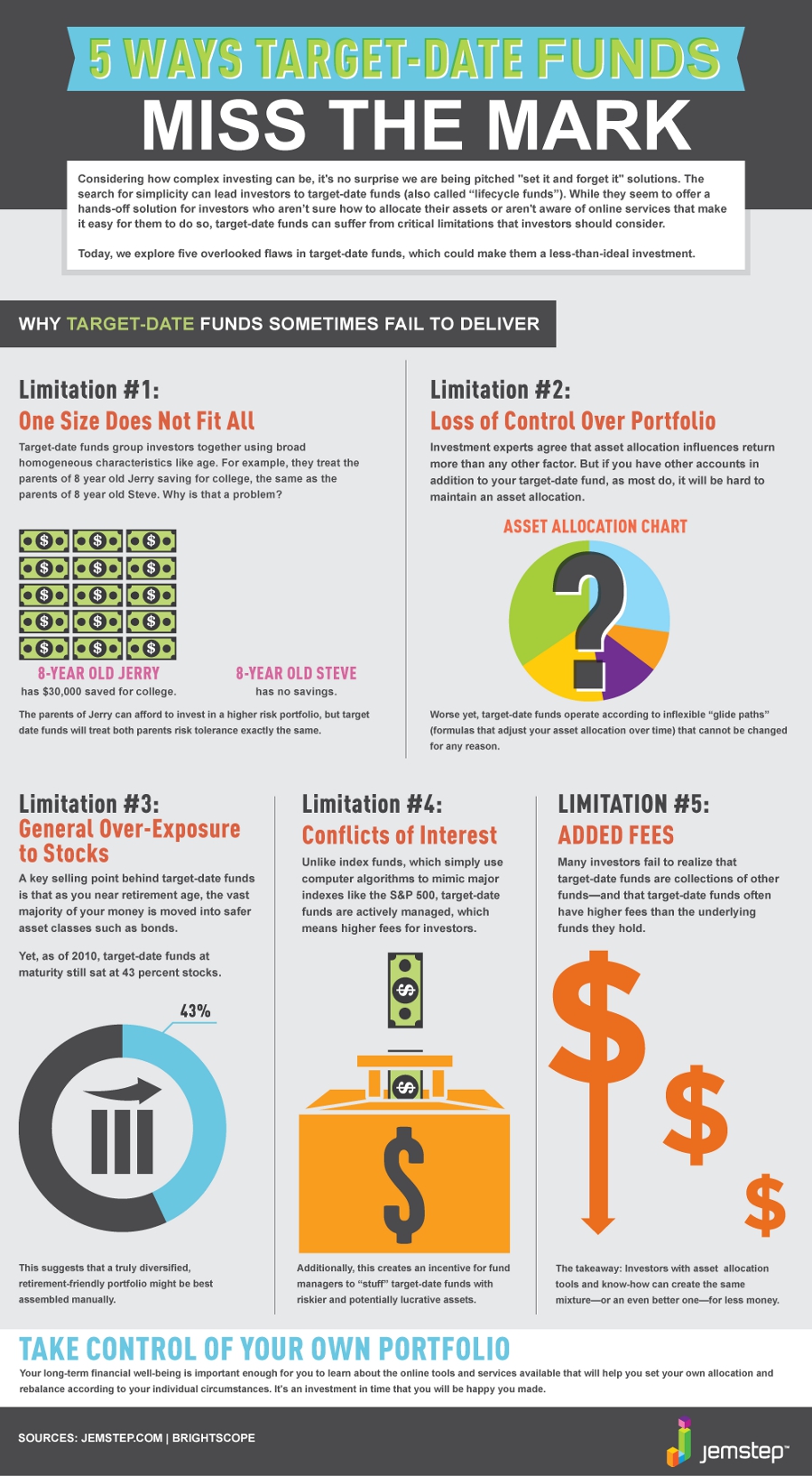











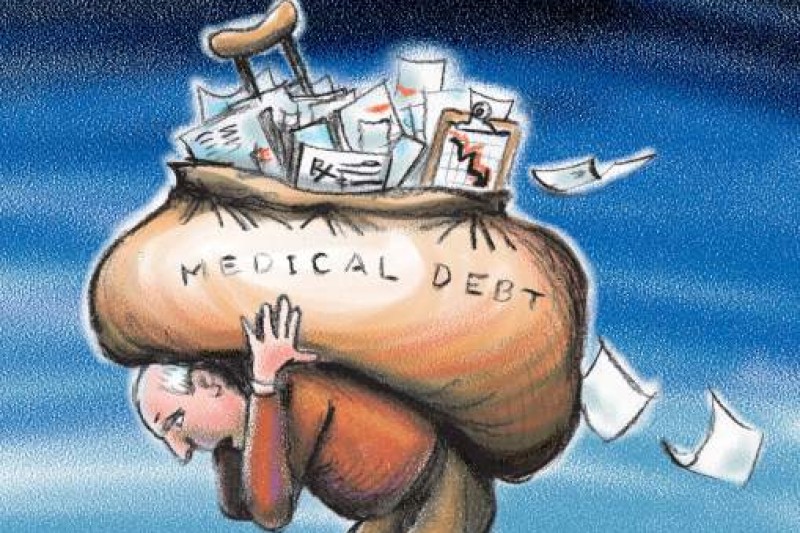








 The Leading Business Education Network for Doctors, Financial Advisors and Health Industry Consultants
