Understanding the Google Scholar Paradox in Research

By A.I.

SPONSOR: http://www.CertifiedMedicalPlanner.org

***

***

Classic Definition: Scientific research depends on the referencing and citing of other research.

Modern Circumstance: The Google Scholar Paradox is that research which gets cited most often is whatever shows up in the top results of Google Scholar searches; regardless of its contribution to the field.

Paradox Example: The Google Scholar effect is a phenomenon when some medical and healthcare researchers pick and cite works appearing in the top results on Google Scholar regardless of their contribution to the citing publication.

Paradoxically they automatically assume these works’ credibility and believe that editors, reviewers, and readers expect to see these citations.

Courtesy: Morgan Housel 

COMMENTS APPRECIATED

Like and Subscribe

***

***

HEALTH: Public V. Population

By Dr. David Edward Marcinko MBA MEd

SPONSOR: http://www.CertifiedMedicalPlanner.org

***

***

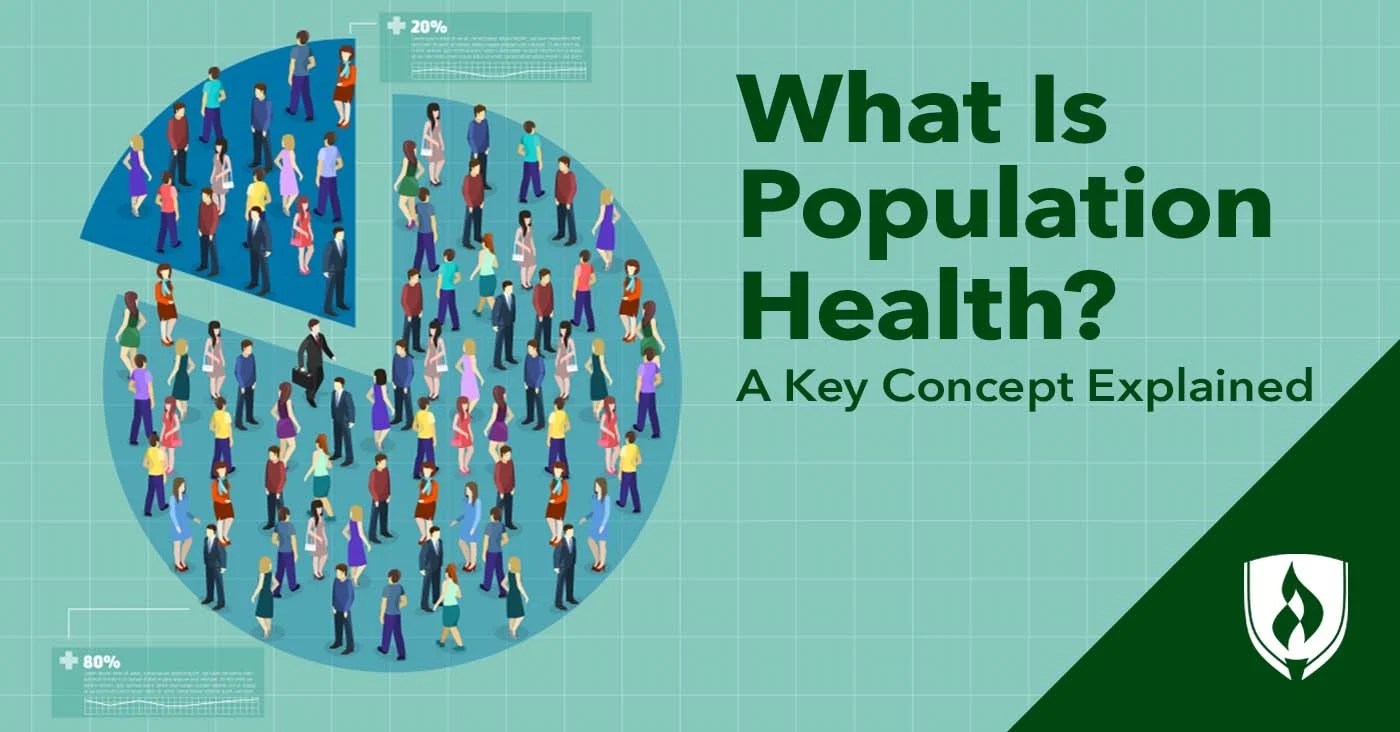
Population health and public health are two interrelated disciplines that strive to enhance the health outcomes of communities. While they share a common mission—to reduce health disparities and promote wellness—their approaches, target populations, and operational frameworks differ significantly.

***

***

Public health is traditionally defined as the science and art of preventing disease, prolonging life, and promoting health through organized efforts and informed choices of society, organizations, public and private sectors, communities, and individuals. It focuses on the health of the general population and emphasizes broad interventions such as vaccination programs, sanitation, health education, and policy advocacy. Public health professionals often work in government agencies, nonprofit organizations, and academic institutions to implement community-wide initiatives that prevent disease and promote healthy behaviors.

***

***

In contrast, population health takes a more targeted approach. It refers to the health outcomes of a specific group of individuals, including the distribution of such outcomes within the group. This field is particularly concerned with the social determinants of health—factors like income, education, environment, and access to care—that influence health disparities. Population health strategies often involve data-driven interventions tailored to the needs of defined groups, such as rural communities, ethnic minorities, or patients with chronic conditions.

One key distinction lies in scope and granularity. Public health initiatives are typically designed for the entire population, aiming to create systemic change. For example, anti-smoking campaigns or water fluoridation programs benefit everyone regardless of individual risk. Population health, however, might focus on reducing diabetes rates among Hispanic adults in a specific urban area, using targeted outreach and culturally sensitive care models.

Another difference is in data utilization. Population health relies heavily on health informatics and analytics to identify trends, allocate resources, and evaluate outcomes. This evidence-based approach supports precision in addressing health inequities. Public health also uses data, but often at a broader level to guide policy and monitor general health indicators like life expectancy or disease prevalence.

Despite these differences, the two fields are complementary. Public health lays the foundation for healthy societies through preventive infrastructure, while population health builds on this by addressing nuanced needs within subgroups. Together, they form a holistic framework for improving health outcomes across diverse communities.

In today’s healthcare landscape, the integration of public and population health is increasingly vital. The COVID-19 pandemic underscored the importance of both approaches: public health measures like mask mandates and vaccination campaigns were essential, while population health efforts ensured vulnerable groups received targeted support.

In conclusion, while public health and population health differ in focus and methodology, they are united by a shared goal: to foster healthier communities. Understanding their distinctions enables more effective collaboration and innovation in health policy, care delivery, and community engagement.

COMMENTS APPRECIATED

EDUCATION: Books

SPEAKING: ME-P Editor Dr. David Edward Marcinko MBA MEd will be speaking and lecturing, signing and opining, teaching and preaching, storming and performing at many locations throughout the USA this year! His tour of witty and serious pontifications may be scheduled on a planned or ad-hoc basis; for public or private meetings and gatherings; formally, informally, or over lunch or dinner. All medical societies, financial advisory firms or Broker-Dealers are encouraged to submit an RFP for speaking engagements: CONTACT: Ann Miller RN MHA at MarcinkoAdvisors@outlook.com -OR- http://www.MarcinkoAssociates.com

Like, Refer and Subscribe

***

***

DOCTORS: Early Investing Needed for Retirement

NEW FINANCIAL STRATEGIES?

By A.I. and Dr. David Edward Marcinko; MBA MEd CMP

***

SPONSOR: http://www.CertifiedMedicalPlanner.org

***

Starting early is key to saving for retirement

Although 97% of people aren’t yet millionaires, many could eventually meet that target if they start investing sooner rather than later; especially doctors [MD, DO, DPM, DDS or DMD].

BROKE DOCTORS: https://medicalexecutivepost.com/2025/08/02/doctors-going-broke-and-living-paycheck-to-paycheck/

A 20-year-old, for instance, needs to invest just $330 a month into an asset class that delivers a 7% to 8% annual return to reach $1.26 million by the time s/he turns 65 years old. The luxury of time significantly boosts your chances of becoming a millionaire.

This doesn’t mean it’s too late for middle-aged savers to reach that millionaire milestone, but it will take a significantly greater investment. If a 50-year-old doctor hasn’t started saving for retirement, s/he would need to invest $3,958 a month at a steady 7% return to reach $1.26 million by retirement.

MONEY ADDICTION: https://medicalexecutivepost.com/2025/08/07/moiney-addicted-physicians-the-investing-and-trading-personality-of-doctors/

However, according to one Goldman Sachs report, investors could expect the S&P 500 to deliver just 3% annualized nominal returns over the next 10 years.

After an average 13% yearly return for the past decade, a new strategy outside of the stock market may be needed for that level of outsized gain, especially if you’re late to investing.

RETIREMENT VISION: https://medicalexecutivepost.com/2025/08/04/physicians-determine-your-retirement-vision/

COMMENTS APPRECIATED

EDUCATION: Books

SPEAKING: Dr. Marcinko will be speaking and lecturing, signing and opining, teaching and preaching, storming and performing at many locations throughout the USA this year! His tour of witty and serious pontifications may be scheduled on a planned or ad-hoc basis; for public or private meetings and gatherings; formally, informally, or over lunch or dinner. All medical societies, financial advisory firms or Broker-Dealers are encouraged to submit an RFP for speaking engagements: CONTACT: Ann Miller RN MHA at MarcinkoAdvisors@outlook.com -OR- http://www.MarcinkoAssociates.com

AI/HIT: https://www.amazon.com/Dictionary-Health-Information-Technology-Security/dp/0826149952/ref=sr_1_5?ie=UTF8&s=books&qid=1254413315&sr=1-5

Refer and Subscribe

***

***

The GENIUS Act

By A.I.

***

***

The GENIUS Act is the law of the Land

President Trump signed the bill into law Friday, setting up a framework for regulating stablecoins—digital currency pegged to traditional assets—that are linked to the US dollar. It’s a big win for the crypto industry, and Trump said it was a “giant step to cement American dominance of global finance and crypto technology.”

The law could help push stablecoins into the mainstream, and major companies like Walmart and Amazon have been said to be considering launching their own, according to Morning Brew.

COMMENTS APPRECIATED

Like and Subscribe

***

***

COINBASE: Investigated

By Staff Reporters

***

***

Coinbase under investigation – Hit with ransom attack

Coinbase’s wild week got much wilder when the New York Times reported that the SEC has been looking into whether the crypto exchange misstated the size of its user base in securities filings. Per the New York Times, the investigation started under President Biden and has continued under President Trump.

The subject of the investigation appears to be Coinbase’s claim in past disclosures and marketing materials that it has 100 million “verified users.” A company spokesperson said it no longer reports that metric and the investigation should not continue.

The report came days after Coinbase joined the S&P 500, and just hours after it said it could lose $400 million following a recent hack by “rogue overseas” agents looking to steal customer data.

EDUCATION: Books

COMMENTS APPRECIATED

Like and Refer

***

***

OMADA: Digital Health Company Files for IPO

By Staff Reporters

SPONSOR: http://www.MarcinkoAssociates.com

***

***

Virtual chronic care provider Omada Health has filed to go public in the United States, the latest in a string of healthcare listings expected this year. Omada did not disclose the details as to how much it plans to raise from its IPO.

IPO: https://medicalexecutivepost.com/2025/03/02/ipo-road-show-with-pros-and-cons/

The San Francisco, California-based company, which last raised $192 million in a Series E funding round in 2022, reported a 38% increase in revenue to $169.8 million for 2024, according to its IPO paperwork. For the first quarter of 2025, the company posted a 56.6% year-on-year jump in revenue to $55 million. Omada has applied to list its common stock on the NASDAQ under the symbol “OMDA”.

Healthcare IPOs on U.S. exchanges have fetched $7.1 billion in 2024, compared with $2.8 billion a year earlier, according to data compiled by LSEG.

Invite Dr. Marcinko

COMMENTS APPRECIATED

Like and Refer

***

***

Lessons from History’s Technology Booms

By Vitaliy Katsenelson CFA

***

***

The technology at the core of the mania is different every time. What doesn’t change over time is human emotion – the fear of missing out and then the fear of loss.

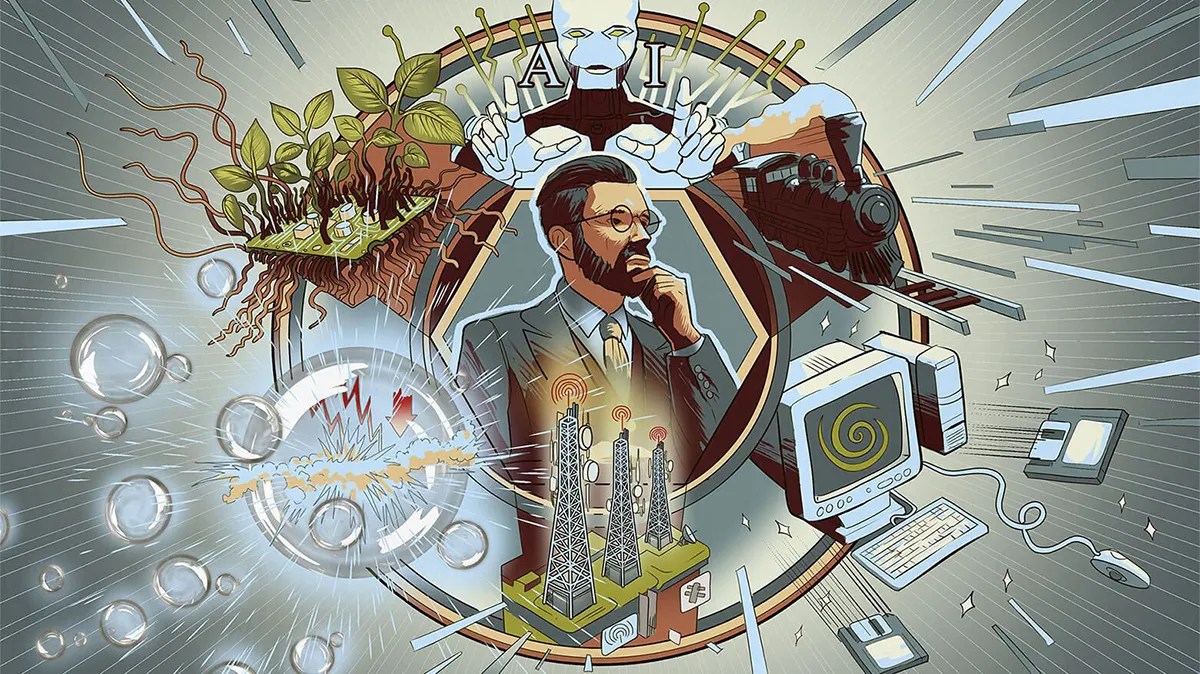
AI has a feel of “this time is different.” Optimism rarely erupts about the same technology twice; this is why history doesn’t repeat but rhymes. The technology at the core of the mania is different every time. What doesn’t change over time is human emotion – the fear of missing out and then the fear of loss, in that order. 

Humans are an optimistic bunch. We need it; it’s essential to our survival and progress; but eventually, we take our optimism too far. The graveyard of financial ruins is full of these stories.

I have beat the dotcoms and Nifty Fifties to death, so let’s go to back another century. My friend the brilliant Edward Chancellor wrote about the railroad boom and bust in England in the 1800s. Here he is, edited for brevity:

The first railway to use steam locomotives opened in 1825 and was designed to carry coal, not passengers. Railway promoters simply did not appreciate the potential demand for high-speed travel. The successful launch of the Liverpool and Manchester Railway in 1830, however, demonstrated the commercial viability of passenger travel. By the early 1840s, Britain’s railway network stretched to more than 2,000 miles. Railway companies were delivering acceptable, if not spectacular, returns for investors.

Then railway fever suddenly gripped the nation. Enthusiasts touted rail transport not just for its economic benefits, but for its benign effects on human civilization. One journal envisaged a day when the “whole world will have become one great family speaking one language, governed in unity by like laws, and adoring one God.” In the two years after 1843, the index of rail stocks doubled.

Investment peaked at around 7% of Britain’s national income. Railway enthusiasts predicted that rail would soon replace all the country’s roads and that “horse and foot transit shall be nearly extinct.”

In 1845, Britain’s railways carried nearly 34 million passengers. If the 8,000 miles of newly authorized railways were to deliver their expected 10% return, then the industry’s total revenue and passenger traffic would have to climb five fold or more – all within the space of just five years. “This should have alarmed observers by itself … But they were deluded by the collective psychology of the Mania”, writes Odlyzko. 

In 1847 a severe financial crisis broke out, induced in part by the diversion of large amounts of capital into unprofitable railway schemes. It turned out that the revenue projections provided by so-called “traffic takers” were wildly overoptimistic. Railway engineers underestimated costs. The vogue for constructing direct lines between large urban centers proved mistaken, as most traffic turned out to be local. As a result, Britain’s rail network was plagued with overcapacity. By the end of the decade, the index of railway stocks was down 65% from its 1845 peak. 

The railroad bubble in England is just one example; there are hundreds of similar stories across market history. They all share this theme:

A new technology appears on the horizon. In the early stages, investment is rational, but then at some point excitement, imagination, and optimism take over, leading to overinvestment (usually creating a financial bubble). Investors make a lot of money until most lose it all. When the dust settles, only a few companies survive.

This AI boom reminds me of the telecom sector in the 1990s. The internet was going to change the world, and it did, but first we had tremendous overcapacity in global fiber and telecom equipment.

One could say that telecommunications companies overestimated demand for broadband and underestimated changes in technology, and that would be true. But there was a more nuanced dynamic at play, what economists call the fallacy of composition.

What’s true for one participant isn’t necessarily true for the group.

COMMENTS APPRECIATED

Like and Refer

***

***

AI “Demolition Man” ID

By Staff Reporters

***

***

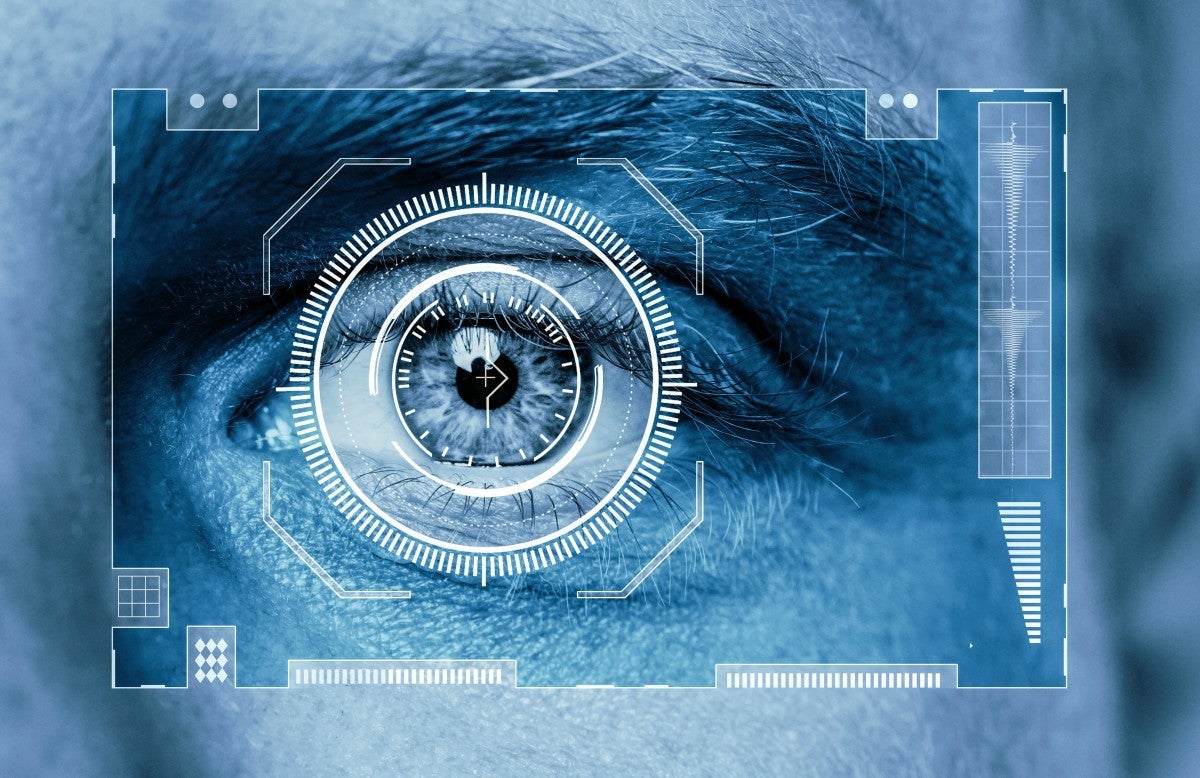
If getting answers from ChatGPT makes you feel dystopian, you may not want to hear about OpenAI CEO Sam Altman’s other co-founded venture, now rolling out stateside. It scans your eyeballs in exchange for cryptocurrency.

What in the Demolition Man? The device, which creates a unique user ID for your scan, is meant to address a problem that Altman had a hand in creating: how to verify identities and confirm humanity in a world full of artificial intelligence.

The project, called World (formerly Worldcoin), went live in other countries in 2023. Its US expansion, announced this week, featured retail outlets in five cities where you can get your eyes scanned:

  • Tools for Humanity, the company behind the orbs, says 12+ million people around the world have participated so far.
  • It claims to keep your data private, but authorities in more than a dozen places have suspended World’s operations or investigated its data practices, per the WSJ.

COMMENTS APPRECIATED

Like and Refer

***

***

QUANTUM COMPUTING: Healthcare and Banking Affected [B-QTUM Index Fund]

FUNDAMENTAL INDUSTRY CHANGES

By Staff Reporters

***

***

Index Funds

An index mutual fund or ETF (exchange-traded fund) tracks the performance of a specific market benchmark—or “index,” like the popular S&P 500 Index—as closely as possible. That’s why you may hear people refer to indexing as a “passive” investment strategy.

Instead of hand-selecting which stocks or bonds the fund will hold, the fund’s manager buys all (or a representative sample) of the stocks or bonds in the index it tracks.

***

Quantum Computing

Unlike traditional computers that use bits, quantum computers utilize qubits. These qubits are capable of being in a state of superposition, where they can represent both 0 and 1 simultaneously, enabling the processing of multiple calculations at once. This could allow quantum computers to outperform classical computers in solving certain complex problems. However, the field is still overcoming challenges such as qubit stability and decoherence; especially in these three areas:

  • Quantum computing could fundamentally alter healthcare by accelerating drug discovery and improving individualized medicine. Rapid analysis of enormous volumes of biological data allows quantum computers to find trends that might guide the creation of more potent treatments. In addition to accelerating drug development, this will enable customized treatments tailored to unique genetic profiles.
  • Faster and more accurate financial models produced by quantum computing will transform the banking sector. Through real-time analysis of intricate financial systems, it can help investors to control risk and make better decisions. More precise market forecasts will help maximize portfolio management and trading strategies.
  • Through greatly enhanced medical diagnosis and patient care, quantum computing can transform the healthcare industry. Quantum computers can remarkably accurately find trends and possible health hazards by analyzing enormous volumes of medical data in a fraction of the time. Early diagnosis and more customized treatment alternatives follow from this.

BQTUM Index Fund

Index Description: The BlueStar® Machine Learning and Quantum Computing Index (BQTUM) tracks liquid companies in the global quantum computing and machine learning industries, including products and services related to quantum computing or machine learning, such as the development or use of quantum computers or computing chips, superconducting materials, applications built on quantum computers, embedded artificial intelligence chips, or software specializing in the perception, collection, visualization, or management of big data.

Citation and Disclosure: https://www.defianceetfs.com/qtum/

COMMENTS APPRECIATED

Read, Like, Subscribe and Refer

***

***

NEWS IN BRIEF: Financial, Investing, Economics and IT

BREAKING NEWS

By Staff Reporters

***

***

  • Spot bitcoin ETFs saw their highest inflows since January over the last few days, sparking a crypto rally.
  • The Federal Reserve withdrew its guidance for banks about engaging in crypto-related business.
  • California is now the fourth-largest economy in the world.
  • OpenAI expects its revenue to reach $125 billion in 2029, up from $3.7 billion last year.
  • The median pay for CEOs rose to a record $16.8 million in 2024.
  • Meta Platforms is laying off staff working in its virtual reality division.
  • Apple announced it’s shifting its iPhone production from China to India.

COMMENTS APPRECIATED

Refer and Like

***

***

STOCKS: Basic Definitions

By Staff Reporters

SPONSOR: http://www.MarcinkoAssociates.com

***

***

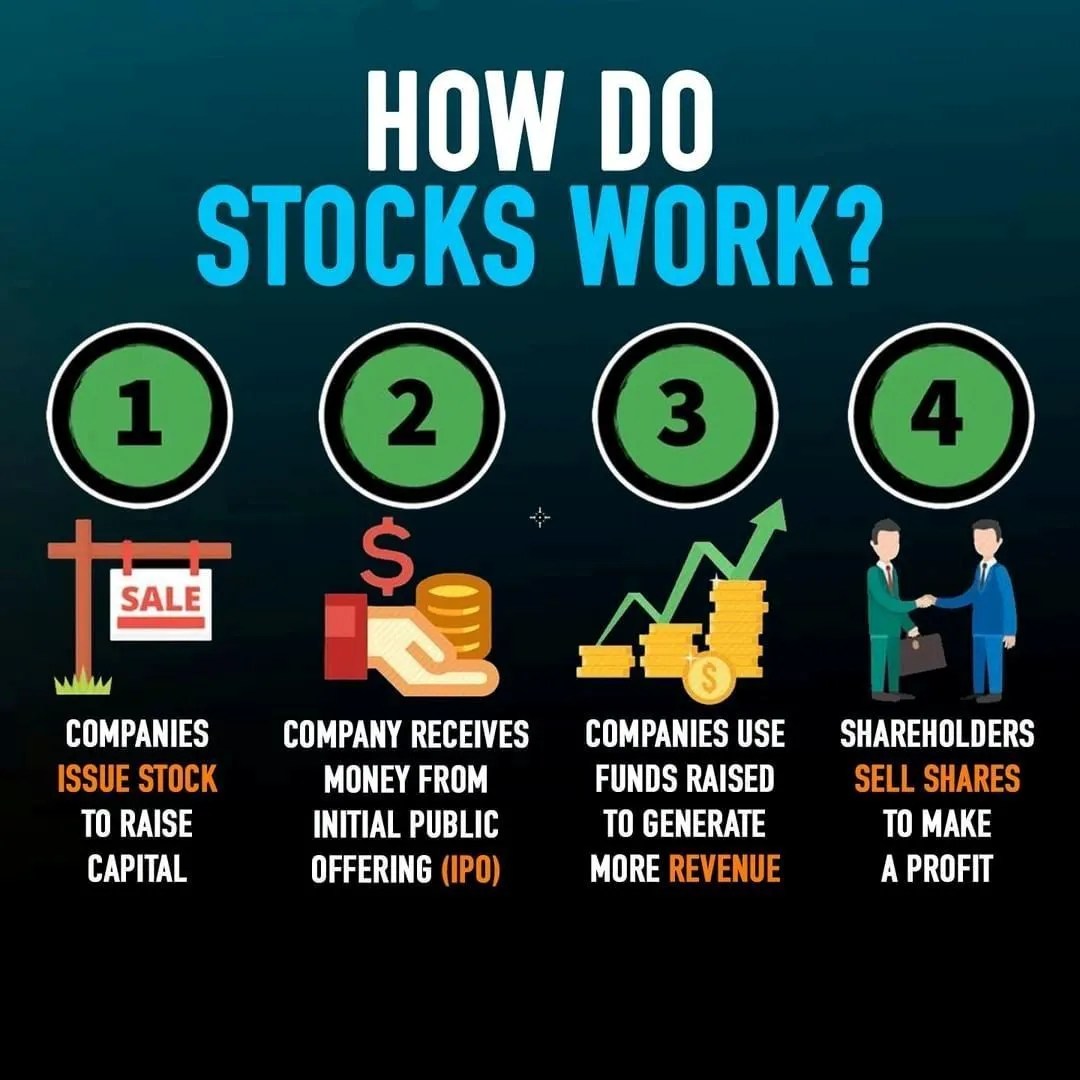
When you buy a share of stock, you are taking ownership in a company.  Collectively, the company is owned by all the shareholders, and each share represents a claim on assets and earnings.  If the company distributes profits to its shareholders, you should receive a proportionate share of the earnings.

Stocks are often categorized by the size of the company, or their market capitalization.  The market capitalization is determined by multiplying the number of outstanding shares by the current share price.  The most common market cap classes are small-cap (valued from $100 million to $1 billion), mid-cap ($1 billion to $10 billion), and large cap ($10 billion to $100 billion).

Stocks are also categorized by their sector, or the type of business the company conducts.  Common sectors include utilities, consumer staples, energy, communications, financial, health care, transportation, and technology.

***

***

Stocks are often viewed as being in one of two categories — growth or value.

  • Growth stocks are ones that are associated with high quality, successful companies that are expected to continue growing at a better-than-average rate as compared to the rest of the market.
  • Value stocks are ones that have generally solid fundamentals, but are currently out of favor with the market.  This may be due to the company being relatively new and unproven in the market, or because the company has recently experienced a decline due to the company’s sector being affected negatively.  An example of this would be if the federal government was to levy a new tax on all cell phones, thus negatively affecting all cell phone company stocks.

History has shown that, over time, stocks have provided a better return than bonds, real estate, and other savings vehicles.  As a result, stocks may be the ideal investment for investors with long-term goals.

COMMENTS APPRECIATED

Refer and Like

***

***

MEDICAL DEVICES: Special Considerations

By Staff Reporters

***

***

INFORMATION TECHNOLOGY CONSIDERATIONS FOR MEDICAL DEVICES

In 2013, the Food and Drug Administration (FDA) issued its first cybersecurity safety communication, followed in 2014 by final guidance. It struck a reasonable balance between new regulations (almost none) and guidance (in the form of non-binding recommendations).

In 2015, the Federal Trade Commission (FTC) released a staff report entitled Internet of Things: Privacy & Security in a Connected World, in which it recommend that Internet of Things (IoT) style devices, which of course include medical and clinical devices, need to maintain a good security posture. It’s worth noting that the FDA, FTC, and other government regulators are centering on a few key guidelines. The following recommendations come directly from the FTC report.

Companies should build security into their devices at the outset, rather than as an afterthought. As part of the security by design process, companies should consider:

  • Conducting a privacy or security risk assessment
  • Minimizing the data they collect and retain
  • Testing their security measures before launching their products
  • Companies should train all employees about good security, and ensure that security issues are addressed at the appropriate level of responsibility within the organization
  • Companies should retain service providers that are capable of maintaining reasonable security and provide reasonable oversight for these service providers.
  • When companies identify significant risks within their systems, they should implement a defense-in-depth approach, in which they consider implementing security measures at several levels.
  • Companies should consider implementing reasonable access control measures to limit the ability of an unauthorized person to access a consumer’s device, data, or even the consumer’s network.
  • Companies should continue to monitor products throughout the life cycle and, to the extent feasible, patch known vulnerabilities

According to colleague Shahid N. Shah MS, the FTC report and FDA guidelines are remarkably consistent. When thinking of cybersecurity and data privacy, engineers tend to think about authentication, authorization, and encryption. Those are the relatively easy topics. For safety-critical devices, however, things are much more difficult and need to encompass a larger surface of questions, including but not limited to:

  • Asset Inventory: Is the device discoverable, and can it associate itself with standard IT inventory systems so that revision management, software updates, and monitoring can be automated?
  • Cyber Insurance: Does the device have enough security documentation to allow it to be insured by standard cyber insurance riders?
  • Patching: How is the firmware, operating system (OS), or application going to be patched by IT staff within hospitals (or the home for remote devices)?
  • Internal Threats: Has the device been designed to circumvent insider (hospital staff, network participants, etc.) threats?
  • External Threats: Has the device been designed to lock down the device from external threats?
  • Embedded OS Security: Is the device sufficiently hardened at the operating system level, such that no extraneous software components, which increase the attack surface, are present?
  • Firmware and Hardware Security: Are the firmware and hardware components sourced from reputable suppliers and free of state-sponsored spying?
  • Application Security: Is the Microsoft Security Development Lifecycle (SDL) or similar software security assurance process integrated into the engineering process?
  • Network Security: Have all network protocols not in use by the device been turned off so that they are not broadcasting?
  • Data Privacy: What data segmentation, logging, and auditing is being done to ensure appropriate data privacy?
  • HIPAA Compliance: Have proper steps been followed to ensure Health Insurance Portability and Accountability Act (HIPAA) compliance?
  • FISMA Compliance: If you’re selling to the federal government, have proper steps, such as use of Federal Information Processing Standard (FIPS) certified encryption, been followed to ensure Federal Information Security Management Act (FISMA) compliance?
  • Data Loss Prevention (DLP): Is there monitoring in place to ensure data leakage outside of the device doesn’t occur?
  • Vulnerabilities: Have common vulnerabilities such as the Open Web Application Security Project (OWASP) Top 10 been reviewed?
  • Data Sharing: Are proper data sharing agreements in place to allow sharing of data across devices and networks?
  • Password Management: Are passwords hardcoded into the device or made configurable?
  • Configuration Protection: Are configuration files properly check-summed and protected against malicious changes?

ASSESSMENT

It is vital to perform a security assessment on a healthcare practice to understand the environment, identify risks and perform risk mitigation. A one-time security assessment with risk mitigation is not sufficient in 2025. This is a continuous process that needs to be performed religiously to maintain a secure and compliant practice.

COMMENTS APPRECIATED

Refer, Like and Subscribe

***

***

23andMe Files for Bankruptcy

By Staff Reporters

BREAKING NEWS

***

***

Deoxyribonucleic acid or DNA is a polymer composed of two polynucleotide chains that coil around each other to form a double helix. The polymer carries genetic instructions for the development, functioning, growth and reproduction of all known organisms and many viruses.

***

The 23andMe Public Company

The genetic testing company 23andMe went from biotech superstar to the brink of collapse. And, its most valuable asset might be its controversial customer DNA data trove.

More: http://www.23andme.com

Now, 23andMe filed for bankruptcy late Sunday night and announced the resignation of its chief executive officer Anne Wojcicki who is stepping down from her position but remains on the board of directors.

Wojcicki has so far tried unsuccessfully to rescue the business by buying it back and capping a precipitous fall for the DNA-testing company.

MORE: https://tinyurl.com/38rtfjck

COMMENTS APPRECIATED

Read, Like, Refer and Subscribe

***

***

HONEYPOTS versus HONEYNETS: Information Technology

By Staff Reporters

***

***

What is Honeypot?

A Honeypot is a network-attached system used as a trap for cyber-attackers to detect and study the tricks and types of attacks used by hackers. It acts as a potential target on the internet and informs the defenders about any unauthorized attempt at the information system.

Honeypots are mostly used by large companies and organizations involved in cybersecurity. It helps cybersecurity researchers to learn about the different types of attacks used by attackers. It is suspected that even cyber criminals use these honeypots to decoy researchers and spread wrong information. The cost of a honeypot is generally high because it requires specialized skills and resources to implement a system such that it appears to provide an organization’s resources while still preventing attacks at the back end and access to any production system.

Advantages of Honeypot

  • Acts as a rich source of information and helps collect real-time data.
  • Identifies malicious activity even if encryption is used.
  • Wastes hackers’ time and resources.
  • Improves security.

Disadvantages of Honeypot

  • Being distinguishable from production systems, it can be easily identified by experienced attackers.
  • Having a narrow field of view, it can only identify direct attacks.
  • A honeypot once attacked can be used to attack other systems.
  • Fingerprinting(an attacker can identify the true identity of a honeypot ).

What is Honeynet?

A honeynet is made up of two or more honeypots connected via a network. Having a linked network of honeypots can be beneficial. It allows organizations to trace how an attacker interacts with a single resource or network point while also monitoring how a hacker moves between network points and interacts with numerous points at the same time.

The goal is to induce hackers to believe that they have successfully breached the network. Having more false network destinations makes the arrangement appear more realistic.

COMMENTS APPRECIATED

Refer, Like and Subscribe

EDUCATION: Books

***

***

AUDITORY: Ear Illusions?

VIRAL AUDIO DEBATES

By Staff Reporters

***

***

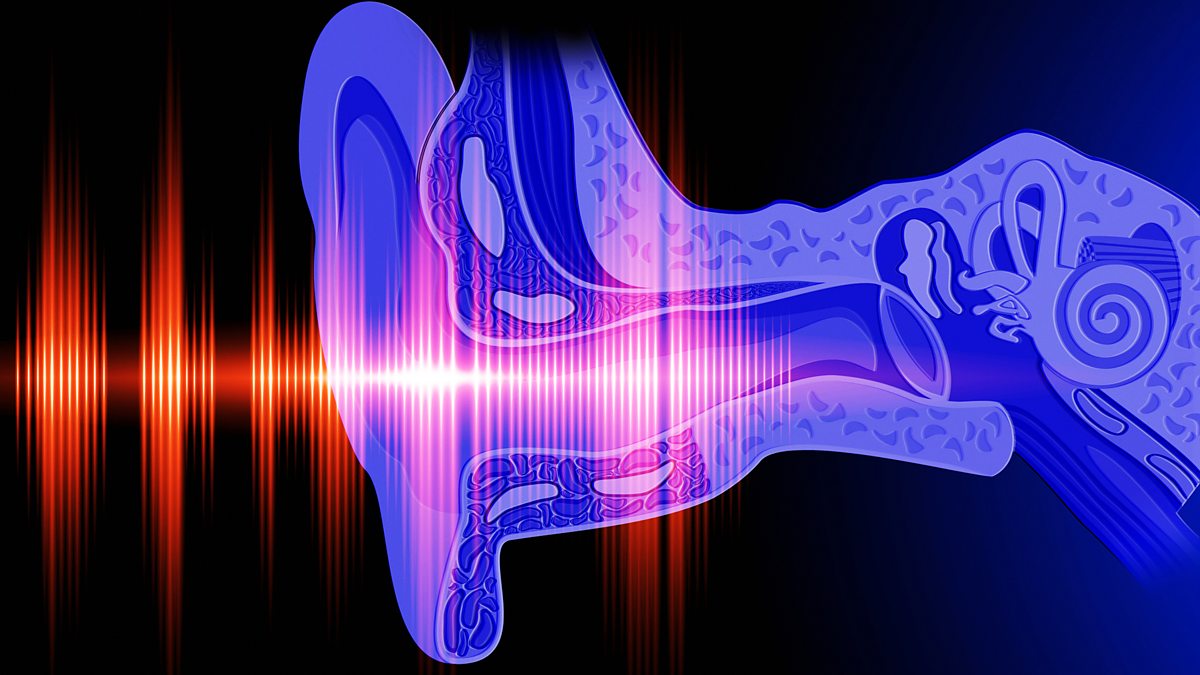
Auditory Illusions are like magic tricks for your ears. They make you hear things that aren’t there or misinterpret sounds. Think of the famous “Yanny or Laurel” debate – two people hear completely different words from the same audio clip.

NOTE: Yanny or Laurel is an auditory illusion that became popular in May 2018, in which a short audio recording of speech can be heard as one of two words. 53 percent of over 500,000 respondents to a Twitter poll reported hearing a man saying the word “Laurel”, while 47 percent of people reported hearing a voice saying the name “Yanny”. Analysis of the sound frequencies has confirmed that both sets of sounds are present in the mixed recording, but some users focus on the higher-frequency sounds in “Yanny” and cannot seem to hear the lower sounds of the word “Laurel”. When the audio clip is slowed to lower frequencies, the word “Yanny” is heard by more listeners, while faster playback loudens “Laurel.”

According to colleague Dan Ariely PhD, our brains love patterns, sometimes too much, leading us to hear phantom sounds or misinterpret music lyrics. It’s a reminder that our senses are easily fooled, so don’t believe everything you hear.

COMMENTS APPRECIATED

Like and Subscribe!

***

***

PATIENTS: Self Diagnostic Risks

PAGING DOCTOR GOOGLE

BY DR. DAVID EDWARD MARCINKO; MBA MEd CMP™

SPONSOR: http://www.MarcinkoAssociates.com

***

***

While health care is not “do-it-yourself,” an informed patient can be an asset. A poorly informed patient, on the other hand, clearly complicates treatment. Assume the responsibility of being the primary information source and educator for your patient. To help deal with a self-diagnosing patient, consider the following as suggested by: David B. Troxel, MD, Medical Consultant to The Doctors Company:

  • Encourage patients to always check with you about the accuracy of information obtained from external sources. Use the intake time to find out what Internet information the patient has found.
  • Directly discuss what the patient has read, even if the patient’s external source is a good one in your professional opinion. The exchange enhances your relationship with the patient and can increase treatment compliance. Welcome questions, and help put the patient’s information in the appropriate context.
  • Provide your patient with a list of Web sites that provide accurate information, such as the Centers for Disease Control and Prevention (www.cdc.gov). Make sure the patient understands the limitations of the Internet.
  • Document in the patient’s chart your diagnosis, your treatment management plan, and medication prescribed, as well as the reasons behind your decisions.

EDUCATION: Books

SPEAKING: Dr. Marcinko will be speaking and lecturing, signing and opining, teaching and preaching, storming and performing at many locations throughout the USA this year! His tour of witty and serious pontifications may be scheduled on a planned or ad-hoc basis; for public or private meetings and gatherings; formally, informally, or over lunch or dinner. All medical societies, financial advisory firms or Broker-Dealers are encouraged to submit a RFP for speaking engagements: MarcinkoAdvisors@outlook.com 

COMMENTS APPRECIATED

Refer, Like and Subscribe

***

***

ABOUT: Microsoft® Health Users Group

MSFT-HUG Update

By Dr. David Edward Marcinko; MBA MEd

***

***

MSHUG: Microsoft Healthcare Users Group (MS-HUG) unified with the Healthcare Information and Management Systems Society (HIMSS) as part of the HIMSS Users Group Alliance Program in October 2003.

Today, the unification strengthens the commitment of HIMSS and MS-HUG to better serve their members and the industry through a shared strategic vision to provide leadership and healthcare information technology solutions that improve the delivery of patient care.

COMMENTS APPRECIATED

Refer and Subscribe

***

DAILY UPDATE: Dental and Medical Record Data Breaches as Stocks Jump!

MEDICAL EXECUTIVE-POST TODAY’S NEWSLETTER BRIEFING

***

Essays, Opinions and Curated News in Health Economics, Investing, Business, Management and Financial Planning for Physician Entrepreneurs and their Savvy Advisors and Consultants

Serving Almost One Million Doctors, Financial Advisors and Medical Management Consultants Daily

A Partner of the Institute of Medical Business Advisors , Inc.

http://www.MedicalBusinessAdvisors.com

SPONSORED BY: Marcinko & Associates, Inc.

***

http://www.MarcinkoAssociates.com

Daily Update Provided By Staff Reporters Since 2007.
How May We Serve You?
© Copyright Institute of Medical Business Advisors, Inc. All rights reserved. 2024

REFER A COLLEAGUE: MarcinkoAdvisors@outlook.com

SPONSORSHIPS AVAILABLE: https://medicalexecutivepost.com/sponsors/

ADVERTISE ON THE ME-P: https://tinyurl.com/ytb5955z

Your Referral Count -0-

Nvidia stock (NVDA) led gains among the “Magnificent Seven” tech stocks to start the new year after a group-wide sell-off in the last days of 2024. Shares of the AI chip-maker rose 4.5% Friday after gaining roughly 3% the prior day.

CITE: https://www.r2library.com/Resource

Stat: 18. That’s how many dental data breaches there were in the US in 2024. (Becker’s Dental + DSO Review)

CITE: https://tinyurl.com/2h47urt5

Quote: “If your credit card gets compromised, your bank will alert you, cancel it and send you get a new one. But your medical records have a long lifespan. They can be misused without detection for long periods of time, because it’s harder to identify malicious activity. That makes them very valuable.”—Geetha Thamilarasu, associate professor at the University of Washington Bothell, on why hackers want healthcare information (the Wall Street Journal)

CITE: https://tinyurl.com/tj8smmes

That upswing followed a 4% dip between Christmas Eve and New Year’s Eve as megacap tech stocks dropped across the board in the absence of a “Santa Claus” rally, where the stock market typically enjoys a surge between December 24th and January 2nd. Tesla (TSLA) stock plunged nearly 13% over that time frame, while Amazon (AMZN) and Microsoft (MSFT) dropped more than 4%. Meanwhile, Meta (META) and Google (GOOG) fell just under 4%, and Apple (AAPL) dropped 3%.

Even with its December decline, Nvidia shares still ended 2024 up more than 150%. Wall Street analysts have remained bullish on the stock, estimating shares will rise to roughly $173 over the next year from their current level of $138, according to Yahoo Finance data.

COMMENTS APPRECIATED

PLEASE SUBSCRIBE: MarcinkoAdvisors@msn.com

Thank You

***

***

***

***

EDUCATIONAL TEXTBOOKS: https://tinyurl.com/4zdxuuwf

***

DENTAL OFFICE: Cyber Hacks

By Staff Reporters

***

***

Recently, the FBI warned the American Dental Association in May of the potential danger to providers from hackers. In May 2023, hackers attacked Delta Dental of California in a breach exposing the information of around 7 million patients.

And, in April 2023, Aspen Dental—a chain with more than 1,000 dentists’ offices across the country—suffered a ransomware hack that exposed user data, including health insurance information and Social Security numbers.

COMMENTS APPRECIATED

Thank You

***

***

HEALTH CARE: Cyber Attack Costs

By Staff Reporters

***

***

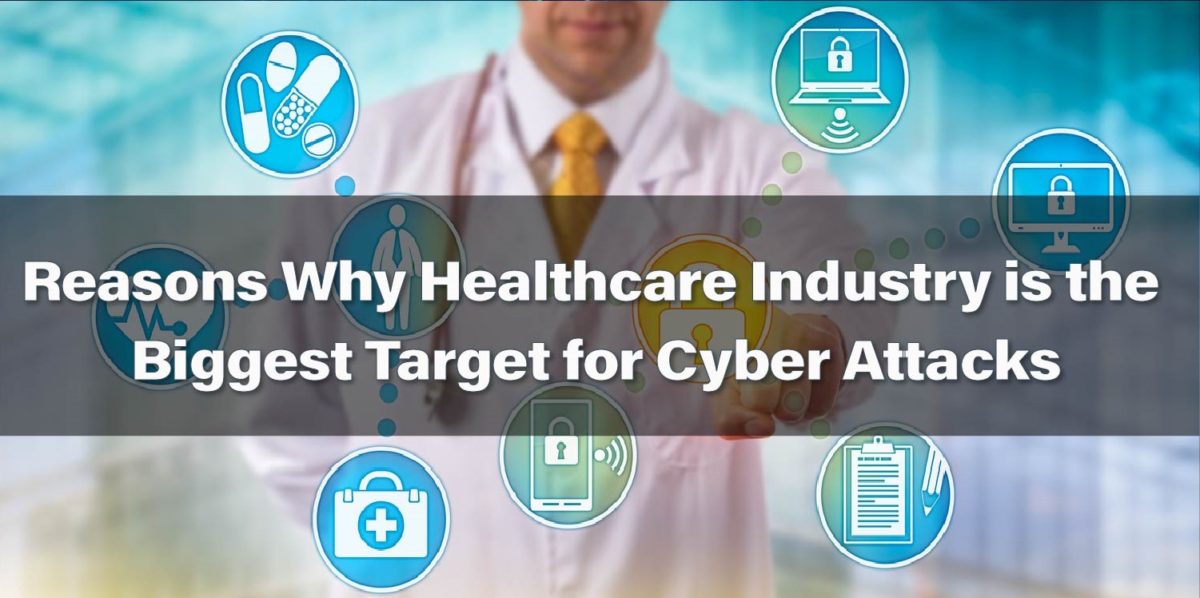
Cyberattacks are causing issues across all sorts of industries, from Microsoft to AT&T to Ascension. But it looks like the healthcare industry is getting hit the hardest—financially, at least.

The 2024 Cost of a Data Breach Report from IBM and think tank Ponemon Institute found that the global average cost of a data breach rose 10% between March 2023 and February 2024, reaching a total average cost of $4.88 million in that period. Costs for disruptions to business processes and post-breach customer support and remediation were the largest drivers behind the increase.

However, of the 17 industries studied, healthcare had the most expensive data breaches, with an average cost of $9.77 million during that same period. In fact, healthcare has held the No. 1 spot for costliest breaches since 2011, according to the study.

For comparison, the next highest average cost was in finance, at $6.08 million.

CITE: https://www.r2library.com/Resource

COMMENTS APPRECIATED

Thank You

***

***

MICROSOFT DOWN: Online Outage Hit Again After Global IT Meltdown

BREAKING NEWS

Story by Andrew Griffin • 4h ago

By Staff Reporters

***

***

Microsoft’s online service have been hit by another outage, days after an IT meltdown that brought much of the world to a halt. The company said it was investigating reports of user problems accessing its services, with some reporting being unable to access email and other functions.

An alert on the technology giant’s service status website said it was looking into a “network infrastructure” issue that was impacting access to Microsoft services.

The incident comes less than two weeks after a major global IT outage knocked global infrastructure including transportation and healthcare services offline because of a flawed software update from cybersecurity firm CrowdStrike affected Microsoft devices.

COMMENTS APPRECIATED

Thank You

***

***

Three BOTS of Artificial Intelligence

A.I. and Computers

By Staff Reporters

***

***

***

***

  • Google revealed its answer to ChatGPT: an “experimental conversational AI service” called Bard that’s currently in testing mode.
  • Microsoft (which invested in ChatGPT) announced its own surprise event scheduled for later today in order to “share some progress on a few exciting projects.”
  • Chinese tech giant Baidu confirmed it’s on track to introduce its AI chatbot, known as “Ernie Bot” in English, in March.

***
COMMENTS APPRECIATED

Thank You

***

ORDER: https://www.amazon.com/Dictionary-Health-Information-Technology-Security/dp/0826149952/ref=sr_1_5?ie=UTF8&s=books&qid=1254413315&sr=1-5

***

LAUGH -or- CRY?

***

IAN BEAN MD

***

HUMAN TOUCH: Needed in Medicine

By Staff Reporters

***

***

According to Fierce Healthcare, 60% of patients say they are willing to switch doctors for a better communications experience, according to a survey. Patients want more of a “human touch” when texting their providers, like conversational message exchanges. 

COMMENTS APPRECIATED

Thank You

***

***

DAILY UPDATE: Tesla, PBMs, Medicare Part C and the Hot Stock Markets

MEDICAL EXECUTIVE-POST TODAY’S NEWSLETTER BRIEFING

***

Essays, Opinions and Curated News in Health Economics, Investing, Business, Management and Financial Planning for Physician Entrepreneurs and their Savvy Advisors and Consultants

Serving Almost One Million Doctors, Financial Advisors and Medical Management Consultants Daily

A Partner of the Institute of Medical Business Advisors , Inc.

http://www.MedicalBusinessAdvisors.com

SPONSORED BY: Marcinko & Associates, Inc.

***

http://www.MarcinkoAssociates.com

Daily Update Provided By Staff Reporters Since 2007.
How May We Serve You?
© Copyright Institute of Medical Business Advisors, Inc. All rights reserved. 2024

REFER A COLLEAGUE: MarcinkoAdvisors@msn.com

SPONSORSHIPS AVAILABLE: https://medicalexecutivepost.com/sponsors/

ADVERTISE ON THE ME-P: https://tinyurl.com/ytb5955z

***

A day before the June CPI report, major indexes extended their rally amid growing demand for semiconductors and rate cut hopes.

  • The S&P 500 rose above 5,600 for the first time ever, only a few short days after breaking above 5,500, with the index hitting a new record for the last seven straight trading sessions. The NASDAQ also enjoyed a solid day as well thanks to strong performances by tech stocks, while even the Dow got in on the action and ended the session in the green.
  • Bond yields stayed almost right where they’ve been all week as investors hold their breath ahead of tomorrow’s key CPI reading.
  • Gold rose as investors hope for a strong CPI report to point the Fed toward more rate cuts, while oil rose as well thanks to a stronger-than-expected outlook on global demand from OPEC.

***

The Centers for Medicare & Medicaid Services (CMS) announced in June it would recalculate 2024 Medicare Advantage (MA) star ratings for all plans after two court rulings called into question the agency’s method for determining this year’s ratings. The decision is estimated to cost the federal agency roughly $1 billion in additional bonus payments for insurers, according to healthcare analytics firm Cotiviti. The move comes after several large insurers laid off employees in late 2023 after their star ratings decreased.

HIPAA: Some groups are disputing a proposed federal rule that would require hospitals to report cybersecurity incidents, saying they want it to also include insurers and third-party vendors. (Healthcare Dive)

CITE: https://www.r2library.com/Resource

What’s up

  • Taiwan Semiconductor rose 3.54% after it reported that its June revenue fell 10% month over month, but its sales rose roughly 33% year over year.
  • Advanced Micro Devices popped 3.87% on the news it is acquiring Silo AI, the largest private artificial intelligence lab in Europe, for $665 million.
  • Carvana drove 4.21% higher after Needham analysts upgraded the stock from “hold” to “buy” due in part to new features at checkout highlighting EVs. Competitor CarMax jumped 6.42% in sympathy.
  • Aehr Test Systems rocketed 24.01% after the semiconductor testing equipment maker raised earnings guidance thanks to strong AI demand.
  • Smart Global Holdings rose 26.27% thanks to earnings that beat Wall Street expectations in the third quarter and a strong outlook for the rest of the year.

What’s down

  • LegalZoom plummeted 25.35% to a new all-time low after the company cut its outlook and its CEO stepped down.
  • HubSpot sank 12.24% on a report that Alphabet is no longer interested in acquiring the company.
  • Intuit dropped 2.57% on the news that the tax prep company is cutting 10% of its workforce.
  • Deckers Outdoor fell 4.86% after M Science analysts published a note cautioning that sales for key brands UGG and HOKA fell in June.
  • Ziff Davis fell 10.32% after the digital media company tried to get ahead of the bad news and pre-announced that second-quarter earnings will fall below analyst expectations.
  • Fast-casual restaurant stocks continued to sink today as investors grow more concerned about lower consumer spending and higher valuations. CAVA Group fell 5.47%, Sweetgreen dropped 1.72%, and Dutch Bros fell 4.34%.

CITE: https://tinyurl.com/2h47urt5

Tesla’s US electric car market share fell below 50% in Q2 for the first time, according to estimates by the research firm Cox Automotive.

CITE: https://tinyurl.com/tj8smmes

In a scathing report, the Federal Trade Commission accused [PBMs] pharmacy benefit managers—the companies that act as go-betweens for drug makers and consumers—of jacking up drug prices

COMMENTS APPRECIATED

PLEASE SUBSCRIBE: MarcinkoAdvisors@msn.com

Thank You

***

***

***

***

EDUCATIONAL TEXTBOOKS: https://tinyurl.com/4zdxuuwf

***

CYBERSECURITY: Healthcare Podcast

***

“Victims of cyber extortion and ransomware increase in 2024”

By Dan Raywood for SC Magazine, July 8, 2024.
https://www.scmagazine.com/news/victims-of-cyber-extortion-and-ransomware-increase-in-2024

“…small businesses with fewer than 1,000 employees are four times more likely to be impacted by attackers than medium and large businesses.” That’s us, Doc. (You might not get this kind of news from the American Dental Association).

DARRELL PRUITT DDS

***

Protecting Healthcare: Unveiling the Cybersecurity Imperative

Podcast: A Conversation with Dan Dotson

RICH HELPPIE The Common Bridge

EDITOR’S NOTE: I first met Rich in B-school, when I was a student, back in the day. He was the Founder and CEO of Superior Consultant Holdings Corp. Rich graciously wrote the Foreword to one of my first textbooks on financial planning for physicians and healthcare professionals. Today, Rich is a successful entrepreneur in the technology, health and finance space.

-Dr. David E. Marcinko MBA MEd CMP®

COMMENTS APPRECIATED

Thank You

***

***

ARTIFICIAL INTELLIGENCE: Healthcare

By Staff Reporters

***

***

The healthcare industry has tried for years—but to little avail—to figure out how artificial intelligence (AI) can be used to make work easier and improve patient care.

Despite the middling success healthcare has had with AI, Andreessen Horowitz (a16z), the largest venture capital firm in the US, has bet big on healthcare AI startups in the past year. The firm has invested in at least four startups and co-led three funding rounds totaling $328 million.

Investment partner Daisy Wolf and general partner Vijay Pande at a16z wrote in an August blog post that the VC firm is aware that “the AI hype cycle has hit healthcare before.” But, the two partners wrote, “we’re excited by today’s overlap of data availability, public foundation models, and widespread interest.”

COMMENTS APPRECIATED

Thank You

***

***

DAILY UPDATE: MSFT Teams, Deloitte, HealthcCare Cyber Attacks as Markets Lift

MEDICAL EXECUTIVE-POST TODAY’S NEWSLETTER BRIEFING

***

Essays, Opinions and Curated News in Health Economics, Investing, Business, Management and Financial Planning for Physician Entrepreneurs and their Savvy Advisors and Consultants

Serving Almost One Million Doctors, Financial Advisors and Medical Management Consultants Daily

A Partner of the Institute of Medical Business Advisors , Inc.

http://www.MedicalBusinessAdvisors.com

SPONSORED BY: Marcinko & Associates, Inc.

***

http://www.MarcinkoAssociates.com

Daily Update Provided By Staff Reporters Since 2007.
How May We Serve You?
© Copyright Institute of Medical Business Advisors, Inc. All rights reserved. 2024

REFER A COLLEAGUE: MarcinkoAdvisors@msn.com

SPONSORSHIPS AVAILABLE: https://medicalexecutivepost.com/sponsors/

ADVERTISE ON THE ME-P: https://tinyurl.com/ytb5955z

***

The EU says Microsoft violated its antitrust laws by bundling Teams with Office, potentially setting the stage for a major fine.

And, Deloitte has billions of dollars’ worth of Medicaid contracts, but the consultancy’s eligibility systems are full of errors. (KFF Health News)

CITE: https://www.r2library.com/Resource

Here’s where the major benchmarks ended:

  • The S&P 500® index (SPX) rose 8.6 points (0.16%) to 5,477.9; the Dow Jones Industrial Average® ($DJI) added 15.64 points (0.04%) to 39,127.8; the NASDAQ Composite® ($COMP) climbed 87.5 points (0.49%) to 17,805.16.
  • The 10-year Treasury note yield rose 8 points to 4.32%.
  • The CBOE Volatility Index® (VIX) eased to 12.5

What’s up

What’s down

CITE: https://tinyurl.com/2h47urt5

The disastrous ransomware attacks on Change Healthcare and Ascension this year ran up staggering costs and put a spotlight on the healthcare sector’s vulnerability. But healthcare orgs are hardly new to eye-popping bills after a major hack. Analyzing attacks on organizations in 16 countries, IBM/Ponemon Institute has shown healthcare to be the industry with the highest cost per data breach for over a decade, coming in at an average hit of $10.93 million in 2023.

CITE: https://tinyurl.com/tj8smmes

COMMENTS APPRECIATED

PLEASE SUBSCRIBE: MarcinkoAdvisors@msn.com

Thank You

***

***

***

***

EDUCATIONAL TEXTBOOKS: https://tinyurl.com/4zdxuuwf

***

MURTHY: Warnings on Social Media Apps

By Staff Reporters

***

***

The top health official in the US is urging Congress to pass legislation that would stamp social media apps with a surgeon general’s warning “stating that social media is associated with significant mental health harms for adolescents,” he wrote in an op-ed for the New York Times recently.

Surgeon General Dr. Vivek Murthy’s push for a warning label follows years of alarm-sounding with his strongest appeal to lawmakers yet.

  • In his statement, Murthy referenced a 2019 study that found risks of depression doubled among teens who scroll for more than three hours per day, and a 2023 Gallup poll showing that US teens log a daily average of 4.8 hours on social media.

COMMENTS APPRECIATED

Thank You

***

***

DAILY UPDATE: Microsoft & Google Cyber Security Discounts as Stock Markets Rally

MEDICAL EXECUTIVE-POST TODAY’S NEWSLETTER BRIEFING

***

Essays, Opinions and Curated News in Health Economics, Investing, Business, Management and Financial Planning for Physician Entrepreneurs and their Savvy Advisors and Consultants

Serving Almost One Million Doctors, Financial Advisors and Medical Management Consultants Daily

A Partner of the Institute of Medical Business Advisors , Inc.

http://www.MedicalBusinessAdvisors.com

SPONSORED BY: Marcinko & Associates, Inc.

***

http://www.MarcinkoAssociates.com

Daily Update Provided By Staff Reporters Since 2007.
How May We Serve You?
© Copyright Institute of Medical Business Advisors, Inc. All rights reserved. 2024

REFER A COLLEAGUE: MarcinkoAdvisors@msn.com

SPONSORSHIPS AVAILABLE: https://medicalexecutivepost.com/sponsors/

ADVERTISE ON THE ME-P: https://tinyurl.com/ytb5955z

***

  • Microsoft. According to a same-day announcement on its site, the company will give “nonprofit pricing and discounts for its security products optimized for smaller organizations, providing up to a 75% discount,” along with free cybersecurity training, assessments, and—for at least one year, the company says—Windows 10 security updates.
  • Google. The White House said that Google will “provide endpoint security advice to rural hospitals and nonprofit organizations at no cost,” as well as a pilot program designed to help rural facilities “develop a packaging of security capabilities that fit these hospitals’ unique needs.”

CITE: https://www.r2library.com/Resource

What’s up

What’s down

CITE: https://tinyurl.com/2h47urt5

Here’s where the major benchmarks ended:

  • The S&P 500 index gained 41.63 points (0.8%) to 5,473.23; the Dow Jones Industrial Average® ($DJI) added 188.94 points (0.5%) to 38,778.10; the NASDAQ Composite advanced 168.14 points (1.0%) to 17,857.02.
  • The 10-year Treasury note yield (TNX) rose more than 6 basis points to 4.279%.
  • The CBOE Volatility Index® (VIX) increased 0.10 to 12.76.

CITE: https://tinyurl.com/tj8smmes

COMMENTS APPRECIATED

PLEASE SUBSCRIBE: MarcinkoAdvisors@msn.com

Thank You

***

***

***

***

EDUCATIONAL TEXTBOOKS: https://tinyurl.com/4zdxuuwf

***

DAILY UPDATE: Tele-Health, Fortune 500, Companies and the Stocks Markets

MEDICAL EXECUTIVE-POST TODAY’S NEWSLETTER BRIEFING

***

Essays, Opinions and Curated News in Health Economics, Investing, Business, Management and Financial Planning for Physician Entrepreneurs and their Savvy Advisors and Consultants

Serving Almost One Million Doctors, Financial Advisors and Medical Management Consultants Daily

A Partner of the Institute of Medical Business Advisors , Inc.

http://www.MedicalBusinessAdvisors.com

SPONSORED BY: Marcinko & Associates, Inc.

***

http://www.MarcinkoAssociates.com

Daily Update Provided By Staff Reporters Since 2007.
How May We Serve You?
© Copyright Institute of Medical Business Advisors, Inc. All rights reserved. 2024

REFER A COLLEAGUE: MarcinkoAdvisors@msn.com

SPONSORSHIPS AVAILABLE: https://medicalexecutivepost.com/sponsors/

ADVERTISE ON THE ME-P: https://tinyurl.com/ytb5955z

***

The end has come for the Covid-19-era federal Affordable Connectivity Program, which some critics say will make telehealth access challenging for millions in rural and tribal areas. (NPR/KFF Health News)

CITE: https://www.r2library.com/Resource

Here’s where the major benchmarks ended yesterday:

  • The S&P 500 index rose 13.80 points (0.3%) to 5,360.79; the Dow Jones Industrial Average® ($DJI) gained 69.05 points (0.2%) to 38,868.04; the NASDAQ Composite added 59.40 points (0.4%) to 17,192.53.
  • The 10-year Treasury note yield (TNX) rose almost 4 basis points to 4.467%.
  • The CBOE Volatility Index® (VIX) rose 0.52 to 12.74.

What’s up

  • Diamond Offshore Drilling rose 10.91% after fellow offshore drilling company Noble Corp. announced it would acquire Diamond in a cash and stock deal worth $1.6 billion total. Noble shares rose 6.08% on the news as well.
  • Crowdstrike, GoDaddy, and KKR will be added to the S&P 500 when the index rebalances at the end of the quarter. Crowdstrike rose 7.29%, GoDaddy rose 1.94%, and KKR was up 11.22% on the news.
  • Texas Pacific Land Corporation shares also rose 24.57% on the news that the company will be inducted into the S&P MidCap 400.

What’s down

CITE: https://tinyurl.com/2h47urt5

Stat: 42. That’s how many healthcare industry companies were named on the latest Fortune 500, which lists the largest corporations in the US based on revenue for fiscal year 2023. (Advisory Board)

CITE: https://tinyurl.com/tj8smmes

COMMENTS APPRECIATED

PLEASE SUBSCRIBE: MarcinkoAdvisors@msns.com

Thank You

***

***

***

***

EDUCATIONAL TEXTBOOKS: https://tinyurl.com/4zdxuuwf

***

A DENTAL INDUSTRY SECRET: No One Wants to Share!

By Darrell Pruitt DDS

***

***

Ransomware is getting worse, not better.

One doesn’t see this in dental literature, but ransomware is not going away. It is getting worse. “Ransomware Victim Count Increased by 75% in 2023” By Steve Alder for The HIPAA Journal, Jun 4, 2024. https://www.hipaajournal.com/ransomware-victim-count-increased-by-75-in-2023/

A new report from the Google-owned cybersecurity firm Mandiant suggests several reasons for the increase in attacks. “First, there has been a resetting of the cybe rcriminal ecosystem after a tumultuous year in 2022, an influx of new actors conducting attacks, new partnerships between existing groups, and members of disrupted, prolific ransomware groups such as Conti starting up their own RaaS operations. While the attacks in 2023 largely followed the same patterns as the previous year, there were some notable changes with several groups trialing new tactics, techniques, and procedures.

For example, to increase the pressure on victims to pay, attacks on healthcare providers saw extortion demands issued to patients whose data were stolen, threatening to publish their medical data if they did not personally pay a ransom. The ALPHV group created a searchable database to make stolen data more accessible, and threats were issued to report attacks on publicly traded companies to the Securities and Exchange Commission (SEC).”

Imagine how ransomware would affect your practice if the extortion scheme bypassed you to directly threaten your patients – and blamed you for not paying the “reasonable” ransom demand.

COMMENTS APPRECIATED

Thank You

***

***

PREDICTIONS: Health Information Technology [HIT]?

Seven [plus one] predictions for healthcare technology trends?

In the wake of a pandemic, shifting care delivery models, and a surge of clinical content, Wolters Kluwer healthcare experts have identified seven healthcare technology trends going forward.

 1. Building trust in an age of digital information overload
 2. Telemedicine becomes a fixture of the healthcare landscape
 3. Resilience is key to retaining the nursing workforce
 4. Unstructured health data helps researchers build health equity
 5. AI reduces healthcare-associated infections (HAIs)
 6. Quality improvement accelerates evidence to implementation
 7. Virtual simulation and technology transforms nursing education

8. Artificial Intelligence [AI].

Source: Wolters Kluwer

CITE: https://www.amazon.com/Dictionary-Health-Information-Technology-Security/dp/0826149952/ref=sr_1_5?ie=UTF8&s=books&qid=1254413315&sr=1-5

YOUR COMMENTS APPRECIATED

THANK YOU

***

DAILY UPDATE: Cyber Health Hacks, DocGo, Public Companies and Mixed Stock Markets

MEDICAL EXECUTIVE-POST TODAY’S NEWSLETTER BRIEFING

***

Essays, Opinions and Curated News in Health Economics, Investing, Business, Management and Financial Planning for Physician Entrepreneurs and their Savvy Advisors and Consultants

Serving Almost One Million Doctors, Financial Advisors and Medical Management Consultants Daily

A Partner of the Institute of Medical Business Advisors , Inc.

http://www.MedicalBusinessAdvisors.com

SPONSORED BY: Marcinko & Associates, Inc.

***

http://www.MarcinkoAssociates.com

Daily Update Provided By Staff Reporters Since 2007.
How May We Serve You?
© Copyright Institute of Medical Business Advisors, Inc. All rights reserved. 2024

REFER A COLLEAGUE: MarcinkoAdvisors@msn.com

SPONSORSHIPS AVAILABLE: https://medicalexecutivepost.com/sponsors/

ADVERTISE ON THE ME-P: https://tinyurl.com/ytb5955z

***

Dollar General has ended a pilot program with mobile care provider DocGo, becoming the latest retailer to wind down primary care operations, spokespeople from both companies confirmed to Healthcare Brew on May 31st. The retail giant—the largest in the US by number of stores—began the healthcare partnership in 2023 after announcing ambitions to establish itself as a “health destination” two years prior. DocGo and Dollar General offered mobile health clinics with basic, preventive, and urgent care services at three stores in Tennessee. Dollar General executives previously said in a June 2023 press release that they would expand the DocGo pilot program to more stores.

CITE: https://www.r2library.com/Resource

Here’s where the major benchmarks ended:

  • The S&P 500® index (SPX) rose 5.89 points (0.1%) to 5,283.40; the Dow Jones Industrial Average® ($DJI) lost 115.29 points (0.3%) to 38,571.03; the NASDAQ Composite® ($COMP) advanced 93.65 points (0.6%) to 16,828.67.
  • The 10-year Treasury note yield (TNX) declined more than 11 basis points to 4.40%, near a two-week low.
  • The CBOE Volatility Index® (VIX) rose 0.19 to 13.11.

🟢 What’s up?

What’s down?
  • GSK dropped 8.65% on the news that a Delaware court will allow scientific evidence to be heard in a series of lawsuits regarding the discontinued heartburn drug Zantac.
  • Boston Beer fell 3.25% after shareholders decided to take their winnings and run following Friday’s big pop after news of its apparent acquisition by Suntory.
  • Tractor Supply shares toppled 6.21%, likely on poor manufacturing news from the ISM Index, while Halliburton shares fell 5.34%, likely on poor oil news from OPEC+.
  • Dozens of Mexican stocks and ETFs tumbled today on the election of a new president. The steepest decline was seen by Grupo Financiero Banorte, SAB, which fell 11.38%.

CITE: https://tinyurl.com/2h47urt5

Cyberattacks around the country are wreaking havoc on the ground at targeted hospitals, but a new study shows that security breaches hurt surrounding providers, too. The research published in JAMA on May 29 found that cyberattacks led to a decrease in emergency department (ED) visits at attacked hospitals and an increase in ED patients at nearby hospitals.

CITE: https://tinyurl.com/tj8smmes

COMMENTS APPRECIATED

PLEASE SUBSCRIBE: MarcinkoAdvisors@msn.com

Thank You

***

***

***

***

EDUCATIONAL TEXTBOOKS: https://tinyurl.com/4zdxuuwf

***

MICROSOFT: The Artificial Intelligence Revolution

By Staff Reporters

***

***

Microsoft is looking at a broader AI future than just OpenAI

Microsoft has been at the forefront of the AI revolution through its $13 billion stake in the ChatGPT-maker, but recently it showed it’s also making other Artificial Intelligence bets, announcing it will pursue several partnerships and is investing $2.1 billion in French startup Mistral AI. Mistral’s tech will be available to Microsoft Azure users.

And then Microsoft President Brad Smith told Axios that OpenAI CEO Sam Altman is “brilliant”, but …… Read Axios Story.

Perhaps even to counter Mark Zuckerbergs META Platform.

CITE: https://www.r2library.com/Resource

COMMENTS APPRECIATED

Thank You

***

***

ONC: Push-Back Against Health IT Blocking Dis-Incentives

By Staff Reporters

***

Certified Health Information Technology Reported by Clinicians for ...

***

DEFINITION: The Office of the National Coordinator for Health Information Technology (ONC) is a staff division of the Office of the Secretary, within the U.S. Department of Health and Human Services. ONC leads national health IT efforts, charged as the principal federal entity to coordinate nationwide efforts to implement and use the most advanced health information technology [HIT] and the electronic exchange of health information.

CITE: https://www.r2library.com/Resource

***

***

And so, hospitals and medical groups are now pushing back on ONC’s proposed information blocking disincentives, arguing that the financial penalties are “excessive,” “unfair” and will discourage participation in value-based care programs [VBC].

VBC: https://medicalexecutivepost.com/2023/08/14/value-based-care-guidelines-and-best-practices/

COMMENTS APPRECIATED

Thank You

***

***

COMPUTING: Intel, Amazon and Microsoft

By Staff Reporters

***

***

Intel revealed that its semiconductor-making unit lost $7 billion last year. The news sent the company’s stock down.

And, Amazon is laying off hundreds of employees from its cloud computing division, including the team overseeing its cashierless tech (and not just the Just Walk Out feature it’s pulling from stores), as well as people sales and marketing roles.

Finally, Microsoft and Quantinuum said they’ve had a major quantum computing breakthrough.

COMMENTS APPRECIATED

Subscribe Today

***

***

HIT & PHI: The Designated Medical Record Set

By Staff Reporters

***

What is HIPAA? Importance of HIPAA Compliance
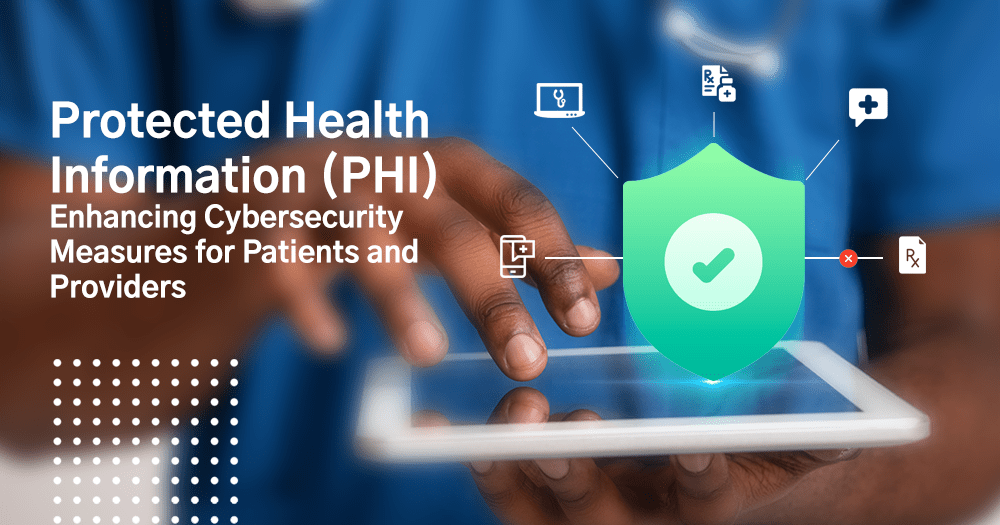
How to Mitigate Protected Health Information Risks

***

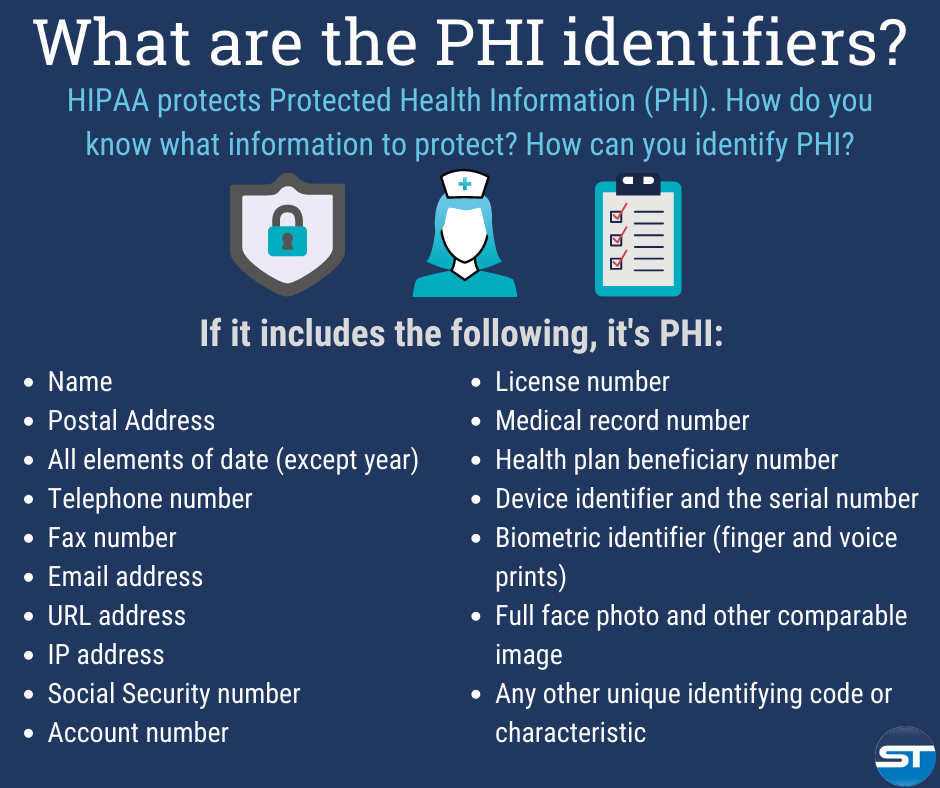
The Designated Medical Record Set [DMRS]: Contains medical and billing records and any other records that a physician, hospital, clinic and/or medical practice utilizes for making decisions about a patient;  a hospital, emerging healthcare organization, or other healthcare organization. It serves to define which set of information comprises “protected health information” and which set does not; or contains medical or mixed billing records, and any other information that a physician and/or medical practice utilizes for making decisions about a patient. 

It is up to the hospital or healthcare organization to define which set of information comprises “protected health information” and which does not though logically this should not differ from locale to locale.  The patient has the right to know who in the lengthy data chain has seen their Protected Health Information. This sets up an audit challenge for the medical organization, especially if the accountability is programmed, and other examiners view the document without cause.

***

***

COMMENTS APPRECIATED

Thank You

***

***

About [Health] Information Data Protection

What’s Your Back-up Plan – Doctor?

As per a recent study, 32% of data is lost by human errors. However hardware, software, hacks and smack-downs are responsible for remaining 68% data loss.

Data protection gains major importance in data loss. It can be achieved by implementing data management successfully.

***

Source: dell.com

Conclusion

Your thoughts and comments on this ME-P are appreciated. Feel free to review our top-left column, and top-right sidebar materials, links, URLs and related websites, too. Then, subscribe to the ME-P. It is fast, free and secure.

Speaker: If you need a moderator or speaker for an upcoming event, Dr. David E. Marcinko; MBA – Publisher-in-Chief of the Medical Executive-Post – is available for seminar or speaking engagements. Contact: MarcinkoAdvisors@msn.com

OUR OTHER PRINT BOOKS AND RELATED INFORMATION SOURCES:

Product Details

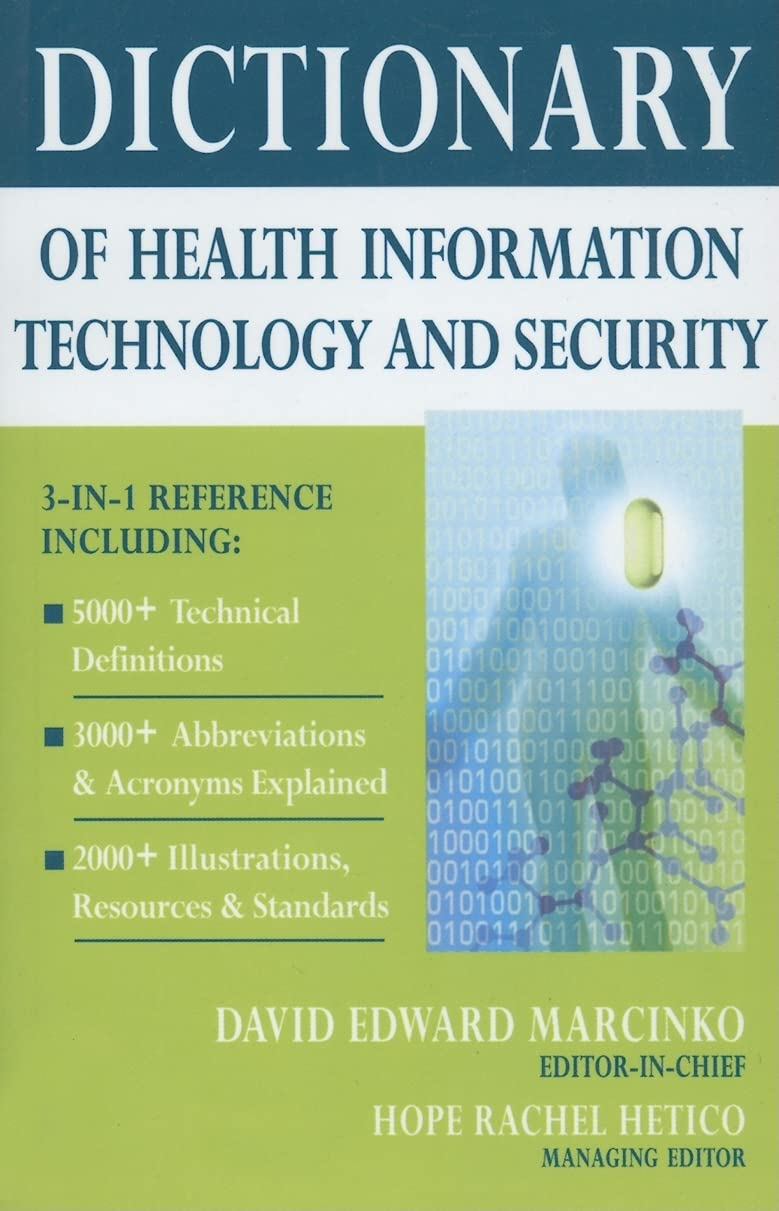
Dictionary of Health Information Technology and Security

Paper is Immune to Ransomware

***

***

By Darrell Pruitt DDS

“A major cyberattack has caused a Pittsfield medical practice to run out of money. Staff are continuing to treat patients”

The extortionists are getting closer and closer to us, Doc. I’m surprised it has taken them this long.

READ: https://www.berkshireeagle.com/news/local/cyberattack-change-healthcare-united-ransomware-medical-insurance-payments-berkshire-allergy-care/article_a5547ef2-e302-11ee-9162-2b0ff10b145f.html

(Do you miss paper records yet? Give it a little more time.)

***

***

COMMENTS APPRECIATED

Thank You

***

DAILY UPDATE: BoA Personal Data Breach

By Staff Reporters

HAPPY PRESIDENT’S DAY 2024

The Stock and Bond Markets are Closed!

***

***

READ BANK TYPES: https://marcinkoassociates.com/bank-types/

***

***

Bank of America just acknowledged that the personal information of 57,028 of its customers has been compromised. This breach, attributed to a failure at Infosys McCamish Systems (IMS), a provider of insurance business process solutions engaged by the bank, poses a substantial risk of identity theft to the affected individuals.

The data breach notification, filed in Maine, reveals that sensitive information related to Bank of America’s deferred compensation plans was inadvertently accessed. IMS, in a notification letter to customers, disclosed that the compromised data encompasses a range of critical personal details. The accessed information includes customers’ names, addresses, business email addresses, dates of birth, Social Security numbers, and other account specifics. Such data is typically all required for an identity thief to execute fraudulent activities under another person’s name.

IMS’s admission that it might never be able to precisely identify what information was accessed underscores the severity and potential long-term consequences of the breach. This uncertainty adds an additional layer of anxiety for customers, highlighting the challenges in mitigating the aftermath of such security failures.

CITE: https://www.r2library.com/Resource

Finally, Walmart and Home Depot will be the star of the show this week they report their earnings for the holiday quarter. Nvidia will also try to keep its historic hot streak going when it reports on Wednesday—expectations are through the roof.

COMMENTS APPRECIATED

Thank You

***

***

VIAMEDIS: French Company Health Data Breach

By Staff Reporters

***

***

Viamedis did not state how many people were affected by the breach, but it did confirm that it manages third-party payments for 84 complementary health insurance companies which when combined, service 20 million people.  As soon as the data breach was spotted, Viamedis disconnected its third-party payment management platform.

“Beneficiaries will be able to continue to use their carte vitale and their third-party payment card, the temporary disconnection from the Viamedis platform will only have an impact on certain health professionals, in particular opticians and audio-prosthetists,” it said.

Speaking to Agence France-Presse (AFP), Viamedis General Director, Christophe Cande, said the attack wasn’t ransomware, but rather a successful phishing attack against one of the company’s employees. 

“To date, we do not have the number of insured individuals impacted; we are still in the process of investigation,” Cande said. 

Viamedis filed a complaint with the public prosecutor, and notified other relevant authorities. For healthcare professionals, it said it would notify them on the details of exposed data later.

Via BleepingComputer

COMMENTS APPRECIATED

Thank You

***

***

FEDERAL HEALTH PROGRAMS: Defined

By Staff Reporters

***

***

Theranos founder and ex-CEO Elizabeth Holmes was just banned from US federal health care programs for nine decades, according to the US the health department. Holmes was sentenced in November 2022 to 11 years in prison following a trial that determined she knew her blood-testing startup, which was founded in 2003 and which claimed to be able to test for a range of diseases and risks with one finger prick, produced inaccurate and faulty results. Before government probes, Theranos raised hundreds of millions of dollars, named prominent former U.S. officials to its board, and explored a partnership with the U.S. military to use its tests on the battlefield.

So, just what is a Federal Health Care Program?

Federal Health Care Program means any plan or program that provides health benefits, whether directly, through insurance, or otherwise, which is funded directly, in whole or in part, by the United States Government, including, but not limited to, Medicare, Medicaid/MediCal, managed Medicare/Medicaid/MediCal, TriCare/VA/CHAMPUS, SCHIP, Federal Employees Health Benefit Plan, Indian Health Services, Health Services for Peace Corp Volunteers, Railroad Retirement Benefits Black Lung Program, Services Provided to Federal Prisoners, and Pre- Existing Condition Insurance Plans (PCIPs).

COMMENTS APPRECIATED

Thank You

***

***

PODCAST: Hospitals Post Laboratory Test Prices on EMRs

By Eric Bricker MD

***

***
COMMENTS APPRECIATED

Thank You

***

                       ***

***

***

COMPETITION: Apple, MSFT & Google

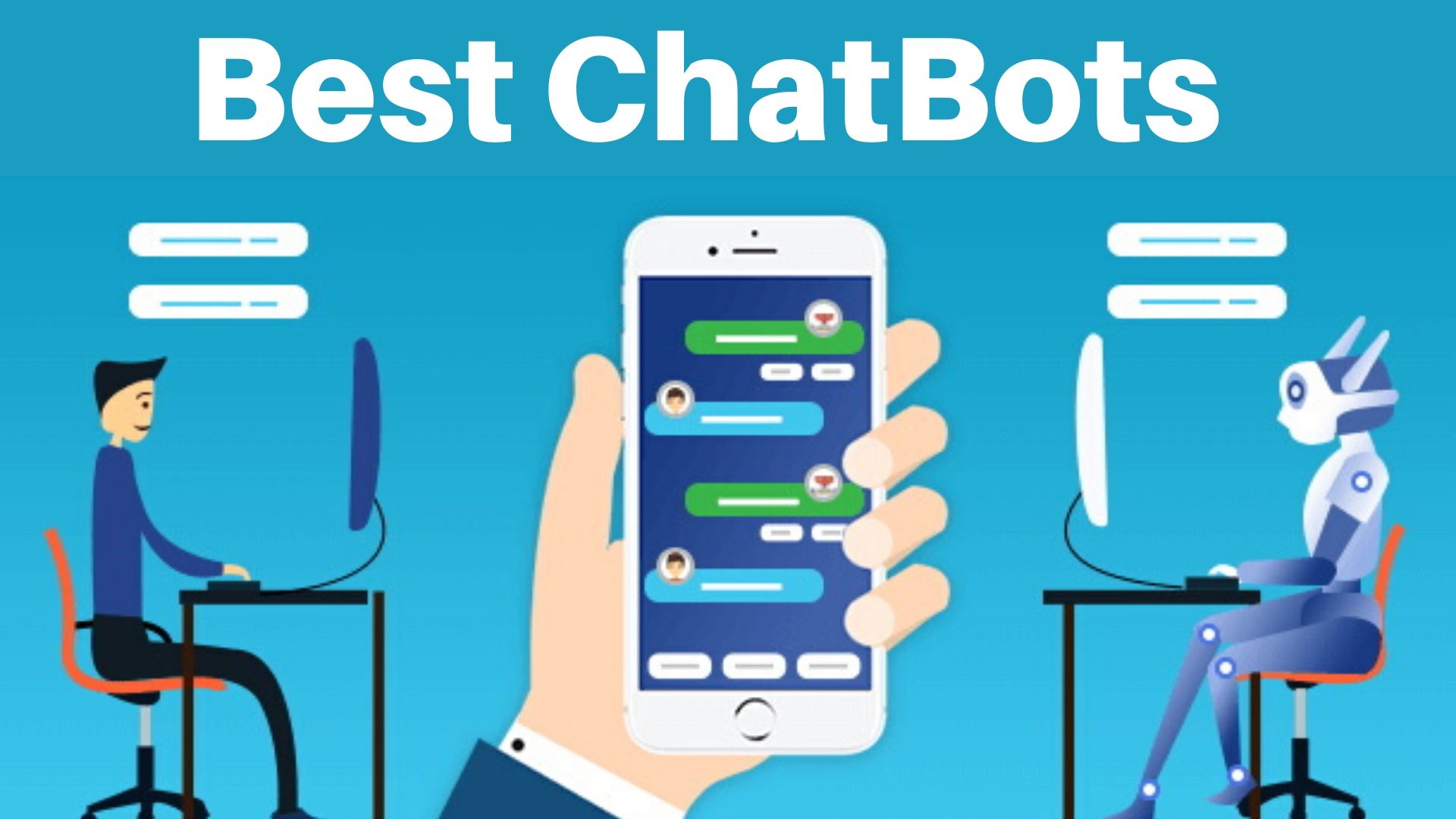
Chat-Bots

By Staff Reporters

***

***

Microsoft just unseated Apple yesterday as the world’s most valuable publicly traded company…and then gave the throne right back. The AI-fueled stock rally that Microsoft has enjoyed for months finally buoyed the software company’s market capitalization to $2.9 trillion Thursday-Firday morning, briefly edging past Apple’s $2.89 trillion. Apple had been the most valuable company in the world for a year and a half, and on-and-off for more than a decade.

Apple was back on top by midday, but Microsoft’s momentary reign—the fourth time it’s briefly overtaken Apple since 2018—indicates that the tables may be turning between these longtime rivals.

CITE: https://www.r2library.com/Resource

***

Employees in its streaming divisions, Google cut about a thousand roles across its Assistant and core engineering teams, The Verge reported. The company is also reportedly removing 17 “underutilized” features from its voice-activated Google Assistant software, which launched in 2016 to compete with Apple’s Siri and Amazon’s Alexa. Google announced last year that it would integrate its generative AI chatbot, Bard, into Assistant.

***

COMMENTS APPRECIATED

Thank You

***

***

DOWN: Digital Health Care Funding

By Dr. David Edward Marciniko MBA CMP

SPONSOR: http://www.MarcinkoAssociates.com

***

***

DEFINITION: According to the Food and Drug Administration [FDA], the broad scope of digital health includes categories such as mobile health (mHealth), health information technology (IT), wearable devices, tele-health and tele-medicine, and personalized medicine. From mobile medical apps and software that support the clinical decisions doctors make every day to artificial intelligence and machine learning, digital technology has been driving a revolution in health care. Digital health tools have the vast potential to improve our ability to accurately diagnose and treat disease and to enhance the delivery of health care for the individual. Digital health technologies use computing platforms, connectivity, software, and sensors for health care and related uses. These technologies span a wide range of uses, from applications in general wellness to applications as a medical device. They include technologies intended for use as a medical product, in a medical product, as companion diagnostics, or as an adjunct to other medical products (devices, drugs, and biologics). They may also be used to develop or study medical products.

Cite: http://tinyurl.com/2jbafuc7

***

As many investors predicted, digital health funding took a dive in 2023, according to Rock Health’s year-end funding report. Startups got creative to stay afloat but many digital health founders will have to “face the music” in 2024, the VC firm’s analysts say.

CITE: https://www.r2library.com/Resource

Editor’s Note: I am on the Advisory Board of Medblob™a start-up based in Boston, MA. The digital mission of Medblob™ is to improve community and national health by allowing patients to better manage their health, providers to better treat their patients, and researchers to have the best information to discover cures to the most prevalent and pernicious diseases.

COMMENTS APPRECIATED

Thank You

***

***