ARTIFICIAL INTELLIGENCE: Stock Market Features – Not Bugs

A.I. by Artificial Intelligence

***

***

Artificial intelligence (AI) refers to computer systems capable of performing complex tasks that historically only humans could do, such as reasoning, making decisions, or solving problems. Today, the term “AI” describes a wide range of technologies that power many of the services and goods we use every day – from apps that recommend TV shows to chatbots that provide customer support in real time. And yet, there is a hierarchy among related concepts such as machine learning and deep learning.

So, to summarize the hierarchy:

  • AI is the goal: machines that can think and act intelligently.
  • Machine learning is a method within AI that lets machines learn from data.
  • Deep learning is a specialized form of machine learning that uses multi-layered neural networks to analyze data in a way that mimics the human brain.

It’s a feature, not a bug

And, there’s no shortage of companies leveraging AI today to remain profitable, to the delight of Salesforce investors: among others:

  • Wells Fargo’s CEO has touted trimming its workforce for 20 straight quarters. Its stock is up 228% over the past five years.
  • Bank of America CEO Brian Moynihan wasn’t hiding it during a recent earnings call when he said the company has let go of 88,000 employees over the past 15 years. BofA stock is up 95% since 2020.
  • Amazon, with its share value up 28% over the past year, recently told staff that AI implementation would lead to layoffs.
  • Microsoft has cut 15,000 jobs in the past two months as the company pivots to AI—and its stock is also up since the beginning of July.

COMMENTS APPRECIATED

EDUCATION: Books

Like, Refer and Subscribe

***

***

DAILY UPDATE: Women’s Health, and Commodities, as Stock Markets Struggle

MEDICAL EXECUTIVE-POST TODAY’S NEWSLETTER BRIEFING

***

Essays, Opinions and Curated News in Health Economics, Investing, Business, Management and Financial Planning for Physician Entrepreneurs and their Savvy Advisors and Consultants

Serving Almost One Million Doctors, Financial Advisors and Medical Management Consultants Daily

A Partner of the Institute of Medical Business Advisors , Inc.

http://www.MedicalBusinessAdvisors.com

SPONSORED BY: Marcinko & Associates, Inc.

***

http://www.MarcinkoAssociates.com

Daily Update Provided By Staff Reporters Since 2007.
How May We Serve You?
© Copyright Institute of Medical Business Advisors, Inc. All rights reserved. 2025

REFER A COLLEAGUE: MarcinkoAdvisors@outlook.com

SPONSORSHIPS AVAILABLE: https://medicalexecutivepost.com/sponsors/

ADVERTISE ON THE ME-P: https://tinyurl.com/ytb5955z

Your Referral Count -0-

***

CITE: https://www.r2library.com/Resource

Record VC investments for women’s health: Venture-backed women’s health startups experienced unprecedented investment last year, according to a new SVB report. The report examines the factors driving such record-breaking funding—like growing recognition of how various health conditions affect women differently and disproportionately, plus the causes and biological drivers behind this imbalance. Read it here.

CITE: https://tinyurl.com/2h47urt5

  • Stocks: Investors mostly yawned and the major indexes held steady a day after President Trump reignited his trade war by announcing higher tariffs would go into effect on 14 countries starting August 1st. Wall Street banks don’t seem concerned either, as Goldman Sachs and Bank of America became the latest strategists to raise their year-end target for the S&P 500.
  • Commodities: Copper futures popped as much as 17% to a new record, the largest intra-day gain since at least 1988, after Trump said he plans to place a 50% tariff on copper imports.

CITE: https://tinyurl.com/tj8smmes

Visualize: How private equity tangled banks in a web of debt, from the Financial Times.

COMMENTS APPRECIATED

PLEASE SUBSCRIBE: MarcinkoAdvisors@outlook.com

Thank You

***

***

***

***

EDUCATIONAL TEXTBOOKS: https://tinyurl.com/4zdxuuwf

***

INVESTING: Wrap-Up

By Staff Reporters and Brew Markets

SPONSOR: http://www.CertifiedMedicalPlanner.org

***

***

COMMENTS APPRECIATED

Like and Refer

***

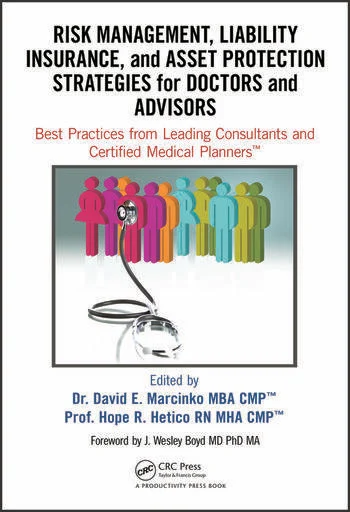
RISK MANAGEMENT FOR PHYSICIANS

https://www.amazon.sa/-/en/Risk-Management-Liability-Insurance-Asset/dp/1032917636

Stocks UP and Stocks DOWN

By Staff Reporters

***

***

Investors were apparently tired of all the volatility yesterday, leading to a relatively calm day where indexes ever-so-slightly slipped. But it was a big day for Netflix after the Wall Street Journal reported that the streaming giant has plans to double its revenue and reach a $1 trillion valuation by 2030.

***

🟢 What’s up

  • Hewlett Packard Enterprise popped 5.11% after Elliott Investment Management took a $1.5 billion stake in the tech company.
  • Rocket Lab rocketed (sorry) 10.14% higher after the space stock inked deals with both the US Air Force and the UK Ministry of Defense.
  • Netflix rose 4.83% on a report from the Wall Street Journal that the streaming giant plans to hit a $1 trillion market capitalization and double its revenue by 2030. The company announces earnings on Thursday.
  • Bank of America and Citigroup both posted strong Q1 earnings that beat analyst forecasts (more on that below). BofA climbed 3.60%, while Citi rose 1.76%.
  • Palantir rose another 6.24% a day after NATO agreed to purchase its AI-powered warfighting system.

What’s down

  • Albertsons tumbled 7.49% after the grocer’s full-year guidance came in below expectations.
  • Allegro Microsystems sank 9.68% on the news that ON Semiconductor has withdrawn its offer to acquire the chipmaker.
  • Applied Digital plummeted 35.94% after the digital infrastructure company missed analyst revenue estimates, despite sales climbing 22% last quarter.
  • #recessionindicator: Coty sank 8.57% after the beauty retailer was double downgraded by Bank of America analysts, citing a slowdown in makeup spending.

COMMENTS APPRECIATED

Like and Refer

***

***

PRESIDENTS DAY 2025: US Stock Markets, BoA, Citigroup and Twitter [X]

By Staff Reporters

***

***

U.S. Stock Markets will be closed for Presidents Day. But crypto trading takes no days off.

The Presidents Day holiday was originally intended to celebrate the birthday of the first President George Washington on February 22nd, according to the Library of Congress. The holiday is still formally designated as Washington’s Birthday by the Office of Personnel Management. Washington’s birthday was an informal holiday during the country’s early existence and President Rutherford B. Hayes formalized the holiday in 1879, according to History.com. The holiday’s proximity to the birthday of President Abraham Lincoln on February 12th caused the general public to link the two and later expand the celebration to all presidents.

***

Berkshire Hathaway, the investment conglomerate led by Warren Buffett, reduced its holdings in two US banks. Bank of America (BoA) and Citigroup shares were sold in the final quarter of 2024. The move, disclosed in a regulatory filing last Friday, comes as Buffett continues to trim Berkshire’s stock portfolio, favoring safer investments such as US Treasury bills.

***

Wall Street just dumped nearly every dollar of the $12.5 billion in loans that helped Elon Musk buy Twitter—now called X—in 2022. A group of seven major banks, led by Morgan Stanley, offloaded $4.74 billion of the debt last Friday, selling more than their planned $3 billion as investors flooded in with $12 billion in orders, according to a report from the Financial Times.

COMMENTS APPRECIATED

Refer and Subscribe

***

***

DAILY UPDATE: HSA Reform & BoA Paper Bond Losses as Wall Street Tanks!

MEDICAL EXECUTIVE-POST TODAY’S NEWSLETTER BRIEFING

***

Essays, Opinions and Curated News in Health Economics, Investing, Business, Management and Financial Planning for Physician Entrepreneurs and their Savvy Advisors and Consultants

Serving Almost One Million Doctors, Financial Advisors and Medical Management Consultants Daily

A Partner of the Institute of Medical Business Advisors , Inc.

http://www.MedicalBusinessAdvisors.com

SPONSORED BY: Marcinko & Associates, Inc.

***

http://www.MarcinkoAssociates.com

Daily Update Provided By Staff Reporters Since 2007.
How May We Serve You?
© Copyright Institute of Medical Business Advisors, Inc. All rights reserved. 2024

REFER A COLLEAGUE: MarcinkoAdvisors@outlook.com

SPONSORSHIPS AVAILABLE: https://medicalexecutivepost.com/sponsors/

ADVERTISE ON THE ME-P: https://tinyurl.com/ytb5955z

Your Referral Count -0-

 Healthcare insurance plans could undergo major changes under the incoming Trump administration thanks to a new bill being introduced this week seeking to reform health savings accounts. Rep. Chip Roy (R-TX) introduced the Healthcare Freedom Act on Thursday seeking to reform the healthcare system by expanding health savings accounts to broaden coverage for U.S. taxpayers and “give Americans the quality of care they deserve.”

CITE: https://www.r2library.com/Resource

Barron’s estimates that Bank of America’s paper losses on a portfolio of $568 billion of bonds, mostly U.S. agency mortgage securities, could widen to $111 billion or more, compared with $86 billion at the end of September.

CITE: https://tinyurl.com/2h47urt5

US stocks plunged Friday as investors digested a better-than-expected jobs report that soured expectations of future rate cuts from the Federal Reserve. The Dow dropped by 697 points, closing at 41,938, while the S&P 500 fell by 1.5% and the tech-heavy NASDAQ index was lower by 1.6%. The three indices all finished the week in the red as Friday’s selloff erased the week’s previous gains.

The selloff comes as the economy added 256,000 jobs in December, far outpacing expectations of around 153,000 jobs. While strong job growth signals a healthy economy, it raises the question of how soon the central bank needs to cut interest rates again. Traders now expect just a 2.7% chance the Fed will cut rates at its policy meeting later this month, according to the CME FedWatch Tool.

CITE: https://tinyurl.com/tj8smmes

Visualize: How private equity tangled banks in a web of debt, from the Financial Times.

COMMENTS APPRECIATED

PLEASE SUBSCRIBE: MarcinkoAdvisors@outlook.com

Thank You

***

***

***

***

EDUCATIONAL TEXTBOOKS: https://tinyurl.com/4zdxuuwf

***

DAILY UPDATE: JPMorgan Chase, Bank of America, OpenAI and MSFT as Markets Continue Stock Rally

MEDICAL EXECUTIVE-POST TODAY’S NEWSLETTER BRIEFING

***

Essays, Opinions and Curated News in Health Economics, Investing, Business, Management and Financial Planning for Physician Entrepreneurs and their Savvy Advisors and Consultants

Serving Almost One Million Doctors, Financial Advisors and Medical Management Consultants Daily

A Partner of the Institute of Medical Business Advisors , Inc.

http://www.MedicalBusinessAdvisors.com

SPONSORED BY: Marcinko & Associates, Inc.

***

http://www.MarcinkoAssociates.com

Daily Update Provided By Staff Reporters Since 2007.
How May We Serve You?
© Copyright Institute of Medical Business Advisors, Inc. All rights reserved. 2024

REFER A COLLEAGUE: MarcinkoAdvisors@msn.com

SPONSORSHIPS AVAILABLE: https://medicalexecutivepost.com/sponsors/

ADVERTISE ON THE ME-P: https://tinyurl.com/ytb5955z

Your Referral Count -0-

OpenAI says its new model can reason like a person. The ChatGPT-maker released a preview of a new artificial intelligence model that’s officially called o1 named by its internal code name, Strawberry—a reference to AI’s inability to determine the correct number of r’s in the word.

Microsoft plans to lay off 650 people in its Xbox unit.

CITE: https://www.r2library.com/Resource

What’s up

  • Campbell Soup Company climbed 2.63% on the news that, after 155 years, it will change its name to The Campbell’s Company. No soup for you!
  • Wells Fargo somehow gained 2.37% after a US banking regulator declared its safeguards against money laundering weren’t strong enough.
  • Lululemon Athletica popped 2.54% after CEO Calvin McDonald bought more shares of the company, signaling confidence in the struggling retailer.
  • Uber drove 6.45% higher thanks to a deal with Alphabet’s Waymo to offer driverless taxi rides in Austin and Atlanta starting next year.
  • RH rose 25.46% a day after announcing shockingly strong earnings for the home-furnishing retailer.
  • Trump Media & Technology Group soared 11.79% on the former president’s announcement that he’s “not selling” his shares of the company.

What’s down

  • Adobe dropped 8.47% after beating top and bottom line forecasts last quarter but projecting weaker than expected earnings next quarter.
  • Garmin tumbled 5.12% after Barclays analysts downgraded the stock and cut their price target, citing the device-maker’s weak sales and low profit margin.
  • US-listed shares of Chinese retailers like Alibaba and PDD dropped 0.93% and 2.40%, respectively, on the news that President Biden announced the US will crack down on cheap goods from China. Etsy, which competes with these retailers, popped 7.56% on the news.
  • ViaSat sank 14.58% thanks to a deal between United Airlines and SpaceX to use Starlink satellites to provide free in-flight WiFi instead of ViaSat’s products.

CITE: https://tinyurl.com/2h47urt5

Here’s where the major benchmarks ended:

  • The SPX advanced 30 points (0.5%) to 5,626.02 and was up 4% for the week; the Dow Jones Industrial Average® ($DJI) gained 297 points (0.7%) to 41,393.78 and added 2.6% for the week; the NASDAQ Composite® ($COMP) rose 114 points (0.7%) to 17,683.98 and was 6% higher for the week.
  • The 10-year Treasury note yield (TNX) edged 2 basis points lower to 3.66%.
  • The CBOE Volatility Index® (VIX) fell 0.6 points to 16.48.

CITE: https://tinyurl.com/tj8smmes

JPMorgan Chase and Bank of America are pledging to put in more safeguards to prevent what their industry is infamous for: overworking junior employees, the Wall Street Journal reported this week.

Visualize: How private equity tangled banks in a web of debt, from the Financial Times.

COMMENTS APPRECIATED

PLEASE SUBSCRIBE: MarcinkoAdvisors@msn.com

Thank You

***

***

***

***

EDUCATIONAL TEXTBOOKS: https://tinyurl.com/4zdxuuwf

***

DAILY UPDATE: Cerberus Capital Management, AT&T, Microsoft, Bank America and the Rising Markets

MEDICAL EXECUTIVE-POST TODAY’S NEWSLETTER BRIEFING

***

Essays, Opinions and Curated News in Health Economics, Investing, Business, Management and Financial Planning for Physician Entrepreneurs and their Savvy Advisors and Consultants

Serving Almost One Million Doctors, Financial Advisors and Medical Management Consultants Daily

A Partner of the Institute of Medical Business Advisors , Inc.

http://www.MedicalBusinessAdvisors.com

SPONSORED BY: Marcinko & Associates, Inc.

***

http://www.MarcinkoAssociates.com

Daily Update Provided By Staff Reporters Since 2007.
How May We Serve You?
© Copyright Institute of Medical Business Advisors, Inc. All rights reserved. 2024

REFER A COLLEAGUE: MarcinkoAdvisors@msn.com

SPONSORSHIPS AVAILABLE: https://medicalexecutivepost.com/sponsors/

ADVERTISE ON THE ME-P: https://tinyurl.com/ytb5955z

Your Referral Count -0-

The country’s largest private, for-profit hospital chain paid out a $790 million dividend — with a big chunk of that money going to its Manhattan-based private equity owner — before it filed for bankruptcy several years later, according to a report. Steward Health Care System, the Boston-based network of 30 hospitals that operated in rural and low-income areas, made the payout to Cerberus Capital Management in 2016, the same year the chain recorded a net loss of $300 million, The Wall Street Journal reported.

CITE: https://www.r2library.com/Resource

What’s up

  • Roku rose 5.67% thanks to an analyst upgrade by Wolfe Research, pushing the streaming platform from hold to buy based on its focus on profitability.
  • Signet Jewelers gained 11.26% in spite of missing on revenue forecasts. But shareholders were encouraged to see stronger same store sales, solid earnings, and signs that the engagement ring industry is improving.
  • Kroger popped 7.14% after the supermarket stock missed top and bottom line estimates this quarter, but then adjusted its earnings per share to make them look better.
  • Petco Health & Wellness added another 11.27% on top of yesterday’s post-earnings surge after getting a shout-out from meme stock royalty Roaring Kitty.
  • Warner Bros. Discovery jumped 10.37% thanks to a new deal with Charter Communications, whose stock also rose 3.55% on the news.

What’s down

  • Micron Technology dropped 3.79% after a double-whammy of analyst downgrades from Raymond James and BNP Paribas citing its slowing growth.
  • Sirius XM Holdings sank another 9.86% after yesterday’s news that the company will merge with Liberty Sirius XM Group, offer a 10-for-1 stock split, and buy back about $1.2 billion in shares (phew, that’s a busy day).
  • US Bancorp slid 1.95% after announcing a share buyback program of up to $5 billion, which is usually a good thing.

CITE: https://tinyurl.com/2h47urt5

Here’s where the major benchmarks ended:

  • The SPX gained 42 points (0.75%) to 5,595.76; the Dow Jones Industrial Average® ($DJI) rose 235 points (0.58%) to 41,096.77; the NASDAQ Composite® ($COMP) gained174 points (1.0%) to 17,569.68.
  • The 10-year Treasury note yield (TNX) gained 3 basis points to 3.69%.
  • The CBOE Volatility Index® (VIX) fell 3.34% to 17.10.

CITE: https://tinyurl.com/tj8smmes

he networks for Microsoft Teams and Outlook, as well as AT&T, suffered widespread outages on Thursday morning, according to the tracking site Downdetector. About 4,000 outages on Microsoft Teams were reported at 9 a.m. ET, increasing from less than 300 an hour earlier. A lesser outage for Microsoft Outlook was also noted by Downdetector, with reports of more than 1,000 outages at 9 a.m. ET. Reports of an outage with landline internet and mobile internet for AT&T also jumped to more than 4,000 at 9 a.m. ET on Sept. 12th, according to Downdetector.

Stat: $24. That’s Bank of America’s new hourly minimum wage in the US, a dollar increase on the way to its long-promised $25 by 2025. (CBS News)

COMMENTS APPRECIATED

PLEASE SUBSCRIBE: MarcinkoAdvisors@msn.com

Thank You

***

***

***

***

EDUCATIONAL TEXTBOOKS: https://tinyurl.com/4zdxuuwf

***

DAILY UPDATE: Unemployment Rate, Banking Rules and Mental Health as the Markets Continue to Rise

MEDICAL EXECUTIVE-POST TODAY’S NEWSLETTER BRIEFING

***

Essays, Opinions and Curated News in Health Economics, Investing, Business, Management and Financial Planning for Physician Entrepreneurs and their Savvy Advisors and Consultants

Serving Almost One Million Doctors, Financial Advisors and Medical Management Consultants Daily

A Partner of the Institute of Medical Business Advisors , Inc.

http://www.MedicalBusinessAdvisors.com

SPONSORED BY: Marcinko & Associates, Inc.

***

http://www.MarcinkoAssociates.com

Daily Update Provided By Staff Reporters Since 2007.
How May We Serve You?
© Copyright Institute of Medical Business Advisors, Inc. All rights reserved. 2024

REFER A COLLEAGUE: MarcinkoAdvisors@msn.com

SPONSORSHIPS AVAILABLE: https://medicalexecutivepost.com/sponsors/

ADVERTISE ON THE ME-P: https://tinyurl.com/ytb5955z

Your Referral Count -0-

After rising for more than a year, the unemployment rate fell to 4.2% in August from 4.3% in July, the Bureau of Labor Statistics reported. That dip matched Wall Street’s consensus forecast, but the 142,000 new jobs added fell short of the 160,000 that analysts had expected, according to FactSet data cited by CNN.

The Biden administration released a final rule this week that would require payers to cover behavioral health services, including addiction care, to the same extent that they’d cover all other forms of healthcare. The move comes amid a rising mental health crisis in the US and in light of the fact that the vast majority of people with substance use disorders don’t receive treatment.

CITE: https://www.r2library.com/Resource

What’s up

  • Dave & Busters Entertainment popped 4.66% after announcing strong sales and earnings growth last quarter, along with opening 13 new locations (more tokens for everyone!).
  • Petco Health and Wellness roared 32.90% despite mixed earnings last quarter, though shareholders wagged their tails at new CEO Joel Anderson’s plans to improve profitability.
  • Viking Therapeutics rose 11.31% thanks to JP Morgan initiating coverage of the company with a bullish overweight rating.

What’s down

  • Bank of America slipped 0.71% after a new filing revealed that Warren Buffett sold more shares of the company last quarter.
  • Rentokil Initial plummeted 21.07% once the pest control company made it clear that slow sales and currency exchange rates will take a $105 million toll on full-year profits.

CITE: https://tinyurl.com/2h47urt5

Here’s where the major benchmarks ended:

  • The SPX rose 59 points (1.0%) to 5,554.13; the Dow Jones Industrial Average® ($DJI) gained 125 points (0.3%) to 40,861.71; the NASDAQ Composite® ($COMP)rose 370 points (2.17%) to 17,395.53.
  • The 10-year Treasury note yield (TNX) climbed just under two basis points to 3.66%.
  • The CBOE Volatility Index® (VIX) fell to 17.7, the lowest close so far this month.

CITE: https://tinyurl.com/tj8smmes

Planned Fed rules are a win for big banks. The likes of JPMorgan and Bank of America celebrated the Fed walking back some of its proposals for tighter banking rules yesterday

Visualize: How private equity tangled banks in a web of debt, from the Financial Times.

COMMENTS APPRECIATED

PLEASE SUBSCRIBE: MarcinkoAdvisors@msn.com

Thank You

***

***

***

***

EDUCATIONAL TEXTBOOKS: https://tinyurl.com/4zdxuuwf

***

CREDIT CARD SWIPE FEES: Capped

Visa and Mastercard agree to $30 billion deal to cap credit card swipe fees

By Staff Reporters

***

***

After a nearly 20-year legal battle, the credit card behemoths said they’ll slightly reduce the 2% fees that they charge retailers every time a consumer uses one of their cards.

Retailers will also be able to adjust prices at checkout depending on the type of card used. The banks that issue cards—like JPMorgan Chase, Citigroup, and Bank of America—will likely bear the brunt of the changes, as they typically receive most of the revenue from swipe fees.

CITE: https://www.r2library.com/Resource/Title/082610254

COMMENTS APPRECIATED

Thank You

***

***

DAILY UPDATE: Companies and Stocks Dip as Job Growth Rises

MEDICAL EXECUTIVE-POST TODAY’S NEWSLETTER BRIEFING

***

Essays, Opinions and Curated News in Health Economics, Investing, Business, Management and Financial Planning for Physician Entrepreneurs and their Savvy Advisors and Consultants

Serving Almost One Million Doctors, Financial Advisors and Medical Management Consultants Daily

A Partner of the Institute of Medical Business Advisors , Inc.

http://www.MedicalBusinessAdvisors.com

SPONSORED BY: Marcinko & Associates, Inc.

***

http://www.MarcinkoAssociates.com

Daily Update Provided By Staff Reporters Since 2007.
How May We Serve You?
© Copyright Institute of Medical Business Advisors, Inc. All rights reserved. 2024

REFER A COLLEAGUE: MarcinkoAdvisors@msn.com

SPONSORSHIPS AVAILABLE: https://medicalexecutivepost.com/sponsors/

ADVERTISE ON THE ME-P: https://tinyurl.com/ytb5955z

***

Bank of America analysts recently looked back at the last 100 years of stock market data, searching for asset bubbles and what indicated their approach. The nine historical bubbles they found all had one thing in common ahead of their bursting: rising volatility. But, right now the Volatility Index, or VIX, is nowhere near the highs seen before the dot-com bubble burst, which should soothe investor concerns.

CITE: https://www.r2library.com/Resource

What’s up

  • Jazz Pharmaceuticals rose 5.39% today thanks to RBC Capital reiterating its outperform rating of the stock, highlighting the potential of the company’s forthcoming essential tremor treatment.
  • CarGurus popped 4.05% after receiving a shiny new outperform rating from JMP Securities, which likes the company’s online marketplace business model.
  • Las Vegas Sands rose 3.11% today on no particular news, as did Cedar Fair, which rose 3.27%. Both are beneficiaries of the vacation season, and likely enjoyed a boost today due to nothing more than the fact that it was a sunny summer Friday.

What’s down

CITE: https://tinyurl.com/2h47urt5

Here’s where the major benchmarks ended:

  • The S&P 500 index declined 5.97 points (0.1%) to 5,346.99, up 1.3% for the week; the Dow Jones Industrial Average® ($DJI) lost 87.18 points (0.2%) to 38,798.99, up 0.3% for the week; the NASDAQ Composite® ($COMP) shed 39.99 points (0.2%) to 17,133.13, up 2.4% for the week.
  • The 10-year Treasury note yield (TNX) jumped about 15 basis points to 4.432%.
  • The CBOE Volatility Index® (VIX) fell 0.36 to 12.22.

Interest-rate-sensitive sectors including banking, real estate, and utilities were among this week’s poorest performers amid expectations the Fed is unlikely to lower rates from historically high levels. The Dow Jones Utility Average ($DJU) dropped 2.8% this week. Retailers also posted a down week. Semiconductors still clocked a firm week despite declines the past two days. The PHLX Semiconductor Index (SOX) advanced 3.2% for the week. 

CITE: https://tinyurl.com/tj8smmes

COMMENTS APPRECIATED

PLEASE SUBSCRIBE: MarcinkoAdvisors@msn.com

Thank You

***

***

***

***

EDUCATIONAL TEXTBOOKS: https://tinyurl.com/4zdxuuwf

***

DAILY UPDATE: BoA “De-Banks”, Hospitals Merge and Walmart Health Grows as the NASDAQ Dives

MEDICAL EXECUTIVE-POST TODAY’S NEWSLETTER BRIEFING

***

Essays, Opinions and Curated News in Health Economics, Investing, Business, Management and Financial Planning for Physician Entrepreneurs and their Savvy Advisors and Consultants

Serving Almost One Million Doctors, Financial Advisors and Medical Management Consultants Daily

A Partner of the Institute of Medical Business Advisors , Inc.

http://www.MedicalBusinessAdvisors.com

SPONSORED BY: Marcinko & Associates, Inc.

***

http://www.MarcinkoAssociates.com

Daily Update Provided By Staff Reporters Since 2007.
How May We Serve You?
© Copyright Institute of Medical Business Advisors, Inc. All rights reserved. 20224

REFER A COLLEAGUE: MarcinkoAdvisors@msn.com

SPONSORSHIPS AVAILABLE: https://medicalexecutivepost.com/sponsors/

ADVERTISE ON THE ME-P: https://tinyurl.com/ytb5955z

***

A group of 15 financial officers representing 13 states issued a warning to Bank of America over its alleged practices of “politicized de-banking” targeting conservatives. In a letter to Bank of America CEO Brian Moynihan, the officials said the bank’s practices threaten its own financial health and reputation with customers while simultaneously harming the U.S. economy and Americans’ civil liberties. They pointed to examples of Bank of America shuttering the accounts belonging to Christian groups and leaders and joining a net-zero climate alliance in addition to its poor viewpoint diversity rating.

CITE: https://www.r2library.com/Resource

Texas and Missouri will soon have about two dozen Walmart health centers, the retail giant announced this month, adding to its 50-site roster. The company plans to open eight clinics in the Houston metro area, 10 sites in the Dallas-Fort Worth area, and four facilities in Kansas City by the end of 2024, Modern Healthcare reported.

CITE: https://tinyurl.com/2h47urt5

Hospitals reported the strongest quarter of mergers and acquisitions since 2020, according to consulting firm Kaufman Hall. Four of the 20 announced transactions in the first quarter of 2024 were “megamergers” and brought in $12 billion in revenue in that time period, per the firm’s analysis. The era of consolidation is here.

CITE: https://tinyurl.com/tj8smmes

Here’s where the major benchmarks ended:

  • The S&P 500 index fell 43.89 points (0.9%) to 4,967.23, down 3% for the week; the Dow Jones Industrial Average gained 211.02 points (0.6%) to 37,986.40, little changed for the week; the NASDAQ Composite lost 319.49 points (2.1%) to 15,282.01, down 5.5% for the week.
  • The 10-year Treasury note yield (TNX) dropped more than 2 basis points to 4.623%, still up about 10 basis points for the week.
  • The CBOE Volatility Index® (VIX) rose 0.71 to 18.71.

Nvidia (NVDA) plunged 10% to lead the chip sector lower, sending the Philadelphia Semiconductor Index (SOX) down 4.1% to a two-and-a-half-month low. Communication Services shares were also among the weakest sectors, fueled by Netflix weakness. There were several pockets of strength, however. Banking shares posted firm gains Friday behind stronger-than-expected quarterly results from some regional lenders. Utilities also advanced.

The S&P 500 has fallen 5.5% from a record close March 28, more than halfway to the 10% threshold that’s traditionally viewed as a correction. The NASDAQ Composite is down 7.1% from a record close on April 11th.

COMMENTS APPRECIATED

PLEASE SUBSCRIBE: MarcinkoAdvisors@msns.com

Thank You

***

***

***

***

EDUCATIONAL TEXTBOOKS: https://tinyurl.com/4zdxuuwf

***

INVESTMENT BANKING UPDATE: Rules, securities markets, brokerage accounts, margin and debt review

http://www.MARCINKOAssociates.com

A Primer for Investors and Entrepreneurial Medical Professionals

Dr. David Edward Marcinko; MBA, CMP™

SPONSOR: http://www.CertifiedMedicalPlanner.org

Investment banking is so back. All of the biggest banks have reported their first-quarter 2024 results, and their earnings have been as good as, if not better than, expected. Higher interest rates ate into the spoils—Bank of America reported yesterday that its profit dropped 18% compared to the same period last year—but investment banking arms did well, especially since many banks increased their fees, and deal making and IPOs started to pick up again. But despite perking up, investment banking activity is still below where it used to be. Strong consumer spending also helped banks out, with credit card income rising and people and businesses continuing to need loans.

[PART 1 OF 8]

BC Dr. Marcinko

NOTE: This is an eight part ME-P series based on a weekend lecture I gave more than a decade ago to an interested group of graduate, business and medical school students. The material is a bit dated and some facts and specifics may have changed since then. But, the overall thought-leadership information of the essay remains interesting and informative. We trust you will enjoy it.

Introduction

The history, function and processes of the investment banking industry, and the rules and regulations of the securities industry and their respective markets, as well as the use of  brokerage accounts, margin and debt, will be briefly reviewed in this ME-P series.

An understanding of these concepts is required of all doctors and medical professionals as they pursue a personal investment strategy.

INVESTMENT BANKING AND SECURITIES UNDERWRITING

New economy corporate events of the past several years have provided many financial signs and symptoms that indicate a creeping securitization of the for-profit healthcare industrial complex. Similarly, fixed income medical investors should understand how Federal and State regulations impact upon personal and public debt needs. For, without investment banking firms, it would be almost impossible for private industry, medical corporations and government to raise needed capital.

Introduction

When a corporation such as a physician practice management company (PPMC), or similar entity needs, to raise capital for growth or expansion, there are two methods. Raising debt or equity. If equity is used, the corporation can market securities directly to the public by contacting its current stockholders and asking them to purchase the new securities in a  rights offering, by advertising or by hiring salespeople. Although this last example is somewhat exaggerated, it illustrates that there is a cost to selling new securities, which may be considerable if the firm itself undertakes the task.

For this reason, most corporations employ help in marketing new securities by using the services of investment bankers who sell new securities to the general public.  Although the investment banking is an exciting and vital industry, many SEC rules regulating it are not. Nevertheless, it is important for all physician executives to understand basic concepts of the industry if raising public money is ever a possibility or anticipated goal. It is also important for individual healthcare investors  to understand something about securities underwriting to reduce the likelihood of fraudulent investment schemes or ill-conceived transactions which ultimately result in monetary loss.

Fundamentals of the Investment Banking Industry

Investment bankers are not really bankers at all. The fact that the word banker appears in the name is partially responsible for the  false impressions that exist in the medical community regarding the functions they perform.

For example, they are not permitted to accept deposit, provide checking accounts, or perform other activities normally construed to be commercial banking activities. An investment bank is simply a firm that specializes in helping other corporations obtain the money they need under the most advantageous terms possible.

When it comes to the actual process of having securities issued, the corporation approaches an investment banking firm, either directly, or through a competitive selection process and asks it to act as adviser and distributor.  Investment bankers, or under writers, as they are sometimes called, are middlemen in the capital markets for corporate securities.

The medical corporation requiring the funds discuss the amount, type of security to be issued, price and other features of the security, as well as the cost to issuing the securities. All of these factors are negotiated in a process known as known as negotiated underwriting. If mutually acceptable terms are reached, the investment banking firm will be the middle man through which the securities are sold to the general public. Since such firms have many customers, they are able to sell new securities, without the costly search that individual corporations may require to sell its own security. Thus, although the firm in need of  additional capital must pay for the service, it is usually able to raise the additional capital at less expense through the use of an investment banker, than by selling the securities itself.

The agreement between the investment banker and the corporation may be one of two types. The investment bank may agree to purchase, or underwrite, the entire issue of securities and to re-offer them to the general public. This is  known as a firm commitment.

When an investment banker agrees to underwrite such a sale,  it  agrees to supply the corporation with a specified amount of money. The firm buys the securities with the intention to resell them. If it fails to sell the securities, the investment banker must still pay the agreed upon sum. Thus, the risk of selling rests with the underwriter and not with the company issuing the securities.

The alternative agreement is a best efforts agreement in which the investment banker makes his best effort to sell the securities acting on behalf of the issuer, but does not guarantee a specified amount of money will be raised.

When a corporation raises new capital through a public offering of stock, on might inquire from where does the stock come? The only source the corporation has is authorized, but previously un-issued stock. Anytime authorized, but previously un-issued stock (new stock) is issued to the public, it is known as a primary offering. If it’s the very first time the corporation is making the offering, it’s also known as the Initial Public Offering (IPO). Anytime there is a primary offering of stock, the issuing corporation is raising additional equity capital.

A secondary offering, or distribution, on the other hand, is defied as an offering of a large block of outstanding stock. Most frequently, a secondary offering is the sale of a large block of stock owned by one or more stockholders. It is stock that has previously been issued and is now being re-sold by investors. Another case would be when a corporation re-sells its treasury stock.

Prior to any further discussions of investment banking, there are several industry terms that’s should  be defined.

For example, an agent buys or sells securities for the account and risk of another party, and charges a commission. In the securities business, the terms broker and agent are used synonymously. This is not true of the insurance industry.

On the other hand, a principal is one who acts as a dealer rather than an agent or broker. A dealer buys and sells for his own account Finally, the dealer makes money by buying at one price and selling at a higher price. Thus, it is easy to understand how an investment banking firm earns money handling a best efforts offering; they make a commission on every share they sell.

  Comprehensive Financial Planning Strategies for Doctors and Advisors: Best Practices from Leading Consultants and Certified Medical Planners™

The Securities Act of 1933 (Act of Full Disclosure)

When a corporation makes a public offering of its stock, it is bound by the provisions of the Securities Act of 1933, which is also known as the Act of Full Disclosure. The primary requirement of  the Act is that the corporation must file a registration statement (full disclosure) with the Securities and Exchange Commission (SEC); containing some of the following items:

  • Description of the business entity raising the money.
  • Biographical data regarding officers and directors of the issuer.
  • Listing of share holdings of officers, directors, and holders of more than 10% of the issuer’s securities (insiders).
  • Financial statements including a breakdown of existing capitalization (existing debt and equity structure).
  • Intended use of offering proceeds.
  • Legal proceedings involving the issuer, such as suits, antitrust actions or strikes.

Acting in its capacity as an adviser to the corporation, the investment banking firm files out the registration statement with the SEC. It then takes the SEC a period of time to review the information in the registration statement. This is the “cooling off period” and the issue is said to be “in registration” during this time. When the Act written in 1933, Congress thought that 20 days would be enough time from the filing date, until the effective date the sale of  securities is permitted.

In reality, it frequently takes much longer than 20 days for the SEC to complete its review. But, regardless of how long it lasts, it’s known as the cooling off period. At the end of the cooling off period, the SEC will either accept the issue or they will send a letter back to the issuer, and the underwriter, explaining that there is incomplete information in the registration statement. This letter is known as a deficiency letter. It will postpone the effectiveness of the registration statement until the deficiency is remedied. Even if initially, or eventually approved, an effective registration does not mean that the SEC has approved the issue.

For example, the following well known disclaimer statement written in bold red ink, is required to be placed in capital letters on the front cover page of every prospectus:

###

THESE SECURITIES HAVE NOT BEEN APPROVED OR DISAPPROVED BY THE SECURITIES AND EXCHANGE COMMISSION NOR HAS THE COMMISSION PASSED UPON THE ACCURACY OR ADEQUACY OF THIS PROSPECTUS. ANY REPRESENTATION TO THE CONTRARY IS A CRIMINAL OFFENSE.

###

During the cooling off period, the investment bank tries to create interest in the market place for the issue. In order to do that, it distributes a preliminary prospectus, more commonly known as a “red herring”. It is known as a red herring because of the red lettering on the front page.  The statement on the very top with the date is printed in red as well as the statements on the left hand margin of the preliminary prospectus.

The cost of printing the red herring is borne by the investment bank, since they are  trying to market it.. The red herring includes information from the registration statement that will be most helpful for potential medical investors trying to make a decision. It describes the company and the securities to be issued; includes the firm’s financial statements; its current activities; the regulatory bodies to which it is subject; the nature of its competition; the management of the corporation, and what the expected proceeds will be used for. Two very important items  missing from the red herring are the public offering price and the effective date of the issue, as neither are known for certain at this point in time.

The public offering price is generally determined on the date that the securities become effective for sale (effective date). Waiting until the last minute enables the investment bankers to price the new issue in line with current market conditions. Since the investment banker uses the red herring to try to create interest in the market place, stock brokers [aka: Registered Representatives (RRs) with a Series # 7 general securities license –  After a 2 hour multiple-choice computerize test, I held this license for a decade ) will send copies of the red herring to their clients for whom they feel the issue is a suitable investment. The SEC is very strict on what can be said about an issue, in registration.

In fact, during the pre-filing period (the time when the negotiations are going on between the issuer\and underwriter), absolutely nothing can be said about it to anyone.  For example, if the regulators find out that your stock broker discussed with you  the fact that his firm was negotiating with an issuer for a possible public offering, he could be fined, or jailed.

During the cooling off period (the time when the red herring is being distributed), nothing may be sent to you; not a research report, nor a recommendation from another firm, or even the sales literature. The only thing you are permitted to receive is the red herring. The red herring is used to acquaint prospects with essential information about the offering. If you are interested in purchasing the security, then you will receive an “indication of interest”, but you can still not make a purchase or send money.

No sales may be made until the effective date; all that can be used to generate interest is the red herring.

Conclusion

Your thoughts and comments on this ME-P are appreciated. Feel free to review our top-left column, and top-right sidebar materials, links, URLs and related websites, too. Then, subscribe to the ME-P. It is fast, free and secure.

Link: http://feeds.feedburner.com/HealthcareFinancialsthePostForcxos

Speaker: If you need a moderator or speaker for an upcoming event, Dr. David E. Marcinko; MBA – Publisher-in-Chief of the Medical Executive-Post – is available for seminar or speaking engagements. Contact: MarcinkoAdvisors@msn.com

OUR OTHER PRINT BOOKS AND RELATED INFORMATION SOURCES

Product DetailsProduct DetailsProduct Details

***

DAILY UPDATE: BoA Personal Data Breach

By Staff Reporters

HAPPY PRESIDENT’S DAY 2024

The Stock and Bond Markets are Closed!

***

***

READ BANK TYPES: https://marcinkoassociates.com/bank-types/

***

***

Bank of America just acknowledged that the personal information of 57,028 of its customers has been compromised. This breach, attributed to a failure at Infosys McCamish Systems (IMS), a provider of insurance business process solutions engaged by the bank, poses a substantial risk of identity theft to the affected individuals.

The data breach notification, filed in Maine, reveals that sensitive information related to Bank of America’s deferred compensation plans was inadvertently accessed. IMS, in a notification letter to customers, disclosed that the compromised data encompasses a range of critical personal details. The accessed information includes customers’ names, addresses, business email addresses, dates of birth, Social Security numbers, and other account specifics. Such data is typically all required for an identity thief to execute fraudulent activities under another person’s name.

IMS’s admission that it might never be able to precisely identify what information was accessed underscores the severity and potential long-term consequences of the breach. This uncertainty adds an additional layer of anxiety for customers, highlighting the challenges in mitigating the aftermath of such security failures.

CITE: https://www.r2library.com/Resource

Finally, Walmart and Home Depot will be the star of the show this week they report their earnings for the holiday quarter. Nvidia will also try to keep its historic hot streak going when it reports on Wednesday—expectations are through the roof.

COMMENTS APPRECIATED

Thank You

***

***

BANKS: JPMorgan Chase, BoA, Wells Fargo and CitiGroup Report

By Staff Reporters

***

***

JPMorgan Chase’s profit fell in the fourth quarter as the lender set aside nearly $3 billion to help refill a government deposit insurance fund. JPMorgan and several major banks are required to pay a bulk of the $16 billion to replenish the Federal Deposit Insurance Corporation’s deposit insurance fund (DIF), which was drained after Silicon Valley Bank and Signature Bank failed last year.

***

Bank of America’s fourth-quarter profit shrank as the lender took $3.7 billion in combined charges to refill a government deposit insurance fund and phase out a loan index. Its net interest income (NII) – the difference between what banks earn from loans and pay to depositors – fell 5% to $13.9 billion as the company spent more to keep customer deposits and demand for loans stayed subdued amid high interest rates.

***

Wells Fargo press release (NYSE:WFC): Q4 Non-GAAP EPS of $1.29 beats by $0.20. Revenue of $20.48B (+2.2% Y/Y) beats by $100M. Shares -1% PM. Fourth quarter 2023 results included: ◦ $(1.9) billion, or ($0.40) per share, of expense from an FDIC special assessment ◦ $(969) million, or ($0.20) per share, of severance expense for planned actions ◦ $621 million or $0.17 per share, of discrete tax benefits related to the resolution of prior period tax matters ◦ Provision for credit losses in fourth quarter 2023 included an increase in the allowance for credit losses driven by credit card and commercial real estate loans, partially offset by a lower allowance for auto loans. The change in allowance for credit losses also included higher net loan charge-offs for commercial real estate office and credit card loans

***

Citigroup (C) is in the middle of a complicated restructuring. It made it clear Wednesday that its fourth quarter earnings report Friday will be complicated, too.

The giant New York-based bank said in a regulatory document it will take more than $3 billion in one-time reserves and expenses as part of those fourth quarter results. They include everything from a $1.3 billion reserve build for currency exposure in Argentina and Russia to $780 million in charges related to severance costs and other aspects of a wide-ranging restructuring of the bank led by CEO Jane Fraser.

CITE: https://www.r2library.com/Resource

***

***

COMMENTS APPRECIATED

Thank You
***

***

DAILY UPDATE: HIPPA Web-Tracker Lawsuit and Bank Deposits Delayed as Markets Jump Again!

“FALL BACK WEEKEND”

By Staff Reporters

***

***

The biggest U.S. hospital lobbying group just sued the Biden administration over new guidance barring hospitals and other medical providers from using trackers to monitor users on their websites. The American Hospital Association (AHA), along with the Texas Hospital Association and two nonprofit Texas health systems, filed a lawsuit against the U.S. Department of Health and Human Services (HHS) in federal court in Fort Worth, Texas. The lawsuit accuses the agency of overstepping its authority when it issued the guidance in December, 2022.

***

***

Bank of America customers have been warned of delays to deposits following an unspecified issue that is affecting “multiple financial institutions”. The company reassured customers on Friday that their accounts remained “secure” and that no action was needed. A statement appearing on customer phone applications read: “Some deposits from 11/3 may be temporarily delayed due to an issue impacting multiple financial institutions.

Wells Fargo and Chase just reported similar situations.

***

Here is where the major benchmarks ended:

  • The S&P 500 Index was up 40.56 points (0.9%) at 4,358.34; the Dow Jones Industrial Average (DJI) was up 222.24 points (0.7%) at 34,061.32, up 5.1% for the week; the NASDAQ Composite (COMP) was up 184.09 points (1.4%) at 13,478.28, up 6.6% for the week.
  • The 10-year Treasury note yield was down about 9 basis points at 4.577%.
  • CBOE’s Volatility Index (VIX) was down 0.75 at 14.91.

Banks and other financial companies led Friday’s gainers, on hopes easing Treasury yields will relieve some pressure on lenders’ balance sheets. The KBW Regional Banking Index (KRX) surged 3.3% to end at a seven-week high, while Goldman Sachs Group (GS) shares jumped 4.4% to lead Dow gainers.

Retailer shares were also strong, as were small-caps in general, as the Russell 2000 Index (RUT) posted a gain of 7.6% for the week.

CITE: https://www.r2library.com/Resource

COMMENTS APPRECIATED

Thank You

***

***

***

BUSTED: Bank of America as Inflation Cools?

By Staff Reporters

***

***

BofA must refund $100 million to customers, pay $90 million in penalties to the Consumer Financial Protection Bureau and $60 million to the Office of the Comptroller of the Currency. “Bank of America wrongfully withheld credit card rewards, double-dipped on fees, and opened accounts without consent,” said CFPB Director Rohit Chopra, in a statement.

“These practices are illegal and undermine customer trust.”

Combined, it is one of the highest financial penalties in years against Bank of America, which has largely spent the last 15 years trying to clean up its reputation and market itself to the public as a bank focused on financial health and not on overdraft fee income and financial trickery.

***

The latest reading ion core inflation indicates a notable cool-down in June but still exceeds the Federal Reserve’s inflation target of 2%.
Data just released exceeded the expectations of economists surveyed by Bloomberg, who expected inflation to have fallen to 3.1% in June. Inflation rose a modest 0.2% on a monthly basis, accelerating from a 0.1% increase in May. Despite the encouraging report, core inflation — which strips out volatile food and energy prices — rose 4.8%.

Food prices, meanwhile, continued to accelerate faster than overall inflation, rising 5.7% in June compared to a year ago. and, the price of flour rose about 12% in June compared to a year ago, roughly quadruple of the overall inflation rate; while the price of bakery products rose 9.5% over that period and the price of cookies rose nearly 9%.

***

***

COMMENTS APPRECIATED

Join Us

***

DAILY UPDATE: Juneteenth 2023 and the Markets

FREEDOM DAY

By Staff Reporters

***

***

  • The U.S. bond market, and both the NASDAQ and New York Stock Exchange (NYSE) are closed on June 19th in observance of Juneteenth.
  • Juneteenth became a federal and public U.S. holiday in 2021, when it was officially recognized by President Joe Biden.

Juneteenth is a banking holiday observed by the Federal Reserve. That means most major banks like Bank of America (BAC), Chase and Wells Fargo (CBEAX) will be closed. TD Bank, which remained open last Juneteenth, will also be closed today.

***

ORDER: https://www.routledge.com/Risk-Management-Liability-Insurance-and-Asset-Protection-Strategies-for/Marcinko-Hetico/p/book/9781498725989

ORDER: https://www.routledge.com/Comprehensive-Financial-Planning-Strategies-for-Doctors-and-Advisors-Best/Marcinko-Hetico/p/book/9781482240283

***

COMMENTS APPRECIATED

Thank You

***

SVB: Grew from the Business Start-Up Ecosystem

By Staff Reporters

***

***

DEFINITION: Startups are young companies or ventures that are founded to develop a unique or innovative product, service, or platform, and bring it to market. They are typically in the early stages of their development and face high uncertainty and failure rates. They are usually self-funded by the founders or seek external funding from investors or loans. They aim to grow large beyond the solo founder and disrupt existing industries or create new one.

CITE: https://www.r2library.com/Resource/Title/0826102549

SVB rooted in the startup ecosystem

SVB was relatively small—it had 40,000 customers compared to JPMorgan Chase’s 66 million—but it claimed to bank nearly half of all US tech and life sciences startups last year, including household names like Etsy, Roblox, and Roku. The cultural cachet of having a relationship with SVB as a venture-backed startup was like sporting a New Yorker tote at Whole Foods.

But the reason its loss will leave such a gaping hole in the startup community isn’t that it was cool to name-drop at a networking event. Because the bank was created in 1983 specifically to cater to venture-backed startups, it helped them in ways that most banks can’t—or won’t.

SVB chill loans: According to the MorningBrew, SVB would offer loans to startups more readily than large banks, basing the loans on a company’s ability to raise venture capital funds, not to turn a profit. SVB was also known for being flexible—even if startups breached their loan terms. “They were the easiest money for an unprofitable, early stage to mid-stage tech company,” Irving Investors founder Jeremy Abelson told The Information. And, even small startups received hand-holding services, such as guidance on how to set up their financial infrastructure. Its bankers personally called startups when they secured their first rounds of funding, according to The Information.

Startups now have to deal with big banks

Several founders who previously banked with SVB told Bloomberg that they’re moving their money to Chase and Bank of America, banks considered “too big to fail.”

Startups’ experience at big banks won’t be like their time at SVB. Not only is Jamie Dimon unlikely to call a startup to congratulate them on their Series A, but big banks are also expected to be more tight-fisted with their loans. The Office of the Comptroller of the Currency, a regulator that oversees large US banks, disapproves of loans to companies that are further out than one year from profitability, according to Crunchbase.

The loss of SVB is therefore expected to have a chilling effect on loans to venture-backed startups, aka “venture debt,” which SVB handed out more of than any other bank.

***

COMMENTS APPRECIATED

Thank You

***

ORDER: https://www.routledge.com/Risk-Management-Liability-Insurance-and-Asset-Protection-Strategies-for/Marcinko-Hetico/p/book/9781498725989

****

DAILY UPDATE: 2022 IRA/HSA Contribution Deadline Monday with 2023 Tax Filing Day Tuesday

A LAST MINUTE REMINDER

By Staff Reporters

***

***

Tax Day arrives Tuesday, April 18, 2023 as America’s small businesses are worried their own government will treat them like suspected criminals, even as they hire workers, raise wages and strengthen their communities. And, do not forget that Monday the 17th is the last day deadline for 2022 IRA and HSA contributions.
***

G-7 holds its annual summit in Japan. Ministers from the Group of Seven countries have arrived at a Japanese hot spring resort town for a rejuvenating soak and to discuss the world’s most pressing geopolitical challenges, such as China’s aggression toward Taiwan, the war in Ukraine, and climate change. Japan has ramped up security after an apparent smoke bomb was thrown at the prime minister on Saturday.

More companies report earnings. Investors will be poring over reports from Tesla, Netflix, Bank of America, Goldman Sachs, American Express, and dozens of other firms this week for clues on how corporate America is faring in these confusing economic times.

CITE: https://www.r2library.com/Resource

***

***

CITE: https://www.amazon.com/Dictionary-Health-Information-Technology-Security/dp/0826149952/ref=sr_1_5?ie=UTF8&s=books&qid=1254413315&sr=1-5

***

ORDER: https://www.routledge.com/Comprehensive-Financial-Planning-Strategies-for-Doctors-and-Advisors-Best/Marcinko-Hetico/p/book/9781482240283

***

COMMENTS APPRECIATED

Thank You

***

BANKS: Bankers and the Economy

ECONOMIC PROPHETS?

By Staff Reporters

***

Trying to read the economy is difficult But, some of the biggest financial institutions in the US—including JPMorgan, Bank of America, and Citigroup—will release their earnings reports for the final quarter of 2022 this morning. And they’ll share precious insight into the risk of a recession as an uncertain 2023 kicks into gear.

CITE: https://www.r2library.com/Resource/Title/082610254

Why are banks considered economic prophets?

According to Morning Brew and others, it is because their tentacles touch so many aspects of the economy (from consumer spending via credit cards to business health via commercial loans), that they can see into areas single-sectors where others can not.

Banks are hurting. Goldman Sachs just launched its biggest cost-cutting efforts since the 2008 financial crisis, laying off 3,200 employees (or 6.5% of its entire workforce) this week. And it’s not the only one reducing headcount: Morgan Stanley and Citi are among the other global banks that have trimmed their workforce recently as business slowed due to the Fed’s rate hikes. Overall, big banks’ profits are expected to have dropped 15% in Q4 from the year before.

But it’s not all bad. Rising rates can benefit banks—as lenders, they make more money when they can charge higher interest to borrowers. Of course, banks also need to pay out interest to their depositors, too, but the gap between their lending profits and their depositor payouts (known as the “net interest margin”) is expected to widen—at least for now.

Consumer watch: Pay attention to how much banks have set aside to cover defaults on mortgage, auto, and credit card loans. That’ll give us a peek into how American consumers are dealing with inflation.

***

ORDER: https://www.routledge.com/Comprehensive-Financial-Planning-Strategies-for-Doctors-and-Advisors-Best/Marcinko-Hetico/p/book/9781482240283

***
COMMENTS APPRECIATED

Thank You

***

FOMC: Treasuries the Next Financial Crisis?

By Staff Reporters

***

***

For months, traders, academics, and other analysts have fretted that the $23.7 trillion Treasury market might be the source of the next financial crisis. Then last week, U.S. Treasury Secretary Janet Yellen acknowledged concerns about a potential breakdown in the trading of government debt and expressed worry about “a loss of adequate liquidity in the market.” Now, strategists at BofA Securities have identified a list of reasons why U.S. government bonds are exposed to the risk of “large scale forced selling or an external surprise” at a time when the bond market is in need of a reliable group of big buyers.

“We believe the UST market is fragile and potentially one shock away from functioning challenges” arising from either “large scale forced selling or an external surprise,” said BofA strategists Mark Cabana, Ralph Axel and Adarsh Sinha. “A UST breakdown is not our base case, but it is a building tail risk.”

***

FINANCE: https://www.routledge.com/Comprehensive-Financial-Planning-Strategies-for-Doctors-and-Advisors-Best/Marcinko-Hetico/p/book/9781482240283

COMMENTS APPRECIATED

Thank You

****

BANK of AMERICA: Equity Inflow Warning!

By Staff Reporters

***

***

Inflows to domestic stocks neared a record last week as bets on a bottom forming spurred major dip-buying across U.S. equities. The optimism, however, is likely premature, according to Bank of America.

Analysts at the bank just noted that allocations to equities reached the third-highest sum since 2008 during the five-day period, according to client data — a sign investors believe indicates that the market sell-off is nearing an end.

But BoA contested the notion that the worst is behind for the stock market

“Last week, during which the S&P 500 rallied 1.5% off recent lows, clients were big net buyers of U.S. equities,” the analysts stated, noting that the $6.1 billion total of inflows was the third largest inflow in the banks data history since ’08 and the fifth consecutive week of inflows.

“Our view? More volatility likely ahead.”

***

COMMENTS APPRECIATED

Thank You

FINANCE: https://www.routledge.com/Comprehensive-Financial-Planning-Strategies-for-Doctors-and-Advisors-Best/Marcinko-Hetico/p/book/9781482240283

****

UPDATE: Stock Market and Retail Banks

BY STAFF REPORTERS

***

Stock Markets: Stocks ticked higher as investors zeroed in on Senate testimony from Fed Chair Jerome Powell, who is up for a second term. Powell said the Fed would do what’s necessary to get inflation back to normal levels.

Banks: Bank of America decided to make life a little less difficult for account holders without piles of cash. The bank—America’s second largest—announced on Tuesday that it would reduce overdraft fees by around 70%, from $35 to $10. BofA is also scrapping a $12 non-sufficient funds fee (for bouncing a check or making an automated overdraft) and will eliminate transfer fees for its overdraft protection service.The decision comes on the recently shined heels of similar moves by other large banks.

  • Capital One announced last month that it was eliminating overdraft fees altogether.
  • In August, JPMorgan increased its charge-incurring overdraft amount to $50 (it was previously $5).
  • PNC Bank introduced a 24-hour grace period on overdraft penalties.

***

COMMENTS APPRECIATED

Subscribe to the Medical Executive-Post

Thank You

***

***