ADVISORY OPINION: Allows Nurse Practitioner Support in Hospitals

NURSE PRACTITIONERS [NPs]

By Health Capital Consultants, LLC

***

***

Advisory Opinion Allows Nurse Practitioner Support in Hospitals

On December 19, 2022, the Department of Health and Human Services (HHS) Office of Inspector General (OIG) published Advisory Opinion (AO) No. 22-20, analyzing the utilization of nurse practitioners (NPs) in lieu of attending physicians within medical units. The OIG concluded that the arrangement utilizing NPs in certain medical units, subject to several safeguards, presented a low risk for fraud or abuse.

CITE: https://www.r2library.com/Resource/Title/0826102549

As noted by legal experts, this AO deviates from OIG’s typical approach to limiting arrangements involving potential remuneration from a hospital to its referring physicians. (Read more…)

***

ORDER: https://www.amazon.com/Business-Medical-Practice-Transformational-Doctors/dp/0826105750/ref=sr_1_9?ie=UTF8&qid=1448163039&sr=8-9&keywords=david+marcinko

***

COMMENTS APPRECIATED

Thank You

***

PODCAST: Financial Deception in Healthcare

THIRTY EXAMPLES

By Eric Bricker MD

***

***

Citation: https://www.r2library.com/Resource/Title/0826102549

***

***

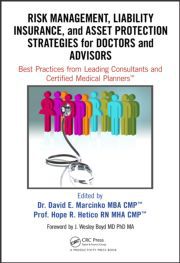
ORDER: https://www.routledge.com/Risk-Management-Liability-Insurance-and-Asset-Protection-Strategies-for/Marcinko-Hetico/p/book/9781498725989

***

COMMENTS APPRECIATED

Thank You

****

PODCAST: Doctor’s Don’t Disclose Conflicts of Interest

C.O.I.

By Eric Bricker MD

***

***

MORE: https://medicalexecutivepost.com/2022/10/05/video-on-doctors-money-and-conflicts-of-interest/

***

COMMENTS APPRECIATED

Thank You

CITE: https://www.r2library.com/Resource/Title/082610254

***

Product Details

ORDER: https://www.amazon.com/Business-Medical-Practice-Transformational-Doctors/dp/0826105750/ref=sr_1_9?ie=UTF8&qid=1448163039&sr=8-9&keywords=david+marcinko

***

How to THRIVE in Private Independent Medical Practice, Today?

ORDER TEXTBOOK: https://www.amazon.com/Business-Medical-Practice-Transformational-Doctors/dp/0826105750/ref=sr_1_9?ie=UTF8&qid=1448163039&sr=8-9&keywords=david+marcinko

INVITE DR. MARCINKO: https://medicalexecutivepost.com/dr-david-marcinkos-

THANK YOU

***

Should Doctors Protect their Turf?

Testing Free-Market Principles and Medical Licensing

By Mike Accad MD

It’s been a little over a 100 years since medical licensing laws were introduced in the US.  If people doubt that slippery slopes are real, they should reflect on that history.

In our latest video, Anish Koka and I discuss a “white paper” jointly written by Jeffrey Flier, former dean at Harvard Medical School, and Jared Rhoads from the Dartmouth Institute, calling for some deregulation of the apparatus that rules the supply of physicians and their scope of work. The paper gives an exhaustive account of the bureaucratic mess and offers some possible remedies.

LINK: http://alertandoriented.com/should-doctors-protect-their-turf/

RELATED: https://medicalexecutivepost.com/2014/09/26/is-medical-licensing-really-necessary/

Your thoughts are appreciated.

Product Details

THANK YOU

***

PUBLIC HEALTH: RSV versus COVID?

[Emergency Request]

By Staff Reporters

***

***

Children’s hospitals are asking the federal government to declare a public health emergency to help them deal with the surge of RSV cases. Infants are being hospitalized at seven times the rate of 2018.

DEFINITION: Respiratory syncytial virus, also called human respiratory syncytial virus and human orthopneumovirus, is a common, contagious airborne virus that causes infections of the respiratory tract. It is a negative-sense, single-stranded RNA virus.

***

COMMENTS APPRECIATED

Thank You

***

PODCAST[s]: Medicare Re-Admission Penalties

UPDATE 83% Penalized!

By Eric Bricker MD

***

***

HRRP PODCAST: https://www.youtube.com/watch?v=mwRrKM83CVQ

COMMENTS APPRECIATED

Thank You

***

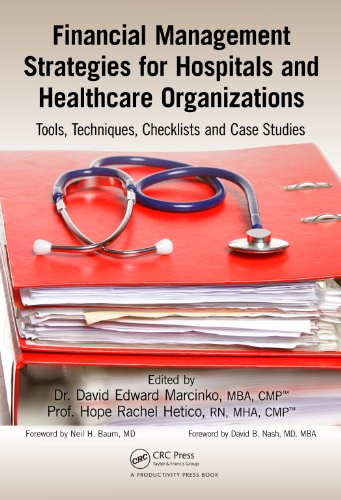
ORDER: https://www.amazon.com/Financial-Management-Strategies-Healthcare-Organizations/dp/1466558733/ref=sr_1_3?ie=UTF8&qid=1380743521&sr=8-3&keywords=david+marcinko

****

COLONOSCOPIES: Statistical Update

By Dr. David Edward Marcinko MBA

***

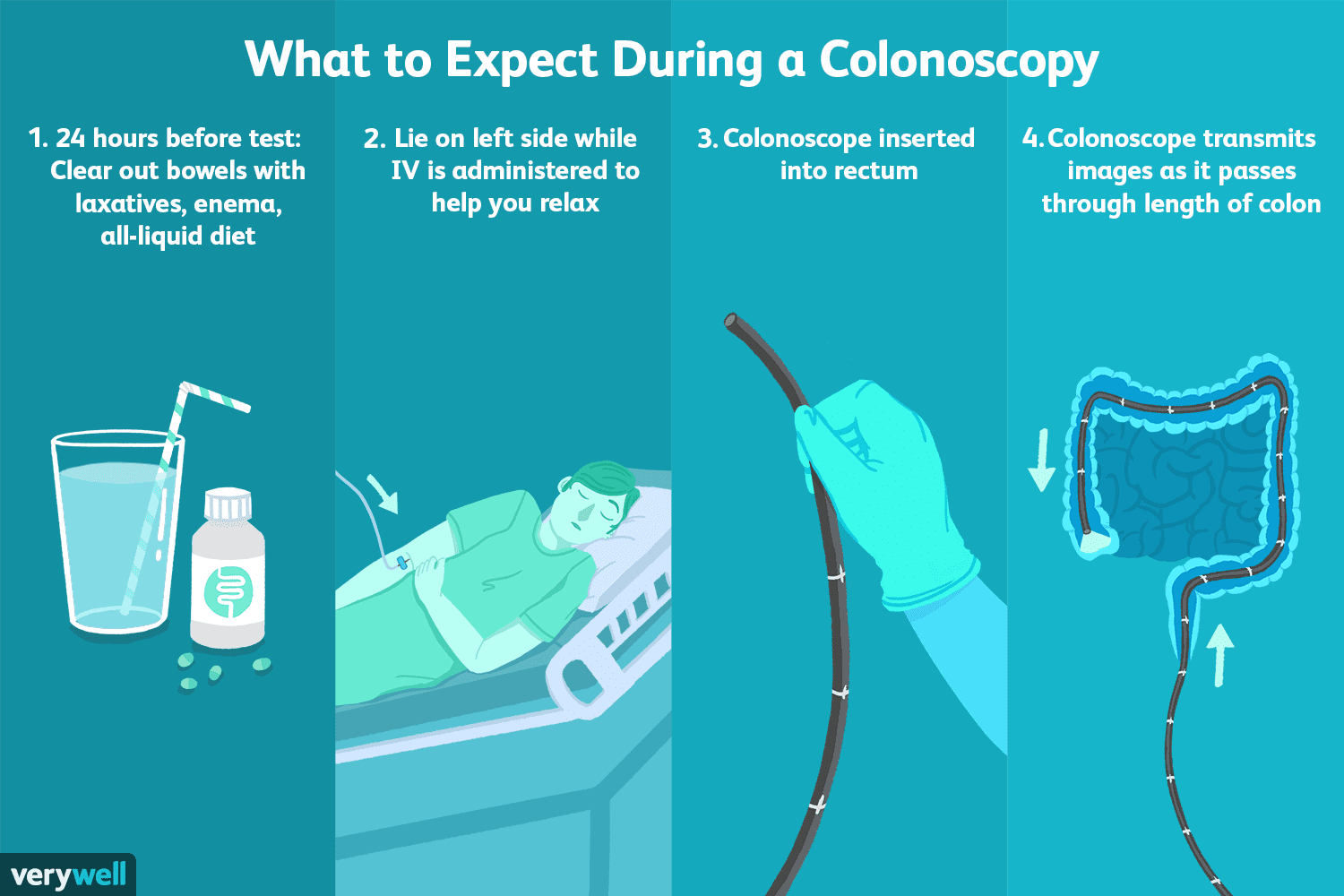
DEFINITION: A Colonoscopy and/or sigmoidoscopy are procedures that let your doctor look inside your large intestine. They use instruments called scopes. Scopes have a tiny camera attached to a long, thin tube. The procedures let your doctor see things such as inflamed tissue, abnormal growths, and ulcers.

EDITOR’S NOTE: The ME-P does not normally discuss medical or clinical matters. But, this report is noteworthy to all.

***

***

About 15 million colonoscopies are performed in the US yearly as part of standard preventive care for adults over 45, but a new study has called into question whether all the footage from those tiny cameras is really necessary.

Over a 10-year period, people who had the screenings were 18% less likely to develop colon cancer than people who didn’t, according to the study in the New England Journal of Medicine. However, the risk of death from the cancer for both the screened and un-screened was about the same, hovering around 0.3%.

***

COMMENTS APPRECIATED

Thank You

HEALTH INSURANCE: https://www.amazon.com/Dictionary-Health-Insurance-Managed-Care/dp/0826149944/ref=sr_1_4?ie=UTF8&s=books&qid=1275315485&sr=1-4

***

A Review of Mental Healthcare Provider Types

Join Our Mailing List

Implications for Staffing Modern Mental Health Facilities

[By Carol Miller RN MBA]

Carol S. MillerCommunity Mental Health Centers are also referred to as County Mental Health Centers and treat patients usually with no or limited insurance in a domiciliary setting versus an inpatient state or community facility.

And, both children and adults are eligible to receive such assistance.

These programs provide a wide range of psychiatric and counseling services to the residents in their community as well
as other types of assistance. But, what type of mental healthcare staff, and providers, are involved with these facilities?

Staffing

Staffing levels at community mental health facilities depend on the size and funding of each clinic, and vary in number, qualifications, and mix. Many personnel hold or are working on Master’s degrees and various professional certifications.

Typical staffing would include:

  • Administrative or Mental Health Director ¾ This individual, working under general policy directives, is responsible for planning, organizing, coordinating, and directing delivery of a community’s comprehensive mental health programs and services. This would include the development and implementation of goals, objectives, policies, procedures, budget, standard compliance, and work standards for mental health services. The Director is responsible not only for the services offered under the program, but also for extensive coordination with other county departments, public and private organizations, citizen groups, and the Board of Supervisors.
  • Case management staff ¾ These personnel are responsible for compiling all the services related to the treatment program.
  • Psychiatrists ¾ These individuals may work for a mental health center full or part time, and be Board-eligible or Board-certified in Psychiatry.
  • Psychologists ¾ These individuals will hold Ph.D., Psy.D. or Ed.D. qualifications and be licensed as clinical psychologists in the state.
  • Licensed Independent Social Worker (LISW) ¾ These individuals will have expertise in such services as family counseling, child psychology, geriatric dementia, psychological testing, and so on.
  • Licensed Marriage and Family Therapist (LMFT) — These individuals are specialized in various fields and provide an array of counseling services to patients, dependent on the nature of their problem.
  • Clinical Nurse Specialists ¾ These personnel are certified in psychiatric nursing by a national nursing organization such as the American Nurses Association to practice within the scope of these services and are licensed in the state.
  • Support staff ¾ These staff members would include an administrative assistant to the Director, medical billers, transcriptionist, and possibly a receptionist.
  • Substance Abuse Counselor or Licensed Professional Clinical Mental Health Counselor (LPC or LPCC) — An individual who takes a holistic approach where they exam a person’s external environmental and societal influences while also monitoring inner emotion, physical and behavioral health.

###

ME-P Careers

###

Counselor Qualifications

A licensed mental health counselor has met or exceeded the following professional qualifications:

  • earned a Master’s degree in counseling or a closely related mental health discipline;
  • completed a minimum of two years post-Master’s clinical work under the supervision of a licensed or certified mental health professional; and
  • passed a state-developed or national licensure or certification examination.

Assessment

Conclusion

Your thoughts and comments on this ME-P are appreciated. Feel free to review our top-left column, and top-right sidebar materials, links, URLs and related websites, too. Then, subscribe to the ME-P. It is fast, free and secure.

Speaker: If you need a moderator or speaker for an upcoming event, Dr. David E. Marcinko; MBA – Publisher-in-Chief of the Medical Executive-Post – is available for seminar or speaking engagements. Contact: MarcinkoAdvisors@msn.com

OUR OTHER PRINT BOOKS AND RELATED INFORMATION SOURCES:

Product Details

Appeals Court Strikes Down Bid to Reinstate OSHA COVID-19 Protection Standard

By Robert King

***

***

The U.S. Court of Appeals for the District of Columbia just ruled that it did not have the power to overturn the Occupational Safety and Health Administration’s (OSHA’s) decision to scrap a temporary protection standard that outlined requirements for hospitals to keep front-line health workers safe from contracting COVID-19. The union National Nurses United decried the decision.

OSHA issued a temporary protection standard for COVID-19 back in June 2021. However, OSHA did not move to make a permanent standard before the temporary one expired last year, as the agency shifted resources toward a vaccine mandate, the appellate opinion said. OSHA had called for health systems to still impose the standard’s requirements voluntarily.

Source: Robert King, Fierce Healthcare [8/30/22]

***

COMMENTS APPRECIATED
Thank You

***

UPDATE: Recession, Goldman Sachs, and Tesla

By Staff Reporters

***

***

The director of the nonpartisan Congressional Budget Office [CBO] added his voice Thursday to those economists who say it’s unclear if the economy has hit a downturn, despite posting two straight quarterly drops in growth. “The U.S. economy shows signs of slowing, but whether the economy is currently in a recession is difficult to say,” wrote CBO Director Phillip Swagel in a letter to Sen. Lindsey Graham (R-S.C.). “It is possible that, in retrospect, it will become apparent that the economy moved into recession sometime this year. However, that is not clear from data that were available at the beginning of August,” Swagel added.

Goldman Sachs said its credit card unit is under investigation by the Consumer Financial Protection Bureau, a federal agency tasked with protecting Americans from financial abuse. In a securities filing, Goldman said the CFPB is examining a number of the company’s credit card account management practices, including refunds, resolving billing errors, advertisements and reporting to credit bureaus. And, in a statement to CBS MoneyWatch, Goldman said the bank “is cooperating with the CFPB on this matter.”

Finally, shares of electric vehicle maker Tesla rallied in after-hours trading as the company won shareholder approval for a 3:1 stock split, the second such move in two years, as the world’s most valuable automaker looks to make its stock more affordable.

***

COMMENTS APPRECIATED

Thank You

***

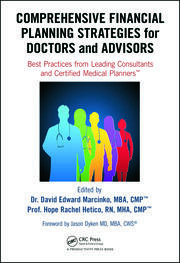
FINANCIAL PLANNING: https://www.routledge.com/Comprehensive-Financial-Planning-Strategies-for-Doctors-and-Advisors-Best/Marcinko-Hetico/p/book/9781482240283

****

Biden Administration to Overhaul Vertical [Health Systems] Merger Guidelines

***

By Health Capital Consultants, LLC

***

***

Biden Administration to Overhaul Vertical Merger Guidelines

The U.S. healthcare industry has seen a rise in vertical integration transactions since the passage of the ACA, especially among physician groups integrating with health systems or insurers, as providers seek to fill gaps in their continuum of care. In response to these trends and resulting market imbalances, the Biden Administration is aggressively pursuing antitrust enforcement by updating and revising U.S. antitrust law guidance.

This Health Capital Topics article will discuss the vertical integration movement and the proposed changes to antitrust laws that may affect the future of healthcare. (Read more…) 

***

CITE: https://www.r2library.com/Resource/Title/0826102549

***

COMMENTS APPRECIATED

Thank You

RELATED: https://www.amazon.com/Financial-Management-Strategies-Healthcare-Organizations/dp/1466558733/ref=sr_1_3?ie=UTF8&qid=1380743521&sr=8-3&keywords=david+marcinko

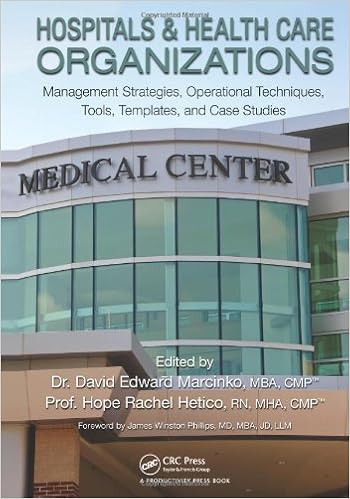
HOSPITALS: https://www.amazon.com/Hospitals-Healthcare-Organizations-Management-Operational/dp/1439879907/ref=sr_1_4?s=books&ie=UTF8&qid=1334193619&sr=1-4

***

When Routine Medical Tests Trigger a Cascade of Costly, Unnecessary Care

By N.P.R

***

***

READ: https://www.npr.org/sections/health-shots/2022/06/13/1104141886/cascade-of-care?utm_source=pocket-newtab

***

COMMENTS APPRECIATED

Thank You

***

***

***

Transformational Business Skills for Doctor Entrepreneurs

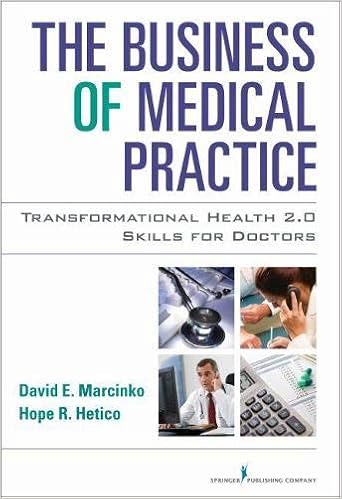
THE BUSINESS OF MEDICAL PRACTICE [Health 2.0]

Textbook Review

***

SECOND OPINIONS: https://medicalexecutivepost.com/schedule-a-consultation/

INVITE DR. MARCINKO: https://medicalexecutivepost.com/dr-david-marcinkos-bookings/

SPONSOR: http://www.CertifiedMedicalPlanner.org

***

About Medical Workplace Violence

Join Our Mailing List

UPDATE

At least three people are dead and multiple people are injured following a shooting at the Natalie Building at St. Francis Hospital in Tulsa, Oklahoma.

Link: https://www.msn.com/en-us/news/crime/at-least-3-dead-multiple-people-injured-in-shooting-at-oklahoma-medical-office/ar-AAXYITO?li=BBnb7Kz

More than Physical Assault

[By Staff Reporters and Dr. David E. Marcinko MBA]

Business Med PracticeWorkplace violence is more than physical assault.

According to trauma specialist Eugene Schmuckler; PhD, MBA, CTS opining and writing in www.BusinessofMedicalPractice.com; workplace violence is any act in which a person is abused, threatened, intimidated, harassed, or assaulted in his or her employment. Swearing, verbal abuse, playing “pranks,” spreading rumors, arguments, property damage, vandalism, sabotage, pushing, theft, physical assaults, psychological trauma, anger-related incidents, rape, arson, and murder are all examples of workplace violence.

The RNANS

The Registered Nurses Association of Nova Scotia [RNANS], a leading study group, defines violence as “any behavior that results in injury whether real or perceived by an individual, including, but not limited to, verbal abuse, threats of physical harm, and sexual harassment.” As such, medical workplace violence includes:

· threatening behavior — such as shaking fists, destroying property, or throwing objects;

· verbal or written threats — any expression of intent to inflict harm;

· harassment — any behavior that demeans, embarrasses, humiliates, annoys, alarms, or verbally abuses a person and that is known or would be expected to be unwelcome. This includes words, gestures, intimidation, bullying, or other inappropriate activities;

· verbal abuse — swearing, insults, or condescending language;

· muggings — aggravated assaults, usually conducted by surprise and with intent to rob; or

· physical attacks — hitting, shoving, pushing, or kicking.

Cause and Affect

Workplace violence can be brought about by a number of different actions in the workplace. It may also be the result of non-work related situations such as domestic violence or “road rage.” Workplace violence can be inflicted by an abusive employee, a manager, supervisor, co-worker, customer, family member, patient, physician, nurse, or even a stranger.

The UI-IPRC 

The University of Iowa – Injury Prevention Research Center [UI-IPRC] classifies most workplace violence into one of four categories.

· Type I Criminal Intent — Results while a criminal activity (e.g., robbery) is being committed and the perpetrator had no legitimate relationship to the workplace.

· Type II Customer/Client — The perpetrator is a customer or client at the workplace (e.g., healthcare patient) and becomes violent while being assisted by the worker.

· Type III Worker on Worker — Employees or past employees of the workplace are the perpetrators.

· Type IV Personal Relationship — The perpetrator usually has a personal relationship with an employee (e.g., domestic violence in the workplace).

Conclusion

Your thoughts and comments on this ME-P are appreciated. Feel free to review our top-left column, and top-right sidebar materials, links, URLs and related websites, too. Then, subscribe to the ME-P. It is fast, free and secure.

Link: http://feeds.feedburner.com/HealthcareFinancialsthePostForcxos

Speaker: If you need a moderator or speaker for an upcoming event, Dr. David E. Marcinko; MBA – Publisher-in-Chief of the Medical Executive-Post – is available for seminar or speaking engagements. Contact: MarcinkoAdvisors@msn.com

OUR OTHER PRINT BOOKS AND RELATED INFORMATION SOURCES:

DICTIONARIES: http://www.springerpub.com/Search/marcinko
PHYSICIANS: www.MedicalBusinessAdvisors.com
PRACTICES: www.BusinessofMedicalPractice.com
HOSPITALS: http://www.crcpress.com/product/isbn/9781466558731
CLINICS: http://www.crcpress.com/product/isbn/9781439879900
ADVISORS: www.CertifiedMedicalPlanner.org
PODIATRISTS: www.PodiatryPrep.com
BLOG: www.MedicalExecutivePost.com
FINANCE: Financial Planning for Physicians and Advisors
INSURANCE: Risk Management and Insurance Strategies for Physicians and Advisors

Product Details 

FRUSTRATED Physicians!

By Staff Reporters

***

65% of Physicians Report Feeling Frustrated in Past 3 Months

A recent study by Survey Healthcare Global on the mental health of healthcare professionals found:

 •  65% of physicians report feeling frustrated.
 •  54% of physicians report feeling burned out.
 •  52% of physicians report feeling unappreciated.
 •  Respondents rank constant stress (34%) and staff shortages (30%) as the leading factors for stress.
 •  18% report that they are more likely to drink, smoke, or use/abuse substances as a result.
 •  75% say their organizations do not offer any wellness resources and programs to HCP employees.

Source: Survey Healthcare Global Via Business Wire, March 21, 2022

***

***

COMMENTS APPRECIATED

Thank You

***

***

***

ORDER: https://www.routledge.com/Risk-Management-Liability-Insurance-and-Asset-Protection-Strategies-for/Marcinko-Hetico/p/book/9781498725989

****

RECAST: An Interview with Fiduciary Bennett Aikin AIF®

On Financial Fiduciary Accountability

[By Dr. David E. Marcinko MBA CMP™]

[By Ann Miller; RN, MHA]

Currently, there is a growing dilemma in the financial sales and services industry. It goes something like this:

  • What is a financial fiduciary?
  • Who is a financial fiduciary?
  • How can I tell if my financial advisor is a fiduciary?

Now, in as much as this controversy affects laymen and physician-investors alike, we went right to the source for up-to-date information regarding this often contentious topic, for an email interview and Q-A session, with Ben Aikin.ben-aikin

About Bennett Aikin AIF® and fi360.com

Bennett [Ben] Aikin is the Communications Coordinator for fi360.com. He oversees all communications for fi360. His responsibilities include messaging, brand management, copyrights and trademarks, and publications. Mr. Aikin received his BA in English from Virginia Tech in 2003 and is currently an MS candidate in Journalism from Ohio University.

Q. Medical Executive Post 

You have been very helpful and gracious to us. So, let’s get right to it, Ben. In the view of many; attorneys, doctors, CPAs and the clergy are fiduciaries; most all others who retain this title seem poseurs; sans documentation otherwise.

A. Mr. Aikin

You are correct. Attorneys, doctors and clergy are the prototype fiduciaries. They have a clear duty to put the best interests of their clients, patients, congregation, etc., above their own. [The duty of a CPA isn’t as clear to me, although I believe you are correct]. Furthermore, this is one of the first topics we address in our AIF training programs, and what we call the difference between a profession and an industry.  The three professions you name have three common characteristics that elevate them from an industry to a profession:

  1. Recognized body of knowledge
  2. Society depends upon practitioners to provide trustworthy advice
  3. Code of conduct that places the clients’ best interests first

Q. Medical Executive Post 

It seems that Certified Financial Planner®, Chartered Financial Analysts, Registered Investment Advisors and their representatives, Registered Representative [stock-brokers] and AIF® holders, etc, are not really financial fiduciaries, either by legal statute or organizational charter. Are we correct, or not? Of course, we are not talking ethics or morality here. That’s for the theologians to discuss.

A. Mr. Aikin

One of the reasons for the “alphabet soup”, as you put it in one of your white papers [books, dictionaries and posts] on financial designations, is that while there is a large body of knowledge, there is no one recognized body of knowledge that one must acquire to enter the financial services industry.  The different designations serve to provide a distinguisher for how much and what parts of that body of knowledge you do possess.  However, being a fiduciary is exclusively a matter of function. 

In other words, regardless of what designations are held, there are five things that will make one a fiduciary in a given relationship:

  1. You are “named” in plan or trust documents; the appointment can be by “name” or by “title,” such as CFO or Head of Human Resources
  2. You are serving as a trustee; often times this applies to directed trustees as well
  3. Your function or role equates to a professional providing comprehensive and continuous investment advice
  4. You have discretion to buy or sell investable assets
  5. You are a corporate officer or director who has authority to appoint other fiduciaries

So, if you are a fiduciary according to one of these definitions, you can be held accountable for a breach in fiduciary duty, regardless of any expertise you do, or do not have. This underscores the critical nature of understanding the fiduciary standard and delegating certain duties to qualified “professionals” who can fulfill the parts of the process that a non-qualified fiduciary cannot.

Q. Medical Executive Post 

How about some of the specific designations mentioned on our site, and elsewhere. I believe that you may be familiar with the well-known financial planner, Ed Morrow, who often opines that there are more than 98 of these “designations”? In fact, he is the founder of the Registered Financial Consultants [RFC] designation. And, he wrote a Foreword for one of our e-books; back-in-the-day. His son, an attorney, also wrote as a tax expert for us, as well. So, what gives?

A. Mr. Aikin

As for the specific designations you list above, and elsewhere, they each signify something different that may, or may not, lend itself to being a fiduciary: For example:

• CFP®: The act of financial planning does very much imply fiduciary responsibility.  And, the recently updated CFP® rules of conduct does now include a fiduciary mandate:

• 1.4 A certificant shall at all times place the interest of the client ahead of his or her own. When the certificant provides financial planning or material elements of the financial planning process, the certificant owes to the client the duty of care of a fiduciary as defined by CFP Board. [from http://www.cfp.net/Downloads/2008Standards.pdf]

•  CFA: Very dependent on what work the individual is doing.  Their code of ethics does have a provision to place the interests of clients above their own and their Standards of Practice handbook makes clear that when they are working in a fiduciary capacity that they understand and abide by the legally mandated fiduciary standard.

• FA [Financial Advisor]: This is a generic term that you may find being used by a non-fiduciary, such as a broker, or a fiduciary, such as an RIA.

• RIA: Are fiduciaries.  Registered Investment Advisors are registered with the SEC and have obligations under the Investment Advisers Act of 1940 to provide services that meet a fiduciary standard of care.

• RR: Registered Reps, or stock-brokers, are not fiduciaries if they are doing what they are supposed to be doing.  If they give investment advice that crosses the line into “comprehensive and continuous investment advice” (see above), their function would make them a fiduciary and they would be subject to meeting a fiduciary standard in that advice (even though they may not be properly registered to give advice as an RIA).

• AIF designees: Have received training on a process that meets, and in some places exceeds, the fiduciary standard of care.  We do not require an AIF® to always function as a fiduciary. For example, we allow registered reps to gain and use the AIF® designation. In many cases, AIF designees are acting as fiduciaries, and the designation is an indicator that they have the full understanding of what that really means in terms of the level of service they provide.  We do expect our designees to clearly disclose whether they accept fiduciary responsibility for their services or not and advocate such disclosure for all financial service representatives.

Q. Medical Executive Post 

Your website, http://www.fi360.com, seems to suggest, for example, that banks/bankers are fiduciaries. We have found this not to be the case, of course, as they work for the best interests of the bank and stockholders. What definitional understanding are we missing?

A. Mr. Aikin

Banks cannot generally be considered fiduciaries.  Again, it is a matter of function. A bank may be a named trustee, in which case a fiduciary standard would generally apply.  Banks that sell products are doing so according to their governing regulations and are “prudent experts” under ERISA, but not necessarily held to a fiduciary standard in any broader sense.

Q. Medical Executive Post 

And so, how do we rectify the [seemingly intentional] industry obfuscation on this topic. We mean, our readers, subscribers, book and dictionary purchasers, clients and colleagues are all confused on this topic. The recent financial meltdown only stresses the importance of understanding same.

For example, everyone in the industry seems to say they are the “f” word. But, our outreach efforts to contact traditional “financial services” industry pundits, CFP® practitioners and other certification organizations are continually met with resounding silence; or worse yet; they offer an abundance of parsed words and obfuscation but no confirming paperwork, or deep subject-matter knowledge as you have kindly done. We get the impression that some FAs honesty do-not have a clue; while others are intentionally vague.

A. Mr. Aikin

All of the evidence you cite is correct.  But that does not mean it is impossible to find an investment advisor who will manage to a fiduciary standard of care and acknowledge the same. The best way to rectify confusion as it pertains to choosing appropriate investment professionals is to get fiduciary status acknowledged in writing and go over with them all of the necessary steps in a fiduciary process to ensure they are being fulfilled. There also are great resources out there for understanding the fiduciary process and for choosing professionals, such as the Department of Labor, the SEC, FINRA, the AICPA’s Personal Financial Planning division, the Financial Planning Association, and, of course, Fiduciary360.

We realize the confusion this must cause to those coming from the health care arena, where MD/DO clearly defines the individual in question; as do other degrees [optometrist, clinical psychologist, podiatrist, etc] and medical designations [fellow, board certification, etc.]. But, unfortunately, it is the state of the financial services industry as it stands now.

Q. Medical Executive Post 

It is as confusing for the medical community, as it is for the lay community. And, after some research, we believe retail financial services industry participants are also confused. So, what is the bottom line?

A. Mr. Aikin

The bottom line is that lay, physician and all clients have a right to expect and demand a fiduciary standard of care in the managing of investments. And, there are qualified professionals out there who are providing those services.  Again, the best way to ensure you are getting it is to have fiduciary status acknowledged in writing, and go over the necessary steps in a fiduciary process with them to ensure it is being fulfilled.

Q. Medical Executive Post 

The “parole-evidence” rule, of contract law, applies, right? In dealing with medical liability situations, the medics and malpractice attorneys have a rule: “if it wasn’t written down, it didn’t happen.”  

A. Mr. Aikin

An engagement contract accepting fiduciary status should trump a subsequent attempt to claim the fiduciary standard didn’t apply. But, to reiterate an earlier point, if someone acts in one of the five functional fiduciary roles, they are a fiduciary whether they choose to acknowledge it or not.  I have attached a sample acknowledgement of fiduciary status letter with copies of our handbook, which details the fiduciary process we instruct in our programs, and our SAFE, which is basically a checklist that a fiduciary should be able to answer “Yes” to every question to ensure the entire fiduciary process is being covered.

Q. Medical Executive Post 

It is curious that you mention checklists. We have a post arguing that very theme for doctors and hospitals as they pursue their medial error reduction, and quality improvement, endeavors. And, we applaud your integrity, and wish only for clarification on this simple fiduciary query?

A. Mr. Aikin

Simple definition: A fiduciary is someone who is managing the assets of another person and stands in a special relationship of trust, confidence, and/or legal responsibility.

Q. Medical Executive Post 

Who is a financial fiduciary and what, if any, financial designation indicates same?

A. Mr. Aikin

Functional definition: See above for the five items that make you a fiduciary.

Financial designations that unequivocally indicate fiduciary duty: Short answer is none, only function can determine who is a fiduciary. 

Q. Medical Executive Post 

Please repeat that?

A. Mr. Aikin

Financial designations that indicate fiduciary duty: none. It is the function that determines who is a fiduciary.  Now, having said that, the CFP® certification comes close by demanding their certificants who are engaged in financial planning do so to a fiduciary standard. Similarly, other designations may certify the holder’s ability to perform a role that would be held to a fiduciary standard of care.  The point is that you are owed a fiduciary standard of care when you engage a professional to fill that role or they functionally become one.  And, if you engage a professional to fill a non-fiduciary role, they will not be held to a fiduciary standard simply because they have a particular designation.  One of the purposes the designations serve is to inform you what roles the designation holder is capable of fulfilling.

It is also worth keeping in mind that just being a fiduciary doesn’t equate to a full knowledge of the fiduciary standard. The AIF® designation indicates having been fully trained on the standard.

Q. Medical Executive Post 

Yes, your website mentions something about fiduciaries that are not aware of same! How can this be? Since our business model mimics a medical model, isn’t that like saying “the doctor doesn’t know he is doctor?” Very specious, with all due respect!

A. Mr. Aikin

I think it is first important to note that this statement is referring not just to investment professionals.  Part of the audience fi360 serves is investment stewards, the non-professionals who, due to facts and circumstances, still owe a fiduciary duty to another.  Examples of this include investment committee members, trustees to a foundation, small business owners who start 401k plans, etc.  This is a group of non-sophisticated investors who may not be aware of the full array of responsibilities they have. 

However, even on the professional side I believe the statement isn’t as absurd as it sounds.  This is basically a protection from both ignorant and unscrupulous professionals.  Imagine a registered representative who, either through ignorance or design, begins offering comprehensive and continuous investment advice.  Though they may deny or be unaware of the fact, they have opened themselves up to fiduciary liability. 

Q. Medical Executive Post 

Please clarify the use of arbitration clauses in brokerage account contracts for us. Do these disclaim fiduciary responsibility? If so, does the client even know same?

A. Mr. Aikin

By definition, an engagement with a broker is a non-fiduciary relationship.  So, unless other services beyond the scope of a typical brokerage account contract are specified, fiduciary responsibility is inherently not applicable.  Unfortunately, I do imagine there are clients who don’t understand this. Furthermore, AIF® designees are not prohibited from signing such an agreement and there are some important points to understand the reasoning.

First, by definition, if you are entering into such an agreement, you are entering into a non-fiduciary relationship. So, any fiduciary requirement wouldn’t apply in this scenario.

Second, if this same question were applied into a scenario of a fiduciary relationship, such as with an RIA, this would be a method of dispute resolution, not a practice method. So, in the event of dispute, the advisor and investor would be free to agree to the method of resolution of their choosing. In this scenario, however, typically the method would not be discussed until the dispute itself arose.

Finally, it is important to know that AIF/AIFA designees are not required to be a fiduciary. It is symbolic of the individuals training, knowledge and ongoing development in fiduciary processes, but does not mean they will always be acting as a fiduciary.

Q. Medical Executive Post 

Don’t the vast majority of arbitration hearings find in favor of the FA; as the arbitrators are insiders, often paid by the very same industry itself?

A. Mr. Aikin

Actual percentages are reported here: http://www.finra.org/ArbitrationMediation/AboutFINRADR/Statistics/index.htm However, brokerage arbitration agreements are a dispute resolution method for disputes that arise within the context of the securities brokerage industry and are not the only means of resolving differences for all types of financial advisors.  Investment advisers, for example, are subject to respond to disputes in a variety of forums including state and federal courts.  Clients should look at their brokerage or advisory agreement to see what they have agreed to. If you wanted to go into further depth on this question, we would recommend contacting Brian Hamburger, who is a lawyer with experience in this area and an AIFA designee. Bio page: http://www.hamburgerlaw.com/attorneys/BSH.htm.

Q. Medical Executive Post 

What about our related Certified Medical Planner® designation, and online educational program for financial advisors and medical management consultants? Is it a good idea – reasonable – for the sponsor to demand fiduciary accountability of these charter-holders? Cleary, this would not only be a strategic competitive advantage, but advance the CMP™ mission to put medical colleagues first and champion their cause www.CertifiedMedicalPlanner.org above all else. 

A. Mr. Aikin

I think it is a good idea for any plan sponsor to demand fiduciary status be acknowledged from anyone engaged to provide comprehensive and continuous investment advice.  I also think it is a good idea to be proactive in verifying that the fiduciary process is being followed.

Q. Medical Executive Post 

Is there anything else that we should know about this topic?

A. Mr. Aikin

Yes, a further note about fi360’s standards. I wrote generically about the fiduciary standard, because there is one that is defined by multiple sources of regulation, legislation and case law.  The process defined in our handbooks, we call a Fiduciary Standard of Excellence, because it covers that minimum standard and also best practice standards that go above and beyond.  All of our Practices, which comprise that standard, are legally substantiated in our Legal Memoranda handbook, which was written by Fred Reish’s law firm, who is considered a leading ERISA attorney.

Additional resources:

Q. Medical Executive Post 

Thank you so much for your knowledge and willingness to frankly share it with the Medical-Executive-Post.

Assessment

All are invited to continue the conversation with Mr. Aikin, asynchronously online, or thru this contact information:

fi360.com
438 Division Street
Sewickley, PA 15143
412-741-8140 Phone
866-390-5080 Toll-free phone
412-741-8142 Fax

Conclusion

Your thoughts and comments on this ME-P are appreciated. Feel free to review our top-left column, and top-right sidebar materials, links, URLs and related websites, too. Then, subscribe to the ME-P. It is fast, free and secure.

Link: http://feeds.feedburner.com/HealthcareFinancialsthePostForcxos

Speaker: If you need a moderator or speaker for an upcoming event, Dr. David E. Marcinko; MBA – Publisher-in-Chief of the Medical Executive-Post – is available for seminar or speaking engagements. Contact: MarcinkoAdvisors@msn.com

OUR OTHER PRINT BOOKS AND RELATED INFORMATION SOURCES:

LEXICONS: http://www.springerpub.com/Search/marcinko
PRACTICES: www.BusinessofMedicalPractice.com
HOSPITALS: http://www.crcpress.com/product/isbn/9781466558731
CLINICS: http://www.crcpress.com/product/isbn/9781439879900
ADVISORS: www.CertifiedMedicalPlanner.org
BLOG: www.MedicalExecutivePost.com

Product DetailsProduct DetailsProduct Details

Product Details  Product Details

Product DetailsProduct Details

Product Details

Risk Management, Liability Insurance, and Asset Protection Strategies for Doctors and Advisors: Best Practices from Leading Consultants and Certified Medical Planners™8Comprehensive Financial Planning Strategies for Doctors and Advisors: Best Practices from Leading Consultants and Certified Medical Planners™

INDUSTRIAL ORGANIZATION: For Hospitals, Clinics and Healthcare CXOs, CEOs, CMOs and CTOs, etc.

MANAGEMENT STRATEGIES, TOOLS TEMPLATES AND CASE STUDIES

***

Reviews:

Hospitals and Health Care Organizations is a must-read for any physician and other health care provider to understand the multiple, and increasingly complex, interlocking components of the U.S. health care delivery system, whether they are employed by a hospital system, or manage their own private practices.

The operational principles, methods, and examples in this book provide a framework applicable on both the large organizational and smaller private practice levels and will result in better patient care. Physicians today know they need to better understand business principles and this book by Dr. David E. Marcinko and Professor Hope Rachel Hetico provides an excellent framework and foundation to learn important principles all doctors need to know.
―Richard Berning, MD, Pediatric Cardiology

… Dr. David Edward Marcinko and Professor Hope Rachel Hetico bring their vast health care experience along with additional national experts to provide a health care model-based framework to allow health care professionals to utilize the checklists and templates to evaluate their own systems, recognize where the weak links in the system are, and, by applying the well-illustrated principles, improve the efficiency of the system without sacrificing quality patient care. … The health care delivery system is not an assembly line, but with persistence and time following the guidelines offered in this book, quality patient care can be delivered efficiently and affordably while maintaining the financial viability of institutions and practices.
―James Winston Phillips, MD, MBA, JD, LLM

***

***

***

PURCHASE: https://www.amazon.com/dp/B00BC9IIUM?ref_=k4w_oembed_faGUzLlJ9ojLIx&tag=kpembed-20&linkCode=kpd

***

PODCAST: Medicare Payment Bureaucracy Uncertainty

***

Dr. Eric Bricker Explains How Medicare Can Take Money Back from Hospitals if it Wants. If the Hospital Thinks Medicare is Being Unfair, the Appeals Process Takes 3 Years!

***

BY ERIC BRICKER MD

***

****

***

***

***

Related: On Medicare Bureaucratization

COMMENTS APPRECIATED

Thank You

Subscribe to the Medical Executive-Post

***

Comprehensive Financial Planning and Risk Management Strategies for Doctors and their Advisors

***

Best Practices from Leading Consultants and Certified Medical Planners

SPONSOR: http://www.CertifiedMedicalPlanner.org

CMP logo

***

***

Risk Management, Liability Insurance, and Asset Protection Strategies for Doctors and Advisors: Best Practices from Leading Consultants and Certified Medical Planners™

ORDER: https://www.routledge.com/Risk-Management-Liability-Insurance-and-Asset-Protection-Strategies-for/Marcinko-Hetico/p/book/9781498725989

***

Medical FINANCIAL PLANNING “Holistic” STRATEGIES

BY AND FOR PHYSICIANS AND THEIR ADVISORS

INVITE DR. MARCINKO: https://medicalexecutivepost.com/dr-david-marcinkos-

***

SPONSOR: http://www.CertifiedMedicalPlanner.org

CMP logo

***

Personal Financial Planning for Physicians and Medical Colleagues

ME Inc = Going it Alone but with a Team

BY DR. DAVID EDWARD MARCINKO MBA CMP®

CMP logo

SPONSOR: http://www.CertifiedMedicalPlanner.org

The physician, nurse, or other medical professional should easily recognize that there are a vast array of opportunities, obstacles, and pitfalls when it comes to managing one’s finances.  Still, with some modicum of effort, the basic aspects of insurance, investments, taxes, accounting, portfolio management, retirement and estate planning, debt reduction, asset protection and practice management can be largely self-taught. Yet, it is realized that nuances and subtleties can make a well-intentioned financial plan fall short.  The devil truly is in the details.  Moreover, none of these areas can be addressed in isolation. It is common for a solution in one area to cause a new set of problems in another. 

Accordingly, most health care practitioners would be well served to hire [independent, hourly compensated and prn] financial help. Unlike some medical problems, financial issues may not cause any “pain” or other obvious symptoms.  Medical professionals tend to have far more complex financial situations than most lay people. Despite the complexities of the new world of health reform, far too many either do nothing; or give up all control totally, to an external advisor. This either/or mistake can be costly in many ways, and should be avoided. 

In reality, and at various time in their careers, the medical professional needs a team comprised of at least a financial analyst, lawyer, management consultant, risk manager [actuary, mathematician or insurance counselor] and accountant. At various points in time, each member of the team, or significant others, will properly assume a role of more or less importance, but the doctor must usually remain the “quarterback” or leader; in the absence of a truly informed other, or Certified Medical Planner™.

This is necessary because only the doctor has the personal self-mandate with skin in the game, to take a big picture view.  And, rightly or wrongly, investments dominate the information available regarding personal finance and the attention of most physicians.  One is much more likely to need or want to discuss the financial markets with their financial advisor than private letter rulings by the IRS, or with their estate planning attorney or tax accountant. While hiring for expertise is a good idea, there is sinister way advisors goad doctors into using all their retail services; all of the time. That artifice is – the value of time. 

True integrated physician focused and financial planning is at its core a service business, not a product or sales endeavor. And, increasingly money is more likely to be at the top of the list for providers as the healthcare environment is contracting.

So, eschewing the quarterback model of advice, and choosing to self-educate thru this book and elsewhere, may be one of the best efforts a smart physician can make.

ASSESSMENT: Your thoughts are appreciated.

Comprehensive Financial Planning Strategies for Doctors and Advisors: Best Practices from Leading Consultants and Certified Medical Planners™

ORDER TEXTBOOK: https://www.routledge.com/Comprehensive-Financial-Planning-Strategies-for-Doctors-and-Advisors-Best/Marcinko-Hetico/p/book/9781482240283

RELATED TEXTS: https://medicalexecutivepost.com/2021/04/29/why-are-certified-medical-planner-textbooks-so-darn-popular/

INVITE DR. MARCINKO: https://medicalexecutivepost.com/dr-david-marcinkos-

THANK YOU!

*****

The “BADLANDS” Off-Shore Tax Havens in South Dakota

By Morning Brew, NF and Staff Reporters

One of the world’s most prolific offshore tax havens is located more than 1,000 miles from any shore.

The US state of South Dakota now rivals notorious tax shelters like Panama, the Cayman Islands, and Switzerland as a destination for the top 0.01% to shield their  wealth from the grubby hands of tax authorities, the newly released Pandora Papers show.

Product Details

CITE: https://www.r2library.com/Resource/Title/0826102549

Quick recap: The Pandora Papers, published one week ago, represent one of the biggest leaks of financial docs in history. They show how celebrities, world leaders, and business magnates take advantage of opaque financial laws to hold onto as much of their wealth as they can…and, in some cases, get away with crimes.

And while none of that is particularly surprising, what is surprising is the changing geography of tax havens. The ultrarich are taking their money out of traditional tax shelters like the island of Jersey (one of the Channel Islands) and stashing it in rural US states like Nevada, Wyoming, and, most of all…South Dakota.

  • Of the more than 200 US trusts appearing in the Pandora Papers, 81 were located in South Dakota.

South Dakota’s trust industry held $367 billion in anonymous, untraceable assets in 2020, a nearly 4x increase from $75.5 billion in 2011. And these trusts aren’t catering to cattle ranchers who made it big—they’re linked to individuals in 40 different countries outside the US.

The bigger issue? 28 US-based trusts are linked to individuals or companies accused of misconduct overseas, such as money laundering, bribery, and human rights abuses, per the Washington Post.

***

Badlands National Park Has Stunning Landscapes and Diverse Wildlife -  Here's How to Experience It (Video) | Travel + Leisure

And now the question you’ve all been waiting for…

Why South Dakota?

It’s not why most people arrive in South Dakota—by accident. For decades, the state has intentionally loosened regulations on its financial services sector to grow its economy and create finance jobs, particularly in the city of Sioux Falls.

This deregulation push, spurred by trust industry insiders, turned a South Dakotan trust into “the most potent force-field money can buy,” wrote the Guardian’s Oliver Bullough.

By setting up a trust in South Dakota…

  • Your assets are protected from claims by creditors, angry clients, or even your ex-spouse (a level of security not afforded by other tax havens).
  • You are not subject to income tax, inheritance tax, or capital gains tax in the state…because South Dakota has none of those.
  • You never actually have to go to South Dakota.

In sum, if you’re a shady billionaire or a corrupt president of a Latin American country with something to hide, South Dakota looks like a mighty attractive place to shield your fortune from governments.

Or, rather, the US more broadly is an attractive place to hide your wealth. After years of bashing “offshore” havens for sheltering tax avoiders, the US has moved up to second in the world rankings for financial secrecy.

YOUR COMMENTS ARE APPRECIATED.

MORE: https://www.msn.com/en-us/money/markets/the-worlds-rich-and-powerful-are-stashing-dollar500-billion-in-this-tax-haven/ar-AAPw6Ny?li=BBnb7Kz

MORE: https://www.msn.com/en-us/news/politics/opinion-the-reason-its-so-easy-for-wealthy-americans-to-hide-their-money-%e2%80%94-and-how-to-stop-it/ar-AAPzf9W?li=BBnb7Kz

Thank You

Comprehensive Financial Planning Strategies for Doctors and Advisors: Best Practices from Leading Consultants and Certified Medical Planners™

ORDER: https://www.routledge.com/Comprehensive-Financial-Planning-Strategies-for-Doctors-and-Advisors-Best/Marcinko-Hetico/p/book/9781482240283

***

Risk Management, Liability Insurance, and Asset Protection Strategies for Doctors and Advisors : Best Practices from Leading Consultants and Certified Medical Planners™ book cover

***

RISK MANAGEMENT: https://www.routledge.com/Risk-Management-Liability-Insurance-and-Asset-Protection-Strategies-for/Marcinko-Hetico/p/book/9781498725989

***

PODCASTS: Surgery Safety Checklists

ATUL GAWANDE MD

Medical Culture

BY ERIC BRICKER MD

***

***

***

YOUR COMMENTS ARE APPRECIATED.

***

***

RISK MANAGEMENT TEXTBOOK: https://www.routledge.com/Risk-Management-Liability-Insurance-and-Asset-Protection-Strategies-for/Marcinko-Hetico/p/book/9781498725989

Thank You

***

Litigation and Legacy in Education and Medicine

Join Our Mailing List 

Distinct Fields Bound by Certain Parallels

[By Jeffrey M. Hartman]  [Dr. David Marcinko MBA]

jhThe fields of education and medicine are distinct, yet bound by certain parallels. In particular, litigation has shaped present practices in each field. Case law has expanded the rights of students and parents while increasing protections for patients. Resulting improvements in the quality of education or health care vary depending on perspective.

Of greater certainty is the comparable increase in procedures, protocols, and overall bureaucracy needed in each field as a result of litigation.

Compensation Culture

Throughout the 1980s and 1990s, a perceived rise in civil cases led some pundits to ascribe a compensation culture to certain segments of America. Sensationalistic stories about plaintiffs seeking outrageous damages generated concern that this compensation culture was real and threatening to business interests across the country.

Media outlets frequently portrayed those behind the questionable suits as poor but entitled people looking to take advantage of tort law for personal gain. Pundits claimed these cases represented a decline in personal responsibility matched by an increase in shameless greed. At the same time, the notion of frivolous litigation creating unnecessary layers of bureaucracy took hold in the American conscious and remained there.

Predatory Litigation

The actual incidence and impact of supposedly predatory litigation remains debatable. Some civil liberties advocates suggest American companies created smear campaigns in the media to make the issue appear more prevalent than it was while attempting to curtail future suits. Without question, some companies have had to pay significant damages, particularly in class action cases.

However, the claims against these companies typically haven’t materialized without cause. Tort law always has existed as a protection. A few plaintiffs and attorneys may have exploited these laws and others may continue to do so. Such exploitative cases haven’t outnumbered cases built around legitimate claims.

Ethics

Questions about the ethics and even the prevalence of civil suits are the stuff of legal philosophy. The more immediate question is whether or not such cases have impacted particular fields and if so, what has been the nature of the impact. Legal precedents often lead to regulation of industries. Some forms of regulation can alter business practices. This can be for the better of all involved. Even if regulation increases costs, it often improves safety or quality.

In fields such as education and medicine, litigation has profoundly influenced practices. Influence on quality is another matter.

***

education

***

Education

The impact of litigation on education has been most apparent in special education. Class action suits resulted in the foundational special education law in America. Case law continues to establish precedents and corresponding mandates that states and school districts must follow. Many of the cases parents bring against districts stem from these districts struggling to abide by demanding mandates. Large districts retain teams of attorneys who spend a disproportionate amount of their time handling special education cases. Special education bureaucracy requires many schools to employ administrators who deal solely with compliance and protocol. In special education, litigation has led to more litigation.

Special Education

Special education litigation affects school practices in several additional ways. Compensatory education losses in special education pull from overall budgets. Teachers need to compile data on special education students not just for planning, but to protect themselves and their schools in disputes with parents. School members of IEP teams construct programs from the perspective of how readily they can defend themselves should a legal case develop. Decisions about goals for students are often based on the likelihood of students appearing to make progress in a way that prevents potential conflict. When lawsuits do emerge, school districts have demonstrated a historic willingness to settle and give parents what they want rather than getting involved in lengthy and costly legal battles.

Medicine

In medicine, public perception of the effects of litigation are somewhat skewed. Malpractice cases make for attention-getting headlines. However, the number of malpractice suits has decreased in recent years. The average amount for damage claims has leveled off as well. These cases tend to be reserved for incidents involving serious injury and death. Although this might seem counter-intuitive, plaintiffs often lose malpractice cases. Preventable mistakes still account for a massive amount of loss in medicine, but the public perception of malpractice suits driving up insurance costs isn’t exactly accurate.

Malpractice Liability

This isn’t to say litigation has had no effect. Some health care professionals have had their careers upended by ruinous malpractice suits. A few states have enacted damage caps to limit what plaintiffs can claim. Expensive malpractice insurance has become ubiquitous for health care professionals. Many physicians have been suspected of practicing defensive medicine, or over-diagnosing for their own protection from suits. Defensive medicine resembles the tendency of special education teachers to write IEPs that ensure student progress. Layers of bureaucracy weigh on health care systems. Much of this exists as liability protections. Again, this parallels how schools have to handle special education.

***

doc

***

Improvements?

So, has litigation improved either field? In education, programs for students with special needs have expanded opportunities for equitable education. The expansion stems directly from litigation. However, special education has not solved the dearth of opportunities waiting for students with special needs after high school. At the same time, the expense of special education—including the continuing need for defense against further litigation—mires the most vulnerable school districts.

Health care has improved in many ways in recent decades, but most of these improvements are tied to technological advancements rather than litigation. Technological innovations also have contributed to increases in costs. The surge in bureaucracy does more to protect health care systems than patients, but patients have indirectly benefitted somewhat from the precautions litigation has made necessary. Patient behavior continues to drive the incidence of illness, but widespread health education campaigns have made some impact in behaviors such as smoking. Litigation has aided the creation of such public campaigns through pressure on lawmakers.

Imperfect Analogues

Education and medicine aren’t perfectly analogous, so certain comparisons can’t be made fairly. Despite differences, each field has had to respond in similar ways to changes in society. Pressure from litigation is just one of these changes. Other changes have involved how each field interacts with the public it serves. Schools and hospitals have increasingly become de facto social service providers for needy communities. Educators and physicians have had to become wary of their reputations via online ratings sites and their presence in social media in general.

Experts in both fields have their positions challenged by what information parents and patients find online. These similarities might be more analogous than similarities wrought by litigation.

Although the effects of litigation have been different in the two fields, the response in each field has been noteworthy. Litigation more or less created special education. The burgeoning field has improved equitable opportunities while creating logistical quagmires for schools. Outcomes for students have been limited by factors schools can’t control, thus derailing some of the idealistic aims of litigation. Poor outcomes haven’t lessened the burden special education law places on schools.

Meanwhile, public perception of how malpractice has affected medicine differs from the actual effects. Litigation has affected physician practices more than it has affected costs. Patient care has improved through technology more than through legal mandates. Protections have improved vicariously through the threat of litigation, but this might be inadvertently affecting how physicians offer treatment.

Assessment

Overall, litigation has complicated each field by adding layers of protective bureaucracy. Improvements in quality might not be commensurate with the effort expended. Often what the public gains in protection is loses in simplicity and effectiveness. These fields exemplify this maxim.

ABOUT

Jeffrey M. Hartman is a former teacher who blogs at http://jeffreymhartman.com/

MORE:

Conclusion

Your thoughts and comments on this ME-P are appreciated. Feel free to review our top-left column, and top-right sidebar materials, links, URLs and related websites, too. Then, subscribe to the ME-P. It is fast, free and secure.

Speaker: If you need a moderator or speaker for an upcoming event, Dr. David E. Marcinko; MBA – Publisher-in-Chief of the Medical Executive-Post – is available for seminar or speaking engagements. Contact: MarcinkoAdvisors@msn.com

OUR OTHER PRINT BOOKS AND RELATED INFORMATION SOURCES:

Product Details

Product DetailsProduct Details

The BUSINESS of Medical Practice

BY DR. David Edward Marcinko MBA

***

RELATED TEXTS: https://medicalexecutivepost.com/2021/04/29/why-are-certified-medical-planner-textbooks-so-darn-popular/

INVITE DR. MARCINKO: https://medicalexecutivepost.com/dr-david-marcinkos-

Second Opinions: https://medicalexecutivepost.com/schedule-a-consultation/

THANK YOU!

***

Management Strategies, Operational Techniques, Tools, Templates and Case Studies

FOR HOSPITALS AND HEALTHCARE ORGANIZATIONS

***

BY DR. DAVID E. MARCINKO MBA

INVITE DR. MARCINKO: https://medicalexecutivepost.com/dr-david-marcinkos-bookings/

THANK YOU

***

PODCAST: Physician Specialties with Hospital System Bargaining Power

***

Certain Doctor Specialties Have Great Power within Hospital Systems Because They Generate High-Margin Patient Volume.

By Eric Bricker MD

YOUR THOUGHTS ARE APPRECIATED.

Thank You

***

PODCAST: United Health Group “Harmony” Network?

UHG Uses Those Doctors for their NEW Harmony Network That They Sell as an HMO Insurance Product to Employers.

United Health Group Has Bought Physician Practices in Southern California Totaling 6,500 Doctors, Associated with 133 Hospitals.

YOUR THOUGHTS ARE APPRECIATED.

Thank You

***

“HOSPITALS AND HEALTH CARE ORGANIZATIONS”

INSTITUTIONAL Foreword WITH Comprehensive Review AND FREE PREVIEW

ME-P Speaking Invitations

Dr. David E. Marcinko is at your Service

thumbnail_IMG_1663.edit1

Dr. David Edward Marcinko MBA CMP® enjoys personal coaching and public speaking and gives as many talks each year as possible, at a variety of medical society and financial services conferences around the country and world.

These have included lectures and visiting professorships at major academic centers, keynote lectures for hospitals, economic seminars and health systems, keynote lectures at city and statewide financial coalitions, and annual keynote lectures for a variety of internal yearly meetings.

His talks tend to be engaging, iconoclastic, and humorous. His most popular presentations include a diverse variety of topics and typically include those in all iMBA, Inc’s textbooks, handbooks, white-papers and most topics covered on this blog.

CONTACT: Ann Miller RN MHA

MarcinkoAdvisors@msn.com

Ph: 770-448-0769

Abbreviated Topic List: https://medicalexecutivepost.com/wp-content/uploads/2009/02/imba-inc-firm-services.pdf

Second Opinions: https://medicalexecutivepost.com/schedule-a-consultation/

DIY Textbooks: https://medicalexecutivepost.com/2021/04/29/why-are-certified-medical-planner-textbooks-so-darn-popular/

THANK YOU

***

A FRUSTRATED PHYSICIAN ASKS: How Much Insurance is Enough?

OVER HEARD IN THE DOCTOR’S LOUNGE

Image result for Doctor Lounge Signs

I currently have no fewer than 10 separate insurance policies associated with my plastic surgery practice. I understand very little about the policies other than that somebody at some point told me I needed each and every one of them, and each made sense when I bought it. But, I often wonder:  

  • Am I over-insured and thus wasting money? 
  • Am I under-insured and thus at risk for a liability disaster? 

I never really had the means of answering these questions …. Until Now!

Lloyd M. Krieger; MD MBA

[Beverly Hills, CA]

***

Risk Management, Liability Insurance, and Asset Protection Strategies for Doctors and Advisors : Best Practices from Leading Consultants and Certified Medical Planners™ book cover

ORDER TEXTBOOK: https://www.routledge.com/Risk-Management-Liability-Insurance-and-Asset-Protection-Strategies-for/Marcinko-Hetico/p/book/9781498725989

SECOND OPINIONS: https://medicalexecutivepost.com/schedule-a-consultation/

INVITE DR. MARCINKO: https://medicalexecutivepost.com/dr-david-marcinkos-bookings/

***

The CORPORATE PRACTICE of Medicine?

By Dr. David Edward Marcinko MBA CMP®

CMP logo

SPONSOR: http://www.CertifiedMedicalPlanner.org

CORPORATE PRACTICE OF MEDICINE (CPM) LAWS

OK – I admit that I am not an attorney. But, approximately half of states in the U.S. have made it unlawful for practicing physicians to be employees of corporations. This ban on the corporate practice of medicine (CPM) is intended to keep medical professionals independent and free from financial pressures and influence.

Most states have made exceptions allowing physicians to become employees of not-for-profit organizations and sometimes hospitals. States such as California, Iowa, and Texas, have declined to allow hospitals to employ physicians, although even those states have special exceptions. Iowa hospitals may employ pathologists and radiologists, and Texas public hospitals and California teaching hospitals may employ physicians. Ohio has no ban on the corporate practice of medicine.

ASSESSMENT: Anyone can own a physician practice in Ohio.

QUERY: So, who does the aggrieved patient sue?

YOUR THOUGHTS ARE APPRECIATED

ORDER TEXTBOOK: https://www.routledge.com/Risk-Management-Liability-Insurance-and-Asset-Protection-Strategies-for/Marcinko-Hetico/p/book/9781498725989

Risk Management, Liability Insurance, and Asset Protection Strategies for Doctors and Advisors: Best Practices from Leading Consultants and Certified Medical Planners™

INVITE DR. MARCINKO: https://medicalexecutivepost.com/dr-david-marcinkos-bookings/

THANK YOU

***

The Business of Medical Practice [3rd. edition]

SPONSOR: http://www.CertifiedMedicalPlanner.org

CMP logo

ORDER TEXTBOOK: https://www.amazon.com/Business-Medical-Practice-Transformational-Doctors/dp/0826105750/ref=sr_1_9?ie=UTF8&qid=1448163039&sr=8-9&keywords=david+marcinko

SECOND OPINIONS: https://medicalexecutivepost.com/schedule-a-consultation/

INVITE DR. MARCINKO: https://medicalexecutivepost.com/dr-david-marcinkos-bookings/

THANK YOU

***

THE ANATOMIC BASIS OF HUMAN PHYSIOLOGY AND BEHAVIOR?

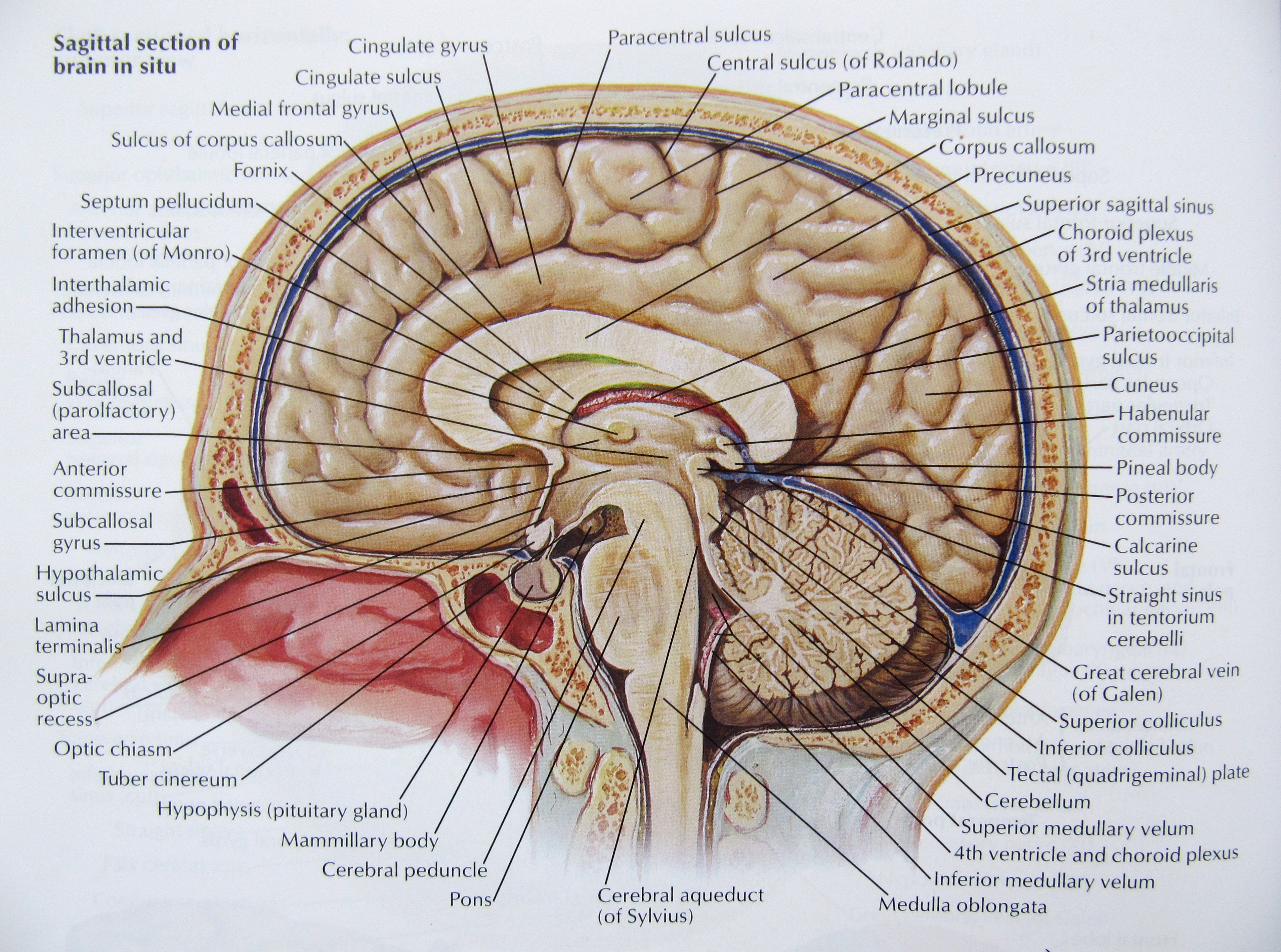
BRAIN ANATOMY

By Dr. David Edward Marcinko MBA CMP©

SPONSOR: http://www.CertifiedMedicalPlanner.org

CMP logo

I am not a neurologist, psychologist, or psychiatrist. But, it is well known that emotional and behavioral change involves the human nervous system. And, there are two parts of the nervous system that are especially significant for holistic financial advisor; the first is the limbic system and the second is the autonomic nervous system. 

According to Dr. C. George Boerre of Shippensburg University of Pennsylvania, this is known as the emotional nervous system.

1. The Limbic System

The limbic system is a set of structures that lies on both sides of the thalamus, just under the cerebrum.  It includes the hypothalamus, the hippocampus, the amygdala, and nearby areas.  It is primarily responsible for emotions, memories and recollection. 

Hypothalamus

The small hypothalamus is located just below the thalamus on both sides of the third ventricle (areas within the cerebrum filled with cerebrospinal fluid that connect to spinal fluid). It sits inside both tracts of the optic nerve, and just above the pituitary gland.

The hypothalamus is mainly concerned with homeostasis or the process of returning to some “set point.”  It works like a thermostat:  When the room gets too cold, the thermostat conveys that information to the furnace and turns it on.  As the room warms up and the temperature rises, it sends turns off the furnace.  The hypothalamus is responsible for regulating hunger, thirst, response to pain, levels of pleasure, sexual satisfaction, anger and aggressive behavior, and more.  It also regulates the functioning of the autonomic nervous system, which means it regulates functions like pulse, blood pressure, breathing, and arousal in response to emotional circumstances. In a recent discovery, the protein leptin is released by fat cells with over-eating.  The hypothalamus senses leptin levels in the bloodstream and responds by decreasing appetite.  So, it seems that some people might have a gene mutation which produces leptin, and can’t tell the hypothalamus that it is satiated.   The hypothalamus sends instructions to the rest of the body in two ways.  The first is to the autonomic nervous system.  This allows the hypothalamus to have ultimate control of things like blood pressure, heart rate, breathing, digestion, sweating, and all the sympathetic and parasympathetic functions.

The second way the hypothalamus controls things is via the pituitary gland.  It is neurally and chemically connected to the pituitary, which in turn pumps hormones called releasing factors into the bloodstream.  The pituitary is the so-called “master gland” as these hormones are vitally important in regulating growth and metabolism.

Hippocampus

The hippocampus consists of two “horns” that curve back from the amygdala.  It is important in converting things “in your mind” at the moment (short-term memory) into things that are remembered for the long run (long-term memory).  If the hippocampus is damaged, a patient cannot build new memories and lives in a strange world where everything they experience just fades away; even while older memories from the time before the damage are untouched!  Most patients who suffer from this kind of brain damage are eventually institutionalized.

Amygdala

The amygdalas are two almond-shaped masses of neurons on either side of the thalamus at the lower end of the hippocampus.  When it is stimulated electrically, animals respond with aggression.  And, if the amygdala is removed, animals get very tame and no longer respond to anger that would have caused rage before.  The animals also become indifferent to stimuli that would have otherwise have caused fear and sexual responses.

Related Anatomic Areas

Besides the hypothalamus, hippocampus, and amygdala, there are other areas in the structures near to the limbic system that are intimately connected to it:

  • The cingulate gyrus is the part of the cerebrum that lies closest to the limbic system, just above the corpus collosum.  It provides a pathway from the thalamus to the hippocampus, is responsible for focusing attention on emotionally significant events, and for associating memories to smells and to pain.
  • The ventral tegmental area of the brain stem (just below the thalamus) consists of dopamine pathways responsible for pleasure.  People with damage here tend to have difficulty getting pleasure in life, and often turn to alcohol, drugs, sweets, and gambling.
  • The basal ganglia (including the caudate nucleus, the putamen, the globus pallidus, and the substantia nigra) lie over to the sides of the limbic system, and are connected with the cortex above them.  They are responsible for repetitive behaviors, reward experiences, and focusing attention. 
  • The prefrontal cortex, which is the part of the frontal lobe which lies in front of the motor area, is also closely linked to the limbic system.  Besides apparently being involved in thinking about the future, making plans, and taking action, it also appears to be involved in the same dopamine pathways as the ventral tegmental area, and plays a part in pleasure and addiction.

https://wallpapercave.com/wp/wp3011600.jpg

2. The Autonomic Nervous System

The second part of the nervous system to have a particularly powerful part to play in our emotional life is the autonomic nervous system. 

The autonomic nervous system is composed of two parts, which function primarily in opposition to each other.  The first is the sympathetic nervous system, which starts in the spinal cord and travels to a variety of areas of the body.  Its function appears to be preparing the body for the kinds of vigorous activities associated with “fight or flight,” that is, with running from danger or with preparing for violence.  Activation of the sympathetic nervous system has the following effects:

  • dilates the pupils and opens the eyelids,
  • stimulates the sweat glands and dilates the blood vessels in large muscles,
  • constricts the blood vessels in the rest of the body,
  • increases the heart rate and opens up the bronchial tubes of the lungs, and
  • inhibits the secretions in the digestive system.

One of its most important effects is causing the adrenal glands (which sit on top of the kidneys) to release epinephrine (adrenalin) into the blood stream.  Epinephrine is a powerful hormone that causes various parts of the body to respond in much the same way as the sympathetic nervous system.  Being in the blood stream, it takes a bit longer to stop its effects, and may take some time to calm down again

The sympathetic nervous system also takes in information, mostly concerning pain from internal organs.  Because the nerves that carry information about organ pain often travel along the same paths that carry information about pain from more surface areas of the body, the information sometimes get confused.  This is called referred pain, and the best known example is the pain in the left shoulder and arm when having a heart attack.

The other part of the autonomic nervous system is called the parasympathetic nervoussystem.  It has its roots in the brainstem and in the spinal cord of the lower back.  Its function is to bring the body back from the emergency status that the sympathetic nervous system puts it into.

Some of the details of parasympathetic arousal include some of the following:.

  • pupil constriction and activation of the salivary glands,
  • stimulating the secretions of the stomach and activity of the intestines,
  • stimulating secretions in the lungs and constricting the bronchial tubes, and;
  • decreases heart rate.

The parasympathetic nervous system also has some sensory abilities:  It receives information about blood pressure, levels of carbon dioxide in the blood, etc.

There is actually another part of the autonomic nervous system that is not mentioned too often: the enteric nervous system.  It is a complex of nerves that regulate the activity of the stomach. 

For example, if you get sick to your stomach with a new financial advisory client – or feel nervous butterflies with your first patient encounter as a doctor- you can blame the enteric nervous system.

ASSESSMENT: Your thoughts are appreciated.

Comprehensive Financial Planning Strategies for Doctors and Advisors: Best Practices from Leading Consultants and Certified Medical Planners™

ORDER Textbook: https://www.amazon.com/Comprehensive-Financial-Planning-Strategies-Advisors/dp/1482240289/ref=sr_1_1?ie=UTF8&qid=1418580820&sr=8-1&keywords=david+marcinko

Risk Management, Liability Insurance, and Asset Protection Strategies for Doctors and Advisors : Best Practices from Leading Consultants and Certified Medical Planners™ book cover

Order Textbook: https://www.routledge.com/Risk-Management-Liability-Insurance-and-Asset-Protection-Strategies-for/Marcinko-Hetico/p/book/9781498725989

SECOND OPINIONS: https://medicalexecutivepost.com/schedule-a-consultation/

INVITE DR. MARCINKO: https://medicalexecutivepost.com/dr-david-marcinkos-bookings/

THANK YOU

***

Artificial Intelligence in Medicine

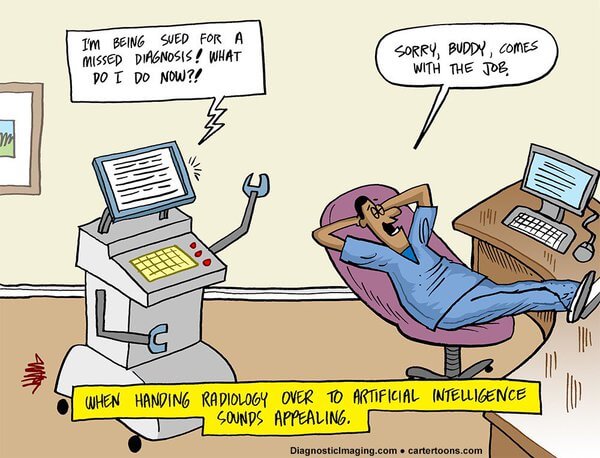
And – Professional Malpractice Liability

[By staff reporters]

***

***

Assessment

Your thoughts are appreciated.

RESOURCES:

“Insurance & Risk Management Strategies for Doctors” https://tinyurl.com/ydx9kd93

“Fiduciary Financial Planning for Physicians” https://tinyurl.com/y7f5pnox

“Business of Medical Practice 2.0” https://tinyurl.com/yb3x6wr8

THANK YOU

Comprehensive Financial Planning Strategies for Doctors and Advisors: Best Practices from Leading Consultants and Certified Medical Planners™

Risk Management, Liability Insurance, and Asset Protection Strategies for Doctors and Advisors: Best Practices from Leading Consultants and Certified Medical Planners™

***

On Medical Errors

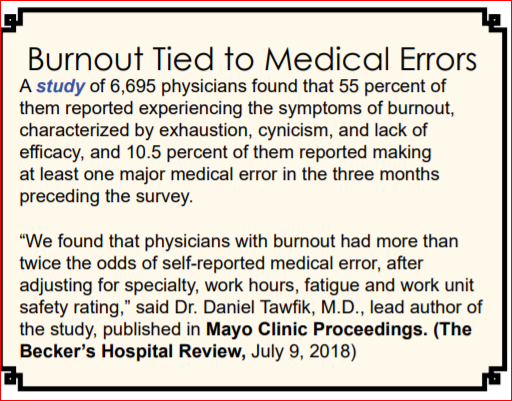
Tied to Physician Burn Out

By http://www.MCOL.copm

***


***

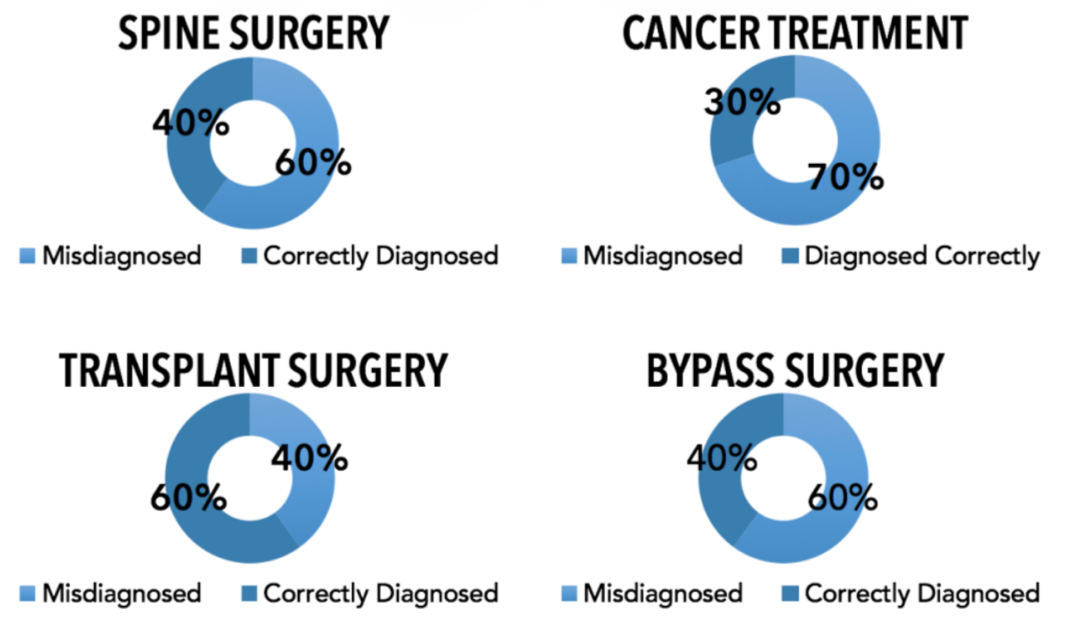
MIS-DIAGNOSIS

***

***

Conclusion

Your thoughts and comments on this ME-P are appreciated. Feel free to review our top-left column, and top-right sidebar materials, links, URLs and related websites, too. Then, subscribe to the ME-P. It is fast, free and secure.

Speaker: If you need a moderator or speaker for an upcoming event, Dr. David E. Marcinko; MBA – Publisher-in-Chief of the Medical Executive-Post – is available for seminar or speaking engagements.

Book Marcinko: https://medicalexecutivepost.com/dr-david-marcinkos-bookings/

Subscribe: MEDICAL EXECUTIVE POST for curated news, essays, opinions and analysis from the public health, economics, finance, marketing, IT, business and policy management ecosystem.

DOCTORS:

“Insurance & Risk Management Strategies for Doctors” https://tinyurl.com/ydx9kd93

“Fiduciary Financial Planning for Physicians” https://tinyurl.com/y7f5pnox

“Business of Medical Practice 2.0” https://tinyurl.com/yb3x6wr8

HOSPITALS:

“Financial Management Strategies for Hospitals” https://tinyurl.com/yagu567d

“Operational Strategies for Clinics and Hospitals” https://tinyurl.com/y9avbrq5

***

Risk Management, Liability Insurance, and Asset Protection Strategies for Doctors and Advisors: Best Practices from Leading Consultants and Certified Medical Planners™8Comprehensive Financial Planning Strategies for Doctors and Advisors: Best Practices from Leading Consultants and Certified Medical Planners™


The Future of Health Care?

A National Survey of Physicians

The 2018 Future of Healthcare report, compiled from the observations of more than 3,400 doctors, has uncovered a complex picture of the attitudes of physicians nationwide toward the important issues facing the industry. 

 ***

https://www.thedoctors.com/future

***

Assessment

Your thoughts are appreciated.

MORE FOR DOCTORS:

“Insurance & Risk Management Strategies for Doctors”

https://tinyurl.com/ydx9kd93

“Fiduciary Financial Planning for Physicians”

https://tinyurl.com/y7f5pnox

“Business of Medical Practice 2.0”

https://tinyurl.com/yb3x6wr8

***

Risk Management, Liability Insurance, and Asset Protection Strategies for Doctors and Advisors: Best Practices from Leading Consultants and Certified Medical Planners™8Comprehensive Financial Planning Strategies for Doctors and Advisors: Best Practices from Leading Consultants and Certified Medical Planners™

THANK YOU

WEBINAR on a Medical Malpractice Trial for Doctors

Join Our Mailing List

About MentorHealth

MentorHealth, the sponsor of this webinar, is a comprehensive training source for healthcare professionals that is high on value, but not on cost. MentorHealth is the right training solution for physicians and healthcare professionals. With MentorHealth webinars, doctors can make the best use of time, talent and treasure to benefit their continuing professional education needs.

mentorhealth-gif-logo

THE MEDICAL MALPRACTICE TRIAL FROM THE DOCTOR’s POV

[From First Service – to Final Verdict and Emotional Relief]

*** DEM white shirt

***
Presented By
Professor David Edward Marcinko 
February 6, 2017
***

“Even among the sciences, medicine occupies a special position. Its practitioners come into direct and intimate contact with people in their daily lives; they are present at the critical transitional moments of existence.

For many people, they are the only contact with a world that otherwise stands at a forbidding distance.  Often in pain, fearful of death, the sick have a special thirst for reassurance and vulnerability to belief.”

[Source: Paul Starr – The Social Transformation of American Medicine, Basic Books].

***

When this trust is violated, whether rooted in factual substance or merely a conclusion lacking in reality, American jurisprudence offers several remedies with the core being civil litigation.

For example, we have personally witnessed a spectrum of reasons that prompts a patient to seek the counsel of an attorney. Whether it be an untoward result of treatment or surgery, an outstanding invoice being mailed to a less than happy patient who decides that the doctor did not measure up to expectations, a physician’s wife employed as the office manager charging a patient $50 to complete a medical leave authorization form, or simply a perceived lack of concern on the part of the doctor or personnel, patients can be motivated to seek redress outside the realm of the doctor’s office.

Compound any of the above scenarios with well-meaning friends and family and the proverbial prescription for litigation has been certified. Woven throughout this discourse will be suggestions that might obviate the foregoing. While it is not a panacea, nor a cure-all for medical negligence cases, we believe it to be an effective methodology for resolving those differences that see the growth of a medical malpractice lawsuit …. honest communications.

Date : Monday, February 6, 2017 10:00 AM PST | 01:00 PM EST

Duration : 60 Minutes

Price : $139.00

MORE: Malpractice Trial

Webinar Covered Topics [60-75 minutes]

  • Understanding What’s at Stake in Litigation · What every Doctor must Know
  • Steps to Take after Summon and Service Receipt · Trail Players. Burden of Proof · Types of Trials · The Discovery Process · Depositions · Motions In-Limine
  • Jury Selection · Opening Statements · Presentation of Evidence ·  Summation and Final Instructions · Jury Deliberations · The Verdict and … Relief!

Who Should Attend

Physicians, Dentists, Podiatrists, Osteopaths, Pharmacists, Nurse Practitioners, Physician Assistants, and all Clinical and Allied Healthcare Providers. Attorneys, Risk and Medical Compliance Managers, and Health Insurance Agents; etc.

Malpractice Insurance Companies, Law firms, Risk Management Consultants, Hospitals, Medical Practices, Offices and Clinics, Out Patient Treatment and representative from Ambulatory Surgical facilities; etc.

Financial advisors [FAs], Certified Financial Planners® [CFPs], Certified Medical Planners™ [CMP™], Chartered Life Underwriters [CLUs], bankers, health attorneys, and all other risk managers, insurance agents, actuaries and financial intermediaries and consultants of all stripes, degrees and general designations.

Fraternal financial services organizations like the American College of Financial Services in Bryn Mawr, PA; Certified Financial Planner Board of Standards [CFP-BOD] in Washington, DC; the College for Financial Planning [CFP] in Centennial, CO; the Financial Planning Association [FPS] and the National Association of Personal Financial Advisors as well as all US state insurance commissioner offices, etc.

***

Sign-Up Here

A Medical Malpractice Trial From The Doctor’s Pov

REGISTRATION

***

  Risk Management, Liability Insurance, and Asset Protection Strategies for Doctors and Advisors: Best Practices from Leading Consultants and Certified Medical Planners™

***

WEBINAR NOTE: These are online interactive training courses using which, professionals from any part of the world have the opportunity to listen to and converse with some of the best-known experts in the HR Industry. These are offered in live & recorded format for single & multiple users (corporate plans ). Under recorded format each user gets unlimited access for six months. Corporate plans give you the best return on your investment as we do not have upper limit on the number of participants who can take part in webinar.

***

MARCINKO’s Upcoming WEBINARS from MentorHealth

Join Our Mailing List

Sponsored Advertisement

MentorHealth

MentorHealth, the sponsor of these ME-P webinars, is a comprehensive training source for healthcare professionals that is high on value, but not on cost. MentorHealth is the right training solution for physicians and healthcare professionals. With MentorHealth webinars, doctors can make the best use of time, talent and treasure to benefit their continuing professional education needs.

So, it is no wonder why they partnered up with the ME-P to produce these three exciting and timely Webinars, delivered by our own Publisher-in-Chief and Distinguished Professor David Edward Marcinko.

***

A Medical Malpractice Trial From The Doctor’s POV

Even among the sciences, medicine occupies a special position. Its practitioners come into direct and intimate contact with people in their daily lives they are present at the critical transitional moments of existence.

For many people, they are the only contact with a world that otherwise stands at a forbidding distance. Often in pain, fearful of death, the sick have a special thirst for reassurance and vulnerability to belief. When this trust is violated, whether rooted in factual substance or merely a conclusion lacking in reality, American jurisprudence offers several remedies with the core being civil litigation.

We have personally witnessed a spectrum of reasons that prompts a patient to seek the counsel of an attorney.

Monday, February 6, 2017

10:00 AM PST | 01:00 PM EST

60 Minutes

$139.00

Medical Workplace Violence Issues

Violence in hospitals usually results from patients, and occasionally family members, who feel frustrated, vulnerable, and out of control.

Transporting patients,long waits for service,inadequate security, poor environmental design, and unrestricted movement of the public are associated with increased risk of assault in hospitals and may be significant factors in social services workplaces as well. A lack of staff training and the absence of violence prevention programming are also associated with the elevated risk of assault in hospitals.

Although anyone working in a hospital may become a victim of violence, nurses and aides who have the most direct contact with patients are at higher risk.

 Wednesday, February 22, 2017

10:00 AM PST | 01:00 PM EST

60 Minutes

$139.00

Romantic Patient Advances

Within the medical practice, clinic, hospital or university setting, faculty and supervisors exercise significant power and authority over others. Therefore, primary responsibility for maintaining high standards of conduct resides especially with those in faculty and supervisor positions. Members of the medical faculty and staff, including graduate assistants, are prohibited from having “Amorous Relationships”with students over whom they have “Supervisory Responsibilities.”

“Supervisory Responsibilities”are defined as teaching, evaluating, tutoring, advocating, counseling and/or advising duties performed currently and directly, whether within or outside the office, clinic or hospital setting by a faculty, staff member or graduate assistant, with respect to a medical, nursing or healthcare professional student.

Such responsibilities include the administration, provision or supervision of all academic, co-curricular or extra- curricular services and activities, opportunities, awards or benefits offered by or through the health entity or its personnel in their official capacity.

Monday, March 13, 2017

10:00 AM PST | 01:00 PM EST

60 Minutes

$139.00

rm-photo

***

WEBINAR NOTE: These are online interactive training courses using which, professionals from any part of the world have the opportunity to listen to and converse with some of the best-known experts in the HR Industry. These are offered in live & recorded format for single & multiple users (corporate plans). Under recorded format each user gets unlimited access for six months. Corporate plans give you the best return on your investment as we do not have upper limit on the number of participants who can take part in webinar.

***

MARCINKO’s Upcoming WEBINARS from MentorHealth

Join Our Mailing List

Sponsored Advertisement

MentorHealth

MentorHealth, the sponsor of these ME-P webinars, is a comprehensive training source for healthcare professionals that is high on value, but not on cost. MentorHealth is the right training solution for physicians and healthcare professionals. With MentorHealth webinars, doctors can make the best use of time, talent and treasure to benefit their continuing professional education needs.

So, it is no wonder why they partnered up with the ME-P to produce these three exciting and timely Webinars, delivered by our own Publisher-in-Chief and Distinguished Professor David Edward Marcinko.

***

A Medical Malpractice Trial From The Doctor’s POV

Even among the sciences, medicine occupies a special position. Its practitioners come into direct and intimate contact with people in their daily lives they are present at the critical transitional moments of existence.

For many people, they are the only contact with a world that otherwise stands at a forbidding distance. Often in pain, fearful of death, the sick have a special thirst for reassurance and vulnerability to belief.

When this trust is violated, whether rooted in factual substance or merely a conclusion lacking in reality, American jurisprudence offers several remedies with the core being civil litigation. We have personally witnessed a spectrum of reasons that prompts a patient to seek the counsel of an attorney.

Monday, February 6, 2017

10:00 AM PST | 01:00 PM EST

60 Minutes

$139.00

Medical Workplace Violence Issues

Violence in hospitals usually results from patients, and occasionally family members, who feel frustrated, vulnerable, and out of control. Transporting patients,long waits for service,inadequate security, poor environmental design, and unrestricted movement of the public are associated with increased risk of assault in hospitals and may be significant factors in social services workplaces as well.

A lack of staff training and the absence of violence prevention programming are also associated with the elevated risk of assault in hospitals.

Although anyone working in a hospital may become a victim of violence, nurses and aides who have the most direct contact with patients are at higher risk.

Wednesday, February 22, 2017

10:00 AM PST | 01:00 PM EST

60 Minutes

$139.00

Romantic Patient Advances

Within the medical practice, clinic, hospital or university setting, faculty and supervisors exercise significant power and authority over others. Therefore, primary responsibility for maintaining high standards of conduct resides especially with those in faculty and supervisor positions.

Members of the medical faculty and staff, including graduate assistants, are prohibited from having “Amorous Relationships”with students over whom they have “Supervisory Responsibilities.” “Supervisory Responsibilities”are defined as teaching, evaluating, tutoring, advocating, counseling and/or advising duties performed currently and directly, whether within or outside the office, clinic or hospital setting by a faculty, staff member or graduate assistant, with respect to a medical, nursing or healthcare professional student.

Such responsibilities include the administration, provision or supervision of all academic, co-curricular or extra- curricular services and activities, opportunities, awards or benefits offered by or through the health entity or its personnel in their official capacity.

Monday, March 13, 2017

10:00 AM PST | 01:00 PM EST

60 Minutes

$139.00

***

MORE:

http://www.mentorhealth.com/control/webinarsearch?speaker_id=41224

***

WEBINAR NOTE: These are online interactive training courses using which, professionals from any part of the world have the opportunity to listen to and converse with some of the best-known experts in the HR Industry. These are offered in live & recorded format for single & multiple users (corporate plans ). Under recorded format each user gets unlimited access for six months. Corporate plans give you the best return on your investment as we do not have upper limit on the number of participants who can take part in webinar.

***

On Hospital Medical Staff Selection

Join Our Mailing List 

More On Risk Management

fentonBy Dr. Charles F. Fenton III; JD

The Joint Commission [TJC] Accreditation Manual for Hospitals has established basic guidelines for medical staff selection and monitoring.


Governing Body

The responsibility for selecting and monitoring the medical staff rests with the governing body of the hospital. The governing body may delegate the actual process of review to a medical staff committee, but it cannot delegate its responsibility for the decisions that committee makes.

The hospital will be liable for allowing an unqualified person to become a member of the medical staff if that person is improperly approved by the medical staff committee. The hospital governing body must ensure that the criteria used in evaluating staff members are sufficient and are followed. While the governing body may not be qualified to judge the professional competence of the potential staff member, it can verify the current status of the applicant’s license and determine whether the letters of reference are authentic.

These may seem to be simple matters, but they are often neglected, to the great legal detriment of the facility if an unlicensed or incompetent physician is admitted to the medical staff.

The application for staff membership should include:

  • applicant’s full name, date of birth, Social Security number, drivers license number, current address, and past addresses since a student or for five years
  • name of applicant’s medical school, its location, and the date of graduation
  • names, positions, addresses, and phone numbers of references who will vouch for the applicant’s professional competence and ethical character
  • type and location of all postgraduate training
  • board certifications or eligibilities
  • all places of licensure, whether in force or not, and the identification numbers of the licenses
  • all hospital privileges now in effect, those in effect within the past three years, and any facilities where privileges were terminated for disciplinary reasons
  • all malpractice suits in which the applicant was or is a defendant, including the docket number of the suit, the place of filing, a brief statement of the allegations against the applicant, and the ultimate disposition of inactive suits
  • any current of past challenges to medical or drug licenses
  • a statement of the applicant’s health

Specials

Any special qualifications or experience that are relevant to the applicant’s professional competence. In addition to these items, the applicant should sign a release that will enable the investigating committee to check the validity of the information in the application. There are certain items that must be validated.

***

ASSET_BARCODE: BCK-951-BS ## DESCRIPTION: Baltimore City Jail ## EXTENDED_DESCRIPTION: 3 | ## CAPTION: ## SUMMARY:

***

These include medical school graduation, status of all medical licenses (whether currently in force or not), all disciplinary actions, and personal references. It is especially useful to contact reference by telephone, if care is taken to make a record of any information obtained and its source. The most important aspect of the application is the history of past disciplinary actions and malpractice suits. Past successful disciplinary action, especially limitation or suspension of a state license is assumed to be a strong indication of incompetent or unethical practice. The hospital may choose to grant privileges after weighing the offense and the applicant’s subsequent behavior, but this is legally very different from granting privileges without exploring disciplinary proceedings. The committee reviewing the application must decide whether the application should be granted and must be able to defend that decision. If a questionable applicant is granted privileges, there should be a formal written statement detailing the investigation of the applicant and the factors relied upon in granting privileges. The history of past malpractice suits is more difficult to interpret. The loss of a single suit should be reviewed, but this will not usually be a bar to obtaining privileges (unless it turned on intentional or unethical actions). A series of lost lawsuits is a strong indication of both negligence and poor patient relations. The decision is more difficult when there are pending lawsuits or a long string of suits that was settled or won by the defendant.

From a legal point of view, a lawsuit won by the defendant should be treated as if it was unfounded. Practically, however, there are many areas of the country where it is almost impossible for a plaintiff to win a malpractice lawsuit. A physician who attracts litigation but prevail in court may become a threat in an area where plaintiffs’ verdicts are more common. If several suits are involved or the charges involve unethical practice, pending litigation should also be reviewed.

Assessment

While civil litigation does not affect licensure in many states, its existence can be used to question the hospital’s decision to extend staff privileges to an applicant. 

Conclusion

Your thoughts and comments on this ME-P are appreciated. Feel free to review our top-left column, and top-right sidebar materials, links, URLs and related websites, too. Then, subscribe to the ME-P. It is fast, free and secure.

Speaker: If you need a moderator or speaker for an upcoming event, Dr. David E. Marcinko; MBA – Publisher-in-Chief of the Medical Executive-Post – is available for seminar or speaking engagements. Contact: MarcinkoAdvisors@msn.com

OUR OTHER PRINT BOOKS AND RELATED INFORMATION SOURCES:

Risk Management, Liability Insurance, and Asset Protection Strategies for Doctors and Advisors: Best Practices from Leading Consultants and Certified Medical Planners™

***

Competent, Ethical and Fair Legal Representation for Doctors

Join Our Mailing List

 —A Possible New Niche Area for Lawyers?

Langan MD

By Michael Lawrence Langan, M.D.

Wretched creatures are compelled by the severity of the torture to confess things they have never done and so by cruel butchery innocent lives are taken; and by new alchemy, gold and silver are coi…

Competent, Ethical and Fair Legal Representation for Doctors —A Possible New Niche area for Lawyers.

*** 

Conclusion

Your thoughts and comments on this ME-P are appreciated. Feel free to review our top-left column, and top-right sidebar materials, links, URLs and related websites, too. Then, subscribe to the ME-P. It is fast, free and secure.

Speaker: If you need a moderator or speaker for an upcoming event, Dr. David E. Marcinko; MBA – Publisher-in-Chief of the Medical Executive-Post – is available for seminar or speaking engagements. Contact: MarcinkoAdvisors@msn.com

OUR OTHER PRINT BOOKS AND RELATED INFORMATION SOURCES:

Risk Management, Liability Insurance, and Asset Protection Strategies for Doctors and Advisors: Best Practices from Leading Consultants and Certified Medical Planners™8Comprehensive Financial Planning Strategies for Doctors and Advisors: Best Practices from Leading Consultants and Certified Medical Planners™

***

Gay Doctor Coerced by Physician Health Program (PHP) into mandated 12-step treatment and monitoring for sex addiction: The slippery slope begins

Join Our Mailing List

Langan MD[By Michael Lawrence Langan MD]

State Physician Health Programs – coercion, control and abuse. This anecdote concerning  a gay doctor’s revelation he liked his non monogamous lifestyle leading  to a forced acceptance of a &#… …

 Gay Doctor coerced by Physician Health Program (PHP) into mandated 12-step treatment and monitoring for sex addiction: The slippery slope begins

Conclusion

Your thoughts and comments on this ME-P are appreciated. Feel free to review our top-left column, and top-right sidebar materials, links, URLs and related websites, too. Then, subscribe to the ME-P. It is fast, free and secure.

Speaker: If you need a moderator or speaker for an upcoming event, Dr. David E. Marcinko; MBA – Publisher-in-Chief of the Medical Executive-Post – is available for seminar or speaking engagements. Contact: MarcinkoAdvisors@msn.com

OUR OTHER PRINT BOOKS AND RELATED INFORMATION SOURCES:

Risk Management, Liability Insurance, and Asset Protection Strategies for Doctors and Advisors: Best Practices from Leading Consultants and Certified Medical Planners™

***

Massachusetts Governor Charlie Baker Moves to Control Professional Boards

Join Our Mailing List

But has the Medical Board made a Counter Move?

Langan MD[By Michael Lawrence Langan MD]

Governor Baker’s recent move to control professional boards seemed a promising step and I provided detailed documentation to the Director of Constituent Services at the Office of the C…

Massachusetts Governor Charlie Baker Moves to Control Professional Boards (But has the Medical Board made a Countermove?) 

Conclusion

Your thoughts and comments on this ME-P are appreciated. Feel free to review our top-left column, and top-right sidebar materials, links, URLs and related websites, too. Then, subscribe to the ME-P. It is fast, free and secure.

Speaker: If you need a moderator or speaker for an upcoming event, Dr. David E. Marcinko; MBA – Publisher-in-Chief of the Medical Executive-Post – is available for seminar or speaking engagements. Contact: MarcinkoAdvisors@msn.com

OUR OTHER PRINT BOOKS AND RELATED INFORMATION SOURCES:

 Risk Management, Liability Insurance, and Asset Protection Strategies for Doctors and Advisors: Best Practices from Leading Consultants and Certified Medical Planners™

***

Medical Records as Malpractice Defense

Join Our Mailing List 

The BEST Defense

J. Christopher Miller, EsqBy Christopher Miller JD

[Alpharetta, Georgia]

www.NorthFultonWills.com

The best defense against any medical malpractice liability claim is a complete and accurate written or electronic record of the facts. In particular, medical malpractice claims will frequently be stalled or thwarted by a consistent written description of the symptoms you observe and the treatments you prescribe.

Extensive record keeping will not only help formulate a defense against a claim, but it will also (and perhaps more importantly) create the appearance that you are careful and highly competent in all of your affairs. Members of a jury may not be able to discern whether the medical judgments you made in a particular case were good or bad, as they do not have the years of education and training that you do.

***

56400743

***

Jurors can, however, sense whether your practice is organized and professional. If your records are thorough and consistent, jurors will assume that you dedicate as much attention to the substantive aspects of your work as you do to the tedium of recordkeeping. If you are active in the management of your office, you should keep track of its operations and establish logs for your employees to complete as they perform their daily tasks.

Assessment

Not all information, however, ought to be written down. Keep your written records to the facts you have observed and leave your speculations for department meetings. 

And, is there an emerging movement back to paper medical records?

Conclusion

Your thoughts and comments on this ME-P are appreciated. Feel free to review our top-left column, and top-right sidebar materials, links, URLs and related websites, too. Then, subscribe to the ME-P. It is fast, free and secure.

Speaker: If you need a moderator or speaker for an upcoming event, Dr. David E. Marcinko; MBA – Publisher-in-Chief of the Medical Executive-Post – is available for seminar or speaking engagements. Contact: MarcinkoAdvisors@msn.com

OUR OTHER PRINT BOOKS AND RELATED INFORMATION SOURCES:

 Risk Management, Liability Insurance, and Asset Protection Strategies for Doctors and Advisors: Best Practices from Leading Consultants and Certified Medical Planners™

 Harvard Medical School

Boston Children’s Hospital – Psychiatrist

Yale University

***

CONTROLLED SUBSTANCES RISKS IN MEDICINE

Join Our Mailing List 

CONTROLLED SUBSTANCES RISKS for MDs

[By staff reporters] http://www.CertifiedMedicalPlanner.org

The Drug Enforcement Agency (DEA) controls the issuance of DEA numbers that permit the physician to prescribe controlled substances to their patients. The use of controlled substances is important to almost all medical specialties. Family practitioners use codeine to treat coughs and surgeons use narcotics to manage pain. The spectrum-of-use is wide. 

Rogue physicians

Unfortunately, there will always be a rogue physician willing to sell narcotic prescriptions. These physicians cause the DEA to cast a jaundiced eye towards all physicians.

However, the dilemma may be that there are simply too many stories of physicians who “over-use” controlled substances in a practice designed to ease the suffering of their patients; or not? And, how do we differentiate among them all? The physician never knows when a patient coming into the office complaining of pain and asking for pain medication – whether that patient is truly in pain or not – is an undercover agent for the DEA.

***

pills

***

Has it come to prescriber beware?  

This peril and paranoia (combined with the risk of a malpractice claim of “hooking” the patient) causes some physicians to actually under prescribe pain medication. The U.S. Department of Veterans Affairs may be at particular risk.

[SOURCE: Chicago Tribune, January 9th, 2015].

Conclusion

Your thoughts and comments on this ME-P are appreciated. Feel free to review our top-left column, and top-right sidebar materials, links, URLs and related websites, too. Then, subscribe to the ME-P. It is fast, free and secure.

Speaker: If you need a moderator or speaker for an upcoming event, Dr. David E. Marcinko; MBA – Publisher-in-Chief of the Medical Executive-Post – is available for seminar or speaking engagements. Contact: MarcinkoAdvisors@msn.com

OUR OTHER PRINT BOOKS AND RELATED INFORMATION SOURCES:

Risk Management, Liability Insurance, and Asset Protection Strategies for Doctors and Advisors: Best Practices from Leading Consultants and Certified Medical Planners™

 Harvard Medical School

Boston Children’s Hospital – Psychiatrist

Yale University

***

Apology Programs in Medicine

Join Our Mailing List

By staff reporters http://www.CertifiedMedicalPlanner.org

APOLOGY PROGRAMS?

[What they are – How they work]

To deal with the aftermath of medical errors, an increasing number of providers are encouraging injured patients to participate in “medical apology programs.”

The idea, proponents say, is for patients to meet with facility representatives to learn what happened and why.  It gives the patient a chance to ask questions and it gives providers a chance to apologize, and as appropriate, offer compensation.  These programs are promoted as humanitarian, and, at least in terms of providing an emotional outlet for patients, they are.

The evidence also suggests that they are about something else: money.  Every aspect of how they operate – from who risk managers involve, to what those involved are told to say – suggests a key goal is to dissuade patients from seeking compensation by creating an emotional connection with them.

A Study

The data establishes that it works, too.

A 2010 study found that at one major facility, apology programs resulted in fewer injured patients making claims and, among those that did, they accepted a fraction of the amount in settlement compared to patients who made claims before the program was instituted.

For minor injuries, no real harm is done by this; but the outcome can be cataclysmic for seriously injured patients who accept an apology in lieu of compensation.

Doug Wojcieszak, owner of the advocacy group Sorry Works, [http://sorryworkssite.bondwaresite.com] often receives requests to teach doctors how to communicate after a problem. He became interested in the topic when his older brother died at age 39 from a medical error. While losing his brother was awful, the experience was compounded by a total lack of communication and accountability afterward.

***

229_1

***

Curiously, when an attorney suspects that he has committed legal malpractice, he must disclose it to the client and recommend that the client seek outside counsel to get objective legal advice on how to proceed. By contrast, when a doctor suspects that he has committed medical malpractice, at many facilities he is expected to employ a set of protocols that discourage the injured patient from considering the need for compensation. Yet, while an attorney could be disbarred for this sort of behavior, medical apology programs widely receive praise.

Source: Gabriel H. Teninbaum JD: Suffolk University Law School-Chapman Law Review Research Paper 11-30.

Conclusion

Your thoughts and comments on this ME-P are appreciated. Feel free to review our top-left column, and top-right sidebar materials, links, URLs and related websites, too. Then, subscribe to the ME-P. It is fast, free and secure.

Speaker: If you need a moderator or speaker for an upcoming event, Dr. David E. Marcinko; MBA – Publisher-in-Chief of the Medical Executive-Post – is available for seminar or speaking engagements. Contact: MarcinkoAdvisors@msn.com

OUR OTHER PRINT BOOKS AND RELATED INFORMATION SOURCES:

Risk Management, Liability Insurance, and Asset Protection Strategies for Doctors and Advisors: Best Practices from Leading Consultants and Certified Medical Planners™

 Harvard Medical School

Boston Children’s Hospital – Psychiatrist

Yale University

DIRECT PAY MEDICAL PROVIDER RISKS

Join Our Mailing List 

[By staff reporters] http://www.CertifiedMedicalPlanner.org

The Three Basic Duties

A cash-based medical practice or direct care provider has these basic duties:

  1. * to comply with statutory duties such as the drug laws
  2. * to obtain proper consent for medical care
  3. * to render care that is not substantially inferior to that offered by like providers

A breach of any of these duties that causes harm to a patient can result in a malpractice suit. While the first two duties are important, it is the duty to render good quality medical care that is the basis for most malpractice lawsuits. The breach of this duty is most likely to result in a serious patient injury. The prevention of such negligent injuries is the responsibility of the individual provider, but it also basic to the institution’s quality control program.

From the individual provider’s point of view, quality control involves continuing education, attention to detail, and retrospective review of the course of the provider’s patients. The process is only loosely structured and is usually poorly documented. This lack of formal structure is less important for the individual provider because the provider’s actions are judged only within the context of the injured patient in question (although previous actions may be used to negate claims of accidental injury).

Assessment

And so, the legal questions is whether the care rendered the injured patient was negligent. It is not relevant to the case if the provider carried out an effective personal quality control program.

Conclusion

Your thoughts and comments on this ME-P are appreciated. Feel free to review our top-left column, and top-right sidebar materials, links, URLs and related websites, too. Then, subscribe to the ME-P. It is fast, free and secure.

Speaker: If you need a moderator or speaker for an upcoming event, Dr. David E. Marcinko; MBA – Publisher-in-Chief of the Medical Executive-Post – is available for seminar or speaking engagements. Contact: MarcinkoAdvisors@msn.com

OUR OTHER PRINT BOOKS AND RELATED INFORMATION SOURCES:

   Risk Management, Liability Insurance, and Asset Protection Strategies for Doctors and Advisors: Best Practices from Leading Consultants and Certified Medical Planners™

 Harvard Medical School

Boston Children’s Hospital – Psychiatrist

Yale University

***