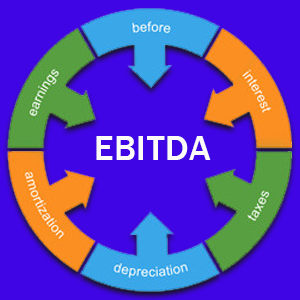
What is EBITDA?

A TERM ALL PHYSICIAN INVESTORS MUST KNOW

CMP logo

SPONSOR: http://www.CertifiedMedicalPlanner.org

What Is Earnings Before Interest, Taxes, Depreciation, and Amortization (EBITDA)?

***

EBITDA, or earnings before interest, taxes, depreciation, and amortization, is a measure of a company’s overall financial performance and is used as an alternative to net income in some circumstances. EBITDA, however, can be misleading because it strips out the cost of capital investments like property, plant, and equipment.

This metric also excludes expenses associated with debt by adding back interest expense and taxes to earnings. Nonetheless, it is a more precise measure of corporate performance since it is able to show earnings before the influence of accounting and financial deductions.

Why EBITDA is still a Great Financial Management Metric

Simply put, EBITDA is a measure of profitability. While there is no legal requirement for companies to disclose their EBITDA, according to the U.S. generally accepted accounting principles (GAAP), it can be worked out and reported using the information found in a company’s financial statements.

The earnings, tax, and interest figures are found on the income statement, while the depreciation and amortization figures are normally found in the notes to operating profit or on the cash flow statement. The usual shortcut to calculate EBITDA is to start with operating profit, also called earnings before interest and tax (EBIT) then add back depreciation and amortization.

CITE: https://www.r2library.com/Resource/Title/0826102549

***

Comprehensive Financial Planning Strategies for Doctors and Advisors: Best Practices from Leading Consultants and Certified Medical Planners™

MORE: https://www.routledge.com/Comprehensive-Financial-Planning-Strategies-for-Doctors-and-Advisors-Best/Marcinko-Hetico/p/book/9781482240283

YOUR COMMENTS ARE APPRECIATED

Thank You

***

CREDIT Suisse?

By Staff Reporters

***

***

Leaders at the Swiss bank tried to calm down investors and clients after concerns mounted about its weak financial position, the FT reported.

Credit Suisse’s stock price has fallen to a record low and spreads on its credit default swaps have spiked, suggesting that investors are worried about it potentially defaulting.

CEO Ulrich Körner fired off a memo assuring employees that the bank has a “strong capital base and liquidity position,” but it remains in a “critical moment” ahead of a massive overhaul.

***

COMMENTS APPRECIATED

Thank You

***

INVESTING: https://www.routledge.com/Comprehensive-Financial-Planning-Strategies-for-Doctors-and-Advisors-Best/Marcinko-Hetico/p/book/9781482240283

***

DOCTOR SIEGEL Speaks

By Staff Reporters

***

Wharton professor Jeremy Siegel says predictions of a lost decade in the stock market are unfounded and 6% annual returns are likely after inflation.

READ: https://www.msn.com/en-us/money/markets/wharton-professor-jeremy-siegel-says-predictions-of-a-lost-decade-in-the-stock-market-are-unfounded-and-6-annual-returns-are-likely-after-inflation/ar-AA12rjKm?cvid=a220a2a6cd9f422686166062b87f7ebf

***
COMMENTS APPRECIATED

Thank You

***

INVESTING: https://www.routledge.com/Comprehensive-Financial-Planning-Strategies-for-Doctors-and-Advisors-Best/Marcinko-Hetico/p/book/9781482240283

***

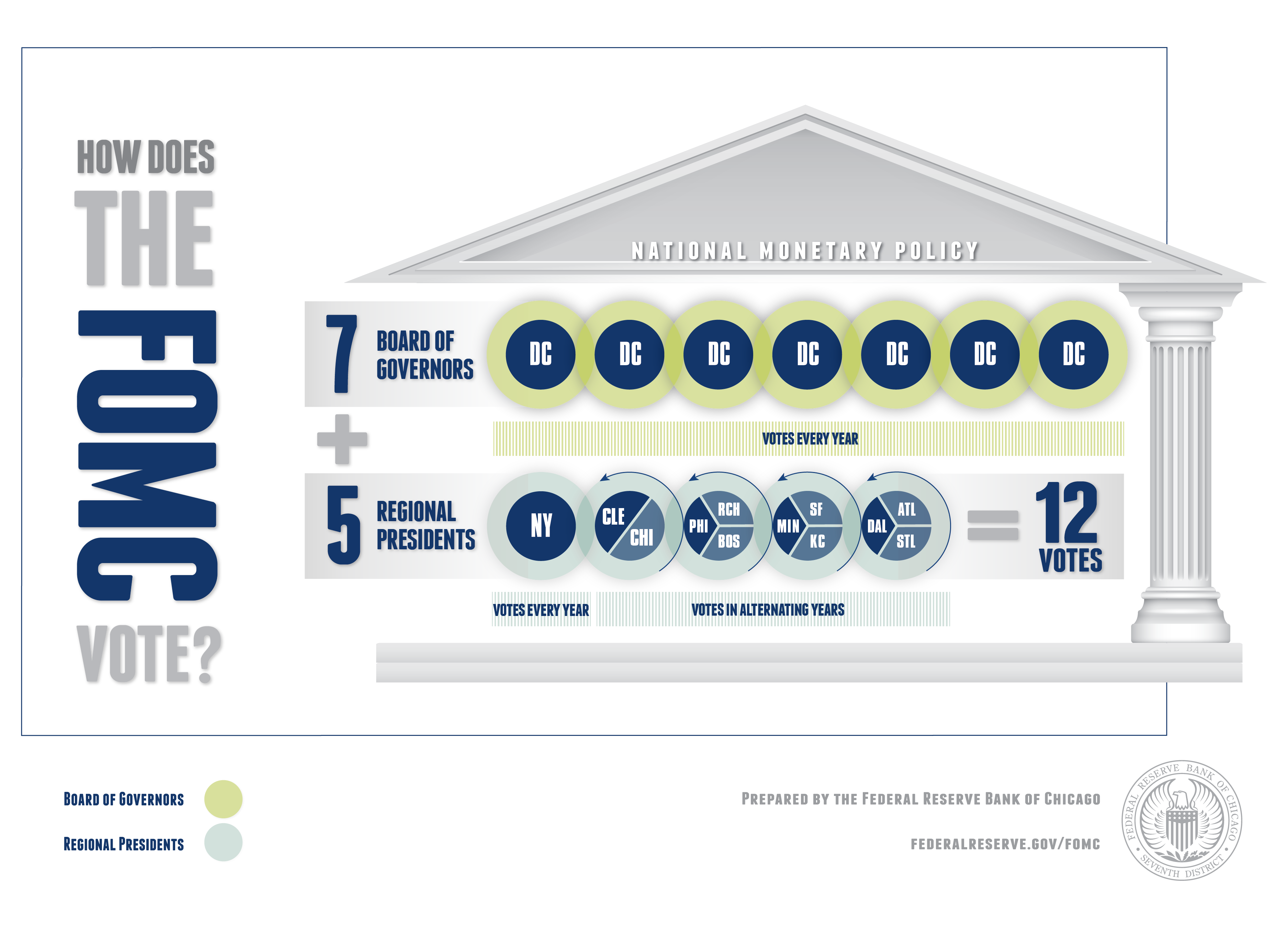
FOMC: May Keep Tightening Until a Recession!

By Staff Reporters

***

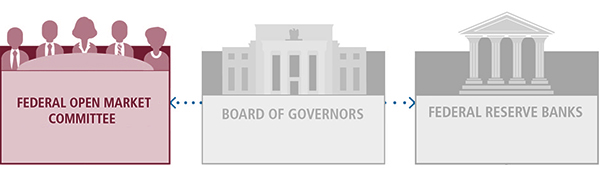
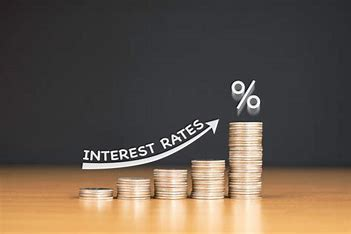
The FOMC just reiterated calls for aggressive policy to combat stubbornly high inflation—fueling expectations for bigger rate hikes amid a stock-market sell-off that’s seen major indexes hit new lows for the year—and some analysts project the losses could only deepen.

Expectations for rate hikes climbed amid the comments, with markets pricing in an end-of-year rate of 4.5%—above the 4.4% rate Fed officials projected earlier this month, which itself was one percentage point higher than the forecast in June.

***

COMMENTS APPRECIATED

Thank You

***

FINANCE: https://www.routledge.com/Comprehensive-Financial-Planning-Strategies-for-Doctors-and-Advisors-Best/Marcinko-Hetico/p/book/9781482240283

***

On “Triple” and “Quadruple” Witching Day?

By Staff Reporters

***

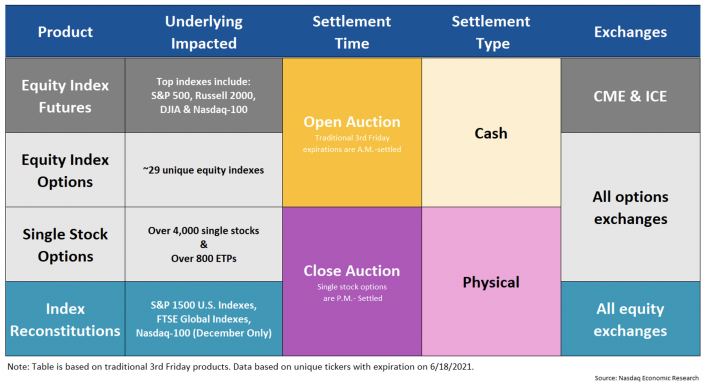
The final hour of trading on a Friday when stock index futures, stock index options, and stock options all expire. This happens on the third Friday in March, June, September, and December. See Quadruple Witching Hour.

CITE: https://www.r2library.com/Resource/Title/0826102549

According to TheStreet, Inc

Triple witching sounds like something from a horror movie, but it’s actually a financial term. Options and derivatives traders know this phenomenon well because it’s the day when three different types of contracts expire. It happens only once a quarter and can cause wild swings in volatility, as large institutional traders roll over futures contracts to free up cash. Doing so creates a ton of increased volume—sometimes 50% higher than average, especially in the last trading hour of the day—but individual investors needn’t feel spooked. In fact, some might even view this volatility as a profit-making opportunity.

Which 3 Types of Derivative Contracts Expire on Triple Witching Day?

  1. Stock Options: These are contracts taken out on the direction of a stock price at a future date. Unlike stocks, they’re not an investment in a company; rather, they’re the right to buy or sell shares of a company at a later time frame. Calls let you buy stock shares at a set price, known as the strike price, on or before the expiration date. Puts give you the right to sell shares.
  2. Index Options: These are futures contracts on a stock index, such as the S&P 500. These options are settled in cash.
  3. Index Futures: These are futures contracts on equity indexes. These contracts are also settled in cash.

A futures contract is also referred to as an “anticipated hedge” because it’s used to lock in prices on future buy or sell transactions. These hedges are a way to protect a portfolio from market setbacks without selling long-term holdings.

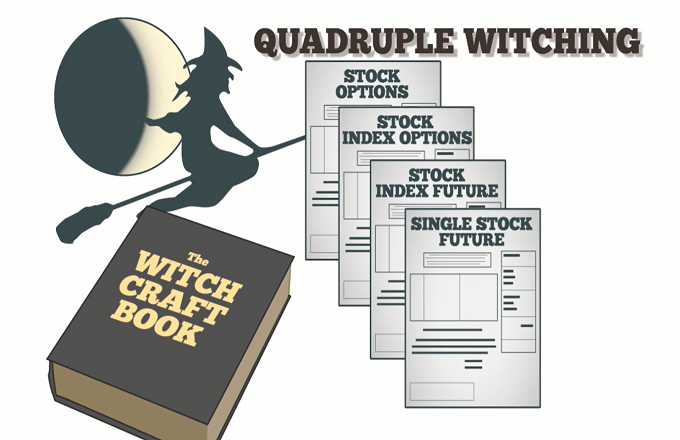
It’s worth noting that a few times a year, single stock futures also expire on witching day, adding a fourth asset to the trading cauldron, and that’s why some investors refer to this date as “quadruple witching,” although the terms are interchangeable.

When Is Triple Witching? Triple Witching Calendar 2022

In modern trading, triple witching happens on the third Friday of March, June, September, and December (the last month of each quarter).

Upcoming Triple Witching Dates

  • Friday, March 18, 2022
  • Friday, June 17, 2022
  • Friday, September 16, 2022
  • Friday, December 16, 2022

What Is the Witching Hour?

In the U.S. stock market, the last hour of the trading day, before the closing bell, sees the most trading activity, so the witching hour is from 3–4 pm EST. In folklore, the “witching hour” actually happens in the dead of night, from 3–4 am. It was known as a time when spirits reached the height of their powers. During the Middle Ages, the Catholic Church even banned people from venturing outside during this time, so as not to get caught in the chaos.

Today, such ideas aren’t taken any more seriously than mere superstition, but triple witching can cause chaos among investors, if they are not aware of what is happening.

***

***

What Happens During Triple Witching?

As you might imagine, a lot of trading activity happens in the market when stock options, index options, and index futures contracts all expire. We’re talking a lot of money here: during Triple Witching in September 2021, for example, around $3.4 trillion of equity options expired.

So, what exactly is going on? Should they keep their hedges on? Should they speculate? Should they roll, or close out, their contracts, and if so, by how much? This is what generates the increased trading activity, and the large trades, especially from offsetting trades, can cause temporary price distortions. 

At the same instant that the derivatives contracts expire, the anticipatory hedges that traders have placed become unnecessary, and so traders also seek to close these hedges, and the offsetting trades result in increased volume. These large volume increases can in turn cause price swing (i.e., volatility) in the underlying assets. 

How Does Triple Witching Affect the Stock Market?

Triple witching itself doesn’t move the stock market; it just creates increased volume. In the same way, the expiration of the options and futures contracts don’t necessarily result in volatility—that’s caused by the actions that traders take based on the temporary price fluctuations of their underlying assets which can be moved due to the increased volume.

When this happens, arbitrageurs try to take advantage, often making trades that are completed in mere seconds. An arbitrageur is a trader who looks for price inefficiencies in a security and then seeks to make a profit by buying and selling it simultaneously. This practice involves much risk.

Is Triple Witching Bullish or Bearish?

Historically speaking, triple witching is not always an “up” day, and it’s not always a “down” day for the markets. It does not signify a trend. Typically, it neither moves the market significantly higher nor lower; it simply adds a temporary increase in volume and liquidity.

However, it’s important to note that market volumes also tend to be higher on index re-balancing day as well as during and after broader macroeconomic news events, and so, when taken in tandem with triple witching, these events can cause big moves in the market.

Examples of Triple Witching Volatility in Light of News Events

On June 18, 2021, a record number—$818 billion—of stock options expired, which led to nearly $3 trillion in “open interest,” or open contracts. On this day, the Federal Reserve also announced that it might raise interest rates in 2023 due to inflationary pressures. These news events resulted in increased volatility, and the S&P 500 lost 1.3% while the Dow Jones Industrial Average dropped 1.6%.

On September 17th, 2021, one week ahead of the Federal Reserve’s meeting, market volatility was growing based on mounting concerns about the COVID-19 Delta variant impacting the economy as well as the Federal Reserve’s announcement that it would begin to unwind its monetary stimulus. These news events, taken along with the S&P 500’s quarterly index rebalancing, which also happened that day, caused the S&P 500 to lose 1%. 

Is There Such a Thing as “Quadruple” Witching?

Single Stock Futures are the fourth type of derivative contract which can expire on triple witching day. This can cause the phenomenon to be called “quadruple witching,” although one term can replace the other. Single stock futures are futures contracts placed on individual stocks, with one contract controlling 100 shares being typical. They are a hedging tool that was previously banned from trading in the United States. The Commodity Futures Modernization Act lifted the ban in 2000, and single stock futures were traded on the One Chicago Exchange from November, 2002 until September, 2020, although currently they are only available on overseas financial markets.

MORE: https://www.tradestation.com/insights/2022/02/03/quadruple-witching-dates-2022-trading/

***

How Did Triple Witching Affect 1987’s “Black Monday?”

On October 19th, 1987, the Dow Jones Industrial Average lost 22.6% in a single trading session. The day became known as “Black Monday,” but triple witching events, which took place the Friday before, on October 16, 1987, had caused the selloff of options and futures contracts to rapidly accelerate, resulting in stocks tanking in pre-day trading. The massive sell orders were left unchecked by any kinds of systematic stop gaps, and so financial markets roiled globally throughout the day. This stock market crash was the greatest one-day decline to occur since the Great Depression in 1929.

Taking lessons from the event, regulators moved the options expiration from the morning to the afternoon and put “circuit breakers” into place that would let the exchanges temporarily halt trading in the event of another massive sell off.

How Can Investors Prepare for Triple Witching Days? 

The triple witching takeaway is that investors should be aware of what happens on these days and understand that there is a lot more volume in the markets. There could be some drastic price swings, but investors shouldn’t be carried away by any short-term emotions (which, really, is great advice any day in the markets).

COMMENTS APPRECIATED

Thank You

Subscribe to the Medical Executive-Post

***

https://www.amazon.com/Comprehensive-Financial-Planning-Strategies-Advisors/dp/1482240289/ref=sr_1_1?ie=UTF8&qid=1418580820&sr=8-1&keywords=david+marcinko

***

What is a Stock Market CORRECTION?

By Staff Reporters

***

A correction is a decline of 10 percent or more from an asset’s most recent high. For a stock that recently reached an all-time high of $100 per share, a correction would occur if the stock fell to $90 or lower. Corrections can happen in any financial asset such as individual stocks, broad market indexes like the S&P 500 or commodities. The S&P 500 fell below 4,336 in January 2022, marking a more than 10 percent decline from its high earlier in the year.

***

Corrections can be caused by a number of different factors and they’re difficult, if not impossible, to predict ahead of time. Short-term concerns about economic growth, Federal Reserve policy, political issues or even a new variant of the COVID-19 virus all have the potential to trigger market corrections. These issues make investors fearful that their prior assumptions about the future might not be correct. When people are fearful, they typically look to sell stocks in favor of assets considered safer such as U.S. Treasury bonds.

CITE: https://www.r2library.com/Resource/Title/082610254

***

Difference between a correction and a crash

A stock-market correction may sound similar to a crash, but there are some key distinctions between the two. A crash is a sharp drop in share prices, typically a double-digit percentage decline, over the course of just a few days. A correction tends to happen at a slower pace, therefore making the drop less steep than a crash would be. One of the most famous stock-market crashes happened in October 1987, when the Dow Jones Industrial Average fell 22.6 percent in a single day that became historically known as Black Monday.

Corrections are more subtle and are sometimes even thought to be healthy for rising markets because they help things from becoming overheated. Like their name suggests, they correct prices back down from a slightly elevated level.

Difference between a correction and a bear market

The difference between a correction and a bear market is in the magnitude of the decline. A correction is a decline of at least 10 percent, but less than 20 percent, while a bear market begins at a decline of at least 20 percent from a recent peak. Bear markets also tend to last longer than corrections because they tend to reflect an economic reality, such as a recession, rather than a short-term concern that may or may not materialize. The challenge for investors is that it’s very difficult to determine in real time whether a market is just in a correction or if it could become a bear market.

Related: https://medicalexecutivepost.com/2022/05/16/update-stock-market-sentiment-and-capitulation/

MORE: https://www.merrilledge.com/article/how-weather-stock-market-correction

***

***

COMMENTS APPRECIATED

Thank You

***

FINANCE: https://www.amazon.com/Comprehensive-Financial-Planning-Strategies-Advisors/dp/1482240289/ref=sr_1_1?ie=UTF8&qid=1418580820&sr=8-1&keywords=david+marcinko

****

NEW TAX PROPOSAL: Higher Capital Gains?

By Staff Reporters

***

***

House proposes raising capital gains tax to 28.8%

  • House Democrats proposed a top federal rate of 25% on long-term capital gains, according to legislation issued by the House Ways and Means Committee.
  • The new rate would apply to gains realized after Sep. 13th.
  • In 2022, it would kick in for single filers with taxable income over $400,000 and for married couples at $450,000, according to a Committee aide.

***

COMMENTS APPRECIATED

Thank You

***

UPDATE: S&P 500 Hits a New 2022 Low and the DJIA Falls 458 Points!

By Staff Reporters

***

  • Major US indexes plunged after staging a relief rally in the prior session. 
  • UK prime minister Liz Truss stood by proposed tax cuts, despite a chorus of vocal critics.
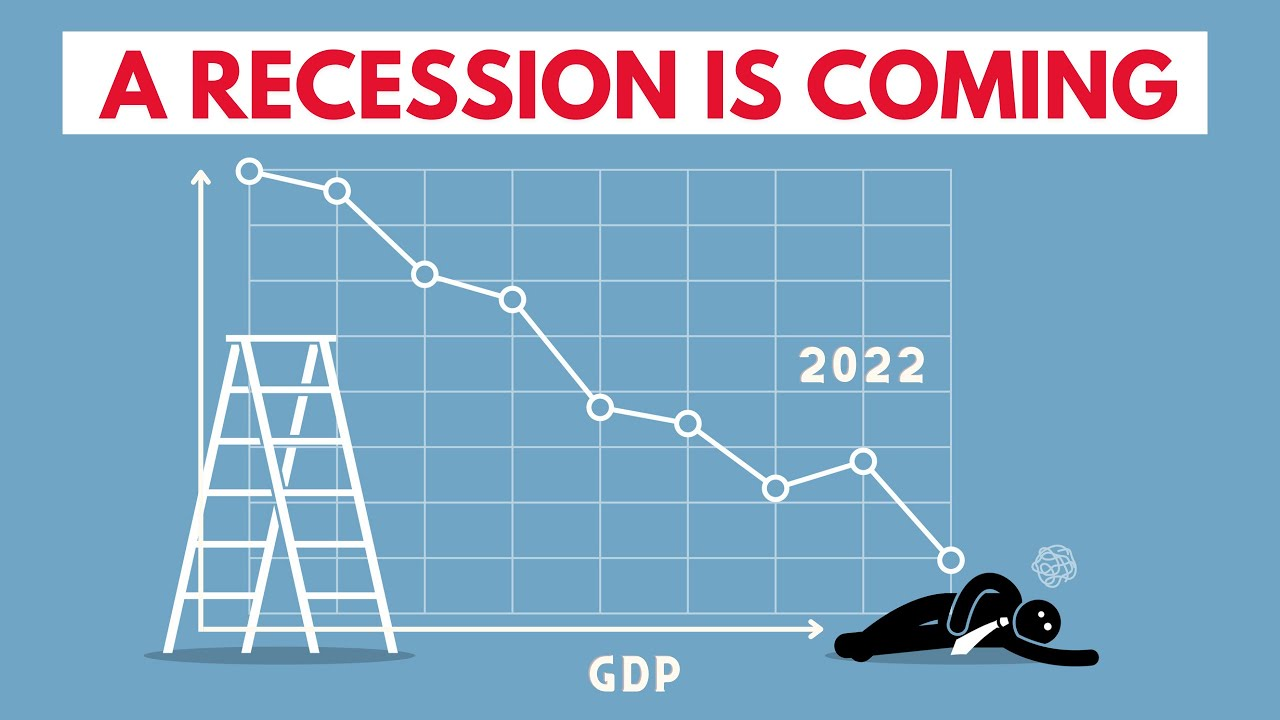
  • US Treasury yields hit multi-year highs this week as markets react to growing recession fears. 

Stocks recovered from their steepest losses of the day, with the Dow Jones Industrial Average down over 600 points and the NASDAQ lower by nearly 4% at one point in the afternoon. Major indexes still ended deep in the red, though, with the S&P 500 hitting a new closing low for the year. 

UK prime minister Liz Truss said that she stood by the government’s plan to cut taxes, which earlier in the week rocked markets and sent the pound falling last week to 37-year lows. Top economists including Paul Krugman, Mohamed El-Erian, and Nouriel Roubini have ripped into the new fiscal policy, warning that it could set UK inflation surging even higher and require more aggressive moves by the central bank, upping the risk of recession. 

***

INVESTING: https://www.routledge.com/Comprehensive-Financial-Planning-Strategies-for-Doctors-and-Advisors-Best/Marcinko-Hetico/p/book/9781482240283

COMMENTS APPRECIATED

Thank You

***

What is a BEAR MARKET Relief Rally?

Are We Experiencing a Bear Market Relief Rally?

***

Maybe yesterday – Not today!

By Staff Reporters

***

A bear market relief rally describes a period inside of a bear market in which prices of stocks temporarily increase during, sometimes quite sharply, before returning to new lows. This rise in prices is typically a short-lived increase, sometimes lasting anywhere from days to months, amidst an overall long-term downward trend in the market.

CITE: https://www.r2library.com/Resource/Title/082610254

Key Takeaways

  • A bear market rally is when prices rise during a bear market.
  • This type of rally is difficult to identify until after it has happened and can occur more than once in a prolonged bear market.
  • Day traders can make money shorting stocks, but individual investors should just stay the course with their investing strategy.

COMMENTS APPRECIATED

Thank You

Subscribe to the Medical Executive-Post

***

***

WHO / WHAT Are the Best Predictors of Stock Market Performance?

Join Our Mailing List

ME-P Special Report

Lon Jefferies

By Lon Jefferies MBA CFP®

WHO Are the Best Predictors of Stock Market Performance?

Every day CNBC airs dozens of “financial professionals” making market forecasts. Similarly, every financial publication has multiple pieces regarding the future of the stock market. With so much information, how is it possible to determine who is worth listening to and what information to incorporate into your investment strategy?

Dropping Names

Without dropping any names, I’d suggest that the more confident a market pundit is about his or her prediction, the more you should question their advice.

People who make strong, unwavering forecasts are interesting to watch and appear as intelligent, appealing leaders whose advice is worth following. Meanwhile, people who frequently say phrases such as “it depends,” “maybe,” or even “I don’t know” don’t seem to be adding much value and don’t appear to be any more knowledgeable than the average investor. Yet, I’d suggest you tune out the stanch forecaster pounding his fist on the table as he speaks and rather listen closely to the individual who is less willing to make firm predictions.

Stock market performance

Stock market performance is clearly not a result of any singular factor such as whether or not companies will generate more profits than expected. If this was the case, making market predictions would be easy – one could simply guess the answer to be yes or no and have a 50% chance of being correct. Rather, hitting profit targets is only point A on a long list of factors impacting stock market performance.

Point B may be whether or not the Federal Reserve will raise interest rates during their next meeting. Again, our market forecaster could guess yes or no to this question and have a 50% chance of being correct. However, when considering both factors A and B, now our market forecaster has to be right twice on two issues where there is only a 50% probability of being correct on each. Simple math tells us there is only a 25% chance that this will occur (50% x 50% = 25%).

Point C may be whether the republicans or the democrats win the 2016 election. Again, there is a 50% chance of either possibility. Now there are three factors in play, each with a 50% probability, so the probability that the market pundit will get all three factors correct is 12.5% (50% x 50% x 50% = 12.5%).

Point D may be whether the US dollars strengthens or weakens when compared to other currencies. Again, there is a 50% chance of getting this right, so when we consider all four factors, there is now a 6.25% chance of getting it right (50% x 50% x 50% x 50% = 6.25%).

The equation

There are hundreds of factors that go into this equation. Will Greece have another economic crisis? Will the price of oil go up or down? Will a war breakout with Russia? This is exactly why forecasting market performance is so difficult!

For this reason, the people who make the best forecasters are people who say phrases such as “perhaps,” “however,” and “on the other hand” a lot. Doing so illustrates that the individual has looked at the situation from a lot of different perspectives and realizes that everything may not go according to plan. These types of people also tend to admit when they are wrong more willingly and update their analysis utilizing the latest information available, even if the new information doesn’t reflect what they previously anticipated. Their thought process is likely: “I got point A wrong, so I need to adjust my thinking on point B, which will have an impact on point C, so how does this change my perspective on point D.” We’ll call this a point-A-to-point-B-to-point-C-to-point-D mentality.

By comparison, the forecaster who makes the strong prediction while staring into the camera likely utilizes more of a point-A-to-point-D mentality. They are less likely to admit that there are more factors affecting market performance than can be managed, and less likely to incorporate new information that doesn’t coincide with his previous prediction when making forward-looking forecasts. Their thought process is likely: “I may have gotten point A wrong, but that doesn’t matter. All that matters is point D and I believe I got that right when making my prediction.” This approach is obviously less logic-based than the approach taken by the forecaster who knows there are too many factors to enable an individual to make a confident prediction.

***

idea

***

Assessment

While people who make confident predictions regarding market performance are entertaining to watch and provide advice that is simple to follow (he said buy, so I’ll buy), their advice is not likely to be any more accurate than other market pundits. In fact, if they are unwilling to admit when they get any potential factor concerning market performance wrong, their advice may be more damaging then useful.  By comparison, market forecasters who utilize phrases such as “however,” “it is hard to say,” and “I’m not sure” provide advice that may come off as unhelpful or impossible to follow, but it is these people who provide logic-based nuggets of information that are likely to benefit your investment portfolio.

ABOUT

Lon Jefferies, a Certified Financial Planner™ (CFP), is a fee-only financial advisor and trusted fiduciary at Net Worth Advisory Group in Salt Lake City, Utah. He is dedicated to providing comprehensive financial planning and investment management on a fee-only basis.

Conclusion

Your thoughts and comments on this ME-P are appreciated. Feel free to review our top-left column, and top-right sidebar materials, links, URLs and related websites, too. Then, subscribe to the ME-P. It is fast, free and secure.

Speaker: If you need a moderator or speaker for an upcoming event, Dr. David E. Marcinko; MBA – Publisher-in-Chief of the Medical Executive-Post – is available for seminar or speaking engagements. Contact: MarcinkoAdvisors@msn.com

OUR OTHER PRINT BOOKS AND RELATED INFORMATION SOURCES:

 ***

[PHYSICIAN FOCUSED FINANCIAL PLANNING AND RISK MANAGEMENT COMPANION TEXTBOOK SET]

  Risk Management, Liability Insurance, and Asset Protection Strategies for Doctors and Advisors: Best Practices from Leading Consultants and Certified Medical Planners™  Comprehensive Financial Planning Strategies for Doctors and Advisors: Best Practices from Leading Consultants and Certified Medical Planners™

[Dr. Cappiello PhD MBA] *** [Foreword Dr. Krieger MD MBA]

***

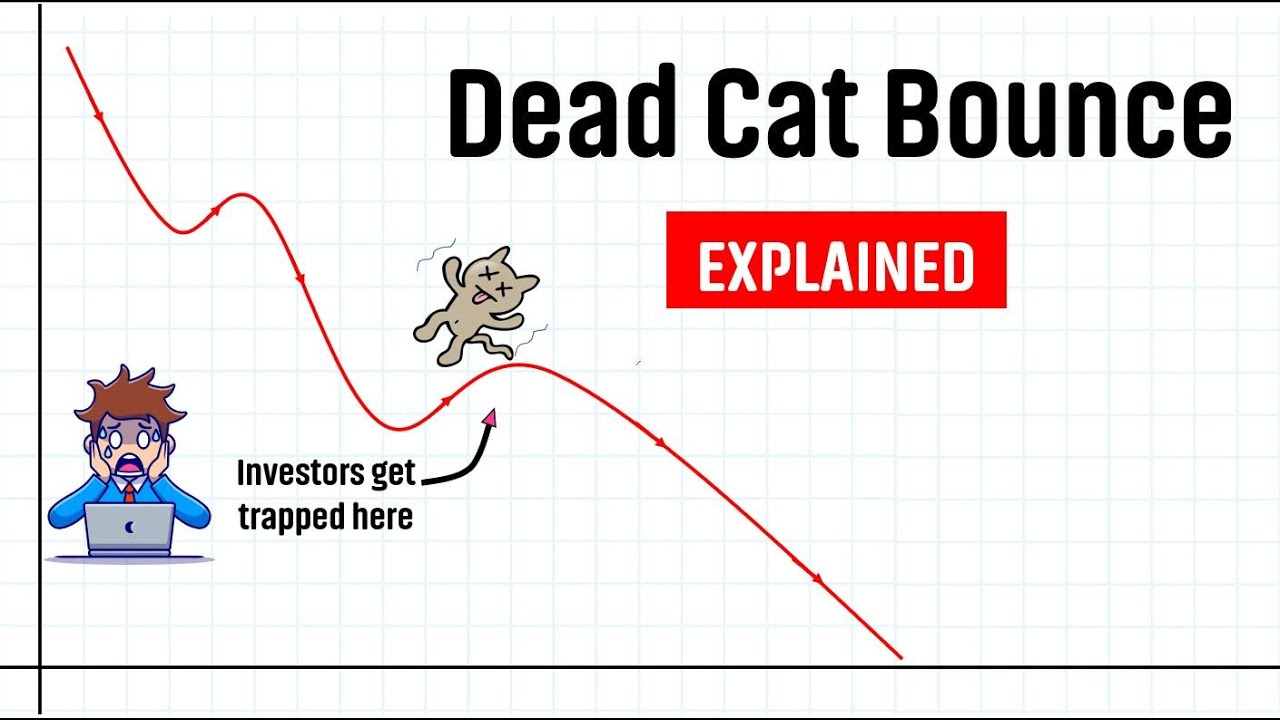
What is a “DEAD CAT” BOUNCE?

HOW IT WORKS

SPONSOR: http://www.CertifiedMedicalPlanner.org

CMP logo

By Dr. David E. Marcinko MBA CMP®

***

In finance, a dead cat bounce is a small, brief recovery in the price of a declining stock.

****

***

Derived from the idea that “even a dead cat will bounce if it falls from a great height”, the phrase, which originated on Wall Street, is also popularly applied to any case where a subject experiences a brief resurgence during or following a severe decline.

  • The dead cat bounce is a sudden and temporary increase in stock price caused by investors erroneously believing that the stock price’s reached its lowest.
  • The dead cat bounce can only be fully accurately determined with concrete data in hindsight.
  • Both falsely identifying a stock price trough (i.e., falling victim to a dead cat bounce) and falsely identifying a true price trough as a dead cat bounce will result in negative financial consequences.

CITE: https://www.r2library.com/Resource/Title/0826102549

YOUR COMMENTS ARE APPRECIATED.

FINANCE: https://www.amazon.com/Comprehensive-Financial-Planning-Strategies-Advisors/dp/1482240289/ref=sr_1_1?ie=UTF8&qid=1418580820&sr=8-1&keywords=david+marcinko

Thank You

***

What IF the Bear Market is OVER?

***

By Michael A. Gayed, CFA

Portfolio Manager of the ATAC Rotation Funds

***

Bob Farrell is a legendary Wall Street trader and market analyst. He’s perhaps best-known for his “10 rules” of investing that he developed based on his 50-year career in the industry. One of the more popular rules says that “when all the experts and forecasts agree, something else is going to happen.”Right now, almost everyone is expecting a recession driven by high inflation, rising interest rates and geopolitical risks. The S&P 500 is still more than 10% off of its highs, while the NASDAQ 100 is down by more than 20%. Many feel as if more downside is ahead, but what if they’re wrong? What if the bottom is already in? What if the worst is over?

My take? I have no idea. I believe there’s still a bigger and more traditional classic “risk-off” period coming where stocks decline and Treasuries rally in price (which is what historically happens during periods of heightened equity volatility), but the path to get there is what drives investor sentiment. And like everyone else in this business, I can’t tell the future. All I can do is identify conditions in a rules-based fashion that favor an outcome.The important thing to remember here is that the market isn’t the economy. The financial markets are often leading indicators of where investors feel things are going. The actual data is only showing how conditions are or were.

Take the 2020 COVID recession, for example. Once the government announced its multi-trillion dollar stimulus program, stock prices shot higher even though the worst of the economic pain had yet to be experienced.Today, some of the data isn’t even indicating imminent danger.
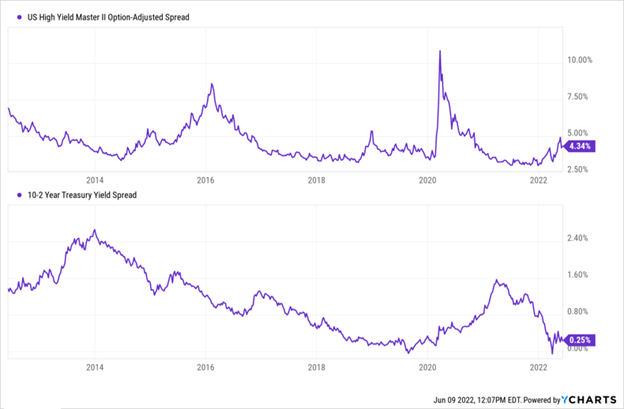
High yield spreads tend to blow out ahead of a recession. They’re currently not at the levels reached during 2016, 2018 or 2020. Investors often view the 10-year/2-year Treasury yield spread as the “recession indicator”. This number did briefly turn negative earlier this year, but has remained in positive territory ever since. While both of these numbers have teased the idea of higher risk conditions ahead, neither has done so in convincing fashion yet.Also consider that the markets tend to be very sensitive to what the Fed does. If the central bank ever decides that recession risk is too high and it hits the pause button on the rate hiking cycle, it could be off to the races again for equity prices. Risk asset prices have the ability to react favorably to looser monetary conditions. Any pivot in that direction could give a big boost to investor sentiment.

If the bear market is over, the ATAC Rotation Fund (ATACX), the ATAC U.S. Rotation ETF (RORO) and the ATAC Credit Rotation ETF (JOJO) could be primed to benefit.We believe all three funds use proven market signals to determine whether they should be positioned either offensively or defensively. Since investors often flock to safety in times of market volatility, the three funds use Treasuries as the “risk-off” or defensive asset class. Admittedly, Treasuries haven’t acted as they historically do relative to equities when in high volatility states. But that doesn’t mean things won’t revert back to historical behavior in the small sample of the here and now.When the signals suggest that conditions are more favorable, the funds can go “risk-on”.

In the case of RORO and ATACX, that could include some combination of large-cap stocks, small-caps and emerging markets. JOJO remains in the fixed income markets and targets junk bonds in this scenario.RORO and ATACX also use leverage, which offers higher return potential. Why? Because leveraging equities when risk-on helps to, over time, counter the impact of being in Treasuries when stocks continue to move higher and with hindsight, risk-off positioning there wasn’t warranted.

Of course this is a double-edged sword, since in a year like this year, the leveraged risk-on position in stocks earlier in the year led to a sizeable decline for both ATACX and RORO. However, over multiple roll of the die, it is that leverage which gives investors the opportunity to capture above average returns in more traditional markets when combined with occasional risk-off periods where Treasuries perform well.High volatility markets don’t need to be feared.

We believe strategies that add and remove market risk based on what the market is telling us give investors the opportunity to earn superior risk-adjusted returns while lowering downside risk. If the markets are ready to begin the next leg higher, the ATAC funds stand ready to benefit while (hopefully) Treasuries get back to doing what they normally would in true risk-off periods .

At some point.

***

COMMENTS APPRECIATED

Thank You

***

FINANCE: https://www.amazon.com/Comprehensive-Financial-Planning-Strategies-Advisors/dp/1482240289/ref=sr_1_1?ie=UTF8&qid=1418580820&sr=8-1&keywords=david+marcinko

***

LECANEMAB: Shows Promise for Alzheimer’s?

By Staff Reporters

***

Alzheimer’s new drug shows promise

Lecanemab, an Alzheimer’s drug from Eisai and Biogen, slowed cognitive decline in patients with early Alzheimer’s by 27% over 18 months in a final-phase trial, the companies said recently.

That rate of decline met the study’s targets and offers hope to the 6 million people in the US with Alzheimer’s that their dementia can be slowed down or delayed. The companies hope lecanemab will fare better commercially than their previous Alzheimer’s drug Aduhelm—which was a flop.

ECONOMIC IMPACT: https://medicalexecutivepost.com/2014/12/06/the-economic-impact-of-alzheimers-disease/

***

COMMENTS APPRECIATED

Thank You

***

INVESTING :https://www.routledge.com/Comprehensive-Financial-Planning-Strategies-for-Doctors-and-Advisors-Best/Marcinko-Hetico/p/book/9781482240283

***

A DENTIST ASKS: How to Invest When There’s Nowhere to Hide?

***

By Vitaliy Katsenelson CFA

***

How to Invest When There’s Nowhere to Hide
I was having lunch with a close friend of mine. He mentioned that he had accumulated a significant sum of money and did not know what to do with it. It was sitting in bonds, and inflation was eating its purchasing power at a very rapid rate.

He is a dentist and had originally thought about expanding his business, but a shortage of labor and surging wages turned expanding into a risky and low-return investment. He complained that the stock market was extremely expensive. I agreed.*

***

CITE: https://www.r2library.com/Resource/Title/082610254

COMMENTS APPRECIATED.

Subscribe to the Medical Executive-Post.

THANK YOU

***

INVESTING: https://www.amazon.com/Comprehensive-Financial-Planning-Strategies-Advisors/dp/1482240289/ref=sr_1_1?ie=UTF8&qid=1418580820&sr=8-1&keywords=david+marcinko

***

BANK OF ENGLAND Quells Stock Market Panic?

By Staff Reporters

***

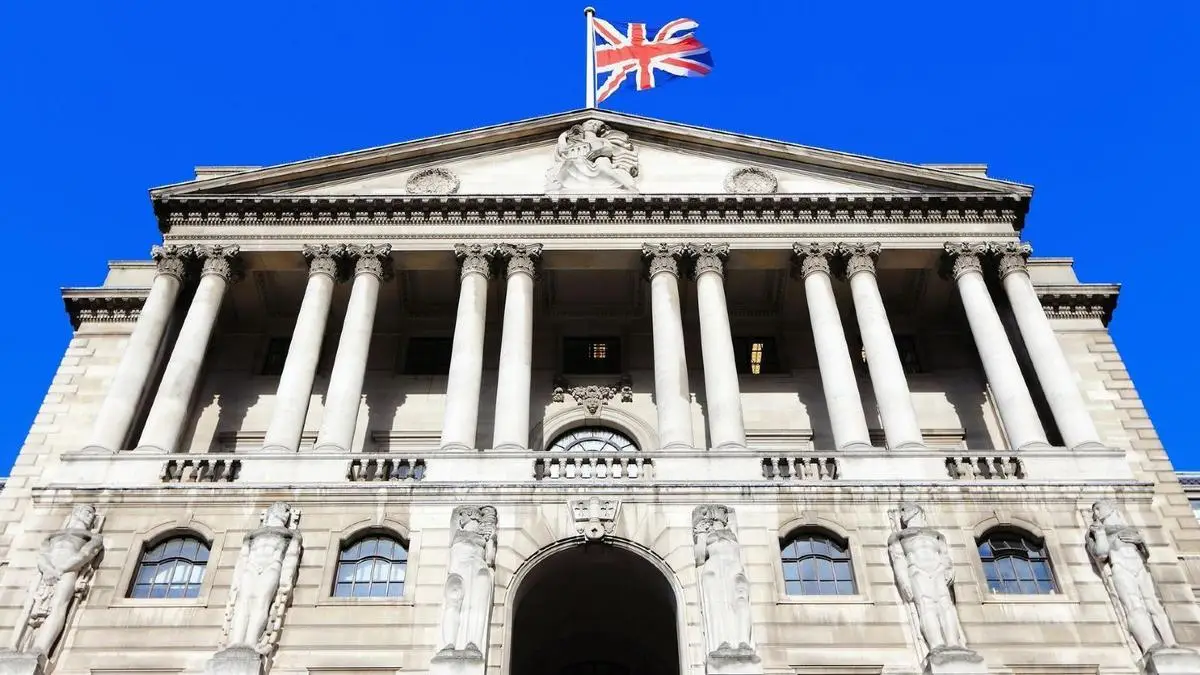
Bank of England steps in to soothe markets. The Bank of England moved to quell the market panic caused by the British government’s recent announcement of major tax cuts, saying it would buy 65 billion pounds ($69 billion) worth of bonds and push off its plans to sell bonds to prevent “a material risk to UK financial stability.”

So, it looks like the central bank did manage to get investors to keep calm and carry on: The pound, which had been crashing, stabilized and bond markets across the globe rallied after the news came out.

***

UPDATE Bounce Fades? https://www.msn.com/en-us/money/markets/dow-futures-down-250-points-as-bank-of-england-intervention-bounce-fades/ar-AA12niPy?cvid=796f8d7fb36c4c5891aaf69bd09e9f22

COMMENTS APPRECIATED

Thank You

INVESTING: https://www.routledge.com/Comprehensive-Financial-Planning-Strategies-for-Doctors-and-Advisors-Best/Marcinko-Hetico/p/book/9781482240283

***

What is Tactical Portfolio Management?

Join Our Mailing List

Re-Thinking Strategic Allocation

[By Dr. David Edward Marcinko MBA]

Dr. David E. Marcinko MBAMany successful physician investors, retirement account managers or endowment fund administrators will establish a “strategic” allocation policy that is intended to guide long-term (greater than one-year) investment decisions.

Thinking Long Term?

This strategic allocation reflects the endowment’s thinking regarding the existence of perceived fundamental shifts in the market. Most endowments will also establish a target range or band for each asset class. The day-to-day managers then have the flexibility to make tactical decisions for a given class so long as they stay within the target range.

Terms

The term “tactical” when used in the context of investment strategy refers to the investor or manager’s ability to take advantage of short-term (under one year) market anomalies such as pricing discrepancies between different sectors or across different styles.

Assessment

Historically, tactical decisions with respect to asset allocation were derided as “market timing.” However, market timing implies moving outside of the target ranges whereas tactical decision making simply addresses the opportunistic deployment of funds within the asset class target range.

So, what do you think?

Online MD investor

Conclusion

Your thoughts and comments on this ME-P are appreciated. Feel free to review our top-left column, and top-right sidebar materials, links, URLs and related websites, too. Then, subscribe to the ME-P. It is fast, free and secure.

Link: http://feeds.feedburner.com/HealthcareFinancialsthePostForcxos

Speaker: If you need a moderator or speaker for an upcoming event, Dr. David E. Marcinko; MBA – Publisher-in-Chief of the Medical Executive-Post – is available for seminar or speaking engagements. Contact: MarcinkoAdvisors@msn.com

SE OUR OTHER PRINT BOOKS AND RELATED INFORMATION SOURCES

***

FINED: Wall $treet Financial Firms

By Staff Reporters

***

***

Wall Street HIT with $2 billion in fines!

The three-martini lunch may dwindle to two after a dozen of the largest finance firms agreed to pay more than two billion dollars to settle probes from the SEC and CFTC.

Those regulators claimed that the banks failed to adequately manage employee communication.

And, for the second time in a decade, Regions Bank was found to have charged illegal overdraft fees, the government in a settlement that will require the bank to repay $141 million to customers and pay an additional $50 million in fees.

MORE: https://www.reuters.com/business/finance/us-fines-16-major-wall-street-firms-11-billion-over-recordkeeping-failures-2022-09-27/

***

COMMENTS APPRECIATED

Thank You

***

INVESTING: https://www.routledge.com/Comprehensive-Financial-Planning-Strategies-for-Doctors-and-Advisors-Best/Marcinko-Hetico/p/book/9781482240283

***

FEDERAL RESERVE: Keeps Buying Mortgages

***

The Federal Reserve Keeps Buying Mortgages

Alex J. Pollock

***

The Federal Reserve now owns $2.6 trillion in mortgages. That means about 24 percent of all outstanding residential mortgages in this whole big country reside in the central bank.

READ: https://mises.org/wire/federal-reserve-keeps-buying-mortgages

COMMENTS APPRECIATED

***

FINANCE; https://www.amazon.com/Comprehensive-Financial-Planning-Strategies-Advisors/dp/1482240289/ref=sr_1_1?ie=UTF8&qid=1418580820&sr=8-1&keywords=david+marcinko

***

Subscribe to the Medical Executive-Post.

Thank You

***

FALLING: Home Prices are Going Down!

By Staff Reporters

***

***

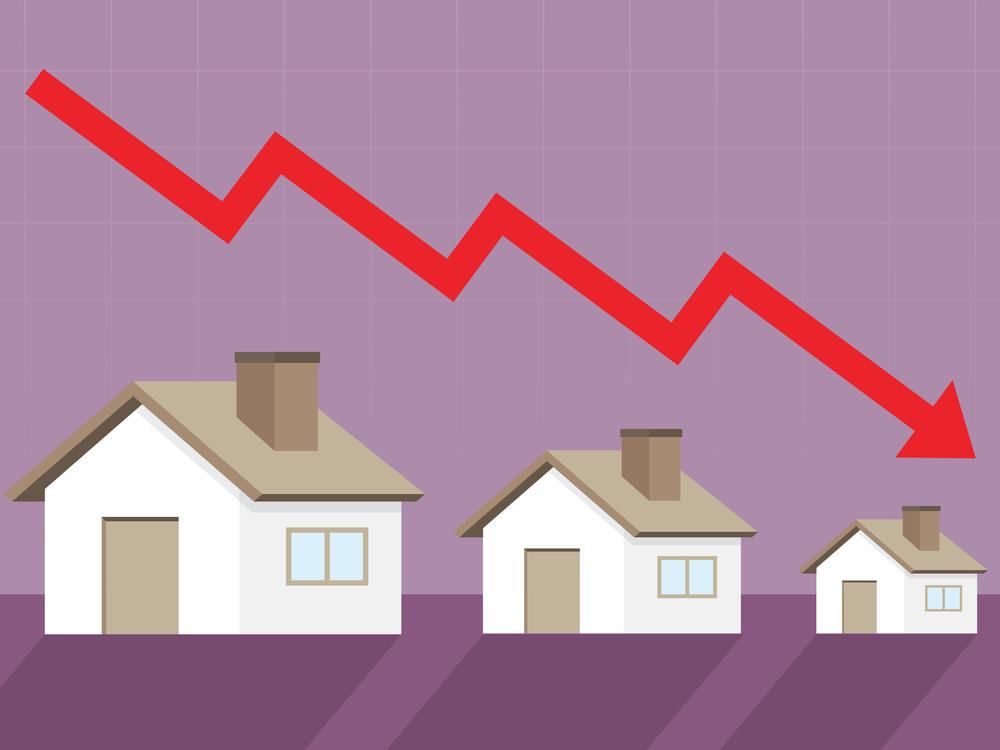
An index tracking US home prices posted a monthly drop in July for the first time since 2012, signaling the end of a decade long bull market that went sky-high during Covid-19.

Expensive West Coast metros—San Francisco, Seattle, and San Diego—saw the biggest declines.

***

LUMBAR: https://medicalexecutivepost.com/2022/08/08/update-home-builders-and-lumbar-prices/

***

COMMENTS APPRECIATED

Thank You

INVESTING: https://www.routledge.com/Comprehensive-Financial-Planning-Strategies-for-Doctors-and-Advisors-Best/Marcinko-Hetico/p/book/9781482240283
***

IPO: Porsche Automotive

By Staff Reporters

***

***

Porsche Mega-IPO

Out of the ashes of this year’s brutal IPO market rises Porsche. The Volkswagen-owned luxury automaker will list shares publicly on the Frankfurt Stock Exchange this week, and if it hits its valuation target of $75 billion, it would be Europe’s third-largest IPO ever.

The Porsche IPO is penciled in for September 29th. It’s likely to be one of the largest in European stock market history, and could well be the financial event of the year.

***

COMMENTS APPRECIATED

Thank You

***

INVESTING: https://www.routledge.com/Comprehensive-Financial-Planning-Strategies-for-Doctors-and-Advisors-Best/Marcinko-Hetico/p/book/9781482240283

***

What is SWIFT Banking?

Belgium’s Society for Worldwide InterBank Financial Telecommunications

A TIMELY FINANCIAL TOPIC

***

By Staff Reporters

***

Belgium’s Society for Worldwide Interbank Financial Telecommunications (SWIFT) runs a messaging service that facilitates transactions across 11,000+ financial institutions globally. Think of it as the “Gmail of global banking.”

Entities in every country except North Korea use SWIFT to shuffle trillions of dollars’ worth of funds across borders. And Russia is a SWIFT power user—as a major supplier of energy and other goods, it ranks sixth globally for payment messages sent on SWIFT. So if Russia were cut off from SWIFT, “the nation would essentially be severed from much of the global financial system,” the NYT wrote.

CITE: https://www.r2library.com/Resource/Title/0826102549

***

***

SWIFT: https://www.swift.com/

MORE: https://www.livemint.com/news/world/what-is-swift-why-this-banking-service-could-be-a-big-weapon-against-russia-11645760070928.html

RELATED: https://www.msn.com/en-us/news/world/what-is-swift-and-why-does-it-matter-in-the-russia-ukraine-war/ar-AAUlLDv?li=BBnb7Kz

***

COMMENTS APPRECIATED

Thank You

Subscribe to the Medical Executive-Post

***

INVESTING: https://www.amazon.com/Comprehensive-Financial-Planning-Strategies-Advisors/dp/1482240289/ref=sr_1_1?ie=UTF8&qid=1418580820&sr=8-1&keywords=david+marcinko

***

What is a Financial PIPE?

A Private Investment in Public Equity

By Staff Reporters

***

***

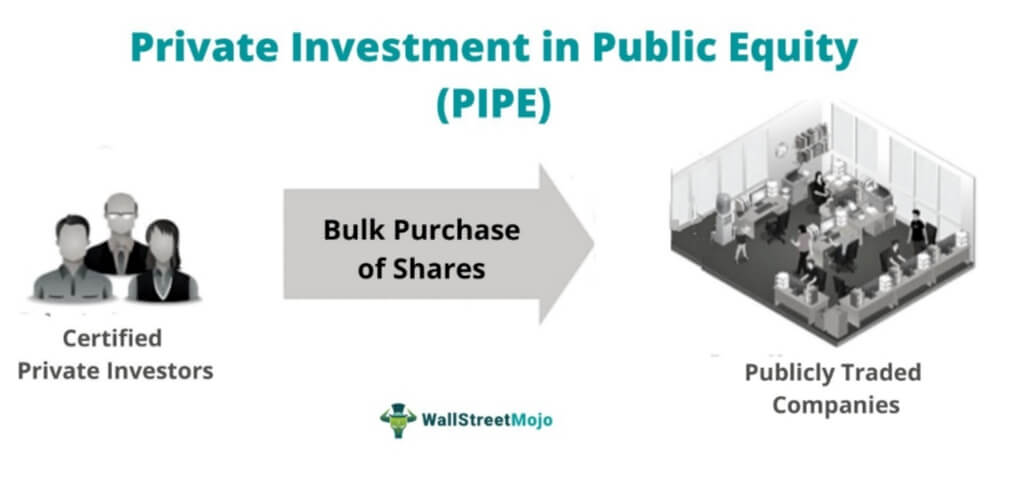
  • A private investment in public equity (PIPE) is a transaction in which a publicly traded company sells shares to accredited investors via a private placement.
  • In a PIPE transaction, an investor commits to buying a certain number of shares at a fixed price and, in exchange, the issuer provides a resale registration statement.
  • In a non-traditional PIPE transaction, the security price may be variable instead of fixed, and investors must pay before receiving the resale registration statement in return.
  • While PIPE transactions can be advantageous to both the firm and the accredited investor, most investors can’t participate, and the deal may dilute the shares of existing stockholders.
  • MORE: https://www.nasdaq.com/glossary/p/private-investment-in-public-equity
  • RELATED: https://medicalexecutivepost.com/2022/06/13/spac-v-direct-listing-v-ipo/

***

COMMENTS APPRECIATED

Thank You

***

DHEF: https://medicalexecutivepost.com/2022/09/24/what-is-the-size-effect-in-finance/

***

What is Stock Market MOMENTUM?

By Staff Reporters

***

***

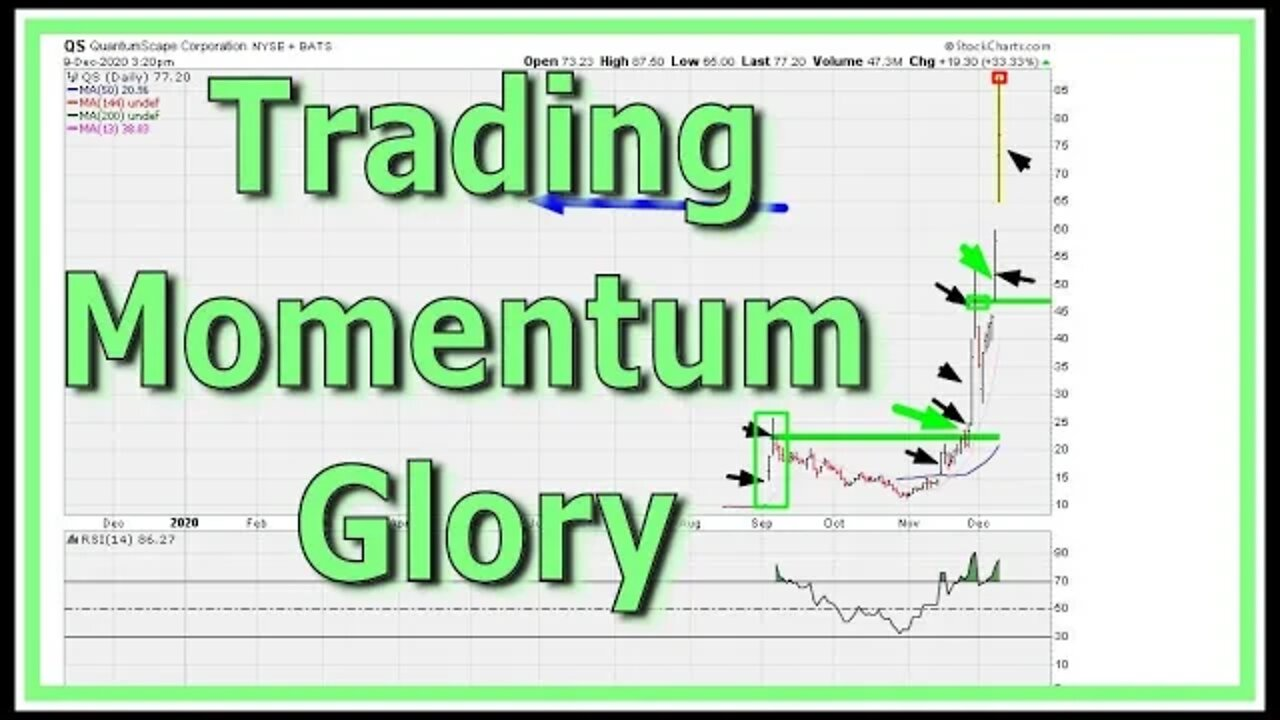
It’s useful to look at stock market levels compared to where they’ve been over the past few months. When the S&P 500 is above its moving or rolling average of the prior 125 trading days, that’s a sign of positive momentum. But if the index is below this average, it shows investors are getting skittish.

  • Momentum is the speed or velocity of price changes in a stock, security, or tradable instrument.
  • Momentum shows the rate of change in price movement over a period of time to help investors determine the strength of a trend.
  • Investors use momentum to trade stocks whereby a stock can exhibit bullish momentum–the price is rising–or bearish momentum–the price is falling.

The Fear & Greed Index uses slowing momentum as a signal for Fear and a growing momentum for Greed.

CITE: https://www.r2library.com/Resource/Title/0826102549

***

COMMENTS APPRECIATED

Thank You

***

INVESTING: https://www.amazon.com/Comprehensive-Financial-Planning-Strategies-Advisors/dp/1482240289/ref=sr_1_1?ie=UTF8&qid=1418580820&sr=8-1&keywords=david+marcinko

***

The Impact of Private Equity Acquisition on Health Care Spending and Utilization

By NIHCM
***

***

READ HERE: https://nihcm.org/assets/articles/NIHCM-ResearchInsights-Singh01.pdf
***

CITE: https://www.r2library.com/Resource/Title/082610254

COMMENTS APPRECIATED

Thank You
***

What is the OTC-QX® Best Market?

By Staff Reporters

***

***

The OTCQX® Best Market offers transparent and efficient trading of established, investor-focused U.S. and global companies.

To qualify for the OTCQX market, companies must meet high financial standards, follow best practice corporate governance, demonstrate compliance with U.S. securities laws, and have a professional third-party sponsor introduction.

Penny stocks, shells and companies in bankruptcy cannot qualify for OTCQX.

The companies found on OTCQX are distinguished by the integrity of their operations and diligence with which they convey their qualifications.

READ HERE: https://tinyurl.com/4arvn826

***

COMMENTS APPRECIATED

Thank You

***

INVESTING: https://www.amazon.com/Comprehensive-Financial-Planning-Strategies-Advisors/dp/1482240289/ref=sr_1_1?ie=UTF8&qid=1418580820&sr=8-1&keywords=david+marcinko

****

What is the “SIZE EFFECT” in Healthcare Finance?

Bigger is NOT Always Better

[By staff reporters]

The size effect in finance literature refers to the observation that smaller firms have higher returns than larger firms, on average over long horizons. It also describes the contribution that firm size has in explaining stock returns.

DEFINITIONS: https://www.amazon.com/Dictionary-Health-Economics-Finance-Marcinko/dp/0826102549/ref=sr_1_6?ie=UTF8&s=books&qid=1254413315&sr=1-6

Your thoughts are appreciated.

MORE BUSINESS, ACCOUNTING AND FINANCE FOR DOCTORS:

“Insurance & Risk Management Strategies for Doctors” https://tinyurl.com/ydx9kd93

“Fiduciary Financial Planning for Physicians” https://tinyurl.com/y7f5pnox

***

Product DetailsProduct DetailsProduct Details

THANK YOU

What is “Mark to Market” Valuation?

***

By Staff Reporters

***

***

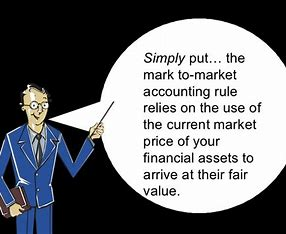
Marking to Market (MTM) means valuing the security at the current trading price. Therefore, it results in the traders’ daily settlement of profits and losses due to the changes in its market value.

  • Suppose on a particular trading day, the value of the security rises. In that case, the trader taking a long position (buyer) will collect the money equal to the security’s change in value from the trader holding the short position (seller).
  • On the other hand, if the security value falls, the selling trader will collect money from the buyer. The money is equal to the change in the value of the security. It should be noted that the value at maturity does not change much. However, the parties involved in the contract pay gains and losses to each other at the end of every trading day.

***

Examples of Mark to Market

An exchange marks traders’ accounts to their market values daily by settling the gains and losses that result due to changes in the value of the security. There are two counterparties on either side of a futures contract—a long trader and a short trader. The trader who holds the long position in the futures contract is usually bullish, while the trader shorting the contract is considered bearish.

If at the end of the day, the futures contract entered into goes down in value, the long margin account will be decreased and the short margin account increased to reflect the change in the value of the derivative.

An increase in value results in an increase in the margin account holding the long position and a decrease in the short futures account.

According to investopedia, for example, to hedge against falling commodity prices, a wheat farmer takes a short position in 10 wheat futures contracts on November 21st. Since each contract represents 5,000 bushels, the farmer is hedging against a price decline on 50,000 bushels of wheat. If the price of one contract is $4.50 on Nov. 21st. the wheat farmer’s account will be recorded as $4.50 x 50,000 bushels = $225,000.

DayFutures PriceChange in ValueGain/LossCumulative Gain/LossAccount Balance
1$4.50   225,000
2$4.55+0.05-2,500-2,500222,500
3$4.53-0.02+1,000-1,500223,500
4$4.46-0.07+3,500+2,000227,000
5$4.39-0.07+3,500+5,500230,500

Because the farmer has a short position in wheat futures, a fall in the value of the contract will result in an increase in their account. Likewise, an increase in value will result in a decrease in account value. For example, on Day 2, wheat futures increased by $4.55 – $4.50 = $0.05, resulting in a loss for the day of $0.05 x 50,000 bushels = $2,500. While this amount is subtracted from the farmer’s account balance, the exact amount will be added to the account of the trader on the other end of the transaction holding a long position on wheat futures.

The daily mark to market settlements will continue until the expiration date of the futures contract or until the farmer closes out his position by going long on a contract with the same maturity.

***

CITE: https://www.r2library.com/Resource/Title/082610254

COMMENTS APPRECIATED

Thank You

***

PODCAST: Turning a PBS Interviewer into an NFT Interviewee

On the Non-Fungible Token Market

***

By Vitaliy Katseneson CFA

***

Turning a PBS Interviewer into Interviewee
I was interviewed on PBS Newshour about the insanity that is happening in the NFT (non-fungible token) market. You can watch it here. If you read my “I Kid You Not Crazy” article, then you know everything I have to say about NFTs and cryptocurrency. I can sum up my thoughts on NFTs in one sentence: NFTs, just like cryptocurrencies, are a technology of the future, but a speculative bubble induced by excess global liquidity in the present. 

I encourage you to watch this eight-minute video – PBS did a great job. 

COMMENTS APPRECIATED

Thank You

***

https://www.amazon.com/Comprehensive-Financial-Planning-Strategies-Advisors/dp/1482240289/ref=sr_1_1?ie=UTF8&qid=1418580820&sr=8-1&keywords=david+marcinko

***

https://www.amazon.com/Dictionary-Health-Information-Technology-Security/dp/0826149952/ref=sr_1_5?ie=UTF8&s=books&qid=1254413315&sr=1-5

****

UPDATE: SPACS, Markets and Covid-19 Fraud

By Staff Reporters

***

***

Chamath Palihapitiya, the billionaire investor who once claimed to be the next Warren Buffett, is winding down two of his special purpose acquisition companies (SPACs) and returning $1.5 billion to investors. It marks the symbolic end to the SPAC bubble that Palihapitiya is credited with instigating.

***

  • Markets: Investors pre-gamed the Fed’s big interest rate decision coming this afternoon by sending stocks lower and Treasury yields higher; they’re sweating what’s expected to be the central bank’s third 75-basis-point hike in a row to tamp down inflation. Speaking of inflation, Ford’s stock had its worst day in 11 years after warning of $1 billion in extra supplier costs.

***

Finally, the Justice Department charged 47 people for allegedly carrying out the single largest Covid relief fraud scheme to date. Feds say that by exploiting a program meant to feed needy Minnesota children, the defendants stole $250 million. Prosecutors say the fraud was committed by a network of individuals connected to the nonprofit Feeding Our Future and was overseen by the nonprofit’s founder, Aimee Bock. Feeding Our Future was one of a handful of organizations Minnesota trusted to oversee the distribution of meals to children in low-income families during the pandemic. Instead, prosecutors allege, the organization operated a “pay-to-play scheme” in which individuals submitted fake meal sites and children’s names, raking in government money with fraudulent invoices.

COMMENTS APPRECIATED

Thank You

***

RELATED: https://www.amazon.com/Financial-Management-Strategies-Healthcare-Organizations/dp/1466558733/ref=sr_1_3?ie=UTF8&qid=1380743521&sr=8-3&keywords=david+marcinko

****

SPAC Popularity Soaring in Healthcare

By Health Capital Consultants, LLC

"Todd

Todd A. Zigrang, MBA, MHA, FACHE, CVA, ASA

[President]

The popularity of special purpose acquisition companies (SPACs) has been soaring in recent years. There are 35 times as many SPACs operating in 2020 as in 2010, and these companies seem poised for greater exponential growth in the future.

While many experts are predicting a continued, rapid increase in SPACs, this article will also examine the factors that could possibly slow SPAC growth and diminish their future prospects. SPACs span several market areas, including biotechnology and healthcare; this article will review SPAC trends generally as well as healthcare SPACs in particular. (Read more…)

Your thoughts are appreciated.

0 Ebook Website Banner 1600 375

RELATED: https://medicalexecutivepost.com/2021/04/21/spac-v-direct-listing-v-ipo/

Product Details

Order Textbook: https://www.amazon.com/Financial-Management-Strategies-Healthcare-Organizations/dp/1466558733/ref=sr_1_3?ie=UTF8&qid=1380743521&sr=8-3&keywords=david+marcinko

THANK YOU

***

PODCAST: Health Insurance Carrier Stock Performance Has Been Amazing!

By Eric Bricker MD

***

DJIA: 32,197.59 at close ‎+436.05 (‎+1.37%)

NASDAQ: 12,032.42 at close ‎+469.85 (‎+4.06%)

***

***

COMMENTS APPRECIATED

Thank You

***

CITE: https://www.r2library.com/Resource/Title/082610254

RELATED: https://www.amazon.com/Financial-Management-Strategies-Healthcare-Organizations/dp/1466558733/ref=sr_1_3?ie=UTF8&qid=1380743521&sr=8-3&keywords=david+marcinko

***

On Thomas Bayes’ Theorem

Courtesy: www.CertifiedMedicalPlanner.org

The Theory of Conditional Probability

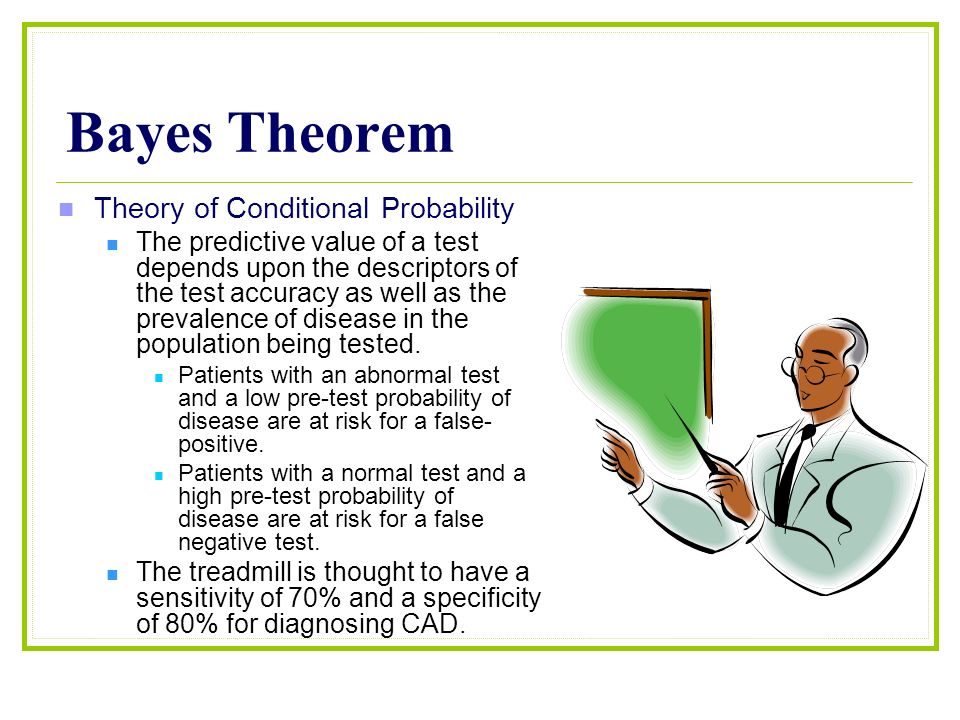
In probability theory and statistics, Bayes’ theorem (alternatively Thomas Bayes’ law or Bayes’ rule, also written as Bayes’s theorem) describes the probability of an event, based on prior knowledge of conditions that might be related to the event.

Examples:

For example, if cancer is related to age, then, using Bayes’ theorem, a person’s age can be used to more accurately assess the probability that they have cancer, compared to the assessment of the probability of cancer made without knowledge of the person’s age.

As another example, imagine there is a drug test that is 98% accurate, meaning 98% of the time it shows a true positive result for someone using the drug and 98% of the time it shows a true negative result for nonusers of the drug. Next, assume 0.5% of people use the drug. If a person selected at random tests positive for the drug, the following calculation can be made to see whether the probability the person is actually a user of the drug.

(0.98 x 0.005) / [(0.98 x 0.005) + ((1 – 0.98) x (1 – 0.005))] = 0.0049 / (0.0049 + 0.0199) = 19.76%

Bayes’ theorem shows that even if a person tested positive in this scenario, it is actually much more likely the person is not a user of the drug.

 Assessment

In finance, Bayes’ theorem can be used to rate the risk of lending money to potential borrowers.

MORE: https://www.coursera.org/lecture/combinatorics/bayes-theorem-sqAyt

Conclusion

Your thoughts and comments on this ME-P are appreciated. Feel free to review our top-left column, and top-right sidebar materials, links, URLs and related websites, too. Then, subscribe to the ME-P. It is fast, free and secure.

Speaker: If you need a moderator or speaker for an upcoming event, Dr. David E. Marcinko; MBA – Publisher-in-Chief of the Medical Executive-Post – is available for seminar or speaking engagements.

Book Marcinko: https://medicalexecutivepost.com/dr-david-marcinkos-bookings/

Subscribe: MEDICAL EXECUTIVE POST for curated news, essays, opinions and analysis from the public health, economics, finance, marketing, IT, business and policy management ecosystem.

Risk Management, Liability Insurance, and Asset Protection Strategies for Doctors and Advisors: Best Practices from Leading Consultants and Certified Medical Planners™8Comprehensive Financial Planning Strategies for Doctors and Advisors: Best Practices from Leading Consultants and Certified Medical Planners™

***

For Entrepreneurs and Investors, Discovering Truth Takes Time


For Investors, Discovering Truth Takes Time

 CFA


The Roman philosopher, playwright, statesman and occasional satirist Lucius Annaeus Seneca wasn’t talking about the stock market when he wrote that “time discovers truth,” but he could have been. In the long run a stock price will reflect a company’s (true) intrinsic value. In the short run the pricing is basically random.

Here are two real-life examples:

Let’s say you had the smarts to buy Microsoft in November 1992. It would have been a brilliant decision in the long run — the software giant’s stock has gone up manyfold since. But nine months later, in August 1993, that call did not look so brilliant: Microsoft shares had declined 25 percent in less than a year. In fact, it would have taken you 18 months, until May 1994, for this purchase to break even. Eighteen months of dumbness?

In the early ’90s the PC industry was still in its infancy. Microsoft’s DOS and Windows operating systems were de facto standards. Outside of Macs and a tiny fraction of IBM computers, every computer came preinstalled with DOS and Windows. Microsoft had a pristine balance sheet and a brilliant co-founder and CEO who would turn mountains upside down to make sure the company succeeded. The above sentence is infested with hindsight — after all, that was almost 30 years ago. But Microsoft clearly had an incredible moat, which became wider with every new PC sold and every new software program written to run on Windows.

Here is another example. GoPro is a maker of video cameras used by surfers, skiers and other extreme sports enthusiasts. If you had bought the stock soon after it went public, in 2014, you would have paid $40 a share for a $5.5 billion–market-cap company earning about $100 million a year — a price-earnings ratio of about 55. Your impatience would, however, have been rewarded: The stock more than doubled in just a few short months, hitting $90.

Would it have been a good decision to buy GoPro? The company makes a great product — I own one. But GoPro has no moat. None. Most components that go into its cameras are commodities. There are no barriers to entry into the specialized video camera segment. Most important, there are no switching costs for consumers. Investors who bought GoPro after its IPO paid a huge premium for the promise of much higher earnings from a company that might or might not be around five years later.

***

What is even more interesting is that some of those buyers were then selling to even bigger fools who bought at double the price a few months later. GoPro was a momentum stock that was riding a wave about to break. Fast-forward a year and GoPro sales are collapsing, so now the stock is trading in the low teens ($11.65 as of this writing).
These two examples bring us to the nontrivial topics of complex systems and nonlinearity. My favorite thinker, Nassim Taleb, wrote the following in his book Antifragile: Things That Gain from Disorder: “Complex systems are full of interdependencies — hard to detect — and nonlinear responses. ‘Nonlinear’ means that when you double the dose of, say, a medication, or when you double the number of employees in a factory, you don’t get twice the initial effect, but rather a lot more or a lot less.”

The stock market is a complex system where in the short term there are few if any interdependencies between decisions and outcomes. In the short run stock prices are driven by thousands of random variables. Stock market participants have different risk tolerances and emotional aptitudes, and diverse time horizons ranging from milliseconds (for high-speed traders) to years (for long-term investors).

Assessment

In other words, predicting where a stock price will be in a day, a month or even a year is not much different from prognosticating whether the ball on a roulette wheel will land on red or black. In the longer run, however, good decisions should pay off because fundamentals will shine through — just as was the case with buying Microsoft in 1992 and not buying GoPro in 2014. But in the short run there is no correlation between good decisions and results. None!

Whenever you look at your portfolio, think of the Microsoft and GoPro examples above. The performance of your stocks in the short run tells you absolutely nothing about what you own or about the quality of your decisions. You may own a portfolio of Microsofts, and its value is still going down because at this juncture the market doesn’t care about Microsofts. Or maybe you stuffed your retirement fund with overpriced fads that may not be around a year from now. But in the longer run, which always lies out there past the short run, time discovers truth, as Seneca said.

Conclusion

Your thoughts and comments on this ME-P are appreciated. Feel free to review our top-left column, and top-right sidebar materials, links, URLs and related websites, too. Then, subscribe to the ME-P. It is fast, free and secure.

Speaker: If you need a moderator or speaker for an upcoming event, Dr. David E. Marcinko; MBA – Publisher-in-Chief of the Medical Executive-Post – is available for seminar or speaking engagements.

Book Marcinko: https://medicalexecutivepost.com/dr-david-marcinkos-bookings/

Subscribe: MEDICAL EXECUTIVE POST for curated news, essays, opinions and analysis from the public health, economics, finance, marketing, IT, business and policy management ecosystem.

MORE FOR DOCTORS AND NURES:

“Insurance & Risk Management Strategies for Doctors” https://tinyurl.com/ydx9kd93

“Financial Management Strategies for Hospitals” https://tinyurl.com/yagu567d

“Operational Strategies for Clinics and Hospitals” https://tinyurl.com/y9avbrq5

***

Risk Management, Liability Insurance, and Asset Protection Strategies for Doctors and Advisors: Best Practices from Leading Consultants and Certified Medical Planners™8Comprehensive Financial Planning Strategies for Doctors and Advisors: Best Practices from Leading Consultants and Certified Medical Planners™

More on the INFLATION REDUCTION ACT [IRA]

***

By Health Capital Consultants, LLC

***

***

President Biden Signs the Inflation Reduction Act into Law

On August 16, 2022, one week after Congress passed the Inflation Reduction Act of 2022 (IRA), President Joseph Biden signed the bill into law. The broad bill, which covers healthcare, taxes, and climate change, had been passed around Congress in assorted versions with varying support for months, but under the specter of a record 40-year-high inflation rate, congressional Democrats ultimately came together to pass the IRA; no Republicans voted for the bill.

The IRA aims, among other things, to fight against ever-increasing healthcare costs, by lowering prescription drug prices and extending federal health insurance subsidies. (Read more…)

***

COMMENTS APPRECIATED

Thank You

***

MORE: https://www.amazon.com/Financial-Management-Strategies-Healthcare-Organizations/dp/1466558733/ref=sr_1_3?ie=UTF8&qid=1380743521&sr=8-3&keywords=david+marcinko

***

Financial-Tech [Entrepreneurial Start-Ups] Falling

By Staff Reporters

***

***

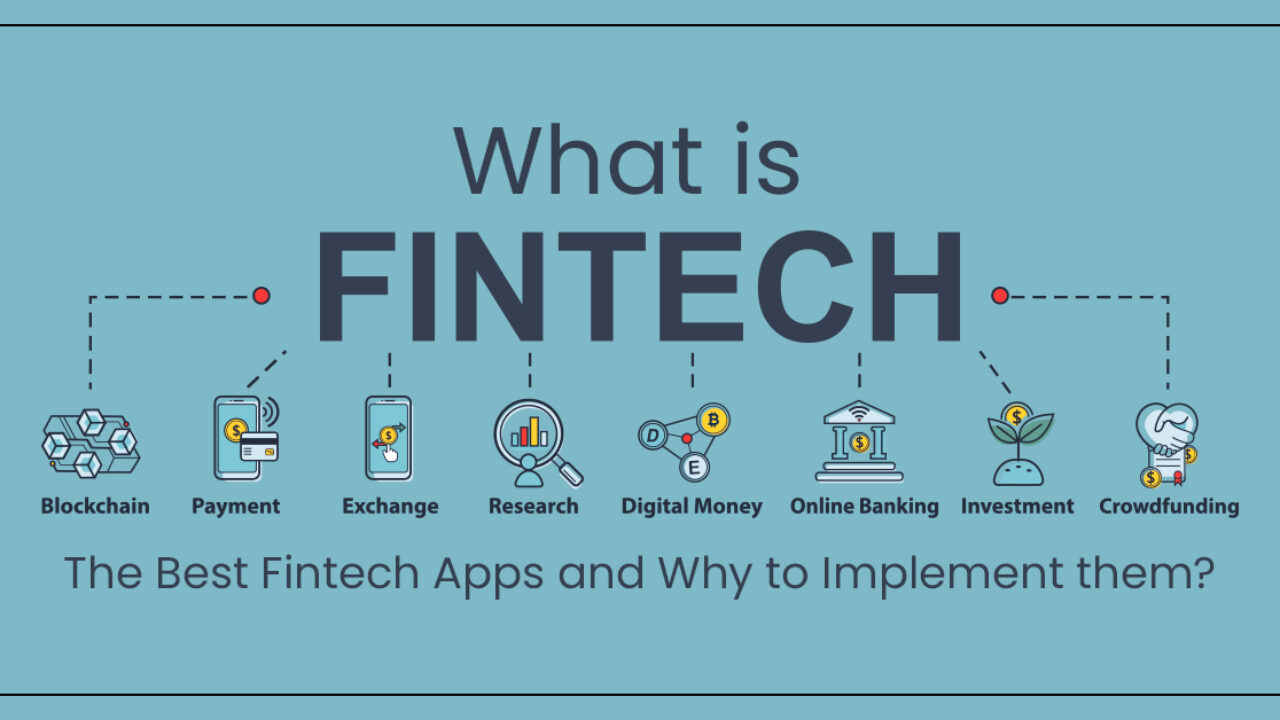
DEFINITION: Financial technology (abbreviated fintech or FinTech) is the technology and innovation that aims to compete with traditional financial methods in the delivery of financial services. Artificial intelligence, Blockchain, Cloud computing, and big Data are regarded as the “ABCD” (four key areas) of FinTech. The Fintech industry is an emerging industry that uses technology to improve activities in finance. The use of smartphones for mobile banking, investing, borrowing services, and cryptocurrency are examples of technologies aiming to make financial services more accessible to the general public.

Financial technology companies consist of both startups and established financial institutions and technology companies trying to replace or enhance the usage of financial services provided by existing financial companies.

CITE: https://www.r2library.com/Resource/Title/082610254

A subset of fintech companies that focus on the insurance industry are collectively known as insurtech or insuretech

READ: https://tinyurl.com/yrx2kxy4

***

INVESTING: https://www.amazon.com/Comprehensive-Financial-Planning-Strategies-Advisors/dp/1482240289/ref=sr_1_1?ie=UTF8&qid=1418580820&sr=8-1&keywords=david+marcinko

***

COMMENTS APPRECIATED

Thank You

***

PODCAST: Start-Ups & Healthcare Venture Capital in the COVID-19 Recession

By Eric Bricker MD

***

***

COMMENTS APPRECIATED

Thank You

***

RISK MANAGEMENT: https://www.routledge.com/Risk-Management-Liability-Insurance-and-Asset-Protection-Strategies-for/Marcinko-Hetico/p/book/9781498725989

***