BOARD CERTIFICATION EXAM STUDY GUIDES Lower Extremity Trauma
[Click on Image to Enlarge]
ME-P Free Advertising Consultation
The “Medical Executive-Post” is about connecting doctors, health care executives and modern consulting advisors. It’s about free-enterprise, business, practice, policy, personal financial planning and wealth building capitalism. We have an attitude that’s independent, outspoken, intelligent and so Next-Gen; often edgy, usually controversial. And, our consultants “got fly”, just like U. Read it! Write it! Post it! “Medical Executive-Post”. Call or email us for your FREE advertising and sales consultation TODAY [678.779.8597] E-mail: MarcinkoAdvisors1738@outlook.com
Medical & Surgical e-Consent Forms
ePodiatryConsentForms.com
iMBA Inc., OFFICES
Suite #5901 Wilbanks Drive, Norcross, Georgia, 30092 USA [1.678.779.8597]. Our location is real and we are now virtually enabled to assist new long distance clients and out-of-town colleagues.
ME-P Publishing
SEEKING INDUSTRY INFO PARTNERS?
If you want the opportunity to work with leading health care industry insiders, innovators and watchers, the “ME-P” may be right for you? We are unbiased and operate at the nexus of theoretical and applied R&D. Collaborate with us and you’ll put your brand in front of a smart & tightly focused demographic; one at the forefront of our emerging healthcare free marketplace of informed and professional “movers and shakers.” Our Ad Rate Card is available upon request [678-779-8597].
Posted on January 3, 2023 by Dr. David Edward Marcinko MBA MEd CMP™
By Staff Reporters
***
***
Stocks are coming off their worst year since 2008 due to investors misjudging how high inflation would soar and the lengths central banks would go to bring it back down.
For example, Global equities lost a record $18 trillion in 2022 amid nearly 300 interest rate hikes from central banks around the world.
But not all stocks were clobbered equally by Jerome Powell and Co.: High-growth tech companies that got a boost from an era of low interest rates got rocked the most in what some are calling the sequel to the bursting of the dot-com bubble in 2000–01. The tech-heavy NASDAQ posted four straight negative quarters for the first time since that crash.
Others survived unscathed. The energy sector soared 59% last year thanks to a boost from surging oil prices. Exxon Mobil finished the year as the eighth-most valuable public company in the US, despite starting 2022 outside the top 25.
The Future?
No one really knows, but analysts generally think stocks will go sideways, weighed down by more rate hikes and a potential recession. The average Bloomberg projection for the S&P at the end of 2023 is 4,009 points (the index closed 2022 at 3,839.50).
Another down year would be extremely rare: The S&P has dropped for two consecutive years in just four instances since 1928.
Posted on December 28, 2022 by Dr. David Edward Marcinko MBA MEd CMP™
By SMART ASSET
***
***
If shrinking your tax liability is high on your list of priorities, a few states stand out. The winners in the list below either have no state income tax, no tax on retirement income, or a substantial discount on the taxes levied on retirement income. But that’s just the start.
While several additional states have no state income tax, the states that made our list also have favorable sales, property, inheritance, and estate taxes.
Alaska
Florida
Georgia
Mississippi
Nevada
South Dakota
Wyoming
If those seven locations aren’t ideal, consider the next tier of tax-friendly states. Tax benefits aren’t quite as high as those above, but they do stand out in one specific category: no taxes on social security income.
That’s not to say they don’t make up for it in other areas, however. Washington State, for example, has no state income tax, but does have a 6.5% state sales tax. Still, it’s always beneficial to avoid income tax when possible.
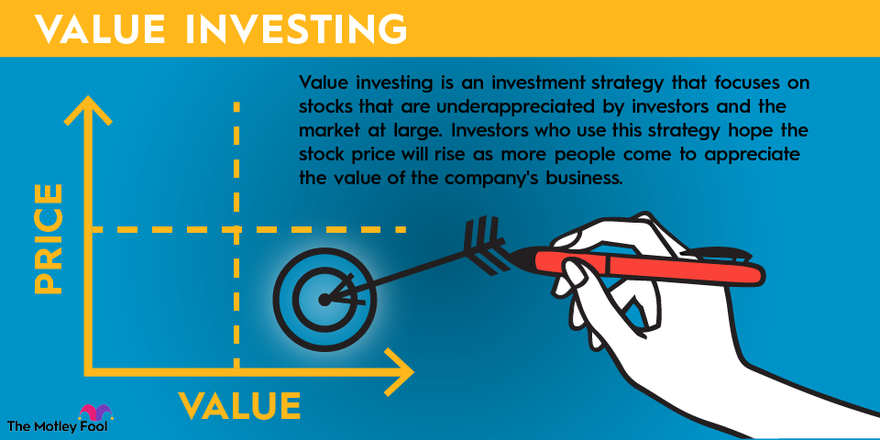
The bargain-hunting value style is looking for shares that are under priced in relation to the company’s future potential. A value investor will invest in a company in the expectation that its shares will increase in value over time. Value investing is based essentially on quantitative criteria; asset values, cash flow, and discounted future earnings. The key properties of value shares are low Price/Earnings, Price/Sales ratios, and normally higher dividend yields.
So, on observing a company’s earnings growth, a value manager will decide whether to buy shares based on the company’s consistency or recovery prospects. The key research questions are: 1) Does the current P/E ratio warrant an investment in a slow growth company or, 2) Is the company a higher growth candidate that has dropped in price due to a temporary problem. If this is the case, will the company’s earnings growth recover, and if so, when? The key to value investing is to find bargain shares (priced low historically or for temporary and/or irrational reasons), avoiding shares that are merely cheap (priced low because the company is failing).
The buying opportunity is identified when a company undergoing some immediate problems is perceived to have good chances of recovery in the medium to long term. If there is a loss in market confidence in the company, the share price may fall, and the value investor can step in. Once the share price has achieved a suitable value, reflecting the predicted turnaround in company performance, the shareholding is sold, realizing a capital gain. A potential risk in value investing is that the company may not turn around, in which case the share price may stay static or fall.
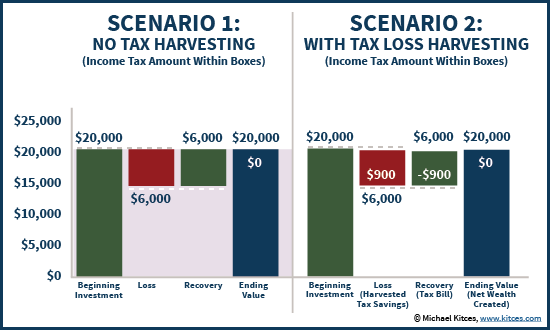
Tax-loss harvesting is a strategy to lower investment taxes that involves selling securities at a loss to offset capital gains. BofA said investors in the past week also pulled out $10 billion from bonds.
Amazon.com Inc. has erased more shareholder wealth than any other publicly traded company in 2022. In total, investors in Amazon have lost $804.6 billion this year. The stock is down 48% in 2022.
Apple Inc. and Microsoft Corp. have also suffered larger market-cap declines than Tesla, by virtue of their sheer size.
Posted on December 24, 2022 by Dr. David Edward Marcinko MBA MEd CMP™
By Staff Reporters
***
***
You don’t have to sign all the forms to be treated
Part of being a patient is signing stacks of forms, most of which you barely read much less understood. This is a mistake, Charlotte O’Leary says. Look for any “blank check” clauses on intake forms—it’s the part that reads, “I will be responsible for all costs not covered by insurance.”
Instead, Charlotte Hilton Andersen, MS recommends crossing it out and writing, “I will be responsible for all costs that are medically necessary, that are not the responsibility of my insurer, are competitively priced, and that I am made aware of prior to treatment if they are not part of standard operating procedures.”
Posted on December 23, 2022 by Dr. David Edward Marcinko MBA MEd CMP™
By Staff Reporters
***
U.S. stocks plunged as December’s sell-off intensified after a fleeting rally in the previous session. The S&P 500 (^GSPC) closed down 1.4% after dropping as much as 2.8% in afternoon trading, while the Dow Jones Industrial Average (^DJI) shed 350 points, or 1%. The technology-heavy NASDAQ Composite (^IXIC) tumbled 2.2%.
And, the markets continued to contend with the ultimate impacts of aggressive monetary policy tightening globally. Earnings reports disappointed, as Micron Technology and CarMax both missed earnings estimates and lowered their guidance. A host of economic reports were released, as jobless claims came in below estimates, which seems to play into the theme of a tight labor market that has dampened investor sentiment.
Additionally, Q3 GDP and Personal Consumption were revised higher, the Leading Economic Index declined more than anticipated, and manufacturing activity in the Kansas City region fell further into contraction territory.
Treasury yields were mixed, and the U.S. dollar ticked higher, while crude oil and gold prices lost ground.
Asian stocks diverged and markets in Europe ended lower as the international markets continued to digest recent central bank actions.
Moreover, Micron Technology will reduce its workforce by 10% next year and take other cost-cutting measures as the computer memory chip maker struggles to deal with too much supply amid a drop in demand. Micron CEO Sanjay Mehrotra announced the restructuring during during a quarterly conference call with investors, noting that prices for computer memory products had “deteriorated significantly” in recent months, Boise television station KTVB reported.
Posted on December 22, 2022 by Dr. David Edward Marcinko MBA MEd CMP™
By Vitaliy Katsenelson CFA
***
***
The stock market bubble that I’ve been writing about for the last few years is finally bursting. For the first time in almost a decade, it feels like common sense has stopped being a painful headwind and is turning into a tailwind.
Paying any price for the stocks of companies that were growing revenues but had no hint of profitability and were diluting shareholders by giving away 10% of shares in stock-based compensation every year is an approach that has stopped working.
Investors are discovering that the price you pay matters, eventually. Many of these companies are down 70-80% from their highs and are still expensive.
Rising interest rates are making value investing great again!
Posted on December 20, 2022 by Dr. David Edward Marcinko MBA MEd CMP™
By Staff Reporters
***
***
Know Your Customer (KYC) guidelines in financial services require that professionals make an effort to verify the identity, suitability, and risks involved with maintaining a business relationship. The procedures fit within the broader scope of a bank’s anti-money laundering (AML) policy.
KYC processes are also employed by companies of all sizes for the purpose of ensuring their proposed customers, agents, consultants, or distributors are anti-bribery compliant, and are actually who they claim to be. Banks, insurers, export creditors, and other financial institutions are increasingly demanding that customers provide detailed due diligence information.
Initially, these regulations were imposed only on the financial institutions but now the non-financial industry, fintech, virtual assets dealers, and even non-profit organizations are liable to oblige.
Posted on December 19, 2022 by Dr. David Edward Marcinko MBA MEd CMP™
By Staff Reporters
***
***
Here’s what Covid vaccines have to do with auto insurance
A new study of 11 million adults in Canada revealed that people who weren’t vaccinated against Covid were 72% more likely to get into car accidents where at least one person had to go to the hospital.
Now, that doesn’t mean your jab protects against car accidents, of course, but it does suggest that folks who reject public health recommendations might also reject road rules. The difference was striking enough that the researchers said doctors should discuss road safety with unvaccinated patients, and that car insurance companies might want to factor it into their rates.
Posted on December 18, 2022 by Dr. David Edward Marcinko MBA MEd CMP™
By Staff Reporters
***
***
FTX’s New Chief Executive Officer?
***
John J. Ray III (born January 1959) is an American attorney and insolvency professional. He specializes in recovering funds from failed corporations. He was appointed CEO of cryptocurrency exchangeFTX in the aftermath of its November 2022 collapse.
He previously served as chairman of Enron Creditors Recovery Corp., a company tasked with recovering creditor funds from Enron in the wake of its accounting scandal and subsequent collapse. He also worked on the bankruptcies of Nortel, Residential Capital, and Overseas Shipholding.
Posted on December 18, 2022 by Dr. David Edward Marcinko MBA MEd CMP™
By Staff Reporters
***
***
Here are some of the companies the Yahoo Finance team suggests you watch?
Kraft Heinz (KHC) may be on the road to recovery. It announced stronger-than-expected earnings, with CEO Miguel Patricio saying that the company is making “good progress” on identifying the problems with its past performance. But he admitted they’re still delivering results “below our potential.”
Altria’s (MO) third-quarter earnings beat Wall Street estimates but the company revealed it is writing down a third of its investment in Juul. The company wrote-down $4.5 billion of its $12.8 billion investment in the vaping company. Juul is facing lawsuits and potential new regulations after an outbreak of vaping related illnesses.
Ford (F) and the UAW have reached an agreement to hold-off a strike. The new contract includes $6 billion worth of investment in U.S. facilities and adding 8,500 jobs to Ford’s workforce. This deal is expected to follow the same guidelines as the GM contract and include lump-sum payments and wage increases.
Former Secretary of State and Exxon Mobile (XOM) CEO Rex Tillerson is insisting that Exxon Mobile did not lie about the company’s plan for the financial risks of climate change. Tillerson testified for three and a half hours in the securities fraud trial in New York, denying that the company’s plans were meant to dupe investors. Exxon Mobile earnings are due out tomorrow before the opening bell.
Finally, it could be a very Merry X-mass for Hershey (HSY). A recent survey found Reese’s Peanut Butter Cups, made by Hershey, are the No. 1 favorite candy for Halloween. Snickers, made by privately-owned Mars, were a distant second. The National Retail Federation says Americans will spend $2.6 billion on Halloween candy this year.
Posted on December 18, 2022 by Dr. David Edward Marcinko MBA MEd CMP™
By Staff Reporters
***
***
Last year, all hospitals were required to list their prices for elective services on an annual basis. Whether you have insurance or plan to pay cash – find and compare prices.
Posted on December 17, 2022 by Dr. David Edward Marcinko MBA MEd CMP™
MORGAN STANLEY
BANK OF AMERICA
By Staff Reporters
***
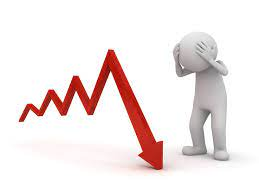
[The Scream is a composition created by Norwegian artist Edvard Munch in 1893]
***
What [another] a week? U.S. equities declined, posting a second-straight weekly loss, as recession worries have ratcheted higher in the wake of a host of global central bank actions earlier this week. The Fed’s mid-week 50 basis point rate increase was followed by similar actions from the European Central Bank, the Bank of England, and Swiss National Bank. The moves came amid an evident slowdown in global economic growth, with data released today showing most manufacturing and services PMIs domestically and across the globe continue to see a contraction in activity, adding fuel to the recessionary fears.
RECESSION?
With U.S. stocks down more than 20% so far this year, investors are looking for some good news – and it may be coming from a prominent Wall Street analyst who says the current bear market could come to an end sometime around St. Patrick’s Day, 2023.
In an interview with Bloomberg Television, Mike Wilson, the Equity Strategist and Chief Investment Officer for Morgan Stanley predicted that the bear market in U.S. stocks could come to a conclusion early in 2023. Investors are taking note because Wilson, who’s typically skeptical about the market, is listed as No. 1 on Institutional Investor’s recent ranking of portfolio strategists.
WHEN?
“We think ultimately the bear market will be over probably sometime in the first quarter,” Wilson said on the broadcast.
***
Mutual Fund managers have taken their cash positions to the highest level in 21 years, according to the long-running monthly survey of portfolio managers. Relative to the history of the survey, investors are 2.6 standard deviations overweight cash and 3 standard deviations underweight equities.
A net 72% expect a weaker economy in the next 12 months, and 91% say earnings are unlikely to rise 10% of more in the next year. A growing percentage are expecting a policy pivot: 28% expect lower short-term rates in the next 12 months, up from 14% in September.
The survey “screams macro capitulation, investor capitulation, and crucially start of policy capitulation,” said Bank of America strategists led by Michael Hartnett. The S&P 500 has dropped 23% this year, and S&P’s U.S. government bond index has declined by 12%.
Posted on December 17, 2022 by Dr. David Edward Marcinko MBA MEd CMP™
By Staff Reporters
***
***
U.S. equities declined, posting a second-straight weekly loss, as recession worries have ratcheted higher in the wake of a host of global central bank actions earlier this week. The Fed’s mid-week 50 basis point rate increase was followed by similar actions from the European Central Bank, the Bank of England, and Swiss National Bank. The moves came amid an evident slowdown in global economic growth, with data released today showing most manufacturing and services PMIs domestically and across the globe continue to see a contraction in activity, adding fuel to the recessionary fears.
Treasury yields diverged, and the U.S. dollar was little changed, while crude oil prices fell, and gold traded to the upside. The equity front was relatively quiet, but Adobe’s quarterly results beat the Street on the top line, and the company reaffirmed its guidance, while shares of Darden Restaurants fell despite posting better-than-expected earnings and an upbeat outlook.
Asian stocks were mixed and European stocks saw widespread losses, as the global markets continued to digest the flood of monetary policy decisions around the world.
Posted on December 16, 2022 by Dr. David Edward Marcinko MBA MEd CMP™
By Staff Reporters
***
***
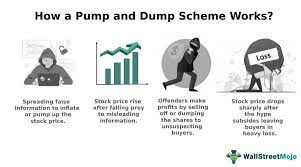
DEFINITION: Pump and dump (P&D) is a form of securities fraud that involves artificially inflating the price of an owned stock through false and misleading positive statements, in order to sell the cheaply purchased stock at a higher price. Once the operators of the scheme “dump” (sell) their overvalued shares, the price falls and investors lose their money. This is most common with small-cap cryptocurrencies and very small corporations/companies, i.e. “microcaps“.
And so, Federal prosecutors and the SEC have accused seven popular Twitter and Discord users of wielding social media to manipulate stock prices—pumping the shares and then selling off mass quantities for profit once they rose.
An additional defendant, whose Twitter handle was @DipDeity, was charged with aiding and abetting the alleged fraud for hosting a podcast that featured and promoted the seven influencers as skilled traders to follow.
Each influencer charged had well over 100,000 followers and, according to the SEC, the group earned about $100 million total in the scheme.
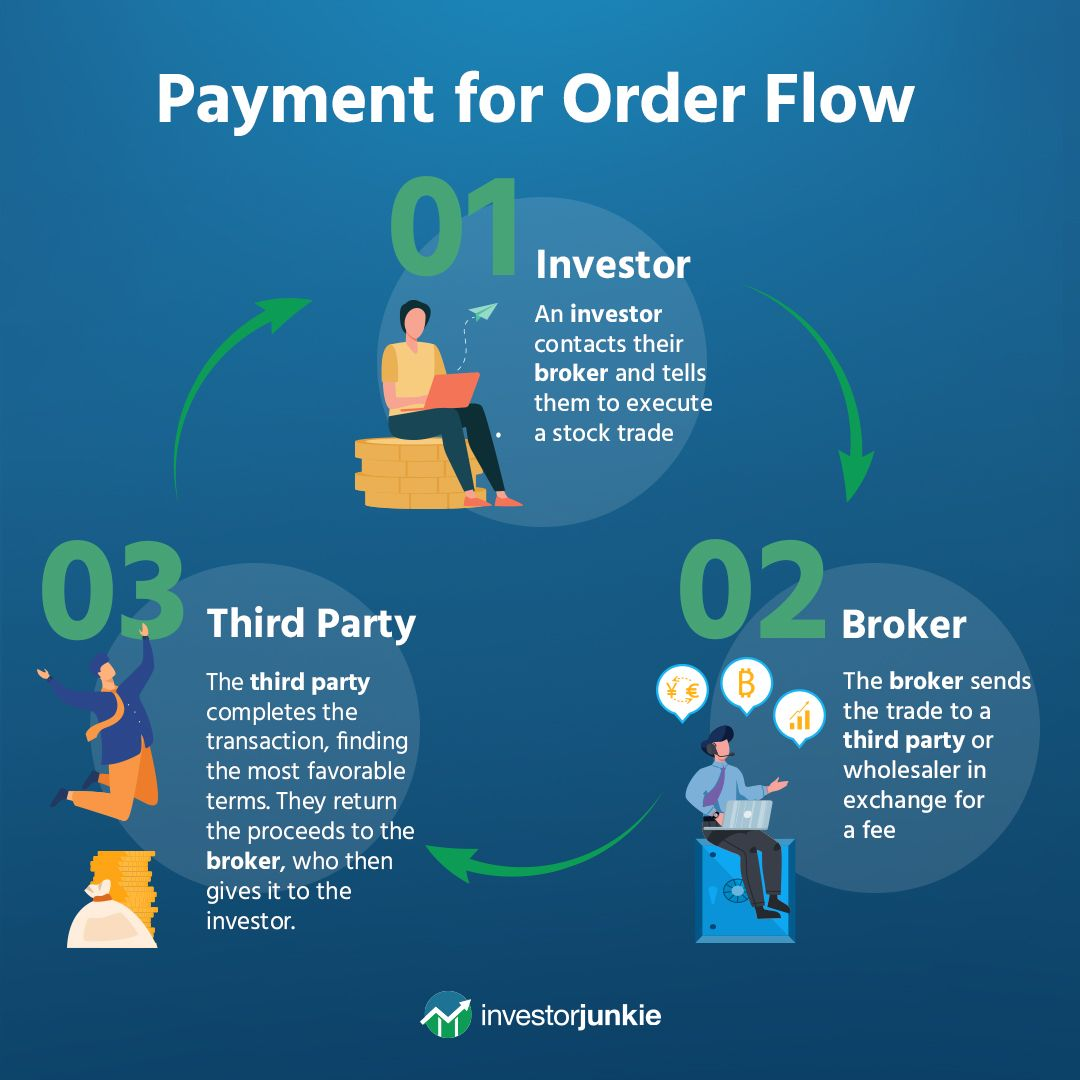
Yesterday the SEC proposed the biggest update to the stock trading rules book since 2005. The four proposed rules may become the magnum opus of Gary Gensler, who took over as SEC chair after the meme stock mayhem of 2021. The rules aim to get retail traders better prices by targeting a method of executing trades called payment for order flow (PFOF). PFOF works like this:
Brokers like Robinhood send trades to wholesalers like Citadel, which profit off the difference between the individual trader’s proposed price and the price they actually make the trade for.
Wholesalers pay brokers a small fee for the privilege of making the trade, and *juicy detail alert* those “small fees” make up a huge chunk of the brokers’ revenue.
Gensler has long argued that PFOF limits competition and encourages brokers to gamify risky trading behavior—like vetting your life savings on GameStop stock. The practice is banned in the UK and Canada.
But the SEC has definitely put it in the “no longer sparks joy” pile
Under the most significant rule proposed yesterday, the “order competition” rule, wholesalers would have to send most retail investors’ trades to an auction where dealers compete to fulfill them for the best price.
The wholesaler only gets to fulfill any leftover trades that no one has bid on. Some on Wall Street argue this will be the most common scenario so the rule won’t have its intended effect, but Gensler thinks auctions could save individual traders up to $1.5 billion per year.
Posted on December 14, 2022 by Dr. David Edward Marcinko MBA MEd CMP™
By Staff Reporters
***
***
When Rite Aid dropped roughly $2 billion in 2015 to buy its pharmacy benefit management (PBM) subsidiary now known as Elixir, the company had framed the investment as a strategic move to compete in the healthcare marketplace among rivals like CVS and Walgreens.
The deal quickly helped make Rite Aid $4.1 billion in its newly formed pharmacy services segment—including Elixir and other pharmacy services, according to the company—bolstering its financial standing the next fiscal year. Maybe it would no longer be the ugly duckling next to the cooler, sleeker swans.
It seemed to be working—for a while at least. But by 2018, analysts were recommending Rite Aid sell off Elixir to reduce the parent company’s debt. Still, Rite Aid stuck with Elixir in hopes of boosting its competitiveness in the retail pharmacy scene.
This year, Rite Aid President and CEO Heyward Donigan was still painting a rosy picture of Elixir, saying in earnings calls that the PBM was gaining more members and Elixir’s operating margins were improving.
But a month after its latest earnings call in September, Rite Aid was hit with a class-action lawsuit accusing the company of making “false and/or misleading statements” to investors about Elixir’s status between April and September of this year.
Posted on December 12, 2022 by Dr. David Edward Marcinko MBA MEd CMP™
By Staff Reporters
***
***
(Bloomberg) — Amgen Inc. has agreed to buy Horizon Therapeutics Plc at a valuation of about $26 billion in what would be its biggest-ever acquisition, according to a person familiar with the matter. The US biotechnology giant offered around $116.5 for each Horizon share, said the person, who asked not to be identified as the information is private. The offer price is at a around 20% premium to Horizon’s closing price of $97.29 on Friday.
Horizon rose as much as 15% to $111.70 in pre-market trading today while Amgen slipped 0.5%. But, the deal or announcement could be delayed and talks could still fall apart.
As of Friday’s close, Horizon shares had surged 24% since the company revealed on Nov. 29th that Amgen, Sanofi SA and a Johnson & Johnson unit were in preliminary talks about a possible acquisition. That pushed its market value to $22 billion, prompting Sanofi to back out Sunday, as J&J did earlier this month. Amgen has a market value of about $149 billion after rising by 24% this year.
Posted on December 12, 2022 by Dr. David Edward Marcinko MBA MEd CMP™
By Staff Reporters
***
***
In recent months, Japan’s SoftBank Group Corp. has pared its stakes in the Chinese e-commerce company Alibaba Group Holding Ltd. and the Indian mobile-payments company Paytm, in both cases following declines in their share prices. Berkshire Hathaway Inc., Warren Buffett’s company, has been gradually reducing its stake in BYD Co., a Chinese electric-vehicle maker that it has owned shares in since 2008.
And, Tencent Holdings Ltd., a tech giant that earlier amassed stakes in hundreds of tech firms, is divesting itself of billions of dollars in shares of listed companies. Meanwhile, Tencent‘s biggest shareholder, Prosus NV, is cutting its large stake in the Chinese social-media and gaming company.
***
Finally, the value of new Venture Capital deals globally is down 42% in the first 11 months of this year compared to last, to $286 billion, according to research firm Preqin. That’s the deepest slump the researchers have recorded yet, surpassing the nadirs of the early 2000s and the 34% collapse after the 2008 financial crisis.
Posted on December 11, 2022 by Dr. David Edward Marcinko MBA MEd CMP™
THE RESULTS ARE IN
By Staff Reporters
***
***
Investment portfolios owned by individual investors have lost a combined $350 billion this year, Bloomberg reports. The average retail trader’s portfolio is down 30% in 2022, compared to the S&P’s 17% loss, per Vanda Research. Some estimates put the damage as even worse than that: JPMorgan calculates that retail traders are down 38% this year.
As they’ve watched their portfolios crumble further than SBF’s credibility, these traders aren’t trading nearly as much as they did during peak Covid.
At the apex of the meme stock craze in Q1 2021, Charles Schwab was handling 8.4 million daily average trades. In Q3 of this year, it recorded 5.5 million.
Robinhood, both an enabler and the villain of the individual trader movement, shed 1.8 million users between Q2 and Q3 this year.
So what happened?
Individual investors piled into a specific set of stocks during the height of the pandemic, and those stocks in particular are getting rocked by shifting trends and the Fed’s rate hikes. Just consider that Tesla, by itself, accounts for ~10% of the average active retail trader’s portfolio. So as the stock plunged ~55% this year, it wiped out $78 billion in value for retail investors, per Vanda.
As for meme stocks?
Good luck trying to send a struggling company to the moon these days. GameStop is down nearly 41% this year, and after its dud of an earnings report this week one analyst wrote that “GameStop’s turnaround plan has proven fruitless so far,” specifically citing the poor performance of its NFT marketplace.
And so, with retail traders riding the bench during the market downturn, the companies that rely on them for revenue are having to switch up their tactics. This week, according to Neal Freyman of Morning Brew, Robinhood introduced retirement accounts (traditional or Roth IRAs) with a 1% match to lure back users. It may not be a flashy product, but as investors who got burned this year have realized, there are worse things than being boring.
Posted on December 10, 2022 by Dr. David Edward Marcinko MBA MEd CMP™
By Staff Reporters
***
DEFINITION
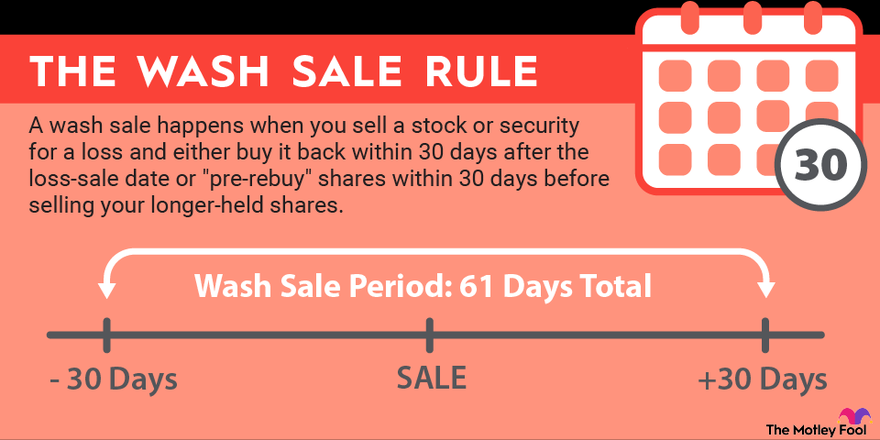
The wash-sale rule prohibits selling an investment for a loss and replacing it with the same or a “substantially identical” investment 30 days before or after the sale. If you do have a wash sale, the IRS will not allow you to write off the investment loss which could make your taxes for the year higher than you hoped.
Even if you sell at a loss from a brokerage account or IRA, it still might not want to permanently exit a portfolio position. It may want to get back into an investment now at a cheaper cost with room to re-grow.
BUT – Just wait a moment, according to the IRS “wash-sale” rule.
The IRS will not count a capital loss if, within 30 days before the sale or within 30 days afterwards, the taxpayer is also buying or acquiring a “substantially identical” investment. The rule applies to investments like stocks, bonds, mutual funds, exchange traded funds and options – but not cryptocurrency.
The basic trick is just keeping track of the days. Another skill is considering what counts as “substantially identical” for the fast-moving investor who sees a buying opportunity either 30 days before or after the day of sale.
An investor could sell a stock and buy an exchange traded fund or mutual fund that contains the stock and not run afoul of the rule, Going the other way, from a mutual fund or ETF containing a stock to a direct stock purchase, also will not trigger the rule, he noted.
EXAMPLE: Suppose an investor has several investment accounts — perhaps one is a long-term account and the other is more for short-term trades. The rule applies across the account. So if one sells and the other buys within 30 days before or after, the wash-sale rule will scrap the capital loss.
Buying and selling shares of two different funds tracking the same index within the 30-day period could also cause the wash sale rule to kick in. However, a move like selling a piece of an ETF tracking the S&P 500, and then soon buying an ETF tracking the Russell 1000 Index would be OK according to a tutorial from Charles Schwab SCHW, +3.70%. “That would preserve your tax break and keep you in the market with about the same asset allocation,” an explainer said.
But while someone’s eyeing a repurchase and letting the wash-sale window close one place, they may have a chance to start the tax strategy process in a different part of their portfolio. “There’s really tax loss harvesting opportunities across a number of different asset classes this year.”
Posted on December 10, 2022 by Dr. David Edward Marcinko MBA MEd CMP™
By Staff Reporters
***
***
Generally, they are defined as the ratio of a change in output (ΔY) to a discretionary change in government spending or tax revenue (ΔG or ΔT) (Spilimbergo and others, 2009). Thus, the fiscal multiplier measures the effect of a $1 change in spending or a $1 change in tax revenue on the level of GDP.
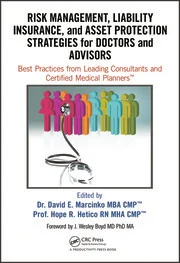
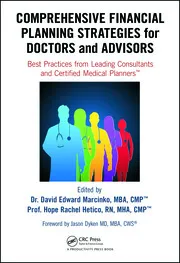
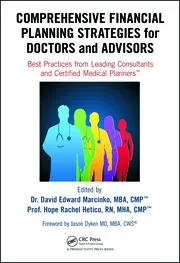
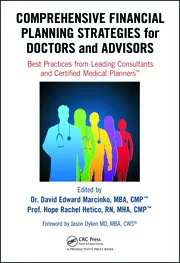
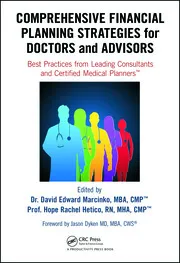
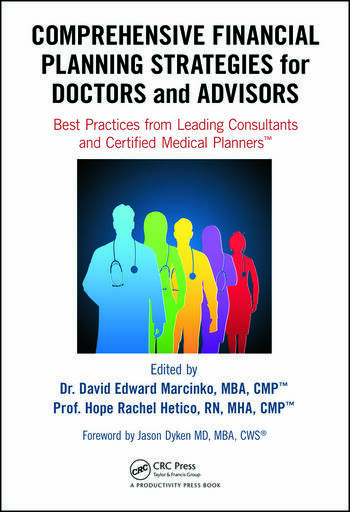
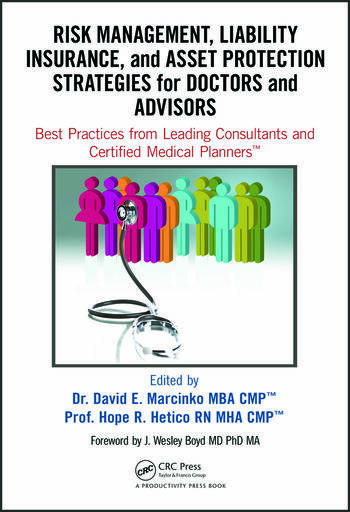
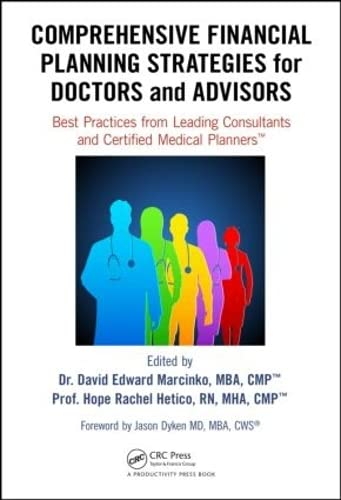
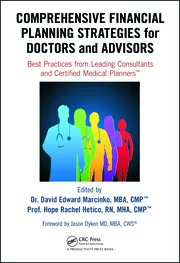
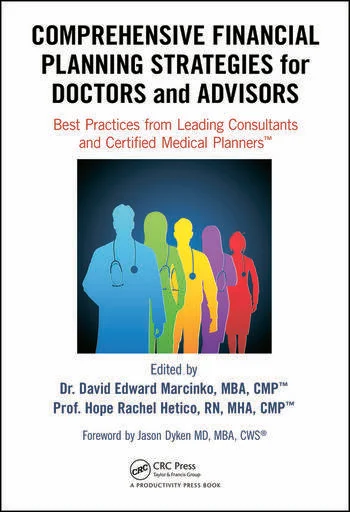
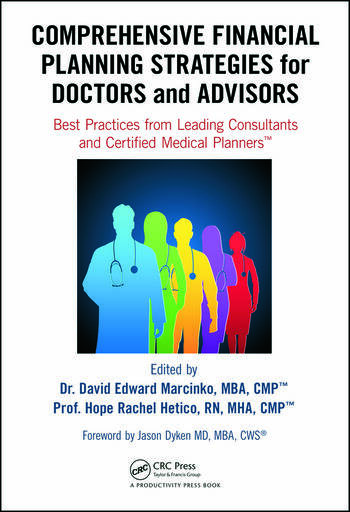
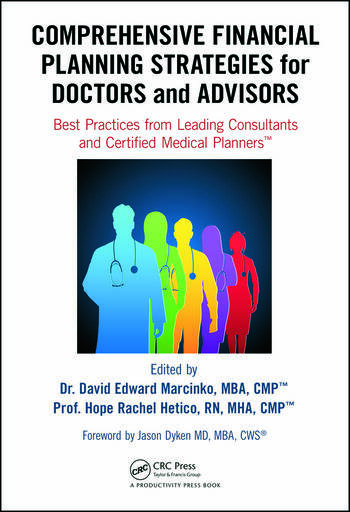
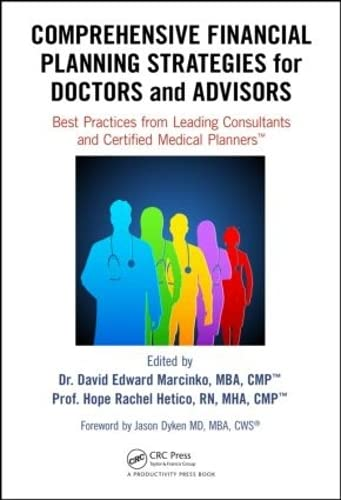
“Physicians who don’t understand modern risk management, insurance, business, and asset protection principles are sitting ducks waiting to be taken advantage of by unscrupulous insurance agents and financial advisors; and even their own prospective employers or partners. This comprehensive volume from Dr. David Marcinko and his co-authors will go a long way toward educating physicians on these critical subjects that were never taught in medical school or residency training.” —Dr. James M. Dahle, MD, FACEP, Editor of The White Coat Investor, Salt Lake City, Utah, USA
“With time at a premium, and so much vital information packed into one well organized resource, this comprehensive textbook should be on the desk of everyone serving in the healthcare ecosystem. The time you spend reading this frank and compelling book will be richly rewarded.” —Dr. J. Wesley Boyd, MD, PhD, MA, Harvard Medical School, Boston, Massachusetts, USA
Posted on December 2, 2022 by Dr. David Edward Marcinko MBA MEd CMP™
By Staff Reporters
***
***
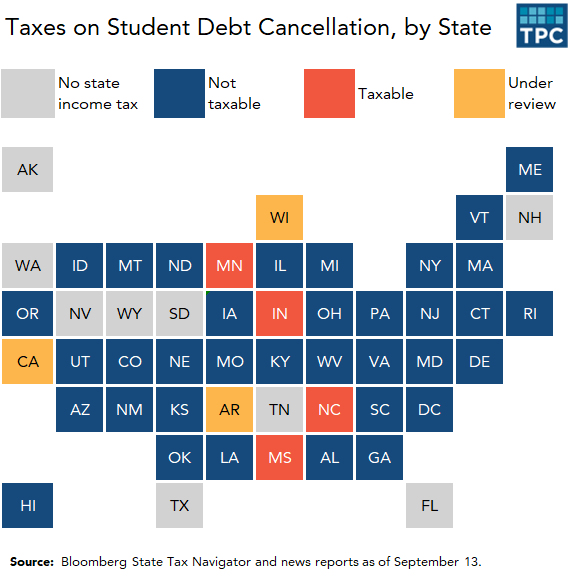
If your student loans were forgiven, you may still owe state taxes
Though widespread federal student loan relief remains on hold, you may have received student loan forgiveness through the Public Service Loan Forgiveness program or another similar endeavor. if you had any balances forgiven in 2022, you won’t owe federal taxes on the canceled amount. That’s because of a provision tucked into the 2021 American Rescue Plan, preventing forgiven post-secondary education loans from federal taxation through 2025.
However, there are a handful of states where forgiven loan balances may be taxed. Indiana, Minnesota, Mississippi and North Carolina have confirmed they will tax any student loan debt relief on your 2022 taxes. A few other states may as well, though the details are still being hammered out.
And, if you live in one of the states taxing forgiven student loans, you may be on the hook for county taxes on your debt relief, as well.
The expanded charitable cash contribution benefits that were offered in 2020 and 2021 have ended. The temporary suspension of the 60% AGI limit in 2020 and 2021 is now back, limiting the amount you can claim in charitable contributions.
Posted on November 29, 2022 by Dr. David Edward Marcinko MBA MEd CMP™
By Staff Reporters
***
***
More than 300 people are still dying each day on average from covid-19, most of them 65 or older, according to data from the Centers for Disease Control and Prevention. While that’s much lower than the 2,000 daily toll at the peak of the delta wave, it is still roughly two to three times the rate at which people die of the flu — renewing debate about what is an “acceptable loss.”
And, U.S. equities started off the new week with solid losses, as protests in China over its zero-tolerance COVID policy kept investors on edge. Adding to the mix, BlockFi filed for bankruptcy amid the continued fallout within the cryptocurrency markets. Equity news was in short supply on this Cyber Monday, with reports suggesting Black Friday weekend activity was solid despite the highly inflationary environment, while gaming stocks were in focus following a tentative agreement to renew casino licenses in Macau.
The economic calendar was light today, with the lone report of note showing manufacturing activity in the Dallas region unexpectedly improved but remained solidly in contraction territory.
Treasury yields were mixed, while the U.S. dollar rallied, crude oil prices were higher, and gold traded to the downside.
Markets in Asia and Europe finished lower amid the global uneasiness toward China.
Posted on November 27, 2022 by Dr. David Edward Marcinko MBA MEd CMP™
By Staff Reporters
***
***
On ground and On line shoppers didn’t let concerns about higher prices or a recession keep them from a record-setting this Black Friday.
Consumers spent a record $9.29 billion while online shopping yesterday, Black Friday, according to Adobe Analytics which tracks more than 85% of the top 100 U.S. onlineretailers. That’s an increase of 2.8% over a year ago – surpassing the previous online Black Friday sales high mark of $9.03 billion in 2023.
Nearly half (48%) of online sales were made over smartphones, up from 55% last year, according to the company’s 2023 Holiday Shopping Trends & Insights Report.
Posted on November 26, 2022 by Dr. David Edward Marcinko MBA MEd CMP™
By Staff Reporters
***
***
What’s shrinking in size, overworked and woefully underpaid?
Did you know that only half of U.S. adults live in a household with an annual income of $52,000 to $156,000, the range it takes to be considered middle income, according to the Pew Research Center. That share is significantly lower than it was in 1971, when 61% of the nation’s adults qualified as middle income.
In 2022 — an era of historic inflation and a manic economy in which jobs are plentiful but wages are stagnant — more Americans are living paycheck to paycheck. And it’s affecting more than just their income.
“People judge whether or not they’re achieving the American dream by comparing their income and their lifestyle, or what their income can buy, to what they see around them,” says Isabel Sawhill, a senior fellow at the Brookings Institution.
On paper, middle-class household income has increased considerably in the last 50 years. Measured in 2020 dollars, the median salary of the U.S. workforce is 50% higher now ($90,131) than it was in 1971 ($59,934), primarily thanks to women’s increased participation in the workforce, says Sawhill, who’s a co-author of the Brookings report “A New Contract with the Middle Class.”
Those gains, however, pale in comparison to the 69% growth enjoyed by the wealthiest households. Elisabeth Jacobs, a deputy director at the research nonprofit Urban Institute, said in a 2021 Brookings panel that if middle incomes had grown at the same pace as the top 20% of earners over the past 50 years, a solidly middle-class family would average around $139,000 annually (post-tax).
I enjoy writing about taxes as much as I enjoy going to the dentist. But I feel what I am about to say is important. We – including yours truly – have been mindlessly conditioned to do tax selling at the end of every year to reduce our tax bills. On the surface it makes sense. There are realized gains – why don’t we create some tax losses to offset them?
Here is the problem. With a few exceptions, which I’ll address at the end, tax-loss selling makes no logical sense. Let me give you an example.
Let’s say there is a stock, XYZ. We bought it for $50; we think it is worth $100. Fourteen months later we got lucky and it declined to $25. Assuming our estimate of its fair value hasn’t changed, we get to buy $1 of XYZ now for 25 cents instead of 50 cents.
But as of this moment we also have a $25 paper loss. The tax-loss selling thinking goes like this: Sell it today, realize the $25 loss, and then buy it in 31 days. (This is tax law; if we buy it back sooner the tax loss will be disqualified.) This $25 loss offsets the gains we took for the year. Everybody but Uncle Sam is happy.
Since I am writing about this and I’ve mentioned above I’d rather be having a root canal, you already suspect that my retort to the above thinking is a great big NO!
In the first place, we are taking the risk that XYZ’s price may go up during our 31-day wait. We really have no idea and rarely have insights as to what stocks will do in the short term. Maybe we’ll get lucky again and the price will fall further. But we’re selling something that is down, so risk in the long run is tilted against us. Also, other investors are doing tax selling at the same time we are, which puts additional pressure on the stock.
Secondly – and this is the most important point – all we are doing is pushing our taxes from this year to future years. Let’s say that six months from now the stock goes up to $100. We sell it, and… now we originate a $75, not a $50, gain. Our cost basis was reduced by the sale and consequent purchase to $25 from $50. This is what tax loss selling is – shifting the tax burden from this year to next year. Unless you have an insight into what capital gains taxes are going to be in the future, all you are doing is shifting your current tax burden into the future.
Thirdly, in our first example we owned the stock for 14 months and thus took a long-term capital loss. We sold it, waited 31 days, and bought it back. Let’s say the market comes back to its senses and the price goes up to $100 three months after we buy it back. If we sell it now, that $75 gain is a short-term gain. Short-term gains are taxed at your ordinary income tax bracket, which for most clients is higher than their capital gain tax rate. You may argue that we should wait nine months till this gain goes from short-term to long-term. We can do that, but there are costs: First, we don’t know where the stock price will be in nine months. And second, there is an opportunity cost – we cannot sell a fully priced $1 to buy another $1 that is on fire sale.
Final point. Suppose we bought a stock, the price of which has declined in concert with a decrease of its fair value; in other words, the loss is not temporary but permanent. In this case, yes, we should sell the stock and realize the loss.
We are focused on the long-term compounding of your wealth. Thus our strategy has a relatively low portfolio turnover. However, we always keep tax considerations in mind when making investment decisions, and try to generate long-term gains (which are more tax efficient) than short term gains.
We understand that each client has their unique tax circumstances. For instance, your income may decline in future years and thus your tax rate, too. Or higher capital gains may put you in a different income bracket and thus disqualify you from some government healthcare program.
We are here to serve you, and we’ll do as much or as little tax-loss selling as you instruct us to do. We just want you to be aware that with few exceptions tax-loss selling does more harm than good.
Posted on November 19, 2022 by Dr. David Edward Marcinko MBA MEd CMP™
By Staff Reporters
***
DEFINITION: Passive income is a type of unearned income that is acquired automatically with minimal labor to earn or maintain. It is often combined with another source of income. In the United States, the IRS divides income into three categories: active income, passive income, and portfolio income.
For those physicians fully invested in non-dividend-paying stocks, bear markets are a difficult time. However, they’re an opportunity for those with cash or income-producing assets.
WY? Bear markets can accelerate any investors’ capacity to generate passive income because they can turn dividend income and idle cash into bigger income streams. That can enable investors to make more money in the future, putting them even closer to reaching their financial goals.
Posted on November 18, 2022 by Dr. David Edward Marcinko MBA MEd CMP™
By Staff Reporters
***
DEFINITION: The Pew Research Center defines the middle class as households that earn between two-thirds and double the median U.S. household income, which was $65,000 in 2021, according to the U.S. Census Bureau. 21 Using Pew’s yardstick, middle income is made up of people who make between $43,350 and $130,000.
The American middle class is facing the biggest hit to its wealth in a generation going into the midterm election, although it is also entering the vote richer than it has ever been thanks to a decade of cheap money and the wealth boom it fed.
That’s the conclusion of a Bloomberg News examination that paired new wealth data with an exclusive Harris Poll of attitudes of the 100 million adults who sit at the core of the US economy and its politics ahead of the election.
Posted on November 18, 2022 by Dr. David Edward Marcinko MBA MEd CMP™
By Staff Reporters
***
***
U.S. equities ended the day lower in a cautious trading session as the markets reacted to a host of economic and corporate data. Investors also weighed comments from Fed officials who signaled that the rate-hiking campaign to slow the pace of inflation is not considered sufficiently restrictive.
On the economic front, housing starts and building permits fell, jobless claims moderated slightly more than expected, while manufacturing activity in Philadelphia tumbled.
Earnings reports again offered mixed results, as Cisco Systems beat on both the top and bottom lines, but NVIDIA fell well short of estimates amid the continued problems plaguing the chip industry, and Macy’s topped forecasts amid strength in its luxury units.
Treasury yields were higher, and the U.S. dollar rose, while crude oil prices fell, and gold lost ground.
European stocks were lower for the most part, as geopolitical tensions dampened investor sentiment, and as the U.K. announced its new budget plans. Markets in Asia finished mostly lower amid weakness in technology stocks.
Posted on November 17, 2022 by Dr. David Edward Marcinko MBA MEd CMP™
By Staff Reporters
***
***
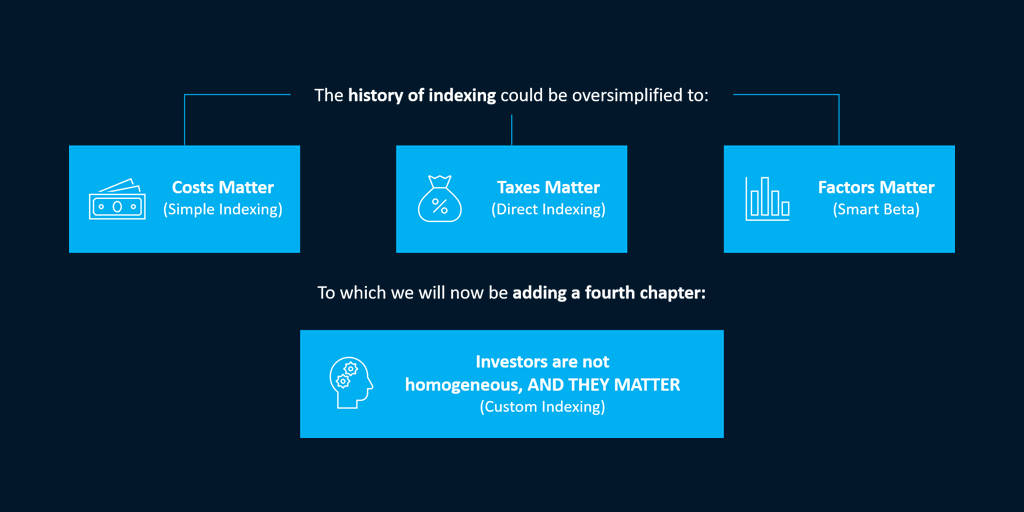
‘Customized portfolio and tax management for a broader spectrum of investors’
The Charles Schwab Corporation (SCHW) announced, on March 31, 2022, the upcoming launch of a new service, Schwab Personalized Indexing. Schwab touts this as a new solution that brings the power of customized portfolio and tax management to a broader spectrum of investors.
Rick Wurster, president of The Charles Schwab Corporation, stated in a press release: “Direct indexing has long been available to ultra-high net worth investors and institutions able to meet very high investment minimums. But now, thanks to technology innovations and industry developments like Schwab’s introduction of online commission-free trading, we’re able to lower the barriers to direct indexing for more investors and the advisors who serve them.” Schwab expects the new service, which is trademarked, to be available by the end of April 2022.
Key Takeaways
Charles Schwab (SCHW) is introducing Schwab Personalized Indexing, a direct indexing service for accounts as small as $100,000.
Direct indexing involves holding the individual securities in an index, allowing for greater tax management.
The service is expected to be available by the end of April 2022, and Schwab expects to add options and features over the next 12-18 months.
Key Features
Unlike an index fund, direct indexing involves direct ownership of the underlying securities in an index. Thus, it may offer a greater level of tax management for the investor. Within separately managed accounts, Schwab Personalized Indexing is based on a proprietary optimization process that includes daily monitoring of client portfolios and tax-loss harvesting technology. Each client account is to be optimized based on its current holdings and the potential capital gains taxes due on unrealized gains.
Available Strategies
Investors initially can choose among three index-based strategies that can be customized. These are a U.S. large cap strategy based on the Schwab 1000 Index, a U.S. small cap strategy based on the S&P SmallCap 600 Index, and an environmental, social, and governance (ESG) strategy based on the MSCI KLD 400 Social Index. Each strategy seeks index-like returns with enhanced after-tax benefits. Schwab expects to add more strategies and features during the next 12-18 months.
Account Minimums and Fees
Schwab Personalized Indexing initially will require an account minimum of $100,000. Schwab notes that most direct indexing offerings currently on the market start at $250,000 or higher.1
Fees start at 0.40% of assets. Schwab indicates that this is less expensive than many direct indexing programs currently available to advisors and investors.
Posted on November 16, 2022 by Dr. David Edward Marcinko MBA MEd CMP™
***
***
Some of the biggest players in the financial industry are launching a digital dollar pilot program while the crypto sector reels from FTX’s collapse. About a dozen global giants, including Citigroup, HSBC, Mastercard and Wells Fargo, announced plans on Tuesday to test use of a digital token for 12 weeks in conjunction with the Federal Reserve Bank of New York, with the intention of examining how effective a digital currency is in speeding up payments.
U.S. equities posted gains following the release of a softer-than-expected read on wholesale price inflation. The report came in the wake of last week’s consumer price inflation release that continued to temper expectations regarding how aggressive the Fed could remain with its monetary policy tightening.
However, stocks finished well off the highs today, as geopolitics again flared following reports of Russian missiles crossing into NATO-member Poland, killing two individuals. The economic docket also offered the Empire Manufacturing Index, which showed that manufacturing activity in the New York region expanded, versus estimates calling for it to remain in contraction territory. Some retail heavyweights released earnings reports, as Dow members Walmart and Home Depot both beat estimates, with the former raising its guidance and authorizing a new share repurchase program, and the latter reaffirming its full-year outlook.
Treasury yields declined following the inflation data, and the U.S. dollar finished lower. Crude oil prices rose, and gold also traded to the upside.
Stocks in Asia finished mostly higher, led by mainland Chinese and Hong Kong stocks, amid moves to ease China’s COVID restrictions. European stocks were also higher for the most part as investors continued to digest recent monetary policy actions as a result of inflationary concerns.
Posted on November 14, 2022 by Dr. David Edward Marcinko MBA MEd CMP™
***
***
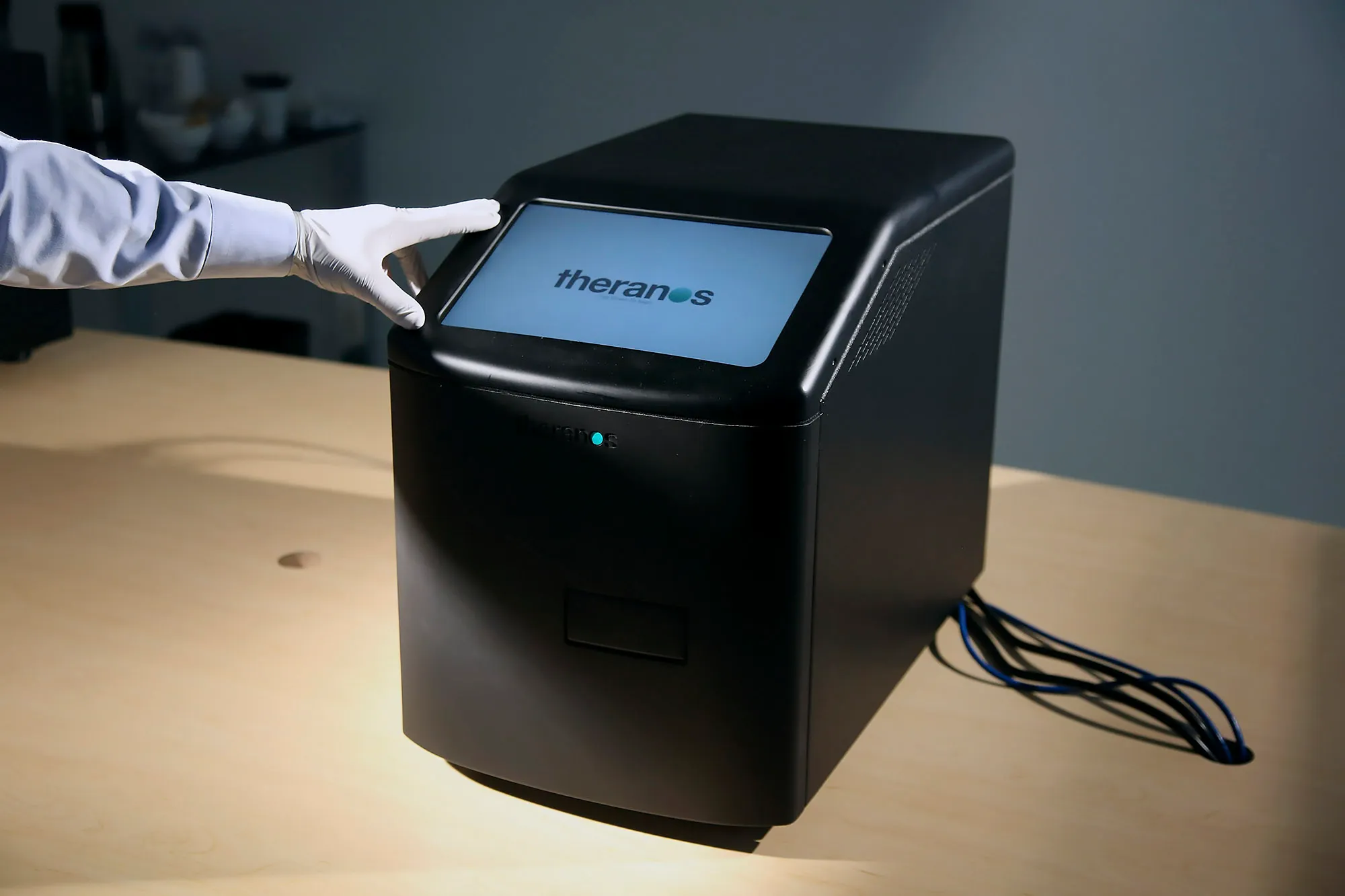
Elizabeth Holmes will find out how much time she’s spending in prison. The Theranos founder will be sentenced on Friday after being found guilty of fraud for lying to investors about her blood-testing startup. Prosecutors want 15 years.
Meanwhile, beaten-down tech stocks were the stars of last week’s rally, staging their biggest two-day pop since the financial crisis after inflation numbers came in cooler than expected. Investors still caution that this might be a classic case of a “bear market rally,” or a brief glimpse of the sun before the storm clouds return. Corporations haven’t exactly been lighting it up with profits right now.
Posted on November 13, 2022 by Dr. David Edward Marcinko MBA MEd CMP™
By Staff Reporters
***
***
IRS
The IRS just noted that there are no changes made to the taxability of income but only in the reporting rules for Form 1099-K. Taxpayers are still required to report all income on their tax return unless it is excluded by law. This is whether they receive a Form 1099-NEC, Nonemployee Compensation; Form 1099-K; or any other information return.
Previously businesses would generally receive a 1099-K tax form only when their gross payments exceeded $20,000 for the year and the business conducted at least 200 transactions.
According to the new 1099-K rule, the gross payments threshold has been lowered to just over $600 for the year with the transactions threshold no longer applying. Now a single transaction exceeding $600 can trigger a 1099-K. This includes transactions through credit cards, debit cards, banks, PayPal, Uber, Lyft, and other third-party payment settlement entities.
The 1099-K form includes information about the payment processor and the company receiving payments, and a monthly breakdown of total payments, among other information.
According to the IRS, the lower information reporting threshold and the summary of income on Form 1099-K will make it easier for taxpayers to track the amounts received.
EDITOR’S NOTE: I first Met Richard Helppie when I was in business school. He was the CEO of Superior Consultant at the time and very gracious to me with with his advice. Today he is a respected philanthropist and publisher of The Common Bridge. -David E. Marcinko
Posted on November 11, 2022 by Dr. David Edward Marcinko MBA MEd CMP™
By Staff Reporters
***
***
Following his crypto exchange’s epic implosion, FTX boss Sam Bankman-Fried (SBF) said he was sorry for mistakes he made, and pledged to “give anything I have to” in order to raise the $4 billion in capital FTX needs to avoid bankruptcy.
As the SEC bear down on the company, shady activities are coming to light: FTX loaned its affiliated firm, Alameda Research, ~$10 billion worth of customer assets to fund high-risk bets, per the WSJ.
Posted on November 10, 2022 by Dr. David Edward Marcinko MBA MEd CMP™
By Staff Reporters
***
***
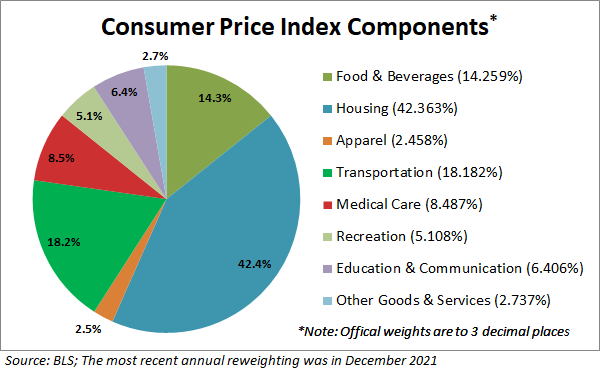
The consumer price index (CPI), the inflation report we dislike every month, dropped today and showed that price growth cooled off a bit in October (but is still far higher than where the FOMC wants it).
The Consumer Price Index (CPI) for October reflected a 7.7% increase over last year and 0.4% increase over the prior month, better than Wall Street expected. Economists surveyed by Bloomberg called for a 7.9% annual rise and 0.5% monthly gain.
The S&P 500 (^GSPC) rallied 5.5% — its biggest intraday gain since April 2020 — while the Dow Jones Industrial Average (^DJI) jumped 1,200 points, or 3.7%, the most since May 2020. The technology-heavy Nasdaq Composite (^IXIC) advanced a whopping 7.4%, its sharpest climb since emerging from the pandemic crash in March 2020. Meanwhile, Treasury yields tumbled following the report, with the benchmark 10-year note falling well below the 4% level.
Meanwhile, earnings season rolls on with reports from Disney, AMC, Palantir, Beyond Meat, and more.
Posted on November 10, 2022 by Dr. David Edward Marcinko MBA MEd CMP™
By Staff Reporters
***
***
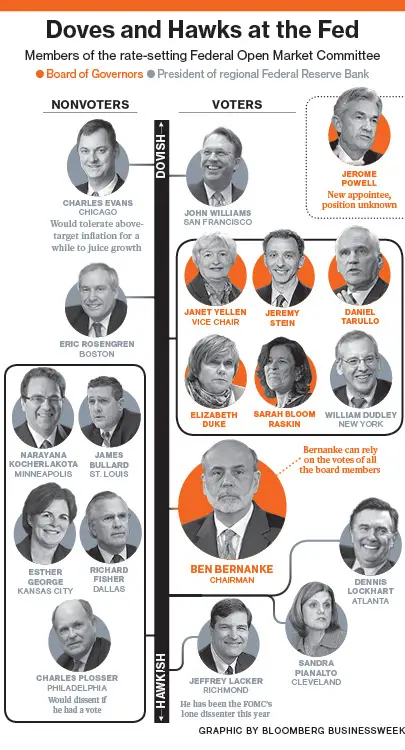
It’s a big day for anyone trying to read Jerome Powell today because the October consumer price index report gets released this morning.
Economists expect to see the annual inflation rate come in at 7.9%, so anything higher is likely to spark fear that the Fed could get even more aggressive with its rate hikes.
Posted on November 9, 2022 by Dr. David Edward Marcinko MBA MEd CMP™
By Staff Reporters
***
***
Shares of Robinhood, the brokerage, plummeted by 15% as FTX was acquired to save it from collapsing. Sam Bankman-Fried bought a 7.6% stake in May in Robinhood, a brokerage meant to attract Millennial investors who sought to invest in cryptocurrencies.
But Bankman-Fried, the founder of FTX, a popular cryptocurrency exchange, faced even larger hurdles that investors were not aware of.
Robinhood (HOOD) – Get Free Report shares tumbled on Nov. 8, falling by as much as 15.54% in mid-day trading to $10.22 a share as Binance, the crypto behemoth, said it would acquire FTX, which was once its rival due to a “liquidity crunch.”
Posted on November 7, 2022 by Dr. David Edward Marcinko MBA MEd CMP™
By Staff Reporters
***
***
Last week was a rough one in the stock market, and this week could be even worse. The inflation report Thursday, and another group of earnings will give investors plenty of new information to absorb. Finally, Warren Buffett reported his company’s earnings over the weekend as Berkshire’s $109 billion cash pile has ballooned thanks to rising interest rates.
***
Cathie Wood is once again offloading shares in her long-time favorite Nvidia Corp., as a slight rebound emerged ahead of the company’s earnings. Her flagship Ark Innovation ETF sold 167,914 shares on Friday, adding to a sale of 50,252 shares on Oct. 20, according to Wood’s firm Ark Investment Management LLC’s daily trading disclosures.
Meanwhile, the Ark Next Generation Internet ETF sold 24,423 Nvidia shares on Thursday. Ark’s latest sales come days ahead of Nvidia’s third-quarter earnings — scheduled for Nov. 17 — similar to the prior quarter when the funds dumped the stock before the chipmaker reported revenue forecast that was about $1 billion short of the average Wall Street estimate. The stock has rebounded 26% from a more than two-year low on Oct. 14 to $141.46. That’s above the average closing price of $131.74 in September, when ETFs controlled by ARK Investment Management LLC picked up more than 400,000 Nvidia shares throughout the month.
Still, Nvidia is down more than 50% this year as historical tightening by the Federal Reserve and global recession fears have continued to batter growth stocks.
Posted on November 6, 2022 by Dr. David Edward Marcinko MBA MEd CMP™
By Staff Reporters
***
***
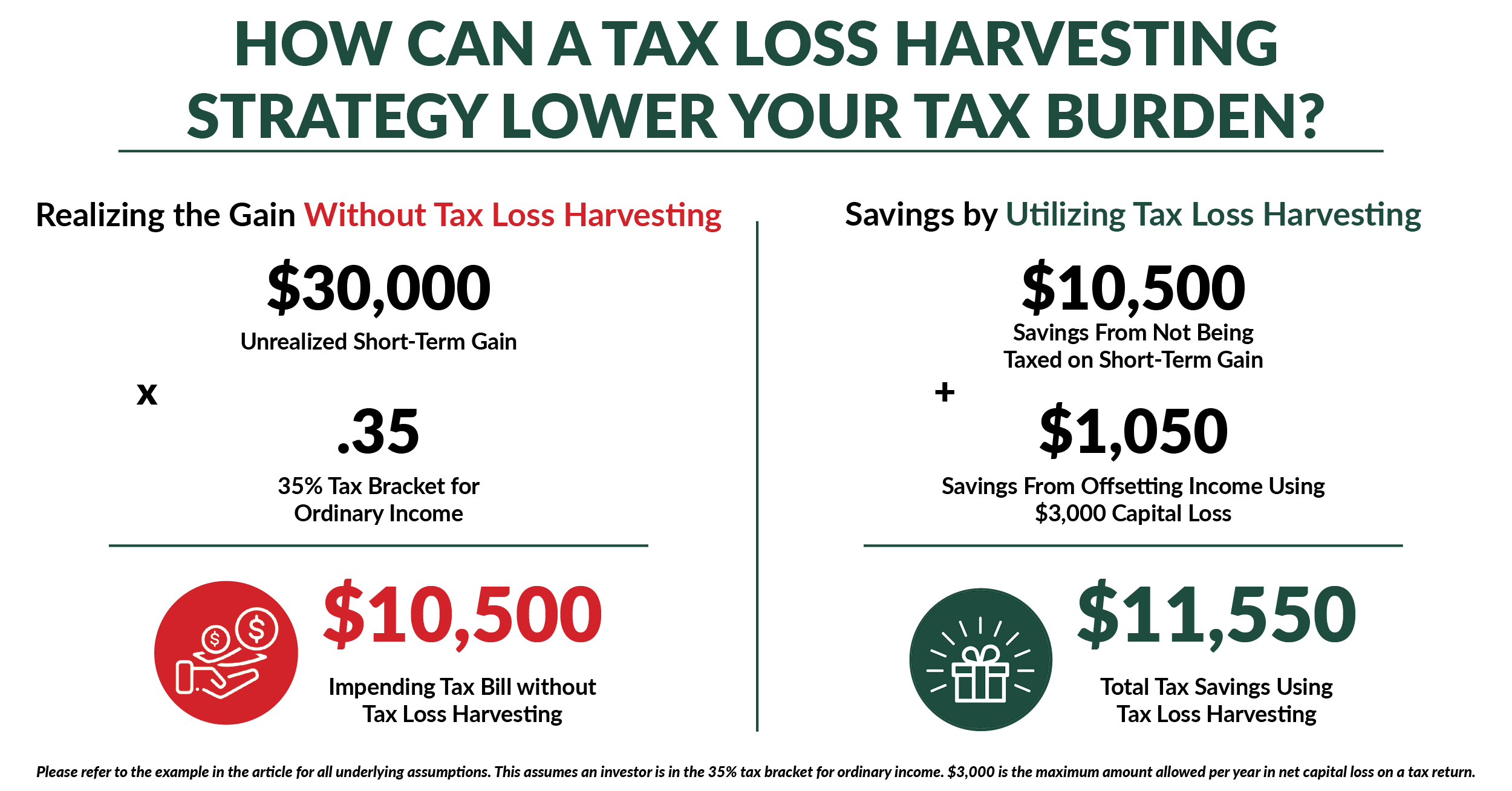
What Is Tax-Loss Harvesting?
Tax-loss harvesting is the timely selling of securities at a loss in order to offset the amount of capital gains tax due on the sale of other securities at a profit.
This strategy is most often used to limit the amount of taxes due on short-term capital gains, which are generally taxed at a higher rate than long-term capital gains. However, the method may also offset long-term capital gains. This strategy can help preserve the value of the investor’s portfolio while reducing the cost of capital gains taxes.
There is a $3,000 limit on the amount of capital gains losses that a federal taxpayer can deduct in a single tax year. However, Internal Revenue Service (IRS) rules allow additional losses to be carried forward into the following tax years.
4 Key Points
Tax-loss harvesting is a strategy investors can use to reduce the total amount of capital gains taxes due from the sale of profitable investments.
The strategy involves selling an asset or security at a net loss.
The investor can then use the proceeds to purchase a similar asset or security, maintaining the portfolio’s overall balance.
The investor must be careful not to violate the IRS rule against buying a “substantially identical” investment within 30 days.
Posted on November 4, 2022 by Dr. David Edward Marcinko MBA MEd CMP™
By Staff Reporters
***
***
DEFINITION: Stablecoins are cryptocurrencies where the price is designed to be pegged to a reference asset. The reference asset may be fiat money, exchange-traded commodities, or a cryptocurrency.
In fact, Stablecoins could have such a profound effect on the established banking system that U.S. regulators need to require that the digital tokens fit in without disrupting it, said Martin Gruenberg, the acting chairman of the Federal Deposit Insurance Corp. (FDIC). His remarks were delivered at a Brookings Institution event recently.
Gruenberg’s agency is among the U.S. banking watchdogs that will have significant influence over how stablecoins are regulated, and the FDIC has also had to weigh in with recent sanctions against firms – such as FTX US – that have made claims misrepresenting how FDIC deposit insurance backstops their operations. As U.S. banks have increasingly sought to offer crypto services, including maintaining custody of customer’s digital assets, Gruenberg said that his agency has been cautious about allowing regulated lenders to engage.
The rate for I bonds, an asset that’s tied to the rate of inflation, was lowered to 6.89% yesterday from its record high of 9.62%. But in the final days of the previous rate, investors hoarded I bonds like crazy.
Now, on Friday, the Treasury sold $979 million of I bonds, nearly as much as the entire amount sold in the three years from 2018 to 2020, per CNBC. The investors also crashed the website.
Posted on November 2, 2022 by Dr. David Edward Marcinko MBA MEd CMP™
CMS Cracks Down on Medicare Advantage TV Marketing
Dr. David Edward Marcinko MBA
***
***
CMS is cracking down on deceptive marketing practices and will no longer allow Medicare Advantage or Part D prescription drug plans to advertise on television without agency approval first. The new policy is effective Jan. 1st and was discussed in an Oct. 19th memo from CMS to MA and Part D providers. The agency said it issued the new policy after reviewing thousands of beneficiary complaints regarding confusing, misleading or inaccurate information from plans — plan sponsors are also responsible for all marketing activities from brokers and third-party agencies.
“CMS has conducted so-called ‘secret shopping’ by calling numbers associated with television advertisements, mailings, newspaper advertisements and internet searches to monitor the experience beneficiaries have engaging these entities,” the agency wrote.
“Our secret shopping activities have discovered that some agents were not complying with current regulation and unduly pressuring beneficiaries, as well as failing to provide accurate or enough information to assist a beneficiary in making an informed enrollment decision.”
Source: Jakob Emerson, Becker’s Payer Issues [10/27/22]
Posted on November 1, 2022 by Dr. David Edward Marcinko MBA MEd CMP™
By Staff Reporters
***
***
Prime Medicine (NASDAQ:PRME) opened up its shares for public trading for the first time since it filed for IPO in September 2022. The company agreed to initially offer 10.29 million shares to the public at $17.00 per share. On its first day of trading, the stock decreased 18.98% from its opening price of $18.97 to its closing price of $15.37.







 Support our online development, and advance our onground research initiatives in free market economics, as we seek to showcase the brightest Next-Gen minds.
THE ME-P DISCLAIMER: Posts, comments and opinions do not necessarily represent iMBA, Inc., but become our property after submission. Copyright © 2006 to-date. iMBA, Inc allows colleges, universities, medical and financial professionals and related clinics, hospitals and non-profit healthcare organizations to distribute our proprietary essays, photos, videos, audios and other documents; etc. However, please review copyright and usage information for each individual asset before submission to us, and/or placement on your publication or web site. Attestation references, citations and/or back-links are required. All other assets are property of the individual copyright holder.
Support our online development, and advance our onground research initiatives in free market economics, as we seek to showcase the brightest Next-Gen minds.
THE ME-P DISCLAIMER: Posts, comments and opinions do not necessarily represent iMBA, Inc., but become our property after submission. Copyright © 2006 to-date. iMBA, Inc allows colleges, universities, medical and financial professionals and related clinics, hospitals and non-profit healthcare organizations to distribute our proprietary essays, photos, videos, audios and other documents; etc. However, please review copyright and usage information for each individual asset before submission to us, and/or placement on your publication or web site. Attestation references, citations and/or back-links are required. All other assets are property of the individual copyright holder.