BOARD CERTIFICATION EXAM STUDY GUIDES Lower Extremity Trauma
[Click on Image to Enlarge]
ME-P Free Advertising Consultation
The “Medical Executive-Post” is about connecting doctors, health care executives and modern consulting advisors. It’s about free-enterprise, business, practice, policy, personal financial planning and wealth building capitalism. We have an attitude that’s independent, outspoken, intelligent and so Next-Gen; often edgy, usually controversial. And, our consultants “got fly”, just like U. Read it! Write it! Post it! “Medical Executive-Post”. Call or email us for your FREE advertising and sales consultation TODAY [678.779.8597] Email: MarcinkoAdvisors@outlook.com
Medical & Surgical e-Consent Forms
ePodiatryConsentForms.com
iMBA Inc., OFFICES
Suite #5901 Wilbanks Drive, Norcross, Georgia, 30092 USA [1.678.779.8597]. Our location is real and we are now virtually enabled to assist new long distance clients and out-of-town colleagues.
ME-P Publishing
SEEKING INDUSTRY INFO PARTNERS?
If you want the opportunity to work with leading health care industry insiders, innovators and watchers, the “ME-P” may be right for you? We are unbiased and operate at the nexus of theoretical and applied R&D. Collaborate with us and you’ll put your brand in front of a smart & tightly focused demographic; one at the forefront of our emerging healthcare free marketplace of informed and professional “movers and shakers.” Our Ad Rate Card is available upon request [678-779-8597].
Posted on February 8, 2023 by Dr. David Edward Marcinko MBA MEd CMP™
By Staff Reporters
***
***
U.S. equities finished higher after whipsawing in the wake of comments from Federal Reserve Chair Powell. The Chairman spoke at the Economic Club in Washington D.C. today, saying that disinflation has begun, but interest rate increases would likely continue. The moves came as the markets were looking for more insight regarding monetary policy, but all-in-all Powell’s remarks appeared to offer little in the way of new information on the Fed’s path forward.
And, the economic calendar was fairly light as data on the trade balance showed that the deficit widened at a slower pace than expected, while consumer credit expanded by a smaller-than-expected amount in December. Earnings data continued to heat up, as Take-Two Interactive missed forecasts and warned that net bookings will be lower in the near term. Dupont, on the other hand, bested earnings estimates, but provided some disappointing guidance, while Hertz beat EPS forecasts and posted revenues that were in line with estimates.
Treasury yields were also higher, and the U.S. dollar ticked lower, while crude oil and gold prices traded to the upside.
Asian stocks were mixed and markets in Europe diverged following a rate hike from the Reserve Bank of Australia, and as global sentiment remained choppy amid heightened tensions between the U.S. and China.
***
A frenzy over investing opportunities in artificial intelligence continues to benefit Baidu BIDU +12.18% with shares in the Chinese tech giant rallying Tuesday after the company revealed concrete plans to launch a chatbot to rival the likes of popular ChatGPT. It is known as ERNIE-bot.
American depository receipts of Baidu (ticker: BIDU) jumped 15% in pre-market trading on Tuesday, bringing the 2023 gain for the shares above 20%. The stock’s latest jump higher comes as Baidu detailed plans to launch an artificial intelligence chatbot in the coming months, confirming media reports that had telegraphed the move.
After a record year in 2021 transactional activity, where healthcare mergers and acquisitions (M&A) were up by 56%, the market continued to thrive in 2022. Preliminary results revealed that 2022 M&A deals hit a record high of 2,409 deals, 150 transactions over what was observed in 2021. Despite economic challenges (e.g., rising interest rates and borrowing costs, inflation, and labor costs), the healthcare transactional market has remained active.
This Health Capital Topics article will review the U.S. healthcare industry’s M&A activity in 2022, and discuss what these trends may mean for 2023. (Read more…)
Posted on February 7, 2023 by Dr. David Edward Marcinko MBA MEd CMP™
By Staff Reporters
***
***
Stocks Lower to Kick off the Week
U.S. stocks declined, continuing losses that came in the wake of a much stronger-than-expected key labor report, which caused FOMC uncertainty to flare back up. The uncertainty came as the employment data followed a decelerated rate hike, and some seemingly less hawkish commentary from the Fed.
The economic calendar will deliver some reports today that may garner attention, including data on the trade deficit and consumer credit. Additionally, the FOMC will be headlined by today’s speech from Fed Chair Jerome Powell. Q4 earnings season remained in high gear this week, as Tyson Foods kicked things off in lackluster fashion by missing expectations.
In other equity news, Dell Technologies announced that it plans to reduce its workforce by about 5.0%, or 6,500 jobs, while Public Storage made a hostile takeover bid for Life Storage.
Treasury yields rose, and the U.S. dollar increased, along with crude oil and gold prices. Asia finished mixed, as geopolitical tensions remain elevated after the U.S. shot down what was believed to be a Chinese spy balloon floating over U.S. soil.
Additionally, markets in Europe were mostly lower, trimming some of its strong start to the year.
Posted on February 5, 2023 by Dr. David Edward Marcinko MBA MEd CMP™
A Reprint by Staff Reporters
***
***
In the week since the Indian mogul was targeted by a short seller, his businesses have lost a combined $108 billion in value and his own net worth has plummeted by $52 billion. Adani was once the second-richest person in the world. But, as Bloomberg notes, his downfall “defies just about every historical comparison.”
Given Adani’s sprawling business empire and his cozy relationship with India’s leadership class, this crisis has echoed across both markets and politics. Here’s a rundown of what you need to know about the most important story in global business this week.
According to Morning Brew, Adani grew up middle-class, dropped out of college to trade diamonds and eventually formed his own business hawking other physical products. During the ’90s his ambitions expanded along with the Indian economy, and he now runs a conglomerate that encompasses energy, transportation infrastructure such as ports and airports, defense manufacturing, and media.
On January 24th, a US short seller named Hindenburg Research claimed Adani’s empire pulled “the largest con in corporate history,” accusing it of stock manipulation and accounting fraud in a 100-page report. Adani has denied the allegations, but his push-back hasn’t comforted spooked investors…especially after he scrapped a $2.5 billion share sale a few days ago.
Adani responded that Hindenburg’s report wasn’t just an attack on him, it amounted to a “calculated attack on India…and the growth story and ambition of India.” Adani’s business ventures have aligned closely with the priorities of Indian Prime Minister Narendra Modi, and Modi’s political opponents are seizing on the fiasco to highlight the relationship between India’s leader and Adani.
Adani emphasized that his company’s fundamentals remain “very strong” and its balance sheet “healthy.” Still, some experts say the accusations could leave a lasting reputational stain on India’s largest corporations and hamstring their ability to grow
Posted on February 5, 2023 by Dr. David Edward Marcinko MBA MEd CMP™
By Staff Reporters
***
***
Stocks ended the week subdued when a red-hot jobs report once again got investors biting their nails over what the Fed will do next—though the S&P and NASDAQ both eked out positive weeks. The tech stock rally started losing steam after several big companies reported disappointing quarterly results, with Amazon being the one investors cooled on most.
More specifically, racing game publisher Motorsport Games (NASDAQ:MSGM) is seeing more volatility, tumbling 24.2% Friday after announcing a $4M at-the-market offering. The company entered a definitive agreement to issue and sell 232,188 shares of its class A common stock at $17.39 per share. The stock has slid $5.46 to trade at $17.50. The closing of this new offering is set for on or around February 7th with H.C. Wainwright & Co. acting as exclusive placement agent. Gross proceeds will be about $4.03M, which Motorsport Games will put toward development of multiple games, working capital and general purposes.
Still, it was the most eventful week for the stock in many months. On Monday it launched a debt-for-equity exchange to shore up its balance sheet, sending the stock lower by 8.7%. After regaining full compliance with Nasdaq listing rules, the stock jumped 714% Tuesday, moving from $2.63 a share to $21.40. After moving up another 73% Wednesday, the company then moved to convert all remaining debt in a new debt-for-equity exchange, and the stock fell 38% Thursday. Before Friday’s decline, the stock moved up an aggregate 482% in five days.
Posted on February 4, 2023 by Dr. David Edward Marcinko MBA MEd CMP™
By Staff Reporters
***
***
Treasury yields jumped after a much stronger-than-expected U.S. January jobs report clouded investor expectations for the Federal Reserve to end its interest rate hiking cycle in coming months. Treasury Yields and debt prices move opposite each other:
The yield on the 2-year Treasury note rose 14.9 basis points to 4.233%.
The 10-year Treasury note yield jumped 9.9 basis points to 3.498%.
The 30-year Treasury bond yield was up 6.9 basis points at 3.626%.
***
U.S. equities declined in a choppy trading session following a stronger-than-expected January labor report, and some uninspiring earnings results from mega-cap stocks. Non farm payroll additions beat estimates by a large amount, and the unemployment rate declined, solidifying the notion of a tight job market.
Meanwhile, a read on domestic services sector activity moved back into expansion territory. Mega-cap stocks were in focus today, as Dow member Apple missed estimates and posted its first quarterly decline in revenues since 2019, and Alphabet also posted discouraging quarterly results, while Qualcomm bested EPS estimates by a penny, but fell short on the revenue side.
Notably, the retail giant Amazon is finally starting to feel the economic pinch. The e-commerce company, which most people thought was unstoppable, has reportedly had its first unprofitable year since 2014. The company released this week that it has lost over $2 billion in 2022, despite holiday-season sales increasing by 9%.
Asian and European stocks finished mixed, as the markets continued to process the week’s monetary policy decisions, as well as some services sector data across the globe.
***
Elon Musk was found not liable for investors’ losses in a securities fraud trial over his 2018 tweet that he had “funding secured” to take Tesla private at $420 per share, continuing the tech mogul’s streak of favorable verdicts over his erratic behavior. Plaintiff Glen Littleton and fellow members of the class action sued Musk and Tesla, including its board of directors, over the tweet and Musk’s subsequent statements, alleging the notion that financing was in place had been false. They said shareholders suffered steep financial harms because of panicked sales in the 10 days following the tweet, as Tesla and Musk engaged in damage control.
Posted on February 3, 2023 by Dr. David Edward Marcinko MBA MEd CMP™
By Staff Reporters
***
***
US employers in January announced the most job cuts since 2020, according to data compiled by Challenger, Gray & Christmas, Inc. Businesses reported 102,943 cuts in the month, more than twice those announced in December and up 440% from January 2022. The technology sector made up 41% of the planned reductions. Announced layoffs at retailers and financial companies also climbed from a year ago.
Meanwhile, U.S. stocks ended the day mixed, with the S&P 500 and NASDAQ adding to yesterday’s rally that came as the Fed hiked rates by a decelerated amount and suggested that it may be nearing the end of its tightening cycle. The global markets also reacted to 50-basis point rate increases from the European Central Bank and Bank of England.
Earnings continued to pour in, with Meta Platform jumping after some upbeat guidance, and Eli Lilly and Company saw pressure after some softer-than-expected revenue growth. The economic calendar delivered some positive news, with Q4 productivity much stronger than expected and unit labor costs slowing more than anticipated, and jobless claims continued to slide, while factory orders missed estimates.
Treasury yields were unchanged, and the U.S. dollar gained ground, while crude oil and gold prices declined. Asian stocks finished mixed following the Fed’s decision, and markets in Europe were mostly higher in the wake of the monetary policy decisions in the region.
***
***
Finally, a Japanese maker of flying motorbikes will list on the NASDAQ stock exchange and start trading in New York, making it the fifth company from the Asian nation to join the tech-heavy bourse, according to Bloomberg. Tokyo-based ALI Technologies Inc. is going public through a merger with the blank-check firm Pono Capital Corp. Under terms of the deal, ALI Technologies will become a fully owned unit of its US arm, Aerwins Technologies, the people said, asking not to be named because the information isn’t yet public. Its market cap is expected to be at least $600 million, in line with its target last year despite a market selloff. Its ticker will be AWIN.
Posted on February 1, 2023 by Dr. David Edward Marcinko MBA MEd CMP™
BUT …NOT SAMSUNG
By Staff Reporters
***
***
Due to a lack of demand for chips and a slowdown in its data processing center business, Intel just reported its worst financial results since the dot-com bubble popped at the turn of the century. Though the stock only ended up falling 6.4% by the time the market closed yesterday, Wall Street definitely took notice of the company’s troubles.
And so, twenty-one analysts slashed what they thought it was worth, and many did not hold back in describing the chip maker’s fall. “No words can portray or explain the historic collapse of Intel,” one said according to Bloomberg.
***
Samsung Electronics Co., however, made a surprisingly aggressive decision to keep capital spending at the same level as last year, defying expectations it would go along with rivals in pulling back to alleviate pressure on an already-battered semiconductor industry. The result will be more pressure on chip pricing than if the Korean giant had pulled back spending on new machinery and factory capacity.
Posted on February 1, 2023 by Dr. David Edward Marcinko MBA MEd CMP™
By Staff Reporters
***
Foreign-exchange volatility hammered North America’s corporate profits by a record in the third quarter, though signs of relief are on the horizon. Currency oscillations cost North American companies $43.2 billion in the July to September period — an all-time high since data tracking started a decade ago — according to Kyriba Corp. That’s a 26% spike from the previous quarter, also a record, according to the corporate-treasury management software company. And, public companies pointed to the euro, Canadian dollar and ruble as the currencies weighing the most on profits in the period, followed by the Chinese yuan and the Japanese yen, according to Kyriba’s report. The euro and the loonie had also earned top mentions in the firm’s second-quarter report.
U.S. equities ended a choppy trading session higher, as investors sifted through a host of earnings and economic data, and awaited tomorrow’s monetary policy decision from the Federal Reserve. Several Dow members were in focus, as McDonald’s beat earnings estimates, and Caterpillar missed expectations due to unfavorable foreign currency impacts.
In other equity news, UPS posted higher-than-expected earnings, declared a new quarterly dividend, and revamped its share repurchase program, while Pfizer beat forecasts but issued lower-than-anticipated guidance, and General Motors trounced expectations and offered an upbeat full-year outlook.
The economic calendar heated up, with the Q4 Employment Cost Index coming in lower than expected, and home prices declining by a smaller amount than anticipated in November. More reports came out after the opening bell, as January’s consumer confidence unexpectedly declined, and the Chicago PMI fell further into contraction territory.
Treasury yields were lower, and the U.S. dollar dipped, while crude oil prices increased, as did gold. Asian stocks were mostly lower amid a swarm of economic reports.
European markets finished mixed following the economic data, and as investors awaited monetary policy decisions from the European Central Bank and Bank of England later this week.
Posted on January 31, 2023 by Dr. David Edward Marcinko MBA MEd CMP™
By Staff Reporters
***
***
Gas prices are continuing to rise to start 2023, and experts say prices are “unlikely to turn around any time soon.” And, the current average for a regular gallon of gas $3.50, according to AAA.
While it’s nowhere near the record $5.01 reached in June, its far more than what the average was heading into New Year’s Day and what prices were one year ago.
And, experts say it’s possible the average price reaches $4 later this year.
Posted on January 30, 2023 by Dr. David Edward Marcinko MBA MEd CMP™
By Staff Reporters
***
***
Despite admitting the company had “strong growth” across Wizards of the Coast, Digital Gaming, Hasbro Pulse, and its licensing business, Hasbro has announced that it will be laying off 15 percent of its workforce in an effort to cut down on costs and “return business to a competitive, industry-leading position.” Up to 1,000 workers will be affected by these layoffs, which have apparently been caused by Hasbro’s Consumer Products business under performing over the holiday period.
***
This flood of Big tech and other layoffs has again upended the dynamic between employers and employees, workers and executives say, leading to prolonged job searches and widespread fear and anxiety among many in the industry. “It is an employer’s market after years of employees having the benefit of working from home [and] more jobs with higher pay and perks,” said an anonymous unemployed worker after being let go by an educational-tech company last November. “Employers are reasserting their dominance — For example: Disney Google Meta Apple Snap [are] asking workers to be on site three or four days a week.”
Moreover, last week, Alphabet Inc.’s Google was the latest tech giant to add to the uncertainty, announcing the elimination of 12,000 jobs just two days after Microsoft Corp. announced it was cutting 10,000 positions. The two join a long list of companies that have announced layoffs in recent months, including Salesforce Inc. Facebook parent Meta Platforms Inc., Amazon.com Inc. Cisco Systems Inc. Intel Corp. HP Inc. Coinbase Global Inc. Spotify Technology Inc. and Snap Inc.
And so, is the above and more, leading to the next employment cycle? Perhaps to become known as the “Great Re-Commitment“?
Posted on January 28, 2023 by Dr. David Edward Marcinko MBA MEd CMP™
By Staff Reporters
***
***
Technology giants IBM and SAP joined the ranks of large companies laying off significant numbers of workers, as both announced that they will be laying off thousands of employees.
***
U.S. equities closed out the week on a positive note, as investors sifted through another heavy dose of earnings and economic data. Dow components posted mixed earnings results, as Visa bested expectations, and American Express missed forecasts but offered upbeat guidance.
Additionally, Dow member Chevron also fell short, and Intel disappointed the Street amid a fourth-consecutive quarter of declining sales and warned of future losses. Meanwhile, KLA Corporation beat estimates but offered lackluster guidance. News on the economic front was upbeat, as personal income rose, pending home sales posted a gain for last month, and consumer sentiment was positively revised.
Treasury yields were higher, and the U.S. dollar increased, while crude oil and gold prices declined.
Asian stocks finished out the week with gains in continued light volume as mainland Chinese markets remained closed for the Lunar New Year holiday, and markets in Europe were higher for the most part amid some cautious trading ahead of a host of monetary policy decisions slated for next week.
Posted on January 27, 2023 by Dr. David Edward Marcinko MBA MEd CMP™
By Staff Reporters
***
***
Q4’s strong GDP numbers are raising hopes that the Fed could actually pull off the tricky “soft landing”—where it knocks down inflation through interest rate hikes without sending economic growth into reverse. The resilient labor market is cooperating: Despite all the headlines about layoffs, jobless claims fell last week to their lowest point since April 2022.
U.S. stocks ended the day in the green as the markets digested a host of economic and earnings data. The economic calendar came in heavy today, as Q4 GDP growth was higher than expected, jobless claims unexpectedly fell, new home sales rose, and durable goods orders jumped, but dipped when stripping out the volatile component of transportation activity. Several Dow members were in focus, as IBM exceeded expectations, though its cash flow performance garnered some scrutiny on the Street, and Dow Inc. missed quarterly estimates. Fellow Dow component Chevron announced an increased dividend and a new $75.0 billion share repurchase plan, while in other news, Tesla topped quarterly estimates and offered an upbeat outlook.
Treasury yields traded mostly higher, and the U.S. dollar advanced, while crude oil prices increased, and gold moved to the downside.
Asian stocks finished mixed in lighter volume as several markets remained closed for holidays, while markets in Europe were higher for the most part, adding to the region’s strong start to the year.
Posted on January 27, 2023 by Dr. David Edward Marcinko MBA MEd CMP™
PRIME MEMBERSHIP
By Staff Reporters
***
***
Yesterday, Amazon announced the launch of RxPass: an add-on to Prime memberships that provides subscribers with access to 50 generic prescription drugs for a $5 monthly fee.
RxPass will launch immediately in most states (though not California and Texas, the most populous ones) and include generic drugs that treat common conditions like high blood pressure, anxiety, acid reflux, and hair loss. About 150 million US residents have a prescription for one of the drugs included in RxPass, according to Amazon.
But the service is not available to people on Medicare or Medicaid, and it doesn’t offer insulin.
RxPass is Amazon’s answer to the Mark Cuban Cost Plus Drug Company (which offers significantly more medications—1,100 of them) and is likely part of an effort to attract more users to Amazon Pharmacy. Amazon Pharmacy could use the boost—it launched in 2020 but ranked at the bottom of a list of which Prime perks drew members to the service, a Morgan Stanley survey found last summer.
Posted on January 24, 2023 by Dr. David Edward Marcinko MBA MEd CMP™
INTUIT
By Staff Reporters
***
Married couples have the option to file jointly or separately on their federal income tax returns. The IRS strongly encourages most couples to file joint tax returns by extending several tax breaks to those who file together.
In the vast majority of cases, it’s best for married couples to file jointly, but there may be a few instances when it’s better to submit separate returns.
Posted on January 24, 2023 by Dr. David Edward Marcinko MBA MEd CMP™
By Staff Reporters
***
***
U.S. stocks were higher, extending the rally from late last week, as Q4 earnings season is set to shift into high gear tomorrow. The markets also prepared for next week’s Fed monetary policy decision, with the Central Bank expected to slow down on their tightening campaign. The economic calendar was light, with the only report being the Leading Economic Index, which indicated a tenth-straight monthly decline and bolstered Fed expectations.
Treasury yields rose, and the U.S. dollar nudged higher, while crude oil prices were mostly unchanged, and gold gained ground. Equity news was relatively light before the week’s earnings storm, as Elliott Investment Management reportedly took a multi-billion dollar stake in Dow member Salesforce, and Evoqua Water Technologies agreed to be acquired by Xylem Inc. for roughly $7.5 billion.
Asian and European stocks finished higher, although trading volume in Asia was lower than usual as several markets were closed for the Lunar New Year holiday.
***
Spotifyannounced that it will lay off about 600 employees, or 6% of its workforce, in the latest Big Tech recession hedge. The shakeup could signal a pivot in the company’s podcast strategy. Like most of the other major tech companies making cuts, Spotify cited overly ambitious pandemic growth as the primary cause, and CEO Daniel Ek took “full accountability.” Along with the layoffs, Ek announced a major departure from the audio streamer: Chief Content Officer Dawn Ostroff, who was the driving force behind the company’s $1+ billion podcasting arms race to sign deals with companies like Gimlet and high-profile talent like Barack and Michelle Obama, Prince Harry and Meghan Markle, and Joe Rogan.
Posted on January 21, 2023 by Dr. David Edward Marcinko MBA MEd CMP™
By Staff Reporters
***
***
As the US just crashed into the $31.4 trillion debt ceiling as the Treasury Department began taking what it called “extraordinary measures” to prevent the government from defaulting on its debts and sparking an economic crisis.
These measures are a series of deep-cut accounting moves that allow the Treasury to continue making its payments. They include:
Suspending reinvestments into government funds for retired federal employees, such as the Civil Service Retirement and Disability Fund.
Selling existing investments in those funds to free up more outstanding debt.
And while these measures definitely aren’t ordinary…they probably aren’t so “extra,” either. The Treasury has resorted to them more than 12 times since 1985, including during the last debt-ceiling standoff in 2021.
Still, these steps amount to chugging water after eating a ghost pepper—the pain will return. Treasury Secretary Janet Yellen said her extraordinary measures will last through early June, giving lawmakers about five months to work out a deal to raise the debt ceiling.
NOTE: The US has never defaulted on its debt, but even the threat of it could be disastrous. The country’s first credit downgrade in history came during a debt-ceiling showdown in 2011.
Posted on January 20, 2023 by Dr. David Edward Marcinko MBA MEd CMP™
By Staff Reporters
***
***
As you likely know, the US spends muchon healthcare ($4.3 trillion in 2021, to be exact). But did you also know that healthcare fraud makes up a not-so-small piece of that pie?
The National Health Care Anti-Fraud Association (NHCAA), a national organization that works to prevent health insurance fraud, conservatively estimates that 3% of the US’s total annual healthcare spend—a hearty $129 billion—is lost to healthcare fraud. Some government agencies estimate that percentage to be as high as 10% (that’s $430 billion), according to the NHCAA.
Overall, Medicare fraud costs the US about $60 billion each year, Nicole Liebau, national resource center director for Senior Medicare Patrol, a government-funded organization designed to help prevent Medicare fraud, told Healthcare Brew, though she added that “the exact figure is impossible to measure.”
While Medicare fraud isn’t new, the US saw a rise in one particular tactic during the pandemic: a durable medical equipment (DME) scheme.
How the schemes work.
In a DME scheme, scammers target Medicare patients—often after a procedure or an injury—and cold-call them to offer free equipment, said Jennifer Stewart, senior associate general counsel and senior director of fraud prevention and investigation at Blue Cross Blue Shield of Massachusetts. The scammers offer consumers items like lidocaine, wheelchairs, walkers, or braces.
The scammers have roped in doctors—who are often unaware they’re working with scammers instead of legitimate medical companies—to sign off on prescriptions that are then used to bill Medicare for the equipment, Stewart said. Sometimes patients actually receive the products, and sometimes they don’t.
“It’s really dangerous because [a prescription like lidocaine] could have reactions with other medications. The durable medical equipment isn’t sized for them, and certainly the doctor who treated their injury didn’t prescribe it […] There is a lot of patient harm involved,” Stewart said. Keep reading here.
Posted on January 19, 2023 by Dr. David Edward Marcinko MBA MEd CMP™
By Staff Reporters
***
***
DEFINITION
A bear market is when a market experiences prolonged price declines. It typically describes a condition in which securities prices fall 20% or more from recent highs amid widespread pessimism and negative investor sentiment.
Bear markets are often associated with declines in an overall market or index like the S&P 500, but individual securities or commodities can also be considered to be in a bear market if they experience a decline of 20% or more over a sustained period of time—typically two months or more. Bear markets also may accompany general economic downturns such as a recession. Bear markets may be contrasted with upward-trending bull markets.
So, If you are feeling optimistic the new year will usher in a change in stock market dynamics and shift sentiment from bear to bull-forget about it!? Leon Cooperman has some bad news for you.
The billionaire investor has been a fully-fledged bear for a while now and 2023 has done little to change his stance. “Anybody looking for a new bull market any time soon is looking the wrong way,” Cooperman said.
In fact, Cooperman thinks there’s only a 5% chance the S&P 500 sees out 2023 above the 4,400 mark (up 13% from current levels), believing the stock market is far likelier to head back down from here.
Cooperman evidently knows a thing or two about investing in bear markets, and if we’re to heed his advice, it’s best to look for ‘safe havens’ to shield from further incoming volatility. OR- Maybe not!
Posted on January 18, 2023 by Dr. David Edward Marcinko MBA MEd CMP™
By Staff Reporters
***
***
Microsoft shrank its workforce in July and October 2022 and eliminated open positions and paused hiring in various groups. While technology peers Amazon.com Inc., Meta Platforms Inc. and Salesforce Inc. have announced cuts by the thousands in the past few months, Redmond, Washington-based Microsoft has so far been taking smaller steps to deal with a worsening global economic outlook and the potential for a protracted slowdown in demand for software and services. However, Microsoft could announce wide-sweeping layoffs within the next few days. The possibility of the tech giant laying off a significant part of its workforce was first reported by Sky News and later corroborated by Bloomberg. Sky put the number of the cuts at approximately five percent of the company’s 220,000-person workforce or about 11,000 employees total. Bloomberg said it couldn’t find out the scale of the layoffs but reported they would affect “a number of engineering divisions” and that they’re set to be “significantly larger” than other rounds of job cuts undertaken by Microsoft over the last year.
***
Meanwhile, U.S. stocks ended mostly lower with the Dow Jones Industrial Average snapping a four-day win streak after Goldman Sachs reported poor earnings results. The S&P 500 also ended lower, but the NASDAQ Composite eked out a gain as investors focused on whether the early 2023 rally has legs.
The S&P 500 shed 8.12 points, or 0.2%, to end at 3,990.97
The Dow Jones Industrial Average fell 391.76 points, or 1.1%, to finish at 33,910.85
The NASDAQ Composite gained 15.96 points, or 0.1%, ending at 11,095.11
Q4 earnings season continued to heat up, with investors sifting through differing results from Dow member Goldman Sachs and Morgan Stanley, while Travelers Companies warned that its upcoming results will be lower than forecasts. The economic calendar started off a bit slow before beginning to heat up tomorrow, but today a read on New York manufacturing showed an unexpected tumble for January.
Treasury yields were mixed, and the U.S. dollar gained ground, while crude oil prices advanced, and gold traded to the downside.
Asia finished mixed, and markets in Europe also diverged, following a flood of economic data, notably out of China.
Posted on January 17, 2023 by Dr. David Edward Marcinko MBA MEd CMP™
By Staff Reporters
***
***
Microsoft is reportedly preparing for its largest startup investment in history: a $10 billion stake in OpenAI that could value the research lab at $29 billion. OpenAI is the creator of potentially groundbreaking AI tools like ChatGPT, the multitalented chatbot that can code in Python and help high schoolers cheat on English essays.
MSFT has already invested $1 billion in OpenAI, but thinks an even tighter relationship would help it better compete with Big Tech rivals like Google (which reportedly declared a “code red” over ChatGPT’s threat to its search dominance).
But Microsoft’s AI ambitions go beyond just integrating ChatGPT know-how into its own search engine, Bing. The company wants to use OpenAI’s tools in its Office suite—and it’s already experimenting with algorithms to help users craft emails in Outlook.
OpenAI was founded in 2015 as a mission-based AI research organization by a roster from Silicon Valley’s A-list, including Elon Musk. Its stated goal is to develop safe AI for the benefit of humanity. But OpenAI has plenty of critics who have called it out for ethical concerns, a lack of transparency, and abandoning its mission for profits.
According to MorningBrew, a slew of buzzy AI product releases in 2022 has startup investors forgetting they ever heard the word “metaverse.” Languishing in the prolonged crypto winter and facing an uncertain economic environment, many venture capitalists see the field as the next big thing to shovel money into their coffers.
UPDATE: Bill Gates just hinted that he may be working on Open AI’s large language chatbot ChatGPT in collaboration with Microsoft if the reported $10 billion investment in the start-up goes through. Gates also admitted that he’s still involved with the company’s research and product plans, and said he’s watching the developments in ChatGPT “very closely.”
Posted on January 16, 2023 by Dr. David Edward Marcinko MBA MEd CMP™
What is it and How Does it Work?
By Staff Reporters
***
Did you know that Medicare Plan G is the most popular Medicare Supplement with Baby Boomer clients? Everyone has heard of Plan F, but what is Medicare Supplement Plan G? What does Plan G cover?
Medicare Plan G coverage is very similar to Plan F, which is no longer available for people new to Medicare on or after January 1st, 2020. Plan G offers great value for beneficiaries willing to pay a small annual deductible. After that, Plan G provides full coverage for all of the gaps in Medicare. It pays for your Medicare Part A hospital deductible, co-pays, and coinsurance. It also covers the 20% that Medicare Part B doesn’t cover. Doctors and other healthcare providers must accept a Medigap Plan G if they accept Original Medicare. Plan G policies can be used across the U.S. since they do not have network limitations, and the premium costs can be very reasonable for the coverage you receive.
As you can see below, Supplement Plan G covers almost everything that F does, except for the Part B deductible.
***
***
Medicare Plan G, also called Medigap Plan G, is an increasingly popular Supplement
Reasons:
First, Plan G covers each of the gaps in Medicare except for the annual Part B deductible. This deductible is only $226 in 2023. In fact, if you have a Plan F that has been in place for years, it can probably help you on premiums by looking at Plan G. When you shop for benefits, you can often find a Supplement Plan G that saves quite a bit in premiums over Plan F, usually substantially more than the $226 deductible that you’ll pay out.
Second, it has great coverage. For hospital stays, it covers all your hospital expenses. Most importantly, it pays the hospital deductible, which is over $1,600 in 2023. It also covers the expensive daily co-pays that you might encounter for a hospital stay that runs longer than 60 days. It provides an additional 365 days in the hospital after your Medicare benefits run out, and it covers your skilled nursing facility co-insurance, too.
What Other Medical Services Does Plan G Cover?
Medicare Supplement Plan G covers your percentage of any medical benefit that Original Medicare covers, except for the outpatient deductible. So, it helps to pay for inpatient hospital costs, such as the first three pints of blood, skilled nursing facility care, and hospice care. It also covers outpatient medical services such as doctor visits, lab work, diabetes supplies, cancer treatment, durable medical equipment, x-rays, ambulance, surgeries and much more. This means Plan G covers the coverage gaps with Original Medicare and all Plan G products must provide you with the exact same coverage.
Medicare pays first, then Plan G pays the remaining amount after you pay the once annual deductible. In addition, Plan G Medicare Supplements offer up to $50,000 in foreign travel emergency benefits (up to plan limits).
Posted on January 15, 2023 by Dr. David Edward Marcinko MBA MEd CMP™
By Staff Reporters
Many investors were happy to wave goodbye to 2022, Wall Street’s worst year since 2008. The S&P finished down 19.4%, while the tech centered NASDAQ shed 33.1%. The blue-chip focused Dow Jones did better, losing just 8.8% across the year. Unfortunately, a number of senior investment bankers predict 2023 could bring more stock market woes. Most recently, in fact, Morgan Stanley Chief U.S. Equity Strategist & Chief Investment Officer, Michael Wilson, said he thought the S&P 500 could drop by another 22% in 2023.
Wilson wrote in a note this week that next year’s losses could be more significant than many are expecting. According to Bloomberg, Wilson thinks a peak in inflation would be “very negative for profitability.” He added, “The consensus could be right directionally, but wrong in terms of magnitude.”
Some analysts think that when inflation peaks, the Federal Reserve will ease up on its aggressive rate hikes and the stock market will recover. But Wilson argues this is only part of the picture. He thinks falling prices would have a knock-on effect on company profits, and the subsequent drop in margins would outweigh any benefit from a change in the Fed’s stance.
Wilson also alerted clients to the risk that companies would be caught “off guard” by a combination of falling demand and a catch up in supply. Supply chain issues, caused by a mix of COVID-19 lock downs, labor shortages, and other factors, have contributed to price increases and had a negative impact on production. If the supply chain starts to recover at the same time as recession-induced drops in consumption levels, he thinks the stock market could fall further.
Posted on January 14, 2023 by Dr. David Edward Marcinko MBA MEd CMP™
By Staff Reporters
***
***
The December CPI report showed 59% of its components “are now in deflation,” Fundstrat’s Tom Lee said in a Friday note. That’s good news for the stock market, as a drop in inflation will help ease financial conditions. “This is setting up 2023 to be the opposite of 2022, where inflation expectations fall faster than EPS risk,” Lee said.
***
Stocks Higher as Q4 Earnings Season Begins U.S. equities ended the day and week higher, as the markets reacted to a host of results from the banking sector to kick off Q4 earnings season. Bank of America, Wells Fargo, and Dow member JPMorgan Chase all bested estimates, but each posted significant increases in provisions for loan losses, while Citigroup fell short of forecasts.
Meanwhile, Dow component UnitedHealth Group beat forecasts and reaffirmed its guidance. News on the economic front was mixed, as a read on import prices surprisingly increased, detracting some from yesterday’s tamer read on consumer prices, while consumer sentiment rose far more than what was projected.
Treasury yields were higher, and the U.S. dollar dipped, while crude oil and gold prices traded to the upside.
Asian and European stocks finished mostly higher, as investors digested inflation reports from the U.S. and abroad.
Posted on January 13, 2023 by Dr. David Edward Marcinko MBA MEd CMP™
By Staff Reporters
***
***
Madison, Wisconsin-based Exact Sciences has become the top holding of Cathie Wood-led Ark Invest’s flagship exchange-traded fund. Ark Innovation ETF (NYSE: ARKK) now holds just under 10 million shares of Exact Sciences with a market value of $600.06 million. The stock currently accounts for 9.37% of the ETF. Exact Sciences has unseated Zoom Video Communications, Inc. (NASDAQ: ZM) as ARKK’s top holding, with the latter now having a weighting of 9.30%. Tesla, Inc. (NASDAQ: TSLA) and Roku, Inc. (NASDAQ: ROKU) are ARKK’s third and fourth-biggest holdings, respectively, with weightings of 6.78% and 6.72%. She just added Coinbase, too!
U.S. equities finished higher in the wake of a consumer prices report that showed inflation cooled last month. However, the gains were tempered, as the core rate, which strips out food and energy costs, rose on a monthly basis.
Treasury yields were noticeably lower, along with the U.S. dollar, while crude oil prices rose, and gold rallied to extend a recent run. Employment figures were also in focus, with jobless claims dipping slightly and coming in better than expected.
News on the equity front surrounded some ancillary corporate results ahead of the start to Q4 earnings season tomorrow, as American Airlines boosted its Q4 guidance, but KB Home missed quarterly expectations.
Asian stocks finished mostly higher, and markets in Europe continued its strong start to 2023 with the U.S. inflation data in focus.
***
NEWS FLASH: The Securities and Exchange Commission (SEC) announced it just charged Genesis GlobalCapital and Gemini Trust Company “for the unregistered offer and sale of securities to retail investors through the Gemini Earn crypto asset lending program.”
Posted on January 12, 2023 by Dr. David Edward Marcinko MBA MEd CMP™
By Coach: Dr. David Edward Marcinko MBA
***
***
PHYSICIANS AND ADVISORS
TIPS TO PREPARE FOR A VIDEO INTERVIEW
Practice with someone to become comfortable with the process.
Background/Staging:
• Pay attention to the background, what will be seen around and behind you. Get rid of clutter – it affects “your presentation.” Make sure there is nothing in the background you don’t want anyone to see including personal pictures, etc.
• Conduct the test in the same location you plan to conduct the video interview. • Adjust lighting to highlight your face. Do not let light wash out your facial features.
• Have back-up equipment nearby (extra laptop, phones, cables). Clothing
• Dress in professional, conservative, non-fussy clothing as though you were going to be with the committee in person. Wear a jacket.
• Wear a solid/bold color. Stay away from dark colors.
• Stay away from prints (e.g. herringbone) which, depending upon the design, lighting and camera pixels, can make your outfit “vibrate” on screen.
• Dress knowing that the committee will see you “closer up” than you will see them. Eye Contact/Body Language/Clear Communications
• Be sure to look at the camera not at the image of the committee on the screen; otherwise you do not appear to be “looking them in the eye” or will appear nervous.
• It is hard to read committee body language without typical in-person conversation cues, so watch the time and limit each answer to 3-4 minutes. Be attuned to a timer.
• Be attentive to your body language — leaning back in your chair is a no-no; lean forward to convey interest in the position and the committee. Don’t rock back and forth.
• Place support things out of camera range (glass of water, a timer, notes, notepad, pen, list of committee members) so your eyes go to the side and not up/down to these items.
• Don’t be afraid to ask to have questions repeated, either because the question was long and complex or because of audio problems. Jot notes on complex questions.
• Microphones magnify noises and can be distracting to the committee. Avoid ruffling papers and jangling jewelry. In the same vein, speak up clearly and enunciate your words.
• Place a “do not disturb/do not enter” sign on the door of your space. Turn off running programs (like your email) to eliminate beeps when new emails arrive.
• Silence all other technology EXCEPT if there should be technical issues, turn your phone back on to receive a call from your Greenwood/Asher consultant for troubleshooting.
• Ask family and colleagues to be quiet during the interview. If a family member or colleague is your resident IT expert, have that person close-at-hand but out-of-sight during the call.
• Be prepared to switch to a landline or cell speaker phone for the audio portion since audio with Skype/Zoom is not always great. If you do use this option, mute your computer microphone to eliminate conflicting noise.
Posted on January 12, 2023 by Dr. David Edward Marcinko MBA MEd CMP™
NASDAQ Winning Streak
By Staff Reporters
***
***
Carta Inc., a financial software company valued at $7.4 billion in August 2021, told employees on Wednesday it was cutting about 10% of the workforce. The job cuts, earlier reported by TechCrunch, are more evidence of the chill that has set in for even the best-funded tech startups. Carta raised $500 million in equity last year, bringing its total fundraising haul to more than $1 billion. Carta makes software to manage equity stakes in private companies, and has been backed by firms including Andreessen Horowitz, Lightspeed Venture Partners and Silver Lake. Prominent venture capitalist Marc Andreessen sits on the company’s board.
***
U.S. equities finished higher to add to gains seen this year, with the NASDAQ on a four-day winning streak. However, caution was prevalent, as the markets awaited tomorrow’s December consumer price inflation report, and as Q4 earnings season will kick off on Friday with results from some prominent names from the Financials sector.
Treasury yields were lower and the U.S. dollar was little changed, while crude oil prices and gold were higher.
The economic calendar was relatively light today, but mortgage applications snapped a two-week losing streak. The airline industry was in focus after the FAA temporarily suspended all flights across the U.S. after a computer system failure, and Wells Fargo & Company announced that it will reduce the size of its mortgage lending business.
Asia finished mixed, and Europe saw widespread gains, as the global markets awaited this week’s inflation and earnings data out of the U.S.
Posted on January 11, 2023 by Dr. David Edward Marcinko MBA MEd CMP™
By Staff Reporters
***
***
A stock split occurs when a company breaks up its existing shares to create a higher number of lower-value shares. Stock splits have the effect of reducing the trading price of a stock, which makes it more liquid and more affordable for investors.
Companies that engage in stock splits often have a nominally high share price, which is typically achieved by executing and innovating on the operating front. Companies within this list have high potential for a stock split, given their nominally high stock price.
Last year, well over 200 companies announced and implemented stock splits. However, the type of split that excites investors most is a forward stock split. This is where the share price of a company is reduced and its outstanding share count increases by the same magnitude, Thus, there’s no change in market cap. Companies that enact forward stock splits are usually firing on all cylinders and out-innovating their competition.
As we go boldly forward into a new year, two stock-split stocks stand out as amazing values that can confidently be bought hand over fist. Alphabet and Amazon? Meanwhile, another widely owned stock-split stock looks to be worth avoiding in 2023. Tesla?
Posted on January 10, 2023 by Dr. David Edward Marcinko MBA MEd CMP™
By Staff Reporters
***
***
Meta will pay real money to settle data privacy claims
The company has agreed to pay Facebook users in the US $725 million to resolve a lawsuit stemming from that time it gave political consulting firm Cambridge Analytica access to data from ~87 million users during the 2016 election.
The settlement, which the plaintiffs say may be the largest deal in a US privacy class action ever, still needs a judge’s approval before anyone gets cash, though.
Posted on January 9, 2023 by Dr. David Edward Marcinko MBA MEd CMP™
By Staff Reporters
***
***
By the numbers:
The unemployment rate dropped to 3.5%, the lowest it’s been in 50 years.
The US added 223,000 non-farm jobs in December. Though job growth slowed from the previous month, the labor market is still going strong.
In 2022, 4.5 million total jobs were added, compared with 6.7 million in 2021.
But the number that really got people talking was the lower-than-expected month over month wage growth, which slowed to .3% in December and 4.6% annually.
While that might not sound like welcome news to anyone who doesn’t live off a fortune inherited from their robber baron granddad, the folks at the Federal Reserve are most certainly pleased. Rapidly growing paychecks are seen as one of the key drivers of inflation, which the Fed has been trying to tame with aggressive interest rate hikes since early last year.
Economists have dubbed the jobs data a “Goldilocks” situation—not too hot, and not too cold. Since both the labor shortage and the strident wage growth it drove seem to be abating, the hope is that inflation will continue to decline. At the same time, a strong labor market (fingers crossed) might just allow the economy to avoid a recession caused by the interest rate increases.
Meanwhile, according to Sam Klebanov of MorningBrew, experts expect slowing wage growth to signal to the Fed that it’s time to chill with the aggressive rate hikes. And it’s not just speculation: Here at the Federal Reserve Bank of Atlanta, President Raphael Bostic said that he’d lean toward just a 25 basis point increase for the next interest rate hike (as opposed to 50 basis points) if the labor market continues to cool.
Finally,Wall Street Legend Burton Malkiel says returns over the next decade will likely be 5 to 6 percent.
Most of the thousands of buy and sell orders executed on a typical day on the NYSE are in 100 share or multi-100 share lots. These are called round lots. Some of the inactive stocks traded at post 30, the non-horseshoe shaped post in the northwest corner of the exchange, are traded in 70 share round lots due to their inactivity. So, while a round lot is normally 700 shares, there are cases where it could be 10 shares. Any trade for less than a round lot is known as an odd lot. The execution of odd lot orders is somewhat different than round lots and needs explanation.
When a stock broker receives an odd lot order from one of his doctor customers, the order is processed in the same manner as any other order. However, when it gets to the floor, the commission broker knows that this is an order that will not be part of the regular auction market. He takes the order to the specialist in that stock and leaves the order with the specialist. One of the clerks assisting the specialist records the order and waits for the next auction to occur in that particular stock. As soon as a round lot trade occurs in that particular stock as a result of an auction at the post, which may occur seconds later, minutes later, or maybe not until the next day, the clerk makes a record of the trade price.
Every odd lot order that has been received since the last round lot trade, whether an order to buy or sell, is then executed at the just noted round lot price, the price at which the next round lot traded after receipt of the customer’s odd lot order, plus or minus the specialist’s “cut “. Just like everything else he does, the specialist doesn’t work for nothing. Generally, he will add 1/8 of a point to the price per share of every odd lot buy order and reduce the proceeds of each odd lot sale order by 1/8 per share. This is the compensation he earns for the effort of breaking round lots into odd lots. Remember, odd lots are never auctioned but, there can be no odd lot trade unless a round lot trades after receipt of the odd lot order.
Posted on January 8, 2023 by Dr. David Edward Marcinko MBA MEd CMP™
By Staff Reporters
***
***
Practical applications in financial services
Among practical applications provided by the Metaverse, its ability to create virtual environments for people to connect may severely impact the financial industry. The employment of VR and AR during COVID-19 and remote work conditions enabled greater collaboration in teleconferencing where professionals used annotating, chatting and screen-sharing features, allowing them to work efficiently while not in the same physical space.
VR and AR can also be used by financiers in individual capacities, particularly with data visualization, aiding them in analyzing financial risks, providing more precise services to customers. This raises the bar on their expectations, stimulating competition and innovation in the market.
Moreover, virtual environments can be used in consumer-oriented manners. The creation of digital shopping environments in the Metaverse acts as a hub for companies to reach a wider range of consumers without geographical constraints, allowing for greater exposure. Such virtual shopping hubs can employ digital payment means so that transactions take place entirely within the realm of the Metaverse.
Through digital means, financial advisors can provision for greater convenience, signifying a shift in the industry, and broadening the scope of the services clients can be provided with, such as AR being used to simulate different financial scenarios so that customers can visualize them with ease. With the progression of the Metaverse in finance and banking, the next developments could see the creation of fully-digital bank branches, diminishing or perhaps eliminating the need for physical ones. Such client centric developments can either build upon existing consumer experiences or create entirely new ones.
A main attractive feature of using VR or AR is the ability to superimpose a wider range of information digitally, which mobile devices or computer screens would not accommodate. Thereby, complementing existing mobile banking apparatus, such as apps that showcase customers’ account balances or direct them to the nearest bank branches using AR.
Some people are concerned about whether there is anything for banks to benefit from entering the metaverse. There are a host of new opportunities for banks in the metaverse. So, tet’s look at the most important ones
Firstly, they are working with the idea that being the early adopters by entering the field before others will give them an advantage over latecomers in the future. That is why they are investing in potentially strategic locations in the metaverse.
Secondly, some digital banks imagine that the metaverse has the potential for the banking industry to reinvent transactions for a three-dimensional (3D) world. That is why they are experimenting with it. The primary objective has been to learn new ways of meeting the needs of their customers who are crazy about trending technologies. With metaverse, it could be possible to enable customers to pay bills, check balances, and transfer money using VR or AR channels.
Thirdly, as the younger generations are becoming more attracted to crypto-friendly banks, NFT marketplaces, and other blockchain-based platforms, digital banks are looking for unconventional ways to improve theirbrand image. So, a smart marketing strategy is to create the presence of their brands in the metaverse and win the hearts of their customers through their show of modernity.
Fourthly, the metaverse can offer new ways for banks to engage with their customers. A customer could stay at home and interact with an avatar concerning any business they have with their bank. This technology can be used to deliver personalized financial advice, product recommendations, and even financial planning.
Finally, entering the metaverse is a way for digital banks to poolhighly talented employees. It makes them attractive to professionals such as data scientists, developers, and other IT experts who have been working in this developing field and are looking for job opportunities that can bring out the best in them. For example, the metaverse has the potential for use in on-boarding remote workers and training employees on safety and other aspects of their jobs using simulated environments.
Posted on January 7, 2023 by Dr. David Edward Marcinko MBA MEd CMP™
By Staff Reporters
***
***
Stocks recorded their first significant rally of 2023 on Friday, as the release of jobs data triggered a relief rally that saw the major U.S. equity averages all rise more than 2%. This marked the biggest one-day percentage gain for the S&P 500 since Nov. 30. The Dow (DJI) ended +2.1%, the S&P 500 (SP500) closed +2.3%, and the NASDAQ Composite (COMP.IND) finished +2.6%.
It seems investors digested December’s key non-farm payroll report and its possible implications on future Fed moves. While job growth remained robust and the unemployment rate fell, indicating a tight job market, wage increases continued to slow. The report came in the wake of other employment data and the Fed’s meeting minutes this week that appeared to solidify expectations of the Fed remaining aggressive in its rate hike campaign.
Meanwhile, domestic services sector activity tumbled into contraction territory for the first time since May 2020 and factory orders fell more than forecasts.
Treasury yields dropped following the data, and the U.S. dollar fell, while crude oil prices nudged higher, and gold gained ground. News on the equity front was in short supply, but Tesla was back in the news after it said it will slash prices in China for a second time, and Bed Bath & Beyond is reportedly near filing for bankruptcy, while Costco reported net sales that were well received.
Stocks in Asia were mixed, and European stocks were noticeably higher, as the markets digested regional economic data and the U.S labor report.
Posted on January 6, 2023 by Dr. David Edward Marcinko MBA MEd CMP™
By Staff Reporters
***
Here are eight things to keep in mind as you prepare to file your 2022 taxes
1. Income tax brackets shifted somewhat
There are still seven tax rates, but the income ranges (tax brackets) for each rate shifted slightly to account for inflation. For 2022, the following rates and income ranges apply:
Taxable income brackets
Tax rate
Single filers
Married couples filing jointly (and qualifying widows or widowers)
10%
$0 to $10,275
$0 to $20,550
12%
$10,276 to $41,775
$20,551 to $83,550
22%
$41,776 to $89,075
$83,551 to $178,150
24%
$89,076 to $170,050
$178,151 to $340,100
32%
$170,051 to $215,950
$340,101 to $431,900
35%
$215,951 to $539,900
$431,901 to $647,850
37%
$539,901 or more
$647,851 or more
2. The standard deduction increased somewhat
After an inflation adjustment, the 2022 standard deduction increases to $12,950 for single filers and married couples filing separately and to $19,400 for single heads of household, who are generally unmarried with one or more dependents. For married couples filing jointly, the standard deduction rises to $25,900.
3. Itemized deductions remain essentially the same
For most filers, taking the higher standard deduction is more practical and saves the hassle of keeping track of receipts. But if you have enough tax-deductible expenses, you might benefit from itemizing.
State and local taxes: The deduction for state and local income taxes, property taxes, and real estate taxes is capped at $10,000.
Mortgage interest deduction: The mortgage interest deduction is limited to $750,000 of indebtedness. But people who had $1,000,000 of home mortgage debt before December 16, 2017 will still be able to deduct the interest on that loan.
Medical expenses: Only medical expenses that exceed 7.5% of adjusted gross income (AGI) can be deducted in 2022.
Charitable donations: The deductions for charitable donations are not as generous as they were in 2021. In 2022, the annual income tax deduction limits for gifts to public charities1 are 30% of AGI for contributions of non-cash assets—if held for more than one year—and 60% of AGI for contributions of cash.
Miscellaneous deductions: No miscellaneous itemized deductions are allowed.
4. IRA contribution limits remain the same and 401(k) limits are slightly higher
The traditional IRA and Roth contribution limits in 2022 remain the same as the prior year. Individuals can contribute up to $6,000 to an IRA, and those age 50 and older also qualify to make an additional $1,000 catch-up contribution. If you’re able to max out your IRA, consider doing so—you may qualify to deduct some or all of your contribution.
However, the 2022 contribution limits for 401(k) accounts have increased to $20,500. If you’re age 50 or older, you qualify to make an additional $6,500 catch-up contribution for this tax year as well.
5. You can save a bit more in your health savings account (HSA)
For 2022, the maximum you can contribute to an HSA is $3,650 for an individual (up $50 from 2021) and $7,300 for a family (up $100). People age 55 and older can contribute an extra $1,000 catch-up contribution.
To be eligible for an HSA, you must be enrolled in a high-deductible health plan (which usually has lower premiums as well). Learn more about the benefits of an HSA.
6. The Child Tax Credit is lower after a one-year bump
Tax credits, which reduce the tax you owe dollar for dollar, are normally better than deductions, which reduce how much of your income is subject to tax.
In 2021, the American Rescue Plan Act (ARPA) temporarily enlarged the Child Tax Credit. But in 2022, the credit returns to $2,000 per child age sixteen or younger. The credit is also subject to a phase-out starting at $400,000 for joint filers and $200,000 for single filers. For other qualified dependents, you can claim a $500 credit.
7. The alternative minimum tax (AMT) exemption is higher
Until the AMT exemption enacted by the Tax Cuts and Jobs Act expires in 2025, the AMT will continue to affect mostly households with incomes over $500,000. For 2022, the AMT exemptions are $75,900 for single filers and $118,100 for married taxpayers filing jointly. The phase-out thresholds are $1,079,800 for married taxpayers filing a joint return and $539,900 for all other taxpayers. (Once your income for the AMT hits the phase-out threshold, your AMT exemption begins to phase out at 25 cents for every dollar over the threshold.)
8. The estate tax exemption is even higher
The estate and gift tax exemption, which is indexed to inflation, rises to $12.06 million for 2022. But the now-higher exemption is set to expire at the end of 2025, meaning it could be essentially cut in half at that time if Congress doesn’t act.
The annual gift exclusion, which allows you to give money to your loved ones each year without incurring any tax liability or using up any of your lifetime estate and gift tax exemption, increases to $16,000 per recipient (up $1,000 from 2021).
Don’t get caught
Finally, if you’re age 72 or older, make sure you’ve taken your required minimum distribution (RMD) from your retirement accounts before the end of the year or else you face a 50% penalty on any undistributed funds (unless it’s your first RMD, in which case you can wait until April 1, 2023).
Silvergate Capital Corporation reported a sharp drop in fourth-quarter crypto-related deposits on Thursday as investors spooked by the collapse of FTX pulled out more than $8 billion in deposits, sending shares down more than 42%. The crypto-focused bank also said it would cut its workforce by 40%, or about 200 employees, as it tries to rein in costs amid a deepening industry downturn. Its stock was last trading at $12.55.
***
U.S. stocks were lower as the markets continued to speculate as to how long the Fed will keep its monetary policy tight. Yesterday’s minutes from the Fed’s December meeting suggested that the Central Bank will remain aggressive. Jobs data pointed to a tight labor market, as the ADP Employment Change Report came in higher than expected, and jobless claims were lower than anticipated, which seemed to be solidifying expectations of further rate hikes. Services sector data also came out, with output being revised higher but continuing to depict contraction.
Treasury yields were mixed, and the U.S. dollar rallied following the data, while crude oil prices rose, and gold dropped.
Equity news offered varying results, as Exxon Mobil offered mixed Q4 guidance, T-Mobile US’ phone customers topped forecasts, Constellation Brands missed earnings estimates and lowered guidance, and Conagra Brands topped quarterly estimates.
Finally, Asian stocks finished mostly higher, and European stocks were mixed following a three-day winning streak, as the markets digested the Fed’s minutes and amid optimism regarding China’s reopening.
Remember, in 2023, do not trigger the US estate and gift tax. Last year’s inflation, the highest in decades, means married couples can now hand their heirs almost $26 million tax-free, $1.7 million more than in 2022 and $2.4 million more than in 2021.
The hike in the lifetime estate-and-gift tax exemption — adjusted for price growth annually by the Internal Revenue Service — is the largest since 2018, when the amount was doubled by Republican-passed legislation signed by former President Donald Trump the prior year. As a result, the individual exemption, which is easily shared between spouses, has rocketed to $12.9 million from $5 million in 2011.
But, richer Americans may be running out of time to pass on this much wealth. The exemption is slated to be cut in half in three years, when provisions of Trump’s tax law are set to expire. While even $26 million is a drop in the bucket for the ultra-rich, the exemption’s size shows why generational wealth transfers — estimated by research firm Cerulli to total almost $73 trillion in the US through 2045 — go largely untouched by the government.
Plus, financial advisors may use loopholes and leverage to multiply the amount of tax-free money available to heirs.
Posted on January 5, 2023 by Dr. David Edward Marcinko MBA MEd CMP™
By Staff Reporters
***
***
Ark Invest, the firm led by prominent stock picker Cathie Wood, bought up millions worth of Tesla during the electric vehicle maker’s worst daily dip in more than two years as Wood continues to double down on what initially brought her riches.
U.S. equities finished modestly higher, paring some of the losses that have weighed on the markets to start of 2023.
Treasury yields continued to drop, and the U.S. dollar gave back some of yesterday’s rally, while crude oil prices plunged to extend a recent decline and gold traded to the upside.
Equity news remained sparse, with Dow member Salesforce announcing plans to cut its workforce by about 10%, while Alibaba rallied on signs China may be easing its clampdown on the tech sector.
The economic calendar offered some lackluster data points, as manufacturing activity remained in contraction territory for the second-straight month, and mortgage applications fell for a second-consecutive week as interest rates jumped, while job openings came in above forecasts. Elsewhere, the Fed released the minutes from its December monetary policy meeting, indicating its commitment to continue to raise rates until more progress is made in curbing inflation.
Asia finished mixed, and Europe added to yesterday’s solid start to 2023.
Posted on January 5, 2023 by Dr. David Edward Marcinko MBA MEd CMP™
Limitless possibilities – Compassionate care
By Staff Reporters
***
***
DEFINITION: GE HealthCare is a subsidiary of American multinational conglomerate General Electric incorporated in New York and headquartered in Chicago, Illinois. As of 2017, it is a manufacturer and distributor of diagnostic imaging agents and radio-pharmaceuticals for imaging modalities used in medical imaging procedures
“Central bank money” refers to money that is a liability of the central bank. In the United States, there are currently two types of central bank money: physical currency issued by the Federal Reserve and digital balances held by commercial banks at the Federal Reserve.
While Americans have long held money predominantly in digital form—for example in bank accounts, payment apps or through online transactions—a CBDC would differ from existing digital money available to the general public because a CBDC would be a liability of the Federal Reserve, not of a commercial bank.
Posted on January 3, 2023 by Dr. David Edward Marcinko MBA MEd CMP™
By Staff Reporters
***
***
Stocks are coming off their worst year since 2008 due to investors misjudging how high inflation would soar and the lengths central banks would go to bring it back down.
For example, Global equities lost a record $18 trillion in 2022 amid nearly 300 interest rate hikes from central banks around the world.
But not all stocks were clobbered equally by Jerome Powell and Co.: High-growth tech companies that got a boost from an era of low interest rates got rocked the most in what some are calling the sequel to the bursting of the dot-com bubble in 2000–01. The tech-heavy NASDAQ posted four straight negative quarters for the first time since that crash.
Others survived unscathed. The energy sector soared 59% last year thanks to a boost from surging oil prices. Exxon Mobil finished the year as the eighth-most valuable public company in the US, despite starting 2022 outside the top 25.
The Future?
No one really knows, but analysts generally think stocks will go sideways, weighed down by more rate hikes and a potential recession. The average Bloomberg projection for the S&P at the end of 2023 is 4,009 points (the index closed 2022 at 3,839.50).
Another down year would be extremely rare: The S&P has dropped for two consecutive years in just four instances since 1928.
Posted on December 28, 2022 by Dr. David Edward Marcinko MBA MEd CMP™
By SMART ASSET
***
***
If shrinking your tax liability is high on your list of priorities, a few states stand out. The winners in the list below either have no state income tax, no tax on retirement income, or a substantial discount on the taxes levied on retirement income. But that’s just the start.
While several additional states have no state income tax, the states that made our list also have favorable sales, property, inheritance, and estate taxes.
Alaska
Florida
Georgia
Mississippi
Nevada
South Dakota
Wyoming
If those seven locations aren’t ideal, consider the next tier of tax-friendly states. Tax benefits aren’t quite as high as those above, but they do stand out in one specific category: no taxes on social security income.
That’s not to say they don’t make up for it in other areas, however. Washington State, for example, has no state income tax, but does have a 6.5% state sales tax. Still, it’s always beneficial to avoid income tax when possible.
The bargain-hunting value style is looking for shares that are under priced in relation to the company’s future potential. A value investor will invest in a company in the expectation that its shares will increase in value over time. Value investing is based essentially on quantitative criteria; asset values, cash flow, and discounted future earnings. The key properties of value shares are low Price/Earnings, Price/Sales ratios, and normally higher dividend yields.
So, on observing a company’s earnings growth, a value manager will decide whether to buy shares based on the company’s consistency or recovery prospects. The key research questions are: 1) Does the current P/E ratio warrant an investment in a slow growth company or, 2) Is the company a higher growth candidate that has dropped in price due to a temporary problem. If this is the case, will the company’s earnings growth recover, and if so, when? The key to value investing is to find bargain shares (priced low historically or for temporary and/or irrational reasons), avoiding shares that are merely cheap (priced low because the company is failing).
The buying opportunity is identified when a company undergoing some immediate problems is perceived to have good chances of recovery in the medium to long term. If there is a loss in market confidence in the company, the share price may fall, and the value investor can step in. Once the share price has achieved a suitable value, reflecting the predicted turnaround in company performance, the shareholding is sold, realizing a capital gain. A potential risk in value investing is that the company may not turn around, in which case the share price may stay static or fall.
Tax-loss harvesting is a strategy to lower investment taxes that involves selling securities at a loss to offset capital gains. BofA said investors in the past week also pulled out $10 billion from bonds.
Amazon.com Inc. has erased more shareholder wealth than any other publicly traded company in 2022. In total, investors in Amazon have lost $804.6 billion this year. The stock is down 48% in 2022.
Apple Inc. and Microsoft Corp. have also suffered larger market-cap declines than Tesla, by virtue of their sheer size.
Posted on December 24, 2022 by Dr. David Edward Marcinko MBA MEd CMP™
By Staff Reporters
***
***
You don’t have to sign all the forms to be treated
Part of being a patient is signing stacks of forms, most of which you barely read much less understood. This is a mistake, Charlotte O’Leary says. Look for any “blank check” clauses on intake forms—it’s the part that reads, “I will be responsible for all costs not covered by insurance.”
Instead, Charlotte Hilton Andersen, MS recommends crossing it out and writing, “I will be responsible for all costs that are medically necessary, that are not the responsibility of my insurer, are competitively priced, and that I am made aware of prior to treatment if they are not part of standard operating procedures.”
Posted on December 23, 2022 by Dr. David Edward Marcinko MBA MEd CMP™
By Staff Reporters
***
U.S. stocks plunged as December’s sell-off intensified after a fleeting rally in the previous session. The S&P 500 (^GSPC) closed down 1.4% after dropping as much as 2.8% in afternoon trading, while the Dow Jones Industrial Average (^DJI) shed 350 points, or 1%. The technology-heavy NASDAQ Composite (^IXIC) tumbled 2.2%.
And, the markets continued to contend with the ultimate impacts of aggressive monetary policy tightening globally. Earnings reports disappointed, as Micron Technology and CarMax both missed earnings estimates and lowered their guidance. A host of economic reports were released, as jobless claims came in below estimates, which seems to play into the theme of a tight labor market that has dampened investor sentiment.
Additionally, Q3 GDP and Personal Consumption were revised higher, the Leading Economic Index declined more than anticipated, and manufacturing activity in the Kansas City region fell further into contraction territory.
Treasury yields were mixed, and the U.S. dollar ticked higher, while crude oil and gold prices lost ground.
Asian stocks diverged and markets in Europe ended lower as the international markets continued to digest recent central bank actions.
Moreover, Micron Technology will reduce its workforce by 10% next year and take other cost-cutting measures as the computer memory chip maker struggles to deal with too much supply amid a drop in demand. Micron CEO Sanjay Mehrotra announced the restructuring during during a quarterly conference call with investors, noting that prices for computer memory products had “deteriorated significantly” in recent months, Boise television station KTVB reported.
Posted on December 22, 2022 by Dr. David Edward Marcinko MBA MEd CMP™
By Vitaliy Katsenelson CFA
***
***
The stock market bubble that I’ve been writing about for the last few years is finally bursting. For the first time in almost a decade, it feels like common sense has stopped being a painful headwind and is turning into a tailwind.
Paying any price for the stocks of companies that were growing revenues but had no hint of profitability and were diluting shareholders by giving away 10% of shares in stock-based compensation every year is an approach that has stopped working.
Investors are discovering that the price you pay matters, eventually. Many of these companies are down 70-80% from their highs and are still expensive.
Rising interest rates are making value investing great again!
Posted on December 20, 2022 by Dr. David Edward Marcinko MBA MEd CMP™
By Staff Reporters
***
***
Know Your Customer (KYC) guidelines in financial services require that professionals make an effort to verify the identity, suitability, and risks involved with maintaining a business relationship. The procedures fit within the broader scope of a bank’s anti-money laundering (AML) policy.
KYC processes are also employed by companies of all sizes for the purpose of ensuring their proposed customers, agents, consultants, or distributors are anti-bribery compliant, and are actually who they claim to be. Banks, insurers, export creditors, and other financial institutions are increasingly demanding that customers provide detailed due diligence information.
Initially, these regulations were imposed only on the financial institutions but now the non-financial industry, fintech, virtual assets dealers, and even non-profit organizations are liable to oblige.







 Support our online development, and advance our onground research initiatives in free market economics, as we seek to showcase the brightest Next-Gen minds.
THE ME-P DISCLAIMER: Posts, comments and opinions do not necessarily represent iMBA, Inc., but become our property after submission. Copyright © 2006 to-date. iMBA, Inc allows colleges, universities, medical and financial professionals and related clinics, hospitals and non-profit healthcare organizations to distribute our proprietary essays, photos, videos, audios and other documents; etc. However, please review copyright and usage information for each individual asset before submission to us, and/or placement on your publication or web site. Attestation references, citations and/or back-links are required. All other assets are property of the individual copyright holder.
Support our online development, and advance our onground research initiatives in free market economics, as we seek to showcase the brightest Next-Gen minds.
THE ME-P DISCLAIMER: Posts, comments and opinions do not necessarily represent iMBA, Inc., but become our property after submission. Copyright © 2006 to-date. iMBA, Inc allows colleges, universities, medical and financial professionals and related clinics, hospitals and non-profit healthcare organizations to distribute our proprietary essays, photos, videos, audios and other documents; etc. However, please review copyright and usage information for each individual asset before submission to us, and/or placement on your publication or web site. Attestation references, citations and/or back-links are required. All other assets are property of the individual copyright holder.



















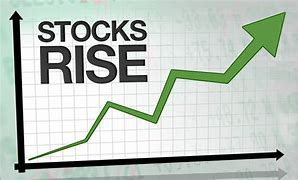















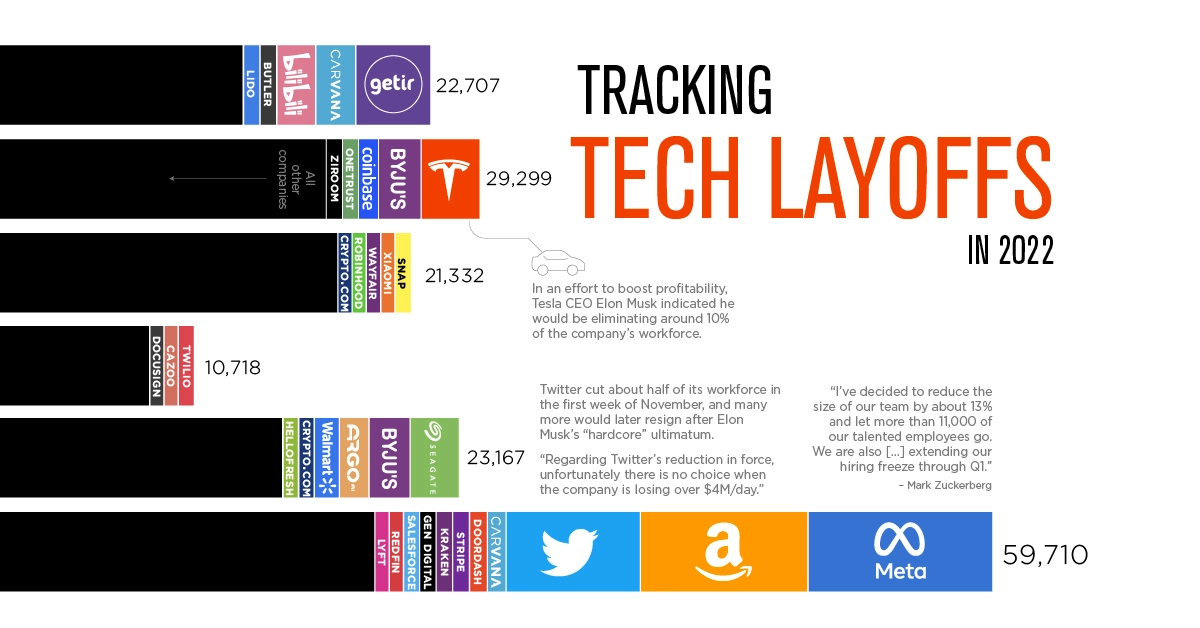





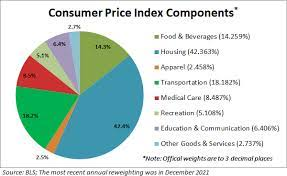

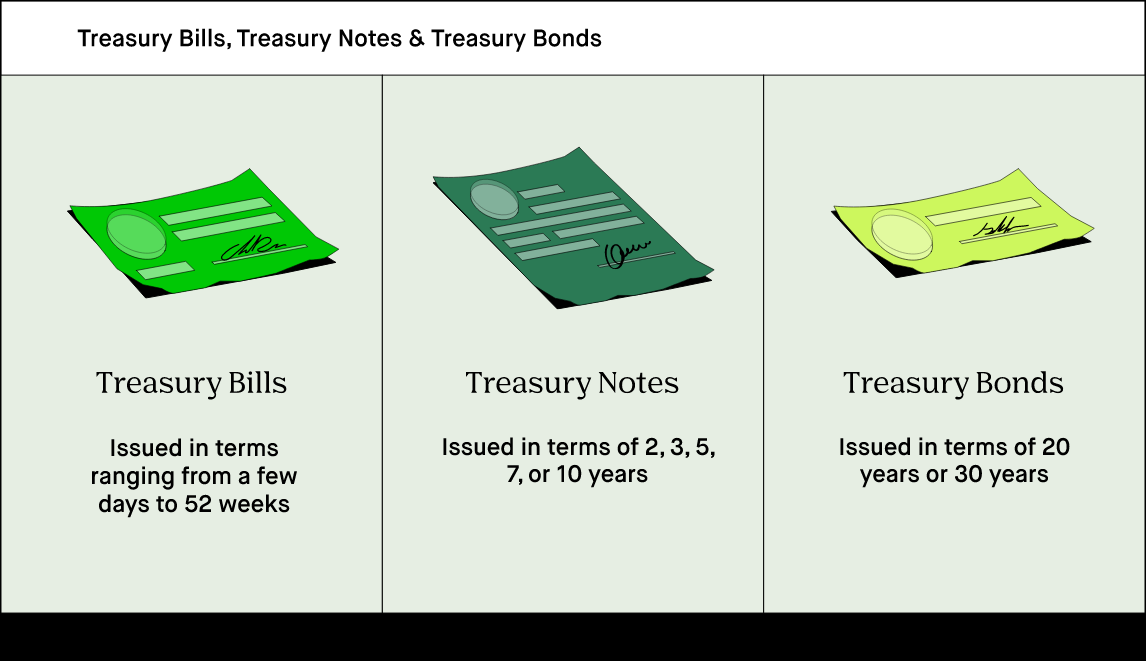







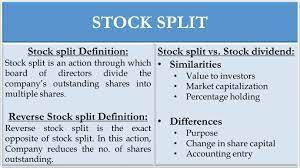




















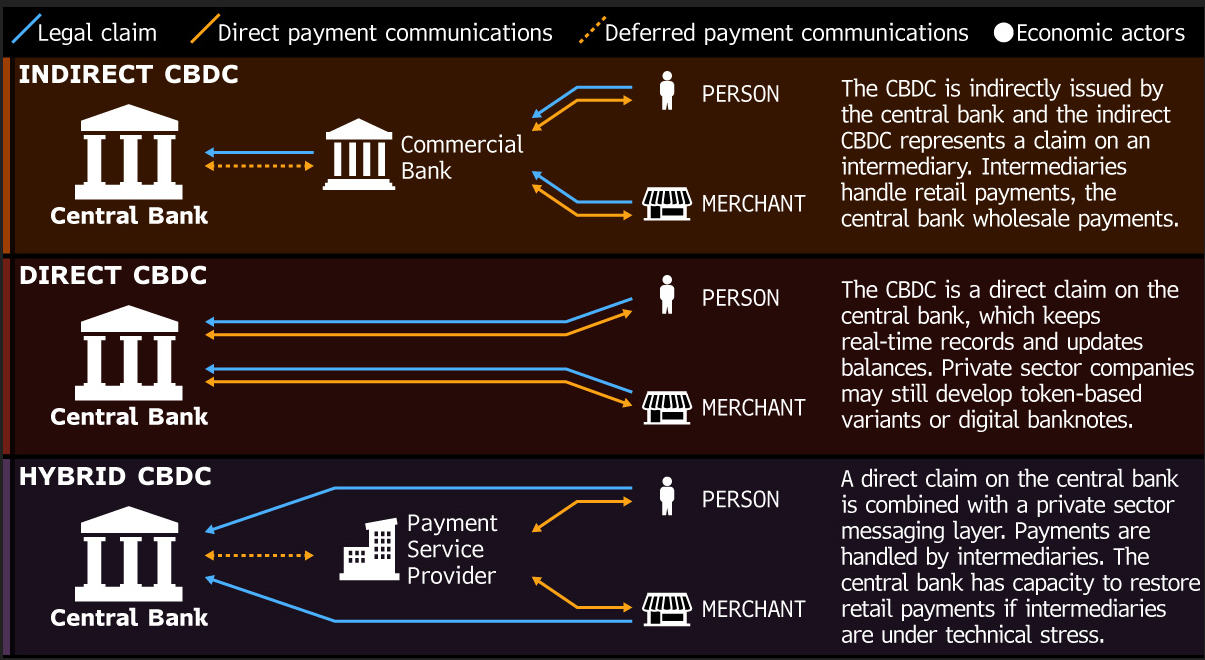











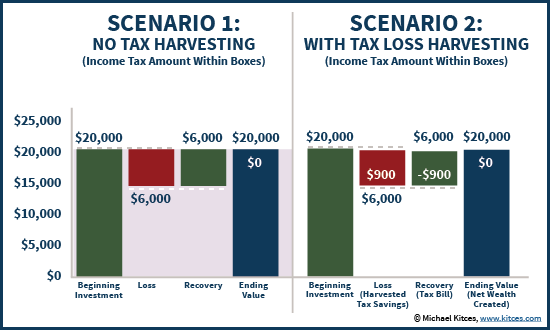







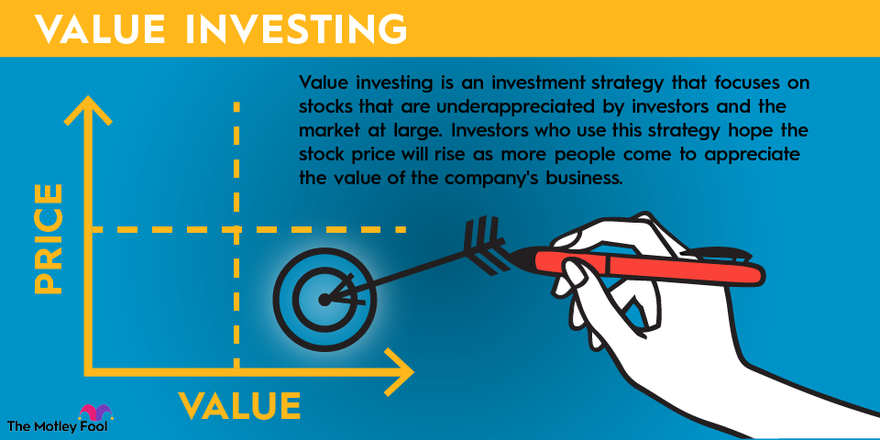



 The Leading Business Education Network for Doctors, Financial Advisors and Health Industry Consultants