DICK’S is Down, etc!

BREAKING MORNING FINANCIAL NEWS

By Staff Reporters

Dick’s had its worst day ever. The sporting goods retailer lost nearly a quarter of its value after it warned that increased theft and slowing sales of outdoor gear would result in lower-than-expected profits for the rest of the year.

Meanwhile, Macy’s also posted a sad excuse for a quarter, reporting shrinking sales across the board and particularly dramatic declines in categories like active wear and casual apparel. Macy’s CEO said consumers are spending less on goods and more on experiences this summer

Finally, the Dow Jones futures edged higher this Wednesday morning, along with S&P 500 futures and NASDAQ futures. Toll Brothers and Urban Outfitters reported Tuesday night, with Foot Locker and Analog Devices big losers early Wednesday. Nvidia looms large after Wednesday’s close.

COMMENTS APPRECIATED

Thank You

***

***

Become a Board CERTIFIED MEDICAL PLANNER™ and Thrive

Think Different – Be Different  – Thrive

[By Ann Miller RN MHA]

Letterhead CMP

http://www.CertifiedMedicalPlanner.org

Dear Physician Focused Financial Advisors

Did you know that desperate doctors of all ages are turning to knowledgeable financial advisors and medical management consultants for help? Symbiotically too, generalist advisors are finding that the mutual need for knowledge and extreme niche synergy is obvious.

***

planning

***

But, there was no established curriculum or educational program; no corpus of knowledge or codifying terms-of-art; no academic gravitas or fiduciary accountability; and certainly no identifying professional designation that demonstrated integrated subject matter expertise for the increasingly unique healthcare focused financial advisory niche … Until Now! 

***

CMP logo

http://www.CertifiedMedicalPlanner.org

Enter the CMPs

“The informed voice of a new generation of fiduciary advisors for healthcare”

Think Different

 [Think Different – Be Different – Thrive]

InfoGraphic

http://e.infogr.am/enter_the_certified_medical_planner?src=embed

CMP logo

http://www.CertifiedMedicalPlanner.org

***

So, if you are looking to supplement your knowledge, income and designations; and find other qualified professionals you may want to consider the CMP® program.

Enter the Certified Medical Planner™ charter professional designation. And, CMPs™ are FIDUCIARIES, 24/7.

Channel Surfing the ME-P

Have you visited our other topic channels? Established to facilitate idea exchange and link our community together, the value of these topics is dependent upon your input. Please take a minute to visit. And, to prevent that annoying spam, we ask that you register. It is fast, free and secure.
Conclusion

Your thoughts and comments on this ME-P are appreciated. Feel free to review our top-left column, and top-right sidebar materials, links, URLs and related websites, too. Then, subscribe to the ME-P. It is fast, free and secure.

***

Become a CMP

***

Speaker: If you need a moderator or speaker for an upcoming event, Dr. David E. Marcinko; MBA – Publisher-in-Chief of the Medical Executive-Post – is available for seminar or speaking engagements. Contact: MarcinkoAdvisors@msn.com

OUR OTHER PRINT BOOKS AND RELATED INFORMATION SOURCES:

 Comprehensive Financial Planning Strategies for Doctors and Advisors: Best Practices from Leading Consultants and Certified Medical Planners(TM)* 8

About Nvidia [+] and WeWork [-]

By Staff Reporters

***

***

  • Markets: AI leader Nvidia’s earnings will be out on Wednesday, and Fed Chair Jerome Powell’s annual speech will be at the Fed conference in Jackson Hole on Friday.
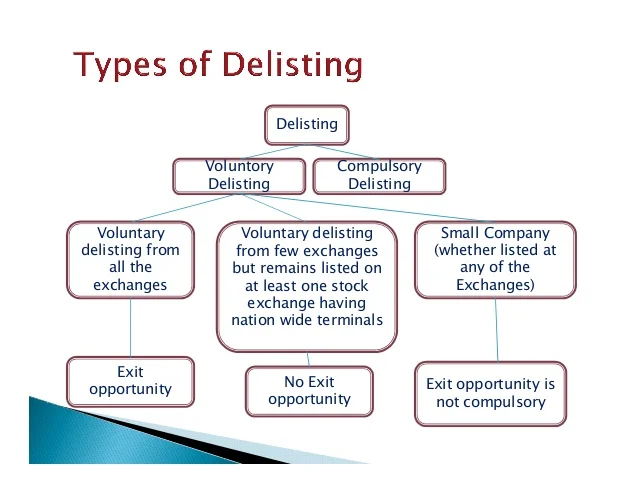
  • Stock spotlight: WeWork, the co-working company just announced a 1-for-40 reverse stock split in an attempt to avoid getting de-listed from the New York Stock Exchange.

***

***

Become a Board CERTIFIED MEDICAL PLANNER™ and Thrive

Think Different – Be Different  – Thrive

[By Ann Miller RN MHA]

Letterhead CMP

http://www.CertifiedMedicalPlanner.org

Dear Physician Focused Financial Advisors

Did you know that desperate doctors of all ages are turning to knowledgeable financial advisors and medical management consultants for help? Symbiotically too, generalist advisors are finding that the mutual need for knowledge and extreme niche synergy is obvious.

***

planning

***

But, there was no established curriculum or educational program; no corpus of knowledge or codifying terms-of-art; no academic gravitas or fiduciary accountability; and certainly no identifying professional designation that demonstrated integrated subject matter expertise for the increasingly unique healthcare focused financial advisory niche … Until Now! 

***

CMP logo

http://www.CertifiedMedicalPlanner.org

Enter the CMPs

“The informed voice of a new generation of fiduciary advisors for healthcare”

Think Different

 [Think Different – Be Different – Thrive]

InfoGraphic

http://e.infogr.am/enter_the_certified_medical_planner?src=embed

CMP logo

http://www.CertifiedMedicalPlanner.org

***

So, if you are looking to supplement your knowledge, income and designations; and find other qualified professionals you may want to consider the CMP® program.

Enter the Certified Medical Planner™ charter professional designation. And, CMPs™ are FIDUCIARIES, 24/7.

Channel Surfing the ME-P

Have you visited our other topic channels? Established to facilitate idea exchange and link our community together, the value of these topics is dependent upon your input. Please take a minute to visit. And, to prevent that annoying spam, we ask that you register. It is fast, free and secure.

Conclusion

Your thoughts and comments on this ME-P are appreciated. Feel free to review our top-left column, and top-right sidebar materials, links, URLs and related websites, too. Then, subscribe to the ME-P. It is fast, free and secure.

***

Become a CMP

***

Speaker: If you need a moderator or speaker for an upcoming event, Dr. David E. Marcinko; MBA – Publisher-in-Chief of the Medical Executive-Post – is available for seminar or speaking engagements. Contact: MarcinkoAdvisors@msn.com

OUR OTHER PRINT BOOKS AND RELATED INFORMATION SOURCES:

 Comprehensive Financial Planning Strategies for Doctors and Advisors: Best Practices from Leading Consultants and Certified Medical Planners(TM)* 8

Become a Board CERTIFIED MEDICAL PLANNER™ and Thrive

Think Different – Be Different  – Thrive

[By Ann Miller RN MHA]

Letterhead CMP

http://www.CertifiedMedicalPlanner.org

Dear Physician Focused Financial Advisors

Did you know that desperate doctors of all ages are turning to knowledgeable financial advisors and medical management consultants for help? Symbiotically too, generalist advisors are finding that the mutual need for knowledge and extreme niche synergy is obvious.

***

planning

***

But, there was no established curriculum or educational program; no corpus of knowledge or codifying terms-of-art; no academic gravitas or fiduciary accountability; and certainly no identifying professional designation that demonstrated integrated subject matter expertise for the increasingly unique healthcare focused financial advisory niche … Until Now! 

***

CMP logo

http://www.CertifiedMedicalPlanner.org

Enter the CMPs

“The informed voice of a new generation of fiduciary advisors for healthcare”

Think Different

 [Think Different – Be Different – Thrive]

InfoGraphic

http://e.infogr.am/enter_the_certified_medical_planner?src=embed

CMP logo

http://www.CertifiedMedicalPlanner.org

***

So, if you are looking to supplement your knowledge, income and designations; and find other qualified professionals you may want to consider the CMP® program.

Enter the Certified Medical Planner™ charter professional designation. And, CMPs™ are FIDUCIARIES, 24/7.

Channel Surfing the ME-P

Have you visited our other topic channels? Established to facilitate idea exchange and link our community together, the value of these topics is dependent upon your input. Please take a minute to visit. And, to prevent that annoying spam, we ask that you register. It is fast, free and secure.

Conclusion

Your thoughts and comments on this ME-P are appreciated. Feel free to review our top-left column, and top-right sidebar materials, links, URLs and related websites, too. Then, subscribe to the ME-P. It is fast, free and secure.

***

Become a CMP

***

Speaker: If you need a moderator or speaker for an upcoming event, Dr. David E. Marcinko; MBA – Publisher-in-Chief of the Medical Executive-Post – is available for seminar or speaking engagements. Contact: MarcinkoAdvisors@msn.com

OUR OTHER PRINT BOOKS AND RELATED INFORMATION SOURCES:

 Comprehensive Financial Planning Strategies for Doctors and Advisors: Best Practices from Leading Consultants and Certified Medical Planners(TM)* 8

HEALTH CARE ENTITY: Venture Capital Funding

http://www.MARCINKOASSOCIATES.com

***

***

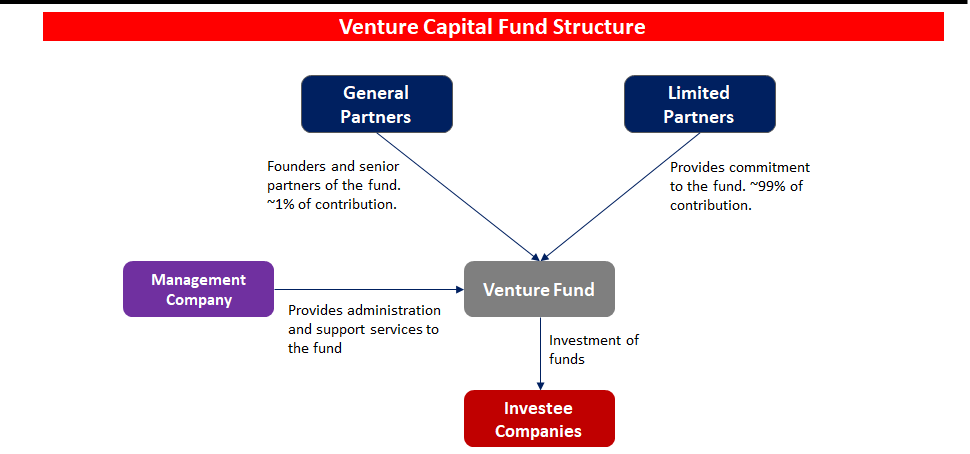
Venture capital funding in the digital health space cooled a bit in 2022 following a red-hot 2021. Overall, digital health companies raised $15.3 billion last year, down from the $29.1 billion raised in 2021—but still above the $14.1 billion raised in 2020, according to Rock Health a seed fund that supports digital health startups.

Nevertheless, analysts predict VC investors and bankers will still put a good amount of money into digital health in 2024 and 2025, especially in alternative care, drug development, health information technology technology, EMRs and software that reduces physician workload.

CITE: https://www.r2library.com/Resource

Of course. an essential first part of attracting VC interest and money is the crafting and presentation of your formal business plan [“elevator pitch”]; as well as the needed technical and managerial experience. This is crucial for success and exactly where we can assist.

***

READ MORE: https://marcinkoassociates.com/welcome-medical-colleagues/

CONTACT: MarcinkoAdvisors@msn.com

***

***

RETAIL: Sales

By Staff Reporters

***

***

Stat: 0.7%. That’s how much retail sales grew last month, a sign that inflation isn’t dampening consumer spending or demand. (CNBC)

Quote: “This is pure market economics. We do not magically have thousands of additional AI developers, product managers, and everything else.”Paul J. Groce, partner and head of the Americas at recruitment firm Leathwaite, on how a talent shortage is driving up wages for AI positions. (the Wall Street Journal)

Read: The teetering company threatening China’s economy. (the New York Times)

***

***

COMMENTS APPRECIATED

Thank You

***

MICRO-CERTIFICATIONS: For Financial Advisors Seeking Physician-Client Niche Success?

Micro-Credentials on the Rise

KNOWLEDGE RICHES IN NICHES

DR. DAVID EDWARD MARCINKO MBA CMP

SPONSOR: http://www.CertifiedMedicalPlanner.org

***

***

Do you ever wish you could acquire specific information for your career activities without having to complete a university Master’s Degree or finish our entire Certified Medical Planner™ professional designation program? Well, Micro-Certifications from the Institute of Medical Business Advisors, Inc., might be the answer. Read on to learn how our three Micro-Certifications offer new opportunities for professional growth in the medical practice, business management, health economics and financial planning, investing and advisory space for physicians, nurses and healthcare professionals.

Micro-Certification Basics

Stock-Brokers, Financial Advisors, Investment Advisors, Accountants, Consultants, Financial Analyists and Financial Planners need to enhance their knowledge skills to better serve the changing and challenging healthcare professional ecosystem. But, it can be difficult to learn and demonstrate mastery of these new skills to employers, clients, physicians or medical prospects. This makes professional advancement difficult. That’s where Micro-Certification and Micro-Credentialing enters the online educational space. It is the process of earning a Micro-Certification, which is like a mini-degree or mini-credential, in a very specific topical area.

Micro-Certification Requirements

Once you’ve completed all of the requirements for our Micro-Certification, you will be awarded proof that you’ve earned it. This might take the form of a paper or digital certificate, which may be a hard document or electronic image, transcript, file, or other official evidence that you’ve completed the necessary work.

Uses of Micro-Certifications

Micro-Certifications may be used to demonstrate to physicians prospective medical clients that you’ve mastered a certain knowledge set. Because of this, Micro-Certifications are useful for those financial service professionals seeking medical clients, employment or career advancement opportunities.

Examples of iMBA, Inc., Micro-Certifications

Here are the three most popular Micro-Certification course from the Institute of Medical Business Advisors, Inc:

  • 1. Health Insurance and Managed Care: To keep up with the ever-changing field of health care physician advice, you must learn new medical practice business models in order to attract and assist physicians and nurse clients. By bringing together the most up-to-date business and medical prctice models [Medicare, Medicaid, PP-ACA, POSs, EPOs, HMOs, PPOs, IPA’s, PPMCs, Accountable Care Organizations, Concierge Medicine, Value Based Care, Physician Pay-for-Performance Initiatives, Hospitalists, Retail and Whole-Sale Medicine, Health Savings Accounts and Medical Unions, etc], this iMBA Inc., Mini-Certification offers a wealth of essential information that will help you understand the ever-changing practices in the next generation of health insurance and managed medical care.
  • 2. Health Economics and Finance: Medical economics, finance, managerial and cost accounting is an integral component of the health care industrial complex. It is broad-based and covers many other industries: insurance, mathematics and statistics, public and population health, provider recruitment and retention, health policy, forecasting, aging and long-term care, and Venture Capital are all commingled arenas. It is essential knowledge that all financial services professionals seeking to serve in the healthcare advisory niche space should possess.
  • 3. Health Information Technology and Security: There is a myth that all physician focused financial advisors understand Health Information Technology [HIT]. In truth, it is often economically misused or financially misunderstood. Moreover, an emerging national HIT architecture often puts the financial advisor or financial planner in a position of maximum uncertainty and minimum productivity regarding issues like: Electronic Medical Records [EMRs] or Electronic Health Records [EHRs], mobile health, tele-health or tele-medicine, Artificial Intelligence [AI], benefits managers and human resource professionals.

Other Topics include: economics, finance, investing, marketing, advertising, sales, start-ups, business plan creation, financial planning and entrepreneurship, etc.

How to Start Learning and Earning Recognition for Your Knowledge

Now that you’re familiar with Micro-Credentialing, you might consider earning a Micro-Certification with us. We offer 3 official Micro-Certificates by completing a one month online course, with a live instructor consisting of twelve asynchronous lessons/online classes [3/wk X 4/weeks = 12 classes]. The earned official completion certificate can be used to demonstrate mastery of a specific skill set and shared with current or future employers, current clients or medical niche financial advisory prospects.

Mini-Certification Tuition, Books and Related Fees

The tuition for each Mini-Certification live online course is $1,250 with the purchase of one required dictionary handbook. Other additional guides, white-papers, videos, files and e-content are all supplied without charge. Alternative courses may be developed in the future subject to demand and may change without notice.

***

Contact: For more information, or to speak with an academic representative, please contact Ann Miller RN MHA CMP™ at: MarcinkoAdvisors@msn.com [24/7] -OR- 770-448-0769[9:00 – 5:00 EST].

***

FINANCIAL RESOLUTIONS: For Mid-Yeat 2023

A MID-YEAR UPDATE

By Staff Reporters

Are you the kind of ME-P reader who makes resolutions on New Year’s Day? If so, here are five steps we encourage all investors to consider taking to boost your financial fitness at any time of the year; according to Charles Schwab & Company. So, why not resolve to take them right now? 

CITE: https://www.r2library.com/Resource/Title/082610254

***

Resolution 1: Create a budget

Committing to a saving and investing program during your working years is generally the best way to boost your net worth and achieve many of life’s most important goals. Of course, first you’ll need to know how much money you’ve got to work with. That’s where a budget and net worth statement can help. Here’s how to think about them.

  • Budget and save. At a minimum, be sure to have a high-level budget with three things: how much you’re taking in after taxes, how much you’re spending, and how much you’re saving. If you’re not sure where your money is going, track your spending using a spreadsheet or an online budgeting tool for 30 days. Determine how much money you need to cover your fixed monthly expenses, such as your rent or mortgage and other living expenses, and how much you’d like to put away for other goals. For retirement, our rule of thumb is to save 10%–15% of pre-tax income, including any match from an employer, starting in your 20s. If you delay, the amount you may need to save goes up. Add 10% for every decade you delay saving for retirement. Once you commit to an amount, consider ways you can save automatically, such as through monthly direct deposits. 
  • Calculate your personal net worth annually. It doesn’t have to be complicated. Make a list of your assets (what you own) and subtract your liabilities (what you owe). Subtract the liabilities from the assets to determine your net worth. Don’t panic if your net worth declines when the market is struggling. What’s important is to see a general upward trend over your earning years. If you’re retired, you’ll want to plan an income and distribution strategy to help make your savings last as long as necessary and support other objectives.
  • Project the cost of essential big-ticket items. If you have a big expense in the near term, like college tuition or roof repair, put the money aside or increase your savings and treat that money as spent. If you know that you’ll need the money within a few years, keep it in relatively liquid, safe investments like short-term certificates of deposit (CDs), a savings account, or money market funds purchased within a brokerage account. If you choose to invest in a CD, make sure the term ends by the time you need the cash. If you have more than a few years, invest wisely, based on your time horizon.
  • Prepare for emergencies. If you aren’t retired, we suggest creating an emergency fund with three to six months’ worth of essential living expenses, set aside in a savings account. The emergency fund can help you cover unexpected but necessary expenses without having to sell more volatile investments.
  • Retired? Invest your living-expense money conservatively. Consider keeping 12 months of living expenses—after accounting for non-portfolio income sources like Social Security or a pension—in short-term CDs, an interest-bearing savings account, or a money market fund. Then consider keeping another two to four years’ worth of spending laddered in short-term bonds or invested in short-term bond funds as part of your portfolio’s fixed income allocation. You can use this money to cover expenses in the near term. Having a chunk of savings invested conservatively should allow you to invest a portion of your remaining savings for growth, at a level of risk appropriate for you, while reducing the chances you’ll be forced to sell more volatile investments (like stocks) in a down market.

Resolution 2: Manage your debt

Debt is neither inherently good nor bad—it’s simply a tool. It all depends on how you use it. For most people, some level of debt is a practical necessity, especially to purchase an expensive long-term asset to pay back over time, such as a home. However, problems arise when debt becomes more of a burden than a tool. Here’s how to stay in control.

  • Keep your total debt load manageable. Don’t confuse what you can borrow with what you should borrow. Keep the monthly costs of owning a home (principal, interest, taxes, and insurance) below 28% of your pre-tax income, and your total monthly debt payments (including credit cards, auto loans, and mortgage payments) below 36% of your pre-tax income.
  • Eliminate high-cost, non-deductible consumer debt. Try to pay off credit-card debt and avoid borrowing to buy depreciating assets, such as cars. The cost of consumer debt adds up quickly if you carry a balance. Consider consolidating your debt in a low-rate home equity loan or line of credit (HELOC), set a realistic budget, and implement a schedule to pay it back.
  • Match repayment terms to your time horizons. If you’re likely to move within five to seven years, you could consider a shorter-maturity loan or an adjustable-rate mortgage (ARM), depending on current mortgage rates and options. Don’t consider this if you think you may live in your home for longer or struggle to manage mortgage payment resets if interest rates or your plans change. We also don’t suggest that you borrow money under the assumption that your home will automatically increase in value. Historically, long-term home appreciation has significantly lagged the total return of a diversified stock portfolio. And, for any type of debt, have a disciplined payback schedule. Create a plan to pay off the mortgage on your primary home before you plan to retire.

Resolution 3: Optimize your portfolio

We all share the goal of getting better investment results. But research shows that it’s extremely difficult to always invest at the “perfect” time. So, create a plan that will help you stay disciplined in all kinds of markets. Follow your plan and adjust it as needed. Here are ideas to help you stay focused on your goals.

  • Focus on your overall investment mix. After committing to a savings plan, how you invest is your next most important decision. Have a targeted asset allocation—that is, strategically proportioned mix of stocks, bonds, and cash in your portfolio—that you’re comfortable with, even in a down market. Make sure it fits your long-term goals, risk tolerance, and time frame. The longer your time horizon, the more time you’ll have to potentially benefit from up or down markets.
  • Diversify across and within asset classes. Diversification can help reduce risk and can be a critical factor in helping you reach your goals. Mutual funds and exchange-traded funds (ETFs) are great ways to own a diversified basket of securities in just about any asset class.
  • Consider taxes.Place relatively tax-efficient investments, like ETFs and municipal bonds, in taxable accounts, and relatively tax-inefficient investments, like mutual funds and real estate investment trusts (REITs), in tax-advantaged accounts. Tax-advantaged accounts include retirement accounts, such as a traditional or Roth individual retirement account (IRA). If you trade frequently, do so in tax-advantaged accounts to help reduce your tax bill.
  • Monitor and rebalance your portfolio as needed. Evaluate your portfolio’s performance at least twice a year using a benchmark that makes sense for you. Remember, the long-term progress that you make toward your goals is more important than short-term portfolio performance. As you approach a savings goal, such as the beginning of a child’s education or retirement, begin to reduce investment risk, if appropriate, so you don’t have to sell more volatile investments, such as stocks, when you need them. 
  • Choose appropriate benchmarks. Lastly, your benchmark to measure investment performance should match your portfolio and your goals. Don’t be tempted to compare your portfolio to what performed best in the market last year or even a portfolio invested 100% in stocks. You should have a portfolio selected to best meet your goals, with an appropriate balance of potential return and risk as well. Progress toward your goals is more important than picking the top-performing stocks each year—which, for any investor, isn’t possible to predict.

Resolution 4: Prepare for the unexpected

Risk is a part of life, particularly in investments and finance. Your financial life can be upended by all kinds of surprises—an illness, job loss, disability, death, natural disasters, or lawsuits. If you don’t have enough assets to self-insure against major risks, make a resolution to get your insurance needs covered. Insurance helps protect against unforeseen events that don’t happen often but are expensive to manage yourself when they do. The following guidelines can help you prepare for life’s unexpected moments.

  • Protect against large medical expenses with health insurance. Select a health insurance policy that matches your needs in areas such as coverage, deductibles, co-payments, and choice of medical providers. If you’re in good health and don’t visit the doctor often, consider a high-deductible policy to insure against the possibility of a serious illness or unexpected health-care event.
  • Purchase life insurance if you have dependents or other obligations. First, take advantage of a group term insurance policy, if offered by your employer. Such programs don’t generally require a medical check and can be a cost-effective way to provide income replacement for dependents. If you have minor children or large liabilities that will continue after your death for which you can’t self-insure, you may need additional life insurance. Unless you have a permanent life insurance need or special circumstances, consider starting with a low-cost term life policy before a whole life policy.
  • Protect your earning power with long-term disability insurance. The odds of becoming disabled are greater than the odds of dying young. According to the Social Security Administration, a 20-year-old American has a 25% chance of becoming disabled before normal retirement age and a 13% chance of dying before retirement age.1 If you can’t get adequate short- and long-term coverage through work, consider an individual policy.
  • Protect your physical assets with property-casualty insurance. Check your homeowner’s or renter’s and auto insurance policies to make sure your coverage and deductibles are still right for you.
  • Obtain additional liability coverage, if needed. A personal liability “umbrella” policy is a cost-effective way to increase your liability coverage by $1 million or more, in case you’re at fault in an accident or someone is injured on your property. Umbrella policies don’t cover business-related liabilities, so make sure your business is also properly insured, especially if you’re in a profession with unique risks and aren’t covered by an employer.
  • Consider the pros and cons of long-term-care insurance. If you consider a long-term-care policy, look for a policy that provides the right type of care and is guaranteed renewable with locked-in premium rates. Long-term care typically is most cost-effective starting at about age 50 and generally becomes more expensive or difficult to find after age 70. You can get independent sources of information from your state insurance commissioner. A sound retirement savings strategy is another way to plan for long-term-care costs.
  • Create a disaster plan for your safety and peace of mind. Review your homeowner’s or renter’s policy to see what’s covered and what’s not. Talk to your agent about flood or earthquake insurance if either is a concern for your area. Generally, neither is included in most homeowner’s policies. Keep an updated video inventory of valuable household items and possessions along with any professional appraisals and estimates of replacement values in a safe place away from your home.

Consider storing inventories and important documents on a portable hard drive. It’s also a good idea to have copies of birth certificates, passports, wills, trust documents, records of home improvements, and insurance policies in a small, secure evacuation box (the fireproof, waterproof kind you can lock is best) that you can grab in a hurry in case you have to evacuate immediately. Make sure your trusted loved ones know about this file as well, in case they need it.

Resolution 5: Protect your estate

An estate plan may seem like something only for the wealthy. But there are simple steps everyone should take. Without proper beneficiary designations, a will, and other basic steps, the fate of your assets or minor children may be decided by attorneys and tax agencies. Taxes and attorneys’ fees can eat away at these assets and delay the distribution of assets just when your heirs need them most. Here’s how to protect your estate—and your loved ones.

  • Review your beneficiaries, especially for retirement accounts, annuities, and life insurance.The beneficiary designation is your first line of defense, to make your wishes for assets known, and ensure that they transfer to who you want quickly. Keep information on beneficiaries up-to-date to ensure the proceeds of life insurance policies and retirement accounts are consistent with your wishes, your will, and other documents.
  • Update or prepare your will. A will isn’t just about transferring assets. It can provide for your dependents’ support and care and help you avoid the costs and delays associated with dying without one. It can also spell out plans to repay debts, such as a credit card or mortgage. Keep in mind that a beneficiary designation or asset titling trumps what’s written in a will, so make sure all documents are consistent and reflect your desires. When writing a will, we recommend working with an experienced lawyer or estate planning attorney.
  • Coordinate asset titling with the rest of your estate plan. The titling of your property and non-retirement accounts can affect the ultimate disposition and taxation of your assets. Talk with an estate attorney or lawyer about debts and the titling of assets, such as a home, that don’t have a beneficiary designation, to make sure they reflect your wishes and are consistent with titling laws that can vary by state.
  • Have in place durable powers of attorney for health care. In these documents, appoint trusted and competent confidants to make decisions on your behalf if you become incapacitated.
  • Consider a revocable living trust. This is especially important if your estate is large and complex, and you want to spell out how your assets should be used in detail, or if you have dependent children and want to spell in detail how assets should be managed to support them, who will manage the assets, and other issues. A living trust may not be needed for smaller estates where beneficiaries, titling, and a will can be sufficient, but talk with a qualified financial planner or attorney to be sure.
  • Take care of important estate documents. Make sure a trusted and competent family member or close friend knows the location of your important estate documents.

Finally, remember you don’t have to do everything at once. There’s a lot you can do to improve your financial health by taking one step at a time and think of these resolutions as a checklist. This ME-P and our books and posts can help. Make some real progress on your journey this year. 

1Johanna Maleh and Tiffany Bosley. “Disability and Death Probability Tables for Insured Workers Who Attain Age 20 in 2022.” Social Security Administration, December 2022.

***

WELL- HOW DID YOU DO?

COMMENTS APPRECIATED

Thank You

***

ORDER: https://www.routledge.com/Comprehensive-Financial-Planning-Strategies-for-Doctors-and-Advisors-Best/Marcinko-Hetico/p/book/9781482240283

***

ORDER: https://www.routledge.com/Risk-Management-Liability-Insurance-and-Asset-Protection-Strategies-for/Marcinko-Hetico/p/book/9781498725989

***

MICRO-CERTIFICATIONS: For Financial Advisors Seeking Physician-Client Niche Success?

Micro-Credentials on the Rise

KNOWLEDGE RICHES IN NICHES

DR. DAVID EDWARD MARCINKO MBA CMP

SPONSOR: http://www.CertifiedMedicalPlanner.org

***

***

Do you ever wish you could acquire specific information for your career activities without having to complete a university Master’s Degree or finish our entire Certified Medical Planner™ professional designation program? Well, Micro-Certifications from the Institute of Medical Business Advisors, Inc., might be the answer. Read on to learn how our three Micro-Certifications offer new opportunities for professional growth in the medical practice, business management, health economics and financial planning, investing and advisory space for physicians, nurses and healthcare professionals.

Micro-Certification Basics

Stock-Brokers, Financial Advisors, Investment Advisors, Accountants, Consultants, Financial Analyists and Financial Planners need to enhance their knowledge skills to better serve the changing and challenging healthcare professional ecosystem. But, it can be difficult to learn and demonstrate mastery of these new skills to employers, clients, physicians or medical prospects. This makes professional advancement difficult. That’s where Micro-Certification and Micro-Credentialing enters the online educational space. It is the process of earning a Micro-Certification, which is like a mini-degree or mini-credential, in a very specific topical area.

Micro-Certification Requirements

Once you’ve completed all of the requirements for our Micro-Certification, you will be awarded proof that you’ve earned it. This might take the form of a paper or digital certificate, which may be a hard document or electronic image, transcript, file, or other official evidence that you’ve completed the necessary work.

Uses of Micro-Certifications

Micro-Certifications may be used to demonstrate to physicians prospective medical clients that you’ve mastered a certain knowledge set. Because of this, Micro-Certifications are useful for those financial service professionals seeking medical clients, employment or career advancement opportunities.

Examples of iMBA, Inc., Micro-Certifications

Here are the three most popular Micro-Certification course from the Institute of Medical Business Advisors, Inc:

  • 1. Health Insurance and Managed Care: To keep up with the ever-changing field of health care physician advice, you must learn new medical practice business models in order to attract and assist physicians and nurse clients. By bringing together the most up-to-date business and medical prctice models [Medicare, Medicaid, PP-ACA, POSs, EPOs, HMOs, PPOs, IPA’s, PPMCs, Accountable Care Organizations, Concierge Medicine, Value Based Care, Physician Pay-for-Performance Initiatives, Hospitalists, Retail and Whole-Sale Medicine, Health Savings Accounts and Medical Unions, etc], this iMBA Inc., Mini-Certification offers a wealth of essential information that will help you understand the ever-changing practices in the next generation of health insurance and managed medical care.
  • 2. Health Economics and Finance: Medical economics, finance, managerial and cost accounting is an integral component of the health care industrial complex. It is broad-based and covers many other industries: insurance, mathematics and statistics, public and population health, provider recruitment and retention, health policy, forecasting, aging and long-term care, and Venture Capital are all commingled arenas. It is essential knowledge that all financial services professionals seeking to serve in the healthcare advisory niche space should possess.
  • 3. Health Information Technology and Security: There is a myth that all physician focused financial advisors understand Health Information Technology [HIT]. In truth, it is often economically misused or financially misunderstood. Moreover, an emerging national HIT architecture often puts the financial advisor or financial planner in a position of maximum uncertainty and minimum productivity regarding issues like: Electronic Medical Records [EMRs] or Electronic Health Records [EHRs], mobile health, tele-health or tele-medicine, Artificial Intelligence [AI], benefits managers and human resource professionals.

Other Topics include: economics, finance, investing, marketing, advertising, sales, start-ups, business plan creation, financial planning and entrepreneurship, etc.

How to Start Learning and Earning Recognition for Your Knowledge

Now that you’re familiar with Micro-Credentialing, you might consider earning a Micro-Certification with us. We offer 3 official Micro-Certificates by completing a one month online course, with a live instructor consisting of twelve asynchronous lessons/online classes [3/wk X 4/weeks = 12 classes]. The earned official completion certificate can be used to demonstrate mastery of a specific skill set and shared with current or future employers, current clients or medical niche financial advisory prospects.

Mini-Certification Tuition, Books and Related Fees

The tuition for each Mini-Certification live online course is $1,250 with the purchase of one required dictionary handbook. Other additional guides, white-papers, videos, files and e-content are all supplied without charge. Alternative courses may be developed in the future subject to demand and may change without notice.

***

Contact: For more information, or to speak with an academic representative, please contact Ann Miller RN MHA CMP™ at: MarcinkoAdvisors@msn.com [24/7] -OR- 770-448-0769[9:00 – 5:00 EST].

***

SIX TYPES: OF Financial Professionals

By Aleksandar Stojanović, MSc

Here’s a brief insight before the explanations:

  • 𝗖𝗙𝗢𝘀 are heavily invested in strategic planning, leadership, and risk management, often overlooking the entire financial spectrum.
  • 𝗖𝗼𝗻𝘁𝗿𝗼𝗹𝗹𝗲𝗿𝘀 play a key role in accounting, financial reporting, and regulatory compliance, ensuring financial integrity.
  • 𝗙𝗣&𝗔 𝗠𝗮𝗻𝗮𝗴𝗲𝗿𝘀 focus on financial modeling, analytical skills, and business acumen to drive business growth.
  • 𝗜𝗻𝘁𝗲𝗿𝗻𝗮𝗹 𝗔𝘂𝗱𝗶𝘁𝗼𝗿𝘀 specialize in risk management, regulatory compliance, and analytical tasks to ensure internal control.
  • 𝗙𝗶𝗻𝗮𝗻𝗰𝗲 𝗔𝗻𝗮𝗹𝘆𝘀𝘁𝘀 are adept at financial modeling, analytics, and reporting to support data-driven decisions.
  • 𝗔𝗰𝗰𝗼𝘂𝗻𝘁𝗮𝗻𝘁𝘀 emphasize accounting skills, financial reporting, and regulatory compliance for precise record-keeping.

***

***

Now, generally, CFOs and FP&A Managers might spend more time connecting to business stakeholders for strategic decisions, while Controllers and Internal Auditors focus more on regulatory and compliance tasks.

Finance Analysts and Accountants are more involved in financial modeling and reporting.

These titles and responsibilities can be interchanged in some job descriptions, and the weight of these skills also depends on the industry and project.

But this breakdown is still quite helpful when planning career paths or understanding the roles within a finance department.

CITE: https://www.r2library.com/Resource

***
COMMENTS APPRECIATED

Thank You

***

***

High-Earning Americans to Lose 401(k) Tax Deduction in 2023

By Staff Reporters

***

***

Changes to a popular 401(K) tax deduction are set to hit millions of high-earning Americans from next year. Workers over the aged of 50 are entitled to make catch-up contributions to their 401(K)s worth up to $7,500 this year. The annual cap on all contributions is $30,000. 

CITE: https://www.r2library.com/Resource

But from 2024, those earning over $145,000 will no longer be able to put these catch-up payments into a traditional 401(K).  Instead, the money will be only funneled into a Roth IRA account, according to new rules passed through Congress in December. 

***

***
COMMENTS APPRECIATED

Thank You

***

MICRO: Credentials and Certifications

PROFESSIONAL GROWTH

MARCINKO ASSOCIATES, Inc.

http://www.MARCINKOASSOCIATES.com

***

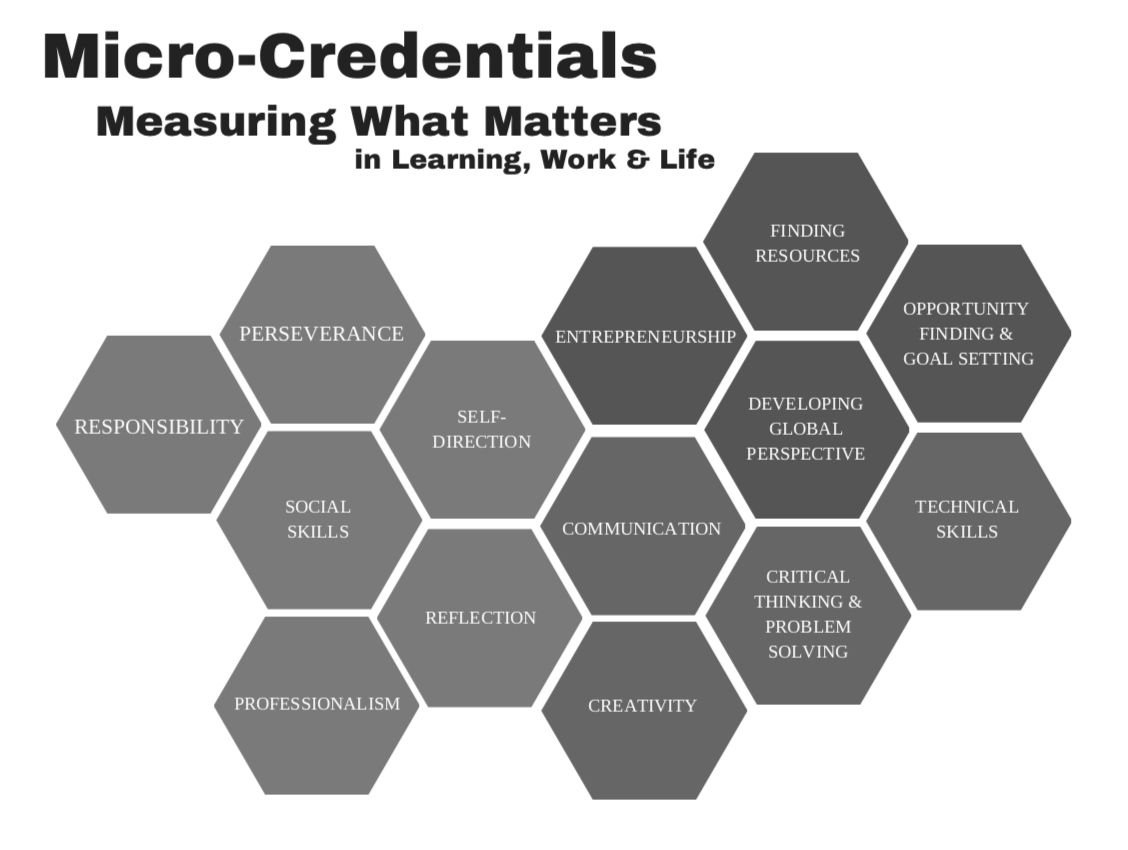
DEFINITION: One way to accelerate and support learning is with continuous up-skilling. A key component is micro-certification and credentialing, which is best thought of as learning that happens in smaller “chunks” — such as boot-camp training, an online course from a university or other provider, or even an apprenticeship.

When competency in a specific knowledge area or skill is demonstrated, a micro-certification is issued, which can be listed on a resume or displayed as a “badge” or a mastery credit on an online profile.

Over time, individuals can amass portfolios of competencies that characterize their capabilities in a way that is much more relevant to their professional lives than relying solely on academic credentials.

***

So – Do you ever wish you could acquire specific information or subject matter expertise for your career activities without having to complete a college or university Master’s Degree in Business or finish our entire online Certified Medical Planner™ professional certification and designation program?

CMP: http://www.CertifiedMedicalPlanner.org

Topics include: economics, finance, investing, marketing, advertising, sales, start-ups, business plan creation, financial planning and entrepreneurship, etc.

Well, Micro-Certifications and Credentials from the Institute of Medical Business Advisors, Inc., might be an alternative knowledge pursuit.

***

READ MORE: https://marcinkoassociates.com/micro-credentials/

***

***

DAILY UPDATE: The Markets, Retail Earnings and US Steel

By Staff Reporters

.Markets: The market’s rally during the first half of the year has fizzled out this summer despite a greater share of companies beating earnings projections than usual, the WSJ reports. For example, UPS, Apple, and PayPal all topped Wall Street expectations…only to watch shares fall after their reports. Investors suggest it’s a “snap back to reality” moment after market euphoria in H1.

  • Retailers take the earnings stage. Walmart, Home Depot, and Target will give us a peek into consumer spending, which drives two-thirds of the US economy. Americans filling up their shopping carts (despite interest rates rising to a 22-year high) is one of the main reasons those recession predictions haven’t materialized yet.
  • US Steel, a symbol of American industrial might in the early 20th century, is considering selling itself.

***

ORDER: https://www.routledge.com/Comprehensive-Financial-Planning-Strategies-for-Doctors-and-Advisors-Best/Marcinko-Hetico/p/book/9781482240283

***

COMMENTS APPRECIATED

Thank You

***

ABS CDOs: Rest in Peace

Asymmetric Information and the Death of ABS CDOs

By Daniel O. Beltran, Larry Cordell and Charles P. Thomas

***

***

ABSTRACT

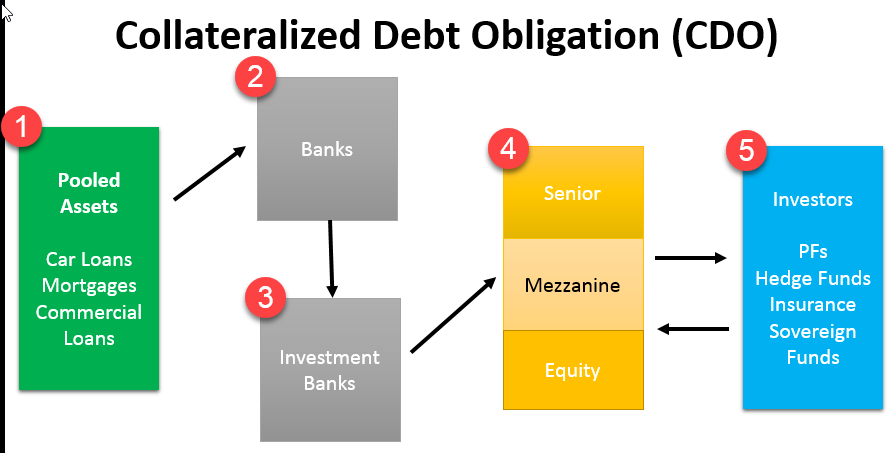
An asset-backed security (ABS) is a type of investment that is backed by a pool of debt, such as auto loans or home equity loans. A collateralized debt obligation (CDO) is a version of an ABS that may include mortgages as well as other types of assets. In either case, the owner of such a product makes money, directly or indirectly, from the repayment of principal and interest by the pool of consumers whose loans have been packaged to create that security.

***

A key feature of the 2007 financial crisis is that for some classes of securities trade has practically ceased. And where trade has occurred, it appears that market prices are well below their intrinsic values. This seems especially true for those securities where the payoff streams are particularly complex, for example, structured finance ABS CDOs.

One explanation for this is that information about these securities’ intrinsic values since the crisis has been asymmetric, with current holders having better information than potential buyers. We first characterize the information asymmetries that were present in the structured finance ABS CDO market. Because many of the CDO dealers had partially or fully integrated the pipeline from mortgage originations through CDO issuance, they had informational advantages over potential buyers that could well have disrupted trading in CDOs as the crisis took hold in August of 2007.

Using a “workhorse” model for pricing securities under asymmetric information and a novel dataset for the intrinsic values of ABS CDOs, we show how the resulting adverse selection problem could explain why the bulk of these securities either trade at significant discounts to their intrinsic values or do not trade at all.

READ: https://www.federalreserve.gov/pubs/ifdp/2013/1075/ifdp1075.htm

***

***

COMMENTS APPRECIATED

Thank You

***

Become a Board CERTIFIED MEDICAL PLANNER™ and Thrive

Think Different – Be Different  – Thrive

[By Ann Miller RN MHA]

Letterhead CMP

http://www.CertifiedMedicalPlanner.org

Dear Physician Focused Financial Advisors

Did you know that desperate doctors of all ages are turning to knowledgeable financial advisors and medical management consultants for help? Symbiotically too, generalist advisors are finding that the mutual need for knowledge and extreme niche synergy is obvious.

***

planning

***

But, there was no established curriculum or educational program; no corpus of knowledge or codifying terms-of-art; no academic gravitas or fiduciary accountability; and certainly no identifying professional designation that demonstrated integrated subject matter expertise for the increasingly unique healthcare focused financial advisory niche … Until Now! 

***

CMP logo

http://www.CertifiedMedicalPlanner.org

Enter the CMPs

“The informed voice of a new generation of fiduciary advisors for healthcare”

Think Different

 [Think Different – Be Different – Thrive]

InfoGraphic

http://e.infogr.am/enter_the_certified_medical_planner?src=embed

CMP logo

http://www.CertifiedMedicalPlanner.org

***

So, if you are looking to supplement your knowledge, income and designations; and find other qualified professionals you may want to consider the CMP® program.

Enter the Certified Medical Planner™ charter professional designation. And, CMPs™ are FIDUCIARIES, 24/7.

Channel Surfing the ME-P

Have you visited our other topic channels? Established to facilitate idea exchange and link our community together, the value of these topics is dependent upon your input. Please take a minute to visit. And, to prevent that annoying spam, we ask that you register. It is fast, free and secure.

Conclusion

Your thoughts and comments on this ME-P are appreciated. Feel free to review our top-left column, and top-right sidebar materials, links, URLs and related websites, too. Then, subscribe to the ME-P. It is fast, free and secure.

***

Become a CMP

***

Speaker: If you need a moderator or speaker for an upcoming event, Dr. David E. Marcinko; MBA – Publisher-in-Chief of the Medical Executive-Post – is available for seminar or speaking engagements. Contact: MarcinkoAdvisors@msn.com

OUR OTHER PRINT BOOKS AND RELATED INFORMATION SOURCES:

 Comprehensive Financial Planning Strategies for Doctors and Advisors: Best Practices from Leading Consultants and Certified Medical Planners(TM)* 8

Become a Board CERTIFIED MEDICAL PLANNER™ and Thrive

Think Different – Be Different  – Thrive

[By Ann Miller RN MHA]

Letterhead CMP

http://www.CertifiedMedicalPlanner.org

Dear Physician Focused Financial Advisors

Did you know that desperate doctors of all ages are turning to knowledgeable financial advisors and medical management consultants for help? Symbiotically too, generalist advisors are finding that the mutual need for knowledge and extreme niche synergy is obvious.

***

planning

***

But, there was no established curriculum or educational program; no corpus of knowledge or codifying terms-of-art; no academic gravitas or fiduciary accountability; and certainly no identifying professional designation that demonstrated integrated subject matter expertise for the increasingly unique healthcare focused financial advisory niche … Until Now! 

***

CMP logo

http://www.CertifiedMedicalPlanner.org

Enter the CMPs

“The informed voice of a new generation of fiduciary advisors for healthcare”

Think Different

 [Think Different – Be Different – Thrive]

InfoGraphic

http://e.infogr.am/enter_the_certified_medical_planner?src=embed

CMP logo

http://www.CertifiedMedicalPlanner.org

***

So, if you are looking to supplement your knowledge, income and designations; and find other qualified professionals you may want to consider the CMP® program.

Enter the Certified Medical Planner™ charter professional designation. And, CMPs™ are FIDUCIARIES, 24/7.

Channel Surfing the ME-P

Have you visited our other topic channels? Established to facilitate idea exchange and link our community together, the value of these topics is dependent upon your input. Please take a minute to visit. And, to prevent that annoying spam, we ask that you register. It is fast, free and secure.

Conclusion

Your thoughts and comments on this ME-P are appreciated. Feel free to review our top-left column, and top-right sidebar materials, links, URLs and related websites, too. Then, subscribe to the ME-P. It is fast, free and secure.

***

Become a CMP

***

Speaker: If you need a moderator or speaker for an upcoming event, Dr. David E. Marcinko; MBA – Publisher-in-Chief of the Medical Executive-Post – is available for seminar or speaking engagements. Contact: MarcinkoAdvisors@msn.com

OUR OTHER PRINT BOOKS AND RELATED INFORMATION SOURCES:

 Comprehensive Financial Planning Strategies for Doctors and Advisors: Best Practices from Leading Consultants and Certified Medical Planners(TM)* 8

Become a Board CERTIFIED MEDICAL PLANNER™ and Thrive

Think Different – Be Different  – Thrive

[By Ann Miller RN MHA]

Letterhead CMP

http://www.CertifiedMedicalPlanner.org

Dear Physician Focused Financial Advisors

Did you know that desperate doctors of all ages are turning to knowledgeable financial advisors and medical management consultants for help? Symbiotically too, generalist advisors are finding that the mutual need for knowledge and extreme niche synergy is obvious.

***

planning

***

But, there was no established curriculum or educational program; no corpus of knowledge or codifying terms-of-art; no academic gravitas or fiduciary accountability; and certainly no identifying professional designation that demonstrated integrated subject matter expertise for the increasingly unique healthcare focused financial advisory niche … Until Now! 

***

CMP logo

http://www.CertifiedMedicalPlanner.org

Enter the CMPs

“The informed voice of a new generation of fiduciary advisors for healthcare”

Think Different

 [Think Different – Be Different – Thrive]

InfoGraphic

http://e.infogr.am/enter_the_certified_medical_planner?src=embed

CMP logo

http://www.CertifiedMedicalPlanner.org

***

So, if you are looking to supplement your knowledge, income and designations; and find other qualified professionals you may want to consider the CMP® program.

Enter the Certified Medical Planner™ charter professional designation. And, CMPs™ are FIDUCIARIES, 24/7.

Channel Surfing the ME-P

Have you visited our other topic channels? Established to facilitate idea exchange and link our community together, the value of these topics is dependent upon your input. Please take a minute to visit. And, to prevent that annoying spam, we ask that you register. It is fast, free and secure.

Conclusion

Your thoughts and comments on this ME-P are appreciated. Feel free to review our top-left column, and top-right sidebar materials, links, URLs and related websites, too. Then, subscribe to the ME-P. It is fast, free and secure.

***

Become a CMP

***

Speaker: If you need a moderator or speaker for an upcoming event, Dr. David E. Marcinko; MBA – Publisher-in-Chief of the Medical Executive-Post – is available for seminar or speaking engagements. Contact: MarcinkoAdvisors@msn.com

OUR OTHER PRINT BOOKS AND RELATED INFORMATION SOURCES:

 Comprehensive Financial Planning Strategies for Doctors and Advisors: Best Practices from Leading Consultants and Certified Medical Planners(TM)* 8

PAYPAL: Crypto StableCoin PYUSD?

Global Launch

By Staff Reporters

***

***

Recently, PayPal debuted its stablecoin, PayPal USD (PYUSD), the first issued by a global financial platform. Stablecoin is a cryptocurrency pegged to a stable asset, in this case, the US dollar, which is meant to make it less volatile and safer than other digital tokens. Stablecoins have been around for decades but haven’t taken off in the consumer payment space—mainly because regulators aren’t convinced of the stability promise.

But, PayPal asserts that PYUSD will “reduce friction for in-experience payments in virtual environments” and allow faster and cheaper transfers between countries.

  • PYUSD works for peer-to-peer payments, both for checking out online and transferring value among digital wallets.
  • The currency is redeemable for dollars and is convertible to or from other digital currencies that PayPal supports.
  • And soon, you’ll be able to send your tokens between PayPal and Venmo, making it even more convenient to send money any where and any time..
***

COMMENTS APPRECIATED

Thank You

***

***

IRA: Inherited Rules Change

By Staff Reporters

***

***

The Internal Revenue Service is allowing people who inherited an individual retirement account after 2019 to skip a required minimum distribution [RMD] this year, but most still must empty the account within 10 years. The IRS issued the new guidance last week.

There has been confusion surrounding the rules for inherited IRAs ever since the Secure Act of 2019 eliminated the so-called “stretch IRA” for most non-spouse beneficiaries. The old rules had allowed beneficiaries of inherited IRAs to stretch their required minimum distributions over their own lifetimes, permitting decades of tax-free or tax-deferred growth in some cases.

Under the Secure Act of 2019, most non-spouse beneficiaries must now empty their inherited IRA by the end of the 10th year following the original owner’s death. When the law was first passed, experts interpreted it to mean that all the money could be withdrawn in year 10 if so desired, said Ed Slott, CPA and founder of IRAHelp.com 

Yet in early 2022, the IRS proposed stricter rules that would apply to someone who inherited an IRA from a person who had already begun taking RMDs; in that case, the recipient must continue taking distributions on an annual schedule. In other words, if the RMD tap had already been turned on, Slott said, it couldn’t be turned off following the original owner’s death, and beneficiaries had to keep withdrawing every year and paying income tax on the amount withdrawn.

***

***

COMMENTS APPRECIATED

Thank You

***

DAILY UPDATE: The Markets and Economy

By Staff Reporters

***

***

  • Markets: Stocks held steady despite a jump in bond yields (which typically sends equities lower). Gas station, oil prices continued their upward march.
  • Economy: Jobs Report at 8:30am ET today, as the government will drop the employment situation for July. It is expected to show a softening—but still healthy—labor market. Economists will be especially dialed in to wage growth for insights on the future trajectory of inflation. Workers getting big raises could put upward pressure on prices.

***

Here is where the major benchmarks ended yesterday:

  • The S&P 500® Index (SPX) was down 11.50 points (0.3%) at 4,501.89; the Dow Jones Industrial Average (DJIA) was down 66.63 points (0.2%) at 35,215.89; the NASDAQ Composite (COMP) was down 13.73 points (0.1%) at 13,959.72.
  • The 10-year Treasury note yield (TNX) was up about 11 basis points at 4.185%.
  • CBOE’s Volatility Index (VIX) was down 0.11 at 15.98.

Energy was among the strongest sectors Thursday as crude oil futures surged nearly 3%. Consumer Discretionary shares and regional bank stocks recovered some of their losses from the day before.

Utilities were among the weakest sectors, with the Philadelphia Utility Index (UTY) dropping near a four-week low.

***

ORDER: https://www.routledge.com/Comprehensive-Financial-Planning-Strategies-for-Doctors-and-Advisors-Best/Marcinko-Hetico/p/book/9781482240283

***

COMMENTS APPRECIATED

Thank You

***

Become a Board CERTIFIED MEDICAL PLANNER™ and Thrive

Think Different – Be Different  – Thrive

[By Ann Miller RN MHA]

Letterhead CMP

http://www.CertifiedMedicalPlanner.org

Dear Physician Focused Financial Advisors

Did you know that desperate doctors of all ages are turning to knowledgeable financial advisors and medical management consultants for help? Symbiotically too, generalist advisors are finding that the mutual need for knowledge and extreme niche synergy is obvious.

***

planning

***

But, there was no established curriculum or educational program; no corpus of knowledge or codifying terms-of-art; no academic gravitas or fiduciary accountability; and certainly no identifying professional designation that demonstrated integrated subject matter expertise for the increasingly unique healthcare focused financial advisory niche … Until Now! 

***

CMP logo

http://www.CertifiedMedicalPlanner.org

Enter the CMPs

“The informed voice of a new generation of fiduciary advisors for healthcare”

Think Different

 [Think Different – Be Different – Thrive]

InfoGraphic

http://e.infogr.am/enter_the_certified_medical_planner?src=embed

CMP logo

http://www.CertifiedMedicalPlanner.org

***

So, if you are looking to supplement your knowledge, income and designations; and find other qualified professionals you may want to consider the CMP® program.

Enter the Certified Medical Planner™ charter professional designation. And, CMPs™ are FIDUCIARIES, 24/7.

Channel Surfing the ME-P

Have you visited our other topic channels? Established to facilitate idea exchange and link our community together, the value of these topics is dependent upon your input. Please take a minute to visit. And, to prevent that annoying spam, we ask that you register. It is fast, free and secure.

Conclusion

Your thoughts and comments on this ME-P are appreciated. Feel free to review our top-left column, and top-right sidebar materials, links, URLs and related websites, too. Then, subscribe to the ME-P. It is fast, free and secure.

***

Become a CMP

***

Speaker: If you need a moderator or speaker for an upcoming event, Dr. David E. Marcinko; MBA – Publisher-in-Chief of the Medical Executive-Post – is available for seminar or speaking engagements. Contact: MarcinkoAdvisors@msn.com

OUR OTHER PRINT BOOKS AND RELATED INFORMATION SOURCES:

 Comprehensive Financial Planning Strategies for Doctors and Advisors: Best Practices from Leading Consultants and Certified Medical Planners(TM)* 8

US CREDIT: Rating Downgraded by Fitch

WARNING!

By Staff Reporters

***

***

Fitch, the credit assessor knocked the US’ credit rating from the gold-standard AAA to AA+, citing the country’s growing debt burden and the “erosion of governance” (a reference to political standoffs over the debt ceiling).

LINK: https://www.fitchratings.com/

The last time the US received a credit downgrade was in 2011, when S&P sent it to AA+, causing market mayhem. Past and present US economic officials said Fitch was off its rocker for the decision. Former Treasury Secretary Larry Summers called it “bizarre and inept” given the current strength of the US economy.

***

COMMENTS APPRECIATED

Thank You

***

***

PODCAST: The FOUR PERCENT Spending Rule with Challenge?

Still Valid or Not?

PLUS the “RULES of 72, 78 and 115″ Explained”

By Staff Reporters

SPONSOR: http://www.CertifiedMedicalPlanner.org

CMP logo

***

What Is The 4% Rule? How Much Money Do I Need To Retire? - YouTube

***

The 4% Rule is a practical rule of thumb that may be used by retirees to decide how much they should withdraw from their retirement funds each year; according to Investopedia.

READ: https://www.investopedia.com/terms/f/four-percent-rule.asp#:~:text=The%20Four%20Percent%20Rule%20is%20a%20rule%20of,account%20balance%20that%20keeps%20income%20flowing%20through%20retirement.

The purpose of adopting the rule is to keep a steady income stream while maintaining an adequate overall account balance for future years. The withdrawals will consist primarily of interest and dividends on savings.

CITE: https://www.r2library.com/Resource/Title/082610254

READ: https://www.financial-planning.com/news/kitces-smart-fix-for-the-4-rule#:~:text=The%20purpose%20of%20the%204%25%20rule%20is%20to,when%20it%20provides%20superior%20outcomes%20in%20all%20situations.

CHALLENGE: But, experts like Mike Kitces are divided on whether the 4% withdrawal rate is the best option. Many, including the creator of the rule, say that 5% is a better rule for all but the worst-case scenario.

***

RULES of 72, 78 and 115: https://medicalexecutivepost.com/2020/11/22/the-rules-of-72-78-and-115/

***

***

PODCAST: https://www.bing.com/videos/search?q=4+percent+rule&&view=detail&mid=5B0C2D1CABA12C7CF6075B0C2D1CABA12C7CF607&&FORM=VRDGAR&ru=%2Fvideos%2Fsearch%3Fq%3D4%2Bpercent%2Brule%26FORM%3DHDRSC3

***
COMMENTS APPRECIATED.

Thank You

Subscribe to the Medical Executive-Post.com

***

***

DOW THEORY: Explained

What is the Dow Theory?

By Staff Reporters

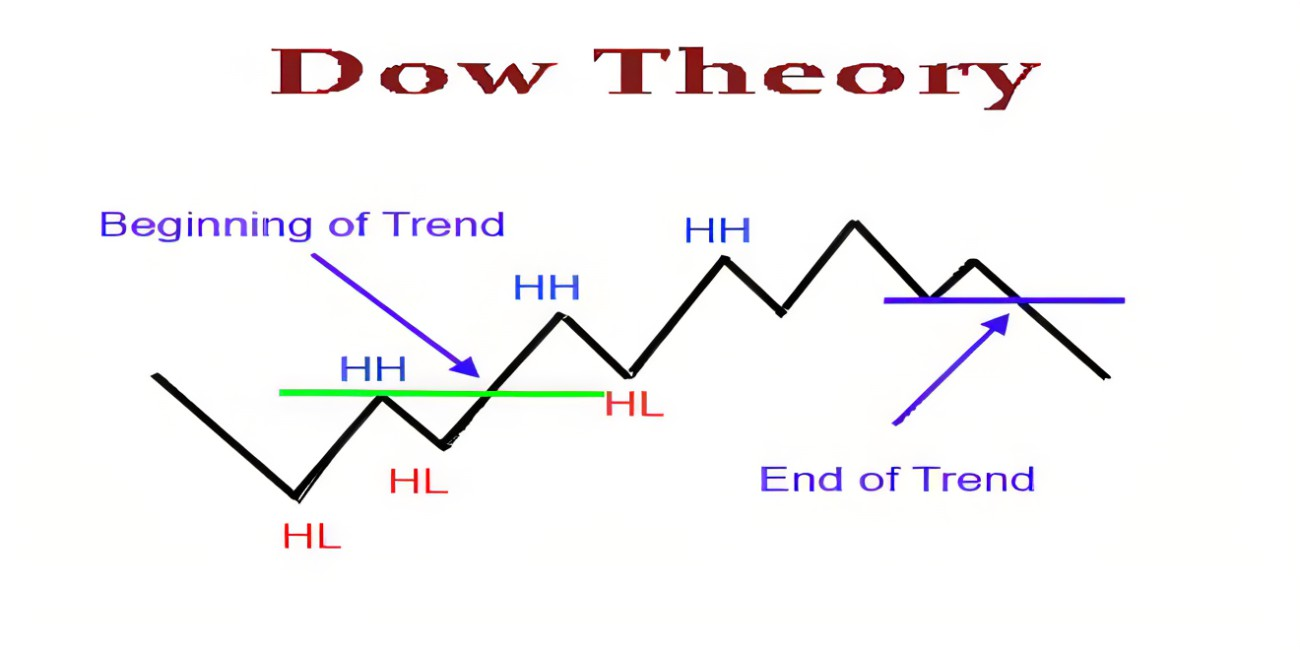
Pioneered by Charles H. Dow, one of the founders of The Wall Street Journal and Dow Jones & Co., and the publisher of MarketWatch, the theory states that if two stock-market averages, most commonly the Dow industrials and transport gauges, reach notable new highs within the same short period, then the broader market is likely headed higher.

It also was one of the first theories that sought to codify a methodology for prognosticating where the market might be headed in the intermediate future. For more than a century, it’s been a staple in the repertoire of technical strategists, who aim to glean insights through analysis of stock-market charts and indicators.

CITE: https://www.r2library.com/Resource

Dow Theory has lost some of its luster in modern times, especially as the Dow has taken a backseat in recent years to the S&P 500 and high flying tech-heavy indexes like the NASDAQ Composite and NASDAQ-100 critics also have lambasted it as overly simplistic.

MORE: https://medicalexecutivepost.com/2022/06/23/the-technicians/

But proponents of the technical Dow Theory can still point to a wealth of historical data showing it generally works as a buy signal, especially if its broadened to include other indexes like the now-dominant S&P 500.

MORE: https://www.investopedia.com/terms/d/dowtheory.asp

***

***

COMMENTS APPRECIATED

Thank You

***

GASOLINE: Prices Slowly Rising Again!

By Staff Reporters

***

***

The average price for a gallon of gasoline in the US just rose to an eight-month high of $3.71, as per AAA. While that’s far below last summer’s peak of $5.02 per gallon, gas prices have been creeping up due to refineries going offline unexpectedly and higher demand for oil at a time when supply isn’t there to meet it.

Bloomberg Opinion’s oil guru, Javier Blas, notes that global oil consumption has likely reached a record high.

LIFESTYLE: https://medicalexecutivepost.com/2022/09/28/my-jaguar-mechanic-vs-doctor-story/

COMMENTS APPRECIATED

Thank You

***

***

U.S. ECONOMY: “Soft Landing” Humming Along

By Staff Reporters

***

***

US gross domestic product (GDP) increased at a more-than-expected 2.4% annualized rate last quarter thanks to healthy consumer spending and businesses shelling out on investments. The latest figures show that not only is the US economy not spiraling into a recession due to interest rate hikes, it’s actually getting stronger as the year goes on.

In fact, underlying inflation rose at its slowest pace in two years. This could be a sign of the “soft landing” that FOMC Chair Jerome Powell seeks.

***

The European Central Bank also took it a cue from the FOMC and raised interest rates to a 23-year high. Investors think it could be the ECB’s last rate hike this cycle.

***

But, according to CNN, Japan’s central bank kept interest rates unchanged today despite rising inflation but hinted that it could gradually abandon years of cheap money, sending the yen soaring and stocks tumbling. The Bank of Japan (BOJ) said it kept unchanged its short-term interest rate at minus 0.1% and maintained its target for the yield on 10-year government bond at around 0%.

But the central bank also said it would adopt a more flexible approach to controlling the yield on government bonds — which affects borrowing costs across the world’s third biggest economy,diluting a key pillar of its longstanding ultra-loose monetary policy.

***

After a historic 13-day winning streak, the Dow—along with the other two major indexes—closed lower as its dizzying rise finally succumbed to gravity. There were some strong individual performances, however. Meta kept its impressive 2023 rolling after giving an optimistic earnings report.

***

COMMENTS APPRECIATED

Thank You

***

***

DAILY UPDATE: Dow Falls Down!

By Staff Reporters

***

***

The Dow slipped on Thursday, snapping a 13-day winning streak. The blue-chip index fell 237 points after being on track to close higher for a 14th consecutive session. That would have marked the Dow’s longest run of consecutive gains since May 1897. If the Dow had closed higher Thursday and Friday, it would have notched 15 days of gains, its longest daily winning streak ever.

But the index’s run was at historic levels before it was cut short Thursday: On Wednesday it notched its 13th straight day of gains, its best winning streak since 1987 and its highest level since February 2022. The Dow, up roughly 6% for the year, has rallied in recent weeks as cooler-than-expected inflation data has investors more optimistic that a soft landing, or no recession, could be in the cards for the economy.

***

Here is where the major benchmarks ended for the day:

  • The S&P 500 Index was down 29 points (0.64%) at 4,537.41; the Dow Jones Industrial Average was down 237 points (0.67%) at 35,282.72; the NASDAQ Composite (COMP) was down 77 points (0.55%) at 14,050.11.
  • The 10-year Treasury note yield (TNX) rose about 14 points 4.002%.
  • CBOE’s Volatility Index (VIX) dropped 5 points to at 13.32.

***

ORDER: https://www.routledge.com/Comprehensive-Financial-Planning-Strategies-for-Doctors-and-Advisors-Best/Marcinko-Hetico/p/book/9781482240283

***

COMMENTS APPRECIATED

Thank You

***

INFLATION: The Interest Rate Balancing Act

By Staff Reporters

***

***

Whether we’ll see another interest rate increase soon depends on what happens between now and the Fed’s next meeting in September. Jerome Powell will be watching to see if consumer prices come down more than they already have, thanks to previous rate hikes.

There are some promising signs that the worst is behind us:

  • Tomorrow, when the government releases the latest personal consumption expenditures price index—the Fed’s preferred measure for tracking inflation—it’s expected to show the lowest inflation increase since the end of 2021. And last month, the consumer price index showed inflation fell to 3%, which is above the Fed’s 2% target but an improvement from last June’s 9.1%.
  • Meanwhile, Coca-Cola—whose prices were 10% higher last quarter compared to Q2 2022—said it’s done marking up drinks for the year, and the CFO of Unilever said the packaged goods giant’s price inflation has peaked (though prices may still get higher).

But the FOMC wants more: Chairman Powell said that for inflation to be truly conquered, the job market, which currently boasts a low unemployment rate of 3.6%, will need to slow.

***

***

COMMENTS APPRECIATED

Thank You

***

***

DAILY UPDATE: Dow and Fed Up but Markets Down

By Staff Reporters

***

***

The Federal Reserve raised its benchmark interest rate another 0.25% on Wednesday, reviving its inflation fight despite a significant cooldown of price increases in recent months. The rate hike brought the Fed’s benchmark interest rate to a 22-year high of between 5.25% and 5.5%. Inflation has fallen significantly from a peak last summer, but remains at a level one percentage point higher than the Federal Reserve’s target of 2%.

***

The Dow on Wednesday rose for a 13th straight day, matching its longest winning streak since 1987. If it closes higher today, it would be a streak not seen since 1897 — about a year after the benchmark was created — when the Dow advanced for 14 sessions in a row. During this latest run, the Dow has outperformed, gaining 5%. That momentum hasn’t been seen in the broader S&P 500 and NASDAQ Composite indexes, however. Both are up just 3% since the Dow’s streak began. The S&P 500 has fallen twice in that time, while the NASDAQ has posted three losing sessions

***

Here is where the major benchmarks ended for the day:

  • The S&P 500 Index was down 0.02% at 4,566.75; the Dow Jones Industrial Average (DJIA) was up about 82 points (0.23%) at 35,520.12; the NASDAQ Composite was down 17 points (0.12%) at 14,127.28.
  • The 10-year Treasury note yield (TNX) edged down to 3.867%.
  • CBOE’s Volatility Index (VIX) dropped 5 points to at 13.32.

***

ORDER: https://www.routledge.com/Comprehensive-Financial-Planning-Strategies-for-Doctors-and-Advisors-Best/Marcinko-Hetico/p/book/9781482240283

***

COMMENTS APPRECIATED

Thank You

***