Primary Care in High-Income Countries [How the United States Compares?]

By Staff Reporters

***

***

Commonwealth Fund: % of Adults Who Have Regular Doctors

 •  Norway: 100%
 •  Netherlands: 99%
 •  U.K.: 97%
 •  New Zealand: 96%
 •  Germany: 96%
 •  France: 95%
 •  Australia: 93%
 •  Switzerland: 93%
 •  Canada: 90%
 •  U.S.: 89%
 •  Sweden: 87%

Source: The Commonwealth Fund, “Primary Care in High-Income Countries: How the United States Compares,” March 15, 2022

Citation: https://www.r2library.com/Resource/Title/0826102549

***

COMMENTS APPRECIATED

Thank You

Subscribe to the Medical Executive-Post

***

***

***

***

Types of Care Medical Providers Deliver Via Tele-Health

By Staff Reporters

***

***
1
.   Conduct primary care visits (75%)
2.  
Conduct chronic care visits (72%)
3.   Order prescription refills (64%)
4.   Conduct COVID-19 screenings (39%)
5.   Conduct urgent care visits (38%)
6.  
Address mental health concerns (36%)
7.   Conduct follow-up after a procedure or surgery care (28%)

Source: Optum Via UnitedHealth Group, March 15, 2022

***

COMMENTS APPRECIATED

Thank You

Subscribe to the Medical Executive-Post

***

***

***

About Twenty Successful Entrepreneurs

Share Their Best Advice

By staff reporters

Conclusion

Your thoughts and comments on this ME-P are appreciated. Feel free to review our top-left column, and top-right sidebar materials, links, urls and related websites, too. Then, subscribe to the ME-P. It is fast, free and secure.

Speaker: If you need a moderator or speaker for an upcoming event, Dr. David E. Marcinko; MBA – Publisher-in-Chief of the Medical Executive-Post – is available for seminar or speaking engagements. Contact: MarcinkoAdvisors@msn.com

OUR OTHER PRINT BOOKS AND RELATED INFORMATION SOURCES:

Product DetailsProduct Details

***

HEALTHCARE ENTREPRENEURS: “Top 10” Challenges

By Staff Reporters

***

***

COMMENTS APPRECIATED

Thank You

Subscribe to the Medical Executive-Post

***

***

***

On Immigrant Entrepreneurs and the USA

Shape the Start-Up Economy

***

***

COMMENTS APPRECIATED

Thank You

***

***

30% of Adults Surveyed Would Give Up Their Current PCP

By Staff Reporters

***

***

Primary Care Providers

A survey was recently conducted by Centivo of 805 US adults ages 18-64 with employer-sponsored private health insurance. The survey found that respondents were willing to accept the following conditions in exchange for significant cost savings:

 •  50% would accept referrals for specialists as a requirement.
 •  47% would select a primary care physician (PCP) from a defined list.
 •  30% would give up their current PCP.
 •  28% would stop seeing a current specialist.

Source: Centivo Via PR Newswire, March 16, 2022

***

COMMENTS APPRECIATED

Thank You

Subscribe to the Medical Executive-Post

***

***

***

UPDATE: The Month of April with Chinese Stocks Update

By Staff Reporters

***

APRIL is the fourth month of the year in the Gregorian calendar, the fifth in the early Julian, the first of four months to have a length of 30 days, and the second of five months to have a length of less than 31 days.

April is commonly associated with the season of autumn in parts of the Southern Hemisphere, and spring in parts of the Northern Hemisphere, where it is the seasonal equivalent to October in the Southern Hemisphere and vice versa.

April is also National Afternoon Tea Month, National Canine Fitness Month, National Fresh Celery Month, International Guitar Month, and Records and Information Management Month.

CHINA: Didi Global Inc. led the advance in American depository receipts, rising 13%. E-commerce giant Alibaba Group Holding Ltd. climbed 1.3%, while JD.com Inc. gained 2.1% and Baidu Inc. jumped 6.6%. The NASDAQ Golden Dragon China Index rose 4.7%, just a day after locking in its worst start to a year since 2008.

CITE: https://www.r2library.com/Resource/Title/082610254

***

COMMENTS APPRECIATED

Thank You

Subscribe to the Medical Executive-Post

***

***

PODCASTS: All You Need to Know About Government Healthcare

By Eric Bricker MD

***

1) Traditional Medicare: Health Insurance for Seniors 65 and older. Medicare Part A is coverage for hospital services. Medicare Part B is coverage for doctor, physical therapist and other provider services and for outpatient services such as labs and imaging.

2) Medicare Advantage: Health Insurance for Seniors 65 and older administered through a private health insurance company. It is sometimes referred to as Medicare Part C. It can be chosen instead of Traditional Medicare and often includes Dental Insurance, Vision Insurance, Hearing Aid Insurance and Prescription Drug Coverage.

3) Medicare Part D Prescription Coverage: Additional insurance for people on Traditional Medicare to cover their prescription medications as well. Medicare Part D is administered by private insurance companies.

4) Medicare Supplement Plans: Insurance that can be purchased in addition to Traditional Medicare to cover the expenses that Traditional Medicare does not cover, such as hospitalization deductibles and Medicare Part B co-insurance.

5) Medicaid: The health insurance program administered by each state for it’s economically disadvantaged residents. It is funded in part by the Federal Government and in part by each state. It is administered by private health insurance companies.

6) Affordable Care Act (ACA) Exchange Plans: Health insurance for people under 65 who make too much money to qualify for Medicaid, but do not received health insurance through their employer. ACA Exchange Plans are subsidized by the Federal Government and administered by private insurance companies.
***

***

COMMENTS APPRECIATED.

Thank You

Subscribe to the Medical Executive-Post

***

***

***

****

The Subjective Theory of Bitcoin

By Michael Accad MD

***

***

In a recent article on the Mises Institute’s Power and Market blog, Kyle Ward appealed to the subjective theory of value to castigate Peter Schiff for his notorious skepticism of Bitcoin:

***

Schiff is quick to point out that gold has uses outside of being money. It is used in electronics, dentistry, and jewelry, to name a few…This leads Schiff to claim that bitcoin is unlike gold in that it has no fundamental (or objective) value. His mistake is obvious: there is no such thing as objective value, whether we’re talking about gold or bitcoin. Value is subjective and determined internally by individuals…Yes, gold can be used to build electronics, but that only has value because consumers subjectively value electronics. (emphasis in the original)

I believe Ward errs in how he relates the subjective theory of value to Bitcoin, but his error stems both from an ambiguity in phrases like “objective value” and from an ambivalence in how the founding fathers of Austrian economics themselves considered the relationship between the human agent and the good being valued.

In this article I will argue that the “orthodox” Austrian school position regarding the emergence of sound money from commodities—first proposed by Carl Menger, subsequently developed by Ludwig von Mises, and presumably adopted by Peter Schiff—is the correct one. But I will appeal to a Scholastic notion of the good to defend that view. That notion of the good is also critical to secure the foundation of a sound economic science.

***

READ: http://alertandoriented.com/the-subjective-theory-of-bitcoin/

***

EDITOR’S NOTE: Florida Podiatry Practice Now Accepts Bitcoin 

JAWSPodiatry is now one of the first medical practices in South Florida to accept Bitcoin! Bitcoin, as you know is a virtual currency that has generated a lot of headlines and has been growing in use and acceptance across the country and around the world. It is a distributed, peer-to-peer digital currency that functions without the intermediation of any central authority. 

***

COMMENTS APPRECIATED

Thank You

Subscribe to the Medical Executive-Post

***

****

UPDATE: First Quarter Stock Index Review & T-Bond Yields

By Staff Reporters

U.S. stocks fell Thursday afternoon to cap a quarter in which Federal Reserve monetary tightening and the Russian invasion of Ukraine have weighed on sentiment and has put the S&P 500 on track for its first quarterly loss in two years.

***

***

How stock indexes performed?

  • The Dow Jones Industrial Average fell 336 points, or 1%, to about 34,893.
  • The S&P 500 was down 38 points, or 0.8%, at 4,564.
  • The NASDAQ Composite shed 107 points, or 0.7%, to trade near 14,335.

BONDS: The yield on the 10-year Treasury fell to 2.331%, while the yield on the 2-year Treasury was at 2.337% at one point in late trading Thursday. After a brief inversion, both yields were basically trading at the 2.34% level in the latest trading.

CITE: https://www.r2library.com/Resource/Title/082610254

***

***

HAPPY APRIL 1st 2022

COMMENTS APPRECIATED

Thank You

Subscribe to the Medical Executive-Post

***

***

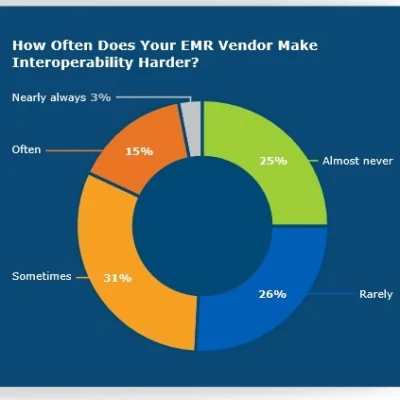
PODCAST: Health Care EMR and I.T. Inter-Operability Explained

By Eric Brikcer MD

***

Electronic Medical Record Interoperability is the Ability of Different Hospital Systems and Doctor Practices to Share Patient Data.

***

***

MEDICINE: https://www.amazon.com/Business-Medical-Practice-Transformational-Doctors/dp/0826105750/ref=sr_1_9?ie=UTF8&qid=1448163039&sr=8-9&keywords=david+marcinko

***

DHIT: https://www.amazon.com/Dictionary-Health-Information-Technology-Security/dp/0826149952/ref=sr_1_5?ie=UTF8&s=books&qid=1254413315&sr=1-5

***

The ME-P is Seeking Healthcare “Metaverse” Input

By Ann Miller RN MHA

***

***

Facebook’s latest release, Meta, is said to be the next evolution of social connection. A virtual, 3D network that allows connection and collaboration in ways many of us have never even considered! And while many are buzzing over how Meta will shape everything from education to healthcare – we are eager to get your opinion on our own ME-P ecosystem.

Can patients trust Facebook and others again?

Are you interested in exploring a new platform for connection?

Have you subscribed to the ME-P?

We want to hear all about it! We’re actively collaborating to bring your perspectives to the discussion around the Metaverse and the patient, economics, finance and healthcare community.

If you have insights or experiences to share – just comment and/or let us know.

***

THANK YOU

***

***

UPDATE: Oil & Energy Prices

By Staff Reporters

***

  • West Texas Intermediate crude for May delivery rose $3.58, or 3.4%, to settle at $107.82 a barrel on the New York Mercantile Exchange after posting a loss of 1.6%.
  • May Brent crude the global benchmark, rose $3.22, or 2.9%, to $113.45 a barrel on ICE Futures Europe, following a 2% loss.
  • May natural gas rose 5.2% to $5.605 per million British thermal units.
  • April gasoline  rose 3.8% to $3.325 a gallon and April heating oil climbed 2.5% to $3.809 a gallon.

***

CITE: https://www.r2library.com/Resource/Title/082610254

***

COMMENTS APPRECIATED

Thank You

Subscribe to the Medical executive-Post

***

***

PODCAST: Hospital Finance 101

***

A basic understanding of hospital finance is crucial as leaders continue to create policy that shapes healthcare financing. This updated 30,000-foot view of hospital finance is intended to shed some light on the complex system.

By The Center for Health Affairs

***

***

CITE: https://www.r2library.com/Resource/Title/082610254

COMMENTS APPRECIATED

Thank You

Subscribe to the Medical Executive-Post

***

***

****

Happy NATIONAL DOCTOR’s Day 2022

By Staff Reporters

To all our valued physicians readers and subscribers

***

You have always been the shield defending and healing patients in our communities. Now more than ever, you have become a guiding light through uncertainty as we navigate toward a brighter future.

This is our chance to thank you for your hard work and incredible impact!

***

***

THANK YOU

Medical Executive-Post

CERTIFIED MEDICAL PLANNER™

http://www.CertifiedMedicalPlanner.org

***

The IRS, Taxation and Virtual Currency!

New Reporting Warning Issued

By Staff Reporters

***

Virtual currency transactions are taxable by law just like transactions in any other property. Taxpayers transacting in virtual currency may have to report those transactions on their tax returns.

CITE: https://www.r2library.com/Resource/Title/0826102549

***

***

All taxpayers must answer a question about virtual currency on their return.

On March 18th, the IRS issued a new alert warning all taxpayers that they must answer a section about virtual currency on their 2021 tax refund this year, even if they did not deal with any digital transactions. According to the agency, there is a question on the top of all versions of Form 1040 that asks, “At any time during 2021, did you receive, sell, exchange, or otherwise dispose of any financial interest in any virtual currency?”

“All taxpayers filing Form 1040, Form 1040-SR or Form 1040-NR must check one box answering either ‘Yes’ or ‘No’ to the virtual currency question,” the IRS explained. “The question must be answered by all taxpayers, not just taxpayers who engaged in a transaction involving virtual currency in 2021.”

IRS: https://www.irs.gov/businesses/small-businesses-self-employed/virtual-currencies

***

COMMENTS APPRECIATED

Thank You

Subscribe to the Medical Executive-Post

***

****

EMRs = To Laugh OR Cry?

SAD

[By staff reporters]

***

***

***

***

Conclusion

Your thoughts and comments on this ME-P are appreciated. Feel free to review our top-left column, and top-right sidebar materials, links, URLs and related websites, too. Then, subscribe to the ME-P. It is fast, free and secure.

Speaker: If you need a moderator or speaker for an upcoming event, Dr. David E. Marcinko; MBA – Publisher-in-Chief of the Medical Executive-Post – is available for seminar or speaking engagements.

Book Marcinko: https://medicalexecutivepost.com/dr-david-marcinkos-bookings/

Subscribe: MEDICAL EXECUTIVE POST for curated news, essays, opinions and analysis from the public health, economics, finance, marketing, IT, business and policy management ecosystem.

DOCTORS:

“Insurance & Risk Management Strategies for Doctors” https://tinyurl.com/ydx9kd93

“Fiduciary Financial Planning for Physicians” https://tinyurl.com/y7f5pnox

“Business of Medical Practice 2.0” https://tinyurl.com/yb3x6wr8

Product Details


UPDATE: The Markets, Treasury Yields, Ukraine & the Week Ahead

By Staff Reporters

***

***

  • Markets: US stocks rose for two straight weeks. Investors appear to be putting more emphasis on strong corporate earnings than all the uncertainty around the war in Ukraine and inflation.
  • Treasury: Yields climbed (in anticipation of higher interest rates), giving a lift to financial stocks.
  • Ukraine: Top Russian military officials signaled a change in approach to the war. They spoke about the “complete liberation” of the Donbas region in eastern Ukraine, which means Russia could potentially be pivoting from its initial goal of taking Ukraine’s biggest cities and toppling its government.
  • EARNING REPORTS THIS WEEK:
  • Monday: Earnings from Dave & Buster’s.
  • Tuesday: US consumer confidence; US Job Openings and Labor Turnover (JOLTS); earnings from Micron, Chewy, Lululemon and RH.
  • Wednesday: US ADP jobs report; US GDP for Q4 (third estimate); weekly crude oil inventories; earnings from BioNTech and Paychex.
  • Thursday: End of first quarter; US personal income and spending; US weekly jobless claims: earnings from Walgreens and Blackberry.
  • Friday: US jobs report; US ISM manufacturing.

***

COMMENTS APPRECIATED

Thank You

Subscribe to the Medical Executive-Post

***

***

What are OTC “PINK” Sheets?

LOW PRICED “PENNY STOCKS?

By Dr. David E. Marcinko MBA CMP®

SPONSOR: http://www.CertifiedMedicalPlanner.org

CMP logo

Pink sheets are an over-the-counter (OTC) market that connects broker-dealers electronically. There is no trading floor and the quotations are also all done electronically. Since there is no central trading floor or stock exchange like the New York Stock Exchange (NYSE), the pink sheet-listed companies do not have the same criteria to fulfill as the companies listed on national stock exchanges. Many stocks listed on the pink sheets are low-priced penny stocks that trade for under $5 a share.

CITE: https://www.r2library.com/Resource/Title/0826102549

Pink sheets got their name because the original pink sheets listing the stocks were actually printed and distributed on pink pieces of paper. Trading over-the-counter (OTC) refers to the process of how securities listed on the pink sheets are traded through a broker-dealer network.

MORE: https://en.wikipedia.org/wiki/OTC_Markets_Group

Pink Sheets | Explanation | Examples with Advantages and Disadvantages

YOUR COMMENTS ARE APPRECIATED.

Thank You

****

DOJ Recoveries for False Claims Act Cases Doubled in 2021

BY HEALTH CAPITAL CONSULTANTS, LLC.

DEFINITION: The False Claims Act, also called the “Lincoln Law”, is an American federal law that imposes liability on persons and companies who defraud governmental programs. It is the federal Government’s primary litigation tool in combating fraud against the Government. The law includes a provision that allows people who are not affiliated with the government, called “relators” under the law, to file actions on behalf of the government. Persons filing under the Act stand to receive a portion of any recovered damages.

CITE: https://www.r2library.com/Resource/Title/0826102549

***

DOJ Recoveries for False Claims Act Cases Doubled in 2021

On February 1, 2022, the U.S. Department of Justice (DOJ) announced their recovery of $5.6 billion in settlements and judgments from civil cases involving fraud and false claims for fiscal year (FY) 2021. Over $5 billion was recouped from the healthcare industry for federal losses alone, and included recoveries from drug and medical device manufacturers, managed care providers, hospitals, pharmacies, hospice organizations, laboratories, and physicians.

***

This figure is more than double the amount of healthcare-related recoveries secured in FY 2020, which totaled $1.8 billion. (Read more…)

***

***

***

COMMENTS APPRECIATED

Thank You

Subscribe to the Medical Executive-Post

***

The TOP 100 Digital Health Companies

****

See the source image

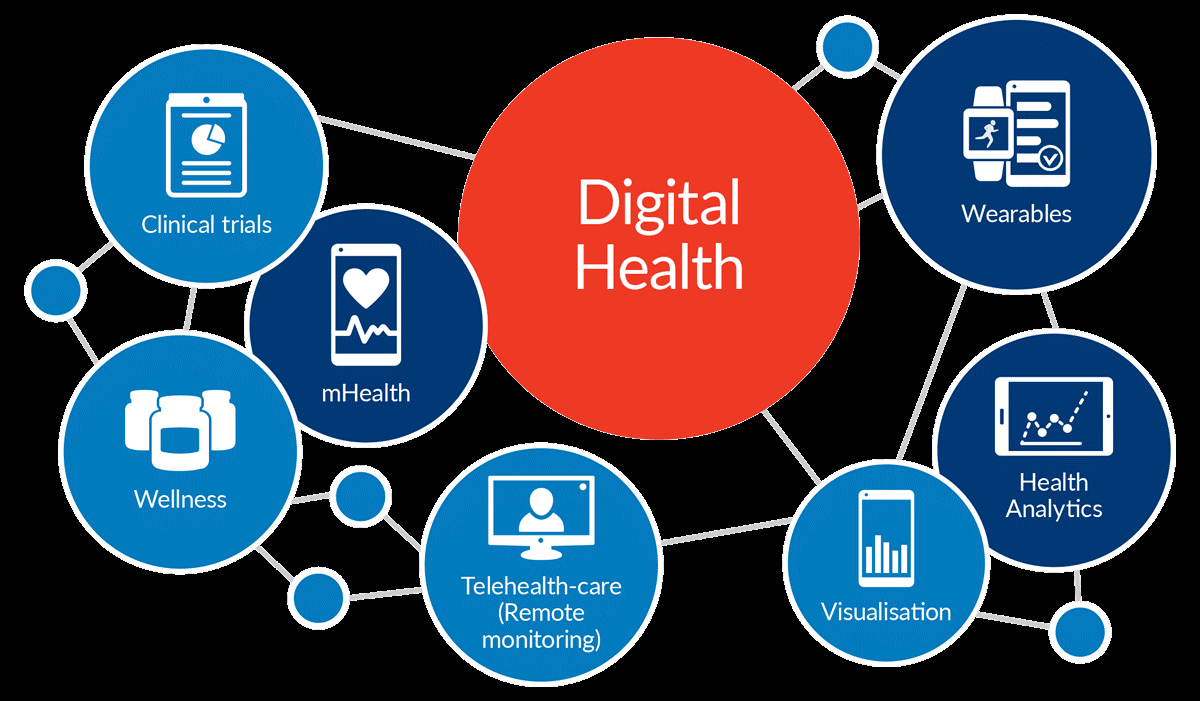
There are a zillion digital health companies on the market, each praising their own solution/product as they can. It is up to the market to decide if these are any good. But how would patients, hospital systems, clinics or even investors decide on their added value? With the help of experts.

It is the 4th time we collect The TOP100 Digital Health Companies. A curated list of the best companies of the thousands we encounter while doing our work at The Medical Futurist. Of them, we chose a hundred that represent the following key values: mindset for innovation, truly disruptive technology, viable business model and a clear dedication to digital health.

Take care,
Berci
Bertalan Meskó, MD
The Medical Futurist

***

YOUR COMMENTS ARE APPRECIATED.

***

UPDATE: The SAFE Banking Act

By Staff Reporters

***

***

The SAFE Banking Act: Would allow marijuana [pot] shops to convert from cash transactions to digital exchanges potentially reducing the amount of armed robberies.

LINK: https://www.congress.gov/bill/117th-congress/house-bill/1996

***

COMMENTS APPRECIATED

Thank You

Subscribe to the Medical Executive-Post

***

***

UPDATE: Bitcoin, Retail Sales, ONS and Consumer Confidence

By Staff Reporters

***

***

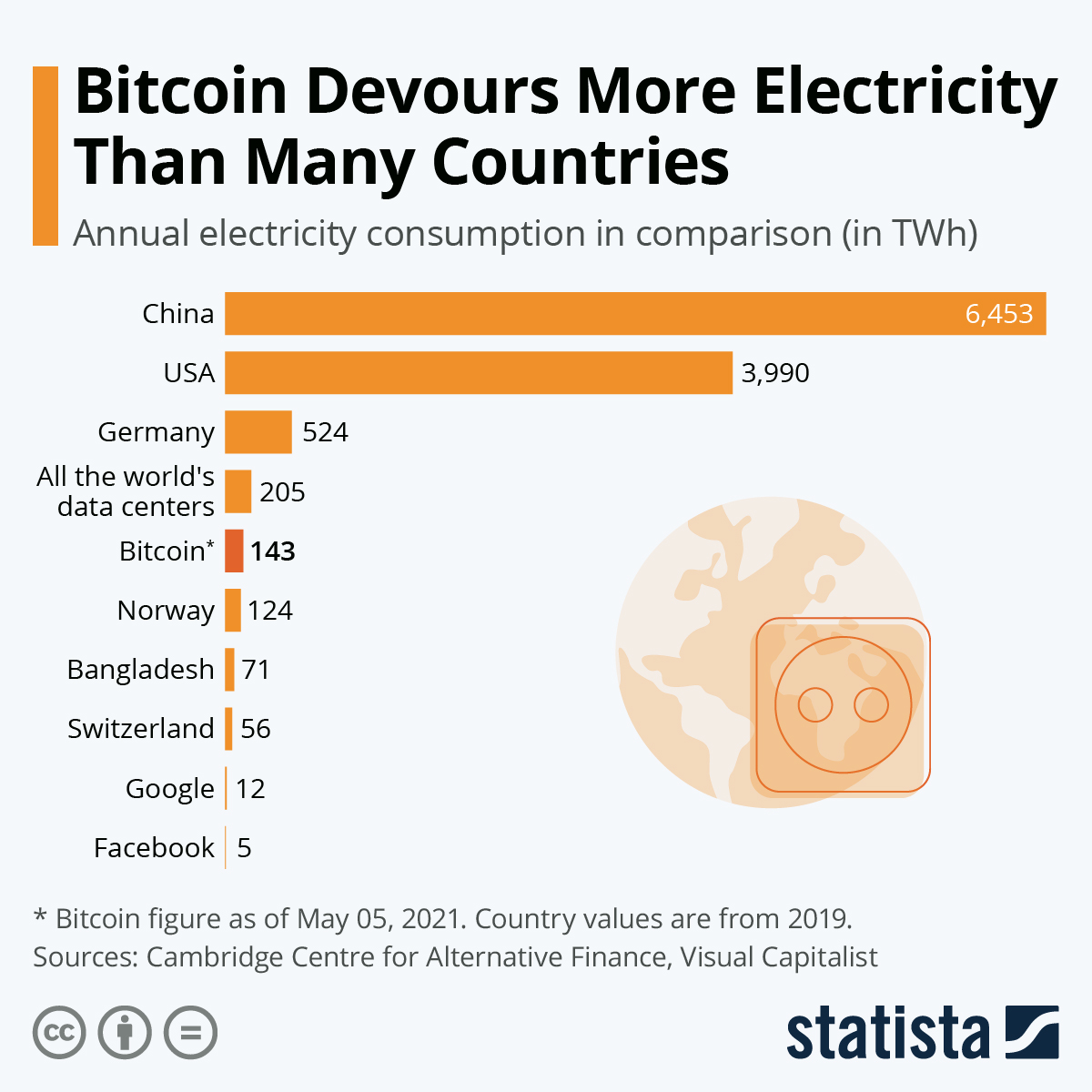
Bitcoin: Rallied 2% after Russia said it would begin accepting it as payment for oil and natural gas.

Retail Sales: Fell and consumer confidence is at its lowest level in 16 months amid the recent surge in living costs.

Office for National Statistics: Reported an unexpected 0.3% decline in retail sales volumes for February, although some of this weakness reflected a drop in food sales as more people went out to pubs and restaurants.

Consumer Confidence: Continues to deteriorate after GfK reported the worst reading since November 2020 as households face up to 30-year-high levels of inflation, record fuel and food prices and a recent interest rate hike.

***

COMMENTS APPRECIATED

Thank You

Subscribe to the Medical Executive-Post

***

***

What is an “Inverse” ETF?

WHAT IT IS – HOW IT WORKS

Traditional ETFs: https://medicalexecutivepost.com/2008/01/07/exchange-traded-funds-etfs/

Tax and ETFs: https://medicalexecutivepost.com/2008/01/11/etfs-and-tax-efficiency/

INVERSE DEFINITION:

An inverse exchange-traded fund is an exchange-traded fund, traded on a public stock market, which is designed to perform as the inverse of whatever index or benchmark it is designed to track. These funds work by using short selling, trading derivatives such as futures contracts, and other leveraged investment techniques.

Citation: https://www.r2library.com/Resource/Title/0826102549

***

How Inverse ETFs Can Help And Hurt You

READ: https://smartasset.com/investing/inverse-etf

RELATED: https://smartasset.com/investing/what-is-a-leveraged-etf

ASSESSMENT: Your comments and thoughts are appreciated.

THANK YOU

****


PODCAST: The Successful Quest Diagnostics Employee Health Plan Cost Reduction Case-Report

By Eric Bricker MD

Their 8 Point Strategy Included: 1) CDHP, 2) Centers-of-Excellence, 3) Narrow Network, 4) Rx Formulary Changes, 5) Spousal Surcharge, 6) COBRA Members to the Exchange, 7) 2nd Opinion Program … AND 8) Moved Health Plan Control from HR to a Chief Medical Officer AND Kept a Short Leash on their ASO Carrier.

CITE: https://www.r2library.com/Resource/Title/082610254

Special Thanks to Dr. Steven Goldberg for Publishing His Company’s Experience in an Academic Journal.

***

***

COMMENTS APPRECIATED

Thank You

Subscribe to the Medical Executive-Post

***

***

***

***

Primary Care Physician Estimated Career Turn-Over Per Year

By Staff Reporters

***

***

 •  General internal medicine: 4370 (4% of this workforce)
 •  Family medicine: 3624 (3% of this workforce)
 •  General pediatrics: 1320 (2% of this workforce)
 •  Obstetrics/gynecology: 1563 (4% of this workforce)
 •  Geriatrics: 149 (3% of this workforce)
 •  Preventive medicine: 93 (2% of this workforce)

Source: Mayo Clinic Proceedings, “Health Care Expenditures Attributable to Primary Care Physician Overall and Burnout-Related Turnover: A Cross-sectional Analysis,” February 25, 2022

***

***

***

PODCAST: Primary Medical Care: US versus Other Countries

By Eric Bricker MD

The Commonwealth Fund Released a Study in March 2022 Comparing Primary Care in the United States to Other Industrialized Countries.

***

***

COMMENTS APPRECIATED

Thank You

Subscribe to the Medical Executive-Post

***

***

***

General Obligation and Revenue Bonds

Understanding GOs and RBs

[By Staff Writers]fp-book2

General obligation bonds are secured by the taxing authority and are therefore considered safer than other municipals. The full faith and credit of the municipality ensures prompt payment of principal and interest.

Further more, most municipal bonds, including city, county, and school district issues, are secured by a pledge of unlimited property taxes (known as ad-valorem taxes), which further secures the bonds. If taxes are not paid, the property may be sold at a tax sale, at which the bondholder has a superior position.

Revenue bonds

Revenue bonds are payable from the earnings of a revenue-generating facility, such as water, sewers, or utility systems, toll bridges, or airports. The risk, however, is that the facility will not generate income sufficient to pay the interest, and therefore the yield is somewhat higher than for a general-obligation bond.

Revenue bonds are supported only by the revenue earned, so if the project does not produce revenues sufficient to pay the interest on the bonds, then the bonds go into default. Therefore, it is important to properly evaluate the municipality’s ability to tax and/or the assumptions used to project the facility’s revenue.

Conclusion

Your thoughts and comments on this ME-P are appreciated. Feel free to review our top-left column, and top-right sidebar materials, links, URLs and related websites, too. Then, subscribe to the ME-P. It is fast, free and secure.

Link: http://feeds.feedburner.com/HealthcareFinancialsthePostForcxos

Speaker: If you need a moderator or speaker for an upcoming event, Dr. David E. Marcinko; MBA – Publisher-in-Chief of the Medical Executive-Post – is available for seminar or speaking engagements. Contact: MarcinkoAdvisors@msn.com

OUR OTHER PRINT BOOKS AND RELATED INFORMATION SOURCES:

LEXICONS: http://www.springerpub.com/Search/marcinko
PHYSICIANS: www.MedicalBusinessAdvisors.com
PRACTICES: www.BusinessofMedicalPractice.com
HOSPITALS: http://www.crcpress.com/product/isbn/9781466558731
CLINICS: http://www.crcpress.com/product/isbn/9781439879900
ADVISORS: www.CertifiedMedicalPlanner.org
BLOG: www.MedicalExecutivePost.com

Product DetailsProduct DetailsProduct Details     

Product Details  Product Details

Understanding Municipal Bond Underwriting

A Primer for Physician Investors

By Dr. David Edward Marcinko MBA CMP™

[Publisher-in-Chief]

While the underwriting procedures for corporate bonds are almost identical to corporate stock, there are significant differences in the underwriting of municipal securities. Municipal securities – hospitals for example – are exempt from the registration filing requirements or the Securities Act of 1933. A state or local government, in the issuance of municipal securities, is not required to register the offering with the SEC, so there is no filing of a registration statement and there is no prospectus which would otherwise have to be given to investors.

Municipal Underwriting

There are two main methods of financing when it comes to municipal securities. One method is known as negotiated. In the case of a negotiated sale, the municipality looking to borrow money would approach an investment bank and negotiate the terms of the offering directly with the firm. This is really not very different from the equity process.

Competitive Bidding

The other type of municipal underwriting is known as competitive bidding. Under the terms of competitive bidding, an issuer announces that it wishes to borrow money and is looking for syndicates to submit competitive bids. The issue will then be sold to the syndicate which submits the best bid, resulting in the municipality having the lowest net interest cost (lowest expense to the issuer).

If the issue is to be done by a competitive bid, the municipality will use a Notice of Sale to announce that fact. The notice of sale will generally include most or all of the following information.

  • Date, time, and place. This does not mean when the bonds will be sold to the public, but when the issue will be awarded (sold) to the syndicate issuing the bid.
  • Description of the issue and the manner in which the bid is to be made (sealed bid or oral).
  • Type of bond (general obligation, revenue, etc.)
  • Semi-annual interest payment dates and the denominations in which the bonds will be printed.
  • Amount of good faith deposit required, if any.
  • Name of the law firm providing the legal opinion and where to acquire a bid form.
  • The basis upon which the bid will be awarded, generally the lowest net interest cost.

The Bond Attorney

Since municipal securities are not registered with the SEC, the municipality must hire a law firm in order to make sure that they are issuing the securities in compliance with all state, local and federal laws. This is known as the bond attorney, or independent bond counsel. Some functions are included below:

  1. Establishes the exemption from federal income tax by verifying requirements for the exemption.
  2. Determines proper authority for the bond issuance.
  3. Identifies and monitors proper issuance procedures.
  4. Examines the physical bond certificates to make sure that they are proper
  5. Issues the debt and a legal opinion, since municipal bonds are the only securities that require an opinion.
  6. Does not prepare the official statement.

When medical or other investors purchase new issue municipal securities from syndicate or selling group members, there is no prospectus to be delivered to investors, but there is a document which is provided to purchasers very similar in nature to a prospectus. It is known as an Official Statement. The Official Statement contains all of the information an investor needs to make a prudent decision regarding a proposed municipal bond purchase.

Underwriting Syndicate

The formation of a municipal underwriting syndicate is very similar to that for a corporate issue. When there is a negotiated underwriting, an Agreement Among Underwriters (AAU) is used. When the issue is competitive bid, the agreement is known as a Syndicate Letter. In the syndicate letter, the managing underwriter details all of the underwriting agreements among members of the syndicate. Eastern (undivided) and Western (divided) accounts are also used, but there are several different types of orders in a municipal underwriting.

Order Types

The traditional types of orders, in priority order, are:

  • Pre-Sale Order: Made before the syndicate actually offers the bonds. They have first priority over any other order turned in.
  • Syndicate (group net) Order: Made once the offering is under way at the public offering price. The purchase is credited to each syndicate member in proportion to its allotment. An institutional buyer will frequently purchase” group net”, since many of the firms in the syndicate may consider this buyer to be their client and he wishes to please all of them.
  • Designated Order: Sales to medical investors (usually healthcare institutions) at the public offering price where the investor designates which member or members of the syndicate are to be given credit.
  • Member Orders: Purchased by members of the syndicate at the take-down price (spread). The syndicate member keeps the full take-down if the bonds are sold to investors, or earns the take-down less the concession if the sale is made to a member of the selling group. Should the offering be over-subscribed, and the demand for the new bonds exceeds the supply, the first orders to be filled are the pre-sale orders. Those are followed by the syndicate (sometimes called group net) orders, the designated orders, and the last orders filled are the member’s.

Assessment

Finally, be aware that the term bond scale is a listing of coupon rates, maturity dates, and yield or price at which the syndicate is re-offering the bonds to the public. The scale is usually found in the center of a tombstone ad and on the front cover of the official statement. One of the reasons why the word “scale” is used – is that like the scale on a piano – it normally goes up. A regular or positive scale is one in which the yield to maturity is lowest on the near term maturities and highest on the long term maturities. This is also known as a positive yield curve, since the longer the maturity, the higher the yield. In times of very tight money, such as in 1980-81, one might find a bond offering with a negative scale. A negative (sometimes called inverted) scale is just the opposite of a positive one, with, yields on the short term maturities are higher than those on the long term maturities.

http://www.amazon.com/Financial-Planning-Handbook-Physicians-Advisors/dp/0763745790/ref=sr_1_1?ie=UTF8&s=books&qid=1276795609&sr=1-1 

Conclusion

Your thoughts and comments on this ME-P are appreciated. Feel free to review our top-left column, and top-right sidebar materials, links, URLs and related websites, too. Then, subscribe to the ME-P. It is fast, free and secure.

Speaker: If you need a moderator or speaker for an upcoming event, Dr. David E. Marcinko; MBA – Publisher-in-Chief of the Medical Executive-Post – is available for seminar or speaking engagements. Contact: MarcinkoAdvisors@msn.com

OUR OTHER PRINT BOOKS AND RELATED INFORMATION SOURCES:

Risk Management, Liability Insurance, and Asset Protection Strategies for Doctors and Advisors: Best Practices from Leading Consultants and Certified Medical Planners™8Comprehensive Financial Planning Strategies for Doctors and Advisors: Best Practices from Leading Consultants and Certified Medical Planners™

***


PODCAST: The Healthcare Price versus Quality Disconnect

By Dr. Eric Bricker MD

***

***

COMMENTS APPRECIATED

Thank You

Subscribe to the Medical Executive-Post

***

CITATION: https://www.r2library.com/Resource/Title/0826102549

***

***

***

PODCAST: Will Your Health Care Directives Protect You?

By Rick Kahler CFP

PODCAST: https://kahlerfinancial.com/financial-awakenings/estate-planning/will-your-health-care-directives-protect-you

***

***

MORE: https://www.nia.nih.gov/health/advance-care-planning-health-care-directives

CITE: https://www.r2library.com/Resource/Title/0826102549

***

***

Risk Management: https://www.routledge.com/Risk-Management-Liability-Insurance-and-Asset-Protection-Strategies-for/Marcinko-Hetico/p/book/9781498725989

***

***

COMMENTS APPRECIATED

Thank You

Subscribe to the Medical Executive-Post

***

On All Things “Fiduciary”

My Journey From Financial Advisor to Journalist to Fiduciary Ambassador

By Kathleen M. McBride, AIFA® [Founder, Fiduciarypath, LLC]

EDITOR’S NOTE: Kathleen M. McBride, AIFA®, Founder, Fiduciarypath, LLC and CEFEX-certified analyst, talks about her journey from advisor to journalist to fiduciary ambassador.

Dr. David E. Marcinko MBA

[Editor-in-Chief]

Image result for fiduciary

LINK: https://www.fi360.com/blog/post/all-things-fiduciary

Your thoughts are appreciated.

Comprehensive Financial Planning Strategies for Doctors and Advisors: Best Practices from Leading Consultants and Certified Medical Planners™

ORDER: https://www.amazon.com/Comprehensive-Financial-Planning-Strategies-Advisors/dp/1482240289/ref=sr_1_1?ie=UTF8&qid=1418580820&sr=8-1&keywords=david+marcinko

THANK YOU

***

Welcome ARPA-H [health]

By Dr. David Edward Marcinko MBA CMP

SPONSOR: http://www.CertifiedMedicalPlanner.org

***

Recent advances in biomedical and health sciences—from immunotherapy to treat cancer, to the highly effective COVID-19 vaccines—demonstrate the strengths and successes of the U.S. biomedical enterprise. Such advances present an opportunity to revolutionize how to prevent, treat, and even cure a range of diseases including cancer, infectious diseases, Alzheimer’s disease, and many others that together affect a significant number of Americans.

NIH: https://www.nih.gov/arpa-h

***

***

To improve the U.S. government’s capabilities to speed research that can improve the health of all Americans, President Biden is proposing the establishment of the Advanced Research Projects Agency for Health (ARPA-H). Included in the President’s FY2022 budget as a component of the National Institutes of Health (NIH) with a requested funding level of $6.5B available for three years, ARPA-H will be tasked with building high-risk, high-reward capabilities (or platforms) to drive biomedical breakthroughs—ranging from molecular to societal—that would provide transformative solutions for all patients.

MORE: https://thehealthcareblog.com/blog/2022/03/22/arpha-h-needs-to-think-bigger/

***

COMMENTS APPRECIATED

Thank You

Subscribe to the Medical Executive-Post

***

***

***

An Interest Rate Review for Physician-Executives

Managerial Accounting

By Dr. David E. Marcinko MBA

Recently, several major banking institutions have addressed the problem of escalating debt upon graduating physicians, mid-life practitioners and even seasoned healthcare providers; despite historically low rates for prime customers.

Unfortunately, one may still wonder how many clinicians truly appreciate the risks associated with usurious interest rates for homes, cars, medical equipment and other consumer items; as we offer the following review to reduce this peril.

WHITE-PAPER: IRs

Assessment: Your thoughts are appreciated.

***

Risk Management, Liability Insurance, and Asset Protection Strategies for Doctors and Advisors: Best Practices from Leading Consultants and Certified Medical Planners™8Comprehensive Financial Planning Strategies for Doctors and Advisors: Best Practices from Leading Consultants and Certified Medical Planners™

***

PODCAST: Healthcare “Certificate of Need” Laws Explained

By Eric Bricker MD

C.O.N. Legislation is Not New!

Certificate of need laws are state-level regulations that require healthcare institutions to obtain approval from state officials before moving forward on large capital expenditure projects, such as the construction of a new facility or the purchase of expensive new equipment.

CITE: https://www.r2library.com/Resource/Title/082610254

***

***

COMMENTS APPRECIATED

Thank You

Subscribe to the Medical Executive-Post

***

***

***

***

INVESTING: “Direct Indexing” Definition

WHAT IT IS – HOW IT WORKS?

Citation: https://www.r2library.com/Resource/Title/0826102549

Direct Indexing at Vanguard - FiPhysician

READ: https://smartasset.com/investing/direct-indexing#:~:text=Advantages%20of%20Direct%20Indexing%201%20Tax%20Efficiency.%20Direct,Social%20Criteria%20Customization.%20…%204%20Lower%20Costs.%20

YOUR COMMENTS ARE APPRECIATED.

SECOND OPINIONS: https://medicalexecutivepost.com/schedule-a-consultation/

INVITE DR. MARCINKO: https://medicalexecutivepost.com/dr-david-marcinkos-bookings/

****

****

THANK YOU

***

The Millennial Spend on COVID-19 Tests?

By Dr. David E. Marcinko MBA CMP®

SPONSOR: http://www.CertifiedMedicalPlanner.org

***

***

Millennials Spent the most on COVID-19 tests ($142)

A recent ValuePenguin survey found out-of-pocket costs for COVID-19 tests on average varied by age groups as follows:

 •  Gen Zers (ages 18-25): $125
 •  Millennials (ages 26-41): $142
 •  Gen Xers (ages 42-56): $101
 •  Baby boomers (ages 57-76): $59

Source: ValuePenguin, “COVID-19 Testing Survey: Americans Talk Out-of-Pocket Charges, Bill Negotiations, Barriers,” February 14, 2022

CITE: https://www.r2library.com/Resource/Title/082610254

***

COMMENTS APPRECIATED

Thank You

Subscribe to the Medical Executive-Post

***

***

***

UPDATE: The Housing and Single Family Rental Markets

By Staff Reporters

***

***

HOMES: Last year was a really good time to own a home—like, historically good. For the first time on record, homeowners earned more from the increase in home values than income from their jobs, according to Zillow. The numbers: The typical US home increased $52,667 in value, while the median full-time worker earned about $50,000 before taxes.

Rentals: Single-family rental prices jumped 12.6% from a year earlier, according to the latest CoreLogic Single-Family Rent Index. All major metropolitan areas saw increases, but the Sun Belt experienced by far the biggest gains, with Miami’s asking rents up almost 39%.

***

***

COMMENTS APPRECIATED

Thank You

Subscribe to the Medical Executive-Post

***

***

My Investing “Sell” Principle

The Renaissance of Pipelines

Vitaliy N. Katsenelson, CFA - YouTube

By Vitaliy N. Katsenelson, CFA

A client recently asked me whether there is a difference in our sell discipline between high and low growth companies.

Selling is one of the hardest parts of investing. I wrote a lot on the subject in the past, but let’s zoom in on how our selling practice differs between high-growth companies with long runways for compounding and slow-growth companies.

LINK: https://contrarianedge.com/our-sell-discipline/

AUDIO: https://investor.fm/the-renaissance-of-pipelines-and-our-sell-discipline-ep-113

Your thoughts are appreciated.

EDITOR’S NOTE: It has been a few years since I spoke with my colleague Vitaliy. But, I read his newsletters and blog regularly and suggest all ME-P readers do the same.

Dr. David E. Marcinko; MBA

[Editor-in-Chief]

Comprehensive Financial Planning Strategies for Doctors and Advisors: Best Practices from Leading Consultants and Certified Medical Planners(TM)

BOOK: https://www.amazon.com/Comprehensive-Financial-Planning-Strategies-Advisors/dp/1482240289/ref=sr_1_1?ie=UTF8&qid=1418580820&sr=8-1&keywords=david+marcinko

THANK YOU

***

ACCOUNTABLE CARE: Competitive Market for Talent is Biggest Challenge in Recruiting

By Staff Reporters

DEFINITION: An accountable care organization (ACO) is a group of doctors, hospitals, and other health care providers that work together on your care. Their goal is to give you — and other people on Medicare — better, more coordinated treatment. The largest effort in payment innovation in Medicare is a portfolio of accountable care organization (ACO) programs that include the Medicare Shared Savings Program (MSSP), the Next Generation model, and Comprehensive End Stage Renal Disease model. But drawbacks include limited choice as some patients will have trouble finding doctors outside of a specific group. The shortage of options could lead to higher patient costs. And, referral restrictions as ACOs provide doctors incentives to refer to specialists within the group.

CITE: https://www.r2library.com/Resource/Title/082610254

***

***

In a recent survey from AKASA healthcare finance leaders ranked the biggest challenges in recruiting and retention within the revenue cycle as healthcare organizations navigate significant staffing gaps across the board.

Great Resignation: https://medicalexecutivepost.com/2022/03/08/healthcare-industry-hit-with-the-great-resignation-retirement/

 •  #1: Competitive market for talent (71%)
 •  #2: Vaccine mandates (42%)
 •  #3: Employee burnout (41%)
 •  #4: Rapid employee turnover (40%)
 •  #5: Limitations to offer remote work (23%)

Source: AKASA via PR Newswire, February 23, 2022

***

COMMENTS APPRECIATED

Thank You

Subscribe to the Medical Executive-Post

***

BUSINESS of MEDICINE: https://www.amazon.com/Business-Medical-Practice-Transformational-Doctors/dp/0826105750/ref=sr_1_9?ie=UTF8&qid=1448163039&sr=8-9&keywords=david+marcinko

***

SELLING: Financial Advice!

Join Our Mailing List

It is All About Sales

Rick Kahler MS CFP

By Rick Kahler MS CFP®

Steve Forbes, editor of the well-respected financial publication Forbes Magazine, once said,

“You make more selling advice than following it. It’s one of the things we count on in the magazine business, along with the short memory of our readers.”

Scores of publications sell advice on their proprietary investing secrets. In addition, hundreds of thousands of active money managers claim they can “beat the market” and give you above average returns. Usually, “the market” this advice refers to is the Standard & Poor’s 500 Index.

Investing in the S&P 500 Index simply means owning a fraction of every one of the largest 500 companies in the US. No skill is involved at all; a third grader can do this.

Accepting average market returns through an index fund is termed “passive” investing, while trying to beat the market is called “active” investing. Enticing as the latter may seem, very few active investors manage to do it.

Dimensional Fund Advisors

A recent study cited by Dimensional Fund Advisors found that only 17% of money managers beat the S&P 500 Index over 15 years. A similar study done by Dalbar, Inc. found that over 20 years, just 3% of money managers beat the S&P 500 Index. In other words, 97% of all money managers didn’t do as well as a third grader who invested in the S&P 500 Index.

In addition, active investors generally pay around 1.35% a year in fees, compared to around 0.20% a year for passive investors. According to the Dalbar study, the average active investor earns 3% to 4% less annually than the average passive investor. That’s a really big deal.

With all the research to the contrary, why does active investing flourish?

There are three reasons:

First, people are confused. Few investors understand that Wall Street has every financial incentive to keep you confused. So does much of the financial press, because passive investing doesn’t sell papers or magazines. We don’t see headlines reading, “What You Need To Do With Your Portfolio Now: NOTHING!”

Second, people tend to be extremely overconfident. Most of what people mistake for outperformance in a money manager is actually just dumb luck. According to Ken French, professor of finance at Dartmouth, it takes 64 years of data to sort through all the random probabilities to assess whether a manager’s short-term beating the market is due to skill rather than chance.

To emphasize this, try an experiment that can make you a stock-picking genius. Select 64 people, preferably not friends. Tell 32 of them the price of a share of Apple will be higher at the end of the month; tell the other 32 it will be lower. Of course, your “prediction” will be true for one group or the other. At the end of the month take the “true” group, divide it into two groups of 16, and repeat the exercise. At the end of the second month, divide the “true” group in half and repeat. Continue the pattern with the remaining 8, then 4, and the last 2. After six months you will have correctly predicted the movement of Apple stock to one person—who will think you are a financial genius.

The third reason active investing flourishes is the superior skill of the top 3%—the Bill Millers and Jim Simons. Such investment gurus provide encouragement that you, too, can beat the market. Yet actually, the fact they exist is exactly the reason why you shouldn’t try. Why?

Assessment

In order for them to do better than the market, they need lots of others to do worse. As Ken French reminds us, trying to beat the market is a zero sum game. 

***

investing

***

Conclusion

Your thoughts and comments on this ME-P are appreciated. Feel free to review our top-left column, and top-right sidebar materials, links, URLs and related websites, too. Then, subscribe to the ME-P. It is fast, free and secure.

Speaker: If you need a moderator or speaker for an upcoming event, Dr. David E. Marcinko; MBA – Publisher-in-Chief of the Medical Executive-Post – is available for seminar or speaking engagements. Contact: MarcinkoAdvisors@msn.com

OUR OTHER PRINT BOOKS AND RELATED INFORMATION SOURCES:

 Risk Management, Liability Insurance, and Asset Protection Strategies for Doctors and Advisors: Best Practices from Leading Consultants and Certified Medical Planners™   Comprehensive Financial Planning Strategies for Doctors and Advisors: Best Practices from Leading Consultants and Certified Medical Planners™

***

The “Fair Health” Study of Private Healthcare Claims

By Staff Reporters

Three [3] Key Findings

***

***

 •  Among patients aged 19-35, mental health conditions were the most common diagnosis associated with emergency ground ambulance in the period 2016-2020.
 •  Throughout the period 2016-2020, advanced-life-support (ALS) accounted for a larger percentage of emergency ground ambulance claim lines than basic-life-support (BLS) services. For example, in 2020, 51.5% of emergency ground ambulance claim lines were associated with ALS compared to 48.5% associated with BLS.
 •  Individuals 65 years and older were consistently the largest age group associated with emergency ground ambulance services, though their share of the distribution decreased from 37.7% in 2016 to 34% in 2020.

Source: Fair Health Via PR Newswire, “Ground Ambulance Services in the United States,” February 23, 2022

***

Comments Appreciated

THANK YOU

Subscribe to the Medical Executive-Post

***

***

***