BOARD CERTIFICATION EXAM STUDY GUIDES Lower Extremity Trauma
[Click on Image to Enlarge]
ME-P Free Advertising Consultation
The “Medical Executive-Post” is about connecting doctors, health care executives and modern consulting advisors. It’s about free-enterprise, business, practice, policy, personal financial planning and wealth building capitalism. We have an attitude that’s independent, outspoken, intelligent and so Next-Gen; often edgy, usually controversial. And, our consultants “got fly”, just like U. Read it! Write it! Post it! “Medical Executive-Post”. Call or email us for your FREE advertising and sales consultation TODAY [678.779.8597] E-mail: MarcinkoAdvisors1738@outlook.com
Medical & Surgical e-Consent Forms
ePodiatryConsentForms.com
iMBA Inc., OFFICES
Suite #5901 Wilbanks Drive, Norcross, Georgia, 30092 USA [1.678.779.8597]. Our location is real and we are now virtually enabled to assist new long distance clients and out-of-town colleagues.
ME-P Publishing
SEEKING INDUSTRY INFO PARTNERS?
If you want the opportunity to work with leading health care industry insiders, innovators and watchers, the “ME-P” may be right for you? We are unbiased and operate at the nexus of theoretical and applied R&D. Collaborate with us and you’ll put your brand in front of a smart & tightly focused demographic; one at the forefront of our emerging healthcare free marketplace of informed and professional “movers and shakers.” Our Ad Rate Card is available upon request [678-779-8597].
Extended equity strategies attempt to provide better returns than possible with long-only investments.
An example of an extended equity strategy is a 130/30 portfolio, which gets its designation from taking a 130% long position and a 30% short position. In practice, this would mean $100mm invested in stocks that are viewed as attractive. Next, the manager would borrow and sell short $30mm of unattractive stocks. Then the manager uses the proceeds from the short sale to buy an additional $30mm of attractive stocks. This results in a portfolio that has 130% long and 30% short exposure to stocks, or “extended” exposure to equities relative to a long-only, 100% stock portfolio.
Nevertheless, it’s important to point out that here is the risk of theoretical unlimited amount of loss with short selling, (i.e. the price of the short-sold stocks increases; the long position can only go down to $0).
Posted on December 31, 2024 by Dr. David Edward Marcinko MBA MEd CMP™
By Staff Reporters
***
***
Is the Stock Market Open or Closed on New Year’s Eve?
Bond markets will close early at 2 p.m. Eastern on Tuesday, while the New York Stock Exchange and the NASDAQ Stock Market will hold regular hours from 9:30 a.m. to 4 p.m. Eastern. Over-the-counter markets, where securities trade over a broker-dealer network rather than a major exchange, will keep normal hours.
Is the Stock Market Open or Closed on New Year’s Day?
Both the U.S. bond and stock markets will be closed in observance of New Year’s Day. Over-the-counter markets will be shut, too.
What About International Markets?
Foreign exchanges, such as the London Stock Exchange, the Euronext Paris, the Stock Exchange of Hong Kong, the Shanghai Stock Exchange, and the Tokyo Stock Exchange, will be closed on Wednesday, January 1st.
Will Banks and Post Offices Be Open?
Federal Reserve banks and United States Post Service locations will be closed in observance of New Year’s Day.
Posted on December 30, 2024 by Dr. David Edward Marcinko MBA MEd CMP™
By Staff Reporters
***
***
Risk-On
RO = Asset prices commonly follow the risk sentiment of the market. Investors look for changing sentiment through corporate earnings, macro-economic data, and global central bank action. An increase in the stock market or where stocks outperform bonds is said to be a risk-on environment.
Risk-on environments can be carried by expanding corporate earnings, optimistic economic outlook, accommodative central bank policies, and speculation. As the market displays strong influential fundamentals, investors perceive less risk about the market and its outlook.
Risk-Off
ROff = When stocks are selling off, and investors run for shelter to bonds or gold, the environment is said to be risk-off. Risk-off environments can be caused by widespread corporate earnings downgrades, contracting or slowing economic data, and uncertain central bank policy.
Just like the stock market rises in a risk-on environment, a drop in the stock market equals a risk-off environment. Investors jump from risky assets and pile into high grade bonds, U.S. Treasury bonds, gold, cash, and other safe havens
Risk-On Risk-Off?
Risk-on-risk-off investing relies on and is driven by changes in investor risk tolerance. Risk-on-risk-off (RORO) can also sway changes in investment activity in response to economic patterns. When risk is low, investors tend to engage in higher-risk investments. Investors tend to gravitate toward lower-risk investments when risk is perceived to be high.
Posted on December 27, 2024 by Dr. David Edward Marcinko MBA MEd CMP™
By Staff Reporters
***
***
What Is a Bull Trap?
A bull trap, according to James Chen, is a false signal, referring to a declining trend in a stock, index, or other security that reverses after a convincing rally and breaks a prior support level. The move “traps” traders or investors that acted on the buy signal and generates losses on resulting long positions. A bull trap may also refer to a whipsaw pattern. Read: “Bull Trap.”
What is a Bear Trap
The opposite of a bull trap is a bear trap, which occurs when sellers fail to press a decline below a breakdown level.
Posted on December 24, 2024 by Dr. David Edward Marcinko MBA MEd CMP™
MEDICAL EXECUTIVE-POST–TODAY’SNEWSLETTERBRIEFING
***
Essays, Opinions and Curated News in Health Economics, Investing, Business, Management and Financial Planning for Physician Entrepreneurs and their Savvy Advisors and Consultants
“Serving Almost One Million Doctors, Financial Advisors and Medical Management Consultants Daily“
A Partner of the Institute of Medical Business Advisors , Inc.
The stock market will be open on Christmas Eve 2024 but will close early at 1 p.m. ET in anticipation of Christmas Day. This early closure allows market participants to wind down ahead of the holiday.
The Federal Deposit Insurance Corporation has suspended pay bonuses for roughly two dozen executives under investigation for misconduct, a year after a Wall Street Journal investigation revealed a toxic and sexualized workplace culture at the bank regulator.
Stocks climbed on Monday as tech rallied and investors considered the path of interest rates next year after the Fed hinted they would stay higher for longer.
The S&P 500 (^GSPC) gained 0.7%, while the tech-heavy NASDAQ (^IXIC) rose almost 1%. The Dow Jones Industrial Average (^DJI) erased earlier losses to edge almost 0.2% higher.
Semiconductor stocks gained, as shares of chipmakers Nvidia (NVDA) and Broadcom (AVGO) rose more than 3% and 5%, respectively. And, robust gains from social media platform Meta (META) and EV giant Tesla (TSLA) also helped lead the broader market higher.
Primary Market: The primary market is also part of the stock market but differs from the secondary market because it only sells newly issued stocks.
Primary Market for Exchange Traded Funds: The primary market is where ETF shares are created and redeemed amongst ETF issuers and authorized participants. This is where the underlying basket of securities that make up an ETF is created. Shares of ETFs are made in large batches called Creation Units—usually 25,000 to 600,000 ETF shares are created at a time through this process.
Market Capitalization: Market capitalization is the market value of all the equity of a company’s common and preferred shares. It is usually estimated by multiplying the stock price by the number of shares for each share class and summing the results.
Market Depth: The degree to which a market can execute large market orders without impacting the price of a security. For example, a “deep” market for a stock will have a sufficient number of both bid and ask orders to keep a big order from significantly moving the security’s price.
Market Maker: A market maker exists to “create a market” for specific company securities by being willing to buy and sell those securities at a specified displayed price and quantity to broker-dealer firms that are members of the exchange. These firms help keep financial markets liquid by making it easier for investors to buy and sell securities–they ensure that there is always someone to buy and sell to at the time of trade.
Market Neutral: Equity market neutral strategies seek to eliminate the risks of the equity market by holding up to 100% of net assets in long equity positions and up to 100% of net assets in short equity positions. These strategies attempt to exploit differences in stock prices by being long and short in stocks within the same sector, industry, market capitalization, etc. If successful, these strategies should generate returns independent of the equity market. Equity market neutral portfolios have two key sources of return:
the Treasury Bill return (the interest on proceeds from short sales held in cash as collateral)
the difference (the “spread”) between the return on the long positions and the return on the short positions. Stock picking, rather than broad market moves, should drive most of a market-neutral strategy’s total return (save for any return from the 100% cash position).
It’s important to point out that here is the risk of theoretical unlimited amount of loss with short selling, (i.e. the price of the short-sold stocks increases; the long position can only go down to $0).
Market Order: An order placed with a bank or brokerage firm to immediately buy or sell a security at the best available current price. May also be referred to as an “unrestricted order.”
Posted on December 4, 2024 by Dr. David Edward Marcinko MBA MEd CMP™
MEDICAL EXECUTIVE-POST–TODAY’SNEWSLETTERBRIEFING
***
Essays, Opinions and Curated News in Health Economics, Investing, Business, Management and Financial Planning for Physician Entrepreneurs and their Savvy Advisors and Consultants
“Serving Almost One Million Doctors, Financial Advisors and Medical Management Consultants Daily“
A Partner of the Institute of Medical Business Advisors , Inc.
AT&T climbed 4.58% thanks to a few big announcements during its investor day, including returning over $40 billion to shareholders via dividends and stock buybacks over the next three years.
Palantir popped 6.88% after the US government gave the cybersecurity darling the green light to let its cloud offerings handle classified data. It also helped that Barrons expects the company will be added to the Nasdaq 100 in 2025.
Speaking of Palantir, BigBear.ai soared 28.64% after the server company was touted as the next Palantir by the Economic Times.
Data center company Credo Technology Group skyrocketed 47.89% thanks to an impressive earnings report and a glowing fiscal forecast.
Tesla sank 1.59% after a Delaware judge once again blocked Elon Musk’s $56 billion pay package. The case will go back to court yet again, and may eventually reach the Supreme Court.
The children aren’t alright: Children’s Place crashed 24.15% after the children’s clothing retailer announced its turnaround isn’t going so well.
South Korean stocks took a beating after the country’s president declared martial law. The country’s largest online retailer, Coupang, sank 3.74%, steel manufacturer Posco Holdings dropped 4.32%, and Samsung tumbled 3.71%.
The S&P 500® index (SPX) rose 2.73 points (0.05%) to 6,049.88; the Dow Jones Industrial Average®($DJI) fell 76.47 points (–0.17%) to 44,705.53; and the NASDAQ Composite®($COMP) added 76.96 points (0.40%) to 19,480.91.
The 10-year Treasury note yield added three basis points to 4.22% after falling below 4.17% at one point.
The CBOE Volatility Index®(VIX)held steady at 13.39.
Posted on November 29, 2024 by Dr. David Edward Marcinko MBA MEd CMP™
By Viataliy Katsenelson CFA
***
***
I’m embarking on something I’ve never done before—I’ve enlisted AI to inform, educate, and maybe even entertain you. I took several essays I wrote and asked my bestie AI to transform them into a radio show-style conversation between two hosts. (The AI tool I used is Notebook LM, a product created by Google.) I didn’t write the scripts myself.
Here were my instructions to the AI: “Here’s my essay. I’m taking a break from writing. Educate, inform and entertain my readers.” That’s it. If what you hear doesn’t surprise you—or even shock you to your socks—I don’t know what will. The future is here.
These essays are just as relevant today as when I first wrote them this summer. You can read the original of the first essay here. Be sure to leave your comments about the conversation you’re about to hear, and feel free to share it with friends, enemies, or even random strangers.
In this episode, my AI friends will discuss stock market math, sideways markets, the role of P/E in market cycles, impact of interest rates on P/E, economic analysis, Magnificent Seven stocks, NVIDIA, and a lot more.
Posted on November 27, 2024 by Dr. David Edward Marcinko MBA MEd CMP™
By Staff Reporters
***
***
The S&P 500 and NASDAQ stayed in the green all day, with the S&P 500 hitting yet another new all-time high, while the Dow clawed its way out of negative territory to reach a new high as well.
The minutes from the last Federal Reserve meeting revealed that central bankers feel rate cuts are still warranted, though they’ll need to be gradual. Treasuryyields rose on the news.
Bitcoin continues to fall further away from the promised land of $100,000 as traders begin logging off ahead of the holiday—though bulls believe this is just a pullback to gather momentum ahead of the final push.
Posted on November 21, 2024 by Dr. David Edward Marcinko MBA MEd CMP™
MEDICAL EXECUTIVE-POST–TODAY’SNEWSLETTERBRIEFING
***
Essays, Opinions and Curated News in Health Economics, Investing, Business, Management and Financial Planning for Physician Entrepreneurs and their Savvy Advisors and Consultants
“Serving Almost One Million Doctors, Financial Advisors and Medical Management Consultants Daily“
A Partner of the Institute of Medical Business Advisors , Inc.
Williams-Sonoma soared 27.50% to a record high after the home goods store beat top and bottom line earnings expectations. Its operating profit margin jumped to 17.8% from 17% last year, and the company said its board greenlit a $1 billion stock buyback plan.
Wix jumped 14.31% on a solid beat for its third quarter. Profit for the software firm reached $0.46 per share, compared to the $0.12 per share it reported last year.
Lemonade rose 16.04% after Morgan Stanley upgraded the insurance company from “underweight” to “equal-weight.” At its investor day, Lemonade unveiled a plan to juice its premiums from $1 billion to $10 billion over the next several years.
STOCKS DOWN
Ford said it was cutting 4,000 jobs in Europe, about 14% of its workforce on the continent, citing weak demand for EVs and competition from Chinese cars. Shares fell 2.90%.
Qualcomm dropped 6.34% after its first Investor Day in three years disappointed. On Tuesday, the chipmaker revealed its big plans to expand from its bread-and-butter smartphone business into making chips for cars and PCs.
Elf sank 2.23% after short seller Carson Block, the founder of Muddy Waters Research, accused the beauty company of inflating revenue.
The S&P 500® index (SPX) stayed mostly flat, up 0.13 points (0.0%) to 5,917.11; the Dow Jones Industrial Average® ($DJI) rose 139.53 points (0.32%) to 43,408.47; and the NASDAQ Composite®($COMP) fell 21.32 points (0.11%) to 18,966.14.
The 10-year Treasury note yield added four basis points to 4.41%.
The CBOE Volatility Index® (VIX) climbed to 17.26, near recent highs.
A Stop order, also known as a “stop-loss order,” a stop order is an order placed with a bank or brokerage firm to either buy or sell a security after it reaches a specified price. Once the price is reached, the stop order becomes a market order, meaning there is no guarantee that an order will be completely filled at the specified stop price.
A Stop-limit order is order placed with a bank or brokerage firm to buy or sell a fixed amount of an investment after it reaches a specified or better price, combining the features of a stop order and a limit order.
A stop-limit order requires investors to set two price points: the first initiates the stop (the order to buy or sell) and the second sets the limit, or price beyond which the investor would not like to buy or sell. The investor also sets a time frame for which the order is valid before being cancelled. If the investor’s price cannot be met during the specified time frame, the order will be cancelled.
Posted on November 19, 2024 by Dr. David Edward Marcinko MBA MEd CMP™
MEDICAL EXECUTIVE-POST–TODAY’SNEWSLETTERBRIEFING
***
Essays, Opinions and Curated News in Health Economics, Investing, Business, Management and Financial Planning for Physician Entrepreneurs and their Savvy Advisors and Consultants
“Serving Almost One Million Doctors, Financial Advisors and Medical Management Consultants Daily“
A Partner of the Institute of Medical Business Advisors , Inc.
Stocks ended the day mixed, with the Dow sinking into the red while the S&P 500 and NASDAQ kicked off the week on a positive note thanks to gains from tech stocks.
Oil popped on a double-whammy of news: Long-range, US-made ballistic missiles launched from Ukraine into Russia might disrupt oil supply, while the shutdown of Norway’s Johan Sverdrup oil field due to a power outage will definitelydisrupt oil supply.
Crypto continued its hot streak today: Bitcoin popped back above $90,000, giving other cryptocurrencies a boost.
Bitcoin’s boom has certainly helped MicroStrategy, which announced today that it purchased 51,780 bitcoins for approximately $4.6 billion in cash, or roughly $88,627 per bitcoin, in the last week alone.
The new Trump Trade continues: The president-elect’s selection of Liberty Energy CEO Chris Wright to lead the Department of Energy gave Liberty a 4.85% boost today. Wright is also on the board of nuclear company Oklo, which popped 14.83%.
Netflix disappointed viewers with its glitchy showing of Jake Paul vs. Mike Tyson, but shareholders forgave the company after it announced record viewership of the fight. Shares climbed 2.80%.
CVS Health gained 5.41% on news that it struck a deal with activist investor Glenview Capital Management to add four new seats to its board.
Robinhood jumped 8.29% to a new all-time high thanks to an upgrade from Needham analysts giving the investing app a “buy” rating due to its crypto offerings under a pro-crypto Trump presidency.
Warner Bros. Discovery rose 2.71% on a Wall Street Journal report that it has settled its legal dispute with the NBA, guaranteeing broadcast rights for the next decade.
STOCKS DOWN
Nvidia isn’t often in this section of the newsletter, but the semiconductor leader sank 1.29% today on a report from The Information that its new Blackwell chips are prone to overheating.
Palantir popped after moving over to the Nasdaq last week, but the red-hot software stock dropped 6.86% as investors collected profits.
Redfin may help you buy a house, but the online real estate brokerage is a “sell,” according to Goldman Sachs. The Wall Street firm cited low home sales, low affordability, and low chances of success in a competitive market. Shares fell 4.42%.
Uber dropped 5.35% to a new 52-week low on the threat of Tesla’s robotaxis ruling the road thanks to a Trump administration that seems keen on cutting self-driving regulations.
The SPX was up 23.00 points (0.4%) to 5893.62; the Dow Jones Industrial Average® ($DJI) fell 55.39 points (0.1%) to 43,389.6; and the NASDAQ Composite®($COMP) was up 111.69 points (0.6%) to 18,791.81.
The 10-year Treasury note yield fell one basis point to 4.41%.
Social Proof is a subtle but powerful reality that having others agree with a decision one makes, gives that person more conviction in the decision, and having others disagree decreases one’s confidence in that decision.
This bias is even more exaggerated when the other parties providing the validating/questioning opinions are perceived to be experts in a relevant field, or are authority figures, like doctors, attorneys, financial advisors, teachers and/or people on television. In many ways, the short term moves in the stock market are the ultimate expression of social proof – the price of a stock one owns going up is proof that a lot of other people agree with the decision to buy, and a dropping stock price means a stock should be sold.
According to colleague Dan Ariely PhD, when these stressors become extreme, it is of paramount importance that all participants in the financial planning and investing process have a clear understanding of what the long-term goals are, and what processes are in place to monitor the progress towards these goals.
Without these mechanisms it is very hard to resist the enormous pressure to follow the crowd; think social media and related influences.
Posted on November 14, 2024 by Dr. David Edward Marcinko MBA MEd CMP™
MEDICAL EXECUTIVE-POST–TODAY’SNEWSLETTERBRIEFING
***
Essays, Opinions and Curated News in Health Economics, Investing, Business, Management and Financial Planning for Physician Entrepreneurs and their Savvy Advisors and Consultants
“Serving Almost One Million Doctors, Financial Advisors and Medical Management Consultants Daily“
A Partner of the Institute of Medical Business Advisors , Inc.
UnitedHealth Group posted nearly $6.1 billion in profit last quarter, edging out Elevance Health with $5.6 billion. Paige Minemyer has more takeaways from third quarter earnings results.
Cigna told investors the company is no longer pursuing a merger with Humana, opting to avoid tricky questions from federal regulators.
EV startup Rivian popped 13.71% after announcing a new $5.8 billion joint venture with Volkswagen to collaborate on a new line of vehicles that will begin rolling off the assembly line in 2027.
Rocket Lab…rocketed 28.44% to a new all-time high after increasing revenue 55% last quarter and announcing the first launch deal for its new Neutron rocket.
CharterCommunications will purchase LibertyBroadband in an all-stock deal. Charter shares rose 3.63% on the news, while Liberty shares sank 5.05%.
Cava reported strong earnings today, including impressive same-store sales growth of 18%. Shares soared on the open, though ended the day up just 1.57%.
Flutter Entertainment, parent company of sports betting app FanDuel, rose 6.89% to hit an all-time high thanks to incredibly strong betting on the NFL last quarter.
STOCKS DOWN
The problems continue at Super Micro Computer, which announced it will need EVEN MORE time to submit its quarterly 10-Q form to the SEC. That’s on top of the delayed filing of its annual 10-K filing from back in June—and if it doesn’t file that by November 16, the stock will be delisted from the Nasdaq. Shares sank 6.31%.
Spirit Airlinesreally may go bankrupt this time. The beleaguered airline has lost hope of merging with FrontierAirlines, so shares plunged 59.32%.
Maplebear, which is the parent company of Instacart, delivered bad news for shareholders: Next quarter will be worse than expected. Shares fell 11.01%.
SoundHoundAI reported record revenue last quarter, but shares plummeted 17.06% after the voice recognition stock also revealed much lower margins.
The S&P 500® index (SPX) rose 1.39 points (0.02%) to 5,985.38; the Dow Jones Industrial Average® ($DJI) added 47.21 points (0.11%) to 43,958.19; and the NASDAQ Composite®($COMP) fell 50.66 points (–0.26%) to 19,230.74.
The 10-year Treasury note yield added two basis points to 4.45%, just below last week’s four-month high.
The CBOE Volatility Index® (VIX) slid to 14.03, down sharply from above 20 early last week.
The Labor Department on Wednesday reported that consumer prices in October rose 2.6% from a year earlier. That marks a pickup in the pace of inflation from September, when prices were up 2.4% on the year.
A digital token inspired by a Shiba Inu dog meme is now worth more than the company that pioneered the assembly line. Yesterday, dogecoin continued its post-election surge to become more valuable than 121-year-old Ford.
Visualize: How private equity tangled banks in a web of debt, from the Financial Times.
Derivatives are securities whose performance and/or structure is derived from the performance and/or structure of other assets, interest rates, or indexes. If used moderately and in appropriate situations, derivatives can help stabilize portfolios and/or enhance returns. However, if used in excess and/or in inappropriate circumstances, they can be harmful, potentially causing portfolio instability and/or losses. Derivatives are similar to medicine in their behavior–usually safe when used as directed, potentially toxic when abused.
There are many different types of derivative securities and many different ways to use them. Some derivative securities, such as mortgage-related and other asset-backed securities, are in many respects like any other investment, although they may be more volatile or less liquid than more traditional debt securities.
Futures and options are commonly used for traditional hedging purposes to attempt to protect portfolios from exposure to changing interest rates, securities prices or currency exchange rates, and for cash management purposes as a low-cost method of gaining exposure to a particular securities market without investing directly in those securities.
Certain other derivative securities may be described as structured investments. A structured investment is a security whose value or performance is linked to an underlying index or other security or asset class. Structured investments include collateralized mortgage obligations (CMOs). Structured investments also include securities backed by other types of collateral.
Posted on November 1, 2024 by Dr. David Edward Marcinko MBA MEd CMP™
MEDICAL EXECUTIVE-POST–TODAY’SNEWSLETTERBRIEFING
***
Essays, Opinions and Curated News in Health Economics, Investing, Business, Management and Financial Planning for Physician Entrepreneurs and their Savvy Advisors and Consultants
“Serving Almost One Million Doctors, Financial Advisors and Medical Management Consultants Daily“
A Partner of the Institute of Medical Business Advisors , Inc.
Comcast popped 3.39% on the news that it is exploring a separation of its cable business. The network operator got a boost this quarter from the Olympics, but still lost 365,000 cable TV customers.
Peloton Interactive pedaled 27.82% higher after the bike maker beat earnings expectations and introduced a new CEO.
Carvana accelerated 19.23% on an impressive beat-and-raise earnings report that caps off the car seller’s incredible comeback.
Booking Holdings, owner of Kayak and Priceline, hit a record high after the travel company reported shockingly strong earnings. Shares rose 4.76%
What was down
Trading in shares of Trump Media & Technology Group was halted yet again today after the meme stock sank dramatically to start the day. Shares ended the trading session down 11.72%.
Estee Lauder plummeted 20.84% on a triple whammy of bad news: The cosmetics retailer missed earnings estimates, pulled its forecast, AND cut its dividend. Ouch.
Super Micro Computer continued to tumble today, declining another 11.97% as the fallout from the resignation of its financial auditor raises the threat of the semiconductor stock getting delisted from the Nasdaq.
eBay sank 8.18% after beating earnings expectations but issuing disappointing earnings guidance heading into the holiday season.
The SPX fell 108.22 (–1.86%) to 5,705.45; the Dow Jones Industrial Average® ($DJI) dropped 378.08 points (–0.90%) to 41,763.46; and the NASDAQ Composite®($COMP) lost 512.78 points (–2.76%) to 18,095.15 and has now fallen in two of the last four months.
The 10-year Treasury note yield (TNX) added two basis points to 4.28%.
The VIX rose to 22.6, the highest since October 8.
Posted on October 30, 2024 by Dr. David Edward Marcinko MBA MEd CMP™
MEDICAL EXECUTIVE-POST–TODAY’SNEWSLETTERBRIEFING
***
Essays, Opinions and Curated News in Health Economics, Investing, Business, Management and Financial Planning for Physician Entrepreneurs and their Savvy Advisors and Consultants
“Serving Almost One Million Doctors, Financial Advisors and Medical Management Consultants Daily“
A Partner of the Institute of Medical Business Advisors , Inc.
Trump Media & Technology Group rocketed higher at the opening bell, prompting the Nasdaq to halt trading on what has quickly become the meme stock du jour. Shares ended the day 8.76% higher.
23andMe clawed 1.86% higher after introducing three new board members about a month after the entire board resigned.
VF Corp, parent company of clothing brands JanSport, Vans, and North Face, surged 27.01% thanks to an impeccable earnings report that revealed its turnaround plans are coming to fruition.
Trex, the stuff your dad built an awesome deck out of, saw sales fall last quarter but still managed to beat earnings expectations. Shares popped 6.19%.
STOCKS DOWN
JetBlue Airways sank 17.08% in spite of reporting a smaller loss than analysts expected. The problem is all the turbulence that lies ahead.
D.R. Horton is the largest homebuilder by market cap, so when it says that 2025 will be a bad year, investors should listen. Shares dropped 7.29% on the news.
Crocs stumbled 19.17% after beating earnings but announcing that its fiscal year would be bogged down by poor sales of its HeyDude shoe brand.
Stanley Black & Decker fell 8.77% after missing on both profits and sales, citing weaker consumer spending.
Xerox plummeted 17.41% after the company that can’t make a printer that works for longer than 3 months without needing a new ink cartridge announced weaker sales than expected.
The S&P 500® index (SPX) rose 9.40(0.16%) to 5,832.92; the Dow Jones Industrial Average® ($DJI) fell 154.52 points (–0.36%) to 42,233.05; and the $COMP added points 145.55 (0.78%) to 18,712.75.
The 10-year Treasury note yield (TNX) finished unchanged at 4.27% after reaching nearly 4.34% earlier today.
Posted on October 29, 2024 by Dr. David Edward Marcinko MBA MEd CMP™
MEDICAL EXECUTIVE-POST–TODAY’SNEWSLETTERBRIEFING
***
Essays, Opinions and Curated News in Health Economics, Investing, Business, Management and Financial Planning for Physician Entrepreneurs and their Savvy Advisors and Consultants
“Serving Almost One Million Doctors, Financial Advisors and Medical Management Consultants Daily“
A Partner of the Institute of Medical Business Advisors , Inc.
Healthcare’s future as HSBC Innovation Banking collaborated with LINUS and HLTH to help prepare the healthcare ecosystem for the future. The Health 2035 report goes in depth with discussions between visionaries in the ecosystem and studies of young physicians’ forecasts for what the state of care will be in the year 2035. Download the report.
Trump Media & Technology Group soared 21.59% following a major rally at Madison Square Garden, an appearance on Joe Rogan’s podcast, and rising chances of winning the election. Fun fact: After this latest stock surge, Trump Media is now worth almost as much as social media network X.
Nio surged 10.46% thanks to an upgrade from Macquerie, whose analysts believe that the EV startup could see strong growth from new vehicle launches next year.
Spotify has earned a spot on Wells Fargo’s top pick playlist, with analysts confident the stock could rise over 20%. Shares rose 1.27%.
Lower oil prices hurt energy stock, but are a big boost for companies that spend a lot on fuel. CarnivalCorp rose 4.83%, RoyalCaribbeanCruises climbed 1.35%, and AmericanAirlines popped 3.42%.
Stocks Down
Philips floundered 15.95% after the Dutch consumer goods manufacturer missed on earnings and lowered its full-year forecast.
Boeing continued to fall yet another 2.79%, this time on the news that it is raising $19 billion through a stock offering in the hopes that it fends off a credit rating downgrade.
Oil stocks took a beating thanks to a big decline for crude prices. DiamondbackEnergy fell 3.36%, APACorp. dropped 4.51%, ExxonMobil sank 0.49%, and BP lost 1.48%.
The S&P 500® index (SPX)rose15.40points (0.27%) to 5,823.52; the Dow Jones Industrial Average® ($DJI) added 273.17 points (0.65%) to 42,387.57; and the NASDAQ Composite® ($COMP) gained 48.58 points (0.26%) to 18,567.19.
The 10-year Treasury note yield (TNX) climbed six basis points to 4.29%, the highest close since July 9.
Posted on October 27, 2024 by Dr. David Edward Marcinko MBA MEd CMP™
By Vitaliy Katenselson CFA
***
***
Today, we’re diving into two thought-provoking questions:
1. What’s a famous investment rule I don’t agree with? 2. Which key characteristics should a good investor have?
1. A Famous Investment Rule I Don’t Agree With: “Buy and Hold”
Buy and hold becomes a religion during bull markets. Then, holding a stock because you bought it is often rewarded through higher and higher valuations. There’s a Pavlovian bull market reinforcement – every time you don’t sell (hold) a stock, it goes higher.
Buying is a decision. So is holding, but it should not be a religion but a decision. The value of any company is the present value of its cash flows. When the present value of cash flows (per share) is less than the price of the stock, the stock should not be “held” but sold.
WarrenBuffett is looked upon as the deity of buy and hold.
Look at Coca Cola when it hit $40 in 1999. Its earnings power at the time was about $0.80. It was trading at 50 times earnings. It was significantly overvalued, considering that most of the growth for this company was in the past.
Fast-forward almost a quarter of a century – literally a generation. Today the stock is at $60. It took more than a decade to reclaim its 1999 high. Today, Coke’s earnings power is around $1.50–1.90. Earnings have stagnated for over a decade. If you did not sell the stock in 1999, you collected some dividends, not a lot but some. The stock is still trading at 30–40x earnings. Unless they discover that Coke cures diabetes (not causes it), its earnings will not move much. It’s a mature business with significant health headwinds against it.
“Long-term” and “buy-and-hold” investing are often confused.
People should not own stocks unless they have a long-term time horizon. Long-term investing is an attitude, an analytical approach. When you build a discounted cash flow model, you are looking decades ahead. However, this doesn’t mean that you should stop analyzing the company’s valuation and fundamentals after you buy the stock, as they may change and affect your expected return. After you put in a lot of analytical work and buy the stock, you should not simply switch off your brain and become a mindless buy-and-hold investor.
This doesn’t mean you shouldn’t be patient, which I’ll discuss next; but holding, not selling, a stock is a decision.
2. Key Characteristics of a Good Investor
I’m going to sound a bit more preachy than usual, but it’s very difficult to answer this question in any other way.
You need three Ps – passion, patience, process.
Passion
Investing is not a 9-to-5 job; it’s a 24/7 adventure. Unlike flipping burgers or processing insurance claims, where you can clock in at 9 AM, fall into a stupor, and then reawaken at 5 PM when you clock out.
This should be your test: If you catch yourself treating investing as a 9-to-5 job, then you have little passion for it.
If this is the case, don’t do it (this probably applies to any choice of a profession). You don’t stand a chance against people for whom investing is a never-ending puzzle to be solved on their life’s journey. All of my investment friends are dripping with passion for investing; they are obsessed with it. None of them are in it only for the money.
You won’t last long in this profession if you’re not passionate about stocks. Patience
Investing is like real life – the connection between effort and result is nonlinear. It is very loose.
You may be making all of the right rational decisions: You are buying stocks that lie within your EQ/IQ spectrum, and they are significantly undervalued, but the market simply doesn’t care. It just keeps sending your stocks down. To make things even more frustrating, while your stocks are declining, speculators who treat the stock market as a craps table at Caesars Palace are killing it, making money hand over fist. It’s painful. It is excruciatingly painful if you have the wrong client base.
This is where patience comes in. My father told me this story, which happened right before I was born.
My family lived in Murmansk, a city 125 miles north of the Arctic Circle in northwest Russia. My mom went to give birth to my brothers and me in Saratov, a city in central Russia, about 1200 miles from Murmansk. She wanted to be closer to her parents. My father could not leave work, so he stayed in Murmansk.
A few weeks before I was born, he went to visit his best friend, Alexander. He told him that he was worried about my mom and the birth. His friend told him something that I remember to this day (with a chuckle): “Naum, you did your part; you cannot go back and correct what you did. Now you just have to wait.”
Investing is patience punctuated by decisions.
As the French mathematician Blaise Pascal said, “All of humanity’s problems stem from man’s inability to sit quietly in a room alone.”
One more thought here: I try to take the temperature of my emotions and the mental activity of my brain. When I find myself overheating, with the stock market occupying my entire brain, I forcibly disconnect and unplug myself from it. The quality of my thoughts and decisions when my brain is overheating is likely to be low. So, I go for a walk in the park, read a fiction book, go see a movie, or visit an art museum. Process
Managing someone else’s money is an incredible responsibility, which you may not fully appreciate during bull markets. But sideways and bear markets will remind you quickly.
I don’t want to over-glorify what we do – we are not curing cancer or saving people from burning buildings. But IMA clients entrust us with their life savings and tell me, “Vitaliy, please don’t screw it up.”
My decisions may determine whether our clients get to retire, pay for their medical expenses, or help their kids buy houses.
Staying rational when the world around you is melting up with greed or melting down in fear isn’t a capacity that one accidentally stumbles upon. You engineer it through a series of small, repeatable decisions – your investment process.
Posted on October 26, 2024 by Dr. David Edward Marcinko MBA MEd CMP™
MEDICAL EXECUTIVE-POST–TODAY’SNEWSLETTERBRIEFING
***
Essays, Opinions and Curated News in Health Economics, Investing, Business, Management and Financial Planning for Physician Entrepreneurs and their Savvy Advisors and Consultants
“Serving Almost One Million Doctors, Financial Advisors and Medical Management Consultants Daily“
A Partner of the Institute of Medical Business Advisors , Inc.
The SPX fell 1.74 points (–0.03%) to 5,808.12 to end the week down 0.96%; the $DJI lost 259.96 points (–0.61%) to 42,114.40 to end the week down 2.68%; and the $COMP rose 103.12 points (0.56%) to 18,518.61 to end the week up 0.16%.
The 10-year Treasury note yield (TNX) added three basis points to 4.23%.
The CBOE Volatility Index® (VIX) climbed sharply to 19.95, nearing recent highs. The 20 level is an area to watch next week, as it traditionally signals more volatile markets.
Pick a direction already: On Wednesday, Spirit Airlines soared 30% on news of a possible merger with Frontier. On Thursday, shares plunged 21% as investors took their profits. Today, shares are back up 15.05% after Spirit announced it will cut jobs and sell planes in an effort to boost profits.
Texas Roadhouse sizzled like a porterhouse T-bone, rising 3.58% after announcing that earnings rose 32% last quarter.
Deckers Outdoor popped 10.57% thanks to soaring demand for Hoka shoes, helping the footwear company beat earnings estimates and raise forecasts.
Newell Brands may not be a household name, but they make household goods like Sharpies, Elmer’s Glue, and Crock-Pot—all things that people bought a ton of last quarter, which is why shares soared 21.59% today.
Apple is just fine, thanks: The Market Cap King got a rare analyst downgrade from KeyBanc, which is worried about lower demand from China. Shareholders were unfazed, and the stock rose 0.36%.
STOCKS DOWN
AutoNation hasn’t shaken off the aftereffects of a major cyberattack in July just yet, which is why revenue and earnings both missed estimates last quarter. Shares fell 4.46% today.
Colgate-Palmolive announced a beat-and-raise quarter, but it wasn’t enough to impress shareholders, who pushed the consumer staples giant down 4.14%.
Mohawk Industries was the worst-performing stock on the market at one point today, falling 13.70% after the flooring manufacturer reported disappointing earnings and lowered its fiscal forecast.
Online education company Coursera got an F from shareholders after the company lowered its revenue guidance for the full fiscal year. Shares dropped 9.83%.
Newmont had its worst day in over a decade yesterday after the gold miner reported shockingly bad earnings, with higher costs offsetting the rising price of gold. Shares continued to fall 1.69% today.
Posted on October 24, 2024 by Dr. David Edward Marcinko MBA MEd CMP™
MEDICAL EXECUTIVE-POST–TODAY’SNEWSLETTERBRIEFING
***
Essays, Opinions and Curated News in Health Economics, Investing, Business, Management and Financial Planning for Physician Entrepreneurs and their Savvy Advisors and Consultants
“Serving Almost One Million Doctors, Financial Advisors and Medical Management Consultants Daily“
A Partner of the Institute of Medical Business Advisors , Inc.
Quote: “It looks like the global battle against inflation has largely been won, even if price pressures persist in some countries. In most countries, inflation is now hovering close to central bank targets…The decline in inflation without a global recession is a major achievement.”—IMF (CNN Business)
Spirit Airlines is back from the dead, soaring 46.67% on a Wall Street Journal report that it may end up merging with FrontierAirlines after all. Frontier Airlines rose 0.76% on the news.
AT&T climbed 4.65% after it beat earnings expectations in the third quarter, though it missed on revenue.
Starbucks fell hard late yesterday but recovered a bit this afternoon after new CEO Brian Niccol said the coffee chain is suspending its 2025 fiscal outlook. Shares rose 0.86% today.
Coca-Cola fizzled 2.07% after beating both top and bottom line expectations. The problem is that the only reason the soda giant performed well was because it raised prices, while demand for soft drinks slowed.
Enphase Energy plummeted 14.92% after the solar stock missed on both earnings and revenue expectations last quarter.
Boeing is a very familiar name in the “What’s down” section, and its latest earnings report did nothing to help. The manufacturing giant notched a $6 billion loss last quarter, and shares fell 1.76%.
The SPX fell 53.78 points (–0.92%) to 5,797.42; the Dow Jones Industrial Average® ($DJI) lost 409.94 points (–0.96%) to 42,514.95; and the NASDAQ Composite ($COMP) dropped 296.47 points (–1.60%) to 18,276.65.
The 10-year Treasury note yield gained four basis points to 4.24%.
Posted on October 23, 2024 by Dr. David Edward Marcinko MBA MEd CMP™
MEDICAL EXECUTIVE-POST–TODAY’SNEWSLETTERBRIEFING
***
Essays, Opinions and Curated News in Health Economics, Investing, Business, Management and Financial Planning for Physician Entrepreneurs and their Savvy Advisors and Consultants
“Serving Almost One Million Doctors, Financial Advisors and Medical Management Consultants Daily“
A Partner of the Institute of Medical Business Advisors , Inc.
The IRS has announced the annual inflation adjustments for the year 2025, including tax rate schedules, tax tables and cost-of-living adjustments. These are the official numbers for the tax year 2025—that tax year begins January 1, 2025. These are not the numbers that you’ll use to prepare your 2024 tax returns in 2025 (you’ll find those official 2024 tax numbers here). These are the numbers that you’ll use to prepare your 2025 tax returns in 2026.
Trump Media & Technology Group rose 9.87% to its highest level since July as the “Trump trade” wagering on the former president to regain the White House picks up steam.
Quest Diagnostics isn’t just a sad, windowless building where you get your blood drawn—it’s also been a pretty profitable investment. Shares rose 6.88% on strong earnings and revenue growth.
STOCKS DOWN
Stop us if you’ve heard this one before: Target is cutting the price of 2,000 products ahead of the holiday season. Shares sank 1.13% as shareholders digest what appears to be a desperate move to boost sales.
Verizon Communications dropped 5.03% after missing on both revenue and earnings estimates. But the real problem was slowing customer growth and phone sales.
Defense contractors were in the earnings spotlight today, and none of them did well. GE Aerospace tumbled 9.07% despite beating analyst forecasts and Lockheed Martin fell 6.12% after sales missed estimates.
Genuine Parts, better known as NAPA Auto Parts, plummeted 20.96% after earnings missed estimates and the company announced lower fiscal year forecasts.
The SPX fell 2.78 points (–0.05%) to 5,851.20; the Dow Jones Industrial Average® ($DJI) lost 6.71 points (–0.02%) to 42,924.89; and the $COMP gained 33.12 points (0.18%) to 18,573.13.
The 10-year Treasury note yield (TNX) added two basis points to 4.2%.
The CBOE Volatility Index® (VIX) fell to 18.15, down from above 20 a week ago.
Posted on October 15, 2024 by Dr. David Edward Marcinko MBA MEd CMP™
MEDICAL EXECUTIVE-POST–TODAY’SNEWSLETTERBRIEFING
***
Essays, Opinions and Curated News in Health Economics, Investing, Business, Management and Financial Planning for Physician Entrepreneurs and their Savvy Advisors and Consultants
“Serving Almost One Million Doctors, Financial Advisors and Medical Management Consultants Daily“
A Partner of the Institute of Medical Business Advisors , Inc.
Maximum lifespans. The upper limit of human life expectancy is leveling out, according to a new study published in the journal Nature Aging. Back in 1990, life-extending tech and health measures were increasing the average global lifespan by about 2.5 years per decade, but that dropped to 1.5 years per decade in the 2010s and closer to zero in the US, where there are more drug overdoses, shootings, and medical care inequities.
Stocks kicked off the first full week of earnings season at full throttle. The S&P 500 rose to a new intraday record, the Dow closed above 43,000 for the first time ever, and the NASDAQ climbed steadily throughout the trading session.
Bitcoin soared on the news of China’s additional stimulus spending that broke this weekend. Although the Chinese government’s plans are light on details at the moment, the promise of more support for the world’s second largest economy was enough to get crypto traders hyped.
Interestingly enough, those same promises of Chinese stimulus sent oil tumbling to start the day. The selling was exacerbated by OPEC’s announcement that crude demand will fall lower than expected in 2024 and 2025.
Gold sank a hair today as traders weighed Chinese stimulus against a stronger dollar.
The S&P 500® index (SPX) rose44.82points (0.77%) to 5,859.85, a new closing high; the Dow Jones Industrial Average® ($DJI) increased 201.36 points (0.47%) to 43,065.22, also a new closing high; and the NASDAQ Composite®($COMP) added 159.74 points (0.87%) to 18,502.69.
The 10-year Treasury note yield (TNX) did not trade today due to the holiday.
The CBOE Volatility Index® (VIX) slipped to 19.9, its first drop below 20 since October 4.
A slate of corporate earnings reports coming from Goldman Sachs, Bank of America, and Citigroup in the financial sector, along with healthcare giants Johnson & Johnson, Walgreens, and UnitedHealth. And throughout the week: Morgan Stanley will report on Wednesday, Netflix reports on Thursday, and Procter & Gamble and American Express drop their financials on Friday. It’ll pose a big test for the stock market’s $8 trillion rally this year.
Posted on October 14, 2024 by Dr. David Edward Marcinko MBA MEd CMP™
By Staff Reporters
***
U.S. stock markets, including the New York Stock Exchange and the NASDAQ remain open and follow a regular schedule today.
The bond markets will be closed, however.
***
***
Stocks ended last week on a high note, closing out their fifth straight week of gains. The Dow was pushed to yet another new all-time high by strong earnings from JPMorgan, while the S&P 500 was in the green and rose to its own record close, and the NASDAQ clawed its way out of the red by early Friday afternoon.
Bond yields took a breather, falling below 4.1% thanks to a better-than-expected PPI report that helped offset inflation fears that had re-arisen after a worse-than-expected CPI report.
Gold rose as well on PPI news, since the data pointed to a better chance of more rate cuts ahead.
Oil fell a bit but gained over the last two weeks on geopolitical tensions and destruction in the Gulf of Mexico following the two major hurricanes.
According to colleague Dan Ariely PhD, a Zero Sum Bias [ZSB] is the mistaken belief that one person’s gain is another’s loss. It’s like thinking the world is a giant pie with only so many slices. This mindset fuels competition and jealousy, making us forget that collaboration can create more pie. It’s why we sometimes root against others instead of working together.
Question: Is the stock market a zero-sum game? You frequently hear media refer to games and markets as zero-sum games.
Answer: Well, yes, we define the stock market as a zero-sum game, both in the short and in the long term, although it technically is incorrect. A zero-sum game is where one person’s gain is another person’s loss – thus there is no wealth created and the overall benefit is zero. This doesn’t apply to stocks, but it’s a zero-sum game in relation to a stock market benchmark.
For example, short-term trading in stocks is theoretically not a zero-sum game, and neither is long-term investing. But short-term trading is close to a zero-sum game, and long-term investing is a zero-sum game if we use a broad index as a benchmark.
Essentially, in other words, the stock market functions as an expansive network of zero-sum transactions; each trade engages a buyer and a seller–their perspectives on a security’s future value contrasting. These opposing views propel market prices: they mirror not only risk transfer but also potential reward—a dynamic process indeed! Traders and investors must grasp the crucial zero-sum aspect; it underscores trading’s inherent competitiveness. Effectively anticipating market trends and actions from other participants: therein lies success in this environment.
Posted on October 9, 2024 by Dr. David Edward Marcinko MBA MEd CMP™
MEDICAL EXECUTIVE-POST–TODAY’SNEWSLETTERBRIEFING
***
Essays, Opinions and Curated News in Health Economics, Investing, Business, Management and Financial Planning for Physician Entrepreneurs and their Savvy Advisors and Consultants
“Serving Almost One Million Doctors, Financial Advisors and Medical Management Consultants Daily“
A Partner of the Institute of Medical Business Advisors , Inc.
Activist investor takes $1 billion stake in Pfizer. The firm Starboard Value has amassed a stake in the pharma giant, which has struggled after reaching new heights during the pandemic, in hopes of turning the company around.
If you can’t beat ‘em, join ‘em: WW International, akaWeightWatchers,soared 46.95% after the company announced it will begin offering GLP-1 weight-loss drugs.
Nvidia rose 4.05% after the Foxconn CEO told CNBC that AI demand is still incredibly strong.
Palantir popped 6.58% after the CTO of the data analytics firm appeared on CNBC and told everyone that his company is making mad money.
Welcome to the club: S&P Global announced that DocuSign is replacing MDU Resources Group in the S&P MidCap 400 index, while MDU is moving to the S&P SmallCap 600 index. Docusign rose 6.55% on the news, while MDU gained 2.44%.
Humana finally caught a break when a Bernstein analyst upgraded the stock today, writing that the health insurer has been hurt enough. Shares rose 2.92%.
What’s down
What goes up must come down: Chinese stocks, which have enjoyed an impressive rally recently, came tumbling back to Earth today after the country’s state planner didn’t announce any new stimulus measures. Bilibili fell 12.93%, JD.com lost 7.52%, Alibaba sold off 6.67%, and Nio dropped 8.10%.
Today’s oil selloff pummeled energy stocks: Valero Energy lost 5.31%, while Marathon Petroleum stumbled 7.66%.
The SPX rose 55.19 points (0.97%) to 5,751.15; the Dow Jones Industrial Average® ($DJI) added 126.13 points (0.30%) to 42,080.37; and the NASDAQ Composite® ($COMP) gained 259.01 points (1.45%) to 18,182.92.
The 10-year Treasury note yield (TNX) rose one basis point to 4.03%.
The CBOE Volatility Index® (VIX) sank to 21.24, still above its long-term average.
Posted on October 3, 2024 by Dr. David Edward Marcinko MBA MEd CMP™
MEDICAL EXECUTIVE-POST–TODAY’SNEWSLETTERBRIEFING
***
Essays, Opinions and Curated News in Health Economics, Investing, Business, Management and Financial Planning for Physician Entrepreneurs and their Savvy Advisors and Consultants
“Serving Almost One Million Doctors, Financial Advisors and Medical Management Consultants Daily“
A Partner of the Institute of Medical Business Advisors , Inc.
Rosh Hashanah, the Jewish New Year, begins tonight and ends on Friday. Shana Tova to those celebrating.
Microsoft overhauled its Copilot AI assistant, adding voice and vision capabilities to make it more personalized.
A new report from Deloitte reveals improving health equity could increase the country’s GDP by $2.8 trillion by 2040 and increase U.S.-based corporate profits by $763 billion.
And … Johnson & Johnson’s is not moving forward with implementation of its proposed rebate model after HRSA push-back.
Caesars Entertainment popped 5.27% after it announced it will buy back $500 million in common shares while also offering $1 billion in senior notes to raise money.
Joby Aviation surged 27.92% on the news that Toyota will invest another $500 million in the aviation startup as it attempts to build a flying electric taxi.
Lamb Weston Holdings rose 2.62% thanks to a strong earnings report and a comprehensive restructuring plan for the french fry titan.
Novavax soared 19.16% following a glowing report from Jefferies analysts citing the pharma company’s strong vaccine sales.
What’s down stocks
Tesla sank 3.49% after revealing that auto deliveries for the third quarter came in lower than analysts expected.
Ford fell 2.51% for pretty much the same reason, reporting disappointing sales growth in the third quarter.
It’s never a good thing when a company pulls its guidance, and that was certainly true for Nike today. Shares dropped 6.77% after the company postponed its investor day and reported a 10% year over year decline in sales.
Nike’s report was so bad that shares of Foot Locker and Dick’s Sporting Goods fell 2.97% and 0.23%, respectively.
Humana plummeted 11.79% on the news that membership in its 4 star-rated Medicare Advantage plans plunged 94%.
Conagra Brands dropped 8.07% after the packaged food giant missed on both sales and earnings estimates last quarter.
The S&P 500® index (SPX)was little changed at 5,709.54; the Dow Jones Industrial Average ($DJI) rose 39.55 points (0.09%) to 42,196.52; the NASDAQ Composite® ($COMP) gained 14.76 points (0.08%) to 17,925.12.
The 10-year Treasury note yield (TNX) added 5 basis points to 3.78%.
The CBOE Volatility Index® (VIX) edged 0.4 points lower to 18.86.
CVS is laying off nearly 3,000. The healthcare giant is conducting a strategic review as its stock has fallen more than 20% this year, the Wall Street Journal reported
Posted on October 1, 2024 by Dr. David Edward Marcinko MBA MEd CMP™
MEDICAL EXECUTIVE-POST–TODAY’SNEWSLETTERBRIEFING
***
Essays, Opinions and Curated News in Health Economics, Investing, Business, Management and Financial Planning for Physician Entrepreneurs and their Savvy Advisors and Consultants
“Serving Almost One Million Doctors, Financial Advisors and Medical Management Consultants Daily“
A Partner of the Institute of Medical Business Advisors , Inc.
Despite inflation cooling down, employer health plan costs are heating up, according to a September analysis from consulting firm consulting firm Mercer.
CVS popped 2.38% after the Wall Street Journal reported that major shareholder Glenview Capital Management will meet with company executives to discuss potential strategies to improve the sagging stock.
Nio drove 2.45% higher thanks to a $2 billion cash injection from key shareholders into the Chinese EV company.
STOCKS DOWN
Stellantis, the European company behind Chrysler, Dodge, and Jeep sank 12.49% after it warned that sales in the second half of its fiscal year will come in lower than expected. The bad news pulled down shares of competitors Aston Martin (which fell 24.51%), Ford (a 2% drop),and GM (3.53% lower today).
Carnival beat top and bottom line estimates last quarter, and posted record revenue for the third quarter. But shares stumbled 0.32% on management’s forecast that earnings in the fourth quarter will disappoint. Rival cruise companies all dropped in sympathy: Royal Caribbean fell 0.10%, while Norwegian Cruise Line Holdings tumbled 2.10%.
Here’s where the major stock market benchmarks ended:
The SPX gained 24.26 points (0.42%) to 5,762.48; the Dow Jones Industrial Average® ($DJI) rose 17.15 points (0.04%) to 42,330.15; the NASDAQ Composite® ($COMP) added 69.58 points (0.38%) to 18,189.17.
The 10-year Treasury note yield (TNX) climbed five basis points to 3.8%, near the high of its recent range.
The CBOE Volatility Index® (VIX) eased to 16.66 after climbing above 17 earlier today but remains up from a week ago.
Posted on September 30, 2024 by Dr. David Edward Marcinko MBA MEd CMP™
MEDICAL EXECUTIVE-POST–TODAY’SNEWSLETTERBRIEFING
***
Essays, Opinions and Curated News in Health Economics, Investing, Business, Management and Financial Planning for Physician Entrepreneurs and their Savvy Advisors and Consultants
“Serving Almost One Million Doctors, Financial Advisors and Medical Management Consultants Daily“
A Partner of the Institute of Medical Business Advisors , Inc.
Markets: It’s been a September to remember for the stock market after the S&P 500 and Dow Jones hit fresh highs last week. Thursday was the 42nd record-high close for the S&P 500 this year, and on Friday, the Dow notched its 32nd record-high close, per CNN Business. Recent data indicates that all the ingredients are coming together for a “soft landing”: The economy is staying strong while inflation has continued to fall. And more rate cuts are on their way.
Stock spotlight: Meta’s rally this year has been fruitful for its CEO’s bank account. The net worth of Mark Zuckerberg, who owns a 13% stake in his company, climbed above $200 billion for the first time, per Bloomberg. He’s now the fourth-richest person in the world.
Posted on July 20, 2023 by Dr. David Edward Marcinko MBA MEd CMP™
By Staff Reporters
Elon Musk underlined the astounding scale of Microsoft and Nvidia’s combined market-value surge on Tuesday with a two-word tweet: “Crazy times.” While Musk didn’t spell out whether he views Microsoft or Nvidia as overvalued, his strong reaction could be a red flag for stock market investors.
***
Here is where the major benchmarks ended yesterday:
The S&P 500 Index was up 10.74 points (0.2%) at 4,565.72; the Dow Jones industrial average was up 109.28 points (0.3%) at 35,061.21; the NASDAQ Composite was up 4.38 points at 14,358.02.
The 10-year Treasury note yield (TNX) was down about 4 basis points at 3.744%.
CBOE’s Volatility Index (VIX) was up 0.44 at 13.74.
Posted on April 7, 2023 by Dr. David Edward Marcinko MBA MEd CMP™
By Vitaliy Katsenelson, CFA
***
This is part one of the post winter seasonal letter I wrote to IMA clients, sharing my thoughts about the economy and the market. I tried something I’ve never done before. Instead of conveying my message through storytelling, I tried to compress my thoughts into short sentences. I summarized some 50,000 words into about 1,000 (a compression ratio of 50 to 1!).
Posted on January 3, 2023 by Dr. David Edward Marcinko MBA MEd CMP™
By Staff Reporters
***
***
Stocks are coming off their worst year since 2008 due to investors misjudging how high inflation would soar and the lengths central banks would go to bring it back down.
For example, Global equities lost a record $18 trillion in 2022 amid nearly 300 interest rate hikes from central banks around the world.
But not all stocks were clobbered equally by Jerome Powell and Co.: High-growth tech companies that got a boost from an era of low interest rates got rocked the most in what some are calling the sequel to the bursting of the dot-com bubble in 2000–01. The tech-heavy NASDAQ posted four straight negative quarters for the first time since that crash.
Others survived unscathed. The energy sector soared 59% last year thanks to a boost from surging oil prices. Exxon Mobil finished the year as the eighth-most valuable public company in the US, despite starting 2022 outside the top 25.
The Future?
No one really knows, but analysts generally think stocks will go sideways, weighed down by more rate hikes and a potential recession. The average Bloomberg projection for the S&P at the end of 2023 is 4,009 points (the index closed 2022 at 3,839.50).
Another down year would be extremely rare: The S&P has dropped for two consecutive years in just four instances since 1928.
Posted on December 8, 2022 by Dr. David Edward Marcinko MBA MEd CMP™
By Staff Reporters
***
***
US. stocks extended this week’s downtrend to close a choppy session with losses as the prospect of sustained higher rates and slowing growth continued to plague investor sentiment. And, Carvana’s stock tanked after its biggest creditors made a deal to work together, pushing the online car reseller’s shares down so low that its CEO has lost 98% of his wealth this year (which is second only to Sam Bankman-Fried’s percentage loss).
The S&P 500 (^GSPC) slumped 0.2%, ending a fifth straight day lower, while the Dow Jones Industrial Average (^DJI) capped trading at the flatline. The technology-heavy Nasdaq Composite (^IXIC) declined 0.5%.
In commodities markets, oil extended losses to close around $72 per barrel after a decline of roughly 10% this week to the lowest level since January.
Posted on November 16, 2022 by Dr. David Edward Marcinko MBA MEd CMP™
***
***
Some of the biggest players in the financial industry are launching a digital dollar pilot program while the crypto sector reels from FTX’s collapse. About a dozen global giants, including Citigroup, HSBC, Mastercard and Wells Fargo, announced plans on Tuesday to test use of a digital token for 12 weeks in conjunction with the Federal Reserve Bank of New York, with the intention of examining how effective a digital currency is in speeding up payments.
U.S. equities posted gains following the release of a softer-than-expected read on wholesale price inflation. The report came in the wake of last week’s consumer price inflation release that continued to temper expectations regarding how aggressive the Fed could remain with its monetary policy tightening.
However, stocks finished well off the highs today, as geopolitics again flared following reports of Russian missiles crossing into NATO-member Poland, killing two individuals. The economic docket also offered the Empire Manufacturing Index, which showed that manufacturing activity in the New York region expanded, versus estimates calling for it to remain in contraction territory. Some retail heavyweights released earnings reports, as Dow members Walmart and Home Depot both beat estimates, with the former raising its guidance and authorizing a new share repurchase program, and the latter reaffirming its full-year outlook.
Treasury yields declined following the inflation data, and the U.S. dollar finished lower. Crude oil prices rose, and gold also traded to the upside.
Stocks in Asia finished mostly higher, led by mainland Chinese and Hong Kong stocks, amid moves to ease China’s COVID restrictions. European stocks were also higher for the most part as investors continued to digest recent monetary policy actions as a result of inflationary concerns.
Posted on October 9, 2022 by Dr. David Edward Marcinko MBA MEd CMP™
***
***
Markets: Stocks nose-dived as the September 2022 jobs report delivered a nasty gut-punch. What did it show? That the labor market cooled off last month, but not enough for the Fed to ease up on its interest rate hikes. Expect a fourth-straight 75 basis point increase at the central bank’s meeting next month.
Stock spotlight: While nearly 95% of S&P stocks were in the red computer chip makers have to be singled out for their dire warnings about the economy. AMD and Samsung both revealed that demand for their chips has plunged recently—a bad omen for the entire tech sector.
Posted on August 4, 2022 by Dr. David Edward Marcinko MBA MEd CMP™
By Staff Reporters
***
***
MARKETS: Stocks rebounded after back-to-back losing sessions earlier this week: The Dow Jones Industrial Average was up 1.3%, over 400 points, while the S&P 500 rose 1.6% and the tech-heavy NASDAQ 2.6%. Markets got a boost after a surprise rebound in the U.S. services sector in July, with the ISM non-manufacturing purchasing managers index rising to a reading of 56.7—above 55.3 last month and 54 expected by economists. Investors also cheered comments from St. Louis Federal Reserve President James Bullard, who told CNBC that the U.S. economy is “not in a recession right now” and the Fed will keep hiking rates to bring down inflation. Shares of vaccine maker Moderna surged 16% after reporting strong quarterly profits and announcing $3 billion in share buybacks, while shares of coffee chain Starbucks jumped nearly 5% after similarly beating expectations. But, hawkish remarks from Federal Reserve [FOMC] officials this week suggest investors may be premature in assuming the Fed will be shifting its monetary policy approach anytime soon.The Federal Reserve raised its target fed funds rate by 0.75% last week to a new range of between 2.25% and 2.5%, its second 0.75% rate hike in two months. The market has reacted strongly to commentary by the Fed Chairman.
Venture capital is the latest to feel the pinch from the economic downturn, with venerable Silicon Valley incubator Y Combinator’s Summer 2022 cohort consisting of less than 250 companies, down from over 400 last Winter’s list – a drop of 40 percent.…”The economic downturn and almost certain resulting changes to come in the venture funding environment, as well as the realities of being back in person, led to our decision to reduce the number of companies we funded”. Lindsay Amos, Y Combinator’s communications director, confirmed to The Register that the incubator had done so intentionally, attributing the reduction to the current state of the economy. Despite the downturn, Amos said, Y Combinator’s summer 2022 cohort “is still a large batch relative to the last five years.” Amos said that batch sizes vary because “we are constantly evaluating every aspect of our batches and the environment in which the companies will be operating.”
Posted on June 18, 2022 by Dr. David Edward Marcinko MBA MEd CMP™
***
By Staff Reporters
***
***
Per history, Bank of America’s Global Investment Strategy chief investment officer, Michael Hartnett, pointed out that the average peak-to-trough bear-market decline is 37.3% over a span of 289 days. Matching that pattern would put the end of current pain on Oct. 19th, 2022. This happens to mark the 35th anniversary of Black Monday, as the stock-market crash of 1987 is widely known. And according to statistical averages, the S&P 500 will likely bottom at 3,000.
Despite rising slightly, the S&P just posted its worst week since March 2020. Even energy stocks, one of the lone bright spots in the market, have taken a beating during this higher interest-rate era
The FDA just authorized two Covid-19 vaccines, Pfizer and Moderna, for kids under five—a year and a half after vaccines were approved for adults 16+.
Posted on April 27, 2022 by Dr. David Edward Marcinko MBA MEd CMP™
By Staff Reporters
***
***
The Dow Jones Industrial Average fell 809 points, or 2.4 percent today, as investors sold stock amidst concerns of coming recession.
The Dow faced a significant decline since trading opened. By the market’s close, it had reached one of its lowest closing values in the past year. Similar declines were observed on other market indices – including the S&P 500, which fell by 2.8 percent, and the NASDAQ Composite (comprising technology company stock), which lost 4 percent of its value.
The National Review and most experts ascribed the loss to stocks by big technology companies, whose increases in value have come to represent a sizeable portion of market indices. Alphabet, Apple, Microsoft, and Twitter all declined by several points. Each of these companies was due to present earnings reports after the close of trading, which investors did not expect to bode well.
Alphabet, in particular, announced slower sales growth and a drop in earnings from ad-revenue on Google and its other platforms. Netflix, which reported a decline in subscribers on Friday, had previously experienced a 30 percent decline in its stock price amounting to a loss of $54 billion.
Posted on March 18, 2022 by Dr. David Edward Marcinko MBA MEd CMP™
By Staff Reporters
***
Markets: Stocks have gone up and to the right for three days running propelled by the Federal Reserve’s determination to curb inflation with a series of rate hikes this year.
Oil: The big crash in oil prices reversed somewhat and crude jumped again to more than $100 a barrel.
Mortgage Rates: The average rate for a 30-year fixed mortgage topped 4% for the first time since May 2019, a big jump from its record low of 2.65% in January 2021.
Posted on February 14, 2022 by Dr. David Edward Marcinko MBA MEd CMP™
Insights For Doctors and All Investors
***
By Vitaliy Katsenelson CFA
***
NOTE: This piece is a little more technical, and contains a bit more stock-market jargon, than most essays you get from me. While how we build portfolios is important to us and our clients, we realize that the puts and takes might bore many readers.
Posted on February 2, 2022 by Dr. David Edward Marcinko MBA MEd CMP™
By Staff Reporters
***
STOCK MARKET: Alphabet Inc., announced a 20-for-1 stock split in the form of a one-time special stock dividend, aiming to draw a wider audience for its shares.
Covid: Pfizer asked the FDA to authorize its two-dose Covid shot for children under 5 years old. Those 19 million children represent the only age group that isn’t currently eligible to get a Covid vaccine.
NHTSA: The National Highway Traffic Safety Administration (NHTSA) has cited more reckless driving since the pandemic began, including drivers not wearing seat belts and blowing through speed limits.
Posted on January 10, 2022 by Dr. David Edward Marcinko MBA MEd CMP™
By Staff Reporters
***
Markets: Stocks are off to a sputtering start in 2022, and they could be in for more upheaval this week with a big inflation report due, Fed Chair Jerome Powell’s confirmation hearing on Capitol Hill, and the beginning of earnings season.
NASDAQ: Last week, the tech-heavy NASDAQ fell 4.5% for its worst week since February 2021. And the ARK Innovation ETF, which is full of high-growth tech companies, plunged 11%.
Bonds: Over in the bond market, yields (or the return you can get from buying a bond) are surging. On Friday, the yield for the 10-year Treasury note hit its highest level since January 2020. Now, While rising yields are generally a bullish sign for the economy, they also make riskier assets—like expensive tech stocks—less attractive compared to other names that may get a boost from higher interest rates. The Dow, for example, with its many financial services companies, lost just 0.29% last week.
Good News: Billionaire investor Chamath Palihapitiya said US stocks could rebound rapidly after the recent sell-off. He said there’s “a ton” of money waiting on the sidelines in products such as money market accounts.
Posted on December 31, 2021 by Dr. David Edward Marcinko MBA MEd CMP™
Bond Markets to Close Early Friday
By Staff reporters
***
The stock market, buoyed by a Santa Claus rally and a banner year, will have one more day to extend its gains.
Both the New York Stock Exchange and NASDAQ will be open on New Year’s Eve. Bond markets will close early at 2 p.m. Friday.
The markets typically close on New Year’s Day but this year the holiday falls on a Saturday, when they would have shuttered anyway. Last week, the New York Stock Exchange and Nasdaq closed on Friday, Christmas Eve, in observance of Christmas, which also fell on a Saturday.
Posted on December 17, 2021 by Dr. David Edward Marcinko MBA MEd CMP™
By Staff Reporters
***
The Federal Reserve announced that it will stop buying bonds about three months earlier than initially planned. The Fed now plans to trim its monthly Treasury and mortgage-backed security purchases by $30 billion a month starting next month. The new pace is expected to put an end to bond buying by March.
The Fed also announced that it would leave interest rates unchanged at near-zero percent. The announcement paves the way for three interest rate hikes by the end of 2022, which could weigh on tech and growth stocks.
Markets: Stocks reversed their post-Federal Reserve announcement rally with a stinker of a day—especially tech stocks. Semiconductor companies like AMD and Nvidia got particularly thwacked.
Covid: The CDC recommended adults use Moderna’s and Pfizer’s Covid vaccines over J&J’s due to the risk of developing rare but serious blood clots.
Posted on December 10, 2021 by Dr. David Edward Marcinko MBA MEd CMP™
END OF “WHAT A WEEK”
By Staff Reporters
***
Markets: The stock market rally ran out of steam yesterday, and both the S&P and NASDAQ broke their 3-day winning streaks. CVS stock got a boost after the company detailed its plans to play a larger role in the nation’s health care system.
Economy: The Consumer Price Index (CPI)—the most anticipated economic data dump on the calendar these days—will be released this morning. Analysts predict inflation climbed 6.8% annually in November, which would be the highest since the early 1980s.
Wall Street closed lower on Thursday as investors banked some profits after three straight days of gains and turned their focus toward upcoming inflation data and how it might influence the Federal Reserve’s meeting next week.
Posted on December 2, 2021 by Dr. David Edward Marcinko MBA MEd CMP™
IN BRIEF
By Staff Reporters
Markets: The major indexes continued their fall as the first Omicron case in the US was identified in California. The S&P just posted its worst 2-day drop since October 2020.
Politics: Another government shutdown deadline is approaching. Lawmakers are negotiating a short-term spending patch to avoid a partial shutdown that would begin at 12:01am ET on Saturday.







 Support our online development, and advance our onground research initiatives in free market economics, as we seek to showcase the brightest Next-Gen minds.
THE ME-P DISCLAIMER: Posts, comments and opinions do not necessarily represent iMBA, Inc., but become our property after submission. Copyright © 2006 to-date. iMBA, Inc allows colleges, universities, medical and financial professionals and related clinics, hospitals and non-profit healthcare organizations to distribute our proprietary essays, photos, videos, audios and other documents; etc. However, please review copyright and usage information for each individual asset before submission to us, and/or placement on your publication or web site. Attestation references, citations and/or back-links are required. All other assets are property of the individual copyright holder.
Support our online development, and advance our onground research initiatives in free market economics, as we seek to showcase the brightest Next-Gen minds.
THE ME-P DISCLAIMER: Posts, comments and opinions do not necessarily represent iMBA, Inc., but become our property after submission. Copyright © 2006 to-date. iMBA, Inc allows colleges, universities, medical and financial professionals and related clinics, hospitals and non-profit healthcare organizations to distribute our proprietary essays, photos, videos, audios and other documents; etc. However, please review copyright and usage information for each individual asset before submission to us, and/or placement on your publication or web site. Attestation references, citations and/or back-links are required. All other assets are property of the individual copyright holder.


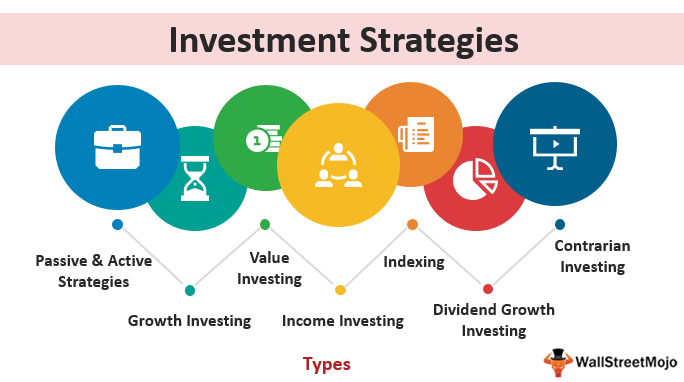



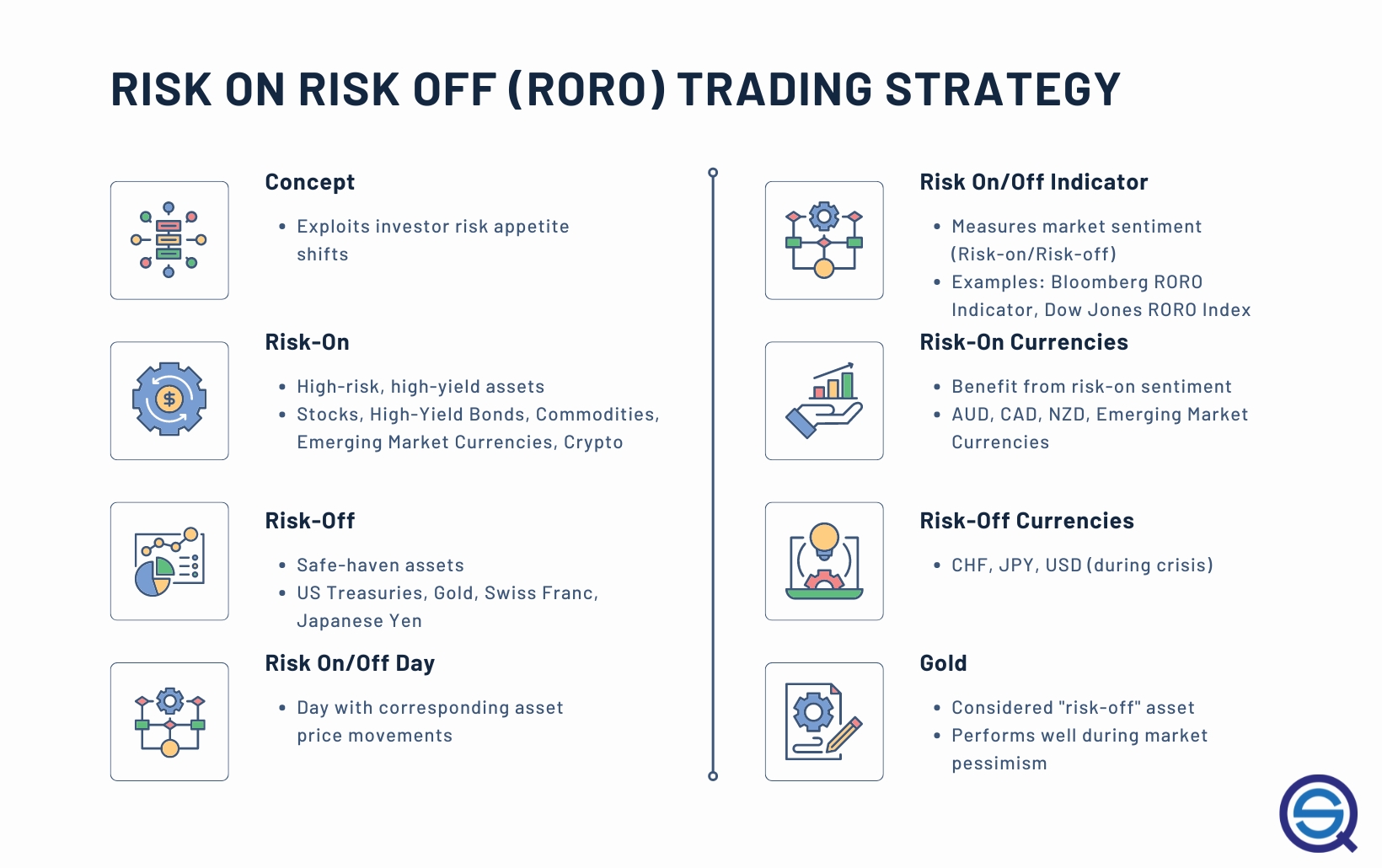

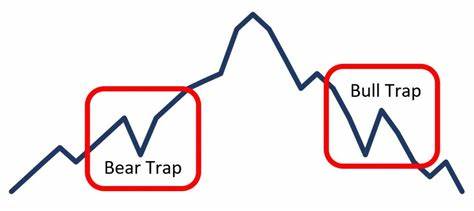





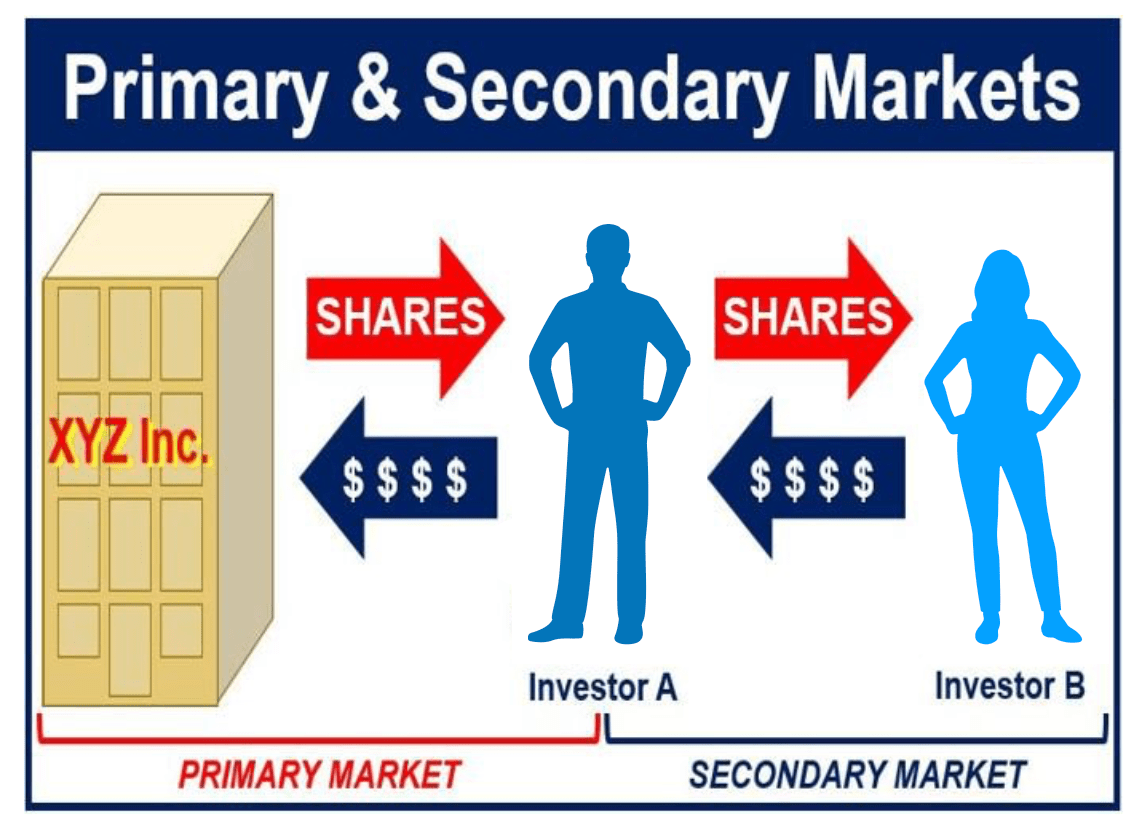







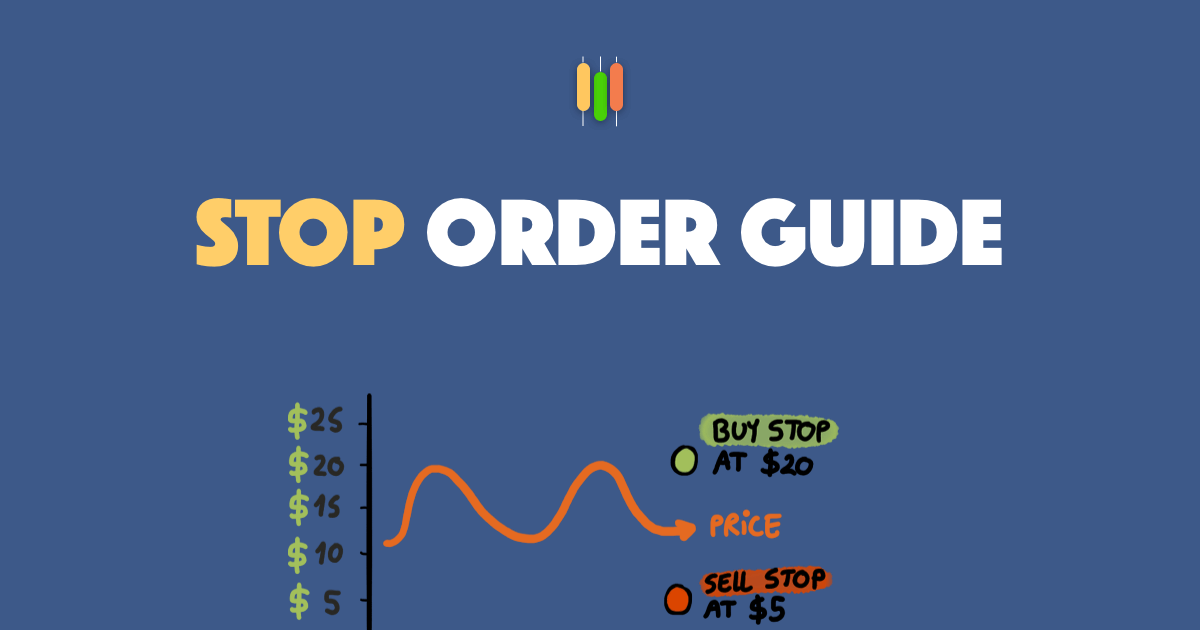
























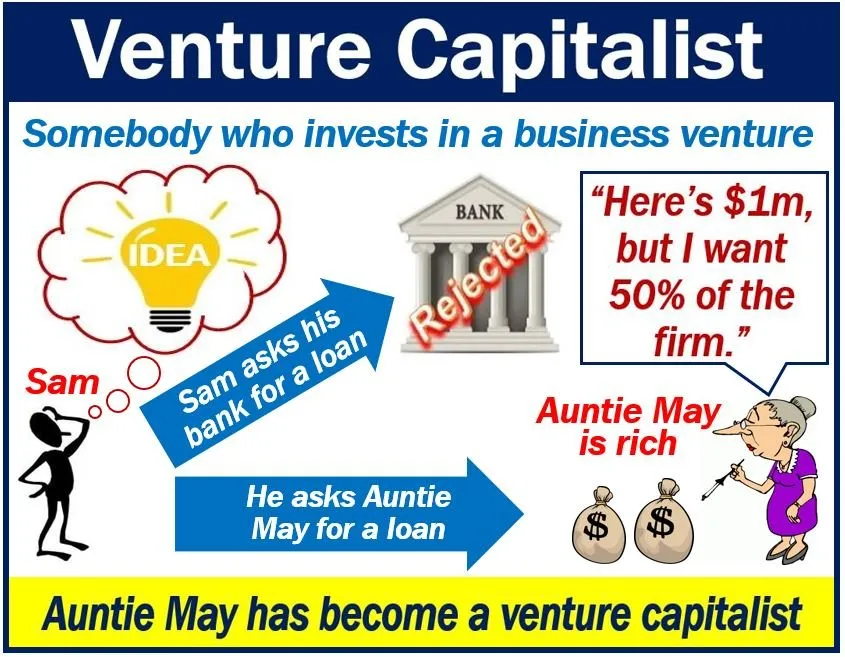

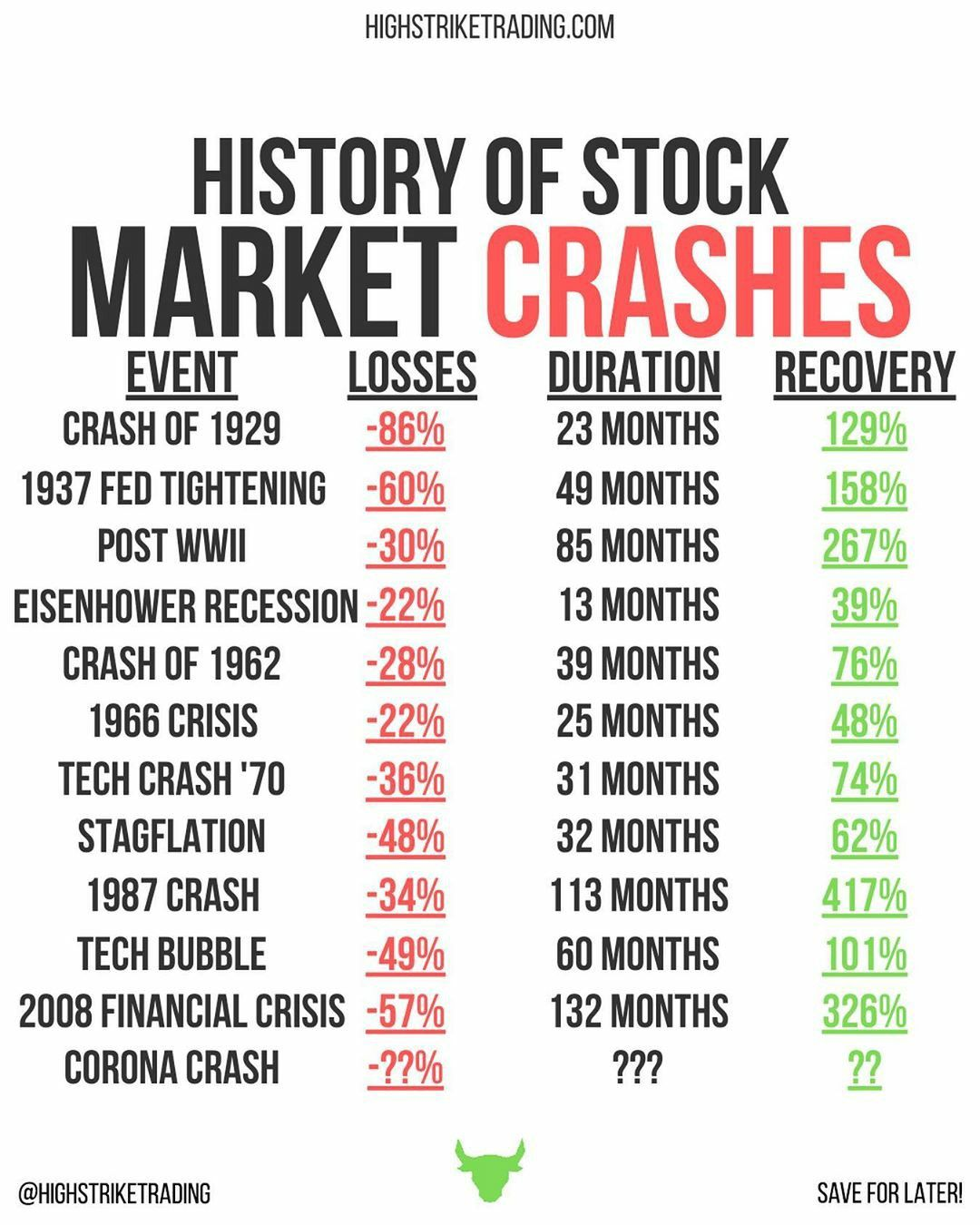






 The Leading Business Education Network for Doctors, Financial Advisors and Health Industry Consultants