BOARD CERTIFICATION EXAM STUDY GUIDES Lower Extremity Trauma
[Click on Image to Enlarge]
ME-P Free Advertising Consultation
The “Medical Executive-Post” is about connecting doctors, health care executives and modern consulting advisors. It’s about free-enterprise, business, practice, policy, personal financial planning and wealth building capitalism. We have an attitude that’s independent, outspoken, intelligent and so Next-Gen; often edgy, usually controversial. And, our consultants “got fly”, just like U. Read it! Write it! Post it! “Medical Executive-Post”. Call or email us for your FREE advertising and sales consultation TODAY [678.779.8597] Email: MarcinkoAdvisors@outlook.com
Medical & Surgical e-Consent Forms
ePodiatryConsentForms.com
iMBA Inc., OFFICES
Suite #5901 Wilbanks Drive, Norcross, Georgia, 30092 USA [1.678.779.8597]. Our location is real and we are now virtually enabled to assist new long distance clients and out-of-town colleagues.
ME-P Publishing
SEEKING INDUSTRY INFO PARTNERS?
If you want the opportunity to work with leading health care industry insiders, innovators and watchers, the “ME-P” may be right for you? We are unbiased and operate at the nexus of theoretical and applied R&D. Collaborate with us and you’ll put your brand in front of a smart & tightly focused demographic; one at the forefront of our emerging healthcare free marketplace of informed and professional “movers and shakers.” Our Ad Rate Card is available upon request [678-779-8597].
Posted on February 14, 2024 by Dr. David Edward Marcinko MBA MEd CMP™
By Staff Reporters
***
***
Off-the-charts inflation may be a distant 2022 phenomenon, but we’re not entirely over it. Price growth is still not back to levels that would satisfy Jerome Powell, and shoppers continue to deal with the fallout. Prices grew faster than economists expected last month, according to the consumer price index data the government released yesterday.
They climbed 0.3% in January (slightly more than in December) and 3.1% from a year prior. Excluding food and energy prices, January’s inflation was 0.4%, a bit over December’s reading, and 3.9% more than the prior January. And we point out that things aren’t so bad, since inflation isn’t too far from the Fed’s 2% annual target. But shoppers might argue that just because prices are growing more slowly doesn’t mean things are costing them less.
Here’s where the major benchmarks ended:
The S&P 500® index (SPX) fell 68.67 points (1.4%) to 4,953.17, its lowest close since February 5; the Dow Jones Industrial Average lost 524.63 points (1.4%) to 38,272.75; the NASDAQ Composite® (COMP) dropped 286.94 points (1.8%) to 15,655.60.
The 10-year Treasury note yield gained nearly 15 basis points to 4.316%.
The CBOE Volatility Index® (VIX) rose 1.89 to 15.82.
Bank shares were among the worst performers Tuesday amid concerns the CPI numbers suggested the Fed will maintain a higher-for-longer interest rate tack that could crimp lenders’ margins. The KBW Regional Banking Index (KRX) plunged 4.5%. Small-cap stocks, another group sensitive to interest rates, also fell sharply, with the Russell 2000® Index (RUT) sinking 4%.
In other markets, the U.S. Dollar Index (DXY) rallied about 0.7% to its strongest level in nearly three months, reflecting expectations interest rates will remain elevated.
For example, a new government inflation reading just dropped this morning, and 61 companies in the S&P 500 reported earnings.
Inflation cooled again in January, but the declines may have paused. The Labor Department reported Tuesday that consumer prices rose 3.1% in January from a year earlier, versus a December gain of 3.4%. That marked the lowest reading since June. Core prices, which exclude food and energy items in an effort to better track inflation’s underlying trend, were up 3.9%. That was equal to December’s gain, which was the lowest since mid-2021.
And, Nvidia kept inching up and at one point overtook Amazon, briefly becoming the fourth-most-valuable company listed in the US.
Posted on February 12, 2024 by Dr. David Edward Marcinko MBA MEd CMP™
By Staff Reporters
***
Wall Street eyes earnings, inflation report: It’s another big earnings week with Shopify, Coca-Cola, Airbnb, Coinbase, and Crocs among the companies scheduled to report. Investors will also be locked into tomorrow’s consumer price index report, which is expected to show more good news about inflation and raise hopes of a Fed rate cut.
***
***
Cathie Wood and her team have purchased over $160 million worth of Tesla stock since the start of the year. Wood’s flagship fund, the ARK Innovation ETF (NYSEMKT: ARKK), now owns about $640 million of Tesla stock, making the company the fund’s second-largest holding behind Coinbase.
***
Palantir reported 20% revenue growth to $608.4 million, ahead of the consensus at $602.4 million. Once again, the company delivered strong profitability with its fifth straight quarter of profitability according to generally accepted accounting principles (GAAP), coming in at $93 million, or a 15% profit margin.
The company experienced particularly strong growth in its U.S. commercial segment, where revenue was up 70% to $131 million, making up nearly a quarter of total sales. U.S. commercial total contract value jumped 107% to $343 million, and for 2024, it forecast 40% growth in U.S. commercial revenue to at least $640 million, showing that companies are starting to adopt an Automated Investment Plan.
On the bottom line, adjusted earnings per share doubled to $0.08, beating analyst estimates, as the company nearly held operating expenses flat once again, and guidance was solid as well.
Posted on February 11, 2024 by Dr. David Edward Marcinko MBA MEd CMP™
By Staff Reporters
***
***
US Economists just polled by The Wall Street Journal forecast a mild 0.2% in increase in consumer prices in the first month of 2024. The inflation rate in the past 12 months would decelerate to 2.9% from a prior 3.4%. If forecasters are right, it would mark the first time the CPI has fallen below 3% in almost three years.
The drama in the report, if there’s any, is likely to come from the more closely followed core CPI that omits food and energy prices. The core rate is viewed as a better predictor of future inflation. Wall Street expects the core rate to rise 0.3% — the upper limit of what the Fed would find tolerable in the short run. The 12-month increase in the core rate could also dip to 3.7% from 3.9%.
UPS, the shipping giant, which forecast weak demand for parcel delivery in 2024, has said it plans to lay off 12,000 employees to save $1 billion in costs. It’s also mulling a sale of its Coyote brokerage unit.
This shocking announcement was made on January 30th and comes just six months after unionized UPS workers landed a “lucrative” new labor deal, which will see delivery drivers earning an average of $170,000 in annual pay and benefits by the end of the five years. “2023 was a unique, and quite candidly, difficult and disappointing year,” said UPS CEO Carol Tomé during the company’s earnings call. “We experienced declines in volume, revenue and operating profits and all three of our business segments.”
Posted on February 6, 2024 by Dr. David Edward Marcinko MBA MEd CMP™
By Staff Reporters
***
***
As Jerome Powell goes, so goes the market. Stocks tumbled yesterday after Federal Reserve Chairman Jerome Powell went on 60 Minutes over the weekend and said he’s in no rush to cut interest rates. Meanwhile, shares of Estée Lauder jumped ~12% after the cosmetics company announced it was laying off 5% of its employees amid weak demand in Asia.
Here’s where the major benchmarks ended:
The S&P 500 index fell 15.80 points (0.3%) to 4,942.81; the Dow Jones Industrial Average dropped 274.30 points (0.7%) to 38,380.12; the NASDAQ Composite® (COMP) declined 31.28 points (0.2%) to 15,597.68.
The 10-year Treasury note yield surged nearly 14 basis points to 4.166%.
The CBOE Volatility Index® (VIX) fell 0.18 to 13.67.
Materials and real estate sector shares were among the market’s weakest performers Monday, and banks and utilities were also under pressure. Semiconductors were one of the few sectors to post gains. In other markets, the U.S. Dollar Index (DXY) strengthened to its highest level since mid-November amid expectations interest rates will remain elevated.
Posted on January 12, 2024 by Dr. David Edward Marcinko MBA MEd CMP™
By Staff Reporters
***
***
JPMorgan Chase’s profit fell in the fourth quarter as the lender set aside nearly $3 billion to help refill a government deposit insurance fund. JPMorgan and several major banks are required to pay a bulk of the $16 billion to replenish the Federal Deposit Insurance Corporation’s deposit insurance fund (DIF), which was drained after Silicon Valley Bank and Signature Bank failed last year.
***
Bank of America’s fourth-quarter profit shrank as the lender took $3.7 billion in combined charges to refill a government deposit insurance fund and phase out a loan index. Its net interest income (NII) – the difference between what banks earn from loans and pay to depositors – fell 5% to $13.9 billion as the company spent more to keep customer deposits and demand for loans stayed subdued amid high interest rates.
***
Wells Fargo press release (NYSE:WFC): Q4 Non-GAAP EPS of $1.29 beats by $0.20. Revenue of $20.48B (+2.2% Y/Y) beats by $100M. Shares -1% PM. Fourth quarter 2023 results included: ◦ $(1.9) billion, or ($0.40) per share, of expense from an FDIC special assessment ◦ $(969) million, or ($0.20) per share, of severance expense for planned actions ◦ $621 million or $0.17 per share, of discrete tax benefits related to the resolution of prior period tax matters ◦ Provision for credit losses in fourth quarter 2023 included an increase in the allowance for credit losses driven by credit card and commercial real estate loans, partially offset by a lower allowance for auto loans. The change in allowance for credit losses also included higher net loan charge-offs for commercial real estate office and credit card loans
***
Citigroup (C) is in the middle of a complicated restructuring. It made it clear Wednesday that its fourth quarter earnings report Friday will be complicated, too.
The giant New York-based bank said in a regulatory document it will take more than $3 billion in one-time reserves and expenses as part of those fourth quarter results. They include everything from a $1.3 billion reserve build for currency exposure in Argentina and Russia to $780 million in charges related to severance costs and other aspects of a wide-ranging restructuring of the bank led by CEO Jane Fraser.
Posted on January 11, 2024 by Dr. David Edward Marcinko MBA MEd CMP™
By Staff Reporters
***
***
Inflation climbed from 3.1% to 3.4% in December, a sign the Federal Reserve will continue to have to wrestle consumer price growth down to its desired 2% level. Forecasts had been for a reading of 3.2%.
On a monthly basis, inflation hit 0.3%, while core inflation, which strips away the more volatile costs of food and energy, was 3.9%, down from 4% in November but ahead of forecasts for a reading of 3.8%.
***
***
The Securities and Exchange Commission (SEC) officially approved spot bitcoin ETFs yesterday for the first time. The 11 exchange-traded funds will let old-school investors and bitcoin enthusiasts alike access the world’s biggest cryptocurrency without having to keep a long password for a crypto wallet.
The long-awaited win for the beleaguered crypto industry came after a false start on Tuesday, when someone hacked the agency’s X account that…didn’t have two-factor authentication enabled…and spuriously said the ETFs had been approved.
Crypto investors have been asking for spot bitcoin ETFs since roughly 2013, but the SEC has historically grimaced at the idea of inviting such a volatile asset into the financial system, concerned that a bitcoin ETF could be easily manipulated. Trading could begin as early as today.
Posted on December 14, 2023 by Dr. David Edward Marcinko MBA MEd CMP™
By Staff Reporters
***
***
The Dow hit an all-time high yesterday after the Federal Reserve hinted at plans to make multiple rate cuts next year. Not having such a good day was Pfizer, which touched a 10-year low after releasing disappointing projections for 2024 because people just aren’t buying Covid products like they used to.
The Federal Reserve had investors popping bottles yesterday, not just because it made the expected move of holding interest rates steady for now but also for signaling that there may be multiple interest rate cuts in 2024. Most Fed officials penciled in three quarter-percentage-point cuts in their projections. Fed Chair Jerome Powell said inflation had “eased” but still did his best to keep everyone from getting too excited, saying, “No one is declaring victory. That would be premature.” Even so, markets started pricing in even more aggressive cuts than the projections.
Posted on December 12, 2023 by Dr. David Edward Marcinko MBA MEd CMP™
YET- HEALTH CARE IS GROWING!
By Staff Reporters
***
***
The US economy is looking like it could avoid a downturn and achieve a soft landing after all. US employers added a more-than-expected 199,000 workers to their payrolls last month, the Bureau of Labor Statistics said recently. The solid result calmed many analysts’ fears that a steeper economic slowdown is imminent due to the Federal Reserve’s earlier interest rate hikes. And, it brings us closer to the coveted “soft landing” scenario, in which the Fed tames inflation on the economy. For example:
The unemployment rate unexpectedly ticked down for the first time since July, to 3.7%.
Average hourly pay increased by 0.4% and is now up 4% for the year, beating the projected pace of annual price growth.
But the job market isn’t quite what it used to be
Last month’s 199-k jobs created were below the average of 240,000 added in the preceding 12 months. Plus, November hiring was confined to just a handful of industries:
Healthcare and the government were responsible for two-thirds of the headcount growth, adding 77,000 and 49,000 jobs, respectively.
The manufacturing sector gained 28,000 workers—but that was largely due to folks returning to work after striking against the Big Three automakers.
Finally, in another sign that employers might be pulling back from on-boarding new people, the Labor Department reported earlier this week that job openings in late October were at their lowest since March 2021.
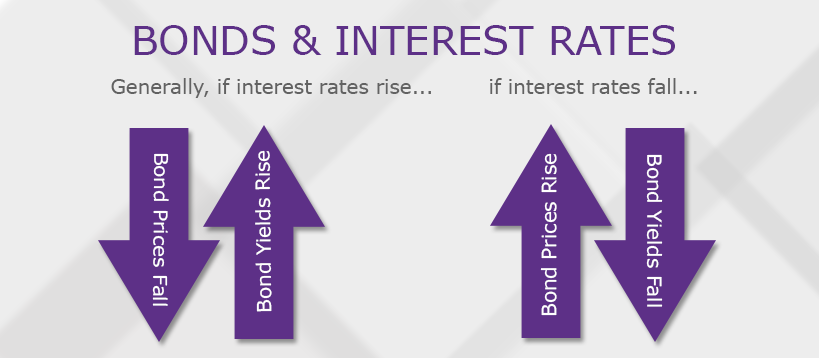
The bond market just finished its best month since 1985, according to the Financial Times, with investor optimism creating a surge in bond prices and a plunge in yields (reminder: they move in opposite directions). The yield on the benchmark 10-year US Treasury note dipped below 4.3% for the first time since September. And other economic measures are looking good:
The bond rally spilled over to stocks, where the S&P 500 and Dow just clinched their best months since July 2022 and October 2022, respectively.
Mortgage rates dropped for the fifth consecutive week, to 7.22%.
Traders are optimistic that the FOMC may be done hiking interest rates. With recent data showing both consumer spending and the job market cooling down—but not too much—economists see the once-aspirational economic soft landing as achievable, which is great news for Wall Street and to avoid a recession).
Posted on December 3, 2023 by Dr. David Edward Marcinko MBA MEd CMP™
By Staff Reporters
***
***
With the Fed’s aggressive rate hikes to curb inflation looking like they’ve finally come to an end thanks to encouraging data on prices falling, investors are starting to look forward to when the central bankers start slashing rates again.
But Jerome Powell sought to pour some cold water on the rate cut hype cycle during a speech at Spelman College in Atlanta, Georgia yesterday, saying that it was too soon “to speculate on when policy might ease.” However, investors still think he’ll come around: Markets are putting the odds that the Fed will cut rates in March above 50% and are totally convinced it’ll happen by May, according to Bloomberg.
The Fed’s preferred inflation measure increased 3% in October, down from 3.4% in September and getting closer to the central bank’s much-ballyhooed target of 2%. A drop in gas prices—down 4.9% from the previous month—was a major factor. Increases in core prices, which strip out food and energy costs, also slowed last month. In the last six months, core inflation has grown at a 2.5% annual rate—down significantly from 5.1% last year.
The news means the Fed will likely keep interest rates unchanged at its final 2023 meeting on December 12t and 13th.
In the last 20 months, the US Federal Reserve has jacked up interest rates to a 22-year high to tame soaring inflation. And inflation has come down to about half of its June 2022 peak. But the economy is still strong.
The Fed’s rate-hiking jamboree was expected to slow hiring, spending, and broader economic growth as unfortunate side effects of popping the inflation balloon. However, a series of recent reports shows that the US economy is still roaring in the ’20s:
Jobs: Employers smashed expectations by adding 336,000 jobs in September, and the unemployment rate remains at a low level of 3.8%.
Spending: Retail sales also blew past estimates in September, a sign that American consumers remain the undisputed shopping world champs. This probably helped: Americans’ household wealth surged 37% from 2019 to 2022, according to Fed data released on Wednesday. That’s more than double the second-highest increase on record.
Economy: After the strong retail sales numbers came out this week, Morgan Stanley raised its Q3 economic growth outlook to 4.9% from 4.5%. Context: One year ago this week, Bloomberg economists predicted a 100% chance of a recession…within a year.
The markets are down again and stocks continued their September slump with tech companies getting hit especially hard as investors fretted about another possible Fed rate hike because of data showing prices for manufacturing and services trending upward. It was a mixed bag for the meme stock faithful, with AMC hitting an all-time low after releasing a plan to sell new shares and GameStop rising after-hours thanks to better-than-expected sales last quarter.
This all may demonstrate that private companies looking to fund growth in this high-interest rate environment are facing a tough time raising capital amidst falling valuations, according to a new Deloitte survey.
The problem is particularly acute for smaller companies. Many of the companies challenged by capital raising saw themselves putting out the “For Sale” sign within the next six months, which could lead to an M&A boom later this year.
“The No. 1 largest factor that people saw as a challenge or a barrier was a decrease in valuations of their business,” Wolfe Tone, vice chair and US and Global Deloitte Private leader, told CFO Brew. “Clearly, increasing interest rates and pricing was closely behind that. Liquidity challenges not far behind that.”
Private companies have been looking to raise capital to fund a range of growth initiatives; meeting talent needs and expanding tech capabilities are at the top of the list, Tone said. Not far behind was “increasing productivity and improving cost structures.”
Posted on September 16, 2023 by Dr. David Edward Marcinko MBA MEd CMP™
By Staff Reporters
Medicare Part B and D are likely increasing in 2024
Due to a new Alzheimer’s treatment coming to the market (Leqembi, from pharmaceutical companies Eisai and Biogen), Medicare beneficiaries are expected to pick up the cost. Therefore, Medicare Part B prices are expected to increase in 2024. The costs are projected to go up from the current $164.90 to $174.80, a nearly $10 increase per month.
While you may not see a huge difference in the amount you’re paying for Medicare Part D, it still could be slightly lower. The average total monthly Part D premium is projected to decrease from $56.49 in 2023 to $55.50 in 2024, according to the Centers for Medicare & Medicaid Services (CMS). That’s nearly $10 each month.
The S&P 500 Index was down 54.78 points (1.2%) at 4,450.32, down 0.2% for the week; the Dow Jones Industrial Average (DJIA) was down 288.87 points (0.8%) at 34,618.24, up 0.1% for the week; the NASDAQ Composite was down 217.72 points (1.6%) at 13,708.33, down 0.4% for the week.
The 10-year Treasury note yield (TNX) was up about 4 basis points at 4.332%.
CBOE’s Volatility Index (VIX) was up 0.97 at 13.79.
Technology shares were among the market’s weakest performers Friday after Reuters reported Taiwan Semiconductor Manufacturing Co. (TSMC) had told its major suppliers to delay delivery of high-end chipmaking equipment because of concerns over demand.
The Philadelphia Semiconductor Index (SOX) sank more than 3% to a four-week low. Most market sectors were under pressure, including energy, despite crude oil futures extending a climb above $90 a barrel.
Posted on September 3, 2023 by Dr. David Edward Marcinko MBA MEd CMP™
By Staff Reporters
***
***
Hiring unexpectedly picked up in August as employers added 187,000 jobs despite high interest rates and inflation but totals for the prior two months were revised down sharply. The unemployment rate, which is calculated from a separate survey of households, rose from 3.5% to 3.8%, the Labor Department said Friday. That’s because of a surge of Americans into the labor force, which includes people working and looking for jobs. Economists surveyed by Bloomberg had estimated that 168,000 jobs were added.
***
Stock spotlight:Dell had its best day since going public (for a second time) in 2018 after far surpassing expectations for Q2. Analysts called it an early winner in the AI boom.
Posted on August 29, 2023 by Dr. David Edward Marcinko MBA MEd CMP™
By Staff Reporters
***
***
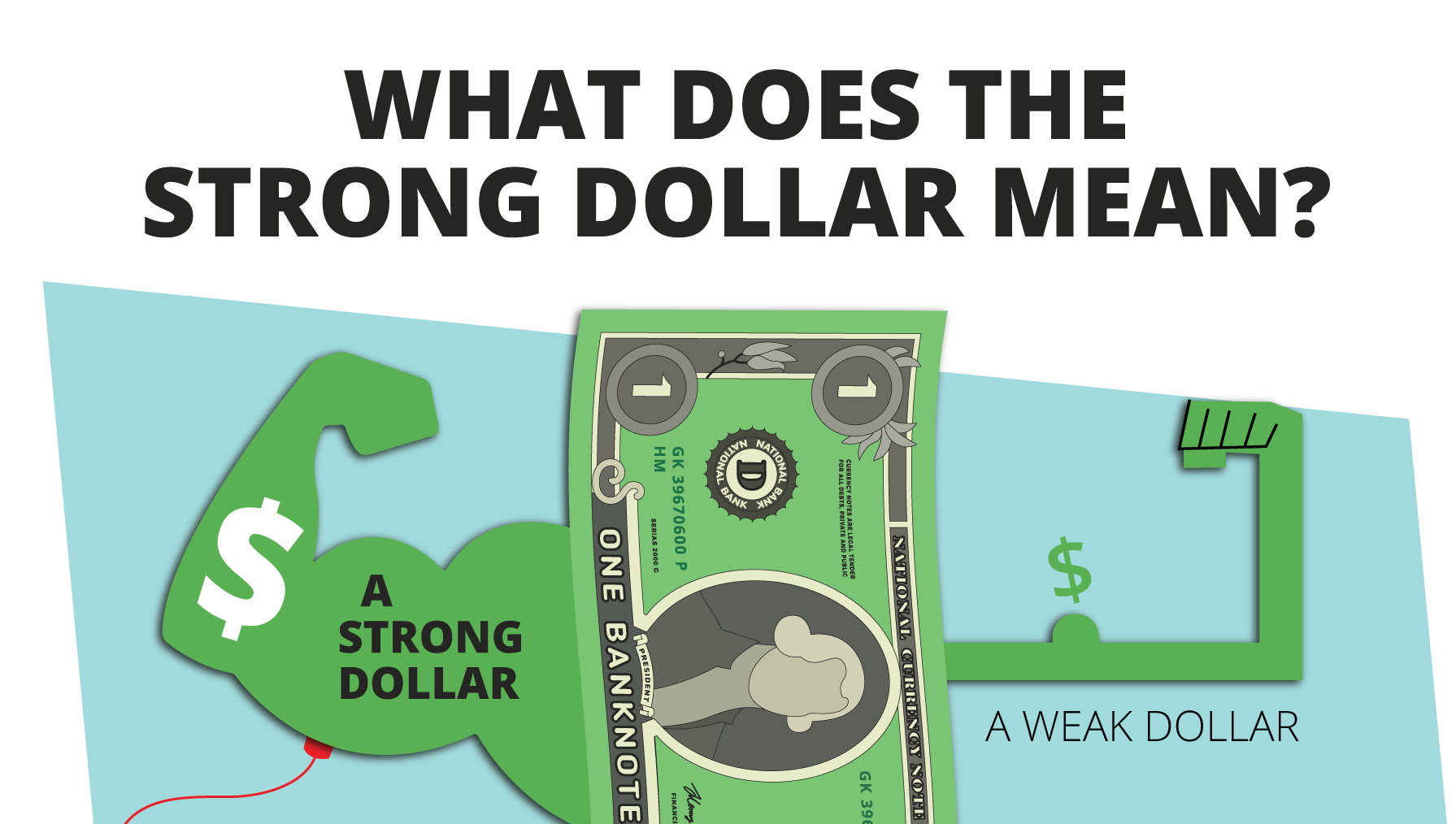
The dollar’s still strong—and recent earnings reports have reflected that, for better or worse.
Around this time last year, earnings took a significant forex hit. Power players like Coca-Cola and Procter & Gamble said the strong dollar hurt profits, while others, like Microsoft, cited currency fluctuations in lowered forecasts.
Back then, the dollar was at a 20-year high. In recent months, the dollar has stayed relatively high as a string of economic data suggested interest rates will stay elevated—at least for now. And after Federal Reserve Chair Jerome Powell suggested the Fed might have to keep raising rates, the US dollar index climbed to its highest since June 1st.
In any case, foreign exchange rates are yet again cropping up as a talking point in recent earnings reports.
Posted on August 28, 2023 by Dr. David Edward Marcinko MBA MEd CMP™
By Staff Reporters
***
***
Markets: Investors weren’t fazed by Jerome Powell’s warning in Jackson Hole that he could raise interest rates even more, sending the S&P 500 and NASDAQ to their first weekly gain in three weeks.
Bonds: But, all the chatter around higher rates has pushed US bond yields to decade-plus highs, which has typically been a drag on stocks.
Focus: Jerome Powell will again be poring over fresh inflation data (Thursday) and the August jobs report (Friday) to guide his next interest rate move. And we’re in stoppage time of earnings season, but a few companies, including Salesforce, Lululemon, and Dollar General, still have to report.
Posted on August 27, 2023 by Dr. David Edward Marcinko MBA MEd CMP™
By Staff Reporters
Jerome Powell: Speaking at the Jackson Hole Symposium, an annual meeting of central bankers from around the globe at a former Wild West outpost, the FOMC chair said inflation “remains too high” and “we are prepared to raise rates further if appropriate” and to keep them high. So, why didn’t the stock market nose-dive like it did after last year’s similarly hawkish Powell speech? It helps that inflation has come down considerably since then (which Powell acknowledged) and that he nodded to the dangers of the Fed doing too much as well as too little.
***
Rite Aid is preparing to file for bankruptcy in the face of costly lawsuits over its sales of opioids, the Wall Street Journal reports.
Wegovy, the weight-loss drug, also helps prevent heart failure, its maker, Novo Nordisk, said after a clinical trial.
Wells Fargoagreed to pay $35 million to settle the SEC’s claims that it overcharged fees on nearly 11,000 investment advisory accounts—claims it neither admits nor denies.
Posted on August 21, 2023 by Dr. David Edward Marcinko MBA MEd CMP™
By Staff Reporters
***
***
Markets: AI leader Nvidia’s earnings will be out on Wednesday, and Fed Chair Jerome Powell’s annual speech will be at the Fed conference in Jackson Hole on Friday.
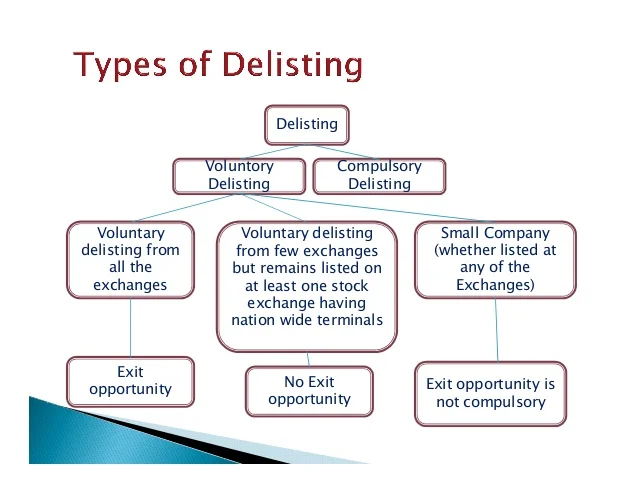
Stock spotlight: WeWork, the co-working company just announced a 1-for-40 reverse stock split in an attempt to avoid getting de-listed from the New York Stock Exchange.
Posted on August 20, 2023 by Dr. David Edward Marcinko MBA MEd CMP™
By Staff Reporters
***
***
According to Charles Schwab, we’re heading into a bit of a data vacuum as the end of August approaches. While final August University of Michigan Consumer Sentiment and July Existing Home Sales and New Home Sales line up on next week’s calendar, the burst of numbers fades a bit and no really essential data like Personal Consumption Expenditure (PCE) prices and Gross Domestic Product (GDP) are due out until the week of August 28.
The absence of notable data next week could give the market a breather from the recent host of numbers suggesting the economy continues to grow faster than many economists had expected despite 17 months of Fed rate hikes.
Chances are growing that we could face another rate increase in November, the futures market suggests, and investors are dialing back the probability of rate cuts next year. The solid data was one factor helping push Treasury yields to 15-year highs late this week.
Posted on August 18, 2023 by Dr. David Edward Marcinko MBA MEd CMP™
By Staff Reporters
***
***
Mortgage rates have climbed to their highest levels in 21 years, according to data released by Freddie Mac on Thursday. The 30-year fixed-rate mortgage averaged 7.09% over the week ending on Thursday, marking a significant increase from 6.96% the week prior, the data showed.
The Federal Reserve has put forward an aggressive string of interest rate hikes as it tries to slash inflation by slowing the economy and choking off demand. That means borrowers face higher costs for everything from car loans to credit card debt to mortgages.
When the Fed imposed its first rate hike of the current series in March 2022, the average 30-year fixed mortgage stood at just 4.45%, Mortgage News Daily data shows.
***
Here is where the major benchmarks ended:
The S&P 500 Index was down 33.97 points (0.8%) at 4,370.36; the Dow Jones Industrial Average (DJIA) was down 290.91 points (0.8%) at 34,474.83; the NASDAQ Composite was down 157.70 points (1.2%) at 13,316.93.
The 10-year Treasury note yield (TNX) was up about 3 basis points at 4.286%.
CBOE’s Volatility Index (VIX) was up 1.22 at 18.00.
Consumer discretionary and retail were among the weakest sectors Thursday. Technology shares were also under pressure, even after Cisco Systems (CSCO) reported better-than-expected quarterly results.
Energy stocks held up somewhat better as crude oil futures rose about 1% after the Energy Department reported an unexpectedly large decline in U.S. supplies.
Posted on July 30, 2023 by Dr. David Edward Marcinko MBA MEd CMP™
By Staff Reporters
***
***
The Fed’s favorite inflation measure fell. The personal consumption expenditures price index, a key data point for Jerome Powell and the FOMC, grew by only 3% last month compared to the previous June—its lowest annual rise since 2021.
Meanwhile, the Bureau of Labor Statistics said that the employment cost index, another favored gauge that tracks wages and benefits, also rose at its slowest rate in two years. Powell said earlier this week that central bankers will be watching the data to decide whether to raise rates again in September, and these are signs that things are moving in the direction the Federal Reserve wants.
Posted on July 28, 2023 by Dr. David Edward Marcinko MBA MEd CMP™
By Staff Reporters
***
***
US gross domestic product (GDP) increased at a more-than-expected 2.4% annualized rate last quarter thanks to healthy consumer spending and businesses shelling out on investments. The latest figures show that not only is the US economy not spiraling into a recession due to interest rate hikes, it’s actually getting stronger as the year goes on.
In fact, underlying inflation rose at its slowest pace in two years. This could be a sign of the “soft landing” that FOMC Chair Jerome Powell seeks.
***
The European Central Bank also took it a cue from the FOMC and raised interest rates to a 23-year high. Investors think it could be the ECB’s last rate hike this cycle.
***
But, according to CNN, Japan’s central bank kept interest rates unchanged today despite rising inflation but hinted that it could gradually abandon years of cheap money, sending the yen soaring and stocks tumbling. The Bank of Japan (BOJ) said it kept unchanged its short-term interest rate at minus 0.1% and maintained its target for the yield on 10-year government bond at around 0%.
But the central bank also said it would adopt a more flexible approach to controlling the yield on government bonds — which affects borrowing costs across the world’s third biggest economy,diluting a key pillar of its longstanding ultra-loose monetary policy.
***
After a historic 13-day winning streak, the Dow—along with the other two major indexes—closed lower as its dizzying rise finally succumbed to gravity. There were some strong individual performances, however. Meta kept its impressive 2023 rolling after giving an optimistic earnings report.
Posted on July 27, 2023 by Dr. David Edward Marcinko MBA MEd CMP™
By Staff Reporters
***
***
Whether we’ll see another interest rate increase soon depends on what happens between now and the Fed’s next meeting in September. Jerome Powell will be watching to see if consumer prices come down more than they already have, thanks to previous rate hikes.
There are some promising signs that the worst is behind us:
Tomorrow, when the government releases the latest personal consumption expenditures price index—the Fed’s preferred measure for tracking inflation—it’s expected to show the lowest inflation increase since the end of 2021. And last month, the consumer price index showed inflation fell to 3%, which is above the Fed’s 2% target but an improvement from last June’s 9.1%.
Meanwhile, Coca-Cola—whose prices were 10% higher last quarter compared to Q2 2022—said it’s done marking up drinks for the year, and the CFO of Unilever said the packaged goods giant’s price inflation has peaked (though prices may still get higher).
But the FOMC wants more: Chairman Powell said that for inflation to be truly conquered, the job market, which currently boasts a low unemployment rate of 3.6%, will need to slow.
Posted on July 27, 2023 by Dr. David Edward Marcinko MBA MEd CMP™
By Staff Reporters
***
***
The Federal Reserve raised its benchmark interest rate another 0.25% on Wednesday, reviving its inflation fight despite a significant cooldown of price increases in recent months. The rate hike brought the Fed’s benchmark interest rate to a 22-year high of between 5.25% and 5.5%. Inflation has fallen significantly from a peak last summer, but remains at a level one percentage point higher than the Federal Reserve’s target of 2%.
***
The Dow on Wednesday rose for a 13th straight day, matching its longest winning streak since 1987. If it closes higher today, it would be a streak not seen since 1897 — about a year after the benchmark was created — when the Dow advanced for 14 sessions in a row. During this latest run, the Dow has outperformed, gaining 5%. That momentum hasn’t been seen in the broader S&P 500 and NASDAQ Composite indexes, however. Both are up just 3% since the Dow’s streak began. The S&P 500 has fallen twice in that time, while the NASDAQ has posted three losing sessions
***
Here is where the major benchmarks ended for the day:
The S&P 500 Index was down 0.02% at 4,566.75; the Dow Jones Industrial Average (DJIA) was up about 82 points (0.23%) at 35,520.12; the NASDAQ Composite was down 17 points (0.12%) at 14,127.28.
The 10-year Treasury note yield (TNX) edged down to 3.867%.
CBOE’s Volatility Index (VIX) dropped 5 points to at 13.32.
Markets: The Dow is on a run for the ages, extending its winning streak to 12 days. But, Spotify revealing widening losses due to its failed podcasting investments and projected lower revenues. And its stock plunge came despite adding a record number of new subscribers.
Economy: All eyes are on the FOMC today: With another rate hike pretty much a lock, investors will seek Jerome Powell’s comments to see whether the Fed is considering any more increases.
****
Alphabet, which declared a “code red” for Google Search late last year as rivals like ChatGPT and Microsoft’s AI-equipped Bing came on the scene, is chugging right along. Google’s search advertising sales grew to a better-than-expected $42.6 billion. And, most people haven’t made ChatGPT their default search engine.
Microsoft beat expectations on its top- and bottom lines and told investors that it had spent, and would continue spending, gobs of money to build out AI infrastructure.
****
Snap. The social media platform just rolled out an AI chatbot, My AI, and boasted that 150+ million users have sent over 10 billion messages to it. But, still fighting against the likes of TikTok for ad spending in a sluggish market, Snap’s sales dropped for the second straight quarter, causing shares to plummet 19% after-hours.
Conference calls: Meta reports earnings today, and Amazon and Apple report next week.
Posted on July 25, 2023 by Dr. David Edward Marcinko MBA MEd CMP™
By StaffReporters
***
***
Recession: Last October, economists surveyed by Bloomberg were predicting a 100% chance of a Recession. But currently, the Dow is riding a 10-day winning streak, and the S&P 500 is just over 5% away from its all-time high. This week, Wall Street will be glued to the Fed’s interest rate announcement and a heavy slate of earnings.
Final Fed rate hike? The Federal Reserve will likely announce another interest rate increase this week, but this could be the final hike in its 16-month quest to bring down inflation. If the Fed hikes 25 basis points as expected, interest rates would be at their highest level since 2001.
Earnings galore: Corporate America’s A-list will report Q2 earnings this week, including Meta, Alphabet, Microsoft, McDonald’s, Coca-Cola, and Exxon Mobil. In all, about one-third of companies in the S&P 500 will give financial updates over the next five days, so we should get a good look into the health of a bunch of different industries.
Posted on July 25, 2023 by Dr. David Edward Marcinko MBA MEd CMP™
By Staff Reporters
***
***
The good news continued for the Dow, which notched its 11th straight day of gains yesterday—its best streak since February 2017. But there is much coming that could impact the markets this week, from Big Tech earnings (Microsoft and Alphabet report today) to a likely rate hike from the Fed tomorrow.
Stocks spotlight: Mattel, IMAX, and AMC (boosted from a recent ruling blocking a planned stock conversion) were all up.
***
Here is where the major benchmarks ended yesterday:
The S&P 500 Index was up 18 points (0.4%) at 4,554.64; the Dow Jones Industrial Average was up 184 points (0.5%) at 35,411.24; the NASDAQ Composite was up 26 points (0.2%) at 14,058.87.
The 10-year Treasury note yield (TNX) was up about 3 basis points at 3.870%.
CBOE’s Volatility Index (VIX) was up 0.29 at 13.89.
Energy was the strongest sector as crude oil futures added to their recent rally with another 2.3% rise to end near $79 per barrel. Financials were also higher, while utilities and health care lagged.
Posted on July 21, 2023 by Dr. David Edward Marcinko MBA MEd CMP™
By Staff Reporters
***
***
According to Morning Brew, the US banking system is about to speed up, potentially eliminating those frustrating waiting days it can take for money to hit your account. The Fed is launching its FedNow instant payment service later this month. The new system will enable banks to send each other cash instantly, 24/7, as an alternative to the existing system that runs only during regular business hours and often takes days to move money.
FedNow could put America’s banking system on track to catch up to countries like India and Nigeria, where high-speed payments are as common. The US does already have an instant payments system, but it’s private rather than government-backed, and it hasn’t been widely adopted. It’s mostly only used by big banks, and only 1.4% of US transactions happen in real time, according to payment systems company ACI Worldwide.
FedNow enabled services will soon likely appear at the 41 banks that have been certified to participate so far.
People moving money between banks or paying bills could complete their transactions in seconds without the need to plan payments days in advance.
Businesses will be able to access customer payments immediately and to send workers payments more frequently with instant direct deposit rather than the usual payroll cycle.
BUT … Faster payments could mean faster bank runs, too!
Some experts worry that allowing people to drain their bank accounts instantaneously could make SVB-style bank runs more likely. Smaller banks struggling with liquidity would have even less time to react to customer panic and get collateral for emergency government loans to cover fleeing cash.
But there are safeguards built in. FedNow has a transaction limit of $500,000, and banks can set their own ceilings to ensure that customers don’t pull their deposits.
Posted on July 12, 2023 by Dr. David Edward Marcinko MBA MEd CMP™
By Staff Reporters
***
***
American consumers are on track to run out of cash later this year, Bill Gross has warned.
Consumer spending is a key driver of economic growth. If it drops, a recession might be the result.
“Bond King” Gross said the government’s aggressive spending during the pandemic is still buoying the economy.
American consumers are propping up the economy by spending their pandemic savings, but they’re likely to run out of cash later this year, Gross warned.
“It’s fiscal policy not just monetary policy — stupid,” the billionaire investor tweeted. His point was that government spending and tax rates, along with interest rates and money supply, affect economic growth and inflation.
***
Used Auto Prices Down
Used car prices in America saw the largest monthly slump since the height of the pandemic in June.
That’s good news on inflation, which could fall below 3% in June, the analyst said.
***
Here is where the major benchmarks ended: yesterday
The S&P 500® Index (SPX) was up 29.73 points (0.7%) at 4,439.26; the Dow Jones Industrial Average (DJIA) was up 317.02 points (0.9%) at 34,261.42; the NASDAQ Composite (COMP) was up 75.22 points (0.6%) at 13,760.70.
The 10-year Treasury note yield (TNX) was down about 3 basis points at 3.978%.
CBOE’s Volatility Index (VIX) was down 0.23 at 14.84.
Energy companies led sector gainers Tuesday as crude oil futures extended a rally, with the benchmark WTI contract rising more than 2.5% and touching a 2½-month high on signs of lower Russian production.
The Philadelphia Oil Service Index (OSX) jumped more than 3% to a four-month high. Retail and transportation shares were also among the strongest sectors, while the health care and semiconductor sectors slipped.
Posted on July 7, 2023 by Dr. David Edward Marcinko MBA MEd CMP™
By Staff Reporters
***
***
(AP) — U.S. officials granted full approval to a closely watched Alzheimer’s drug on Thursday, clearing the way for Medicare and other insurance plans to begin covering the treatment for people with the brain-robbing disease. The Food and Drug Administration endorsed the IV drug, Leqembi, for patients with mild dementia and other symptoms caused by early Alzheimer’s disease. It’s the first medicine that’s been convincingly shown to modestly slow Alzheimer’s cognitive decline.
***
Markets: Yesterday was yet another “good news is bad news” day on Wall Street. After the ADP employment report showed private sector companies added more than 2x the jobs that were forecast last month, stocks fell and Treasury yields surged—an indication that investors expect the Fed to resume hiking interest rates to cool down the job market. So, all eyes are on the non-farm payrolls report since a stronger-than-expected report could result in even more Fed rate hikes than currently expected. Here is where the major benchmarks ended yesterday:
The S&P 500® Index was down 35.23 points (0.8%) at 4,411.59; the Dow Jones Industrial Average (DJIA) was down 366.38 points (1.1%) at 33,922.26; the NASDAQ Composite (COMP) was down 112.61 points (0.8%) at 13,679.04.
The 10-year Treasury note yield (TNX) was up about 9 basis points at 4.035%.
The CBOE Volatility Index (VIX) was up 1.25 at 15.43.
Energy was among the weakest sectors despite crude oil futures touching a two-week high.
Regional banks and Consumer Discretionary stocks were also lower. Volatility expectations based on the VIX jumped to their highest level since late May.
Markets: Stocks ended mixed yesterday after Jerome Powell (and other major central bankers around the world) signaled that more interest rate hikes are as inevitable. In fact, Jerome Powell hinted he couldn’t rule out two rate raises in a row.
Stock spotlight: AI-chip hero Nvidia fell on reports that the US is considering even more restrictions on chip exports to China.
Posted on June 22, 2023 by Dr. David Edward Marcinko MBA MEd CMP™
By Staff Reporters
***
***
Wall Street’s major averages yesterday, on Wednesday, ended lower for a third straight session, weighed down by losses in growth stocks. And, sentiment was dampened by Federal Reserve Chair Jerome Powell’s largely hawkish reiteration that more rate hikes were likely.
Powell in his published opening remarks to his two-day testimony to Congress said that nearly all policymakers expect that interest rates would have to be raised further by the end of the year. The Fed chief then, in responses to questions from lawmakers, said that it may “make sense” for the central bank to raise rates at a “more moderate pace” going forward.
***
So, here is where the major benchmarks ended:
The S&P 500 Index was down 23.02 points (0.5%) at 4,365.69; the Dow Jones Industrial Average (DJIA) was down 102.35 (0.3%) at 33,951.52; the NASDAQ Composite was down 165.10 (1.2%) at 13,502.20.
The 10-year Treasury note yield (TNX) was little changed at 3.727%.
Cboe’s Volatility Index (VIX) was was down 0.68 at 13.19.
Technology shares were among the weakest performers Wednesday, with the Philadelphia Semiconductor Index (SOX) dropping nearly 2% to near a two-week low. Regional banks were also lower.
Energy stocks led sector gainers as crude oil futures jumped nearly 2% to a two-week high on hopes for stronger demand from China. Volatility based on the VIX sank to its lowest level since January 2020.
Posted on June 14, 2023 by Dr. David Edward Marcinko MBA MEd CMP™
By Staff Reporters
***
***
DEFINITION: A consumer price index (CPI) is a price index, the price of a weighted average market basket of consumer goods and services purchased by households. Changes in measured CPI track changes in prices over time.
1. Energy is doing a lot of the work. Cheaper energy played a major role in pulling inflation down to 4% last month from 4.9% in April, per Axios. Gas prices plunged almost 20% from last year, when Russia’s invasion of Ukraine sent fuel costs to the moon, while broader energy prices fell nearly 12%.
2. “Revenge spending” is down. Once COVID pandemic lock downs lifted, Americans splurged on vacations, leisure, and recreation (new pickle ball paddles!) in what economists dubbed “revenge spending.” Now that everyone has taken their week long trip to Italy, there are signs that revenge spending is waning: Airfare prices dropped 13% annually in May and, according to the US Travel Association, hotel demand is below 2019 levels. Bad for your Instagram, but good for inflation.
3. Food prices are up. The cost of food ticked up 0.2% in May from April after staying flat in the previous two months, showing how inflation has persisted on grocery store shelves. But not all aisles are created equal—the price of eggs dropped nearly 14% from April (the biggest one-month drop since 1951), while fruit and veggie prices rose 1.3%.
4. More than anything else, rent is propping up inflation. Shelter costs are the largest category in the CPI report, and they’re still on the upward march, climbing 8.7% from a year earlier. The good news: Economists say this government data doesn’t reflect on-the-ground information, such as reports of softening rent by Zillow and Apartment List. Shelter costs in the CPI are expected to decline during the second half of the year.
Posted on June 13, 2023 by Dr. David Edward Marcinko MBA MEd CMP™
By Staff Reporters
Markets: With investors keeping their fingers crossed that the Fed will pause its rate hikes when it meets tomorrow, the S&P 500 climbed to its highest in over a year yesterday, buoyed in part by Apple closing at a record high for the first time since January 2022.
Stock spotlight: The NASDAQ index has been on fire lately, but NASDAQ’s own stock fell after it announced plans to buy financial software-maker Adenza for $10.5 billion—its biggest purchase ever—as the company works to diversify its business beyond stock exchanges.
Posted on June 4, 2023 by Dr. David Edward Marcinko MBA MEd CMP™
By Staff Reporters
***
***
The US kept adding jobs according to new data from the Bureau of Labor Statistics. The economy gained 339,000 pay-rolled employees in May, more than in each of the preceding three months and way more than the 190,000 Dow Jones predicted (to be fair, expert estimates low-balled 13 of the last 16 job reports, according to CNBC. This growth happened despite climbing interest rates, inflation, recent bank failures, and a nerve-racking debt ceiling standoff that threatened to destroy the economy And, Wall Street interpreted the data as a big green “buy” sign. For example:
Stocksleaped up last week as investors celebrated the deal to lift the debt ceiling being showed that the economy is still going strong. In fact, Lululemon stretched toward the heavens after beating earnings expectations thanks to a 24% year over year jump in sales.
But not all indications pointed to the hot streak continuing indefinitely.
The unemployment rate inched, wage growth slowed, and workers appear less self-assured in the labor market:
The self-employed lost 369,000 people from its ranks in May, a possible sign that folks might be ditching the self-employment for the security of a traditional employer.
And, recent data shows the quit rate has declined from an all-time high in late 2021, bringing an end to the pandemic job-hopping trend dubbed the Great Resignation.
Ultimately, the Fed will have to use the conflicting and mixed economic indicators to decide whether to further crank up interest rates at their next meeting. The Federal Reserve has been hinting that it might cease raising interest rates, and investors seem convinced the central bank will follow through and at least “skip” a hike this month even though the labor market is still radiating heat.
Posted on May 11, 2023 by Dr. David Edward Marcinko MBA MEd CMP™
By Staff Reporters
***
***
Stocks were a mixed bag yesterday after the consumer price index showed prices rose 4.9% last month, marking the 10th month in a row of cooling inflation and the first time inflation has dipped below 5% in two years. That’s still higher than the Fed’s 2% target, but it leaves space for Jerome Powell to chill out a bit. Tech stocks got a boost from that news, especially Google’s parent, Alphabet, which also benefited from rolling out its new AI.
Economists polled by the Wall Street Journal had forecast the CPI increasing 0.4% and advancing 5.0% over the past year. The core inflation rate rose 0.4% in April for the second straight month, in line with economists forecasts. For the year, the core inflation rate, excluding food and energy prices, increased 5.5% down from a 5.6% rise in March.
“The below 5% headline CPI number is a sigh of relief to a market on edge,” said Alexandra Wilson-Elizondo, co-head of portfolio management for multi asset solutions at Goldman Sachs Asset Management.
Traders hoped that the lower-than-expected inflation data may leave room for the U.S. central bank to refrain from raising interest rates further at its June meeting.
“The data today will be interpreted as not hot enough to force the Fed’s hand in June … We do not think this one data point will determine the outcome of the June FOMC meeting because we still have a string of economic data to process between now and then,” wrote Wilson-Elizondo.
“The details of the print suggest that we are still a meaningful distance from the Fed’s 2% target, giving little reason for the Fed to cut this year.”
Investors priced in the Federal Reserve beginning to trim borrowing costs in coming months, a hope that is seen underpinning stocks of late and helping the S&P 500 index move towards the top of the 3,800 to 4,200 range its has held all year.
Posted on May 3, 2023 by Dr. David Edward Marcinko MBA MEd CMP™
By Staff Reporters
***
***
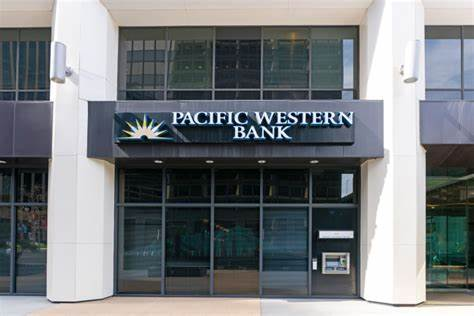
Markets: The relative calm after JPMorgan scooped up First Republic Bank lasted all of…one day. Two other West Coast lenders, PacificWest and Western Alliance, both tumbled in a sign investors still smell blood among regional banks.
Economy: Happy Fed Decision Day to all who celebrate. With inflation sizzling at still-uncomfortably high levels, Chair Jerome Powell is expected to announce the central bank’s 10th straight interest rate hike this afternoon. But many economists expect this rate increase could be the grand finale.
Layoffs jump to the highest level since late 2020. The number of job openings in the US dropped to a nearly two-year low in March, and layoffs increased to their highest point since December 2020, the Labor Department revealed yesterday. In this “bad news is good news” economic environment, the Fed will be pleased that the boiling-hot labor market is cooling off. It means less pressure on inflation and more justification to pause hiking rates.
Posted on May 1, 2023 by Dr. David Edward Marcinko MBA MEd CMP™
Detailing Oversight Lapses
By Staff Reporters
***
***
The Fed says it’s time for new bank rules
Just in time for a new looming bank failure, the Federal Reserve issued a 102-page report dissecting the corpse of Silicon Valley Bank. Meanwhile, FRB [First Republic Bank] FRB was just sold to JPMorgan Chase.
And in an accompanying letter, Michael Barr, the Fed’s vice chair for supervision, called for stricter rules to be applied to more financial institutions and for more tools to be given to regulators to bring firms with poor capital planning and risk management into line.
Posted on April 26, 2023 by Dr. David Edward Marcinko MBA MEd CMP™
By Staff Reporters
***
***
DEFINITION: Startups areyoung companies or ventures that are founded to develop a unique or innovative product, service, or platform, and bring it to market. They are typically in the early stages of their development and face high uncertainty and failure rates. They are usually self-funded by the founders or seek external funding from investors or loans. They aim to grow large beyond the solo founder and disrupt existing industries or create new one.
SVB was relatively small—it had 40,000 customers compared to JPMorgan Chase’s 66 million—but it claimed to bank nearly half of all US tech and life sciences startups last year, including household names like Etsy, Roblox, and Roku. The cultural cachet of having a relationship with SVB as a venture-backed startup was like sporting a New Yorker tote at Whole Foods.
But the reason its loss will leave such a gaping hole in the startup community isn’t that it was cool to name-drop at a networking event. Because the bank was created in 1983 specifically to cater to venture-backed startups, it helped them in ways that most banks can’t—or won’t.
SVB chill loans: According to the MorningBrew, SVB would offer loans to startups more readily than large banks, basing the loans on a company’s ability to raise venture capital funds, not to turn a profit. SVB was also known for being flexible—even if startups breached their loan terms. “They were the easiest money for an unprofitable, early stage to mid-stage tech company,” Irving Investors founder Jeremy Abelson told The Information. And, even small startups received hand-holding services, such as guidance on how to set up their financial infrastructure. Its bankers personally called startups when they secured their first rounds of funding, according to The Information.
Startups now have to deal with big banks
Several founders who previously banked with SVB told Bloomberg that they’re moving their money to Chase and Bank of America, banks considered “too big to fail.”
Startups’ experience at big banks won’t be like their time at SVB. Not only is Jamie Dimon unlikely to call a startup to congratulate them on their Series A, but big banks are also expected to be more tight-fisted with their loans. The Office of the Comptroller of the Currency, a regulator that oversees large US banks, disapproves of loans to companies that are further out than one year from profitability, according to Crunchbase.
The loss of SVB is therefore expected to have a chilling effect on loans to venture-backed startups, aka “venture debt,” which SVB handed out more of than any other bank.
Posted on April 14, 2023 by Dr. David Edward Marcinko MBA MEd CMP™
By Staff Reporters
***
***
A rally on Wall Street yesterday is lifting stocks to their highest level in almost two months following the latest sign that inflation continues to cool. Yesterday’s report showed that prices paid to producers last month were 2.7% higher than a year earlier, the lowest inflation level there in more than two years. The hope on Wall Street is that easier inflation on the wholesale level will not only support profits for companies but also flow through to cooler inflation for consumers. A day earlier, a separate report said inflation for consumers slowed to 5%.
Inflation and how high the Federal Reserve will hike interest rates to tame it have been at the center of Wall Street’s struggles for more than a year. The Fed has hiked rates at such a feverish pace over the last year that it’s already slowed parts of the economy and caused strains to appear in the banking system.
And so, stocks climbed on the cooler-than-expected PPI, and perhaps some optimism around the Q1 earnings season, with several big banks reporting Friday. However, expectations around Fed policy didn’t budge much.
Bond yields were little changed and markets still see a 70% probability of the Fed enacting a quarter-point rate increase in May, according to the CME FedWatch tool.
The following is a round-up of yesterday’s market activity:
The S&P 500 Index was up 54.27 points (1.3%) at 4146.22; the Dow Jones industrial average was up 383.19 (1.1%) at 34,029.69; the NASDAQ Composite was up 236.93 (2.0%) at 12,166.27.
The 10-year Treasury yield was up about 3 basis points at 3.447%.
Posted on April 13, 2023 by Dr. David Edward Marcinko MBA MEd CMP™
By Staff Reporters
***
***
The consumer-price index, a closely watched inflation gauge that measures what consumers pay for goods and services, rose 5% last month from a year earlier, down from February’s 6% increase and the smallest gain since May 2021, the Labor Department said yesterday. Earlier, the consumer price index for March came in below expectations, rising 0.1% monthly compared to forecasts for a 0.2% increase. Many other indicators have inflation continuing to fall in the coming months as tightening credit conditions and weaker economic demand take a bite out of economic growth.
The following is a round-up of today’s market activity:
The S&P 500 Index was down 16.99 (0.4%) at 4091.95; the Dow Jones industrial average was down 38.29 (0.1%) at 33,646.50; the NASDAQ Composite was down 102.54 (0.9%) at 11,929.34.
The 10-year Treasury yield was down about 3 basis points at 3.404%.
CBOE’s Volatility Index was down 0.01 at 19.09.
Technology stocks led Wednesday’s declines, with the PHLX semiconductor index sinking 1.8%. Consumer discretionary and transportation were also among the weakest sectors, while oilfield services led gainers as crude oil prices extended a recent rally.
WTI crude futures jumped over 2% above $83 a barrel and ended near a five-month high. Gold futures rose a second straight day and remain above $2,000 an ounce.
Posted on April 12, 2023 by Dr. David Edward Marcinko MBA MEd CMP™
By Staff Reporters
***
***
A closely-watched government measure of inflation is expected to show that price increases cooled further last month. March’s Consumer Price Index (CPI), slated for release today,is expected to come in at5.2%, a slowdown from February’s 6% annual gain, according to estimates from Bloomberg. The number would mark the slowest annual increase in consumer prices since May 2021 but would still be significantly above the Federal Reserve’s 2% target. The Fed has been raising interest rates to try to bring down inflation, but the central bank risks sending the economy into a recession by hiking rates too high too fast.
The following is a round-up of today’s market activity:
The S&P 500® Index was down 0.17 point at 4108.94; the Dow Jones industrial average was up 98.27 (0.3%) at 33,684.79; the NASDAQ Composite was down 52.48 (0.4%) at 12,031.88.
The 10-year Treasury yield was up about 1 basis point at 3.428%.
CBOE’s Volatility Index was up 0.12 at 19.09.
Energy companies led the gainers, with the PHLX Oil Service Index jumping nearly 2% behind strength in crude oil futures, which rallied to their highest levels since late January. The transportation and financial sectors were also strong.
The U.S. dollar weakened slightly, while gold futures climbed nearly 1% to end a three-day tumble.
Posted on April 6, 2023 by Dr. David Edward Marcinko MBA MEd CMP™
By Staff Reporters
***
Understanding FDIC insurance limits
The FDIC wants to make sure it can cover everyone with a bank account, so to make that happen, it caps how much money it insures. The FDIC says its standard is to cover up to “$250,000 per depositor, per insured bank, for each account ownership category.
Here’s an example: Let’s say you have $100,000 in your checking account and $150,000 in your savings, all at the same bank. The FDIC classifies those under the same category: single accounts.So you would have hit your FDIC deposit limit. Every additional cent deposited into either account would be uninsured. But if you have money in other banks or other deposit categories, you may have additional coverage.
Could the insured deposit cap get a lift?
At least four US lawmakers—two from each side of the aisle—said they would support raising the cap on FDIC-insured deposits in order to reassure frazzled bank customers that their deposits are safe. The current cap is $250,000 (up from $100k pre-financial crisis), but Democratic Sen. Elizabeth Warren said bumping it up “is a good move.” Opponents of raising the cap say it would only increase risk-taking and bad behavior by banks. Some even argue we should lower it.
Posted on April 1, 2023 by Dr. David Edward Marcinko MBA MEd CMP™
By Staff Reporters
***
***
April Fools’ Day—occurring on April 1 each year—has been celebrated for several centuries by different cultures, though its exact origins remain a mystery. April Fools’ Day traditions include playing hoaxes or practical jokes on others, often yelling “April Fools!” at the end to clue in the subject of the April Fools’ Day prank. While its exact history is shrouded in mystery, the embrace of April Fools’ Day jokes by the media and major brands has ensured the unofficial holiday’s long life.
Investors celebrated a lower-than-expected reading on the Federal Reserve’s preferred inflation gauge by driving major U.S. stock indexes higher Friday, the last trading day of the first quarter. Sentiment got a boost after reports that the personal consumption expenditures (PCE) index rose 0.3% in February, a little below the 0.4% economists were expecting, and 5% from the same month a year ago. Core PCE inflation, which excludes volatile food and inflation prices, was also up 0.3% from the previous month and 4.6% from a year earlier. PCE and core PCE both rose 0.6% in January from the month before.
Despite wild fluctuation due to continuous rate hikes from the Fed and an unexpected bank panic, stocks and bonds managed to turn in a pretty, pretty, pretty good performance for the quarter. The S&P 500 gained 7%, and the Dow Jones Industrial Average gained 0.4%.
But, tech companies were indisputably the market leaders.
Wall Street rewarded tech companies’ layoffs and other cost cutting measures, giving tech stocks a resurgence. And with ChatGPT becoming a household name, investors have their money on generative AI as the next big bet. As of last night:
The tech-heavy NASDAQ Composite index rose a whopping 18% since January 1st, its largest quarterly gain in two years.
Stocks of the tech giants leading the charge in AI-powered search, Microsoft and Alphabet, are up 20% and 16%, respectively.
Bank stocks were a delight for short sellers, who made $2 billion betting against the sector in the past three months.
Smaller institutions were most badly injured by the bank panic: The SPRD S&P Regional Banking ETF, which consists of non-behemoth banks, had more than a quarter of its value wiped out in Q1.
Large banks are feeling the pinch of rising interest rates: Global merger and acquisition deals suffered the biggest first-quarter decline since 2001, according to data analyzed by the Financial Times.
“The 0.3% monthly increase in core PCE was a step in the right direction but suggests the path to 2% inflation will still likely be long and bumpy,” says Collin Martin, a fixed income strategist at the Schwab Center for Financial Research.
The S&P 500 Index rose 58 points (1.44%) to 4109.05; the Dow Jones industrial average was up 415 points (1.26%) at 33274.15; the NASDAQ Composite was up 208 points (1.74%) at 12221.91.
The 10-year Treasury yield slipped seven basis points to 3.482%.
CBOEs Volatility Index was down 22 basis points (1.16%) at 18.78.
Posted on March 22, 2023 by Dr. David Edward Marcinko MBA MEd CMP™
BREAKING NEWS!
By Staff Reporters
***
***
Dateline: WASHINGTON—The Federal Reserve raised its key short-term interest rate by a quarter percentage point today, pushing ahead with its aggressive campaign to tame inflation despite financial turmoil following Silicon Valley Bank’s collapse.
FOMC officials forecast another quarter point in rate increases this year to a peak range of 5% to 5.25%, in line with its December estimate and lower than the level markets anticipated before SVB’s meltdown.
In a statement after a two-day meeting, the Fed acknowledged recent strains in the nation’s banks and said they will soften the economy but added the financial system is stable.
Posted on March 19, 2023 by Dr. David Edward Marcinko MBA MEd CMP™
By Staff Reporters
***
***
Bitcoin prices climbed to as high as $27,293 last week, wrapping up the cryptocurrency’s best week since January 2021. And it has Silicon Valley Bank and friends to thank for it. Crypto diehards claim bitcoin’s gains are the result of people losing faith in traditional banking after SVB and Signature imploded (though it’s worth noting that Signature was a big player in the crypto world).
However, after the second-and third-biggest bank failures in history, economists started second-guessing whether the Fed would stick to the plan to hike interest rates again or change course to protect the rest of the very fragile banking industry. That could mean the crypto market, which slid into the dreaded Crypto Winter in the first half of last year because of macroeconomic factors like the Fed’s rate hikes, might finally be approaching spring.
So, according to MorningBrew, the Fed’s interest rate decision next week will likely serve as crypto’s redeux. And despite the banking industry hoping Jerome Powell pauses the interest rate hikes, February’s inflation numbers showed that the Fed may need to stick to its original plan to keep inflation in check.
Posted on March 13, 2023 by Dr. David Edward Marcinko MBA MEd CMP™
By Staff Reporters
***
***
Saudi Aramco made what iss probably the “highest net income ever recorded in the corporate world,” Saudi Aramco’s CEO Amin Nasser just said. The state-owned oil giant brought in an astonishing $161.1 billion in net income in 2022, up 46.5% from the previous year. Rising oil prices lifted all energy companies last year, but Aramco raked in almost triple ExxonMobil’s 2022 profits (record for any Western oil company).
So, after getting mixed signals about the economy from Friday’s jobs report, the Fed will take a fine-toothed comb to the consumer price index, which drops tomorrow.
Banks: At the end of an extremely stressful weekend, depositors of collapsed Silicon Valley Bank were told they would be made whole. Yesterday evening, the US government informed anxious SVB depositors that they’d have access to all the money they stashed with the lender today, even if the amount exceeded the $250,000 limit insured by the FDIC. In addition to backstopping depositors, the Fed is offering additional funding to some banks to limit the contagion from spreading across the banking sector.
And, according to MorningBrew, the Fed’s aggressive action shows how the implosion of Silicon Valley Bank on Friday could have quickly turned into a full-blown banking crisis when markets open this morning.
Banking is a confidence game, and if people and businesses felt their uninsured deposits were at risk, they could start pulling money from other banks in a catastrophic bank run.
The government had a hard deadline of 9:30am ET this morning to restore confidence in the banking system, and it beat it.
However, in their announcement, regulators also noted the closure of a second bank, New York-based Signature Bank, over “systemic risk.” All of Signature’s depositors will be made whole, they said.
***
ALERT: HSBC Holdings PLC just said that it purchased Silicon Valley Bank UK Ltd., the U.K. arm of the collapsed Silicon Valley Bank, for 1 pound ($1.20). HSBC said the acquisition will help strengthen its franchise in the U.K. As of March 10th, SVBUK had loans of around GBP5.5 billion and deposits of around GBP6.7 billion, while tangible equity is expected to be around GBP1.4 billion. The acquisition was completed immediately.
The Bank of England said it took the decision to sell SVBUK to stabilize the business, ensure continuity of banking services, minimize disruption to the country’s technology sector and support confidence in the financial system.
Posted on March 13, 2023 by Dr. David Edward Marcinko MBA MEd CMP™
By Staff Reporters
***
***
According to MarketWatch, U.S. equity markets traded unevenly Sunday afternoon, in the aftermath of the failure of Silicon Valley Bank SIVB, -60.41% on Friday, which has cast a pall over the banking sector and damaged market sentiment. Futures for the Dow YM00, 0.86% were off 70 points or 0.2%, those for the S&P 500 ES00, 1.18% were virtually unchanged, while those for the Nasdaq-100 futures NQ00, 1.18% were about 0.3%.
Over the weekend, the Federal Deposit Insurance Corporation was holding an auction for the assets of failed SVB Financial Group Capital, the parent of Silicon Valley Bank of California, according to reports. Discussions also were said to be underway involving the Federal Reserve to possibly create a fund to protect uninsured depositors.
Investors are assessing the SVB bank failure to see if it complicates the Fed’s plans to raise interest rates further and potentially faster than previously expected in its bid to tamp down inflation. SVB was closed by California regulators on Friday, in the second-largest in U.S. history, and taken over by the FDIC.







 Support our online development, and advance our onground research initiatives in free market economics, as we seek to showcase the brightest Next-Gen minds.
THE ME-P DISCLAIMER: Posts, comments and opinions do not necessarily represent iMBA, Inc., but become our property after submission. Copyright © 2006 to-date. iMBA, Inc allows colleges, universities, medical and financial professionals and related clinics, hospitals and non-profit healthcare organizations to distribute our proprietary essays, photos, videos, audios and other documents; etc. However, please review copyright and usage information for each individual asset before submission to us, and/or placement on your publication or web site. Attestation references, citations and/or back-links are required. All other assets are property of the individual copyright holder.
Support our online development, and advance our onground research initiatives in free market economics, as we seek to showcase the brightest Next-Gen minds.
THE ME-P DISCLAIMER: Posts, comments and opinions do not necessarily represent iMBA, Inc., but become our property after submission. Copyright © 2006 to-date. iMBA, Inc allows colleges, universities, medical and financial professionals and related clinics, hospitals and non-profit healthcare organizations to distribute our proprietary essays, photos, videos, audios and other documents; etc. However, please review copyright and usage information for each individual asset before submission to us, and/or placement on your publication or web site. Attestation references, citations and/or back-links are required. All other assets are property of the individual copyright holder.














































 The Leading Business Education Network for Doctors, Financial Advisors and Health Industry Consultants