BOARD CERTIFICATION EXAM STUDY GUIDES Lower Extremity Trauma
[Click on Image to Enlarge]
ME-P Free Advertising Consultation
The “Medical Executive-Post” is about connecting doctors, health care executives and modern consulting advisors. It’s about free-enterprise, business, practice, policy, personal financial planning and wealth building capitalism. We have an attitude that’s independent, outspoken, intelligent and so Next-Gen; often edgy, usually controversial. And, our consultants “got fly”, just like U. Read it! Write it! Post it! “Medical Executive-Post”. Call or email us for your FREE advertising and sales consultation TODAY [678.779.8597] Email: MarcinkoAdvisors@outlook.com
Medical & Surgical e-Consent Forms
ePodiatryConsentForms.com
iMBA Inc., OFFICES
Suite #5901 Wilbanks Drive, Norcross, Georgia, 30092 USA [1.678.779.8597]. Our location is real and we are now virtually enabled to assist new long distance clients and out-of-town colleagues.
ME-P Publishing
SEEKING INDUSTRY INFO PARTNERS?
If you want the opportunity to work with leading health care industry insiders, innovators and watchers, the “ME-P” may be right for you? We are unbiased and operate at the nexus of theoretical and applied R&D. Collaborate with us and you’ll put your brand in front of a smart & tightly focused demographic; one at the forefront of our emerging healthcare free marketplace of informed and professional “movers and shakers.” Our Ad Rate Card is available upon request [678-779-8597].
The Marcinko & Associates case study and white-paper compendium is a teaching vehicle that presents potential clients with a critical management issue that serves as a spring board to lively debate in which participants present and defend their analysis and prescriptions. The average case is 2 to 100 pages long (prose, tables, graphs, charts, spread sheets and figures, etc).
There are only three possibilities if you want to go into practice for yourself; buy a practice; franchise a business, or start one. However, if you have an existing practice, merging it to form a larger entity can be a satisfying experience. The pace of practice mergers is accelerating, but it is often difficult to make an informed judgment about synergy. Mergers make sense only if the resulting value is more than additive to the original; not duplicative.
Unfortunately, far too many mergers fail to create, or actually destroy existing value. So, look for complimentary processes, personalities and ideas. In a merger of two existing practices, there is no substitute for personal interaction between employees and physician-management. This creates cross-pollination and new ideas in everything from service-lines and the patient production process, to marketing and finance, and to proprietary and intellectual rights. Most importantly, it allows diversity of ideas.
And so, the following are questions to consider when contemplating a medical practice merger:
What are the risks of this transaction and how are they mitigated? Will talented employees be retained on both sides and can an exodus be prevented? Are the specific liabilities of each practice known? Remember, the farther outside your area of specialty or expertise, the greater the risk of being wrong. Will I appraise each practice independently, and correctly? Where will employee allegiance rest? What is the name, and logo, of the new entity? Who will be the CEO?
The Marcinko & Associates case study and white-paper compendium is a teaching vehicle that presents potential clients with a critical management issue that serves as a spring board to lively debate in which participants present and defend their analysis and prescriptions. The average case is 2 to 100 pages long (prose, tables, graphs, charts, spread sheets and figures, etc).
At D.E. Marcinko & Associates our clients traditionally includephysicians [MD, MBBS and DO], dentists [DDS and DMD], podiatrists [DPM], Registered Nurses [RNs], Certified Registered Nurse Anesthetists [CRNA], Physician Assistants [PA] and Nurse Practitioners [NP]. A growing cohort of clients include medical technologists, physical, speech and occupational therapists, etc.
The above are naturally segregated into three career tranches: 1. New practitioners, 2] Mid-Career practitioners and 3] Mature practitioners. We serve them all and are fully prepared for any special needs situation that may arise in any tranche [death, divorce, adverse risk event and/or bankruptcy, etc].
D.E.Marcinko & Associates understands the complexity of financial and non-financial deal terms because we are also doctors. Our “hard” knowledge of your business comes from being actual healthcare facility owners, operators and medical practitioners [with additional professional licenses and expertise] enabling us to effectively analyze your business, take corrective measures and present your healthcare entity in the best possible and accurate light.
***
But, if you’re looking at this website, chances are you are fed up, burned out, seeking practice management techniques or a better work-life balance. Or, you are looking for a new non-clinical career, thinking of finance, investing, retirement, or all of the above. Perhaps you are just looking to regain the joy and meaning in your medical or professional career? This is known as “soft” psychology, coaching, personal consulting or fraternal advice.
***
Regardless, of your “soft” personal or “hard” corporate needs, our transparent Fees for Service [FFS] model is moderated for all colleagues based on the acuity and urgency of their engagements. Reduced rates and/or limited charity work may also be possible.
Posted on October 4, 2023 by Dr. David Edward Marcinko MBA MEd CMP™
By Staff Reporters
***
***
More than 75,000 workers employed by Kaiser Permanente, one of the largest nonprofit healthcare providers in the US, plan to walk off the job for three days—starting today.
Healthcare workers across the industry are experiencing challenges, which Kaiser acknowledged in response to the looming strike. According to a statement by the company, up to two-thirds of healthcare staff everywhere are burnt out. That’s exacerbated by the issues Kaiser employee unions say they’re striking over, including:
Acute staffing shortages: Short-staffing is a common problem in healthcare, but union members say that it has worsened between the pandemic and the Great Resignation—and patient safety is in danger.
Wage increases: The union wants what it describes as competitive compensation that accounts for the increased cost of living: a $25/hour wage floor and increases between 6.25% and 7% over the next four years.
Kaiser insists it pays a decent and denied claims of being short-staffed, saying it hired 22,000 people already this year.
Posted on October 3, 2023 by Dr. David Edward Marcinko MBA MEd CMP™
Hospitals are Dropping Medicare Advantage [Part C] Plans – Left and Right
By Dr. David Edward Marcinko MBA
***
Hospitals SayBye-Bye?
Medicare Advantage provides health coverage to more than half of the nation’s seniors, but a growing number of hospitals and health systems nationwide are pushing back and dropping the private plans altogether. Among the most commonly cited reasons are excessive prior authorization denial rates and slow payments from insurers. Some systems have noted that most MA carriers have faced allegations of billing fraud from the federal government and are being probed by lawmakers over their high denial rates.
“It’s become a game of delay, deny and not pay,” Chris Van Gorder, president and CEO of San Diego-based Scripps Health, told Becker’s. “Providers are going to have to get out of full-risk capitation because it just doesn’t work — we’re the bottom of the food chain, and the food chain is not being fed.” Van Gorder said the health system is facing a loss of $75 million this year on the MA contracts, which will end December 31st for patients covered by UnitedHealthcare, Anthem Blue Cross, Blue Shield of California, Centene’s Health Net and a few more smaller carriers.
Source: Becker’s Hospital Review [9/27/23]
COMMENTS APPRECIATED
***
Cigna to Pay $172M Over Alleged Medicare Advantage Fraud
The Cigna Group will pay $172.3 million to resolve allegations that it violated the False Claims Act by submitting incorrect Medicare Advantage patient data to CMS to receive higher payments from the agency. The U.S. Attorney’s Office for the Eastern District of Pennsylvania alleged Sept. 30 that Cigna also falsely certified that the submitted data was accurate, failed to withdraw the “untruthful” data, and did not repay CMS.
Cigna will use $135.3 million from the settlement to resolve the allegations from the Justice Department. The remaining $37 million will resolve allegations related to unsupported diagnoses for Medicare Advantage enrollees that received in-home services from Cigna. As part of the settlement, Cigna has entered into a five-year accountability and auditing agreement with HHS’ Office of Inspector General, which will require company executives and board members to certify Cigna’s compliance moving forward. The payer must also conduct annual risk assessments and submit to independent risk adjustment audits.
Source: Jakob Emerson, Becker’s Payer Issues [10/2/23]
DSOs are companies that take on all the business-related tasks necessary to run a dental practice, like IT support, accounting and billing, marketing, and facility maintenance, Lisa Ward, VP of communications at industry trade group the Association of Dental Support Organizations, told Healthcare Brew.
A DSO can own the dental practice it operates, or a private practice can contract with a DSO. Some DSOs are owned by a group of dentists, but private equity firms own many large DSOs, according to the Academy of General Dentistry.
The idea behind a DSO is that the “dentist can focus on patient care and not have to worry so much about the business side,” Ward said.
The DSO business model was created in 1975 but didn’t become popular until the 1990s, as dentists graduated with piles of student debt and found it hard to open their own practice, according to Huron Consulting Group.
Today, 10.3% of dentists are affiliated with a DSO, per investment banker Harris Williams. In 2020, 30% of dental school seniors said they planned to join a DSO-affiliated practice, compared to 12% in 2015, a survey from the American Dental Education Association found.
The rise in popularity of DSOs has brought about the decline of private practice ownership. In 2021, the number of dentists who owned their practices fell to 73%, according to research from the ADA.
Posted on September 28, 2023 by Dr. David Edward Marcinko MBA MEd CMP™
By Staff Reporters
“Uber Health is foraying deeper into healthcare with a new feature that allows providers to order prescriptions to be dropped off at patients homes same-day. The same-day prescription delivery is meant to help patients adhere to a medication schedule.”
Uber Health is foraying deeper into healthcare with a new feature that allows providers to order prescriptions to be dropped off at patients homes same-day.
The same-day prescription delivery is meant to help patients adhere to a medication schedule. The service is made possible through an integration of Uber Health’s dashboard with ScriptDrop, a tech platform connecting patients and pharmacies with couriers nationwide.
The company also said it expects to soon launch delivery of healthy food and over-the-counter medicine for patients, including Medicare Advantage and Medicaid beneficiaries.
There are only three possibilities if you want to go into practice for yourself; buy a practice; franchise a business, or start one. However, if you have an existing practice, merging it to form a larger entity can be a satisfying experience. The pace of practice mergers is accelerating, but it is often difficult to make an informed judgment about synergy. Mergers make sense only if the resulting value is more than additive to the original; not duplicative.
Unfortunately, far too many mergers fail to create, or actually destroy existing value. So, look for complimentary processes, personalities and ideas. In a merger of two existing practices, there is no substitute for personal interaction between employees and physician-management. This creates cross-pollination and new ideas in everything from service-lines and the patient production process, to marketing and finance, and to proprietary and intellectual rights. Most importantly, it allows diversity of ideas.
And so, the following are questions to consider when contemplating a medical practice merger:
What are the risks of this transaction and how are they mitigated? Will talented employees be retained on both sides and can an exodus be prevented? Are the specific liabilities of each practice known? Remember, the farther outside your area of specialty or expertise, the greater the risk of being wrong. Will I appraise each practice independently, and correctly? Where will employee allegiance rest? What is the name, and logo, of the new entity? Who will be the CEO?
Posted on September 25, 2023 by Dr. David Edward Marcinko MBA MEd CMP™
By Staff Reporters
***
***
Nearly two dozen pharmacists at the nation’s largest retail pharmacy chain staged a walkout in the Kansas City metro area this week over working conditions they say put CVS Health pharmacists and patients at risk.
***
The walkout began Thursday and continued into Friday. Organizers said they had shuttered numerous pharmacies across the metro area, which covers a portion of eastern Kansas and western Missouri. Some pharmacies outside the metro area also have joined. They estimated at least 22 locations had closed.
While the group’s specific complaints focus on store staffing and quotas, the walkout reflects a rising outcry from pharmacists at several national pharmacy chains. They say their work requirements leave them unable to safely fill and verify prescriptions, putting patients at risk of serious harm or even death.
At Marcinko & Associates our clients traditionally includephysicians [MD, MBBS and DO], dentists [DDS and DMD], podiatrists [DPM], Registered Nurses [RNs], Certified Registered Nurse Anesthetists [CRNA], Physician Assistants [PA] and Nurse Practitioners [NP]. A growing cohort of clients include medical technologists, physical, speech and occupational therapists, etc.
The above are naturally segregated into three career tranches: 1. New practitioners, 2] Mid-Career practitioners and 3] Mature practitioners. We serve them all and are fully prepared for any special needs situation that may arise in any tranche [death, divorce, adverse risk event and/or bankruptcy, etc].
Marcinko & Associates understands the complexity of financial and non-financial deal terms because we are also doctors. Our “hard” knowledge of your business comes from being actual healthcare facility owners, operators and medical practitioners [with additional professional licenses and expertise] enabling us to effectively analyze your business, take corrective measures and present your healthcare entity in the best possible and accurate light.
***
But, if you’re looking at this website, chances are you are fed up, burned out, seeking practice management techniques or a better work-life balance. Or, you are looking for a new non-clinical career, thinking of finance, investing, retirement, or all of the above. Perhaps you are just looking to regain the joy and meaning in your medical or professional career? This is known as “soft” psychology, coaching, personal consulting or fraternal advice.
***
Regardless, of your “soft” personal or “hard” corporate needs, our transparent Fees for Service [FFS] model is moderated for all colleagues based on the acuity and urgency of their engagements. Reduced rates and/or limited charity work may also be possible.
At D.E. Marcinko & Associates our clients traditionally includephysicians [MD, MBBS and DO], dentists [DDS and DMD], podiatrists [DPM], Registered Nurses [RNs], Certified Registered Nurse Anesthetists [CRNA], Physician Assistants [PA] and Nurse Practitioners [NP]. A growing cohort of clients include medical technologists, physical, speech and occupational therapists, etc.
The above are naturally segregated into three career tranches: 1. New practitioners, 2] Mid-Career practitioners and 3] Mature practitioners. We serve them all and are fully prepared for any special needs situation that may arise in any tranche [death, divorce, adverse risk event and/or bankruptcy, etc].
D.E.Marcinko & Associates understands the complexity of financial and non-financial deal terms because we are also doctors. Our “hard” knowledge of your business comes from being actual healthcare facility owners, operators and medical practitioners [with additional professional licenses and expertise] enabling us to effectively analyze your business, take corrective measures and present your healthcare entity in the best possible and accurate light.
***
But, if you’re looking at this website, chances are you are fed up, burned out, seeking practice management techniques or a better work-life balance. Or, you are looking for a new non-clinical career, thinking of finance, investing, retirement, or all of the above. Perhaps you are just looking to regain the joy and meaning in your medical or professional career? This is known as “soft” psychology, coaching, personal consulting or fraternal advice.
***
Regardless, of your “soft” personal or “hard” corporate needs, our transparent Fees for Service [FFS] model is moderated for all colleagues based on the acuity and urgency of their engagements. Reduced rates and/or limited charity work may also be possible.
At D.E. Marcinko & Associates our clients traditionally includephysicians [MD, MBBS and DO], dentists [DDS and DMD], podiatrists [DPM], Registered Nurses [RNs], Certified Registered Nurse Anesthetists [CRNA], Physician Assistants [PA] and Nurse Practitioners [NP]. A growing cohort of clients include medical technologists, physical, speech and occupational therapists, etc.
The above are naturally segregated into three career tranches: 1. New practitioners, 2] Mid-Career practitioners and 3] Mature practitioners. We serve them all and are fully prepared for any special needs situation that may arise in any tranche [death, divorce, adverse risk event and/or bankruptcy, etc].
D.E.Marcinko & Associates understands the complexity of financial and non-financial deal terms because we are also doctors. Our “hard” knowledge of your business comes from being actual healthcare facility owners, operators and medical practitioners [with additional professional licenses and expertise] enabling us to effectively analyze your business, take corrective measures and present your healthcare entity in the best possible and accurate light.
***
But, if you’re looking at this website, chances are you are fed up, burned out, seeking practice management techniques or a better work-life balance. Or, you are looking for a new non-clinical career, thinking of finance, investing, retirement, or all of the above. Perhaps you are just looking to regain the joy and meaning in your medical or professional career? This is known as “soft” psychology, coaching, personal consulting or fraternal advice.
***
Regardless, of your “soft” personal or “hard” corporate needs, our transparent Fees for Service [FFS] model is moderated for all colleagues based on the acuity and urgency of their engagements. Reduced rates and/or limited charity work may also be possible.
Posted on September 19, 2023 by Dr. David Edward Marcinko MBA MEd CMP™
By Staff Reporters
Medicare enrollees could save $500+ per year in out-of-pocket spending if federal lawmakers expand parts of the program to include dental services, according to a report released last week.
The Urban Institute analysis—aided by funding from the Robert Wood Johnson Foundation—examined the implications of expanding Medicare Part B, which covers medically necessary and preventive services, to include dental care. The proposed coverage would be subject to Part B deductibles and 20% cost-sharing, and it could lower out-of-pocket expenses by 80%, or $530 per person annually, the report found.
Katherine Hempstead, a Robert Wood Johnson Foundation senior policy advisor, said the proposed expansion is “an opportunity to increase equity and close long-standing gaps in access to dental services.” Low-income older adults currently “bear the brunt” of Medicare’s lack of dental coverage, she added.
At Marcinko & Associates our clients traditionally includephysicians [MD, MBBS and DO], dentists [DDS and DMD], podiatrists [DPM], Registered Nurses [RNs], Certified Registered Nurse Anesthetists [CRNA], Physician Assistants [PA] and Nurse Practitioners [NP]. A growing cohort of clients include medical technologists, physical, speech and occupational therapists, etc.
The above are naturally segregated into three career tranches: 1. New practitioners, 2] Mid-Career practitioners and 3] Mature practitioners. We serve them all and are fully prepared for any special needs situation that may arise in any tranche [death, divorce, adverse risk event and/or bankruptcy, etc].
Marcinko & Associates understands the complexity of financial and non-financial deal terms because we are also doctors. Our “hard” knowledge of your business comes from being actual healthcare facility owners, operators and medical practitioners [with additional professional licenses and expertise] enabling us to effectively analyze your business, take corrective measures and present your healthcare entity in the best possible and accurate light.
***
But, if you’re looking at this website, chances are you are fed up, burned out, seeking practice management techniques or a better work-life balance. Or, you are looking for a new non-clinical career, thinking of finance, investing, retirement, or all of the above. Perhaps you are just looking to regain the joy and meaning in your medical or professional career? This is known as “soft” psychology, coaching, personal consulting or fraternal advice.
***
Regardless, of your “soft” personal or “hard” corporate needs, our transparent Fees for Service [FFS] model is moderated for all colleagues based on the acuity and urgency of their engagements. Reduced rates and/or limited charity work may also be possible.
At Marcinko & Associates our clients traditionally includephysicians [MD, MBBS and DO], dentists [DDS and DMD], podiatrists [DPM], Registered Nurses [RNs], Certified Registered Nurse Anesthetists [CRNA], Physician Assistants [PA] and Nurse Practitioners [NP]. A growing cohort of clients include medical technologists, physical, speech and occupational therapists, etc.
The above are naturally segregated into three career tranches: 1. New practitioners, 2] Mid-Career practitioners and 3] Mature practitioners. We serve them all and are fully prepared for any special needs situation that may arise in any tranche [death, divorce, adverse risk event and/or bankruptcy, etc].
Marcinko & Associates understands the complexity of financial and non-financial deal terms because we are also doctors. Our “hard” knowledge of your business comes from being actual healthcare facility owners, operators and medical practitioners [with additional professional licenses and expertise] enabling us to effectively analyze your business, take corrective measures and present your healthcare entity in the best possible and accurate light.
***
But, if you’re looking at this website, chances are you are fed up, burned out, seeking practice management techniques or a better work-life balance. Or, you are looking for a new non-clinical career, thinking of finance, investing, retirement, or all of the above. Perhaps you are just looking to regain the joy and meaning in your medical or professional career? This is known as “soft” psychology, coaching, personal consulting or fraternal advice.
***
Regardless, of your “soft” personal or “hard” corporate needs, our transparent Fees for Service [FFS] model is moderated for all colleagues based on the acuity and urgency of their engagements. Reduced rates and/or limited charity work may also be possible.
Synchronous care is the most common form of real-time, virtual, direct-to-patient appointment.
Synchronous telehealth happens in live, real-time settings where the patient interacts with a provider, usually via phone or video. Providers and patients communicate directly, often resulting in a diagnosis, treatment plan, or prescription.
Synchronous telehealth can also include additional at home devices such as a blood pressure or heart rate monitor, thermometer, oximeter, camera, or scale to help the provider more accurately assess the patient’s health status.
Benefits for entrepreneurial health care providers
Providing easy access to patient-centered care offers obvious benefits for patients. Synchronous direct-to-consumer telehealth also has many advantages for health care providers.
Reduce patient no-shows: On-demand telehealth allows patients to take less time away from work or care for dependents like children. As a result, patients are more likely to keep scheduled virtual appointments.
Increase patient retention: The convenience of telehealth lets patients make appointments when needed — with shorter wait times. Telemedicine appointments are sometimes cheaper for the patient and offer more privacy. This approach increases patient satisfaction and retention, leading to more revenue for your practice.
Create new business opportunities: Offering appointment times before or after the traditional workday can meet patient needs and extend billable hours beyond the standard schedule. It is a chance to reach new patients, increase revenue, and expand care beyond your immediate neighborhood or city.
Deliver care from home: Providers can see patients from a private space inside or close to home. This allows providers to adjust their hours to better meet patient needs and reduces the amount of time spent commuting to an off-site health setting.
Tip: Before serving patients that live outside of state lines, make sure to research licensing requirements.
Posted on August 10, 2023 by Dr. David Edward Marcinko MBA MEd CMP™
By Staff Reporters
Mark Cuban’s Cost Plus Drug Company has been on a partnering spree lately, and its latest collaborator is Scripta Insights, a digital health company that helps health plans and members find prescription savings.
Scripta plans to incorporate Cost Plus Drugs’s discounted pricing into its Med Mapper, which “maps every drug on the market to every possible way to save,” according to Scripta.
Palantir stock fell 11% to $15.25 yesterday, its biggest drop since November 2022. With that decline, shares are now below their 50-day moving average, at $16.16, for the first time May. It’s broken its uptrend line, which sat around $17, and its first level of support, near $16. Worse still, the stock has fallen for six straight days and is 22% during its losing streak, the worst six-day stretch since May 2022.
***
Here is where the major benchmarks ended:
The S&P 500 Index was down 31.67 points (0.7%) at 4,467.71; the Dow Jones Industrial Average (DJIA) was down 191.13 points (0.5%) at 35,123.36; the NASDAQ Composite was down 162.31 points (1.2%) at 13,722.02.
The 10-year Treasury note yield (TNX) was down about 2 basis points at 4.004%.
CBOE’s Volatility Index (VIX) was little changed at 15.99.
Financial shares joined tech stocks in the laggard column Wednesday. The KBW Regional Banking Index (KRX) was down about 1%, while the Philadelphia Semiconductor Index (SOX) dropped about 1.4%. Energy stocks continued to outperform as crude oil futures gained nearly 2% and touched a nine-month high near $85 a barrel.
Oil’s recent rally reflects production cuts by top global producers and concern over supply disruptions stemming from the Russia-Ukraine war.
Posted on July 23, 2023 by Dr. David Edward Marcinko MBA MEd CMP™
By Staff Reporters
***
***
A report published by Becker’s Hospital Review highlights a large number of job elimination efforts that have been announced or already implemented across 66 hospitals, including the following:
As an organizational redesign measure, Oklahoma University (OU) Health has eliminated around 100 positions.
200 healthcare jobs were cut by Oklahoma City-based Integris Health to curb expenses.
ProMedica in Toledo, Ohio, announced plans to lay off 262 employees in March.
337 employees of New York City-based Memorial Sloan Kettering Cancer Center are likely to be laid off shortly.
112 employees of Pikeville Medical Center in Kentucky were laid-off at the end of 2022.
Desert Springs Hospital Medical Center in Las Vegas has already notified its workers that 970 jobs will be lost as it transitions to an emergency department.
California-based Kaweah Health in Visalia is likely to eliminate 94 positions.
These healthcare worker layoffs only reveal a part of the crisis because the complete closure of numerous hospitals is also on the horizon.
While the closure rate is faster for rural hospitals, urban hospitals are not safe either. In November 2022, Atlanta Medical Center (AMC) in Atlanta Georgia, announced its closure, leaving hundreds of workers jobless. This closure also had a severe adverse impact on the availability of trauma care in Atlanta. In 2019, the city council in Washington D.C. voted in favor of closing United Medical Center prior to COVID, leaving a healthcare gap during the pandemic.
NOTE:The current trend of hospital closures and healthcare job cuts not only affects the healthcare workers and their families but also poses serious questions about the quality of healthcare in the country. Last year, McKinsey & Company predicted that by the end of 2025, the US healthcare system may face a shortage of up to 450,000 registered nurses [RNs].
Posted on July 7, 2023 by Dr. David Edward Marcinko MBA MEd CMP™
By Ann Miller RN MHACMP™
INTRODUCING OUR NEXT GENERATION e-BOOK LIBRARYFROM iMBA, Inc.
An e-book is an electronic or digital book that can be read on a computer or a handheld device.
Our new e-books consists of text, images, and are fixed to a specific spot on the page.
And, our e-books are a data files similar in content and structure to a word-processing document that comes in a PDF format. To use our e-books, you need to purchase and download it to a device that has a .pdf file reader app, such as ADOBE® or similar on a smartphone, tablet or computer. A PDF, also known as a portable document format, is the format most people are familiar with and used in our e-books. PDFs are known for their ease of use and ability to hold custom layouts. They are the most commonly used e-Book formats, especially by professionals and adult-learners.
You can then access the e-book and read it, or highlight pages and even take side notes.
e-Books Save Money
With no manufacturing, printing, binding or shipping costs, e-Books are cheaper than traditional hard or paper back books.The price of each specialized and highly niche focused e-Book [50-100 pages] is only $25, whereas similar paperback printed books of this type generally cost $145, or more!
Posted on June 12, 2023 by Dr. David Edward Marcinko MBA MEd CMP™
By Health Capital Consultants, LLC
***
***
On April 26, 2023, the California-based healthcare giant Kaiser Permanente announced a $5 billion “mega deal” to acquire Pennsylvania health system Geisinger Health. Kaiser also announced the formation of a new nonprofit health system, to be called Risant Health. Geisinger Health will be the first health system under the umbrella of Risant Health, although Kaiser aims to add approximately five more systems to the entity.
This Health Capital Topics article will review this mega deal and discuss what this transaction may mean for hospitals and health systems. (Read more…)
We knew digital dental records were never safe, even though our trusting patients had no idea. I started warning dentists about sudden public rejection of electronic dental records over a decade ago. In fact, that is why the Texas Dental Association suspended my membership.
It’s the start of the predictable end of digital records in most dental offices. The TDA and the ADA were repeatedly warned, but chose to say nothing about the comparative security of paper to dues-paying members. In fact, the American Dental Association marketed its own digital dental record system until a few years ago when over 500 dental practices using their system were hacked. Then the ADA quietly sold it.
“The records of nearly 9 million people have been published online following a LockBit ransomware attack on Managed Care of North America. The company, also known as MCNA Dental, is a leading provider of dental plans in the U.S., serving private employers, individuals and families through a range of Medicare, long-term and commercial plans. MCNA is also the largest dental insurer for government-sponsored Medicaid and Children’s Health Insurance Program, programs.”
The question is, what will this news do to huge, multi-location dental franchises such as Aspen Dental, Monarch, Medicare and other discount dentistry centers. Dentists have proven they can run successful, large practices using pegboards, ledger cards and bulky, loud metal filing cabinets without risking their patients’ privacy.
By the way, my practice is accepting new patients. Oh yea: TDA, you still owe me $200 in prorated dues for the remainder of the year you kicked me out. Idiots!
Posted on May 30, 2023 by Dr. David Edward Marcinko MBA MEd CMP™
Answering Patient Messages
***
The study on ChatGPT “outperforming” doctors in answering patient questions quickly became the talk of the town. However, as is often the case, it was presented as a prime example of media sensationalism.
As we encounter more of these partially misinterpreted hypes – and rest assured, there will be many – we’ll need to navigate a sea of questions. Firstly, we must determine what AI can genuinely do better than healthcare professionals. Secondly, we need to consider how to identify unique areas where healthcare workers can assist patients, while AI automates repetitive and data-driven tasks.
Posted on May 24, 2023 by Dr. David Edward Marcinko MBA MEd CMP™
By Anonymous
***
***
The HHS OIG Fall 2022 report was recently released to Congress. On page 20, there are many referrals to seven inappropriate payments to a variety of Medicare “Advantage” Plans. Topping the list is Humana. The OIG claims that Humana in the time period studied falsified records to receive $34.4M worth of payments they received from CMS for risk diagnosis code risk assessments. If even half this amount is true, it is unconscionable that Humana is not severely fined, their executives terminated and subjected to criminal proceedings, and they should be banned from the Medicare program for ten years. This is no different from how other healthcare providers are criminalized, so the question is, why is the insurance industry treated different and preferentially when they commit fraud?
These OIG studies are great reads, but up until now, they have done nothing to stop the insurance industry’s abusive practices of denying “clean claims”, denying claims after prior authorization, ignoring CCI edits, “losing” charts sent for review and then claiming higher error rates to Congress, paying providers often less than 50% of Medicare, and this the last draw… falsifying data so they can be paid more from CMS. When will this madness stop? When will providers have the gumption to actually act out the famous quote, “I’m mad as hell and I’m not going take it anymore!” (from the movie Network), and Peter Finch it!
Posted on May 15, 2023 by Dr. David Edward Marcinko MBA MEd CMP™
NARROW NETWORKS
By Staff Reporters
An increasing number of insurers now promote “narrow network” plans that can be less expensive than more traditional offerings. However, that added affordability comes with a tradeoff that could leave you with fewer options for covered medical services.
Understanding Narrow Networks: Narrow network plans are similar to the health maintenance organizations (HMOs). Like standard HMOs, these plans limit coverage to a select group of physicians, specialists and hospitals. However, narrow network plans can be even more restrictive in the number of providers they include. Those providers generally have been proven to have higher measured quality and better outcomes for patients. They also typically agree to lower reimbursements from insurers, which can mean lower premiums and out-of-pocket expenses for consumers. You’re more likely to see narrow networks — which include narrow pharmacy networks — if you shop for your own health insurance on HealthCare.gov or your state’s insurance exchange. They’re less common in the plan options provided by private employers.
Advantages Beyond the Savings The fact that narrow network plans include fewer providers doesn’t mean you’ll be getting lower quality care. In fact, many insurers require providers to have a proven track record that’s focused on their patients’ health outcomes. And they can offer a number of additional advantages, beyond just lower costs:
Coordinated care. Working within a single health system can mean better communication between your doctors. You might also have easier access to all your medical records through a dedicated online portal.
No referrals. Traditional HMO plans generally require a referral from your primary care physician for any consultations with a specialist. Many narrow network plans eliminate this requirement.
Added benefits. Many narrow network plans offer benefits designed to keep high-risk patients healthier. These can include options like free health coaching and live video services that enable remote, online medical consultations.
CONS: The biggest disadvantage to narrow network plans is less choice. Insurers keep these plans more affordable by negotiating lower reimbursements with health care providers. In return, those providers could see patient rosters grow, because smaller networks also mean less competition for those within the network. Smaller networks also can mean:
A need to change physicians. Your current primary care physician and specialists might not be included in the plan. This can mean starting over with new doctors who aren’t familiar with your particular health concerns.
Longer drives. With fewer choices, you may be forced into a longer commute to see an in-network physician. This could become a hardship for those in rural locations.
Lack of specialty options. A smaller network might not include the broad range of specialists large networks typically include.
Posted on May 6, 2023 by Dr. David Edward Marcinko MBA MEd CMP™
By Ann Miller RN MHACMP™
INTRODUCING OUR NEXT GENERATION e-BOOK LIBRARYFROM iMBA, Inc.
An e-book is an electronic or digital book that can be read on a computer or a handheld device.
Our new e-books consists of text, images, and are fixed to a specific spot on the page.
And, our e-books are a data files similar in content and structure to a word-processing document that comes in a PDF format. To use our e-books, you need to purchase and download it to a device that has a .pdf file reader app, such as ADOBE® or similar on a smartphone, tablet or computer. A PDF, also known as a portable document format, is the format most people are familiar with and used in our e-books. PDFs are known for their ease of use and ability to hold custom layouts. They are the most commonly used e-Book formats, especially by professionals and adult-learners.
You can then access the e-book and read it, or highlight pages and even take side notes.
e-Books Save Money
With no manufacturing, printing, binding or shipping costs, e-Books are cheaper than traditional hard or paper back books.The price of each specialized and highly niche focused e-Book [50-100 pages] is only $25, whereas similar paperback printed books of this type generally cost $145, or more!
Posted on April 25, 2023 by Dr. David Edward Marcinko MBA MEd CMP™
By Staff Reporters
***
***
Physicians Who Accept Medicare, Medicaid at All-time Low of 65%
Reduced Medicare and Medicaid payments are having more physicians considering reducing those patient bases, according to Medscape’s “Physician Compensation Report” for 2023. Sixty-five percent of physicians surveyed said they would continue treating current Medicare or Medicaid patients and take on new ones, according to the report. Medscape said it is the lowest percentage it has seen in its annual compensation reports. Five years ago, 71 percent of physicians said they would continue treating current Medicare or Medicaid patients and take on new ones.
For the report, Medscape collected responses from 10,011 physicians across more than 29 specialties. The data was collected between Oct. 7, 2022, and Jan. 17, 2023. Eight percent of physicians surveyed said they would not take on new Medicare patients, and 5 percent said they would not take new Medicaid patients. Four percent said they will stop treating some or all of their current Medicare patients and will not take on new ones, and 3 percent said the same about Medicaid patients. Twenty-two percent said they have not yet decided how they will move forward regarding Medicare and Medicaid patients, according to the report.
Source: Andrew Cass, Becker’s Payer Issues [4/18/23]
Posted on April 1, 2023 by Dr. David Edward Marcinko MBA MEd CMP™
By Health Capital Consultants, LLC
***
***
Medicare Advantage (MA) plans, also known as Part C plans, serve as a supplement or an alternative to Original (also called Traditional) fee-for-service (FFS) Medicare Part A and Part B coverage, but they are still part of the Medicare program.
Most of these plans also include Part D (drug) coverage. MA was created by Congress to offer seniors an alternative to Original Medicare – with an emphasis on treating and managing the health of the whole patient. MA plans are offered to Medicare beneficiaries by Medicare-approved private companies, known as MA Organizations (MAOs), that must follow rules set by Medicare. (Read more…)
Posted on March 30, 2023 by Dr. David Edward Marcinko MBA MEd CMP™
By Staff Reporters
***
***
CVS expects to finalize its $8 billion acquisition of Signify Health this week, the retail pharmacy giant said yesterday. CVS beat out both Amazon and UnitedHealth Group to buy Signify, a value-based provider network. The company announced the deal last September, and executives said they expect it to close “on or around March 29th.”
In a phone call following the deal announcement, Shawn Guertin, EVP and CFO at CVS, said the company anticipates that acquiring Signify will “generate attractive returns” for CVS. The acquisition strengthens CVS’s goal of becoming a value-based healthcare company and could give it a leg up over rival Walgreens. Both companies have doubled down on value-based care in the last couple of years, making several multi-billion dollar deals, such as Walgreens’s $5.2 billion VillageMD acquisition in 2021 and CVS’s $10.6 billion takeover of Oak Street Health.
***
***
The U.S. Food and Drug Administration has approved NARCAN, an overdose-reversing nasal spray, for over-the-counter, non-prescription sale, the agency just announced. The FDA green light marks the first naloxone product approved for use without a prescription. Naloxone rapidly reverses the effects of an opioid overdose, including situations where fentanyl is involved. In the 12-month period ending in October 2022, the United States recorded 101,750 overdose deaths, primarily from opioids including fentanyl, according to the FDA.
“Today’s action paves the way for the life-saving medication to reverse an opioid overdose to be sold directly to consumers in places like drug stores, convenience stores, grocery stores and gas stations, as well as online,” the agency said in a news release.
***
Here’s how the major indexes performedyesterday:
The S&P 500® Index rose roughly 57 points (1.42%) to 4027.83; the Dow Jones industrial average was up 323 points (1.0%) at 32717.73; the NASDAQ Composite was up 210 points (1.79%) at 11926.24.
The 10-year Treasury yield was little changed at 3.575%.
CBOEs Volatility Index was down 80 basis points (4.01%) at 19.17.
Posted on March 10, 2023 by Dr. David Edward Marcinko MBA MEd CMP™
***
By AnonymousLetter Leaker
***
DAVE – This is what happens when private equity takes over anesthesiologists and other medical services. Private equity has squeezed so much out of physician lives and their practices, that practice has become intolerable. They are all so burnt out that the physician anesthesiologist must now strike out against their own private equity group owners (NAPA). The trickle-down effect becomes with the hospital now caught in the middle, contracted with a private equity group which provides anesthesia, but they have no anesthesiologist employees.
Where does patient care survive?
***
February 2023
Colleagues,
As you may be aware, Inova contracts with North American Partners in Anesthesia (NAPA) to provide anesthesia services at Inova Loudoun Hospital. This week, we received notice that our anesthesiologists at Inova Loudoun Hospital have submitted 90-day notice letters of resignation to NAPA. In the spirit of full transparency, we are sharing this news with our physicians.
Here’s what you need to know:
Although we are monitoring this situation, Inova is not a participant in discussions. They are held solely between the anesthesiologists and NAPA. We are actively working to ensure minimal disruptions to current workflows at our care sites. Our anesthesiologists are among the best in the country, and we fully expect that our team members will continue to provide world-class healthcare to the communities we are privileged to serve.
Per our care mandate, people are at the center of everything we do, and we take any situation that affects the work environment of our team members very seriously. We will continue to communicate with NAPA and keep you apprised of pertinent developments.
If you have questions about this situation, please contact Loren Rufino, Senior Vice President, Perioperative Services.
Thank you,
John J. Moynihan, MD, FACS President, Surgery Service Line
Loren A. Rufino SVP, Perioperative Services Administrator Surgery Service Line
Paula R. Graling, DNP, RN, CNOR, NEA-C,FAAN VP, Nursing, Surgery Service Line
Posted on March 2, 2023 by Dr. David Edward Marcinko MBA MEd CMP™
A NATIONAL DAY OF RESPECT
SOCIETY OF HOSPITAL MEDICINE
By Staff Reporters
***
***
SHM: National Day Thursday, March 2, 2023, is National Hospitalist Day Occurring the first Thursday in March annually, “National Hospitalist Day celebrates the fastest-growing specialty in modern medicine and hospitalists’ enduring contributions to the evolving healthcare landscape.”
Posted on February 22, 2023 by Dr. David Edward Marcinko MBA MEd CMP™
By Staff Reporters
***
***
According to Bloomberg — Amazon.com Inc. says it has completed its purchase of One Medical parent 1Life Healthcare Inc., sealing the $3.49 billion acquisition after the US Federal Trade Commission declined to challenge it.
The deal gives the e-commerce giant a network of primary-care doctors, Amazon’s biggest move to date into the health care industry. One Medical operates more than 200 medical offices in 26 markets in the US. Customers pay a subscription fee for access to its physicians and digital health services.
Bloomberg just reported that the FTC, which has been probing Amazon’s market power for years, had decided not to challenge the deal. Instead the agency is issuing a letter warning Amazon and One Medical that the FTC investigation remains open. That paved the way for Amazon to finalize the acquisition.
Posted on February 19, 2023 by Dr. David Edward Marcinko MBA MEd CMP™
COMMUNITY BASED ORGANIZATIONS
SOCIAL DETERMINANTS OF HEALTH
NIHCM GRANTS
By Yunyu Xiao Weil of Cornell Medicine
By Timothy Brown of UC Berkley Medicine
***
***
This study will determine the causal effects of hospital-CBO partnerships on hospital re-admissions and mortality for the leading mental health and injury-related causes of death (suicidal ideation or suicide) and the leading physical cause of death (heart attack).
Posted on February 5, 2023 by Dr. David Edward Marcinko MBA MEd CMP™
Not even the healthcare industry is recession-proof
By Staff Reporters
***
***
According to Kristine White of Healthcare Brew, New York City-based Memorial Sloan Kettering Cancer Center (MSK), one of the country’s top cancer treatment facilities, laid off 337 employees on Jan. 17 in response to ongoing financial challenges, according to a New York State Department of Labor filing.
The 337 employees, who worked across 14 sites and in multiple departments, represent about 1.5% of MSK’s 22,500 employees. This is a slight decrease from the expected 3% of layoffs announced in November 2022.
“This reduction was necessary to ensure that MSK can continue to invest in the future of cancer care, research, and education for the benefit of generations to come, and every effort has been made to ensure that patient care is not impacted,” spokesperson John Connolly said in a statement shared with Healthcare Brew.
The institution’s operating losses totaled $116.1 million for Q3 of 2022, compared to a loss of $8.7 million during the same period in 2021, according to a quarterly financial report released in November last year.
Factors such as increased patient activity, wages, and supply costs from inflation pushed the system’s operating expenses up by 7.5% from Q3 of 2021 to Q3 of 2022. The cancer center hired more staff in 2022 with the expectation that patient volume would increase, according to the financial report.
Health systems like MSK often reevaluate their biggest expense (workers) when business is down, Lori Kalic, a healthcare senior analyst at consulting firm RSM, told Healthcare Brew.
Just this year, multiple hospitals and health systems have also announced layoffs, including Tufts Medicine in Boston and Integris Health in Oklahoma, according to White.
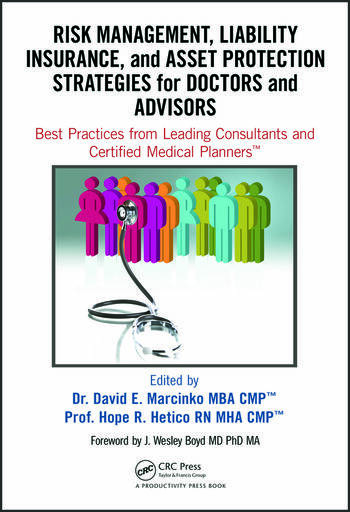
OUR OEUVRE’ OF TEXT BOOKS IS GROWING WITH OUR INDUSTRY STATURE
We believe that by writing and sharing our experiences in standard textbook, white-paper and new media electronic format, our experts are able to address most areas of physician-focused financial planning, business or medical practice management needs in an understandable and unbiased manner.
But, we recognize that some consultants and financial advisors may appreciate reading current medical business management theory, healthcare economics, technology or financial planning information privately, prior to becoming a Certified Medical Planner® professional.
However, there is a virtual information overload out there, little of which addresses the pragmatic concerns of the modern medical provider or healthcare industry. None imparts the wisdom to become a better financial advisor or medical management consultant. All motivate the purchase of products.
Therefore, as part of the iMBA Research Library for the Certified Medical Planner® program, we highly recommend the following in-house produced books. You may even recognize some of our nationally known contributing authors and CMPs®.







 Support our online development, and advance our onground research initiatives in free market economics, as we seek to showcase the brightest Next-Gen minds.
THE ME-P DISCLAIMER: Posts, comments and opinions do not necessarily represent iMBA, Inc., but become our property after submission. Copyright © 2006 to-date. iMBA, Inc allows colleges, universities, medical and financial professionals and related clinics, hospitals and non-profit healthcare organizations to distribute our proprietary essays, photos, videos, audios and other documents; etc. However, please review copyright and usage information for each individual asset before submission to us, and/or placement on your publication or web site. Attestation references, citations and/or back-links are required. All other assets are property of the individual copyright holder.
Support our online development, and advance our onground research initiatives in free market economics, as we seek to showcase the brightest Next-Gen minds.
THE ME-P DISCLAIMER: Posts, comments and opinions do not necessarily represent iMBA, Inc., but become our property after submission. Copyright © 2006 to-date. iMBA, Inc allows colleges, universities, medical and financial professionals and related clinics, hospitals and non-profit healthcare organizations to distribute our proprietary essays, photos, videos, audios and other documents; etc. However, please review copyright and usage information for each individual asset before submission to us, and/or placement on your publication or web site. Attestation references, citations and/or back-links are required. All other assets are property of the individual copyright holder.























































 The Leading Business Education Network for Doctors, Financial Advisors and Health Industry Consultants