METAVERSE: In Banking and the Financial Services Industry

By Staff Reporters

***

***

Practical applications in financial services

Among practical applications provided by the Metaverse, its ability to create virtual environments for people to connect may severely impact the financial industry. The employment of VR and AR during COVID-19 and remote work conditions enabled greater collaboration in teleconferencing where professionals used annotating, chatting and screen-sharing features, allowing them to work efficiently while not in the same physical space.

VR and AR can also be used by financiers in individual capacities, particularly with data visualization, aiding them in analyzing financial risks, providing more precise services to customers. This raises the bar on their expectations, stimulating competition and innovation in the market.

Moreover, virtual environments can be used in consumer-oriented manners. The creation of digital shopping environments in the Metaverse acts as a hub for companies to reach a wider range of consumers without geographical constraints, allowing for greater exposure. Such virtual shopping hubs can employ digital payment means so that transactions take place entirely within the realm of the Metaverse.

Through digital means, financial advisors can provision for greater convenience, signifying a shift in the industry, and broadening the scope of the services clients can be provided with, such as AR being used to simulate different financial scenarios so that customers can visualize them with ease. With the progression of the Metaverse in finance and banking, the next developments could see the creation of fully-digital bank branches, diminishing or perhaps eliminating the need for physical ones. Such client centric developments can either build upon existing consumer experiences or create entirely new ones.

A main attractive feature of using VR or AR is the ability to superimpose a wider range of information digitally, which mobile devices or computer screens would not accommodate. Thereby, complementing existing mobile banking apparatus, such as apps that showcase customers’ account balances or direct them to the nearest bank branches using AR.

CITE: https://www.r2library.com/Resource/Title/082610254

***

Why are Banks Entering the Metaverse?

Some people are concerned about whether there is anything for banks to benefit from entering the metaverse. There are a host of new opportunities for banks in the metaverse. So, tet’s look at the most important ones

Firstly, they are working with the idea that being the early adopters by entering the field before others will give them an advantage over latecomers in the future. That is why they are investing in potentially strategic locations in the metaverse.

Secondly, some digital banks imagine that the metaverse has the potential for the banking industry to reinvent transactions for a three-dimensional (3D) world. That is why they are experimenting with it. The primary objective has been to learn new ways of meeting the needs of their customers who are crazy about trending technologies. With metaverse, it could be possible to enable customers to pay bills, check balances, and transfer money using VR or AR channels.

Thirdly, as the younger generations are becoming more attracted to crypto-friendly banksNFT marketplaces, and other blockchain-based platforms, digital banks are looking for unconventional ways to improve their brand image. So, a smart marketing strategy is to create the presence of their brands in the metaverse and win the hearts of their customers through their show of modernity.

Fourthly, the metaverse can offer new ways for banks to engage with their customers. A customer could stay at home and interact with an avatar concerning any business they have with their bank. This technology can be used to deliver personalized financial advice, product recommendations, and even financial planning.

Finally, entering the metaverse is a way for digital banks to pool highly talented employees. It makes them attractive to professionals such as data scientists, developers, and other IT experts who have been working in this developing field and are looking for job opportunities that can bring out the best in them. For example, the metaverse has the potential for use in on-boarding remote workers and training employees on safety and other aspects of their jobs using simulated environments.

***

ORDER: https://www.amazon.com/Dictionary-Health-Information-Technology-Security/dp/0826149952/ref=sr_1_5?ie=UTF8&s=books&qid=1254413315&sr=1-5

***

ORDER: https://www.routledge.com/Comprehensive-Financial-Planning-Strategies-for-Doctors-and-Advisors-Best/Marcinko-Hetico/p/book/9781482240283

***

COMMENTS APPRECIATED

Thank You

***

IRS: Tax Changes to Know for 2022

By Staff Reporters

***

Here are eight things to keep in mind as you prepare to file your 2022 taxes

1. Income tax brackets shifted somewhat

There are still seven tax rates, but the income ranges (tax brackets) for each rate shifted slightly to account for inflation. For 2022, the following rates and income ranges apply:

Taxable income brackets

Tax rate  Single filers Married couples filing jointly (and qualifying widows or widowers)
10% $0 to $10,275$0 to $20,550
12%$10,276 to $41,775$20,551 to $83,550
22% $41,776 to $89,075$83,551 to $178,150
24%$89,076 to $170,050$178,151 to $340,100
32% $170,051 to $215,950$340,101 to $431,900
35% $215,951 to $539,900$431,901 to $647,850
37% $539,901 or more$647,851 or more

2. The standard deduction increased somewhat

After an inflation adjustment, the 2022 standard deduction increases to $12,950 for single filers and married couples filing separately and to $19,400 for single heads of household, who are generally unmarried with one or more dependents. For married couples filing jointly, the standard deduction rises to $25,900.

3. Itemized deductions remain essentially the same

For most filers, taking the higher standard deduction is more practical and saves the hassle of keeping track of receipts. But if you have enough tax-deductible expenses, you might benefit from itemizing.

  • State and local taxes: The deduction for state and local income taxes, property taxes, and real estate taxes is capped at $10,000.
  • Mortgage interest deduction: The mortgage interest deduction is limited to $750,000 of indebtedness. But people who had $1,000,000 of home mortgage debt before December 16, 2017 will still be able to deduct the interest on that loan.
  • Medical expenses: Only medical expenses that exceed 7.5% of adjusted gross income (AGI) can be deducted in 2022.
  • Charitable donations: The deductions for charitable donations are not as generous as they were in 2021. In 2022, the annual income tax deduction limits for gifts to public charities1 are 30% of AGI for contributions of non-cash assets—if held for more than one year—and 60% of AGI for contributions of cash.
  • Miscellaneous deductions: No miscellaneous itemized deductions are allowed.

4. IRA contribution limits remain the same and 401(k) limits are slightly higher

The traditional IRA and Roth contribution limits in 2022 remain the same as the prior year. Individuals can contribute up to $6,000 to an IRA, and those age 50 and older also qualify to make an additional $1,000 catch-up contribution. If you’re able to max out your IRA, consider doing so—you may qualify to deduct some or all of your contribution.

However, the 2022 contribution limits for 401(k) accounts have increased to $20,500. If you’re age 50 or older, you qualify to make an additional $6,500 catch-up contribution for this tax year as well.

5. You can save a bit more in your health savings account (HSA)

For 2022, the maximum you can contribute to an HSA is $3,650 for an individual (up $50 from 2021) and $7,300 for a family (up $100). People age 55 and older can contribute an extra $1,000 catch-up contribution.

To be eligible for an HSA, you must be enrolled in a high-deductible health plan (which usually has lower premiums as well). Learn more about the benefits of an HSA.

6. The Child Tax Credit is lower after a one-year bump

Tax credits, which reduce the tax you owe dollar for dollar, are normally better than deductions, which reduce how much of your income is subject to tax.

In 2021, the American Rescue Plan Act (ARPA) temporarily enlarged the Child Tax Credit. But in 2022, the credit returns to $2,000 per child age sixteen or younger. The credit is also subject to a phase-out starting at $400,000 for joint filers and $200,000 for single filers. For other qualified dependents, you can claim a $500 credit.

7. The alternative minimum tax (AMT) exemption is higher

Until the AMT exemption enacted by the Tax Cuts and Jobs Act expires in 2025, the AMT will continue to affect mostly households with incomes over $500,000. For 2022, the AMT exemptions are $75,900 for single filers and $118,100 for married taxpayers filing jointly. The phase-out thresholds are $1,079,800 for married taxpayers filing a joint return and $539,900 for all other taxpayers. (Once your income for the AMT hits the phase-out threshold, your AMT exemption begins to phase out at 25 cents for every dollar over the threshold.)

8. The estate tax exemption is even higher

The estate and gift tax exemption, which is indexed to inflation, rises to $12.06 million for 2022. But the now-higher exemption is set to expire at the end of 2025, meaning it could be essentially cut in half at that time if Congress doesn’t act.

The annual gift exclusion, which allows you to give money to your loved ones each year without incurring any tax liability or using up any of your lifetime estate and gift tax exemption, increases to $16,000 per recipient (up $1,000 from 2021).

Don’t get caught

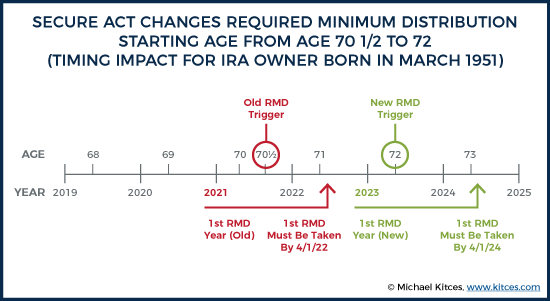
Finally, if you’re age 72 or older, make sure you’ve taken your required minimum distribution (RMD) from your retirement accounts before the end of the year or else you face a 50% penalty on any undistributed funds (unless it’s your first RMD, in which case you can wait until April 1, 2023).

CITE: https://www.r2library.com/Resource/Title/082610254

COMMENTS APPRECIATED

Thank You

***

Front Matter with Foreword by Jason Dyken MD MBA

ORDER: https://www.routledge.com/Comprehensive-Financial-Planning-Strategies-for-Doctors-and-Advisors-Best/Marcinko-Hetico/p/book/9781482240283

***

IRS: Lifetime Estate and Gift Tax Exemptions

By Staff Reporters

SPONSOR: http://www.CertifiedMedicalPlanner.org

***

***

Remember, in 2023, do not trigger the US estate and gift tax. Last year’s inflation, the highest in decades, means married couples can now hand their heirs almost $26 million tax-free, $1.7 million more than in 2022 and $2.4 million more than in 2021.

The hike in the lifetime estate-and-gift tax exemption — adjusted for price growth annually by the Internal Revenue Service — is the largest since 2018, when the amount was doubled by Republican-passed legislation signed by former President Donald Trump the prior year. As a result, the individual exemption, which is easily shared between spouses, has rocketed to $12.9 million from $5 million in 2011.

But, richer Americans may be running out of time to pass on this much wealth. The exemption is slated to be cut in half in three years, when provisions of Trump’s tax law are set to expire. While even $26 million is a drop in the bucket for the ultra-rich, the exemption’s size shows why generational wealth transfers — estimated by research firm Cerulli to total almost $73 trillion in the US through 2045 — go largely untouched by the government.

Plus, financial advisors may use loopholes and leverage to multiply the amount of tax-free money available to heirs. 

***

ORDER: https://www.routledge.com/Comprehensive-Financial-Planning-Strategies-for-Doctors-and-Advisors-Best/Marcinko-Hetico/p/book/9781482240283

***
COMMENTS APPRECIATED

Thank You

***

SHORT: Tesla Stock?

SHORT SALE

By Staff Reporters

***

***

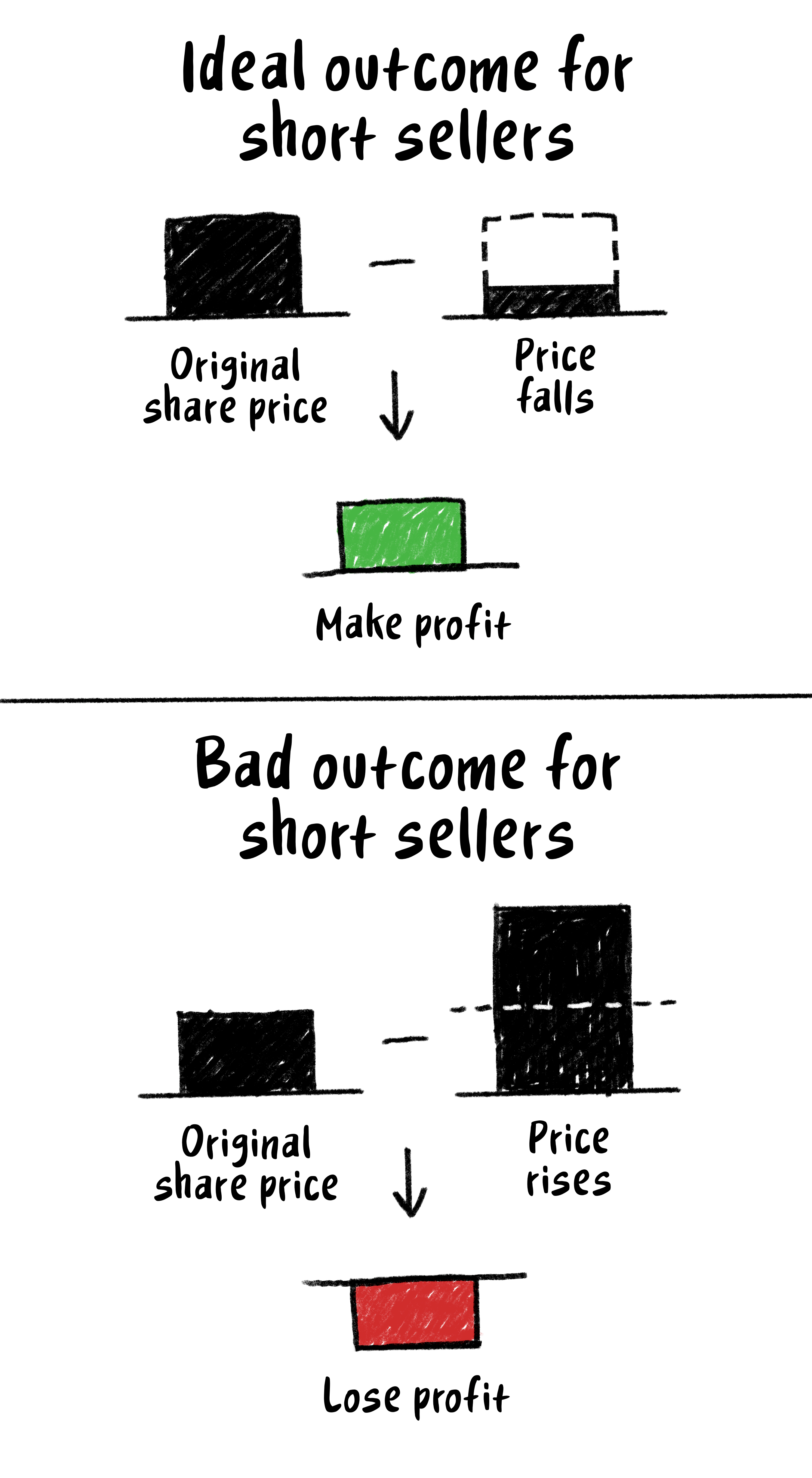
DEFINITION: Short selling involves borrowing a security whose price you think is going to fall from your brokerage and selling it on the open market. Your plan is to then buy the same stock back later, hopefully for a lower price than you initially sold it for, and pocket the difference after repaying the initial loan.

CITE: https://www.r2library.com/Resource/Title/082610254

***

Good news for anyone who was busy shorting Tesla

Tesla’s stock plummeted more than 12% yesterday for its worst trading session in more than two years. The proximate cause: Though the EV manufacturer sent out a record 405,278 vehicles in the last quarter of 2022, it missed analyst expectations and its own growth goal for the year.

Tesla’s brutal selloff was the continuation of a dramatic downward trend: The most valuable automaker in the world lost 65% of its value in 2022.

And while it may be easy to pin the blame on CEO Elon Musk’s fascination with his shiny new toy, Twitter, the problems go beyond a distracted boss:

  • Production has slowed down due to Covid shutdowns in China.
  • Demand has cooled for its vehicles due to lower gas prices, interest rate hikes, and increased competition.
  • It has suffered from logistical issues that were at least partially to blame for its inability to deliver all of the vehicles that it produced.

***

COMMENTS APPRECIATED

Thank You

***

ORDER: https://www.routledge.com/Comprehensive-Financial-Planning-Strategies-for-Doctors-and-Advisors-Best/Marcinko-Hetico/p/book/9781482240283

***

CENTENE CORPORATION: Medicaid Over-Billing?

By Staff Reporters

***

***

Centene Corporation showers politicians with millions as it courts contracts and settles over-billing allegations by Samantha Young, Andy Miller, and Rebecca Grapevine (Kaiser Health News)

***

Somehow KHN made Medicaid over-billing sound sexy.

This deep dive into Centene, “the nation’s largest private managed-care provider for Medicaid,” shows how the company has maintained good relationships with politicians as it looked to keep its market share and settle over-billing allegations.

CITE: https://www.r2library.com/Resource/Title/082610254

***

PODCAST: https://medicalexecutivepost.com/2021/11/12/podcast-centene-giant-medicaid-hmo/

***

ORDER: https://www.amazon.com/Dictionary-Health-Insurance-Managed-Care/dp/0826149944/ref=sr_1_4?ie=UTF8&s=books&qid=1275315485&sr=1-4

***
COMMENTS APPRECIATED

Thank You

****

IRS: Best States for Minimizing Taxes in Retirement

By SMART ASSET

***

***

If shrinking your tax liability is high on your list of priorities, a few states stand out. The winners in the list below either have no state income tax, no tax on retirement income, or a substantial discount on the taxes levied on retirement income. But that’s just the start.

CITE: https://www.r2library.com/Resource/Title/082610254

While several additional states have no state income tax, the states that made our list also have favorable sales, property, inheritance, and estate taxes.

  • Alaska
  • Florida
  • Georgia
  • Mississippi
  • Nevada
  • South Dakota
  • Wyoming

If those seven locations aren’t ideal, consider the next tier of tax-friendly states. Tax benefits aren’t quite as high as those above, but they do stand out in one specific category: no taxes on social security income.

That’s not to say they don’t make up for it in other areas, however. Washington State, for example, has no state income tax, but does have a 6.5% state sales tax. Still, it’s always beneficial to avoid income tax when possible.

  • Alabama
  • Arkansas
  • Colorado
  • Delaware
  • Idaho
  • Illinois
  • Kentucky
  • Louisiana
  • Michigan
  • New Hampshire
  • Oklahoma
  • Pennsylvania
  • South Carolina
  • Tennessee
  • Texas
  • Virginia
  • Washington
  • West Virginia

***

ORDER: https://www.routledge.com/Comprehensive-Financial-Planning-Strategies-for-Doctors-and-Advisors-Best/Marcinko-Hetico/p/book/9781482240283

***

COMMENTS APPRECIATED

Thank You

***

MEDICARE: Physician Payments Cuts?

By Health Capital Consultants, LLC

***

Congress Overrides Some – But Not All – Medicare Physician Payment Cuts

On December 20, 2022, the U.S. Congress announced its deal to fund the federal government through 2023, averting an imminent government shutdown. The 4,155-page, $1.7 trillion spending bill spans a vast array of funding initiatives and other bipartisan measures, including a number of noteworthy healthcare provisions.

CITE: https://www.r2library.com/Resource/Title/082610254

Perhaps most significantly, Congress intervened in the impending cuts to the Medicare Physician Fee Schedule (MPFS), overriding some, but not all, of the payment reductions. This Health Capital Topics article will discuss the congressional measures to ameliorate the payment cuts to physicians in 2023, as well as the other healthcare provisions included in the omnibus spending bill. (Read more…)

***

COMMENTS APPRECIATED

Thank You

***

ORDER: https://www.routledge.com/Comprehensive-Financial-Planning-Strategies-for-Doctors-and-Advisors-Best/Marcinko-Hetico/p/book/9781482240283

***

DAILY UPDATE: Christmas Tax Loss Harvesting and Lost Shareholder Wealth in 2022

By Staff Reporters

***

***

Investors pulled a record $41.9 billion from equities last week to engage in tax-loss harvesting according to Bank of America. 

MORE: https://medicalexecutivepost.com/2022/11/25/more-tax-loss-harvesting/

Tax-loss harvesting is a strategy to lower investment taxes that involves selling securities at a loss to offset capital gains. BofA said investors in the past week also pulled out $10 billion from bonds.

CITE: https://www.r2library.com/Resource/Title/082610254

***

Amazon.com Inc. has erased more shareholder wealth than any other publicly traded company in 2022. In total, investors in Amazon have lost $804.6 billion this year. The stock is down 48% in 2022.

Apple Inc. and Microsoft Corp. have also suffered larger market-cap declines than Tesla, by virtue of their sheer size.

***

COMMENTS APPRECIATED

Thank You

***

ORDER: https://www.routledge.com/Comprehensive-Financial-Planning-Strategies-for-Doctors-and-Advisors-Best/Marcinko-Hetico/p/book/9781482240283

***

FTX SCANDAL: Who is John J. Ray III?

By Staff Reporters

***

***

FTX’s New Chief Executive Officer?

***

John J. Ray III (born January 1959) is an American attorney and insolvency professional. He specializes in recovering funds from failed corporations. He was appointed CEO of cryptocurrency exchange FTX in the aftermath of its November 2022 collapse.

MORE: https://financialservices.house.gov/uploadedfiles/hhrg-117-ba00-wstate-rayj-20221213.pdf

He previously served as chairman of Enron Creditors Recovery Corp., a company tasked with recovering creditor funds from Enron in the wake of its accounting scandal and subsequent collapse. He also worked on the bankruptcies of Nortel, Residential Capital, and Overseas Shipholding.

CITE: https://www.r2library.com/Resource/Title/082610254

***

COMMENTS APPRECIATED

Thank You

***

ORDER: https://www.amazon.com/Dictionary-Health-Information-Technology-Security/dp/0826149952/ref=sr_1_5?ie=UTF8&s=books&qid=1254413315&sr=1-5

***

DAILY UPDATE: Markets Down Amid FOMC’s Monetary Policy

By Staff Reporters

***

***

U.S. equities did an about-face and finished lower following the monetary policy decision from the Fed. The Central Bank increased the target for its benchmark interest rate by 50 basis points (bps), which was widely expected and a moderation from the 75-bp hikes over the past four meetings. However, in his presser Chairman Powell reiterated that the Committee still had a ways to go to reach its goals.

Treasury yields finished little changed in choppy trading after the Fed’s announcement, and the U.S. dollar was lower, while crude oil prices gained ground and gold traded to the downside.

Equity news was on the lighter side, as Delta Air Lines increased its Q4 earnings outlook and offered upbeat long-term guidance, while Lennox International issued a 2023 forecast that missed estimates.

On the economic front, mortgage applications snapped a two-week losing streak, and import prices moderated more than expected.

Asia finished mostly higher following yesterday’s favorable U.S. inflation report, while markets in Europe diverged as investors awaited today’s Fed decision, which will be followed by tomorrow’s announcements from the European Central Bank and Bank of England.

***

CITE: https://www.r2library.com/Resource/Title/082610254

***

ORDER: https://www.routledge.com/Comprehensive-Financial-Planning-Strategies-for-Doctors-and-Advisors-Best/Marcinko-Hetico/p/book/9781482240283

***
COMMENTS APPRECIATED

Thank You

****

PODCAST: Financial Deception in Healthcare

THIRTY EXAMPLES

By Eric Bricker MD

***

***

Citation: https://www.r2library.com/Resource/Title/0826102549

***

***

ORDER: https://www.routledge.com/Risk-Management-Liability-Insurance-and-Asset-Protection-Strategies-for/Marcinko-Hetico/p/book/9781498725989

***

COMMENTS APPRECIATED

Thank You

****

PODCAST: Medical Utilization Management [UM]

By Eric Bricker MD

***

***

CITE: https://www.r2library.com/Resource/Title/082610254

***

COMMENTS APPRECIATED

Thank You

***

ORDER: https://www.amazon.com/Dictionary-Health-Insurance-Managed-Care/dp/0826149944/ref=sr_1_4?ie=UTF8&s=books&qid=1275315485&sr=1-4

Thank You

***

RBP: The Rise of Reference Based Pricing & The Future of Health Care 

By Bill Rusteberg

***

***

The New Payer You Never Heard Of 

For 35 years we have lived in the world of managed care. Consumers have been conditioned to believe networks of “preferred” providers ensure better access, better benefits, lower cost and convenient claim settlement.  

In the beginning managed care worked. Not all hospitals and physician groups were in networks and competition helped create cost savings for consumers and their employers. But over time consumers demanded more access and eventually almost all providers were “preferred” and in-network. Today less than 5% of all claims are out-of-network yet medical costs have increased. While professional providers are typically paid using managed care fee schedules, hospitals and other facilities are usually paid a percentage of whatever they charge, and over time, those charges have continued to increase.  

As a result, we are seeing the rise of Reference Based Pricing (RBP) claim reimbursement strategies. RBP strategies are gaining popularity with self-funded employer plans particularly as a way to bring more transparency and accountability to health care pricing. 

The new payer you never heard of are local employers breaking away from the status quo.  You will not see recognizable logos or insurance company names on their health insurance I.D. cards. You may wonder “what kind of insurance is this?” 

What is Reference Based Pricing? 

RBP sets uniform provider payments relative to a benchmark. The most commonly used benchmark is the Medicare Fee Schedule, a widely known payment methodology. Because Medicare fee schedules are on the low end of provider reimbursement, RBP health plans typically add a margin to ensure fair and equitable payment and profits for medical care givers.  Margins can range from 120% to 150% of Medicare and more.  

PPO networks, on the other hand, set opaque pricing at an arbitrary number to which an arbitrary discount is applied. Instead of this top down approach, RBP health plans utilize a bottom up approach.  

In addition, employers are not privy to negotiated PPO rates while reimbursement allowances are transparent and clearly disclosed in RBP plans. This is one of several important distinctions between managed care pricing strategies and RBP.  

An extension of RBP may include detailed claim audit protocols to facility claims prior to claim settlement. These audits typically produce savings of 5 – 7%. Managed care contracts, on the other hand, typically prohibit or severely limit an employer’s right to audit claims, another important difference.  

The Growth of Reference Based Pricing 

While many readers may view this as something new, it’s simply another form of the indemnity plans that were common prior to the advent of managed care in the early 80’s.  

The first RBP health plan in Texas was established in 2008 in San Antonio. Since then the concept has gained national momentum and is growing most rapidly among mid-size self-funded employers. However, we are beginning to see larger employers such as the state of Montana adopting this strategy for their employee benefit program. The Oklahoma State Medical Association adopted RBP strategies for their member health plans several years ago and has since expanded their program offering to Texas medical providers. 

Medical Community Reaction 

Since inception of Reference Based Pricing plans (RBP) in San Antonio fifteen years ago, professional providers have generally accepted patients insured through these plans.  Professional providers, particularly primary care physicians, may earn more under this payment methodology than earned under many managed care contracts. In addition, RBP plans do not intrude on the physician-patient relationship as there are no contractual terms and conditions providers are bound to accept.  

Hospitals have generally remained opposed to RBP plans, yet few patients are turned away for care because reimbursement levels are fair and reasonable. In those rare instances a patient is turned away RBP plans often arrange a bundled cash payment at mutually agreed reimbursement levels that are often less than what the plan would have otherwise paid.    

Action Plan for Physicians and Their Administrators 

With the explosive grown of RBP plans, physicians and their administrators should establish an action plan for RBP patients or potential patients seeking their services. What transpires at the point of contact with a patient can be critical. A knowledgeable staff insures adequate controls in determining patient financial responsibility. Turning away patients is not always a good business practice and is unnecessary in cases where RBP payment parameters are within a practice’s normal scope of acceptance.  

Always check for network logos on the members’ I.D. card. When calling an unfamiliar health plan or TPA to verify eligibility and benefits, ask what provider network(s) the plan uses for physicians and hospitals.  

If the customer service representative says that there is no hospital or professional network or that the plan is “open access”, ask whether the plan pays hospitals and/or physicians based on a standard reference price or a fixed % of Medicare.  

Staff administration should pre-determine the minimum level of acceptable payment based on a % of Medicare. This will empower intake clerks, at the point of contact, to determine if a plan’s reimbursement level is adequate and approved by administration. This will also assist intake clerks in determining each patient’s responsibility. Some RBP plans clearly indicate the basis of claim payment on member’s I.D. cards, i.e., “Plan Pays XXX% of Medicare.” 

If procedures are regularly performed in a facility setting and there is a choice of hospitals or ambulatory surgery centers, staff should ask whether the plan has any direct contracts or has a good working relationship with any of the local facilities. Most RBP plans have established direct agreements with certain local providers or are interested in doing so.  

It takes very little effort to certify a patient’s financial ability to pay for services. Verification is a phone call away. Intake clerks should be trained to ask the right questions, applying the answers against pre-determined parameters of acceptance rather than reliance upon a list of “approved insurance plans.” Turning patients away at the front desk when their insurance coverage pays as much as or more than “approved” plans is poor business.  

Partnering With Employer Health Plans 

A professional provider would be wise to reach out directly to local employers adopting RBP plans to arrange direct agreements, especially when it is discovered an employer important to the practice has adopted RBP. A direct agreement with an employer sponsored health plan would eliminate balance billing and provide steerage. Typically direct RBP agreements are no more than one page in length and contain a 30 day out clause. There are no third party intermediaries involved. 

Some RBP plans allow professionals to name their price. A sharing arrangement between the health plan and plan member assures full payment based on a mutually agreed pricing benchmark. For example, a plan may set its claim exposure at 120% of Medicare. A professional provider may agree to accept 150% of Medicare. The 30% differential would be borne by the plan member in the form of a pre-set co-pay amount. There would be no co-pay through providers who have agreed to accept the plans benchmark pricing, in this example 120% of Medicare. A tiered co-pay strategy solves provider access issues, benefiting providers, patients and employer health plan budgetary constraints.  

The Future of Reference Based Pricing 

RBP strategies are a transitory phenomenon, a bridge serving as a basis for more change to come in a dynamic market.  

RBP health plans will continue to gain market share in the next several years as more independent third party administrators (TPAs) and insurance companies are offering RBP options with new entrants into the market almost monthly. 

Professional providers should understand that RBP is yet another way to pay health care claims and would be wise to acclimate to this kind of pricing. As the Medicare eligible population of the United States increases from 17% in 2015 to 23% in 2023, professional providers will see more patients at Medicare rates than ever before. The good news for professional providers is RBP plans generally pay more. 

There is good news for employers too. RBP plans give self-funded employers a powerful cost containment tool that can make health care more affordable for their employees.  

You can expect to see a growing number of patients insured through RBP plans seeking your services. It would be good business to understand this growing trend now in order to accommodate them. RBP will create opportunities for physician-led bundles and other direct contracting strategies that benefit local employers, giving you more control and save money for your patients.  

The Future 

Reference Based Pricing is a transitory phenomenon leading to something better for all stakeholders. We are seeing a new trend rising in health care financing that removes third party barriers between patients and their physicians. 

Removing third party intermediaries between providers and the patients they serve is the foundation on which to provide better benefits at a lower cost for health care consumers. Cash pay settlements at the point of service, in real time, will be a major component of that, getting back to the way care and doctor-patient relationships once were, without the intervention of an insurance company. 

Plan members will pay cash at the time of service through plan sponsored funding. Physicians will receive cash payment by way of pre-negotiated electronic super bill at the time of service. No claims filing and no chasing patient share required, saving providers both time and expense. Hospitals will be paid in full on day of service too, saving time and expense filing claims and chasing patient share. 

Community based health plans will adopt a cash pay network of medical caregivers. Access and delivery of care on a local, collaborative basis by mutually controlling costs in a direct relationship with one another as opposed to the indirect relationships we find in our current carrier-driven dynamic will be key to providing community members with responsive and affordable access to care.  

Community health plans will adopt Direct Primary Care as a key focal point for all subsequent care. Capitated rates will replace fee-for-service fee schedules. Primary care physicians will, for the first time in their careers, devote 100% of their working hours to treating patients, not burdened with EMR’s and other administrative functions at the beck and call of third party intermediaries.  

One example of a Community Health Plan is currently under development in central Texas. It will incorporate ER, Lab & Radiology, and direct primary care at a capitated rate of less than $125. A cash based reimbursement wrap for all other covered services through a cash pay provider network will cover remaining covered medical services.  

The reader may find this to be a pipe dream that will never happen. On the contrary, it’s happening now and it’s growing faster than a melting raspa on a scorching August afternoon in deep South Texas. It’s the new payer you’ve never heard of. 

CITE: https://www.r2library.com/Resource/Title/082610254

MORE: https://medicalexecutivepost.com/2022/09/26/podcast-reference-based-pricing-for-medical-facility-fees/

***

COMMENTS APPRECIATED

Thank You

***

ORDER: https://www.amazon.com/Dictionary-Health-Insurance-Managed-Care/dp/0826149944/ref=sr_1_4?ie=UTF8&s=books&qid=1275315485&sr=1-4

***

RMDs: Are You of IRS Taxation Age?

Stop 2020 – Restart 2021

By Staff Reporters

***

CITE: https://www.r2library.com/Resource/Title/082610254

***

Are You of RMD Age?
A Required Minimum Distribution (RMD) is an amount of money the IRS requires you to withdraw from most retirement accounts, beginning at age 72.
Due to the Coronavirus Aid, Relief, and Economic Security (CARES) Act, RMDs were not required in 2020, but RMDs are required in 2021 and each year after. RMDs can be an important part of your retirement income strategy.

IRS: https://www.irs.gov/retirement-plans/retirement-plans-faqs-regarding-required-minimum-distributions

***

COMMENTS APPRECIATED

Thank You

***

ORDER: https://www.routledge.com/Comprehensive-Financial-Planning-Strategies-for-Doctors-and-Advisors-Best/Marcinko-Hetico/p/book/9781482240283

***

PODCAST: Hospital Debt and Tax Exempt Bonds

By Eric Bricker MD

***

***

CITE: https://www.r2library.com/Resource/Title/082610254

COMMENTS APPRECIATED

Thank You

***

ORDER: https://www.routledge.com/Comprehensive-Financial-Planning-Strategies-for-Doctors-and-Advisors-Best/Marcinko-Hetico/p/book/9781482240283

****

What is the “5-100” Insurance Rule?

THE 5 -100 “Policy” Rule 

BY DR. DAVID E. MARCINKO MBA CMP®

CMP logo

SPONSOR: http://www.CertifiedMedicalPlanner.org

With any universal life insurance policy (and certainly all variable life policies), fluctuating rates of return, the actual timing of the premium payments, and potential internal policy changes by the insurance company, all contribute to results that will probably differ substantially from the original illustration. 

RULE: The 5 – 100 Rule states that as a result of accounting for these elements, all initial projections of cash value beyond 5 years, will necessarily be 100 percent incorrect when compared to actuality. 

A prudent policy owner should therefore keep on top of any changes and react accordingly.  If a policy owner ignores his/her policy for even 5 years, any adverse changes could be so drastic as to make rectifying them very costly.

Citation: https://www.r2library.com/Resource/Title/0826102549

Your thoughts are appreciated.

Risk Management, Liability Insurance, and Asset Protection Strategies for Doctors and Advisors: Best Practices from Leading Consultants and Certified Medical Planners™

ORDER TEXTBOOK: https://www.routledge.com/Risk-Management-Liability-Insurance-and-Asset-Protection-Strategies-for/Marcinko-Hetico/p/book/9781498725989

SECOND OPINIONS: https://medicalexecutivepost.com/schedule-a-consultation/

INVITE DR. MARCINKO: https://medicalexecutivepost.com/dr-david-marcinkos-

THANK YOU

***

STUDENT LOANS and State Taxes

By Staff Reporters

***

***

If your student loans were forgiven, you may still owe state taxes

Though widespread federal student loan relief remains on hold, you may have received student loan forgiveness through the Public Service Loan Forgiveness program or another similar endeavor. if you had any balances forgiven in 2022, you won’t owe federal taxes on the canceled amount. That’s because of a provision tucked into the 2021 American Rescue Plan, preventing forgiven post-secondary education loans from federal taxation through 2025. 

However, there are a handful of states where forgiven loan balances may be taxed. IndianaMinnesotaMississippi and North Carolina have confirmed they will tax any student loan debt relief on your 2022 taxes. A few other states may as well, though the details are still being hammered out.

And, if you live in one of the states taxing forgiven student loans, you may be on the hook for county taxes on your debt relief, as well.

CITE: https://www.r2library.com/Resource/Title/082610254

***

***

COMMENTS APPRECIATED

Thank You

***

PHYSICIAN PAYMENTS: The Financial Compensation Battle Continues

By Staff Reporters

***

***

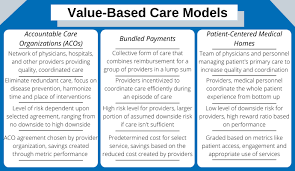
Paying paying doctors and medical providers for their services may seem simple on the surface, but it’s actually extremely complex. Enter two of the most commonly heard phrases in healthcare: “fee-for-service” and “value-based care,” two models insurers use to decide how much to pay providers. According to Healthcare Brew:

  1. Under a fee-for-service model, providers are paid for each individual service they perform, like a blood test or an X-ray, according to Jennifer Clawson, partner and director of value-based health systems at Boston Consulting Group. A service is provided, and the doctor gets a fixed fee for providing it. Simple enough.
  2. The value-based care model is a bit more complicated, as there are many types of value-based payments. What makes them “value-based” is that payers take patient outcomes into consideration, aka they consider the relative value. “The core of value-based care is ultimately, ‘How do I get a better outcome for less money?’” said Sam Hendler, managing director at private equity firm Thomas H. Lee Partners.

One type of value-based payment is called a bundled payment, Clawson said. Say you have a heart condition and need to get a stent put in. There are usually several providers involved in that process, e.g., a primary care doctor, cardiac surgeon, and anesthesiologist. An insurer gives the health system a set amount of money to cover everyone involved in the procedure, and the health system decides how to divvy it up.

Another type of value-based payment is called capitation, and there’s multiple types of capitation payments. It’s sort of like a bundled payment, but instead of insurers paying a set amount per procedure, they’re paying a set amount to cover an entire population of patients with a specific disease, like diabetes.

CITE: https://www.r2library.com/Resource/Title/082610254

COMMENTS APPRECIATED

Thank You

ORDER: https://www.amazon.com/Business-Medical-Practice-Transformational-Doctors/dp/0826105750/ref=sr_1_9?s=books&ie=UTF8&qid=1287563112&sr=1-9

****

IRS and [Temporary] Charitable Donations

By Staff Reporters

***

***

Temporary charitable donation deductions have ended

Fewer filers may be able to claim charitable donation tax breaks for this tax year.

The expanded charitable cash contribution benefits that were offered in 2020 and 2021 have ended. The temporary suspension of the 60% AGI limit in 2020 and 2021 is now back, limiting the amount you can claim in charitable contributions.  

CITE: https://www.r2library.com/Resource/Title/082610254

***

ORDER: https://www.routledge.com/Comprehensive-Financial-Planning-Strategies-for-Doctors-and-Advisors-Best/Marcinko-Hetico/p/book/9781482240283

***

COMMENTS APPRECIATED

Thank You

***

What is Medical Claim Denial Management?

Of Healthcare Claims [What it is – How it works]

Dr. David Edward Marcinko MBA

[Editor-in-Chief]

NEU Dr. MarcinkoTypically, denied and rejected healthcare claims quickly surface as a source of multi-millions in revenue leakage and unnecessary expense for doctors, clinics and hospitals, etc.

Why?

Payers have been struggling with increased costs.  They thoroughly inspect claims for errors and have become adept at using their rules to deny and delay claims.

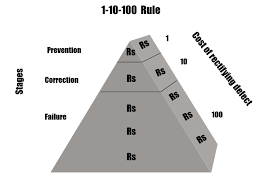
For example, Zimmerman reported the denied percentage of gross charges climbed from 4% in 2000 to 11% in 2011.  In contrast, providers typically lack the tools to aggressively manage current denied claims and prevent future ones.

Financial Recognition

Without denial tracking, an organization may not recognize the heavy financial impact of denied claims.

A HARA [Hospital Accounts Receivable Analysis] report indicates that bad debt and gross days are declining. However, a majority of providers write off denials as contractual allowance, distorting the numbers but not the resulting lower margins and reduced cash.

H*Works reported that the typical 350-bed hospital loses between $4 million and $9 million each year in earned revenue from denials and underpayments (assume $103 million annual gross revenue and 40% contractual allowance). Recouping lost revenue from denials and underpayments will, according to H*Works, increase an organization’s operating margin by 2.6%.

Industry estimates report that at least 50% of denials are recoverable and 90% are preventable with the appropriate workflow processes, management commitment, strong change leadership, and the correct technology. H*Works estimates that for a revenue capture of $3 million from denials and underpayments, the recovery infrastructure costs are only about 3%.

Product DetailsProduct Details

Assessment

With all this in mind, better management of rejections and denials, as well as the information necessary to resolve and prevent them, surfaces as probably the best strategy to improving financials. By streamlining the revenue cycle, managing rejections and denials proves to be less expensive and to provide faster returns than initiating new services.

Conclusion

Your thoughts and comments on this ME-P are appreciated. Feel free to review our top-left column, and top-right sidebar materials, links, URLs and related websites, too. Then, subscribe to the ME-P. It is fast, free and secure.

Speaker: If you need a moderator or speaker for an upcoming event, Dr. David E. Marcinko; MBA – Publisher-in-Chief of the Medical Executive-Post – is available for seminar or speaking engagements. Contact: MarcinkoAdvisors@msn.com

OUR OTHER PRINT BOOKS AND RELATED INFORMATION SOURCES:


Product DetailsProduct DetailsProduct Details

Sat GREENISH: On Black-Friday?

By Staff Reporters

***

***

On ground and On line shoppers didn’t let concerns about higher prices or a recession keep them from a record-setting this Black Friday.

Consumers spent a record $9.29 billion while online shopping yesterday, Black Friday, according to Adobe Analytics which tracks more than 85% of the top 100 U.S. online retailers. That’s an increase of 2.8% over a year ago – surpassing the previous online Black Friday sales high mark of $9.03 billion in 2023.

Nearly half (48%) of online sales were made over smartphones, up from 55% last year, according to the company’s 2023 Holiday Shopping Trends & Insights Report.

***

COMMENTS APPRECIATED

Thank You

***

ORDER: https://www.routledge.com/Comprehensive-Financial-Planning-Strategies-for-Doctors-and-Advisors-Best/Marcinko-Hetico/p/book/9781482240283

***

The “Middle Class” Defined?

By Staff Reporters

***

***

What’s shrinking in size, overworked and woefully underpaid?

Did you know that only half of U.S. adults live in a household with an annual income of $52,000 to $156,000, the range it takes to be considered middle income, according to the Pew Research Center. That share is significantly lower than it was in 1971, when 61% of the nation’s adults qualified as middle income.

In 2022 — an era of historic inflation and a manic economy in which jobs are plentiful but wages are stagnant — more Americans are living paycheck to paycheck. And it’s affecting more than just their income.

“People judge whether or not they’re achieving the American dream by comparing their income and their lifestyle, or what their income can buy, to what they see around them,” says Isabel Sawhill, a senior fellow at the Brookings Institution.

On paper, middle-class household income has increased considerably in the last 50 years. Measured in 2020 dollars, the median salary of the U.S. workforce is 50% higher now ($90,131) than it was in 1971 ($59,934), primarily thanks to women’s increased participation in the workforce, says Sawhill, who’s a co-author of the Brookings report “A New Contract with the Middle Class.”

Those gains, however, pale in comparison to the 69% growth enjoyed by the wealthiest households. Elisabeth Jacobs, a deputy director at the research nonprofit Urban Institute, said in a 2021 Brookings panel that if middle incomes had grown at the same pace as the top 20% of earners over the past 50 years, a solidly middle-class family would average around $139,000 annually (post-tax).

***

CITE: https://www.r2library.com/Resource/Title/082610254
***

COMMENTS APPRECIATED

Thank You

ORDER: https://www.amazon.com/Comprehensive-Financial-Planning-Strategies-Advisors/dp/1482240289/ref=sr_1_1?ie=UTF8&qid=1418580820&sr=8-1&keywords=david+marcinko

***

MORE: Tax Loss Harvesting

Tax Loss Harvesting

By Vitaliy Katsenelson, CFA

DEFINITION: https://medicalexecutivepost.com/2022/11/06/tax-loss-harvesting-what-it-is/

***

Tax Lost Harvesting with Examples

I enjoy writing about taxes as much as I enjoy going to the dentist. But I feel what I am about to say is important. We – including yours truly – have been mindlessly conditioned to do tax selling at the end of every year to reduce our tax bills. On the surface it makes sense. There are realized gains – why don’t we create some tax losses to offset them?

Here is the problem. With a few exceptions, which I’ll address at the end, tax-loss selling makes no logical sense. Let me give you an example.

Let’s say there is a stock, XYZ. We bought it for $50; we think it is worth $100. Fourteen months later we got lucky and it declined to $25. Assuming our estimate of its fair value hasn’t changed, we get to buy $1 of XYZ now for 25 cents instead of 50 cents.

But as of this moment we also have a $25 paper loss. The tax-loss selling thinking goes like this: Sell it today, realize the $25 loss, and then buy it in 31 days. (This is tax law; if we buy it back sooner the tax loss will be disqualified.) This $25 loss offsets the gains we took for the year. Everybody but Uncle Sam is happy.

Since I am writing about this and I’ve mentioned above I’d rather be having a root canal, you already suspect that my retort to the above thinking is a great big NO!

In the first place, we are taking the risk that XYZ’s price may go up during our 31-day wait. We really have no idea and rarely have insights as to what stocks will do in the short term. Maybe we’ll get lucky again and the price will fall further. But we’re selling something that is down, so risk in the long run is tilted against us. Also, other investors are doing tax selling at the same time we are, which puts additional pressure on the stock.

Secondly – and this is the most important point – all we are doing is pushing our taxes from this year to future years. Let’s say that six months from now the stock goes up to $100. We sell it, and… now we originate a $75, not a $50, gain. Our cost basis was reduced by the sale and consequent purchase to $25 from $50. This is what tax loss selling is – shifting the tax burden from this year to next year. Unless you have an insight into what capital gains taxes are going to be in the future, all you are doing is shifting your current tax burden into the future.

Thirdly, in our first example we owned the stock for 14 months and thus took a long-term capital loss. We sold it, waited 31 days, and bought it back. Let’s say the market comes back to its senses and the price goes up to $100 three months after we buy it back. If we sell it now, that $75 gain is a short-term gain. Short-term gains are taxed at your ordinary income tax bracket, which for most clients is higher than their capital gain tax rate. You may argue that we should wait nine months till this gain goes from short-term to long-term. We can do that, but there are costs: First, we don’t know where the stock price will be in nine months. And second, there is an opportunity cost – we cannot sell a fully priced $1 to buy another $1 that is on fire sale.

Final point. Suppose we bought a stock, the price of which has declined in concert with a decrease of its fair value; in other words, the loss is not temporary but permanent.  In this case, yes, we should sell the stock and realize the loss. 

We are focused on the long-term compounding of your wealth. Thus our strategy has a relatively low portfolio turnover. However, we always keep tax considerations in mind when making investment decisions, and try to generate long-term gains (which are more tax efficient) than short term gains. 

We understand that each client has their unique tax circumstances. For instance, your income may decline in future years and thus your tax rate, too. Or higher capital gains may put you in a different income bracket and thus disqualify you from some government healthcare program.

We are here to serve you, and we’ll do as much or as little tax-loss selling as you instruct us to do. We just want you to be aware that with few exceptions tax-loss selling does more harm than good.

***

ORDER: https://www.routledge.com/Comprehensive-Financial-Planning-Strategies-for-Doctors-and-Advisors-Best/Marcinko-Hetico/p/book/9781482240283

CITE: https://www.r2library.com/Resource/Title/082610254

***

COMMENTS APPRECIATED

Thank You

***

Over Heard in the DOCTOR’S LOUNGE

On “Hard Working” HMO Physicians

CMP logo

SPONSOR: http://www.CertifiedMedicalPlanner.org

***

By Dr. David E. Marcinko MBA CMP®

INVITE DR. MARCINKO: https://medicalexecutivepost.com/dr-david-marcinkos-

One of my favorite patients told me this anecdote as he recalled the story of the old man who spent a day watching his physician son treating HMO patients in the office. 

The doctor had been working at his usual feverish pace all morning, and although he was working hard, bitterly complained to his dad that he was not making as much money as he used to.

Finally, the old man interrupted him and said,

“Son, why don’t you just treat the sick patients?” 

The doctor-son looked annoyed at his father, and responded,

“Dad, can’t you see, I don’t have time to treat just the sick ones.”

***

COMMENTS ARE APPRECIATED.

***

FINANCE: https://www.amazon.com/Comprehensive-Financial-Planning-Strategies-Advisors/dp/1482240289/ref=sr_1_1?ie=UTF8&qid=1418580820&sr=8-1&keywords=david+marcinko

***

BUSINESS: https://www.amazon.com/Business-Medical-Practice-Transformational-Doctors/dp/0826105750/ref=sr_1_9?ie=UTF8&qid=1448163039&sr=8-9&keywords=david+marcinko

***

PODCAST: Healthcare Finance [Recorded Live] Q and A Session

By Eric Bricker MD

***

***

COMMENTS APPRECIATED

Thank You

***

INSURANCE: https://www.amazon.com/Dictionary-Health-Insurance-Managed-Care/dp/0826149944/ref=sr_1_4?ie=UTF8&s=books&qid=1275315485&sr=1-4

***

ORDER: https://www.amazon.com/Dictionary-Health-Economics-Finance-Marcinko/dp/0826102549/ref=sr_1_6?ie=UTF8&s=books&qid=1254413315&sr=1-6

***

PODCAST: Medical Billing Charge Abuse by Radiologists

By Staff Reporters

***

***

ORDER: https://www.amazon.com/Dictionary-Health-Insurance-Managed-Care/dp/0826149944/ref=sr_1_4?ie=UTF8&s=books&qid=1275315485&sr=1-4

***

COMMENTS APPRECIATED

Thank You

***

DAILY UPDATE: New IRS 1099-K Reporting Rule

By Staff Reporters

***

***

IRS

The IRS just noted that there are no changes made to the taxability of income but only in the reporting rules for Form 1099-K. Taxpayers are still required to report all income on their tax return unless it is excluded by law. This is whether they receive a Form 1099-NEC, Nonemployee Compensation; Form 1099-K; or any other information return.

Previously businesses would generally receive a 1099-K tax form only when their gross payments exceeded $20,000 for the year and the business conducted at least 200 transactions.

According to the new 1099-K rule, the gross payments threshold has been lowered to just over $600 for the year with the transactions threshold no longer applying. Now a single transaction exceeding $600 can trigger a 1099-K. This includes transactions through credit cards, debit cards, banks, PayPal, Uber, Lyft, and other third-party payment settlement entities.

The 1099-K form includes information about the payment processor and the company receiving payments, and a monthly breakdown of total payments, among other information.

According to the IRS, the lower information reporting threshold and the summary of income on Form 1099-K will make it easier for taxpayers to track the amounts received.

***

COMMENTS APPRECIATED

Thank You

***

ORDER: https://www.routledge.com/Comprehensive-Financial-Planning-Strategies-for-Doctors-and-Advisors-Best/Marcinko-Hetico/p/book/9781482240283

***

SBF: Apologizes as FTX Scrambles to Live

By Staff Reporters

***

***

Following his crypto exchange’s epic implosion, FTX boss Sam Bankman-Fried (SBF) said he was sorry for mistakes he made, and pledged to “give anything I have to” in order to raise the $4 billion in capital FTX needs to avoid bankruptcy.

As the SEC bear down on the company, shady activities are coming to light: FTX loaned its affiliated firm, Alameda Research, ~$10 billion worth of customer assets to fund high-risk bets, per the WSJ.

***

COMMENTS APPRECIATED

Thank You

***

ORDER: https://www.amazon.com/Dictionary-Health-Information-Technology-Security/dp/0826149952/ref=sr_1_5?ie=UTF8&s=books&qid=1254413315&sr=1-5

***

ROBINHOOD: The Brokerage Collapses?

By Staff Reporters

***

***

Shares of Robinhood, the brokerage, plummeted by 15% as FTX was acquired to save it from collapsing. Sam Bankman-Fried bought a 7.6% stake in May in Robinhood, a brokerage meant to attract Millennial investors who sought to invest in cryptocurrencies.

But Bankman-Fried, the founder of FTX, a popular cryptocurrency exchange, faced even larger hurdles that investors were not aware of. 

Robinhood  (HOOD) – Get Free Report shares tumbled on Nov. 8, falling by as much as 15.54% in mid-day trading to $10.22 a share as Binance, the crypto behemoth, said it would acquire FTX, which was once its rival due to a “liquidity crunch.”

***

COMMENTS APPRECIATED

Thank You

***

ORDER: https://www.routledge.com/Comprehensive-Financial-Planning-Strategies-for-Doctors-and-Advisors-Best/Marcinko-Hetico/p/book/9781482240283

***

PODCAST: Health Insurance Carrier Contracting

By Eric Bricker MD

***

***

ORDER: https://www.amazon.com/Financial-Management-Strategies-Healthcare-Organizations/dp/1466558733/ref=sr_1_3?ie=UTF8&qid=1380743521&sr=8-3&keywords=david+marcinko

***

ORDER: https://www.amazon.com/Hospitals-Healthcare-Organizations-Management-Operational/dp/1439879907/ref=sr_1_4?s=books&ie=UTF8&qid=1334193619&sr=1-4

***

COMMENTS APPRECIATED

Thank You

****

TAX LOSS HARVESTING: What it is?

By Staff Reporters

***

***

What Is Tax-Loss Harvesting?

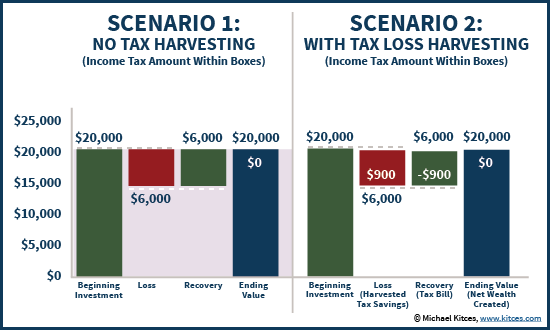
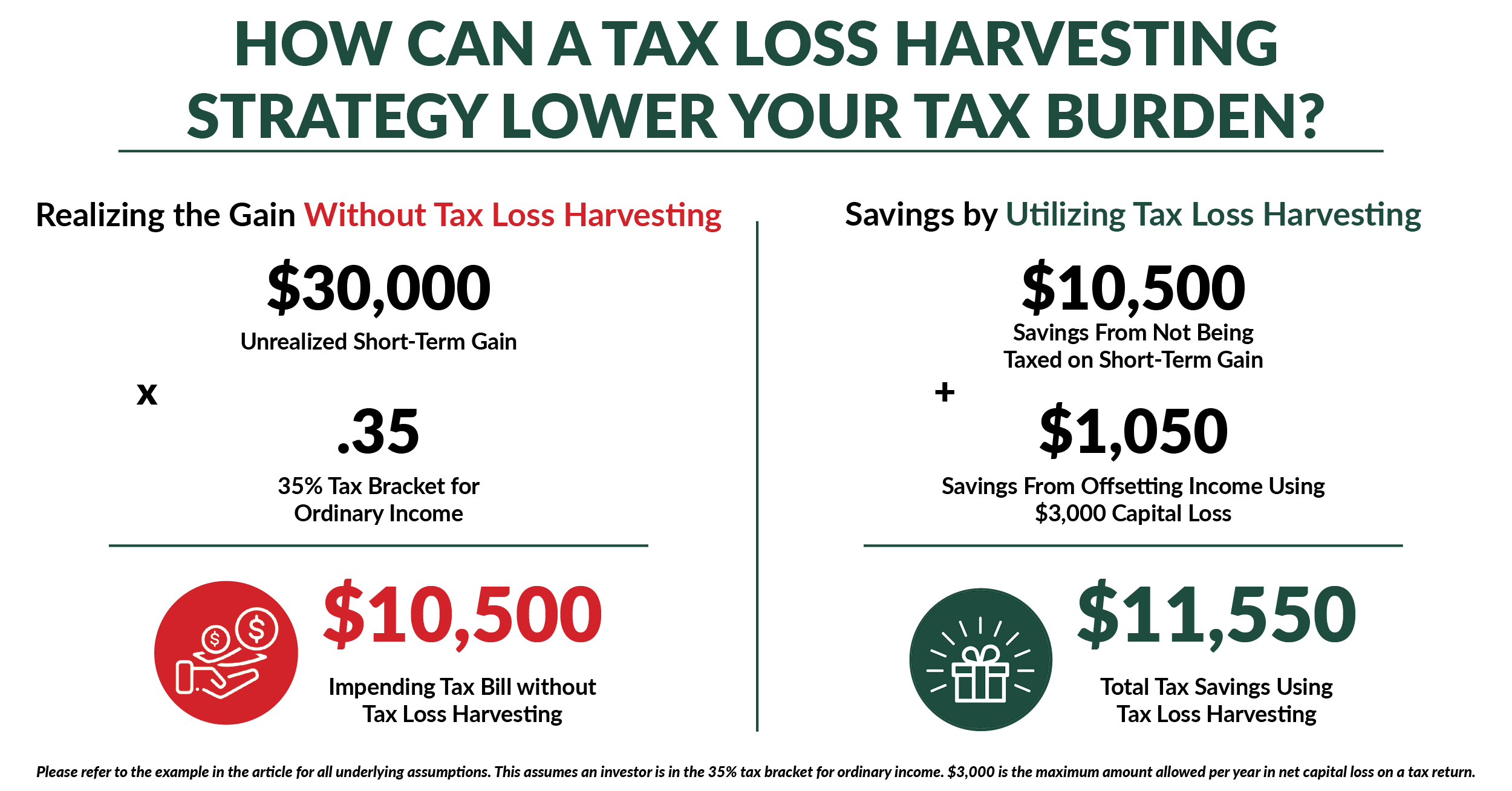
Tax-loss harvesting is the timely selling of securities at a loss in order to offset the amount of capital gains tax due on the sale of other securities at a profit. 

This strategy is most often used to limit the amount of taxes due on short-term capital gains, which are generally taxed at a higher rate than long-term capital gains. However, the method may also offset long-term capital gains. This strategy can help preserve the value of the investor’s portfolio while reducing the cost of capital gains taxes.

There is a $3,000 limit on the amount of capital gains losses that a federal taxpayer can deduct in a single tax year. However, Internal Revenue Service (IRS) rules allow additional losses to be carried forward into the following tax years.

4 Key Points

  • Tax-loss harvesting is a strategy investors can use to reduce the total amount of capital gains taxes due from the sale of profitable investments.
  • The strategy involves selling an asset or security at a net loss.
  • The investor can then use the proceeds to purchase a similar asset or security, maintaining the portfolio’s overall balance.
  • The investor must be careful not to violate the IRS rule against buying a “substantially identical” investment within 30 days.

***
COMMENTS APPRECIATED

Thank You

***

ORDER: https://www.amazon.com/Comprehensive-Financial-Planning-Strategies-Advisors/dp/1482240289/ref=sr_1_1?ie=UTF8&qid=1418580820&sr=8-1&keywords=david+marcinko

***

MEDICAL BILLING: Down and Up Coding?

By Staff Reporters

***

***

DEFINITION

Upcoding is a type of fraud where healthcare providers submit inaccurate billing codes to insurance companies in order to receive inflated reimbursements. These false “current procedural technology” (CPT) submissions indicate that doctors provided patients with treatments that were more complex, costly, and time-consuming than what they actually received. This unlawful scheme is a violation of the False Claims Act (FCA) because it defrauds federal programs including Medicare, Medicaid, and Tricare.

CITE: https://www.r2library.com/Resource/Title/082610254

***

There are nearly 7,800 CPT codes used by healthcare providers. Collectively, these codes represent all of the procedures, conditions, and drugs that are currently reimbursable by the health insurance industry. Each one of them has an associated cost for individuals and insurance companies, based upon the urgency of the issue and the complexity of the decision-making required of the healthcare provider. Medicaid and Medicare reimburse providers based on this system.
For example, a five-minute consultation with a nurse for a minor medical question would receive a different, less expensive CPT than the one for a full examination by a doctor lasting 45-minutes. However, if the physician charges the federal programs for the more expensive 45-minute examination when the five-minute consultation is what actually occurred, this would constitute upcoding.

Unbundling

Unbundling is another common form of upcoding. This fraudulent scheme involves billing for individual procedures that are usually performed and billed together under a single CPT code. In some cases, the billing codes for complicated medical operations have associated components built into their CPTs. For example, a hip replacement surgery may factor in the costs of the surgeon’s as well as the use of the operating room. Unbundling occurs when a healthcare provider submits each component within a CPT to Medicare or Medicaid separately. This creates a cost redundancy where wrongdoers can unlawfully seek reimbursement for the same procedure several times over.

CMS: https://www.cms.gov/Outreach-and-Education/Medicare-Learning-Network-MLN/MLNProducts/Downloads/Fraud-Abuse-MLN4649244.pdf

What Is Downcoding?

Downcoding is the opposite of upcoding. If you perform a service but record the CPT for a lower-level service, that is downcoding. Downcoding also leaves you vulnerable to an audit, which is never good. But, it can also cost a practice thousands of dollars a year in lost revenue because you’re not getting the higher rate of pay that you would if you had recorded the service properly.

According to the National Correct Coding Initiative (NCCI): “Physicians must avoid downcoding. If an HCPCS/CPT code exists that describes the services performed, the physician must report this code rather than report a less comprehensive code with other codes describing the services not included in the less comprehensive code.”

MORE: https://zeemedicalbilling.com/what-is-upcoding-and-downcoding-in-medical-billing/

***

HERE: https://www.ncbi.nlm.nih.gov/pmc/articles/PMC8649706/

COMMENTS APPRECIATED

Thank You

***

ORDER: https://www.amazon.com/Business-Medical-Practice-Transformational-Doctors/dp/0826105750/ref=sr_1_9?ie=UTF8&qid=1448163039&sr=8-9&keywords=david+marcinko

***

ORDER: https://www.routledge.com/Risk-Management-Liability-Insurance-and-Asset-Protection-Strategies-for/Marcinko-Hetico/p/book/9781498725989

****

Hospitals in the RED

By Staff Reporters

Hospitals this year are seeing more red than black as growing financial challenges, like spiked labor costs and inflation on medical supplies, puts them on pace to have the worst financial performance into the pandemic thus far.

More than half of hospitals (53% of more than 900 sampled) are projected to have negative margins by the end of the year, compared to 39% in 2019, according to a September report from management consulting firm Kaufman Hall, on behalf of AHA. The firm put the median operating margin for hospitals at about -1%, which could mean service cuts, and for more vulnerable hospitals, including rural ones, closing their doors.

But why is the financial outlook so bleak for hospitals? A few factors are conspiring:

Labor costs: The top reasons hospitals are struggling financially in 2022 are “labor, labor, and labor,” said Kevin Holloran, senior director at Fitch Ratings. The healthcare labor shortage doesn’t just extend to nurses, but across the board.

Rising supply prices: Blame inflation. AHA reported that the “costs for energy, resins, cotton, and most metals surged in excess of 30%” between fall 2020 and early 2022.

Sicker patients, longer stays: Intensive care units across the country were overwhelmed with Covid-19 patients at the outset of the pandemic, but more recently hospitals have been caring for sicker non-Covid patients, said Aaron Wesolowski, AHA’s vice president for policy research and analytics

***

COMMENTS APPRECIATED

Thank You

***

***

HOSPITALS: https://www.amazon.com/Financial-Management-Strategies-Healthcare-Organizations/dp/1466558733/ref=sr_1_3?ie=UTF8&qid=1380743521&sr=8-3&keywords=david+marcinko

***

***

OPERATIONS: https://www.amazon.com/Hospitals-Healthcare-Organizations-Management-Operational/dp/1439879907/ref=sr_1_4?s=books&ie=UTF8&qid=1334193619&sr=1-4

***

PODCAST: Top Five Healthcare Consulting Firms

By Eric Bricker MD

***

***

COMMENTS APPRECIATED

Thank You
***

***

HOSPITALS: https://www.amazon.com/Financial-Management-Strategies-Healthcare-Organizations/dp/1466558733/ref=sr_1_3?ie=UTF8&qid=1380743521&sr=8-3&keywords=david+marcinko

***

IRS: Increases Contribution Limits for Retirement Savings Plans

By Staff Reporters

***

***

The IRS just said that the maximum contribution that an individual can make in 2023 to a 401(k), 403(b) and most 457 plans will be $22,500. That’s up from $20,500 this year.

People aged 50 and over, which have the option to make additional “catch-up” contributions to 401(k) and similar plans, will be able to contribute up to $7,500 next year, up from $6,500 this year. That’s means a 401(k) saver who is 50 or older can contribute a maximum of $30,000 to their retirement plan in 2023.

The IRS also raised the 2023 annual contribution limits on individual retirement arrangements, or IRAs, to $6,500, up from $6,000 this year. The IRA “catch-up” contribution limit remains at $1,000, as it’s not subject to an annual cost of living adjustment, the IRS said.

***

FINANCE: https://www.routledge.com/Comprehensive-Financial-Planning-Strategies-for-Doctors-and-Advisors-Best/Marcinko-Hetico/p/book/9781482240283

***

COMMENTS APPRECIATED

Thank You

***

IRS: New Taxation Rates and Brackets for 2023

By Staff Reporters

***

***

The IRS just released inflation-adjusted marginal rates and brackets for 2023 on Tuesday, and many workers will see higher take-home pay in the new year as less tax is withheld from their paychecks.

Additionally, the agency released the standard deduction for next year. It is increasing by $900 to $13,850 for single taxpayers, and by $1,800 for married couples, to $27,700. For heads of household, the 2023 standard deduction will be $20,800. That’s an increase of $1,400.

Here are the marginal rates for for tax year 2023, depending on your tax status.

Single filers

  • 10%: income of $11,000 or less
  • 12%: income between $11,000 to $44,725
  • 22%: income between $44,725 to $95,375
  • 24%: income between $95,375 to $182,100
  • 32%: income between $182,100 to $231,250
  • 35% income between $231,250 to $578,125
  • 37%: income greater than $578,125

Married filing jointly

  • 10%: income of $22,000 or less
  • 12%: income between $22,000 to $89,450
  • 22%: income between $89,450 to $190,750
  • 24%: income between $190,750 to $364,200
  • 32%: income between $364,200 to $462,500
  • 35% income between $462,500 to $693,750
  • 37%: income greater than $693,750

Additionally, the maximum Earned Income Tax Credit for 2023 is $7,430 for those who have three or more qualifying children. The maximum contribution to a healthcare flexible spending account is also increasing, from $2,850 to $3,050.

Wealthy Americans will also be able to exclude significantly more assets from the estate tax in 2023. Individuals will be able to transfer up to $12.92 million tax-free to their descendants, up from just over $12 million in 2022. A married couple can pass on double that. And the annual exclusion for gifts increases to $17,000.

***
COMMENTS APPRECIATED

Thank You

***

INVESTING: https://www.routledge.com/Comprehensive-Financial-Planning-Strategies-for-Doctors-and-Advisors-Best/Marcinko-Hetico/p/book/9781482240283

***

***

DAILY UPDATE: BLS and Machine Learning

By Staff Reporters

***

***

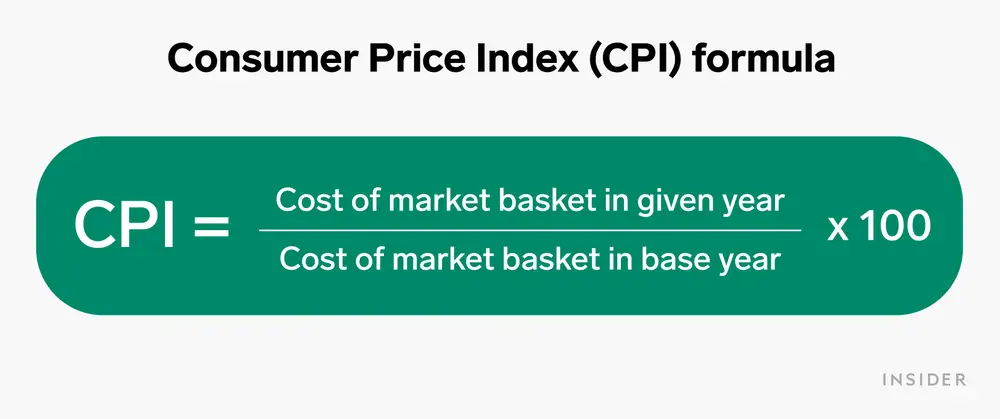
Increases in the shelter, food, and medical care indexes were the largest of many contributors to the monthly seasonally adjusted all items increase.”—Bureau of Labor Statistics’s Consumer Price Index Summary

According to Betterment, one of the world’s largest robo-advisors, whose consumer-facing investment offerings make virtually no use of machine learning. [Emerging Tech]

***

FINANCE: https://www.routledge.com/Comprehensive-Financial-Planning-Strategies-for-Doctors-and-Advisors-Best/Marcinko-Hetico/p/book/9781482240283

***

COMMENTS APPRECIATED

Thank You

***

Social Security’s ‘taxable maximum’ Jumps 9%

By Staff Reporters

***

***

Social Security’s payroll tax cap was raised nearly 9% for 2023, meaning more income will face Social Security taxes next year, but the rise is unlikely to affect the solvency of the trusts underpinning the system.

Citing the increase in average wages, the Social Security Administration said the maximum amount of earnings subject to the Social Security tax (taxable maximum) will increase to $160,200 from $147,000 starting in January. The announcement was part of the release of the cost-of-living adjustment, or COLA. The taxable maximum for 2021 was $142,800.

Citing the increase in average wages, the Social Security Administration said the maximum amount of earnings subject to the Social Security tax (taxable maximum) will increase to $160,200 from $147,000 starting in January.

The announcement was part of the release of the cost-of-living adjustment, or COLA. The taxable maximum for 2021 was $142,800.

***

COMMENTS APPRECIATED

Thank You

FINANCE: https://www.amazon.com/Comprehensive-Financial-Planning-Strategies-Advisors/dp/1482240289/ref=sr_1_1?ie=UTF8&qid=1418580820&sr=8-1&keywords=david+marcinko

***

OVERUSE: How Health System Characteristics Impact Health Care

By Staff Reporters

***

***

The high cost of health care in the United States is partially driven by an over-emphasis on low-value health care that is potentially harmful and offers little benefit to most patients.

New research by Jodi Segal, MD, and colleagues, advances efforts to solve the low-value care problem by placing a spotlight on health care system factors that likely contribute to an overuse of care. The work is analyzed in the latest NIHCM Research Insights. Key findings include:

  • Systems that are investor-owned, or have fewer primary care physicians, are more likely to be associated with the overuse of care. 
  • Systems that have major teaching hospitals are less likely to overuse care.  

To continue investigating, evaluating, and addressing the drivers of overuse, the research team updated their Overuse Index tool. This Index may be especially useful for health systems seeking to monitor care use performance over time. This study’s findings may support future research and interventions to increase the use of high-value care.

READ HERE: https://nihcm.org/publications/what-health-system-characteristics-are-associated-with-overuse-of-health-care-in-the-us

RISK MANAGEMENT: https://www.routledge.com/Risk-Management-Liability-Insurance-and-Asset-Protection-Strategies-for/Marcinko-Hetico/p/book/9781498725989

***

COMMENTS APPRECIATED

Thank You

***

PREDICTIONS: Core Inflation

By Staff Reporters

***

***

Economy: Yesterday brought more sinister inflation news when the September producer price index, which measures wholesale prices, came in higher than expected.

But the headliner is today when the consumer price index appears. Economists predict core inflation will hit a 40-year high, according to Bloomberg, so none of this is likely to get the Fed to chill on rate hikes.

***

COMMENTS APPRECIATED

THANK YOU

***

FINANCE: https://www.routledge.com/Comprehensive-Financial-Planning-Strategies-for-Doctors-and-Advisors-Best/Marcinko-Hetico/p/book/9781482240283

***

PODCAST: The “Value Hole” in Health Insurance Plan Design

By Eric Bricker MD

***

***

COMMENTS APPRECIATED

Thank You

***

HEALTH INSURANCE: https://www.amazon.com/Dictionary-Health-Insurance-Managed-Care/dp/0826149944/ref=sr_1_4?ie=UTF8&s=books&qid=1275315485&sr=1-4

***

PODCAST: The MEDICARE COST REPORT Explained

Not For DoctorsNot Managerial Cost Accounting

By Eric Bricker MD

****

***

YOUR COMMENTS ARE APPRECIATED.

Thank You

HOSPITALS: https://www.amazon.com/Financial-Management-Strategies-Healthcare-Organizations/dp/1466558733/ref=sr_1_3?ie=UTF8&qid=1380743521&sr=8-3&keywords=david+marcinko

MORE: https://www.amazon.com/Hospitals-Healthcare-Organizations-Management-Operational/dp/1439879907/ref=sr_1_4?s=books&ie=UTF8&qid=1334193619&sr=1-4

***

PODCAST: Hospital Finance 101 [Full Service Healthcare]

By Steve Febus

***

***

Hospital Finance 101: Understanding the Cost of Full-Service Healthcare in Pullman, WA Program by: Steve Febus, Pullman Regional Hospital Chief Financial Officer.

***

PODCAST: https://www.youtube.com/watch?v=N-SumPdb2PI

RELATED: https://www.youtube.com/watch?v=3vNThT8RJiQ

BUSINESS MEDICINE: https://www.amazon.com/Business-Medical-Practice-Transformational-Doctors/dp/0826105750/ref=sr_1_9?ie=UTF8&qid=1448163039&sr=8-9&keywords=david+marcinko

***

CITE: https://www.r2library.com/Resource/Title/0826102549

HOSPITAL FINANCE: https://www.amazon.com/Financial-Management-Strategies-Healthcare-Organizations/dp/1466558733/ref=sr_1_3?ie=UTF8&qid=1380743521&sr=8-3&keywords=david+marcinko

***

COMMENTS APPRECIATED

Thank You

***

What is EBITDA?

A TERM ALL PHYSICIAN INVESTORS MUST KNOW

CMP logo

SPONSOR: http://www.CertifiedMedicalPlanner.org

What Is Earnings Before Interest, Taxes, Depreciation, and Amortization (EBITDA)?

***

EBITDA, or earnings before interest, taxes, depreciation, and amortization, is a measure of a company’s overall financial performance and is used as an alternative to net income in some circumstances. EBITDA, however, can be misleading because it strips out the cost of capital investments like property, plant, and equipment.

This metric also excludes expenses associated with debt by adding back interest expense and taxes to earnings. Nonetheless, it is a more precise measure of corporate performance since it is able to show earnings before the influence of accounting and financial deductions.

Why EBITDA is still a Great Financial Management Metric

Simply put, EBITDA is a measure of profitability. While there is no legal requirement for companies to disclose their EBITDA, according to the U.S. generally accepted accounting principles (GAAP), it can be worked out and reported using the information found in a company’s financial statements.

The earnings, tax, and interest figures are found on the income statement, while the depreciation and amortization figures are normally found in the notes to operating profit or on the cash flow statement. The usual shortcut to calculate EBITDA is to start with operating profit, also called earnings before interest and tax (EBIT) then add back depreciation and amortization.

CITE: https://www.r2library.com/Resource/Title/0826102549

***

Comprehensive Financial Planning Strategies for Doctors and Advisors: Best Practices from Leading Consultants and Certified Medical Planners™

MORE: https://www.routledge.com/Comprehensive-Financial-Planning-Strategies-for-Doctors-and-Advisors-Best/Marcinko-Hetico/p/book/9781482240283

YOUR COMMENTS ARE APPRECIATED

Thank You

***

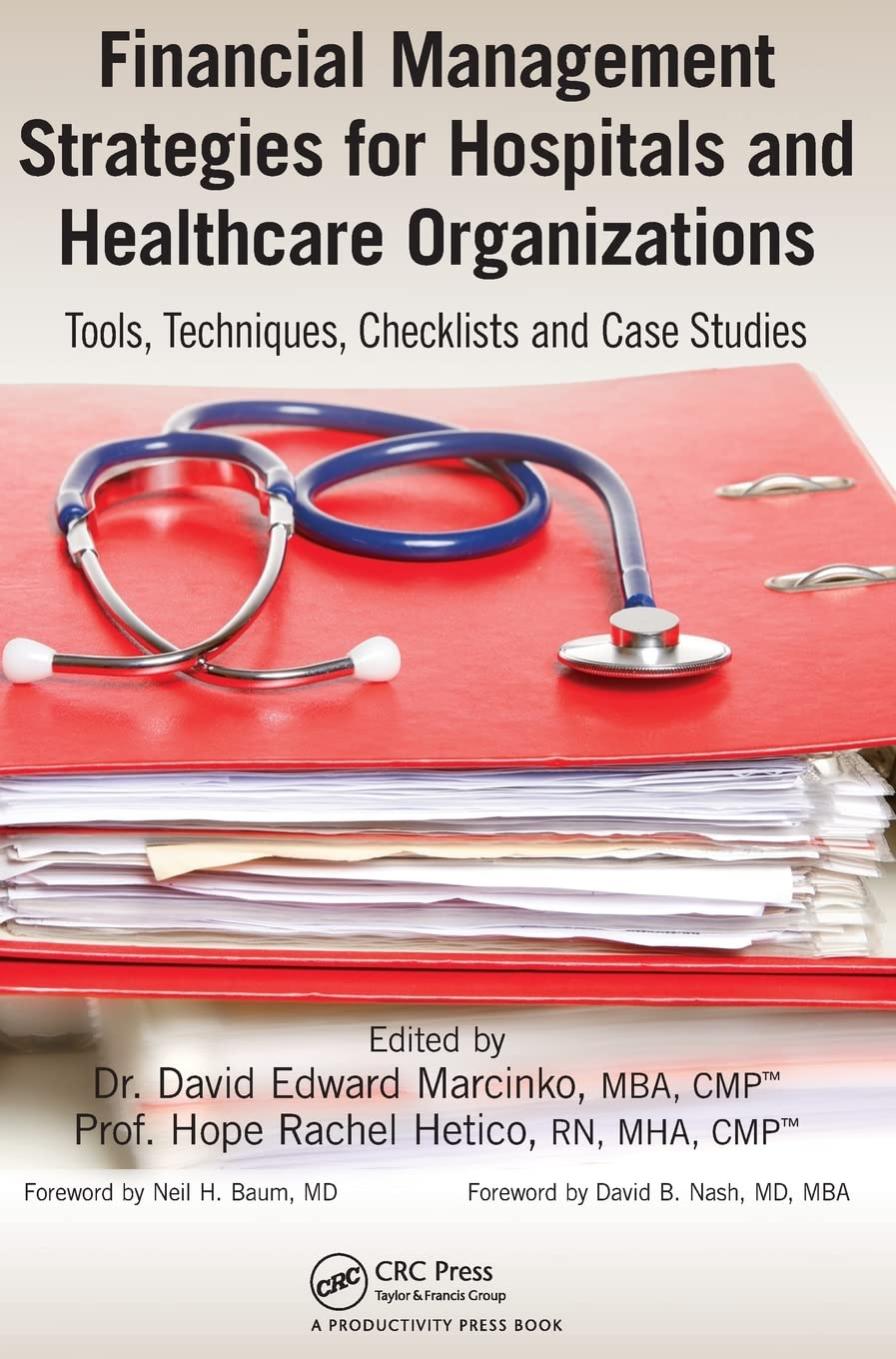
FINANCIAL MANAGEMENT STRATEGIES: For Hospitals and Healthcare Organizations

Managerial Accounting

TOOLS, TECHNIQUES, CHECKLISTS AND CASE STUDIES

***

TEXT: https://www.amazon.com/Financial-Management-Strategies-Healthcare-Organizations/dp/1466558733/ref=sr_1_3?ie=UTF8&qid=1380743521&sr=8-3&keywords=david+marcinko

Reviews

Navigating a course where sound organizational management is intertwined with financial acumen requires a strategy designed by subject-matter experts. Fortunately, Financial Management Strategies for Hospital and Healthcare Organizations: Tools, Techniques, Checklists and Case Studies provides that blueprint.
David B. Nash, MD, MBA, Jefferson Medical College, Thomas Jefferson University

It is fitting that Dr. David Edward Marcinko, MBA, CMP™ and his fellow experts have laid out a plan of action in Financial Management Strategies for Hospital and Healthcare Organizations that physicians, nurse-executives, administrators, institutional CEOs, CFOs, MBAs, lawyers, and healthcare accountants can follow to help move healthcare financial fitness forward in these uncharted waters.
Neil H. Baum, MD, Tulane Medical School

ORDER: https://www.amazon.com/Financial-Management-Strategies-Healthcare-Organizations/dp/1466558733/ref=sr_1_3?ie=UTF8&qid=1380743521&sr=8-3&keywords=david+marcinko

***

HOSPITALS: Management, Operations and Strategies

Tools, Templates and Case Studies

***