5 Initiatives to Improve Health Equality in the U.S.

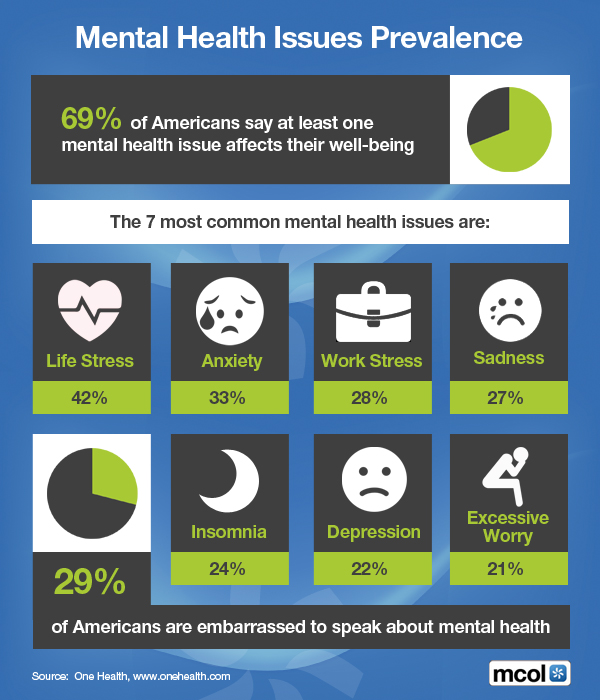
Percentage with Initiative in Place

***

***

By Charlene Ice

  1. Increasing access to care: 25% of U.S. healthcare leaders
  2. Providing care in the community/community outreach: 24% of U.S. healthcare leaders
  3. Promoting community education: 17% of U.S. healthcare leaders
  4. Generating financial support for under-served communities: 16% of U.S. healthcare leaders
  5. Identifying collaborative partners: 11% of U.S. healthcare leaders

Notes: Responses from U.S. healthcare leaders according to Philips’ “Future Health Index 2022” report, an analysis of feedback from nearly 3,000 healthcare leaders across 15 countries.
Source: Phillips, June 8, 2022
Source URL: https://www.usa.philips.com/a-w/about/news/archive/standard/…

***
COMMENTS APPRECIATED

Thank You

***

Population Health Management Integration

Join Our Mailing List

Of Medical and Pharmacy Benefits 

By http://www.MCOL.com

pop health

 Channel Surfing the ME-P

Have you visited our other topic channels? Established to facilitate idea exchange and link our community together, the value of these topics is dependent upon your input. Please take a minute to visit. And, to prevent that annoying spam, we ask that you register. It is fast, free and secure.
integration (1)

Conclusion

Your thoughts and comments on this ME-P are appreciated. Feel free to review our top-left column, and top-right sidebar materials, links, URLs and related websites, too. Then, subscribe to the ME-P. It is fast, free and secure.

Speaker: If you need a moderator or speaker for an upcoming event, Dr. David E. Marcinko; MBA – Publisher-in-Chief of the Medical Executive-Post – is available for seminar or speaking engagements. Contact: MarcinkoAdvisors@msn.com
OUR OTHER PRINT BOOKS AND RELATED INFORMATION SOURCES:

Product DetailsProduct Details

A Glimpse into Lean Medical Management Tools and Techniques

Join Our Mailing List

A Very Brief Review

By Dr. Mark Matthews with Dr. David Marcinko MBA

As most medical and healthcare executives and consultants are aware, there are a few tools and techniques that are unique to the world of Lean process improvement and management.

These  include: Kaizen Events, The 5-S Technique, Standard Work, Visual Controls and Human Factors Engineering.

We will review the first two techniques in this ME-P. Of course, the last three are reviewed in much greater detail in our new book complete with checklists, figures, tables, drawings, graphs and other illustrations.

Kaizen Events

Kaizen is one of the most powerful tools in the Lean methodology. These events involve intense work sessions aimed at making concrete decisions in a short time period without the need for much data collection. Kaizen events are fairly narrow in scope, ideally concentrating on making one or two decisions at the most.

For example, there may be competing improvement ideas that require more exploration. Using a Kaizen event can provide the necessary structure to make the decision needed to move forward with implementation. The steps in a typical Kaizen Event often include:

  • Determine and define the objectives
  • Determine the current state of the process
  • Determine the requirements of the process
  • Create a plan for implementation
  • Implement the improvements
  • Check the effectiveness of the improvements
  • Document and standardize the improved process
  • Continue the cycle

The 5-S Technique

This technique was developed to allow employees to visually control their work area around visual management techniques. The principles involved in visual management include:

  • Improving workspace efficiency and productivity
  • Helping people share workstations by providing standard layouts
  • Reducing the time required to look for needed supplies or tools
  • Improving the work environment

Each “S” in 5S stands for a step in the process:

  • Sort – classify every item in the designated area as either needed or not needed
  • Set (Straighten) – put “everything in its place”
  • Shine (Sweep) – clean all work environments for order and organization
  • Standardize  – document what goes where, who will clean and who will inspect and on what schedule
  • Sustain-design a system for monitoring process, providing feedback, and rewarding good outcomes

Assessment

Prior to conducting a 5S event, a significant amount of planning is vital. It is important to scope the target area as something that is manageable, draw a physical map of the area under consideration [hospital, ED, OR, clinic, office, etc], and assemble a list of current items in that area. This is usually accomplished by taking photographs (both before and after) of the area.

Conclusion

Your thoughts and comments on this ME-P are appreciated. Feel free to review our top-left column, and top-right sidebar materials, links, URLs and related websites, too. Then, subscribe to the ME-P. It is fast, free and secure.

Link: http://feeds.feedburner.com/HealthcareFinancialsthePostForcxos

Speaker: If you need a moderator or speaker for an upcoming event, Dr. David E. Marcinko; MBA – Publisher-in-Chief of the Medical Executive-Post – is available for seminar or speaking engagements. Contact: MarcinkoAdvisors@msn.com

Our Other Print Books and Related Information Sources:

Health Dictionary Series: http://www.springerpub.com/Search/marcinko

Practice Management: http://www.springerpub.com/product/9780826105752

Physician Financial Planning: http://www.jbpub.com/catalog/0763745790

Medical Risk Management: http://www.jbpub.com/catalog/9780763733421

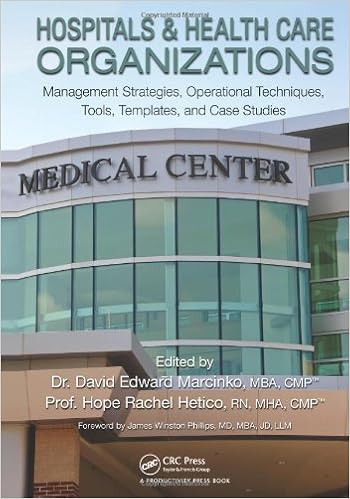
Hospitals: http://www.crcpress.com/product/isbn/9781439879900

Physician Advisors: www.CertifiedMedicalPlanner.org

Buy from Amazon

Learn How to Profit and Thrive in the PP-ACA Era

BOOK FOREWORD / TESTIMONIAL

UPDATE: Gold, Peer-2-Peer Payment, Pediatric Vax and the Lumber Markets

By Staff Reporters

***

***

The price of gold dropped below $1,800 an ounce and appears hyper-focused on the soaring U.S. Dollar Index, which rose to 107.15. Over the last five days, the index is up by more than two points, and has risen five points over the last 30 days.

The minimal reporting threshold for peer-to-peer payment platform transactions has decreased from $20,000 (or 200 transactions) to just $600 because of a provision in the American Rescue Plan Act of 2021. That means that businesses that use platforms like Venmo, Cash App, PayPal, and even storefronts like Etsy and eBay can expect to receive 1099-K forms for the 2022.

Children in the US are getting vaccinated at a lower rate than the rest of the nation, with only 300,000 kids under five receiving the vaccine since it became available two weeks ago. Health officials say this was expected since most parents want to get their kids vaccinated at a doctor’s office.

Finally, lumber markets were a harbinger of economic shifts during the pandemic and today’s slumping prices could be just as prescient. Lumber prices hit a record $1,607 per thousand board feet in May 2021, due to soaring demand for new homes, a boom in DIY home renovation activities, and production and supply chain issues stemming from the pandemic. Twelve months later, lumber prices collapsed to $648, a more than 50% decrease from $1,464 in March. 

***

COMMENTS APPRECIATED

Thank You

***

***

Justice Recovers $5B from Healthcare Fraud Cases in 2021

By Staff Reporters

***

***

The Justice Department’s (JD) efforts returned almost $1.9 billion to the federal government or paid it out to private individuals. Of that money, about $1.2 billion went to the Medicare trust fund. About $98.7 million in federal Medicaid money was transferred to CMS. The JD opened 831 criminal healthcare fraud cases last year. Federal prosecutors filed criminal charges in 462 cases involving 741 defendants. A total of 312 defendants were convicted of healthcare fraud during the year. The JD opened 805 civil healthcare fraud investigations and had 1,432 civil healthcare fraud matters pending at the end of last year. 

HHS Office of the Inspector General (OIG) investigations resulted in 504 criminal actions against individuals or entities accused of Medicare- and Medicaid-related crimes. The OIG filed 669 civil actions, which included false claims and unjust-enrichment lawsuits filed in federal district courts, and civil monetary penalties. The OIG excluded 1,689 individuals and entities from participating in federal healthcare programs, including Medicare and Medicaid. 

Source: Andrew Cass, Becker’s Hospital Review

***

COMMENTS APPRECIATED

Thank You

***

***

UPDATE: Cuban’s Crypto, Celsius Network, JPMorgan Chase, and Job Payrolls

By Staff Reporters

***

***

Mark Cuban, the billionaire entrepreneur, has been facing a torrent of criticism for several days linked to a partnership forged with a crypto firm. Indeed, Cuban, an evangelist of the crypto industry in which he has invested, signed an agreement linking his NBA team, the Dallas Mavericks, to the crypto lender Voyager Digital last October. The contract, signed on October 28, is for five years and has a mission to promote cryptocurrencies by making coins more accessible through educational and digital programs.

Beleaguered crypto lender Celsius Network operated as a classic “Ponzi scheme,” the former head of the company’s key investment strategy alleged in a lawsuit, claiming the company used customer deposits to cover huge liabilities caused by reckless mismanagement.

The closely watched criminal trial of three former JPMorgan Chase & Co employees just commenced, with a prosecutor saying they “ripped off” the precious metals futures market with fake orders and defense attorneys saying the orders were genuine. The bank’s former global precious metals desk head Michael Nowak, precious metals trader Gregg Smith and salesperson Jeffrey Ruffo are charged with racketeering and conspiracy in the U.S. Justice Department’s most aggressive case to date targeting the manipulative trading tactic known as spoofing.

Finally, job payrolls grew by 372,000 in June, according to the Labor Department, easing fears over a potential recession while clearing the way for another round of interest rate hikes by the Federal Reserve later this month and beyond.

***

COMMENTS APPRECIATED

Thank You

***

***

What is Financial Portfolio “DI-WORSIFICATION”

Versus Di-Versification

BUSINESS MANAGEMENT: The term “diworsification” was coined by legendary investor Peter Lynch in his book, One up on Wall Street, to describe the over-expansion of a company into new growth projects and businesses they do not fully understand and which do not align with the company’s core competencies.

See the source image

PORTFOLIO MANAGEMENT: The term diworsification has since grown to also refer to over-diversifying an investment portfolio in such a way that it reduces the overall risk-return characteristics.

ORDER CITATION: https://www.r2library.com/Resource/Title/0826102549

INVESTOPEDIA: https://www.investopedia.com/terms/d/diworsification.asp

RELATED: https://medicalexecutivepost.com/2021/05/29/modern-portfolio-theory-and-asset-correlation-not-allocation/

MORE: https://medicalexecutivepost.com/2014/11/12/the-negative-short-term-implications-of-diversification/

YOUR COMMENTS ARE APPRECIATED.

Thank You

***

UPDATE: Markets, Twitter, Theranos and the ‘Pass-Through’ Tax Loophole

By Staff Reporters

***

***

  • Markets: The S&P climbed for its fourth-straight trading day, tying its best winning streak in 2022 (h/t chip and energy companies). But, at 8:30am ET today, with the release of the June jobs report, any sign of a recession will show up.
  • Elon Musk could take drastic action to back out of his $44 billion agreement to buy Twitter, according to the Washington Post. Apparently Musk’s team cannot verify the data on bots that were provided to them and therefore are looking to exit the agreement.
  • Former Theranos executive Sunny Balwani was convicted of defrauding investors and patients in his role as president and COO of the company.

Finally, under proposed IRS changes, individuals who make more than $400,000 annually and couples who make more than $500,000 will have to pay a 3.8% tax on earnings from their pass-through business income. Those revenues would be used to shore up the government-run Medicare healthcare program for the elderly. A pass-through business is a sole proprietorship, partnership, or S corporation that is not subject to the corporate income tax; instead, this business reports its income on the individual income tax returns of the owners and is taxed at individual income tax rates.

***

COMMENTS APPRECIATED

Thank You

FINANCE: https://www.amazon.com/Comprehensive-Financial-Planning-Strategies-Advisors/dp/1482240289/ref=sr_1_1?ie=UTF8&qid=1418580820&sr=8-1&keywords=david+marcinko

***

FTC Scrutiny Results in Several Scrapped Hospital Deals

***

***

By Health Capital Consultants, LLC

FTC Scrutiny Results in Several Scrapped Hospital Deals

A series of Federal Trade Commission (FTC) challenges to hospital mergers and acquisitions in 2022 indicates heightened regulatory scrutiny of hospital deals. Perhaps emboldened by the July 2021 executive order that focused attention on antitrust enforcement of hospital consolidation, the agency has voted to challenge a number of transactions, which has lead hospitals to call off the deals rather than challenge the government.

This Health Capital Topics article reviews three of the largest transactions called off this year, two of which were announced in June. (Read more…) 

***

COMMENTS APPRECIATED

Thank You

***

***

UPDATE: e-Commerce & Defining the “Wealthy”

By Staff Reporters

***

***

According to research from the International Monetary Fund, e-commerce went from taking up 10.3% of total global spending in 2019 to 14.9% at the height of the pandemic in 2020 before falling again to 12.2% in 2021.

***

Respondents to Schwab’s 2021 Modern Wealth Survey said a net worth of $1.9 million qualifies a person as wealthy. Indeed, the annual Schwab survey found that respondents are lowering the bar for what they consider wealthy. Compared to 2021 standards, respondents to the 2020 survey described the threshold for wealth as being a net worth of $2.6 million.

COMMENTS APPRECIATED

Thank You

***

***

AMA: Doctors Committed to Tele-Health

By AMA / MCOL

***

***

AMA: Doctors Committed to Tele-Health

 •  More than 80% said patients have better access to care since using telehealth.
 •  62% believe patients have higher satisfaction since offering telehealth.
 •  60% agreed telehealth enabled them to provide high-quality care.
 •  56% are motivated to increase telehealth use in their practices.
 •  44% indicated that telehealth decreased the costs of care.

Source: AMA, April 1, 2022

***
COMMENTS APPRECIATED

Thank You

***

***

***

UPDATE: Dollar-Euro Parity, Crude Oil and the Markets

By Staff Reporters

***

***

The Euro lost 10% versus the dollar this year and at $1.0238 EUR=EBS is close to the psychologically crucial parity point it last saw in mid-2002. It also hit new seven-year lows versus the Swiss franc and dropped against the sterling and the yen, but few observers are willing to call a bottom yet. Nomura’s analysts cut their euro/dollar target to $0.95 and said parity could be breached as soon as August. Citibank says a move to parity is “inevitable.” However, Nomura said that $0.95 was not that important historically, noting that the euro fell from $1.17 after its creation to $0.82 in October 2002. Extrapolating backwards using its legacy currencies, the euro traded as weak as $0.6444 in February 1985.

On the New York Mercantile Exchange, benchmark U.S. crude oil for August delivery fell $8.93 to $99.50 a barrel, its first dip below $100 since May 11th. Brent crude for September delivery fell $10.73 to $102.70 a barrel.

Finally, the Dow dropped 129.44 points, or 0.4%, to finish at 30,967.82; it had been down more than 700 points at its lows earlier in the session. The S&P 500 gained 6.06 points, or 0.2%, closing at 3,831.39. And, the NASDAQ Composite advanced 194.39 points, or 1.8%, to finish at 11,322.24.

***

COMMENTS APPRECIATED

Thank You

***

***

How Much Health Insurers Pay for Almost Everything Is About to Go Public

By Julie Appleby KHN

***

***

READ HERE: https://khn.org/news/article/health-insurers-price-transparency-public-rates-costs/?utm_source=pocket-newtab

***

COMMENTS APPRECIATED

Thank You

***

***

***

***

DICTIONARY: Health Economics and Finance

By Dr. David Edward Marcinko MBA CMP

CMP logo

COURTESY: http://www.CertifiedMedicalPlanner.org

***

FOREWORD

***

***
ORDER: https://www.r2library.com/Resource/Title/0826102549

***

New Wave FIN-TECH Business Models?

FINANCIAL SERVICES:

New business models and big opportunities

By MIT Technology Review

CMP logo

Courtesy: http://www.CertifiedMedicalPlanner.org

The financial services industry is turning to bold initiatives to propel from pandemic response to business growth. And, among financial services institutions, 62% are looking to ramp up tech investments, and another 62% expect to move IT and business functions to the cloud, compared with 46% across industries.

For example, in a recent report, Nucleus Research found that cloud deployments deliver four times the return on investment as on-premises deployments do.

Link: https://www.technologyreview.com/2021/04/29/1023266/new-business-models-big-opportunity-financial-services/?mc_cid=3ae91e4c2b&mc_eid=72aee829ad

INDUSTRY RELATED: https://medicalexecutivepost.com/2014/09/24/is-the-financial-services-industry-all-fed-up/

TRANSFORMATION: https://medicalexecutivepost.com/2016/12/28/the-most-transformational-era-in-financial-services-since-the-1980s/

Your thoughts are appreciated.

THANK YOU

***

PODCAST: Why We Still Need to Celebrate Independence Day?

By Richard Helppie

***

***

EDITOR’S NOTE: I first Met Rich Helppie when I was in business school. He was the CEO of Superior Consultant at the time. Today he is a respected philanthropist and publisher of The Common Bridge. This is a much-requested replaying of Rich’s 2021 podcast honoring of Independence Day.  He takes some time to reflect on why we still should celebrate our nation’s birthday even though our history has been imperfect. -David E. Marcinko

***

PODCAST: https://thecommonbridge.substack.com/p/independence-day?utm_source=substack&utm_medium=email#play

***

COMMENTS APPRECIATED

Thank You

***

The College Degree [Mortality] Advantage

By the NBER

Working Paper 29328), Anne Case and Angus Deaton

***

***

The Persistent Mortality Advantage of a College Degree
In 2019, Americans with a four-year college degree had six years greater life expectancy at age 25 than those without a degree. These educational differences in mortality have been growing in recent decades and are apparent across demographic groups. In Mortality Rates by College Degree before and during COVID-19 (NBER Working Paper 29328), Anne Case and Angus Deaton explore the evolution of these differences during the pandemic.

If every American faced an equal threat of infection and death from COVID-19, then the mortality gap between more and less educated individuals would have narrowed during the pandemic. However, the risks from COVID-19 were plausibly greater for those without a college degree for a variety of reasons. For example, people without college degrees disproportionately work in occupations where working from home to avoid infection is not feasible. They are more likely to use public transportation and to live in crowded housing arrangements, heightening their risk of exposure. Conditional on infection, less educated individuals may experience worse outcomes due to higher average rates of pre-existing conditions and poorer access to health care.

Using provisional mortality data from the National Center for Health Statistics, the researchers determine that a college degree was protective against mortality during the calendar year 2020, which encompassed the first nine months of the pandemic. They express the mortality advantage of a college degree using the ratio of the mortality rate for those without a four-year college degree to the rate for those with a degree. The researchers calculate these ratios for 60 different demographic groups, identified by two genders, five age groups, and six racial/ethnic categories (Hispanic, non-Hispanic White, non-Hispanic Black, Asian, American Indian/Alaskan Native, and those who report two or more races).

***

The Bulletin on Health summarizes selected recent NBER Working Papers. It is distributed digitally to economists and other interested persons for informational and discussion purposes. The Bulletin is not copyrighted and may be reproduced freely with attribution of source.

To sign up to receive new Bulletin on Health issues by email, please visit: www.nber.org/prefs/bh.pl

Prior to creation of the Bulletin on Health, the NBER published the Bulletin on Aging and Health.

Working Papers produced as part of the NBER’s research program are distributed to encourage discussion and suggestions of preliminary work. Neither Working Papers nor issues of the Bulletin on Health are reviewed by the Board of Directors of the NBER.

The Bulletin on Health is edited by Robin McKnight
  Across all demographic groups, the ratios were all above one in 2020, reflecting higher mortality rates for those without college degrees. The ratios were highest for younger age groups: in the 25 to 39 age group, mortality rates for those without college degrees were as much as seven times the rates for those with college degrees. The researchers argue that the association between education and mortality is concentrated among preventable deaths, which are more prevalent causes of death among younger adults. In addition, older Americans are more likely to be retired, so additional risks that less educated workers faced due to occupational differences were less relevant for older age groups.

The overall finding that those without college degrees were at greater risk of death during the pandemic may not seem surprising, given their differential risks of infection, higher rates of pre-existing conditions, and worse access to care. A more unexpected finding is that these differences in mortality risk, as reflected in the mortality ratio, were very similar to the differences in mortality risk in the year prior to the pandemic. The figure, which plots the ratios for each demographic group in 2019 and in 2020, shows that the mortality advantage of a college degree was little changed during the pandemic relative to the prior year.

The figure highlights a few exceptions to this pattern. For Hispanic women aged 25 to 64 and for non-Hispanic American Indian/Alaskan Native women aged 25 to 39, the mortality advantage of a college degree was substantially higher in 2020 than in 2019. But for most demographic groups, the mortality ratios during the pandemic were strikingly similar to those before the pandemic. In fact, for over half of the demographic groups, the ratio was slightly lower in 2020 than in 2019.

The results suggest that the mortality advantage of a college degree during the pandemic was a continuation of pre-existing health differentials between those with and without college degrees. “The mystery,” the researchers conclude, “is not why the [college degree] was protective during the pandemic, but why the effect was proportionately as large before the pandemic.”

***

COMMENTS APPRECIATED

Thank You

Subscribe to the Medical Executive-Post

***

****

VALUATION: Home Health Agencies [Technological Environment]

By Health Capital Consultants, LLC

***

***

Valuation of Home Health Agencies: Technological Environment

With home healthcare providers increasingly being viewed as a critical link in the array of patient-centered healthcare services aimed to bring care back into the community, technology will likely play a more prominent role in managing patient populations in need of home healthcare services.

CITE: https://www.r2library.com/Resource/Title/082610254

The final installment of this five-part series on the valuation of home health agencies (HHAs) will discuss the growing role of technology in home healthcare and the challenges of utilizing this technology post-COVID-19. (Read more…) 

***

COMMENTS APPRECIATED

Thank You

***

***

A.I. Examiners and the CERTIFIED MEDICAL PLANNER® Professional Designation Program

Artificial Intelligence and “Robo-Examiners” Let Adult-Learners and Students Take Control of their Career Education and On-Line Matriculation

Dr. David Edward Marcinko MBA CMP®
[Academic Dean and CEO: Institute of Medical Business Advisors, Inc]

Enter the CMPs

[Course Curriculum]

The concept of a self-taught and student motivated, but automated outcomes driven classroom may seem like a nightmare scenario for those who are not comfortable with computers. Now everyone can breathe a sigh of relief, because the Institute of Medical Business Advisors just launched an “automated” final examination review protocol that requires no programming skill whatsoever.

cmp

In fact, everything is designed to be very simple and easy to use. Once a student’s examination “blue-book” is received, computerized “robotic reviewers” correct student assignments and quarterly test answers. This automated examination model lets the robots correct tests and exams, while the students concentrate on guided self-learning.

Get a robo advisor on board to help with your investment ...

http://www.CertifiedMedicalPlanner.org

Assessment

According to Eugene Schmuckler PhD MBA MEd, Academic Provost of the CERTIFIED MEDICAL PLANNER® professional designation and certification program,

“This option allows the modern adult-learner save both time and money as s/he progresses toward the ultimate goal of board certification as a CMP® mark holder.”

The trend is growing and iMBA, Inc., is leading the way.

COURSE TEXTBOOKS: https://medicalexecutivepost.com/2021/04/29/why-are-certified-medical-planner-textbooks-so-darn-popular/

Product Details
Product Details
Comprehensive Financial Planning Strategies for Doctors and Advisors: Best Practices from Leading Consultants and Certified Medical Planners™

ADMISSIONS CONTACT:

Ann Miller RN MHA CMP®

[Executive-Director]

PH: 770-448-0769

EM: MarcinkoAdvisors@msn.com

THANK YOU

***

Q1 2022 – The Entrepreneurial Digital Health Financing Boom Chills

By Phil Taylor

***

***

US digital health company investment financing experienced a dip in Q1 of 2022, dropping to $6 billion from the $6.7 billion invested in Q1 2021. In addition, the average size of each investment deal dropped from $46 million last year to just shy of $33 million. These declines come after a boom in investments in recent years. The Rock Health Digital health securities index also reflected this year’s trend, including special purpose acquisition company (SPAC) listings.

According to Phil Taylor of PharmaPhorum, “SPACs have been a popular route to public listing for digital health as well as many other sectors, but the deals have underperformed, with steep declines in share prices after they closed that has “exerted downwards pressure” on the Rock Health Digital Health Index (RHDHI).”

Read more by clicking here

SPACs: https://medicalexecutivepost.com/2021/11/12/spac-popularity-soaring-in-healthcare/

***

COMMENTS APPRECIATED

Thank You

Subscribe to the Medical Executive-Post

***

***

***

Some Thoughts on Money Happiness

Join Our Mailing List

Can Money Buy Happiness?

By Rick Kahler MS CFP® http://www.KahlerFinancial.com

Rick Kahler CFP

It turns out money can buy happiness, after all—sometimes. Having a good income and the security of money invested for the future don’t insure happiness, of course. They do, however, give us a foundation that can make it easier to find happiness.

Spending

Part of the secret to using money to foster happiness is knowing what to spend it on!

For example, spending money to lift your mood—the whole “retail therapy” idea—does not lead to happiness. It provides only a momentary sense of pleasure, which often in the long run fosters unhappiness. There are ways to spend money that do create happiness.

Here, based in part on several posts about money and happiness by Dr. Jeremy Dean on his site Psyblog, are a few of them:

1. Experiences. Research says you will find greater happiness spending your money on experiences rather than on stuff. Experiences live in our memories much longer and give us more emotional enjoyment than things, which can quickly lose their importance. In fact, just the anticipation of planning an experience often creates happiness. And if you want to take the happiness level up a notch, take a friend along with you.

2. Exercise: The number-one strategy people can use to feel better, increase energy levels, and reduce tension is exercise. Exercising can mean spending money on a gym membership, a personal trainer, and equipment. However, exercising can also be inexpensive. Walking, for example, requires little more than a pair of good walking shoes and—at least here in South Dakota—a warm winter coat.

3. Stuff that will provide you experiences: Buying things that create or are necessary for experiences count as happiness spending. Music is an experience that research says is a mood enhancer; even sad music can bring pleasure. Spending money on music might mean buying concert tickets, but it could also mean buying recordings, an iPod, smart-phone, speakers, and similar equipment.

4. Stuff that supports doing what you’re good at; like medicine: What are you good at and really enjoy? PsyBlog says spending money for things you excel at typically creates happiness. A set of golf clubs and a budget for green fees could be a great purchase if you’re good at golf—or even if you aren’t so good at the game but you enjoy it for the exercise and time with friends. The same goes for buying things to support hobbies, such as art supplies, garden plants, or quilting fabrics. Maybe you enjoy helping others, so charitable giving or spending money on volunteer opportunities would increase your happiness. I love researching almost anything, so spending money on research data can be a mood lifter for me.

5. Coaching/Therapy: Few things are more valuable for long-term happiness than hiring a good coach or therapist. Research shows talk therapy to be as effective as or better than antidepressants. In my co-authored book, Conscious Finance, I describe how spending $80,000 on therapy was the best investment I ever made in my own happiness and well-being.

6. Meditation: The biggest happiness bang for your buck might come from meditation. It isn’t free, but it’s very inexpensive. You will need to attend a class or buy an instructional video or book. I recommend “Open Heart, Open Mind” by Thomas Keating, but there are many others.

****

Happy

****

Assessment

While we know that money by itself isn’t a source of happiness, we also know that having enough money to comfortably meet our basic needs does make us happier. In addition, we can consciously choose to spend in ways that buy happiness. Such investments may not provide financial returns, but they can provide significant happiness returns.

Conclusion

Your thoughts and comments on this ME-P are appreciated. Feel free to review our top-left column, and top-right sidebar materials, links, URLs and related websites, too. Then, subscribe to the ME-P. It is fast, free and secure. Link: http://feeds.feedburner.com/HealthcareFinancialsthePostForcxos

Speaker: If you need a moderator or speaker for an upcoming event, Dr. David E. Marcinko; MBA – Publisher-in-Chief of the Medical Executive-Post – is available for seminar or speaking engagements. Contact: MarcinkoAdvisors@msn.com

OUR OTHER PRINT BOOKS AND RELATED INFORMATION SOURCES:

Product Details  Product Details

  Risk Management, Liability Insurance, and Asset Protection Strategies for Doctors and Advisors: Best Practices from Leading Consultants and Certified Medical Planners™
Comprehensive Financial Planning Strategies for Doctors and Advisors: Best Practices from Leading Consultants and Certified Medical Planners™

What is Stock Price BREADTH?

By Staff Reporters

***

The market is made up of thousands of stocks. And on any given day, investors are actively buying and selling them. This measure looks at the amount, or volume, of shares on the NYSE that are rising compared to the number of shares that are falling.

Link: https://medicalexecutivepost.com/2022/05/01/what-up-vix/

A low (or even negative) number is a bearish sign. The Fear & Greed Index uses decreasing trading volume as a signal for Fear.

CITE: https://www.r2library.com/Resource/Title/0826102549

The formula: Breadth Line Value= (No. of Advance Stocks – No of Decline Stocks) + Breadth Line Value of the Previous day. When the number of advance stocks exceeds the number of the decline stocks then the breadth line will rise and vice versa.

***

COMMENTS APPRECIATED

Thank You

***

***

PODCASTS: 36 Blue Cross / Blue Shield Organizations Explained

By Eric Bricker MD

By Laurence Baker MD

***

***

***

COMMENTS APPRECIATED

Thank You

***

***

When Routine Medical Tests Trigger a Cascade of Costly, Unnecessary Care

By N.P.R

***

***

READ: https://www.npr.org/sections/health-shots/2022/06/13/1104141886/cascade-of-care?utm_source=pocket-newtab

***

COMMENTS APPRECIATED

Thank You

***

***

***

UPDATE: The Markets, Ruja Ignatova, and the Grayscale ETF Bitcoin SEC Challenge

***

By Staff Reporters

***

***

Markets: The S&P’s drop of more than 21% was its biggest H1 plunge since 1970. Its second quarter was the worst since Q1 of 2020. And while the S&P is floundering in the bear market, the NASDAQ, which is loaded with tech stocks, has taken an even bigger licking: It’s plunged more than 30% since its peak last November. For example:

Netflix: down 71% YTD (the worst performer in the S&P)

Coinbase: down 81%

Even megacaps like Meta (-52%), Amazon (-38%), and Apple (-25%) haven’t been spared.

Ruja Ignatova promised her cryptocurrency, OneCoin, would become the next Bitcoin. The only problem: It didn’t exist. The FBI today added the Bulgarian-born Ignatova—accused of defrauding investors out of approximately $4.1 billion in a fake cryptocurrency scheme—to its most-wanted list. The 41-year-old has been on outstanding since October 2017, just days after a warrant was issued for her arrest in the U.S. In a press release, the FBI called OneCoin a “massive fraud scheme” and offered up to $100,000 for information leading to Ignatova’s arrest.

The U.S. Securities and Exchange Commission rejected a proposal from Grayscale to list a spot Bitcoin ETF on the NYSE Arca exchange, setting up a potential legal battle with the country’s biggest digital asset manager. The SEC said Grayscale’s request for an ETF listing, which it proposed as a conversion of its popular Grayscale Bitcoin Trust GBTC, didn’t meet the regulator’s standard of being “designed to prevent fraudulent and manipulative acts and practices” and “to protect investors and the public interest.” Grayscale said it would challenge the SEC’s decision in court, arguing that its approval of ETF’s that hold Bitcoin futures should “logically (make it) comfortable with ETFs that hold that same asset.”

***

***

COMMENTS APPRECIATED

Thank You

***

PODCAST: Charter Communications Stock [Value Investing]

By Vitaliy Katsenelson CFA

***

Charter Communications (CHTR) is a significantly undervalued stock today. But are competition, 5G, and satellite internet significant threats to its business? How does its management compare to AT&T and Verizon? Read and/or listen to the analysis below.

***

***

COMMENTS APPRECIATED

Thank You

***

***

A Doctor – Economist’s Solution for Health Reform

My Laundry Wish List for all US Healthcare Stakeholders

By Dr. David Edward Marcinko; MBA, CMP™

[Publisher-in-Chief]Fox News

As President Obama spoke, prodded and cajoled for Congress to pass HR 3200-3400 in 2008, I believe that for any healthcare reform effort to work successfully for the American people – for the long term – we need to consider the following in no particular prioritized order:

  • Insurance portability uncoupled from patient employment
  • Health insurance regional exchanges with inter-state purchase competition
  • Doctor, drug, DME and hospital pricing and payment transparency for HSAs, and all of us
  • Modifying or eliminating AMA owned CPT Codes®; a huge money maker for them
  • Abandoning ala’ carte medicine for values-based outcomes
  • Reduce JCAHO influence; encourage competition from Norwegian Det Norske Veritas [DNV]
  • Reduce big-pharma influence thru-out the entire medical education, career and care pipeline
  • End DTC advertising from big-pharma
  • Promote wholesale drug purchase competition, MC bidding and generic drugs
  • Encourage evidence-based medicine, not expert-based medicine
  • Less pay for medical specialists with a  re-evaluation of the hospitalist concept
  • Advance the dying art of physical diagnosis, teach and embrace Paretto’s 80/20 rule for clinic issues
  • Reduce lab test, diagnostic imaging and testing
  • Encourage private 24/7/365 medical offices and clinics; and on-site and retail clinics
  • Abandon P4P, medical homes and disease management ideas
  • Give more economic skin-in-game to patients relative to health benchmarks
  • Concretize the “never-event” prohibitions and include a list of patient health responsibilities
  • More pay for primary care docs and internists
  • Adopt digital records and cloud computing for patients
  • Phase in true eHRs incrementally; and abandon CCHIT for open source SaaS
  • Promote Health 2.0 social media.
  • Augmented scope of practice, numbers and pay for NPs and DNPs, etc
  • Reduce pay for CRNAs and increase it for staff RNs
  • Develop step down triage and treatment units to reduce the number of full service ERs
  • Increase medical, osteopathic, dental, optometric and podiatric medical school classes
  • Increased practice scope for dentists, podiatrists and optometrists
  • Make some sort of catastrophic HI mandatory, much like auto insurance for all
  • End pre-existing conditon health insurance contract clauses
  • More choice  and end of life control for the terminally ill patient
  • Increase marketplace competition with fewer political and financial “externalities”.
  • Teach basic healthcare topics in school and encourage physical exercise
  • Health and insurance education should be, but is not, the “answer” for Americans
  • Protect borders and discourage undocumented illegals
  • Adopt medical malpractice tort reform
  • Make all stakeholders fiduciaries
  • No public “option” unless you like food stamps, Section 8 housing, public transportation and schools
  • Budget deficit neutrality
  • Slow down!

Assessment

Recently, while in the Baltimore/Washing area, I was asked by several reporters to opine on the healthcare debate; which I did so freely having never been known as the shy type. And, regular readers will note that many of these items have been used as posts or comments on this ME-P. Unfortunately, my “laundry list” interview was pre-empted by two local but boisterous town-hall meetings with respective passionate politicians. It was redacted no doubt, but never broadcast. Thus, I missed the potential for my “five minutes” of fame. C’est la vive!

Conclusion

There you have it; direct and straight forward. And so, your thoughts and comments on this Medical Executive-Post are appreciated. Feel free to review our top-left column, and top-right sidebar materials, links, URLs and related websites, too. Then, be sure to subscribe to the ME-P. It is fast, free and secure.

Link: http://feeds.feedburner.com/HealthcareFinancialsthePostForcxos

Speaker: If you need a moderator or speaker for an upcoming event, Dr. David E. Marcinko; MBA – Publisher-in-Chief of the Executive-Post – is available for seminar or speaking engagements. Contact: MarcinkoAdvisors@msn.com

Our Other Print Books and Related Information Sources:

Practice Management: http://www.springerpub.com/prod.aspx?prod_id=23759

Physician Financial Planning: http://www.jbpub.com/catalog/0763745790

Medical Risk Management: http://www.jbpub.com/catalog/9780763733421

Healthcare Organizations: www.HealthcareFinancials.com

Health Administration Terms: www.HealthDictionarySeries.com

Physician Advisors: www.CertifiedMedicalPlanner.com

THANK YOU

Anthem is Now Elevance Health

By Jakob Emerson, beckerspayer.com

***

***

The company formerly known as Anthem commemorated its official rebranding to Elevance Health on June 28th by ringing the opening bell at the New York Stock Exchange and beginning to trade under the new ticker symbol “ELV”. The former Anthem website now reflects the name change, which is a combination of the words elevate and advance to represent the company’s commitment to “elevating the importance of whole health and advancing health beyond healthcare for consumers.”

When it first announced the rebrand in March, the payer said Blue Cross Blue Shield health plan names would not change, though it planned to narrow the number of brands under its umbrella. The company owns BCBS plans in 14 states. On June 15, the company launched two new subsidiaries under the Elevance name: Carelon and Wellpoint.

Carelon, a healthcare services brand, will consolidate the company’s existing portfolio of capabilities and services businesses under a single name. The Wellpoint health plan brand will unify the company’s Medicare, Medicaid, and commercial health plans in select markets.

***

COMMENTS APPRECIATED

Thank You

***

***

Value v. Growth Fund Managers

Understanding Investment Styles

By Dr. David Edward Marcinko; MBA, CMPbiz-book1

A mutual or hedge fund manager’s investment style is defined by the means or strategies used to accomplish the fund’s stated objective. Most managers have a strategy they believe to be the key to maximizing risk-adjusted investment returns. For example, two equity managers may seek growth of capital or capital appreciation over the long term. The strategies they use to achieve that goal can be vastly different, however, as evidenced by their choice of securities.

Style Characteristics

Astute physician-investors are aware that there are four, main manager style characteristics: value vs. growth, top-down vs. bottom-up—which can be refined further by additional approaches. Certain statistics and information reveal a manager’s style. An investor may prefer one style or one combination over another

Approaches Vary

Style approaches can be used in tactical asset allocation. Research has shown that one style tends to outperform the other during certain periods. If investors believe they can identify when one style will outperform the other, they could overweight the favored approach. More and more fund complexes are now offering funds in each style; especially for large healthcare entities and other institutions.

Value vs. Growth

Manager autonomy and style is an important consideration.

  1. Value managers focus on a company’s assets or net worth and attempt to place a value on such assets: if their valuation is greater than the market’s valuation, the security is a candidate for ownership. Benjamin Graham, the father of value investing, believed this approach to selecting securities would eventually be recognized by the market, rewarding patient, long-term investors. In today’s service economy, value managers also attempt to value the intangible assets of a company, such as franchise value or human capital. Value managers tend to be contrarians—they buy out-of-favor stocks or stocks not widely followed or recommended by analysts. Value managers also look at the breakup value of a company (what the individual parts could be sold for). They buy cheap stocks: stocks with low P/E ratios or low price-to-book value relative to the market, and stocks of established companies that pay dividends.
  2. Growth managers look at corporate earnings and focus on improving or accelerating earnings. They look at the trend of an industry or market sector (for example, environmental technology) to see if there is future sales-growth potential. They may lean toward companies that are dominant in the industry or have a product or service that will dramatically improve their market share. Growth managers typically own stocks with higher P/E ratios than the market average; these stocks may not be out of favor, but they may have been overlooked by market analysts. Growth stocks usually are not high-income-paying stocks.

Assessment

Prior to the recent financial meltdown, growth and momentum investing was the norm. Now it is value investing. What about the future for the physician-investor?

Conclusion

And so, your thoughts and comments on this Medical Executive-Post are appreciated.

Speaker: If you need a moderator or speaker for an upcoming event, Dr. David E. Marcinko; MBA – Publisher-in-Chief of the Medical Executive-Post – is available for seminar or speaking engagements. Contact: MarcinkoAdvisors@msn.com 

Product DetailsProduct DetailsProduct Details

IMHO @TeamCigna Should Treat their Dentists Better!

***

By Darrell Pruitt DDS

***

***

“How Is The Market Feeling About Cigna?” Spoiler – According to Benzinga insights, the market is not optimistic about Cigna’s future. Neither am I. But then, I’m only their clients’ dentist.

Link: https://www.benzinga.com/short-sellers/22/06/27888029/how-is-the-market-feeling-about-cigna

Tomorrow is my last day as a Cigna Preferred Provider .. Never Again!

***

COMMENTS APPRECIATED

Thank You

***

***

UPDATE: The Markets, SS COLAS, EY, and Monkey-Pox?

***

***

Markets: Stocks sagged for the second straight day, with technology chip stocks taking some of the biggest blows. A new consumer report showed that Americans are not confident in the economy, but are confident that inflation will be remain for the next year.

A Social Security official earlier this month said he expects a COLA bump of about 8%, based on the current inflationary trends. But if inflation continues at its current pace — the cost of goods and services in May accelerated to 8.6% — seniors could receive a COLA hike of 10.8% in early 2023, according to a new analysis from the non-partisan Committee for a Responsible Federal Budget. If inflation grinds to a halt over the final months of 2022, seniors would receive a COLA increase of 7.3%, the group predicted. 

Ernst and Young (EY), one of the world’s largest auditing firms, has agreed to pay a $100 million SEC fine after admitting hundreds of its accountants have cheated on their ethics exams between 2017 and 2021.

US health officials ramped up their fight against the Monkeypox outbreak, expanding the group eligible to get vaccines and deploying more doses and testing capabilities.

***

COMMENTS APPRECIATED

Thank You

***

***

PODCAST: Healthcare I.T. Interoperability Rankings

By Eric Bricker MD

***

***

PODCAST: https://www.youtube.com/watch?v=yQSY957s_GY

***

COMMENTS APPRECIATED

Thank You

***

***

Business Plan for Creatives … and Doctors!

CMP logo

A Detailed Plan for Medical Professionals

By Dr. David Edward Marcinko MBA CMP

http://www.CertifiedMedicalPlanner.org

***

***

MBA Business Plan CAPSTONE Outline

PODCAST Transcript: Podcast

Conclusion

Your thoughts and comments on this ME-P are appreciated. Feel free to review our top-left column, and top-right sidebar materials, links, urls and related websites, too. Then, subscribe to the ME-P. It is fast, free and secure.

Speaker: If you need a moderator or speaker for an upcoming event, Dr. David E. Marcinko; MBA – Publisher-in-Chief of the Medical Executive-Post – is available for seminar or speaking engagements. Contact: MarcinkoAdvisors@msn.com

OUR OTHER PRINT BOOKS AND RELATED INFORMATION SOURCES:

[PRIVATE MEDICAL PRACTICE BUSINESS MANAGEMENT TEXTBOOK – 3rd.  Edition]

Product DetailsProduct Details

  [Foreword Dr. Hashem MD PhD] *** [Foreword Dr. Silva MD MBA]

***

ENTREPRENEURIAL MANAGEMENT EFFICIENCY: “Slowly I Turned … Step by Step … Inch by Inch”

By Staff Writers

***

***

Venture capitalists who are in a rut should stop talking about how hard it is to raise a $100 million fund. Instead, raise a $5 million fund.

Rather, they should stop trying to invest $5 million at a time (with an 18-month window before going public). A better strategy is to start doing smaller investments with longer time horizons.

CITE: https://www.r2library.com/Resource/Title/082610254

Just like chili, low and slow is the way to maximum flavor.

READ: https://tinyurl.com/2ewwvz2c

***

COMMENTS APPRECIATED

Thank You

***

***

U.S. Supreme Court Sides with Doctors Challenging Opioid Convictions

***

By Nate Raymond

***

***

(Reuters) – The U.S. Supreme Court just made it harder for prosecutors to win convictions of doctors accused of running “pill mills” and excessively prescribing opioids and other addictive drugs by requiring the government to prove that defendants knew their prescriptions had no legitimate medical purpose.

READ FULL STORY: https://www.msn.com/en-us/news/us/u-s-supreme-court-sides-with-doctors-challenging-opioid-convictions/ar-AAYUg31?cvid=c26cb4159770466e984575227031e724

Related: https://medicalexecutivepost.com/2012/02/26/medical-uses-of-abused-drugs/

FAKE Rx: https://medicalexecutivepost.com/2022/05/10/fake-prescription-drug-rx-example/

***

COMMENTS APPRECIATED

Thank You

***

***

REPORT: Digital Health Technology

By Staff Reporters and MCOL

***

***

Digital Health Tech Report – 5 Key Findings

 •  48% of hospitals don’t have a strong digital health strategy.
 •  90% believe a strong digital health strategy is critical to improving outcomes, increasing productivity, and enhancing clinician satisfaction.
 •  55% receive more than 11 vendor calls and emails from digital health solution vendors per week.
 •  95% say it’s challenging to narrow down the list of digital health solutions to evaluate.
 •  25% are “very confident” that, after selecting a new digital health solution, it’s truly the best one for their unique needs.

Source: Panda Health, April 2022

***

***

***

HEALTH TECH: Technology Giants?

***

Dr. Bertalan Meskó, MD PhD

***


The Medical Futurist

***

  • Google in healthcare: The search giant has repeatedly successfully transferred its in-depth knowledge of algorithms in the field of medicine, particularly since it acquired DeepMind.
  • Apple in healthcare: Apple will keep on working on expanding the health features of its devices, Apple Watch and iPhones included.
  • Microsoft in healthcare: Microsoft’s cloud solutions provide integrated capabilities that make it easier to improve the healthcare experience.
  • Amazon in healthcare: Amazon will make further use of its vast knowledge of online shopping trends and behavior and will keep on providing what people need, from medicine to wearables.
  • IBM in healthcare: IBM has a lot to offer in federated learning, blockchain, and quantum computing
  • Nvidia in healthcare: NVIDIA seems incredibly focused on its approach to healthcare. We can expect NVIDIA to be a leader in the use of artificial intelligence in healthcare
  • Facebook in healthcare: The Metaverse developed by Facebook/Meta has incredible potential to revolutionize healthcare.

***

COMMENTS APPRECIATED

Thank You

***

***

UPDATE: Market Predictions and the Global Economy?

By Staff Reporters

***

***

  • Predictions: The stock market could surge 7% this week as quarter-end re-balancing leads to a buying spree in equities, according to JPMorgan. The bank expects re-balancing trades to favor equities after a year-to-date decline of nearly 20%. “Next week’s re-balance is important since equity markets were down significantly over the past month, quarter and six-month time periods.”
  • Markets: With the S&P having plunged nearly 18% this year, expect W. Buffett to preach the value of value stocks (aka steady, non-flashy public companies). By one measure, they’re on track to beat growth stocks by the widest margin in more than two decades, according to the WSJ.
  • Global economy: Russia defaulted on its foreign-currency sovereign debt for the first time since the Bolshevik Revolution in 1918 after failing to pay bondholders $100 million worth of interest by the end of a 30-day grace period. The default marks the beginning of a complex legal journey for bondholders, but it’s not expected to have any major consequences for the Russian economy, which has already been battered by Western sanctions.

CITE: https://www.r2library.com/Resource/Title/0826102549

***

COMMENTS APPRECIATED

Thank You

***

***

The Next Big [Investment] Thing?

Or, NOT!

By Rick Kahler CFP®

How do you spot the investment opportunity that will become the next Apple, Facebook, or Microsoft? Certainly they are out there. Someone is going to discover them and be set for life, so why shouldn’t it be you?

Here’s why it shouldn’t

As with all Registered Investment Advisors, the amount of money I manage for clients is publicly disclosed information that anyone with an Internet connection can find.

Because of that, I am seen as the gatekeeper of a source of funding for every under funded business opportunity that is sure to become the next Apple. I get to see a lot of proposals. Many have promise at first glance. But the promise usually fades the more I dig into the proposal, ask questions, and do the math.

After hours and hours of investigation, every few years I see that one proposal that looks really good. One that calls to me to invest, that really has the promise of being a winner. When all the stars and the planets align, I know I now have a 90% chance of not making a dime on the venture.

That’s why I have learned to save my time and my money when I am approached with “the next big thing.” I just don’t have time to investigate every project and cull hundreds of opportunities down to the one that has a 10% chance of succeeding. I see it as looking for the proverbial needle in the haystack. Certainly, there’s a needle in there somewhere. But examining every piece of hay in order to find it has a significant monetary cost.

To succeed, I would need a lot of time, even more money, and exponentially more intuition and intellect. Not to mention a fair amount of luck. The probability that I will go bankrupt before I ever find the needle is staggering.

Most of the “next big things” are discovered by driven entrepreneurs who bank everything they have on an idea and find the financing to shoestring it together. It usually isn’t the armchair investor who cashes in.

My experience

Over my 40 years of real estate and investment experience, I have seen people lose millions investing in lumber mills, emu farms, highly leveraged real estate, futures contracts, day trading, restaurants, multi-level-marketing companies, rare earth minerals, Iraqi currency, and the newest ones—marijuana farms and crypto-currencies.

As a result, for my money and the money of my clients, I’ll play the odds for success by saying “no” to every opportunity that comes across my desk. I don’t take the time to investigate them. I don’t read the offering circulars. I don’t attend presentations. The answer is “no” to the great odds of losing my money and “yes” to the staggering odds of keeping money growing conservatively for me and for my clients.

What do I say “yes” to? I say yes to investing in mutual funds that own or loan money to 12,000 successful companies around the globe and thousands of real estate properties. I say yes to well-diversified portfolios. I say yes to proven investment strategies with 25-year track records. I say yes to having enough cash reserves to fund two to five years of retirement income.

Boring

I know, it’s not very sexy, is it? In fact, the way I invest my money and the money of those who have entrusted their investments to me is downright boring.

***

https://www.crcpress.com/Comprehensive-Financial-Planning-Strategies-for-Doctors-and-Advisors-Best/Marcinko-Hetico/p/book/9781482240283

***

Assessment

So here is my hot tip when it comes to finding investment opportunities to secure your future: forget about the “next big thing.” Instead, stay with the “next boring thing.” The odds are overwhelming that this will make you a long-term winner.

Conclusion

Your thoughts and comments on this ME-P are appreciated. Feel free to review our top-left column, and top-right sidebar materials, links, URLs and related websites, too. Then, subscribe to the ME-P. It is fast, free and secure.

Speaker: If you need a moderator or speaker for an upcoming event, Dr. David E. Marcinko; MBA – Publisher-in-Chief of the Medical Executive-Post – is available for seminar or speaking engagements.

Book Marcinko: https://medicalexecutivepost.com/dr-david-marcinkos-bookings/

Subscribe: MEDICAL EXECUTIVE POST for curated news, essays, opinions and analysis from the public health, economics, finance, marketing, IT, business and policy management ecosystem.

***

***

Ransomware Simplified?

***

By Darrell K. Pruitt DDS

***

***

“We’re now truly in the era of ransomware as pure extortion without the encryption –
Why screw around with cryptography and keys when just stealing the info is good enough”

Jessica Lyons Hardcastle

{The Register, June 25, 2022]

READ: https://www.theregister.com/2022/06/25/ransomware_gangs_extortion_feature/

***

***

COMMENTS APPRECIATED

Thank You

***

***

What is Techno SCAM-BAITING?

BY ANONYMOUS

SPONSOR: http://www.CertifiedMedicalPlanner.org

CMP logo

Scam-Baiting Behind the Scenes

The most basic form of scambaiting sets out to waste a scammer’s time. At a minimum, scambaiters attempt to make scammers answer countless questions or perform pointless and random tasks. By keeping a scammer busy, scambaiters claim they’re preventing the scammer from defrauding a real victim.

Scambaiting may also be conducted with a specific purpose in mind. Sometimes scambaiters attempt to obtain an offender’s bank account information, for instance, which they then report to a financial institution. But there are other, less benevolent motives in the scambaiting community.

Thousands of scambaiters are organised on the 419eater forum, which describes itself as the “largest scambaiting community on earth”, with over 1.7 million forum threads. The forum was first established in 2003 to tackle the growing issue of 419 emails – a scam that promises people huge sums of cash in return for a small upfront fee.

419eater provides a particularly interesting case study because members are incentivised and rewarded for their scambaits through a unique system of icons, regarded as trophies, that they can obtain in their profile’s signature lines.

***

Romance Scam : Find Out How We Uncovered This Chinese Scam

***

MORE: https://www.theguardian.com/technology/2021/oct/03/who-scams-the-scammers-meet-the-amateur-scambaiters-taking-on-the-crooks?utm_source=pocket-newtab

Healthcare: https://www.scamwatch.gov.au/types-of-scams/buying-or-selling/health-medical-products

Medical Insurance: https://www.reddit.com/r/scambait/comments/jsgffx/just_got_a_scam_call_to_sign_me_up_for_bogus/

YOUR COMMENTS ARE APPRECIATED.

***

THANK YOU

***

SUPREME COURT: Rules Against HHS Drug Pricing [340-B] Program

By Health Capital Consultants, LLC

***

***

U.S. Supreme Court Rules Against HHS in 340B Case

On June 15, 2022, the U.S. Supreme Court released its decision regarding the cuts made by the Department of Health and Human Services (HHS) to the 340B Drug Pricing Program, finding that HHS acted outside its statutory authority in changing reimbursement rates for one group of hospitals without first surveying them on their costs.

The 340B Drug Pricing Program allows hospitals and clinics that treat low-income, medically underserved patients to purchase certain “specified covered outpatient drugs” at discounted prices. (Read more…)

***

COMMENTS APPRECIATED

Thank You

***

***

***