







 Support our online development, and advance our onground research initiatives in free market economics, as we seek to showcase the brightest Next-Gen minds.
THE ME-P DISCLAIMER: Posts, comments and opinions do not necessarily represent iMBA, Inc., but become our property after submission. Copyright © 2006 to-date. iMBA, Inc allows colleges, universities, medical and financial professionals and related clinics, hospitals and non-profit healthcare organizations to distribute our proprietary essays, photos, videos, audios and other documents; etc. However, please review copyright and usage information for each individual asset before submission to us, and/or placement on your publication or web site. Attestation references, citations and/or back-links are required. All other assets are property of the individual copyright holder.
Support our online development, and advance our onground research initiatives in free market economics, as we seek to showcase the brightest Next-Gen minds.
THE ME-P DISCLAIMER: Posts, comments and opinions do not necessarily represent iMBA, Inc., but become our property after submission. Copyright © 2006 to-date. iMBA, Inc allows colleges, universities, medical and financial professionals and related clinics, hospitals and non-profit healthcare organizations to distribute our proprietary essays, photos, videos, audios and other documents; etc. However, please review copyright and usage information for each individual asset before submission to us, and/or placement on your publication or web site. Attestation references, citations and/or back-links are required. All other assets are property of the individual copyright holder.


By Dr. David Edward Marcinko; MBA MEd
SPONSOR: http://www.MarcinkoAssociates.com
***
***
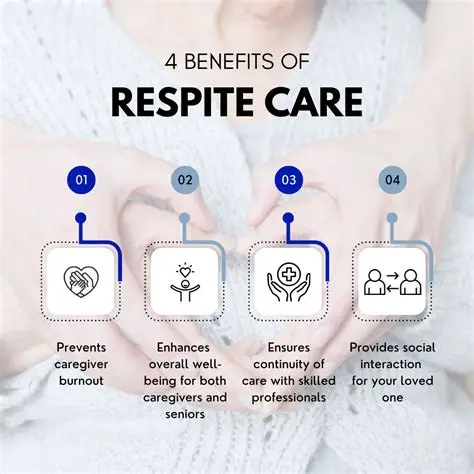
Respite care — temporary relief for caregivers — can be costly, but a variety of funding sources and cost management strategies can help make it more affordable.
Costs and Budgeting: Average respite care costs vary by type and location. In-home respite can range from a few hours to overnight or multi-day stays, with hourly rates adding up over time. Adult day care and short-term facility stays are generally more expensive but may be more convenient for some families. Budgeting should account for both the base rate and any additional services (e.g., skilled nursing, dementia-specific care). Long-term use of respite care can have significant cumulative costs, so planning ahead is essential.
Funding Sources
- Government Programs:
- Medicare: Covers respite care only for patients in hospice and under specific conditions, typically up to five days at a time.
- Medicaid: May cover respite care through state Home and Community-Based Services (HCBS) waivers for eligible individuals.
- Veterans Affairs (VA): Offers up to 30 days of respite care per year for eligible veterans in various settings.
- Private Insurance: Long-term care insurance may include respite coverage, but this varies by policy; private health or employer insurance may also cover certain services.
- Out-of-Pocket: Many families pay directly, sometimes with tax deductions for qualified caregiving expenses.
- Non-Profit & Community Resources: Organizations like the ARCH National Respite Network and local Area Agencies on Aging can connect families with subsidized or grant-based respite care.
Cost-Saving Strategies
- Use short-term or partial-day services to reduce total hours and costs
- Compare providers and rates, and consider volunteer or family caregiver options when possible.
- Leverage Medicaid waivers or VA benefits if eligible.
- Plan for recurring costs by setting aside a dedicated care giving budget.
Key Takeaways: Respite care funding is often a mix of public benefits, private insurance and out-of-pocket payments. Careful budgeting, eligibility checks, and use of community resources can significantly reduce the financial burden and ensure caregivers get the breaks they need.
***
***
SPEAKING: Dr. Marcinko will be speaking and lecturing, signing and opining, teaching and preaching, storming and performing at many locations throughout the USA this year! His tour of witty and serious pontifications may be scheduled on a planned or ad-hoc basis; for public or private meetings and gatherings; formally, informally, or over lunch or dinner. All medical societies, financial advisory firms or Broker-Dealers are encouraged to submit an RFP for speaking engagements: CONTACT: Ann Miller RN MHA at MarcinkoAdvisors1738@outlook.com -OR- http://www.MarcinkoAssociates.com
Like, Refer and Subscribe
SEND IN YOUR TOPIC IEAS, TODAY!
HOSPITALS: http://www.crcpress.com/product/isbn/9781466558731
CLINICS: http://www.crcpress.com/product/isbn/9781439879900
ADVISORS: www.CertifiedMedicalPlanner.org
FINANCE:Financial Planning for Physicians and Advisors
INSURANCE:Risk Management and Insurance Strategies for Physicians and Advisors
Dictionary of Health Economics and Finance
Dictionary of Health Information Technology and Security
Dictionary of Health Insurance and Managed Care
***
Share this:

Filed under: iMBA, Inc. | Tagged: health, Health Insurance, healthcare, Marcinko, mental health, news, respite-care | Leave a comment »

