BOARD CERTIFICATION EXAM STUDY GUIDES Lower Extremity Trauma
[Click on Image to Enlarge]
ME-P Free Advertising Consultation
The “Medical Executive-Post” is about connecting doctors, health care executives and modern consulting advisors. It’s about free-enterprise, business, practice, policy, personal financial planning and wealth building capitalism. We have an attitude that’s independent, outspoken, intelligent and so Next-Gen; often edgy, usually controversial. And, our consultants “got fly”, just like U. Read it! Write it! Post it! “Medical Executive-Post”. Call or email us for your FREE advertising and sales consultation TODAY [678.779.8597] E-mail: MarcinkoAdvisors1738@outlook.com
Medical & Surgical e-Consent Forms
ePodiatryConsentForms.com
iMBA Inc., OFFICES
Suite #5901 Wilbanks Drive, Norcross, Georgia, 30092 USA [1.678.779.8597]. Our location is real and we are now virtually enabled to assist new long distance clients and out-of-town colleagues.
ME-P Publishing
SEEKING INDUSTRY INFO PARTNERS?
If you want the opportunity to work with leading health care industry insiders, innovators and watchers, the “ME-P” may be right for you? We are unbiased and operate at the nexus of theoretical and applied R&D. Collaborate with us and you’ll put your brand in front of a smart & tightly focused demographic; one at the forefront of our emerging healthcare free marketplace of informed and professional “movers and shakers.” Our Ad Rate Card is available upon request [678-779-8597].
Posted on October 15, 2024 by Dr. David Edward Marcinko MBA MEd CMP™
MEDICAL EXECUTIVE-POST–TODAY’SNEWSLETTERBRIEFING
***
Essays, Opinions and Curated News in Health Economics, Investing, Business, Management and Financial Planning for Physician Entrepreneurs and their Savvy Advisors and Consultants
“Serving Almost One Million Doctors, Financial Advisors and Medical Management Consultants Daily“
A Partner of the Institute of Medical Business Advisors , Inc.
Maximum lifespans. The upper limit of human life expectancy is leveling out, according to a new study published in the journal Nature Aging. Back in 1990, life-extending tech and health measures were increasing the average global lifespan by about 2.5 years per decade, but that dropped to 1.5 years per decade in the 2010s and closer to zero in the US, where there are more drug overdoses, shootings, and medical care inequities.
Stocks kicked off the first full week of earnings season at full throttle. The S&P 500 rose to a new intraday record, the Dow closed above 43,000 for the first time ever, and the NASDAQ climbed steadily throughout the trading session.
Bitcoin soared on the news of China’s additional stimulus spending that broke this weekend. Although the Chinese government’s plans are light on details at the moment, the promise of more support for the world’s second largest economy was enough to get crypto traders hyped.
Interestingly enough, those same promises of Chinese stimulus sent oil tumbling to start the day. The selling was exacerbated by OPEC’s announcement that crude demand will fall lower than expected in 2024 and 2025.
Gold sank a hair today as traders weighed Chinese stimulus against a stronger dollar.
The S&P 500® index (SPX) rose44.82points (0.77%) to 5,859.85, a new closing high; the Dow Jones Industrial Average® ($DJI) increased 201.36 points (0.47%) to 43,065.22, also a new closing high; and the NASDAQ Composite®($COMP) added 159.74 points (0.87%) to 18,502.69.
The 10-year Treasury note yield (TNX) did not trade today due to the holiday.
The CBOE Volatility Index® (VIX) slipped to 19.9, its first drop below 20 since October 4.
A slate of corporate earnings reports coming from Goldman Sachs, Bank of America, and Citigroup in the financial sector, along with healthcare giants Johnson & Johnson, Walgreens, and UnitedHealth. And throughout the week: Morgan Stanley will report on Wednesday, Netflix reports on Thursday, and Procter & Gamble and American Express drop their financials on Friday. It’ll pose a big test for the stock market’s $8 trillion rally this year.
Posted on October 14, 2024 by Dr. David Edward Marcinko MBA MEd CMP™
By Staff Reporters
***
U.S. stock markets, including the New York Stock Exchange and the NASDAQ remain open and follow a regular schedule today.
The bond markets will be closed, however.
***
***
Stocks ended last week on a high note, closing out their fifth straight week of gains. The Dow was pushed to yet another new all-time high by strong earnings from JPMorgan, while the S&P 500 was in the green and rose to its own record close, and the NASDAQ clawed its way out of the red by early Friday afternoon.
Bond yields took a breather, falling below 4.1% thanks to a better-than-expected PPI report that helped offset inflation fears that had re-arisen after a worse-than-expected CPI report.
Gold rose as well on PPI news, since the data pointed to a better chance of more rate cuts ahead.
Oil fell a bit but gained over the last two weeks on geopolitical tensions and destruction in the Gulf of Mexico following the two major hurricanes.
According to colleague Dan Ariely PhD, a Zero Sum Bias [ZSB] is the mistaken belief that one person’s gain is another’s loss. It’s like thinking the world is a giant pie with only so many slices. This mindset fuels competition and jealousy, making us forget that collaboration can create more pie. It’s why we sometimes root against others instead of working together.
Question: Is the stock market a zero-sum game? You frequently hear media refer to games and markets as zero-sum games.
Answer: Well, yes, we define the stock market as a zero-sum game, both in the short and in the long term, although it technically is incorrect. A zero-sum game is where one person’s gain is another person’s loss – thus there is no wealth created and the overall benefit is zero. This doesn’t apply to stocks, but it’s a zero-sum game in relation to a stock market benchmark.
For example, short-term trading in stocks is theoretically not a zero-sum game, and neither is long-term investing. But short-term trading is close to a zero-sum game, and long-term investing is a zero-sum game if we use a broad index as a benchmark.
Essentially, in other words, the stock market functions as an expansive network of zero-sum transactions; each trade engages a buyer and a seller–their perspectives on a security’s future value contrasting. These opposing views propel market prices: they mirror not only risk transfer but also potential reward—a dynamic process indeed! Traders and investors must grasp the crucial zero-sum aspect; it underscores trading’s inherent competitiveness. Effectively anticipating market trends and actions from other participants: therein lies success in this environment.
Posted on October 9, 2024 by Dr. David Edward Marcinko MBA MEd CMP™
MEDICAL EXECUTIVE-POST–TODAY’SNEWSLETTERBRIEFING
***
Essays, Opinions and Curated News in Health Economics, Investing, Business, Management and Financial Planning for Physician Entrepreneurs and their Savvy Advisors and Consultants
“Serving Almost One Million Doctors, Financial Advisors and Medical Management Consultants Daily“
A Partner of the Institute of Medical Business Advisors , Inc.
Activist investor takes $1 billion stake in Pfizer. The firm Starboard Value has amassed a stake in the pharma giant, which has struggled after reaching new heights during the pandemic, in hopes of turning the company around.
If you can’t beat ‘em, join ‘em: WW International, akaWeightWatchers,soared 46.95% after the company announced it will begin offering GLP-1 weight-loss drugs.
Nvidia rose 4.05% after the Foxconn CEO told CNBC that AI demand is still incredibly strong.
Palantir popped 6.58% after the CTO of the data analytics firm appeared on CNBC and told everyone that his company is making mad money.
Welcome to the club: S&P Global announced that DocuSign is replacing MDU Resources Group in the S&P MidCap 400 index, while MDU is moving to the S&P SmallCap 600 index. Docusign rose 6.55% on the news, while MDU gained 2.44%.
Humana finally caught a break when a Bernstein analyst upgraded the stock today, writing that the health insurer has been hurt enough. Shares rose 2.92%.
What’s down
What goes up must come down: Chinese stocks, which have enjoyed an impressive rally recently, came tumbling back to Earth today after the country’s state planner didn’t announce any new stimulus measures. Bilibili fell 12.93%, JD.com lost 7.52%, Alibaba sold off 6.67%, and Nio dropped 8.10%.
Today’s oil selloff pummeled energy stocks: Valero Energy lost 5.31%, while Marathon Petroleum stumbled 7.66%.
The SPX rose 55.19 points (0.97%) to 5,751.15; the Dow Jones Industrial Average® ($DJI) added 126.13 points (0.30%) to 42,080.37; and the NASDAQ Composite® ($COMP) gained 259.01 points (1.45%) to 18,182.92.
The 10-year Treasury note yield (TNX) rose one basis point to 4.03%.
The CBOE Volatility Index® (VIX) sank to 21.24, still above its long-term average.
Posted on October 8, 2024 by Dr. David Edward Marcinko MBA MEd CMP™
By Staff Reporters
***
October continues to be a tough month for stocks, with all three major indexes spending yesterday afternoon in the red. The Dow in particular had a horrible day and dropped over 500 points, while major tech stocks were pushed lower by a series of analyst downgrades.
Oil continued its hot streak yesterday, rising above $77 on the back of geopolitical conflict in the Middle East. That helped ensure that, while everything else fell, energy was the only positive sector in the S&P 500.
Gold has often found itself rising in tandem with crude, though it broke that habit, with the shiny safe haven dropping a hair as investors digest the idea that the Fed’s next interest rate cut may be smaller than they thought.
Bitcoin broke above $64,000 for a moment yesterday only to be yanked back down, as crypto traders ride out the recent volatility.
Posted on October 5, 2024 by Dr. David Edward Marcinko MBA MEd CMP™
MEDICAL EXECUTIVE-POST–TODAY’SNEWSLETTERBRIEFING
***
Essays, Opinions and Curated News in Health Economics, Investing, Business, Management and Financial Planning for Physician Entrepreneurs and their Savvy Advisors and Consultants
“Serving Almost One Million Doctors, Financial Advisors and Medical Management Consultants Daily“
A Partner of the Institute of Medical Business Advisors , Inc.
PayPal completed its first transaction using its proprietary stablecoin to pay an invoice to Ernst & Young. It’s a milestone for the payments company’s advance into cryptocurrency.
The free IRS tax filing software, which was piloted in 12 states for the 2024 tax season, will be available in 24 states for 2025.
Your loss is our gain: Shares of airline stocks popped on the news of Spirit’s problems. Delta Air Lines ascended 3.84%, United Airlines climbed 6.47%, and Frontier Group Holdings soared 16.43%.
Albemarle popped 8.25% on the rumor that mining behemoth Rio Tinto may try to make an acquisition of the lithium miner. Other potential takeover targets rose as well, including Arcadium (up 10%) and SQM (up 3%).
Abercrombie & Fitch rose 9.10% thanks to an upgrade from JP Morgan analysts, who are bullish about the fashion retailer’s recent momentum.
Ubisoft Entertainment skyrocketed 29.87% on the news that the video game maker’s parent company and founders are considering a buyout.
Homebuilder stocks sank on today’s strong jobs report, which propelled treasury yields higher, which means that mortgage rates aren’t getting any lower. D.R. Horton dropped 2.91%, Lennar fell 2.52%, and Toll Brothers lost 2.57%.
Transportation stocks fell thanks to an agreement between port owners and longshoremen to put the recent strike on pause. Moller-Maersk lost 5.37%, while Zim IntegratedShipping Services stumbled 12.55%.
The S&P 500® index (SPX) climbed 51.13 points (0.9%) to 5,751.07 up 0.22% for the week;the Dow Jones Industrial Average® ($DJI) added 341.16 points (0.81%) to 42,352.75, up 0.09% for the week; and the NASDAQ Composite® ($COMP) rose 219.37 points (1.22%) to 18,137.85, up 0.1% for the week.
The 10-year Treasury note yield (TNX) soared 13 basis points to 3.98%, finishing the week up 23 basis points. The 2-year yield rose 37 basis points this week.
The CBOE Volatility Index® (VIX)fell to 18.58 but remains elevated from last month’s lows, likely on geopolitical concerns.
Only 2% of the homes hit by Hurricane Helene in Georgia, North Carolina, and South Carolina had a policy protecting them against catastrophic flooding, according to an analysis by Politico and E&E News.
The US Hiring Pace picked up strongly in September and the unemployment rate ticked down to 4.1%, signs the U.S. economy had continued momentum in a month the Federal Reserve delivered its first interest-rate cut in four years. U.S. employers added 254,000 jobs last month, the Labor Department said Friday.
Posted on October 1, 2024 by Dr. David Edward Marcinko MBA MEd CMP™
MEDICAL EXECUTIVE-POST–TODAY’SNEWSLETTERBRIEFING
***
Essays, Opinions and Curated News in Health Economics, Investing, Business, Management and Financial Planning for Physician Entrepreneurs and their Savvy Advisors and Consultants
“Serving Almost One Million Doctors, Financial Advisors and Medical Management Consultants Daily“
A Partner of the Institute of Medical Business Advisors , Inc.
Despite inflation cooling down, employer health plan costs are heating up, according to a September analysis from consulting firm consulting firm Mercer.
CVS popped 2.38% after the Wall Street Journal reported that major shareholder Glenview Capital Management will meet with company executives to discuss potential strategies to improve the sagging stock.
Nio drove 2.45% higher thanks to a $2 billion cash injection from key shareholders into the Chinese EV company.
STOCKS DOWN
Stellantis, the European company behind Chrysler, Dodge, and Jeep sank 12.49% after it warned that sales in the second half of its fiscal year will come in lower than expected. The bad news pulled down shares of competitors Aston Martin (which fell 24.51%), Ford (a 2% drop),and GM (3.53% lower today).
Carnival beat top and bottom line estimates last quarter, and posted record revenue for the third quarter. But shares stumbled 0.32% on management’s forecast that earnings in the fourth quarter will disappoint. Rival cruise companies all dropped in sympathy: Royal Caribbean fell 0.10%, while Norwegian Cruise Line Holdings tumbled 2.10%.
Here’s where the major stock market benchmarks ended:
The SPX gained 24.26 points (0.42%) to 5,762.48; the Dow Jones Industrial Average® ($DJI) rose 17.15 points (0.04%) to 42,330.15; the NASDAQ Composite® ($COMP) added 69.58 points (0.38%) to 18,189.17.
The 10-year Treasury note yield (TNX) climbed five basis points to 3.8%, near the high of its recent range.
The CBOE Volatility Index® (VIX) eased to 16.66 after climbing above 17 earlier today but remains up from a week ago.
Posted on September 25, 2024 by Dr. David Edward Marcinko MBA MEd CMP™
By Vitaliy Katsenelson CFA
***
INTRODUCTION
STOCK MARKET FAITH
A basic property of religion is that the believer takes a leap of faith: to believe without expecting proof. Often you find this property of religion in other, unexpected places – for example, in the stock market. It takes a while for a company to develop a “religious” following: only a few high-quality, well-respected companies with long track records ever become worshiped by millions of investors.
My partner, Michael Conn, calls these “religion stocks.” The stock has to make a lot of shareholders happy for a long period of time to form this psychological link.
Posted on September 17, 2024 by Dr. David Edward Marcinko MBA MEd CMP™
By Staff Reporters
***
***
Stocks were mixed yesterday as Wall Street waits for the Fed to cut interest rates tomorrow. The Dow Jones Industrial Average closed at a record high and the S&P 500 inched up. But the tech-heavy NASDAQ slipped, partly because Apple fell after analysts pointed out that demand for the iPhone 16 hasn’t equaled the kind of frenzy new models commanded in the past.
***
Boeing seeks to hoard its cash. While dealing with a strike by 30,000 unionized factory workers that has shut down production of its 737 planes and could cost the company $500 million a week, Boeing has instituted a hiring freeze and other money-saving measures.
Posted on September 16, 2024 by Dr. David Edward Marcinko MBA MEd CMP™
MEDICAL EXECUTIVE-POST–TODAY’SNEWSLETTERBRIEFING
***
Essays, Opinions and Curated News in Health Economics, Investing, Business, Management and Financial Planning for Physician Entrepreneurs and their Savvy Advisors and Consultants
“Serving Almost One Million Doctors, Financial Advisors and Medical Management Consultants Daily“
A Partner of the Institute of Medical Business Advisors , Inc.
Nearly a year after filing for Chapter 11, Rite Aid announced on September 3 that the company has exited the bankruptcy process and will move forward as a private company. The retail pharmacy chain filed for bankruptcy in October 2023 as it struggled to keep up with competitors CVS and Walgreens, in addition to mounting debt, falling revenue, and multimillion-dollar opioid settlements.
Stocks wrapped up a comeback last week, with all three major indexes ending the trading session on a high note. Both the S&P 500 and the NASDAQ enjoyed five straight winning days, and both indexes had their best week of the year. Gold continued to break records today, as the double whammy of forthcoming rate cuts and a declining dollar sent the precious metal soaring. Oil rose a bit today after Hurricane Francine passed over the Gulf of Mexico and output began to normalize. Bitcoin staged a late afternoon rally to end the week over 9% higher than where it started, as investors embraced risk and optimism swept through markets.
There are two distinct forms of financial analysis investment strategies often used by medical colleague investors who desire to pursue an active investment strategy.
Technical Analysis: Technical analysts, sometimes referred to as chartists, use historical price data and transaction volume data to identify mis-priced securities. A key belief shared by technical analysts is that stock prices follow recurring patterns and that once these historical patterns are identified, they can be used to identify future security prices. The heart of technical analysis is identifying significant shifts in the macro/micro economic supply and demand factors for a particular securities investment.
Skeptics of technical analysis generally subscribe to the notion that the markets efficiently and accurately price securities. In fact, the weak form of the Efficient Market Hypothesis [EMH] is based on the view that investors cannot consistently earn superior returns using historical data and technical analysis alone.
Fundamental Analysis: In contrast to technical analysis – which relies on historical market returns / transactions data – fundamental analysis focuses on the underlying company’s assets, earnings, risks, dividends and intrinsic security factors to identify mis-priced securities.
Furthermore, investors using fundamental analysis can use either a top-down or bottom-up approach:
The top-down investor starts with global economics, including both international and national economic indicators. These may include GDP growth rates, inflation, interest rates, exchange rates, productivity and energy prices. They subsequently narrow their search to regional / industry analysis of total sales, price levels, the effects of competing products, foreign competition and entry or exit from the industry. Often they refine their search to the best business in the area being studied.
The bottom-up investor starts with specific businesses, regardless of their industry / region, and proceeds in reverse of the top-down approach. Bottom-up investing is an approach that focuses on analyzing individual stocks and de-emphasizes the significance of macroeconomic and market cycles. In other words, bottom-up investing typically involves focusing on a specific company’s fundamentals, such as revenue or earnings, versus the industry or the overall economy. The bottom-up investing approach assumes individual companies can perform well even in an industry that is under performing, at least on a relative basis.
And so, a medical professional utilizing fundamental analysis is attempting to find securities that are trading at market prices below their intrinsic value. Skeptics suggest this is difficult or almost impossible to achieve.
Thus, while technical analysis focuses on market price history, a security’s intrinsic fundamental analysis is determined independent of the security’s market value. Of course, a combination of both fundamental and technical analysis can also be considered.
Posted on January 21, 2024 by Dr. David Edward Marcinko MBA MEd CMP™
By Staff Reporters
***
***
Four U.S. banks warned of lower interest income for this year on Friday, capping a week of dour commentary from the industry that has been under pressure from high deposit costs. After more than a year of booking strong profits on the back of the high interest they were able to charge on loans, banks are contending with a string of challenges heading into 2024, including weaker loan growth and potentially tougher capital rules.
Markets: Investors saw the S&P 500 and the Dow finished Friday at all-time highs. Soaring tech stocks helped the S&P blow past both intra-day and closing records set in January 2022.
Stock spotlight: Spirit Airlines had a bumpy ride this week. After falling for days, the budget carrier took off when it raised its forecast and said it still believes in the deal for JetBlue to buy it that a judge has blocked. Spirit and JetBlue also filed an appeal to try to save the merger.
The S&P 500 heads into the week at its highest level of the year after Friday’s solid jobs report suggested that the Fed could be all clear for a “soft landing”—bringing inflation back to normal without sending the economy into a recession. The S&P and Dow have posted gains for six straight weeks, their longest streak since 2019.
***
But, the week’s big winner was Paramount, which spiked on reports that Shari Redstone might sell the entertainment giant.
Posted on November 14, 2023 by Dr. David Edward Marcinko MBA MEd CMP™
By Staff Reporters
***
***
DEFINITION: In the USA shutdowns occur when funding legislation required to finance the Federal Government is not enacted before the next fiscal year begins. In a shutdown, the federal government curtails agency activities and services, ceases non-essential operations, furloughs non-essential workers, and retains only essential employees in departments that protect human life or property. Shutdowns can also disrupt state, territory and local levels of government.
Fortunately, prices held steady for consumers and are growing at a slower pace, the U.S. government just reported Tuesday morning, as overall prices in October were the same as what consumers paid in September.
The Bureau of Labor Statistics says prices in October were unchanged as gasoline prices declined and shelter costs continued to rise. The Consumer Price Index rose 3.2% compared to a year ago, the latest sign that inflation is slowing down as interest rates rise and the job market gives up some of its recent strength.
And, the stock markets rocked upward as Presidents Biden and Xi meet in San Francisco and Congress counts down toward a possible government shutdown. As stocks were a mixed bag yesterday as investors kept their eyes trained on Washington for the latest inflation good news data and to see whether lawmakers can hammer out a budget deal to keep the government from shutting down on Friday.
Yet, Boeing stock took off following reports that China may soon end its freeze on the 737 Max, as well as the announcement of several deals for new aircraft, including Emirates’s $52 billion order for 95 planes.
Posted on October 7, 2023 by Dr. David Edward Marcinko MBA MEd CMP™
By Staff Reporters
***
***
Here is where the major benchmarks ended this week:
The S&P 500 Index rose 50 points (1.2%) to 4,308.52 and gained 0.5% for the week; the Dow Jones Industrial Average (DJI) was up 288 points (0.87%) at 33,407.58 but was down 0.3% for the week; the NASDAQ Composite was up 211 points (1.6%) at 13,431.34 and gained 1.6% for the week.
The 10-year Treasury note yield was up eight basis points at 4.788%.
CBOEs Volatility Index (VIX) fell one point to 17.47.
Energy shares were among the market’s strongest sectors behind a rebound in crude oil futures, though oil prices still ended down more than 8% for the week. Technology and industrial stocks were also strong.
Small-caps joined the upswing as the Russell 2000 Index (RUT) gained over 1% Friday but still ended the week with a loss of nearly 2%.
Posted on September 28, 2023 by Dr. David Edward Marcinko MBA MEd CMP™
By Staff Reporters
***
***
Stocks are diving recently, giving the Dow its worst day since March as new data on declining home sales and consumer confidence gave investors the recession-could-be-coming jitters again.
And, Amazon dipped after the FTC filed its long-awaited anti-monopoly suit against the company. The FTC and 17 states delivered a sweeping lawsuit accusing the trillion-dollar e-commerce company of being an illegal monopoly. It’s the fourth lawsuit levied by the FTC against Amazon this year and easily the one with the most profound consequences for US antitrust legislation. The FTC and state attorneys general allege that Amazon abused its power by punishing sellers if they offered lower prices on other platforms, a practice that led to higher prices for consumers. Sellers on the marketplace were also allegedly coerced to use Amazon’s logistics and advertising services or face penalties like reduced visibility.
Meanwhile the FTC is also looking to break up both Google and Facebook but it is unclear if that’s the real goal here. The FTC asked for a permanent injunction to stop alleged misconduct. Bad news for Google which celebrates its’ 25th birthday today.
Posted on August 25, 2023 by Dr. David Edward Marcinko MBA MEd CMP™
By Staff Reporters
***
***
There are certain types of stocks, bonds and mutual funds that perform better when the market is in decline. Seasoned investors tend to survive bear markets by focusing on the stocks of companies that make products necessary for daily life. Companies that often thrive in a recessionary environment are defensive stocks that provide products and services people simply cannot live without. Stocks included in this list are considered to be defensive by Wall Street analysts.
These type of stocks have performed -5.35% over the past year. By comparison, the S&P 500 is 7.13% over the same period. These types of stocks include: 30.00% of Consumer Cyclical stocks, 30.00% of Consumer Non-Cyclical stocks, 20.00% of Healthcare stocks, 10.00% of Technology stocks and 10.00% of Energy stocks.
Bear markets and recessions also tend to present themselves when market prices have been rising for a time; and investors are feeling irrationally exuberant. But, some markets have seen downturns in 2022 and 2023.
Here is where the major benchmarks ended yesterday:
The S&P 500® Index fell 60 points (1.35%) to 4,376.31; the Dow Jones Industrial Average (DJIA) fell 374 points (1.08%) to 34,099.42; the NASDAQ Composite fell 257 points (1.87%) to 13,463.97.
The 10-year Treasury note yield (TNX) rose 4 basis points to 4.236%.
CBOE’s Volatility Index (VIX) rose roughly 1 point to 17.08.
Consumer discretionary was the weakest sector Thursday, as heavyweight constituents Amazon (AMZN) and Tesla (TSLA) both slid around 2.5%, with communication services and tech right behind. No sector was higher for the day.
Posted on June 24, 2023 by Dr. David Edward Marcinko MBA MEd CMP™
By Staff Reporters
***
***
U.S. stocks slipped on Friday, yesterday, with Wall Street’s benchmark gauge notching its worst week since early March. Equities have stalled in the last few days as the rally has taken a breather.
The tech-heavy NASDAQ Composite (COMP.IND) retreated 1.01% to end at 13,492.52 points, while the S&P 500 (SP500) closed 0.76% lower at 4,348.37 points. The blue-chip Dow (DJI) fell 0.64% to settle at 33,728.69 points.
On a weekly basis, the S&P was down 1.39%, the NASDAQ was down 1.44% while the Dow was down 1.67%.
***
The following companies had stock price moves driven by quarterly earnings or analyst ratings:
3M (MMM) agreed to pay up to $12.5 billion to settle hundreds of lawsuits brought by cities that claimed their drinking water had been contaminated by the company’s chemicals. 3M shares still ended with a gain of 0.3%.
C3.ai (AI) shares dropped sharply after Deutsche Bank reiterated its “sell” rating, saying the company hadn’t differentiated itself from other artificial intelligence firms at its investor day. C3 shares fell nearly 11%.
CarMax (KMX) reported quarterly revenue at $7.7 billion, down 17% from a year earlier but still surpassing Wall Street expectations. Shares of the used car retailer rose 10%.
Chipotle (CMG) had its share price target boosted by KeyBanc, which cited sustained traffic momentum and pricing power as inflation for avocado and chicken prices remains tame. Shares of the restaurant chain still ended down about 0.3%.
Delta Air Lines (DAL) had its share price target raised to $55 from $48 by Barclay’s, which cited optimistic expectations for near-term earnings. The airline’s shares still fell about 0.2%.
Ford (F) plans a new round of layoffs for U.S. salaried workers, the Wall Street Journal reported late Thursday. It’s unclear how many jobs will be affected. Ford has said it’s working to get costs in line as it transitions to electric vehicles. Its shares fell about 1.2%.
Starbucks (SBUX) shares fell following reports a union representing workers said some stores would strike beginning Friday. The coffee chain’s shares fell 2.5%.
Under Armour (UAA) shares were downgraded to “equal weight” from “overweight” by Wells Fargo, which cited overexposure to North America, excess inventory, and a fairly new CEO. The athletic apparel company’s shares fell nearly 3%.
Virgin Galactic (SPCE) shares fell sharply following reports the space tourism company had raised $300 million through a common stock offer. Its shares dropped more than 18%.
Wayfair (W) shares were upgraded to “market perform” from “underperform” by MoffettNathanson, which said the online retailer was benefiting from the bankruptcy of Bed Bath & Beyond. Wayfair shares rose about 0.4%.
Among other companies, Carnival Corp. (CCL) is expected to report quarterly results Monday. The cruise operator is expected to report a loss of 35 cents per share for the previous quarter, narrower than the $1.64 per share loss for the same period a year earlier, according to NASDAQ. Walgreens Boots Alliance (WBA), Micron Technology (MU), and General Mills (GIS) are also scheduled to report results next week.
Posted on June 15, 2023 by Dr. David Edward Marcinko MBA MEd CMP™
By Staff Reporters
UnitedHealth Group expects to spend more of its members’ premiums on medical care in the second quarter, driven by a rise in outpatient care for Americans 65 and older in Medicare plans, CFO John Rex said Tuesday at a Goldman Sachs investor conference. Speaking at a Goldman Sachs healthcare conference, Tim Noel, CEO of UnitedHealth’s Medicare and retirement business, pointed to elevated demand for outpatient procedures from Medicare patients, per Reuters.
“We’re seeing that more seniors are just more comfortable accessing services for things that they might have pushed off a bit like knees and hips,” Noel reportedly said at the conference. The elevated demand is expected to increase the company’s second-quarter costs and premiums look set to lag spending on claims. As a result, UnitedHealth said it expects its medical loss ratio for full-year 2023 to be in the upper end of its prior outlook.
But, following the news, RBC Capital analyst Ben Hendrix reiterated UnitedHealth with an Outperform and maintained its $592 price target. Mizuho analyst Ann Hynes also reiterated UnitedHealth with a Buy and a $600 price target.
The S&P 500 Index was up 3.58 points (0.1%) at 4,372.59; the Dow Jones Industrial Average (DJIA) was down 232.79 (0.7%) at 33,979.33; the NASDAQ Composite was up 53.16 (0.4%) at 13,626.48.
The 10-year Treasury note yield (TNX) was down about 4 basis points at 3.80%.
Cboe’s Volatility Index (VIX) was down 0.74 at 13.87.
Regional banks and retail were among the weakest sectors Wednesday. The KBW Regional Banking Index (KRX) tumbled from a 14-month high earlier in the day, ending down nearly 3%. Small-caps stocks also took a hit, as the Russell 2000 Index (RUT) fell 1.2%. The U.S. Dollar Index (DXY) rebounded sharply from a four-week low, boosted by the indications rates will stay higher for longer.
Posted on June 14, 2023 by Dr. David Edward Marcinko MBA MEd CMP™
By Staff Reporters
FLAG DAY 2023
***
***
Measured year over year, inflation slowed to just 4 per cent in May — the lowest 12-month figure in over two years and well below April’s 4.9 per cent annual rise. The pullback was driven by tumbling gas prices and smaller increases in grocery prices and other items.
***
Here is where the major benchmarks ended, today:
The S&P 500® Index was up 30.08 points (0.7%) at 4,369.01; the Dow Jones industrial average was up 145.79 (0.4%) at 34,212.12; the NASDAQ Composite was up 111.40 (0.8%) at 13,573.32.
The 10-year Treasury note yield (TNX) was up about 6 basis points at 3.829%.
CBOE’s Volatility Index (VIX) was down 0.4 at 14.61.
Regional banks and oilfield services stocks led the gainers Tuesday. Crude oil futures rose 3% on expectations of stronger demand from China. Small-caps were also strong, with the Russell 2000 Index (RUT) rising more than 1% to its highest level since early March. The U.S. Dollar Index (DXY) fell to its lowest level in more than three weeks thanks to expectations interest rates could be near their peak.
Posted on June 4, 2023 by Dr. David Edward Marcinko MBA MEd CMP™
By Staff Reporters
***
***
The US kept adding jobs according to new data from the Bureau of Labor Statistics. The economy gained 339,000 pay-rolled employees in May, more than in each of the preceding three months and way more than the 190,000 Dow Jones predicted (to be fair, expert estimates low-balled 13 of the last 16 job reports, according to CNBC. This growth happened despite climbing interest rates, inflation, recent bank failures, and a nerve-racking debt ceiling standoff that threatened to destroy the economy And, Wall Street interpreted the data as a big green “buy” sign. For example:
Stocksleaped up last week as investors celebrated the deal to lift the debt ceiling being showed that the economy is still going strong. In fact, Lululemon stretched toward the heavens after beating earnings expectations thanks to a 24% year over year jump in sales.
But not all indications pointed to the hot streak continuing indefinitely.
The unemployment rate inched, wage growth slowed, and workers appear less self-assured in the labor market:
The self-employed lost 369,000 people from its ranks in May, a possible sign that folks might be ditching the self-employment for the security of a traditional employer.
And, recent data shows the quit rate has declined from an all-time high in late 2021, bringing an end to the pandemic job-hopping trend dubbed the Great Resignation.
Ultimately, the Fed will have to use the conflicting and mixed economic indicators to decide whether to further crank up interest rates at their next meeting. The Federal Reserve has been hinting that it might cease raising interest rates, and investors seem convinced the central bank will follow through and at least “skip” a hike this month even though the labor market is still radiating heat.
Posted on January 24, 2023 by Dr. David Edward Marcinko MBA MEd CMP™
By Staff Reporters
***
***
U.S. stocks were higher, extending the rally from late last week, as Q4 earnings season is set to shift into high gear tomorrow. The markets also prepared for next week’s Fed monetary policy decision, with the Central Bank expected to slow down on their tightening campaign. The economic calendar was light, with the only report being the Leading Economic Index, which indicated a tenth-straight monthly decline and bolstered Fed expectations.
Treasury yields rose, and the U.S. dollar nudged higher, while crude oil prices were mostly unchanged, and gold gained ground. Equity news was relatively light before the week’s earnings storm, as Elliott Investment Management reportedly took a multi-billion dollar stake in Dow member Salesforce, and Evoqua Water Technologies agreed to be acquired by Xylem Inc. for roughly $7.5 billion.
Asian and European stocks finished higher, although trading volume in Asia was lower than usual as several markets were closed for the Lunar New Year holiday.
***
Spotifyannounced that it will lay off about 600 employees, or 6% of its workforce, in the latest Big Tech recession hedge. The shakeup could signal a pivot in the company’s podcast strategy. Like most of the other major tech companies making cuts, Spotify cited overly ambitious pandemic growth as the primary cause, and CEO Daniel Ek took “full accountability.” Along with the layoffs, Ek announced a major departure from the audio streamer: Chief Content Officer Dawn Ostroff, who was the driving force behind the company’s $1+ billion podcasting arms race to sign deals with companies like Gimlet and high-profile talent like Barack and Michelle Obama, Prince Harry and Meghan Markle, and Joe Rogan.
Posted on January 10, 2023 by Dr. David Edward Marcinko MBA MEd CMP™
By Staff Reporters
***
***
U.S. stocks were mixed as the markets came off the highest levels of the day. While this week will begin somewhat light, we will get the start of December’s inflation picture, courtesy of the Consumer Price Index, as well as the start of Q4 earnings season.
Equity news offered varying results, as Lululemon Athletica and Macy’s provided Q4 guidance that disappointed the Street, while shares of Duck Creek Technologies soared after the company agreed to be acquired by Vista Equity Partners for about $2.6 billion.
Treasury yields were lower, and the U.S. dollar dropped, while crude oil prices rose, along with gold. The economic front was quiet today, with the only report being a read on consumer credit, which came in below expectations.
Asian stocks increased, though Japanese markets were closed for a holiday, and markets in Europe were mostly higher. The global markets were boosted by optimism regarding the continued reopening of China and as investors awaited this week’s U.S. inflation data.
Considered for years to be a “duopoly” over the advertising industry, they are on track to account for only 48.4% of US ad revenues this year. It’s the first time their market share has fallen below 50% since 2014, per Insider Intelligence.
Posted on December 28, 2022 by Dr. David Edward Marcinko MBA MEd CMP™
By Staff Reporters
***
***
U.S. equities were mixed on the first trading session of the week following the long holiday weekend. The markets reacted to a host of economic data that was released, as home prices decreased on a seasonally adjusted basis, the trade deficit narrowed much more than expected, wholesale inventories increased, and manufacturing activity in the Dallas region contracted more than predicted.
Equity news was light, but shares of Southwest Airlines declined after the U.S. Department of Transportation said that it would examine the mass flight cancellations and delays. Additionally, Tesla’s shares fell after the company announced that it plans on running a reduced production schedule at its Shanghai factory.
Treasury yields continued to rise, and the U.S. dollar dipped, while crude oil prices were little changed, and gold was solidly higher.
Asian equities increased, led by mainland Chinese stocks, after the Chinese government announced that it would put an end to quarantine restrictions for inbound travelers effective early January.
Markets in Europe were mixed amid improved sentiment in the wake of the news.
Posted on December 24, 2022 by Dr. David Edward Marcinko MBA MEd CMP™
By Staff Reporters
***
***
IRS pauses rule requiring people to report PayPal, Venmo transactions over $600. To avert taxpayer confusion in the upcoming tax season, the IRS is delaying a rule that would have required e-commerce sites and payment platforms like eBay Etsy and PayPal to send out tax paperwork to a much wider swath of people in 2023.
And, U.S. equities ended the day higher and the week mixed. The S&P 500 and NASDAQ posted a third-straight week of losses, while the Dow was able to buck the trend by posting a weekly gain. The moves came amid a day full of economic reports that offered varying results. Personal income rose slightly, and the Fed-favored inflation gauge showed continued moderation, new home sales surprisingly rose, and consumer sentiment was revised higher.
However, durable goods orders fell noticeably, and personal spending came in softer than expected. Treasury yields were higher, and the U.S. dollar was lower, while crude oil and gold prices traded to the upside. News on the equity front was in short supply, but Meta Platforms garnered attention after it agreed to settle a class action lawsuit for $725 million.
Finally, Asian stocks finished lower amid some disappointing data out of Japan, while markets in Europe diverged heading into the long holiday weekend.
Posted on December 18, 2022 by Dr. David Edward Marcinko MBA MEd CMP™
By Staff Reporters
***
***
Here are some of the companies the Yahoo Finance team suggests you watch?
Kraft Heinz (KHC) may be on the road to recovery. It announced stronger-than-expected earnings, with CEO Miguel Patricio saying that the company is making “good progress” on identifying the problems with its past performance. But he admitted they’re still delivering results “below our potential.”
Altria’s (MO) third-quarter earnings beat Wall Street estimates but the company revealed it is writing down a third of its investment in Juul. The company wrote-down $4.5 billion of its $12.8 billion investment in the vaping company. Juul is facing lawsuits and potential new regulations after an outbreak of vaping related illnesses.
Ford (F) and the UAW have reached an agreement to hold-off a strike. The new contract includes $6 billion worth of investment in U.S. facilities and adding 8,500 jobs to Ford’s workforce. This deal is expected to follow the same guidelines as the GM contract and include lump-sum payments and wage increases.
Former Secretary of State and Exxon Mobile (XOM) CEO Rex Tillerson is insisting that Exxon Mobile did not lie about the company’s plan for the financial risks of climate change. Tillerson testified for three and a half hours in the securities fraud trial in New York, denying that the company’s plans were meant to dupe investors. Exxon Mobile earnings are due out tomorrow before the opening bell.
Finally, it could be a very Merry X-mass for Hershey (HSY). A recent survey found Reese’s Peanut Butter Cups, made by Hershey, are the No. 1 favorite candy for Halloween. Snickers, made by privately-owned Mars, were a distant second. The National Retail Federation says Americans will spend $2.6 billion on Halloween candy this year.
Posted on December 17, 2022 by Dr. David Edward Marcinko MBA MEd CMP™
By Staff Reporters
***
***
U.S. equities declined, posting a second-straight weekly loss, as recession worries have ratcheted higher in the wake of a host of global central bank actions earlier this week. The Fed’s mid-week 50 basis point rate increase was followed by similar actions from the European Central Bank, the Bank of England, and Swiss National Bank. The moves came amid an evident slowdown in global economic growth, with data released today showing most manufacturing and services PMIs domestically and across the globe continue to see a contraction in activity, adding fuel to the recessionary fears.
Treasury yields diverged, and the U.S. dollar was little changed, while crude oil prices fell, and gold traded to the upside. The equity front was relatively quiet, but Adobe’s quarterly results beat the Street on the top line, and the company reaffirmed its guidance, while shares of Darden Restaurants fell despite posting better-than-expected earnings and an upbeat outlook.
Asian stocks were mixed and European stocks saw widespread losses, as the global markets continued to digest the flood of monetary policy decisions around the world.
Posted on December 16, 2022 by Dr. David Edward Marcinko MBA MEd CMP™
By Staff Reporters
***
***
U.S. stocks fell amid a host of monetary policy decisions globally. The markets continued to digest the economic implications of yesterday’s 50-bp rate hike from the Fed, which was followed by 50-bp increases from the European Central Bank, Bank of England, and Swiss National Bank earlier today. The economic calendar provided a host of data, as retail sales decreased more than expected, industrial production declined, and manufacturing activity in New York and Philadelphia both contracted, though jobless claims moderated much more than expected.
The equity front was relatively quiet, but Lennar Corporation posted mixed results and offered some cautious guidance, while Netflix saw pressure from a report about softer-than-expected ad-supported viewership.
Treasury yields were lower, and the U.S. dollar gained ground, while crude oil prices declined, and gold dropped. Asian and European stocks finished broadly lower, as the global markets digested mixed data and a flood of monetary policy decisions around the world.
Posted on December 3, 2022 by Dr. David Edward Marcinko MBA MEd CMP™
By Staff Reporters
***
***
Happy 30th birthday to texting! On this day 30 years ago, the first SMS message was sent.
U.S. equities were mixed and ended near the starting line as investors digested the highly anticipated November labor report which showed stronger-than-expected job growth.
Nonfarm payrolls, private sector payrolls, and average hourly earnings all rose more than estimates, while the unemployment rate remained at October’s level. The report seemed to temper market expectations for a less aggressive Fed in the near-term, as hopes for such intensified earlier in the week after Fed Chair Powell suggested that the Central Bank could slow the pace of its tightening campaign as early as this month.
Treasury yields diverged following the data, and the U.S. dollar dipped, while crude oil prices decreased in choppy trading, and gold pulled back from yesterday’s solid rise.
Earnings reports continued to trickle in, with Marvell Technology falling short of expectations on both the top and bottom lines and slashing its guidance, while Ulta Beauty trounced the Street’s forecasts amid soaring same-store sales growth. In fact, ULTA posted splendid third-quarter fiscal 2022 results, with the top and the bottom line cruising past the Zacks Consensus Estimate and increasing year over year. The company witnessed growth in all major categories and in all its store and digital channels. Ulta Beauty also saw a higher market share in prestige beauty compared with the year-ago period.
The labor report dominated today’s economic calendar, but next week will introduce some notable releases, including December’s Producer Price Index, reads on the services sector, consumer sentiment, and more.
Asian stocks finished with broad losses, and European stocks ended mixed, as the global markets searched for some clarity on China’s latest moves regarding its COVID-related restrictions.
Posted on December 2, 2022 by Dr. David Edward Marcinko MBA MEd CMP™
By Staff Reporters
***
***
The cost of gasoline is falling so fast that it is beginning to put real money back in the pockets of drivers, defying earlier projections and offering an unexpected gift for the holidays.Filling up is now as cheap as it was in February, just before Russia’s invasion of Ukraine touched off a global energy crisis. AAA reported the average nationwide price of a gallon of regular Wednesday was $3.50, and gas price tracking company GasBuddy projected it could drop below $3 by Christmas. And all of that relief probably helped drive robust shopping over Thanksgiving weekend.
U.S. stocks ended mixed in a choppy trading session. The market struggled to continue yesterday’s surge, which came as Fed Chairman Jerome Powell provided some less hawkish commentary. The Fed Chief suggested that the Central Bank could slow the pace of its aggressive rate hiking campaign as early as this month.
The economic front provided some reports that shaped market action, as personal income and spending rose solidly and inflation cooled off but remained elevated, while jobless claims moderated more than expected. However, the ISM Manufacturing Index fell into contraction territory for the first time since May 2020, and construction spending declined more than expected. Earnings reports continued to pour in, as Kroger topped expectations, while Costco Wholesale’s November sales growth came in below predictions, and Dollar General missed earnings estimates while also providing some disappointing guidance.
Additionally, Dow member Salesforce’s billings performance missed, and the company announced that its co-CEO will step down.
Treasury yields and the U.S. dollar extended yesterday’s drops, while crude oil and gold prices rallied.
Asian stocks gained ground and European stocks ended mostly higher, as the global markets appeared to get some relief from the Fed Chair’s commentary but economic data was lackluster.
Posted on November 22, 2022 by Dr. David Edward Marcinko MBA MEd CMP™
By Staff Reporters
***
***
U.S. stocks declined in the first session of the holiday-shortened week, as the economic docket was void of any major releases. The economic calendar will heat up on Wednesday, with reports on durable goods orders, manufacturing and services PMIs, consumer sentiment, and new home sales, as well as the minutes from the Fed’s November monetary policy meeting.
The equity front was also quiet today, but Dow member Walt Disney Company’s announcement that Robert Iger is returning to the company as CEO boosted its shares. In other equity news, Dow component Merck & Co. Inc. announced a $1.35 billion acquisition of clinical stage biotech company Imago BioSciences Inc.
The Treasury yield curve continued to invert ahead of this week’s economic data and following recent positive inflation reports, though the U.S. dollar rallied. Crude oil prices extended a recent decline and gold was lower.
Asian stocks finished mostly lower amid lingering COVID concerns in China, and European stocks ended the day mixed as the global markets continued to assess the trajectory of monetary policies across the world.
Posted on November 21, 2022 by Dr. David Edward Marcinko MBA MEd CMP™
By Staff Reporters
***
***
Markets: It’ll be a short but stuffed Turkey Day week for investors. In the lead-up to Thanksgiving, when markets will close, we’ll get another batch of earnings reports and minutes from the previous Fed meeting. Traders will have to clock in on Black Friday for a half day.
Stock spotlight: The e-scooter rental company Bird is probably grateful that FTX’s implosion is stealing the spotlight from its own collapse. Last week, the company said it overstated revenue for more than two years and is warning it could go bankrupt if things don’t turn around. Currently a penny stock, Bird will be de-listed by the NYSE if its share price doesn’t rise above $1 by the end of the year.
Disney just announced that former CEO Bob Iger would return to his role atop the entertainment giant, replacing his successor Bob Chapek, who’s been CEO for less than three years.After leading the company for 15 years, Iger handed over the reins to Chapek in February 2020. It was an unexpected choice, given that streaming boss Kevin Mayer was seen as a more likely heir to the Disney throne than Chapek, who led the parks and entertainment division. But Iger had reportedly handpicked Chapek as his successor, and repeatedly said he was satisfied with being retired. “I can’t think of a better person to succeed me in this role,” Iger said in March 2020.
Elizabeth Holmes, the founder and former CEO of the doomed medical startup firm Theranos, has been sentenced to 11.25 years in prison for her role in defrauding investors and consumers about the potential of her company’s blood-testing device.
Holmes’ sentence will be followed by three years of supervised release. She will be required to self-surrender at a later date, according to NBC.
***
U.S. equities ended the day higher and the week mostly lower in a choppy trading session, as investors digested mixed corporate results and some disappointing economic data. Earnings were in focus with the season coming to a close, as Applied Materials handily beat the Street’s forecasts and upped its guidance, Gap posted a profit on the back of a tax benefit, making it unclear if it is comparable to forecasts, and Williams-Sonoma saw record earnings growth but fell short of predictions.
Economic reports were lackluster, as existing home sales slumped amid the persistent rise in interest rates, and the Leading Economic Index tumbled double what was expected.
Treasury yields rose following the economic data, as did the U.S. dollar, while crude oil and gold prices declined.
European stocks were higher despite geopolitical tensions remaining, and as the markets continued to digest the U.K. budget announcement. Markets in Asia finished out a volatile week mixed in a quiet trading session.
Posted on November 18, 2022 by Dr. David Edward Marcinko MBA MEd CMP™
By Staff Reporters
***
***
U.S. equities ended the day lower in a cautious trading session as the markets reacted to a host of economic and corporate data. Investors also weighed comments from Fed officials who signaled that the rate-hiking campaign to slow the pace of inflation is not considered sufficiently restrictive.
On the economic front, housing starts and building permits fell, jobless claims moderated slightly more than expected, while manufacturing activity in Philadelphia tumbled.
Earnings reports again offered mixed results, as Cisco Systems beat on both the top and bottom lines, but NVIDIA fell well short of estimates amid the continued problems plaguing the chip industry, and Macy’s topped forecasts amid strength in its luxury units.
Treasury yields were higher, and the U.S. dollar rose, while crude oil prices fell, and gold lost ground.
European stocks were lower for the most part, as geopolitical tensions dampened investor sentiment, and as the U.K. announced its new budget plans. Markets in Asia finished mostly lower amid weakness in technology stocks.
The S&P 500 (^GSPC) shed over 2%, while the Dow Jones Industrial Average (^DJI) fell by nearly 650 points, or roughly 2%. The technology-heavy Nasdaq Composite (^IXIC) dragged down by almost 2.5%, or 260 points.
Meanwhile, volatility in the cryptocurrency markets continued as Binance Holdings ditched its plans of acquiring FTX.com, which has experienced some liquidity issues. Earnings reports continued to trickle in, with Dow member Walt Disney Company missing Q4 expectations. In other equity news, Meta Platforms announced large-scale layoffs as the company tries to become a more leaner communication services firm.
Treasuries were mixed, and the U.S. dollar was solidly higher, while crude oil prices fell, and gold saw some pressure. Economic news was light, with mortgage applications falling for a seventh-straight week.
Asia finished mixed following some Chinese inflation data, and Europe also diverged.
Posted on November 5, 2022 by Dr. David Edward Marcinko MBA MEd CMP™
By Staff Reportersand BLS
***
***
U.S. equities posted a weekly loss, despite ending the day higher in a choppy trading session, following a larger-than-expected increase in non-farm payrolls for October, 2022. The choppiness came amid an increase in the unemployment rate that was also above estimates, and in the wake of FOMC Chair Powell’s comments earlier this week, in which he reiterated the central bank’s aim at cooling the robust labor market.
Earnings surprises were mostly positive, as Amgen bested expectations and upped its guidance, Starbucks also exceeded estimates despite a tumble in sales in China, and PayPal posted upbeat results and announced a collaboration with Apple, while DoorDash rose despite posting a wider-than-expected loss.
Treasury yields were mixed, and the U.S dollar erased all of yesterday’s rally, while crude oil and gold prices surged.
Overseas, Asian stocks were higher for the most part, led by a rally in the Hong Kong markets. European stocks ended the volatile week on a positive note, as the international markets continued to digest the implications of monetary policy actions from central banks all over the world.
Posted on November 4, 2022 by Dr. David Edward Marcinko MBA MEd CMP™
By Staff Reporters
***
***
U.S. equities extended yesterday’s sharp drop that followed the Federal Reserve’s fourth-straight 75-basis point rate hike and some hawkish comments. As a result of the Fed’s monetary policy decision, Treasury yields and the U.S. dollar climbed noticeably higher. The Fed’s rate hike was trailed by today’s announcement from the Bank of England to hike its benchmark interest rate by 75 bps, though it tried to suppress expectations of future aggressiveness of that magnitude. The U.S. dollar’s rally came as the British pound fell, along with the euro, as the markets digested the monetary policy actions and comments.
Crude oil prices fell, and gold traded lower. In economic news, jobless claims dipped, the trade balance widened more than expected, Q3 productivity rebounded less than fore-casted and labor costs moderated more than projected. Additionally, factory orders figures were mixed, along with October reads on services sector output. Earnings season continues to roll on, with Qualcomm cutting its guidance, though eBay topped estimates and issued a positive outlook. Moreover, Booking Holdings topped expectations and Marriott decreased despite exceeding profit projections.
Asian stocks declined, though markets in Japan were closed for a holiday, and European stocks were mostly lower as the markets digested the decisions from the Fed and Bank of England.
U.S. equities finished lower with the Dow whipsawing within a more than 900-point range following the Fed’s monetary policy decision. The Central Bank raised rates by 75 basis points for a fourth-straight meeting, but opened the door to slowing within its statement. However, in his presser following the announcement, Chairman Powell reiterated that any notion of a pause was premature.
Treasury yields were mixed and the U.S. dollar traded to the upside, while crude oil prices gained ground, and gold saw a modest loss. In economic news, mortgage applications fell for a sixth-straight week even as mortgage rates snapped a string of increases, and ADP’s private sector employment report came in above estimates ahead of Friday’s key labor report.
Earnings season continued to roll on, with Advanced Micro Devices missing earnings forecasts, and CVS Health exceeding profit projections and raising its guidance. Ford Motor Company reported October sales that showed a year-over-year decline, but EV sales grew.
Asia finished mixed with mainland Chinese markets and Hong Kong continuing rallies, while Europe also diverged amid some likely trepidation ahead of the Fed decision.
Posted on October 26, 2022 by Dr. David Edward Marcinko MBA MEd CMP™
By Staff Reporters
***
***
Stocks Extend Rally as U.S. Dollar and Bond Yields Cool Off
U.S. stocks traded higher as Treasury yields and the U.S. dollar pulled back, while investors digested a host of corporate results.
Earnings reports painted a mixed picture, as Dow member Coca-Cola beat earnings estimates and raised its guidance, while Dow member 3M also announced a positive earnings surprise, but lowered its full-year outlook. Additionally, General Electric missed earnings expectations and lowered guidance, and General Motors topped profit projections. In economic news, home prices declined more than expected in August, consumer confidence decreased, and regional manufacturing fell more than fore-casted.
Crude oil and gold prices gained ground.
Markets in Asia finished mixed as economic uncertainty continued to weigh on conviction, while European stocks finished mostly higher following economic reports and the political situation in the U.K.
Posted on October 21, 2022 by Dr. David Edward Marcinko MBA MEd CMP™
By Staff Reporters
***
***
U.S. equities ended the day lower in a choppy trading session as the markets sifted through a host of earnings results, as well as news of the sudden resignation of the U.K.’s prime minister.
Q3 earnings season has shifted into a higher gear, as IBM beat the Street’s forecasts and upped its guidance, Tesla also exceeded estimates and offered upbeat commentary, and American Airlines far surpassed estimates on record revenue. Meta fell 1.28%. Microsoft Corp. fell 0.14% to $236.15, Alphabet Inc. Cl A rose 0.34% to $99.97, and Twitter Inc. rose 1.18% to $52.44. Trading volume (24.4 M) remained 3.5 million below its 50-day average volume of 27.8 M.
The economic calendar for the day came in heavy, with jobless claims moderating and manufacturing activity out of the Philadelphia region improving slightly, but remaining contractionary. Additionally, existing homes sales fell for an eighth-straight month, and the Leading Economic Index has now declined for six of the past seven months.
Treasury yields gained ground, but the U.S. dollar paired some of its recent run, while crude oil and gold prices nudged lower. Stocks in Europe were mostly higher with investors absorbing the events transpiring in the U.K. and more hot inflation data, and Asian markets were lower, as economic uncertainty continues to weigh on conviction.
Posted on September 13, 2022 by Dr. David Edward Marcinko MBA MEd CMP™
By Staff Reporters
***
***
U.S. stocks kicked the week off higher as Wall Street inched closer to highly-anticipated inflation data this week. The S&P 500 climbed 1%, while the Dow Jones Industrial Average jumped 230 points, or 0.7%. The technology-heavy NASDAQ Composite led the way up, soaring 1.3%. The moves build on a recent rebound rally that helped all three major averages log weekly gains for the first time in three weeks on Friday. The S&P 500 and NASDAQ each rose more than 4% during over the holiday-shortened week, while the Dow rose 3.2%.
In commodities, oil prices edged higher, extending a streak of recent back-and-forth action. West Texas Intermediate (WTI) futures rose about 1.3% to $87.91 per barrel and Brent crude oil advanced 1.4% to $94.13 per barrel.
Posted on September 10, 2022 by Dr. David Edward Marcinko MBA MEd CMP™
By Staff Reporters
***
***
For Friday, the Dow Jones Industrial Average rose 377.19 points, or 1.19%, to 32,151.71, the S&P 500 gained 61.18 points, or 1.53%, to 4,067.36 and the NASDAQ Composite added 250.18 points, or 2.11%, to 12,112.31. For the week, the Dow advanced 2.7%, the S&P 500 climbed 3.6% and the NASDAQ gained 4.1%. And, U.S. equity funds recorded outflows of $11.5 billion in the week to Wednesday, their largest outflow in 11 weeks, Bank of America Merrill said today. Volume on U.S. exchanges was 9.91 billion shares, compared with the 10.24 billion average for the full session over the last 20 trading days.
***
Commodities: In commodity news, oil traded up 3.1% to $86.16, while gold traded up 0.3% at $1,725.40. Silver traded up 1.1% to $18.65 on Friday while copper rose 0.6% to $3.5490.
Euro zone: European shares were higher today. The Eurozone’s STOXX 600 gained 1.57%, London’s FTSE 100 rose 1.38%, while Spain’s IBEX 35 Index rose 1.52%. The German DAX gained 1.39%, French CAC 40 rose 1.5% and Italy’s FTSE MIB Index gained 1.85%. Industrial production in France dropped by 1.6% from a month ago in July versus a revised 1.2% increase in June, while industrial production in Spain gained by 5.3% year-over-year in July.
Posted on September 4, 2022 by Dr. David Edward Marcinko MBA MEd CMP™
By Staff Reporters
***
***
U.S. stocks saw their lowest close since July following a spectacular intraday reversal triggered by fears of a prolonged disruption to European natural gas supplies, which rattled global markets.
The NASDAQ extended its losing streak to a sixth day cementing its longest string of daily losses since August 2019. The tech-heavy index has fallen roughly 8% in that time.
Meanwhile, the S&P 500 recorded its biggest ‘blown lead’ since April, after rallying during morning trading following a ‘goldilocks’ August jobs report. The S&P 500 closed 42.59 points, or 1.1%, lower at 3,924.26.
The NASDAQ Composite fell 154.26 points, or 1.3%, to 11,630.86.
The Dow Jones Industrial Average retreated 337.98 points, or 1.1%, to 31,318.44.
All three indexes recorded a loss for the third week in a row.
Posted on September 1, 2022 by Dr. David Edward Marcinko MBA MEd CMP™
By Staff Reporters
***
***
Inflation is starting to “drop like a rock” rather than a feather, leading to outright deflation in some areas of the economy, Fundstrat’s Tom Lee said in a note. A slowdown in rising inflation would be welcome news to investors given that the stock market has sold off 5% since Fed Chair Jerome Powell’s hawkish speech at Jackson Hole last week. Powell reiterated the Fed’s resolve to tame inflation by being aggressive with interest rate hikes and a reduction to its $9 trillion balance sheet. The market currently expects another outsized 75 basis point rate hike from the Fed at its FOMC meeting in late September. If inflation cools and is less “sticky” than most expect, it could change the Fed’s current interest rate hike trajectory, ultimately leading to a faster pivot towards a pause in rate hikes. That would be a boon for risk assets, which have been stymied in recent months by fast rising interest rates.
U.S. stocks ended the month with their fourth straight daily decline cementing the weakest August performance in seven years as worries about aggressive interest rate hikes from the Federal Reserve persist. Adding to pressure were declines in the technology sector, and more specifically chip-makers, after soft forecasts from Seagate and HP Inc. The three main indexes suffered their biggest monthly percentage declines in August since 2015. After hitting a four-month high in mid-August, the S&P 500 has stumbled in recent weeks, dropping more than 7% through the close and falling through several closely watched technical support levels.
Posted on August 6, 2022 by Dr. David Edward Marcinko MBA MEd CMP™
Dividends bring tangible and intangible benefits
By Vitaliy Katsenelson CFA
You can also listen to the article here, or by clicking on the buttons below:
Like many professional investors, I love companies that pay dividends. Dividends bring tangible and intangible benefits: Over the last hundred years, half of total stock returns came from dividends.
In a world where earnings often represent the creative output of CFOs’ imaginations, dividends are paid out of cash flows, and thus are proof that a company’s earnings are real.
Finally, a company that pays out a significant dividend has to have much greater discipline in managing the business, because a significant dividend creates another cash cost, so management has less cash to burn in empire-building acquisitions.
Posted on August 2, 2022 by Dr. David Edward Marcinko MBA MEd CMP™
By Staff Reporters
***
***
Stocks dipped at the start of August. The S&P 500 gave up an early gain to end down 11.7 points, or 0.3%, to close at 4,118.6. The Dow Jones Industrial Average dipped 46.7 points to 32,708, or 0.1%, and the tech-heavy NASDAQ fell 0.2%. Smaller company stocks also gave back some of their recent gains, nudging the Russell 2000 0.1% lower. Bond yields mostly fell. The yield on the 10-year Treasury, which influences mortgage rates, fell to 2.60% from 2.65% late Friday.
***
Jim Rogers is bracing for an epic stock-market crash and a painful recession.
George Soros’ former partner sees the US dollar, energy, and agriculture as solid short-term bets.
Jim Rogers warned a historic stock-market crash is on the horizon, touted energy and agriculture as near-term winners, and cautioned that curbing inflation would require much higher interest rates during a recent Kitco News interview. Rogers is best known as the co-founder of Quantum Fund and Soros Fund Management. The veteran investor predicted a painful recession, ruled out bitcoin succeeding as a currency, and asserted that even a Russia-Ukraine peace deal wouldn’t prevent asset prices from eventually plunging.
***
And now, some cautionary advice for workers worried about an economic downturn. “It will be mostly a white-collar recession. And the blue-collar recession will not be in the same places that we saw in the past.” That was William Lee, chief economist at the Milken Institute, a Santa Barbara, Calif.-based think tank, in an interview with MarketWatch, speculating on the nature of America’s next recession. Amid rising expectations among economists of a recession — commonly defined as two consecutive quarters of negative growth — Lee said there’s still a demand for blue-collar workers in service and manufacturing, which will help protect those workers if a recession hits. Even with a low unemployment rate of 3.6%, lower-income workers are always vulnerable in any economic downturn, but adding to comments he made on Bloomberg Radio earlier this week, Lee said there may be exceptions to that rule this time around.
***
Finally, there’s an optimistic outlook considering June’s hot inflation reading of 9.1%, the fastest rise in prices in 41 years. It prompted another 75-point rate hike from the central bank last week, bringing the policy rate to 2.25%-2.5%. But there are signs the inflation fight is beginning to show results, Fundstrat said. July’s stock market performance was the strongest since November 2020, and inflation expectations have come down since July’s FOMC meeting.
The economy has entered a technical recession — but it could be just a growth scare, Fundstrat said.
Inflation expectations have flattened, and markets now see the policy rate peaking at 3.28% in January 2023.
It suggests that the stock market may not fall as sharply as some banks have predicted.
The economy entered a technical recession following the second straight quarterly decline for US GDP, but the market could be looking at a growth scare instead of a full blown recession and inflation should start falling sharply beginning with July’s reading, Fundstrat said in a note over the weekend.
Posted on July 30, 2022 by Dr. David Edward Marcinko MBA MEd CMP™
By Staff Reporters
***
***
Procter & Gamble(PG) warned hat consumers were beginning to pull back on their spending as inflation concerns mount. P&G posted 7% sales growth during its most recent quarter ending June 30, its strongest growth in years. The company was able to push through higher prices on consumers. But its sales volumes declined 1% last quarter, a sign consumers were dialing back.The company forecast sales growth of between 3% and 5% for its upcoming fiscal year, down from 7% during its latest fiscal year. On a call with analysts Friday, P&G leaders said that while consumers are still buying household necessities, they are beginning to alter their purchasing behavior. For example, consumers are not stocking up their pantries as much as they were early in the pandemic, and they’re buying more private-label brands, particularly in paper goods. As shoppers are “more exposed to inflation broadly in the marketplace with the highest inflation in 40 years, it’d be naive to assume the consumer is not looking at their cash outlay,” P&G finance chief Andre Schulten told analysts. P&G’s stock fell 5% during midday trading.
The S&P 500 was up 1.3% as of 2:18 p.m. Eastern, while the NASDAQ was up 1.6%. Both indexes are on pace to end July with the biggest gains since November 2020. The Dow Jones Industrial Average was up 0.8%. Positive earnings news from Apple and Amazon, as well as oil giants Exxon and Chevron, helped put traders in a buying mood.
The average rate on the popular 30-year fixed home mortgage fell to 5.22% from 5.54%. “This is an exceptionally fast drop!” wrote Matthew Graham of Mortgage News Daily. The rate fell even further today to 5.13%. The slide in mortgage rates came after a negative GDP report and the Fed’s latest interest rate hike.
Posted on June 4, 2022 by Dr. David Edward Marcinko MBA MEd CMP™
By Staff Reporters
***
***
Stocks are riskier than bonds. But the reward for investing in stocks over the long haul is greater. Still, bonds can outperform stocks over short periods. Safe Haven Demand shows the difference between Treasury bond and stock returns over the past 20 trading days.
Bonds do better when investors are scared. The Fear & Greed Index uses increasing safe haven demand as a signal for Fear.
Posted on March 4, 2022 by Dr. David Edward Marcinko MBA MEd CMP™
By Staff Reporters
***
Stocks fell and oil prices eased back after another bumpy day of trading on Wall Street as markets remained anxious about the broader impact of Russia’s invasion of Ukraine.
Okta shares were down 8.06% while Snowflake plummeted 15.37%.
***
INTEL: Intel stock (NASDAQ: INTC) fell 2.5% after Morgan Stanley and Bank of America Securities cut their targets to $47, according to StreetInsider. The stock fell to a low of $47.62, not far from its 52-week low of $43.63. Morgan Stanley (NYSE:MS) analyst Joseph Moore also downgraded the stock to underweight from equal weight while BofA’s Vivek Arya maintained his under perform rating.
INDEXES: Major indexes veered up and down for much of the day before a late-day slide pushed them into the red. The S&P 500 shed a 0.7% gain to close 0.5% lower, while the Dow Jones Industrial Average fell 0.3%. The NASDAQ composite fell 1.6%, weighed down by technology stocks, which accounted for a big share of the market’s decline.
The Dow is down 0.9% for the week, on track for its fourth negative week in a row. The S&P 500 is down about 0.5% for the week, while the NASDAQ Composite is down more than 1%.
BUYBACKS: In the third quarter of 2021, Apple, Inc. (NASDAQ: AAPL) led all S&P 500 companies with $20.4 billion in buybacks. Alphabet, Inc. (NASDAQ: GOOG) (NASDAQ: GOOGL) was a distant second with $15 billion in buybacks, followed by Meta Platforms Inc (NASDAQ: FB) with $12.6 billion.
Over the last decade, no company has come close to Apple in the buyback department. Apple has bought back $487.6 billion in stock since 2012. Microsoft Corporation (NASDAQ: MSFT) is a very distant second with $147.1 billion in buybacks, followed by JPMorgan Chase & Co (NYSE: JPM) with $146.2 billion.
Why Buybacks Matter: It should come as no surprise to investors that all three of the stocks that have been most aggressive in buying back shares over the last 10 years have outperformed the SPDR S&P 500 ETF (NYSE: SPY) total return by a wide margin in that period.
BONDS: Bond yields were mostly steady. The yield on the 10-year Treasury slipped to 1.85% from 1.86% late Wednesday.







 Support our online development, and advance our onground research initiatives in free market economics, as we seek to showcase the brightest Next-Gen minds.
THE ME-P DISCLAIMER: Posts, comments and opinions do not necessarily represent iMBA, Inc., but become our property after submission. Copyright © 2006 to-date. iMBA, Inc allows colleges, universities, medical and financial professionals and related clinics, hospitals and non-profit healthcare organizations to distribute our proprietary essays, photos, videos, audios and other documents; etc. However, please review copyright and usage information for each individual asset before submission to us, and/or placement on your publication or web site. Attestation references, citations and/or back-links are required. All other assets are property of the individual copyright holder.
Support our online development, and advance our onground research initiatives in free market economics, as we seek to showcase the brightest Next-Gen minds.
THE ME-P DISCLAIMER: Posts, comments and opinions do not necessarily represent iMBA, Inc., but become our property after submission. Copyright © 2006 to-date. iMBA, Inc allows colleges, universities, medical and financial professionals and related clinics, hospitals and non-profit healthcare organizations to distribute our proprietary essays, photos, videos, audios and other documents; etc. However, please review copyright and usage information for each individual asset before submission to us, and/or placement on your publication or web site. Attestation references, citations and/or back-links are required. All other assets are property of the individual copyright holder.








































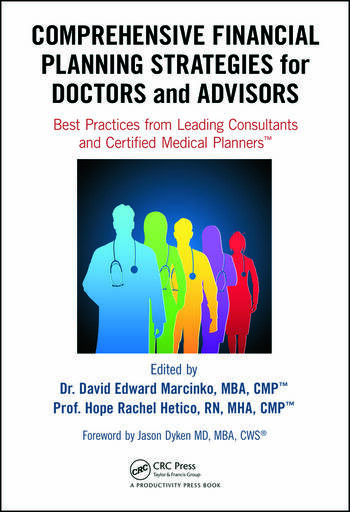


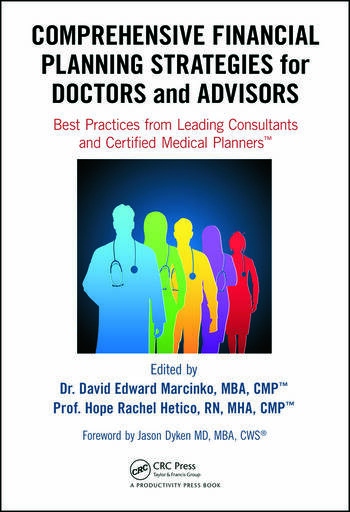

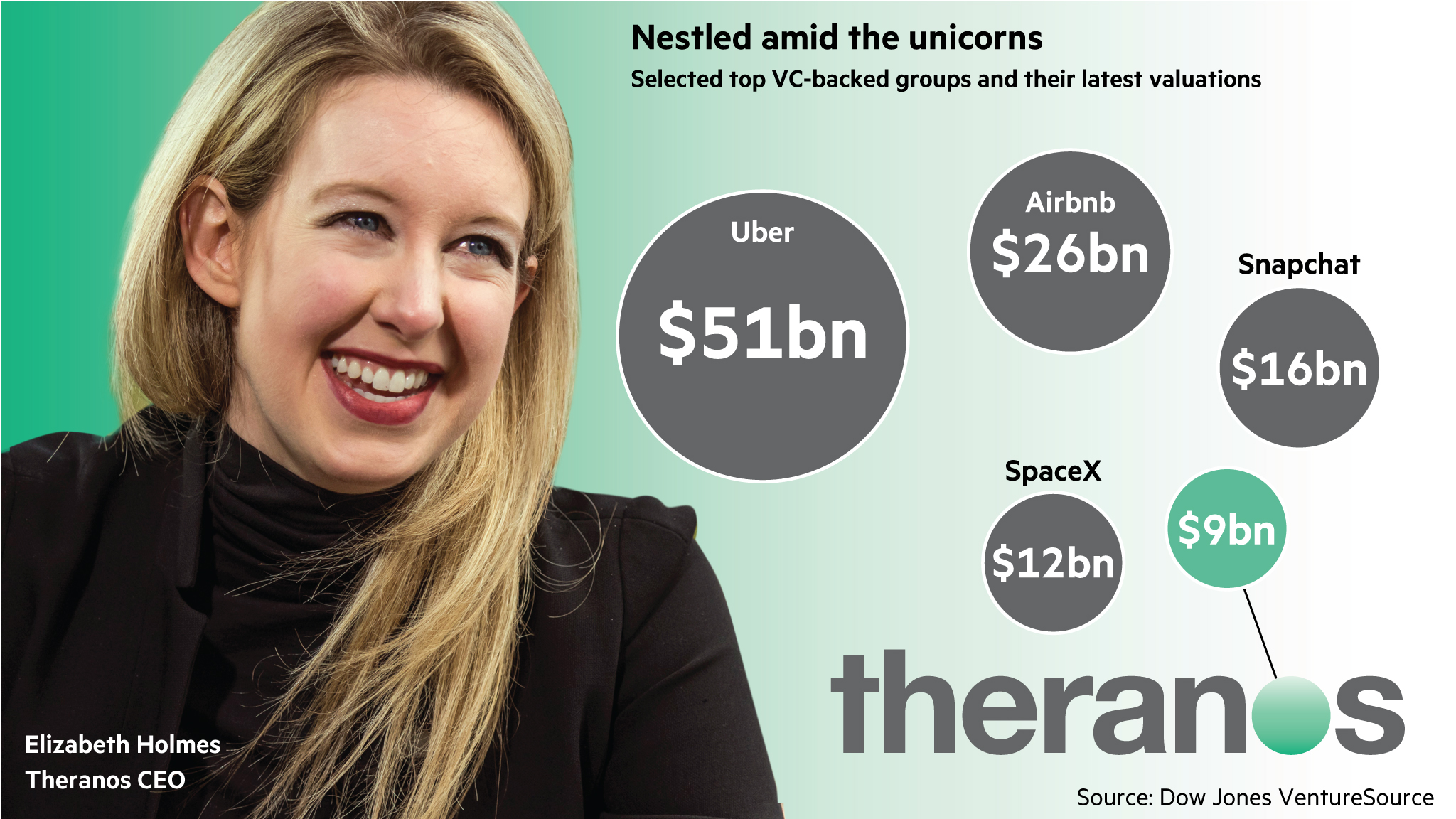


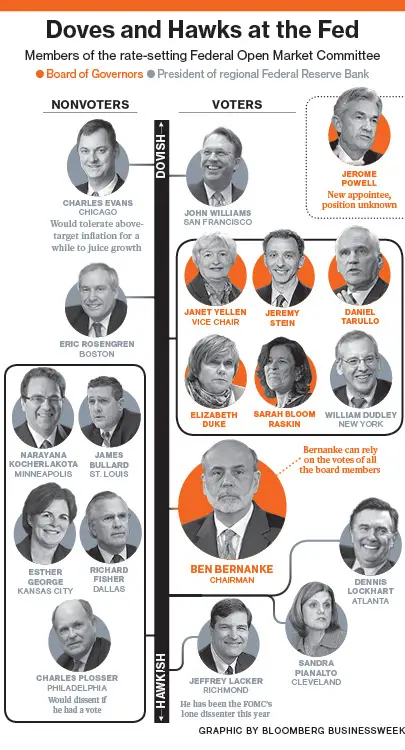


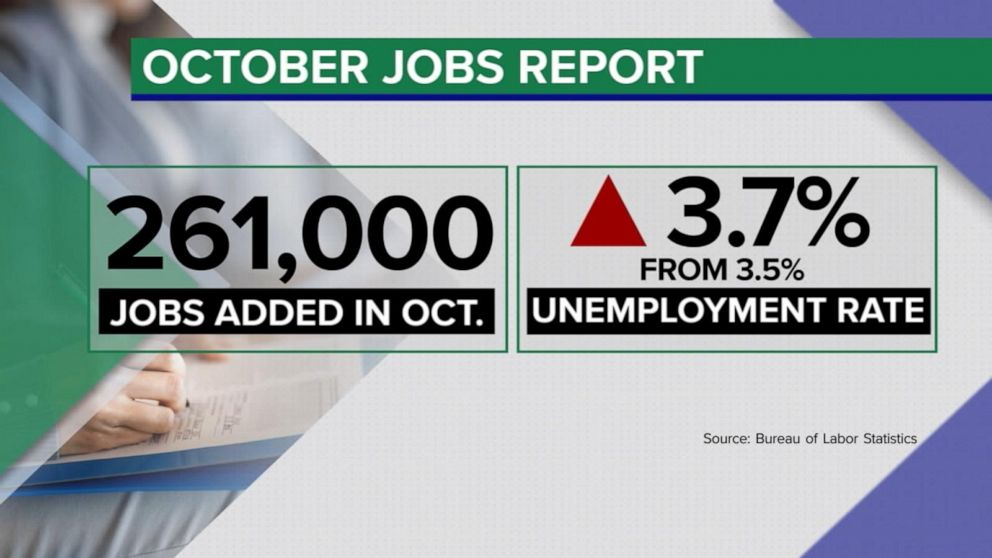

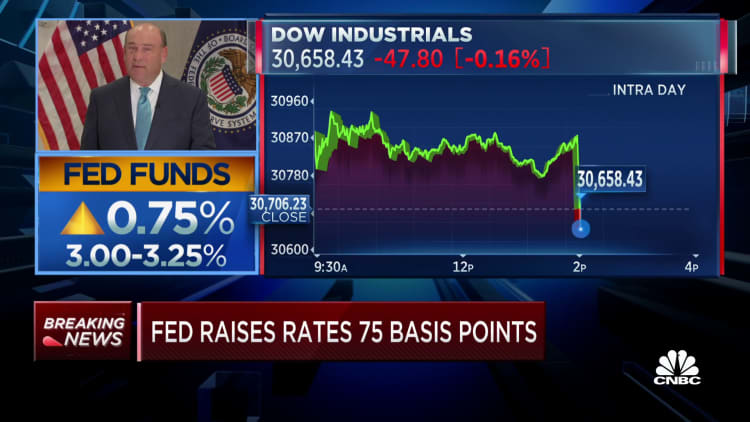















 The Leading Business Education Network for Doctors, Financial Advisors and Health Industry Consultants