MEDICAL PRACTICE: Part-Time Physician Employment Difficulties

By Staff Reporters

SPONSOR: http://www.MarcinkoAssociates.com

***

***

Why It Is Difficult to Practice Medicine Part-Time Today?

In the past, part-time medical practice offered physicians a flexible way to balance professional responsibilities with personal or family commitments. Today, however, the healthcare environment has evolved in ways that make part-time medicine increasingly challenging. From administrative burdens to economic pressures and patient expectations, the obstacles are both systemic and personal.

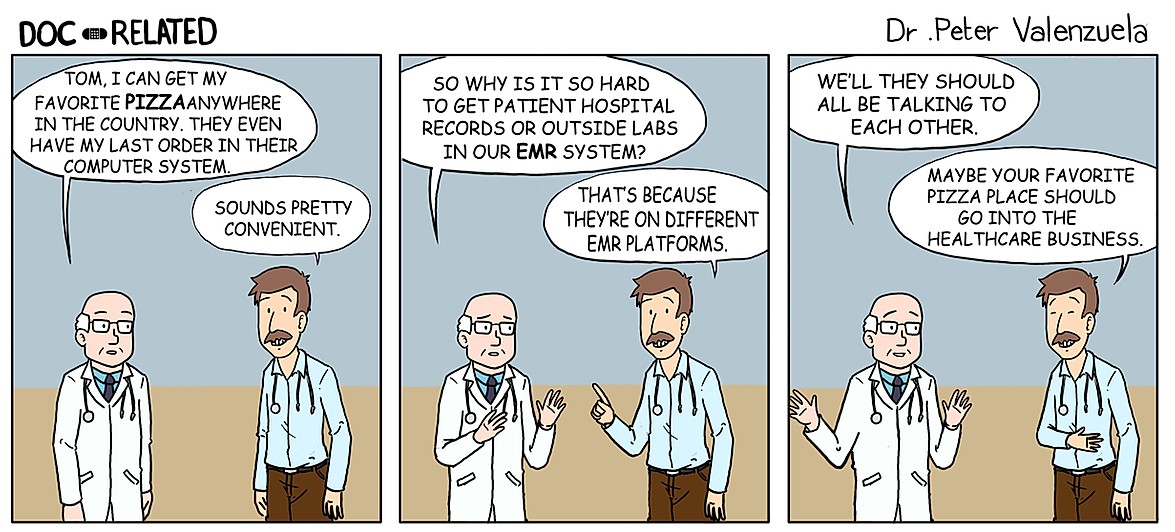
One of the most significant barriers is the rise in administrative complexity. Physicians are now required to navigate electronic health records (EHRs), comply with insurance documentation, and meet regulatory standards such as HIPAA and MACRA. These tasks consume hours of non-clinical time, which is difficult to compress into a part-time schedule. Even seeing fewer patients doesn’t exempt part-time doctors from the same documentation and compliance requirements as their full-time counterparts.

***

***

Another challenge is financial viability. Many physicians are paid based on productivity metrics, such as Relative Value Units (RVUs), which reward volume over quality. Part-time practitioners often struggle to meet these benchmarks, resulting in lower compensation and reduced benefits. Additionally, malpractice insurance premiums and licensing fees remain fixed regardless of hours worked, further eroding the financial appeal of part-time practice.

Continuity of care is also a concern. Patients increasingly expect immediate access to their providers, especially in primary care and specialties like psychiatry or pediatrics. Part-time physicians may not be available for urgent issues, leading to fragmented care and dissatisfaction. This can strain relationships with patients and colleagues who must cover gaps in availability.

From a professional standpoint, part-time physicians may face limited career advancement. Leadership roles, academic appointments, and research opportunities often favor full-time commitment. There’s also a perception—sometimes unfair—that part-time doctors are less dedicated or less competent, which can affect peer respect and influence within medical institutions.

Technology, while beneficial, adds another layer of complexity. Telemedicine, remote monitoring, and digital communication tools have expanded access but also increased the expectation for constant availability. Part-time physicians may find it difficult to manage asynchronous messages, follow-ups, and virtual visits without extending their work hours beyond what they intended.

***

***

Lastly, burnout and work-life balance—ironically one of the reasons doctors seek part-time roles—can still be elusive. The pressure to maintain clinical excellence, stay updated with medical advancements, and meet patient needs doesn’t diminish with reduced hours. In fact, squeezing these responsibilities into fewer days can intensify stress rather than alleviate it.

In conclusion, while part-time medical practice may seem like a solution to modern work-life challenges, the reality is far more complex. The structure of today’s healthcare system, combined with economic, technological, and cultural pressures, makes it difficult for physicians to thrive in part-time roles. Addressing these challenges will require systemic reform, flexible compensation models, and a cultural shift in how we value and support diverse medical careers.

COMMENTS APPRECIATED

EDUCATION: Books

SPEAKING: ME-P Editor Dr. David Edward Marcinko MBA MEd will be speaking and lecturing, signing and opining, teaching and preaching, storming and performing at many locations throughout the USA this year! His tour of witty and serious pontifications may be scheduled on a planned or ad-hoc basis; for public or private meetings and gatherings; formally, informally, or over lunch or dinner. All medical societies, financial advisory firms or Broker-Dealers are encouraged to submit an RFP for speaking engagements: CONTACT: Ann Miller RN MHA at MarcinkoAdvisors@outlook.com -OR- http://www.MarcinkoAssociates.com

Like, Refer and Subscribe

***

***

HEALTH 3.0: Developing New Physician Leadership Skills

By Dr. David Edward Marcinko MBA MEd

***

***

Medicine today is vastly different than a generation ago, and all health care professionals need new skills to be successful and reduce the emerging risks outlined in this textbook, as well as the “unknown-unknowns” elsewhere. Traditionally, the physician was viewed as the “captain of the ship”. Today, their role may be more akin to a ship’s navigator, using clinical, teaching skills and knowledge to chart the patient’s course through a confusing morass of insurance requirements, fees, choices, rules and regulations to achieve the best attainable clinical outcomes.

This new leadership paradigm includes many classic business school principles, now modified to fit the decade long PP-ACA, the era of health reform, and modern technical connectivity and EMRs.

LEADERSHIP: https://medicalexecutivepost.com/2023/04/14/what-is-a-leadership-and-can-it-be-defined/

Thus, the physician must be a subtle guide on the side; not bombastic sage on the stage. These, newer health 3.0 leadership philosophies might include:

•Negotiation – working to optimize appropriate treatment plans; ie., quality of life versus quantity of life,
•Team play – working in concert with other allied healthcare professionals to coordinate care delivery ,ithin a clinically appropriate and cost-effective framework;
Working within the limits of competence – avoiding the pitfalls of the medical generalist versus the specialist that may restrict access to treatment, medications, physicians and facilities by clearly acknowledging when a higher degree of service is needed on behalf of the patient – all while embracing holistic primary care;
•Respecting different cultures and values – inherent in the support of the medical Principle of Autonomy is the acceptance of values that may differ from one’s own. As the US becomes more culturally hetero geneous, medical providers are called upon to work within, and respect, the socio-cultural and/or spiritual framework of patients, students and their families;
•Seeking clarity on what constitutes marginal care – within a system of finite resources; providers are called upon to openly communicate with patients regarding access to marginal medical information and/or treatments.
•Supporting evidence-based practice – healthcare providers, should utilize outcomes data to reduce variation in treatments to achieve higher efficiencies and improved care delivery thru evidence based medicine [EBM];
•Fostering transparency and openness in communications – healthcare professionals should be willing, and prepared, to discuss all aspects of care, especially when discussing end-of-life issues or when problems arise;
•Exercising decision-making flexibility – treatment algorithms, templates and clinical pathways are useful tools when used within their scope; but providers must have the authority to adjust the plan if circumstances warrant.

HEALTHCARE LEADERSHIP: https://medicalexecutivepost.com/2025/05/01/healthcare-leadership-on-the-brink-executives-eyeing-the-exits/

Assessment

Becoming skilled in the art of listening and interpreting — In her ground-breaking book, Narrative Ethics: Honoring the Stories of Illness, Rita Charon, MD PhD, a professor at Columbia University, writes of the extraordinary value of using the patient’s personal story in the treatment plan. She notes that, “medicine practiced with narrative competence will more ably recognize patients and diseases; convey knowledge and regard, join humbly with colleagues, and accompany patients and their families through ordeals of illness.” In many ways, attention to narrative returns medicine full circle to the compassionate and caring foundations of the patient-physician relationship.

These thoughts represent only a handful of examples to illustrate the myriad of new skills that tomorrows’ healthcare professionals must master in order to meet their timeless professional obligations of compassionate care and contemporary treatment effectiveness; all within the context modern risk management principles.

BRAND MANAGEMENT: https://medicalexecutivepost.com/2025/07/07/brand-management-7-approaches-for-doctors-and-financial-advisors/

COMMENTS APPRECIATED

EDUCATION: Books

SPEAKING: Dr. Marcinko will be speaking and lecturing, signing and opining, teaching and preaching, storming and performing at many locations throughout the USA this year! His tour of witty and serious pontifications may be scheduled on a planned or ad-hoc basis; for public or private meetings and gatherings; formally, informally, or over lunch or dinner. All medical societies, financial advisory firms or Broker-Dealers are encouraged to submit an RFP for speaking engagements: CONTACT: Ann Miller RN MHA at MarcinkoAdvisors@outlook.com -OR- http://www.MarcinkoAssociates.com

Like and Subscribe

***

***

DAILY UPDATE: VA EHR Snafu and Stock Market Volatility

MEDICAL EXECUTIVE-POST TODAY’S NEWSLETTER BRIEFING

***

Essays, Opinions and Curated News in Health Economics, Investing, Business, Management and Financial Planning for Physician Entrepreneurs and their Savvy Advisors and Consultants

Serving Almost One Million Doctors, Financial Advisors and Medical Management Consultants Daily

A Partner of the Institute of Medical Business Advisors , Inc.

http://www.MedicalBusinessAdvisors.com

SPONSORED BY: Marcinko & Associates, Inc.

***

http://www.MarcinkoAssociates.com

Daily Update Provided By Staff Reporters Since 2007.
How May We Serve You?
© Copyright Institute of Medical Business Advisors, Inc. All rights reserved. 2025

REFER A COLLEAGUE: MarcinkoAdvisors@outlook.com

SPONSORSHIPS AVAILABLE: https://medicalexecutivepost.com/sponsors/

ADVERTISE ON THE ME-P: https://tinyurl.com/ytb5955z

Your Referral Count -0-

CITE: https://www.r2library.com/Resource

e Department of Veterans Affairs announced plans last week to accelerate the rollout of its embattled electronic health records system. Lawmakers, meanwhile, continue to call for oversight despite concerns over the future of the modernization program. The VA added nine new medical facilities in Ohio, Kentucky, Indiana, and Alaska to the deployment schedule, along with four sites in Michigan that will launch in 2026 after the program expansion has largely been on hold since April 2023, when the agency acknowledged glitches in the system had contributed to at least four veterans’ deaths and “catastrophic harm” to others.

CITE: https://tinyurl.com/2h47urt5

After a roller coaster day, the Dow closed lower by 349 points, or 0.91%. The broader S&P 500 fell 0.23%. The NASDAQ Composite was 0.1% higher after fluctuating between gains and losses. Wall Street’s fear gauge, the CBOE Volatility Index, or VIX, on Monday closed at the highest level since the Covid pandemic as investors fretted over the market’s next move. The VIX surpassed an intraday level of 50 points midday Monday, a rare level associated with extreme volatility.

CITE: https://tinyurl.com/tj8smmes

Visualize: How private equity tangled banks in a web of debt, from the Financial Times.

COMMENTS APPRECIATED

PLEASE SUBSCRIBE: MarcinkoAdvisors@outlook.com

Thank You

***

***

***

***

EDUCATIONAL TEXTBOOKS: https://tinyurl.com/4zdxuuwf

***

77% of Surveyed ACOs Use 6 or More EHR Systems

By Staff Reporters

***

77% of Surveyed ACOs Use 6 or More EHR Systems

***

All roads lead to the EHR - MedCity News

According to a recent AJMC survey of 163 MSSP ACOs

 •  Just 9% of surveyed ACOs use a single EHR system throughout their entire organization.
 •  77% of surveyed ACOs use 6 or more EHR systems.
 •  Among the 37% of Medicare Shared Savings Program ACOs with 16 or more EHR systems, concerns about EHR-based quality measures include access to data, standardization of data elements, and cost of integrating across systems.

Source: AJMC, “Use of Electronic Health Record Systems in Accountable Care Organizations”, January 18th 2022

***

***

***

COMMENTS APPRECIATED

Thank You

Subscribe to the Medical Executive-Post

***

HEALTH INFORMATION TECHNOLOGY: Ransomware and Bankruptcy!

Bad things can happen in paperless practices, Doc

By Darrell Pruitt DDS

***

***

“Illinois Hospital First To Shut Down Completely After Ransomware Attack”

-By Karl Bode for Techdirt, Jun 16th 2023.

“Such attacks can have a chain reaction on already broken hospitals and health care systems. Health care workers are sometimes forced to resort to pen and paper for patient charts and prescriptions, increasing the risk of potentially fatal error. Delays in care can also prove fatal. And ransomware is only one of the problems that plague dated medical IT systems whose repair is being made increasingly costly and difficult by medical health care system manufacturers keen on monopolizing repair.”

Remember the MCNA (Managed Care of North America) data breach that was reported by Bill Toulas in Bleeping Computer on May 29th? There have been new developments.

LINK: https://www.bleepingcomputer.com/news/security/mcna-dental-data-breach-impacts-89-million-people-after-ransomware-attack/?fbclid=IwAR29pojexxoxDrrjIbcQqAAgnw17L5xqMXGxCnnDk_ZL0-kIv2PCniVaG0Y

“Patients of a Florida-based dental insurance provider brought a proposed class action lawsuit alleging negligence over a ransomware data breach that leaked the private information of more than 8.9 million people on the dark web, saying they face a lifetime risk of having their identities stolen.”

David Minsky for Law 360

[June 16th, 2023]

If you are still using paper records, don’t change now.

***

***

COMMENTS APPRECIATED

Thank You

***

CAN: Doctor-Patient Intimacy be Electronic?

e Communication Tales from the Treatment Room

dem-2

By Dr. David Edward Marcinko MBA MEd CMP®

www.CertifiedMedicalPlanner.org

Today’s electronic media makes physician-patient communication possible; yet there is another kind of intimacy. ICTs—information and communication technologies—enable 24/7 monitoring of basic information such as blood pressure, glucose levels, pulse, and respiration, etc.

Example:

In one study, an ICT not only made it easier for patients to stay in touch with their doctors, the outcomes were also significantly better.[i] Today, Hippocrates is no longer trailing patients around the house to keep track of their snacks and moods. But Hippocrates has gone digital in the form of a wearable device that records subtle changes in biological markers and communicates them instantaneously to a health provider.

While this is obviously a great advance, we suggest you pause for a moment before plugging in.

Why?

ICTs and social media tools can make a difference to one of the most important dimensions—physiological outcomes. But you can have the latest interactive technology at your disposal and still fail to be connected.

Example:

A story that a friend told me shows how.

***

One morning, her elderly father was touching up the paint on his sailboat. Nearby, another boat-owner, who happened to be an emergency medical technician, noticed her father was struggling to breathe and that his lips had turned purple. A trip to the local community hospital led to a barrage of high-tech tests and procedures, a diagnosis of emphysema, later complications with cerebral hematomas, and hospitalizations and re-hospitalizations that brought him into contact with a neurologist, a neurosurgeon, a cardiologist, and a pulmonologist.

Throughout her father’s medical ordeal, the team of specialists stayed in touch with each other and the primary care physician via various electronic media. But one person remained out of the loop—her father. One day, six months into the experience, the primary care physician phoned our friend’s mother to check on his patient. Her father recalls thinking, “Why was he calling her?”

The physician was communicating, but he was emotionally disconnected.

***

The Moral

The moral of the story: communication needs to be patient-centered in both electronic and psychological terms. That means understanding how someone likes to communicate and making sure the medium fits the message. Electronic media are just part of the equation. The other is the doctor-patient relationship. Once a relationship is established, it may be fine to use e-mail to send information about dosage.

But, delivering a new diagnosis may require the extra effort of scheduling a phone call or a face-to-face visit. Today, since you have so many Health 2.0 choices, it takes some effort to select the right way to communicate in a particular situation.

Use the Right Relationship Strategy

A colleague recently shared another story about an encounter with a specialist.

Example:

***

After an examination for a minor ailment, he was told that there might be a medicated lotion that could ameliorate his condition. The doctor thought for a moment, then swiveled around to the computer on his desk. As our colleague watched the screen, his physician typed a few words into a search engine. Up popped a list and he wrote out a script. “Try this,” his doctor concluded. “I think it will help.”

It did, almost overnight.

***

The Moral

Even though his physical problem had disappeared completely, our colleague felt there was something missing in the interaction. “It bothered me that my doctor turned to the Web for help at that moment. He found a cure, but I felt he wasn’t paying attention to me.”

The physician is supposed to be an authority who has a special relationship to the patient. “Anybody can Google,” our colleague complained. Was he being unreasonable? Maybe.

But; this story tells us something important about technology—it cuts both ways.

***

aahnofx

***

Assessment

Everyone has their own preferences when it comes to how they want to interact with each other and with technology. If these preferences are explicit and aligned, the chances for a productive partnership are high. The preferences, however, are many and complex. You can easily get lost in the tangled thicket of interpersonal styles and virtual mediums.

In the Web 2.0 environment, it helps to narrow down the endless choices to just a few options.

MORE: Is Text Messaging being Overlooked as an Engagement Tool in Healthcare?

Conclusion

Your thoughts and comments on this ME-P are appreciated. Feel free to review our top-left column, and top-right sidebar materials, links, URLs and related websites, too. Then, subscribe to the ME-P. It is fast, free and secure.

Speaker: If you need a moderator or speaker for an upcoming event, Dr. David E. Marcinko; MBA – Publisher-in-Chief of the Medical Executive-Post – is available for seminar or speaking engagements. Contact: MarcinkoAdvisors@msn.com

OUR OTHER PRINT BOOKS AND RELATED INFORMATION SOURCES:

[i] Hanson, William M. The Edge of Medicine: The Technology That Will Change Our Lives. New York, NY: Palgrave Macmillan, 2008.

Product DetailsProduct Details

***

DENTISTRY: Ransomware e-Dental Records

By Darrell Pruitt DDS

***

***

The ransom one pays to extortionists is only part of the costs. Now there are also legal liabilities to paying.

We will be hearing much more about ransomware in dentistry soon.

Guaranteed.

***

COMMENTS APPRECIATED

Thank You

***

***

DAILY UPDATE: Norton Healthcare Hacked – Pharma Chains Give Health Data to Police and the Stock Markets Climb

By Staff Reporters

***

SPONSOR: http://www.MarcinkoAssociates.com

***

Kentucky-based healthcare provider Norton Healthcare has confirmed that it has suffered a significant ransomware attack that may have put the data of millions of its patients at risk. In a filing to the Maine Attorney General on December 8th, the healthcare giant said that 2.5 million individuals had been affected by the breach.

***

***

Meanwhile, the nation’s largest pharmacy chains have handed over Americans’ prescription records to police and government investigators without a warrant, a congressional investigation found, raising concerns about threats to medical privacy. Though some of the chains require their lawyers to review law enforcement requests, three of the largest — CVS Health, Kroger and Rite Aid, with a combined 60,000 locations nationwide — said they allow pharmacy staff members to hand over customers’ medical records in the store.

The policy was revealed in a letter sent to Xavier Becerra, the secretary of the Department of Health and Human Services, by Sen. Ron Wyden (D-Ore.) and Reps. Pramila Jayapal (D-Wash.) and Sara Jacobs (D-Calif.).

HIPAA anyone?

***

Here’s where the major benchmarks ended:

  • The S&P 500 index was up 21.26 points (0.5%) at 4,643.70; the Dow Jones Industrial Average®(DJI) was up 173.01 points (0.5%) at 36,577.94; the NASDAQ Composite® (COMP) was up 100.91 points (0.7%) at 14,533.40.
  • The 10-year Treasury note yield (TNX) was down about 3 basis points at 4.206%.
  • The CBOE® Volatility Index (VIX) was down 0.56 at 12.07.

Technology shares were among Tuesday’s strongest performers despite a 12% drop in Oracle (ORCL), which plunged after reporting lighter-than-expected quarterly revenue late Monday. The Philadelphia Semiconductor Index (SOX) posted its highest close since January 2022.

Financial shares were also firm. Energy shares were under pressure because WTI Crude Oil futures (/CL) extended a slump below $70 per barrel and settled at its lowest price since late June.

Here is where the major benchmarks ended:

COMMENTS APPRECIATED

Refer a Colleague: MarcinkoAdvisors@msn.com

Your referral Count: 0

Thank You

***

***

PODCAST PARODY: Outrageous EMRs

AN ELECTRONIC MEDICAL RECORDS STATE OF MIND

SPONSOR: http://www.CertifiedMedicalPlanner.org

By Zubin Damania MD

EDITOR’S NOTE: Dr. Zubin Damania, MD is a UCSF/Stanford-trained hospital doctor and host of The ZDoggMD Show, dedicated to Alt-Middle sense-making in healthcare and beyond. Videos are informational and are not medical advice, more info: https://zdoggmd.com/terms

***

WATCH PARODY HERE: https://www.youtube.com/watch?v=xB_tSFJsjsw

NOW – NOT AN EMR PARODY

WATCH NOT A PARODY HERE: https://www.youtube.com/watch?v=3TdSKr81III

***
COMMENTS APPRECIATED

Thank You

***

***

They’re Coming for Your [Electronic] Records, Doc!

By Darrell Pruitt DDS

***

***

“Regardless whether you are a physician, dentist or optometrist, they are coming for your patients’ records, Doc.” Family Vision of Anderson Data Breach Leaks Social Security Numbers of Up to 62,631 Patients

On July 26, 2023, Family Vision of Anderson filed a notice of data breach with the Attorney General of Maine after a ransomware attack exposed confidential patient information to unauthorized access. In this notice, Family Vision explains that the incident resulted in an unauthorized party being able to access patients’ sensitive information, which includes their first and last names, dates of birth, Social Security numbers, driver’s license numbers, addresses, telephone numbers, email addresses, genders, health insurance information, and protected health information.

Upon completing its investigation, Family Vision began sending out data breach notification letters to all individuals whose information was affected by the recent data security incident.

JDSupra, July 28, 2023: https://www.jdsupra.com/legalnews/family-vision-of-anderson-data-breach-1534646/

MORE: https://medicalexecutivepost.com/2023/07/23/hacked-peachtree-orthopedics-medical-practice/

***

So what about cyber-insurance? … Not so fast.

“Twenty-one percent of organizations stated that ransomware is now specifically excluded from their policies, and those with cyber insurance saw changes in their last policy renewals: 74% saw increased premiums, 43% saw increased deductibles, 10% saw coverage benefits reduced.” From “Ransomware is being excluded from cyber insurance policies” 

-Security, May 24, 2023: https://www.securitymagazine.com/articles/99390-ransomware-is-being-excluded-from-cyber-insurancepolicies#:~:text=Twenty%2Done%20percent%20of%20organizations,10%25%20saw%20coverage%20benefits%20reduced.

So far, paper dental records still remain unaffected by ransomware, and that does not appear likely to change.

RELATED: https://medicalexecutivepost.com/2011/01/24/on-cyber-insurance-for-doctors/

***

COMMENTS APPRECIATED

Thank You

***

***

DEFINITION: Medical [Health] Informaticist?

WHAT IT IS?

By Staff Reporters

***

***

FORMAL DEFINITION:

According to Wikipedia, Health informatics is the field of science and engineering that aims at developing methods and technologies for the acquisition, processing, and study of patient data, which can come from different sources and modalities, such as electronic health records, diagnostic test results, medical scans. The health domain provides an extremely wide variety of problems that can be tackled using computational techniques.

Health informatics is a spectrum of multidisciplinary fields that includes study of the design, development and application of computational innovations to improve health care. The disciplines involved combines medicine fields with computing fields, in particular computer engineering, software engineering, information engineering, bioinformatics, bio-inspired computing, theoretical computer science, information systems, data science, information technology, autonomic computing, and behavior informatics. In academic institutions, medical informatics research focus on applications of artificial intelligence in healthcare and designing medical devices based on embedded systems. In some countries term informatics is also used in the context of applying library science to data management in hospitals.

‘Clinical informaticians’ are qualified health and social care professionals and ‘clinical informatics’ is a subspecialty within several medical specialties.

What does it mean to be a medical or healthcare informaticist practitioner?

A medical or healthcare informaticist works to improve how we use information to improve health and healthcare. You can have medical informaticists who are of various specialties, like a nurse informaticist, dentist informaticist. There is even a board certification level in clinical informatics. Improving healthcare also means improving the work of healthcare professionals—not just improving patients’ health, but making things easier for physicians, nurses, and all the various healthcare workers.

What kind of information do MI and HI clinicians deal with?

Patient information that’s stored in our electronic health record (EHR). A lot of the work we do is just making sure that information is showing up in the right places and that it’s flowing from other sources—whether through referrals or the lab system or radiology—then making sure it’s easy to find and easy to use by treating clinicians.

***

***

COMMENTS APPRECIATED

Thank You

***

Understanding the “Language” of Healthcare Finance, IT, Economics, Investing and Insurance

By Ann Miller RN MHA CMP

Courtesy: http://www.CertifiedMedicalPlanner.org

The ME-P is Doing Its’ Part with Comprehensive Dictionaries and Glossaries

Product DetailsProduct DetailsProduct Details

[Click on each icon for a larger view]

CITE: https://www.r2library.com/Resource/Title/082610254

***

Dictionary of Health Information Technology and Security

ADVERTISEMENT

Whither the “Dictionary of Health Information Technology and Security?”

DHITS

A simple query that demands a cogent answer!

There is a myth that all stakeholders in the healthcare space understand the meaning of basic information technology jargon. In truth, the vernacular of contemporary medical information systems is unique, and often misused or misunderstood. It is sometimes altogether confounding.

Terms such as, “RSS”, “eHRs”, “DRAM”, “ROM”, “USB”, “PDA”, “NPI”, “CCHIT”, and “DNS” are common acronyms, but is their meaning AND functionality truly understood?

We appreciate the support of our sponsors. So, click-on on the links below and review all dictionary products.

Link: http://healthdictionaryseries.com/TechnologySecurity.aspx

HDS


Link: http://www.findbookprices.com/author/Hope_Hetico

Subscribe Now: Did you like this Medical Executive-Post, or find it helpful, interesting and informative? Want to get the latest ME-Ps delivered to your email box each morning? Just subscribe using the link below. You can unsubscribe at any time. Security is assured.

Link: http://feeds.feedburner.com/HealthcareFinancialsthePostForcxos

Sponsors Welcomed

And, credible sponsors and like-minded advertisers are always welcomed.

Link: https://healthcarefinancials.wordpress.com/2007/11/11/advertise

PODCAST: An EHR State of Mind

Two Rap Music Videos

[By staff reporters]

Can you believe these videos are five years old?

***

https://youtu.be/gaLi0ak5D-o

PODCAST: https://www.youtube.com/watch?v=3TveJLAi_y4

Conclusion

Your thoughts and comments on this ME-P are appreciated. Feel free to review our top-left column, and top-right sidebar materials, links, URLs and related websites, too. Then, subscribe to the ME-P. It is fast, free and secure.

Speaker: If you need a moderator or speaker for an upcoming event, Dr. David E. Marcinko; MBA – Publisher-in-Chief of the Medical Executive-Post – is available for seminar or speaking engagements.

Book Marcinko: https://medicalexecutivepost.com/dr-david-marcinkos-bookings/

Subscribe: MEDICAL EXECUTIVE POST for curated news, essays, opinions and analysis from the public health, economics, finance, marketing, IT, business and policy management ecosystem.

DOCTORS:

“Insurance & Risk Management Strategies for Doctors” https://tinyurl.com/ydx9kd93

“Fiduciary Financial Planning for Physicians” https://tinyurl.com/y7f5pnox

“Business of Medical Practice 2.0” https://tinyurl.com/yb3x6wr8

HOSPITALS:

“Financial Management Strategies for Hospitals” https://tinyurl.com/yagu567d

“Operational Strategies for Clinics and Hospitals” https://tinyurl.com/y9avbrq5

***

Product DetailsProduct Details

PODCAST: Surescripts [Gatekeeper for Electronic Prescribing Explained]

By Eric Bricker MD

***

***

COMMENTS APPRECIATED

Thank You

***

CITE: https://www.r2library.com/Resource/Title/082610254

DHIT: https://www.amazon.com/Dictionary-Health-Information-Technology-Security/dp/0826149952/ref=sr_1_5?ie=UTF8&s=books&qid=1254413315&sr=1-5

***

PODCAST: Healthcare I.T. Interoperability Rankings

By Eric Bricker MD

***

***

PODCAST: https://www.youtube.com/watch?v=yQSY957s_GY

***

COMMENTS APPRECIATED

Thank You

***

***

Ransomware Simplified?

***

By Darrell K. Pruitt DDS

***

***

“We’re now truly in the era of ransomware as pure extortion without the encryption –
Why screw around with cryptography and keys when just stealing the info is good enough”

Jessica Lyons Hardcastle

{The Register, June 25, 2022]

READ: https://www.theregister.com/2022/06/25/ransomware_gangs_extortion_feature/

***

***

COMMENTS APPRECIATED

Thank You

***

***

HIMSS REPORT: The State of Healthcare IT in 2022

***

By Staff Reporters

***

***

4 Takeaways from HIMSS

 •  84% of respondents say their organizations require them to use digital health tools and most clinicians see the value in digital transformation.
 •  99% of leaders in U.S.-based health systems say it is important for their organizations to invest in digital transformation and 95% of international health system leaders agree.
 •  93% of international payer respondents and 74% of U.S. payers say their organizations have a team focused on digital transformation.
 •  80% of health system leader respondents in the U.S. think that a physician visit deserves to be reimbursed at the same or higher levels than an in-person visit.

Source: HIMSS via Healthcare Innovation, March 18, 2022

NOTE: The Healthcare Information and Management Systems Society is an American not-for-profit organization dedicated to improving health care in quality, safety, cost-effectiveness and access through the best use of information technology and management systems.

CITE: https://www.r2library.com/Resource/Title/082610254

***

COMMENTS APPRECIATED

Thank You

***

***

List of Healthcare IT Trade Associations

Advancing Medical Practice Success with Strategic Relationships

By Staff ReportersHDS

To be efficient in healthcare delivery today, doctors must partner and understand the resources and affiliations that are available to them. Here is a brief list of several healthcare trade associations and leading industry vendors submitted for your review.

AHIMA
The American Health Information Management Association (AHIMA) is the premier association of health information management professionals. AHIMA’s 51,000 members are dedicated to the effective management of personal health information needed to deliver quality healthcare to the public. Founded in 1928 to improve the quality of medical records, AHIMA is committed to advancing the health information management profession in an increasingly electronic and global environment through leadership in advocacy, education, certification, and lifelong learning.

EHRA
HIMSS EHRA is a trade association of Electronic Health Record (EHR) vendors that addresses national efforts to create interoperable EHRs in hospital and ambulatory care settings. HIMSS EHRA operates on the premise that the rapid, widespread adoption of EHRs will help improve the quality of patient care and the productivity of the healthcare system. The primary mission of the association is to provide a forum for the EHR vendor community relative to standards development, the EHR certification process, interoperability, performance and quality measures, and other EHR issues that may become the subject of increasing government, insurance and physician association initiatives and requests.

HIMSS
HIMSS (Healthcare Information and Management Systems Society) is the healthcare industry’s membership organization exclusively focused on providing leadership for the optimal use of healthcare information technology and management systems for the betterment of human health. Founded in 1961 with offices in Chicago, Washington D.C., and other locations across the country, HIMSS represents approximately 17,000 individual members and some 275 member corporations that employ more than 1 million people. HIMSS frames and leads healthcare public policy and industry practices through its advocacy, educational and professional development initiatives designed to promote information and management systems’ contributions to ensuring quality patient care.

HITSP
The Healthcare Information Technology Standards Panel serves as a cooperative partnership between the public and private sectors for achieving a widely accepted and useful set of standards specifically to enable and support widespread interoperability among healthcare software applications, as they will interact in a local, regional, and national health information network for the United States. Comprised of a wide range of stakeholders, the Panel will assist in the development of the U.S. Nationwide Health Information Network (NHIN) by addressing issues such as privacy and security within a shared healthcare information system. The Panel is sponsored by the American National Standards Institute (ANSI) in cooperation with strategic partners such as the Healthcare Information and Management Systems Society (HIMSS), the Advanced Technology Institute (ATI), and Booz Allen Hamilton. Funding for the Panel is being provided via the ONCHIT contract award from the U.S. Department of Health and Human Services.

HL7
Health Level Seven is an American National Standards Institute (ANSI)-accredited Standards Developing Organization (SDO) operating in the healthcare clinical and administrative data arena. It is a not-for-profit volunteer organization made up of providers, vendors, payers, consultants, government groups, and others who develop clinical and administrative data standards for healthcare. Health Level Seven develops specifications; the most widely used being a messaging standard that enables disparate healthcare applications to exchange keys sets of clinical and administrative data.

MSHUG
Microsoft Healthcare Users Group (MS-HUG) unified with the Healthcare Information and Management Systems Society (HIMSS) as part of the HIMSS Users Group Alliance Program in October 2003. The unification strengthens the commitment of HIMSS and MS-HUG to better serve their members and the industry through a shared strategic vision to provide leadership and healthcare information technology solutions that improve the delivery of patient care.

WEDI
The Workgroup for Electronic Data Interchange [WEDI’s] goal is to improve the quality of healthcare through effective and efficient information exchange and management. They aim to provide leadership and guidance to the healthcare industry on how to use and leverage the industry’s collective knowledge, expertise, and information resources to improve the quality, affordability, and availability of healthcare.

Assessment

As the health information technology industry evolves, we will continue to contribute our expertise to foster ideas that shape the future of healthcare by offering more examples similar to the above.

Conclusion

And so, your thoughts and comments on this Medical Executive-Post are appreciated. Who did we miss? Feel free to review our top-left column, and top-right sidebar materials, links, URLs and related websites, too. Then, be sure to subscribe

Speaker: If you need a moderator or speaker for an upcoming event, Dr. David E. Marcinko; MBA – Publisher-in-Chief of the Medical Executive-Post – is available for seminar or speaking engagements. Contact: MarcinkoAdvisors@msn.com

OUR OTHER PRINT BOOKS AND RELATED INFORMATION SOURCES:

Product DetailsProduct DetailsProduct Details

PODCAST: Health Care EMR and I.T. Inter-Operability Explained

By Eric Brikcer MD

***

Electronic Medical Record Interoperability is the Ability of Different Hospital Systems and Doctor Practices to Share Patient Data.

***

***

MEDICINE: https://www.amazon.com/Business-Medical-Practice-Transformational-Doctors/dp/0826105750/ref=sr_1_9?ie=UTF8&qid=1448163039&sr=8-9&keywords=david+marcinko

***

DHIT: https://www.amazon.com/Dictionary-Health-Information-Technology-Security/dp/0826149952/ref=sr_1_5?ie=UTF8&s=books&qid=1254413315&sr=1-5

***

Welcome ARPA-H [health]

By Dr. David Edward Marcinko MBA CMP

SPONSOR: http://www.CertifiedMedicalPlanner.org

***

Recent advances in biomedical and health sciences—from immunotherapy to treat cancer, to the highly effective COVID-19 vaccines—demonstrate the strengths and successes of the U.S. biomedical enterprise. Such advances present an opportunity to revolutionize how to prevent, treat, and even cure a range of diseases including cancer, infectious diseases, Alzheimer’s disease, and many others that together affect a significant number of Americans.

NIH: https://www.nih.gov/arpa-h

***

***

To improve the U.S. government’s capabilities to speed research that can improve the health of all Americans, President Biden is proposing the establishment of the Advanced Research Projects Agency for Health (ARPA-H). Included in the President’s FY2022 budget as a component of the National Institutes of Health (NIH) with a requested funding level of $6.5B available for three years, ARPA-H will be tasked with building high-risk, high-reward capabilities (or platforms) to drive biomedical breakthroughs—ranging from molecular to societal—that would provide transformative solutions for all patients.

MORE: https://thehealthcareblog.com/blog/2022/03/22/arpha-h-needs-to-think-bigger/

***

COMMENTS APPRECIATED

Thank You

Subscribe to the Medical Executive-Post

***

***

***

Dodging an Embarrassing Question about Electronic Dental Records

MORE ON EDR SECURITY

The Secrets of AmeriPlan® Corporation's Discount Dentistry ...

By Darrell K. Pruitt, DDS

Dental Care Alliance Data Breach Impacts More Than 1 Million Patients

NEWS FLASH!

Sarasota, FL-based Dental Care Alliance, LLC, a dental support organization with more than 320 affiliated dental practices across 20 states, has been hacked and the protected health information of more than a million individuals has potentially been compromised. The breach occurred on September 18, 2020, was detected on October 11, and was contained on October 13.”

Steve Alder

[HIPAA Journal – December 10, 2020]

LINK: https://www.hipaajournal.com/dental-care-alliance-data-breach-impacts-more-than-1-million-patients/

Currently I am in conversation on LinkedIn with a Chief Information Officer for an IT firm. He assures me that the cloud is more secure than paper dental records stored in heavy and loud metal filing cabinets, but cannot say why.

Meanwhile, I have never heard of a million paper dental records being stolen in one heist. Wouldn’t that require a truck or two? What’s more, once the thieves escape to their hideout, someone will have to enter the data onto computers – while struggling to interpret bad handwriting.

ASSESSMENT: Your thoughts are appreciated …. More later.

THANK YOU

Risk Management, Liability Insurance, and Asset Protection Strategies for Doctors and Advisors: Best Practices from Leading Consultants and Certified Medical Planners™

Textbook Order: https://www.routledge.com/Risk-Management-Liability-Insurance-and-Asset-Protection-Strategies-for/Marcinko-Hetico/p/book/9781498725989

***

PODCAST: On Electronic Medical Records

EMR OVERVIEW

BY ERIC BRICKER MD

Electronic Medical Records (EMRs) are Used by 80-90% of Hospitals and Physician Practices. One Study Found that EMRs Have Lowered Patient Mortality by 0.09%.

YOUR COMMENTS ARE APPRECIATED

Thank You

****

Hospitals and Health Care Organizations

MANAGEMENT STRATEGIES, OPERATIONAL TECHNIQUES, TOOLS, TEMPLATES AND CASE STUDIES

TEXTBOOK REVIEWS:

Hospitals and Health Care Organizations is a must-read for any physician and other health care provider to understand the multiple, and increasingly complex, interlocking components of the U.S. health care delivery system, whether they are employed by a hospital system, or manage their own private practices.

The operational principles, methods, and examples in this book provide a framework applicable on both the large organizational and smaller private practice levels and will result in better patient care. Physicians today know they need to better understand business principles and this book by Dr. David E. Marcinko and Professor Hope Rachel Hetico provides an excellent framework and foundation to learn important principles all doctors need to know.
―Richard Berning, MD, Pediatric Cardiology

… Dr. David Edward Marcinko and Professor Hope Rachel Hetico bring their vast health care experience along with additional national experts to provide a health care model-based framework to allow health care professionals to utilize the checklists and templates to evaluate their own systems, recognize where the weak links in the system are, and, by applying the well-illustrated principles, improve the efficiency of the system without sacrificing quality patient care. … The health care delivery system is not an assembly line, but with persistence and time following the guidelines offered in this book, quality patient care can be delivered efficiently and affordably while maintaining the financial viability of institutions and practices.
―James Winston Phillips, MD, MBA, JD, LLM

Risk Management, Liability Insurance, and Asset Protection Strategies for Doctors and Advisors : Best Practices from Leading Consultants and Certified Medical Planners™ book cover

ORDER HERE: https://www.amazon.com/Hospitals-Health-Care-Organizations-Operational-ebook/dp/B0091ICH30/ref=sr_1_8?dchild=1&keywords=david+marcinko&qid=1626110965&sr=8-8

ASSESSMENT: Your comments and thoughts are appreciated.

INVITATIONS: https://medicalexecutivepost.com/dr-david-marcinkos-bookings/

CONTACT: Ann Miller RN MHA

MarcinkoAdvisors@msn.com

Ph: 770-448-0769

Second Opinions: https://medicalexecutivepost.com/schedule-a-consultation/

THANK YOU

***

MEDICAL: Artificial Intelligence in EHRs

ELECTRIC HEALTH RECORDS

By White Hat Anonymous

Epic Systems, the country’s leading e-health record company, says an algorithm it developed can accurately flag sepsis in patients 76% of the time. The life-threatening disease, which arises from infections, is a major concern for hospitals: One-third of patients who die in hospitals have sepsis, per the CDC. 

  • Generally, the earlier sepsis is diagnosed and treated, the better a patient’s chances of survival—and hundreds of hospitals use Epic Systems’s sepsis prediction model, The Verge reports. 

The problem: According to a study published this week in JAMA Internal Medicine, Epic Systems may have gotten the success rate wrong: The model is only correct 63% of the time—“substantially worse than the performance reported by its developer,” the researchers wrote. 

  • Part of the issue can be traced to the algorithm’s development, Stat News reports. It was trained to flag when doctors would submit bills for sepsis treatment—which doesn’t always line up with patients’ first signs of symptoms. 
  • “It’s essentially trying to predict what physicians are already doing,” Dr. Karandeep Singh, study author.

See the source image

When reached for comment, Epic Systems told us the researchers’ hypothetical scenario lacked “the required validation, analysis, and tuning that organizations need to do before deployment,” adding that the JAMA study’s findings differed from other research. 

CITE: https://medicalexecutivepost.com/wp-content/uploads/2007/10/foreword-mata.pdf

ORDER: https://www.amazon.com/Dictionary-Health-Information-Technology-Security/dp/0826149952/ref=sr_1_5?ie=UTF8&s=books&qid=1254413315&sr=1-5

Bottom line: Algorithms can augment healthcare, but the life-or-death nature of their use requires serious due diligence.

ASSESSMENT: Your thoughts are appreciated

THANK YOU

***

Attention Texas Dental Patients

Attention Texas Dental Patients

[You should read this]

Darrell K. Pruitt DDS
***
At a uniquely critical time in history, as dentists strive to keep their patients out of emergency rooms, pharmacists here in Fort Worth are telling dentists that the Texas State Board of Pharmacy has outlawed paper prescriptions – even for antibiotics.
***
According to three local pharmacists, on January 1, 2021 many dentists – including myself – will no longer be allowed to prescribe medications without digital records, no matter the urgency. As a dentist, I neither need nor want digital records, and as a patient, you shouldn’t either. Let me show you third-party nonsense which does NOTHING to improve patient care.
***
According to Protenus Breach Barometer, between April and June of 2017, 142 healthcare data breaches were reported, impacting 3.14 million records. 23 of the incidents involved paper, affecting 158,711 records. 158,711 divided by 3,140,000 = 5%.
***
***
This means that if your dentist put your identifying information on a computer, you had a 95% greater chance of medical identity theft than if your paper records were stored in a metal filing cabinet. In the last three years, the breaches have only worsened, cyber-crime is growing stronger every day, and most importantly, there are no solutions on the horizon. I ask you, why should any healthcare provider be forced by the state to knowingly risk Texans’ welfare?
***
Electronic dental records – both cloud-based and premises-based – are not only increasingly more expensive and increasingly more dangerous than paper for both dentists and patients, but they offer patients NO TANGIBLE BENEFITS over paper.
Just ask anyone.
***
But there’s more. Electronic dental records (which do nothing to improve care) also require far more training and specialized expertise than the working knowledge of alphabetical order required for filing charts in their correct place. Dental EHRs are first and foremost billing tools which not only shift the high cost of data entry from insurers back to dentists (read “patients”), but enable the really clever CEOs to control treatment decisions by employing strategic complexities for payment. All that digital offers dentists is convenience – expensive, dangerous convenience.
***
If Texans knew the truth, many would naturally prefer paper dental records. The business of dentistry is simply not so complicated that it requires computerization. After all, a dentist bills for treatments involving only the lower 1/3 of the face, and because dentistry involves intricate handwork, dentists can only safely treat a dozen or so patients a day – compared to 40 or more for physicians.
***
Very large, successful dental practices have thrived without computers for decades, while their patients enjoy the gold standard of security: Loud, heavy and cumbersome sheet metal filing cabinets.
***
***
Assessment
***
Let’s face it. Electronic dental records will never protect patients from identity theft as well as paper. CVS, Walgreens and Albertson’s as examples, simply don’t care.  Surprised?
***
THANK YOU

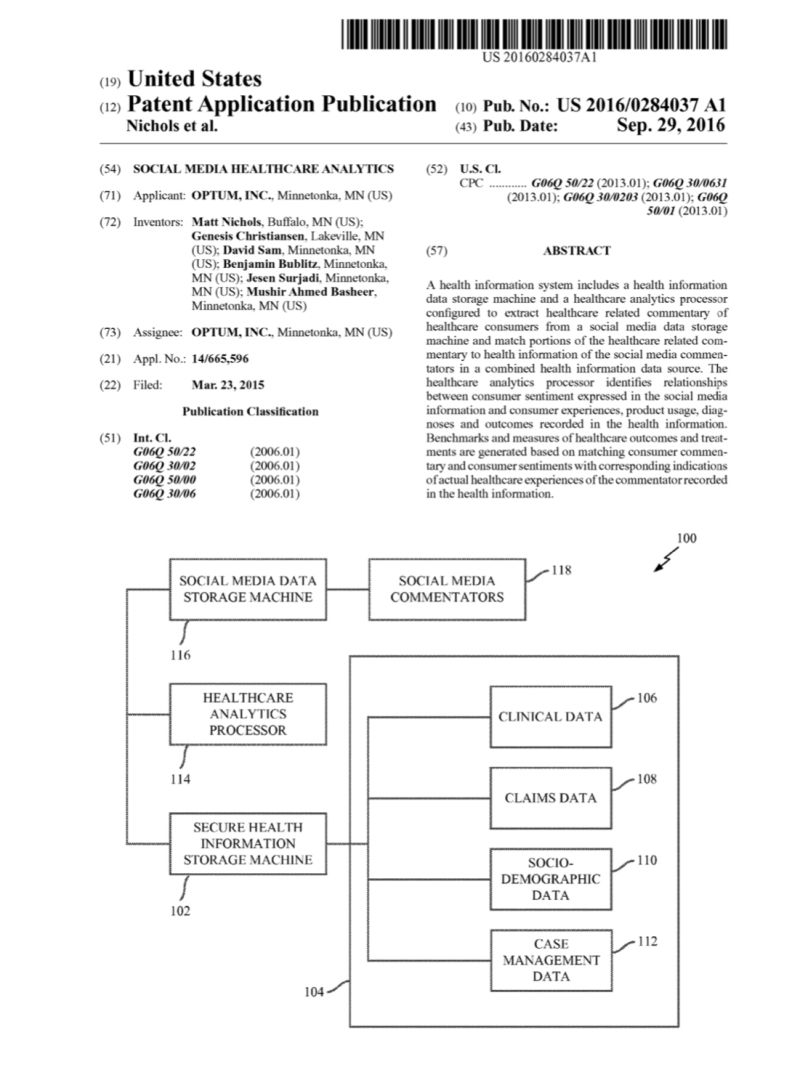
Patient Health Information Data Processing and Storage

US Patent Publication – Who Owns Your Medical Info?

By staff reporters

******

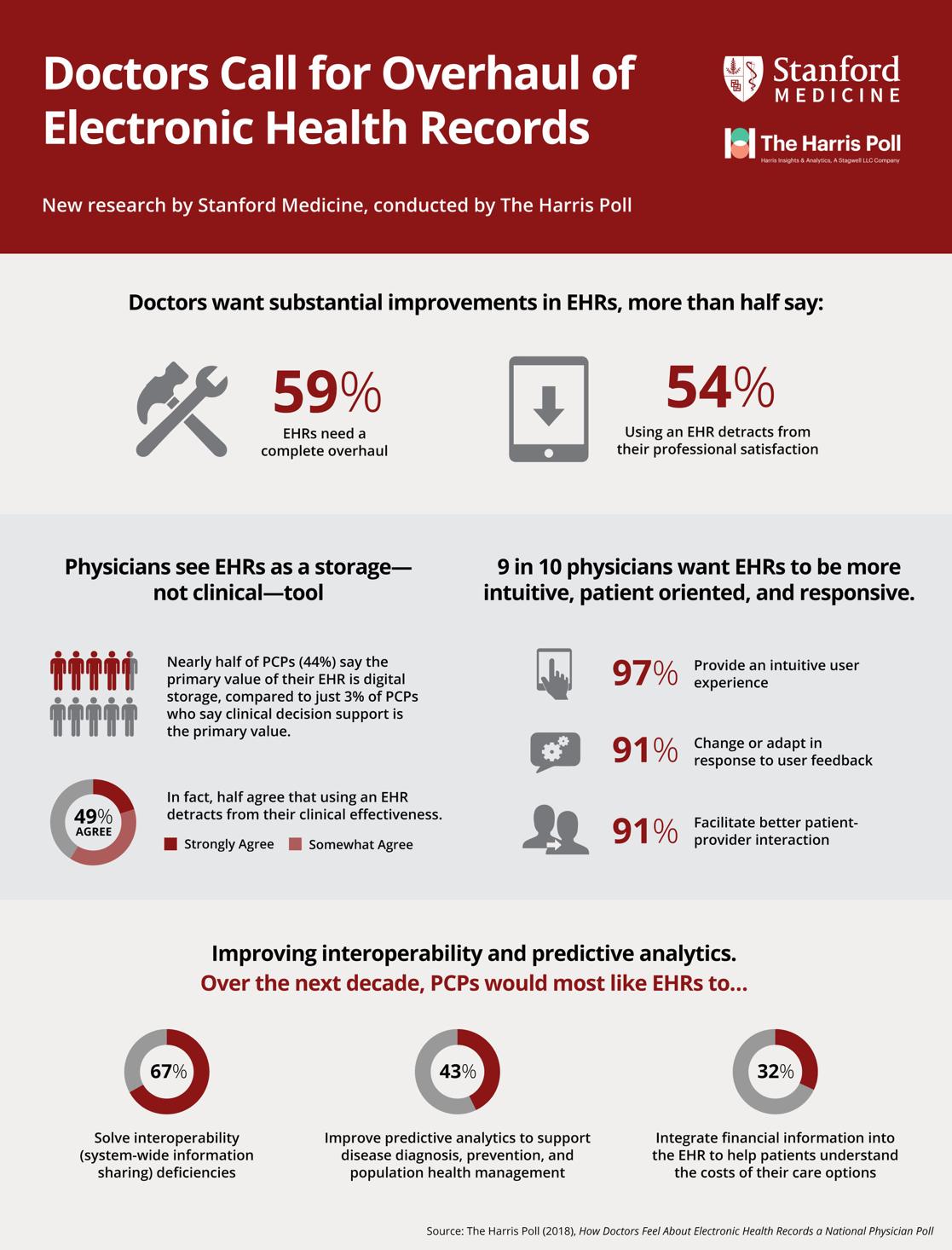
Physician Call for Overhaul of EHRs

Harris Poll of Doctors

[By staff reporters]

***

***

***

Conclusion: Your thoughts are appreciated.

Product DetailsProduct DetailsProduct Details

***

The Doctor Will “SEE” You Now!

OR … Not!

[By staff reporters]

A Medical Office Exam – FROM THIS EMR VISIT!

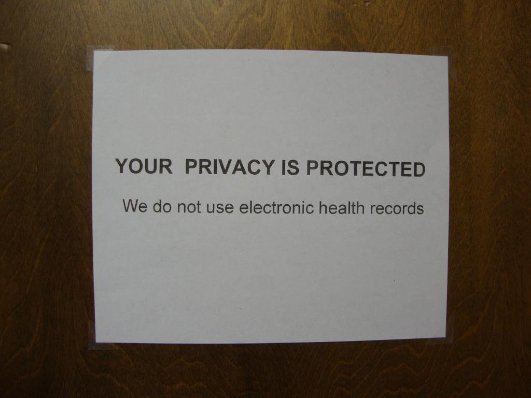
Your privacy is not protected.

We  use Electronic Health Records.

paper

[Courtesy Dr. DK Pruitt]

A Medical Office Exam – TO THIS PMR VISIT!

***

Assessment

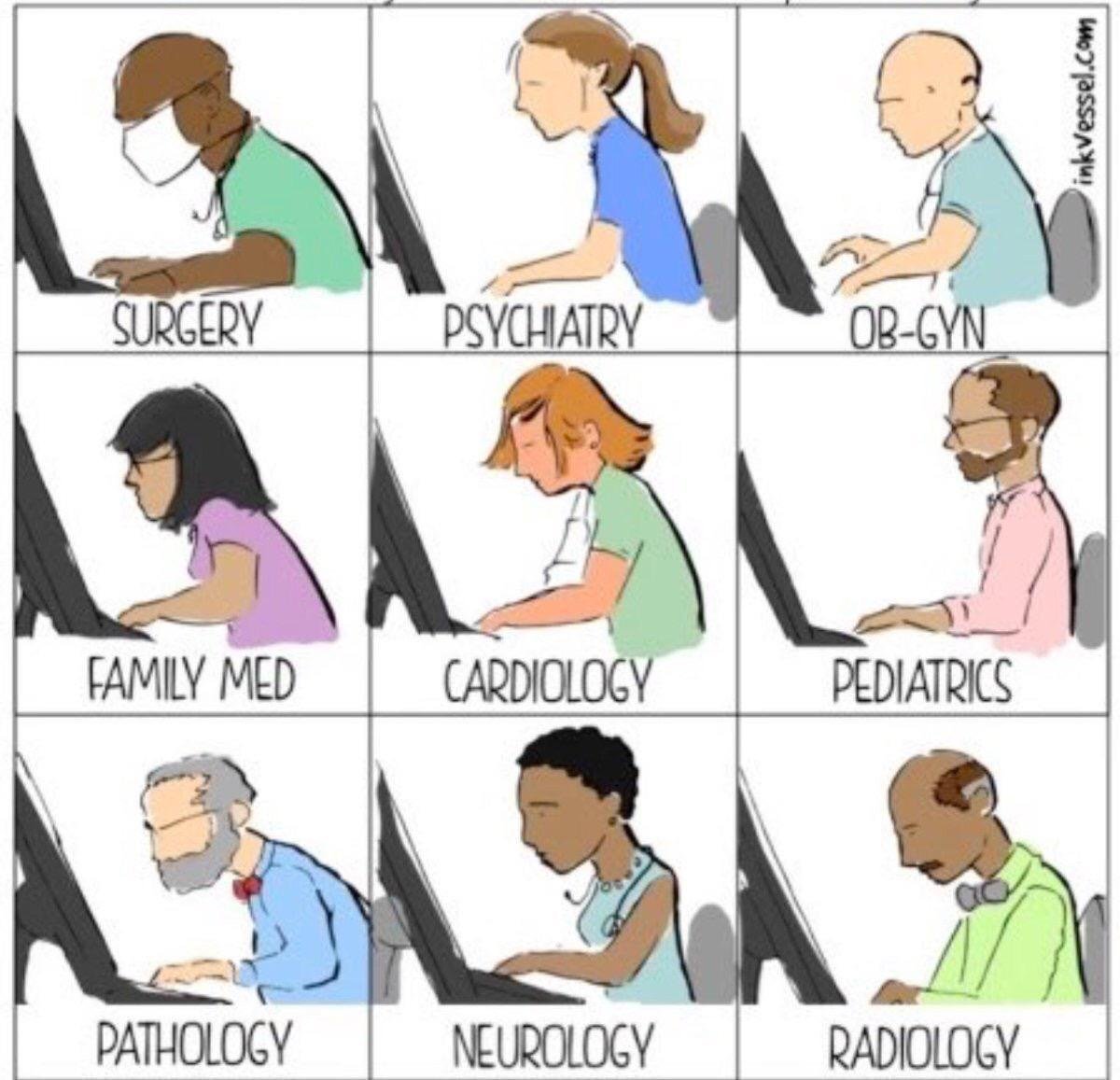
Beware – No medical specialty is immune! Which office visit style do you prefer? Are we “Back to the Future?”

Conclusion

Your thoughts and comments on this ME-P are appreciated. Feel free to review our top-left column, and top-right sidebar materials, links, URLs and related websites, too. Then, subscribe to the ME-P. It is fast, free and secure.

Speaker: If you need a moderator or speaker for an upcoming event, Dr. David E. Marcinko; MBA – Publisher-in-Chief of the Medical Executive-Post – is available for seminar or speaking engagements.

Book Marcinko: https://medicalexecutivepost.com/dr-david-marcinkos-bookings/

Subscribe: MEDICAL EXECUTIVE POST for curated news, essays, opinions and analysis from the public health, economics, finance, marketing, IT, business and policy management ecosystem.

DOCTORS:

“Insurance & Risk Management Strategies for Doctors” https://tinyurl.com/ydx9kd93

“Fiduciary Financial Planning for Physicians” https://tinyurl.com/y7f5pnox

“Business of Medical Practice 2.0” https://tinyurl.com/yb3x6wr8

Product Details

***

EHRs = Opine “YES” or “NO”

EHRs = Opine “YES” or “NO”

A Binary Verbal Opinion Poll

OR

What grade would you give the state of EHR in 2018 on a national basis with physicians and hospitals, and are there aspects that have fallen well short of your past expectations of where we would be today?”

***

***

TELL US WHAT YOU THINK?

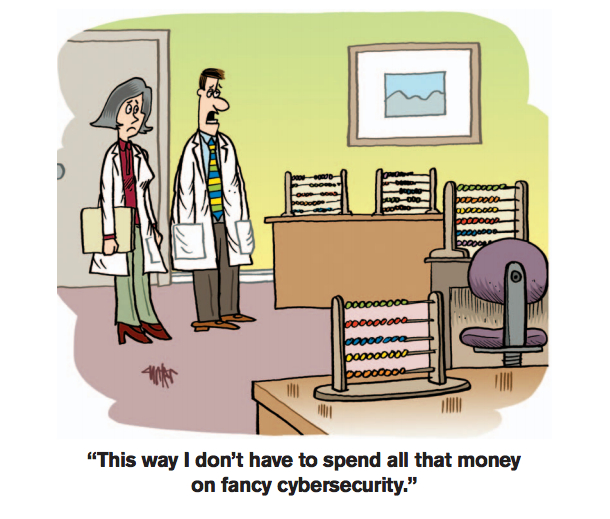
On “Fancy-Smancy” EMRs, IT and Cyber Security, etc.

EMRs – Providers Need to Prepare for Virulent Ransomware in 2018

[By staff reporters]

Ransomware emerged as a significant threat on the worldwide stage in 2017, but new variants will challenge healthcare providers well into 2018, with some versions of new malware not even needing a network to distribute themselves throughout an organization. Previous variants of ransomware, particularly the WannaCry attack in May, showed the ability to self-propagate and spread across a network and onto other networks via the Internet.

Educating a healthcare’s organization workforce on cyberattacks is necessary, but it’s not enough to bring them up to speed on phishing and other threats. Practices need to harden their own email systems; for example, Matt Sherman, a malware outbreak specialist at Symantec, advises using secure email systems as a best practice along with two-factor authentication software. Email systems should scan links contained in incoming messages, and they should enable automatic image loading in messages.

Source: Joseph Goedert, adapted from Health Data Management [12/28/17]

***Courtesy: FunnyBones

Conclusion

Your thoughts and comments on this ME-P are appreciated. Feel free to review our top-left column, and top-right sidebar materials, links, URLs and related websites, too. Then, subscribe to the ME-P. It is fast, free and secure.

Speaker: If you need a moderator or speaker for an upcoming event, Dr. David E. Marcinko; MBA – Publisher-in-Chief of the Medical Executive-Post – is available for seminar or speaking engagements.

Book Marcinko: https://medicalexecutivepost.com/dr-david-marcinkos-bookings/

Subscribe: MEDICAL EXECUTIVE POST for curated news, essays, opinions and analysis from the public health, economics, finance, marketing, IT, business and policy management ecosystem.

***

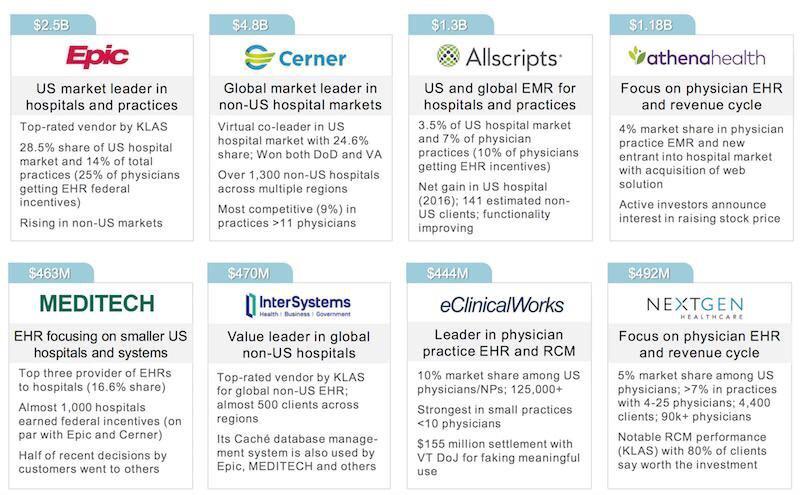
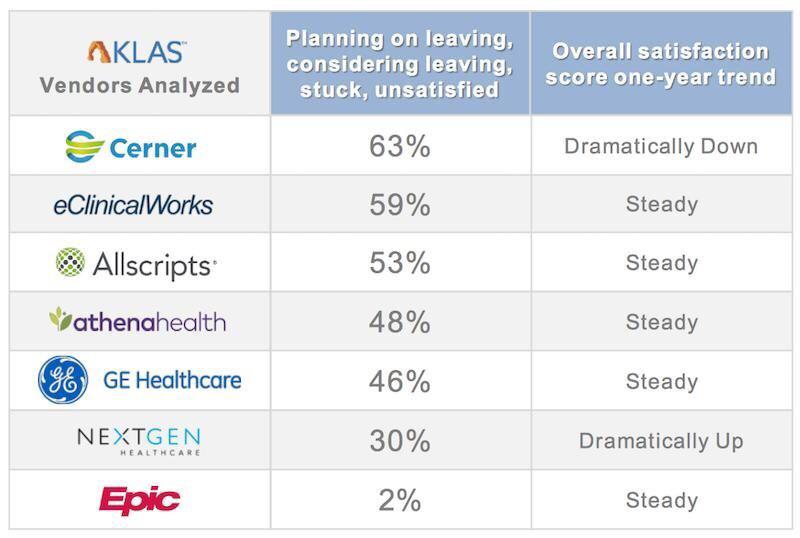
Update on EHR Rankings

Top Vendors

By http://www.MCOL.com and KLAS

******

Conclusion

Your thoughts and comments on this ME-P are appreciated. Feel free to review our top-left column, and top-right sidebar materials, links, urls and related websites, too. Then, subscribe to the ME-P. It is fast, free and secure.

Speaker: If you need a moderator or speaker for an upcoming event, Dr. David E. Marcinko; MBA – Publisher-in-Chief of the Medical Executive-Post – is available for seminar or speaking engagements.

Contact: MarcinkoAdvisors@msn.com

***

Dental EHRs are Coming to an End?

Dental EHRs are Coming to an End

By Darrell Pruitt DDS


The reckless third-party push for adoption of increasingly dangerous dental EHR systems is the most harmful scam in the history of dentistry.

But it’s almost over, Doc. Equifax was hacked.

“If a company like Equifax can make significant investments, have every incentive to keep the most sensitive kind of information secure, but still experience a breach … it stands to reason that our playbook needs a revision,”

Josh Mayfield: [Platform Specialist at Firemon Immediate Insight]. (See: “Equifax, U.S. consumers alike will struggle to overcome massive hack” By Tim Johnson for Mcclatchy, September 8, 2017).

Http://www.mcclatchydc.com/news/nation-world/national/national-security/article172078982.html

Why should anyone assume electronic dental records are any more secure than Equifax records?

Not only do digital health records subject Americans to increasing risk of medical identity theft – which can be lethal – but they are increasingly more expensive than paper dental records.

What’s more, electronic dental records offer dental patients NO TANGIBLE BENEFITS:  When is the last time you witnessed a practice advertise the benefits of digital records? On the other hand, you may have also noticed the appearance of paper files in the backgrounds of promotional photos.

A decade ago, I tried to persuade American Dental Association leadership to consider de-identification of dentists’ primary dental records. After all, if identities are unavailable, they simply cannot be stolen. ADA leadership summarily discarded the idea in favor of full disk encryption – which dentists summarily rejected in favor of luck …. And so here we are, Doc. “First, do no harm.”

***

***

Dental EHR vendors simply will not survive transparency without fundamental changes in how patients’ welfare is guarded – which will further increase their cost and liability.

The future is obvious, yet I am the only dentist in the nation openly warning of the inevitable collapse of the electronic dental record industry. Unlike physicians, who treat four to five times as many patients a day and depend on quick interoperability with other physicians, dentists can safely return to paper. They won’t like the inconvenience of carbon paper, but following the Equifax breach of almost half of the nation’s consumers – virtually every one of them mad as hell – dentists will have no choice. Ehrs have become too costly.

Assessment

This week, a dentist on Facebook who tried but failed to defend the censorship habits of a popular dental consultant said I was on a “one-man crusade.” I don’t think he meant it in the good way. I ask you to remember that remark for future reference.

Conclusion

Your thoughts and comments on this ME-P are appreciated. Feel free to review our top-left column, and top-right sidebar materials, links, urls and related websites, too. Then, subscribe to the ME-P. It is fast, free and secure.

Speaker: If you need a moderator or speaker for an upcoming event, Dr. David E. Marcinko; MBA – Publisher-in-Chief of the Medical Executive-Post – is available for seminar or speaking engagements. Contact: MarcinkoAdvisors@msn.com

OUR OTHER PRINT BOOKS AND RELATED INFORMATION SOURCES:

 Product DetailsProduct Details

***


Health Information Technology [EMR] Update

2014 to 2017


By D. Kellus Pruitt DDS

Three years ago

“When Patients Fear EHR – When patients believe paper medical records are safer and more private than electronic ones, their health can suffer. Many members of the public mistakenly believe electronic health records (ehrs) are less secure than paper files. Magnified by misinformation and political distortion of facts, an unnecessary fear has taken root in the minds of many consumers — often with serious consequences.” 

-Mansur Hasib

Cybersecurity Professional – Author and Speaker in commentary for informationweek, July 28, 2014

Http://www.informationweek.com/healthcare/electronic-health-records/when-patients-fear-ehr/a/d-id/1297519

This week 

“Doctors claim medical records system puts patient safety at risk – PROBLEMS with Queensland Health’s electronic medical record system are angering health workers, with fed-up senior doctors circulating a document slamming the technology and those in charge of it.”

-Kara Vickery and Janelle Miles – The Courier-Mail, July 25, 2017.

Http://www.couriermail.com.au/news/queensland/doctors-claim-medical-records-system-puts-patient-safety-at-risk/news-story/dc18cb388552eb4d179629c298a28408

“300,000 records breached in ransomware attack on Pennsylvania health system – The breach on Women’s Health Care Group of Pennsylvania was discovered in May, but hackers had unauthorized access to the system as early as January.”

-Jessica Davis – Health Care IT News, July 26, 2017

Http://www.healthcareitnews.com/news/300000-records-breached-ransomware-attack-pennsylvania-health-system

“HIPAA Data Breaches, Cyber Attacks Reported by 47% of Orgs – KPMG found that there was a 10 percentage point increase in reported HIPAA data breaches or cyber attacks from 2015 to 2017.”

-Elizabeth Snell – Health IT Security, July 27, 2017

Https://healthitsecurity.com/news/hipaa-data-breaches-cyber-attacks-reported-by-47-of-orgs

“Doctors frustrated that electronic records steal time from patients – Dr. Rebekah Gardner has to make a choice each time she sees a patient in her Rhode Island office: she can scroll computer screens and click boxes, or she can focus on the patient and take home the computer work.”

-Ronnie Cohen – Reuters, July 28, 2017

Http://www.reuters.com/article/us-health-records-electronics-iduskbn1ad2gt

“Plastic Surgery Associates data breach: Patients’ records, payment card details possibly compromised – The company said it discovered that some of its systems were infected with ransomware in February.”

-Hyacinth Mascarenhas – International Business Times, July 29, 2017

Http://www.ibtimes.co.uk/plastic-surgery-associates-data-breach-patients-records-payment-card-details-possibly-compromised-1632555

Conclusion

Your thoughts and comments on this ME-P are appreciated. Feel free to review our top-left column, and top-right sidebar materials, links, urls and related websites, too. Then, subscribe to the ME-P. It is fast, free and secure.

Speaker: If you need a moderator or speaker for an upcoming event, Dr. David E. Marcinko; MBA – Publisher-in-Chief of the Medical Executive-Post – is available for seminar or speaking engagements. Contact: MarcinkoAdvisors@msn.com

OUR OTHER PRINT BOOKS AND RELATED INFORMATION SOURCES:

Risk Management, Liability Insurance, and Asset Protection Strategies for Doctors and Advisors: Best Practices from Leading Consultants and Certified Medical Planners™

***

EHRs, ADA Leaders and Conflict of Interest

Join Our Mailing List 

A decade later ….?


By D. Kellus Pruitt DDS

In July 2007, Dr. Robert H. Ahlstrom, representing the American Dental Association and by default, all US dentists, testified before the National Committee on Vital and Health Statistics (NCVHS) on the benefits of EHRs in dentistry.

His testimony is featured in an official document titled:

“Testimony of the American Dental Association, National Committee on Vital and Health Statistics Subcommittee on Standards and Security July 31, 2007

http://www.ncvhs.hhs.gov/070731p08.pdf

Here are the ADA’s 11 selling points which Dr. Ahlstrom presented to HHS in support of electronic dental records:

  1. Dental office computer systems will be compatible with those of the hospitals and plans they conduct business with. Referral inquiries will be handled easily.
  2. Vendors will be able to supply low-cost software solutions to physicians/dentists who support standards-based electronic data interchange. Costs associated with mailing, faxing and telephoning will decrease.
  3. All administrative tasks can be accomplished electronically. Dentists will have more time to devote to direct care.
  4. Dentists will have a more complete data set of the patient they are treating, enabling better care.
  5. Patients seeking information on enrollment status or health care benefits will be given more accurate, complete and easier-to-understand information.
  6. Consumer documents will be more uniform and easier to read.
  7. Cost savings to providers and plans will translate in less costly health care for consumers. Premiums and charges will be lowered.
  8. Patients will save postage and telephone costs incurred in claims follow-up.
  9. Patients will have the ability to see what is contained in their medical and dental records and who has accessed them. Patient records will be adequately protected through organizational policies and technical security controls.
  10. Visits to dentists and other health care providers will be shorter without the burden of filling out forms.
  11. Consumer correspondence with insurers about problems with claims will be reduced.

Not one of Ahlstrom’s 11 promises has been fulfilled. None …. Total failure!

A decade later, it has become clear that the nation was misled by ambitious leaders of the American Dental Association who have since enjoyed power and/or profit from members’ misinformed adoption of digital records.

***

***

 In my opinion, the grandest deception in the history of dentistry is clearly a result of a secretive not-for-profit corporation’s conflict of interest. This very important business lesson would have been lost to history if I hadn’t been documenting the true progress of EHRs in dentistry.

I (alone?) recognized very early that paperless was doomed simply because the needs of dentists and their patients was secondary to implementation of third-parties’ half-baked, selfish ideas. And I got spanked for that by the same ADA leadership behind Ahlstrom’s tainted testimony to Congress.

My ADA membership was suspended, and I still have not been told why. All the President of the Texas Dental Association would tell me is, “You know what you did.”

Assessment 

To this day, dental EHRs are both increasingly less secure than paper dental records as well as increasingly more expensive. What’s more, they offer no tangible benefits for the patients. ADA leadership failed my profession.

Transparency is accountability.

Conclusion

Your thoughts and comments on this ME-P are appreciated. Feel free to review our top-left column, and top-right sidebar materials, links, URLs and related websites, too. Then, subscribe to the ME-P. It is fast, free and secure.

Speaker: If you need a moderator or speaker for an upcoming event, Dr. David E. Marcinko; MBA – Publisher-in-Chief of the Medical Executive-Post – is available for seminar or speaking engagements. Contact: MarcinkoAdvisors@msn.com

OUR OTHER PRINT BOOKS AND RELATED INFORMATION SOURCES:

Product DetailsProduct Details

***

HITECH: A politically-correct Scam?

Update on HITECH

By Kellus Pruitt DDS

“How bad science can lead to bad science journalism — and bad policy – This is what happens when news organizations don’t catch lousy studies.”

By Stephen Soumerai and Ross Koppel for The Washington Post, June 7, 2017/

Https://www.washingtonpost.com/posteverything/wp/2017/06/07/how-bad-science-can-lead-to-bad-science-journalism-and-bad-policy/?Utm_term=.631e0a2d022c#comments

Soumerai and Koppel:  “As researchers who focus on health care, we see news coverage of badly designed studies constantly. And we’re concerned that breathless reporting on bad science can result in costly, ineffective and even harmful national policies.”

You mean like HITECH?

Since the HITECH Act was passed in 2009, it has been well-documented that not only were the premises of the law fiction, but the law itself has always favored healthcare stakeholders like Cerner at the expense of patients and their doctors – the healthcare principals.

The grandest blunder in medical history gained traction in 1999 with an Institute of Medicine (IOM) report titled, “To Err is Human,” which promises that EHRs should have already saved 100,000 lives a year … Not even close. Not unlike the dangerous research bias described in Soumerai and Koppel’s article that was posted recently, several researchers have also pointed out that the studies cited in the IOM report did not show that people were dying from medical errors that health information technology could detect or correct.

The questionable IOM report was followed in 2005 by a tainted RAND Corporation report which promised savings of $77 billion annually… Wrong again!

***

untitled

***

Shortly after the report was published, rumors quickly spread that the data for the study were cherry-picked by those with software to sell. By 2011, the passage of time revealed that RAND had clearly made a vendor-friendly mistake, forcing RAND to disown their study – but not before its optimistic conclusion was instrumental in the successful passage of the HITECH Act in 2009 (two years after Minnesota lawmakers had already passed the doomed EHR mandate based on the same tainted RAND results).

Political Fiat

Then presidential candidate Hillary Clinton was only one of many lawmakers to quote the RAND study. Almost everyone the nation was suckered in. Ultimately, it was revealed that the study’s vendor-friendly conclusion was largely financed by software giant Cerner, who continues to profit from years of misinformation.

(See: “In 2nd Look, Few Savings From Digital Records,” by Reed Abelson and Julie Creswell, New York Times, Jan. 10, 2013).

Http://www.nytimes.com/2013/01/11/business/electronic-records-systems-have-not-reduced-health-costs-report-says.html

In fact, it was announced last Monday that Cerner, which is responsible for the most dishonest research in the history of health information technology, has been awarded the Department of Veterans Affairs contract for the VA’s next-generation electronic health records system.

Assessment

Dishonesty wins.

Conclusion

Your thoughts and comments on this ME-P are appreciated. Feel free to review our top-left column, and top-right sidebar materials, links, URLs and related websites, too. Then, subscribe to the ME-P. It is fast, free and secure.

Speaker: If you need a moderator or speaker for an upcoming event, Dr. David E. Marcinko; MBA – Publisher-in-Chief of the Medical Executive-Post – is available for seminar or speaking engagements. Contact: MarcinkoAdvisors@msn.com

OUR OTHER PRINT BOOKS AND RELATED INFORMATION SOURCES:

Product DetailsProduct Details

***


A Clever Rap Anthem About Electronic Health Records

Join Our Mailing List

On EHRs

A Re-Post Report by Jaan Sidorov

***

broken PC

Clever Rap Anthem About Electronic Health Records

Assessment

ZDoggMD makes some good points, slips in a sly reference about one EHR provider and salutes another.

Ten years that have passed since he wrote this article, and we still have a way to go.

Conclusion

Your thoughts and comments on this ME-P are appreciated. Feel free to review our top-left column, and top-right sidebar materials, links, URLs and related websites, too. Then, subscribe to the ME-P. It is fast, free and secure.

Speaker: If you need a moderator or speaker for an upcoming event, Dr. David E. Marcinko; MBA – Publisher-in-Chief of the Medical Executive-Post – is available for seminar or speaking engagements. Contact: MarcinkoAdvisors@msn.com

OUR OTHER PRINT BOOKS AND RELATED INFORMATION SOURCES:

Product DetailsProduct Details

***

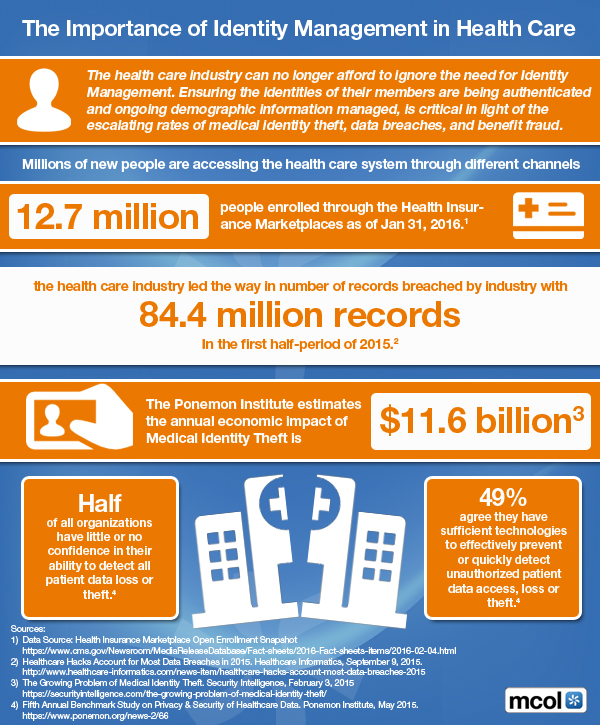
Identity Management in Health Care

Join Our Mailing List

By http://www.MCOL.com

Importance in Health Care

***

***

Conclusion

Your thoughts and comments on this ME-P are appreciated. Feel free to review our top-left column, and top-right sidebar materials, links, URLs and related websites, too. Then, subscribe to the ME-P. It is fast, free and secure.

Speaker: If you need a moderator or speaker for an upcoming event, Dr. David E. Marcinko; MBA – Publisher-in-Chief of the Medical Executive-Post – is available for seminar or speaking engagements. Contact: MarcinkoAdvisors@msn.com

OUR OTHER PRINT BOOKS AND RELATED INFORMATION SOURCES:

Product DetailsProduct DetailsProduct Details

***

Announcing the Philosophic Medical Records Revolution

Join Our Mailing List 

Enter the Revolution

DEM blue

By David Edward Marcinko MBBS MBA CMP®

http://www.CertifiedMedicalPlanner.org

Enter the CMPs

To understand the MR revolution that has occurred the past decade , place yourself for a moment in the position of third-party payer.

You want to know if Dr. Brown actually gave the care for which he is submitting a bill.  You want to know if that care was needed.  You want to know that the care was given to benefit the patient, rather than to provide financial benefit to the provider beyond the value of the services rendered.

Can you send one of your employees to follow Dr. Brown around on his or her office hours and hospital visits?

Of course not!  You cannot see what actually happened in Dr. Brown’s office that day or why Dr. Black ordered a CAT scan on the patient at the imaging center.  What you can do is review the medical record that underlies the bill for services rendered from Dr. Blue.

Most of all, you can require the doctor to certify that the care was actually rendered and was indicated.  You can punish Dr. White severely if an element of a referral of a patient to another health care provider was to obtain a benefit in cash or in kind from the health care provider to whom the referral had been made [Stark Laws].  You can destroy Dr. Rose financially and put him in jail if his medical records do not document the bases for the bills he submitted for payment.

This nearly complete change in function of the medical record has precious little to do with the quality of patient care. To illustrate that point, consider only an office visit in which the care was exactly correct, properly indicated and flawlessly delivered, but not recorded in the office chart.  As far as the patient was concerned, everything was correct and beneficial to the patient.  As far as the third-party payer is concerned, the bill for those services is completely unsupported by required documentation and could be the basis for a False Claims Act [FCA] charge, a Medicare audit, or a criminal indictment.  We have left the realm of quality of patient care far behind.  Shall we change it back to the way it was?  That is not going to happen.

***

273_1

***

Instead, practitioners must adjust their attitudes to the present function of patient records. They must document as required under pain of punishment for failure to do so.  That reality is infuriating to many since they still cling to the ideal of providing good quality care to their patients and disdain such requirements as hindrances to reaching that goal.  They are also aware of the fact that full documentation can be provided without a reality underlying it.

“Fine, you want documentation?  I’ll give you documentation!”

Some have given in to the temptation of “cookbook” entries in their charts, or canned computer software programs, EHR [electronic medical record] templates, listing all the examinations they should have done, all the findings which should be there to justify further treatment; embedded “billing engines” not with-standing. We have personally seen records of physical examinations which record a patient’s ankle pulses as “equal and bounding bilaterally” when the patient had only one leg; hospital chart notes which describe extensive discussion with the patient of risks, alternatives and benefits in obtaining informed consent when the remainder of the record demonstrates the patient’s complaint that the surgeon has never told her what he planned to do; operative reports of procedures done and findings made in detail which, unfortunately, bear no correlation with the surgery which was actually performed.

***

EMRs

***

Whether electronic medical records (EMR) will really be helpful, in the future, is still not known.

In fact, according to Ed Pullen MD, a board certified family physician practicing in Puyallup WA, electronic health records are defined primarily as repositories of patient data [much like paper records].

But, in the era of meaningful use [MU], patient-centered medical homes, and Accountable Care Organizations [ACOs], mere patient data repositories are not sufficient to meet the complex care support needs of clinical professionals. These complaints arise because EHR systems are being used as clinical care support systems, which means they should enhance the productivity of clinical professionals and support their information needs, not hinder them [personal communication, and DrPullen.com]. 

Conclusion

Your thoughts and comments on this ME-P are appreciated. Feel free to review our top-left column, and top-right sidebar materials, links, URLs and related websites, too. Then, subscribe to the ME-P. It is fast, free and secure.

Speaker: If you need a moderator or speaker for an upcoming event, Dr. David E. Marcinko; MBA – Publisher-in-Chief of the Medical Executive-Post – is available for seminar or speaking engagements. Contact: MarcinkoAdvisors@msn.com

OUR OTHER PRINT BOOKS AND RELATED INFORMATION SOURCES:

Risk Management, Liability Insurance, and Asset Protection Strategies for Doctors and Advisors: Best Practices from Leading Consultants and Certified Medical Planners™

 Harvard Medical School

Boston Children’s Hospital – Psychiatrist

Yale University

HEALTH PLAN BEHIND NEW HOSPITAL RANSOM-WARE INCIDENTS

Join Our Mailing List

HEALTH PLAN BEHIND NEW HOSPITAL RANSOM-WARE INCIDENTS

by Derrick Smithsonian for HealthTurnup

Hospitals downloaded ransomware with their electronic payment from a plan that demanded discounts for out of network services
ON THE HEELS OF a highly-publicized ransomware attack experienced by a southern California hospital, HealthTurnup has learned a number of additional hospitals have been victims of a “copycat” hospital ransomware campaign that has been orchestrated by a health plan seeking reductions in their out-of-network payments.

According to sources, the new hospital ransomware incidents all involve malware downloaded when accepting electronic payment from the plan for out of network services, that locks the hospital’s information system by encrypting virtually all files, until a ransom is returned equal to a percentage discount of the previously paid out of network charges.

Sources indicate that the FBI cut short an investigation of the incidents after determining there was proper disclosure provided in the health plan’s electronic payment page, that accepting download of payment of full charges for the out of network services would also provide “download of a suite of complimentary payment adjustment software.”

“Who reads the legal fine print in the tiny font that accompanies those electronic payment download pages provided by the plans?” a representative for one of the impacted hospitals complained. “And the galling thing is, the health plan demanded their discount refund in bitcoins. We’re still issuing refunds with paper checks. Do you know what a pain it is to manually adjust one transaction to bitcoins?”


e6030530904385_56389b1f258f2

Assessment

http://www.BusinessofMedicalPractice.com

Conclusion

Your thoughts and comments on this ME-P are appreciated. Feel free to review our top-left column, and top-right sidebar materials, links, URLs and related websites, too. Then, subscribe to the ME-P. It is fast, free and secure.

Speaker: If you need a moderator or speaker for an upcoming event, Dr. David E. Marcinko; MBA – Publisher-in-Chief of the Medical Executive-Post – is available for seminar or speaking engagements. Contact: MarcinkoAdvisors@msn.com

OUR OTHER PRINT BOOKS AND RELATED INFORMATION SOURCES:

Product DetailsProduct Details

***

EHR Meaningful Use Rules Finalized

Join Our Mailing List 

The CMS Modifications

[By staff reporters]

Source: Joseph Goedert, Health Data Management [10/7/15]
***
Centers for Medicare and Medicaid Services
***
The Centers for Medicare and Medicaid Services has issued a 752-page final rule covering three components of the electronic health records meaningful use program. The rule finalizes modifications to Stages 1 and 2; the 2015 edition of electronic health records certification criteria; and Stage 3 of meaningful use.
Modifications
Under the modifications to Stages 1 and 2, eligible professionals have 10 meaningful use objectives, down from 18 previously. In Stage 3, there are 8 objectives for eligible professionals and hospitals, and more than 60 percent of measures require interoperability.
Assessment
The entire rule is available here.
***
MD with eHR
***
Conclusion
Your thoughts and comments on this ME-P are appreciated. Feel free to review our top-left column, and top-right sidebar materials, links, URLs and related websites, too. Then, subscribe to the ME-P. It is fast, free and secure.
Speaker: If you need a moderator or speaker for an upcoming event, Dr. David E. Marcinko; MBA – Publisher-in-Chief of the Medical Executive-Post – is available for seminar or speaking engagements. Contact: MarcinkoAdvisors@msn.com

EHRs in the News – GAG!

Join Our Mailing List

A Recent Round-Up

1-darrellpruitt[By D. Kellus Pruitt DDS]

“Feds push forward with controversial health rule – The Obama administration is moving ahead with controversial new rules that require doctors to switch to electronic health records or face fees, resisting calls from both parties to delay implementation.”

By Sarah Ferris for The Hill, October 6, 2015

http://thehill.com/policy/healthcare/256120-feds-push-forward-with-controversial-health-it-rule?utm_content=buffer9cd4b&utm_medium=social&utm_source=twitter.com&utm_campaign=buffer

“The Gag Clause is Killing Us – Doctors are barred from discussing safety glitches in software…  And what if doctors — your doctor — is unable to make problems with EHR programs public, due to a so-called ‘gag clause’ written into the contract with the software company, which forbids sharing and publishing, in any form, of potentially dangerous flaws in the IT systems? This is already happening.”

By Deirdre Reilly for HealthZette, October 6, 2015

http://www.lifezette.com/healthzette/gag-clause-is-killing-us/

 “Hackers target Australian health sector, selling records for A$1,000 – Hackers are targeting the Australian health sector, with fully populated digital health records sold on the black market for up to A$1,000 each [$720 US].”

By Beverley Head for ComputerWeekly.com, October 7, 2015

http://www.computerweekly.com/news/4500254986/Hackers-target-Australian-health-sector-selling-records-for-A1000 

 “Electronic health records software often written without doctors’ input – The reason why many doctors find electronic health records (EHR) difficult to use might be that the software wasn’t properly tested, researchers suggests.”

By Kathryn Doyle for Reuters, October 7, 2015

http://www.reuters.com/article/2015/10/07/us-health-software-ehr-idUSKCN0S11OY20151007

 “EHRs provide long-term savings, convenience.”

(no byline), American Dental Association, ADA News, December 6, 2013

http://www.ada.org/en/publications/ada-news/2013-archive/december/ehrs-provide-long-term-savings-convenience

 ***EHR

***

More:

  1. The Percentage of Office-Based Doctors with EHRs
  2. Do Nurses like EHRs?
  3. EHRs – Still Not Ready For Prime Time
  4. The “Price” of eHRs

Conclusion

Your thoughts and comments on this ME-P are appreciated. Feel free to review our top-left column, and top-right sidebar materials, links, URLs and related websites, too. Then, subscribe to the ME-P. It is fast, free and secure.

Speaker: If you need a moderator or speaker for an upcoming event, Dr. David E. Marcinko; MBA – Publisher-in-Chief of the Medical Executive-Post – is available for seminar or speaking engagements. Contact: MarcinkoAdvisors@msn.com

OUR OTHER PRINT BOOKS AND RELATED INFORMATION SOURCES:

***

[HOSPITAL OPERATIONS, ORGANIZATIONAL BEHAVIOR, HIT AND FINANCIAL MANAGEMENT COMPANION TEXTBOOK SET]

Product DetailsProduct Details

[Foreword Dr. Phillips MD JD MBA LLM] *** [Foreword Dr. Nash MD MBA FACP]

***

Got a Beef With Your EHR?

Join Our Mailing List

So – Go Tell the Feds; Already!

[Staff reporters]

Are you a doctor or medical provider unhappy with your electronic health records system, or unable to share health data because of the actions of other organizations?

Or, are you a healthcare consumer who can’t access your EHRs? The feds want to hear from you.

The Office of the National Coordinator for Health Information Technology has a new online complaint website, healthit.gov/healthitcomplaints. It is the first formal complaint process that ONC has had throughout the journey to EHR meaningful use.

***

Source: Joseph Goedert, Health Data Management [9/18/15]

Conclusion

Your thoughts and comments on this ME-P are appreciated. Feel free to review our top-left column, and top-right sidebar materials, links, URLs and related websites, too. Then, subscribe to the ME-P. It is fast, free and secure.

Speaker: If you need a moderator or speaker for an upcoming event, Dr. David E. Marcinko; MBA – Publisher-in-Chief of the Medical Executive-Post – is available for seminar or speaking engagements. Contact: MarcinkoAdvisors@msn.com

OUR OTHER PRINT BOOKS AND RELATED INFORMATION SOURCES:

[PRIVATE MEDICAL PRACTICE BUSINESS MANAGEMENT TEXTBOOK – 3rd.  Edition]

Product Details

  [Foreword Dr. Hashem MD PhD] *** [Foreword Dr. Silva MD MBA]

***

Can the EHR Save Private Practice?

Join Our Mailing List

OR … Can Private Practitioners Save the EHR? 

By http://www.Kareo.com

***

Kareo EHR Savior

Click to access Kareo_Private_Practice_EHR_Infographic.pdf

[Click Link to Enlarge and Expand]

***

Channel Surfing

Have you visited our other topic channels? Established to facilitate idea exchange and link our community together, the value of these topics is dependent upon your input. Please take a minute to visit. And, to prevent that annoying spam, we ask that you register.

Link: http://feeds.feedburner.com/HealthcareFinancialsthePostForcxos

More:

  1. The Percentage of Office-Based Doctors with EHRs
  2. Do Nurses like EHRs?
  3. EHRs – Still Not Ready For Prime Time
  4. The “Price” of eHRs

Assessment

Has the “tide-turned”, and physician sentiment changed, since creation of this info-graphic?

Conclusion

Your thoughts and comments on this ME-P are appreciated. Feel free to review our top-left column, and top-right sidebar materials, links, URLs and related websites, too. Then, subscribe to the ME-P. It is fast, free and secure.

Speaker: If you need a moderator or speaker for an upcoming event, Dr. David E. Marcinko; MBA – Publisher-in-Chief of the Medical Executive-Post – is available for seminar or speaking engagements. Contact: MarcinkoAdvisors@msn.com

OUR OTHER PRINT BOOKS AND RELATED INFORMATION SOURCES:

Product DetailsProduct Details

Sponsors Welcomed

And, credible sponsors and like-minded advertisers are always welcomed.

Advertise with Us!

UNDERSTANDING MEDICAL PRACTICE CYBER SECURITY RISKS

Join Our Mailing List 

A SPECIAL ME-P REPORT

Risk Management, Liability Insurance, and Asset Protection Strategies for Doctors and Advisors: Best Practices from Leading Consultants and Certified Medical Planners™

Mitigations for the Digital Health Era

Shahid N. Shah MS

[By Shahid N. Shah MS]

There has been a tremendous explosion of information technology (IT) in healthcare caused by billions of dollars of government incentives for usage of digital healthcare tools.

But, IT systems face threats with significant adverse impacts on institutional assets, patients, and partners if sensitive data is ever compromised. Every health enterprise is required to confidentiality, integrity and availability of its information assets (this is called “information assurance” or IA). Confidentiality means private or confidential information must not be disclosed to unauthorized persons. Integrity means that the information can be changed only in an authorized manner so as to maintain the correctness of the information. Availability defines the characteristic that information systems work as intended and all services are available to its users whenever necessary.

It is well known that healthcare organizations face and have been mitigating many risks such as investment risk, budgetary risk, program management risk, safety risk, and inventory risk for many years. What’s new in the last decade or so is that organizations must now manage information assurance risks related to operating its information systems because information systems. IT is now just as a critical an asset as most other infrastructure managed by health systems. It is important that information security risks are given the same or more importance and priority as given to other organizational risks.

As health records move from paper native to digital native, it’s vital that organizations have information risk management programs and security procedures that woven into the culture of the organization. For this to happen, basic requirements of information security must be defined and implemented as part of both the operational and management processes. A framework that provides guidance on how to perform these activities, and the co-ordination required between these activities is needed.

***

hacker

[Black Hat Medical Hacker]

***

INTRODUCTION

The Risk Management Framework (RMF), supported by the National Institute of Standards and Technology (NIST) provides this framework. The NIST 800 series publications provide a structured approach to achieve risk management. It provides broad guidance and not necessarily all the prescriptions, which means it can be tailored to meet the organization’s specific needs and providing the flexibility needed for the different organizations. Using the NIST RMF helps organizations with risk management not only in a repeatable manner, but also with greater efficiency and effectiveness. Healthcare information assurance is complex and without a framework that takes into account a broad risk management approach, it is difficult to consider all the intricacies involved.

The NIST Risk Management Framework consists of a six step process designed to guide organizations in managing the risks in their information systems.

The various steps as defined in the NIST specifications are the following:

  • Categorize the information system and the information processed, stored, and transmitted by that system based on an impact analysis.
  • Select an initial set of baseline security controls for the information system based on the security categorization; tailoring and supplementing the security control baseline as needed based on an organizational assessment of risk and local conditions
  • Implement the security controls and describe how the controls are employed within the information system and its environment of operation.
  • Assess the security controls using appropriate assessment procedures to determine the extent to which the controls are implemented correctly, operating as intended, and producing the desired outcome with respect to meeting the security requirements for the system.
  • Authorize information system operation based on a determination of the risk to organizational operations and assets, individuals, other organizations, and the Nation resulting from the operation of the information system and the decision that this risk is acceptable.
  • Monitor the security controls in the information system on an ongoing basis including assessing control effectiveness, documenting changes to the system or its environment of operation, conducting security impact analyses of the associated changes, and reporting the security state of the system to designated organizational officials.

All information systems process, store and transmit information. What is the possible impact if a worst case scenario occurs that causes endangers this information? A structured way to find out the potential impact on the confidentiality, integrity and availability of information can be done through the first step of NIST RMP, the categorization of information systems.

***

keyboard

[Triple Redundant Passwords and Encryption]

***

The NIST SP 800-60 [1, 2, 3 4] provides such guidance. The potential impact is assigned qualitative values – low, moderate, or high. Based on these impact levels for each of the information type contained in the system, the high water mark level is calculated, that helps in selecting the appropriate controls in the subsequent steps.

Organizations need to mitigate risks adequately by selecting an appropriate set of controls that would work effectively. In the selection of security controls step, the set of controls are chosen based on the categorization of the information system, the high water mark and the goals of the organizations.

These baseline controls are selected from NIST SP 800-53 [5] specification, one of three sets of baseline controls, corresponding to low, moderate, high impact rating of the information system. These baseline controls can be modified to meet specific business needs and organization goals. These tailored controls can be supplemented with additional controls, if needed, to meet unique organizational policies and environment factors and its security requirements and its risk appetite. The minimum assurance requirements need to be specified here.

All the activities necessary for having the selected controls in place, is done in the implementation of security controls step. The implementation of the selected security controls will have an impact on the organization risks and its effects. NIST SP 800-70 [6, 7] can be used as guidance for the implementation. An implementation strategy has to be planned and the actions have to be defined and the implementation plan needs to be reviewed and approved, before the implementation is done.

Once the controls are implemented, then the assessment of security controls is done to find out whether the controls have been correctly implemented, working as intended, and giving the desired output with respect to the security requirements. In short, whether the applied security controls are indeed the right ones, done in the right way, giving the right outcome. NIST SP 800-53 [5], NIST 800-53A [6], NIST 800-115 [8-11] can provide the necessary guidance, here. 

***

md-defeated-

[Frustrated Physician]

***

The authorization of information systems is an official management decision, authorizing that the information system can be made operational, with the identified risks mitigated and the residual risks accepted, and is accountable for any adverse impacts on the confidentiality, integrity and availability of information systems. If the authorizing personnel find that the risks are not mitigated and hence can compromise the sensitive information, they can deny authorizing the information system. NIST SP 800-37 [2] provides guidance on authorization. The authorizing personnel are to be involved actively throughout the risk management process.

Risk management is not one-time process, that once it is done, it is forgotten. It is a continuous process, to be integrated with day-to-day activities. One of the key aspects of any risk management is the monitoring of security controls to check whether the controls are performing as intended. The main focus of monitoring security controls is to know whether the controls are still effective over a period time, given the changes that occur in the information systems — the changes in hardware, software and firmware, the changes in environment factors, operating conditions etc. NIST SP 800-37 [2] provides guidance about this. And, if the security controls are found to be ineffective, the cycle starts again, with either re-categorization or selecting another set of baseline controls, or assessing the effectiveness of the controls once more etc.

Regardless, in all the steps in risk management framework, one of the important aspects is communication. Appropriate documents needed to be generated in all the steps, reviewed and kept up-to-date.

Organizational risk management provides great benefits to the organization because it helps to prioritize the resources, increase interoperability, and reduce costs incurred due to the adverse effects. It helps to prevent unauthorized access to personally identifiable information which will lead to security breaches. 

Channel Surfing

Have you visited our other topic channels? Established to facilitate idea exchange and link our community together, the value of these topics is dependent upon your input. Please take a minute to visit. And, to prevent that annoying spam, we ask that you register.

Link: http://feeds.feedburner.com/HealthcareFinancialsthePostForcxos

ABOUT 

Mr. Shahid N. Shah is an internationally recognized healthcare thought-leader across the Internet. He is a consultant to various federal agencies on technology matters and winner of Federal Computer Week’s coveted “Fed 100″ Award, in 2009. Over a twenty year career, he built multiple clinical solutions and helped design-deploy an electronic health record solution for the American Red Cross and two web-based eMRs used by hundreds of physicians with many large groupware and collaboration sites. As ex-CTO for a billion dollar division of CardinalHealth, he helped design advanced clinical interfaces for medical devices and hospitals. Mr. Shah is senior technology strategy advisor to NIH’s SBIR/STTR program helping small businesses commercialize healthcare applications. He runs four successful blogs: At http://shahid.shah.org he writes about architecture issues; at http://www.healthcareguy.com he provides valuable insights on applying technology in health care; at http://www.federalarchitect.com he advises senior federal technologists; and at http://www.hitsphere.com he gives a glimpse of HIT as an aggregator. Mr. Shah is a Microsoft MVP (Solutions Architect) Award Winner for 2007, and a Microsoft MVP (Solutions Architect) Award Winner for 2006. He also served as a HIMSS Enterprise IT Committee Member. Mr. Shah received a BS in computer science from the Pennsylvania State University and MS in Technology Management from the University of Maryland. 
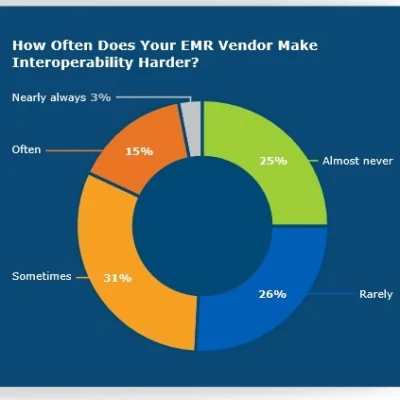
Conclusion

Your thoughts and comments on this ME-P are appreciated. Feel free to review our top-left column, and top-right sidebar materials, links, URLs and related websites, too. Then, subscribe to the ME-P. It is fast, free and secure.

***
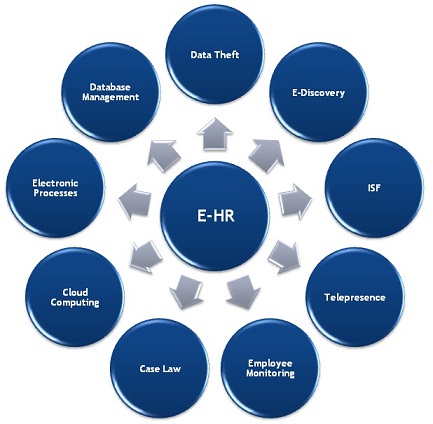
Risk Management, Liability Insurance, and Asset Protection Strategies for Doctors and Advisors: Best Practices from Leading Consultants and Certified Medical Planners™

***

READINGS

[1] National Institute of Standards and Technology Special Publication 800-30 Revision 1, Guide for Conducting Risk Assessments, http://csrc.nist.gov/publications/nistpubs/800-30-rev1/sp800_30_r1.pdf

[2] National Institute of Standards and Technology Special Publication 800-37 Revision 1, Guide for Applying the Risk Management Framework to Federal Information Systems, http://csrc.nist.gov/publications/nistpubs/800-37-rev1/sp800-37-rev1-final.pdf

[3] National Institute of Standards and Technology Special Publication 800-60 Volume I Revision 1, Guide for Mapping Types of Information and Information Systems to Security Categories, http://csrc.nist.gov/publications/nistpubs/800-60-rev1/SP800-60_Vol1-Rev1.pdf

[4] National Institute of Standards and Technology Special Publication 800-60 Volume II Revision 1,  Appendices to Guide for Mapping Types of Information and Information Systems to Security Categories, http://csrc.nist.gov/publications/nistpubs/800-60-rev1/SP800-60_Vol2-Rev1.pdf

[5] National Institute of Standards and Technology Special Publication 800-53 Revision 4, Security and Privacy Controls for Federal Information Systems and Organizations, http://nvlpubs.nist.gov/nistpubs/SpecialPublications/NIST.SP.800-53r4.pdf

[6] National Institute of Standards and Technology Special Publication 800-53A Revision 4, Assessing Security and Privacy Controls in Federal Information Systems and Organizations, http://nvlpubs.nist.gov/nistpubs/SpecialPublications/NIST.SP.800-53Ar4.pdf

[7] National Institute of Standards and Technology Special Publication 800-70 Revision 2, National Checklist Program – Guidelines for Checklist Users and Developers Recommendations of the National Institute of Standards and Technology for IT Products, http://csrc.nist.gov/publications/nistpubs/800-70-rev2/SP800-70-rev2.pdf

[8] National Institute of Standards and Technology Special Publication 800-115, Technical Guide to Information Security Testing and Assessment, http://csrc.nist.gov/publications/nistpubs/800-115/SP800-115.pdf

[9] National Institute of Standards and Technology Special Publication 800-137, Information Security, http://csrc.nist.gov/publications/nistpubs/800-137/SP800-137-Final.pdf

[10] U.S. Department of Health and Human Services, HIPAA Security Series, Security Standards: Technical Safeguards, http://www.hhs.gov/ocr/privacy/hipaa/administrative/securityrule/techsafeguards.pdf

[11] U.S. Department of Health and Human Services, HIPAA Security Series, Security Standards: Physical Safeguards, http://www.hhs.gov/ocr/privacy/hipaa/administrative/securityrule/physsafeguards.pdf

Speaker: If you need a moderator or speaker for an upcoming event, Dr. David E. Marcinko; MBA – Publisher-in-Chief of the Medical Executive-Post – is available for seminar or speaking engagements. Contact: MarcinkoAdvisors@msn.com

OUR OTHER PRINT BOOKS AND RELATED INFORMATION SOURCES:

Risk Management, Liability Insurance, and Asset Protection Strategies for Doctors and Advisors: Best Practices from Leading Consultants and Certified Medical Planners™8Comprehensive Financial Planning Strategies for Doctors and Advisors: Best Practices from Leading Consultants and Certified Medical Planners™

Electronic Medical Data Exchange in Denmark

Join Our Mailing List

Used by 91% of doctors according to research2guidance

By Ralf Jahns

ralf

Denmark emerges as the number one country to start an mHealth business according to a survey conducted by research2guidance in partnership with HIMSS Europe. Over 5000 app developers, healthcare professionals and mHealth practitioners took part in the “European mHealth App Market Ranking” survey, where participants were asked to rank the mHealth App market readiness of the 28 EU member states. The results were recently revealed by Ralf Jahns, Managing Director at research2guidance, during the HIMSS Europe event in Riga, the mHealth Summit, on 12th May 2015.

The results, which establish Denmark as having the best market pre-requisites needed for an mHealth business, are based on the average of the scores in five categories: eHealth adoption, level of digitalisation, market potential, ease of starting an mHealth business and mHealth regulatory framework. Hans Erik Henriksen, CEO of Healthcare Denmark commented on the survey findings: “Denmark has a very digitalised society and is familiar with using technology in healthcare, supported by a regulatory framework. The research2gudiance and HIMSS Europe survey confirms the progress we are making. I sincerely hope that this will inspire the European countries and mHealth community in their efforts to progress mobile solutions, which will make a big difference for our citizens”. Denmark ranked top country for eHealth adoption being the only country where exchanging patients’ medical data electronically is used amongst 91% of doctors, whereas the average of other covered countries is only 34%

In terms of market attractiveness and healthcare investments, Denmark is at the top in the mHealth market potential category, together with Austria which also has one of the highest expenditures for health. The ease of starting mHealth business category describes how easy it is to start and maintain a new business based on the number of days needed to start business, the number of necessary start-up procedures to register a business and the level of tax and, in this case, Denmark also ranked extremely high, as the smaller countries – Ireland was also top in this category – tend to support new businesses better compared to larger countries. Rainer Herzog, General Manager at HIMSS Europe, added: “This year’s survey has revealed that the market conditions for mHealth which Denmark offers are truly remarkable. This has been the largest global mHealth research study to date and there are different learnings that could be drawn from the EU countries’ mHealth App Market Ranking. Ultimately though, although mHealth is still it is an emerging market, and a number of countries in Europe are currently in the process of defining their mHealth roadmaps, Denmark leads the way in all aspects”.

eHRs

Download the full mHealth study report here.

Channel Surfing

Have you visited our other topic channels? Established to facilitate idea exchange and link our community together, the value of these topics is dependent upon your input. Please take a minute to visit. And, to prevent that annoying spam, we ask that you register.

Link: http://feeds.feedburner.com/HealthcareFinancialsthePostForcxos

Conclusion

Your thoughts and comments on this ME-P are appreciated. Feel free to review our top-left column, and top-right sidebar materials, links, URLs and related websites, too. Then, subscribe to the ME-P. It is fast, free and secure.

Speaker: If you need a moderator or speaker for an upcoming event, Dr. David E. Marcinko; MBA – Publisher-in-Chief of the Medical Executive-Post – is available for seminar or speaking engagements. Contact: MarcinkoAdvisors@msn.com

OUR OTHER PRINT BOOKS AND RELATED INFORMATION SOURCES:

Product DetailsProduct Details

Product DetailsProduct DetailsProduct Details

Health Data Breaches Multiplying

Join Our Mailing List

YET – Fines Remain Rare

By Charles Ornstein @charlesornstein

[ProPublica]

Federal health watchdogs say they are cracking down on organizations that don’t protect the privacy and security of patient records, but data suggests otherwise.

***
Fines Remain Rare Even As Health Data Breaches Multiply

***
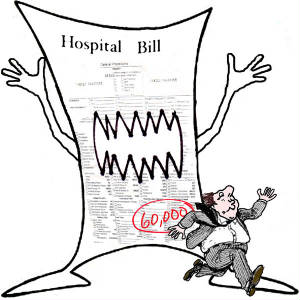
data

***

Channel Surfing the ME-P

Have you visited our other topic channels? Established to facilitate idea exchange and link our community together, the value of these topics is dependent upon your input. Please take a minute to visit. And, to prevent that annoying spam, we ask that you register. It is fast, free and secure.

More:

Even More:

Conclusion

Your thoughts and comments on this ME-P are appreciated. Feel free to review our top-left column, and top-right sidebar materials, links, URLs and related websites, too. Then, subscribe to the ME-P. It is fast, free and secure.

Speaker: If you need a moderator or speaker for an upcoming event, Dr. David E. Marcinko; MBA – Publisher-in-Chief of the Medical Executive-Post – is available for seminar or speaking engagements. Contact: MarcinkoAdvisors@msn.com

OUR OTHER PRINT BOOKS AND RELATED INFORMATION SOURCES:

Product Details

Product DetailsProduct Details

Hospital Data Does NOT Equal Community Health

Join Our Mailing List

More on Big Healthcare Data

Edward Bukstel[By Edward Bukstel]

 ME-P SPECIAL REPORT

***

Hospital Data does not Equal Community Health.

***

eHR diagram

***

Channel Surfing the ME-P

Have you visited our other topic channels? Established to facilitate idea exchange and link our community together, the value of these topics is dependent upon your input. Please take a minute to visit. And, to prevent that annoying spam, we ask that you register. It is fast, free and secure.

More:

Conclusion

Your thoughts and comments on this ME-P are appreciated. Feel free to review our top-left column, and top-right sidebar materials, links, URLs and related websites, too. Then, subscribe to the ME-P. It is fast, free and secure.

Speaker: If you need a moderator or speaker for an upcoming event, Dr. David E. Marcinko; MBA – Publisher-in-Chief of the Medical Executive-Post – is available for seminar or speaking engagements. Contact: MarcinkoAdvisors@msn.com

OUR OTHER PRINT BOOKS AND RELATED INFORMATION SOURCES:

Product Details


The Initial [Estimated] Costs of Electronic Health Records Systems

Join Our Mailing List 

A Decade Look-Back Analysis

[By Richard Mata MD MIS]

Dr. MataStudies by the Organization for Economic Cooperation and Development (OECD) showed that healthcare spending in the U.S. accounted for 15.3% of GDP, which is more than six percentage points higher than the average of 8.9% in other OECD countries.  This translates into per capita health spending of $5,635 in the U.S. compared with median costs of $2,280 in other OECD countries.[1]

Suggestions as to the economic drivers of U.S. health spending include excessive service use, administrative complexity, population aging, threats of malpractice litigation, defensive medicine practices, and the lack of patient waiting lists.  In further comparisons with the OECD countries, it appears the U.S. overpays for physician visits, hospital stays, and pharmaceuticals.

In 2004

A 2004 OECD paper suggested that one way of improving performance would be to move towards EHR:

Health systems should invest in automated health-data systems, including electronic medical records and systems to automate medication orders in hospitals. Better systems for recording and tracking data on patients, health and health care are needed to make major improvements in the quality of care. [2]

In the U.S., possible savings from the adoption of EHR have been projected to reach $142 billion in physician office visits, and $371 billion in hospital costs over a 15-year period.  These projections have not been validated by the experience in other OECD countries where the adoption movement is ahead of U.S. efforts by anything from four to thirteen years.

Nevertheless, the U.S. began its quest to move towards EHR in 2004 as medical software companies began actively marketing their systems, although funding for this endeavor did not come through until 2006.

In spite of this effort, the U.S. has the lowest percentage of physician providers using any EHR compared to Germany, Canada, United Kingdom, and Australia.  The U. S. physicians’ low adoption rate involves fear of the loss of productivity, lack of financial incentives, and high startup costs of as high as $40,000 per physician EHR adoption.

When spending on IT implementation in the healthcare system is compared on an international level, the U.S. lags dramatically behind the major OECD countries.  The U.S. spends $0.43 per capita compared to a high of $193 in the U.K.  This difference is even more dramatic when compared with the German experience, where IT adoption in the healthcare system is almost universal.  In thirteen years, Germany has spent $1.88 billion.  Their annual per capita cost has been $1.63.  The U.S. has reached only 25% of that expenditure so far.

The greatest barrier to adoption of EHR in most OECD countries has been the need to simplify the health insurance contracts payment structures with standard nomenclatures that can be adapted to EHR.  The major OECD countries also report that there must be a national adoption of IT standards in the healthcare system as well as a national effort to focus on privacy and confidentiality standards.  This assures better coordination of implementation and provides better strategies for adoptions through public incentives and grants.

In the U.S., the five-year costs for a national IT healthcare network have been estimated to be as high as $103 billion in capital and $53 billion in interoperability.  Hospital costs for functionality were estimated to be $51 billion, skilled nursing facilities would bear $31 billion of costs, and physician offices would bear $18 billion of the costs. (Anderson, 2006)  EHR systems that have been implemented have been used mainly for administrative rather than clinical purposes.

***

hospital bills

***

In 2005

A 2005 study by Richard Hillestad and colleagues at RAND [3] estimates that implementation of a nationwide EHR network would take about 15 years and cost hospitals about $98 billion and physicians about $17 billion.  Over the 15-year period, the average annual cost to hospitals would be $6.5 billion and the average annual cost to physicians would be $1.1 billion (CQ HealthBeat [1], 9/14).

However, if 90% of providers adopted such a network, annual savings would total $81 billion, including $77 billion from improved efficiency and $4 billion from reduced medical errors, the RAND study found.  The study estimates that an EHR network would reduce adverse drug events in inpatient hospital settings by 200,000 annually and reduce such events in ambulatory settings by two million annually, saving $1 billion annually in hospitals and $3.5 billion in ambulatory settings.

For hospitals, about 60% of these savings would be from reduced adverse drug events in patients ages 65 and older, while 40% of savings to ambulatory practices from reduced medication errors would be in patients 65 and older (CQ HealthBeat [1], 9/14).

In addition, the study estimates that a national EHR network would save Medicare about $23 billion annually and save private insurers about $31 billion annually.  The study projects that the estimated total annual savings of $81 billion would double if providers followed all checkup reminders and other prompts from the system (AP/Las Vegas Sun, 9/14).  Currently, about 20% to 25% of hospitals and 15% to 20% of physician offices have EHR systems, according to the study (CQ HealthBeat [1], 9/14).

Assessment

What about today in 2015? How close have these estimates been?

Channel Surfing the ME-P

Have you visited our other topic channels? Established to facilitate idea exchange and link our community together, the value of these topics is dependent upon your input. Please take a minute to visit. And, to prevent that annoying spam, we ask that you register. It is fast, free and secure.

Conclusion

Your thoughts and comments on this ME-P are appreciated. Feel free to review our top-left column, and top-right sidebar materials, links, URLs and related websites, too. Then, subscribe to the ME-P. It is fast, free and secure.

Speaker: If you need a moderator or speaker for an upcoming event, Dr. David E. Marcinko; MBA – Publisher-in-Chief of the Medical Executive-Post – is available for seminar or speaking engagements. Contact: MarcinkoAdvisors@msn.com

OUR OTHER PRINT BOOKS AND RELATED INFORMATION SOURCES:

[1]    For details of the report, see http://www.oecd.org/dataoecd/29/52/36960035.pdf.

[2]   OECD, Towards High-Performing Health Systems, see http://www.oecd.org/document/26/0,2340,en_2649_37407_31734042_1_1_1_37407,00.htm.

[3]   See http://www.rand.org/health/feature/2006/060414_shekelle.html.  The report is also discussed in some detail in Neergaard, AP/Las Vegas Sun, 9/14/05.  See http://www.ihealthbeat.org/index.cfm?Action=dspItem&itemID=114707.

Product DetailsProduct Details

Understanding “Meaningful Use” Attestation Numbers for 2014

Join Our Mailing List

Providers versus Hospitals

By CMS

ME121014_PAGE_16

Assessment

So, what do the hospitals know –  that the doctors do not?

Channel Surfing the ME-P

Have you visited our other topic channels? Established to facilitate idea exchange and link our community together, the value of these topics is dependent upon your input. Please take a minute to visit. And, to prevent that annoying spam, we ask that you register. It is fast, free and secure.

Conclusion

Your thoughts and comments on this ME-P are appreciated. Feel free to review our top-left column, and top-right sidebar materials, links, URLs and related websites, too. Then, subscribe to the ME-P. It is fast, free and secure.

Speaker: If you need a moderator or speaker for an upcoming event, Dr. David E. Marcinko; MBA – Publisher-in-Chief of the Medical Executive-Post – is available for seminar or speaking engagements. Contact: MarcinkoAdvisors@msn.com

OUR OTHER PRINT BOOKS AND RELATED INFORMATION SOURCES:

Product DetailsProduct Details

Product Details