Joint vs. Separate Ownership of Physician Assets

DOCTORS MUST KNOW THE DIFFERENCE

 Dr. David Marcinko MBA CMP®

https://i0.wp.com/images.lawyers.com/LBM_Images/Lawyers/lawyer-j-christopher-miller-photo-1613768.jpg

J. Christopher Miller; JD

HISTORY

Do you remember when Andy DuFresne confronts the chief guard of his prison in The Shawshank Redemption and tells him to divert an inherited sum of money into his wife’s name? Even sixty-five years after the 1949 setting of that conversation, a common means of protecting assets from the reach of creditors is to transfer property into a spouse’s name. Assuming that the spouse is not also at substantial risk of being the target of lawsuits because of the spouse’s profession or lifestyle, it is an effective means of accomplishing that goal. Creditors with valid judgments against an individual may only attach and seize those assets owned by that individual.  Anything worth doing is worth doing right, however, and there are several pointers to structuring asset ownership in a way that maximizes its protective value.

STATES

A small number of states, such as Hawaii, Pennsylvania, and Florida, have statutes that automatically protect property jointly owned by spouses from creditors of either spouse, but often not from creditors of both spouses together. Property that benefits from this characterization is held in as a “tenancy by the entirety,” and prevents only one spouse from transferring away property that the married couple obtained together.  Again, variation in state law determines just how beneficial the formation of a “tenancy by the entirety” can be from an asset protection standpoint.  This protection comes from a public interest in the preservation of marital assets, such that one spouse’s indiscretion may not harm the position of the other spouse. 

The most significant limits to the advantage provided by the tenancies of the entirety are first, that the creditors with claims against both spouses may seize such jointly held property, and second, that upon the first death between the spouses, the property flows directly to the surviving spouse alone, who then no longer has the benefit of the creditor protection.  Moreover, in April of 2002, the U.S. Supreme Court sharply curtailed the benefit provided by tenancies by the entirety by ruling that it does not shield an asset from the federal authorities, even if the tax liability was incurred only by one spouse.[1]

Some states in the South and West are community property states, which is similar to, but not the same as, tenancy by the entirety.  Under the community property theory, all property acquired by either spouse during the residency in that state (or in some states, prior to or during the residency), will be considered jointly owned property even if titled to an individual spouse. Merely by moving to one of these community property states, a person can automatically shift assets, thus reducing the quantity of assets subject to the creditors of the wealthier spouse.

PROPERTY

Community property and land owned as tenants-by-the-entirety is different from a third type of ownership called Joint Tenancy with Rights of Survivorship, sometimes abbreviated as “JTWROS”.  Joint tenancy with rights of survivorship may ease some burdens associated with probating a decedent’s estate, but this form of ownership is not ideal when viewed through the asset protection prism.

An alternative is to hold assets in the name of one spouse or the other, or as “tenants-in-common.”  Tenancy-in-common is best described as a situation in which each spouse owns a one-half undivided share in the property, but does not have the automatic right to full ownership at the death of the other spouse. 

Three advantages flow from this form of ownership:

Asset Protection-Protect Your Assets from Lawsuits ...
  • Neither spouse owns the property exclusively.

A creditor seizing the interest of one spouse would not have a valuable asset because it could not evict the remaining spouse, so creditors will attack these assets only as a last resort to satisfy their claims. However, a lien recorded against either fractional interest would have to be satisfied upon its sale, so that the net proceeds would be reduced by the amount of the lien.  For this reason, tenancy-in-common is only a temporary means of protecting an asset from an adverse judgment, and not quite the same as fully separate ownership.  This flaw is one reason why many estate planners recommend the funding of property into the name of a spouse or family member less vulnerable to adverse judgments.

  • If either spouse were to die, only half of the property would be subject to estate tax.

Ownership of property as tenants-in-common helps in the estate planning arena by facilitating the process of equalizing the assets held by each spouse. Changes made during 2010 and 2013 to the estate tax laws have pushed the federal estate tax exemption above $5 million, so fewer individuals (less than ½ of 1% of the general public by some estimates) will realize an actual tax savings from such planning. Even more appealing is that surviving spouses can now claim the unused exemption left behind by a deceased spouse. Estate tax concerns are now playing a much smaller role in recommending how spouses own their property.

  • A dying spouse has the ability to control how his or her interest is distributed.

In many simple Wills, all property of a spouse is given by bequest to the surviving spouse.  Such a bequest could include partial ownership interests in real estate.  If the surviving spouse is concerned about asset protection, this additional property would not be beneficial because it would easily be sacrificed to the survivor’s creditors.  One way of avoiding this result is to build an estate plan in which each spouse bequests the partial interest owned by that spouse to a trust.  At the first death between two spouses, the trust will hold the partial ownership interest for the benefit of the surviving spouse.  The trust holding the partial residence interest preserves the deterrent faced by creditors of the surviving spouse because seizure of the surviving spouse’s interest would not terminate the spouse’s right to use the land provided for in the trust.

A different set of rules applies to property held jointly by medical professionals who are not married to each other. If property is owned jointly among siblings or business associates instead of a business entity, the owners should make sure that the deed names them as tenants-in-common.  Otherwise, each successive death among the owners will shift the ownership to the survivors, and leave the family of the deceased owner with no lasting value from the owner’s investment into the property and its improvements.

LONG TERM

Assets should be held in a way that protects them from creditors for the long term. The form of asset holdings should thus be a significant part of the discussions held with professional advisors, so that the protection lasts beyond your death or that of your spouse. Structure the protected assets so that they do not flow back to you if your spouse should pass away.  In this manner, integrated asset protection, estate planning, and financial planning unite to protect the family’s interests by extending the benefits of creditor protection for the long term.

ASSESSMENT: Your comments are appreciated.

****


[1] See United States v. Craft, 535 U.S. 274 (Apr. 17, 2002).

Risk Management, Liability Insurance, and Asset Protection Strategies for Doctors and Advisors : Best Practices from Leading Consultants and Certified Medical Planners™ book cover

ORDER Textbook: https://www.routledge.com/Risk-Management-Liability-Insurance-and-Asset-Protection-Strategies-for/Marcinko-Hetico/p/book/9781498725989

THANK YOU

***

HOSPITAL OPERATIONS: Organizations, Strategies, Techniques, Tools, Templates and Case Models

YOUR COMMENTS ARE APPRECIATED.

RELATED TEXTS: https://medicalexecutivepost.com/2021/04/29/why-are-certified-medical-planner-textbooks-so-darn-popular/

INVITE DR. MARCINKO: https://medicalexecutivepost.com/dr-david-marcinkos-

THANK YOU!

***

ADVERTISE: With the Medical Executive-Post

Advertise with THE ME-P

***

Advertise With Us

***

LINK: https://medicalexecutivepost.com/2007/11/11/advertise/

CONTACT: Ann Miller RN MHA

Email: MarcinkoAdvisors@msn.com

***

Hospitals and Healthcare Organizations

INVITE DR. MARCINKO: https://medicalexecutivepost.com/dr-david-marcinkos-bookings/

Thank You

***

HOSPITALS: Management Strategies, Operational Techniques, Tools, Templates and Case Studies

***

TEXTBOOK REVIEW

Drawing on the expertise of decision-making professionals, leaders, and managers in health care organizations, Hospitals & Health Care Organizations: Management Strategies, Operational Techniques, Tools, Templates, and Case Studies addresses decreasing revenues, increasing costs, and growing consumer expectations in today’s increasingly competitive health care market.

Offering practical experience and applied operating vision, the authors integrate Lean managerial applications, and regulatory perspectives with real-world case studies, models, reports, charts, tables, diagrams, and sample contracts. The result is an integration of post PP-ACA market competition insight with Lean management and operational strategies vital to all health care administrators, comptrollers, and physician executives. The text is divided into three sections:

  1. Managerial Fundamentals
  2. Policy and Procedures
  3. Strategies and Execution

Using an engaging style, the book is filled with authoritative guidance, practical health care–centered discussions, templates, checklists, and clinical examples to provide you with the tools to build a clinically efficient system. Its wide-ranging coverage includes hard-to-find topics such as hospital inventory management, capital formation, and revenue cycle enhancement. Health care leadership, governance, and compliance practices like OSHA, HIPAA, Sarbanes–Oxley, and emerging ACO model policies are included. Health 2.0 information technologies, EMRs, CPOEs, and social media collaboration are also covered, as are 5S, Six Sigma, and other logistical enhancing flow-through principles. The result is a must-have, “how-to” book for all industry participants.

***

NVITE DR. MARCINKO: https://medicalexecutivepost.com/dr-david-marcinkos-bookings/

Thank You

***

YOUR THOUGHTS are appreciated.

FINANCIAL MANAGEMENT STRATEGIES

Hospitals and Health Care Organizations

YOUR COMMENTS ARE APPRECIATED.

SECOND OPINIONS: https://medicalexecutivepost.com/schedule-a-consultation/

INVITE DR. MARCINKO: https://medicalexecutivepost.com/dr-david-marcinkos-bookings/

THANK YOU

***

Reviews

Navigating a course where sound organizational management is intertwined with financial acumen requires a strategy designed by subject-matter experts. Fortunately, Financial Management Strategies for Hospital and Healthcare Organizations: Tools, Techniques, Checklists and Case Studiesprovides that blueprint.
―David B. Nash, MD, MBA,Jefferson Medical College, Thomas Jefferson University

It is fitting that Dr. David Edward Marcinko, MBA, CMP™ and his fellow experts have laid out a plan of action in Financial Management Strategies for Hospital and Healthcare Organizationsthat physicians, nurse-executives, administrators, institutional CEOs, CFOs, MBAs, lawyers, and healthcare accountants can follow to help move healthcare financial fitness forward in these uncharted waters.
―Neil H. Baum, MD, Tulane Medical School

***]

SECOND OPINIONS: https://medicalexecutivepost.com/schedule-a-consultation/

INVITE DR. MARCINKO: https://medicalexecutivepost.com/dr-david-marcinkos-bookings/

***

CERTIFIED MEDICAL PLANNER™ Designation: A.I. Allows Adult Learners Take Control

“Robo-Examiners” Let CMP™ Candidates Take Control

Dr. David Marcinko MBA CMP™
[Founding CEO and President]

Enter the CMPs

cmp

The concept of a self-taught and student motivated, but automated outcomes driven classroom may seem like a nightmare scenario for those who are not comfortable with computers. Now everyone can breathe a sigh of relief, because the Institute of Medical Business Advisors just launched an “automated” final examination review protocol that requires no programming skill whatsoever.

In fact, everything is designed to be very simple and easy to use. Once a student’s examination “blue-book” is received, computerized “robotic reviewers” correct student assignments and quarterly test answers. This automated examination model lets the robots correct tests and exams, while the students concentrate on guided self-learning.

READ: https://medicalexecutivepost.com/2020/07/09/robo-examiners-let-cmp-candidates-take-control/

MORE: https://medicalexecutivepost.com/2020/06/16/discover-the-best-medical-risk-management-and-insurance-planning-practices-of-leading-cmps/

Your thoughts and comments are appreciated.

THANK YOU

***

FINANCIAL PLANNING AND INVESTING FOR PHYSICIANS: Purchase Textbook Today & Relax Tomorrow

“MANIC MONDAY” 2021

INVITE DR. MARCINKO: https://medicalexecutivepost.com/dr-david-marcinkos-bookings/

YOUR THOUGHTS ARE APPRECIATED

SPONSOR: http://www.CertifiedMedicalPlanner.org

CMP logo

THANK YOU

***

On PHYSICIAN RECRUITMENT: “Head-Hunters” and Executive Search Firms

ART AND SCIENCE OF PHYSICIAN RECRUITMENT

By Dr. David Edward Marcinko MBA CMP®

CMP logo

SPONSOR: http://www.CertifiedMedicalPlanner.org

Recruitment has become a refined art in recent years as practices and physicians themselves grow increasingly savvy about the finer points of marketing positions and securing employment.  It’s more competitive than ever, too.  Many organizations are going after the same physicians. Add to that a shortage of doctors in key specialties and certain geographical areas and the pressure becomes that much more intense.  Moreover, the aging of the physician workforce, their increased dissatisfaction with managed care, and changes in doctors’ work expectations (they want more free time) have affected the demand and supply.

Additionally, both practicing physicians and residents fresh out of training have become more discerning and skillful in managing the search process.  Candidates have learned to be selective based on how they’re treated on the phone, how they’re treated in person during site visits, or how smoothly the negotiations go.  One small bump in the road and they could choose to go elsewhere.  In truth, they look to rule organizations out, not in.  

Even the smallest of practices must have an effective recruitment plan because they compete directly with the big guys — larger practices and hospitals that have polished their efforts and perfected their processes. 

Facts about Physician Recruiters and Executive Search Firms

1) If you are job hunting, you should send your resume to recruiters

Different recruiters know about different positions. They do not usually know about the same ones. This is particularly true with retained firms. By sending your resume out widely, you will be placed in many different confidential databases and be alerted of many different positions. If you send your resume to only a few, it may be that none you send to will be working with positions which are suited for you. Throw your net widely.

If you change jobs, it is also wise to send follow-up letters to the recruiters and alert them of your new career move. Many search firms follow people throughout their careers and enjoy being kept up-to-date. It is a good idea to have your resume formatted in plain text so you can copy and paste it into email messages when requested to do so. Then, follow up with a nicely formatted copy on paper by postal mail.

Some estimate that only 1% to 3% of all resumes sent will result in actual job interviews. So, if you only send 50 resumes, you may only have less than 2 interviews, if that many. Send your resume to as many recruiters as you can. It is worth the postage or email time. Generally, recruiters will not share your resume with any employer or give your name to anyone else without obtaining your specific permission to do so. The recruiter will call first, talk to you about a particular position and then ask your permission to share your resume with that employer.

2) Your resume will be kept strictly confidential by the executive search firm.

It is safe to submit your resume to a search firm and not worry that the search firm will let it leak out that you are job hunting. Recruiters will call you each and every time they wish to present you to an employer in order to gain your permission. Only after they have gained your permission will they submit your name or resume to the identified employer. The wonderful aspect of working with search firms is that you can manage your career and your job search in confidence and privacy.

3) Fees are always paid by the employer, not the job candidate.

Recruiters and search firms work for the employer or hiring entity. The employer pays them a fee for locating the right physician for the job opening. This is important to remember, in that when you interact with executive recruiters, you are essentially interacting with an agent or representative of the employer. Recruiters are more loyal to employers than they are to job candidates because they work for the employer. This should not present a problem, but, should cause you to develop your relationship with the recruiter with the same integrity and professionalism that you would with the employer.

Recruiters are paid fees in one of two ways – retainer fees or contingency fees. This is an important distinction and will affect your process with both the employer and the recruiter. Some employers prefer working with contingency firms and some with retained firms. Both are respected by employers and useful in your job search, but, the two types of firms will not be handling the same positions with the same employers simultaneously.

A “retained” recruiter has entered an exclusive contract with an employer to fill a particular position. The retained recruiter, then, is likely to advertise a position, sharing the specifics of the position, location and employer openly. The retained firm feels a great obligation to fulfill the contract by finding the best person for the job.

A “contingency recruiter” on the other hand, usually does not have an exclusive relationship with the employer, and is only paid a fee if the job search is successful. Often, if the employer uses contingency firms, there will be more than one contingency firm competing to fill a certain position. As a job hunter, if you are sent to an interview by a contingency firm, you may find that you are competing with a larger number of applicants for a position. Generally, retained firms only send in from 3 to 5 candidates for a position.

Recruiters will be paid fees equal to about 25% to 35% of the resulting salary of the successful candidate plus expenses. This does not come out of the job candidate’s salary. This is paid to the recruiter through a separate relationship between the employer and the search firm. This may seem like a large fee, but, keep in mind that recruiters incur a great many expenses when searching for successful job candidates. They spend enormous amounts of money on computer systems, long distance calls, mail-outs, travel and interviews. Recruiters work very hard for these fees. Employers recognize the value of using recruiters and are more than willing to pay recruiters the fees. All you have to do is contact the recruiter to get the process moving. 

4) Not all medical recruiters work only with physicians.

Some search firms work exclusively with physicians or in healthcare, while others may work in several fields at once. Some of the larger generalist firms will have one or more search consultants that specialize in healthcare. It is important for you, as a job hunter, to assess the recruiters’ knowledge of your field. If you use industry or medical specialty buzz words in describing your skills, experience or career aspirations, you may or may not be talking a language the recruiter understands fully. It is wise to explore fully with the recruiter his understanding of your field and area of specialization.

5) Recruiters and search consultants move around.

Recruiters, like many professionals, move to new firms during their careers. Often you will find that recruiters will work at several firms during their careers. Since it is much more effective to address your letters to a person rather than “to whom it may concern”, it is smart for job hunters to have accurate and up-to-date information about who is who and where, since this can change frequently. Search firms also move their offices, sometimes to another suite, street or state. If you have a list of recruiters that is over one year old, you will certainly waste some postage in mailing your resumes and cover letters. Many of your mail-outs will be returned to you stamped “non-deliverable”, unless you obtain an up-to-date list. A resource, like the Directory of Healthcare Recruiters is updated very frequently, usually monthly [www.pohly.com/dir3.html].

6) Most search firms work with positions all over the country.

If you are from a particular state, and want to remain in that state, don’t make the mistake of only sending your resume to recruiters in your state. Often the recruiters in your state are working on positions in other states, and recruiters in other states are working on positions in your state. This is usually the case. Very few recruiters work only in their local area, most work all around the US and some internationally. Regardless of your geographic preference, you should still send your resume to all the healthcare recruiters. If you really only want to remain in your area, you can specify that preference in your cover letter.

7) Recruiters primarily work with hard to fill positions or executive positions.

Some recruiters specialize in clinical positions for physicians, managed care executive positions, healthcare financial positions or health administration positions. Others may specialize in finding doctors, nurses or physical therapists. Generally, an employer does not engage a recruiter’s assistance in filling a position unless it is hard to fill. Sometimes employers will engage search firms to save them the valuable time of advertising or combing through dozens of resumes.

Contingency recruiters tend to work with more mid-level management and professional positions, but, this is not always the case. Retained firms generally work with the higher level clinical or administrative positions.

One thing you will be assured of is that if a recruiter is working on a position that means that the employer is willing to pay a fee. That usually means that the position is a valued position and one worth closer inspection on your part. Even in healthcare, with certain exceptions, our economy is an “employer’s market”. This means that employers receive a deluge of resumes for their open positions. Increasingly, employers are using recruitment firms to handle their openings and schedule the interviews because employers simply do not have the manpower or time to handle the many resumes they receive. Therefore, if a job hunter is submitted by a recruiter, that job hunter has a great advantage over all other applicants.

ASSESSMENT: Your comments are appreciated.

SECOND OPINIONS: https://medicalexecutivepost.com/schedule-a-consultation/

INVITE DR. MARCINKO: https://medicalexecutivepost.com/dr-david-marcinkos-bookings/

SPONSOR: http://www.CertifiedMedicalPlanner.org

THANK YOU

***

STOCKS: A Very Skewed Market “Boom”

PRICES CHANGES FOR THE LAST SEVEN YEARS

***

***

Your thoughts are appreciated.

SECOND OPINIONS: https://medicalexecutivepost.com/schedule-a-consultation/

INVITE DR. MARCINKO: https://medicalexecutivepost.com/dr-david-marcinkos-bookings/

SPONSOR: http://www.CertifiedMedicalPlanner.org

***

DICTIONARY Health Insurance and Managed Care

COMPREHENSIVE REVIEW

[ A 3 in 1 Reference ]

INVITATIONS: https://medicalexecutivepost.com/dr-david-marcinkos-bookings/

CONTACT: Ann Miller RN MHA

MarcinkoAdvisors@msn.com

Ph: 770-448-0769

Second Opinions: https://medicalexecutivepost.com/schedule-a-consultation/

***

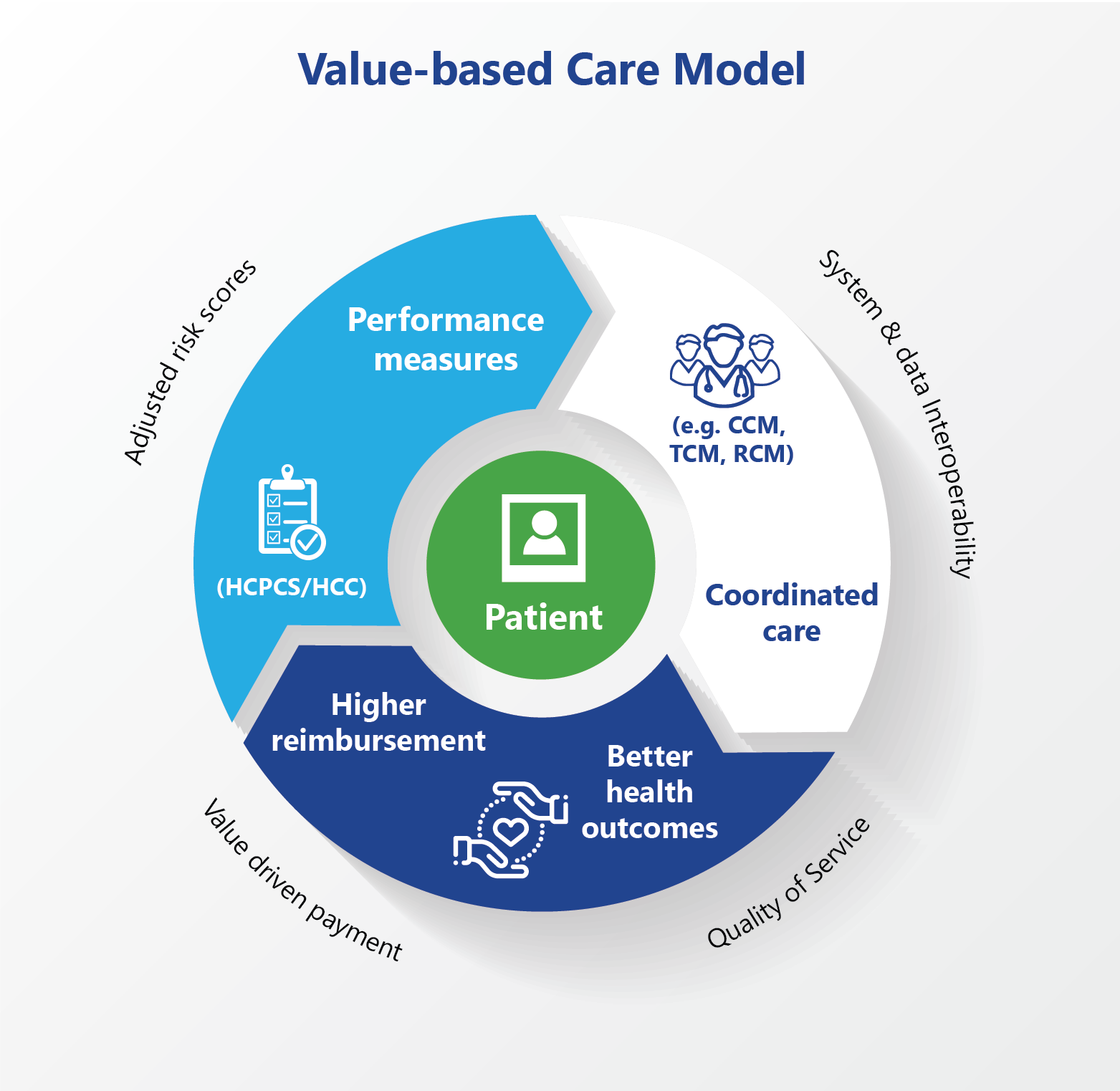
PODCAST: Value Based Care Financial Risks

RURAL HEALTHCARE CENTERS & VBC

Learn about the financial risk associated with Value-Based Care models and mechanisms to deal with the financial risk.

By National Rural Health Resource Center

https://acehealthcaresolutions.com/wp-content/uploads/2018/09/Value-based-care-model.png

PODCAST: https://www.healthsharetv.com/content/financial-risk-value-based-care-models

RELATED: https://medicalexecutivepost.com/2021/04/29/payments-in-value-based-contracts-were-ffs-based/

Your thoughts are appreciated.

***

INVITATIONS: https://medicalexecutivepost.com/dr-david-marcinkos-bookings/

CONTACT: Ann Miller RN MHA

MarcinkoAdvisors@msn.com

Ph: 770-448-0769

Second Opinions: https://medicalexecutivepost.com/schedule-a-consultation/

THANK YOU

***

Hospitals and Health Care Organizations

MANAGEMENT STRATEGIES, OPERATIONAL TECHNIQUES, TOOLS, TEMPLATES AND CASE STUDIES

TEXTBOOK REVIEWS:

Hospitals and Health Care Organizations is a must-read for any physician and other health care provider to understand the multiple, and increasingly complex, interlocking components of the U.S. health care delivery system, whether they are employed by a hospital system, or manage their own private practices.

The operational principles, methods, and examples in this book provide a framework applicable on both the large organizational and smaller private practice levels and will result in better patient care. Physicians today know they need to better understand business principles and this book by Dr. David E. Marcinko and Professor Hope Rachel Hetico provides an excellent framework and foundation to learn important principles all doctors need to know.
―Richard Berning, MD, Pediatric Cardiology

… Dr. David Edward Marcinko and Professor Hope Rachel Hetico bring their vast health care experience along with additional national experts to provide a health care model-based framework to allow health care professionals to utilize the checklists and templates to evaluate their own systems, recognize where the weak links in the system are, and, by applying the well-illustrated principles, improve the efficiency of the system without sacrificing quality patient care. … The health care delivery system is not an assembly line, but with persistence and time following the guidelines offered in this book, quality patient care can be delivered efficiently and affordably while maintaining the financial viability of institutions and practices.
―James Winston Phillips, MD, MBA, JD, LLM

Risk Management, Liability Insurance, and Asset Protection Strategies for Doctors and Advisors : Best Practices from Leading Consultants and Certified Medical Planners™ book cover

ORDER HERE: https://www.amazon.com/Hospitals-Health-Care-Organizations-Operational-ebook/dp/B0091ICH30/ref=sr_1_8?dchild=1&keywords=david+marcinko&qid=1626110965&sr=8-8

ASSESSMENT: Your comments and thoughts are appreciated.

INVITATIONS: https://medicalexecutivepost.com/dr-david-marcinkos-bookings/

CONTACT: Ann Miller RN MHA

MarcinkoAdvisors@msn.com

Ph: 770-448-0769

Second Opinions: https://medicalexecutivepost.com/schedule-a-consultation/

THANK YOU

***

PODCAST: Mental Health Conditions are Common

Mental Health Conditions Are Common and Complicate Co-Morbid Medical Diseases As Well.

Image result for eric bricker

By Eric Bricker MD

***

7% of the US Adult Population Has Depression.

Depression is Highest Among 18-25 Year Olds at 11%.

19% of US Adults Have Anxiety and 56% of Those with Anxiety Are Impaired By Their Condition.

12% of People with Diabetes Have Associated Depression… Resulting in Missed Appointments, Poorer Diet, Decreased Medication Adherence and Increased Complications.

To Address This Problem, The Intermountain Health System Incorporated a Mental Health Provider in Their Primary Care Clinics.

Results: Improved in Diabetes Care, Decreased Hospitalizations and Decreased ER Utilization.

Treating Mental Health Not Only Improves Mental Wellbeing, But Also Lowers Overall Healthcare Costs as Well.

Disclaimer: Dr. Bricker is the Chief Medical Officer of Virtual Care Company First Stop Health.

***

MARCINKO ON MENTAL HEALTH START-UPS: https://medicalexecutivepost.com/2020/09/30/mental-health-entrepreneurial-start-up/

CITE: https://www.amazon.com/Dictionary-Health-Insurance-Managed-Care/dp/0826149944/ref=sr_1_4?ie=UTF8&s=books&qid=1275315485&sr=1-4

Your thoughts are appreciated.

NOTE: If you or someone you know is considering suicide, please contact the National Suicide Prevention Lifeline at 1800-273-TALK (8255), text “help” to the Crisis Text Line at 741-741 or go to suicidepreventionlifeline.org.

THANK YOU

***

DICTIONARY: Health Information Technology and Security

COMPREHENSIVE REVIEW

[3 in 1 Reference]

ASSESSMENT: Your comments and thoughts are appreciated.

INVITATIONS: https://medicalexecutivepost.com/dr-david-marcinkos-bookings/

CONTACT: Ann Miller RN MHA

MarcinkoAdvisors@msn.com

Ph: 770-448-0769

Second Opinions: https://medicalexecutivepost.com/schedule-a-consultation/

THANK YOU

***

ON THE ROAD AGAIN: Public Speaking, Opining and Assigning

Dr. David Edward Marcinko is Speaking Up

Dr. David Edward Marcinko MBA CMP® enjoys personal coaching and public speaking and gives as many talks each year as possible, at a variety of medical society and financial services conferences around the country and world.

These have included lectures and visiting professorships at major academic centers, keynote lectures for hospitals, economic seminars and health systems, keynote lectures at city and statewide financial coalitions, and annual keynote lectures for a variety of internal yearly meetings.

His talks tend to be engaging, iconoclastic, and humorous. His most popular presentations include a diverse variety of topics and typically include those in all iMBA, Inc’s textbooks, handbooks, white-papers and most topics covered on this blog.

***

Recognizing the Differences between Healthcare and Other ...

INVITATIONS: https://medicalexecutivepost.com/dr-david-marcinkos-bookings/

CONTACT: Ann Miller RN MHA

MarcinkoAdvisors@msn.com

Ph: 770-448-0769

Second Opinions: https://medicalexecutivepost.com/schedule-a-consultation/

DIY Textbooks: https://medicalexecutivepost.com/2021/04/29/why-are-certified-medical-planner-textbooks-so-darn-popular/

THANK YOU

***

My WEGO Health Awards Nomination

It’s official, Dr. David Marcinko, your advocacy is making a big impact!

Just Nominated

Congratulations on your 10th annual WEGO Health Awards nomination. Whether you’re a patient advocate, influencer or collaborator, we’re honored to recognize your contributions to the online health community.

We created the WEGO Health Awards as a way to celebrate and thank the patients and caregivers who support, educate, and inspire others. It’s now our 10th season and the patient leader community is stronger than ever. We could not be more proud to include you as a nominee.

You can expect to hear from us each week with updates and important announcements.

ASSESSMENT: Your comments are appreciated.

INVITE DR. MARCINKO: https://medicalexecutivepost.com/dr-david-marcinkos-

CONTACT: Ann Miller RN MH

[Executive Director]

THANK YOU

***

DICTIONARY: Health Insurance and Managed Care

INVITE DR. MARCINKO: https://medicalexecutivepost.com/dr-david-marcinkos-

CONTACT: Ann Miller RN MH

[Executive Director]

“Financial Management Strategies for Hospitals and Healthcare Organizations”

TOOLS, TECHNIQUES, CHECKLISTS AND CASE STUDIES

INVITE DR. MARCINKO: https://medicalexecutivepost.com/dr-david-marcinkos-

CONTACT: Ann Miller RN MH

[Executive Director]

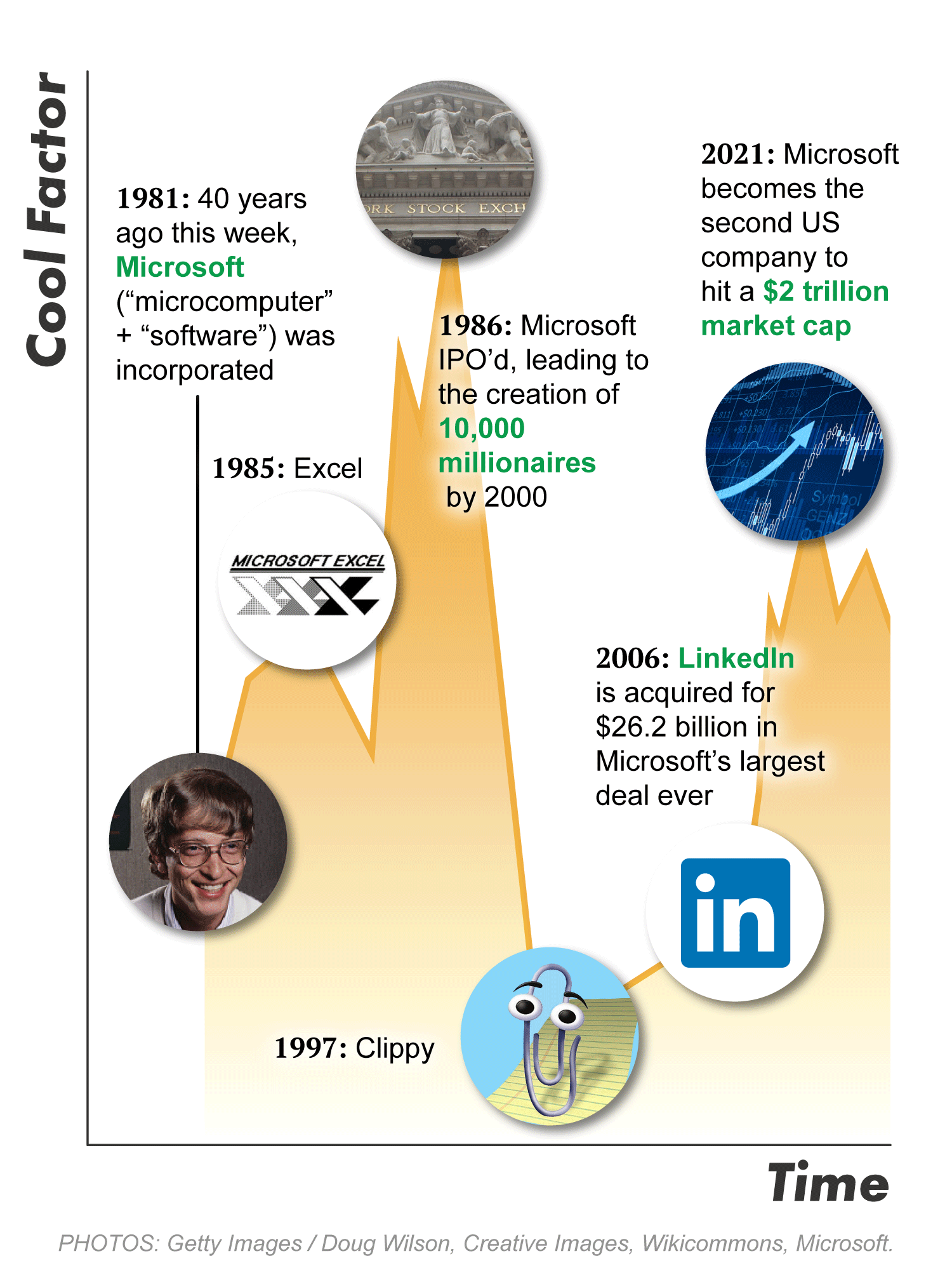
40 Years – MICROSOFT Corp.

Microsoft's biggest moments throughout the years in a chart

https://images.routledge.com/common/jackets/amazon/978148224/9781482240283.jpg

ASSESSMENT: Your thoughts are appreciated.

ORDER TEXTBOOK: https://www.routledge.com/Comprehensive-Financial-Planning-Strategies-for-Doctors-and-Advisors-Best/Marcinko-Hetico/p/book/9781482240283

THANK YOU

***

HUMANITARIAN WISDOM IN PATIENT CARE AS AN ETHICAL AND MORAL IMPERATIVE!

AND … RISK MANAGEMENT TOOL?

7f4a80b3-c6c3-49b5-9cdd-9f8e116683cd-original

BY DR. DAVID EDWARD MARCINKIO MBA CMP®

CMP logo

SPONSOR: http://www.CertifiedMedicalPlanner.org

To start, let us all recall the Canadian physician Sir William Osler MD, one of the founders of Johns Hopkins Hospital in my hometown of Baltimore Maryland, and where I played stickball in the parking lot as a kid. He left a sizeable body of wisdom that has guided many physicians in the practice of medicine. So, allow me to share with you some of that accumulated wisdom and the quotes that have served me well over the years.

From Dr. Osler, I learned the art of putting myself in the patient’s shoes. “The motto of each of you as you undertake the examination and treatment of a case should be ‘put yourself in his place.’ Realize, so far as you can, the mental state of the patient, enter into his feelings.” Osler further stresses that we should “scan gently (the patient’s) faults” and offer the “kindly word, the cheerful greeting, the sympathetic look.”1

“In some of us, the ceaseless panorama of suffering tends to dull that fine edge of sympathy with which we started,” writes Osler in his famous essay “Aequanimitas.”2 “Against this benumbing influence, we physicians and nurses, the immediate agents of the Trust, have but one enduring corrective — the practice towards patients of the Golden Rule of Humanity as announced by Confucius: ‘What you do not like when done to yourself, do not do to others.’”

Medicine can be both art and science as many physicians have discovered. As Osler tells us, “Errors in judgment must occur in the practice of an art which consists largely of balancing probabilities.”2 Osler notes that “Medicine is a science of uncertainty and an art of probability” and also weighs in with the idea that “The practice of medicine is an art, based on science.”3,4

Osler emphasized that excellence in medicine is not an inheritance and is more fully realized with the seasoning of experience. “The art of the practice of medicine is to be learned only by experience,” says Osler. “Learn to see, learn to hear, learn to feel, learn to smell, and know that by practice alone can you become expert.”5

Finally, some timeless wisdom on patient care came from Osler in an address to St. Mary’s Hospital Medical School in London in 1907: “Gain the confidence of a patient and inspire him with hope, and the battle is half won.”6

***

0

***

Osler has also imparted plenty of advice on the business of medicine. In “Aequanimitas,” Osler says there are only two types of doctors: “those who practice with their brains, and those who practice with their tongues.”7

In a valedictory address to medical school graduates at McGill University, Osler suggested treating money as a side consideration in a medical career.8 “You have of course entered the profession of medicine with a view of obtaining a livelihood; but in dealing with your patients let this always be a secondary consideration.”

“You are in this profession as a calling, not as a business: as a calling which exacts from you at every turn self-sacrifice, devotion, love and tenderness to your fellow man,” explains Osler in the address to St. Mary’s Hospital Medical School.6 “Once you get down to a purely business level, your influence is gone and the true light of your life is dimmed. You must work in the missionary spirit, with a breadth of charity that raises you far above the petty jealousies of life.”

It is not easy for doctors to combine a passion for patient care, a knowledge of science and the maintenance of business, according to Osler in the British Medical Journal.9 “In the three great professions, the lawyer has to consider only his head and pocket, the parson the head and heart, while with us the head, heart, and pocket are all engaged.”

While some aspects of practice may fall short or be devoid of appropriate financial remuneration, the giving of one’s time, expertise and experience in improving patient outcomes and the quality of their lives may be the greatest gift. “The ‘good debts’ of practice, as I prefer to call them … amount to a generous sum by the end of each year,” says Osler.9

And so, as you practice medicine and reflect on your career, always remember the words and wisdom of Dr. William Osler, and keep patient welfare as your first priority.

References

1. Penfield W. Neurology in Canada and the Osler centennial. Can Med Assoc J. 1949; 61(1): 69-73

2. Osler W. Aequanimitas. Chapter 9, P. Blakiston’s Son and Co., Philadelphia, 1925, p. 159

3. Bean WB. William Osler: Aphorisms, CC Thomas, Springfield, IL, p. 129.

4. Osler W. Aequanimitas. Chapter 3, P. Blakiston’s Son and Co., Philadelphia, 1925, p. 34

5. Thayer WS. Osler the teacher. In: Osler and Other Papers. Johns Hopkins Press, Baltimore, 1931, p. 1.

6. Osler W. The reserves of life. St. Mary’s Hosp Gaz. 1907;13 (1):95-8.

7. Osler W. Aequanimitas. Chapter 7, P. Blakiston’s Son and Co., Philadelphia, 1925, p. 124

8. Osler W. Valedictory address to the graduates in medicine and surgery, McGill University. Can Med Surg J. 1874; 3:433-42.

9. Osler W. Remarks on organization in the profession. Brit Med J. 1911; 1(2614):237-9.

10. Jacobs. AM: PMNews, April, 2015.

ASSESSMENT: Your thoughts are appreciated.

Risk Management, Liability Insurance, and Asset Protection Strategies for Doctors and Advisors : Best Practices from Leading Consultants and Certified Medical Planners™ book cover

ODER TEXTBOOK: https://www.routledge.com/Risk-Management-Liability-Insurance-and-Asset-Protection-Strategies-for/Marcinko-Hetico/p/book/9781498725989

INVITE DR. MARCINKO: https://medicalexecutivepost.com/dr-david-marcinkos-

THANK YOU

***

RURAL HOSPITALS: Defined?

By Calvin Wiese MBA CPA CMP ®

Dr. David Edward Marcinko MBA CMP®

CMP logo

SPONSOR: http://www.CertifiedMedicalPlanner.org

A Distance Definition

A rural hospital is defined as a hospital serving a geographic area ten or more miles from the nexus of a population center of 30,000 or more

More specifically, a rural hospital means an entity characterized by one of the following:

·Type A Rural Hospital — small and remote, has fewer than 50 beds, and is more than 30 miles from the nearest hospital.

·Type B Rural Hospital — small and rural, has fewer than 50 beds, and is 30 miles or less from the nearest hospital.

·Type C Rural Hospital — considered rural and has 50 or more beds.

Citation: https://www.r2library.com/Resource/Title/0826102549

As rural hospitals close, millions of Americas live ...

Your thoughts are appreciated.

INVITE DR. MARCINKO: https://medicalexecutivepost.com/dr-david-marcinkos-bookings/

THANK YOU

***

Physicians “FIRING” Patients?

ON TERMINATING PATIENT RELATIONSHIPS

Image preview

By Dr. David Edward Marcinko MBA CMP®

CMP logo

SPONSOR: http://www.CertifiedMedicalPlanner.org

Just as it is an acceptable and reasonable practice to screen incoming patients, it is acceptable and reasonable to know when to end relationships. Termination criteria are numerous and varied. Although not exhaustive, the following are situations in which termination may be appropriate and acceptable:

  • Treatment noncompliance—The patient does not or will not follow the treatment plan.
  • Follow-up noncompliance—The patient repeatedly cancels follow-up visits or is a no-show.
  • Office policy noncompliance—The patient uses weekend on-call physicians or multiple health care practitioners to obtain refill prescriptions when office policy specifies a certain number of refills between visits.
  • Verbal abuse—The patient or a family member is rude and uses improper language with office personnel, exhibits violent behavior, makes threats of physical harm, or uses anger to jeopardize the safety and well-being of office personnel with threats of violent actions.
  • Nonpayment—The patient owes a backlog of bills and has made no effort to arrange a payment plan.

YOU'RE FIRED! How to Switch Real Estate Agents | Barb Has ...

It is an acceptable practice to end a patient relationship under most conditions. There are a few situations, however, that may require additional steps or a delay of the termination. According to The Doctors Company, Laura A. Dixon JD RN,the following circumstances fall into this category:

  • If the patient is in an acute phase of treatment, termination must be delayed until the acute phase has passed. For example, if the patient is in the immediate postoperative stage or is in the process of medical workup for diagnosis, it is not advisable to end the relationship.
  • If the practitioner is the only source of medical or dental care within a reasonable driving distance, he or she may need to continue care until other arrangements can be made.
  • When the practitioner is the only source of a particular type of specialized medical or dental care, he or she is obliged to continue this care until the patient can be safely transferred to another practitioner who is able to provide treatment and follow up.
  • If the patient is a member of a prepaid health plan, the patient cannot be discharged until the practitioner has communicated with the third-party payer to request a transfer of the patient to another practitioner.
  • A patient may not be terminated solely because he or she is diagnosed with AIDS/HIV.

When the situation with the patient is such that terminating the relationship is appropriate and acceptable and none of the restrictions mentioned above are present, termination of the patient relationship should be completed formally. The patient should be put on written notice that he or she must find another health care practitioner. The written notice should be mailed to the patient by regular and certified mail, return receipt requested. Keep copies of the letter, the original certified mail receipt, and the original certified mail return receipt (even if the patient refuses to sign for the certified letter) in the patient’s medical record.

YOUR THOUGHTS ARE APPRECIATED

ORDER TEXTBOOK: https://www.routledge.com/Risk-Management-Liability-Insurance-and-Asset-Protection-Strategies-for/Marcinko-Hetico/p/book/9781498725989

Risk Management, Liability Insurance, and Asset Protection Strategies for Doctors and Advisors: Best Practices from Leading Consultants and Certified Medical Planners™

INVITE DR. MARCINKO: https://medicalexecutivepost.com/dr-david-marcinkos-bookings/

THANK YOU

***

NHICs = Prepaid Preventative and Maintenance Health Care Networks

Emerging New MEDICAL BUSINESS Models 2.0

By Dr. David Edward Marcinko MBA CMP®

CMP logo

SPONSOR: http://www.CertifiedMedicalPlanner.org

Many folks feels that private preventative medical contracts may be one possible solution for those Americans going without healthcare; especially the young and healthy. Generally, and generically, they have a moniker like the “No Health Insurance Club”; or similar

Why?

Some pundits are leaning toward universal healthcare, or Medicare-4-All, which seems too socialized for others. Yet, private insurers continue to increase premiums, which prices healthcare out of reach for the average American. Employers can no longer float the cost of insurance so they pass it on to their employees. Patients aren’t the only ones being affected by the current state of healthcare. More and more doctors are going out of business and hospitals are cutting back due to escalating costs and payment defaults.

So, current remedies to this dilemma include major medical insurance policies for catastrophic events with high-deductibles to keep monthly premiums down, Medicaid, mini retail-clinics at grocery stores/pharmacies, and emergency room visits for common illnesses; as well as the PP-ACA.

Medical Maintenance

But, preventative healthcare and medical maintenance is not typically addressed. More than 90 percent of health related issues can be taken care of with preventative care and maintenance but only a small percentage of Americans currently enjoy the benefit of preventative healthcare. Healthcare economists are rethinking healthcare by offering an affordable alternative to traditional insurance options. NHICs, connect patients with participating board certified physicians that will treat and care for preventative healthcare needs for a one-time prepaid annual membership fee.

In this NHIC model:

  • Patients make a one-time annual payment that is typically less than a one-month premium with traditional insurance.
  • Patients receive up to 12 office visits per year that also include immunizations, $10 or less in-office prescriptions, and additional services including blood tests.
  • No deductible, no co-pays, no premiums.
  • No surprise bills to patients.
  • Viable alternative to COBRA for employees disengaged from work.
  • Low cost option for the self-employed.
Yakima DentiFlex Membership Club | Your Dentist in Yakima, WA

The Doctors

What’s in it for the doctors? How about no insurance clerks, no need to snail mail medical insurance claims or use expensive electronic claims submission clearinghouse services, no bad debts or bad expense write-offs, no ARs; and fast cash.

ASSESSMENT: Your thoughts are comments are appreciated.

Product Details

ORDER TEXTBOOK: https://www.amazon.com/Business-Medical-Practice-Transformational-Doctors/dp/0826105750/ref=sr_1_9?ie=UTF8&qid=1448163039&sr=8-9&keywords=david+marcinko

SECOND OPINIONS: https://medicalexecutivepost.com/schedule-a-consultation/

INVITE DR. MARCINKO: https://medicalexecutivepost.com/dr-david-marcinkos-bookings/

THANK YOU

***

Dictionary of Health Information Technology and Security

LINK: https://www.amazon.com/Dictionary-Health-Information-Technology-Security/dp/0826149952/ref=sr_1_5?ie=UTF8&s=books&qid=1254413315&sr=1-5

PHYSICIAN BRANDING: Post Corona Virus Pandemic

SELF-BRANDING IN THE MODERN ERA

By Dr. David Edward Marcinko MBA CMP©

SPONSOR: http://www.CertifiedMedicalPlanner.org

CMP logo

In 1987 the magazine Fast Company published an article authored by Tom Peters entitled “The Brand Called You.” Although some individuals may shy away from the concept of self-branding in actuality, many of the online social network sites such as Facebook become media by which we in fact brand ourselves.

In his article, Peter’s stated. “Regardless of position, regardless of the business we happen to be in, all of us need to understand the importance of branding. We are CEOs of their own companies: Me Inc. to be in business today, our most important job is to be head marketer for the brand called you.”

As a medical practitioner how do you differentiate yourself from others in your specialty and why should a new patient choose your practice above those of the others in the field?

Branding is about finding your big idea and building your identity and game plan around it. The bottom line: if you can’t explain who you are, and the value you bring to your practice in a short sentence or two, you have work to do.

According to Catherine Kaputa, a personal coach she suggests that there are the objective things: your credentials, the schools you went to, your years of experience, and your skill set, which represent what she refers to as hard power. Then there’s soft power: your image and reputation, your visibility in the community, your network of contacts, supporters and mentors. In today’s competitive marketplace, soft power plays a vital role in attracting people to you and your practice.

Standing Out

Peters suggests that everyone has a chance to stand out. Everyone has a chance to learn, improve, and build up their skills. Everyone has a chance to be a brand worthy of remark. Corporations spend millions of dollars creating and maintaining their distinct brand.

The Olympic Rings are representative of a brand which the International Olympic Committee guards zealously. Professional services firms such as McKinsey, foster self-branding among their employees. Major corporations have as employees those individuals who are smart, motivated and talented. Self-branding allows the employees to differentiate themselves from their peers. For one to engage in self-branding is first necessary to ask the question,

What is it that my practice does that makes it different?”

You can begin by identifying the qualities or characteristics that make you distinctive from your competitors-or your colleagues.

What have you done lately-this week-to make yourself stand out? What would your colleagues say is your greatest and clearest strength?

What would they say is your most noteworthy personal trait? As a practitioner does your customer get dependable, reliable service that meets his or her strategic needs?

In addition, ask yourself: “what do I do that adds remarkable, measurable, distinguished distinctive value.”

Branding For A Medical Practice & It's Importance ...

Business Cards

While we are on the topic of mass media look at your business card and check to see if it has a distinctive logo on it. Keep in mind that packaging counts.

Getting and using power, intelligently, responsibly, and powerfully are essential skills for growing your brand. One of the things that attract us to certain brands is the power they project. Power, is largely a matter of perception. If you want people to see you as a powerful brand, act like a credible leader.

Another technique advocated by Peters is developing loyalty among your patients. In addition, you yourself need to be loyal to your colleagues, your staff, patients and to yourself.

Another way in which you can begin to promote yourself is, with a personal visibility campaign; getting yourself on a panel discussion with signing up to make a presentation at a workshop. If you are a medical writer, try writing about the corona pandemic, or contributing a column on a regular basis to your local newspaper. Community newspapers and professional newsletters are always seeking articles to fill the space. Not only does it give you the opportunity to express yourself it also is an excellent means to expose your practice and your capabilities to a mass audience.

ASSESSMENT: Your thoughts are comments are appreciated.

Product Details

ORDER TEXTBOOK: https://www.amazon.com/Business-Medical-Practice-Transformational-Doctors/dp/0826105750/ref=sr_1_9?ie=UTF8&qid=1448163039&sr=8-9&keywords=david+marcinko

SECOND OPINIONS: https://medicalexecutivepost.com/schedule-a-consultation/

INVITE DR. MARCINKO: https://medicalexecutivepost.com/dr-david-marcinkos-bookings/

THANK YOU

The CORPORATE PRACTICE of Medicine?

By Dr. David Edward Marcinko MBA CMP®

CMP logo

SPONSOR: http://www.CertifiedMedicalPlanner.org

CORPORATE PRACTICE OF MEDICINE (CPM) LAWS

OK – I admit that I am not an attorney. But, approximately half of states in the U.S. have made it unlawful for practicing physicians to be employees of corporations. This ban on the corporate practice of medicine (CPM) is intended to keep medical professionals independent and free from financial pressures and influence.

Most states have made exceptions allowing physicians to become employees of not-for-profit organizations and sometimes hospitals. States such as California, Iowa, and Texas, have declined to allow hospitals to employ physicians, although even those states have special exceptions. Iowa hospitals may employ pathologists and radiologists, and Texas public hospitals and California teaching hospitals may employ physicians. Ohio has no ban on the corporate practice of medicine.

ASSESSMENT: Anyone can own a physician practice in Ohio.

QUERY: So, who does the aggrieved patient sue?

YOUR THOUGHTS ARE APPRECIATED

ORDER TEXTBOOK: https://www.routledge.com/Risk-Management-Liability-Insurance-and-Asset-Protection-Strategies-for/Marcinko-Hetico/p/book/9781498725989

Risk Management, Liability Insurance, and Asset Protection Strategies for Doctors and Advisors: Best Practices from Leading Consultants and Certified Medical Planners™

INVITE DR. MARCINKO: https://medicalexecutivepost.com/dr-david-marcinkos-bookings/

THANK YOU

***

ON ABUSIVE MEDICAL TREATMENT OR HEALTH CARE SERVICES

ABUSIVE TREATMENTS OR MEDICAL SERVICES

By Dr. David Edward Marcinko MBA CMP®

CMP logo

SPONSOR: http://www.CertifiedMedicalPlanner.org

According to the Dictionary of Health Economics and Finance, healthcare abuse is the activity where someone overuses or misuses services. And; the Center for Medicare and Medicaid Services [CMS] states that: “although some of the practices may be initially considered to be abusive, rather than fraudulent activities, they may evolve into fraud.”

CITE: https://www.r2library.com/Resource/Title/0826102549

In the case of healthcare abuse, this may occur when a physician sees the patient for treatment more times than deemed medically appropriate. If there are reported issues or actions from other sources, such as the National Practitioner Data Bank [NPDB] or a medical board, a health insurance program can take that opportunity to review healthcare providers’ activities.

ASSESSMENT: Most insurance or managed care participation agreements allow for this type of scrutiny.

QUERY: But, what if the patient, or care-giver, is the culprit?

BIZARRE: https://www.msn.com/en-us/news/crime/woman-subjected-adopted-daughter-to-unnecessary-feeding-tube-wheelchair-hundreds-of-medical-appointments-authorities/ar-AAKBjVx?li=BBnb7Kz

MUNCHAUSEN SYNDROME BY PROXY: https://www.webmd.com/mental-health/munchausen-by-proxy

YOUR THOUGHTS ARE APPRECIATED

ORDER TEXTBOOK: https://www.routledge.com/Risk-Management-Liability-Insurance-and-Asset-Protection-Strategies-for/Marcinko-Hetico/p/book/9781498725989

Risk Management, Liability Insurance, and Asset Protection Strategies for Doctors and Advisors: Best Practices from Leading Consultants and Certified Medical Planners™

INVITE DR. MARCINKO: https://medicalexecutivepost.com/dr-david-marcinkos-bookings/

THANK YOU

***

The Business of Medical Practice [3rd. edition]

SPONSOR: http://www.CertifiedMedicalPlanner.org

CMP logo

ORDER TEXTBOOK: https://www.amazon.com/Business-Medical-Practice-Transformational-Doctors/dp/0826105750/ref=sr_1_9?ie=UTF8&qid=1448163039&sr=8-9&keywords=david+marcinko

SECOND OPINIONS: https://medicalexecutivepost.com/schedule-a-consultation/

INVITE DR. MARCINKO: https://medicalexecutivepost.com/dr-david-marcinkos-bookings/

THANK YOU

***

Non-Traditional Physician Compensation Models

Creative Compensation Models

"Advisors Only" | The Leading Business Education Network ...

BY DR. DAVID EDWARD MARCINKO MBA CMP®

A Review of Some Newer Compensation Models

http://www.CERTIFIEDMEDICALPLANNER.org

CMP logo

Today, whether independent or employed, physicians can pursue several creative compensation models, other than fee-for service reimbursement based on Current Procedural Terminology [CPT®] codes, not popular a few decade ago:

  • Pay-for-Performance Initiatives [P4P]: According to Mark Fendrick, MD and Michael E. Chernew, PhD, instead of the one size fits all approach of traditional health insurance, a “clinically-sensitive” cost-sharing system that supports co-payments related to evidence-based value for targeted patients is emerging. In 2014, for example, there were a number of changes to Medicare’s pay-for-performance programs [personal communication]. These value-based payment modifiers will show up in physicians’ paychecks in few years, and will be expanded to practices with 10 or more eligible professionals. The program, mandated by the Affordable Care Act, assesses a provider’s quality of care and costs, and increases Medicare payments for good performers and decreases them for bad ones. And, doctor performance will be reflected in adjustments to 2016 payments. As much as 2% of Medicare payments will be at risk in 2021 based on physician performance in 2019. It was only 1% for 2015, which was based on doctors’ 2013 performance.
  • Physician Quality Reporting Initiative Model.  The Centers for Medicare and Medicaid Services [CMS] paid out more than $40 million in monetary incentives to medical providers who reported data on quality of care delivered between July 2020 and December 2020; as part of its PQRI. Under the PQRI, healthcare providers who participated received bonuses of 1.5 percent of their total CMS payments during the reporting period.
  • Direct Reimbursement Payment Model:  A Health Reimbursement Arrangement (HRA) is a tool which is used to provide direct reimbursement by an employer for qualified medical expenses.  The HRA is an employer-established benefit plan, and contributions to the plan may only be made by the employer.  The HRA can be used in conjunction with any insurance plan, including a high-deductible plan. Qualified reimbursements made under the HRA are tax-deductible for the employer, and the payments are not counted as income for the employee.  Any balance in an HRA can generally be carried over to the next year.  This plan allows for flexibility and tailored to meet the particular needs of both employers and employees in a tax-advantaged manner.  From the physician’s perspective, increasing use of HRAs poses new challenges.  Payment for services in the medical office may be required of the patient/employee before reimbursement from the employer occurs.  These extra steps can easily result in delayed payment or non-payment to medical providers who are not prepared to work with this model of reimbursement.  The provisions for this model are outlined in IRS publication 969, http://www.irs.gov/pub/irs-pdf/p969.pdf.
  • Concierge Practice Model:  The concept of concierge medicine (CM), also known as retainer medicine, first emerged in Seattle, Washington in the 1990’s. With CM, the physician charges an annual retainer fee to patients.  The fee usually ranges from $1,000 to $20,000 per year, and the number of patients in a practice is usually limited to a few hundred.  In return, patients receive increased levels of access and personalized care. This often includes same day appointments, extended visit times, house calls, and 24/7 access to the physician by pager and cell phone. An annual executive physical is often included, as well as an increased emphasis on preventive care.  Many physicians choosing this type of practice model do so for lifestyle and control reasons, although the average income for a successful CM primary care physician is higher than that of a typical primary care physician. .
  • Global Healthcare Model: American businesses are extending their cost-cutting initiatives to include offshore employee medical benefits, and facilities like the Bumrungrad Hospital in Bangkok, Thailand (cosmetic surgery), the Apollo Hospital in New Delhi, India (cardiac and orthopedic surgery) are premier examples for surgical care. Both are internationally recognized institutions that resemble five-star hotels equipped with the latest medical technology. Countries such as Finland, England and Canada are also catering to the English-speaking crowd, while dentistry is especially popular in Mexico and Costa Rica. Although this is still considered “medical tourism,” Mercer Health and Benefits was recently retained by three Fortune 500 companies interested in contracting with offshore hospitals and The Joint Commission [TJC] has accredited 88 foreign hospitals through a joint international commission. To be sure, when India can discount costs up to 80%, the effects on domestic hospital reimbursement and physician compensation may be assumed to increase downward compensation pressures.
  • Locum Tenens Practitioner Model: Locum Tenens (LT) as an alternative to full-time employment is enjoying a comeback for most specialties. Some younger physicians enjoy the travel, while mature physicians like to practice at their leisure. Employment factors to consider include: firm reputation, malpractice insurance, credentialing, travel and relocation expenses (which are negotiable). However, a LT firm typically will not cover taxes [NALTO.org and http://www.studentdoc.com/locum-tenens.html%5D

ASSESSMENT: Your thoughts are appreciated.

INVITE DR. MARCINKO: https://medicalexecutivepost.com/dr-david-marcinkos-bookings/

THANK YOU

***

Physician Recruitment and Executive Search Firms

Facts about Physician Recruiters and Executive Search Firms

May Launches the Busy Season

By Dr. David E. Marcinko MBA CMP®

CMP logo

Sponsored: http://www.CertifiedMedicalPlanner.org

1) If you are job hunting, you should send your resume to recruiters

Different recruiters know about different positions. They do not usually know about the same ones. This is particularly true with retained firms. By sending your resume out widely, you will be placed in many different confidential databases and be alerted of many different positions. If you send your resume to only a few, it may be that none you send to will be working with positions which are suited for you. Throw your net widely.

If you change jobs, it is also wise to send follow-up letters to the recruiters and alert them of your new career move. Many search firms follow people throughout their careers and enjoy being kept up-to-date. It is a good idea to have your resume formatted in plain text so you can copy and paste it into email messages when requested to do so. Then, follow up with a nicely formatted copy on paper by postal mail.

Some estimate that only 1% to 3% of all resumes sent will result in actual job interviews. So, if you only send 50 resumes, you may only have less than 2 interviews, if that many. Send your resume to as many recruiters as you can. It is worth the postage or email time. Generally, recruiters will not share your resume with any employer or give your name to anyone else without obtaining your specific permission to do so. The recruiter will call first, talk to you about a particular position and then ask your permission to share your resume with that employer.

2) Your resume will be kept strictly confidential by the executive search firm.

It is safe to submit your resume to a search firm and not worry that the search firm will let it leak out that you are job hunting. Recruiters will call you each and every time they wish to present you to an employer in order to gain your permission. Only after they have gained your permission will they submit your name or resume to the identified employer. The wonderful aspect of working with search firms is that you can manage your career and your job search in confidence and privacy.

3) Fees are always paid by the employer, not the job candidate.

Recruiters and search firms work for the employer or hiring entity. The employer pays them a fee for locating the right physician for the job opening. This is important to remember, in that when you interact with executive recruiters, you are essentially interacting with an agent or representative of the employer. Recruiters are more loyal to employers than they are to job candidates because they work for the employer. This should not present a problem, but, should cause you to develop your relationship with the recruiter with the same integrity and professionalism that you would with the employer.

Recruiters are paid fees in one of two ways – retainer fees or contingency fees. This is an important distinction and will affect your process with both the employer and the recruiter. Some employers prefer working with contingency firms and some with retained firms. Both are respected by employers and useful in your job search, but, the two types of firms will not be handling the same positions with the same employers simultaneously.

A “retained recruiter” has entered an exclusive contract with an employer to fill a particular position. The retained recruiter, then, is likely to advertise a position, sharing the specifics of the position, location and employer openly. The retained firm feels a great obligation to fulfill the contract by finding the best person for the job.

A “contingency recruiter” on the other hand, usually does not have an exclusive relationship with the employer, and is only paid a fee if the job search is successful. Often, if the employer uses contingency firms, there will be more than one contingency firm competing to fill a certain position. As a job hunter, if you are sent to an interview by a contingency firm, you may find that you are competing with a larger number of applicants for a position. Generally, retained firms only send in from 3 to 5 candidates for a position.

Recruiters will be paid fees equal to about 25% to 35% of the resulting salary of the successful candidate plus expenses. This does not come out of the job candidate’s salary. This is paid to the recruiter through a separate relationship between the employer and the search firm. This may seem like a large fee, but, keep in mind that recruiters incur a great many expenses when searching for successful job candidates. They spend enormous amounts of money on computer systems, long distance calls, mail-outs, travel and interviews. Recruiters work very hard for these fees. Employers recognize the value of using recruiters and are more than willing to pay recruiters the fees. All you have to do is contact the recruiter to get the process moving. 

4) Not all medical recruiters work only with physicians.

Some search firms work exclusively with physicians or in healthcare, while others may work in several fields at once. Some of the larger generalist firms will have one or more search consultants that specialize in healthcare. It is important for you, as a job hunter, to assess the recruiters’ knowledge of your field. If you use industry or medical specialty buzz words in describing your skills, experience or career aspirations, you may or may not be talking a language the recruiter understands fully. It is wise to explore fully with the recruiter his understanding of your field and area of specialization.

5) Recruiters and search consultants move around.

Recruiters, like many professionals, move to new firms during their careers. Often you will find that recruiters will work at several firms during their careers. Since it is much more effective to address your letters to a person rather than “to whom it may concern”, it is smart for job hunters to have accurate and up-to-date information about who is who and where, since this can change frequently. Search firms also move their offices, sometimes to another suite, street or state. If you have a list of recruiters that is over one year old, you will certainly waste some postage in mailing your resumes and cover letters. Many of your mail-outs will be returned to you stamped “non-deliverable”, unless you obtain an up-to-date list. A resource, like the Directory of Healthcare Recruiters is updated very frequently, usually monthly [www.pohly.com/dir3.html].

6) Most search firms work with positions all over the country.

If you are from a particular state, and want to remain in that state, don’t make the mistake of only sending your resume to recruiters in your state. Often the recruiters in your state are working on positions in other states, and recruiters in other states are working on positions in your state. This is usually the case. Very few recruiters work only in their local area, most work all around the US and some internationally. Regardless of your geographic preference, you should still send your resume to all the healthcare recruiters. If you really only want to remain in your area, you can specify that preference in your cover letter.

7) Recruiters primarily work with hard to fill positions or executive positions.

Some recruiters specialize in clinical positions for physicians, managed care executive positions, healthcare financial positions or health administration positions. Others may specialize in finding doctors, nurses or physical therapists. Generally, an employer does not engage a recruiter’s assistance in filling a position unless it is hard to fill. Sometimes employers will engage search firms to save them the valuable time of advertising or combing through dozens of resumes.

A Career in Medical Recruiting - The Campus Career Coach

ASSESSMENT

Contingency recruiters tend to work with more mid-level management and professional positions, but, this is not always the case. Retained firms generally work with the higher level clinical or administrative positions.

One thing you will be assured of is that if a recruiter is working on a position that means that the employer is willing to pay a fee. That usually means that the position is a valued position and one worth closer inspection on your part. Even in healthcare, with certain exceptions, our economy is an “employer’s market”. This means that employers receive a deluge of resumes for their open positions. Increasingly, employers are using recruitment firms to handle their openings and schedule the interviews because employers simply do not have the manpower or time to handle the many resumes they receive.

Therefore, if a job hunter is submitted by a recruiter, that job hunter has a great advantage over all other applicants.

Your thoughts are appreciated.

Product Details

ORDER Textbook: https://www.amazon.com/Business-Medical-Practice-Transformational-Doctors/dp/0826105750/ref=sr_1_9?ie=UTF8&qid=1448163039&sr=8-9&keywords=david+marcinko

SECOND OPINIONS: https://medicalexecutivepost.com/schedule-a-consultation/

INVITE DR. MARCINKO: https://medicalexecutivepost.com/dr-david-marcinkos-bookings/

THANK YOU

***

EDITOR’S PRIVILEGE: The Pandemic and Going Mask-Less

EDITOR’S POINT OF PRIVILEGE

This week, for the first time in a year, I took a walk without wearing a mask. It was all going great until I saw a woman walking her dog approach me. She was wearing a mask, and my body instinctively moved to cross the street to give her space. It made me realize that we’ve been living in fear of other humans, which is pretty sad.

Pandemic-era habits die hard, but I’m confident we can once again re-wire our brains to view other people not as biological vectors for disease, but as … people, just with germs.

So, here’s to hoping this summer, we’ll learn to come together as quickly as we learned to distance.

DAVID EDWARD MARCINKO

Invite: https://medicalexecutivepost.com/dr-david-marcinkos-bookings/

Topics: https://medicalexecutivepost.com/wp-content/uploads/2009/02/imba-inc-firm-services.pdf

THANK YOU

***

OVER HEARD IN THE FINANCIAL ADVISOR’S LOUNGE

center

“TAKE THE FIDUCIARY PLEDGE”

FINANCIAL ADVISORS LOUNGE AT iMBA, Inc.

CMP logo

SPONSORED: http://www.CertifiedMedicalPlanner.org

DEFINITION: A fiduciary is a person who holds a legal or ethical relationship of trust with one or more other parties (person or group of persons).

Typically, a fiduciary prudently takes care of money or other assets for another person. One party, for example, a corporate trust company or the trust department of a bank, acts in a fiduciary capacity to another party, who, for example, has entrusted funds to the fiduciary for safekeeping or investment. Likewise, financial advisers, financial planners, and asset managers, including managers of pension plans, endowments, and other tax-exempt assets, are considered fiduciaries under applicable statutes and laws.

In a fiduciary relationship, one person, in a position of vulnerability, justifiably vests confidence, good faith, reliance, and trust in another whose aid, advice, or protection is sought in some matter. In such a relation good conscience requires the fiduciary to act at all times for the sole benefit and interest of the one who trusts.

CITATION: https://www.r2library.com/Resource/Title/0826102549

See the source image

[Fiduciary Pledge]*

I, the undersigned, ___________________________ (“financial advisor”), pledge to always put the best interests of _______________________________ (“client”) first, no matter what.

As such, I will disclose in writing the following material facts and any conflicts of interest (actual and/or perceived) that may arise in our business relationship:

  • All commission, fees, loads, and expenses, in advance, client will pay as a result of my advice and recommendations;
  • All commission and commissions I receive as a result of my advice and recommendations;
  • The maximum fee discount allowed by my firm and the largest fee discount I give to other customers;
  • The fee discount client is receiving;
  • Any recruitment bonuses and other recruitment compensation I have or will receive from my firm;
  • Fees I paid to others for the referral of client to me;
  • Fees I have or will receive for referring client to any third-parties; and
  • Any other financial conflicts of interest that could reasonably compromise the impartiality of my advice and recommendations.

Jeff Kuest MBA CFA CFP®

[CounterPoint Capital Advisors]

*© 2011-2015. All rights reserved. Courtesy permission with personal communication from Jeff Kuest, MBA, CFA, CFP®

ASSESSMENT: Your thoughts are appreciated.

INVITE DR. MARCINKO: https://medicalexecutivepost.com/dr-david-marcinkos-bookings/

THANK YOU

***

So – What is Financial ALPHA, in Detail?

The measure of a stock’s expected return

By Dr. David Edward Marcinko MBA CMP®

CMP logo

SPONSOR: http://www.CertifiedMedicalPlanner.org

May 12, 2021

Markets DOW 33,587.66 ▼ -681.50 NASDAQ 13,031.68 ▼ -357.75 S&P 500 4,062.90 ▼ -89.20 Crude Oil 65.85 ▲ +0.57

Alpha:  The measure of the amount of a stock’s expected return that is not related to the stock’s sensitivity to market volatility. It measures the residual non-market influences that contribute to a securities risk unique to each security.

Alpha uses beta as a measure of risk, a benchmark and a risk free rate of return (usually T-bills) to compare actual performance with expected performance.

CITATION: https://www.r2library.com/Resource/Title/0826102549

Product Details

For example, a fund with a beta of .80 in a market that rises 10% is expected to rise 8%. If the risk-free return is 3%, the alpha would be –.6%, calculated as follows:

(Fund return – Risk-free return) – (Beta x Excess return) = Alpha   

(8% – 3%) – [.8 × (10% – 3%)]           = – .6%           

A positive alpha indicates out performance while a negative alpha means under-performance.

ENDOWMENT ALPHA: https://medicalexecutivepost.com/2010/07/28/managing-for-endowment-portfolio-alpha/

QUEST FOR ALPHA: https://medicalexecutivepost.com/2011/10/31/%e2%80%9cthe-quest-for-alpha%e2%80%9d/

ALPHA versus BETA Podcast: https://youtu.be/dP_23vKJ3HQ

Comprehensive Financial Planning Strategies for Doctors and Advisors: Best Practices from Leading Consultants and Certified Medical Planners™

ORDER Textbook: https://www.amazon.com/Comprehensive-Financial-Planning-Strategies-Advisors/dp/1482240289/ref=sr_1_1?ie=UTF8&qid=1418580820&sr=8-1&keywords=david+marcinko

SECOND OPINIONS: https://medicalexecutivepost.com/schedule-a-consultation/

INVITE DR. MARCINKO: https://medicalexecutivepost.com/dr-david-marcinkos-bookings/

THANK YOU

***

CDC Mask Update

President Biden Talks Up Benefits of Vaccines After New Mask Guidance

By Dr. David E. Marcinko MBA CMP®

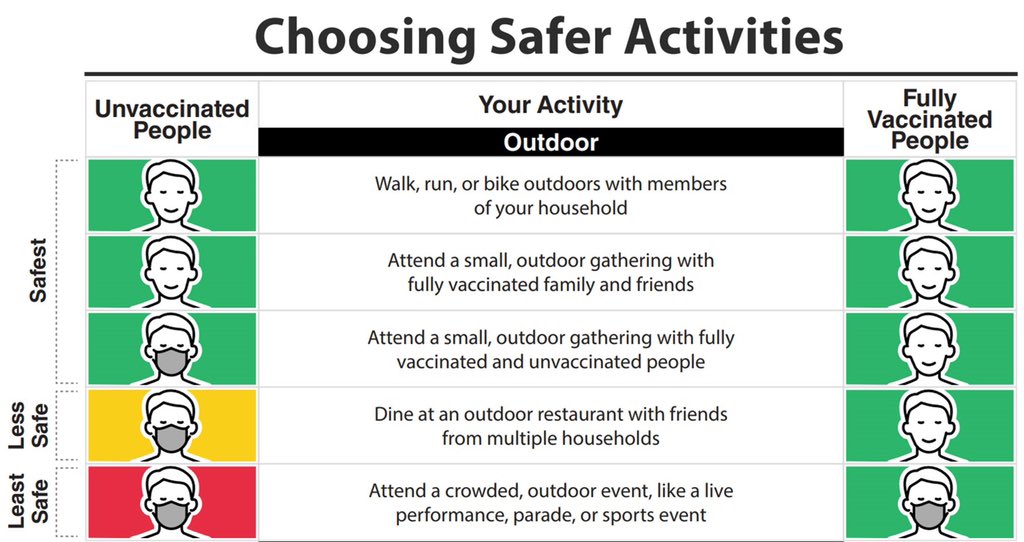
It is time to practice smiling with your teeth again, because the CDC just updated its mask-wearing guidance yesterday from “mostly always” to “mostly just inside.” The agency said that fully vaccinated folks can do the following activities sans masks:

  • Dine outside with non-roommates
  • Go on walks, hikes, or bike rides alone or with household members
  • Attend small, outdoor events, even if some attendees haven’t been vaccinated.

Why now?

29% of Americans are fully vaccinated, and almost 43% have received 1+ dose. Plus, researchers’ understanding of Covid-19 has come a long way since every Amazon package was treated like an Area 51 special delivery, and public health experts say it’s rare for the virus to spread outdoors.

Chenue Her's tweet - "Helpful and easy to follow graphic from the CDC on  the new mask and vaccination guidelines. " - Trendsmap

MIT Experts Speak: https://www.msn.com/en-us/money/other/six-foot-social-distancing-rule-misses-bigger-risks-mit-experts-say/ar-BB1g7bx1?li=BBnb7Kz

Vaccines Need a Marketing Refresh

The pace of vaccinations has slowed down in the US, and the Biden administration hopes that FOMO from seeing vaccinated friends tandem-biking (as friends do) will spur the un-jabbed to act.

Assessment: In the words of President Biden, “For those who haven’t gotten their vaccine yet…this is another great reason to go get vaccinated now.”

Your thoughts are appreciated

THANK YOU

***

ANOSMIA, HYPERSOMIA, AGEUSIA, HYPOGEUSIA, DYSGEUSIA and the CORONA VIRUS?

WHAT IS “ANOSMIA”

By Darrell Pruitt DDS and David E. Marcinko MBBS, MBA

Anosmia, also known as smell blindness, is the loss of the ability to detect one or more smells. Anosmia may be temporary or permanent. It differs from Hyposmia which is a decreased sensitivity to some or all smells.

According to Wikipedia, Anosmia can be due to a number of factors, including an inflammation of the nasal mucosa, blockage of nasal passages or a destruction of one temporal lobe. Inflammation is due to chronic mucosa changes in the lining of the paranasal sinus and in the middle and superior turbinates. When anosmia is caused by inflammatory changes in the nasal passageways, it is treated simply by reducing inflammation. It can be caused by chronic meningitis and neurosyphilis that would increase intracranial pressure over a long period of time, and in some cases by ciliopathy, including ciliopathy due to primary ciliary dyskinesia. The term derives from the New Latin anosmia, based on Ancient Greek ἀν- (an-) + ὀσμή (osmḗ, “smell”; another related term, hyperosmia, refers to an increased ability to smell). Some people may be anosmic for one particular odor, a condition known as “specific anosmia”. The absence of the sense of smell from birth is known as congenital anosmia.

Ageusia is the loss of taste functions of the tongue, particularly the inability to detect sweetness, sourness, bitterness, saltiness, and umami. It is sometimes confused with anosmia – a loss of the sense of smell. Because the tongue can only indicate texture and differentiate between sweet, sour, bitter, salty, and umami, most of what is perceived as the sense of taste is actually derived from smell. True Ageusia is relatively rare compared to Hypogeusia – a partial loss of taste – and Dysgeusia – a distortion or alteration of taste.

ASSESSMENT:

If you should suddenly lose your sense of smell (anosmia), you might want to get tested for COVID-19 – even without the presence of other symptoms.

“A majority of COVID-19 patients experience some level of anosmia, most often temporary. Analyses of electronic health records indicate that COVID-19 patients are 27 times more likely to have smell loss but are only around 2.2 to 2.6 times more likely to have fever, cough or respiratory difficulty, compared to patients without COVID-19.”

See: “How COVID-19 Causes Loss of Smell – Olfactory support cells, not neurons, are vulnerable to novel coronavirus infection.” By Kevin Jiang for Harvard Medical School, July 24, 2020.

https://hms.harvard.edu/news/how-covid-19-causes-loss-smell

Your thoughts and comments are appreciated.

BUSINESS, FINANCE, INVESTING AND INSURANCE TEXTS FOR DOCTORS:

1 – https://lnkd.in/ebWtzGg

2 – https://lnkd.in/ezkQMfR

3 – https://lnkd.in/ewJPTJs

THANK YOU

***

FREE WHITE PAPER [Is Medical Practice a New Asset Class?] from iMBA, Inc.

Is Medical Practice a New Asset Class Under MPT?

Get your FREE White Paper

SPONSOR:

http://www.CertifiedMedicalPlanner.org

Valuing the Private Practice Physician’s Quintessential Alternative Financial Investment

Dr. DEM

By Dr. David Edward Marcinko MBA CMP™ MBBS

Order NOW!

To help you decide if medical practice is indeed an asset class – and how much a practice may be worth – and how to valuate a practice – request your free white paper using the order form below.

 Comprehensive Financial Planning Strategies for Doctors and Advisors: Best Practices from Leading Consultants and Certified Medical Planners(TM)

FREE WHITE PAPER [Is Medical Practice a New Asset Class?]

Courtesy: http://www.CertifiedMedicalPlanner.org

Request your FREE White Paper Here!

Go back

Your message has been sent

Warning
Warning
Warning
Warning

Warning.

The Home Office Tax Deduction Explained

What it is – How it works?

By Dr. David Edward Marcinko MBA CMP™
http://www.CertifiedMedicalPlanner.org

A taxpayer’s business use of his or her home may give rise to a deduction for the business portion of expenses related to operating the home.

The basic requirement:

1. There must be a specific room or area that is set aside for and used exclusively on a regular basis as:
a. The principal place of any business, or
b. A place where the taxpayer meets with patients, clients or customers in the normal course of their trade or business, or
c. A separate structure that is used in the taxpayer’s trade or business and is not attached to their house or residence.

2. An employee can take a home office deduction if he or she meets the regular and exclusive use test and the use is for the convenience of the employer.

Deductions

Deductible expenses include business portions of mortgage interest, property taxes, depreciation, repairs and maintenance to the overall home that help the business use area, janitorial services or maid, utilities, insurance as well as other expenses directly related to the operating the remainder of the home.

***

https://www.amazon.com/Comprehensive-Financial-Planning-Strategies-Advisors/dp/1482240289/ref=sr_1_1?ie=UTF8&qid=1418580820&sr=8-1&keywords=david+marcinko

Conclusion

Your thoughts and comments on this ME-P are appreciated. Feel free to review our top-left column, and top-right sidebar materials, links, URLs and related websites, too. Then, subscribe to the ME-P. It is fast, free and secure.

Speaker: If you need a moderator or speaker for an upcoming event, Dr. David E. Marcinko; MBA – Publisher-in-Chief of the Medical Executive-Post – is available for seminar or speaking engagements.

Book Marcinko: https://medicalexecutivepost.com/dr-david-marcinkos-bookings/

Subscribe: MEDICAL EXECUTIVE POST for curated news, essays, opinions and analysis from the public health, economics, finance, marketing, IT, business and policy management ecosystem.

***

DR. MARCINKO SEEKING UNIVERSITY FACULTY APPOINTMENT

Join Our Mailing List

Crowd Sourcing My Job Search – An Academic Social Media Experiment?

Dr. David Edward Marcinko MBBS DPM MBA MEd BSc CMP®

Any New Year typically brings to mind the passage of Father Time.

And, as a former endowed chairman and distinguished Business School professor of capitalism, health economics, policy and management; it’s hard to believe that I’ll be finishing up my current visiting scholar-on-sabbatical tenure after this Spring semester.

So, I am crowd-sourcing my next university job search as an emerging trend. It’s the career development equivalent of my just launched WIKI health dictionary project.

HDS

HEALTH INSURANCE, MANAGED CARE, ECONOMICS, FINANCE AND HEALTH INFORMATION TECHNOLOGY COMPANION DICTIONARY SET

      Product DetailsProduct DetailsProduct Details

Regardless of the job search, check it out and tell me what you think!

Comprehensive Curriculum Vitae

http://www.DavidEdwardMarcinko.com

***

Join Us on Linked-In

INSTITUTE OF MEDICAL BUSINESS ADVISORS [iMBA] INC

[Capitalism, Health Care Enterprise and Entrepreneurship]

imba inc

David E. Marcinko MBBS DPM FACFAS MBA MEd BSc CMP®

DEM white shirt

[Chief Executive and Education Officer]

David E. Marcinko MBBS DPM FACFAS MBA MEd BSc

***

On a NEW economic hybrid medical reimbursement system

Join Our Mailing List

Enter Hybrid Reimbursement!

dem-2By Dr. David Edward Marcinko MBA CMP®

http://www.CertifiedMedicalPlanner.org

As we know – not withstanding ACOs or bundled care reimbursement models – current medical reimbursement structures involve the submission and payment of medical CPT® coded claims.

Still, some doctors feel they need to “up-code” to maximize revenue or even “down-code” for fear of having a claim denied.

The Outcome

The upshot is that contradictory business goals bastardize the system into a payer versus provider tug-of-war, with patient care as a potential bargaining chip. Instituting quality metrics should be included in this equation and, a hybrid reimbursement model may be a viable option while integrating quality care metrics and reducing costs for all stakeholders.

Enter Hybrid Reimbursement Models

This hybrid reimbursement system might use a two-payment structure.

  1. For the first payment, claims would be paid at hypothetical rate of 60% within one week of submission.
  2. The second payment, consisting of the remaining zero to 40% of some total maximum allowable fee, be paid quarterly. It would be based on scores like patient satisfaction and stewardship of healthcare resources by analyzing a statistically valid sample of patient encounters taken from the electronic health record.

***

Flag MOney

***

Assessment

Such a hybrid system would remove unnecessary steps, like re-submitting claims, and would lower the operational and administrative costs of claims processing. These changes would decrease operational cost and drive quality stewardship of the healthcare dollar. 

Conclusion

Your thoughts and comments on this ME-P are appreciated. Feel free to review our top-left column, and top-right sidebar materials, links, URLs and related websites, too. Then, subscribe to the ME-P. It is fast, free and secure.

Speaker: If you need a moderator or speaker for an upcoming event, Dr. David E. Marcinko; MBA – Publisher-in-Chief of the Medical Executive-Post – is available for seminar or speaking engagements. Contact: MarcinkoAdvisors@msn.com

OUR OTHER PRINT BOOKS AND RELATED INFORMATION SOURCES:

Product DetailsProduct Details

***

What is Population Health?

Join Our Mailing List

DEM white shirtBy David Edward Marcinko MBBS DPM MBA MEd

http://www.DavidEdwardMarcinko.com

What is population health?

In its most fundamental sense, population health seeks to improve or manage the health of a specific population. It is a systematic, holistic approach that aims to prevent disease by keeping people healthy and improving the quality of care.

HDS

http://www.HealthDictionarySeries.org

In fact, according to my colleague David B. Nash MD MBA, Founding Dean and Endowed Chair at the Jefferson College of Population Health, population health programs and interventions work to:

  • Connect prevention, wellness and behavioral health with traditional health care delivery
  • Focus on improving the quality and safety of care, improving access to healthcare services and helping to prevent/manage chronic diseases in the service of a specific population
  • Advance policies and solutions to address socio-economic and cultural factors (social determinants of health) that have an impact on health outcomes
  • Leverage technology and information systems to design social and community interventions and new models of health care delivery that facilitate care coordination and access

WHITE-PAPER: Population and Public Health

Conclusion

Your thoughts and comments on this ME-P are appreciated. Feel free to review our top-left column, and top-right sidebar materials, links, URLs and related websites, too. Then, subscribe to the ME-P. It is fast, free and secure.

Speaker: If you need a moderator or speaker for an upcoming event, Dr. David E. Marcinko; MBA – Publisher-in-Chief of the Medical Executive-Post – is available for seminar or speaking engagements. Contact: MarcinkoAdvisors@msn.com

OUR OTHER PRINT BOOKS AND RELATED INFORMATION SOURCES:

Product DetailsProduct DetailsProduct Details

***

Was the San Bernardino CA Massacre Work Place Violence?

Join Our Mailing List 

ASSESSMENT OF WORKPLACE VIOLENCE … A HEALTHCARE P.O.V.

  • By Eugene Schmuckler PhD MBA MEd CTS
  • By Dr. David Edward Marcinko MBA MBBS

What Really Is Workplace Violence?

Workplace violence is more than physical assault — it is any act in which a person is abused, threatened, intimidated, harassed, or assaulted in his or her employment. Swearing, verbal abuse, playing “pranks,” spreading rumors, arguments, property damage, vandalism, sabotage, pushing, theft, physical assaults, psychological trauma, anger-related incidents, rape, arson, and murder are all examples of workplace violence.

Registered Nurses Association of Nova Scotia

The Registered Nurses Association of Nova Scotia defines violence as “any behavior that results in injury whether real or perceived by an individual, including, but not limited to, verbal abuse, threats of physical harm, and sexual harassment.” As such, workplace violence includes:

  • threatening behavior — such as shaking fists, destroying property, or throwing objects;
  • verbal or written threats — any expression of intent to inflict harm;
  • harassment — any behavior that demeans, embarrasses, humiliates, annoys, alarms, or verbally abuses a person and that is known or would be expected to be unwelcome. This includes words, gestures, intimidation, bullying, or other inappropriate activities;
  • verbal abuse — swearing, insults, or condescending language;
  • muggings — aggravated assaults, usually conducted by surprise and with intent to rob; or
  • physical attacks — hitting, shoving, pushing, or kicking.

 Non-work Related Situations

Workplace violence can be brought about by a number of different actions in the workplace. It may also be the result of non-work related situations such as domestic violence or “road rage.” Workplace violence can be inflicted by an abusive employee, a manager, supervisor, co-worker, customer, family member, or even a stranger.

University of Iowa Injury Prevention Research Center

The University of Iowa Injury Prevention Research Center classifies most workplace violence into one of four categories.[1]

  • Type I Criminal Intent — Results while a criminal activity (e.g., robbery) is being committed and the perpetrator had no legitimate relationship to the workplace.
  • Type II Customer/Client — The perpetrator is a customer or client at the workplace (e.g., healthcare patient) and becomes violent while being assisted by the worker.
  • Type III Worker on Worker — Employees or past employees of the workplace are the perpetrators.
  • Type IV Personal Relationship — The perpetrator usually has a personal relationship with an employee (e.g., domestic violence in the workplace).

***

workplace-violence

***

Assessment

And so, was San Bernardino workplace violence – or not; please opine?

More:

ABOUT

Dr. Eugene Schmuckler was Coordinator of Behavioral Sciences at a Public Training Center before accepting his current position as Academic Dean for iMBA, Inc. He is an international expert on personal re-engineering and coaching whose publications have been translated into Dutch and Russian. He now focuses on career development, change management, coaching and stress reduction for physicians and financial professionals. Behavioral finance, life planning and economic risk tolerance assessments are additional areas of focus. Formerly, Dr. Schmuckler was a senior adjunct faculty member at the Keller Graduate School of Management, Atlanta. He taught courses in Organizational Behavior and Leadership, Strategic Staffing, Training and Development, and the capstone course in human resources management. He is a member of a number of professional organizations including the American Psychological Association, the Academy of Management, and the Society for Human Resource Management. A native of Brooklyn New York, he received his BS degree in Psychology from Brooklyn College. He earned his MBA and PhD degrees in Industrial and Organizational Psychology from Louisiana State University. Currently, he serves on the executive BOD for:  www.MedicalBusinessAdvisors.com  and is the Dean of Admissions for www.CertifiedMedicalPlanner.org

Conclusion

Your thoughts and comments on this ME-P are appreciated. Feel free to review our top-left column, and top-right sidebar materials, links, URLs and related websites, too. Then, subscribe to the ME-P. It is fast, free and secure.

Speaker: If you need a moderator or speaker for an upcoming event, Dr. David E. Marcinko; MBA – Publisher-in-Chief of the Medical Executive-Post – is available for seminar or speaking engagements. Contact: MarcinkoAdvisors@msn.com

OUR OTHER PRINT BOOKS AND RELATED INFORMATION SOURCES:

[1]   Cal/OSHA, 1995; UIIPRC, 2001. For an upcoming event, Dr. David E. Marcinko; MBA – Publisher-in-Chief of the Medical Executive-Post – is available for seminar or speaking engagements. Contact: MarcinkoAdvisors@msn.com

***

  Risk Management, Liability Insurance, and Asset Protection Strategies for Doctors and Advisors: Best Practices from Leading Consultants and Certified Medical Planners™  Risk Management, Liability Insurance, and Asset Protection Strategies for Doctors and Advisors: Best Practices from Leading Consultants and Certified Medical Planners™

***

Investing and Economics is an Imprecise Science

Join Our Mailing List 

BUT … It’s still all about CONSUMERISM!

[By Dr. David Edward Marcinko MBA MBBS [Hon] CMP]

http://www.CertifiedMedicalPlanner.org

DEM 2013There is a major variable, dominant in any marketplace that pushes an economy in a forward direction. It is called consumerism.

This became apparent while I was waiting in a doctor colleague’s office one recent afternoon.

Scenario:

The front office receptionist, who appeared to be about 21 years old, was breaking for lunch and her replacement, and appeared not much older, came over to assist.

Realizing the propensity for a long wait, one was taken by the size of waiting room and the number of patients coming in and out of the office. [Americans consume healthcare and a lot of it].

There was another notable peculiarity. The sample prescription bags being carried out the door were no match for the bags under everyone’s eyes, including the doctor’s. The office staff was probably working overtime, if not two jobs, and the doctor was working harder and faster in a managed care / ACA system.

***

stock-exchange-

[Consumerism driving the Stock Market]

***

Why?

So they all could afford to buy and voraciously consume for their children and themselves. Americans indeed work longer hours than any other industrialized nation.

Assessment

Additionally, as women female medical professionals entered the workforce in unprecedented numbers, the stock markets reached an all time high in 2015, even as money was spent at a feverish pace as the Federal Reserve pumped out money in inflammatory fashion.

Channel Surfing

Have you visited our other topic channels? Established to facilitate idea exchange and link our community together, the value of these topics is dependent upon your input. Please take a minute to visit. And, to prevent that annoying spam, we ask that you register.

Link: http://feeds.feedburner.com/HealthcareFinancialsthePostForcxos

Conclusion

Your thoughts and comments on this ME-P are appreciated. Feel free to review our top-left column, and top-right sidebar materials, links, URLs and related websites, too. Then, subscribe to the ME-P. It is fast, free and secure.

share

Speaker: If you need a moderator or speaker for an upcoming event, Dr. David E. Marcinko; MBA – Publisher-in-Chief of the Medical Executive-Post – is available for seminar or speaking engagements. Contact: MarcinkoAdvisors@msn.com

OUR OTHER PRINT BOOKS AND RELATED INFORMATION SOURCES:

Product Details

Risk Management, Liability Insurance, and Asset Protection Strategies for Doctors and Advisors: Best Practices from Leading Consultants and Certified Medical Planners™8Comprehensive Financial Planning Strategies for Doctors and Advisors: Best Practices from Leading Consultants and Certified Medical Planners™

More on “Passive Investing” for Physicians

Join Our Mailing List 

Basic Financial Concepts

tim

By Timothy J. McIntosh; CFPMBA MPH CMP [hon]

By Jeffery S. Coons; PhD CFA

By Dr. David E. Marcinko; MBA CMP™

Passive investing is a monetary plan in which an investor invests in accordance with a pre-determined strategy that doesn’t necessitate any forecasting of the economy or an individual company’s prospects.

Premise

The primary premise is to minimize investing fees and to avoid the unpleasant consequences of failing to correctly predict the future. The most accepted method to invest passively is to mimic the performance of a particular index. Investors typically do this today by purchasing one or more ‘index funds’. By tracking an index, an investor will achieve solid diversification with low expenses.  Thus, a physician-investor could potentially earn a higher rate of return than an investor paying higher management fees.

Passive management is most widespread in the stock markets.  But; with the explosion of exchange traded funds on the major exchanges, index investing has become more popular in other categories of investing. There are now literally hundreds of different index funds.

***

Bull Markets

[Domestic Bull Markets – Historical USA]

***

Passive management is based upon the Efficient Market Hypothesis theory.  The Efficient Market Hypothesis (EMH) states that securities are fairly priced based on information regarding their underlying cash flows and that investors should not anticipate to consistently out-perform the market over the long-term.

The Efficient Market Hypothesis evolved in the 1960s from the Ph.D. dissertation of Eugene Fama.  Fama persuasively made the case that in an active market that includes many well-informed and intelligent investors, securities will be appropriately priced and reflect all available information. If a market is efficient [even emerging and/or world markets], no information or analysis can be expected to result in outperformance of an appropriate benchmark.

***

World Markets

[USA versus World Index]

***

Channel Surfing the ME-P

Have you visited our other topic channels? Established to facilitate idea exchange and link our community together, the value of these topics is dependent upon your input. Please take a minute to visit. And, to prevent that annoying spam, we ask that you register. It is fast, free and secure.

More:

The Author

Timothy J. McIntosh is Chief Investment Officer and founder of SIPCO.  As chairman of the firm’s investment committee, he oversees all aspects of major client accounts and serves as lead portfolio manager for the firm’s equity and bond portfolios. Mr. McIntosh was a Professor of Finance at Eckerd College from 1998 to 2008. He is the author of The Bear Market Survival Guide and the The Sector Strategist.  He is featured in publications like the Wall Street Journal, New York Times, USA Today, Investment Advisor, Fortune, MD News, Tampa Doctor’s Life, and The St. Petersburg Times.  He has been recognized as a Five Star Wealth Manager in Texas Monthly magazine; and continuously named as Medical Economics’ “Best Financial Advisors for Physicians since 2004.  And, he is a contributor to SeekingAlpha.com., a premier website of investment opinion. Mr. McIntosh earned a Bachelor of Science Degree in Economics from Florida State University; Master of Business Administration (M.B.A) degree from the University of Sarasota; Master of Public Health Degree (M.P.H) from the University of South Florida and is a CERTIFIED FINANCIAL PLANNER® practitioner. His previous experience includes employment with Blue Cross/Blue Shield of Florida, Enterprise Leasing Company, and the United States Army Military Intelligence.

Conclusion

Your thoughts and comments on this ME-P are appreciated. Feel free to review our top-left column, and top-right sidebar materials, links, URLs and related websites, too. Then, subscribe to the ME-P. It is fast, free and secure.

Speaker: If you need a moderator or speaker for an upcoming event, Dr. David E. Marcinko; MBA – Publisher-in-Chief of the Medical Executive-Post – is available for seminar or speaking engagements. Contact: MarcinkoAdvisors@msn.com

OUR OTHER PRINT BOOKS AND RELATED INFORMATION SOURCES:

Comprehensive Financial Planning Strategies for Doctors and Advisors: Best Practices from Leading Consultants and Certified Medical Planners(TM)

“Vesalius on the Verge”

Join Our Mailing List

The Book and the Body

[By Dr. David Edward Marcinko MBA]

DEM blue

“Vesalius on the Verge: The Book and the Body” explores the groundbreaking work of 16th century professor and physician Andreas Vesalius, who changed the way that human anatomy was taught forever with “De humani corporis fabrica (On the fabric of the human body)”.

The book did two things not seen before: it corrected errors in the conception of the human body that existed for over a millennia, and it combined text with artistic illustration, which enabled interactive learning.

Where else can you see a first edition of the 1543 published text, a desiccated body juxtaposed with a full skeleton, and a contemporary recreation of Vesalius’ dissection table?

Plan your visit today! #muttermuseum #vesalius #anatomy #medicine #rarebooks” By muttermuseum on Instagram

***

ImageProxy

***

anatomy

Source: tumblr_inline_nhs0feL7wW1qzgziy

***

Assessment:

I went to medical school in Philadelphia PA, and visited the Mutter Museum many times. If you’ve never been there – I urge you to check it out!

Channel Surfing the ME-P

Have you visited our other topic channels? Established to facilitate idea exchange and link our community together, the value of these topics is dependent upon your input. Please take a minute to visit. And, to prevent that annoying spam, we ask that you register. It is fast, free and secure.

Conclusion

Your thoughts and comments on this ME-P are appreciated. Feel free to review our top-left column, and top-right sidebar materials, links, URLs and related websites, too. Then, subscribe to the ME-P. It is fast, free and secure.

Speaker: If you need a moderator or speaker for an upcoming event, Dr. David E. Marcinko; MBA – Publisher-in-Chief of the Medical Executive-Post – is available for seminar or speaking engagements. Contact: MarcinkoAdvisors@msn.com

OUR OTHER PRINT BOOKS AND RELATED INFORMATION SOURCES:

Comprehensive Financial Planning Strategies for Doctors and Advisors: Best Practices from Leading Consultants and Certified Medical Planners(TM)


Beware Dubious Insurance Policies for Doctors

Join Our Mailing List

Careful Consideration is Required

[By Dr. David Edward Marcinko MBA MBBS] http://www.CertifiedMedicalPlanner.org

Dr. David E. Marcinko MBAThe following insurance policies should be carefully considered before purchase, since they may be unnecessary, too expensive, provide only minimal benefits, or be duplicated in your other policies.

The Culprits

Disclosure: I was a licensed insurance agent for more than a decade.

So, the culprits include: credit life or home mortgage insurance  (decreasing term), life insurance for children, accident policies for students, hospital indemnity policies, dread disease insurance, credit card insurance, pet health insurance, life insurance for the elderly, funeral insurance, flight insurance, pre-paid legal insurance and most extended warranties on automobiles, televisions, stereos, home computers; other gadgets and the like.

New wave Health 2.0 culprits include: terrorist insurance, cyber security insurance and reputation management policies.

Assessment

On the other hand, the following types of coverage may be important, for some medical professionals, and in selected cases: trip cancellation insurance, termite insurance and flood and earthquake insurance.

Channel Surfing the ME-P

Have you visited our other topic channels? Established to facilitate idea exchange and link our community together, the value of these topics is dependent upon your input. Please take a minute to visit. And, to prevent that annoying spam, we ask that you register. It is fast, free and secure.

***

Insurance

***

Conclusion

Your thoughts and comments on this ME-P are appreciated. Feel free to review our top-left column, and top-right sidebar materials, links, URLs and related websites, too. Then, subscribe to the ME-P. It is fast, free and secure.

Speaker: If you need a moderator or speaker for an upcoming event, Dr. David E. Marcinko; MBA – Publisher-in-Chief of the Medical Executive-Post – is available for seminar or speaking engagements. Contact: MarcinkoAdvisors@msn.com

OUR OTHER PRINT BOOKS AND RELATED INFORMATION SOURCES:

Comprehensive Financial Planning Strategies for Doctors and Advisors: Best Practices from Leading Consultants and Certified Medical Planners(TM)

*** Risk Management, Liability Insurance, and Asset Protection Strategies for Doctors and Advisors: Best Practices from Leading Consultants and Certified Medical Planners™

About the INSTITUTE OF MEDICAL BUSINESS ADVISORS, Inc.

Join Our Mailing List

About

INSTITUTE OF MEDICAL BUSINESS ADVISORS, Inc.

  ***

The Institute of Medical Business Advisors, Inc provides a team of experienced, senior level consultants led by iMBA Chief Executive Officer Dr. David Edward Marcinko MBA CMPMBBS [Hon] and President Hope Rachel Hetico RN MHA CMP™ to provide going contact with our clients throughout all phases of each project, with most of the communications between iMBA and the key client participants flowing through this Senior Team.

Product Details

iMBA Inc., and its skilled staff of certified professionals have many years of significant experience, enjoy a national reputation in the healthcare consulting field, and are supported by an unsurpassed research and support staff of CPAs, MBAs, MPHs, PhDs, CMPs™, CFPs® and JDs to maintain a thorough and extensive knowledge of the healthcare environment.

Product Details

The iMBA team approach emphasizes providing superior service in a timely, cost-effective manner to our clients by working together to focus on identifying and presenting solutions for our clients’ unique, individual needs.

Product Details

The iMBA Inc project team’s exclusive focus on the healthcare industry provides a unique advantage for our clients.  Over the years, our industry specialization has allowed iMBA to maintain instantaneous access to a comprehensive collection of healthcare industry-focused data comprised of both historically-significant resources as well as the most recent information available.  iMBA Inc’s specific, in-depth knowledge and understanding of the “value drivers” in various healthcare markets, in addition to the transaction marketplace for healthcare entities, will provide you with a level of confidence unsurpassed in the public health, health economics, management, administration, and financial planning and consulting fields.

 Product DetailsProduct DetailsProduct Details

iMBA Inc’s information resources and network of healthcare industry textbook resources enhanced by our professional consultants and research staff, ensure that the iMBA project team will maintain the highest level of knowledge regarding the current and future trends of the specific specialty market related to the project, as well as the healthcare industry overall, which serves as the “foundation” for each of our client engagements.

Product Details  Product Details

Ann Miller RN MHA

www.MedicalBusinessAdvisors.com

Financial Advisor Education Letterhead CMP

Solicitation Letterhead.iMBA, Inc

Sample iMBA Engagements

iMBA Seminar Topics

***

Financial Planning MDs 2015

Comprehensive Financial Planning Strategies for Doctors and Advisors: Best Practices from Leading Consultants and Certified Medical Planners™

***

Safe Driving Tips all Doctor’s May Learn from Bus Drivers

Join Our Mailing List 

On Physicians Driving Safely

By Dr. David Edward Marcinko MBA

By Nalley Collision Center

Dr. MarcinkoBus drivers take their lives into their hands every day on city streets and interstate highways. Despite challenging traffic conditions and the responsibility of a large vehicle and numerous passengers, bus drivers find ways to stay safe while keeping up with demanding routes and schedules. These unsung heroes of the road universally command respect, but they also offer important lessons to ordinary drivers who share busy roads with buses every day.

So – as summer is upon us – and in the spirit of safe driving – allow our ME-P team at to share a few bus-driver inspired driving tips with you.

Distracted Driving

Modern technology has caused an addiction for many bus drivers as they struggle to communicate while safely driving a bus.

An Italian bus driver was caught on video simultaneously using two cell phones while steering his bus with his elbows. This talent showed the world that cell phone use behind the wheel might not present the extreme danger most people expect.

Seriously, bus drivers can provide some good examples of how not to drive. Although many states have laws in place restricting the use of electronic devices while driving, many states do not. All drivers, and every doctor, should avoid risking their lives and the lives of passengers by reserving cell phone use to emergencies while driving.

Road Rage

A New York City school bus driver named Juan DelValle side-swiped a car on a crowded city street and was subsequently attacked by the offended driver. DelValle was within days of his long-awaited retirement and died from severe injuries to his brain.

This one example shows how a minor traffic incident can quickly escalate into a life-changing event for unprepared drivers. Drivers should exercise extreme caution every time they have an incident with another driver. After an accident, drivers who feel threatened can call police and wait in their cars until help arrives.

Rest                                             

Bus drivers illustrate why no one should sit behind the wheel of a vehicle when fatigued.

Investigators determined that a tour bus crash in New York that killed 15 passengers was caused by a sleepy driver. The bus driver, Ophadell Williams, was charged with criminally negligent homicide. His life might never return to its previous state.

Drivers who spend time getting the sleep they need might arrive late at their destination, but they also arrive with a clear conscience, an alert mind, and living passengers.

Defensive Driving

A Transit bus in Los Osos, California rolled down an embankment after colliding with a car on a dark and wet stretch of road. Bus drivers know they cannot count on the driving skills of other motorists for safety, so they drive defensively. In the Los Osos case, the bus driver managed to stay alive after the Mercedes crossed the center line.

Although the driver of the automobile died in the wreck, all the bus passengers lived.

DEM's Jag XJ-V8-LMore

Assessment

Every driver should periodically take time to review defensive-driving tactics or to attend a defensive driving class to improve their ability to respond to unexpected circumstances on the highway.  

Conclusion

Your thoughts and comments on this ME-P are appreciated. Feel free to review our top-left column, and top-right sidebar materials, links, URLs and related websites, too. Then, subscribe to the ME-P. It is fast, free and secure.

Link: http://feeds.feedburner.com/HealthcareFinancialsthePostForcxos

Speaker: If you need a moderator or speaker for an upcoming event, Dr. David E. Marcinko; MBA – Publisher-in-Chief of the Medical Executive-Post – is available for seminar or speaking engagements. Contact: MarcinkoAdvisors@msn.com

OUR OTHER PRINT BOOKS AND RELATED INFORMATION SOURCES:

Health Dictionary Series: http://www.springerpub.com/Search/marcinko

Practice Management: http://www.springerpub.com/product/9780826105752

Physician Financial Planning: http://www.jbpub.com/catalog/0763745790

Medical Risk Management: http://www.jbpub.com/catalog/9780763733421

Hospitals: http://www.crcpress.com/product/isbn/9781439879900

Physician Advisors: www.CertifiedMedicalPlanner.org

Product Details  Product Details