HOSPITALS: Another New Designation

“BIRTHING-FRIENDLY”

By Staff Reporters

***

***

The Centers for Medicare and Medicaid Services (CMS) added a new designation to identify which hospitals are “Birthing-Friendly”—a label it will begin adding to qualifying hospitals in fall 2023.

The designation aims to reduce maternal mortality and complications in the US; maternal mortality rose by 25% in 2020, and Black women die at nearly three times the rates of white women, according to a CDC report from February. The US ranked last in maternal mortality that year compared to 10 other high-income countries, according to the Commonwealth Fund.

To earn the designation, CMS said, hospitals must participate in a statewide or national collaborative program where medical teams and public health leaders work together to improve care quality for birthing parents and babies. Hospitals that opt in qualify for an operating payment rate increase of 4.3%, a much-needed boost for hospitals struggling with profitability in the wake of the Covid-19 pandemic and inflation.

But there’s no single set of metrics that hospitals will be required to follow to earn CMS’s new designation, and any changes they make may depend on what areas need improvement. For example, hospitals could focus on reducing pregnancy complications and early births, which happen before 39 weeks, according to the CDC.

CMS’s designation—at least in its initial form—isn’t tied to outcomes. However, medical professionals said there are a variety of measures and outcomes that have been shown to make a hospital truly birthing-friendly.

When it comes to measuring maternal-care quality, one metric comes up over and over again: a hospital’s C-section rate, said Holly Loudon, chair of obstetrics, gynecology, and reproductive science at Mount Sinai West and Mount Sinai Morningside in New York City.

Keep reading here

RELATED PODCAST: https://www.kevinmd.com/2022/11/protect-black-womens-maternal-health-podcast.html

***

COMMENTS APPRECIATED

Thank You

***

HEALTH INSURANCE: https://www.amazon.com/Dictionary-Health-Insurance-Managed-Care/dp/0826149944/ref=sr_1_4?ie=UTF8&s=books&qid=1275315485&sr=1-4

ORDER: https://www.amazon.com/Financial-Management-Strategies-Healthcare-Organizations/dp/1466558733/ref=sr_1_3?ie=UTF8&qid=1380743521&sr=8-3&keywords=david+marcinko

****

The Future of Nursing?

By Staff Reporters

***

***

The future of healthcare will be defined by nurses. Giving them a platform where they can be seen, heard, and valued for what they contribute each and every day is healthcare innovation.

connectRN is an empowered community of nurses, helping them access the flexible work opportunities they want. Nurses use connectRN to find work, access resources, and get much-needed peer support. And healthcare facilities can get the staff they need to provide high-quality patient care.

From in-app shift scheduling to same-day pay to 24/7 support, connectRN offers nurses a modern, seamless, and stress-free experience. After all, thriving clinicians provide the best care.

Learn more about how connectRN is disrupting the healthcare industry.

***

ORDER: https://www.amazon.com/Dictionary-Health-Information-Technology-Security/dp/0826149952/ref=sr_1_5?ie=UTF8&s=books&qid=1254413315&sr=1-5

***

COMMENTS APPRECIATED

Thank You

***

COLONOSCOPIES: Statistical Update

By Dr. David Edward Marcinko MBA

***

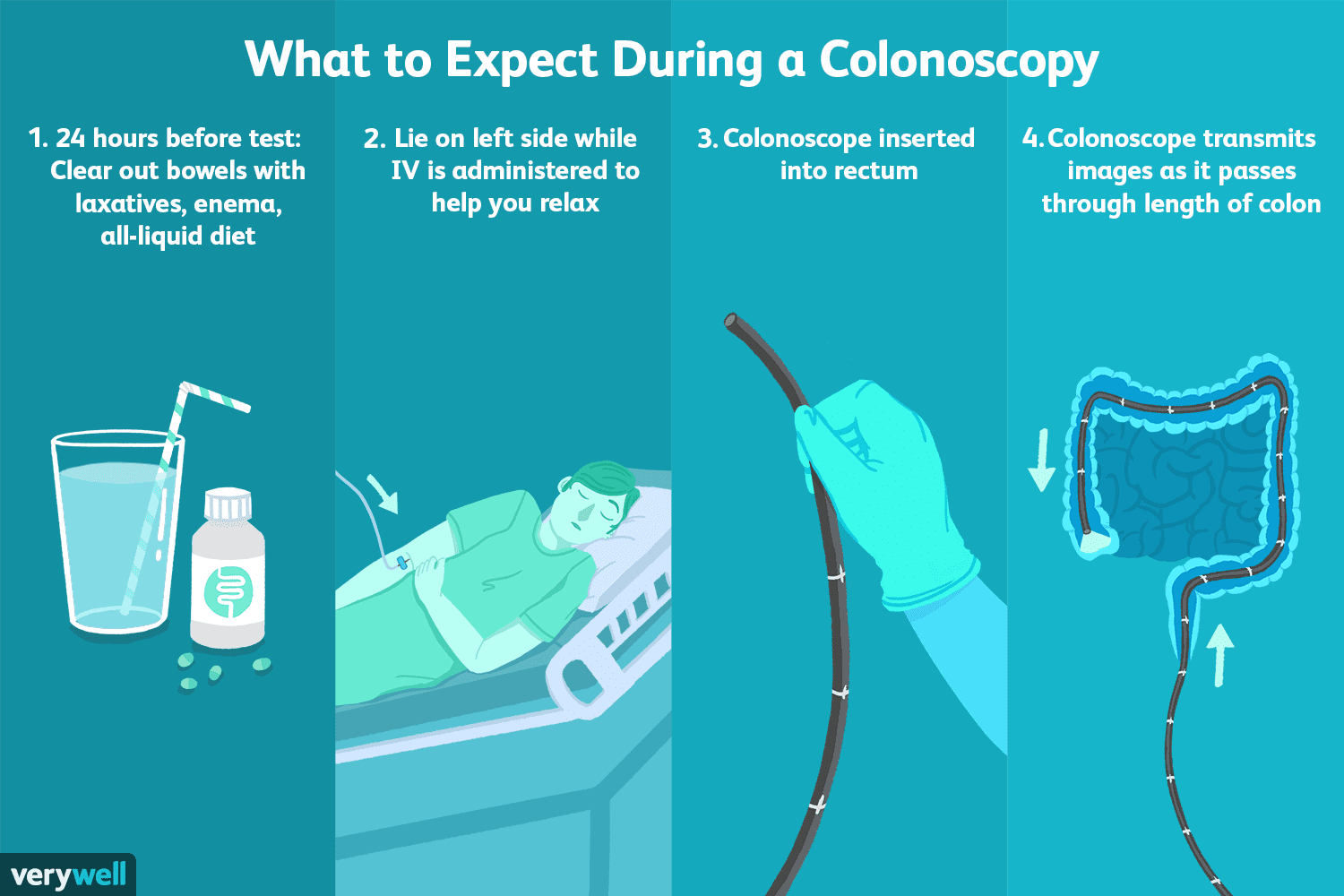
DEFINITION: A Colonoscopy and/or sigmoidoscopy are procedures that let your doctor look inside your large intestine. They use instruments called scopes. Scopes have a tiny camera attached to a long, thin tube. The procedures let your doctor see things such as inflamed tissue, abnormal growths, and ulcers.

EDITOR’S NOTE: The ME-P does not normally discuss medical or clinical matters. But, this report is noteworthy to all.

***

***

About 15 million colonoscopies are performed in the US yearly as part of standard preventive care for adults over 45, but a new study has called into question whether all the footage from those tiny cameras is really necessary.

Over a 10-year period, people who had the screenings were 18% less likely to develop colon cancer than people who didn’t, according to the study in the New England Journal of Medicine. However, the risk of death from the cancer for both the screened and un-screened was about the same, hovering around 0.3%.

***

COMMENTS APPRECIATED

Thank You

HEALTH INSURANCE: https://www.amazon.com/Dictionary-Health-Insurance-Managed-Care/dp/0826149944/ref=sr_1_4?ie=UTF8&s=books&qid=1275315485&sr=1-4

***

Ask About Our Medical Science Liaison Services

Dear Pharmaceutical Company, Financial Services Firm or Corporate Medical Vendor

We often serve as Medical Science Liaison [MSL] for pharmaceutical companies, at medical seminars and/or financial services organization meetings. Based on our education, experience and skills, we are confident that we would be a great addition to your team.

My Record

For example, I have a proven record in collaborative leadership with functional healthcare executive management experience to develop and implement coordinated strategies designed to deliver top line growth; drive organizational change and enhance competitive positioning within multiple key markets; enhance relationships and influence physicians; analyze financial, economics, operational and quality measures and ensure health practices are operating within goals and standards.

In this role, I can identify external experts (KOLs), and engage, enhance, and build relationships by listening and understanding the views of these experts.

An Independent Conduit Link

More importantly, I can bring value to external experts through excellent communication of scientific dialogue.  I see this position as a non-promotional conduit link between you and this community. It is one where I fuse scientific knowledge with business acumen to accelerate commercialization success. As a fully independent MSL, I can:

  • Serve as MC, key or end-note speaker
  • Integrate quickly within any existing internal MSL structure or culture
  • Train, develop and team build career path management processes
  • Offer modern and flexible health 2.0 solutions.

CV and Related Information

And, a formal CV with evidence of national notoriety and gravitas is available with related information online:

CV: Dr. David E. Marcinko CV 2017

Letterhead: Corporate Medical Science Liaison Opportunities

Informative Websites:

Travel is non-problematic from Atlanta. Teaching, speaking, writing and mentoring are areas of expertise.  Thank you in advance for your time. Please do not hesitate to contact me if you have any questions.

Cordially,

Dave

Dr. David Edward Marcinko; FACFAS, MBA, CMP™

  • Forner, Certified Financial Planner™
  • Former, Certified Physician in Healthcare Quality
  • Former, American Society of Health Economists (ASHE) member
  • Former, American Health Information Management Association (AHIMA) member
  • Former, Healthcare Information and Management Systems Society (HIMSS) member

Product DetailsProduct DetailsProduct Details

Product Details  Product Details

Product Details

A Review of Mental Healthcare Provider Types

Join Our Mailing List

Implications for Staffing Modern Mental Health Facilities

[By Carol Miller RN MBA]

Carol S. MillerCommunity Mental Health Centers are also referred to as County Mental Health Centers and treat patients usually with no or limited insurance in a domiciliary setting versus an inpatient state or community facility.

And, both children and adults are eligible to receive such assistance.

These programs provide a wide range of psychiatric and counseling services to the residents in their community as well
as other types of assistance. But, what type of mental healthcare staff, and providers, are involved with these facilities?

Staffing

Staffing levels at community mental health facilities depend on the size and funding of each clinic, and vary in number, qualifications, and mix. Many personnel hold or are working on Master’s degrees and various professional certifications.

Typical staffing would include:

  • Administrative or Mental Health Director ¾ This individual, working under general policy directives, is responsible for planning, organizing, coordinating, and directing delivery of a community’s comprehensive mental health programs and services. This would include the development and implementation of goals, objectives, policies, procedures, budget, standard compliance, and work standards for mental health services. The Director is responsible not only for the services offered under the program, but also for extensive coordination with other county departments, public and private organizations, citizen groups, and the Board of Supervisors.
  • Case management staff ¾ These personnel are responsible for compiling all the services related to the treatment program.
  • Psychiatrists ¾ These individuals may work for a mental health center full or part time, and be Board-eligible or Board-certified in Psychiatry.
  • Psychologists ¾ These individuals will hold Ph.D., Psy.D. or Ed.D. qualifications and be licensed as clinical psychologists in the state.
  • Licensed Independent Social Worker (LISW) ¾ These individuals will have expertise in such services as family counseling, child psychology, geriatric dementia, psychological testing, and so on.
  • Licensed Marriage and Family Therapist (LMFT) — These individuals are specialized in various fields and provide an array of counseling services to patients, dependent on the nature of their problem.
  • Clinical Nurse Specialists ¾ These personnel are certified in psychiatric nursing by a national nursing organization such as the American Nurses Association to practice within the scope of these services and are licensed in the state.
  • Support staff ¾ These staff members would include an administrative assistant to the Director, medical billers, transcriptionist, and possibly a receptionist.
  • Substance Abuse Counselor or Licensed Professional Clinical Mental Health Counselor (LPC or LPCC) — An individual who takes a holistic approach where they exam a person’s external environmental and societal influences while also monitoring inner emotion, physical and behavioral health.

###

ME-P Careers

###

Counselor Qualifications

A licensed mental health counselor has met or exceeded the following professional qualifications:

  • earned a Master’s degree in counseling or a closely related mental health discipline;
  • completed a minimum of two years post-Master’s clinical work under the supervision of a licensed or certified mental health professional; and
  • passed a state-developed or national licensure or certification examination.

Assessment

Conclusion

Your thoughts and comments on this ME-P are appreciated. Feel free to review our top-left column, and top-right sidebar materials, links, URLs and related websites, too. Then, subscribe to the ME-P. It is fast, free and secure.

Speaker: If you need a moderator or speaker for an upcoming event, Dr. David E. Marcinko; MBA – Publisher-in-Chief of the Medical Executive-Post – is available for seminar or speaking engagements. Contact: MarcinkoAdvisors@msn.com

OUR OTHER PRINT BOOKS AND RELATED INFORMATION SOURCES:

Product Details

On Cultural Sensitivity in Education and Medicine

Join Our Mailing List

A Modern Integral Component of Healthcare Training

[By Render S. Davis MHA CHE]

[By Dr. David Edward Marcinko MBA]

***

While America has often been called a “nation of immigrants,” it has never been more true than today. Consequently, the challenge for physicians and other health care providers, in both large cities and small communities, is meeting the health care needs of increasingly diverse and multi-cultural populations who speak different languages and have social norms, traditions, and values that may substantially differ from their own. Problems arise when clinicians expect, even demand, that patients and their families discard their cultural foundations and adhere to the health care provider’s view of the care and decision-making process.

Instead, the health care team should be more aware of and sensitive to the values and beliefs of patients who come from other cultures; working within to assure that the patient’s individual rights are supported and wishes honored to the fullest extent possible.

In her award-winning book, The Spirit Catches You and You Fall Down, Ann Fadiman chronicled this tragic clash of two cultures in medical care for a child of the traditional Hmong people of Laos, transplanted to California after the Vietnam War.

In the book, Fadiman recounts a conversation with Professor Arthur Kleinman of Harvard University, a highly regarded expert in multicultural relations and conflict, who noted that “If you cannot see that your own culture has its own set of interests, emotions, and biases, how can you expect to deal successfully with someone else’s culture?”

***

anatomy-254129_640

***

Former U.S. Surgeon General David Satcher, M.D., Ph.D., now Director of the Satcher Health Leadership Institute at Morehouse College of Medicine in Atlanta, Georgia, helped develop a special curriculum designed to foster greater cultural competence among physicians and health care providers.

Called the “CRASH Course,” the program emphasizes:

  1. Cultural Awareness. Acknowledging the diversity and legitimacy of the many cultures that make up the fabric of American Society;
  2. Respect. Valuing other cultural norms, even if they differ or conflict with your own;
  3. Assess and affirm. Understanding the points of both congruence and difference among cultural approaches to decision-making; learning how to achieve the best outcomes within the cultural framework of the patient and family unit;
  4. Sensitivity and self awareness. Being secure in your own values; while willing to be flexible in working through cultural differences with others;
  5. Humility. Recognizing that every culture has legitimacy and that no one is an expert in what is best for others; being willing to subordinate your values for those of another to achieve the goals of treatment.

There is little doubt that multi-cultural sensitivity will continue to grow as an increasingly integral component of medical education and risk management in health care practice.

Dr. Marcinko Teaching Philosophy

***

anatomy-254120_640

**

Channel Surfing the ME-P

Have you visited our other topic channels? Established to facilitate idea exchange and link our community together, the value of these topics is dependent upon your input. Please take a minute to visit. And, to prevent that annoying spam, we ask that you register. It is fast, free and secure.

More:

Conclusion

Your thoughts and comments on this ME-P are appreciated. Feel free to review our top-left column, and top-right sidebar materials, links, URLs and related websites, too. Then, subscribe to the ME-P. It is fast, free and secure.

About the Author

Render Davis was a Certified Healthcare Executive, now retired from Crawford Long Hospital at Emory University, in Atlanta, GA He served as Assistant Administrator for General Services, Policy Development, and Regulatory Affairs from 1977-95.  He is a founding board member of the Health Care Ethics Consortium of Georgia and served on the consortium’s Executive Committee, Advisory Board, Futility Task Force, Strategic Planning Committee, and chaired the Annual Conference Planning Committee, for many years.  

Speaker: If you need a moderator or speaker for an upcoming event, Dr. David E. Marcinko; MBA – Publisher-in-Chief of the Medical Executive-Post – is available for seminar or speaking engagements. Contact: MarcinkoAdvisors@msn.com

OUR OTHER PRINT BOOKS AND RELATED INFORMATION SOURCES:

Product DetailsProduct Details

Invite Dr. Marcinko

Product DetailsProduct Details

***

PODCAST: What Hospital CEOs Should Do?

TOP 4 PRESUMPTIONS!

BY ERIC BRICKER, MD

***

***

YOUR COMMENTS APPRECIATED.

HOSPITALS:

https://www.amazon.com/Hospitals-Healthcare-Organizations-Management-Operational/dp/1439879907/ref=sr_1_4?s=books&ie=UTF8&qid=1334193619&sr=1-4

Thank You

HEALTHCARE:

https://www.amazon.com/Financial-Management-Strategies-Healthcare-Organizations/dp/1466558733/ref=sr_1_3?ie=UTF8&qid=1380743521&sr=8-3&keywords=david+marcinko

***

PODCAST: Medical Specialties with High Margin Hospital Power

By Eric Bricker MD

***

***

***

COMMENTS APPRECIATED

Thank You

***

HOSPITALS: https://www.amazon.com/Financial-Management-Strategies-Healthcare-Organizations/dp/1466558733/ref=sr_1_3?ie=UTF8&qid=1380743521&sr=8-3&keywords=david+marcinko

***

What Is Integrative Medicine?

By Staff Reporters

***

The term integrative medicine was born from combining the practice of so-called “conventional” medicine and “complementary medicine.” Conventional medicine is what most doctors practice. This is also called “traditional Western medicine.”

Adding “outside-the-box” treatments such as chiropractic care, acupuncture, and other lifestyle recommendations like improving diet, supplements, herbs, exercise, stress management, and functional specialty labs results in the actual integration of the two disciplines. And we need both.

READ: https://www.msn.com/en-us/health/medical/the-one-doctor-you-dont-have-but-likely-need/ar-AAXagMw?li=BBnb7Kz\

Complimentary Medicine: https://medicalexecutivepost.com/2007/12/16/complimentary-medicine/

***

BUSINESS MEDICINE: https://www.amazon.com/Business-Medical-Practice-Transformational-Doctors/dp/0826105750/ref=sr_1_9?s=books&ie=UTF8&qid=1287563112&sr=1-9

***

DHIMC: https://www.amazon.com/Dictionary-Health-Insurance-Managed-Care/dp/0826149944/ref=sr_1_4?ie=UTF8&s=books&qid=1275315485&sr=1-4

***

COMMENTS APPRECIATED

Thank You

***

PODCAST: Nurses Go on Strike

By Eric Bricker MD

***

***

COMMENTS APPRECIATED

Thank You

***

HOSPITAL: https://www.amazon.com/Financial-Management-Strategies-Healthcare-Organizations/dp/1466558733/ref=sr_1_3?ie=UTF8&qid=1380743521&sr=8-3&keywords=david+marcinko

***

PODCAST: How Accurate was that Medical Test?

Join Our Mailing List
Understanding Test Characteristics
By Aaron E. Carroll MD
 ***
Does a positive test mean that you have a disease? Does a negative test mean you’re healthy? Unfortunately, the answer to both these questions isn’t a definitive “yes”. How good a test is depends on many things.
***
syringe

 ***

Healthcare Triage: Frequent Lab Testing Isn’t Very Useful

A couple of weeks ago, Mark Cuban got into an interesting debate with much of the health wonk Twitter community (including me) over whether more lab testing is better. It began when he advocated that everyone get quarterly lab testing:

While I’m a fan of Cuban’s Shark Tank, and I respect his business acumen immensely, there are a couple of things wrong with this. It’s worth discussing them in detail. We’re going to do that here today, on Healthcare Triage.

MORE:

For those of you who want to read more, here you go:

***

Healthcare Triage: Frequent Lab Testing Isn’t Very Useful

***

Conclusion

Your thoughts and comments on this ME-P are appreciated. Feel free to review our top-left column, and top-right sidebar materials, links, URLs and related websites, too. Then, subscribe to the ME-P. It is fast, free and secure.

Speaker: If you need a moderator or speaker for an upcoming event, Dr. David E. Marcinko; MBA – Publisher-in-Chief of the Medical Executive-Post – is available for seminar or speaking engagements. Contact: MarcinkoAdvisors@msn.com

OUR OTHER PRINT BOOKS AND RELATED INFORMATION SOURCES:

Product DetailsProduct Details

PODCAST: “UNIVERSAL PRECAUTIONS” EXISTED LONG BEFORE THE CORONA VIRUS

WHAT’S OLD – IS NEW AGAIN?

Courtesy: www.CertifiedMedicalPlanner.org

cropped-dem

Dr. David E. Marcinko MBA

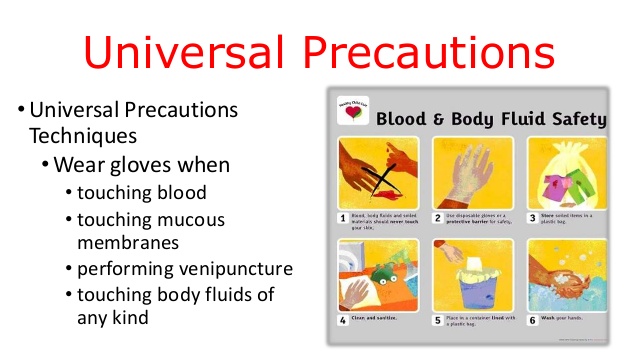
Universal Precautions refer to the medical practice of avoiding contact with patients’ bodily fluids, by means of the wearing of nonporous articles such as medical gloves, goggles, and face shields.

LINK: https://www.amazon.com/Dictionary-Health-Insurance-Managed-Care/dp/0826149944/ref=sr_1_4?ie=UTF8&s=books&qid=1275315485&sr=1-4

The infection control techniques were essentially good hygiene habits, such as hand washing and the use of gloves and other barriers, the correct handling of hypodermic needles, scalpels, and aseptic techniques.

Following the AIDS outbreak in the 1980s the US CDC formally introduced them in 1985–88. Every patient was treated as if infected and therefore precautions were taken to minimize risk.

***

***

PODCAST: https://www.bing.com/videos/search?q=universal+precautions&&view=detail&mid=CF8A605C252259D0DA6FCF8A605C252259D0DA6F&&FORM=VRDGAR&ru=%2Fvideos%2Fsearch%3Fq%3Duniversal%2Bprecautions%26FORM%3DHDRSC3

ASSESSMENT: Your thoughts and comments are appreciated.

***

   Product DetailsProduct DetailsProduct Details

***

LONG Health Effects Post September 11th, 2001?

The Enduring Health Legacy

As noted on this ME-P previously, surely 9/11 touched each and every American significantly. It was the end of American innocence, sending a powerful message about our place in the world.

Today, almost without exception, each of us can say that because of that bright September morning, we have been changed for life. Mothers were left without sons; brothers without brothers, and friends were taken from friends by this senseless act of violence.

Unfortunately, the ultimate legacy of 9/11 many still bear as they deal with the long-lasting health effects associated these terrorist attacks.

***

***

RELATED: https://www.routledge.com/Risk-Management-Liability-Insurance-and-Asset-Protection-Strategies-for/Marcinko-Hetico/p/book/9781498725989

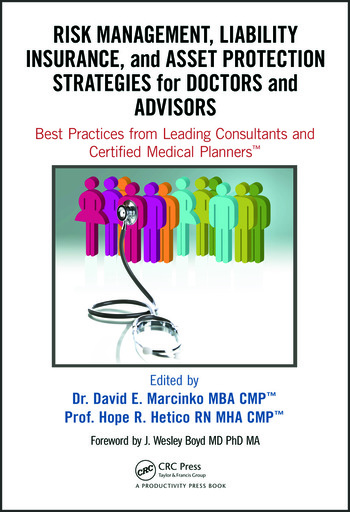
Risk Management, Liability Insurance, and Asset Protection Strategies for Doctors and Advisors : Best Practices from Leading Consultants and Certified Medical Planners™ book cover

Conclusion

Your thoughts and comments on this ME-P are appreciated. Feel free to review our top-left column, and top-right sidebar materials, links, URLs and related websites, too. Then, subscribe to the ME-P. It is fast, free and secure.

Speaker: If you need a moderator or speaker for an upcoming event, Dr. David E. Marcinko; MBA – Publisher-in-Chief of the Medical Executive-Post – is available for seminar or speaking engagements. Contact: MarcinkoAdvisors@msn.com

OUR OTHER PRINT BOOKS AND RELATED INFORMATION SOURCES:

   Product Details 

A Fiduciary Comes with Responsibilities to the Client

By Stephen Kelley, CSA

***

***

As a Registered Investment Adviser (RIA) with a Series #65 securities license, we hold a fiduciary duty to you. This means that we are legally bound to put your interests above those of anyone else, including ourselves.

Now you might reasonably think that anyone offering financial advice or services to clients is required to be a fiduciary. Sadly, if you thought that, you’d be wrong. Some estimates claim that only 15 percent of advisors have a fiduciary duty to their clients. The Paladin Registry puts the number even lower, estimating that just one in 12 (8.3 percent) advisors have a fiduciary responsibility.

For the most part, stockbrokers (also called “Registered Representatives,” “Account Executives,” “Financial Advisors,” or “Wealth Managers”) are not fiduciaries, even though they are allowed to portray themselves as full-service investment advisors. If your stockbroker/registered representative/account executive/financial advisor/wealth manager holds a series seven [#7] securities license, then it’s probable that they aren’t a fiduciary.

This was made amply clear in the movie, “The Wolf of Wall Street,” a biopic about Jordan Belfort, a stockbroker who made his fortune selling junk stocks and bonds to middle-class investors: in other words, by cheating them. Much of it was perfectly legal. The SEC went after Belfort’s company, Stratton Oakmont, for nearly a decade before it was able to shut it down. The point being that even in the face of egregious wrongdoing, theft, fraud and a virtual sea of drugs and blatant hedonism, the securities laws in this country are so loose that it took billions in theft and a decade of suspected and known fraud to step in and stop the abuse. And this movie was based on a true story.

That’s why a fiduciary duty is so important to a client. Being a fiduciary is a legal distinction. A Registered Investment Advisor (RIA) or Investment Advisor Representative (IAR) who holds a Series #65 securities license, subject to the Investment Advisers Act of 1940, is a fiduciary. The legal investment advising standards that govern a non-fiduciary stockbroker and a fiduciary Registered Investment Advisor are very different.

A Registered Investment Advisor is legally required to follow the “trust” standard — the highest known in law — which requires it to place the interests of its clients ahead of its own and fulfill critical fiduciary duties of trust and confidence. Under the fiduciary trust standard, a Registered Investment Advisor must provide its “best advice” to a client. A non-fiduciary stockbroker (like the coveted Series #7 of “The Wolf of Wall Street”) follows only the “suitability” standard, which doesn’t require a stockbroker to place the interests of his clients ahead of its own. Under the non-fiduciary suitability standard, a stockbroker need provide only “suitable advice” to his clients — even if the stockbroker knows that the advice is not the best advice for the client.

***

The table below helps summarize which professionals are fiduciaries.

Type of ProfessionalAre They A Fiduciary?
PhysicianYes
LawyerYES/Maybe
CPANo
Trust OfficerYes
Stock BrokerNo
Insurance AgentNo
Registered RepresentativeNo
CFP PractitionerMaybe
Financial PlannerMaybe
Registered Investment AdviserYes
NAFPA-Registered Financial AdvisorYes

***

MORE: https://medicalexecutivepost.com/2022/05/21/an-interview-with-bennett-aikin-aif/

RELATED: https://www.kitces.com/blog/the-4-different-types-of-financial-advisor-fiduciaries/

CFPs: https://medicalexecutivepost.com/2016/11/18/why-we-cannot-assume-cfp-equals-fiduciary/

INVESTING: https://www.routledge.com/Comprehensive-Financial-Planning-Strategies-for-Doctors-and-Advisors-Best/Marcinko-Hetico/p/book/9781482240283

COMMENTS APPRECIATED

Thank You

***

PODCAST: Health Literacy and its Role in Financial Literacy

By Eric Bricker MD

***

***

CITE: https://www.r2library.com/Resource/Title/082610254

COMMENTS APPRECIATED

Thank You

****

Paxlovid and Pharmacists

FOR COVID-19 TREATMENT

By Staff Reporters

***

***

  • The FDA recently authorized pharmacists to prescribe Paxlovid to eligible patients who test positive for COVID-19. 
  • To get a Paxlovid prescription from a pharmacist, patients must be able to connect the pharmacist to a physician to discuss their medical history, or present recent kidney and liver function tests to be sure the drug is safe for them. 
  • Patients will also have to list and review all medications, including over-the-counter products they take, to be sure no dangerous interactions could occur.

***

RELATED: https://www.amazon.com/Dictionary-Health-Information-Technology-Security/dp/0826149952/ref=sr_1_5?ie=UTF8&s=books&qid=1254413315&sr=1-5

COMMENTS APPRECIATED

Thank You

***

PODCASTS: HEDIS Explained

Healthcare Effectiveness Data & Information Set

By Eric Bricker MD

***

***

COMMENTS APPRECIATED

Thank You

***

#2 PODCAST: https://www.ahealthcarez.com/how-hedis-quality-scores-work

***

AMA ECONOMICS: https://medicalexecutivepost.com/2022/08/01/ama-to-teach-medical-students-about-health-economics/

Health Economics: https://medicalexecutivepost.com/2022/07/31/podcast-history-applied-to-health-economics/

DHEF: https://www.amazon.com/Dictionary-Health-Insurance-Managed-Care/dp/0826149944/ref=sr_1_4?ie=UTF8&s=books&qid=1275315485&sr=1-4

***

MEDICARE ADVANTAGE PLANS: TV Ads are Deceiving?

By Dr. Keith L. Gurnick, DPM

[Los Angeles, CA via PM Online]

***

***

Paid spokespersons consisting exclusively of older celebrities, including William Shatner, George Forman, Joe Namath, and Jimmie “J.J.” Walker read similar, if not exact, scripts in an attempt to induce the elderly to phone and check their “zip code” to see if they are eligible. I can’t figure out what the zip code has to do with anything, but maybe someone can help me to understand this fish hook?

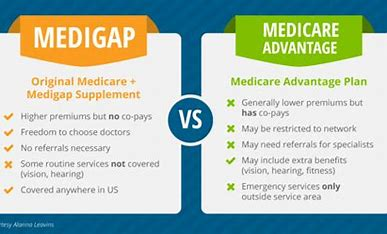
As of November 2021, 42% of all Medicare eligible patients are enrolled in Medicare Advantage plans. Does the viewing public not wonder why there is never any mention at all during these commercials that changing to a Medicare Advantage plan means switching their traditional Medicare over to an HMO, and that most likely they will lose their network of doctors and possibly hospitals as well? 

Why don’t they just tell the truth?

COMMENTS APPRECIATED

Thank You

***

Health Insurance: https://www.amazon.com/Dictionary-Health-Insurance-Managed-Care/dp/0826149944/ref=sr_1_4?ie=UTF8&s=books&qid=1275315485&sr=1-4

***

New Medical Informed Consent Dilemma

Join Our Mailing List

Emerging Problems

By Dr. David Edward Marcinko; MBA, CMP™

[Publisher-in-Chief]dem21

According to the Dictionary of Health Insurance and Managed Care, informed consent is the oral and written communication process between a patient and physician that results in the agreement to undergo a particular procedure, surgical intervention or medical treatment.

Unfortunately, a lack of standardization surrounding this process represents a major risk for patients and surgeons, and may lead to inaccurate patient expectations, lost or incomplete consent forms, missing encounter documentation and delays in critical surgeries and procedures.

History: Render S. Davis of Emory University [2008 recipient of the Health Care Ethics Consortium’s Heroes in Healthcare Ethics Award] writes for us in the Business of Medical Practice www.MedicalBusinessAdvisors.com that the concept of informed consent is rooted in medical ethics and codified as a legal principle. It is based on the assertion that a competent person has the right to determine what is done to him or her [self-regulated autonomy].

Rationale: The American Medical Association recommends that its members disclose and discuss the following with their patients:  

  • The patient’s diagnosis, if known,
  • The nature and purpose of a proposed treatment or procedure,
  • The risks and benefits of a proposed treatment or procedure,
  • Alternatives (regardless of cost or health insurance coverage),
  • The risks and benefits of the alternative treatments and,
  • The risks and benefits of not the procedure.

The requirements for informed consent are spelled out in statutes and case law in all 50 states. It is a necessary protocol for all hospitals, medical clinics, podiatry practices and ASCs.

Inadequacy of Traditional Consent Forms-to-Date

The typical informed consent process, particularly one that relies solely on traditional generic consent forms, is often inadequate, incomplete or offers the potential for not fully explaining and documenting a particular procedure to a given patient. 

Traditional consent forms are subject to errors and omissions, such as missing signatures (patient, provider or witness), missing procedure(s), and missing dates that place the validity of consent at risk. Lost or misplaced forms may result in delayed or postponed procedures often at the expensive of costly operating room time. Moreover, far too many forms are generic in nature and wholly unsuited for a specific patient or increasingly sophisticated medical procedure.

Patient Safety Background

According to the Institute of Medicine’s [IOM] repot, To Err is Human, more than 1 million injuries and nearly 100,000 deaths occur annually in the United States due to mistakes in medical care. Wrong patient, wrong-side, wrong-procedure and wrong-toe surgery are particularly egregious. In fact, these are among several other “never-events” that Medicare, and an increasing number of private insurance companies are refusing to reimburse.

Based on the need to make healthcare safer, the Agency for Healthcare Research and Quality (AHRQ) undertook a study to identify patient safety issues and develop recommendations for “best practices”.

AHRQ Evidence Report

The AHRQ report identified the challenge of addressing shortcomings such as missed, incomplete or not fully comprehended informed consent, as a significant patient safety opportunity for improvement.

The authors of the AHRQ report hypothesized that better informed patients “are less likely to experience errors by acting as another layer of protection.” And, the AHRQ study ranked a more interactive informed consent process among the top 11 practices supporting more widespread implementation.

General Accounting Office report found that malpractice insurance premiums were relatively flat for most of the 1990’s, but projections began to increase dramatically to 2010.

Results of Improper Informed Consent

Failure to obtain adequate informed consent, depending on state law, may place surgeons, resident, fellows, ambulatory and office surgery centers, medical clinics and hospitals at risk for litigation ranging from medical negligence to assault and battery.

Proceedings Involving Informed Consent

Informed consent is often a factor in medical malpractice litigation. Some attorneys note that physicians are liable, and that plaintiffs may be able to recover damages, in cases involving improper informed consent, even if the procedure is successful. Inadequate informed consent is often cited as a secondary cause in malpractice complaints and anecdotal evidence suggests this strategy may be especially pursued in podiatric malpractices cases.

Avoiding Litigation

The AMA advises its membership of the following regarding informed consent:  

“To protect yourself in litigation, in addition to carrying adequate liability insurance, it is important that the communications process itself be documented. Good documentation can serve as evidence in a court of the law that the process indeed took place. A timely and thorough documentation in the patient’s chart by the physician providing the treatment and/or performing the procedure can be a strong piece of evidence that the physician engaged the patient in an appropriate discussion.”

Impact of Comprehensive Informed Consent Forms

Another study found that providing informed consent information to patients in written form increased comprehension of the procedure. It was also hypothesized that: 

  • Better informed patients are more compliant with medical advice and recover faster.
  • Informed consent discussions strengthen physician-patient relationships and increase patients’ confidence in their doctor.
  • Well informed patients are more engaged in their own care, and are thus less likely to experience surgical errors than more passive, or less informed patients. 

Medical Ethics

The ethical foundation of informed consent is based on the creation of an environment that supports respect for patients and protects their right to autonomous, informed participation in all collaborative Healthcare 2.0 decisions. 

Assessment 

Thus, the essence of the informed consent problems of modern medicine today!

More: http://www.ePodiatryConsentForms.com 

Channel Surfing the ME-P

Have you visited our other topic channels? Established to facilitate idea exchange and link our community together, the value of these topics is dependent upon your input. Please take a minute to visit. And, to prevent that annoying spam, we ask that you register. It is fast, free and secure.

Conclusion

Your thoughts and comments on this ME-P are appreciated. Feel free to review our top-left column, and top-right sidebar materials, links, URLs and related websites, too. Then, subscribe to the ME-P. It is fast, free and secure.

Speaker: If you need a moderator or speaker for an upcoming event, Dr. David E. Marcinko; MBA – Publisher-in-Chief of the Medical Executive-Post – is available for seminar or speaking engagements. Contact: MarcinkoAdvisors@msn.com

OUR OTHER PRINT BOOKS AND RELATED INFORMATION SOURCES:

Product Details  Product Details

When Routine Medical Tests Trigger a Cascade of Costly, Unnecessary Care

By N.P.R

***

***

READ: https://www.npr.org/sections/health-shots/2022/06/13/1104141886/cascade-of-care?utm_source=pocket-newtab

***

COMMENTS APPRECIATED

Thank You

***

***

***

PODCAST: Roadmap to a High Performance Employee Health Plan

By Eric Bricker MD

***

***

COMMENTS APPRECIATED

Thank You

***

CITE: https://www.r2library.com/Resource/Title/082610254

***

***

ACO Home-Visit Initiatives

ACCOUNTABLE CARE ORGANIZATIONS

By MCOL and Charlene Ice

***

ACOs That Offer 6 Primary Care Services

  • home-based primary care: 37%
  • care coordination: 24%
  • care transitions support: 13%
  • addressing social needs: 13%
  • acute hospital-level services: 11%
  • palliative care services: 2%

Notes: From an article entitled, “Characteristics of Home-Based Care Provided by Accountable Care Organizations,” by Robert E. Mechanic, MBA, Jennifer Perloff, PhD, Amy R. Stuck, PhD, RN, Christopher Crowley, PhD. In a 2019 ACO survey, 40 out of 151 responding ACOs reported formal home-visit initiatives serving high-need, high-cost patients.

Source: The American Journal of Managed Care, May 12, 2022
Source URL: https://www.ajmc.com/view/characteristics-of-home-based-care…

***

COMMENTS APPRECIATED

Thank You

***

***

***

RECAST: An Interview with Fiduciary Bennett Aikin AIF®

On Financial Fiduciary Accountability

[By Dr. David E. Marcinko MBA CMP™]

[By Ann Miller; RN, MHA]

Currently, there is a growing dilemma in the financial sales and services industry. It goes something like this:

  • What is a financial fiduciary?
  • Who is a financial fiduciary?
  • How can I tell if my financial advisor is a fiduciary?

Now, in as much as this controversy affects laymen and physician-investors alike, we went right to the source for up-to-date information regarding this often contentious topic, for an email interview and Q-A session, with Ben Aikin.ben-aikin

About Bennett Aikin AIF® and fi360.com

Bennett [Ben] Aikin is the Communications Coordinator for fi360.com. He oversees all communications for fi360. His responsibilities include messaging, brand management, copyrights and trademarks, and publications. Mr. Aikin received his BA in English from Virginia Tech in 2003 and is currently an MS candidate in Journalism from Ohio University.

Q. Medical Executive Post 

You have been very helpful and gracious to us. So, let’s get right to it, Ben. In the view of many; attorneys, doctors, CPAs and the clergy are fiduciaries; most all others who retain this title seem poseurs; sans documentation otherwise.

A. Mr. Aikin

You are correct. Attorneys, doctors and clergy are the prototype fiduciaries. They have a clear duty to put the best interests of their clients, patients, congregation, etc., above their own. [The duty of a CPA isn’t as clear to me, although I believe you are correct]. Furthermore, this is one of the first topics we address in our AIF training programs, and what we call the difference between a profession and an industry.  The three professions you name have three common characteristics that elevate them from an industry to a profession:

  1. Recognized body of knowledge
  2. Society depends upon practitioners to provide trustworthy advice
  3. Code of conduct that places the clients’ best interests first

Q. Medical Executive Post 

It seems that Certified Financial Planner®, Chartered Financial Analysts, Registered Investment Advisors and their representatives, Registered Representative [stock-brokers] and AIF® holders, etc, are not really financial fiduciaries, either by legal statute or organizational charter. Are we correct, or not? Of course, we are not talking ethics or morality here. That’s for the theologians to discuss.

A. Mr. Aikin

One of the reasons for the “alphabet soup”, as you put it in one of your white papers [books, dictionaries and posts] on financial designations, is that while there is a large body of knowledge, there is no one recognized body of knowledge that one must acquire to enter the financial services industry.  The different designations serve to provide a distinguisher for how much and what parts of that body of knowledge you do possess.  However, being a fiduciary is exclusively a matter of function. 

In other words, regardless of what designations are held, there are five things that will make one a fiduciary in a given relationship:

  1. You are “named” in plan or trust documents; the appointment can be by “name” or by “title,” such as CFO or Head of Human Resources
  2. You are serving as a trustee; often times this applies to directed trustees as well
  3. Your function or role equates to a professional providing comprehensive and continuous investment advice
  4. You have discretion to buy or sell investable assets
  5. You are a corporate officer or director who has authority to appoint other fiduciaries

So, if you are a fiduciary according to one of these definitions, you can be held accountable for a breach in fiduciary duty, regardless of any expertise you do, or do not have. This underscores the critical nature of understanding the fiduciary standard and delegating certain duties to qualified “professionals” who can fulfill the parts of the process that a non-qualified fiduciary cannot.

Q. Medical Executive Post 

How about some of the specific designations mentioned on our site, and elsewhere. I believe that you may be familiar with the well-known financial planner, Ed Morrow, who often opines that there are more than 98 of these “designations”? In fact, he is the founder of the Registered Financial Consultants [RFC] designation. And, he wrote a Foreword for one of our e-books; back-in-the-day. His son, an attorney, also wrote as a tax expert for us, as well. So, what gives?

A. Mr. Aikin

As for the specific designations you list above, and elsewhere, they each signify something different that may, or may not, lend itself to being a fiduciary: For example:

• CFP®: The act of financial planning does very much imply fiduciary responsibility.  And, the recently updated CFP® rules of conduct does now include a fiduciary mandate:

• 1.4 A certificant shall at all times place the interest of the client ahead of his or her own. When the certificant provides financial planning or material elements of the financial planning process, the certificant owes to the client the duty of care of a fiduciary as defined by CFP Board. [from http://www.cfp.net/Downloads/2008Standards.pdf]

•  CFA: Very dependent on what work the individual is doing.  Their code of ethics does have a provision to place the interests of clients above their own and their Standards of Practice handbook makes clear that when they are working in a fiduciary capacity that they understand and abide by the legally mandated fiduciary standard.

• FA [Financial Advisor]: This is a generic term that you may find being used by a non-fiduciary, such as a broker, or a fiduciary, such as an RIA.

• RIA: Are fiduciaries.  Registered Investment Advisors are registered with the SEC and have obligations under the Investment Advisers Act of 1940 to provide services that meet a fiduciary standard of care.

• RR: Registered Reps, or stock-brokers, are not fiduciaries if they are doing what they are supposed to be doing.  If they give investment advice that crosses the line into “comprehensive and continuous investment advice” (see above), their function would make them a fiduciary and they would be subject to meeting a fiduciary standard in that advice (even though they may not be properly registered to give advice as an RIA).

• AIF designees: Have received training on a process that meets, and in some places exceeds, the fiduciary standard of care.  We do not require an AIF® to always function as a fiduciary. For example, we allow registered reps to gain and use the AIF® designation. In many cases, AIF designees are acting as fiduciaries, and the designation is an indicator that they have the full understanding of what that really means in terms of the level of service they provide.  We do expect our designees to clearly disclose whether they accept fiduciary responsibility for their services or not and advocate such disclosure for all financial service representatives.

Q. Medical Executive Post 

Your website, http://www.fi360.com, seems to suggest, for example, that banks/bankers are fiduciaries. We have found this not to be the case, of course, as they work for the best interests of the bank and stockholders. What definitional understanding are we missing?

A. Mr. Aikin

Banks cannot generally be considered fiduciaries.  Again, it is a matter of function. A bank may be a named trustee, in which case a fiduciary standard would generally apply.  Banks that sell products are doing so according to their governing regulations and are “prudent experts” under ERISA, but not necessarily held to a fiduciary standard in any broader sense.

Q. Medical Executive Post 

And so, how do we rectify the [seemingly intentional] industry obfuscation on this topic. We mean, our readers, subscribers, book and dictionary purchasers, clients and colleagues are all confused on this topic. The recent financial meltdown only stresses the importance of understanding same.

For example, everyone in the industry seems to say they are the “f” word. But, our outreach efforts to contact traditional “financial services” industry pundits, CFP® practitioners and other certification organizations are continually met with resounding silence; or worse yet; they offer an abundance of parsed words and obfuscation but no confirming paperwork, or deep subject-matter knowledge as you have kindly done. We get the impression that some FAs honesty do-not have a clue; while others are intentionally vague.

A. Mr. Aikin

All of the evidence you cite is correct.  But that does not mean it is impossible to find an investment advisor who will manage to a fiduciary standard of care and acknowledge the same. The best way to rectify confusion as it pertains to choosing appropriate investment professionals is to get fiduciary status acknowledged in writing and go over with them all of the necessary steps in a fiduciary process to ensure they are being fulfilled. There also are great resources out there for understanding the fiduciary process and for choosing professionals, such as the Department of Labor, the SEC, FINRA, the AICPA’s Personal Financial Planning division, the Financial Planning Association, and, of course, Fiduciary360.

We realize the confusion this must cause to those coming from the health care arena, where MD/DO clearly defines the individual in question; as do other degrees [optometrist, clinical psychologist, podiatrist, etc] and medical designations [fellow, board certification, etc.]. But, unfortunately, it is the state of the financial services industry as it stands now.

Q. Medical Executive Post 

It is as confusing for the medical community, as it is for the lay community. And, after some research, we believe retail financial services industry participants are also confused. So, what is the bottom line?

A. Mr. Aikin

The bottom line is that lay, physician and all clients have a right to expect and demand a fiduciary standard of care in the managing of investments. And, there are qualified professionals out there who are providing those services.  Again, the best way to ensure you are getting it is to have fiduciary status acknowledged in writing, and go over the necessary steps in a fiduciary process with them to ensure it is being fulfilled.

Q. Medical Executive Post 

The “parole-evidence” rule, of contract law, applies, right? In dealing with medical liability situations, the medics and malpractice attorneys have a rule: “if it wasn’t written down, it didn’t happen.”  

A. Mr. Aikin

An engagement contract accepting fiduciary status should trump a subsequent attempt to claim the fiduciary standard didn’t apply. But, to reiterate an earlier point, if someone acts in one of the five functional fiduciary roles, they are a fiduciary whether they choose to acknowledge it or not.  I have attached a sample acknowledgement of fiduciary status letter with copies of our handbook, which details the fiduciary process we instruct in our programs, and our SAFE, which is basically a checklist that a fiduciary should be able to answer “Yes” to every question to ensure the entire fiduciary process is being covered.

Q. Medical Executive Post 

It is curious that you mention checklists. We have a post arguing that very theme for doctors and hospitals as they pursue their medial error reduction, and quality improvement, endeavors. And, we applaud your integrity, and wish only for clarification on this simple fiduciary query?

A. Mr. Aikin

Simple definition: A fiduciary is someone who is managing the assets of another person and stands in a special relationship of trust, confidence, and/or legal responsibility.

Q. Medical Executive Post 

Who is a financial fiduciary and what, if any, financial designation indicates same?

A. Mr. Aikin

Functional definition: See above for the five items that make you a fiduciary.

Financial designations that unequivocally indicate fiduciary duty: Short answer is none, only function can determine who is a fiduciary. 

Q. Medical Executive Post 

Please repeat that?

A. Mr. Aikin

Financial designations that indicate fiduciary duty: none. It is the function that determines who is a fiduciary.  Now, having said that, the CFP® certification comes close by demanding their certificants who are engaged in financial planning do so to a fiduciary standard. Similarly, other designations may certify the holder’s ability to perform a role that would be held to a fiduciary standard of care.  The point is that you are owed a fiduciary standard of care when you engage a professional to fill that role or they functionally become one.  And, if you engage a professional to fill a non-fiduciary role, they will not be held to a fiduciary standard simply because they have a particular designation.  One of the purposes the designations serve is to inform you what roles the designation holder is capable of fulfilling.

It is also worth keeping in mind that just being a fiduciary doesn’t equate to a full knowledge of the fiduciary standard. The AIF® designation indicates having been fully trained on the standard.

Q. Medical Executive Post 

Yes, your website mentions something about fiduciaries that are not aware of same! How can this be? Since our business model mimics a medical model, isn’t that like saying “the doctor doesn’t know he is doctor?” Very specious, with all due respect!

A. Mr. Aikin

I think it is first important to note that this statement is referring not just to investment professionals.  Part of the audience fi360 serves is investment stewards, the non-professionals who, due to facts and circumstances, still owe a fiduciary duty to another.  Examples of this include investment committee members, trustees to a foundation, small business owners who start 401k plans, etc.  This is a group of non-sophisticated investors who may not be aware of the full array of responsibilities they have. 

However, even on the professional side I believe the statement isn’t as absurd as it sounds.  This is basically a protection from both ignorant and unscrupulous professionals.  Imagine a registered representative who, either through ignorance or design, begins offering comprehensive and continuous investment advice.  Though they may deny or be unaware of the fact, they have opened themselves up to fiduciary liability. 

Q. Medical Executive Post 

Please clarify the use of arbitration clauses in brokerage account contracts for us. Do these disclaim fiduciary responsibility? If so, does the client even know same?

A. Mr. Aikin

By definition, an engagement with a broker is a non-fiduciary relationship.  So, unless other services beyond the scope of a typical brokerage account contract are specified, fiduciary responsibility is inherently not applicable.  Unfortunately, I do imagine there are clients who don’t understand this. Furthermore, AIF® designees are not prohibited from signing such an agreement and there are some important points to understand the reasoning.

First, by definition, if you are entering into such an agreement, you are entering into a non-fiduciary relationship. So, any fiduciary requirement wouldn’t apply in this scenario.

Second, if this same question were applied into a scenario of a fiduciary relationship, such as with an RIA, this would be a method of dispute resolution, not a practice method. So, in the event of dispute, the advisor and investor would be free to agree to the method of resolution of their choosing. In this scenario, however, typically the method would not be discussed until the dispute itself arose.

Finally, it is important to know that AIF/AIFA designees are not required to be a fiduciary. It is symbolic of the individuals training, knowledge and ongoing development in fiduciary processes, but does not mean they will always be acting as a fiduciary.

Q. Medical Executive Post 

Don’t the vast majority of arbitration hearings find in favor of the FA; as the arbitrators are insiders, often paid by the very same industry itself?

A. Mr. Aikin

Actual percentages are reported here: http://www.finra.org/ArbitrationMediation/AboutFINRADR/Statistics/index.htm However, brokerage arbitration agreements are a dispute resolution method for disputes that arise within the context of the securities brokerage industry and are not the only means of resolving differences for all types of financial advisors.  Investment advisers, for example, are subject to respond to disputes in a variety of forums including state and federal courts.  Clients should look at their brokerage or advisory agreement to see what they have agreed to. If you wanted to go into further depth on this question, we would recommend contacting Brian Hamburger, who is a lawyer with experience in this area and an AIFA designee. Bio page: http://www.hamburgerlaw.com/attorneys/BSH.htm.

Q. Medical Executive Post 

What about our related Certified Medical Planner® designation, and online educational program for financial advisors and medical management consultants? Is it a good idea – reasonable – for the sponsor to demand fiduciary accountability of these charter-holders? Cleary, this would not only be a strategic competitive advantage, but advance the CMP™ mission to put medical colleagues first and champion their cause www.CertifiedMedicalPlanner.org above all else. 

A. Mr. Aikin

I think it is a good idea for any plan sponsor to demand fiduciary status be acknowledged from anyone engaged to provide comprehensive and continuous investment advice.  I also think it is a good idea to be proactive in verifying that the fiduciary process is being followed.

Q. Medical Executive Post 

Is there anything else that we should know about this topic?

A. Mr. Aikin

Yes, a further note about fi360’s standards. I wrote generically about the fiduciary standard, because there is one that is defined by multiple sources of regulation, legislation and case law.  The process defined in our handbooks, we call a Fiduciary Standard of Excellence, because it covers that minimum standard and also best practice standards that go above and beyond.  All of our Practices, which comprise that standard, are legally substantiated in our Legal Memoranda handbook, which was written by Fred Reish’s law firm, who is considered a leading ERISA attorney.

Additional resources:

Q. Medical Executive Post 

Thank you so much for your knowledge and willingness to frankly share it with the Medical-Executive-Post.

Assessment

All are invited to continue the conversation with Mr. Aikin, asynchronously online, or thru this contact information:

fi360.com
438 Division Street
Sewickley, PA 15143
412-741-8140 Phone
866-390-5080 Toll-free phone
412-741-8142 Fax

Conclusion

Your thoughts and comments on this ME-P are appreciated. Feel free to review our top-left column, and top-right sidebar materials, links, URLs and related websites, too. Then, subscribe to the ME-P. It is fast, free and secure.

Link: http://feeds.feedburner.com/HealthcareFinancialsthePostForcxos

Speaker: If you need a moderator or speaker for an upcoming event, Dr. David E. Marcinko; MBA – Publisher-in-Chief of the Medical Executive-Post – is available for seminar or speaking engagements. Contact: MarcinkoAdvisors@msn.com

OUR OTHER PRINT BOOKS AND RELATED INFORMATION SOURCES:

LEXICONS: http://www.springerpub.com/Search/marcinko
PRACTICES: www.BusinessofMedicalPractice.com
HOSPITALS: http://www.crcpress.com/product/isbn/9781466558731
CLINICS: http://www.crcpress.com/product/isbn/9781439879900
ADVISORS: www.CertifiedMedicalPlanner.org
BLOG: www.MedicalExecutivePost.com

Product DetailsProduct DetailsProduct Details

Product Details  Product Details

Product DetailsProduct Details

Product Details

Risk Management, Liability Insurance, and Asset Protection Strategies for Doctors and Advisors: Best Practices from Leading Consultants and Certified Medical Planners™8Comprehensive Financial Planning Strategies for Doctors and Advisors: Best Practices from Leading Consultants and Certified Medical Planners™

OUTCOMES: In-Person and Tele-Health Encounters During COVID-19

By Staff Reporters and MCOL

***

***

Outcomes of In-Person and Tele-Health Encounters During COVID-19

 •  Ambulatory encounters decreased by 1.0% and the number of in-person encounters per enrollee decreased by 17.0% from 2019 to 2020.
 •  For members with an initial telehealth encounter for a new acute condition, the adjusted odds ratio was 1.44 for all follow-ups combined and 1.11 for an emergency department encounter.
 •  For members with an initial telehealth encounter for a new chronic condition, the adjusted odds ratios were 0.94 for all follow-ups combined and 0.94 for in-patient admissions.

Source: JAMA Network, April 26, 2022

***

***

****

PODCASTS: The GREAT ECONOMIC MODERATION / RESIGNATION in Medicine?

A HISTORICAL REVIEW WITH UPDATE

Dr. David Edward Marcinko | The Leading Business Education Network for  Doctors, Financial Advisors and Health Industry Consultants

By Dr. David E. Marcinko MBA CMP®

CMP logo

SPONSOR: http://www.CertifiedMedicalPlanner.org

What was the Great Economic Moderation?

The Great Moderation is the name given to the period of decreased macroeconomic volatility experienced in the United States starting in the 1980s.

CITE: https://www.r2library.com/Resource/Title/0826102549

During this period, the standard deviation of quarterly real gross domestic product (GDP) declined by half and the standard deviation of inflation declined by two-thirds, according to figures reported by former U.S. Federal Reserve Chair Ben Bernanke. The Great Moderation can be summed up as a multi-decade period of low inflation and positive economic growth.

But, what about health economics, writ large? And, the actual practice of medicine by physicians in the trenches. Consider this historical review.

GOLDEN AGE OF MEDICINE

The ‘golden age of medicine’ – the first half of the 20th century, reaching its zenith with Jonas Salk’s 1955 polio vaccine – was a time of profound advances in surgical techniques, immunization, drug discovery, and the control of infectious disease; however, when the burden of disease shifted to lifestyle-driven, chronic, non-communicable diseases, the golden era slipped away. Although modifiable lifestyle practices now account for some 80% of premature mortality, medicine remains loathe to embrace lifestyle interventions as medicine Here, we argue that a 21st century golden age of medicine can be realized; the path to this era requires a transformation of medical school recruitment and training in ways that prioritize a broad view of lifestyle medicine. Moving beyond the basic principles of modifiable lifestyle practices as therapeutic interventions, each person/community should be viewed as a biological manifestation of accumulated experiences (and choices) made within the dynamic social, political, economic and cultural ecosystems that comprise their total life history. This requires an understanding that powerful forces operate within these ecosystems; marketing and neoliberal forces push an exclusive ‘personal responsibility’ view of health – blaming the individual, and deflecting from the large-scale influences that maintain health inequalities and threaten planetary health. The latter term denotes the interconnections between the sustainable vitality of person and place at all scales. We emphasize that barriers to planetary health and the clinical application of lifestyle medicine – including authoritarianism and social dominance orientation – are maintaining an unhealthy status quo.

NOTE: https://pubmed.ncbi.nlm.nih.gov/31828026/

GOLDEN AGE OF MEDICAL PRACTICE

To listen to all those desperate to reform health care, you get the impression that physicians are pretty horrible people. We are all sexist, greedy, money grubbing tyrants who will perform unnecessary tests and procedures just to make money. We don’t care about quality or cost. We are killing off 250,000 patients every year with our ignored “errors.”

We purposely keep our patients in pain, or we addict them to narcotics just to shut them up. We are constantly told by lawyers that lawsuits are necessary to protect patients from doctors. We provide unsafe drugs just because the drug reps give us free pens and coffee cups. The government must step in to clean up the mess.

PODCAST: https://www.kevinmd.com/blog/2017/08/9-reasons-golden-age-medicine-golden.html

GOLDEN AGE OF PATIENT TRUST

****

***

THE GREAT PHYSICIAN RETIREMENT AND RESIGNATION: https://medicalexecutivepost.com/2021/11/09/healthcare-industry-hit-with-the-great-resignation-retirement/

YOUR COMMENTS ARE APPRECIATED.

Thank You

***

Risk Management, Liability Insurance, and Asset Protection Strategies for Doctors and Advisors: Best Practices from Leading Consultants and Certified Medical Planners™

RETIREMENT PLANNING: https://www.routledge.com/Risk-Management-Liability-Insurance-and-Asset-Protection-Strategies-for/Marcinko-Hetico/p/book/9781498725989

***

Comprehensive Financial Planning Strategies for Doctors and Advisors: Best Practices from Leading Consultants and Certified Medical Planners™

***

PODCAST: 50% of Medical Treatments Have Unknown Effectiveness

By Eric Bricker MD

***

***

COMMENTS APPRECIATED

Thank You

Subscribe to the Medical Executive-Post

***

ORDER: https://www.routledge.com/Risk-Management-Liability-Insurance-and-Asset-Protection-Strategies-for/Marcinko-Hetico/p/book/9781498725989

***

***

PODCAST: The Dartmouth Atlas of Healthcare

Geographic Variation in Spine Surgery

By Dr. Eric Bricker MD

****

***

MORE: https://www.dartmouthatlas.org/

John Wennberg MD: https://tdi.dartmouth.edu/about/our-people/directory/john-e-wennberg-md-mph

CHECKLISTS: https://medicalexecutivepost.com/2009/01/20/a-homer-simpson-moment-of-clarity-on-medical-quality/

YOUR COMMENTS ARE APPRECIATED.

Thank You

****

***

Primary Care in High-Income Countries [How the United States Compares?]

By Staff Reporters

***

***

Commonwealth Fund: % of Adults Who Have Regular Doctors

 •  Norway: 100%
 •  Netherlands: 99%
 •  U.K.: 97%
 •  New Zealand: 96%
 •  Germany: 96%
 •  France: 95%
 •  Australia: 93%
 •  Switzerland: 93%
 •  Canada: 90%
 •  U.S.: 89%
 •  Sweden: 87%

Source: The Commonwealth Fund, “Primary Care in High-Income Countries: How the United States Compares,” March 15, 2022

Citation: https://www.r2library.com/Resource/Title/0826102549

***

COMMENTS APPRECIATED

Thank You

Subscribe to the Medical Executive-Post

***

***

***

***

Types of Care Medical Providers Deliver Via Tele-Health

By Staff Reporters

***

***
1
.   Conduct primary care visits (75%)
2.  
Conduct chronic care visits (72%)
3.   Order prescription refills (64%)
4.   Conduct COVID-19 screenings (39%)
5.   Conduct urgent care visits (38%)
6.  
Address mental health concerns (36%)
7.   Conduct follow-up after a procedure or surgery care (28%)

Source: Optum Via UnitedHealth Group, March 15, 2022

***

COMMENTS APPRECIATED

Thank You

Subscribe to the Medical Executive-Post

***

***

***

30% of Adults Surveyed Would Give Up Their Current PCP

By Staff Reporters

***

***

Primary Care Providers

A survey was recently conducted by Centivo of 805 US adults ages 18-64 with employer-sponsored private health insurance. The survey found that respondents were willing to accept the following conditions in exchange for significant cost savings:

 •  50% would accept referrals for specialists as a requirement.
 •  47% would select a primary care physician (PCP) from a defined list.
 •  30% would give up their current PCP.
 •  28% would stop seeing a current specialist.

Source: Centivo Via PR Newswire, March 16, 2022

***

COMMENTS APPRECIATED

Thank You

Subscribe to the Medical Executive-Post

***

***

***

Primary Care Physician Estimated Career Turn-Over Per Year

By Staff Reporters

***

***

 •  General internal medicine: 4370 (4% of this workforce)
 •  Family medicine: 3624 (3% of this workforce)
 •  General pediatrics: 1320 (2% of this workforce)
 •  Obstetrics/gynecology: 1563 (4% of this workforce)
 •  Geriatrics: 149 (3% of this workforce)
 •  Preventive medicine: 93 (2% of this workforce)

Source: Mayo Clinic Proceedings, “Health Care Expenditures Attributable to Primary Care Physician Overall and Burnout-Related Turnover: A Cross-sectional Analysis,” February 25, 2022

***

***

***

PODCAST: Primary Medical Care: US versus Other Countries

By Eric Bricker MD

The Commonwealth Fund Released a Study in March 2022 Comparing Primary Care in the United States to Other Industrialized Countries.

***

***

COMMENTS APPRECIATED

Thank You

Subscribe to the Medical Executive-Post

***

***

***

PODCAST: The Healthcare Price versus Quality Disconnect

By Dr. Eric Bricker MD

***

***

COMMENTS APPRECIATED

Thank You

Subscribe to the Medical Executive-Post

***

CITATION: https://www.r2library.com/Resource/Title/0826102549

***

***

***

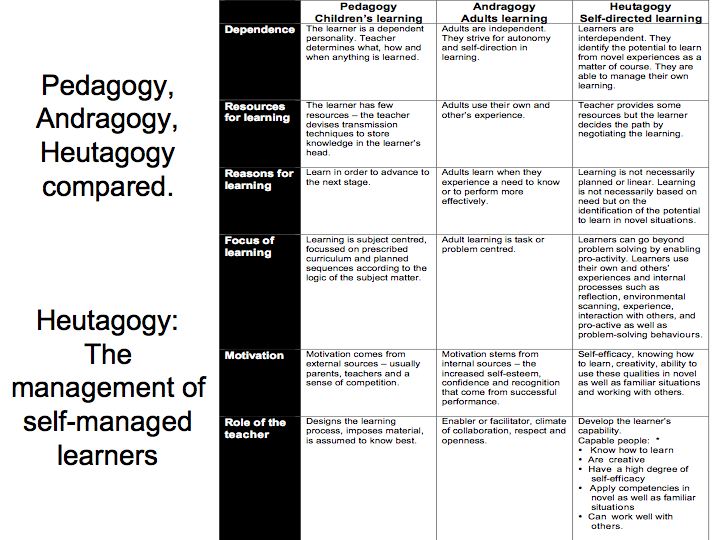
The Difference Among Pedagogy, Andragogy and Heutagogy

ON EDUCATION – The Difference Among Pedagogy, Andragogy, And Heutagogy

[By David E. Marcinko and Terry Heick]

Heutagogy; developing agile, reflective lifelong learners | Skilla

***

Jackie Gerstein’s passionate thinking about learning is some of my favorite to read. She is rarely pulled down by trend or fad, but is unquestionably progressive and forward-thinking in her approaches to learning and thinking about learning.

She and I also share a passion: self-directed learning. (As does the original summarizer/author of the thinking embedded in table below, Lindy, McKeown Orwin).

I’m embarrassingly interested in any kind of learning at all–formal or informal, self-directed or teacher-centered, authentic or academic. Doesn’t mean I regard them all equally, but I do see a role for almost any system or approach that can cause, support, or glorify the processes of understanding.

Gerstein’s presentation, “Education 3.0 and the Pedagogy of Mobile Learning” uses the concept of mobile learning as a spearhead into a broader discussion of how people learn–different approaches, different domains, and different technologies.

We recently shared some thinking about what “Education 3.0” might mean as well, and are nauseatingly effusive in our praise of self-directed learning (And a primer on self-directed learning here as well.)

HEUTAGOGY: https://www.skilla.com/en/heutagogy-developing-agile-reflective-lifelong-learners/

Assessment

With the progress of technology and the rise in mobile learning, now more than ever Self-Directed Learning–or Heutagogy–isn’t just possible, but natural, and almost awkward to not use, something Gerstein capture’s thoroughly and with her characteristic passion in the presentation below.

***

[click image to enlarge]

***

MORE: http://etale.org/main/2013/04/23/a-primer-on-three-gogies-pedagogy-heutagogy-andragogy/

Conclusion

Your thoughts and comments on this ME-P are appreciated. Feel free to review our top-left column, and top-right sidebar materials, links, URLs and related websites, too. Then, subscribe to the ME-P. It is fast, free and secure.

Speaker: If you need a moderator or speaker for an upcoming event, Dr. David E. Marcinko; MBA – Publisher-in-Chief of the Medical Executive-Post – is available for seminar or speaking engagements.

Book Marcinko: https://medicalexecutivepost.com/dr-david-marcinkos-bookings/

Subscribe: MEDICAL EXECUTIVE POST for curated news, essays, opinions and analysis from the public health, economics, finance, marketing, IT, business and policy management ecosystem.

DOCTORS:

“Insurance & Risk Management Strategies for Doctors” https://tinyurl.com/ydx9kd93

“Fiduciary Financial Planning for Physicians” https://tinyurl.com/y7f5pnox

“Business of Medical Practice 2.0” https://tinyurl.com/yb3x6wr8

HOSPITALS:

“Financial Management Strategies for Hospitals” https://tinyurl.com/yagu567d

“Operational Strategies for Clinics and Hospitals” https://tinyurl.com/y9avbrq5

***

Product DetailsProduct Details

***

Risk Management, Liability Insurance, and Asset Protection Strategies for Doctors and Advisors: Best Practices from Leading Consultants and Certified Medical Planners™8Comprehensive Financial Planning Strategies for Doctors and Advisors: Best Practices from Leading Consultants and Certified Medical Planners™

Invite Dr. Marcinko

***

COVID INFECTIONS: The Un-Vaccinated

By Staff Reporters

***

***

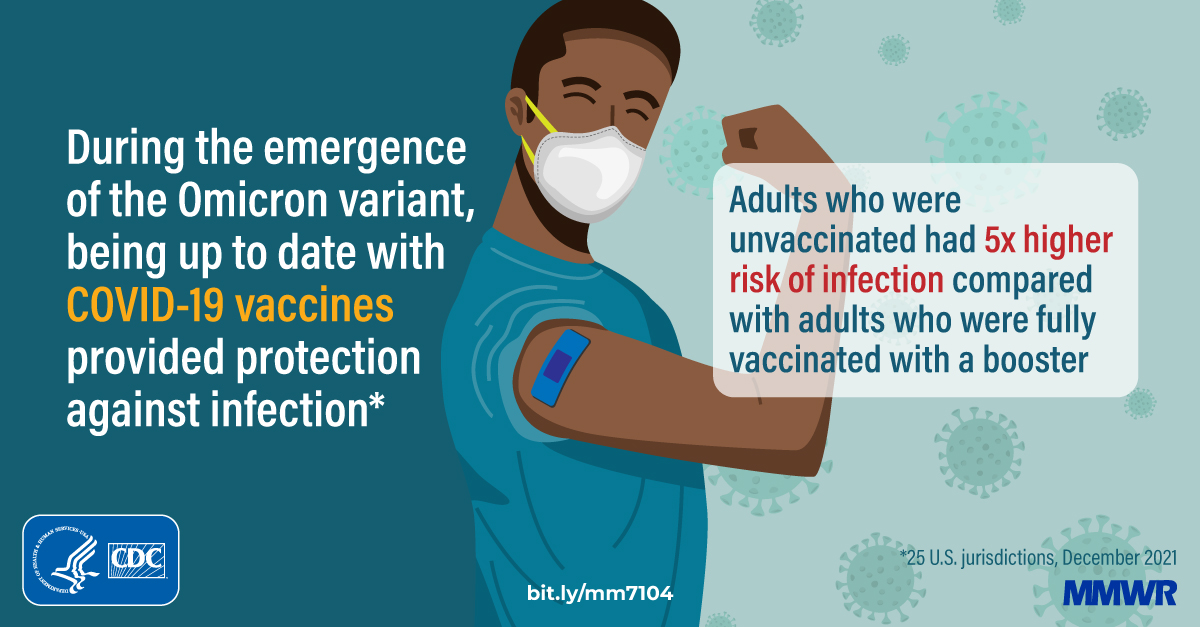
33.6% of COVID Infections Were in Unvaccinated Persons

According to a recent CDC study. Among 422,966 reported SARS-CoV-2 infections in LAC residents aged ≥18 years during November 7, 2021–January 8, 2022:

 •  33.6% were in unvaccinated persons
 •  13.3% were in fully vaccinated persons with a booster
 •  53.2% were in fully vaccinated persons without a booster
 •  Unvaccinated persons were most likely to be hospitalized, representing 2.8% of COVID infections
 •  Unvaccinated persons were most likely to be admitted to an ICU, or 0.5% of COVID infections
 •  Unvaccinated persons were most likely to be require intubation for mechanical ventilation, or 0.2% of COVID infections.

Source: CDC, Morbidity and Mortality Weekly Report, February 1, 2022

Lost Vaccine Card: https://portal.ct.gov/vaccine-portal/Vaccine-Knowledge-Base/Articles/Lost-Vaccine-Card?language=en_US

CITE: https://www.r2library.com/Resource/Title/0826102549

***

***

COMMENTS APPRECIATED

Thank You

Subscribe to the Medical Executive-Post

***

R.I.P. Paul Edward Farmer MD PhD

***

By Dr. David Edward Marcinko MBA

[Editor-in-Chief]

***

Paul Edward Farmer MD PhD

***

Paul Edward Farmer (October 26, 1959 – February 21, 2022) was an American medical anthropologist and physician. Farmer held an MD and PhD from Harvard University, where he was the Kolokotrones University Professor and the chair of the Department of Global Health and Social Medicine at Harvard Medical School. He was the co-founder and chief strategist of Partners In Health (PIH), an international non-profit organization that since 1987 has provided direct health care services and undertaken research and advocacy activities on behalf of those who are sick and living in poverty. He was professor of medicine and chief of the Division of Global Health Equity at Brigham and Women’s Hospital.

Paul and his colleagues in the U.S. and abroad have pioneered novel community-based treatment strategies that demonstrate the delivery of high-quality health care in resource-poor settings in the U.S. and abroad. Their work is documented in the Bulletin of the World Health Organization, The Lancet, The New England Journal of Medicine, Clinical Infectious Diseases, British Medical Journal, and Social Science and Medicine.

Dr. Farmer had written extensively on health and human rights, the role of social inequalities in the distribution and outcome of infectious diseases, and global health.

He was known as “the man who would cure the world,” as described in the book Mountains Beyond Mountains by Tracy Kidder. The story of Partners In Health is also told in the 2017 documentary Bending the Arc. He was a proponent of liberation theology.

***

MORE: https://www.msn.com/en-us/news/world/paul-farmer-global-health-care-pioneer-dies-at-62/ar-AAU8wJj?li=BBnb7Kz

HARVARD: https://ghsm.hms.harvard.edu/faculty-staff/paul-farmer

***

Rest in Peace

***

PODCAST: How to Write a Medical Prescription [Rx]

There are 7 Parts to a Physican’s Drug Prescription

By Eric Bricker MD

***

***

CITE: https://www.r2library.com/Resource/Title/082610254

***

COMMENTS APPRECIATED

Thank You

Subscribe to the Medical Executive-Post

***

***

PODCAST: The “Secret” to Doctor Pay = RVUs

Relative Value Units

By Eric Bricker MD

****

***

COMMENTS APPRECIATED

Thank You

Subscribe to the Medical Executive-Post

***

https://www.amazon.com/Dictionary-Health-Insurance-Managed-Care/dp/0826149944/ref=sr_1_4?ie=UTF8&s=books&qid=1275315485&sr=1-4

***

https://www.amazon.com/Business-Medical-Practice-Transformational-Doctors/dp/0826105750/ref=sr_1_9?ie=UTF8&qid=1448163039&sr=8-9&keywords=david+marcinko

***

https://www.amazon.com/Financial-Management-Strategies-Healthcare-Organizations/dp/1466558733/ref=sr_1_3?ie=UTF8&qid=1380743521&sr=8-3&keywords=david+marcinko

***

CMS: MSSP ACO Growth 2012-2022

By Staff Reporters

***

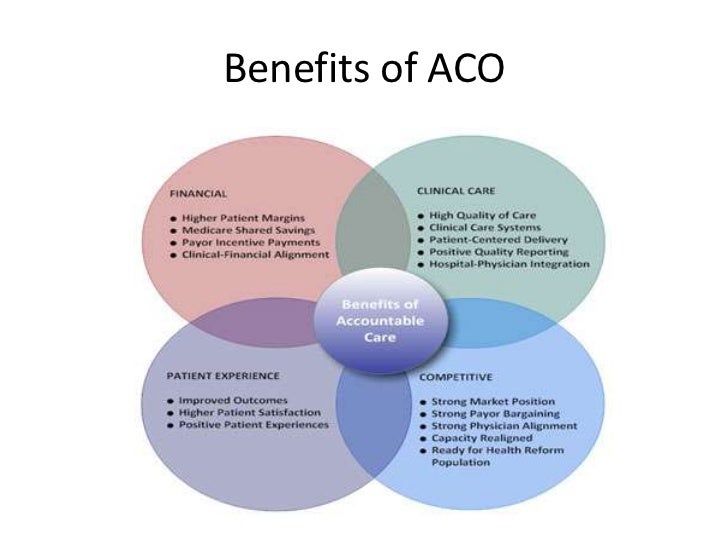
DEFINITION: An accountable care organization is a healthcare organization that ties provider reimbursements to quality metrics and reductions in the cost of care. ACOs in the United States are formed from a group of coordinated health-care practitioners. They use alternative payment models, normally, capitation.

CITE: https://www.r2library.com/Resource/Title/0826102549

***

See the source image

***

CMS MSSP ACO Growth 2012-2022

Performance YearACOsAssigned Beneficiaries
202248311.0 million
202147710.7 million
202051711.2 million
201948710.4 million
201856110.5 million
20174809.0 million
20164337.7 million
20154047.3 million
20143384.9 million
2012+20132203.2 million

Source: CMS 2022 Shared Savings Program Fast Facts – As of January 1, 202

***
COMMENTS APPRECIATED

Thank You

Subscribe to the Medical Executive-Post

***

***

PODCASTS: Medicare Cost Reports Explained

By Eric Bricker MD

****

***

COMMENTS APPRECIATED

Thank You

Subscribe to the Medical Executive-Post

***

PODCAST: Medicare Bad Debt Reimbursement: https://www.youtube.com/watch?v=LMa4at0wlRU

***

***

***

***

PODCAST: Data Science and Statistics in Healthcare

HYPOTHESIS TESTING

BY ERIC BRICKER MD

***

***

YOUR COMMENTS ARE APPRECIATED.

***

RELATED PODCAST: https://www.youtube.com/watch?v=MSnJ-q1pTQk

***

CORRELATION / CAUSATION: https://medicalexecutivepost.com/2021/02/05/correlation-is-not-causation/

Thank You

***

UPDATE: Stock Markets, the Economy and Pandemic

By Staff Reporters

CMP logo

SPONSOR: http://www.CertifiedMedicalPlanner.org

***

  • Stock Markets: US stocks staged a big afternoon comeback for the second day in a row … but still not big enough to close in the green. American Express was the top performer in both the S&P and the Dow after the company reported its highest billings volume ever in Q4. And, enthusiasm over meme stocks more broadly appears to be dwindling along with cryptos. And, while NASDAQ took a hit, Microsoft reported quarterly sales of more than $50 billion for the first time ever.
  • Economy: The weight of the financial world is on Jerome Powell’s shoulders today. The Federal Reserve chair will provide an update on the central bank’s views on sky-high inflation and its plan for interest rate hikes this year (though none are expected until March).
  • Pandemic: Pfizer and BioNTech started clinical trials for an Omicron-specific vaccine yesterday. The results will help the pharma partners decide whether to replace their current jab formula with one that targets the most dominant Covid variant. The new vaccine is being tested both as a three-shot series for un-vaccinated participants and as a booster for the already vaccinated.
  • CITE: https://www.r2library.com/Resource/Title/082610254

***

COMMENTS APPRECIATED

Thank You

Subscribe to the Medical Executive-Post

***

***

PARKINSON’S LAW: Beware in 2022

The 2-Ps [80/20] Rule

[By staff reporters]

Pareto’s law is either of the following closely related ideas: Pareto principle or law of the vital few, stating that 80% of the effects come from 20% of the causes Pareto distribution

Pareto distribution

The Pareto distribution, named after the Italian civil engineer, economist, and sociologist Vilfredo Pareto, is a power law probability distribution that is used in description of social, scientific, geophysical, actuarial, and many other types of observable phenomena. en.wikipedia.org

Parkinson’s law

Originally, Parkinson’s law is the adage that “work expands so as to fill the time available for its completion”, and the title of a book which made it well-known.

Assessment

However, in current understanding, Parkinson’s law is a reference to the self-satisfying uncontrolled growth of the bureaucratic apparatus in an organization.

COMPARISON

Conclusion

Your thoughts are appreciated.

***

8Risk Management, Liability Insurance, and Asset Protection Strategies for Doctors and Advisors: Best Practices from Leading Consultants and Certified Medical Planners™8Comprehensive Financial Planning Strategies for Doctors and Advisors: Best Practices from Leading Consultants and Certified Medical Planners™

***

Invite Dr. Marcinko

PODCAST: Future Hospital “Profit Pool” in 2022?

McKinsey Healthcare Industry Analysis – Future Sources of Hospital Profit

BY ERIC BRICKER MD

***

Many thanks

***

***

***
COMMENTS APPRECIATED.

Please subscribe to the ME-P

Thank You

***

PODCAST Year End 2021: Rich Helppie Interviews Dr. James R. Baker, Jr., M.D.

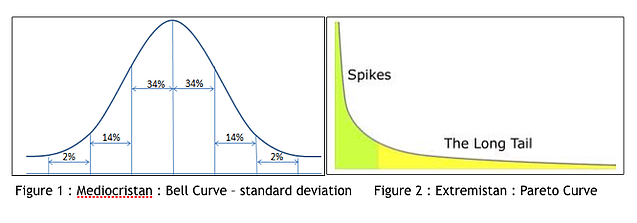
The Common Bridge

****

Entering the Last Chapter of Covid, From Omicron and Beyond – With Dr. James R. Baker, Jr., M.D.
Richard Helppie welcomes back University of Michigan Professor Emeritus of Internal Medicine, and Virologist, Dr. James R. Baker, Jr., M.D., who brings words of both encouragement and warning as the world comes to what he feels is the beginning of the final throws of the Covid-19 pandemic. 

Dr. Baker has been a valued guest on the Common Bridge since the beginnings of the coronavirus over a year ago, and brings thoughtful, scientific, data-driven analysis to the most significant health issue of our lifetime.

***

PODCAST: https://richardhelppie.com/james-baker/

***

***

***
COMMENTS APPRECIATED.

Thank You

***

PODCAST: CIGNA Executive Public Relations “Whistle Blower”

Wendell Potter is a Famous Ex-Executive from Cigna Who Left His High Paying PR Job in 2007 to Reveal the True Story Behind Health Insurance Carrier Public Relations.

BY ERIC BRICKER MD

***

YOUR COMMENTS ARE APPRECIATED

***

***

COMMENTS APPRECIATED

***

“Don’t Weigh Me” Cards

Wither a Good Idea?

READ HERE: https://more-love.org/free-dont-weigh-me-cards/

***

please don't weigh me cards

***
COMMENTS APPRECIATED.

***

Thank You

***