FOMC: Treasuries the Next Financial Crisis?

By Staff Reporters

***

***

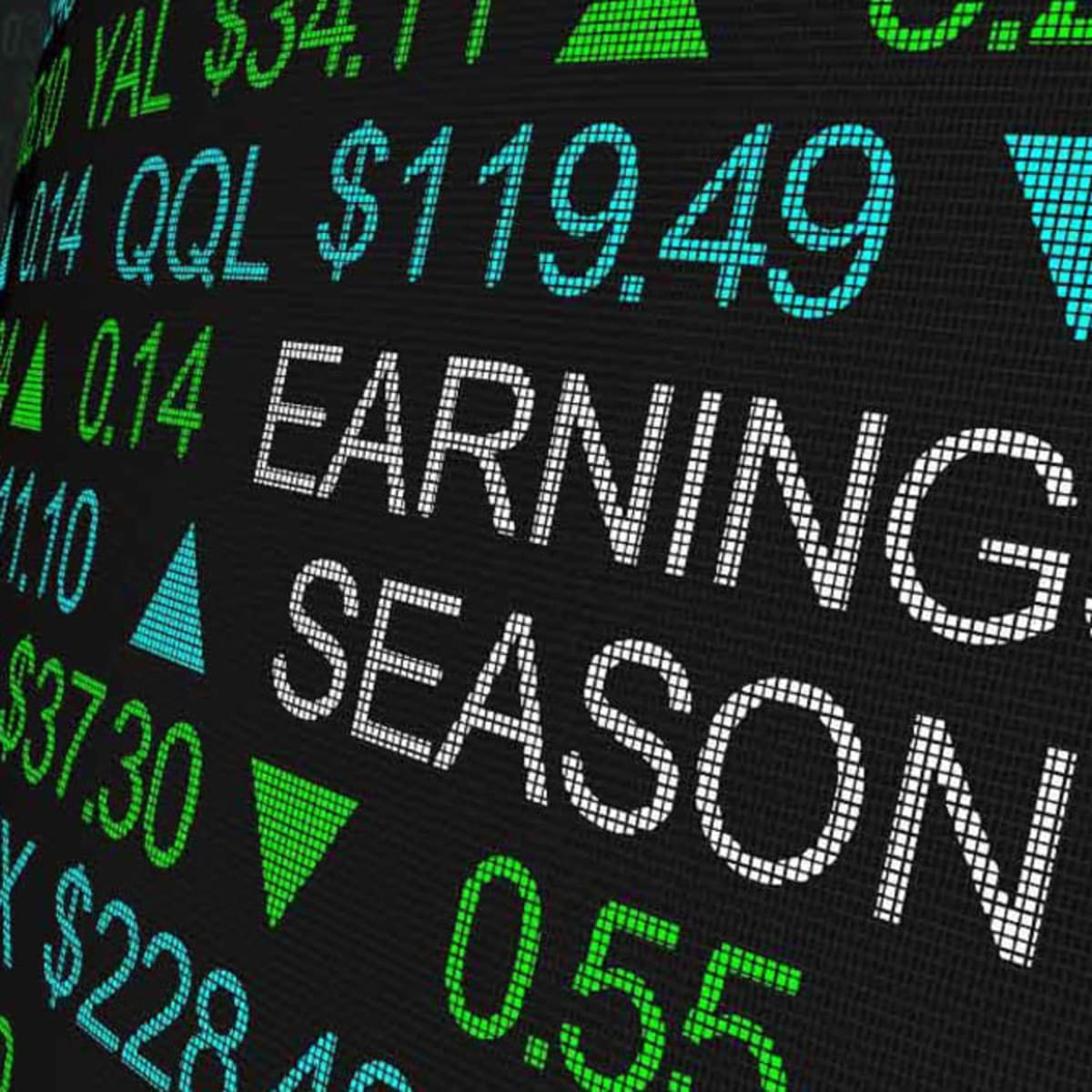
For months, traders, academics, and other analysts have fretted that the $23.7 trillion Treasury market might be the source of the next financial crisis. Then last week, U.S. Treasury Secretary Janet Yellen acknowledged concerns about a potential breakdown in the trading of government debt and expressed worry about “a loss of adequate liquidity in the market.” Now, strategists at BofA Securities have identified a list of reasons why U.S. government bonds are exposed to the risk of “large scale forced selling or an external surprise” at a time when the bond market is in need of a reliable group of big buyers.

“We believe the UST market is fragile and potentially one shock away from functioning challenges” arising from either “large scale forced selling or an external surprise,” said BofA strategists Mark Cabana, Ralph Axel and Adarsh Sinha. “A UST breakdown is not our base case, but it is a building tail risk.”

***

FINANCE: https://www.routledge.com/Comprehensive-Financial-Planning-Strategies-for-Doctors-and-Advisors-Best/Marcinko-Hetico/p/book/9781482240283

COMMENTS APPRECIATED

Thank You

****

IRS: Increases Contribution Limits for Retirement Savings Plans

By Staff Reporters

***

***

The IRS just said that the maximum contribution that an individual can make in 2023 to a 401(k), 403(b) and most 457 plans will be $22,500. That’s up from $20,500 this year.

People aged 50 and over, which have the option to make additional “catch-up” contributions to 401(k) and similar plans, will be able to contribute up to $7,500 next year, up from $6,500 this year. That’s means a 401(k) saver who is 50 or older can contribute a maximum of $30,000 to their retirement plan in 2023.

The IRS also raised the 2023 annual contribution limits on individual retirement arrangements, or IRAs, to $6,500, up from $6,000 this year. The IRA “catch-up” contribution limit remains at $1,000, as it’s not subject to an annual cost of living adjustment, the IRS said.

***

FINANCE: https://www.routledge.com/Comprehensive-Financial-Planning-Strategies-for-Doctors-and-Advisors-Best/Marcinko-Hetico/p/book/9781482240283

***

COMMENTS APPRECIATED

Thank You

***

What is an “INSIDER” Company Shareholder?

TERMS AND DEFINITIONS PHYSICIAN INVESTORS SHOULD KNOW

By Dr. David E. Marcinko MBA CMP®

CMP logo

SPONSOR: http://www.CertifiedMedicalPlanner.org

Insider transactions shouldn’t be used primarily to make an investing decision, however an insider transaction can be an important factor in the investing decision.

In legal terms, an “insider” refers to any shareholder who owns at least 10% of a company. This can include executives in the c-suite and large hedge funds. These insiders are required to let the public know of their transactions via a Form 4 filing, which must be filed within two business days of the transaction.

SEC: https://www.sec.gov/about/forms/form4data.pdf

CITE: https://www.r2library.com/Resource/Title/0826102549

INSIDER TRANSACTIONS

When a company insider makes a new purchase, that is an indication that they expect the stock to rise.

Insider sells, on the other hand, can be made for a variety of reasons, and may not necessarily mean that the seller thinks the stock will go down.

MORE: https://smartasset.com/financial-advisor/insider-trading

EXAMPLE:

Mark Zuckerberg, CEO at Facebook (NASDAQ:FB), just made a large buy and sell of company shares on November 3, according to a new SEC filing. A Form 4 filing from the U.S. Securities and Exchange Commission states that Mark Zuckerberg exercised options to purchase 62,300 Facebook shares for $0 on November 3. They then sold their shares on the same day in the open market. They sold at prices ranging from $324.04 to $332.02 to raise a total of $25,463,482 from the stock sale.

Zuckerberg still owns a total of 232,400 shares of Facebook worth, $78,226,142.

***

YOUR COMMENTS ARE APPRECIATED

FINANCE: https://www.amazon.com/Comprehensive-Financial-Planning-Strategies-Advisors/dp/1482240289/ref=sr_1_1?ie=UTF8&qid=1418580820&sr=8-1&keywords=david+marcinko

Thank You

RISK MANAGEMENT: https://www.routledge.com/Risk-Management-Liability-Insurance-and-Asset-Protection-Strategies-for/Marcinko-Hetico/p/book/9781498725989

***

What is a Corporate POISON PILL?

Arcane Financial Tactic

By Staff Reporters

I. DEFINITION: A poison pill is a defense tactic utilized by a target company to prevent or discourage hostile takeover attempts. Poison pills allow existing shareholders the right to purchase additional shares at a discount, effectively diluting the ownership interest of a new, hostile party.

KOHLS News: https://www.cnbc.com/2022/02/04/kohls-says-takeover-offers-undervalue-its-business.html

***

II. DEFINITION: A hostile takeover refers to the acquisition of one company by another corporation against the wishes of the former. The company being acquired in a hostile takeover is called the target company while the one executing the takeover is called the acquirer. In a hostile takeover, the acquirer goes directly to the company’s shareholders or fights to replace management to get the acquisition approved. Approval of a hostile takeover is generally completed through either a tender offer or a proxy fight.
***

CITE: https://www.r2library.com/Resource/Title/082610254

***

See the source image

***

MORE: https://www.wallstreetmojo.com/poison-pills/

***

FINANCE: https://www.amazon.com/Comprehensive-Financial-Planning-Strategies-Advisors/dp/1482240289/ref=sr_1_1?ie=UTF8&qid=1418580820&sr=8-1&keywords=david+marcinko

***

COMMENTS APPRECIATED

Thank You

Subscribe to the Medical Executive-Post

***

ELON MUSK: Thinks Twitter Can Run at 25% Workforce

By Staff Reporters

***

***

According to the Washington Post, Elon Musk told potential investors for his Twitter purchase that he would thin the company’s 7,500-person workforce by 75%, leaving less than 2,000 employees to protect against security threats and solve the bot problem.

But even if the deal didn’t go through, Twitter was probably headed for layoffs. Current management said they needed to cut payroll by nearly $800 million by the end of 2023. Musk’s acquisition of Twitter is expected to close by next week.

***

FINANCE: https://www.routledge.com/Comprehensive-Financial-Planning-Strategies-for-Doctors-and-Advisors-Best/Marcinko-Hetico/p/book/9781482240283

COMMENTS APPRECIATED

Thank You

***

ELON MUSK: On Tesla Shares

By Staff Reporters

***

***

Elon Musk gets good news and bad news

Tesla just reported its highest ever quarterly revenue of $21.5 billion. But that still fell short of analyst expectations, so shares fell about 5% after the announcement.

And, although Tesla stock has declined around 37% since the beginning of the year, Musk remained optimistic, saying he can see a future where the company ends up “worth more than Apple and Saudi Aramco combined.”

***

FINANCE: https://www.amazon.com/Comprehensive-Financial-Planning-Strategies-Advisors/dp/1482240289/ref=sr_1_1?ie=UTF8&qid=1418580820&sr=8-1&keywords=david+marcinko

COMMENTS APPRECIATED

Thank You

***

The MARKETS and Meta

By Staff Reporters

***

  • Markets: Strong earnings reports for the stock market’s tortured participants. Stocks climbed for the second straight day after companies including Goldman Sachs, Netflix, and Lockheed Martin topped Q3 estimates. Tesla’s up later today.
  • Meta will sell Giphy after UK regulators blocked its $400 million acquisition from going through.

***

FINANCE: https://www.routledge.com/Comprehensive-Financial-Planning-Strategies-for-Doctors-and-Advisors-Best/Marcinko-Hetico/p/book/9781482240283

COMMENTS APPRECIATED

Thank You

***

BANKS: Goldman Sachs Overhaul

By Staff Reporters

***

***

Goldman Sachs is planning a major overhaul that would combine its investment banking and trading businesses into one unit and its asset and wealth management branches into another.

***

Bank Types: https://medicalexecutivepost.com/2022/10/14/the-three-various-types-of-banks/

FINANCE: https://www.routledge.com/Comprehensive-Financial-Planning-Strategies-for-Doctors-and-Advisors-Best/Marcinko-Hetico/p/book/9781482240283

***

COMMENTS APPRECIATED

Thank You

***

“Deep Tech” Entrepreneurial Start-Ups

Entrepreneurs

By Dr. Jeffery Funk

All 12 Ex-Unicorn Deep Tech startups are unprofitable and another 20 privately-held #Unicorns appear to be far from profitability.

These 32 include biotech/health (12), AI/Big Data (8), sensors/AVs (4), wearables (3), satellites/space (2), and one for 3D printing, storage, and fuel cells. Of ex-Unicorns, 10 have losses greater than 30% of revenues.

Why are these #deeptech #startups so unprofitable?

My conclusion is fewer #breakthrough #technologies are coming out than decades before and ones coming out are taking longer to successfully commercialize. #AI/#BigData, sensors/#AVs, wearables, satellites, 3D printing, and fuel cells have all been over-hyped, their costs and performance are still disappointing, and their diffusion continues to be slow.

Overall, a successful example of a breakthrough #technology is hard to find since iPhone was introduced in 2007, other than OLEDs and solar cells. Yes AI, #EVs, drones, VR, AR, and IoT are diffusing and thus an analysis in 10 years might come to different conclusions, but for 2010s, there was little to commercialize. #innovation #ipo #ipos #venturecapital #vcs #vc https://lnkd.in/gThUWFR

***

***

UPDATE: https://www.seedtable.com/startups-deeptech

***

COMMENTS APPRECIATED

Thank You

***

DAILY UPDATE: BLS and Machine Learning

By Staff Reporters

***

***

Increases in the shelter, food, and medical care indexes were the largest of many contributors to the monthly seasonally adjusted all items increase.”—Bureau of Labor Statistics’s Consumer Price Index Summary

According to Betterment, one of the world’s largest robo-advisors, whose consumer-facing investment offerings make virtually no use of machine learning. [Emerging Tech]

***

FINANCE: https://www.routledge.com/Comprehensive-Financial-Planning-Strategies-for-Doctors-and-Advisors-Best/Marcinko-Hetico/p/book/9781482240283

***

COMMENTS APPRECIATED

Thank You

***

What is the SELLING AWAY of Securities?

Information All Physician Investors Should Know

By Dr. David Edward Marcinko MBA CMP®

CMP logo

SPONSOR: http://www.CertifiedMedicalPlanner.org

According to Wikipedia, selling away in the U.S. securities brokerage industry is the inappropriate practice of an investment professional who sells, or solicits the sale of, securities not held or offered by the brokerage firm with which he is associated.

CITE: https://www.r2library.com/Resource/Title/0826102549

An example of the term expressed in a sentence is, “The broker was selling investments away from the firm.” Brokers marketing securities must have obtained the appropriate securities licenses for various types of investments. Brokers in the U.S. may be “associated” with one or more Brokerage firms and must obtain licenses by passing standardized Financial Industry Regulatory Authority exams such as the Series 6 or Series 7 exam.

***

In the past I’ve held these as well as a Series 63 and 65 license [SEC].

CFI: https://corporatefinanceinstitute.com/resources/knowledge/trading-investing/selling-away/

YOUR COMMENTS ARE APPRECIATED.

Thank You

FINANCE: https://www.amazon.com/Comprehensive-Financial-Planning-Strategies-Advisors/dp/1482240289/ref=sr_1_1?ie=UTF8&qid=1418580820&sr=8-1&keywords=david+marcinko

***

REPORTING on Bank Health?

By Staff Reporters

***

***

Major banks report third quarter results, which should give an indication of the health of the US economy and financial system. So, investors, experts and regulators, who wonder about the health of the American economy and the banking system, will finally have a first and clear diagnosis. 

JPMorgan Chase JPM, Wells Fargo  (WFC) – Get Wells Fargo & Company Report, Citigroup  (C) – Get Citigroup Inc. Report and Morgan Stanley  (MS) – Get Morgan Stanley Report, four of the major U.S. banks, release their third quarter results on Oct. 14th, data that should give a picture of how bad things really are. And for a good reason. 

The monetary policy of the Federal Reserve has alarmed many economists who fear that such an aggressive rise in interest rates will cause the so-called hard landing of the economy in a recession.

***

FINANCE: https://www.routledge.com/Comprehensive-Financial-Planning-Strategies-for-Doctors-and-Advisors-Best/Marcinko-Hetico/p/book/9781482240283

COMMENTS APPRECIATED

Thank You

***

What is STAGFLATION?

By Staff Reporters

***

***

What Is Stagflation?

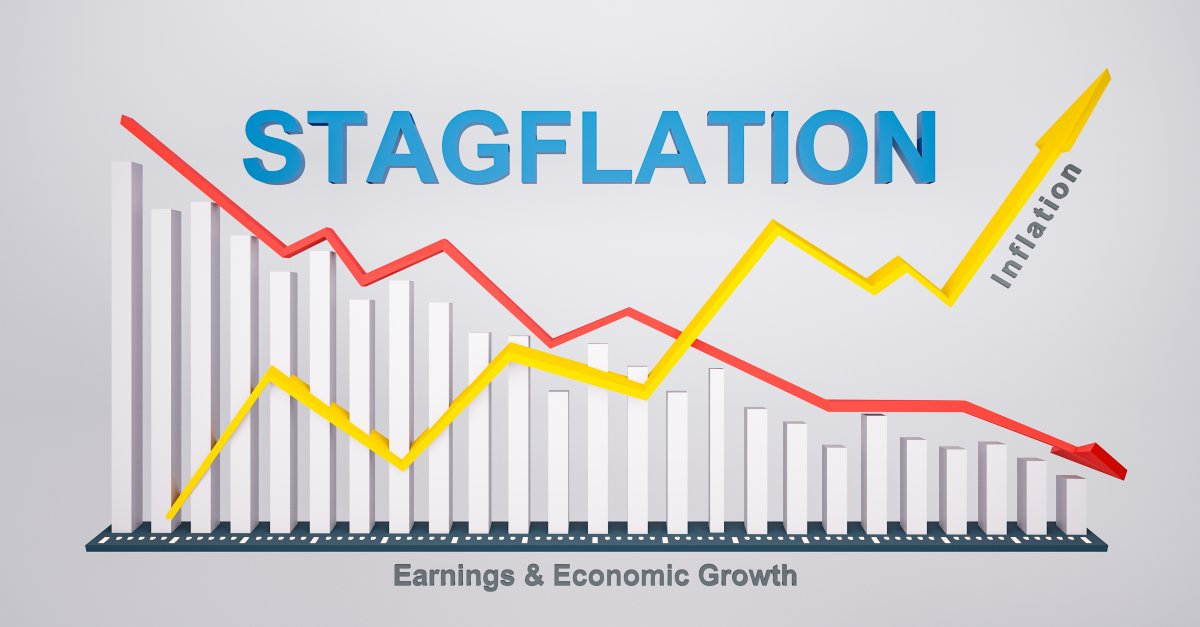
Stagflation is characterized by slow economic growth and relatively high unemployment—or economic stagnation—which is at the same time accompanied by rising prices (i.e., inflation). Stagflation can be alternatively defined as a period of inflation combined with a decline in the gross domestic product (GDP).

CITE: https://www.r2library.com/Resource/Title/0826102549

The term, a portmanteau of stagnation and inflation, is generally attributed to Iain Macleod, a British Conservative Party politician who became Chancellor of the Exchequer in 1970.

MORE: https://medicalexecutivepost.com/2019/06/25/what-is-a-portmanteau/

Key Takeaways According to Investopedia

  • Stagflation refers to an economy that is experiencing a simultaneous increase in inflation and stagnation of economic output.
  • Stagflation was first recognized during the 1970s when many developed economies experienced rapid inflation and high unemployment as a result of an oil shock.1
  • The prevailing economic theory at the time could not easily explain how stagflation could occur.
  • Since the 1970s, rising price levels during periods of slow or negative economic growth have become somewhat of the norm rather than an exceptional situation.

***

COMMENTS APPRECIATED

Thank You

***

FINANCE: https://www.amazon.com/Comprehensive-Financial-Planning-Strategies-Advisors/dp/1482240289/ref=sr_1_1?ie=UTF8&qid=1418580820&sr=8-1&keywords=david+marcinko

***

BANK of AMERICA: Equity Inflow Warning!

By Staff Reporters

***

***

Inflows to domestic stocks neared a record last week as bets on a bottom forming spurred major dip-buying across U.S. equities. The optimism, however, is likely premature, according to Bank of America.

Analysts at the bank just noted that allocations to equities reached the third-highest sum since 2008 during the five-day period, according to client data — a sign investors believe indicates that the market sell-off is nearing an end.

But BoA contested the notion that the worst is behind for the stock market

“Last week, during which the S&P 500 rallied 1.5% off recent lows, clients were big net buyers of U.S. equities,” the analysts stated, noting that the $6.1 billion total of inflows was the third largest inflow in the banks data history since ’08 and the fifth consecutive week of inflows.

“Our view? More volatility likely ahead.”

***

COMMENTS APPRECIATED

Thank You

FINANCE: https://www.routledge.com/Comprehensive-Financial-Planning-Strategies-for-Doctors-and-Advisors-Best/Marcinko-Hetico/p/book/9781482240283

****

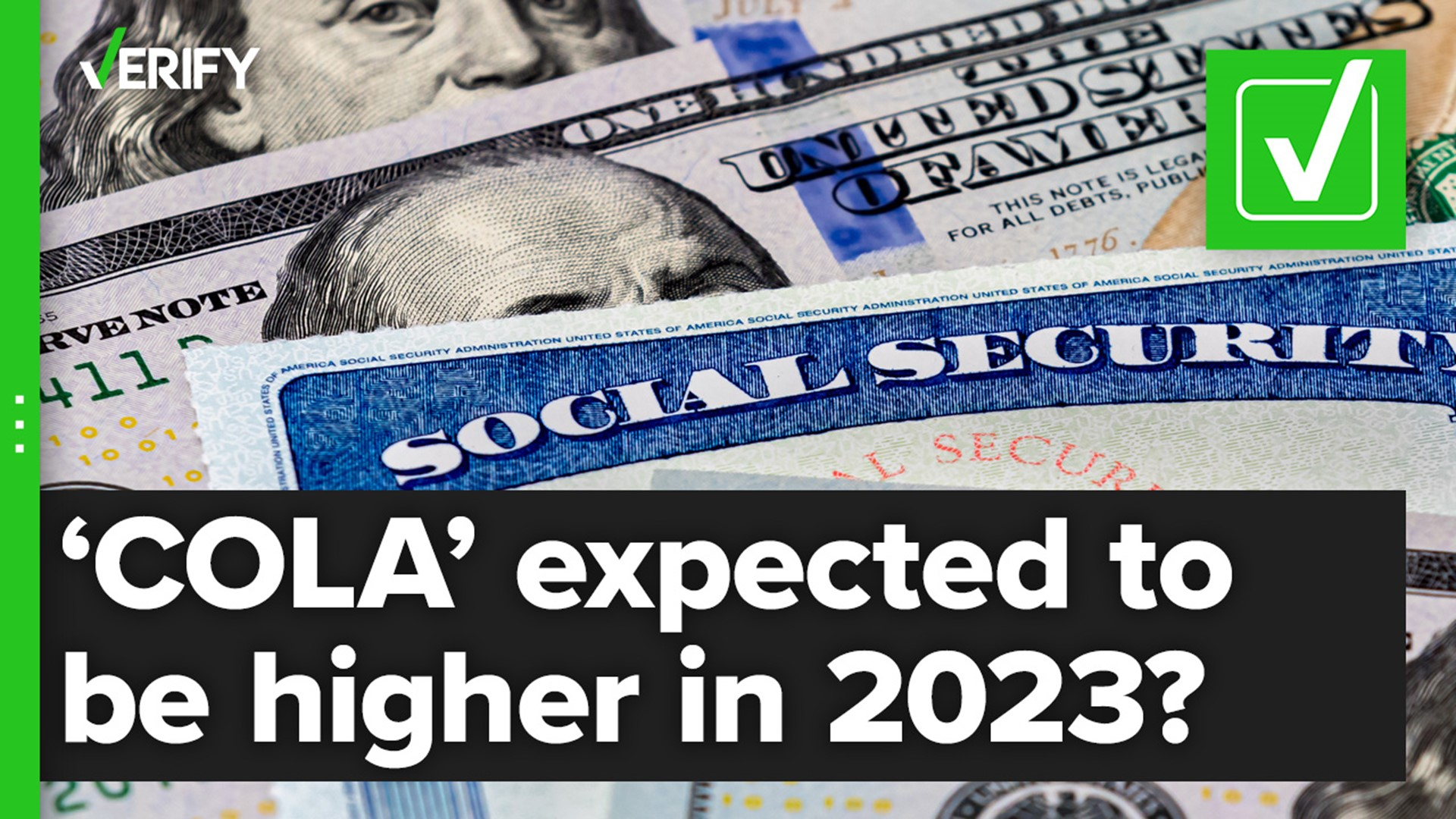
STOCKS FALL HARD, THEN SOAR: SS COLA = 8.7 Percent

By Staff Reporters

***

***

Social Security just announced an 8.7 percent cost of living adjustment, the largest inflation adjustment to benefits in four decades — a welcome development for millions of older Americans struggling to keep up with fast-rising living costs.

The Dow Jones Industrial Average dropped 500 points at the starting bell, down 1.7% and undercutting its Sept. 30th low. The S&P 500 index sank 2.3% and the NASDAQ composite swooned 3%.

Then Stocks Soared Despite the Hotter-Than-Expected Inflation Report

U.S. equities closed out the day noticeably higher, ending six-straight days of declines, despite the release of today’s key inflation data. The markets seemed to shrug off another hotter-than-expected consumer price inflation (CPI) report, which boosted expectations that the Fed will have to remain aggressive with its monetary policy tightening plans.

***

COMMENTS APPRECIATED

Thank You

****

FINANCE: https://www.routledge.com/Comprehensive-Financial-Planning-Strategies-for-Doctors-and-Advisors-Best/Marcinko-Hetico/p/book/9781482240283

***

PREDICTIONS: Core Inflation

By Staff Reporters

***

***

Economy: Yesterday brought more sinister inflation news when the September producer price index, which measures wholesale prices, came in higher than expected.

But the headliner is today when the consumer price index appears. Economists predict core inflation will hit a 40-year high, according to Bloomberg, so none of this is likely to get the Fed to chill on rate hikes.

***

COMMENTS APPRECIATED

THANK YOU

***

FINANCE: https://www.routledge.com/Comprehensive-Financial-Planning-Strategies-for-Doctors-and-Advisors-Best/Marcinko-Hetico/p/book/9781482240283

***

Understanding the Cost of Not-for-Profit Hospital Capital

Join Our Mailing List

A “Must-Know” Economic Concept for Not-for-Profit Hospital Executives

Hospital[By Calvin W. Wiese; MBA, CPA]

It is critical to understand and to measure the total cost of capital for any hospital or healthcare organization. Lack of understanding and appreciation of the total cost of capital is widespread, particularly among not-for-profit hospital executives.

The capital structure includes long-term debt and equity; total capital is the sum of these two. Each of these components has cost associated with it. For the long-term debt portion, this cost is explicit: it is the interest rate plus associated costs of placement and servicing.

Equity Cost

For the equity portion, the cost is not explicit and is widely misunderstood. In many cases, hospital capital structures include significant amounts of equity that has accumulated over many years of favorable operations. Too many physician executives wrongly attribute zero cost to the equity portion of their capital structure. Although it is correct that generally accepted accounting principles continue to assign a zero cost to equity, there is opportunity cost associated with equity that needs to be considered. This cost is the opportunity available to utilize that capital in alternative ways.

Equity Greater than Cost of Debt

In general, the cost attributed to equity is the return expected by the equity markets on hospital equity. This can be observed by evaluating the equity prices of hospital companies whose equity is traded on public stock exchanges. Usually the equity prices will imply cost of equity in the range of 10% to 14%; or lower recently. Almost always, the cost of equity implied by hospital equity prices traded on public stock exchanges will substantially exceed the cost of long-term debt.

Thus, while many hospital executives will view the cost of equity to be substantially less than the cost of debt (i.e., to be zero), in nearly all cases, the appropriate cost of equity will be substantially greater than the cost of debt.

The Weighted Average Cost of Capital

Hospitals need to measure their weighted average cost of capital (WACC). WACC is the cost of long-term debt multiplied by the ratio of long-term debt to total capital plus the cost of equity multiplied by the ratio of equity to total capital (where total capital is the sum of long-term debt and equity).

Assessment

WACC is then used as the basis for capital charges associated with all capital investments. Capital investments should be expected to generate positive returns after applying this capital charge based on the WACC. Capital investments that don’t generate returns exceeding the WACC consume enterprise value; those that generate returns exceeding WACC increase enterprise value. Hospital executives need to be rewarded for increasing enterprise value.

Conclusion

Your thoughts and comments on this ME-P are appreciated. Feel free to review our top-left column, and top-right sidebar materials, links, URLs and related websites, too. Then, subscribe to the ME-P. It is fast, free and secure.

Link: http://feeds.feedburner.com/HealthcareFinancialsthePostForcxos

Speaker: If you need a moderator or speaker for an upcoming event, Dr. David E. Marcinko; MBA – Publisher-in-Chief of the Medical Executive-Post – is available for seminar or speaking engagements. Contact: MarcinkoAdvisors@msn.com

OUR OTHER PRINT BOOKS AND RELATED INFORMATION SOURCES:

DICTIONARIES: http://www.springerpub.com/Search/marcinko
PHYSICIANS: www.MedicalBusinessAdvisors.com
PRACTICES: www.BusinessofMedicalPractice.com
HOSPITALS: http://www.crcpress.com/product/isbn/9781466558731
CLINICS: http://www.crcpress.com/product/isbn/9781439879900
BLOG: www.MedicalExecutivePost.com
FINANCE: Financial Planning for Physicians and Advisors
INSURANCE: Risk Management and Insurance Strategies for Physicians and Advisors

Product DetailsProduct Details

WHY: We Bought UBER as the Stock Fell?

By Vitaliy N. Katsenelson CFA

***

***

Uber is the second most controversial stock we’ve ever owned (first place goes to Softbank). Most people have used Uber’s service, and thus everyone has an opinion and the media loves writing articles about Uber. The company has a history of not making any money. I’ve written a long research piece on why Uber, despite (or maybe because of) being a controversial company, has the makings of being a terrific long-term investment.
 
The pandemic had a mixed impact on Uber. Its core ride sharing business, which was supposed to turn profitable right before the pandemic, was significantly affected by the virus. The impact was immediate – people stopped traveling and started socially distancing.
 
But even after the economy reopened and people were willing to take Ubers again, the company did not just snap to profitability; it had to rebuild its driver network. Uber had to pay extra bonuses to drivers, whose pockets had just been stuffed with government stimulus checks, to get them to put their Netflix remote controls down, get off the couch, and start driving again. This was very expensive but necessary – one of Uber’s competitive advantages lies in the depth of its driver network. Without drivers, Uber ride share has no product. Consumers expect to push the button on their Uber app and get a car in 15 minutes or less. I remember worrying in spring 2021 that Uber would take a conservative stance in bringing their drivers back, in order to preserve cash. Uber did anything but – it showered its drivers with cash, burning billions of dollars in the process. It was the right thing to do. Lyft has been slower to respond and today is still struggling with a driver shortage, where Uber doesn’t have this problem. We are glad that we bet on the right company and the right management.
 
At this point in time, Uber’s international ride share business has recovered to the pre-pandemic level, but the US business is lagging behind at 70% of its pre-pandemic highs.
 
The pandemic was a tremendous help to Uber Eats, which at the time was still a nascent food delivery business. Today Eats generates similar revenues to the rideshare business. During the pandemic Uber Eats was fighting with US competitor Doordash for market share and losing a lot of money in the process, but its profitability turned positive in the latest quarter.
 
Today, Uber Eats is barely profitable, but management believes this business has the potential to be very profitable, and it is profitable outside of the US. We’ll believe it when we see it. But we think Uber can build a very profitable advertising business on top of this. The Uber Eats app is a giant marketplace for restaurants, where they are competing for consumers’ dollars throughout the day. Just as Amazon is making billions on advertising on its platform, so can Uber. These advertising dollars come with an 80-90% margin, and it takes little effort (cost) to generate them. The bulk of these revenues will fall straight to Uber’s bottom line.
 
Recent Progress
 
Uber reported a terrific quarter in May. Its revenues and bookings were up 39%. It was the third positive EBITDA quarter in a row. The market yawned at these results and sent the stock down with the rest of the NASDAQ.
 
A week later, in a memo to Uber employees, CEO Dara Khosrowshahi admitted that the environment has changed – the market doesn’t want EBITDA profitability, it wants cash flows. EBITDA is an acronym; it stands for “earnings before a lot of important stuff,” like interest expense, taxes, depreciation, and amortization.
 
Dara pointed out in his memo that the company needs to pay attention to costs, to slow down driver incentives, to be more cautious in hiring (he wrote, “working at Uber is a privilege”); and the company needs to learn how to do more with less. In other words, EBITDA and the unlimited funding party are over; investors want the company to show them the money – free cash flows.
 
(Uber’s EBITDA is about $1 billion greater than the company’s free cash flows. Uber is guiding to be free cash flow positive by the end of 2022. It looks like an achievable goal.)
 
I feel somewhat conflicted about this memo. I really don’t like it when a company takes cues from the market on what to do. On one side, the company is owned by shareholders, so the management is hired by shareholders, so it should listen to them.
 
But!

Uber has roughly 2 billion shares outstanding. 35 million Uber shares change hands daily. A simple calculation would show that the Uber shareholder base turns over every 57 trading days. The reality is that maybe 20-40% of shares are owned by long-term shareholders (like us) and the rest of the volume comes from short-term renters who have never opened the company’s annual report and treat the stock as a four-letter trading vehicle.
 
Uber’s management works for this silent minority that does not vote every day on the stock market with their buys and sells. Those who trade Uber’s shares three times a day, the ones who sent Uber’s stock down, don’t know how to spell EBITDA or care about Uber’s free cash flows.
 
In Dara’s defense, I think he was reacting not just to the lower stock price but also to the meeting with shareholders he’d had the previous week (with the silent minority). Also, he was right with his message, which applies not only to Uber but to a lot of tech companies. The environment has changed.
 
Companies are complex organizations that are run not by computer-like superhumans but by regular people who are given as many hours in the day as everyone else. People who, in addition to managing thousands of employees, have families, drive kids to school, fight with their spouses, worry about their careers and retirement, etc. Yes, they may project the confidence of Greek gods; they may be more eloquent speakers, live in bigger houses, drive more luxurious cars than you and I and their poodles may get fancier haircuts; but their world is actually not all that different from ours. They are humans.
 
These people can only focus on so many things at a time. In a high-growth phase, when capital is abundant for everyone, their focus shifts to growth at any cost. There is a lot of competition for limited talent, and their hiring practices get loose. A lot of exciting ideas land on their desks, which results in too many balls in the air, too many projects with questionable profitability being funded. But more revenue rolls in every day. Capital markets are throwing money at you and everyone is fighting for market share, ignoring the cost.
 
I run a much smaller company, but I observed this in my own behavior a few years ago. As our growth accelerated, I found that I started paying less attention to our cost structure; I started working ungodly hours; I made questionable hiring decisions (which I have since resolved). I can only do so many things well. I have learned since to put many projects in the future pile, realizing that my team and I can only have so many balls in the air before we start dropping them.
 
Similar dynamics happen to executives of larger companies, just on a grander scale with more external pressure and more constituents to deal with.
 
Low interest rates are very stimulative to investors’ imagination. Low interest rates love the promised land, far far away. Nothing brings this imagination back to mother earth like rising interest rates. Uber and the rest of Silicon Valley have entered into “show me the (free cash flow) money” land. I would not be surprised if we started seeing minor layoffs coming from Uber as it rationalizes some of its pie in the sky projects and focuses on doing more with less.
 
This is great news for shareholders, not so good news for tech workers who got used to the idea of making three hundred thousand dollars a few years after college, and not so good for the Silicon Valley housing market.
 
Let me explain why we are not swayed by the recent decline in Uber’s stock price but actually welcomed it and bought more shares.
 
Uber is a dominant global business with a significant growth runway and an insurmountable competitive advantage. The rideshare and eats businesses still have a tiny share of the potential market and will be growing at a high rate for a long, long time (especially the rideshare business).
 
Uber’s competitive advantage comes from several sources:
 
Network Effect
 
Today a consumer pulls up an Uber app, taps a button, and a car shows up in 15 minutes or less. This two-sided network of consumers and drivers is incredibly difficult to build and disrupt.
 
Scale
 
Uber has the largest global platform. It is in 10,000 cities in 71 countries; thus it can spread its R&D across a large revenue base. Being in different markets allows the company to tinker with different business models and adapt what it learns in one market to others. For instance, in Japan Uber doesn’t have its own drivers but the service is used to hail taxis. In 2022 Uber announced that by 2025 it will do the unthinkable; it will bring taxis onto its app in all of its markets. Taxi drivers love this, because how much they make per ride will not change, but they’ll spend a lot less time driving without passengers. The user experience will not change, except that when you order a car, instead of a Toyota Corolla you’ll get picked by a taxi. Uber’s profit per ride will remain the same, but it will double the supply side of drivers in its network in 3 years.
 
On the last earnings call, Uber also announced that it will start pricing rides based not on miles traveled but on the attractiveness of the trip for the driver. For instance, when a driver drops off passenger at the airport, he can get pick up another passenger in a matter of minutes. Thus, he won’t be driving back empty. This ride is more attractive and will be priced on a lower per-mile basis. However, if the passenger is going to the outskirts of a city, where the driver would have to drive back for half an hour without a passenger, this ride will be more expensive on a per-mile basis, compensating the driver for lower utilization. This is a very difficult math and data problem that requires a tremendous amount of R&D effort. Uber can solve it for the US market and apply the algorithm to the rest of the world. Its competitors may not have the ability to do this.
 
Being in different markets also diversifies Uber’s regulatory and competitive risks. If a competitor in one market starts a price war, Uber can successfully wage this fight with other markets subsidizing the at-war market.
 
Name Recognition
 
Uber is synonymous with rides hare. Uber is not the company that invented the ride share business model – that was created by a company called Sidecar, which borrowed the concept from a nonprofit company called Homobile, which provided ride share services for that LGBTQ community in San Francisco. Both Homobile and Sidecar are lost as footnotes in the history books. Uber is the app most people think of when they… actually, Uber is trying to expand what people think about when they think of Uber. Today in some markets you can order a ride, food, alcohol, and groceries; send a package across town; rent a car from other private owners and rent-a-car companies; and even buy bus tickets.
 
Providing all these services helps to increase drivers’ earnings, as they drive people in the morning and evening and deliver food, packages, and groceries in between. Uber is achieving this by developing a super app – one app for everything. Super apps are very popular in China.
 
This brings us to another important advantage: UberOne, Uber’s version of Amazon Prime – you pay $9.99 a month or $99 a year and you get discounts across all of Uber’s offerings. Per Uber management, UberOne’s users spend 2.7 times more than an average user of Uber. Amazon trained us to default to its website when we need to buy something. We stopped comparison shopping (especially for low-ticket items) and now we just hop on Amazon and buy. Uber’s goal is to create a similar muscle memory with Uber customers, and UberOne may lead us there.
 
Uber competitors are coming out with their versions of loyalty products. This is good for the industry overall, as it will cement market shares and stop price wars.
 
Uber’s Valuation
 
To value a company, it needs to have earnings (free cash flow). This means that the company will stop relying on the kindness of strangers – capital markets. Very good news. But this doesn’t mean that the company is worth much above zero. Uber will be free cash flow breakeven by the end of 2022. Uber’s significant earnings (free cash flow) power doesn’t lie that far in the future.
 
Unlike a traditional digital business, Uber lives in both the analog (real) world and the digital one. The analog business (recruiting and supporting drivers) brings a higher fixed-cost structure, and this is why, till this day, Uber has been losing money.
 
Our analytical model is very simple: Today Uber is at scale, and so 40-60 cents of every incremental revenue dollar fall directly to Uber’s bottom line. Thus, Uber’s profitability will grow not at a linear but at an exponential rate. Wall Street estimates that Uber will generate $7 billion of free cash flows in 2026 (or about $3.50 per share). Our own estimates are not much different, though Dara’s focus on “showing the money” may lead to achieving this number sooner.
 
Uber owns a chunk of China’s Didi and other rideshare businesses, which a few months were worth as much as $7 per share.
 
We find ourselves in the somewhat uncomfortable place of not knowing how much Uber stock is worth. But, we know it is worth a lot more than the current price. Uber has a lot of optionality that lies in the future. For instance, grocery and alcohol delivery are in a nascent state which may turn into real businesses. Uber Freight has the potential to become a larger business than rideshare and food delivery combined. Freight shipping (think of all those semi-trucks you see out on the interstate) is a very fragmented market that is mostly operated with technological efficiencies from the 1970s. Uber has a good shot at transforming and dominating this market. This business broke even last quarter and has about $600 million of revenues.
 
A client asked about the risk of investing in autonomous driving. I spent a lot of time thinking about autonomous when I researched Tesla (we’d be delighted to mail you my Tesla book). It will be a long time before it becomes ubiquitous. The technology is not ready for prime time unless the weather is perfect (God forbid it rains or snows) and the car operates in a very discrete environment (within a few city blocks).
 
We still need to develop a legal framework to answer a simple question: Who is responsible for an accident caused by an autonomous vehicle? But let’s say autonomous cars hit the market tomorrow. There are 150 million cars on the road in the US today. You’ll need to have millions of auto-cars on the road to be a threat to Uber. Remember, the key to a successful rideshare business is the car showing up in less than 15 minutes after you request it. It would take a long time to build an autonomous fleet. The most likely scenario is that autonomous cars will join Uber’s platform as another, likely cheaper, service for brave souls.
 
We look at a portfolio as a portfolio. I know, this is the tritest sentence ever written. But it is important to remember that value comes in different shapes and sizes. Our goal is to build a diversified portfolio of high-quality, undervalued businesses. For a lot of stocks we own, value stares you in the face in the form of the earnings that are right in front of you. In fact, that is the case with almost all the stocks we own. Uber requires us to look a bit further, as its earnings power will be unveiled by revenue growth and time. In the context of the portfolio, Uber makes a lot of sense; and over the years, as the company shows us the money, it will look like a perfect fit in our portfolio; but at that point the stock price will, hopefully, be a lot higher.

***
COMMENTS APPRECIATED

Thank You

***

FINANCIAL PLANNING: https://www.routledge.com/Comprehensive-Financial-Planning-Strategies-for-Doctors-and-Advisors-Best/Marcinko-Hetico/p/book/9781482240283

BUSINESS MEDICINE: https://www.routledge.com/Comprehensive-Financial-Planning-Strategies-for-Doctors-and-Advisors-Best/Marcinko-Hetico/p/book/9781482240283

****

The Foreign Exchange Market Explained

FOREX Illustrated for Physicians and all Investors

Join Our Mailing List

The infographic explains the basics of Forex and presents an excellent starting point for doctor-investors or anyone who is curious about how to trade Forex.

It’s also great for experienced Forex traders who want to explain what they do to colleagues, friends and family.

Source: CMSFOREX

Conclusion

Your thoughts and comments on this ME-P are appreciated. Feel free to review our top-left column, and top-right sidebar materials, links, URLs and related websites, too. Then, subscribe to the ME-P. It is fast, free and secure.

Link: http://feeds.feedburner.com/HealthcareFinancialsthePostForcxos

Speaker: If you need a moderator or speaker for an upcoming event, Dr. David E. Marcinko; MBA – Publisher-in-Chief of the Medical Executive-Post – is available for seminar or speaking engagements. Contact: MarcinkoAdvisors@msn.com

OUR OTHER PRINT BOOKS AND RELATED INFORMATION SOURCES:

DICTIONARIES: http://www.springerpub.com/Search/marcinko
PHYSICIANS: www.MedicalBusinessAdvisors.com
PRACTICES: www.BusinessofMedicalPractice.com
HOSPITALS: http://www.crcpress.com/product/isbn/9781466558731
CLINICS: http://www.crcpress.com/product/isbn/9781439879900
BLOG: www.MedicalExecutivePost.com
FINANCE: Financial Planning for Physicians and Advisors
INSURANCE: Risk Management and Insurance Strategies for Physicians and Advisors

Product Details  Product Details

CATHIE WOOD: Speaks on ARK Innovation

By Staff Reporters

***

***

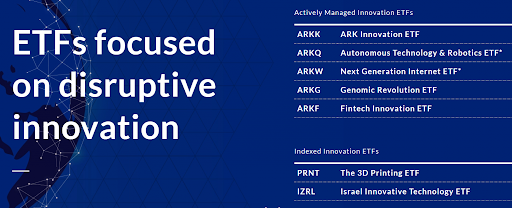
Cathie Wood, whose tech-heavy ARK Innovation ETF fell more than 60% this year after soaring during the pandemic, fired off an open letter to the Fed saying rapid rate rises are a mistake.

***

FINANCE: https://www.routledge.com/Comprehensive-Financial-Planning-Strategies-for-Doctors-and-Advisors-Best/Marcinko-Hetico/p/book/9781482240283

COMMENTS APPRECIATED

Thank You

***

Top FOREX Indicators

Join Our Mailing List

A chart-driven trading market?

[By J. Honi]

Foreign currency exchange, or Forex, is a chart-driven trading market that uses an electronic network to quickly process currency trades. The action is fast-paced and traders often use technical indicators on their charts to help predict price movement. Hundreds of indicators are available in Forex trading, and most charting packages offer an extensive list from which to choose.

But, some Forex indicators are particularly popular and should be learned first.

Top FOREX Indicators

Moving Average

A moving average is a quick visual representation of the overall bias in Forex price action. The moving average line is created by averaging the closing prices of the last many days or minutes and plotting this calculation on each bar of a chart. As these plotted points are connected, a line is drawn. A moving average sloped positively suggests an upward trend, while a declining moving average suggests a bearish trend. According to Forex Realm, the moving average indicator is used more often than any other indicator. Its interpretations are vast and each trader may develop his own strategy. Some moving averages act as obstacles for price action. In an up trend, a 20-period moving average may lead to price bounces every time a decline brings a Forex price down to this average.

Moving Average Convergence/Divergence

The Moving Average Convergence/Divergence (MACD) is the most popular indicator used in Forex trading, according to Forex Realm. This indicator uses two moving averages. As prices increase in momentum, either up or down, the distances between two moving averages will also increase. The MACD measures this difference and plots it as a separate line in a graph below the price chart. Momentum can thus be quantified and visualized quickly. The length of the two moving averages may vary, and the interpretation of this calculation has many implications. As a tool to recognize divergence, this indicator is unmatched. When prices rise but momentum simultaneously falls, this divergence often leads to swift price reversals.

Stochastic

The Forex Indicators Guide lists the “stochastic” indicator as one of the top two Forex indicators. This indicator plots a graph under the price chart just like the MACD, and many traders interpret the two in similar ways. However, the stochastic derives its calculations using a much more complex formula. The formula analyzes the closing position of prices in relation to previous prices, and in this way offers its own definition of price momentum. Unlike the MACD, the stochastic has upper and lower limits of 100 and 0. Near these areas, the Forex market analyzed is said to be “overbought” or “oversold.” Traders often use these moments to predict price reversals. As a note of caution, however, a market can remain overbought or oversold for much longer than a trader expects.

More:

The Foreign Exchange Market Explained

Conclusion

Your thoughts and comments on this ME-P are appreciated. Feel free to review our top-left column, and top-right sidebar materials, links, URLs and related websites, too. Then, subscribe to the ME-P. It is fast, free and secure.

Link: http://feeds.feedburner.com/HealthcareFinancialsthePostForcxos

Speaker: If you need a moderator or speaker for an upcoming event, Dr. David E. Marcinko; MBA – Publisher-in-Chief of the Medical Executive-Post – is available for seminar or speaking engagements. Contact: MarcinkoAdvisors@msn.com

OUR OTHER PRINT BOOKS AND RELATED INFORMATION SOURCES:

DICTIONARIES: http://www.springerpub.com/Search/marcinko
PHYSICIANS: www.MedicalBusinessAdvisors.com
PRACTICES: www.BusinessofMedicalPractice.com
HOSPITALS: http://www.crcpress.com/product/isbn/9781466558731
CLINICS: http://www.crcpress.com/product/isbn/9781439879900
BLOG: www.MedicalExecutivePost.com
FINANCE: Financial Planning for Physicians and Advisors
INSURANCE: Risk Management and Insurance Strategies for Physicians and Advisors

Product Details  Product Details

What is the FOREX MARKET?

CMP logo

By Dr. David E. Marcinko MBA CMP®

SPONSOR: http://www.CertifiedMedicalPlanner.org

The foreign exchange market is a global decentralized or over-the-counter market for the trading of currencies. This market determines foreign exchange rates for every currency. It includes all aspects of buying, selling and exchanging currencies at current or determined prices.

In terms of trading volume, it is by far the largest market in the world, followed by the credit market.

CITE: https://www.r2library.com/Resource/Title/0826102549

The forex market is not dominated by a single market exchange, but a global network of computers and brokers from around the world. Forex brokers act as market makers as well and may post bid and ask prices for a currency pair that differs from the most competitive bid in the market.

The forex market is made up of two levels—the interbank market and the over-the-counter (OTC) market. The interbank market is where large banks trade currencies for purposes such as hedging, balance sheet adjustments, and on behalf of clients. The OTC market, on the other hand, is where individuals trade through online platforms and brokers.

INDICATORS: https://medicalexecutivepost.com/2014/02/08/top-forex-indicators/

NOTE: FOREX.com is a registered FCM and RFED with the CFTC and member of the National Futures Association (NFA # 0339826). Forex trading involves significant risk of loss and is not suitable for all physicians or investors.

***

YOUR COMMENTS ARE APPRECIATED.

Thank You

FINANCE: https://www.amazon.com/Comprehensive-Financial-Planning-Strategies-Advisors/dp/1482240289/ref=sr_1_1?ie=UTF8&qid=1418580820&sr=8-1&keywords=david+marcinko

***

Risk Management, Liability Insurance, and Asset Protection Strategies for Doctors and Advisors : Best Practices from Leading Consultants and Certified Medical Planners™ book cover

ORDER: https://www.routledge.com/Risk-Management-Liability-Insurance-and-Asset-Protection-Strategies-for/Marcinko-Hetico/p/book/9781498725989

***

SPEAKER: Jamie Dimon at the JPM Techstars Conference

By Staff Reporters

***

***

PMorgan CEO Jamie Dimon just warned that the U.S. is headed for a recession in the next six to nine months as volatile markets coincide with disorderly financial conditions. Speaking to CNBC’s Julianna Tatebaum at the JPM Techstars conference in London, Dimon said U.S. consumers would be in better shape this time around than the 2008 global financial crisis but the current factors contributing to a recession were still a cause for concern. 

“But you can’t talk about the economy without talking about stuff in the future – and this is serious stuff,” Dimon said, citing inflation, quantitative easing, and Russia’s war with Ukraine

“These are very, very serious things which I think are likely to push the U.S. and the world – I mean, Europe is already in recession, and they’re likely to put the U.S. in some kind of recession six to nine months from now,” he said. 

NOTE: Dimon’s comments came after the September jobs report, released last Friday, showed that businesses kept hiring at a brisk pace, unemployment fell back to a half-century low and average pay rose.

***

COMMENTS APPRECIATED

Thank You

***

FINANCE: https://www.routledge.com/Comprehensive-Financial-Planning-Strategies-for-Doctors-and-Advisors-Best/Marcinko-Hetico/p/book/9781482240283

***

NOBEL PRIZE ECONOMICS: Former FOMC Chair Ben Bernanke

By Staff Reporters

***

***

STOCKHOLM (AP) — Former U.S. Federal Reserve Chair Ben Bernanke, who put his academic expertise on the Great Depression to work reviving the American economy after the 2007-2008 financial crisis, won the Nobel Prize in economic sciences along with two other U.S.-based economists for their research into bank failures.

***

COMMENTS APPRECIATED

Thank You

FINANCE: https://www.routledge.com/Comprehensive-Financial-Planning-Strategies-for-Doctors-and-Advisors-Best/Marcinko-Hetico/p/book/9781482240283

***

What is a Non-Fungible Token [NFT]?

About NFTs

[By staff reporters]

CMP logo

Sponsored: http://www.CertifiedMedicalPlanner.org

According to Wikipedia, a non-fungible token (NFT) (previously referred to as Bitcoin 2.0) is a unit of data stored on a digital ledger, called a blockchain, that certifies a digital asset to be unique and therefore not interchangeable. NFTs can be used to represent items such as photos, videos, audio, and other types of digital files. Access to any copy of the original file, however, is not restricted to the buyer of the NFT. While copies of these digital items are available for anyone to obtain, NFTs are tracked on blockchains to provide the owner with a proof of ownership that is separate from copyright.

In 2021, there has been increased interest in using NFTs. Blockchains like Ethereum, Flow, and Tezos have their own standards when it comes to supporting NFTs, but each works to ensure that the digital item represented is authentically one-of-a-kind. NFTs are now being used to commodify digital assets in art, music, sports, and other popular entertainment. Most NFTs are part of the Ethereum blockchain; however, other blockchains can implement their own versions of NFTs.

Crypto Currency Basics: https://medicalexecutivepost.com/2014/01/23/understanding-currencies-bitcoins/

https://medicalexecutivepost.com/2017/06/28/the-crypto-future-through-bitcoin-ethereum-ripple-xrp-and-iota/

Carbon Footprint!

See the source image

CARBON

The NFT market value tripled in 2020, reaching more than $250 million. The rise of NFT transactions has also led to increased environmental criticism. The computation-heavy processes associated with proof-of-work blockchains, the type primarily used for NFTs, require high energy inputs that are contributing to global warming. The carbon emissions produced by the energy needed to maintain these blockchains has forced some in the NFT market to rethink their carbon footprint.

Your thoughts are appreciated.

BITCOIN: https://medicalexecutivepost.com/2014/01/23/understanding-currencies-bitcoins/

Comprehensive Financial Planning Strategies for Doctors and Advisors: Best Practices from Leading Consultants and Certified Medical Planners™

ORDER Textbook: https://www.amazon.com/Comprehensive-Financial-Planning-Strategies-Advisors/dp/1482240289/ref=sr_1_1?ie=UTF8&qid=1418580820&sr=8-1&keywords=david+marcinko

Comments Appreciated

THANK YOU

***

SPEAKS: Mohamed El-Erian

By Staff Reporters

***

***

Mohamed El-Erian, Allianz’s chief economic advisor just opined that the U.S. is heading toward a recession that was “totally avoidable” amid ongoing concerns about inflation and economic stability. 

“I fear that we risk a very high probability of a damaging recession that was totally avoidable,” El-Erian told CBS’ “Face the Nation,” arguing that the Federal Reserve has made mistakes that will “go down in the history books.” 

“One is mis-characterizing inflation as transitory. By that, they meant it is temporary, it’s reversible, don’t worry about it. That was mistake number one. And then mistake number two, when they finally recognized that inflation was persistent and high. They didn’t act. They didn’t act in a meaningful way,” El-Erian said.  

***

COMMENTS APPRECIATED

FINANCE: https://www.routledge.com/Comprehensive-Financial-Planning-Strategies-for-Doctors-and-Advisors-Best/Marcinko-Hetico/p/book/9781482240283

Thank You

***

Inflation, Earnings Season the WB & IMF

By Staff Reporters

***

***

Inflation data incoming. Thursday’s consumer price index release will show how much we got clobbered by inflation in September. Last month, inflation came in hotter than expected, leading to a market rout. Economists hope to see some cooling in “core CPI,” which strips out food and gas prices, this time around.

CITE: https://medicalexecutivepost.com/2022/09/14/inflation-cpi-and-the-ppi/

Earnings season is back. A stock market that’s already on edge could get another jolt of volatility this week as corporations begin to report their Q3 earnings, starting with PepsiCo on Wednesday. These reports will reveal how companies are coping with the Fed’s interest rate hikes.

The World Bank and the International Monetary Fund will hold their annual meetings in Washington, DC, this week amid great macroeconomic uncertainty.

***

COMMENTS APPRECIATED

Thank You

***

FINANCE: https://www.routledge.com/Comprehensive-Financial-Planning-Strategies-for-Doctors-and-Advisors-Best/Marcinko-Hetico/p/book/9781482240283

***

NVIDIA: Capitalization Down!

By Staff Reporters

Nvidia, which was once in the Top 10 of the most valuable companies in the world was ejected from this club. The chipmaker ranks now 21st, as its market capitalization has shrunk by $431 billion.

Indeed, at the start of 2022, the Nvidia’s market value was approximately $732 billion. It is now only $301 billion. It’s a disaster for the shareholders of the group.

***

COMMENTS APPRECIATED

Thank You

***

FINANCE: https://www.routledge.com/Comprehensive-Financial-Planning-Strategies-for-Doctors-and-Advisors-Best/Marcinko-Hetico/p/book/9781482240283

***

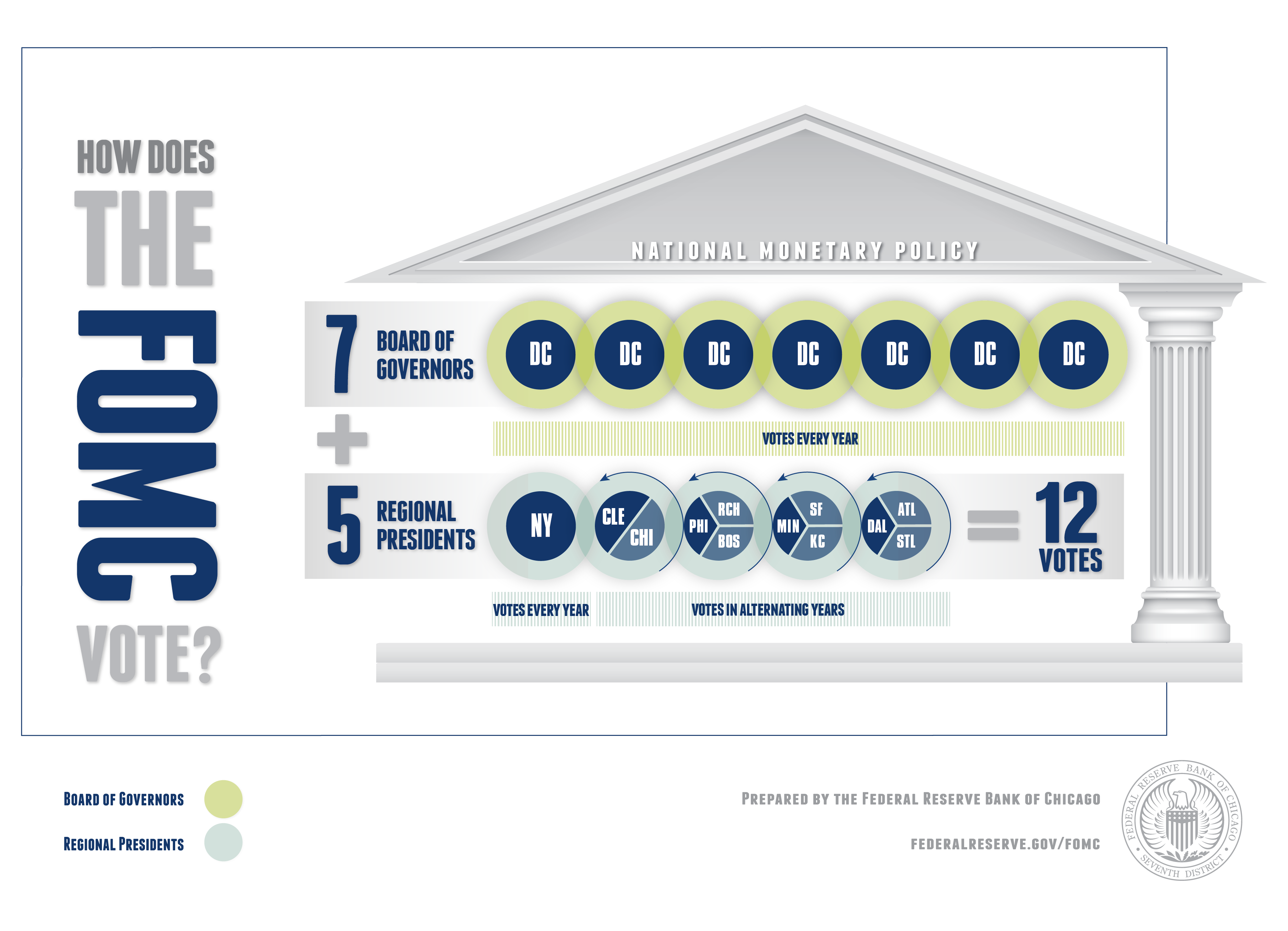
FOMC: Will Raise Interest Rates in November?

By Staff Reporters

***

The Fed is poised to raise interest rates just one more time in November before stopping, according to Ed Yardeni. That’s because there is a growing risk that financial markets are on the verge of instability due to a soaring US dollar.

“The soaring dollar has been associated in the past with creating financial crisis on a global basis,” Yardeni just told told Bloomberg.

CITE: https://www.yardeni.com/

***
COMMENTS APPRECIATED

Thank You

***
FINANCE: https://www.routledge.com/Comprehensive-Financial-Planning-Strategies-for-Doctors-and-Advisors-Best/Marcinko-Hetico/p/book/9781482240283

****

What is a DIVIDEND ARISTOCRAT Stock?

By Dr. David Edward Marcinko MBA CMP®

SPONSOR: http://www.CertifiedMedicalPlanner.org

CMP logo

A Dividend Aristocrat is a stock that has exhibited a remarkable level of consistency, measured by the fact that only those S&P 500 companies that have increased their annual dividend for 25 straight years — or more — can be called one. The name was coined by cable TV personality and investor Jim Cramer

These companies have raised their dividends through good times and bad, including recessions, crashes, and pandemics. Being able to continue doing so is a tribute to their stability and strength. Now, the past 18 months have been a particularly difficult economic environment to operate in, and some companies were forced to slash or hold the line on their dividends as a result.

CITE: https://www.r2library.com/Resource/Title/0826102549

But others are just fine, like investment manager T. Rowe Price (NASDAQ: TROW), which increased its dividend for the 35th straight year in 2022. It is located in Baltimore Maryland not far from where I grew up. In fact, I used to play stick ball, as a kid, in the parking lot.

UPDATE: https://www.msn.com/en-us/money/markets/down-between-15-and-53-3-top-dividend-aristocrats-that-are-too-cheap-to-ignore/ar-AA10oFN9?cvid=962479fd28494731a0cd106028a00940

YOUR COMMENTS ARE APPRECIATED.

CITE: https://www.r2library.com/Resource/Title/0826102549

FOREWORD: https://medicalexecutivepost.com/wp-content/uploads/2007/10/dr-getzen.pdf

FINANCE: https://www.amazon.com/Comprehensive-Financial-Planning-Strategies-Advisors/dp/1482240289/ref=sr_1_1?ie=UTF8&qid=1418580820&sr=8-1&keywords=david+marcinko

****

What Is a “Reverse” Stock Split?

By Staff Reporters

***

Hippo Holdings Inc. (NYSE: HIPO) intends to file a proxy statement with the Securities and Exchange Commission in connection with a special meeting of stockholders to be held on August 31, 2022. The proxy statement will include a proposal for a reverse stock split at a ratio in the range of 1-for-20 to 1-for-30 and the reduction of the number of authorized shares of capital stock of the company by a corresponding proportion.

The reverse stock split to be proposed to Hippo stockholders in the proxy statement is intended to resolve the issue raised in a non-compliance notice Hippo received from the New York Stock Exchange (the “NYSE”) on July 19, 2022 regarding Section 802.01C of the NYSE Listed Company Manual due to the average closing price of the company’s common stock being less than $1.00 over a consecutive 30 trading-day period. The notification has no immediate effect on the listing or trading of Hippo’s common stock on the NYSE.

Hippo can regain compliance at any time within the six-month period following receipt of the NYSE notice if on the last trading day of any calendar month during the cure period the company has a closing price of at least $1.00 per share and an average closing price of at least $1.00 per share over the 30-trading day period ending on the last trading day of that month.

***

***

SO – WHAT EXACTLY IS A REVERSE STOCK SPLIT?

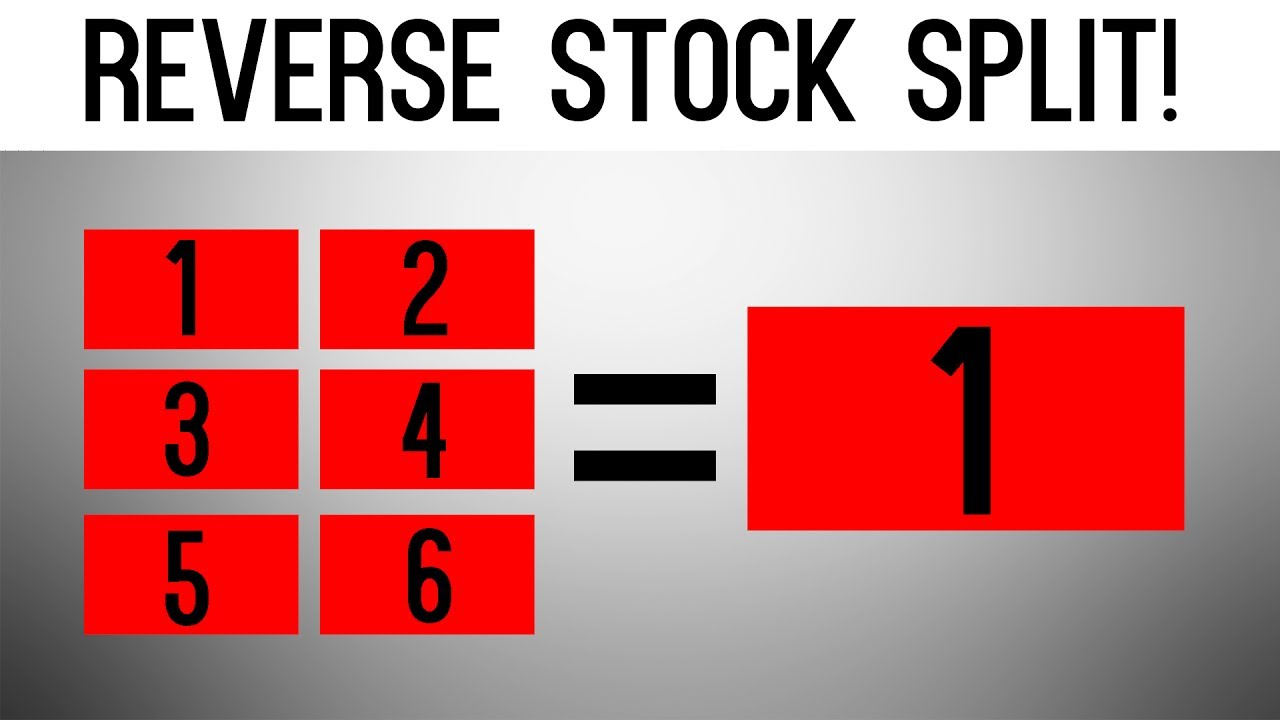
A reverse stock split is a type of corporate action that consolidates the number of existing shares of stock into fewer (higher-priced) shares.

A reverse stock split divides the existing total quantity of shares by a number such as five or ten, which would then be called a 1-for-5 or 1-for-10 reverse split, respectively.

A reverse stock split is also known as a stock consolidation, stock merge, or share rollback and is the opposite of a stock split, where a share is divided (split) into multiple parts.

CITE: https://www.r2library.com/Resource/Title/0826102549

What are pros and cons of a reverse stock split?

  • Companies prices come down
  • Outstanding shares goes up, with this their financial ratios like EPS, RoE goes down.
  • Market cap remains same.
  • No Fresh equity are issued hence there is no dilution of equity.

***

***

COMMENTS APPRECIATED

Thank You

MORE: https://www.amazon.com/Comprehensive-Financial-Planning-Strategies-Advisors/dp/1482240289/ref=sr_1_1?ie=UTF8&qid=1418580820&sr=8-1&keywords=david+marcinko

***

Ray Dalio SPEAKS

By Staff Reporters

***

***

  • Ray Dalio no longer believes “cash is trash” in light of tighter monetary policy.
  • He’s warmed to the greenback due to higher interest rates and the Fed shrinking its balance sheet.
  • However, Dalio is still only neutral on the dollar, likely because of stubborn inflation.

Ray Dalio, after repeatedly proclaiming “cash is trash” in recent years, has warmed to the US dollar and now views it as a passable investment.

“The facts have changed and I’ve changed my mind about cash as an asset: I no longer think cash is trash,” Dalio just tweeted.

***

COMMENTS APPRECIATED

Thank You

FINANCE: https://www.routledge.com/Comprehensive-Financial-Planning-Strategies-for-Doctors-and-Advisors-Best/Marcinko-Hetico/p/book/9781482240283

***

UPDATE: Domestic Markets Soar as United Kingdom Scraps Taxation

By Staff Reporters

***

***

The Dow surged 825 points, or 2.8%. The Dow has soared more than 1,500 points in the past two days. It is now back above the key 30,000 milestone and is about 18% off its most recent record high, meaning that is no longer in a bear market.

The S&P 500 and Nasdaq gained 3.1% and 3.3%, respectively. But both of those indexes remain in bear territory, at more than 20% off their all-time highs.

***

The UK is scrapping its plan to remove the 45% top rate of income tax, calling it a huge distraction from other priorities. The plan, which the government defended just recently, caused a mini-financial meltdown before the Bank of England stepped in with emergency measures.

***

COMMENTS APPRECIATED

Thank You

***

FINANCE: https://www.routledge.com/Comprehensive-Financial-Planning-Strategies-for-Doctors-and-Advisors-Best/Marcinko-Hetico/p/book/9781482240283

***

Three Fundamental Criteria All Physicians Should Consider before Investing

Join Our Mailing List

Re-Appreciating the Basic Three Rs …

By Guy P. Jones CFP® www.guypjones.com

Guy P. Jones

Physician-investors are often confronted with a myriad of decisions concerning any potential investment not the least of which is:

“When or how should I change my investment strategy?”

Given the choice of investment options, there are three criteria by which any investment you make should be evaluated: Risk, Reward and Liquidity.

  • Risk, in a financial context, is defined as: The probability that the actual return on an investment will be lower than the expected return.  For our purposes and for most people, it equates to whether there is the potential to lose money on an investment and how much of a risk you are willing to take in order to achieve an acceptable return.

One measurement of the risk or volatility of market-based investments can be quantified by the beta of an investment.  Beta is a measurement of volatility of an investment and is measured against how volatile an investment is relative to the market.  The beta of the market is always 1.00, so any investment that has a beta of less than 1.00 is less volatile and conversely, one with a beta greater than 1.00 is more volatile.   The desired result is low beta (low volatility) investments that have higher returns vs. the market.  Each of our institutional-class money managers utilize investments that collectively have a beta that is lower than the market while generating results that avoided the steep losses of the stock market in 2000-02 and 2008.*

  • Reward, in a financial context, is the positive return on your investment.  The rule of thumb is that the reward – or return on investment – is directly proportional to the amount of risk that one is willing to assume- i.e. – the higher the risk, the higherreturn on investment.

In addition, traditional thinking says in order to reap stock market-like returns, you have to invest in the stock market.  In our managed portfolios, that is not necessarily the case.  Two of our investment managers, who do not invest in the stock market, have generated average returns over the past 7 and 10 years that are equal to or better than returns of the stock market over similar timeframes with 76-84% less risk as measured by the beta of each manager*

  • Liquidity, in a financial context, means how quickly you can get your hands on your cash or is the ability to get your money whenever you need it.  One of the first things I advise anyone to have is a liquid emergency fund of readily available cash.  By having available cash, you don’t have to convert another asset to cash and create a transaction that could result in potentially adverse tax consequences or worse, trigger losses.  I often see clients sacrifice higher returns that they could be earning on idle cash because of their perceived need for absolute liquidity of their money.  But what if there was a way to have both?  Wouldn’t you want higher returns in low risk, low-volatility assets as well as the ability to get at those assets quickly?

With our multi-manager investment platform, investors have the ability to have a portion of their assets held in a safe, liquid money market account while also having their remaining assets diversified in a variety of low risk, low-volatility investments.

financial risk

More:

Assessment

*Past performance is not a guarantee or indicator of future performance

Conclusion

Your thoughts and comments on this ME-P are appreciated. Feel free to review our top-left column, and top-right sidebar materials, links, URLs and related websites, too. Then, subscribe to the ME-P. It is fast, free and secure.

Speaker: If you need a moderator or speaker for an upcoming event, Dr. David E. Marcinko; MBA – Publisher-in-Chief of the Medical Executive-Post – is available for seminar or speaking engagements. Contact: MarcinkoAdvisors@msn.com

OUR OTHER PRINT BOOKS AND RELATED INFORMATION SOURCES:

Product DetailsProduct DetailsProduct Details

Product Details  Product Details

FIGHTING Inflation!

By Staff Reporters

Fed Official Says Inflation Fight Will Take Time, Despite Signs of Progress

Bringing inflation down from 40-year highs is likely to take time and will require a slowdown in economic growth and reduced demand for workers by employers, a Federal Reserve official said yesterday.

Those efforts are showing tentative signs of progress, said Fed governor Philip Jefferson, in his first public remarks since taking office in May. But Mr. Jefferson also said he remains concerned that higher prices could change consumer expectations around inflation in a way that makes further price increases self-fulfilling.

***

***

READ: Fed Official Says Inflation Fight Will Take Time, Despite Signs of Progress (msn.com)

COMMENTS APPRECIATED

Thank You

***