DAILY UPDATE: Sovereign Wealth Funds, Mortgages and the Dimming U.S. Markets

By Staff Reporters

***

***

Sovereign wealth funds could be selling roughly $29 billion in equities by the end of December. Meanwhile, U.S. defined benefit pension plans would need to shift up to $70 billion from equities to bonds to hit their targets, reports Bloomberg quoting the JPMorgan estimates. “The recent equity market correction and bond rally are consistent with the rebalancing hypothesis,” Bloomberg quoted Vincent Deluard, a macro strategist at StoneX. 

DEFINITION: A sovereign wealth fund, sovereign investment fund, or social wealth fund is a state-owned investment fund that invests in real and financial assets such as stocks, bonds, real estate, precious metals, or in alternative investments such as private equity fund or hedge funds. Sovereign wealth funds invest globally.

CITE: https://www.r2library.com/Resource/Title/082610254

And, in a recent interview with CNN, Bank of America CEO Brian Moynihan said he’s concerned the housing market will continue to challenge buyers in the coming years. Moynihan pointed to sky-high mortgage rates as a big reason buyers might continue to struggle — especially first-time buyers with more limited financial resources. Moynihan also said there could be two more years of pain in the housing market before things cool off and homes become more available and affordable. And that’s a tough pill to swallow.

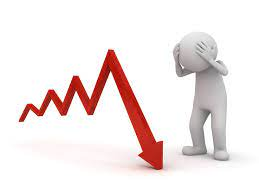
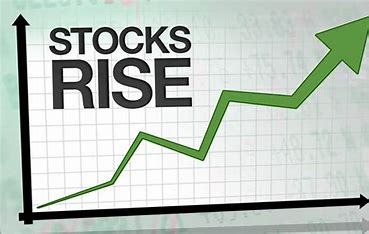
Finally, U.S. stocks were lower, adding to last week’s declines, as the global markets continued to grapple with the ultimate impact of aggressive monetary policy tightening around the world. Last week, the Fed, European Central Bank, Bank of England, and Swiss National Bank all increased their benchmark interest rates by 50 basis points, fostering recession concerns.

Treasury yields traded higher, and the U.S. dollar was unchanged, while crude oil gained ground, and gold was lower.

Other equity news was light, as L3Harris Technologies announced an agreement to acquire Aerojet Rocketdyne with an enterprise value of $4.7 billion, while shares of Madrigal Pharmaceuticals surged after positive trial results for its NASH and liver fibrosis treatment.

A busy week of housing data commenced, as the NAHB’s December Housing Market Index unexpectedly deteriorated.

Asia finished mostly lower as China’s COVID concerns weighed on sentiment, though European stocks were mostly higher, rebounding from last week’s decline as the global markets digest the recent rate hikes on both sides of the pond.

***

ORDER: https://www.routledge.com/Risk-Management-Liability-Insurance-and-Asset-Protection-Strategies-for/Marcinko-Hetico/p/book/9781498725989

***

COMMENTS APPRECIATED

Thank You

***

FTX SCANDAL: Who is John J. Ray III?

By Staff Reporters

***

***

FTX’s New Chief Executive Officer?

***

John J. Ray III (born January 1959) is an American attorney and insolvency professional. He specializes in recovering funds from failed corporations. He was appointed CEO of cryptocurrency exchange FTX in the aftermath of its November 2022 collapse.

MORE: https://financialservices.house.gov/uploadedfiles/hhrg-117-ba00-wstate-rayj-20221213.pdf

He previously served as chairman of Enron Creditors Recovery Corp., a company tasked with recovering creditor funds from Enron in the wake of its accounting scandal and subsequent collapse. He also worked on the bankruptcies of Nortel, Residential Capital, and Overseas Shipholding.

CITE: https://www.r2library.com/Resource/Title/082610254

***

COMMENTS APPRECIATED

Thank You

***

ORDER: https://www.amazon.com/Dictionary-Health-Information-Technology-Security/dp/0826149952/ref=sr_1_5?ie=UTF8&s=books&qid=1254413315&sr=1-5

***

DAILY UPDATE: Five Stocks to Watch?

By Staff Reporters

***

***

Here are some of the companies the Yahoo Finance team suggests you watch?

Kraft Heinz (KHC) may be on the road to recovery. It announced stronger-than-expected earnings, with CEO Miguel Patricio saying that the company is making “good progress” on identifying the problems with its past performance. But he admitted they’re still delivering results “below our potential.”

Altria’s (MO) third-quarter earnings beat Wall Street estimates but the company revealed it is writing down a third of its investment in Juul. The company wrote-down $4.5 billion of its $12.8 billion investment in the vaping company. Juul is facing lawsuits and potential new regulations after an outbreak of vaping related illnesses.

Ford (F) and the UAW have reached an agreement to hold-off a strike. The new contract includes $6 billion worth of investment in U.S. facilities and adding 8,500 jobs to Ford’s workforce. This deal is expected to follow the same guidelines as the GM contract and include lump-sum payments and wage increases.

Former Secretary of State and Exxon Mobile (XOM) CEO Rex Tillerson is insisting that Exxon Mobile did not lie about the company’s plan for the financial risks of climate change. Tillerson testified for three and a half hours in the securities fraud trial in New York, denying that the company’s plans were meant to dupe investors. Exxon Mobile earnings are due out tomorrow before the opening bell.

Finally, it could be a very Merry X-mass for Hershey (HSY). A recent survey found Reese’s Peanut Butter Cups, made by Hershey, are the No. 1 favorite candy for Halloween. Snickers, made by privately-owned Mars, were a distant second. The National Retail Federation says Americans will spend $2.6 billion on Halloween candy this year.

***

ORDER: https://www.routledge.com/Comprehensive-Financial-Planning-Strategies-for-Doctors-and-Advisors-Best/Marcinko-Hetico/p/book/9781482240283

***

COMMENTS APPRECIATED

Thank You

***

DAILY UPDATE: Another Lower Week for the Stock Markets

By Staff Reporters

***

***

U.S. equities declined, posting a second-straight weekly loss, as recession worries have ratcheted higher in the wake of a host of global central bank actions earlier this week. The Fed’s mid-week 50 basis point rate increase was followed by similar actions from the European Central Bank, the Bank of England, and Swiss National Bank. The moves came amid an evident slowdown in global economic growth, with data released today showing most manufacturing and services PMIs domestically and across the globe continue to see a contraction in activity, adding fuel to the recessionary fears.

Treasury yields diverged, and the U.S. dollar was little changed, while crude oil prices fell, and gold traded to the upside. The equity front was relatively quiet, but Adobe’s quarterly results beat the Street on the top line, and the company reaffirmed its guidance, while shares of Darden Restaurants fell despite posting better-than-expected earnings and an upbeat outlook.

Asian stocks were mixed and European stocks saw widespread losses, as the global markets continued to digest the flood of monetary policy decisions around the world.

***

CITE: https://www.r2library.com/Resource/Title/082610254

***

ORDER: https://www.amazon.com/Comprehensive-Financial-Planning-Strategies-Advisors/dp/1482240289/ref=sr_1_1?ie=UTF8&qid=1418580820&sr=8-1&keywords=david+marcinko

***

COMMENTS APPRECIATED

Thank You

***

PUMPERS & DUMPERS: Social Media Influencers Charged in Scheme

By Staff Reporters

***

***

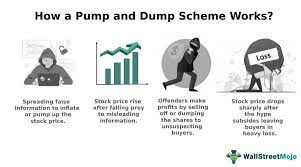
DEFINITION: Pump and dump (P&D) is a form of securities fraud that involves artificially inflating the price of an owned stock through false and misleading positive statements, in order to sell the cheaply purchased stock at a higher price. Once the operators of the scheme “dump” (sell) their overvalued shares, the price falls and investors lose their money. This is most common with small-cap cryptocurrencies and very small corporations/companies, i.e. “microcaps“.

CITE: https://www.r2library.com/Resource/Title/082610254

While fraudsters in the past relied on cold calls, the Internet now offers a cheaper and easier way of reaching large numbers of potential investors through spam email, investment research websites, social media, and misinformation.

***

And so, Federal prosecutors and the SEC have accused seven popular Twitter and Discord users of wielding social media to manipulate stock prices—pumping the shares and then selling off mass quantities for profit once they rose.

An additional defendant, whose Twitter handle was @DipDeity, was charged with aiding and abetting the alleged fraud for hosting a podcast that featured and promoted the seven influencers as skilled traders to follow.

Each influencer charged had well over 100,000 followers and, according to the SEC, the group earned about $100 million total in the scheme.

***

ORDER: https://www.routledge.com/Comprehensive-Financial-Planning-Strategies-for-Doctors-and-Advisors-Best/Marcinko-Hetico/p/book/9781482240283

***

COMMENTS APPRECIATED

Thank You

***

Will there be a Santa Clause Rally this Year?

WHAT IS THE “WEALTH EFFECT”

Courtesy: www.CertifiedMedicalPlanner.org

And … Will it Cause a Santa Clause Rally this Year?

The “WEALTH EFFECT” is the change in spending that accompanies a change in perceived wealth. Usually the wealth effect is positive: spending changes in the same direction as perceived wealth.

A “SANTA CLAUSE” rally describes sustained increases in the stock market that occur in the last weeks of December through the first two trading days in January. Explanations include the wealth effect, tax considerations, and the investing of holiday bonuses.

***

Santa

***

Assessment

Another theory is that some very large institutional investors, a number of whom are more sophisticated and pessimistic, tend to go on vacation at this time leaving the market to retail investors, who tend to be more bullish.

QUESTION: So, do you think we will have a Santa Clause rally this year?

Please be binary in your answer: YES or NO. Your thoughts are appreciated.

INVESTING, BUSINESS AND FINANCIAL PLANNING FOR DOCTORS

Comments Appreciated

THANK YOU

Comprehensive Financial Planning Strategies for Doctors and Advisors: Best Practices from Leading Consultants and Certified Medical Planners™

***

PFOF: New SEC Rules Not Thrown Out Entirely!

By Staff Reporters

***

DEFINE: https://wordpress.com/post/medicalexecutivepost.com/274910

DEFINITION: https://www.cfainstitute.org/-/media/documents/issue-brief/payment-for-order-flow.ashx

CITE: https://www.r2library.com/Resource/Title/082610254

***

***

Yesterday the SEC proposed the biggest update to the stock trading rules book since 2005. The four proposed rules may become the magnum opus of Gary Gensler, who took over as SEC chair after the meme stock mayhem of 2021. The rules aim to get retail traders better prices by targeting a method of executing trades called payment for order flow (PFOF). PFOF works like this:

  • Brokers like Robinhood send trades to wholesalers like Citadel, which profit off the difference between the individual trader’s proposed price and the price they actually make the trade for.
  • Wholesalers pay brokers a small fee for the privilege of making the trade, and *juicy detail alert* those “small fees” make up a huge chunk of the brokers’ revenue.

Gensler has long argued that PFOF limits competition and encourages brokers to gamify risky trading behavior—like vetting your life savings on GameStop stock. The practice is banned in the UK and Canada.

But the SEC has definitely put it in the “no longer sparks joy” pile

Under the most significant rule proposed yesterday, the “order competition” rule, wholesalers would have to send most retail investors’ trades to an auction where dealers compete to fulfill them for the best price.

The wholesaler only gets to fulfill any leftover trades that no one has bid on. Some on Wall Street argue this will be the most common scenario so the rule won’t have its intended effect, but Gensler thinks auctions could save individual traders up to $1.5 billion per year.

***

ORDER: https://www.routledge.com/Comprehensive-Financial-Planning-Strategies-for-Doctors-and-Advisors-Best/Marcinko-Hetico/p/book/9781482240283

***
COMMENTS APPRECIATED

Thank You

***

PODCAST: Financial Deception in Healthcare

THIRTY EXAMPLES

By Eric Bricker MD

***

***

Citation: https://www.r2library.com/Resource/Title/0826102549

***

***

ORDER: https://www.routledge.com/Risk-Management-Liability-Insurance-and-Asset-Protection-Strategies-for/Marcinko-Hetico/p/book/9781498725989

***

COMMENTS APPRECIATED

Thank You

****

Musings on a Famous Portfolio Asset Allocation Study

Some Critics Claim Brinson, Hood, and Beebower Conclusions Wrong

[By Dr. David Edward Marcinko MBA CMP™]

http://www.CertifiedMedicalPlanner.org

[Publisher-in-Chief]

Frequently, we hear the axiom that asset allocation is the most important investment decision, explaining 93.6% of portfolio returns. The presumption has been that once the risk tolerance and time horizon have been established, investing is simply a matter of implementing a fixed mix of stocks, bonds, and cash using mutual funds selected for this purpose. This axiom is based on a famous study by Brinson, Hood, and Beebower (BHB) published in the Financial Analysts Journal in July/August 1986. It is the stuff of most modern business school and graduate students in economics and finance.

Enter the Critics

One critic claims that BHB’s conclusions and the interpretation of their conclusions are wrong, stating that because of several methodological problems, BHB needed to make certain assumptions for their analysis to go forward. They assumed that the average asset-class weights for the 10-year period studied are the same as the actual normal policy weights; that investments in foreign stocks, real estate, private placements, and venture capital can be proxied by a mix of stocks, bonds, and cash; and that the benchmarks for stocks, bonds, and cash against which fund performance was measured are appropriate. The author believes that each of these assumptions can lead to a faulty measurement of success or failure at market timing and stock selection.

The Jahnke Study

William Jahnke claims that BHB erred in their focus on explaining the variation of quarterly portfolio returns rather than portfolio returns over the 10-year period studied. According to the study, asset allocation policy explains only a small fraction of the range of 10-year portfolio returns earned by the pension funds reported in the study. The author concluded that this discrepancy is caused by the effect of compounding returns. He adds that BHB were wrong to use variance of quarterly returns rather than the standard deviation. Use of standard deviation would reduce the often cited 93.6% to about 79%. Moreover, BHB did not consider the cost of investing, such as operating expenses, management fees, brokerage commissions, and other trading costs, which are more significant for individual investors than for the pension plans studied. Jahnke claims that excessive costs can reduce wealth accumulation by 50%.

Note: (“The Asset Allocation Hoax,” William W. Jahnke, Journal of Financial Planning, February 1997, Institute of Certified Financial Planners [303] 759-4900).

Assessment

Finally, the author takes issue with establishing long-term fixed asset class weights. Asset allocation should be a dynamic process. Higher equity return expectations should in turn produce larger equity allocations, other things being equal.

Certified Medical Planner

Conclusion

Are doctors different than the average investor noted in this essay?

Your thoughts and comments on this ME-P are appreciated. Feel free to review our top-left column, and top-right sidebar materials, links, URLs and related websites, too. Then, subscribe to the ME-P. It is fast, free and secure.

Link: http://feeds.feedburner.com/HealthcareFinancialsthePostForcxos

Speaker: If you need a moderator or speaker for an upcoming event, Dr. David E. Marcinko; MBA – Publisher-in-Chief of the Medical Executive-Post – is available for seminar or speaking engagements. Contact: MarcinkoAdvisors@msn.com

OUR OTHER PRINT BOOKS AND RELATED INFORMATION SOURCES:

Product Details

  Risk Management, Liability Insurance, and Asset Protection Strategies for Doctors and Advisors: Best Practices from Leading Consultants and Certified Medical Planners™8Comprehensive Financial Planning Strategies for Doctors and Advisors: Best Practices from Leading Consultants and Certified Medical Planners™

Invite Dr. Marcinko

***

DAILY UPDATE: The Markets, Central Bank, Inflation and Robert Kiyosaki on Bitcoin

By Staff Reporters

***

***

U.S. equities were able to finish higher after coming off early solid gains in the wake of the Consumer Price Index (CPI). The November CPI report came in softer-than-expected and seemed to somewhat sooth concerns regarding how aggressive the Fed will remain in its rate hike campaign. This came ahead of tomorrow’s highly anticipated Fed monetary policy decision, with the markets expecting a 50-basis point increase to the target fed funds rate.

Treasury yields tumbled following the inflation data, and the U.S. dollar fell, while crude oil and gold prices were sharply higher. In other economic news, the NFIB Small Business Optimism Index unexpectedly rose.

Equity news was light, as Oracle beat earnings estimates despite the significant impact of the strengthening U.S. dollar, while Raytheon Technologies authorized a $6 billion share repurchase program. European stocks finished higher, getting a boost from the CPI report, while markets in Asia were mixed

***

The world’s biggest central banks will this week wrap up the most aggressive year for interest-rate hikes in four decades with their fight against inflation still not over even as their economies slow. The US Federal Reserve on is set to raise its key rate by 50 basis points to a range of 4% to 4.5%, the highest since 2007, and to signal more increases in early 2023.

A day later, the European Central Bank and the Bank of England are likely to follow with half-point moves. And higher borrowing costs are also in the cards in Switzerland, Norway, Mexico, Taiwan, Colombia and the Philippines. 

***

Earlier in October, Kiyosaki mentioned that he is bullish on Bitcoin because state-sponsored pension funds are starting to invest in BTC. Kiyosaki has repeatedly cautioned that the U.S. is heading toward an economic collapse. He said in a tweet that amid a financial meltdown, investors could keep their capital intact by loading up on gold, silver, and Bitcoin. At the time of writing, Bitcoin was trading at $17,156, up about 1% in the last seven days. The apex crypto’s market cap stood at around $330 billion. 

CITE: https://www.r2library.com/Resource/Title/082610254

***

***

ORDER: https://www.routledge.com/Comprehensive-Financial-Planning-Strategies-for-Doctors-and-Advisors-Best/Marcinko-Hetico/p/book/9781482240283

***

COMMENTS APPRECIATED

Thank You

****

DJIA Surges!

By Staff Reporters

***

***

The DJIA Briefly surged over 600 points this morning.

WHY DOW?

Inflation data showed the Consumer Price Index rose 0.1% on the month of November, cooler than the expected 0.3% rise. The index rose 7.1% year over year, lower than the 7.3% Econoday estimate.

CITE: https://www.r2library.com/Resource/Title/082610254

In addition, the next meeting Fed meeting kicks off Tuesday with an interest rate decision on Wednesday. While the Fed has already heavily telegraphed a 50-basis-point hike, investors will be looking for further guidance on the Fed’s plans.

Finally, according to the CME’s FedWatch tool, traders place a 79% chance of a 50-basis-point rate hike.

***

COMMENTS APPRECIATED

Thank You

***

ORDER: https://www.routledge.com/Comprehensive-Financial-Planning-Strategies-for-Doctors-and-Advisors-Best/Marcinko-Hetico/p/book/9781482240283

***

MICROSOFT: London Stock Exchange Group

By Staff Reporters

***

Microsoft plans to buy a 4% stake in the London Stock Exchange Group as part of a 10-year partnership to migrate the exchange’s data platform and tech infrastructure to the cloud and develop its data and analytics business.

The exchange will spend at least $2.8 billion on cloud-related products with Microsoft throughout the decade-long arrangement.

***

ORDER: https://www.amazon.com/Dictionary-Health-Information-Technology-Security/dp/0826149952/ref=sr_1_5?ie=UTF8&s=books&qid=1254413315&sr=1-5

***
COMMENTS APPRECIATED

Thank You

***

AMGEN: To Buy Horizon Therapeutics?

By Staff Reporters

***

Pharma Giant Amgen Sends Its Estimated $350 Million U.S. Media Business to  Hearts & Science

***

(Bloomberg) — Amgen Inc. has agreed to buy Horizon Therapeutics Plc at a valuation of about $26 billion in what would be its biggest-ever acquisition, according to a person familiar with the matter. The US biotechnology giant offered around $116.5 for each Horizon share, said the person, who asked not to be identified as the information is private. The offer price is at a around 20% premium to Horizon’s closing price of $97.29 on Friday.

CITE: https://www.r2library.com/Resource/Title/082610254

Horizon rose as much as 15% to $111.70 in pre-market trading today while Amgen slipped 0.5%. But, the deal or announcement could be delayed and talks could still fall apart.

As of Friday’s close, Horizon shares had surged 24% since the company revealed on Nov. 29th that Amgen, Sanofi SA and a Johnson & Johnson unit were in preliminary talks about a possible acquisition. That pushed its market value to $22 billion, prompting Sanofi to back out Sunday, as J&J did earlier this month. Amgen has a market value of about $149 billion after rising by 24% this year.

***

COMMENTS APPRECIATED

Thank You

***

ORDER: https://www.amazon.com/Dictionary-Health-Insurance-Managed-Care/dp/0826149944/ref=sr_1_4?ie=UTF8&s=books&qid=1275315485&sr=1-4

***

INDIVIDUAL: Investment [Financial] Portfolios?

THE RESULTS ARE IN

By Staff Reporters

***

***

Investment portfolios owned by individual investors have lost a combined $350 billion this year, Bloomberg reports. The average retail trader’s portfolio is down 30% in 2022, compared to the S&P’s 17% loss, per Vanda Research. Some estimates put the damage as even worse than that: JPMorgan calculates that retail traders are down 38% this year.

As they’ve watched their portfolios crumble further than SBF’s credibility, these traders aren’t trading nearly as much as they did during peak Covid.

  • At the apex of the meme stock craze in Q1 2021, Charles Schwab was handling 8.4 million daily average trades. In Q3 of this year, it recorded 5.5 million.
  • Robinhood, both an enabler and the villain of the individual trader movement, shed 1.8 million users between Q2 and Q3 this year.

So what happened?

Individual investors piled into a specific set of stocks during the height of the pandemic, and those stocks in particular are getting rocked by shifting trends and the Fed’s rate hikes. Just consider that Tesla, by itself, accounts for ~10% of the average active retail trader’s portfolio. So as the stock plunged ~55% this year, it wiped out $78 billion in value for retail investors, per Vanda.

As for meme stocks?

Good luck trying to send a struggling company to the moon these days. GameStop is down nearly 41% this year, and after its dud of an earnings report this week one analyst wrote that “GameStop’s turnaround plan has proven fruitless so far,” specifically citing the poor performance of its NFT marketplace.

CITE: https://www.r2library.com/Resource/Title/082610254

And so, with retail traders riding the bench during the market downturn, the companies that rely on them for revenue are having to switch up their tactics. This week, according to Neal Freyman of Morning Brew, Robinhood introduced retirement accounts (traditional or Roth IRAs) with a 1% match to lure back users. It may not be a flashy product, but as investors who got burned this year have realized, there are worse things than being boring.

WHAT ABOUT PHYSICIAN INVESTORS?

***

COMMENTS APPRECIATED

Thank You

***

ORDER: https://www.routledge.com/Comprehensive-Financial-Planning-Strategies-for-Doctors-and-Advisors-Best/Marcinko-Hetico/p/book/9781482240283

***

WASH SALE RULE: Not For Cryptocurrency?

By Staff Reporters

***

DEFINITION

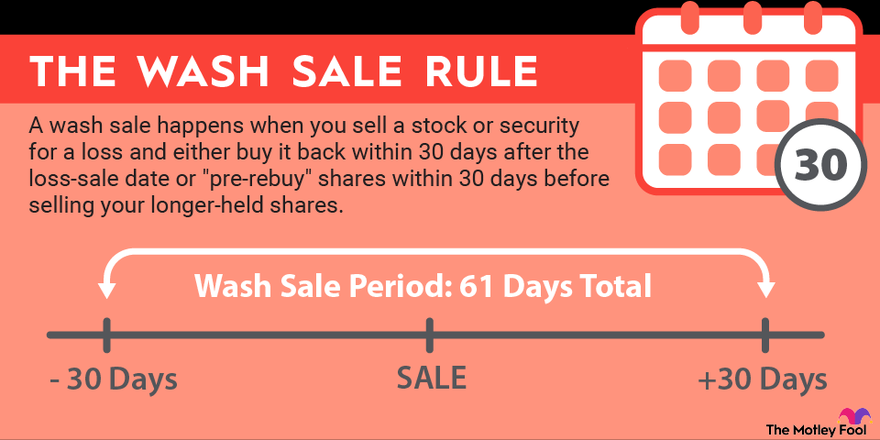
The wash-sale rule prohibits selling an investment for a loss and replacing it with the same or a “substantially identical” investment 30 days before or after the sale. If you do have a wash sale, the IRS will not allow you to write off the investment loss which could make your taxes for the year higher than you hoped.

CITE: https://www.r2library.com/Resource/Title/082610254

***

***

Don’t get soaked by the wash sale

Even if you sell at a loss from a brokerage account or IRA, it still might not want to permanently exit a portfolio position. It may want to get back into an investment now at a cheaper cost with room to re-grow.

BUT – Just wait a moment, according to the IRS “wash-sale” rule.

The IRS will not count a capital loss if, within 30 days before the sale or within 30 days afterwards, the taxpayer is also buying or acquiring a “substantially identical” investment. The rule applies to investments like stocks, bonds, mutual funds, exchange traded funds and options – but not cryptocurrency.

The basic trick is just keeping track of the days. Another skill is considering what counts as “substantially identical” for the fast-moving investor who sees a buying opportunity either 30 days before or after the day of sale.

An investor could sell a stock and buy an exchange traded fund or mutual fund that contains the stock and not run afoul of the rule, Going the other way, from a mutual fund or ETF containing a stock to a direct stock purchase, also will not trigger the rule, he noted.

EXAMPLE: Suppose an investor has several investment accounts — perhaps one is a long-term account and the other is more for short-term trades. The rule applies across the account. So if one sells and the other buys within 30 days before or after, the wash-sale rule will scrap the capital loss.

Buying and selling shares of two different funds tracking the same index within the 30-day period could also cause the wash sale rule to kick in. However, a move like selling a piece of an ETF tracking the S&P 500, and then soon buying an ETF tracking the Russell 1000 Index would be OK according to a tutorial from Charles Schwab SCHW, +3.70%. “That would preserve your tax break and keep you in the market with about the same asset allocation,” an explainer said.

But while someone’s eyeing a repurchase and letting the wash-sale window close one place, they may have a chance to start the tax strategy process in a different part of their portfolio. “There’s really tax loss harvesting opportunities across a number of different asset classes this year.”

***

COMMENTS APPRECIATED

Thank You

***

ORDER: https://www.routledge.com/Comprehensive-Financial-Planning-Strategies-for-Doctors-and-Advisors-Best/Marcinko-Hetico/p/book/9781482240283

***

TESTIFY: Bankman-Fried of FTX Goes to the U.S. House Panel

By Mehnaz Yasmin and Kanishka Singh

***

***

FTX’s Sam Bankman-Fried is set to testify before a U.S. House committee on Tuesday, the cryptocurrency exchange’s founder and the congressional panel said on Friday, as regulators investigate his role in the wake of its collapse. The chair of the House of Representatives Committee on Financial Services, Maxine Waters, told Reuters on Thursday that she was prepared to subpoena Bankman-Fried if he did not agree to appear before the panel, which is holding a hearing as part of its probe into FTX.

***

ORDER :https://www.amazon.com/Dictionary-Health-Information-Technology-Security/dp/0826149952/ref=sr_1_5?ie=UTF8&s=books&qid=1254413315&sr=1-5

***

In a statement late on Friday, the panel said it would hear from newly appointed FTX CEO John Ray and from Bankman-Fried, FTX’s founder and former CEO, on Tuesday.

“I still do not have access to much of my data — professional or personal. So there is a limit to what I will be able to say, and I won’t be as helpful as I’d like,” Bankman-Fried said on Friday on Twitter. “But as the committee still thinks it would be useful, I am willing to testify on the 13th,” he added.

The hybrid hearing is scheduled for 10 a.m. ET (1500 GMT) on Tuesday, the committee said.

***

ORDER: https://www.routledge.com/Comprehensive-Financial-Planning-Strategies-for-Doctors-and-Advisors-Best/Marcinko-Hetico/p/book/9781482240283

***
COMMENTS APPRECIATED

Thank You

***

FTX: Not So Wonderful!

By Staff Reporters

***

“It was not a good investment.”

Kevin O’Leary should stick to investing in things like pimple popping toys.

The Shark Tank’s “Mr. Wonderful” admitted he was paid $15 million to act as FTX’s spokesperson. And of the ~$9.7 million he put into crypto, “it’s all at zero,” he told CNBC.

Like Tom Brady and other celebs, O’Leary hyped FTX on social media and TV over the past year; now, he’s being named in a class-action lawsuit over the exchange’s implosion.

CITE: https://www.r2library.com/Resource/Title/082610254

***

ORDER: https://www.amazon.com/Dictionary-Health-Information-Technology-Security/dp/0826149952/ref=sr_1_5?ie=UTF8&s=books&qid=1254413315&sr=1-5

***

ORDER: https://www.routledge.com/Comprehensive-Financial-Planning-Strategies-for-Doctors-and-Advisors-Best/Marcinko-Hetico/p/book/9781482240283

***

COMMENTS APPRECIATED

Thank You

***

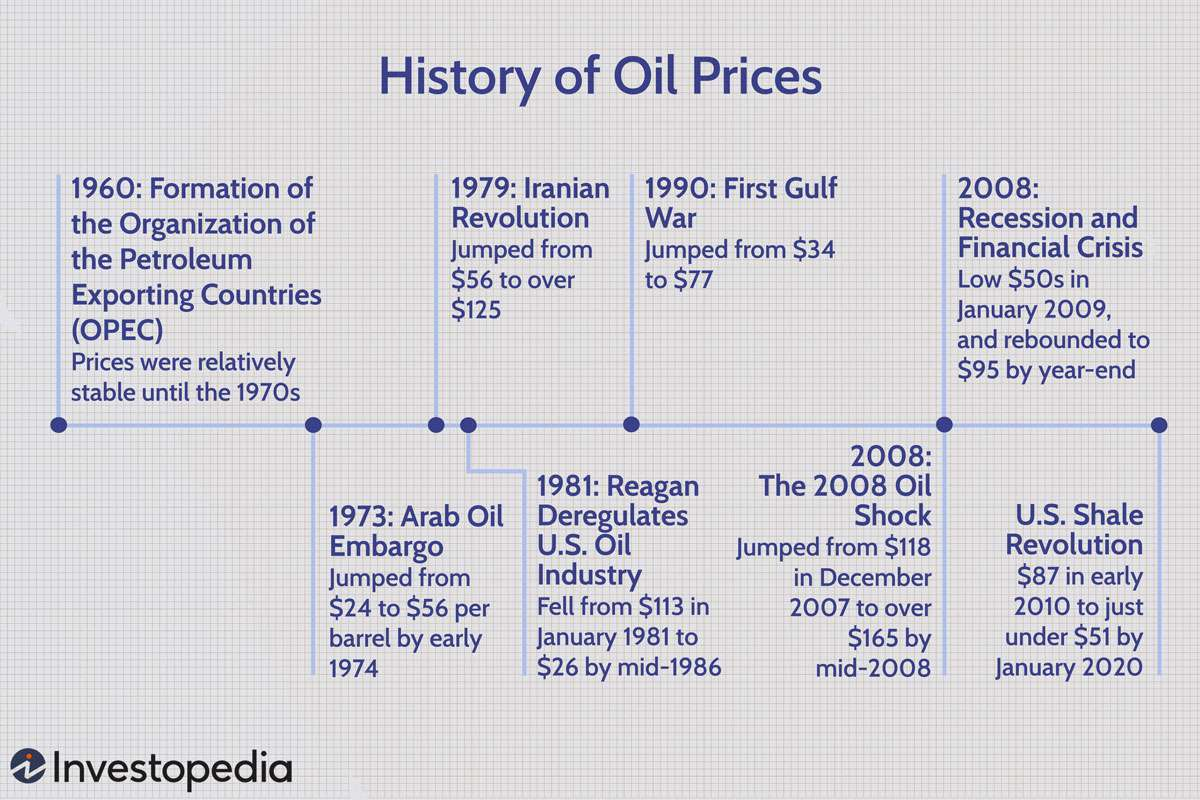
OIL: Prices Drop < $3?

By Staff Reporters

***

***

Despite a small bump yesterday, oil has been slumping hard, which has been nothing short of fantastic news for American drivers. US gas prices ($3.33/gallon, on average) are now lower than they were last year at this time, and seem headed below $3.

CITE: https://www.r2library.com/Resource/Title/082610254

***

GASBUDDY: https://www.gasbuddy.com/

***

COMMENTS APPRECIATED

Thank You

***

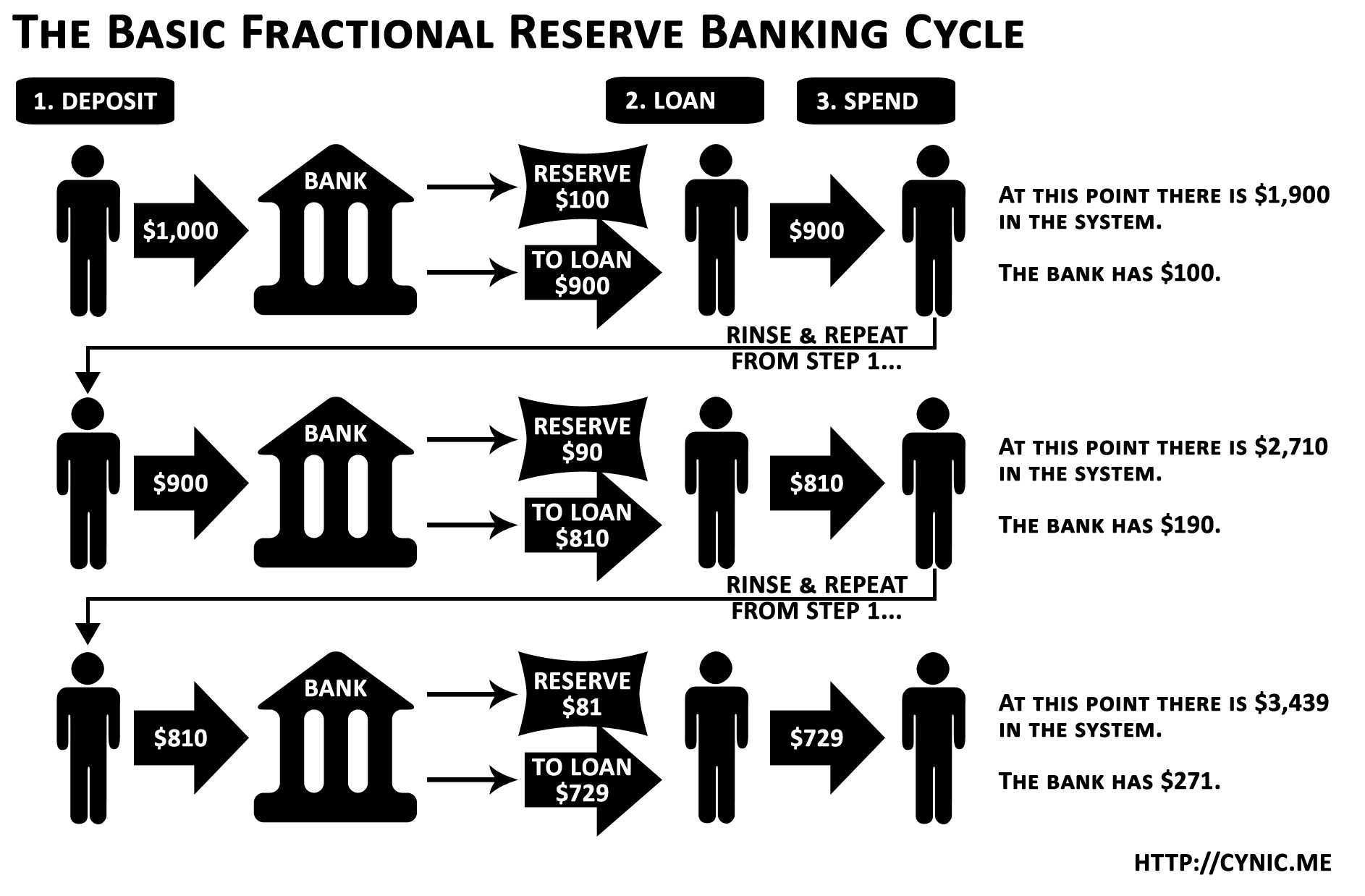
PODCAST: Fractional Reserve Banking

By Staff Reporters

***

Fractional reserve banking is a system in which only a fraction of bank deposits are backed by actual cash on hand and available for withdrawal. This is done to theoretically expand the economy by freeing capital for lending. Today, most economies’ financial systems use fractional reserve banking.

CITE: https://www.r2library.com/Resource/Title/082610254

***

***

LINK: https://www.youtube.com/watch?v=gd8B-zrMSYk

***

COMMENTS APPRECIATED

THANK YOU

***

ORDER: https://www.routledge.com/Comprehensive-Financial-Planning-Strategies-for-Doctors-and-Advisors-Best/Marcinko-Hetico/p/book/9781482240283

***

RMDs: Are You of IRS Taxation Age?

Stop 2020 – Restart 2021

By Staff Reporters

***

CITE: https://www.r2library.com/Resource/Title/082610254

***

Are You of RMD Age?
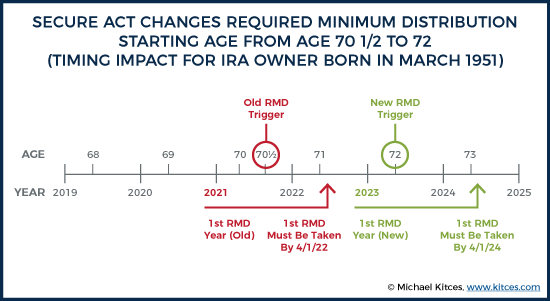
A Required Minimum Distribution (RMD) is an amount of money the IRS requires you to withdraw from most retirement accounts, beginning at age 72.
Due to the Coronavirus Aid, Relief, and Economic Security (CARES) Act, RMDs were not required in 2020, but RMDs are required in 2021 and each year after. RMDs can be an important part of your retirement income strategy.

IRS: https://www.irs.gov/retirement-plans/retirement-plans-faqs-regarding-required-minimum-distributions

***

COMMENTS APPRECIATED

Thank You

***

ORDER: https://www.routledge.com/Comprehensive-Financial-Planning-Strategies-for-Doctors-and-Advisors-Best/Marcinko-Hetico/p/book/9781482240283

***

PODCAST: Hospital Debt and Tax Exempt Bonds

By Eric Bricker MD

***

***

CITE: https://www.r2library.com/Resource/Title/082610254

COMMENTS APPRECIATED

Thank You

***

ORDER: https://www.routledge.com/Comprehensive-Financial-Planning-Strategies-for-Doctors-and-Advisors-Best/Marcinko-Hetico/p/book/9781482240283

****

RIP: Tiantian Kullander – Crypto AMBER GROUP FOUNDER Dies

By Staff Reporters

***

***

Tiantian Kullander, the influential young founder of cryptocurrency company Amber Group, died suddenly in his sleep on Nov. 23, the company confirmed.

The group had just received a $3 billion valuation earlier this year, and was in the process of raising another $100 million—a meteoric success in which he played an integral role after launching Amber in 2017 with a group of finance insiders, including former Goldman Sachs Group Inc and Morgan Stanley workers.

MORE: https://www.ambergroup.io/

COMMENTS APPRECIATED

Thank You

***

ORDER: https://www.amazon.com/Dictionary-Health-Information-Technology-Security/dp/0826149952/ref=sr_1_5?ie=UTF8&s=books&qid=1254413315&sr=1-5

***

COMMENTS APPRECIATED

Thank You

***

ORDER: https://www.routledge.com/Comprehensive-Financial-Planning-Strategies-for-Doctors-and-Advisors-Best/Marcinko-Hetico/p/book/9781482240283

***

The “Middle Class” Defined?

By Staff Reporters

***

***

What’s shrinking in size, overworked and woefully underpaid?

Did you know that only half of U.S. adults live in a household with an annual income of $52,000 to $156,000, the range it takes to be considered middle income, according to the Pew Research Center. That share is significantly lower than it was in 1971, when 61% of the nation’s adults qualified as middle income.

In 2022 — an era of historic inflation and a manic economy in which jobs are plentiful but wages are stagnant — more Americans are living paycheck to paycheck. And it’s affecting more than just their income.

“People judge whether or not they’re achieving the American dream by comparing their income and their lifestyle, or what their income can buy, to what they see around them,” says Isabel Sawhill, a senior fellow at the Brookings Institution.

On paper, middle-class household income has increased considerably in the last 50 years. Measured in 2020 dollars, the median salary of the U.S. workforce is 50% higher now ($90,131) than it was in 1971 ($59,934), primarily thanks to women’s increased participation in the workforce, says Sawhill, who’s a co-author of the Brookings report “A New Contract with the Middle Class.”

Those gains, however, pale in comparison to the 69% growth enjoyed by the wealthiest households. Elisabeth Jacobs, a deputy director at the research nonprofit Urban Institute, said in a 2021 Brookings panel that if middle incomes had grown at the same pace as the top 20% of earners over the past 50 years, a solidly middle-class family would average around $139,000 annually (post-tax).

***

CITE: https://www.r2library.com/Resource/Title/082610254
***

COMMENTS APPRECIATED

Thank You

ORDER: https://www.amazon.com/Comprehensive-Financial-Planning-Strategies-Advisors/dp/1482240289/ref=sr_1_1?ie=UTF8&qid=1418580820&sr=8-1&keywords=david+marcinko

***

MORE: Tax Loss Harvesting

Tax Loss Harvesting

By Vitaliy Katsenelson, CFA

DEFINITION: https://medicalexecutivepost.com/2022/11/06/tax-loss-harvesting-what-it-is/

***

Tax Lost Harvesting with Examples

I enjoy writing about taxes as much as I enjoy going to the dentist. But I feel what I am about to say is important. We – including yours truly – have been mindlessly conditioned to do tax selling at the end of every year to reduce our tax bills. On the surface it makes sense. There are realized gains – why don’t we create some tax losses to offset them?

Here is the problem. With a few exceptions, which I’ll address at the end, tax-loss selling makes no logical sense. Let me give you an example.

Let’s say there is a stock, XYZ. We bought it for $50; we think it is worth $100. Fourteen months later we got lucky and it declined to $25. Assuming our estimate of its fair value hasn’t changed, we get to buy $1 of XYZ now for 25 cents instead of 50 cents.

But as of this moment we also have a $25 paper loss. The tax-loss selling thinking goes like this: Sell it today, realize the $25 loss, and then buy it in 31 days. (This is tax law; if we buy it back sooner the tax loss will be disqualified.) This $25 loss offsets the gains we took for the year. Everybody but Uncle Sam is happy.

Since I am writing about this and I’ve mentioned above I’d rather be having a root canal, you already suspect that my retort to the above thinking is a great big NO!

In the first place, we are taking the risk that XYZ’s price may go up during our 31-day wait. We really have no idea and rarely have insights as to what stocks will do in the short term. Maybe we’ll get lucky again and the price will fall further. But we’re selling something that is down, so risk in the long run is tilted against us. Also, other investors are doing tax selling at the same time we are, which puts additional pressure on the stock.

Secondly – and this is the most important point – all we are doing is pushing our taxes from this year to future years. Let’s say that six months from now the stock goes up to $100. We sell it, and… now we originate a $75, not a $50, gain. Our cost basis was reduced by the sale and consequent purchase to $25 from $50. This is what tax loss selling is – shifting the tax burden from this year to next year. Unless you have an insight into what capital gains taxes are going to be in the future, all you are doing is shifting your current tax burden into the future.

Thirdly, in our first example we owned the stock for 14 months and thus took a long-term capital loss. We sold it, waited 31 days, and bought it back. Let’s say the market comes back to its senses and the price goes up to $100 three months after we buy it back. If we sell it now, that $75 gain is a short-term gain. Short-term gains are taxed at your ordinary income tax bracket, which for most clients is higher than their capital gain tax rate. You may argue that we should wait nine months till this gain goes from short-term to long-term. We can do that, but there are costs: First, we don’t know where the stock price will be in nine months. And second, there is an opportunity cost – we cannot sell a fully priced $1 to buy another $1 that is on fire sale.

Final point. Suppose we bought a stock, the price of which has declined in concert with a decrease of its fair value; in other words, the loss is not temporary but permanent.  In this case, yes, we should sell the stock and realize the loss. 

We are focused on the long-term compounding of your wealth. Thus our strategy has a relatively low portfolio turnover. However, we always keep tax considerations in mind when making investment decisions, and try to generate long-term gains (which are more tax efficient) than short term gains. 

We understand that each client has their unique tax circumstances. For instance, your income may decline in future years and thus your tax rate, too. Or higher capital gains may put you in a different income bracket and thus disqualify you from some government healthcare program.

We are here to serve you, and we’ll do as much or as little tax-loss selling as you instruct us to do. We just want you to be aware that with few exceptions tax-loss selling does more harm than good.

***

ORDER: https://www.routledge.com/Comprehensive-Financial-Planning-Strategies-for-Doctors-and-Advisors-Best/Marcinko-Hetico/p/book/9781482240283

CITE: https://www.r2library.com/Resource/Title/082610254

***

COMMENTS APPRECIATED

Thank You

***

Over Heard in the DOCTOR’S LOUNGE

On “Hard Working” HMO Physicians

CMP logo

SPONSOR: http://www.CertifiedMedicalPlanner.org

***

By Dr. David E. Marcinko MBA CMP®

INVITE DR. MARCINKO: https://medicalexecutivepost.com/dr-david-marcinkos-

One of my favorite patients told me this anecdote as he recalled the story of the old man who spent a day watching his physician son treating HMO patients in the office. 

The doctor had been working at his usual feverish pace all morning, and although he was working hard, bitterly complained to his dad that he was not making as much money as he used to.

Finally, the old man interrupted him and said,

“Son, why don’t you just treat the sick patients?” 

The doctor-son looked annoyed at his father, and responded,

“Dad, can’t you see, I don’t have time to treat just the sick ones.”

***

COMMENTS ARE APPRECIATED.

***

FINANCE: https://www.amazon.com/Comprehensive-Financial-Planning-Strategies-Advisors/dp/1482240289/ref=sr_1_1?ie=UTF8&qid=1418580820&sr=8-1&keywords=david+marcinko

***

BUSINESS: https://www.amazon.com/Business-Medical-Practice-Transformational-Doctors/dp/0826105750/ref=sr_1_9?ie=UTF8&qid=1448163039&sr=8-9&keywords=david+marcinko

***

BEAR MARKETS: Passive Income?

By Staff Reporters

***

DEFINITION: Passive income is a type of unearned income that is acquired automatically with minimal labor to earn or maintain. It is often combined with another source of income. In the United States, the IRS divides income into three categories: active income, passive income, and portfolio income.

CITE: https://www.r2library.com/Resource/Title/082610254

***

***

Bear markets can accelerate your passive income

For those physicians fully invested in non-dividend-paying stocks, bear markets are a difficult time. However, they’re an opportunity for those with cash or income-producing assets.

WY? Bear markets can accelerate any investors’ capacity to generate passive income because they can turn dividend income and idle cash into bigger income streams. That can enable investors to make more money in the future, putting them even closer to reaching their financial goals.

***

FINANCE: https://www.routledge.com/Comprehensive-Financial-Planning-Strategies-for-Doctors-and-Advisors-Best/Marcinko-Hetico/p/book/9781482240283

COMMENTS APPRECIATED

Thank You

***

MIDDLE CLASS: Once-in-a-Generation Wealth Boom Ends?

By Staff Reporters

***

DEFINITION: The Pew Research Center defines the middle class as households that earn between two-thirds and double the median U.S. household income, which was $65,000 in 2021, according to the U.S. Census Bureau. 21 Using Pew’s yardstick, middle income is made up of people who make between $43,350 and $130,000.

CITE: https://www.r2library.com/Resource/Title/0826102549

***

***

The American middle class is facing the biggest hit to its wealth in a generation going into the midterm election, although it is also entering the vote richer than it has ever been thanks to a decade of cheap money and the wealth boom it fed.

That’s the conclusion of a Bloomberg News examination that paired new wealth data with an exclusive Harris Poll of attitudes of the 100 million adults who sit at the core of the US economy and its politics ahead of the election.

READ HERE: https://www.bloomberg.com/graphics/2022-us-midterms-middle-class-wealth/?leadSource=uverify%20wall

***

ORDER: https://www.routledge.com/Comprehensive-Financial-Planning-Strategies-for-Doctors-and-Advisors-Best/Marcinko-Hetico/p/book/9781482240283


***

COMMENTS APPRECIATED

Thank You

***