BOARD CERTIFICATION EXAM STUDY GUIDES Lower Extremity Trauma
[Click on Image to Enlarge]
ME-P Free Advertising Consultation
The “Medical Executive-Post” is about connecting doctors, health care executives and modern consulting advisors. It’s about free-enterprise, business, practice, policy, personal financial planning and wealth building capitalism. We have an attitude that’s independent, outspoken, intelligent and so Next-Gen; often edgy, usually controversial. And, our consultants “got fly”, just like U. Read it! Write it! Post it! “Medical Executive-Post”. Call or email us for your FREE advertising and sales consultation TODAY [678.779.8597] Email: MarcinkoAdvisors@outlook.com
Medical & Surgical e-Consent Forms
ePodiatryConsentForms.com
iMBA Inc., OFFICES
Suite #5901 Wilbanks Drive, Norcross, Georgia, 30092 USA [1.678.779.8597]. Our location is real and we are now virtually enabled to assist new long distance clients and out-of-town colleagues.
ME-P Publishing
SEEKING INDUSTRY INFO PARTNERS?
If you want the opportunity to work with leading health care industry insiders, innovators and watchers, the “ME-P” may be right for you? We are unbiased and operate at the nexus of theoretical and applied R&D. Collaborate with us and you’ll put your brand in front of a smart & tightly focused demographic; one at the forefront of our emerging healthcare free marketplace of informed and professional “movers and shakers.” Our Ad Rate Card is available upon request [678-779-8597].
Posted on June 10, 2022 by Dr. David Edward Marcinko MBA MEd CMP™
By MCOL
***
***
EHIR was started nearly a decade ago out of a need for objective support in identifying and assessing emerging solutions to sift through the noise and stay ahead of the curve amid a rapidly changing competitive landscape. EHIR provides a streamlined and efficient innovation intake and evaluation process along with valuable insights to the world’s leading employers.
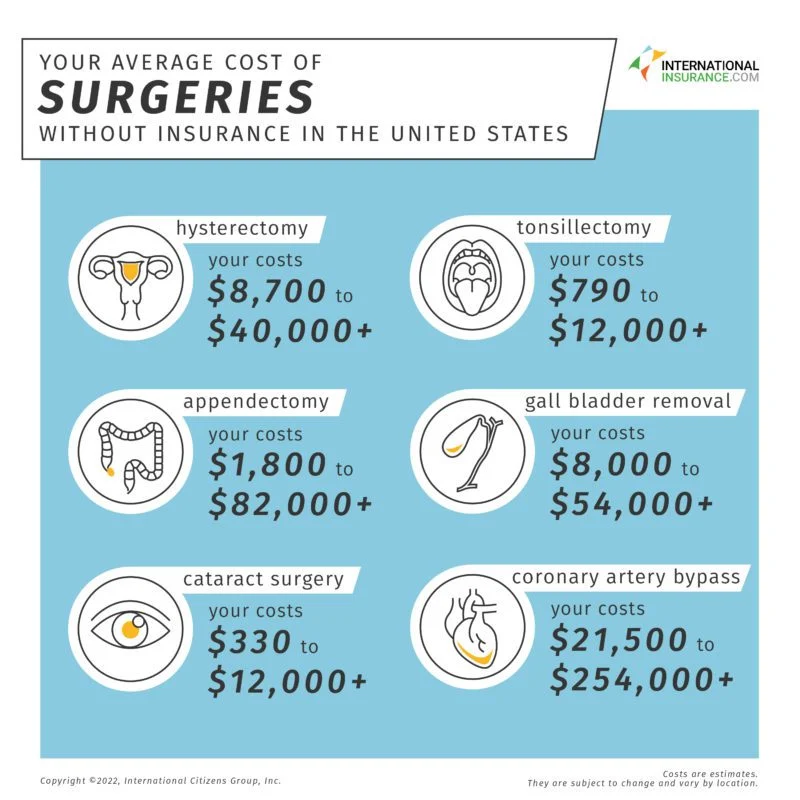
• The survey found that 59% indicated lowering costs was a very high, or high, priority – up from 52% prior to the pandemic. • Over half of the employers surveyed indicated that surgical costs were a significant issue, with surgery accounting for 34% of their total healthcare spend. About 75% noted that by controlling surgery costs, they can largely reduce their total spend.
***
* Even though 69% of employers have a COE (Center of Excellence), the majority of them have been implemented within the past two years, and not with an eye to specifically reducing surgical costs. * Only 9% of respondents rely on carrier-sponsored COEs, which suggests that they are seeking out third-party vendors for this benefit, as either the sole COE provider or as a partner with the employer’s health plan carrier.
Posted on June 9, 2022 by Dr. David Edward Marcinko MBA MEd CMP™
***
BY HEALTH CAPITAL CONSULTANTS, LLC.
DEFINITION: Vertical integration is an arrangement in which the supply chain of a company is integrated and owned by that company. Usually each member of the supply chain produces a different product or service, and the products combine to satisfy a common need.
A study released in the December 2021 issue of Health Affairs examined the correlation between hospital/health system ownership of physician practices and physician compensation. While a number of studies have analyzed the “rapidly growing trend” of vertical integration from the hospital/health system perspective, this is the first study to evaluate vertical integration from the physician practice perspective.
This Health Capital Topics article will discuss the study’s findings and potential implications. (Read more…)
Posted on May 27, 2022 by Dr. David Edward Marcinko MBA MEd CMP™
By MCOL
***
***
4 Key Take-Aways
• 87% of nurses said that medical courier deliveries—or lack thereof—impacted their work weekly. • 32% of nurses have created a “secret stash” of supplies. • 27% have personally transported an item to another facility in the past year to overcome courier issues. • 19% said that errors or delays impacted their ability to provide patient care five or more times per month.
Posted on May 26, 2022 by Dr. David Edward Marcinko MBA MEd CMP™
–OR–
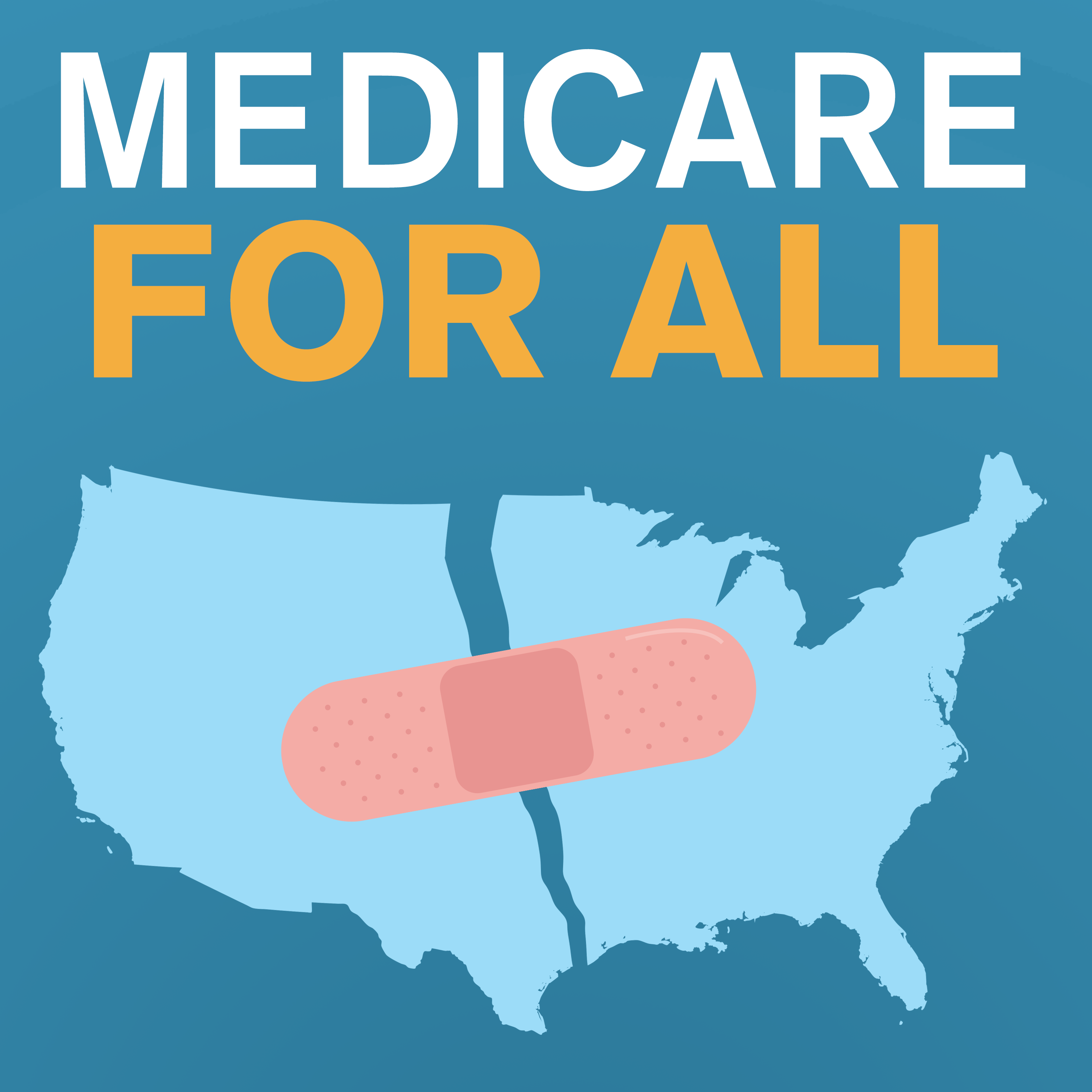
Worse Care for All?
THE CBO OPINES
***
***
Senate Budget Committee Chairman Bernie Sanders (I-Vt.) has announced that as early as next week, his committee will hold a hearing “on the need to pass a Medicare for All single-payer program.”
Sanders gets an “A” for passion, but an “F” in compassion.
But, the non-partisan Congressional Budget Office has cautioned that Sanders’ Medicare for All bill would create “a shortage of providers, longer wait times, and changes in the quality of care.”
Posted on May 23, 2022 by Dr. David Edward Marcinko MBA MEd CMP™
By Staff Reporters
***
***
Social determinants of oral health and tooth loss
A study led by investigators at the Harvard School of Dental Medicine suggested that “machine-learning algorithm models incorporating socioeconomic characteristics were better at predicting tooth loss than those relying on routine clinical dental indicators alone.”
adults living in urban areas visited the dentist more than those in rural areas
women were more likely than men to visit the dentist in both rural and urban areas
the number of adult dental visits increased as family income increased
non-Hispanic white adults were more likely than Hispanic and non-Hispanic black adults to have a dental visit in urban areas.
Therefore, it is important to consider how disparities in access to and use of dental care impact not only tooth loss but also oral and overall health.
Posted on May 15, 2022 by Dr. David Edward Marcinko MBA MEd CMP™
By Staff Reporters and MCOL
***
***
Outcomes of In-Person and Tele-Health Encounters During COVID-19
• Ambulatory encounters decreased by 1.0% and the number of in-person encounters per enrollee decreased by 17.0% from 2019 to 2020. • For members with an initial telehealth encounter for a new acute condition, the adjusted odds ratio was 1.44 for all follow-ups combined and 1.11 for an emergency department encounter. • For members with an initial telehealth encounter for a new chronic condition, the adjusted odds ratios were 0.94 for all follow-ups combined and 0.94 for in-patient admissions.
Posted on May 13, 2022 by Dr. David Edward Marcinko MBA MEd CMP™
By Staff Reporters
It’s Friday the 13th
***
***
The IRS destroyed data for an estimated 30 million filers in March 2021, according to the Treasury Inspector General for Tax Administration. The decision, prompted by a backlog of paper filings, has sparked anger in the tax community. “It just further damages the IRS’ reputation in the business community and in the public,” said Larry Harris, director of tax services at Parsec Financial.
More than $200 billion has been wiped off the cryptocurrency market today alone, as investors are sent into a panic. Ethereum, the world’s second largest digital currency plummeted by 20% in the space of 24 hours. Bitcoin, the original cryptocurrency started in 2009, dropped by 9%, but overall it is down 50% since its all time high in November. Chaos on the market has seen other currencies such as Shiba Inu and Dogecoin losing 30% and 25%, respectively. Meanwhile Terra Luna, which was among the top 10 most valuable cryptocurrencies had 98% of its value wiped out overnight, falling to below one dollar per coin.
Immediately after becoming the interim CEO of Starbucks (NASDAQ: SBUX), Howard Schultz suspended the company’s share-repurchase program. “This decision will allow us to invest more into our people and our stores — the only way to create long-term value for all stakeholders,” he said in a press release.
Snowflake, Meta, Microsoft and Uber — are all down from 20% to as much as 60% year to date. The technology stock sector, especially unprofitable firms and richly valued software names, have been hit the hardest as of late. The NASDAQ Composite slid more than 13% in April, dropping almost 30% from its all-time high.
President Biden, anticipating the milestone of one million American lives lost to Covid-19, said in a formal statement on Thursday that the United States must stay committed to fighting a virus that has “forever changed” the country.
Finally, Microsoft founder Bill Gatessaid on Tuesday that he tested positive for COVID-19 and is experiencing mild symptoms. In a series of tweets, the billionaire shared that he was “lucky to be vaccinated” and will be isolating until he’s healthy again.
Posted on May 13, 2022 by Dr. David Edward Marcinko MBA MEd CMP™
***
By Jules Lipoff, MD: Senior fellow at the Leonard Davis Institute of Health Economics and an assistant professor of clinical dermatology at Perelman School of Medicine, both of the University of Pennsylvania. Erica Mark, medical student at the University of Virginia, contributed to this article.The opinions expressed in this article do not necessarily represent those of the University of Pennsylvania Health System or the Perelman School of Medicine.
***
If you follow the news or your social media feed, you know that crowdsourcing medical expenses is increasingly popular for financing health care costs. In fact, you might have contributed to one; 22 percent of American adults report donating to GoFundMe medical campaigns.
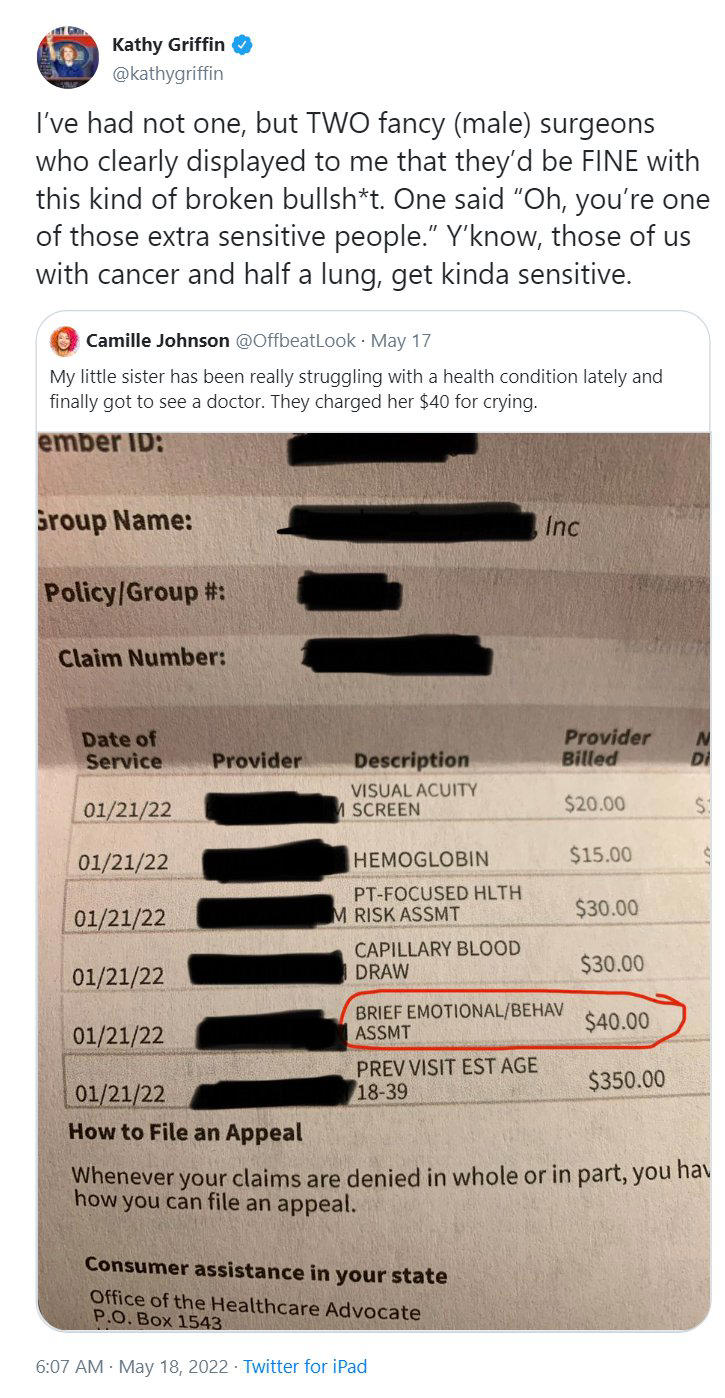
As of 2021, approximately $650 million, or about one-third of all funds raised by GoFundMe, went to medical campaigns. That staggering amount of money highlights how dysfunctional our health care system is, forcing people to resort to crowdsourcing to afford their medical care — but it’s not surprising. In the United States, 62 percent of bankruptcies are related to medical costs. This should be a wake-up call to address and reform the system further.
Posted on May 12, 2022 by Dr. David Edward Marcinko MBA MEd CMP™
By Staff Reporters and MCOL
***
***
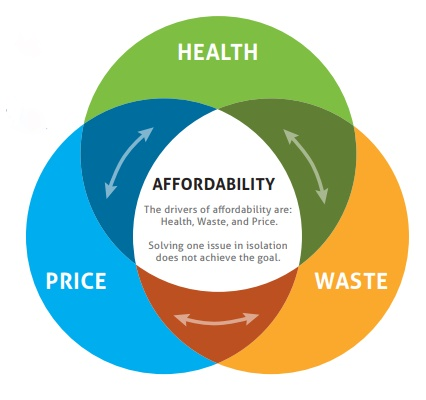
WTW: Employee Healthcare Affordability Survey
• By the end of 2023, most employers (95%) are expected to offer virtual care for medical and behavioral health issues, and 61% expect to offer lower cost sharing for virtual care. • Over half (55%) think the expansion of virtual care will help decrease costs in the long run, and 50% think it will improve outcomes. • Employer confidence in sponsoring healthcare benefits over the next 10 years is at its highest point in over 10 years (84% in 2022 versus 38% in 2011). • One in 10 employers (9%) currently offer genetic testing as a screening for early-stage cancer with another 5% planning to do so by 2023.
A recent study examined the growth in hospital prices paid by commercial health insurance companies compared to Medicare over a seven-year period and found that commercial health plan rates were, on average, 180% higher than Medicare rates as of 2019.
While the national ratio between commercial and Medicare hospital payment growth rates remained relatively stable during the seven-year study period, ratios varied widely on a regional basis. This Health Capital Topics article will discuss this recent study and its implications. (Read more…)
Posted on May 3, 2022 by Dr. David Edward Marcinko MBA MEd CMP™
By Staff Reporters
***
17% of Healthcare Execs Said AI Would Affect Financial Outcomes
• 60% of respondents expect AI to impact clinical outcomes. • 17% said AI would affect financial outcomes. • 13% said AI would impact their operation outcomes. • 9% said AI would impact administrative outcomes. • 61% of executives hope to bring about a complete digital transformation in their organizations within three to five years.
During this period, the standard deviation of quarterly real gross domestic product (GDP) declined by half and the standard deviation of inflation declined by two-thirds, according to figures reported by former U.S. Federal Reserve Chair Ben Bernanke. The Great Moderation can be summed up as a multi-decade period of low inflation and positive economic growth.
But, what about health economics, writ large? And, the actual practice of medicine by physicians in the trenches. Consider this historical review.
GOLDEN AGE OF MEDICINE
The ‘golden age of medicine’ – the first half of the 20th century, reaching its zenith with Jonas Salk’s 1955 polio vaccine – was a time of profound advances in surgical techniques, immunization, drug discovery, and the control of infectious disease; however, when the burden of disease shifted to lifestyle-driven, chronic, non-communicable diseases, the golden era slipped away. Although modifiable lifestyle practices now account for some 80% of premature mortality, medicine remains loathe to embrace lifestyle interventions as medicine Here, we argue that a 21st century golden age of medicine can be realized; the path to this era requires a transformation of medical school recruitment and training in ways that prioritize a broad view of lifestyle medicine. Moving beyond the basic principles of modifiable lifestyle practices as therapeutic interventions, each person/community should be viewed as a biological manifestation of accumulated experiences (and choices) made within the dynamic social, political, economic and cultural ecosystems that comprise their total life history. This requires an understanding that powerful forces operate within these ecosystems; marketing and neoliberal forces push an exclusive ‘personal responsibility’ view of health – blaming the individual, and deflecting from the large-scale influences that maintain health inequalities and threaten planetary health. The latter term denotes the interconnections between the sustainable vitality of person and place at all scales. We emphasize that barriers to planetary health and the clinical application of lifestyle medicine – including authoritarianism and social dominance orientation – are maintaining an unhealthy status quo.
To listen to all those desperate to reform health care, you get the impression that physicians are pretty horrible people. We are all sexist, greedy, money grubbing tyrants who will perform unnecessary tests and procedures just to make money. We don’t care about quality or cost. We are killing off 250,000 patients every year with our ignored “errors.”
We purposely keep our patients in pain, or we addict them to narcotics just to shut them up. We are constantly told by lawyers that lawsuits are necessary to protect patients from doctors. We provide unsafe drugs just because the drug reps give us free pens and coffee cups. The government must step in to clean up the mess.
The U.S. government is the largest payor of medical costs, through Medicare and Medicaid, and has a strong influence on reimbursement for home healthcare services. In 2020, Medicare and Medicaid accounted for an estimated $829.5 billion and $671.2 billion in healthcare spending, respectively. The outsized prevalence of these public payors in the healthcare marketplace often results in their acting as a price setter, and being used as a benchmark for private reimbursement rates. This effect may be even stronger in the home health industry.
The third installment of this home health valuation series will discuss the reimbursement environment in which these organizations operate. (Read more…)
• 56% of the U.S. adult population report no recent occurrences of being unable to afford care or prescribed medicine. • 36% of the U.S. adult population report recent occurrences of being unable to pay for care or medicine or lack easy access. • 8% of the U.S. adult population report recent occurrences of being unable to pay for household care, being unable to pay for prescribed medicine and feeling that they would not have access to affordable quality care if needed today.
Posted on April 29, 2022 by Dr. David Edward Marcinko MBA MEd CMP™
By Staff Reporters
***
Medicare Advantage Organizations (MAOs) delayed or denied payments and services to patients, even when these requests met Medicare coverage rules, according to a report released by federal investigators on Thursday.
Posted on April 28, 2022 by Dr. David Edward Marcinko MBA MEd CMP™
***
By Eric Bricker MD
***
According to One Survey, only 4% of People Understand the Basic Insurance Terms of Deductible, Co-Insurance, Copay and Out-of-Pocket Maximum.
In Another Survey by United Healthcare Itself, Only 9% Understood the Terms Premium, Deductible, Co-Insurance and Out-of-Pocket Max.
This Lack of Understanding is Not the Fault of the Employee Benefits Professionals or the Employees… Rather, the Health Insurance Plan Designs Are Just Too Complicated.
Posted on April 20, 2022 by Dr. David Edward Marcinko MBA MEd CMP™
***
***
Q: What is the plan for a future with COVID? A: A new 136-page report written by dozens of experts provides a comprehensive roadmap to the next normal both to address the pandemic and protect against future biosecurity threats. The group identified 12 key areas of focus, including long COVID, equity, and vaccines. The report also addressed concerns about how the end of the pandemic will disrupt the U.S. health care system when policies introduced during the public health emergency come to an end.
Posted on April 19, 2022 by Dr. David Edward Marcinko MBA MEd CMP™
***
***
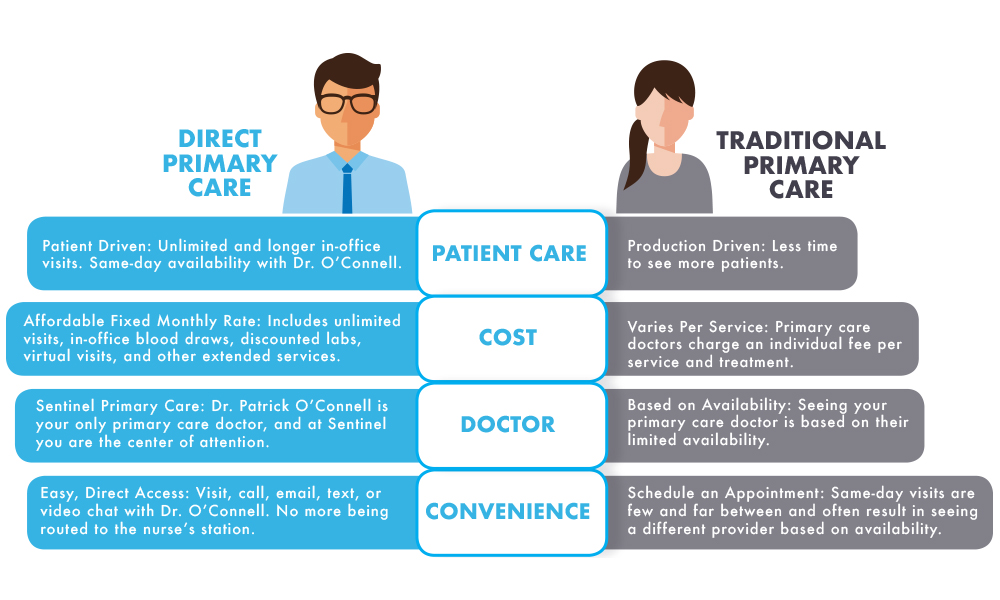
DEFINITION: Direct Medical Specialty Care (DMSC) is an innovative alternative payment model improving access to high functioning healthcare with a simple, flat, affordable membership fee. No fee-for-service payments. No third party billing. The defining element of DPC is an enduring and trusting relationship between a patient and his or her primary care provider. Patients have extraordinary access to a physician of their choice, often for as little as $70 per month, and physicians are accountable first and foremost their patients. DPC is embraced by health policymakers on the left and right and creates happy patients and happy doctors all over the country!
Doug Geinzer, Founder and President of High Performance Providers, specializes in high-cost, steerable surgeries. During the episode, Geinzer and host Chris Habig discuss the direct alignment between the specialty care community and the direct primary care community, as well as Geinzer’s job as a consultant to surgeons.
Posted on April 18, 2022 by Dr. David Edward Marcinko MBA MEd CMP™
Follow The Money!
***
***
By Jonathan Burroughs MD MBA
For those seeking to better understand the US healthcare system, national healthcare consultant Dr. Jonathan Burroughs suggests playing a game of “follow the money.” He asserts that whenever healthcare appears illogical, following the money will make it all rational and clear. The U.S. spends 2x as much money as the rest of the industrialized world, yet its citizens do not live as long as they do in 36 other nations. Dr. Burroughs gives an overview on how to fix the system.
Dr. Burroughs has worked with over 1,100 hospitals across the country to help healthcare leaders navigate the 21st century. He is a popular national speaker, who speaks to the impact of healthcare reform on hospitals, physicians and patients. Jonathan is a healthcare legal expert, who has participated in over 65 cases across the country. He is the winner of the James A Hamilton Award in 2016 awarded by the American College of Healthcare Executives titled “Redesign the Medical Staff Model”. This talk was given at a TEDx event using the TED conference format but independently organized by a local community. Learn more at https://www.ted.com/tedx
Posted on April 17, 2022 by Dr. David Edward Marcinko MBA MEd CMP™
By staff Reporters
***
39% of Providers Conduct Covid-19 Screens Via Telehealth
In a recent survey providers were asked what types of patient care they deliver via telehealth. The survey found:
• Conduct primary care visits (75%) • Conduct chronic care visits (72%) • Order prescription refills (64%) • Conduct COVID-19 screenings (39%) • Conduct urgent care visits (38%) • Address mental health concerns (36%) • Conduct follow-up after a procedure or surgery care (28%)
Posted on April 14, 2022 by Dr. David Edward Marcinko MBA MEd CMP™
By Staff Reporters
***
***
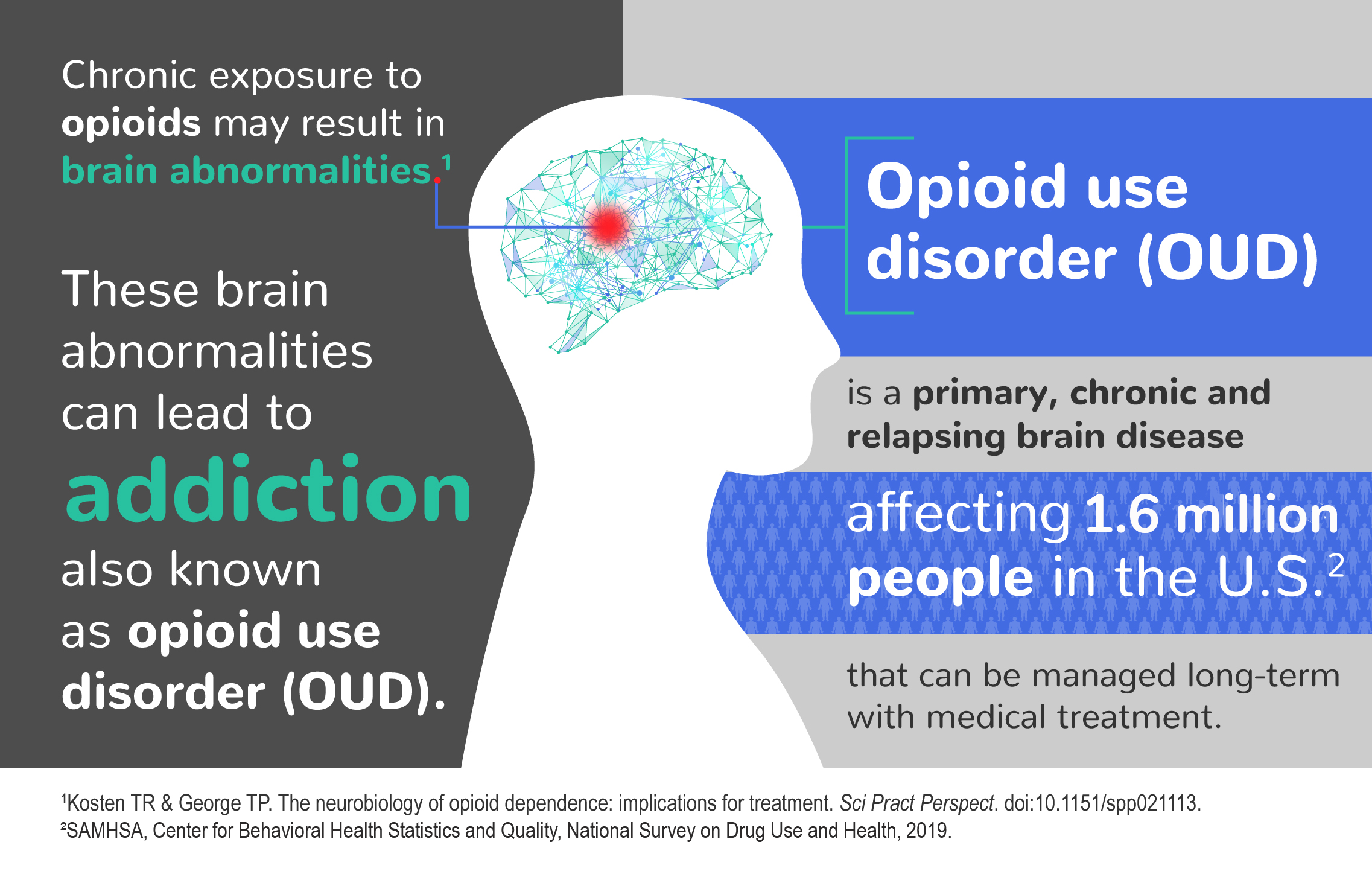
DEFINITION: Physical and psychological reliance on opioids, a substance found in certain prescription pain medications and illegal drugs like heroin.
Opioids are prescribed to treat pain. With prolonged use, pain-relieving effects may lessen and pain can become worse. In addition, the body can develop dependence. Opioid dependence causes withdrawal symptoms, which makes it difficult to stop taking them. Addiction occurs when dependence interferes with daily life. Taking more than the prescribed amount or using illegal opioids like heroin may result in death.
Symptoms of addiction include uncontrollable cravings and inability to control opioid use even though it’s having negative effects on personal relationships or finances.
Treatment varies but may include discontinuing the drug. Medications such as methadone can help alleviate the symptoms of withdrawal and cravings. Pairing medication with inpatient or support programs generally has the most success.
A recent survey of nearly 1,000 patients with opioid use disorder (OUD) about recovery, telehealth, and stigma found in regards to recovery:
• 95% Describe their overall outlook on recovery as positive; just 1% describe as negative. • 76% Report having a strong support system to help navigate treatment. • 43% Returned to treatment immediately after relapse, 34% took over 3 months to start over. • 30% Blame individuals for the opioid crisis (over drug companies, doctors, and the government.)
Posted on April 13, 2022 by Dr. David Edward Marcinko MBA MEd CMP™
By Ahmed Aboulenein
***
***
WASHINGTON (Reuters) – The United States on Wednesday renewed the COVID-19 public health emergency, allowing millions of Americans to keep getting free tests, vaccines and treatments for at least three more months.
The public health emergency was initially declared in January 2020, when the coronavirus pandemic began. It has been renewed each quarter since and was due to expire on April 16.
The Department of Health and Human Services (HHS) in a statement said it was extending the public health emergency and that it will give states 60 days notice prior to termination or expiration.
This could be the last time HHS Secretary Xavier Becerra extends it, policy experts have said.
Posted on April 12, 2022 by Dr. David Edward Marcinko MBA MEd CMP™
By Staff Reporters
***
***
Today’s consumer price index [CPI] reading is expected to show that March prices surged 8.4% over last year.
Treasury yields rose and stocks dropped in anticipation of higher interest rates and a cooling economy. The tech-heavy NASDAQ lost more than $1 trillion in market value in just the past five trading sessions.
US average gas prices sank to their lowest level in more than a month, at $4.11 a gallon. The easing is likely a reaction to the White House’s big release of crude reserves and lock-downs in China reducing overall demand for fuel.
US digital health company investment financing experienced a dip in Q1 of 2022, dropping to $6 billion from the $6.7 billion invested in Q1 2021. In addition, the average size of each investment deal dropped from $46 million last year to just shy of $33 million.
Posted on April 12, 2022 by Dr. David Edward Marcinko MBA MEd CMP™
Additional Disability Insurance for Practice Owners and Physician Executives
By Perry D’Alessio CPA
Some medical clinics, hospitals, health care employers and other business entities may offer disability insurance to their employees on a group basis as part of an employee benefit program. This is a good thing.
The expense for this coverage is typically deducted as an ordinary and necessary expense by the employer entity.
Additional DI
However, many entities also purchase additional disability insurance for the owners and executives; etc. This additional disability insurance expense should not be deducted on the entity’s tax return for two reasons.
First, it would probably be considered a discriminatory benefit to the owners and, therefore, not be allowed as a deduction anyway.
Second, and more importantly, when a person becomes disabled and qualifies for disability benefits whose premiums have been deducted as a business expense by the entity, the disability insurance proceeds are considered taxable income to the person receiving them.
A Catastrophe
This can be personally catastrophic since disability insurance covers only a portion (approximately 60 percent) of regular earnings. The coverage was designed to be paid on an after tax basis. The benefits would be tax free to the beneficiary and would be close to the disabled person’s net take home pay before being disabled.
***
***
Assessment
Here is one of those instances where the traditional tax planning thought process is overridden by a long term (potential) tax cost / benefit decision.
Channel Surfing the ME-P
Have you visited our other topic channels? Established to facilitate idea exchange and link our community together, the value of these topics is dependent upon your input. Please take a minute to visit. And, to prevent that annoying spam, we ask that you register. It is fast, free and secure.
Your thoughts and comments on this ME-P are appreciated. Feel free to review our top-left column, and top-right sidebar materials, links, URLs and related websites, too. Then, subscribe to the ME-P. It is fast, free and secure.
Speaker: If you need a moderator or speaker for an upcoming event, Dr. David E. Marcinko; MBA – Publisher-in-Chief of the Medical Executive-Post – is available for seminar or speaking engagements. Contact: MarcinkoAdvisors@msn.com
OUR OTHER PRINT BOOKS AND RELATED INFORMATION SOURCES:
Posted on April 10, 2022 by Dr. David Edward Marcinko MBA MEd CMP™
SPUR INNOVATION
The Dallas Morning News Reported that Healthcare Costs Per Capita in the Dallas-Fort Worth Metro Area are Higher than New York City, Houston, Miami, Chicago, Atlanta and Washington, D.C.
Posted on April 9, 2022 by Dr. David Edward Marcinko MBA MEd CMP™
MANAGEMENT STRATEGIES, TOOLS TEMPLATES AND CASE STUDIES
***
Reviews:
Hospitals and Health Care Organizationsis a must-read for any physician and other health care provider to understand the multiple, and increasingly complex, interlocking components of the U.S. health care delivery system, whether they are employed by a hospital system, or manage their own private practices.
The operational principles, methods, and examples in this book provide a framework applicable on both the large organizational and smaller private practice levels and will result in better patient care. Physicians today know they need to better understand business principles and this book by Dr. David E. Marcinko and Professor Hope Rachel Hetico provides an excellent framework and foundation to learn important principles all doctors need to know. ―Richard Berning, MD, Pediatric Cardiology
… Dr. David Edward Marcinko and Professor Hope Rachel Hetico bring their vast health care experience along with additional national experts to provide a health care model-based framework to allow health care professionals to utilize the checklists and templates to evaluate their own systems, recognize where the weak links in the system are, and, by applying the well-illustrated principles, improve the efficiency of the system without sacrificing quality patient care. … The health care delivery system is not an assembly line, but with persistence and time following the guidelines offered in this book, quality patient care can be delivered efficiently and affordably while maintaining the financial viability of institutions and practices. ―James Winston Phillips, MD, MBA, JD, LLM
Posted on April 8, 2022 by Dr. David Edward Marcinko MBA MEd CMP™
By Dr. David Edward Marcinko MBA
***
***
National Public Health Week is observed during the first week of April every year. That’s seven days to champion the health of all Americans. It’s a week to recognize that everyone should lead healthier lives, irrespective of where they live, work, or come from. Since its founding in 1955, the initiative has become an important movement to highlight issues that can improve the health and happiness of a nation. You could choose to crush a workout or any workout challenge today. It’s a great week to start eating healthy and stick to it. Whatever you do, remember to involve your friends, family, and the larger community. It’s also a week when we campaign for health policies that are fair, inclusive, and accessible to all communities in the United States.
The first National Public Health Week took place in April 1955 and was organized by the American Public Health Association (A.P.H.A.). Since then, the initiative has received tremendous support from civil societies and administrations across the United States. The day recognizes the long history and achievements in public health. It also serves to highlight critical issues to help people lead healthier and happier lives.
In attempting to reach these goals, National Public Health Week seeks to address the root causes of poor health, disease, and lifestyles. It starts with recognizing that healthcare is still a privilege many cannot afford. Where people are born, their neighborhoods, places of work, different lives, and backgrounds determine the quality of healthcare access.
For example, a child who goes to school hungry will not be an engaged student. People working for minimum wages sacrifice health for the sake of an income. It’s thousands of families who have no access to nutritious food in their communities. Or those without the means to travel to access quality healthcare, often located far away.
National Public Health Week is committed to making health inclusive and equitable. It hopes to foster decision-making that considers the health of all communities — irrespective of income, race, or gender. Each year, the first full week in April celebrates the power of the community in realizing this vision. The A.P.H.A. usually announces different themes for each day of the week. From fitness challenges and discussions to sharing healthy recipes — it’s seven days of committing to health as a country.
So, no matter where you are, APHA invites you to join us as we celebrate National Public Health Week! This year’s theme, Public Health Is Where You Are, celebrates what we know is true: The places where we are, physically, mentally and societally, affect our health and our lives.
Celebrate and promote health in your community by hosting your own NPHW event!
***
… Here are a few ideas:
Host virtual health panels and discussions. …
Team up to reach new audiences and build community. …
Posted on April 2, 2022 by Dr. David Edward Marcinko MBA MEd CMP™
By Staff Reporters
***
***
Primary Care Providers
A survey was recently conducted by Centivo of 805 US adults ages 18-64 with employer-sponsored private health insurance. The survey found that respondents were willing to accept the following conditions in exchange for significant cost savings:
• 50% would accept referrals for specialists as a requirement. • 47% would select a primary care physician (PCP) from a defined list. • 30% would give up their current PCP. • 28% would stop seeing a current specialist.







 Support our online development, and advance our onground research initiatives in free market economics, as we seek to showcase the brightest Next-Gen minds.
THE ME-P DISCLAIMER: Posts, comments and opinions do not necessarily represent iMBA, Inc., but become our property after submission. Copyright © 2006 to-date. iMBA, Inc allows colleges, universities, medical and financial professionals and related clinics, hospitals and non-profit healthcare organizations to distribute our proprietary essays, photos, videos, audios and other documents; etc. However, please review copyright and usage information for each individual asset before submission to us, and/or placement on your publication or web site. Attestation references, citations and/or back-links are required. All other assets are property of the individual copyright holder.
Support our online development, and advance our onground research initiatives in free market economics, as we seek to showcase the brightest Next-Gen minds.
THE ME-P DISCLAIMER: Posts, comments and opinions do not necessarily represent iMBA, Inc., but become our property after submission. Copyright © 2006 to-date. iMBA, Inc allows colleges, universities, medical and financial professionals and related clinics, hospitals and non-profit healthcare organizations to distribute our proprietary essays, photos, videos, audios and other documents; etc. However, please review copyright and usage information for each individual asset before submission to us, and/or placement on your publication or web site. Attestation references, citations and/or back-links are required. All other assets are property of the individual copyright holder.





























































 The Leading Business Education Network for Doctors, Financial Advisors and Health Industry Consultants