What up ‘Medical Virtualist’?

Is the ‘medical virtualist’ specialty coming to a health system near you?

[By Staff Reporters]

The Journal of the American Medical Association not long ago published an online editorial by two physicians at NewYork-Presbyterian that called for the creation of a new medical specialty focused on virtual care.

Others expanded on this idea in a blog post last month on the Health Affairs website, calling for a “virtualist movement” that involves not just physician specialists but whole care teams devoted to virtual care. This virtual team would include nurses, pharmacists, medical social workers, psychologists, nutritionists and physical therapists.

MORE DIGITAL HEALTH: http://mhealth.amegroups.com/article/view/16494/16602

***

http://www.HealthDictionarySeries.org

***

On “Information Fiduciaries”

And … the First Amendment

We have opined and curated much information on the financial fiduciary conundrum on this ME-P. Just SEARCH for related information.

So, with the current Facebook imbroglio, perhaps it is time to introduce the issue of “information fiduciary”; especially in the digital world?  Fortunately, this was done for us by Professor Jack M. Balkin.

-Dr. David Edward Marcinko MBBS MBA 

Abstract

This article introduces the concept of an information fiduciary to explain how to protect digital privacy and prevent overreaching by online enterprises consistent with the First Amendment.

UC Davis Law Review, Vol. 49, No. 4, 2016, Forthcoming

Yale Law School, Public Law Research Paper No. 553

52 Pages Posted: 18 Oct 2015 Last revised: 19 Apr 2016

“Information Fiduciaries” Jack M. Balkin

Yale University – Law School

Date Written: February 3, 2016

Assessment

Conclusion

Your thoughts and comments on this ME-P are appreciated. Feel free to review our top-left column, and top-right sidebar materials, links, URLs and related websites, too. Then, subscribe to the ME-P. It is fast, free and secure. 

Speaker: If you need a moderator or speaker for an upcoming event, Dr. David E. Marcinko; MBA – Publisher-in-Chief of the Medical Executive-Post – is available for seminar or speaking engagements. https://medicalexecutivepost.com/dr-david-marcinkos-bookings/ 

Contact: MarcinkoAdvisors@msn.com

http://www.HealthDictionarySeries.org

***

Continued focus on improving EHRs (or is it CHRs?)

From EHR to CHR

By Dr. David Edward Marcinko MBA

http://www.CertifiedMedicalPlanner.org

I read this curated article and decided to send it right out to our ME-P readers for comment [EHR = CHR].

Nothing more needs to be said, on my part. Is this mere definitional obfuscation for flawed technology? http://www.HealthDictionarySeries.org

So, what do you think?

http://www.healthcareitnews.com/news/epic-ceo-judy-faulkner-standing-behind-switch-ehrs-chrs

Assessment

A rose by any other name still smells sweet. But, does not an onion stink?

Conclusion

Your thoughts and comments on this ME-P are appreciated. Feel free to review our top-left column, and top-right sidebar materials, links, URLs and related websites, too. Then, subscribe to the ME-P. It is fast, free and secure.

Speaker: If you need a moderator or speaker for an upcoming event, Dr. David E. Marcinko; MBA – Publisher-in-Chief of the Medical Executive-Post – is available for seminar or speaking engagements.

Book Marcinko: https://medicalexecutivepost.com/dr-david-marcinkos-bookings/
Subscribe: MEDICAL EXECUTIVE POST for curated news, essays, opinions and analysis from the public health, economics, finance, marketing, IT, business and policy management ecosystem.

***

A New Term: The “Investor Class”

On the Impending Tax Reform Legislation

By Anonymous Physician

In any discussion of the current tax reform bills, a new buzzword has popped up: “the investor class.” This seems especially true during the current bitcoin craze. Every time I’ve heard this term on a political talk show, it has been used derogatorily to frame the proposed tax changes as resulting in “the rich getting richer” and the “poor getting poorer.”

Definitions

In every instance, “the rich” and “the investor class” were used interchangeably. This is no more accurate than using the terms “millionaire” and “billionaire” as if they are the same, which they certainly are not. A million-dollar investment portfolio will safely produce $30,000 a year in income. A billion-dollar portfolio will produce $30,000,000. That’s a big, big difference.

Equating “the investor class” with “the rich” is just as absurd. To illustrate, here is some information from a 2008 poll of 24,000 voters by Zogby International. According to an article by CEO John Zogby, “Who Belongs To The Investor Class,” which appeared in Forbes on February 12, 2009, 38% of those surveyed identified themselves as being in the investor class.

Of this 38%, almost two-thirds had a household income under $100,000, 44% did not have college degrees, 15% were Hispanic or African American, and 15% held blue-collar jobs. This last number is especially interesting because blue-collar workers made up only 21% of the total of those surveyed.

However, the most surprising statistic from the survey was this: of the people who said they were not in the investor class (62% of those surveyed), more than half had money in a 401(k) retirement plan. This means they were investors.

***

https://www.amazon.com/Comprehensive-Financial-Planning-Strategies-Advisors/dp/1482240289/ref=sr_1_1?ie=UTF8&qid=1418580820&sr=8-1&keywords=david+marcinko

***

Obviously these folks saw the “investor class” as people other than themselves. My guess is that being an investor has a negative connotation with most Americans, perhaps related to the idea that “investor” equals “millionaire” equals “the rich.”

This is especially unfortunate, because if you don’t become an investor, your future isn’t all that rosy. Becoming an investor is mandatory if you want to provide for yourself in retirement. The alternatives—winning the lottery or eking out a meager existence on Social Security—are extremely unlikely or extremely unappealing.

Ironically, despite claims to the contrary, the proposed tax changes do not even favor the “investor class.” For decades Congress has taxed the profits from investments differently than ordinary income. This tax, the capital gains tax, is generally lower than the income tax rate charged on your earned income.

IRS

Neither the House or the Senate bill changes the way the IRS taxes capital gains. Instead, both versions would actually penalize investors. With lowering the ordinary income brackets, there will be cases where investors will actually pay a higher tax on their capital gains than on their ordinary income. I am guessing this may be an unintended consequence of the proposed act. However, it will be part of the new tax law unless the conference committee changes the capital gains tax brackets to match the new expanded brackets.

Regardless of the final version of the tax plan that becomes law, I suggest being skeptical about the term “investor class.” It is not the same as “wealthy.” Anyone using it probably has an agenda rooted in resentment of the rich.

Assessment

The real investor class is broad and easy to join. You belong to it already if you put even a small amount each month into an IRA or a 401(k) plan at work. OR, if you contribute to a 529 college savings plan for your kids. OR, if you have any money invested in mutual funds through an online brokerage. If you are wise enough to invest for the future, you are a part of the investor class.

Conclusion

Your thoughts and comments on this ME-P are appreciated. Feel free to review our top-left column, and top-right sidebar materials, links, URLs and related websites, too. Then, subscribe to the ME-P. It is fast, free and secure.

Speaker: If you need a moderator or speaker for an upcoming event, Dr. David E. Marcinko; MBA – Publisher-in-Chief of the Medical Executive-Post – is available for seminar or speaking engagements.

Subscribe: MEDICAL EXECUTIVE POST for curated news, essays, opinions and analysis from the public health, economics, finance, marketing, IT, business and policy management ecosystem.

***

The State of Health Information Technology

Join Our Mailing List

In Six Visuals

By Venture Scanner

The-State-of-Health-Technology

[Double-Click to Enlarge]

Conclusion

Your thoughts and comments on this ME-P are appreciated. Feel free to review our top-left column, and top-right sidebar materials, links, URLs and related websites, too. Then, subscribe to the ME-P. It is fast, free and secure.

Speaker: If you need a moderator or speaker for an upcoming event, Dr. David E. Marcinko; MBA – Publisher-in-Chief of the Medical Executive-Post – is available for seminar or speaking engagements. Contact: MarcinkoAdvisors@msn.com

OUR OTHER PRINT BOOKS AND RELATED INFORMATION SOURCES:

Product DetailsProduct DetailsProduct Details

http://www.HealthDictionarySeries.org

***

What is Population Health?

Join Our Mailing List

DEM white shirtBy David Edward Marcinko MBBS DPM MBA MEd

http://www.DavidEdwardMarcinko.com

What is population health?

In its most fundamental sense, population health seeks to improve or manage the health of a specific population. It is a systematic, holistic approach that aims to prevent disease by keeping people healthy and improving the quality of care.

HDS

http://www.HealthDictionarySeries.org

In fact, according to my colleague David B. Nash MD MBA, Founding Dean and Endowed Chair at the Jefferson College of Population Health, population health programs and interventions work to:

  • Connect prevention, wellness and behavioral health with traditional health care delivery
  • Focus on improving the quality and safety of care, improving access to healthcare services and helping to prevent/manage chronic diseases in the service of a specific population
  • Advance policies and solutions to address socio-economic and cultural factors (social determinants of health) that have an impact on health outcomes
  • Leverage technology and information systems to design social and community interventions and new models of health care delivery that facilitate care coordination and access

WHITE-PAPER: Population and Public Health

Conclusion

Your thoughts and comments on this ME-P are appreciated. Feel free to review our top-left column, and top-right sidebar materials, links, URLs and related websites, too. Then, subscribe to the ME-P. It is fast, free and secure.

Speaker: If you need a moderator or speaker for an upcoming event, Dr. David E. Marcinko; MBA – Publisher-in-Chief of the Medical Executive-Post – is available for seminar or speaking engagements. Contact: MarcinkoAdvisors@msn.com

OUR OTHER PRINT BOOKS AND RELATED INFORMATION SOURCES:

Product DetailsProduct DetailsProduct Details

***

Connect to the ME-P Searchable Virtual Library

Join Our Mailing List

Our Searchable, and Ranking, Knowledge Portal

By Ann Miller RN MHA

[Executive Director]

We’ve collected all of our best research, solution information, and social buzz to create the Medical Executive-Post Portal and new virtual, and real, library.

From the new ME-P Portal, you can search, sort, and filter through our information archives to quickly find what you’re looking for—or feel free to browse and explore a variety of topics when you have a few minutes to spare.

From subject-specific original, or curated, blog posts and researched-based white papers, to solution overviews, e-Briefs, infographics, dictionaries, CD-ROMs, handbooks, major textbooks and more; you’ll find the answers to your healthcare economics, administration, financial planning and medical practice management and business questions here.

And explore a library of answers to your complex healthcare business decisions

blog

Learn more – to earn more

Even better, our web-based platform serves up the content you want most in your preferred format. Choose a user-friendly text-file, web-based flip book, e-file, or download, save, and print a PDF – or order a soft back or hard cover book – it’s your choice.

Conclusion

Your thoughts and comments on this ME-P are appreciated. Feel free to review our top-left column, and top-right sidebar materials, links, URLs and related websites, too. Then, subscribe to the ME-P. It is fast, free and secure.

Speaker: If you need a moderator or speaker for an upcoming event, Dr. David E. Marcinko; MBA – Publisher-in-Chief of the Medical Executive-Post – is available for seminar or speaking engagements. Contact: MarcinkoAdvisors@msn.com

OUR OTHER PRINT BOOKS AND RELATED INFORMATION SOURCES:

Product DetailsProduct DetailsProduct Details

Product Details  Product Details

Product Details

Product DetailsProduct Details

Risk Management, Liability Insurance, and Asset Protection Strategies for Doctors and Advisors: Best Practices from Leading Consultants and Certified Medical Planners™Comprehensive Financial Planning Strategies for Doctors and Advisors: Best Practices from Leading Consultants and Certified Medical Planners™

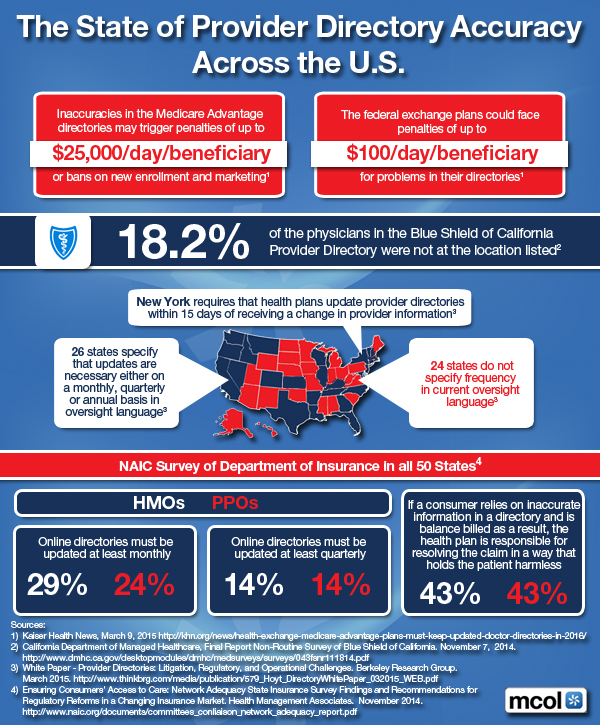
On the State of Medical Provider Directory Accuracy?

Join Our Mailing List

Across the USA

By http://www.MCOL.com

***

directory

***

Conclusion

Your thoughts and comments on this ME-P are appreciated. Feel free to review our top-left column, and top-right sidebar materials, links, URLs and related websites, too. Then, subscribe to the ME-P. It is fast, free and secure.

Speaker: If you need a moderator or speaker for an upcoming event, Dr. David E. Marcinko; MBA – Publisher-in-Chief of the Medical Executive-Post – is available for seminar or speaking engagements. Contact: MarcinkoAdvisors@msn.com

OUR OTHER PRINT BOOKS AND RELATED INFORMATION SOURCES:

      Product DetailsProduct DetailsProduct Details

Why You’re Probably Using the Wrong [Medical] Dictionary [er…ah…Tchotchkes?]

About the iMBA Inc, Health Glossary and Administration Dictionary Series … with Book Reviews

[By Staff Reporters]

HDS

***

The Health Dictionary Series of Administrative Terms and Definitions

According to James Somers, the way we use an ordinary [medical] dictionary is to look up words, acronyms or initialisms we’ve never heard of; or whose sense we’re unsure of, or need more clarification or spelling direction. Makes sense!

http://jsomers.net/blog/dictionary

But, you would never look up health administration industry specific words or terms in an ordinary medical dictionary — words like HL7, “meaningful-use”, “skinny networks”, managed care organization, hospital cloud computing, patient portal, stop-loss ratio, economic externality, PHO, MPT, SAR-BOX, Fama-French, US Patriot Act, the Treynor index, Asset Pricing Theory, PP-ACA, or ACOs — because all you’ll learn is nothing about what they mean.

Extreme Utility – Not just tchotchkes! 

You would need an industry specific dictionary of health administration terms and definitions, right? And, preferably designated as a Doody’s Core Title for credibility, and written by leading experts.

So; try these 3 dictionaries for 10,000 health 2.0 administration terms and definitions, EACH.

  1. Dictionary of Health Insurance and Managed Care
  2. Dictionary of Health Economics and Finance
  3. Dictionary of Health Information Technology and Security

Product DetailsProduct DetailsProduct Details

Dictionary Forewords

More:

Forget the Paper Weights

According to Wikipedia, a tchotchke (/ˈɒkə/ CHOCH-ka) is a small bauble or miscellaneous item. The word has long been used by Jewish-Americans and in the regional speech of New York City and elsewhere. Tchotchkes are often given at Chanukkah as part of a game.

The word may also refer to free promotional items dispensed at financial services trade shows, medical conventions, and similar large events. They can also be sold as cheap souvenirs which are sometimes called “tchotchke shops”.

***

paperweights

***

Not a Throw-Away

But, if you want to give your hospital, medical clinic or physician clients an advertising item that’s both useful and handy at the same time, try using these dictionaries. Make an IMPACT, and forget those paper-weights.

As a Financial Advisor [FA], or drug rep, you can represent your eagerness to be there for clients and prospects anytime they need your service by having the dictionaries engraved or placing your business card, inside. Plus, they serve as a great addition to a wonderfully decorated medical office or home library. It is an item they will refer to again and again; not just throw-away.

Give one … or all three … they are so reasonably priced.

Conclusion

Your thoughts and comments on this ME-P are appreciated. Feel free to review our top-left column, and top-right sidebar materials, links, URLs and related websites, too. Then, subscribe to the ME-P. It is fast, free and secure.

Speaker: If you need a moderator or speaker for an upcoming event, Dr. David E. Marcinko; MBA – Publisher-in-Chief of the Medical Executive-Post – is available for seminar or speaking engagements. Contact: MarcinkoAdvisors@msn.com

OUR OTHER PRINT BOOKS AND RELATED INFORMATION SOURCES:

Comprehensive Financial Planning Strategies for Doctors and Advisors: Best Practices from Leading Consultants and Certified Medical Planners(TM)

Today is [Health] “Dictionary Day” 2014

Join Our Mailing List

Promoting the … Health Dictionary Series™

By Dr. David Edward Marcinko FACFAS MBA CMP™

[Editor-in-Chief]

DEM blue

A day for lexicographers everywhere, Dictionary Day was founded to celebrate the achievements and contributions of Noah Webster – the father of the modern dictionary.

The objective of this day is to emphasize the importance of dictionary skills, and seeks to improve vocabulary.

History

Webster began to write his dictionary at the age of 43. It took him 27 years to finish it! In addition to traditional English vocabulary, it contained uniquely American words.

Our Health Dictionary Series™

The HDS Consists of three handbooks:

  1. Dictionary of Health Insurance and Managed Care
  2. Dictionary of Health Information Technology and Security
  3. Dictionary of Health Economics and Finance

Each has 10,000 terms, definitions and initialisms!

Dictionary Foreword Links:

Assessment

Why not take the opportunity to learn some new health administration terms, words and definitons? Designated as Doody’s Core Titles.

“Health care economist Dr. David Edward Marcinko, MBA, and his colleagues at the Institute of Medical Business Advisors, Inc., should be complimented for conceiving and completing this laudable project. The Dictionary of Health Insurance and Managed Care lifts the fog of confusion surrounding the most contentious topic in the health care industrial complex today. My suggestion, therefore, is to “read it, refer to it, recommend it, and reap.”

-Dictionary of Health Insurance and Managed Care

Michael J. Stahl, PhD
[Director, Physician Executive MBA Program]
William B. Stokely Distinguished Professor of Business
College of Business Administration
The University of Tennessee

Conclusion

Your thoughts and comments on this ME-P are appreciated. Feel free to review our top-left column, and top-right sidebar materials, links, URLs and related websites, too. Then, subscribe to the ME-P. It is fast, free and secure.

Speaker: If you need a moderator or speaker for an upcoming event, Dr. David E. Marcinko; MBA – Publisher-in-Chief of the Medical Executive-Post – is available for seminar or speaking engagements. Contact: MarcinkoAdvisors@msn.com

OUR OTHER PRINT BOOKS AND RELATED INFORMATION SOURCES:

 Product DetailsProduct DetailsProduct Details


ACOs Defined

Join Our Mailing List

What it is – How it works?

By NPC

ACO-Infographic

More:

CONCLUSION

Your thoughts and comments on this ME-P are appreciated. Feel free to review our top-left column, and top-right sidebar materials, links, URLs and related websites, too. Then, subscribe to the ME-P. It is fast, free and secure.

Speaker: If you need a moderator or speaker for an upcoming event, Dr. David E. Marcinko; MBA – Publisher-in-Chief of the Medical Executive-Post – is available for seminar or speaking engagements. Contact: MarcinkoAdvisors@msn.com

OUR OTHER PRINT BOOKS AND RELATED INFORMATION SOURCES:

Product DetailsProduct Details

Introducing Physician-Focused Consumerism [PFC]

Join Our Mailing List 

A New Process or Just a New Term?

[By Staff Reporters]

According to Javier Sanabria, Physician-Focused Consumerism is a set of initiatives designed to align physician decision making with high-quality healthcare outcomes provided in a cost-efficient manner.

 manage

Physician-focused consumerism can include the redesign of financial incentives, greater access to patient data, decision support tools, ongoing education about treatment alternatives, and an understanding of the financial impact of alternatives on patients. It can be the basis for collaborative efforts between employer health plan sponsors, provider systems, and physicians to help achieve high-quality care in a cost-effective manner.

Assessment

See more at: http://www.healthcaretownhall.com/?p=7450#sthash.AgjagVO7.dpuf

Conclusion

Your thoughts and comments on this ME-P are appreciated. Feel free to review our top-left column, and top-right sidebar materials, links, URLs and related websites, too. Then, subscribe to the ME-P. It is fast, free and secure.

Link: http://feeds.feedburner.com/HealthcareFinancialsthePostForcxos

Speaker: If you need a moderator or speaker for an upcoming event, Dr. David E. Marcinko; MBA – Publisher-in-Chief of the Medical Executive-Post – is available for seminar or speaking engagements. Contact: MarcinkoAdvisors@msn.com

OUR OTHER PRINT BOOKS AND RELATED INFORMATION SOURCES:

Product DetailsProduct DetailsProduct Details

Our ME-P Recommended Books Review

Join Our Mailing List

Purchase today and Profit in 2014

By Ann Miller RN MHA

[Executive-Director]

Product DetailsProduct DetailsProduct Details

Product Details  Product Details

Product DetailsProduct Details

Product Details

Conclusion

Your thoughts and comments on this ME-P are appreciated. Feel free to write a book review or check out our top-left column, and top-right sidebar materials, links, URLs and related websites, too. Then, subscribe to the ME-P. It is fast, free and secure.

Link: http://feeds.feedburner.com/HealthcareFinancialsthePostForcxos

Speaker: If you need a moderator or speaker for an upcoming event, Dr. David E. Marcinko; MBA – Publisher-in-Chief of the Medical Executive-Post – is available for seminar or speaking engagements. Contact: MarcinkoAdvisors@msn.com

###

Understanding Global Location Numbers Used in Healthcare Today

Join Our Mailing List 

Defining Global Location Numbers in Hospital Supply Chain Management

By Adam Higman and Brian Mullahey

By Kristin Spenik and Jerzy Kaczor

Product DetailsProduct DetailsProduct Details

Global Location Numbers (GLNs) are widely used throughout healthcare supply chain groups.

The Dictionary of Health Information Technology and Security defines a GLN as a unique, 13-digit number that links the name, industry, and address of a particular item that pinpoints the “legal, functional, or physical location within a business or organizational entity”, in particular hospitals and healthcare organizations.

  • Legal: Hospitals, healthcare organizations, distributors, suppliers, freight carriers, etc.
  • Functional: Specific departments within legal entities, i.e. purchasing departments, nursing stations, wards, etc. in hospitals
  • Physical: Hospital rooms, hospital wings, cabinets, shelving units, delivery points, loading docks, warehouses, etc.

AHRMM

According to the Association for Healthcare Resource & Materials Management, the premier organization for healthcare supply chain professionals, global locations numbers can recover your facility’s revenue stream, enhance the accuracy of documenting Group Purchasing Organization [GPO] sales, and end the use “of single purpose proprietary supplier numbers”.

The Objective

The ultimate objective is getting everyone involved in the supply chain process to use identical numbers.

For instance, if the GPO communicates to the manufacturer that your hospital utilizes a specific GLN, then it is more likely that the manufacturer will associate the hospital’s materials and supplies with the correct GPO contract price.

In addition, if distributors utilize GLNs along with manufacturers and producers to determine the manufacturer’s price that was given, the hospital will likely secure the correct rate when purchasing supplies directly from distributors.

Conclusion

Your thoughts and comments on this ME-P are appreciated. Feel free to review our top-left column, and top-right sidebar materials, links, URLs and related websites, too. Then, subscribe to the ME-P. It is fast, free and secure.

Link: http://feeds.feedburner.com/HealthcareFinancialsthePostForcxos

Speaker: If you need a moderator or speaker for an upcoming event, Dr. David E. Marcinko; MBA – Publisher-in-Chief of the Medical Executive-Post – is available for seminar or speaking engagements. Contact: MarcinkoAdvisors@msn.com

OUR OTHER PRINT BOOKS AND RELATED INFORMATION SOURCES:

LEXICONS: http://www.springerpub.com/Search/marcinko

PHYSICIANS: www.MedicalBusinessAdvisors.com

PRACTICES: www.BusinessofMedicalPractice.com

HOSPITALS: http://www.crcpress.com/product/isbn/9781466558731

CLINICS: http://www.crcpress.com/product/isbn/9781439879900

ADVISORS: www.CertifiedMedicalPlanner.org

PODIATRISTS: www.PodiatryPrep.com

BLOG: www.MedicalExecutivePost.com

Product DetailsProduct Details

Product Details

Example Total Expenditures on Health

Join Our Mailing List

International Per Capita Total Spending

By: http://www.MCOL.com

###

costs

###

More:

Conclusion

Your thoughts and comments on this ME-P are appreciated. Feel free to review our top-left column, and top-right sidebar materials, links, URLs and related websites, too. Then, subscribe to the ME-P. It is fast, free and secure.

Link: http://feeds.feedburner.com/HealthcareFinancialsthePostForcxos

Speaker: If you need a moderator or speaker for an upcoming event, Dr. David E. Marcinko; MBA – Publisher-in-Chief of the Medical Executive-Post – is available for seminar or speaking engagements. Contact: MarcinkoAdvisors@msn.com

OUR OTHER PRINT BOOKS AND RELATED INFORMATION SOURCES:

Health Dictionary Series: http://www.springerpub.com/Search/marcinko

Practice Management: http://www.springerpub.com/product/9780826105752

Physician Financial Planning: http://www.jbpub.com/catalog/0763745790

Medical Risk Management: http://www.jbpub.com/catalog/9780763733421

Hospitals: http://www.crcpress.com/product/isbn/9781439879900

Physician Advisors: www.CertifiedMedicalPlanner.org

Product DetailsProduct DetailsProduct Details

Books for Savvy Doctors and their Financial Advisors and Management Consultants

Join Our Mailing List

Learn and Prosper from the ME-P

By Ann Miller RN MHA

Product DetailsProduct DetailsProduct Details

Product Details  Product Details

Product DetailsProduct Details

Assessment

Click on each image for more information.

Feel free to write a review and tell us what you think?

Conclusion

Your thoughts and comments on this ME-P are appreciated. Feel free to review our top-left column, and top-right sidebar materials, links, URLs and related websites, too. Then, subscribe to the ME-P. It is fast, free and secure.

Speaker: If you need a moderator or speaker for an upcoming event, Dr. David E. Marcinko; MBA – Publisher-in-Chief of the Medical Executive-Post – is available for seminar or speaking engagements. Contact: MarcinkoAdvisors@msn.com

OUR OTHER PRINT BOOKS AND RELATED INFORMATION SOURCES:

Product Details

Helping Doctors Understand Multi-Point Automobile Check-Up Inspections

Join Our Mailing List

Some Tips and Terms for Medical Professionals to Know for Keeping Your Car Healthy … and Saving Money!

By Dr. David Edward Marcinko MBA

Via Source: Nalley Lexus – Roswell, GA

Taking your vehicle in for service is often like going to the doctor for a routine checkup. As a car, and especially Jaguar, enthusiast I should know. There is a photo of my vintage 2000 XJ-V8-L below. My wife calls her “Ellie“; short for elegant.

If your car is having problems, it may be the human equivalent to the flu. It just goes to show how similar cars are, and while their blood may be made up of oil and gasoline, taking care of your car is still a very important task.

Regular Care

Neglect to take care of yourself or your car, and you could be staring down some pretty expensive bills.

When you take your vehicle in for service, the technicians will often perform a multi-point vehicle inspection. Just as a doctor would make notes in your medical chart, the repair technician has a list of areas to check on your vehicle. This record is given to you when service is complete so you can judge for yourself when to make repairs, and prepare accordingly.

The only problem is that many people simply don’t know what these records mean. While the inspections are intended to improve safety and save money in the long run, many owners ignore them and are forced to pay the consequences. No worries, as we’ll take a look at what the multi-point inspection form means and why it’s so important.

Checklist

At the top of the multi-point checklist inspection form are often the vehicle’s make, model, mileage, and the name of the technician performing service. The owner’s contact information is also noted here, as well as the vehicle’s identification number, or VIN for short. This is the vehicle’s version of a social security number and is just as important to your car for legality reasons.

From here on out, you’ll likely see a lot of green, yellow, and red boxes with check marks scattered throughout. To keep things simple, just think of it as a traffic signal: Green boxes that are checked mean that the component was inspected and found to be in good condition, while yellow means that the part will need attention and service in the future, and red boxes denote components requiring immediate attention for safety’s sake.

Issues

What kinds of things and issues are checked? Perhaps the most prevalent item on any inspection sheet is the condition of the vehicle’s tires. You’ll see conditions marked for each tire regarding tread depth, tire pressure, damage, and wear patterns, and whether an alignment check is necessary. You’ll also notice that brake condition is highly important on the inspection sheet. Again, the color of the marked box denotes overall condition of the braking system, and whether or not components such as brake pads need to be replaced.

Jag sedan

***

[The publisher’s classic automobile]

Even More Issus

Aside from the major components such as tires and brakes, other things being inspected are just as important, if a bit smaller and tougher for the normal owner to notice. All fluids such as coolant, transmission fluid, engine oil, brake fluid, and power steering fluid are checked, which is helpful as most owners don’t think to check the condition and levels of these fluids on a normal basis. Other components inspected include windshield wipers, air filters, steering linkage, lighting components, and suspension and steering pieces, among other things.

Assessment

Take it from me – it sure may all sound like a complex task, and one that seems pretty important. That’s because it is. It may just be a piece of paper, but it’s one that can give a great glimpse into the condition of your vehicle.

After all, wouldn’t you want to know if you had health problems?

Conclusion

Your thoughts and comments on this ME-P are appreciated. Feel free to review our top-left column, and top-right sidebar materials, links, URLs and related websites, too. Then, subscribe to the ME-P. It is fast, free and secure.

Speaker: If you need a moderator or speaker for an upcoming event, Dr. David E. Marcinko; MBA – Publisher-in-Chief of the Medical Executive-Post – is available for seminar or speaking engagements. Contact: MarcinkoAdvisors@msn.com

OUR OTHER PRINT BOOKS AND RELATED INFORMATION SOURCES:

Product DetailsProduct DetailsProduct Details

Product Details  Product Details

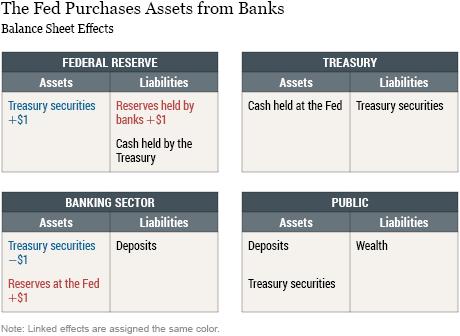
Understanding The Federal Reserve Act

Join Our Mailing List

[By Staff Reporters]

Uncovering The FED

In the early 20th century, a financial crisis led panicked citizens to withdraw all their money at once, damaging banks. By 1913, Congress responded with the Federal Reserve Act, creating 12 regional banks acting as a federal bank to deal in local and global affairs with both private banks and the federal government.

Balancing v. Manipulation

Some say the Fed was meant to create a balanced economy, while others argue its purpose was to inorganically manipulate free enterprise, rescuing banks that we’d be better off without.

Assessment

Is the Fed still doing its job today? What secrets are being kept from us and how are the Fed’s actions impacting our economy?

Channel Surfing the ME-P

Have you visited our other topic channels? Established to facilitate idea exchange and link our community together, the value of these topics is dependent upon your input. Please take a minute to visit. And, to prevent that annoying spam, we ask that you register. It is fast, free and secure.

Conclusion

Your thoughts and comments on this ME-P are appreciated. Feel free to review our top-left column, and top-right sidebar materials, links, URLs and related websites, too. Then, subscribe to the ME-P. It is fast, free and secure.

Speaker: If you need a moderator or speaker for an upcoming event, Dr. David E. Marcinko; MBA – Publisher-in-Chief of the Medical Executive-Post – is available for seminar or speaking engagements. Contact: MarcinkoAdvisors@msn.com

OUR OTHER PRINT BOOKS AND RELATED INFORMATION SOURCES:

Product Details  Product Details

Doctors on Drugs

Join Our Mailing List

Profitable Prescriptions?

Increasing in costs each year, prescription pills are one of the most profitable and dominating industries in the nation, with annual sales in the hundreds of billions. Prescribed medications constitute a significant bulk of work that medical coders must transcribe.

The Rx Pill Industry

Shockingly, the prescription pill industry uses questionable practices to increase their bottom line, and in turn, increase coding workload through unnecessary prescriptions. Though pharmaceutical companies have long-earned a reputation for wooing doctors with gifts, bribes, and incentives, it was only revealed in recent years that they’ve also been paying doctors huge sums of money to promote certain products. And, some and doctors are taking up on these offers.

These pre-selected medications are not only violating a conflict of interest, but they can also be largely responsible for increases in patient and insurance costs: a doctor may feel obligated to prescribe an expensive “sponsored” medication over a cheaper alternative.

Assessment

This in turn, is reflected on the overall rising cost of healthcare, which unfortunately, is exactly what the doctor ordered.

Conclusion

Your thoughts and comments on this ME-P are appreciated. Feel free to review our top-left column, and top-right sidebar materials, links, URLs and related websites, too. Then, subscribe to the ME-P. It is fast, free and secure.

Link: http://feeds.feedburner.com/HealthcareFinancialsthePostForcxos

Speaker: If you need a moderator or speaker for an upcoming event, Dr. David E. Marcinko; MBA – Publisher-in-Chief of the Medical Executive-Post – is available for seminar or speaking engagements. Contact: MarcinkoAdvisors@msn.com

Our Other Print Books and Related Information Sources:

Health Dictionary Series: http://www.springerpub.com/Search/marcinko

Practice Management: http://www.springerpub.com/product/9780826105752

Physician Financial Planning: http://www.jbpub.com/catalog/0763745790

Medical Risk Management: http://www.jbpub.com/catalog/9780763733421

Hospitals: http://www.crcpress.com/product/isbn/9781439879900

Physician Advisors: www.CertifiedMedicalPlanner.org

Product DetailsProduct DetailsProduct Details

Understanding Health Insurance Plan Coverage [A Video]

Join Our Mailing List

Knowing Managed Care Terminology, too!

In this YouTube encore video presentation, Ricki Hasou from the MD Anderson Cancer Center talks about knowing your health insurance plan coverage and knowing the terminology behind managed care.

Link: http://www.youtube.com/watch?v=bDSm6vyHVVE&feature=related

Assessment

It is very important to understand how your health plan works when you sign up, before you begin making plans for cancer or any other type of medical treatment, and especially if you are leaving your designated healthcare service area.

Conclusion

Your thoughts and comments on this ME-P are appreciated. Feel free to review our top-left column, and top-right sidebar materials, links, URLs and related websites, too. Then, subscribe to the ME-P. It is fast, free and secure.

Link: http://feeds.feedburner.com/HealthcareFinancialsthePostForcxos

Speaker: If you need a moderator or speaker for an upcoming event, Dr. David E. Marcinko; MBA – Publisher-in-Chief of the Medical Executive-Post – is available for seminar or speaking engagements. Contact: MarcinkoAdvisors@msn.com

Our Other Print Books and Related Information Sources:

Health Dictionary Series: http://www.springerpub.com/Search/marcinko

Practice Management: http://www.springerpub.com/product/9780826105752

Physician Financial Planning: http://www.jbpub.com/catalog/0763745790

Medical Risk Management: http://www.jbpub.com/catalog/9780763733421

Hospitals: http://www.crcpress.com/product/isbn/9781439879900

Physician Advisors: www.CertifiedMedicalPlanner.org

Product DetailsProduct DetailsProduct Details

On the Genetic Information Non-Discrimination Act

Join Our Mailing List

A Review of GINA – 2008

[By Carol Miller RN MBA]

This Act prohibits the use of genetic information to make health insurance coverage determinations and in employment-related decisions.

GINA supports a patient’s privacy. Forty states have enacted legislation related to genetic discrimination in health insurance and thirty-one states have adopted laws regarding genetic discrimination in the workplace according to the National Human Genome Research Institute.

Assessment

For more info: www.genome.gov

***

UPDATE 2020

Channel Surfing the ME-P

Have you visited our other topic channels? Established to facilitate idea exchange and link our community together, the value of these topics is dependent upon your input. Please take a minute to visit. And, to prevent that annoying spam, we ask that you register. It is fast, free and secure.

Conclusion

Your thoughts and comments on this ME-P are appreciated. Feel free to review our top-left column, and top-right sidebar materials, links, URLs and related websites, too. Then, subscribe to the ME-P. It is fast, free and secure.

Speaker: If you need a moderator or speaker for an upcoming event, Dr. David E. Marcinko; MBA – Publisher-in-Chief of the Medical Executive-Post – is available for seminar or speaking engagements. Contact: MarcinkoAdvisors@msn.com

OUR OTHER PRINT BOOKS AND RELATED INFORMATION SOURCES:

Product DetailsProduct DetailsProduct Details

Actual DEA “Meth Lab” Drug Raid [POV Photo Essay]

Join Our Mailing List

Just say No to “Illegal” Drugs

By Anonymous DEA Agent

Preparing for a clandestine night-time lab raid – inner city row-house; Baltimore, MD

Spot lights and infrared beams cast a luminescent hue.

Note the armed agent silhouetted in the attic window.

Assessment

Danger – these guys mean business.

Conclusion

Your thoughts and comments on this ME-P are appreciated. Feel free to review our top-left column, and top-right sidebar materials, links, URLs and related websites, too. Then, subscribe to the ME-P. It is fast, free and secure.

Link: http://feeds.feedburner.com/HealthcareFinancialsthePostForcxos

Speaker: If you need a moderator or speaker for an upcoming event, Dr. David E. Marcinko; MBA – Publisher-in-Chief of the Medical Executive-Post – is available for seminar or speaking engagements. Contact: MarcinkoAdvisors@msn.com

OUR OTHER PRINT BOOKS AND RELATED INFORMATION SOURCES:

DICTIONARIES: http://www.springerpub.com/Search/marcinko
PHYSICIANS: www.MedicalBusinessAdvisors.com
PRACTICES: www.BusinessofMedicalPractice.com
HOSPITALS: http://www.crcpress.com/product/isbn/9781466558731
CLINICS: http://www.crcpress.com/product/isbn/9781439879900
BLOG: www.MedicalExecutivePost.com
FINANCE: Financial Planning for Physicians and Advisors
INSURANCE: Risk Management and Insurance Strategies for Physicians and Advisors

Product DetailsProduct DetailsProduct Details

How Our Brain Ages

Join Our Mailing List 

A Reminder for Doctors, Management Consultants and FAs

By Muhammad Saleem

It’s no surprise that our brains change as we age.  In fact, some new studies show that mental decline may start as early as age 45

Source: www.TermLifeInsurance.org

Conclusion

Your thoughts and comments on this ME-P are appreciated. Feel free to review our top-left column, and top-right sidebar materials, links, URLs and related websites, too. Then, subscribe to the ME-P. It is fast, free and secure.

Link: http://feeds.feedburner.com/HealthcareFinancialsthePostForcxos

Speaker: If you need a moderator or speaker for an upcoming event, Dr. David E. Marcinko; MBA – Publisher-in-Chief of the Medical Executive-Post – is available for seminar or speaking engagements. Contact: MarcinkoAdvisors@msn.com

Our Other Print Books and Related Information Sources:

Health Dictionary Series: http://www.springerpub.com/Search/marcinko

Practice Management: http://www.springerpub.com/product/9780826105752

Physician Financial Planning: http://www.jbpub.com/catalog/0763745790

Medical Risk Management: http://www.jbpub.com/catalog/9780763733421

Hospitals: http://www.crcpress.com/product/isbn/9781439879900

Physician Advisors: www.CertifiedMedicalPlanner.org

Product DetailsProduct DetailsProduct Details

The One-Woman Physician Investors Should Not Trust

Join Our Mailing List

Why We Should “Run” from the SEC’s Mary Schapiro

By Dr. David Edward Marcinko MBA CMP™

[Publisher-in-Chief]

OK, I’ve opined about fiduciary accountability for stock brokers, FAs and FPs – as well as Mary Schapiro [Chairman of the SEC] before – on this ME-P. And usually, in not so glowing terms!

But now, Mary really chaps my ethical and linguistic sensibilities.

Why I’m So P…… Off!

According to Bloomberg, and Advisor One [a financial services industry trade magazine], the chairwoman is considering something called the “business model neutral” rule that retains proprietary financial products, and brokerage sales commissions.

This concept of ‘business neutral’ is the one sought by many in the brokerage and insurance industry in order to redefine the term ‘fiduciary’ as an enhanced form of ‘suitability’ with opt-out provisions.

But, it is not sought by me, and should not be accepted by physicians.

Definitions

Suitability Rule – According to the Free Dictionary:

A stated or implied requirement by a regulatory body that a broker or investment adviser must reasonably believe that a certain investment decision will benefit a client before making a recommendation to him/her. That is, the broker or investment adviser must act in good faith, and may not knowingly recommend bad investments. Different regulators and self-regulating organizations incorporate suitable rules in different places in their bylaws. Two commonly referenced suitability rules are Rule 2310 for the Financial Industry Regulatory Authority and Rule 405 for the NYSE. See also: Due diligence, Prudent-person rule, Twisting.

Fiduciary Rule – According to the Free Dictionary:

A uniform standard for financial advisors that requires them to put retail customer interests ahead of their own financial interests.

This is clearly a higher duty [level of care] than suitability. Insurance agents, stock brokers, BDs and most “financial advisors” hate it.

Link: http://www.advisorone.com/2011/12/09/reaction-to-schapiro-comments-on-fiduciary-rule-ar?ref=hp

“Suitability on Steroids”

Some pundits suggest we think of this new “business model neutral” rule as “suitability on steroids.”

However, as most of us in medicine know, steroids are not a panacea and are typically used as a quick fix for short term gain, only.

Otherwise, the excessive use of anabolic steroids is bad for our physical health. Just like Mary Schapiro is bad for our fiscal health. But, a Certified Medical Planner™ is a fiduciary at all times http://www.CertifiedMedicalPlanner.org

More: Enter the CMPs

Assessment       

And so, your thoughts and comments on this ME-P are appreciated. I was an insurance agent and certified financial planner for almost 15 years [Series 7, 63 and 65] before I resigned all – in disgust over the fiduciary flap.

Doctors are fiduciaries. I am a fiduciary, a doctor, and a financial advisor. Shouldn’t all physician-investors demand same from their own financial advisors [NASD-FINRA, RIAs, RIA-Reps]?

But hey – I’m just a medical provider.

Conclusion

Your thoughts and comments on this ME-P are appreciated. Feel free to review our top-left column, and top-right sidebar materials, links, URLs and related websites, too. Then, subscribe to the ME-P. It is fast, free and secure.

Speaker: If you need a moderator or speaker for an upcoming event, Dr. David E. Marcinko; MBA – Publisher-in-Chief of the Medical Executive-Post – is available for seminar or speaking engagements. Contact: MarcinkoAdvisors@msn.com

OUR OTHER PRINT BOOKS AND RELATED INFORMATION SOURCES:

Product DetailsProduct DetailsProduct Details

Financial Planning MDs 2015

Comprehensive Financial Planning Strategies for Doctors and Advisors: Best Practices from Leading Consultants

Front Matter with Foreword by Jason Dyken MD MBA

[BY DOCTORS – FOR DOCTORS – PEER REVIEWED – NICHE FOCUSED]

***

Selecting Practice Management Consultants Wisely

Business Education Needed for Physicians and all Medical Colleagues

By Dr. David Edward Marcinko MBA CMP™

[Publisher-in-Chief]

While the doctors consult, the patient dies

-English Proverb

There are many self-help publications, online resources and management guru’s purporting to impart business information to their physician clients. Within the current managed care climate, economic malaise, and specter of nationalized healthcare following the 2010 health insurance reform legislation, medical business consultants are all the rage.

However, in the same vein, physician bankruptcies are mounting, medical student loan delinquencies are increasing, physician finances are friable and medical and ancillary practices are closing at record numbers. What gives?

Do Doctors Lack Business Knowledge?

Perhaps the answer lies in the lack of real business, accounting, financial and managerial acumen by the average practitioner? This growing concern is prompting more and more doctors to seek the help of a healthcare consultant or financial advisor. But, just what does a practice management consultant do, what credentials are needed to be in the business, and how can a healthcare advisor help you coordinate all aspects of your practice’s life? 

Here are two examples of major practice management fiascos.

Corporate Medicine and Doctor Super-Groups

As the managed and healthcare care crisis exacerbates, and Obama Care [Patient Protection and Affordable Care Act] unfolds over the next eight years, there will be many examples of irrational practice management behavior on the part of physicians, and no specialty is immune.

Just collectively reflect a moment on colleagues willing to securitize their practices a decade ago – and currently with so the so called medical super groups – and cash out to Wall Street for riches that were not rightly deserved. Where are firms such as MedPartners, Phycor, FPA and Coastal Healthcare now? A survey of the Cain Brothers Physician Practice Management Corporation Index of publicly traded PPMCs revealed a market capital loss of more than 99%, since inception; despite their various heath 2.0 re-incarnations. And, how will modern financial regulatory reform, Dodd-Frank, the SEC, insurance company and banking controls resulting from Wall Street’s 2008-09 economic debacles, impact physicians?

A Southern Gentleman and Solo Physician

Or, consider the personal situation of a solo Southern primary care physician who learned an accounting lesson the hard way when he asked his CPA to appraise his business. Upon sale, his attorney brother-in-law drew up the contract, as he was pleased the practice quickly sold for its full asking price. What he didn’t know, but would soon discover, is that accounting value or “book” value — the figure his accountant gave him — is far different than the fair-market value that he could have received for his long years of toil. Was the CPA wrong? Not really. Was the gentleman doctor incorrect? No. Both were merely operating under a different set of practice management terms, and accounting definitions, without communication or knowledge of each other’s perspectives. 

Assessment

Product Details

Link: www.BusinessofMedicalPractice.com

Conclusion

And so, your thoughts and comments on this ME-P are appreciated. Feel free to review our top-left column, and top-right sidebar materials, links, URLs and related websites, too. Then, subscribe to the ME-P. It is fast, free and secure.

http://feeds.feedburner.com/HealthcareFinancialsthePostForcxos

Speaker: If you need a moderator or speaker for an upcoming event, Dr. David E. Marcinko; MBA – Publisher-in-Chief of the Medical Executive-Post – is available for seminar or speaking engagements. Contact: MarcinkoAdvisors@msn.com

Our Other Print Books and Related Information Sources:

Health Dictionary Series: http://www.springerpub.com/Search/marcinko

Practice Management: http://www.springerpub.com/product/9780826105752

Physician Financial Planning: http://www.jbpub.com/catalog/0763745790

Medical Risk Management: http://www.jbpub.com/catalog/9780763733421

Healthcare Organizations: www.HealthcareFinancials.com

Physician Advisors: www.CertifiedMedicalPlanner.com

Subscribe Now: Did you like this Medical Executive-Post, or find it helpful, interesting and informative? Want to get the latest ME-Ps delivered to your email box each morning? Just subscribe using the link below. You can unsubscribe at any time. Security is assured.

Link: http://feeds.feedburner.com/HealthcareFinancialsthePostForcxos

Sponsors Welcomed: And, credible sponsors and like-minded advertisers are always welcomed.

Link: https://healthcarefinancials.wordpress.com/2007/11/11/advertise

Product DetailsProduct DetailsProduct Details       

What are the Prospects for US Recession? [A Voting and Opinion Poll]

Is Wall Street Driving Main Street?

By Staff Reporters

Join Our Mailing List 

Concern is high that the US economy may be close to or entering recession, yet the fundamentals lend little support to such a projection. There has been no decline in jobs, while corporate health is very strong.

So, the recession concerns appear to be driven more by the decline in stock prices than by economic developments.

IOW: Is Wall Street pessimism driving Main Street gloom?

What do you think? Please vote and be sure to add your comments below.

Conclusion

And so, your thoughts and comments on this ME-P are appreciated. Feel free to review our top-left column, and top-right sidebar materials, links, URLs and related websites, too. Then, subscribe to the ME-P. It is fast, free and secure.

Link: http://feeds.feedburner.com/HealthcareFinancialsthePostForcxos

Speaker: If you need a moderator or speaker for an upcoming event, Dr. David E. Marcinko; MBA – Publisher-in-Chief of the Medical Executive-Post – is available for seminar or speaking engagements. Contact: MarcinkoAdvisors@msn.com  

Product Details

Product Details

Dr. David E. Marcinko is “In-the-News”

Our ME-P Editor is an Industry “Mover and Shaker”

By Ann Miller RN MHA

[Executive-Director]

Link: http://www.physiciansmoneydigest.com/search?get1=search&get2=marcinko

Link: www.medicalbusinessadvisors.com_forum-books.asp

Our Other Print Books and Related Information Sources:

Health Dictionary Series: http://www.springerpub.com/Search/marcinko

Practice Management: http://www.springerpub.com/product/9780826105752

Physician Financial Planning: http://www.jbpub.com/catalog/0763745790

Medical Risk Management: http://www.jbpub.com/catalog/9780763733421

Healthcare Organizations: www.HealthcareFinancials.com

Physician Advisors: www.CertifiedMedicalPlanner.com

Subscribe Now: Did you like this Medical Executive-Post, or find it helpful, interesting and informative? Want to get the latest ME-Ps delivered to your email box each morning? Just subscribe using the link below. You can unsubscribe at any time. Security is assured.

Link: http://feeds.feedburner.com/HealthcareFinancialsthePostForcxos

Sponsors Welcomed: And, credible sponsors and like-minded advertisers are always welcomed.

Link: https://healthcarefinancials.wordpress.com/2007/11/11/advertise

Product DetailsProduct DetailsProduct Details       

Product Details  Product Details

   Product Details 

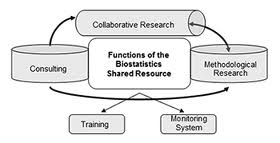
Guide to Biostatistics

Clinical Tools

Join Our Mailing List

Here is a white paper of important epidemiological concepts and common bio-statistical terms to help doctors and related professionals translate medical research into everyday practice.

Link: http://www.medpagetoday.com/Medpage-Guide-to-Biostatistics.pdf

Conclusion

And so, your thoughts and comments on this ME-P are appreciated. Feel free to review our top-left column, and top-right sidebar materials, links, URLs and related websites, too. Then, subscribe to the ME-P. It is fast, free and secure.

Link: http://feeds.feedburner.com/HealthcareFinancialsthePostForcxos

Our Print Books and Related Information Sources:

Health Dictionary Series: http://www.springerpub.com/Search/marcinko

Practice Management: http://www.springerpub.com/product/9780826105752

Physician Financial Planning: http://www.jbpub.com/catalog/0763745790

Medical Risk Management: http://www.jbpub.com/catalog/9780763733421

Healthcare Organizations: www.HealthcareFinancials.com

Physician Advisors: www.CertifiedMedicalPlanner.com

Subscribe Now: Did you like this Medical Executive-Post, or find it helpful, interesting and informative? Want to get the latest ME-Ps delivered to your email box each morning? Just subscribe using the link below. You can unsubscribe at any time. Security is assured.

Link: http://feeds.feedburner.com/HealthcareFinancialsthePostForcxos

Sponsors Welcomed: And, credible sponsors and like-minded advertisers are always welcomed.

Link: https://healthcarefinancials.wordpress.com/2007/11/11/advertise

DNR versus [P]MOLST

Of Differences and Distinctions

By Dr. David Edward Marcinko MBA

By Hope Rachel Hetico RN MHA

DNR Definition

A Do Not Resuscitate Order (DNR) is a refusal of cardiopulmonary resuscitation in the event of cardiac or pulmonary arrest.  A DNR, which is signed by a physician upon your consent, applies only if you are in a hospital or nursing home. If you are in your residence, a hospice, a clinic, or anywhere else and do not wish to be resuscitated, you must have a “Non-Hospital” DNR signed by your physician.

Sample form: http://www.ochealthinfo.com/docs/forms/ems_dnr_form.pdf

P-MOLST Definition

A P-MOLST (Physician – Medical Orders for Life-Sustaining Treatment) can be used to document your wishes concerning various forms of life-sustaining medical treatment, including DNR, endotracheal intubation and mechanical ventilation, artificial nutrition and hydration, future hospitalization, antibiotics, and other instructions. It is designed to improve the quality of end of life care for those with serious health conditions or those who wish to define their care wishes when facing the end of life. The form must be completed by both you and your physician. It is intended to apply immediately, and not upon a trigger of future incapacity. The form may be completed in stages as a medical condition deteriorates.

Sample form: http://www.compassionandsupport.org/pdfs/professionals/molst/DOH-5003_06.10_.FINAL__.pdf

Assessment 

Subsequent to the publication of the Institute of Medicine Report “Approaching Death: Improving Care at the End-of-Life”, the Rochester Individual Practice Association and BlueCross BlueShield Rochester Region End-of-Life/Palliative Care Professional Advisory Committee was formed to address these and related issues.

Link: http://www.compassionandsupport.org/index.php/about_us

Conclusion

Your thoughts and comments on this ME-P are appreciated. Feel free to review our top-left column, and top-right sidebar materials, links, URLs and related websites, too. Then, subscribe to the ME-P. It is fast, free and secure.

Link: http://feeds.feedburner.com/HealthcareFinancialsthePostForcxos

Speaker: If you need a moderator or speaker for an upcoming event, Dr. David E. Marcinko; MBA – Publisher-in-Chief of the Medical Executive-Post – is available for seminar or speaking engagements. Contact: MarcinkoAdvisors@msn.com

OUR OTHER PRINT BOOKS AND RELATED INFORMATION SOURCES:

Product DetailsProduct DetailsProduct Details

Heathcare Administraton Dictionary Series

ADVERTISEMENT


Product DetailsProduct DetailsProduct Details      

Sample Front Matter Link:

9780826149947_chapter 

What are Exempt Securities?

Exemptions from the SEC Act of 1933

By Dr. David Edward Marcinko MBA CMP™

[Publisher-in-Chief]

Historical Definition

The SEC Act was landmark legislation that established the SEC and gives it authority over proxy solicitation and registration of organized stock exchanges. In addition, the Act sets disclosure requirements for securities in the secondary market, regulates insider trading, and gives the Federal Reserve authority over credit purchases of securities. When established, the Act reflected an effort to extend and overcome shortcomings of the Securities Act of 1933. These two pieces of legislation are the basis of securities regulation in the twentieth century.

Exemptions

Today, there are many securities which are exempt from the Securities Exchange Commission [SAC] Act of 1933, its’ registration and resuting prospectus requirements.

They include the following securities and types:

  • US Government and Federal Agency issues.
  • Municipal, State issues and commercial paper with a maturity not in excess of 270 days.
  • Intra-state offerings (Rule 147) because they are blue-sky chartered within the state.
  • Small Public offerings (Regulation A) if the value of the securities issued does not exceed $5,000,000 in any 12 month period. An issuer using the Regulation A exemption does not make the normal filings with the SEC in Washington. Instead, they file a simplified disclosure document with their SEC Regional Office, known as an Offering Statement. It must be file at least 10 business days prior to the initial offering of the securities.  No securities may be sold unless issuer has furnished an offering circular (full disclosure document) to the purchaser at least 48 hours prior to the mailing of confirmation of the sale, and, if not completed within 9 months from the date of the offering circular, a revised circular must be filed. Every 6 months, issuers must file a report with the SEC of sales made under the Regulation A exemption until offering is completed.
  • Traditional insurance policies are considered to be securities and are exempt, as are fixed annuities. However, some of the newer forms of life insurance, like variable life, as well as variable annuities, have investment characteristics and, therefore are not exempt from registration.
  • Commercial paper and banker’s acceptances (9 month or shorter maturity), since they are money market instruments.

Assessment

What did we miss?

Here is a guide to help understand how to raise capital and comply with federal securities laws.

Link: http://www.sec.gov/info/smallbus/qasbsec.htm

Conclusion

And so, your thoughts and comments on this ME-P are appreciated. Feel free to review our top-left column, and top-right sidebar materials, links, URLs and related websites, too. Then, subscribe to the ME-P. It is fast, free and secure.

Speaker: If you need a moderator or speaker for an upcoming event, Dr. David E. Marcinko; MBA – Publisher-in-Chief of the Medical Executive-Post – is available for seminar or speaking engagements. Contact: MarcinkoAdvisors@msn.com and http://www.springerpub.com/Search/marcinko

Our Other Print Books and Related Information Sources:

Health Dictionary Series: http://www.springerpub.com/Search/marcinko

Practice Management: http://www.springerpub.com/product/9780826105752

Physician Financial Planning: http://www.jbpub.com/catalog/0763745790

Medical Risk Management: http://www.jbpub.com/catalog/9780763733421

Healthcare Organizations: www.HealthcareFinancials.com

Physician Advisors: www.CertifiedMedicalPlanner.com

Subscribe Now: Did you like this Medical Executive-Post, or find it helpful, interesting and informative? Want to get the latest ME-Ps delivered to your email box each morning? Just subscribe using the link below. You can unsubscribe at any time. Security is assured.

Link: http://feeds.feedburner.com/HealthcareFinancialsthePostForcxos

Sponsors Welcomed: And, credible sponsors and like-minded advertisers are always welcomed.

Link: https://healthcarefinancials.wordpress.com/2007/11/11/advertise

Product Details  Product Details

Product DetailsProduct DetailsProduct Details  

“Journal of Financial Management Strategies” for Healthcare Organizations

ADVERTISEMENT

Hospitals and Healthcare Organizations

[A Textbook of Financial Management Strategies]

Buy from Amazon


David B. Nash MD MBA FACP

ADVERTISEMENT
Product Details

Hospitals & Healthcare Organizations

FOREWORD 

David Nash MD MBA

It should come as no surprise to our readers that the nation faces a financial crisis in healthcare. 

Currently, the United States spends nearly 16% of the world’s largest economy on providing healthcare services to its citizens.  Another way of looking at this same information is to realize that we spend nearly $6,500 per man, woman, and child per year to deliver health services.  And, what do we get for the money we spend?  

This is an important policy question and the answer is disquieting.  Although the man and woman on the street may believe we have the best health system in the world, on an international basis, using well-accepted epidemiologic outcome measures, our investment does not yield much!  

According to information from the World Health Organization and other international bodies, the United States of America ranks somewhere towards the bottom of the top fifteen developed nations in the world, regarding the outcome in terms of improved health for the monies we spend on healthcare. 

From a financial and economic perspective then, it appears as though the 16% of the GDP going to healthcare may not represent a solid investment with a good return. 

It is then timely that our colleagues at the Institute of Medical Business Advisors, Inc. have brought us their greatest work: Healthcare Organizations: [Financial Management Strategies]; a two-volume set of nearly 1,200 pages.  

Certainly, this comprehensive manual, and its quarterly updates, is not for everyone. It is intended only for those executives and administrators who understand that clinics, hospitals and healthcare organizations are complex businesses, with advances in science, technology, management principles and patient/consumer awareness often eclipsed by regulations, rights, and economic restrictions.  Navigating a course where sound organizational management is intertwined with financial acumen requires a strategy designed by subject matter experts. Fortunately, Healthcare Organizations: [Financial Management Strategies] provides that blueprint.

Allow me to outline its strengths and put it into context relative to other policy works around the nation. 

For nearly two years, the research team at iMBA, Inc., has sought out the best minds in the healthcare industrial complex to organize the seemingly impossible-to-understand strategic financial backbone of the domestic healthcare system.   

The periodical print-guide is organized into two volumes in order to appropriately cover many of the key topics at hand.  It has a natural flow, starting with Competitive Strategy and moving through Asset Management, Cost Management, and Claims Management.  

Volume 1, most especially the Competitive Strategy section, has broad appeal and would be of interest to most people in the health insurance industry, including managed care, hospitals, third party benefit managers and the pharmaceutical industry. 

Volume 2 continues in a well-organized theme, progressing from Risk Management and Compliance to Health Policy, Information Technology, and most importantly, Financial Benchmarking. 

Volume 2 would be of greater interest to those in the policy sphere, both in Washington, DC, in state legislatures, consulting companies, medical colleges, and graduate schools of health administration, public health and related fields. Every day colleagues ask me to help explain the seemingly incomprehensible financial design of our healthcare system.  These two volumes would go a long way toward answering their queries. 

I also believe both volumes would be appropriate as text books and reference tools in graduate level courses taught in schools of business, public health, health administration, and medicine. 

In my travels about the nation, many faculty members would also benefit from the support of these two volumes as it is nearly impossible, even for experts in the field, to grasp all of the rapidly evolving details. 

On a personal level, I was particularly taken with the Competitive Strategy section and it brought back enjoyable memories of my work nearly twenty-five years ago at the Wharton School, on the campus of the University of Pennsylvania.  There, I was exposed to some of the best economic minds in the healthcare business and it was a watershed event for me forming some of my earliest opinions about the healthcare system. 

I also very much enjoyed the section on Health Policy, most especially, the section on the Sarbanes-Oxley Act for hospitals and healthcare organizations.  I believe we have not fully embraced the comprehensive nature of Sarbanes-Oxley on the hospital side, and envision a day when hospital boards will be held accountable for quality, in the same way that proprietary corporations are held accountable for the strength and comprehensiveness of their audit reports. Simply put, Sarbanes-Oxley for quality is around the corner and this volume goes a long way toward preparing our basic understanding of the Act and its potential future implications. Congratulations to all authors, but this one in particular deserves specific mention. As a board member for a major national integrated delivery system, I am happy that there appears to be a greater interest in the intricacies of Sarbanes-Oxley on the healthcare side of the ledger. 

In summary, Healthcare Organizations: [Financial Management Strategies] represents a unique marriage between the Institute of Medical Business Advisors, Inc., and its many contributors from across the nation.  As its mission statement suggests, I believe this massive interpretive text carries out its vision to connect healthcare financial advisors, hospital administrators, business consultants, and medical colleagues everywhere. It will help them learn more about organizational behavior, strategic planning, medical management trends and the fluctuating healthcare environment; and consistently engage everyone in a relationship of trust and a mutually beneficial symbiotic learning environment.  

Editor-in-Chief and healthcare economist Dr. David Edward Marcinko and his colleagues at the Institute of Medical Advisors, Inc should be complimented for conceiving and completing this vitally important project. There is no question that Healthcare Organizations: [Journal of Financial Management Strategies] will indeed enable us to leverage our cognitive assets and prepare a future generation of leaders capable of tackling the many challenges present in our healthcare economy.  

My suggestion therefore, is to “read it, refer to it, recommend it, and reap.”  

David B. Nash MD, MBA
The Dr. Raymond C and Doris N. Professor and
Chair of the Department of Health Policy
Jefferson Medical College
Thomas Jefferson University
Philadelphia, Pa, USA
 

Conclusion

Your thoughts and comments on this ME-P are appreciated. Feel free to review our top-left column, and top-right sidebar materials, links, URLs and related websites, too. Then, subscribe to the ME-P. It is fast, free and secure.

Link: http://feeds.feedburner.com/HealthcareFinancialsthePostForcxos

Speaker: If you need a moderator or speaker for an upcoming event, Dr. David E. Marcinko; MBA – Publisher-in-Chief of the Medical Executive-Post – is available for seminar or speaking engagements. Contact: MarcinkoAdvisors@msn.com

OUR OTHER PRINT BOOKS AND RELATED INFORMATION SOURCES:

LEXICONS: http://www.springerpub.com/Search/marcinko
PHYSICIANS: www.MedicalBusinessAdvisors.com
PRACTICES: www.BusinessofMedicalPractice.com
HOSPITALS: http://www.crcpress.com/product/isbn/9781466558731
CLINICS: http://www.crcpress.com/product/isbn/9781439879900
ADVISORS: www.CertifiedMedicalPlanner.org
BLOG: www.MedicalExecutivePost.com

Product Details

Defining Health Level Seven [HL-7]

Join Our Mailing List

What it is – How it works?

By Dr. David Edward Marcinko MBA CMP™

http://www.CertifiedMedicalPlanner.org

[Publisher-in-Chief]

HL7 is an international community of health care subject matter experts and information technology physicians and scientists collaborating to create standards for the exchange, management, and integration of protected electronic health care information. The Ann Arbor, Mich.-based Health Level Seven (HL7) standards developing organization has evolved Version 3 of its standard, which includes the Reference Information Model (RIM) and Data Type Specification (both ANSI standards).

HL7-3

The HL7 Version 3 is the only standard that specifically deals with creation of semantically interoperable health care information, essential to building the national infrastructure; HL7 promotes the use of standards within and among health care organizations to increase the effectiveness and efficiency of health care delivery for the benefit of all patients, payers, and third parties; uses an Open System Interconnection (OSI) and high level seven health care electronic communication protocol that is unique in the medical information management technology space and modeled after the International Standards Organization (ISO) and American National Standards Institute (ANSI); each has a particular health care domain such as pharmacy, medical devices, imaging, or insurance (claims processing) transactions. Health Level Seven’s domain is clinical and administrative data.

The Goals

Goals include:

  • develop coherent, extendible standards that permit structured, encoded health care information of the type required to support patient care, to be exchanged between computer applications while preserving meaning;
  • develop a formal methodology to support the creation of HL7 standards from the HL7 Reference Information Model (RIM);
  • educate the health care industry, policymakers, and the general public concerning the benefits of health care information standardization generally and HL7 standards specifically;
  • promote the use of HL7 standards world-wide through the creation of HL7 International Affiliate organizations, which participate in developing HL7 standards and which localize HL7 standards as required;
  • stimulate, encourage, and facilitate domain experts from health care industry stakeholder organizations to participate in HL7 to develop health care information standards in their area of expertise;
  • collaborate with other standards development organizations and national and international sanctioning bodies (e.g., ANSI and ISO) in both the health care and information infrastructure domains to promote the use of supportive and compatible standards; and
    • collaborate with health care information technology users to ensure that HL7 standards meet real-world requirements and that appropriate standards development efforts are initiated by HL7 to meet emergent requirements.

Assessment

http://www.springerpub.com/Search/marcinko

HL7 focuses on addressing immediate needs but the group dedicates its efforts to ensuring concurrence with other U.S. and International standards development activities. Argentina, Australia, Canada, China, Czech Republic, Finland, Germany, India, Japan, Korea, Lithuania, The Netherlands, New Zealand, Southern Africa, Switzerland, Taiwan, Turkey, and the United Kingdom are part of HL7 initiatives.

Conclusion

Your thoughts and comments on this ME-P are appreciated. Feel free to review our top-left column, and top-right sidebar materials, links, URLs and related websites, too. Then, subscribe to the ME-P. It is fast, free and secure.

Speaker: If you need a moderator or speaker for an upcoming event, Dr. David E. Marcinko; MBA – Publisher-in-Chief of the Medical Executive-Post – is available for seminar or speaking engagements. Contact: MarcinkoAdvisors@msn.com

OUR OTHER PRINT BOOKS AND RELATED INFORMATION SOURCES:

Product DetailsProduct DetailsProduct Details

Product DetailsProduct Details

Get a Free Retirement Planning e-Book

Unveiling the Retirement Myth

Review by: Dr. David Edward Marcinko MBA CMP™

[Publisher-and-Chief]

Jim Otar is a certified financial planner in Canada. He wrote the book: Unveiling the Retirement Myth on retirement income planning: how to make your retirement portfolio last as long as you do when you are living off your savings and investments in retirement.

The Print Version

The print version costs $49.99 on Amazon. But, for a limited time only, Jim Otar is offering a PDF version of this 525-page, 45 chapter book for FREE on his website retirementoptimizer.com.

The e-Book

Here’s the download link until January 10th, 2011:

http://www.retirementoptimizer.com/downloads/URMG/URMGreem.pdf

Assessment

This is a very worthwhile e-book offered at an excellent price-point. Its’ subtitle is advanced retirement planning based on market history, and that is exactly what is presented – much historical review although not especially of an advanced nature. But, it is voluminous. Additionally, since the past is no indication of the future – and current events like the potential of a “new economics normal” are not explicitly entertained – the treatise lacks a feeling of modernity!

Fortunately, the author does include many figures, graphs, illustrations and tables for ease of understanding. The mini case-examples also help keep it from trending to the boorish. This is an important point I have painfully learned after almost four decades of writing, editing and publishing [i.e., readability and interest]. Moreover, if the reader was not familiar with time-value of money calculations and concepts before reading, s/he will surely be after.

While mostly generic in nature – containing little tax, insurance, risk management and accounting information  – and not written for a physician or medical professional audience; the book represents a worthwhile review for doctor colleagues and/or those laymen unfamiliar with the ever widening topic. However, those physicians seeking healthcare specificity should look elsewhere for assistance www.CertifiedMedicalPlanner.com

Conclusion

And so, your thoughts and comments on this ME-P are appreciated. Feel free to review our top-left column, and top-right sidebar materials, links, URLs and related websites, too. Then, subscribe to the ME-P. It is fast, free and secure.

Speaker: If you need a moderator or speaker for an upcoming event, Dr. David E. Marcinko; MBA – Publisher-in-Chief of the Medical Executive-Post – is available for seminar or speaking engagements. Contact: MarcinkoAdvisors@msn.com and http://www.springerpub.com/Search/marcinko

Get our Widget: Get this widget!

Our Other Print Books and Related Information Sources:

Health Dictionary Series: http://www.springerpub.com/Search/marcinko

Practice Management: http://www.springerpub.com/product/9780826105752

Physician Financial Planning: http://www.jbpub.com/catalog/0763745790

Medical Risk Management: http://www.jbpub.com/catalog/9780763733421

Healthcare Organizations: www.HealthcareFinancials.com

Physician Advisors: www.CertifiedMedicalPlanner.com

Subscribe Now: Did you like this Medical Executive-Post, or find it helpful, interesting and informative? Want to get the latest ME-Ps delivered to your email box each morning? Just subscribe using the link below. You can unsubscribe at any time. Security is assured.

Link: http://feeds.feedburner.com/HealthcareFinancialsthePostForcxos

Sponsors Welcomed. And, credible sponsors and like-minded advertisers are always welcomed.

Link: https://healthcarefinancials.wordpress.com/2007/11/11/advertise

Product DetailsProduct DetailsProduct Details       

Product Details  Product Details

ME-P Recommends the “Health Dictionary Series”

Product DetailsProduct DetailsProduct Details       

   ADVERTISEMENT 

Financial Planning and Risk Management Handbooks from iMBA, Inc

For Doctors and their Financial Advisors

[By Staff Reporters]

For more on these topics, see the handbooks below:

Product Details  Product Details

Conclusion

Your thoughts and comments on this ME-P are appreciated. Feel free to review our top-left column, and top-right sidebar materials, links, URLs and related websites, too. Then, subscribe to the ME-P. It is fast, free and secure.

Speaker: If you need a moderator or speaker for an upcoming event, Dr. David E. Marcinko; MBA – Publisher-in-Chief of the Medical Executive-Post – is available for seminar or speaking engagements. Contact: MarcinkoAdvisors@msn.com

OUR OTHER PRINT BOOKS AND RELATED INFORMATION SOURCES:

Sponsors WelcomedAnd, credible sponsors and like-minded advertisers are always welcomed.

Product DetailsProduct DetailsProduct Details

The LLC Defined for Physicians

A Hybrid Business Entity

By Staff Reporters

Join Our Mailing List 

A limited liability company (LLC) is a form of business entity some physician use that can provide many advantages to a physician medical practice owner.

Definition

As the name indicates, there is limited liability to the physician. Therefore, the practice owner’s personal assets are protected from claims against the practice and also from practice business debts, unless of course, the owner personally guaranteed any business debts.

No Absolute Immunity

But, limited liability protection is not absolute. There are instances where a doctor owner’s personal assets can be reached.

Assessment

Limited liability protection is similar to that of a corporation. However, unlike a C corporations, an LLC is a “pass-though” entity for taxation purposes. The benefit of being a pass through entity is that there is only one level of tax imposed on the LLC’s earnings. With a C corporation, the earnings are taxed at the corporate level and taxed again at the shareholder level when the earnings are distributed to shareholder.

Thus, the LLC can be considered a hybrid between a corporation and a partnership.

Charitable Business Planning and the LLC

http://www.chslegacy.org/giftlaw/article.jsp?WebID=GL2007-1230&D=201010

Conclusion

And so, your thoughts and comments on this ME-P are appreciated. What type of business entity is your medical practice, and why? Feel free to review our top-left column, and top-right sidebar materials, links, URLs and related websites, too. Then, subscribe to the ME-P. It is fast, free and secure.

Speaker: If you need a moderator or speaker for an upcoming event, Dr. David E. Marcinko; MBA – Publisher-in-Chief of the Medical Executive-Post – is available for seminar or speaking engagements. Contact: MarcinkoAdvisors@msn.com and http://www.springerpub.com/Search/marcinko

Get our Widget: Get this widget!

Our Other Print Books and Related Information Sources:

Health Dictionary Series: http://www.springerpub.com/Search/marcinko

Practice Management: http://www.springerpub.com/product/9780826105752

Physician Financial Planning: http://www.jbpub.com/catalog/0763745790

Medical Risk Management: http://www.jbpub.com/catalog/9780763733421

Healthcare Organizations: www.HealthcareFinancials.com

Physician Advisors: www.CertifiedMedicalPlanner.com

Subscribe Now: Did you like this Medical Executive-Post, or find it helpful, interesting and informative? Want to get the latest ME-Ps delivered to your email box each morning? Just subscribe using the link below. You can unsubscribe at any time. Security is assured.

Link: http://feeds.feedburner.com/HealthcareFinancialsthePostForcxos

Sponsors Welcomed: And, credible sponsors and like-minded advertisers are always welcomed.

Link: https://healthcarefinancials.wordpress.com/2007/11/11/advertise

Product DetailsProduct DetailsProduct Details       

Defining the Accountable [Health] Care Organization

ACO Glossary of Terms from CMS, etc

By Staff Reporters

Join Our Mailing List 

According to Wikipedia, an Accountable Care Organization, or ACO for short, is a health system model with the ability to provide and manage patients, in the continuum of care across different institutional settings, including at least ambulatory (outpatient) and inpatient hospital care and possibly post acute-care in some cases.

Payment is consolidated rather than ala’ carte’, and generally considered cost effective and “bundled”.

Budgetary Accountability

Furthermore, ACOs have the capability of planning budgets and resources and are of sufficient size to support comprehensive, valid, and reliable performance measurements.

Source: http://en.wikipedia.org/wiki/Accountable_care_organization

CMS Definition

Now, aaccording to the CMS Office of Legislation; Section #1899.

ACO Definition: accountable care organization

Medical Provider Market Power and the American Hospital Association

AHA definition: AHA – ACOs

Assessment

The ACO model is one of the latest designs for managing healthcare costs and especially Medicare costs, and is gaining traction among policymakers desperate to control costs and boost quality in healthcare.

Conclusion

Your thoughts and comments on this ME-P are appreciated. Feel free to review our top-left column, and top-right sidebar materials, links, URLs and related websites, too. Then, subscribe to the ME-P. It is fast, free and secure.

Link: http://feeds.feedburner.com/HealthcareFinancialsthePostForcxos

Speaker: If you need a moderator or speaker for an upcoming event, Dr. David E. Marcinko; MBA – Publisher-in-Chief of the Medical Executive-Post – is available for seminar or speaking engagements. Contact: MarcinkoAdvisors@msn.com

OUR OTHER PRINT BOOKS AND RELATED INFORMATION SOURCES:

DICTIONARIES: http://www.springerpub.com/Search/marcinko
PHYSICIANS: www.MedicalBusinessAdvisors.com
PRACTICES: www.BusinessofMedicalPractice.com
HOSPITALS: http://www.crcpress.com/product/isbn/9781466558731
CLINICS: http://www.crcpress.com/product/isbn/9781439879900
BLOG: www.MedicalExecutivePost.com
FINANCE: Financial Planning for Physicians and Advisors
INSURANCE: Risk Management and Insurance Strategies for Physicians and Advisors


Product DetailsProduct DetailsProduct Details

Product Details  Product Details


Take Our ME-P Reader Survey

Tell Us What You Think?

By Ann Miller RN MHA

[Executive-Director]

MarcinkoAdvisors@msn.com

We believe we have the most intelligent readers and subscribers online today!

And so, please take a few minutes and kindly let us know how and why you like or dislike this blog. Your opinions and feedback are very important to us. Please use the comment space far below.

Masthead: https://medicalexecutivepost.com/2007/11/28/publication-mast-head/

ME-P Advertising

Advertisements are vetted and accepted on this blog; but not approved. Interested advertisers – please contact us. But remember, advertisements on this blog are just advertisements. They are not recommendations or endorsements.

Ads: https://medicalexecutivepost.com/2007/11/11/advertise/

ME-P Note to Publicists

Publicists; please don’t add us to your e-mail distribution lists without asking first. Unsolicited commercial e-mails violate the federal CAN-SPAM Act. Each violation can subject your to a personal fine up to $11,000. We will send one gentle reminder on first violation. A second offense will be reported to the FTC without exception.

However, you may contact us at 770.448.0769 for PR and related promotional activities.

Our Medical Business Textbooks:

Link: http://www.springerpub.com/Search/marcinko

Our Office Business Management CD ROMs:

Link: https://medicalexecutivepost.com/office-checklists-on-cd-rom/

Link: www.HealthcareFinancials.com

Link: www.CertifiedMedicalPlanner.com

Our Financial Planning Handbooks for Doctors

Link: http://www.jblearning.com/catalog/searchresults.aspx [Search: “Marcinko”]

ME-P Disclaimer

We are not all doctors, financial advisors or medical management consultants. But, we do have informed, experienced and personal opinions; sometimes strong, ignorant, or biased. Everything you read here on this blog is the author’s personal opinion, not specific managerial or financial advice. And, we are by no means an expert on anything. We don’t intend to mislead, but our facts, figures, and calculations can be incomplete, inaccurate or plain wrong. The word “you” in a post doesn’t mean literally you, the reader. In most cases it means the author. Please be sure to double check everything if you decide to act on anything we wrote about. The bottom line is this: please don’t blame the ME-P for anything you do.

About: https://medicalexecutivepost.com/2007/10/08/hello-world/

Speaker: If you need a moderator or speaker for an upcoming event, Dr. David E. Marcinko; MBA – Publisher-in-Chief of the Medical Executive-Post – is available for seminar or speaking engagements. Contact: MarcinkoAdvisors@msn.com and http://www.springerpub.com/Search/marcinko

Get our Widget: Get this widget!

Our Other Print Books and Related Information Sources:

Health Dictionary Series: http://www.springerpub.com/Search/marcinko

Practice Management: http://www.springerpub.com/product/9780826105752

Physician Financial Planning: http://www.jbpub.com/catalog/0763745790

Medical Risk Management: http://www.jbpub.com/catalog/9780763733421

Healthcare Organizations: www.HealthcareFinancials.com

Physician Advisors: www.CertifiedMedicalPlanner.com

Subscribe Now: Did you like this Medical Executive-Post, or find it helpful, interesting and informative? Want to get the latest ME-Ps delivered to your email box each morning? Just subscribe using the link below. You can unsubscribe at any time. Security is assured.

Link: http://feeds.feedburner.com/HealthcareFinancialsthePostForcxos

Sponsors Welcomed:  And, credible sponsors and like-minded advertisers are always welcomed.

Link: https://healthcarefinancials.wordpress.com/2007/11/11/advertise

NOW: TELL US WHAT YOU THINK – IN THE COMMENT BOX BELOW

Hospital Credit Analysis

Join Our Mailing List

Understanding the Definition of “Essentiality”

[By Calvin W. Wiese CPA MBA]

An important component of hospital credit analysis is essentiality. Hospitals are unusual businesses that many times possess some form of essentiality to their communities. Healthcare is important to the economic vitality of every community. Many hospitals have served their communities for many years; it is not uncommon to find hospitals that have been continuously operating for more than 100 years in the same community.

Not for Profit Entities

Most hospitals are not-for-profit. In not-for-profit hospitals, no private party actually “owns” the hospital; control is vested in various boards, but no one explicitly “owns” a not-for-profit hospital. In a broad sense, communities own not-for-profit hospitals. They are considered “charities” with a “charitable purpose.” Though a not-for profit hospital may not have owners, it has many” stakeholders,” parties that have vested interests in the continuing success of the hospital.

Stakeholder Webs

Many hospitals have broad and vast webs of stakeholders. Stakeholders are why hospitals rarely close or are shut down. Too many stakeholders have interests in the continuing successful operation of hospitals.

Hospital stakeholder relationships need to be considered in the analysis of essentiality. How strong are these relations? How many are there? How important is the continuing success of this hospital to these stakeholders?

Service Analysis

Another dimension of the essentiality analysis is service analysis. How significant are the hospital’s services? If the hospital shuts down, what population segments would suffer? How significant is the population that would suffer? How much would they suffer?

Product DetailsProduct DetailsProduct Details

Assessment

Analysis of hospital’s stakeholders and services should provide a credible view of the degree of essentiality associated with a hospital. Higher degrees of essentiality suggest higher likelihoods that hospitals, one way or another, will meet their commitments, particularly their payment commitments.

Channel Surfing the ME-P

Have you visited our other topic channels? Established to facilitate idea exchange and link our community together, the value of these topics is dependent upon your input. Please take a minute to visit. And, to prevent that annoying spam, we ask that you register. It is fast, free and secure.

Conclusion

Your thoughts and comments on this ME-P are appreciated. Feel free to review our top-left column, and top-right sidebar materials, links, URLs and related websites, too. Then, subscribe to the ME-P. It is fast, free and secure.

Speaker: If you need a moderator or speaker for an upcoming event, Dr. David E. Marcinko; MBA – Publisher-in-Chief of the Medical Executive-Post – is available for seminar or speaking engagements. Contact: MarcinkoAdvisors@msn.com

OUR OTHER PRINT BOOKS AND RELATED INFORMATION SOURCES:

Product DetailsProduct Details

Understanding the Tactical Approach to Medical Endowment Fund Management

Guiding Long-Term Investment Decisions

By Staff Reporters

www.HealthcareFinancials.com

According to Wayne Firebaugh CPA, CFP® CMP™ many successful medical endowment funds will establish a “strategic” allocation policy that is intended to guide long-term (greater than one-year) investment decisions. This strategic allocation reflects the endowment’s thinking regarding the existence of perceived fundamental shifts in the market.

Asset Class Target Ranges

Most endowments will also establish a target range or band for each asset class. The day-to-day managers then have the flexibility to make tactical decisions for a given class so long as they stay within the target range.

Definition

The term “tactical” when used in the context of investment strategy refers to the manager’s ability to take advantage of short-term (under one year) market anomalies such as pricing discrepancies between different sectors or across different styles.

Historically, tactical decisions with respect to asset allocation were derided as “market timing.” However, market timing implies moving outside of the target ranges whereas tactical decision making simply addresses the opportunistic deployment of funds within the asset class target range.

Product DetailsProduct DetailsProduct Details

Assessment

www.CertifiedMedicalPlanner.com

Conclusion

And so, your thoughts and comments on this ME-P are appreciated. Feel free to review our top-left column, and top-right sidebar materials, links, URLs and related websites, too. Then, subscribe to the ME-P. It is fast, free and secure.

Speaker: If you need a moderator or speaker for an upcoming event, Dr. David E. Marcinko; MBA – Publisher-in-Chief of the Medical Executive-Post – is available for seminar or speaking engagements. Contact: MarcinkoAdvisors@msn.com

Other Print Books and Related Information Sources:

Practice Management: http://www.springerpub.com/prod.aspx?prod_id=23759

Physician Financial Planning: http://www.jbpub.com/catalog/0763745790

Medical Risk Management: http://www.jbpub.com/catalog/9780763733421

Healthcare Organizations: www.HealthcareFinancials.com

Physician Advisors: www.CertifiedMedicalPlanner.com

Subscribe Now: Did you like this Medical Executive-Post, or find it helpful, interesting and informative? Want to get the latest ME-Ps delivered to your email box each morning? Just subscribe using the link below. You can unsubscribe at any time. Security is assured.

Link: http://feeds.feedburner.com/HealthcareFinancialsthePostForcxos

Sponsors Welcomed: And, credible sponsors and like-minded advertisers are always welcomed.

Link: https://healthcarefinancials.wordpress.com/2007/11/11/advertise

On Professor Kenneth Arrow PhD

The “Father” of Health Economics

By Dr. David Edward Marcinko MBA, CMP™

[Editor-in-Chief]

Professor Kenneth Arrow is a Nobel laureate who explored the characteristics of a perfectly competitive marketplace for an ordinary commodity – and how the healthcare industry deviated from those characteristics – and what aspects of health care might explain these deviations.

But, in as much as he did all this in the 1960’s, he is known today as the “father” of health [not health care] economics. 

LINK: https://www.nobelprize.org/prizes/economic-sciences/1972/arrow/facts/

Required ME-P Reading

In fact, his 1963 paper launched health economics as a unique discipline and is as close to required reading as can exist for followers of the ME-P and our related websites and educational consulting firms [sidebar].

Assessment

Arrow Title: “Uncertainty and the Welfare Economics of Medical Care”

Link: Arrow

Commentary

Glossary: Dictionary of Health Economics and Finance

Product DetailsConclusion

Your thoughts and comments on this ME-P are appreciated. Feel free to review our top-left column, and top-right sidebar materials, links, URLs and related websites, too. Then, subscribe to the ME-P. It is fast, free and secure.

Link: http://feeds.feedburner.com/HealthcareFinancialsthePostForcxos

Speaker: If you need a moderator or speaker for an upcoming event, Dr. David E. Marcinko; MBA – Publisher-in-Chief of the Medical Executive-Post – is available for seminar or speaking engagements. Contact: MarcinkoAdvisors@msn.com

OUR OTHER PRINT BOOKS AND RELATED INFORMATION SOURCES:

DICTIONARIES: http://www.springerpub.com/Search/marcinko
PHYSICIANS: www.MedicalBusinessAdvisors.com
PRACTICES: www.BusinessofMedicalPractice.com
HOSPITALS: http://www.crcpress.com/product/isbn/9781466558731
CLINICS: http://www.crcpress.com/product/isbn/9781439879900
BLOG: www.MedicalExecutivePost.com
FINANCE: Financial Planning for Physicians and Advisors
INSURANCE: Risk Management and Insurance Strategies for Physicians and Advisors

Product DetailsProduct DetailsProduct Details

***

Taking Medical Jargon Out of Doctors’ Visits

Explaining Healthcare Administration Terms, Too!

By Ann MiIler RN, MHA

[Executive-Director]

Join Our Mailing List

According to the Wall Street Journal, when it comes to understanding medical information, even the most sophisticated patient may not fully understand. Nearly nine out of 10 adults have difficulty following routine medical advice, largely because it’s often incomprehensible to average people, the CDC says. And that’s bad for health care.

Enter the Medical Jargon

Confused by scientific jargon, doctors’ instructions and complex medical phrases, patients are more likely to skip necessary medical tests or fail to properly take their medications, the agency says. Studies show that poor health literacy drives up costs to the health-care system and worsens patient outcomes. 

http://online.wsj.com/article/SB10001424052748703620604575349110536435630.html

Assessment

And so, we too have attempted to explain some of the healthcare administration and practice management jargon in use today

Conclusion

Your thoughts and comments on this ME-P are appreciated. Feel free to review our top-left column, and top-right sidebar materials, links, URLs and related websites, too. Then, subscribe to the ME-P. It is fast, free and secure.

Speaker: If you need a moderator or speaker for an upcoming event, Dr. David E. Marcinko; MBA – Publisher-in-Chief of the Medical Executive-Post – is available for seminar or speaking engagements. Contact: MarcinkoAdvisors@msn.com

OUR OTHER PRINT BOOKS AND RELATED INFORMATION SOURCES:

Product DetailsProduct DetailsProduct Details

 ***

Physician Self-Referral “under arrangement” Scrutiny

And IDTF Prohibitions

[By Staff Reporters]

According to Robert James Cimasi MHA, ASA, AVA, CBA, CMP™ certain physician/hospital relationships referred to as “under arrangements” and “per click” leasing ventures have come under increasing regulatory scrutiny.

Definition

An under arrangement transaction occurs when the hospital contracts with a third party (typically a joint venture owned, at least in part, by physicians who may refer) to provide a hospital service, and the hospital then bills and is reimbursed by Medicare for those services and pays the supplier, or joint venture.  As the “entity” to which the physicians refer patients is the hospital, not the joint venture (i.e., the “entity” is deemed to be the entity that submits the reimbursement claim to Medicare) this type of “arrangement” is permitted under Stark.

Stark Revisions

However, buried in the July 2, 2007, 2008 Medicare Physician Fee Schedule proposed rule, CMS has proposed revisions to the Stark regulations that broaden the definition of “entity” to include the person or entity that performs the designated health services and would prohibit space and equipment lease arrangements where per-click payments are made to a physician lessor who refers patients to the lessee.  Although the proposed self-referral prohibitions (as well as arrangements where the physician is the lessee and rents space from a hospital) did not appear in the Final Rule, similar provisions are expected in 2008.

CMS has also passed restrictions related to independent diagnostic testing facility [IDTF] arrangements.

gag

Assessment

For example, since January 1, 2008, IDTFs are no longer allowed to share practice locations, operations, and diagnostic testing equipment with other Medicare-enrolled providers, including leasing and subleasing agreements.

Conclusion

Your thoughts and comments on this ME-P are appreciated. Feel free to review our top-left column, and top-right sidebar materials, links, URLs and related websites, too. Then, subscribe to the ME-P. It is fast, free and secure.

Speaker: If you need a moderator or speaker for an upcoming event, Dr. David E. Marcinko; MBA – Publisher-in-Chief of the Medical Executive-Post – is available for seminar or speaking engagements. Contact: MarcinkoAdvisors@msn.com

OUR OTHER PRINT BOOKS AND RELATED INFORMATION SOURCES:

Product DetailsProduct DetailsProduct Details      

Product DetailsProduct Details

The Pros and Cons of eMRs

Join Our Mailing List

Delving Deeper into the Historic Origins of Debate

Dr. Mata

[By Richard J. Mata MD, CIS, CMP™]

Buy from Amazon

According to Wager, Ornstein, and Jenkins, in 2005, the perceived advantages of an EHR system include the following:

  •  Quality of the patient records (legible, complete, organized) — 86%
  •  Better access to patient records (available, convenient, fast) — 86%
  •  Improved documentation for patient care purposes — 93%
  •  Improved documentation of preventive services — 82%
  •  Improved documentation for quality improvement activities — 82%

Items viewed as an advantage by fewer respondents include the following:

  •  Administrative cost savings — 38%
  •  Improved efficiency — 61%
  •  Security of patient records — 64%

Nothing directly was said about cost savings or increased medical care quality. These topics have become more contentious issues during the past few years.

The Gurley Opinion

According to HIT expert Lori Gurley, in 2006, of the American Academy of Medical Administrators:

“The EHR provides the essential infrastructure required to enable the adoption and effective use of new healthcare modalities and information management tools such as integrated care,  evidenced-based medicine, computer-based decision support, care planning and pathways, and outcomes analysis” (Schloefell et al).  Although the benefits that support implementation of an EHR are clear, there are still barriers too, therefore the concept is still not accepted. “However, this could also be said of almost every other area of positive change and improvement within healthcare systems […]” (Schloefell et al).  There must be more involvement by the government and the private sector “to make changes where possible to instigate, motivate, and provide incentives to accelerate the development of solutions to overcome the barriers” (Young).

THINK: ARRA and HITECH, today. Of course, there are obviously advantages and disadvantages to both the paper medical record and the EHR.

Multi-Factorial Issues

Many factors must be considered before any healthcare organization or medical practice should implement an EHR.  The organization must first obtain as much information as possible about this new concept, and then the information must be carefully reviewed and the pros and cons discussed. Only then should the organization make their decision about this very important issue.

“The [EHR] as a part of a Clinical Information System (CIS) is a powerful tool which ties together documentation of the patient visit (clinical information), coding (diagnosis, and treatment procedures), which then translates into more accurate billing processes, reduces reprocessing of medical claims, and that translates into increased customer satisfaction with a provider” (Koeller). Although the technology is available, progress towards an EHR has been slower than expected. “Widespread use of [EHRs] would serve both private-and public-sector objectives to transform healthcare delivery in the United States” […] EHRs would also “enhance the health of citizens and reduce the costs of care” (Dick, Steen, and Detmer).

The MRI Study

According to a 2005-07 survey by the Medical Records Institute, the following factors are driving the push towards EHR systems within medical organizations:

Motivating Factors 2005 Ambulatory
The need to improve clinical processes or workflow efficiency. 89.3% 91.2%
The need to improve quality of care. 85.0% 85.3%
The need to share patient record information among healthcare practitioners and professionals. 81.1% 66.9%
The need to reduce medical errors (improve patient safety). 76.1% 69.1%
The need to provide access to patient records at remote locations. 67.9% 65.4%
The need to improve clinical documentation to support appropriate billing service levels. 67.1% 76.5%
The need to improve clinical data capture. 64.6% 61.0%
The need to facilitate clinical decision support. 60.7% 50.7%
The requirement to contain or reduce healthcare delivery costs. 54.6% 61.8%
The need to establish a more efficient and effective information infrastructure as a competitive advantage. 53.6% 53.7%
The need to meet the requirements of legal, regulatory, or accreditation standards. 50.0% 44.1%
Other 5.7% 5.1%
Totals 280 136
Margin of Error +/- 5.8% +/- 8.4%

Now, compare this with the results of the 2007 survey that focused on the factors driving hospitals to expand their use of EHR.

Driving Factors in a Hospital 2007
Efficiency and convenience, e.g., better networking to the medical community and patients and remote access 57.8%
Satisfaction of physicians and clinician employees 42.2%
The need to survive and thrive in a much more competitive, interconnected world. 41.0%
Regulatory requirements of JCAHO or NCQA. 35.6%
Savings in the Medical Record Department and elsewhere, including transcription. 24.0%
Value-based purchasing/pay for performance 17.7%
Pressure from payer groups, such as Leapfrog Group 15.2%
Possibility of subsidized purchase of HER, e-prescribing systems, etc. by purchasers/payers/large health systems. 8.8%
Totals 329
Margin of Error +/- 5.4%

Assessment

How have these motivating and driving factors changed today; have they really changed in 2010?

Does this deeper dive reveal any other truths; political, social, business or economic? Is this historical review helpful in understanding the reluctance or eagerness for EMR acceptance, or not?

Join Our Mailing List 

Conclusion

Your thoughts and comments on this ME-P are appreciated. Feel free to review our top-left column, and top-right sidebar materials, links, URLs and related websites, too. Then, subscribe to the ME-P. It is fast, free and secure.

Link: http://feeds.feedburner.com/HealthcareFinancialsthePostForcxos

Speaker: If you need a moderator or speaker for an upcoming event, Dr. David E. Marcinko; MBA – Publisher-in-Chief of the Medical Executive-Post – is available for seminar or speaking engagements. Contact: MarcinkoAdvisors@msn.com

OUR OTHER PRINT BOOKS AND RELATED INFORMATION SOURCES:

DICTIONARIES: http://www.springerpub.com/Search/marcinko
PHYSICIANS: www.MedicalBusinessAdvisors.com
PRACTICES: www.BusinessofMedicalPractice.com
HOSPITALS: http://www.crcpress.com/product/isbn/9781466558731
CLINICS: http://www.crcpress.com/product/isbn/9781439879900
BLOG: www.MedicalExecutivePost.com
FINANCE: Financial Planning for Physicians and Advisors
INSURANCE: Risk Management and Insurance Strategies for Physicians and Advisors

Product DetailsProduct DetailsProduct Details

Product Details  Product Details

   Product Details 

Understanding Clinical and Financial Features of Medical Practice eMRs & Hospital IT Systems

ADVERTISEMENT

[A Three Part CD Primer for the Practicing Physician, CXO or Nurse-Executive]

Are You in Medical Practice or Healthcare Administration? – Buy this CD-ROM!

Join Our Mailing List 

PART I: Understanding Hospital Information Systems

For the last 30 years, hospital information systems (HISs) have steadily grown in popularity. At present, nearly every acute care hospital in the United States has at least some form of HIS – at a minimum – performing administrative tasks such as patient billing, payor accounting, and employee payroll tracking. Depending on the size of the hospital, an information system may initially cost from several hundred thousand dollars to tens of millions of dollars. In 2005, about $25.8 billion was spent on hospital information technology (IT) in the United States.

By 2010-11 and beyond, it has become critical that such a system produce a positive return on investment (ROI) through patient care quality improvements, increases in organizational efficiency, or enhanced negotiating power with third-party payors and other stakeholders. Some HIS projects, especially more complex undertakings, have been clear failures to the extent that the organization had to abandon the new HIS in favor of the previous manual system. The goal of Part I is to illustrate how hospitals can maximize the chances for successful implementations of HIS while at the same time providing a positive ROI.

PART II: eMRs for the Independent Medical Practice

Many large organizations have a Chief Information Officer (CIO), a Chief Technology Officer (CTO), perhaps a Chief Medical Information Officer (CMIO), or Chief Medical Officer (CMO) that is tasked to do things like figure out the information technology (IT) and computer systems that support clinical and business goals within a healthcare organization. Smaller groups and practices don’t have enough resources to have dedicated staff for such a purpose so the selection, launch and implementation of eMRs will fall onto the physician staff or other senior leadership at a practice … Are you ready?

PART III: Health Information Technology Risks

Your clinical and business data and how it is used is vital to your medical organization.  Information technology (IT) and its infrastructure must therefore be protected through careful security policies.  These policies are guided in part by the risk inherent in your health organization’s IT infrastructure, its competitive strategy, and its asset and risk management policies.  It is important, however, not to over focus on security implementation so that you overlook the clinical operation management and patient-centered care in your healthcare facility.

There are two parts to the security equation: the first involves meticulous inventory of hardware, accessories, and software and the other involves establishing secure IT policies and procedures.  Management systems like those developed by the International Standards Organization (ISO) and the National Institute of Standards and Technology (NIST) serve as very functional models that can be applied in the clinical setting.

Part III of this CD-ROM  reviews the model codes that offer templates on how to put protections in place and the regulations that have been designed to ensure information security.  It also discusses the business continuity and risk management systems you need to keep your organization functioning in case of security and/or privacy breaches. It also offers interpretation and recommendations in making choices as they relate to the IT systems and discusses good healthcare security and privacy practices.  For example, the use of role-based access in an electronic health record (EHR) is not mandatory, but that does not mean that it cannot be implemented. In fact, it is usually desirable.  Many organizations will used a modified role-based system to limit the amount of protected health information (PHI) that one needs to access.

Special Added Bonus

We also include the following valuable resources for your office staff:

1. Glossary of managed care terms

2. Glossary of health information technology

3. Glossary of medical management abbreviations and practice business acronyms. 

Table of Contents: CD-TOC

Now, be among the first-adopters to use this CD for the vital HIT, eMR and IT administration aspects of your medical office, hospital or clinic. You will be glad you did.

Testimonial:

“I am finally beginning to understand HIT and eMRs” [Dr. Sarah Jane Fergson] 

And, the handsome, sturdy package makes the checklist CD an ideal gift for the recent graduate, mid-career doctor or mature medical practitioner.
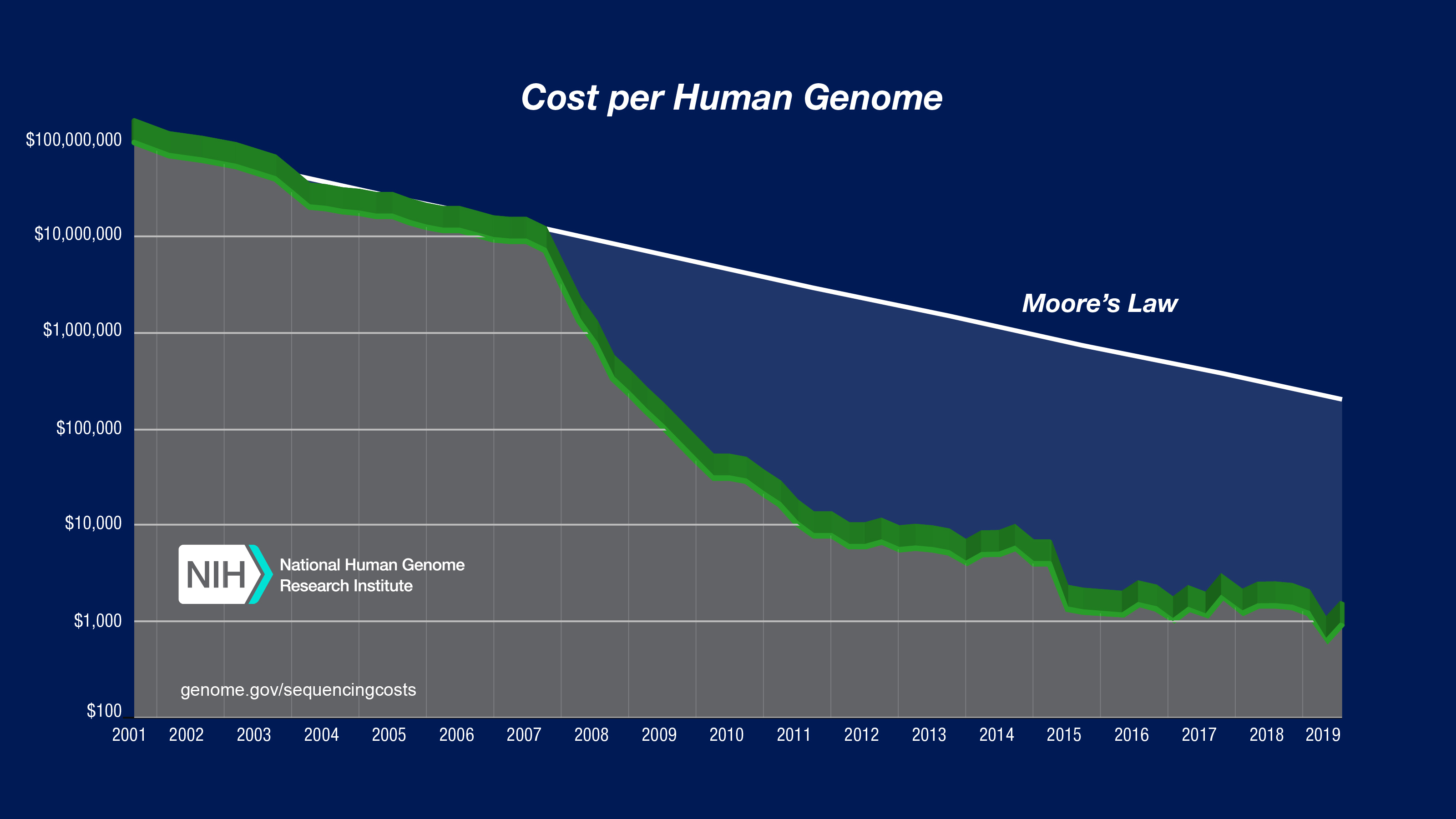
Product Specifications:

Compatible with any PC or Mac computer; Adobe Acrobat Reader® required.

Price: Only $99 USD, includes SPH and tax.

TO ORDER: Please send your check or money order [for CD-ROM] to: iMBA Inc, Suite #5901 Wilbanks Drive, Norcross, GA 30092-1141 [770.448.0769] or MarcinkoAdvisors@msn.com

OR – you may order electronically right here:  <a href=”https://www.e-junkie.com/ecom/gb.php?c=cart&i=762864&cl=109140&ejc=2

About Regional Health Information Organizations

Join Our Mailing List

The RHIO Concept – Defined

Dr. Mata

[By Richard J. Mata MD, CIS, CMP™]

Regional Health Information Organizations (RHIOs), or data exchanges, are multi-stakeholder organizations.  They might include groups of hospitals, medical societies, payers, major employers, and other healthcare organizations.

Generally, these stakeholders are developing RHIOs with the goal of affecting the safety, quality, and efficiency of healthcare as well as improving access to healthcare by expanding the use of health information technology.  It is expected that RHIOs will be responsible for motivating and causing integration and information exchange in the nation’s revamped healthcare system

Assessment

Regions in the U.S. continue to use various definitions of “multi-stakeholder organizations.”  For instance, in Wichita, Kansas, the Clinics Patient Index is a software architecture as well as support environment that facilitates integration among outpatient clinics and hospital emergency departments.

And, what will be the affect of [HR 3590], or the Patient Protection and Affordable Care Act, on RHIOs?

Conclusion

Your thoughts and comments on this ME-P are appreciated. Feel free to review our top-left column, and top-right sidebar materials, links, URLs and related websites, too. Then, subscribe to the ME-P. It is fast, free and secure.

Speaker: If you need a moderator or speaker for an upcoming event, Dr. David E. Marcinko; MBA – Publisher-in-Chief of the Medical Executive-Post – is available for seminar or speaking engagements. Contact: MarcinkoAdvisors@msn.com

OUR OTHER PRINT BOOKS AND RELATED INFORMATION SOURCES:

Product DetailsProduct DetailsProduct Details