INFLATION: Update FOMC

By Staff Reporters

***

***

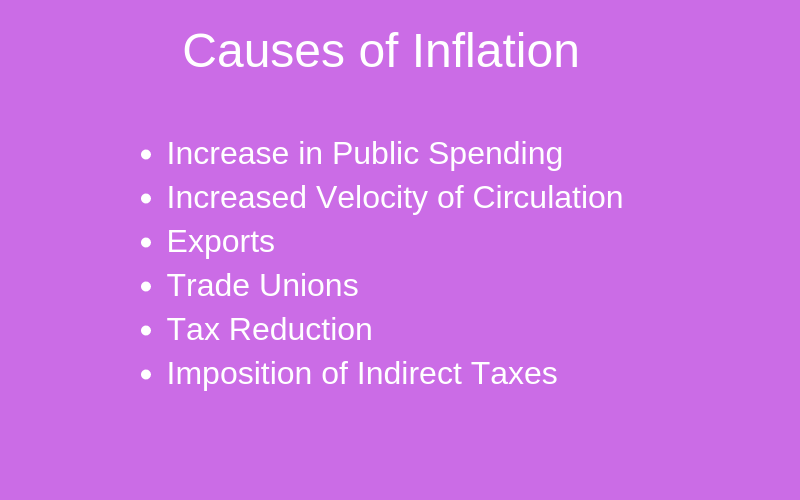
Jerome Powell said the Fed won’t wait for 2% inflation to cut rates

The central bank won’t wait to hit its inflation target before bringing interest rates down but wants to have “greater confidence” that inflation will get there in order to make cuts, Powell said at the Economic Club of Washington, DC, in his first public event since June’s cooling inflation numbers came out.

CITE: https://www.r2library.com/Resource

MEDICAL INFLATION: https://medicalexecutivepost.com/2023/03/30/medical-economics-healthcare-inflation/

However, the FOMC chair wasn’t willing to get into specifics about when rate cuts might be coming.

COMMENTS APPRECIATED

Thank You

***

***

62% of Nurses Would Consider a Change in Career Paths

By Staff Reporters

***

***

A recent survey by StaffHealth of 250 RNs, LPNS, and CNAs found the following:

 •  86% of respondents say their workload/job responsibility has increased in the last year.
 •  54% of the above respondents say that the increase in workload has negatively impacted their mental health.
 •  83% of those surveyed agree that an increase in compensation/incentives would alleviate nurse burn out and shortages.
 •  62% of nursing professionals would currently consider a change in career paths.
 •  66% of respondents say access to mental health resources at work would be beneficial.

Source: StaffHealth via PRNewswire, February 8, 2022

***

COMMENTS ARE APPRECIATED

Thank You

Subscribe to the Medical Executive-Post

***

***

***

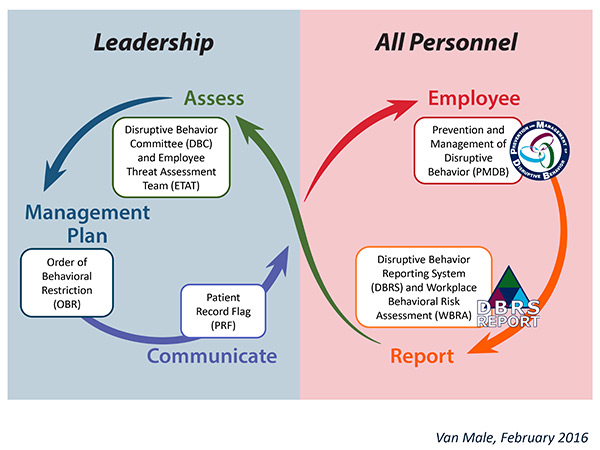
SURVEY: Medical Work-Place Violence 2022

Global Healthcare Exchange

By Staff Reporters

***

***

5 Key Findings

 •  58% of Americans are worried about nurses and other clinicians being harmed while on hospital property.
 •  66% of Americans agree nurses and other front-line healthcare workers are more likely than those in other professions to be victims of workplace violence.
 •  57% say burn out from the past few years plays a role in contributing to healthcare labor shortages.
 •  88% believe that keeping track of every hospital visitor is essential to safety.
 •  82% of Americans believe that more state/federal action should be taken to keep healthcare workers safe.

Source: GHX, “82% of Americans believe that more state/federal action should be taken to keep healthcare workers safe,” April 7, 2022

***

COMMENTS APPRECIATED

Thank You

***

***

***

CONSUMER PRICE INDEX: What is the Elderly CPI?

The CPI-E

[By staff reporters]

We’ve written about the CPI and Chained CPI before on this ME-P.
***
Q = So, what is the Elderly CPI?
A = It is experimental CPI for the elderly called the CPI-E.
***
Mature Woman
***
MORE:
***
According to the Bureau of Labor Statistics, or BLS, the CPI-E includes households whose reference person or spouse is 62 years of age or older.
***
Risk Management, Liability Insurance, and Asset Protection Strategies for Doctors and Advisors: Best Practices from Leading Consultants and Certified Medical Planners™8Comprehensive Financial Planning Strategies for Doctors and Advisors: Best Practices from Leading Consultants and Certified Medical Planners™
***

What is the PRODUCER PRICE INDEX?

By Dr. David E. Marcinko MBA MEd CMP®

CMP logo

SPONSOR: http://www.CertifiedMedicalPlanner.org

DEFINITION: The PPI is a group of indexes that measure the change, over time, in the prices received by domestic producers of goods and services. It measures price changes from the perspective of the seller rather than the consumer, as with the CPI. The CPI would include imported goods, while the PPI is relevant to U.S. producers, and therefore would not include imports.

CITE: https://www.r2library.com/Resource/Title/0826102549

The PPI measures over 10,000 products and services. It reports the price changes prior to the retail level. This information is useful to the government in formulating fiscal and monetary policies. The data gathered from the PPI is often used in escalating purchase and sales contracts. That is the dollar amount to be paid at some time in the future.

NOTE: Long-term managed medical care contracts of the future will seek escalation clauses for increases in prices.

BLS: https://www.bls.gov/pPI/

full report: https://www.bls.gov/news.release/pdf/ppi.pdf

your comments are appreciated.

thank you

***

FINANCE: https://www.amazon.com/Comprehensive-Financial-Planning-Strategies-Advisors/dp/1482240289/ref=sr_1_1?ie=UTF8&qid=1418580820&sr=8-1&keywords=david+marcinko

***

INVITE DR. MARCINKO: https://medicalexecutivepost.com/dr-david-marcinkos-

***

PODCAST: How to be a DEBT FREE Direct Primary Care Physician?

***

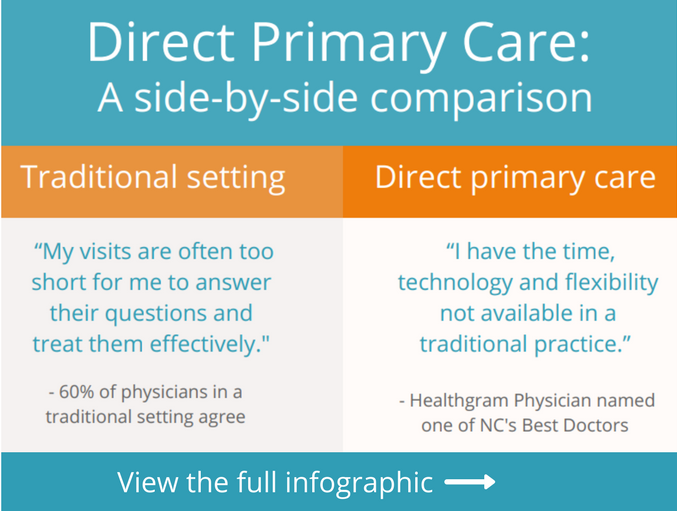
DEFINITION: The DPC model was created to allow for a singular focus upon the Primary Care Physician-2-Patient relationship. To achieve this, DPC removes the hassles and overhead expenses created by insurance and replaces it with a fixed monthly membership fee. This simplified approach frees the physician from meaningless paperwork and allows them to only see 8-10 patients a day. This level of personalized engagement allows them to develop a meaningful and enduring relationship with each patient.

CITE: https://www.r2library.com/Resource/Title/0826102549

By James Hawkes MD

***

Dr. James Hawkes grew up in a large family. His father was a U.S. diplomat, which exposed him to different models of healthcare. In addition to exposure, his grandmother encouraged him to become a doctor. He followed her recommendation but to his surprise, the definition of a good doctor wasn’t about improving patients’ quality of life it was about hierarchies, documentation, administrative requirements, and quality measures. 

***

Shortly after saying goodbye to the traditional healthcare model, he launched his own direct care practice. Fast forward to today, he is a 100% debt-free direct care physician. He shares his story of how it’s possible to achieve this goal.

PODCAST: https://healthcareamericana.com/episode/how-to-become-a-debt-free-direct-care-physician/

***

COMMENTS APPRECIATED

Thank You

Subscribe to the Medical Executive-Post

***

***

****

PODCAST: “Real ACOs Haven’t Been Tried Yet!”

What is an Accountable Care Organization?

DEFINITION: ACOs are groups of doctors, hospitals, and other health care providers, who come together voluntarily to give coordinated high-quality care to their patients. The goal of coordinated care is to ensure that patients get the right care at the right time, while avoiding unnecessary duplication of services and preventing medical errors. When an ACO succeeds both in delivering high-quality care and spending health care dollars more wisely, the ACO will share in the savings.

Citation: https://www.r2library.com/Resource/Title/0826102549

****

QUESTION: What happens when you’re a healthcare policy wonk and the pilot study for your pet program has failed miserably? 

ANSWER: You declare “Success!” in the editorial pages of the New England Journal of Medicine and demand that the program become nationwide and mandatory. I kid you not.  This is exactly what happens.

Thankfully, Anish Koka is vigilant and explains the blatant obfuscations and manipulations that the central planners engage in to have their way.

***

And so, In this video, Anish and colleague Michel Accad, MD, will reveal the machinations, take the culprits to task, and discuss pertinent questions regarding health care organization: 

  • Does “capitation” reduce costs? 
  • Do employed physicians necessarily utilize fewer resources? 
  • What happens when a HMO and a traditional fee-for-service health system operate side-by-side in a community?
BMC and Accountable Care - Boston Medical Center

Enjoy!

PODCAST: http://alertandoriented.com/real-acos-havent-been-tried-yet/

Your thoughts are appreciated.

THANK YOU

***

***

77% of Surveyed ACOs Use 6 or More EHR Systems

By Staff Reporters

***

77% of Surveyed ACOs Use 6 or More EHR Systems

***

All roads lead to the EHR - MedCity News

According to a recent AJMC survey of 163 MSSP ACOs

 •  Just 9% of surveyed ACOs use a single EHR system throughout their entire organization.
 •  77% of surveyed ACOs use 6 or more EHR systems.
 •  Among the 37% of Medicare Shared Savings Program ACOs with 16 or more EHR systems, concerns about EHR-based quality measures include access to data, standardization of data elements, and cost of integrating across systems.

Source: AJMC, “Use of Electronic Health Record Systems in Accountable Care Organizations”, January 18th 2022

***

***

***

COMMENTS APPRECIATED

Thank You

Subscribe to the Medical Executive-Post

***

On Nursing Capitation Reimbursement?

Partial-Risk Medicare Nursing Capitation Economics is Still Not Working!

By Dr. David E. Marcinko MBA MEd CMP®

SPONSOR: http://www.CertifiedMedicalPlanner.org

CMP logo

Capitated reimbursement is predominantly, but not exclusively, within the realm of physician providers. But, a decade ago Community Nursing Organization project examined an innovative approach to community nursing and ambulatory care services for Medicare beneficiaries. The hypothesis was that provision of such services would promote the timely and appropriate use of health care and to reduce the use of costly acute care services.

Organizations participating in the CNO demonstration were paid a fixed per-member-per-month capitated rate for covered services. But, the participating CNOs were only at risk under capitation for a subset of Medicare benefits [partial-capitation or carve-out]. The financial incentive was to minimize utilization covered under the capitated payment, but not necessarily to minimize utilization of services not covered because traditional Medicare, not the CNO, would be at risk.

Assessment

Final results indicated that the CNO model under partial capitation led to increased Medicare costs based on findings consistent across several analytic approaches. The cost differences between treatment and control or reference groups persisted after the application of increasingly complex risk-adjustment methods.

Moreover, the differences increased over time and were robust to changes in the way CNO participation was defined.

Lastly, there was no statistically significant evidence of increase in physical or social functioning of the treatment group, as compared with the control group. CNOs cost more without providing any health benefits along dimensions measured

[Source: Voluntary Partial Capitation: The CNO Medicare Demonstration Project, Austin Frakt, Steve Pizer, Robert Schmitz, and Soeren Mattke – Health Care Financing Review 2005).

Your thoughts are appreciated.

CAPITATION ECONOMICS WHITE-PAPER: https://medicalexecutivepost.com/wp-content/uploads/2008/11/capitation-actuarial-medical-econometrics.pdf

SECOND OPINIONS: https://medicalexecutivepost.com/schedule-a-consultation/

INVITE DR. MARCINKO: https://medicalexecutivepost.com/dr-david-marcinkos-bookings/

Product Details

ORDER Textbook: https://www.amazon.com/Business-Medical-Practice-Transformational-Doctors/dp/0826105750/ref=sr_1_9?ie=UTF8&qid=1448163039&sr=8-9&keywords=david+marcinko

THANK YOU

***

PODCAST: Shortages in Healthcare

SUPPLY DEMAND CURVE

By Eric Bricker MD

***

***

COMMENTS APPRECIATED

Subscribe Today!

***

***

CORRELATION in Modern Portfolio Theory Investing

“Correlation” has been used over the past twenty years by institutions, [physician] investors and financial advisors to assemble portfolios of moderate INVESTMENT risk

By Dr. David Edward Marcinko MBA MEd CMP®

CMP logo

SPONSOR: http://www.CertifiedMedicalPlanner.org

Modern Portfolio Theory approaches investing by examining the complete market and the full economy. MPT places a great emphasis on the correlation between investments. 

DEFINITION: Correlation is a measure of how frequently one event tends to happen when another event happens. High positive correlation means two events usually happen together – high SAT scores and getting through college for instance. High negative correlation means two events tend not to happen together – high SATs and a poor grade record. No correlation means the two events are independent of one another.

CITATION: https://www.r2library.com/Resource/Title/0826102549

CORRELATION: https://medicalexecutivepost.com/2021/02/05/correlation-is-not-causation/

In statistical terms two events that are perfectly correlated have a “correlation coefficient” of 1; two events that are perfectly negatively correlated have a correlation coefficient of -1; and two events that have zero correlation have a coefficient of 0.

In calculating correlation, a statistician would examine the possibility of two events happening together, namely:

  • If the probability of A happening is 1/X;
  • And the probability of B happening is 1/Y; then
  • The probability of A and B happening together is (1/X) times (1/Y), or 1/(X times Y).

There are several laws of correlation including;

  1. Combining assets with a perfect positive correlation offers no reduction in portfolio risk.  These two assets will simply move in tandem with each other.
  2. Combining assets with zero correlation (statistically independent) reduces the risk of the portfolio.  If more assets with uncorrelated returns are added to the portfolio, significant risk reduction can be achieved.
  3. Combing assets with a perfect negative correlation could eliminate risk entirely.   This is the principle with “hedging strategies”.  These strategies are discussed later in the book.

In the real world, negative correlations are very rare.  Most assets maintain a positive correlation with each other.  The goal of a prudent investor is to assemble a portfolio that contains uncorrelated assets.  When a portfolio contains assets that possess low correlations, the upward movement of one asset class will help offset the downward movement of another.  This is especially important when economic and market conditions change.

As a result, including assets in your portfolio that are not highly correlated will reduce the overall volatility (as measured by standard deviation) and may also increase long-term investment returns. This is the primary argument for including dissimilar asset classes in your portfolio. Keep in mind that this type of diversification does not guarantee you will avoid a loss.  It simply minimizes the chance of loss. 

In this table provided by Ibbotson, the average correlation between the five major asset classes is displayed. The lowest correlation is between the U.S. Treasury Bonds and the EAFE (international stocks).  The highest correlation is between the S&P 500 and the EAFE; 0.77 or 77 percent. This signifies a prominent level of correlation that has grown even larger during this decade.   Low correlations within the table appear most with U.S. Treasury Bills.

Historical Correlation of Asset Classes

Benchmark                             1          2          3         4         5         6            

1 U.S. Treasury Bill                  1.00    

2 U.S. Bonds                          0.73     1.00    

3 S&P 500                               0.03     0.34     1.00    

4 Commodities                         0.15     0.04     0.08      1.00      

5 International Stocks              -0.13    -0.31    0.77      0.14    1.00       

6 Real Estate                           0.11      0.43    0.81     -0.02    0.66     1.00

Table Source: Ibbotson 1980-2012

ASSESSMENT: Your thoughts are appreciated.

Comprehensive Financial Planning Strategies for Doctors and Advisors: Best Practices from Leading Consultants and Certified Medical Planners™

ORDER Textbook: https://www.amazon.com/Comprehensive-Financial-Planning-Strategies-Advisors/dp/1482240289/ref=sr_1_1?ie=UTF8&qid=1418580820&sr=8-1&keywords=david+marcinko

SECOND OPINIONS: https://medicalexecutivepost.com/schedule-a-consultation/

INVITE DR. MARCINKO: https://medicalexecutivepost.com/dr-david-marcinkos-bookings/

THANK YOU

***


BANKS: Eight Types; plus 1

DOCTORS NEED TO KNOW

SPONSOR: https://marcinkoassociates.com/

By Dr. David Edward Marcinko MBA MEd CMP

A general understanding of these bank types is suggested for any medical professional prior to launching a self-directed [ME, Inc] medical practice, clinic, guided investment strategy, personal financial plan or wealth building portfolio effort; etc.

READ HERE: https://marcinkoassociates.com/bank-types/

COMMENTS APPRECIATED

Thank You

***

***

ZOMBIE: Banks?

By Staff Reporters

***

***

  • A zombie bank is an insolvent financial institution that is able to continue operating thanks to explicit or implicit support from the government.
  • Zombie banks are kept afloat to prevent panic from spreading to healthier banks.
  • The term zombie bank was first coined by Edward Kane of Boston College in 1987, in reference to the savings and loan crisis (S&L).

CITE: https://www.r2library.com/Resource

COMMENTS APPRECIATED

Thank You

***

***

Understanding Bond Duration

[By Dr. David Edward Marcinko; MBA, MEd, CMP™]

fp-book1

Because of today’s stock market volatility, and virtual collapse in some banks and world equities, an interesting question often arises when the physician-investor considers investing in bonds; as more and more are doing.

Question

How much will a bond’s price change from a 1 percent change in interest rates? 

Duration Defined

To answer this, consider the concept of duration.  According to Jeff Coons PhD, CFP™, a bond’s duration is the weighted average life of its cash flows.

Thus, if your bond pays $60 per year in coupon payments for ten years and $1,000 in par value at the end of the ten years, the duration is the length of time that it takes for you to receive the present value of the coupon payments and par value. 

CITE: https://www.r2library.com/Resource/Title/082610254

Rule-of-Thumb

How does this help answer the original question?  There is a handy rule-of-thumb that says the duration of a bond times the change in market interest rates is the approximate price change of the bond.  Thus, the price of a ten-year Treasury bond with a duration of approximately 7.8 years will appreciate (decline) by about 7.8 percent with a drop (increase) in interest rates of 1 percent.

Assessment

For each of the two basic types of bonds, the duration is the following:

1. Zero-Coupon Bond – Duration is equal to its time to maturity, and

2. Vanilla Bond – Duration will always be less than its time to maturity. 

Channel Surfing the ME-P

Have you visited our other topic channels? Established to facilitate idea exchange and link our community together, the value of these topics is dependent upon your input. Please take a minute to visit. And, to prevent that annoying spam, we ask that you register. It is fast, free and secure.

The BANKS: https://www.fool.com/investing/2023/03/30/why-is-everyone-talking-about-duration/

Conclusion

Your thoughts and comments on this ME-P are appreciated. Feel free to review our top-left column, and top-right sidebar materials, links, URLs and related websites, too. Then, subscribe to the ME-P. It is fast, free and secure.

Speaker: If you need a moderator or speaker for an upcoming event, Dr. David E. Marcinko; MBA – Publisher-in-Chief of the Medical Executive-Post – is available for seminar or speaking engagements. Contact: MarcinkoAdvisors@msn.com

OUR OTHER PRINT BOOKS AND RELATED INFORMATION SOURCES:

Product DetailsProduct DetailsProduct Details

Product Details  Product Details

Comprehensive Financial Planning Strategies for Doctors and Advisors: Best Practices from Leading Consultants and Certified Medical Planners(TM)

PODCAST: What is Public Health?

By American Journal of Public Health

***

Public health is now part of the political conversation but everyone doesn’t understand it in the same way. Hence the idea of interviewing Governor John Kasich, former governor of Ohio, who has been promoting a greater attention to public health, about what is public health for him.

CITE: https://www.r2library.com/Resource/Title/082610254

***

***

COMMENTS APPRECIATED

Thank You

***

***

INSURANCE: https://www.amazon.com/Dictionary-Health-Insurance-Managed-Care/dp/0826149944/ref=sr_1_4?ie=UTF8&s=books&qid=1275315485&sr=1-4

***

TECH: https://www.amazon.com/Dictionary-Health-Information-Technology-Security/dp/0826149952/ref=sr_1_5?ie=UTF8&s=books&qid=1254413315&sr=1-5

***

PODCAST: Hospital Healthcare Finance Explained

By Eric Bricker MD

***

***

COMMENTS APPRECIATED

Thank You

Subscribe to the Medical Executive-Post

CITE: https://www.r2library.com/Resource/Title/082610254

***

***

***

***

****

Whither the CERTIFIED MEDICAL PLANNER™ Marks?

Wither the CERTIFIED MEDICAL PLANNER™ Professional Certification?

CMP logo

DEAR INVESTMENT ADVISORS, CPAs, FINANCIAL PLANNERS, FINANCIAL ADVISORS & INSURANCE AGENTS

We believe that:

If you do not have a market niche; you are not deeply informed
If you are not deeply informed; you can’t different yourself
If you can’t differentiate yourself; you can’t differentiate price
If you can’t differentiate price; you have no market power
If you have no market power; you have no unique knowledge
If you have no unique knowledge; you have fewer profits

If you have fewer profits; you are not likely a CMP™

CMP

PROGRAM CURRICULUM: Enter the CMPs

POPULAR BOOKS: https://medicalexecutivepost.com/2021/04/29/why-are-certified-medical-planner-textbooks-so-darn-popular/

Dean Gene Schmuckler PhD MBA MEd CTS
http://www.CertifiedMedicalPlanner.org

THANK YOU

***

PODCAST: A Full Course on Bio-Statistics

By Quinnipiac University

Biostatistics are the development and application of statistical methods to a wide range of topics in biology. It encompasses the design of biological experiments, the collection and analysis of data from those experiments and the interpretation of the results.

The following topics of #biostatistics are discussed in this course

⭐️ Table of Contents ⭐️ 0:00

Module 1 – Introduction to Statistics 29:13 Module 2 – Describing Data: Shape 45:44 Module 3 – Describing Data: Central Tendency 1:03:34 Module 4 – Describing Data: Variability 1:34:51 Module 5 – Describing Data: Z-scores 1:43:25 Module 6 – Probability (part I) 2:09:21 Module 6 – Probability (part II) 2:26:22 Module 7 – Distribution of Sample Means 2:41:24 Module 9 – Estimation & Confidence Intervals & Effect Size 2:56:59 Module 10 – Misleading with Statistics 3:17:43 Module 11 – Biostatistics in Medical Decision-making 4:13:36 Module 11b – Biostatistics in Medical Decision-Making: Clinical Application 4:56:51 Module 12 – Biostatistics in Epidemiology 5:05:16 Module 13 – Asking Questions: Research Study Design 5:10:15 Module 14 – Bias & Confounders 5:39:20 Module 16 – Correlation & Regression 6:06:19 Module 17 – Non-parametric Tests ⭐️

CITE: https://www.r2library.com/Resource/Title/0826102549

PODCAST: 0:00

YOUR COMMENTS ARE APPRECIATED.

Thank You

Risk Management, Liability Insurance, and Asset Protection Strategies for Doctors and Advisors : Best Practices from Leading Consultants and Certified Medical Planners™ book cover

RISK MANAGEMENT: https://www.routledge.com/Risk-Management-Liability-Insurance-and-Asset-Protection-Strategies-for/Marcinko-Hetico/p/book/9781498725989

***

The Diderot Effect?

What is it?

[By staff reporters]

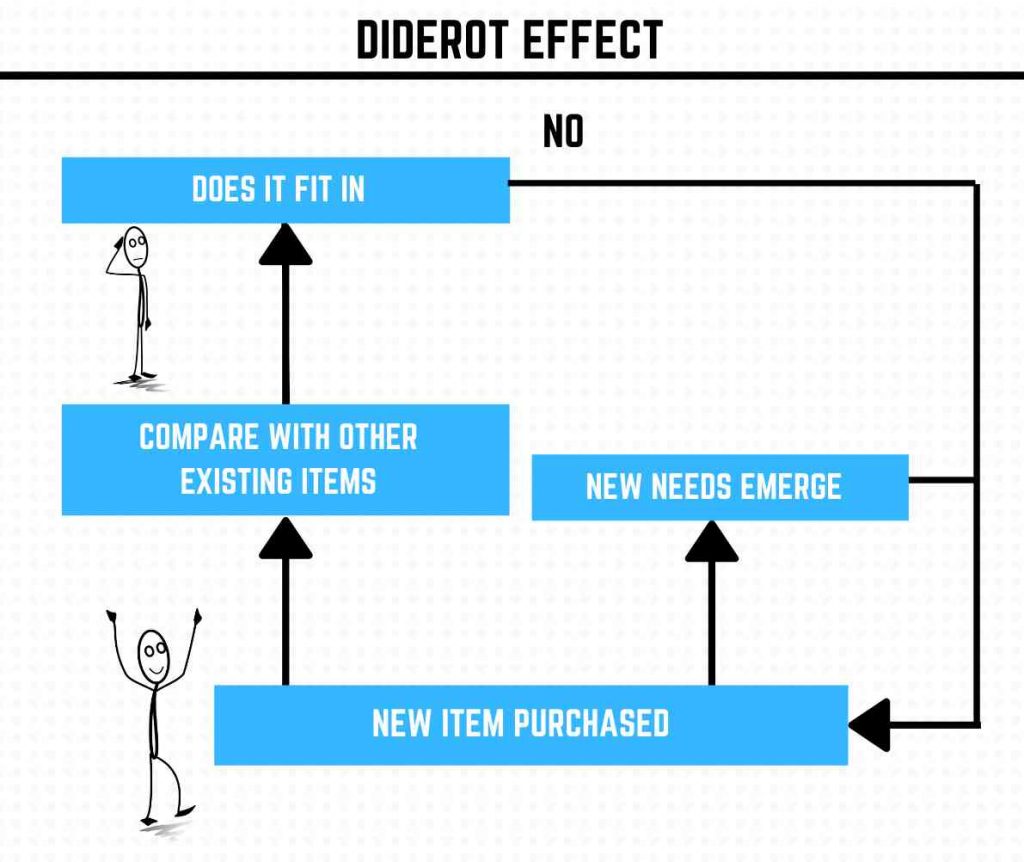
The Diderot Effect is a social phenomenon related to consumer goods. It is based on two ideas.

The first idea is that goods purchased by consumers will align with their sense of identity, and, as a result, will complement one another.

The second idea states that the introduction of a new possession that deviates from the consumer’s current complementary goods can result in a process of spiraling consumption.

The term was coined by anthropologist and scholar of consumption patterns Grant McCracken in 1988, and is named after the French philosopher Denis Diderot, who first described the effect in an essay.

MORE: https://medicalexecutivepost.com/2021/01/25/the-prosperity-paradox/

Assessment

Your thoughts are appreciated.

Thank You

***

MEDICAL DEBT: Banks and Private Equity Cash In When Patients Can’t Pay Bills

By Noam N. Levey and Aneri Pattani

***

Robin Milcowitz, a Florida woman who found herself enrolled in an AccessOne loan at a Tampa hospital in 2018 after having a hysterectomy for ovarian cancer, said she was appalled by the financing arrangements.“Hospitals have found yet another way to monetize our illnesses and our need for medical help,” said Milcowitz, a graphic designer.

She was charged 11.5% interest — almost three times what she paid for a separate bank loan. “It’s immoral,” she said.

READ: https://khn.org/news/article/how-banks-and-private-equity-cash-in-when-patients-cant-pay-their-medical-bills/

MORE: https://khn.org/news/article/medical-debt-hospitals-dallas-fort-worth/

***

COMMENTS APPRECIATED

Thank You

***

ORDER: https://www.amazon.com/Financial-Management-Strategies-Healthcare-Organizations/dp/1466558733/ref=sr_1_3?ie=UTF8&qid=1380743521&sr=8-3&keywords=david+marcinko

***

ORDER: https://www.amazon.com/Hospitals-Healthcare-Organizations-Management-Operational/dp/1439879907/ref=sr_1_4?s=books&ie=UTF8&qid=1334193619&sr=1-4

***

DOCTOR: What is Your Investment Philosophy for [Second-Half] 2024?

HERE IS MINE IN BRIEF

DR. DAVID EDWARD MARCINKO MBA MEd CMP

***

SPONSOR: https://marcinkoassociates.com/

***

We have produced Investment Policy Statements of a hundred pages or more for our esteemed physician clients and colleagues. Or, others were just a few pages or a conversation.

ISP: https://medicalexecutivepost.com/2023/03/02/selecting-money-managers/

But, before deciding on any investment direction and philosophy in brief, however, we typically first focus on how much medical clients need to live on. For the income part of a client’s portfolio, that entails locking in rates of at least 4-5%, whether through municipal and corporate bonds, certificates of deposits, Treasury ladders, utilities or conservative dividend producing equities or ETFs, etc.

CITE: https://www.r2library.com/Resource

Once income requirements are fulfilled, whatever money is left over gets diversified into a portfolio of growth and value stocks—with some alternative investments. We limit making tactical shifts like putting money into cash when markets fell last year, or more recently, buying CDs and Treasuries as rates went up.  But, we do re-direct cash income, rather than sell assets in real time, as our philosophy trends to a “Buy and Hold” strategy.

Currently, we’re sitting on the sidelines with cash, some of which we are getting ready to deploy into the market as we position for any pullbacks later this 2024 year.

So, what is your investing philosophy for today, and or, tomorrow?

COMMENTS APPRECIATED

Thank You

***

***

About LOW Debt to Equity Ratios

WHAT AND WHY?

Low Debt / Equity Ratios

What? – Debt to Equity displays the financial leverage a company takes on to grow and support their operations. – It gives investors a glimpse if a company is raising capital through debt products more than they are using equity provided by investors.

Why? – If a company is highly leverage (i.e., having copious amounts of debt) then they are more susceptible to risk to their operations if any economic downturn occurs of if interests’ rates increase. Yet, they can grow at a faster pace and use the capital provided by investors on other growth projects.

If a company is uses equity, then they are less susceptible to risk to their operations if any economic downturn occurs of if interests’ rates increase. However, they cannot grow their business as fast as a company that uses more debt.

CITE: https://www.r2library.com/Resource/Title/0826102549

Now What? Compare the stocks within this list to equally sized stocks within a similar industry sector.

For example, Compare Small Cap tech stocks with one another. Determine if they are trying to grow their business or if they are trying to save the business by lending capital to turnaround their company and avoid bankruptcy.

RELATED: https://medicalexecutivepost.com/2021/10/10/what-is-medical-practice-financial-ratio-analysis/

YOUR COMMENTS ARE APPRECIATED.

***

***

Thank You

***

3 FINANCIAL SLANG “T” Terms

DEFINITIONS Physician-Investors Need to Know

By. Dr. David E. Marcinko MBA MEd CMP®

CMP logo


SPONSOR: http://www.CertifiedMedicalPlanner.org

***

Trading AheadUnethical and illegal trading by specialists or market makers.
A specialist may buy a stock for themselves from Dr. John Q. Public even though a better price is available from another seller. The specialist can view bid and ask prices and then manually mis-match them, or see ahead to a less favorable price. It happens in this editor’s experience, by observing how long it takes for a stop order to execute after the stop price was reached.
This practice is a form of shimming.
***
Trading ImbalanceA situation where a large block of stock is put up for sale, but not enough buyers are available for purchase, and a market maker is unable to buy the imbalance. Lightly traded and tightly held stocks are considered temporarily illiquid during such imbalances.
On occasion, a trading halt is put into place until enough buyers are available to purchase the deficit. On rare occasion, a handful of buyers can buy the stock at a huge discount if the stock was not halted during the imbalance.
On the New York Stock Exchange, large stocks usually have a “delayed open” for such imbalances, as a trading specialist will fill the order by lining up buyers for the block, and then open trading for the stock for the day.
***
Triple Witching HourThe final hour of trading on a Friday when stock index futures, stock index options, and stock options all expire. This happens on the third Friday in March, June, September, and December. See Quadruple Witching Hour.
***

CITE: https://www.r2library.com/Resource/Title/0826102549

***

YOUR COMMENTS ARE APPRECIATED.

Thank You

***

What is an Unregistered Security?

By Staff Reporters

***

***

A security, most simply, is a financial instrument traded for profit. They form the basis of investment contracts for thinks like equities, debt, and derivatives.

CITE: https://www.r2library.com/Resource/Title/0826102549

The SEC points to the Howey Test to determine if an asset can be classed as a security. This test has four prongs, all of which need to be passed to be determined a security: [1] An investment of money [2] in a common enterprise [3] with expectations of a profit [4] to be derived from the efforts of others.

In the US, if an asset is deemed to be a security it needs to be registered with the SEC. For example, an initial public offering (IPO) of a stock newly listed on the stock exchange represents the first offering of its freshly registered securities. Securities need to be registered as it gives the issuing company the relevant shareholder information to pay dividends and provide relevant stock-related information. It also helps reduce fraud by keeping on record the legitimate owner of the security.

According to the SEC, an unregistered security is simply one that hasn’t been rubber-stamped by the regulator. 

Unregistered securities have been the subject of several scams, with the SEC saying their hallmarks include the promise of high yields with no risk, aggressive sales tactics, and are backed by unqualified investment professionals. As such, their use is limited.

Only accredited investors, defined as those with a net worth higher than $1 million or an annual income exceeding $200,000, can trade unregistered securities, essentially locking out most retail investors. The threshold is seen as a gauge of financial sophistication and suggests a buffer for eligible investors against potential losses.

RELATED: https://medicalexecutivepost.com/2022/01/14/the-private-placement-regulation-d-securities-exemption/

***

COMMENTS APPRECIATED

Thank You

***

ORDER: https://www.routledge.com/Comprehensive-Financial-Planning-Strategies-for-Doctors-and-Advisors-Best/Marcinko-Hetico/p/book/9781482240283

***

MUTUAL FUNDS: Terms and Definitions for Physicians

A “Need-to-Know” Glossary for all Medical Professionals

http://www.HealthDictionarySeries.org

HDS

[ME-P Staff Writers] 

ADV: A two-part form filed by investment advisors who register with the Securities and Exchange Commission (SEC), as required under the Investment Advisers Act. ADV Part II information must be provided to potential investors and made available to current investors.

Alpha: A measure of the amount of a portfolio’s expected return that is not related to the portfolio’s sensitivity to market volatility. A benchmark that uses beta as a measure of risk, a benchmark and a risk free rate of return (usually T-bills) to compare actual performance with expected performance.

For example, a fund with a beta of .80 in a market that rises 10% is expected to rise 8%.

If the risk-free return is 3%, the alpha would be –.6%, calculated as follows: (Fund return – Risk-free return) – (Beta x Excess return) = Alpha   (8% – 3%) – [.8 × (10% – 3%)] = (–) .6%   

Note: A positive alpha indicates out-performance while a negative alpha means underperformance. 

Asset allocation: Strategic asset allocation refers to the long-term targets for allocation of a percentage of a portfolio among different asset classes. In contrast, tactical asset allocation refers to short-term targets.

Average maturity: The average weighted maturity of the bonds in a portfolio providing an indication of interest rate risk.

Benchmark: An index, managed portfolio, or fund used to compare performance characteristics with the targeted portfolio or fund.

Beta: A statistically computed measure of the portfolio’s relationship to changes in market value. If, compared to the S&P 500, a fund has a beta of .80; it is expected to under perform a rising market by 20% and outperform a falling market by 20%. 

Bond: Publicly traded debt instruments that are issued by governments and corporations. The issuer agrees to pay a fixed amount of interest over a specified time period and to repay the principal at maturity.

Closed-end mutual fund: An investment company that registers shares in accordance with SEC regulations and is traded in securities markets at prices determined by investments. 

Diversification: Buying a number of different investment vehicles to protect against default of a single vehicle, thereby reducing the risk of the portfolio.

Duration: A more technical calculation of interest rate risk exposure that uses the present value of expected cash flows to be returned to the bond holder over the term of the bond. 

Fundamental analysis: An analysis of a company’s stock that focuses on the economic environment, the industry the company is in, and the company’s financial situation and operating results.

Mutual fund: A regulated investment company that manages a portfolio of securities for its shareholders.

Net asset value (NAV): The value of fund assets fewer liabilities divided by outstanding shares. 

Open-end mutual fund: An investment company that invests money in accordance with specific objectives on behalf of investors. Fund assets expand or contract based on investment performance, new investments and redemptions.

Portfolio manager: The person(s) who is/are responsible for managing the portfolio in accordance with the objectives dictated by an investor or a fund’s prospectus.

Prospectus: A disclosure document filed with the SEC and made available to prospective and current investors. The prospectus covers sales charges, expenses, investment objectives and restrictions, management fees, financial highlights, and other information. 

R-squared (R2): Relationship of a fund or portfolio’s performance to a benchmark index.

For example, a fund R-squared of .5 means only 50% of its return is explained by the index. Other factors are responsible for the balance of performance. 

SEC yield: A standardized calculation of yield over a 30-day period, sometimes quoted as the “30-day yield.” It takes into account yield-to-maturity rather than current dividends. 

Standard deviation: A statistic that looks at a series of returns and expresses the average deviation from the mean return.

Statement of additional information: A disclosure document filed with the SEC that supplements the prospectus. It is made available to investors upon request. 

Technical analysis: An analysis that focuses on trends in financial markets generally.

For example, a technical analyst may view an entire industry’s group of stocks to be declining. Although the analyst may be correct about the group of stocks as a whole, there may be exceptions represented by specific, individual companies.

Total return: The combination of investment return from income, such as dividends and interest, and appreciation or depreciation in the value of the investment (Income returns plus capital return.) 

Turnover: Under SEC rules, a figure computed that indicates how often securities in the portfolio are bought and sold. For example, if turnover is 100% over a one-year period, the securities (on average) were replaced once. 

12b-1 fee: The maximum annual fee payable from fund assets for distribution and sales costs as allowed by the SEC. 

CITE: https://www.r2library.com/Resource

MORE: Glossary Terms Ap 3

Library

***

***

What is IMPLIED Stock Volatility?

By Staff Reporters

***

Implied open attempts to predict the prices at which various stock indexes will open at 9:30 am EST. It is frequently shown on various cable television channels and websites prior to the start of the next business day.  This is a powerful tool that gives traders an indication on whether they should be bullish or bearish during the market for SPX, NDX, and RUT.

***

What is Implied Volatility?

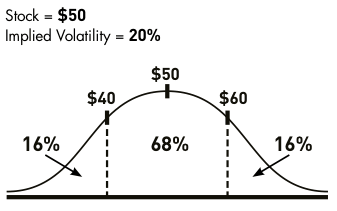
Implied volatility shows how much movement the market is expecting in the future.

Options with high levels of implied volatility suggest that investors in the underlying stocks are expecting a big move in one direction or the other. It could also mean there is an event coming up soon that may cause a big rally or a huge sell-off.

MORE: https://medicalexecutivepost.com/2022/03/18/options-and-derivatives-glossary/

However, implied volatility is only one piece of the puzzle when putting together an options trading strategy.

***

RELATED: https://www.amazon.com/Comprehensive-Financial-Planning-Strategies-Advisors/dp/1482240289/ref=sr_1_1?ie=UTF8&qid=1418580820&sr=8-1&keywords=david+marcinko

VIX: https://medicalexecutivepost.com/2022/09/01/what-up-vix/

***

COMMENTS APPRECIATED

Thank You

***

STOCK SPLITS: A Vital Equity Investing Concept for Physicians and all Investors

By Dr. David Edward Marcinko MBA MEd CMP™

SPONSOR: http://www.CertifiedMedicalPlanner.org

***

***
One important equity concept that medical professionals should be aware of is the idea of stock splits.

In a stock split, a corporation issues a set number of shares in exchange for each share held by share holders. Typically, a stock split increases the number of shares owned by a shareholder.

CITE: https://www.r2library.com/Resource

For example, XYZ Corp. may declare a 2-for-1 split, which means that share holders will receive two shares for each share that they own. However, corporations can also declare a reverse stock split, such as a 1-for-2 split where shareholders would receive 1 share for every two shares that they own.


While stock splits can either increase or decrease the number of shares that a share holder owns, the most important thing to understand about stock splits is that they have no impact on the aggregate value of the shareholder’s position in the company.

Using the XYZ Corp. example above, if the stock is trading at $10 per share, an investor owning 100 shares has a 24 total position of $1,000. After the 2-for-1 split occurs the investor will now own 200 shares, but the value of the stock will adjust downward from $10 per share to $5 per share.

Thus, the investor still owns $1,000 of XYZ stock. While stock splits are often interpreted as signals from management that conditions in the company are strong, there is no intrinsic reason that a stock split will result in subsequent stock appreciation.

NVIDIA Splits: https://tinyurl.com/238yze4k

***

COMMENTS APPRECIATED

Thank You

***

***

Hurdle Rates V. Highwater Marks V. Claw Back Provisions

More on Hedge Funds and Fees

dem-2By Dr. David Edward Marcinko MBA MEd CMP®

SPONSOR: http://www.CertifiedMedicalPlanner.org

Many physicians and other investors — even those that meet net worth guidelines — are surprised to learn that there exists a $500 – 999 billion, or more, alternative investment industry that is not generally marketed to the public. Such alternative investments have also been known as hedge funds or private investment funds.

Unlike mutual funds, these alternative investments can be structured in a wide variety of ways. Because of the very same regulations discussed above, these funds cannot be advertised, but they are far from illegal or illicit.

http://www.CertifiedMedicalPlanner.org

cmp

History

In fact, physicians were among the most significant early investors in one of the last century’s most successful hedge funds. Mr. Warren Buffett, Chairman of Berkshire Hathaway, Inc. and a legendary investor got his start in 1957 running the Buffett Partnership, an alternative investment fund not open to the general public. Mr. Buffett’s first public appearance as a money manager was before a group of physicians in Omaha, Nebraska. Eleven decided to put some money with him. A few of these original investors followed him into Berkshire Hathaway, now among the most highly valued companies in the world.

The alternative investment, or hedge, funds of today are similar to the original Buffett Partnership in many ways. So, we will discuss several unique terms which potential investors should be aware.

http://www.HealthDictionarySeries.org

hds

Hurdle Rate

Hedge funds may feature a hurdle rate as part of the calculation of the fund manager’s performance incentive compensation. Also known as a “benchmark,” the hurdle rate is the amount, expressed in percentage points, an investor’s capital account must appreciate before the account becomes subject to a performance incentive fee. Potential medical investors should view the hurdle rate as a form of protection in context with other features of the fee arrangement.

The hurdle rate, which benchmarks a single year’s performance, may be considered mutually exclusive of any other year, or the hurdle rate may compound each year. The former case is more common. In the latter case, a portfolio manager failing to attain a hurdle rate in the first year will find the effective hurdle rate considerably higher during the second year.

Once a fund manager attains the hurdle rate for an investor, the medical investor’s capital account may be charged a performance incentive fee only on the performance above and beyond the hurdle rate. Alternatively, the account may be charged a performance fee for the entire level of performance, including the performance required to attain the hurdle rate. Other variations on the use of the hurdle rate exist, and are limited only by the contract signed between the fund manager and the investor. The hurdle rate is not generally a negotiating point, however.

Example:

A fund charges a performance fee with a 6 percent hurdle rate, calculated in mutually exclusive manner. Dr. Lanouettea, a radiologist investor places $100,000 with the fund. The first year’s performance is 5 percent. The investor therefore owes no performance fee during the first year because the portfolio manager did not attain the hurdle rate. During year two, the portfolio manager guides the fund to a 7 percent return. Because the hurdle rate is mutually exclusive of any other year, the portfolio manager has attained the 6 percent hurdle rate and is entitled to a performance fee.

Highwater Mark

Some funds feature a highwater mark provision, also known as a ”loss-carryforward” provision. As with the hurdle rate, potential investors should consider the highwater mark a form of protection. A high water mark is an amount equal to the greatest value of an investor’s capital account, adjusted for contributions and withdrawals. The high water mark ensures that the hedge fund manager charges a performance incentive fee only on the amount of appreciation over and above the highwater mark set at the time the performance fee was last charged. The current trend is for newer funds to feature this highwater mark, while older, larger funds may not feature it.

Example:

A fund charges a 20 percent performance fee with a highwater mark but no hurdle rate. Dr. Butalak, a dentist investor contributes $100,000 to the fund. During the first year, the hedge fund manager grows that capital account to $110,000 and charges a 20 percent performance fee, or $2,000. The ending capital account balance and highwater mark is therefore $108,000. During year two, the account falls back to $100,000, but the highwater mark remains $108,000. During year three, in order for the manager to charge a performance fee, the manager must grow the capital account to a level above $108,000.

Clawback Provision

Rarely, a fund may provide investors with a clawback provision. This term, borrowed from the venture capital fund world, such provisions result in a refund to the investor of all or part of a previously charged performance fee if a certain level of performance is not attained in subsequent years. Such refunds in the face of poor or inadequate performance may not be legal in some states or under certain authorities.

Conclusion

Your thoughts and comments on this ME-P are appreciated. Feel free to review our top-left column, and top-right sidebar materials, links, URLs and related websites, too. Then, subscribe to the ME-P. It is fast, free and secure.

Speaker: If you need a moderator or speaker for an upcoming event, Dr. David E. Marcinko; MBA – Publisher-in-Chief of the Medical Executive-Post – is available for seminar or speaking engagements. Contact: MarcinkoAdvisors@msn.com

OUR OTHER PRINT BOOKS AND RELATED INFORMATION SOURCES:

 Risk Management, Liability Insurance, and Asset Protection Strategies for Doctors and Advisors: Best Practices from Leading Consultants and Certified Medical Planners™  Comprehensive Financial Planning Strategies for Doctors and Advisors: Best Practices from Leading Consultants and Certified Medical Planners™

***

PODCAST: What is an “Entrepreneur” According to Austrian Eonomists

The Methodology of Thinking on Your Own

Courtesy: http://www.CertifiedMedicalPlanner.org

cropped-dem

By Dr. David E. Marcinko MBA MEd CMP

The Austrian school of Economics uses the logic of a priori thinking—something a person can think on their own without relying on the outside world—to discover economic laws of universal application.

The other mainstream schools of economics, like the neoclassical school, the new Keynesians and others, make use of data and mathematical models to prove their point objectively.

In this respect, the Austrian school can be more specifically contrasted with the German historical school that rejects the universal application of any economic theorem.

PODCAST: https://www.youtube.com/watch?v=MxK8FKU3BPs

And so, colleague Peter Quinones Free Man Beyond The Wall – welcomes Per in this podcast presentation. Per talks about the role of the entrepreneur, not only in society, but according to the Austrian School of Economics!

***Hayek_FeatuedImage

***

PODCAST: http://freemanbeyondthewall.libsyn.com/episode-312

Assessment: Your thoughts and comments are appreciated.

THANK YOU

Product DetailsProduct DetailsProduct Details

***

Correlation is NOT Causation!

“CORRELATION DOES NOT IMPLY CAUSATION”
Repeat After Me!

DEFINITION: The phrase “correlation does not imply causation” refers to the inability to legitimately deduce a cause-and-effect relationship between two events or variables solely on the basis of an observed association between them.
CITE: https://www.r2library.com/Resource/Title/082610254

***

***

LOGIC FALLACY: The idea that “correlation implies causation” is an example of a questionable-cause logical fallacy, in which two events occurring together are taken to have established a cause-and-effect relationship.

This fallacy is also known by the Latin phrase cum hoc ergo propter hoc (‘with this, therefore because of this‘). This differs from the fallacy known as post hoc ergo propter hoc (“after this, therefore because of this”), in which an event following another is seen as a necessary consequence of the former event, and from conflation, the errant merging of two events, ideas, databases, etc., into one.

Comments Appreciated

THANK YOU
***

***

SUNK COSTS: The Fallacy

By Staff Reporters

***

***

A common term in business, the sunk cost fallacy applies to our choices and activities made daily.

CITE: https://www.r2library.com/Resource/Title/082610254

A sunk cost fallacy is a simple logical fallacy that means sticking with a losing or failed venture or activity because you have already invested considerable time, energy, money, or other things you can’t get back. It’s the idea that because you already have incurred costs, you stick with it to  “get your money’s worth.”

The sunk cost fallacy differs from other logical fallacies because it’s not a rhetorical fallacy. You may also experience a discussion with a “red herring” or “straw man” fallacy with someone. But the sunk cost fallacy is an illogical choice as a way to justify to yourself why you keep doing something.

***
COMMENTS APPRECIATED

Thank You

***

***

PODCAST: Simpson’s Paradox in Medicine

 EXPLAINED

Courtesy: www.CertifiedMedicalPlanner.org

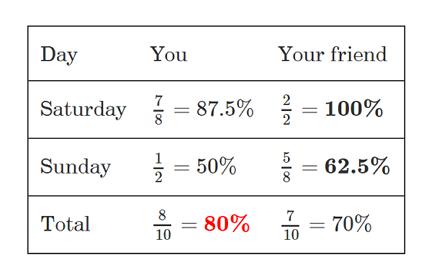
Simpson’s paradox (or Simpson’s reversal, Yule–Simpson effect, amalgamation paradox, or reversal paradox) is a phenomenon in probability and statistics, in which a trend appears in several different groups of data but disappears or reverses when these groups are combined.

This result is often encountered in social-science and medical-science statistics and is particularly problematic when frequency data is unduly given causal interpretations. The paradox can be resolved when causal relations are appropriately addressed in the statistical modeling.

Simpson’s paradox has been used as an exemplar to illustrate to the non-specialist or public audience the kind of misleading results misapplied statistics can generate. Martin Gardner wrote a popular account of Simpson’s paradox in his March 1976 Mathematical Games column in Scientific American.

Edward H. Simpson first described this phenomenon in a technical paper in 1951, but the statisticians Karl Pearson et al., in 1899, and Udny Yule, in 1903, had mentioned similar effects earlier. The name Simpson’s paradox was introduced by Colin R. Blyth in 1972.

PODCAST: https://tinyurl.com/5hycyjv6

Your thoughts are appreciated.

***

THANK YOU

GAP: Life Span Expectancy Widening

By Staff Reporters

MEN versus WOMEN

***

***

The gap in life expectancy between men and women is widening, and Covid was primarily to blame.

CITE: https://www.r2library.com/Resource

In 2021, women’s life expectancy was 79.3, while men’s was 73.5—the largest gap since 1996, according to a new study in JAMA Internal Medicine. Covid contributed to 40% of the difference, as men are more likely to work in industries with high rates of exposure, like transportation (and women are more likely to be vaccinated).

COVID: https://medicalexecutivepost.com/2022/05/17/update-the-grim-covid-reality/

But the opioid epidemic was also a major factor: Drug overdoses, which are more common in men than women, accounted for about 30% of the life expectancy gap.

VIDEO: https://medicalexecutivepost.com/2022/08/31/what-is-the-baltimore-nod/

COMMENTS APPRECIATED

Thank You

***

***

What is “COMPASSION FADE?”

A Cognitive Bias of the Post Corona Virus Pandemic Era

Courtesy: www.CertifiedMedicalPlanner.org

By Dr. David E. Marcinko MBA MEd CMP

Compassion Fade is a cognitive bias that predisposes people to behave more compassionately towards a small number of identifiable victims than to a large number of anonymous ones.

LINK: https://www.amazon.com/Dictionary-Health-Insurance-Managed-Care/dp/0826149944/ref=sr_1_4?ie=UTF8&s=books&qid=1275315485&sr=1-4

It is the psychological explanation to the known phenomenon alluded to by Joseph Stalin in his famous quote “The death of one man is a tragedy; the death of millions is a statistic”.

***

2

***

LINK: https://www.publichealthpost.org/research/compassion-fade/

Assessment: Your thoughts and comments are appreciated.

***

BUSINESS, FINANCE, INVESTING AND INSURANCE TEXTS FOR DOCTORS:

THANK YOU

Product DetailsProduct DetailsProduct Details

***

Our iMBA e-Book Sales and Service

The Institute of Medical Business Advisors is a leading national scope provider of healthcare economics, finance, investing, managerial accounting, policy, management and business administration education and medical practice management textbooks, reports, hand-books, dictionaries, journals, white-papers, fair-market valuations [FMV] and legal advisory opinions using multi-platform and traditional seminars and channels of knowledge distribution. iMBA helps the nation’s financial, healthcare and education professionals make decisive improvements in their direction and performance by empowering them through unbiased information, consultants and proprietary tools, books, templates and B-school styled case models.A virtuous “win-win” situation for all concerned.

Link: https://medicalexecutivepost.com/me-pr-a-new-feature/

The firm serves universities, medical, business, graduate and nursing schools; physicians, dentists, attorneys and legal societies – accountants, financial service providers, stock brokers, RIAs, wealth and hedge fund managers – emerging entities, hospitals, clinics, outpatient centers, CXOs and their BODs – the press, media and related academic entities.

Link: http://www.MarcinkoAssociates.com

***

AT YOUR SERVICE

***

The Hemline Stock Market Index

What’s Up?

[By staff reporters]

According to Wikipedia, the hemline index is a theory presented by economist George Taylor in 1926. The theory suggests that hemlines on women’s dresses rise along with stock prices.

In good economies, we get such results as miniskirts (as seen in the 1920s and the 1960s), or in poor economic times, as shown by the 1929 Wall Street Crash, hems can drop almost overnight.

Non-peer-reviewed research in 2010 supported the correlation, suggesting that “the economic cycle leads the hemline with about three years”.

***

***

Conclusion

Your thoughts and comments on this ME-P are appreciated. Feel free to review our top-left column, and top-right sidebar materials, links, URLs and related websites, too. Then, subscribe to the ME-P. It is fast, free and secure.

Speaker: If you need a moderator or speaker for an upcoming event, Dr. David E. Marcinko; MBA – Publisher-in-Chief of the Medical Executive-Post – is available for seminar or speaking engagements. Contact: MarcinkoAdvisors@msn.com

***

Risk Management, Liability Insurance, and Asset Protection Strategies for Doctors and Advisors: Best Practices from Leading Consultants and Certified Medical Planners™8Comprehensive Financial Planning Strategies for Doctors and Advisors: Best Practices from Leading Consultants and Certified Medical Planners™

***

The Medicare Cost Control Paradox?

WHAT IS THE “MEDICARE COST CONTROL EFFICIENCY” PARADOX?

The 800 Pound Gorilla in the Medical Treatment Room

By Staff Reporters

Blogger Ezra Klein opined more than a decade ago that one of the dirty little secrets of the health-care system is that Medicare has done a much better job controlling costs than private health insurers. It is a paradox!

DEFINITION: A paradox is a seemingly absurd or self-contradictory statement or proposition that when investigated may prove to be well founded or true.

***

***

QUERY:  But, what about Medicare, cost control efficiency, today?

Medicare Will Not Cover These 6 Medical Costs

LINK: https://tinyurl.com/2s38xwff

Your thoughts are appreciated.

THANK YOU
***

***

***

What is OBSERVATIONAL BIAS?

EVIDENCE BASED MEDICINE

By Staff Reporters

***

Observer bias occurs in research when the beliefs or expectations of an observer (or investigator) can influence the data that’s collected in a study.

Cite: https://www.amazon.com/Dictionary-Health-Information-Technology-Security/dp/0826149952/ref=sr_1_5?ie=UTF8&s=books&qid=1254413315&sr=1-5

***

Supporting Teachers: Reducing Observational Bias - TeacherToolkit

This causes the results of a study to be unreliable and hard to reproduce in other research settings.

READ HERE IN MEDICINE: https://www.ebmconsult.com/articles/observational-bias-statistical-analysis

***

***

RISK MANAGEMENT: https://www.routledge.com/Risk-Management-Liability-Insurance-and-Asset-Protection-Strategies-for/Marcinko-Hetico/p/book/9781498725989

***

YOUR COMMENTS ARE APPRECIATED

BUSINESS MEDICINE: https://www.amazon.com/Business-Medical-Practice-Transformational-Doctors/dp/0826105750/ref=sr_1_9?ie=UTF8&qid=1448163039&sr=8-9&keywords=david+marcinko

Thank You

***

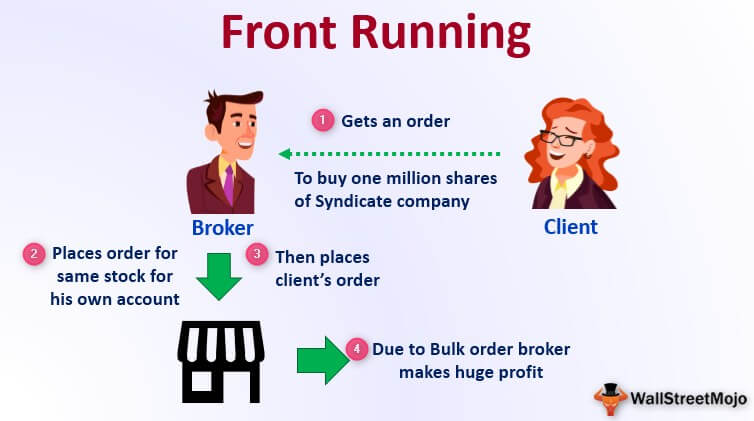
What is Stock Brokerage Company “Payment For Order Flow”?

By Staff Reporters

***

Payment for order flow, or PFOF, is a tactic some brokerages use to rake in piles of cash. Payment for order flow (PFOF) is a form of compensation, usually in terms of fractions of a penny per share, that a brokerage firm receives for directing orders for trade execution to a particular market maker or exchange. Payment for order flow is common in options markets, and is increasingly found in equity (stock market) transactions.

CITE: https://www.r2library.com/Resource/Title/082610254

***

How does it impact everyday investors?

The “P” in PFOF stands for “payment.” That’s because PFOF gets stock brokers paid. It starts when brokers direct trade orders to a particular e-trading firm (like Mountain Securities, for example) instead of routing the trades straight to exchanges. At that point, the e-trading firm may be able to collect the difference between the bid and the ask price, and the brokerages get a cut of that profit. It’s the proverbial “You scratch your broker’s back through their bespoke Ermenegildo Zegna suit, and they’ll scratch yours.”

According to Lillian Stone, some industry experts argue that PFOF is a conflict of interest. (The practice came under scrutiny last year when US brokers made billions on meme stock trading.) You want your broker to get you the best possible prices during a trade, right? Well, if your broker is incentivized to work with one specific e-trading firm, there’s a chance you may not get the sweetest deal—but they’ll line their pockets all the same.

***

COMMENTS APPRECIATED

Thank You

***

ORDER: https://www.routledge.com/Comprehensive-Financial-Planning-Strategies-for-Doctors-and-Advisors-Best/Marcinko-Hetico/p/book/9781482240283

***

PSYCHOLOGICAL “TRAPS” of Investing

MIND TRAPS PHYSICIAN INVESTORS MUST REDUCE AND AVOID AT ALL COSTS

See the source image

By Dr. David E. Marcinko MBA MEd CMP®

SPONSOR: http://MarcinkoAssociates.com

CMP logo

SPONSOR: http://www.CertifiedMedicalPlanner.org

As human beings, our brains are booby-trapped with psychological barriers that stand between making smart financial decisions and making dumb ones. The good news is that once you realize your own mental weaknesses, it’s not impossible to overcome them.

CITE: https://www.r2library.com/Resource/Title/0826102549

In fact, Mandi Woodruff, a financial reporter whose work has appeared in Yahoo! Finance, Daily Finance, The Wall Street Journal, The Fiscal Times and the Financial Times among others; related the following mind-traps in a September 2013 essay for the finance vertical Business Insider; as these impediments are now entering the lay-public zeitgeist.

***

8 Psychological Traps All Stock Investors Should Avoid - YouTube

 Anchoring happens when we place too much emphasis on the first piece of information we receive regarding a given subject. For instance, when shopping for a wedding ring a salesman might tell us to spend three months’ salary. After hearing this, we may feel like we are doing something wrong if we stray from this advice, even though the guideline provided may cause us to spend more than we can afford.

 Myopia makes it hard for us to imagine what our lives might be like in the future. For example, because we are young, healthy, and in our prime earning years now, it may be hard for us to picture what life will be like when our health depletes and we know longer have the earnings necessary to support our standard of living. This short-sightedness makes it hard to save adequately when we are young, when saving does the most good.

 Gambler’s fallacy occurs when we subconsciously believe we can use past events to predict the future. It is common for the hottest sector during one calendar year to attract the most investors the following year. Of course, just because an investment did well last year doesn’t mean it will continue to do well this year. In fact, it is more likely to lag the market.

 Avoidance is simply procrastination. Even though you may only have the opportunity to adjust your health care plan through your employer once per year, researching alternative health plans is too much work and too boring for us to get around to it. Consequently, we stick with a plan that may not be best for us.

 Loss aversion affected many investors during the stock market crash of 2008. During the crash, many people decided they couldn’t afford to lose more and sold their investments. Of course, this caused the investors to sell at market troughs and miss the quick, dramatic recovery.

 Overconfident investing happens when we believe we can out-smart other investors via market timing or through quick, frequent trading. Data convincingly shows that people who trade most often underperform the market by a significant margin over time.

 Mental accounting takes place when we assign different values to money depending on where we get it from. For instance, even though we may have an aggressive saving goal for the year, it is likely easier for us to save money that we worked for than money that was given to us as a gift.

MORE: https://medicalexecutivepost.com/2021/09/04/more-on-money-psychology/

RELATED: https://medicalexecutivepost.com/2014/12/15/on-internet-investing-psychology/

 Herd mentality makes it very hard for humans to not take action when everyone around us does. For example, we may hear stories of people making significant profits buying, fixing up, and flipping homes and have the desire to get in on the action, even though we have no experience in real estate.

YOUR COMMENTS ARE APPRECIATED.

Thank You

***

RISK MANAGEMENT: https://www.routledge.com/Risk-Management-Liability-Insurance-and-Asset-Protection-Strategies-for/Marcinko-Hetico/p/book/9781498725989

Risk Management, Liability Insurance, and Asset Protection Strategies for Doctors and Advisors : Best Practices from Leading Consultants and Certified Medical Planners™ book cover

***

PHYSICIANS BEWARE: Traditional Financial Planning “Rules of Thumb”

DOCTORS AND MEDICAL PROFESSIONALS BEWARE?

We ARE Different!

SPONSOR: http://MarcinkoAssociates.com

By Dr. David E. Marcinko MBA CMP®

SPONSOR: http://www.CertifiedMedicalPlanner.org

CMP logo

***

  • While financial planning rules of thumbs are useful to people as general guidelines, they may be too oversimplified in many situations, leading to underestimating or overestimating an individual’s needs. This may be especially true for physicians and many medical professionals. Rules of thumb do not account for specific circumstances or factors occurring at a particular time, or that could change over time, which should be considered for making sound financial decisions.
  • Great Health Industry Resignation: https://medicalexecutivepost.com/2021/12/12/healthcare-industry-hit-with-the-great-resignation-retirement/

For example, in a tight job market, an emergency fund amounting to six months of household expenses does not consider the possibility of extended unemployment. I’ve always suggested 2-3 years for doctors. Venture capitalist lay-offs of physicians during the pandemic confirm this often criticized benchmark opinion of mine.

As another example, buying life insurance based on a multiple of income does not account for the specific needs of the surviving family, which include a mortgage, the need for college funding and an extended survivor income for a non-working spouse. Again a huge home mortgage, or several children or dependents, may be the financial bane of physician colleagues and life insurance.

CITE: https://www.r2library.com/Resource/Title/082610254

***

EXAMPLES: Old/New Rules

  • A home purchase should cost less than an amount equal to two and a half years of your annual income. I think physicians in practice for 3-5 years might go up to 3.5X annual income; ceteras paribus.
  • Save at least 10-15% of your take-home income for retirement. Seek to save 20% or more.
  • Have at least five times your gross salary in life insurance death benefit. Consider 10X this amount in term insurance if young, and/or with several children or other special circumstances.
  • Pay off your highest-interest credit cards first. Agreed.
  • The stock market has a long-term average return of 10%. Agreed, but appreciated risk adjusted rates of return..
  • You should have an emergency fund equal to six months’ worth of household expenses. Doctors should seek 2-3 years.
  • Your age represents the percentage of bonds you should have in your portfolio. Risk tolerance and assets may be more vital.
  • Your age subtracted from 100 represents the percentage of stocks you should have in your portfolio. Risk tolerance and assets may still be more vital.
  • A balanced portfolio is 60% stocks, 40% bonds. With historic low interest rates, cash may be a more flexible alternative than bonds; also avoid most bond mutual funds as they usually never mature.

There are also rules of thumb for determining how much net worth you will need to retire comfortably at a normal retirement age. Here is the calculation that Investopedia uses to determine your net worth:

Compensation in the Physician Specialties: Mostly Stable - NEJM  CareerCenter Resources

RULES 72, 78 and 115: https://medicalexecutivepost.com/2022/01/30/the-rules-of-72-78-and-115/

INVITATION: https://medicalexecutivepost.com/2021/05/08/invite-dr-marcinko-to-your-next-big-event/

***

COMMENTS ARE APPRECIATED

Thank You

Subscribe to the Medical Executive-Post

***

FINANCE: https://www.amazon.com/Comprehensive-Financial-Planning-Strategies-Advisors/dp/1482240289/ref=sr_1_1?ie=UTF8&qid=1418580820&sr=8-1&keywords=david+marcinko

***

PODCAST: Hospital Price Transparency Website

BILLY EATS MEDICAL BILLS

By Eric Bricker MD

***

***

COMMENTS APPRECIATED

Thank You

***

***

***

PODCAST: Early Retirement and Health Insurance

By Staff Reporters

***

***

COMMENTS APPRECIATED

Thank You

***

ORDER: https://www.amazon.com/Dictionary-Health-Insurance-Managed-Care/dp/0826149944/ref=sr_1_4?ie=UTF8&s=books&qid=1275315485&sr=1-4

***

PODCAST: “In-Elastic Demand” in Healthcare Economics

Economic Implications of Pain, Suffering and Imminent Death

***

See the source image

By Eric Bricker MD

Examples of Inelastic Demand in Healthcare Are:
1) Emergencies
2) Patented Medications for Diseases That Have No Other Alternative Drugs
3) Doctor Specialties Where the Patient Has No Choice in the Services Such As Radiologists, Anesthesiologists and Pathologists [RAP]

****

***

COMMENTS APPRECIATED.

Thank You

Join the Medical Executive-Post

***

***

***

What is Knightian Uncertainty in Economics?

About Frank Knight PhD

[By staff reporters]

In economics, Knightian uncertainty is a lack of any quantifiable knowledge about some possible occurrence, as opposed to the presence of quantifiable risk (e.g., that in statistical noise or a parameter’s confidence interval). The concept acknowledges some fundamental degree of ignorance, a limit to knowledge, and an essential unpredictability of future events.

Knightian uncertainty is named after University of Chicago economist Frank Knight (1885–1972), who distinguished risk and uncertainty in his work Risk, Uncertainty, and Profit:[1]

“Uncertainty must be taken in a sense radically distinct from the familiar notion of Risk, from which it has never been properly separated…. The essential fact is that ‘risk’ means in some cases a quantity susceptible of measurement, while at other times it is something distinctly not of this character; and there are far-reaching and crucial differences in the bearings of the phenomena depending on which of the two is really present and operating…. It will appear that a measurable uncertainty, or ‘risk’ proper, as we shall use the term, is so far different from an unmeasurable one that it is not in effect an uncertainty at all.”

MORE: R&D

***

Assessment: Your thoughts are appreciated.

Risk Management, Liability Insurance, and Asset Protection Strategies for Doctors and Advisors: Best Practices from Leading Consultants and Certified Medical Planners™8Comprehensive Financial Planning Strategies for Doctors and Advisors: Best Practices from Leading Consultants and Certified Medical Planners™

***

BUDGETING: For Physicians

Personal Physician Budgeting Thoughts

http://www.MARCINKOASSOCIATES.com

CMP logo

BY DR. DAVID E. MARCINKO MBA CMP®

SPONSOR: http://www.CertifiedMedicalPlanner.org

Product Details

CITE: https://www.r2library.com/Resource/Title/082610254

Although some doctors might view a budget as unnecessarily restrictive, sticking to a spending plan can be a useful tool in enhancing the wealth of a practice. And so, I will emphasize keys to smart budgeting and how to track spending and savings in these tough economic times; like today with the stock market busts, venture capitalists invading health care, corona virus the pandemic, aging baby boomer physicians and the great resignation; etc.

   There is an aphorism that suggests, “Money cannot buy happiness.” Well, this may be true enough but there is also a corollary that states, “Having a little money can sure reduces the unhappiness.”

   Unfortunately, today there is still more than a little financial unhappiness in all medical specialties. The challenges range from the commoditization of medicine, aging demographics, Medicare reimbursement cutbacks, ACA, and increased competition to floundering equity markets, the squeeze on credit and declines in the value of a practice. Few doctors seem immune to this “perfect storm” of economic woes. And then Covid-19, corona, and covid.

   Far too many physicians are hurting and it is not limited to above-average earning professionals. However, one can strive to reduce the pain by following some basic budgeting principles. By adhering to these principles, physicians can eliminate the “too many days at the end of the month” syndrome and instead develop a foundation for building real wealth and security, even in difficult economic climates like we face today.

   There are three major budget types. A flexible budget is an expenditure cap that adjusts for changes in the volume of expense items. A fixed budget does not. Advancing to the next level of rigor, a zero-based budget starts with essential expenses and adds items until the money is gone. Regardless of type, budgets can be extremely effective if one uses them at home or the office in order to spot money troubles before they develop.

   For the purpose of wealth building, doctors may think of this budget as a quantitative expression of an action plan. It is an integral part of the overall cost-control process for the individual, his or her family unit or one’s medical practice.1

How To Prepare A Personal Cash Flow Budget

   Preparing a net income statement (lifestyle cash flow budget) is often difficult because many doctors perceive it as punitive. Most doctors do not live a disciplined spending lifestyle and they view a budget as a compromise to it. However, a cash flow budget is designed to provide comfort when there is surplus income that can be diverted for other future needs. For example, if you treat retirement savings as just another periodic bill, you are more likely to save for it.

   You may construct a personal cash budget by recording each cash receipt and cash disbursement on a spreadsheet. Only the date, amount and a brief description of the transaction are necessary. The cash budget is a simple tool that even doctors who lack accounting acumen can use. Since it is possible to track the cash-in and cash-out in the same format used for a standard check register, most doctors find that the process takes very little time. Such a budget will provide a helpful look at how well you are staying within available resources for a given period.

   We then continue with an analysis of your operating checkbook and a review of various source documents such as one’s tax return, credit card statements, pay stubs and insurance policies. A typical statement will show all cash transactions that occur within one year. It is helpful to establish a monthly equivalent to all items of income and expense. For the purposes of getting started, note items of income and expense by the frequency you are accustomed to receiving or spending them.

What You Should Know About The ‘Action Plan’ Cash Budget

   For a medial office, the first operations budget item might be salary for the doctor and staff. Operating assets and other big ticket items come next. Some doctors/clients review their office P&L statements monthly, line by line, in an effort to reduce expenses. Then they add back those discretionary business expenses they have some control over.

   Now, do you still run out of money before the end of the month? If so, you had better cut back on entertainment, eating dinner out or that fancy, new but unproven piece of medical equipment. This sounds draconian until you remind yourself that your choice is either: live frugally later or live a simpler lifestyle now and invest the difference.

   As a young doctor, it may be a difficult trade-off. By mid-life, however, you are staring retirement in the face. That is why the action plan depends on your actions concerning monetary scarcity, a plan that one can implement and measure using simple benchmarks or budgeting ratios. By using these statistics, perhaps on an annual basis, the podiatrist can spot problems, correct them and continue planning actively toward stated goals like building long-term wealth.2

Useful Calculations To Assess Your Budgeting Success

   In the past, generic budgeting ratios would emphasize not spending more than 15 to 20 percent of your net salary on food or 8 percent on medical care. Now these estimates have given way to more rigorous numbers. Personal budget ratios, much like medical practice financial ratios, represent comparable benchmarks for parameters such as debt, income growth and net worth. Although these ratios are still broad, the following represent some useful personal budgeting ratios for physicians.

   • Basic liquidity ratio = liquid assets / average monthly expenses. Cash-on-hand should approach 12 to 24 months or more in the case of a doctor employed by a financially insecure HMO or fragile medical group practice. Yes, chances are you have heard of the standard notion of setting enough cash aside to cover three months in a rainy day scenario. However, we have decried this older laymen standard for many years in our textbooks, white papers and speaking engagements as being wholly insufficient for the competitively unstable environment of modern healthcare.

   • Debt to assets ratio = total debt / total assets. This percentage is high initially but should decrease with age as the doctor approaches a debt-free existence

   • Debt to gross income ratio = annual debt repayments / annual gross income. This represents the adequacy of current income for existing debt repayments. Doctors should try to keep this below 20 to 25 percent.

   • Debt service ratio = annual debt repayment / annual take-home pay. Physicians should aim to keep this ratio below 25 to 30 percent or face difficulty paying down debt.

   • Investment assets to net worth ratio = investment assets / net worth. This budget ratio should increase over time as retirement approaches.

   • Savings to income ratio = savings / annual income. This ratio should also increase over time as one retires major obligations like medical school debt, a practice loan or a home mortgage.

   • Real growth ratio = (income this year – income last year) / (income last year – inflation rate). This budget ratio should grow faster than the core rate of inflation.

   • Growth of net worth ratio = (net worth this year – net worth last year) / net worth last year – inflation rate). Again, this budgeting ratio should stay ahead of the specter of rising inflation.

   In other words, these ratios will help answer the question: “How am I doing?”

Pearls For Sticking To A Budget

   Far from the burden that most doctors consider it to be, budgeting in one form or another is probably one of the greatest tools for building wealth. However, it is also one of the greatest weaknesses among physicians who tend to live a certain lifestyle.3

   In fact, I have found that less than one in 10 medical professionals have a personal budget. Fear, or a lack of knowledge, is a major cause of procrastination. Fortunately, the following guidelines assist in reversing this microeconomic disaster.

   1. Set reasonable goals and estimate annual income. Do not keep large amounts of cash at home or office. Deposit it in an FDIC insured money-market account for safety. Do not deposit it in a money market mutual fund with net asset value (NAV) that may “break the buck” and fall below the one-dollar level. The new limit is $250,000. Track actual bills and expenses.

   2. Do not pay bills early, do not have more taxes withheld from your salary than needed and develop spending estimates to pay fixed expenses first. Fixed expenses are usually contractual and usually include housing, utilities, food, Social Security, medical, debt repayments, homeowner’s or renter’s insurance, auto, life and disability insurance, etc. Reduce fixed expenses when possible. Ultimately, all expenses get paid and become variable in the long run.

   3. Make it a priority to reduce variable expenses. Variable expenses are not contractual and may include clothing, education, recreational, travel, vacation, gas, cable TV, entertainment, gifts, furnishings, savings, investments, etc. Trim variable expenses by 5 to 20 percent.

   4. Use “carve-outs or “set-asides” for big ticket items and differentiate true wants from frivolous needs.

   5. Calculate both income and expenses as a percentage of your total budget. Determine if there is a better way to allocate resources. Review the budget on a monthly basis to notice any variance. Determine if the variance was avoidable, unavoidable or a result of inaccurate assumptions. Take corrective action as needed.

   6. Know the difference between saving and investing. Savers tend to be risk adverse while investors understand risk and take steps to mitigate it. Watch mutual fund commissions and investment advisory fees, which cut into return-rates. Keep investments simple and diversified (stocks, bonds, cash, index, no-load mutual and exchange traded funds, etc.).4

How To Budget In The Midst Of A [Corona] Crisis

   Sooner or later, despite the best of budgeting intentions, something will go awry. A doctor will be terminated or may be the victim of a reduction-in-force (RIF) because of cost containment initiatives of the corona pandemic. A medical practice partnership may dissolve or a local hospital or surgery center may close, hurting your practice and livelihood. Someone may file a malpractice lawsuit against you, a working spouse may be laid off or you may get divorced. Regardless of the cause, budgeting crisis management encompasses two different perspectives: awareness and execution.

   First, if you become aware that you may lose your job, the following proactive steps will be helpful to your budget and overall financial condition.

   • Decrease retirement contributions to the required minimum for company/practice match.
   • Place retirement contribution differences in an after-tax emergency fund.
   • Eliminate unnecessary payroll deductions and deposit the difference to cash.
   • Replace group term life insurance with personal term or universal life insurance.
   • Take your old group term life insurance policy with you if possible.
   • Establish a home equity line of credit to verify employment.
   • Borrow against your pension plan only as a last resort.

   If you have lost your job or your salary has been depressed, negotiate your departure and get an attorney if you believe you lost your position through breach of contract or discrimination. Then execute the following steps to recalculate your budget and boost your wealth rebuilding activities.

   • Prioritize fixed monthly bills in the following order: rent or mortgage; car payments; utility bills; minimum credit card payments; and restructured long-term debt.

   • Consider liquidating assets to pay off debts in this order: emergency fund, checking accounts, investment accounts or assets held in your children’s names.

   • Review insurance coverage and increase deductibles on homeowner’s and automobile insurance for needed cash.

   • Then sell appreciated stocks or mutual funds; personal valuables such as furnishings, jewelry and real estate; and finally, assets not in pension or annuities if necessary.

   • Keep or rollover any lump sum pension or savings plan distribution directly to a similar savings plan at your new employer, if possible, when you get rehired.

   • Apply for unemployment insurance.

   • Review your medical insurance and COBRA coverage after a “qualifying event” such as job loss, firing or even after quitting. It is a bit expensive due to a 2 percent administrative fee surcharge but this may be well worth it for those with preexisting conditions or who are otherwise difficult to insure. One may continue COBRA for up to 18 months.

   • Consider a high deductible Health Savings Account (HSA), which allows tax-deferred dollars like a medical IRA, for a variety of costs not normally covered under traditional heath insurance plans. Self-employed doctors deduct both the cost of the premiums and the amount contributed to the HSA. Unused funds roll over until the age of 59½, when one can use the money as a supplemental retirement benefit.

   • Eliminate unnecessary variable, charitable and/or discretionary expenses, and become very frugal.

Final Notes

   The behavioral psychologist, Gene Schmuckler, PhD, MBA, sometimes asks exasperated doctors to recall the story of the old man who spent a day watching his physician son treating HMO patients in the office. The doctor had been working at his usual feverish pace all morning. Although he was working hard, he bitterly complained to his dad that he was not making as much money as he used to make. Finally, the old man interrupted him and said, “Son, why don’t you just treat the sick patients?” The doctor-son looked at his father with an annoyed expression and responded, “Dad, can’t you see, I do not have time to treat just the sick ones.”5

   Always remember to add a bit of emotional sanity into your budgeting and economic endeavors.6

   Regardless of one’s age or lifestyle, the insightful doctor realizes that it is never too late to take control of a lost financial destiny through prudent wealth building activities. Personal and practice budgeting is always a good way to start the journey.7

The Author:

Dr. Marcinko is a former university endowed chairman and professor, former certified financial planner and has been a medical management advisor for more than two decades. He is the CEO of www.MedicalBusinessAdvisors.com, a health economics and business finance consulting firm.

DEM avatar

References:

1. Marcinko DE (Ed). The Business of Medical Practice (Advanced Profit Maximizing Techniques for Savvy Doctors). Springer Publishers, New York, NY, 2000 and 2004 2. Marcinko DE (Ed). Financial Planning for Physicians and Advisors, Jones and Bartlett Publishers, Sudbury, MA, 2005 3. Marcinko DE (Ed). Risk Management and Insurance Panning for Physicians and Advisors, Jones and Bartlett Publishers, Sudbury, MA, 2006. 4. Marcinko DE, Hetico HR. The Dictionary of Health Insurance and Managed Care. Springer Publishing, New York, 2007. 5. Marcinko DE, Hetico HR. The Dictionary of Health Economics and Finance. Springer Publishing, New York, 2008. 6. Marcinko DE, Hetico HR. Healthcare Organizations (Financial Management Strategies). Standard Technical Publishers, Blaine, WA, 2009. Additional Reference 7. Schmuckler E. Bridging Financial Planning and Human and Human Psychology. In, Marcinko DE (Ed): Financial Planning for Physicians and Healthcare Professionals. Aspen Publications, New York, NY, 2001, 2002 and 2003.

MENTAL ACCOUNTING: What is it?

By Dr. David E. Marcinko MBA CMP®

CMP logo

SPONSOR: http://www.CertifiedMedicalPlanning.org

DEFINITION: Mental accounting attempts to describe the process whereby people code, categorize and evaluate economic outcomes. The concept was first named by Richard Thaler. Mental accounting deals with the budgeting and categorization of expenditures. People budget money into mental accounts for expenses or expense categories

CITE: https://www.r2library.com/Resource/Title/0826102549

Mental Accounting is the act of bucketizing investments and then reviewing the performance of the individual buckets separately (e.g. investing at low savings rate while paying high credit card interest rates).

***

Mental Accounting • Money is

Examples of mental accounting are: (1) matching costs to benefits (wanting to pay for vacation before taking it and getting paid for work after it was done, even though from perspective of time value of money the opposite should be preferred0, (2) aversion to debt (don’t like long-term debt for short-term benefit), (3) sunk-cost effect (illogically considering non-recoverable costs when making forward-going decisions).

In investing, treating buckets separately and ignoring interaction (correlations) induces people not to sell losers (even though they get tax benefits), prevent them from investing in the stock market because it is too risky in isolation (however much less so when looked at as part of the complete portfolio including other asset classes and labor income and occupied real estate), thus they “do not maximize the return for a given level of risk taken).

YOUR COMMENTS ARE APPRECIATED.

Thank You

ORDER: htttps://www.amazon.com/Comprehensive-Financial-Planning-Strategies-Advisors/dp/1482240289/ref=sr_1_1?ie=UTF8&qid=1418580820&sr=8-1&keywords=david+marcinko

***

HISTORY: Medical Education and Practice in the USA

Domestic Medical SCHOOL Education

Robert James Cimasi

Todd A. Zigrang

Health Capital Consultants - Healthcare Valuation

U.S. medical education began in the late eighteenth century as an apprenticeship program in which physicians taught their trade to a few pupils, a pedagogical learning style which relied heavily upon the capacity, skills, and knowledge of the individual physician.[1] However, as learning newly discovered information and utilizing new technologies became more necessary to the industry’s practice, many physicians found the apprenticeship system no longer adequate as a manner of educating the next generation of physicians.[2] As a result, the conventional concept of medical education that originated in the U.S. in the 1750s was manifested through informal courses and demonstrations by private individuals or for-profit institutions. Those individuals who were not satisfied with a typical U.S. medical education, consisting of two identical 16-week lecture terms, might venture to Europe for a more formalized and detailed manner of learning.[3]

One of these students who studied in Europe was William Shippen, who began teaching an informal course on midwifery when he returned to the American colonies in 1762.[4] He later addressed the limitations of what might be taught in one informal course when he began teaching a lecture series on anatomy to help educate those who wished to be a physician, but could not travel abroad. John Morgan, a classmate of Shippen, noticed the potential of his friend’s endeavor and proposed the idea to create a professorship for the practice of medicine to the board of trustees of the College of Philadelphia.[5] Just across town, Thomas Bond, who conceived the idea of, and successfully established, the Pennsylvania Hospital with Benjamin Franklin, recognized the value to allowing medical students to participate in bedside training.[6] When Bond agreed to a partnership with the College of Philadelphia, the University of Pennsylvania became home to America’s first medical school.[7]

In 1893, Johns Hopkins University also made history by housing the first medical school that was able to operate out of a university-owned hospital.[8] The medical school not only encouraged clinical research to be performed by every member of their faculty, but the program also included a clinical research clerkship for every student during their rotation.[9] This program quickly became the model to which schools aspired and set the foundation for national medical education by connecting science and medical research with clinical medicine.[10]

With these early examples of medical schools, America’s field of medical education and clinical medicine made monumental strides. However, the societal pressures, caused by the U.S.’s population growth and demand for educated physicians,[11] did not allow many other universities to build on Johns Hopkins’ or the University of Pennsylvania’s foundation model, and led to the development of medical schools that had their own unique set of entrance and graduation requirements. While some focused entirely on medicine, other schools (termed Studia Generalia) also incorporated law, theology, and philosophy in their curricula.[12] In an attempt to both understand and make uniform the field of medical education, the American Medical Association (AMA) founded the Council on Medical Education (CME) in 1904.[13] The CME created minimum national educational standards for training physicians, and subsequently found that many schools did not meet these established standards.[14] However, the CME did not share the ratings of any of these medical schools “outside the medical fraternity.”[15]

In 1910, the AMA commissioned the Carnegie Foundation for Advancement of Teaching to conduct a study of medical education and schools.[16] Abraham Flexner conducted the inquiry and detailed his findings in what became known as The Flexner Report.[17] In his review of the U.S. medical education system, Flexner found that many of the proprietary medical schools met the AMA’s educational goals, but an imbalance existed between the pursuit of science and medical education.[18]  Professors were focused solely on student throughput, and did not ensure a high level of medical training that reflected the developments in the medical industry.[19] As aptly noted by Dr. John Roberts in his book entitled The Doctor’s Duty to the State, “[m]any of you remember the struggle to wrest from medical teachers the power to create medical practitioners with almost no real knowledge of medicine. The medical schools of that day were, in many instances, conducted merely as money-makers for the professors.”[20] As the AMA gained more influence over the provision of healthcare in the U.S., the value and power of medical education also gained recognition. Notably, teaching hospitals had the power to influence the development of their disciplines through their research initiatives, the quality of care they provided, and their ability to operate as an economy of scale, allowing them to dictate the evolution of medical education.[21]

Since the establishment of the first medical school in the U.S., medical education has been the foundation for shaping standards of care in the practice of medicine and defining medical errors as deviations from the norms of clinical care.[22] When Thomas Bond helped establish the University of Pennsylvania medical school, he envisioned a normal day where the physician:

…meets his pupils at stated times in the Hospital, and when a case presents adapted to his purpose, he asks all those Questions which lead to a certain knowledge of the Disease and parts affected; and if the Disease baffles the power of Art and the Patient falls a Sacrifice to it, he then brings his Knowledge to the Test, and fixes Honour [sic] or discredit on his Reputation by exposing all the Morbid parts to View, and Demonstrates by what means it produced Death, and if perchance he finds something unexpected, which Betrays an Error in Judgement [sic], he like a great and good man immediately acknowledges the mistake, and, for the benefit of survivors, points out other methods by which it might have been more happily treated.[23]

Originally, students were to study and learn from medical errors and adverse events through medical education as a means of improving the quality of care. However, it is difficult to effectively implement any significant advancement learned through the research and investigation of prior errors in a timely and cost-effective manner. Additionally, physician supply shortages have only increased the amount of patients that a physician must see daily, while simultaneously decreasing the amount of time they can spend with each patient. Although medical education continues to be one of the central underpinnings to the development of the medical industry, outside pressures that shape the clinical practice of physicians continue to limit physician effectiveness in providing quality care to patients.[24]

While improving the quality and rigor of medical education has been a constant focus throughout the history of U.S. medical education, the challenges of replicating it on a scale that produces enough qualified physicians to meet the growing demands of the U.S. population, with constantly changing technologies, has consistently been a central issue. Notably, in the 13 years preceding 1980, the ratio of actively practicing physicians to patients increased by 50%.[25] This increased physician-to-patient ratio led to concerns over quality of care and cost-effectiveness, which in turn caused the creation of a government committee to evaluate physician manpower allocation and distribution. The Graduate Medical Education National Advisory Committee (GMENAC) was first chartered in April 1976, and later extended through September 1980.[26] Its purpose was to “analyze the distribution among specialties of physicians and medical students and to evaluate alternative approaches to ensure an appropriate balance,”as well as to“encourage bodies controlling the number, types, and geographic location of graduate training positions to provide leadership in achieving the recommended balance.”[27] GMENAC produced seven volumes of recommendations regarding physician manpower supply,[28]  through the development of several models by which to determine the projected number of physicians that would be needed in the future by different subspecialties to achieve “a better balance of physicians.”[29] Ignoring critics of the report, U.S. medical schools adjusted their enrollment numbers in response to the GMENAC’s recommendations, causing a significant decrease in the supply of new physicians going into the 21st century.

***

History of Conventional Medicine - 24 Hour Translation ...

[1]       “Healthcare Valuation: The Four Pillars of Healthcare Value,” Volume 1, Robert James Cimasi, MHA, ASA, FRRICS, MCBA, CVA, CM&AA, John Wiley & Sons, Hoboken, NJ: 2014, p. 22-23.RR

[2]       “Before There Was Flexner,” American Medical Student Association, 2014,

         http://www.amsa.org/AMSA/Homepage/MemberCenter/Premeds/edRx/Before.aspx (Accessed 1/7/15).

[3]       “Time to Heal: American Medical Education from the Turn of the Century to the Era of Managed Care,” By Kenneth M. Ludmerer, New York, NY:

          Oxford University Press, 1999, p. 4.

[4]       “The Flexner Report on Medical Education in the United States and Canada in 1910,” By Abraham Flexner, Bethesda, MD: Science and Health

         Publications, Inc., p. 3-5.

[5]       “The Flexner Report on Medical Education in the United States and Canada in 1910,” By Abraham Flexner, Bethesda, MD: Science and Health

         Publications, Inc., p. 3-5.

[6]       “The Flexner Report on Medical Education in the United States and Canada in 1910,” By Abraham Flexner, Bethesda, MD: Science and Health

         Publications, Inc., p. 3-5.

[7]       “Before There Was Flexner,” American Medical Student Association, 2014,

         http://www.amsa.org/AMSA/Homepage/MemberCenter/Premeds/edRx/Before.aspx (Accessed 1/7/15).

[8]       “Time to Heal: American Medical Education from the Turn of the Century to the Era of Managed Care,” By Kenneth M. Ludmerer, New York, NY:

          Oxford University Press, 1999, p. 18-19.

[9]       “Time to Heal: American Medical Education from the Turn of the Century to the Era of Managed Care,” By Kenneth M. Ludmerer, New York, NY:

          Oxford University Press, 1999, p. 18-19.

[10]     “Science and Social Work:  A Critical Appraisal,” By Stuart A. Kirk, and William James Reid, New York, NY: Columbia University Press, 2002, Chapter 1, p. 2-3.

[11]     “The Flexner Report on Medical Education in the United States and Canada in 1910,” By Abraham Flexner, Bethesda, MD: Science and Health

          Publications, Inc., p. 6-7.

[12]     “Western Medicine: An Illustrated History,” By Irvine Loudon, New York, NY: Oxford University Press, 1997, p. 58.

[13]     “Western Medicine: An Illustrated History,” By Irvine Loudon, New York, NY: Oxford University Press, 1997, p. 58.

[14]     “Western Medicine: An Illustrated History,” By Irvine Loudon, New York, NY: Oxford University Press, 1997, p. 58.

[15]     “Western Medicine: An Illustrated History,” By Irvine Loudon, New York, NY: Oxford University Press, 1997, p. 58.

[16]     “U.S. Health Policy and Politics: A Documentary History,” By Kevin Hillstrom, Thousand Oaks, CA: CQ Press, 2012, p. 141.

[17]     “The Flexner Report on Medical Education in the United States and Canada in 1910,” By Abraham Flexner, Bethesda, MD: Science and Health

         Publications, Inc., p. 3-19.

[18]     “The Flexner Report on Medical Education in the United States and Canada in 1910,” By Abraham Flexner, Bethesda, MD: Science and Health

         Publications, Inc., p. 3-19.

[19]     “The Flexner Report on Medical Education in the United States and Canada in 1910,” By Abraham Flexner, Bethesda, MD: Science and Health

         Publications, Inc., p. 3-19.

[20]     “The Doctor’s Duty to the State: Essays on The Public Relations of Physicians,” By John B. Roberts, AM, MD, Chicago, IL: American Medical Association Press, 1908, p. 23.

[21]     “Time to Heal: American Medical Education from the Turn of the Century to the Era of Managed Care,” By Kenneth M. Ludmerer, New York, NY:

          Oxford University Press, 1999, p. 19.

[22]     “Science and Social Work:  A Critical Appraisal,” By Stuart A. Kirk, and William James Reid, New York: Columbia University Press, 2002, Chapter 1, p. 2-3.

[23]     “Dr. Thomas Bond’s Essay on the Utility of Clinical Lectures,” By Carl Bridenbaugh, Journal of the History of Medicine (Winter 1947), p. 14; “The Flexner Report on Medical Education in the United States and Canada in 1910,” By Abraham Flexner, Bethesda, MD: Science and Health

         Publications, Inc., p. 4.

[24]     “Time to Heal: American Medical Education from the Turn of the Century to the Era of Managed Care,” By Kenneth M. Ludmerer, New York, NY:

          Oxford University Press, 1999, p. xxi.

[25]     “How many doctors are enough?” By J.E. Harris, Health Affairs, Vol. 5, No. 4 (1986), p.74.

[26]   “Report of the Graduate Medical Education National Advisory Committee to the Secretary, Department of Health and Human Services – Volume VII,” Graduate Medical Education National Advisory Committee, Washington, DC: U.S. Government Printing Office, 1981, p. 5, 16.

[27]     “Report of the Graduate Medical Education National Advisory Committee to the Secretary, Department of Health and Human Services – Volume VII,” Graduate Medical Education National Advisory Committee, Washington, DC: U.S. Government Printing Office, 1981, p. 73.

[28]     “Report of the Graduate Medical Education National Advisory Committee to the Secretary, Department of Health and Human Services – Volume VII,” Graduate Medical Education National Advisory Committee, Washington, DC: U.S. Government Printing Office, 1981, p. 5-6.

[29]     “GMENAC: Its Manpower Forecasting Framework,” By D.R. McNutt, American Journal of Public Health, Vol. 71, No. 10 (October 1981), p. 1119.

[30]     “Crossing the Quality Chasm: A New Health System for the 21st Century,” Institute of Medicine, National Academy of Sciences, 2001, front matter.

[31]     “Overview of Medical Errors and Adverse Events,” By Maité Garrouste-Orgeas, et al., Annals of Intensive Care, Vol. 2, No. 2 (2012), p. 6.

Your thoughts are appreciated.

Risk Management, Liability Insurance, and Asset Protection Strategies for Doctors and Advisors: Best Practices from Leading Consultants and Certified Medical Planners™

ORDER TEXTBOOK: https://www.routledge.com/Risk-Management-Liability-Insurance-and-Asset-Protection-Strategies-for/Marcinko-Hetico/p/book/9781498725989

THANK YOU

***

HEDGE FUNDS: History in Brief

ABOUT | DAVID EDWARD MARCINKO

BY DR. DAVID E. MARCINKO MBA MEd CMP®

SPONSOR: http://www.MarcinkoAssociates.com

CMP logo

SPONSOR: http://www.CertifiedMedicalPlanner.org

The investment profession has come a long way since the door-to-door stock salesmen of the 1920s sold a willing public on worthless stock certificates. The stock market crash of 1929 and ensuing Great Depression of the 1930s forever changed the way investment operations are run. A bewildering array of laws and regulations sprung up, all geared to protecting the individual investor from fraud. These laws also set out specific guidelines on what types of investment can be marketed to the general public – and allowed for the creation of a set of investment products specifically not marketed to the general public. These early-mid 20th century lawmakers specifically exempted from the definition of “general public,” for all practical purposes, those investors that meet certain minimum net worth guidelines.

The lawmakers decided that wealth brings the sophistication required to evaluate, either independently or together with wise counsel, investment options that fall outside the mainstream. Not surprisingly, an investment industry catering to such wealthy individuals, such as doctors and healthcare professionals, and qualifying institutions has sprung up.

EARLY DAYS

The original hedge fund was an investment partnership started by A.W. Jones in 1949. A financial writer prior to starting his investment management career, Mr. Jones is widely credited as being the prototypical hedge fund manager. His style of investment in fact gave the hedge fund its name – although Mr. Jones himself called his fund a “hedged fund.” Mr. Jones attempted to “hedge,” or protect, his investment partnership against market swings by selling short overvalued securities while at the same time buying undervalued securities. Leverage was an integral part of the strategy. Other managers followed in Mr. Jones’ footsteps, and the hedge fund industry was born.

In those early days, the hedge fund industry was defined by the types of investment operations undertaken – selling short securities, making liberal use of leverage, engaging in arbitrage and otherwise attempting to limit one’s exposure to market swings. Today, the hedge fund industry is defined more by the structure of the investment fund and the type of manager compensation employed.

The changing definition is largely a sign of the times. In 1949, the United States was in a unique state. With the memory of Great Depression still massively influencing common wisdom on stocks, the post-war euphoria sparked an interest in the securities markets not seen in several decades. Perhaps it is not so surprising that at such a time a particularly reflective financial writer such as A.W. Jones would start an investment operation featuring most prominently the protection against market swings rather than participation in them. 

Citation: https://www.r2library.com/Resource/Title/0826102549

Apart from a few significant hiccups – 1972-73, 1987 and 2006-07 being most prominent – the U.S. stock markets have been on quite a roll for quite a long time now. So today, hedge funds come in all flavors – many not hedged at all. Instead, the concept of a private investment fund structured as a partnership, with performance incentive compensation for the manager, has come to dominate the mindscape when hedge funds are discussed. Hence, we now have a term in “hedge fund” that is not always accurate in its description of the underlying activity. In fact, several recent events have contributed to an even more distorted general understanding of hedge funds.

During 1998, the high profile Long Term Capital Management crisis and the spectacular currency losses experienced by the George Soros organization both contributed to a drastic reversal of fortune in the court of public opinion for hedge funds. Most hedge fund managers, who spend much of their time attempting to limit risk in one way or another, were appalled at the manner with which the press used the highest profile cases to vilify the industry as dangerous risk-takers. At one point during late 1998, hedge funds were even blamed in the lay press for the currency collapses of several developing nations; whether this was even possible got short thrift in the press.

Needless to say, more than a few managers have decided they did not much appreciate being painted with the same “hedge fund” brush. Alternative investment fund, private investment fund, and several other terms have been promoted but inadequately adopted. As the memory of 1998 and 2007 fades, “hedge fund” may once again become a term embraced by all private investment managers.

Photo by Alexander Mils

ASSESSMENT: Physicians, and all investors, should be aware, however, that several different terms defining the same basic structure might be used. Investors should therefore become familiar with the structure of such funds, independent of the label. The Securities Exchange Commission calls such funds “privately offered investment companies” and the Internal Revenue Service calls them “securities partnerships.”

Your thoughts are appreciated.

Comprehensive Financial Planning Strategies for Doctors and Advisors: Best Practices from Leading Consultants and Certified Medical Planners™

ORDER TEXTBOOK: https://www.routledge.com/Comprehensive-Financial-Planning-Strategies-for-Doctors-and-Advisors-Best/Marcinko-Hetico/p/book/9781482240283

INVITE DR. MARCINKO: https://medicalexecutivepost.com/dr-david-marcinkos-

THANK YOU

***

PODCAST: The Altman Corporate Bankruptcy ZETA Score Model

***

By Dr. David Edward Marcinko MBA MEd CMP®

SPONSOR: http://www.CertifiedMedicalPlanner.org

CMP logo

What Is the Zeta Model Altman Score?

The Zeta Model is a mathematical model that estimates the chances of a public company going bankrupt within a two-year time period. The number produced by the model is referred to as the company’s Z-score (or zeta score) and is considered to be a reasonably accurate predictor of future bankruptcy.

CITE: https://www.r2library.com/Resource/Title/082610254

The model was published in 1968 by New York University professor of finance Edward I. Altman. The resulting Z-score uses multiple corporate income and balance sheet values to measure the financial health of a company.

***

Altman's Z-Score Model - Overview, Formula, Interpretation

***

READ: https://pages.stern.nyu.edu/~ealtman/ZETA-Analysis.pdf

PODCAST: https://www.bing.com/videos/search?q=altman+z-score&&view=detail&mid=A638789D96F2C2946170A638789D96F2C2946170&&FORM=VRDGAR&ru=%2Fvideos%2Fsearch%3Fq%3Daltman%2Bz-score%26FORM%3DHDRSC3

***

FINANCIAL PLANNING: https://www.amazon.com/Comprehensive-Financial-Planning-Strategies-Advisors/dp/1482240289/ref=sr_1_1?ie=UTF8&qid=1418580820&sr=8-1&keywords=david+marcinko

***
COMMENTS APPRECIATED

Thank You

Subscribe to the Medical Executive-Post

***