PODCAST: Healthcare Costs are Crazy!

By Eric Bricker MD

***

***

COMMENTS APPRECIATED

Subscribe Today!

***

***

“STALKING HORSE” STOCK BID: Definition with 2024 Example

By Staff Reporters

***

A stalking horse bid is an initial bid on the assets of a bankrupt company. The bankrupt company will choose an entity from a pool of bidders who will make the first bid on the firm’s remaining assets. The stalking horse sets the low-end bidding bar so that other bidders can’t underbid the purchase price.

CITE: https://www.r2library.com/Resource

The term “stalking horse” originates from a hunter trying to be concealed behind either a real or fake horse.

  • A stalking horse bid is an initial bid on the assets of a bankrupt company, setting the low-end bidding bar so that other bidders can’t underbid the purchase price. 
  • Other buyers can submit competing offers following the stalking horse bid. 
  • A stalking horse bidder is afforded various incentives, such as expense reimbursements and breakup fees.

***

On December 17th, 2023, after defaulting on a $617 million loan, Ebix, Inc of Atlanta Georgia, declared Chapter 11 bankruptcy. Then, Ebix Reaches “Stalking Horse” Sale Agreement for Life Insurance and Annuity Business with Zinnia to Ensure Successful Recapitalization Efforts in 2024.

LINK: https://www.ebix.com/press-release/ebix-reaches-sale-agreement-for-life-insurance-and-annuity-business-with-zinnia-to-ensure-successful-recapitalization-efforts

COMMENTS APPRECIATED

Thank You

***

***

DAILY UPDATE: “Digital Markets Act” Violations as Stocks Slide

By Staff Reporters

***

***

The European Union is investigating Meta, Apple, and Alphabet for potential violations of its Digital Markets Act. And its regulators have started looking into Amazon as well.

The Digital Markets Act is the EU’s law to make the markets in the digital sector fairer and more contestable. In order to do so, the Digital Markets Act (“DMA”) establishes a set of clearly defined objective criteria to identify “gatekeepers”.

And, stocks were headed for a great Tuesday before investors sent stock indexes back down and leaving the Dow largely unchanged. Meanwhile, Donald Trump’s social media company, Truth Social, surged 16% in its first day of trading, just as the former president must pay $175 million as part of his civil fraud trial.

Here’s where the major benchmarks ended:

  • The S&P 500 index lost 14.61 points (0.3%) to 5,203.58; the Dow Jones Industrial Average dropped 31.31 points (0.1%) to 39,282.33; the NASDAQ Composite tumbled 68.76 points (0.4%) to 16,315.70. 
  • The 10-year Treasury note yield (TNX) fell two basis points to 4.23%.
  • The CBOE Volatility Index edged up 0.05 to 13.24.

In terms of sector performance, utilities, information technology, and energy were the weakest. Health care and financials saw relative strength.

CITE: https://www.r2library.com/Resource

COMMENTS APPRECIATED

Thank You

***

***

CHECKS: Cashier V. Certified V. Money Order V. Bank Draft

By Staff Reporters

***

Types of Checks

A cashier’s check is a check drawn from the bank’s own funds, not yours, and signed by a cashier or teller. Unlike a regular check, the bank, not the check writer, guarantees payment of a cashier’s check. A cashier’s check can also be called an official check.

A certified check is a personal check that the payer’s bank has certified to be legitimate and has earmarked the funds for the check. It’s a type of “official” payment. People often confuse certified checks with cashier’s checks. … Then, the bank prints a check against the funds they are holding.

MORE: https://www.gobankingrates.com/banking/checking-account/certified-check-vs-cashiers-check/#:~:text=What%20Is%20the%20Difference%20Between%20a%20Cashier%E2%80%99s%20Check,4%20Availability%20of%20Funds.%20…%205%20Safety.%20

A money order is a method of paying for something with cash using a check from a third party. You pay for the money order, and the third party issues you a check that you can give or send to someone. This person deposits the money order in their bank account or exchanges it for cash at a business or post office.

A bank draft is a negotiable instrument where payment is guaranteed by the issuing bank. Banks verify and withdraw funds from the requester’s account and deposit them into an internal account to cover the amount of the draft. A seller may require a bank draft when they have no relationship with the buyer.

CITE: https://www.r2library.com/Resource/Title/0826102549

YOUR COMMENTS ARE APPRECIATED.

***

FIN PLANNING: https://www.amazon.com/Comprehensive-Financial-Planning-Strategies-Advisors/dp/1482240289/ref=sr_1_1?ie=UTF8&qid=1418580820&sr=8-1&keywords=david+marcinko

Thank You

***

A-POLITICAL: Investing SPAC Initial Public Offering of DJT Stock

By Staff Reporters

***

***

Markets: The stock market kicked off its short trading week down as some investors questioned the enthusiasm around the Fed’s recent assurances that it’s still planning three rate cuts this year.

But Digital World Acquisition Corporation roared as the shell company that’s merging with Donald Trump’s Truth Social and will begin trading under its new ticker, DJT, today.

Digital World Acquisition Corp. (Nasdaq: DWAC) is a special purpose acquisition company formed for the purpose of effecting a merger, capital stock exchange, asset acquisition, stock purchase, reorganization or similar business combination with one or more businesses.

SPACS: https://medicalexecutivepost.com/2022/06/13/spac-v-direct-listing-v-ipo/

And, it popped after Trump got good news from a New York appeals court.

CITE: https://www.r2library.com/Resource/Title/082610254

COMMENTS APPRECIATED

***

***

DAILY UPDATE: Wingstop and the Markets

By Staff Reporters

***

***

Investors hope this week on Wall Street will be as enjoyable as the last, when stocks raced higher after Fed Chair Jerome Powell previewed a series of rate cuts. Wingstop stock has surged more than 380% in the last five years.

CITE: https://www.r2library.com/Resource

Here’s where the major benchmarks ended last week:

  • The S&P 500 index sank 7.35 points (0.1%) to 5,234.18, up 2.3% for the week; the Dow Jones Industrial Average dropped 305.47 points (0.8%) to 39,475.90, up 2% for the week; the NASDAQ Composite rose 26.98 points (0.2%) to 16,428.82, up 2.9% for the week. 
  • The 10-year Treasury note yield dipped five basis points to 4.22%, down nearly nine basis points for the week.
  • The CBOE Volatility Index edged up 0.14 to 13.06, falling 1.34 points for the week.

COMMENTS APPRECIATED

Thank You

***

***

PODCAST: Health Insurance Medical Policy Explained

GUEST

By Eric Bricker MD

***

***

COMMENTS APPRECIATED

Thank You

***

***

INVESTING: Putting a Charge Back into the EV Market

By Vitaliy Katsenelson CFA

***

***

Over the last few months, electric car sales seem to have gone from hot to cold. Hertz is dumping 20% of its 100,000 Tesla fleet, and Ford is cutting production of its F-150 Lightning. Tesla has gone from raising prices to cutting them. In fact, Tesla is reducing prices so much that the CEO of Stellantis (a merger between Fiat and Peugeot) has expressed concern that if other automakers join Tesla CEO Elon Musk in implementing similar cuts, it will result in a bloodbath for the industry.

And so, are electric cars a fad, like beanie babies, pet rocks, or fidget spinners?
The short answer is no. The full answer comes with a lot of nuance. READ HERE:

Putting a Charge Back into the EV Market

COMMENTS APPRECIATED

Thank You

***

***

DAILY UPDATE: Weak Sock Markets Following a Good Week

By Staff Reporters

***

***

Investors slowed their roll yesterday but the Dow still pulled off its best week of the year. Lululemon reported a disappointing forecast and slowing US sales growth. The athleisure company suffered its worst day since March 2020.

Here’s where the major benchmarks ended:

  • The S&P 500 index sank 7.35 points (0.1%) to 5,234.18, up 2.3% for the week; the Dow Jones Industrial Average dropped 305.47 points (0.8%) to 39,475.90, up 2% for the week; the NASDAQ Composite rose 26.98 points (0.2%) to 16,428.82, up 2.9% for the week. 
  • The 10-year Treasury note yield dipped five basis points to 4.22%, down nearly nine basis points for the week.
  • The CBOE Volatility Index edged up 0.14 to 13.06, falling 1.34 points for the week.

Utilities, information technology, and communication services were among the strongest sectors. Real estate and financials saw relative weakness Friday.

CITE: https://www.r2library.com/Resource

COMMENTS APPRECIATED

Thank You

***

***

INVESTING: A New Era of Global Tensions

By Vitaliy Katsenelson CFA

***

***

You don’t have to worry about the market and its crazy valuations. That’s your neighbor’s problem, not yours. In building your portfolio, we are aiming for resilience.

READ: https://investor.fm/investing-in-a-new-era-of-global-tensions/?mc_cid=e9237c7145&mc_eid=671e2735cc

COMMENTS APPRECIATED

Thank You

***

***

DAILY UPDATE: Apple Down but Stocks Gain

By Staff Reporters

***

***

Stocks soared again on Thursday, pushing the major indexes to new records as tech companies over performed and investors hung onto the good vibes from this week’s Fed meeting. It was a scintillating debut for Reddit, which rocketed nearly 50% in its first day as a public company.

Here’s where the major benchmarks ended:

  • The S&P 500 index added 16.91 points (0.3%) to 5,241.53; the Dow Jones Industrial Average surged 269.24 points (0.7%) to 39,781.37; the NASDAQ Composite rose 32.43 points (0.2%) to 16,401.84. 
  • The 10-year Treasury note yield (TNX) was flat at 4.27%.
  • The CBOE Volatility Index® (VIX) dropped 0.11 to 12.93.

Industrials, financials, and energy stocks were among the strongest sectors. Utilities and communication services finished modestly lower.

Apple (AAPL) was the biggest loser in the Dow Jones Industrial Average, falling 4.1% on reports the Justice Department filed an antitrust lawsuit against the company. Other widely held stocks were mostly higher: Microsoft (MSFT) added 1%, Meta Platforms (META) gained 0.4%, and Amazon (AMZN) was unchanged on the day.

CITE: https://www.r2library.com/Resource

COMMENTS APPRECIATED

Thank You

***

***

Health Care Entity: Venture Capital Funding

http://www.MARCINKOASSOCIATES.com

***

***

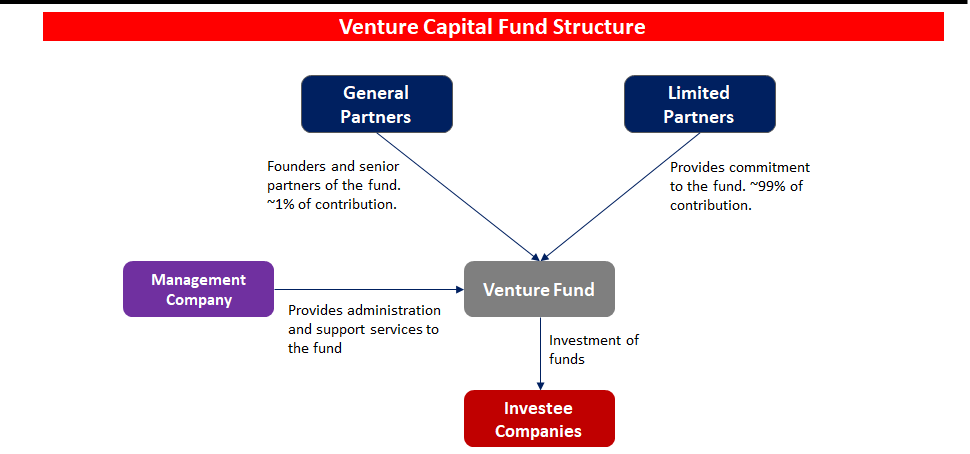
Venture capital funding in the digital health space cooled a bit in 2022 following a red-hot 2021. Overall, digital health companies raised $15.3 billion last year, down from the $29.1 billion raised in 2021—but still above the $14.1 billion raised in 2020, according to Rock Health a seed fund that supports digital health startups.

MORE: https://marcinkoassociates.com/fmv-appraisals/

Nevertheless, analysts predict VC investors and bankers will still put a good amount of money into digital health in 2024 and 2025, especially in alternative care, drug development, health information technology technology, EMRs and software that reduces physician workload.

CITE: https://www.r2library.com/Resource

Of course. an essential first part of attracting VC interest and money is the crafting and presentation of your formal business plan [“elevator pitch”]; as well as the needed technical and managerial experience. This is crucial for success and exactly where we can assist.

***

READ MORE: https://marcinkoassociates.com/welcome-medical-colleagues/

CONTACT: MarcinkoAdvisors@msn.com

***

***

FINANCIAL PLANNING: Next Generation for Physicians Only

By Dr. David Edward Marcinko MBA CMP™

SPONSOR: http://www.MARCINKOASSOCIATES.com

***

SPONSOR: http://www.CertifiedMedicalPlanner.org

(“Informed Voice of a New Generation of Fiduciary Advisors for Healthcare”)

For most lay folks, personal financial planning typically involves creating a personal budget, planning for taxes, setting up a savings account and developing a debt management, retirement and insurance recovery plan. Medicare, Social Security and Required Minimal Distribution [RMD] analysis is typical for lay retirement. Of course, we can assist in all of these activities, but lay individuals can also create and establish their own financial plan to reach short and long-term savings and investment goals.

But, as fellow doctors, we understand better than most the more complex financial challenges doctors can face when it comes to their financial planning. Of course, most physicians ultimately make a good income, but it is the saving, asset and risk management tolerance and investing part that many of our colleagues’ struggle with. Far too often physicians receive terrible guidance, have no time to properly manage their own investments and set goals for that day when they no longer wish to practice medicine.

For the average doctor or healthcare professional, the feelings of pride and achievement at finally graduating are typically paired with the heavy burden of hundreds of thousands of dollars in student loan debt.

CITE: https://www.r2library.com/Resource

You dedicated countless hours to learning, studying, and training in your field. You missed birthdays and holidays, time with your families, and sacrificed vacations to provide compassionate and excellent care for your patients. Amidst all of that, there was no time to give your finances even a second thought.

Between undergraduate, medical school, and then internship and residency, most young physicians do not begin saving for retirement until late into their 20s, if not their 30s. You’ve missed an entire decade or more of allowing your money and investments to compound and work for you. When it comes to addressing your financial health and security, there’s no time to waste.

And you may be misled by unscrupulous “advisors”.

READ HERE: https://marcinkoassociates.com/financial-planning/

RELATED: https://medicalexecutivepost.com/2023/12/15/doctor-are-you-a-financial-advisors-customer-or-client/

COMMENTS APPRECIATED

Thank You

***

***

DAILY UPDATE: Kroger Selling Pharma Business as Nvidia and Stock Markets Rise

By Staff Reporters

CHERRY BLOSSOM FESTIVAL, DC.

***

***

KROGER, the supermarket chain said it expects to close the sale of its specialty pharmacy business during the second half of 2024. Kroger said it is planning to sell its speciality pharmacy business to pharmacy benefit manager CarelonRx, a subsidiary of Elevance Health, the company just reported.

CITE: https://www.r2library.com/Resource

***

Nvidia continues its bid for world domination with the announcement of its new B200 “Blackwell” chip. The Blackwell is 2.5 times more powerful than the “Hopper” chip which helped it become a $2 trillion company. (Bloomberg)

Here’s where the major benchmarks ended:

  • The S&P 500 index added 46.11 points (0.9%) to 5,224.62; the Dow Jones Industrial Average gained 401.37 points (1%) to 39,512.13; the NASDAQ Composite rose 202.62 points (1.3%) to 16,369.41. 
  • The 10-year Treasury note yield slid two basis points to 4.27%.
  • The CBOE Volatility Index®(VIX) fell 0.77 to 13.06.
     

Health care was the biggest loser among the S&P 500 sectors. Energy was also lower after crude oil prices sank on the heels of weekly inventory data. Brent Crude Oil (/BZ) futures, the global benchmark, dropped 1.6% on the heels of five days of gains.

COMMENTS APPRECIATED

Thank You

***

***

DAILY UPDATE: Medicare Payment Policy and Inflation as the Stock Markets Gain

By Staff Reporters

***

***

MEDICARE: https://www.medpac.gov/wp-content/uploads/2024/03/Mar24_MedPAC_Report_To_Congress_SEC.pdf

The producer price index (PPI) rose 0.6% for the month, according to the Bureau of Labor Statisticsdouble the Dow Jones estimate, CNBC reported. February’s larger-than-expected PPI uptick follows a more modest 0.3% increase in January and a 0.1% decline in December. On an annual basis, the PPI increased 1.6%, “the largest rise since moving up 1.8% for the 12 months ended September 2023,” according to the BLS.

CITE: https://www.r2library.com/Resource

Here’s where the major benchmarks ended:

The market had a good Tuesday, with stocks climbing as investors await word from the Fed meeting today on any changes to interest rates. The bank is expected to keep rates the same for now, but could signal when (or how often) it’ll lower them later in the year. Meanwhile, Nordstrom shares surged following a report that the retailer’s founding family wants to take it private.
 

  • The S&P 500 index added 29.09 points (0.6%) to 5,178.51; the Dow Jones Industrial Average® ($DJI) gained 320.33 points (0.8%) to 39,110.76; the NASDAQ Composite® ($COMP) rose 63.34 points (0.40%) to 16,166.79.
  • The 10-year Treasury note yield (TNX) eased four basis points to just under 4.3%.
  • The CBOE Volatility Index® (VIX) lost 0.50 to 13.83. 

The energy sector was the top performer after crude oil prices notched multi-month highs ahead of weekly inventory data from the American Petroleum Institute. After a 2% rally to start the trading week, Brent Crude Oil (/BZ) futures, the global benchmark, added another 0.6% Tuesday.

Industrials, consumer discretionary, and utilities were among the other strong sectors. Communications, real estate, and materials finished modestly lower.

COMMENTS APPRECIATED

Thank You

***

***

DAILY UPDATE: Stock Markets Up Before FOMC Meeting

By Staff Reporters

***

***

Stocks started the week off strong yesterday as tech companies rose. Chipotle, Progressive, and more hit all-time highs. Tesla got a boost after announcing higher prices for its Model Y in the US and parts of Europe.

Here’s where major benchmarks ended yesterday:

  • The S&P 500 index rose 32 points (0.6%) to 5,149.42; the Dow Jones Industrial Average ($DJI) gained 75.66 points (0.2%) to 38,790.43; the NASDAQ Composite jumped 130.27 points (0.8%) to 16,103.45. 
  • The 10-year Treasury note yield rose nearly four basis points to 4.34%. 
  • The CBOE Volatility Index® (VIX) dipped 0.08 to 14.33.

All but two S&P 500 sectors finished in the green, with communications, information technology, consumer discretionary, and consumer staples leading the advance. Health care and real estate finished modestly lower.

Crude oil prices rose to multi-month highs on the heels of stronger-than-expected industrial production data from China and concerns over potential supply disruptions.

According to Reuters, a Ukrainian strike sparked a fire at the Slavyansk refinery in Krasnodar on Saturday and ongoing attacks have now idled around 7% of Russia’s refining capacity so far this year. Brent Crude Oil (/BZ) futures, the global benchmark, gained 2% Monday.

CITE: https://www.r2library.com/Resource

COMMENTS APPRECIATED

Thank You

***

***

DAILY UPDATE: Salesforce Health Care AI and the National Association of Realtors Rebuke

By Staff Reporters

***

Salesforce just announced new AI solutions for health-care workers that could help automate some of the manual administrative tasks that are driving physician burnout. READ MORE

***

***

***

On Friday, National Association of Realtors (NAR) agreed to pay $418 million over the next four years to settle several lawsuits alleging it artificially inflated realtor commissions. Included in the deal is a policy change that will likely obliterate agents’ 5%–6% commissions.

CITE: https://www.r2library.com/Resource

***

***

COMMENTS APPRECIATED

Thank You

***

***

DAILY UPDATE: Reddit IPO

By Staff Reporters

***

***

Stat: $748 million. That’s how much Reddit plans to raise ahead of its upcoming IPO, where the company is seeking an approximate $6.5 billion valuation. After a couple of rocky IPO years, investors have been hotly anticipating Reddit’s IPO, which would mark the first social media IPO since Pinterest’s in 2019.(CNBC)

But, The FTC is investigating Reddit’s policies of licensing data for training AI, the company said Friday as it gears up for an IPO.

CITE: https://www.r2library.com/Resource

COMMENTS APPRECIATED

Thank You

HAPPY ST. URHO’S DAY

***

***

DAILY UPDATE: Stocks Slide

By Staff Reporters

***

***

Stocks fell yesterday after this week’s inflation data made investors worried about high prices. Tech companies took a hosing, especially Adobe, which dropped after releasing a weak sales forecast.

Here’s where the major benchmarks ended:

  • The S&P 500 index fell 33.39 points (0.7%) to 5,117.09, down 0.1% for the week; the Dow Jones Industrial Average lost 190.89 points (0.5%) to 38,714.77, down 0.02% for the week; the NASDAQ Composite fell 155.36 points (1.0%) to 15,973.17, down 0.7% for the week.
  • The 10-year Treasury note yield (TNX) rose about 1 basis point to 4.308%.
  • The CBOE Volatility Index® (VIX) rose 0.01 to 14.41.

Tech weakness sent the NASDAQ-100® (NDX), which includes the NASDAQ’s biggest non-financial companies, down 1.2% to its lowest level in over three weeks. The small-cap-focused Russell 2000® Index (RUT) bounced Friday but still ended the week with a 2.1% loss, breaking a two-week winning streak. Energy companies extended a recent rally behind climbing crude oil prices, pushing the Philadelphia Oil Services Index (OSX) up almost 5% for the week to its highest level since early November. 

In other markets, the U.S. dollar strengthened behind expectations the Fed will keep interest rates high. The U.S. dollar index ($DXY) posted a gain of 0.7% for the week.

CITE: https://www.r2library.com/Resource

COMMENTS APPRECIATED

Thank You

***

***

What is TOKENIZATION?

By Staff Reporters

***

***

Tokenization is the process of converting an asset or the ownership rights of an asset to a unique unit called tokens. Tokens are commonly referred to when discussing blockchain technology, where they are used to indicate the ownership of a valuable asset. 

Tokens can indicate ownership of tangible assets, like art, or they can indicate ownership of intangible assets, such as shares in a company or voting rights. Tokenization can occur for any item that is deemed valuable. 

Tokens can then be used to transfer ownership of an asset, make payments and complete other financial tasks. An example of tokenization would be Bitcoin. It is a popular cryptocurrency that uses tokens to represent how much BTC a person owns.

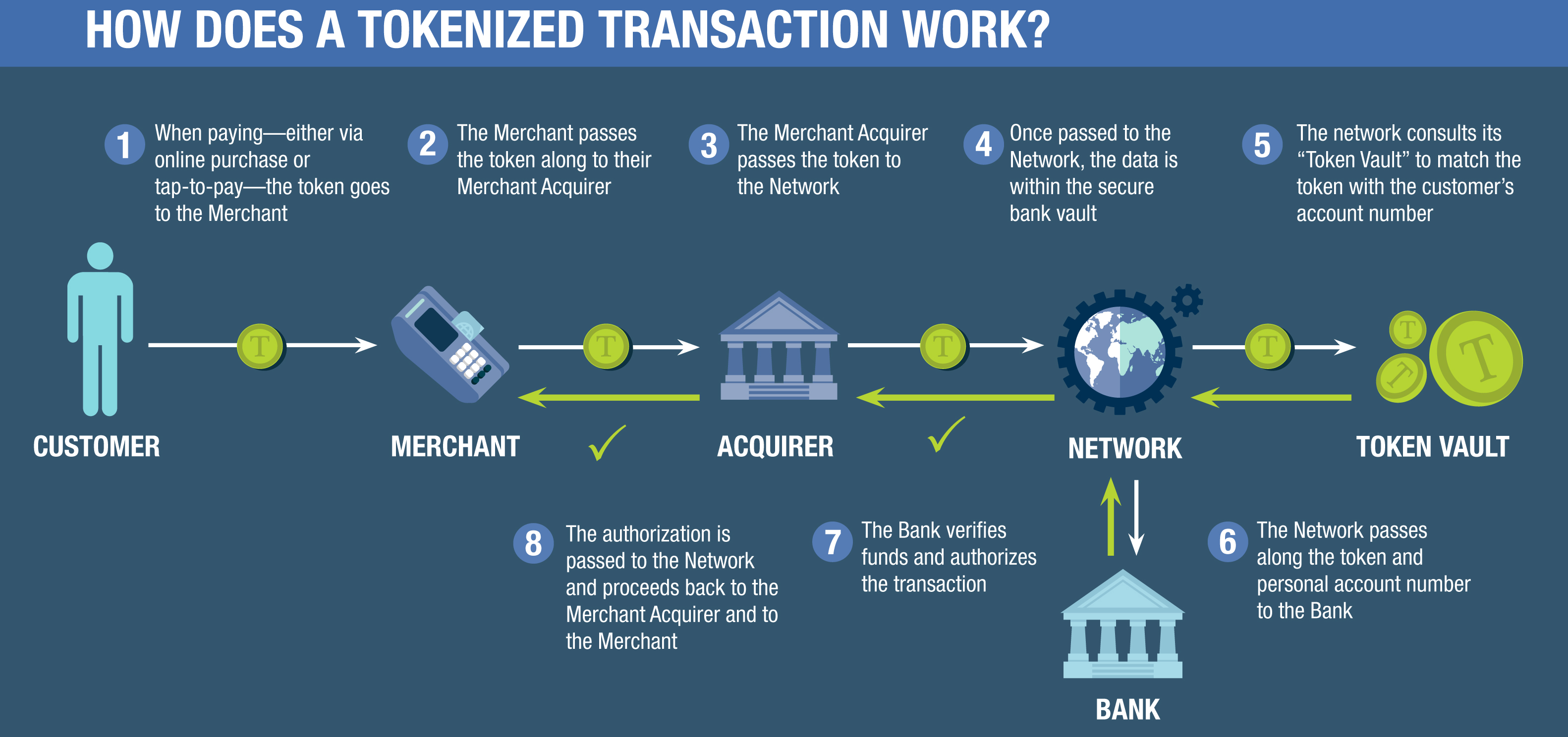
Tokenization began as a type of data security for businesses that replaces sensitive information with unique, non-sensitive data. Tokens don’t contain the original data, but they usually share similar characters or formatting. 

A user would need access to the tokens that are connected to the separately-stored originals in order to restore the tokens and view the secured data. Otherwise, a user would not be able to decipher the token to view the data. Therefore, they can be useful for securing personal information, financial transaction data and other sensitive data.

***

***

There are multiple types of blockchain tokenization and non-blockchain tokenization.

Blockchain Tokenization

Types of blockchain tokenization include:

  • Fungible tokenization. These are standard blockchain tokens. They have identical values, so they can easily replace one another — think of swapping one dollar for another dollar.
  • Non-fungible tokenization. These are less common blockchain tokens that do not have a set value. Instead, they represent ownership of an asset, such as digital art or real estate, that determines the value of the token.
  • Governance tokenization. These tokens represent voting rights and can be used to vote and collaborate on a blockchain system.
  • Utility tokenization. These tokens are used to give access to certain products and services on a specific blockchain, so they can be used to complete actions like paying transaction fees or operating a decentralized market system. 

Non-blockchain Tokenization

Types of non-blockchain tokenization include:

  • Vault tokenization. This is the standard type of tokenization to protect payment information, where the token is used to process payments without providing card numbers or other data.
  • Vaultless tokenization. This is a type of tokenization used for payment processing that doesn’t require a token vault for storage. Instead, it uses cryptographic devices and algorithms to convert data to a token.
  • Natural language processing tokenization. This type of tokenization breaks information down into simpler terms to make it more easily understood by computers. It includes word, sub word and character tokenization.

While tokenization began with the idea of protecting data assets using non-blockchain tokenization, it has developed into a way to protect the ownership of many other types of assets by using blockchain technology.

MORE: https://www.blockchain-council.org/blockchain/what-is-tokenization/

***

***

COMMENTS APPRECIATED

Thank You

***

DAILY UPDATE: The Ides of March as Stock Markets Slide

By Staff Reporters

***

***

Stocks fell yesterday after another round of hotter-than-expected inflation data chilled investors. But it was a tremendous Thursday for sporting goods store Dick’s, as it soared 15% after posting its largest sales quarter in history in Q4, thanks in part to consumers buying more expensive items.

Here’s where the major stock benchmarks ended:

  • The S&P 500 index fell 14.83 points (0.3%) to 5,150.48; the Dow Jones Industrial Average® ($DJI) declined 137.66 points (0.4%) to 38,905.66; the NASDAQ Composite shed 49.24 points (0.3%) to 16,128.53.
  • The 10-year Treasury note yield (TNX) rose about 10 basis points to 4.292%.
  • The CBOE Volatility Index® (VIX) rose 0.65 to 14.40.

Technology shares remained under pressure, as a pullback in Nvidia (NVDA) and other chip makers sent the Philadelphia Semiconductor Index (SOX) down almost 2% to its lowest close of the month. Nvidia fell 3.2% Thursday and has dropped nearly 10% from a record intraday high of $974 last Friday. Banks and small-cap stocks were also among the market’s weakest performers.

“Tech shares appear to be going through a corrective phase following last Friday’s key reversal day in Nvidia. The question remains whether a potential correction in tech will spill over into the broader market or whether money will rotate into other areas of the market.”

In other markets, WTI crude oil futures (/CL) extended this week’s rally with a gain of 1.7% and ended slightly above $81 per barrel, its highest level since early November. Oil’s strength has been driven by an unexpected drop in U.S. inventories and concerns over supply disruptions after Ukrainian strikes on oil refineries in Russia.

CITE: https://www.r2library.com/Resource

COMMENTS APPRECIATED

Thank You

***

***

PI: Happy Day!

By Staff Reporters

***

***

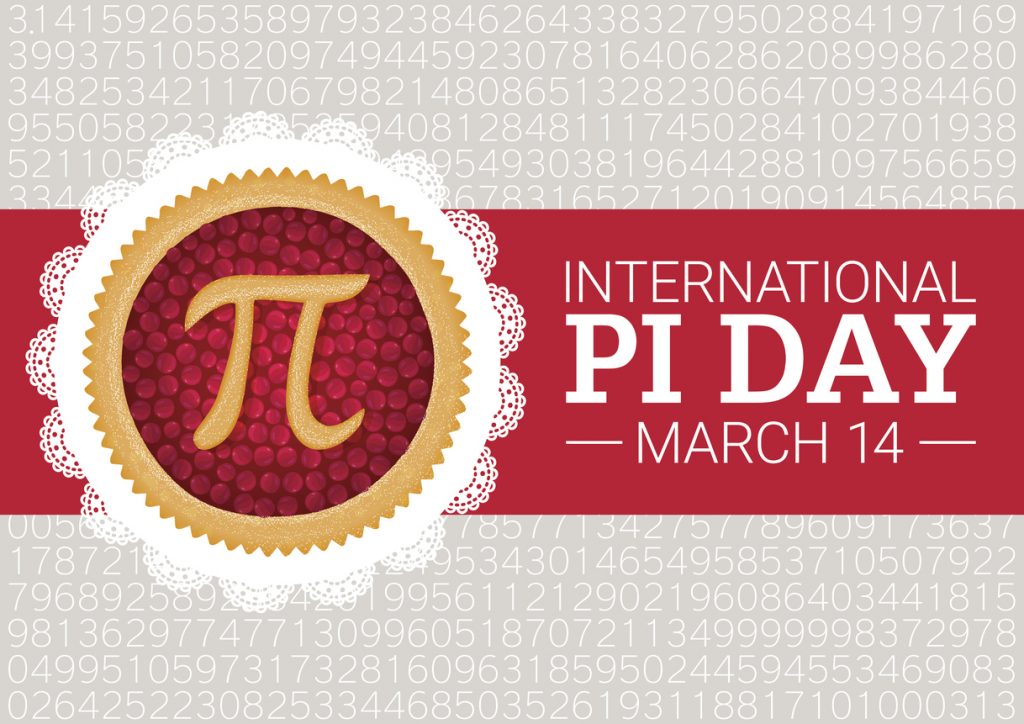
Each Pi Day, we recall Akira Haraguchi, who in 2016 set the unofficial world record for reciting the most digits of pi: 100,000 over more than 16 hours. He did it by mentally linking each digit with a syllable and creating a collection of epic stories from the words those syllables formed.

CITE: https://www.r2library.com/Resource

COMMENTS APPRECIATED

Thank You

***

***

DAILY UPDATE: Warm Inflation Mixes Stocks

By Staff Reporters

***

***

DEFINITION: Creeping, or mild, inflation occurs when prices rise slowly. According to the Federal Reserve, when prices increase by 2% or less, it benefits economic growth. This kind of mild inflation makes consumers expect that prices will keep going up, which boosts demand.

And so, inflation was a bit warmer last month as consumer prices rose 3.2% in February, the Labor Department just reported, up from the 3.1% that economists expected. That marks the second straight month that inflation came in higher than forecast. The data reinforces the Fed’s position to wait until inflation is tamed before cutting interest rates. Still, the central bank is widely expected to cut rates sometime later this year despite yesterday’s less-than-ideal report. It will meet next week to continue deliberations on a potential rate reduction.

CITE: https://www.r2library.com/Resource

Here’s where the major benchmarks ended:

  • The S&P 500® index (SPX) fell 9.96 points (0.2%) to 5,165.31; the Dow Jones Industrial Average gained 37.83 points (0.1%) to 39,043.32; the NASDAQ Composite® (COMP) declined 87.87 points (0.5%) to 16,177.77.
  • The 10-year Treasury note yield (TNX) rose almost 4 basis points to 4.192%.
  • The CBOE Volatility Index® (VIX) fell slightly to 13.75. 

Energy shares were among the market’s strongest performers Wednesday behind gains in crude oil prices. Brent crude futures (/BZ), the global benchmark, rose above $84 to end at their highest level since early November after Ukrainian strikes on oil refineries in Russia stirred concern over supply disruptions. The S&P Energy Index ($SP500#10) jumped 1.5% and reached its highest level since late October, while the S&P 500 Materials Index ($SP500#15) rose almost 1% and ended at a record high.

COMMENTS APPRECIATED

Thank You

***

***

DAILY UPDATE: Inflation Upticks as Big Pharma Blocks Medicare Price Negotiations and Stocks Soar with Nvidia and Oracle!

By Staff Reporters

***

Big pharma sues over California drug price law

***

Pharmaceutical companies have filed a slew of suits around the country to get federal judges to invalidate a government program aimed at lowering drug costs for seniors by allowing Medicare to negotiate prices, as is the norm in many other countries, according to the Washington Post. The companies argue it’s unconstitutional and would inhibit their ability to develop new treatments.

CITE: https://www.r2library.com/Resource

The Federal Reserve is looking for steady, reliable signs that inflation is simmering down before it cuts interest rates this year. So far, 2024 has not delivered. Data released by the Bureau of Labor Statistics on Tuesday showed prices rose 3.2 percent over last year, slightly outpacing forecasts of 3.1 percent. Prices also rose 0.4 percent in February over the previous month — in line with expectations, but still hotter than economists would like to discern.

Stocks swung up on Tuesday as investors shrugged off a middling inflation report and looked ahead to next week’s Fed meeting. Meanwhile, Oracle went sky-high, posting its best day since 2021 after demand for AI prompted a huge increase in sales for its cloud computing business.

Here’s where the major benchmarks ended:

  • The S&P 500® index (SPX) gained 57.33 points (1.1%) to 5,175.27; the Dow Jones Industrial Average® ($DJI) added 235.83 points (0.6%) to 39,005.49; the NASDAQ Composite® (COMP) climbed 246.36 points (1.5%) to 16,265.64.
  • The 10-year Treasury note yield (TNX) rose about 5 basis points to 4.155%.
  • The CBOE Volatility Index® (VIX) fell 1.38 to 13.84.

Chip makers’ bounce-back helped boost the Philadelphia Semiconductor Index (SOX) more than 2%, as it recovered part of a 5% drop the previous two trading days. Industry leader Nvidia (NVDA) jumped over 7%. Consumer discretionary and communications services shares were also among the strongest areas. Regional banks and real estate were among the weakest sectors as the CPI data spurred an upturn in Treasury yields.

COMMENTS APPRECIATED

Thank You

***

***

PODCAST: Secret to Health Insurance Company Profits

INTER COMPANY ELIMINATIONS

By Eric Bricker MD

***

***

COMMENTS APPRECIATED

Thank You

***

***

DAILY UPDATE: Boeing Down as Stocks End Mixed

By Staff Reporters

***

***

Stocks were mixed yesterday as investors looked ahead to what today’s government inflation data will bring. Boeing took a dive and the stock is down 24% this year.

Here’s where the major benchmarks ended:

  • The S&P 500® index (SPX) fell 5.75 points (0.1%) to 5,117.94; the Dow Jones Industrial Average® ($DJI) gained 46.97 points (0.1%) to 38,769.66; the NASDAQ Composite® (COMP) declined 65.84 points (0.4%) to 16,019.27.
  • The 10-year Treasury note yield (TNX) was up almost 1 basis point to 4.096%.
  • The CBOE Volatility Index® (VIX) rose 0.45 to 15.19. 

Chip maker weakness sent the Philadelphia Semiconductor Index (SOX) down 1.36% Monday following a 3.5% drop Friday, when the benchmark initially set a record intra-day high above 5,217. The index is still up 17% this year.

Other sectors outside of tech extended recent strength, including the Dow Jones Utility Index ($DJU), which gained for the fourth straight day and ended at its highest level since February 1. The S&P Energy Index ($SP500#10) reached its highest level since late October, while the S&P 500 Materials Index ($SP500#15) advanced over 1% to its highest post in nearly two years.

CITE: https://www.r2library.com/Resource

COMMENTS APPRECIATED

Thank You

***

***

ACOs: Participation Up in 2024

By Health Capital Consultants, LLC

***

***

On January 29, 2024, the Centers for Medicare and Medicaid Services (CMS) announced that Performance Year 2024 participation increased in their various accountable care organization (ACO) initiatives. Specifically, 50 new ACOs joined the Medicare Shared Savings Program (MSSP), and 71 ACOs renewed their contracts, bringing the total participation in the MSSP to 480 ACOs.

Additionally, 245 organizations chose to continue participation in two other CMS models – the ACO Realizing Equity, Access, and Community Health (REACH) Model and the Kidney Care Choice (KCC) Model.

CITE: https://www.r2library.com/Resource

This Health Capital Topics article reviews the CMS report and implications for CMS’s ACO initiatives. (Read more…) 

COMMENTS APPRECIATED

Thank You

***

***

DAILY UPDATE: Inflation Data Pending

By Staff Reporters

***

***

Key inflation data incoming: February’s consumer price index report on Tuesday will provide fresh data to help the Fed decide when to lower interest rates. Last week, Chair Jerome Powell said he needed “just a bit more evidence” that inflation was coming back down to normal levels before reducing rates, though “we’re not far from it,” he acknowledged.

CITE: https://www.r2library.com/Resource

COMMENTS APPRECIATED

Thank You

***

***

M&A: Healthcare Indications Review

Indications for 2024

By Health Capital Consultants, LLC

***

***

After healthcare mergers and acquisitions (M&A) activity began to regain momentum in 2022, following the slowing of deals in the wake of the COVID-19 pandemic, transactional activity continued to accelerate in 2023. While the healthcare sector continued to be impacted by factors such as valuation gaps, higher-for-longer interest rates, general macroeconomic risks, and increased state and federal regulatory concerns in 2023, the outlook for 2024 remains cautiously optimistic.

CITE: https://www.r2library.com/Resource

This Health Capital Topics article reviews the U.S. healthcare industry’s 2023 M&A activity and discusses what these trends may mean for 2024. (Read more…)

COMMENTS APPRECIATED

Thank You

***

***

DAILY UPDATE: UnitedHealth Group Still Down as Stock Markets Dips with Chip Makers

By Staff Reporters

Tomorrow is the start of daylight saving time. Enjoy the extra hour of evening light.

***

***

UnitedHealth Group is laying out a timeline to restore its systems as a cyberattack on its Change Healthcare subsidiary continues to disrupt the health care industry for nearly a third week. The company said Thursday it’s still working “aggressively” to restore its services after the attack Feb. 21st caused it to shut down its insurance claims and payment platforms, leaving health care providers and pharmacies across the nation unable to process prescriptions or pay employees, but as of now, its electronic prescribing is back to being “fully functional.”

***

Stocks tumbled yesterday, giving the Dow its worst week since October as Nvidia’s seemingly unstoppable rally…stopped. Meanwhile, bitcoin notched another record, hitting $70,000 for the first time before the volatile cryptocurrency retreated.

Government: The Senate passed vital funding bills just barely ahead of a shutdown deadline, ensuring the government can stay open—at least for now. But they still need to pass more before March 22nd.

Here’s where the major benchmarks ended:

  • The S&P 500 index (SPX) fell 33.67 points (0.7%) to 5,123.69, down 0.3% for the week; the Dow Jones Industrial Average® ($DJI) lost 68.66 points (0.2%) to 38,722.69, down 0.9% for the week; the NASDAQ Composite (COMP) dropped 188.26 points (1.2%) to 16,085.11, down 1.2% for the week.
  • The 10-year Treasury note yield (TNX) fell more than 1 basis point to 4.079%.
  • The CBOE Volatility Index® (VIX) rose 0.30 to 14.74.

The Philadelphia Semiconductor Index (SOX) sank 3.5% Friday but still gained 0.6% for the week, its third straight weekly advance. Bank and utility shares were among the market’s few areas of strength, and small-cap stocks held up relatively well. The Russell 2000® Index (RUT) fell 0.1% after earlier climbing to a two-year high but still added 0.3% for the week, its fourth weekly gain in the past five.

CITE: https://www.r2library.com/Resource

COMMENTS APPRECIATED

Thank You

***

***

DAILY UPDATE: International Women’s Day as Rivian and Stocks Zoom Higher!

By Staff Reporters

***

***

Stocks surged yesterday, once again pushing the S&P 500 and NASDAQ to record highs, after Fed Chair Jerome Powell said he expects interest rates to come down this year. It was also a big day for Rivian which zoomed 13% after it revealed three new vehicles.

Here’s where the major benchmarks ended:

  • The S&P 500 index rallied 52.60 points (1.0%) to 5,157.36; the Dow Jones Industrial Average gained 130.30 points (0.3%) to 38,791.35; the NASDAQ Composite climbed 241.83 points (1.5%) to 16,273.38.
  • The 10-year Treasury note yield (TNX) lost almost 2 basis points to 4.085%.
  • The CBOE Volatility Index® (VIX) fell 0.06 to 14.44.

Chip-maker strength boosted the Philadelphia Semiconductor Index (SOX) 3.4% to its fourth record close in the past five trading days. The index has gained 9.3% so far this month and 24% for the year. Oilfield services and communication services companies were also among the market’s strongest sectors. Small-cap shares joined the rally, boosting the Russell 2000® Index (RUT) 0.8% to a two-year high.

In other markets, the U.S. dollar index (DXY) slipped 0.5%, its fifth consecutive daily decline, and touched a five-week low. The dollar has been under pressure from expectations for lower U.S. interest rates.

CITE: https://www.r2library.com/Resource

COMMENTS APPRECIATED

Thank You

***

***

“Magnificent Seven” Stocks Down while Bitcoin Up

STATE OF THE UNION EVENING

***

  • Markets: Stocks rose yesterday as investors watched Jerome Powell tell lawmakers that he still expects to cut interest rates this year, just not right away.
  • Stock spotlight: Troubled regional lender New York Community Bancorp, which fell 40% before soaring back up after announcing it’s getting $1 billion from investors, including ex-Treasury Secretary Steven Mnuchin’s firm.

***

***

Meanwhile, Stocks tumbled on Tuesday as several of the “Magnificent Seven” tech giants shed some of their gains from earlier this year, dragging the entire market with them. One of those companies was Apple, which fell about 3% after a report suggested that iPhone sales in China have plunged in the first six weeks of 2024.

And, Bitcoin set a new record yesterday, briefly jumping past $69k before falling back down to ~$62k. The rally highlighted the crypto’s seemingly rapid recovery from the nail-in-the-coffin that was FTX’s demise in 2022.

COMMENTS APPRECIATED

Thank You

***

***

DAILY UPDATE: American Express Breached as Stock Markets Come Back

By Staff Reporters

***

***

American Express Co. has told an undisclosed number of cardholders that their account information may have been breached in a recent hacking of a merchant processor. Current and previously issued American Express Card account numbers, expiration dates and customer names may have been compromised, AmEx stated in a notice filed last week with Massachusetts regulators. 

CITE: https://www.r2library.com/Resource

Here’s where the major benchmarks ended:

  • The S&P 500® index (SPX) rose 26.11 points (0.5%) to 5,104.76; the Dow Jones Industrial Average® (DJI) gained 75.86 points (0.2%) to 38,661.05; the NASDAQ Composite® (COMP) added 91.95 points (0.6%) to 16,031.54.
  • The 10-year Treasury note yield (TNX) dropped about 3 basis points to 4.108%, near a four-week low.
  • The CBOE Volatility Index® (VIX) rose 0.04 to 14.50

Semiconductor shares were among the market’s strongest performers Wednesday, and utilities and consumer staples were also firm. Banks shares took pressure despite further declines in Treasury yields. In other markets, the U.S. dollar index (DXY) fell near a five-week low and Gold (/GC) futures extended a rally to a record above $2,160 per ounce, reflecting expectations for lower U.S. interest rates. 

COMMENTS APPRECIATED

Thank You

***

***

DAILY UPDATE: UnitedHealth Group and Fidelity Investments Suffer Ransomware Attacks as Stock Markets Crash

By Staff Reporters

***

***

According to Fidelity, in documents filed with the Maine attorney general’s office, miscreants “likely acquired” information about 28,268 people’s life insurance policies after infiltrating Infosys.

***

***

Criminals have probably stolen nearly 30,000 Fidelity Investments Life Insurance customers’ personal and financial information — including bank account and routing numbers, credit card numbers and security or access codes — after breaking into Infosys’ IT systems.

***

***

Healthcare providers across the United States are struggling to get paid following the week-long ransomware outage at a key tech unit of UnitedHealth Group, with some smaller medical providers saying they are already running low on cash.

And, the nation’s health-care system continues to reel from a cyberattack that has crippled payments for tens of thousands of organizations as Daniel Gilbert writes in The Post.

CITE: https://www.r2library.com/Resource

Here’s where the major benchmarks ended:

  • The S&P 500® index (SPX) dropped 52.30 points (1.0%) to 5,078.65; the Dow Jones Industrial Average decreased 404.64 points (1.0%) to 38,585.19; the NASDAQ Composite fell 267.92 points (1.7%) to 15,939.59.
  • The 10-year Treasury note yield (TNX) fell about 8 basis points to 4.137%.
  • The CBOE Volatility Index® (VIX) rose 0.97 to 14.46.

With chip makers under pressure, the Philadelphia Semiconductor Index (SOX) fell 2.1%, reversing part of a recent surge to a record high. Consumer discretionary and real estate shares also ranked among the weakest performers Tuesday. Banks were one of the few industries to buck the broader weakness, perhaps supported by further declines in Treasury yields. The 10-year Treasury note yield (TNX) almost fell to a four-week low near 4.11%. The KBW Regional Banking Index (KRX) jumped 4.3%. 

In other markets, bitcoin plunged almost 10% after climbing earlier Tuesday to a record above $69,000. The cryptocurrency had rallied as much as 36% over the last week of February. 

COMMENTS APPRECIATED

Thank You

***

***

MEME-COINS: Dogwifhat?

***

***

Rallies from Artificial Intelligence related companies weren’t enough to keep the major indexes from falling yesterday. Meanwhile, bitcoin continued its journey toward the sky, getting close to an all-time record.

And it wasn’t the only cryptocurrency having a banner day: memecoins like dogecoin, pepe, and dogwifhat all soared.

COMMENTS APPRECIATED

Thank You

***

***

DAILY UPDATE: Target of IRS Audits Up While Stock Markets are Down

By Staff Reporters

***

***

Stat: 125,000+. That’s how many high-income people the IRS is targeting for not filing their taxes. The IRS started sending letters last week to folks with over $400,000 in income who haven’t filed between 2017 and 2022 (Journal of Accountancy)

CITE: https://www.r2library.com/Resource

Here’s where the major benchmarks ended:

  • The S&P 500 index fell 6.13 points (0.1%) to 5,130.95; the Dow Jones Industrial Average lost 97.55 points (0.3%) to 38,989.83; the NASDAQ Composite declined 67.43 points (0.4%) to 16,207.51.
  • The 10-year Treasury note yield (TNX) rose about 4 basis points to 4.219%.
  • The CBOE Volatility Index® (VIX) increased 0.38 to 13.49.

Ongoing strength in chip makers propelled a 1.1% advance in the Philadelphia Semiconductor Index (SOX), which posted a record high for the third-straight trading day. Banks were also among the strongest performers. Small-cap shares eased, with the Russell 2000® Index (RUT) ending with a marginal loss after rising earlier to a two-year high. 

COMMENTS APPRECIATED

Thank You

***

***

FINANCIAL PLANNING: Physician and Fiduciary Focused

(“Informed Voice of a New Generation of Fiduciary Advisors for Healthcare”)

By Dr. David Edward Marcinko MBA CMP

http://www.MarcinkoAssociates.com

As fellow doctors, we understand better than most the more complex financial challenges physicians can face when it comes to their financial planning. Of course, most physicians ultimately make a good income, but it is the saving, asset and risk management tolerance and investing part that many of our colleagues’ struggle with. Far too often physicians receive terrible guidance, have no time to properly manage their own investments and set goals for that day when they no longer wish to practice medicine.

For the average doctor or healthcare professional, the feelings of pride and achievement at finally graduating are typically paired with the heavy burden of hundreds of thousands of dollars in student loan debt.

You dedicated countless hours to learning, studying, and training in your field. You missed birthdays and holidays, time with your families, and sacrificed vacations to provide compassionate and excellent care for your patients. Amidst all of that, there was no time to give your finances even a second thought.

Between undergraduate, medical school, and then internship and residency, most young physicians do not begin saving for retirement until late into their 20s, if not their 30s. You’ve missed an entire decade or more of allowing your money and investments to compound and work for you. When it comes to addressing your financial health and security, there’s no time to waste.

And you may be misled by unscrupulous “advisors”.

For example:

Question: Do you know the difference between a “Fee-Only” and a “Fee-Based financial advisor? Not knowing may cost you tens of thousands of dollars, or more, in excessive advisory fees.

MORE: https://marcinkoassociates.com/financial-planning/

Of course, all of this compound’s physician stress and burnout related issues, as well.

MORE: https://marcinkoassociates.com/process-what-we-do/

COMMENTS APPRECIATED

Thank You

***

***

BANKRUPTCIES: Health Care Companies

Spiked in 2023

By Staff Reporters

***

***

Healthcare company bankruptcies spiked in 2023 amid high interest rates, rising labor and supply costs, and an uptick in denials from payers, according to a January report from healthcare restructuring firm Gibbins Advisors.

For example, Seventy-nine healthcare companies filed for bankruptcy in 2023—the highest number since 2019, which saw 51 bankruptcies, according to the report. The volume of bankruptcies last year was nearly 2x as high as 2022 and over 3x the level seen in 2021.

“We saw a dramatic increase in healthcare bankruptcy filings in 2023, continuing the trend which began in mid-2022,” Clare Moylan, co-founder and principal at Gibbins Advisors, said in a statement. “Key observations from 2023 are the return of large bankruptcy cases with over $100 million in liabilities, and a spike in hospital filings, both of which appear to primarily be a result of Covid-19 pandemic-related protections ending.”

CITE: https://www.r2library.com/Resource

COMMENTS APPRECIATED

Thank You

***

***

DAILY UPDATE: CDC, IRS, the Roaring Stock Markets and Elon Musk

By Staff Reporters

***

***

Stocks were ripping last week, with the NASDAQ notching an all-time high and the S&P 500 closing above 5,100 for the first time. Tech stocks led the way, especially Nvidia, which closed with a market cap over $2 trillion. But trouble may be brewing at regional banks: New York Community Bancorp plummeted after swapping out its CEO and revealing it had found weaknesses in its risk controls.

CITE: https://www.r2library.com/Resource

The IRS is going after people who earned between $400,000 and $1 million but failed to file tax returns as far back as 2017.

***

Elon Musk sued OpenAI and its co-founders, CEO Sam Altman and President Greg Brockman, Friday, alleging that they breached the organization’s founding agreement by letting it become too profit-motivated.

***

The CDC says you no longer need to isolate for five days if you have COVID-19 as long as you’re fever-free and your symptoms are improving.

COMMENTS APPRECIATED

Thank You

***

***

PEP: What is a Pooled Employer “Defined Contribution” Plan?

RETIREMENT PLANNING

By Staff Reporters

***

***

A PEP is a defined contribution plan, such as a 401(k), in which multiple employers can participate. When employers join a PEP, they delegate their named fiduciary role to a third-party pooled plan provider (PPP). PEP fiduciary oversight falls on the PPP rather than the employer. And although each PPP may set its own eligibility requirements, businesses joining a PEP benefit plan needn’t operate in the same industry or geographical area.

PEP plans provide viable 401(k) alternatives for small business owners who may otherwise struggle to compete for talent against large organizations with comprehensive benefits packages.

CITE: https://www.r2library.com/Resource/Title/082610254

Other advantages include: Less in-house administration: The PPP assumes responsibility for much of the plan administration, handling all plan documentation, governmental filings and ongoing compliance. Employee payroll deductions are left to the employer, but these can be efficiently managed with the help of a payroll service provider that integrates payroll and benefits.

Tax credits can help offset PEP start-up costs. For the first three years of participation, employers may be eligible for a tax credit of $5,000 annually, with an additional $500 available to those who set up automatic enrollment. Under Secure Act 2.0, an additional credit of up to $1,000 per employee for eligible employer contributions may apply to employers with up to 50 employees for the preceding taxable year. This credit phases out from 51 to 100 employees.

Businesses participating in single-employer retirement plans (SEP) must independently communicate and coordinate with their record-keeper, custodian, investment advisor, trustee and auditor. With PEP, all these tasks and services are bundled into one, saving employers time and money.

Despite its advantages, a PEP does have some drawbacks, particularly when compared to an SEP. Unlike a PEP, an SEP gives employers more of the following:

  • Flexibility: Employers can customize the design of their plan to meet their retirement goals and the needs of their employees.
  • Control: Employers are not dependent on the actions or decisions of others and can access information and resolve problems directly without the need of a third party.
  • Choice: Employers have the unilateral freedom to choose a different service provider, move their plan or negotiate better pricing if they are unsatisfied with the cost or quality of service.

COMMENTS APPRECIATED

Thank You

***

***

DAILY UPDATE: Rare Disease Day Visibility, Rite Aid Down as Markets Rise Up

By Staff Reporters

***

***

Welcome back to the Gregorian calendar. Along with being a leap day, yesterday was Rare Disease Day—bringing visibility to the 7,000 conditions that each affect fewer than 200,000 people in the US. Combined, around 10% of US residents have one, per the National Institute of Health.

***

  • Rite Aid is planning to close 77 stores in 2024 as part of its Chapter 11 bankruptcy.
  • That makes 431 stores that the drugstore chain has decided to close since October.
  • Rite Aid has been shrinking its store count for years, losing ground to rivals Walgreens and CVS.

CITE: https://www.r2library.com/Resource

Here’s where the major benchmarks ended:

  • The S&P 500 index added 40.81 points (0.8%) to 5,137.08, up 0.95% for the week and its seventh weekly gain in the past eight; the Dow Jones Industrial Average® (DJI) gained 90.99 points (0.2%) to 39,087.38, down 0.1% for the week; the NASDAQ Composite rose 183.02 points (1.1%) to 16,274.94, up 1.7% for the week.
  • The 10-year Treasury note yield fell about 7 basis points to 4.182%.
  • The CBOE Volatility Index® (VIX) dropped 0.29 to 13.11.

Chipmaker strength drove a 4.3% advance in the Philadelphia Semiconductor Index (SOX), which ended at a record high. The NASDAQ-100®(NDX), which includes the NASDAQ’s largest non-financial companies, also ended at a record high. Small-cap shares finished the week strong. The Russell 2000® Index (RUT) rose 1.1% to settle at a 23-month high and notched a 3% gain for the week. 

Banks were among the weakest performers as concerns over regional lenders flared up, underscored by another nosedive in shares of troubled New York Community Bancorp (NYCB).

COMMENTS APPRECIATED

Thank You

***

***

DAILY UPDATE: Inflation and “Bumble” Down as Stock Markets Rise and UHC Hackers ID’d

By Staff Reporters

***

***

The Bumble dating app said this week that it plans to lay off 30% of its staff (about 350 employees) after a Q4 earnings report highlighted that profits are ghosting the company and Gen Z considers dating apps a turnoff. Bumble CEO Lidiane Jones, who took over in November when founder Whitney Wolfe Herd stepped down, said the cuts would save the company around $55 million. The company plans to invest in relaunching the app next quarter with new safety and AI features to entice all those looking for love.

CITE: https://www.r2library.com/Resource

Here’s where the major benchmarks ended:

  • The S&P 500 index rose 26.51 points (0.5%) to 5,096.27, up 5.2% for the month; the Dow Jones Industrial Average® (DJI) added 47.37 points (0.1%) to 38,996.39, up 2.2% for the month; the NASDAQ Composite gained 144.18 points (0.9%) to 16,091.92, up 6.1% for the month.
  • The 10-year Treasury note yield (TNX) fell about 3 basis points to 4.244%.
  • The CBOE Volatility Index® (VIX) dropped 0.44 to 13.40.

Chipmaker shares were among the strongest performers Thursday, helping lift the Philadelphia Semiconductor Index (SOX) 2.7% to a record high close. Banks and food and beverage industries were also firm. Small-cap stocks also extended a recent upswing. The Russell 2000® Index (RUT) erased much of an initial surge to a 22-month high but still finished with a 0.7% advance, gaining 5.5% for the month.

***

***

Hackers that allegedly caused the UnitedHealth Group cyberattack reportedly posted on the dark web that they stole personal data and the records of “millions” of patients.

In a now-deleted post, the Blackcat ransomware group – also known as ALPHV or Noberus – said it stole several terabytes of data from UnitedHealth, which includes medical insurance and health data, Reuters reported, citing screenshots of the post.

COMMENTS APPRECIATED

Thank You

***

***

DAILY UPDATE: Down Down Third Day

By Staff Reporters

HAPPY LEAP YEAR DAY

***

***

Stocks fell yesterday, while bitcoin almost touched an all-time high after surging 20% in five days as its halving approaches. UnitedHealth dipped on reports that antitrust regulators are investigating the massive insurer.

***

***

Here’s where the major benchmarks ended:

  • The S&P 500® index (SPX) fell 8.42 points (0.2%) to 5,069.76; the Dow Jones Industrial Average lost 23.39 points (0.1%) to 38,949.02; the NASDAQ Composite® (COMP) declined 87.56 points (0.6%) to 15,947.74.
  • The 10-year Treasury note yield (TNX) fell about 5 basis points to 4.264%.
  • The CBOE Volatility Index® (VIX) rose 0.39 to 13.82.

Regional banks and semiconductors were among the weakest performers Wednesday, and communications services and health care shares were also soft. Real estate shares bucked the weakness in many sectors to post firm gains. Food and beverage and consumer discretionary sectors also firmed. In other markets, WTI crude oil (/CL) futures rose to a three-month high at $79.62 per barrel before ending lower after the Energy Information Administration reported a rise in U.S. inventories.

CITE: https://www.r2library.com/Resource

COMMENTS APPRECIATED

Thank You

***

***

DAILY UPDATE: Corporate M&A Activity Increasing as Stock Markets End Mixed

By Staff Reporters

***

***

Merger and Acquisition (M&A) activity was down in 2023, but McKinsey says we should keep our chins up based on the strong final months of the year and economic optimism among professionals. For example, Global M&A activity last year totaled $3.1 trillion, dropping 16% from 2022, McKinsey found in a new report by senior partners Jake Henry and Mieke Van Oostende. But, the value of M&A activity in the fourth quarter increased 41% over Q3 and 37% year over year.

CITE: https://www.r2library.com/Resource

Stocks were mixed yesterday, with the S&P 500 and NASDAQ inching up and the Dow Jones dropping ahead of the release of key inflation data later this week. Viking Therapeutics, whose stock more than doubled after it reported positive results for its weight-loss drug trial in a bid to break into a sector dominated by Eli Lilly and Novo Nordisk.

Here’s where the major stock market benchmarks ended:

  • The S&P 500® index (SPX) rose 8.65 points (0.2%) to 5,078.18; the Dow Jones Industrial Average® (DJI) fell 96.82 points (0.3%) to 38,972.41; the NASDAQ Composite® (COMP) gained 59.05 points (0.4%) to 16,035.30.
  • The 10-year Treasury note yield (TNX) rose about 1 basis point to 4.309%.
  • The CBOE Volatility Index® (VIX) dropped 0.31 to 13.43.

Retailer strength helped lift the S&P Retail Select Industry Index (SPSIRE) 2.4% to its highest level in 22 months. Utility shares were also strong as the sector rebounded from the previous day’s slump. The small-cap Russell 2000® (RUT) jumped 1.3% to extend a nearly week-long rally and posted its second-highest close of the year.

In other markets, WTI crude oil (/CL) futures surged 1.4% and settled just under $79 per barrel, the market’s highest close since early November. Strength in oil reflects concern over conflict in the Middle East and expectations OPEC may extend production cuts beyond the first few months of 2024.

COMMENTS APPRECIATED

Thank You

***

***

DAILY UPDATE: S&P Index Pulls Back

By Staff Reporters

***

***

Stocks fell as the Dow got a special delivery from Amazon, which joined the index yesterday, replacing Walgreens. That didn’t give the Dow a boost for the day, but it should help the index—whose performance is trailing the S&P 500—going forward by giving it more tech power.

Here’s where the major benchmarks ended:

  • The S&P 500 index fell 19.27 points (0.4%) to 5,069.53; the Dow Jones Industrial Average® (DJI) lost 62.30 points (0.2%) to 39,069.23; the NASDAQ Composite® (COMP) dropped 20.57 points (0.1%) to 15,976.25.
  • The 10-year Treasury note yield (TNX) rose about 2 basis points to 4.28%.
  • The CBOE Volatility Index® (VIX) fell 0.01 to 13.74.

Utility shares were among the weakest performers Monday, which may reflect pressure from Treasury yields that remain at their highest levels in over two months. High Treasury yields may compel some investors to forgo utility shares, which typically offer relatively high dividend yields. Communication services companies were also weak. Among stronger areas, the Russell 2000® (RUT) gained 0.6% for its third-straight daily advance.

CITE: https://www.r2library.com/Resource

COMMENTS APPRECIATED

Thank You

***

***

CERTIFIED MEDICAL PLANNERs™ to Grow and Thrive

Think Different – Be Different  – Thrive

[By Ann Miller RN MHA]

Letterhead CMP

http://www.CertifiedMedicalPlanner.org

Dear Physician Focused Financial Advisors

Did you know that desperate doctors of all ages are turning to knowledgeable financial advisors and medical management consultants for help? Symbiotically too, generalist advisors are finding that the mutual need for knowledge and extreme niche synergy is obvious.

***

planning

***

But, there was no established curriculum or educational program; no corpus of knowledge or codifying terms-of-art; no academic gravitas or fiduciary accountability; and certainly no identifying professional designation that demonstrated integrated subject matter expertise for the increasingly unique healthcare focused financial advisory niche … Until Now! 

***

CMP logo

http://www.CertifiedMedicalPlanner.org

Enter the CMPs

“The informed voice of a new generation of fiduciary advisors for healthcare”

Think Different

 [Think Different – Be Different – Thrive]

InfoGraphic

http://e.infogr.am/enter_the_certified_medical_planner?src=embed

CMP logo

http://www.CertifiedMedicalPlanner.org

***

So, if you are looking to supplement your knowledge, income and designations; and find other qualified professionals you may want to consider the CMP® program.

Enter the Certified Medical Planner™ charter professional designation. And, CMPs™ are FIDUCIARIES, 24/7.

Channel Surfing the ME-P

Have you visited our other topic channels? Established to facilitate idea exchange and link our community together, the value of these topics is dependent upon your input. Please take a minute to visit. And, to prevent that annoying spam, we ask that you register. It is fast, free and secure.

Conclusion

Your thoughts and comments on this ME-P are appreciated. Feel free to review our top-left column, and top-right sidebar materials, links, URLs and related websites, too. Then, subscribe to the ME-P. It is fast, free and secure.

***

Become a CMP

***

Speaker: If you need a moderator or speaker for an upcoming event, Dr. David E. Marcinko; MBA – Publisher-in-Chief of the Medical Executive-Post – is available for seminar or speaking engagements. Contact: MarcinkoAdvisors@msn.com

OUR OTHER PRINT BOOKS AND RELATED INFORMATION SOURCES:

 Comprehensive Financial Planning Strategies for Doctors and Advisors: Best Practices from Leading Consultants and Certified Medical Planners(TM)* 8

MOON: Investing for the Risk Tolerant Physician?

PRIVATIZING OUTER SPACE

***

***

Did you know that NASA remains laser-focused on getting humans back on the moon with its Artemis program. But with a budget one-tenth the size it was at the height of the Apollo program, the space agency is turning to the private sector to make it to the Moon, again.

IM’s Odysseus mission is part of the NASA Commercial Lunar Payload Services (CLPS), an initiative that partners the agency with private companies, allowing NASA to send data-collecting instruments to the moon aboard private spacecraft while spending significantly less money than if it had to send its own.

  • NASA paid $118 million to Intuitive Machines for Odysseus to take six high-tech research machines to the moon.
  • According to Thomas Zurbuchen, who led the creation of the CLPS program, this type of mission could cost half a billion to a billion dollars if led by NASA.

In December, India landed a spacecraft on the moon’s south pole for $75 million—less than the reported budget of Madame Web. But the trend of cheaper missions also means a higher likelihood of failure. Last month, the Peregrine lander from Astrobotic Technology—another company working with NASA via the CLPS initiative—failed to reach the moon after a fuel leak.

The company’s stock struggled after going public a year ago, but excitement around Odysseus made that a thing of the past: It has soared 300% since last month.

UPDATE: Shares of Intuitive Machines slumped 38% in post-market trading on Friday after the company said its moon lander Odysseus had “tipped over” sideways when the spacecraft descended on the lunar surface a day earlier.

Odysseus is “aliv

CITE: https://www.r2library.com/Resource

COMMENTS APPRECIATED

Thank You

***

***

DAILY UPDATE: Bye-Bye Walgreens & Hello Amazon and Reddit

By Staff Reporters

***

***

On Tuesday, February 20th, the S&P Dow Jones Indices, which oversees additions and subtractions to the highly followed Dow Jones Industrial Average, announced that, as of the start of trading on Monday, February, 26th pharmacy chain Walgreens Boots Alliance (NASDAQ: WBA) would be getting the literal boot.

Meanwhile, e-commerce kingpin Amazon (NASDAQ: AMZN) will be taking its place.

And, Reddit filed to go public last week in an IPO that will resemble the platform itself—unusual, chaotic, and reliant on its opinionated users. Planned for next month, Reddit’s public listing will be the first social media IPO since Pinterest in 2019 and the first major tech IPO of the year.

CITE: https://www.r2library.com/Resource

COMMENTS APPRECIATED

Thank You

***

***

DAILY UPDATE: Nikkei Index All Time Stock Market High!

By Staff Reporters

***

***

DEFINITION: The Nikkei, also known as The Nihon Keizai Shimbun (日本経済新聞, lit. “Japan Economics Newspaper”), is the flagship publication of Nikkei Inc (based in Tokyo) and the world’s largest financial newspaper, with a daily circulation exceeding 1.73 million copies. The Nikkei 225 a stock market index for the Tokyo Stock Exchange has been calculated by the newspaper since 1950.

CITE: https://www.r2library.com/Resource

Japan’s Nikkei Stock Index Hits all-time High.

Stocks surged 2.1% yesterday, surpassing the record set in 1989 at the height of the country’s postwar economic boom.

Nvidia’s epic Q4 earnings helped lift stocks around the world, but Japan’s surge was already bubbling, thanks to foreign investors, strong corporate profits, and the downturn in China. Still, Japan’s economy remains in a recession as—unlike in the US and much of the world—officials are keeping interest rates low to spur inflation and stop the yen from weakening.

COMMENTS APPRECIATED

Thank You

***

***

DAILY UPDATE: Stock Markets Extend Record Climb Ending Strong Week

By Staff Reporters

***

An astonishing week in the stock market wrapped up with the S&P 500 hitting a record high. While Nvidia’s blowout earnings were the stars. For example, kudos to Carvana, which recorded its first-ever annual profit on its comeback tour from the COVID-19 pandemic.

***

***

Here’s where the major benchmarks ended:

  • The S&P 500 index rose 1.77 points (0.03%) to 5,088.80, up 1.7% for the week; the Dow Jones Industrial Average gained 62.42 points (0.2%) to 39,131.53, up 1.3% for the week; the NASDAQ Composite tumbled 44.80 points (0.3%) to 15,996.82.
  • The 10-year Treasury note yield (TNX) shed more than 7 basis points to 4.252%.
  • The CBOE Volatility Index® (VIX) fell 0.79 to 13.75.

Retailers were among the market’s upside leaders Friday, with the S&P Retail Select Industry Index (SPSIRE) gaining 1.8% and ending at a 22-month high. The retail sector got a boost this week from Walmart’s (WMT) stronger-than-expected results reported Tuesday. The biggest U.S. retailer gained 3.1% this week and closed Friday near a record high above $175. Utility shares were also strong Friday.

CITE: https://www.r2library.com/Resource

COMMENTS APPRECIATED

Thank You

***

***