Tips on Purchasing a Vehicle

Join Our Mailing List

An Economic and Ethical Decision?

[By Dr. David Edward Marcinko MBA CMP™]

Dr. DEMWith the possible exception of the handgun, the automobile represents the greatest single item of ownership that is capable of inflicting death, injury and damage. America’s fascination with the automobile has resulted in a marked increase in the power and potential speed of our vehicles.

The latest trend in Sports Utility Vehicles (SUVs) has also witnessed a substantial increase in damage due to their higher ground clearance and heavier frames. The owners and operators of any vehicle must be financially able to respond to any resulting claims, or they need to transfer the risk through insurance. All states require some minimal coverage for personal vehicles.

Purchasing the Vehicle

Typically, car buyers who wait until the end of the year can score a deal. Buying at the end of the month can also increase negotiating power as dealerships look to move volume, and shoppers in the late summer and early fall may be able to get a deal when the new-model-year vehicles enter inventories.

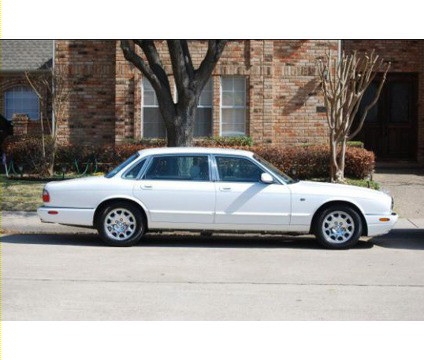
JAG 2 (1)

Also, cold or rainy weather can work to a doctor’s advantage, since bad weather can discourage people from walking around a lot to look at vehicles, potentially giving those who do show up a bit more negotiating power. Even a serious buyer who goes to a dealership near the end of the day may receive a better price as the dealer makes concessions to speed things up so everyone can go home.

JAG 2 (2)

Assessment

So, if you time your car purchase right, and you aren’t buying one of the more popular models or colors, you might save $500 to $2,000 just by waiting until the end of the month or day to make your purchase.

Beware my [premium] gas guzzler above; not an EPA favorite, but she passes annual emissions inspection like a champ!

Conclusion

Your thoughts and comments on this ME-P are appreciated. Feel free to review our top-left column, and top-right sidebar materials, links, URLs and related websites, too. Then, subscribe to the ME-P. It is fast, free and secure.

Link: http://feeds.feedburner.com/HealthcareFinancialsthePostForcxos

Speaker: If you need a moderator or speaker for an upcoming event, Dr. David E. Marcinko; MBA – Publisher-in-Chief of the Medical Executive-Post – is available for seminar or speaking engagements. Contact: MarcinkoAdvisors@msn.com

OUR OTHER PRINT BOOKS AND RELATED INFORMATION SOURCES:

Product Details  Product Details

Understanding Medical Practice Anti-Trust Risks

Join Our Mailing List 

Medical Risk Management

By Dr. Charles F. Fenton III JD

fenton* Monopolistic risks are reduced when more than a few networks or contracts are available in the local area for excluded medical providers to join.

  • * Fee schedule MCO contracts, per se, are not generally considered price fixing, provided the doctor providers have not conspired with one another to set those prices. Moreover, network pricing schedule should not spill over into the non-network patients.

Some Issues:

  • Individual providers may be excluded from a network if there is a rational reason to do so. It is much more difficult to exclude a class of providers, than it is to exclude an individual provider.
  • A safety zone can be created if networks or other contractual plans require a substantial amount of financial risk-sharing among plan participants, since Stark II laws have been relaxed. Such zones have been created by the Department of Justice (DOJ) and Federal Trade Commission (FTC), in recent policy statements.
  • The FTC and DOJ are not likely to challenge an exclusive provider IPA that includes no more than 20-25% of the doctors within the panel, who share financial risk. Such panels are likely to fall within a Safe Harbor.
  • Tying arrangements (e.g.: the requirement to buy one item/service in order to buy another item/service) are suspect if not reasonably justified. For example, a patient should not be required to obtain a brace prescription from a specific provider, in order to purchase the device from a laboratory that the doctor owns.
  • Non-exclusive provider panels will not usually be challenged if no more than 30% of the providers are included (another Safe Harbor provision). Physician networks are often analyzed according to four criteria: (1) anti-competitive effects, (2) relevant local markets, (3) pro-competitive effects, and (4) collateral agreements.Further anti-trust considerations consist of analyzing
  • Market Power. This consists of two factors: (1) Geographic Power and (2) Product Power.

###

Flag MOney

###

  • Geographic Power is difficult to define in today’s environment. In the past, the geography that was analyzed when medical practices merged was the immediate neighborhood. Currently, the geographical area could consist of an entire metropolitan area. In the past, individual patients would often seek a physician whose office was close to work or home. Now they seek a physician based on inclusion in a health plan. Now, health plans choose physicians based on needs within an entire metropolitan area.
  • Product Power relates to the specific service being performed. There are two products in today’s environment: (1) Primary Care and (2) Specialty Care. Since there are so many primary care physicians in practice, it would be difficult for all but the largest group to acquire product power.

Assessment

It is easier for medical specialists to develop product power. However, certain specialists may never be able to obtain product power.

For example, foot care is provider by many types of physicians. Primary care physicians, emergency physicians, chiropractors, physical therapists, orthopedic surgeons, nurse practitioners, and podiatrists all provide foot care. Therefore, it would be difficult, even for a large group of podiatrists to obtain significant product power.

Conclusion

Your thoughts and comments on this ME-P are appreciated. Feel free to review our top-left column, and top-right sidebar materials, links, URLs and related websites, too. Then, subscribe to the ME-P. It is fast, free and secure.

Link: http://feeds.feedburner.com/HealthcareFinancialsthePostForcxos

Speaker: If you need a moderator or speaker for an upcoming event, Dr. David E. Marcinko; MBA – Publisher-in-Chief of the Medical Executive-Post – is available for seminar or speaking engagements. Contact: MarcinkoAdvisors@msn.com

OUR OTHER PRINT BOOKS AND RELATED INFORMATION SOURCES:

Product Details  Product Details

Product DetailsProduct Details

The [Financial] Case Against Marriage?

Join Our Mailing List 

Popular with Older Couples

By Rick Kahler MS CFP® http://www.KahlerFinancial.com

Rick Kahler CFP“Two can live as cheaply as one.”

This old saying is mostly true. However, when it comes to death, divorce, and taxes; two people are probably better off financially if they don’t marry. Intentionally or not, many federal and state laws reward couples who choose to live together without marriage.

Insurance and Tax Examples

Laws relating to Worker’s Compensation insurance are one example of this. Someone whose spouse has died in a work-related accident may be eligible to receive a monthly benefit, paid for the rest of his or her life. However, most state laws provide that the benefits end if the recipient remarries. This puts a real cost to remarrying.

Example:

Consider as an example a woman who at age 50 loses her husband to a work-related accident and receives a settlement of $2,000 a month for life. Assuming she will live another 35 years and could invest the proceeds in a 3% bond, the present value of that income stream is $520,000. That means a person would need $520,000, invested at 3%, to give a monthly income of $2,000 for 35 years.

Therefore, if this woman fell in love and wanted to remarry two years into receiving the payments, the remaining 33 years of monthly payments she would forfeit has a value of $502,000. This puts a rather quantifiable cost on one’s social, emotional, and religious values.

Tax Code

The tax code also encourages couples to remain unmarried.

Example:

Take a couple who both earn high incomes. Suppose each has taxable income of around $400,000, which is the breakpoint where the 39.6% tax bracket begins. As two singles, as long as their taxable income is $400,000 or less, they both remain in the 35% tax bracket. However, if they marry, their joint income goes to $800,000 while the 35% tax bracket only expands to $450,000 for couples. That means they now pay an additional 4.6% in federal income taxes on the excess of $350,000, or $12,600. Some may be quick to dismiss that amount as trivial, given their income level, but the point is still that marriage for them brings a tangible cost in higher taxes.

###

Heart

###

Prior Marriages

Those with previous marriages may find another disincentive to marriage in the challenge of passing on assets to children upon your death or if the new marriage should end in divorce. If leaving assets to children is a priority, you will probably need to negotiate a prenuptial agreement with your finance. This is especially important for couples with unequal assets.

A prenuptial agreement is a real romance killer. It highlights the reality that every marriage is a business deal, with the added emotional weight of negotiating the divorce settlement before there is a wedding. Some couples find it easier to live together without marriage and keep their assets largely separate.

The Un-Marrieds

For couples that decide not to marry, the potential tax planning is ripe with opportunity.  Such couples can do anything that the tax code or state statutes prohibit married or related parties from doing. This provides some great tax savings and asset protection opportunities.

For example, spouses cannot be the trustees of each other’s irrevocable or asset protection trusts, but unmarried partners absolutely can.

Choosing not to marry is becoming especially popular with older couples. This is because many older people with previous marriages have accumulated two things: assets and children. They find marriage less compelling when they and their new partner won’t have children together.

Assessment

Younger couples who do plan to have children still recognize that marriage is important. For many reasons, marriage isn’t going out of style any time soon. Few of those reasons, however, are financial ones.

Conclusion

Your thoughts and comments on this ME-P are appreciated. Feel free to review our top-left column, and top-right sidebar materials, links, URLs and related websites, too. Then, subscribe to the ME-P. It is fast, free and secure.

Link: http://feeds.feedburner.com/HealthcareFinancialsthePostForcxos

Speaker: If you need a moderator or speaker for an upcoming event, Dr. David E. Marcinko; MBA – Publisher-in-Chief of the Medical Executive-Post – is available for seminar or speaking engagements. Contact: MarcinkoAdvisors@msn.com

OUR OTHER PRINT BOOKS AND RELATED INFORMATION SOURCES:

DICTIONARIES: http://www.springerpub.com/Search/marcinko
PHYSICIANS: www.MedicalBusinessAdvisors.com
PRACTICES: www.BusinessofMedicalPractice.com
HOSPITALS: http://www.crcpress.com/product/isbn/9781466558731
CLINICS: http://www.crcpress.com/product/isbn/9781439879900
BLOG: www.MedicalExecutivePost.com
FINANCE: Financial Planning for Physicians and Advisors
INSURANCE: Risk Management and Insurance Strategies for Physicians and Advisors

Product Details  Product Details

New “Physician-Focused” Financial Planning Book Reviewers Needed

Join Our Mailing List 

Discerning the “Best Emerging Practices” in Financial Planning for Doctors and Health Professionals

http://www.CertifiedMedicalPlanner.org

By Ann Miller RN MHA AdviceforDoctors@Outlook.com

[ME-P Executive Director]

The Medical Executive-Post occasionally fact-checks and codifies the posts and comments of our readers, subscribers and other experts in order to present them in book form. This is a form of academic, or cognitive, crowd-sourcing. It might also be called a form of private Wikipedia styled information gathering. We may use it to create new books, up-date prior books, or fill in the gaps of books-in-progress.

Book Reviewers  

And so, we are requesting informed [MD-DO-DDSs] doctors and [FA, CFP, CPA, CMP, PhD, CFA or MBA] related folks, or other knowledgeable readers and subscribers to review the Table of Contents of our current project, now under review. We wish to ensure no important topics of interest are omitted for modernity. Editorial writing and assistance will be provided.

www.CertifiedMedicalPlanner.org

Our ME-P Book Review Format:

An easy to follow, and typical book review format, usually starts with the preliminaries such as stating the title of the book, its author, place of publication, publisher, date of publication, and the number of pages. This is completed by us.

What follows next is the making of an introduction to at least give the readers a preview of the review. It is sometimes followed by background information of the book in order to set out criteria in judging a book.

This includes the author’s basic information such as the era in which he wrote the book, or how it relates to his life experience.

Then it is followed by writing a short summary of the content or text of a novel, history book, or any other type of book.

Testimonials, Too!

Crafting a brief, 2-3 sentence, informal testimonial is also needed.

Books

Assessment

This is highly confidential peer-reviewed styled publishing; do not disclose material. MarcinkoAdvisors@msn.com

Conclusion

Your thoughts and comments on this ME-P are appreciated. Feel free to review our top-left column, and top-right sidebar materials, links, URLs and related websites, too. Then, subscribe to the ME-P. It is fast, free and secure.

Link: http://feeds.feedburner.com/HealthcareFinancialsthePostForcxos

Speaker: If you need a moderator or speaker for an upcoming event, Dr. David E. Marcinko; MBA – Publisher-in-Chief of the Medical Executive-Post – is available for seminar or speaking engagements. Contact: MarcinkoAdvisors@msn.com

OUR OTHER PRINT BOOKS AND RELATED INFORMATION SOURCES:

DICTIONARIES: http://www.springerpub.com/Search/marcinko
PHYSICIANS: www.MedicalBusinessAdvisors.com
PRACTICES: www.BusinessofMedicalPractice.com
HOSPITALS: http://www.crcpress.com/product/isbn/9781466558731
CLINICS: http://www.crcpress.com/product/isbn/9781439879900
BLOG: www.MedicalExecutivePost.com
FINANCE: Financial Planning for Physicians and Advisors
INSURANCE: Risk Management and Insurance Strategies for Physicians and Advisors

Product DetailsProduct DetailsProduct Details

Product Details  Product Details

Product DetailsProduct Details

Product Details

Communithy Health Center Funding Under Current Law

Join Our Mailing List

FY 2010-16 in $-Billions

http://www.MCOL.com

Funding

Conclusion

Your thoughts and comments on this ME-P are appreciated. Feel free to review our top-left column, and top-right sidebar materials, links, URLs and related websites, too. Then, subscribe to the ME-P. It is fast, free and secure.

Link: http://feeds.feedburner.com/HealthcareFinancialsthePostForcxos

Speaker: If you need a moderator or speaker for an upcoming event, Dr. David E. Marcinko; MBA – Publisher-in-Chief of the Medical Executive-Post – is available for seminar or speaking engagements. Contact: MarcinkoAdvisors@msn.com

OUR OTHER PRINT BOOKS AND RELATED INFORMATION SOURCES:

DICTIONARIES: http://www.springerpub.com/Search/marcinko
PHYSICIANS: www.MedicalBusinessAdvisors.com
PRACTICES: www.BusinessofMedicalPractice.com
HOSPITALS: http://www.crcpress.com/product/isbn/9781466558731
CLINICS: http://www.crcpress.com/product/isbn/9781439879900
BLOG: www.MedicalExecutivePost.com
FINANCE: Financial Planning for Physicians and Advisors
INSURANCE: Risk Management and Insurance Strategies for Physicians and Advisors

Product DetailsProduct Details

Product Details

Update on Healthcare Business Trends in 2014

Join Our Mailing List

Future Care 2014 e-Poll Findings

By www.MCOL.com

MCOL recently conducted its twelfth annual Future Care e-Poll, asking stakeholders their perspective of trends, winners and losers for the coming year and beyond. The corresponding white paper with complete findings from the e-poll is now available for MCOL members, including comparisons to previous year’s results.

Business

Participants were asked to respond to four items:

1. Please categorize your organization: (a) Payor (Health Plan, Employer, TPA, Agent, PBM); (b) Provider (Hospital, Physician, Pharmaceutical, Other Providers); (c) Vendor or Other

2. Which of the following health care business trends do you think will have the greatest overall impact in 2014?  (a)  Advances in Health Care Technology; (b) Consumerism Initiatives (c) Compliance Issues; (d) Effects of the Economy (e) Affordable Care Act Implementation (f) Increased Consumer Cost Sharing (g) Population Health and Wellness Initiatives (h) Government Spending Cuts (i) Other

3. Rate the ultimate anticipated impact in the marketplace of these selected health reform provisions including those already implemented:  (a) Accountable Care Organization Development; (b) Health Plan Medical Loss Ratio Regulation; (c) State Health Insurance Exchanges (d) Extension of Dependent Care Coverage; (e) EHR Development – Meaningful Use; (f) Health Insurance Guaranteed Issue/ Elimination of Pre-Existing Conditions; (g) Expansion of Medicaid Coverage; (h) Mandated Coverage Provisions for Business and Individuals
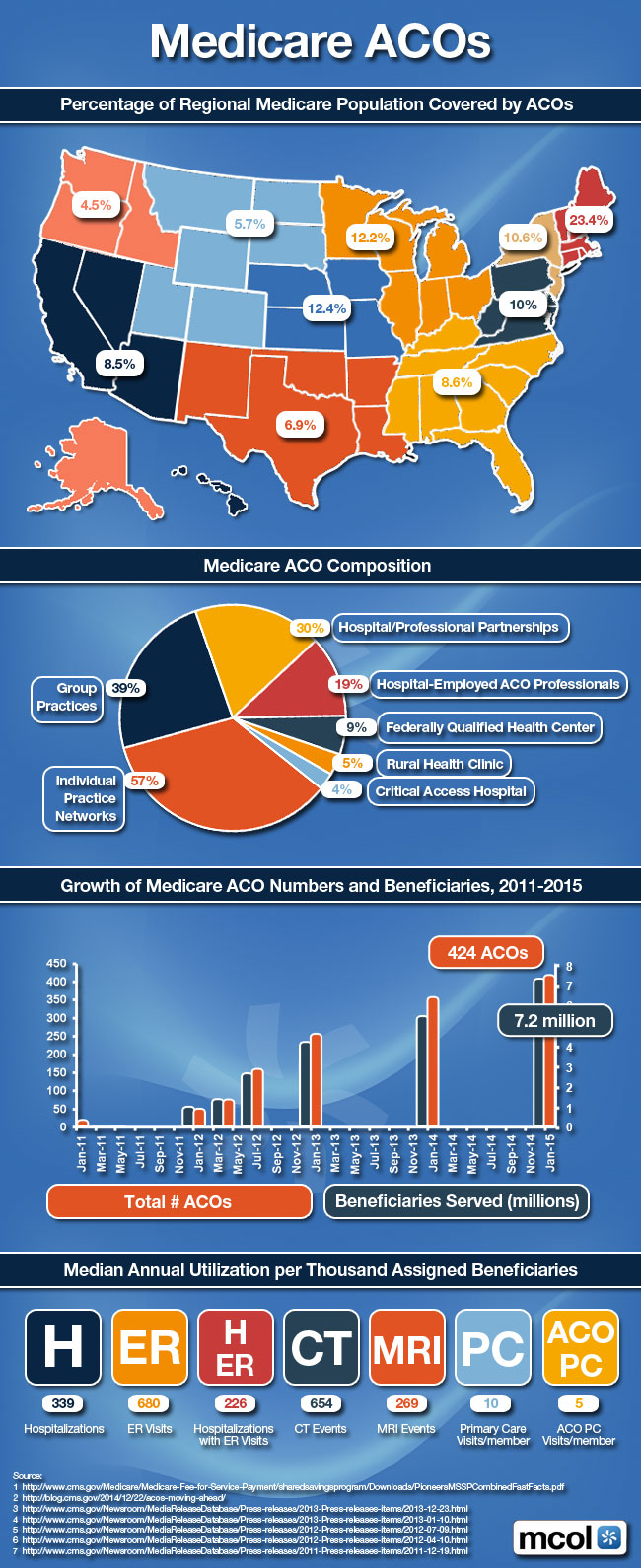
4. Please project who you think the economic winners and losers for 2014 will be: Who do you think will be economically better off, the same or worse off by this time next year:  (a) Consumers; (b) Employers; (c.) Health Plans; (d) Hospitals; (e) Physicians; (f) Pharmaceutical

Assessment

Link: http://www.mcol.com/futurecareepoll.pdf

Conclusion

Your thoughts and comments on this ME-P are appreciated. Feel free to review our top-left column, and top-right sidebar materials, links, URLs and related websites, too. Then, subscribe to the ME-P. It is fast, free and secure.

Link: http://feeds.feedburner.com/HealthcareFinancialsthePostForcxos

Speaker: If you need a moderator or speaker for an upcoming event, Dr. David E. Marcinko; MBA – Publisher-in-Chief of the Medical Executive-Post – is available for seminar or speaking engagements. Contact: MarcinkoAdvisors@msn.com

OUR OTHER PRINT BOOKS AND RELATED INFORMATION SOURCES:

DICTIONARIES: http://www.springerpub.com/Search/marcinko
PHYSICIANS: www.MedicalBusinessAdvisors.com
PRACTICES: www.BusinessofMedicalPractice.com
HOSPITALS: http://www.crcpress.com/product/isbn/9781466558731
CLINICS: http://www.crcpress.com/product/isbn/9781439879900
BLOG: www.MedicalExecutivePost.com
FINANCE: Financial Planning for Physicians and Advisors
INSURANCE: Risk Management and Insurance Strategies for Physicians and Advisors

Product DetailsProduct DetailsProduct Details

Product Details  Product Details

Product DetailsProduct Details

Product Details

Understanding the Homestead Exemption

Join Our Mailing List 

A Traditional Asset Protection Shelter

J. Christopher Miller, EsqBy J. Christopher Miller JD

www.RobinsonMiller.com

The State of Florida also offers a generous homestead exemption.

A homestead exemption is an asset protection shelter created by statute that prevents one parcel of real estate and its improvements from being attached and levied upon by creditors. By investing money in luxurious homes on large tracts of land in rural areas of Florida, some doctors and many wealthy individuals are prudently protecting their estates from the reach of creditors.

EXAMPLE:

Dr. David Mackenzie, a Florida resident and domiciliary, invests $4 million of his earned cash into a home with acreage in Florida. The home fully qualifies for the homestead exemption. If Dr. Mackenzie later declares bankruptcy, his home will be exempt from the liquidation of his assets. After the liquidation, all of his debts will be discharged by the bankruptcy court.

Although Dr. Mackenzie may have lost his nonexempt assets, he will still own a $4 million asset free and clear of outstanding creditors, with which he may rebuild his accustomed lifestyle.

Home for Sale

Assessment

Another effective use of the homestead exemption is to backstop an incorrect form of jointly owned property. Although tenancies by the entirety and joint tenancies with rights of survivorship automatically leave the surviving spouse with the full ownership of property, the surviving spouse often may use the homestead exemption to preserve a primary residence against creditors’ claims.

More:

Conclusion

Your thoughts and comments on this ME-P are appreciated. Feel free to review our top-left column, and top-right sidebar materials, links, URLs and related websites, too. Then, subscribe to the ME-P. It is fast, free and secure.

Link: http://feeds.feedburner.com/HealthcareFinancialsthePostForcxos

Speaker: If you need a moderator or speaker for an upcoming event, Dr. David E. Marcinko; MBA – Publisher-in-Chief of the Medical Executive-Post – is available for seminar or speaking engagements. Contact: MarcinkoAdvisors@msn.com

OUR OTHER PRINT BOOKS AND RELATED INFORMATION SOURCES:

DICTIONARIES: http://www.springerpub.com/Search/marcinko
PHYSICIANS: www.MedicalBusinessAdvisors.com
PRACTICES: www.BusinessofMedicalPractice.com
HOSPITALS: http://www.crcpress.com/product/isbn/9781466558731
CLINICS: http://www.crcpress.com/product/isbn/9781439879900
BLOG: www.MedicalExecutivePost.com
FINANCE: Financial Planning for Physicians and Advisors
INSURANCE: Risk Management and Insurance Strategies for Physicians and Advisors

Product Details  Product Details


Can Politically-Correct Names Save Obamacare?

Join Our Mailing List

Saving Electronic Health Record Interoperability?

1-darrellpruittBy D. Kellus Pruitt DDS

If HHS successfully persuades Americans to use happy names for its bad ideas, will the cheap trick save electronic health record interoperability which is critical to the success of Obamacare?

Healthcare Lexicon 

According to the government’s modernized healthcare lexicon, doctors have been demoted to “providers,” insurance companies, including Medicare/Medicaid, have been promoted to “payers,” and patients’ position in the hierarchy has diminished from “principals” to “stakeholders” – a rank on par with 3rd parties such as insurers, HHS and other unaccountable parasites.

Wall of Shame

Ominously, HHS recently changed the contentious name “Wall of Shame” to a more innocuous“ breach reporting tool,” to describe the public list of data breaches involving the medical records of more than 500 patients. It turns out that the growing list of major data breaches is unexpectedly shaming  far too many providers and payers – including Medicare/Medicaid. Imagine that!

In fact, since Americans’ growing disgust with privacy breaches threatens the very success of Obamacare, there is evidence that HHS has turned to betraying its lawful obligation to the nation by hiding breaches from those who are most vulnerable – Americans.

HIPAA Failure

The half-baked plan to shame providers who experience data breaches – perhaps through no fault of their own – is not working out like HHS had hoped. Due to HIPAA’s abysmal failure to halt data breaches, the Wall of Shame has become a national embarrassment and an obstacle to EHR adoption. I expect the public listing of major breaches to be quietly scrapped soon in favor of keeping patients in the dark concerning their risks of identity theft.

Dentistry 

In dentistry, on the other hand, common sense as well as market resistance evidently caused HHS and other stakeholders to give up trying to prohibit use of the 8 syllable “electronic dental records” in favor of the 14 syllable “electronic health records for dental practices.”

Nevertheless, holdouts (including Dissent Doe) still occasionally feel it is important to correct this dentists when I use “EDR” instead of “EHR.” You got to love ‘em.

Obama Care 

Assessment 

Transparent silliness suggests that HHS is failing in its duties. Due to lack of accountability, we can expect EHRs and EDRs to become even more expensive and more dangerous, possibly bringing an end to Obamacare.

Conclusion

Your thoughts and comments on this ME-P are appreciated. Feel free to review our top-left column, and top-right sidebar materials, links, URLs and related websites, too. Then, subscribe to the ME-P. It is fast, free and secure.

Link: http://feeds.feedburner.com/HealthcareFinancialsthePostForcxos

Speaker: If you need a moderator or speaker for an upcoming event, Dr. David E. Marcinko; MBA – Publisher-in-Chief of the Medical Executive-Post – is available for seminar or speaking engagements. Contact: MarcinkoAdvisors@msn.com

OUR OTHER PRINT BOOKS AND RELATED INFORMATION SOURCES:

DICTIONARIES: http://www.springerpub.com/Search/marcinko
PHYSICIANS: www.MedicalBusinessAdvisors.com
PRACTICES: www.BusinessofMedicalPractice.com
HOSPITALS: http://www.crcpress.com/product/isbn/9781466558731
CLINICS: http://www.crcpress.com/product/isbn/9781439879900
BLOG: www.MedicalExecutivePost.com
FINANCE: Financial Planning for Physicians and Advisors
INSURANCE: Risk Management and Insurance Strategies for Physicians and Advisors

Product DetailsProduct DetailsProduct Details

Ten Irish Inventions that Changed the World

Celebrating St. Patrick’s Day – Seriously

Join Our Mailing List

With St. Patrick’s Day here, we thought we’d share this infographic that explores ten of the greatest Irish inventions ever.

Source: GoIreland.com

Conclusion

Your thoughts and comments on this ME-P are appreciated. Feel free to review our top-left column, and top-right sidebar materials, links, URLs and related websites, too. Then, subscribe to the ME-P. It is fast, free and secure.

Link: http://feeds.feedburner.com/HealthcareFinancialsthePostForcxos

Speaker: If you need a moderator or speaker for an upcoming event, Dr. David E. Marcinko; MBA – Publisher-in-Chief of the Medical Executive-Post – is available for seminar or speaking engagements. Contact: MarcinkoAdvisors@msn.com

OUR OTHER PRINT BOOKS AND RELATED INFORMATION SOURCES:

DICTIONARIES: http://www.springerpub.com/Search/marcinko
PHYSICIANS: www.MedicalBusinessAdvisors.com
PRACTICES: www.BusinessofMedicalPractice.com
HOSPITALS: http://www.crcpress.com/product/isbn/9781466558731
CLINICS: http://www.crcpress.com/product/isbn/9781439879900
BLOG: www.MedicalExecutivePost.com
FINANCE: Financial Planning for Physicians and Advisors
INSURANCE: Risk Management and Insurance Strategies for Physicians and Advisors

Product DetailsProduct DetailsProduct Details

Product Details  Product Details

Product Details

Sale of a Personal Residence

Join Our Mailing List

Tax Implications

By Perry D’Alessio CPA [D’ALESSIO TOCCI & PELL CPA] http://www.DaleCPA.com

perry-dalessio-cpa

For many medical professionals, a home is their largest asset.  In addition, it is their largest tax shelter as well.

Historical Review

Certain costs of the purchase and ownership of the home are deductible expenses if the taxpayer itemizes (i.e. interest with total loan balance not to exceed one million dollars, interest on home equity loan interest up to $100,000, and property taxes). The law regarding the sale of a personal residence changed in mid-1997.

This change in the tax law has been one of the most overlooked by all taxpayers.  The new law states that the first $250,000 ($500,000 for married taxpayers filing jointly) of gain from the sale of a residence will be free of federal income tax.

How to Qualify?

To qualify for this exclusion the medical professional taxpayer must have owned the residence and occupied it for at least two of the last five years prior to the sale.  In addition, if the taxpayer does not meet the above requirement due to change in employment, health or various other reasons, s/he may receive an “exclusion” for a portion of the above amount.  An added bonus is that the taxpayer may take advantage of this same exclusion again after a two-year waiting period.

Assessment

Compared to the old law where a taxpayer had to “buy up” into a higher priced home in order to defer the gain on sale of the old residence, this is a huge benefit.  For healthcare professionals this is an especially fortuitous change in the law.  Depending on the state you reside in a residence is, for the most part, creditor proof, this tends to be one of the investments that is maximized. The potential to reap rather large tax-free treatment is something to keep in mind.

Drs. Home

Conclusion

Your thoughts and comments on this ME-P are appreciated. Feel free to review our top-left column, and top-right sidebar materials, links, URLs and related websites, too. Then, subscribe to the ME-P. It is fast, free and secure.

Link: http://feeds.feedburner.com/HealthcareFinancialsthePostForcxos

Speaker: If you need a moderator or speaker for an upcoming event, Dr. David E. Marcinko; MBA – Publisher-in-Chief of the Medical Executive-Post – is available for seminar or speaking engagements. Contact: MarcinkoAdvisors@msn.com

OUR OTHER PRINT BOOKS AND RELATED INFORMATION SOURCES:

DICTIONARIES: http://www.springerpub.com/Search/marcinko
PHYSICIANS: www.MedicalBusinessAdvisors.com
PRACTICES: www.BusinessofMedicalPractice.com
HOSPITALS: http://www.crcpress.com/product/isbn/9781466558731
CLINICS: http://www.crcpress.com/product/isbn/9781439879900
BLOG: www.MedicalExecutivePost.com
FINANCE: Financial Planning for Physicians and Advisors
INSURANCE: Risk Management and Insurance Strategies for Physicians and Advisors

Product Details  Product Details

Eligibility for Health Insurance Coverage as of 2014

Join Our Mailing List

Among the Currently Un-insured for Selected United States

By www.MCOL.com

Eligibility

Conclusion

Your thoughts and comments on this ME-P are appreciated. Feel free to review our top-left column, and top-right sidebar materials, links, URLs and related websites, too. Then, subscribe to the ME-P. It is fast, free and secure.

Link: http://feeds.feedburner.com/HealthcareFinancialsthePostForcxos

Speaker: If you need a moderator or speaker for an upcoming event, Dr. David E. Marcinko; MBA – Publisher-in-Chief of the Medical Executive-Post – is available for seminar or speaking engagements. Contact: MarcinkoAdvisors@msn.com

OUR OTHER PRINT BOOKS AND RELATED INFORMATION SOURCES:

DICTIONARIES: http://www.springerpub.com/Search/marcinko
PHYSICIANS: www.MedicalBusinessAdvisors.com
PRACTICES: www.BusinessofMedicalPractice.com
HOSPITALS: http://www.crcpress.com/product/isbn/9781466558731
CLINICS: http://www.crcpress.com/product/isbn/9781439879900
BLOG: www.MedicalExecutivePost.com
FINANCE: Financial Planning for Physicians and Advisors
INSURANCE: Risk Management and Insurance Strategies for Physicians and Advisors

Product DetailsProduct Details

Product Details


Join the ME-P [Membership Drive]

A Call to Increase Membership Rolls and Activity Levels

By Ann Miller RN MHA

[Executive-Director]

Join Our Mailing List

Dear Readers and Members,

We have some important updates for you!

Subscriber Map

We are making it easier to connect with physicians, management consultants and FAs from all 50 states, and beyond, in real-time fashion.

Channels

We currently have over 50 topic channels for your interest. You may post de-novo or comment on an existing post.

Dynamic Content

We are working on ensuring there is dynamic content on the site. This includes but is not limited to:

  • Latest activity constantly being updated
  • New blog posts added by members and non-members
  • New people of all stripes online at any given time
  • New member spotlight interviews
  • New videos added to breaking news
  • New polls and events added daily
  • New discussions by group moderators

Video News

We want to save our members time. We are going to the major websites to find the latest medical, management, financial planning, investing and HIT news.

We also seek to find related analog videos and upload them to the site.

ME-P Membership Drive

We are looking to add to our ME-P subscriber rolls in this membership drive. We need physician, medical management and FA subscribers and contributors to take us to new heights.

If you are interested, or know of someone who might be interested, please refer them to us, ask them to subscribe and/or reply to this post – or me – directly at: MarcinkoAdvisors@msn.com

Conclusion

Your thoughts and comments on this ME-P are appreciated. Feel free to review our top-left column, and top-right sidebar materials, links, URLs and related websites, too. Then, subscribe to the ME-P. It is fast, free and secure.

Link: http://feeds.feedburner.com/HealthcareFinancialsthePostForcxos

Speaker: If you need a moderator or speaker for an upcoming event, Dr. David E. Marcinko; MBA – Publisher-in-Chief of the Medical Executive-Post – is available for seminar or speaking engagements. Contact: MarcinkoAdvisors@msn.com

OUR OTHER PRINT BOOKS AND RELATED INFORMATION SOURCES:

DICTIONARIES: http://www.springerpub.com/Search/marcinko
PHYSICIANS: www.MedicalBusinessAdvisors.com
PRACTICES: www.BusinessofMedicalPractice.com
HOSPITALS: http://www.crcpress.com/product/isbn/9781466558731
CLINICS: http://www.crcpress.com/product/isbn/9781439879900
BLOG: www.MedicalExecutivePost.com
FINANCE: Financial Planning for Physicians and Advisors
INSURANCE: Risk Management and Insurance Strategies for Physicians and Advisors

Product DetailsProduct DetailsProduct Details

Product Details  Product Details

   Product Details

Education versus Retirement

Join Our Mailing List

Not An “all-OR-nothing” Proposition

Rick Kahler CFPBy Rick Kahler MS CFP® http://www.KahlerFinancial.com

I recently had the opportunity to share an evening out with some friends, new parents with six-month-old twins.

The conversation centered on birthing, breastfeeding, and burping!

Thinking Education

One topic we didn’t discuss was baccalaureate degrees. Most people might think it’s premature to consider college education while your kids aren’t even crawling.

Actually, that’s the perfect time to think about it, especially if you intend to fund all or a significant part of your children’s education. Don’t wait till kids are 17, 14, or even 11 to settle on a philosophy of “who pays what” toward their education. If you do, you risk becoming a financial burden to your children in retirement.

Most parents perceive paying their children’s college expenses as a loving act. They believe it will help give their children a good start on a career and chance to get ahead. The facts suggest it actually may accomplish just the opposite. The reason? Most American parents who fund their children’s college education underfund their own retirement.

Parents who fail to fully fund their own retirement may dearly cost their children later. Such parents often rely on their children to take care of them in their final years. Research indicates that looking after parents in their old age comes at a great financial price.

The Research

According to Alan Blaustein, the founder of CarePlanners, elderly parents who underfunded their retirement cost their children an average of 18 hours a week, $30,000 a year in hard costs, and a total of $300,000 in forfeited wages and benefits. Most studies put the total cost from $250,000 to $750,000, depending on the length of time the parents needed care.

Considering that the tuition at many four-year colleges averages around $100,000, most children would be much further ahead to pay for their own education while parents fully funded their own retirement.

Not only does paying for kids’ college education potentially hurt them financially, it also can hurt them academically. I reported last year on research  that found children whose parents pay the tab for college have lower GPA’s than those who earn scholarships, borrow, or work their way through college.

humpty-dumpty

[Retirement-OR- Educational Funding?]

The Psychology

Clearly, the logical and loving approach for parents is to focus on retirement first, even if that means letting children pay for their own education. Yet the average American parent recoils from the thought, finding it unloving, selfish, or irresponsible even in the face of clear evidence that the opposite is true.

Such “illogical” emotional responses to factual data actually make perfect sense. The Nobel Prize-winning psychologist, Daniel Kahneman, discovered that we make 90% of all financial decisions emotionally, not logically. Moreover, the more complex the financial decision, the higher the probability is that we rely on our emotions to make it. Sadly, evolution wired our brains to make poor financial decisions.

So, Start Early

Do yourself and your children a favor and assess your ability to save for retirement when your children are very young. Fully fund your retirement first with maximum contributions to 401(k) plans or IRAs. If there is anything left over, start 529 college savings plans when kids are babies. This will allow the tax-free earnings to grow and multiply by the time they set off to college.

Assessment

Remember, too, that college funding isn’t an “all or nothing” proposition. Many parents choose to pay some college expenses and help the kids find ways to fund the rest through scholarships, jobs, and loans.

More:

Conclusion

In any case, early planning is the key to supporting both your kids’ futures and your retirement. Making logical college funding decisions, rather than emotional ones, creates a win/win for everyone.

Your thoughts and comments on this ME-P are appreciated. Feel free to review our top-left column, and top-right sidebar materials, links, URLs and related websites, too. Then, subscribe to the ME-P. It is fast, free and secure.

Link: http://feeds.feedburner.com/HealthcareFinancialsthePostForcxos

Speaker: If you need a moderator or speaker for an upcoming event, Dr. David E. Marcinko; MBA – Publisher-in-Chief of the Medical Executive-Post – is available for seminar or speaking engagements. Contact: MarcinkoAdvisors@msn.com

OUR OTHER PRINT BOOKS AND RELATED INFORMATION SOURCES:

DICTIONARIES: http://www.springerpub.com/Search/marcinko
PHYSICIANS: www.MedicalBusinessAdvisors.com
PRACTICES: www.BusinessofMedicalPractice.com
HOSPITALS: http://www.crcpress.com/product/isbn/9781466558731
CLINICS: http://www.crcpress.com/product/isbn/9781439879900
BLOG: www.MedicalExecutivePost.com
FINANCE: Financial Planning for Physicians and Advisors
INSURANCE: Risk Management and Insurance Strategies for Physicians and Advisors

Product Details  Product Details

Fiduciary Financial Advisor versus Non-Fiduciary FAs

Join Our Mailing List 

Understanding the Difference

Dr. DEMBy Dr. David Edward Marcinko MBA CMP™

GOAL: To understand the difference between fiduciaries and non-fiduciaries, examine the SEC conduct rules.

Stock-Brokers (non-fiduciaries) are subject to FINRA Conduct Rule 2310(a) which reads:

In recommending to a customer the purchase, sale or exchange of any security, a member shall have reasonable grounds for believing that the recommendation is suitable for such customer upon the basis of the facts, if any, disclosed by such customer as to his security holdings and as to his financial situation and needs.

A fiduciary follows a higher standard of conduct: 

A fiduciary duty is an obligation to act in the best interest of another party. A fiduciary obligation exists whenever the relationship with the client involves a special trust, confidence and reliance on the fiduciary to exercise his discretion or expertise in acting for a client. A person acting in a fiduciary capacity is held to a high standard of honesty and full disclosure in regard to the client and must not obtain a personal benefit at the expense of the client.

Five primary responsibilities as a fiduciary to clients are:

  • To always put clients’ interest first
  • To act with utmost good faith
  • To provide full and fair disclosure of all material facts
  • Not to mislead clients, and
  • To expose all conflicts of interest and all compensation to clients.

More:

Assessment

Conclusion

Your thoughts and comments on this ME-P are appreciated. Feel free to review our top-left column, and top-right sidebar materials, links, URLs and related websites, too. Then, subscribe to the ME-P. It is fast, free and secure.

Link: http://feeds.feedburner.com/HealthcareFinancialsthePostForcxos

Speaker: If you need a moderator or speaker for an upcoming event, Dr. David E. Marcinko; MBA – Publisher-in-Chief of the Medical Executive-Post – is available for seminar or speaking engagements. Contact: MarcinkoAdvisors@msn.com

OUR OTHER PRINT BOOKS AND RELATED INFORMATION SOURCES:

DICTIONARIES: http://www.springerpub.com/Search/marcinko
PHYSICIANS: www.MedicalBusinessAdvisors.com
PRACTICES: www.BusinessofMedicalPractice.com
HOSPITALS: http://www.crcpress.com/product/isbn/9781466558731
CLINICS: http://www.crcpress.com/product/isbn/9781439879900
BLOG: www.MedicalExecutivePost.com
FINANCE: Financial Planning for Physicians and Advisors
INSURANCE: Risk Management and Insurance Strategies for Physicians and Advisors

Product Details  Product Details

Common Daily Clinician Health Technologies

Join Our Mailing List

Most Commonly Provided to Support Daily Activities

www.MCOL.com

Health Technology

More:

Conclusion

Your thoughts and comments on this ME-P are appreciated. Feel free to review our top-left column, and top-right sidebar materials, links, URLs and related websites, too. Then, subscribe to the ME-P. It is fast, free and secure.

Link: http://feeds.feedburner.com/HealthcareFinancialsthePostForcxos

Speaker: If you need a moderator or speaker for an upcoming event, Dr. David E. Marcinko; MBA – Publisher-in-Chief of the Medical Executive-Post – is available for seminar or speaking engagements. Contact: MarcinkoAdvisors@msn.com

OUR OTHER PRINT BOOKS AND RELATED INFORMATION SOURCES:

DICTIONARIES: http://www.springerpub.com/Search/marcinko
PHYSICIANS: www.MedicalBusinessAdvisors.com
PRACTICES: www.BusinessofMedicalPractice.com
HOSPITALS: http://www.crcpress.com/product/isbn/9781466558731
CLINICS: http://www.crcpress.com/product/isbn/9781439879900
BLOG: www.MedicalExecutivePost.com
FINANCE: Financial Planning for Physicians and Advisors
INSURANCE: Risk Management and Insurance Strategies for Physicians and Advisors

Product DetailsProduct Details

Product Details

American’s Personal Experience with the PP-ACA

Join Our Mailing List

The Law of the Land

By www.MCOL.com

ACA

More:

Assessment

So, tell us your personal experi9ence with the ACA

Conclusion

Your thoughts and comments on this ME-P are appreciated. Feel free to review our top-left column, and top-right sidebar materials, links, URLs and related websites, too. Then, subscribe to the ME-P. It is fast, free and secure.

Link: http://feeds.feedburner.com/HealthcareFinancialsthePostForcxos

Speaker: If you need a moderator or speaker for an upcoming event, Dr. David E. Marcinko; MBA – Publisher-in-Chief of the Medical Executive-Post – is available for seminar or speaking engagements. Contact: MarcinkoAdvisors@msn.com

OUR OTHER PRINT BOOKS AND RELATED INFORMATION SOURCES:

DICTIONARIES: http://www.springerpub.com/Search/marcinko
PHYSICIANS: www.MedicalBusinessAdvisors.com
PRACTICES: www.BusinessofMedicalPractice.com
HOSPITALS: http://www.crcpress.com/product/isbn/9781466558731
CLINICS: http://www.crcpress.com/product/isbn/9781439879900
BLOG: www.MedicalExecutivePost.com
FINANCE: Financial Planning for Physicians and Advisors
INSURANCE: Risk Management and Insurance Strategies for Physicians and Advisors

Product DetailsProduct Details

Product Details

On Recent Stock Market Losses

Join Our Mailing List 

Should Physician Investors Be Concerned?

Lon JefferiesBy Lon Jefferies MBA CFP®

Many doctors and some investors viewed the end of January and early February as a pretty scary time. Over a period of just 12 trading days (1/15-2/3), the S&P 500 lost -5.76%. This spurred conversations online and in the media about the end of a long bull market run and even the possibility of a bubble. However, since the end of that tough stretch, the market has responded strongly and is again reaching new all time highs.

What’s Up!

So what happened during that short time span to cause such a response? Was it a concern about the health of emerging markets that caused such a scare, or perhaps the threat of rising interest rates? Did the uncertainty of having a new Fed chairman cause a pullback in the market, or maybe the concern of a terrorist attack in Sochi during the Olympics? These are all clearly issues that obtained a good amount of short-term attention, but I’d contend that none of them were the root cause of the market decline.

Historical Review

History illustrates time and again that market volatility leads to memory problems for many investors.  Check out this chart itemizing all market corrections of 5% or more since the bull market began.

****

original_19861592

****

As you can see, although the S&P 500 index has increased in value from 676.53 on March 9, 2009 to 1,819.75 on February 11, 2014, the S&P 500 has endured nine pullbacks of over 5% during that time frame.

As illustrated by the lengths of the red lines associated with each correction, many of these market declines happened over a similarly short time span.

Consequently, despite the S&P increasing in value by 169% over the last five years, the market has experienced a decline of at least 5% every six and a half months on average.

In fact, nearly a third of the months since the bull market began have seen the market decline, and by an average of 3% per month.  Considering this information, late January and early February wasn’t particularly unusual.

Periodic Pull-Backs

These periodic market pullbacks aren’t specific to the recent strong run. Historically, we typically see three stock market dips of 5% or more every year and one correction of more than 10% every 20 months. Yet, for some reason, the same conversations and concerns are repeated during every market correction. Investors wonder if this is the beginning of an extended market decline or even a crash?

People consider selling their assets and taking their money out of the market. It is so easy to forget that we have seen similar circumstances in the past and that very rarely has anyone benefitted from selling.

Refer back to the chart itemizing all market corrections over the last five years. There wasn’t a single market decline that didn’t recoup all value in a short period of time. Even the 20% decline that occurred in 2011 only took nine months to go from peak to trough to new all time high.

Assessment

As a result, I’d suggest that the January decline in the markets is not only nothing to be concerned about, but it is expected and healthy. In fact, if you have done your homework as an investor and have a well diversified portfolio with a stocks/bonds ratio that matches your risk tolerance, you’ll be hard-pressed to find a market movement that justifies dramatic action.

Of course, there will always be market corrections (even the occasional crash), but as long as your portfolio is built to accurately match your investment time horizon, market values are likely to recover before the pullback is catastrophic to your retirement goals. Next time the market experiences a short-term correction, remember it isn’t anything we haven’t seen before.

Conclusion

Your thoughts and comments on this ME-P are appreciated. Feel free to review our top-left column, and top-right sidebar materials, links, URLs and related websites, too. Then, subscribe to the ME-P. It is fast, free and secure.

Link: http://feeds.feedburner.com/HealthcareFinancialsthePostForcxos

Speaker: If you need a moderator or speaker for an upcoming event, Dr. David E. Marcinko; MBA – Publisher-in-Chief of the Medical Executive-Post – is available for seminar or speaking engagements. Contact: MarcinkoAdvisors@msn.com

OUR OTHER PRINT BOOKS AND RELATED INFORMATION SOURCES:

DICTIONARIES: http://www.springerpub.com/Search/marcinko
PHYSICIANS: www.MedicalBusinessAdvisors.com
PRACTICES: www.BusinessofMedicalPractice.com
HOSPITALS: http://www.crcpress.com/product/isbn/9781466558731
CLINICS: http://www.crcpress.com/product/isbn/9781439879900
BLOG: www.MedicalExecutivePost.com
FINANCE: Financial Planning for Physicians and Advisors
INSURANCE: Risk Management and Insurance Strategies for Physicians and Advisors

Product Details  Product Details

On “Ethical Wills”

Join Our Mailing List

AKA Heritage or Legacy Wills [An Ash Wednesday Tribute]

By Dr. David Edward Marcinko MBA CMP™

www.CertifiedMedicalPlanner.org

Dr. DEM

An ethical will is a document designed to pass ethical values from one generation to the next.

It was first postulated in 1998 by Barry K. Baines MD in his Ethical Will Resource Kit.

He then founded the www.EthicalWill.com website, now known as www.CelebrationsofLife.net His hospice care experience provided the impetus for developing resources to help people write and preserve their legacy of values at any stage of life [personal communication].

By 2005, Andrew Weil MD promoted ethic wills as a “‘gift of spiritual health”’ to leave family members. The goal is to link a person to both their family and cultural history, clarify ethical and spiritual values, and communicate a legacy to future generations.

Today, ethical wills are written by both men and women of every age, ethnicity, faith tradition, economic circumstance, and educational level. For FAs, an ethical will can open the door to start a bigger conversation about estate planning. Susan Turnbull, a principal with Personal Legacy Advisors in New Hampshire is author of The Wealth of Your Life: A Step By Step Guide for Creating Your Ethical Will, a document that some financial advisors offer their clients as a template for creating them.

###

ethical-exercises

###

Assessment

In recent years, the practice has been increasingly used by the general lay public and medical professionals. In fact, the American Bar Association [ABA] described it as an aid to estate planning in health care and hospice and as a spiritual healing tool.

More:

Conclusion

Your thoughts and comments on this ME-P are appreciated. Feel free to review our top-left column, and top-right sidebar materials, links, URLs and related websites, too. Then, subscribe to the ME-P. It is fast, free and secure.

Link: http://feeds.feedburner.com/HealthcareFinancialsthePostForcxos

Speaker: If you need a moderator or speaker for an upcoming event, Dr. David E. Marcinko; MBA – Publisher-in-Chief of the Medical Executive-Post – is available for seminar or speaking engagements. Contact: MarcinkoAdvisors@msn.com

OUR OTHER PRINT BOOKS AND RELATED INFORMATION SOURCES:

DICTIONARIES: http://www.springerpub.com/Search/marcinko
PHYSICIANS: www.MedicalBusinessAdvisors.com
PRACTICES: www.BusinessofMedicalPractice.com
HOSPITALS: http://www.crcpress.com/product/isbn/9781466558731
CLINICS: http://www.crcpress.com/product/isbn/9781439879900
BLOG: www.MedicalExecutivePost.com
FINANCE: Financial Planning for Physicians and Advisors
INSURANCE: Risk Management and Insurance Strategies for Physicians and Advisors

Product Details  Product Details

The Baby-Boomer Retirement Crisis

Join Our Mailing List 

Panic or Warning?

By Rick Kahler CFP® http://www.KahlerFinancial.com

Rick Kahler CFP“The world braces for retirement crisis.”

This headline caught my attention because of its tone of near-panic. It implied that the pending retirement crisis was like a hurricane or other natural disaster, striking with little warning and beyond our control. Not so. Financial columnists like me have warned for the past two decades that Baby Boomers are woefully unprepared for retirement.

The AP Piece

The article itself, an AP piece published at the end of 2013, was actually quite a good summary of the problems looming as Boomers retire worldwide. It quotes a survey done by the Center for Strategic and International Studies as concluding, “Most countries are not ready to meet what is sure to be one of the defining challenges of the 21st century.”

Governmental Outsourcing 

Instead of limiting their lifestyles and saving for retirement like their parents did, Boomers around the world outsourced their retirement to government. Not only did the Boomers not save, they fostered an entire culture of spending more money than they’ve earned; a trend evident not only in their personal finances, but also in all levels of government.

The Blame Game

The financial press often blames the Great Recession of 2008 for the coming retirement crisis. Few reporters ever suggest that the personal and public overindulgences of the Boomers in the decade prior to 2008 were largely the cause of the crash. Neither the Boomers nor most of their governments have the cash to support them in retirement. Retirees need a nest egg of 25 times their desired annual income.  Most Boomers don’t have more than three or four times that income saved in retirement plans.

The Poll

According to a 2010 Gallup poll, Americans are concerned about the Social Security system but unwilling to make sacrifices in order to fix it. A majority of respondents favored raising taxes on high earners and limiting benefits to the wealthy. Otherwise, they didn’t want to limit benefits, raise retirement ages, or increase taxes for all workers. Given a choice between raising taxes OR reducing benefits, however, more respondents (49% to 40%) would opt for higher taxes.

The Dilemma

The problem with this is two-fold.

First, in many developed countries facing this problem, including the US, tax rates already exceed 50% on upper income earners, leaving little room for extra revenues.

Secondly, the AP articles notes that birth rates in most developed countries are declining “just as the bulge of people born in developed countries after World War II retires.” This means the younger taxpayers just will not be able to foot the bill.

The Solution

One possible solution has three components:

1. Lower taxes to spur economic activity, thus creating more jobs and ultimately increasing revenues to government.

2. Increase the Social Security retirement age. When Social Security was created, average Americans lived only a few years beyond age 65. Now we live into our 80’s. Increasing the retirement age to 75 or 80 would be keeping with the original intent of the program.

3. Create incentives for young Americans to save. Australia is already doing this. Allow taxpayers to save up to $75,000 a year, tax-free, and allow distributions to be tax-free.

For now, if you are a physician, medical professional or lay Boomer who has woefully underfunded your retirement plan, putting more money away now won’t make much difference unless you can save 30% to 50% of your income. Declining birth rates, however, mean fewer available skilled workers, so many Boomers will be able to work longer.

Assessment

The best retirement plan, then, might be to invest in improving your workplace skills, shedding weight, starting an exercise program, and eating healthier. The biggest assets Boomers may have for retirement are the skills and health to stay in the workforce.

But, what about doctors and other medical professionals?

MD Boomers

Conclusion

Your thoughts and comments on this ME-P are appreciated. Feel free to review our top-left column, and top-right sidebar materials, links, URLs and related websites, too. Then, subscribe to the ME-P. It is fast, free and secure.

Link: http://feeds.feedburner.com/HealthcareFinancialsthePostForcxos

Speaker: If you need a moderator or speaker for an upcoming event, Dr. David E. Marcinko; MBA – Publisher-in-Chief of the Medical Executive-Post – is available for seminar or speaking engagements. Contact: MarcinkoAdvisors@msn.com

OUR OTHER PRINT BOOKS AND RELATED INFORMATION SOURCES:

DICTIONARIES: http://www.springerpub.com/Search/marcinko
PHYSICIANS: www.MedicalBusinessAdvisors.com
PRACTICES: www.BusinessofMedicalPractice.com
HOSPITALS: http://www.crcpress.com/product/isbn/9781466558731
CLINICS: http://www.crcpress.com/product/isbn/9781439879900
BLOG: www.MedicalExecutivePost.com
FINANCE: Financial Planning for Physicians and Advisors
INSURANCE: Risk Management and Insurance Strategies for Physicians and Advisors

Product Details  Product Details

Our ME-P Recommended Books Review

Join Our Mailing List

Purchase today and Profit in 2014

By Ann Miller RN MHA

[Executive-Director]

Product DetailsProduct DetailsProduct Details

Product Details  Product Details

Product DetailsProduct Details

Product Details

Conclusion

Your thoughts and comments on this ME-P are appreciated. Feel free to write a book review or check out our top-left column, and top-right sidebar materials, links, URLs and related websites, too. Then, subscribe to the ME-P. It is fast, free and secure.

Link: http://feeds.feedburner.com/HealthcareFinancialsthePostForcxos

Speaker: If you need a moderator or speaker for an upcoming event, Dr. David E. Marcinko; MBA – Publisher-in-Chief of the Medical Executive-Post – is available for seminar or speaking engagements. Contact: MarcinkoAdvisors@msn.com

###

On Malicious Healthcare Cyber Traffic

Join Our Mailing List

According to Sector

By www.MCOL.com

Cyber Traffic

Conclusion

Your thoughts and comments on this ME-P are appreciated. Feel free to review our top-left column, and top-right sidebar materials, links, URLs and related websites, too. Then, subscribe to the ME-P. It is fast, free and secure.

Link: http://feeds.feedburner.com/HealthcareFinancialsthePostForcxos

Speaker: If you need a moderator or speaker for an upcoming event, Dr. David E. Marcinko; MBA – Publisher-in-Chief of the Medical Executive-Post – is available for seminar or speaking engagements. Contact: MarcinkoAdvisors@msn.com

OUR OTHER PRINT BOOKS AND RELATED INFORMATION SOURCES:

DICTIONARIES: http://www.springerpub.com/Search/marcinko
PHYSICIANS: www.MedicalBusinessAdvisors.com
PRACTICES: www.BusinessofMedicalPractice.com
HOSPITALS: http://www.crcpress.com/product/isbn/9781466558731
CLINICS: http://www.crcpress.com/product/isbn/9781439879900
BLOG: www.MedicalExecutivePost.com
FINANCE: Financial Planning for Physicians and Advisors
INSURANCE: Risk Management and Insurance Strategies for Physicians and Advisors

Product DetailsProduct DetailsProduct Details

Product DetailsProduct Details

Product Details

How to Stop Winter Road Salt Vehicle Damage

Join Our Mailing List 

Act quickly to prevent rust and undercarriage damage

[By Dr. David Edward Marcinko MBA and Nalley Lexus, Roswell GA]

DEM blue tieEach year, physicians and all drivers face the same challenge in the aftermath of wintry weather: potential rusting and other vehicle damage due to the buildup of road salt, ice, and grime. And, this winter was particularly severe; even here in Georgia.

Salt Rage

Road salt serves an important function by actively melting snow and ice that may have formed on the surface of the highway in addition to preventing snow and ice from settling in the first place, improving traction for road users and helping to keep the traffic flowing more safely. The main disadvantage of road salt is that, if left unchecked, it can potentially cause damage to your car.

When road salt builds up on your vehicle, don’t wait to get your vehicle thoroughly cleaned as soon as possible, or use a professional cleaning and detailing service.

Prevention is key to avoid long-term damage

Many experts recommend applying a coat of protective wax, followed by a coat of wax sealant, before road salt buildup, since it is far more difficult to prevent damage to the car after the fact. These products help protect the paintwork from the corrosive effects of road salt.

But it’s not just the paintwork that requires protection. Your brake and fuel lines are very susceptible to damage from corrosion. Therefore, road salt cannot only have damaging aesthetic implications—it can have a significant impact on your vehicle’s safety as well.

Get salty deposits removed quickly

When you have been driving on salted roads, it is important to remove salt deposits as soon as possible. A simple car wash may not always be the most effective option. With professional detailing services though, you can count on getting a thorough cleaning which will help protect your vehicle against possible damage. Additional services like steam cleaning and undercarriage cleaning offer even more peace of mind.

Professional detailing services may be more affordable than you think, especially when you consider the long-term damage that can result if road salt is left unchecked. After the cleaning, we recommend getting your vehicle re-waxed and sealed to protect your vehicle against any future wintry conditions during the season.

###

Jag

###

Jag interior

###

JaguarBoot

###

Assessment

Take a look at my 2000 Jaguar XJ-V8-L touring sedan above; pristine!

Conclusion

Your thoughts and comments on this ME-P are appreciated. Feel free to review our top-left column, and top-right sidebar materials, links, URLs and related websites, too. Then, subscribe to the ME-P. It is fast, free and secure.

Link: http://feeds.feedburner.com/HealthcareFinancialsthePostForcxos

Speaker: If you need a moderator or speaker for an upcoming event, Dr. David E. Marcinko; MBA – Publisher-in-Chief of the Medical Executive-Post – is available for seminar or speaking engagements. Contact: MarcinkoAdvisors@msn.com

OUR OTHER PRINT BOOKS AND RELATED INFORMATION SOURCES:

DICTIONARIES: http://www.springerpub.com/Search/marcinko
PHYSICIANS: www.MedicalBusinessAdvisors.com
PRACTICES: www.BusinessofMedicalPractice.com
HOSPITALS: http://www.crcpress.com/product/isbn/9781466558731
CLINICS: http://www.crcpress.com/product/isbn/9781439879900
BLOG: www.MedicalExecutivePost.com
FINANCE: Financial Planning for Physicians and Advisors
INSURANCE: Risk Management and Insurance Strategies for Physicians and Advisors

Product DetailsProduct DetailsProduct Details

Product Details  Product Details

Product DetailsProduct Details

Product Details

The “Die-Brokers”

Join Our Mailing List

Results of an HBSC Survey

By Rick Kahler CFP® http://www.KahlerFinancial.com

Rick Kahler CFP

In recent ME-P columns I reported on a survey done by the financial services company HBSC that found only 59% of US parents intend to leave their children an inheritance, the lowest of the 15 nations in the survey. The fact the US is last came as no surprise to me. What did surprise me was that 59% seemed high.

My Average Clients

My average client is someone who has saved over one million dollars. I am guessing that less than 2% of them have any intention or goal of constraining their current lifestyle in order to maximize their kids’ inheritance. Consuming their last penny of savings about the time they take that last breath is their spending plan of choice. There is even a name for these folks: “Die Brokers.”

If they did a good job of planning for retirement, however, most Die Brokers will leave something behind. Almost all of these I work with intend to divide what remains equally among their children. The point is that leaving an inheritance just isn’t a priority or a goal that constrains their current spending. As a side note, I rarely see any intention to leave any significant portion of their estate to charity.

The Survey

Why did the survey find such a high number of parents who intend on leaving their kids an inheritance, as compared to my observations that almost none intend to? My experience is that most people have a money script of, “Good parents should leave something to their children.” It is similar to another money script of, “Good parents should pay for their children’s college education.” These are seen as things “good” parents do. My hunch is that when most respondents answered the survey question, they let their money script do the talking, rather than their true intention.

The Explanation

Still, this does not explain why US parents intend to leave their children less than parents in any other country. One reason could be that more parents in other countries have money scripts that it’s necessary to leave their kids an inheritance.

One of the most common themes among my affluent clients is a desire to see their children “make it on their own.” Over 90 percent of these clients are first-generation wealth builders, meaning they didn’t inherit their money but accumulated it from saving, investing, or building a business. They value hard work and frugality and feel leaving a large inheritance to a child is more hurtful than helpful.

First Generation Millionaires

Many of these first-generation millionaires also feel accumulating wealth in the US is very attainable with hard work, discipline, and frugality. This is not the case worldwide. In many countries, it doesn’t matter how hard you work or how frugal you are, confiscatory taxes and oppressive regulations insure that those people not fortunate enough to be born into money will never have a chance to become affluent. The only way to have a comfortable net worth in many countries is to either inherit it or work for the government.

Sadly, the US is closer to adopting a model that makes accumulating wealth increasingly difficult. I can’t name a politician currently campaigning who advocates lowering income taxes on wealth builders. Yet I can name scores who are running on increasing taxes on “the rich.”

staitns572x0

Assessment

Affluent parents in the US may soon begin to feel that, without an inheritance, their children may never have the means to get ahead. If more US parents begin believing this, we will probably see increasing numbers intending to leave money to their kids. The money script of “Good parents should leave something to their children” might become the truth.

More:

Conclusion

Your thoughts and comments on this ME-P are appreciated. Feel free to review our top-left column, and top-right sidebar materials, links, URLs and related websites, too. Then, subscribe to the ME-P. It is fast, free and secure.

Link: http://feeds.feedburner.com/HealthcareFinancialsthePostForcxos

Speaker: If you need a moderator or speaker for an upcoming event, Dr. David E. Marcinko; MBA – Publisher-in-Chief of the Medical Executive-Post – is available for seminar or speaking engagements. Contact: MarcinkoAdvisors@msn.com

OUR OTHER PRINT BOOKS AND RELATED INFORMATION SOURCES:

DICTIONARIES: http://www.springerpub.com/Search/marcinko
PHYSICIANS: www.MedicalBusinessAdvisors.com
PRACTICES: www.BusinessofMedicalPractice.com
HOSPITALS: http://www.crcpress.com/product/isbn/9781466558731
CLINICS: http://www.crcpress.com/product/isbn/9781439879900
BLOG: www.MedicalExecutivePost.com
FINANCE: Financial Planning for Physicians and Advisors
INSURANCE: Risk Management and Insurance Strategies for Physicians and Advisors

Product Details  Product Details

Determining Intrinsic Stock Value Using the Dividend Discount Model

Join Our Mailing List

What it is – How it works?

By Dr. David Edward Marcinko MBA CMP™

http://www.CertifiedMedicalPlanner.org

DEMM high-def White

The Dividend Discount Model (DDM) is one of the most widely used valuation methods for estimating a stock’s intrinsic value.  A stock can be thought of as the right to receive future dividends. A stock’s intrinsic value is defined as the present value of its dividends under the DDM.

In its simplest form (i.e., zero-growth), the DDM determines a stock’s value by dividing the stock’s dividend by the investor’s required rate of return.  The investor’s required rate of return should reflect current interest rates plus the risk associated with investing in the stock.

Rate of Return

The rate of return determined under the CAP-M [Capital Asset Pricing Model] is frequently used in the DDM.

For example, assuming that ABC Corporation pays a $2.00 dividend per share and that an investor requires a 10 percent return for holding ABC stock, the stock’s intrinsic value is $20 ($2/0.10).

Shortcomings

Shortcomings of the zero growth DDM include the following:

  • The model assumes that the stock’s dividends will remain constant over time.
  • The model assumes that dividends are the only source of return available to stock investors, ignoring the effect of reinvested earnings.
  • The model can only be used to value stocks that pay dividends.
  • The model assumes that the company and the dividends last forever.

Despite its shortcomings, the DDM highlights the point that the stock market is discounting mechanism and that financial investments should be assessed in light of the future cash flows that they are expected to provide investors.

A Variation

One variation on the DDM that may be appealing to healthcare professionals involves determining the present value of a stock’s earnings rather than simply its dividends.

Theoretically, owning a stock entitles investors to a claim on the earnings that are left after accounting for the company’s costs (including interest costs).  A model accounting for a stock’s earnings rather than just dividends may help account for the capital appreciation element of owning stocks because a corporation can either invest its earnings back into the company to pursue growth opportunities or distribute the earnings to shareholders in the form of dividends.

Stock_Market

Conclusion

Your thoughts and comments on this ME-P are appreciated. Feel free to review our top-left column, and top-right sidebar materials, links, URLs and related websites, too. Then, subscribe to the ME-P. It is fast, free and secure.

Link: http://feeds.feedburner.com/HealthcareFinancialsthePostForcxos

Speaker: If you need a moderator or speaker for an upcoming event, Dr. David E. Marcinko; MBA – Publisher-in-Chief of the Medical Executive-Post – is available for seminar or speaking engagements. Contact: MarcinkoAdvisors@msn.com

OUR OTHER PRINT BOOKS AND RELATED INFORMATION SOURCES:

DICTIONARIES: http://www.springerpub.com/Search/marcinko
PHYSICIANS: www.MedicalBusinessAdvisors.com
PRACTICES: www.BusinessofMedicalPractice.com
HOSPITALS: http://www.crcpress.com/product/isbn/9781466558731
CLINICS: http://www.crcpress.com/product/isbn/9781439879900
BLOG: www.MedicalExecutivePost.com
FINANCE: Financial Planning for Physicians and Advisors
INSURANCE: Risk Management and Insurance Strategies for Physicians and Advisors

Product Details  Product Details

Healthcare Business Trends of Greatest Impact for 2014

Join Our Mailing List

According to Healthcare Professionals

By www.MCOL.com

ImageProxy

Conclusion

Your thoughts and comments on this ME-P are appreciated. Feel free to review our top-left column, and top-right sidebar materials, links, URLs and related websites, too. Then, subscribe to the ME-P. It is fast, free and secure.

Link: http://feeds.feedburner.com/HealthcareFinancialsthePostForcxos

Speaker: If you need a moderator or speaker for an upcoming event, Dr. David E. Marcinko; MBA – Publisher-in-Chief of the Medical Executive-Post – is available for seminar or speaking engagements. Contact: MarcinkoAdvisors@msn.com

OUR OTHER PRINT BOOKS AND RELATED INFORMATION SOURCES:

DICTIONARIES: http://www.springerpub.com/Search/marcinko
PHYSICIANS: www.MedicalBusinessAdvisors.com
PRACTICES: www.BusinessofMedicalPractice.com
HOSPITALS: http://www.crcpress.com/product/isbn/9781466558731
CLINICS: http://www.crcpress.com/product/isbn/9781439879900
BLOG: www.MedicalExecutivePost.com
FINANCE: Financial Planning for Physicians and Advisors
INSURANCE: Risk Management and Insurance Strategies for Physicians and Advisors

Product DetailsProduct Details

Product Details

Do Doctors RV?

Join Our Mailing List

On Recreation Vehicles?

By Rick Kahler CFP® http://www.KahlerFinancial.com

Rick Kahler CFP“See new places!”

In my experience, the number-one activity most people look forward to when they retire from earning an income is travel. Seeing and experiencing the world has never been easier. True, air travel is rarely easy or pleasurable, and it can be expensive. Yet, with a little planning and work, travel can fit easily into many retirees’ budgets.

Affordable

The most affordable option is becoming a part-time or full-time RVer. While to me driving around the country in a motorhome or hauling a camper sounds like a lot of work, it’s very pleasurable for a lot of folks. There are no security lines, tour schedules to keep, or nights spent stranded in airports. You may not go fast, but you get to go where you want, when you want.

Options

RVing doesn’t mean you need to buy a motorhome as long or as pricy as a semi-trailer truck. It can be as simple as pulling a small camper/trailer or a fifth wheel. While you will need a heavier gas-guzzling vehicle than a Toyota Avalon to pull your rig, the costs can be significantly lower than staying in motels. This is the case even when you consider costs like auto insurance, depreciation, tires, maintenance, and camping fees. You can even minimize the camping fees as long as you’re okay with a view of the local Walmart’s parking lot.

A Lifestyle?

Judging from retirees I know, RVing can become a lifestyle very quickly. RVers develop networks and associations with other RVers to share experiences, costs, and information. Some of my clients enjoy the lifestyle so much they have actually sold their homes, preferring the RV as their primary residence.

This is when RVing can take financial efficiency to new levels. By not owning a home, you can take the money previously tied up in a personal asset and make it produce income.

Example:

Let’s illustrate with some numbers. It isn’t uncommon for couples in the Black Hills who are in their 50’s or 60’s to own a paid-for home worth $250,000. That amount, invested in passively-managed mutual funds diversified in five or more asset classes, reasonably produced an annualized return of 6% over the past 10, 20,or even 30 years. If you leave half this return to help keep up with inflation and withdraw the other half, you’ll have  about $625 a month in new income.

The good news is you don’t need a lot of money to retire to an RV lifestyle. The extra $625 a month from selling a home, combined with Social Security and a modest IRA, can go a long way. I know several RVers who do nicely on such income.

Economic Organization

Here’s how it might work for a typical couple. A total amount saved to IRA’s of $450,000, plus the proceeds from selling their home for $250,000, would produce income of $21,000 a year. Adding this to their combined Social Security income of around $30,000 a year would give them $51,000. That’s more than enough to enjoy modest but comfortable RV living.

An added benefit for residents of a state like South Dakota, which has no income tax but relatively high property tax, is a lower tax bill.

Road to Retirement

Assessment

Just one word of caution. Before you sell your house, make sure full-time RVing is right for you. Take a trial period of at least a year, renting out your home while you travel. Then, once you decide the roving lifestyle is what you want, you can cut your ties to terra firma and set out to enjoy the freedom of the open road.

Conclusion

So, do doctors and other medical professionals, RV? Really?

Your thoughts and comments on this ME-P are appreciated. Feel free to review our top-left column, and top-right sidebar materials, links, URLs and related websites, too. Then, subscribe to the ME-P. It is fast, free and secure.

Link: http://feeds.feedburner.com/HealthcareFinancialsthePostForcxos

Speaker: If you need a moderator or speaker for an upcoming event, Dr. David E. Marcinko; MBA – Publisher-in-Chief of the Medical Executive-Post – is available for seminar or speaking engagements. Contact: MarcinkoAdvisors@msn.com

OUR OTHER PRINT BOOKS AND RELATED INFORMATION SOURCES:

DICTIONARIES: http://www.springerpub.com/Search/marcinko
PHYSICIANS: www.MedicalBusinessAdvisors.com
PRACTICES: www.BusinessofMedicalPractice.com
HOSPITALS: http://www.crcpress.com/product/isbn/9781466558731
CLINICS: http://www.crcpress.com/product/isbn/9781439879900
BLOG: www.MedicalExecutivePost.com
FINANCE: Financial Planning for Physicians and Advisors
INSURANCE: Risk Management and Insurance Strategies for Physicians and Advisors

Product Details  Product Details

Mastering the Business of Healthcare

Ohio University Master of Health Administration Online

Join Our Mailing List

By Frankie Rendón

Ohio University online MHA

MBH

Link: Ohio University Master of Health Administration Online

Conclusion

Your thoughts and comments on this ME-P are appreciated. Feel free to review our top-left column, and top-right sidebar materials, links, URLs and related websites, too. Then, subscribe to the ME-P. It is fast, free and secure.

Link: http://feeds.feedburner.com/HealthcareFinancialsthePostForcxos

Speaker: If you need a moderator or speaker for an upcoming event, Dr. David E. Marcinko; MBA – Publisher-in-Chief of the Medical Executive-Post – is available for seminar or speaking engagements. Contact: MarcinkoAdvisors@msn.com

OUR OTHER PRINT BOOKS AND RELATED INFORMATION SOURCES:

DICTIONARIES: http://www.springerpub.com/Search/marcinko
PHYSICIANS: www.MedicalBusinessAdvisors.com
PRACTICES: www.BusinessofMedicalPractice.com
HOSPITALS: http://www.crcpress.com/product/isbn/9781466558731
CLINICS: http://www.crcpress.com/product/isbn/9781439879900
BLOG: www.MedicalExecutivePost.com
FINANCE: Financial Planning for Physicians and Advisors
INSURANCE: Risk Management and Insurance Strategies for Physicians and Advisors

Product DetailsProduct Details

Product Details

Are Eye Exams Diagnostic?

Join Our Mailing List

We Champion the Visually-Impaired

By www.MCOL.com

eye

Assessment

You bet they are!

Conclusion

Your thoughts and comments on this ME-P are appreciated. Feel free to review our top-left column, and top-right sidebar materials, links, URLs and related websites, too. Then, subscribe to the ME-P. It is fast, free and secure.

Link: http://feeds.feedburner.com/HealthcareFinancialsthePostForcxos

Speaker: If you need a moderator or speaker for an upcoming event, Dr. David E. Marcinko; MBA – Publisher-in-Chief of the Medical Executive-Post – is available for seminar or speaking engagements. Contact: MarcinkoAdvisors@msn.com

OUR OTHER PRINT BOOKS AND RELATED INFORMATION SOURCES:

DICTIONARIES: http://www.springerpub.com/Search/marcinko
PHYSICIANS: www.MedicalBusinessAdvisors.com
PRACTICES: www.BusinessofMedicalPractice.com
HOSPITALS: http://www.crcpress.com/product/isbn/9781466558731
CLINICS: http://www.crcpress.com/product/isbn/9781439879900
BLOG: www.MedicalExecutivePost.com
FINANCE: Financial Planning for Physicians and Advisors
INSURANCE: Risk Management and Insurance Strategies for Physicians and Advisors

Product DetailsProduct DetailsProduct Details

Join the 4th Global m-Health App Developer Economics Study

Join Our Mailing List

Invitation to Participate

By Flavio Zoppini

Dear Dr. Marcinko,

I am contacting you to ask the ME-P to become a partner for the 4th Global M-Health App Developer Economics.

The 4th Global MHealth App Developer Economics is conducted in partnership with Global Health Alliance and established global mHealth players and healthcare publishers like Happtique, HIMSS, WIP and Pharmaphorum.

Our partners will help us to make this project the largest mHealth app development study globally.  The target audience for the study is mHealth app developers and publishers as well as decision makers in the healthcare industry and institutions that oversees mHealth activities.

Results will be presented on the mHealth Summit in Berlin May 2014.

Partner benefits:

  • Our partners will get first hand insights from the study results.
  • Brand will be part of the largest study about mHealth apps.
  • Raise awareness for publications and blogs among a large target group.

We invite you to become a partner as well and help us to:

  • Invite survey participants. The study will be largely based on the results of a global online survey which has been launched last week.

Here is a link to the survey. Take the survey

Write about the results of the study once it is finished.

Here are some topics the study is covering:

  • Impact on healthcare: e.g. how will mHealth apps help to reduce healthcare costs?
  • Market potential: e.g. what are the mHealth app categories that offer the biggest market potential in the next five years?
  • Business models: e.g. what impact do sensors and wearable devices (e.g. glucometers and glasses) have on mHealth apps?
  • Trends: e.g. what will be the main distribution channels for mHealth apps in five years?
  • The market’s current status: e.g. what are the main reasons for publishing mHealth apps?
  • Innovation: e.g. how do APIs change the way mHealth apps deliver their services?

SONY DSC

Assessment

We would like you to join the team of partners for this project.  I look forward to your ME-P reader feedback.

Conclusion

Your thoughts and comments on this ME-P are appreciated. Feel free to review our top-left column, and top-right sidebar materials, links, URLs and related websites, too. Then, subscribe to the ME-P. It is fast, free and secure.

Link: http://feeds.feedburner.com/HealthcareFinancialsthePostForcxos

Speaker: If you need a moderator or speaker for an upcoming event, Dr. David E. Marcinko; MBA – Publisher-in-Chief of the Medical Executive-Post – is available for seminar or speaking engagements. Contact: MarcinkoAdvisors@msn.com

OUR OTHER PRINT BOOKS AND RELATED INFORMATION SOURCES:

DICTIONARIES: http://www.springerpub.com/Search/marcinko
PHYSICIANS: www.MedicalBusinessAdvisors.com
PRACTICES: www.BusinessofMedicalPractice.com
HOSPITALS: http://www.crcpress.com/product/isbn/9781466558731
CLINICS: http://www.crcpress.com/product/isbn/9781439879900
BLOG: www.MedicalExecutivePost.com
FINANCE: Financial Planning for Physicians and Advisors
INSURANCE: Risk Management and Insurance Strategies for Physicians and Advisors

Product DetailsProduct Details

Product Details

Do Medical Practices Really Like EHRs?

Join Our Mailing List

Do practices like functionality and cost?

By www.MCOL.com

EHR

More:

  1. The Percentage of Office-Based Doctors with EHRs
  2. Do Nurses like EHRs?
  3. EHRs – Still Not Ready For Prime Time
  4. The “Price” of eHRs

Conclusion

Your thoughts and comments on this ME-P are appreciated. Feel free to review our top-left column, and top-right sidebar materials, links, URLs and related websites, too. Then, subscribe to the ME-P. It is fast, free and secure.

Link: http://feeds.feedburner.com/HealthcareFinancialsthePostForcxos

Speaker: If you need a moderator or speaker for an upcoming event, Dr. David E. Marcinko; MBA – Publisher-in-Chief of the Medical Executive-Post – is available for seminar or speaking engagements. Contact: MarcinkoAdvisors@msn.com

OUR OTHER PRINT BOOKS AND RELATED INFORMATION SOURCES:

DICTIONARIES: http://www.springerpub.com/Search/marcinko
PHYSICIANS: www.MedicalBusinessAdvisors.com
PRACTICES: www.BusinessofMedicalPractice.com
HOSPITALS: http://www.crcpress.com/product/isbn/9781466558731
CLINICS: http://www.crcpress.com/product/isbn/9781439879900
BLOG: www.MedicalExecutivePost.com
FINANCE: Financial Planning for Physicians and Advisors
INSURANCE: Risk Management and Insurance Strategies for Physicians and Advisors

Product DetailsProduct Details

Product Details

Are Dentists Satisfied with their EDRs?

Join Our Mailing List

Major Discontent With EHR Adoption

[By D. Kellus Pruitt DDS]

1-darrellpruittUnlike physicians, dentists never complain. That means they are probably 100% satisfied with their electronic dental records.

What do you think, Doc?

MarketWatch 

Recently, the Wall Street Journal’s MarketWatch posted a press release titled, “Physicians Cite Major Discontent With Adoption And Use of Electronic Health Record Systems, Despite Government’s $27 Billion Incentive Program”

http://www.marketwatch.com/story/physicians-cite-major-discontent-with-adoption-and-use-of-electronic-health-record-systems-despite-governments-27-billion-incentive-program-2014-02-07

“CLEVELAND, Feb. 7, 2014 /PRNewswire/ — The $27 billion government experiment to incentivize physicians to convert to electronic health records (EHRs) has not been worth it, according to nearly 70% of physicians surveyed.

Medical Economics 

***

In fact, a national [Medical Economics] survey of nearly 1,000 physicians, set for release on February 10, 2014, shows widespread dissatisfaction related to the functionality and cost of these patient record systems. About 45% of physicians believe patient care is actually worse as a result of adopting EHR technology, two-thirds would not purchase their current EHR system again, and 43% of physicians say these systems have resulted in significant financial losses.

In addition, the current state of technology has not improved the coordination of care with hospitals, physicians say.”

***

It is probably better for HHS that very few dentists were able to participate in the ARRA stimulus giveaway. Otherwise, tax-paying citizens might have learned about the wastefulness of Meaningful Use requirements for dentists – which nobody has the guts to reveal. That pretty much rules out brilliant Meaningful Use ideas.

Those who might patriotically defend the benefits of the tasks would do so, if they were idiots.

So how do dentists feel about their electronic dental records? It’s hard to tell. Over 96% of them are HIPAA-covered entities, making them vulnerable to audits, which can be “random” now. As one can imagine, very few dentists openly discuss EDRs. Do you think the silence is more likely to improve or harm patient care?

doc

Even though thousands of physicians have participated in dozens of national surveys like Medical Economics’ over the last few years, as far as I know, not one survey of dentists’ opinions has ever been published. Perhaps someone can prove me wrong. I doubt it.

The Survey

The results from the Medical Economics survey include:

  • 67% say that system functionality influences their decisions to purchase or switch systems.
  • 48% say that cost is influencing their decisions to purchase or switch systems.
  • Nearly half of physicians say that implementation of EHR systems has made the quality of patient care worse.
  • 69% of respondents say that coordination of care with hospitals has not improved.
  • 45% say they have spent more than $100,000 on an EHR
  • 77% of the largest practices (more than 10 physicians) spent more than $200,000 on an EHR.
  • 38% doubt their systems will still be viable in 5 years.

Assessment

Not long ago, Wisconsin became the first state to outlaw paper dental records, which are both cheaper and safer than digital.

So, is it still too soon for dentists and patients demand more transparency in dentistry? When costs and danger are hidden in dental care, it is always the last in line who suffer the most – clueless, trusting dental patients.

Am I right, Doc?

More:

  1. Sales of Dental Equipment and eDRs Down
  2. Military Electronic Dental Records [eDRs]
  3. Dr. Pruitt Invites Dr. Cohen to Discuss eDRs
  4. Cyber Insurance for Dentists

Conclusion

Your thoughts and comments on this ME-P are appreciated. Feel free to review our top-left column, and top-right sidebar materials, links, URLs and related websites, too. Then, subscribe to the ME-P. It is fast, free and secure.

Link: http://feeds.feedburner.com/HealthcareFinancialsthePostForcxos

Speaker: If you need a moderator or speaker for an upcoming event, Dr. David E. Marcinko; MBA – Publisher-in-Chief of the Medical Executive-Post – is available for seminar or speaking engagements. Contact: MarcinkoAdvisors@msn.com

OUR OTHER PRINT BOOKS AND RELATED INFORMATION SOURCES:

DICTIONARIES: http://www.springerpub.com/Search/marcinko
PHYSICIANS: www.MedicalBusinessAdvisors.com
PRACTICES: www.BusinessofMedicalPractice.com
HOSPITALS: http://www.crcpress.com/product/isbn/9781466558731
CLINICS: http://www.crcpress.com/product/isbn/9781439879900
BLOG: www.MedicalExecutivePost.com
FINANCE: Financial Planning for Physicians and Advisors
INSURANCE: Risk Management and Insurance Strategies for Physicians and Advisors

Product DetailsProduct Details

Product Details

Who Gets Government Aid thru the HIEs?

Join Our Mailing List

The Premium Assistance Tax Credit

By Lon Jefferies MBA CFP®

Lon JeffriesThe Premium Assistance Tax Credit (PATC) is designed to help “lower” income individuals and families pay for health insurance plans purchased through the new health care exchange program.

However, more people may qualify for government assistance when purchasing health care through the exchange than may realize.

Terms and Definitions

The program defines “lower” income as households that earn less than 400% of the Federal Poverty Level (FPL), which is based on the number of individuals in the home. In 2013, the FPL for a single individual was $11,490.

Similarly, the FPL for a household of two people was $15,510 and the FPL for a home of four individuals was $23,550. Consequently, at least some premium assistance credit is available for individuals earning less than $45,960, couples earning less than $62,040, and a household of four earning less than $94,200. (Click here for more information on the Federal Poverty Level for households of various size.)

It’s important to note that for the purposes of the assistance program, income is defined as modified adjusted gross income. This means that a taxpayer’s adjusted gross income will include all Social Security benefits received (whether it was taxable or not), and all bond interest (tax-exempt or not). This factor will reduce a person’s eligibility for aid if he begins receiving Social Security before age 65 (at which point he qualifies for Medicare and can no longer participate in the health care exchange).

A Reverse Calculation

The amount of aid the government will provide is essentially calculated in reverse – the maximum amount that an individual or family can owe is calculated, and the government will pay the remaining premium. This table shows the Premium Assistance Tax Credit thresholds based on income relative to the Federal Poverty Level:

###

Income Relative To FPL: Premiums Limited To:
Up to 133% of FPL 2% of household income
133% to 150% of FPL 3% to 4% of income
150% to 200% of FPL 4% to 6.3% of income
200% to 250% of FPL 6.3% to 8.05% of income
250% to 300% of FPL 8.05% to 9.5% of income
300% to 400% of FPL 9.5% of income

###

Example:

For example, assume John is a single 62-year-old living in Utah and making $30,000 per year. (Again, remember that when calculating the PATC, it really doesn’t matter whether John’s $30,000 of income is from employment, a Social Security benefit, or a combination of the two.) John’s income is 261% of the FPL amount for singles [($30,000/$11,490) * 100], so this puts his threshold between 8.05% and 9.5% of his income. His exact threshold is 11/50ths of the way between 250% and 300% of the FPL, so his maximum premium is 11/50th of the way between 8.05% and 9.5%, which means his maximum premium is 8.37% of his $30,000 income, or $2,511 per year ($210 per month). This is the most John will need to pay for an adequate health insurance plan.

telehealth

What is Adequate Health Insurance?

What is deemed an adequate health insurance plan? The next relevant figure in the calculation involves determining the cost of the second least expensive Silver plan in the state. This can be determined by obtaining a quote at www.healthcare.gov. Assuming John lives in Salt Lake County, the second least expensive Silver plan available to him cost $5,100 per year ($425 per month). Whether or not John decides to purchase this exact policy, the $5,100 annual cost of the plan is significant.

Since the second least expensive Silver plan available to John cost $5,100, but the most John will be required to pay is $2,511 per year (8.37% of his income), the PATC program will cover the cost difference of $2,589. This amount will be the tax credit available to John for purchasing any health insurance policy through the exchange.

However, this does not mean that John is required to actually purchase and utilize the second least expensive Silver plan available to him. If John is so inclined, he can purchase a less expensive policy and he will still receive the $2,589 tax credit determined to be available to him.

Nevertheless, since the policy is less expensive, John would need to cover less of the cost of the inferior policy out of his own pocket. Similarly, John could also purchase a more expensive policy, but his tax credit would still be $2,589 and he would need to cover the additional cost of the superior policy with his own money.

Assessment

People are still familiarizing themselves with the options available within the health care exchange. Many will be surprised by their eligibility for assistance, and the amount of government aid available. Determining whether you qualify for a Premium Assistance Tax Credit will help you evaluate the attractiveness of the program.

More: Understanding Basics of the Health Insurance Exchanges [HIEs]

Conclusion

Your thoughts and comments on this ME-P are appreciated. Feel free to review our top-left column, and top-right sidebar materials, links, URLs and related websites, too. Then, subscribe to the ME-P. It is fast, free and secure.

Link: http://feeds.feedburner.com/HealthcareFinancialsthePostForcxos

Speaker: If you need a moderator or speaker for an upcoming event, Dr. David E. Marcinko; MBA – Publisher-in-Chief of the Medical Executive-Post – is available for seminar or speaking engagements. Contact: MarcinkoAdvisors@msn.com

OUR OTHER PRINT BOOKS AND RELATED INFORMATION SOURCES:

DICTIONARIES: http://www.springerpub.com/Search/marcinko
PHYSICIANS: www.MedicalBusinessAdvisors.com
PRACTICES: www.BusinessofMedicalPractice.com
HOSPITALS: http://www.crcpress.com/product/isbn/9781466558731
CLINICS: http://www.crcpress.com/product/isbn/9781439879900
BLOG: www.MedicalExecutivePost.com
FINANCE: Financial Planning for Physicians and Advisors
INSURANCE: Risk Management and Insurance Strategies for Physicians and Advisors

Product DetailsProduct Details

Product Details

Percentage of Families with Medical Care Financial Burdens

Join Our Mailing List

The CDC Definition

By www.MCOL.com

CDC

Conclusion

Your thoughts and comments on this ME-P are appreciated. Feel free to review our top-left column, and top-right sidebar materials, links, URLs and related websites, too. Then, subscribe to the ME-P. It is fast, free and secure.

Link: http://feeds.feedburner.com/HealthcareFinancialsthePostForcxos

Speaker: If you need a moderator or speaker for an upcoming event, Dr. David E. Marcinko; MBA – Publisher-in-Chief of the Medical Executive-Post – is available for seminar or speaking engagements. Contact: MarcinkoAdvisors@msn.com

OUR OTHER PRINT BOOKS AND RELATED INFORMATION SOURCES:

DICTIONARIES: http://www.springerpub.com/Search/marcinko
PHYSICIANS: www.MedicalBusinessAdvisors.com
PRACTICES: www.BusinessofMedicalPractice.com
HOSPITALS: http://www.crcpress.com/product/isbn/9781466558731
CLINICS: http://www.crcpress.com/product/isbn/9781439879900
BLOG: www.MedicalExecutivePost.com
FINANCE: Financial Planning for Physicians and Advisors
INSURANCE: Risk Management and Insurance Strategies for Physicians and Advisors

Product DetailsProduct DetailsProduct Details

Product Details  Product Details


Enrollment, Coverage and the PP-ACA

Join Our Mailing List
For Medicaid

By www.MCOL.com

ImageProxy

Assessment

1. Aetna CEO: Only 11% Of ObamaCare Signups Have Been Uninsured 
2. The Individual Mandate for Health Insurance in the U.S.
3. Survey of Americans’ Preparations for Health Care in Retirement
4. Medi-Cal at a Crossroads: What Enrollees Say About the Program 
5. The Affordable Care Act: The Exchanges Go Live

Conclusion

Your thoughts and comments on this ME-P are appreciated. Feel free to review our top-left column, and top-right sidebar materials, links, URLs and related websites, too. Then, subscribe to the ME-P. It is fast, free and secure.

Link: http://feeds.feedburner.com/HealthcareFinancialsthePostForcxos

Speaker: If you need a moderator or speaker for an upcoming event, Dr. David E. Marcinko; MBA – Publisher-in-Chief of the Medical Executive-Post – is available for seminar or speaking engagements. Contact: MarcinkoAdvisors@msn.com

OUR OTHER PRINT BOOKS AND RELATED INFORMATION SOURCES:

DICTIONARIES: http://www.springerpub.com/Search/marcinko
PHYSICIANS: www.MedicalBusinessAdvisors.com
PRACTICES: www.BusinessofMedicalPractice.com
HOSPITALS: http://www.crcpress.com/product/isbn/9781466558731
CLINICS: http://www.crcpress.com/product/isbn/9781439879900
BLOG: www.MedicalExecutivePost.com
FINANCE: Financial Planning for Physicians and Advisors
INSURANCE: Risk Management and Insurance Strategies for Physicians and Advisors

Product DetailsProduct Details

Product Details

How Have Bonds Responded to Higher Interest Rates?

Join Our Mailing List 

A Survey of Economists

By Lon Jefferies MBA CFP™

Lon JeffriesRecently, I pondered the possibility of interest rates rising and the impact it might have on bonds. The article was motivated by a Wall Street Journal survey of 50 top economists who forecasted the yield on the 10-year Treasury bond to rise to 3.47% by the end of 2014.

As you may know, the investment return of existing bonds tends to move inversely to interest rates. Consequently, there has been significant concern that bond values are due for a considerable drop, and investors have constantly questioned whether they should reduce their exposure to fixed-income investments.

The Forecast Results

So how has the economists’ forecast panned out through January? The 10-year Treasury bond began the year at 3.03%, but ended January at 2.65% — a significant decline.

As a result, bonds have generally increased in value. For instance, the iShares Investment Grade Corporate Bond ETF (LQD) is up 1.88% since the New Year, while the iShares Barclays 7-10 Year Treasury Bond (IEF) is up 3.06%. Even the SPDR Barclays International Treasury Bond ETF (BWX) is up .45% in 2014.

Why?

What has caused this unexpected result?

First, the historical inaccuracy of interest rate forecasts is well documented. A study by the University of North Carolina found economists predict future rates far less accurately than a random coin flip would fare as a predictor. Rising interest rates have been a general expectation since shortly after the market crash of 2008. Remember all the people who refinanced their homes away from an adjustable-rate mortgage to a fixed mortgage from 2010-2011 out of fear of rising rates? That rate hike still hasn’t come.

But, more important than the unpredictable nature of interest rates is the way bond performance has historically been related to the stock market’s performance.

In difficult market environments, the investment returns of stocks and bonds tend to have an inverse relationship. In fact, the S&P 500 (a broad measure of the U.S. stock market) has decreased in value during a calendar year five times since 1990 (1990, 2000, 2001, 2002, 2008). In all five instances, the value of U.S. Government Bonds (as measured by the Barclays Long-Term Government Bond Index) has increased (6.29%, 20.28%, 4.34%, 16.99%, and 22.69%, respectively).

RISK

Performance of Equities

How have risky stocks performed in 2014? The S&P 500 is down -3.46%, the Dow Jones Developed Market ex-U.S. market index (a measure of international stock performance) is down -3.64%, and the iShares MSCI Emerging Markets Index is down -8.63%.

It appears investors have fled stocks in a declining market and sought solace in the fixed income benefit that bonds provide, in-step with historic behavioral norms. Of course, higher demand for bonds means higher values. This last month has been a nice reminder of the stability bonds can add to a portfolio in a time of declining stock prices.

Assessment

While it is reasonable to expect interest rates to rise by some measure over the long-term, it would clearly be a mistake to dramatically shift your asset allocation away from bonds if they were determined to be a part of an investment portfolio that matches your risk tolerance.

January 2014 illustrated that bonds tend to increase in value and add benefit to a portfolio during market pullbacks, regardless of what interest rates are doing. In fact, bonds’ historical inverse relationship with stocks may be a larger determinate of performance than interest rate expectations.

More:

Conclusion

Your thoughts and comments on this ME-P are appreciated. Feel free to review our top-left column, and top-right sidebar materials, links, URLs and related websites, too. Then, subscribe to the ME-P. It is fast, free and secure.

Link: http://feeds.feedburner.com/HealthcareFinancialsthePostForcxos

Speaker: If you need a moderator or speaker for an upcoming event, Dr. David E. Marcinko; MBA – Publisher-in-Chief of the Medical Executive-Post – is available for seminar or speaking engagements. Contact: MarcinkoAdvisors@msn.com

OUR OTHER PRINT BOOKS AND RELATED INFORMATION SOURCES:

DICTIONARIES: http://www.springerpub.com/Search/marcinko
PHYSICIANS: www.MedicalBusinessAdvisors.com
PRACTICES: www.BusinessofMedicalPractice.com
HOSPITALS: http://www.crcpress.com/product/isbn/9781466558731
CLINICS: http://www.crcpress.com/product/isbn/9781439879900
BLOG: www.MedicalExecutivePost.com
FINANCE: Financial Planning for Physicians and Advisors
INSURANCE: Risk Management and Insurance Strategies for Physicians and Advisors

Product Details  Product Details

Before You Jump to a Full-Fledged EMR Check Out Other Options [Part 2]

Join Our Mailing List

HIT: PART TWO

By Shahid Shah MS

Shahid N. ShahWowsa!

What a year [2013] in the HIT business?

Because of all the talk about EMRs and medical records software you’ll have many reasons to start immediately looking for an EMR vendor.

Try to resist that urge and look at broader non-EMR solutions that can help remove some of the non-clinical burdens from your staff in 2014:

  • Fax Server – a fax server allows you to centrally manage all incoming and outgoing faxes. Since most medical practices live on fax, this is one of the fastest investments you can recoup.
  • Shared drives – start using shared drives either using your existing software or you can purchase inexpensive “network disks” for a few hundred dollars to share business forms, online directories, reports, scanned charts, and many other files.
  • Online backups and Internet PACS storage – there are online tools like JungleDisk.com that allow you to store gigabytes of encrypted data into the Internet “cloud” for just a few dollars a month.
  • E-mail (beware of HIPAA, though) – internal office messaging and email is a great place to start. If you haven’t started your office automation journey here you should. If you’re going to use it for patient communications you’ll need to make sure you have patient approvals and appropriate encryption. If you’re on Gmail today and you want to have customers immediately be able to communicate with you on Gmail, that’s generally HIPAA compliant because communications between two Gmail accounts stays within the Google data center and is not sent unencrypted over the Internet.
  • E-Prescribing – e-prescribing is a great place to start your automation journey because it’s a fast way to realize how much slower the digital process is in capturing clinical data. If e-prescribing alone makes you slower in your job, EMRs will likely affect you even more. If you’re productive with e-prescribing then EMRs in general will make you more productive too.
  • Office Online and Google Apps (scheduling, document sharing) – Google and Microsoft® have some very nice online tools for managing contacts (your patients are contacts), scheduling (appointments), dirt simple document management, and getting everyone in the office “on the same page”. Before you jump into full-fledged EMRs see if these basic free tools can do the job for you.
  • Modular clinical groupware – this is a new category of software that allows you to collaborate with colleagues on your most time-consuming or most-needy patients and leave the remainder of them as-is. By automating what’s taking the most of your time you don’t worry about the majority of patients who aren’t.
  • Patient registry and CCR bulletin boards – if you’re just looking for basic patient population management and not detailed office automation then patient registries and CCR databases are a great start. These don’t help with workflow but they do manage patient summaries.
  • Document imaging – scanning and storing your paper documents is something that affects everyone; all scanners come with some basic imaging software that you can use for free. Once you’re good at scanning and paper digitization you can move to “medical grade” document managements that can improve productivity even more.
  • Clinical content repository (CMS) – open source systems like DrupalModules.com and Joomla.org do a great job of content management and they can be adapted to do clinical content management.
  • Electronic lab reporting – if labs are taking up most of your time, you can automate that pretty easily with web-based lab reporting systems.
  • Electronic transcription – if clinical note taking is taking most of your time, you can automate that by using electronic transcribing.
  • Speech recognition – another “point solution” to helping with capturing clinical notes; you can get a system up and running for under $250.
  • Instant Messaging (IM) – IM gives you the ability to connect directly with multiple rooms within your office using free software; if you want, you can also connect with patients and other physicians during work hours.

working with computer

Assessment

Can you think of any others?

Part One: Before you Jump to a Full-Fledged EMR Check out Other Options [Part 1]

Conclusion

Your thoughts and comments on this ME-P are appreciated. Feel free to review our top-left column, and top-right sidebar materials, links, URLs and related websites, too. Then, subscribe to the ME-P. It is fast, free and secure.

Link: http://feeds.feedburner.com/HealthcareFinancialsthePostForcxos

Speaker: If you need a moderator or speaker for an upcoming event, Dr. David E. Marcinko; MBA – Publisher-in-Chief of the Medical Executive-Post – is available for seminar or speaking engagements. Contact: MarcinkoAdvisors@msn.com

OUR OTHER PRINT BOOKS AND RELATED INFORMATION SOURCES:

DICTIONARIES: http://www.springerpub.com/Search/marcinko
PHYSICIANS: www.MedicalBusinessAdvisors.com
PRACTICES: www.BusinessofMedicalPractice.com
HOSPITALS: http://www.crcpress.com/product/isbn/9781466558731
CLINICS: http://www.crcpress.com/product/isbn/9781439879900
BLOG: www.MedicalExecutivePost.com
FINANCE: Financial Planning for Physicians and Advisors
INSURANCE: Risk Management and Insurance Strategies for Physicians and Advisors

Product DetailsProduct Details

Can Physician-Patient Intimacy be Electronic?

Join Our Mailing List 

More on Emerging Information and Communication Technologies

[By Jennifer Tomasik MS, © iMBA Inc., All rights reserved. USA]

Jennifer TomasikToday’s electronic and social media make possible a certain kind of healthcare intimacy.

ICTs—information and communication technologies—enable 24/7 monitoring of basic information such as blood pressure, glucose levels, pulse, and respiration.

ICTs

In one study, an ICT not only made it easier for patients to stay in touch with their doctors, the outcomes were also significantly better. Today, Hippocrates is no longer trailing patients around the house to keep track of their snacks and moods.

But, Hippocrates has gone digital in the form of a wearable device that records subtle changes in biological markers and communicates them instantaneously to a health provider

Taking a Pause

While this is obviously a great advance, we suggest you pause for a moment before plugging in. Why? ICTs and social media tools can make a difference to one of the most important dimensions—physiological outcomes. But you can have the latest interactive technology at your disposal and still fail to be connected.

Example:

A story that a friend told us shows how. One morning, her elderly father was touching up the paint on his sailboat. Nearby, another boat-owner, who happened to be an emergency medical technician, noticed her father was struggling to breathe and that his lips had turned purple. A trip to the local community hospital led to a barrage of high-tech tests and procedures, a diagnosis of emphysema, later complications with cerebral hematomas, and hospitalizations and re-hospitalizations that brought him into contact with a neurologist, a neurosurgeon, a cardiologist, and a pulmonologist. Throughout her father’s medical ordeal, the team of specialists stayed in touch with each other and the primary care physician via various electronic media.

But, one person remained out of the loop—her father. One day, six months into the experience, the primary care physician phoned our friend’s mother to check on his patient. Her father recalls thinking, “Why was he calling her?” The physician was communicating, but he was emotionally disconnected.

eMRs and MU

The Moral

The moral of the story: communication needs to be patient-centered in both electronic and psychological terms. That means understanding how someone likes to communicate and making sure the medium fits the message. Electronic media are just part of the equation. The other is the doctor-patient relationship. Once a relationship is established, it may be fine to use e-mail to send information about dosage.

But, delivering a new diagnosis may require the extra effort of scheduling a phone call or a face-to-face visit.

Assessment

Today, since you have so many Health 2.0 choices, it takes some effort to select the right way to communicate in a particular situation.

ABOUT THE AUTHOR

Jennifer Tomasik is a Principal at CFAR, a boutique management consulting firm specializing in strategy, change and collaboration. Jennifer has worked in the health care sector for nearly 20 years, with expertise in strategic planning, large-scale organizational and cultural change, public health, and clinical quality measurement. She leads CFAR’s Health Care practice. Jennifer has a Master’s in Health Policy and Management from the Harvard School of Public Health. Her clients include some of the most prestigious hospitals, health systems and academic medical centers in the country.

Conclusion

Your thoughts and comments on this ME-P are appreciated. Feel free to review our top-left column, and top-right sidebar materials, links, URLs and related websites, too. Then, subscribe to the ME-P. It is fast, free and secure.

Link: http://feeds.feedburner.com/HealthcareFinancialsthePostForcxos

Speaker: If you need a moderator or speaker for an upcoming event, Dr. David E. Marcinko; MBA – Publisher-in-Chief of the Medical Executive-Post – is available for seminar or speaking engagements. Contact: MarcinkoAdvisors@msn.com

OUR OTHER PRINT BOOKS AND RELATED INFORMATION SOURCES:

DICTIONARIES: http://www.springerpub.com/Search/marcinko
PHYSICIANS: www.MedicalBusinessAdvisors.com
PRACTICES: www.BusinessofMedicalPractice.com
HOSPITALS: http://www.crcpress.com/product/isbn/9781466558731
CLINICS: http://www.crcpress.com/product/isbn/9781439879900
BLOG: www.MedicalExecutivePost.com
FINANCE: Financial Planning for Physicians and Advisors
INSURANCE: Risk Management and Insurance Strategies for Physicians and Advisors

Product Details

Product DetailsProduct Details

On Parents’ Inheritance Excuses

Join Our Mailing List 

An Estate Planning Follow-Up Discussion

By Rick Kahler CFP® http://www.KahlerFinancial.com

Rick Kahler CFPPreviously on this ME-P, we explored three fears that stop adult children from talking with parents about their estate plans, even though such conversations could greatly benefit both generations.

These are: “It’s none of my business,” “I don’t want them to think I am greedy,” and, “It will ruin our relationship.”

Parents Fear, Too!

Children aren’t alone in their fear of approaching this topic. Most parents are just as reluctant—and for the same basic reasons. In my experience, parents’ biggest reasons for not talking with kids about legacy intentions are: “It’s none of their business,” “If I share financial information, they will take advantage of me,” and “Talking about money will hurt our relationship.”

Let’s look at each of these:

“It’s none of their business.” This is certainly true, unless you’ve made it their business. If you name a child as an executor of a will, a successor trustee of a trust, or an agent in a Durable Power of Attorney, you have made it that child’s business to know your business.

Shared Decision Making  

To throw a child into suddenly having to make financial decisions in your best interest without knowing what they must manage, where assets are held, and what your wishes are is unfair to both you and your child. Any time you put someone in a position of authority in any of your estate documents, it’s essential to carefully go through the document with them and to disclose details of the assets they will make decisions on. Start with showing them your financial statements, the contact information of your trusted advisors, and a listing of where you hold all your accounts.

If you feel you can’t trust a child with such information today, then why do you feel you can trust them as your agent or executor tomorrow? If you don’t trust a child, you’re better off to name a bank trust office or trust company to these positions.

Bank

“If I share financial information, they will take advantage of me.” This fear may be justified if your child has a history of taking advantage of you. If not, they probably aren’t going to start now. Preparing a child for an inheritance is not only prudent, it’s also a loving act of kindness you can give your child.

Sudden Money

I have worked with several families where children had no idea of their parents’ net worth. In every case, it was much higher than the kids ever imagined. Suddenly, they learned they were about to inherit hundreds of thousands or millions of dollars in various investments they knew nothing about. I witnessed these heirs try to cope with a plethora of emotions and money scripts, in addition to needing to learn the mechanics of managing a portfolio of investments. Without proper preparation, it’s not uncommon for what parents intended as a loving gift of wealth to turn into a destructive force of misery.

“Talking about money will hurt our relationship.” Parents are just as terrified to have money conversations with their kids as kids are afraid to talk with them. And no wonder—it’s parents who teach kids the no-talk rule in the first place.

Parental Wisdom

As parents, you can exercise the wisdom of age and begin the family money conversations. It may be helpful to have the first meeting with your financial planner or estate attorney, or engage the help of a financial therapist. You might be amazed to find that talking with your kids about money in a straightforward and healthy way can actually help your relationships.

Assessment

Do your kids a favor and break the no-talk rule. It’s a gift to both generations.

Conclusion

Your thoughts and comments on this ME-P are appreciated. Feel free to review our top-left column, and top-right sidebar materials, links, URLs and related websites, too. Then, subscribe to the ME-P. It is fast, free and secure.

Link: http://feeds.feedburner.com/HealthcareFinancialsthePostForcxos

Speaker: If you need a moderator or speaker for an upcoming event, Dr. David E. Marcinko; MBA – Publisher-in-Chief of the Medical Executive-Post – is available for seminar or speaking engagements. Contact: MarcinkoAdvisors@msn.com

OUR OTHER PRINT BOOKS AND RELATED INFORMATION SOURCES:

DICTIONARIES: http://www.springerpub.com/Search/marcinko
PHYSICIANS: www.MedicalBusinessAdvisors.com
PRACTICES: www.BusinessofMedicalPractice.com
HOSPITALS: http://www.crcpress.com/product/isbn/9781466558731
CLINICS: http://www.crcpress.com/product/isbn/9781439879900
BLOG: www.MedicalExecutivePost.com
FINANCE: Financial Planning for Physicians and Advisors
INSURANCE: Risk Management and Insurance Strategies for Physicians and Advisors

Product Details  Product Details

How “Leaner” Hospitals Can Be Profitable in 2014

    Our Newest Textbooks with Checklists

Buy from Amazon

Learn How to Profit and Thrive in the PP-ACA Era

BOOK FOREWORD / TESTIMONIAL

###

Financial Management Strategies for Hospitals and Healthcare Organizations: Tools, Techniques, Checklists and Case Studies

###

Before you Jump to a Full-Fledged EMR Check out Other Options [Part 1]

Join Our Mailing List

HIT: PART ONE … OF TWO PARTS

By Shahid Shah MS

Shahid N. Shah MSWowsa!

What a year [2013] in the HIT business?

Because of all the talk about EMRs and medical records software you’ll have many reasons to start immediately looking for an EMR vendor.

Try to resist that urge and look at broader non-EMR solutions that can help remove some of the non-clinical burdens from your staff in 2014:

  • Using Microsoft Office Outlook® or an online calendaring system like Google to maintain patient schedules. While most vendors of clinical scheduling will tell you that medical scheduling is too complex to be handled by non-medical scheduling systems, most small and medium sized physician practices can easily get by with free or very inexpensive and non-specialized scheduling tools. By using general-purpose scheduling tools you will find that you can use less expensive consultants or IT help to manage your patient scheduling technology needs.
  • Using off-the-shelf address book software such as those built into Microsoft Office®, the Windows® and Macintosh® operating systems, or online tools such as Google apps you can maintain complete patient and contact registries for managing your patient lists. While a patient registry may not give you all of the features and functions you need immediately they can grow to a system that will meet your needs over time.
  • Using physician practice management systems you can remove much of the financial bookkeeping and insurance record-keeping burdens from your staff. Unlike calendaring or address book functionality which can be adapted from non-medical systems, insurance claims and related bookkeeping is an area where you should choose specific software based on how your practice earns its revenue. For example if a majority of your claims are Medicare related, then you should choose software that is specifically geared towards government claims management. If however your revenue comes less from insurance and more from traditional cash or related means you can easily use small business accounting software like Quicken® or Microsoft accounting.
  • Using computer telephony technology you can integrate automatic call in and call out the services that can be tied to your phone system so that you can track phone calls or send out call reminders.
  • Using integrated medical devices that can capture, collect, and transmit physiological patient data you can reduce paper capture of vital signs and other clinical data so that your staff are freed to do other work.
  • Using e-mail, instant messaging, social networking, and other online advanced tools you can reduce the number of phone calls that your practice receives and needs to return and yet continue to improve the patient physician communication process. One of the most time-consuming parts of any office is the back-and-forth phone calls so any reduction in phone calls will yield significant productivity increases.

eHRs

Assessment

Can you think of any other work-arounds?

Conclusion

Your thoughts and comments on this ME-P are appreciated. Feel free to review our top-left column, and top-right sidebar materials, links, URLs and related websites, too. Then, subscribe to the ME-P. It is fast, free and secure.

Link: http://feeds.feedburner.com/HealthcareFinancialsthePostForcxos

Speaker: If you need a moderator or speaker for an upcoming event, Dr. David E. Marcinko; MBA – Publisher-in-Chief of the Medical Executive-Post – is available for seminar or speaking engagements. Contact: MarcinkoAdvisors@msn.com

OUR OTHER PRINT BOOKS AND RELATED INFORMATION SOURCES:

DICTIONARIES: http://www.springerpub.com/Search/marcinko
PHYSICIANS: www.MedicalBusinessAdvisors.com
PRACTICES: www.BusinessofMedicalPractice.com
HOSPITALS: http://www.crcpress.com/product/isbn/9781466558731
CLINICS: http://www.crcpress.com/product/isbn/9781439879900
BLOG: www.MedicalExecutivePost.com
FINANCE: Financial Planning for Physicians and Advisors
INSURANCE: Risk Management and Insurance Strategies for Physicians and Advisors

Product DetailsProduct Details

Why Modern Physician-Hospital Relations are more Important than Ever?

Join Our Mailing List 

It’s all About Collaboration

[By Jennifer Tomasik MS]

Jennifer TomasikToday’s constantly changing medical environment demands so much more of hospitals and physicians alike. Connections with one another become all-important as partners build practices, work with office staff to streamline services, collaborate with specialists to provide advanced care, use technology to enhance processes and communication, and align with hospitals to tap into sophisticated treatment and diagnostic resources. So much more can be accomplished and offered, and the complexities of business and professional life simplified, when relationships are cultivated, maintained and appreciated.

Example:

Perhaps a certain medical practice has a better way of organizing around the patient or a more effective way to recruit and retain a new physician, both of which are centered on developing strong relationships?

There may be opportunities to build healthier relationships with hospital leadership by seeking out occasions to provide meaningful and constructive feedback and input. The bottom line is that collaboration, whether it’s within the practice, across referral partnerships or with a hospital or other provider, is a key to making the relationship more successful for all involved.

Six Steps to Building Strong Relationships

Building a strong physician-to-physician or physician-to-hospital relationship is no different than building a relationship with your bank, your lawyer, your accountant or other non-healthcare service provider. You want each of them to make your life easier, solve your problems, return your calls and value both your business and you as a customer.

And, you treat each other with mutual respect, trust and even admiration.

The Six Steps

These six steps can go a long way toward building and sustaining strong relationships.

  1. Do your homework. Research the opportunities and learn from what others have done before you get started. Educate yourself about what has worked well and compare that situation to your own.
  2. Establish goals. Look at your consistent challenges, business issues, practice patterns and results and prioritize how those determine your goals. Use this as benchmarking data to help identify future needs and goals.
  3. Build a list of potential relationships. Create a profile of the ideal partner for a relationship. Then develop a list of potential partners who have as many of those characteristics as possible.
  4. Create a framework for competition. Consider what you offer to potential partners and how you can leverage that to your advantage in evaluating future relationships. Because some potential partners may eventually become your fiercest competitors, be cautious with the types of information and data you share.
  5. Select the relationship. Whether the relationship is with a fellow physician, a support staff person or a hospital system, use an interview process to determine the right match.
  6. Start off on the right foot. Conduct a kick-off meeting to start the relationship with open communication and clear expectations. Establish an atmosphere of collaboration and mutual respect. Allow other team members to get to know the newest addition while he or she is given time to get to know the practice and its processes and procedures. Ask for feedback early on in the relationship to avoid culture clashes or misunderstandings.  Don’t allow electronic communication or online social networking to replace personal, face-to-face communication.

Hospital with paper MRs

More:

ABOUT THE AUTHOR

Jennifer Tomasik is a Principal at CFAR, a boutique management consulting firm specializing in strategy, change and collaboration. Jennifer has worked in the health care sector for nearly 20 years, with expertise in strategic planning, large-scale organizational and cultural change, public health, and clinical quality measurement. She leads CFAR’s Health Care practice. Jennifer has a Master’s in Health Policy and Management from the Harvard School of Public Health. Her clients include some of the most prestigious hospitals, health systems and academic medical centers in the country.

Conclusion

Your thoughts and comments on this ME-P are appreciated. Feel free to review our top-left column, and top-right sidebar materials, links, URLs and related websites, too. Then, subscribe to the ME-P. It is fast, free and secure.

Link: http://feeds.feedburner.com/HealthcareFinancialsthePostForcxos

Speaker: If you need a moderator or speaker for an upcoming event, Dr. David E. Marcinko; MBA – Publisher-in-Chief of the Medical Executive-Post – is available for seminar or speaking engagements. Contact: MarcinkoAdvisors@msn.com

OUR OTHER PRINT BOOKS AND RELATED INFORMATION SOURCES:

DICTIONARIES: http://www.springerpub.com/Search/marcinko
PHYSICIANS: www.MedicalBusinessAdvisors.com
PRACTICES: www.BusinessofMedicalPractice.com
HOSPITALS: http://www.crcpress.com/product/isbn/9781466558731
CLINICS: http://www.crcpress.com/product/isbn/9781439879900
BLOG: www.MedicalExecutivePost.com
FINANCE: Financial Planning for Physicians and Advisors
INSURANCE: Risk Management and Insurance Strategies for Physicians and Advisors

Product Details

The Percentage of Office-Based Doctors with EHRs

Join Our Mailing List

US 2001-2013

By www.MCOL.com

EHR

Conclusion

Your thoughts and comments on this ME-P are appreciated. Feel free to review our top-left column, and top-right sidebar materials, links, URLs and related websites, too. Then, subscribe to the ME-P. It is fast, free and secure.

Link: http://feeds.feedburner.com/HealthcareFinancialsthePostForcxos

Speaker: If you need a moderator or speaker for an upcoming event, Dr. David E. Marcinko; MBA – Publisher-in-Chief of the Medical Executive-Post – is available for seminar or speaking engagements. Contact: MarcinkoAdvisors@msn.com

OUR OTHER PRINT BOOKS AND RELATED INFORMATION SOURCES:

DICTIONARIES: http://www.springerpub.com/Search/marcinko
PHYSICIANS: www.MedicalBusinessAdvisors.com
PRACTICES: www.BusinessofMedicalPractice.com
HOSPITALS: http://www.crcpress.com/product/isbn/9781466558731
CLINICS: http://www.crcpress.com/product/isbn/9781439879900
BLOG: www.MedicalExecutivePost.com
FINANCE: Financial Planning for Physicians and Advisors
INSURANCE: Risk Management and Insurance Strategies for Physicians and Advisors

Product DetailsProduct Details

Product Details

Understanding Economics of the Medical Practice Profit Motive

  Join Our Mailing List 

Wither the Patient-Assembly Line Product Mentality

By Dr. David Edward Marcinko MBA CMP™

[Editor-in-Chief]

Dr. MarcinkoA cost-volume-profit relationship exists in any healthcare entity and emphasizes the point that the goal of an efficient emerging healthcare organization (EHO) should be profit optimization, rather than revenue or volume maximization.

The profit of any healthcare facility is what’s left after all financial outflows are removed from all financial inflows. This optimization is reached at the point where patient volume, fee per patient, and costs per patient produce highest profit, not the highest revenue.

This is the point of maximum efficiency and is where you want to be. It can be described in the equation below.

The Profit Equation

Medical profit traditionally can be defined by the equation:

Profit = (Price x Volume) – Costs

or P = (P x V) – C

whereas:

Revenue = Price x Volume

or R = PV

Making more Money

To make more money and increase profits, the [physician-executive] doctor must increase price (if possible), increase volume (if possible), or decrease costs (if possible); and ideally the doctor should perform all three maneuvers simultaneously.

Assumptions

If we assume that only costs are under the doctor’s control (a not altogether valid strategy), any strategic financial planning process that ignores them will not be beneficial.

A more efficient doctor addresses cost and volume together; but at some point, more volume does not equal more profit. This point is known as the average cost per patient and should be determined and known for each doctor, service segment, clinic, or hospital.

If visually graphed, the curve would be “U” shaped with both arms extending upward and the hump pointed downward at its most efficient point on the long-range average cost (LRAC) curve.

This tangent is the point of maximum efficiency and this is where the healthcare entity should be, as seen diagrammatically below.

Figs 1 and 2

Working harder by taking on more patients, performing additional procedures, or working additional hours in this scenario will not get the clinic, hospital, or medical practice ahead, only further behind and less economically efficient.

Thus, the main goal for all EHOs is profit improvement, not just revenue improvement …. DO-H!

Doctor-Business

The Cost Volume Relationship

Once the fixed and variable costs of a medical practice or hospital clinic are known, the effects of changes in volume on its cost structure can easily be determined.

This is known as the cost-volume relationship, as seen diagrammatically below.

Figs 1 and 2

Cost-Volume-Profit Analysis

Once a basic understanding of medical cost behavior has been achieved, the techniques of cost-volume-profit analysis (CVPA) can be used to further refine the managerial cost and profit aspects of the office business unit. They can also help illustrate the important differences between the traditional office net income statement and the more contemporary contribution margin income statement.

***

***

Assessment

CVPA is thus concerned with the relationship among prices of medical services, unit volume, per unit variable costs, total fixed costs, and the mix of services provided.

MORE: Negotiating CVPA

Conclusion

Your thoughts and comments on this ME-P are appreciated. Feel free to review our top-left column, and top-right sidebar materials, links, URLs and related websites, too. Then, subscribe to the ME-P. It is fast, free and secure.

Link: http://feeds.feedburner.com/HealthcareFinancialsthePostForcxos

Speaker: If you need a moderator or speaker for an upcoming event, Dr. David E. Marcinko; MBA – Publisher-in-Chief of the Medical Executive-Post – is available for seminar or speaking engagements. Contact: MarcinkoAdvisors@msn.com

OUR OTHER PRINT BOOKS AND RELATED INFORMATION SOURCES:

LEXICONS: http://www.springerpub.com/Search/marcinko
PHYSICIANS: www.MedicalBusinessAdvisors.com
PRACTICES: www.BusinessofMedicalPractice.com
HOSPITALS: http://www.crcpress.com/product/isbn/9781466558731
CLINICS: http://www.crcpress.com/product/isbn/9781439879900
ADVISORS: www.CertifiedMedicalPlanner.org
PODIATRISTS: www.PodiatryPrep.com
BLOG: www.MedicalExecutivePost.com

Children and Inheritances

Join Our Mailing List

The Last Money Taboo?

By Rick Kahler CFP® http://www.KahlerFinancial.com

Rick Kahler CFPTalking about money is taboo in the US. If you don’t believe me, next time you’re at a social gathering ask everyone these two questions:

1. “What was your taxable income last year?”

2. “What is your net worth?”

Well, it’s not a recommended way to make new friends.

The Money Taboo

The taboo on money conversations can cause real difficulties when it extends to families. My experience as a financial planner suggests most families in the US have a “no-talk” rule around money. While a lot of family members know each other’s earnings, fewer know family members’ net worth. Even fewer have asked about their parents’ estate planning.

Many don’t intend to ever ask.  A blogger who calls himself the Financial Samurai wrote: “I never want to have the inheritance talk with my parents unless they initiate the conversation.”

Based on the responses to his article, he isn’t the only person holding this opinion. Most children recoil at even the thought of asking their parents about the particulars of their estate plans.

None of My Business

In my experience, the most common reasons for not talking to parents about their inheritance plans are these:  “It’s none of my business,” “I don’t want them to think I am greedy,” and, “It will ruin our relationship.”

Why Not Ask?

Let’s look at each of these reasons:

1. “It’s none of my business.” It’s true that parents have no obligation to disclose their finances and estate plan to their children. Yet it could quickly become your business if you are named as an executor in their wills, a successor trustee in a trust, or an agent in their powers of attorney. Asking whether you are designated as any of these roles is totally reasonable. If you are, then knowing the particulars of their estate plan and finances would be helpful for you to know. It is such a reasonable request that, if your parents are not willing to discuss the details, you may be best served asking them to name someone else.

2. “I don’t want them to think I am greedy.” If you’ve had your hand out to your parents most of your life, asking them how much you’re going to get when they kick off may not evoke a loving response. However; if you have never asked your parents for money – or – if you have asked for money and have paid them back; then you probably don’t have much to worry about! If you approach the topic from the standpoint of wanting to be fully prepared to carry out any duties bestowed upon you, I seriously doubt your parents will suddenly think you’ve morphed into a greedy, money-sucking leach.

3. “It will ruin our relationship.” One of the strongest money scripts around talking about money is that doing so will permanently harm a relationship. The Financial Samurai wrote, “I hate thinking about money and family because so often money tears relationships apart.” While money issues can certainly tear apart a relationship, so can abusing alcohol, sex, drugs, work, power, and a host of other things.

Mature Woman

Assessment

What I’ve seen is that keeping secrets about money is more harmful to relationships than talking about money. When the no-talk rule is in effect, family members make up their own stories about what is real. Those stories are rarely true, and the assumptions around them can cause misunderstanding and mistrust.

Being the first to break a family’s “no money talk” rule isn’t easy. Yet having the courage to start money conversations can be a service to the whole family. In my experience, it ultimately leads to better estate plans, more trust, and stronger relationships.

Conclusion

Your thoughts and comments on this ME-P are appreciated. Feel free to review our top-left column, and top-right sidebar materials, links, URLs and related websites, too. Then, subscribe to the ME-P. It is fast, free and secure.

Link: http://feeds.feedburner.com/HealthcareFinancialsthePostForcxos

Speaker: If you need a moderator or speaker for an upcoming event, Dr. David E. Marcinko; MBA – Publisher-in-Chief of the Medical Executive-Post – is available for seminar or speaking engagements. Contact: MarcinkoAdvisors@msn.com

OUR OTHER PRINT BOOKS AND RELATED INFORMATION SOURCES:

DICTIONARIES: http://www.springerpub.com/Search/marcinko
PHYSICIANS: www.MedicalBusinessAdvisors.com
PRACTICES: www.BusinessofMedicalPractice.com
HOSPITALS: http://www.crcpress.com/product/isbn/9781466558731
CLINICS: http://www.crcpress.com/product/isbn/9781439879900
BLOG: www.MedicalExecutivePost.com
FINANCE: Financial Planning for Physicians and Advisors
INSURANCE: Risk Management and Insurance Strategies for Physicians and Advisors

Product Details  Product Details

On the Growing Population [Mental] Health Cohorts

Join Our Mailing List

[By Carol Miller RN MBA]

Carol S. MillerIncreased and Diversified Patient Populations

It is well know that patient populations at community mental health centers are on the rise and this rise is associated with different groups or classifications of individuals. Some centers may or may not have experienced increases in these specific classifications previously; however, they are increasing in many centers today and will continue in the future.

For example:

Older Adults

There is an unprecedented number of older adults who are experiencing substance abuse issues, depression, anxiety, or dementia-related behavioral and psychiatric symptoms along with a multitude of medical issues as well as complicated medication regimens that frequent these centers across the United States. The current clinic healthcare workforce is not prepared to address this influx of patients and their associated special needs at these centers.

Youngsters

Another category, children and teenagers, is also on the rise. This can be attributed to more schools referring students, more families seeking care for their children, more emphasis being placed upon mental health treatments and medications, or a combination of things.

Minorities

Minorities, such as Hispanics, Latinos, African American, and others are somewhat reluctant to seek behavioral health treatment because of the associated cultural stigma surrounding mental health. However, when these same individuals have a combined physical and mental healthcare related need, they are seeking care at community centers.

PTSD

Finally, others seeking care have had terrorism scares, are Veterans with Post Traumatic Stress Disorder (PTSD) and other affiliated behavioral symptoms, or have been afflicted with a long term mental or emotional issue from the impact of natural disasters that caused a lost loved one, home, pet, or job.

Brain view

Assessment

Many of these individuals not only have mental health issues but also have one or many medical health issues creating a complex case.

Conclusion

Your thoughts and comments on this ME-P are appreciated. Feel free to review our top-left column, and top-right sidebar materials, links, URLs and related websites, too. Then, subscribe to the ME-P. It is fast, free and secure.

Link: http://feeds.feedburner.com/HealthcareFinancialsthePostForcxos

Speaker: If you need a moderator or speaker for an upcoming event, Dr. David E. Marcinko; MBA – Publisher-in-Chief of the Medical Executive-Post – is available for seminar or speaking engagements. Contact: MarcinkoAdvisors@msn.com

OUR OTHER PRINT BOOKS AND RELATED INFORMATION SOURCES:

DICTIONARIES: http://www.springerpub.com/Search/marcinko
PHYSICIANS: www.MedicalBusinessAdvisors.com
PRACTICES: www.BusinessofMedicalPractice.com
HOSPITALS: http://www.crcpress.com/product/isbn/9781466558731
CLINICS: http://www.crcpress.com/product/isbn/9781439879900
BLOG: www.MedicalExecutivePost.com
FINANCE: Financial Planning for Physicians and Advisors
INSURANCE: Risk Management and Insurance Strategies for Physicians and Advisors

Product Details

Medical Provider Readiness for ICD-10?

Join Our Mailing List

And, for Health Plans, too!

By www.MCOL.com

ImageProxy

Conclusion

Your thoughts and comments on this ME-P are appreciated. Feel free to review our top-left column, and top-right sidebar materials, links, URLs and related websites, too. Then, subscribe to the ME-P. It is fast, free and secure.

Link: http://feeds.feedburner.com/HealthcareFinancialsthePostForcxos

Speaker: If you need a moderator or speaker for an upcoming event, Dr. David E. Marcinko; MBA – Publisher-in-Chief of the Medical Executive-Post – is available for seminar or speaking engagements. Contact: MarcinkoAdvisors@msn.com

OUR OTHER PRINT BOOKS AND RELATED INFORMATION SOURCES:

DICTIONARIES: http://www.springerpub.com/Search/marcinko
PHYSICIANS: www.MedicalBusinessAdvisors.com
PRACTICES: www.BusinessofMedicalPractice.com
HOSPITALS: http://www.crcpress.com/product/isbn/9781466558731
CLINICS: http://www.crcpress.com/product/isbn/9781439879900
BLOG: www.MedicalExecutivePost.com
FINANCE: Financial Planning for Physicians and Advisors
INSURANCE: Risk Management and Insurance Strategies for Physicians and Advisors

Product DetailsProduct Details

Product Details

Are Employees Opting Out of 401(k) or 403(b) Plans?

Join Our Mailing List 

New Retirement Thoughts for all Employees

By Rick Kahler CFP® http://www.KahlerFinancial.com

Rick Kahler CFPHow hard is it to do things we know are good for us – like exercising more – or saving for retirement?

New Year’s Resolutions

This time of year, with broken New Year’s resolutions piling up like snow-banks, it’s clear that the answer is “very hard.” Most of us have good intentions, but we aren’t so good at taking consistent action to turn those intentions into reality.

Retirement Pans

One of the areas where many people don’t do what’s best for them-selves is participating in company retirement plans. If your employer offers a 401(k) or 403(b) plan, it’s ridiculous not to participate in it. For one thing, it’s an easy way to put money away for retirement before you see it—and before you pay taxes on it. Even better, the employer’s matching contributions give an extra boost to your savings that’s almost like found money.

Yet studies have shown that only 67% of eligible employees participate in these plans if they have to choose to sign up. When employees are automatically enrolled in the plans, and have to actively choose to opt out; however, the level of participation increases to 77%.

For this reason, the US government in recent years is encouraging large employers to offer automatic-enrollment retirement plans.

US News Report

Yet a recent article in US News points out a downside to this well-intentioned attempt to save procrastinating non-savers from themselves. Plans with automatic enrollment may have higher participation, but that doesn’t necessarily mean greater benefits for employees.

Why no Better?

When more employees participate in a 401(k) plan, the employer has higher costs in the form of increased matching contributions.

A study last fall by the Center for Retirement Research at Boston College found that companies with automatic enrollment tend to compensate for those higher costs with smaller matches. The average amount—3.2%, compared with 3.5% for plans that don’t have automatic enrollment—may seem insignificant. Yet over time it can make a big difference in the amount of money an employee has available at retirement.

Default Rates

More importantly, the study also found that the default contribution rate (the amount invested out of each paycheck) in some automatic-enrollment plans resulted in employees saving less than had they chosen that amount themselves. The default contribution rates are likely to be less than the rate required to receive the employer’s maximum matching contribution. The default investment options also tend to have underperforming investment choices compared to those chosen independently by participants.

Report Synopsis

One rather obvious conclusion of the study is that automatic enrollment means more retirement savings for employees who otherwise would not have signed up for a 401(k). At the same time, because of the lower employer matches, employees who would have chosen to sign up anyway are likely to end up with less retirement savings than they would have in a non-automatic plan.

MD Retirement planning

Questions

Does this mean automatic-enrollment 401(k) plans are not a good option for retirement saving? Not at all! If you passively participate in an automatic plan and leave your contributions at the default contribution rates and investment choices, you’ll still be better off than if you don’t participate at all.

Research

Yet the research suggests that settling for the employer defaults, a one-size-fits-most option, is probably not your best choice. You can choose instead to educate yourself about the investment choices in a plan, contribute the maximum amount you can, and take full advantage of the employer match. The more you learn about the available options, the better choices you’ll be able to make.

Assessment

Ultimately, no employer or plan manager will ever care more about your investments than you do. The most successful retirement savers are still those who take responsibility for their own future.

Conclusion

Your thoughts and comments on this ME-P are appreciated. Feel free to review our top-left column, and top-right sidebar materials, links, URLs and related websites, too. Then, subscribe to the ME-P. It is fast, free and secure.

Link: http://feeds.feedburner.com/HealthcareFinancialsthePostForcxos

Speaker: If you need a moderator or speaker for an upcoming event, Dr. David E. Marcinko; MBA – Publisher-in-Chief of the Medical Executive-Post – is available for seminar or speaking engagements. Contact: MarcinkoAdvisors@msn.com

OUR OTHER PRINT BOOKS AND RELATED INFORMATION SOURCES:

DICTIONARIES: http://www.springerpub.com/Search/marcinko
PHYSICIANS: www.MedicalBusinessAdvisors.com
PRACTICES: www.BusinessofMedicalPractice.com
HOSPITALS: http://www.crcpress.com/product/isbn/9781466558731
CLINICS: http://www.crcpress.com/product/isbn/9781439879900
BLOG: www.MedicalExecutivePost.com
FINANCE: Financial Planning for Physicians and Advisors
INSURANCE: Risk Management and Insurance Strategies for Physicians and Advisors

Product Details  Product Details

Three New Medical Management and Retirement Planning Videos

Join Our Mailing List

Watch These Channel Presentations

By Andrew Schwartz CPA

www.schwartzaccountants.com

Andrew SchwartzRetirement Plan Basics for Practice Owners

Wondering which type of retirement plan makes the most sense for your practice? Here, you’ll also learn why it makes sense to set up and begin to max out your retirement plan savings as soon as possible.

Million Dollar Metrics for General Dentists

General dentists can learn which metrics to generate to gauge how their practice is doing, and compare those metrics with other practices, including a sample of practices that routinely collect one million dollars or more each year.

SIBS: Implementing a Simple Incentive Bonus System

Learn to increase revenues and profits at your practice by implementing a Simple Incentive Bonus System [SIBS]. We’ve seen a lot of clients implement a SIBS and experience immediate results within their practices.

Conclusion

Your thoughts and comments on this ME-P are appreciated. Feel free to review our top-left column, and top-right sidebar materials, links, URLs and related websites, too. Then, subscribe to the ME-P. It is fast, free and secure.

Link: http://feeds.feedburner.com/HealthcareFinancialsthePostForcxos

Speaker: If you need a moderator or speaker for an upcoming event, Dr. David E. Marcinko; MBA – Publisher-in-Chief of the Medical Executive-Post – is available for seminar or speaking engagements. Contact: MarcinkoAdvisors@msn.com

OUR OTHER PRINT BOOKS AND RELATED INFORMATION SOURCES:

DICTIONARIES: http://www.springerpub.com/Search/marcinko
PHYSICIANS: www.MedicalBusinessAdvisors.com
PRACTICES: www.BusinessofMedicalPractice.com
HOSPITALS: http://www.crcpress.com/product/isbn/9781466558731
CLINICS: http://www.crcpress.com/product/isbn/9781439879900
BLOG: www.MedicalExecutivePost.com
FINANCE: Financial Planning for Physicians and Advisors
INSURANCE: Risk Management and Insurance Strategies for Physicians and Advisors

Product DetailsProduct Details

Product Details

National Health Expenditure Growth

Join Our Mailing List

A Report from the Office of the Actuary

Source: Centers for Medicare & Medicaid Services

According to the Centers for Medicare & Medicaid Services (CMS) Office of the Actuary, overall national health expenditures grew at an annual rate of 3.7 percent in 2012, marking the fourth consecutive year of low growth. Health spending as a share of gross domestic product fell slightly from 17.3 percent in 2011 to 17.2 percent in 2012.

Private Insurance

Private health insurance spending growth remained low. Private health insurance spending continued to grow at a low rate, increasing 3.2 percent in 2012 compared to 3.4 percent growth in 2011. Medicare spending growth continued to be low. Despite a large uptick in Medicare enrollment, Medicare spending growth slowed slightly in 2012, increasing by 4.8 percent compared to 5.0 percent growth in 2011.

The Totals for MC/MD

Total Medicare spending per enrollee grew by only 0.7 percent in 2012. Medicaid spending continued to grow at a historically low rate. Total Medicaid spending grew 3.3 percent in 2012. While an increase over 2011, this increase still represents historically low overall growth rates tied to improved economic conditions, as well as efforts by states to control costs.

Rx Drugs

Prescription drug spending growth was low. Retail prescription drug spending slowed in 2012, growing only 0.4 percent as the result of numerous drugs losing their patent protection, leading to increased sales of lower-cost generics. Nursing home spending growth slowed.

Pharma

Assessment

Spending for freestanding nursing care facilities and continuing care retirement communities increased by only 1.6 percent in 2012, down from 4.3 percent growth in 2011, due to a one-time Medicare rate adjustment for skilled nursing facilities.

Conclusion

Your thoughts and comments on this ME-P are appreciated. Feel free to review our top-left column, and top-right sidebar materials, links, URLs and related websites, too. Then, subscribe to the ME-P. It is fast, free and secure.

Link: http://feeds.feedburner.com/HealthcareFinancialsthePostForcxos

Speaker: If you need a moderator or speaker for an upcoming event, Dr. David E. Marcinko; MBA – Publisher-in-Chief of the Medical Executive-Post – is available for seminar or speaking engagements. Contact: MarcinkoAdvisors@msn.com

OUR OTHER PRINT BOOKS AND RELATED INFORMATION SOURCES:

DICTIONARIES: http://www.springerpub.com/Search/marcinko
PHYSICIANS: www.MedicalBusinessAdvisors.com
PRACTICES: www.BusinessofMedicalPractice.com
HOSPITALS: http://www.crcpress.com/product/isbn/9781466558731
CLINICS: http://www.crcpress.com/product/isbn/9781439879900
BLOG: www.MedicalExecutivePost.com
FINANCE: Financial Planning for Physicians and Advisors
INSURANCE: Risk Management and Insurance Strategies for Physicians and Advisors

Product DetailsProduct Details

Product Details