3 Reasons Doctors Are Ditching Insurance And Offering Care For Cash

Join Our Mailing List 

Moving away from public healthcare and towards private models

[By Jessica Socheski]

jsWith the new healthcare system in effect, many doctors are moving away from public healthcare and towards private models. Instead of taking insurance, programs like the corporate wellness plans from MDVIP and other direct primary care doctors are choosing to deal in cash only with their patients. And in essence, they are cutting out the expense of a middleman insurance company.

Many doctors have taken it upon themselves to create a model that helps more than it hinders. Here are three reasons why doctors are choosing private healthcare over public.

1. The Patient Comes First

For many people, the new healthcare insurance price has skyrocketed, making it difficult to pay for healthcare let alone use it when needing a doctor. Direct primary care doctors provide their basic or preventative care that their patients can afford without using their insurance and meeting high deductibles.

Doctors who have embraced this model find they are able to offer their patients a variety of services for less money. This offers people the chance to receive quality care without paying an exorbitant amount. Without this model, many people would avoid the doctor all together, which could lead to serious undiscovered health problems.

2. Waiting Game

Since the Affordable Care Act, hospitals, urgent care, and public healthcare offices have noticed an increase in patients, leaving both waiting rooms and doctors inundated with patients. Unfortunately, this leaves doctors and nurses trying to juggle too many patients without enough help to accommodate them. Doctors are overworked and rushed, unable to spend a proper amount of time with a patient.

Consequently, the current healthcare model has pushed many public healthcare doctors towards privatized hair, leaving an even larger doctor deficit and nurse shortage in the public sector. But since these doctors have turned to private healthcare as their new business model, doctors have the time and availability to meet with their patients and build a relationship with them.

Under private healthcare, patients can schedule appointments with their doctors to have a proper visit where both the physician and patient feels they been given an adequate amount of time—the doctor for diagnosing and the patient for quality care.

3. Doctor Freedom

The direct primary healthcare model is not something entirely new. But it is just now growing in popularity as doctors and patients search for relief from a problematic system. Before congress passed legislation in 1973 that led to the expansion of prepaid health plans, the majority of physicians operated in a fee-for-service model.

Under insured health plans, physicians had little flexibility in determining what services they could provide and how to cut costs for their practices. Some insurance companies even dictate the hours during which doctors can be paid.

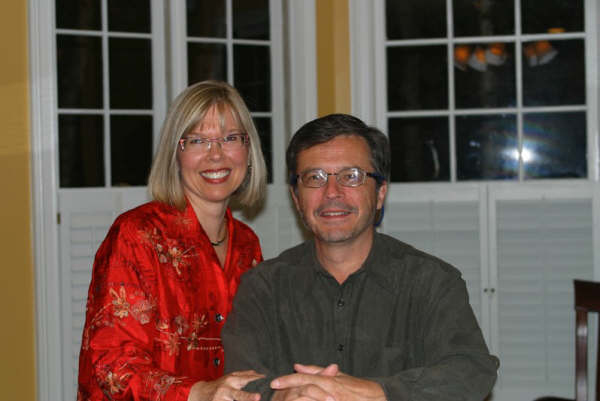
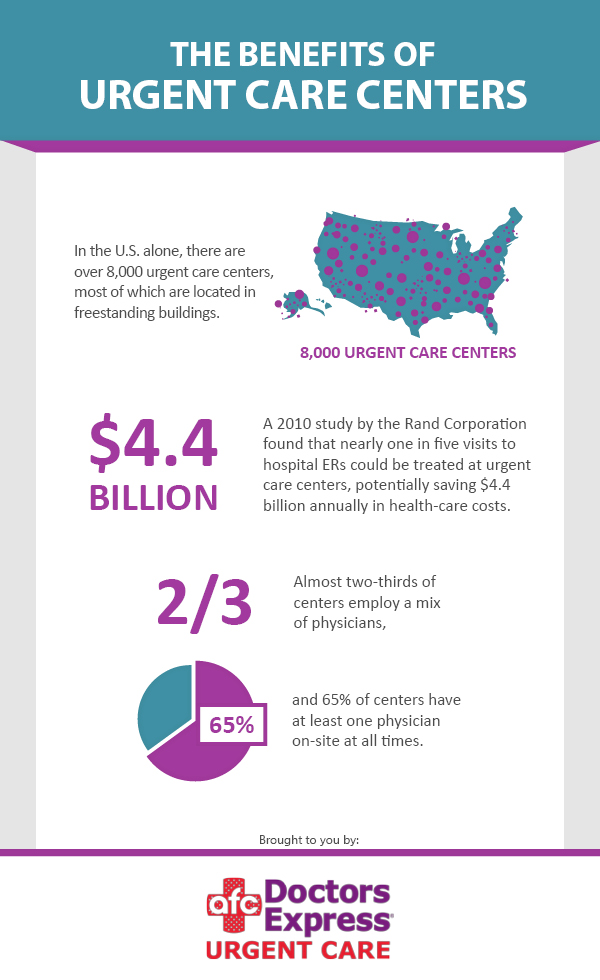
 Three Reasons Doctors Are Ditching Insurance And Offering Care For Cash

Image Source: http://www.newyorkmedicalservices.com

Assessment

By moving away from insured health, doctors are able to remove the shackles and dictate how they believe their patients should be cared for. Dr. Villarreal, a doctor in Laredo, Texas, states in regards to his direct primary business model, “To me, there’s no other way I would practice medicine. You feel like you’re a doctor again.”

Conclusion

Your thoughts and comments on this ME-P are appreciated. Feel free to review our top-left column, and top-right sidebar materials, links, URLs and related websites, too. Then, subscribe to the ME-P. It is fast, free and secure.

Link: http://feeds.feedburner.com/HealthcareFinancialsthePostForcxos

Speaker: If you need a moderator or speaker for an upcoming event, Dr. David E. Marcinko; MBA – Publisher-in-Chief of the Medical Executive-Post – is available for seminar or speaking engagements. Contact: MarcinkoAdvisors@msn.com

OUR OTHER PRINT BOOKS AND RELATED INFORMATION SOURCES:

Product DetailsProduct Details

Product Details

Racial Disparities in Life Expectancy at Birth

Join Our Mailing List

For the United States

By http://www.MCOL.com

Life Spans

Conclusion

Your thoughts and comments on this ME-P are appreciated. Feel free to review our top-left column, and top-right sidebar materials, links, URLs and related websites, too. Then, subscribe to the ME-P. It is fast, free and secure.

Link: http://feeds.feedburner.com/HealthcareFinancialsthePostForcxos

Speaker: If you need a moderator or speaker for an upcoming event, Dr. David E. Marcinko; MBA – Publisher-in-Chief of the Medical Executive-Post – is available for seminar or speaking engagements. Contact: MarcinkoAdvisors@msn.com

OUR OTHER PRINT BOOKS AND RELATED INFORMATION SOURCES:

Product DetailsProduct DetailsProduct Details

Product DetailsProduct Details

Product Details


On the Future of Nursing Practice

 Join Our Mailing List

Focus on Scope of Practice

[By Staff Reporters]

Transforming the health care system to meet the demand for safe, quality, and affordable care will require a fundamental rethinking of the roles of many health care professionals, including nurses. The 2010 Affordable Care Act represents the broadest health care overhaul since the 1965 creation of the Medicare and Medicaid programs, but nurses are unable to fully participate in the resulting evolution of the U.S. health care system. This is true for nurses at all levels, whether they practice in schools or community and public health centers or acute care settings. A variety of historical, cultural, regulatory, and policy barriers limit nurses’ ability to contribute to widespread and meaningful change.

In 2008, the Robert Wood Johnson Foundation (RWJF) and the Institute of Medicine (IOM) launched a two-year initiative to respond to the need to assess and transform the nursing profession. The IOM appointed the Committee on the RWJF Initiative on the Future of Nursing, at the IOM, with the purpose of producing a report that would make recommendations for an action-oriented blueprint for the future of nursing.

As part of its report, the committee considered the obstacles all nurses encounter as they take on new roles in the transformation of health care in the United States. While challenges face nurses at all levels, the committee took particular note of the legal barriers in many states that prohibit advance practice registered nurses (APRNs) from practicing to their full education and training. The committee determined that such constraints will have to be lifted in order for nurses to assume the responsibilities they can and should be taking during this time of great need.

***

RN

***

The Changing Health Care System

In the 21st century, the health challenges facing the nation have shifted dramatically. The health care system is in the midst of great change as care providers discover new ways to provide patient-centered care; to deliver more primary care as opposed to specialty care; and to deliver more care in the community rather than the acute care setting. Nurses are well poised to meet these needs by virtue of their numbers, scientific knowledge, and adaptive capacity, and health care organizations would benefit from taking advantage of the contributions nurses can make.

Assessment

As the health care system has expanded over the past 40 years, the education and roles of APRNs, in particular, have evolved in such a way that nurses now enter the workplace qualified to provide more services than had been the case previously. Yet while APRNs are educated and trained to do more, some physicians challenge expanding scopes of practice for nurses. The committee stresses that physicians are highly trained and skilled providers and that some services clearly should be provided by physicians, who have received more extensive and specialized education and training than APRNs. However, given the great need for more affordable health care, nurses should be playing a larger role in the health care system, both in delivering care and in decision making about care.

The committee argues that APRNs are not acting as physician extenders or substitutes. They work throughout the entirety of health care, from health promotion and disease prevention to early diagnosis to prevent or limit disability. APRNs sometimes provide services that many people associate with physicians, such as assessing patient conditions or ordering and evaluating tests, but they also incorporate a range of services from other disciplines, including social work, nutrition, and physical therapy.

Conclusion

Your thoughts and comments on this ME-P are appreciated. Feel free to review our top-left column, and top-right sidebar materials, links, URLs and related websites, too. Then, subscribe to the ME-P. It is fast, free and secure.

Link: http://feeds.feedburner.com/HealthcareFinancialsthePostForcxos

Speaker: If you need a moderator or speaker for an upcoming event, Dr. David E. Marcinko; MBA – Publisher-in-Chief of the Medical Executive-Post – is available for seminar or speaking engagements. Contact: MarcinkoAdvisors@msn.com

OUR OTHER PRINT BOOKS AND RELATED INFORMATION SOURCES:


Product DetailsProduct DetailsProduct Details

Product DetailsProduct Details

Product Details

How Your 2013 Federal Tax Dollars Were Spent

Join Our Mailing List 

A Spreadsheet Breakdown

By Lon Jefferies MBA CFP

Lon JeffriesClick here for a calculator that shows you how the tax you paid in 2013 was spent.

Simply input the amount you paid in federal income tax in 2013 and you’ll see a breakdown of how your money was utilized.

  1. What would you cut in the budget?
  2. What areas would you spend more, or less, on?


Conclusion

Your thoughts and comments on this ME-P are appreciated. Feel free to review our top-left column, and top-right sidebar materials, links, URLs and related websites, too. Then, subscribe to the ME-P. It is fast, free and secure.

Link: http://feeds.feedburner.com/HealthcareFinancialsthePostForcxos

Speaker: If you need a moderator or speaker for an upcoming event, Dr. David E. Marcinko; MBA – Publisher-in-Chief of the Medical Executive-Post – is available for seminar or speaking engagements. Contact: MarcinkoAdvisors@msn.com

OUR OTHER PRINT BOOKS AND RELATED INFORMATION SOURCES:

Product Details  Product Details

Dysfunction and Accountability in Health Care

Join Our Mailing List

A Pod Cast

Charles Ornstein talks with David Goldhill author of “Catastrophic Care: Why Everything We Think We Know about Health Care Is Wrong” about excess, poor oversight, and how new data may help spur change.

***

anatomy-physiology-student-tutorial-800x800

***

Link: http://www.propublica.org/podcast/item/podcast-dysfunction-and-accountability-in-health-care/?utm_source=et&utm_medium=email&utm_campaign=dailynewsletter

Conclusion

Your thoughts and comments on this ME-P are appreciated. Feel free to review our top-left column, and top-right sidebar materials, links, URLs and related websites, too. Then, subscribe to the ME-P. It is fast, free and secure.

Link: http://feeds.feedburner.com/HealthcareFinancialsthePostForcxos

Speaker: If you need a moderator or speaker for an upcoming event, Dr. David E. Marcinko; MBA – Publisher-in-Chief of the Medical Executive-Post – is available for seminar or speaking engagements. Contact: MarcinkoAdvisors@msn.com

OUR OTHER PRINT BOOKS AND RELATED INFORMATION SOURCES:

Product DetailsProduct Details

Product Details

The Superior Retirement Account – Will that be Traditional or Roth?

Join Our Mailing List 

Weighing the Costs

Lon Jeffries[By Lon Jefferies MBA CFP®]

As an informed investor and reader of this ME-P, you’re likely familiar with the difference between a traditional IRA/401(k) and a Roth IRA/401(k).

While the traditional account enables you to postpone taxes on both the income invested and its growth until the funds are withdrawn, a Roth account does not provide an initial tax benefit but investment growth is tax free. So which is better?

Let’s answer the question with some simple math. Suppose an investor in the 25 percent federal tax bracket invests $1,000 of pre-tax income, obtains an 8 percent annual return over the next 10 years, and is still in the 25 percent tax bracket in the future. Would this investor profit more investing in a traditional or a Roth account?

As the chart below illustrates, the investor in this scenario would end up with the exact same amount in either a traditional or a Roth account.

So does the decision to invest in a traditional or Roth retirement account not matter? Not so fast.

Constant Tax Rate
Traditional Roth
Initial Tax Bill (25%) $0 $250
Invested Amount (after-tax) $1,000 $750
Future Investment Value $2,159 $1,619
Future Tax Bill (25%) $540 $0
After-Tax Value in 10 Years $1,619 $1,619

Lower Tax Bracket in Future

Let’s assume our investor will have a reduced income when she retires in 10 years, causing her to be in the 15 percent tax bracket in the future. Perhaps the worker is in her prime earning years and will have less income during retirement. In this scenario, due to the up-front 25 percent tax bill, investing the funds in a Roth would lead to the same after-tax value of $1,619. But investing the funds in a traditional account would allow the full $1,000 to experience growth for 10 years, with a reduced future tax bill of 15 percent, leaving $1,835 of after-tax value in the account. This investor would benefit from delaying taxes into the future when she would be in a lower tax bracket.

Lower Tax Rate in the Future
Traditional Roth
Initial Tax Bill (25%) $0 $250
Invested Amount (after-tax) $1,000 $750
Future Investment Value $2,159 $1,619
Future Tax Bill (15%) $324 $0
After-Tax Value in 10 Years

$1,835

$1,619

Higher Tax Bracket in Future

On the other hand, if the investor was in the 15 percent tax bracket this year but expected to be in the 25 percent bracket during retirement (potentially a young employee expecting his earnings to rise), paying taxes now at 15 percent would allow $850 to be invested, which after 10 years of 8 percent growth would be worth $1,835 tax free.

Higher Tax Rate in the Future
Traditional Roth
Initial Tax Bill (15%) $0 $150
Invested Amount (after-tax) $1,000 $850
Future Investment Value $2,159 $1,835
Future Tax Bill (25%) $540 $0
After-Tax Value in 10 Years $1,619 $1,835

Roth Advantages

What if you expect to pay a comparable tax rate both now and in the future? A Roth account offers several advantages in this scenario.

First, as taxes have already been paid on a Roth account, the government doesn’t require investors to take required minimum distributions (RMDs) from these accounts, whereas RMDs are required from traditional retirement accounts beginning at age 70½. Without RMDs, Roth accounts can grow tax free for the investor’s entire lifespan.

Additionally, upon death, Roth accounts pass to an investor’s heirs without any tax liability, while those who inherit a traditional retirement account must pay taxes on the assets.

***

IRA

***

Second, money withdrawn from a traditional retirement account before the investor is 59½ may be subject to a 10 percent penalty. Yet contributed funds to a Roth account (but not the growth on the contributed funds) can be withdrawn at any time without penalty. While withdrawing funds before retirement isn’t advisable, the added liquidity of the Roth account can prove useful in emergencies.

Finally, even if your income is expected to remain constant, investing in a Roth account allows you to lock in your taxes at today’s rate as opposed to taking the risk that national tax rates might be raised in the future.

If you’re unsure how your future tax bracket will compare to your current rate, diversify. Nothing prevents you from having both a traditional and a Roth retirement account. This not only allows you to hedge your bets, but puts you in a position during retirement to take distributions from your tax-deferred account in low-income years and from the tax-free account in years when you are in a high tax bracket.

Assessment

http://www.utahbusiness.com/articles/view/weighing_the_costs/?pg=1

Conclusion

Your thoughts and comments on this ME-P are appreciated. Feel free to review our top-left column, and top-right sidebar materials, links, URLs and related websites, too. Then, subscribe to the ME-P. It is fast, free and secure.

Link: http://feeds.feedburner.com/HealthcareFinancialsthePostForcxos

Speaker: If you need a moderator or speaker for an upcoming event, Dr. David E. Marcinko; MBA – Publisher-in-Chief of the Medical Executive-Post – is available for seminar or speaking engagements. Contact: MarcinkoAdvisors@msn.com

OUR OTHER PRINT BOOKS AND RELATED INFORMATION SOURCES:

Product DetailsProduct DetailsProduct Details

Product Details  Product Details

How the ACA Affects Your RXs

Join Our Mailing List

On Four Large Groups of Import

By http://www.HelpRx.info

To give you a jumpstart about how the Affordable Care Act will impact you and your prescription drug coverage we’ve researched the major impacts on four large groups of people who could see the greatest impact.

Review the info-graphic below to learn about the benefits and requirements of the ACA and share it with your friends and family that still have questions about how the ACA will affect them.

***

infographic

***

Assessment

See more at: http://www.helprx.info/blog/infographics/infographic-how-the-affordable-care-act-impacts-you#sthash.6bk5zU0D.dpuf

Conclusion

Your thoughts and comments on this ME-P are appreciated. Feel free to review our top-left column, and top-right sidebar materials, links, URLs and related websites, too. Then, subscribe to the ME-P. It is fast, free and secure.

Link: http://feeds.feedburner.com/HealthcareFinancialsthePostForcxos

Speaker: If you need a moderator or speaker for an upcoming event, Dr. David E. Marcinko; MBA – Publisher-in-Chief of the Medical Executive-Post – is available for seminar or speaking engagements. Contact: MarcinkoAdvisors@msn.com

OUR OTHER PRINT BOOKS AND RELATED INFORMATION SOURCES:

Product DetailsProduct DetailsProduct Details

Product DetailsProduct Details

Product Details

Why You Should [Still] Know Your Marginal Tax Rate?

Join Our Mailing List

And … Other Financial Planning Topics of Import

Lon JefferiesBy Lon Jefferies MBA CFP®

In 2014, the federal tax brackets are 10%, 15%, 25%, 28%, 33%, 35%, and 39.6%. For a taxpayer who is married and files jointly, regardless of how much the household makes, the first $18,150 of income after accounting for deductions and exemptions will only be taxed at the 10% rate.

Similarly, any income the household makes that is more than $18,150 but less than $73,800 is taxed at the 15% rate. At that point, the next $75,050 is taxed at 25%, and so on.

Consequently, not all income a household makes during the course of the year is taxed at the same rate. A marginal tax bracket is the tax rate that applies to the last dollar the household made.

It is crucial for all taxpayers to know their marginal tax rate. This information can help a client identify which type of investment accounts fits their situation best, how to structure an investment portfolio, and how to determine the value of certain deductions when filing their tax return.

Roth or Traditional Retirement Accounts

Contributions to traditional retirement accounts like IRAs and 401(k)s allow taxpayers to avoid recognizing income earned during the tax year and push the need to acknowledge the revenue into a future year. This is valuable because many people are in a higher tax bracket during their working years than they are during retirement. For instance, for a person who is currently in the 25% marginal tax bracket, it may be advantageous to delay recognizing the income until the investor retires and has less income, causing him to be in only the 15% marginal tax bracket. Doing this would enable the taxpayer to pay taxes at only 15% as opposed to 25%.

Alternatively, a Roth IRA or Roth 401(k) allows an investor to pay taxes on contributed income during the year it was earned but the money then grows tax-free. Consequently, a Roth retirement account is great for someone who believes they may be in a higher marginal tax bracket in the future. For example, a young employee in the early stages of his career who is in the 15% tax bracket but believes he may be in the 25% or 28% bracket in the future would benefit from paying all taxes on the income at his current rate of 15% and then getting tax-free investment growth. This would prevent the investor from having to pay the higher future tax rate of 25% or 28% on the invested dollars.

Knowing your marginal tax bracket can help you determine if you would favor paying taxes on your invested dollars at your current tax rate or if you believe you may benefit from pushing the need to recognize the income into a future tax year. This is a critical decision when planning for retirement and it can’t accurately be made without knowing your marginal tax rate.

Capital Gains Rate

A long term capital gains tax rate is the rate that applies to the growth of any asset held for longer than a year that is not within a tax-advantaged account. If you buy stock outside a tax-advantaged account, or purchase investment property, any growth in the value of the investment will be taxed as capital gains when sold.

An investor’s capital gains tax rate is determined by the investor’s marginal tax rate. For most taxpayers the long term capital gains tax rate is 15%. However, if a taxpayer is in the 10% or 15% marginal tax bracket, the long term capital gains tax rate is an amazing 0%! Additionally, many taxpayers in either the 35% or 39.6% tax bracket may end up paying capital gains at a rate of 20%.

Clearly, knowing your marginal tax bracket will help you analyze the appeal of making investments outside of tax-advantaged accounts. People who qualify for the 0% capital gains tax should actively search for ways to take advantage of this benefit.

Additionally, knowing your marginal tax rate can help you determine the best time to recognize long-term capital gains. If your marginal tax rate will be 25% in 2014 — leading to a capital gains tax rate of 15% — but you believe your marginal rate will be 15% in 2015 — leading to a capital gains tax rate of 0% — it would save you money and lower your tax bill to defer recognizing long-term capitals gains until next year.

***

FP

***

Annuities

Annuities are promoted as a way for invested dollars to obtain tax-deferred growth. However, when money is withdrawn from an annuity it is taxed at the investor’s marginal tax rate as opposed to his long term capital gains tax rate. Knowing your marginal tax bracket can help determine whether an annuity adds any value to your portfolio, or whether it could actually be detrimental.

Suppose an investor is in the 15% marginal tax bracket. If this person invests in an annuity, he will avoid paying taxes on any of the investment’s growth until the funds are withdrawn from the annuity. However, at that point the investment’s growth will be taxed at the taxpayer’s marginal income tax bracket of 15%. Alternatively, if this same investor utilized a taxable investment account rather than an annuity, the investment’s growth would be taxed at the investor’s capital gains tax rate of 0% when sold. In this case, investing in an annuity actually created a tax bill for this investor!

Clearly, knowing your marginal tax rate and your resulting capital gains tax rate can help you determine the best type of investment accounts for your personal situation.

Itemized Deductions

The value of your itemized deductions is essentially determined by your marginal tax bracket. For a simplified example, consider a taxpayer who could generate an additional $10,000 of deductions. Doing so would mean the individual would pay taxes on $10,000 of income less than he would without the deduction. If the individual is in the 15% tax bracket, generating the deduction would lower the person’s tax bill by $1,500 dollars ($10,000 x 15%). However, if the individual is in the 25% tax bracket, the same deduction would lower the person’s tax bill by $2,500 ($10,000 x 25%).

Consequently, knowing your marginal tax bracket can help determine when large itemized deductions should be taken. If you would like to donate funds to your favorite charitable institution, knowing which year you will be in the highest marginal tax bracket can help you determine the best time to make the contribution.

***

FA

***

Marginal Tax Rates Change

Many people’s income is relatively constant year-after-year. For these people, there may not be much fluctuation in their marginal tax bracket. However, any time you have a significant increase or decrease in income recognized during a year, your marginal tax rate may change. Whenever possible, it is best to anticipate how your current marginal tax rate might compare to your future marginal tax rate.This is another strong factor that can impact all the key financial decisions effected by your marginal tax rate.

Conclusion

Your thoughts and comments on this ME-P are appreciated. Feel free to review our top-left column, and top-right sidebar materials, links, URLs and related websites, too. Then, subscribe to the ME-P. It is fast, free and secure.

Link: http://feeds.feedburner.com/HealthcareFinancialsthePostForcxos

Speaker: If you need a moderator or speaker for an upcoming event, Dr. David E. Marcinko; MBA – Publisher-in-Chief of the Medical Executive-Post – is available for seminar or speaking engagements. Contact: MarcinkoAdvisors@msn.com

OUR OTHER PRINT BOOKS AND RELATED INFORMATION SOURCES:

Product DetailsProduct DetailsProduct Details

Product DetailsProduct Details

Product Details

Identifying the Most Expensive Medical Therapies

Join Our Mailing List

A “Top-Ten” List

http://www.MCOL.com

ImageProxy

Conclusion

Your thoughts and comments on this ME-P are appreciated. Feel free to review our top-left column, and top-right sidebar materials, links, URLs and related websites, too. Then, subscribe to the ME-P. It is fast, free and secure.

Link: http://feeds.feedburner.com/HealthcareFinancialsthePostForcxos

Speaker: If you need a moderator or speaker for an upcoming event, Dr. David E. Marcinko; MBA – Publisher-in-Chief of the Medical Executive-Post – is available for seminar or speaking engagements. Contact: MarcinkoAdvisors@msn.com

OUR OTHER PRINT BOOKS AND RELATED INFORMATION SOURCES:

Product DetailsProduct DetailsProduct Details

Product DetailsProduct Details

Product Details


How to Safely Clean an Auto Engine Bay

Join Our Mailing List

Thoughtfully … with Some Care!

[By Dr. David Edward Marcinko MBA]

Dr David E Marcinko MBA

I’ve been washing the engine bay of my Jaguar XJ-V8-L for the past several years. How did I get started? Isn’t this really bad for my car? Why did / do I bother?

History

I worked with a neighbor who was seriously obsessed with keeping his 1986 Thunderbird clean – way more so than I ever was; or currently am. He popped the hood one day and I marveled at the near showroom appearance of the ~ 28 year old engine bay. I asked the same questions many of you have about getting the various components and systems wet.

The owner of the car was quite talented with most things automotive, especially the electrical systems as he was a professional car audio install technician with a high end audio shop. The sound system in that car was phenomenal even by today’s standards. He was quite confident that the water would not cause problems. That engine bay got a rinse with nearly every car wash and a regular washing. I was still skeptical. I carefully tried it myself starting out away from wiring and the alternator gradually becoming more confident until the entire engine bay was squeaky clean. It looked great then and still does.

I’ve never had a problem with getting any electrical items wet – even a distributor. A modern engine bay is engineered to get somewhat wet during normal use. Assuming your engine bay is in reasonably good shape, with no defects in the electrical, crankcase ventilation and intake systems you will most likely have no problems as well. This works best and is easiest when a car is new as dirt and oxidation never have a chance to start. Even an older engine – dare I say a Jaguar – bay can be transformed with a little extra work.

***

Jag DEM (2)

***

Jag DEM (1)

***

This ME-P is being provided as a guide only – I cannot guarantee you will not experience difficulties. Wash your engine bay at your own risk.

This is what works very well for me …

Start with a cold engine. A warm or hot engine will cause any detergent you spray on to quickly evaporate. Letting it sit and soak is what gets things clean. I cover electrical components, and have put a plastic bag over open exposed conical air filters.

Obviously, do not spray liquid directly into the air intake. Use a garden hose with a variable nozzle to go from a fine spray to a concentrated stream depending on what you are hosing down. A pistol grip style of nozzle is the easiest and fastest to use. A high pressure car wash hose is asking for trouble. Common sense is called for here.

I wash the underside of the hood first. I removed the fiber insulation the day I got my Jaguar home as I have with all of my previous cars. I personally believe the insulation is largely for sound suppression. It becomes a dirt magnet if left on and seems logical to assume it also promotes heat soak. I have not observed any engine heat related effects on the exterior hood paint with/out it.

But, the Jag is not my daily-driver. Hose down the hood, fenders, windshield and engine hosing off loose debris. Spray liberal amounts of full strength Simple Green all over, especially in the inaccessible areas. You would probably see good results with diluted Simple Green as well. Hose off any overspray from the fenders as Simple Green is too harsh for polished waxed surfaces. Let soak for ~5 minutes or so.

***

bay

***

While I wait – I have a few odd brushes I use to scrub around where I can. Thoroughly hose off all areas (with common sense) until all traces of the detergent are gone. Some areas can take higher pressure, like the intercooler and around the firewall. Once the car / engine wash has been completed I take the car on a drive to heat and dry the engine bay out. I repeat this maybe twice a year – that’s all it takes to keep everything looking showroom clean. The Jaguar under engine cover does a great job in keeping dirt out of the engine bay. 

More:

Conclusion

Your thoughts and comments on this ME-P are appreciated. Feel free to review our top-left column, and top-right sidebar materials, links, URLs and related websites, too. Then, subscribe to the ME-P. It is fast, free and secure.

Link: http://feeds.feedburner.com/HealthcareFinancialsthePostForcxos

Speaker: If you need a moderator or speaker for an upcoming event, Dr. David E. Marcinko; MBA – Publisher-in-Chief of the Medical Executive-Post – is available for seminar or speaking engagements. Contact: MarcinkoAdvisors@msn.com

OUR OTHER PRINT BOOKS AND RELATED INFORMATION SOURCES:

Product DetailsProduct DetailsProduct Details

Product DetailsProduct Details

Product Details

Regional Distribution of Un-Insured Adults in the Coverage Gap

Join Our Mailing List

Due to State Decisions NOT to Expand Medicaid

http://www.MCOL.com

ImageProxy

Conclusion

Your thoughts and comments on this ME-P are appreciated. Feel free to review our top-left column, and top-right sidebar materials, links, URLs and related websites, too. Then, subscribe to the ME-P. It is fast, free and secure.

Link: http://feeds.feedburner.com/HealthcareFinancialsthePostForcxos

Speaker: If you need a moderator or speaker for an upcoming event, Dr. David E. Marcinko; MBA – Publisher-in-Chief of the Medical Executive-Post – is available for seminar or speaking engagements. Contact: MarcinkoAdvisors@msn.com

OUR OTHER PRINT BOOKS AND RELATED INFORMATION SOURCES:

Product DetailsProduct Details

Product Details


Retirement Savings Opportunities for Self-Employed and Small Practice Physicians

Join Our Mailing List 

Funding your own Retirement

Guy P. Jones

  • By Guy P. Jones CFP®
  • 21 Stone Creek Place
  • The Woodlands, TX  77382
  • 832-677-1692 www.guypjones.com

As a self-employed physician or small practice physician, it’s up to you to fund your own retirement. You don’t have your employer furnishing you a retirement program with matching dollars and various investment options in which to invest.

On your Own

Basically, you’re on your own to figure out the best plans, the best investments, and the appropriate fees to pay for these services. Oftentimes, without the help of a retirement plan specialist, self-employed physicians and small practice physicians choose the simplest plan, which may not be the best plan for their particular situation.

The Choices

Given the myriad of choices available, let’s take a look at the various plan options and what savings opportunities exist.

Retirement Plan 2014 Savings Limits for an  MD age 52 earning $300-k*

Plan type SIMPLE IRA SEP/PROFIT SHARING 401(k) Single DB Single DB + 401(k)
Maximum contribution $22,300 $52,000 $57,500 $183,000 $221,600

*Defined Benefit plan maximum contribution limits for a 52 year old, including “catch-up” contributions of $2500 for SIMPLE IRA, $5500 for 401(K)

Due to the simplicity of setting up and administering the plan, most self-employed physicians and small practice physicians choose either a SIMPLE IRA or a SEP/Profit Sharing plan. While simple and easy to administer, these plans don’t offer the maximum opportunity to set aside large annual tax-deductible contributions which can accumulate as much as $1-2 million in just 5-10 years. This higher level of contributions can potentially reduce income tax liability by $40,000 or more annually for individuals in higher income tax brackets.

While these higher limit plans may not be right for everyone, they are best suited for physicians who have self-employment income or small practice physicians who are older and want to increase their retirement savings while reducing their tax liability.

Ideal candidates are:

  • 40+ year of age
  • Interested in contributing more than $50,000 per year or a higher percentage of compensation that is allowed in a 401(k)
  • Able to make contributions for at least 3-5 years
  • Earning at least $100,000 per year in one of these ways:
  1. Owns a practice with 5 or fewer FT employees including the physician
  2. Is self-employed as the primary way of earning a living
  3. Has a second source of income whereby he/she is earning self-employment income
  4. Is an independent contractor vs. an employee
  5. Receives payments or royalties from patents, books, consulting, Board of Directors fees, or speaking engagements, etc.

***

leadership1

***

These plans can work for physicians and practices that are sole proprietors, partnerships, corporations, LLCs, LLPs, or PA’s. High income sole proprietors and couples who are in business together can potentially maximize contributions by doing a combination of a 401(k) and Defined Benefit plan.Recent legislation has increased the flexibility of Defined Benefit plans so that the physician can better manage their contributions from year to year.

However, defined benefit plan contributions are required to keep the plan on track each year to deliver the promised retirement benefit. If the physician wants to terminate the plan, the assets can be rolled over into an IRA where they will continue to grow tax-deferred until withdrawn.

Assessment

If you want to find out if one of these higher limit plans would be appropriate for your situation, don’t wait until the last minute for 2014. Plans such as this have to be opened by the end of the fiscal year or by December 31st if the practice is on a calendar year basis.

Conclusion

Your thoughts and comments on this ME-P are appreciated. Feel free to review our top-left column, and top-right sidebar materials, links, URLs and related websites, too. Then, subscribe to the ME-P. It is fast, free and secure.

Link: http://feeds.feedburner.com/HealthcareFinancialsthePostForcxos

Speaker: If you need a moderator or speaker for an upcoming event, Dr. David E. Marcinko; MBA – Publisher-in-Chief of the Medical Executive-Post – is available for seminar or speaking engagements. Contact: MarcinkoAdvisors@msn.com

OUR OTHER PRINT BOOKS AND RELATED INFORMATION SOURCES:

Product Details  Product Details

Enter the CERTIFIED MEDCIAL PLANNERs™

Join Our Mailing List

By Eugene Schmuckler PhD MBA MEd CTS

[Academic Provost iMBA Inc., and the CMP™ Online Charter Certification Program]

***

CERTIFIED MEDICAL PLANNER CHARTERED PROFESSIONAL DESIGNATION AND CERTIFICATION PROGRAM DESCRIPTOR AND CURRICULUM

 A Working-White Paper

[Enter the Informed Voice of a New Generation of Fiduciary Advisors for Healthcare]

As the financial planning industry grows, and quality information is available on the internet, medical professionals have more access to information than ever before. At the same time, the growing number of consulting generalists – leads to a troubling counter trend – more financial advisors means less differentiation to being a financial advisor. Perhaps this is the reason for the embarrassing number of, valid and specious, financial industry certifications in existence today?

Enter the Institute of Medical Business Advisors, Inc and its’ life-long learning Certified Medical Planner™ initiative.

FOCUS ON LIFE-LONG LEARNERS

The INSTITUTE OF MEDICAL BUSINESS ADVISORS [iMBA] INC., provides a team of experienced, senior level educators and consultants, led by Chief Executive and Medical Officer Dr. David Edward Marcinko FACFAS MBA CMP™ and Chief Academic Officer and Dean – Eugene Schmuckler PhD MBA M.Ed CTS, to construct individually focused curricula for Life-Long Learners [LLLs]. This curriculum is used throughout all phases of Certified Medical Planner™ program matriculation. iMBA Inc., and its staff of teaching professionals, have decades of experience and didactic repute, supported by an unsurpassed in-bound research library, to augment knowledge of the integrated healthcare and financial services environment.

Thus, the iMBA Inc., team provides superior online education in an asynchronous, cost-effective manner, by focusing on academic solutions for the unique needs of each adult-learner. This vast niche network of cognitive and human resources ensures that the Certified Medical Planner™ instructional team maintains the highest level of current and future competence regarding industry trends to serve as the foundation for each adult-learner e-engagement.

Link: Down Load Free White Paper Enter the CMPs

CMP logo

More: Mike Kitces; MSFS, MTAX, CFP®, CLU, ChFC, RHU, REBC, CASL

What Comes After CFP Certification? Finding Your Niche Or Specialization With Post-CFP Designations

Conclusion:

Your thoughts and comments on this ME-P are appreciated. Feel free to review our top-left column, and top-right sidebar materials, links, URLs and related websites, too. Then, subscribe to the ME-P. It is fast, free and secure. Link: http://feeds.feedburner.com/HealthcareFinancialsthePostForcxos

Speaker: If you need a moderator or speaker for an upcoming event, Dr. David E. Marcinko; MBA – Publisher-in-Chief of the Medical Executive-Post – is available for seminar or speaking engagements. Contact: MarcinkoAdvisors@msn.com

OUR OTHER PRINT BOOKS AND RELATED INFORMATION SOURCES:

Product DetailsProduct DetailsProduct Details

Product DetailsProduct Details

8Risk Management, Liability Insurance, and Asset Protection Strategies for Doctors and Advisors: Best Practices from Leading Consultants and Certified Medical Planners™8Comprehensive Financial Planning Strategies for Doctors and Advisors: Best Practices from Leading Consultants and Certified Medical Planners™

Product Details

***

Planning for the Special Needs Child

Join Our Mailing List 

The Heart of Estate Planning

By Rick Kahler MS CFP® http://www.KahlerFinancial.com

Rick Kahler CFPThe heart of estate planning, for many of us, comes down to one issue: taking care of family. We do our best to make decisions that we hope will be right for surviving spouses and children.

Such decisions are especially challenging for parents of children with special needs. The question of “Who will take care of this child after we’re gone?” can be heart-wrenching. There are financial planners who specialize in this area, and the best option for many families might be to ask a generalist planner like me for a referral to one of them.

The following suggestions, then, are intended as starting points or a very general framework on which to build.

The Framework

A fundamental tool in providing for a special-needs child is a trust. My suggestion is to have this trust handled by a trust company that does not manage money, rather than a bank. It will charge a flat fee for its service, typically in the range of $3,500 to $10,000, and the trust need not be in the millions of dollars. The parents can empower the trust company to hire an appropriate investment advisor to manage the money. I suggest the trust require using an advisor who is a fiduciary to the trust and is compensated by fees rather than commissions. This, along with the trustee looking over the advisor’s shoulder, provides a good system of checks and balances.

Then, the parents can appoint an advocate for the beneficiary who serves as a co-trustee. This person does not manage the money, but is the trustee’s eyes and ears to make sure the trust is meeting the beneficiary’s specific needs. When the advocate can no longer serve, the corporate trustee can appoint a new advocate.

Example:

Advocates might be family members or representatives from an agency that provides care to the beneficiary. In Rapid City, for example, a nonprofit organization called Black Hills Works serves people with a variety of special needs. Many of its clients receive services throughout their lifetimes, and some of them are supported by trusts. An agency like this will not serve as a trustee for clients’ funds, which would be a conflict of interest, but it can serve as an advocate for a client who is the beneficiary of a trust.

Separation of Responsibilities

The basic approach I’m suggesting is to separate the responsibilities of caring for a special-needs child among several professionals, family members, or friends, according to their competencies and the child’s needs. A corporate trustee, not an individual, coordinates their functions. This goes a long way toward assuring consistent and coordinated support throughout the beneficiary’s lifetime.

Estate Planning

I also suggest not thinking of this approach only in terms of estate planning, but also to provide for a child as the parents age. As they become unable to provide care or manage funds themselves, they can turn responsibilities over to the corporate trustee, advisor, and advocate.

Making sure a handicapped child is taken care of may take all the parents’ assets, which could raise the question of fairness to other children. While the issue of what is fair depends on each family’s situation, my observation is that it isn’t necessarily a problem. Many siblings, rather than feeling deprived, are pleased to know the special-needs child is provided for. As with other estate planning concerns, clear communication about the parents’ intentions is crucial.

***

Molecular Thoughts

***

Assessment

My final suggestion regarding a trust is to make sure you design it to allow the beneficiary as much flexibility and participation in decisions as is appropriate for his or her abilities. Ideally, the trust will not limit the beneficiary’s independence, but will support it.

Conclusion

Your thoughts and comments on this ME-P are appreciated. Feel free to review our top-left column, and top-right sidebar materials, links, URLs and related websites, too. Then, subscribe to the ME-P. It is fast, free and secure.

Link: http://feeds.feedburner.com/HealthcareFinancialsthePostForcxos

Speaker: If you need a moderator or speaker for an upcoming event, Dr. David E. Marcinko; MBA – Publisher-in-Chief of the Medical Executive-Post – is available for seminar or speaking engagements. Contact: MarcinkoAdvisors@msn.com

OUR OTHER PRINT BOOKS AND RELATED INFORMATION SOURCES:

Product Details  Product Details

On Physician Pay Rising

Join Our Mailing List

A New Medscape Report

[By Staff Reporters]

Doctor salary

Physicians working in office-based solo practices and single-specialty practices saw a modest increase in their paychecks from 2012 to 2013, according to the lastest installment of Medscape’s annual Physician Compensation Report.

***

MD

***

Conclusion

Your thoughts and comments on this ME-P are appreciated. Feel free to review our top-left column, and top-right sidebar materials, links, URLs and related websites, too. Then, subscribe to the ME-P. It is fast, free and secure.

Link: http://feeds.feedburner.com/HealthcareFinancialsthePostForcxos

Speaker: If you need a moderator or speaker for an upcoming event, Dr. David E. Marcinko; MBA – Publisher-in-Chief of the Medical Executive-Post – is available for seminar or speaking engagements. Contact: MarcinkoAdvisors@msn.com

OUR OTHER PRINT BOOKS AND RELATED INFORMATION SOURCES:


Product DetailsProduct DetailsProduct Details

Product DetailsProduct Details

Product Details

Possible Food Poisoning Sickens 100 at Food Safety Summit?

Join Our Mailing List

Food Safety Summit in Baltimore, Maryland

[By Dr. David Edward Marcinko MBA]

According to reporter Joel Aleccia, more than 100 people have now reported they got sick with suspected food poisoning at a national Food Safety Summit held earlier this month in my home town of Baltimore, Maryland.

***

DEM at Aquarium

[Dr. David Edward Marcinko visiting the Maryland Convention Center and National Aquarium at Harbor Place]

***

Definition of “Irony”

“Irony is an incongruity between what actually happens and what might be expected to happen, especially when this disparity seems absurd or laughable”.

Link: http://www.nbcnews.com/health/health-news/possible-food-poisoning-sickens-100-safety-summit-n91631

Conclusion

Although this case of irony is not at all laughable, it is still frankly absurd and illustrative of a teaching moment.

And so, your thoughts and comments on this ME-P are appreciated. Feel free to review our top-left column, and top-right sidebar materials, links, URLs and related websites, too. Then, subscribe to the ME-P. It is fast, free and secure.

Link: http://feeds.feedburner.com/HealthcareFinancialsthePostForcxos

Speaker: If you need a moderator or speaker for an upcoming event, Dr. David E. Marcinko; MBA – Publisher-in-Chief of the Medical Executive-Post – is available for seminar or speaking engagements. Contact: MarcinkoAdvisors@msn.com

OUR OTHER PRINT BOOKS AND RELATED INFORMATION SOURCES:

Product DetailsProduct Details

Product Details


Are [Medical] Trade Fairs Good Entertainment?

 ADVERTISEMENT

Join Our Mailing List

They Ought to Be . . .

By Vanessa

http://thedisplayoutlet.com

Just because medical trade fairs and other exhibitions are designed to help hospitals, medical practices and businesses grow, or show case their products and services and increase their gain in the market place – it doesn’t all have to be work – some trade shows and exhibitions are boring! The best trade fairs are the ones which successfully inject a little fun into the proceedings and the most successful trade booths are the ones which engage the visitors in that fun.

***

DisplayOutlet-FirstBatch-11-1

***

The first thing that a visitor to a trade show sees is the booths, rows and rows of booths – large booths, smaller booths, brightly colored booths, brightly lit booths . . . booths, booths and more booths. The second thing that a visitor to a trade show sees is the people, the staff, the personnel in your booth. The booth and your sales staff reflect your company, your products, your professionalism and your services. Make sure that your booth and the staff give the right sort of impression. Friendly, welcoming and knowledge staff is important – ideally dressed to co-ordinate in with the theme of your trade show booth. This doesn’t have to include an entire uniform; just a blouse or shirt with the company emblem or logo in corresponding colors will do fine.

***

DisplayOutlet-FirstBatch-11-2

***

Your staff needs to be welcoming and friendly; it helps to have a pot of coffee on the go and maybe even some nice smelling cookies. People need to feel comfortable enough to approach your booth and if you have some fun, interactive activity on there it will surely attract their attention. Nothing attracts the attention of a passer by more than people having fun, trying to do something, hold something or win something. The addition of items like “prize wheels” can really help to add this type of dimension to your trade show booth. A spinning prize wheel with the chance to win something exciting is a gem of an attraction in a sea of otherwise boring trade booths. If your display is tall, well lit and gets the message across then you have a very good chance of a successful trade show.

If your medical clinic, practice business is rather small and you cannot really afford a very large pitch then try to take a smaller booth next to a large, popular stand. This works best if the neighboring company is not in direct competition with you, rather just a complimentary type of business. That way, as they are busy attracting the visitors to their stand you can be on the sidelines catching them as they move away . . . that fabulous fresh coffee aroma could do wonders for your popularity.

Another good location for a pitch is close to the refreshment bar – any place which attracts the majority of the visitors is a good option. Some trade shows and exhibitions hire entertainers to keep the visitors happy and the mood light and playful (which is incidentally very productive). If you do know that there will be a magician or other types of entertainer around then try to get as close to his stand as possible.

***

DisplayOutlet-FirstBatch-11-3

***

The Display Outlet has a great range of products which are designed to help your booth stand out from the crowd and make your trade fair experience a success. It is important to think outside the box and try to come up with creative ideas for visitors to flock to your stand for a little light relief, once you’ve got their attention the rest is up to you and your sales staff.

Assessment

http://thedisplayoutlet.com/collections/prize-wheel

Conclusion

Your thoughts and comments on this ME-P are appreciated. Feel free to review our top-left column, and top-right sidebar materials, links, URLs and related websites, too. Then, subscribe to the ME-P. It is fast, free and secure. Link: http://feeds.feedburner.com/HealthcareFinancialsthePostForcxos

Speaker: If you need a moderator or speaker for an upcoming event, Dr. David E. Marcinko; MBA – Publisher-in-Chief of the Medical Executive-Post – is available for seminar or speaking engagements. Contact: MarcinkoAdvisors@msn.com

OUR OTHER PRINT BOOKS AND RELATED INFORMATION SOURCES:

Establishing a Healthcare Compliance Program

Join Our Mailing List 

Basic Program Components

trites

[By Pati Trites MPA CHBC]

All healthcare organizations should evaluate compliance policies and procedures for practicality and appropriateness on a regular basis.

The List

The following are suggested items for inclusion in a compliance program:

  • code of ethics;
  • code of conduct;
  • mission and vision statements;
  • employee handbook or manual;
  • rights and responsibilities of patients;
  • protocol for addressing compliance issues;
  • job descriptions;
  • performance evaluations; and
  • competency assessments.

***

Compliance

***

Conclusion

Your thoughts and comments on this ME-P are appreciated. Feel free to review our top-left column, and top-right sidebar materials, links, URLs and related websites, too. Then, subscribe to the ME-P. It is fast, free and secure.

Link: http://feeds.feedburner.com/HealthcareFinancialsthePostForcxos

Speaker: If you need a moderator or speaker for an upcoming event, Dr. David E. Marcinko; MBA – Publisher-in-Chief of the Medical Executive-Post – is available for seminar or speaking engagements. Contact: MarcinkoAdvisors@msn.com

OUR OTHER PRINT BOOKS AND RELATED INFORMATION SOURCES:

Product Details

“Claying” Your Own Luxury Vehicle

Join Our Mailing List 

How to Remove Bonded Surface Contaminants

[By Dr. David Edward Marcinko MBA]

Dr. DEMClaying is the process of removing bonded surface contaminants from your car that cannot be removed by washing alone and that need to be eliminated before the polishing process, using synthetic poly clay.

It works by gently pulling and lifting the bonded contaminants off the surface which then become encapsulated in the clay.

A detailing spray, or designated clay lube is used to lubricate the surface to prevent the clay bar from inflicting damage as it is drawn across the surface.

The Process

One panel at a time is worked and once the clay has picked up contaminants it can be folded and remolded to reveal a fresh, clean surface and prevent any contaminants being drawn over the surface.

Claying is primarily used to remove bonded contaminants from the paintwork of your car but can also be used on glass, metal and other parts of your car depending on the grade of the clay being used.

***

clay-bars

***

You should clay your car if you are looking to achieve the best possible results. The depth of shine and reflection of a polished and waxed vehicle may be compromised if bonded surface contaminants have not been removed. It is important to clay your car before polishing because if the contaminants are picked up during the polishing process they may be drawn over the surface inflicting light scratches and swirl marks.

It is also important to ensure bonded contaminants are removed because they will act to attract and accumulate other dirt and debris and if left bonded to the surface for a long enough period of time may even weaken the paintwork underneath.

***

DEM Jag

***

More:

Conclusion

Your thoughts and comments on this ME-P are appreciated. Feel free to review our top-left column, and top-right sidebar materials, links, URLs and related websites, too. Then, subscribe to the ME-P. It is fast, free and secure.

Link: http://feeds.feedburner.com/HealthcareFinancialsthePostForcxos

Speaker: If you need a moderator or speaker for an upcoming event, Dr. David E. Marcinko; MBA – Publisher-in-Chief of the Medical Executive-Post – is available for seminar or speaking engagements. Contact: MarcinkoAdvisors@msn.com

OUR OTHER PRINT BOOKS AND RELATED INFORMATION SOURCES:

Product DetailsProduct DetailsProduct Details

Critical Illness Insurance Coverage

Join Our Mailing List

Financially Coping with Illness

[By Staff Reporters]

From 2015 to 2020, medical expenses are expected to outpace inflation at an annual rate of 5.3 percent versus 2.1 percent for general inflation, according to the Department of Labor [DOC]. As a result, most Americans will be unprepared financially to cope with an illness without significant savings.

So now, Prudential Group Insurance is offering critical illness insurance through employers.

***

doctors

***

For about $200 to $250 per year or $8 to $10 a month, employees who fall ill with cancer, kidney failure, stroke, heart attack, coronary artery disease and other serious illnesses, can receive a lump-sum payment upon documented diagnoses.

Assessment

Although Prudential does not offer the product to individuals, insurers, such as Mutual of Omaha, do.

Link: http://www.criticalinsurance.com/

Conclusion

Your thoughts and comments on this ME-P are appreciated. Feel free to review our top-left column, and top-right sidebar materials, links, URLs and related websites, too. Then, subscribe to the ME-P. It is fast, free and secure.

Link: http://feeds.feedburner.com/HealthcareFinancialsthePostForcxos

Speaker: If you need a moderator or speaker for an upcoming event, Dr. David E. Marcinko; MBA – Publisher-in-Chief of the Medical Executive-Post – is available for seminar or speaking engagements. Contact: MarcinkoAdvisors@msn.com

OUR OTHER PRINT BOOKS AND RELATED INFORMATION SOURCES:

 Product DetailsProduct Details

On Hospital 30 Day Re-Admission Rates

Join Our Mailing List

And … Problems Paying Medical Bills for 2011

By http://www.MOCL.com

ImageProxy

Conclusion

Your thoughts and comments on this ME-P are appreciated. Feel free to review our top-left column, and top-right sidebar materials, links, URLs and related websites, too. Then, subscribe to the ME-P. It is fast, free and secure.

Link: http://feeds.feedburner.com/HealthcareFinancialsthePostForcxos

Speaker: If you need a moderator or speaker for an upcoming event, Dr. David E. Marcinko; MBA – Publisher-in-Chief of the Medical Executive-Post – is available for seminar or speaking engagements. Contact: MarcinkoAdvisors@msn.com

OUR OTHER PRINT BOOKS AND RELATED INFORMATION SOURCES:

Product DetailsProduct Details

Product Details

The New “Patient Centered Health Plan” Video

Join Our Mailing List 

An Alternative to Obamacare?

[By Staff Reporters]

Did you know that Tennessee’s US senatorial candidate, Dr. George Flinn, just announced his Patient Centered Health Plan as a sustainable alternative to Obamacare?

“This country needs a strong, positive alternative,” said Flinn. “We need to unite behind a solid proposal now because the longer Obamacare is in place, the harder it will be to repeal.”

The PCHP [Patient Centered Health Plan]

The Patient Centered Health Plan advocates a quality, affordable system promoting principles such as portability, competition across state lines, and the expansion of health savings accounts (HSA).

Flinn stated that his plan aims to end the assault Obamacare has created on our liberty and free enterprise in this country.

From massive job loss, decreased quality of care, doctor shortages, layoffs in health services, and millions still uninsured, Obamacare is doing the opposite of what it was made to do.

***

GF

***

The Plan Link

The plan is available in detail at www.patientcenteredhealthplan.com

Selected Lists On Health Savings Accounts:

Assessment

Both parties criticize one another for different aspects of Obamacare. The only consensus is its inability to effectively function. For the betterment of the United States, party lines need to be overlooked in order to find a solution.

Patient Centered Health may be the answer.

Conclusion

Your thoughts and comments on this ME-P are appreciated. Feel free to review our top-left column, and top-right sidebar materials, links, URLs and related websites, too. Then, subscribe to the ME-P. It is fast, free and secure.

Link: http://feeds.feedburner.com/HealthcareFinancialsthePostForcxos

Speaker: If you need a moderator or speaker for an upcoming event, Dr. David E. Marcinko; MBA – Publisher-in-Chief of the Medical Executive-Post – is available for seminar or speaking engagements. Contact: MarcinkoAdvisors@msn.com

OUR OTHER PRINT BOOKS AND RELATED INFORMATION SOURCES:

Product DetailsProduct Details

Product Details

  •  

On Children’s Health Insurance Coverage

Join Our Mailing List

By Source and Year

http://www.MCOL.com

child

Conclusion

Your thoughts and comments on this ME-P are appreciated. Feel free to review our top-left column, and top-right sidebar materials, links, URLs and related websites, too. Then, subscribe to the ME-P. It is fast, free and secure.

Link: http://feeds.feedburner.com/HealthcareFinancialsthePostForcxos

Speaker: If you need a moderator or speaker for an upcoming event, Dr. David E. Marcinko; MBA – Publisher-in-Chief of the Medical Executive-Post – is available for seminar or speaking engagements. Contact: MarcinkoAdvisors@msn.com

OUR OTHER PRINT BOOKS AND RELATED INFORMATION SOURCES:

Product DetailsProduct Details

Re-Thinking the Medical Career Choice?

Join Our Mailing List

By Medscape

Would You Do it All Over Again?

Redeux

[Click to Enlarge]

Full Report:

More:

Conclusion

Your thoughts and comments on this ME-P are appreciated. Feel free to review our top-left column, and top-right sidebar materials, links, URLs and related websites, too. Then, subscribe to the ME-P. It is fast, free and secure.

Link: http://feeds.feedburner.com/HealthcareFinancialsthePostForcxos

Speaker: If you need a moderator or speaker for an upcoming event, Dr. David E. Marcinko; MBA – Publisher-in-Chief of the Medical Executive-Post – is available for seminar or speaking engagements. Contact: MarcinkoAdvisors@msn.com

OUR OTHER PRINT BOOKS AND RELATED INFORMATION SOURCES:

Product DetailsProduct Details

Preparing Your Car’s AC for Hot Weather

Join Our Mailing List 

Summer is Near

[By Dr. David Edward Marcinko MBA CMP™]

[By Nalley Lexus Roswell, GA]

Dr. DEMAir conditioning systems are specifically designed to be largely maintenance free, but small issues can grow into big problems without regular checks. In short, it pays to be prepared for the unexpected in hot weather conditions. If you want to keep your cool during your daily commute or on an upcoming road trip, here is a handy checklist to help you prepare your car’s air conditioning system for spring and summertime driving.

Timing is everything

Don’t wait until the hot weather has arrived to start using and testing your air conditioning. Use the system regularly throughout the year, and particularly in the spring, when you have a few weeks before the hot weather kicks in to get any remedial work carried out. Test the air flow in the system. Turn the air conditioning on high and manually inspect each of the vents. Is air coming out of every vent? Is the air pressure the same around the car, or are some vents weaker than others? Change the temperature of the system. Is the air cooling down as you would expect?

Listen for strange noises

This isn’t about things that go bump in the night, but more about ticks, rattles, or knocking sounds that might indicate there’s a problem with the system. Listen at each vent and also at the dashboard when the car is idle, and when you put your foot on the gas. It’s quite possible that there is a small obstruction (such as a leaf or twig) somewhere in the system, or there could be a more serious problem.

***

Jaguar 2000 V8-L

***

Check out unusual smells

Excessive oily, mechanical smells could indicate that the system is damaged or underperforming in some way and may need mechanical attention. Stale or unpleasant odors may indicate that the air filter needs replacing or that something is caught somewhere in the system. Your owner’s manual will be able to tell you how to change the filter, or get your mechanic on the case if you’d rather not do it yourself.

Check the coolant level

If the air is powerful but doesn’t appear to cool properly, you may have a problem with the coolant level in your air conditioning system. This will naturally deplete over time, but low levels may also indicate a leak in or damage to the system. The owner’s manual for your car can probably give you instructions on how to check, but if you’re unsure, consult a trusted mechanic for a second opinion.

***

JAG Bay

***

Assessment

Though your vehicle’s air conditioning system may not require frequent attention, scheduled maintenance checks are the key to keeping the cabin comfortable and your bank account safe from costly repair bills

Boys and their Toys

Doctors and their Cars

Conclusion

Your thoughts and comments on this ME-P are appreciated. Feel free to review our top-left column, and top-right sidebar materials, links, URLs and related websites, too. Then, subscribe to the ME-P. It is fast, free and secure. Link: http://feeds.feedburner.com/HealthcareFinancialsthePostForcxos Speaker: If you need a moderator or speaker for an upcoming event, Dr. David E. Marcinko; MBA – Publisher-in-Chief of the Medical Executive-Post – is available for seminar or speaking engagements. Contact: MarcinkoAdvisors@msn.com OUR OTHER PRINT BOOKS AND RELATED INFORMATION SOURCES:

Product DetailsProduct Details

Product Details

2013 Physician Compensation Report

Join Our Mailing List

Salary Update

By MedScape

Doc Comp

[Click to Enlarge]

Full Report:

More:

Conclusion

Your thoughts and comments on this ME-P are appreciated. Feel free to review our top-left column, and top-right sidebar materials, links, URLs and related websites, too. Then, subscribe to the ME-P. It is fast, free and secure.

Link: http://feeds.feedburner.com/HealthcareFinancialsthePostForcxos

Speaker: If you need a moderator or speaker for an upcoming event, Dr. David E. Marcinko; MBA – Publisher-in-Chief of the Medical Executive-Post – is available for seminar or speaking engagements. Contact: MarcinkoAdvisors@msn.com

OUR OTHER PRINT BOOKS AND RELATED INFORMATION SOURCES:

Product Details

Financial Strain for European Hospitals‏

Join Our Mailing List

Percentage with High-Risk Default Potential by Country 

[By www.MCOL.com]

E

More:

Conclusion

Your thoughts and comments on this ME-P are appreciated. Feel free to review our top-left column, and top-right sidebar materials, links, URLs and related websites, too. Then, subscribe to the ME-P. It is fast, free and secure.

Link: http://feeds.feedburner.com/HealthcareFinancialsthePostForcxos

Speaker: If you need a moderator or speaker for an upcoming event, Dr. David E. Marcinko; MBA – Publisher-in-Chief of the Medical Executive-Post – is available for seminar or speaking engagements. Contact: MarcinkoAdvisors@msn.com

OUR OTHER PRINT BOOKS AND RELATED INFORMATION SOURCES:

Product DetailsProduct Details

Product Details


How Much is a Financial Advisor Really Worth?

Join Our Mailing List

And … Can it be Quantified?

Doctors and FAs

[By Staff Reporters]

How much of a boost in net returns can financial advisors add to client portfolios? According to Vanguard Brokerage Services®; maybe as much as 3%?

The Study

In a recent paper from the Valley Forge, PA based mutual fund and ETF giant, Vanguard said financial advisors can generate returns through a framework focused on five wealth management principles:

Being an effective behavioral coach: Helping clients maintain a long-term perspective and a disciplined approach is arguably one of the most important elements of financial advice. (Potential value added: up to 1.50%).

Applying an asset location strategy: The allocation of assets between taxable and tax-advantaged accounts is one tool an advisor can employ that can add value each year. (Potential value added: from 0% to 0.75%).

Employing cost-effective investments: This component of every advisor’s tool kit is based on simple math: Gross return less costs equals net return. (Potential value added: up to 0.45%).

Maintaining the proper allocation through rebalancing: Over time, as investments produce various returns, a portfolio will likely drift from its target allocation. An advisor can add value by ensuring the portfolio’s risk/return characteristics stay consistent with a client’s preferences. (Potential value added: up to 0.35%).

Implementing a spending strategy: As the retiree population grows, an advisor can help clients make important decisions about how to spend from their portfolios. (Potential value added: up to 0.70%).

Source: Financial Advisor Magazine, page 20, April 2014.

networking advisors

The Fine-Print

But, Vanguard notes that while it’s possible all of these principles could add up to 3% in net returns for clients, it’s more likely to be an intermittent number than an annual one because some of the best opportunities to add value happen during extreme market lows and highs when angst or giddiness [fear and greed] can cause investors to bail on their well-thought-out investment plans.

More: http://www.CertifiedMedicalPlanner.org

Assessment

Most retail financial services products are designed to enhance the well-being of the Financial Advisor and/or vendor at the expense of clients. The clients get only the leftovers. Of course, no one tells them that secret. They have to figure it out for themselves. As the old line goes, “Where are the customers’ boats?”

Source: Rowland, M: Planning Periscope [Where Advisors are the Clients]. Financial Advisors Magazine; page 36, April 2014

Conclusion

Are doctors different than the average investors noted in this essay?

Your thoughts and comments on this ME-P are appreciated. Feel free to review our top-left column, and top-right sidebar materials, links, URLs and related websites, too. Then, subscribe to the ME-P. It is fast, free and secure.

Link: http://feeds.feedburner.com/HealthcareFinancialsthePostForcxos

Speaker: If you need a moderator or speaker for an upcoming event, Dr. David E. Marcinko; MBA – Publisher-in-Chief of the Medical Executive-Post – is available for seminar or speaking engagements. Contact: MarcinkoAdvisors@msn.com

OUR OTHER PRINT BOOKS AND RELATED INFORMATION SOURCES:

Product Details  Product Details

Risk Management, Liability Insurance, and Asset Protection Strategies for Doctors and Advisors: Best Practices from Leading Consultants and Certified Medical Planners™8Comprehensive Financial Planning Strategies for Doctors and Advisors: Best Practices from Leading Consultants and Certified Medical Planners™

***

Understanding Average [Physician] Investor Results

Join Our Mailing List 

On the failure of the average investors to keep up with investment markets

[By Lon Jefferies MBA CFP® http://www.NetWorthAdvice.com]

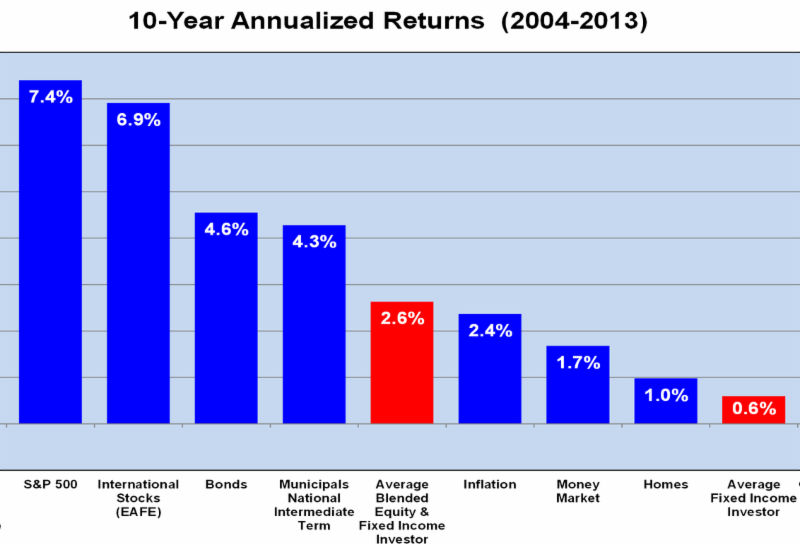
The following chart was recently published by Bob Doll at Nuveen Investments:

investor-results

Epic Failure

Doll attributes the failure of the average investor to keep up with investment markets (or even inflation, for that matter) to market timing and emotionally driven decisions to move into and out of the market.

The Data

How long has it been supposedly common knowledge that investors are better off choosing an investment strategy that represents their risk tolerance and sticking to it both in the good times and bad? Still, this data illustrates that investors are terrible at sticking to their strategy when markets stall, and still have an overwhelming urge to buy after the market has already done well and sell shortly after a market drop (i.e. buy high and sell low).

A Financial Plan

Again, having a defined, documented investment strategy can help you avoid the types of behavior that cause other investors to significantly under-perform the market. This is where having a written financial plan can be invaluable.

Assessment

Of course, working with a financial advisor with a history of executing a steady, buy-and-hold approach can provide important support in avoiding detrimental behaviors during the rough times.

Conclusion

Are doctors different than the average investor noted in this essay?

Your thoughts and comments on this ME-P are appreciated. Feel free to review our top-left column, and top-right sidebar materials, links, URLs and related websites, too. Then, subscribe to the ME-P. It is fast, free and secure.

Link: http://feeds.feedburner.com/HealthcareFinancialsthePostForcxos

Speaker: If you need a moderator or speaker for an upcoming event, Dr. David E. Marcinko; MBA – Publisher-in-Chief of the Medical Executive-Post – is available for seminar or speaking engagements. Contact: MarcinkoAdvisors@msn.com

OUR OTHER PRINT BOOKS AND RELATED INFORMATION SOURCES:

Product Details  Product Details

Does the Method of Tax Filing Change IRS Audit Potential?

Join Our Mailing List 

Will that be a Paper or Electronic Tax Return?

[By Dr. David Edward Marcinko MBA CMP™]

dr-david-marcinko5I’ve prepared and filed personal, medical practice as well as PC, S and C corporate tax returns for many years now. I bought my first computer in 1988, participated on dial-up bulletin boards with modem soon thereafter, and have been on the internet since 1995.

But, I do to have a definitive answer to this question.

Two Competing Theories

Some CPAs suggest filing the old-school way if you’re worried about an audit. Why? Paper filing means more work for the IRS to access all the information in your return. Others disagree:

Philosophy in Favor of Paper Returns

Some suggest that a paper tax return might reduce your chance of an audit because the IRS must transcribe your information into a computer by hand. The IRS does not transfer all of the information in your return as a result of the prohibitive cost of transcribing returns. When you file a return electronically, a computer instantly analyzes your return for errors and discrepancies.

Source: http://www.ehow.com/info_8488086_filing-increase-chances-irs-audit.html#ixzz2yh9m8pEy

Philosophy in Favor of Electronic Returns

Filing an electron tax return reduces the number of math mistakes on your return and the chance that the IRS makes a mistake when it transfers data by hand. Overall, electronic returns contain fewer errors than paper returns which increase the chance of audits. Also, the IRS may perform an automatic audit when its electronic scanning system cannot read your handwriting.

Source: http://www.taxdebthelp.com/tax-problems/tax-audit/irs-audit-statistics#ixzz2yLVTp0l1

Tax

Assessment

Remember, your duty as a taxpayer is to be truthful and accurate, but you don’t have to make it easy for the IRS.

Conclusion

Your thoughts and comments on this ME-P are appreciated. Feel free to review our top-left column, and top-right sidebar materials, links, URLs and related websites, too. Then, subscribe to the ME-P. It is fast, free and secure.

Link: http://feeds.feedburner.com/HealthcareFinancialsthePostForcxos

Speaker: If you need a moderator or speaker for an upcoming event, Dr. David E. Marcinko; MBA – Publisher-in-Chief of the Medical Executive-Post – is available for seminar or speaking engagements. Contact: MarcinkoAdvisors@msn.com

OUR OTHER PRINT BOOKS AND RELATED INFORMATION SOURCES:

Product Details  Product Details

On Next-Generation Medical Practice Management Strategies

Join Our Mailing List 

Establishing the Way-Forward

[By Dr. David Edward Marcinko MBA CMP™]

dr-david-marcinkoMedical practices today are operating in a new or next-generation practice management environment. There are significant pressures on physicians to increase, or at least maintain revenues and bottom line profits. These pressures are coming from many sources.

First, there is the increase in managed care penetration. As managed care grows, and the ACA implements via ACOs, doctors are forced to sign up with these health plans in order to maintain their patient base. They perform the same services but get paid less for them. Reimbursement is undergoing a paradigm shift, progressing from retail, to a wholesale, mentality. Capitation is changing reimbursement patterns. When capitation becomes the payment system, most doctors lose revenue simply because they do not know how to practice in this type of payment environment.

Second, payers’ have a continuous desire to reduce costs, including federal government programs such as Medicare and Medicaid. Many are bundling services together into single payments. More importantly, many payers are simply reducing what they pay doctors. Government intervention, such as HIPAA and eHRs, is also putting pressures on practice revenues. Increased scrutiny by the Government with regard to fraud and abuse issues, along with the Stark rules and regulations, have both impacted practice revenues. Some practices have found they cannot create the revenues they used to since Stark became law. As a result of government scrutiny, physicians coding practices have become much more conservative, thus impairing revenue.

Finally, these pressures have created a significant increase in competition within the healthcare marketplace. To increase revenues, physicians are becoming more aggressive in the marketplace. Many are spending more money on marketing activities in order to increase patient volume. Others are forming affiliations or alliances to go out and obtain exclusive contracting relationships, which is another way to increase patient volume.

In aggregate, physicians are now forced to take initiatives to increase practice revenues. Practices that do not place emphasis on this strategic strategy find themselves with declining revenues as well as declining profits. This means less money available for physician compensation. However, some practices have been successful in growing their revenues with the following practical strategies, which vary for each practice and each practice locale.

***

ImageProxy

***

Competing for Managed Care Related Contracts

The objective here is to go out and obtain exclusive contracting arrangements that will add profitability, not necessarily volume, to the practice. This usually means entering into an arrangement with a third party payer. To do this, the practice must do two things. First, it must make sure it is positioned so that a payer will want to award a contract to the practice. In other words, it must have something to sell to the payer. For example, primary care practices are attractive to those payers who want to award global risk contracting arrangements. Second, the practice must market itself to these payers. This means going out and meeting with payer representatives about potential contracting arrangements. The meeting should solicit from the payer what kind of exclusive contracting relationships it is looking for and more importantly, what it thinks about the practice itself. In other words, find out if the payer would even consider awarding a contract to the practice.

Ancillary services

A practice should analyze the services that it is now referring out, so that it can bring them in house to generate revenue. This conflicts with hospital-owned practices since the employed physicians refer most ancillaries to the hospital. In other words, because of government rules, the physicians cannot look to these revenues for additional compensation. However, still look for these opportunities – there might be ancillary services the hospital does not render or does not want to render that could be provided by the practice itself.

Examples of ancillary services that most medical practices could implement include lab, radiology (ie, X-Ray, mammography, echo testing, bone density testing, etc.).

Physician Extenders

As a result of declining reimbursement, physicians are spending less time on patient treatments that do not pay well. In other words, they are not spending time on care that could be rendered by someone else (i.e. by a lower cost provider). Adding a physician extender to a practice can increase revenues simply by freeing up physician time to do other, better paying clinical activities.

For example, an extender could conduct certain post-operative visits, which usually are not paid if treatment is within a designated global surgical period. Extenders could also be used to add patient volume, especially in primary care practices. Many busy practices hire extenders in order to allow patients quick, convenient access to a healthcare provider for simple medical conditions. This way, patients do not have to wait for an appointment. As a result, this leverages the volume of patients a practice can treat on a daily basis.

Added Venue Value

In some service areas, a medical practice can branch out to increase revenue. Practices may be successful adding satellite locations in areas that are either underserved or need a more qualified physician. For example, some practices in urban areas have set up satellite offices in other parts of their county, which are usually geographically outside the urban area itself. Since a significant amount of capital will normally be required to start up the office from scratch, it may be more practical to acquire or merge with an existing practice. The emphasis would then be on increasing the efficiency and profitability of that practice site.

Improving Operations and Productivity

In most cases, revenues can be increased for a medical practice simply by improving operations and physician productivity. For example, many practices have problems with their billing and collection activities, including receivables management. Charges do not get billed on a timely basis, collections at the time of service are inadequate, there is a failure to detect incorrect payer reimbursement, and receivable follow up is unstructured or non-existent. All of this can lead to high receivables and low collections – in other words, lower revenues. The entire billing and collection process should be analyzed and evaluated to see if there are any improvements that can be made that could increase practice revenues.

Next, physicians should look closely at CPT® coding patterns. This is critical for those practices operating in a fixed fee environment because fee schedules cannot be increased to generate additional revenues. First, look at your coding for evaluation and management services. Many doctors under code these services and many do not know how to bill for consultative visits. Look at all other coding issues related to your specific medical specialty. Are modifiers being applied correctly? Are surgical complications identified and billed correctly? Are all available CPT® codes being billed? These are just a few examples.

Make sure the practice fee schedule is maximized. There should not be any billing of a service where the billed charge is approved 100% for payment by the payer. This is especially true for managed care payers. To identify these situations, you must have a system in place to review the Explanation of Benefits (EOBs) that are received from the payers with each reimbursement. Look for those charges that were approved 100% for payment. When identified, the related service fee on the practice charge master should be increased immediately.

Finally, for hospital-owned medical practices, increasing physician productivity can result in an immediate increase in revenues. History has shown that physician productivity often declines after a physician practice is acquired. This is usually because the incentives in the employment contract are misplaced. In these situations, the incentive should be placed on the doctor’s base salary and not any bonus possibilities. A doctor will often maintain productivity if he or she knows that his or her base salary could decline if productivity targets are not met.

***

Business Med Practice

***

The Template Textbook for Success

For comprehensive practice management information on how to increase office efficiency, operations, revenue and profit, an excellent textbook is: The Business of Medical Practice, 3rd edition.

Assessment

Regardless, the keystone of integrated financial planning for all physicians is consistent income. The following practice benchmarking methodology will assist in proactively monitoring this all-important parameter of your financial life, before it is too late.

Conclusion

Your thoughts and comments on this ME-P are appreciated. Feel free to review our top-left column, and top-right sidebar materials, links, URLs and related websites, too. Then, subscribe to the ME-P. It is fast, free and secure.

Link: http://feeds.feedburner.com/HealthcareFinancialsthePostForcxos

Speaker: If you need a moderator or speaker for an upcoming event, Dr. David E. Marcinko; MBA – Publisher-in-Chief of the Medical Executive-Post – is available for seminar or speaking engagements. Contact: MarcinkoAdvisors@msn.com

OUR OTHER PRINT BOOKS AND RELATED INFORMATION SOURCES:

Product DetailsProduct Details

Product Details

How Much Did Your Doctor Receive From Medicare?

Join Our Mailing List

From Medicare Part B in 2012

By http://www.nytimes.com

Use the form below to find a doctor or other medical professional among the more than 800,000 health care providers that received payments in 2012 from Medicare Part B, which covers doctor visits, tests and other treatments.

You will need to know the medical providers’ name, specialty and/or zip code.

***

David MD MBA

***

LINK:

Source: The information presented here is from a database released by the Centers for Medicare and Medicaid Services. The database excluded, for privacy reasons, any procedures that a doctor performed on 11 or fewer patients. The total reimbursements for each doctor does not include those procedures either. Results shown above include only the individuals like doctors, nurses or technicians but not organizations like Walgreens. While some providers could have multiple offices, the address shown is the main address indicated in the database. Descriptions of the procedures are from the American Medical Association.

More:

Conclusion

Your thoughts and comments on this ME-P are appreciated. Feel free to review our top-left column, and top-right sidebar materials, links, URLs and related websites, too. Then, subscribe to the ME-P. It is fast, free and secure.

Link: http://feeds.feedburner.com/HealthcareFinancialsthePostForcxos

Speaker: If you need a moderator or speaker for an upcoming event, Dr. David E. Marcinko; MBA – Publisher-in-Chief of the Medical Executive-Post – is available for seminar or speaking engagements. Contact: MarcinkoAdvisors@msn.com

OUR OTHER PRINT BOOKS AND RELATED INFORMATION SOURCES:

Product DetailsProduct Details

Product Details

Beware the WET heartBLEED Bug!

Hacking – Web Encryption Technology [WET]

Join Our Mailing List

[By Staff Reporters]

A newly discovered bug in widely used Web Encryption Technology [WET] has made data on many of the world’s major websites vulnerable to theft by hackers.


heartbleed-640x775

BEWARE!

[An OpenSSL Hack]

LINK: http://money.msn.com/business-news/article.aspx?feed=OBR&date=20140408&id=17508701&ocid=ansmony11

More:

Conclusion

Your thoughts and comments on this ME-P are appreciated. Feel free to review our top-left column, and top-right sidebar materials, links, URLs and related websites, too. Then, subscribe to the ME-P. It is fast, free and secure.

Link: http://feeds.feedburner.com/HealthcareFinancialsthePostForcxos

Speaker: If you need a moderator or speaker for an upcoming event, Dr. David E. Marcinko; MBA – Publisher-in-Chief of the Medical Executive-Post – is available for seminar or speaking engagements. Contact: MarcinkoAdvisors@msn.com

OUR OTHER PRINT BOOKS AND RELATED INFORMATION SOURCES:


Product DetailsProduct Details

Product Details


Medical Records as Malpractice Defense

Join Our Mailing List 

A “Complete and Accurate” Record  

By J. Christopher Miller JD

J. Christopher Miller, Esq

The best defense against any medical malpractice liability claim is a complete and accurate written or electronic record of the facts.

To Observe and Treat

In particular, medical malpractice claims will frequently be stalled or thwarted by a consistent written description of the symptoms you observe and the treatments you prescribe.

Extensive record keeping will not only help formulate a defense against a claim, but it will also (and perhaps more importantly) create the appearance that you are careful and highly competent in all of your affairs. Members of a jury may not be able to discern whether the medical judgments you made in a particular case were good or bad, as they do not have the years of education and training that you do.

Trial Jurors

Jurors can, however, sense whether your practice is organized and professional. If your records are thorough and consistent, jurors will assume that you dedicate as much attention to the substantive aspects of your work as you do to the tedium of recordkeeping. If you are active in the management of your office, you should keep track of its operations and establish logs for your employees to complete as they perform their daily tasks.

Assessment

Not all information, however, ought to be written down. Keep your written records to the facts you have observed and leave your speculations for department meetings.

Conclusion

Your thoughts and comments on this ME-P are appreciated. Feel free to review our top-left column, and top-right sidebar materials, links, URLs and related websites, too. Then, subscribe to the ME-P. It is fast, free and secure.

Link: http://feeds.feedburner.com/HealthcareFinancialsthePostForcxos

Speaker: If you need a moderator or speaker for an upcoming event, Dr. David E. Marcinko; MBA – Publisher-in-Chief of the Medical Executive-Post – is available for seminar or speaking engagements. Contact: MarcinkoAdvisors@msn.com

OUR OTHER PRINT BOOKS AND RELATED INFORMATION SOURCES:

Product Details  Product Details

What You Should Know About 401(k) Loans

Join Our Mailing List

Take Care this Option

Lon JeffriesBy Lon Jefferies MBA CFP®

According to 401k.org, about 20% of Americans eligible for a 401k loan have one, and the average outstanding loan balance is $7,600. As 401k loans are an option for many, it is a good idea to familiarize yourself with the pros and cons of this financial tool.

Additionally, be aware that not all 401(k) plans allow employees to borrow from their accounts. Check with your H.R. department before you even begin to consider a loan.

The Rules

The maximum loan amount allowed is restricted to the lesser of half the vested account balance or $50,000. While interest rates vary by plan, the most common rate is the prime rate plus one percent (prime is currently 3.25%). Unless lent funds are used to purchase a home, most 401k loans must be fully repaid within five years.

The Advantages:

  • Loans are not subject to income tax or early withdrawal penalties (unless the loan defaults).
  • Loans are convenient. There is no credit check or long application process.
  • Loans have low interest rates. Most 401k loans are cheaper than rates charged by credit cards and second mortgages.
  • Interest paid on the loan is paid to yourself, not a bank or other lender.

The Disadvantages:

  • Borrowed money will not be invested in the market so potential investment gains will be forfeited. Click here for a calculator illustrating what a loan will eventually cost in interest and lost investment return.
  • Borrowed funds will be taxed twice! Borrowers earn wages, pay taxes on those wages, and use those after-tax funds to repay the loan. During retirement, the retiree will again pay taxes on withdrawn funds. Consider an investor who is in the 25% federal tax bracket – being tax twice would be extremely expensive.
  • Investors with a 401k loan ultimately contribute less to their retirement plan because a portion of new contributions will go towards paying off the loan.
  • If you cease working with your current employer, your entire loan is usually due within 60 days. If you can’t repay the loan, it is considered defaulted and you will be taxed on the outstanding amount and subject to a 10% early withdrawal penalty if you are under age 59½.Generally, I feel that a 401(k) loan should be considered only if it’s essential and all other financial resources have been exhausted.

    Loans

    Assessment

    However, there are instances when a 401(k) loan can be a fantastic solution. For instance, I have a client who expects to receive an inheritance within the next few months. This client would like to purchase a new home immediately and needs funds for a down payment. It makes sense for this client to borrow from his 401(k) plan in order to cover the initial cost of the home loan and repay the loan in full once the inheritance is received. This enables this individual to borrow funds inexpensively but then not forfeit the great benefits provided by his retirement plan.

Conclusion

Your thoughts and comments on this ME-P are appreciated. Feel free to review our top-left column, and top-right sidebar materials, links, URLs and related websites, too. Then, subscribe to the ME-P. It is fast, free and secure.

Link: http://feeds.feedburner.com/HealthcareFinancialsthePostForcxos

Speaker: If you need a moderator or speaker for an upcoming event, Dr. David E. Marcinko; MBA – Publisher-in-Chief of the Medical Executive-Post – is available for seminar or speaking engagements. Contact: MarcinkoAdvisors@msn.com

OUR OTHER PRINT BOOKS AND RELATED INFORMATION SOURCES:

Product DetailsProduct DetailsProduct Details

Product Details  Product Details


How Obama’s 2015 Proposed Budget Impacts Retirement Accounts

 Join Our Mailing List 

Fore Warned is Fore Armed!

By Lon Jefferies MBA CFP®

Lon Jeffries

President Obama recently unveiled his proposed budget for 2015. Included in the proposal were the following potential changes to investor retirement accounts:

Apply Required Minimum Distribution Rule To Roth IRAs

There are currently two main reasons to invest in a Roth IRA – to pay taxes at your current rate in anticipation of being in a higher tax bracket in the future, and to invest in an account that does not require minimum distributions when the investor reaches age 70½. However, President Obama’s 2015 budget calls for Roth accounts to be subject to the same RMD requirements as other retirement accounts.

This change would make Roth IRA accounts much less appealing for a good portion of the investment community. Additionally, if enacted, the rule would dramatically reduce the benefit for many individuals to convert their traditional retirement accounts to Roth accounts. Lastly, this rule would essentially betray all investors who already converted their accounts to Roths by taking away a benefit they were counting on.

Eliminate Stretch IRA

Non-spouse beneficiaries of retirement accounts currently have the option of either withdrawing the funds from the inherited retirement account within five years of the original IRA owner’s death or stretching IRA distributions over their expected lifetime. Stretching distributions is considered favorable because it allows the investor to spread the tax liability from the income over their lifetime and continue taking advantage of the tax-deferral provided by the retirement account. However, Obama’s proposal would eliminate non-spouse beneficiaries’ ability to stretch distributions over a period of more than five years.

If implemented, this change would have severe tax implications on people inheriting a retirement account and drastically reduce the value of tax-deferred accounts as estate planning tools.

Cap on Tax Benefit for Retirement Account Contributions

Currently, investors obtain a full tax-deferral benefit on all contributions to retirement accounts. Under Obama’s proposal, the maximum tax benefit that would be allowed on retirement contributions would be 28%. Consequently, an investor in the 39.6% tax bracket would only be able to deduct 28% and would still need to pay taxes at 11.6% (39.6% – 28%) on all contributions made.

Eliminate RMDs For Retirement Accounts Less Than $100k

Currently, investors over the age of 70½ must begin taking taxable distributions from their retirement accounts in the form of required minimum distributions (RMDs). Under Obama’s proposal, individuals whose retirement accounts have a total value of less than $100k would no longer be subject to required minimum distribution rules. This would enable retirees with less in their retirement accounts to take greater advantage of the tax-deferral benefit an IRA provides.

Retirement

Retirement Account Value Capping New Contributions

Under the new proposal, once an individuals’ retirement account value grew to a certain cap, no further contributions would be allowed. This cap would be determined by calculating the lump-sum payment that would be required to produce a joint and 100% survivor annuity of $210,000 starting when the investor turns 62. Currently, this formula would indicate a cap of $3.2 million. This cap would be adjusted for inflation.

Proposal, Not Law…

Keep in mind that these potential changes are currently just proposals and are not certain to be implemented into law. In fact, with the exception of RMDs for Roth accounts, all of these suggested adjustments were proposed by Obama last year and none were approved by congress. Consequently, history suggests that Obama may have a hard time getting these changes implemented. Still, examining the proposals provides some insight into the direction President Obama would like to proceed.

Conclusion

Your thoughts and comments on this ME-P are appreciated. Feel free to review our top-left column, and top-right sidebar materials, links, URLs and related websites, too. Then, subscribe to the ME-P. It is fast, free and secure.

Link: http://feeds.feedburner.com/HealthcareFinancialsthePostForcxos

Speaker: If you need a moderator or speaker for an upcoming event, Dr. David E. Marcinko; MBA – Publisher-in-Chief of the Medical Executive-Post – is available for seminar or speaking engagements. Contact: MarcinkoAdvisors@msn.com

OUR OTHER PRINT BOOKS AND RELATED INFORMATION SOURCES:

Product Details  Product Details

Cyclical Stocks versus Defensive Stocks

 Join Our Mailing List 

Industry and Economic Cycles

By Tim McIntosh MBA CFP® MPH http://www.SIPLLC.com

TMThe distinction between cyclical stocks and defensive stocks lies in how closely related the stock’s performance is to industry and economic cycles.

Cyclical Stocks

Stocks that operate in industries that are highly correlated to the strength of the domestic economy are considered to be cyclical stocks.

For example, the construction and automobile industries are generally considered cyclical industries given that demand for their products is highly related to the current economic environment. In periods of weak or declining economic growth, demand for automobiles and new construction products decline, thus resulting in a decline in earnings for companies operating within those industries.

Defensive Sticks

Defensive stocks are viewed as being less susceptible to fluctuations in the overall economy.

For example, since demand for food products is generally considered to be less dependent on the strength or weakness of the overall economy, food stocks are generally considered defensive stocks.

Managing a Stock Portfolio

More:

Conclusion

Your thoughts and comments on this ME-P are appreciated. Feel free to review our top-left column, and top-right sidebar materials, links, URLs and related websites, too. Then, subscribe to the ME-P. It is fast, free and secure.

Link: http://feeds.feedburner.com/HealthcareFinancialsthePostForcxos

Speaker: If you need a moderator or speaker for an upcoming event, Dr. David E. Marcinko; MBA – Publisher-in-Chief of the Medical Executive-Post – is available for seminar or speaking engagements. Contact: MarcinkoAdvisors@msn.com

OUR OTHER PRINT BOOKS AND RELATED INFORMATION SOURCES:

Product Details  Product Details

Appreciating the Highest Rates of Uninsured or Underinsured‏ Americans

Join Our Mailing List

For the Five States with the Highest Percent of People Under Age 65

***

Uninsured

***

Conclusion

Your thoughts and comments on this ME-P are appreciated. Feel free to review our top-left column, and top-right sidebar materials, links, URLs and related websites, too. Then, subscribe to the ME-P. It is fast, free and secure.

Link: http://feeds.feedburner.com/HealthcareFinancialsthePostForcxos

Speaker: If you need a moderator or speaker for an upcoming event, Dr. David E. Marcinko; MBA – Publisher-in-Chief of the Medical Executive-Post – is available for seminar or speaking engagements. Contact: MarcinkoAdvisors@msn.com

OUR OTHER PRINT BOOKS AND RELATED INFORMATION SOURCES:

Product DetailsProduct Details

Product Details


Health Plan Rankings and Satisfaction‏

Join Our Mailing List

 Top 20 Private Health Insurance Plans [HIPs]

By www. MCOL.com

ImageProxy 1

Conclusion

Your thoughts and comments on this ME-P are appreciated. Feel free to review our top-left column, and top-right sidebar materials, links, URLs and related websites, too. Then, subscribe to the ME-P. It is fast, free and secure.

Link: http://feeds.feedburner.com/HealthcareFinancialsthePostForcxos

Speaker: If you need a moderator or speaker for an upcoming event, Dr. David E. Marcinko; MBA – Publisher-in-Chief of the Medical Executive-Post – is available for seminar or speaking engagements. Contact: MarcinkoAdvisors@msn.com

OUR OTHER PRINT BOOKS AND RELATED INFORMATION SOURCES:

Product DetailsProduct Details

Product Details


On Money Anxiety?

Join Our Mailing List

Even … While the Housing and Market Indicators are Recovering!

By Rick Kahler MS CFP® http://www.KahlerFinancial.com

Rick Kahler CFPTwo economic indicators suggest that the US economy is recovering from the recession.

The housing market is almost back to 2006 levels in most areas of the country. We’ve also seen record highs for the Dow Jones stock index.

The Money Magazine Survey

Yet, according to a recent survey by Money magazine, many people still feel anxious about their finances. They may be more optimistic about their own current circumstances, but still worry about their future or about the economy in general.

This continued anxiety despite a rosier economic outlook may not seem logical. When you take a closer look, however, it makes perfect sense.

Why the Anxiety?

For one thing, people who suffered job losses, foreclosures, or other financial setbacks during the recession haven’t necessarily recovered emotionally even if they have recovered economically. Like other traumatic life experiences, painful financial experiences can leave lasting emotional damage.

In addition, even those not directly affected financially by the recession were affected emotionally by the alarming economic headlines. Our brains have evolved to react to threats with immediate action, so these news reports triggered a fearful urge to “Do something now!” Unfortunately, some investors panicked and “did something” by selling out of the stock market at the bottom. This may have reduced their anxiety in the short term, but it increased anxiety in the long term as they wrestled with when to get back into the market. Even some who did nothing still experience a lingering sense of anxiety and stress.

Still Filled with Angst

Now that the news is better, though, why aren’t we over all that angst?

For one thing, our brains don’t respond to good economic news in the same immediate way they do to fear-inducing news. A headline like “Dow hits record high” doesn’t give our brains a jolt of happy hormones equal to the shot of fear we get from “Dow hits new low.”

What we do relate to personally are changes that affect us directly, like cash in our pockets, a pay raise, or an observable increase in our purchasing power. Many people aren’t necessarily seeing those affects right now.
Example:

To illustrate this, two of the most significant economic indicators—the housing market and the stock market—don’t affect the vast majority of us on a daily basis. Unless you are buying or selling a home, you don’t really notice or care about real estate values. Gas, food, and consumer goods prices affect the average household the most.

The same is true for the stock market. Some 53% of Americans don’t have any money invested in stocks at all. Even if you do, an increase in the overall value of your retirement account isn’t likely to change your immediate cash flow. And if you haven’t received a raise in several years or can’t find a good job, your reaction to news of a record stock market high is likely to be, “So what? Things still aren’t that good for me.”

To reduce anxiety, then, what we really need is an improvement in our personal circumstances. That change may be a tangible financial one like finding a better job or getting a raise.

***

Money Anxiety

***

Assessment

It also can be a change in focus. You might choose to pay less attention to things you can’t control, like news reports about the economy. This gives your brain less exposure to information that feeds its fear. Another option might be to focus on what you can do: building up an emergency fund, paying down debt, or cutting spending in order to contribute more to a retirement account. In that way, you can turn anxiety in your favor, using it as a motivator to improve your financial situation.

Related:

Conclusion

Your thoughts and comments on this ME-P are appreciated. Feel free to review our top-left column, and top-right sidebar materials, links, URLs and related websites, too. Then, subscribe to the ME-P. It is fast, free and secure.

Link: http://feeds.feedburner.com/HealthcareFinancialsthePostForcxos

Speaker: If you need a moderator or speaker for an upcoming event, Dr. David E. Marcinko; MBA – Publisher-in-Chief of the Medical Executive-Post – is available for seminar or speaking engagements. Contact: MarcinkoAdvisors@msn.com

OUR OTHER PRINT BOOKS AND RELATED INFORMATION SOURCES:

Product Details  Product Details

Certified Medical Planner™ Program “In-the-News”

Join Our Mailing List

Post-CFP® Subject Matter Expertise

By Ann Miller RN MHA [iMBA Inc., Executive Director]

Mike Kitces MSFS, MTAX, CFP®, CLU, ChFC, RHU, REBC an uber-financial services blogger over at www.Kitces.com had this to say about us in a recent essay: Finding Your Niche Or Specialization With Post-CFP Designations

The News Essay

CMP (Certified Medical Planner) – The CMP™ designation was created by Dr. David Edward Marcinko MBA CMP™ [reformed CFP®] and the team at the Institute of Medical Business Advisors, Inc., (who also produced the “Financial Planning Handbook for Physicians and Advisors“). It is intended for advisors who aim specifically to serve physicians and the medical community. Content focuses not only on the insurance and investment issues relevant to physicians, but also provides an understanding of the business of medical practices themselves so advisors can help work with their physician clients to have more successful businesses as well.

CMP™ Practitioner Testimonials

I am happy to give my unbiased, unpaid opinion on the CMP™ program to anyone considering the course.

David K. Luke MS-PFP, MIM, CMP™ [Net Worth Advisory Group]

9980 South 300 West, Suite 110 Sandy, Utah 84070

david.luke@networthadvice.com

###

cmp-program1

###

CMP™ Practitioner Testimonials

I am in favor and support the CMP™ program and curriculum … but just like any other academic curriculum, it is an “accretive academic” program rather than an instant “change of life” program.  I use the material that I learned on a regular basis, but I cannot say that I use it every day.  You will be more able to “talk-the- talk” of the physicians if you have completed the CMP™ curriculum. I would do it again!

Savant recently hired a physician, Dr. Brian Knabe MD as an advisor. He is leaving the medical field, transitioning out, and entering the field of financial services. He has enrolled in this curriculum. Let me know if you wish to discuss.

Thomas A. Muldowney MSFS CFP® ChFC CLU CRC CMP® AIF®

[Savant Capital Management, Inc®]

190 Buckley Drive – Rockford, IL 61107 Tel 815-227-0300 – Fax 815-226-2195

Tmuldowney@savantcapital.com

caution

Assessment:

Link: What Comes After CFP Certification? Finding Your Niche Or Specialization With Post-CFP Designations

Visit: www.CertifiedMedicalPlanner.org

Visit: Enter the CMPs

Conclusion

Your thoughts and comments on this ME-P are appreciated. Feel free to review our top-left column, and top-right sidebar materials, links, URLs and related websites, too. Then, subscribe to the ME-P. It is fast, free and secure.

Link: http://feeds.feedburner.com/HealthcareFinancialsthePostForcxos

Speaker: If you need a moderator or speaker for an upcoming event, Dr. David E. Marcinko; MBA – Publisher-in-Chief of the Medical Executive-Post – is available for seminar or speaking engagements. Contact: MarcinkoAdvisors@msn.com

OUR OTHER PRINT BOOKS AND RELATED INFORMATION SOURCES:

Product DetailsProduct DetailsProduct Details

Product Details  Product Details

Product DetailsProduct Details

Product Details

Does Health Care Contribute to Health?

Join Our Mailing List

And … How much does it cost?

By staff reporters

As Ezra Klein noted, The Bipartisan Policy Center included this infographic in their report on obesity and its economic consequences (PDF).

health-infographic

Assessment

Is this graphic even accurate?

Conclusion

Your thoughts and comments on this ME-P are appreciated. Feel free to review our top-left column, and top-right sidebar materials, links, URLs and related websites, too. Then, subscribe to the ME-P. It is fast, free and secure.

Link: http://feeds.feedburner.com/HealthcareFinancialsthePostForcxos

Speaker: If you need a moderator or speaker for an upcoming event, Dr. David E. Marcinko; MBA – Publisher-in-Chief of the Medical Executive-Post – is available for seminar or speaking engagements. Contact: MarcinkoAdvisors@msn.com

OUR OTHER PRINT BOOKS AND RELATED INFORMATION SOURCES:

Product DetailsProduct Details

Product Details


The State SHOP Market-Places 2014

Join Our Mailing List

Total Number of Plans for Small Employers 2014

SHOP

Conclusion

Your thoughts and comments on this ME-P are appreciated. Feel free to review our top-left column, and top-right sidebar materials, links, URLs and related websites, too. Then, subscribe to the ME-P. It is fast, free and secure.

Link: http://feeds.feedburner.com/HealthcareFinancialsthePostForcxos

Speaker: If you need a moderator or speaker for an upcoming event, Dr. David E. Marcinko; MBA – Publisher-in-Chief of the Medical Executive-Post – is available for seminar or speaking engagements. Contact: MarcinkoAdvisors@msn.com

OUR OTHER PRINT BOOKS AND RELATED INFORMATION SOURCES:

Product DetailsProduct Details

Product Details

Physicians and Retirement Planning

Join Our Mailing List 

More than Brokerage Accounts and Insurance Policies

Shikha-MittraBy Shikha Mittra; AIF®, CFP®, CRPS®, CMFC®, MBA

Many physicians think that by having a few brokerage accounts or a few insurance products, they are doing  retirement planning. Just as when a patient visits the physician with a heart condition, or a severe ailment, s/he would not rush into surgery or prescribe the most popular heart medication on the market without a detailed medical analysis.

Similarly, retirement planning is not cherry picking the best stocks or mutual funds  It’s similar to the process of diagnosing a major medical condition, finding alternatives and then charting the best course of action; through medications, surgery if required, and regular checkups. 

Integrated with Financial Planning

Retirement Planning involves an in depth analysis of your needs, wants and resources; and looking at alternative scenarios and then developing a long term strategy to achieve those goals. It takes into account all other areas of your financial planning situation such as cash flow, insurance needs, investments, taxes and estate planning. It’s based on your risk tolerance, time frame, annual savings and your prioritized goals.

And, you increase the probability of success by following this process and monitoring it on a regular basis to make sure you are on track. All assumptions made are strictly unique and there is no one size fits all retirement strategy!

###

financial-plan

Assessment

The more time you have to plan for your retirement, the less risks you have to take near retirement, and the easier it gets to make your retirement vision a reality!

More: http://www.medicalnewsinc.com/retirement-and-succession-planning-cms-351

Conclusion

Your thoughts and comments on this ME-P are appreciated. Feel free to review our top-left column, and top-right sidebar materials, links, URLs and related websites, too. Then, subscribe to the ME-P. It is fast, free and secure.

Link: http://feeds.feedburner.com/HealthcareFinancialsthePostForcxos

Speaker: If you need a moderator or speaker for an upcoming event, Dr. David E. Marcinko; MBA – Publisher-in-Chief of the Medical Executive-Post – is available for seminar or speaking engagements. Contact: MarcinkoAdvisors@msn.com

OUR OTHER PRINT BOOKS AND RELATED INFORMATION SOURCES:

DICTIONARIES: http://www.springerpub.com/Search/marcinko
PHYSICIANS: www.MedicalBusinessAdvisors.com
PRACTICES: www.BusinessofMedicalPractice.com
HOSPITALS: http://www.crcpress.com/product/isbn/9781466558731
CLINICS: http://www.crcpress.com/product/isbn/9781439879900
BLOG: www.MedicalExecutivePost.com
FINANCE: Financial Planning for Physicians and Advisors
INSURANCE: Risk Management and Insurance Strategies for Physicians and Advisors

Product Details  Product Details


Attempting to Time the Stock Market?

Join Our Mailing List 

A Fruitful or Futile Endeavor?

[By Dr. David Edward Marcinko MBA CMP

BC Dr. MarcinkoSome medical professionals, or their financial advisors, believe they are “smarter than the market” and can time when to jump in and buy stocks or sell everything and go to cash.

A Tale of Two Physician Investors

Wouldn’t it be nice to have the clairvoyance to be out of stocks on the market’s worst days and in on the best days? Consider these two doctors.

The Good Stats

Using the S&P 500 Index, our agile imaginary MD investor managed to steer clear of the worst 12.42% annualized return (including reinvestment of dividends and capital gains) during a recent 20+ years time frame, sufficient to compound a $10,000 investment into $107,100.

The Bad Stats

But, what about another unfortunate DO investor that had the wonderful mistiming to be out of the market on the best day of each year. This ill-fated investor’s portfolio returned only 4.31% annualized from Jan. 1992-March 2012, increasing the $10,000 portfolio value to just $23,500 during the 20 years.

div

Assessment

The design of timing markets may sound easy, but for most all investors it is a losing strategy: http://www.CertifiedMedicalPlanner.org

caution

Conclusion

Your thoughts and comments on this ME-P are appreciated. Feel free to review our top-left column, and top-right sidebar materials, links, URLs and related websites, too. Then, subscribe to the ME-P. It is fast, free and secure.

Link: http://feeds.feedburner.com/HealthcareFinancialsthePostForcxos

Speaker: If you need a moderator or speaker for an upcoming event, Dr. David E. Marcinko; MBA – Publisher-in-Chief of the Medical Executive-Post – is available for seminar or speaking engagements. Contact: MarcinkoAdvisors@msn.com

OUR OTHER PRINT BOOKS AND RELATED INFORMATION SOURCES:

Product Details  Product Details

SPECIAL ISSUE VOTING

***

Poll: Do you support a one-year delay to ICD-10?

Take the Medical-Economics poll, and let them know what you think about the pending ICD-10 delay. » Click here to Vote

About the AIF® Designation

Certified Medical Planner

A Fiduciary Moniker?

[By Dr. David Edward Marcinko MBA CMP®]

DEM blue tieInvestment fiduciaries and professionals are constantly exposed to legal and practical scrutiny — it comes from multiple directions and for various reasons.

And, it is likely that complaints and/or lawsuits alleging investment mismanagement will continue to increase.

Although some of these allegations may be justified, many can be avoided by having clear knowledge of who constitutes a fiduciary and what is required of one.

AIF® Designation Training 

The AIF Designation Training and designation help mitigate this liability by instructing in practices that cover pertinent legislation and best practices. The Accredited Investment Fiduciary® (AIF®) designation represents a thorough knowledge of and ability to apply the fiduciary practices.

And, did you know that all Certified Medical Planners® are fiduciaries for their clients? http://www.CertifiedMedicalPlanner.org

Assessment

So all FAs, feel free to check em’ out at: http://www.fi360.com/

More:

Conclusion

Your thoughts and comments on this ME-P are appreciated. Feel free to review our top-left column, and top-right sidebar materials, links, URLs and related websites, too. Then, subscribe to the ME-P. It is fast, free and secure.

Link: http://feeds.feedburner.com/HealthcareFinancialsthePostForcxos

Speaker: If you need a moderator or speaker for an upcoming event, Dr. David E. Marcinko; MBA – Publisher-in-Chief of the Medical Executive-Post – is available for seminar or speaking engagements. Contact: MarcinkoAdvisors@msn.com

OUR OTHER PRINT BOOKS AND RELATED INFORMATION SOURCES:

Product Details  Product Details


Tips on Purchasing a Vehicle

Join Our Mailing List

An Economic and Ethical Decision?

[By Dr. David Edward Marcinko MBA CMP™]

Dr. DEMWith the possible exception of the handgun, the automobile represents the greatest single item of ownership that is capable of inflicting death, injury and damage. America’s fascination with the automobile has resulted in a marked increase in the power and potential speed of our vehicles.

The latest trend in Sports Utility Vehicles (SUVs) has also witnessed a substantial increase in damage due to their higher ground clearance and heavier frames. The owners and operators of any vehicle must be financially able to respond to any resulting claims, or they need to transfer the risk through insurance. All states require some minimal coverage for personal vehicles.

Purchasing the Vehicle

Typically, car buyers who wait until the end of the year can score a deal. Buying at the end of the month can also increase negotiating power as dealerships look to move volume, and shoppers in the late summer and early fall may be able to get a deal when the new-model-year vehicles enter inventories.

JAG 2 (1)

Also, cold or rainy weather can work to a doctor’s advantage, since bad weather can discourage people from walking around a lot to look at vehicles, potentially giving those who do show up a bit more negotiating power. Even a serious buyer who goes to a dealership near the end of the day may receive a better price as the dealer makes concessions to speed things up so everyone can go home.

JAG 2 (2)

Assessment

So, if you time your car purchase right, and you aren’t buying one of the more popular models or colors, you might save $500 to $2,000 just by waiting until the end of the month or day to make your purchase.

Beware my [premium] gas guzzler above; not an EPA favorite, but she passes annual emissions inspection like a champ!

Conclusion

Your thoughts and comments on this ME-P are appreciated. Feel free to review our top-left column, and top-right sidebar materials, links, URLs and related websites, too. Then, subscribe to the ME-P. It is fast, free and secure.

Link: http://feeds.feedburner.com/HealthcareFinancialsthePostForcxos

Speaker: If you need a moderator or speaker for an upcoming event, Dr. David E. Marcinko; MBA – Publisher-in-Chief of the Medical Executive-Post – is available for seminar or speaking engagements. Contact: MarcinkoAdvisors@msn.com

OUR OTHER PRINT BOOKS AND RELATED INFORMATION SOURCES:

Product Details  Product Details

Understanding Medical Practice Anti-Trust Risks

Join Our Mailing List 

Medical Risk Management

By Dr. Charles F. Fenton III JD

fenton* Monopolistic risks are reduced when more than a few networks or contracts are available in the local area for excluded medical providers to join.

  • * Fee schedule MCO contracts, per se, are not generally considered price fixing, provided the doctor providers have not conspired with one another to set those prices. Moreover, network pricing schedule should not spill over into the non-network patients.

Some Issues:

  • Individual providers may be excluded from a network if there is a rational reason to do so. It is much more difficult to exclude a class of providers, than it is to exclude an individual provider.

  • A safety zone can be created if networks or other contractual plans require a substantial amount of financial risk-sharing among plan participants, since Stark II laws have been relaxed. Such zones have been created by the Department of Justice (DOJ) and Federal Trade Commission (FTC), in recent policy statements.
  • The FTC and DOJ are not likely to challenge an exclusive provider IPA that includes no more than 20-25% of the doctors within the panel, who share financial risk. Such panels are likely to fall within a Safe Harbor.
  • Tying arrangements (e.g.: the requirement to buy one item/service in order to buy another item/service) are suspect if not reasonably justified. For example, a patient should not be required to obtain a brace prescription from a specific provider, in order to purchase the device from a laboratory that the doctor owns.
  • Non-exclusive provider panels will not usually be challenged if no more than 30% of the providers are included (another Safe Harbor provision). Physician networks are often analyzed according to four criteria: (1) anti-competitive effects, (2) relevant local markets, (3) pro-competitive effects, and (4) collateral agreements.Further anti-trust considerations consist of analyzing
  • Market Power. This consists of two factors: (1) Geographic Power and (2) Product Power.

###

Flag MOney

###

  • Geographic Power is difficult to define in today’s environment. In the past, the geography that was analyzed when medical practices merged was the immediate neighborhood. Currently, the geographical area could consist of an entire metropolitan area. In the past, individual patients would often seek a physician whose office was close to work or home. Now they seek a physician based on inclusion in a health plan. Now, health plans choose physicians based on needs within an entire metropolitan area.
  • Product Power relates to the specific service being performed. There are two products in today’s environment: (1) Primary Care and (2) Specialty Care. Since there are so many primary care physicians in practice, it would be difficult for all but the largest group to acquire product power.

Assessment

It is easier for medical specialists to develop product power. However, certain specialists may never be able to obtain product power.

For example, foot care is provider by many types of physicians. Primary care physicians, emergency physicians, chiropractors, physical therapists, orthopedic surgeons, nurse practitioners, and podiatrists all provide foot care. Therefore, it would be difficult, even for a large group of podiatrists to obtain significant product power.

Conclusion

Your thoughts and comments on this ME-P are appreciated. Feel free to review our top-left column, and top-right sidebar materials, links, URLs and related websites, too. Then, subscribe to the ME-P. It is fast, free and secure.

Link: http://feeds.feedburner.com/HealthcareFinancialsthePostForcxos

Speaker: If you need a moderator or speaker for an upcoming event, Dr. David E. Marcinko; MBA – Publisher-in-Chief of the Medical Executive-Post – is available for seminar or speaking engagements. Contact: MarcinkoAdvisors@msn.com

OUR OTHER PRINT BOOKS AND RELATED INFORMATION SOURCES:

Product Details  Product Details

Product DetailsProduct Details

The [Financial] Case Against Marriage?

Join Our Mailing List 

Popular with Older Couples

By Rick Kahler MS CFP® http://www.KahlerFinancial.com

Rick Kahler CFP“Two can live as cheaply as one.”

This old saying is mostly true. However, when it comes to death, divorce, and taxes; two people are probably better off financially if they don’t marry. Intentionally or not, many federal and state laws reward couples who choose to live together without marriage.

Insurance and Tax Examples

Laws relating to Worker’s Compensation insurance are one example of this. Someone whose spouse has died in a work-related accident may be eligible to receive a monthly benefit, paid for the rest of his or her life. However, most state laws provide that the benefits end if the recipient remarries. This puts a real cost to remarrying.

Example:

Consider as an example a woman who at age 50 loses her husband to a work-related accident and receives a settlement of $2,000 a month for life. Assuming she will live another 35 years and could invest the proceeds in a 3% bond, the present value of that income stream is $520,000. That means a person would need $520,000, invested at 3%, to give a monthly income of $2,000 for 35 years.

Therefore, if this woman fell in love and wanted to remarry two years into receiving the payments, the remaining 33 years of monthly payments she would forfeit has a value of $502,000. This puts a rather quantifiable cost on one’s social, emotional, and religious values.

Tax Code

The tax code also encourages couples to remain unmarried.

Example:

Take a couple who both earn high incomes. Suppose each has taxable income of around $400,000, which is the breakpoint where the 39.6% tax bracket begins. As two singles, as long as their taxable income is $400,000 or less, they both remain in the 35% tax bracket. However, if they marry, their joint income goes to $800,000 while the 35% tax bracket only expands to $450,000 for couples. That means they now pay an additional 4.6% in federal income taxes on the excess of $350,000, or $12,600. Some may be quick to dismiss that amount as trivial, given their income level, but the point is still that marriage for them brings a tangible cost in higher taxes.

###

Heart

###

Prior Marriages

Those with previous marriages may find another disincentive to marriage in the challenge of passing on assets to children upon your death or if the new marriage should end in divorce. If leaving assets to children is a priority, you will probably need to negotiate a prenuptial agreement with your finance. This is especially important for couples with unequal assets.

A prenuptial agreement is a real romance killer. It highlights the reality that every marriage is a business deal, with the added emotional weight of negotiating the divorce settlement before there is a wedding. Some couples find it easier to live together without marriage and keep their assets largely separate.

The Un-Marrieds

For couples that decide not to marry, the potential tax planning is ripe with opportunity.  Such couples can do anything that the tax code or state statutes prohibit married or related parties from doing. This provides some great tax savings and asset protection opportunities.

For example, spouses cannot be the trustees of each other’s irrevocable or asset protection trusts, but unmarried partners absolutely can.

Choosing not to marry is becoming especially popular with older couples. This is because many older people with previous marriages have accumulated two things: assets and children. They find marriage less compelling when they and their new partner won’t have children together.

Assessment

Younger couples who do plan to have children still recognize that marriage is important. For many reasons, marriage isn’t going out of style any time soon. Few of those reasons, however, are financial ones.

Conclusion

Your thoughts and comments on this ME-P are appreciated. Feel free to review our top-left column, and top-right sidebar materials, links, URLs and related websites, too. Then, subscribe to the ME-P. It is fast, free and secure.

Link: http://feeds.feedburner.com/HealthcareFinancialsthePostForcxos

Speaker: If you need a moderator or speaker for an upcoming event, Dr. David E. Marcinko; MBA – Publisher-in-Chief of the Medical Executive-Post – is available for seminar or speaking engagements. Contact: MarcinkoAdvisors@msn.com

OUR OTHER PRINT BOOKS AND RELATED INFORMATION SOURCES:

DICTIONARIES: http://www.springerpub.com/Search/marcinko
PHYSICIANS: www.MedicalBusinessAdvisors.com
PRACTICES: www.BusinessofMedicalPractice.com
HOSPITALS: http://www.crcpress.com/product/isbn/9781466558731
CLINICS: http://www.crcpress.com/product/isbn/9781439879900
BLOG: www.MedicalExecutivePost.com
FINANCE: Financial Planning for Physicians and Advisors
INSURANCE: Risk Management and Insurance Strategies for Physicians and Advisors

Product Details  Product Details

New “Physician-Focused” Financial Planning Book Reviewers Needed

Join Our Mailing List 

Discerning the “Best Emerging Practices” in Financial Planning for Doctors and Health Professionals

http://www.CertifiedMedicalPlanner.org

By Ann Miller RN MHA AdviceforDoctors@Outlook.com

[ME-P Executive Director]

The Medical Executive-Post occasionally fact-checks and codifies the posts and comments of our readers, subscribers and other experts in order to present them in book form. This is a form of academic, or cognitive, crowd-sourcing. It might also be called a form of private Wikipedia styled information gathering. We may use it to create new books, up-date prior books, or fill in the gaps of books-in-progress.

Book Reviewers  

And so, we are requesting informed [MD-DO-DDSs] doctors and [FA, CFP, CPA, CMP, PhD, CFA or MBA] related folks, or other knowledgeable readers and subscribers to review the Table of Contents of our current project, now under review. We wish to ensure no important topics of interest are omitted for modernity. Editorial writing and assistance will be provided.

www.CertifiedMedicalPlanner.org

Our ME-P Book Review Format:

An easy to follow, and typical book review format, usually starts with the preliminaries such as stating the title of the book, its author, place of publication, publisher, date of publication, and the number of pages. This is completed by us.

What follows next is the making of an introduction to at least give the readers a preview of the review. It is sometimes followed by background information of the book in order to set out criteria in judging a book.

This includes the author’s basic information such as the era in which he wrote the book, or how it relates to his life experience.

Then it is followed by writing a short summary of the content or text of a novel, history book, or any other type of book.

Testimonials, Too!

Crafting a brief, 2-3 sentence, informal testimonial is also needed.

Books

Assessment

This is highly confidential peer-reviewed styled publishing; do not disclose material. MarcinkoAdvisors@msn.com

Conclusion

Your thoughts and comments on this ME-P are appreciated. Feel free to review our top-left column, and top-right sidebar materials, links, URLs and related websites, too. Then, subscribe to the ME-P. It is fast, free and secure.

Link: http://feeds.feedburner.com/HealthcareFinancialsthePostForcxos

Speaker: If you need a moderator or speaker for an upcoming event, Dr. David E. Marcinko; MBA – Publisher-in-Chief of the Medical Executive-Post – is available for seminar or speaking engagements. Contact: MarcinkoAdvisors@msn.com

OUR OTHER PRINT BOOKS AND RELATED INFORMATION SOURCES:

DICTIONARIES: http://www.springerpub.com/Search/marcinko
PHYSICIANS: www.MedicalBusinessAdvisors.com
PRACTICES: www.BusinessofMedicalPractice.com
HOSPITALS: http://www.crcpress.com/product/isbn/9781466558731
CLINICS: http://www.crcpress.com/product/isbn/9781439879900
BLOG: www.MedicalExecutivePost.com
FINANCE: Financial Planning for Physicians and Advisors
INSURANCE: Risk Management and Insurance Strategies for Physicians and Advisors

Product DetailsProduct DetailsProduct Details

Product Details  Product Details

Product DetailsProduct Details

Product Details