What Vehicle Parts Are At Risk in the Summer Heat?

Join Our Mailing List 

Still susceptible to heat and summer sun

[By Dr. David Edward Marcinko MBA]

dem21America’s roads are always busy, but the summer months are particularly hectic; especially here in Atlanta, GA.

As millions of Americans head off for their annual summer vacation, you can expect long traffic jams and frustrated drivers.

Modern luxury cars – that many physicians love – may be mechanically advanced, but they are still susceptible to heat, and the summer sun can be particularly hazardous for certain parts of your car.

So, please allow me to equip you with some information pertinent to your warm weather journeys. Trust me – I’m a doctor!

Hoses and Belts

Though it may seem rather obvious, it is very important to keep the engine cool when driving in the summer heat. Hoses help pump coolant to and from the engine while belts enable the fan to run effectively and continually cool your car’s engine.

In extreme heat, however, hoses can crack and belts can snap. You can check the hoses and belts yourself by looking for visual signs of wear or damage. If you are unsure, schedule an appointment with our service department before you set out on a summer road trip.

Dave's Jaguar Sedan

Cooling system

Modern cars have very effective cooling systems, which can counter relatively high extremes of temperature, but they have their limits. Aside from problems with hoses and belts, low levels of coolant, a leak in the radiator or a missing radiator cap can spell disaster if you are driving in hot weather.

Tires

Your car’s tires are vulnerable throughout the year, however, under-inflated, over-inflated or worn tires can be particularly dangerous during the summer. Tire pressure changes as the temperature increases. If the tire is under-inflated, it can bulge outward and put pressure on the sidewalls of the tire. If this continues, the tire can eventually burst. If the tire is overinflated, you are also at greater risk of hydroplaning in the event of a rain shower.

Oil filter

The car you drive relies heavily on oil, as this substance allows car parts to run efficiently. Heavy driving during the summer puts additional pressure on the oil, and on the oil filters in your car. Aim to change your oil [natural or synthetic] filters as often as the owner’s manual recommends, and certainly get them checked before you head off on a summer expedition.

Jaguar Sedan

Assessment

Whether you are staying local this summer or driving hundreds of miles, I encourage your attention to the above to protect your car from the rigor of summer heat.

More:

Summer Tips for Physicians to Maintain their Vehicle

Conclusion

Your thoughts and comments on this ME-P are appreciated. Feel free to review our top-left column, and top-right sidebar materials, links, URLs and related websites, too. Then, subscribe to the ME-P. It is fast, free and secure.

Speaker: If you need a moderator or speaker for an upcoming event, Dr. David E. Marcinko; MBA – Publisher-in-Chief of the Medical Executive-Post – is available for seminar or speaking engagements. Contact: MarcinkoAdvisors@msn.com

OUR OTHER PRINT BOOKS AND RELATED INFORMATION SOURCES:

Product DetailsProduct Details

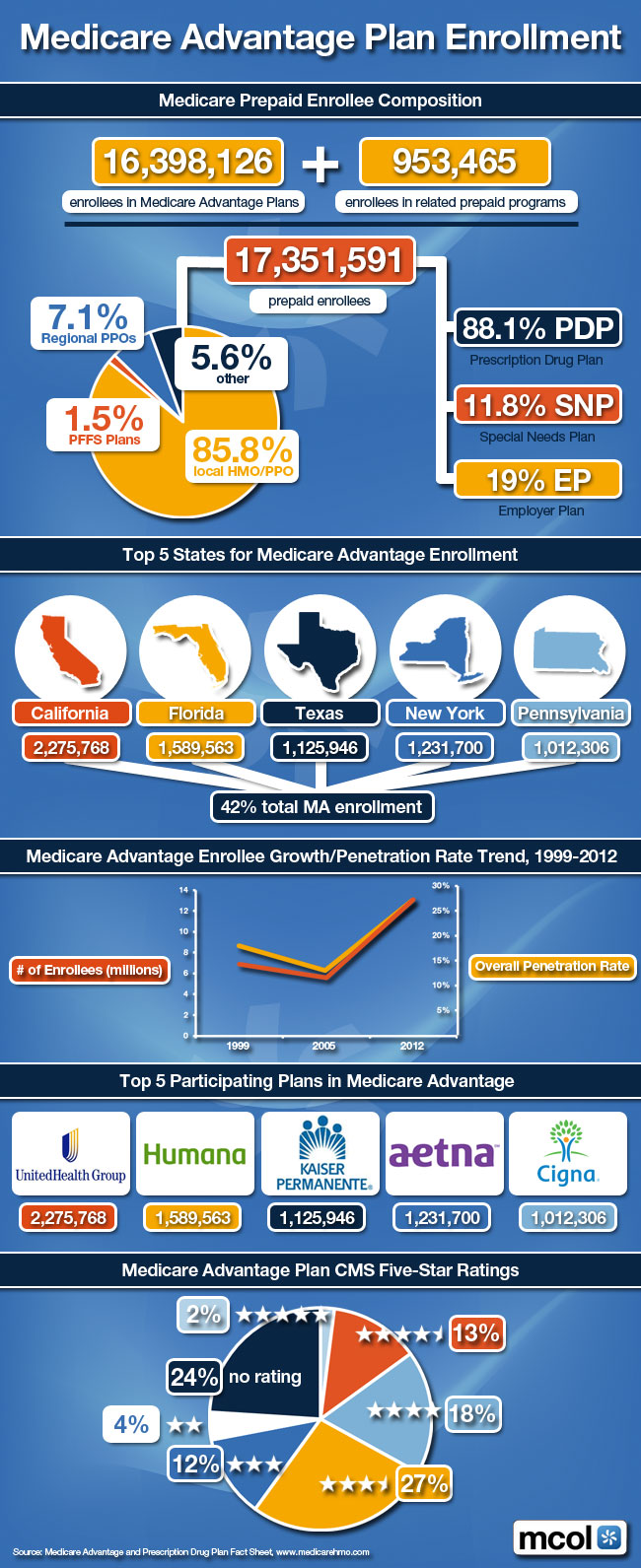
Consumer Satisfaction Levels with Public Health Insurance

Join Our Mailing List

Selected HIE Shopping

By http://www.MCOL.com

JD

 Conclusion

Your thoughts and comments on this ME-P are appreciated. Feel free to review our top-left column, and top-right sidebar materials, links, URLs and related websites, too. Then, subscribe to the ME-P. It is fast, free and secure.

Speaker: If you need a moderator or speaker for an upcoming event, Dr. David E. Marcinko; MBA – Publisher-in-Chief of the Medical Executive-Post – is available for seminar or speaking engagements. Contact: MarcinkoAdvisors@msn.com

OUR OTHER PRINT BOOKS AND RELATED INFORMATION SOURCES:

Product DetailsProduct Details

Low Interest Rate Traps

Join Our Mailing List

IRs at Historic Lows

[By David K. Luke MIM CMP™ http://www.NetWorthAdvice.com]

David K. LukeWhile our economy is still in a “Land of Make Believe”, despite the “mini-crash” today and with interest rates still at historic low levels, now is a good time to remind ourselves of a couple tempting financial missteps:

Taking On New Debt

Debt is Debt!

When you borrow money to buy that second home, nice boat, or remodel the kitchen, it is easier to justify considering the lower monthly payments at 3 to 6%. That $110,000 Sea Ray 300 Sundeck boat you have always wanted is only $729 a month (240 months @ 5% no down). Affordable, right?

Whether or not it easily fits within your budget is one thing, but the low interest rate does not negate the fact that you now have an $110,000 liability on your Balance Sheet. Depending on depreciation and resale factors, you may also be draining your net worth with such a purchase if you end up “upside down” on the value.

Neglecting Existing Debt

Your mortgage is under 3.5%. Your practice just scored a low interest rate on a needed new piece of medical equipment. Your local bank just quoted you 1.99% on a new car loan. Life is good for medical professionals!

Perhaps because the emotional benefits of paying off debt is difficult to quantify, paying off low interest rate loans is not usually a priority for most physicians. Professor Obvious states: “Once a debt is paid, you have freed yourself of future recurring interest costs and an outstanding obligation.” While this seems like a trite concept, the point is that funds that have been previously used to pay interest, no matter how low the rate was, can be used for other purposes. Unfortunately physicians and financial advisors, CPAs, estate planning attorneys tend to be over analytical and miss the “happiness factor” of getting out of debt and owning your abode and other assets. For the strictly number-oriented person or over analytical physician, this can be a sticking point. After all, why pay off a 3.5 % mortgage (that after tax is costing you around 2.5% or less)?

***

Euro Debt

***

A physician would never remortgage their home to invest in a mutual fund. In fact, it is now accepted by FINRA, the SEC, and other regulatory bodies in the financial services industry that a financial advisor that encourages a client to leverage principle residence equity (take out a 1st or 2nd mortgage) to make a security investment is akin to committing malpractice. Yet I hear the rationale that funds are being deployed to other “investments” rather than paying off a low interest rate mortgage.

Life Is Good!

From a financial planning perspective, avoiding new debt and retiring existing debt obligations as soon as reasonable gives a physician and his or her family more options. Taking a locum tenens position, retiring early, and working less hours are just a few of these options.

Assessment

With a little consideration and restraint on your personal debt situation, even at these low interest rates, financial freedom and the resulting empowerment is achievable earlier.

Conclusion

Your thoughts and comments on this ME-P are appreciated. Feel free to review our top-left column, and top-right sidebar materials, links, URLs and related websites, too. Then, subscribe to the ME-P. It is fast, free and secure.

Speaker: If you need a moderator or speaker for an upcoming event, Dr. David E. Marcinko; MBA – Publisher-in-Chief of the Medical Executive-Post – is available for seminar or speaking engagements. Contact: MarcinkoAdvisors@msn.com

OUR OTHER PRINT BOOKS AND RELATED INFORMATION SOURCES:

Product DetailsProduct DetailsProduct Details

Product Details  Product Details

Product Details

Reading List on Healthcare Variations and Spending Costs

Join Our Mailing List

NBER Bulletin on Aging and Health — 2014 No. 1

[By Staff Reporters]‏

The 2014 No. 1 Bulletin includes the articles below:

1) Regional Variation in Health Care: Physician Beliefs or Patient Preferences? by David Cutler, Jonathan Skinner, Ariel Dora Stern, and David Wennberg http://www.nber.org/aginghealth/2014no1/w19320.html

2) The Recent Slowdown in Health Care Spending: Explanations and Predictions by Amitabh Chandra, Jonathan Holmes, and Jonathan Skinner http://www.nber.org/aginghealth/2014no1/w19700.html

Assessment

Abstracts of Selected Other NBER Working Papers: http://www.nber.org/aginghealth/2014no1/WorkingPaperSummaries.html

Conclusion

Your thoughts and comments on this ME-P are appreciated. Feel free to review our top-left column, and top-right sidebar materials, links, URLs and related websites, too. Then, subscribe to the ME-P. It is fast, free and secure.

Speaker: If you need a moderator or speaker for an upcoming event, Dr. David E. Marcinko; MBA – Publisher-in-Chief of the Medical Executive-Post – is available for seminar or speaking engagements. Contact: MarcinkoAdvisors@msn.com

OUR OTHER PRINT BOOKS AND RELATED INFORMATION SOURCES:

Product DetailsProduct Details

Retail Spending Therapy – Even for Doctors!

Join Our Mailing List 

More Than Just Shopping?

[By Rick Kahler CFP® http://www.KahlerFinancial.com]

Rick Kahler CFP“It’s not just shopping, it’s retail therapy.”

As a bumper sticker or a joke between friends, this may be amusing. For those who shop to relieve stress, it’s not nearly so funny.

Medicating or soothing painful feelings with money is no healthier a behavior than medicating with alcohol or food. When stressed or in difficult circumstances, some people drink, some people eat, and some people shop.

My Experience

I have worked with several people with extreme forms of this behavior, who described their spending clearly as an addiction. It gave them a physical “high” similar to that experienced by an alcoholic or drug addict. Like other addictions, it had destructive consequences, such as creating overwhelming debt, draining life savings, destroying relationships, and even stealing from family members or employers.

Using spending as a medicator does not always show up in such dramatic ways, however. Even people who seem to live moderately and manage money responsibly can be “therapy shoppers” who spend in order to make themselves feel better.

Case Example:

When I first met Dr. Alexandra, for example, she was single, in her 40s, with a well-paying job as a local hospitalist and substantial net worth. She was investing part of her income, was current on all her financial obligations, and had only a modest amount of debt. She was certainly not spending beyond her means or jeopardizing her future security. She didn’t appear to be in any financial difficulty.

When we looked at her budget, however, the doctor was clearly uncomfortable with some of her spending habits. Instead of simply reassuring her that she was managing her money well and not overspending, I explored this issue with her. Eventually I brought up the possibility that she might be medicating her difficult job emotions with spending. It was an “aha” moment for her. She told me, “I’ve been doing that for years.”

Alexandra’s problem wasn’t the amount she spent. It was the reasons behind her spending. If she had a stressful day at work, she would go to the mall, in much the same way another person might stop at a bar for a couple of drinks on the way home. Shopping, finding bargains, and buying herself gifts were unthinking actions she used to soothe herself when she was upset.

***

Frenzy

***

She never stopped to ask herself whether she needed, had a use for, or even wanted the things she bought. She didn’t spend more than she could afford, but she was spending time as well as money unproductively. She was also cluttering her house and her life with clothes she didn’t wear, knickknacks she didn’t care about, and gadgets she didn’t use.

Once she realized the emotional reason for her shopping, Alexandra was able to find more constructive ways to deal with stress. She learned that a conversation with a friend, writing in her journal, meditating, or taking a walk could serve the same purpose as a trip to the mall and were healthier responses to difficult days.

Modifying Behavior

For Alexandra, recognizing that she was using shopping to soothe her emotions was enough to help her change. Others, whose behavior is more deeply ingrained, might find change more difficult. In some cases, they might benefit greatly from working with a psychologist, financial therapist or other counselor with the expertise to help them look at the emotions underlying their spending patterns.

Assessment

If you think you may be using spending to deal with stress, it’s important to look beyond the numbers. The main issue isn’t whether your “retail therapy” is affordable or whether it is causing serious financial difficulties. If a pattern of spending is creating discomfort for you, it may be a good idea to explore what’s behind that spending. 

Conclusion

Your thoughts and comments on this ME-P are appreciated. Feel free to review our top-left column, and top-right sidebar materials, links, URLs and related websites, too. Then, subscribe to the ME-P. It is fast, free and secure.

Speaker: If you need a moderator or speaker for an upcoming event, Dr. David E. Marcinko; MBA – Publisher-in-Chief of the Medical Executive-Post – is available for seminar or speaking engagements. Contact: MarcinkoAdvisors@msn.com

OUR OTHER PRINT BOOKS AND RELATED INFORMATION SOURCES:

Product DetailsProduct DetailsProduct Details

Product Details  Product Details

Product Details

Overcrowding in the ER

Join Our Mailing List 

State of Emergency

EmilyBy Emily Newhook

Whether you’re suffering from a broken bone or a life-threatening illness, a trip to the emergency room is always a scary prospect.

But, what happens when an ER is faced with more patients than it can accommodate? Between 1995 and 2010, annual ER visits in the U.S. grew by 34 percent, while the number of hospitals with ERs declined by 11 percent.

From long wait times to sky-high medical costs, overcrowding puts undue pressure on patients, providers and administrators when efficient, high-quality care matters most.

***

State-of-Emergency

***

The online MHA degree program MHA@GW created this infographic to show the impact of overcrowding on U.S. emergency rooms. The graphic looks at some of the major causes of congested ERs, examines the impact on care delivery and explores proposed solutions to the problem of overcrowding.

Assessment

Help us raise awareness of this important issue by sharing the infographic above.

Conclusion

Your thoughts and comments on this ME-P are appreciated. Feel free to review our top-left column, and top-right sidebar materials, links, URLs and related websites, too. Then, subscribe to the ME-P. It is fast, free and secure.

Speaker: If you need a moderator or speaker for an upcoming event, Dr. David E. Marcinko; MBA – Publisher-in-Chief of the Medical Executive-Post – is available for seminar or speaking engagements. Contact: MarcinkoAdvisors@msn.com

OUR OTHER PRINT BOOKS AND RELATED INFORMATION SOURCES:

Product DetailsProduct Details

Enter the Financial Advisory Gurus?

Join Our Mailing List 

Understanding the Nexus Between Fame and Quality

[By Rick Kahler CFP®]  http://www.KahlerFinancial.com

  • “I see that firm’s ads everywhere.”
  • “His books are best-sellers.”
  • “That advisor does all kinds of free seminars for retirees.”
  • “She’s on TV all the time.”

The Case … For?

When a financial advisor, someone with a radio or television show, or an author of financial books becomes well-known, it’s easy to assume you can trust that person’s advice. This isn’t necessarily the case.

Recently I was selected by an Internet community site called moneytips.com as one of their top 50 “social influencers.” This is a list of professionals in the areas of wealth and personal finance who use social media and other Internet tools effectively.

Among the top three on this list are Dave Ramsey and Suze Orman, whose books and advice include a great deal of solid information to help people get out of debt, manage money well, and provide for the future. Many others in the top 50 are respected financial journalists and advisors.

The Case … Against?

However, the list also includes a few advocates for high-risk investment methods, proponents of dubious get-rich-quick schemes, and purveyors of poorly researched advice. Those who put together the list focused on how well people established a presence on the Internet and used technology to communicate. That’s an assessment completely unrelated to the question of whether the advice or information being communicated was worthwhile.

Financial Planning

Financial planning, just like any other field, has a solid core of practitioners who quietly and ethically serve their clients. It also has its gurus, its outstanding marketers, and its fringe practitioners with extreme ideas. The challenge for consumers is not to assume fame and quality always go together.

Linking Fame and Quality?

Here are a few suggestions for keeping a balanced perspective about famous or familiar financial faces:

1. Knowing about a professional isn’t the same as knowing a professional. Everyone you know may have heard of Noted Local Advisor. That’s not the same as being able to recommend him or her. Get recommendations first-hand, from people who actually are clients of a firm or have used someone’s plan or advice. Ask specific questions about what they’ve done and how it worked for them.

2. Yes, there are shortcuts to building wealth, but they come with very high risks. For most of us, the best ways to build wealth are gradual and even boring: saving part of every paycheck, living on less than we earn, and investing for the long term in a well-diversified portfolio of different asset classes. It’s natural to wish for an easier, faster way, but that desire can make you more vulnerable to high-risk schemes and even scams.

3. Even if a method of building wealth is perfectly legitimate and works for others, it still may not be a good fit for you. If you’re a reclusive introvert, for example, sales is probably not your best path to success.

4. Apply the same common sense and skepticism to financial products or wealth-building methods that you would use anywhere else. For example, you probably don’t assume that a car’s advertised gas mileage is what you’ll actually get under real-world conditions. In the same way, it’s a good idea to assume that your real-world results from a proposed investment or business will be lower than the advertised numbers.

5. Don’t assume every financial guru is a crook. Many reputable professionals can teach you a great deal about money. Your job is to learn the financial basics so you can evaluate them with some educated skepticism.

networking advisors

More:

Assessment

And always keep in mind that a product or idea is not the same thing as the selling of that product or idea. The true genius of some financial “experts,” after all, is marketing.

Conclusion

Your thoughts and comments on this ME-P are appreciated. Feel free to review our top-left column, and top-right sidebar materials, links, URLs and related websites, too. Then, subscribe to the ME-P. It is fast, free and secure.

Speaker: If you need a moderator or speaker for an upcoming event, Dr. David E. Marcinko; MBA – Publisher-in-Chief of the Medical Executive-Post – is available for seminar or speaking engagements. Contact: MarcinkoAdvisors@msn.com

OUR OTHER PRINT BOOKS AND RELATED INFORMATION SOURCES:

Product Details  Product Details

Healthcare’s Start-Up Businesses and New Entrants

Join Our Mailing List

Who Will be Healthcare’s Amazon.com?

[By PwC Health Research Institute]

New entrants are already having an impact

Abundant opportunity in the expanding health sector is attracting new players from far afield, from Fortune 50 retailers and telecom companies to fledgling startups backed by venture capital.

These new entrants, like health, wellness and fitness, are moving fast with fresh ideas about how to satisfy consumers’ appetites for better health and more convenient, affordable, high-quality care.

***

fortune-50

***

New Business Models

Consumers are ready to abandon traditional modes of care for new ones, suggesting billions in healthcare revenue are up for grabs now. Non-traditional players are creating these new modes of care – from home diagnostic kits that snap into smartphones to online services that can triage and prescribe treatments based on computer algorithms.

They are competing to be the Netflix, Amazon.com or Apple of the US health sector, all disruptors that transformed industries.

The Wellness and Fitness Sector

***

wellness market

***

More: https://medicalexecutivepost.com/2015/06/28/why-i-love-amazon-com-but-wont-buy-its-stock/

Conclusion

Your thoughts and comments on this ME-P are appreciated. Feel free to review our top-left column, and top-right sidebar materials, links, URLs and related websites, too. Then, subscribe to the ME-P. It is fast, free and secure.

Speaker: If you need a moderator or speaker for an upcoming event, Dr. David E. Marcinko; MBA – Publisher-in-Chief of the Medical Executive-Post – is available for seminar or speaking engagements. Contact: MarcinkoAdvisors@msn.com

OUR OTHER PRINT BOOKS AND RELATED INFORMATION SOURCES:

Product DetailsProduct Details


There’s a New HIPAA Sheriff in Town

Join Our Mailing List 

On OCR Director Jocelyn Samuels

1-darrellpruitt

[By D. Kellus Pruitt DDS]

When the explosions of breaches of patients’ medical identities occur – as predicted by the FBI and others – will the new OCR Director Jocelyn Samuels continue to be as sympathetic and forgiving as Leon Rodriguez has been?

Or; will she take on the role of bad cop?


The Replacement

Samuels, who is tying up loose ends in her current position with the civil rights division at the Department of Justice, has replaced Rodriguez as the new head of the HHS’ Office for Civil Rights – which prosecutes HIPAA violations. Many are wondering about her level of enthusiasm for enforcement, especially since data breaches are only getting worse, not better.

Privacy and security attorney Adam Greene, who once served as a member of the OCR staff, tells GovInfo that the challenge for Samuels is “to strike the balance where HIPAA is seen as having ‘teeth’ but covered entities and business associates can still count on OCR as being reasonable when there are areas of ambiguity or privacy or security issues occur despite good efforts at compliance.”

(See: “Impact of New HIPAA Enforcement Leader – Are New Strategies, Directions on the Horizon?” by Marianne Kolbasuk McGee for GovInfoSecurity.com, July 11, 2014).

http://www.govinfosecurity.com/impact-new-hipaa-enforcement-leader-a-7049/op-1

Healthcare Harm

Principals in healthcare – providers and patients – continue to be harmed by EHRs designed to satisfy third-parties’ questionable Meaningful Use requirements rather than principals’ needs. For example, on April 8, the FBI warned that EHRs are becoming increasingly vulnerable to hackers. (See: “Health Care Systems and Medical Devices at Risk for Increased Cyber Intrusions for Financial Gain”).

http://www.illuminweb.com/wp-content/uploads/ill-mo-uploads/103/2418/health-systems-cyber-intrusions.pdf

Under Rodriguez, OCR has arguably spared the rod (mostly), choosing instead to discuss and correct HIPAA violations in an informal, private, non-punitive manner. I think both Rodriguez and Secretary Sebelius backed off of more aggressive enforcement because they recognized that without cooperation from doctors and patients, EHRs are certain to fail – mandate or no mandate. Nevertheless, it has proven to be far too easy for stakeholders who cannot be held accountable to patients, to marginalize their needs.

Jocelyn Samuels

[New OCR Director Jocelyn Samuels]

Example

Rodriguez did his best to appease all sides. For example, it was under his watch that the name of the HHS website listing breaches of 500 or more patients’ identities was changed from “Wall of Shame” to the more benign “HHS Breach Reporting Tool.”

For hapless providers whose data breaches were unavoidable, the name change eliminates some of the shame associated with being nationally recognized as a careless doctor who cannot keep thieves from stealing patients’ identities.

Assessment 

As long as there is nothing holding down the cost and liability of HIPAA compliance, there will always be room for more regulation, and the cost of healthcare will never be cheaper.

Conclusion

Your thoughts and comments on this ME-P are appreciated. Feel free to review our top-left column, and top-right sidebar materials, links, URLs and related websites, too. Then, subscribe to the ME-P. It is fast, free and secure.

Speaker: If you need a moderator or speaker for an upcoming event, Dr. David E. Marcinko; MBA – Publisher-in-Chief of the Medical Executive-Post – is available for seminar or speaking engagements. Contact: MarcinkoAdvisors@msn.com

OUR OTHER PRINT BOOKS AND RELATED INFORMATION SOURCES:

Product DetailsProduct Details

Retrospective Audio on the “Doctors’ Riot” of 1788

Join Our Mailing List 

History of Grave Robbers

By Overcast: [Stuff You Missed in History Class]

In the late 1700s, medical colleges needed cadavers for educational dissection, but there were no legal means for obtaining them.

This led to some unorthodox dealings in the acquiring of bodies, and brought New York to a fever pitch in 1788.

Poe

ME-P Editor at the Grave of EA Poe, in Baltimore, MD

[© iMBA Inc. All rights reserved. USA]

Audio Link: http://t.co/DbcgppVEYG

Conclusion

Your thoughts and comments on this ME-P are appreciated. Feel free to review our top-left column, and top-right sidebar materials, links, URLs and related websites, too. Then, subscribe to the ME-P. It is fast, free and secure.

Speaker: If you need a moderator or speaker for an upcoming event, Dr. David E. Marcinko; MBA – Publisher-in-Chief of the Medical Executive-Post – is available for seminar or speaking engagements. Contact: MarcinkoAdvisors@msn.com

OUR OTHER PRINT BOOKS AND RELATED INFORMATION SOURCES:

Product DetailsProduct DetailsProduct Details

Product Details  Product Details

Product Details

Obama Nominates Robert McDonald as VA Chief [VOTE]

Join Our Mailing List 

But – Will He Succeed? [Opinion Poll]

RMRobert McDonald has been nominated as Secretary of Veterans Affairs, and will turn his mind to the aftermath of conflict and the 9 million former American service people enrolled for care.

If confirmed by the Senate, he’ll succeed Eric Shinseki, a retired general who resigned last month amid explosive charges of mismanagement, falsification of records and a toxic culture that left patients waiting indefinitely for treatment.

Earlier this month, the acting head of the agency confirmed that 35 veterans left off a list died before seeing a doctor, perhaps as result of the delay.

OPINON POLL

Assessment

Conclusion

Your thoughts and comments on this ME-P are appreciated. Feel free to review our top-left column, and top-right sidebar materials, links, URLs and related websites, too. Then, subscribe to the ME-P. It is fast, free and secure.

Speaker: If you need a moderator or speaker for an upcoming event, Dr. David E. Marcinko; MBA – Publisher-in-Chief of the Medical Executive-Post – is available for seminar or speaking engagements. Contact: MarcinkoAdvisors@msn.com

OUR OTHER PRINT BOOKS AND RELATED INFORMATION SOURCES:

Product DetailsProduct Details

Prevalence Rates of Healthcare Access?

Join Our Mailing List

Household Telephone Status

By http://www.MCOL.com

Tele Health

Conclusion

Your thoughts and comments on this ME-P are appreciated. Feel free to review our top-left column, and top-right sidebar materials, links, URLs and related websites, too. Then, subscribe to the ME-P. It is fast, free and secure.

Speaker: If you need a moderator or speaker for an upcoming event, Dr. David E. Marcinko; MBA – Publisher-in-Chief of the Medical Executive-Post – is available for seminar or speaking engagements. Contact: MarcinkoAdvisors@msn.com

OUR OTHER PRINT BOOKS AND RELATED INFORMATION SOURCES:

Product DetailsProduct Details

How Much Social Security Is Actually Taxed?

Join Our Mailing List

As much as 85 percent may be taxable

By Lon Jefferies  MBA CFP®

Lon Jefferies

If Social Security is your only source of income, it is unlikely that your monthly benefit is subject to taxation.

However, people like doctors and other medical professionals with substantial income outside of Social Security may have to pay federal income taxes on their benefits. In fact, it is possible that as much as 85 percent of your Social Security payout is taxable.

The Determination

To determine whether you are required to pay taxes on your benefit, the first step is to determine what the federal government deems your “combined income.” Your “combined income” is one-half of your Social Security benefit, plus all other income received during the year. Other income might include wages earned, capital gains recognized, dividends and interest collected, pension benefits received, and IRA funds distributed during the year.

Example:

For instance, consider a retired couple that receives an annual pension benefit of $20,000, takes an IRA distribution in the amount of $10,000, and receives $15,000 in Social Security benefits. This couple’s other income would total $30,000 (the pension and the IRA distribution). One-half of the Social Security benefit, or $7,500 would then be added to the other income to create a “combined income” of $37,500.

If a couple filing a joint tax return has a “combined income” of less than $32,000 ($25,000 for individuals), then all Social Security benefits are free of taxation. However, if the figure is between $32,000 and $44,000 ($25,000 and $34,000 for individuals), then as much as 50 percent of the Social Security benefit may be taxable. Further, if the “combined income” is greater than $44,000 ($34,000 for individuals), than as much as 85 percent of the Social Security payout may be taxable.

The “Combined Income” Threshold

So should couples do everything necessary to keep their “combined income” below $32,000 (the 50 percent threshold), or even $44,000 (the 85 percent threshold)? Fortunately, the tax system is progressive, meaning that just because a couple might fall in the bracket causing as much as 50 percent of their Social Security benefit to be taxable, not all of their benefit is necessarily taxed as such.

Example:

For instance, our sample couple with a “combined income” of $37,500 might be concerned that they are paying taxes on 50 percent of their Social Security benefit because that is the bracket they fall in. This would cause half of their $15,000 Social Security benefit, or $7,500, to be taxable. Fortunately, it is only the $5,500 of benefits received that pushes the couple’s “combined income” over and above the $32,000 threshold that is actually considered 50 percent taxable. As a result, only $2,750 (half of the $5,500 of “combined income” over the $32,000 threshold) of Social Security benefits is taxable. In this instance, the taxpayers are only paying taxes on 18 percent ($2,750/$15,000) of their Social Security benefits.

Getting Granular

Now suppose our imaginary couple received not $15,000 in total Social Security benefits, but $15,000 each, leading to a total benefit of $30,000. Assuming the same $20,000 pension benefit and $10,000 IRA distribution, the couple’s “combined income” would now be $45,000 (half of the $30,000 in Social Security benefits received plus the $30,000 of other income).

This provides another illustration of how the progressive tax system prevents higher-income taxpayers from feeling the need to do everything they can to get their “combined income” under the $44,000 threshold just to avoid the 85 percent bracket. First, a “combined income” of $45,000 clearly fills the entire 50 percent bracket of $32,000 – $44,000. Consequently, the entire $12,000 of Social Security benefits received within that range will be 50 percent taxable (or $6,000 of benefits received will be taxable). Additionally, another $1,000 of benefits over and above the $44,000 threshold will be 85 percent taxable, meaning another $850 of benefits are taxed. This means a total of $6,850 ($6,000 from the 50 percent taxable bracket, and $850 from the 85 percent taxable bracket) of Social Security benefits received will be taxable. Still, however, of the $30,000 of Social Security payments received by our couple, only 23 percent ($6,850/$30,000) ends up being taxable.

Taking this one step further, we can deduce that income outside of a Social Security benefit (the combination of pension benefits, IRA distributions, capital gains, etc) must be greater than $44,000 for there to even be a possibility that as much as 85% of a Social Security benefit would be taxable. If this other income portion of the “combined income” is less than $44,000, then at least some of our Social Security benefit will fall in the 50 percent threshold, if not the 0 percent threshold.

Benefits

The Calculations

Here is a useful calculator to determine the taxability of your Social Security benefit.

The point of this exercise is twofold. First, understanding the factors that may cause a Social Security benefit to be more or less taxable provides us with an advantage from a financial planning perspective. Second, it is important to realize that just because our “combined income” passes a threshold causing some of our Social Security benefit to be taxable doesn’t mean that the resulting tax liability is catastrophic.

Assessment

In fact, once realizing that the increase in tax liability from having some additional income is so inconsequential, some retirees may be more likely to spend and enjoy their retirement, which is the point of financial planning in the first place.

Conclusion

Your thoughts and comments on this ME-P are appreciated. Feel free to review our top-left column, and top-right sidebar materials, links, URLs and related websites, too. Then, subscribe to the ME-P. It is fast, free and secure.

Speaker: If you need a moderator or speaker for an upcoming event, Dr. David E. Marcinko; MBA – Publisher-in-Chief of the Medical Executive-Post – is available for seminar or speaking engagements. Contact: MarcinkoAdvisors@msn.com

OUR OTHER PRINT BOOKS AND RELATED INFORMATION SOURCES:

Product Details  Product Details

Product Details

Six groups that will shape mHealth apps of the future

Join Our Mailing List 

A Special ME-P Report

The Distinct Segment Publishers

By Ralf-Gordon Jahns and Markus Pohl

ralphmarkus


Introduction

Dr. Marcinko and ME-P Readers and Subscribers,

Did you know that mHealth app publishers can be grouped into 6 distinct segments?

Segments differ mainly by goals, business approaches and performance. Their desire to help others distinguishes them from the rest of the app community. Knowing these segments is a pre-requisite for all those who wish to successfully participate in the new mHealth app ecosystem.

The Publishers

So, who is behind the 100,000 mHealth apps published in today’s app stores? How do the publishers differ in terms of motivation, development tool usage and satisfaction about goals achieved? The mHealth app publisher segmentation distinguishes 6 groups of current mHealth app publishers. This segmentation is based on the results of themHealth App Developer Economics 2014study.

A deeper knowledge about the mHealth app publishers is essential to all health market participants who wish to successfully navigate inside the newly emerging mHealth app ecosystem.

mHealth app publishers are not like game or tool app developers. 46% publish apps, because they want to help others. They also have objectives like revenue generation or raising brand awareness, but this “altruistic” attitude clearly distinguishes them from the rest of the app economy.

Within the six mHealth app companies, publishers with a strong medical background and those who leverage existing app development tools & APIs seem to accomplish their goals better than those who do that to a lesser extent.

Traditional healthcare players like Pharma, Med-tech or insurance companies have not been able to define their role in the market yet. Established Healthcare Players are the only segment “mainly not” satisfied with their goal achievement.

These are the profiles of the 6 distinct mHealth app publisher segments:

1) Established healthcare players:

This group includes Pharma, hospitals, health insurance and Med-tech companies, representing 3.4% of the total number of app publishers. These players usually belong to the mHealth app publishers with > 5,000 employees. Their primary objective for being in the market is to raise brand awareness and they have published the largest number of mHealth apps. Nevertheless, average reach in terms of downloads is far below the market’s average. App publishers in this group are so far the least satisfied with the achievements in the mHealth app market. The usage of tools and APIs to improve the efficiency of the app development process and app monitoring as well as the value of the app is below its competitors.

2) App specialists:

App specialists are small companies, which typically hire 3-10 employees. They have entered the mHealth app market in order to benefit from its potential. They have an app developer background and are familiar with available development and support tools. The share of medical experts on board is relatively low. This group constitutes 14% of the mHealth app publisher community.

3) Helpers:

Helpers’ primary motivation for publishing apps is to help others and they are usually organized into small companies of 3-10 employees. Revenue generation is only a minor factor. Typically Helpers have already achieved or over-achieved their goals. In terms of downloads, they have the highest share of companies (61%) that achieved less than 5,000 downloads last year. Helpers represent 32% of the market.

4) Medical specialists:

Medical specialists leverage their medical know-how to develop mobile apps. Similar to the Helper group, Medical specialist have a large share of members who publish apps to help others. By far they have partly reached their goals. They have the highest share of companies, which in 2013 earned more than USD 1m with their mHealth app portfolio. They represent 20% of the market.

5) Fitness specialists:

This group of app developers represents around 10% of the total mHealth app developer community. They primarily develop fitness apps with a clear objective to generate revenue. They connect more often to medical databases and sensors and use app development tools above average. The usual company size is 11-100 employees.

6) Connecters:

This group of mHealth app publishers represents 18% of the total mHealth app developer community. Their strategy is to create value rich apps by enabling connection to other apps, sensors and databases. This group generates the highest average revenue and has the highest goal achievement level.

Apps

Assessment 

The mHealth app publisher segmentation is a snapshot of the current state of the market. It will change as segments become more important (medical specialists) or new groups appear.  One of the main questions will be if and how traditional healthcare players will be able to compete with these small and agile companies that are driving the market today.

More:

Conclusion

Your thoughts and comments on this ME-P are appreciated. Feel free to review our top-left column, and top-right sidebar materials, links, URLs and related websites, too. Then, subscribe to the ME-P. It is fast, free and secure.

Link: http://feeds.feedburner.com/HealthcareFinancialsthePostForcxos

References:

Link to blog post:

http://mhealtheconomics.com/mhealth-segmentation-of-app-publishers-business-approaches/

Link to graph:

http://mhealtheconomics.com/wp-content/uploads/2014/05/research2guidance_mHealth_6_segments_business_approaches.jpg

Link to free report:

http://mhealtheconomics.com/mhealth-developer-economics-report/

Speaker: If you need a moderator or speaker for an upcoming event, Dr. David E. Marcinko; MBA – Publisher-in-Chief of the Medical Executive-Post – is available for seminar or speaking engagements. Contact: MarcinkoAdvisors@msn.com

OUR OTHER PRINT BOOKS AND RELATED INFORMATION SOURCES:

Product Details

Product DetailsProduct Details

A 2014 Stock Market Mid-Year Review

Join Our Mailing List 

What Do We Know?

[A SPECIAL R&D REPORT FOR THE ME-P]

By Lon Jefferies MBA CFP®

Lon JefferiesIf you pay close enough attention to the news media you’ll eventually learn that much emphasis is placed on pundits’ forecasts, but very little consideration is given to how accurate the projections turn out.

When 2014 started, there were some pretty widely-accepted expectations regarding the investment environment. Let’s take a minute to review those anticipations and analyze how precise they turned out to be.

Interest Rates

One of the most universally accepted beliefs going into 2014 was that interest rates were on the cusp of rising, and that consequently, bond returns would drop. (Of course, this has been the expectation for around five years now, but that is a discussion for a later time.) Investors were questioning whether they should reduce or eliminate the bond portion of their portfolios until the rate increase occurred.

So, have we experienced the rise in interest rates we were expecting? On 1/2/14, the yield on the 10-year Treasury note was 3%. As of 6/30/14, the yield on the same note was 2.516%.

That’s right — interest rates have actually decreased over the last six months. Did those who stuck with their investment strategies and maintained their bond positions experience a decline in their portfolio’s value?

Here is how a variation of different bonds have performed year-to-date (as of 6/30/14):

  • US Government Bonds (IEF): 4.89%
  • US TIPS (TIP): 5.25%
  • Corporate Bonds (LQD): 5.37%
  • International Bonds (IGOV): 5.66%
  • Emerging Market Bonds (LEMB): 6.42%

Equities

How about the equities side of the portfolio?

In January, predictions for stocks were all over the map — some predicted a full out correction (a loss of more than -20%), some predicted that we would keep chugging along at 2013′s pace, and most predicted something somewhere in between. There were, however, many factors that were a common cause of concern.

So, was the reduction of the Fed’s Quantitative Easing a legitimate fear? In fact, this possibility has come to fruition. In December, the Fed was buying $85 billion per month of financial assets from commercial banks and other private institutions. The Fed has reduced this monthly amount during every meeting it has held this year, and that amount is now down to $35 billion per month. However, the key question is what impact has this had on the stock market.

Here is how a wide basket of equities have performed year-to-date (as of 6/30/14):

The most widely accept fear among equity investors was the phasing out of the Fed’s Quantitative Easing (QE) program. Investors worried that the Fed would begin lowering the amount of loans the government would buy from commercial banks each month, which would lower the availability of capital in the economy.

Historically, less money in the system leads to less investing in new businesses, less innovation, and fewer jobs created.

  • Large Cap Stocks (IVV): 7.08%
  • Mid Cap Stocks (IJH): 7.57%
  • Small Cap Stocks (IJR): 3.30%
  • Foreign Stocks (IEFA): 4.34%
  • Emerging Markets (IEMG): 4.70%
  • Real Estate (IYR): 16.09%
  • Commodities (DJP): 7.32%
  • Gold (GLD): 10.27%

Volatility

The last widely-held viewpoint at the beginning of the year was that 2014 was likely to be a year more volatile than anything we had experience in 2012 or 2013. There was a lot of clatter about valuations and PE ratios being too high, concern about the war in Ukraine, a consensus that China was about to experience a drastic decline in both imports and exports, and a general feeling that the market was due for a significant (if not healthy) pullback.

Additionally, how much have we heard about unfavorable weather patterns over the last six months?

Managing a Stock Portfolio

Lessons Learned

Of course, all of this is not to say that interest rates will never rise, that bond values will never decline, and that the market won’t return to the roller coaster it is.

In fact, all those things are certain to happen. Unfortunately, anyone who contends to know the uncertain part of this equation — when — likely doesn’t actually know anymore than you or me. For this reason, having and sticking to a diversified investment strategy that coincides with a detailed financial plan is the most likely path to financial success.

The most significant lesson inherent in these numbers is that market expectations are essentially useless. Near the beginning of the year, the vast majority of experts anticipated interest rates to rise, bond values to drop, and volatility to increase. Unfortunately, pundits making projections are rarely held to their inaccurate forecasts and are allowed to continue making a living showing they have no greater knowledge than the average investor.

Assessment

So, has 2014 been a wild ride?

The S&P 500 dropped by -5.51% from 1/22/14 – 2/03/14, and by -3.89% from 4/2/14 – 4/11/14. These are the only declines of more than 2% that the S&P 500 has experienced all year!

Additionally, as of 6/30/14, the S&P 500 has now gone 54 consecutive trading days without an up or down move of greater than 1%, the longest stretch since 1995! By historical standards, 2014 is considered to be a very smooth ride.

More:

Stock Market at New Highs!

Conclusion

Your thoughts and comments on this ME-P are appreciated. Feel free to review our top-left column, and top-right sidebar materials, links, URLs and related websites, too. Then, subscribe to the ME-P. It is fast, free and secure.

Speaker: If you need a moderator or speaker for an upcoming event, Dr. David E. Marcinko; MBA – Publisher-in-Chief of the Medical Executive-Post – is available for seminar or speaking engagements. Contact: MarcinkoAdvisors@msn.com

OUR OTHER PRINT BOOKS AND RELATED INFORMATION SOURCES:

Product Details  Product Details

Product Details

Summer Tips for Physicians to Maintain their Vehicle

Join Our Mailing List

Keeping your luxury vehicle running smoothly with these Hot-Weather “tips and pearls”

[By Dr. David Edward Marcinko MBA CMP™]

[By Nalley Collision Center]

Dr. Marcinko

You and your car survived the harsh winter. Thanks to your preparation and careful driving, you stayed on the road and emerged from the thaw without incident. But, before breathing that sigh of relief and going on your way, make sure you know how to maintain your vehicle in the warmer temperatures with these tips and pearls.

Why? Warm weather can stress cars as much as the cold, so take steps now to prepare you and your car for the spring and summer by following these important tips.

Check the Climate Control System

Many doctors forget about their air conditioner while relying on the heater during the winter months. During that time, air conditioners can leak refrigerant and experience other mechanical failures without notice. Before getting caught without relief in the heat, take your car to your dealer for an AC checkup.

Inspect Windshield Wipers

During the winter, windshield wipers can stick to the windshield and tear before breaking free. Don’t let damaged wipers catch you off guard when the spring rains hit. Inspect your wipers and replace them if they look damaged or worn. If you need help with this, stop by your dealer for assessment, parts, and installation.

***

Jag

***

Inspect Tires

Your tires were fine before winter. Several months and possibly thousands of miles later, your tires may not be in such good shape now. Cold temperatures make the air inside tires shrink; that’s why you inflated your tires for winter driving. As the air warms, however, the air expands, often causing overinflated tires that can wear unevenly and prematurely. Check the tires on your car for proper air pressure and adjust them if necessary.

According to the National Highway Traffic Safety Administration, more than 3,000 deaths and 116,000 injuries between 2005 and 2009 resulted from tire-related problems. Don’t become part of those statistics.

Replace Air Filter

During the winter weather, salt and sand that are used to keep roads safe affect your car’s air filter. So, check it yourself or ask your dealer to check your air filter for signs of problems. By restoring free airflow into your engine, you can boost the fuel efficiency of your car by one-tenth or more. You will also improve acceleration, so take it easy on the gas.

Time for a Carwash

The melting snow, salt, and sand on winter roads covers your car and its undercarriage with a corrosive mixture, setting the stage for rust and marred paint. With winter weather past, take your car to the car wash for a thorough cleaning to prevent lasting damage from the winter. Better yet; wash it yourself. With some intentional care, you can keep your car looking great for a long time to come.

***

Jag console

***

General Inspection

The break between winter and summer is a great time to give your car a good once-over. Verify your registration and inspection stickers are up-to-date and that your insurance cards and all your paperwork are in order.

Also, check fluid levels for the oil, transmission, brakes, power steering, and windshield wash. If your car is due for scheduled maintenance, take it to your dealer now to have it done. Routine maintenance and prompt repairs will help your car beat the challenges of the heat.

More:

Conclusion

Your thoughts and comments on this ME-P are appreciated. Feel free to review our top-left column, and top-right sidebar materials, links, URLs and related websites, too. Then, subscribe to the ME-P. It is fast, free and secure.

Speaker: If you need a moderator or speaker for an upcoming event, Dr. David E. Marcinko; MBA – Publisher-in-Chief of the Medical Executive-Post – is available for seminar or speaking engagements. Contact: MarcinkoAdvisors@msn.com

OUR OTHER PRINT BOOKS AND RELATED INFORMATION SOURCES:

Product DetailsProduct DetailsProduct Details

Product Details  Product Details

Product Details

The Dating and Money Conversation for Medical Students

Join Our Mailing List 

Honey, We Need to Talk … About Finances!

By Rick Kahler MS CFP® http://www.KahlerFinancial.com

Rick Kahler CFPWe are al aware of the student debt load crisis in this country.

But, one of the challenges at the beginning of a romantic relationship is having “the conversation” about an equally important issue for any couple: money.

Even more so for medical students, interns, residents, nurses, young doctors and medical professionals!

For example:

  1. What is okay to ask a potential partner about money, and when?
  2. How do you bring the subject up without seeming like a braggart, a coldhearted miser, or someone looking for a meal ticket?

There really ought to be some rules of etiquette for exploring this essential topic; something like, “by the sixth date, it’s appropriate to start undressing financially.” Unfortunately, we don’t have such guidelines.

The Money Minefield

Money is a topic fraught with emotional richness. In other words, it’s a minefield. Money is one of the top sources of conflict for couples, so if you’re dating, it’s crucial to learn a potential partner’s earnings, net worth, money habits, and financial beliefs. At the same time, talking specifically about money is so forbidden in our culture that we have no idea how to initiate a conversation about it.

Here are a few suggestions that might help:

1. Figure out your own money beliefs first. Before you even sign up with a dating site or accept your friend’s offer to set you up with her brother-in-law’s second cousin, think about what you want and need financially from a partner. Do you care if someone’s net worth is much higher or lower than yours? Is a certain level of debt a deal-breaker? What lifestyle are you comfortable with?

2. Tell before you ask. Begin with appropriate self-disclosure, in small steps, about your earnings, your long-term financial goals, or your beliefs about debt or spending. See how potential partners react. If they don’t disclose in turn, seem very uncomfortable with the conversation, or have beliefs or money habits much different from yours, you may be seeing red flags.

3. Observe. Watch how people handle money. Are there any patterns around spending or the use of credit cards that seem to indicate either overspending or excessive frugality? Do they throw cash around, or do they leave restaurant tips that Ebenezer Scrooge would be proud of?

Does someone’s home show signs of hoarding or stinginess? (A candlelight dinner of takeout Chinese at a card table is one thing for college students, but quite another for middle-aged professionals.) Do their cars or houses seem poorly maintained? Does their lifestyle seem more lavish than the typical earnings in their career field would support?

4. Listen. Despite the taboo on talking directly about money, we indirectly reveal a lot about our money beliefs by what we say. Notice how dates talk about saving or spending. Do they seem worried about money or reluctant to spend it even on basic needs? Do they seem angry about money or resentful of successful people? Do they boast about financial successes, things they own, or get-rich-quick schemes?

5. Ask. Even if everything else is all moonlight and roses. When you meet someone who seems like “the one,” don’t set aside everything that matters to you about money. Instead, remember how important this issue is to the long-term health of a relationship. Even if you can’t do it gracefully, ask the money questions. Talk frankly about debt, spending, saving for retirement, and each other’s expectations around lifestyles and careers.

Dating Currency

Assessment

Being the one to initiate that difficult money conversation doesn’t mean you’re coldhearted, unromantic, or greedy. It simply means you recognize that money is too important a topic to ignore. When we enter into a romantic relationship, it’s tempting to think that love means not having to talk about money. In truth, love means having the courage to talk about money.

Conclusion

Your thoughts and comments on this ME-P are appreciated. Feel free to review our top-left column, and top-right sidebar materials, links, URLs and related websites, too. Then, subscribe to the ME-P. It is fast, free and secure.

Speaker: If you need a moderator or speaker for an upcoming event, Dr. David E. Marcinko; MBA – Publisher-in-Chief of the Medical Executive-Post – is available for seminar or speaking engagements. Contact: MarcinkoAdvisors@msn.com

OUR OTHER PRINT BOOKS AND RELATED INFORMATION SOURCES:

  Product Details

***

Risk Management, Liability Insurance, and Asset Protection Strategies for Doctors and Advisors: Best Practices from Leading Consultants and Certified Medical Planners™8Comprehensive Financial Planning Strategies for Doctors and Advisors: Best Practices from Leading Consultants and Certified Medical Planners™

***

Invite Dr. Marcinko

***


State Requirements for Individual Market Benefit Design and Cost-Sharing

Join Our Mailing List

For Health Benefits

By http://www.MCOL.com

ACA State Requirements

Conclusion

Your thoughts and comments on this ME-P are appreciated. Feel free to review our top-left column, and top-right sidebar materials, links, URLs and related websites, too. Then, subscribe to the ME-P. It is fast, free and secure.

Speaker: If you need a moderator or speaker for an upcoming event, Dr. David E. Marcinko; MBA – Publisher-in-Chief of the Medical Executive-Post – is available for seminar or speaking engagements. Contact: MarcinkoAdvisors@msn.com

OUR OTHER PRINT BOOKS AND RELATED INFORMATION SOURCES:

Product DetailsProduct Details


Understanding Healthcare Employment Benefits that are NOT Taxed at Full Economic Value

Join Our Mailing List 

On Entirely Legal AUTOMOBILE Employment Fringe Benefit Strategies 

[By Perry Dalessio CPA]

perry-dalessio-cpaWhen an employment fringe benefit does not qualify for exclusion under a specific statute or regulation, the benefit is considered taxable to the recipient.  It is included in wages for withholding and employment-tax purposes, at the excess of its fair market value over any amount paid by the employee for the benefit.

Examples:

For example, hospitals often provide automobiles for use by employees. Treasury regulations exclude from income the value of the following types of vehicles’ use by an employee:

  • Vehicles not available for the personal use of an employee by reason of a written policy statement of the employer
  • Vehicles not available to an employee for personal use other than commuting (although in this case commuting is includable)
  • Vehicles used in connection with the business of farming [in which case the exclusion is equal to the value of an arbitrary 75% of the total availability for use, and the value of the balance may be includable or excludable, depending upon the facts (Treas. Regs. § 1.132-5(g)) involved)]
  • Certain vehicles identified in the regulations as “qualified non-personal-use vehicles,” which by reason of their design do not lend themselves to more than a de minimus amount of personal use by an employee [examples are ambulances and hearses].
  • Vehicles provided for qualified automobile demonstration use
  • Vehicles provided for product testing and evaluation by an employee outside the employer’s work place

If the employer-provided vehicle does not fall into one of the excluded categories, then the employee is required to report his personal use as a taxable benefit. The value of the availability for personal use may be determined under one of several approaches.

jag346_SWHT

Assessment

Under any of the approaches, the after-tax cost to the employee is substantially less than if the employee used his or her own dollars to purchase the automobile and then deducted a portion of the cost as a business expense.

Conclusion

Your thoughts and comments on this ME-P are appreciated. Feel free to review our top-left column, and top-right sidebar materials, links, URLs and related websites, too. Then, subscribe to the ME-P. It is fast, free and secure.

Speaker: If you need a moderator or speaker for an upcoming event, Dr. David E. Marcinko; MBA – Publisher-in-Chief of the Medical Executive-Post – is available for seminar or speaking engagements. Contact: MarcinkoAdvisors@msn.com

OUR OTHER PRINT BOOKS AND RELATED INFORMATION SOURCES:

Product Details  Product Details

Product Details

The World Cup LifeStyle

Join Our Mailing List

The Body of Injuries

[By Dr. David Edward Marcinko MBA]

[By Springer Publishers]

Did you know that this ME-P has a leisure and lifestyle vertical? Maybe; maybe not! So, with the publication of this info-graphic on the World Cup soccer matches; we invite all readers and subscribers to submit their own hobby activities.

1

2

3

4

5

Assessment

Ankle-Leg Trauma

[Copyright Dr. David E. Marcinko, and iMBA Inc. All rights reserved]

Conclusion

Your thoughts and comments on this ME-P are appreciated. Feel free to review our top-left column, and top-right sidebar materials, links, URLs and related websites, too. Then, subscribe to the ME-P. It is fast, free and secure.

Speaker: If you need a moderator or speaker for an upcoming event, Dr. David E. Marcinko; MBA – Publisher-in-Chief of the Medical Executive-Post – is available for seminar or speaking engagements. Contact: MarcinkoAdvisors@msn.com

OUR OTHER PRINT BOOKS AND RELATED INFORMATION SOURCES:

Product DetailsProduct Details

Understanding Some Common Portfolio Payout Methods

   Certified Medical Planner

By Dr. David Edward Marcinko MBA CMP™

Recognizing the risk that market volatility represents to long-term portfolio health, investment accounts and endowment funds utilize a variety of methods to calculate periodic payouts.

  • Investment Yield: An investment portfolio using this method spends only its dividends and interest and re-invests any unrealized and realized gains. There would appear to be two primary disadvantages of this method. First, the payout amount will be extremely volatile as yields on equity and fixed income investments fluctuate. Second, the endowment manager could be encouraged to adopt a short-term focus on yield to the detriment of purchasing power preservation.
  • Percentage of the Prior Year’s Ending Market Value: An endowment using this method would withdraw some fixed percentage of the prior year’s market value. As with the Investment Yield method, disbursements from the endowment can be somewhat volatile under this method.
  • Moving Average: This approach, which is most common among educational institutions, generally involves taking a percentage of a moving average of the endowment market value. The percentage commonly approximates 5% over a 3-year period.
  • Inflation Adjusted: This portfolio method simply adds some factor to the applicable rate of inflation for the institution or investor.
  • Banded Inflation or Corridor: This account method is similar to the Inflation Adjusted method except that it establishes a corridor or band of minimum and maximum increases in an attempt to limit the volatility of the disbursement amounts.

payout

More:

Conclusion

Your thoughts and comments on this ME-P are appreciated. Feel free to review our top-left column, and top-right sidebar materials, links, URLs and related websites, too. Then, subscribe to the ME-P. It is fast, free and secure.

Speaker: If you need a moderator or speaker for an upcoming event, Dr. David E. Marcinko; MBA – Publisher-in-Chief of the Medical Executive-Post – is available for seminar or speaking engagements. Contact: MarcinkoAdvisors@msn.com

OUR OTHER PRINT BOOKS AND RELATED INFORMATION SOURCES:

Product Details  Product Details

Happy Independence Weekend

Happy Independence Weekend Greetings to our Readers and Subscribers for 2014

From the Medical Executive-Post

***

Product DetailsProduct Details

Product DetailsProduct DetailsProduct Details

Product Details  Product Details

Product Details

How Doctors Select a Cloud Services Provider?

Join Our Mailing List

The Top Ten [10] Factors to Consider

By http://www.MCOL.com

cloud

Conclusion

Your thoughts and comments on this ME-P are appreciated. Feel free to review our top-left column, and top-right sidebar materials, links, URLs and related websites, too. Then, subscribe to the ME-P. It is fast, free and secure.

Speaker: If you need a moderator or speaker for an upcoming event, Dr. David E. Marcinko; MBA – Publisher-in-Chief of the Medical Executive-Post – is available for seminar or speaking engagements. Contact: MarcinkoAdvisors@msn.com

OUR OTHER PRINT BOOKS AND RELATED INFORMATION SOURCES:

Product DetailsProduct Details

Are You Addicted to Your Smartphone-Doctor?

Join Our Mailing List 

Changing the Way we Communicate

[By An Anonymous Physician]

Anonymous DoctorRemember the old on-call beeper system?

Well, smartphones have changed the way people communicate. In fact, I do not know a single doctor, nurse or healthcare professional that does not have one. They let you quickly stay in touch with patients, the hospital, ER or medical clinic through calling, texting, emailing, or social networking tools.

But, a smartphone is also much more than a communication device. There are apps that help you manage your life, learn about the world around you, or simply keep you entertained. It’s easy to see why users are so impressed with their new tech, but can it go too far?  So, how do you know if you’ve become addicted to your smartphone?

Here are a few indicators of concern:

It’s Always With You

One of the first steps to spotting an addiction is assessing how often you use your smartphone and how you feel when it’s not glued to your hand or resting in your pocket. Do you get nervous when your smartphone is out of sight or sitting more than an arm’s length away? Can you leave your phone in another room while you sleep, take a shower, or get dressed? You have voice mail for a reason, and it’s okay to occasionally be unreachable.

You Can’t Wait Without It

Without a doubt, a smartphone makes it easier to pass the time while waiting. You can play a game, read a book, check your email, or even catch up on some work. That’s great for sitting in your own doctor’s waiting room, but it shouldn’t become a need for the brief moments of downtime that crop up during your day. If you can’t wait two minutes for a cashier to ring up your groceries without pulling out your smartphone, you might have an addiction.

It Tracks Your Every Move

Smartphone apps often help you become more productive. You can monitor your diet and exercise, pay your bills and create virtual to-do lists. However, it’s easy to take this too far. You might have an addiction if you feel like you can’t eat, sleep, exercise, or go to the bathroom without logging it on your smartphone. (Yes, there are apps for all of that!)

You Call or Text People in the Same House

It’s easy to see how smartphones can help families stay in touch. But do you really need to text your kids when it’s time to come downstairs for dinner? Your family plan might make it free to call and text within your immediate family, but that doesn’t mean you need a fancy device to communicate when you are actually in the same house.

You Choose Your Phone Over Live Company

A smartphone can be great company when you’re bored and have some time on your own, but is it really better company than your actual friends? Twiddling with your smartphone while attempting to simultaneously carry on a face-to-face conversation is not multitasking! It’s just plain rude.

***

Phone MD

***

Assessment

I am not a psychiatrist by training, but if you find yourself frequently playing with your phone during social gatherings, there’s a pretty good chance that you may have a problem.

If you think you may be addicted to your smartphone, try taking a break from it. Put down the phone and give living, breathing people a chance. You will soon see that the world can be a fascinating place, even without augmented reality.

Conclusion

Your thoughts and comments on this ME-P are appreciated. Feel free to review our top-left column, and top-right sidebar materials, links, URLs and related websites, too. Then, subscribe to the ME-P. It is fast, free and secure.

Speaker: If you need a moderator or speaker for an upcoming event, Dr. David E. Marcinko; MBA – Publisher-in-Chief of the Medical Executive-Post – is available for seminar or speaking engagements. Contact: MarcinkoAdvisors@msn.com

OUR OTHER PRINT BOOKS AND RELATED INFORMATION SOURCES:

Product DetailsProduct Details

Does the Summer Sun Damage your Luxury Vehicle’s Paint Job?

Join Our Mailing List 

Protecting your vehicle from the effects of sunlight

[By Dr. David Edward Marcinko MBA CMP™]

[By Nalley Lexus Roswell, GA]

Dr. DEMSunlight is dynamic. It keeps us warm, allows plants to grow, and can even be converted into electricity.

Unfortunately, sunlight has an equally harmful side on human skin. As a result, the ultraviolet rays in sunlight, also known as UV rays, can burn unprotected skin and blister it. This is well known by doctors, especially plastic surgeons, dermatologists, you and me.

UV Damage

But, did you know that UV rays can seriously damage the paint on your luxury car or truck, too? Yes – it’s true.

During the warm weather seasons, exposure to UV rays actually breaks down the molecules that give your vehicle’s paint its color and shine. Though modern automobile paint includes additives to resist these effects, the paint’s effectiveness only lasts for a limited time period. So, when a car spends much of its life entrenched in sunlight, its paint will gradually fade and become dull.

Temperature too!

While sunlight is harmful, temperature can be a problem, as well. When a car sits out in the fierce midday sun, it gets hot and its body panels expand. Such expansion causes the paint to contract at a microscopic level, which may ultimately crack your car’s paint or dry out and crack leather seats. Over time, the gradual effects of the sun’s heat diminish your car’s gleaming showroom finish. As the sun is ubiquitous, it may seem as though sun damage is inescapable.

However, it is possible to extend the life of your car’s paint job by following these tips.

***

My Jaguar

***

Tips and Pearls

Seek shade

Whenever possible, keep your ride out of sunlight. Park in a covered garage or use a car cover for an immediate solution. You may also park your car under the shade of a tree for a short period of time, but it is important to remember that tree sap and bird droppings can also damage your paint finish.

Wax

Modern vehicles are finished with a layer of “clear coat” over the actual paint color. This gives the paint its deep gloss and helps protect the pigment from UV rays, however it doesn’t last forever. Regular waxing provides additional protection for your car, filling in cracks that form as a result of sunlight exposure.

A simple way to see if your car needs waxing is by performing the water beading test. To perform this test, drip water onto your paint. If the water forms beads on the paint surface, your car is perfectly waxed. However, if the water spreads on the paint surface, your car is in need of a new wax job.

***

My Jaguar XJ-V8

***

Assessment

As a classic British Jaguar XJ-V8-L sedan aficionado; can you think of any more ways to protect my car, and your car, from the sun?

More:

Conclusion

Your thoughts and comments on this ME-P are appreciated. Feel free to review our top-left column, and top-right sidebar materials, links, URLs and related websites, too. Then, subscribe to the ME-P. It is fast, free and secure.

Speaker: If you need a moderator or speaker for an upcoming event, Dr. David E. Marcinko; MBA – Publisher-in-Chief of the Medical Executive-Post – is available for seminar or speaking engagements. Contact: MarcinkoAdvisors@msn.com

OUR OTHER PRINT BOOKS AND RELATED INFORMATION SOURCES:

Product DetailsProduct DetailsProduct Details

Product Details  Product Details

Product Details

Healthgrades™ Patient Safety Award

Join Our Mailing List

Hospitals Compared to Hospitals Performing Worse than Expected for Patient Safety

By http://www.MCOL.com

dem

Conclusion

Your thoughts and comments on this ME-P are appreciated. Feel free to review our top-left column, and top-right sidebar materials, links, URLs and related websites, too. Then, subscribe to the ME-P. It is fast, free and secure.

Speaker: If you need a moderator or speaker for an upcoming event, Dr. David E. Marcinko; MBA – Publisher-in-Chief of the Medical Executive-Post – is available for seminar or speaking engagements. Contact: MarcinkoAdvisors@msn.com

OUR OTHER PRINT BOOKS AND RELATED INFORMATION SOURCES:

Product DetailsProduct Details

Is the CFP-BOD, and the CFP® mark, in Jeopardy? [VOTE]

Join Our Mailing List

Early CFP® Board Leader Says Future of Certification in Jeopardy

[By Staff Reporters]

The CFP® Board’s strategy of punishing some certificate holders over compensation disclosure issues in what critics charge is an arbitrary manner threatens the future of the CFP® designation, according to one of the early leaders of the board who also chaired its disciplinary commission.

Please vote

And so, we ask this question.

Assessment 

Link: http://www.financial-planning.com/news/early-cfp-board-leader-says-future-of-certification-in-jeopardy-2686698-1.html?ET=financialplanning:e14975:86235a:&st=email&utm_source=editorial&utm_medium=email&utm_campaign=FP_Weekend__092713

Read More:

Read even more:

2016 Update:


Conclusion

Your thoughts and comments on this ME-P are appreciated. Feel free to review our top-left column, and top-right sidebar materials, links, URLs and related websites, too. Then, subscribe to the ME-P. It is fast, free and secure.

Link: http://feeds.feedburner.com/HealthcareFinancialsthePostForcxos

Speaker: If you need a moderator or speaker for an upcoming event, Dr. David E. Marcinko; MBA – Publisher-in-Chief of the Medical Executive-Post – is available for seminar or speaking engagements. Contact: MarcinkoAdvisors@msn.com

OUR OTHER PRINT BOOKS AND RELATED INFORMATION SOURCES:

DICTIONARIES: http://www.springerpub.com/Search/marcinko
PHYSICIANS: www.MedicalBusinessAdvisors.com
PRACTICES: www.BusinessofMedicalPractice.com
HOSPITALS: http://www.crcpress.com/product/isbn/9781466558731
CLINICS: http://www.crcpress.com/product/isbn/9781439879900
BLOG: www.MedicalExecutivePost.com
FINANCE: Financial Planning for Physicians and Advisors
INSURANCE: Risk Management and Insurance Strategies for Physicians and Advisors

Product DetailsProduct DetailsProduct Details

Product Details  Product Details

Product DetailsProduct Details

A Look at Predictive Health Care Modeling Priorities

Join Our Mailing List

Healthcare Professional Rankings of Average Risk

http://www.MCOL.com

PM

Definition 

According to Wikipedia,predictive modelingis the process by which a model is created or chosen to try to best predict the probability of an outcome. In many cases the model is chosen on the basis of detection theory to try to guess the probability of an outcome given a set amount of input data, for example given an email determining how likely that it is spam.

Models can use one or more classifiers in trying to determine the probability of a set of data belonging to another set, say spam or ‘ham’.

Assessment

Nearly any regression model can be used for prediction purposes. Broadly speaking, there are two classes of predictive models: parametric and non-parametric. A third class, semi-parametric models, includes features of both.

Parametric models make “specific assumptions with regard to one or more of the population parameters that characterize the underlying distribution(s)”, while non-parametric regressions make fewer assumptions than their parametric counterparts.

Conclusion

Your thoughts and comments on this ME-P are appreciated. Feel free to review our top-left column, and top-right sidebar materials, links, URLs and related websites, too. Then, subscribe to the ME-P. It is fast, free and secure.

Speaker: If you need a moderator or speaker for an upcoming event, Dr. David E. Marcinko; MBA – Publisher-in-Chief of the Medical Executive-Post – is available for seminar or speaking engagements. Contact: MarcinkoAdvisors@msn.com

OUR OTHER PRINT BOOKS AND RELATED INFORMATION SOURCES:

Product DetailsProduct Details

How Much Money Do You Make – Doctor?

Join Our Mailing List

Ruminations on the Last Taboo!

By Rick Kahler MS CFP® http://www.KahlerFinancial.com

Rick Kahler CFP“How much money do you make?”

We don’t ask people, let alone doctors and medical professionals, that question; but we’d love to know the answer.

In this country, we’re fixated on a person’s annual income. That’s the primary measure we use to determine social status and define success.

Income Qualifier?

Income also is the qualifier for government welfare programs. It defines people as poor, middle class, or rich. And, of course, it determines how much of your income the government will take. The more you bring in, the higher the percentage of your earnings you will pay in federal, state, and local taxes.

Income as a Poor Indicator of Net Worth

While we project a lot of things onto someone’s income, most of what we project is untrue. Income is not the best indicator of a person’s wealth or net worth.

Examples:

Last year Dr. Brent’s tax return showed an adjusted gross income of $20,000. Dr. Bill’s was $2 million. Who is richer? Most people would say Bill. The US and state governments also would say Bill. Actually, Brent is far and away the wealthier of the two.

Why and How?

Consider these two real-life examples:

  • Dr. Bill lives in New York, New York, which has both high property taxes and a city income tax. Paying city, state, and federal income taxes, plus property taxes on his luxurious home, takes around half of his salary. With take-home pay of about $1 million, Bill spends $1.2 million a year on his mortgage payments, college and private school tuition, and his lifestyle. He overspends his net income by $200,000 a year. He owes more on his condo than it’s worth, and he has significant credit card debt. When you total his assets and liabilities, he has a negative net worth of $1 million. He has managed to hold everything together so far, but technically, Bill is bankrupt.

Jaguar XJ

  • Dr. Brent lives in Rapid City, South Dakota. He is retired, owns a modest home which is paid for, and lives on about $40,000 a year. He didn’t pay any income taxes last year, partly because some of his income is from tax-free municipal bonds and mostly because he wrote off a large investment loss which left him with $20,000 of adjusted gross income. Brent has no debt. His net worth is $5,000,000.

Steering Jaguar

The truth is that what people make tells us very little about whether they are rich or not. In these examples, judging from income alone, it would be easy to reach the inaccurate conclusion that Bill must be far wealthier than Brent. His lifestyle is certainly more lavish—which of course is part of the reason he isn’t wealthy.

Many people who have high incomes but are heavily in debt might have lifestyles lower than others who make significantly less but have no debt. It’s not uncommon that people with high incomes choose to live a lifestyle that is far below what they could afford. In fact, this is one of the best ways to build real wealth.

The Income Non-Indicator

Income is a poor indicator of whether someone is rich. Even more important, it’s a poor indicator of how they handle money. I once worked with a family with an annual income of around $5 million who had a net worth of minus $3.5 million. They may have looked like “millionaires,” but they were not.

On the other hand, I work with many clients who have annual incomes around $100,000 a year, spend $60,000 a year, and are worth $2 to $5 million.

Assessment

The bottom line is that wealth is defined by net worth, not income. A high income doesn’t equal wealth; it equals a better opportunity to build wealth. Not everyone is wise enough to take advantage of that opportunity.

More:

Conclusion

Your thoughts and comments on this ME-P are appreciated. Feel free to review our top-left column, and top-right sidebar materials, links, URLs and related websites, too. Then, subscribe to the ME-P. It is fast, free and secure.

Speaker: If you need a moderator or speaker for an upcoming event, Dr. David E. Marcinko; MBA – Publisher-in-Chief of the Medical Executive-Post – is available for seminar or speaking engagements. Contact: MarcinkoAdvisors@msn.com

OUR OTHER PRINT BOOKS AND RELATED INFORMATION SOURCES:

Product Details  Product Details

Product Details

“Retirement Investors Flock Back to Stocks”

Join Our Mailing List 

WSJ Front Page Headlines

[By Rick Kahler MS CFP® http://www.KahlerFinancial.com]

Rick Kahler CFP“Retirement Investors Flock Back to Stocks” was the front page headline of The Wall Street Journal on May 2, 2014.

I retweeted it to my Twitter feed, adding, “Just In Time to Ride Them to the Bottom Again.”

Introduction

Five years ago some of those same investors were abandoning stocks in sheer panic. In early March 2009, the Dow Jones Industrial Average hit a low of 6700. Many financial advisors spent hours listening to frightened clients wanting to sell out their entire portfolios and go to cash. It was an exhausting and traumatic period for doctors, financial advisors and clients.

Calm and Steady

Those who followed advisors’ recommendations to stay the course certainly came out on top. Their portfolios recovered nicely, with double-digit annualized returns for the past five years. Even over the past 10 years, most diversified portfolios earned very respectable returns far in excess of bank CD’s or bond yields.

Panic and Fear

Unfortunately, those who panicked and sold out paid an incredibly high price for the momentary relief of getting off the market roller coaster. Many of them kept their money on the sidelines until recently, waiting until “things were better” to reinvest.

Today-Bubbles?

Apparently that time has come. Here are some numbers from the WSJ article:

Retirement investors have recently increased their stock holdings by almost 40% from the market lows. Today, bond and money market funds make up only 25% of retirement plans, and 67% of new 401(k) contributions go toward purchasing stocks.

In 2007, bond and money market funds accounted for 21% of retirement plans. At the market top in October 2007, the average new 401(k) contribution going into stocks was 69%. Within 18 months stocks had declined almost 60% from their highs.

Correlations?

Do you see any potential correlations here? I have little doubt these individual investors, mistiming the market once more, are setting themselves up to get slaughtered all over again.

But, what about those who did get out of the markets five years ago and now realize they made a big mistake? Suppose you’ve learned the wisdom of staying in the market with a well-diversified portfolio. How do you get back in without waiting for the next crash?

Three Strategies:

Here are three strategies to rebuild your portfolio.

First, don’t go all in, but move into the market gradually with “dollar cost averaging.” Over the next two years, methodically (monthly or quarterly) buy into a diversified mixture of asset classes. If the market turns downward, which carries a high probability, you will buy into a falling market. You will also reduce the possibility of a huge market drop that might cause you to panic and sell out again.

Second, allocate your purchases to a mixture of US and international stocks, as well as options such as real estate investment trust (REIT) funds, commodity funds, managed futures funds, Treasury Inflation Protected (TIPs) bond funds, high yield bond funds, and high quality bond funds.

Finally, once your two-year dollar cost averaging is done and you are fully invested into your asset classes, rebalance at least once a year to maintain your original allocations as the values of the assets change.

For example, if you have allocated 30% of your portfolio to stocks, purchase more if stocks add up to less than 30% or sell some if they are over 30%.

Bull markets

Assessment

The research suggests there is a high probability that things will end badly for individual investors who try to time the markets. A few will succeed, but will confuse their “skill” with the fact they just got lucky. A methodical approach, however, provides a strategy to help you hold on, even in the face of market ups and downs.

Conclusion

Your thoughts and comments on this ME-P are appreciated. Feel free to review our top-left column, and top-right sidebar materials, links, URLs and related websites, too. Then, subscribe to the ME-P. It is fast, free and secure.

Speaker: If you need a moderator or speaker for an upcoming event, Dr. David E. Marcinko; MBA – Publisher-in-Chief of the Medical Executive-Post – is available for seminar or speaking engagements. Contact: MarcinkoAdvisors@msn.com

OUR OTHER PRINT BOOKS AND RELATED INFORMATION SOURCES:

Product DetailsProduct DetailsProduct Details

Product Details  Product Details

Product Details

FOR SALE: Physician E-mail Lists with NPI Numbers

Join Our Mailing List

Sensitive Data for Sale

[By Dr. David Edward Marcinko MBA]

Dr. DEMI received this email recently. Are you as incensed over it, as I? OR, am I being overly sensitive? Feel free to call or email John Edward, the sender, to tell him what you think: pro or con?

Hi ME-P,

I’m writing to check if you would be interested in reaching Physicians or Healthcare Executives?

We at AccurateB2Blist maintain a permission passed email list for physician practitioners with NPI numbers.

Our Lists

Below given are few additional lists we maintain within Medical Industry

  • Nurses
  • Dentists
  • Veterinarians
  • Healthcare Executives Email List
  • Physicians – Offices and Clinics of Doctors of Medicine
  • Physicians – Offices and Clinics of Doctors of Osteopathy
  • Doctors, Physicians and Surgeons Email List with NPI Number

Healthcare executives: 518,900 out of which 123,200 contacts are senior management level contacts.

Assessment

Please let me know if you would like to discuss further on your target audience? Looking forward to hearing from you. And, please do not print this email unless it is absolutely necessary. To opt out reply with ‘Leave out’ in the subject line!

By John Edward [Business Development Executive] AccurateB2Blist

+1951-373-6718

For Sale

Conclusion

Your thoughts and comments on this ME-P are appreciated. Feel free to review our top-left column, and top-right sidebar materials, links, URLs and related websites, too. Then, subscribe to the ME-P. It is fast, free and secure.

Speaker: If you need a moderator or speaker for an upcoming event, Dr. David E. Marcinko; MBA – Publisher-in-Chief of the Medical Executive-Post – is available for seminar or speaking engagements. Contact: MarcinkoAdvisors@msn.com

OUR OTHER PRINT BOOKS AND RELATED INFORMATION SOURCES:

Product DetailsProduct DetailsProduct Details

Product Details  Product Details

Product Details

A Word on Automobile Cabin Air Filter Maintenance

Join Our Mailing List

Not Just for Physician-Allergists

[By Dr. David Edward Marcinko MBA CMP™]

DEM 2013Cabin air filtration is easily the most forgotten automobile maintenance item in passenger or luxury cars.

Since their introduction in roughly the early 1990s, more and more cars are equipped with cabin air filters – from a sub-compact to a full-sized luxury car, nearly all cars available in North America now come equipped with them and thus there’s a pretty good chance your car is equipped with one, and a fair to middling chance that it needs replacement.

Now is the time to Inspect

So now, following pollen, grass and hay-fever, season, is a great time to learn more about your cabin air filter. Cabin air filters tend to be buried deep within the dashboard of your vehicle, where the heating, air conditioning and ventilation system are located. They are usually about the size of a standard sized sheet of computer paper, and can vary in terms of material, most common being a cellulose mesh.

The cabin air filter is responsible for removing particulate from the air, which can include a whole litany of things you don’t want to be breathing; diesel exhaust, rubber particles, pollen, dust and general air pollution among other things.

***

00t0t_3LK6BwGPBcB_600x450

***

Since the air entering the car through the heating and air conditioning system has to pass through the cabin air filter, the filter can get clogged quite quickly depending on environmental conditions, and a clogged cabin air filter drastically reduces the overall effectiveness of your HVAC system as it struggles to get air flow that a clean cabin air filter would provide.

Other excellent reasons to change your cabin air filter, besides better circulation, include fresher smelling air and fewer allergens entering the cabin. Many cabin air filters accumulate leaves and other debris that your car winds up ingesting which can lead to musty or stale odors. Ultimately, switching out your cabin air filter is a small expense that keeps you from inadvertently sneezing months later.

***

DEM's Jaguar

***

As your cabin air filter is “out of sight, out of mind”, it’s definitely a good idea to get in the habit of having it inspected and replaced regularly. What are the right intervals for you? It all depends where (and how much) you drive. It’s a small and affordable maintenance item that will ensure you have many miles of driving comfort ahead.

More:

Assessment

I replace the cabin filter in my classic 2000 Jaguar XJ-V8-L touring sedan each Spring. What about you?

***

filter

[Cabin Filter]

***

Conclusion

Your thoughts and comments on this ME-P are appreciated. Feel free to review our top-left column, and top-right sidebar materials, links, URLs and related websites, too. Then, subscribe to the ME-P. It is fast, free and secure.

Speaker: If you need a moderator or speaker for an upcoming event, Dr. David E. Marcinko; MBA – Publisher-in-Chief of the Medical Executive-Post – is available for seminar or speaking engagements. Contact: MarcinkoAdvisors@msn.com

OUR OTHER PRINT BOOKS AND RELATED INFORMATION SOURCES:

Product DetailsProduct DetailsProduct Details

Product Details  Product Details

Product Details

Stock Market at New Highs!

Join Our Mailing List 

Is this a Bubble?

[A SPECIAL R&D REPORT FOR THE ME-P]

By David K. Luke MIM, MS-PFP, CMP™ [Certified Medical Planner™] http://www.networthadvice.com

David K. LukeThe market news has been replete with the phrase “new market high“ in the business news every couple of weeks as of late. The corresponding message is often that the stock market is likewise in a bubble. The S&P 500 index and the Dow Jones Industrial Average index are at all-time highs. The indexes have surpassed the 2007 peak.

The reality is however that the S&P 500 is up less than 6% from the beginning of the year, and the Dow is up about 2%. Most investors, of course, do not invest just in these two indexes, as these two indexes represent very large capitalized companies.

I am reminded of the customer in 1995 when I worked at a national brokerage firm that called me to liquidate his entire stock portfolio. “The stock market was too high,” he said. He was 5 years too early.

Risk Mitigation

Most investors will have a diversified portfolio that includes mid-cap stocks, small-cap stocks, and international stocks as well as large cap stocks such as found in the S&P 500.

Of course, these equity investments are also typically subdivided into the broader categories of “Growth” and “Value.” Which means most investors that believe in diversification will own four different “types” of stock, each divided into two different categories for eight different baskets of stock if you will. The typical daily news will focus only perhaps on the S&P 500, which is a portfolio of large capitalized growth stocks. This is only one of the eight different types of stock that an investor would typically own.

  Product Details

In strong bull markets, typically all eight categories of stock go up together with some degree of correlation. This is also true in strong bear markets with all eight categories of stock going down in some degree of correlation. Portfolio managers typically try to offset high correlation of investments by owning investments in asset classes that typically do not all correlate together. This is a major technique used to reduce the volatility in an account.

However as you can see so far this year, most all of the eight stock indexes with the exception of small-cap growth are up slightly in line with the S&P index.

***

[As of June 13, 2014] 

Name Ticker % Total Return YTD % Total Return 12 Month
Large Cap iShares S&P 500 Growth IVW 5.59 22.55
iShares S&P 500 Value IVE 5.76 18.39
Mid Cap iShares S&P MidCap 400 Growth IJK 2.69 18.24
iShares S&P Mid-Cap 400 Value IJJ 7.66 23.19
Small Cap iShares S&P Small-Cap 600 Growth IJT -0.52 20.8
iShares S&P Small-Cap 600 Value IJS 2.3 21.37
Foreign Large Blend iShares Core MSCI EAFE IEFA 3.75 19.25
Barclays Aggregate Bond Index iShares Core US Aggregate Bond AGG 3.26 2.39

Source: Morningstar

***

Inflation

The buying power of the US Dollar has changed over the years. The Consumer Price Index (CPI), a common measure of inflation, has averaged around a 3% annual increase from 1913 – 2014 according to the U.S. Department of Labor Bureau of Labor Statistics.

In fact, an item purchased for $5.00 in 1913 would have a cost of $119.73 today, or a cumulative rate of inflation for the past 100 years of 2,294.7%. The cost of living rising each year is a safe bet. Inflation has increased every year in the past 50 years with one exception: 2009 when inflation fell -0.4%.

Product Details

Update: 06/17/2014 04:10 ET

[Market Update]
Symbol Last Change
DOW 16,808.49 +27.48
NASDAQ 4,337.23 +16.13
S&P 1,941.99 +4.21

Conclusions:

  1. The Market Indexes at new highs does not indicate a bubble. In fact, the market should, relatively speaking, regularly be hitting new highs because of the consistency of positive inflation. Prices of goods and services today are at all-time highs. Does that mean we are in an “inflation” bubble? No. This is normal.
  2. The S&P 500 is not an accurate measure of the US economy. While the S&P 500 is the common “market” indicator in the US, only about 55% of the earnings of the index come from the US. (Source: RBC Capital Markets Research, Capital IQ 2012). This is because mainly large multinational companies such as Google, IBM, and Apple that have a significant amount of overseas revenues weight the index.
  3. The S&P 500 or the Dow Jones Industrial Average (DJIA – 30 stocks) is most likely not an exact reflection of your personal stock portfolio, which would expectantly be more diversified. A typical well-diversified long-term investment portfolio would include not just large cap stocks (such as found in the S&P 500 or DJIA), but mid, small, and international stocks from the growth and value camp, as well as a diversified bond holding.
  4. Overpriced stocks, just like overpriced real estate, are more prudently ascertained by value measures, not simply by raw index numbers. A stock hitting new highs could still be quite undervalued. Meaningful variables such as earnings growth, price to earnings ratio, dividend yield, price-to-book, price-to-sales, and other metrics should be considered.

Conclusion

Your thoughts and comments on this ME-P are appreciated. Feel free to review our top-left column, and top-right sidebar materials, links, URLs and related websites, too. Then, subscribe to the ME-P. It is fast, free and secure.

Speaker: If you need a moderator or speaker for an upcoming event, Dr. David E. Marcinko; MBA – Publisher-in-Chief of the Medical Executive-Post – is available for seminar or speaking engagements. Contact: MarcinkoAdvisors@msn.com

OUR OTHER PRINT BOOKS AND RELATED INFORMATION SOURCES:

Product DetailsProduct Details

On m-Health App Therapeutic Business Potential

Join Our Mailing List

Top Ranked Therapy Areas

By http://www.MCOL.com

mHealth Publishers

Related:

Conclusion

Your thoughts and comments on this ME-P are appreciated. Feel free to review our top-left column, and top-right sidebar materials, links, URLs and related websites, too. Then, subscribe to the ME-P. It is fast, free and secure.

Speaker: If you need a moderator or speaker for an upcoming event, Dr. David E. Marcinko; MBA – Publisher-in-Chief of the Medical Executive-Post – is available for seminar or speaking engagements. Contact: MarcinkoAdvisors@msn.com

OUR OTHER PRINT BOOKS AND RELATED INFORMATION SOURCES:

Product DetailsProduct Details

How EMR Vendors Mis-Lead Doctors [Part 2 of 2]

Join Our Mailing List

A SPECIAL ME-P REPORT

Practical “Tips and Pearls” from the Trenches

[Part Two]

By Shahid Shah MS http://www.healthcareguy.com

Shahid N. ShahAs your practice’s CIO it’s your job to challenge the vendors’ assertions about why you need an EMR, especially during the selection and production demonstration phase.

The most important reason for the digitization of medical records is to make patient information available when the physician needs that information to either care for the patient or supply information to another caregiver.

Electronic medical records are not about the technology but about whether or not information is more readily available at the point of need. In no particular order, the major reasons given for the business case of EMRs by vendors include:

  • Increase in staff productivity
  • Increase of practice revenue and profit
  • Reduce costs outright or control cost increases
  • Improve clinical decision making
  • Enhance documentation
  • Improve patient care
  • Reduce medical errors

Let’s tackle each potential benefit and see how they can be realized or left unfulfilled based on how a practice uses the technology solutions available to it. While thinking of the benefits, keep in mind that all automation solutions have voracious appetites for data entry and information. If you do not enter the data (either manually, through scanners, or integration with external systems) the value of the solutions cannot be realized. That’s why it’s crucial to consider how much time and effort you’d like to invest in data entry and if you’re not willing or able to take the time to enter the data into the system then the system is not going to work for you.

Increase in staff productivity

The first benefit often cited by vendors is improvement of your staff’s productivity. In a well-designed and properly implemented solution, an EMR can reduce the amount of time it takes for staff to locate records and find particular information about patients as well as generally conduct their tasks in a more efficient manner. However, actually achieving productivity improvement is much more difficult than vendors often make it sound. This is because the actual improvement in productivity is directly related to the amount of detailed data that is collected for patients across the entire practice workflow. Unless your practice has identified all or at least most major workflow steps and has created appropriate automation steps is unlikely that your productivity improvement will match what the vendor promises.

Ask your vendors specifically where the staff productivity improvements come from; in a demonstration have the sales person show you how specific functions of their software can improve staff effectiveness at particular tasks. Instead of citing just studies performed in large institutions, have the vendor show you how their benefits apply to your smaller setting. Ask specifically what happens if certain data is not entered in the way the vendor requires it; does it break the software, reduce the staff productivity benefits, or something else?

Product Details

Increase of practice revenue and profit

Most physician practices make money by seeing patients and charging fees for services; but when a vendor promises an improvement in revenue or an increase in profit, you must be very reluctant to believe the claims without specific evidence. An increase in revenue can only come when the number of patients seen per day per physician can be increased. An increase in profit can only be achieved if the costs associated with seeing patients can be reduced. Unless an EMR actually reduces the number of steps involved in seeing a patient and reducing the time associated with the non-clinical aspects of patient care there is no way that the introduction of the technology itself will increase revenue. Likewise, unless an EMR is designed to significantly remove staff burden and reduce the number of people in your office that you need to perform tasks associated with patient care, realizing an increase in profits will be tough.

During the software demonstration, ask the vendor about how the revenues increases come because of specific features. Dubious responses like studies performed in academic medical institutions or a reference to another client shouldn’t be enough – they should be able to demonstrate methodically how revenues will go up in your practice.

Reduce costs outright or control cost increases

In some fairly sophisticated implementations the reduction of costs has been proven to be possible; however outright cost reduction is still tough to gain. Controlling cost increases, however, is quite possible and is usually easier to attain because as your staff becomes familiar with their technology solutions they become more efficient over time and they are able to do more work with the same resources and staff therefore you may be able to increase the number of patients that you can see over time without increasing costs. Again, while immediate cost reductions are tough in a medical practice given that a large portion of your costs are associated with personnel, long-term cost reduction through either attrition or not having to hire new staff while still being able to increase their workload allows you to control costs better.
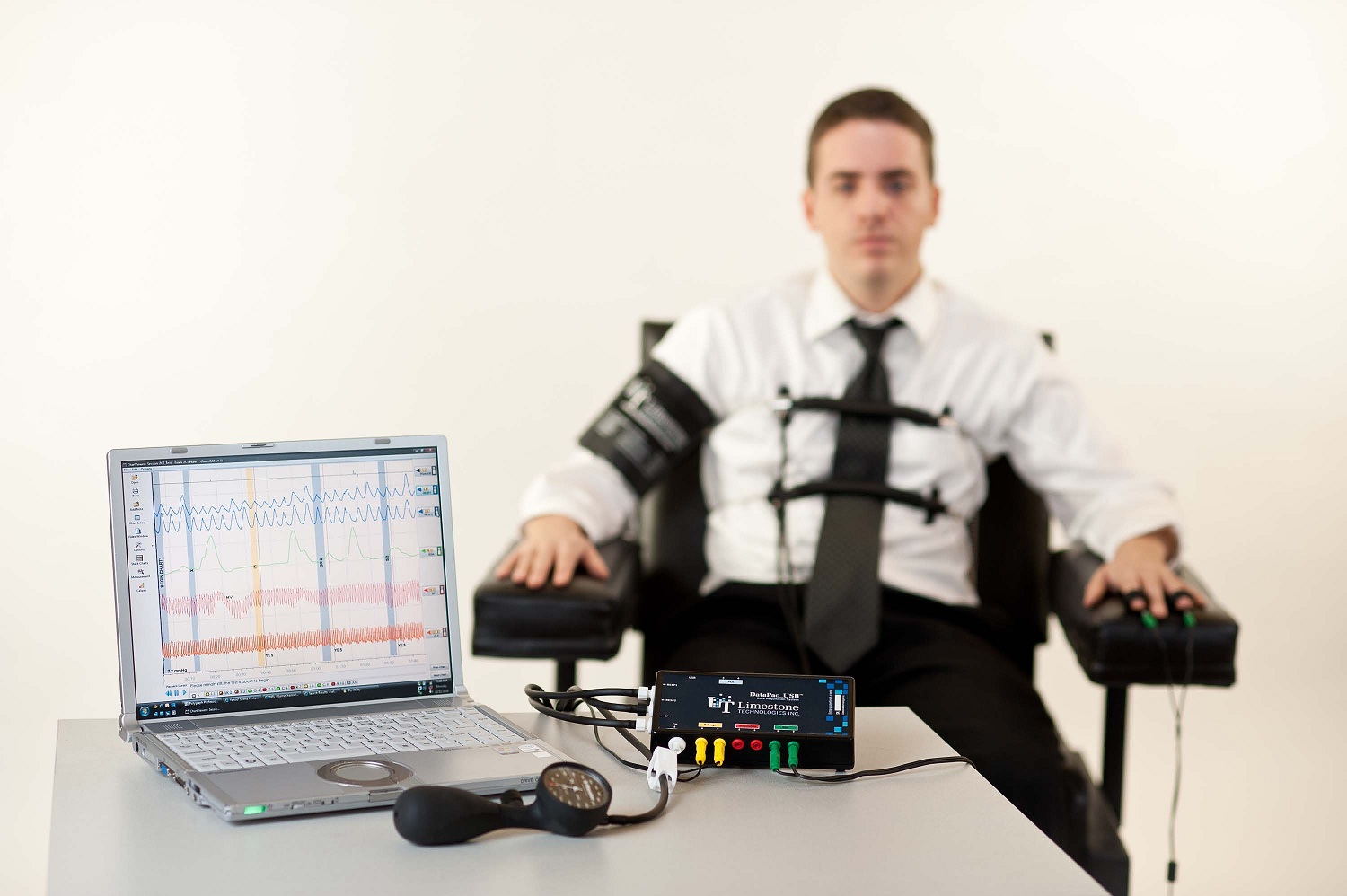
During the software demonstration, make sure you see how specific software features will reduce costs. You will get plenty of softballs being thrown your way about how other customers saw their costs go down or studies showing that large companies have seen the benefits. Your job as the CIO will be to force the vendor to tie cost savings specifically to use of their software, not computers in general.

Improve clinical decision making

Improving clinical decision-making is often a dubious endeavor and should not typically be the first reason you choose to implement an EMR; this is because clinical decision-making is and will remain a knowledge –based activity requiring significant training and teaching of computers before they can actually begin to improve clinical decisions. Physicians are some of the worlds’ best trained knowledge workers and they honed their clinical decision-making skills over a long period of time in very specialized training regimens that cannot easily at this time be duplicated by computers. When a vendor promises that an implementation of any EMR will improve decision-making from a clinical standpoint remain very skeptical.

Enhance documentation

Many vendors claim that their EMR’s will help improve and enhance clinical documentation. While this is very true for lead-based EMR is they are often creating much more documentation as far as quantity is concerned while likely reducing the actual quality of the information contained in the documentation. When implementing a template-based solution keep in mind that what a physician could normally easily write down in a couple of sentences will turn into many paragraphs in many pages of boilerplate text and boilerplate documentation that must then be stored red and understood by colleagues. So the promise of enhanced documentation is actually usually easy to achieve because you will get more pages of documents that are automatically generated but those pages that are generated may not necessarily be the most favorable from a clinical usefulness perspective.

Product DetailsProduct Details

Improve patient care

Many vendors proclaim that the installation of an EMR sometimes by itself will improve patient care; if by improvement of patient care they mean actually moving patients through the different steps associated with patient care in your office in a faster and more customer friendly manner then there is some truth to that. However if by improvement of patient care the promise is to actually make people’s healthcare better or truly improve a patient’s health itself then those claims must also be seen with a skeptical eye. This is similar to the clinical decision making enhancement promises that are often made; just like clinical decisions, patient care is a very human activity and simply introducing a better record keeping system will not improve people’s health. We are an improvement in health can occur however is in the tracking of clinical goals and helping patients meet those goals by reminding patients for regular tasks.

Reduce medical errors

Reduction of medical errors is a laudable goal; and in fact many EMR’s and the use of computerized physician order entry systems can help reduce medical errors by ensuring that common clerical types of errors do not occur. When looking at medical and clinical errors those errors that can easily fit well established and known rules can be automated in a somewhat friendly and easy manner and by using such automated tools error reduction is possible.

Assessment

However, when rules become difficult to define or are not widely agreed-upon then errors associated with such rules would not be caught.

PART ONE: How to Demo and Buy an EMR Office System [Part 1 of 2]

Conclusion

Your thoughts and comments on this ME-P are appreciated. Feel free to review our top-left column, and top-right sidebar materials, links, URLs and related websites, too. Then, subscribe to the ME-P. It is fast, free and secure.

Speaker: If you need a moderator or speaker for an upcoming event, Dr. David E. Marcinko; MBA – Publisher-in-Chief of the Medical Executive-Post – is available for seminar or speaking engagements. Contact: MarcinkoAdvisors@msn.com

OUR OTHER PRINT BOOKS AND RELATED INFORMATION SOURCES:

Product DetailsProduct DetailsProduct Details

How to Demo and Buy an EMR Office System [Part 1 of 2]

Join Our Mailing List 

A SPECIAL ME-P REPORT

Practical “Tips and Pearls” from the Trenches

[Part One]

By Shahid Shah MS http://www.healthcareguy.com

Shahid N. Shah MSWhen getting demonstrations from vendors, the only way to understand the value for the money being spent or invested is to measure and communicate the productivity improvements that IT is supposed to deliver.

If you cannot measure how much time something takes before technology is implemented you will never know whether or not the purchase of any technology was a wise investment.

Some of the measurements you should consider are:

  • how long it takes to pull up a patient chart
  • how long it takes to update common data elements within a chart (meds, problems, etc.)
  • how long an appointment takes to schedule
  • how many patients are seen on a daily basis
  • how much data is being captured per patient visit
  • how long the check in and check out processes take
  • how much time spent on non-essential phone calls (better handled by automated email?)
  • how much time a physician spends on non-clinical activities

The actual items that you measure will depend on the tasks that you would like to automate; the simple listing of the tasks that you would like to automate often provides enough basic measurement metrics that you can perform a before and after comparison.

Vendor Demonstrations

When bringing vendors and for demonstrations or discussions you should lay out your workflow and your processes and share with them the kinds of tasks you would like to automate and the kind of staff productivity you are looking to improve and make your vendors focus on what’s important to you and not what features and functions they have in their solutions. Just remember the rule if you don’t measure you will never know whether you made an investment or simply spent money on something you didn’t need. If you don’t know how well you’re doing and where you want to improve vendors can give you any numbers and they will sound good to you.

Product Details

Here are some general tips for making sure you get good demo’s:

  • Demonstrations from vendors should not be about their software, but about how their solution benefits you. Make sure they spend most of their time talking about you, your practice, how their solution matches your practice, why each feature they are showing is important to your specialty and staff, and why they won’t fail in your office. Each time they talk about a general feature or function, bring them back to your practice.
  • When vendors talk about saving money and increasing productivity keep in mind that some money comes in the form of hard cash for the purchase of equipment and software but even more money will be spent in terms of early loss of productivity as new solutions are installed and staff becomes acclimated to it and potential loss in productivity forever if the wrong processes and steps are automated.
  • Force vendors in their demonstrations to talk about their failures in past installations – how many times were they removed/deinstalled, why did failures occur in the past, how did they recover from inevitable problems? The more a vendor can talk about why things go wrong and how they can help right the ship, the more likely they can help you out the jams you will get into.

To save you time, take 30 minutes and create a document that will tell vendors what you want them to show you in a demo and make the follow your script, not theirs.

Here are some tips for helping vendors demo to you:

  • See if you can do the first demo over the phone and web meeting software like WebEx or GotoMeeting. Remote demonstrations make more efficient use of time – the second or third demonstrations when you’re narrowing down selections are better in person.
  • Tell them there is no need for detailed company introductions and that you have no desire to hear that the vendor’s founders have found the secret sauce to healthcare technology that will save the healthcare industry. Vendors think you care about that stuff and will waste much of your time unless you make sure your wishes to not hear that are known in advance. They will not think you’re rude, they will thank you.
  • All medical records software do generally the same thing, they just do them in sometimes different ways and that’s what you care about – how they’re different. You’ll want to tell them to focus on how they different from other EMRs but not let them focus on competitors early on. Do this towards the end when you better understand their product and can ask more specific questions.
  • If the sales person wants to talk about the company, ask him to focus on the size of their service staff relative to their R&D staff, whether they provide in person phone support, do they have web-based support with screen sharing, and how much it will cost you to get support when you need it. While you’ll never talk to the CEO or founders of a vendor, you’ll definitely talk to their service staff so do ask about it.
  • Take the keyboard from the sales person. Never let a sales person drive the keyboard in a demo, you should do it yourself or have a computer-proficient staff member drive it.
  • Within the first 30 seconds of the demo, make sure you are shown how to lookup a patient by name and date of birth. If it takes more than 30 seconds to launch the app, log in, and type in a patient name or date of birth, and get to a chart then you should be disappointed.
  • Once you’re at the demo patient screen, try to make sense of it without letting the sales person talk and show you around. If there are too many fields and you’re getting confused, it’s probably not intuitive and you should be cautious. Again, don’t let the sales person show you what you don’t understand – try to figure it out yourself.
  • In the demo patient screen, can you find the face sheet, meds, problem lists, procedures, past documents, faxes, lab results, and other documents without help from the vendor?
  • Within the first three minutes of the demo, make sure you see how to add meds, problems, and procedures to an existing patient. These are common tasks and shouldn’t take long.
  • Within the first seven minutes of the demo, make sure you see how to add a note to the chart. This is how you’ll start to interact and input data into the system.
  • Within the first fifteen minutes of the demo, create a new patient record and try to reproduce a sample patient chart in the system. Use an anonymized patient chart and try to recreate it during the vendor’s demo.
  • Now is the time to ask about all the other features that you care about and want to see demonstrated. Try not to ask about features just to see if they have it; tie it to one of your metrics and tell them why you need it.
  • If you liked what you saw, now is the time to ask them what other customers they have and their recent customer wins, how they compare with competitors, how much they cost, and related questions. You’ll understand the vendor better once you’ve tried the software.

Key focus areas for your demonstrations

Sales people for vendors give demo’s hundreds of times and each demo is the same for almost everyone and it focuses on their product. Your job is to focus them into the following key areas that are of concern to you:

  • Chart access. You will want to know how patient charts indexed, searched, and stored. Ask how they handle lost charts and multi-user access to the same chart (meaning can multiple people simultaneously view and update a chart). Inquire about how charts can be accessed on a mobile phone, on a web browser at your house, on a workstation at a hospital you have privileges at, or on your laptop while you’re in CME training. An EMR that doesn’t give you fast access to your charts from everywhere on any kind of device is going to limit you. Ask them to allow you to point your iPhone to a sample chart and see how it will look.
  • Data entry and document creation. Ask over and over again how data gets into the system; will it be a model that allows you to dictate into a phone and have the results show up in the EMR or will it be through voice recognition where the computer is trained and tries to understand what you say and automatically and immediately converts your speech into text for the EMR? Be sure to ask to what extent your voice can create notes in their system. The most common input mechanism outside of voice dictation is “point and click” templating where you choose between many options by pointing and choosing patient symptoms, observations, and other details and the computer creates the notes for you. For all normal findings the software can create the standard notes but for all abnormal findings you either enter free text or dictate. The point and click model is very popular but is a time-consuming activity. Another technique is handwriting recognition on a tablet – if you can write fast enough on touch screen device or can point and click fast it can be something that you can use. All these techniques are important to cover in a demo so you can decide what’s best for you.
  • Data backups. If they are a cloud provider, ask them during the demo to show you how you can easily get access to the database behind the user interface to get your data out anytime you want to. Ask the cloud vendor their disaster recovery strategy – what happens if their primary site is inaccessible, how do you access the data? If your EMR is on-premises on a server, ask them about how they help you perform backups of the server either locally or over the Internet. If the EMR vendor says backups are your problem and doesn’t give you a strategy or guidance you’ll have more to worry about.
  • Patient portals and personal health records (PHRs). Patient engagement and ability for patients to directly connect with you and view their records through your EMR is an important capability. During the decision-making process be sure that for no extra cost patients should be able to see their personal health record (PHR) as another view of your EMR.

Product DetailsProduct Details

Other considerations for your demonstrations

When you are looking to capture metrics and figure out which areas of your practice needs to be automated, take a look at the following general areas and make sure that when you are getting a demonstration you do so in a manner that fits the actual needs of your practice rather than what the software developers and consultants might think you need. If you don’t focus on your business problems than the vendors and consultants will focus you on what they think is important rather than what actually might be important to you. You’re better off reducing the number of areas you get demonstrated versus expanding.

PART TWO: How EMR Vendors Mis-Lead Doctors [Part 2 of 2]

RELATED:

Conclusion

Your thoughts and comments on this ME-P are appreciated. Feel free to review our top-left column, and top-right sidebar materials, links, URLs and related websites, too. Then, subscribe to the ME-P. It is fast, free and secure.

Speaker: If you need a moderator or speaker for an upcoming event, Dr. David E. Marcinko; MBA – Publisher-in-Chief of the Medical Executive-Post – is available for seminar or speaking engagements. Contact: MarcinkoAdvisors@msn.com

OUR OTHER PRINT BOOKS AND RELATED INFORMATION SOURCES:

Product DetailsProduct DetailsProduct Details

Are you Over Paying for Your 401(k) Plan – Doctor?

Join Our Mailing List 

Checking it Twice

By Guy P. Jones CFP® http://www.guypjones.com

Guy P. Jones CFPMany of the doctor and medical professionals I meet are surprised to find that their 401(k) plan has hidden fees. They often don’t have or take the time to learn all the aspects of setting up a new plan.

As a consequence, they often times buy what I call “The 401(k) in a Box” from the first provider that comes along or from a current vendor that is providing ancillary services for them.  Many plans have significant hidden fees and this is especially true of 401(k) plans offered to small businesses like a medical practice or clinic.

According to a recent study, the average 401(k) plan has hidden fees of 0.72% per year. That may not seem like much but it costs the average participant about $11,000 over the lifetime of their participation. That’s $350 per year – and the fees are extracted directly from the 401(k) your account!

But, what about doctors and small business owners whose 401(k) plans have fewer than 20 employees and less than $1 million in total assets?

Well, their situation is much worse. For these small 401(k) plans, hidden fees can jump from 0.79% to 1.89%, or up to $920 per plan participant per year. This can mean paying an estimated $28,000 in hidden fees over the lifetime of their participation. If you selected one of these 401(k) for your employees, you could be unknowingly costing them $350 – $920 per year in hidden fees.

What are 401(k) Plan Fees and Who Pays for Them?

401(k) plan fees and expenses generally fall into three categories:

  • Plan Administration Fees – The day-to-day operation of a 401(k) plan involves expenses for basic administrative services – plan recordkeeping, accounting, legal and trustee services – that are necessary for administering the plan as a whole. Generally the more services provided, the higher the fees.
  • Investment Fees – the largest component of 401(k) plan fees and expenses is associated with managing plan investments. Your net total return is your return after these fees have been deducted.
  • Individual Service Fees – Individual service fees are charged separately to the accounts of participants who choose to take advantage of a particular plan feature. For example, individual service fees may be charged to a participant for taking a loan from the plan or for executing participant investment directions.We all evaluate our vendors occasionally. I find most doctors and small business owners do not evaluate their retirement plans because they do not know what questions to ask:

Questions

  • When was the last time you reviewed your retirement plan for cost savings or plan improvements?
  • Is it time to find out how to get a plan started?

Retirement

Assessment

Getting education from a physician focused fiduciary financial advisor is an important step in the process to either grow the profitability of your current plan or realize the benefits of a 401(k) Plan.

Conclusion

Your thoughts and comments on this ME-P are appreciated. Feel free to review our top-left column, and top-right sidebar materials, links, URLs and related websites, too. Then, subscribe to the ME-P. It is fast, free and secure.

Speaker: If you need a moderator or speaker for an upcoming event, Dr. David E. Marcinko; MBA – Publisher-in-Chief of the Medical Executive-Post – is available for seminar or speaking engagements. Contact: MarcinkoAdvisors@msn.com

OUR OTHER PRINT BOOKS AND RELATED INFORMATION SOURCES:

Product Details  Product Details

Product Details

On Medicaid Payment Amounts

Join Our Mailing List

In the USA 1999-2010

http://www.MCOL.com

Medicaid

Conclusion

Your thoughts and comments on this ME-P are appreciated. Feel free to review our top-left column, and top-right sidebar materials, links, URLs and related websites, too. Then, subscribe to the ME-P. It is fast, free and secure.

Speaker: If you need a moderator or speaker for an upcoming event, Dr. David E. Marcinko; MBA – Publisher-in-Chief of the Medical Executive-Post – is available for seminar or speaking engagements. Contact: MarcinkoAdvisors@msn.com

OUR OTHER PRINT BOOKS AND RELATED INFORMATION SOURCES:

Product DetailsProduct Details

Introducing US Treasury Floating Rate Notes

Join Our Mailing List

What they Are – How they Work?

[By Staff Reporters]

Back in January 2014, the US Treasury announced that it would hold an inaugural Floating Rate Notes (FRNs) auction this year, making FRNs the first new Treasury security since they introduced Treasury Inflation-Protected Securities (TIPS) more than 15 years ago.

Complimentary Products

FRNs will complement Treasury’s existing suite of securities, which include Treasury bills, notes, bonds, and TIPS.

The Treasury’s introduction of FRNs will provide a number of benefits to taxpayers including assisting Treasury in managing the maturity profile of the nation’s marketable debt outstanding, expanding Treasury’s investor base and, most importantly, helping to finance the government at the lowest cost over time.

Assessment

FRNs are a unique and attractive option for investors because the security features an interest payment that can adjust over time.

***

US Capitol

***

More:

Conclusion

Your thoughts and comments on this ME-P are appreciated. Feel free to review our top-left column, and top-right sidebar materials, links, URLs and related websites, too. Then, subscribe to the ME-P. It is fast, free and secure.

Speaker: If you need a moderator or speaker for an upcoming event, Dr. David E. Marcinko; MBA – Publisher-in-Chief of the Medical Executive-Post – is available for seminar or speaking engagements. Contact: MarcinkoAdvisors@msn.com

OUR OTHER PRINT BOOKS AND RELATED INFORMATION SOURCES:

Product Details  Product Details

Developing the Millionaire’s Mindset [Part 2]

Join Our Mailing List

Three More Components

By Rick Kahler MS CFP® http://www.KahlerFinancial.com

Rick Kahler CFPIn a previous ME-P, we looked at the first three components of a millionaire mindset: how to spend like a millionaire by living frugally, budget like a millionaire by putting essentials and savings first, and work like a millionaire by loving what you do and investing in your career.

All three of these are vital habits for anyone wanting to build financial independence and lead a satisfying life. But the millionaire mindset doesn’t stop there. Here are three more aspects of it.

4. Fail like a millionaire

The classic book, The Millionaire Next Door, by Thomas J. Stanley and William D. Danko, points out a statistic that initially seems backwards. The average millionaire makes 3.1 major financial, career, or business mishaps in a lifetime. The average non-millionaire makes 1.6 such mistakes.

Why do successful people fail so much more often? They don’t give up. They try again, and again, and again. As Steve Jobs, who had his own failures, said, “I’m convinced that about half of what separates successful entrepreneurs from the non-successful ones is pure perseverance.”

My own observation is that those who succeed also learn from their failures. A millionaire mindset means being willing to take risks, but also being smart enough not to keep making the same mistakes.

5. Network like a millionaire.

Those who succeed in starting businesses, building careers, and accumulating wealth aren’t afraid to ask for help. Millionaires know better than to rely solely on their own expertise. They are experts at building an expansive network of friends and acquaintances that they can turn to for help and advice. They understand that the more people you know, the more access you have to people you can learn from.

This, of course, is only one aspect of networking. Contrary to the projections of “greed” and “selfishness” often thrust upon them by public opinion and the media, successful people are also generous in giving back. The millionaire mindset includes an awareness that no one becomes successful in a vacuum. Millionaires are typically quick to acknowledge those who have helped them. They tend to pay it forward by mentoring, helping others to succeed, and sharing both their money and their wisdom.

6. Think like a millionaire

Having a millionaire mindset does not mean having a life goal of being rich. Millionaires think of money as a tool, not a goal. They don’t value wealth for its own sake. In fact, for many successful people, becoming rich is almost incidental. Their primary focus is succeeding at work they are passionate about.

A millionaire mindset is based on an attitude of gratitude, not one of entitlement. It includes the awareness that experiences and relationships are more valuable than things when it comes to creating sustainable happiness.

Successful millionaires understand that money itself will never give you meaning or make you happy. Yet they also understand that money is important. It is inseparable from our quest for meaning and happiness, because it touches everything we do. Financial planner Dick Wagner calls money “the most powerful and pervasive secular force on the planet.”

***

Classic Jaguar

***

If you are struggling to pay the bills on a meager income, overwhelmed by debt, or living in chronic financial chaos, it’s highly unlikely that you’ll feel fulfilled and satisfied with your life. Money is an essential tool in today’s world, and learning to use that tool wisely is as important as learning the skills required for your career.

Assessment

No matter what direction your life or medical specialty takes you, developing a millionaire mindset will serve you well. It’s a crucial set of values to help you achieve your goals and realize your dreams.

PART ONE: Developing the Millionaire’s Mindset [Part 1]

Conclusion

Your thoughts and comments on this ME-P are appreciated. Feel free to review our top-left column, and top-right sidebar materials, links, URLs and related websites, too. Then, subscribe to the ME-P. It is fast, free and secure.

Link: http://feeds.feedburner.com/HealthcareFinancialsthePostForcxos

Speaker: If you need a moderator or speaker for an upcoming event, Dr. David E. Marcinko; MBA – Publisher-in-Chief of the Medical Executive-Post – is available for seminar or speaking engagements. Contact: MarcinkoAdvisors@msn.com

OUR OTHER PRINT BOOKS AND RELATED INFORMATION SOURCES:


  Product DetailsProduct Details

Employer Health Benefits Post PP-ACA

Join Our Mailing List

Percentage of Employers who View Health Reform Impact on Aspects of Employer Benefits as Moderate / Tremendous

By http://www.MCOL.com

ImageProxy

 HealthcareWebSummit Events

Upcoming Webinars:

On Demand: IBM Webcast: Using Analytics to Improve Outcomes at the Point of Care
On Demand: A Fresh Approach to CDH: 5 Ways to Get In It to Win It
Predictive Modeling Web Summit June 4, 2014
Large Employers and Exchanges: Minimum Standards and Private HIX Considerations June 5, 2014
Cigna’s Collaborative Care Strategy: Engaging Healthcare Professionals June 18, 2014
Provider Contracts and Quality Measurement June 19, 2014
Understanding Medicare DSH Changes-Hospital/Medicare Advantage Plan Implications June 24, 2014
Accountable Care at a Tipping Point: Oliver Wyman ACO Research Findings June 27, 2014
2015 Medical Cost Trends & Implications: PwC Research Behind the Numbers July 15, 2014
Readmissions Web Summit August 14, 2014
Accountable Care Web Summit December 11, 2014

Flash Drives of Past Events

Conclusion

Your thoughts and comments on this ME-P are appreciated. Feel free to review our top-left column, and top-right sidebar materials, links, URLs and related websites, too. Then, subscribe to the ME-P. It is fast, free and secure.

Link: http://feeds.feedburner.com/HealthcareFinancialsthePostForcxos

Speaker: If you need a moderator or speaker for an upcoming event, Dr. David E. Marcinko; MBA – Publisher-in-Chief of the Medical Executive-Post – is available for seminar or speaking engagements. Contact: MarcinkoAdvisors@msn.com

OUR OTHER PRINT BOOKS AND RELATED INFORMATION SOURCES:

Product DetailsProduct DetailsProduct Details


Developing the Millionaire’s Mindset [Part 1]

Join Our Mailing List 

To Build a Solid Financial Foundation to Support your Goals

By Rick Kahler MS CFP® http://www.KahlerFinancial.com

Rick Kahler CFPIf you’re a new graduate, nursing or medical student, taking your first steps into the adult world, here is the most important financial advice I can offer: Develop a millionaire mindset.

This absolutely does not mean making wealth your life goal. But, thinking like a millionaire will help you build a solid financial foundation to support you in reaching your life goals.

Definitions

First of all, let me define “millionaire.” A millionaire is someone with a net worth of one million dollars. That amount would generate an income of around $30,000 a year. In today’s world, that’s not even close to lavish-lifestyle wealth.

You probably know several millionaires. If you don’t think of them as rich, it’s most likely because they practice the millionaire mindset.

Here’s how:

1. Spend like a millionaire

The number-one common denominator of wealth accumulators is frugality. Millionaires shop sales, clip coupons, read labels, compare prices, and bargain. People who build wealth usually don’t wear designer clothes, drive luxury cars, live in extravagant houses, or shop at Neiman Marcus. They typically wear jeans bought on sale, drive used Toyotas, live in middle class neighborhoods, and shop at Walmart.

There’s no place in a millionaire mindset for credit card debt. Pay cash for everything but your home. Use a credit card only for convenience and pay it off every month. If you ever find yourself unable to pay the full amount, cut up your card. Pay off the balance as quickly as you can, and then don’t use a credit card for at least one year.

2. Work like a millionaire

Most millionaires work long hours, and most of them love what they do. They often have some “skin in the game” by owning part or all of their own businesses. As much as possible, find a job and career you love. When you do, your work becomes play. Invest time and money to keep your career skills and knowledge current. The millionaire mindset knows that your career is your most valuable financial asset.

3. Budget like a millionaire

Most college students live on budgets that allow only a Ramen noodle lifestyle. When you start getting career paychecks, keep that lifestyle for a time. Don’t increase your budget when you get a new job, a raise, or a promotion. Always have your lifestyle at least one step below your income.

***

Millionaire's Jaguar

***

To budget like a millionaire, follow these steps on every gross dollar you earn:

  • First, pay your taxes. Estimate your total tax liability and be sure your employer withholds enough to cover it. If you are self-employed, deposit a percentage of every check into a savings account that you use solely to pay your quarterly estimated taxes. Never “raid” these funds.
  • Second, put away at least 20% or more of every gross dollar you earn until you have six months to one year of living expenses in an emergency account. Then continue to invest that 20% of your gross pay in qualified retirement plans like 401ks, 403bs, or IRAs.
  • Third, pay your fixed expenses like housing and utilities.
  • Fourth, set up short-term savings accounts for foreseeable future “unexpected” lump-sum expenses like car and home repairs, vacations, holiday giving, college tuition, and medical emergencies.
  • Fifth, go ahead and blow the rest any way you wish. For most people, this means living on 30 to 60 cents out of every gross dollar you earn.

Assessment

The ways you spend, budget, and work are only part of the millionaire mindset. In a future ME-P, we’ll look at other ways you can build a fulfilling life by thinking like a millionaire.

PART TWO: Developing the Millionaire’s Mindset [Part 2]

Conclusion

Your thoughts and comments on this ME-P are appreciated. Feel free to review our top-left column, and top-right sidebar materials, links, URLs and related websites, too. Then, subscribe to the ME-P. It is fast, free and secure.

Link: http://feeds.feedburner.com/HealthcareFinancialsthePostForcxos

Speaker: If you need a moderator or speaker for an upcoming event, Dr. David E. Marcinko; MBA – Publisher-in-Chief of the Medical Executive-Post – is available for seminar or speaking engagements. Contact: MarcinkoAdvisors@msn.com

OUR OTHER PRINT BOOKS AND RELATED INFORMATION SOURCES:

Product Details  Product Details

Introducing Physician-Focused Consumerism [PFC]

Join Our Mailing List 

A New Process or Just a New Term?

[By Staff Reporters]

According to Javier Sanabria, Physician-Focused Consumerism is a set of initiatives designed to align physician decision making with high-quality healthcare outcomes provided in a cost-efficient manner.

 manage

Physician-focused consumerism can include the redesign of financial incentives, greater access to patient data, decision support tools, ongoing education about treatment alternatives, and an understanding of the financial impact of alternatives on patients. It can be the basis for collaborative efforts between employer health plan sponsors, provider systems, and physicians to help achieve high-quality care in a cost-effective manner.

Assessment

See more at: http://www.healthcaretownhall.com/?p=7450#sthash.AgjagVO7.dpuf

Conclusion

Your thoughts and comments on this ME-P are appreciated. Feel free to review our top-left column, and top-right sidebar materials, links, URLs and related websites, too. Then, subscribe to the ME-P. It is fast, free and secure.

Link: http://feeds.feedburner.com/HealthcareFinancialsthePostForcxos

Speaker: If you need a moderator or speaker for an upcoming event, Dr. David E. Marcinko; MBA – Publisher-in-Chief of the Medical Executive-Post – is available for seminar or speaking engagements. Contact: MarcinkoAdvisors@msn.com

OUR OTHER PRINT BOOKS AND RELATED INFORMATION SOURCES:

Product DetailsProduct DetailsProduct Details

Two Healthcare Sectors the Stock Market Got Wrong on Election Day 2012

Join Our Mailing List

How various sectors in the Health Care Industry fared under the PP-ACA legislation?

[A SPECIAL R&D REPORT FOR THE ME-P]

By David K. Luke MIM, MS-PFP, CMP™ [Certified Medical Planner™]

Website: http://www.networthadvice.com

David K. LukeThere has been a lot of speculation since the words “Affordable Care Act” were first whispered years ago on how the various sectors in the Health Care Industry would fare under such legislation. I proposed that a good indicator would be to look at the performance of the individual health care sector stocks on the first trading day after the election.

(See With Obama Election Win, “Mr. Market” Weighs in on the ACA Equity Winners and Losers by David K. Luke on November 16, 2012).

Link: With Obama Election Win “Mr. Market” Weighs in on the ACA Equity Winners and Losers

The day after Pres. Obama’s reelection on Wednesday, November 7, 2012 the stock market was down over 2% as measured by the S&P 500 and the Dow Jones Industrial Average (DJIA). The common reason given was increased doubt that the impending “fiscal cliff” issue, which was splitting the House and the Senate, would be resolved. There was however, another big concern on investor’s mind: the future of the Affordable Care Act. While the election was close when measured by the popular vote with President Obama earning 51.06% versus Mitt Romney with 47.20%, the electoral vote showed a hands-down Obama victory with 332 versus 206 votes. Investors voted with their pocketbooks with that first trading session following the election showing certain healthcare sectors up in price, other healthcare sectors with moderate returns, and certain healthcare sectors down in price.

Disparate Health Care Sector Returns

It is interesting to look back now over a year and a half later and see how accurate those investor votes were on that first day of realization that health care reform was continuing forward at a much faster pace now that President Obama would be serving a second term. Keeping in mind that the day was a very negative day as a whole in the stock market, a number of healthcare sectors were up in price. This group includes Hospital Stocks and Medicaid HMOs. Note the phenomenal one-day returns (in a down 2% market!) on the sample stocks in these two groups:

Hospital Stocks

  • Health Management Associates (HMA) +7.3%
  • HCA Holdings Inc. (HCA) +9.4%
  • Community Health Systems Inc. (CYH) +6.0%
  • Tenet Healthcare Corp. (THC) +9.6%

Medicaid HMOs

  • Molina Healthcare Inc. (MOH) +4.6%
  • Centene Corp. (CNC) +10.1%
  • WellCare Health Plans Inc. (WCG) +4.4%

Such positive returns on a big down day in the market indicates investors assessing these healthcare sectors being good investments under an Obama presidency and a positive outlook for the implementation of the Affordable Care Act. The other up sector on that day was the Drug Wholesalers, up almost 1% on that negative day. (See “Selected Health Care Performance” Chart – below).

The market had a tepid response to the Pharmacy Benefit sector, as well as the Generic Pharmacy, Testing Labs, and Big Pharma. In my sample group, these sectors were down -.4%, -7%, -1.7%, and -1.4% respectively. It is important to note however that these sectors while slightly positive or barely negative still performed better than the general market that day.

Two Sectors

But, the two healthcare sectors that the stock market severely punished with the voting of substantially more sellers than buyers by investors on that first post-election day were the Medical Device Companies (down 2.5% in the sample group) and the Medicare Part D Companies (down 4.7% in the sample group). The thought at the time was that Medical Device Companies, facing an impending medical device excise tax of 2.3% on the sale of most medical devices in the United States, would be devastated, and that Medicare Part D Companies would face severe profit constraints with tighter-fisted government regulations imposed by the ACA.

***

Stock_Market

***

The Retro-Specto-Scope

In hindsight, investors were correct on two out of the three predictions based on stock market prices on the various healthcare sectors. Hospital Stocks, Medicaid HMOs, and Drug Wholesalers, the leading sectors indicated to be winners with the impending implementation of the ACA, are up 69.8%, 63.6% and 76.5% respectively in the sample groups since November 7, 2012. This remarkable and closely parallel return for these three sectors seemed to prove that the stock market on November 7, 2012 correctly picked the three winning health care sectors! The S&P 500 index for the same time is up 32.02%, a nice return for 1 ½ years but about half the return of these apparently huge benefactors of the ACA. The healthcare sectors that investors felt less positive about (but more positive than the general stock market) on that first postelection day were Pharmacy Benefit Companies, Generic Pharmacy Companies, Testing Labs, and Big Pharma. These four health care sectors are up 43.8%, 40.5%, 6.4%, and 20.5% respectively. Again, in terms of ranking the sectors, these four sectors performed in line based on the comparative returns of the other healthcare sectors.

Wisdom of Crowds

Amazingly, it appears that the emotional Mr. Market predicated quite accurately on Wednesday, November 7, 2012, in one day of trading, not just which health sectors would be good investments for the near future, but the actually ranking of the future performance of the sectors! It seems as though the stock market, as one large voting machine, precisely dissected the over 20,000 pages + of resulting legislation created from the original 906 pages (pdf here) of the PPACA law and distilled it down to profits and losses with the resulting winners and losers in the health care industry in one trading session.

Two [2] Big Misses

Investors however were way off on their concerns about Medical Device Companies and Medicare Part D Companies. The two sample groups were up 71.3% and 66.4% in the time of November 7, 2012 to May 19, 2014 respectively, more than double the S&P 500 for the same period, and in line with the best performing sectors! This is spite of the fact that stock sample of these two groups were the two worst performers on post-election day trading. What happened?

***

Bear + A Falling Stock Chart

***

The “Medical Device Excise Tax” Fable and the “Private Insurers Will Control Costs” Fairy Tale

Wall Street has sharpened their pencils in the last year and a half and realized they have gravely underestimated the profit potential of the Medical Device makers and the Managed Care Health Insurers, in spite of the ACA. Based on stock price performance of the sample group of major players in the past 18 months, fewer sectors look as profitable as the Medical Device Industry and the Medicare Part D Industry. What happened?

The Medical Device industry states that the tax will cost the US “tens of thousands of jobs” and that those jobs will be shipped overseas. A number of issues that are involved here however refute these claims (http://www.factcheck.org/2013/10/boehner-and-the-medical-device-tax/. It appears that any targeted reductions were not related to the implementation of the tax, which became effective January 1, 2013, in spite of heavy protest by the industry. Medical technology continues to have a bright future regardless of the tax.

The notion that the “Affordable” Care Act will help reign in the rampant cost increases of Medicare’s “Part D” program seem to be elusive. Private insurers have done a poor job of keeping drug prices down, especially when compared to the discounts the government gets for Medicaid. Medicare Part D companies wield significant influence on Capitol Hill, and impending steeper discounts look unlikely.

Everybody Wins, Except …

Before the ACA implementation, about 85% of Americans had health insurance. Currently with an additional 7 million Americans with health insurance thanks to Obamacare, an additional 2.2% of Americans now have coverage, or about 87% of all Americans. How can such a slight increase in new health care consumers be responsible for such large anticipated profits in the health care sector? It cannot. Wall Street is telling us that the new health law is not about new customers, but about increased profit margins for the health care industry. I can draw three conclusions:

  1. The Affordable Care Act may not be so affordable for health consumers
  2. Most companies in the Health Care Industry stand to gain financially with ACA. There is one sure loser with ACA: The physician, who can only look forward to increased workloads and mpending Medicare SGR pay cuts.

THE CHART [Research and Development]

Selected Health Care Sector Stock Performance Random Sampling of Publically Traded Companies From President Obama Re-election Date to Present

Chart

Conclusion

Your thoughts and comments on this ME-P are appreciated. Feel free to review our top-left column, and top-right sidebar materials, links, URLs and related websites, too. Then, subscribe to the ME-P. It is fast, free and secure.

Link: http://feeds.feedburner.com/HealthcareFinancialsthePostForcxos

Speaker: If you need a moderator or speaker for an upcoming event, Dr. David E. Marcinko; MBA – Publisher-in-Chief of the Medical Executive-Post – is available for seminar or speaking engagements. Contact: MarcinkoAdvisors@msn.com

OUR OTHER PRINT BOOKS AND RELATED INFORMATION SOURCES:

Product DetailsProduct DetailsProduct Details

Product DetailsProduct Details

Product Details  Product Details

Product Details

Retail Perscription Drug Expenditures

Join Our Mailing List

By Payer 2001-2011

http://www.MCOL.com

Retail Drugs

Conclusion

Your thoughts and comments on this ME-P are appreciated. Feel free to review our top-left column, and top-right sidebar materials, links, URLs and related websites, too. Then, subscribe to the ME-P. It is fast, free and secure.

Link: http://feeds.feedburner.com/HealthcareFinancialsthePostForcxos

Speaker: If you need a moderator or speaker for an upcoming event, Dr. David E. Marcinko; MBA – Publisher-in-Chief of the Medical Executive-Post – is available for seminar or speaking engagements. Contact: MarcinkoAdvisors@msn.com

OUR OTHER PRINT BOOKS AND RELATED INFORMATION SOURCES:

Product DetailsProduct DetailsProduct Details

Product DetailsProduct Details

Product Details


2014 Healthcare Innovation Conferences

Join Our Mailing List

The List for 2014

By Staff Reporters

On Hospital Price Transparency and Estimating Out-of-Pocket Expenses

Join Our Mailing List

When it comes to health care, determining medical costs can be complicated

[By Dr. David Edward Marcinko MBA CMP™]

Dr David E Marcinko MBAAt Baptist Memorial Health Care, they’re trying to make things a little easier to understand. That’s why they built Expense Navigator, an out-of-pocket medical cost estimator tool. As a doctor, patient and financial advisor, this is vital information.

Expense Navigator is a key step in Baptist’s effort to become a leader in price transparency in U.S. health care. Patients can use the medical cost estimator tool to estimate out-of-pocket costs for hundreds of hospital inpatient or outpatient procedures.

They can also get a customized estimate for care at Baptist Memorial Hospital-Memphis or 13 other affiliated hospitals in West Tennessee, North Mississippi and East Arkansas.

So, whether you have Medicare, other insurance or are uninsured, the Expense Navigator may help you better plan for Baptist medical expenses.

Some of the Procedures Listed

  • MRI
  • CAT Scan (CT)
  • Emergency Visits (ER)
  • Mammogram
  • Orthopedic Procedures
  • X-Ray
  • Ultrasound
  • Childbirth
  • Bone Imaging
  • Cardiac Procedures
  • Appendectomy
  • Chemotherapy
  • Laparoscopy (Scope)
  • Pulmonary Procedures
  • Upper GI
  • Lower GI
  • Spinal Tap
  • Lab Tests
  • Diabetes Treatment

Free, out-of-pocket medical cost estimates are available for the following hospitals in Tennessee, Mississippi and Arkansas

Tennessee

Mississippi

Arkansas

Keyboard

Conclusion

Your thoughts and comments on this ME-P are appreciated. Feel free to review our top-left column, and top-right sidebar materials, links, URLs and related websites, too. Then, subscribe to the ME-P. It is fast, free and secure.

Link: http://feeds.feedburner.com/HealthcareFinancialsthePostForcxos

Speaker: If you need a moderator or speaker for an upcoming event, Dr. David E. Marcinko; MBA – Publisher-in-Chief of the Medical Executive-Post – is available for seminar or speaking engagements. Contact: MarcinkoAdvisors@msn.com

OUR OTHER PRINT BOOKS AND RELATED INFORMATION SOURCES:

Product DetailsProduct Details

Product Details

Why Hospitals Must Look to the Cloud?

Join Our Mailing List

A Key Solution to Meeting the Healthcare Mandates

By http://www.Innotas.com

hospital clouds

Assessment

Healthcare and Insurance Partial Client List:

  • Adventist Health
  • RelayHealth
  • SCAN Health Plan
  • University of Missouri Health System
  • Johns Hopkins Healthcare LLC
  • Maxim Healthcare Services, Inc.
  • Catholic Health System
  • Noven Pharmaceuticals, Inc.
  • Nyack Hospital

Conclusion

Your thoughts and comments on this ME-P are appreciated. Feel free to review our top-left column, and top-right sidebar materials, links, URLs and related websites, too. Then, subscribe to the ME-P. It is fast, free and secure.

Link: http://feeds.feedburner.com/HealthcareFinancialsthePostForcxos

Speaker: If you need a moderator or speaker for an upcoming event, Dr. David E. Marcinko; MBA – Publisher-in-Chief of the Medical Executive-Post – is available for seminar or speaking engagements. Contact: MarcinkoAdvisors@msn.com

OUR OTHER PRINT BOOKS AND RELATED INFORMATION SOURCES:

Product DetailsProduct Details

Product Details

Should Eric Shinseki – and others – Resign?

Join Our Mailing List 

Who he Is – Wither the VA Imbroglio

ShinsekiAccording to Wikipedia; Eric Ken Shinseki (/ʃɨnˈsɛki/; born November 28, 1942) is a retired United States Army four-star general who has served since 2009 as the seventh United States Secretary of Veterans Affairs.

His final U.S. Army post was as the 34th Chief of Staff of the Army (1999–2003). He is a veteran of combat in the Vietnam War, where he sustained a foot injury.

Assessment

Veterans Affairs Secretary Eric Shinseki testified on Thursday May 15, 2014 for the first time since a burgeoning scandal broke on allegedly deadly health care delays in the VA system, as he faces calls for his resignation and demands that the VA immediately improve the way it treats America’s vets.

And so we ask in this opinion poll:

Prior ME-P Polls

Members of the ME-P community called for the resignation of former HHS Secretary Kathleen Sebelius.

Link: Should HHS Secretary Kathleen Sebelius be Replaced?

Will our ME-P readers make the correct call; or not?

Conclusion

Your thoughts and comments on this ME-P are appreciated. Feel free to review our top-left column, and top-right sidebar materials, links, URLs and related websites, too. Then, subscribe to the ME-P. It is fast, free and secure.

Link: http://feeds.feedburner.com/HealthcareFinancialsthePostForcxos

Speaker: If you need a moderator or speaker for an upcoming event, Dr. David E. Marcinko; MBA – Publisher-in-Chief of the Medical Executive-Post – is available for seminar or speaking engagements. Contact: MarcinkoAdvisors@msn.com

OUR OTHER PRINT BOOKS AND RELATED INFORMATION SOURCES:

Product DetailsProduct DetailsProduct Details


Making Medical [Financial] Advice Memorable?

Join Our Mailing List 

Can Physician [Advisor] Body Language Assist Patient [Client] Adherence

[By Dr. David Edward Marcinko MBA CMP™]

DEM at Drexel

Recently, I was at Drexel University which is a private research university in Philadelphia. It was founded in 1891 by Anthony J. Drexel, a noted financier and philanthropist. Drexel offers over 70 full-time undergraduate programs and accelerated degrees. At the graduate level, the university offers over 100 masters, doctoral, and professional programs, many available part-time.

Now, I know DU well because as a student from Temple University back in the day, I visited frequently. It was there that I first learned of the work of H. Ebbinghaus on the nature of emotions and the human memory.

Two [2] Examples

As doctors, we usually want to make a memorable impression on our patients and encourage them to remember our medical advice or instructions.

OR, as financial advisors, we want our clients to follow our informed advice. But how?

One suggestion is to take advantage of the Serial Position Effect.

Definition

The Serial Position Effect is a term coined by German psychologist Hermann Ebbinghaus PhD.

Hermann Ebbinghaus (January 24, 1850 — February 26, 1909)

According to Wikipedia, Dr. Ebbinghaus was a German psychologist who pioneered the experimental study of memory, and is known for his discovery of the forgetting curve and the spacing effect. He was also the first person to describe the learning curve. He was the father of the eminent neo-Kantian philosopher Julius Ebbinghaus.

Through his studies, he found that people have a tendency to remember the first (primacy) and last (recency) things to occur, and scarcely the middle.

The graph below demonstrates the Serial Position Effect in recalling a list of words. However, this psychological effect can be applied to many things – from job interviews to television commercials to physician advice.

***Graph

 ***

So, during your next patient interaction or client-advisor relationship, instruct your target either at the beginning or end of the event; or patient encounter. They are much more likely to remember you, and recall the topic, conversation, medical advice or instructions.

Assessment

If you want to be remembered, don’t be in the middle! And, this will make your next patient interaction; or client meeting, much easier.

Conclusion

Your thoughts and comments on this ME-P are appreciated. Feel free to review our top-left column, and top-right sidebar materials, links, URLs and related websites, too. Then, subscribe to the ME-P. It is fast, free and secure.

Link: http://feeds.feedburner.com/HealthcareFinancialsthePostForcxos

Speaker: If you need a moderator or speaker for an upcoming event, Dr. David E. Marcinko; MBA – Publisher-in-Chief of the Medical Executive-Post – is available for seminar or speaking engagements. Contact: MarcinkoAdvisors@msn.com

OUR OTHER PRINT BOOKS AND RELATED INFORMATION SOURCES:

Product DetailsProduct Details

Product Details