October is “Cut Out Dissection” Month

Join Our Mailing List 

Appreciating the Pros and Cons of Animal Dissection

[Brought to you by PETA]

Every year, millions of frogs, rats, cats, mice, and other animals suffer and are killed for dissection. Luckily, there are far better ways to learn biology than by torturing animals, damaging the environment, and teaching insensitivity. With more and more states enacting dissection-choice policies, it’s never been easier to avoid dissection.

And so, October is “Cut Out Dissection Month” and PETA wanted to arm you with the “facts” on animal dissection in the easiest, most eyeball-friendly, sharable way—with our handy-dandy infographic!

Assessment by Dr. David Edward Marcinko MBA

As a Board-Certified surgeon, and Fellow of the American College, I disagree with this sentiment. Of course, I am not in favor of the wanton torture or harm of any animal. But, I still remember the first time I operated on a living, but anesthetized, German Shepard at Temple University in Philadelphia, almost 40 years ago. And, I still can feel the animal’s heart beating in my hands – powerful!

Of course, the anti-vivisectionist crowd scrawled graffiti on the anatomy building walls – the entire semester – to no avail. I also dissected frogs, fetal pigs, sharks, rabbits and several cats before reaching medical school.  

Conclusion

Your thoughts and comments on this ME-P are appreciated. Feel free to review our top-left column, and top-right sidebar materials, links, URLs and related websites, too. Then, subscribe to the ME-P. It is fast, free and secure.

Speaker: If you need a moderator or speaker for an upcoming event, Dr. David E. Marcinko; MBA – Publisher-in-Chief of the Medical Executive-Post – is available for seminar or speaking engagements. Contact: MarcinkoAdvisors@msn.com

OUR OTHER PRINT BOOKS AND RELATED INFORMATION SOURCES:

Product DetailsProduct DetailsProduct Details

Product Details  Product Details

   Product Details

Finding a Fiduciary Financial Advisor

Join Our Mailing List

A Critical Life Skill? 

[By Rick Kahler MS CFP® http://www.KahlerFinancial.com]

Rick Kahler CFPIn today’s complex world of technology, regulations, and finance, a critical life skill is finding advisors and service providers we can trust.

Few of us know how to repair a laptop, grasp the details of income tax regulations, or understand the nuances of selecting the best mutual fund.

We must rely on others to help us out.

Trust Owed

In the legal sense, there are very few people who “owe” us their trust. Certainly, those selling us goods owe us accuracy and honesty. When I buy a 48-ounce bottle of 100% pomegranate juice from Safeway, I expect it to contain exactly 48 ounces and be 100% pomegranate juice, not a blend of pomegranate, grape, and apple. However, I cannot trust Safeway to know whether the health claims behind pomegranate juice are accurate or whether I can find it cheaper elsewhere.

Sales People

In a similar fashion, salespeople for appliances, cars, or cable service have one basic goal, to sell products to their customers. They owe us honesty about the costs, features, and condition of their wares. But it is up to us to research products and decide whether they are good values for us.

Professionals

Professionals in some fields give unbiased advice about certain products or services as they relate specifically to you. In a legal sense, such professionals do owe you trust. They have a “fiduciary” duty to be your advocate. The law requires a professional held to a fiduciary duty to work solely in the consumer’s interest. Examples of such professionals are physicians, attorneys, accountants, trustees, trust officers, and most real estate consultants.

When a professional has a fiduciary duty to you, you are called a client. When a professional is selling you a product or service, you are a customer.

Conflicts of Interest

One of the primary issues affecting how easily fiduciaries can advocate for you is their level of freedom from a conflict of interest. At times a potential conflict of interest can be so significant that a fiduciary will decline the engagement. Attorneys, for example, will turn you down if you want to sue someone they have represented in the past. The past association may cloud their ability to effectively advocate for you.

Compensation

One of the greatest potential conflicts of interest is how you compensate the fiduciary. Typically, paying a flat or hourly fee is the easiest way to insure there is no compensational conflict. Compensating a fiduciary with commissions almost always carries some type of potential conflict. The greater the compensation from a commission, the greater the potential conflict.

pennies

Example:

For example, Real Estate Agent A acts as a buyer’s broker with a fiduciary duty to a buyer, who pays her an hourly fee plus 1% of any amount that the final purchase price is reduced from the list price. Agent B, also a fiduciary buyer’s broker, is only compensated by a commission if there is a sale. Which agent has the larger potential conflict of interest? Without a question, Agent B. He may face a situation where his client’s interest would be best served by a sale with a lower commission or even no sale at all. Advocating for his client would mean a direct financial loss for Agent B.

To minimize such potential conflicts, in most states real estate agents are required to clearly disclose fees and get clients’ written acknowledgement. Unfortunately, the total fees charged by investment advisors, and whether you are their customer or a client, is seldom clear, often even when the advisor assures you that you will be a client. Many advisors don’t know the difference.

More:

Sponsor:

Assessment

What can you do to protect yourself? Next time I will give you a five-minute solution.

Conclusion

Your thoughts and comments on this ME-P are appreciated. Feel free to review our top-left column, and top-right sidebar materials, links, URLs and related websites, too. Then, subscribe to the ME-P. It is fast, free and secure.

Speaker: If you need a moderator or speaker for an upcoming event, Dr. David E. Marcinko; MBA – Publisher-in-Chief of the Medical Executive-Post – is available for seminar or speaking engagements. Contact: MarcinkoAdvisors@msn.com

OUR OTHER PRINT BOOKS AND RELATED INFORMATION SOURCES:

Product Details

Product Details

Today is “Name Your Car” Day

Join Our Mailing List 

Anthropomorphizing Your Vehicle?

[By Dr. David Edward Marcinko MBA CMP™]

DEM blue tieUnfortunately, many people do not think about naming their cars. Name Your Car Day has been set aside especially for those of you who may have forgotten this little ritual.

It’s very common for people to name their boats so why is it that some people forget to name their car?

Let’s face it, our cars do a lot for us and many of us would be lost without them so why not take the time to think of a good name for your daily companion. If it weren’t for him/her how would you get to work? How would you go shopping? How would you take the kids to soccer practice? How would you get to the office, clinic or hospital?

Back in the Day

When I was a kid, we were poor and had seven vehicles, or “beaters”, parked on the public inner-city side streets.  Our hope was that on any given day – two would start-up and be drivable.  There were six of us in the family, although only two had valid driver licenses for our little car pool

Obviously, we never named any of em’.

Today, my wife, daughter and I have four very serviceable cars; three are daily drivers, and one, our Jaguar 2000  sedan [XJ-V8-L], is special – used occasionally or only on the weekends. All have names; a tradition started by my daughter when she was a kid. There is Snow Rachel,  Mr. Ed, Blackie and Ellie [short for elegant]

***

Waxed Jaguar

***

Ellie

[My “ELLIE” –  Just waxed for NYCD]

***

At the Ready

Yes, we are blessed today. All four automobiles are always there for us whenever we need them; unlike when I was a kid. Who could ask for more dependability than that?

So, on “Name Your Car Day”, take the time to choose a name that your car, and you, will be proud to call your own.

Link: http://www.holidayinsights.com/moreholidays/October/nameyourcarday.htm

More:

Conclusion

Your thoughts and comments on this ME-P are appreciated. Feel free to review our top-left column, and top-right sidebar materials, links, URLs and related websites, too. Then, subscribe to the ME-P. It is fast, free and secure.

Speaker: If you need a moderator or speaker for an upcoming event, Dr. David E. Marcinko; MBA – Publisher-in-Chief of the Medical Executive-Post – is available for seminar or speaking engagements. Contact: MarcinkoAdvisors@msn.com

OUR OTHER PRINT BOOKS AND RELATED INFORMATION SOURCES:

Product DetailsProduct Details

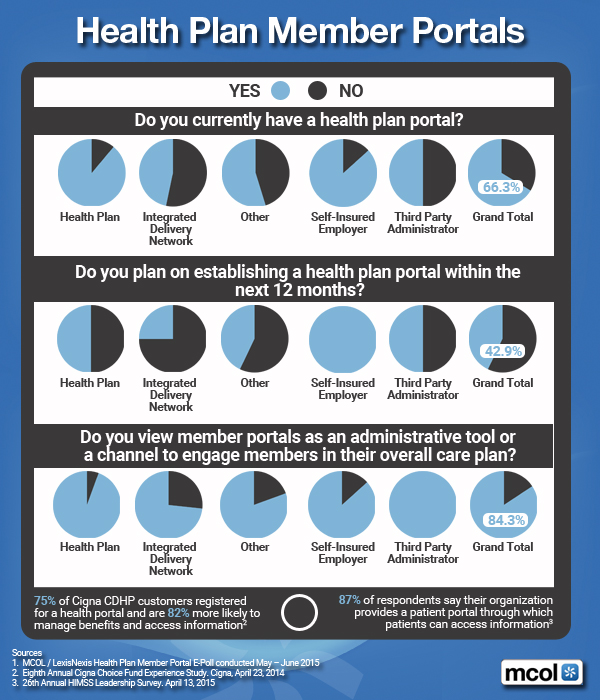
Problems with Health Plan Member Data Accuracy

Join Our Mailing List

On Health Insurance

By http://www.MCIOL.com

data

Conclusion

Your thoughts and comments on this ME-P are appreciated. Feel free to review our top-left column, and top-right sidebar materials, links, URLs and related websites, too. Then, subscribe to the ME-P. It is fast, free and secure.

Speaker: If you need a moderator or speaker for an upcoming event, Dr. David E. Marcinko; MBA – Publisher-in-Chief of the Medical Executive-Post – is available for seminar or speaking engagements. Contact: MarcinkoAdvisors@msn.com

OUR OTHER PRINT BOOKS AND RELATED INFORMATION SOURCES:

Product DetailsProduct Details

The Importance of Clinical Pharmaceutical Drug Trials

Join Our Mailing List 

To Trust the Drugs We Take

[By Luke S.]

It’s a subject that most people will be aware of but may not know much about [except doctors]; and one which constantly raises questions of morality and ethics – the matter of the clinical drug trial. As long as there are illnesses requiring medical intervention there will be a need for drug trials; it is essential, therefore, that all parties involved, as well as the general public, familiarize themselves with the processes and reasoning involved to understand clinical trials with more clarity.

The importance of clinical trials

Used widely from the mid-20 th century, clinical trials are essential in the development of new drugs, helping pharmaceutical companies to analyze the effects of new compounds on different people, as well as enabling them to make marked steps forward in the treatment of an array of illnesses and conditions.

Two Concerns

The role of the clinical trial is to answer two very key questions.

  1. Firstly, is the new drug better than similar medications currently available, or at least as good?
  2. Secondly, is it a viable medication for production? It is important to assess whether a drug’s side effects or ineffectiveness rule it out as a medical option.

Essentiality

As long as there are new drugs being developed, clinical trials are essential, giving those working in the pharmaceutical industry an insight into how their medicine performs in a monitored environment. Trials will assess where a drug does and doesn’t work, provide a broad scope of potential results, give an idea of any potential problems or side effects, and provide an overview of a drug’s potential to treat certain symptoms and conditions. This stage of drug development is absolutely essential, identifying negative side effects and a drug’s efficiency before it is distributed for public use.

***

clinical trials

***

Pharma Responsibility

The clinical trial is a matter of responsibility on the part of pharmaceutical companies; those who are likely to need the drug need to be able to trust that it is safe and that it will help them in the most effective way possible; the fact that their new medication has undergone a rigorous and regulated testing process will be of immense reassurance to a patient.

Human Testing

Testing new drugs on human volunteers, as well as prospective patients further down the line is essential in the manufacturing of all new medications. It enables pharmaceutical companies to assess the effects of their drugs on a broad spectrum of subjects under strict conditions and means that any potential problems can be caught early. As well as upholding the law, clinical trials are essential for the pharmaceutical industry; they help manufacturers to move forward with their development, assist with the analysis of data, and allow new medications to be created, even if the results of a particular trial are unsuccessful.

Investment Potential

Clinical trials also have the potential to win vital investment for pharmaceutical companies, based on the outcome of particular tests. This will in turn lead to better resources becoming available; in short, drugs testing can help potential backers to assess the drugs market and make financial decisions. This can only be a positive thing in the development of new drugs.

Trial Successes and Failures

As with any process, clinical trials are subject to successes and failures that will ultimately decide the fate of the medication being tested. It was recently revealed that only one in ten new drugs tested between early 2003 and late 2011 were actually approved; a relatively low success rate that meant nine in ten drugs were rejected at the trial stage. While it may be a shocking statistic, it does emphasize just how important the clinical trial is. Another interesting fact is that this statistic is down from the one in five or six drugs that were successfully trialed in previous periods; this shows a marked advancement in drug creation.

***

clinical drug trials

***

The Failures

There are a number of reasons that a new drug may fail during the trialing process. These include a lack of research or detailed analysis during early development, the potential for dangerous side effects becoming apparent, instances of the drug affecting test subjects in too varying ways, or very diverse results that can provide no solid conclusions. A drug may also prove a failure if too many external factors are seen to alter its effectiveness. Food and drink, other medications, or existing medical conditions can all affect a drug and must be carefully considered during the trial process. One thing is for sure, a new drug will be barred from further development if the clinical trial fails; these trials have to be strict, and more drugs will fail than pass at this vital stage of development.

Extreme Disappointments

There have been some extreme, albeit limited, examples of clinical trials going wrong, with instances of a drug causing adverse reactions that have put the volunteers lives and health at risk. This includes the “Elephant Man Trial”, which was conducted in the UK in 2006. During a trial of the drug TGN1412, six healthy male volunteers suffered severe and life-threatening reactions and now live with the knowledge that they are at an increased risk of developing cancers or autoimmune diseases.

Failures such as that are luckily few and far between and emphasize the importance of clinical trials; it would be ethically and morally wrong to allow drugs to enter the distribution phase without any idea of the damage they could do. The risks associated with drug trials are often outweighed by the benefits of developing a new drug that could be used to treat a multitude of serious illnesses and conditions.

Review and Distribution from Trial to Pharmacy

The process of taking a new drug from development to distribution is a long one. Following a lengthy and rigorously monitored trial period, all data will be collated and analyzed and, if successful, further development of the drug, with new investment and resources, can then begin. If, after all trials are complete, a drug has been found to be effective and safe, as well as marketable, an application for new drug status will be made. It is then, and only then, that the new drug can be manufactured and made available to patients, either via their healthcare provider, pharmacy, or an online pharmacy.

*** matrix pills

***

Assessment

This prolonged process emphasizes just how far a drug must go before it can be deemed safe and effective. This reinforces the trust that patients should, and can, have in their medication.

More:

Conclusion

Your thoughts and comments on this ME-P are appreciated. Feel free to review our top-left column, and top-right sidebar materials, links, URLs and related websites, too. Then, subscribe to the ME-P. It is fast, free and secure.

Speaker: If you need a moderator or speaker for an upcoming event, Dr. David E. Marcinko; MBA – Publisher-in-Chief of the Medical Executive-Post – is available for seminar or speaking engagements. Contact: MarcinkoAdvisors@msn.com

OUR OTHER PRINT BOOKS AND RELATED INFORMATION SOURCES:

Product DetailsProduct Details

 Product DetailsProduct DetailsProduct Details


Twelve Reasons Why Patients Still Come FIRST in Healthcare

Join Our Mailing List

More on Patient Engagement

[By Innovation Health]

After a 3 day-long virtual brainstorming session, contributors to the Innovation Health Jam shared their conclusions on why patient engagement remains a top healthcare concern.

patient engagement

Assessment

Click through this link for an infographic summarizing the findings:

12 reasons why patients still come first in healthcare

Conclusion

Your thoughts and comments on this ME-P are appreciated. Feel free to review our top-left column, and top-right sidebar materials, links, URLs and related websites, too. Then, subscribe to the ME-P. It is fast, free and secure.

Speaker: If you need a moderator or speaker for an upcoming event, Dr. David E. Marcinko; MBA – Publisher-in-Chief of the Medical Executive-Post – is available for seminar or speaking engagements. Contact: MarcinkoAdvisors@msn.com

OUR OTHER PRINT BOOKS AND RELATED INFORMATION SOURCES:

Product DetailsProduct Details

Divorcing your EHR Sytem [A How to Approach]

Join Our Mailing List

Planning for an Escape Hatch

[By Shahid N. Shah MS]

Shahid N. ShahAs a doctor, or physician executive, you will spend weeks or months in the “sales and demo cycle” for selecting an EMR. If you’re lucky you will have time to consider all workflows; if you’re even luckier you will test drive the UI and make sure training goes smoothly.

You will also try to ensure that deployment will be easy.

However, another thing not to forget is to plan how to get out of an application or system after it’s been installed for a while.

It’s Harder to Get Out – Than Get in

Why is getting out important? Every application looks better in a demo than in a working environment and every solution becomes “legacy” sooner or later. Every system will be replaced or augmented at some point in time. The cost of acquisition (“barrier to entry”) is well understood now as something we need to calculate. But the “barrier to exit” or switching cost is something you must calculate at the time you decide what systems to purchase.

If you can’t answer the “how, in 6, 18, or 24 months, will I be able to move on to the next-better technology or system?” question then you’ve not completed your due diligence in the sales cycle. Vendor sales staff are quite reticent to answer the “how do I leave your system” question; you will need to press hard and ask for a plan before signing any contracts.

Some Vendor Queries

When preparing an RFI or RFP, ask vendors specific questions about how easy it is to get out of their technology (rather than just how easy to it is to deploy and interoperate). Put in specific test cases and have your folks consider this fact when they are looking at all new purchases.

Here are some specific factors to consider:

  • Do you own your data or does the vendor? If you don’t have crystal clear statements in writing that the data is yours and that you can do whatever you want with it, don’t sign the contract. Look for a new vendor.
  • Is the database structure and all data easily accessible to you without involving the vendor? If only your vendor can see the data, you’re locked in so be very wary. Find out what database the vendor is using and make sure you can get to the database directly without needing their permission.
  • Are the data formats that the system uses to communicate with other vendors open? If not, you don’t own your data. Be sure that at least CCR and CCD formats are available and that all document data is accessible in standard PDF or MS Office friendly formats. Discrete data should be extractable in XML or HL7.
  • How much of the technology stack is based on industry standards? The more proprietary the tech, the more you’re locked in.
  • Are all the programming APIs open, documented, and available without paying royalties or license costs? If not, when you try to get out you’ll pay dearly.

***

EHRs

***

More:

Book Chapter:

Conclusion

Your thoughts and comments on this ME-P are appreciated. Feel free to review our top-left column, and top-right sidebar materials, links, URLs and related websites, too. Then, subscribe to the ME-P. It is fast, free and secure.

Speaker: If you need a moderator or speaker for an upcoming event, Dr. David E. Marcinko; MBA – Publisher-in-Chief of the Medical Executive-Post – is available for seminar or speaking engagements. Contact: MarcinkoAdvisors@msn.com

OUR OTHER PRINT BOOKS AND RELATED INFORMATION SOURCES:

Product Details

Chapter 13: IT, eMRs & GroupWare

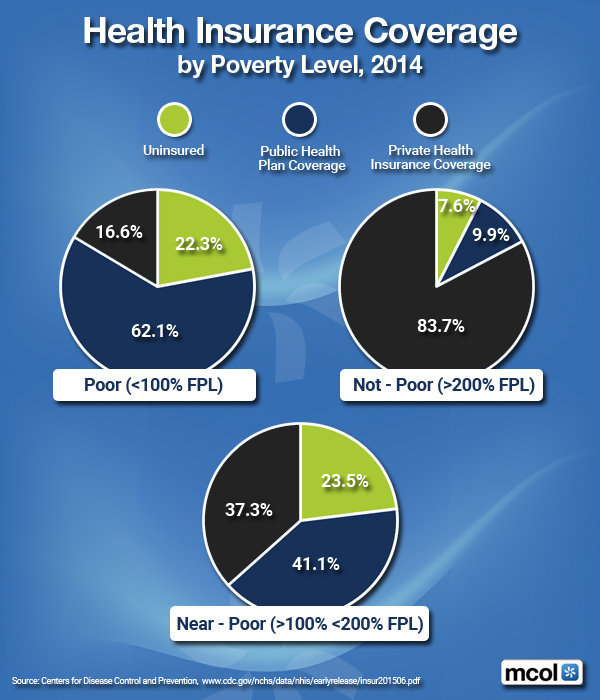
Update on US Health Insurance Coverage

Join Our Mailing List

Census Bureau 2013 Data

By http://www.MCOL.com

kkkkkkkk

Conclusion

Your thoughts and comments on this ME-P are appreciated. Feel free to review our top-left column, and top-right sidebar materials, links, URLs and related websites, too. Then, subscribe to the ME-P. It is fast, free and secure.

Speaker: If you need a moderator or speaker for an upcoming event, Dr. David E. Marcinko; MBA – Publisher-in-Chief of the Medical Executive-Post – is available for seminar or speaking engagements. Contact: MarcinkoAdvisors@msn.com

OUR OTHER PRINT BOOKS AND RELATED INFORMATION SOURCES:

Product DetailsProduct Details

Is Medical Licensing Really Necessary?

Licensing Doctors – Do Economists Agree?

[By Staff Reporters]

In the US, the various state medical boards dictate the rules for physician licensure and discipline. Would-be physicians must complete an approved medical training program and pass a standardized test.

Scope-of-practice laws prohibit other health professionals from offering similar services.

***

Google School of Medicine

[Google School of Medicine]

***

Given the resources involved in licensing doctors, taxpayers might be surprised to learn that the link between licensing and service quality is tenuous at best.

In fact, some economists like Shirley Svorny PhD, who’ve examined the market for physician services, may view medical licensing as a constraint on the efficient combination of inputs and a drag on innovations in health care and medical education.

Assessment

More:

Conclusion

Your thoughts and comments on this ME-P are appreciated. Feel free to review our top-left column, and top-right sidebar materials, links, URLs and related websites, too. Then, subscribe to the ME-P. It is fast, free and secure.

Speaker: If you need a moderator or speaker for an upcoming event, Dr. David E. Marcinko; MBA – Publisher-in-Chief of the Medical Executive-Post – is available for seminar or speaking engagements. Contact: MarcinkoAdvisors@msn.com

OUR OTHER PRINT BOOKS AND RELATED INFORMATION SOURCES:

Product DetailsProduct Details

Today is “World Pharmacist” Day

Join Our Mailing List 

Brainchild of the International Pharmaceutical Federation [IPF]

[By Dr. David Edward Marcinko MBA CMP™]

DEM blue tieWorld Pharmacists Day was the brainchild of the International Pharmaceutical Federation (IPF), with the council of this organization voting to establish the event in the late 2000s during a conference they staged in Istanbul, Turkey.

The aim of the day is to bring attention to pharmacies and the positive benefits they offer when it comes to health and FIP encourages all its members to get involved to make the event a success.

***

WPD

***

Each year the organization announces a different theme so that associations and individuals in the pharmaceutical industry can put together national campaigns or local projects to showcase the good work they do in helping to improve the health of people around the world. This can include giving lectures, holding exhibitions, or organizing an activity day for adults and kids to demonstrate the many ways that a pharmacy can help them.

Link: http://worldpharmacistsday.org/

Conclusion

Your thoughts and comments on this ME-P are appreciated. Feel free to review our top-left column, and top-right sidebar materials, links, URLs and related websites, too. Then, subscribe to the ME-P. It is fast, free and secure.

Speaker: If you need a moderator or speaker for an upcoming event, Dr. David E. Marcinko; MBA – Publisher-in-Chief of the Medical Executive-Post – is available for seminar or speaking engagements. Contact: MarcinkoAdvisors@msn.com

OUR OTHER PRINT BOOKS AND RELATED INFORMATION SOURCES:

 Product DetailsProduct Details


Is the Financial Services Industry All F***ed Up?

Join Our Mailing List 

More on the Fiduciary Problem

By Rick Kahler MS CFP® http://www.KahlerFinancial.com

Rick Kahler CFPIf you consult an attorney or a doctor, you don’t have to ask whether their advice is intended to serve your best interests.

It’s understood they have a responsibility to put your welfare first.

The Financial Services Sector

There is no such understanding when it comes to financial services. Some financial advisors have a fiduciary duty requiring them to act in your best interest. Others do not. Even more confusing, the same professional can be held to a fiduciary standard at some times but not others. It’s hard for consumers to know the difference.

My Talk

Last week I promised a “five-minute” solution to clear up this confusion. Here it is: Before engaging any financial advisors, ask them to sign a written statement that they are fiduciaries, that you are a client, and that either the advisor receives no income from commissions or any commission income is trivial (with “trivial” clearly defined).

If advisors sign such statements, you can be assured they have a fiduciary duty to you as a client. If not, you then understand you are a customer and “caveat emptor” (buyer beware) applies.

The Conundrum

Now – a little background on the confusion. It exists largely because of the influence that large financial institutions (who earn revenue through the sale of financial products) have on legislators.

The IAA of 1940

For example, the Investment Advisors Act of 1940 requires that anyone giving investment advice must be acting in a fiduciary capacity. The intent was to separate the financial salespeople, who had significant conflicts of interest, from the investment advisors, who had few to none.

If you know very little about financial products, would you rather be educated as the customer of a commissioned salesperson or the client of a fee-for-service advisor? Hands down, you’d want the fee-for-service advisor.

***F*ed up***

Financial Product Sales

Of course, the financial institutions selling products understood this. They were able to influence the drafting of the 1940 Investment Advisors Act, to exclude “any broker or dealer whose performance of such [advisory] services is solely incidental to the conduct of his business as a broker or dealer.” So if salespeople just happen to give some financial advice that is “incidental” to the sale of a product, they and their companies are not held to the fiduciary standard. Congress allows financial companies to advertise as if they are fiduciaries while their sales forces are not held to a fiduciary standard.

Certified Financial Planner® Designation Conflict

The same conflict arises in some professional designations, like the Certified Financial Planner® designation conferred by the CFP® Board. The designation initially certified the completion of training in financial planning. In 2008 the Board added a fiduciary requirement to the designation.

The Caveat

However, CFP®’s are only held to a fiduciary requirement when they are doing what the CFP® Board defines as financial planning. If a CFP® professional is giving advice to a client, the fiduciary standard applies. Yet the same professional can sell the same client an annuity with high fees and high commissions, even if the product may not be in the client’s best interest, as long as no “financial planning” is part of the transaction. The result is significant confusion for consumers.

My Suggestion

The bottom line is this: when you look for financial advice or financial products, don’t assume the advisor is looking out for you. It’s your responsibility to find out whether any financial professional owes you a fiduciary duty.

Assessment

So, I suggest you ask directly, “Am I a customer or a client?” The answer is almost always “a client,” as most financial services salespeople honestly don’t know the difference. After you explain that difference, ask them to verify their fiduciary duty in writing. That five-minute solution may have a lasting impact on your financial well-being.

Link: http://www.CertifiedMedicalPlanner.org

More:

Conclusion

Your thoughts and comments on this ME-P are appreciated. Feel free to review our top-left column, and top-right sidebar materials, links, URLs and related websites, too. Then, subscribe to the ME-P. It is fast, free and secure.

Speaker: If you need a moderator or speaker for an upcoming event, Dr. David E. Marcinko; MBA – Publisher-in-Chief of the Medical Executive-Post – is available for seminar or speaking engagements. Contact: MarcinkoAdvisors@msn.com

OUR OTHER PRINT BOOKS AND RELATED INFORMATION SOURCES:

Financial Planning MDs 2015

TEXT BOOK

Comprehensive Financial Planning Strategies for Doctors and Advisors: Best Practices from Leading Consultants

ICD-10 Could Bolster Ebola Bio-Surveillance?

Join Our Mailing List 

Forgetting ICD-9 … Moving on to ICD-10

[By Staff Reporters]

According to Tom Sullivan, there is no specific code for the Ebola virus under ICD-9?

And no, this is not a joke: There isn’t a specific one. Instead code number # 078.89 refers to multiple viral diseases. Under ICD-10, however, there is one. It’s A98.4.

***

Ebola

***

The Proponent

That’s according to the Coalition for ICD-10 which, of course, is a proponent of moving to the new code set without further delay.

Assessment

The coalition’s main point is that specific codes can help public health officials better manage bio-surveillance. Do you agree?

Link: Infographic: ICD-10 could bolster Ebola biosurveillance

More: Ascel Bio on Forecasting Infectious Disease Outbreaks

Conclusion

Your thoughts and comments on this ME-P are appreciated. Feel free to review our top-left column, and top-right sidebar materials, links, URLs and related websites, too. Then, subscribe to the ME-P. It is fast, free and secure.

Speaker: If you need a moderator or speaker for an upcoming event, Dr. David E. Marcinko; MBA – Publisher-in-Chief of the Medical Executive-Post – is available for seminar or speaking engagements. Contact: MarcinkoAdvisors@msn.com

OUR OTHER PRINT BOOKS AND RELATED INFORMATION SOURCES:

Product DetailsProduct Details

Income Tax Brackets and Rates for 2014

Join Our Mailing List

An ME-P Update

[By Internal Revenue Service]

***

Tax Brackets

***

More:

Conclusion

Your thoughts and comments on this ME-P are appreciated. Feel free to review our top-left column, and top-right sidebar materials, links, URLs and related websites, too. Then, subscribe to the ME-P. It is fast, free and secure.

Speaker: If you need a moderator or speaker for an upcoming event, Dr. David E. Marcinko; MBA – Publisher-in-Chief of the Medical Executive-Post – is available for seminar or speaking engagements. Contact: MarcinkoAdvisors@msn.com

OUR OTHER PRINT BOOKS AND RELATED INFORMATION SOURCES:

Financial Planning MDs 2015

TEXTBOOK

Comprehensive Financial Planning Strategies for Doctors and Advisors: Best Practices from Leading Consultants and Certified Medical Planners™


On Mobile Health App Privacy Policies

Join Our Mailing List

About Availability and Quality

By http://www.MCOL.com

mHealth

More:

Conclusion

Your thoughts and comments on this ME-P are appreciated. Feel free to review our top-left column, and top-right sidebar materials, links, URLs and related websites, too. Then, subscribe to the ME-P. It is fast, free and secure.

Speaker: If you need a moderator or speaker for an upcoming event, Dr. David E. Marcinko; MBA – Publisher-in-Chief of the Medical Executive-Post – is available for seminar or speaking engagements. Contact: MarcinkoAdvisors@msn.com

OUR OTHER PRINT BOOKS AND RELATED INFORMATION SOURCES:

Product DetailsProduct Details

Physician Creditor Protection for IRAs, Annuities and Insurance for 2014-15

Join Our Mailing List

A SPECIAL ME-P REPORT

###

Asset Protection Planning for Qualified and Non-Qualified Retirement Plans, IRAs, 403(b)s, Education IRAs (Coverdell ESAs), 529 Plans, UTMA Accounts, Health/Medical Savings Accounts (MSA/HSAs), Qualified and Non-Qualified Annuities, Long-Term Care Insurance, Disability Insurance and Group, Individual and Business Life Insurance [Ohio Focus]

By Edwin P. Morrow III; JD LLM MBA CFP® RFC®

[©2007-12-14. All rights reserved. USA]

EDITOR’S NOTE:

Hi Ann,

A couple years ago you posted an earlier version of the attached Asset Protection Outline. I updated it to include quite a bit more discussion of different protection levels for various kinds of accounts, and included more discussion of states other than Ohio, including a 50 state chart with IRA/403b protections.

So please delete the old one and replace with this one which contains more topics, including some substantial discussion of issues regarding current class action litigation jeopardizing asset protection for Schwab and Merrill Lynch IRAs.

Regards
Ed

###

The Importance of Asset Protection as Part of Financial and Estate Planning for Doctor’s and Medical Professionals

Asset Protection has become a ubiquitous buzz-word in the legal and financial community. It often means different things to different people. It may encompass anything from buying umbrella liability insurance to funding offshore trusts.

What is most likely to wipe out a client’s entire net worth? An investment scam, investment losses, a lawsuit, divorce or long-term health care expenses? “Asset Protection” may be construed to address all of these scenarios, but this outline will cover risk from non-spousal creditors as opposed to risk from bad investments, divorce, medical bills or excessive spending. Prudent business practice and limited liability entity use (LP, LLP, LLC, Corporation, etc) is the first line of defense against such risks. Similarly, good liability insurance and umbrella insurance coverage is paramount.

However, there is a palpable fear among many of frivolous lawsuits and rogue juries [especially among physicians and medical professionals]. Damages may exceed coverage limits. Moreover, insurance policies often have large gaps in coverage (e.g. intentional torts, “gross” negligence, asbestos or mold claims, sexual harassment).

As many doctors in Ohio know all too well, malpractice insurance companies can fail, too. Just as we advise clients regarding legal ways to legitimately avoid income and estate taxes or qualify for benefits, so we advise how to protect family assets from creditors. Ask your clients, “What level of asset protection do you want for yourself?

For the inheritance you leave to your family?” Do any clients answer “none” or “low”? Trusts that are mere beneficiary designation form or POD/TOD substitutes are going out of style in favor of “beneficiary-controlled trusts”, “inheritance trusts” and the like.

Table of Contents

While effort is made to ensure the material is accurate, this material is not intended as legal advice and no one may rely on it as such. Sections II(d), II(i), V, VI and XI were updated Feb 2012, but much of the material and citations have not been verified since 2010. Permission to reprint and share with fellow bar members is granted, but please contact author for updates if more than a year old.

T.O.C. [Page Number]

I. Importance of Asset Protection 2

II. State and Federal Protections Outside ERISA or Bankruptcy 4

a. Non-ERISA Qualified Plans: SEP, SIMPLE IRAs 5

b. Traditional and Roth IRAs, “Deemed IRAs” 7

c. Life Insurance 9

d. Long-Term Care, Accident/Disability Insurance 13

e. Non-Qualified Annuities 13

f. Education IRAs (now Coverdell ESAs) 16

g. 529 Plans 17

h. Miscellaneous State and Federal Benefits 18

i. HSAs, MSAs, FSAs, HRAs 18

III. Federal ERISA Protection Outside Bankruptcy 20

IV. Federal Bankruptcy Scheme of Creditor Protection 26

V. Non-Qualified Deferred Comp – Defying Easy Categorization 30

VI. Breaking the Plan – How Owners Can Lose Protection 32

(incl Prohibited Transactions and Schwab/Merrill Lynch IRA problems) 35

VII. Post-Mortem – Protections for a Decedent’s Estate 51

VIII. Post-Mortem – State Law Protections for Beneficiaries 52

IX. Post-Mortem – Bankruptcy Protections for Beneficiaries 54

X. Dangers and Advantages of Inheriting Through Trusts 56

XI. Piercing UTMA/UGMA and Other Third Party Created Trusts 59

XII. Exceptions for Spouses, Ex-Spouses and Dependents 61

XIII. Exceptions when the Federal Government (IRS) is Creditor 62

XIV. Fraudulent Transfer (UFTA) and Other Exceptions 68

XV. Disclaimer Issues – Why Ohio is Unique 69

XVI. Medicaid/Government Benefit Issues 71

XVII. Liability for Advisors 72

XVIII. Conflicts of Law – Multistate Issues 73

XIX. Conclusions 75

Appendices

A. Ohio exemptions – R.C. §2329.66 (excerpt), §3911.10, §3923.19 78

B. Bankruptcy exemptions – 11 U.S.C. § 522 excerpts 80

C. Florida IRA exemption – Fla Stat. § 222.21 (note-may be outdated) 85

D. Sal LaMendola’s Inherited IRA Win/Loss Case Chart 86

E. Multistate Statutory Debtor Exemption Chart 88

###

Assessment

This outline will discuss the sometimes substantial difference in legal treatment and protection for various investment vehicles and retirement accounts, with some further discussion of important issues to consider when trusts receive such assets.

Beware of general observations like: “retirement plans, insurance, IRAs and annuities are protected assets” – that may often be true, but Murphy’s law will make your client the exception to the general rules. The better part of this outline is pointing out those exceptions.

2012 WHITE PAPER LINK:

Creditor Protection for IRAs Annuities Insurance Nov 19 2010 WC CLE Feb 2012 update

***

2014 WHITE PAPER LINK UPDATE:

Optimal Basis Increase Trust Aug 2014

***

ABOUT THE AUTHOR:

Mr. Edwin P. Morrow III, a friend of the Medical Executive-Post, is a Wealth Specialist and Manager, Wealth Strategies Communications Ohio State Bar Association Certified Specialist, Estate Planning, Probate and Trust Law Key Private Bank Wealth Advisory Services. 10 W. Second St., 27th Floor Dayton, OH 45402. He is an ME-P “thought leader”.

Constructive criticism or other comments welcome.

Conclusion

Your thoughts and comments on this ME-P are appreciated. Feel free to review our top-left column, and top-right sidebar materials, links, URLs and related websites, too. Then, subscribe to the ME-P. It is fast, free and secure.

Speaker: If you need a moderator or speaker for an upcoming event, Dr. David E. Marcinko; MBA – Publisher-in-Chief of the Medical Executive-Post – is available for seminar or speaking engagements. Contact: MarcinkoAdvisors@msn.com

OUR OTHER PRINT BOOKS AND RELATED INFORMATION SOURCES:

Product Details  Product Details

More on Medical Professional Job Hunting Expenses

Join Our Mailing List

How to deduct some job hunting costs?

By Andrew Schwartz, CPA

Andrew SchwartzMany people change their job in the mid to late summer; especially doctors, nurses and medical professionals.

So, if you look for a new job in the same line of work, you may be able to deduct some of your job hunting costs.

Key Facts

Here are some key tax facts you should know about if you search for a new job:

  • Same Occupation.  Your expenses must be for a job search in your current line of work. You can’t deduct expenses for a job search in a new occupation.
  • Résumé Costs.  You can deduct the cost of preparing and mailing your résumé.
  • Travel Expenses.  If you travel to look for a new job, you may be able to deduct the cost of the trip. To deduct the cost of the travel to and from the area, the trip must be mainly to look for a new job. You may still be able to deduct some costs if looking for a job is not the main purpose of the trip.
  • Placement Agency. You can deduct some job placement agency fees you pay to look for a job.
  • First Job.  You can’t deduct job search expenses if you’re looking for a job for the first time.
  • Work-Search Break.  You can’t deduct job search expenses if there was a long break between the end of your last job and the time you began looking for a new one.
  • Reimbursed Costs.  Reimbursed expenses are not deductible.
  • Schedule A.  You usually deduct your job search expenses on Schedule A, Itemized Deductions. You’ll claim them as a miscellaneous deduction. You can deduct the total miscellaneous deductions that are more than two percent of your adjusted gross income.
  • Premium Tax Credit.  If you receive advance payment of the premium tax credit in 2014 it is important that you report changes in circumstances, such as changes in your income or family size, to your Health Insurance Marketplace. Advance payments of the premium tax credit provide financial assistance to help you pay for the insurance you buy through the Health Insurance Marketplace. Reporting changes will help you get the proper type and amount of financial assistance so you can avoid getting too much or too little in advance.

***

Healthcare Center

More:

For more on job hunting refer to Publication 529, Miscellaneous Deductions on IRS.gov. You can also call 800-TAX-FORM (800-829-3676) to get it by mail.

IRS YouTube Videos:

IRS Podcasts:

Conclusion

Your thoughts and comments on this ME-P are appreciated. Feel free to review our top-left column, and top-right sidebar materials, links, URLs and related websites, too. Then, subscribe to the ME-P. It is fast, free and secure.

Speaker: If you need a moderator or speaker for an upcoming event, Dr. David E. Marcinko; MBA – Publisher-in-Chief of the Medical Executive-Post – is available for seminar or speaking engagements. Contact: MarcinkoAdvisors@msn.com

OUR OTHER PRINT BOOKS AND RELATED INFORMATION SOURCES:

Financial Planning MDs 2015

Certified Medical Planner

Link: http://www.CertifiedMedicalPlanner.org

NEW BOOK:

Comprehensive Financial Planning Strategies for Doctors and Advisors: Best Practices from Leading Consultants and Certified Medical Planners™

PP-ACA Premium Percent Changes from 2014-2015-2017

Join Our Mailing List

For the Silver Plan 

[By Kaiser Family Foundation]

Premiums for the silver insurance premium plan that is used to benchmark tax credits under the Affordable Care Act (ACA) will fall by an average .8% in 2015, according to a new study.

Meanwhile, premiums for the lowest-cost bronze option available through the ACA’s healthcare exchanges will increase by an average of 3.3%.

Silver plans were chosen by 65% of exchange enrollees in 2014, and bronze plans were chosen by about 20% of enrollees, according a report from the U.S. Department of Health and Human Services.

***

kaiser_chartfinal

***

Reference: http://medicaleconomics.modernmedicine.com/medical-economics/news/aca-exchanges-silver-premiums-decrease-average-8-2015

More:

Conclusion

Your thoughts and comments on this ME-P are appreciated. Feel free to review our top-left column, and top-right sidebar materials, links, URLs and related websites, too. Then, subscribe to the ME-P. It is fast, free and secure.

Speaker: If you need a moderator or speaker for an upcoming event, Dr. David E. Marcinko; MBA – Publisher-in-Chief of the Medical Executive-Post – is available for seminar or speaking engagements. Contact: MarcinkoAdvisors@msn.com

OUR OTHER PRINT BOOKS AND RELATED INFORMATION SOURCES:

Product DetailsProduct Details

How Banks’ Fee Bonanza Dries Up

Join Our Mailing List

Changes in rules and customer behaviors are squeezing what was for decades a key source of revenue

[By Dr. Carey via FDIC]

***

fees

***

Assessment

More:

Conclusion

Your thoughts and comments on this ME-P are appreciated. Feel free to review our top-left column, and top-right sidebar materials, links, URLs and related websites, too. Then, subscribe to the ME-P. It is fast, free and secure.

Speaker: If you need a moderator or speaker for an upcoming event, Dr. David E. Marcinko; MBA – Publisher-in-Chief of the Medical Executive-Post – is available for seminar or speaking engagements. Contact: MarcinkoAdvisors@msn.com

OUR OTHER PRINT BOOKS AND RELATED INFORMATION SOURCES:

Product DetailsProduct Details

ACOs Defined

Join Our Mailing List

What it is – How it works?

By NPC

ACO-Infographic

More:

CONCLUSION

Your thoughts and comments on this ME-P are appreciated. Feel free to review our top-left column, and top-right sidebar materials, links, URLs and related websites, too. Then, subscribe to the ME-P. It is fast, free and secure.

Speaker: If you need a moderator or speaker for an upcoming event, Dr. David E. Marcinko; MBA – Publisher-in-Chief of the Medical Executive-Post – is available for seminar or speaking engagements. Contact: MarcinkoAdvisors@msn.com

OUR OTHER PRINT BOOKS AND RELATED INFORMATION SOURCES:

Product DetailsProduct Details

State Uninsured Patient Rate Reductions

Join Our Mailing List

Five State with Highest Percentage Change for 2013-14

By http://www.MCOL.com

uninsured

Conclusion

Your thoughts and comments on this ME-P are appreciated. Feel free to review our top-left column, and top-right sidebar materials, links, URLs and related websites, too. Then, subscribe to the ME-P. It is fast, free and secure.

Speaker: If you need a moderator or speaker for an upcoming event, Dr. David E. Marcinko; MBA – Publisher-in-Chief of the Medical Executive-Post – is available for seminar or speaking engagements. Contact: MarcinkoAdvisors@msn.com

OUR OTHER PRINT BOOKS AND RELATED INFORMATION SOURCES:

Product DetailsProduct Details


Where is Wealth in the US?

Join Our Mailing List

Most Americans own less than they did in 2005

[By US Census]

How hard has this ‘wealth drain’ hit the middle class?

There are two ways to measure how people are doing financially: How much they earn, and how much they own.

The second category gets less attention, but it can be just as important. And, it’s very likely that you own a lot less than you did before the Great Recession.

In fact, odds are roughly 50/50 that you own less than you did in the year 2000, according to the latest Census data. That’s stunning.

*** where is the wealth?

***

And, it’s another reason you might feel restless.

Assessment

Conclusion

Your thoughts and comments on this ME-P are appreciated. Feel free to review our top-left column, and top-right sidebar materials, links, URLs and related websites, too. Then, subscribe to the ME-P. It is fast, free and secure.

Speaker: If you need a moderator or speaker for an upcoming event, Dr. David E. Marcinko; MBA – Publisher-in-Chief of the Medical Executive-Post – is available for seminar or speaking engagements. Contact: MarcinkoAdvisors@msn.com

OUR OTHER PRINT BOOKS AND RELATED INFORMATION SOURCES:

Product Details

Product Details

ALERT – Phone Call Scammers Claiming to be IRS Agents

Join Our Mailing List

Doctors – Beware!

By Andrew Schwartz, CPA

Andrew SchwartzYikes!  I got the call.

As I’ve noted before; identity theft in connection with federal tax filings is on the rise.

One specific fraud involves people receiving phone calls from scammers posing as IRS agents and then being aggressively instructed to wire money directly to the scammer to pay off a fictitious tax debt.

The Transcript

Here is a transcript of the automated voicemail message left on my home phone last month by someone trying to commit this fraud on me:

You received this message.  I need you or your retained attorney to return this call.  The issue at hand is extremely time sensitive.  I’m officer Hannah Gray from the Internal Revenue Service and the hot line to my position is 415-251-9813.  I repeat, it’s 415-251-9813.  Don’t disregard this message and return this call before we take any legal allegation against you.  Goodbye and take care.

If I weren’t aware that this scam existed, my initial reaction would have been to call the number left by the scammer as soon as possible.  But remember, the IRS does not send e-mails or make phone calls like these to taxpayers. Instead, the IRS is continually warning taxpayers about scams like this; including the following press release issued last Halloween:

IRS Warns of Pervasive Telephone Scam

IR-2013-84, Oct. 31, 2013

WASHINGTON — The Internal Revenue Service today warned consumers about a sophisticated phone scam targeting taxpayers, including recent immigrants, throughout the country.

Victims are told they owe money to the IRS and it must be paid promptly through a pre-loaded debit card or wire transfer. If the victim refuses to cooperate, they are then threatened with arrest, deportation or suspension of a business or driver’s license. In many cases, the caller becomes hostile and insulting.

“This scam has hit taxpayers in nearly every state in the country.  We want to educate taxpayers so they can help protect themselves.  Rest assured, we do not and will not ask for credit card numbers over the phone, nor request a pre-paid debit card or wire transfer,” says IRS Acting Commissioner Danny Werfel. “If someone unexpectedly calls claiming to be from the IRS and threatens police arrest, deportation or license revocation if you don’t pay immediately, that is a sign that it really isn’t the IRS calling.” Werfel noted that the first IRS contact with taxpayers on a tax issue is likely to occur via mail.

Other characteristics of this scam include:

  • Scammers use fake names and IRS badge numbers. They generally use common names and surnames to identify themselves.
  • Scammers may be able to recite the last four digits of a victim’s Social Security Number.
  • Scammers spoof the IRS toll-free number on caller ID to make it appear that it’s the IRS calling.
  • Scammers sometimes send bogus IRS emails to some victims to support their bogus calls.
  • Victims hear background noise of other calls being conducted to mimic a call site.
  • After threatening victims with jail time or driver’s license revocation, scammers hang up and others soon call back pretending to be from the local police or DMV, and the caller ID supports their claim.

If you get a phone call from someone claiming to be from the IRS, here’s what you should do:

  • If you know you owe taxes or you think you might owe taxes, call the IRS at 1.800.829.1040. The IRS employees at that line can help you with a payment issue – if there really is such an issue.
  • If you know you don’t owe taxes or have no reason to think that you owe any taxes (for example, you’ve never received a bill or the caller made some bogus threats as described above), then call and report the incident to the Treasury Inspector General for Tax Administration at 1.800.366.4484.
  • If you’ve been targeted by this scam, you should also contact the Federal Trade Commission and use their “FTC Complaint Assistant” at FTC.gov.  Please add “IRS Telephone Scam” to the comments of your complaint.

***

Calling

***

Taxpayers should be aware that there are other unrelated scams (such as a lottery sweepstakes) and solicitations (such as debt relief) that fraudulently claim to be from the IRS.

The IRS encourages taxpayers to be vigilant against phone and email scams that use the IRS as a lure. The IRS does not initiate contact with taxpayers by email to request personal or financial information.  This includes any type of electronic communication, such as text messages and social media channels. The IRS also does not ask for PINs, passwords or similar confidential access information for credit card, bank or other financial accounts. Recipients should not open any attachments or click on any links contained in the message. Instead, forward the e-mail to phishing@irs.gov.

Assessment

More information on how to report phishing scams involving the IRS is available on the genuine IRS website, IRS.gov.

More:

Conclusion

Your thoughts and comments on this ME-P are appreciated. Feel free to review our top-left column, and top-right sidebar materials, links, URLs and related websites, too. Then, subscribe to the ME-P. It is fast, free and secure.

Speaker: If you need a moderator or speaker for an upcoming event, Dr. David E. Marcinko; MBA – Publisher-in-Chief of the Medical Executive-Post – is available for seminar or speaking engagements. Contact: MarcinkoAdvisors@msn.com

OUR OTHER PRINT BOOKS AND RELATED INFORMATION SOURCES:

NEW BOOK:

Comprehensive Financial Planning Strategies for Doctors and Advisors: Best Practices from Leading Consultants and Certified Medical Planners™

Financial Planning MDs 2015

PHYSICIANS RESPONDING TO DIMINISHED PATIENT VOLUME

Join Our Mailing List

J.I.T. AND MEDICAL OFFICE PROCESS EFFICIENCY

[By Dr. David Edward Marcinko FACFAS MBA CMP]

dr-david-marcinko1Much of what is done in Just In Time labor control  is aimed at reducing  the doctor’s wait time (radiographs, accu-check sugar levels, urine cultures, blood tests, injections, cast changes, etc.), the patient’s wait time (check-ins, check-outs, insurance verification, pre-certification,  etc.),  the move time (procedure set-up time, referrals, transportation, etc.) and quality time (education, emotional support and hand-holding); increasing actual patient physician service treatment time.

This can be expressed as the sum of four parts: 

     Treatment Time

(+) Wait Time

(+) Move Time

(+) Quality Time

_____________________________

Total Time: (Efficient or Inefficient)

Only the patient’s treatment time (doctor-patient interaction) adds value to the medical service. Wait, move and quality time are all non-value added services and should be eliminated to the extent possible, as they represent  needless expenses. All can, and should be performed, by non-physician personnel.

***

waiting room

***

Tasks to Delegate

The following represent tasks that the doctor can easily delegate in order to increase his or her office time efficiency:

* Patient scheduling, routine telephone calls, office directions, pre and post operative orders, triage, referral and pre-certification  and prior-approval forms and faxes, co-payment recoupment and office visit charges, pharmaceutical representatives and detail people.

* Initial historical review, vital signs, insurance updates, telephone call-backs,  and data gathering information on all patients.

* Injections, allergy testing, PAP smears, cultures, blood tests and phlebotomy, , gram stains, specimen preparation and other similar routine procedures.

* Prescription writing, acne medication, dermatological preparations, refills, pharmacy interaction and drug interaction explanations.

* Minor procedure assisting, suture removals, x-rays, casting, pathology and laboratory reports, ultra-sound, physical therapy and bandaging.

***

cropped-me-p.jpg

***

Tasks Not to Delegate

On the other hand, the following tips to improve physician time management might prove useful:

* Focus on patient and avoid interruptions in the examining room which should not have a telephone or intercom system; a  light or sound signaling system might be considered instead. Listen carefully and repeat  phrases back to patients in order to enhance communications and reduce errors. Reduce socialization time at work, the office or hospital setting.

* Schedule patient/physician call backs in specific time clusters; and/or consider a car phone or portable telephone or other personal digital assistance electronic device. If you have an open door office policy; keep it closed until all calls are returned. Inform your staff to avoid appearing unfriendly.

*  Make a short, intermediate and long terms task list of goals to be accomplished every day. Complete all of the important tasks, and keep track of those yet to be done. Stay flexible. You want to drive the list; not have the list drive you. Avoid an over-achieving mentality. Save something to do tomorrow.

*  Make proper time estimations using the Two-and-a half Rule, since it involves allocating an extra amount of time to perform given tasks, caused by interruptions, unplanned events or other minor problems. In this way, your daily priority task list will be more realistic.

* Use stock letters, paragraphs and/or  “macros” in your dictation system. The use of computerized charting notes is fine as long as the potential for litigation and defending such “canned assembly-line” notations is  considered.

* Avoid practice management, office or business meetings in the evening or after office hours. Rather, hold them before hours in the morning or during lunch time. Have food catered for a staff  treat but do not loose the focus and real purpose of the meeting.

* Review the telephone log and the next day’s schedule before departing for home or the hospital.

* Use the Rule of 7’s,  and realize that if there are more than seven people involved in a committee or office project, there are probably too many. Also realize that when you are appointing committees for TQI endeavors, remember that 5-7 people will provide the same results as a larger group.  If you are a key player, then by all means stay involve. If not, minimize your participation, since the rule reduces some of your non-medical functions. Forget perfection.

* Follow the time efficiency philosophy of professional managers, and “do, delegate or dump”  non-medical tasks; and handle paperwork or other chores only once.

* Reduce the number of needless office, hospital or surgery center meetings; speed read non-medical literature and reduce your material  (operating assets) office needs.

* Keep your office staff and family informed of your desire for office and time efficiency; do not forget your loved ones, religious affiliation, personal or physical (exercise) needs. Maintain a healthy, happy and psychologically fit lifestyle.

Results of JIT Implementation

When correctly applied, JIT labor and inventory controls may reasonably be expected to yield the following benefits:

1. Greater doctor and employee productivity through improved  office physical layout.

2. Reduced treatment and business management time resulting in the potential to see more patients, or the same number of patients with less time urgency and personal stress.

3. Inventories of durable goods are reduced and expensive storage space is made available for revenue generating activities.

4. Patient quality and services are rendered in a cost effective and value added manner.

***

healthCenter6

***

RESPONDING TO DIMINISHED PATIENT VOLUME

The most appropriate response to diminished or declining patient volume is the transformation of as many fixed office costs as possible, to variable costs. This cost reduction strategy does not call for cost cutting per se, but for a change in the relative ratio of fixed to variable costs. It can be accomplished by (1) using temporary staffing, with its associated risks and benefits,  (2) outsourcing as much as possible, with its associated risks and benefits, (3) leasing or renting rather equipment rather than buying, and (4) using JIT purchasing and labor.

Assessment

The reviewed time management techniques represent powerful techniques for increasing practice profits in the competitive environment. Implementation will decrease personal stress and assist the efficient physician develop the most economically profitable service  and operational  flow process possible for the office.

Conclusion

Your thoughts and comments on this ME-P are appreciated. Feel free to review our top-left column, and top-right sidebar materials, links, URLs and related websites, too. Then, subscribe to the ME-P. It is fast, free and secure.

Speaker: If you need a moderator or speaker for an upcoming event, Dr. David E. Marcinko; MBA – Publisher-in-Chief of the Medical Executive-Post – is available for seminar or speaking engagements. Contact: MarcinkoAdvisors@msn.com

OUR OTHER PRINT BOOKS AND RELATED INFORMATION SOURCES:

Product Details

Are All-Time Stock Market Highs Really That Bad?

Join Our Mailing List


The 30th all-time high for the S&P 500 in 2014 alone

By Lon Jefferies MBA CFP®

Lon JefferiesLast week, the S&P 500 achieved an all-time high, exceeding the 2,000 level for the first time ever during intra-day trading. The index ended the day at 2,001 almost exactly triple the market low of 666 achieved in March of 2009 during the global financial crises. Yesterday, it reached another high; 2,007.

Believe it or not, this was the 30th. all-time high for the S&P 500 in 2014 alone.

Fearing the Phrase

Many investors fear the phrase “all-time high,” believing it implies stocks have already captured the gains available in the market and that there is nowhere for the value of these equities to go but down. However, all-time highs are perfectly normal in the stock market. In fact, since 1950 there have been over 1,100 new all-time closing highs achieved by the S&P 500. That is 6.8% of all trading days or roughly 1 out of every 15 days the market is open that it’s closed at a new high level!

In addition, while it is true the S&P 500 hit a new nominal high, it is still significantly under its high when adjusted for inflation. In fact, Will Hausman, an economics professor at the College of William and Mary, calculates that the S&P 500 hit its true high – its inflation-adjusted high – of 2,120 on January 14, 1999. By that metric, 15 years ago the S&P 500 was 10% higher than it is now. Put that way, it is possible the market could continue to appreciate at its current pace without valuations exceeding their historical peak.

***

graph

***

Market highs not necessarily bad

My goal is to point out that the phrase “all-time high” isn’t necessarily bad when relating to the stock market.

Now, just because stocks are at all-time high levels certainly doesn’t make them immune to a decline or even a crash. Stocks were at all-time high levels before the tech bubble of 2000 popped, and if by measured by the NASDAQ index, the market still hasn’t fully recovered. However, stocks aren’t required to decline just because they are at levels unattained before.

Assessment

Physicians and all investors don’t need to feel the need to sell their equity investments or not invest new dollars in the market just because the S&P 500 is at a number we haven’t yet seen. My favorite quote regarding the subject comes from financial columnist Nick Murray: “If you think the market is “too high,” wait until you see it 20 years from now.”

More:

Conclusion

Your thoughts and comments on this ME-P are appreciated. Feel free to review our top-left column, and top-right sidebar materials, links, URLs and related websites, too. Then, subscribe to the ME-P. It is fast, free and secure.

Speaker: If you need a moderator or speaker for an upcoming event, Dr. David E. Marcinko; MBA – Publisher-in-Chief of the Medical Executive-Post – is available for seminar or speaking engagements. Contact: MarcinkoAdvisors@msn.com

OUR OTHER PRINT BOOKS AND RELATED INFORMATION SOURCES:

Product Details

Product Details

Site HACKED – HealthCare.Gov

Join Our Mailing List

Site Breached

[By Staff Reporters]

Hackers successfully breached HealthCare.gov, but no consumer information was taken from the health insurance website that serves more than 5 million Americans, the Obama administration just disclosed earlier today.


HCG

Assessment

Conclusion

Your thoughts and comments on this ME-P are appreciated. Feel free to review our top-left column, and top-right sidebar materials, links, URLs and related websites, too. Then, subscribe to the ME-P. It is fast, free and secure.

Speaker: If you need a moderator or speaker for an upcoming event, Dr. David E. Marcinko; MBA – Publisher-in-Chief of the Medical Executive-Post – is available for seminar or speaking engagements. Contact: MarcinkoAdvisors@msn.com

OUR OTHER PRINT BOOKS AND RELATED INFORMATION SOURCES:

Product DetailsProduct Details


Why Medical Professionals Need a Financial Plan?

Join Our Mailing List

We don’t plan to fail – We fail to plan

[By Dr. David Edward Marcinko MBA CMP™]

http://www.CertifiedMedicalPlanner.org

Dr. DEM

Our newest textbook COMPREHENSIVE FINANCIAL PLANNING STRATEGIES FOR DOCTORS AND ADVISORS [Best Practices from Leading Consultants and Certified Medical Planners™] will shape the physician-focused financial planning landscape for the next-generation of Health 2.0 medical professionals and their financial advisors.

Why Now?

We created this innovative textbook because the healthcare industry is rapidly changing and the financial planning ecosystem has not kept pace. Traditional insurance-commission and sales-driven generic advice is yielding to a new breed of deeply informed fiduciary advisor, and educated consultant, or Certified Medical Planner (CMP™). Internet and social media of the last decade demonstrates that medical providers are becoming accustomed to the need for knowledgeable advice. And so, financial planning is set to be transformed by “market disruptors” that will soon make an impact on the $2.8 trillion healthcare marketplace for those financial advisers serving this sector.

We are at the leading edge of this positive disruption — also known as niche based Financial Planning 2.0 — that over time will see today’s command-controlled financial services industry becomes a wide open academic marketplace. And, a growing cadre of specialty entrants is poised to shake up the industry drawing billions of dollars in revenue from traditional broker-dealer organizations while building lucrative new markets.

For example, an iMBA Inc survey points to the growing need for financial advisors to serve current and future medical professionals thanks to their eagerness to seek premium financial planning solutions from non-traditional sources and providers; like the online Certified Medical Planner™ charter designation program. The industry is ripe for a shakeup and physician focused financial planning will soon have its own new brands. We aim to be among the first-movers and top tier names in the industry.

Doctors and Computers

How We Are Different?

COMPREHENSIVE FINANCIAL PLANNING STRATEGIES FOR DOCTORS AND ADVISORS [Best Practices from Leading Consultants and Certified Medical Planners™] will change this niche industry sector by following eight important principles.

1. First, we have assembled a world-class editorial advisory board and independent team of contributors and reviewers and asked them to draw on their experiences in contemporaneous healthcare focused financial planning. Like many of their physician and nurse clients, each struggles mightily with the decreasing revenues, increasing costs, automation, SEC scrutiny and higher physician-client expectations in today’s competitive financial advisory and technological landscape. Yet, their practical experience and physician focused education, knowledge and vision is a source of objective information, informed opinion and crucial information to all consultants working with doctors and medical professionals in the financial services field.

2. Second, our writing style allows us to condense a great deal of information into one volume. We integrate bullet points and tables; pithy language, prose and specialty perspectives with real world examples and case models. The result is an oeuvre of integrated financial planning principles vital to all modern physicians and allied healthcare professionals.

3. Third, to the best of our knowledge, this is the first peer-reviewed book of its type, as we seek to follow traditional medical research and journal publishing guidelines for best practices. We present differing viewpoints, divergent and opposing stake-holder perspectives, and informed personal and professional opinions. Each chapter has been reviewed by one to three outside independent reviewers and critical thinkers. We include references and citations, and although we cannot rule out all biases, we do strive to make them transparent to the extent possible.

4. Fourth, our perspective is decidedly from the physician-client side of the equation. More specifically, as consultants to medical professionals, we champion the physician-investor over the financial advisor. And, to the extent that both sides ethically succeed; we hope all concerned “do well – by doing good”. This is unique in the fee and commission driven financial services industry. Much like the emerging patient-centered care initiative in medicine, we call it client-centered advice.

5. Fifth, it is important to note that deep specificity and niche knowledge is needed when advising physicians and healthcare providers. And so, we present information directly from that space, and not by indirect example from other industries, as is the unfortunate norm. Medical case models, healthcare industry examples, and anecdotal insights from the Over Heard in the Doctor’s Lounge, and Over Heard in the Advisor’s Lounge features, are also included. Finally, personalized financial planning for all medical professionals is our core, and only focus.

6. Sixth, this textbook represents an academic template for about 25 percent [125/500 credit hours] of the Certified Medical Planner™ chartered professional online certification program curriculum. It is useful for those studying, auditing, or considering matriculation for this prestigious designation mark.

7. Seventh, we include a glossary-of-terms specific to the text, a list of comprehensive advice sources, and three illustrative physician-specific financial plan examples additionally available by separate order.

8. Finally, as editor, we prefer engaged readers who demand compelling content.  According to conventional wisdom, printed texts like this one should be a relic of the past; from an era before instant messaging and high-speed connectivity.  Our experience shows just the opposite. Applied physician focused personal financial planning literature, from informed fiduciary sources, is woefully sparse; just as a plethora of generalized internet information makes that material less valuable to doctor clients.

***

plan

***

A Seminal Work

And so, rest assured that COMPREHENSIVE FINANCIAL PLANNING STRATEGIES FOR DOCTORS AND ADVISORS [Best Practices from Leading Consultants and Certified Medical Planners™] will become a seminal book for the advancement of personal financial planning and related personal micro-economic principles in this niche ecosystem.

In the years ahead, we trust these principles will enhance utility and add value to your book. Most importantly, we hope to increase your return on investment by some small increment.

If you have any comments or would like to contribute material or suggest topics for future editions please contact me.

More:

Conclusion

Your thoughts and comments on this ME-P are appreciated. Feel free to review our top-left column, and top-right sidebar materials, links, URLs and related websites, too. Then, subscribe to the ME-P. It is fast, free and secure.

Speaker: If you need a moderator or speaker for an upcoming event, Dr. David E. Marcinko; MBA – Publisher-in-Chief of the Medical Executive-Post – is available for seminar or speaking engagements. Contact: MarcinkoAdvisors@msn.com

OUR OTHER PRINT BOOKS AND RELATED INFORMATION SOURCES:

Financial Planning MDs 2015

Comprehensive Financial Planning Strategies for Doctors and Advisors: Best Practices from Leading Consultants

Five [5] Essential Tips for Doctors to Remember During an Auto Accident

Join Our Mailing List 

In My Dual Experience

[By Dr. David Edward Marcinko MBA CMP™]

[By Nalley Lexus, Roswell GA]

Dr. Marcinko 1972 VetteYou can’t be sure how you will react in a car accident until you have experienced one.

I should know – I’ve been in accidents, am a doctor who covered the ER, and was a licensed property-casualty insurance agent for a decade.

The Event

Even if you aren’t physically hurt, the trauma during any accident can cause shock or fuzzy thinking at a time when you need to keep your wits. If you ever find yourself in an accident, insurance protection is vital, but it’s also important to remember these five tips:

The Five Tips:

  1. Assess for accident injuries

If possible, assess yourself and any passengers for injuries and immediately call for medical assistance if necessary. Should anyone be seriously injured or unable to move, try not to move them unless there is threat of a fire or they are on the road where they could be hit by another car.  Act as a physician, if needed. OR, recall good Samaritan laws in your state?

  1. Safety first

For minor accidents, move both vehicles off the road for protection against moving traffic. If the damage to your vehicle is severe, keep it where it is until the police arrive. Turn on your emergency flashers to alert oncoming traffic.

  1. Stay calm and ask questions

This should not be difficult for physicians. No matter who is at fault during an accident, this is not the time to freak out or become overly emotional. Remain calm and with a clear head assess what happened and be ready to ask questions. Know exactly where your insurance information is located and other identification you’ll need to meet your legal requirements. Write down the names and contact information for all witnesses. If you are not at fault, and the accident wasn’t serious enough to involve a police report, do not let the other driver talk you into letting them mail you a check for the damage to your car. If they claim they don’t have insurance, ask questions about their car registration, name, and contact information, and give them your insurance information. Tell them you will be contacting your own agent to report the accident. If possible, take a photo of both cars showing the damage and license plates.

  1. Admit no fault

Answer no questions about fault with anyone except a police officer or your insurance company. Give no statements to the other driver’s insurance company or your words might be twisted and used against you. You also shouldn’t sign any legal documents from the other insurance company, especially if you feel they are pressuring you for an early settlement that you feel isn’t sufficient to cover your damage.

  1. Immediately report the accident to your insurance company

This is the moment when you’ll finally understand why you pay monthly premiums for insurance protection. Carry your agent’s name and phone number in our car and make the call as soon as possible. The sooner you contact them, the sooner they can help you with your claim. Keep a folder in your car with all your insurance contact information and this tip list. This way you’ll have all the information you need to help you think more clearly if you’re stressed during an accident.

***

2000

***

2000 Jag

***

More:

Assessment

The summer of 2014 is almost over – be careful out there.

Conclusion

Your thoughts and comments on this ME-P are appreciated. Feel free to review our top-left column, and top-right sidebar materials, links, URLs and related websites, too. Then, subscribe to the ME-P. It is fast, free and secure.

Speaker: If you need a moderator or speaker for an upcoming event, Dr. David E. Marcinko; MBA – Publisher-in-Chief of the Medical Executive-Post – is available for seminar or speaking engagements. Contact: MarcinkoAdvisors@msn.com

OUR OTHER PRINT BOOKS AND RELATED INFORMATION SOURCES:

Product DetailsProduct Details

Can Doctors Trust the Stock Market [Video]?

Join Our Mailing List

More on MoneyScripts

By Rick Kahler MS CFP http://www.KahlerFinancial.com

Rick Kahler CFPIf you keep your life savings in certificates of deposit or a savings account at your local bank, that decision may be based on a common money script: “You can’t trust the stock market.”

This belief about money can keep you from making the most of your retirement savings.

Money Scripts

I was recently interviewed by Clark Palmer for a Bankrate article about money scripts. Palmer did quite a good job of explaining money scripts, the largely unconscious beliefs about money that we all hold and that affect our behavior around money. Many of these scripts are developed in childhood. Typically they are only partially true, but sometimes we follow them rigidly even in circumstances where they are not accurate. This usually doesn’t serve us well.

Clark Palmer Speaks

In describing the problems with adhering to rigid money scripts, Palmer made this statement: “For instance, distrusting the stock market would have made a lot of sense after the economy collapsed. Since the stock market has rebounded in the past few years, it no longer makes as much sense to distrust the stock market.”

This example actually replaces one money script: “You can’t trust the stock market,” with another: “You can’t trust the stock market in poor economic times, but you can trust it when the economy is doing well.”

This second script sounds like a recipe for exactly what many investors did during the recent recession. When the market crashed in 2008, they sold stocks, taking huge losses in order to move their nest eggs out of the frightening world of the stock market and into CD’s or money market funds that seemed more trustworthy.

Missed Opportunities

Yet, by getting out of the market, they missed the opportunity to have their holdings regain value as the market recovered. Their savings earned safe but meager returns and didn’t decline further in value, but they did lose purchasing power by never regaining their losses. Now, with the market back up and appearing more stable, it seems worthy of trust again, so some of these same investors are buying stocks. The trouble is, they are now paying a premium to get back into that “trustworthy” high market.

Does this mean the first money script, “You can’t trust the stock market,” is true after all?

Not at all.

What you can’t do is trust that the market will always go up. You can’t trust that it will always go down, either. You can’t trust stocks that provided high returns over the past ten years to do the same in the upcoming decade. You can’t trust investors to make decisions about buying and selling in logical ways based on economic principles—partly because many of those decisions are based on money scripts.

Gurus of the Moment

Nor can you trust yourself or anyone else to successfully time the market, buying at just the right low point or selling at the perfect high. This is true even though there is usually a “guru of the moment” who manages to do exactly that through sheer luck.

What you can trust is that the stock market will do what it has always done. It goes up and down in response to a complex set of economic, emotional, and political factors. The way to trust the stock market is to accept the reality of what it is.

***

78

***

Assessment

Here, then, is my suggestion for a more accurate money script about the market: “You can trust the stock market to do what it does, which is fluctuate.”

This is why the wisest strategy for most investors is to trust the market over the long term with a well-diversified portfolio.

VIDEO LINK: https://www.youtube.com/watch?v=KcjUbzRwKj8&x-yt-ts=1422411861&x-yt-cl=84924572

More:

Conclusion

Your thoughts and comments on this ME-P are appreciated. Feel free to review our top-left column, and top-right sidebar materials, links, URLs and related websites, too. Then, subscribe to the ME-P. It is fast, free and secure.

Speaker: If you need a moderator or speaker for an upcoming event, Dr. David E. Marcinko; MBA – Publisher-in-Chief of the Medical Executive-Post – is available for seminar or speaking engagements. Contact: MarcinkoAdvisors@msn.com

OUR OTHER PRINT BOOKS AND RELATED INFORMATION SOURCES:

Financial Planning MDs 2015

Comprehensive Financial Planning Strategies for Doctors and Advisors: Best Practices from Leading Consultants and Certified Medical Planners™

COMPREHENSIVE FINANCIAL PLANNING STRATEGIES for DOCTORS and ADVISORS

Join Our Mailing List

UPCOMING: Our Newest Major Textbook Release

[By Ann Miller RN MHA]

Release: February 19th, 2015 by Productivity Press, Inc

744 Pages | 43 Illustrations

Editor(s): Dr. David Edward Marcinko MBA CMP™ and Professor Hope Rachel Hetico RN MHA CMP™

***

 COMPREHENSIVE FINANCIAL PLANNING STRATEGIES for DOCTORS and ADVISORS 

[Best Practices from Leading Consultants and

Certified Medical Planners™]

Comprehensive Financial Planning Strategies for Doctors and Advisors: Best Practices from Leading Consultants and Certified Medical Planners™

 Features: 

  • Engaging content with case models, templates and examples for all medical professionals and their consulting advisors.
  • Combines holistic financial planning with new topics like hedge funds, investment banking, Wall Street practices and shenanigans; securities markets and margin accounts; alternative asset classes and investment policy creation – all integrated with emerging health industry concerns like the PP-ACA, ACOs, new tax laws and reimbursement models; practice sales, contracting and valuations; social media, hospital employee fringe benefits and PHO stock options.
  • Presents disruptive theories on industry suitability rules, fiduciary accountability and stewardship principles, and how to select the most knowledgeable and cost-efficient advisor for every life-cycle need.

Summary

Drawing on the expertise of multi-degreed doctors, and multi-certified financial advisors, COMPREHENSIVE  FINANCIAL PLANNING STRATEGIES FOR DOCTORS AND ADVISORS[Best Practices from Leading Consultants and Certified Medical Planners™]will shape the industry landscape for the next-generation as the current ecosystem strives to keep pace. Traditional generic products and sales-driven advice will yield to a new breed of deeply informed financial advisor, or Certified Medical Planner™.

The profession is set to be transformed by “cognitive-disruptors” that will significantly impact the $2.8 trillion healthcare marketplace for those financial consultants serving this challenging sector. There will be winners and losers. The text which contains 24 chapters, and champions healthcare providers while informing financial advisors, is divided into four sections compete with glossary of terms, CMP™ curriculum content, and related information sources:

  1. For ALL medical providers and financial industry practitioners
  2. For NEW medical providers and financial industry practitioners
  3. For MID-CAREER medical providers and financial industry practitioners
  4. For MATURE medical providers and financial industry practitioners.

Using an engaging style, the book is filled with authoritative guidance and health care–centered discussions, to provide tools and techniques to create a personalized financial plan using professional advice. Comprehensive coverage includes topics likes behavioral finance, medical risk management, Modern Portfolio Theory (MPF), the Capital Asset Pricing Model (CAP-M) and Arbitrage Pricing Theory (APT); as well as insider insights on commercial real estate; High Frequency Trading platforms and robo-advisors; the Patriot and Sarbanes–Oxley Acts; hospital endowment fund management, ethical wills, divorce and other special situations.

The result is a codified “must-have” book, for all health industry participants, and those seeking advice from the growing cadre of financial consultants and Certified Medical Planners™ who seek to “do well – by doing good”, dispensing granular physician-centric financial advice: Omnia pro medicus-clientis.

Financial Planning 2015

 RAISING THE BAR

CERTIFIED MEDICAL PLANNER

“The informed voice of a new generation of fiduciary advisors for healthcare”

[Omnia pro medicus-clientis]  

More:

BOOK: Comprehensive Financial Planning Strategies for Doctors and Advisors: Best Practices from Leading Consultants and Certified Medical Planners™

Conclusion

Your thoughts and comments on this ME-P are appreciated. Feel free to review our top-left column, and top-right sidebar materials, links, URLs and related websites, too. Then, subscribe to the ME-P. It is fast, free and secure.

Link: http://feeds.feedburner.com/HealthcareFinancialsthePostForcxos

Speaker: If you need a moderator or speaker for an upcoming event, Dr. David E. Marcinko; MBA – Publisher-in-Chief of the Medical Executive-Post – is available for seminar or speaking engagements. Contact: MarcinkoAdvisors@msn.com

OUR OTHER PRINT BOOKS AND RELATED INFORMATION SOURCES:

Product DetailsProduct DetailsProduct Details

Product DetailsProduct Details

Risk Management, Liability Insurance, and Asset Protection Strategies for Doctors and Advisors: Best Practices from Leading Consultants and Certified Medical Planners™8Comprehensive Financial Planning Strategies for Doctors and Advisors: Best Practices from Leading Consultants and Certified Medical Planners™

Patient Satisfaction with Health Coverage?

Join Our Mailing List

Traditional Plans, HDHPs and CDHPs for 2005-2013

By http://www.MCOL.com

ImageProxy

Conclusion

Your thoughts and comments on this ME-P are appreciated. Feel free to review our top-left column, and top-right sidebar materials, links, URLs and related websites, too. Then, subscribe to the ME-P. It is fast, free and secure.

Speaker: If you need a moderator or speaker for an upcoming event, Dr. David E. Marcinko; MBA – Publisher-in-Chief of the Medical Executive-Post – is available for seminar or speaking engagements. Contact: MarcinkoAdvisors@msn.com

OUR OTHER PRINT BOOKS AND RELATED INFORMATION SOURCES:

Product DetailsProduct Details

What is a ‘Healthy’ Automobile Battery?

Join Our Mailing List

Ask a Battery Technician

By Dr. David Edward Marcinko MBA CMP™

By Nalley Lexus, Roswell, GA

Dr. Marcinko 1972 Vette

You know that sinking feeling when you turn your key in the ignition, and instead of the roar of the engine, all you hear is a sad, defeated gurgle?

That’s a dead car battery, and it’s enough to ruin anyone’s day.

I should know. I own a vintage 2000 XJL-V8 luxury Jaguar vintage touring sedan; electrical gremlins are the norm. So, routine battery maintenance and regular battery checks will significantly lower your risk for the battery blues.

How it works

As you probably already know, the car battery is the essential component that starts your vehicle’s engine. Within the battery, a chemical reaction creates an electrical charge, which subsequently starts the car’s motor. Battery power is also required for your car’s electrical components like cabin and headlights.

Healthy Battery

Your battery is in the clear if it is consistently working, and clean. Your battery and its cables should be cleaned on a monthly basis with a small, stiff brush like a toothbrush to clear out dirt and debris from the road. Never use any sort of cleanser when cleaning. Healthy batteries should also be clear of corrosion. Brush away the corrosion from battery terminals by dipping a toothbrush into flat dark soda, or a mixture of water and baking soda, before scrubbing. Apply petroleum jelly on the surface after cleaning to prevent future build-up.

Unhealthy Battery

If your battery is displaying any of these symptoms, it’s time for a check-up. So, I asked my dealer and received these tips:

  • Low water in the battery cell could be affecting battery performance. Check the indicator on the side of the battery for the water level. If it needs filling, stop by our service department for a special tool to fill it up.
  • Age is a huge factor in battery health. Batteries are designed to last about five years, but this lifespan could shorten based on use and maintenance habits. If your battery is five or older, consider getting it checked out.
  • Cracks in the battery’s plastic casing or other wear on the battery connections could mean damage and are worth a second look.
  • Loose tie straps need adjusting. Make sure your battery is tightly secured, because engine vibration could knock the battery around and cause damage.

Assessment

Of course, the biggest sign of an unhealthy battery is a dead one, but it’s much better to routinely maintain your battery than to be left in a lurch without power. Get peace of mind with a power-up at your service department; or DIY.

***

My Jaguar's engine after a steam

***

More:

Assessment

The summer of 2014 is almost over – drive safely.

Conclusion

Your thoughts and comments on this ME-P are appreciated. Feel free to review our top-left column, and top-right sidebar materials, links, URLs and related websites, too. Then, subscribe to the ME-P. It is fast, free and secure.

Speaker: If you need a moderator or speaker for an upcoming event, Dr. David E. Marcinko; MBA – Publisher-in-Chief of the Medical Executive-Post – is available for seminar or speaking engagements. Contact: MarcinkoAdvisors@msn.com

OUR OTHER PRINT BOOKS AND RELATED INFORMATION SOURCES:

Product DetailsProduct Details

Asset Protection for Physicians

Join Our Mailing List 

APPRECIATING THE RISKS

By J. Chris Miller JD cmiller@northfultonwills.com

J. Christopher Miller, EsqPhysicians and medical professionals share a unique disadvantage when it comes to asset protection.  They are constantly haunted by the prospect of being sued for malpractice.

Most have solid malpractice insurance coverage in force, but if that pool runs dry, the courts may look to the professional individually to compensate patients for injuries suffered while under the professional’s care.

Malpractice insurance itself may not be sufficient to completely protect a physician against professional liability claims.  As verdicts increase in size, policy limits may become inadequate.

Likewise, insurance companies have a strong incentive to deny coverage by arguing that a claim falls outside the scope of coverage.  Preparing for these possibilities will leave you much more financially sound than if you had not planned ahead.

The Risks

Aside from the professional risks you take merely by agreeing to examine and treat a patient, dangers to your assets surround you.  As discomforting as it may sound, your practice partners, your family, and even your neighbors are in fact potential adversaries.  Unfortunately, your position as a medical professional in today’s society subjects you to elevated risks of a nasty lawsuit if you are negligent in your personal conduct.

***

Risks

***

An accident while driving to the hospital in response to a call, or a simple slip-and-fall incident on your home’s sidewalk, will more likely find its way into a courtroom because plaintiffs (and their lawyers) perceive you as a deep pocket.

Personal Risks

On a more personal level, there may come a time when your marriage fails, and you are faced with equitably dividing property between you and your spouse. Asset protection strategies act differently in the context of a divorce, and family-oriented claims need to be treated differently in the scope of creating a plan.

Assessment

In the event that a claim arises from outside your professional activities, or if you find yourself swallowed by consumer debts, several asset protection methods will help you to prevent your assets from slipping away.

Financial Planning MDs 2015

BOOK:

Comprehensive Financial Planning Strategies for Doctors and Advisors: Best Practices from Leading Consultants and Certified Medical Planners™

Conclusion

Your thoughts and comments on this ME-P are appreciated. Feel free to review our top-left column, and top-right sidebar materials, links, URLs and related websites, too. Then, subscribe to the ME-P. It is fast, free and secure.

Speaker: If you need a moderator or speaker for an upcoming event, Dr. David E. Marcinko; MBA – Publisher-in-Chief of the Medical Executive-Post – is available for seminar or speaking engagements. Contact: MarcinkoAdvisors@msn.com

OUR OTHER PRINT BOOKS AND RELATED INFORMATION SOURCES:

Product DetailsProduct Details

Ascel Bio on Forecasting Infectious Disease Outbreaks

Join Our Mailing List 

My Invitation to Join the Ascel Bio BOD?

Dr. DEMDear Dr. Marcinko,

I found your name in a search for new board directors and advisors to my company. I am president of a disease forecasting and outbreak warning company named Ascel Bio.

The Firm 

My company has had tremendous technical success in developing software that can forecast infectious disease outbreaks.

We’ve invented technology that turns hospitals (specifically their electronic health records) into RADAR Stations for Infectious Disease.  We’ve also invented outbreak detection and measurement technology that we use to deliver something akin to an AccuWeather style service.  We have good validation with federal customers and in use in a hospital setting in Colorado.  And, we’ve had some good success as well in trial use with a major EHR provider, and interest from others.

Status 

But, we’re still small and are really stuck in gaining the next 10 hospital users.  I’m writing because I am curious whether you might be able to offer suggestions that would help us solve the puzzle.

About Ascel Bio LLC

Ascel Bio is a private disease forecasting company founded in 2010. It is an industry pioneer with a corporate mission to halve the morbidity and mortality of infectious diseases over the next 25 years. The company uses advanced predictive systems combined with the judgment of astute clinicians in building its forecasts.

***

Nigeria

***

Assessment

I wanted to explain our business, seek your thoughts, and see if there might be cause for engagement. If you have a moment to speak with me, I’d be grateful for your time.

Research Reports:

Kind regards,

Ascel Bio

James Tunkey

More

Why I’m Joining the Physician Nexus Medical Advisory Board

Conclusion

I will f/u privately on this invitation. But, your thoughts and comments on the ME-P are appreciated. Feel free to review our top-left column, and top-right sidebar materials, links, URLs and related websites, too. Then, subscribe to the ME-P. It is fast, free and secure.

Speaker: If you need a moderator or speaker for an upcoming event, Dr. David E. Marcinko; MBA – Publisher-in-Chief of the Medical Executive-Post – is available for seminar or speaking engagements. Contact: MarcinkoAdvisors@msn.com

OUR OTHER PRINT BOOKS AND RELATED INFORMATION SOURCES:

 Product DetailsProduct Details

State Employee Health Plan Expenditures

Join Our Mailing List

Nebraska [2011-2013]

By http://www.MCOL.com

Nebraska

Conclusion

Your thoughts and comments on this ME-P are appreciated. Feel free to review our top-left column, and top-right sidebar materials, links, URLs and related websites, too. Then, subscribe to the ME-P. It is fast, free and secure.

Speaker: If you need a moderator or speaker for an upcoming event, Dr. David E. Marcinko; MBA – Publisher-in-Chief of the Medical Executive-Post – is available for seminar or speaking engagements. Contact: MarcinkoAdvisors@msn.com

OUR OTHER PRINT BOOKS AND RELATED INFORMATION SOURCES:

Product DetailsProduct Details


Product Details

Financial Advisors Protecting Clients from Mental Decline

Join Our Mailing List 

Beyond Retirement unto the Final Years

By Rick Kahler MS CFP http://www.KahlerFinancial.com

Rick Kahler CFPAfter three decades as a financial planner, I’m seeing more and more clients reach, not just retirement, but their final years.

An issue that becomes especially important at this stage of life is how to protect your financial resources from an unexpected threat—yourself.

Example:

One of my saddest professional experiences came several years ago when one of my long-time clients, a female physician in her late 80’s with no family and few close friends, abruptly fired me. Because Dr. Mary had no one else, I had helped her in many ways beyond the usual client/planner relationship and even reluctantly agreed to serve as her trustee and power of attorney in case she became incapacitated.

At what proved to be our final quarterly review meeting, Mary initially seemed confused. I was able to reassure her about the stability of her finances, and she seemed clearer by the time we finished. Three weeks later, I received a handwritten letter from her: “You have my finances in a mess. I can’t get to my money. You are fired.”

I was stunned. Yet ethically I was required to comply with her wishes by moving her holdings to another broker.

Health Issues

Several subsequent conversations demonstrated that Mary was suffering from periodic memory loss and delusion. Had she been disabled by a sudden accident or a stroke, I could have stepped in. Yet, because her decision to fire me was made at a time when she was arguably still competent, my hands were tied.

Since this experience, I have confirmed the wisdom of avoiding a potential conflict of interest by never serving as a trustee or power of attorney for a client. With the help of suggestions from several other planners, I’ve also learned some strategies to help you protect your assets from yourself.

***

Mature Woman

***

The Designation Tool

One tool is to sign a statement authorizing your financial planner to contact someone you designate, perhaps a family member or physician, if the planner becomes concerned about possible irrational behavior. While this would not prevent you from firing an advisor, it would provide a method of discussing the issue and also involve another person in the decision.

Trusts

Another possibility is to put your assets into either an irrevocable living trust or a Domestic Asset Protection Trust (in a state like South Dakota that allows them) with someone other than yourself or your planner as trustee. As the beneficiary, you would have the power to fire the trustee, but concern about an irrational firing could be mitigated to some degree by having a corporate trustee.

In addition, with a DAPT, the beneficiary would not have the power to amend the trust without the agreement of the trustee. This would give some protection against self-destructive choices by a beneficiary who was gradually losing competency. One disadvantage of this approach is cost, so it isn’t an option for everyone.

***

Twilight

***

Contingency Planning

Perhaps the most important strategy is to create a contingency plan in the event of mental decline. It could include arrangements for your financial planner to consult with family members or other professionals such as physicians, social workers, and counselors. For those without close family members, the plan might authorize the financial advisor to call for an evaluation, by professionals you choose in advance, if your behavior appeared irrational. This team approach might alleviate fears about being judged incompetent by the person managing your assets.

Assessment

The possibility of mental decline is something no one wants to consider. Yet it is as essential a financial planning concern as making a will. As you build financial resources for old age, it’s also important to create safety nets to protect those resources from yourself.

Conclusion

Your thoughts and comments on this ME-P are appreciated. Feel free to review our top-left column, and top-right sidebar materials, links, URLs and related websites, too. Then, subscribe to the ME-P. It is fast, free and secure.

Speaker: If you need a moderator or speaker for an upcoming event, Dr. David E. Marcinko; MBA – Publisher-in-Chief of the Medical Executive-Post – is available for seminar or speaking engagements. Contact: MarcinkoAdvisors@msn.com

OUR OTHER PRINT BOOKS AND RELATED INFORMATION SOURCES:

Product Details  Product Details

Product Details

The Medical Industry is Going Mobile?

Join Our Mailing List

m-Health is Taking Off!

By Apollo Matrix

mobile

More: Comprehensive Financial Planning Strategies for Doctors and Advisors: Best Practices from Leading Consultants and Certified Medical Planners™

Conclusion

Your thoughts and comments on this ME-P are appreciated. Feel free to review our top-left column, and top-right sidebar materials, links, URLs and related websites, too. Then, subscribe to the ME-P. It is fast, free and secure.

Speaker: If you need a moderator or speaker for an upcoming event, Dr. David E. Marcinko; MBA – Publisher-in-Chief of the Medical Executive-Post – is available for seminar or speaking engagements. Contact: MarcinkoAdvisors@msn.com

OUR OTHER PRINT BOOKS AND RELATED INFORMATION SOURCES:

Product DetailsProduct Details


Getting the Most from College 529 Plans

Join Our Mailing List 

A List of Suggestions

By Rick Kahler MS CFP® http://www.KahlerFinancial.com

Rick Kahler CFPWhen it comes to 529 college savings plans, the best strategy is to start early and start big. Don’t wait to set up an account until your teenager is starting to wonder which schools might offer skateboarding scholarships.

These accounts are excellent vehicles to save for college, in large part because of the tax-free growth they offer. Here are some suggestions for getting the most benefit from a 529 plan.

The List

1. Start as early as possible. The best time to start a 529 plan is at birth. Well, maybe a few weeks later; you do need to wait until the kid gets a Social Security number. The earlier an account is established, the more years of growth it will provide. Ideally, the plan and the child will grow together.

2. In the early years, invest more aggressively. It would be a shame to open a plan for a two-year-old and put everything in a money market fund or bonds; the goal in early years is growth. It’s a good idea to invest heavily in equities for about the first 10 years, then gradually move to bonds and other low-risk options. Many plans have an age-based option that does this automatically.

3. Fund the plan as much as you can when the child is young. Obviously, this can be a challenge for young families. If you can, however, it’s good to start with higher monthly amounts even if you need to taper off your contributions as the child gets older. The goal is to get as much into the plan as you can.

4. Consider using the five-year option. If someone has the ability to put a large amount into a child’s 529 plan all at once, it’s possible to contribute as much as $70,000 that is considered a contribution in advance for the following five years. The five-year period is to minimize federal gift tax purposes. This option might be most applicable for grandparents as part of their own estate planning.

5. Pay attention to fees and performance. Many 529 plans are sold through investment firms, and the commissions paid to those firms vary. Some offer mutual funds with relatively high annual fees. Fees are required to be clearly disclosed. It’s also a good idea to look at the performance of the fund managers. As an example of how to find this information, the South Dakota 529 plan has a FAQ section on its website with details on fees, performance, and funds.

6. Compare several state plans. While some states do offer tax breaks for residents who use their 529 plans, you aren’t limited to the plan from your own state. You can open new accounts in or move existing accounts to other states.

7. The more plans, the better. One child can be the beneficiary of several plans, perhaps set up by parents and both sets of grandparents. Or grandparents, say, could contribute to accounts opened by parents. The potential disadvantage here is that the money then belongs to the owner of the account.
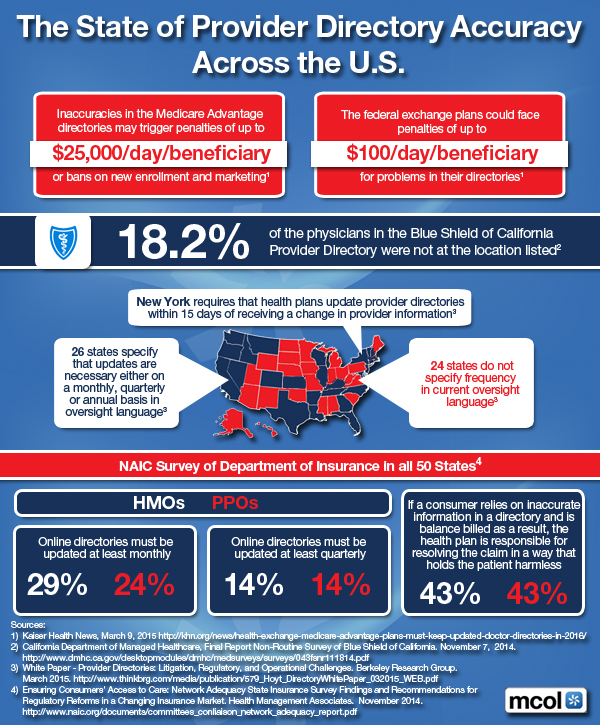
***

college

***

One Last Point

Don’t get so excited by the idea of maximizing a 529 plan that you forget one essential guideline: Parents should fund their own retirement accounts ahead of funding college accounts for the kids.

Assessment

There are many places to find a little extra money for kids’ 529 plans. A few possibilities are cash gifts from relatives, contributions from grandparents, tax refunds, or bonuses. But the worst place to find that money is your own retirement fund. It isn’t wise to sacrifice a healthy retirement plan in order to create a healthy 529 plan.

More: Comprehensive Financial Planning Strategies for Doctors and Advisors: Best Practices from Leading Consultants and Certified Medical Planners™

Conclusion

Your thoughts and comments on this ME-P are appreciated. Feel free to review our top-left column, and top-right sidebar materials, links, URLs and related websites, too. Then, subscribe to the ME-P. It is fast, free and secure.

Speaker: If you need a moderator or speaker for an upcoming event, Dr. David E. Marcinko; MBA – Publisher-in-Chief of the Medical Executive-Post – is available for seminar or speaking engagements. Contact: MarcinkoAdvisors@msn.com

OUR OTHER PRINT BOOKS AND RELATED INFORMATION SOURCES:

Product Details

Product DetailsProduct Details

On ACO Business Model Savings?

Join Our Mailing List

Case Report From Wellmark’s Blue Cross Blue Shield ACO Model

By http://www.MCOL.com

ACOs

More:

Comprehensive Financial Planning Strategies for Doctors and Advisors: Best Practices from Leading Consultants and Certified Medical Planners™

Conclusion

Your thoughts and comments on this ME-P are appreciated. Feel free to review our top-left column, and top-right sidebar materials, links, URLs and related websites, too. Then, subscribe to the ME-P. It is fast, free and secure.

Speaker: If you need a moderator or speaker for an upcoming event, Dr. David E. Marcinko; MBA – Publisher-in-Chief of the Medical Executive-Post – is available for seminar or speaking engagements. Contact: MarcinkoAdvisors@msn.com

OUR OTHER PRINT BOOKS AND RELATED INFORMATION SOURCES:

Product DetailsProduct Details

Congratulations to Ken Chi Yeung MBA CMP™

Join Our Mailing List

Meet Our Newest Certified Medical Planner™

ky

Ken Chi Yeung MBA CMP

Ken is a hospital administrator and financial consultant for the Tseung Kwan O Hospital, in Hong Kong. He speaks English, Cantonese, Mandarin and Chinese.

diploma

Assessment

Certified Medical Planner

Link: http://www.CertifiedMedicalPlanner.org

NEW BOOK: Comprehensive Financial Planning Strategies for Doctors and Advisors: Best Practices from Leading Consultants and Certified Medical Planners™

Conclusion

Your thoughts and comments on this ME-P are appreciated. Feel free to review our top-left column, and top-right sidebar materials, links, URLs and related websites, too. Then, subscribe to the ME-P. It is fast, free and secure.

Speaker: If you need a moderator or speaker for an upcoming event, Dr. David E. Marcinko; MBA – Publisher-in-Chief of the Medical Executive-Post – is available for seminar or speaking engagements. Contact: MarcinkoAdvisors@msn.com

OUR OTHER PRINT BOOKS AND RELATED INFORMATION SOURCES:

Product DetailsProduct Details

Financial Planning MDs 2015

OUR NEWEST BOOK:

Comprehensive Financial Planning Strategies for Doctors and Advisors: Best Practices from Leading Consultants and Certified Medical Planners™

Understanding Dual U.S. Physician Citizenship?

Join Our Mailing List

Reasons Why?

[By Dr. David Edward Marcinko MBA CMP™]

Dr David E Marcinko MBAThere may be a number of reasons why a foreign medical professional, especially a physician, may choose to remain a non-resident alien.

But, few realize that the U.S. income tax applies worldwide, and when a doctor becomes a U.S. dual citizen, the IRS is with them forever.

Annual Limitation

Also, there is the $136,000 annual limitation on gifts to a non-citizen spouse. At his death, a doctor can’t leave his possessions to a non-citizen spouse since the U.S. government is concerned that the foreign survivor will take her inheritance to her home country.

Estate Tax Due

Accordingly, the estate is tax immediately after the first death. Separate savings accounts may mitigate this so that the dual citizen spouse can acquire assets personally, and have something to pass on to children.

Assessment

Otherwise, any assets that can’t be proven at least a one half contribution, even if jointly owned, will be taxed as if they solely belong to the American citizen spouse.

British Phone

Conclusion

This is a brief review of IRS implications for modernity.

Your thoughts and comments on this ME-P are appreciated. Feel free to review our top-left column, and top-right sidebar materials, links, URLs and related websites, too. Then, subscribe to the ME-P. It is fast, free and secure.

Speaker: If you need a moderator or speaker for an upcoming event, Dr. David E. Marcinko; MBA – Publisher-in-Chief of the Medical Executive-Post – is available for seminar or speaking engagements. Contact: MarcinkoAdvisors@msn.com

OUR OTHER PRINT BOOKS AND RELATED INFORMATION SOURCES:

Product Details

Product Details

Is it Fire Drill Time for Physician Investors?

Join Our Mailing List 

Catastrophes and “Black Swans” Happen

An ME-P Special Report

By Lon Jeffereis MBA CFP® CMP®

Lon JeffriesHistory tells us that over a long enough time span catastrophes are likely to occur. Fires, flooding, earthquakes – none can be prevented and all can be potentially devastating. While these events can’t always be avoided, we can prepare for these “black swans.”

Running practice fire drills enables us to act appropriately during misfortune while maintaining emergency food storage ensures we won’t starve when tragedy strikes.

Just as physical calamity can turn lives upside down, financial upheaval can lead to an unrecoverable loss. Fortunately, we have the ability to prepare for financial uncertainty in the same way we prepare for other exposures. As the current bull market is now both the fourth longest in history (64 months) and the fourth largest (+192% gain), now would be a perfect time to ensure you are prepared for the next market pullback.

Run a Portfolio Fire Drill

You can run a fire drill for your portfolio by understanding the loss potential of your holdings. It is critical to recognize that the amount of volatility your portfolio will experience in declining market environments is dependent on your asset allocation – how much of your account is invested in stocks vs. bonds. The larger the percentage of stocks in a portfolio, the more the portfolio’s value will increase during bull markets but decrease when the market declines. Let’s look at the historical performance and risk levels of a range of diversified stock-to-bond ratios:

Asset Allocation – Risk & Return (1970-2013)

***

Portfolio Allocation Average Annual Return Large Loss 08′
100% Stocks 10.85% -39%
80% Stocks20% Bonds 10.33% -30%
60% Stocks40% Bonds 9.99% -20%
50% Stocks50% Bonds 9.76% -15%
40% Stocks60% Bonds 9.49% -11%
20% Stocks80% Bonds 8.85% -4%

 ***

After determining the asset allocation of your portfolio, ask yourself how you would respond to another market correction like we experienced in 2008. For this exercise, considering loss in dollar terms is particularly productive. For instance, if 80% of your portfolio is invested in stocks, you might be able to convince yourself that you could sustain a 30% loss. However, supposing you have $500k invested, a 30% loss would mean your portfolio is suddenly depleted to $350k — $150k of hard earned money just evaporated. To many, the thought of losing $150k is more uncomfortable than the thought of a 30% loss.

Next, picture every media outlet sending warnings day after day about how the market is only going to get worse. Imagine yourself checking what the markets are doing multiple times a day and constantly being disappointed that it is another day of losses.

Lastly, visualize your occasional friend, neighbor or family member bragging about how he got out of the market before the collapse and telling you how you are a fool for not doing so.

***

Accidents Happen

[Accidents Happen]

How would you respond in such an environment? Would you have a hard time sleeping or digesting your food? It’s critical to be honest with yourself. If you would stray from your long-term investment strategy by selling after a market drop and waiting for the market to recover, your current portfolio may be too aggressive. If so, scale back the assertiveness of your portfolio by reducing your stock exposure now because selling stocks during a market decline is the last thing you want to do.

Sound financial planning suggests individuals should scale back the assertiveness of their portfolio as they approach retirement. While a young worker with 30 years until retirement can afford to be aggressive and has time to recover if a large loss in suffered, a person who is closer to retirement can’t afford to endure a significant loss right before the invested funds are needed to cover life expenses.

Maintain an Emergency Financial Storage

As stocks and bonds are the long-term portion of your investment portfolio, cash equivalents are your tool for dealing with short-term spending needs. Before even investing, everyone should have an emergency reserve holding enough cash to cover three to six months of expenses. These funds should only be tapped in the event of a job loss or a medical emergency.

Be Prepared

Additionally, investors who are taking withdrawals from their portfolio in order to meet cash flow needs should also have the equivalent of two years of necessary withdrawals in cash at all times. These funds should be used to cover living expenses during the next market correction. Having this emergency financial storage will prevent you from having to take withdrawals in a down market and allow your portfolio time to recover.

Assessment

No one knows when the next bear market will come. However, just like winter follows every fall, market corrections will ultimately come after every bull market.  Preparing for such a financial downturn will ensure you act appropriately when the time comes and prevent financial catastrophe.

BOOK: Comprehensive Financial Planning Strategies for Doctors and Advisors: Best Practices from Leading Consultants and Certified Medical Planners™

Conclusion

Your thoughts and comments on this ME-P are appreciated. Feel free to review our top-left column, and top-right sidebar materials, links, URLs and related websites, too. Then, subscribe to the ME-P. It is fast, free and secure.

Speaker: If you need a moderator or speaker for an upcoming event, Dr. David E. Marcinko; MBA – Publisher-in-Chief of the Medical Executive-Post – is available for seminar or speaking engagements. Contact: MarcinkoAdvisors@msn.com

OUR OTHER PRINT BOOKS AND RELATED INFORMATION SOURCES:

Product DetailsProduct DetailsProduct Details

Product Details  Product Details

 Financial Planning MDs 2015

BOOK:

Comprehensive Financial Planning Strategies for Doctors and Advisors: Best Practices from Leading Consultants and Certified Medical Planners™

Results of the “Great American Physician Survey”

Join Our Mailing List

Majority of Physicians Remain Happy with Career Choice

By Physicians Practice

Long hours, never-ending regulations, non-compliant patients, and payer problems are just some of the issues awaiting physicians each day they report to work.

***

survey

***

Assessment

Yet, Of the 1,311 physicians taking the 2014 Great American Physician Survey, Sponsored by Kareo, 8 in 10 said they still like being a physician. Furthermore, given the choice to change history and choose another path, 56 percent said thanks, but no thanks.

Conclusion

Your thoughts and comments on this ME-P are appreciated. Feel free to review our top-left column, and top-right sidebar materials, links, URLs and related websites, too. Then, subscribe to the ME-P. It is fast, free and secure.

Speaker: If you need a moderator or speaker for an upcoming event, Dr. David E. Marcinko; MBA – Publisher-in-Chief of the Medical Executive-Post – is available for seminar or speaking engagements. Contact: MarcinkoAdvisors@msn.com

OUR OTHER PRINT BOOKS AND RELATED INFORMATION SOURCES:

Product DetailsProduct Details

Update on Hospital Cafeteria Plans 2014

Join Our Mailing List 

Will that be Cash or Taxable Benefits?

[By Dr. David Edward Marcinko MBA]

Dr. DEMUnder hospital cafeteria plans, each eligible employee may choose to receive cash or taxable benefits, or, or an equivalent of qualified, non-taxable, fringe benefits. The amounts contributed by the employer are not taxable to the employee. In effect, the employee pays for the benefits with before-tax dollars.  They remain non-taxable even though the employee could have elected to receive those amounts in cash.

An additional benefit for both employee and employer is that nontaxable cafeteria plan benefits are not subject to FICA taxes, thus saving 7.65% on amounts that would otherwise be under the Social Security wage base.

However, if the employee does not use all of the monies that are diverted into the cafeteria plan, the unused amounts are forfeited.

The Essence 

The essence of a hospital cafeteria plan is that it permits each participating employee to choose among two or more benefits. In particular, the employee may “purchase” non-taxable benefits by forgoing taxable cash compensation.

This ability of participating employees, on an individual basis, to select benefits fitting their own needs, and to convert taxable compensation to non-taxable benefits, makes the cafeteria plan an attractive means of offering benefits to employees. Other qualified employee benefits, described above, are excluded from cafeteria plans.

Non-taxable benefits

Cafeteria plans may include the following non-taxable benefits:

  • 401 (k) retirement plan
  • health and accident insurance
  • adoption assistance
  • dependent care assistance
  • group term life insurance including premiums for coverage over $50,000.

Cafeteria plans and healthcare

It is always to the tax advantage of an employee to receive employer-provided health and accident benefits in a tax-free form, rather than paying them with after tax money. Note there is the potential drawback of employees thinking of health care benefits as an implicit condition of employment instead of true non-cash compensation.

Because of increases in healthcare costs, employers are not always willing or able to provide coverage for all of an employee’s medical expenses. This means many employees must often pay for a portion of their medical costs under a co-pay provision. If an employee is fortunate, the employer may establish a cafeteria plan to allow the employee to fund the co-pay healthcare costs with before-tax dollars.

Example:

For example, if an employee must spend $3,000 annually to provide healthcare coverage for his or her dependents, then the income-tax savings to the employee could be as much as $1129.50 annually, if the employee is in the 30% tax bracket ($900 in income taxes and $229.50 of FICA taxes). The employer saves $229.50, the 7.65% of gross pay “matching” FICA taxes.

***

Hospital cafeteria plans

***

Cafeteria plans and other nontaxable benefits

A cafeteria plan may be expanded to cover more than just medical benefits. It may offer participants a choice between one or more nontaxable benefits, and cash resulting from the employer’s contributions to the plan or the employee’s voluntary salary reduction. Participants in cafeteria plans are sometimes given a choice of using vacation days, selling them to the employer and then getting cash for them, or, buying additional vacation days. Some cafeteria plans also include one or more reimbursement accounts, often referred to as “flexible spending accounts” or “benefit banks.”

Under these plans, cash that is forgone by an employee, by means of a salary reduction agreement or other agreement, is credited to an account and drawn upon to reimburse the employee for uninsured medical or dental expenses, or for dependent-care expenses. Many cafeteria plans include both insurance coverage options and reimbursement accounts.

BOOK: Comprehensive Financial Planning Strategies for Doctors and Advisors: Best Practices from Leading Consultants and Certified Medical Planners™

Conclusion

Your thoughts and comments on this ME-P are appreciated. Feel free to review our top-left column, and top-right sidebar materials, links, URLs and related websites, too. Then, subscribe to the ME-P. It is fast, free and secure.

Speaker: If you need a moderator or speaker for an upcoming event, Dr. David E. Marcinko; MBA – Publisher-in-Chief of the Medical Executive-Post – is available for seminar or speaking engagements. Contact: MarcinkoAdvisors@msn.com

OUR OTHER PRINT BOOKS AND RELATED INFORMATION SOURCES:

Product DetailsProduct Details

Financial Planning MDs 2015

When Financial Assets Get a ½ Step-Up in Cost Basis

Join Our Mailing List 

Unique to Spouses

By Lon Jefferies MBA CFP®

Lon JeffriesMany doctors are aware that when the owner of a taxable asset passes away, the party that inherits that asset does so at a stepped-up cost basis.

For example, suppose a husband owns a stock in a taxable investment account that he purchased for $100,000 but is now worth $150,000. If the husband sells the stock, there will be taxes due on the $50,000 of growth, or the difference between the current value and the cost basis.

However, if the husband passes away and a wife inherits the stock, the wife’s cost basis gets increased to the full $150,000, the value of the account on the date the husband passed away. This enables the wife to sell the stock and keep the full $150,000 of value without paying taxes.

Jointly Owned with Rights of Survivorship

However, what happens to assets that are owned jointly with a right of survivorship when one spouse passes away? Did you know in this scenario, it is possible for assets to receive a ½ step-up in basis? The formula looks like this:

(Date-of-death fair market value + Old basis) / 2 = New Basis

In a practical example, suppose John contributes $10,000 to a joint account with a right of survivorship and Jane contributed $5,000 to the same account. When John passes, the account is valued at $20,000. This will cause Jane to get a step-up in basis to $17,500 on the taxable account.

($20,000 + $15,000) / 2 = $17,500

Jane receives a ½ step-up in basis on each position within the investment account. She is unable to claim a full-step up on one stock within the account and no step-up on other assets.

Unique to Spouse

Notice that even though the spouse’s contributed different amounts to the account, they each share a full 50% share of the property for inclusion in their estates. However, this is unique to spouses with right of survivorship and the issue is more complex if the parties involved are not married.

Spouses

Assessment

To be clear, this step-up only occurs on taxable assets like physical property or taxable investment accounts. A step-up does not occur on tax-deferred investments like IRAs or 401(k)s.

Conclusion

Your thoughts and comments on this ME-P are appreciated. Feel free to review our top-left column, and top-right sidebar materials, links, URLs and related websites, too. Then, subscribe to the ME-P. It is fast, free and secure.

Speaker: If you need a moderator or speaker for an upcoming event, Dr. David E. Marcinko; MBA – Publisher-in-Chief of the Medical Executive-Post – is available for seminar or speaking engagements. Contact: MarcinkoAdvisors@msn.com

OUR OTHER PRINT BOOKS AND RELATED INFORMATION SOURCES:

Product DetailsProduct DetailsProduct Details

Product Details  Product Details

Employers and Population Health

Join Our Mailing List

In the Domestic Workplace

By http://www.MCOL.com

Population Health

 Conclusion

Your thoughts and comments on this ME-P are appreciated. Feel free to review our top-left column, and top-right sidebar materials, links, URLs and related websites, too. Then, subscribe to the ME-P. It is fast, free and secure.

Speaker: If you need a moderator or speaker for an upcoming event, Dr. David E. Marcinko; MBA – Publisher-in-Chief of the Medical Executive-Post – is available for seminar or speaking engagements. Contact: MarcinkoAdvisors@msn.com

OUR OTHER PRINT BOOKS AND RELATED INFORMATION SOURCES:

Product DetailsProduct Details

Is the VA Worth Saving?

Join Our Mailing List 

Veterans Affairs discovers off-label use for HIPAA [Whistleblower Control?]

1-darrellpruitt

[By Darrell K. Pruitt DDS]

“VA uses patient privacy to go after whistleblowers, critics say,” by Joe Davidson for The Washington Post, July 17, 2014.

http://www.washingtonpost.com/politics/federal_government/va-uses-patient-privacy-to-go-after-whistleblowers-critics-say/2014/07/17/bafa7a02-0dcb-11e4-b8e5-d0de80767fc2_story.html

Davidson writes:

“Citing patient privacy, managers have threatened VA employees or retaliated against those who complain about agency misconduct, according to a key congressman and the union that represents most of the department’s employees.”

Chairman Jeff Miller Speaks

Rep. Jeff Miller (R-Fla.), who as chairman of the House Committee on Veterans’ Affairs is leading a probe into the cover-up of long waiting times for VA patients, tells the Washington Post that the “VA routinely uses HIPAA as an excuse to punish into submission employees who dare to speak out.”

Davidson adds that in a letter to President Obama earlier this month, Miller said,

“If VA cannot protect whistleblowers who reveal corruption it is not a system worth saving.”

As it turns out, the VA is no stranger to HIPAA. In 2006, the VA agreed to pay a $20 million fine because an agency employee took home records on 26.5 million veterans that were subsequently stolen by a burglar. The lost data included names, Social Security numbers, dates of birth and medical information.

***

Hospital with paper MRs

***

In 2012, six years following breach, a humble Roger Baker, the CEO of Veterans Affairs, told reporters,

“Nobody wants to have that same birthmark that we had relative to that laptop. I can tell you for certain that it has had a huge and lasting impact on the VA.”

(See: “6 lasting effects of 2006 VA data breach on privacy, security,” by Mary Mosquera, for GovHealthIT.com, May 24, 2012)

http://www.govhealthit.com/news/6-lasting-effects-2006-va-data-breach-privacy-security#.U8lufPldWz4

Assessment 

I agree with Rep. Miller. The VA is not worth saving.

Conclusion

Your thoughts and comments on this ME-P are appreciated. Feel free to review our top-left column, and top-right sidebar materials, links, URLs and related websites, too. Then, subscribe to the ME-P. It is fast, free and secure.

Speaker: If you need a moderator or speaker for an upcoming event, Dr. David E. Marcinko; MBA – Publisher-in-Chief of the Medical Executive-Post – is available for seminar or speaking engagements. Contact: MarcinkoAdvisors@msn.com

OUR OTHER PRINT BOOKS AND RELATED INFORMATION SOURCES:

Product DetailsProduct Details

On Financial Psychology and “Money Scripts”

Join Our Mailing List 

What they Are – How they Work?

  • By Brad Klontz PsyD CFP®
  • By Ted Klontz PhD
  • By Eugene Schmuckler PhD MEd MBA CTS
  • By Kenneth Shubin-Stein MD CFA
  • By David Edward Marcinko FACFAS MBA CMP®
  • By Sonya Britt PhD CFP®

Money Scripts are unconscious beliefs about money that are typically only partially true, are developed in childhood, and drive adult financial behaviors.

Money Scripts may be the result of “financial flashpoints,” which are salient early experiences around money that have a lasting impact in adulthood. Money Scripts are often passed down through the generations; and social groups often share similar Money Scripts. The animal brain stores associations around money based on early experiences, which can result in rigid and often problematic money attitudes.

And so, we argue that Money Scripts are at the root of all illogical, ill-advised, self-destructive, or self-limiting financial behaviors.

Money Scripts

The Research

In research at Kansas State University [KSU], researchers identified four distinct Money Script patterns, which are associated with financial health and predict financial behaviors

The 4 Money Scripts

  1. Money Avoidance
  2. Money Worship
  3. Money Status
  4. Money Vigilance

When Money Scripts are identified, it is helpful to examine where they came from. What three lessons did you learn about money from your mother?

Examination

A simple technique involves reflecting on the following questions:

  • What three lessons did you learn about money from your father?
  • What is your first memory around money?
  • What is your most painful money memory?
  • What is your most joyful money memory?
  • What money scripts emerged for you from this experience?
  • How have they helped you?
  • How have they hurt you?
  • What Money Scripts do you need to change?

More: Comprehensive Financial Planning Strategies for Doctors and Advisors: Best Practices from Leading Consultants and Certified Medical Planners™

Conclusion

Your thoughts and comments on this ME-P are appreciated. Feel free to review our top-left column, and top-right sidebar materials, links, URLs and related websites, too. Then, subscribe to the ME-P. It is fast, free and secure.

Speaker: If you need a moderator or speaker for an upcoming event, Dr. David E. Marcinko; MBA – Publisher-in-Chief of the Medical Executive-Post – is available for seminar or speaking engagements. Contact: MarcinkoAdvisors@msn.com

OUR OTHER PRINT BOOKS AND RELATED INFORMATION SOURCES:

Financial Planning MDs 2015

On Healthcare Provider’s Use of Technology

Join Our Mailing List

Most Important Tool for Effective Communications in ACO

By http://www.MCOL.com

MD Technology


Assessment

Conclusion

Your thoughts and comments on this ME-P are appreciated. Feel free to review our top-left column, and top-right sidebar materials, links, URLs and related websites, too. Then, subscribe to the ME-P. It is fast, free and secure.

Speaker: If you need a moderator or speaker for an upcoming event, Dr. David E. Marcinko; MBA – Publisher-in-Chief of the Medical Executive-Post – is available for seminar or speaking engagements. Contact: MarcinkoAdvisors@msn.com

OUR OTHER PRINT BOOKS AND RELATED INFORMATION SOURCES:

Product DetailsProduct DetailsProduct Details

  Product Details

“Reflective Listening” Advice for Physician-Focused Financial Advisors

Join Our Mailing List 

More than Active Listening and Consultative Sales 

By Rick Kahler MS CFP® http://www.KahlerFinancial.com

Rick Kahler CFPHere’s a useful bit of advice I got from one of my staff members several years ago:

“Rick, your clients don’t understand half as much about investing as you think they do.”

She didn’t intend any disrespect to doctors, nurses or other clients. Instead, she was reminding me not to assume everyone swims in the same waters I do. For me, those waters are investing and finance. Financial planning not only is my work, it’s my passion.

Client Meetings

So in a client meeting, I can easily dive into the details of a mutual fund advisor’s performance or some other aspect of the client’s investments. If clients don’t ask questions, I might assume they understand what I’m saying, when in reality they may be just waiting for me to move on to something more meaningful to them.

If clients don’t understand what financial advisors are saying, why don’t they ask? In my experience, one of the reasons is embarrassment. Clients may not ask for clarification because they think they should already know. I might well have the same feeling with an auto mechanic or plumber.

If you think you should know the meaning of terms like asset allocation or capitalization, you probably will hesitate to ask an advisor to explain those terms. Since financial planners, like other professionals, can easily forget that not everyone understands the vocabulary that is so familiar to them, they won’t necessarily think to offer explanations unless you ask.

Reflections and Mirrors

One useful strategy to help ensure that you and a financial advisor understand various terms in the same way is to reflect back what you think you’ve heard the advisor say or what you think a statement means.

Suppose, for example, a financial planner suggests that you consider some asset protection strategies. The word “assets” to you means primarily the money in your investment portfolio, and of course you know what “protection” means. To you, then, “asset protection” might mean “keeping my investment safer.”

In-Active Listening

[In-Active Listening]

To clarify, you might respond to the advisor this way:  “What I hear you saying is that I should change some of my investments to funds that have less risk. Is that right?”

This would let the planner know that what you think she said is not what she meant. She could then explain that by “asset protection,” she meant protecting yourself against frivolous lawsuits. For example, she might recommend forming a limited liability company to own a piece of rental property instead of having it directly in your own name.

It may seem simpler just to ask, “What do you mean by asset protection?” The drawback of this directness is that her answer might use additional terms you don’t understand, so it still might not be clear. After two or three such questions, you might be too embarrassed or confused to ask further.

Clarification

Reflecting back what you think you heard, however, helps the other person know more precisely what you understand or don’t understand. It can be an efficient method of clarifying a potentially confusing topic. It’s an effective way to make sure that both you and your advisor are talking about the same thing or trying to solve the same problem.

Assessment

Remember that helping you learn more about your finances is part of a financial planner’s responsibility. Letting the planner know when you don’t understand something is part of your responsibility as the client. Please, don’t just sit with your eyes glazed over and nod politely if your financial planner dives into depths where you can’t follow. Instead, remind him or her that in those waters, you need a life jacket.

IOW: Reflective Listening is more than just the active listening skills and consultative sales approaches of the past – it is true understanding.

Conclusion

Your thoughts and comments on this ME-P are appreciated. Feel free to review our top-left column, and top-right sidebar materials, links, URLs and related websites, too. Then, subscribe to the ME-P. It is fast, free and secure.

Speaker: If you need a moderator or speaker for an upcoming event, Dr. David E. Marcinko; MBA – Publisher-in-Chief of the Medical Executive-Post – is available for seminar or speaking engagements. Contact: MarcinkoAdvisors@msn.com

OUR OTHER PRINT BOOKS AND RELATED INFORMATION SOURCES:

Product DetailsProduct DetailsProduct Details

Product Details  Product Details

Product Details

Procedures in Rural v. Urban Hospitals

Join Our Mailing List

Appreciating the Number of Procedures Done per Hospitalization

By http://www.MCOL.com

Hospitals

Conclusion

Your thoughts and comments on this ME-P are appreciated. Feel free to review our top-left column, and top-right sidebar materials, links, URLs and related websites, too. Then, subscribe to the ME-P. It is fast, free and secure.

Speaker: If you need a moderator or speaker for an upcoming event, Dr. David E. Marcinko; MBA – Publisher-in-Chief of the Medical Executive-Post – is available for seminar or speaking engagements. Contact: MarcinkoAdvisors@msn.com

OUR OTHER PRINT BOOKS AND RELATED INFORMATION SOURCES:

Product DetailsProduct Details