BOARD CERTIFICATION EXAM STUDY GUIDES Lower Extremity Trauma
[Click on Image to Enlarge]
ME-P Free Advertising Consultation
The “Medical Executive-Post” is about connecting doctors, health care executives and modern consulting advisors. It’s about free-enterprise, business, practice, policy, personal financial planning and wealth building capitalism. We have an attitude that’s independent, outspoken, intelligent and so Next-Gen; often edgy, usually controversial. And, our consultants “got fly”, just like U. Read it! Write it! Post it! “Medical Executive-Post”. Call or email us for your FREE advertising and sales consultation TODAY [678.779.8597] Email: MarcinkoAdvisors@outlook.com
Medical & Surgical e-Consent Forms
ePodiatryConsentForms.com
iMBA Inc., OFFICES
Suite #5901 Wilbanks Drive, Norcross, Georgia, 30092 USA [1.678.779.8597]. Our location is real and we are now virtually enabled to assist new long distance clients and out-of-town colleagues.
ME-P Publishing
SEEKING INDUSTRY INFO PARTNERS?
If you want the opportunity to work with leading health care industry insiders, innovators and watchers, the “ME-P” may be right for you? We are unbiased and operate at the nexus of theoretical and applied R&D. Collaborate with us and you’ll put your brand in front of a smart & tightly focused demographic; one at the forefront of our emerging healthcare free marketplace of informed and professional “movers and shakers.” Our Ad Rate Card is available upon request [678-779-8597].
The Federal Reserve’s pivot last week to an easier monetary policy made many investors more bullish toward stocks. You can count Goldman Sachs among them. It has raised its year-end 2024 target for the S&P to 5,100 from 4,700. The new forecast represents an 8% increase from 4,740 on Dec. 18. Goldman has a three-month target of 4,800 and a six-month target of 4,900.
Here is where the major benchmarks ended:
Here’s where the major benchmarks ended:
The S&P 500 index was up 21.37 points (0.5%) at 4,740.56; the Dow Jones Industrial Average was up 0.86 points at 37,306.02; the NASDAQ Composite was up 90.89 points (0.6%) at 14,904.81.
The 10-year Treasury note yield (TNX) was up about 2 basis points at 3.946%.
The CBOE® Volatility Index (VIX) was up 0.25 at 12.53.
Energy shares were among Monday’s strongest performers behind a rally in WTI Crude Oil futures (/CL), which jumped 1.7% to end at a two-week high amid concern over supply disruptions following attacks on ships in the Red Sea.
Communication services and consumer staples were also firm. Financials gave back some of last week’s sharp gains, with the KBW Bank Index (BKX) down nearly 1%.
The IRS Quietly Changed the Rules on Children’s Inheritance
The IRS just issued Revenue Ruling 2023-2, which had a substantial impact on estate planning, particularly where an irrevocable trust is involved.
In the last decade or so, more families have begun utilizing irrevocable trusts to protect their assets from spend-down in order to qualify for government benefits, such as Medicaid and VA Aid and Attendance. Prior to the issuance of this ruling, it was unclear whether assets passing to beneficiaries through an irrevocable trust would receive a step-up in basis, thereby eliminating any capital gains taxes that would otherwise be owed.
Historically, assets that are disposed of during an individual’s lifetime are subject to capital gains taxes on the increase in value of that asset over time. The amount of capital gains owed is determined largely by the difference between the value at the time of purchase and the value at the time of transfer.
Delta Dental of California data breach exposed info of 7 million people
“Delta Dental of California and its affiliates are warning almost seven million patients that they suffered a data breach after personal data was exposed in a MOVEit Transfer software breach.Delta Dental of California provides 24 months of free credit monitoring and identity theft protection services to impacted patients to mitigate the risk of their exposed data.”
Twenty-eight healthcare companies, including CVS Health , are signing U.S. President Joe Biden’s voluntary commitments aimed at ensuring the safe development of artificial intelligence (AI), a White House official said yesterday. The commitments by healthcare providers and payers follow those of 15 leading AI companies, including Google, OpenAI and OpenAI partner Microsoft to develop AI healthcare models responsibly.
***
***
Health insurance company Humana is being accused of allegedly wrongfully denying care to elderly patients, who are enrolled in Medicare Advantage Plans, using an augmented intelligence model “to override” physicians’ orders on “necessary care patients require,” according to a new lawsuit.
The lawsuit, filed by two Humana Medicare Advantage Plan customers on December th 12 in Kentucky, claims that Humana uses an AI model called nH Predict, and it allegedly has a high error rate. And allegedly, despite knowing that it’s inaccurate, the company still uses it.
The S&P 500 index was up 12.46 points (0.3%) at 4,719.55; the Dow Jones Industrial Average was up 158.11 points (0.4%) at 37,248.35; the NASDAQ Composite® (COMP) was up 27.59 points (0.2%) at 14,761.56.
The 10-year Treasury note yield (TNX) was down about 11 basis points at 3.923%, falling under 4% for the first time since early August.
The CBOE® Volatility Index (VIX) was up 0.25 at 12.44.
Financial shares remained among the market’s strongest post-FOMC gainers, reflecting ideas that lower interest rates will boost profit margins for banks. Goldman Sachs (GS) rallied nearly 6%, the second-best gain among Dow companies, and hit a 23-month high. The KBW Bank Index (BKX), which includes major companies like Bank of America (BAC) and Citigroup (C) as well as several regional lenders, surged 5% to a nine-month high.
Also, the small-cap Russell 2000® Index (RUT) continued to outgain large-cap counterparts, rising 2.7% to a 4 ½-month high.
The holidays can be a stressful time for many, especially emergency healthcare workers, as Emergency Departments and ERs tend to get crowded. Holiday-related injuries spike in December, from slipping in the snow or falling while decorating to overindulging in holiday cocktails. So, to all the emergency healthcare providers working on holidays this year, the ME-P thanks you very much.
Here’s where the major benchmarks ended:
The S&P 500 index was up 63.39 points (1.4%) at 4,707.09; the Dow Jones Industrial Average was up 512.30 points (1.4%) at 37,090.24; the NASDAQ Composite was up 200.57 points (1.4%) at 14,733.96.
The 10-year Treasury note yield (TNX) was down about 18 basis points at 4.024%.
The CBOE® Volatility Index (VIX) was up 0.14 at 12.21.
Financial shares led Wednesday’s gainers, reflecting ideas that lower interest rates will boost profit margins for banks. The KBW Regional Banking Index (KRX) surged nearly 6% and ended at its highest level in over four months. The Fed’s outlook for slower growth in 2024, but no recession, also appeared to drive optimism among smaller companies, which are considered to have greater exposure to economic downturns. The small-cap Russell 2000® Index (RUT) outpaced its bigger counterparts, gaining 3.5% and ending at a four-month high.
Treasury yields fell sharply, with the 10-year note dropping to a four-month low just above 4%.
Kentucky-based healthcare provider NortonHealthcare has confirmed that it has suffered a significant ransomware attack that may have put the data of millions of its patients at risk. In a filing to the Maine Attorney General on December 8th, the healthcare giant said that 2.5 million individuals had been affected by the breach.
***
***
Meanwhile, the nation’s largest pharmacy chains have handed over Americans’ prescription records to police and government investigators without a warrant, a congressional investigation found, raising concerns about threats to medical privacy. Though some of the chains require their lawyers to review law enforcement requests, three of the largest — CVS Health, Kroger and Rite Aid, with a combined 60,000 locations nationwide — said they allow pharmacy staff members to hand over customers’ medical records in the store.
The policy was revealed in a letter sent to Xavier Becerra, the secretary of the Department of Health and Human Services, by Sen. Ron Wyden (D-Ore.) and Reps. Pramila Jayapal (D-Wash.) and Sara Jacobs (D-Calif.).
HIPAA anyone?
***
Here’s where the major benchmarks ended:
The S&P 500 index was up 21.26 points (0.5%) at 4,643.70; the Dow Jones Industrial Average®(DJI) was up 173.01 points (0.5%) at 36,577.94; the NASDAQ Composite® (COMP) was up 100.91 points (0.7%) at 14,533.40.
The 10-year Treasury note yield (TNX) was down about 3 basis points at 4.206%.
The CBOE® Volatility Index (VIX) was down 0.56 at 12.07.
Technology shares were among Tuesday’s strongest performers despite a 12% drop in Oracle (ORCL), which plunged after reporting lighter-than-expected quarterly revenue late Monday. The Philadelphia Semiconductor Index (SOX) posted its highest close since January 2022.
Financial shares were also firm. Energy shares were under pressure because WTI Crude Oil futures (/CL) extended a slump below $70 per barrel and settled at its lowest price since late June.
The final FOMC meeting of the year will take place this week, and like most work meetings in mid-December, not a whole lot is going to happen. Chair Jerome Powell is widely expected to leave interest rates unchanged as inflation continues its descent to a 2% target. But 2024 planning is in full swing, and investors are desperate to learn when the Federal Reserve thinks it will need to cut rates next year.
***
Here is where the major stock index benchmarks ended:
The S&P 500 index was up 18.07 points (0.4%) at 4,622.44; the Dow Jones Industrial Average® (DJI) was up 157.06 points (0.4%) at 36,404.93; the NASDAQ Composite was up 28.51 points (0.2%) at 14,432.49.
The 10-year Treasury note yield (TNX) was little-changed at 4.239%.
The CBOE® Volatility Index (VIX) was up 0.28 at 12.63.
In addition to retailers, semiconductor company shares also posted outsized gains Monday, boosted in part by a jump of nearly 10% in Broadcom (AVGO). The Philadelphia Semiconductor Index (SOX) gained more than 3% and ended near a two-year high. Transportation companies were also strong.
In other markets, Natural Gas futures (/NG) plunged more than 6% to a six-month low, reflecting warmer-than-normal U.S. temperatures and excess supplies.
Finally, the so-called Magnificent Seven stocks of Apple, Microsoft, Alphabet, Amazon.com, Nvidia, Tesla and Meta Platforms each fell at least 0.8%. Meta led the declines, dropping 2.2%. But only one out of 11 S&P 500 sectors fell. Even the information technology sub-index ticked higher, reflecting gains outside of the largest companies in the sector.
According to the Organization for Economic Cooperation and Development’sNovember economic outlook report, global growth is on track to stay modest this year and into 2024. And, while gross domestic product growth has been stronger than anticipated in 2023 so far, it’s now “moderating on the back of tighter financial conditions, weak trade growth and lower business and consumer confidence,” the report’s authors noted. The OECD anticipates global GDP growth of 2.9% in 2023, and a dip to 2.7% in 2024. 2025 looks better, with predicted global growth of 3%.
***
The Food and Drug Administration on Friday approved a powerful treatment for sickle cell disease, a devastating illness that affects more than 100,000 Americans, the majority of whom are Black. The therapy, called Casgevy, from Vertex Pharmaceuticals and CRISPR Therapeutics, is the first medicine to be approved in the United States.
The S&P 500® Index (SPX) was up 0.41% at 4,604.46, up marginally for the week; the Dow Jones Industrial Average (DJI) was up 130 points (0.36%) at 36,247.87, up marginally for the week; the NASDAQ Composite® (COMP) was up 63.98 points (0.45%) at 14,403.97, up 0.7% for the week.The 10-year Treasury note yield (TNX) was up 10 basis points at 4.235%. The CBOE Volatility Index (VIX) was down 5.44% at 12.35.
After grappling with high inflation for more than two years, American consumers are now seeing an economic trend that many might only dimly remember: falling prices — but only on certain types of products.
Deflation is impacting so-called durable goods, or products that are meant to last more than three years, Wall Street Journal reporter David Harrison told CBS News. As Harrison noted in his reporting, durable goods have dropped on a year-over-year basis for five straight months and dropped 2.6% in October from their September 2022 peak.
These items are products such as used cars, furniture and appliances, which saw big run-ups in prices during the pandemic. Used cars in particular were a pain point for U.S. households, with pre-owned cars seeing their prices jump more than fifty percent in the first two years of the pandemic.
Here is where the major benchmarks ended:
The S&P 500 Index was up 36.25 points (0.8%) at 4,585.59; the Dow Jones Industrial Average was up 62.95 points (0.2%) at 36,117.38; the NASDAQ Composite was up 193.28 points (1.4%) at 14,339.99.
The 10-year Treasury note yield (TNX) was up about 2 basis points at 4.144%.
The CBOE® Volatility Index (VIX) was up 0.09 at 13.06.
Tech sector strength was highlighted by the Philadelphia Semiconductor Index (SOX), which gained nearly 3%. Financial shares were also among the strongest performers, as the KBW Regional Banking Index (KRX) rose 2% and ended at a four-month high. In other markets, WTI crude oil futures (/CL) posted the market’s first gain in six days after earlier dropping to its lowest level since late June.
Apple regains a $3 trillion market cap and is on track to end the year as the world’s most valuable company for the 5th time in a row.
Today marks the 82nd anniversary of the attack on Pearl Harbor that drew the US into WWII.
Here’s where the major benchmarks ended:
The S&P 500® index (SPX) was down 17.84 points (0.4%) at 4,549.34; the Dow Jones Industrial Average® (DJI) was down 70.13 points (0.2%) at 36,054.43; the NASDAQ Composite® (COMP) was down 83.20 points (0.6%) at 14,146.71.
The 10-year Treasury note yield (TNX) was down about 5 basis points at 4.117%.
The CBOE® Volatility Index (VIX) was up 0.10 at 12.95.
Energy shares were again among the market’s weakest performers as crude oil futures extended a slump, closing below $70 per barrel for the first time since late June on concerns over slowing global demand. And, Liz Ann Sonders of Schwab said a “somewhat stealthy” rotation continued under the market’s surface, with the S&P 500® Equal Weight (SPXEW) and Russell 2000®(RUT) indexes outperforming both the S&P 500 and NASDAQ over the past month or so. She also noted a defensive tone to Wednesday’ trading, illustrated by strength in utilities and weakness in technology.
Nearly 60% of doctors who practice as employees of hospitals and other corporate entities say that non-physician practice ownership results in lower quality patient care, per a new survey commissioned by the Physicians Advocacy Institute. Loss of face time with patients and greater focus on finances negatively impact quality, they say.
Here is where the major benchmarks ended:
Here’s where the major benchmarks ended:
The S&P 500 index was down 2.60 points (0.1%) at 4,567.18; the Dow Jones Industrial Average was down 79.88 points (0.2%) at 36,124.56; the NASDAQ Composite® (COMP) was up 44.42 points (0.3%) at 14,229.91.
The 10-year Treasury note yield was down about 11 basis points at 4.18%.
The CBOE® Volatility Index (VIX) was down 0.23 at 12.85.
Energy shares were among Tuesday’s weakest performers on pressure from slumping crude oil futures, which dropped for a fourth consecutive day and hit a five-month low amid concern over global demand. Retail and transportation sectors were also soft. Technology and consumer discretionary shares were among the few gainers.
Here is where the major benchmarks ended yesterday:
The S&P 500® index (SPX) was down 24.85 points (0.5%) at 4,569.78; the Dow Jones Industrial Average® (DJI) was down 41.06 points (0.1%) at 36,204.44; the NASDAQ Composite (COMP) was down 119.54 points (0.8%) at 14,185.49.
The 10-year Treasury note yield (TNX) was up about 4 basis points at 4.264%.
The BOE® Volatility Index (VIX) was up 0.45 points at 13.08.
Technology and communications services shares were among the weakest performers Monday, with the Philadelphia Semiconductor Index (SOX) dropping 1.2%, its lowest level since mid-November.
By contrast, many smaller companies held up better. The small-cap-focused Russell 2000® Index (RUT) rose 1% and ended at a three-month high, extending a recent upswing. In other markets, gold futures (GC) plunged after earlier posting an intraday record above $2,152 an ounce.
There’s almost $6 trillion of cash sitting on the sidelines in money-market funds, with the potential for some portion of it to be reallocated into “carefully selected risk assets.”
This is according to Ali Dibadj, chief executive of London-based Janus Henderson Investors, which had $308.3 billion in assets under management as of September. About $187.9 billion, or 61%, of that was in equity strategies.
***
Here’s where the major benchmarks ended:
The S&P 500 index was up 26.83 points (0.6%) at 4,594.63, up 0.8% for the week; the Dow Jones Industrial Average® (DJI) was up 294.61 points (0.8%) at 36,245.50, up 2.4% for the week; the NASDAQ Composite was up 78.81 points (0.6%) at 14,305.03, up 0.4% for the week.
The 10-year Treasury note yield was down about 14 basis points at 4.213%.
The CBOE® Volatility Index (VIX) was down 0.27 at 12.65.
Friday’s gains followed the market’s strongest month of the year, as the S&P 500 and NASDAQ surged 8.9% and 10.7% in November, respectively, their best monthly performances since July 2022. Among sectors, the KBW Regional Bank Index (KRX) jumped 5.3% Friday, and retail shares were also among the top gainers.
Shares of smaller companies extended a recent rally as the small-cap-focused Russell 2000® Index (RUT) gained 3.1% for the week and ended at a 2-1/2-month high.
The S&P 500 index was up 17.22 points (0.4%) at 4,567.80, up 8.9% for the month; the Dow Jones Industrial Average was up 520.47 points (1.5%) at 35,950.89, up 8.8% for the month; the NASDAQ Composite was down 32.27 points (0.2%) at 14,226.22, up 10.7% for the month.
The 10-year Treasury note yield (TNX) was up about 6 basis points at 4.33%.
CBOE® Volatility Index (VIX) was down 0.07 at 12.91.
The Dow’s gain Thursday was driven in part by Salesforce (CRM), which soared nearly 9% after the cloud software company reported stronger-than-expected quarterly results. The technology sector was otherwise soft, with the NASDAQ-100® (NDX) down 0.7% but still up 10.7% for the month. Small-cap stocks also posted a firm November, illustrated by a monthly gain of nearly 9% in the Russell 2000® Index (RUT).
And, Nathan Peterson, director of derivatives analysis at the Schwab Center for Financial Research, said the weakness in tech shares likely reflected consolidation after firm gains earlier this month. The NASDAQ Composite may also face some technical resistance around 14,350, a level where sellers stepped in back in July.
A ransomware attack has caused a health care chain, which operates 30 hospitals in six states, to move patients from some of its emergency rooms to other hospitals, while putting certain procedures on pause, the company announced.
According to a statement from Ardent Health Services, the attack happened on November 23rd. The company said as a result of the attack, it took its network offline and suspended user access to its information technology applications, including the software used to document patient care.
***
***
Here is where the major benchmarks ended:
Here’s where the major benchmarks ended:
The S&P 500® index was down 4.31 points (0.1%) at 4,550.58; the Dow Jones Industrial Average was up 13.44 points at 35,430.42; the NASDAQ Composite ® was down 23.27 points (0.2%) at 14,258.49.
The 10-year Treasury note yield (TNX) was down about 8 basis points at 4.261%.
CBOE ® Volatility Index (VIX) was up 0.29 at 12.98.
Apple is pulling the plug on its credit card partnership with Goldman Sachs Group, the Wall Street Journal reported on Tuesday. The tech giant recently sent a proposal to the Wall Street bank to exit the contract in the next 12 to 15 months, the report said, citing people briefed on the matter.
***
Senators Elizabeth Warren (Democrat) and Mike Braun (Republican) sent a letter to the US Department of Health and Human Services last week, asking it to investigate whether large insurance companies are hiking prescription drug prices at pharmacies they own
***
***
Here is where the major benchmarks ended:
Here’s where the major benchmarks ended:
The S&P 500® index (SPX) was up 4.46 points (0.1%) at 4,554.89; the Dow Jones Industrial Average was up 83.51 points (0.2%) at 35,416.98; the NASDAQ Composite® (COMP) was up 40.73 points (0.3%) at 14,281.76.
The 10-year Treasury yield was down about 6 basis points at 4.33%.
The CBOE® Volatility Index (VIX) was little-changed at 12.69.
Semiconductor and transportation shares were among the weakest performers Tuesday, and regional banks were also under pressure. Small cap stocks also lagged. The Russell 2000® Index (RUT) fell about 0.4% for its lowest close in a week.
Retailers and utilities were among the firmest sectors. In other markets, the U.S. Dollar Index (DXY) weakened to its lowest level since mid-August, reflecting expectations that U.S. interest rates have peaked.
Wall Street is gearing up for rate cuts. Yep! Twenty months after the Federal Reserve began a historic campaign against inflation, investors now believe there is a much greater chance that the central bank will cut rates in just four months than raise them again in the foreseeable future.
Interest-rate futures indicated last week a roughly 60% chance the Fed will lower rates by a quarter-of-a-percentage point by its May 2024 policy meeting, up from 29% at the end of October, according to CME Group data. The same data has pointed to four cuts by the end of the year. And, investors, battered by the Fed’s efforts to slow the economy, have reacted by driving the S&P 500 up nearly 9% this month. That is despite the wagers reflecting different possible paths for the economy, not all of them favorable for stocks.
Of course, investors look ahead to the release this week of key US inflation data that could provide a guide for the Federal Reserve’s plans for interest rates going into the new year.
The S&P 500 Index was down 8.91 points (0.2%) at 4,550.43; theDow Jones Industrial Average® (DJI) was down 56.68 points (0.2%) at 35,333.47; the NASDAQ Composite® was down 9.83 points (0.1%) at 14,241.02.
The 10-year Treasury note yield (TNX) was down about 10 basis points at 4.387%.
CBOE Volatility Index® (VIX) was up 0.23 at 12.69.
Transportation shares were among the weakest performers Monday, and energy was also soft behind a drop in crude oil futures. Weakness in many retail stocks suggested some concern over consumer spending given high interest rates and slower job growth. The S&P Retail Select Index (SPSIRE) fell 0.6% but is still up 8.2% for the month. Consumer discretionary and real estate shares were among the few gainers.
Nvidia reported another quarter of record sales and gave a strong revenue outlook, pointing to red-hot demand for chips that underpin the artificial-intelligence boom. Huge investments in AI by tech giants from Microsoft to Amazon.com and by other large corporations have helped propel Nvidia’s sales to unprecedented levels in recent quarters.
***
The chief executive of Binance, the largest global cryptocurrency exchange, plans to step down and plead guilty to violating criminal U.S. anti-money-laundering requirements, in a deal that may preserve the company’s ability to continue operating, according to people familiar with the matter. And, the U.S. Department of Justice has just brought criminal charges against Binance and its billionaire founder and CEO, Changpeng Zhao.
Here is where the major benchmarks ended:
The S&P 500 Index was down 9.19 points (0.2%) at 4,538.19; the Dow Jones Industrial Average® (DJI) was down 62.75 points (0.2%) at 35,088.29; the NASDAQ Composite was down 84.55 points (0.6%) at 14,199.98.
The 10-year Treasury note yield (TNX) was down about 2 basis points at 4.404%.
The CBOE Volatility Index® (VIX) was down 0.06 at 13.35.
Financial and technology shares were among the weakest sectors Tuesday, with the KBW Regional Banking Index (KRX) dropping 2.1%. Small-cap stocks also gave back some of a recent rally, as the Russell 2000® Index(RUT) fell 1.3% after touching a two-month high Monday. Health care, materials and utilities were among the few sectors to post gains.
Stocks started the short trading week by ticking upward yesterday. Microsoft climbed to its highest in a year after appearing to be the winner in OpenAI’s Sam Altman drama.
Read: Recommendations on books, classes, and music from Bill Gates. (GatesNotes)
***
Here is where the major US stock market benchmarks ended:
The S&P 500 Index was up 33.36 points (0.7%) at 4,547.38; the Dow Jones® Industrial Average (DJI) was up 203.76 points (0.6%) at 35,151.04; the NASDAQ Composite®was up 159.05 points (1.1%) at 14,284.53.
The 10-year Treasury note yield (TNX) was down about 2 basis points at 4.42%.
CBOE Volatility Index® (VIX) was down 0.39 at 13.41.
Strength in technology was illustrated by the Philadelphia Semiconductor Index (SOX), which jumped almost 2% and neared a four-month high. Communications services shares were also strong, as were energy companies, helped by a second-straight day of sharp gains in crude oil futures.
The small-cap focused Russell 2000 Index (RUT) rose 0.5% to a two-month high, following last week’s 5.4% rally that outpaced its large-cap counterparts.
And, Bayer’s stock had its worst day ever, dropping the company’s value by ~$8 billion, after a US jury ordered it to pay $1.56 billion over claims its Roundup weedkiller caused cancer and the company had to stop the trial for its top drug candidate because it wasn’t working.
Here is where the major benchmarks ended on Friday:
The S&P 500 Index (SPX) was up 5.78 points (0.1%) at 4,514.02, up 2.2% for the week; the Dow Jones Industrial Average (DJI) was up 1.81 points at 34,947.28, up 1.9% for the week; the NASDAQ Composite was up 11.81 points (0.1%) at 14,125.48, up 2.4% for the week.
The 10-year Treasury note yield was down about 1 basis point at 4.439%.
CBOE’s Volatility Index (VIX) was down 0.54 at 13.78.
Retail shares were among Friday’s strongest sectors, helped by a nearly 30% surge by Gap (GPS) after the apparel company stronger-than-expected quarterly results. Energy companies were also higher thanks to a nearly 4% rise in WTI Crude Oil futures (/CL). Oil prices are still down 20% from a 2023 peak of more than $95 posted in late September.
In other markets, the U.S. dollar index dropped 1.8% for the week to touch its weakest level since September 1st, reflecting stepped-up expectations that interest rates have peaked.
Over the course of the last few weeks, Cathie Wood of ARKK has been offloading the firm’s holdings in Roku, Inc. (NASDAQ:ROKU). Across all of her firm’s funds, Wood has sold stock in the streaming company totaling over $56 million. The move comes after Roku released its financials for q3.
Here is where the major benchmarks ended:
The S&P 500 Index was up 5.36 points (0.1%) at 4,508.24; the Dow Jones Industrial Average was down 45.74 points (0.1%) at 34,945.47; the NASDAQ Composite was up 9.84 points (0.1%) at 14,113.67.
The 10-year Treasury note yield (TNX) was uabout 9 basis points at 4.445%.
Cboe’s Volatility Index (VIX) was up 0.14 at 14.32.
Walmart’s commentary weighed on the retail sector. Energy was also a laggard, as crude oil futures fell 5% to a four-month low of less than $73 a barrel, in part because record U.S. crude production has boosted supply.
Senate leaders voted Wednesday night in favor of the short-term government funding bill the House passed Tuesday night ahead of Friday’s shutdown deadline. House Speaker Mike Johnsonpitched a two-step plan that he described as a “laddered CR” — or continuing resolution — that will keep the government funded at 2023 levels. The bill extends government funding until January 19th for the Veterans Affairs, Transportation, Housing and Urban Development and Energy departments, as well as for military construction. The rest of the government is funded until February 2nd, 2024.
Here is where the major benchmarks ended:
The S&P 500® Index (SPX) was up 7.18 points (0.2%) at 4,502.88; the Dow Jones Industrial Average was up 163.51 points (0.5%) at 34,991.21; the NASDAQ Composite was up 9.45 points (0.1%) at 14,103.84.
The 10-year Treasury note yield (TNX) was up about 10 basis points at 4.541%.
CBOE’s Volatility Index (VIX) was up 0.02 at 14.18.
Retail and financial shares were among Wednesday’s strongest performers. The KBW Regional Banking Index (KRX) rose 1.3% to a 2½-month high. Transportation and consumer staples were also higher. Energy shares were one of the few laggards as crude oil futures sank more than 2% after the Energy Department reported a larger-than-expected increase in U.S. crude inventories.
US Economic leaders are looking to the past for some inspiration on how to deal with the present—the only issue is, no one seems to be able to agree which past era they should be studying. But, predictions diverge, for example.
Meanwhile economists at the White House say the inflationary period after World War II acts as a better guide because pent-up demand from the pandemic will eventually fade away.
UBS disagrees with both, saying the 1990s more closely resembles the economic climate world leaders are currently attempting to navigate. A note from the UBS Chief Investment Office, led by Jason Draho, questioned whether the 2020s would act as “another roaring 20s” seen a century before. During this period, technological advances led to a rapid increase in productivity, while major industries like automotive, film and chemicals took off. The data suggests today’s economy has officially entered a new regime, UBS outlined: “A regime is defined by its growth, inflation, and rate attributes. These are all at their highest levels since prior to the global financial crisis (GFC).”
Here is where the major benchmarks ended:
The S&P 500 Index was up 84.15 points (1.9%) at 4,495.70; the Dow Jones Industrial Average (DJI) was up 489.83 points (1.4%) at 34,827.70; the NASDAQ Composite (COMP) was up 326.64 points (2.4%) at 14,094.38.
The 10-year Treasury note yield (TNX) was down about 18 basis points at 4.453%.
CBOE’s Volatility Index (VIX) was down 0.60 at 14.16.
The small-cap focused Russell 2000 Index (RUT), which has lagged large-cap benchmarks for most of the year, jumped more than 5% Tuesday. Small-caps are often seen as being more exposed to the economic cycle and had suffered because of concerns that high interest rates could push the economy into recession.
Other interest rate-sensitive sectors, such as real estate, materials, and utilities, also saw outsize gains.
Posted on November 8, 2023 by Dr. David Edward Marcinko MBA MEd CMP™
By Staff Reporters
***
***
The Senate on Tuesday confirmed Dr. Monica M. Bertagnolli, a cancer surgeon who currently leads the National Cancer Institute, as the next director of the National Institutes of Health, overriding the objections of Senator Bernie Sanders of Vermont, the chairman of the Senate health committee.
***
The U.S. regulator charged with overseeing the Federal Home Loan Bank system said in a report on Tuesday the system is overdue for an update in terms of its structure and operation. The Federal Housing Finance Agency emphasized in the report there needs to be a clearer distinction between the purpose of those banks, which is to aid liquidity needs at banks in a bid to facilitate mortgage lending, with the Federal Reserve, which should serve as a source of emergency liquidity for banks.
Here is where the major stock market benchmarks ended:
The S&P 500 Index was up 12.40 points (0.3%) at 4,378.38; the Dow Jones Industrial Average was up 56.74 points (0.2%) at 34,152.60; the NASDAQ Composite (COMP) was up 121.08 points (0.9%) at 13,639.86.
The 10-year Treasury note yield (TNX) was down about 9 basis points at 4.571%.
CBOE’s Volatility Index (VIX) was down 0.08 at 14.81.
The small-cap-focused Russell 2000 Index (RUT) fell a second day, reflecting concerns about the economy tipping over into recession.
Energy stocks fell as WTI crude oil futures tumbled more than 4% to a 3½-month low on concerns about softening demand from China.
Posted on September 19, 2023 by Dr. David Edward Marcinko MBA MEd CMP™
By Staff Reporters
***
***
$5.6 billion. That’s the estimated economic impact should the United Auto Workers strike against Detroit’s Big Three automakers last 10 days, according to the Anderson Economic Group. (Bloomberg)
***
Here is where the major benchmarks ended:
The S&P 500® Index (SPX) was up 3.21 points (0.1%) at 4,453.53; the Dow Jones Industrial Average (DJIA) was up 6.06 points at 34,624.30; the NASDAQ Composite (COMP) was up 1.90 points at 13,710.24.
The 10-year Treasury note yield (TNX) was down about 1 basis point at 4.311%.
CBOE’s Volatility Index (VIX) was up 0.25 at 14.04.
Energy shares were once again one of the market’s strongest performers thanks to an extended rally in crude oil futures, which rose to a 10-month high of more than $92 a barrel Monday.
Regional banks and consumer discretionary stocks were among the weakest sectors. The 10-year Treasury yield climbed near a 16-year high posted in August before pulling back later in the session.
Posted on September 15, 2023 by Dr. David Edward Marcinko MBA MEd CMP™
By Staff Reporters
***
***
The forecast for next year’s Social Security increase rose to 3.2% from 3% on Wednesday after the government said inflation ticked up in August. Annual inflation in August rose to 3.7%, from 3.2% in July but off a 40-year high of 9.1% in June 2022. Without the volatile food and energy sectors, the so-called “core” inflation rate was 4.3%, down from July’s 4.7%.
***
Illegal drugs are expected to be one of the biggest threats to national security in 2024 as overdose deaths topped 100,000 in the last year, according to the Department of Homeland Security’s annual threat study. In its report released Thursday, DHS said it expects illegal drugs produced in Mexico and sold in the United States will continue to kill more Americans than any other threat.
***
U.S. stocks ended sharply higher and the greenback jumped on Thursday as robust economic data failed to budge expectations that the Federal Reserve will leave its key interest rate unchanged next week. The rally boosted a broad array of assets. All three major stock indexes ended higher, as did all 11 major sectors of the S&P 500. The dollar jumped to a six-month high, 10-year Treasury yields rose, and crude oil futures hit their highest this year, helping energy stocks outperform the broader market.
A spate of economic data released before the opening bell showed energy prices, specifically gasoline, were largely responsible for a hotter-than-expected producer prices print and a consensus-beating retail sales reading.
***
Here is where the major benchmarks ended:
The S&P 500 Index was up 37.66 points (0.8%) at 4,505.10; the Dow Jones Industrial Average was up 331.58 points (1.0%) at 34,907.11; the NASDAQ Composite (COMP) was up 112.47 points (0.8%) at 13,926.05.The 10-year Treasury note yield (TNX) was up about 4 basis points at 4.286%. CBOE’s Volatility Index (VIX) was down 0.69 at 12.79.
Retailers were among the market’s strongest sectors Thursday in the wake of stronger-than-expected August retail sales reported by the Commerce Department. Energy companies also climbed as crude oil futures extended a rally and topped $90 a barrel for the first time since mid-November. Small-cap stocks joined the upswing, with the Russell 2000 Index (RUT) rising nearly 1.5% and ended at a one-week high. Volatility based on the VIX fell under 13.00 and near pre-pandemic levels of early 2020.
Posted on September 14, 2023 by Dr. David Edward Marcinko MBA MEd CMP™
By Staff Reporters
Yesterday was the first day of trade group America’s Health Insurance Plans 2023 Consumer Experience & Digital Health Forum, a two-day conference focused on emerging digital health innovations and how they’re changing the consumer experience of the US healthcare system.
According to Bankrate’s extensive research, the average cost of auto insurance in the U.S. is $2,014 per year. Minimum coverage, on the other hand, has an average annual cost of $622. However, car insurance is like a fingerprint. Although your circumstances may seem similar, your personalized rating factors will cause your premium to vary from that of friends, family and the national average. Still, knowing the average cost of car insurance might give you the information you need to ensure you’re not overpaying for this necessary financial protection.
***
The average cost of new cars is now well over $48,000—up almost $6,000 from two years ago and about $10,000 from September 2020, according to Kelley Blue Book.
Posted on September 13, 2023 by Dr. David Edward Marcinko MBA MEd CMP™
By Staff Reporters
REMINDER
***
***
Starting in 2026, high-income earners over the age of 50 who make more than $145,000 can no longer make catch-up contributions to regular 401(k)s. Instead, those catch-ups will head to Roth accounts. That carries significant tax implications.
Here is where the major benchmarks ended yesterday:
The S&P 500® Index (SPX) was down 25.56 points (0.6%) at 4,461.90; the Dow Jones Industrial Average (DJIA) was down 17.73 points at 34,645.99; the NASDAQ Composite was down 144.28 points (1.0%) at 13,773.61.
The 10-year Treasury note yield (TNX) was down about 2 basis points at 4.272%.
CBOE’s Volatility Index (VIX) was up 0.42 at 14.22.
While tech was the weakest performing sector Tuesday, consumer discretionary and communication services shares were also lower. Energy shares led sector gainers Tuesday as oil prices continued to rise.
The Philadelphia Oil Service Index (OSX) gained more than 2% and ended at its highest level since April 2019. WTI crude futures, the U.S. benchmark, extended gains to near $90 a barrel after OPEC, in a report, slightly increased its forecasts for global consumption in 2023 and 2024.
Posted on September 12, 2023 by Dr. David Edward Marcinko MBA MEd CMP™
By Staff Reporters
***
***
The U.S. Food and Drug Administration authorized and approved updated COVID boosters on Monday amid rising cases and hospitalizations across the country. The boosters made by Pfizer-BioNTech and Moderna, were formulated to target variants that are currently circulating, which are related to XBB – an offshoot of the omicron variant.
The US economy is in a “rolling recession” and a full-blown downturn looms, Liz Ann Sonders says.
Weakness in consumer goods and manufacturing is being offset by strength in services, she noted.
Charles Schwab’s chief investment strategist doesn’t expect a bunch of interest—rate cuts in 2024.
***
Here is where the major benchmarks ended:
The S&P 500 Index was up 29.97 points (0.7%) at 4,487.46; the Dow Jones Industrial Average (DJIA) was up 87.13 points (0.3%) at 34,663.72; the NASDAQ Composite was up 156.37 points (1.1%) at 13,917.89.
The 10-year Treasury note yield (TNX) was up about 3 basis points at 4.29%.
CBOE’s Volatility Index (VIX) was down 0.03 at 13.81.
The consumer discretionary sector, which includes stocks like Tesla and Amazon (AMZN), gained nearly 3% and ended at an eight-week high. Health care and utilities were also higher. Energy shares dropped as crude oil futures eased, but oil prices remained near 10-month highs.
Posted on September 6, 2023 by Dr. David Edward Marcinko MBA MEd CMP™
By Staff Reporters
***
***
Chip design firm Arm just submitted an updated filing for its upcoming blockbuster initial public [IPO] offering on the New York Stock Exchange, setting a price range between $47 and $51.
Only 9.4% of Arm’s shares will be freely traded on the NYSE.
Arm was previously dually listed in London and New York, before SoftBank acquired it for $32 billion in 2016.
***
Bill Gates’s Acquired 1,703,000 Shares of BUD BEER Amid Slump As Brand Aims To Win Back Customers With NFL Sunday Ticket Campaign.
The S&P 500® Index (SPX) was down 18.94 points (0.4%) at 4,496.83; the Dow Jones Industrial Average (DJIA) was down 195.74 points (0.6%) at 34,641.97; the NASDAQ Composite (COMP) was down 10.86 points (0.1%) at 14,020.95.
The 10-year Treasury note yield (TNX) was up about 10 basis points at 4.272%.
CBOE’s Volatility Index (VIX) was up 0.18 at 14.00.
Trucking firms and other transportation companies were among the market’s weakest performers Monday, with the Dow Jones Transportation Average (DJT) dropping more than 2% to a two-month low. Financial shares were also under pressure, with the KBW Regional Banking Index (KRX) down more than 2%. Energy companies were among the few gainers, lifted by oil’s brief rise above $88 per barrel.
The U.S. Dollar Index (DXY) rose to its highest level in nearly six months, thanks in part to weak economic data reports from Europe and China.
Posted on September 2, 2023 by Dr. David Edward Marcinko MBA MEd CMP™
By Staff Reporters
***
***
Despite a recent rally, stocks couldn’t climb out of the deep hole they dug themselves earlier in the month, and all three major indexes finished August in the red.
Cannabis companies were the clear winner following news that the Department of Health and Human Services recommended that green pot should be reclassified as a lower-risk substance.
***
And, Anthony Fauci MD has said that there is “not going to be the tsunami of cases that we’ve seen” during the darkest days of the COVID-19 pandemic, following the emergence of two new variants of the virus. Speaking to the BBC, the former chief medical advisor to the president, who was regularly the face of the government’s response to the pandemic, played down the seriousness of the new strains, stressing that the vast majority of the population had enough immunity to prevent infections requiring medical intervention.
***
Markets: The Dow wrapped up its best week since July as investors celebrated another rock-solid jobs report. The economy added 187,000 jobs in August, and the unemployment rate rose to 3.8% from 3.5%—signs that the labor market is cooling, but not so fast that it’s likely to spark a recession.
Here is where the major benchmarks ended:
The S&P 500 Index was up 8.11 points (0.2%) at 4,515.77; the Dow Jones Industrial Average (DJIA) was up 115.80 points (0.3%) at 34,837.71, up 1.4% for the week; the NASDAQ Composite (COMP) was down 3.15 points at 14,031.81, up 3.2% for the week.
The 10-year Treasury note yield (TNX) was up about 7 basis points at 4.177%.
CBOE’s Volatility Index (VIX) was down 0.49 at 13.08.
Financial companies were among the strongest performers Friday, with the KBW Regional Banking Index (KRX) gaining about 2.5% to a three-week high.
Energy shares were also strong as WTI crude oil futures extended gains after the Energy Information Administration earlier this week reported a larger-than-expected drop in U.S. inventories. Crude futures surged nearly 3% to ended near $86 a barrel, the highest since mid-November. Consumer staples and consumer discretionary were among the weakest performers.
Posted on August 31, 2023 by Dr. David Edward Marcinko MBA MEd CMP™
By Staff Reporters
***
***
Markets: Investors are still in the Upside Down, where bad economic news is good news (and vice versa) thanks to the Fed, so stocks rose yesterday as the market digested data showing the labor market is cooling and there are fewer open jobs. Apple’s hype machine sent its stock climbing as excitement builds for its upcoming iPhone event.
***
Here is where the major benchmarks ended:
The S&P 500 Index was up 17.24 points (0.4%) at 4,514.87; the Dow Jones Industrial Average (DJIA) was up 37.57 points (0.1%) at 34,890.24; the NASDAQ Composite was up 75.55 points (0.5%) at 14, 019.31.
The 10-year Treasury note yield (TNX) was little changed at 4.118% after dropping below 4.09% earlier.
CBOE’s Volatility Index (VIX) was down 0.57 at 13.88.
Energy companies were among the strongest performers Wednesday as crude oil futures extended a rally, rising to their highest level in more than two weeks. Retail and transportation shares were also higher. Treasury yields, which have bedeviled the stock market after surging at the start of this month, fell to near three-week lows.
The U.S. Dollar Index (DXY) weakened to a two-week low, thanks to hopes that interest rates may not need to stay so high for so long.
Posted on August 30, 2023 by Dr. David Edward Marcinko MBA MEd CMP™
By Staff Reporters
***
***
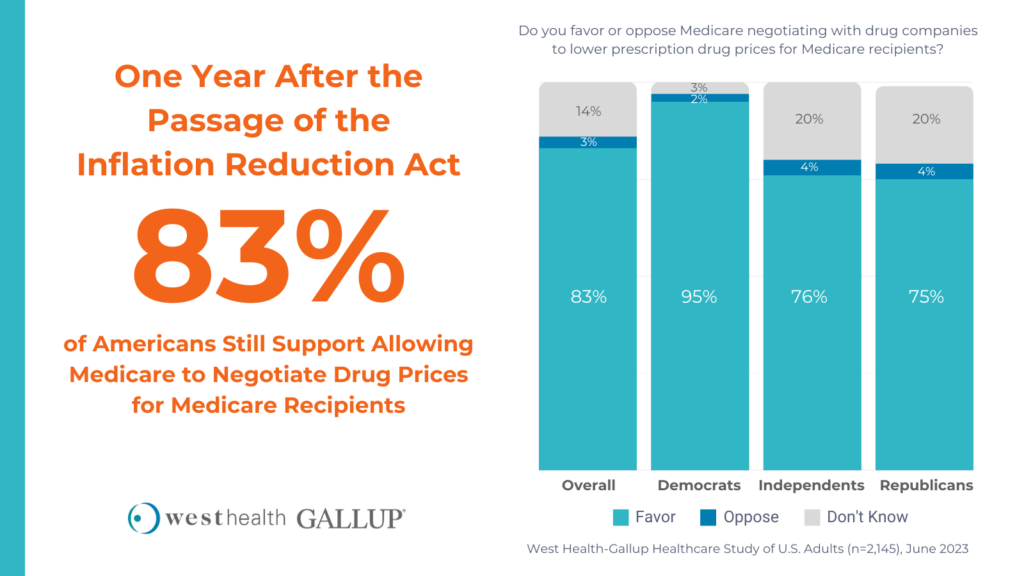
President Joe Biden’s signature Inflation Reduction Act (IRA), signed into law last year, allows the Medicare health program for Americans aged 65 and over to negotiate prices for some of its most costly drugs.
Medicines on the list include Merck & Co’s diabetes drug Januvia, Eliquis rival Xarelto from Johnson & Johnson, and AbbVie’s leukemia treatment Imbruvica. Other drugs on the list include Amgen’s rheumatoid arthritis drug Enbrel, Boehringer Ingelheim and Eli Lilly’s diabetes drug Jardiance, J&J’s arthritis and Crohn’s disease medicine Stelara and insulin from Novo Nordisk.
***
Here is where the major benchmarks ended:
The S&P 500® Index (SPX) was up 64.32 points (1.5%) at 4,497.63; the Dow Jones Industrial Average (DJIA) was up 292.69 points (0.9%) at 34,852.67; the NASDAQ Composite was up 238.63 points (1.7%) at 13,943.76.
The 10-year Treasury note yield (TNX) was down about 10 basis points at 4.112%.
CBOE’s Volatility Index (VIX) was down 0.62 at 14.46.
Technology, Communications Services and Retail shares were among the market’s strongest performers Tuesday. Energy stocks also climbed behind continued strength in crude oil futures, which closed at a two-week high.
The U.S. Dollar Index (DXY) fell along with expectations that interest rates will remain elevated.
Posted on August 29, 2023 by Dr. David Edward Marcinko MBA MEd CMP™
By Staff Reporters
***
***
Most CFOs think we’ll avoid a recession this year—and that confidence is shared by other members of the C-suite. That’s according to PwC’s August Pulse Survey, which found that only 8% of CFOs predict a recession within the next six months. The survey polled more than 600 C-suite executives from a variety of public and private companies.Among all respondents just 17% strongly agreed there’d be a recession in the next 6 months—a sharp decline from October 2022, when 35% did.Economists, policymakers, and executives “see…the possibility of a soft landing,” Wes Bricker, PwC US vice chair and trust co-leader, said during a media call. “It’s encouraging to see optimism from so many business leaders who participated in our survey.”
***
Here is where the major benchmarks ended:
The S&P 500® Index (SPX) was up 27.60 points (0.6%) at 4,433.31; the Dow Jones Industrial Average (DJIA) was up 213.08 points (0.6%) at 34,559.98; the NASDAQ Composite was up 114.48 points (0.8%) at 13,705.13.
The 10-year Treasury note yield (TNX) was down about 3 basis points at 4.21%.
CBOE’s Volatility Index (VIX) was down 0.60 at 15.08.
Energy shares were among Monday’s strongest sectors, as crude oil futures rose for a third-straight session and closed at the highest level in over a week. Regional banks and retailers were also higher.
The U.S. dollar index (DXY) eased slightly but remained near a three-month high, reflecting expectations interest rates will stay elevated.
Posted on August 24, 2023 by Dr. David Edward Marcinko MBA MEd CMP™
By Staff Reporters
***
***
Home Mortgage rates just hit their highest mark since 2002, making home ownership even less attainable to potential buyers. Stagnation in the housing market could also put a squeeze on consumer spending, slowing broader economic growth. The average 30-year fixed-rate mortgage, a popular home loan, hit 7.09% last Thursday, up from 6.96% the week before, according to mortgage behemoth the Federal Home Loan Mortgage Corporation (Freddie Mac).
In a statement tied to the release, Freddie Mac noted that the rise of the 10-year Treasury yield and the strength of the economy both contributed to the high rate.
***
Here is where the major benchmarks ended:
The S&P 500® Index rose 49 points (1.1%) to 4,436.02; the Dow Jones Industrial Average (DJIA) rose 184 points (0.54%) to 34,472.98; the NASDAQ Composite (COMP) rose 215 points (1.59%) to 13,721.03.
The 10-year Treasury note yield (TNX) fell 15 basis points to 4.180%.
CBOE’s Volatility Index (VIX) fell roughly 1 point to 16.03.
Communication services—which is home to tech-adjacent companies such as Google parent Alphabet (GOOG), Facebook parent Meta (META), and Netflix (NFLX)—and technology were the top-performing sectors Wednesday.
Energy was the laggard, as crude oil futures slipped more than 1% to below $79.
Posted on August 23, 2023 by Dr. David Edward Marcinko MBA MEd CMP™
By Staff Reporters
***
An ETF centered around the bullish stock picks of CNBC’s Jim Cramer is shutting down.The Long Cramer Tracker ETF was launched in February and attracted just $1.3 million in assets.
***
Charles Schwab intends to cut jobs and downsize its corporate office space, looking to save upwards of $500 million annually. Investors are underwhelmed, sending Schwab shares down about 3% yesterday.
British antitrust officials said they were reviewing a revised offer by Microsoft to win approval of its $69 billion merger with Activision Blizzard, an effort to clear the biggest remaining regulatory hurdle to the major video games deal. To address the concerns of British regulators that the deal would stunt the development of a new area of gaming technology, Microsoft said it would transfer the cloud streaming licensing rights for all current and new Activision Blizzard games to Ubisoft Entertainment, a rival game publisher.
***
Here is where the major benchmarks ended:
The S&P 500® Index (SPX) fell 12 points (0.28%) to 4,387.55; the Dow Jones Industrial Average (DJIA) fell 175 points (0.51%) to 34,288.83; the NASDAQ Composite rose 8 points (0.06%) to 13,505.87.
The 10-year Treasury note yield (TNX) edged down to 4.332%.
CBOE’s Volatility Index (VIX) fell 0.1 points to 17.04.
Posted on August 22, 2023 by Dr. David Edward Marcinko MBA MEd CMP™
“RESERVATION WAGE”
By Staff Reporters
***
***
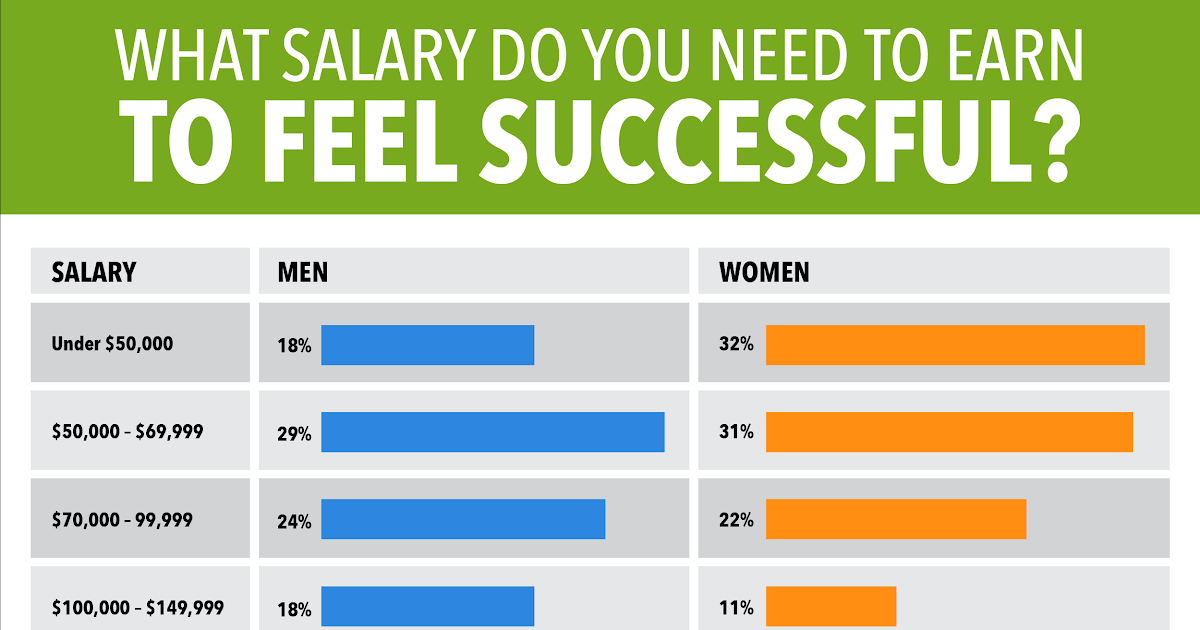
According to the latest New York Federal Reserve employment survey released Monday, the average “reservation wage,” or the minimum acceptable salary offer to switch jobs, rose to $78,645 during the second quarter of 2023. That’s an increase of about 8% from just a year ago and is the highest level ever in a data series that goes back to the beginning of 2014. Over the past three years, which entails the Covid-19 pandemic era, the level has risen more than 22%.
The number is significant in that wages increasingly have been recognized as a driving force in inflation. While goods prices have abated since pushing overall inflation to its highest level in more than 40 years in mid-2022, other factors continue to keep it well above the Fed’s targeted rate of 2%. The New York Fed data is consistent with an Atlanta Fed tracker, which shows wages overall rising at a 6% annual rate but job switchers seeing 7% gains.
Employers have been trying to keep pace with the wage demands, pushing the average full-time offer up to $69,475, a 14% surge in the past year. The actual expected annual salary rose to $67,416, a gain of more than $7,000 from a year ago and also a new high. Though there was a gap between the wage workers wanted and what was offered, satisfaction with compensation and upward mobility increased across the board.
The S&P 500® Index was up 30.06 points (0.7%) at 4,399.77; the Dow Jones Industrial Average (DJIA) was down 36.97 points (0.1%) at 34,463.69; the NASDAQ Composite (COMP) was up 206.81 points (1.6%) at 13,497.59.
The 10-year Treasury note yield (TNX) touched a fresh 16-year high at about 4.35%, finishing up about 9 basis points at 4.344%.
CBOE’s Volatility Index (VIX) was down 0.21 at 17.09.
Posted on August 18, 2023 by Dr. David Edward Marcinko MBA MEd CMP™
By Staff Reporters
***
***
Mortgage rates have climbed to their highest levels in 21 years, according to data released by Freddie Mac on Thursday. The 30-year fixed-rate mortgage averaged 7.09% over the week ending on Thursday, marking a significant increase from 6.96% the week prior, the data showed.
The Federal Reserve has put forward an aggressive string of interest rate hikes as it tries to slash inflation by slowing the economy and choking off demand. That means borrowers face higher costs for everything from car loans to credit card debt to mortgages.
When the Fed imposed its first rate hike of the current series in March 2022, the average 30-year fixed mortgage stood at just 4.45%, Mortgage News Daily data shows.
***
Here is where the major benchmarks ended:
The S&P 500 Index was down 33.97 points (0.8%) at 4,370.36; the Dow Jones Industrial Average (DJIA) was down 290.91 points (0.8%) at 34,474.83; the NASDAQ Composite was down 157.70 points (1.2%) at 13,316.93.
The 10-year Treasury note yield (TNX) was up about 3 basis points at 4.286%.
CBOE’s Volatility Index (VIX) was up 1.22 at 18.00.
Consumer discretionary and retail were among the weakest sectors Thursday. Technology shares were also under pressure, even after Cisco Systems (CSCO) reported better-than-expected quarterly results.
Energy stocks held up somewhat better as crude oil futures rose about 1% after the Energy Department reported an unexpectedly large decline in U.S. supplies.
Posted on August 15, 2023 by Dr. David Edward Marcinko MBA MEd CMP™
By Staff Reporters
***
***
The Russian ruble traded at nearly 101 to the U.S. dollar on Monday for the first time it has fallen below the symbolic threshold since March last year.
The Russian ruble was near the 100 per USD level, holding at its lowest in 17 months despite the Central Bank of Russia’s announcement of an extraordinary meeting on Tuesday to support the currency amid its freefall. Economists expect the CBR to hike its rate by 150bps to 10%, extending the start of July’s tightening cycle. The ruble is 27% down against the dollar year-to-date amid a slowing economy, unbalanced currency flows, and capital flight from exiting foreign companies. The development of new supply chains since the start of Western sanctions boosted imports to Russia and maintained steady selling pressure on the ruble, with the latest trade surplus sinking by 75% from the prior year and 53% from levels before the war. In the meantime, the outlook on exports deteriorated as demand from key partners in China and India declined. The developments drove the CBR to halt forex purchases under the government’s budget rule to halt forex volatility.
***
Here is where the major benchmarks ended:
The S&P 500 Index was up 25.67 points (0.6%) at 4,489.72; the Dow Jones Industrial Average (DJIA) was up 26.23 points (0.1%) at 35,307.63; the NASDAQ Composite was up 143.48 points (1.1%) at 13,788.33.
The 10-year Treasury note yield (TNX) was up about 3 basis points at 4.193%.
CBOE’s Volatility Index (VIX) was down 0.04 at 14.80.
Chipmakers drove gains for the tech-heavy NASDAQ, as the Philadelphia Semiconductor Index (SOX) jumped 2.9% to erase its entire Friday drop.
Financial shares were among the weakest performers, with the KBW Regional Banking Index (KRX) down 1.8%. Oilfield services shares were also weak behind a drop of nearly 1% in crude oil futures.
Posted on August 11, 2023 by Dr. David Edward Marcinko MBA MEd CMP™
By Staff Reporters
***
***
Several US financial firms, including multiple Wells Fargo companies, will pay a combined $549 million in fines after admitting they couldn’t produce discussions about company business from smartphone messaging apps used by their employees, “including those at senior levels.” Both the Securities and Exchange Commission (SEC) and the Commodity Futures Trading Commission (CFTC) fined banks for being unable to produce discussions going back to at least 2019. The regulators say employees used their personal devices to discuss official company business via apps like iMessage, WhatsApp, or Signal and that those “off-channel communications” weren’t “maintained or preserved.”
Not keeping records of those conversations violates the 1934 Securities Exchange Act’s record keeping rules, as well as similar rules from the Investment Advisers Act of 1940, according to the SEC. The CFTC maintains its own record keeping requirements, which it says were violated.
The S&P 500 was up 1.12 points at 4,468.83; the Dow Jones Industrial Average (DJIA) was up 52.79 points (0.2%) at 35,176.15; the NASDAQ Composite was up 15.97 points (0.1%) at 13,737.99.
The 10-year Treasury note yield (TNX) was up about 10 basis points at 4.109%.
CBOEs Volatility Index (VIX) was down 0.07 at 15.89.
Communication services and transportation shares were among the strongest performers Thursday. Energy stocks slipped as crude oil futures tumbled more than 1.5%. Small-caps were also under pressure, with the Russell 2000 (RUT) falling slightly.
Posted on August 10, 2023 by Dr. David Edward Marcinko MBA MEd CMP™
By Staff Reporters
Mark Cuban’s Cost Plus Drug Company has been on a partnering spree lately, and its latest collaborator is Scripta Insights, a digital health company that helps health plans and members find prescription savings.
Scripta plans to incorporate Cost Plus Drugs’s discounted pricing into its Med Mapper, which “maps every drug on the market to every possible way to save,” according to Scripta.
Palantir stock fell 11% to $15.25 yesterday, its biggest drop since November 2022. With that decline, shares are now below their 50-day moving average, at $16.16, for the first time May. It’s broken its uptrend line, which sat around $17, and its first level of support, near $16. Worse still, the stock has fallen for six straight days and is 22% during its losing streak, the worst six-day stretch since May 2022.
***
Here is where the major benchmarks ended:
The S&P 500 Index was down 31.67 points (0.7%) at 4,467.71; the Dow Jones Industrial Average (DJIA) was down 191.13 points (0.5%) at 35,123.36; the NASDAQ Composite was down 162.31 points (1.2%) at 13,722.02.
The 10-year Treasury note yield (TNX) was down about 2 basis points at 4.004%.
CBOE’s Volatility Index (VIX) was little changed at 15.99.
Financial shares joined tech stocks in the laggard column Wednesday. The KBW Regional Banking Index (KRX) was down about 1%, while the Philadelphia Semiconductor Index (SOX) dropped about 1.4%. Energy stocks continued to outperform as crude oil futures gained nearly 2% and touched a nine-month high near $85 a barrel.
Oil’s recent rally reflects production cuts by top global producers and concern over supply disruptions stemming from the Russia-Ukraine war.
Posted on August 8, 2023 by Dr. David Edward Marcinko MBA MEd CMP™
By Staff Reporters
***
***
Zachary Kirkhorn resigned last week as Tesla’s chief financial officer after 13 years with the electric car giant, according to a filing with the U.S. Securities and Exchange Commission (SEC). The SEC filing show Kirkhorn, who also held the playful title of “Master of Coin,” stepped down on August 4th as Tesla’s CFO. Kirkhorn has served in different finance positions since 2010 and was appointed to CFO in 2019, according to Tesla’s website.
***
Here is where the major benchmarks ended:
The S&P 500 Index was up 40.41 points (0.9%) at 4,518.44; the Dow Jones Industrial Average (DJIA) was up 407.51 points (1.2%) at 35,473.13; the NASDAQ Composite (COMP) was up 85.16 points (0.6%) at 13,994.40.
The 10-year Treasury note yield (TNX) was up about 3 basis points at 4.093%.
CBOE’s Volatility Index (VIX) was down 1.29 at 15.81.
Financials and Communication Services were among the best-performing S&P market sectors, while energy shares pulled back as crude oil futures fell nearly 1%. Small-cap stocks were also lower, with the Russell 2000 Index (RUT) easing slightly.
Posted on August 5, 2023 by Dr. David Edward Marcinko MBA MEd CMP™
By Staff Reporters
***
***
Hiring roughly held steady in July as employers added 187,000 jobs despite high interest rates and inflation. The unemployment rate, which is calculated from a separate survey of households, dipped from 3.6% to 3.5%, the Labor Department said Friday. Economists surveyed by Bloomberg had estimated that 200,000 jobs were added last month.
***
The geopolitics: Major oil producer Saudi Arabia said yesterday it would extend its output cuts into September and could even deepen those cuts after that, according to state media. By curbing supply, Saudi Arabia hopes to prop up the price of oil—which gives it critical revenue to spend on futuristic cities. But the cuts are angering the White House because they could lead to an uptick in US inflation.
***
Apple’s sales are slumping. The iPhone-maker reported its third straight quarter of revenue declines as fewer people join the blue-text mafia. But while Apple is struggling to sell iPhones, it’s doing a great job monetizing its existing customers. The services unit—home to the App Store, Apple TV+, Apple Music, and more—hit a record $21 billion in sales. Amazon was the other Big Tech company to report earnings yesterday: Its glowing financials knocked Wall Street’s socks off.
***
Here is where the major benchmarks ended for the day and week:
The S&P 500 Index ended 24 points lower (0.53%) at 4,478.03 and was down 2.27% for the week; the Dow Jones Industrial Average ended 150 points lower (0.43%) at 35,065.62 and was down 1.11% for the week; the NASDAQ Composite ended 50 points lower (0.36%) at 13,909.24 and was down nearly 3% for the week.
The 10-year Treasury note yield (TNX) pulled back 12 points to 4.055%.
CBOE’s Volatility Index (VIX) rose 1 point to 17.33.
Posted on August 4, 2023 by Dr. David Edward Marcinko MBA MEd CMP™
By Staff Reporters
***
***
Markets: Stocks held steady despite a jump in bond yields (which typically sends equities lower). Gas station, oil prices continued their upward march.
Economy: Jobs Report at 8:30am ET today, as the government will drop the employment situation for July. It is expected to show a softening—but still healthy—labor market. Economists will be especially dialed in to wage growth for insights on the future trajectory of inflation. Workers getting big raises could put upward pressure on prices.
***
Here is where the major benchmarks ended yesterday:
The S&P 500® Index (SPX) was down 11.50 points (0.3%) at 4,501.89; the Dow Jones Industrial Average (DJIA) was down 66.63 points (0.2%) at 35,215.89; the NASDAQ Composite (COMP) was down 13.73 points (0.1%) at 13,959.72.
The 10-year Treasury note yield (TNX) was up about 11 basis points at 4.185%.
CBOE’s Volatility Index (VIX) was down 0.11 at 15.98.
Energy was among the strongest sectors Thursday as crude oil futures surged nearly 3%. Consumer Discretionary shares and regional bank stocks recovered some of their losses from the day before.
Utilities were among the weakest sectors, with the Philadelphia Utility Index (UTY) dropping near a four-week low.
Posted on July 29, 2023 by Dr. David Edward Marcinko MBA MEd CMP™
By Staff Reporters
***
***
Markets: Stocks entered the weekend on a high note yesterday, with rising tech stocks and falling inflation leading the way.
Stock spotlight: Tupperware kept climbing yesterday, after gaining more than 300% over the past month. Perhaps it has become the latest meme stock even though it warned in April that it was on the verge of bankruptcy.
***
Here is where the major benchmarks ended for the day and week:
The S&P 500 Index was up 45 points (1%) at 4,582.23 and gained about 0.9% for the week; the Dow Jones Industrial Average was up 177 points (0.5%) at 35,459.29 and added 0.7% for the week; the NASDAQ Composite was up 267 points (1.9%) at 14,316.66 and gained nearly 1.5% for the week.
The 10-year Treasury note yield (TNX) fell about 5 points to 3.960%.
CBOE’s Volatility Index (VIX) dropped 1.1 points to 13.29.
Posted on July 28, 2023 by Dr. David Edward Marcinko MBA MEd CMP™
By Staff Reporters
***
***
The Dow slipped on Thursday, snapping a 13-day winning streak. The blue-chip index fell 237 points after being on track to close higher for a 14th consecutive session. That would have marked the Dow’s longest run of consecutive gains since May 1897. If the Dow had closed higher Thursday and Friday, it would have notched 15 days of gains, its longest daily winning streak ever.
But the index’s run was at historic levels before it was cut short Thursday: On Wednesday it notched its 13th straight day of gains, its best winning streak since 1987 and its highest level since February 2022. The Dow, up roughly 6% for the year, has rallied in recent weeks as cooler-than-expected inflation data has investors more optimistic that a soft landing, or no recession, could be in the cards for the economy.
***
Here is where the major benchmarks ended for the day:
The S&P 500 Index was down 29 points (0.64%) at 4,537.41; the Dow Jones Industrial Average was down 237 points (0.67%) at 35,282.72; the NASDAQ Composite (COMP) was down 77 points (0.55%) at 14,050.11.
The 10-year Treasury note yield (TNX) rose about 14 points 4.002%.
CBOE’s Volatility Index (VIX) dropped 5 points to at 13.32.
Posted on July 27, 2023 by Dr. David Edward Marcinko MBA MEd CMP™
By Staff Reporters
***
***
The Federal Reserve raised its benchmark interest rate another 0.25% on Wednesday, reviving its inflation fight despite a significant cooldown of price increases in recent months. The rate hike brought the Fed’s benchmark interest rate to a 22-year high of between 5.25% and 5.5%. Inflation has fallen significantly from a peak last summer, but remains at a level one percentage point higher than the Federal Reserve’s target of 2%.
***
The Dow on Wednesday rose for a 13th straight day, matching its longest winning streak since 1987. If it closes higher today, it would be a streak not seen since 1897 — about a year after the benchmark was created — when the Dow advanced for 14 sessions in a row. During this latest run, the Dow has outperformed, gaining 5%. That momentum hasn’t been seen in the broader S&P 500 and NASDAQ Composite indexes, however. Both are up just 3% since the Dow’s streak began. The S&P 500 has fallen twice in that time, while the NASDAQ has posted three losing sessions
***
Here is where the major benchmarks ended for the day:
The S&P 500 Index was down 0.02% at 4,566.75; the Dow Jones Industrial Average (DJIA) was up about 82 points (0.23%) at 35,520.12; the NASDAQ Composite was down 17 points (0.12%) at 14,127.28.
The 10-year Treasury note yield (TNX) edged down to 3.867%.
CBOE’s Volatility Index (VIX) dropped 5 points to at 13.32.
Posted on July 25, 2023 by Dr. David Edward Marcinko MBA MEd CMP™
By Staff Reporters
***
***
The good news continued for the Dow, which notched its 11th straight day of gains yesterday—its best streak since February 2017. But there is much coming that could impact the markets this week, from Big Tech earnings (Microsoft and Alphabet report today) to a likely rate hike from the Fed tomorrow.
Stocks spotlight: Mattel, IMAX, and AMC (boosted from a recent ruling blocking a planned stock conversion) were all up.
***
Here is where the major benchmarks ended yesterday:
The S&P 500 Index was up 18 points (0.4%) at 4,554.64; the Dow Jones Industrial Average was up 184 points (0.5%) at 35,411.24; the NASDAQ Composite was up 26 points (0.2%) at 14,058.87.
The 10-year Treasury note yield (TNX) was up about 3 basis points at 3.870%.
CBOE’s Volatility Index (VIX) was up 0.29 at 13.89.
Energy was the strongest sector as crude oil futures added to their recent rally with another 2.3% rise to end near $79 per barrel. Financials were also higher, while utilities and health care lagged.
Posted on July 21, 2023 by Dr. David Edward Marcinko MBA MEd CMP™
By Staff Reporters
***
The S&P 500 and NASDAQ fell on Thursday, weighed down by drops in Tesla and Netflix following their quarterly results, but the Dow advanced for a ninth straight day thanks to gains in Johnson & Johnson following a strong annual forecast.
Here is where the major market benchmarks ended:
The S&P 500 Index was down 30.85 points (0.7%) at 4,534.87; the Dow Jones industrial average was up 163.97 points (0.5%) at 35,225.18; the NASDAQ Composite was down 294.71 points (2.1%) at 14,063.31.
The 10-year Treasury note yield (TNX) was up about 11 basis points at 3.846%.
CBOE’s Volatility Index (VIX) was up 0.22 at 13.98.
Consumer Discretionary stocks, which are considered to have greater exposure to recession than other companies, were among the weakest performers Thursday. Technology stocks also struggled, with the NASDAQ posting its lowest close since July 12th and the Philadelphia Semiconductor Index (SOX) tumbling over 3%.
Health care and utilities, generally considered more recession-proof, were the strongest performers.
Posted on July 6, 2023 by Dr. David Edward Marcinko MBA MEd CMP™
By Staff Reporters
***
***
[AP]:Meta is poised to unveil a new app that appears to mimic Twitter — a direct challenge to the social media platform owned by Elon Musk. A listing for the app, called Threads, just appeared on Apple’s App Store, indicating it would debut as early as today. It is billed as a “text-based conversation app” that is linked to Instagram, with the listing teasing a Twitter-like micro-blogging experience.
“Threads is where communities come together to discuss everything from the topics you care about today to what’ll be trending tomorrow,” it said.
***
Here is where the major benchmarks ended:
The S&P 500 Index was down 8.77 points (0.2%) at 4,446.82; the Dow Jones Industrial Average was down 129.83 points (0.4%) at 34,288.64; the NASDAQ Composite was down 25.12 points (0.2%) at 13,791.65.
The 10-year Treasury yield (TNX) was up about 7 basis points at 3.932%.
The CBOE Volatility Index (VIX) was up 0.49 at 14.19.
Chemical makers and other materials sector companies were among the weakest performers Wednesday. Semiconductor shares were also lower, as were many energy-company shares despite a 3% surge in crude oil futures. U
Utility stocks were among the strongest performers.
Posted on June 30, 2023 by Dr. David Edward Marcinko MBA MEd CMP™
By Staff Reporters
***
***
Big banks powered the Dow higher h of positive economic headlines dropped. Financial institutions aced their Fed “stress test” that measures how they’d hold up during a downturn, Q1 GDP was revised much higher than previously calculated, and the number of Americans filing new unemployment claims fell the most in 20 months.
***
Solid economic numbers lifted the S&P 500 and Russell 2000 to nearly two-week highs. So, here is where the major benchmarks ended:
The S&P 500 Index was up 19.58 points (0.5%) at 4,396.44; the Dow Jones Industrial Average (DJIA) was up 269.76 points (0.8%) at 34,122.42; the NASDAQ Composite (COMP) was little changed at 13,591.33.
The 10-year Treasury note yield (TNX) was up nearly 13 basis points at 3.838%.
CBOE’s Volatility Index (VIX) was up 0.11 at 13.54.
Financial companies were among the strongest sectors Thursday, with the KBW Regional Banking Index (KRX) rising nearly 2% to its highest level in over a week.
Oilfield services stocks also gained behind strength in crude oil futures, which briefly climbed above $70 a barrel to their highest price in a week. Communications services and technology shares were among the weakest sectors.
The U.S. Dollar Index (DXY) strengthened to its highest level in over two weeks amid expectations for higher interest rates.







 Support our online development, and advance our onground research initiatives in free market economics, as we seek to showcase the brightest Next-Gen minds.
THE ME-P DISCLAIMER: Posts, comments and opinions do not necessarily represent iMBA, Inc., but become our property after submission. Copyright © 2006 to-date. iMBA, Inc allows colleges, universities, medical and financial professionals and related clinics, hospitals and non-profit healthcare organizations to distribute our proprietary essays, photos, videos, audios and other documents; etc. However, please review copyright and usage information for each individual asset before submission to us, and/or placement on your publication or web site. Attestation references, citations and/or back-links are required. All other assets are property of the individual copyright holder.
Support our online development, and advance our onground research initiatives in free market economics, as we seek to showcase the brightest Next-Gen minds.
THE ME-P DISCLAIMER: Posts, comments and opinions do not necessarily represent iMBA, Inc., but become our property after submission. Copyright © 2006 to-date. iMBA, Inc allows colleges, universities, medical and financial professionals and related clinics, hospitals and non-profit healthcare organizations to distribute our proprietary essays, photos, videos, audios and other documents; etc. However, please review copyright and usage information for each individual asset before submission to us, and/or placement on your publication or web site. Attestation references, citations and/or back-links are required. All other assets are property of the individual copyright holder.









































 The Leading Business Education Network for Doctors, Financial Advisors and Health Industry Consultants