BOARD CERTIFICATION EXAM STUDY GUIDES Lower Extremity Trauma
[Click on Image to Enlarge]
ME-P Free Advertising Consultation
The “Medical Executive-Post” is about connecting doctors, health care executives and modern consulting advisors. It’s about free-enterprise, business, practice, policy, personal financial planning and wealth building capitalism. We have an attitude that’s independent, outspoken, intelligent and so Next-Gen; often edgy, usually controversial. And, our consultants “got fly”, just like U. Read it! Write it! Post it! “Medical Executive-Post”. Call or email us for your FREE advertising and sales consultation TODAY [678.779.8597] Email: MarcinkoAdvisors@outlook.com
Medical & Surgical e-Consent Forms
ePodiatryConsentForms.com
iMBA Inc., OFFICES
Suite #5901 Wilbanks Drive, Norcross, Georgia, 30092 USA [1.678.779.8597]. Our location is real and we are now virtually enabled to assist new long distance clients and out-of-town colleagues.
ME-P Publishing
SEEKING INDUSTRY INFO PARTNERS?
If you want the opportunity to work with leading health care industry insiders, innovators and watchers, the “ME-P” may be right for you? We are unbiased and operate at the nexus of theoretical and applied R&D. Collaborate with us and you’ll put your brand in front of a smart & tightly focused demographic; one at the forefront of our emerging healthcare free marketplace of informed and professional “movers and shakers.” Our Ad Rate Card is available upon request [678-779-8597].
Posted on October 2, 2023 by Dr. David Edward Marcinko MBA MEd CMP™
By Staff Reporters
The stock markets ended Q3 last week with a whimper despite new data showing that the Fed’s favorite CPI inflation measure cooled in August. September was the worst month of the year for the S&P 500 and the NASDAQ. But Blue Apron soared on the news that it’s being bought by Wonder Group, a food delivery startup helmed by a former Walmart exec.
America’s debt today stands at $33 trillion, a figure some politicians, finance mavens and everyday citizens find astonishingly high.
***
Carmot Therapeutics, which is developing drugs for diabetes and weight-loss, is reportedly mulling an IPO or possible sale to a large pharmaceutical company at a valuation of at least $1B. The biotech company has two injectable GLP-1 drug candidates in Phase 2 development for type 1 and type 2 diabetes, according to the company’s website.
Carmot enlisted JP Morgan and Bank of America as underwriters on an IPO, which could come as early as this year if market conditions are favorable. The company has also received “takeover interest” from large drug makers at a valuation of over $1B, according to a Bloomberg report. Carmot had a post-money valuation of $1.25B following a $150M funding round in May, Bloomberg added.
Posted on October 1, 2023 by Dr. David Edward Marcinko MBA MEd CMP™
By Staff Reporters
***
***
CPI: Here’s a breakdown of how different aisles and departments rose over the past 12 months:
Cereals and bakery: increase 6%
Meats, poultry, fish, and eggs: unchanged
Remaining products (ranging from dairy to beverages): increase 0.3% to 4.8%
Food in general is up 4.3%
Food away from home: increase 6.8%
Used cars and trucks fell 1.2% year-over-year, but new cars and trucks rose 0.3%. Those may not seem like much, but a new car still costs an average of more than $48,000 — as of May 2023 only three models were available in the U.S. market for $20,000 or less.
Transportation similarly rose 10.3% over the same period but shelter, which rose 7.3%, “was the largest factor in the monthly increase in the index for all items less food and energy,” according to the August CPI.
Not to put a damper on your Sunday morning (the relentless rain is already doing that to the North East USA), but the government still appears headed for a shutdown. Among the immediate impacts: Many federal employees will be furloughed, the IRS will stop picking up your calls, you won’t be able to get married in DC courts, and most national parks—and their social media handles—will go dark.
And even more rain as New York City was hit with its heaviest rain in decades, which flooded roads and subway stations and delayed air travel. Both the mayor and New York’s governor declared states of emergency as images of the waterlogged city filled social media.
***
It appears that Mark Zuckerberg’s new “Threads” social media platform is struggling with a massive decline. The social media platform called “Threads” was launched by Facebook (now called Meta). The platform is essentially a clone of Elon Musk’s Twitter, which is now called X. Threads struggling to maintain momentum and gain new users.
Among major social platforms, Threads is reportedly only ahead of Tumblr in the race for user acquisition. Forecasts by Insider Intelligence predict a U.S. user base of 23.7 million for Threads in 2023. The company reportedly anticipated 56.1 million U.S. users. In comparison, X has roughly 528.3 million monthly users.
Posted on September 30, 2023 by Dr. David Edward Marcinko MBA MEd CMP™
By Staff Reporters
***
***
Here is where the major benchmarks ended today:
The S&P 500 Index was down 11.65 points (0.3%) at 4,288.05, down 0.7% for the week; the Dow Jones Industrial Average (DJIA) was down 158.84 points (0.5%) at 33,507.50, down 1.3% for the week; the NASDAQ Composite (COMP) was up 18.05 points (0.1%) at 13,219.32, up slightly for the week but down 5.8% for the month.
The 10-year Treasury note yield (TNX) was down about 1 basis point at 4.583%.
CBOE’s Volatility Index (VIX) was up 0.18 at 17.52.
Energy stocks were among the market’s weakest performers as crude oil futures extended a pullback from a rally earlier in the week that sent prices to 13-month highs above $93 a barrel.
Health care and financial sectors were also soft. Regional banks, retailers, and consumer discretionary shares were among the strongest performers.
Posted on September 29, 2023 by Dr. David Edward Marcinko MBA MEd CMP™
By Staff Reporters
***
***
The Stock Markets are bouncing back after days of pronounced volatility, aided by the slowdown in Treasury yields and Thursday’s dip in the value of the dollar. Newly released data confirmed that U.S. economic growth was at an annualized rate of 2.1% in Q2, while initial jobless claims have held near their over-eight-month low, defying expectations of a more significant increase.
The surge in risk appetite is fueling solid gains in tech stocks and Bitcoin (CRYPTO: BTC) during the trading sessions. The cryptocurrency has gained 2.9% by midday, marking its strongest session in September.
The S&P 500 Index was up 25.19 points (0.6%) at 4,299.70; the Dow Jones Industrial Average (DJIA) was up 116.07 points (0.4%) at 33,666.34; the NASDAQ Composite was up 108.43 points (0.8%) at 13,201.28.
The 10-year Treasury note yield (TNX) was down about 5 basis points at 4.577%.
CBOE’s Volatility Index (VIX) was down 0.88 at 17.34.
Crude oil futures,meanwhile, retreated from 13-month highs to fall more than 2% to less than $92 a barrel.
Posted on September 28, 2023 by Dr. David Edward Marcinko MBA MEd CMP™
By Staff Reporters
***
***
Consulting firm McKinsey & Co has agreed to pay $230 million to resolve lawsuits by hundreds of U.S. local governments and school districts alleging it fueled an epidemic of opioid addiction through its work for bankrupt OxyContin maker Purdue Pharma and other drug companies.
The S&P 500 Index was up about 1 point (0.02%) at 4,274.51; the Dow Jones Industrial Average fell 69 points (0.20%) to 33,550.27; the NASDAQ gained 29 points (0.22%) to 13,092.85.
The 10-year Treasury note yield was up 7 basis points at 4.613%.
CBOE Volatility Index (VIX) fell half a point to 18.42.
Energy stocks were among the best performers Wednesday, with the S&P 500 Energy Sector rising 2.5%. The U.S. Dollar Index (DXY), which has been rising since July as investors digested the likelihood of “higher-for-longer” interest rates, remained at its highest level so far this year.
Posted on September 27, 2023 by Dr. David Edward Marcinko MBA MEd CMP™
By Staff Reporters
***
***
Instacart shares recently fell below its $30 IPO price.
After FTX crashed, the world of crypto seemed to belong to the largest exchange, Binance. Less than a year later, Binance is the one in distress. Under threat of enforcement actions by U.S. agencies, Binance’s empire is quaking. Over the past three months, more than a dozen senior executives have left, and the exchange has laid off at least 1,500 employees this year to cut costs and prepare for a decline in business. And while Binance still looms large in crypto, its dominance is dwindling.
Here is where the major benchmarks ended:
The S&P 500 Index was down 63.91 points (1.5%) at 4,273.53; the Dow Jones Industrial Average (DJIA) was down 388.00 points (1.1%) at 33,618.88; the NASDAQ Composite was down 207.71 points (1.6%) at 13,063.61.
The 10-year Treasury note yield (TNX) was up about 1 basis point at 4.548%.
CBOEs Volatility Index (VIX) was up 1.98 at 18.89.
Utilities were the weakest sector Tuesday. The Philadelphia Utility Index (UTY) dropped almost 3% to near a 12-month low. Utility stocks, traditionally favored by some investors because of their relatively high dividend yields, have fallen out of favor as bond yields surged this year. Consumer discretionary shares were also down sharply, perhaps reflecting concern that a slowing economy will prompt consumers to cut back on big-ticket purchases.
The U.S. Dollar Index (DXY) extended a nearly three-month rally and touched a 10-month high. Volatility based on the VIX hit a four-month high.
***
Finally, Moody’s, the only major credit rating agency that still gives the US government a triple-A rating, warned that a federal government shutdown would negatively impact the country’s credit.
Posted on September 26, 2023 by Dr. David Edward Marcinko MBA MEd CMP™
By Staff Reporters
***
***
Bed Bath & Beyond, Christmas Tree Shops, and Tuesday Morning are unable to find a way to continue and moved into Chapter 7 bankruptcy. When that happens, liquidation sales are held, followed by any assets the company owns being sold off to pay off creditors. Bed Bath & Beyond, for example, saw its name, website, and its brand get purchased by the former Overstock.com, which promptly changed its name. So, while all of its stores closed and it’s no longer the same company, Bed Bath & Beyond’s name still exists. That’s, so far, not the case for Tuesday Morning or Christmas Tree Shops, which have liquidated their merchandise, but have not auction off their names and intellectual property.
***
Here is where the major benchmarks ended:
The S&P 500 Index was up 17 points (0.4%) at 4,337.44; the Dow Jones Industrial Average (DJIA) was up 43 points (0.13%) at 34,006.88; the NASDAQ was up 60 points (0.45%) at 13,271.32.
The 10-year Treasury note yield was up 10 basis points at 4.54%.
CBOE’s Volatility Index (VIX) edged down to 17.11.
Energy was the best-performing sector Monday, despite the slight pullback in oil prices.
The U.S. Dollar Index (DXY), which has been rising since July as investors digested the likelihood of “higher-for-longer” interest rates, pushed to its highest level so far this year.
Stocks last week capping off the S&P 500 and the NASDAQ’s worst week since March as investors wait to see whether lawmakers will manage to keep the government from shutting down. Klaviyo, Instacart, and Arm—the three recent IPOs that all briefly soared on their debut also were down.
Posted on September 24, 2023 by Dr. David Edward Marcinko MBA MEd CMP™
By Staff Reporters
***
***
An NFT is a digital asset that can come in the form of art, music, in-game items, videos, and more. They are bought and sold online, frequently with cryptocurrency, and they are generally encoded with the same underlying software as many cryptos. They’ve been around since 2014.
***
***
NFTs, the digital collectibles, are pretty much worthless now. Using data from NFT Scan, the crypto platform dappGambl found that 95% of the 73,257 Non Fungible Token collections (e.g., Bored Ape Yacht Club) it analyzed are worth 0 ether.
In other words, if NFTs were physical objects, it’d be time to put them on the same garage shelf with Beanie Babies. The report estimates that 23 million people are now the owners of worthless digital files. The crash is mainly for one S/D reason: There just isn’t enough demand to keep up with supply.
Pharmacy giant Rite Aid is negotiating terms of a bankruptcy plan that could see a significant number of its more than 2,100 drugstores permanently close, according to a report.
People familiar with the company’s talks with creditors told the Wall Street Journal that Rite Aid has proposed to close as many as 500 stores in bankruptcy, and either sell or let creditors take over its remaining operations. One group of bondholders wants to liquidate a larger number of stores, and there is an ongoing discussion on the number of stores to be closed, the Journal reported.
Given the conversations remain ongoing, no decisions have been made at this time, Rite Aid said in a statement to Reuters.
Posted on September 23, 2023 by Dr. David Edward Marcinko MBA MEd CMP™
By Staff Reporters
***
***
There were about 1.65 million accountants and auditors in the U.S. in 2022, up 1.3% from the previous year but down 2.6% from 2020 and down 15.9% from 2019, according to the Bureau of Labor Statistics’ current population survey. More than 300,000 accountants quit their jobs between 2019 and 2021, data show. And fewer people are pursuing degrees in accounting and entering the field, leading to more open positions and for longer periods. The shortage is expected to worsen as more accountants retire without a robust pipeline of replacements.
***
Here is where the major benchmarks ended:
The S&P 500 Index was down 9.94 points (0.2%) at 4,320.06, down 2.9% for the week and the lowest since mid-June; the Dow Jones Industrial Average (DJIA) was down 106.58 points (0.3%) at 33,963.84, down 1.9% for the week; the NASDAQ Composite (COMP) was down 12.18 points (0.1%) at 13,211.81, down 3.6% for the week.
The 10-year Treasury note yield (TNX) was down about 4 basis points at 4.436%.
CBOE’s Volatility Index (VIX) was down 0.34 at 17.20.
The past week was particularly rough for smaller companies and other parts of the market considered to have exposure to recession risks. The small-cap Russell 2000 Index (RUT) sank 3.4% this week and ended Friday at its lowest point since June 1. The Dow Jones Transportation Index (DJT) also reflected recession concerns, dropping over 2% for the week. The energy sector was down for the week despite crude oil futures holding near 10-month highs of more than $90 a barrel.
The U.S. Dollar Index (DXY) strengthened for the 10th consecutive week and on Friday touched its highest level since early March, reflecting expectations interest rates will remain at historical highs.
Posted on September 22, 2023 by Dr. David Edward Marcinko MBA MEd CMP™
By Staff Reporters
***
***
Cisco Systems has struck a $28 billion deal to buy analytics and security-software company Splunk as the networking-equipment giant looks to tap further into the rise of artificial intelligence. Cisco said Thursday it has agreed to pay $157 a share in cash for Splunk, a 31% premium to Wednesday’s closing price of $119.59 for the San Francisco company.
***
Here is where the major benchmarks ended:
The S&P 500 Index was down 72.20 points (1.6%) at 4,330.00; the Dow Jones Industrial Average (DJIA) was down 370.46 points (1.1%) at 34,070.42; the NASDAQ Composite (COMP) was down 245.14 points (1.8%) at 13,223.98.
The 10-year Treasury note yield (TNX) was up about 14 basis points at 4.49%.
CBOE’s Volatility Index (VIX) was up 2.40 at 17.54.
Recession or interest rate concerns weighed particularly heavily on sectors viewed as having greater exposure to those factors. Shares of real estate, consumer discretionary, and financial companies were among the market’s poorest-performing sectors Thursday, with the KBW Regional Banking Index (KRX) sinking to an 11-week low.
The outlook for higher-for-longer interest rates helped lift the U.S. Dollar Index (DXY) to a 6½-month high, though it faded later.
Posted on September 21, 2023 by Dr. David Edward Marcinko MBA MEd CMP™
By Staff Reporters
***
***
The Federal Reserve announced it was leaving its benchmark interest rate unchanged at a 22-year high on Wednesday but signaled it could hike rates again in its fight to bring down inflation. After a two-day meeting the Fed announced its federal funds rate would remain in a range of 5.25 to 5.5% – the same level as the central bank announced in July, when it last raised rates.
***
Here is where the major benchmarks ended:
The S&P 500 Index was down 41.75 points (0.9%) at 4,402.20; the Dow Jones Industrial Average (DJIA) was down 76.85 points (0.2%) at 34,440.88; the NASDAQ Composite was down 209.06 points (1.5%) at 13,469.13.
The 10-year Treasury note yield (TNX) was up about 3 basis points at 4.393%.
CBOE’s Volatility Index (VIX) was up 1.03 at 15.14, after touching a two-week high.
Communication services and technology were among the weakest sectors Wednesday, with the Philadelphia Semiconductor Index (SOX) falling to its lowest level since late May.
Regional banks were also lower, and energy stocks slipped after crude oil futures pulled back from a recent rally. Real estate and consumer staples posted modest gains. The U.S. Dollar Index (DXY) strengthened back toward a six-month high.
Posted on September 20, 2023 by Dr. David Edward Marcinko MBA MEd CMP™
By Staff Reporters
Three nurse practitioners who earned doctorates of nursing practice are suing the state of California, saying that they have earned the right to tout themselves using the term “doctor.” The nurse practitioners claim a California statute that only allows California-licensed allopathic, podiatric and osteopathic physicians to use the terms “doctor” and “Dr.” is unconstitutional. The restriction has been on the books since at least 1937 to avoid patient confusion over the level of education their health professionals have achieved.
The S&P 500 Index was down 9.58 points (0.2%) at 4,443.95; the Dow Jones Industrial Average (DJIA) was down 106.57 points (0.3%) at 34,517.73; the NASDAQ Composite (COMP) was down 32.05 points (0.2%) at 13,678.19.
The 10-year Treasury note yield (TNX) was up about 5 basis points at 4.369%.
CBOE’s Volatility Index (VIX) was up 0.11 at 14.11.
Transportation and small-cap companies were among the market’s weakest areas Tuesday. Both the Dow Jones Transportation Average (DJT) and Russell 2000 Index (RUT) ended at their lowest levels since late June. Technology companies were also lower, with the Philadelphia Semiconductor Index (SOX) down more than 1%.
Posted on September 19, 2023 by Dr. David Edward Marcinko MBA MEd CMP™
By Staff Reporters
***
***
$5.6 billion. That’s the estimated economic impact should the United Auto Workers strike against Detroit’s Big Three automakers last 10 days, according to the Anderson Economic Group. (Bloomberg)
***
Here is where the major benchmarks ended:
The S&P 500® Index (SPX) was up 3.21 points (0.1%) at 4,453.53; the Dow Jones Industrial Average (DJIA) was up 6.06 points at 34,624.30; the NASDAQ Composite (COMP) was up 1.90 points at 13,710.24.
The 10-year Treasury note yield (TNX) was down about 1 basis point at 4.311%.
CBOE’s Volatility Index (VIX) was up 0.25 at 14.04.
Energy shares were once again one of the market’s strongest performers thanks to an extended rally in crude oil futures, which rose to a 10-month high of more than $92 a barrel Monday.
Regional banks and consumer discretionary stocks were among the weakest sectors. The 10-year Treasury yield climbed near a 16-year high posted in August before pulling back later in the session.
Posted on September 16, 2023 by Dr. David Edward Marcinko MBA MEd CMP™
By Staff Reporters
Medicare Part B and D are likely increasing in 2024
Due to a new Alzheimer’s treatment coming to the market (Leqembi, from pharmaceutical companies Eisai and Biogen), Medicare beneficiaries are expected to pick up the cost. Therefore, Medicare Part B prices are expected to increase in 2024. The costs are projected to go up from the current $164.90 to $174.80, a nearly $10 increase per month.
While you may not see a huge difference in the amount you’re paying for Medicare Part D, it still could be slightly lower. The average total monthly Part D premium is projected to decrease from $56.49 in 2023 to $55.50 in 2024, according to the Centers for Medicare & Medicaid Services (CMS). That’s nearly $10 each month.
The S&P 500 Index was down 54.78 points (1.2%) at 4,450.32, down 0.2% for the week; the Dow Jones Industrial Average (DJIA) was down 288.87 points (0.8%) at 34,618.24, up 0.1% for the week; the NASDAQ Composite was down 217.72 points (1.6%) at 13,708.33, down 0.4% for the week.
The 10-year Treasury note yield (TNX) was up about 4 basis points at 4.332%.
CBOE’s Volatility Index (VIX) was up 0.97 at 13.79.
Technology shares were among the market’s weakest performers Friday after Reuters reported Taiwan Semiconductor Manufacturing Co. (TSMC) had told its major suppliers to delay delivery of high-end chipmaking equipment because of concerns over demand.
The Philadelphia Semiconductor Index (SOX) sank more than 3% to a four-week low. Most market sectors were under pressure, including energy, despite crude oil futures extending a climb above $90 a barrel.
Posted on September 15, 2023 by Dr. David Edward Marcinko MBA MEd CMP™
By Staff Reporters
***
***
The forecast for next year’s Social Security increase rose to 3.2% from 3% on Wednesday after the government said inflation ticked up in August. Annual inflation in August rose to 3.7%, from 3.2% in July but off a 40-year high of 9.1% in June 2022. Without the volatile food and energy sectors, the so-called “core” inflation rate was 4.3%, down from July’s 4.7%.
***
Illegal drugs are expected to be one of the biggest threats to national security in 2024 as overdose deaths topped 100,000 in the last year, according to the Department of Homeland Security’s annual threat study. In its report released Thursday, DHS said it expects illegal drugs produced in Mexico and sold in the United States will continue to kill more Americans than any other threat.
***
U.S. stocks ended sharply higher and the greenback jumped on Thursday as robust economic data failed to budge expectations that the Federal Reserve will leave its key interest rate unchanged next week. The rally boosted a broad array of assets. All three major stock indexes ended higher, as did all 11 major sectors of the S&P 500. The dollar jumped to a six-month high, 10-year Treasury yields rose, and crude oil futures hit their highest this year, helping energy stocks outperform the broader market.
A spate of economic data released before the opening bell showed energy prices, specifically gasoline, were largely responsible for a hotter-than-expected producer prices print and a consensus-beating retail sales reading.
***
Here is where the major benchmarks ended:
The S&P 500 Index was up 37.66 points (0.8%) at 4,505.10; the Dow Jones Industrial Average was up 331.58 points (1.0%) at 34,907.11; the NASDAQ Composite (COMP) was up 112.47 points (0.8%) at 13,926.05.The 10-year Treasury note yield (TNX) was up about 4 basis points at 4.286%. CBOE’s Volatility Index (VIX) was down 0.69 at 12.79.
Retailers were among the market’s strongest sectors Thursday in the wake of stronger-than-expected August retail sales reported by the Commerce Department. Energy companies also climbed as crude oil futures extended a rally and topped $90 a barrel for the first time since mid-November. Small-cap stocks joined the upswing, with the Russell 2000 Index (RUT) rising nearly 1.5% and ended at a one-week high. Volatility based on the VIX fell under 13.00 and near pre-pandemic levels of early 2020.
Posted on September 14, 2023 by Dr. David Edward Marcinko MBA MEd CMP™
By Staff Reporters
Yesterday was the first day of trade group America’s Health Insurance Plans 2023 Consumer Experience & Digital Health Forum, a two-day conference focused on emerging digital health innovations and how they’re changing the consumer experience of the US healthcare system.
According to Bankrate’s extensive research, the average cost of auto insurance in the U.S. is $2,014 per year. Minimum coverage, on the other hand, has an average annual cost of $622. However, car insurance is like a fingerprint. Although your circumstances may seem similar, your personalized rating factors will cause your premium to vary from that of friends, family and the national average. Still, knowing the average cost of car insurance might give you the information you need to ensure you’re not overpaying for this necessary financial protection.
***
The average cost of new cars is now well over $48,000—up almost $6,000 from two years ago and about $10,000 from September 2020, according to Kelley Blue Book.
Posted on September 13, 2023 by Dr. David Edward Marcinko MBA MEd CMP™
By Staff Reporters
REMINDER
***
***
Starting in 2026, high-income earners over the age of 50 who make more than $145,000 can no longer make catch-up contributions to regular 401(k)s. Instead, those catch-ups will head to Roth accounts. That carries significant tax implications.
Here is where the major benchmarks ended yesterday:
The S&P 500® Index (SPX) was down 25.56 points (0.6%) at 4,461.90; the Dow Jones Industrial Average (DJIA) was down 17.73 points at 34,645.99; the NASDAQ Composite was down 144.28 points (1.0%) at 13,773.61.
The 10-year Treasury note yield (TNX) was down about 2 basis points at 4.272%.
CBOE’s Volatility Index (VIX) was up 0.42 at 14.22.
While tech was the weakest performing sector Tuesday, consumer discretionary and communication services shares were also lower. Energy shares led sector gainers Tuesday as oil prices continued to rise.
The Philadelphia Oil Service Index (OSX) gained more than 2% and ended at its highest level since April 2019. WTI crude futures, the U.S. benchmark, extended gains to near $90 a barrel after OPEC, in a report, slightly increased its forecasts for global consumption in 2023 and 2024.
Posted on September 12, 2023 by Dr. David Edward Marcinko MBA MEd CMP™
By Staff Reporters
***
***
The U.S. Food and Drug Administration authorized and approved updated COVID boosters on Monday amid rising cases and hospitalizations across the country. The boosters made by Pfizer-BioNTech and Moderna, were formulated to target variants that are currently circulating, which are related to XBB – an offshoot of the omicron variant.
The US economy is in a “rolling recession” and a full-blown downturn looms, Liz Ann Sonders says.
Weakness in consumer goods and manufacturing is being offset by strength in services, she noted.
Charles Schwab’s chief investment strategist doesn’t expect a bunch of interest—rate cuts in 2024.
***
Here is where the major benchmarks ended:
The S&P 500 Index was up 29.97 points (0.7%) at 4,487.46; the Dow Jones Industrial Average (DJIA) was up 87.13 points (0.3%) at 34,663.72; the NASDAQ Composite was up 156.37 points (1.1%) at 13,917.89.
The 10-year Treasury note yield (TNX) was up about 3 basis points at 4.29%.
CBOE’s Volatility Index (VIX) was down 0.03 at 13.81.
The consumer discretionary sector, which includes stocks like Tesla and Amazon (AMZN), gained nearly 3% and ended at an eight-week high. Health care and utilities were also higher. Energy shares dropped as crude oil futures eased, but oil prices remained near 10-month highs.
Posted on September 9, 2023 by Dr. David Edward Marcinko MBA MEd CMP™
By Staff Reporters
***
***
The IRS just announced that it is launching an effort to aggressively pursue 1,600 millionaires and 75 large business partnerships that owe hundreds of millions of dollars in past due taxes. IRS Commissioner Daniel Werfel said that with a boost in federal funding and the help of artificial intelligence tools, the agency has new means of targeting wealthy people who have “cut corners” on their taxes.
“If you pay your taxes on time it should be particularly frustrating when you see that wealthy filers are not,” Werfel told reporters in a call previewing the announcement. He said 1,600 millionaires who owe at least $250,000 each in back taxes and 75 large business partnerships that have assets of roughly $10 billion on average are targeted for the new “compliance efforts.”
Werfel said a massive hiring effort and AI research tools developed by IRS employees and contractors are playing a big role in identifying wealthy tax dodgers. The agency is making an effort to showcase positive results from its burst of new funding under President Joe Biden’s Democratic administration as Republicans in Congress look to claw back some of that money.
“New tools are helping us see patterns and trends that we could not see before, and as a result, we have higher confidence on where to look and find where large partnerships are shielding income,” he said.
***
Here is where the major benchmarks ended:
The S&P 500 Index was up 6 points (0.1%) at 4,457.49, down 1.3% for the week; the Dow Jones Industrial Average (DJIA) was up 76 points (0.2%) at 34,576.59, down 0.8% for the week; the NASDAQ Composite was up 13 points (0.1%) at 13,761.53, down 1.9% for the week.
The 10-year Treasury note yield (TNX) remained unchanged at 4.26%.
CBOE’s Volatility Index (VIX) was down 0.56 at 13.84.
Energy shares were among the market’s strongest performers this week on expectations the recent rally in crude oil prices to 10-month highs will boost profits. The Philadelphia Oil Service index (OSX) has gained 5% so far this month and ended Friday at its highest level since April 2019. Utilities and regional banks were also firm.
Retail and transportation sectors were among the weakest performers, and small-cap stocks also took pressure, with the Russell 2000 (RUT) down 3.7% for the week.
Kroger and Albertsons plan to sell stores that are in the Pacific Northwest, the Mountain states and in California, Texas, Illinois, and the East Coast, Reuters reported. A deal could be announced as early as this week.
***
Here is where the major benchmarks ended:
The S&P 500® Index (SPX) was down 14.34 points (0.3%) at 4,451.14; the Dow Jones Industrial Average (DJIA) was up 57.54 points (0.2%) at 34,500.73; the NASDAQ Composite was down 123.64 points (0.9%) at 13,748.83.
The 10-year Treasury note yield (TNX) was down about 4 basis points at 4.252%.
CBOE’s Volatility Index (VIX) was down 0.05 at 14.40.
Technology shares were among the market’s weakest performers Thursday, as the Philadelphia Semiconductor Index (SOX) fell nearly 2%. Regional banks and small-cap stocks were also under pressure, with the Russell 2000 (RUT) dropping near a two-week low. Utilities were among the few sectors to post gains.
The U.S. dollar index (DXY) climbed for the fifth consecutive day and touched a six-month high amid ideas interest rates will remain elevated for a prolonged period.
Posted on September 7, 2023 by Dr. David Edward Marcinko MBA MEd CMP™
By Staff Reporters
***
***
Between Friday and Tuesday morning, Charles Schwab moved more than 7,000 advisors, nearly 4 million accounts held by clients, and $1.3 trillion in assets from TD Ameritrade to Schwab’s platform. It’s a milestone in Schwab’s acquisition and integration of TD Ameritrade, and comes amid an eventful year for Schwab (ticker: SCHW). The company’s stock plummeted in March amid concerns about deposit outflows. Shares have pared some of those losses but are down about 27% this year. Last month, the Westlake, Texas-based company disclosed fresh details on cost-cutting moves, including layoffs and office closures.
The weekend’s TD Ameritrade integration was years in the making. Schwab unveiled its deal to buy its longtime rival for $26 billion in November 2019, after both companies had cut commissions to zero. The acquisition, which closed in 2020, boosted Schwab’s online brokerage business and gave it a dominant position in the RIA custody sector. Registered investment advisors rely on custodians to hold client assets and to provide investment, technology, and other services.
***
Now, here is where the major benchmarks ended:
The S&P 500 Index was down 31.35 points (0.7%) at 4,465.48; the Dow Jones Industrial Average (DJIA) was down 198.78 points (0.6%) at 34,443.19; the NASDAQ Composite was down 148.48 points (1.1%) at 13,872.47.
The 10-year Treasury note yield (TNX) was up about 3 basis points at 4.296%.
CBOE’s Volatility Index (VIX) was down 0.44 at 14.45.
Financial and technology shares were among the weakest performers Wednesday, with the KBW Regional Banking Index (KRX) dropping more than 2%. The retail and transportation sectors were also under pressure. Energy stocks were one of the few gainers, lifted by WTI crude futures gaining for the sixth straight day after Saudi Arabia said it would extend a voluntary oil production cut.
The U.S. Dollar Index (DXY) strengthened for the fourth day in a row, rising to its highest point since mid-March.
Posted on September 6, 2023 by Dr. David Edward Marcinko MBA MEd CMP™
By Staff Reporters
***
***
Chip design firm Arm just submitted an updated filing for its upcoming blockbuster initial public [IPO] offering on the New York Stock Exchange, setting a price range between $47 and $51.
Only 9.4% of Arm’s shares will be freely traded on the NYSE.
Arm was previously dually listed in London and New York, before SoftBank acquired it for $32 billion in 2016.
***
Bill Gates’s Acquired 1,703,000 Shares of BUD BEER Amid Slump As Brand Aims To Win Back Customers With NFL Sunday Ticket Campaign.
The S&P 500® Index (SPX) was down 18.94 points (0.4%) at 4,496.83; the Dow Jones Industrial Average (DJIA) was down 195.74 points (0.6%) at 34,641.97; the NASDAQ Composite (COMP) was down 10.86 points (0.1%) at 14,020.95.
The 10-year Treasury note yield (TNX) was up about 10 basis points at 4.272%.
CBOE’s Volatility Index (VIX) was up 0.18 at 14.00.
Trucking firms and other transportation companies were among the market’s weakest performers Monday, with the Dow Jones Transportation Average (DJT) dropping more than 2% to a two-month low. Financial shares were also under pressure, with the KBW Regional Banking Index (KRX) down more than 2%. Energy companies were among the few gainers, lifted by oil’s brief rise above $88 per barrel.
The U.S. Dollar Index (DXY) rose to its highest level in nearly six months, thanks in part to weak economic data reports from Europe and China.
Posted on September 2, 2023 by Dr. David Edward Marcinko MBA MEd CMP™
By Staff Reporters
***
***
Despite a recent rally, stocks couldn’t climb out of the deep hole they dug themselves earlier in the month, and all three major indexes finished August in the red.
Cannabis companies were the clear winner following news that the Department of Health and Human Services recommended that green pot should be reclassified as a lower-risk substance.
***
And, Anthony Fauci MD has said that there is “not going to be the tsunami of cases that we’ve seen” during the darkest days of the COVID-19 pandemic, following the emergence of two new variants of the virus. Speaking to the BBC, the former chief medical advisor to the president, who was regularly the face of the government’s response to the pandemic, played down the seriousness of the new strains, stressing that the vast majority of the population had enough immunity to prevent infections requiring medical intervention.
***
Markets: The Dow wrapped up its best week since July as investors celebrated another rock-solid jobs report. The economy added 187,000 jobs in August, and the unemployment rate rose to 3.8% from 3.5%—signs that the labor market is cooling, but not so fast that it’s likely to spark a recession.
Here is where the major benchmarks ended:
The S&P 500 Index was up 8.11 points (0.2%) at 4,515.77; the Dow Jones Industrial Average (DJIA) was up 115.80 points (0.3%) at 34,837.71, up 1.4% for the week; the NASDAQ Composite (COMP) was down 3.15 points at 14,031.81, up 3.2% for the week.
The 10-year Treasury note yield (TNX) was up about 7 basis points at 4.177%.
CBOE’s Volatility Index (VIX) was down 0.49 at 13.08.
Financial companies were among the strongest performers Friday, with the KBW Regional Banking Index (KRX) gaining about 2.5% to a three-week high.
Energy shares were also strong as WTI crude oil futures extended gains after the Energy Information Administration earlier this week reported a larger-than-expected drop in U.S. inventories. Crude futures surged nearly 3% to ended near $86 a barrel, the highest since mid-November. Consumer staples and consumer discretionary were among the weakest performers.
Posted on September 1, 2023 by Dr. David Edward Marcinko MBA MEd CMP™
By Staff Reporters
***
***
UBS, the Swiss lender posted the highest quarterly profit ever for a bank in Q2—$29 billion—thanks to its controversial rescue of rival Credit Suisse in March. That acquisition is looking like “one of the biggest steals in financial history,” per the Financial Times, considering the skimpy $3.6 billion price UBS paid for Credit Suisse. While UBS execs have a challenging road ahead integrating Credit Suisse’s businesses into its own, investors seem to think it can pull it off: UBS shares jumped to their highest level since the 2008 financial crisis, making it the second-largest bank in Europe behind HSBC.
***
Here is where the major benchmarks ended:
The S&P 500® Index (SPX) was down 7.21 points (0.2%) at 4,507.66, down 1.8% for the month; the Dow Jones Industrial Average (DJIA) was down 168.33 points (0.5%) at 34,721.91, down 2.4% for the month; the NASDAQ Composite was up 15.66 points (0.1%) at 14,034.97, down 2.2% for the month.
The 10-year Treasury note yield (TNX) was down about 2 basis points at 4.098%.
CBOE’s Volatility Index (VIX) was down 0.31 at 13.57.
As was the case for much of the late-August rally, technology shares helped lead gains, with the Philadelphia Semiconductor Index (SOX) up nearly 1% and ending at a four-week high. Retail and consumer discretionary were also among the strongest-performing sectors.
Transportation and utilities lagged. In other markets, WTI crude oil futures extended a week-long rally and ended at a three-week high above $83 a barrel.
Posted on August 31, 2023 by Dr. David Edward Marcinko MBA MEd CMP™
By Staff Reporters
***
***
Markets: Investors are still in the Upside Down, where bad economic news is good news (and vice versa) thanks to the Fed, so stocks rose yesterday as the market digested data showing the labor market is cooling and there are fewer open jobs. Apple’s hype machine sent its stock climbing as excitement builds for its upcoming iPhone event.
***
Here is where the major benchmarks ended:
The S&P 500 Index was up 17.24 points (0.4%) at 4,514.87; the Dow Jones Industrial Average (DJIA) was up 37.57 points (0.1%) at 34,890.24; the NASDAQ Composite was up 75.55 points (0.5%) at 14, 019.31.
The 10-year Treasury note yield (TNX) was little changed at 4.118% after dropping below 4.09% earlier.
CBOE’s Volatility Index (VIX) was down 0.57 at 13.88.
Energy companies were among the strongest performers Wednesday as crude oil futures extended a rally, rising to their highest level in more than two weeks. Retail and transportation shares were also higher. Treasury yields, which have bedeviled the stock market after surging at the start of this month, fell to near three-week lows.
The U.S. Dollar Index (DXY) weakened to a two-week low, thanks to hopes that interest rates may not need to stay so high for so long.
Posted on August 30, 2023 by Dr. David Edward Marcinko MBA MEd CMP™
By Staff Reporters
***
***
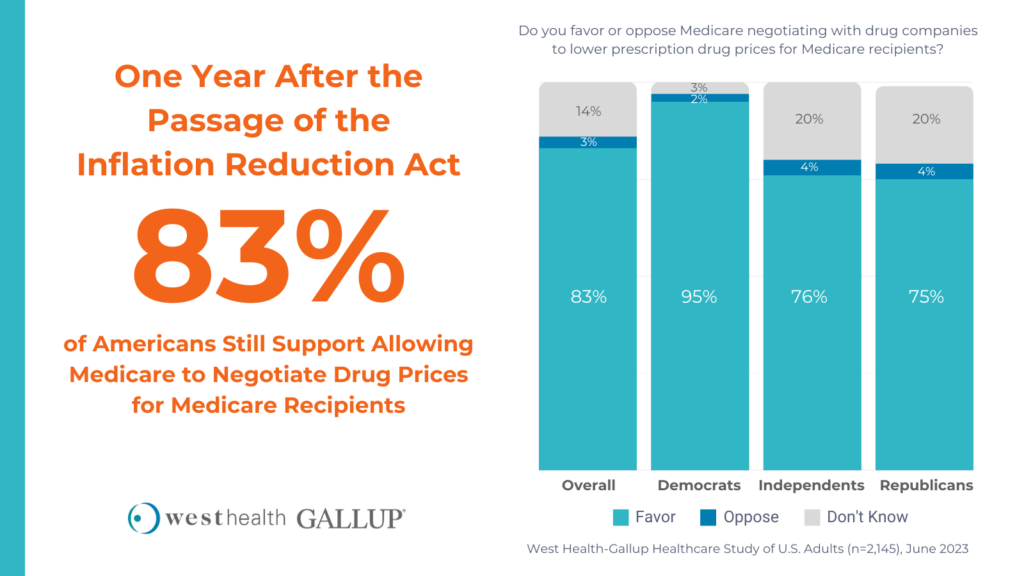
President Joe Biden’s signature Inflation Reduction Act (IRA), signed into law last year, allows the Medicare health program for Americans aged 65 and over to negotiate prices for some of its most costly drugs.
Medicines on the list include Merck & Co’s diabetes drug Januvia, Eliquis rival Xarelto from Johnson & Johnson, and AbbVie’s leukemia treatment Imbruvica. Other drugs on the list include Amgen’s rheumatoid arthritis drug Enbrel, Boehringer Ingelheim and Eli Lilly’s diabetes drug Jardiance, J&J’s arthritis and Crohn’s disease medicine Stelara and insulin from Novo Nordisk.
***
Here is where the major benchmarks ended:
The S&P 500® Index (SPX) was up 64.32 points (1.5%) at 4,497.63; the Dow Jones Industrial Average (DJIA) was up 292.69 points (0.9%) at 34,852.67; the NASDAQ Composite was up 238.63 points (1.7%) at 13,943.76.
The 10-year Treasury note yield (TNX) was down about 10 basis points at 4.112%.
CBOE’s Volatility Index (VIX) was down 0.62 at 14.46.
Technology, Communications Services and Retail shares were among the market’s strongest performers Tuesday. Energy stocks also climbed behind continued strength in crude oil futures, which closed at a two-week high.
The U.S. Dollar Index (DXY) fell along with expectations that interest rates will remain elevated.
Posted on August 29, 2023 by Dr. David Edward Marcinko MBA MEd CMP™
By Staff Reporters
***
***
Most CFOs think we’ll avoid a recession this year—and that confidence is shared by other members of the C-suite. That’s according to PwC’s August Pulse Survey, which found that only 8% of CFOs predict a recession within the next six months. The survey polled more than 600 C-suite executives from a variety of public and private companies.Among all respondents just 17% strongly agreed there’d be a recession in the next 6 months—a sharp decline from October 2022, when 35% did.Economists, policymakers, and executives “see…the possibility of a soft landing,” Wes Bricker, PwC US vice chair and trust co-leader, said during a media call. “It’s encouraging to see optimism from so many business leaders who participated in our survey.”
***
Here is where the major benchmarks ended:
The S&P 500® Index (SPX) was up 27.60 points (0.6%) at 4,433.31; the Dow Jones Industrial Average (DJIA) was up 213.08 points (0.6%) at 34,559.98; the NASDAQ Composite was up 114.48 points (0.8%) at 13,705.13.
The 10-year Treasury note yield (TNX) was down about 3 basis points at 4.21%.
CBOE’s Volatility Index (VIX) was down 0.60 at 15.08.
Energy shares were among Monday’s strongest sectors, as crude oil futures rose for a third-straight session and closed at the highest level in over a week. Regional banks and retailers were also higher.
The U.S. dollar index (DXY) eased slightly but remained near a three-month high, reflecting expectations interest rates will stay elevated.
Posted on August 28, 2023 by Dr. David Edward Marcinko MBA MEd CMP™
By Staff Reporters
***
***
Markets: Investors weren’t fazed by Jerome Powell’s warning in Jackson Hole that he could raise interest rates even more, sending the S&P 500 and NASDAQ to their first weekly gain in three weeks.
Bonds: But, all the chatter around higher rates has pushed US bond yields to decade-plus highs, which has typically been a drag on stocks.
Focus: Jerome Powell will again be poring over fresh inflation data (Thursday) and the August jobs report (Friday) to guide his next interest rate move. And we’re in stoppage time of earnings season, but a few companies, including Salesforce, Lululemon, and Dollar General, still have to report.
Posted on August 26, 2023 by Dr. David Edward Marcinko MBA MEd CMP™
By Staff Reporters
***
***
Most CFOs think we’ll avoid a recession this year—and that confidence is shared by other members of the C-suite. That’s according to PwC’s August Pulse Survey, which found that only 8% of CFOs predict a recession within the next six months.
The survey polled more than 600 C-suite executives from a variety of public and private companies. Among all respondents just 17% strongly agreed there’d be a recession in the next 6 months—a sharp decline from October 2022, when 35% did. Economists, policymakers, and executives “see…the possibility of a soft landing,”
Wes Bricker, PwC US vice chair and trust co-leader, said during a media call. “It’s encouraging to see optimism from so many business leaders who participated in our survey.”
The S&P 500® Index (SPX) rose 29 points (0.67%) to 4,405.71; the Dow Jones Industrial Average (DJIA) rose 248 points (0.73%) to 34,346.90; the NASDAQ Composite (COMP) rose 127 points (0.94%) to 13,590.65.
The 10-year Treasury note yield (TNX) was about 2 basis points lower at 4.226%.
CBOE’s Volatility Index (VIX) fell 1.5 points to 15.68.
Friday’s gains left the S&P 500 Index up less than 1% for the week, while the NASDAQ was 2.2% higher, thanks in part to a solid week for tech as investors positioned for the quarterly earnings report from Nvidia (NVDA), widely seen as a bellwether of the artificial intelligence industry. The Dow Jones Industrial Average was still about 0.44% lower, hurt in part by a stumble by Boeing (BA) Thursday.
Energy was the best-performing sector Friday, as crude oil futures rose about 1.2% after a week in the doldrums.
Posted on August 23, 2023 by Dr. David Edward Marcinko MBA MEd CMP™
BREAKING MORNING FINANCIAL NEWS
By Staff Reporters
Dick’s had its worst day ever. The sporting goods retailer lost nearly a quarter of its value after it warned that increased theft and slowing sales of outdoor gear would result in lower-than-expected profits for the rest of the year.
Meanwhile, Macy’s also posted a sad excuse for a quarter, reporting shrinking sales across the board and particularly dramatic declines in categories like active wear and casual apparel. Macy’s CEO said consumers are spending less on goods and more on experiences this summer
Finally, the Dow Jones futures edged higher this Wednesday morning, along with S&P 500 futures and NASDAQ futures. Toll Brothers and Urban Outfitters reported Tuesday night, with Foot Locker and Analog Devices big losers early Wednesday. Nvidia looms large after Wednesday’s close.
Posted on August 23, 2023 by Dr. David Edward Marcinko MBA MEd CMP™
By Staff Reporters
***
An ETF centered around the bullish stock picks of CNBC’s Jim Cramer is shutting down.The Long Cramer Tracker ETF was launched in February and attracted just $1.3 million in assets.
***
Charles Schwab intends to cut jobs and downsize its corporate office space, looking to save upwards of $500 million annually. Investors are underwhelmed, sending Schwab shares down about 3% yesterday.
British antitrust officials said they were reviewing a revised offer by Microsoft to win approval of its $69 billion merger with Activision Blizzard, an effort to clear the biggest remaining regulatory hurdle to the major video games deal. To address the concerns of British regulators that the deal would stunt the development of a new area of gaming technology, Microsoft said it would transfer the cloud streaming licensing rights for all current and new Activision Blizzard games to Ubisoft Entertainment, a rival game publisher.
***
Here is where the major benchmarks ended:
The S&P 500® Index (SPX) fell 12 points (0.28%) to 4,387.55; the Dow Jones Industrial Average (DJIA) fell 175 points (0.51%) to 34,288.83; the NASDAQ Composite rose 8 points (0.06%) to 13,505.87.
The 10-year Treasury note yield (TNX) edged down to 4.332%.
CBOE’s Volatility Index (VIX) fell 0.1 points to 17.04.
Posted on August 22, 2023 by Dr. David Edward Marcinko MBA MEd CMP™
“RESERVATION WAGE”
By Staff Reporters
***
***
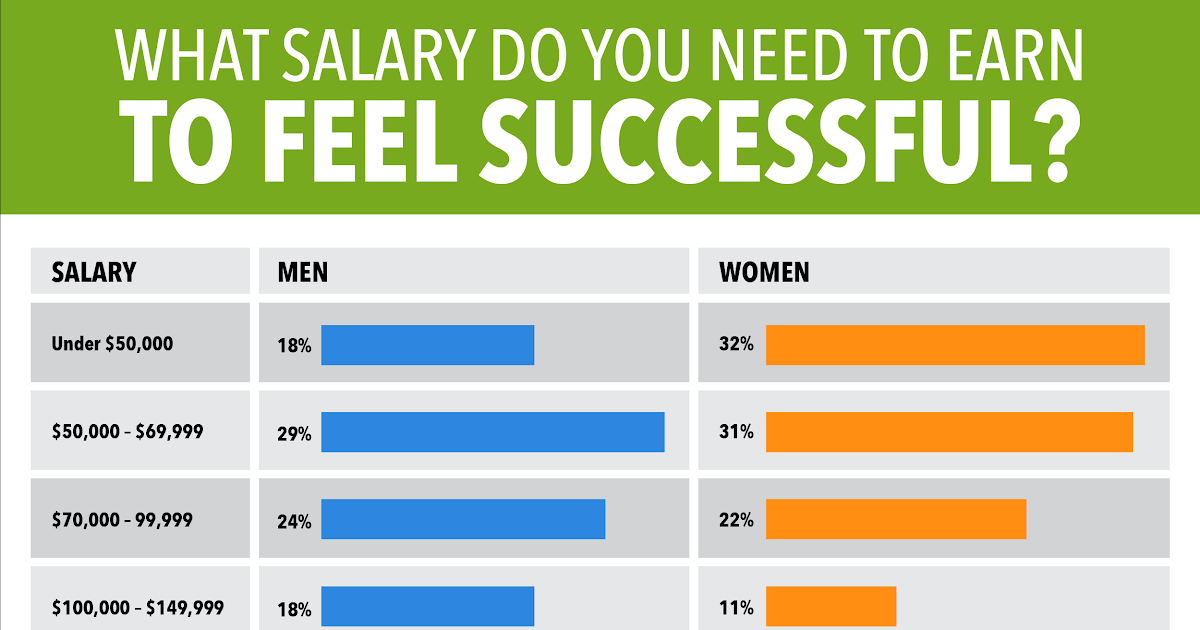
According to the latest New York Federal Reserve employment survey released Monday, the average “reservation wage,” or the minimum acceptable salary offer to switch jobs, rose to $78,645 during the second quarter of 2023. That’s an increase of about 8% from just a year ago and is the highest level ever in a data series that goes back to the beginning of 2014. Over the past three years, which entails the Covid-19 pandemic era, the level has risen more than 22%.
The number is significant in that wages increasingly have been recognized as a driving force in inflation. While goods prices have abated since pushing overall inflation to its highest level in more than 40 years in mid-2022, other factors continue to keep it well above the Fed’s targeted rate of 2%. The New York Fed data is consistent with an Atlanta Fed tracker, which shows wages overall rising at a 6% annual rate but job switchers seeing 7% gains.
Employers have been trying to keep pace with the wage demands, pushing the average full-time offer up to $69,475, a 14% surge in the past year. The actual expected annual salary rose to $67,416, a gain of more than $7,000 from a year ago and also a new high. Though there was a gap between the wage workers wanted and what was offered, satisfaction with compensation and upward mobility increased across the board.
The S&P 500® Index was up 30.06 points (0.7%) at 4,399.77; the Dow Jones Industrial Average (DJIA) was down 36.97 points (0.1%) at 34,463.69; the NASDAQ Composite (COMP) was up 206.81 points (1.6%) at 13,497.59.
The 10-year Treasury note yield (TNX) touched a fresh 16-year high at about 4.35%, finishing up about 9 basis points at 4.344%.
CBOE’s Volatility Index (VIX) was down 0.21 at 17.09.
Posted on August 19, 2023 by Dr. David Edward Marcinko MBA MEd CMP™
By Staff Reporters
***
***
Things are looking up for Home Depot. After a gloomy first quarter during which sales fell 4.2%, the retailer performed better than expected in Q2. It reported revenue of $42.92 billion for the quarter, higher than the $42.23 billion it projected earlier in the year. Its earnings per share came in at $4.65, better than the expected $4.45.
But the company is maintaining its guidance for the full year and anticipates a 2%–5% drop in sales for the fiscal year. In its earnings call, CEO Ted Decker struck a cautious note, stating that the home improvement market has entered a period of “moderation” after the pandemic-era DIY boom. Consumers appear to be deferring big-ticket discretionary purchases, such as patio furniture and appliances, Billy Bastek, executive vice president of merchandising, said. Sales of $1,000 or more are down 5.5% YoY. The movement away from large purchases continues a trend that began in Q4 2022.
***
Here is where the major benchmarks ended:
The S&P 500® Index edged down a little less than a point to 4,369.71 and was down about 2.1% for the week; the Dow Jones Industrial Average (DJIA) rose 26 points (0.08%) to 34,500.66 and was down about 2.2% for the week; the NASDAQ Composite dropped 26 points (0.2%) to 13,290.78 and was down about 2.6% for the week.
The 10-year Treasury note yield (TNX) pulled back three basis points to 4.250%.
CBOE’s Volatility Index (VIX) fell 3.9% to 17.19.
Energy was the top-performing S&P market sector Friday, as crude oil futures rose more than 1%. Communications services—home to such market heavyweights as Google-parent Alphabet (GOOG) and Facebook-parent Meta Platforms (META)—was the weakest performer, followed by consumer discretionary—home to Amazon (AMZN) and Tesla (TSLA). These sectors tend to do best when the economy has a clear runway for growth and interest rates are lower.
Posted on August 18, 2023 by Dr. David Edward Marcinko MBA MEd CMP™
By Staff Reporters
***
***
Mortgage rates have climbed to their highest levels in 21 years, according to data released by Freddie Mac on Thursday. The 30-year fixed-rate mortgage averaged 7.09% over the week ending on Thursday, marking a significant increase from 6.96% the week prior, the data showed.
The Federal Reserve has put forward an aggressive string of interest rate hikes as it tries to slash inflation by slowing the economy and choking off demand. That means borrowers face higher costs for everything from car loans to credit card debt to mortgages.
When the Fed imposed its first rate hike of the current series in March 2022, the average 30-year fixed mortgage stood at just 4.45%, Mortgage News Daily data shows.
***
Here is where the major benchmarks ended:
The S&P 500 Index was down 33.97 points (0.8%) at 4,370.36; the Dow Jones Industrial Average (DJIA) was down 290.91 points (0.8%) at 34,474.83; the NASDAQ Composite was down 157.70 points (1.2%) at 13,316.93.
The 10-year Treasury note yield (TNX) was up about 3 basis points at 4.286%.
CBOE’s Volatility Index (VIX) was up 1.22 at 18.00.
Consumer discretionary and retail were among the weakest sectors Thursday. Technology shares were also under pressure, even after Cisco Systems (CSCO) reported better-than-expected quarterly results.
Energy stocks held up somewhat better as crude oil futures rose about 1% after the Energy Department reported an unexpectedly large decline in U.S. supplies.
Posted on August 17, 2023 by Dr. David Edward Marcinko MBA MEd CMP™
By Staff Reporters
***
***
U.S. stocks were lower after the close on Wednesday, as losses in the Consumer Goods, Technology and Oil&Gas sectors led shares lower.
At the close in NYSE, the Dow Jones Industrial Average fell 0.52%, while the S&P 500 index lost 0.76%, and the NASDAQ Composite index lost 1.15%.
The best performers of the session on the Dow Jones Industrial Average were The Travelers Companies Inc (NYSE:TRV), which rose 1.19% or 1.94 points to trade at 165.42 at the close. Meanwhile, Home Depot Inc (NYSE:HD) added 0.28% or 0.92 points to end at 333.06 and Merck&Company Inc (NYSE:MRK) was up 0.06% or 0.07 points to 108.73 in late trade.
The worst performers of the session were Intel Corporation (NASDAQ:INTC), which fell 3.57% or 1.24 points to trade at 33.53 at the close. Walgreens Boots Alliance Inc (NASDAQ:WBA) declined 1.43% or 0.41 points to end at 28.19 and Caterpillar Inc (NYSE:CAT) was down 1.03% or 2.86 points to 274.51.
The S&P 500 Index was down 33.53 points (0.8%) at 4,404.33; the Dow Jones Industrial Average (DJIA) was down 180.65 points (0.5%) at 34,765.74; the NASDAQ Composite (COMP) was down 156.42 points (1.2%) at 13,474.63.
The 10-year Treasury note yield (TNX) was up about 5 basis points at 4.27%.
CBOE’s Volatility Index (VIX) was up 0.28 at 16.74.
Chipmakers remained weak, with the Philadelphia Semiconductor Index (SOX) down nearly 2% to a 10-week low. Energy companies also slipped as crude oil futures extended a week-long slide by dropping under $80 a barrel to a three-week closing low. Utilities were among the few sectors posting gains.
The U.S. Dollar Index (DXY) hit a six-week high on expectations U.S. rates will remain elevated.
Posted on August 16, 2023 by Dr. David Edward Marcinko MBA MEd CMP™
By Staff Reporters
***
***
The S&P 500 dropped to a five-week low as weaker-than-expected Chinese data and stronger-than-expected U.S. retail sales fueled concerns about growth and inflation.
Here is where the major benchmarks ended:
The S&P 500 Index was down 51.86 points (1.2%) at 4,437.86; the Dow Jones Industrial Average (DJIA) was down 361.24 points (1.0%) at 34,946.39; the NASDAQ Composite was down 157.28 points (1.1%) at 13,631.05.
The 10-year Treasury note yield (TNX) was up about 3 basis points at 4.217%.
CBOE’s Volatility Index (VIX) was up 1.60 at 16.42.
Financials were among the weakest market sectors, with the KBW Regional Banking Index (KRX) dropping over 3% to a four-week low.
Energy shares were also under pressure after crude oil futures fell to a two-week closing low.
***
Stock spotlight: Tesla stock needs a recharge after falling more than 20% from its July peak. Investors are peeved with Tesla’s extended price cuts in China and its plan to release lower-range Model X and Model S vehicles that are $10,000 cheaper than the standard versions.
Posted on August 15, 2023 by Dr. David Edward Marcinko MBA MEd CMP™
By Staff Reporters
***
***
The Russian ruble traded at nearly 101 to the U.S. dollar on Monday for the first time it has fallen below the symbolic threshold since March last year.
The Russian ruble was near the 100 per USD level, holding at its lowest in 17 months despite the Central Bank of Russia’s announcement of an extraordinary meeting on Tuesday to support the currency amid its freefall. Economists expect the CBR to hike its rate by 150bps to 10%, extending the start of July’s tightening cycle. The ruble is 27% down against the dollar year-to-date amid a slowing economy, unbalanced currency flows, and capital flight from exiting foreign companies. The development of new supply chains since the start of Western sanctions boosted imports to Russia and maintained steady selling pressure on the ruble, with the latest trade surplus sinking by 75% from the prior year and 53% from levels before the war. In the meantime, the outlook on exports deteriorated as demand from key partners in China and India declined. The developments drove the CBR to halt forex purchases under the government’s budget rule to halt forex volatility.
***
Here is where the major benchmarks ended:
The S&P 500 Index was up 25.67 points (0.6%) at 4,489.72; the Dow Jones Industrial Average (DJIA) was up 26.23 points (0.1%) at 35,307.63; the NASDAQ Composite was up 143.48 points (1.1%) at 13,788.33.
The 10-year Treasury note yield (TNX) was up about 3 basis points at 4.193%.
CBOE’s Volatility Index (VIX) was down 0.04 at 14.80.
Chipmakers drove gains for the tech-heavy NASDAQ, as the Philadelphia Semiconductor Index (SOX) jumped 2.9% to erase its entire Friday drop.
Financial shares were among the weakest performers, with the KBW Regional Banking Index (KRX) down 1.8%. Oilfield services shares were also weak behind a drop of nearly 1% in crude oil futures.
Posted on August 12, 2023 by Dr. David Edward Marcinko MBA MEd CMP™
By Staff Reporters
***
***
Starting next month, UnitedHealthcare will move forward with plans to drop prior authorization requirements for a range of procedures, including dozens of radiology services and genetic tests, among others. Prior authorization has often criticized by patients and doctors as an administrative burden that impedes necessary medical care. Insurers meanwhile say prior authorization provides important guardrails against improper health care utilization, helping to keep down costs.
The S&P 500 Index was down 4.78 points (0.1%) at 4,464.05 and down 0.3% for the week; the Dow Jones Industrial Average (DJIA) was up 105.25 points (0.3%) at 35,281.40, up 0.6% for the week; the NASDAQ Composite was down 93.14 points (0.7%) at 13,644.85, down 1.9% for the week.
The 10-year Treasury note yield (TNX) was up about 8 basis points at 4.162%.
CBOE’s Volatility Index (VIX) was down 0.98 at 14.87.
Within the tech sector, chipmakers were particularly weak. The Philadelphia Semiconductor Index (SOX) sank 2.3% to a seven-week low. Energy shares gained amid strength in crude oil futures, which have rallied 11% over the past month to near nine-month highs.
Small-caps ended modestly higher, with the Russell 2000 (RUT) up about 0.1% but still down nearly 1.6% for the week and down 3.9% for the month.
Posted on August 11, 2023 by Dr. David Edward Marcinko MBA MEd CMP™
By Staff Reporters
***
***
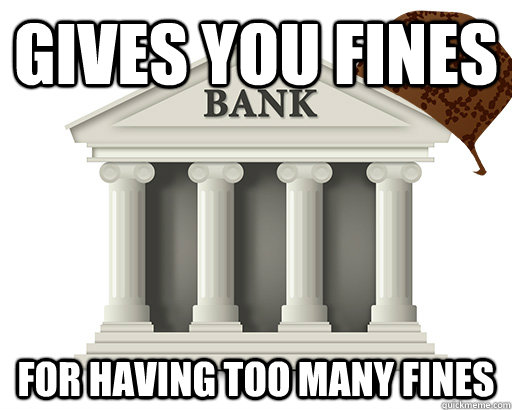
Several US financial firms, including multiple Wells Fargo companies, will pay a combined $549 million in fines after admitting they couldn’t produce discussions about company business from smartphone messaging apps used by their employees, “including those at senior levels.” Both the Securities and Exchange Commission (SEC) and the Commodity Futures Trading Commission (CFTC) fined banks for being unable to produce discussions going back to at least 2019. The regulators say employees used their personal devices to discuss official company business via apps like iMessage, WhatsApp, or Signal and that those “off-channel communications” weren’t “maintained or preserved.”
Not keeping records of those conversations violates the 1934 Securities Exchange Act’s record keeping rules, as well as similar rules from the Investment Advisers Act of 1940, according to the SEC. The CFTC maintains its own record keeping requirements, which it says were violated.
The S&P 500 was up 1.12 points at 4,468.83; the Dow Jones Industrial Average (DJIA) was up 52.79 points (0.2%) at 35,176.15; the NASDAQ Composite was up 15.97 points (0.1%) at 13,737.99.
The 10-year Treasury note yield (TNX) was up about 10 basis points at 4.109%.
CBOEs Volatility Index (VIX) was down 0.07 at 15.89.
Communication services and transportation shares were among the strongest performers Thursday. Energy stocks slipped as crude oil futures tumbled more than 1.5%. Small-caps were also under pressure, with the Russell 2000 (RUT) falling slightly.
Posted on August 10, 2023 by Dr. David Edward Marcinko MBA MEd CMP™
By Staff Reporters
Mark Cuban’s Cost Plus Drug Company has been on a partnering spree lately, and its latest collaborator is Scripta Insights, a digital health company that helps health plans and members find prescription savings.
Scripta plans to incorporate Cost Plus Drugs’s discounted pricing into its Med Mapper, which “maps every drug on the market to every possible way to save,” according to Scripta.
Palantir stock fell 11% to $15.25 yesterday, its biggest drop since November 2022. With that decline, shares are now below their 50-day moving average, at $16.16, for the first time May. It’s broken its uptrend line, which sat around $17, and its first level of support, near $16. Worse still, the stock has fallen for six straight days and is 22% during its losing streak, the worst six-day stretch since May 2022.
***
Here is where the major benchmarks ended:
The S&P 500 Index was down 31.67 points (0.7%) at 4,467.71; the Dow Jones Industrial Average (DJIA) was down 191.13 points (0.5%) at 35,123.36; the NASDAQ Composite was down 162.31 points (1.2%) at 13,722.02.
The 10-year Treasury note yield (TNX) was down about 2 basis points at 4.004%.
CBOE’s Volatility Index (VIX) was little changed at 15.99.
Financial shares joined tech stocks in the laggard column Wednesday. The KBW Regional Banking Index (KRX) was down about 1%, while the Philadelphia Semiconductor Index (SOX) dropped about 1.4%. Energy stocks continued to outperform as crude oil futures gained nearly 2% and touched a nine-month high near $85 a barrel.
Oil’s recent rally reflects production cuts by top global producers and concern over supply disruptions stemming from the Russia-Ukraine war.
Posted on August 8, 2023 by Dr. David Edward Marcinko MBA MEd CMP™
By Staff Reporters
***
***
Zachary Kirkhorn resigned last week as Tesla’s chief financial officer after 13 years with the electric car giant, according to a filing with the U.S. Securities and Exchange Commission (SEC). The SEC filing show Kirkhorn, who also held the playful title of “Master of Coin,” stepped down on August 4th as Tesla’s CFO. Kirkhorn has served in different finance positions since 2010 and was appointed to CFO in 2019, according to Tesla’s website.
***
Here is where the major benchmarks ended:
The S&P 500 Index was up 40.41 points (0.9%) at 4,518.44; the Dow Jones Industrial Average (DJIA) was up 407.51 points (1.2%) at 35,473.13; the NASDAQ Composite (COMP) was up 85.16 points (0.6%) at 13,994.40.
The 10-year Treasury note yield (TNX) was up about 3 basis points at 4.093%.
CBOE’s Volatility Index (VIX) was down 1.29 at 15.81.
Financials and Communication Services were among the best-performing S&P market sectors, while energy shares pulled back as crude oil futures fell nearly 1%. Small-cap stocks were also lower, with the Russell 2000 Index (RUT) easing slightly.
Posted on August 5, 2023 by Dr. David Edward Marcinko MBA MEd CMP™
By Staff Reporters
***
***
Hiring roughly held steady in July as employers added 187,000 jobs despite high interest rates and inflation. The unemployment rate, which is calculated from a separate survey of households, dipped from 3.6% to 3.5%, the Labor Department said Friday. Economists surveyed by Bloomberg had estimated that 200,000 jobs were added last month.
***
The geopolitics: Major oil producer Saudi Arabia said yesterday it would extend its output cuts into September and could even deepen those cuts after that, according to state media. By curbing supply, Saudi Arabia hopes to prop up the price of oil—which gives it critical revenue to spend on futuristic cities. But the cuts are angering the White House because they could lead to an uptick in US inflation.
***
Apple’s sales are slumping. The iPhone-maker reported its third straight quarter of revenue declines as fewer people join the blue-text mafia. But while Apple is struggling to sell iPhones, it’s doing a great job monetizing its existing customers. The services unit—home to the App Store, Apple TV+, Apple Music, and more—hit a record $21 billion in sales. Amazon was the other Big Tech company to report earnings yesterday: Its glowing financials knocked Wall Street’s socks off.
***
Here is where the major benchmarks ended for the day and week:
The S&P 500 Index ended 24 points lower (0.53%) at 4,478.03 and was down 2.27% for the week; the Dow Jones Industrial Average ended 150 points lower (0.43%) at 35,065.62 and was down 1.11% for the week; the NASDAQ Composite ended 50 points lower (0.36%) at 13,909.24 and was down nearly 3% for the week.
The 10-year Treasury note yield (TNX) pulled back 12 points to 4.055%.
CBOE’s Volatility Index (VIX) rose 1 point to 17.33.
Posted on August 4, 2023 by Dr. David Edward Marcinko MBA MEd CMP™
By Staff Reporters
***
***
Markets: Stocks held steady despite a jump in bond yields (which typically sends equities lower). Gas station, oil prices continued their upward march.
Economy: Jobs Report at 8:30am ET today, as the government will drop the employment situation for July. It is expected to show a softening—but still healthy—labor market. Economists will be especially dialed in to wage growth for insights on the future trajectory of inflation. Workers getting big raises could put upward pressure on prices.
***
Here is where the major benchmarks ended yesterday:
The S&P 500® Index (SPX) was down 11.50 points (0.3%) at 4,501.89; the Dow Jones Industrial Average (DJIA) was down 66.63 points (0.2%) at 35,215.89; the NASDAQ Composite (COMP) was down 13.73 points (0.1%) at 13,959.72.
The 10-year Treasury note yield (TNX) was up about 11 basis points at 4.185%.
CBOE’s Volatility Index (VIX) was down 0.11 at 15.98.
Energy was among the strongest sectors Thursday as crude oil futures surged nearly 3%. Consumer Discretionary shares and regional bank stocks recovered some of their losses from the day before.
Utilities were among the weakest sectors, with the Philadelphia Utility Index (UTY) dropping near a four-week low.
Posted on August 1, 2023 by Dr. David Edward Marcinko MBA MEd CMP™
What is the Dow Theory?
By Staff Reporters
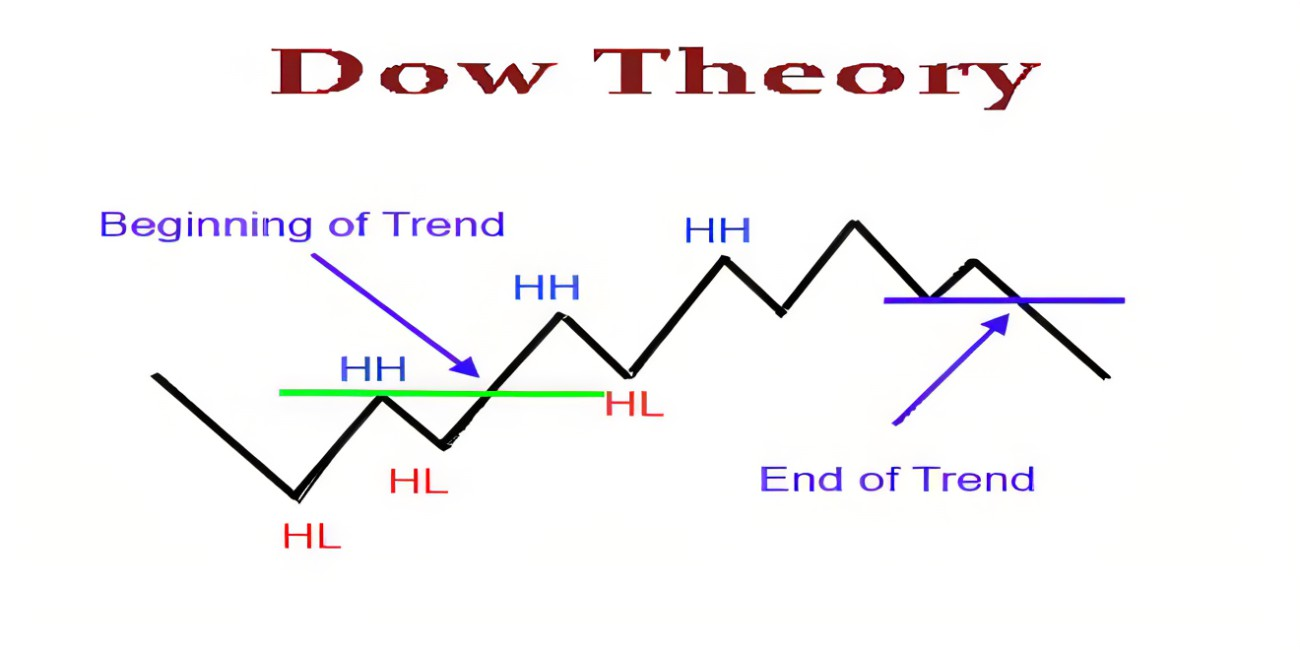
Pioneered by Charles H. Dow, one of the founders of The Wall Street Journal and Dow Jones & Co., and the publisher of MarketWatch, the theory states that if two stock-market averages, most commonly the Dow industrials and transport gauges, reach notable new highs within the same short period, then the broader market is likely headed higher.
It also was one of the first theories that sought to codify a methodology for prognosticating where the market might be headed in the intermediate future. For more than a century, it’s been a staple in the repertoire of technical strategists, who aim to glean insights through analysis of stock-market charts and indicators.
Dow Theory has lost some of its luster in modern times, especially as the Dow has taken a backseat in recent years to the S&P 500 and high flying tech-heavy indexes like the NASDAQ Composite and NASDAQ-100 critics also have lambasted it as overly simplistic.
But proponents of the technical Dow Theory can still point to a wealth of historical data showing it generally works as a buy signal, especially if its broadened to include other indexes like the now-dominant S&P 500.
Posted on August 1, 2023 by Dr. David Edward Marcinko MBA MEd CMP™
By Staff Reporters
***
***
This week executives from Pfizer, Moderna, AmerisourceBergen, Cigna, and other health companies are set to update investors on their latest financials and product offerings.
***
Markets: Stocks ended the day in the green closing out a July where all three major indexes ticked up—the NASDAQ most of all. It was the S&P 500’s fifth-straight month of gains, giving the index its best streak since 2021.
Palantir became the latest company to get a big AI boost after one analyst dubbed it the “Messi of A.I.” because the software company is poised to become a major player.
***
The Biden administration just announced it is forming a new Office of Long COVID Research and Practice to study the condition and help those who have been diagnosed with it. The office, which will be under the Department of Health and Human Services, “is charged with on-going coordination of the whole-of-government response to the longer-term effects of COVID-19,” according to a news release.
Posted on July 29, 2023 by Dr. David Edward Marcinko MBA MEd CMP™
By Staff Reporters
***
***
Markets: Stocks entered the weekend on a high note yesterday, with rising tech stocks and falling inflation leading the way.
Stock spotlight: Tupperware kept climbing yesterday, after gaining more than 300% over the past month. Perhaps it has become the latest meme stock even though it warned in April that it was on the verge of bankruptcy.
***
Here is where the major benchmarks ended for the day and week:
The S&P 500 Index was up 45 points (1%) at 4,582.23 and gained about 0.9% for the week; the Dow Jones Industrial Average was up 177 points (0.5%) at 35,459.29 and added 0.7% for the week; the NASDAQ Composite was up 267 points (1.9%) at 14,316.66 and gained nearly 1.5% for the week.
The 10-year Treasury note yield (TNX) fell about 5 points to 3.960%.
CBOE’s Volatility Index (VIX) dropped 1.1 points to 13.29.
Posted on July 28, 2023 by Dr. David Edward Marcinko MBA MEd CMP™
By Staff Reporters
***
***
The Dow slipped on Thursday, snapping a 13-day winning streak. The blue-chip index fell 237 points after being on track to close higher for a 14th consecutive session. That would have marked the Dow’s longest run of consecutive gains since May 1897. If the Dow had closed higher Thursday and Friday, it would have notched 15 days of gains, its longest daily winning streak ever.
But the index’s run was at historic levels before it was cut short Thursday: On Wednesday it notched its 13th straight day of gains, its best winning streak since 1987 and its highest level since February 2022. The Dow, up roughly 6% for the year, has rallied in recent weeks as cooler-than-expected inflation data has investors more optimistic that a soft landing, or no recession, could be in the cards for the economy.
***
Here is where the major benchmarks ended for the day:
The S&P 500 Index was down 29 points (0.64%) at 4,537.41; the Dow Jones Industrial Average was down 237 points (0.67%) at 35,282.72; the NASDAQ Composite (COMP) was down 77 points (0.55%) at 14,050.11.
The 10-year Treasury note yield (TNX) rose about 14 points 4.002%.
CBOE’s Volatility Index (VIX) dropped 5 points to at 13.32.
Posted on July 26, 2023 by Dr. David Edward Marcinko MBA MEd CMP™
By Staff Reporters
***
***
Google Chief Financial Officer Ruth Porat will become president and chief investment officer of parent company Alphabet, ending an eight-year run during which she helped pitch the company to Wall Street.
***
Here is where the major benchmarks ended yesterday:
The S&P 500 Index was up about 13 points (0.28%) at 4,567.46; the Dow Jones Industrial Average was up about 27 points (0.08%) at 35,438.07; the NASDAQ Composite was up 86 points (0.61%) at 14,144.56.
The 10-year Treasury note yield (TNX) was little changed at 3.883%.
CBOE’s Volatility Index (VIX) was up 0.09 at 14.00.
Posted on July 25, 2023 by Dr. David Edward Marcinko MBA MEd CMP™
By Staff Reporters
***
***
The good news continued for the Dow, which notched its 11th straight day of gains yesterday—its best streak since February 2017. But there is much coming that could impact the markets this week, from Big Tech earnings (Microsoft and Alphabet report today) to a likely rate hike from the Fed tomorrow.
Stocks spotlight: Mattel, IMAX, and AMC (boosted from a recent ruling blocking a planned stock conversion) were all up.
***
Here is where the major benchmarks ended yesterday:
The S&P 500 Index was up 18 points (0.4%) at 4,554.64; the Dow Jones Industrial Average was up 184 points (0.5%) at 35,411.24; the NASDAQ Composite was up 26 points (0.2%) at 14,058.87.
The 10-year Treasury note yield (TNX) was up about 3 basis points at 3.870%.
CBOE’s Volatility Index (VIX) was up 0.29 at 13.89.
Energy was the strongest sector as crude oil futures added to their recent rally with another 2.3% rise to end near $79 per barrel. Financials were also higher, while utilities and health care lagged.







 Support our online development, and advance our onground research initiatives in free market economics, as we seek to showcase the brightest Next-Gen minds.
THE ME-P DISCLAIMER: Posts, comments and opinions do not necessarily represent iMBA, Inc., but become our property after submission. Copyright © 2006 to-date. iMBA, Inc allows colleges, universities, medical and financial professionals and related clinics, hospitals and non-profit healthcare organizations to distribute our proprietary essays, photos, videos, audios and other documents; etc. However, please review copyright and usage information for each individual asset before submission to us, and/or placement on your publication or web site. Attestation references, citations and/or back-links are required. All other assets are property of the individual copyright holder.
Support our online development, and advance our onground research initiatives in free market economics, as we seek to showcase the brightest Next-Gen minds.
THE ME-P DISCLAIMER: Posts, comments and opinions do not necessarily represent iMBA, Inc., but become our property after submission. Copyright © 2006 to-date. iMBA, Inc allows colleges, universities, medical and financial professionals and related clinics, hospitals and non-profit healthcare organizations to distribute our proprietary essays, photos, videos, audios and other documents; etc. However, please review copyright and usage information for each individual asset before submission to us, and/or placement on your publication or web site. Attestation references, citations and/or back-links are required. All other assets are property of the individual copyright holder.


























































 The Leading Business Education Network for Doctors, Financial Advisors and Health Industry Consultants