SOCIAL DETERMINANTS OF HEALTH

By Dr. David Edward Marcinko MBA MEd

***

***

Shaping Well-being Beyond Medicine

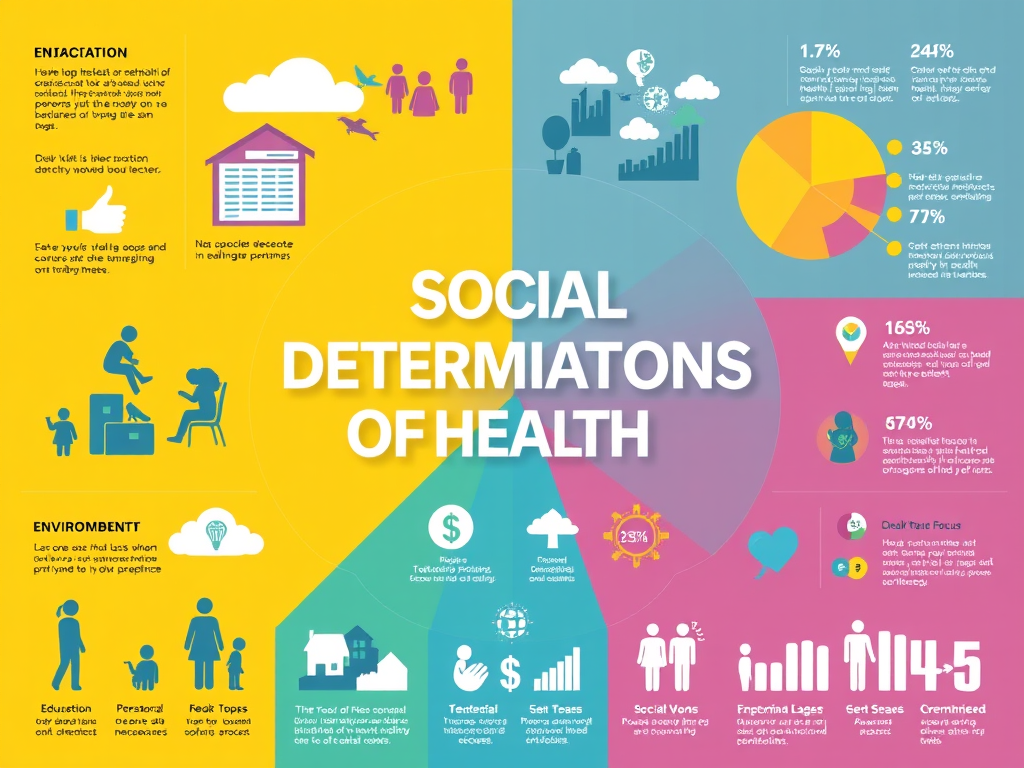
Health is often thought of as the result of medical care, but in reality, it is deeply influenced by the conditions in which people are born, grow, live, work, and age. These conditions, known as social determinants of health, include a wide range of social, economic, and environmental factors that shape health outcomes. They are responsible for many of the differences in health status between individuals and communities. Understanding these determinants is essential for promoting fairness in health and designing policies that reduce disparities.

Economic Stability

Economic stability is one of the most powerful determinants of health. Individuals with steady income can afford nutritious food, safe housing, and preventive healthcare. Conversely, poverty increases vulnerability to chronic diseases, mental health challenges, and limited access to medical services. Families with fewer financial resources may struggle to afford medications or healthy diets, leading to higher rates of obesity, diabetes, and cardiovascular disease. Unemployment or unstable work further exacerbates stress, which itself is linked to poor health outcomes. Economic inequality directly translates into health inequality.

Education

Education shapes health both directly and indirectly. Higher educational attainment is associated with better employment opportunities, higher income, and improved health literacy. People with more education are more likely to understand medical information, adopt healthy behaviors, and navigate healthcare systems effectively. Limited education can perpetuate cycles of poverty and poor health. For instance, children who grow up in underfunded schools may face restricted opportunities, leading to lower lifetime earnings and poorer health outcomes. Education is therefore a critical lever for breaking intergenerational cycles of disadvantage.

***

***

Neighborhood and Physical Environment

The environment in which individuals live plays a crucial role in determining health. Safe neighborhoods with clean air, accessible parks, and reliable transportation promote physical activity and reduce exposure to pollutants. In contrast, communities with high crime rates, poor housing, and environmental hazards contribute to stress, injury, and illness. Food deserts—areas with limited access to affordable, healthy food—are a striking example of how environment shapes health. Residents in these areas often rely on processed foods, increasing risks of obesity and related diseases. Housing quality also matters: overcrowding, mold, or lead exposure can lead to respiratory illnesses and developmental delays.

Healthcare Access and Quality

Access to healthcare is a fundamental determinant, but it is shaped by social and economic factors. Insurance coverage, affordability, and cultural competence of providers influence whether individuals receive timely and effective care. Marginalized groups often face barriers such as discrimination, language differences, or lack of nearby facilities. Even when healthcare is available, disparities in quality persist. For example, minority populations may receive less aggressive treatment for certain conditions compared to others. Addressing these inequities requires systemic reforms that prioritize inclusivity and affordability.

Social and Community Context

Social relationships and community support networks significantly affect health. Strong social ties provide emotional support, reduce stress, and encourage healthy behaviors. Communities with high levels of trust and civic engagement often experience better health outcomes. Conversely, discrimination, racism, and social exclusion undermine health by increasing stress and limiting opportunities. Social cohesion and equity are therefore vital for fostering healthier societies.

Conclusion

The social determinants of health highlight that medicine alone cannot ensure well-being. Economic stability, education, environment, healthcare access, and social context collectively shape health outcomes and drive disparities. Addressing these determinants requires a holistic approach that integrates public health, social policy, and community action. By investing in education, reducing poverty, improving neighborhoods, and ensuring equitable healthcare, societies can move closer to achieving health equity. Ultimately, health is not just about treating illness—it is about creating conditions in which everyone has the opportunity to thrive.

COMMENTS APPRECIATED

EDUCATION: Books

SPEAKING: Dr. Marcinko will be speaking and lecturing, signing and opining, teaching and preaching, storming and performing at many locations throughout the USA this year! His tour of witty and serious pontifications may be scheduled on a planned or ad-hoc basis; for public or private meetings and gatherings; formally, informally, or over lunch or dinner. All medical societies, financial advisory firms or Broker-Dealers are encouraged to submit an RFP for speaking engagements: CONTACT: Ann Miller RN MHA at MarcinkoAdvisors@outlook.com -OR- http://www.MarcinkoAssociates.com

Like, Refer and Subscribe

***

***

CRISIS MANAGEMENT: In Medical Practice and Healthcare

Dr. David Edward Marcinko MBA MEd

***

***

Crisis Management in Medical Practice

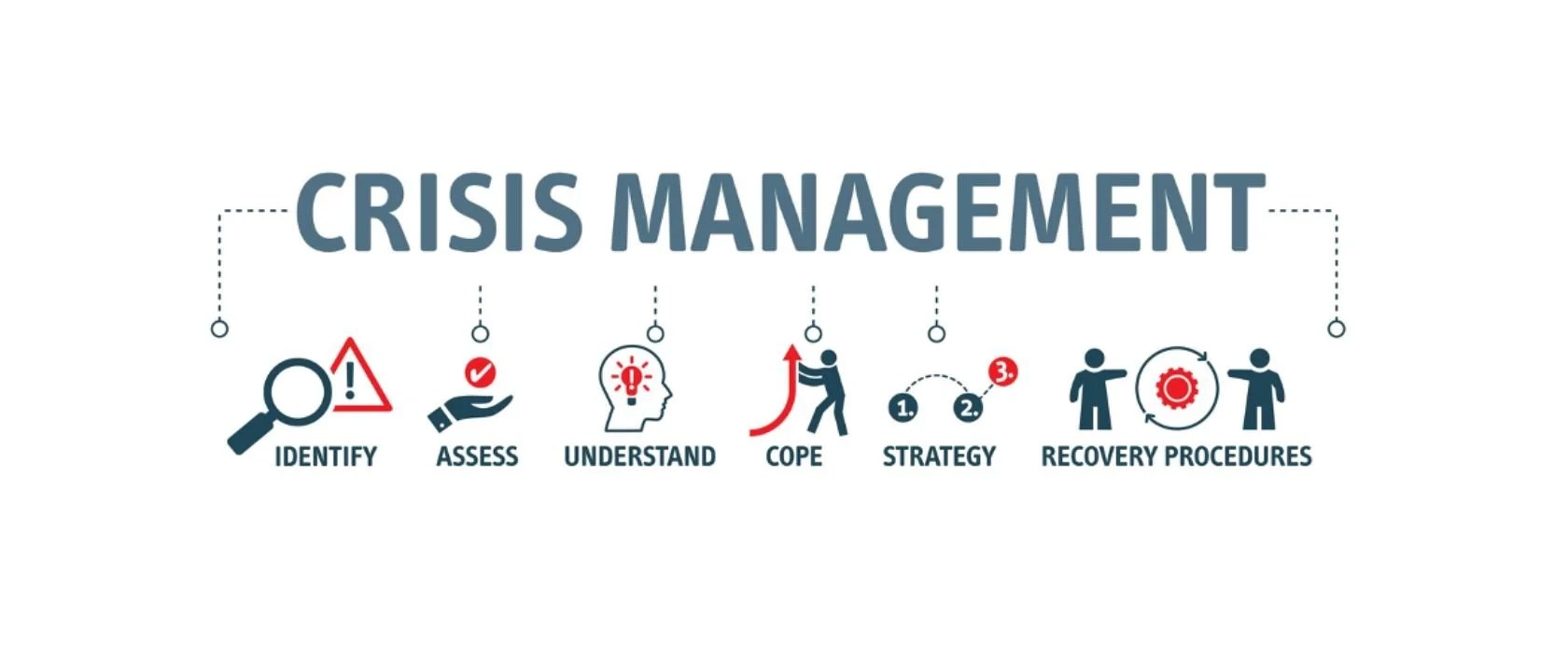
Healthcare is a field where crises are not hypothetical but expected realities. From pandemics and natural disasters to cyberattacks and sudden staff shortages, medical practices must be prepared to respond swiftly and effectively. Crisis management in medical practice refers to the structured approach of anticipating, preparing for, responding to, and recovering from disruptive events that threaten patient safety, organizational stability, or community trust.

🌐 Nature of Crises in Healthcare

Crises in medical practice can take many forms:

  • Public Health Emergencies: Outbreaks of infectious diseases, such as COVID-19, demand rapid adaptation of protocols and resources.
  • Operational Disruptions: Power outages, supply chain breakdowns, or IT failures can halt essential services.
  • Human Resource Challenges: Sudden staff shortages due to illness or burnout can compromise patient care.
  • Reputation and Legal Risks: Medical errors or breaches of patient confidentiality can escalate into crises requiring immediate management.

Each type of crisis requires tailored strategies, but all share the common need for preparedness and resilience.

🔑 Principles of Crisis Management

Effective crisis management in medical practice rests on several key principles:

  1. Preparedness: Developing contingency plans, conducting drills, and maintaining emergency supplies ensure readiness.
  2. Leadership and Decision-Making: Strong leadership is critical for making rapid, evidence-based decisions under pressure.
  3. Communication: Transparent, timely communication with staff, patients, and external stakeholders reduces panic and builds trust.
  4. Collaboration: Coordinating with hospitals, public health agencies, and community organizations strengthens response capacity.
  5. Flexibility: Crises are unpredictable; adaptability in protocols and resource allocation is essential.

⚙️ Crisis Management Frameworks

Healthcare organizations often adopt structured frameworks:

  • Incident Command System (ICS): Provides a standardized hierarchy for managing emergencies.
  • Risk Assessment Models: Identify vulnerabilities and prioritize mitigation strategies.
  • Business Continuity Planning: Ensures essential services continue despite disruptions.

These frameworks help medical practices move from reactive responses to proactive resilience.

***

***

💡 Challenges in Crisis Management

Despite planning, medical practices face significant challenges:

  • Resource Limitations: Smaller practices may lack the financial or logistical capacity to implement robust crisis plans.
  • Staff Stress and Burnout: Crises often demand long hours and emotional resilience, which can strain healthcare workers.
  • Rapidly Changing Information: In public health emergencies, evolving guidelines can create confusion.
  • Patient Expectations: Maintaining quality care during disruptions is difficult but essential to preserve trust.

Addressing these challenges requires investment in training, mental health support, and technology infrastructure.

🌱 Importance of Resilience

Crisis management is not only about survival but about building resilience. Practices that learn from crises, adapt policies, and strengthen systems emerge stronger. For example, the COVID-19 pandemic accelerated telemedicine adoption, which continues to benefit patients today. Resilience ensures that medical practices can withstand future disruptions while continuing to deliver safe, effective care.

✅ Conclusion

Crisis management in medical practice is a vital competency that safeguards both patients and providers. By preparing for diverse scenarios, fostering strong leadership, and prioritizing communication, healthcare organizations can navigate crises with confidence. Ultimately, effective crisis management transforms challenges into opportunities for growth, innovation, and improved patient care.

COMMENTS APPRECIATED

EDUCATION: Books

SPEAKING: Dr. Marcinko will be speaking and lecturing, signing and opining, teaching and preaching, storming and performing at many locations throughout the USA this year! His tour of witty and serious pontifications may be scheduled on a planned or ad-hoc basis; for public or private meetings and gatherings; formally, informally, or over lunch or dinner. All medical societies, financial advisory firms or Broker-Dealers are encouraged to submit an RFP for speaking engagements: CONTACT: Ann Miller RN MHA at MarcinkoAdvisors@outlook.com 

Like, Refer and Subscribe

***

***

RICARDIAN ECONOMICS: Can it Save Medicine?

By Dr. David Edward Marcinko MBA MEd

***

***

Ricardian economics, rooted in the theories of 19th-century economist David Ricardo, emphasizes comparative advantage, free trade, and the neutrality of government debt—most notably through the concept of Ricardian equivalence. While these ideas have shaped macroeconomic thought, their relevance to medicine and healthcare policy is less direct. Still, exploring Ricardian principles offers a provocative lens through which to examine the fiscal sustainability and efficiency of modern healthcare systems.

At the heart of Ricardian equivalence is the idea that consumers are forward-looking and internalize government budget constraints. If a government finances healthcare through debt rather than taxes, rational agents will anticipate future tax burdens and adjust their behavior accordingly. In theory, this undermines the effectiveness of deficit-financed healthcare spending as a stimulus. Applied to medicine, this suggests that long-term fiscal responsibility is crucial: expanding healthcare access through borrowing may not yield the intended economic or health benefits if citizens expect future costs to rise.

This insight could inform debates on healthcare reform, especially in countries grappling with ballooning medical expenditures. Ricardian economics warns against short-term fixes that ignore long-term fiscal implications. For example, expanding public insurance programs without sustainable funding mechanisms could lead to intergenerational inequities and economic distortions. Policymakers might instead focus on reforms that align incentives, reduce waste, and promote cost-effective care—principles that resonate with Ricardo’s emphasis on efficiency and comparative advantage.

***

***

However, Ricardian economics offers limited guidance on the unique moral and practical dimensions of medicine. Healthcare is not a typical market good. Patients often lack the information or autonomy to make rational choices, especially in emergencies. Moreover, the sector is rife with externalities: one person’s vaccination benefits the broader community, and untreated illness can strain public resources. These complexities challenge the assumption of rational, forward-looking behavior central to Ricardian equivalence.

Additionally, Ricardo’s theory of comparative advantage—where nations benefit by specializing in goods they produce most efficiently—has implications for global health. It supports international collaboration in pharmaceutical production, medical research, and telemedicine. Yet, over-reliance on global supply chains can expose vulnerabilities, as seen during the COVID-19 pandemic when countries faced shortages of critical medical supplies.

In conclusion, Ricardian economics provides valuable fiscal insights that can inform healthcare policy, particularly regarding debt sustainability and efficient resource allocation. Its emphasis on long-term planning and comparative advantage can guide reforms that make medicine more resilient and cost-effective. However, the theory’s assumptions about rational behavior and market dynamics limit its applicability to the nuanced realities of healthcare. Medicine requires not just economic efficiency but ethical considerations, equity, and compassion—areas where Ricardian economics falls short. Thus, while it can contribute to the conversation, it cannot “save” medicine alone.

COMMENTS APPRECIATED

EDUCATION: Books

SPEAKING: Dr. Marcinko will be speaking and lecturing, signing and opining, teaching and preaching, storming and performing at many locations throughout the USA this year! His tour of witty and serious pontifications may be scheduled on a planned or ad-hoc basis; for public or private meetings and gatherings; formally, informally, or over lunch or dinner. All medical societies, financial advisory firms or Broker-Dealers are encouraged to submit an RFP for speaking engagements: CONTACT: Ann Miller RN MHA at MarcinkoAdvisors@outlook.com 

Like, Refer and Subscribe

***

***

HEALTH: Public V. Population

By Dr. David Edward Marcinko MBA MEd

SPONSOR: http://www.CertifiedMedicalPlanner.org

***

***

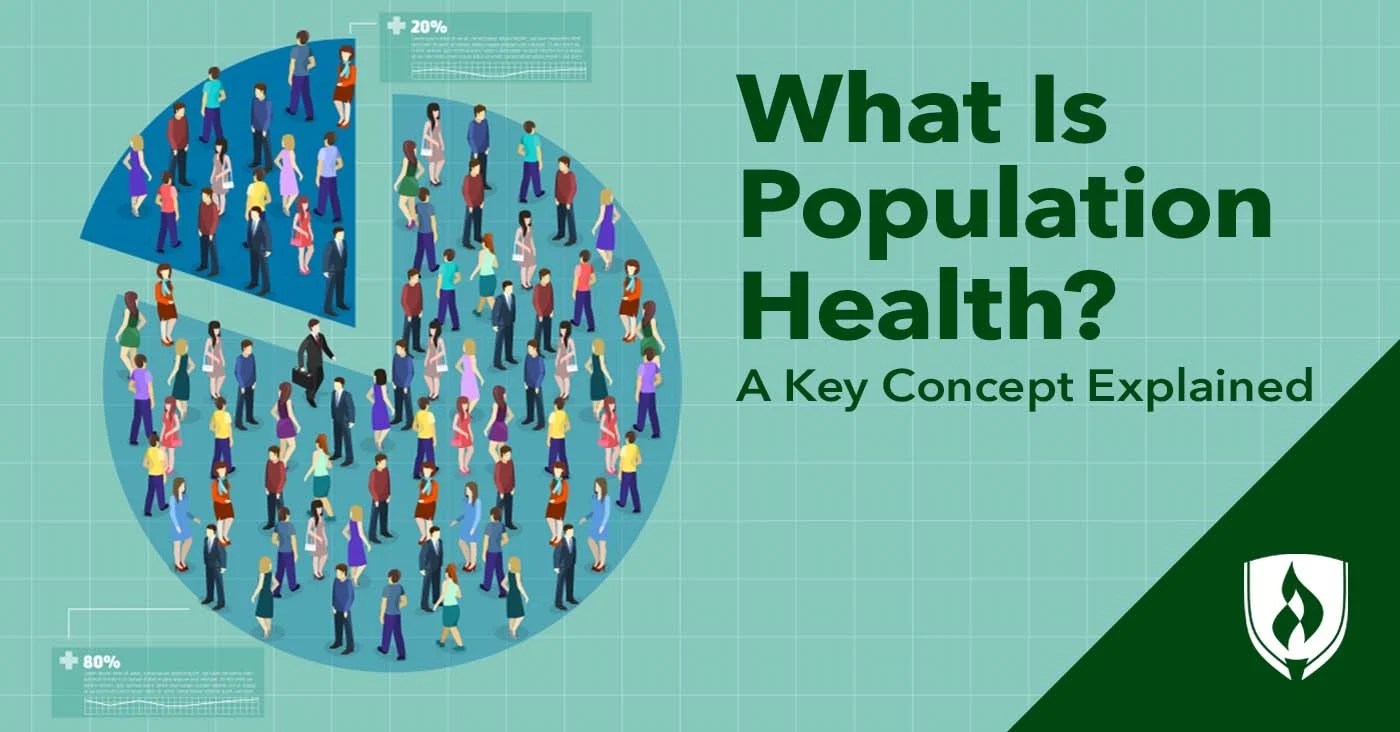
Population health and public health are two interrelated disciplines that strive to enhance the health outcomes of communities. While they share a common mission—to reduce health disparities and promote wellness—their approaches, target populations, and operational frameworks differ significantly.

***

***

Public health is traditionally defined as the science and art of preventing disease, prolonging life, and promoting health through organized efforts and informed choices of society, organizations, public and private sectors, communities, and individuals. It focuses on the health of the general population and emphasizes broad interventions such as vaccination programs, sanitation, health education, and policy advocacy. Public health professionals often work in government agencies, nonprofit organizations, and academic institutions to implement community-wide initiatives that prevent disease and promote healthy behaviors.

***

***

In contrast, population health takes a more targeted approach. It refers to the health outcomes of a specific group of individuals, including the distribution of such outcomes within the group. This field is particularly concerned with the social determinants of health—factors like income, education, environment, and access to care—that influence health disparities. Population health strategies often involve data-driven interventions tailored to the needs of defined groups, such as rural communities, ethnic minorities, or patients with chronic conditions.

One key distinction lies in scope and granularity. Public health initiatives are typically designed for the entire population, aiming to create systemic change. For example, anti-smoking campaigns or water fluoridation programs benefit everyone regardless of individual risk. Population health, however, might focus on reducing diabetes rates among Hispanic adults in a specific urban area, using targeted outreach and culturally sensitive care models.

Another difference is in data utilization. Population health relies heavily on health informatics and analytics to identify trends, allocate resources, and evaluate outcomes. This evidence-based approach supports precision in addressing health inequities. Public health also uses data, but often at a broader level to guide policy and monitor general health indicators like life expectancy or disease prevalence.

Despite these differences, the two fields are complementary. Public health lays the foundation for healthy societies through preventive infrastructure, while population health builds on this by addressing nuanced needs within subgroups. Together, they form a holistic framework for improving health outcomes across diverse communities.

In today’s healthcare landscape, the integration of public and population health is increasingly vital. The COVID-19 pandemic underscored the importance of both approaches: public health measures like mask mandates and vaccination campaigns were essential, while population health efforts ensured vulnerable groups received targeted support.

In conclusion, while public health and population health differ in focus and methodology, they are united by a shared goal: to foster healthier communities. Understanding their distinctions enables more effective collaboration and innovation in health policy, care delivery, and community engagement.

COMMENTS APPRECIATED

EDUCATION: Books

SPEAKING: ME-P Editor Dr. David Edward Marcinko MBA MEd will be speaking and lecturing, signing and opining, teaching and preaching, storming and performing at many locations throughout the USA this year! His tour of witty and serious pontifications may be scheduled on a planned or ad-hoc basis; for public or private meetings and gatherings; formally, informally, or over lunch or dinner. All medical societies, financial advisory firms or Broker-Dealers are encouraged to submit an RFP for speaking engagements: CONTACT: Ann Miller RN MHA at MarcinkoAdvisors@outlook.com -OR- http://www.MarcinkoAssociates.com

Like, Refer and Subscribe

***

***

DAILY UPDATE: Big Pharma Payouts as Stock Markets Eke Out Rise

MEDICAL EXECUTIVE-POST TODAY’S NEWSLETTER BRIEFING

***

Essays, Opinions and Curated News in Health Economics, Investing, Business, Management and Financial Planning for Physician Entrepreneurs and their Savvy Advisors and Consultants

Serving Almost One Million Doctors, Financial Advisors and Medical Management Consultants Daily

A Partner of the Institute of Medical Business Advisors , Inc.

http://www.MedicalBusinessAdvisors.com

SPONSORED BY: Marcinko & Associates, Inc.

***

http://www.MarcinkoAssociates.com

Daily Update Provided By Staff Reporters Since 2007.
How May We Serve You?
© Copyright Institute of Medical Business Advisors, Inc. All rights reserved. 2025

REFER A COLLEAGUE: MarcinkoAdvisors@outlook.com

SPONSORSHIPS AVAILABLE: https://medicalexecutivepost.com/sponsors/

ADVERTISE ON THE ME-P: https://tinyurl.com/ytb5955z

Your Referral Count -0-

***

CITE: https://www.r2library.com/Resource

Drug and medical device companies paid at least $13.2 billion to medical professionals in 2024, according to CMS data released June 30th. There’s been steady growth in these payments over the last few years, which include everything from research payments to free meals to promotional or conference fees. Drug and medical device companies paid out $13.1 billion in 2023, $13.1 in 2022, and $12.6 in 2021. If you’re a medical provider, you’ve probably gotten one of those perks from a drug or medical device company and thought it wouldn’t affect your decision-making.

But research suggests physicians are more likely to prescribe drugs from companies that pay them, with some studies specifically associating this with drugs that are costlier to patients. “Really well-trained people who affirm an oath to do no harm can be influenced, and are,” Neil Jay Sehgal, associate professor of health systems and population health at the University of Washington School of Public Health, told Healthcare Brew.

CITE: https://tinyurl.com/2h47urt5

Stocks Up

  • Bitcoin is booming, and crypto stocks climbed along with it. MicroStrategy rose 3.86%, Robinhood Markets added 1.67%. and Coinbase gained 1.80%.
  • Boeing rose 1.64% on preliminary reports that investigators have found no evidence of malfunction in the plane that crashed in India last month. Engine-maker GE Aerospace also gained 2.71%.
  • Warner Bros Discovery climbed 2.39% thanks to a strong opening weekend for the new Superman movie.
  • Autodesk popped 5.05% on the news that it is not pursuing an acquisition of rival software maker PTC. PTC fell 1.25%.
  • Kenvue, the company behind Band Aids and Listerine, gained 2.18% after kicking its CEO to the curb.
  • PayPal climbed 3.55% despite the news that JPMorgan will start charging the fintech fees for access to customer data.

Stocks Down

  • Starbucks sank 1.60% on news that employees will have to return to the office four days a week. Shareholders were also unimpressed with the coffee giant’s new secret menu.
  • Synopsys stumbled 1.74% after getting regulatory approval from Chinese authorities to acquire software designer Ansys for $35 billion. Ansys rose 3.03% on the news.
  • Waters plunged 13.81% on the news that it will merge with Becton Dickinson’s bioscience and diagnostic solutions business in a $17.5 billion deal.
  • Rivian Automotive lost 2.15% thanks to a downgrade from Guggenheim analysts, who forecast soft sales for the automaker’s latest models.

CITE: https://tinyurl.com/tj8smmes

Visualize: How private equity tangled banks in a web of debt, from the Financial Times.

COMMENTS APPRECIATED

PLEASE SUBSCRIBE: MarcinkoAdvisors@outlook.com

Thank You

***

***

***

***

EDUCATIONAL TEXTBOOKS: https://tinyurl.com/4zdxuuwf

***

Gerontologist V. Geriatrician?

Subscribe to continue reading

Subscribe to get access to the rest of this post and other subscriber-only content.

DAILY UPDATE: Obesity, Three Mile Island and Medical Records as Stocks Crash

MEDICAL EXECUTIVE-POST TODAY’S NEWSLETTER BRIEFING

***

Essays, Opinions and Curated News in Health Economics, Investing, Business, Management and Financial Planning for Physician Entrepreneurs and their Savvy Advisors and Consultants

Serving Almost One Million Doctors, Financial Advisors and Medical Management Consultants Daily

A Partner of the Institute of Medical Business Advisors , Inc.

http://www.MedicalBusinessAdvisors.com

SPONSORED BY: Marcinko & Associates, Inc.

***

http://www.MarcinkoAssociates.com

Daily Update Provided By Staff Reporters Since 2007.
How May We Serve You?
© Copyright Institute of Medical Business Advisors, Inc. All rights reserved. 2024

REFER A COLLEAGUE: MarcinkoAdvisors@msn.com

SPONSORSHIPS AVAILABLE: https://medicalexecutivepost.com/sponsors/

ADVERTISE ON THE ME-P: https://tinyurl.com/ytb5955z

Your Referral Count -0-

In a public health milestone, the US adult obesity rate stopped its long climb and dropped by roughly two percentage points between 2020 and 2023, according to new data from the National Health and Nutrition Examination Survey.

In 2024, about 62% of clinicians reported that “excessive documentation requirements” is a leading cause of burnout, according to Athenahealth, a health tech and electronic health record (EHR) company. The American Medical Association reported in January that primary care physicians, for example, can spend up to 45.7 minutes on medical record documentation for every 30-minute appointment.

CITE: https://www.r2library.com/Resource

What’s up

  • Scholar Rock shares quadrupled (yes, you read that right) 361.99% after its spinal muscular atrophy drug apitegromab provided a dramatic improvement for patients in a late-stage clinical trial.
  • Super Micro Computer surged 15.79% after the semiconductor company announced it shipped over 100,000 GPUs last quarter, highlighting strong data center demand.
  • Generac Holdings makes generators, so it’s no wonder that the stock popped 8.54% thanks to huge demand for back-up power from areas hit by Hurricane Helene and places preparing to deal with Hurricane Milton.
  • Arcadium Lithium skyrocketed 35.39% after it announced that Rio Tinto has approached the lithium miner about an acquisition.
  • Air Products and Chemicals rose 9.53% after CNBC reported that activist investor Mantle Ridge has taken a $1 billion stake in the industrial gas supplier. Activist investors are clearly getting more active these days.

What’s down

  • Netflix sank 2.47% thanks to a downgrade from Barclays analysts worried that the streaming service’s revenues will slow in the coming months. That outweighed an upgrade from Piper Sandler analysts, who think the streamer’s high valuation is warranted.
  • In another big tech downgrade, Wells Fargo analysts downgraded Amazon due to multiple headwinds like competition from Walmart and lower advertising revenue. Shares sank 3.06%.
  • Back-to-back hurricanes hitting the South are pummeling insurance stocks like Universal Insurance (down 19.60%), Allstate (down 4.90%) Travelers Companies (down 4.34%) and Chubb (down 4.61%).
  • Garmin tumbled 4.06% on a downgrade from Morgan Stanley analysts, who think the device-maker’s revenue will decline and margins will shrink in the coming quarters.

CITE: https://tinyurl.com/2h47urt5

Here’s where the major benchmarks ended:

  • The S&P 500® index (SPX) fell 55.13 points (–0.96%) to 5,695.94;the Dow Jones Industrial Average® ($DJI) dropped 398.51 points (–0.94%) to 41,954.24; and the NASDAQ Composite® ($COMP) lost 213.94 points (–1.18%) to 17,923.90.
  • The 10-year Treasury note yield (TNX) rose five basis points to 4.03%, near two-month highs.
  • The CBOE Volatility Index® (VIX) climbed to 22.77, the highest in a month.

CITE: https://tinyurl.com/tj8smmes

Stat: $1.6 billion. That’s the size of the federal loan guarantee that the operators of Three Mile Island are seeking from the Energy Department. Constellation Energy plans to restart the infamous plant to sell electricity to Microsoft data centers (Washington Post)

COMMENTS APPRECIATED

PLEASE SUBSCRIBE: MarcinkoAdvisors@msn.com

Thank You

***

***

***

***

EDUCATIONAL TEXTBOOKS: https://tinyurl.com/4zdxuuwf

***

PODCAST: Machine Learning for Population Health

By Eric Bricker MD

***

***

COMMENTS APPRECIATED

Thank You

***

***

DAILY UPDATE: Gun Violence, Health & Public Companies as Technology Stocks Rebound

MEDICAL EXECUTIVE-POST TODAY’S NEWSLETTER BRIEFING

***

Essays, Opinions and Curated News in Health Economics, Investing, Business, Management and Financial Planning for Physician Entrepreneurs and their Savvy Advisors and Consultants

Serving Almost One Million Doctors, Financial Advisors and Medical Management Consultants Daily

A Partner of the Institute of Medical Business Advisors , Inc.

http://www.MedicalBusinessAdvisors.com

SPONSORED BY: Marcinko & Associates, Inc.

***

http://www.MarcinkoAssociates.com

Daily Update Provided By Staff Reporters Since 2007.
How May We Serve You?
© Copyright Institute of Medical Business Advisors, Inc. All rights reserved. 2024

REFER A COLLEAGUE: MarcinkoAdvisors@msn.com

SPONSORSHIPS AVAILABLE: https://medicalexecutivepost.com/sponsors/

ADVERTISE ON THE ME-P: https://tinyurl.com/ytb5955z

***

The U.S. surgeon general just declared gun violence a public health crisis, driven by the fast-growing number of injuries and deaths involving firearms in the country. The advisory issued by Dr. Vivek Murthy, the nation’s top doctor, came as the U.S. grappled with another summer weekend marked by mass shootings that left dozens of people dead or wounded.

CITE: https://www.r2library.com/Resource

Here’s where the major benchmarks ended:

  • The S&P 500 index rose 21.43 points (0.39%) to 5,469.30; the Dow Jones Industrial Average® ($DJI) fell 299.05 points (0.76%) to 39,112.6; the NASDAQ Composite® ($COMP) gained 220.84 points (1.26%) to 17,717.65.
  • The 10-year Treasury note yield (TNX) fell slightly to 4.24%.
  • The CBOE Volatility Index® (VIX) dropped to 12.84. 

What’s up

  • Nvidia rose 6.76% as investors realized they could buy shares of the world’s biggest semiconductor company at a discounted price.
  • Trump Media & Technology Group rose another 8.50% today on the hopes of a cash infusion, as well as hype ahead of Thursday’s presidential debate.
  • Carnival popped 8.85% after it beat analyst expectations for the second quarter, and raised its profit forecast for the rest of the year.
  • Novo Nordisk rose 3.25% after its weight-loss drug Wegovy was approved in China.
  • Enovix soared 35.05% on the news that it signed a major deal to provide VR headset batteries for an as-yet-unnamed California company.

What’s down

  • Pool Corp., maker of…pools, fell 8.04% today after cutting guidance for the year ahead.
  • SolarEdge Technologies dropped 20.60% through no fault of its own—instead, a key customer declared bankruptcy, and will be unable to pay the solar power company the $11.4 million it is owed.
  • Airbus fell 9.41% after the company announced it is cutting financial guidance for the remainder of 2024 thanks to supply chain snarls and higher costs.
  • Auto dealer stocks continue to suffer the effects of a massive cyberattack on CDK, a key supplier of dealership management software. The company says its systems will remain down until June 30, but in the meantime shares of Autonation fell 2.04%, Sonic Automotive dropped 2.56%, and Group 1 Automotive slid 2.49%.

CITE: https://tinyurl.com/2h47urt5

Digital health company Sharecare has agreed to be acquired by private equity firm Altaris for $1.43 in cash per share, or about $518 million.


Nearly three months after Kaiser Permanente’s Risant Health acquired Geisinger Health, the group has now agreed to terms with Cone Health in North Carolina.


And ... UnitedHealthcare says its Surest unit improves spending and utilization across all age groups and for people with various conditions.

CITE: https://tinyurl.com/tj8smmes

COMMENTS APPRECIATED

PLEASE SUBSCRIBE: MarcinkoAdvisors@msn.com

Thank You

***

***

***

***

EDUCATIONAL TEXTBOOKS: https://tinyurl.com/4zdxuuwf

***

PODCAST: What is Public Health?

By American Journal of Public Health

***

Public health is now part of the political conversation but everyone doesn’t understand it in the same way. Hence the idea of interviewing Governor John Kasich, former governor of Ohio, who has been promoting a greater attention to public health, about what is public health for him.

CITE: https://www.r2library.com/Resource/Title/082610254

***

***

COMMENTS APPRECIATED

Thank You

***

***

INSURANCE: https://www.amazon.com/Dictionary-Health-Insurance-Managed-Care/dp/0826149944/ref=sr_1_4?ie=UTF8&s=books&qid=1275315485&sr=1-4

***

TECH: https://www.amazon.com/Dictionary-Health-Information-Technology-Security/dp/0826149952/ref=sr_1_5?ie=UTF8&s=books&qid=1254413315&sr=1-5

***

POPULATION HEALTH: Management?

By Dr. David Edward Marcinko MBA CMP

SPONSOR: http://www.MarcinkoAssociates.com

What is population health management?

The Care Continuum Alliance, an alliance of stakeholders across the continuum of care, is working precisely toward the goal of improving the health of populations. They espouse a detailed set of principles and a model of “population health management.” It can be summed up, in the broadest sense, as the care provider community, in partnership with patients and their families, conducting proactive and collective monitoring of the patient’s healthcare quality, adherence, access, and outcomes with the goal of improving the health of an entire patient population.

As such, population health management stresses wellness and prevention through lifestyle and disease management and complex case management to remove the gap between zero care and costly chronic or emergency care. It emphasizes the full spectrum of needs from prevention and wellness to keeping healthy people and at-risk people healthy, to better manage the care of those with chronic conditions, and to still be ready to provide emergent or acute care services. In most cases, it also includes the involved providers taking on accountability for the financial risk and quality of care provided.

We have been working with administrative and physician leaders across the country to grapple with what it will mean to actually foster valuable population health management in the different communities they serve. It is clear that this is a whole new paradigm and that the years of experience and training that have brought them to where they are today may not have sufficiently prepared them for what is to come. It requires a well-coordinated and complete continuum of care, with new metrics and advanced analytics. As one might expect,while clusters of resistance to the idea remain, most have flung themselves into learning mode and are beginning to “act their way into new thinking.”

However, we also see a big risk in powering ahead without revisiting the role of a key stakeholder group—patients and their families, whose experience and perspective are often left behind, but whose actions will have a profound effect on the future success of population health management efforts.

CITE: https://www.r2library.com/Resource

***

***

***

Its earnings season once again and CVS Health beat Wall Street estimates with $2.3 billion in profit during Q3. Humana raised its Medicare Advantage enrollment projections again.

And, population management telehealth giant Amwell inked a major federal contract but has seen its losses balloon in 2023.

SUBSCRIBE AND COMMENT TODAY

Thank You

***

***

***

DAILY UPDATE: Mike Burry MD, Private Equity in Health Systems, Drug Shortages, United Health Stock Sale and the Change Healthcare Hack as the Stock Markets Re-Collapse!

MEDICAL EXECUTIVE-POST TODAY’S NEWSLETTER BRIEFING

***

Essays, Opinions and Curated News in Health Economics, Investing, Business, Management and Financial Planning for Physician Entrepreneurs and their Savvy Advisors and Consultants

Serving Almost One Million Doctors, Financial Advisors and Medical Management Consultants Daily

A Partner of the Institute of Medical Business Advisors , Inc.

http://www.MedicalBusinessAdvisors.com

SPONSORED BY: Marcinko & Associates, Inc.

***

http://www.MarcinkoAssociates.com

Daily Update Provided By Staff Reporters Since 2007.
How May We Serve You?
© Copyright Institute of Medical Business Advisors, Inc. All rights reserved. 20224

REFER A COLLEAGUE: MarcinkoAdvisors@msn.com

SPONSORSHIPS AVAILABLE: https://medicalexecutivepost.com/sponsors/

ADVERTISE ON THE ME-P: https://tinyurl.com/ytb5955z

***

  • Medical colleague and our financial planning for physicians textbook contributor Michael Burry MD predicted a second inflation surge, and price growth re-accelerated in March,. 2024.
  • The “Big Short” investor first warned of inflation in April 2020, over two years before it peaked.
  • Burry expected a recession, rate cuts, and stimulus spending to reignite inflation.

CITE: https://www.r2library.com/Resource

A growing number of drugs are in short supply around the U.S., according to pharmacists. 

In the first three months of the year, there were 323 active medication shortages, surpassing the previous high of 320 shortages in 2014, according to a survey by the American Society of Health-System Pharmacists (ASHP) and Utah Drug Information Service. It also amounts to the most shortages since the trade group started keeping track in 2001. “All drug classes are vulnerable to shortages. Some of the most worrying shortages involve generic sterile injectable medications, including cancer chemotherapy drugs and emergency medications stored in hospital crash carts and procedural areas,” ASHP said in a statement

CITE: https://tinyurl.com/2h47urt5

Scheduling an appointment with a primary care doctor who belongs to a large health system might cause an increase in health care spending, according to a recent study. Such physicians tend to make more referrals to specialists, and emergency room visits and hospitalizations sometimes increase, according to the research out of Harvard T.H. Chan School of Public Health.

In short, physicians who work for health care systems like hospitals are more likely to recommend that patients use other services within those systems, compared with independent physicians. For the study — which was published in JAMA Health Forum, a journal of the American Medical Association — researchers analyzed the experiences of more than 4 million patients in Massachusetts.

CITE: https://tinyurl.com/tj8smmes

UnitedHealth Chairman Stephen Hemsley and other executives sold $102 million in company stock months before a federal antitrust probe became public, Bloomberg reported.

***

Small physician practices are still struggling in the wake of February’s Change Healthcare cyberattack, according to an American Medical Association (AMA) survey released Wednesday.

More than half of ~1,400 respondents (55%) reported that they’ve had to use personal funds to cover their practice’s expenses due to the cyberattack’s effects on cash flow. Practices across the country have been unable to fill prescriptions or process insurance claims as Change Healthcare systems went offline, Healthcare Brew previously reported. About two-thirds of respondents said they’ve experienced restrictions to core functions, such as suspending claim payments (36%), not being able to submit claims (32%), and not being able to obtain electronic remittance advice (39%), according to the survey.

CITE: https://tinyurl.com/2h47urt5

Here’s where the major benchmarks ended:

  • The S&P 500 index fell 75.65 points (1.5%) to 5,123.41, down 1.6% for the week; the Dow Jones Industrial Averagelost 475.84 points (1.2%) to 37,983.24, down 2.4% for the week; the NASDAQ Composite® ($COMP) dropped 267.10 points (1.6%) to 16,175.09, down 0.5% for the week.
  • The 10-year Treasury note yield (TNX) fell more than 5 basis points to 4.52%, still up about 12 basis points for the week.
  • The CBOE Volatility Index® (VIX) rose 2.38 to 17.30.

Semiconductor shares were also among the weakest performers Friday as chip makers reversed Thursday’s sharp gains. The Philadelphia Semiconductor Index (SOX) dropped more than 3% and ended with its third straight weekly decline. Energy companies were also under pressure after crude oil prices retreated from the morning rally. Oil futures are still up 20% this year. The small-cap Russell 2000® Index (RUT) lost 1.9% and posted a 2.9% drop for the week.

In other markets, the U.S. dollar index (DXY) strengthened to a five-month high and gained 1.7% this week, reflecting beliefs the hotter-than-expected inflation readings earlier this week will keep interest rates elevated. Volatility based on the VIX jumped to its highest level since late October.

COMMENTS APPRECIATED

PLEASE SUBSCRIBE: MarcinkoAdvisors@msns.com

Thank You

***

***

***

***

EDUCATIONAL TEXTBOOKS: https://tinyurl.com/4zdxuuwf

***

CDC: Mandy Cohen MD to Head CDC

CONGRATULATIONS DR. COHEN

By Staff Reporters

***

***

President Joe Biden on Friday said that he planned to appoint Dr. Mandy Cohen, the former North Carolina health secretary, as the next director of the Centers for Disease Control and Prevention, a widely expected move that marks a major transition at the federal agency tasked with overseeing the nation’s public health infrastructure.

READ: https://time.com/6287961/mandy-cohen-new-cdc-head/

***

COMMENTS APPRECIATED

Thank You

***

***

PUBLIC HEALTH EMERGENCY: Ends May 11th, 2023

By Health Capital Consultants, LLC

***

***

On January 30th, 2023, President Joseph Biden announced that the public health emergency (PHE) and national emergency declaration related to the COVID-19 pandemic will finally end on May 11, 2023, after being in place for over three years.

And so, this Health Capital Topics article will discuss the changes that will take place after both declarations cease, and the implications for stakeholders.  (Read more…)

***

COMMENTS APPRECIATED

Thank You

***

ORDER: https://www.amazon.com/Dictionary-Health-Insurance-Managed-Care/dp/0826149944/ref=sr_1_4?ie=UTF8&s=books&qid=1275315485&sr=1-4

***

Public Health Amidst a Smart Pandemic

By Ryan Yonk and April Liu

***

***

READ HERE: https://www.aier.org/article/public-health-amidst-a-smart-pandemic/

***
COMMENTS APPRECIATED

Thank You

***

ORDER: https://www.amazon.com/Dictionary-Health-Insurance-Managed-Care/dp/0826149944/ref=sr_1_4?ie=UTF8&s=books&qid=1275315485&sr=1-4

***

PUBLIC HEALTH: RSV versus COVID?

[Emergency Request]

By Staff Reporters

***

***

Children’s hospitals are asking the federal government to declare a public health emergency to help them deal with the surge of RSV cases. Infants are being hospitalized at seven times the rate of 2018.

DEFINITION: Respiratory syncytial virus, also called human respiratory syncytial virus and human orthopneumovirus, is a common, contagious airborne virus that causes infections of the respiratory tract. It is a negative-sense, single-stranded RNA virus.

***

COMMENTS APPRECIATED

Thank You

***

COVID-19: US Extends Public Health Emergency Declaration

By Kanishka Singh

***

***

WASHINGTON (Reuters) – The United States on Thursday extended the COVID-19 pandemic’s status as a public health emergency for another 90 days, thereby preserving measures like high payments to hospitals and expanded Medicaid.

READ: https://www.politico.com/news/2022/08/17/hhs-covid-health-emergency-00052509

The extension was announced by U.S. Health Secretary Xavier Becerra on Thursday. Last month, President Joe Biden said in an interview that “the pandemic is over,” which prompted criticism from health experts.

***

COMMENTS APPRECIATED

Thank You

***

DHIMC: https://www.amazon.com/Dictionary-Health-Insurance-Managed-Care/dp/0826149944/ref=sr_1_4?ie=UTF8&s=books&qid=1275315485&sr=1-4

***

PODCASTS: The “Long Fix” for America’s Healthcare Crisis

By Vivian Lee MD PhD MBA

Politics and Prose

***

***

YOUR COMMENTS AND THOUGHTS ARE APPRECIATED.

Thank You

***

ERIC BRICKER MD PODCAST: https://www.youtube.com/watch?v=fbXM44YSBfs

***

***

COMMENTS ARE APPRECIATED.

Thank You

***

Product Details

ORDER: https://www.springerpub.com/the-business-of-medical-practice-9780826105752.html

***

COVID-19: Public Health RE-EMERGENCY?

By Staff Reporters

***

***

The Biden administration is expected to extend the Covid-19 public health emergency once again, ensuring that federal measures expanding access to health coverage, vaccines and treatments remain in place beyond the midterm elections, three people with knowledge of the matter told POLITICO. The planned renewal follows extensive deliberations among Biden officials over the future of the emergency declaration, including some who questioned whether it was time to let the designation lapse.

Under the proposed extension, the Department of Health and Human Services would continue the declaration beyond the November elections and potentially into early 2023 — pushing the U.S. into its fourth calendar year under a Covid public health emergency. “Covid is not over. The pandemic is not over,” one senior Biden official said. “It doesn’t make sense to lift this [declaration] given what we’re seeing on the ground in terms of cases.”

READ HERE: https://www.msn.com/en-us/news/politics/biden-administration-planning-to-extend-covid-emergency-declaration/ar-AA10n7W1?cvid=b437507c87494d06803d7af868040e82

***

COMMENTS APPRECIATED

Thank You

***

DHIMC: https://www.amazon.com/Dictionary-Health-Insurance-Managed-Care/dp/0826149944/ref=sr_1_4?ie=UTF8&s=books&qid=1275315485&sr=1-4

***

PODCAST: Population Health and Patient Economics

HIGH COST MEDICAL CLAIMANTS

CITE: https://www.r2library.com/Resource/Title/0826102549

By Eric Bricker MD

***

***

YOUR COMMENTS ARE APPRECIATED.

ESSAY: https://medicalexecutivepost.com/2019/08/31/is-health-economics-heterodoxic-or-not/

ESSAY: https://www.modernhealthcare.com/education/ama-adopts-new-policy-training-physicians-healthcare-economics

MORE: https://medicalexecutivepost.com/2019/11/10/ricardian-derived-demand-economics-in-medicine/

MORE: https://medicalexecutivepost.com/2014/08/27/financial-and-health-economics-benchmarking/

MORE: https://healthcare

RELATED: https://www.amazon.com/Financial-Management-Strategies-Healthcare-Organizations/dp/1466558733/ref=sr_1_3?ie=UTF8&qid=1380743521&sr=8-3&keywords=david+marcinko

***

Thank You

***

Did Public Health Fail America During the Pandemic?

***

By Dr. David E. Marcinko MBA

***

LINK: https://www.msn.com/en-us/news/us/how-public-health-failed-america/ar-AAXid2L?li=BBnb7Kz

***

CDC: https://www.cdc.gov/publichealthgateway/publichealthservices/essentialhealthservices.html

***

***

***

***

COMMENTS APPRECIATED

Thank You

***

PODCAST: Training the Next Generation of Public Health Professionals

By American Journal of Public Health

***

***

DEFINITION: Public health is “the science and art of preventing disease, prolonging life and promoting health through the organized efforts and informed choices of society, organizations, public and private, communities and individuals”.

CITE: https://www.r2library.com/Resource/Title/082610254

CDC: https://www.cdcfoundation.org/what-public-health

PODCASTS: https://www.apha.org/what-is-public-health

***

READ HERE: https://ajph.aphapublications.org/doi/10.2105/AJPH.2022.306756

***

COMMENTS APPRECIATED

Thank You

***

***

***

CELEBRATE: National Public Health Week 2022

By Dr. David Edward Marcinko MBA

***

***

National Public Health Week is observed during the first week of April every year. That’s seven days to champion the health of all Americans. It’s a week to recognize that everyone should lead healthier lives, irrespective of where they live, work, or come from. Since its founding in 1955, the initiative has become an important movement to highlight issues that can improve the health and happiness of a nation. You could choose to crush a workout or any workout challenge today. It’s a great week to start eating healthy and stick to it. Whatever you do, remember to involve your friends, family, and the larger community. It’s also a week when we campaign for health policies that are fair, inclusive, and accessible to all communities in the United States.

CITE: https://www.r2library.com/Resource/Title/082610254

HISTORY

The first National Public Health Week took place in April 1955 and was organized by the American Public Health Association (A.P.H.A.). Since then, the initiative has received tremendous support from civil societies and administrations across the United States. The day recognizes the long history and achievements in public health. It also serves to highlight critical issues to help people lead healthier and happier lives.

In attempting to reach these goals, National Public Health Week seeks to address the root causes of poor health, disease, and lifestyles. It starts with recognizing that healthcare is still a privilege many cannot afford. Where people are born, their neighborhoods, places of work, different lives, and backgrounds determine the quality of healthcare access.

For example, a child who goes to school hungry will not be an engaged student. People working for minimum wages sacrifice health for the sake of an income. It’s thousands of families who have no access to nutritious food in their communities. Or those without the means to travel to access quality healthcare, often located far away.

National Public Health Week is committed to making health inclusive and equitable. It hopes to foster decision-making that considers the health of all communities — irrespective of income, race, or gender. Each year, the first full week in April celebrates the power of the community in realizing this vision. The A.P.H.A. usually announces different themes for each day of the week. From fitness challenges and discussions to sharing healthy recipes — it’s seven days of committing to health as a country.

So, no matter where you are, APHA invites you to join us as we celebrate National Public Health Week! This year’s theme, Public Health Is Where You Are, celebrates what we know is true: The places where we are, physically, mentally and societally, affect our health and our lives.

Celebrate and promote health in your community by hosting your own NPHW event!

***


Here are a few ideas:

  1. Host virtual health panels and discussions. …
  2. Team up to reach new audiences and build community. …
  3. Take advantage of Student Day. …
  4. Organize around the daily themes. …
  5. Make advocacy easy. …
  6. Find movement opportunities.

***

COMMENTS APPRECIATED

Thank You

Subscribe to the Medical Executive-Post

***

****

PODCAST: First Rules of Population Health

One of the 1st Rules of Population Health is That 5% of the Population Generates 50% of Total Healthcare Costs

Image result for eric brikker

BY ERIC BRICKER MD

However, That 5% of High-Cost Claimants is a Heterogenous Population

2.5 Percentage Points of the 5% Are Claimants That Were Either High-Cost Claimants the Previous Year with On-Going Complex Medical Situations or Generated Claims Related to Chronic Diseases Such as Diabetes or Multiple Sclerosis.

HOWEVER, the Other 2.5 Percentage Points of the 5% Are Claimants That Generated Zero or Almost-Zero Claims in the Previous 12-Months.

They Essentially ‘Blow Up’ Out of Nowhere.

This Video Describes the 4 Categories of These High-Cost Claimants:

1) Previously Known and Prolonged High Costs

2) Previously Known and Episodic High Costs (that no longer continue)

3) Previously Unknown and Prolonged High Costs

4) Previously Unknown and Episodic High Costs (that no longer continue)

Learn the Clinical Diagnoses That Make Up Each Category and the Secret of Which Groups to Target and Why.

Your thoughts are appreciated.

THANK YOU

***

PHARMACISTS: Leaving this Public Health Workforce

By NIHCM Foundation

This infographic takes a close look at the pharmacist workforce and its role in the COVID-19 response.

Pharmacists are trusted and accessible, with 90% of Americans living within five miles of a pharmacy. They are well-positioned to address vaccine hesitancy and ensure equitable COVID-19 vaccine distribution and access. Leveraging and supporting pharmacists could help address public health priorities both during and after the corona virus pandemic.

Hello Psychologist Career Counselling Centre - 9369160546 ...

LINK: https://nihcm.org/publications/pharmacist-infographic

OPIOID CRISIS RISING: https://medicalexecutivepost.com/2019/08/22/the-opioid-crisis-rising-2000-2017/

OPIOID CRISIS COSTS: https://medicalexecutivepost.com/2019/10/20/the-opioid-epidemic-cost-distribution/

OPIOID CRISIS PODCAST: https://freemanbeyondthewall.libsyn.com/episode-169-the-opioid-crisis

Your thoughts are appreciated.

THANK YOU

***

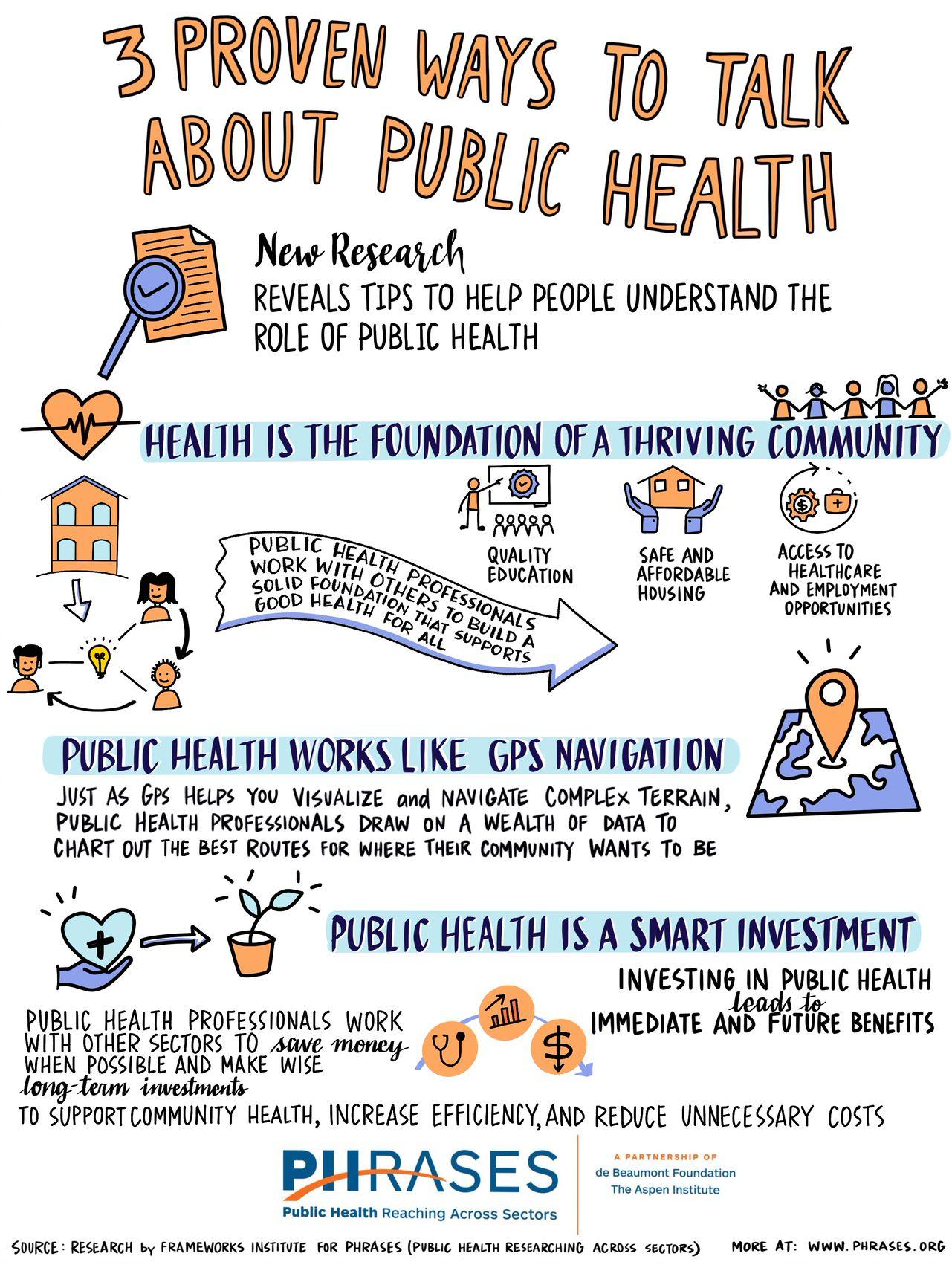
How to Discuss Public Health?

Three Ways to Discuss

By staff reporters

***

THANK YOU

***

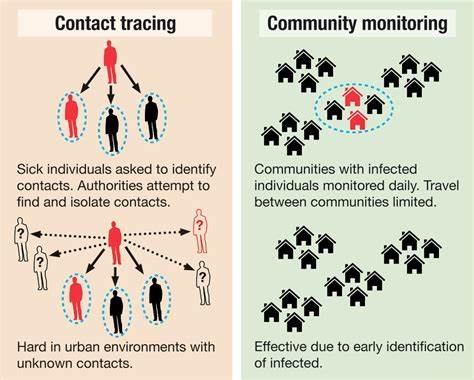
WHAT IS “CONTACT TRACING” IN PUBLIC HEALTH?

WHAT IS “CONTACT TRACING” IN PUBLIC HEALTH?

Courtesy: www.CertifiedMedicalPlanner.org

When a patient tests positive, you make a list of everyone they came in close contact with. Then, you find those people and make sure they self-isolate before infecting others.

That sounds straightforward, but contact tracing a new patient typically takes three days, which is “an insurmountable hurdle in the U.S., with its low numbers of public health workers and tens of thousands of new cases every day.”

ELSEWHERE: South Korea used high-tech contact tracing to tame its outbreak. The government compiled GPS data, credit card swipes, and other info into a public log showing where COVID-19 patients had traveled.

Some countries (including the U.S.) are trying other methods, including looking at smart-phone location data and developing Bluetooth systems that provide warnings if you’ve crossed paths with an infected person.

PROBLEMS: Despite its widespread use in places like Singapore, contact tracing has raised concerns about privacy and governments following citizens’ whereabouts.

***

CT

***

***

PODCAST: https://www.youtube.com/watch?v=hlHCLXv2HQs

PODCAST: https://www.youtube.com/watch?v=CQBO_DHBtzw

And so, Contact Tracing is a term you’ll be hearing a lot more of in the coming weeks.

Assessment: Your thoughts and comments are appreciated.

BUSINESS TEXTS FOR PHYSICIAN-EXECUTIVES AND MEDICAL CXO

1 – https://lnkd.in/eEf-xEH

2 – https://lnkd.in/e2ZmewQ

THANK YOU

Product DetailsProduct DetailsProduct Details

 ***


Immigrant Public Health Practice


IMMIGRANT PUBLIC HEALTH PRACTICE AND JUSTICE

Dear Dr. David E. Marcinko,

This month, AJPH showcases articles on immigrant health, policy and justice.

Visit ajph.org for our latest podcast and these and other articles from our September 2019 issue:

The mission of the journal is to advance public health research, policy, practice and education. Toward that goal, the journal also produces monthly podcasts in English, Spanish and Chinese.

Be on the lookout for more timely research from AJPH, and consider subscribing or becoming an APHA member for full access.

Sincerely,

Alfredo Morabia, MD, PhD

Editor-in-chief, AJPH

@AlfredoMorabia

***

Invite Dr. Marcinko

***

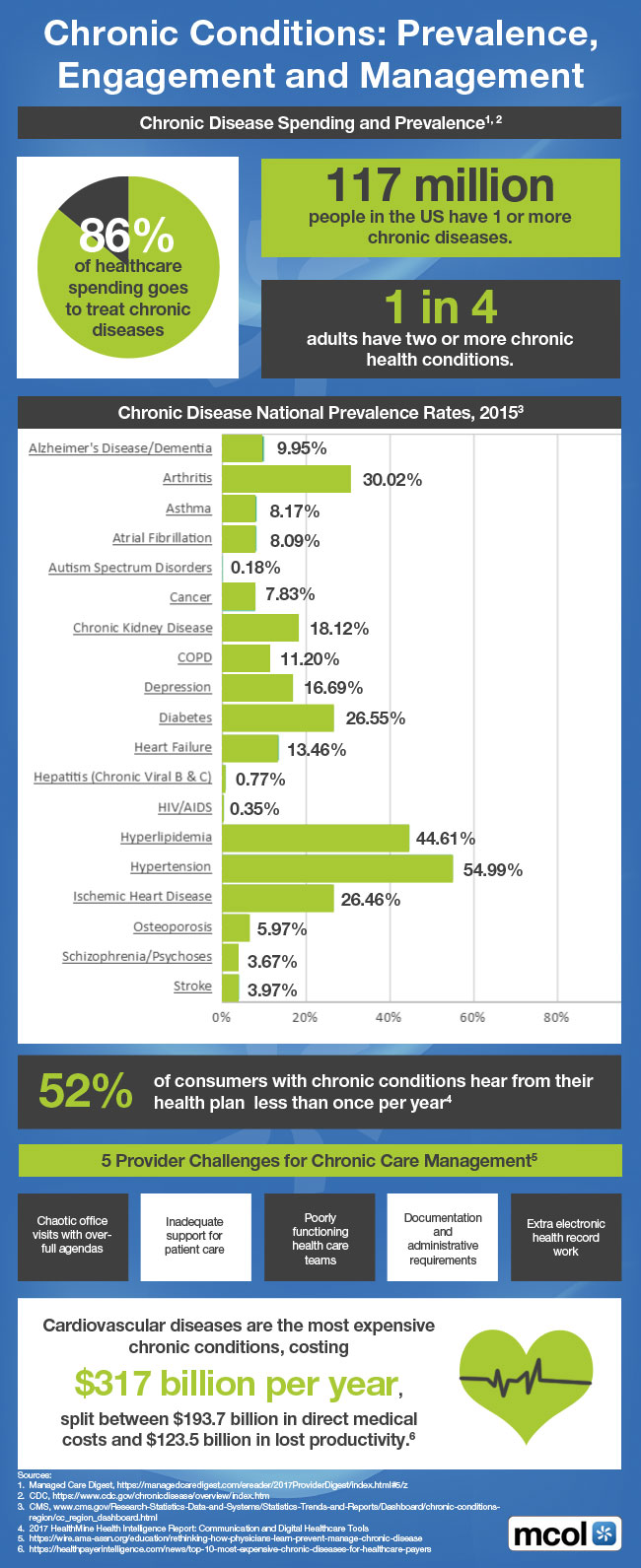
On Chronic Medical Conditions

Prevalence, Engagement and Management

By http://www.MCOL.com

***

***

Conclusion

Your thoughts and comments on this ME-P are appreciated. Feel free to review our top-left column, and top-right sidebar materials, links, URLs and related websites, too. Then, subscribe to the ME-P. It is fast, free and secure.

Speaker: If you need a moderator or speaker for an upcoming event, Dr. David E. Marcinko; MBA – Publisher-in-Chief of the Medical Executive-Post – is available for seminar or speaking engagements. Contact: MarcinkoAdvisors@msn.com

OUR OTHER PRINT BOOKS AND RELATED INFORMATION SOURCES:

Product DetailsProduct Details

***

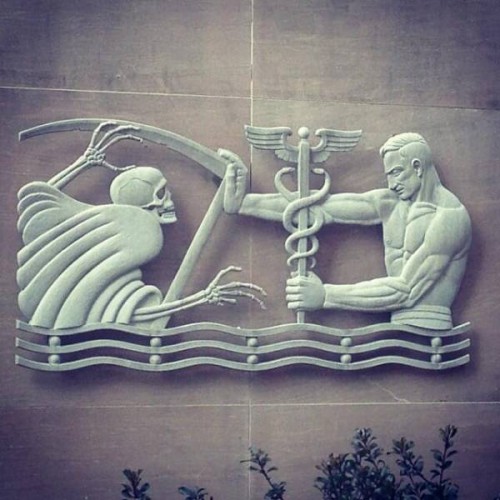
Not Today; DEATH!

Join Our Mailing List

Beware the Ides of March – Public Health

DEMM high-def WhiteBy Dr. David Edward Marcinko MBA CMP®

Welcome, all ME-P readers and subscribers, to the Fulton County Department of Health & Wellness Website, and department, in Atlanta, Georgia.

The interim Director of Health Services is David A. Sarnow, M.D, MPH.

On the site, and in the department itself, you will find information on health topics to keep the community safe from health threats, promoting better health and helping Fulton County, Georgia residents find the health care information they need.

Of course, the others states have similar public health programs. And so, you are welcomed to enjoy the virtual website and explore the physical department – which I bypass almost daily.

***

death

Not Today; DEATH!

***

Margaret Farenger says this is on the side of Fulton County Health Services, Atlanta GA and the artist is Julian Hoke Harris.

Assessment

More information about the Fulton County Georgia Department of Health and Wellness.

Conclusion

Your thoughts and comments on this ME-P are appreciated. Feel free to review our top-left column, and top-right sidebar materials, links, URLs and related websites, too. Then, subscribe to the ME-P. It is fast, free and secure.

Speaker: If you need a moderator or speaker for an upcoming event, Dr. David E. Marcinko; MBA – Publisher-in-Chief of the Medical Executive-Post – is available for seminar or speaking engagements. Contact: MarcinkoAdvisors@msn.com

OUR OTHER PRINT BOOKS AND RELATED INFORMATION SOURCES:

Risk Management, Liability Insurance, and Asset Protection Strategies for Doctors and Advisors: Best Practices from Leading Consultants and Certified Medical Planners™

8Comprehensive Financial Planning Strategies for Doctors and Advisors: Best Practices from Leading Consultants and Certified Medical Planners™

 Harvard Medical School

Boston Children’s Hospital – Psychiatrist

Yale University

***

Invite Dr. Marcinko

***

New AIDS Data in America

Join Our Mailing List

What the Atlanta HIV Data Tells Us About Public Health in America

BY MAITHRI VANGALA

Maithri Vangala is a former editor with The Health Care Blog.

This article was initially published in Georgia Health News.

***

ImageProxy2

National HIV Testing Day

ImageProxy3

By muttermuseum on Instagram

***

More:

Conclusion

Your thoughts and comments on this ME-P are appreciated. Feel free to review our top-left column, and top-right sidebar materials, links, URLs and related websites, too. Then, subscribe to the ME-P. It is fast, free and secure.

Speaker: If you need a moderator or speaker for an upcoming event, Dr. David E. Marcinko; MBA – Publisher-in-Chief of the Medical Executive-Post – is available for seminar or speaking engagements. Contact: MarcinkoAdvisors@msn.com

OUR OTHER PRINT BOOKS AND RELATED INFORMATION SOURCES:

Product DetailsProduct DetailsProduct Details

[Mike Stahl PhD MBA] *** [Foreword Dr.Mata MD CIS] *** [Dr. Getzen PhD]

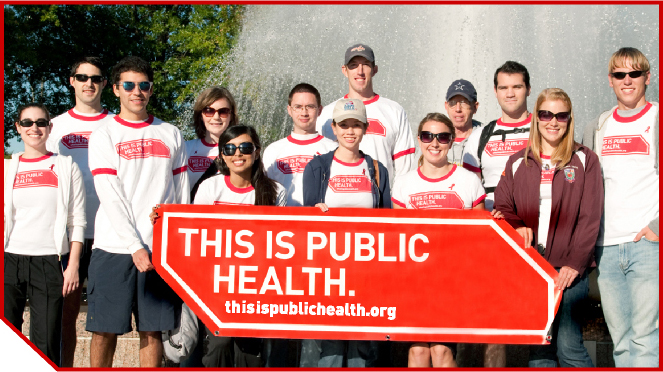
JOIN THE “THIS IS PUBLIC HEALTH” CAMPAIGN

Join Our Mailing List

What it Is – How it Works?

By Dr. David Edward Marcinko MBA

Dr. DEMMost people don’t understand what public health is or how it impacts their daily lives. So, with the Ebola crisis of a few years ago finally reduced, it may be just the right time to review this important specialty.

Referencing Ebola

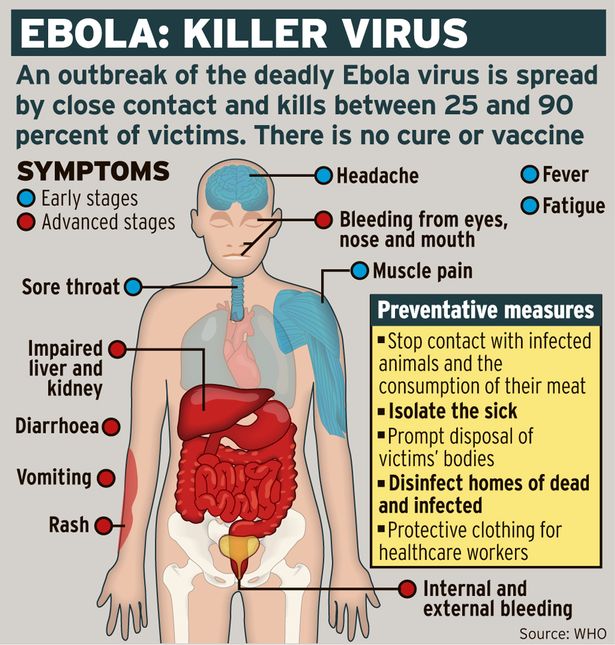
According to Wikipedia, Ebola virus disease (EVD), Ebola hemorrhagic fever (EHF) or simply Ebola is a disease of humans and other mammals caused by ebolavirus. Signs and symptoms typically start between two days and three weeks after contracting the virus, with a fever, sore throat, muscle pain and headaches. Then, vomiting, diarrhea and rash usually follows, along with decreased function of the liver and kidneys. Around this time, infected people may begin to bleed both within the body and externally. Death, if it occurs, is typically six to sixteen days after symptoms appear and is often due to low blood pressure from fluid loss.

The virus is acquired by contact with blood or other body fluids of an infected human or other animal. This may also occur by direct contact with a recently contaminated item. Spread through the air has not been documented in the natural environment. Fruit bats are believed to be the normal carrier in nature, able to spread the virus without being affected. Humans become infected by contact with the bats or a living or dead animal that has been infected by bats. Once human infection occurs, the disease may spread between people as well. Male survivors may be able to transmit the disease via semen for nearly two months. To diagnose EVD, other diseases with similar symptoms such as malaria, cholera and other viral hemorrhagic fevers are first excluded. Blood samples are tested for viral antibodies, viral RNA, or the virus itself to confirm the diagnosis.

Outbreak control requires a coordinated series of medical services, along with a certain level of community engagement. The necessary medical services include rapid detection and contact tracing, quick access to appropriate laboratory services, proper management of those who are infected, and proper disposal of the dead through cremation or burial. Prevention includes decreasing the spread of disease from infected animals to humans. This may be done by only handling potentially infected bush meat while wearing proper protective clothing and by thoroughly cooking it before consumption. It also includes wearing proper protective clothing and washing hands when around a person with the disease. Samples of body fluids and tissues from people with the disease should be handled with special caution.

No specific treatment for the disease is yet available. Efforts to help those who are infected are supportive and include giving either oral rehydration therapy (slightly sweetened and salty water to drink) or intravenous fluids. This supportive care improves outcomes. The disease has a high risk of death, killing between 25% and 90% of those infected with the virus (average is 50%). EVD was first identified in an area of Sudan (now part of South Sudan), as well as in Zaire (now the Democratic Republic of the Congo). The disease typically occurs in outbreaks in tropical regions of sub-Saharan Africa. From 1976 (when it was first identified) through 2013, the World Health Organization reported a total of 1,716 cases. The largest outbreak to date is the ongoing 2014 West African Ebola outbreak, which is currently affecting Guinea, Sierra Leone, and Liberia.

As of 14th October 2014, 9,216 suspected cases resulting in the deaths of 4,555 have been reported. Efforts are under way to develop a vaccine; however, none yet exists.

***

2

***

This Is Public Health

The “This Is Public Health” campaign was designed by ASPPH to let people know that public health affects them on a daily basis and that we are only as healthy as the world we live in. Over 750,000 stickers have been sent around the world to public health students and professionals eager to spread the word about the importance of public health.

Get Started

To start your own campaign,  follow the easy steps below.  Click for campaign ideas. Easy steps to join our campaign: https://thisispublichealth.org/

  1. Request “This Is Public Health” stickers. Please specify how many stickers and a mailing address. You will also be sent an invitation to join our Flickr group.
  2. Place these stickers in strategic locations that highlight examples of public health in action and snap a picture.
  3. Upload your pictures to our Flickr website and geomap them so that others can see where the pictures were taken. Click on the following links for information about the uploading process:


 ****

Body-Home1

Assessment

That’s it! We encourage educational institutions and public health organizations to spread the message about this opportunity.

Conclusion

Your thoughts and comments on this ME-P are appreciated. Feel free to review our top-left column, and top-right sidebar materials, links, URLs and related websites, too. Then, subscribe to the ME-P. It is fast, free and secure.

Speaker: If you need a moderator or speaker for an upcoming event, Dr. David E. Marcinko; MBA – Publisher-in-Chief of the Medical Executive-Post – is available for seminar or speaking engagements. Contact: MarcinkoAdvisors@msn.com

OUR OTHER PRINT BOOKS AND RELATED INFORMATION SOURCES:

Product DetailsProduct DetailsProduct Details

Product DetailsProduct Details

Product DetailsProduct Details

Invite Dr. Marcinko

STD Risk Factors to Consider in Public Health

For Men and Women

Join Our Mailing List 

There are many factors that affect those at risk for contracting an STD. Many times individuals don’t know or understand which things put them at risk of infection. Some STD’s can be transmitted in surprising ways. For those at risk, regular comprehensive testing can help prevent unintended transmissions. Furthermore, early diagnosis of some STD’s can greatly improve treatment options and avoid hassles associated with full blown infection.

Sensitive Topic

This public service announcement may be a sensitive subject for some ME-P readers. So, the graphic below attempts to use a bit of humor to highlight important things to remember for those who are sexually active.

If you’re concerned about STD’s or want to know more, see please your physician or visit the STD Testing page for additional information.

Assessment

Brought to you by www.HealthTestingCenters.com

Conclusion

Your thoughts and comments on this ME-P are appreciated. Feel free to review our top-left column, and top-right sidebar materials, links, URLs and related websites, too. Then, subscribe to the ME-P. It is fast, free and secure.

Link: http://feeds.feedburner.com/HealthcareFinancialsthePostForcxos

Speaker: If you need a moderator or speaker for an upcoming event, Dr. David E. Marcinko; MBA – Publisher-in-Chief of the Medical Executive-Post – is available for seminar or speaking engagements. Contact: MarcinkoAdvisors@msn.com

OUR OTHER PRINT BOOKS AND RELATED INFORMATION SOURCES:

DICTIONARIES: http://www.springerpub.com/Search/marcinko
PHYSICIANS: www.MedicalBusinessAdvisors.com
PRACTICES: www.BusinessofMedicalPractice.com
HOSPITALS: http://www.crcpress.com/product/isbn/9781466558731
CLINICS: http://www.crcpress.com/product/isbn/9781439879900
BLOG: www.MedicalExecutivePost.com
FINANCE: Financial Planning for Physicians and Advisors
INSURANCE: Risk Management and Insurance Strategies for Physicians and Advisors

Product DetailsProduct DetailsProduct Details

Product Details  Product Details

   Product Details 

Alternative Design Options for a Public Health Plan

Join Our Mailing List

New Lewin Group Report Examines Potential Impact

[By Staff Reporters]

April 6, 2009US Capitol

FALLS CHURCH, VA – The Lewin Group released a report titled “The Cost and Coverage Impacts of a Public Plan: Alternative Design Options.” The report examines potential impacts that a “public health plan” might have in competing for enrollment with the private insurance industry.

Healthcare Reform

As ME-P readers are aware, a public plan is currently being considered in a number of health reform proposals being considered by President Obama and the US Congress. This analysis enhances prior work done by The Lewin Group of the major party presidential candidate’s health reform proposals, during the 2008 campaign, as well as more recent analyses of the Congressional plans now being considered. The report estimates the impact on cost and coverage based on different levels of eligibility and reimbursement rates.

Key Findings Review

According to The Health Care Blog writer Robert Laszewski, key study findings include:

  • If Medicare payment levels are used in the public plan, premiums would be up to 30 percent less than premiums for comparable private coverage. On average, the monthly premium in the public plan for a typical benefits package would be $761 per family compared with an average of $970 per family in the private market for the same coverage.
  • If as the President proposed, eligibility is limited to only small employers, individuals and the self-employed, public plan enrollment would reach 42.9 million people. The number of people with private coverage would fall by 32.0 million people. If private payer reimbursement levels are used by the public plan, enrollment would be lower, with only 10.4 million people switching to the public plan from private insurance.
  • If the public plan is opened to all employers as proposed by former Senators Clinton and Edwards, at Medicare payment levels we estimate that about 131.2 million people would enroll in the public plan. The number of people with private health insurance would decline by 119.1 million people. This would be a two-thirds reduction in the number of people with private coverage (currently 170 million people). Here again, if the higher private payer levels are used, enrollment in private insurance would decline by only 12.5 million people.
  • Assuming Medicare reimbursement rates and eligibility for all individuals and employers, provider net income would decline under this public plan proposal, even after accounting for reduced uncompensated care and increased utilization for the newly insured. Net hospital revenues would fall by $36 billion (4.6 percent), and physician net income would fall by $33 billion (6.8 percent). If eligibility is restricted to individuals and small firms, net hospital revenues would actually increase by $11.3 billion due to the increase in newly insured individuals. But net physician incomes would decline by $3.0 billion.

Assessment

Full report: lewin-report

Conclusion

Your thoughts and comments on this ME-P are appreciated. Feel free to review our top-left column, and top-right sidebar materials, links, URLs and related websites, too. Then, subscribe to the ME-P. It is fast, free and secure.

Speaker: If you need a moderator or speaker for an upcoming event, Dr. David E. Marcinko; MBA – Publisher-in-Chief of the Medical Executive-Post – is available for seminar or speaking engagements. Contact: MarcinkoAdvisors@msn.com

OUR OTHER PRINT BOOKS AND RELATED INFORMATION SOURCES:

Product DetailsProduct Details