DOCTORS: Marketing, Advertising, Public Relations, Change and Crisis Management

By Dr. David Edward Marcinko MBA MEd

***

***

GENERAL

Marketing is the business process of identifying, anticipating and satisfying customers’ needs and wants. It is your unique value proposition or strategic competitive advantage. Marketers can direct product to other businesses or directly to consumers. But, we believe it is actually your strategic competitive advantage [SCA] which differentiates yourself from competitors. It is the “moat” around your business.

A Chief Marketing Officer or marketing director is a corporate executive responsible for marketing activities in an organization.  The CMO leads brand management, marketing communications, market research, product management, distribution channel management, pricing, often times sales, and customer service, etc.

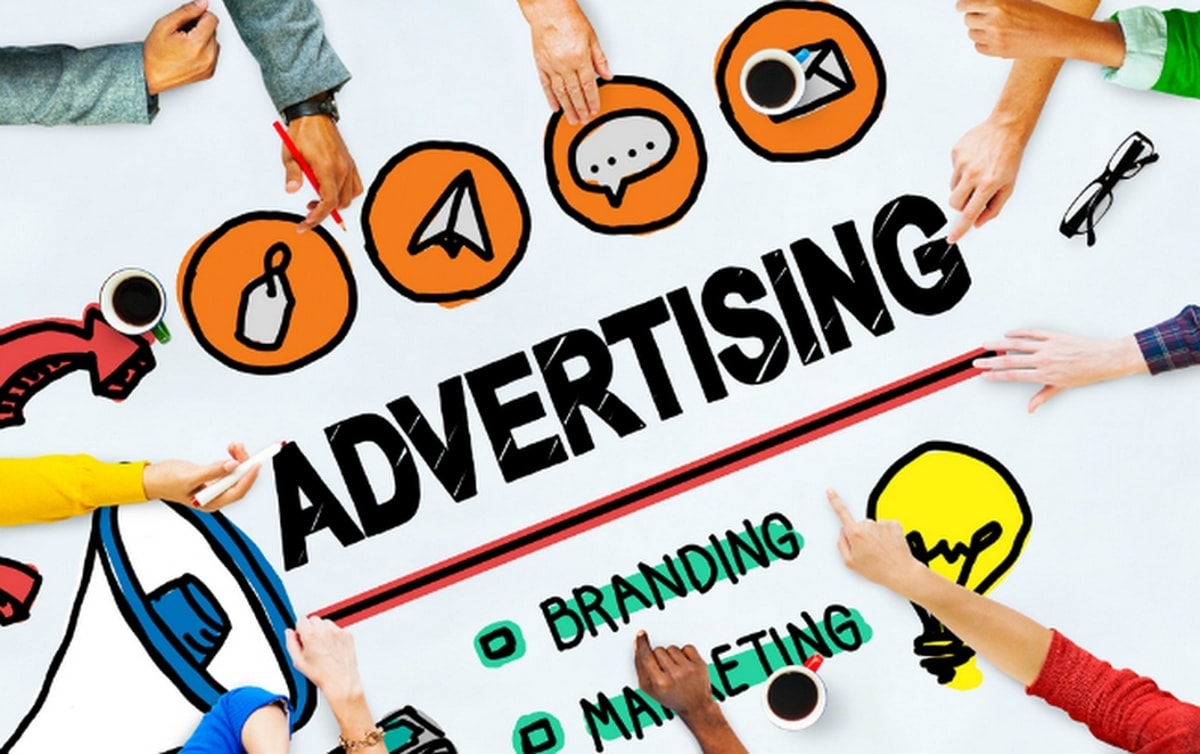
Advertisingis a marketing communication that employs an openly sponsored, non-personal message to promote or sell a product, service or idea. Sponsors of advertising are typically businesses wishing to promote their products or services. Advertising is communicated through various mass media, including traditional media such as newspapers, magazines, television, radio, outdoor advertising or direct mail; and new media such as search results, blogs, social media, websites or text messages. The actual presentation of the message in a medium is referred to as an advertisement, or “ad” or advert for short. Bit, we believe that is simply how you disseminate your strategic competitive advantage [SCM] to potential clients.

Public Relations [PR] is differentiated than advertising from in that an advertiser pays for and has control over the message. It differs from personal selling in that the message is non-personal, i.e., not directed to a particular individual. We pay for advertising but pray for public relations. But public relations are not controllable but it is free, while advertising is not. PR suggests that “good news or bad news”; just spell the name correctly

Sales close the deal and collects money. Sales are activities related to selling or the number of goods or services sold in a given targeted time period. The seller, or the provider of the goods or services, completes a sale in response to an acquisition, appropriation, requisition, or a direct interaction with the buyer at the point of sale. There is a passing of title (property or ownership) of the item, and the settlement of a price, in which agreement is reached on a price for which transfer of ownership of the item will occur. The seller, not the purchaser, typically executes the sale and it may be completed prior to the obligation of payment. In the case of indirect interaction, a person who sells goods or service on behalf of the owner is known as a salesman or saleswoman or salesperson, but this often refers to someone selling goods in a store/shop, in which case other terms are also common, including salesclerk, shop assistant, and retail clerk.

Change Management is the discipline that guides how we prepare, equip and support individuals to successfully adopt change in order to drive organizational success and outcomes.

Crisis Management is the precautions and identification of threats to an organization and its stakeholders, and the methods used by the organization to deal with these threats.

***

***

DOCTORS

Marketing plays a vital role in successful practice ventures. How well you market your practice, along with a few other considerations, will ultimately determine your degree of success or failure. The key element of a successful marketing plan is to know your patients – their likes, dislikes and expectations. By identifying these factors, you can develop a strategy that will allow you to arouse and fulfill their wants and needs. 

The Beginning

Identify your patients by their age, sex, income/educational level and residence. At first, target only those patients who are more likely to want or need your medical services. As your patient base expands, you may need to consider modifying the marketing plan to include other patient types or medical services.

Your marketing plan should be included in your medical business plan and contain answers to the questions asked below:

  • ·Who are your patients; define your target market(s)?
  • ·Are your markets growing; steady; or declining?
  • ·How is the practice unique?
  • ·What is its market position?
  • ·Where will we implement the marketing strategy?
  • ·How much revenue, expense and profit will the practice achieve?
  • ·Are your markets large enough to expand?
  • ·How will you attract, hold, increase your market share?
  • ·If a franchise, how is your market segmented?
  • ·How will you promote your practice and services?

Practice Competition

Competition is a way of life. We compete for jobs, promotions, scholarships to institutions of higher learning, medical school, residency and fellowship programs, and in almost every aspect of our lives. 

When considering these and other factors, we can conclude that medical practice is a highly competitive, volatile arena. Because of this volatility and competitiveness, it is important to know your medical competitors. Questions like these can help you determine:

  • Who are your five nearest direct physician competitors?
  • Who are your indirect physician competitors?
  • How are their practices: steady; increasing; or decreasing?
  • What have you learned from their operations or advertising?
  • What are their strengths and weaknesses?
  • How do their services differ from yours?

Patient Targeting

Patient targeting generally describes the strategic competitive advantage and/or professional synergy that is specific and unique to the practice. Intuitively, it may answers such questions as:

  • Who is the target market?
  • How is the practice unique?
  • What is its market position?
  • Where will we implement the marketing strategy?
  • How much revenue, expense and profit will the practice achieve? 

The science of modern marketing however, is based on intense competition largely derived from the interplay of five forces, codified in the early 1980s, by Professor Michael F. Porter of Harvard Business School. They are placed in this section of the business plan and include the following:

***

***

Power of suppliers: The bargaining power of physicians has weakened markedly in the last managed care decade.  Reasons include demographics, technology, over/under supply and a lack of business acumen. 

Power of buyers: Corporate buyers of employee healthcare are demanding increased quality and decreased premium costs within the entire healthcare industry. The extents to which these conduits succeed in their bargaining efforts depend on several factors:

  • Switching Costs: Notable emotional switching costs include the turmoil caused by uprooting a trusted medical provider relationship.
  • Integration Level: The practitioner must decide early on whether or not he will horizontally integrate as a solo practitioner, or vertically integrate into a bigger medical healthcare complex.
  • Product Importance: Increasingly, HMOs do not often strive to delight their clients and may be responsible for the beginning backlash these entities are starting to experience. Additionally, some medical specialties have more perceived value than others (i.e., neurosurgery v. dermatology)
  •  Concentration:  Insurance companies, not patients, represent buyers that can account for a large portion of practice revenue, thereby bringing about certain concessions.  A danger sign is noted when any particular entity encompasses more than 15-25% of a practice’s revenues.

Threat of new entrants: Some authorities argue that medical schools produce more graduates than needed, inducing a supply side shock. Others suggest that there too many patients? Regardless, this often can be mitigated by practicing in rural or remote locations, away from managed care entities, or in areas with under-served populations.

Current or existing competition: Heightened inter-professional competition has increased the intensity and volume of certain medical services and referrals may be correspondingly with-held.  Rivalry occurs because a competitor acts to improve his standing within the marketplace or to protect its position by reacting to moves made by other specialists.

Substitutions: Examples include: PAs for DOs, nurse practitioners for MDs, technicians for physical therapists, hygienists for dentists, cast technicians for orthopedists, nurse midwives for obstetricians, foot care extenders for podiatrists and even, hospital sanitation workers for medical and surgical care technicians. 

Any strategy to ameliorate these conditions will augment the successful medical business or clinical practice plan. 

COMMENTS APPRECIATED

EDUCATION: Books

SPEAKING: Dr. Marcinko will be speaking and lecturing, signing and opining, teaching and preaching, storming and performing at many locations throughout the USA this year! His tour of witty and serious pontifications may be scheduled on a planned or ad-hoc basis; for public or private meetings and gatherings; formally, informally, or over lunch or dinner. All medical societies, financial advisory firms or Broker-Dealers are encouraged to submit an RFP for speaking engagements: CONTACT: Ann Miller RN MHA at MarcinkoAdvisors@outlook.com -OR- http://www.MarcinkoAssociates.com

Like, Refer and Subscribe

***

***

BLACK FRIDAY: History and Economics

Subscribe to continue reading

Subscribe to get access to the rest of this post and other subscriber-only content.

PUBLIC RELATIONS: In Medicine

By Dr. David Edward Marcinko MBA MEd and Copilot A.I.

***

***

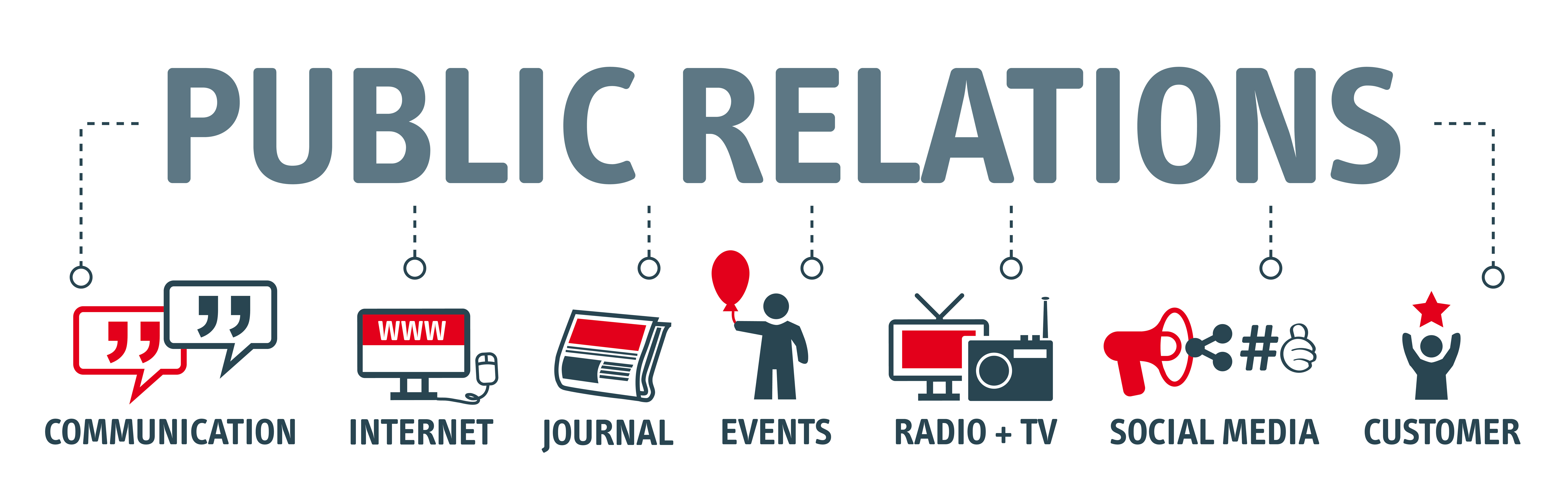
Public relations (PR) in medicine is a specialized field that focuses on managing communication between healthcare organizations, medical professionals, and the public. Unlike traditional marketing, which emphasizes selling services, PR in medicine emphasizes trust, credibility, and education. In a sector where lives and well-being are at stake, effective communication is not optional—it is essential.

1. Building Trust and Reputation

Healthcare institutions rely heavily on public trust. Patients must feel confident in the competence and integrity of hospitals, clinics, and medical professionals. PR strategies such as press releases, community outreach, and media engagement help establish credibility. For example, when hospitals share success stories of medical breakthroughs or highlight patient-centered initiatives, they reinforce their reputation as reliable and compassionate providers.

2. Health Education and Awareness

One of the most important functions of PR in medicine is educating the public. Medical jargon can be complex, and PR professionals translate it into accessible language. Campaigns about preventive care, vaccination, or chronic disease management empower communities to make informed health decisions. By bridging the knowledge gap, PR ensures that medical information is not confined to professionals but reaches the wider population in a clear and actionable way.

3. Crisis Communication

Healthcare organizations often face crises—ranging from disease outbreaks to medical errors. In such moments, PR becomes the frontline defense. Transparent communication, timely updates, and empathy are crucial in maintaining public confidence. For instance, during the COVID-19 pandemic, hospitals and health agencies relied on PR to disseminate accurate information, counter misinformation, and reassure anxious populations. Effective crisis communication can prevent panic and sustain trust even in challenging times.

4. Advocacy and Community Engagement

PR in medicine also involves advocacy for public health policies and community engagement. Hospitals and medical associations often use PR campaigns to support initiatives such as mental health awareness, anti-smoking drives, or nutrition education. By engaging with communities through events, seminars, and social media, healthcare organizations position themselves as partners in public well-being rather than distant institutions.

5. Digital Transformation in Medical PR

The rise of digital media has transformed healthcare PR. Social media platforms, blogs, and online forums allow medical institutions to communicate directly with patients. This immediacy enhances transparency but also requires careful management to avoid misinformation. Digital PR strategies now include online reputation management, patient testimonials, and interactive health campaigns. In this way, PR adapts to modern communication channels while maintaining its core mission of trust and education.

6. Ethical Responsibility

Unlike other industries, PR in medicine carries a profound ethical responsibility. Misleading information can have life-threatening consequences. Therefore, PR professionals in healthcare must prioritize accuracy, sensitivity, and compassion. Their role is not only to protect the image of institutions but also to safeguard public health.

Conclusion

Public relations in medicine is more than a communication tool—it is a bridge between science and society. By fostering trust, educating communities, managing crises, and advocating for health, PR ensures that medical institutions remain credible and compassionate. In an era of rapid medical advancements and global health challenges, the importance of PR in medicine continues to grow, making it an indispensable part of modern healthcare.

COMMENTS APPRECIATED

EDUCATION: Books

SPEAKING: Dr. Marcinko will be speaking and lecturing, signing and opining, teaching and preaching, storming and performing at many locations throughout the USA this year! His tour of witty and serious pontifications may be scheduled on a planned or ad-hoc basis; for public or private meetings and gatherings; formally, informally, or over lunch or dinner. All medical societies, financial advisory firms or Broker-Dealers are encouraged to submit an RFP for speaking engagements: CONTACT: Ann Miller RN MHA at MarcinkoAdvisors@outlook.com 

Like, Refer and Subscribe

***

***

MEDICAL PRACTICE MARKETING: Strategies for Success

By Dr. David Edward Marcinko MBA MEd

***

***

In today’s competitive healthcare landscape, effective marketing is essential for the growth and sustainability of a medical practice. Gone are the days when word-of-mouth alone could sustain a clinic. Patients now seek providers who not only offer excellent care but also communicate their value clearly and consistently. Strategic marketing helps medical practices attract new patients, retain existing ones, and build a strong reputation in the community.

🎯 Understanding the Target Audience

The foundation of any successful marketing strategy is a deep understanding of the target audience. Medical practices must identify the demographics, needs, and preferences of their ideal patients. For example, a pediatric clinic will focus on parents, while a dermatology practice may target young adults concerned with skin health. Tailoring messages to resonate with these groups ensures that marketing efforts are relevant and effective.

🌐 Building a Strong Online Presence

In the digital age, a robust online presence is non-negotiable. A professional, user-friendly website serves as the virtual front door of the practice. It should include essential information such as services offered, provider bios, contact details, and online appointment scheduling. Search engine optimization (SEO) ensures the site ranks well on Google, making it easier for potential patients to find the practice.

Social media platforms like Facebook, Instagram, and LinkedIn offer additional avenues to engage with the community. Regular posts about health tips, staff spotlights, and patient testimonials humanize the practice and foster trust. Paid advertising on these platforms can also target specific demographics, increasing visibility and driving traffic to the website.

🗣️ Leveraging Patient Reviews and Testimonials

Online reviews are a powerful form of social proof. Encouraging satisfied patients to leave positive feedback on platforms like Google, Yelp, and Healthgrades can significantly influence prospective patients. Testimonials can also be featured on the practice’s website and social media channels. Responding to reviews—both positive and negative—demonstrates attentiveness and a commitment to patient satisfaction.

📬 Utilizing Email and Content Marketing

Email marketing remains a cost-effective way to stay connected with patients. Monthly newsletters can include health tips, updates on services, and reminders for annual checkups or vaccinations. Content marketing, such as blog posts and educational videos, positions the practice as a trusted authority in healthcare. This not only boosts SEO but also builds credibility and patient loyalty.

***

***

🤝 Community Engagement and Partnerships

Participating in local events, offering free health screenings, or partnering with schools and businesses can enhance visibility and goodwill. These efforts show that the practice is invested in the well-being of the community, which can translate into increased patient referrals and long-term relationships.

📊 Measuring Success

Finally, tracking the performance of marketing campaigns is crucial. Metrics such as website traffic, appointment bookings, social media engagement, and patient acquisition rates provide insights into what’s working and what needs adjustment. Regular analysis ensures that marketing efforts remain aligned with business goals.

Marketing a medical practice requires a thoughtful blend of digital tools, patient engagement, and community outreach. When done right, it not only drives growth but also reinforces the practice’s mission to provide compassionate, high-quality care.

COMMENTS APPRECIATED

EDUCATION: Books

SPEAKING: Dr. Marcinko will be speaking and lecturing, signing and opining, teaching and preaching, storming and performing at many locations throughout the USA this year! His tour of witty and serious pontifications may be scheduled on a planned or ad-hoc basis; for public or private meetings and gatherings; formally, informally, or over lunch or dinner. All medical societies, financial advisory firms or Broker-Dealers are encouraged to submit an RFP for speaking engagements: CONTACT: Ann Miller RN MHA at MarcinkoAdvisors@outlook.com -OR- http://www.MarcinkoAssociates.com

Like, Refer and Subscribe

***

***

FINANCIAL PLANNERS: Part Time Employment Difficulties

By Staff Reporters

SPONSOR: http://www.CertifiedMedicalPlanner.org

***

***

Why It Is Difficult to Be a Part-Time Financial Planner Today

In theory, part-time financial planning offers flexibility and work-life balance, making it an attractive option for professionals seeking reduced hours. However, in practice, the role of a financial planner has evolved into a demanding, full-time commitment. The complexity of financial markets, client expectations, regulatory requirements, and technological advancements make part-time financial planning increasingly difficult to sustain.

One of the primary challenges is client relationship management. Financial planning is deeply personal and trust-based. Clients expect consistent communication, timely updates, and proactive advice. A part-time planner may struggle to maintain the same level of responsiveness as full-time counterparts, especially during volatile market conditions or life-changing events like retirement, divorce, or inheritance. Delayed responses or limited availability can erode client confidence and damage long-term relationships.

***

***

Another obstacle is the rapid pace of financial change. Tax laws, investment products, insurance regulations, and retirement planning strategies are constantly evolving. Staying current requires ongoing education, certifications, and industry engagement. For part-time planners, keeping up with these changes while managing clients and administrative tasks can be overwhelming. Falling behind risks offering outdated or suboptimal advice, which could lead to compliance issues or client dissatisfaction.

Regulatory compliance adds another layer of complexity. Financial planners must adhere to strict standards set by organizations like FINRA, the SEC, and state regulators. These include documentation, disclosures, fiduciary responsibilities, and continuing education. Compliance is non-negotiable and time-consuming, regardless of hours worked. Part-time planners face the same scrutiny and liability as full-time professionals, but with fewer hours to manage the workload.

Technology, while a powerful tool, also presents challenges. Clients increasingly expect digital access to their portfolios, real-time updates, and virtual meetings. Managing these platforms requires technical proficiency and regular maintenance. Part-time planners may find it difficult to keep systems updated, troubleshoot issues, or provide tech support, especially if they lack dedicated staff.

Business development is another hurdle. Building and maintaining a client base requires networking, marketing, and referrals. Part-time planners often have limited time to attend events, follow up with leads, or cultivate relationships. This can hinder growth and make it difficult to compete with full-time advisors who are more visible and accessible.

Finally, there’s the issue of income and scalability. Many financial planners earn through commissions, assets under management (AUM), or fee-based models. Part-time work often means fewer clients and lower revenue, which can make it hard to justify the costs of licensing, insurance, software, and office space. Without scale, profitability becomes a challenge.

In conclusion, while the idea of part-time financial planning may seem appealing, the realities of the profession make it difficult to execute effectively. The demands of client care, compliance, education, and business development require consistent attention and availability. Unless the industry adapts to support flexible models, part-time financial planners will continue to face significant barriers to success.

COMMENTS APPRECIATED

EDUCATION: Books

SPEAKING: ME-P Editor Dr. David Edward Marcinko MBA MEd will be speaking and lecturing, signing and opining, teaching and preaching, storming and performing at many locations throughout the USA this year! His tour of witty and serious pontifications may be scheduled on a planned or ad-hoc basis; for public or private meetings and gatherings; formally, informally, or over lunch or dinner. All medical societies, financial advisory firms or Broker-Dealers are encouraged to submit an RFP for speaking engagements: CONTACT: Ann Miller RN MHA at MarcinkoAdvisors@outlook.com -OR- http://www.MarcinkoAssociates.com

Like, Refer and Subscribe

***

***

The Importance of Public Relations in Healthcare

By Dr. David Edward Marcinko MBA MEd CMP

SPONSOR: http://www.CertifiedMedicalPlanner.org

***

***

Public Relations [PR] is differentiated than advertising in that an advertiser pays for and has control over the message. It differs from personal selling in that the message is non-personal, i.e., not directed to a particular individual patient. We pay for advertising but pray for public relations. Public relations are not controllable but it is free; advertising is not free. PR suggests that “good news or bad news”; just spell the doctors name correctly

Change Management is the discipline that guides how we prepare, equip and support individuals to successfully adopt to change in order to drive organizational success and outcomes.

For example, a senior doctor may retire, become ill, or a junior associate might become a practice partner. How will patients be affected?

Crisis Management is the precautions and identification of threats to an organization and its stakeholders, and the methods used by the organization to deal with these threats.

For example, recall in 1982, that Tylenol™ commanded 35 percent of the over-the-counter analgesic market in America and it represented nearly 17 percent of Johnson & Johnson’s profits. But, when seven people died from consuming the tainted drug, a national panic ensued. Moreover, Americans started to question the safety of all over-the-counter medications.

Fortunately, J&J commenced the proto-typical positive crisis response in the following way:

  • J&J acted quickly, with complete candidness about what happened and within hours of learning of the deaths, J&J installed toll-free numbers for consumers, sent alerts to healthcare providers nationwide, and stopped advertising the product. J&J recalled 31 million bottles of Tylenol™ capsules and offered replacement products free of charge. J&J did not wait for evidence to see whether the contamination might be more widespread.
  • J&J’s leadership was in the lead and seemed in full control throughout the crisis. The chairman was admired for his leadership to pull Tylenol™ capsules off the market and his forthrightness in dealing with the media. The Tylenol™ crisis led the news every night on every station for six weeks.
  • J&J placed consumers first. J&J spent more than $100 million for the recall and re-launch of Tylenol™. The stock which had been trading near a 52-week high just before the tragedy, dropped for a time, but recovered to its highs only two months later.
  • J&J accepted responsibility. The disaster could have been described in many different ways: as an assault on the company, as a problem somewhere in the process of getting Tylenol™ from J&J factories to retail stores, or as the acts of a crazed criminal. Yet, the company accepted full responsibility.
  • J&J sought to ensure that measures were taken to prevent a recurrence of the problem. J&J introduced tamper-proof packaging that would make it much more difficult for a similar incident to occur in the future.
  • J&J presented itself prepared to handle the short-term damage in the name of consumer safety. Within a year of the disaster, J&J’s share of the analgesic market, which had fallen to 7 percent from 37 percent following the poisoning, had climbed back to 30 percent.

This wildly successful response in now the stuff of graduate and business school case models for excellence in teaching!

PRM stands for Patient Relationship Management, which is a system for managing all interactions with current and potential patients, families, friends, referring physicians, clinics and hospitals. The goal is simple: improve relationships to grow your medical practice. PRM technology helps medical practices and clinics stay connected to patients, streamline processes, and improve profitability.

When people talk about PRM, they’re usually referring to a PRM system: software that helps track each interaction with a patient or elated others. That can include practice sales calls, treatment or service plans, marketing e-mails, website, social media and more. PRM tools can unify patient and practice data from many sources and even use Artificial Intelligence [AI] to help better manage relationships across the entire doctor– patient lifecycle – spanning departments described elsewhere in the Marketing, Advertising and Sales ME-Ps.

EDUCATION: Books

SPEAKING: Dr. Marcinko will be speaking and lecturing, signing and opining, teaching and preaching, storming and performing at many locations throughout the USA this year! His tour of witty and serious pontifications may be scheduled on a planned or ad-hoc basis; for public or private meetings and gatherings; formally, informally, or over lunch or dinner. All medical societies, financial advisory firms or Broker-Dealers are encouraged to submit an RFP for speaking engagements: CONTACT: Ann Miller RN MHA at MarcinkoAdvisors@outlook.com 

References:

1. Purcarea, Victor: The impact of marketing strategies in healthcare systems.  J. Med Life. 2019 Apr-Jun;12(2):93–96. doi: 10.25122/jml-2019-1003

READINGS:

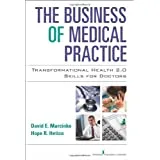
Marcinko, DE and Hetico, HR: The Business of Medical Practice [3rd Edition]. Springer Publishing, New York, 2010.

Marcinko, DE and Hetico, HR: Hospitals & Healthcare Organizations [Management Strategies, Operational Techniques, Tools, Templates and Case Studies].  Productivity Press, New York, 2012.

Marcinko, DE and Hetico, HR: Financial Management Strategies for Hospitals and Healthcare Organizations [Tools, Techniques, Checklists and Case Studies]. Productivity Press, New York, 2012.

COMMENTS APPRECIATED

Like and Subscribe

***

PSYCHOLOGICAL BIAS: The Ikea Effect in Finance?

By Dr. David Edward Marcinko; MBA MEd CMP

SPONSOR: http://www.CertifiedMedicalPlanner.org

***

***

IKEA EFFECT BIAS

Ikea Effect Bias describes the tendency of people to place a higher value on products they have partially created or assembled themselves. This phenomenon is named after the Swedish furniture retailer Ikea, known for selling furniture in flat-pack kits that customers must assemble at home.

he IKEA effect was identified and named by Michael Norton of Harvard Business School, Daniel Mochon of Yale University and colleague Dan Ariely PhD of Duke University, who published the results of three studies in 2011. They described the IKEA effect as “labor alone can be sufficient to induce greater liking for the fruits of one’s labor: even constructing a standardized bureau, an arduous, solitary task, can lead people to overvalue their (often poorly constructed) creations.”

Example: A prospect is more likely to pursue his/her own financial plan than that one from an informed financial planner, CPA or professional advisor.

2011 study found that subjects were willing to pay 63% more for furniture they had assembled themselves than for equivalent pre-assembled items.

IN FINANCE AND INVESTING

The IKEA effect can contribute to reducing panic selling. Investors typically reduce their stock market exposure after a financial crash which often results in “buy high, sell low” strategy that is detrimental to long-run wealth accumulation.

Ashtiani et al.’s study proposes a nudge utilizing the IKEA effect to counteract this phenomenon: “actively involving investors in the selection process of the risky investments, while restricting their selections in a way that preserves a large degree of diversification.”

DIVERSIFICATION: https://medicalexecutivepost.com/2025/06/17/correlation-diversification-in-finance-and-investments/

COMMENTS APPRECIATED

EDUCATION: Books

SPEAKING: Dr. Marcinko will be speaking and lecturing, signing and opining, teaching and preaching, storming and performing at many locations throughout the USA this year! His tour of witty and serious pontifications may be scheduled on a planned or ad-hoc basis; for public or private meetings and gatherings; formally, informally, or over lunch or dinner. All medical societies, financial advisory firms or Broker-Dealers are encouraged to submit an RFP for speaking engagements: CONTACT: Ann Miller RN MHA at MarcinkoAdvisors@outlook.com -OR- http://www.MarcinkoAssociates.com

***

Like, Refer and Subscribe

***

***

RFID: Defined for Hospital Inventory Tracking

A Supply Chain Management Strategy

By Staff Reporters

***

***

RADIO FREQUENCY IDENTIFICATION

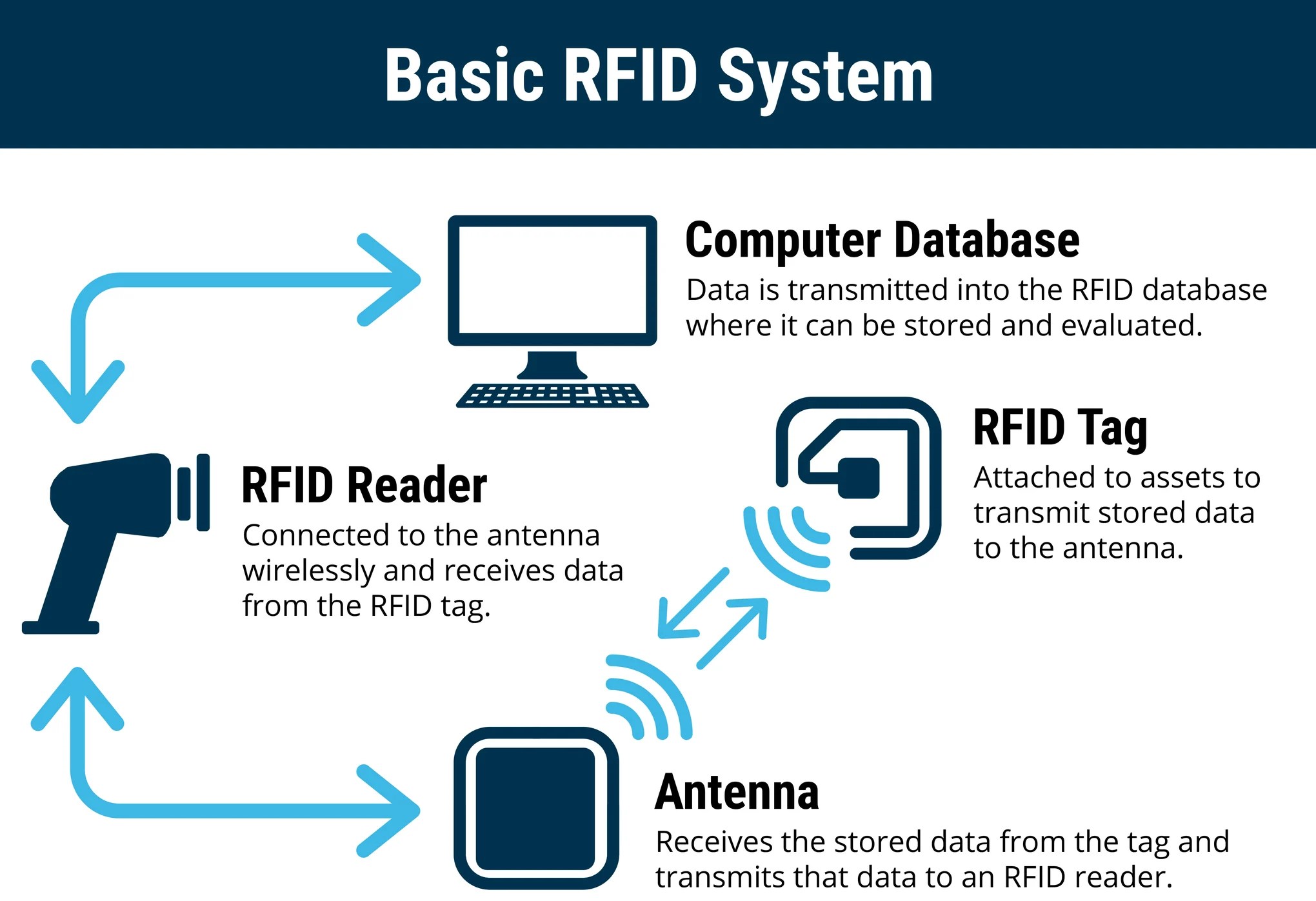
RFID refers to a device attached to an object that transmits data to an RFID receiver. A device can be a large piece of hospital hardware the size of a small book like those attached to ocean containers, or a very small device inserted into a label on a package. RFID has advantages over bar codes such as the ability to hold more data, and to change the stored data as processing occurs. Moreover, it does not require line-of-sight to transfer data, and is very effective in harsh environments where bar-code labels will not work. RFID is not without its own problems, however, as RF signals can be compromised by materials such as metals and liquids.

SCM: https://medicalexecutivepost.com/2011/06/09/supply-chain-management-in-healthcare/

Although RFID technology is receiving much current attention, it still tends to be cost-prohibitive for some hospital inventory tracking applications. As chip prices go down, there will be continued growth in the application of RFID, but, as in the case of 2D bar codes, many hospital warehouse applications simply do not require this added functionality. The low-cost 1D bar code may continue to be the technology of choice for many hospital inventory tracking applications in the short term.

Smart labels are labels with integrated RFID chips. The idea is to produce labels (probably with bar codes) as well as programming the RFID chips embedded in the label. This would provide all current functionality (human- and machine-readable text and bar codes) as well as adding RFID functionality.

Slap-and-ship describes an approach to complying with vendor requirements for physical identification of shipped goods. More recently, slap-and-ship has been used to describe complying With RFID requirements (such as those from large health care systems); however, it is also applicable to any compliance labeling requirement (such as compliance bar-code labels). Slap-and-ship implies meeting the customer’s requirement by applying the bar-code labels or RFID tags, but not utilizing the technology internally.

SCM PODCAST: https://medicalexecutivepost.com/2022/03/16/podcast-medical-supply-chain-management/

Finally, anti-skimming bills were first approved by California and Washington State relative to RFID privacy and are focused on making it illegal for criminals or businesses (or criminal businesses) to read and use personal information from RFID-enabled items such as driver’s licenses and credit cards without the owner’s consent.

COMMENTS APPRECIATED

Like and Subscribe

***

***

BRAND MANAGEMENT: 7 Approaches For Doctors and Financial Advisors

By A.I.

***

***

Any extensive analysis of numerous papers published on brand management leads to the seven approaches mentioned below. This included 300+ articles from Journal of Marketing, Journal of Marketing Research, Journal of Consumer Research, Harvard Business Review and European Journal of Marketing.

So, it can be safe to claim that no matter which framework or model one follows it must have originated via one of the seven approaches listed below.

The Seven Branding Approaches are:

  • The economic approach: the brand as part of the traditional marketing mix.
  • The identity approach: the brand as linked to corporate identity.
  • The consumer-based approach: the brand as linked to consumer associations.
  • The personality approach: the brand as a human-like character.
  • The relational approach: the brand as a viable relationship partner.
  • The community approach: the brand as the pivotal point of social interaction.
  • The cultural approach: the brand as part of the broader cultural fabric.

There are multiple theories and model to be followed in the area of brand management with their own school of thought and have been proven to work.

These include the Aaker’s brand identity model, Kapferer’s brand prism or Keller’s customer-based brand equity pyramid. All of them will enhance the brand equity of the product or service but may have evolved from different school of thoughts. Though everyone talks about the different models, rarely we find text on the school of thought rather then the actual model in practice.

***

***

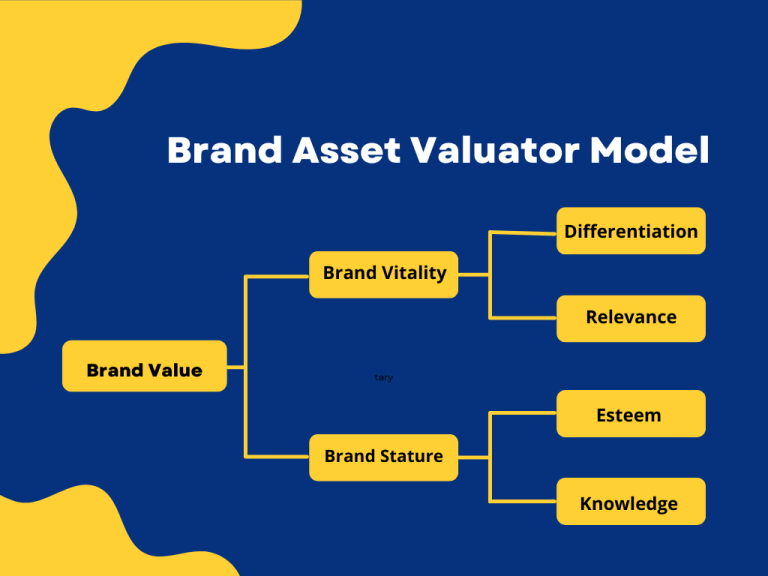
And, you will find the Brand Asset Valuator Model in many books but you might never come to know the author’s perspective.

COMMENTS APPRECIATED

Like and Subscribe

***

DOCTOR BRANDING STRATEGIES: Exploring 9 [NINE] Different Types

By A.I.

***

***

Medical doctors, dentists, and podiatrists have to undergo extensive training before they can practice medicine independently. Once they receive training, there are opportunities to increase pay and prestige in the medical field through a series of promotions. As a doctor, how much training, experience and skills you have can determine your ability to move upward in these levels. But, personal branding strategies may even be more vital in today’s social media age?

***

Physician, medical and healthcare branding is more than just the creation of logos, taglines, or specific brand messaging. It’s about creating a meaningful connection between your mission, vision and values and the people served – from patients and their families to local and global communities.

While there are many different types of branding strategies in marketing science, they all share key elements that serve as the foundation for the strategy. These 9 elements for all physicians and medical professionals include the following:

  1. Brand purpose: The reason the physician is in practice and what he/she is trying to achieve.
  2. Brand vision: The ideas and goals behind the dentist which serve as inspiration for practice growth.
  3. Brand values: The osteopaths beliefs and what they stand for.
  4. Target audience: The demographic(s) and patient targets that the podiatrist is aiming to reach.
  5. Market analysis: An analysis of the marketplace that identifies gaps where the chiropractor has an opportunity to position him/her self based on a unique value proposition.
  6. Awareness goals: The initiatives the doctor will take in order to reach a target market patient demographic.
  7. Brand personality: The human-like attributes of the physician that will help build relationships with patients, consumers and other physicians and practitioners.
  8. Brand voice: The language and tone the doctor uses to communicate with patients, physicians and consumers.
  9. Brand tagline: A memorable slogan that sums up the physician and their medical offering in a few choice words.

And so, physician branding is the development of a easily recognizable identity for a medical practice, clinic or healthcare organization that helps to shape perception by current and prospective patients and the wider world.

COMMENTS APPRECIATED

Like and Subscribe

***

BRANDS & BRAND MANAGEMENT: Defined and Explored for Doctors and Advisors

By A.I.

SPONSOR: http://www.CertifiedMedicalPlanner.org

***

***

What Is a Marketing Brand

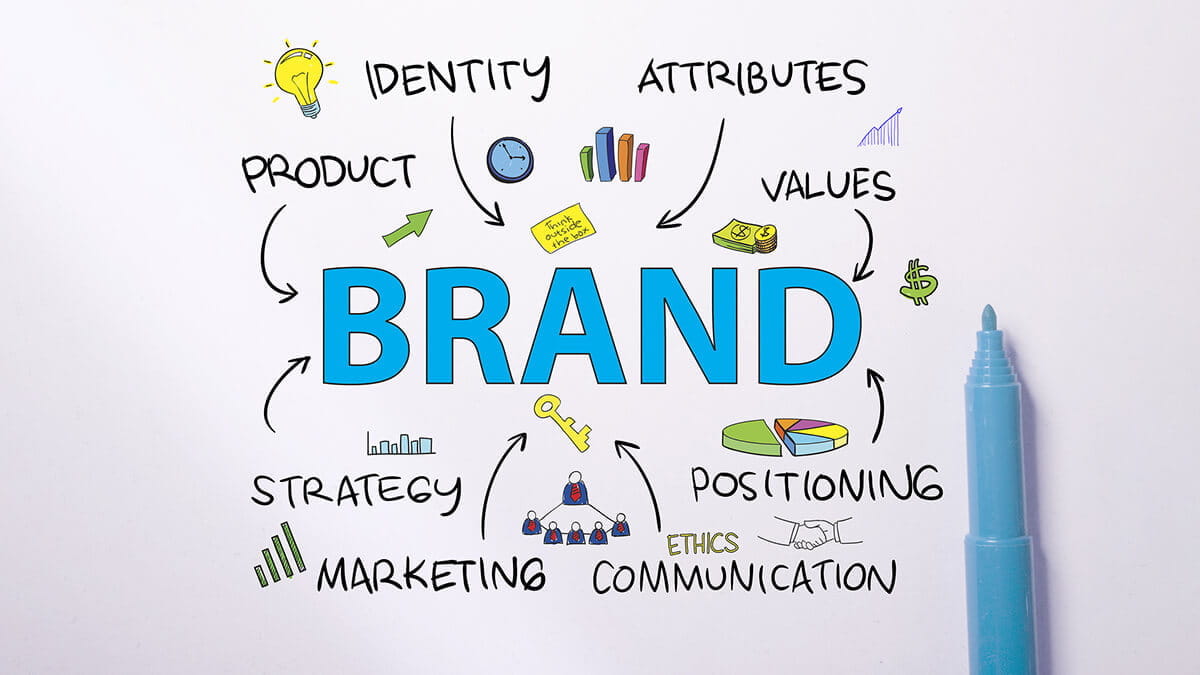
A brand is a name, term, design, symbol or any other feature that distinguishes one seller’s goods or service from those of other sellers. Brands are used in business, marketing and advertising for recognition and, importantly, to create and store value as brand equity for the object identified, to the benefit of the brand’s clients, patients, customers, its owners and shareholders. Brand names are sometimes distinguished from generic or store brands.

BRANDING: https://medicalexecutivepost.com/2023/02/02/podcast-personal-branding-for-doctors/

What is Brand Management?

Brand management, also known as Marketing, is responsible for the overall management of a brand. This includes everything from product or service development and marketing to advertising and public relations. All of these aspects work together to create a particular image or reputation for a brand. The goal of brand management is to create a robust and positive reputation for a brand that will result in increased sales and market share.This process helps companies create a unique identity for their products or services in the marketplace. A successful brand management strategy can build client, patient and customer loyalty .

BRANDS: https://medicalexecutivepost.com/2021/06/03/physician-branding-post-pandemic/

Branding is essential for financial advisors, doctors and businesses because it involves creating a unique identity for a company’s products, offerings and services. It can also help build customer, client and patient loyalty and emotionally connect with the practitioner. Branding can be complex, but it is essential to understand the basics before starting a brand strategy.

Thus, doctors, podiatrists, dentists, CPAs, insurance agents, financial advisors and their practices need to understand the different aspects of branding and brand management to create a strong brand identity.

SELF BRANDING: https://medicalexecutivepost.com/wp-content/uploads/2011/03/leadership-self-branding-marcinko.pdf

EDUCATION: Books

COMMENTS APPRECIATED

Like and Subscribe

***

DOCTORS: Marketing, Advertising & Sales

Subscribe to continue reading

Subscribe to get access to the rest of this post and other subscriber-only content.

CRISIS MANAGEMENT: Definition with Big Pharma Example

***

***

By Dr. David Edward Marcinko MBA MED CMP

SPONSOR: wwwCertifiedMedicalPlanner.org

***

Crisis Management is the precautions and identification of threats to an organization and its stakeholders, and the methods used by the organization to deal with these threats.

For example, recall in 1982, that Tylenol™ commanded 35 percent of the over-the-counter analgesic market in America and it represented nearly 17 percent of Johnson & Johnson’s profits. But, when seven people died from consuming the tainted drug, a national panic ensued. Moreover, Americans started to question the safety of all over-the-counter medications.

Fortunately, J&J commenced the proto-typical good crisis response in the following way:

  • J&J acted quickly, with complete candidness about what happened and within hours of learning of the deaths, J&J installed toll-free numbers for consumers, sent alerts to healthcare providers nationwide, and stopped advertising the product. J&J recalled 31 million bottles of Tylenol™ capsules and offered replacement products free of charge. J&J did not wait for evidence to see whether the contamination might be more widespread.
  • J&J’s leadership was in the lead and seemed in full control throughout the crisis. The chairman was admired for his leadership to pull Tylenol™ capsules off the market and his forthrightness in dealing with the media. The Tylenol™ crisis led the news every night on every station for six weeks.
  • J&J placed consumers first. J&J spent more than $100 million for the recall and re-launch of Tylenol™. The stock had been trading near a 52-week high just before the tragedy, dropped for a time, but recovered to its highs only two months later.
  • J&J accepted responsibility. The disaster could have been described in many different ways: as an assault on the company, as a problem somewhere in the process of getting Tylenol™ from J&J factories to retail stores, or as the acts of a crazed criminal.
  • J&J sought to ensure that measures were taken to prevent a recurrence of the problem. J&J introduced tamper-proof packaging that would make it much more difficult for a similar incident to occur in the future.
  • J&J presented itself prepared to handle the short-term damage in the name of consumer safety. Within a year of the disaster, J&J’s share of the analgesic market, which had fallen to 7 percent from 37 percent following the poisoning, had climbed back to 30 percent.

This wildly successful response in now the stuff of graduate and business school case models for excellence in teaching!

EDUCATION: Books

SPEAKING: Dr. Marcinko will be speaking and lecturing, signing and opining, teaching and preaching, storming and performing at many locations throughout the USA this year! His tour of witty and serious pontifications may be scheduled on a planned or ad-hoc basis; for public or private meetings and gatherings; formally, informally, or over lunch or dinner. All medical societies, financial advisory firms or Broker-Dealers are encouraged to submit a RFP for speaking engagements: MarcinkoAdvisors@outlook.com 

COMMENTS APPRECIATED

Like, Subscribe and Refer

***

***

FINANCIAL ADVISORS: Usually Aren’t Millionaires

THE TRUTH MUST BE TOLD!

By Dr. David Edward Marcinko MBA MEd CMP

http://www.MarcinkoAssociates.com

***

***

Financial Advisors and Financial Planners Usually Aren’t Millionaires

According to the most recent data from the Bureau of Labor Statistics (BLS), financial advisors had a median annual salary of $99,580 in 2023, which is significantly higher than the national average of $65,470. Of course, salaries of financial advisors can differ significantly by their location and level of expertise. The client’s profile may also have an impact on their compensation. But, many are not rich.

REPLACE FINANCIAL PLANNERS: https://medicalexecutivepost.com/2023/03/15/why-your-financial-planner-may-be-replaced/

This is unfortunate. Financial advisors and Financial planners don’t rank among the millionaire professions in Thomas J. Stanley and William D. Danko’s book The Millionaire Next Door. Many work as salaried employees rather than entrepreneurs, lacking the scalable income potential of business owners who reinvest profits.

Certified Medical Planner: https://medicalexecutivepost.com/2024/12/17/certified-medical-planner-niche-advisors-thrive/

Stanley and Danko also stressed frugality, a challenge for advisors pressured to flaunt success—think luxury cars or upscale offices—making them “income-statement affluent” rather than “balance-sheet affluent.”

BEST DOG FINANCIAL ADVISOR: https://medicalexecutivepost.com/2025/03/23/dog-nearly-fetches-prestigious-financial-advisor-honor/

CONCLUSION

The truth is that a Financial Advisors’ success isn’t measured in client returns. Instead it is measured in their ability to gather assets and retain clients. In other words; Financial Advisors do not need to be good with money.

Financial Advisors need to be good with marketing, advertising, sales and people.

COMMENTS APPRECIATED

Like and Subscribe

***

***

EDUCATION: Books

SPEAKING: Dr. Marcinko will be speaking and lecturing, signing and opining, teaching and preaching, storming and performing at many locations throughout the USA this year! His tour of witty and serious pontifications may be scheduled on a planned or ad-hoc basis; for public or private meetings and gatherings; formally, informally, or over lunch or dinner. All medical societies, financial advisory firms or Broker-Dealers are encouraged to submit a RFP for speaking engagements: MarcinkoAdvisors@outlook.com 

***

MARKETING, ADVERTISING & SALES: Public Relations, Change and Crisis Management

THE BASICS FOR FOR PHYSICIANS, INSURANCE AGENTS AND FINANCIAL ADVISORS

By Staff Reporters

SPONSOR: http://www.CertifiedMedicalPlanner.org

***

***

There’s often a disconnect between physicians, insurance agents and financial advisors and the patients and clients they’d like to serve. Both might ostensibly share the same goal but there’s often a big difference in perspective. Advisors / Physicians and would-be clients / patients likely have different communication styles, especially in an age where technology has greatly changed the way we talk with one another. Their expectations and priorities can also often dramatically diverge. Those structural gaps can hinder collaboration and trust.

To bridge this divide, you must understand how prospective clients and patients think nowadays and be able to adjust your M.A.S. approach accordingly.

THE BASICS

Marketing is the business process of identifying, anticipating and satisfying patient’s, client’s or customers’ needs and wants. It is your unique value proposition or strategic competitive advantage. Marketers can direct product to other businesses or directly to consumers. But, we believe it is actually your strategic competitive advantage [SCA] which differentiates yourself from competitors. It is the “moat” around your business.

Advertising is a marketing communication that employs an openly sponsored, non-personal message to promote or sell a product, service or idea. Sponsors of advertising are typically businesses wishing to promote their products or services. Advertising is communicated through various mass media outlet, including traditional media such as newspapers, magazines, television, radio, outdoor advertising or direct mail; and new media such as search results, blogs, social media, websites or text messages. The actual presentation of the message in a medium is referred to as an advertisement, or “ad” or advert for short. But, we believe that is simply how you disseminate your strategic competitive advantage [SCM] to potential clients.

Sales close the deal and collects money. Sales are activities related to selling or the number of goods or services sold in a given targeted time period. The seller, or the provider of the goods or services, completes a sale in response to an acquisition, appropriation, requisition, or a direct interaction with the buyer at the point of sale. There is a passing of title (property or ownership) of the item, and the settlement of a price, in which agreement is reached on a price for which transfer of ownership of the item will occur. The seller, not the purchaser, typically executes the sale and it may be completed prior to the obligation of payment. In the case of indirect interaction, a person who sells goods or service on behalf of the owner is known as a salesman or saleswoman or salesperson, but this often refers to someone selling goods in a store/shop, in which case other terms are also common, including salesclerk, shop assistant, and retail clerk.

***

***

DERIVATIVE THOUGHTS

Public Relations [PR] is differentiated than advertising from in that an advertiser pays for and has control over the message. It differs from personal selling in that the message is non-personal, i.e., not directed to a particular individual. We pay for advertising but pray for public relations. But public relations are not controllable but it is free, while advertising is not. PR suggests that “good news or bad news”; just spell the name correctly

Change Management is the discipline that guides how we prepare, equip and support individuals to successfully adopt to change in order to drive organizational success and outcomes.

Crisis Management is the precautions and identification of threats to an organization and its stakeholders, and the methods used by the organization to deal with these threats.

MODERNITY NOW

CRM stands for Customer Relationship Management, which is a system for managing all interactions with current and potential customers, clients or patients. The goal is simple: improve relationships to grow your business or medical practice. CRM technology helps companies stay connected to customers, streamline processes, and improve profitability.

When people talk about CRM, they’re usually referring to a CRM system: software that helps track each interaction you have with a prospect, patient or customer. That can include sales calls, treatment plans or service interactions, marketing e-mails, and more. CRM tools can unify customer and company data from many sources and even use Artificial Intelligene [AI] to help better manage relationships across the entire customer – patient lifecycle – spanning departments described in the M.A.S. basics, above.

Refer and Like

COMMENTS APPRECIATED

***

***

DECOY BIAS EFFECT: The Asymmetric Dominance Effect of Choice Manipulation

A Concept All Financial Advisors, Planners and Insurance Sales Agents Should Know

SPONSOR: http://www.CertifiedMedicalPlanner.org

By Staff Reporters

***

***S

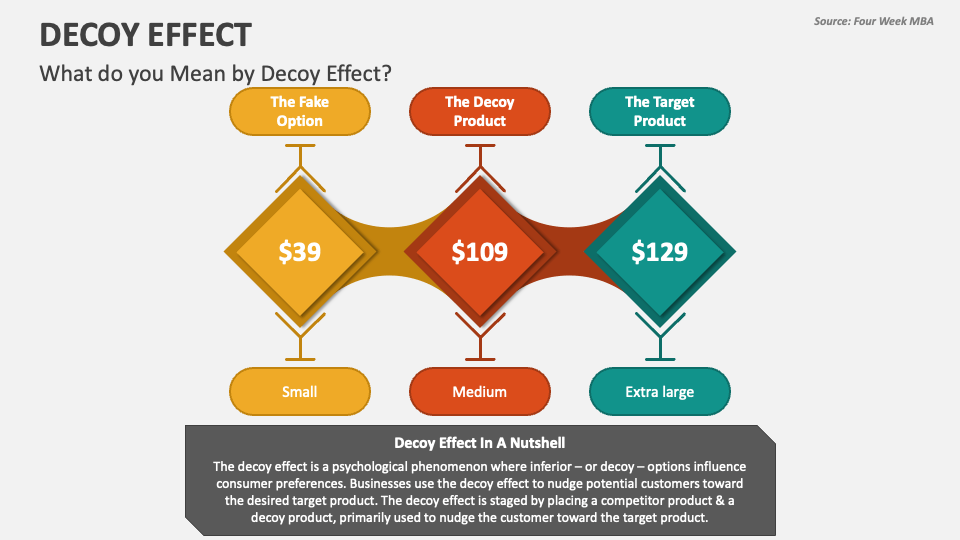
Decoy Bias Effect is a dubious phenomenon in decision-making where the introduction of a third, less attractive option (the “decoy”) influences individuals to change their preference between two other options.

The decoy bias effect describes how, when we are choosing between two alternatives, the addition of a third, less attractive option (the decoy) can influence our perception of the original two choices. Decoys are “asymmetrically dominated:” they are completely inferior to one option (the target) but only partially inferior to the other (the competitor). For this reason, the decoy effect is sometimes called the “asymmetric dominance effect.”

EXAMPLE: This bias is commonly used in financial planning sales; as well as marketing and mutual fund, ETF, REIT, stock broker, insurance agent and financial advisor pricing strategies to manipulate investor choices.

COMMENTS APPRECIATED

Refer and Like

***

***

EMOTIONAL INTELLIGENCE: How EQ Can Make You a Better Investor

By Vitaliy Katsenelson CFA

***

***

How Emotional Intelligence Can Make You a Better Investor. You can also listen to a professional narration of this article on iTunes & online.
Your knee hurts, so you pay a visit to your favorite orthopedist. He smiles, maybe even gives you a hug, and then tells you: “I feel your pain. Really, I do. But I don’t treat left knees, only right ones. I find I am so much better with the right ones. Last time I worked on a left knee, I didn’t do so well.”

Though many professionals — doctors as well as lawyers, architects and engineers — get to choose their specializations, they rarely get to choose the problems they solve. Problems choose them. Investors enjoy the unique luxury of choosing problems that let them maximize the use of not just their IQ but also their EQ — emotional intelligence.

Let’s start with IQ. Our intellectual capacity to analyze problems will vary with the problem in front of us. Just as we breezed through some subjects in college and struggled with others, our ability to understand the current and future dynamics of various companies and industries will fluctuate as well. This is why we buy stocks that fall within our sphere of competence. We tend to stick with ones where our IQ is the highest.

Though we usually think about our capacity to analyze problems as being dependable and stable over time, it isn’t. It might be if we were characters from Star Trek, with complete control over our emotions, like Mr. Spock, or who lacked emotions, like Lieutenant Commander Data. This is where our EQ comes in.

I am not a licensed psychologist, but I have huge experience treating a very difficult patient: me. And what I have found is that emotions have two troublesome effects on me. First, they distort probabilities; so even if my intellectual capacity to analyze a problem is not impacted, my brain may be solving a distorted problem. Second, my IQ is not constant, and my ability to process information effectively declines under stress. I either lose the big picture or overlook important details. This dilemma is not unique to me; I’m sure it affects all of us to various degrees.

The higher my EQ with regard to a particular company, the more likely that my IQ will not degrade when things go wrong (or even when they go right). There is a good reason why doctors don’t treat their own children: Their ability to be rational (properly weighing probabilities) may be severely compromised by their emotions.

A friend of mine who is a terrific investor, and who will remain nameless though his name is George, once told me that he never invests in grocery store stocks because he can’t be rational when he holds them. If we spent some Freudian time with him, we’d probably discover that he had a traumatic childhood event at the grocery store (he may have been caught shoplifting a candy bar when he was eight), or he may have had a bad experience with a grocery stock early in his career. The reason for his problem is irrelevant; what is important is that he has realized that his high IQ will be impaired by his low EQ if he owns grocery stocks.

There is no cure for emotions, but we can dramatically minimize the impact they have on us as investors by adjusting our investment process. First and foremost, investors have the incredible advantage of picking domains where they can remain rational.

To be a successful investor, you don’t need Albert Einstein’s IQ (though sometimes I wish I had Spock’s EQ). Warren Buffett undoubtedly has a very high IQ, but even the Oracle of Omaha chooses carefully his battles; for instance, he doesn’t invest in technology stocks.

Investors have the luxury of investing only in stocks for which both their IQ and EQ are maximized, because there are tens of thousands of stocks out there to choose from, and they need just a few dozen.

Meanwhile, I hope when I go see the doctor, he will tell me, “I don’t do left knees,” because the best result will come from a doctor who while treating me will utilize both IQ and EQ.

COMMENTS APPRECIATED

Refer and Subscribe

***

***

GLOW: Complimentary Effect

By Staff Reporters

***

***

Complimentary Glow Effect is when something looks better simply because it’s next to something else that’s attractive. It’s like standing next to a supermodel to get a boost to your own appearance.

Marketers use this all the time by pairing products with glamorous images to make them more appealing. It’s a visual trick that our brains fall for every time.

So, according to colleague Dan Ariely PhD, the next time you’re tempted by a shiny new gadget, remember: it might just be basking in the complimentary glow of clever marketing.

COMMENTS APPRECIATED

Subscribe and Refer

***

***

MYOPIA: Prime Financial Earning Years

COGNITIVE BIAS

SPONSOR: http://www.MarcinkoAssociates.com

By Staff Reporters

***

***

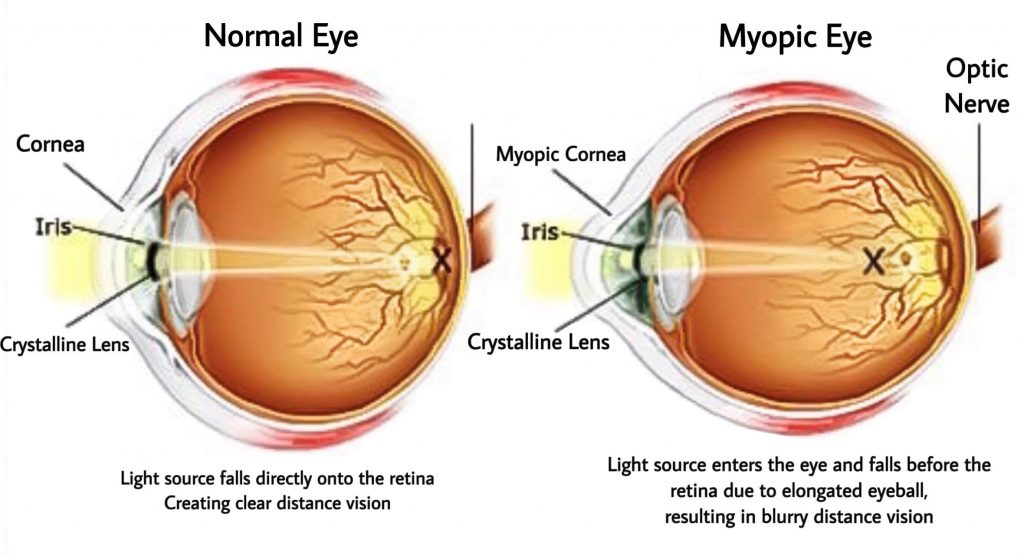
Myopia makes it hard for us to imagine what our lives might be like in the future.

For example, because we are young, healthy, and in our prime earning years now, it may be hard for us to picture what life will be like when our health depletes and we know longer have the earnings necessary to support our standard of living.

According to colleague Dan Ariely PhD, this short sighted cognitivebias makes it hard to save adequately when we are young, when saving does the most good.

COMMENTS APPRECIATED

Subscribe and Refer

***

***

CYBER SALES WEEK [Is is a Real Thing?]

By Staff Reporters

***

***

Cyber Week Defined

As first reported in the Forbes “Entrepreneurs” column on December 3rd, 2013: “Cyber Monday, the online counterpart to Black Friday, has been gaining unprecedented popularity – to the point where Cyber Sales are continuing on throughout the week.”

In fact, Peter Greenberg, Travel Editor for CBS News, further advises: “If you want a real deal on Black Friday, stay away from the mall. Black Friday and Cyber Monday are all part of Cyber Sales Week 

CITE: https://www.r2library.com/Resource/Title/0826102549

And so, Cyber Monday isn’t over yet for this year 2024: It’s morphed into Cyber Week, the actual final iteration of sales during the Black Friday-Cyber Monday discount season of 2024. A substantial number of retailers are maintaining their Black Friday-level discounts through today and some through tomorrow and the entire week.

Yes-Cyber Week is a real thing, so got for it. Buy it! Charge it!

COMMENTS APPRECIATED

SUBSCRIBE TODAY!

***

***

DAILY UPDATE: Visa, Coca-Cola, Cardinal & Advocate Health and Obesity as Markets Fall

MEDICAL EXECUTIVE-POST TODAY’S NEWSLETTER BRIEFING

***

Essays, Opinions and Curated News in Health Economics, Investing, Business, Management and Financial Planning for Physician Entrepreneurs and their Savvy Advisors and Consultants

Serving Almost One Million Doctors, Financial Advisors and Medical Management Consultants Daily

A Partner of the Institute of Medical Business Advisors , Inc.

http://www.MedicalBusinessAdvisors.com

SPONSORED BY: Marcinko & Associates, Inc.

***

http://www.MarcinkoAssociates.com

Daily Update Provided By Staff Reporters Since 2007.
How May We Serve You?
© Copyright Institute of Medical Business Advisors, Inc. All rights reserved. 2024

REFER A COLLEAGUE: MarcinkoAdvisors@msn.com

SPONSORSHIPS AVAILABLE: https://medicalexecutivepost.com/sponsors/

ADVERTISE ON THE ME-P: https://tinyurl.com/ytb5955z

Your Referral Count -0-

***

Cardinal Health has agreed in principle to acquire Integrated Oncology Network for more than $1.1 billion.


And … Advocate Health announced it will wipe clean more than 11,500 judgment liens on patients’ homes and real estate.

CITE: https://www.r2library.com/Resource

What’s up

  • Flutter Entertainment, parent company of betting app FanDuel, popped 5.06% after it revealed its impressive growth plans.
  • Hewlett Packard Enterprise rose 5.05% thanks to an upgrade from Barclays analysts who think that rising AI demand will increase the company’s server revenue.
  • Trump Media & Technology Group gained 10.48% after shareholders panicked that the end of its lockup period would mean big selling by insiders, fears that haven’t materialized.
  • Progress Software climbed 11.85% after a strong beat-and-raise earnings report.

What’s down

  • Southwest Airlines stumbled 4.57% after announcing it will cut service to and from Atlanta, a major hub for air travel, as it looks to save money ahead of a showdown with activist investor Elliott Investment Management.
  • Bank of America fell just 0.51% on the revelation that Warren Buffett can’t stop selling the stock.
  • KB Home sank 5.35% after the homebuilder beat revenue estimates but missed on earnings. It also issued a downbeat forecast for the rest of its fiscal year.
  • Global Payments dropped 6.37% thanks to a downgrade from BTIG analysts who were unimpressed by the payment provider’s near-term growth plans.

CITE: https://tinyurl.com/2h47urt5

  • The S&P 500® index (SPX) fell 10.68 points (–0.19%) to 5,722.25; the Dow Jones Industrial Average® ($DJI) dropped 293.47 points (–0.70%) to 41,914.75; the NASDAQ Composite® ($COMP) added 7.68 points (0.04%) to 18,082.21.
  • The 10-year Treasury note yield (TNX) climbed five basis points to 3.78% and seems stuck in a range between 3.7% and 3.8%.
  • The CBOE Volatility Index® (VIX) rose slightly to 15.51, still near its September lows.

CITE: https://tinyurl.com/tj8smmes

Coca-Cola pulled its new flavor, Spiced, from shelves after just six months because of dis-interest in it.

Visa was sued by the Justice Department for antitrust violations. The DOJ alleged in a complaint filed in Manhattan federal court that the payments giant is illegally monopolizing the debit card market by penalizing merchants who try to use alternatives, Bloomberg reported.

For the first time in more than a decade, the nationwide number of people with obesity hasn’t gone up, according to new CDC data showing that the condition appears in about 40% of US adults.

Visualize: How private equity tangled banks in a web of debt, from the Financial Times.

COMMENTS APPRECIATED

PLEASE SUBSCRIBE: MarcinkoAdvisors@msn.com

Thank You

***

***

***

***

EDUCATIONAL TEXTBOOKS: https://tinyurl.com/4zdxuuwf

***

PODCAST: Best Marketing Practices for Open Enrollment Health Plans

By Eric Bricker MD

***

***

COMMENTS APPRECIATED

Thank You

***

***


PODCASTS: Intentional Medical Practice Marketing

By Entrepreneurial MD

***

***

PODCAST: https://www.theentrepreneurmd.com/11

MORE: https://medicalexecutivepost.com/2022/07/06/the-emerging-role-of-university-chief-strategy-officer/

RELATED: https://medicalexecutivepost.com/2022/10/28/crafting-a-medical-practice-marketing-plan/

ADVERTISING: https://medicalexecutivepost.com/2022/08/05/on-marketing-adverting-and-sales/

VIDEO: https://medicalexecutivepost.com/2022/09/29/podcast-investing-in-digital-health-sales-and-marketing/

***

COMMENTS APPRECIATED

Thank You

***

ORDER: https://www.amazon.com/Business-Medical-Practice-Transformational-Doctors/dp/0826105750/ref=sr_1_9?ie=UTF8&qid=1448163039&sr=8-9&keywords=david+marcinko

***

PODCAST: Top 10 Sales Healthcare Tactics

By Eric Bricker MD

***

***

***

***

COMMENTS APPRECIATED

Thank You

***

PODCASTS: Intentional Medical Practice Marketing

By Entrepreneurial MD

***

***

PODCAST: https://www.theentrepreneurmd.com/11

MORE: https://medicalexecutivepost.com/2022/07/06/the-emerging-role-of-university-chief-strategy-officer/

RELATED: https://medicalexecutivepost.com/2022/10/28/crafting-a-medical-practice-marketing-plan/

ADVERTISING: https://medicalexecutivepost.com/2022/08/05/on-marketing-adverting-and-sales/

VIDEO: https://medicalexecutivepost.com/2022/09/29/podcast-investing-in-digital-health-sales-and-marketing/

***

COMMENTS APPRECIATED

Thank You

***

ORDER: https://www.amazon.com/Business-Medical-Practice-Transformational-Doctors/dp/0826105750/ref=sr_1_9?ie=UTF8&qid=1448163039&sr=8-9&keywords=david+marcinko

***

JOIN & PARTNER with the Medical Executive-Post!

By Staff Reporters

***

MEDIA / INTERVIEW REQUESTS

We like to talk: MarcinkoAdvisors@msn.com

BLOGGING / VLOGGING / CROSS AND RE-POSTS

Yes. We’re looking for writers & cross-posts.

Send them to us: MarcinkoAdvisors@msn.com

WHAT WE’RE LOOKING FOR

Op-eds. Cross and Re-Posts, Links and Columns. Great ideas for improving physician focused financial planning, health insurance, economics and the financial ecosystem; etc. Pitches for healthcare-focused startups and business. Write-ups of original research. Reviews of new health care products, DME and AI. Data driven analysis of health care trends. Policy proposals; etc.

SPONSORS: https://medicalexecutivepost.com/sponsors/

ADVERTISE: https://medicalexecutivepost.com/2022/01/31/medical-executive-post-free-advertising-consultation/

ADULT LEARNERS: http://www.CertifiedMedicalPlanner.org

CONTACT US: Ann Miller RN MHA CMP

770.448.0769

THANK YOU

Invite Dr. Marcinko

***

On Marketing, Advertising and Sales; etc.

Including Public Relations, Risk, Change and Crisis Management

By Dr. David Edward Marcinko MBA

Marketing is the business process of identifying, anticipating and satisfying customers’ needs and wants. It is your unique value proposition or strategic competitive advantage. Marketers can direct product to other businesses or directly to consumers.

Advertising is a marketing communication that employs an openly sponsored, non-personal message to promote or sell a product, service or idea. Sponsors of advertising are typically businesses wishing to promote their products or services. Advertising is communicated through various mass media, including traditional media such as newspapers, magazines, television, radio, outdoor advertising or direct mail; and new media such as search results, blogs, social media, websites or text messages. The actual presentation of the message in a medium is referred to as an advertisement, or “ad” or advert for short.

Advertising is differentiated from public relations in that an advertiser pays for and has control over the message. It differs from personal selling in that the message is non-personal, i.e., not directed to a particular individual. We pay for advertising but pray for public relations.

Sales are activities related to selling or the number of goods or services sold in a given targeted time period. The seller, or the provider of the goods or services, completes a sale in response to an acquisition, appropriation, requisition, or a direct interaction with the buyer at the point of sale. There is a passing of title (property or ownership) of the item, and the settlement of a price, in which agreement is reached on a price for which transfer of ownership of the item will occur. The seller, not the purchaser, typically executes the sale and it may be completed prior to the obligation of payment. In the case of indirect interaction, a person who sells goods or service on behalf of the owner is known as a salesman or saleswoman or salesperson, but this often refers to someone selling goods in a store/shop, in which case other terms are also common, including salesclerk, shop assistant, and retail clerk.

Change management is the discipline that guides how we prepare, equip and support individuals to successfully adopt change in order to drive organizational success and outcomes.

Crisis management is the identification of threats to an organization and its stakeholders, and the methods used by the organization to deal with these threats.

***

***

Risk management is the identification, evaluation, and prioritization of risks (defined in ISO 31000 as the effect of uncertainty on objectives) followed by coordinated and economical application of resources to minimize, monitor, and control the probability or impact of unfortunate events or to maximize the realization of opportunities.

Assessment: Your thoughts are appreciated from a healthcare perspective.

***
Product DetailsProduct DetailsProduct Details
***

Why Your Company Needs a Clear Mission Statement?

A QUARTET OF REASONS!

It’s going to be a good idea to do everything you can to help your company succeed. One good thing that you can do for your company is to create a clear mission statement.

Why is a mission statement so important for your company, though? Read on to learn exactly why your company needs a clear mission statement so much.

By Jonathan Mase MBA

Mission Statement

READ HERE: https://jonathanmase.wordpress.com/2021/09/01/why-your-company-needs-a-clear-mission-statement/

Your comments are appreciated.

THANK YOU

Product Details

ORDER: https://www.amazon.com/Business-Medical-Practice-Transformational-Doctors/dp/0826105750/ref=sr_1_9?ie=UTF8&qid=1448163039&sr=8-9&keywords=david+marcinko

***

PODCAST: Established Sales Strategies That Are Effective When Applied to Healthcare

HEALTHCARE SALES TECHNIQUES

***

Learn Established Sales Strategies That Are Effective When Applied to Healthcare:

1) Prospecting: The Strategy of Aaron Ross in Dividing Prospecting into Seeds, Nets and Spears Was Effective in Generating Leads at Compass Professional Health Services.

2) Pitching: The Miller-Heiman Strategy of Identifying Economic, Outcome and Technical Buyers Allows for Effective Pitching to a Buying Team.

3) Closing: The Model of ‘Fit-Risk-Price’ is Essential To Understanding How and When to Close a Sale.

Image result for eric bricker

BY ERIC BRICKER MD

THANK YOU

***

How We Use the ME-P to Market and Reach Our Target Audience

Join Our Mailing List

A Marathon –  Not a Sprint

By Dr. David Edward Marcinko MBA CMP™

[Publisher-in-Chief]

I am a runner on LSD. I have been running long, slow, distances for more than three decades. And, this is our advertising philosophy at the ME-P. Say What?

Goals and Objectives

The goal is simple enough to state, but reaching it is a challenge. The ever-rising expectations of social media, e-connectivity and Internet users require us to make constant improvements to the ME-P so that our visitor’s experience is relevant, meaningful and worthy of recommending to others.

Going Viral

For example, the humorous “viral videos” that often appear on YouTube, and elsewhere, may get forwarded in emails and generate millions of viewers for a few days, but then drop out of sight quickly. This is not an ME-P goal for our staff, expert contributors, and informed readers and subscribers. Such a “spike and drop” phenomenon is interesting, of course, but it is not our focus.

So, much like my LSD metaphor, we favor LSD … and are on cognitive steroids, of sorts.

The ME-P Way

Instead, at the ME-P, we post short and long topical essays, comments, graphics, videos and other website URLs with a much different goal in mind. What is it? To market to our niche audience, and obtain higher search engine rankings over the long term, in our areas of expertise and on a continuing basis. Sound like a long term stock-market investor, or LSD runner? You bet!

Assessment

We trust all ME-P readers, subscribers, advertisers and visitors agree.

Conclusion

And so, your thoughts and comments on this ME-P are appreciated. Feel free to review our top-left column, and top-right sidebar materials, links, URLs and related websites, too. Then, subscribe to the ME-P. It is fast, free and secure.

Link: http://feeds.feedburner.com/HealthcareFinancialsthePostForcxos

Subscribe Now: Did you like this Medical Executive-Post, or find it helpful, interesting and informative? Want to get the latest ME-Ps delivered to your email box each morning? Just subscribe using the link below. You can unsubscribe at any time. Security is assured.

Link: http://feeds.feedburner.com/HealthcareFinancialsthePostForcxos

Sponsors Welcomed: And, credible sponsors and like-minded advertisers are always welcomed.

Link: https://healthcarefinancials.wordpress.com/2007/11/11/advertise

Product DetailsProduct DetailsProduct Details

Product Details  Product Details

Product Details

Healthcare Organizations

About Premium Link Advertising on the ME-P

Premium Link Advertising on the ME-P

[Our Readers are Interested in What You’ve Got to Say]

What are Premium Links?

Premium [text] Links are a great advertising option because they look just like our regular “site content”, and so are generally more attractive to visitors.

For 1 month, 3 months, 6 months, or a full year, your company’s information, web site and email address can be placed on just about any post or perma-page of the Medical Executive-Post.

Policies

1) Premium [context] Link ads must be relevant to the healthcare or financial services industry, and are subject to editorial review.

2) We allow up to four Premium [text] Link ads per page, on a “first come, first served”, basis.

3) Premium [text] Link ad placements are “page specific”, meaning you choose the page or post on which to advertise (thus targeting a specific audience).

4) Perma-Pages are more costly than post-pages.

Start advertising today! Here’s how:

1) Contact us for a rate card or quote. 2) Send in your ad info to Ann Miller RN MHA 3) Pay for your ad via your PayPal account

If you have any questions, please email or call: MarcinkoAdviasors@msn.com Phone: 1-770.448.0769

Ann Miller RN MHA

[Managing Editor]

Product DetailsProduct DetailsProduct Details

Product Details Product Details

Product Details

Become an ME-P Media Partner

Gain Exposure for Your Company

Join Our Mailing List 

Become an ME-P media partner to get great brand exposure for your product or service. Just submit an original article, post, essay, pod-cast or white paper, and receive the following:

  • Your logo will be featured on the website
  • Your logo will be featured on the post
  • Your company will be acknowledged on the ME-P
  • You will be able to display or download your brochures or publications
  • Your publication will be available to all ME-P readers.

Contact: Ann Miller; RN MHA: www.MarcinkoAdvisors@msn.com

Speaker: And, if you need a moderator or speaker for an upcoming event, Dr. David E. Marcinko; MBA – Publisher-in-Chief of the Medical Executive-Post – is available for seminar or speaking engagements. Contact: MarcinkoAdvisors@msn.com and http://www.springerpub.com/Search/marcinko

Get our Widget: Get this widget!

Our Other Print Books and Related Information Sources:

Practice Management: http://www.springerpub.com/prod.aspx?prod_id=23759

Physician Financial Planning: http://www.jbpub.com/catalog/0763745790

Medical Risk Management: http://www.jbpub.com/catalog/9780763733421

Healthcare Organizations: www.HealthcareFinancials.com

Physician Advisors: www.CertifiedMedicalPlanner.com

Subscribe Now: Did you like this Medical Executive-Post, or find it helpful, interesting and informative? Want to get the latest ME-Ps delivered to your email box each morning? Just subscribe using the link below. You can unsubscribe at any time. Security is assured.

Link: http://feeds.feedburner.com/HealthcareFinancialsthePostForcxos

Sponsors Welcomed: And, credible sponsors and like-minded advertisers are always welcomed.

Link: https://healthcarefinancials.wordpress.com/2007/11/11/advertise

Sponsorship Opportunities

Advertise on the Medical Executive-PostSyringe

Let’s get right to the point!

Reach out and impress more than 100,000 physician and nurse-executives, financial advisors, CEOs and medical management consultants in the Health 2.0 space.

Our premium institutional e-journal: www.HealthcareFinancials.com and complimentary companion www.MedicalExecutivePost.com  has limited sponsorship and advertising opportunities available; So, be sure to act now!

Advertise with us!

Reserve your space today.

For more information please contact:

Ann: MarcinkoAdvisors@msn.com

Speaker: If you need a moderator or speaker for an upcoming event, Dr. David E. Marcinko; MBA – Publisher-in-Chief of the Executive-Post – is available for seminar or speaking engagements.

Sponsors Welcomed

Credible sponsors and like-minded advertisers are always welcomed.

Link: https://healthcarefinancials.wordpress.com/2007/11/11/advertise

Get our Widget: Get this widget!

Our Other Print Books and Related Information Sources:

Practice Management: http://www.springerpub.com/prod.aspx?prod_id=23759

Physician Financial Planning: http://www.jbpub.com/catalog/0763745790

Medical Risk Management: http://www.jbpub.com/catalog/9780763733421

Healthcare Organizations: www.HealthcareFinancials.com

Health Administration Terms: www.HealthDictionarySeries.com

Physician Advisors: www.CertifiedMedicalPlanner.com

Subscribe Now: Link: http://feeds.feedburner.com/HealthcareFinancialsthePostForcxos

Our Valued ME-P Sponsors and Vendors

Dear ME-P Advocates and Colleagues

Many thanks for reaching out to us.

Ann Miller; RN, MHAd-h-m-ed

Advertise with Us

If you want the opportunity to reach a personalized daily/weekly audience of health care industry insiders, innovators and watchers, the Medical Executive-Post may be right for you?

Movers-Shakers

We are discussed, read and viewed by medical students, physicians, dentists, podiatrists, optometrists and industry analysts; as well as healthcare administrators, financial advisors and planners, accountants, lawyers, office managers, CXOs, CFOs, investors, Wall Street insiders and nurse-executives from health systems around the country. Advertise with us and you’ll put your brand name in front of a smart & tightly focused demographic; one at the forefront of our emerging healthcare marketplace of collaboratively informed, thought-leaders and professional “movers and shakers.”


Get our Free Blog Widget

And, you may place our blog widget on your website or blog, for free.

Link: https://healthcarefinancials.wordpress.com/widget-for-the-me-p/

Contact Us

And so, please feel free to contact us for additional sponsorship and/or advertising information.

www.HealthcareFinancials.wordpress.com

Thank you

Ann Miller

Executive Director

MarcinkoAdvisors@msn.com

Speaker: If you need a moderator or speaker for an upcoming event, Dr. David E. Marcinko; MBA – Publisher-in-Chief of the Executive-Post – is available for seminar or speaking engagements. Contact: MarcinkoAdvisors@msn.com  or Bio: www.stpub.com/pubs/authors/MARCINKO.htm

Subscribe Now: Did you like this Medical Executive-Post, or find it helpful, interesting and informative? Want to get the latest E-Ps delivered to your email box each morning? Just subscribe using the link below. It’s free. You can unsubscribe at any time. Security is assured.

Link: http://feeds.feedburner.com/HealthcareFinancialsthePostForcxos

Financial Product Sales, Communication and Management

Techniques-of-Art for Financial Advisors

By Robert Ayrer and ME-P Staff Writers

stk127013rke

Before any piece of work that requires communication can be understood, the context must be established.  Without context, words have very little reality; and without reality, there can be no communication. Communication is the “transfer of meaning.”

Introduction

The lack of a definitive role of the marketing function (and the sales function, and the difference between the two) for financial advisors [FAs], has contributed to the lack of clarity required for the achievement of sales targets. The fuzzy line between “targets” and “goals” has left most financial product salesmen, OSJs [Office of Supervisory Jurisdiction] and sales managers without the “tools to manage.” In this context, we will define the financial sales person’s role as the “person responsible for the execution of the corporate, or personal, sales plan, which includes the short term marketing of the company.”

Marketing versus Sales

Long term strategic marketing is a very sophisticated process, requiring highly trained people that are not involved with the mundane, day-to-day activities of the enterprise.  Unfortunately, this type of “marketing” is done by too few businesses, RIAs, BDs, and FAs.

The “marketing plan”, as defined by Malcolm H. B. McDonald, Director of the Cranfield Marketing Planning Centre, of the Cranfield School of Management, is a comprehensive business plan, incorporating and integrating all of the elements of business; the four “P’s” — Product, Price, Place and Promotion. More often than not, financial sales organizations and RIAs are run by people with “Director of Sales & Marketing” titles.  This use of the “marketing” title often confuses the difference between marketing and sales. For our purposes, we will include the very short term marketing function in the sales department’s role.

Dirty Ear Marketing

This “very short term marketing” required of the FA or sales person is what is called “The dirty ear” marketing.  The “dirty ear” comes from “keeping an ear to the ground” to detect changes in the market that would affect the assumptions that support the marketing plan and the company sales plan.

It has been said that the American plains Indians could drive a stick into the ground, put the end of the stick to their ear and tell if the buffalo herd was within twenty miles — and, by bending the stick, tell in which direction.  The more sophisticated tracker could tell whether the herd was approaching or going away.

It is this short term, close in, change in direction of the market (herd) upon which the assumptions of the marketing and sales plan are based, that should be the concern of the sales department or financial advisor and business owners. 

Of Bull and Bear Markets

For example, during times of economic expansion, and bull markets, the purchasing authority for many items is transferred down the reporting chain to the lowest possible responsible level of management. At this level a sales person or FA may only require one or two calls to complete the selling process with a buying authority. This authority level would dictate the activity of sales people in achieving their personal sales plan and achieving their targets and goals. 

During a recession however, as is occurring now, authority to buy may be withdrawn from the customary buying level, designating someone at a higher level as the “buyer.” The financial sales person still must go through the traditional contact at the lower level. These contacts can now only say “no”. They cannot say “yes.” By adding another level of decision making to the buying process, additional activity will be required to make the average sale. You cannot double the activity required to make a sale and make the same number of sales!  Don’t make the mistake of thinking that working harder is the answer, as there is only a finite amount of time available to get to your prospects. Your options are; change the plan; adjust the sales budget; add more sales representatives.

The Sales Cycle

Continuing a sales plan based upon the assumption of a two-call sales cycle when the market requires a three or four call cycle will take your sales plan out of reality.  The key to both a good marketing plan and a good sales plan is “reality.”  It is the FA or sales manager’s prime function to see that the sales organization is working in “reality” by constantly testing the basic assumptions of the sales plan.

The challenge to every financial services business owner, sales manager and every FA sales person is to stay focused on the prime objective of a sales person – processing the sale.  To maintain focus on the sales objective, the activities of a sales person should be looked at in two categories; “tasks” and “selling objectives.”  The tasks are those activities that all sales people are required to do to service clients – handle back-charges, warranty claims, stocking services, point of sale maintenance, etc.  The selling objectives are defined by the sales progression used in the sales strategy.

Processing the Sale

To give better understanding to this concept, consider the following.  If you find a local bank that offers a certificate of deposit that is paying a good return, and you put $10,000 on deposit, you have made an “investment.”  It is an “investment” because you expect your money back with a profit.  To find this investment opportunity you must be focused externally (not within your own business).  And, investments are a source of new capital.

If, on the other hand you take the $10,000 and purchase a car for your business, your focus is internal to your business, solving a problem of transportation, and you will only realize gain by reducing an existing or potential expense. You will not realize any new capital from this expenditure.  This use of the $10,000 is an “expense.”

Internal and External Focus

To generalize, if your focus is external and you are seeking to generate new capital by exploiting new opportunities, this is an investment.  If your focus is internal, and you are solving problems (the activities that come after the sale), the time and money spent is an expense.

Tasks and Objectives

Sales people sometimes lose sight of the difference between the “tasks” (internally focused after sales activities that are expenses to the company) and the sales “objectives” (opportunity seeking activity that will result in generating new capital through sales). Although we must service the task items, we can avoid “buying” the customer’s problem (forgetting that the customer’s problem is our opportunity).  The way we make sure we maintain focus on the opportunity rather than the problem – is to link every task with a sales objective. 

Management Reporting

Historically, we have asked sales people and FAs to report to management through an activity report that usually records the “task” items but ignores the opportunity items. To use the reporting system as a training and management tool, stop requiring the typical activity and expense reports.

Instead, ask your sales people fill out an “Opportunity” report and an “Investment” report.  It is true; “What gets measured gets improved!”  If you want your sales people to be externally focused and seek opportunities, investing in accounts rather than “solving problems” and spending money (“expense” items), measure and report on the opportunities and investments.  It is more positive to run an investment department for your business rather than a cost center.

Managing For Results

Peter Drucker observes that “… there are no profit centers in a business; there are only cost centers.”  The profits centers are external.  Again, quoting Drucker; “Results are obtained by exploiting opportunities, not by solving problems!”

Assessment

The above offering is intended to help financial advisors and sales people “manage” themselves, and for the sales people who have assumed the mantle of OSJ or “manager”, etc

Conclusion

And so, your thoughts and comments on this Medical Executive-Post are appreciated.

Speaker:If you need a moderator or speaker for an upcoming event, Dr. David E. Marcinko; MBA – Publisher-in-Chief of the Medical Executive-Post – is available for seminar or speaking engagements. Contact: MarcinkoAdvisors@msn.com 

Our Other Print Books and Related Information Sources:

Practice Management: http://www.springerpub.com/prod.aspx?prod_id=23759

Physician Financial Planning: http://www.jbpub.com/catalog/0763745790

Medical Risk Management: http://www.jbpub.com/catalog/9780763733421

Physician Advisors: www.CertifiedMedicalPlanner.org

Subscribe Now:Did you like this Medical Executive-Post, or find it helpful, interesting and informative? Want to get the latest ME-Ps delivered to your email box each morning? Just subscribe using the link below. You can unsubscribe at any time. Security is assured.

Link: http://feeds.feedburner.com/HealthcareFinancialsthePostForcxos

Product DetailsProduct DetailsProduct Details

Welcome Valued Vendors

Dear Colleaguesaward-cup2

Many thanks for reaching out to us.

Advertise with Us

If you want the opportunity to reach a personalized daily/weekly audience of health care industry insiders, innovators and watchers, the Medical Executive-Post may be right for you?

Movers-Shakers

We are discussed, read and viewed by medical students, physicians, dentists, podiatrists, optometrists and industry analysts; as well as healthcare administrators, financial advisors and planners, accountants, lawyers, office managers, CXOs, investors, Wall Street insiders and nurse-executives from health systems around the country.

Advertise with us and you’ll put your brand name in front of a smart & tightly focused Health 2.0 demographic; one at the forefront of our emerging healthcare marketplace of collaboratively informed, thought-leaders and professional “movers and shakers.”


Contact Us

And so, please feel free to contact us for additional sponsorship and/or advertising information.

www.HealthcareFinancials.wordpress.com

Thank you

Ann Miller

Executive Director