BOARD CERTIFICATION EXAM STUDY GUIDES Lower Extremity Trauma
[Click on Image to Enlarge]
ME-P Free Advertising Consultation
The “Medical Executive-Post” is about connecting doctors, health care executives and modern consulting advisors. It’s about free-enterprise, business, practice, policy, personal financial planning and wealth building capitalism. We have an attitude that’s independent, outspoken, intelligent and so Next-Gen; often edgy, usually controversial. And, our consultants “got fly”, just like U. Read it! Write it! Post it! “Medical Executive-Post”. Call or email us for your FREE advertising and sales consultation TODAY [678.779.8597] Email: MarcinkoAdvisors@outlook.com
Medical & Surgical e-Consent Forms
ePodiatryConsentForms.com
iMBA Inc., OFFICES
Suite #5901 Wilbanks Drive, Norcross, Georgia, 30092 USA [1.678.779.8597]. Our location is real and we are now virtually enabled to assist new long distance clients and out-of-town colleagues.
ME-P Publishing
SEEKING INDUSTRY INFO PARTNERS?
If you want the opportunity to work with leading health care industry insiders, innovators and watchers, the “ME-P” may be right for you? We are unbiased and operate at the nexus of theoretical and applied R&D. Collaborate with us and you’ll put your brand in front of a smart & tightly focused demographic; one at the forefront of our emerging healthcare free marketplace of informed and professional “movers and shakers.” Our Ad Rate Card is available upon request [678-779-8597].
The pecking order theory is one of the most influential ideas in corporate finance because it offers a simple but powerful explanation for how firms choose among different sources of funding. Rather than treating financing decisions as purely mathematical exercises, the theory argues that managers follow a predictable hierarchy shaped by information, risk, and the desire to avoid sending negative signals to the market. This hierarchy places internal funds at the top, debt in the middle, and equity at the bottom. Understanding why this order exists reveals much about how real companies behave and why capital structure choices often deviate from textbook models.
At the heart of the pecking order theory is the idea that managers know more about their firm’s prospects than outside investors. This information gap creates a problem: whenever a company raises external capital, investors must interpret the decision without full knowledge of the firm’s true condition. Because of this, financing choices become signals. Some signals are reassuring, while others raise doubts. The theory argues that managers, aware of how their decisions will be interpreted, choose financing methods that minimize the risk of sending negative signals.
Internal financing sits at the top of the hierarchy because it avoids the information problem entirely. When a firm uses retained earnings, no outside party needs to evaluate the firm’s value or future prospects. There is no need to justify the decision to lenders or convince investors that the firm is worth its current valuation. Internal funds are also cheaper because they do not involve underwriting fees, interest payments, or dilution of ownership. For these reasons, firms prefer to rely on internal cash flow whenever possible. This preference explains why profitable firms often carry less debt: they simply do not need to borrow.
When internal funds are insufficient, firms turn to debt. Debt is preferred over equity because it sends a more neutral signal to the market. Borrowing does require external evaluation, but lenders focus primarily on the firm’s ability to repay rather than its long‑term growth prospects. As a result, issuing debt does not imply that managers believe the firm is overvalued. In fact, taking on debt can sometimes signal confidence, since managers are committing the firm to fixed payments that they believe it can meet. Debt also avoids ownership dilution, which managers and existing shareholders often want to prevent. Although debt increases financial risk, the theory argues that managers accept this risk before considering equity because the informational costs of issuing equity are even higher.
Equity sits at the bottom of the hierarchy because it sends the strongest negative signal. When a firm issues new shares, investors may interpret the decision as a sign that managers believe the stock is overpriced. If managers truly thought the firm was undervalued, they would avoid issuing equity and instead rely on internal funds or debt. Because investors fear that equity issuance reflects insider pessimism, stock prices often fall when new shares are announced. This reaction reinforces the reluctance of managers to issue equity unless they have no other choice. Equity becomes the financing method of last resort, used only when internal funds are exhausted and additional debt would create excessive financial risk.
The pecking order theory helps explain several real‑world patterns that traditional models struggle to address. For example, firms do not appear to target a specific debt‑to‑equity ratio, even though many theories suggest they should. Instead, leverage tends to rise when internal funds are low and fall when profits are strong. This behavior aligns closely with the pecking order: firms borrow when they must and repay debt when they can. The theory also explains why young, fast‑growing firms often rely heavily on external financing. These firms have limited internal funds and may not yet have the credit history needed for large loans, forcing them to issue equity despite the negative signal it may send.
Another strength of the theory is its ability to account for managerial behavior. Managers often prefer financing choices that preserve control and minimize scrutiny. Internal funds and debt allow managers to maintain greater autonomy, while equity introduces new shareholders who may demand influence or oversight. The theory captures this preference by placing equity at the bottom of the hierarchy.
Despite its strengths, the pecking order theory is not without limitations. It assumes that information asymmetry is the dominant factor in financing decisions, but real firms face many other considerations. Tax advantages, bankruptcy risk, market conditions, and strategic goals all influence capital structure choices. Some firms issue equity even when internal funds and debt are available, especially if they want to reduce leverage or take advantage of favorable market valuations. These exceptions do not invalidate the theory but show that it is one lens among many.
SPEAKING: Dr. Marcinko will be speaking and lecturing, signing and opining, teaching and preaching, storming and performing at many locations throughout the USA this year! His tour of witty and serious pontifications may be scheduled on a planned or ad-hoc basis; for public or private meetings and gatherings; formally, informally, or over lunch or dinner. All medical societies, financial advisory firms or Broker-Dealers are encouraged to submit an RFP for speaking engagements: CONTACT: Ann Miller RN MHA at MarcinkoAdvisors@outlook.com -OR-http://www.MarcinkoAssociates.com
Reputational risk has become one of the most consequential and complex challenges facing modern banks. In an industry built fundamentally on trust, reputation functions as a form of capital—intangible yet immensely valuable. When customers deposit money, purchase financial products, or rely on a bank for advice, they are placing confidence in the institution’s integrity, competence, and stability. Because of this, reputational damage can undermine a bank’s ability to attract customers, retain investors, and maintain regulatory goodwill. In severe cases, it can even threaten a bank’s survival. Understanding the nature, drivers, and management of reputational risk is therefore essential for any financial institution operating in today’s environment.
Reputational risk refers to the potential for negative public perception to harm a bank’s business operations, financial position, or stakeholder relationships. Unlike credit or market risk, reputational risk is not easily quantified. It is shaped by public sentiment, media narratives, and stakeholder expectations, all of which can shift rapidly. A single incident—whether a data breach, compliance failure, or poorly handled customer complaint—can escalate into a broader crisis if it signals deeper cultural or operational weaknesses. Because reputation is cumulative, built over years but vulnerable to sudden erosion, banks must treat it as a strategic asset requiring continuous attention.
One of the primary drivers of reputational risk is regulatory non‑compliance. Banks operate in a heavily regulated environment, and violations—such as money‑laundering failures, sanctions breaches, or misleading product disclosures—can quickly become public scandals. Even when fines are manageable, the reputational fallout can be far more damaging. Customers may question the bank’s ethical standards, while regulators may impose heightened scrutiny. In some cases, non‑compliance suggests systemic governance issues, prompting investors to reassess the bank’s long‑term stability. Because compliance failures often become headline news, they can shape public perception more powerfully than technical financial metrics.
Another major source of reputational risk is operational failure. Technology outages, cybersecurity breaches, and payment system disruptions can erode customer confidence, especially as banking becomes increasingly digital. A bank that cannot reliably safeguard data or provide uninterrupted access to accounts risks appearing incompetent or careless. Cyber incidents are particularly damaging because they raise concerns about privacy and financial security—two pillars of trust in the banking relationship. Even when the root cause is external, such as a sophisticated cyberattack, customers often hold the bank responsible for inadequate defenses.
Customer treatment also plays a central role in shaping reputation. Banks interact with millions of individuals and businesses, and each interaction contributes to the institution’s public image. Poor customer service, unfair fees, aggressive sales practices, or mishandled complaints can accumulate into a perception that the bank prioritizes profit over people. In the age of social media, individual negative experiences can spread rapidly, influencing broader sentiment. Conversely, banks that demonstrate empathy, transparency, and responsiveness can strengthen their reputational resilience, even when mistakes occur.
***
***
Corporate culture and leadership behavior are equally important. Scandals involving executives—such as conflicts of interest, unethical conduct, or mismanagement—can tarnish the entire organization. Stakeholders often interpret leadership failures as indicators of deeper cultural problems. A bank perceived as having a toxic or complacent culture may struggle to attract talent, maintain employee morale, or convince regulators that it can self‑govern effectively. Because culture influences decision‑making at every level, it is both a source of reputational vulnerability and a potential safeguard.
The consequences of reputational damage can be far‑reaching. Customers may withdraw deposits or move business to competitors, reducing liquidity and revenue. Investors may lose confidence, increasing funding costs or depressing share prices. Regulators may impose stricter oversight, limiting strategic flexibility. Business partners may distance themselves to avoid association with controversy. In extreme cases, reputational crises can trigger self‑reinforcing cycles: negative publicity leads to customer attrition, which weakens financial performance, which in turn fuels further negative publicity. The collapse of trust can be swift, even if the underlying financial fundamentals remain sound.
Given these stakes, effective management of reputational risk requires a proactive and integrated approach. Banks must embed reputational considerations into strategic planning, risk assessment, and daily operations. This begins with strong governance frameworks that emphasize ethical conduct, transparency, and accountability. Leadership must set the tone by modeling integrity and prioritizing long‑term trust over short‑term gains. Clear policies, robust internal controls, and continuous monitoring help prevent misconduct and operational failures before they escalate.
Communication is another critical component. When incidents occur, banks must respond quickly, honestly, and empathetically. Attempts to minimize or obscure problems often backfire, deepening public distrust. Transparent communication—acknowledging mistakes, explaining corrective actions, and demonstrating commitment to improvement—can mitigate reputational harm. Stakeholders are more forgiving when they perceive sincerity and responsibility.
Building reputational resilience also involves cultivating strong relationships with customers, employees, regulators, and communities. Banks that consistently demonstrate social responsibility, customer‑centric values, and community engagement create goodwill that can buffer against negative events. Investing in cybersecurity, customer service, and ethical training further strengthens the institution’s ability to prevent and withstand reputational shocks.
Ultimately, reputational risk is inseparable from the broader identity and purpose of a bank. It reflects not only what the institution does, but how it behaves and what it stands for. In a competitive and highly scrutinized industry, reputation is a differentiator that can drive loyalty, growth, and long‑term success. By treating reputation as a strategic priority—protected through strong governance, ethical culture, operational excellence, and transparent communication—banks can navigate the complexities of modern finance while maintaining the trust that underpins their existence.
SPEAKING: Dr. Marcinko will be speaking and lecturing, signing and opining, teaching and preaching, storming and performing at many locations throughout the USA this year! His tour of witty and serious pontifications may be scheduled on a planned or ad-hoc basis; for public or private meetings and gatherings; formally, informally, or over lunch or dinner. All medical societies, financial advisory firms or Broker-Dealers are encouraged to submit an RFP for speaking engagements: CONTACT: Ann Miller RN MHA at MarcinkoAdvisors@outlook.com -OR-http://www.MarcinkoAssociates.com
For decades, private equity has occupied a powerful and sometimes controversial position in global finance. It has been praised for revitalizing companies, generating strong returns, and driving innovation. It has also been criticized for excessive leverage, aggressive cost‑cutting, and widening inequality. But in recent years, a new question has emerged: Is private equity past its prime? The answer is more nuanced than a simple yes or no. Private equity is not disappearing, but the conditions that once made it a near‑unstoppable engine of outsized returns have shifted. The industry is entering a more mature, constrained, and competitive phase—one that challenges its traditional playbook and forces a rethinking of what “prime” even means.
The Golden Era: Why Private Equity Flourished
To understand whether private equity has peaked, it helps to recall why it thrived in the first place. For roughly three decades, the industry benefited from a rare alignment of favorable forces:
Low interest rates made debt cheap, enabling firms to finance large leveraged buyouts at minimal cost.
Abundant institutional capital—from pensions, endowments, and sovereign wealth funds—flowed into private equity in search of higher returns than public markets could offer.
A plentiful supply of undervalued or underperforming companies created opportunities for operational turnarounds.
Regulatory environments in many countries allowed for aggressive restructuring, asset sales, and financial engineering.
This combination created a powerful formula: buy companies using mostly borrowed money, streamline operations, sell at a higher valuation, and deliver returns that consistently beat public markets. For many years, private equity firms did exactly that.
The Changing Landscape
But the environment that fueled private equity’s rise has changed dramatically. The most obvious shift is the end of ultra‑low interest rates. When borrowing becomes more expensive, leveraged buyouts become harder to justify, and the math behind traditional private equity deals becomes less attractive. Higher rates squeeze returns, reduce deal volume, and force firms to hold assets longer than planned.
At the same time, competition has intensified. Private equity is no longer a niche strategy; it is a mainstream asset class with trillions of dollars under management. With so much capital chasing a finite number of attractive targets, valuations have risen. Buying companies at premium prices leaves less room for value creation and increases the risk of disappointing returns.
Another challenge is the scarcity of easy wins. Many of the low‑hanging fruit—industries ripe for consolidation, companies bloated with inefficiencies, or sectors overlooked by public markets—have already been picked over. Today’s deals often require deeper operational expertise, longer time horizons, and more complex strategies than the classic buy‑improve‑sell model.
Public Scrutiny and Political Pressure
Private equity also faces growing public and political scrutiny. Critics argue that some firms prioritize short‑term gains over long‑term stability, leading to layoffs, reduced investment, and weakened companies. Whether or not these criticisms are fair, they have shaped public perception and influenced policymakers.
In several countries, lawmakers have proposed or enacted regulations targeting leveraged buyouts, tax treatment of carried interest, and transparency requirements. These changes may not dismantle the industry, but they do increase compliance costs and limit certain strategies that once boosted returns.
The Maturation of an Industry
All of this raises the question: if private equity is no longer delivering the same level of outperformance, does that mean it is past its prime? One way to answer is to consider what “prime” means in the context of a financial industry.
If “prime” refers to a period of explosive growth, easy returns, and minimal competition, then yes—private equity’s prime may be behind it. The industry is no longer the scrappy outsider disrupting public markets. It is a mature, institutionalized part of the financial system, with all the constraints that maturity brings.
But if “prime” means relevance, influence, and adaptability, then private equity is far from finished. In fact, the industry is evolving in ways that may position it for a different kind of success.
***
***
A New Phase: Reinvention Rather Than Decline
Private equity firms are not standing still. Many are expanding into adjacent areas such as private credit, infrastructure, real estate, and growth equity. These strategies rely less on leverage and more on specialized expertise, long‑term capital, and diversified revenue streams.
Firms are also investing heavily in operational capabilities—bringing in experts in technology, supply chain, digital transformation, and sustainability. Instead of relying primarily on financial engineering, they are increasingly focused on building stronger companies from the inside out.
Another trend is the rise of permanent capital vehicles, which allow firms to hold assets longer and avoid the pressure of short exit timelines. This shift aligns private equity more closely with long‑term value creation rather than quick turnarounds.
Finally, private equity is playing a growing role in sectors that require large, patient capital—such as renewable energy, healthcare, and technology infrastructure. These areas may define the next era of economic growth, and private equity is positioning itself to be a major player.
So, Is Private Equity Past Its Prime?
The most accurate answer is that private equity is transitioning from one prime to another. The era of easy leverage, abundant undervalued targets, and outsized returns relative to public markets is fading. But the industry is not declining; it is evolving. Its future will be shaped by innovation, specialization, and a broader definition of value creation.
Private equity’s first prime was defined by financial engineering. Its next prime—if it succeeds—will be defined by operational excellence, strategic insight, and long‑term investment in complex sectors. Whether this new phase will be as lucrative as the old one remains to be seen, but it is clear that private equity is not disappearing. It is simply growing up.
In that sense, private equity is not past its prime. It is past its first prime, and entering a second—one that may be less flashy, more demanding, and ultimately more sustainable.
SPEAKING: Dr. Marcinko will be speaking and lecturing, signing and opining, teaching and preaching, storming and performing at many locations throughout the USA this year! His tour of witty and serious pontifications may be scheduled on a planned or ad-hoc basis; for public or private meetings and gatherings; formally, informally, or over lunch or dinner. All medical societies, financial advisory firms or Broker-Dealers are encouraged to submit an RFP for speaking engagements: CONTACT: Ann Miller RN MHA at MarcinkoAdvisors@outlook.com -OR-http://www.MarcinkoAssociates.com
The term “INVEST Act” has appeared in multiple financial policy discussions over the past several years, and although it may sound like a single, well‑defined piece of legislation, it actually refers to a range of proposals aimed at encouraging investment, reforming tax treatment, and strengthening long‑term financial security. In the world of finance, the acronym has been used repeatedly because it signals a clear legislative intention: to stimulate economic growth by making investment easier, more attractive, or more accessible. Understanding the INVEST Act in a financial context therefore requires examining the major themes that these proposals share, the problems they attempt to solve, and the broader implications for investors, businesses, and households.
One of the most common uses of the INVEST Act label appears in proposals designed to increase capital investment within the United States. These versions of the act typically focus on adjusting the tax code to encourage companies to expand, innovate, and hire. They may include provisions such as accelerated depreciation schedules, expanded tax credits for research and development, or incentives for domestic manufacturing. The underlying logic is straightforward: when businesses face lower after‑tax costs for investing in equipment, technology, or facilities, they are more likely to undertake projects that boost productivity and create jobs. By lowering barriers to capital formation, these proposals aim to strengthen the country’s long‑term economic competitiveness.
Another major interpretation of the INVEST Act centers on reforming capital gains taxation. In this version, lawmakers propose changes intended to reward long‑term investment rather than short‑term speculation. These reforms might include simplified capital gains brackets, reduced tax rates for assets held over extended periods, or deferral options that allow investors to reinvest gains without immediate tax consequences. The goal is to encourage individuals and institutions to commit capital to productive, long‑horizon ventures such as infrastructure, innovation, or business expansion. Supporters argue that a tax system favoring patient investment helps stabilize financial markets and channels resources toward activities that generate sustainable economic growth.
A third category of INVEST Act proposals focuses on retirement savings. In these cases, the acronym is often used to highlight the importance of long‑term financial security for American workers. These proposals typically aim to expand access to retirement plans, increase contribution limits, or provide tax credits to small businesses that establish retirement programs for their employees. Some versions emphasize automatic enrollment or improved portability, making it easier for workers to maintain consistent savings even as they change jobs. By strengthening the retirement system, these proposals seek to address the growing concern that many households are not saving enough to support themselves later in life. The INVEST Act, in this context, becomes a tool for promoting financial stability and reducing future reliance on social safety nets.
In addition to these targeted reforms, the INVEST Act label has also been applied to broader economic‑development initiatives. These proposals aim to direct private capital into underserved or economically distressed regions. They may expand programs such as Opportunity Zones, offer tax incentives for investment in rural or low‑income areas, or support public‑private partnerships that fund infrastructure and community development. The intention is to use financial policy as a lever to reduce geographic inequality and stimulate growth in areas that have struggled to attract investment. By encouraging capital to flow into regions that need it most, these versions of the INVEST Act attempt to create more balanced and inclusive economic progress.
Although the specific details vary across proposals, the financial versions of the INVEST Act share a common philosophy: investment is a cornerstone of economic strength, and public policy can play a meaningful role in shaping how and where investment occurs. Whether the focus is corporate expansion, capital gains reform, retirement security, or regional development, each version reflects an effort to align financial incentives with long‑term national priorities. These proposals recognize that markets do not always allocate capital in ways that maximize social or economic well‑being, and that targeted policy interventions can help correct imbalances or encourage beneficial behavior.
The diversity of proposals that fall under the INVEST Act umbrella also highlights the complexity of financial policymaking. Encouraging investment is not a single, simple task; it touches on taxation, regulation, household behavior, business strategy, and regional development. As a result, the INVEST Act has become a flexible legislative brand—one that can be adapted to different economic challenges and political goals. While this flexibility can sometimes create confusion about what the act specifically entails, it also reflects the broad recognition that investment, in all its forms, is essential to the country’s future prosperity.
In sum, the INVEST Act in finance is best understood not as a single law but as a recurring legislative theme aimed at strengthening the nation’s economic foundation. Whether through tax incentives, retirement reforms, or development programs, these proposals share a commitment to promoting long‑term growth and financial stability. By examining the various interpretations of the INVEST Act, one gains insight into the evolving priorities of financial policy and the ongoing effort to create an economy that supports innovation, security, and opportunity.
SPEAKING: Dr. Marcinko will be speaking and lecturing, signing and opining, teaching and preaching, storming and performing at many locations throughout the USA this year! His tour of witty and serious pontifications may be scheduled on a planned or ad-hoc basis; for public or private meetings and gatherings; formally, informally, or over lunch or dinner. All medical societies, financial advisory firms or Broker-Dealers are encouraged to submit an RFP for speaking engagements: CONTACT: Ann Miller RN MHA at MarcinkoAdvisors@outlook.com -OR-http://www.MarcinkoAssociates.com
Understanding the Foundations of Financial Protection
Insurance plays a quiet but essential role in modern life. It is one of the few tools that helps individuals, families, and businesses manage uncertainty in a world where accidents, illnesses, natural disasters, and unexpected losses can occur at any moment. At its core, insurance is a system of risk transfer: a policyholder pays a relatively small, predictable premium to an insurer, who in turn promises financial protection against specific, larger risks. Over time, different types of insurance have evolved to address different needs. Understanding these categories not only helps people make informed decisions but also highlights how deeply insurance is woven into the structure of society.
Health Insurance
Health insurance is often considered the most essential type because medical care can be extremely expensive. A single hospital stay or emergency procedure can create financial strain for even the most prepared households. Health insurance helps reduce this burden by covering part or all of the cost of doctor visits, hospitalizations, surgeries, medications, and preventive care. Policies vary widely, from employer-sponsored plans to individual policies and government programs. Regardless of the structure, the purpose remains the same: to ensure that people can access medical care without facing overwhelming financial consequences.
Life Insurance
Life insurance addresses a different kind of risk—the financial impact of a person’s death on their dependents. When the insured person passes away, the insurer pays a lump sum to the beneficiaries. This money can replace lost income, cover funeral expenses, pay off debts, or support long-term financial goals such as education. There are two major forms: term life insurance, which provides coverage for a specific period, and whole life insurance, which lasts for the insured’s lifetime and often includes a savings component. Life insurance is especially important for families who rely on one or more income earners.
Auto Insurance
For anyone who owns or drives a vehicle, auto insurance is both a legal requirement in most places and a practical necessity. It protects drivers financially if they cause an accident, damage property, or injure someone. Many policies also cover damage to the insured’s own vehicle from collisions, theft, vandalism, or natural events. Auto insurance is typically divided into components such as liability, collision, and comprehensive coverage. Because driving involves constant exposure to risk, auto insurance is one of the most widely purchased forms of protection.
Homeowners and Renters Insurance
A home is often the largest investment a person makes, and protecting it is crucial. Homeowners insurance covers the structure of the home and the personal belongings inside it against risks like fire, theft, storms, and other hazards. It also includes liability protection if someone is injured on the property. Renters insurance serves a similar purpose for those who do not own their homes, covering personal belongings and liability but not the building itself. These policies provide peace of mind by ensuring that a single disaster does not lead to financial ruin.
Disability Insurance
While many people think about protecting their property, fewer consider protecting their ability to earn an income. Disability insurance fills this gap by providing income replacement if a person becomes unable to work due to illness or injury. Short‑term disability covers temporary conditions, while long‑term disability can provide support for years or even decades. Because the loss of income can be more financially damaging than the loss of property, disability insurance is a critical but often overlooked component of financial planning.
Business Insurance
Businesses face a wide range of risks, from property damage to lawsuits to employee injuries. Business insurance is a broad category that includes many specialized policies. General liability insurance protects against claims of injury or property damage caused by the business. Property insurance covers buildings, equipment, and inventory. Workers’ compensation insurance provides benefits to employees who are injured on the job. More specialized forms, such as cyber insurance or professional liability insurance, address modern risks that have emerged with technological and economic changes. For companies of all sizes, insurance is essential to maintaining stability and continuity.
***
***
Travel Insurance
Travel insurance has grown in popularity as more people explore the world. It typically covers trip cancellations, lost luggage, medical emergencies abroad, and other unexpected events that can disrupt travel plans. While not always necessary, it can be extremely valuable when traveling internationally, where healthcare systems and costs may differ significantly from those at home.
Why Insurance Matters
Across all these categories, the underlying purpose of insurance remains consistent: to reduce the financial impact of unpredictable events. It allows individuals and businesses to plan for the future with greater confidence. Without insurance, many people would be unable to recover from major setbacks, and many businesses would struggle to survive unexpected losses. Insurance also contributes to broader economic stability by spreading risk across large groups of people.
Conclusion
Insurance may not be the most exciting topic, but its importance is undeniable. By understanding the different types of insurance—health, life, auto, homeowners, renters, disability, business, and travel—people can make informed decisions about the protections they need. Each type addresses a specific category of risk, and together they form a comprehensive safety net that supports financial security and resilience. In a world full of uncertainties, insurance remains one of the most reliable tools for safeguarding the future.
SPEAKING: Dr. Marcinko will be speaking and lecturing, signing and opining, teaching and preaching, storming and performing at many locations throughout the USA this year! His tour of witty and serious pontifications may be scheduled on a planned or ad-hoc basis; for public or private meetings and gatherings; formally, informally, or over lunch or dinner. All medical societies, financial advisory firms or Broker-Dealers are encouraged to submit an RFP for speaking engagements: CONTACT: Ann Miller RN MHA at MarcinkoAdvisors@outlook.com -OR-http://www.MarcinkoAssociates.com
Artificial intelligence has become one of the most transformative forces in modern finance. What began as a set of experimental tools for data analysis has evolved into a sophisticated ecosystem of algorithms that influence nearly every corner of global markets. From high‑frequency trading to risk management and fraud detection, AI now plays a central role in how financial institutions operate, compete, and innovate. Its rise has reshaped the speed, structure, and strategy of trading, while also raising new questions about transparency, fairness, and systemic stability.
At its core, AI excels at identifying patterns in vast amounts of data—patterns that are often too subtle or complex for human analysts to detect. Financial markets generate enormous streams of information every second: price movements, order flows, economic indicators, corporate disclosures, and even social sentiment. Traditional analytical methods struggle to keep pace with this volume and velocity. AI systems, particularly those built on machine learning, thrive in such environments. They can process millions of data points in real time, continuously refine their models, and adapt to changing market conditions. This ability to learn dynamically gives AI‑driven trading strategies a significant edge in speed and precision.
One of the most visible applications of AI in finance is algorithmic trading. Many trading firms now rely on automated systems that execute orders based on predefined rules or predictive models. High‑frequency trading (HFT) is a prominent example, where algorithms place and cancel orders within microseconds to exploit tiny price discrepancies. While HFT predates modern AI, machine learning has enhanced these strategies by enabling algorithms to anticipate short‑term market movements more effectively. AI‑powered systems can detect fleeting opportunities, adjust positions instantly, and manage risk with a level of responsiveness that human traders simply cannot match.
Beyond speed, AI has expanded the analytical toolkit available to traders. Natural language processing allows algorithms to interpret news articles, earnings reports, and even social media posts to gauge market sentiment. This capability has become especially valuable in an era where information spreads rapidly and investor reactions can shift within minutes. By quantifying sentiment and integrating it into trading models, AI helps firms anticipate volatility and position themselves accordingly. In many cases, these systems can react to breaking news before a human trader has even finished reading the headline.
AI also plays a growing role in portfolio management. Robo‑advisors, for example, use algorithms to build and rebalance investment portfolios based on an individual’s goals, risk tolerance, and market conditions. While early robo‑advisors relied on relatively simple rules, newer systems incorporate machine learning to optimize asset allocation more dynamically. They can analyze historical performance, forecast potential outcomes, and adjust strategies as new data emerges. This has made investment management more accessible and cost‑effective for retail investors, while also pushing traditional firms to adopt more technologically advanced approaches.
Risk management is another area where AI has become indispensable. Financial institutions face a wide range of risks—market risk, credit risk, operational risk—and AI helps them monitor and mitigate these threats more effectively. Machine learning models can detect anomalies in trading behavior, identify early signs of credit deterioration, and simulate stress scenarios with greater accuracy. These tools allow firms to respond proactively rather than reactively, strengthening the resilience of their operations. In addition, AI‑driven fraud detection systems analyze transaction patterns to flag suspicious activity, helping protect both institutions and consumers.
***
***
Despite its many advantages, the integration of AI into financial markets is not without challenges. One major concern is transparency. Many AI models, especially deep learning systems, operate as “black boxes,” making it difficult to understand how they arrive at specific decisions. In a highly regulated industry like finance, this lack of interpretability can create compliance issues and complicate oversight. Regulators increasingly expect firms to explain the logic behind their models, which has sparked interest in developing more interpretable AI techniques.
Another challenge is the potential for AI to amplify systemic risk. Because many firms use similar data and modeling techniques, their algorithms may behave in correlated ways during periods of market stress. This can lead to rapid, self‑reinforcing price movements, as seen in several flash crashes over the past decade. While AI did not cause these events, the speed and automation it enables can exacerbate volatility if not carefully managed. Ensuring that AI systems incorporate safeguards—such as circuit breakers, diversity of models, and human oversight—is essential for maintaining market stability.
Ethical considerations also come into play. AI systems are only as good as the data they are trained on, and biased or incomplete data can lead to flawed outcomes. In areas like credit scoring or loan approvals, such biases can have real‑world consequences for individuals and communities. Financial institutions must therefore prioritize fairness, accountability, and transparency when deploying AI, ensuring that their models do not inadvertently reinforce existing inequalities.
Looking ahead, AI’s influence on financial markets is likely to grow even stronger. Advances in computing power, data availability, and model sophistication will enable even more accurate predictions and more efficient trading strategies. At the same time, the industry will need to balance innovation with responsibility. Human judgment will remain essential, not only to oversee AI systems but also to provide the strategic insight and ethical grounding that algorithms cannot replicate.
In sum, AI has become a powerful force reshaping financial markets and trading. It enhances speed, precision, and analytical depth, opening new possibilities for investors and institutions alike. Yet its rise also brings new complexities that require thoughtful governance and ongoing scrutiny. As AI continues to evolve, the financial sector will face the challenge—and the opportunity—of integrating these technologies in ways that promote efficiency, stability, and fairness.
SPEAKING: Dr. Marcinko will be speaking and lecturing, signing and opining, teaching and preaching, storming and performing at many locations throughout the USA this year! His tour of witty and serious pontifications may be scheduled on a planned or ad-hoc basis; for public or private meetings and gatherings; formally, informally, or over lunch or dinner. All medical societies, financial advisory firms or Broker-Dealers are encouraged to submit an RFP for speaking engagements: CONTACT: Ann Miller RN MHA at MarcinkoAdvisors@outlook.com -OR-http://www.MarcinkoAssociates.com
A capital call is a notice sent to investors requesting that they contribute additional capital to a private equity fund. Capital calls are made when the fund manager has identified a new investment opportunity that requires additional funds.
Investors must be prepared to respond to capital calls with the required funds in a timely manner, as failure to do so could result in penalties or even the loss of their investment.
Carried Interest: Understanding the Concept
Carried interest is a form of incentive fee paid to private equity fund managers. This fee is calculated as a percentage of the profits generated by the fund’s investments.
Carried interest is often criticized as a tax loophole, as it is treated as capital gains, which are taxed at a lower rate than ordinary income.
Deal Flow: What it Means for Investors
Deal flow refers to the number of potential investment opportunities that a private equity firm evaluates. A robust deal flow is important for private equity firms, as it provides a pipeline of potential investments to consider.
Investors may want to investigate a private equity firm’s deal flow as part of their due diligence process, as a strong deal flow can indicate the firm has a good track record of finding attractive investment opportunities.
Due Diligence: A Key Step in Private Equity Investing
Due diligence is the process of evaluating a potential investment opportunity to assess its viability. This process involves a thorough investigation of the company’s financials, operations, and management team.
Due diligence is a critical step in the private equity investment process, as it helps to identify potential risks associated with an investment opportunity. Investors who skip due diligence do so at their own risk.
Exit Strategy: How Private Equity Firms Make Money
Exit strategy refers to the plan that private equity firms have in place to cash out of their investments. Private equity firms typically exit investments through an initial public offering (IPO), a sale to another company, or a management buyout.
Exit strategy is critical to the private equity investment process, as it is how investors ultimately make returns on their investments.
Fund of Funds: An Overview
A fund of funds is a type of investment fund that invests in other investment funds. In the private equity space, fund of funds typically invest in a portfolio of private equity funds.
Fund of funds can be a good way for investors to gain exposure to a wider range of private equity investments with less risk than investing in individual funds.
General Partner vs Limited Partner: What’s the Difference?
The general partner is the party responsible for managing the private equity fund and making investment decisions. Limited partners, on the other hand, are typically passive investors who provide capital but have little involvement in the investment process.
The distinction between general partners and limited partners is important for investors to understand, as it can impact their level of involvement in the investment process.
Investment Horizon: A Crucial Factor in Private Equity Investments
Investment horizon refers to the length of time an investor plans to hold an investment. In the private equity space, investment horizons can be several years or even a decade.
Investment horizon is a critical factor for investors to consider, as it impacts the level of liquidity they will have and the returns they can expect to make on their investment.
Leveraged Buyout (LBO): Definition and Examples
A leveraged buyout is a type of acquisition where the acquiring company uses a significant amount of debt to finance the purchase. The idea is that the acquired company’s assets will be used as collateral to secure the debt.
Leveraged buyouts can be an effective way for private equity firms to acquire companies with minimal capital investment. However, the use of leverage also increases the risk associated with these types of acquisitions.
Management Fee vs Performance Fee: Understanding the Two
The management fee is the fee paid to the general partner for managing the private equity fund. The performance fee, or carried interest, is paid based on the fund’s performance and returns generated for investors.
The distinction between management fees and performance fees is important for investors to understand, as it affects the level of fees they will be responsible for paying.
Pitchbook: A Guide to Creating an Effective Pitchbook
A pitchbook is a presentation used by private equity firms to pitch their investment strategy to potential investors. An effective pitchbook should be clear, well-organized, and provide a compelling rationale for why investors should consider investing in the fund.
Investors reviewing a fund’s pitchbook should look for evidence of a well-thought-out investment strategy and a track record of successful investments.
Private Placement Memorandum (PPM): What it is and Why It Matters
A private placement memorandum is a legal document provided to potential investors that details the terms of the private equity fund. It includes information on the fund’s investment strategy, expected returns, fees, and risks associated with the investment.
Reviewing a fund’s private placement memorandum is a critical step in the due diligence process, as it provides investors with a comprehensive understanding of the investment opportunity.
Recapitalization: A Strategy for Restructuring a Company
Recapitalization is a strategy used by private equity firms to restructure a company’s capital structure. This can involve issuing debt to pay off equity holders or issuing equity to pay off debt holders.
Recapitalization is often used to improve a company’s financial position and increase its value, making it a key tool in the private equity arsenal.
Valuation Techniques Used in Private Equity Investing
Valuation techniques are used to determine the value of a private company. These techniques can include discounted cash flow analysis, market multiples analysis, and asset-based valuation.
Understanding valuation techniques is important for investors, as it allows them to evaluate the relative value of investment opportunities and make informed investment decisions.
Posted on February 4, 2026 by Dr. David Edward Marcinko MBA MEd CMP™
By Staff Reporters
***
***
Long-Term Liabilities
A secured debt is pledged by a specific property. This is a collateralized loan.
Generally, the purchased item is pledged with the proceeds of the loan. This would include long-term liabilities (more than 12 months) such as a mortgage, home equity loan, or a car loan. Although the creditor has the ability to take possession of your property in order to recover a bad debt, it is done very rarely. A creditor is more interested in recovering money. Sometimes, when borrowing money, there may be a requirement to pledge assets that are owned prior to the loan.
For example, a personal loan from a finance company requires that you pledge all personal property such as your car, furniture, and equipment. The same property may become subject to a judicial lien if you are sued and a judgment is made against you. In this case, you would not be able to sell or pledge these assets until the judgment is satisfied. A common example of a lien would be from unpaid federal, state or local taxes. Doctors can be found personally liable for unpaid payroll taxes of employees in their professional corporations.
***
Distinguishing from Short-Term Liabilities
The primary distinction between long-term and short-term liabilities lies in their repayment timing. Long-term liabilities are obligations due beyond one year, while short-term, or current, liabilities are financial obligations settled within one year of the balance sheet date or the company’s operating cycle, whichever is longer. This timing difference impacts how these obligations are viewed in financial analysis.
Examples of short-term liabilities include accounts payable, which are amounts owed to suppliers for goods or services purchased on credit, typically due within 30 to 60 days. Other common short-term obligations are short-term notes payable, accrued expenses like salaries or utilities, and the portion of long-term debt that becomes due within the next 12 months. These obligations are usually paid using current assets.
This distinction is important for financial analysis, as it helps assess a company’s financial health. Short-term liabilities are relevant for evaluating a company’s liquidity, its ability to meet immediate financial obligations. Conversely, long-term liabilities provide insights into a company’s solvency, indicating its ability to meet financial obligations over an extended period and its overall financial stability.
***
Finally, be aware that some assets and liabilities defy short or long-term definition. When this happens, simply be consistent in your comparison of financial statements, over time.
Posted on February 2, 2026 by Dr. David Edward Marcinko MBA MEd CMP™
By Staff Reporters
***
***
The Role of Artificial Intelligence in Insurance and Risk Management
Artificial Intelligence (AI) is revolutionizing the insurance and risk management industries by enhancing efficiency, accuracy, and customer experience. As data becomes increasingly central to decision-making, AI offers powerful tools to analyze vast datasets, predict outcomes, and automate complex processes. Its integration is reshaping traditional models and enabling insurers to better assess risk, detect fraud, and personalize services.
One of the most transformative applications of AI in insurance is in underwriting. Traditionally, underwriting relied on manual evaluation of risk factors, which was time-consuming and prone to human error. AI algorithms can now process structured and unstructured data—from medical records to social media activity—to assess risk profiles with greater precision. Machine learning models continuously improve as they ingest more data, allowing insurers to refine their risk assessments and pricing strategies dynamically.
Claims processing is another area where AI is making a significant impact. Through natural language processing (NLP) and image recognition, AI can automate the evaluation of claims, reducing the time and cost associated with manual reviews. For example, AI can analyze photos of vehicle damage to estimate repair costs or flag inconsistencies in a claim that may indicate fraud. This not only speeds up the claims cycle but also enhances fraud detection, a critical concern in the industry.
Risk management benefits from AI’s predictive capabilities. By analyzing historical data and identifying patterns, AI can forecast potential risks and suggest mitigation strategies. In property insurance, AI can assess the likelihood of natural disasters by combining satellite imagery with climate data. In health insurance, predictive analytics can identify individuals at higher risk of chronic conditions, enabling early interventions and reducing long-term costs.
***
***
Customer experience is also being transformed by AI. Chatbots and virtual assistants provide 24/7 support, answering queries, guiding users through policy selection, and even initiating claims. These tools improve accessibility and responsiveness, fostering customer satisfaction and loyalty. Moreover, AI-driven personalization allows insurers to tailor products and communications to individual preferences and behaviors, enhancing engagement.
Despite its advantages, the adoption of AI in insurance and risk management raises ethical and regulatory challenges. Data privacy is a major concern, as AI systems require access to sensitive personal information. Ensuring transparency in AI decision-making is also critical, especially when algorithms influence coverage eligibility or claim outcomes. Regulators are increasingly scrutinizing AI applications to ensure fairness, accountability, and compliance with legal standards.
In conclusion, AI is a game-changer for insurance and risk management, offering tools to streamline operations, improve accuracy, and enhance customer service. As the technology evolves, insurers must balance innovation with ethical responsibility, ensuring that A.I. serves both business goals and societal interests. The future of insurance lies in intelligent systems that not only manage risk but also anticipate and prevent it—ushering in a new era of proactive, data-driven protection.
Posted on February 1, 2026 by Dr. David Edward Marcinko MBA MEd CMP™
By Staff Reporters
***
***
In Healthcare
Monopsony and Oligopsony occur when discounts are extracted from healthcare providers because of supply and demand size inequalities, and may run afoul of anti-trust laws.
Many medical providers have monopoly or near-monopoly power, yet antitrust laws prevent some potentially beneficial integration.
***
Introduction
Monopsony and oligopsony are two terms that are often used interchangeably, but they are not the same thing.
Monopsony refers to a market structure where there is only one buyer of a certain product or service, while oligopsony refers to a market structure where there are only a few buyers of a certain product or service.
In this ME-P, we will explore the differences between these two market structures and their implications.
The main difference between monopsony and oligopsony is the number of buyers in the market. In a monopsony, there is only one buyer, which gives them significant bargaining power over the suppliers. In contrast, an oligopsony has a few buyers, which means that the suppliers have some bargaining power, but not as much as they would in a perfectly competitive market.
For example, the government is often the only buyer of certain goods and services, such as military equipment, healthcare [ACA] or public transportation. This gives them significant bargaining power over the suppliers, who have no other buyers to turn to. On the other hand, the automobile industry is an example of an oligopsony, with a few large manufacturers controlling the majority of the market. Suppliers have some bargaining power, but they still have to compete for contracts with the few buyers in the market.
2. Price Setting
In a monopsony, the buyer has the power to set the price of the product or service. Since there is only one buyer, the suppliers have no choice but to accept the price offered. This can lead to lower prices for the buyer, but it can also lead to lower quality products or services, as suppliers may cut corners to meet the buyer’s demands.
In an oligopsony, the buyers have some bargaining power, but they still have to compete with each other for the best deals. This can lead to higher prices for the suppliers, but it can also lead to higher quality products or services, as suppliers have more resources to invest in their products.
3. Competition
One of the main advantages of a perfectly competitive market is the competition between buyers and sellers. This competition leads to better prices and higher quality products or services. In a monopsony, there is no competition between buyers, which can lead to lower quality products or services and higher prices for the suppliers.
In an oligopsony, there is some competition between buyers, which can lead to better prices and higher quality products or services. However, the competition is limited to a few buyers, which means that suppliers have less choice and bargaining power than they would in a perfectly competitive market.
The implications of monopsony and oligopsony depend on the specific market and the parties involved. In general, monopsony can lead to lower prices for the buyer, but it can also lead to lower quality products or services and reduced innovation. Oligopsony can lead to higher prices for the suppliers, but it can also lead to higher quality products or services and increased innovation.
Conclusion
Monopsony and oligopsony are two different market structures with different implications for buyers and suppliers. While monopsony can lead to lower prices for the buyer, it can also lead to reduced quality and innovation. Oligopsony can lead to higher prices for the suppliers, but it can also lead to higher quality and increased innovation.
The best option depends on the specific market and the parties involved.
Artificial Intelligence (AI) is revolutionizing the banking industry by enhancing efficiency, security, and customer experience. This 500-word essay explores how AI is transforming banking operations and shaping the future of financial services.
Artificial Intelligence (AI) has emerged as a transformative force in the banking sector, reshaping traditional operations and introducing innovative solutions to age-old challenges. As financial institutions strive to remain competitive in a rapidly evolving digital landscape, AI offers tools that enhance efficiency, improve customer service, and bolster security.
One of the most visible applications of AI in banking is customer service automation. AI-powered chatbots and virtual assistants are now commonplace, handling routine inquiries, guiding users through transactions, and offering personalized financial advice. These systems operate 24/7, reducing wait times and freeing human agents to focus on complex issues. For example, banks like Bank of America and JPMorgan Chase have deployed AI-driven assistants that interact with millions of customers daily, providing seamless support and improving satisfaction.
AI also plays a crucial role in fraud detection and risk management. By analyzing vast amounts of transaction data in real time, AI systems can identify unusual patterns and flag potentially fraudulent activities. Machine learning algorithms continuously adapt to new threats, making fraud prevention more proactive and effective. This not only protects customers but also saves banks billions in potential losses.
In the realm of credit scoring and loan approvals, AI has introduced more nuanced and inclusive models. Traditional credit assessments often rely on limited data, excluding individuals with thin credit histories. AI, however, can evaluate alternative data sources—such as utility payments, social media behavior, and employment history—to generate more accurate credit profiles. This enables banks to extend services to underserved populations while minimizing default risks.
Operational efficiency is another area where AI shines. Through process automation, banks can streamline back-office functions like document verification, compliance checks, and data entry. Robotic Process Automation (RPA), powered by AI, reduces human error and accelerates workflows, leading to significant cost savings and improved accuracy.
Moreover, AI enhances personalized banking experiences. By analyzing customer behavior and preferences, AI systems can recommend tailored financial products, investment strategies, and budgeting tools. This level of personalization fosters deeper customer engagement and loyalty.
Despite its benefits, the integration of AI in banking is not without challenges. Data privacy concerns, regulatory compliance, and ethical considerations must be addressed to ensure responsible AI deployment. Banks must invest in robust governance frameworks and transparent algorithms to maintain trust and accountability.
Looking ahead, the role of AI in banking will only expand. Emerging technologies like natural language processing, predictive analytics, and AI-driven cybersecurity will further revolutionize the industry. As banks continue to embrace digital transformation, AI will be at the forefront, driving innovation and redefining the future of finance.
In conclusion, Artificial Intelligence is not just a technological upgrade for banks—it is a strategic imperative. By harnessing AI’s capabilities, financial institutions can deliver smarter, safer, and more customer-centric services, positioning themselves for long-term success in the digital age.
SPEAKING: ME-P Editor Dr. David Edward Marcinko MBA MEd will be speaking and lecturing, signing and opining, teaching and preaching, storming and performing at many locations throughout the USA this year! His tour of witty and serious pontifications may be scheduled on a planned or ad-hoc basis; for public or private meetings and gatherings; formally, informally, or over lunch or dinner. All medical societies, financial advisory firms or Broker-Dealers are encouraged to submit an RFP for speaking engagements: CONTACT: Ann Miller RN MHA at MarcinkoAdvisors@outlook.com -OR-http://www.MarcinkoAssociates.com
The Adaptive Market Hypothesis (AMH) blends principles of efficient markets with behavioral finance, proposing that market dynamics evolve through competition, adaptation, and natural selection. Developed by MIT professor Andrew Lo in 2004, AMH offers a flexible framework for understanding investor behavior and market efficiency in changing environments.
The Adaptive Market Hypothesis (AMH) is a groundbreaking theory that challenges the rigid assumptions of the Efficient Market Hypothesis (EMH). While EMH posits that markets are always rational and reflect all available information, AMH suggests that market efficiency is not static but evolves over time. Andrew Lo introduced AMH to reconcile the contradictions between EMH and behavioral finance, arguing that financial markets behave more like ecosystems than machines.
At its core, AMH applies evolutionary principles—such as competition, adaptation, and natural selection—to financial behavior. Investors are seen as biological entities who learn and adapt based on experience, environmental changes, and survival pressures. This perspective allows for periods of irrationality, bubbles, and crashes, which EMH struggles to explain. For example, during times of economic uncertainty, fear and greed may dominate decision-making, leading to herd behavior and market volatility.
One of the key tenets of AMH is that market efficiency is context-dependent. In stable environments with abundant information and experienced participants, markets may behave efficiently. However, in volatile or unfamiliar conditions, behavioral biases like overconfidence, loss aversion, and anchoring can distort prices. This dynamic view accommodates both rational and irrational behaviors, making AMH more realistic and applicable to real-world investing.
AMH also emphasizes the role of heuristics—simple decision-making rules that investors use to navigate complex markets. These heuristics may not always lead to optimal outcomes, but they are adaptive tools shaped by past successes and failures. Over time, ineffective strategies are weeded out, while successful ones proliferate, mirroring evolutionary selection.
In practical terms, AMH has significant implications for investment management. It encourages flexibility in strategy, recognizing that what works in one market phase may fail in another. Portfolio managers are urged to continuously monitor market conditions, investor sentiment, and technological changes. AMH also supports the integration of behavioral insights into financial models, improving risk assessment and forecasting.
Critics of AMH argue that its flexibility makes it difficult to test empirically. Unlike EMH, which offers clear predictions, AMH’s adaptive nature resists rigid modeling. Nonetheless, its explanatory power and alignment with observed market behavior have earned it growing acceptance among academics and practitioners.
In conclusion, the Adaptive Market Hypothesis offers a nuanced and evolutionary view of financial markets. By acknowledging that investor behavior and market efficiency evolve, AMH bridges the gap between traditional finance and behavioral economics. It provides a robust framework for understanding complex market phenomena and adapting investment strategies in an ever-changing financial landscape.
SPEAKING: Dr. Marcinko will be speaking and lecturing, signing and opining, teaching and preaching, storming and performing at many locations throughout the USA this year! His tour of witty and serious pontifications may be scheduled on a planned or ad-hoc basis; for public or private meetings and gatherings; formally, informally, or over lunch or dinner. All medical societies, financial advisory firms or Broker-Dealers are encouraged to submit an RFP for speaking engagements: CONTACT: Ann Miller RN MHA at MarcinkoAdvisors@outlook.com -OR-http://www.MarcinkoAssociates.com
Posted on January 6, 2026 by Dr. David Edward Marcinko MBA MEd CMP™
By Dr. David Edward Marcinko MBA MEd
***
***
Corporate debt restructuring is a critical financial strategy that enables distressed companies to regain stability, avoid insolvency, and preserve stakeholder value. It involves renegotiating debt terms with creditors to ensure sustainable repayment while maintaining business continuity.
Introduction
Corporate debt restructuring (CDR) refers to the reorganization of a company’s outstanding financial obligations when it faces severe distress or risks defaulting on loans. Instead of proceeding to bankruptcy, firms often negotiate with creditors to modify repayment schedules, reduce interest rates, or even partially write off debt. This process is designed to restore liquidity, protect jobs, and safeguard the interests of shareholders, lenders, and employees.
Causes of Debt Restructuring
Companies typically resort to restructuring due to:
Economic downturns that reduce revenues and profitability
Poor financial management or over-leveraging, leaving firms unable to meet obligations
Sectoral disruptions, such as technological shifts or regulatory changes
Unexpected crises, including pandemics or geopolitical shocks, which strain cash flows
Methods of Debt Restructuring
Several strategies are employed depending on the severity of distress:
Rescheduling debt: Extending repayment periods to ease short-term cash flow pressures
Lowering interest rates: Negotiating reduced borrowing costs to make debt more manageable
Debt-to-equity swaps: Creditors convert debt into equity, reducing liabilities while gaining ownership stakes
Haircuts on principal: Creditors agree to accept less than the full amount owed, preventing total default
Benefits of Debt Restructuring
Avoidance of bankruptcy, preserving business operations
Protection of stakeholders, including employees, creditors, and shareholders
Contribution to economic stability by preventing systemic crises
Improved financial health, allowing companies to refocus on growth and innovation
Challenges in Implementation
Despite its advantages, corporate debt restructuring is complex:
Balancing interests between creditors and companies requires delicate negotiation
Legal and regulatory hurdles complicate cross-border restructuring
Creditor resistance can prolong distress
Reputational risks may reduce investor confidence
Conclusion
Corporate debt restructuring is not merely a reactive measure but a proactive tool for ensuring long-term sustainability. By renegotiating obligations, firms can avoid insolvency, stabilize operations, and contribute to broader economic recovery. While challenges exist, successful restructuring requires transparent communication, fair creditor engagement, and sound financial planning. Ultimately, CDR serves as a bridge between financial distress and renewed corporate viability, making it indispensable in modern business practice.
SPEAKING: Dr. Marcinko will be speaking and lecturing, signing and opining, teaching and preaching, storming and performing at many locations throughout the USA this year! His tour of witty and serious pontifications may be scheduled on a planned or ad-hoc basis; for public or private meetings and gatherings; formally, informally, or over lunch or dinner. All medical societies, financial advisory firms or Broker-Dealers are encouraged to submit an RFP for speaking engagements: CONTACT: Ann Miller RN MHA at MarcinkoAdvisors@outlook.com -OR-http://www.MarcinkoAssociates.com
Posted on January 1, 2026 by Dr. David Edward Marcinko MBA MEd CMP™
By Dr. David Edward Marcinko MBA MEd, Ann Miller RN MHA CPHQ and Staff Reporters
INFORMATION AND NEWS PORTAL
***
***
Contribute Your Knowledge to the Medical Executive-Post.com
Healthcare, finance and economics today is defined by rapid transformation, complex challenges, and the urgent need for visionary leadership. Contributing your expertise to the Medical Executive Post.com blog is more than an opportunity to share ideas; it is a chance to shape conversations that influence the future of medical administration, health economics and finance.
At its core, the role of a physician, nurse, medical executive, financial advisor, investment planner, CPA or healthcare attorney is about bridging the gap between expertise and dissemination strategy. These opinions bring invaluable perspectives, and it is the ME-P that ensures these voices are harmonized into a coherent vision. Writing for Medical Executive Post.com allows contributors to highlight best practices, share lessons learned, and inspire peers to think critically about how leadership can improve outcomes.
One of the most pressing issues facing healthcare and financial executives today is resource management. Rising costs, workforce shortages, and the integration of new technologies demand innovative solutions. By contributing to this blog, you can explore strategies that balance fiscal responsibility with compassionate care. For example, discussing how tele-medicine, block chain or artificial intelligence can expand access without overwhelming budgets, or how data analytics can streamline operations while enhancing patient safety, provides actionable insights for leaders navigating these challenges.
Equally important is the ethical dimension of medical and financial leadership. Executives are entrusted with decisions that affect not only institutions but also the lives of patients and communities. Contributing to the blog offers a platform to advocate for transparency, accountability, and equity. Sharing perspectives on how to build inclusive healthcare and financial systems, or how to foster trust through ethical governance, ensures that leadership remains grounded in values as well as efficiency.
Finally, the blog is a space for collaboration. Healthcare finance is not a solitary endeavor; it thrives on networks of professionals who learn from one another. By writing for Medical Executive Post.com, you join a community dedicated to advancing the profession. Whether through case studies, thought pieces, or reflections on leadership journeys, each contribution strengthens the collective knowledge base and inspires others to lead with courage and vision.
In conclusion, contributing to Medical Executive Post.com is about more than publishing words online. It is about shaping the dialogue that defines modern healthcare financial and economic leadership. Through thoughtful analysis, ethical reflection, and collaborative spirit, we aim to use this platform to advance the mission of those executives everywhere: delivering care that is innovative, equitable, and deeply human.
Posted on December 29, 2025 by Dr. David Edward Marcinko MBA MEd CMP™
By Dr. David Edward Marcinko MBA MEd
***
***
Introduction
In the world of finance and accounting, time is not merely a backdrop but a critical dimension that shapes how information is recorded, interpreted, and acted upon. The concept of a financial time range—expressed through accounting periods, fiscal years, and financial quarters—provides the framework for organizing economic activity into manageable segments. Without such ranges, businesses would struggle to measure performance, investors would lack comparability, and regulators would face difficulties in enforcing transparency. This essay explores the meaning, types, and importance of financial time ranges, while also considering their implications for decision-making.
Definition and Purpose A financial time range is essentially the span of time covered by financial statements. It defines the boundaries within which transactions are accumulated, summarized, and reported. For example, an accounting period may be one month, one quarter, or one year. By establishing these ranges, businesses ensure that financial data is timely, relevant, and comparable. Stakeholders rely on this consistency to evaluate trends, assess risks, and make informed decisions.
Types of Financial Time Ranges
Accounting periods: Specific intervals—monthly, quarterly, or annually—used to prepare financial statements. They allow managers to monitor performance regularly and adjust strategies accordingly.
Fiscal years: Unlike calendar years, fiscal years can begin and end at any point, depending on the company’s preference.
Financial quarters: Companies often divide their fiscal year into four quarters, each lasting three months. This practice is especially important for firms that report quarterly earnings.
Annual reporting: At the end of each fiscal year, businesses prepare comprehensive financial statements, which provide a holistic view of performance.
Importance of Financial Time Ranges The significance of financial time ranges lies in their ability to impose structure on the continuous flow of transactions. Key benefits include:
Comparability: Results can be compared across successive periods, identifying growth patterns or declines.
Timeliness: Regular reporting ensures that information is available when decisions need to be made.
Accountability: Defined ranges allow regulators and shareholders to hold management responsible for performance.
Strategic planning: Managers use financial ranges to forecast, budget, and allocate resources effectively.
Global Variations and Challenges Financial time ranges are not uniform across the globe. While many organizations follow the calendar year, others adopt fiscal years that align with tax regulations or industry cycles. This diversity can complicate cross-border comparisons, requiring adjustments in analysis. Moreover, technological advancements now allow for real-time financial tracking, raising questions about whether traditional ranges remain sufficient in a digital economy.
Conclusion
The financial time range is more than a technical detail; it is a cornerstone of modern financial systems. By segmenting time into accounting periods, fiscal years, and quarters, businesses create a rhythm of reporting that supports transparency, comparability, and accountability. As globalization and technology reshape financial practices, the concept of time in finance may evolve, but its fundamental role will remain unchanged. Ultimately, financial time ranges ensure that the story of a business is told in chapters rather than scattered fragments, enabling stakeholders to interpret and act with confidence.
SPEAKING: Dr. Marcinko will be speaking and lecturing, signing and opining, teaching and preaching, storming and performing at many locations throughout the USA this year! His tour of witty and serious pontifications may be scheduled on a planned or ad-hoc basis; for public or private meetings and gatherings; formally, informally, or over lunch or dinner. All medical societies, financial advisory firms or Broker-Dealers are encouraged to submit an RFP for speaking engagements: CONTACT: Ann Miller RN MHA at MarcinkoAdvisors@outlook.com -OR-http://www.MarcinkoAssociates.com
Posted on December 27, 2025 by Dr. David Edward Marcinko MBA MEd CMP™
By Dr. David Edward Marcinko MBA MEd, Ann Miller RN MHA CPHQ and Staff Reporters
INFORMATION AND NEWS PORTAL
***
***
Contribute Your Knowledge to the Medical Executive-Post.com
Healthcare, finance and economics today is defined by rapid transformation, complex challenges, and the urgent need for visionary leadership. Contributing your expertise to the Medical Executive Post.com blog is more than an opportunity to share ideas; it is a chance to shape conversations that influence the future of medical administration, health economics and finance.
At its core, the role of a physician, nurse, medical executive, financial advisor, investment planner, CPA or healthcare attorney is about bridging the gap between expertise and dissemination strategy. These opinions bring invaluable perspectives, and it is the ME-P that ensures these voices are harmonized into a coherent vision. Writing for Medical Executive Post.com allows contributors to highlight best practices, share lessons learned, and inspire peers to think critically about how leadership can improve outcomes.
One of the most pressing issues facing healthcare and financial executives today is resource management. Rising costs, workforce shortages, and the integration of new technologies demand innovative solutions. By contributing to this blog, you can explore strategies that balance fiscal responsibility with compassionate care. For example, discussing how tele-medicine, block chain or artificial intelligence can expand access without overwhelming budgets, or how data analytics can streamline operations while enhancing patient safety, provides actionable insights for leaders navigating these challenges.
Equally important is the ethical dimension of medical and financial leadership. Executives are entrusted with decisions that affect not only institutions but also the lives of patients and communities. Contributing to the blog offers a platform to advocate for transparency, accountability, and equity. Sharing perspectives on how to build inclusive healthcare and financial systems, or how to foster trust through ethical governance, ensures that leadership remains grounded in values as well as efficiency.
Finally, the blog is a space for collaboration. Healthcare finance is not a solitary endeavor; it thrives on networks of professionals who learn from one another. By writing for Medical Executive Post.com, you join a community dedicated to advancing the profession. Whether through case studies, thought pieces, or reflections on leadership journeys, each contribution strengthens the collective knowledge base and inspires others to lead with courage and vision.
In conclusion, contributing to Medical Executive Post.com is about more than publishing words online. It is about shaping the dialogue that defines modern healthcare financial and economic leadership. Through thoughtful analysis, ethical reflection, and collaborative spirit, we aim to use this platform to advance the mission of those executives everywhere: delivering care that is innovative, equitable, and deeply human.
Posted on December 21, 2025 by Dr. David Edward Marcinko MBA MEd CMP™
By Dr. David Edward Marcinko MBA MEd
***
***
In recent years, job cuts have become a recurring theme across industries, reflecting both economic uncertainty and the rapid transformation of business models. Companies that once seemed untouchable have announced significant layoffs, sending ripples through the workforce and raising questions about the future of employment. These decisions are often framed as necessary for efficiency, but they also highlight deeper structural shifts in the global economy.
One of the most visible areas of job reductions has been the technology sector. Tech giants, long celebrated for their growth and innovation, have faced slowing demand, rising costs, and pressure from investors to streamline operations. As a result, thousands of employees have been let go, often in waves that span multiple departments. These cuts are not limited to smaller startups struggling to survive; even established leaders have trimmed their workforces, signaling that no company is immune to market pressures. The layoffs often target roles in recruiting, marketing, and support functions, reflecting a recalibration of priorities toward core engineering and product development.
Retail and consumer goods companies have also announced job cuts, driven by changing consumer behavior and the rise of e‑commerce. Traditional brick‑and‑mortar chains have struggled to adapt to online competition, leading to store closures and reductions in staff. Even companies with strong brand recognition have had to rethink their strategies, consolidating operations and reducing headcount to remain competitive. These moves underscore the broader shift in how people shop, with digital platforms reshaping the landscape and forcing legacy businesses to evolve or risk decline.
The financial sector has not been spared either. Banks and investment firms, facing tighter regulations and fluctuating markets, have implemented layoffs to cut costs and maintain profitability. Advances in automation and digital banking have also reduced the need for certain roles, particularly in customer service and back‑office operations. While these changes are often justified as modernization, they leave many workers displaced and searching for new opportunities in an increasingly competitive environment.
Manufacturing companies, too, have announced job cuts, often tied to global supply chain disruptions and the push toward automation. Factories that once employed thousands now rely on advanced machinery, reducing the demand for human labor. While automation promises efficiency and precision, it also raises concerns about the long‑term impact on employment, especially in regions where manufacturing jobs have historically been the backbone of local economies.
The human impact of these layoffs cannot be overlooked. For employees, job cuts mean financial instability, uncertainty, and the challenge of reentering the workforce. For communities, widespread layoffs can erode economic vitality, reducing consumer spending and weakening local businesses. While companies often frame these decisions as strategic, the consequences extend far beyond balance sheets, affecting lives and livelihoods in profound ways.
Ultimately, the wave of job cuts across industries reflects a broader transformation in the global economy. Technology, automation, and shifting consumer preferences are reshaping the way companies operate, often at the expense of workers. As businesses continue to adapt, the challenge will be finding ways to balance efficiency with responsibility, ensuring that progress does not come at the cost of widespread displacement. The story of recent layoffs is not just about corporate strategy—it is about the evolving relationship between companies, employees, and society at large.
SPEAKING: Dr. Marcinko will be speaking and lecturing, signing and opining, teaching and preaching, storming and performing at many locations throughout the USA this year! His tour of witty and serious pontifications may be scheduled on a planned or ad-hoc basis; for public or private meetings and gatherings; formally, informally, or over lunch or dinner. All medical societies, financial advisory firms or Broker-Dealers are encouraged to submit an RFP for speaking engagements: CONTACT: Ann Miller RN MHA at MarcinkoAdvisors@outlook.com -OR-http://www.MarcinkoAssociates.com
Posted on December 19, 2025 by Dr. David Edward Marcinko MBA MEd CMP™
By Dr. David Edward Marcinko MBA MEd
***
***
🎄 Introduction
The holiday season has long been synonymous with heightened consumer spending, as families allocate budgets for gifts, travel, food, and entertainment. In 2025, however, this tradition is unfolding against a backdrop of inflation, rising living costs, and shifting consumer priorities. While spending remains robust in certain segments, the overall picture reveals a more complex and cautious approach to holiday consumption.
📊 Spending Trends
Overall increase in spending: According to KPMG, consumers expect to spend 4.6% more than last year, though this rise is largely attributed to higher prices rather than stronger financial positions.
Income disparities: Higher‑income households are driving most of the gains, while lower‑income families anticipate cutting back.
Decline in discretionary spending: Growth in discretionary purchases is minimal, with real buying power declining.
Generational differences: Younger generations, especially Gen Z, plan to reduce holiday spending, reflecting financial strain and shifting values.
Gift spending contraction: Average gift spending is expected to drop, signaling a move toward more practical or meaningful purchases.
🛍️ Shopping Behavior
Timing of purchases: Many consumers are delaying shopping, avoiding the traditional early‑season surge.
Digital vs. physical stores: Online shopping continues to grow, but physical stores remain critical for driving results.
Technology in discovery: Tools powered by artificial intelligence are reshaping holiday shopping, helping consumers find deals and products more efficiently.
Concentration of spending: A large share of gift purchases occurs between Thanksgiving and Cyber Monday, reflecting the importance of promotional events.
🎁 Shifts in Priorities
Focus on essentials: Consumers are prioritizing tangible goods and essentials over luxury or experiential items.
Value‑driven choices: Shoppers are seeking value and meaning, often opting for fewer but more thoughtful gifts.
Travel and self‑spending: Many households are allocating more budget for travel and personal indulgence, even as they cut back on gifts.
🌍 Broader Implications
Holiday spending trends highlight the tension between tradition and economic reality. Retailers face challenges in predicting demand, as consumer sentiment remains cautious. Marketing strategies are shifting toward digital platforms, social media, and personalized promotions. For policymakers and economists, these spending patterns serve as indicators of household confidence and broader economic health.
🎯 Conclusion
In summary, consumer spending during the holiday season is marked by uneven growth, generational shifts, and a stronger emphasis on essentials and value. While higher‑income households sustain overall spending levels, many others are scaling back, reflecting the pressures of inflation and rising costs. The season remains festive, but it is increasingly defined by careful budgeting, strategic shopping, and evolving consumer values.
SPEAKING: Dr. Marcinko will be speaking and lecturing, signing and opining, teaching and preaching, storming and performing at many locations throughout the USA this year! His tour of witty and serious pontifications may be scheduled on a planned or ad-hoc basis; for public or private meetings and gatherings; formally, informally, or over lunch or dinner. All medical societies, financial advisory firms or Broker-Dealers are encouraged to submit an RFP for speaking engagements: CONTACT: Ann Miller RN MHA at MarcinkoAdvisors@outlook.com -OR-http://www.MarcinkoAssociates.com
Posted on December 11, 2025 by Dr. David Edward Marcinko MBA MEd CMP™
By Dr. David Edward Marcinko; MBA MEd
***
***
When individuals seek financial advice, one of the most important considerations is how their advisor is compensated. The structure of payment not only influences the advisor’s incentives but also shapes the client’s trust in the relationship. Two common models dominate the financial services industry: fee‑only and fee‑based commissions. While they may sound similar, they represent distinct approaches with meaningful implications for both advisors and clients.
Fee‑only compensation means that an advisor is paid exclusively through fees charged directly to the client. These fees can take the form of hourly rates, flat fees, or a percentage of assets under management. The critical point is that the advisor does not earn commissions from selling financial products. This structure is designed to minimize conflicts of interest, as the advisor’s income is tied solely to the client’s willingness to pay for advice. In theory, this creates a purer advisory relationship, where recommendations are based on what is best for the client rather than what generates additional revenue for the advisor. Clients often perceive fee‑only advisors as more transparent, since the costs are clear and predictable.
On the other hand, fee‑based commissions combine two streams of compensation: fees paid by the client and commissions earned from selling financial products such as insurance policies, mutual funds, or annuities. This hybrid model allows advisors to charge for their time and expertise while also benefiting financially from product sales. Supporters of fee‑based structures argue that it provides flexibility, enabling advisors to offer a wider range of services and products. For example, an advisor might charge a planning fee while also earning a commission for placing a client in a suitable insurance policy. This can be convenient for clients who prefer a one‑stop shop for both advice and product implementation.
However, the fee‑based model raises concerns about potential conflicts of interest. Because advisors can earn commissions, there is a risk that recommendations may be influenced by the financial incentives tied to specific products. Even if the advisor genuinely believes the product is appropriate, the dual compensation structure can create doubt in the client’s mind. Transparency becomes more complicated, as clients must distinguish between the advisory fee and the embedded commissions within financial products. This complexity can erode trust if not managed carefully.
The choice between fee‑only and fee‑based ultimately depends on the client’s priorities. Those who value independence, clarity, and a strictly advisory relationship may gravitate toward fee‑only advisors. They may feel reassured knowing that their advisor’s livelihood depends solely on the quality of advice provided. Conversely, clients who appreciate convenience and the ability to access both advice and product solutions in one place may find fee‑based arrangements appealing. For them, the potential conflict of interest is outweighed by the practicality of bundled services.
In conclusion, fee‑only and fee‑based commissions represent two distinct philosophies in financial advising. Fee‑only emphasizes transparency and independence, while fee‑based offers flexibility and product access. Understanding these differences empowers clients to make informed decisions about the kind of advisory relationship they want. Ultimately, the best choice is the one that aligns with the client’s values, comfort level, and financial goals.
SPEAKING: Dr. Marcinko will be speaking and lecturing, signing and opining, teaching and preaching, storming and performing at many locations throughout the USA this year! His tour of witty and serious pontifications may be scheduled on a planned or ad-hoc basis; for public or private meetings and gatherings; formally, informally, or over lunch or dinner. All medical societies, financial advisory firms or Broker-Dealers are encouraged to submit an RFP for speaking engagements: CONTACT: Ann Miller RN MHA at MarcinkoAdvisors@outlook.com -OR-http://www.MarcinkoAssociates.com
Posted on December 1, 2025 by Dr. David Edward Marcinko MBA MEd CMP™
By Dr. David Edward Marcinko MBA MEd
***
***
GENERAL
Marketing is the business process of identifying, anticipating and satisfying customers’ needs and wants. It is your unique value proposition or strategic competitive advantage. Marketers can direct product to other businesses or directly to consumers. But, we believe it is actually your strategic competitive advantage [SCA] which differentiates yourself from competitors. It is the “moat” around your business.
A Chief Marketing Officer or marketing director is a corporate executive responsible for marketing activities in an organization. The CMO leads brand management, marketing communications, market research, product management, distribution channel management, pricing, often times sales, and customer service, etc.
Advertisingis a marketing communication that employs an openly sponsored, non-personal message to promote or sell a product, service or idea. Sponsors of advertising are typically businesses wishing to promote their products or services. Advertising is communicated through various mass media, including traditional media such as newspapers, magazines, television, radio, outdoor advertising or direct mail; and new media such as search results, blogs, social media, websites or text messages. The actual presentation of the message in a medium is referred to as an advertisement, or “ad” or advert for short. Bit, we believe that is simply how you disseminate your strategic competitive advantage [SCM] to potential clients.
Public Relations [PR] is differentiated than advertising from in that an advertiser pays for and has control over the message. It differs from personal selling in that the message is non-personal, i.e., not directed to a particular individual. We pay for advertising but pray for public relations. But public relations are not controllable but it is free, while advertising is not. PR suggests that “good news or bad news”; just spell the name correctly
Sales close the deal and collects money. Sales are activities related to selling or the number of goods or services sold in a given targeted time period. The seller, or the provider of the goods or services, completes a sale in response to an acquisition, appropriation, requisition, or a direct interaction with the buyer at the point of sale. There is a passing of title (property or ownership) of the item, and the settlement of a price, in which agreement is reached on a price for which transfer of ownership of the item will occur. The seller, not the purchaser, typically executes the sale and it may be completed prior to the obligation of payment. In the case of indirect interaction, a person who sells goods or service on behalf of the owner is known as a salesman or saleswoman or salesperson, but this often refers to someone selling goods in a store/shop, in which case other terms are also common, including salesclerk, shop assistant, and retail clerk.
Change Management is the discipline that guides how we prepare, equip and support individuals to successfully adopt change in order to drive organizational success and outcomes.
Crisis Management is the precautions and identification of threats to an organization and its stakeholders, and the methods used by the organization to deal with these threats.
***
***
DOCTORS
Marketing plays a vital role in successful practice ventures. How well you market your practice, along with a few other considerations, will ultimately determine your degree of success or failure. The key element of a successful marketing plan is to know your patients – their likes, dislikes and expectations. By identifying these factors, you can develop a strategy that will allow you to arouse and fulfill their wants and needs.
The Beginning
Identify your patients by their age, sex, income/educational level and residence. At first, target only those patients who are more likely to want or need your medical services. As your patient base expands, you may need to consider modifying the marketing plan to include other patient types or medical services.
Your marketing plan should be included in your medical business plan and contain answers to the questions asked below:
·Who are your patients; define your target market(s)?
·Are your markets growing; steady; or declining?
·How is the practice unique?
·What is its market position?
·Where will we implement the marketing strategy?
·How much revenue, expense and profit will the practice achieve?
·Are your markets large enough to expand?
·How will you attract, hold, increase your market share?
·If a franchise, how is your market segmented?
·How will you promote your practice and services?
Practice Competition
Competition is a way of life. We compete for jobs, promotions, scholarships to institutions of higher learning, medical school, residency and fellowship programs, and in almost every aspect of our lives.
When considering these and other factors, we can conclude that medical practice is a highly competitive, volatile arena. Because of this volatility and competitiveness, it is important to know your medical competitors. Questions like these can help you determine:
Who are your five nearest direct physician competitors?
Who are your indirect physician competitors?
How are their practices: steady; increasing; or decreasing?
What have you learned from their operations or advertising?
What are their strengths and weaknesses?
How do their services differ from yours?
Patient Targeting
Patient targeting generally describes the strategic competitive advantage and/or professional synergy that is specific and unique to the practice. Intuitively, it may answers such questions as:
Who is the target market?
How is the practice unique?
What is its market position?
Where will we implement the marketing strategy?
How much revenue, expense and profit will the practice achieve?
The science of modern marketing however, is based on intense competition largely derived from the interplay of five forces, codified in the early 1980s, by Professor Michael F. Porter of Harvard Business School. They are placed in this section of the business plan and include the following:
***
***
Power of suppliers: The bargaining power of physicians has weakened markedly in the last managed care decade. Reasons include demographics, technology, over/under supply and a lack of business acumen.
Power of buyers: Corporate buyers of employee healthcare are demanding increased quality and decreased premium costs within the entire healthcare industry. The extents to which these conduits succeed in their bargaining efforts depend on several factors:
Switching Costs: Notable emotional switching costs include the turmoil caused by uprooting a trusted medical provider relationship.
Integration Level: The practitioner must decide early on whether or not he will horizontally integrate as a solo practitioner, or vertically integrate into a bigger medical healthcare complex.
Product Importance: Increasingly, HMOs do not often strive to delight their clients and may be responsible for the beginning backlash these entities are starting to experience. Additionally, some medical specialties have more perceived value than others (i.e., neurosurgery v. dermatology)
Concentration: Insurance companies, not patients, represent buyers that can account for a large portion of practice revenue, thereby bringing about certain concessions. A danger sign is noted when any particular entity encompasses more than 15-25% of a practice’s revenues.
Threat of new entrants: Some authorities argue that medical schools produce more graduates than needed, inducing a supply side shock. Others suggest that there too many patients? Regardless, this often can be mitigated by practicing in rural or remote locations, away from managed care entities, or in areas with under-served populations.
Current or existing competition: Heightened inter-professional competition has increased the intensity and volume of certain medical services and referrals may be correspondingly with-held. Rivalry occurs because a competitor acts to improve his standing within the marketplace or to protect its position by reacting to moves made by other specialists.
Substitutions: Examples include: PAs for DOs, nurse practitioners for MDs, technicians for physical therapists, hygienists for dentists, cast technicians for orthopedists, nurse midwives for obstetricians, foot care extenders for podiatrists and even, hospital sanitation workers for medical and surgical care technicians.
Any strategy to ameliorate these conditions will augment the successful medical business or clinical practice plan.
SPEAKING: Dr. Marcinko will be speaking and lecturing, signing and opining, teaching and preaching, storming and performing at many locations throughout the USA this year! His tour of witty and serious pontifications may be scheduled on a planned or ad-hoc basis; for public or private meetings and gatherings; formally, informally, or over lunch or dinner. All medical societies, financial advisory firms or Broker-Dealers are encouraged to submit an RFP for speaking engagements: CONTACT: Ann Miller RN MHA at MarcinkoAdvisors@outlook.com -OR-http://www.MarcinkoAssociates.com
Posted on November 22, 2025 by Dr. David Edward Marcinko MBA MEd CMP™
By Dr. David Edward Marcinko MBA MEd
***
***
The Financial Industry Regulatory Authority (FINRA) is a cornerstone of the U.S. financial system, serving as a self-regulatory organization that oversees brokerage firms and their registered representatives. Established in 2007 through the consolidation of the National Association of Securities Dealers (NASD) and the regulatory arm of the New York Stock Exchange, FINRA plays a critical role in maintaining market integrity, protecting investors, and ensuring that the securities industry operates fairly and transparently.
Origins and Mission
FINRA’s creation was driven by the need for a unified regulatory body that could streamline oversight of broker-dealers. Its mission is straightforward yet vital: to safeguard investors and promote market integrity. Unlike government agencies such as the Securities and Exchange Commission (SEC), FINRA is a non-governmental organization, but it operates under the SEC’s supervision. This unique structure allows FINRA to act with agility while still being accountable to federal oversight.
Core Responsibilities
FINRA’s responsibilities are broad and multifaceted.
Licensing and Registration: FINRA ensures that brokers and brokerage firms meet professional standards before they can operate. This includes administering qualification exams such as the Series 7 and Series 63.
Rulemaking and Enforcement: FINRA develops rules that govern broker-dealer conduct and enforces them through disciplinary actions when violations occur.
Market Surveillance: FINRA monitors trading activity across U.S. markets to detect fraud, manipulation, or other irregularities.
Investor Education: Through initiatives like BrokerCheck, FINRA provides investors with tools to research brokers and firms, empowering them to make informed decisions.
Each of these functions contributes to a safer and more transparent marketplace.
Protecting Investors
Investor protection lies at the heart of FINRA’s mission. By enforcing ethical standards and monitoring trading practices, FINRA reduces the risk of misconduct such as insider trading, excessive risk-taking, or misleading investment advice. Its arbitration and mediation services also provide investors with avenues to resolve disputes with brokers outside of lengthy court proceedings. This combination of proactive regulation and accessible dispute resolution strengthens public trust in financial markets.
Challenges and Criticisms
Like any regulatory body, FINRA faces challenges. Critics argue that as a self-regulatory organization, it may be too close to the industry it oversees, raising concerns about conflicts of interest. Others question whether its penalties are sufficient to deter misconduct. Additionally, the rapid evolution of financial technology, cryptocurrency markets, and complex trading algorithms presents new regulatory hurdles. FINRA must continually adapt its rules and surveillance systems to keep pace with innovation.
Impact on the Financial System
Despite these challenges, FINRA’s impact is undeniable. By maintaining standards of conduct and transparency, it helps ensure that capital markets remain efficient and trustworthy. Investors, from individuals saving for retirement to institutions managing billions, rely on FINRA’s oversight to protect their interests. Broker-dealers, meanwhile, benefit from clear rules that create a level playing field and reduce systemic risk.
Conclusion
In summary, FINRA is an essential pillar of the U.S. financial regulatory framework. Its blend of licensing, rulemaking, enforcement, and investor education fosters confidence in the securities industry. While it must continue to evolve in response to technological and market changes, its mission remains constant: protecting investors and promoting integrity. Without FINRA’s presence, the risk of misconduct and instability in financial markets would be far greater. As the financial landscape grows more complex, FINRA’s role will only become more critical in ensuring that markets remain fair, transparent, and resilient.
SPEAKING: Dr. Marcinko will be speaking and lecturing, signing and opining, teaching and preaching, storming and performing at many locations throughout the USA this year! His tour of witty and serious pontifications may be scheduled on a planned or ad-hoc basis; for public or private meetings and gatherings; formally, informally, or over lunch or dinner. All medical societies, financial advisory firms or Broker-Dealers are encouraged to submit an RFP for speaking engagements: CONTACT: Ann Miller RN MHA at MarcinkoAdvisors@outlook.com -OR-http://www.MarcinkoAssociates.com
Posted on November 10, 2025 by Dr. David Edward Marcinko MBA MEd CMP™
By Dr. David Edward Marcinko MBA MEd
***
***
Taxation is a cornerstone of modern governance, providing the financial resources necessary for governments to deliver public services, maintain infrastructure, and support social programs. While paying taxes is a legal obligation, individuals and businesses often seek ways to reduce their tax burden. This pursuit gives rise to two distinct concepts: tax avoidance and tax evasion. Though they may sound similar, the difference between them is profound, hinging on legality, ethics, and consequences.
Tax avoidance refers to the use of lawful strategies to minimize tax liability. It involves taking advantage of deductions, exemptions, credits, and other provisions explicitly allowed by tax laws. For example, individuals may contribute to retirement accounts, claim mortgage interest deductions, or invest in tax-free municipal bonds. Businesses may structure operations to benefit from tax incentives or credits designed to encourage innovation, sustainability, or job creation. In essence, tax avoidance is legal tax planning—a way to reduce obligations while staying within the boundaries of the law.
***
***
By contrast, tax evasion is illegal. It involves deliberately misrepresenting or concealing information to avoid paying taxes. Common forms of evasion include underreporting income, overstating deductions, hiding assets offshore, or falsifying records. Unlike avoidance, which is permitted and often encouraged, evasion constitutes fraud against the government. The consequences are severe: individuals and corporations found guilty of tax evasion may face hefty fines, penalties, and even imprisonment.
The distinction between the two lies in compliance versus deception. Tax avoidance complies with the letter of the law, even if it sometimes exploits loopholes. Tax evasion, however, breaks the law outright. This difference is critical not only legally but also ethically. While avoidance is lawful, aggressive avoidance strategies—especially by wealthy individuals or multinational corporations—can raise moral questions. Critics argue that such practices undermine fairness, shifting the tax burden onto ordinary citizens. Governments often respond by reforming tax codes to close loopholes and ensure equity.
Tax evasion, on the other hand, is universally condemned. It erodes trust in the tax system, deprives governments of essential revenue, and places greater strain on compliant taxpayers. Moreover, evasion can damage reputations, leading to loss of credibility and public backlash for businesses or individuals caught engaging in fraudulent practices.
In summary, tax avoidance is legal and strategic, while tax evasion is illegal and punishable. Both aim to reduce tax liability, but they differ fundamentally in method and consequence. Avoidance leverages lawful opportunities provided by tax codes, whereas evasion relies on deception and concealment. Understanding this distinction is vital for taxpayers, as crossing the line from avoidance into evasion can result in serious legal and financial repercussions. Ultimately, responsible tax planning requires not only knowledge of the law but also an awareness of ethical considerations, ensuring that efforts to minimize taxes do not compromise legality or fairness.
In the competitive world of financial services, attracting and retaining clients is a constant challenge. To stand out, many financial advisors employ strategic marketing tactics known as “loss leaders”—free or discounted services designed to showcase value and build trust. These offerings serve as entry points for potential clients, allowing advisors to demonstrate expertise and initiate long-term relationships.
One of the most common loss leaders is the free initial consultation. This no-obligation meeting gives prospective clients a chance to discuss their financial goals, ask questions, and get a feel for the advisor’s approach. For the advisor, it’s an opportunity to assess the client’s needs and present tailored solutions. While no revenue is generated from this meeting, it often leads to paid engagements once the client feels confident in the advisor’s capabilities.
Another popular tactic is offering a complimentary financial plan or portfolio review. These services provide tangible insights into a client’s current financial situation and suggest improvements. By delivering real value upfront, advisors build credibility and demonstrate their analytical skills. Clients who receive actionable advice are more likely to continue working with the advisor on a paid basis.
Educational content also plays a key role in loss leader strategy. Advisors frequently host free webinars, workshops, or seminars on topics like retirement planning, tax strategies, or investment basics. These events not only educate attendees but also position the advisor as a thought leader. Attendees often leave with a better understanding of their financial needs and a desire to seek personalized guidance.
In the digital realm, advisors may offer free tools and assessments on their websites. These include retirement readiness calculators, risk tolerance quizzes, and budgeting templates. Such tools engage users and provide personalized feedback, creating a natural segue into one-on-one consultations. Additionally, offering free newsletters or eBooks helps advisors stay top-of-mind while delivering ongoing value.
Some advisors go further by waiving fees for introductory services, such as account setup or the first few months of investment management. This lowers the barrier to entry and encourages hesitant clients to try the service. Once clients experience the benefits, they’re more likely to commit long-term.
Loss leaders are not limited to high-net-worth individuals. Advisors targeting younger or less affluent clients may offer free debt management plans or budgeting assistance. These services address immediate concerns and build loyalty among clients who may become more profitable as their financial situations improve.
Ultimately, loss leaders are about building relationships. By offering something of value without immediate compensation, financial advisors demonstrate their commitment to helping clients succeed. This fosters trust, encourages engagement, and often leads to lasting partnerships. In a field where reputation and reliability are paramount, loss leaders serve as powerful tools for growth and differentiation.
SPEAKING: Dr. Marcinko will be speaking and lecturing, signing and opining, teaching and preaching, storming and performing at many locations throughout the USA this year! His tour of witty and serious pontifications may be scheduled on a planned or ad-hoc basis; for public or private meetings and gatherings; formally, informally, or over lunch or dinner. All medical societies, financial advisory firms or Broker-Dealers are encouraged to submit an RFP for speaking engagements: CONTACT: Ann Miller RN MHA at MarcinkoAdvisors@outlook.com -OR-http://www.MarcinkoAssociates.com
The NASDAQ, short for the National Association of Securities Dealers Automated Quotations, is one of the largest and most influential stock exchanges in the world. Founded in 1971, it was the first electronic stock market, revolutionizing how securities were traded by replacing traditional floor-based systems with computerized trading platforms. This innovation made transactions faster, more transparent, and accessible to a broader range of investors.
Unlike the New York Stock Exchange (NYSE), which historically operated through physical trading floors, the NASDAQ is entirely virtual. It connects buyers and sellers through a sophisticated network of computers, allowing for rapid execution of trades. This digital-first approach has made it particularly attractive to technology companies and growth-oriented firms, earning it a reputation as the go-to exchange for innovative and high-tech businesses.
Companies Listed on the NASDAQ The NASDAQ is home to some of the most prominent and influential companies in the world. Giants like Apple, Microsoft, Amazon, Google (Alphabet), Meta (formerly Facebook), and Tesla all trade on the NASDAQ. These companies are part of the NASDAQ-100, an index that tracks the performance of the 100 largest non-financial companies listed on the exchange. The NASDAQ Composite Index, which includes over 3,000 stocks, provides a broader snapshot of the market’s overall health and direction.
How It Works The NASDAQ operates as a dealer’s market, meaning transactions are facilitated by market makers—firms that stand ready to buy or sell securities at publicly quoted prices. These market makers help maintain liquidity and ensure that trades can be executed efficiently. Prices are determined by supply and demand, and the electronic nature of the exchange allows for real-time updates and high-speed trading.
Significance in the Global Economy The NASDAQ plays a vital role in the global financial system. It provides companies with access to capital by allowing them to issue shares to the public, and it offers investors a platform to buy and sell those shares. The performance of the NASDAQ is often seen as a barometer for the health of the technology sector and, more broadly, the innovation economy. When the NASDAQ rises, it typically signals investor confidence in growth and future earnings; when it falls, it may reflect concerns about economic stability or company performance.
Global Reach and Influence Though based in the United States, the NASDAQ’s influence extends worldwide. Many international companies choose to list on the NASDAQ to gain exposure to U.S. investors and benefit from the prestige associated with being part of a leading global exchange. Its technological infrastructure and regulatory standards make it a model for other exchanges around the world.
In summary, the NASDAQ is more than just a stock exchange—it’s a symbol of innovation, speed, and global connectivity. Its pioneering approach to electronic trading has reshaped the financial landscape, and its roster of companies continues to drive technological progress and economic growth across the globe.
Insurance agents are primarily paid through commissions, but may also earn salaries, bonuses, and fees depending on their employment model and the types of policies they sell.
Insurance agents play a vital role in helping individuals and businesses navigate the complex world of insurance. Their compensation structures vary widely, influenced by factors such as the type of insurance they sell, whether they work independently or for a company, and the specific agreements they have with insurers. Understanding how insurance agents are paid is essential for consumers who want to make informed decisions and for aspiring agents considering a career in the industry.
The most common form of compensation for insurance agents is commission-based pay. Agents earn a percentage of the premium paid by the customer when they successfully sell a policy. These commissions can vary depending on the type of insurance. For example, first-year commissions for auto and homeowners insurance typically range from 5% to 20%, while commercial property and casualty policies may offer 10% to 15%. Life insurance policies often provide higher initial commissions, sometimes exceeding 50% of the first-year premium, followed by smaller renewal commissions in subsequent years.
There are two main types of insurance agents: captive agents and independent agents. Captive agents work exclusively for one insurance company and usually receive a combination of salary and commissions. Their compensation may also include performance bonuses and incentives tied to sales targets. Independent agents, on the other hand, represent multiple insurers and rely more heavily on commissions. They have the flexibility to offer a wider range of products, but their income is directly tied to their ability to sell policies and maintain client relationships.
***
***
In addition to commissions, some agents earn fees for services such as policy reviews, risk assessments, or consulting. These fees are more common in commercial insurance or financial planning contexts, where agents provide specialized expertise. However, fee-based compensation is less prevalent in personal lines of insurance like auto or home coverage.
Bonuses and incentives are another component of agent compensation. Insurance companies often reward agents for meeting sales quotas, retaining clients, or selling specific types of policies. These bonuses can significantly boost an agent’s income, but they may also create potential conflicts of interest if agents prioritize higher-paying products over client needs.
Some agents, particularly those employed by large firms or call centers, receive a fixed salary. This model provides stability but may limit earning potential compared to commission-based roles. Salaried agents may still receive performance bonuses or profit-sharing depending on company policy.
Ultimately, an insurance agent’s earnings depend on their business model, experience, and ability to build a loyal client base. While commissions remain the cornerstone of insurance compensation, the rise of fee-based services and hybrid models reflects a shift toward more transparent and client-focused practices.
Consumers should feel empowered to ask agents about their compensation structure to ensure they receive unbiased advice tailored to their needs.
SPEAKING: Dr. Marcinko will be speaking and lecturing, signing and opining, teaching and preaching, storming and performing at many locations throughout the USA this year! His tour of witty and serious pontifications may be scheduled on a planned or ad-hoc basis; for public or private meetings and gatherings; formally, informally, or over lunch or dinner. All medical societies, financial advisory firms or Broker-Dealers are encouraged to submit a RFP for speaking engagements: MarcinkoAdvisors@outlook.com
Posted on November 5, 2025 by Dr. David Edward Marcinko MBA MEd CMP™
By Dr. David Edward Marcinko MBA MEd
***
***
In today’s competitive healthcare landscape, effective marketing is essential for the growth and sustainability of a medical practice. Gone are the days when word-of-mouth alone could sustain a clinic. Patients now seek providers who not only offer excellent care but also communicate their value clearly and consistently. Strategic marketing helps medical practices attract new patients, retain existing ones, and build a strong reputation in the community.
🎯 Understanding the Target Audience
The foundation of any successful marketing strategy is a deep understanding of the target audience. Medical practices must identify the demographics, needs, and preferences of their ideal patients. For example, a pediatric clinic will focus on parents, while a dermatology practice may target young adults concerned with skin health. Tailoring messages to resonate with these groups ensures that marketing efforts are relevant and effective.
🌐 Building a Strong Online Presence
In the digital age, a robust online presence is non-negotiable. A professional, user-friendly website serves as the virtual front door of the practice. It should include essential information such as services offered, provider bios, contact details, and online appointment scheduling. Search engine optimization (SEO) ensures the site ranks well on Google, making it easier for potential patients to find the practice.
Social media platforms like Facebook, Instagram, and LinkedIn offer additional avenues to engage with the community. Regular posts about health tips, staff spotlights, and patient testimonials humanize the practice and foster trust. Paid advertising on these platforms can also target specific demographics, increasing visibility and driving traffic to the website.
🗣️ Leveraging Patient Reviews and Testimonials
Online reviews are a powerful form of social proof. Encouraging satisfied patients to leave positive feedback on platforms like Google, Yelp, and Healthgrades can significantly influence prospective patients. Testimonials can also be featured on the practice’s website and social media channels. Responding to reviews—both positive and negative—demonstrates attentiveness and a commitment to patient satisfaction.
📬 Utilizing Email and Content Marketing
Email marketing remains a cost-effective way to stay connected with patients. Monthly newsletters can include health tips, updates on services, and reminders for annual checkups or vaccinations. Content marketing, such as blog posts and educational videos, positions the practice as a trusted authority in healthcare. This not only boosts SEO but also builds credibility and patient loyalty.
***
***
🤝 Community Engagement and Partnerships
Participating in local events, offering free health screenings, or partnering with schools and businesses can enhance visibility and goodwill. These efforts show that the practice is invested in the well-being of the community, which can translate into increased patient referrals and long-term relationships.
📊 Measuring Success
Finally, tracking the performance of marketing campaigns is crucial. Metrics such as website traffic, appointment bookings, social media engagement, and patient acquisition rates provide insights into what’s working and what needs adjustment. Regular analysis ensures that marketing efforts remain aligned with business goals.
Marketing a medical practice requires a thoughtful blend of digital tools, patient engagement, and community outreach. When done right, it not only drives growth but also reinforces the practice’s mission to provide compassionate, high-quality care.
SPEAKING: Dr. Marcinko will be speaking and lecturing, signing and opining, teaching and preaching, storming and performing at many locations throughout the USA this year! His tour of witty and serious pontifications may be scheduled on a planned or ad-hoc basis; for public or private meetings and gatherings; formally, informally, or over lunch or dinner. All medical societies, financial advisory firms or Broker-Dealers are encouraged to submit an RFP for speaking engagements: CONTACT: Ann Miller RN MHA at MarcinkoAdvisors@outlook.com -OR-http://www.MarcinkoAssociates.com
Product costing deals with determining the total costs involved in the production of a good or service. Costs may be broken down into subcategories, such as variable, fixed, direct, or indirect costs. Cost accounting is used to measure and identify those costs, in addition to assigning overhead to each type of product created by the company.
Managerial accountants calculate and allocate overhead charges to assess the full expense related to the production of a good. The overhead expenses may be allocated based on the number of goods produced or other activity drivers related to production, such as the square footage of the facility. In conjunction with overhead costs, managerial accountants use direct costs to properly value the cost of goods sold and inventory that may be in different stages of production.
Marginal costing (sometimes called cost-volume-profit analysis) is the impact on the cost of a product by adding one additional unit into production. It is useful for short-term economic decisions. The contribution margin of a specific product is its impact on the overall profit of the company. Margin analysis flows into break-even analysis, which involves calculating the contribution margin on the sales mix to determine the unit volume at which the business’s gross sales equals total expenses. Break-even point analysis is useful for determining price points for products and services.
Cash Flow Analysis
Managerial accountants perform cash flow analysis in order to determine the cash impact of business decisions. Most companies record their financial information on the accrual basis of accounting. Although accrual accounting provides a more accurate picture of a company’s true financial position, it also makes it harder to see the true cash impact of a single financial transaction. A managerial accountant may implement working capital management strategies in order to optimize cash flow and ensure the company has enough liquid assets to cover short-term obligations.
When a managerial accountant performs cash flow analysis, he will consider the cash inflow or outflow generated as a result of a specific business decision. For example, if a department manager is considering purchasing a company vehicle, he may have the option to either buy the vehicle outright or get a loan. A managerial accountant may run different scenarios by the department manager depicting the cash outlay required to purchase outright upfront versus the cash outlay over time with a loan at various interest rates.
Inventory Turnover Analysis
Inventory turnover is a calculation of how many times a company has sold and replaced inventory in a given time period. Calculating inventory turnover can help businesses make better decisions on pricing, manufacturing, marketing, and purchasing new inventory. A managerial accountant may identify the carrying cost of inventory, which is the amount of expense a company incurs to store unsold items.
If the company is carrying an excessive amount of inventory, there could be efficiency improvements made to reduce storage costs and free up cash flow for other business purposes.
Constraint Analysis
Managerial accounting also involves reviewing the constraints within a production line or sales process. Managerial accountants help determine where bottlenecks occur and calculate the impact of these constraints on revenue, profit, and cash flow. Managers then can use this information to implement changes and improve efficiencies in the production or sales process.
Financial Leverage Metrics
Financial leverage refers to a company’s use of borrowed capital in order to acquire assets and increase its return on investments. Through balance sheet analysis, managerial accountants can provide management with the tools they need to study the company’s debt and equity mix in order to put leverage to its most optimal use.
Performance measures such as return on equity, debt to equity, and return on invested capital help management identify key information about borrowed capital, prior to relaying these statistics to outside sources. It is important for management to review ratios and statistics regularly to be able to appropriately answer questions from its board of directors, investors, and creditors.
Accounts Receivable (AR) Management
Appropriately managing accounts receivable (AR) can have positive effects on a company’s bottom line. An accounts receivable aging report categorizes AR invoices by the length of time they have been outstanding. For example, an AR aging report may list all outstanding receivables less than 30 days, 30 to 60 days, 60 to 90 days, and 90+ days.
Through a review of outstanding receivables, managerial accountants can indicate to appropriate department managers if certain customers are becoming credit risks. If a customer routinely pays late, management may reconsider doing any future business on credit with that customer.
Budgeting, Trend Analysis, and Forecasting
Budgets are extensively used as a quantitative expression of the company’s plan of operation. Managerial accountants utilize performance reports to note deviations of actual results from budgets. The positive or negative deviations from a budget also referred to as budget-to-actual variances, are analyzed in order to make appropriate changes going forward.
Managerial accountants analyze and relay information related to capital expenditure decisions. This includes the use of standard capital budgeting metrics, such as net present value and internal rate of return, to assist decision-makers on whether to embark on capital-intensive projects or purchases. Managerial accounting involves examining proposals, deciding if the products or services are needed, and finding the appropriate way to finance the purchase. It also outlines payback periods so management is able to anticipate future economic benefits.
Managerial accounting also involves reviewing the trendline for certain expenses and investigating unusual variances or deviations. It is important to review this information regularly because expenses that vary considerably from what is typically expected are commonly questioned during external financial audits. This field of accounting also utilizes previous period information to calculate and project future financial information. This may include the use of historical pricing, sales volumes, geographical locations, customer tendencies, or financial information.
The Dow Jones Industrial Average (DJIA), often referred to simply as “the Dow,” is one of the oldest and most well-known stock market indices in the world. It was created in 1896 by Charles Dow, the co-founder of The Wall Street Journal, and is designed to represent the performance of the broader U.S. stock market, specifically focusing on 30 large, publicly traded companies. These companies are considered leaders in their respective industries and serve as a barometer for the overall health of the U.S. economy.
The Composition of the DJIA
The DJIA includes 30 companies, which are selected by the editors of The Wall Street Journal based on various factors such as market influence, reputation, and the stability of the company. These companies represent a wide array of sectors, including technology, finance, healthcare, consumer goods, and energy. Notably, the companies chosen for the DJIA are not necessarily the largest companies in the U.S. by market capitalization, but rather those that are most indicative of the broader economy. Some of the prominent companies listed in the DJIA include names like Apple, Microsoft, Coca-Cola, and Johnson & Johnson.
However, the list of 30 companies is not static. Over time, companies may be added or removed to reflect changes in the economic landscape. For example, if a company experiences significant decline or no longer represents a leading sector, it might be replaced with another company that better reflects modern economic trends. This periodic reshuffling ensures that the DJIA continues to be a relevant measure of economic activity.
How the DJIA is Calculated
The DJIA is a price-weighted index, which means that the value of the index is determined by the share price of the component companies, rather than their market capitalization. To calculate the DJIA, the sum of the stock prices of all 30 companies is divided by a special divisor. This divisor adjusts for stock splits, dividends, and other corporate actions to maintain the integrity of the index over time. The price-weighted method means that higher-priced stocks have a greater impact on the movement of the index, regardless of the overall size or economic weight of the company.
For instance, if a company with a higher stock price like Apple experiences a significant change in value, it will influence the DJIA more than a company with a lower stock price, even if the latter has a larger market capitalization. This makes the DJIA somewhat different from other indices, like the S&P 500, which is weighted by market cap and gives more weight to larger companies in terms of their economic impact.
Significance of the DJIA
The DJIA is widely regarded as a barometer of the U.S. stock market’s performance. Investors and analysts closely monitor the movements of the Dow to gauge the overall health of the economy. When the DJIA rises, it generally suggests that investors are optimistic about the economic outlook and that large companies are performing well. Conversely, when the DJIA falls, it often signals economic uncertainty or a downturn in market conditions.
Despite being a narrow index, with only 30 companies, the DJIA holds substantial sway in financial markets. It is widely covered in the media and is often cited in discussions about the state of the economy. In fact, the performance of the DJIA is considered a key indicator of investor sentiment and economic confidence.
However, the DJIA has its limitations. Since it only includes 30 companies, it does not necessarily represent the broader market or capture the performance of smaller companies. Other indices, like the S&P 500, which includes 500 companies, offer a more comprehensive view of the market’s performance.
Conclusion
The Dow Jones Industrial Average is a key metric for understanding the state of the U.S. economy and the stock market. Although it has evolved over the years, it continues to provide valuable insights into the performance of large, influential companies. While it is not a perfect reflection of the market as a whole, the DJIA remains one of the most important and widely recognized indices in global finance. Through its historical significance and its role in shaping market sentiment, the Dow has cemented its place as a cornerstone of financial analysis.
Posted on October 9, 2025 by Dr. David Edward Marcinko MBA MEd CMP™
By Co-Pilot
***
***
Artificial Intelligence in Finance: Revolutionizing the Industry
Artificial Intelligence (AI) is rapidly transforming the financial services industry, reshaping how institutions operate, manage risk, and serve customers. By leveraging machine learning, natural language processing, and predictive analytics, AI is enabling smarter decision-making, greater efficiency, and enhanced customer experiences across banking, investing, insurance, and regulatory compliance.
One of the most impactful applications of AI in finance is in fraud detection and prevention. Traditional systems rely on rule-based algorithms that often fail to catch sophisticated schemes. AI, however, can analyze vast amounts of transaction data in real time, identifying patterns and anomalies that signal fraudulent behavior. Machine learning models continuously improve as they process more data, making them increasingly effective at detecting threats and reducing false positives.
AI also plays a pivotal role in algorithmic trading, where decisions are made at lightning speed based on complex data inputs. These systems can process news articles, social media sentiment, and market data to execute trades with precision. Hedge funds and investment banks use AI to optimize portfolios, forecast market trends, and identify arbitrage opportunities that human analysts might miss.
In personal finance and banking, AI enhances customer service through chatbots and virtual assistants. These tools handle routine inquiries, assist with transactions, and offer financial advice based on user behavior. AI-driven platforms like robo-advisors provide personalized investment strategies, adjusting portfolios automatically based on market conditions and individual goals. This democratizes access to financial planning, making it more affordable and scalable.
Credit scoring and lending have also been revolutionized by AI. Traditional credit models often rely on limited data and can be biased against certain demographics. AI can incorporate alternative data sources—such as utility payments, social media activity, and online behavior—to assess creditworthiness more accurately and inclusively. This opens up lending opportunities for underserved populations and reduces default risk for lenders.
In insurance, AI streamlines underwriting and claims processing. By analyzing historical data and customer profiles, AI can assess risk more precisely and tailor policies to individual needs. During claims, AI can automate document review, detect fraud, and expedite payouts, improving both operational efficiency and customer satisfaction.
Regulatory compliance, or RegTech, is another area where AI shines. Financial institutions face increasing scrutiny and complex regulations. AI tools can monitor transactions, flag suspicious activity, and ensure adherence to legal standards. Natural language processing helps parse regulatory documents and automate reporting, reducing the burden on compliance teams.
Despite its benefits, AI in finance raises ethical and operational challenges. Data privacy, algorithmic bias, and transparency are critical concerns. Financial institutions must ensure that AI systems are explainable, fair, and secure. Regulatory bodies are beginning to address these issues, but ongoing collaboration between technologists, policymakers, and industry leaders is essential.
In conclusion, artificial intelligence is not just enhancing finance—it’s redefining it. From fraud prevention to personalized banking, AI is driving innovation and efficiency. As the technology matures, its integration must be guided by ethical principles and robust governance to ensure that the financial system remains fair, resilient, and inclusive.
Artificial Intelligence and Investing: A Transformative Partnership
Artificial Intelligence (AI) is revolutionizing the world of investing, reshaping how decisions are made, risks are assessed, and portfolios are managed. As financial markets grow increasingly complex and data-driven, AI offers powerful tools to navigate this landscape with greater precision, speed, and insight.
At its core, AI refers to systems that can perform tasks typically requiring human intelligence—such as learning, reasoning, and problem-solving. In investing, this translates into algorithms that can analyze vast amounts of financial data, detect patterns, and make predictions with remarkable accuracy. Machine learning, a subset of AI, enables these systems to improve over time by learning from new data, making them especially valuable in dynamic markets.
One of the most significant applications of AI in investing is algorithmic trading. These systems can execute trades at lightning speed, responding to market fluctuations in milliseconds. By analyzing historical data and real-time market conditions, AI-driven trading platforms can identify optimal entry and exit points, often outperforming human traders. High-frequency trading firms have long relied on such technologies to gain competitive advantages.
AI also enhances portfolio management through robo-advisors—digital platforms that use algorithms to provide personalized investment advice. These tools assess an investor’s goals, risk tolerance, and time horizon, then construct and manage a diversified portfolio accordingly. Robo-advisors democratize access to financial planning, offering low-cost, automated solutions to individuals who might not afford traditional advisory services.
Risk assessment is another area where AI shines. By processing alternative data sources—such as social media sentiment, news articles, and satellite imagery—AI can uncover hidden risks and opportunities. For instance, a sudden spike in negative sentiment around a company on Twitter might signal reputational issues, prompting investors to reevaluate their positions. AI models can also forecast macroeconomic trends, helping investors anticipate shifts in interest rates, inflation, or geopolitical events.
Moreover, AI is transforming fundamental analysis. Natural language processing (NLP) allows machines to read and interpret earnings reports, SEC filings, and analyst commentary. This enables investors to extract insights from unstructured data that would be time-consuming to analyze manually. AI can even detect subtle linguistic cues that may indicate a company’s future performance or management’s confidence.
Despite its advantages, AI in investing is not without challenges. Models can be opaque, making it difficult to understand how decisions are made—a phenomenon known as the “black box” problem. There’s also the risk of overfitting, where algorithms perform well on historical data but fail in real-world scenarios. Ethical concerns, such as bias in data and the potential for market manipulation, must also be addressed.
In conclusion, AI is reshaping the investing landscape, offering tools that enhance efficiency, accuracy, and accessibility. While it’s not a panacea, its integration into financial markets marks a profound shift in how capital is allocated and wealth is managed. As technology continues to evolve, investors who embrace AI will be better positioned to thrive in an increasingly data-driven world.
Public Relations [PR] is differentiated than advertising in that an advertiser pays for and has control over the message. It differs from personal selling in that the message is non-personal, i.e., not directed to a particular individual patient. We pay for advertising but pray for public relations. Public relations are not controllable but it is free; advertising is not free. PR suggests that “good news or bad news”; just spell the doctors name correctly
Change Management is the discipline that guides how we prepare, equip and support individuals to successfully adopt to change in order to drive organizational success and outcomes.
For example, a senior doctor may retire, become ill, or a junior associate might become a practice partner. How will patients be affected?
Crisis Management is the precautions and identification of threats to an organization and its stakeholders, and the methods used by the organization to deal with these threats.
For example, recall in 1982, that Tylenol™ commanded 35 percent of the over-the-counter analgesic market in America and it represented nearly 17 percent of Johnson & Johnson’s profits. But, when seven people died from consuming the tainted drug, a national panic ensued. Moreover, Americans started to question the safety of all over-the-counter medications.
Fortunately, J&J commenced the proto-typical positive crisis response in the following way:
J&J acted quickly, with complete candidness about what happened and within hours of learning of the deaths, J&J installed toll-free numbers for consumers, sent alerts to healthcare providers nationwide, and stopped advertising the product. J&J recalled 31 million bottles of Tylenol™ capsules and offered replacement products free of charge. J&J did not wait for evidence to see whether the contamination might be more widespread.
J&J’s leadership was in the lead and seemed in full control throughout the crisis. The chairman was admired for his leadership to pull Tylenol™ capsules off the market and his forthrightness in dealing with the media. The Tylenol™ crisis led the news every night on every station for six weeks.
J&J placed consumers first. J&J spent more than $100 million for the recall and re-launch of Tylenol™. The stock which had been trading near a 52-week high just before the tragedy, dropped for a time, but recovered to its highs only two months later.
J&J accepted responsibility. The disaster could have been described in many different ways: as an assault on the company, as a problem somewhere in the process of getting Tylenol™ from J&J factories to retail stores, or as the acts of a crazed criminal. Yet, the company accepted full responsibility.
J&J sought to ensure that measures were taken to prevent a recurrence of the problem. J&J introduced tamper-proof packaging that would make it much more difficult for a similar incident to occur in the future.
J&J presented itself prepared to handle the short-term damage in the name of consumer safety. Within a year of the disaster, J&J’s share of the analgesic market, which had fallen to 7 percent from 37 percent following the poisoning, had climbed back to 30 percent.
This wildly successful response in now the stuff of graduate and business school case models for excellence in teaching!
PRM stands for Patient Relationship Management, which is a system for managing all interactions with current and potential patients, families, friends, referring physicians, clinics and hospitals. The goal is simple: improve relationships to grow your medical practice. PRM technology helps medical practices and clinics stay connected to patients, streamline processes, and improve profitability.
When people talk about PRM, they’re usually referring to a PRM system: software that helps track each interaction with a patient or elated others. That can include practice sales calls, treatment or service plans, marketing e-mails, website, social media and more. PRM tools can unify patient and practice data from many sources and even use Artificial Intelligence [AI] to help better manage relationships across the entire doctor– patient lifecycle – spanning departments described elsewhere in the Marketing, Advertising and Sales ME-Ps.
SPEAKING: Dr. Marcinko will be speaking and lecturing, signing and opining, teaching and preaching, storming and performing at many locations throughout the USA this year! His tour of witty and serious pontifications may be scheduled on a planned or ad-hoc basis; for public or private meetings and gatherings; formally, informally, or over lunch or dinner. All medical societies, financial advisory firms or Broker-Dealers are encouraged to submit an RFP for speaking engagements: CONTACT: Ann Miller RN MHA at MarcinkoAdvisors@outlook.com
References:
1. Purcarea, Victor: The impact of marketing strategies in healthcare systems. J. Med Life. 2019 Apr-Jun;12(2):93–96. doi: 10.25122/jml-2019-1003
READINGS:
Marcinko, DE and Hetico, HR: The Business of Medical Practice [3rd Edition]. Springer Publishing, New York, 2010.
Marcinko, DE and Hetico, HR: Hospitals & Healthcare Organizations [Management Strategies, Operational Techniques, Tools, Templates and Case Studies]. Productivity Press, New York, 2012.
Marcinko, DE and Hetico, HR: Financial Management Strategies for Hospitals and Healthcare Organizations [Tools, Techniques, Checklists and Case Studies]. Productivity Press, New York, 2012.
A Financial Self Discovery Questionnairefor Medical Professionals
For understanding your relationship with money, it is important to be aware of yourself in the contexts of culture, family, value systems and experience. These questions will help you. This is a process of self-discovery. To fully benefit from this exploration, please address them in writing. You will simply not get the full value from it if you just breeze through and give mental answers. While it is recommended that you first answer these questions by yourself, many people relate that they have enjoyed the experience of sharing them with others who are important to them.
As you answer these questions, be conscious of your feelings, actually describing them in writing as part of your process.
Childhood
What is your first memory of money?
What is your happiest moment with Money? Your most unhappy?
Name the miscellaneous money messages you received as a child.
How were you confronted with the knowledge of differing economic circumstances among people, that there were people “richer” than you and people “poorer” than you?
Cultural heritage
What is your cultural heritage and how has it interfaced with money?
To the best of your knowledge, how has it been impacted by the money forces? Be specific.
To the best of your knowledge, does this circumstance have any motive related to Money?
Speculate about the manners in which your forebears’ money decisions continue to affect you today?
Family
How is/was the subject of money addressed by your church or the religious traditions of your forebears?
What happened to your parents or grandparents during the Depression?
How did your family communicate about money?
How? Be as specific as you can be, but remember that we are more concerned about impacts upon you than historical veracity.
When did your family migrate to America (or its current location)?
What else do you know about your family’s economic circumstances historically?
Your parents
How did your mother and father address money?
How did they differ in their money attitudes?
How did they address money in their relationship?
Did they argue or maintain strict silence?
How do you feel about that today?
Please do your best to answer the same questions regarding your life or business partner(s) and their parents.
Childhood: Revisited
How did you relate to money as a child? Did you feel “poor” or “rich”? Relatively? Or, absolutely? Why?
Were you anxious about money? Did you receive an allowance? If so, describe amounts and responsibilities.
Did you have household responsibilities?
Did you get paid regardless of performance?
Did you work for money?
If not, please describe your thoughts and feelings about that.
***
***
Same questions, as a teenager, young adult, older adult.
Credit
When did you first acquire something on credit?
When did you first acquire a credit card?
What did it represent to you when you first held it in your hands?
Describe your feelings about credit.
Do you have trouble living within your means?
Do you have debt?
Adulthood
Have your attitudes shifted during your adult life? Describe.
Why did you choose your personal path? a) Would you do it again? b) Describe your feelings about credit.
Adult attitudes
Are you money motivated? If so, please explain why? If not, why not? How do you feel about your present financial situation? Are you financially fearful or resentful? How do you feel about that?
Will you inherit money? How does that make you feel?
If you are well off today, how do you feel about the money situations of others? If you feel poor, same question.
How do you feel about begging? Welfare? If you are well off today, why are you working?
Do you worry about your financial future?
Are you generous or stingy? Do you treat? Do you tip?
Do you give more than you receive or the reverse? Would others agree?
Could you ask a close relative for a business loan? For rent/grocery money?
Could you subsidize a non-related friend? How would you feel if that friend bought something you deemed frivolous?
Do you judge others by how you perceive they deal with their Money? Do you feel guilty about your prosperity? Are your siblings prosperous?
What part does money play in your spiritual life?
Do you “live” your Money values?
Conclusion
There may be other questions that would be useful to you. Others may occur to you as you progress in your life’s journey. The point is to know your personal money issues and their ramifications for your life, work, and personal mission.
This will be a “work-in-process” with answers both complex and incomplete. Don’t worry.
Just incorporate fine-tuning into your life’s process.
Posted on September 22, 2025 by Dr. David Edward Marcinko MBA MEd CMP™
By Staff Reporters
***
***
Authentication:
The verification of the identity of an individual, system, machine, or any other unique entity
Authorization:
The process of allowing access to specific areas of a system based on the role and needs of the user
Committee Charter:
A document that defines the purposes and responsibilities of the oversight committee
Compliance Risk Profile:
The current and prospective risk to earnings or capital arising from violations of or nonconformance with laws, rules, regulations, prescribed practices, internal policies and procedures, or ethical standards
Control Assessment:
A high-level review and analysis of controls relating to a process; should encompass both current and missing controls
Controls:
Methods that preserve the integrity of important information, meet operational or financial targets, and/or communicate management policies (See also: Key Control, Secondary Control, Tertiary Control)
ERM Policy Statement:
Defines an organization’s approach to and method of enterprise risk management
Governance:
Processes and structures implemented to communicate, manage, and monitor organizational activities
Impact:
The influence and effect of a risk
Inherent Risk:
Risk that is inherent to a process, taking into consideration the likelihood and impact of a risk
Key Control:
A primary control that is essential for a business process; typically takes place during the process it applies to
Key Indicators:
Measurements that are important for organizations to monitor for potential issues; examples include key performance indicators (KPIs) and key risk indicators (KRIs)
Key Performance Indicator (KPI):
A measurement with a defined set of goals and tolerances that gauges the performance of an important business activity
Key Risk Indicator (KRI):
A proactive measurement for future and emerging risks that indicates the possibility of an event that adversely affects business activities
Likelihood:
The probability of a risk occurring
Mitigation Actions:
The necessary steps, or action items, to reduce the likelihood and/or impact of a potential risk
Operation Risk Profile:
1) The risk arising from the execution of an organization’s business processes; 2) The risk of loss resulting from failed or inadequate internal processes, systems, people, or other entities
Price Risk Profile:
The risk to earning or capital arising from adverse changes in portfolio values
Process:
1) The principle elements of essential business functions within work groups or business units; 2) A set of tasks completed by business continuity plan owners within a department
Reputation Risk Profile:
The current and prospective risk to earnings or capital arising from negative public opinion or perception
Residual Risk:
Risk remaining after considering the existing control environment
Risk:
A potential event or action that would have an adverse effect on the organization
Risk Appetite:
A statement that broadly considers the risk levels that management deems acceptable
Risk Assessment:
The prioritization of potential business disruptions based on the impact and likelihood of occurrence; includes an analysis of threats based on the impact to the organization, its customers, and financial markets
Risk Tolerance:
A metric that sets the acceptable level of variation around organizational objectives and provides assurance that the organization remains within its risk appetite
Secondary Control:
An important control that typically takes place after the process it applies to (i.e., reporting or ongoing monitoring)
Strategic Risk Profile:
The current and prospective risk to earnings or capital raising from adverse business decisions, improperly implemented decisions, or lack of responsiveness to industry changes
Tertiary Control:
A non-essential control that can still be applied effectively to a business process
Velocity:
The time it takes a risk event to manifest itself
Vulnerability:
An entity’s susceptibility to a risk event as determined by the entity’s preparedness, agility, and adaptability
Investment bankers are not really bankers at all. The fact that the word banker appears in the name is partially responsible for the false impressions that exist in the medical community regarding the functions they perform.
For example, they are not permitted to accept deposit, provide checking accounts, or perform other activities normally construed to be commercial banking activities. An investment bank is simply a firm that specializes in helping other corporations obtain money they need under the most advantageous terms possible. When it comes to the actual process of having securities issued, the corporation approaches an investment banking firm, either directly, or through a competitive selection process and asks it to act as adviser and distributor.
Investment bankers, or under writers, as they are sometimes called, are middlemen in the capital markets for corporate securities. The corporation requiring the funds discusses the amount, type of security to be issued, price and other features of the security, as well as the cost to issuing the securities. All of these factors are negotiated in a process known as negotiated underwriting. If mutually acceptable terms are reached, the investment banking firm will be the middle man through which the securities are sold to the general public. Since such firms have many customers, they are able to sell new securities, without the costly search that individual corporations may require to sell its own security.
Thus, although the firm in need of additional capital must pay for the service, it is usually able to raise the additional capital at less expense through the use of an investment banker, than by selling the securities itself. The agreement between the investment banker and the corporation may be one of two types. The investment bank may agree to purchase, or underwrite, the entire issue of securities and to re-offer them to the general public. This is known as a firm commitment.
When an investment banker agrees to underwrite such a sale; it agrees to supply the corporation with a specified amount of money. The firm buys the securities with the intention to resell them. If it fails to sell the securities, the investment banker must still pay the agreed upon sum.
Thus, the risk of selling rests with the underwriter and not with the company issuing the securities.
The alternative agreement is a best efforts agreement in which the investment banker makes his best effort to sell the securities acting on behalf of the issuer, but does not guarantee a specified amount of money will be raised. When a corporation raises new capital through a public offering of stock, one might inquire where the stock comes from. The only source the corporation has is authorized, but previously un-issued stock. Anytime authorized, but previously un-issued stock (new stock) is issued to the public, it is known as a primary offering.
If it’s the very first time the corporation is making the offering, it’s also known as the Initial Public Offering (IPO). Anytime there is a primary offering of stock, the issuing corporation is raising additional equity capital.
A secondary offering, or distribution, on the other hand, is defined as an offering of a large block of outstanding stock. Most frequently, a secondary offering is the sale of a large block of stock owned by one or more stockholders. It is stock that has previously been issued and is now being re-sold by investors. Another case would be when a corporation re-sells its treasury stock.
SPEAKING: Dr. Marcinko will be speaking and lecturing, signing and opining, teaching and preaching, storming and performing at many locations throughout the USA this year! His tour of witty and serious pontifications may be scheduled on a planned or ad-hoc basis; for public or private meetings and gatherings; formally, informally, or over lunch or dinner. All medical societies, financial advisory firms or Broker-Dealers are encouraged to submit an RFP for speaking engagements: CONTACT: Ann Miller RN MHA at MarcinkoAdvisors@outlook.com -OR-http://www.MarcinkoAssociates.com
Ikea Effect Bias describes the tendency of people to place a higher value on products they have partially created or assembled themselves. This phenomenon is named after the Swedish furniture retailer Ikea, known for selling furniture in flat-pack kits that customers must assemble at home.
he IKEA effect was identified and named by Michael Norton of Harvard Business School, Daniel Mochon of Yale University and colleague Dan Ariely PhD of Duke University, who published the results of three studies in 2011. They described the IKEA effect as “labor alone can be sufficient to induce greater liking for the fruits of one’s labor: even constructing a standardized bureau, an arduous, solitary task, can lead people to overvalue their (often poorly constructed) creations.”
Example: A prospect is more likely to pursue his/her own financial plan than that one from an informed financial planner, CPA or professional advisor.
2011 study found that subjects were willing to pay 63% more for furniture they had assembled themselves than for equivalent pre-assembled items.
IN FINANCE AND INVESTING
The IKEA effect can contribute to reducing panic selling. Investors typically reduce their stock market exposure after a financial crash which often results in “buy high, sell low” strategy that is detrimental to long-run wealth accumulation.
Ashtiani et al.’s study proposes a nudge utilizing the IKEA effect to counteract this phenomenon: “actively involving investors in the selection process of the risky investments, while restricting their selections in a way that preserves a large degree of diversification.”
SPEAKING: Dr. Marcinko will be speaking and lecturing, signing and opining, teaching and preaching, storming and performing at many locations throughout the USA this year! His tour of witty and serious pontifications may be scheduled on a planned or ad-hoc basis; for public or private meetings and gatherings; formally, informally, or over lunch or dinner. All medical societies, financial advisory firms or Broker-Dealers are encouraged to submit an RFP for speaking engagements: CONTACT: Ann Miller RN MHA at MarcinkoAdvisors@outlook.com -OR-http://www.MarcinkoAssociates.com
Posted on July 5, 2025 by Dr. David Edward Marcinko MBA MEd CMP™
By A.I.
***
***
Medical doctors, dentists, and podiatrists have to undergo extensive training before they can practice medicine independently. Once they receive training, there are opportunities to increase pay and prestige in the medical field through a series of promotions. As a doctor, how much training, experience and skills you have can determine your ability to move upward in these levels. But, personal branding strategies may even be more vital in today’s social media age?
***
Physician, medical and healthcare branding is more than just the creation of logos, taglines, or specific brand messaging. It’s about creating a meaningful connection between your mission, vision and values and the people served – from patients and their families to local and global communities.
While there are many different types of branding strategies in marketing science, they all share key elements that serve as the foundation for the strategy. These 9 elements for all physicians and medical professionals include the following:
Brand purpose: The reason the physician is in practice and what he/she is trying to achieve.
Brand vision: The ideas and goals behind the dentist which serve as inspiration for practice growth.
Brand values: The osteopaths beliefs and what they stand for.
Target audience: The demographic(s) and patient targets that the podiatrist is aiming to reach.
Market analysis: An analysis of the marketplace that identifies gaps where the chiropractor has an opportunity to position him/her self based on a unique value proposition.
Awareness goals: The initiatives the doctor will take in order to reach a target market patient demographic.
Brand personality: The human-like attributes of the physician that will help build relationships with patients, consumers and other physicians and practitioners.
Brand voice: The language and tone the doctor uses to communicate with patients, physicians and consumers.
Brand tagline: A memorable slogan that sums up the physician and their medical offering in a few choice words.
And so, physician branding is the development of a easily recognizable identity for a medical practice, clinic or healthcare organization that helps to shape perception by current and prospective patients and the wider world.
Assets under management (AUM) is a significant parameter in the financial world. It answers financial questions like – how many investments does a company manage? What is the net value of the investments that the company manages? Finally, how many investors have trusted their assets with the company? The higher the answer to these three questions, the more glory to the company.
A wealthy investor who is not concerned by higher fees but wants maximum returns of their asset will probably choose an asset manager based on its AUM. Thus, the AUM indicates the financial performance of the firm. Also, based on the funds under management, the firm collects fees from other clients.
So, what are the investments which qualify as AUM? Any liquid asset of the investor they have entrusted the asset manager with monitoring and control. For example, bank deposits, cash balances, equity shares, bonds, mutual funds, and other investments.
What are the services an asset manager provides to their clients? The most important function is decision-making. With the constant fluctuations and rapid movements in the market, an asset manager has to make decisions about holding or selling an investment. The firm communicates with the investors and advises them about the necessary action.
Once the decision is taken, the firm acts on the decision, i.e., the investor does not have to enter the field. In addition, the asset management company will buy, sell, and make any other transactions on behalf of the investor. Finally, the firm also renders services like accounting, tax reporting, proxy voting (equity shares), client reporting, and other financial services.
What are Assets Under Advisement?
Assets under advisement refer to assets on which your firm provides advice or consultation but for which your firm does either does not have discretionary authority or does not arrange or effectuate the transaction. Such services would include financial planning or other consulting services where the assets are used for the informational purpose of gaining a full perspective of the client’s financial situation, but you are not actually placing the trade.
Assets under advisement could also be those which you monitor for a client on a non-discretionary basis, where you may make recommendations but where the client is the party responsible for arranging or effecting the purchase or sale. A common example of this scenario is when an adviser reviews a participant’s 401(k) allocations. If the adviser does not have the authority or ability to effect changes in the portfolio, these assets are likely considered assets under advisement rather than regulatory assets under management.
Assets under advisement are permitted to be disclosed on Form ADV Part 2A as a separate asset figure from the assets under management. There is no requirement to disclose the assets under advisement figure, but some advisers opt to include the figure to give prospective clients a more complete picture of the firm’s responsibilities. If you choose to report your assets under advisement, be sure to make a clear distinction between this figure and your regulatory assets under management.
The Zweig Breadth Thrust may sound like an extremely difficult yoga position, but it’s actually a bullish technical indicator with an extraordinary record of 100% accuracy that was just triggered.
Created by investment advisor and author Martin Zweig, the indicator takes the 10-day moving average of the number of advancing stocks across the market and divides it by the number of advancing stocks plus the number of declining stocks. When the resulting percentage rises from below 40% to above 61.5% in 10 trading days, it’s a sign that stocks are rapidly going from oversold to overbought.
The math is a bit complicated, but Carson Research’s Chief Market Strategist Ryan Detrick certainly thinks highly of it.
According to the chart that he just posted on X, the Zweig Breadth Thrust has a perfect record of predicting market gains 6 and 12 months after it appears.
With the indicator triggering on Friday, here’s hoping that we can continue to trust the Zweig Thrust.
A Certified Public Accountant (CPA) is a licensed professional who has passed an examination administered by a state’s Board of Accountancy. State CPA exams are created under guidelines issued by The American Institute of Certified Public Accountants (AICPA). The Uniform CPA Exam can only be taken by accountants who already have professional experience in the field and a bachelor’s degree.CPAs are not fiduciaries.
Not all accountants are CPAs. Accountants who are CPAs are licensed by their state’s Board of Accountancy after passing the Uniform CPA Exam. CPAs prepare reports that accurately reflect the business dealings of the companies and individuals that hire them. Many prepare tax returns for individuals or businesses and advise them on ways to minimize taxes. Obtaining the CPA designation requires a bachelor’s degree, typically with a major in business administration, finance, or accounting. Other majors are acceptable if the applicant meets the minimum requirements for accounting courses.
Enrolled Agent
Although not a CPA, an Enrolled Agent [EA] is a person who has earned the privilege of representing taxpayers before the Internal Revenue Service [IRS]. This is done by either passing a three-part comprehensive IRS test covering individual and business tax returns, or through experience as a former IRS employee. Enrolled agent status is the highest credential the IRS awards. Individuals who obtain this elite status must adhere to ethical standards and complete 72 hours of continuing education courses every three years.
Certified Managerial Accountant
A Certified Management Accountant (CMA), which is issued by the Institute of Management Accountants (IMA), builds on financial accounting proficiency by adding management skills that aid in making strategic business decisions based on financial data.
Oftentimes, the reports and analyses prepared by certified management accountants (CMAs) will go above and beyond those required by generally accepted accounting principles (GAAP).
For example, in addition to a company’s required GAAP financial statements, CMAs may prepare additional management reports that provide specific insights useful to corporate decision-makers, such as performance metrics on specific company departments, products, or even employees.
Certified Financial Analyst
A Certified Financial Analyst [CFA] is a globally-recognized professional designation offered by the CFA Institute, an organization that measures and certifies the competence and integrity of financial analysts. Candidates are required to pass three levels of exams covering areas such as accounting, economics, ethics, money management, and security analysis. From 1963 through November 2023, more than 3.7 million candidates had taken the CFA exam. The overall pass rate was 45%. From 2014 through 2023, the 10-year average pass rate was 43%.1
CFA Institute. The CFA Institute was formerly the Association for Investment Management and Research (AIMR).
The CFA charter is one of the most respected designations in finance and is widely considered to be the gold standard in the field of investment analysis. To become a charter holder, candidates must pass three difficult exams, have a bachelors degree, and have at least 4,000 hours of relevant professional experience over a minimum of three years. Passing the CFA Program exams requires strong discipline and an extensive amount of studying.
There are more than 200,000 CFA charter holders worldwide in 164 countries.The designation is handed out by the CFA Institute, which has 11 offices worldwide and 160 local member societies.
There’s often a disconnect between physicians, insurance agents and financial advisors and the patients and clients they’d like to serve. Both might ostensibly share the same goal but there’s often a big difference in perspective. Advisors / Physicians and would-be clients / patients likely have different communication styles, especially in an age where technology has greatly changed the way we talk with one another. Their expectations and priorities can also often dramatically diverge. Those structural gaps can hinder collaboration and trust.
To bridge this divide, you must understand how prospective clients and patients think nowadays and be able to adjust your M.A.S. approach accordingly.
THE BASICS
Marketing is the business process of identifying, anticipating and satisfying patient’s, client’s or customers’ needs and wants. It is your unique value proposition or strategic competitive advantage. Marketers can direct product to other businesses or directly to consumers. But, we believe it is actually your strategic competitive advantage [SCA] which differentiates yourself from competitors. It is the “moat” around your business.
Advertising is a marketing communication that employs an openly sponsored, non-personal message to promote or sell a product, service or idea. Sponsors of advertising are typically businesses wishing to promote their products or services. Advertising is communicated through various mass media outlet, including traditional media such as newspapers, magazines, television, radio, outdoor advertising or direct mail; and new media such as search results, blogs, social media, websites or text messages. The actual presentation of the message in a medium is referred to as an advertisement, or “ad” or advert for short. But, we believe that is simply how you disseminate your strategic competitive advantage [SCM] to potential clients.
Sales close the deal and collects money. Sales are activities related to selling or the number of goods or services sold in a given targeted time period. The seller, or the provider of the goods or services, completes a sale in response to an acquisition, appropriation, requisition, or a direct interaction with the buyer at the point of sale. There is a passing of title (property or ownership) of the item, and the settlement of a price, in which agreement is reached on a price for which transfer of ownership of the item will occur. The seller, not the purchaser, typically executes the sale and it may be completed prior to the obligation of payment. In the case of indirect interaction, a person who sells goods or service on behalf of the owner is known as a salesman or saleswoman or salesperson, but this often refers to someone selling goods in a store/shop, in which case other terms are also common, including salesclerk, shop assistant, and retail clerk.
***
***
DERIVATIVE THOUGHTS
Public Relations [PR] is differentiated than advertising from in that an advertiser pays for and has control over the message. It differs from personal selling in that the message is non-personal, i.e., not directed to a particular individual. We pay for advertising but pray for public relations. But public relations are not controllable but it is free, while advertising is not. PR suggests that “good news or bad news”; just spell the name correctly
Change Management is the discipline that guides how we prepare, equip and support individuals to successfully adopt to change in order to drive organizational success and outcomes.
Crisis Management is the precautions and identification of threats to an organization and its stakeholders, and the methods used by the organization to deal with these threats.
MODERNITY NOW
CRM stands for Customer Relationship Management, which is a system for managing all interactions with current and potential customers, clients or patients. The goal is simple: improve relationships to grow your business or medical practice. CRM technology helps companies stay connected to customers, streamline processes, and improve profitability.
When people talk about CRM, they’re usually referring to a CRM system: software that helps track each interaction you have with a prospect, patient or customer. That can include sales calls, treatment plans or service interactions, marketing e-mails, and more. CRM tools can unify customer and company data from many sources and even use Artificial Intelligene [AI] to help better manage relationships across the entire customer – patient lifecycle – spanning departments described in the M.A.S. basics, above.
Posted on April 18, 2025 by Dr. David Edward Marcinko MBA MEd CMP™
By Staff Reporters
***
U.S. stock and bond markets will be closed on Good Friday. Many global markets will also be closed Friday. Exceptions include Japan and mainland China, which will be open as usual. U.S. markets will reopen Monday. Many international markets will remain shut to mark Easter Monday, including Australia, Hong Kong, and exchanges in France, Germany and the U.K.
***
YESTERDAY 4/17/25
***
🟢 What’s up
TSMC eked out a 0.10% gain after the semiconductor maker reported a 60% increase in profits last quarter and downplayed the effects of tariffs.
Charles Schwab isn’t just the guy who made $2 billion from market chaos last week. It’s also the brokerage that reported record quarterly revenue, but shares only rose 0.65%.
Hertz climbed another 43.87%, tacking on another day of big wins after Bill Ackman’s Pershing Square Capital took a stake in the rental car company.
Trump Media & Technology Group popped 11.65% after the company asked the SEC to investigate a hedge fund with a $105 million short bet against it.
Chinese tea chain Chagee soared 15.86% in its first day of trading on the Nasdaq.
DR Horton missed analyst expectations last quarter and lowered its fiscal year guidance, but investors quickly forgave the country’s largest homebuilder and pushed shares up 3.16%.
What’s down
Alphabet took a 1.38% hit after a federal judge ruled that Google is a monopoly. This marks Alphabet’s second antitrust loss since last August.
Alcoa fell 6.98% after the aluminum mining behemoth announced it ate about $20 million in tariff-related costs last quarter, noting that this figure could rise to $90 million in the current quarter.
Its purpose is to isolate the parent company from any potential credit or financial risk that may arise from the SPV and is often used to pursue riskier projects, securitize debt, or transfer assets. Since an SPV is separate from the parent company, it isn’t affected by the parent’s performance, and the parent isn’t typically affected by the performance of the SPV. If the parent goes bankrupt and is no longer in existence, the SPV can carry on.
This makes an SPV bankruptcy remote. This also means that the parent company is unaffected by the loss if the SPV fails.
Financial Modeling is one of the most highly valued, but thinly understood, skills in financial analysis. The objective of financial modeling is to combine accounting, finance, and business metrics to create a forecast of a company’s future results.
According to Jeff Schmidt, a financial model is simply a spreadsheet, usually built in Microsoft Excel, that forecasts a business’s financial performance into the future. The forecast is typically based on the company’s historical performance and assumptions about the future and requires preparing an income statement, balance sheet, cash flow statement, and supporting schedules (known as a three-statement model, one of many types of approaches to financial statement modeling). From there, more advanced types of models can be built such as discounted cash flow analysis (DCF model), leveraged buyout (LBO), mergers and acquisitions (M&A), and sensitivity analysis
***
DEFINED TERMS
Discounted Cash Flow (DCF): A valuation method used to estimate the value of an investment based on its expected future cash flows, adjusted for the time value of money. It’s like deciding whether a treasure chest is worth diving for now, based on the gold coins you’ll be able to cash in later.
Sensitivity Analysis: This involves changing one variable at a time to see how it affects an outcome. Imagine tweaking your coffee-to-water ratio each morning to achieve the perfect brew strength.
Budget – A budget is the amount of money a department, function, or business can spend in a given period of time. Usually, but not always, finance does this annually for the upcoming year.
Rolling Forecast – A rolling forecast maintains a consistent view over a period of time (often 12 months). When one period closes, finance adds one more period to the forecast.
Topside – A topside adjustment is an overlay to a forecast. This is typically completed by the corporate or headquarter team. As individual teams submit a forecast, the consolidated result might not make sense or align with expectations. When this occurs, the high-level teams use a topside adjustment to streamline or adjust the consolidated view.
Monte Carlo Simulation: Picture yourself at the casino, but instead of gambling your savings away, you’re using this technique to predict different outcomes of your business decisions based on random variables. It’s like playing financial roulette with the odds in your favor.
What-If Analysis: Ever daydream about what would happen if you took that leap of faith with your business? This tool allows you to explore various scenarios without risking a dime. It’s like trying on outfits in a virtual dressing room before making a purchase.
Leveraged Buyout (LBO) Model: This is a bit like orchestrating a heist, but legally. It’s about acquiring a company using borrowed money, with plans to pay off the debts with the company’s own cash flows. High stakes, high rewards.
Mergers and Acquisitions (M&A) Model: Picture two puzzle pieces coming together. This model evaluates how combining companies can create a new, more valuable entity. It’s the corporate version of a matchmaker.
Three Statement Model: The holy trinity of financial modeling, linking the income statement, balance sheet, and cash flow statement. It’s like weaving a tapestry where each thread is crucial to the overall picture.
Capital Asset Pricing Model (CAPM): A formula that calculates the expected return on an investment, considering its risk compared to the market. It’s like choosing the best roller coaster in the park, balancing thrill and safety.
Cash Flow Forecasting: This is your financial weather forecast, predicting the cash flow climate of your business. It helps you plan for sunny days and save for the rainy ones.
Cost of Capital: The price of financing your business, whether through debt or equity. It’s like the interest rate on your growth engine, pushing you to maximize every dollar invested.
Debt Schedule: A timeline of your business’s debts, showing when and how much you owe. It’s your roadmap to becoming debt-free, one milestone at a time.
Equity Valuation: Determining the value of a company’s shares. It’s like assessing the worth of a rare gemstone, ensuring investors pay a fair price for a piece of the treasure.
Financial Leverage: Using debt to amplify returns on investment. It’s like using a lever to lift a heavy object, increasing force but also risk.
Forecast Model: A crystal ball for your finances, projecting future performance based on past and present data. It’s your guide through the financial wilderness, helping you navigate with confidence.
Operating Model: A detailed blueprint of how a business generates value, mapping out operational activities and their financial impact. It’s like laying out the inner workings of a clock, ensuring every gear turns smoothly.
Revenue Growth Model: This tracks potential increases in sales over time, charting a course for expansion. It’s like plotting your ascent up a mountain, anticipating the effort required to reach the summit.
Posted on March 31, 2025 by Dr. David Edward Marcinko MBA MEd CMP™
[Reviewing Terms, Conditions and Selling Agreements]
By Dr. Charles F. Fenton III JD
***
***
Dealing with many issues concerning the actual contract that affect the purchase or sale of a medical practice can be daunting. For example, this chapter will not deal with issue of determining whether or not a physician should retire. Nor will it determine the proper Fair Market Value [FMV] of the practice. However, physicians may be assisted in both instances by a medically focused financial advisor, or valuation specialist. [AVA, CPA-CVA, Certified Medical Planner™; etc] working in conjunction with an experience health care contract attorney to act as an advocate and determine certain contingencies that might occur, and protect him/her from them.
THE PARTIES
The first determination is whether the party at interest is an individual, group of individuals, or an entity (such as a partnership, limited liability partnership, limited partnership, limited liability company, or corporation – whether an S corporation, C corporation or a professional corporation). In many instances, even if the party at interest is an individual is an entity, the individual or individuals behind the entity should be made parties to the agreement.
From the buyer’s perspective, the purchase of a medical practice is a highly person-oriented business. The practice value depends much upon the personality of the current treating physicians. If the current treating physicians are also the owners of the entity, then binding those individuals (especially as applies to the restrictive covenant) is of primary importance.
If the current treating physicians are not owners of the entity, but rather employees, then a determination of whether they will continue in their same positions or whether the buyer will be taking over the treatment of patients becomes the prime focus. If the current treating physicians will be continuing in their same positions, then their current employment contract must be reviewed to determine whether the rights of the seller will accrue to the buyer.
If the rights of the seller will not accrue to the buyer, then the Purchase and Sale Agreement must have a provision that makes the continued employment of those current-treating physicians a condition to consummation of the sale. In such instances, the new employment agreement might be an exhibit to the main agreement and executed contemporaneously with the main agreement.
If the current treating physicians will not be continuing in their same position and if the purchaser will be assuming treatment of the patients, then the main agreement must provide for the dissolution of the employment agreement and provision must be made for restricting the ability of those physicians from competing with the buyer. If the employment contract with the seller contains a restrictive covenant, then the buyer must ensure that such covenants will accrue to the buyers benefit. Otherwise, the buyer should insist that those physicians sign restrictive covenants. In such an instance, a portion of the purchase price may need to be allocated towards the consideration for those restrictive covenants and paid directly to those physicians.
DATE OF AGREEMENT AND CLOSING DATE
In general, it usually does not matter when the agreement is dated. It should usually be dated once all the terms are agreed to and the parties desire to bind each other and to be bound. In certain instance, the parties may have reached an agreement, but certain issues (such as the obtaining of a state license to practice medicine) may be outstanding. In such a case, then an option can be given by either the seller or the buyer to bind the other to sell or buy the practice upon exercise of the option. Giving an option can also push the agreement date into the future. The option will usually be given with token consideration (e.g., one hundred dollars) and will have a fixed expiration date (e.g., thirty to ninety days).
The determination of the closing date is more important than the date that the agreement is dated. Just like in the purchase of a house where certain issues (such as obtaining a mortgage and home inspection) must occur before closing, in the purchase of a practice, there may be certain issues which require time to undertake before the actual transfer can be consummated. For example, the buyer may still need to obtain financing or the landlord may need to approve the assignment of the lease.
RECITALS
The recitals – or “whereas” clauses – traditionally enunciate the reasons the parties are entering into the agreement. In the sale of the practice the recitals may simply state that the buyer wishes to buy the practice and the seller wishes to sell the practice. Yet, there is a modern growing tendency among contract attorneys to eliminate the “whereas” clauses as some attorneys feel that such language is antiquated. In such instances, the agreement will simply have a paragraph or two delineation of the “Purpose” of the agreement.
ARTICLES, SECTIONS, AND PARAGRAPHS
The agreement will often be divided and numbered in some logical fashion, either into articles, sections, paragraphs, or a combination of these. The reason for doing so is twofold. First, it allows ready reference to the numbered paragraph, and secondly it allows the agreement to be divided and grouped in logical associations.
BINDING THE PARTIES
The first paragraph of the first article will often bind the seller to sell and the buyer to buy the practice under the terms of the agreement. The rest of the agreement simply spells out those terms.
WHAT IS PURCHASED?
The agreement must disclose the items which are being transferred and the items which are not considered part of the agreement. This section should be crystal clear, so that anybody reading the contract (and hence a court which may be called upon to enforce the contract) and not privy to the preliminary negotiations will know what is part of the agreement and what is not part of the agreement.
[1] Sale of Stock vs. Sale of Assets
In most cases, well-informed financial advisors [FAs] will recommend that the buyer solely purchase the assets of the practice and not the stock of the practice. By purchasing selected assets, the buyer is ensured that he will not become responsible for the known or unknown liabilities of the corporation. In prior days, avoiding purchasing the stock of the corporation was a wise recommendation.
However, with the advent of managed care, the purchase of the stock of the corporation can provide the new practitioner with certain competitive advantages. It may take a new practitioner three to nine months to get onto enough managed care panels to make the practice profitable. Purchase of the stock of the corporation ensures the new practitioner of acquiring the Federal Tax Identification Number [TIN], Personal Identification Number [PIN], Drug Enforcement Agency [DEA], Centers for Medicare and Medicaid [CMS], Global Location Number [GLN] , National Provider Identifier [NPI], HIE-Form 834 transmission number, Durable Medical Equipment Number [DME] etc, of the corporate entity. Since most managed care corporations identify providers by the Federal TIN, purchase of the stock of the corporation should allow the new practitioner to be enrolled on managed care panels in a shorter period of time.
[2] Items Purchased
Items purchased often lists the tangible and intangible property of the seller which will be transferred to the buyer. Such items often include:
A detailed inventory of the tangible assets to be purchased;
A detailed listing of the inventory of the practice;
The names and addresses of all of the patients of record treated by the seller;
The patient medical records maintained by seller;
The computer records maintained by seller;
All licenses, permits, accreditation and franchises issued by any federal, state, municipal, or quasi-government authority relating to the use, maintenance or operation of the practice, running to or in favor of seller, but only to the extent that they are accepted by buyer;
All of sellers’ right, title, and interest in and to all real estate and equipment leases, if any, services agreements, employment and professional service contracts relating to the practice but only to the extent that the foregoing are accepted by buyer;
Assignment of lease should be attached and be incorporated to the agreement;
All existing telephone numbers used in connection with the operation of the practice and all yellow page advertising of the practice; and
The goodwill of the practice, which includes seller’s assistance and cooperation in transfer of all sellers’ rights and interests in the practice to buyer and any other intangible assets of the practice not listed in any other category.
Certain items purchased, such as [paper or electronic] medical records, governmental licenses, fax, email, website and telephone numbers have special considerations as discussed below.
[3] Medical Records
The seller should protect its future need to use the transferred patient medical records. In the current managed care environment, providers are subject to strict scrutiny. Even after leaving practice the provider may find himself subject to a government or third party audit or subject to a medical malpractice lawsuit. Therefore, the provider should ensure that the contract allows for him to take future possession of the specific medical record(s) of the practice in order to mount an appropriate defense.
[4] Governmental Licenses
Certain government licenses and permits may be nontransferable. These would include items such as the federal and state employer identification numbers, as these are unique to seller as a corporate entity. Likewise, other items unique to seller include Medicare identification numbers, Medicaid identification numbers, NPIs and UPINs. The buyer would have to purchase the stock of the corporation order to acquire such items, which is another advantage of a stock transaction versus an asset transaction. Likewise, some local business licenses may or may not be transferable.
[5] Telephone and Fax Numbers, Website URLs and Twitter [X] Accounts, etc
Transference of the telephone numbers often requires that a special local telephone company form authorizing transfer of the telephone numbers to the buyer. Often the new owner of the telephone number will also become liable for any current yellow page advertisement monthly fees. It is the same with an URL or website or e-mail address or office Twitter X account, etc.
[6] Items Not Purchased
Items not purchased or “excluded items” often list the personal items of the parties or of the employees of the parties. Such items would often include:
All cash on hand or on deposit;
All accounts receivable generated prior to the closing date;
All prepaid expenses, utility deposits, tax rebates, insurance claims, credits due from suppliers and other allowances after Closing Date;
The personal effects, including but not limited to photographs, diplomas, uniforms, books, mementos, memorabilia, personally owned art and any personal property owned by them;
Life insurance, disability insurance, and disability buy-out insurance on seller;
Motor vehicles used in connection with the practice;
Any or all tangible-intangible assets used in conjunction with another practice of seller; and
All other assets owned by seller other than those specifically described as items purchased.
The exact items transferred will often depend upon the prior negotiations of the parties. For example, the parties may have agreed that the accounts receivable will be transferred with the practice. In such an instance, the accounts receivable will be listed as an item to be purchased.
PURCHASE PRICE AND TERMS
The price of the transaction (or the value of the practice) is often the one item that is aggressively negotiated between the parties. That is because both the buyer and the seller are overly concerned with “how much?” As this chapter demonstrates, there are a lot more details that go into the negotiation and final contract than just the price. The buyer or seller would be doing themselves a disservice to consider the other factors simply “lawyer details.” Many additional terms of the agreement should be considered by one side or the other as “walk-way” conditions. The party that fully adheres to their additional terms is likely to find the other party capitulating to them. This is because the other party will most likely be fixated on the price.
The purchase price should be delineated in the agreement. Furthermore, the method of payment of the purchase price should be delineated. Although the usual method of payment would be cash, there are other methods available as well.
Cash payment can be made by an official bank cashier’s check, by a certified check, by deposit of funds into an escrow account, or by other method agreed upon by the parties.
Non-cash type transactions include loan agreements and exchanges. Exchanges can provide certain tax benefits if the exchange is a “like kind” exchange. A like kind exchange would occur when parties swap practices. For example, a group practice might have several offices. As part of the breakup of the group, the parties might exchange their stock of one office for all of the stock of another office. Like kind exchanges have strict guidelines that must be adhered to or the tax advantages will disappear. The reader is cautioned to get current legal and financial advice prior to the time of exchange.
It is in the seller’s best interest to get all cash at the time of closing. Then the seller can walk away and not worry about the success or failure of his predecessor. The seller will not have to worry about collecting periodic payments. The seller will not have to worry about placing the buyer in default or about eventually having to repossess the practice and begin to practice medicine at that office again. If a seller repossesses a practice, the buyer may have driven the patients away or lost the managed care contracts (why else would the buyer not be able to honor the loan agreement?). So the repossessed practice will have a significantly lower market value – if it is even marketable at that time.
On the opposite end of the spectrum, it is in the buyer’s best interest to get long and lean loan terms. First, by getting loan terms, the buyer will often have to come up with much less initial capital. Second, because of the discussion in the preceding paragraph, the seller has a vested interest in ensuring that the buyer succeeds once the practice changes hands.
If the transaction involves a seller-financed loan, then the agreement should specify the terms. Additionally, a separate loan agreement and security agreement should be attached as exhibits to the agreement. Finally, in order to perfect the security agreement, the lien should be recorded at the local courthouse in accordance to local rules and customs.
***
***
ALLOCATION OF PURCHASE PRICE
The final purchase price will actually be the amalgamation of various assets of the practice. Those assets include the tangible and intangible assets. The tangible assets include the hard assets (such as computers, treatment tables, chairs and furniture, DME and x-ray machines, etc) and the soft assets (such as Q-tips, paper and cotton balls). The intangible assets will include going concern value, goodwill, and the value of any restrictive covenant.
The parties should delineate the allocation of the purchase price amongst those various categories to reach a mutual best fit with the potential tax obligations. The buyer is the one who should strive to make the allocation fit his needs as best as possible.
Generally, the sale of the assets will be ordinary income to the seller and taxed at the seller’s usual rate. The buyer will be able to depreciate the purchased items. However, the characterization of those assets and the allocated portion of the purchase price will determine how much can be depreciated and over what time period the items can be depreciated.
As a general rule, soft assets can be depreciated fully in the year of purchase. Generally, hard assets can be depreciated over a three to seven year time period, depending upon the class of the asset. Also, under Section §179, a certain dollar amount can be “expensed” or deducted in the year of purchase. The sooner and the faster that the assets can be deducted the less current taxes that the buyer will be required to pay. However, intangible assets generally must be deducted over a 15-year period. This prolongs the tax benefits of any payments characterized as such.
Nonetheless, purchase of the assets results in better tax consequences that purchase of the stock of the practice. When stock is purchased, there is no depreciation allowance allocated in the current or subsequent years. Instead, the cost of the stock becomes the “basis” of the buyer in the practice. Any gain or loss from that basis will only have tax benefits or tax consequences in the year that the stock is sold or becomes worthless.
Because of the tax consequences of the characterization of the allocations of the purchase price, it is important that the agreement delineate the portion of the practice price which is allocated to each category. Each party should further agree never to claim a different allocation in any future tax filings. Generally, the soft and hard assets will be valued at their current actual cash value. In no event should the purchase price allocated to the soft and hard assets exceed the actual initial cost that the seller paid for the item. The only exception to the foregoing would be if the sale involved the transfer of an appreciable asset.
LEASE ASSIGNMENT
The agreement should provide that upon closing that the seller will assign the lease to the buyer. The buyer then acquires possession of the premises and assumes responsibility for the lease payments.
Sellers often do not understand that even though they do not practice at the leased premises and even though the buyer is making the lease payments, that the seller still remains liable to the landlord under the original lease. Usually this does not present a problem for the seller. But if the buyer abandons the premises or stops making the lease payments, then the landlord will look to the seller for the lease payments through the expiration of the lease.
If the seller has signed a restrictive covenant, then the seller may find himself in the unenviable position of making lease payments for the premises and prohibited from practicing at the premises. The seller should protect himself from this possibility. Therefore, the seller should ensure that the original agreement contains a provision that if the seller becomes liable under the lease that the seller can enter onto the premises, take possession of the practice and the practice assets and can practice medicine at the location until the seller’s liabilities are extinguished.
INDEMNIFICATION AND EXCLUSION/INCLUSION OF LIABILITIES
During the sale of a medical practice, each party will have certain liabilities that the other party should not assume and should not be required to assume. A mutual indemnification clause will act to ensure that each party remains liable for its own liabilities.
In a medical practice, the most common liability is a claim of medical malpractice against the provider. The seller has an interest in insuring that he is not liable for any claim brought by a patient that resulted after he leaves the practice and the buyer has an interest in insuring that she is not liable for any claim brought by a patient that resulted before she acquired the practice.
There are other areas of liability in the sale of a medical practice that may not be readily apparent. These include premise liability (e.g., slip and fall claims), employment claims (e.g., unemployment liability, sexual harassment, discrimination, and wrongful termination claims), tax claims (e.g., unpaid employment taxes and income or sales tax liabilities), and third party payer claims (e.g., Medicare recoupment claims). Consult your insurance agent to determine whether you can obtain insurance coverage to limit your liability under these clauses.
Medical practitioners should understand the full risk of signing an indemnification or hold harmless clause. If a claim is brought against the other party, then the party giving indemnification can be forced to pay any judgment or settlement incurred by that other party. The party giving indemnification can even be required to pay the other party’s attorney bills. This is an important point that the reader should consider carefully: Even if the other party successfully defends a claim, the indemnifying party can be held liable for the other party’s attorney’s fees. Since attorney fees can mount up rapidly, the indemnifying party can find itself responsible for thousands or even tens or thousands of dollars of attorneys’ fees.
If at all possible, one should never sign an indemnification agreement, whether in the sale of a medical practice, a managed care contract, or even a home security monitoring contract. Sometimes, one has no choice but to assume the risk and sign the contract. If at all possible, one should strive to sign such clauses in a corporate capacity and not in an individual capacity. If that is not possible, then seek insurance to minimize the risk. Indemnification clauses and the potential unlimited risk that they pose is one reason why the professional should undertake a carefully planned asset protection program.
***
***
OTHER FACTORS AND CLAUSES
[A] Integration
As a general rule, once parties have seen fit to put their agreement in writing, then no prior oral agreement regarding the same subject is binding. A paragraph stating that the written agreement contains the entire understanding of the parties simply reflects this rule of contract construction. Such a paragraph also places the parties on notice that any oral representation of the other party that has not been placed in the contract will be worthless.
[B] Construction
At times a court may hold any ambiguities in a contract against the party that prepared the agreement or that had the agreement prepared for them. If the party on the other side of the contract is an individual that was not represented by counsel and especially if that party has had very little business experience (such as a physician or medical provider recently in practice), courts are much more likely to hold ambiguities against the drafter of the agreement.
A paragraph regarding the construction of the agreement and stating that the agreement was formed from negotiation (as opposed to a “take-it-or-leave-it” proposition) can identify for any court constructing the contract that the court should not hold any ambiguities against the drafter. After all, even with negotiated contracts, one party or the other draws up the agreement.
[C] Choice of Law
In the United States today, it is common for parties in different states to have business dealings with each other. Likewise, in the sale of a medical practice, the buyer may begin negotiations in one state and then move to the practice state after consummation of the sale. In a similar vein, following the sale the buyer may move to another state.
In most cases, the various state laws should be similar on the contractual issues involved in the sale of a medical practice. However, a statement in the contract identifying the state whose laws will govern the contract will eliminate one possible source of dispute involving a side issue to the contract. In the vast majority of contracts, the laws of the state where the practice is physically located should be chosen by the parties to govern the contract
[D] Choice of Venue
Just like providing for choice of law, a side issue to the contract can be eliminated by choosing ahead of time the venue to resolve any conflicts that may arise. The venue is simply the place where the conflict will be decided. In most cases, the parties should choose the trial court of the county in which the practice is located.
[E] Survival of Obligations
An agreement to purchase a medical practice contains two aspects. First is the transference of the practice assets in exchange for the purchase price. Second are the various other terms, such as preservation of the medical records. By providing that these obligations survive the closing, each party is assured that the other party will not claim that the actual closing of the agreement extinguished the rights of the parties under the agreement.
[F] No Waiver Clause
A provision providing that a party does not waive its rights unless such a waiver is committed to writing allows a party to be a “nice guy” without risking its future rights. In some instances, if a party does not insist upon full compliance by the other party, then the first party may be considered to have waived its rights and may have no recourse against the other party.
There may be instances when the forbearance to exercise a right under the contract will benefit both parties. For example, if the buyer cannot pay the seller an installment on time, the seller may agree to extend the time for payment of that installment. The no waiver clause allows the seller to refuse to extend the time for payment of a future installment. Without the clause the buyer might be able to argue that the seller had waived its future rights to timely payments.
[G] Notices
There may be various reasons under the contract why one party may need to give a notice to the other party. Most often such notice will be that a party is claiming that the other is in breach of some provision of the agreement.
By specifying the address and method of delivery of any notice, the sending party can be assured that a court will rule that the receiver had actual or constructive notice.
Such a provision should also provide that one type of notice would be a change of address. Such a change of address notification would then supersede the address delineated in the agreement.
In most cases, the agreement should provide that the counsel to the party would receive a copy of any notice. This accomplishes two goals. First, there is a greater likelihood that the receiving party would receive actual notice. If the receiving party had moved and had failed to provide notice of the change of address, then the party’s counsel would have received the notice. Secondly, the party’s counsel would have received the notice in a timely manner and could take any immediate action that may be necessary.
[H] Severability Clause
A severability clause helps to ensure that if one provision is held by a court to be illegal or unenforceable, then the offending clause will be stricken from the agreement and the parties will be held to the agreement without the clause.
Without a severability clause, if a court finds that one provision of the agreement illegal or unenforceable, then the court has the power to strike down the entire agreement. Although even with a severability clause a court could strike down the entire agreement, the severability clause tells the court that the intent of the parties was that only the offending clause be stricken and essentially asks the court to honor the parties’ intent.
[I] Further Assurances Clause
After execution of the agreement, the parties may discover that certain other documents are necessary to complete the transaction. Unless such documents materially change the meaning and purpose of the agreement, a further assurance clause requires the party of parties to execute and deliver the document.
***
***
CLOSING – SETTLEMENT
The closing or settlement date should be chosen for a mutually time and place. Generally the date will be between 30 and 90 days from the execution of the agreement. This will allow the buyer and the seller adequate time to complete any conditions precedent to closing. At closing, the buyer will tender to the seller the agreed upon funds and will execute any loan and security agreements required under the purchase and sale agreement. If the restrictive covenant also contains a buyer’s covenant, then the buyer will execute that document. The seller will deliver to the buyer a bill of sale for the assets of the practice, will execute the restrictive covenant, will deliver the keys to the practice, and will surrender the assets and the premises to the buyer. Both the buyer and the seller will execute the lease assignment.
Many of the provisions of the agreement will survive the closing. This includes any agreement to prorate expenses not allocated in at the closing, the restrictive covenant agreement, the indemnifications, and any seller’s right maintained in the medical records.
TRANSITION
Both the seller and the buyer have certain interests to protect after the closing which would require the seller to stay with the practice for a period of time following the closing. The seller may have ongoing treatment plans with certain patients (such as post-operative follow-up treatment). The agreement should specify that the seller be allowed to continue at the practice location for the purpose of finishing such treatment plans. Although the buyer may be fully capable of completing such treatment plans, both the buyer and seller should be cognizant that the patient may claim abandonment. Allowing the seller to complete treatment plans in progress will mitigate against any perceived or actual claims of abandonment.
The buyer will want to require the seller to stay with the practice for a certain period of time, usually between three to six months. During that time, the seller will act to introduce the buyer to the current patients and the buyer will begin treatment of any new patients to the practice. In this way, the transition will appear smooth and natural to the current patients.
Of course, during the transition period, the seller will have the right to be paid by the buyer. To avoid misunderstanding, the method of payment should be reduced to writing. Usually the rate of compensation will be the profit margin percentage of the practice allocated to all income collected from the seller’s efforts during the time period in question. An astute negotiator might be able to require the seller to function during the transition period as an implicit condition for the payment of the practice price.
RESTRICTIVE COVENANTS
As part of the purchase price the buyer is paying for intangible assets of the practice. A medical practice is a highly individual based business. The practice depends in large part upon the reputation of the selling physician. For that reason, the buyer must ensure that the seller cannot use that highly individualized asset to compete against the practice for which she has just paid a high sum. The restrictive covenant protects this interest of the buyer.
A restrictive covenant actually contains several covenants to protect the buyer’s interests. These include not only the obvious covenant not to compete, but also a covenant regarding financial interests, a covenant regarding solicitations, and a covenant regarding proprietary information.
The first covenant is the covenant not to compete. In this covenant, the seller agrees not to compete with the practice in the geographic area during the time term of the agreement. This covenant prohibits the seller from actually practicing or from practicing indirectly. For example, the seller could not set up a clinic within the geographic area during the time period and employ a nurse practitioner to treat patients under his medical license.
The next covenant would be the covenant regarding financial interests. In this covenant, the seller is prohibited from investing in a competing business (i.e., medical practice), within the geographic area during the time period. This provision prevents the seller from investing in such a medical practice, even if he does not directly treat patients at that location.
The third covenant would be the covenant regarding solicitation. In this covenant the seller agrees not only to refrain from contacting patients of the practice during the time period, but also to refrain from contacting employees of the practice. If the seller maintains another office location which will not be sold, then the seller should ensure that the agreement provides that the seller is allowed to treat patients which find themselves to that practice location. Otherwise, the seller may be liable for patient abandonment and may also violate managed care contracts.
A final covenant would be a covenant regarding proprietary information. Simply by the fact of operating the practice, the seller has obtained certain proprietary information about the practice. This includes patient lists, accounting information, managed care contracts, and forms and handbooks. The seller should be prohibited from using such knowledge to the detriment of the practice.
[A] Time and Distance
The time and distance covered by the restrictive covenants must be reasonable. If either the time or distance is unreasonable, then a court might strike down the entire restrictive covenant.
A reasonable time is usually between two to five years. A two-year time period should be the minimum that the buyer should insist upon. The purpose of the time period is to allow sufficient time for the practice patients to consider the buyer as their “doctor” and to lose confidence in the selling doctor. For that reason, any time period over five years is likely to be considered an unreasonable restraint.
On the other hand, a reasonable distance depends upon many individual factors. A reasonable distance in an urban area like New York City would most likely be completely unreasonable in rural areas, such as rural Iowa. In most metropolitan areas, a five to ten mile radius from the practice location is likely to be considered reasonable. In rural areas, an entire county or even several contiguous counties may be considered reasonable. The main determination of the reasonableness of the distance factor is the total area from which the practice draws its patients.
Most practice management software programs allow for delineation of the practice patient base determined by zip code. That will provide the parties a starting point from which to negotiate the distance factor of the restrictive covenant.
[B] Buyer’s Covenants
The restrictive covenant should also contain buyer’s covenants, although it may seem counterintuitive that the buyer, having paid the seller tens of thousands of dollars for the practice, should be required to sign buyer’s covenants. However, a buyer’s covenant is an important part of the restrictive covenant. Under the purchase agreement, the seller might retain the right to repossess the practice, the practice assets, and the premises. This is most likely to happen when the seller finances the purchase price and the buyer defaults on the payments. It can also happen when the seller assigns the lease to the buyer and the buyer either abandons the premises or otherwise causes a default under the lease. The seller then remains liable as principle under the lease.
For those reasons, the restrictive covenant should provide that if the seller is required to enter onto the premises and take possession of the practice, then the Seller is relieved of his obligations under the restrictive covenants and the buyer now becomes bound by those same obligations. Such buyer’s covenants will prevent the buyer from abandoning the practice and then setting up a nearby competing practice.
CORPORATE RESOLUTION
Most medical practices being sold are corporate entities. If the transaction is a sale for stock, then the transaction is between private parties – the buyer paying cash and the seller transferring the stock.
However, in those cases where the buyer is purchasing the assets of the corporate practice, then the corporation must take certain prerequisite steps. Generally, a corporation, through its officers and directors, is prohibited from selling significant assets without permission of the shareholders.
For that reason, a shareholder meeting must be held and the shareholders at that meeting must approve a resolution allowing the officers and directors to sell significant assets of the corporation.
ASSESSMENT
The contract regarding the sale of a medical practice is the final agreement of the parties. Such a contract should only be executed after sufficient investigation into the practice and upon consultation with proficient professionals, including attorneys, accountants, FAs and practice management consultants. Understanding the basic terms and conditions of a contract regarding the sale of a medical practice is the first step in successfully negotiating the best agreement possible. Before one can negotiate for a certain provision, one must first be aware of the possibility of such a provision and its possible ramifications.
So, what else can FAs and consultants do to help plan properly for the sale of a medical practice, physician succession planning, and this major life liquidity event? Some experience FAs suggest constructing a “dry run template analysis” so the doctor can envision what life will be like after the sale, and what their corresponding financial needs might be. When the practice is sold, life is very different because many expenses that the practice paid become expenses the doctor now must pay. And so, the use of an astute financial advisor, practice valuation specialist, and healthcare contract attorney is highly advised.
CONCLUSION
As we have seen, the purchase price of a medical practice, although am important part of any sale, should only be considered one element of the negotiations. There are many clauses and provisions of a contract regarding the sale of the medical practice, which if not negotiated favorably should be considered factors to initiate the party to walk away from the sale.
Boundy, Charles: Business Contracts Handbook Gower Pub, NY 2010
Fenton, CF: Contracts Regarding the Sales of a Medical Practice. Financial Planning for Physicians and Healthcare Professionals; Aspen Publishers, New York, NY, 2003.
Hekman, K: Buying, Selling & Merging a Medical Practice. Keneth Hekman, New York 2008.
Walker, Lewis: The Ultimate Transition. Financial Advisor, page 33, 2014.
Schatzki, M: Negotiation Speak: Winning Words and Phrases for Sales, Purchasing, Contract and Other Business Negotiations – All the Dialogue and Skills You Need to Come Out Ahead, Dynamic Negotiations, Chicago, IL 2009.
UCC, Commercial Contracts and Business Law Blog: LexisNexis 2010.
Posted on March 21, 2025 by Dr. David Edward Marcinko MBA MEd CMP™
Beware – Public Improvement Fees
Beware – Public Improvement Districts
By Staff Reporters
***
***
A Public Improvement Fee (PIF) is a fee that developers may require their tenants to collect on sales transactions to pay for on-site improvements. The PIF is a fee and NOT a tax; therefore, it becomes a part of the overall cost of the sale/service and is subject to sales tax
Examples of these improvements include curbs and sidewalks, parking facilities, storm management system, sanitary sewer systems, road development (within the site) and outdoor public plazas.
Public Improvement Districts (PIDs) are a financing mechanism used to fund new developments and infrastructure improvements. PIDs are relatively easy to create and can be done by the local municipality. A majority of property owners within the district may petition a local government to create the district. Bonds can then be issued to fund a development or infrastructure improvements. Through an industry analysis and view of the current political environment, PIDs are certainly a beneficial mechanism to fund projects otherwise not feasible due to constraints on city budgets. Local elected officials will want PIDs monitored and only used in proper circumstances.







 Support our online development, and advance our onground research initiatives in free market economics, as we seek to showcase the brightest Next-Gen minds.
THE ME-P DISCLAIMER: Posts, comments and opinions do not necessarily represent iMBA, Inc., but become our property after submission. Copyright © 2006 to-date. iMBA, Inc allows colleges, universities, medical and financial professionals and related clinics, hospitals and non-profit healthcare organizations to distribute our proprietary essays, photos, videos, audios and other documents; etc. However, please review copyright and usage information for each individual asset before submission to us, and/or placement on your publication or web site. Attestation references, citations and/or back-links are required. All other assets are property of the individual copyright holder.
Support our online development, and advance our onground research initiatives in free market economics, as we seek to showcase the brightest Next-Gen minds.
THE ME-P DISCLAIMER: Posts, comments and opinions do not necessarily represent iMBA, Inc., but become our property after submission. Copyright © 2006 to-date. iMBA, Inc allows colleges, universities, medical and financial professionals and related clinics, hospitals and non-profit healthcare organizations to distribute our proprietary essays, photos, videos, audios and other documents; etc. However, please review copyright and usage information for each individual asset before submission to us, and/or placement on your publication or web site. Attestation references, citations and/or back-links are required. All other assets are property of the individual copyright holder.


































































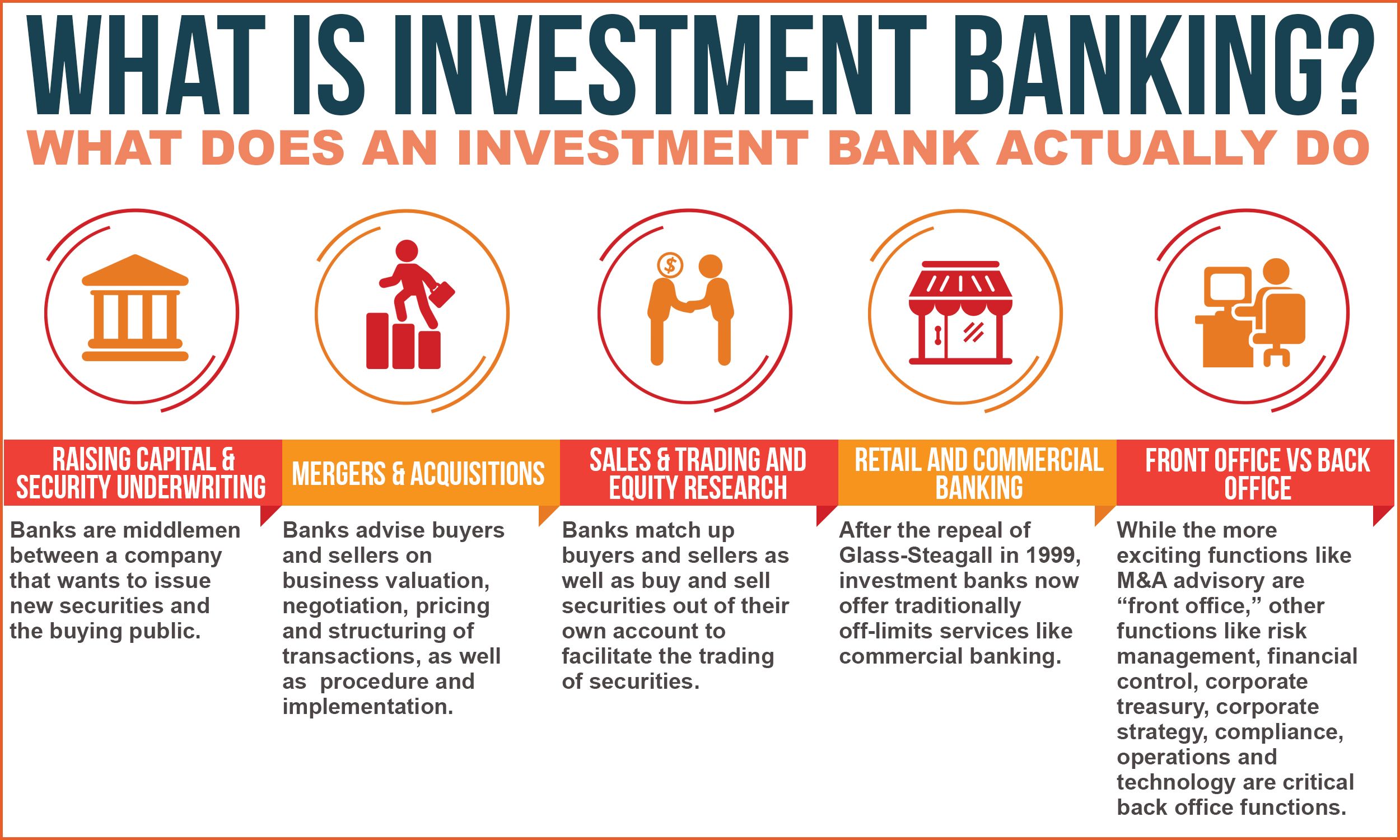






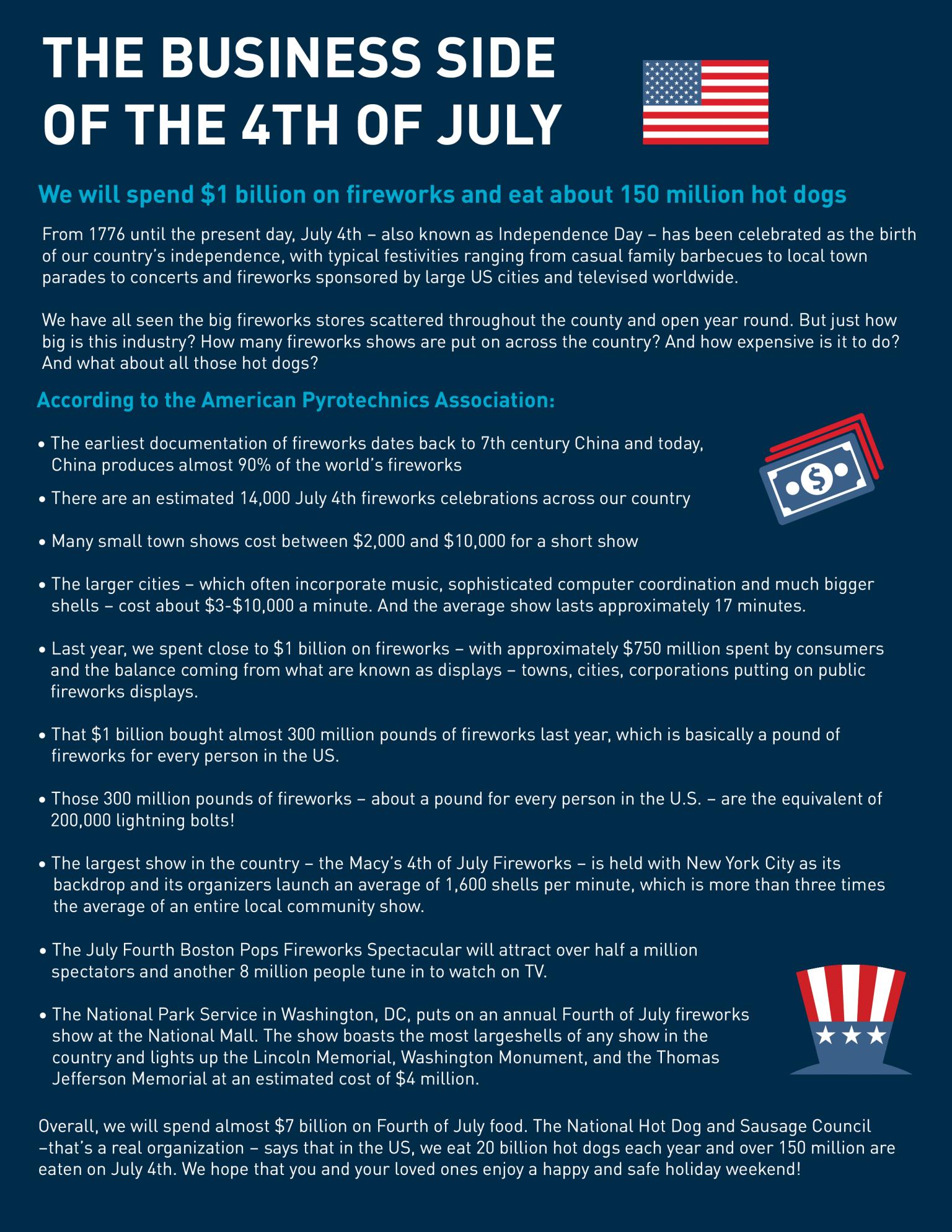


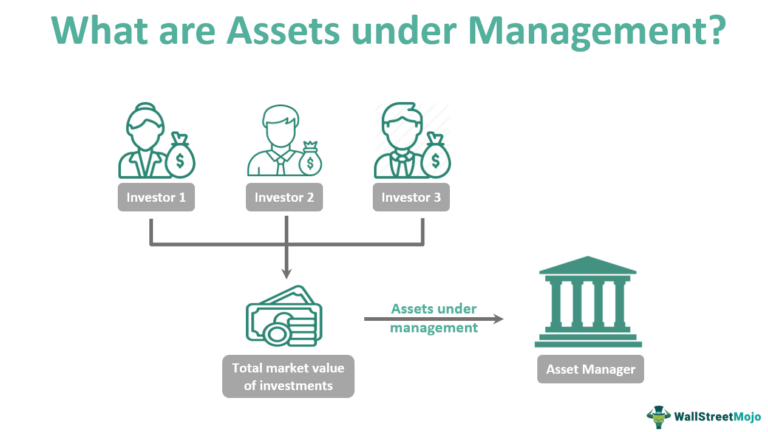








 What’s down









 The Leading Business Education Network for Doctors, Financial Advisors and Health Industry Consultants