New-Wave Medical Quality Resources

Beyond Traditional Administrative Databases

Staff Reporters

ho-journal15Physician blogger, and Harvard University CTO, John Halamka MD recently opined about some emerging new medical quality data sources for the industry.

Traditional Sources

As all ME-P subscribers know, traditional data sources are derived from, and usually include, administrative claims data information aggregated from many sources and silos.

www.HealthcareFinancials.com

Emerging Sources

But, newer sources of data for medical quality analysis go beyond administrative data and includes electronic repositories like eHRs, PHRs, eMRs and Healthcare Information Exchange [HIE] resources, where available.

www.HealthDictionarySeries.com

Assessment

For a few more examples:

Link: http://www.thehealthcareblog.com/the_health_care_blog/2009/02/index.html

Conclusion

And so, your thoughts and comments on this Medical Executive-Post, and original post, are appreciated.

Are these database silos secure, and do patients know that, or how, their hopefully blinded information is redacted and used?  Will the health insurance industry use this information to further “slice and dice” ratings levels for their insured’s? Will it then be securitized, re-aggregated and resold again for non-healthcare related purposes like home, auto or life insurance; or other yet to be developed risk-management products and services?

Is this transparent and fair to patients? What are the legal and ethical implications, if any? Thought leaders please opine?

Speaker: If you need a moderator or speaker for an upcoming event, Dr. David E. Marcinko; MBA – Publisher-in-Chief of the Executive-Post – is available for seminar or speaking engagements. Contact: MarcinkoAdvisors@msn.com  or Bio: www.stpub.com/pubs/authors/MARCINKO.htm

Get our Widget: Get this widget!

Our Other Print Books and Related Information Sources:

Practice Management: http://www.springerpub.com/prod.aspx?prod_id=23759

Physician Financial Planning: http://www.jbpub.com/catalog/0763745790

Medical Risk Management: http://www.jbpub.com/catalog/9780763733421

Healthcare Organizations: www.HealthcareFinancials.com

Health Administration Terms: www.HealthDictionarySeries.com

Physician Advisors: www.CertifiedMedicalPlanner.com

Get our Widget: Get this widget!

Subscribe Now: Did you like this Medical Executive-Post, or find it helpful, interesting and informative? Want to get the latest E-Ps delivered to your email box each morning? Just subscribe using the link below. You can unsubscribe at any time. Security is assured.

Link: http://feeds.feedburner.com/HealthcareFinancialsthePostForcxos

The Future of Hospitals

Between a “Rock and Hard Place”

By Dr. David Edward Marcinko; MBA, CMP™

By Hope Rachel Hetico; RN, MHA, CMP™rock-and-hard-place

A recent white paper by the Joint Commission suggests that hospitals must respond in new ways to meet the increasing complexity of patient care and to address rising health care costs. Duh! What an insight. Why did it take so long for them to declare same?


The Hospital Accreditation Competition Heats-Up

Was it because of competition from DNV Healthcare Inc? Was it their new ability to determine if hospitals are in compliance with Medicare Conditions of Participation [COP]? DNV joins the Joint Commission on the Accreditation of Healthcare Organizations [JCAHO], and the American Osteopathic Association [AOA], as the only national hospital accrediting agency approved by the Centers for Medicare and Medicaid Services [CMS].

Link: https://healthcarefinancials.wordpress.com/2008/10/03/hospital-accreditation

Recommendations

Nevertheless, the JCAHO report recommends action in five areas:

  • Economic viability and ROI
  • Technology adoption and use
  • Patient-centered collaborative care
  • Medical and human resources staffing
  • Hospital architectural design

Patient Centered-Philosophy

Of course, it is no surprise that patient-centered care should be philosophically at the core of any partnership between a patient and his/her hospital and medical providers. Yet, just think of the last time you saw your HMO doctor and tried to engage in a collaborative health 2.0 discussion with him/her? Na-da!

Health Information Technology

The Joint Commission, despite the interoperable eHR controversy often presented on this blog, suggests that technology adoption can play a major role in improving patient care, safety and quality.

Link: https://healthcarefinancials.wordpress.com/2008/12/19/the-case-against-inter-operable-ehrs

This transformation from paper to electronic records, according to the report, will involve:

  • Making the business case for ROI and funding
  • Redesigning business processes with HIT implementation
  • Extending the digital footprint to the “medical-home”
  • Engaging IT leaders for guidance on prior mistakes 
  • Improve workflow – minimize labor intensive activities

Of Hospital “Insider” Administrators

One local hospital administrator insider, here in Atlanta, confidentially tells us that a single hospital bed is currently worth about a million bucks a year to the institution; private or public. And, the mantra of most hospital CEOs to staff doctors, is: “fill the beds”; “schedule the procedures”; and/or “book the operating rooms.”  So, the priorities outlined in the report really don’t seem appropriate; do they?

IOW: Put the hospital first; not the patient? And, this echoed our experience in hospital administration two decades ago. Has anything changed?

Assessment

Nevertheless, it may be refreshing to see an approach to healthcare technology implementation that seems to leverage the experience and knowledge of other industries. Privacy concerns however, are the biggest obstacle to HIT and true inter-operable eMRs, in our opinion. Yet, it doesn’t need to be. Who cares if grandma has a bunion, or dad had his cataracts repaired. They aren’t running for public office; are they?

The road to the Hospital of the Future will be bumpy, but we are hopeful enough to trust the benefits will be great once we arrive.

Full report: hosptals-future 

Conclusion

And so, your thoughts and comments on this Medical Executive-Post are appreciated. Are hospitals today “between a rock and hard place?” Is technology and business process reorganization being offered as a substitute for critical thinking and true collaborative medicine? Especially, in light of the healthcare capitalistic thrust to: “do more – in order to earn more.”

Speaker: If you need a moderator or speaker for an upcoming event, Dr. David E. Marcinko; MBA – Publisher-in-Chief of the Executive-Post – is available for seminar or speaking engagements. Contact: MarcinkoAdvisors@msn.com  or Bio: www.stpub.com/pubs/authors/MARCINKO.htm

Our Other Print Books and Related Information Sources:

Practice Management: http://www.springerpub.com/prod.aspx?prod_id=23759

Physician Financial Planning: http://www.jbpub.com/catalog/0763745790

Medical Risk Management: http://www.jbpub.com/catalog/9780763733421

Healthcare Organizations: www.HealthcareFinancials.com

Health Administration Terms: www.HealthDictionarySeries.com

Physician Advisors: www.CertifiedMedicalPlanner.com

Subscribe Now: Did you like this Medical Executive-Post, or find it helpful, interesting and informative? Want to get the latest E-Ps delivered to your email box each morning? Just subscribe using the link below. You can unsubscribe at any time. Security is assured.

Link: http://feeds.feedburner.com/HealthcareFinancialsthePostForcxos

WellCare Medicare-Advantage Scandal

Company “Misled and Confused Medicare Beneficiaries”?

By Dr. David Edward Marcinko; FACFAS, MBA, CMP™dr-david-marcinko20

According to Jacob Goldstein, of the WSJ, on February 20, 2009, WellCare the publicly traded company that some folks “love-to-hate”, and manages health coverage for Medicare and Medicaid beneficiaries, is in trouble again. In a recent letter, the Feds ordered the company to stop enrolling new Medicare beneficiaries, effective March 7, 2009. The sanction will be in effect until the Centers for Medicare and Medicaid Services [CMS] is satisfied that the company has corrected the alleged deficiencies.

Letter from the Feds

Adjusted for enrollment, the rate of complaints about WellCare’s marketing of Medicare Advantage plans are three times the national average, the letter says. The letter goes on to allege that the company “misled and confused Medicare beneficiaries” and “engaged in unauthorized door-to-door solicitation.” CMS also accuses WellCare’s agents of “misleading beneficiaries and misrepresenting WellCare plans at sales events in December 2008″ and failing to “discover forged applications through its own monitoring systems.” Of course, the company said it would continue to work with independent third-parties to ensure that it is compliant with CMS.

Click here to read the letter.

Oh Regina – Say it Ain’t So!

Finally, and perhaps the most personally distasteful for me in this whole sordid affair is not the fact that WellCare allegedly tried to rip off old folks. It’s just that Dr. Regina Herzlinger, the Harvard Business School professor – mother of a physician herself and proponent of healthcare competition and Consumer Directed Health Care Plans [CDHCPs] and a WellCare BOD member – apparently sold $2.3 million worth of stock in Wellcare three months before the FBI arrived.

Assessmentbiz-book5

 I first became aware of Regina Herzlinger’s work while in business school [not HBS] in the early 1990s. I recall calling her office for advice and referencing her several times in both editions of my best-selling book, the Business of Medical Practice [Profit Maximizing Techniques for Savvy Doctors]. She even came to Piedmont Hospital, here in Atlanta, last year on a healthcare speaking tour promoted in the local newspapers. What a shame. All co-incidence; ask Regina? Link: www.MedicalBusinessAdvisors.com

Industry Indignation Index: 35

Full disclosure: I am the founder of www.CertifiedMedicalPlanner.com and a reformed insurance agent, registered investment advisor and Certified Financial Planner™

Conclusion

And so, your thoughts and comments on this Medical Executive-Post are appreciated. Do you think WellCare “Misled and Confused Medicare Beneficiaries?” You may opine and decide.

Speaker: If you need a moderator or speaker for an upcoming event, Dr. David E. Marcinko; MBA – Publisher-in-Chief of the Executive-Post – is available for seminar or speaking engagements. Contact: MarcinkoAdvisors@msn.com  or Bio: www.stpub.com/pubs/authors/MARCINKO.htm

Our Other Print Books and Related Information Sources:

Practice Management: http://www.springerpub.com/prod.aspx?prod_id=23759

Physician Financial Planning: http://www.jbpub.com/catalog/0763745790

Medical Risk Management: http://www.jbpub.com/catalog/9780763733421

Healthcare Organizations: www.HealthcareFinancials.com

Health Administration Terms: www.HealthDictionarySeries.com

Physician Advisors: www.CertifiedMedicalPlanner.com

Subscribe Now: Did you like this Medical Executive-Post, or find it helpful, interesting and informative? Want to get the latest E-Ps delivered to your email box each morning? Just subscribe using the link below. You can unsubscribe at any time. Security is assured.

Link: http://feeds.feedburner.com/HealthcareFinancialsthePostForcxos

Product DetailsProduct DetailsProduct Details   

About In-Situ Medical Practitioners

Searching for Definitional Clarity

Staff Reporters

solo-consultant2Apparently, there is a growing trend toward so called “in-situ medical practitioners”. In this model, specialists like internists or diabetologists, add a certain medical expertise to address a large number of patients with specific needs in a general or primary care practice. 

Link: www.HealthDictionarySeries.com

Business Savvy

This clearly indicates that physicians are becoming more business savvy, are becoming more sophisticated in driving the growth of their practice, and better understand the structure and needs of their local health care market. 

Assessment

Regardless, the basic principles of relationship building and relationship management apply – treating each party with mutual respect and engaging in open and honest dialogue. Of course, we seek input form readers and subscribers to further define this emerging trend; if not merely a group of isolated incidents made known to us.

Conclusion

And so, your thoughts and comments on this Medical Executive-Post are appreciated.

Speaker: If you need a moderator or speaker for an upcoming event, Dr. David E. Marcinko; MBA – Publisher-in-Chief of the Executive-Post – is available for seminar or speaking engagements. Contact: MarcinkoAdvisors@msn.com  or Bio: www.stpub.com/pubs/authors/MARCINKO.htm

Subscribe Now: Did you like this Medical Executive-Post, or find it helpful, interesting and informative? Want to get the latest E-Ps delivered to your email box each morning? Just subscribe using the link below. You can unsubscribe at any time. Security is assured.

Link: http://feeds.feedburner.com/HealthcareFinancialsthePostForcxos

About Fi360.com

Education for Financial Fiduciaries

Staff Reportersnyse1

According to the firm and website, www.Fi360.com offers a full circle approach to investment fiduciary education, practice management and support that has established it as the go-to source for investment fiduciary insights.


The Term “Fiduciary” Defined?

And, Fi360 defines an investment “Fiduciary” as:

“Someone who is managing the assets of another person and stands in a special relationship of trust, confidence, and/or legal responsibility”

Related definitional info: www.HealthDictionarySeries.com

Practitioner Based

With substantiated best-practices as a foundation, the firm offers training, tools and resources that are essential for fiduciaries and those who provide services to fiduciaries to effectively and successfully manage their roles and responsibilities. Fi360 say it is committed to assisting those who rely on their education programs, Web-based analytical software and resources to achieve success.

Training

Fi360 offers both AIF® and AIFA® training curriculums. The AIF® curriculum instructs investment fiduciaries on how to fulfill their duties to a defined standard of care. The AIFA® curriculum instructs participants on how to assess the conformance of investment fiduciaries to a Global Fiduciary Standard of Excellence [GFSE] using an ISO-like assessment process. These training curriculums are available in both classroom and Web-based settings; customized program are also available. Participants who successfully complete the programs, submit dues, agree to a code of ethics and meet other prerequisites may earn the AIF® or AIFA® designations, respectively.

Goals and Objectives

The goal of Fi360 is to help investment fiduciaries manage their responsibilities. But, according to Bennet Aiken AIF®, Fi360 Communications Coordinator, it is important to realize that AIF® / AIFA® designees are not required to be fiduciaries. While these designations are symbolic of training, knowledge and ongoing fiduciary development, they do not mean certification holders will always be acting as a fiduciary.

Assessment

Publications, blogs, articles, national conferences, assessments and more material for the collective and ongoing support of the fiduciary community are available; many for free and/or for the general public.

Conclusion

And so, your thoughts and comments on this Medical Executive-Post are appreciated. But, why would a healthcare institution, medical practice, clinic or individual physician-investor hire anyone who will not act as a fiduciary and put their interests first; especially an AIF®/AIFA certification holder?

Note: Beginning today, and for the entire month of March 2009, we will be posting an exclusive interview with Bennett Aikin AIF®, the Communications Coordinator for fi360.com. Our topic will be on the rules, regulations and very definition of the modern financial fiduciary. Perhaps he can explain it all? Don’t miss it!

Speaker: If you need a moderator or speaker for an upcoming event, Dr. David E. Marcinko; MBA – Publisher-in-Chief of the Executive-Post – is available for seminar or speaking engagements. Contact: MarcinkoAdvisors@msn.com  or Bio: www.stpub.com/pubs/authors/MARCINKO.htm

Our Other Print Books and Related Information Sources:

Practice Management: http://www.springerpub.com/prod.aspx?prod_id=23759

Physician Financial Planning: http://www.jbpub.com/catalog/0763745790

Medical Risk Management: http://www.jbpub.com/catalog/9780763733421

Healthcare Organizations: www.HealthcareFinancials.com

Health Administration Terms: www.HealthDictionarySeries.com

Physician Advisors: www.CertifiedMedicalPlanner.com

Subscribe Now: Did you like this Medical Executive-Post, or find it helpful, interesting and informative? Want to get the latest E-Ps delivered to your email box each morning? Just subscribe using the link below. You can unsubscribe at any time. Security is assured.

Link: http://feeds.feedburner.com/HealthcareFinancialsthePostForcxos


About Phreesia Practice Access Management

Join Our Mailing List

What it is – How it Works

[By Staff Reporters]horizontal-nurses

Phreesia is an intentional misspelling of a flower (Freesia) and is a medical office access management product that replaces a physician’s traditional patient data-gathering clipboard with a free easy-to-use wireless touch-screen device called a PhreesiaPad. Everything else required [absent the broadband internet connection], including a wireless network, is supplied by the company

www.Phreesia.com

Customizable

Patient interviews can be as short or as long as desired by the physician. On average, a patient interview will take anywhere from 2 to 6 minutes. The PhreesiaPads come with a built-in tracking device as well as multiple anti-theft warning signs to prevent theft. The PhreesiaPad does not operate outside a physician’s office. They are reportedly very durable and rugged. However, if one does happen to break, it is replaced free of charge

Benefits

  • Capture optimized and comprehensive patient information.
  • Enable patients to verify, rather than re-enter, previously recorded information.
  • Conduct pre-visit personalized interactive patient interviews in the waiting room.
  • Completed interviews automatically printed as a report for physician review.
  • Engage patients while they wait.
  • Offer up-to-date health education relevant to patient medical concerns.
  • Provide patients with practical information for healthy living. 
  • Display custom messages about the medical practice.
  • Better prepare patients for office appointments.
  • Ensure important information is acquired.
  • Automate current HIPAA, Medicare and patient payment agreements.

Assessment

Phreesia is not a substitute for clinician-patient dialogue. However, patients often find it easier to confide sensitive information to a computer than directly to a clinician (i.e. alcohol use, drug use, psychiatric evaluation, depression, etc.). Additionally, Phreesia encourages a more structured, meaningful clinician-patient conversation by better preparing providers and better informing patients in advance of every visit.

More Info

110 East 23rd Street
Suite 400
New York, NY 10010
Phone: 888-654-7473

Fax: 646-607-1776
info@phreesia.com

Conclusion

And so, your thoughts and comments on this Medical Executive-Post are appreciated. One comment was that this device resembled the Amazon Kindle electronic reader. Early-adopter insight is appreciated.

Feel free to review our top-left column, and top-right sidebar materials, links, URLs and related websites, too. Then, subscribe to the ME-P. It is fast, free and secure.

Speaker: If you need a moderator or speaker for an upcoming event, Dr. David E. Marcinko; MBA – Publisher-in-Chief of the Medical Executive-Post – is available for seminar or speaking engagements. Contact: MarcinkoAdvisors@msn.com

OUR OTHER PRINT BOOKS AND RELATED INFORMATION SOURCES:


Product DetailsProduct DetailsProduct Details   

Dismal World Video-View of American Healthcare

BBC Documentary Takes on Obama’s Plan

Staff ReportersUS Capitol 

Did you know that a new British Broadcasting Corporation [BBC] documentary takes on newly elected President Barack S. Obama’s plans for American health care system?

Emotional Pleas Tug at Citizenry Heart Strings

According to Nick Cargo – of the BBC on January 25 – a January 19th episode of BBC’s One’s Panorama, the world’s longest running television documentary show, tackles the dismal state of health care in the United States. Of course, it emotionally parses on the lengths to which our estimated [high-side] 45 million uninsured citizens [only 8 million remain uninsured for 2 years, or more] go in pursuit of care, the pharmaceutical industry’s rigged pricing against the American patient, and the insurance industry’s efforts to deny care whenever possible.

About Health Care for America Now

According to documentary comments regarding freedom-of-choice in our medical care; “It’s really a system of legalized bribery,” said Richard Kirsch of Healthcare for America Now. “As one congressman says, we’re the only people in the world who are expected to take money from strangers and provide nothing in return.”

Health Care for America Now is a national grassroots campaign organizing millions of Americans to win a guarantee of quality, affordable health care for all. Their goal is to create organizations that can mobilize people at work, at home, in their neighborhoods, and online www.healthcareforamericanow.org

Assessment

Due to licensing restrictions, the Panorama episode, “What Now, Mr. President?” is not for domestic consumption and is only officially available to view online from connections within the United Kingdom. However, it has also been uploaded to YouTube, where it appears in three parts below.

Video: http://rawstory.com/news/2008/BBC_documentary_takes_on_Obamas_plans_0125.html

Conclusion

And so, your thoughts and comments on this Medical Executive-Post are appreciated. Watch the video and decide for yourself; then opine here. Is the BBC view equal to the world view of US healthcare modernity?

Speaker: If you need a moderator or speaker for an upcoming event, Dr. David E. Marcinko; MBA – Publisher-in-Chief of the Executive-Post – is available for seminar or speaking engagements. Contact: MarcinkoAdvisors@msn.com  or Bio: www.stpub.com/pubs/authors/MARCINKO.htm

Our Other Print Books and Related Information Sources:

Practice Management: http://www.springerpub.com/prod.aspx?prod_id=23759

Physician Financial Planning: http://www.jbpub.com/catalog/0763745790

Medical Risk Management: http://www.jbpub.com/catalog/9780763733421

Healthcare Organizations: www.HealthcareFinancials.com

Health Administration Terms: www.HealthDictionarySeries.com

Physician Advisors: www.CertifiedMedicalPlanner.com

Subscribe Now: Did you like this Medical Executive-Post, or find it helpful, interesting and informative? Want to get the latest E-Ps delivered to your email box each morning? Just subscribe using the link below. You can unsubscribe at any time. Security is assured.

Link: http://feeds.feedburner.com/HealthcareFinancialsthePostForcxos

Collaborative Dental Health 2.0 [Upcoming Three Part Series]

Hippocratic Dental Consumerism

By Darrell K. Pruitt; DDSpruitt

Even before the downturn in the economy sent dentists scrambling for new sources of patients, these were already times of revolutionary changes in the marketing of dental care. To those who are alert, the Internet-enabled chaos signals a rare opportunity if one sides with consumers rather than tradition. It takes confidence to welcome transparency, and it looks increasingly bad when dentists resist accountability in traditional ways – like suing. Yelp; because of a bad review that was posted on the patient referral site. That is the second stupidest thing one can do. Being perhaps a geeky student of the Internet, and sort of nosey, I have been tracking the popularity of dentists’ comments on a few Internet venues for quite a while, because of my own curiosity.  I also get ornery enjoyment from reporting to my friends my opinion of what is really happening in my profession that nobody else talks about. My hobby could be called fuzzy data mining based on a platform of precise subjectivity. 

For more intricate and dependable real-time information, I choose the surveys reported on The Wealthy Dentist Blog, hosted by Jim Du Molin. They are the best around.

Link: http://www.thewealthydentist.com/blog/

American Dental Association

The ADA also provides nice, formal presentations of even more accurate information, but it is often dated and not ground-level relevant like Du Molin’s studies. Until the Internet came along, gathering useful information about dentists’ prevailing attitudes outside one’s professional circle was virtually impossible, and dentists are well aware that even within these circles, colleagues’ opinions at dental meetings are sometimes intentionally misleading – perhaps mine are less reliable as well at social gatherings. I never talk this frankly in real life. 

Dental Information Silos 

Talk about information silos!  No less that 85% of dentists in the nation are owners of solo private practices (ADA News), and only 2% have bubbly personalities (my guess). Dentists’ quiet isolation, which is arguably favored by what I would guess would be around 85% of dentists in the nation, is a unique characteristic in modern healthcare that is part of a unique labor-intensive art – performed to exacting tolerances in an unpredictable environment – intricate work that most consumers know little about. Yet the ultra-personal accountability welcomed by almost all solo dentists is the way even neighborhood physicians once practiced their trade for thousands of years before modern stakeholders became involved. 

Hippocratic Oath

Is working alone with one’s chosen staff the most efficient way to provide dental care?  No way.  But for me personally, maintaining complete control of the care I provide from start-to-finish for those who depend on me is safer for them and a better business model for me than any alternative I have seen yet.  In my opinion, there is no room in the Hippocratic Oath for less than 100% devotion to the patients’ interests. More than two thousand years later, it is called consumerism, and it is 180 degrees counter to stakeholders’ interests, preferred provider lists and universal healthcare. And, it probably comes as no surprise that last October I observed that the most popular comments that were posted shifted from news about the benefits of high-tech inventions in dentistry to advice for how to survive in a tough economy. The whole nation is concerned about finances, and getting one’s teeth cleaned is commonly sacrificed when things get tough. Don’t even mention implants and crowns.

2009 Recession 

At the risk of sounding ostentatious as well as pedantic, I will offer that (for the time being) my practice is not suffering from a downturn that many of my local colleagues are enduring. In fact, I am actually busier than I was this time last year – and I made more profit in 2008 than ever before in 26 years of practice. I am also discovering that patients I lost long ago are returning now that they no longer have provider lists. They are also finding that my prices are not so high after all (in fairness, I should add that it has been longer than usual since I have raised fees – except for full gold restorations, of course). Since I am not in the business of selling advice, I am not afraid to also admit that my practice still experienced a couple of slow periods in the late fall – directly attributable to the initial shock of the downturn.  But I cannot say that the slowdown was any worse than other times in the last few years, and it certainly hasn’t been as bad as what dentists in Michigan must endure. My sympathy and best wishes go out to my colleagues up north. Things could all turn for the worse for me tomorrow, but for right now, I’m somewhere between surviving and thriving, for what that is worth; nothing spectacular, but solid.

Three Part Series 

This posting, which I hope some readers find useful, will be a multi-part series. I haven’t worked everything out yet, and my outline is subject to change, but here is what I have in mind.

In Part One, I’ll describe how my active participation in DR. Oogle (doctoroogle.com) has not only kept my name off of preferred provider lists, but it has also improved the quality of care my staff and I provide, as well as improved the working atmosphere in the office. Transparency will do that.

Then, in Part Two, I will offer my suggestion how one can use DR. Oogle or similar patient referral site to “graduate” from managed care into fee-for-service dentistry without losing patients or profit. As a naughty teaser, let me hint that over three years ago, I offered the idea as an article for the monthly newsletter of my local dental society, only to be refused publication for the first time in over two decades of submissions. I was told that an official nixed it as a transparent “scheme” to harm managed care dental companies, and was therefore below the standards of ADA publications.

“Image is everything”

-ADA/Intelligent Dental Marketing

Finally, in Part Three, I’ll describe how a good offense is also a handy defense – perhaps even in defense against malpractice litigation. Hopefully, a few sincere readers will consider playing to win rather than playing not to lose. And, for those who still don’t see my point, I will reveal how to play not to lose. Fair is fair.  It costs from $625 to $1995 per year, and in my opinion, is the stupidest thing one can do. Hope you enjoy this three part series. 

Assessment

Editor’s Note: This post was first published on PennWell. Dr. Pruitt blogs here and at others sites. His insights are applicable to most all medical specialties.

Conclusion

And so, your thoughts and comments on this Medical Executive-Post are appreciated.

Speaker: If you need a moderator or speaker for an upcoming event, Dr. David E. Marcinko; MBA – Publisher-in-Chief of the Executive-Post – is available for seminar or speaking engagements. Contact: MarcinkoAdvisors@msn.com  or Bio: www.stpub.com/pubs/authors/MARCINKO.htm

Our Other Print Books and Related Information Sources:

Practice Management: http://www.springerpub.com/prod.aspx?prod_id=23759

Physician Financial Planning: http://www.jbpub.com/catalog/0763745790

Medical Risk Management: http://www.jbpub.com/catalog/9780763733421

Healthcare Organizations: www.HealthcareFinancials.com

Health Administration Terms: www.HealthDictionarySeries.com

Physician Advisors: www.CertifiedMedicalPlanner.com

Subscribe Now: Did you like this Medical Executive-Post, or find it helpful, interesting and informative? Want to get the latest E-Ps delivered to your email box each morning? Just subscribe using the link below. You can unsubscribe at any time. Security is assured.

Link: http://feeds.feedburner.com/HealthcareFinancialsthePostForcxos

Maintenance of Medical Board Certification

Status Growing in Importance – or Sham

Dr. David Edward Marcinko; MBA, CMP™

And Staff Reporters

dr-david-marcinko11Increasingly, efforts to boost quality and gain better value from the world’s most costly healthcare system are including attention to Maintenance of Board Certification [BOBC], a little-understood but rigorous process by which physicians maintain board certification status and then keep it.  

Hillary-Care Redeux

Back in the day, circa late 1970s – early 1980s, medical board certification was indeed a rigorous process; and still is to a very large extent. For example, Democratic presidential candidate Hillary Rodham Clinton, in laying out the quality portion of her three-part healthcare reform plan last year, specifically touted these programs as a key step in enhancing quality. From the presidential campaign trail to hospital and health plan board rooms, Board Certification and the Maintenance of Board Certification is a growing force in the industry.

But, is maintaining recertification status another matter of true quality import?

Major Health Plans On-Board

Several of the nation’s biggest health plans—including Aetna, Cigna, Humana, UnitedHealth Group and national and regional Blue Cross and Blue Shield organizations—are embracing Maintenance of Certification as part of their recognition and reward programs. Physicians who do not participate are not highlighted in plan directories and miss out on higher plan reimbursements.

Yet, why do we have “red flag” issues, “never-events” policies and/or the rise of “checklist-medicine” for risk reduction if these continuing education programs are so effective?

Allow me to cite the raging over-treatment epidemic, especially in specialties like arthroscopic orthopedics, radiology imaging [CT and MRI scans] and invasive cardiology, etc. Not to mention recent, and not so recent, Institute of Medicine [IOM] quality chasm reports for in-hospital patient deaths, complications and infections, etc.   

Assessment

Of course, savvy hospital administrators and physician executives, of all stripes, are examining ways to use elements of board certification maintenance to respond to the Joint Commission’s new requirements for physician credentialing and privileging. Furthermore, the National Quality Forum [NQF] and the AQA quality alliance will be considering Maintenance of Certification for quality measurement endorsement.

Source: Cary Sennett and Christine Cassel, Modern Healthcare

Joint Commission Relevance in Modernity

But, is the Joint Commission itself even as relevant today, as in the past? Or – is its [political, quality and economic] status, might and swagger being reduced in favor of modern new-wave insights from health 2.0 collaboration activities and emerging formal organizations like DNV Healthcare Inc., a division of the Norwegian company.

As subscribers and Medical Executive-Post readers are aware, Det Norske Veritas [DNV] has recently been charged with immediately determining if hospitals are in compliance with the Medicare Conditions of Participation [COP]. The company’s authority to accredit hospitals runs through September 26, 2012. DNV joins the American Osteopathic Association [AOA] as the only other national hospital accrediting agency approved by the Centers for Medicare and Medicaid Servicers [CMS].

Conclusion

And so, your thoughts and comments on this Medical Executive-Post are appreciated. Is medical board certification and maintenance status of real value – or just fluff – much like the continuing education and licensure requirements of insurance agents, stock-brokers and financial advisors, etc? Is it less for medical education – and more for liability risk reduction – or PR – you decide? 

Disclosure: I am a reformed insurance agent, stock-broker, board certified quality review physician and Certified Financial Planner®.

Speaker:If you need a moderator or speaker for an upcoming event, Dr. David E. Marcinko; MBA – Publisher-in-Chief of the Medical Executive-Post – is available for seminar or speaking engagements. Contact: MarcinkoAdvisors@msn.com 

Our Other Print Books and Related Information Sources:

Practice Management: http://www.springerpub.com/prod.aspx?prod_id=23759

Physician Financial Planning: http://www.jbpub.com/catalog/0763745790

Medical Risk Management: http://www.jbpub.com/catalog/9780763733421

Physician Advisors: www.CertifiedMedicalPlanner.org

Subscribe Now:Did you like this Medical Executive-Post, or find it helpful, interesting and informative? Want to get the latest ME-Ps delivered to your email box each morning? Just subscribe using the link below. You can unsubscribe at any time. Security is assured.

Link: http://feeds.feedburner.com/HealthcareFinancialsthePostForcxos

Product DetailsProduct DetailsProduct Details

Reflections on Legionellosis and the Sweet-Science

Beleaguered Grady Memorial Hospital in the News

By Dr. David Edward Marcinko; MBA, CMP™dr-david-marcinko14

The economically dreadful status of Grady Memorial Hospital Corporation [GMHC], here in Atlanta Georgia, is well known to those in the industry. We personally wish its new CEO, Michael A. Young, of the hospital’s recently privatized BOD much professional success. As the region’s only level-two trauma center – an important public service is provided to us all.

Current Development at GMHC

And now, tests of water samples from varied hospital locations at GMHC have focused a Legionella Pneumonia investigation on upper parts of Water Tower A.

Link: http://www.ajc.com/gwinnett/content/metro/atlanta/stories/2009/02/12/legionnaires_disease_grady.html

As originally suspected, the water source on units 11-A and 12-A tested positive for Legionella bacteria, and were treated with hot water [284 degrees] and heated hyper-chlorination, as inpatients centered on the 11th and 12th floors were temporarily unable use their shower facilities as a precaution.

Link: http://www.gradyhealthsystem.org/lpneu.asp

First Anecdote

I initially learned of Legionnaires’ disease while a medical student at Temple University, in Philadelphia. The community paranoia and patient deaths surprised us all back then, as well as the ultimate general simplicity of treatment with the antibiotic erythromycin. In fact, two incidents quickly come to mind as this story unfolds.

First, I returned to the same hotel about a decade after the incident while serving on the residency selection committee for a local hospital. I was astonished to learn how few of our interviewees knew about the condition; not medically of course, but its rich history in the very same hotel accommodations where we stayed. While having dinner one evening in the hotel’s restaurant, I met former heavy weight boxing champion, Smok’in Joe Frazier, who invited me to his table for a drink. Even he recalled the original Legionnaire’s incident, and hotel venue, just as he regaled me with his nascent training escapades at the Center City Athletic Association on North Broad Street. I regaled him in-turn, with stories of my own dad, an amateur fly-weight Baltimore City boxing champion circa 1945; and stories of my services as boxing-ring physician’s assistant at the old Philadelphia Spectrum. He was a gracious and charming champion, indeed. My dad was thrilled when I recounted this story.

About Legionnaires‘ Disease

Legionnaires’ disease got its name in 1976, when an outbreak occurred in the Bellevue-Stratford, a land-mark Philadelphia hotel during an American Legion convention. Pneumonia-like symptoms include fever, chills, cough, muscle aches and headaches. Chest X-rays, and other tests can be done on sputum, as well as blood or urine to find evidence of the bacteria. The bacteria grows best in warm water, like the kind found in hot tubs, saunas, cooling towers, hot water tanks, large plumbing systems, or parts of the air-conditioning systems of large buildings. Transmission is through mist or vapor-like steam from sources not been properly cleaned and disinfected. The bacteria are not spread from one person to another person. Outbreaks occur when two or more people become ill in the same place at about the same time, such as patients in hospitals. Hospital buildings have complex water systems and many people in hospitals already immune compromised and have illnesses that increase their risk for Legionella infection. Other outbreaks have been linked to aerosol sources in the community, on cruise ships etc, with the most likely sources being whirlpool spas, cooling towers and water used for drinking and bathing.

Unfortunately, Legionnaires’ disease can be very serious and can cause death in up to 5% to 30% of cases. Most cases are successfully treated with antibiotics and healthy folks usually recover from infection. Current antibiotic treatments are with quinolones and macrolides. Those used most frequently are levofloxacin and azithromycin. Macrolides are used in all age groups while tetracyclines are prescribed for children above the age of 12, and quinolones above the age of 18. These antibiotics are effective because they have excellent intracellular penetration and Legionella infects cells.

Second Anecdote

The second incident that comes to mind is my recollection of Dr. Leonard Bachman, the former Pennsylvania Commonwealth Health Secretary at the time of the first Legionaire’s crisis, thirty-three years ago. Dr. Bachman is a former Commanding Officer of the US Public Health Service’s Disaster Response Team, Director of Health Services for the National Oceanic and Atmospheric Administration, and Director of the Public Health Service. During his long and distinguished career, he assisted with the establishment of the National Disaster Medical System (NDMS), coordinated the original investigation into the initial outbreak of Legionnaire’s Disease in Philadelphia, and was responsible for the medical response to Hurricane Andrew. Today, although semi-retired, Dr. Bachman provides consultancy services to the US Marshall Service and numerous other organizations. So, imagine how shocked I was to see him interviewed on TV a few weeks ago! Now, at Emory University, his advice and experience was again sought during the current GMHC incident. What a blast from the past!

Assessment

GMHC is a downtown Atlanta public facility with 950 beds. It normally sees about 2-3 cases of Legionaiire’s disease each year.

Proper antibiotic use: http://www.tufts.edu/med/apua/mrsa/mrsa.html

Conclusion

And so, your thoughts and comments on this Medical Executive-Post are appreciated. Please opine on GMHC, the sweet-science, or related topics of interest. Is this outbreak, for example, related to the Peanut Corporation of America salmonella outbreak in Blakely, GA, in any systemic way? Or, does this state simply lack governmental oversight in multiple areas?

Speaker: If you need a moderator or speaker for an upcoming event, Dr. David E. Marcinko; MBA – Publisher-in-Chief of the Executive-Post – is available for seminar or speaking engagements. Contact: MarcinkoAdvisors@msn.com  or Bio: www.stpub.com/pubs/authors/MARCINKO.htm

Subscribe Now: Did you like this Medical Executive-Post, or find it helpful, interesting and informative? Want to get the latest E-Ps delivered to your email box each morning? Just subscribe using the link below. You can unsubscribe at any time. Security is assured.

Link: http://feeds.feedburner.com/HealthcareFinancialsthePostForcxos

AMA Sues to Keeps Medicare Claims Data Private

Join Our Mailing List

AMA Wins Appeal to Blind Consumers’ Checkbook

[By Dr. David Edward Marcinko; MBA]human-drones

The Centers for Medicare and Medicaid Services [CMS] does not have to turn over physician-specific Medicare claims data requested by not-for-profit Consumers’ Checkbook under the Freedom of Information Act, the U.S. Circuit Court of Appeals for the District of Columbia ruled in an opinion delivered January 30th.

AMA and DHHS

According to Gregg Blesch of Modern Healthcare, on 2/2/09, the American Medical Association [AMA] joined the Department of Health and Human Services [DHHS] in appealing a 2007 decision that the data should be subject to disclosure, but the appeals court concluded the physicians’ privacy interest outweighs the consumer group’s assertions that the data would be used in the public interest.

Three Decade DHHS Legal Conundrum

DHHS, meanwhile, was not concerned so much with privacy as with its own legal conundrum involving a 1979 federal injunction barring the release of Medicare data that identifies individual physicians. A 2008 statement explaining the decision to appeal said the department “recognizes and shares the goals of Consumers’ Checkbook” and was seeking a legal way for the government to share Medicare claims data as part of its own quality initiatives.

Link: http://www.ama-assn.org

About Consumer’s Checkbook

Consumers’ Checkbook/The Center for the Study of Services is an independent, nonprofit consumer organization founded in 1974 with the help of funding from the U.S. Office of Consumer Affairs. Its’ purpose is to provide consumers information to help them get high quality services and products at the best possible prices. The organization is supported entirely by subscription payments and donations from individual consumers who subscribe to its magazines, and by fees for surveys, and information services and books. They do not accept donations from businesses and their publications carry no advertising.

Link: http://www.checkbook.org

About the AMA

The home page of the AMA website states the organization is “helping doctors help patients.”  Is this really the case; or mere rhetoric? Is it true that less than 20% of the nations MDs are members?

Assessment

Consumers’ Checkbook said it would use the data to show the frequency with which physicians performed certain procedures; expose how much Medicare pays physicians who have disciplinary histories or poor evaluations; and determine whether they were fulfilling standards of recommended care. The court found each argument wanting.

Industry Indignation Index Rating: 85

Conclusion

Your thoughts and comments on this ME-P are appreciated. Feel free to review our top-left column, and top-right sidebar materials, links, URLs and related websites, too. Then, subscribe to the ME-P. It is fast, free and secure.

Link: http://feeds.feedburner.com/HealthcareFinancialsthePostForcxos

Speaker: If you need a moderator or speaker for an upcoming event, Dr. David E. Marcinko; MBA – Publisher-in-Chief of the Medical Executive-Post – is available for seminar or speaking engagements. Contact: MarcinkoAdvisors@msn.com

OUR OTHER PRINT BOOKS AND RELATED INFORMATION SOURCES:

DICTIONARIES: http://www.springerpub.com/Search/marcinko
PHYSICIANS: www.MedicalBusinessAdvisors.com
PRACTICES: www.BusinessofMedicalPractice.com
HOSPITALS: http://www.crcpress.com/product/isbn/9781466558731
CLINICS: http://www.crcpress.com/product/isbn/9781439879900
BLOG: www.MedicalExecutivePost.com
FINANCE: Financial Planning for Physicians and Advisors
INSURANCE: Risk Management and Insurance Strategies for Physicians and Advisors

Product DetailsProduct DetailsProduct Details

A Six Sigma Emergency Department Case Report

Emergency Department Diversions

By Staff Writersbiz-book1

According to Daniel L. Gee MD MBA, Scottsdale Healthcare in Arizona used consultants from Creative Healthcare USA on a recent project, rather than doing a full deployment of Six Sigma in its organization, to analyze its problem of emergency department (ED) “diversions.”

Emergency Department Diversions

Diversions happen when emergency departments are too full in capacity to handle acute emergencies and a decision is made to close its doors to patients and ambulances are diverted elsewhere. The issue of closed and diverted emergency rooms is a growing nationwide phenomenon because of fewer EDs and a growing aged and uninsured population. The consultants, using Six Sigma principles, mapped the ED process and found multiple bottlenecks that have a direct effect on the probability of evoking a “diversionary” status in the emergency room.

Out of Control Bottlenecks

One bottleneck process deemed “out of control,” in Six Sigma jargon, was the issue of bed control. A process is considered “in control” when operating within acceptable specification limits. It was found that the average transfer time for a patient admitted to a hospital bed from the emergency department was 80 minutes, of which half of this time, a bed is available and waiting. The process was a significant “waste of time” and, moreover, complicated by an Administrative Nurse “inspector” locating beds on different floors.

Sig Sigma Tenants

Two tenements of Six Sigma level of quality were violated: one is that having an inspection is a correction for an inefficient process and two, the more steps involved the less is the potential yield of a process. Through this revelation, the hospital eliminated the Administrative Nurse, reduced cycle time by 10% in bed control, and improvement ED throughput with greater turnover thereby, improving revenue by nearly $600,000.

Little’s Law

The addition of a nurse inspector and waiting patients in a busy ED is an example of “Little’s Law” or sometimes referred to as the first fundamental law of system behavior. When more and more inputs are put into a system, such as more ED patients and an additional nurse employee, and when there is variation in their arrival time (no control over patient arrivals) or process variation (different people doing the same things differently), there becomes an exponential rise in “cycle time.” Productivity of the system begins to fall and inefficiency and variation creeps in.

Assessment

An examination of the project types to which health care provider organizations have utilized Six Sigma methodology reveals almost any hospital or medical clinic process is a candidate.

Conclusion

And so, your thoughts and comments on this Medical Executive-Post are appreciated. Is Six Sigma a real medical quality control initiative that’s here to stay; or just another passing fad?

Speaker:If you need a moderator or speaker for an upcoming event, Dr. David E. Marcinko; MBA – Publisher-in-Chief of the Medical Executive-Post – is available for seminar or speaking engagements. Contact: MarcinkoAdvisors@msn.com  or Bio: www.stpub.com/pubs/authors/MARCINKO.htm

Our Other Print Books and Related Information Sources:

Practice Management: http://www.springerpub.com/prod.aspx?prod_id=23759

Physician Financial Planning: http://www.jbpub.com/catalog/0763745790

Medical Risk Management: http://www.jbpub.com/catalog/9780763733421

Healthcare Organizations: www.HealthcareFinancials.com

Physician Advisors: www.CertifiedMedicalPlanner.com

Subscribe Now:Did you like this Medical Executive-Post, or find it helpful, interesting and informative? Want to get the latest ME-Ps delivered to your email box each morning? Just subscribe using the link below. You can unsubscribe at any time. Security is assured.

Link: http://feeds.feedburner.com/HealthcareFinancialsthePostForcxos

Product DetailsProduct DetailsProduct Details

A Due-Diligence ‘Condom’ for Physician Investors

Join Our Mailing List

Using Financial Advisors with Increased Safety

[By Dr. David Edward Marcinko; MBA, CMP™]dr-david-marcinko8

Following the Bernie Madoff investment scheme, and related financial industry scandals, here are seven “red-flags” that should have alerted physician-investors to proceed with extreme caution. Always consider them before making an investment with any financial advisor [FA], registered representative [RR] or financial advisory firm, regardless of reputation, size, referral recommendation or so-called industry certifications and designations. In other words, according to Robert James Cimasi; MHA, AVA, and a Certified Medical Planner™ from Health Capital Consultants LLC, of St. Louis, MO;” trust no one and paddle your own canoe.”

Red Flags of Cautious Investing

As a former insurance agent, financial advisor, registered representative, investment advisor and Certified Financial Planner™ for more than a decade, the existence of any one of the following items may be a “red-flag” of caution to any investor:

  • Acting as its’ own custodian, clearance firm or broker-dealer, etc.
  • Lack of a well-known accounting firm review with regular reporting.
  • Unreliable or sporadic written performance reports.
  • Rates-of-return that don’t seem to track industry benchmarks.
  • Seeming avoidance of regulatory oversight, transparency or review.
  • Lack of recognized written fiduciary accountability in favor of lower brokerage “sales suitability” standards.
  • No Investment Policy Statement [IPS]. 

Assessment

Let a word to the wise be sufficient going forward. But, in hindsight, a healthy dose of skepticism might have prevented this situation in the first place. As is the usual case, fear and greed often seem to rule the day. Just as there is no such thing as safe sex – just safer sex – there is no thing as safe intermediary investing. But, exercising some common sense will surely make investing with any financial advisor much safer. It’s like a condom for your money. 

For more information on the topic of fiduciary standards – which we have championed for the last ten years in our books, texts, white-papers, journal and online educational Certified Medical Planner™ program for FAs – watch out for our exclusive Medical Executive-Post interview with Bennett Aikin AIF®, Communications Coordinator of www.fi360.com coming in March. Ben, an Accredited Investment Fiduciary® did a great job with the tough questions submitted by our own Ann Miller; RN, MHA and Hope Hetico; RN, MHA, CMP™. Don’t miss it!

Disclaimer

I am the Managing Partner for http://www.CertifiedMedicalPlanner.org and I agree with this message.

Conclusion

Your thoughts and comments on this ME-P are appreciated. Feel free to review our top-left column, and top-right sidebar materials, links, URLs and related websites, too. Then, subscribe to the ME-P. It is fast, free and secure.

Speaker: If you need a moderator or speaker for an upcoming event, Dr. David E. Marcinko; MBA – Publisher-in-Chief of the Medical Executive-Post – is available for seminar or speaking engagements. Contact: MarcinkoAdvisors@msn.com

OUR OTHER PRINT BOOKS AND RELATED INFORMATION SOURCES:

Product Details

***

Wi-Max 2 the Medical-Max

An HIT Report from the Inner City Trenches

By Dr. David Edward Marcinko; MBA, CMP™

[Publisher-in-Chief]dr-david-marcinko4
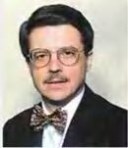
While not an IT guru by any means, I am a prudent fan of health IT where appropriate, and have always been a bit on the curious side.

A Bit about Me

OK; I am a member of the American Health Information Management Association (AHIMA) and the Healthcare Information and Management Systems Society (HIMSS). I am also a beta-tester for the Microsoft Corporation, a member of the Microsoft Health User’s Group (MS-HUG) and the Sun Executive Boardroom program sponsored by CEO Jonathan Schwartz; as well as SUNSHINE [Solutions for Healthcare Information, Networking and Education [NASD/FINRA-JAVA]. I also was fortunate to just finish editing the Dictionary of Health Information Technology and Security, with Foreword by Chief Medical Information Officer Richard J. Mata; MD MS MS-CIS of Johns Hopkins University.

And, I was incredibly lucky to have  my colleague Ahmad Hashem; MD PhD, who was the Global Productivity Manager for the Microsoft Healthcare Solutions Group at the time, to pen the Foreword to the second edition of my book, the Business of Medical Practice

And so, it was with the pleasure of potential intellectual satiety that goaded me into testing the airwaves, so to speak, on my recent visit to my home town of Bal’more. Thus, this exclusive ME-P report follows.

Location … Location … Location

If you lived in San Francisco a few years ago, during the ill-fated and costly WiFi experiment, you have my sincere condolences. If you live in Baltimore however, and want to have fast, wireless Internet speeds, then congratulations because you’ve chosen your place of residence wisely. Me, I’m an ex-patriot who was ecstatic when Sprint announced in October 2008, that Baltimore would be the first US city to have access to its new Wi-Max mobile data network; known as Xohm. I visit my home town 3-4 times, annually.

About the Wireless Xohm Data Network

Xohm is a wireless data service which, thanks to its WiMax capability, reportedly provides broadband-like speeds on a wireless PC. With this, as long as you have a WiMAX adapter and can pay for the service, the Internet should be available anywhere within the city. For home use, service for WiMAX costs $25 per month for six months, and $35 per month after that. Laptop access was to be $30 per month for the first six months. If you’re just visiting the city, single day access will cost $10, which is a bit steep, but not bad compared to the price of Wi-Fi access in some airports. Or, their unsecure networks were purported free; anywhere in the city. This was the object of my informal beta-testing activities.

computer-hardware2

City of Baltimore

My neighborhood, in Baltimore, is known as the historic Fell’s Point District. It was founded in 1670 by William Cole who bought 550 acres on the Inner Harbor, downtown. English Quaker, William Fell then bought land he named “Fell’s Prospect”. The land was also known as “Long Island Point” and “Copus Harbor”.

This area was the ideal hostile site for the Wi-Max experiment. The surrounding neighborhoods are composed of many dense, old-brick and stone-masonry buildings, with abundant large expanses of Chesapeake Bay with its related estuaries and inlets. Local gossip about the experiment suggested that if it was successful in this hostile Baltimore environment, it would like be successful in more modern American cities.

Link: http://www.fellspoint.us/history.html

Test-Laptop Specifications

I used my daughter’s [age 12, eighth-grade] Dell Latitude D600 laptop PC, running a Windows XP professional downgrade, with an Intel® P4 micro-processor [1.4 GHZ, 512 MB, 30 GIG CD with 24X CD-RW/DVD] for data only. It was originally purchased used – not new – for a few hundred bucks and badly in need of some upgrades. For the test, we added 512 MB LT DDR PC-3200, and a wireless LINKSYS PCMCIA card [WPC54GX].

Network Results

First, set up was a snap. While the network is expansive, it was not exactly blazingly fast, at least not for unsecure roaming access. The network can provide “download speeds of 2 to 4 megabits per second“. While, it is faster than most cellular networks, the service is nothing compared to some home internet connections. Although, the option to use it on a laptop is useful, the 4 Mbps is good enough for checking email or other smaller, lower bandwidth internet surfing usages. It’s hard to say if these estimates actually hold up with a lot of people using the network at once, especially if you are far from a broadcast tower – or in a funky part of the city – which is everywhere. But, they seemed to work quite well. My daughter, wife and I were suitably impressed.

Of Medical PACS

Of course, we also talked to local town folk about their free unsecured use. All were pleased with the Baltimore experience. We found business, law, nursing and graduate school students who were ferocious users. We even found medical students using open network wireless PCAS. To the uninitiated, picture archiving and communication systems (PACS) are computers or networks dedicated to the storage, retrieval, distribution and presentation of digital radiology images. The medical images are stored in an independent format. The most common format for image storage is Digital Imaging and Communications in Medicine [DICOM].

Roll-Put in Other Cities

Apparently, Sprint plans on releasing Xohm WiMAX networks in Chicago and Washington DC, this year.  While they are both major cities, it is hard to speak for just how well the WiMAX works when you’re sitting in Atlanta, GA. Should these networks actually get some decent use, perhaps the service will be released in more markets. I just don’t know.

About NETGEAR

Local Baltimore provider NETGEAR has been a worldwide leader of technologically advanced, branded networking products since 1996. Their mission is to be the preferred customer-driven provider of innovative networking solutions for small businesses and homes.

Link: federal@netgear.com

Assessment

As an old city, Baltimore has a rich medical heritage. There is the University of Maryland School of Medicine, Dentistry, Nursing and Pharmacy. Up the street from the Inner Harbor are the famed Johns Hospital School of Medicine and the Kennedy School of Public Health. It is here where I played stickball, as a child, in the parking lot. Nevertheless, given the high demands of business networking security and emerging network management in the local, State and Federal space today, NETGEAR is reported to have an end-to-end solution to meet most agency needs. This did seem to be the case in my ad-hoc experiment. We always found an open channel, and dropped links were few and far between; usually while mobile or riding in an automobile, bus, train or high-rail transportation system.

Link: http://www.freewimaxservice.net

Conclusion

Your thoughts and comments on this ME-P are appreciated. Feel free to review our top-left column, and top-right sidebar materials, links, URLs and related websites, too. Then, subscribe to the ME-P. It is fast, free and secure.

Link: http://feeds.feedburner.com/HealthcareFinancialsthePostForcxos

Speaker: If you need a moderator or speaker for an upcoming event, Dr. David E. Marcinko; MBA – Publisher-in-Chief of the Medical Executive-Post – is available for seminar or speaking engagements. Contact: MarcinkoAdvisors@msn.com

OUR OTHER PRINT BOOKS AND RELATED INFORMATION SOURCES:

DICTIONARIES: http://www.springerpub.com/Search/marcinko
PHYSICIANS: www.MedicalBusinessAdvisors.com
PRACTICES: www.BusinessofMedicalPractice.com
HOSPITALS: http://www.crcpress.com/product/isbn/9781466558731
CLINICS: http://www.crcpress.com/product/isbn/9781439879900
BLOG: www.MedicalExecutivePost.com
FINANCE: Financial Planning for Physicians and Advisors
INSURANCE: Risk Management and Insurance Strategies for Physicians and Advisors

Product DetailsProduct Details

Kahn-Bahn and Patient Focused Healthcare

What it is – How it works?

Staff Writersaward-cup1


One competitive trend currently emerging is patient-focused healthcare, which focuses on patient needs and attempts to humanize patient care. Patient-focused healthcare therefore incorporates the following:

· patient education;

· active participation of the patient;

· involvement of the family;

· nutrition;

· art; and

· music. 

Improving Patients Outcomes

The above, of course, are thought to improve patient outcomes. Furthermore, some think that patients will benefit from learning how to cope with healthcare processes before they enter into those processes and that this knowledge will result in better outcomes.

An example of this would be classes to prepare couples for childbirth. These classes teach prospective parents the different stages of labor and strategies for dealing with the challenges associated with each stage. They cover options for pain management such as breathing and relaxation techniques and/or analgesics. The classes also provide education about clinical options such as induced labor and caesarian sections, and they cover practical issues such as what to wear and what kind of car seat to buy to transport the newborn home.

***

0kkkk

Business Processes Re-Engineering

As a result of this movement, some healthcare organizations have tried to re-engineer the processes by which care is delivered in order to make it more patient focused. This is accomplished, in large part, by bringing the therapy to the patient rather than bringing the patient to the therapy.

For example, storing more supplies and equipment in the patient’s hospital room means that more services can be performed in the room. Obviously, this trend has significant implications for the operations management function in healthcare organizations in the areas of layout and human resources management. Supplies and equipment may be arranged differently to facilitate patient-focused care. Considerable staffing changes and cross training may be in order, to provide this type of service. Changes in facility layout to implement patient-focused care and reduce nonproductive movement of patients and personnel should be considered, especially when a facility is contemplating expansion or renovation of facilities.

Assessment

Kanban (kahnbahn) is the Japanese word that when translated literally means “visible record” or “visible part”. In general context, it refers to a signal of some kind.  Thus, in the business process manufacturing and re-engineering environment, kanbans are signals used to replenish the inventory of items used repetitively within a facility. The kanban system is based on a customer of a part pulling the part from the supplier of that part. The customer of the part can be an actual consumer of a finished product (external) or the production personnel at the succeeding station in a manufacturing facility (internal). Likewise, the supplier could be the person at the preceding station in a manufacturing facility. The premise of kanbans is that material will not be produced or moved until a customer sends the signal to do so.

The leap to hospital and healthcare organization re-engineering is thus not a great one.

Conclusion

And so, your thoughts and comments on this Medical Executive-Post are appreciated.

Speaker:If you need a moderator or speaker for an upcoming event, Dr. David E. Marcinko; MBA – Publisher-in-Chief of the Medical Executive-Post – is available for seminar or speaking engagements. Contact: MarcinkoAdvisors@msn.com  or

Our Other Print Books and Related Information Sources:

Practice Management: http://www.springerpub.com/prod.aspx?prod_id=23759

Physician Financial Planning: http://www.jbpub.com/catalog/0763745790

Medical Risk Management: http://www.jbpub.com/catalog/9780763733421

Physician Advisors: www.CertifiedMedicalPlanner.org

Subscribe Now:Did you like this Medical Executive-Post, or find it helpful, interesting and informative? Want to get the latest ME-Ps delivered to your email box each morning? Just subscribe using the link below. You can unsubscribe at any time. Security is assured.

Link: http://feeds.feedburner.com/HealthcareFinancialsthePostForcxos

Product Details

About Healthcare Financials.com

Healthcare Organizations [Financial Management Strategies]

By Hope Rachel Hetico; RN, MHA
Managing Editor
hetico3

This 2-volume, quarterly subscription print publication will reshape the hospital management landscape by following three important principles www.HealthcareFinancials.com

1. World Class Advisory Board

First, we have assembled a world-class editorial advisory board and independent team of contributors and asked them to draw on their experience in economic thought leadership and managerial decision making in the healthcare industrial complex. Like many readers, each struggles mightily with the decreasing revenues, increasing costs, and high consumer expectations in today’s competitive healthcare marketplace.  Yet, their practical experience and applied operating vision is a source of objective information, informed opinion, and crucial information for this manual and its quarterly updates.

2. Writing Style

Second, our writing style allows us to condense a great deal of information into each quarterly issue.  We integrate prose, applications and regulatory perspectives with real-world case models, as well as charts, tables, diagrams, sample contracts, and checklists.  The result is a comprehensive oeuvre of financial management and operation strategies, vital to all healthcare facility administrators, comptrollers, physician-executives, and consulting business advisors.

3. Compelling Content

Third, as editors, we prefer engaged readers who demand compelling content. According to conventional wisdom, printed manuals like this one should be a relic of the past, from an era before instant messaging and high-speed connectivity. Our experience shows just the opposite. Applied healthcare economics and management literature has grown exponentially in the past decade and the plethora of Internet information makes updates that sort through the clutter and provide strategic analysis all the more valuable. Oh, it should provide some personality and wit, too! Don’t forget, beneath the spreadsheets, profit and loss statements, and financial models are patients, colleagues and investors who depend on you.

Assessment

ho-journal1

Rest assured, Healthcare Organizations [Financial Management Strategies] will become an important peer-reviewed vehicle for the advancement of working knowledge and the dissemination of research information and best practices in our field. In the years ahead, we trust these principles will enhance utility and add value to both your print and this e-companion subscription.

Conclusion

Most importantly, we hope to increase your return on investment. If you have any comments or would like to contribute material or suggest topics for a future update, please contact us.

Speaker: If you need a moderator or speaker for an upcoming event, Dr. David E. Marcinko; MBA – Publisher-in-Chief of the Executive-Post – is available for seminar or speaking engagements. Contact: MarcinkoAdvisors@msn.com  or Bio: www.stpub.com/pubs/authors/MARCINKO.htm

Subscribe Now: Did you like this Medical Executive-Post, or find it helpful, interesting and informative? Want to get the latest E-Ps delivered to your email box each morning? Just subscribe using the link below. You can unsubscribe at any time. Security is assured.

Link: http://feeds.feedburner.com/HealthcareFinancialsthePostForcxos

At-Home or Nursing-Home for Long Term Care [Part III]

Cost and Duration of Long-Term Care at Home

By Dr. David Edward Marcinko; FACFAS, M.B.A., CPHQ™, CMP™

By Thomas A. Muldowney; M.S.F.S., CLU, ChFC, CFP® CMP™

By Hope Rachel Hetico; R.N., M.H.A., CPHQ™, CMPdr-david-marcinko1

This is the third post, in an exclusive four part series for the ME-P titled: At-Home or Nursing Home Care for Long-Term.”

Average Nursing Home Stays

It is generally agreed that if short, recuperative stays are excluded, the average stay in a nursing home is about 21/2 years. Nursing home studies show that residents experience four types of stay before death: 12 percent remain for less than 90 days; 21 percent stay between 91 and 365 days; 43 percent stay for up to five years; and 24 percent stay longer than five years. It is not possible to know in advance which type of stay you or your family may experience. But, put in another way, two-thirds stay more than one year and one-quarter stay more than five years. Most seniors also have home care services before entering a nursing home.

Custodial Services 

Custodial nursing home services are paid from the elder’s savings or by Medicaid. The current estimated annual cost for a nursing home resident is about $35-40,000. However, the annual cost for a nursing home in metropolitan areas may be at least twice as much.

Assessment

In the past decade, nursing home charges increased 8 percent a year. At a minimum, these costs may be expected to climb at a 5 percent annual rate in the future.

Conclusion

Your thoughts and comments on this ME-P are appreciated. Feel free to review our top-left column, and top-right sidebar materials, links, URLs and related websites, too. Then, subscribe to the ME-P. It is fast, free and secure.

Link: http://feeds.feedburner.com/HealthcareFinancialsthePostForcxos

Speaker: If you need a moderator or speaker for an upcoming event, Dr. David E. Marcinko; MBA – Publisher-in-Chief of the Medical Executive-Post – is available for seminar or speaking engagements. Contact: MarcinkoAdvisors@msn.com

OUR OTHER PRINT BOOKS AND RELATED INFORMATION SOURCES:

DICTIONARIES: http://www.springerpub.com/Search/marcinko
PHYSICIANS: www.MedicalBusinessAdvisors.com
PRACTICES: www.BusinessofMedicalPractice.com
HOSPITALS: http://www.crcpress.com/product/isbn/9781466558731
CLINICS: http://www.crcpress.com/product/isbn/9781439879900
BLOG: www.MedicalExecutivePost.com
FINANCE: Financial Planning for Physicians and Advisors
INSURANCE: Risk Management and Insurance Strategies for Physicians and Advisors

Product DetailsProduct DetailsProduct Details

Product Details  Product Details

About Doctor Evidence.com

Join Our Mailing List

Providing Evidence Based and Medical Data Driven Solutions

[Staff Reporters]solo-consultant

Doctor Evidence.com is devoted to delivering revolutionary solutions to address the current deficiency in the evidence-based clinical market. Unlike most “evidence-based” companies that summarize and reference evidence found in clinical studies, Doctor Evidence actually delivers answers derived directly from the clinical data. It is this Data-Driven approach that makes Doctor Evidence a unique company, offering the highest level of transparency in the marketplace today.

Mission

According to their website, The Doctor Evidence mission is:

to improve clinical outcomes by finding and delivering medical evidence to healthcare professionals, medical associations, policy makers and manufacturers through revolutionary solutions that enable anyone to make informed decisions and policies using medical data that is more accessible, relevant and readable.

Goals

Doctor Evidence aims to succeed in achieving their mission by providing state-of-the-art tools and technologies that find, categorize, store and convert complex medical information from clinical studies into distributive databases to be delivered in a user-friendly format. A team of clinicians, librarians, and IT specialists work in tandem with medical or lay clients to increase the value of their most important asset: clinical evidence.

Assessment

You are invited to investigate the technologies and services of Doctor Evidence and report back to us with your findings.

Link: www.DoctorEvidence.com

Channel Surfing the ME-P

Have you visited our other topic channels? Established to facilitate idea exchange and link our community together, the value of these topics is dependent upon your input. Please take a minute to visit. And, to prevent that annoying spam, we ask that you register. It is fast, free and secure.

Conclusion

Your thoughts and comments on this ME-P are appreciated. Feel free to review our top-left column, and top-right sidebar materials, links, URLs and related websites, too. Then, subscribe to the ME-P. It is fast, free and secure.

Speaker: If you need a moderator or speaker for an upcoming event, Dr. David E. Marcinko; MBA – Publisher-in-Chief of the Medical Executive-Post – is available for seminar or speaking engagements. Contact: MarcinkoAdvisors@msn.com

OUR OTHER PRINT BOOKS AND RELATED INFORMATION SOURCES:

Product Details  Product Details

Proposed Disallowance of Fair Market Value for FLPs

On the HR 436 Proposal for FLPs

By Linda Trugman; CPAtrugman, MBA, ABV, ASA, MCBA

On January 9, 2009 the US House of Representatives introduced HR 436. The Bill would establish the federal estate tax exemption at $3,500,000, and set the tax rate for estates exceeding that amount at 45 percent, eliminating the currently scheduled 2010 phase-out and subsequent reversion to pre-Bush tax cut levels with the $1 million exclusion and a 55 percent tax rate.

Estate Planning Technique Elimination

Importantly, the Bill, if enacted as proposed, would remove a popular estate planning technique by eliminating most discounts associated with what is referred to generically as family limited partnerships [FLPs, a general term applied to closely held asset holding companies often holding non-business assets].

FLP Non-Controlling Interests

Currently, when a physician-investor or any other individual transfers a non-controlling interest in a FLP, whether by gift or at death, the interest is valued at the price that a willing buyer would pay for the partnership interest, or fair market value. Since such FLP interests are not publicly traded, and do not represent a controlling interest in the partnership, business appraisers often assign substantial discounts in valuing these interests.

Case Model:

For example, a 10 percent limited partnership interest in a partnership that holds $1 million worth of securities would not be valued at $100,000 under current law. Rather, because a buyer of the partnership interest cannot sell the interest on the open market, nor exert control prerogatives on the partnership, he or she would pay materially less for the interest [perhaps 30 percent to 50 percent less]. 

Elimination of FMV Standards

The Bill as drafted would be effective for transfers occurring after the date of enactment. However, there is always the possibility that any final statute might be applied retroactively. While the fate of this piece of legislation is uncertain, it may reflect the attitude of the new administration towards keeping and strengthening the estate tax. 

If HR 436 becomes law, appraisers would no longer be allowed to apply Fair Market Value standards to valuing these non-control FLP interests; they would not be able to apply any discounts to “non-business” assets held by partnerships or other entities. Instead, those assets would be valued as though they were transferred directly to the recipient. 

Assessment

The Bill as drafted would be effective for transfers occurring after the date of enactment. However, there is always the possibility that any final statute might be applied retroactively. While the fate of this piece of legislation is uncertain, it may reflect the attitude of the new administration towards keeping and strengthening the estate tax. I have attached the proposed legislation to this post.

File:  hr-436 

Conclusion

And so, your thoughts and comments on this Medical Executive-Post are appreciated.

Speaker: If you need a moderator or speaker for an upcoming event, Dr. David E. Marcinko; MBA – Publisher-in-Chief of the Executive-Post – is available for seminar or speaking engagements. Contact: MarcinkoAdvisors@msn.com  or Bio: www.stpub.com/pubs/authors/MARCINKO.htm

Our Other Print Books and Related Information Sources:

Practice Management: http://www.springerpub.com/prod.aspx?prod_id=23759

Physician Financial Planning: http://www.jbpub.com/catalog/0763745790

Medical Risk Management: http://www.jbpub.com/catalog/9780763733421

Healthcare Organizations: www.HealthcareFinancials.com

Health Administration Terms: www.HealthDictionarySeries.com

Physician Advisors: www.CertifiedMedicalPlanner.com

Subscribe Now: Did you like this Medical Executive-Post, or find it helpful, interesting and informative? Want to get the latest E-Ps delivered to your email box each morning? Just subscribe using the link below. You can unsubscribe at any time. Security is assured.

Link: http://feeds.feedburner.com/HealthcareFinancialsthePostForcxos

WorldFocus Interviews Uwe Reinhardt PhD

How We Compare to Canada’s Healthcare System

Staff Reporters56359795

WorldFocus interviewed Uwe Reinhardt PhD on January 28, 2009.

In this extended interview, Dr. Reinhardt, a leading adviser on health care economics and professor of political economy at Princeton University, compares the Canadian and American health care systems.

Reinhardt criticizes the US health care culture and expresses his optimism about the new Obama administration.

Video: http://worldfocus.org/blog/2009/01/28/how-the-us-measures-up-to-canadas-health-care-system/3783/#comments

Conclusion

And so, your thoughts and comments on this Medical Executive-Post are appreciated. Decide for yourself; is Uwe correct; or not? Why, or why not? Despite Democratic control, is healthcare reform even likely?

Speaker: If you need a moderator or speaker for an upcoming event, Dr. David E. Marcinko; MBA – Publisher-in-Chief of the Executive-Post – is available for seminar or speaking engagements. Contact: MarcinkoAdvisors@msn.com  or Bio: www.stpub.com/pubs/authors/MARCINKO.htm

Our Other Print Books and Related Information Sources:

Practice Management: http://www.springerpub.com/prod.aspx?prod_id=23759

Physician Financial Planning: http://www.jbpub.com/catalog/0763745790

Medical Risk Management: http://www.jbpub.com/catalog/9780763733421

Healthcare Organizations: www.HealthcareFinancials.com

Health Administration Terms: www.HealthDictionarySeries.com

Physician Advisors: www.CertifiedMedicalPlanner.com

Subscribe Now: Did you like this Medical Executive-Post, or find it helpful, interesting and informative? Want to get the latest E-Ps delivered to your email box each morning? Just subscribe using the link below. You can unsubscribe at any time. Security is assured.

Link: http://feeds.feedburner.com/HealthcareFinancialsthePostForcxos

On Physician Leadership Today

Past versus Present in the Health 2.0 Era

By Susan Bock; MAOM, SPHRmedfrd1210

If you don’t know where you’re going, any road can take you there.

Hundreds, if not thousands, of books, articles and training materials have been published on leadership skills; far fewer for physicians of course; but the basics remain the same.

Self Help Proliferation

Why is there such a proliferation of paper devoted to this subject? Perhaps, it is due to the fact that business leadership today is ever so different from leadership of yesterday. Every aspect of leadership has been under intense scrutiny, by employees, industry experts, physician-executives and business gurus. Much like healthcare today, the very form of leadership is in a state of evolution – changing, modifying and redefining its core values. A multitude of leadership theories or models have been developed, revised, reviewed and assessed by the experts. What is needed, therefore, is an integration of several models specifically appropriate for today’s healthcare business environment and modern healthcare executive.  

Yesterday’s Death Knoll for Medicine

Replication of the leadership skills of yesterday is the death knoll for business today; especially for the business of healthcare. Leadership is no longer based on managing, directing, or supervising [top-down or command and control model].  As stated by James S. Doyle in his book The Business Coach [A Game Plan for the New Work Environment],

 “Today’s employees … do not respond well to bosses. Quite simply, they have plenty of other options where they will be treated as full members of a team.” 

Societal norms, generational beliefs and expanding diversity in healthcare are, in part, contributing to the new business environment. Likewise, medical leaders are required to respond, react and re-direct in the moment.

What Makes a Leader?

In a recent Harvard Business Review publication, What Makes a Leader”, author Daniel Goleman says that the desired traits most often sited were intelligence, toughness, determination, and vision.  A sufficient level of technical and analytical ability is even more essential now that we have moved into the new millennium. 

However, the leadership skills of this era are placing much more emphasis on the so-called ‘soft skills’ or ‘emotional intelligence’ and this may very well be the key attribute that distinguishes outstanding healthcare leaders from those who are merely adequate.

Multi Generations

It is common to have three generations represented in any organization. We have the Baby-boomers, Gen X and now, Gen Y. The Baby Boomer generation is saying with some sadness, “It sure isn’t want it used to be!”, while Generation Xers are saying “It’s about time things changed!” and the latest generation to enter the medical workforce, Gen Y’s, are saying “Ready or not, we’re here”. 

Each generation is extraordinarily complex, bringing various skills, expertise and expectations to the work environment. Determining the best methods to unite such diverse thinking is one of the many challenges faced by business leaders.

Assessment

Is it any wonder that many leaders in the Baby Boomer generation find themselves at a loss? The days of functional leadership are gone and suddenly, no one cares about the expertise of the Baby Boomers or how they climbed the corporate ladder, in medicine or elsewhere. The concept of ‘paying your dues’ is as foreign to the younger generations as is life without email, wikis or social networks. Still not convinced? Just think about the election of Barack Obama as 44th president of these United States. Leadership in the era of Health 2.0 is no longer about controlling or dictating with intense focus on the bottom line; it is about collaboration, empowerment and communication. 

Conclusion

And so, your thoughts and comments on this Medical Executive-Post are appreciated. How does the digital generation change the leadership equation in healthcare today?

Speaker: If you need a moderator or speaker for an upcoming event, Dr. David E. Marcinko; MBA – Publisher-in-Chief of the Executive-Post – is available for seminar or speaking engagements. Contact: MarcinkoAdvisors@msn.com  or Bio: www.stpub.com/pubs/authors/MARCINKO.htm

Our Other Print Books and Related Information Sources:

Practice Management: http://www.springerpub.com/prod.aspx?prod_id=23759

Physician Financial Planning: http://www.jbpub.com/catalog/0763745790

Medical Risk Management: http://www.jbpub.com/catalog/9780763733421

Healthcare Organizations: www.HealthcareFinancials.com

Health Administration Terms: www.HealthDictionarySeries.com

Physician Advisors: www.CertifiedMedicalPlanner.com

Subscribe Now: Did you like this Medical Executive-Post, or find it helpful, interesting and informative? Want to get the latest E-Ps delivered to your email box each morning? Just subscribe using the link below. You can unsubscribe at any time. Security is assured.

Link: http://feeds.feedburner.com/HealthcareFinancialsthePostForcxos

At-Home or Nursing-Home for Long Term Care [Part I]

Cost and Duration of Long-Term Care at Home

By Dr. David Edward Marcinko; FACFAS, M.B.A., CPHQ™, CMP™

By Thomas A. Muldowney; M.S.F.S., CLU, ChFC, CFP® CMP™

By Hope Rachel Hetico; R.N., M.H.A., CPHQ™, CMPdr-david-marcinko

This is the first post in an exclusive four part series for the ME-P titled: At-Home or Nursing Home Care for Long-Term Care.”

Remaining at Home

It is not surprisingly, eighty-five percent of married elders prefer to remain at home instead of moving to a nursing home or some other senior care facility. Staying at home is easier, more comfortable, and less traumatic. Home care statistics are limited, but three years is the estimated average number of years that elders will require custodial care services. This estimate also may combine home care followed by nursing home care. And, the anecdotal healthcare experience of two authors [DEM and HRH] confirms this period length.

Incremental LT Cost Approach

Quantifying the annual incremental costs of LTC home custodial services is difficult. Today, a high percentage of home care services are provided by unpaid family members, friends, or volunteer organizations. In the future, however, there will be fewer available unpaid caregivers, and more elders will have to pay for home custodial care.

Because of this potential shortage of caregivers, new business opportunities are springing up and, as usual, let the buyer beware. Many of these new businesses, for a fee, contract with a family that needs home LTC for a family member.  Upon contract, the new LTC business owner begins a search for a candidate caregiver who will live in your house and care for your parent or spouse. Often the in-home caregivers have difficulty speaking the language or may not be familiar with local customs.

Furthermore, many of them wish to be paid in cash rather than by check. As you might imagine, background checks, tax compliance and other legal considerations are of utmost importance.  Career education and career experience are also very important. Be sure that if you look for such a caregiver, you must exercise thorough due diligence so that your loved one will be cared for properly.

LTC Costs Vary Widely

LTC home care cost estimates vary widely by location and type of service. At present, the average annual cost for a live-in, full-time aide in the United States (especially if part-time help to relieve a full-time aide is added) is estimated at $40,000, the same as the estimated cost of staying at a nursing home for a year. If living expenses are added to costs for custodial aides, LTC home care costs can be more expensive than nursing home costs.

For three shifts of paid LTC custodial services, home care costs may exceed $100,000 annually; more than triple the current estimated cost for nursing home care. These numbers should not be surprising.  In a nursing home environment, one caregiver may be able to provide care for multiple patient/residents. This reduces the cost per patient. In your private home, your personal caregiver can give only care to a single patient.

Custodial Aide Costs

Costs for custodial aides in the fragmented, rapidly expanding, competitive home care industry may increase at a faster rate than the Consumer Price Index [CPI]. Employed aides will replace family caregivers. The Bureau of Labor Statistics [BLS] indicates that jobs for home health aides, human service workers, and personal and home care aides are expected to grow faster than any other industry in terms of total jobs.

In the next decade, there will be more than 2 million home care jobs, and they will become a larger component of total gross domestic product expenditures. Using an estimated three-year home care requirement and current estimated costs, and allowing for 15 years of inflation at 5 percent, $225,000 per person is a reasonable estimate to use for financial planning purposes.

Assessment

However, in some metropolitan or suburban areas, such as New York City, the cost should be increased by at least 100 percent. Of course, three years of required care is an estimate. About one-third of the people who require nursing home care will need it for more than three years. Presumably, nursing home care will be preceded by home care. Moreover, only one full-time aide was assumed. Some elders also will require additional part-time help.

And so, your thoughts and comments on this Medical Executive-Post, which represents the first in a series of four parts on: At Home or Nursing Home Care for Long Term Care, are appreciated. Comments from physicians and LTC insurance agents are especially valued.

Conclusion

Feel free to review our top-left column, and top-right sidebar materials, links, URLs and related websites, too. Then, subscribe to the ME-P. It is fast, free and secure.

Speaker: If you need a moderator or speaker for an upcoming event, Dr. David E. Marcinko; MBA – Publisher-in-Chief of the Medical Executive-Post – is available for seminar or speaking engagements. Contact: MarcinkoAdvisors@msn.com

OUR OTHER PRINT BOOKS AND RELATED INFORMATION SOURCES:

Join Our Mailing List

Myths and Solutions for Healthcare Reform

Enter the Primary Care Docs, NPs, PAs and DNPs

Staff Reportersidea

Conclusion

And so, your thoughts and comments on this Medical Executive-Post are appreciated. Would more family practitioners, and professional medical care extenders, help or hinder true healthcare reform?  

Speaker: If you need a moderator or speaker for an upcoming event, Dr. David E. Marcinko; MBA – Publisher-in-Chief of the Executive-Post – is available for seminar or speaking engagements. Contact: MarcinkoAdvisors@msn.com  or Bio: www.stpub.com/pubs/authors/MARCINKO.htm

Our Other Print Books and Related Information Sources:

Practice Management: http://www.springerpub.com/prod.aspx?prod_id=23759

Physician Financial Planning: http://www.jbpub.com/catalog/0763745790

Medical Risk Management: http://www.jbpub.com/catalog/9780763733421

Healthcare Organizations: www.HealthcareFinancials.com

Health Administration Terms: www.HealthDictionarySeries.com

Physician Advisors: www.CertifiedMedicalPlanner.com

Subscribe Now: Did you like this Medical Executive-Post, or find it helpful, interesting and informative? Want to get the latest E-Ps delivered to your email box each morning? Just subscribe using the link below. You can unsubscribe at any time. Security is assured.

Link: http://feeds.feedburner.com/HealthcareFinancialsthePostForcxos

On Ingenix and Delta Dental

Or, Birds of a Feather; etc. etc

By Darrell K. Pruitt; DDS

pruitt10

Introduction

Just a quick note while I’m working on other material. As anyone can see from reading Rabia Mughal’s DrBicuspid article, “Dentists or patients: Who should get the insurance check?” Delta Dental is simply a sleazy company that dentists should shun to protect their patients’ welfare.

http://www.drbicuspid.com/index.aspx?sec=sup&sub=pmt&pag=dis&ItemID=301436&wf=34

It is unethical to sign a contract with Delta Dental, and I will help Delta show you why. Here is a sample of Delta sleaze I intend to present:

Arlene Furlong on Delta Dental

On September 17, 2008, Arlene Furlong posted an article about Delta Dental on ADA News Online titled “Delta caps rates nationally for two networks.”

http://www.ada.org/prof/resources/pubs/adanews/adanewsarticle.asp?articleid=3218

Furlong writes:

“A contract provision that holds dentists to Delta’s maximum allowed fee for non-covered services will affect all of Delta’s Premier and Preferred Provider Organization participating dentists throughout the country by January 2011.″.

The Upshot 

This means that if a Delta preferred provider wishes to make up for the profit lost from providing Delta customers 25% discounts on dentistry, which works out to over half the dentist’s pay after expenses are deducted, doing more cosmetic dentistry will no longer help keep the doors open.  Delta, like a sleazy dentistry broker, is telling its providers that it will demand discounts on everything for its customers. Think about it. It is beyond unfair business practice. It is tyranny.

Invading the Dental Homes 

And now, Mughal tells us that Delta Dental intends to break up dental homes – where patients enjoy the benefits of continuity of care from dentists they prefer.  Why does Delta harm their clients like that? 

Ari Adler, the communications administrator at Delta Dental of Indiana says it is a matter of dentists stealing something from the network:

“Direct reimbursement to out-of-network dentists is a problem because it allows them to enjoy the benefits provided by the network without following cost guidelines and quality control measures of the network”, [Adler] added.

Quality control; you mean like UnitedHealthcare’s Ingenix? 

When one thinks about it, since dentists will only be paid half of what they are paid today, no matter what they do for dental patients, quality control could indeed become a new issue, just like the appearance of black-market dentistry. 

My Beat 

I will be covering quality control by dental consultants soon. Did you know that they have their own national organization? It is called the American Association of Dental Consultants (AADC). I bet you didn’t know this: Less than a year ago, Dr. Gordon Christiansen as well as Dr. John Luther, Senior Vice-President of the ADA, spoke at their annual convention in Scottsdale, Arizona. Delta Dental was Dr. John Luther’s employer before he came to work for the ADA. Hmm, I wonder?

Wait, there’s more:  the AADC’s largest sustaining sponsor is UnitedHealthcare Dental. http://aadc.org/site/sponsors.php

The Ingenix Scandal

Have you heard of UnitedHealthcare’s company called Ingenix?  New York Attorney General Andrew Cuomo caught Ingenix being creative with physicians’ FOIA-disclosable data for cost-control purposes (profit), and calling it quality control.  Ingenix was marketing its professional number-cooking scheme to insurers across the nation before Cuomo saw through their deceit and recently demanded Ingenix to be dissolved. 

Transparent Feudal Mechanisms 

One can see that incest probably worked well for royalty in Europe until literacy and the free-market brought transparency to their self-perpetuating feudal machinations. I will be watching for a name and email address of an appropriate Delta Dental official to contact about Delta’s sleazy business practices.  At some point in this thread (which I can keep active for years), I intend to make someone from Delta Internet-famous among dentists, just like Trajan King, CEO of Intelligent Dental Marketing. Suggestions from readers and subscribers are always appreciated.  Please, no in-laws.

Assessment 

It is time to come out and defend yourself in front of a hostile audience, you good ol’ boys from Delta Dental … or not.  Your old command-and-control tricks don’t stand a chance in a transparent marketplace, and I will show you that silence is lame defense as well. Someone on your team is trapped. Please, let’s talk sooner than later.

Conclusion

Your thoughts and comments on this ME-P are appreciated. Feel free to review our top-left column, and top-right sidebar materials, links, URLs and related websites, too. Then, subscribe to the ME-P. It is fast, free and secure.

Link: http://feeds.feedburner.com/HealthcareFinancialsthePostForcxos

Speaker: If you need a moderator or speaker for an upcoming event, Dr. David E. Marcinko; MBA – Publisher-in-Chief of the Medical Executive-Post – is available for seminar or speaking engagements. Contact: MarcinkoAdvisors@msn.com

OUR OTHER PRINT BOOKS AND RELATED INFORMATION SOURCES:

DICTIONARIES: http://www.springerpub.com/Search/marcinko
PHYSICIANS: www.MedicalBusinessAdvisors.com
PRACTICES: www.BusinessofMedicalPractice.com
HOSPITALS: http://www.crcpress.com/product/isbn/9781466558731
CLINICS: http://www.crcpress.com/product/isbn/9781439879900
BLOG: www.MedicalExecutivePost.com
FINANCE: Financial Planning for Physicians and Advisors
INSURANCE: Risk Management and Insurance Strategies for Physicians and Advisors

Product DetailsProduct DetailsProduct Details

America’s Safest Hospitals

Join Our Mailing List

[Behind the Numbers]

[By Staff Reporters]56382989

Did you know that at Missouri Baptist Medical Center in St. Louis, it only takes 90 seconds to save a life? While all hospitals keep staff on-call for emergencies, Missouri Baptist has implemented a rapid response program through which anyone, even family members, can call a team of clinicians to the bedside of a distressed patient within 90 seconds.

An Idea from Down-Under

As seen in Forbes, January 27, 2009, Missouri Baptist imported the idea from Australia, with an overall emphasis on safety that is evident not only in its innovative programs, but also in its numbers.

The Internal Data

According to reported internal data, only 48% of patients die as would be expected given their diagnoses. With outcomes like these, it’s no surprise that Missouri Baptist was designated by HealthGrades, a private hospital rating company in Golden, Colo., as one of the safest in the country. In its seventh annual study of “quality and clinical excellence”, known as Behind the Numbers, HealthGrades identified 270 hospitals out of 5,000 that collectively had a 28% lower mortality rate and 8% lower complication rate than the national average. The list reflects the top 5% of hospitals nationwide.

About HealthGrades

The HealthGrades [NASDAQ: HGRD] site promotes the firm as a leading healthcare ratings organization, providing ranking and profiles of hospitals, nursing homes and physicians to consumers, corporations, health plans and other hospitals. Millions of consumers and hundreds of the nation’s largest employers, health plans and hospitals rely on HealthGrades’ independent ratings, consulting and products to make healthcare decisions based on the quality of care. Founded in 1999, the firm has over 160 employees www.HealthGrades.com

Assessment

Now, what ever happened to governmental reporting, the Joint Commission, etc? Of course, after the IOM Report on Crossing the Quality Chasm in 2001, this type of service may be more important than ever.

Link: quality-chasm3

Conclusion

Your thoughts and comments on this ME-P are appreciated. Feel free to review our top-left column, and top-right sidebar materials, links, URLs and related websites, too. Then, subscribe to the ME-P. It is fast, free and secure.

Link: http://feeds.feedburner.com/HealthcareFinancialsthePostForcxos

Speaker: If you need a moderator or speaker for an upcoming event, Dr. David E. Marcinko; MBA – Publisher-in-Chief of the Medical Executive-Post – is available for seminar or speaking engagements. Contact: MarcinkoAdvisors@msn.com

OUR OTHER PRINT BOOKS AND RELATED INFORMATION SOURCES:

LEXICONS: http://www.springerpub.com/Search/marcinko
PHYSICIANS: www.MedicalBusinessAdvisors.com
PRACTICES: www.BusinessofMedicalPractice.com
HOSPITALS: http://www.crcpress.com/product/isbn/9781466558731
CLINICS: http://www.crcpress.com/product/isbn/9781439879900
ADVISORS: www.CertifiedMedicalPlanner.org
BLOG: www.MedicalExecutivePost.com

Product DetailsProduct Details

Ban on Referenced Based Drug Pricing

Join Our Mailing List

A Medicare and CMS Three-Sixty

[By Staff Reporters]rboa_16

According to Jane Zhang and Vanessa Fuhrmans of the Wall Street Journal, on January 10, 2009, the last days of the Bush administration saw a proposed ban that allows private insurers to charge Medicare beneficiaries stiff penalties if they choose brand-name drugs instead of cheaper generic drugs.

Referenced Based Pricing

Under reference-based drug pricing, the penalty for insisting on a brand-name drug often amounts to the price difference between the drug and the generic version, plus a copayment. In some cases, that leaves patients paying the full price of the brand-name drug. In contrast, buyers of brand-name drugs when there is no generic equivalent are charged just a copayment. Nearly 10% of drug plans used the pricing technique to steer beneficiaries to lower-cost generics www.HealthDictionarySeries.com 

CMS Announcement

Of course, the announcement from the Centers for Medicare and Medicaid Services came after lawmakers and patient advocates protested that reference-based pricing made it difficult for consumers to calculate drug costs.

CMS Renouncement

But, the agency reversed itself 360 degrees this week, proposing to ban such pricing for the 2010 drug plans. The WSJ reported that complicated formulas made it “very difficult to accurately convey the extent of expected out-of-pocket spending” for prescription drugs. And, “The basis for this decision is our belief that reference-based pricing may be inherently misleading to beneficiaries and inconsistent with our goal of improving transparency.”

The Pfizer-Wyeth Drug Deal

Following the ban, investors appeared skeptical about the just announced Pfizer-Wyeth drug deal. Pfizer will pay $68 billion for Wyeth, which is the biggest in the drug sector since 2000. The merger comes as Pfizer faces the difficult hurdle of dealing with patent expirations for some of its biggest drugs, including its cholesterol-lowering Lipitor, which makes up about 25% of the company’s overall sales.

Assessment

The ban is part of CMS’s criteria for prescription-drug plans that insurers will offer for 2010. The criteria won’t be final until March, leaving a narrow window for the Obama administration to change them.

Conclusion

Your thoughts and comments on this ME-P are appreciated. Feel free to review our top-left column, and top-right sidebar materials, links, URLs and related websites, too. Then, subscribe to the ME-P. It is fast, free and secure.

Speaker: If you need a moderator or speaker for an upcoming event, Dr. David E. Marcinko; MBA – Publisher-in-Chief of the Medical Executive-Post – is available for seminar or speaking engagements. Contact: MarcinkoAdvisors@msn.com

OUR OTHER PRINT BOOKS AND RELATED INFORMATION SOURCES:

Product DetailsProduct DetailsProduct Details

***

About Hiperwall.com

Cool New Video Wall Creations – for Medicine?

Staff Reporters56371220

Hiperwall software enables anyone to build a scalable, high performance video wall from ordinary computers, monitors and an ethernet network.

Many Content Types

Hiperwall allows viewing in any combination of content types:


  • Ordinary graphic images
  • Extremely large graphic images, up to 1 gigabyte or larger
  • Digital movies, including standard and HDTV format
  • Streaming content from cameras and other live sources
  • Live “sender” feeds that let a room full of people view the constantly changing screen displays of one or more computers

Hiperwall has the ability to resize and relocate each content object anywhere on the video wall, within a single monitor or across multiple monitors. It is as easy as moving and resizing windows on the desktop of your personal computer. Hiperwall also provides advanced capabilities like zoom, rotation, shading and transparency, enabling users to examine content with increased flexibility and effectiveness. It is based on technology originally developed by researchers from the University of California at Irvine, and is now available for use by anyone www.Hiperwall.com

Assessment

Now, what does this all have to do with healthcare? Well, think digital radiology, cardiology, PET, CT and MRI scans, and others graphically intensive specialties? For example, an early client was Stanford University Medical School and Samsung Electronics. Still, with few other clients and only a hand-full of employees, consider overall costs, viability and follow-up support. Nevertheless, on January 24, 2009 – Information Week named the company as the “Startup-of-the-Week.”

Conclusion

And so, your thoughts and comments on this Medical Executive-Post are appreciated; especially from you daring early-adopters, out there! Think PACS [picture archiving and communication systems].

Speaker: If you need a moderator or speaker for an upcoming event, Dr. David E. Marcinko; MBA – Publisher-in-Chief of the Executive-Post – is available for seminar or speaking engagements. Contact: MarcinkoAdvisors@msn.com  or Bio: www.stpub.com/pubs/authors/MARCINKO.htm

Subscribe Now: Did you like this Medical Executive-Post, or find it helpful, interesting and informative? Want to get the latest E-Ps delivered to your email box each morning? Just subscribe using the link below. You can unsubscribe at any time. Security is assured.

Link: http://feeds.feedburner.com/HealthcareFinancialsthePostForcxos

Valuation and Small Business Appraisal Basics

Join Our Mailing List

Applied Methodology with “Hands-On” Practice for Doctors                      

By Lester Barenbaum; PhD

By Michael Saponara; JD, CPAhands2

The market value of a publicly traded company’s equity can be calculated at a point in time by multiplying its share price by the number of shares of common stock outstanding.  The share price is determined in the public marketplace by buyers and sellers who trade the stock. 

The Buyers

Buyers of publicly traded company shares such as IBM expend money now (invest) for the right to receive uncertain future economic benefits. The price (value) an investor pays for a share is based upon his or her assessment of the size, timing and certainty of receiving future economic benefits. 

The Sellers

Likewise, a seller of IBM equity is willing to forego his or her expectation of future economic benefits if the investor believes that the benefits given up are worth less than the proceeds (value) from selling the ownership position.  Thus, the share price of IBM at a given point in time represents the value of future economic benefits as perceived by buyers and sellers of IBM equity at a point in time.

Assessment

This value is observable through transactions in the marketplace. In contrast, closely held businesses generate also economic benefits for their owners but the value of those companies cannot be directly observed by activity in traded markets.

Link: bizvaluationsbarenbaum11

Channel Surfing the ME-P

Have you visited our other topic channels? Established to facilitate idea exchange and link our community together, the value of these topics is dependent upon your input. Please take a minute to visit. And, to prevent that annoying spam, we ask that you register. It is fast, free and secure.

Conclusion

Your thoughts and comments on this ME-P are appreciated. Feel free to review our top-left column, and top-right sidebar materials, links, URLs and related websites, too. Then, subscribe to the ME-P. It is fast, free and secure.

Speaker: If you need a moderator or speaker for an upcoming event, Dr. David E. Marcinko; MBA – Publisher-in-Chief of the Medical Executive-Post – is available for seminar or speaking engagements. Contact: MarcinkoAdvisors@msn.com

OUR OTHER PRINT BOOKS AND RELATED INFORMATION SOURCES:

Product DetailsProduct DetailsProduct Details

On Episodes of Medical Care

Join Our Mailing List

Another Medical Payment Paradigm Shift

einstein

[By Ann Miller; RN, MHA]

 “Any intelligent fool can make things bigger, more complex, and more violent. It takes a touch of genius — and a lot of courage — to move in the opposite direction.”

Currently, the Centers for Medicare and Medicaid Services [CMS] pay hospitals a single prospectively determined amount under the inpatient prospective payment system [IPPS] for all care given to an inpatient. Physicians who provide other care to patients are paid separately – accordingly to a Medicare physician fee schedule – for each service they perform http://www.HealthDictionarySeries.org

The ACE Project

A newer project, called the Acute Care Episode demonstration, will soon test whether a global payment will better align the incentives for both types of providers leading to better quality and greater efficiency; beginning in January 2009 www.HealthcareFinancials.com.

Bundled Payment Advocates

Like Einstein’s statement on simplicity, we are believers in bundling payments for medical providers. If done correctly, episodic medical care bundling may be an acceptable compromise for all. The current Medicare payment system treats physicians like virtual offending criminals. Every potential health claim is fraud; although this situation probably wouldn’t change. Any formula that buries E&M coding is a system worth evaluating. Many docs easily double the number of patients seen if paperwork and documentation was not so onerous. Not sure this is always a good thing; however. Bundling forces physicians to reevaluate, what is necessary and what isn’t. There is a much unnecessary productivity in medical care. “Too much friction – not enough movement” 

Assessment

Fee-for-service medicine has a way of creating business that need not be created. Will less be done under bundled care – will diagnostic care be upgraded for increased reimbursements?  Will episodic coding consultants come out of the wood-work? Maybe! And, can we can look at the DRG and MS-DRG experience as a potential harbinger of the future?

Conclusion

Your thoughts and comments on this ME-P are appreciated. Feel free to review our top-left column, and top-right sidebar materials, links, URLs and related websites, too. Then, subscribe to the ME-P. It is fast, free and secure.

Speaker: If you need a moderator or speaker for an upcoming event, Dr. David E. Marcinko; MBA – Publisher-in-Chief of the Medical Executive-Post – is available for seminar or speaking engagements. Contact: MarcinkoAdvisors@msn.com

OUR OTHER PRINT BOOKS AND RELATED INFORMATION SOURCES:

Product DetailsProduct DetailsProduct Details

RIA Merger Mania and the Medical PPMC Fiasco

What is Old is New Again -or- Lessons Learned

By Dr. David Edward Marcinko; MBA, CMP™

 dr-david-marcinko9According to the article Great Expectations-Disappointing Realities that recently appeared in Registered Representative, a trade magazine for the financial services industry, by John Churchill, the booming stock market of the last five years saw many Registered Investment Advisory [RIA] firms sell a portion of their future cash flows in return for cash and stock in an acquiring consolidating firm. This is known as a roll-up, or consolidator, business model. I am quite familiar with it, as both a doctor and financial advisor. I believe my dual perspective of both camps is somewhat unique, as well.

The NYSE Collapse

As the stock market collapsed in 2008-09, many RIAs who previously sold stakes to these “roll-up” consolidator firms began scrambling to pay quarterly preferred disbursements.  What gives, many implored? As a reformed Certified Financial Planner™, RIA representative, financial advisor and insurance agent, I can draw many parallels from these present day RIA consolidators to the similar Physician Practice Management Corporation roll-up fiasco of 1999-2000? Indeed, I can, and will [www.HealthcareFinancials.com]

My Experience with Medical Practice Consolidators

As a clinician and surgeon, I was the past president of a privately held regional Physician Practice Management Corporation [PPMC] in the Midwest. I assumed this route about a decade ago, by happenstance and background, when I helped consolidate 95 solo medical practices with about $50 million in revenues. But, our small company’s IPO roll-up attempt was aborted due to adverse market conditions, in 1999. Fortunately, a conservative business model based on debt, not the equity which was all the rage at the time, saved us right before the crash of 2000. So, we harvested fiscally conservative physicians who lost only a few operational start-up bucks; but no significant dollars.

On the other hand, those PPMCs roll-ups based on equity lost much more. In fact, according to the Cain Brothers index of public PPMCs, more than 95% of all equity value was lost by doctor-investors hoping to cash in on Wall Street’s riches they did not rightly deserve; not by practicing medicine but by betting on rising stock prices. So, projecting a repeat disaster from medicine, to the contemporary RIA consolidator business model, was not a great leap for me. And unfortunately, this was one of the few times I was all too correct in my prognostications.

PPMC’s Today

The type of medical consolidator or roll-up, formally called the Physician Practice Management Corporation [PPMC], was left for dead by the year 1999. Even survivors like Pediatrix Medical Group saw its stock drop precipitously. And, more than a few private medical practices had to be bought back by the same physicians that sold out to the PPMCs originally.

RIA Example

I sure hope this does not occur with FAs, as well. But, if an entity is being bought back and accounts receivables are being purchased, FAs should be careful not to pick this item up as income twice. The costs can be immense to the RIA practice, as later clients of mine learned the hard way.

Buy-Backs

For example, let’s say a family practice [or RIA?] purchased itself back from a PPMC, or RIA consolidator. Part of the mandatory purchase price, approximately $200,000 (the approximate net realizable value of the accounts receivable), was paid to the PPMC to buy back accounts receivable [ARs] generated by the physicians buying back their practice. Now, if an office administrator unknowingly begins recording the cash receipts specifically attributable to the purchased accounts receivable as patient fee income; trouble begins to brew. If left uncorrected, this error can incorrectly added $200,000 in income to this practice and cost it (a C Corporation) approximately $70,000 in additional income tax ($200,000 in fees x 35% tax rate). The error in the above example is that the PPMC [or RIA consolidator] must record the portion of the purchase price it received for the accounts receivable as patient [advisory] fee income. The buyer practice has merely traded one asset – cash – for another asset, the accounts receivable [ARs].  When the practice collects these particular receivables, the credit is applied against the purchased accounts receivable (an asset), rather than to patient [RIA] fees.  

RIA Revolution Follows PPMC Evolution

Today, surviving medical PPMCs are evolving from first generation multi-specialty national concerns, to second generation regional single specialty groups [my type], to third generation regional concerns, and finally to fourth generation Internet enabled service companies providing both business to business [B2B] solutions to affiliated medical practices, as well as business like consumer health solutions to plan members [healthcare 2.0]. I trust this sort of positive morphing will occur, over time, with the RIA consolidators. Perhaps yes, or no [www.HealthDictionarySeries.com]

RIA Consolidators

Among the most distressed RIA roll-up entities today may be the publically traded National Financial Partners and its more than 180 acquired firms, with more than 320 members in 41 states and Puerto Rico. NFP specializes in life insurance and wealth transfers, corporate and executive benefits, and financial planning and investment advisory services. Jessica M. Bibliowicz has been NFP’s President and CEO since inception in 1999. She is the daughter of Sandy Weill, and a member of the Board of Overseers for the Weill Medical College and Graduate School of Medical Sciences of Cornell University. NFP’s stock has declined from a high of $56 more than a year ago, to a current trading range of $3-4.           

And the Question Is?

And so, the question that MDs and RIAs should have asked when contemplating this business model was simply this: would I but the stock of an acquiring roll-up company if I were not part of the deal?

Valuable Consideration

Why? When MDs and RIAs sell to a consolidator, part of their “valuable consideration” is stock equity, so confidence and a conscientious work ethic is important. But, these “‘sell-out” entities are not retirement vehicles according to former financial advisor Hope Rachel Hetico; RN, MHA, CMP™ – a nurse executive and managing partner for www.MedicalBusinessAdvisors.com. Hope is also managing editor of this blog forum.

Assessment

More pointedly, according to one seller mentioned in the Churchill article,

“the whole [consolidator] pyramid is built on cash flows based on incremental growth and hugely optimistic projections of that growth”.  

Conclusion

Rest assured, the consolidator business model can be very successful; just think H. Wayne Huizenga’s Blockbuster Video and Waste Management, Inc. And so, your thoughts and comments on this Medical Executive-Post are appreciated? Why didn’t consolidation work in medicine, or with the RIAs? Or, reframed, why did consolidation work in the garbage collections industry and video store space? Can the fiercely independent RIA space learn something from the fiercely independent medical space?

Speaker: If you need a moderator or speaker for an upcoming event, Dr. David E. Marcinko; MBA – Publisher-in-Chief of the Executive-Post – is available for seminar or speaking engagements. Contact: MarcinkoAdvisors@msn.com  or Bio: www.stpub.com/pubs/authors/MARCINKO.htm

Our Other Print Books and Related Information Sources:

Practice Management: http://www.springerpub.com/prod.aspx?prod_id=23759

Physician Financial Planning: http://www.jbpub.com/catalog/0763745790

Medical Risk Management: http://www.jbpub.com/catalog/9780763733421

Healthcare Organizations: www.HealthcareFinancials.com

Health Administration Terms: www.HealthDictionarySeries.com

Physician Advisors: www.CertifiedMedicalPlanner.com

Subscribe Now: Did you like this Medical Executive-Post, or find it helpful, interesting and informative? Want to get the latest E-Ps delivered to your email box each morning? Just subscribe using the link below. You can unsubscribe at any time. Security is assured.

Link: http://feeds.feedburner.com/HealthcareFinancialsthePostForcxos


About National Compliance Services, Inc.

Want, Need or Risk Reduction Mechanism?
Staff Reporters

cmp-logo6

As readers and subscribers to the Medical Executive Post, and our related print periodicals, dictionaries and books are aware, choosing the right financial consulting firm, or consultant, is always a challenging task www.HealthCareFinancials.com Today, this is true more than ever, given the financial meltdown and the all too obvious shenanigans of Wall Street www.HealthDictionarySeries.com Lay and physician investors alike are affected; along with related financial advisors of all stripes, degrees and designations [spurious or more credible] www.MedicalBusinessAdvisors.com

National Compliance Services

According to the National Compliance Services, Inc. [NCS] website, an experienced team of customer-oriented professionals is in place that strives to meet personal and corporate compliance needs so that clients can focus on areas of expertise www.NCSonline.com

A Protean Focus

NCS operates in the financial compliance and regulatory services industry. Its strength may be in providing efficient, and reasonably priced products and services for many different sub-arenas, such as: investment and financial advisors, hedge and mutual funds, stock-brokers and broker-dealers. Their customized services are designed to structure a compliance program that is appropriate for any individual, or firm’s unique regulatory needs. NCS works to ensure compliance with applicable federal and/or state rules and regulations.

Range of Products and Services

NCS has offered its personalized services to more than 6,000 clients, both domestically and internationally. Their consultants include former regulatory examiners, accountants, attorneys, and other individuals with extensive hands-on industry experience.

Verification Services

NCS also offers a standard or customized line of verification services to Mutual Funds, Hedge Funds, Custodians, Broker-Dealers, Investment Advisers, and Third-Party Vendors. Verification services can be customized to include any or all of the following:

  • Firm Registration/Notice Filing with the Proper Jurisdiction(s)
  • Adviser Representative Registration(s)
  • Adviser Representative Degree(s) or Professional Designation(s)
  • Firm Reported Disciplinary History
  • Adviser Representative Reported Disciplinary History
  • Proper Registration of Solicitors
  • Proper Registration of Wholesalers and Third-Party Vendors
  • Bank Background and Activity Reports, and
  • OFAC Checks, etc.

Assessment

Moreover, claims of verification for over 15,000 Registered Investment Advisers, and Investment Adviser Representatives, seem plausible. For example, NCS recently contacted www.CertifiMedicalPlanner.com to verify the good-standing of a member and charter-holder.

Contact Info:

For further information, please contact:

Alex Aghyarian
National Compliance Services, Inc
Verification Technician
Phone: 561.330.7645 ext 302 and Fax: 561.330.7044
aaghyarian@ncsonline.com

Conclusion

And so, your thoughts and comments on this Medical Executive-Post are appreciated. Verification in most any space is worthwhile of course; but is membership in a vague or nebulous organization helpful or harmful to the uninitiated?

Speaker: If you need a moderator or speaker for an upcoming event, Dr. David E. Marcinko; MBA – Publisher-in-Chief of the Executive-Post – is available for seminar or speaking engagements. Contact: MarcinkoAdvisors@msn.com  or Bio: www.stpub.com/pubs/authors/MARCINKO.htm

Our Other Print Books and Related Information Sources:

Practice Management: http://www.springerpub.com/prod.aspx?prod_id=23759

Physician Financial Planning: http://www.jbpub.com/catalog/0763745790

Medical Risk Management: http://www.jbpub.com/catalog/9780763733421

Healthcare Organizations: www.HealthcareFinancials.com

Health Administration Terms: www.HealthDictionarySeries.com

Physician Advisors: www.CertifiedMedicalPlanner.com

Subscribe Now: Did you like this Medical Executive-Post, or find it helpful, interesting and informative? Want to get the latest E-Ps delivered to your email box each morning? Just subscribe using the link below. You can unsubscribe at any time. Security is assured.

Link: http://feeds.feedburner.com/HealthcareFinancialsthePostForcxos

An Open Letter on eMRs from Hayward Zwerling MD

On eMRs Dangers and Expenses

Submitted by Darrell K. Prutt; DDS55909808

Like communicable diseases that nobody wants to discuss; eMRs are dangerous, incredibly expensive and not worth having for free.  

A Fresh Look at eMRs

A couple of weeks ago, Hayward Zwerling, M.D. uncovered a fresh look at what makes current eMRs so lame, and clinically described the underlying problem in a blunt way that only a doctor with clinical experience can do. Dr. Zwerling’s informative comment on Boston.com is in response to Lisa Wangsness’ Jan. 1 article, “Letter highlights hurdles in digitizing health records.”  

We should have known that CCHIT would draw parasites for natural reasons.   

http://people.boston.com/articles/nation/?p=articlecomments&activityId=6778798549471809193

Dr. Hayward Zweling Speaks

Under the Federal Government’s direction, CCHIT has been given the task of promoting IT (information technology) within the health care industry. Approximately half of CCHIT’s Board of Directors work for medical insurance companies, commercial medical informatic companies, physicians employed by very large group practices or eMR companies. As a result, CCHIT’s priorities have been tailored to reflect the interests of it’s Board of Directors, rather than the needs of the physicians and the health interests of our society at large.

CCHIT Force

CCHIT is now attempting to coerce physicians to purchase specific, expensive and “CCHIT certified” electronic medical record programs, which are designed to collect medical information. This information is “quantified; ” thereby creating a huge repository of all US healthcare interactions. As 16% of the US GDP is spent on healthcare, the amount of information that will be stored in these databases is massive and will eventually be available (for sale) to third parties. One can logically conclude that those organizations that have access to this information will be able to exert a hugh influence on the future of US healthcare.

Enter the Non-CCHIT Vendors

There are now several hundred non-CCHIT certified eMRs on the market which provide low cost and innovative solutions that are not otherwise available to physicians. If CCHIT’s influence remains unchecked, many small eMR companies will be forced out of business. The end result will be extremely disruptive to small medical practices, while forcing them to adopt expensive and bloated software while creating a frighteningly comprehensive healthcare database.

Unique Position

As a practicing physician who also has more than 15 years experience incorporating IT into small medical practice, I am in a unique position to understand the needs of the healthcare community and the potential of health IT. I am a firm believer that the appropriate use of health IT can improve the quality of healthcare. However, it is my opinion that the Federal Government needs to force the Certification Commission for Health Information Technology to alter their priorities so that they mirror the needs of the the majority of the medical community, rather than the interests of CCHIT’s Board of Directors and their representative companies. This can only be accomplished by replacing CCHIT’s Board of Directors, who has a financial interest in the health information technology industry, with people who have no financial connection to the medical-health IT-pharmaceutical industrial complex.

Eisenhower’s Farewell Address

In President Eisenhower’s Farewell Address, he said ” … we must guard against the acquisition of unwarranted influence … by the military-industrial complex … Only an alert and knowledgeable citizenry can compel the proper meshing of the huge industrial and military machinery … so that … liberty may prosper …”

The size of US’s medical-health IT-pharmaceutical industrial complex now rivals the size of its’ military-industrial complex and the parallel between the two industries is too obvious to be discounted. If we choose to ignore this historical precedent, then the future of healthcare in the USA will be controlled by several powerful industries, whose priorities do not necessarily parallel the health interests of our society. And once these industries take control of the health industry, their political influence will ensure that they will remain in control for many decades into the future.

Hayward Zwerling; MD, FACP, FACE

President, ComChart Medical Software

The Lowell Diabetes & Endocrine Center

Information Resources, LLC, Denver, Colorado

Speaker: If you need a moderator or speaker for an upcoming event, Dr. David E. Marcinko; MBA – Publisher-in-Chief of the Executive-Post – is available for seminar or speaking engagements. Contact: MarcinkoAdvisors@msn.com  or Bio: www.stpub.com/pubs/authors/MARCINKO.htm

Subscribe Now: Did you like this Medical Executive-Post, or find it helpful, interesting and informative? Want to get the latest ME-Ps delivered to your email box each morning? Just subscribe using the link below. You can unsubscribe at any time. Security is assured.

Link: http://feeds.feedburner.com/HealthcareFinancialsthePostForcxos

Product DetailsProduct DetailsProduct Details       

Emergence of Online Doctors

Health 2.0 e-Consultations

Staff Reporters

insurance-book3

Did you ever wish that you could talk to a doctor without schlepping all the way to a crowded medical office where you’ll probably pick up even more germs? Well, if you live in Hawaii, you may be in luck. 


Computerworld Speaks to the Healthcare Industry

According to Computerworld, January 15, 2009, the Hawaii Medical Service Association (HMSA) just launched a new program where patients can connect with doctors over a standard Internet connection or telephone. The service is available 24 hours a day to anyone in the state.

Several Medical Specialties Available

Customers of the insurer pay $10 and non-HMSA members pay $45 per session. About 140 local doctors, including family physicians, cardiologists, ophthalmologists, pediatricians, psychiatrists and surgeons, have signed up to be available for questions.

Is Hawaii the Vanguard?

“HMSA’s Online Care is making Hawaii’s health care system more accessible to patients by overcoming the constraints of time, distance, mobility or lack of insurance,” so says Michael Gold, HMSA’s executive vice president and chief operating officer.

Assessment

HMSA, an independent licensee of the Blue Cross and Blue Shield Association, also notes that this is the first health plan in the US to provide state residents with online service. Now, we ask, is it coincidental that Hawaii is President-elect Barack Obama’s home state?

Conclusion

And so, your thoughts and comments on this Medical Executive-Post are appreciated. For example, what are the liability issues of this new health 2.0 dialog?

Speaker: If you need a moderator or speaker for an upcoming event, Dr. David E. Marcinko; MBA – Publisher-in-Chief of the Executive-Post – is available for seminar or speaking engagements. Contact: MarcinkoAdvisors@msn.com  or Bio: www.stpub.com/pubs/authors/MARCINKO.htm

Our Other Print Books and Related Information Sources:

Practice Management: http://www.springerpub.com/prod.aspx?prod_id=23759

Physician Financial Planning: http://www.jbpub.com/catalog/0763745790

Medical Risk Management: http://www.jbpub.com/catalog/9780763733421

Healthcare Organizations: www.HealthcareFinancials.com

Health Administration Terms: www.HealthDictionarySeries.com

Physician Advisors: www.CertifiedMedicalPlanner.com

Subscribe Now: Did you like this Medical Executive-Post, or find it helpful, interesting and informative? Want to get the latest E-Ps delivered to your email box each morning? Just subscribe using the link below. You can unsubscribe at any time. Security is assured.

Link: http://feeds.feedburner.com/HealthcareFinancialsthePostForcxos

Protecting Your Pension

A Book Report for “Dummies”

Staff Reportersnyse

According to one review, this aptly-titled book Protecting Your Pension for Dummies [Wiley-July 2007, 978-0-470-10213] has proven to be prophetic in its early warnings against money-hungry financial advisors [FAs].

Watch the “Advisors”

The text, written by pension litigators Robert D. Gary and Jori Bloom Naegele, cautioned about hidden fees for financial advisors, lack of benchmarks for financial performance, inappropriate and risky investments, and heavily weighted distribution of plan investments in shaky company stock; etc. In other words, the traditional industry “bar of suitability”, is both ethically and legally low.

Assessment

For example, did you know that the financial services [read “sales”] industry has no definition for the term “financial advisor?”  According to one source, it can be a “butcher, baker or candle-stick maker.” Of course, there are many fine financial services salesmen and consultants “out-there”. But, finding one may be difficult. And, does it not seem that an increasingly number of pundits, like the authors of this book, and others, suggest their numbers are fewer and farther between than the industry itself suggests?

Terms: www.HealthDictionarySeries.com

Conclusion

And so, your thoughts and comments on this Medical Executive-Post are appreciated. Are medical professionals, and the lay public, finally realizing that far too many of these FAs [read stock-brokers] are not fiduciaries working on your behalf; do not have to disclose conflicts of interest, and do not put client interests first?

Speaker: If you need a moderator or speaker for an upcoming event, Dr. David E. Marcinko; MBA – Publisher-in-Chief of the Executive-Post – is available for seminar or speaking engagements. Contact: MarcinkoAdvisors@msn.com  or Bio: www.stpub.com/pubs/authors/MARCINKO.htm

Our Other Print Books and Related Information Sources:

Practice Management: http://www.springerpub.com/prod.aspx?prod_id=23759

Physician Financial Planning: http://www.jbpub.com/catalog/0763745790

Medical Risk Management: http://www.jbpub.com/catalog/9780763733421

Healthcare Organizations: www.HealthcareFinancials.com

Health Administration Terms: www.HealthDictionarySeries.com

Physician Advisors: www.CertifiedMedicalPlanner.com

Subscribe Now: Did you like this Medical Executive-Post, or find it helpful, interesting and informative? Want to get the latest E-Ps delivered to your email box each morning? Just subscribe using the link below. You can unsubscribe at any time. Security is assured.

Link: http://feeds.feedburner.com/HealthcareFinancialsthePostForcxos

Troubles Brewing for Physician Owned Hospitals

Financial Problems Predicted

Staff Reporterscrazy-house

According to the Wall Street Journal, January 22, 2009, a bill making its way through Congress to provide more low-income children with health-insurance coverage might mean financial trouble for scores of physician owned hospitals.  


Emergence and Growth

The very existence of doctor-owned hospitals is controversial. But, their numbers have tripled to about 200 since 1990.

The Supporters

Supporters say these hospitals, which usually focus on several lucrative services, such as cardiac care or orthopedics, are highly efficient, saving expenses for both patients and insurance programs, including Medicare.

More: www.HealthcareFinancials.com

The Critics

Critics say physicians who refer patients to hospitals with an ownership stake drive up costs, because they order more tests or perform unnecessary surgery. They argue that such hospitals also cherry pick healthy patients hurting surrounding non-profits hospitals.

Assessment

According to Pete Stark, chairman of the House Ways and Means health subcommittee, the proposed legislation would prohibit “the unethical kickbacks that physicians receive from ownership hospitals, most of which are of questionable safety and quality.”

Conclusion

And so, your thoughts and comments on this Medical Executive-Post are appreciated. Do you agree, or disagree with the thesis; why or why not? Does this mean that not-for-profit hospitals, for-profit entities, or those hospitals with training programs don’t order un-needed tests? Are these hospitals and physician-investors, “crazy” or colorful and sane? 

Speaker: If you need a moderator or speaker for an upcoming event, Dr. David E. Marcinko; MBA – Publisher-in-Chief of the Executive-Post – is available for seminar or speaking engagements. Contact: MarcinkoAdvisors@msn.com  or Bio: www.stpub.com/pubs/authors/MARCINKO.htm

Our Other Print Books and Related Information Sources:

Practice Management: http://www.springerpub.com/prod.aspx?prod_id=23759

Physician Financial Planning: http://www.jbpub.com/catalog/0763745790

Medical Risk Management: http://www.jbpub.com/catalog/9780763733421

Healthcare Organizations: www.HealthcareFinancials.com

Health Administration Terms: www.HealthDictionarySeries.com

Physician Advisors: www.CertifiedMedicalPlanner.com

Subscribe Now: Did you like this Medical Executive-Post, or find it helpful, interesting and informative? Want to get the latest E-Ps delivered to your email box each morning? Just subscribe using the link below. You can unsubscribe at any time. Security is assured.

Link: http://feeds.feedburner.com/HealthcareFinancialsthePostForcxos

Defining Medical Sentinel-Events

Join Our Mailing List

Shedding Light on Unexpected Occurrences

[By Staff Writers]lighthouse2

According to the Joint Commission on the Accreditation of Healthcare Organizations [JCAHO]:

“A sentinel event is an unexpected occurrence involving death or serious physical or psychological injury, or the risk thereof.  Serious injury specifically includes loss of limb or function. The phrase, “or the risk thereof” includes any process variation for which a recurrence would carry a significant chance of a serious adverse outcome. Such events are called “sentinel” because they signal the need for immediate investigation and response.”

About The Joint Commission

The Joint Commission on the Accreditation of Healthcare Organizations is an independent, not-for-profit organization. The Joint Commission accredits and certifies more than 15,000 health care organizations and programs in the United States. Joint Commission accreditation and certification is recognized nationwide as a symbol of quality that reflects an organization’s commitment to meeting certain performance standards.

Mission 

In support of its mission to improve the quality of health care provided to the public, the Joint Commission includes the review of organizations’ activities in response to sentinel events in its accreditation process, including all full accreditation surveys and random unannounced surveys.

Sentinel Event Glossary of Terms

Link: http://www.jointcommission.org/SentinelEvents/se_glossary.htm

Assessment

Of course, there are other accrediting organizations besides the JCAHO. These include DNV Healthcare Inc., a division of the Norwegian company Det Norske Veritas [DNV]. DNV has recently been charged with immediately determining if hospitals are in compliance with the Medicare Conditions of Participation [COP]. The company’s authority to accredit hospitals runs through September 26, 2012. DNV joins the American Osteopathic Association [AOA] as the only other national hospital accrediting agency approved by the Centers for Medicare and Medicaid Services [CMS].

Conclusion

Your thoughts and comments on this ME-P are appreciated. Feel free to review our top-left column, and top-right sidebar materials, links, URLs and related websites, too. Then, subscribe to the ME-P. It is fast, free and secure.

Link: http://feeds.feedburner.com/HealthcareFinancialsthePostForcxos

Speaker: If you need a moderator or speaker for an upcoming event, Dr. David E. Marcinko; MBA – Publisher-in-Chief of the Medical Executive-Post – is available for seminar or speaking engagements. Contact: MarcinkoAdvisors@msn.com

OUR OTHER PRINT BOOKS AND RELATED INFORMATION SOURCES:

DICTIONARIES: http://www.springerpub.com/Search/marcinko
PHYSICIANS: www.MedicalBusinessAdvisors.com
PRACTICES: www.BusinessofMedicalPractice.com
HOSPITALS: http://www.crcpress.com/product/isbn/9781466558731
CLINICS: http://www.crcpress.com/product/isbn/9781439879900
BLOG: www.MedicalExecutivePost.com
FINANCE: Financial Planning for Physicians and Advisors
INSURANCE: Risk Management and Insurance Strategies for Physicians and Advisors

Product DetailsProduct DetailsProduct Details

HIT and Privacy Issues

Join Our Mailing List

Complications Retard Links to Medical Data

[By Staff Reporters]56371998

According to the New York Times, January 18, 2009, President-elect Barack Obama’s plan to link up doctors and hospitals with new information technology, as part of an ambitious job-creation program, is imperiled by a bitter and seemingly intractable dispute over how to protect the privacy of electronic medical records [eMRs and eHRs].

Health Law Policy and Administration

Lawmakers, caught in a cross-fire of lobbying by the health care industry and consumer groups, have thus far been unable to agree on privacy safeguards that would allow patients to control the use of their medical records.

Congress Steps-In

Congressional leaders plan to provide $20 billion for such technology in an economic stimulus bill whose cost could top $825 billion. The Times reported in a speech outlining his economic recovery plan, that Mr. Obama said, “We will make the immediate investments necessary to ensure that within five years all of America’s medical records are computerized.”

Assessment

Digital medical records could prevent medical errors, save lives and create hundreds of thousands of jobs, as Mr. Obama has said in the past. But, can they really? Many posts and comments on this blog suggest otherwise. 

Channel Surfing the ME-P

Have you visited our other topic channels? Established to facilitate idea exchange and link our community together, the value of these topics is dependent upon your input. Please take a minute to visit. And, to prevent that annoying spam, we ask that you register. It is fast, free and secure.

Conclusion

Your thoughts and comments on this ME-P are appreciated. Feel free to review our top-left column, and top-right sidebar materials, links, URLs and related websites, too. Then, subscribe to the ME-P. It is fast, free and secure.

Speaker: If you need a moderator or speaker for an upcoming event, Dr. David E. Marcinko; MBA – Publisher-in-Chief of the Medical Executive-Post – is available for seminar or speaking engagements. Contact: MarcinkoAdvisors@msn.com

OUR OTHER PRINT BOOKS AND RELATED INFORMATION SOURCES:

Product DetailsProduct DetailsProduct Details

[Un] Predictable HIM Behavior

Predictable Reaction – Unknown Results

By Darrell K. Pruitt; DDSpruitt8

I posted this on the PennWell forum, and notified Lisa A. Algeo, editor of Advance for Health Information Professionals website, that I intend to adjust her reputation. 

http://community.pennwelldentalgroup.com/forum/topics/itching-to-start-something-in?page=1&commentId=2013420%3AComment%3A23719&x=1#2013420Comment23719

A few weeks ago, on December 15, when I posted “Itching to Start Something in HIM’s neighborhood,” I think we all suspected that my Advance website project would not end well for Advance. 

http://community.pennwelldentalgroup.com/forum/topics/itching-to-start-something-in

This is how I closed the initial comment of the doomed conversation:  “If I get any action, I’ll post it here on this thread. If there are no responses from the stakeholders, we’ll have some fun with the website itself.”

Time to Have Fun 

You knew it would happen. I consider it my civic duty to make an example of the Advance website and its archaic, slow-moving editorial policies.  I intend to make it clear to impressionable good ol’ boys that these days, customers should never be taken for granted.  Any one of us can reach out and grab you.  And now, the time has come to publicly adjust the reputation of an editor to show you how it is done.

Advance for Health Information Professionals

It looks like the information management specialists at the Advance for Health Information Professionals website cannot manage this provider’s information. That is regrettable, but it is as predictable as human nature in the absence of competition. The leaders of the Advance website, which caters to healthcare IT vendors, forgot that providers like me are the market.  That is a predictable poor business habit that reliably develops when there is lack of accountability in the marketplace.  It was this mentality produced the 1975 East-German Trabant automobile – the worst car ever.  Four years later, similar market protectionism in the US spawned the 1979 Ford Pinto – the second worst car ever.  Now we have eMRs that are so poor that they require Medicare kick-backs to entice doctors to even try them. 

History to Decide

In a few years, history could easily show that value and safety in healthcare didn’t matter as much to the Obama administration as preserving American jobs in the healthcare IT industry. That would be a harmful and avoidable waste.  As far as I can tell, it is up to me to stop healthcare IT before it gets to dentistry, any way I can.  If it becomes entertainment, so be it. Up until today, I had been graciously allowed to post occasional comments following the inviting Advance article “Help Write the History of HIM (Health Information Management).”  (no byline)

http://community.pennwelldentalgroup.com/forum/topics/will-pawlenty-drive-dentistry

Medical Executive-Post

Over the last month, I provided the website some of my best (polite) work.  Versions of the several of the pieces I posted on the Advance website went on to become fairly popular with Medical Executive-Post’s audience.

https://healthcarefinancials.wordpress.com/?s=darrell+pruitt+dds

Creative Disagreements 

Even though I was admittedly looking for a [polite] fight going into this adventure, I still thought there was a chance that information professionals, of all people, would be interested in an accurate history of HIM – including the perspective of a provider who is on the business end of their expensive and dangerous products.  As incredible as it sounds, it turns out that some information professionals don’t want truth at all. Creative history is not beyond the ethics of this type of ambitious, mandate-hugging collection of entrepreneurs.

Many of you who should know better; still cite a widely discredited 2005 Rand study that estimates that $77 billion will be saved in healthcare if providers will just go ahead and purchase expensive IT products. It makes no difference to this crowd that the study – funded by healthcare IT interests – was transparently one sided in favor of those who purchased the results as a business investment.

Advance Editor Responds 

Yesterday, shortly after submitting “Will Pawlenty drive dentistry out of Minnesota?” to the Advance website, I received the following email from Lisa A. Algeo, editor of Advance for Health Information Professionals (except dentists).

Hi Mr. Pruitt;

“I’m going to stop posting your comments, as they really aren’t relevant toward the article you’re posting on. Our audience does not consist of dentists.”

Sincerely,

Lisa A. Algeo

Editor

LAlgeo@advanceweb.com

Assessment

It is my opinion that Lisa A. Algeo and Advance for Health Information Professionals are irrelevant.  Now let’s see if I can make my opinion stick on Google, just like I did for another Advance contributor, Mark Rempe, vice president of Iron Mountain Health Information Services. 

Reference: (See “Bad move, Mark Rempe”) http://community.pennwelldentalgroup.com/forum/topics/itching-to-start-something-in?page=1&commentId=2013420%3AComment%3A22893&x=1#2013420Comment22893

Or; just googlesearch his name – my comment will return to his first page soon. Information is the product and digitalization the tool. Not the other way around. 

Conclusion

And so, your thoughts and comments on this Medical Executive-Post are appreciated. Was this predictable HIM behavior from Advance? 

Note: Dr. Pruitt blogs at PenWell and others sites, where this post first appeared.

Speaker: If you need a moderator or speaker for an upcoming event, Dr. David E. Marcinko; MBA – Publisher-in-Chief of the Executive-Post – is available for seminar or speaking engagements. Contact: MarcinkoAdvisors@msn.com  or Bio: www.stpub.com/pubs/authors/MARCINKO.htm

Our Other Print Books and Related Information Sources:

Practice Management: http://www.springerpub.com/prod.aspx?prod_id=23759

Physician Financial Planning: http://www.jbpub.com/catalog/0763745790

Medical Risk Management: http://www.jbpub.com/catalog/9780763733421

Healthcare Organizations: www.HealthcareFinancials.com

Health Administration Terms: www.HealthDictionarySeries.com

Physician Advisors: www.CertifiedMedicalPlanner.com

Subscribe Now: Did you like this Medical Executive-Post, or find it helpful, interesting and informative? Want to get the latest E-Ps delivered to your email box each morning? Just subscribe using the link below. You can unsubscribe at any time. Security is assured.

Link: http://feeds.feedburner.com/HealthcareFinancialsthePostForcxos

Checklists: Homer Simpson’s Moment of Clarity on Medical Quality

Accountants do it – Attorneys do it – Why Not Docs?

By Dr. David Edward Marcinko; MBA, CPHQ, CMP™insurance-book2

Like the Nike slogan, hospitals should just do-it! Make checklists, that is! A new report by the Associated Press, on January 15, 2009, suggests simple checklists might improve medical quality and save hospitals $15 billion a year.  

NEJM Study

The study was led by Atul Gawande MD, now a Harvard surgeon and medical journalist, and just published in the New England Journal of Medicine [NEJM]. The 19-item checklist, used in the study, was far more detailed than what is required for most institutions. In summary, doctors who followed a checklist of steps cut death rates from surgery, almost in half, and complications by more than a third in a large study on how to avoid blatant operating room mistakes.

The Checklist

The 19 point surgical checklist was developed by the World Health Organization [WHO] and includes common sense, and inexpensive, measures like these two:

  • Prior to the patient being given anesthesia, make sure relevant anatomy is marked, and everyone knows if the patient has an allergy.
  • After surgery, check that all the needles, sponges and instruments are accounted for.
  • Before the checklist was introduced, 1.5 percent of patients in a comparison group died within 30 days of surgery at eight hospitals. Afterward, the rate dropped to 0.8 percent — a 47 percent decrease. Duh; as Homer Simpson might say! Not exactly rocket science; is it?

Skeptics Exist

However, Dr. Peter Pronovost – a Johns Hopkins University researcher in my hometown of Baltimore – led a highly influential checklist study a few years back on cutting infection rates from various intravenous tubes. He was a skeptic of this study because the researchers collected their own data and acknowledged the possibility that results were partly skewed because folks perform better when observed.

A Next-Gen Quality Proponent

I have been a fan of Atul since his medical school and surgical training days as a resident at Brigham and Women’s Hospital in Boston. I even cited him as a precocious young up-start in the preface of my book, Insurance and Risk Management Strategies for Physicians and Advisors. His own works, of course, are best-sellers: Complications: A Surgeon’s Notes on an Imperfect Science, and Better: A Surgeon’s Notes on Performance. In fact, I often posit that he is a leading example of next-gen quality gurus, following in the foot-steps of Robert Wachter MD before him, and John E. Wennberg MD, MPH of the Dartmouth Atlas, before Bob.

My Experiences

Yet, far too many medical quality issues are being blindly addressed with powerful information technology systems. But, do we really need RFID tags to ensure proper side surgery, or bar codes bracelets for newborns? For example, while a medical student from Temple University back in the late seventies, I was observing surgery during an orthopedic rotation and noted the wrong extremity had been prepped and draped, awaiting the surgeons’ incision. Luckily, my big mouth was an advantage at the time. Decades later, at birth, I helped deliver my own daughter and immediately splashed a (far-too-large) swatch of gentian-violet on her left heel as an identifier; cheap … effective … simple. It did horrify the youngish nursing staff, but not so the more mature PICU staff. These, and related issues, might be alleviated with some managerial common sense; along with a dose of mindset change.

Assessment

With the Obama administration about to spend massive amounts of money on eHRs and other sophisticated – but largely unproven and non inter-operable HIT systems – medical quality improvement measures; perhaps it’s time to take a breath, think and KISS! 

Most medical practices, clinics and hospitals ought not [should not] operate at full capacity, and maybe the best patient care is driven by demand (needs) – and not the supply driven (wants) of administrators, doctors, stockholders and private [physician owned] hospitals and/or other stakeholders. Still, financial advisors do-it, automobile mechanics do-it; so why don’t docs and hospitals do it… the checklist-thing?

Conclusion

Your thoughts and comments on this ME-P are appreciated. Feel free to review our top-left column, and top-right sidebar materials, links, URLs and related websites, too. Then, subscribe to the ME-P. It is fast, free and secure.

Speaker: If you need a moderator or speaker for an upcoming event, Dr. David E. Marcinko; MBA – Publisher-in-Chief of the Medical Executive-Post – is available for seminar or speaking engagements. Contact: MarcinkoAdvisors@msn.com

OUR OTHER PRINT BOOKS AND RELATED INFORMATION SOURCES:

Product Details  Product Details

Product DetailsProduct Details

Financial Advisory “F” Bomb

Placing Client Interest before Self-Interest

Staff Writers

cmp-logo5

We are taking an informal poll, and are asking two key questions of financial intermediary modernity.


#1. As a financial advisor, regardless of designation, do you require a brokerage arbitration agreement; or not? Why or why not?

#2. Does this document place client interest first – as in a true fiduciary relationship – at all times? Please explain your rationale.

#3. Regardless of your philosophy – pro or con – regarding the use of arbitration agreements, do you give clients the option of selecting a fiduciary relationship; or not? Is it in writing?  

Conclusion

And so, your thoughts and comments on this Medical Executive-Post are appreciated. Please respond; clients, doctors, laymen and FAs; etc. Is this query the ultimate “F” bomb?

Speaker: If you need a moderator or speaker for an upcoming event, Dr. David E. Marcinko; MBA – Publisher-in-Chief of the Executive-Post – is available for seminar or speaking engagements. Contact: MarcinkoAdvisors@msn.com  or Bio: www.stpub.com/pubs/authors/MARCINKO.htm

Our Other Print Books and Related Information Sources:

Practice Management: http://www.springerpub.com/prod.aspx?prod_id=23759

Physician Financial Planning: http://www.jbpub.com/catalog/0763745790

Medical Risk Management: http://www.jbpub.com/catalog/9780763733421

Healthcare Organizations: www.HealthcareFinancials.com

Health Administration Terms: www.HealthDictionarySeries.com

Physician Advisors: www.CertifiedMedicalPlanner.com

Subscribe Now: Did you like this Medical Executive-Post, or find it helpful, interesting and informative? Want to get the latest E-Ps delivered to your email box each morning? Just subscribe using the link below. You can unsubscribe at any time. Security is assured.

Link: http://feeds.feedburner.com/HealthcareFinancialsthePostForcxos

Market Driven Healthcare

Keep Practicing Medicine

By Dr. David Edward Marcinko; MBA, CMP™

By Hope Rachel Hetico; RN, MHA, CMP™biz-book2

In the second edition our book, the Business of Medical Practice, we cite Regina E. Herzlinger, PhD, the Nancy R. McPherson professor of business administration and chair at Harvard Business School, and mother of a physician-daughter. Regina was a guest lecturer at Piedmont Hospital, here in Atlanta, GA last year, as we were fortunate to heed her advice decades ago.

Herzlinger Speaks

In her musings, Regina opines that there is little wonder that some physicians become depressed and want to give up their careers entirely when pondering the future of medicine, managed care and related compensation issues?

Healthcare Update

In fact, the newest Medicare Trustees Report projects a 4.7% reduction in physician reimbursements in 2009 and 37% in cumulative cuts over the next nine years. It notes that each year for the next decade will feature a roughly 5% cut in doctors’ pay – unless Congress steps in – while the costs to physicians of providing care increase by more than 2%. Trustees also noted that spending on Medicare Part B continues to rise at alarming levels and puts growing strain on beneficiary and government pocketbooks.

In response, the Bush administration repeated its call for nearly $36 billion in Medicare reductions over five years to hospitals and non-physicians, and pushed again for a physician quality reporting program that would lead to reimbursements based on individual performance against predetermined standards. What path the new Obama Administration will pursue is still not known?

Market Driven Healthcare

Nevertheless, Herzlinger implores in her book, Market Driven Healthcare, “don’t give up practice, yet.” Pragmatically, the future is bright and offers great opportunity to early adaptors who have the foresight to change medicine for the better and be handsomely compensated, too! But, physicians’ inability to deal with competitive market forces is well known and many are loath to deal with them.

Assessmentcmp-logo4

And so, one way is to seek a strategic competitive advantage is with additional education through a traditional Master’s Degree in Business Administration (MBA); or a new-wave online distance-education resource like the Certified Medical Planner program in health economics and medical management for financial advisors and healthcare consultants (CMP™). Tuition, textbooks and fees may be tax deductible. In this way, doctors may maintain their place as salary and compensation leaders in the U.S. labor force www.CertifiedMedicalPlanner.com

Conclusion

And so, your thoughts and comments on this Medical Executive-Post are appreciated.

Speaker: If you need a moderator or speaker for an upcoming event, Dr. David E. Marcinko; MBA – Publisher-in-Chief of the Executive-Post – is available for seminar or speaking engagements. Contact: MarcinkoAdvisors@msn.com  or Bio: www.stpub.com/pubs/authors/MARCINKO.htm

Our Other Print Books and Related Information Sources:

Practice Management: http://www.springerpub.com/prod.aspx?prod_id=23759

Physician Financial Planning: http://www.jbpub.com/catalog/0763745790

Medical Risk Management: http://www.jbpub.com/catalog/9780763733421

Healthcare Organizations: www.HealthcareFinancials.com

Health Administration Terms: www.HealthDictionarySeries.com

Physician Advisors: www.CertifiedMedicalPlanner.com

Subscribe Now: Did you like this Medical Executive-Post, or find it helpful, interesting and informative? Want to get the latest E-Ps delivered to your email box each morning? Just subscribe using the link below. You can unsubscribe at any time. Security is assured.

Link: http://feeds.feedburner.com/HealthcareFinancialsthePostForcxos

About Hyoumanity

The Persistent Non-Diagnosis Dilemma

By Dr. David Edward Marcinko; MBA, CMP™dr-david-marcinko4

It is well known that computerized information systems [CIS] are increasingly being used to analyze the cost-effectiveness and quality of care given by medical providers. And, providers are slowly receiving clarity in the methods used to track their practice patterns, whether the tracking includes the cost of the practice, quality of care (such as frequency of preventive services that a practice provides), and/or outcomes monitoring.

Using information systems for such purposes is part of the growing field of medical informatics, which can be defined as the applied science at the junction of the disciplines of medicine, business, and information technology, which supports the healthcare delivery process and promotes measurable improvements in both quality of care and cost-effectiveness [Source: Medical College of Wisconsin, and www.HealthDictionarySeries.com].

Health Risk Assessment Data

Although HRA data are not generally used to profile care processes per se, such measures help to determine which members are at highest risk for chronic illness in the future, such as heart disease. And, according to our Business of Medical Practice print-book colleague – Brent A. Metfessel MD, MIS – patients usually fill out such surveys directly, as many Internet sites have sprung up which include free HRAs and calculation of risk scores. Included in HRA surveys are smoking history, dietary habits, general health questions, energy levels, emotional health, driving habits, and other parameters. Providers may use these results as guides to ascertain which members need the most intensive intervention and thus help prevent poor future outcomes http://www.springerpub.com/prod.aspx?prod_id=23759

None address the emerging problem of persistent non-diagnosis, however.

The Problem

Therefore, Bradley Kittredge of Hyoumanity suggests that a significant dilemma is emerging when addressing – or not addressing – HRA data relative to persistent non-diagnosis. In other words, the persistent non-diagnosis dilemma may represent a significant under-recognized and under-addressed emerging problem in our healthcare system today.

Not Iatric

This situation is unlike iatrogenic conditions which may be defined as those conditions that are physician induced [complications, “never-events”, allergic reactions, un-necessary treatments, interventions and/or surgery, etc]. More formally; iatros means physician in Greek, and-genic, meaning induced-by, is derived from the International Scientific Vocabulary [ISV]. Combined, of course, they become iatrogenic, meaning physician-induced. Iatrogenic disease is obviously, then, disease which is caused by a physician [www.iatrogenic.org].

The Definition

Blogger Kittredge – an MBA/MPH candidate for 2009 at the Haas School of Business at UC Berkeley and a Brian Maxwell Fellow – defines persistent non-diagnosis as:

“any patient who experiences clinical symptoms that five or more doctors are unable to diagnose.”

And, he opines that every day, thousands of Americans are desperately seeking answers to complex medical conditions that doctors are unable to diagnose.

Quality Improvement Initiatives

Findings ways to improve the process of diagnosis and the handling of these tough cases for both patients and doctors will reduce costs, improve health outcomes, and dramatically impact lives. It is the stuff of such medical quality improvement icons like Robert M. Wachter MD, Professor and Associate Chairman of the Department of Medicine at UCSF and my colleague and print-journal Foreword contributor David B. Nash; MD, MBA of the Jefferson Medical College in Philadelphia, PA www.HealthcareFinancials.com

Assessment

Currently, Brad is working to build an online tool to assist with complex and difficult diagnoses, which he considers among the biggest problems in medical care. His technical off-spring, Hyoumanity, is committed to improving awareness and understanding of the prevalence, causes, and implications of persistent non-diagnosis – and misdiagnosis – and to the development of tools to assist and empower patients and doctors to resolve complex cases [http://hyoumanity.blogspot.com]. We wish him well.

Conclusion

And so, your thoughts and comments on this Medical Executive-Post are appreciated.

Speaker: If you need a moderator or speaker for an upcoming event, Dr. David E. Marcinko; MBA – Publisher-in-Chief of the Executive-Post – is available for seminar or speaking engagements. Contact: MarcinkoAdvisors@msn.com  or Bio: www.stpub.com/pubs/authors/MARCINKO.htm

Our Other Print Books and Related Information Sources:

Practice Management: http://www.springerpub.com/prod.aspx?prod_id=23759

Physician Financial Planning: http://www.jbpub.com/catalog/0763745790

Medical Risk Management: http://www.jbpub.com/catalog/9780763733421

Healthcare Organizations: www.HealthcareFinancials.com

Health Administration Terms: www.HealthDictionarySeries.com

Physician Advisors: www.CertifiedMedicalPlanner.com

Subscribe Now: Did you like this Medical Executive-Post, or find it helpful, interesting and informative? Want to get the latest E-Ps delivered to your email box each morning? Just subscribe using the link below. It’s free. You can unsubscribe at any time. Security is assured.

Link: http://feeds.feedburner.com/HealthcareFinancialsthePostForcxos

UnitedHealth Group Shenanigans

Join Our Mailing List

Ingenix’s Lack of Independence Cited

[By Dr. David Edward Marcinko; MBA]

dem2

According to Melissa Dahl, Jeff Rossen and Robert Powell of msnbc.com on Jan. 13th, 2009, UnitedHealth Group agreed to pay $50 million in a settlement after being accused of over charging millions of Americans for health care.

The Investigation

An investigation was launched after receiving hundreds of complaints about Oxford Insurance and its parent company, which claims to rely on “independent research from across the health care industry” to determine reimbursement rates.

Faux Independence

In actuality though, it relies on the well known firm, Ingenix, a research arm owned by UnitedHealth Group. The allegations are that Ingenix has been manipulating the numbers so insurance companies pay less.

Other Insurers under Investigation

Although UnitedHealth Group and Oxford Insurance were the only entities investigated, other major insurers use Ingenix, including Aetna, CIGNA and WellPoint/Empire BlueCross BlueShield.

CEO Bill McGuire

The $50 million UnitedHealth Group will pay as the settlement will be used to create a nonprofit organization that will determine reimbursement rates for patients. William W. McGuire MD was the CEO of United from 1992 until his ignominious resignation in 2006, because of his involvement in an employee stock options scandal. Hence, rise of the insider moniker; “Useless Healthcare.”

Assessment

According to blogger Robert Laszewski,

“The big losers here are the docs. The result is going to be about the same and their medical societies will now have less reason to challenge the customary and reasonable system than they did before.”

As a medical practitioner, I eschewed contracts with this company a decade ago. Relative to peers, I was never so happy! Some companies just can’t seem to learn, or change their culture. But, the more important question to ask: is this indicative of an isolated rogue company, or the entire health insurance industry?

Conclusion

Your thoughts and comments on this ME-P are appreciated. Feel free to review our top-left column, and top-right sidebar materials, links, URLs and related websites, too. Then, subscribe to the ME-P. It is fast, free and secure.

Speaker: If you need a moderator or speaker for an upcoming event, Dr. David E. Marcinko; MBA – Publisher-in-Chief of the Medical Executive-Post – is available for seminar or speaking engagements. Contact: MarcinkoAdvisors@msn.com

OUR OTHER PRINT BOOKS AND RELATED INFORMATION SOURCES:

Product Details  Product DetailsProduct Details

About PhoneFactor.com

New Corporate or Website Login Authentication Technology

By Alison Hill

By Darrell Pruitt; DDS

Staff Reporters56371998

Medical records are one of the most important documents to protect from identity thieves. If a hacker gets a patient’s medical records, they get the key to that person’s personal kingdom—insurance information, financial information, and access to very private matters that can affect job status, eligibility for mortgages—the implications are enormous.

What it Is

PhoneFactor is a simple two-factor authentication service that provides far greater security than usernames and passwords. The service can use any phone (mobile or landline) as a second form of authentication. It can be setup in minutes and eliminates the need for tokens, smart cards or certificates. The basic service is free with advanced modules available for enterprise-wide deployments. PhoneFactor solves the identity theft problem, protects patient privacy in real-time, and is so easy to use that doctors take to it instantly.

How it Works

Suppose a physician needs to remotely access a patient’s hospital files from his/her private practice office. The doctor keys his user ID and password into the hospital network. His/her cell phone rings instantly, prompting him/her to confirm the login. If the doctor keys in a PIN on his phone, s/he is given access. But, if not, the IT department back at the hospital is alerted immediately, access to the network is denied, and the attack is thwarted. The patient file is not compromised.

Assessment

PhoneFactor’s popularity is emerging in the medical industry as regulatory agencies push for additional security measures to ensure that only authorized individuals have access to hospital systems and patient data. The Health Insurance Portability and Accountability Act [HIPAA] and many state pharmacy boards are calling for strong authentication when accessing patient records or prescribing medicine through online systems. To comply, health care organizations must require more than a user name and password before allowing access to their systems. Often, these additional forms of authentication are not user-friendly. Many require users to carry a security token or other device, or restrict them to logging in from a particular computer.

Conclusion

www.PhoneFactor.com is purported to solve the security problems noted above. It does so by adding a second factor of authentication to any existing corporate or website login. We ask users and early-adopters to please comment and opine on this new service, and Medical Executive-Post. Your experiences are appreciated.  

Speaker: If you need a moderator or speaker for an upcoming event, Dr. David E. Marcinko; MBA – Publisher-in-Chief of the Executive-Post – is available for seminar or speaking engagements. Contact: MarcinkoAdvisors@msn.com  or Bio: www.stpub.com/pubs/authors/MARCINKO.htm

Subscribe Now: Did you like this Medical Executive-Post, or find it helpful, interesting and informative? Want to get the latest E-Ps delivered to your email box each morning? Just subscribe using the link below. It’s free. You can unsubscribe at any time. Security is assured.

Link: http://feeds.feedburner.com/HealthcareFinancialsthePostForcxos

An Open Letter to President [Elect] Barack Obama

Recognize and Protect Americans’ Right to

Health Information Privacy in Health IT

By Prudence Gourguechon; MD

By Elizabeth Clark; PhD, ACSW, MPH

US Capitol

Dear President-elect Obama:

We look forward to your inauguration with the hope that you will restore the public’s trust in the nation’s institutions which has been so badly shaken by the failed policies of the Bush Administration over the past eight years.  Nowhere is trust more important than in the delivery of quality health care and particularly for effective mental health care. 

Accordingly, we ask that you assure Americans that health information technology legislation under the Obama Administration will preserve and protect the patient’s right to health information privacy rather than erode or eliminate that right.”

We are encouraged that your nominee for DHHS Secretary, Senator Tom Daschle, has made prior statements reflecting support for the right to health information privacy in health IT legislation:

The issue of privacy touches virtually every American, often in extremely personal ways.  Whether it is bank records or medical files or Internet activities, Americans have a right to expect that personal matters will be kept private.  Today, in too many ways, however, our right to privacy is at risk.  Our laws have not kept up with sweeping technological changes.  As a result, some of our most sensitive, private matters end-up on databases that are then sold to the highest bidder.  That is wrong, it’s dangerous, and it has to stop.[1]

We are further encouraged by the recent statements of Senate Majority Leader Reid and House Majority Leader Hoyer that Congress should get the items in the stimulus package right “the first time.”[2]  In 2004, President Bush announced a goal of ensuring that most Americans health records would be accessible in an electronic health information system by 2014.[3]  The Department of Health and Human Services has pushed to accomplish that goal while demonstrating little commitment to preserving the individual’s right to HI privacy.[4]  HHS under the Bush Administration ignored the earlier HHS findings that strong privacy protections are essential if the full benefit of health IT is to be realized.[5]  The Bush Administration “replaced” the individual’s right of consent for the disclosure of identifiable health information adopted in the HIPAA Privacy Rule by the Clinton Administration, with “regulatory permission” for millions of covered entities and their business associates to disclose identifiable health information without the individual’s consent and over his or her objection.[6]  This policy reversal stripped Americans of their traditional health information privacy protection and essentially turned the HIPAA “Privacy” Rule into a disclosure rule.

In the past five years since the amended HIPAA Privacy Rule was put into effect, there have been more than 40,000 complaints of health information privacy violations of the HIPAA Privacy Rule, but HHS has not imposed a single civil penalty.[7]  Since January 2005, the privacy of more than 42 million electronic health records has been breached or compromised.[8]  Currently 250,000 Americans each year are victimized by health identity theft.[9]  A recent HIT industry survey found that all of the electronic health information systems currently in use are “severely at risk of being hacked” and the health information stolen or altered.[10]  According to Department of Justice figures, 67% of health care businesses that use health IT have been the victims of cybercrime resulting in the health IT systems of more than 80% of those businesses being down five hours or more at a cost of tens of thousands to hundreds of thousands of dollars.  Health care businesses reported the greatest duration of downtime of any category of business.[11]  Electronic data breaches increased by nearly 50% last year.[12]

It is, therefore, not surprising that nearly 70% of Americans have heard or read about medical records being lost or stolen, and most of those believe that computerized health records are the most vulnerable.  Approximately, 21 million Americans believe their medical records already have been lost or stolen.[13]

Even the Bush Administration has conceded belatedly that privacy protections are essential for public acceptance of a health IT system and that those protections must include the right of the individual to make an “informed decision” about the collection, use and disclosure of individually identifiable health information.[14]  HHS Secretary Leavitt recently stated, “Consumers shouldn’t be in a position to have to accept privacy risks they don’t want.”[15]

Other groups that have been hesitant in the past to support privacy protections have recently begun to acknowledge that health IT legislation must require privacy protections in the “forefront of all technological standards” and must assure the public that identifiable health information will be disclosed only with the patient’s consent.[16]  Even the Department of Homeland Security has recently adopted Fair Information Privacy Practices consistent with the Privacy Act of 1974 that require individual consent for the collection, use, dissemination, and maintenance of personal information.[17]

There should be no question that Americans have a right to privacy for highly personal health information.  The right to informational privacy was recognized by Congress as a “fundamental right” of all Americans protected by the Constitution in the Privacy Act of 1974 and by HHS under the Clinton Administration when it issued the original HIPAA Privacy Rule.[18]  According to prevailing case law, the Constitutional right to privacy for highly personal health information is now so well established that no reasonable person could be unaware of it.[19]  The right to health information privacy is also protected by the physician-patient privilege recognized in 43 states,[20] and the psychotherapist-patient privilege recognized in all 50 states, the District of Columbia and in Federal common law.[21]  The right to privacy of personal information including health information is also protected by the tort law or statutory law of all 50 states,[22] and 10 states include a specific right to privacy in their state constitutions.[23] 

HHS, under both the Bush and Clinton Administrations, has recognized that health information privacy is essential for quality health care because patients will not disclose information necessary for accurate diagnosis and treatment unless they are confident that their right to health information privacy will be protected.[24]  The patient’s right of consent for the disclosure of identifiable health information is also a core element of the standards for the ethical practice of health care for virtually all health professionals.[25]

Accordingly, we ask that you take a truly patient-centered approach to health IT and that you ground a national electronic health information system in the core concept of professional ethics which provides that, where possible, informed consent will be obtained for the disclosure of an individual’s identifiable health information.[26]

We recommend that you adopt the patient-centered, ethics-based approach to health IT set forth in the TRUST Act (H.R. 5442) which was introduced by Congressman Ed Markey in the last Congress and was co-sponsored by former Congressman Rahm Emanuel, current Energy and Commerce Chairman Henry Waxman and 13 other House members. 

The country needs a new direction in health information technology legislation that preserves and protects fundamental rights and acknowledges that, while health IT may provide benefits in the future, it also poses an immediate threat to the right to privacy that Americans cherish and expect.

With the greatest respect and hope for the future.

Prudence Gourguechon; MD

President

American Psychoanalytic Association

Elizabeth Clark; PhD, ACSW, MPH

Executive Director

National Association of Social Workers                           


For more information, contact:

James C. Pyles, Esq.                                                   

Powers Pyles Sutter & Verville, PC                                

1501 M Street, N.W., 7th Floor                                      

Washington, D.C.  20005                                               

202/466-6550                                                                

jim.pyles@ppsv.com                                                     

For the American Psychoanalytic Association            

James K. Finley

750 First Street, N.E.

Suite 700

Washington, D.C.  20002

292.366-8315

jfinley@naswdc.org

For the National Association of Social

Workers


REFERENCES:


[1]  Statement by Senator Tom Daschle on the establishment of the Congressional Privacy Caucus, Cong. Record-Senate, S11777 (Dec. 14, 2000).

[2]  Top Democrats Give Longer Timetable for Stimulus Bill, The Washington Post, A2 (Jan. 5, 2009).

[3]  “President Bush’s Technology Agenda,” (Jan. 20, 2004). http://www.whitehouse.gov/infocus/technology/economic_policy200404/chap3.html

[4]  Health Information Technology, Efforts Continue but Comprehensive Privacy Approach Needed for National Strategy, GAO-07-988T, p. 3 (June 19, 2007); Health Information Technology, Early Efforts Initiated but Comprehensive Privacy Approach Needed for National Strategy, GAO-07-238, p. 4 (Jan. 10, 2007).

[5]  65 F.R. 82,466 (Dec. 28, 2000).

[6]  Compare, “Our regulation will ensure that those consents cover the routine uses and disclosures of health information, and provide an opportunity for individuals to obtain further information and have further discussions, should they so desire.”  65 F.R. 82,474 (Dec. 28, 2000) with “The consent provisions…are replaced with a new provision…that provides regulatory permission for covered entities to use or disclose protected health information for treatment, payment and health care operations.”  67 F.R. 53,211 (Aug. 14, 2002). 

[7]  Health Information Privacy/Security Alert (Jan. 5, 2008).

[9]  “Panel:  Electronic Health Records May Save Money, But Can They Keep Information Safe?”  CQ Healthbeat News (June 19, 2008).

[10] “Electronic Records at Risk of Being Hacked, Report Warns,” Search CIO.com (Sept. 19, 2007).

[11] Cybercrime Against Businesses, 2005, U.S. Dept. of Justice, Bureau of Justice Statistics, Special Report, pp. 6, 13, 16, 18-19 (Dec. 2008).

[12] Data Breaches Up Almost 50%, The Washington Post, D2 (Jan. 6, 2009).

[13] “Millions Believe Personal Medical Information has Been Lost or Stolen,” Harris Poll (July 15, 2008). 

[14] “Individual Choice Principle,” HHS Privacy Principles (Dec. 15, 2008). http://www.hhs.gov/healthit/documents/NationwidePS_Framework.pdf

[15] HHS News Release (Dec. 15, 2008).

[17] Privacy Policy Memorandum, Department of Homeland Security, p.3 (Dec. 29, 2008).

    http://www.dhs.gov/xlibrary/assets/privacy/privacy_policyguide_2008-01.pdf

[18] Pub. L. 93-579, sec. 2(a)(4):  “The Congress finds that the right to privacy is a personal and fundamental right protected by the Constitution of the United States.”  “Privacy is a fundamental right.”  65 F.R. 82,464 (Dec. 28, 2000). 

[19] Gruenke v. Seip, 225 F.3d 290, 302-03 (3rd Cir. 2000).  See also, Sterling v. Borough of Minersville, 232 F.3d 190, 198 (3rd Cir. 2000). 
[20] See, e.g., Northwest Mem. Hosp. v. Ashcroft, 362 F.3d 923 (7th Cir. 2004).

[21] Jaffee v. Redmond, 116 S.Ct. 1923 (1996).

[22] HHS Finding, 65 F.R. 82,464 (Dec. 28, 2000).

[23] Those states are Alaska, Arizona, California, Florida, Hawaii, Illinois, Louisiana, Montana, South Carolina, and Washington.

[24] National Privacy and Security Framework, p.1, Dept. of HHS (Dec. 15, 2008); 65 F.R. 82,468 (Dec. 28, 2000). 

[25] Finding of National Committee on Vital and Health Statistics, report to Sec. Leavitt, p. 3 (June 22, 2006).

[26] American Medical Association policy, H-315.978 Privacy and Confidentiality, reaffirmed 2001.


Locum Tenens Medical Practitioners

Join Our Mailing List

Employment Considerations of a Nomadic Lifestyle

By Dr. David Edward Marcinko; MBA, CMP™

autos1

Locum Tenens [LT] is an alternative to full-time employment for most medical specialties. And, although having never personally used this business model myself [my past work history does include moonlighting, acting as an assistant surgeon, litigation support duties, and/or weekend / after-hours employment], this business model is increasingly attractive to many doctors.

Addressing the Physician Shortage

It is well known that the physician shortage is especially acute in rural America where LT recruiting firms do at least 60% of their business. For example, the National Rural Health Association [NRHA] and the federal Office of Rural Health Policy [ORHP] reports that roughly 25 percent of the U.S. population lives in rural America, but only 10 percent of US physicians practice in these areas. There are 2,157 Health Professional Shortage Areas [HPSA’s] in frontier areas of all states and US territories; compared to 910 in urban areas.

Benefits and Disadvantages

Younger physicians seem to enjoy the travel and excitement of the LT model, while mature physicians like to practice at their leisure. Of course, the lack of a permanent office presence, with its potential equity build-up and little community involvement, may be considered drawbacks of the LT business model

Employment Factors

LT employment factors to consider include third-party employment firm reputation, malpractice insurance, credentialing, travel and relocation expenses [which are negotiable].  

Salary Considerations

A recent survey by LocumTenens.com revealed the following salary considerations:

www.CertifiedMedicalPlanner.org

Assessment

Moreover, a LT firm typically will not cover taxes. 

Conclusion

Your thoughts and comments on this ME-P are appreciated. Feel free to review our top-left column, and top-right sidebar materials, links, URLs and related websites, too. Then, subscribe to the ME-P. It is fast, free and secure.

Speaker: If you need a moderator or speaker for an upcoming event, Dr. David E. Marcinko; MBA – Publisher-in-Chief of the Medical Executive-Post – is available for seminar or speaking engagements. Contact: MarcinkoAdvisors@msn.com

OUR OTHER PRINT BOOKS AND RELATED INFORMATION SOURCES:


Product DetailsProduct DetailsProduct Details

Product Details  Product Details

Product Details