Long-Term Care Insurance

A Review for Doctors and Advisors

By Gary A. Cook; MSFS, CLU, ChFC, LUTC, RHU, CFP®, CMP™ (Hon)

insurance-book6

Long-term care (LTC) insurance is considered one of the newest forms of personal coverage insurance.  LTC insurance is designed to transfer the financial risk associated with the inability to care for oneself because of a prolonged illness, disability, or the effects of old age.  In particular, it is designed to insure against the financial cost of an extended stay in a nursing home, assisted living facility, Adult Day Care Center, hospice or home health care.  It has been estimated that two out of every five Americans now over the age of 65 will spend time in a nursing home.  As life expectancy increases, so does the potential need for LTC. One unfortunate consequence of being the “new kid on the block” is the lack of actuarial data specifically collected for this style of policy.  This results in policy premiums being underpriced to sustain the claims currently being experienced.  During the first half of 2003, at least three insurance companies stopped writing these policies because of their losses.  Those insurers remaining in this market are expected to increase premiums quickly.  Unless these policies can be profitable for the company, their future will be an uncertain one.

Medicare

Any discussion of LTC must begin with an understanding of what Medicare is designed to cover.  Currently, the only nursing home care that Medicare covers is skilled nursing care and it must be provided in a Medicare-certified skilled nursing facility.  Custodial care is not covered. Most LTC policies have been designed with these types of coverage, or the lack thereof, in mind. To qualify for Medicare Skilled Nursing Care, an individual must meet the following conditions: 

  • Be hospitalized for at least three days within the 30 days preceding the nursing home admission;
  • Be admitted for the same medical condition which required the hospitalization; and
  • The skilled nursing home care must be deemed rehabilitative.

Once these requirements are met, Medicare will pay 100 percent of the costs for the first 20 days.  Medicare covers days 21 to 100 along with a daily co-payment, which is indexed annually.  After the initial 100 days, there is no additional Medicare coverage. Medicare Home Health Services cover part-time or intermittent skilled nursing care, physical therapy, medical supplies and some rehabilitative equipment.  These are generally paid for in full and do not require a hospital stay prior to home health service coverage.

biz-book

Critical LTC Policy Features

According to the U.S. Department of Health and Human Services and the Health Insurance Association of America, there are seven features that should always be included in a good long LTC policy: 

  • Guaranteed renewable (as long as premiums are paid, the policy cannot be canceled).
  • Covers all levels of nursing care (skilled, intermediate and custodial care).
  • Premiums remain level (individual premiums cannot be raised due to health or age, but can be raised only if all other LTC policies as a group are increased).
  • Benefits never reduced.
  • Offers inflation protection.
  • Full coverage for Alzheimer’s Disease (earlier contracts tried to eliminate this coverage).
  • Waiver of premium (during a claim period, further premium payments will not be required).

In addition, there are another seven features considered to be worthwhile and are included in the better LTC policies: 

  • Home health care benefits
  • Adult day care and hospice care
  • Assisted living facility care
  • No prior hospital stay required
  • Optional elimination periods
  • Premium discounts when both spouses are covered
  • Medicare approval not a prerequisite for coverage.

ADLs

Most LTC policies provide benefits for covered insured’s with a cognitive impairment or the inability to perform a specified number of Activities of Daily Living (ADLs). These ADLs generally include those listed below and the inability to perform two of six is generally sufficient to file a claim:

1. Bathing:  Washing oneself in either a tub or shower, or by sponge bath, and includes the task the getting into and out of the tub or shower without hands-on assistance of another person.

2. Dressing:  Putting on or taking off all necessary and appropriate items of clothing and/or any necessary braces or artificial limbs without hands-on assistance of another person.

3. Toileting:  Getting to and from the toilet, getting on and off the toilet, and performing associated personal hygiene without hands-on assistance of another person.

4. Transferring:  Moving in and out of a bed, chair or wheelchair without hands-on assistance of another person.

5. Eating:  The ability to get nourishment into the body without hands-on assistance of another person once it has been prepared and made available.       

6. Continence:  The ability to voluntarily maintain control of bowel and/or bladder function, or in the event of incontinence, the ability to maintain a reasonable level of personal hygiene without hands-on assistance of another person.

Other Issues

Another issue concerning ADLs is whether the covered insured requires “hands-on” assistance or merely needs someone to “stand-by” in the event of difficulty.  Obviously, LTC policies that read the latter are considered more liberal.

fp-book1

Long-Term Care Taxation

Some LTC policies have been designed to meet the required provisions of the Kassenbaum-Kennedy health reform bill, passed in 1996, and subsequently are “Tax Qualified Policies”.  Insured’s who own policies meeting the requirements are permitted to tax deduct some of the policy’s premium, based on age, income and the amount of total itemized medical expenses.  The major benefit of the tax-qualified LTC policy is that the benefit, when received, is not considered taxable income.  There are several initiatives in Congress, however, which would expand and simplify these deductibility rules. 

Assessment

Regardless, the medical professional or financial advisor [FA] should investigate the opportunity afforded them through their current form of business, or client use, for any purchase of a LTC policy. And, small businesses may be permitted to deduct LTC premiums on a discriminatory basis.

Conclusion

And so, your thoughts and comments on this Medical Executive-Post are appreciated. What have we missed, and who might wish to update this post?

Speaker: If you need a moderator or speaker for an upcoming event, Dr. David E. Marcinko; MBA – Publisher-in-Chief of the Executive-Post – is available for seminar or speaking engagements. Contact: MarcinkoAdvisors@msn.com  or Bio: www.stpub.com/pubs/authors/MARCINKO.htm

Get our Widget: Get this widget!

Our Other Print Books and Related Information Sources:

Practice Management: http://www.springerpub.com/prod.aspx?prod_id=23759

Physician Financial Planning: http://www.jbpub.com/catalog/0763745790

Medical Risk Management: http://www.jbpub.com/catalog/9780763733421

Healthcare Organizations: www.HealthcareFinancials.com

Health Administration Terms: www.HealthDictionarySeries.com

Physician Advisors: www.CertifiedMedicalPlanner.com

Subscribe Now: Did you like this Medical Executive-Post, or find it helpful, interesting and informative? Want to get the latest E-Ps delivered to your email box each morning? Just subscribe using the link below. You can unsubscribe at any time. Security is assured.

Link: http://feeds.feedburner.com/HealthcareFinancialsthePostForcxos

Product Details  Product Details

Selecting an Assisted-Living Facility

Join Our Mailing List

Checklist for Financial Planners

[By Staff Reporters]

Thousands of boarding homes cater to the elderly. Their operators promise to provide at least a place to sleep and food to eat. Beyond that, the services and assistance offered will vary from facility to facility. This checklist will help the financial planner or his or her client find a facility that is appropriate in all respects to the client’s resources and needs. Unlike nursing homes, assisted-living facilities often operate without any scrutiny from public agencies. Furthermore, Medicaid often will not be a source of funds.

The Checklist

The items the financial planner and client should consider when selecting a facility are listed below.

      1.   Determine the client’s willingness to live in a group environment.

      2.   Avoid unlicensed facilities, particularly if Medicaid-provided services may be needed in the future.

      3.   Review the facility’s inspection report.

      4.   Review the facility’s service contract and house rules. Look for answers to the following questions:

            a.         Where will the resident live?

                        Are there any types of ownership rights?

                        What flexibility is there with respect to furnishings?

                        Will the same unit be available after a hospital stay?

            b.         What meals are included?

                        Will the facility provide appropriate meals and a special diet?

            c.         What form of transportation does the resident currently use?

                        What transportation is provided by the facility?

                        Can residents shop, dine, attend services or visit doctors?

            d.         What help does the facility provide during a medical emergency?

                        What type of staff training is provided or required? Is there 24-                        hour-a-day staffing?

            e.         What provisions are there for privacy? When are rooms cleaned and when can staff access the rooms?

            f.          What is the basic cost and what are the costs for extras?

                        What is included in each?

                        What provisions for fee increases are there?

            g.         Can a resident see his or her own doctor?

                        Does the facility offer transportation for appointments?

            h.         Who’s in charge of administering and scheduling medication?

                        Can medication and other supplies be purchased at the facility?

            i.          What happens if the resident’s health begins to fail?

                        Does the facility provide additional services to help with ADLs?

            j.          What is the procedure for transfers from one unit to another?

                        Does the resident have any opportunity to express an opinion?

            k.         What’s required if a contract is terminated by facility or resident?

                        What is the provision with respect to refunded fees?

                        Is there a required minimum stay?

Assessment

What have we missed?

Conclusion

Your thoughts and comments on this ME-P are appreciated. Feel free to review our top-left column, and top-right sidebar materials, links, URLs and related websites, too. Then, subscribe to the ME-P. It is fast, free and secure.

Link: http://feeds.feedburner.com/HealthcareFinancialsthePostForcxos

Speaker: If you need a moderator or speaker for an upcoming event, Dr. David E. Marcinko; MBA – Publisher-in-Chief of the Medical Executive-Post – is available for seminar or speaking engagements. Contact: MarcinkoAdvisors@msn.com

OUR OTHER PRINT BOOKS AND RELATED INFORMATION SOURCES:

DICTIONARIES: http://www.springerpub.com/Search/marcinko
PHYSICIANS: www.MedicalBusinessAdvisors.com
PRACTICES: www.BusinessofMedicalPractice.com
HOSPITALS: http://www.crcpress.com/product/isbn/9781466558731
CLINICS: http://www.crcpress.com/product/isbn/9781439879900
BLOG: www.MedicalExecutivePost.com
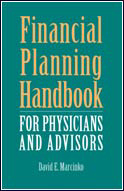
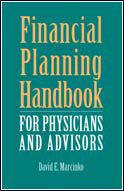
FINANCE: Financial Planning for Physicians and Advisors
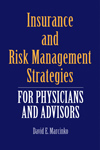
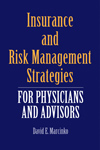
INSURANCE: Risk Management and Insurance Strategies for Physicians and Advisors

Product DetailsProduct DetailsProduct Details

Product Details  Product Details

Advisor’s Checklist for Physicians Seeking Insurance

Background, Education, and Certifications

By Dr. David Edward Marcinko; MBA, CMP™

Publisher-in-Chiefdem22

The following are sample questions and information gathered for Professional Liability Coverage

The Checklist

**Medical specialty information by percentage of practice.

**Information on medical education, including information on medical school, internship information, residency information, and fellowship information, if any.

**Information on medical experience, including information on military discharge (DD214), public health service, moonlighting, ‘locum tenens’, and private practice information. Have dates and locations available. Other information includes:

  • Information on completed continuing education hours in the past two years.
  • Publications, speeches, instruction, etc.
  • Information on medical licenses, including state, license number, expiration dates, and current status.
  • Information on board certifications.
  • The above information may be contained in a Curriculum Vita, if you have one.
  • On an “as applicable” basis:
  • Complete details including dates and outcomes of any board certification revocations or suspensions, license revocations or suspensions, alcohol or drug addictions and treatments, criminal or sexual misconduct charges, or Medicare or Medicaid charges.
  • Previous Insurance Information
  • Insurance history, including the name, policy number, whether the coverage form was occurrence or claims made, policy period, limits of liability, deductible amount, and prior acts date, for your current carrier, and your first, second, third, and fourth prior carrier, if applicable.
  • Information on any insurance company cancellations or non-renewals.
  • If your current policy is a claims-made policy, whether you are obtaining tail coverage from your current insurance company.
  • Copies of prior policies, if available.

Current Medical Practice Information

  • Information on supervision and employment of residents, physician assistants, nurse practitioners, CRNAs, nurse midwives and other physicians;
  • Information on networks or managed care organizations associated with (IPA, PHO, MSO, etc.), including group name, type of organization, and relationship;
  • Information on other contractual relationships other than PPOs, HMOs, IPA, etc;
  • Full information on all hospital privileges, including hospital name, location, and type of privilege.
  • Information on any suspension, denial, revocation, restriction, or other sanctioning of hospital privileges.

Classification and Specialty Identification

Full information on procedures performed, including details of surgeries, average number of patients seen weekly, specialty practice areas, etc.

Prior Claims History (if any)

For each claim, patient’s name; date of occurrence; insurance carrier; location of occurrence; date claim was reported; date claim was closed (if applicable); copies of subpoenas, pleadings, or judgments; amount reserved on your behalf; and amount paid on your behalf.  Provide as complete a description of the allegations as possible.

insurance-book2

Important Note

This checklist is provided as a guide to assist the Healthcare Professional in gathering the information that insurance companies typically request.  Discuss this checklist with your agent to identify additional information as needed.

Assessment

The author has been an expert medical witness in both state and federal court. He is also a former licensed insurance agent and certified financial planner.

Conclusion

And so, your thoughts and comments on this Medical Executive-Post are appreciated.

Speaker: If you need a moderator or speaker for an upcoming event, Dr. David E. Marcinko; MBA – Publisher-in-Chief of the Executive-Post – is available for seminar or speaking engagements. Contact: MarcinkoAdvisors@msn.com  or Bio: www.stpub.com/pubs/authors/MARCINKO.htm

Get our Widget: Get this widget!

Our Other Print Books and Related Information Sources:

Practice Management: http://www.springerpub.com/prod.aspx?prod_id=23759

Physician Financial Planning: http://www.jbpub.com/catalog/0763745790

Medical Risk Management: http://www.jbpub.com/catalog/9780763733421

Healthcare Organizations: www.HealthcareFinancials.com

Health Administration Terms: www.HealthDictionarySeries.com

Physician Advisors: www.CertifiedMedicalPlanner.com

Subscribe Now: Did you like this Medical Executive-Post, or find it helpful, interesting and informative? Want to get the latest E-Ps delivered to your email box each morning? Just subscribe using the link below. You can unsubscribe at any time. Security is assured.

Link: http://feeds.feedburner.com/HealthcareFinancialsthePostForcxos

How to Select a Nursing Home

Join Our Mailing List

Checklist for Financial Planners

[By Staff Reporters]fp-book6

The following will enable the financial planner to assist the client in choosing a nursing home.

The Checklist

1.   Review the client’s requirements. An assisted-living facility may suffice instead of a true nursing home, which is required by the frail and elderly needing daily medical care.

2.   Pick a location close to home and relatives. Frequent visits are crucial, not only to combat loneliness but also to ensure resident receives proper attention.

3.   Read inspection report (state survey). If the financial planner encounters difficulties in obtaining a current report, he or she should assume that the home has something to hide. Don’t expect perfection. Nursing homes provide a difficult service for difficult residents. If a home is unresponsive to inquiry regarding items in a report, assume a similar response to concerns about the quality of care being provided in the future.

4.   Tour the facility on an unannounced basis at different times on different days. Stroll through corridors and look and listen. Trust senses and instincts. Items to consider should include:

·         Appearance of residents’ rooms. Outward decor of facility can be misleading, so the planner should inspect the residents’ rooms. To what extent can the rooms be personalized? If rooms are shared, how are good roommate matches made?

·         Smells. High-quality homes have no lingering stench of urine or air freshener to cover up bad care and unusually high incidences of incontinence due to lack of attention by staff.

·         Safety hazards. Be especially aware of items in corridors that can be obstacles to those with unsteady gait and poor eyesight.

·         Sufficient staff members who are pleasant and respectful to residents. Are staff members responsive to residents’ needs? Are staff members warm in their interactions with all residents, even those requiring the heaviest supervision? Are aides helping residents with walking or exercise of their arms and legs?

·         Residents’ attitudes toward facility’s service. Talk with residents and staff to determine attitudes toward the facility’s service. Does the facility have a family counsel to provide it with input?

·         Grooming. A clear sign of neglect is failure to keep residents clean, well dressed, and well groomed.

·         Physical restraints. Nursing homes that have eliminated restraints also have improved quality of life and more social contact among residents. Ties, belts, vests, and high bed rails are an easy but unsatisfactory solution to managing residents. Count number of residents that are restrained; ask what percentage are restrained and why.

·         Food. Visit at meal time and sample the food to make sure it is palatable. The setting for meals should be attractive and pleasant, and food should be served at the proper temperature. Staff should be available to help residents who are not able to feed themselves. Review menus and determine the amount of concern for nutrition.

·         Activities. A wide variety of activities should be provided, and the participation level should be high. Bored residents in front of a television may be a sign of a home’s failure to stimulate its residents.

·         Dignity. Residents should be handled in ways that respect their dignity. For example, are residents properly clothed in public?

·         Bed sores. Bed sores are a sign of poor care. Review inspection reports and see if they are mentioned, or talk to residents or their families about this topic.

·         Special care units. Such units are often used as an expensive marketing device. The special care units may not be designed well and may indicate a lack of outdoor facilities.

5.   Review the facility’s policy on medical care. Will residents be seen by their personal doctors or by staff physicians? Does the home have good infection control and immunization plans? What sort of access to dentists and eye doctors is there?insurance-book9

6.   Perform financial analysis. The planner should gain a complete understanding of what the client’s and/or his or her family’s financial commitments are and how they will be met.

·         Determine the financial strength of the nursing home, particularly if client funds are to be advanced.

·         Consider a single lifetime payment in lieu of monthly rental payments.

·         Consider exclusions in contract. For example, nursing home insurance coverage should include loss of personal property and personal injury.

·         Determine what services the client will require, what is covered under the facility’s general fee, and what services are provided for an extra fee. Determine what the extra fee will be for each additional service that will be required. Family members should not agree to pay these charges because this could delay Medicaid funding.

·         Analyze pricing structure in general and what the pattern of increases in fees has been.

·         Determine residents’ rights in eviction proceedings for nonpayment of rent, in returning to nursing home after hospital stay, and in having Medicaid make payments on behalf of resident.

·         Determine residents’ rights to appeal decisions and what the appeal procedures are.

7.   Obtain and check references, including families of current residents, local hospitals, doctors, and government agencies, particularly the ombudsman at state departments for aging.

Assessment

What have we missed?

Conclusion

In any case, early planning is the key to supporting both your kids’ futures and your retirement. Making logical college funding decisions, rather than emotional ones, creates a win/win for everyone.

Your thoughts and comments on this ME-P are appreciated. Feel free to review our top-left column, and top-right sidebar materials, links, URLs and related websites, too. Then, subscribe to the ME-P. It is fast, free and secure.

Link: http://feeds.feedburner.com/HealthcareFinancialsthePostForcxos

Speaker: If you need a moderator or speaker for an upcoming event, Dr. David E. Marcinko; MBA – Publisher-in-Chief of the Medical Executive-Post – is available for seminar or speaking engagements. Contact: MarcinkoAdvisors@msn.com

OUR OTHER PRINT BOOKS AND RELATED INFORMATION SOURCES:

DICTIONARIES: http://www.springerpub.com/Search/marcinko
PHYSICIANS: www.MedicalBusinessAdvisors.com
PRACTICES: www.BusinessofMedicalPractice.com
HOSPITALS: http://www.crcpress.com/product/isbn/9781466558731
CLINICS: http://www.crcpress.com/product/isbn/9781439879900
BLOG: www.MedicalExecutivePost.com
FINANCE: Financial Planning for Physicians and Advisors
INSURANCE: Risk Management and Insurance Strategies for Physicians and Advisors


  Risk Management, Liability Insurance, and Asset Protection Strategies for Doctors and Advisors: Best Practices from Leading Consultants and Certified Medical Planners™8Comprehensive Financial Planning Strategies for Doctors and Advisors: Best Practices from Leading Consultants and Certified Medical Planners™

 ***

I Jealously “Shake my Fist” at Somnath Basu PhD

On CFP® Mis [Trust] – One Doctor’s Painful Personal Experience

[“So Sorry to Say it … but I Told You So”]

By: Dr David Edward Marcinko; FACFAS, MBA, CMP™

[Publisher-in-Chief]dem21

According to Somnath Basu, writing on April 6, 2009 in Financial Advisor a trade magazine, the painful truth is that many financial practitioners are merely sales people masquerading, as financial planners [FPs] and/or financial advisors [FAs] in an industry whose ethical practices have a shameful track record. Well, I agree, and completely. This includes some who hold the Certified Financial Planner® designation, as well as the more than 98 other lesser related organizations, logo marks and credentialing agencies [none of which demand ERISA-like fiduciary responsibility]. For more on this topic, the ME-P went right to the source last month, in an exclusive interview with Ben Aiken; AIF® of Fi360.com  

fp-book4

The CFP® Credential – What Credential?

Basu further writes that stockbrokers and insurance agents who earn commissions from buying and selling stocks, insurance and other financial products realize that a Certified Financial Planner® credential will help grow the volume of their business or branch them into other related and lucrative products and services. After all, there are more than 55,000 of these “credentialed” folks. And, this marketing designation seems to have won the cultural wars in the hearts and minds of an unsuspecting – i.e., duped public; probably because of sheer numbers. Didn’t a CFP Board CEO state that its’ primary goal was growth, a few years ago? Can you say “masses of asses”, as the oft quoted Bill Gates of Microsoft used to say when only 2,000 micro-softies defeated 400,000 IBMers during the PC operating system wars of the early 1980’s. Quantity, and marketing money, can trump quality in the public-relations business; ya’ know … if you repeat the lie often enough … yada … yada … yada! Yet, as the so-called leading industry designation, the CFP® entry-barrier standard is woefully low. Moreover, the SEC’s [FINRA] Series #7 general securities licensure sales examination is not worth much more than a weekend’s study attention, even to the uninitiated.

insurance-book2

Easy In – Worth Less Out

In our experience, we agree with Basu and others who suggest that scores of lightly educated, and sometimes wholly in-articulate and impatient individuals are zipping through the CFP® Board of Standards approved curriculum in three to six months of online, on-ground, or “self-study”. But, that some can do so without a bachelor’s degree when they join wire-houses and financial institutions, which cannot be trusted to adequately train them, is an abomination. And, even more sadly, some of these CFP™ mark-holders, and other folks, believe they have actually received an “education” from same. Of course, their writing skills are often non-existent and I have cringed when told that, in their opinion, advertiser-driven trade magazines constitute “peer-reviewed” and academic publications. Incidentally, have you noticed how thin these trade-rags are getting lately? Much like the print newspaper industry, are they becoming dinosaurs? One agent even told me, point-blank, that his CLU designation was the equivalent of an “academic PhD in insurance.” This was at an industry seminar, where he thought I was a lay insurance prospect.

THINK: No critical thinking skills.

biz-book4

Education

There is another sentiment that may be applied in many of these cases; “hubris.” I mean, these CFP® people … just don’t know – how much they don’t know.”  The very real difference between training versus education is unknown to many wire-houses and FAs, isn’t it? And, please don’t get me started on the differences in pedagogy, heutagogy and androgogy. Moreover, it’s sad when we see truly educated youngsters become goaded by wire-houses into thinking that these practices are de-rigor for the industry. One such applicant to our Certified Medical Planner™ program, for example, had both an undergraduate degree in finance and a graduate degree in economics from the prestigious Johns Hopkins University – in my home town of Baltimore, MD [name available upon request]. He was told, in his Smith Barney wire-house training program, to eschew CMP™ accountability and RIA fiduciary responsibility, when working with potential physician and lay clients; but to get his CFP® designation to gather more clients. To mimic my now 12 year-old daughter; it seems that: SEC Suitability Rules – and – Fiduciary Accountability Drools. And, to quote Hollywood’s “Mr. T”; I pity the fools, er-a, I mean clients. But, T was an actor, and this is serious business.

cmp-logo1

Of CEU Credits and Ethics

Beside trade-marks and logos, we are all aware that continuing education, and a code of ethics, is another important marketing and advertising component of state insurance agents and CFP licensees. It’s that old “be” – or “pretend to be” – a trusted advisor clap-trap. Well, I say horse-feathers for two reasons. First, both my insurance and CFP® Continuing Educational Unit [CEU] requirements were completed by my daughter [while age 7-10], by filling in the sequentially identical and bubble-coded, multiple-choice, answer-blanks each year. Second, this included the mandatory “ethics” portions of each test. When I complained to my CEU vendor, and state insurance department, I was told to “enjoy-the-break.”  My daughter even got fatigued after the third of fourth time she took the “home-based tests” for me.  After I opened my big mouth, the exact order of questions was changed to increase acuity, but remained essentially the same, nevertheless. My daughter got bored, and quit taking the tests for me, shortly thereafter. She always “passed.”dhimc-book3

Thus, like Basu, I also find that far too many financial advisors are unwilling to devote the time necessary to achieve a sound education that will help attain their goals, and would rather sell variable or whole life products than simple term life, even when the suitability argument overwhelmingly suggests so, for a higher payday. We not only have met sale folks without undergraduate degrees, but also too many of those with only a HS diploma, or GED. Perhaps this is why a popular business truism suggests that the quickest way for the uneducated/under educated class to make big bucks, is in sales. Just note the many classified ads for financial advisors placed in the newspaper job-section, under the heading “sales.” Or, in more youthful cultural terms, “fake it – until you make it.”

Of the iMBA, Inc Experience

According to Executive Director Ann Miller RN MHA, and my experience at the Institute of Medical Business Advisors, Inc:

“Far too many financial advisors who contact us about matriculation in our online Certified Medical Planner™ program – in health economics and management for medical professionals – don’t even know what a Curriculum Vitae [CV] is? Instead, they send in Million Dollar Roundtable awards, Million Dollar Producer awards, or similar sales accomplishments as resume’ boosters. It is also not unusual for them to list some sort of college participation on their resumes, and websites, but no school affiliation or dates of graduation, etc. And, they become furious to learn that we require a college degree for our fiduciary focused CMP™ program, and not from an online institution, either. The onslaught of follow-up nasty phone-calls; faxes and emails are laughable [frightening] too.”  

www.MedicalBusinessAdvisors.com

Assessment

More often than not, it is the financial institutions that FAs and CFP™ certificants’ work for that reward sales behavior with higher commissions, rather than salaries; which encourage such behavior and create the vicious cycles that are now the norm.

THINK: ML, AIG, Citi, WAMU, Wachovia, Hartford, Prudential, etc.

Note: Original author of Restoring Trust in the CFP Mark, Somnath Basu PhD, is program director of the California Institute of Finance in the School of Business at California Lutheran University where he’s also a professor of finance. He can be reached at (805) 493 3980 or basu@callutheran.edu. We have asked him to respond further.

My Story: I am a retired surgeon and former Certified Financial Planner® who resigned my “marketing trademark” over the long-standing fiduciary flap. I watched this chicanery for more than a decade after protesting to magazines like Investment Advisor, Financial Advisor, Registered Rep, Financial Planner, the FPA, etc; up to, and even including the CFP® Board of Standards; to no avail. Feel free to contact me for a copy of a 43 page fax, and other supportive documentation from the CFP® Board of Standards – and their outsourced intellectual property attorneys – over a Federal trademark infringement lawsuit they tried to institute against me for innocent website errors placed by a visually impaired intern. Obviously, they disliked the launch of our CMP™ program. As a health economist and devotee of Ken Arrow PhD, I polity resigned my license, as holding no utility for me, to the shocked CFP Board. They later offered to consider re-instatement for a mere $600 fee with letter of explanation, to which I politely declined. Of course, my first thought after living in the streets of South Philadelphia while in medical school, during the pre-Rocky era, was to say f*** off – but I didn’t. Nevertheless, I still seem to be on their mailing list, years later. No doubt, the list is sold, and re-sold, to various advertisers for much geld. And, why shouldn’t they; an extra bachelor, master and medical degree holder on their PR roster looks pretty good. I distrust the CFP® Board almost as much as I distrust the AMA, and its parsed and disastrous big-pharma funding policies. Right is right – wrong is wrong – and you can’t fool all of the people, all of the time, especially in this age of internet transparency.

Shaking my Fist at Somnath … in Envy

And so, why do I shake my fist at Somnath Basu? It’s admittedly with congratulations, and a bit of schadenfreude, because he wrote an article more eloquently than I ever could, and will likely receive much more publicity [good or slings-arrows] for doing so. You know, it’s very true that one is never a prophet in his own tribe. Oh well, Mazel Tov anyway for stating the obvious, Somnath. The financial services industry – and more specifically – the CFP® emperor have no clothes! Duh!

ho-journal5

Good Guys and White Hats

Now that Basu’s article has appeared in Financial Advisor News e-magazine, the other industry trade magazines are sure to follow the CFP® certification denigration reportage, in copy-cat fashion. And, the fiduciary flap is just getting started. This is indeed unfortunate, because I do know many fine CFP® certificants, and non-CFP® certified financial advisors, who are well-educated, honest and work very diligently on behalf of their clients. It’s just a shame the public has no way of knowing about them – there is no white hat imprimatur or designation for same – most of whom are Registered Investment Advisors [RIAs] or RIA reps. For example, we know great folks like Douglas B. Sherlock MBA, CFA; Robert James Cimasi MHA, AVA, CMP™; J. Wayne Firebaugh, Jr CPA, CFP®, CMP™; Lawrence E. Howes MBA, CFP®; Pati Trites PhD; Gary A. Cook MSFS, CFP®, CLU; Tom Muldowney MSFS, CLU, CFP®, CMP™;  Jeffrey S. Coons PhD, CFP®; Alex Kimura MBA, CFP®; Ken Shubin-Stein MD, CFA; and Hope Hetico RN, MHA, CMP™; etc. And, to use a medical term, there are TNTC [too many, to count] more … thankfully!

Conclusion

Your thoughts and comments on this ME-P are appreciated. Feel free to review our top-left column, and top-right sidebar materials, links, URLs and related websites, too. Then, subscribe to the ME-P. It is fast, free and secure.

Speaker: If you need a moderator or speaker for an upcoming event, Dr. David E. Marcinko; MBA – Publisher-in-Chief of the Medical Executive-Post – is available for seminar or speaking engagements. Contact: MarcinkoAdvisors@msn.com

OUR OTHER PRINT BOOKS AND RELATED INFORMATION SOURCES:

Product DetailsProduct DetailsProduct Details

  Product DetailsProduct Details

Product Details

Impact of Size on Mutual Fund Performance

Vital Information for Doctors to Consider

[By Dr. David Edward Marcinko; FACFAS, MBA, CMP™]

[By Professor Hope Rachel Hetico; RN, MHA, CMP™]dave-and-hope3

The actual size of a mutual or index fund, in terms of amount of assets, and the growth rate of a fund are the two aspects of size to consider. The impact of size on mutual fund performance varies—it can be negative, neutral, or positive. Size affects different types of funds differently; it also affects the manager’s ability to achieve objectives. Monitor size changes and make investment decisions accordingly.

Economies of Scale

A relatively large amount of assets available to a portfolio manager presents various economies. The costs at most funds (e.g., expense ratios) are reduced as a percentage of net asset value as the fund grows. Expense ratios can have a major impact on performance. In addition to being an effect of size, low fees can cause size changes. Funds do at times waive some fees to attract assets.

Asset Base

A larger asset base provides more liquidity to a fund. With more assets, the manager can buy more shares and more stocks. Transaction costs are reduced if higher trading volumes are achieved. A larger asset base also can reduce relative tax costs. Realized but undistributed capital gain can be spread over more shares at the time of year-end distribution. A larger asset base and manager success attracts higher-caliber managers to the management team.

fp-book20

Fund Growth

Growth of fund assets impairs certain funds more than others. Generally, bond funds are less affected by asset growth and size than equity funds. Growth may have a positive impact on bond funds because buying bonds of similar characteristics further diversifies credit, event, and other risks. Equity funds that invest in larger capitalization stocks can be less affected than funds buying less liquid small-cap stocks. (This is so because funds usually limit their investments in a single company, i.e., many funds will not buy more than 5% of a specific company. Five percent of a small company uses up less cash than 5% of a large company. Therefore, a small-cap fund is more likely to exhaust its choice of available companies sooner than a large-cap fund. A large-cap fund could increase its investment to a 5% level, whereas a small-cap fund may already be fully invested in the companies the manager likes to own.)

Growth Rate

The rate of growth can affect performance. Rapid growth may mean that a large portion of the portfolio remains un-invested. A rapidly growing growth-type equity fund with a high percentage of cash earns lower returns in a rising market than a fully invested fund. With rapid growth, the fund may not provide pure exposure to the desired asset class. At a certain point, however, fund asset growth impairs the manager’s ability to achieve objectives. For this reason, funds often close to new investors or to new investment once they have reached a certain size. Growth affects managers in many ways. Many fund managers or teams of managers direct a number of funds and possibly even private accounts. As the fund grows, managers are spread thin and may have difficulty in reacting quickly or efficiently to changing market conditions. Managers may need to hire assistant portfolio managers or delegate work to analysts or other employees. As a result, the manager manages people, administration, or internal quality control systems rather than studying companies or investment strategies. Also, a manager may become complacent in periods of rapid asset growth. Such growth can mean their own compensation is substantially greater, which may in turn change the manager’s motivation. Rapid growth often changes a fund because there are not enough opportunities to invest in the targeted securities. For example, a fund can change from aggressive to conservative, small cap to large cap. Managers may have to slow trading or increase liquidity in the portfolio to prevent this occurrence.

Meaningful Positions Difficult

Rapid growth or a large asset base can prevent managers from taking meaningful positions in market sectors they believe will outperform others. Smaller funds are more flexible and may take advantage of opportunities or liquidate unwanted positions faster than larger funds. A large fund that owns a significant position will negatively affect a security’s market price if it unloads shares all at one time. Rapid growth also impairs research of funds, affecting an investor’s choice of funds. A fund with outstanding performance over the past 5 years and a $150 million asset base may be much different when its base grows to $1 billion; at that point, it may no longer be the “right choice” for an investor.

insurance-book9Asset Declinations

Just as rapid asset growth affects performance, a rapid decline of fund assets also may impact performance. Significant quantities of redemptions over short periods force managers to liquidate security positions, often at the wrong time (i.e., they would rather be buying in a declining market than selling to accommodate redemptions). To prevent this scenario, some funds have redemption charges to discourage investors from such short-term decisions. Such environments can negatively impact bond funds as easily as equity funds. Large redemptions compound the effect of declining fund net asset values.

What a Doctor-Investor Can Do?

What can physician-investors do to avoid negative effects on investment? Avoid overloading a portfolio with hot, rapidly growing funds, if possible. Generally, size should be a neutral factor for most bond funds. Small and/or aggressive equity funds can be affected by growth, however. Emphasize funds that promise to close to new investors after assets reach a certain size. Once a fund becomes large, monitor it closely for problems caused by the growth. If there is a better, smaller fund, it may be wise to change. Also, closed-end funds are always a possibility. These funds have a major advantage in that their asset base is a factor of growth in security values, not new investment (unless the fund makes a secondary stock offering). Closed-end managers work with a finite portfolio, which reduces the problem of sudden asset growth.

Assessment

To the extent that a lack of SEC and FINRA over-sight, and the recent financial, insurance and banking meltdown has affected the above; such investing is left up to the doctor’s discretion and personal situation.  When it comes to the financial services product sales industry; always remember “caveat emptor” or “buyer-beware.”

Disclaimer: Both contributors are former licensed insurance agents and financial advisors.

Conclusion

Your thoughts and comments on this ME-P are appreciated. Feel free to review our top-left column, and top-right sidebar materials, links, URLs and related websites, too. Then, subscribe to the ME-P. It is fast, free and secure.

Link: http://feeds.feedburner.com/HealthcareFinancialsthePostForcxos

Speaker: If you need a moderator or speaker for an upcoming event, Dr. David E. Marcinko; MBA – Publisher-in-Chief of the Medical Executive-Post – is available for seminar or speaking engagements. Contact: MarcinkoAdvisors@msn.com

OUR OTHER PRINT BOOKS AND RELATED INFORMATION SOURCES:

DICTIONARIES: http://www.springerpub.com/Search/marcinko
PHYSICIANS: www.MedicalBusinessAdvisors.com
PRACTICES: www.BusinessofMedicalPractice.com
HOSPITALS: http://www.crcpress.com/product/isbn/9781466558731
CLINICS: http://www.crcpress.com/product/isbn/9781439879900
BLOG: www.MedicalExecutivePost.com
FINANCE: Financial Planning for Physicians and Advisors
INSURANCE: Risk Management and Insurance Strategies for Physicians and Advisors

Product Details  Product Details

The Gay Doctor Dilemma

Join Our Mailing List

Understanding Domestic Partnership Problems

[By Staff Reporters]fp-book16

Legal Strangers

In spite of many changes to state laws and with a few exceptions, for all intents and purposes, unmarried physician couples are still considered strangers to one another. The unmarried partner has no right to make health care decisions, no right to Social Security survivor benefits, and no inheritance rights without proper documentation. An unmarried partner generally has no standing to seek damages for the “wrongful death” of a spouse, nor any standing for any other contractual rights.

Tax Treatment

Unmarried couples do not get the same tax treatment—such as the ability to file a joint tax return—as do married couples. While this may not necessarily mean higher taxes for married couples, it can make deductions difficult to determine for unmarried couples. Nor can an unmarried couple use the spousal Individual Retirement Account deductions for a nonworking spouse. An unmarried couple may not use a family partnership for tax purposes.

Non-Tax Benefits

Unmarried partners do not have the benefits that spouses have when a relationship ends or one partner dies. Domestic partners may not receive alimony or child support, except in special cases. A partner may not receive pension rights, and generally will not receive employer benefits, except in certain companies and municipalities. One partner who is forced to quit practice when the other partner is transferred may not receive unemployment benefits, while a spouse can. Unmarried partners may not qualify to get residency status for a non-citizen partner to avoid deportation.

Estates and Gift Problems

Estate tax law allows married couples an unlimited deduction for estate and gift tax purposes. Unmarried couples do not get this benefit, and may be taxed on what would otherwise be a tax-free transfer. If one partner dies intestate (without a will) the couple’s joint property would not necessarily go to the survivor. A married couple can give away $26,000 per recipient each year without gift tax consequences, but an unmarried individual with a high income is limited to $13,000, per recipient per year, even when living with a partner.

Personal Benefits

Domestic partners may be kept from visiting a partner in a prison or in the hospital or any other place restricted to “immediate family” members. Without specific legal permission, such as a durable power of attorney, the blood relatives of the partner who is ill can keep the domestic partner from seeing his or her mate. Except in a few municipalities and companies, domestic partners may not be eligible for bereavement leave when one partner dies.

Conclusion

Your thoughts and comments on this ME-P are appreciated. Feel free to review our top-left column, and top-right sidebar materials, links, URLs and related websites, too. Then, subscribe to the ME-P. It is fast, free and secure.

Link: http://feeds.feedburner.com/HealthcareFinancialsthePostForcxos

Speaker: If you need a moderator or speaker for an upcoming event, Dr. David E. Marcinko; MBA – Publisher-in-Chief of the Medical Executive-Post – is available for seminar or speaking engagements. Contact: MarcinkoAdvisors@msn.com

OUR OTHER PRINT BOOKS AND RELATED INFORMATION SOURCES:

DICTIONARIES: http://www.springerpub.com/Search/marcinko
PHYSICIANS: www.MedicalBusinessAdvisors.com
PRACTICES: www.BusinessofMedicalPractice.com
HOSPITALS: http://www.crcpress.com/product/isbn/9781466558731
CLINICS: http://www.crcpress.com/product/isbn/9781439879900
ADVISORS: www.CertifiedMedicalPlanner.org
PODIATRISTS: www.PodiatryPrep.com
BLOG: www.MedicalExecutivePost.com
FINANCE: Financial Planning for Physicians and Advisors
INSURANCE: Risk Management and Insurance Strategies for Physicians and Advisors

Product Details  Product Details

Risk Management, Liability Insurance, and Asset Protection Strategies for Doctors and Advisors: Best Practices from Leading Consultants and Certified Medical Planners™8Comprehensive Financial Planning Strategies for Doctors and Advisors: Best Practices from Leading Consultants and Certified Medical Planners™

Asset Allocation Methods for Physician-Investors

What’s Old … is New Again?

By Dr. David Edward Marcinko; MBA, CMP™

Publisher-in-Chiefdem23

Asset allocation policies, incorporating the risk/return fundamental equation, have traditionally been classified under the following approaches: Principal Stability and Income, Income, Income-Oriented, Balanced, Growth, and Aggressive Growth.

Traditional Concepts

In all forms of traditional asset allocation and diversification policy approaches, the physician-investor is presumed to diversify within the chosen asset class in order to reduce the potential for specific or unsystematic risk.

Principal stability and income approach

Objective: Income, liquidity, and stability of principal.

Investment: Shorter-term fixed income securities with a large concentration in money market exposure to enhance liquidity and price stability. Accounts tend to maintain cash equivalent reserve balance of 30–50% of the portfolio.

Income approach

Objective: Maximum income.

Investment: 100% fixed income exposure.

Income portfolios arise from the traditional notion that an investor should spend only income and reinvest capital gains. Sometimes this is a legal requirement, as in a trust that has an income beneficiary distinct from the principal beneficiary.

Income-oriented approach

Objective: Income and some capital growth.

Investment: Accounts tend to maintain 15–35% in equity investments; balance of investment in fixed income.

Income and growth approach

Objective: Capital growth and income using a balanced approach to limit volatility.

Investment:  Accounts tend to maintain 45–65% equity exposure; balance of investment in fixed income.

Income and growth portfolio policies generally refer to both the fixed income and equity portions of the portfolios. Because of the income bias, the overall stock portion of the portfolio will usually have a dividend yield greater than the market yield. This method allows the portfolio manager to invest in some no- or low-dividend yielding issues.

Growth approach

Objective: Capital growth with income as a secondary objective.

Investment: Accounts tend to maintain between 65%–85% equity exposure; balance of investment in fixed income, usually cash reserves.

Aggressive growth approach

Objective: Long-term capital growth.

Investment: Accounts maintain 100% equity exposure. Exposure to variety of equity types normal (small capitalization, international, emerging markets, etc).

fp-book15

Assessment Of course, the above is much more accurate during stable economic times, than it is today; don’t you think? Are newer concepts required today … or is past … prologue.

Link: https://healthcarefinancials.wordpress.com/2008/10/25/new-wave-thoughts-on-investing/

Conclusion

And so, your thoughts and comments on this Medical Executive-Post are appreciated.

Speaker: If you need a moderator or speaker for an upcoming event, Dr. David E. Marcinko; MBA – Publisher-in-Chief of the Executive-Post – is available for seminar or speaking engagements. Contact: MarcinkoAdvisors@msn.com  or Bio: www.stpub.com/pubs/authors/MARCINKO.htm

Get our Widget: Get this widget!

Our Other Print Books and Related Information Sources:

Practice Management: http://www.springerpub.com/prod.aspx?prod_id=23759

Physician Financial Planning: http://www.jbpub.com/catalog/0763745790

Medical Risk Management: http://www.jbpub.com/catalog/9780763733421

Healthcare Organizations: www.HealthcareFinancials.com

Health Administration Terms: www.HealthDictionarySeries.com

Physician Advisors: www.CertifiedMedicalPlanner.com

Subscribe Now: Did you like this Medical Executive-Post, or find it helpful, interesting and informative? Want to get the latest E-Ps delivered to your email box each morning? Just subscribe using the link below. You can unsubscribe at any time. Security is assured.

Link: http://feeds.feedburner.com/HealthcareFinancialsthePostForcxos

Understanding Money Market Account Risks

Terms and Definitions for Physician Investors

By Staff Writers56371606

The recent banking industry debacle has prompted several of our cost-conscience doctor-clients to rethink money market account risks and related products. We trust this brief review is helpful to all concerned.

Money Market Deposit Accounts

First, the term “money market account” must be defined.

Link: http://www.HealthDictionarySeries.org

dhimc-book2

There are two types of money market accounts [MMAs] that most people refer to when using this term. The first is a money market deposit account (MMDA). This is an account at a bank designed to compete with money market mutual funds (MMMF). MMDAs usually pay less interest than money market mutual funds and in return offer federal insurance on balances, now up to $250,000 with convenience through check writing and access through ATMs [reverts back to $100,000 after December 31, 2009]. MMDAs under this amount do not have any risk of failure because they are insured by the US government.

Money Market Mutual Funds

Money market mutual funds are mutual funds that invest in short-term instruments with maturities of less than one year, and usually offer check writing on the account. They are not federally insured, but are considered safe in stable economic times. Net Asset Value [NAV] is one dollar; USD. Nevertheless, a few have “broken-the-buck” with NAV at some increment below $1.00 USD.

fp-book7

Evaluation Methods

The first way to evaluate the MMMF risk is to look at the average length of maturities in the portfolio. The shorter the maturity – the safer the MMMF. The second way is to look at the type of security owned by the fund. Government securities are generally less risky than corporate securities. Interested investors can also contact a rating service that evaluates the securities in a MMMF’s portfolio.

And now – a few related words about “so-called” high-yielding CDs.

High Yielding Brokered Bank CDs

insurance-book5

First, the physician-investor should determine if the CD is issued by a federally insured institution. If the answer is yes, the investor knows that a portion of his money is safe if the institution fails. If the answer is no, the doctor should obtain the institution’s ratings from the appropriate rating agencies and analyze the institution’s financials. Second, the physician-investor should investigate the volatility of the CD’s return.

Assessment

When interest rates fluctuate, the price of MMAs and CDs fluctuate much like bonds. Therefore, short-term securities are less risky than long-term securities; all things being equal.

Conclusion

And so, your thoughts and comments on this Medical Executive-Post are appreciated. Are you looking at these terms and conditions more closely during this national economic crisis? Please opine and advise.


Risk Management, Liability Insurance, and Asset Protection Strategies for Doctors and Advisors: Best Practices from Leading Consultants and Certified Medical Planners™8Comprehensive Financial Planning Strategies for Doctors and Advisors: Best Practices from Leading Consultants and Certified Medical Planners™


Understanding Life Insurance Sales Compensation

Join Our Mailing List

How Agents and Brokers are Paid for Selling Policies

By Dr. David Edward Marcinko; MBA, CMP™

By Hope Rachel Hetico; RN, MHA, CMP™

[ME-P Publisher-in-Chief and Managing Editor]dave-and-hope1

The recent AIG, and related insurance debacles, have prompted several of our cost-conscience doctor clients to rethink insurance agent sales commissions and related perks.  We trust this brief review is helpful to all concerned.

Life insurance company agents

Life insurance agents are appointed by the insurer with the authorization to solicit and deliver contracts of insurance. The agent’s power under life insurance is more limited than that of a property and casualty agent because an agent cannot bind a life insurance carrier to an individual risk, as opposed to a property and casualty agent who can bind his or her insurance company.

Agent Commissions

Agents are compensated primarily on a commission basis from the insurance company they represent. Compensation is higher for the first year a policy is in force. Thereafter, the agent may receive compensation for renewal—a percentage of the annual premiums—and much smaller compensation during subsequent years. If the agent achieves a certain level of production, the agent may receive additional bonuses or other types of compensation. Think: Million Dollar Round Table; or Million Dollar Club Producer.

Commission Rates

Commissions for agents typically run 50% to 55% on cash value products and 40% on term products. Agents’ commissions generally are lower than brokers because they are housed by the insurer, and therefore most of the agents’ expenses are reimbursed or paid by the insurance company.

The Fringe Benefits

The agent also receives fringe benefits from the company, such as health insurance, life insurance, disability insurance, a retirement plan, or a cafeteria-type plan. Usually, agents must maintain a specified level of first-year commissions in order to continue employment with the company.

fp-book6

Life Insurance Brokers

A broker represents the client directly and can show illustrations from many different companies because theoretically there is no allegiance to any one particular company.

Dual Agent-Managers

Some brokers who may act both as general agents and agency managers (individuals who oversee an office of insurance representatives) usually earn commissions as stated above and overrides on first-year premiums to as much as 40%. There is a separate scale on renewals from the sales staff. These overrides are in addition to basic commissions earned either through the broker selling a product on his or her own or as manager of the office. In addition, brokers may earn subsidies for their office and production bonuses.

insurance-book4

Assessment

One advantage that life insurance agents have is that some direct writing companies employ only agents to represent them and sell their products. A broker may not have access to sell certain lines of companies that an agent does.

Disclaimer: Both contributors are former licensed insurance agents and financial advisors.

Conclusion

Your thoughts and comments on this ME-P are appreciated. Feel free to review our top-left column, and top-right sidebar materials, links, URLs and related websites, too. Then, subscribe to the ME-P. It is fast, free and secure.

Speaker: If you need a moderator or speaker for an upcoming event, Dr. David E. Marcinko; MBA – Publisher-in-Chief of the Medical Executive-Post – is available for seminar or speaking engagements. Contact: MarcinkoAdvisors@msn.com

OUR OTHER PRINT BOOKS AND RELATED INFORMATION SOURCES:

Risk Management, Liability Insurance, and Asset Protection Strategies for Doctors and Advisors: Best Practices from Leading Consultants and Certified Medical Planners™8Comprehensive Financial Planning Strategies for Doctors and Advisors: Best Practices from Leading Consultants and Certified Medical Planners™

AHRQ Report on Uninsured Hospitalizations

Differs from Insured Hospitalizations

By Staff Reportershorizontal-nurses

According to Tracey Walker, Senior Editor of Healthcare Executive News on March 13, 2009, the number of uninsured hospitalizations increased by 34%, over the last 10-year period, and the number of Medicaid hospitalizations increased by 36%. However, a newt report from the Agency for Healthcare Research and Quality (AHRQ) suggests the number of privately insured hospitalizations remained about the same.

AHRQ Report

According to the report, hospital charges increased for the uninsured faster than for overall hospital charges (76% for compared with 69% for all hospital stays). The average hospital charge for an uninsured stay in 2006 was $19,400 compared to $11,000 in 1997 (after adjusting for inflation). The average length of stay for the uninsured remained the same at about 4 days per hospital visit. Other findings included: 

  • Compared to all hospital stays, uninsured hospitalizations begin in the emergency department much more frequently (60% for the uninsured compared to 44% for all hospital stays).
  • The number of uninsured hospitalizations for skin infections rose sharply over the 10-year period, increasing from about 28,000 stays in 1997 to about 75,000 stays in 2006. Early appropriate outpatient treatment for skin infections can usually prevent the need for hospitalization.
  • There was a 36% increase in hospitalizations billed to Medicaid during the 10-year period.

Assessment

According to AHRQ, on average the costs (not charges) to provide hospital care to the uninsured are about $1,500 less expensive ($6,800 vs. $8,400 per hospital stay) than costs for all other hospital stays.

Assessment

Lack of health insurance has serious consequences on individuals and societies. For example, the uninsured may be more likely to delay or forgo necessary medical care until eventual hospitalization makes care much more expensive. And philosophically,

“As spending on Medicaid increases; the number of uninsured hospitalizations ought to decrease proportionally—adjusted for population increases”

So says, Hope Hetico; RN, MHA, CMP™ of www.HealthcareFinancials.com.

“But, this was not the case, and determining exactly why will require more studies.”

Conclusion

And so, your thoughts and comments on this Medical Executive-Post are appreciated. Does a similar inverse relationship hold for public versus private education, housing and transportation?

Why or why not? Some pundits wonder if it is due to private entities having more “skin-in-the game?” Please opine?

Speaker: If you need a moderator or speaker for an upcoming event, Dr. David E. Marcinko; MBA – Publisher-in-Chief of the Executive-Post – is available for seminar or speaking engagements. Contact: MarcinkoAdvisors@msn.com  or Bio: www.stpub.com/pubs/authors/MARCINKO.htm

Get our Widget: Get this widget!

Our Other Print Books and Related Information Sources:

Practice Management: http://www.springerpub.com/prod.aspx?prod_id=23759

Physician Financial Planning: http://www.jbpub.com/catalog/0763745790

Medical Risk Management: http://www.jbpub.com/catalog/9780763733421

Healthcare Organizations: www.HealthcareFinancials.com

Health Administration Terms: www.HealthDictionarySeries.com

Physician Advisors: www.CertifiedMedicalPlanner.com

Subscribe Now: Did you like this Medical Executive-Post, or find it helpful, interesting and informative? Want to get the latest E-Ps delivered to your email box each morning? Just subscribe using the link below. You can unsubscribe at any time. Security is assured.

Link: http://feeds.feedburner.com/HealthcareFinancialsthePostForcxos

Upcoming Health Economics Interview with Dr. David Marcinko

Coming Soon from Medical Business News, Inc

By Ann Miller; RN, MHA

ME-P Executive-Directordr-david-marcinko22

Medical Business News, Inc., the publisher of Medical News of Arkansas, is a leading source for healthcare industry news that is truly useful. With a professional readership comprised of physicians and key industry decision makers, Medical News publications are devoted entirely to healthcare issues that impact both clinical and administrative best practices. Written and edited specifically for healthcare professionals, MBN writers work with experts at the local, regional and national level to keep stakeholders informed about the ever-evolving healthcare system.

Out Reach

It is no wonder then, why local market MNA editor Jennifer Boulden recently contacted us to arrange an interview with Dr. David Edward Marcinko, our Publisher-in-Chief, who is also a former insurance agent, registered investment advisor, health economist and Certified Financial Planner™

Link: www.MedicalBusinessAdvisors.com  

Interview Topics

The wide open topic in this environment of medically specific lethargy and macro economic insecurity – personal and business planning for physicians. Of course, since this is a broad field, we will use the rating and ranking system of this blog to help Jennifer and her staff, winnow down categories to top-of-mind concerns of our ME-P subscribers and her MNA readers.

Link: www.HealthcareFinancials.com

Assessment

But, we also ask you to send in any particular issues that you may have in order to make the interview helpful and exciting for all concerned.

Link: www.HealthDictionarySeries.com

Conclusion

And so, your thoughts and comments on this Medical Executive-Post are appreciated.

Link: www.CertifiedMedicalPlanner.com

Speaker: If you need a moderator or speaker for an upcoming event, Dr. David E. Marcinko; MBA – Publisher-in-Chief of the Executive-Post – is available for seminar or speaking engagements. Contact: MarcinkoAdvisors@msn.com  or Bio: www.stpub.com/pubs/authors/MARCINKO.htm

Get our Widget: Get this widget!

Subscribe Now: Did you like this Medical Executive-Post, or find it helpful, interesting and informative? Want to get the latest E-Ps delivered to your email box each morning? Just subscribe using the link below. You can unsubscribe at any time. Security is assured.

Link: http://feeds.feedburner.com/HealthcareFinancialsthePostForcxos

About Fi360.com

Education for Financial Fiduciaries

Staff Reportersnyse1

According to the firm and website, www.Fi360.com offers a full circle approach to investment fiduciary education, practice management and support that has established it as the go-to source for investment fiduciary insights.


The Term “Fiduciary” Defined?

And, Fi360 defines an investment “Fiduciary” as:

“Someone who is managing the assets of another person and stands in a special relationship of trust, confidence, and/or legal responsibility”

Related definitional info: www.HealthDictionarySeries.com

Practitioner Based

With substantiated best-practices as a foundation, the firm offers training, tools and resources that are essential for fiduciaries and those who provide services to fiduciaries to effectively and successfully manage their roles and responsibilities. Fi360 say it is committed to assisting those who rely on their education programs, Web-based analytical software and resources to achieve success.

Training

Fi360 offers both AIF® and AIFA® training curriculums. The AIF® curriculum instructs investment fiduciaries on how to fulfill their duties to a defined standard of care. The AIFA® curriculum instructs participants on how to assess the conformance of investment fiduciaries to a Global Fiduciary Standard of Excellence [GFSE] using an ISO-like assessment process. These training curriculums are available in both classroom and Web-based settings; customized program are also available. Participants who successfully complete the programs, submit dues, agree to a code of ethics and meet other prerequisites may earn the AIF® or AIFA® designations, respectively.

Goals and Objectives

The goal of Fi360 is to help investment fiduciaries manage their responsibilities. But, according to Bennet Aiken AIF®, Fi360 Communications Coordinator, it is important to realize that AIF® / AIFA® designees are not required to be fiduciaries. While these designations are symbolic of training, knowledge and ongoing fiduciary development, they do not mean certification holders will always be acting as a fiduciary.

Assessment

Publications, blogs, articles, national conferences, assessments and more material for the collective and ongoing support of the fiduciary community are available; many for free and/or for the general public.

Conclusion

And so, your thoughts and comments on this Medical Executive-Post are appreciated. But, why would a healthcare institution, medical practice, clinic or individual physician-investor hire anyone who will not act as a fiduciary and put their interests first; especially an AIF®/AIFA certification holder?

Note: Beginning today, and for the entire month of March 2009, we will be posting an exclusive interview with Bennett Aikin AIF®, the Communications Coordinator for fi360.com. Our topic will be on the rules, regulations and very definition of the modern financial fiduciary. Perhaps he can explain it all? Don’t miss it!

Speaker: If you need a moderator or speaker for an upcoming event, Dr. David E. Marcinko; MBA – Publisher-in-Chief of the Executive-Post – is available for seminar or speaking engagements. Contact: MarcinkoAdvisors@msn.com  or Bio: www.stpub.com/pubs/authors/MARCINKO.htm

Our Other Print Books and Related Information Sources:

Practice Management: http://www.springerpub.com/prod.aspx?prod_id=23759

Physician Financial Planning: http://www.jbpub.com/catalog/0763745790

Medical Risk Management: http://www.jbpub.com/catalog/9780763733421

Healthcare Organizations: www.HealthcareFinancials.com

Health Administration Terms: www.HealthDictionarySeries.com

Physician Advisors: www.CertifiedMedicalPlanner.com

Subscribe Now: Did you like this Medical Executive-Post, or find it helpful, interesting and informative? Want to get the latest E-Ps delivered to your email box each morning? Just subscribe using the link below. You can unsubscribe at any time. Security is assured.

Link: http://feeds.feedburner.com/HealthcareFinancialsthePostForcxos


A Review of Elder Housing Protections

Home Equity Resources, Housing and Care Options

Staff Reportersinsurance-book2

According to Stephanie Edelstein JD; Charles P. Sabatino JD and Nancy M. Coleman MSW MA; opining in the ElderLaw Series, until relatively recently most people in this country followed a rather typical housing pattern in their later years. They either rented or owned their homes and lived alone until they were no longer physically or economically able to manage independently, at which time they moved in with family members or into nursing homes or board-and-care homes.

Elderly Housing

Housing, particularly rental housing, provided the proverbial bricks and mortar, and, with the exception of a few facilities that offered meals and some light housekeeping, little opportunity existed for older persons to receive services in their homes. Elderly tenants who were perceived by a landlord or housing manager as unable to manage on their own were evicted, frequently without due process protections, and just as frequently would end up in a nursing home. While disabled tenants in federally assisted housing programs were accorded protections against discrimination on the basis of disability, no such protections existed for residents of private housing. Few members of the legal, healthcare or aging communities, and even fewer among the elderly, were aware of those protections that did exist.

Emerging Changes

Much has changed during the last few years, in large part due to the increasing emphasis on retaining autonomy, the trend towards aging in place, and the passage of civil rights statutes, which have raised public awareness of the legal rights of persons with disabilities.

For example, for frail or disabled older persons, including medical professionals, protection against discrimination in housing can be found in three federal statutes: [1] the Americans with Disabilities Act, [2] the Rehabilitation Act of 1973 and the [3] Fair Housing Amendments Act of 1988. Of the three, only the Fair Housing Amendments Act (FHAA) is targeted exclusively to housing and within the housing area is arguably the most far-reaching.

Rehabilitation Act

The Rehabilitation Act of 1973 (the antidiscrimination provisions of which are commonly referred to as §504) is a general civil rights statute that prohibits discrimination against any “otherwise qualified individual with handicaps” in a wide variety of programs or activities receiving federal financial assistance, including housing.  

FHAA

The scope of the FHAA, as it applies to housing is broader, and it covers virtually any housing activity or transaction, including both private and subsidized, apartments and single family dwellings, and prohibits discrimination against all individuals with handicaps, even if the discrimination cannot be attributed directly to the disability.

ADA

The Americans with Disabilities Act (ADA), which is having a profound effect on all elements of society, can be seen as complementing the other statutes. The ADA extends to all state and local programs the protections of §504, and also prohibits discrimination against people with disabilities in public accommodations.

Disability Defined

All three statutes use virtually the same definition of “handicap” or “disability.” Protection is extended to persons with a “physical or mental impairment which substantially limits one or more major life activities,” such as performing manual tasks, personal care, walking, seeing, hearing, speaking, etc. The definition includes persons “having a record of such an impairment”, whether or not the impairment still exists; and a person “regarded” as having such an impairment,” whether or not the perception is accurate. While age alone does not equate with disability, the symptoms and conditions of the aging process are likely to cause impairments that meet these definitions.

Addition Exempted

“Handicap” or “disability” does not include current illegal use of or addiction to a “controlled substance.” Moreover, none of the statutes require a housing provider to make housing available to an individual “whose presence would constitute a direct threat to the health or safety of other individuals or whose tenancy would result in substantial physical damage to the property of others.”

Legal Purposes

The intent of these laws is to provide persons with disabilities access to and enjoyment of housing and services to the same degree as if they were not disabled. They apply from point of application throughout the tenancy. Housing providers may not maintain separate admissions standards for people who are frail or disabled, nor may they inquire about an applicant’s health or ability to live independently, unless those questions are to establish eligibility for particular programs or services.

For example, the decision to lease to a particular individual must be based on program eligibility (if appropriate) and the ability of the applicant to comply with the terms of the lease, whether independently, with the assistance of a third party, or as a result of a reasonable accommodation by the provider. A prospective property owner may not require an older person to have a “sponsor,” or “guarantor,” a practice common to many senior housing programs.

Assessment

In recent years, courts have found the following policies to be discriminatory: requiring residents who must use walkers or wheelchairs to transfer to regular chairs when eating in the common dining room; failing to provide accessible parking spaces for disabled tenants; and refusing to modify a “no pet” rule for tenants with disabilities who need guide dogs or service animals.

Link: www.HealthDictionarySeries.com

Conclusion

And so, your thoughts and comments on this Medical Executive-Post are appreciated.

Speaker: If you need a moderator or speaker for an upcoming event, Dr. David E. Marcinko; MBA – Publisher-in-Chief of the Executive-Post – is available for seminar or speaking engagements. Contact: MarcinkoAdvisors@msn.com  or Bio: www.stpub.com/pubs/authors/MARCINKO.htm

Subscribe Now: Did you like this Medical Executive-Post, or find it helpful, interesting and informative? Want to get the latest E-Ps delivered to your email box each morning? Just subscribe using the link below. You can unsubscribe at any time. Security is assured.

Link: http://feeds.feedburner.com/HealthcareFinancialsthePostForcxos


Some Insight on Medicare Advantage Plans

Join Our Mailing List

Enter the Bounty Hunter Insurance Agents

dem21

[By Dr. David Edward Marcinko; MBA]

[Publisher-in-Chief]

As a health insurance agent and industry insider for more than a decade, I know first hand that the agents and brokers who enroll senior citizens in Medicare Advantage (MA) plans often make more on those members than the health plans themselves. 

Example:

For example, up to $400-600 can be spent on an insurance agent/broker fee by the health plan, contributing to a total member acquisition cost that can exceed 10% of the premium dollar. And, this commission fee or bounty on “grandma” – much like a bulls-eye target on her back – was much higher back in the day. Hence, all the “free” seminars, luncheons, trinkets and other senior citizen freebies cloaked as information dissemination.

Acquisition Costs High

Even if Medicare Advantage plans could deliver the actual health care benefits at a considerably lower cost than traditional Medicare Fee for Service (FFS); it is very possible that the entire savings could be consumed by member acquisition costs.

Assessment

Now, as a doctor, insurance agent, financial advisor, health economist and future MC patient, I believe that traditional Medicare is a very tough act to follow; and is still the best deal around, by far. Now, try to convince my dad.

Conclusion

Your thoughts and comments on this ME-P are appreciated. Feel free to review our top-left column, and top-right sidebar materials, links, URLs and related websites, too. Then, subscribe to the ME-P. It is fast, free and secure.

Link: http://feeds.feedburner.com/HealthcareFinancialsthePostForcxos

Speaker: If you need a moderator or speaker for an upcoming event, Dr. David E. Marcinko; MBA – Publisher-in-Chief of the Medical Executive-Post – is available for seminar or speaking engagements. Contact: MarcinkoAdvisors@msn.com

OUR OTHER PRINT BOOKS AND RELATED INFORMATION SOURCES:

DICTIONARIES: http://www.springerpub.com/Search/marcinko
PHYSICIANS: www.MedicalBusinessAdvisors.com
PRACTICES: www.BusinessofMedicalPractice.com
HOSPITALS: http://www.crcpress.com/product/isbn/9781466558731
CLINICS: http://www.crcpress.com/product/isbn/9781439879900
BLOG: www.MedicalExecutivePost.com
FINANCE: Financial Planning for Physicians and Advisors
INSURANCE: Risk Management and Insurance Strategies for Physicians and Advisors

Product DetailsProduct DetailsProduct Details

Product Details  Product Details

Health Insurance versus Mental Health Parity

Join Our Mailing List 

Understanding Physical Health and Mental Health Insurance

By Carol Miller; RN, MBA

Carol S. Miller

There is a difference between the benefits covered under medical insurance compared to those covered under mental health benefits.

Mental Health Parity Act

There has always been a disparity resulting in caps on the annual number of visits allowed, higher co-pays, higher deductibles, and reduction of covered benefits such as partial hospitalization and number-of-treatment limits for mental health. Congress touched on this issue in 1996 with the Mental Health Parity Act. This federal law prevented group health plans from placing annual or lifetime dollar limits on mental health benefits that are lower¾less favorable¾than annual or lifetime dollar limits for medical and surgical benefits.

Group Health Plan Exclusions

However, the law did not require group health plans and their health insurance issuers to include mental health coverage in their benefits package¾it only applied to group health plan insurances that already did include mental health benefits in their benefit package.

MHETA Attempts at Correction

In 2003, Senators Pete Domenici, Edward Kennedy, and Representatives Patrick Kennedy and Jim Ramstad introduced S. 486 and H.R. 953, called the Mental Health Equitable Treatment Act. In March 2005, the Mental Health Equitable Treatment Act [MHETA] was passed and with the passage of this bill a loophole – insurers may no longer arbitrarily limit the number of hospital days or outpatient treatment sessions for people in need of mental health care – was closed.

Assessment

Nevertheless, even though states are encouraged by the government with this new bill to enact stronger parity laws, the final decision of parity still rests with the states.  Many states have not enforced the law and therefore, insurers may still be inclined to limit

Conclusion

And so, your thoughts and comments on this Medical Executive-Post are appreciated. Why the mental versus medical health care insurance disparities?

Our Other Print Books and Related Information Sources:

Practice Management: http://www.springerpub.com/prod.aspx?prod_id=23759

Physician Financial Planning: http://www.jbpub.com/catalog/0763745790

Medical Risk Management: http://www.jbpub.com/catalog/9780763733421

Subscribe Now:Did you like this Medical Executive-Post, or find it helpful, interesting and informative? Want to get the latest ME-Ps delivered to your email box each morning? Just subscribe using the link below. You can unsubscribe at any time. Security is assured.

Link: http://feeds.feedburner.com/HealthcareFinancialsthePostForcxos

Product DetailsProduct Details

About Healthcare Financials.com

Healthcare Organizations [Financial Management Strategies]

By Hope Rachel Hetico; RN, MHA
Managing Editor
hetico3

This 2-volume, quarterly subscription print publication will reshape the hospital management landscape by following three important principles www.HealthcareFinancials.com

1. World Class Advisory Board

First, we have assembled a world-class editorial advisory board and independent team of contributors and asked them to draw on their experience in economic thought leadership and managerial decision making in the healthcare industrial complex. Like many readers, each struggles mightily with the decreasing revenues, increasing costs, and high consumer expectations in today’s competitive healthcare marketplace.  Yet, their practical experience and applied operating vision is a source of objective information, informed opinion, and crucial information for this manual and its quarterly updates.

2. Writing Style

Second, our writing style allows us to condense a great deal of information into each quarterly issue.  We integrate prose, applications and regulatory perspectives with real-world case models, as well as charts, tables, diagrams, sample contracts, and checklists.  The result is a comprehensive oeuvre of financial management and operation strategies, vital to all healthcare facility administrators, comptrollers, physician-executives, and consulting business advisors.

3. Compelling Content

Third, as editors, we prefer engaged readers who demand compelling content. According to conventional wisdom, printed manuals like this one should be a relic of the past, from an era before instant messaging and high-speed connectivity. Our experience shows just the opposite. Applied healthcare economics and management literature has grown exponentially in the past decade and the plethora of Internet information makes updates that sort through the clutter and provide strategic analysis all the more valuable. Oh, it should provide some personality and wit, too! Don’t forget, beneath the spreadsheets, profit and loss statements, and financial models are patients, colleagues and investors who depend on you.

Assessment

ho-journal1

Rest assured, Healthcare Organizations [Financial Management Strategies] will become an important peer-reviewed vehicle for the advancement of working knowledge and the dissemination of research information and best practices in our field. In the years ahead, we trust these principles will enhance utility and add value to both your print and this e-companion subscription.

Conclusion

Most importantly, we hope to increase your return on investment. If you have any comments or would like to contribute material or suggest topics for a future update, please contact us.

Speaker: If you need a moderator or speaker for an upcoming event, Dr. David E. Marcinko; MBA – Publisher-in-Chief of the Executive-Post – is available for seminar or speaking engagements. Contact: MarcinkoAdvisors@msn.com  or Bio: www.stpub.com/pubs/authors/MARCINKO.htm

Subscribe Now: Did you like this Medical Executive-Post, or find it helpful, interesting and informative? Want to get the latest E-Ps delivered to your email box each morning? Just subscribe using the link below. You can unsubscribe at any time. Security is assured.

Link: http://feeds.feedburner.com/HealthcareFinancialsthePostForcxos

At-Home or Nursing-Home for Long Term Care [Part III]

Cost and Duration of Long-Term Care at Home

By Dr. David Edward Marcinko; FACFAS, M.B.A., CPHQ™, CMP™

By Thomas A. Muldowney; M.S.F.S., CLU, ChFC, CFP® CMP™

By Hope Rachel Hetico; R.N., M.H.A., CPHQ™, CMPdr-david-marcinko1

This is the third post, in an exclusive four part series for the ME-P titled: At-Home or Nursing Home Care for Long-Term.”

Average Nursing Home Stays

It is generally agreed that if short, recuperative stays are excluded, the average stay in a nursing home is about 21/2 years. Nursing home studies show that residents experience four types of stay before death: 12 percent remain for less than 90 days; 21 percent stay between 91 and 365 days; 43 percent stay for up to five years; and 24 percent stay longer than five years. It is not possible to know in advance which type of stay you or your family may experience. But, put in another way, two-thirds stay more than one year and one-quarter stay more than five years. Most seniors also have home care services before entering a nursing home.

Custodial Services 

Custodial nursing home services are paid from the elder’s savings or by Medicaid. The current estimated annual cost for a nursing home resident is about $35-40,000. However, the annual cost for a nursing home in metropolitan areas may be at least twice as much.

Assessment

In the past decade, nursing home charges increased 8 percent a year. At a minimum, these costs may be expected to climb at a 5 percent annual rate in the future.

Conclusion

Your thoughts and comments on this ME-P are appreciated. Feel free to review our top-left column, and top-right sidebar materials, links, URLs and related websites, too. Then, subscribe to the ME-P. It is fast, free and secure.

Link: http://feeds.feedburner.com/HealthcareFinancialsthePostForcxos

Speaker: If you need a moderator or speaker for an upcoming event, Dr. David E. Marcinko; MBA – Publisher-in-Chief of the Medical Executive-Post – is available for seminar or speaking engagements. Contact: MarcinkoAdvisors@msn.com

OUR OTHER PRINT BOOKS AND RELATED INFORMATION SOURCES:

DICTIONARIES: http://www.springerpub.com/Search/marcinko
PHYSICIANS: www.MedicalBusinessAdvisors.com
PRACTICES: www.BusinessofMedicalPractice.com
HOSPITALS: http://www.crcpress.com/product/isbn/9781466558731
CLINICS: http://www.crcpress.com/product/isbn/9781439879900
BLOG: www.MedicalExecutivePost.com
FINANCE: Financial Planning for Physicians and Advisors
INSURANCE: Risk Management and Insurance Strategies for Physicians and Advisors

Product DetailsProduct DetailsProduct Details

Product Details  Product Details

WorldFocus Interviews Uwe Reinhardt PhD

How We Compare to Canada’s Healthcare System

Staff Reporters56359795

WorldFocus interviewed Uwe Reinhardt PhD on January 28, 2009.

In this extended interview, Dr. Reinhardt, a leading adviser on health care economics and professor of political economy at Princeton University, compares the Canadian and American health care systems.

Reinhardt criticizes the US health care culture and expresses his optimism about the new Obama administration.

Video: http://worldfocus.org/blog/2009/01/28/how-the-us-measures-up-to-canadas-health-care-system/3783/#comments

Conclusion

And so, your thoughts and comments on this Medical Executive-Post are appreciated. Decide for yourself; is Uwe correct; or not? Why, or why not? Despite Democratic control, is healthcare reform even likely?

Speaker: If you need a moderator or speaker for an upcoming event, Dr. David E. Marcinko; MBA – Publisher-in-Chief of the Executive-Post – is available for seminar or speaking engagements. Contact: MarcinkoAdvisors@msn.com  or Bio: www.stpub.com/pubs/authors/MARCINKO.htm

Our Other Print Books and Related Information Sources:

Practice Management: http://www.springerpub.com/prod.aspx?prod_id=23759

Physician Financial Planning: http://www.jbpub.com/catalog/0763745790

Medical Risk Management: http://www.jbpub.com/catalog/9780763733421

Healthcare Organizations: www.HealthcareFinancials.com

Health Administration Terms: www.HealthDictionarySeries.com

Physician Advisors: www.CertifiedMedicalPlanner.com

Subscribe Now: Did you like this Medical Executive-Post, or find it helpful, interesting and informative? Want to get the latest E-Ps delivered to your email box each morning? Just subscribe using the link below. You can unsubscribe at any time. Security is assured.

Link: http://feeds.feedburner.com/HealthcareFinancialsthePostForcxos

At-Home or Nursing-Home for Long Term Care [Part I]

Cost and Duration of Long-Term Care at Home

By Dr. David Edward Marcinko; FACFAS, M.B.A., CPHQ™, CMP™

By Thomas A. Muldowney; M.S.F.S., CLU, ChFC, CFP® CMP™

By Hope Rachel Hetico; R.N., M.H.A., CPHQ™, CMPdr-david-marcinko

This is the first post in an exclusive four part series for the ME-P titled: At-Home or Nursing Home Care for Long-Term Care.”

Remaining at Home

It is not surprisingly, eighty-five percent of married elders prefer to remain at home instead of moving to a nursing home or some other senior care facility. Staying at home is easier, more comfortable, and less traumatic. Home care statistics are limited, but three years is the estimated average number of years that elders will require custodial care services. This estimate also may combine home care followed by nursing home care. And, the anecdotal healthcare experience of two authors [DEM and HRH] confirms this period length.

Incremental LT Cost Approach

Quantifying the annual incremental costs of LTC home custodial services is difficult. Today, a high percentage of home care services are provided by unpaid family members, friends, or volunteer organizations. In the future, however, there will be fewer available unpaid caregivers, and more elders will have to pay for home custodial care.

Because of this potential shortage of caregivers, new business opportunities are springing up and, as usual, let the buyer beware. Many of these new businesses, for a fee, contract with a family that needs home LTC for a family member.  Upon contract, the new LTC business owner begins a search for a candidate caregiver who will live in your house and care for your parent or spouse. Often the in-home caregivers have difficulty speaking the language or may not be familiar with local customs.

Furthermore, many of them wish to be paid in cash rather than by check. As you might imagine, background checks, tax compliance and other legal considerations are of utmost importance.  Career education and career experience are also very important. Be sure that if you look for such a caregiver, you must exercise thorough due diligence so that your loved one will be cared for properly.

LTC Costs Vary Widely

LTC home care cost estimates vary widely by location and type of service. At present, the average annual cost for a live-in, full-time aide in the United States (especially if part-time help to relieve a full-time aide is added) is estimated at $40,000, the same as the estimated cost of staying at a nursing home for a year. If living expenses are added to costs for custodial aides, LTC home care costs can be more expensive than nursing home costs.

For three shifts of paid LTC custodial services, home care costs may exceed $100,000 annually; more than triple the current estimated cost for nursing home care. These numbers should not be surprising.  In a nursing home environment, one caregiver may be able to provide care for multiple patient/residents. This reduces the cost per patient. In your private home, your personal caregiver can give only care to a single patient.

Custodial Aide Costs

Costs for custodial aides in the fragmented, rapidly expanding, competitive home care industry may increase at a faster rate than the Consumer Price Index [CPI]. Employed aides will replace family caregivers. The Bureau of Labor Statistics [BLS] indicates that jobs for home health aides, human service workers, and personal and home care aides are expected to grow faster than any other industry in terms of total jobs.

In the next decade, there will be more than 2 million home care jobs, and they will become a larger component of total gross domestic product expenditures. Using an estimated three-year home care requirement and current estimated costs, and allowing for 15 years of inflation at 5 percent, $225,000 per person is a reasonable estimate to use for financial planning purposes.

Assessment

However, in some metropolitan or suburban areas, such as New York City, the cost should be increased by at least 100 percent. Of course, three years of required care is an estimate. About one-third of the people who require nursing home care will need it for more than three years. Presumably, nursing home care will be preceded by home care. Moreover, only one full-time aide was assumed. Some elders also will require additional part-time help.

And so, your thoughts and comments on this Medical Executive-Post, which represents the first in a series of four parts on: At Home or Nursing Home Care for Long Term Care, are appreciated. Comments from physicians and LTC insurance agents are especially valued.

Conclusion

Feel free to review our top-left column, and top-right sidebar materials, links, URLs and related websites, too. Then, subscribe to the ME-P. It is fast, free and secure.

Speaker: If you need a moderator or speaker for an upcoming event, Dr. David E. Marcinko; MBA – Publisher-in-Chief of the Medical Executive-Post – is available for seminar or speaking engagements. Contact: MarcinkoAdvisors@msn.com

OUR OTHER PRINT BOOKS AND RELATED INFORMATION SOURCES:

Join Our Mailing List

About Health CEOs for Healthcare Reform

A Coalition from the New America Foundation

Staff Reporters

stk312038rkn

Many pundits posit that real health reform will entail quality, affordable coverage for all Americans and a restructured health care delivery system. And, a growing number of health industry leaders understand they must reorganize their business models to realize these goals.

Health CEOs for Reform

Recognizing that business as usual is no longer a sustainable model in health care, a diverse coalition of six CEOs from across the health care sector have come together to form Health CEOs for Health Reform [HC4HR]. The coalition, facilitated by the New America Foundation, brings together health industry leaders with a unique willingness to transform their business models to create a more sustainable health system.

Guiding Principles

According the its website, the group’s members are committed to moving past broad policy concepts toward detailed blueprints that reconcile the legislative goals and principles of lawmakers with the operational realities of our health care system. The coalition is built on the following three principles:


  1. Health reform is an urgent priority for our nation and should not be postponed.
  2. Meaningful health reform entails quality, affordable health coverage for all and delivery system reform. This will require all stakeholders to move away from “business as usual.”
  3. A more sustainable health system will require all health care stakeholders to offer and accept changes to their business models as part of a catalytic package that will better serve everyone.

Assessment

The CEOs announced the formation of HC4HR in an event at the National Press Club. Senator Sheldon Whitehouse [D-RI] provided a Congressional keynote for the event, stressing the importance of health reform in our national agenda and applauding the leadership shown by HC4HR.

Link: http://www.newamerica.net/events/2008/ceos_health_reform

Conclusion

And so, your thoughts and comments on this Medical Executive-Post are appreciated. Do we really need another group to discuss healthcare reform? We all know the problems of divergent stakeholder interest. Is this the time for solutions, or another group reframing the problem?

Speaker:If you need a moderator or speaker for an upcoming event, Dr. David E. Marcinko; MBA – Publisher-in-Chief of the Medical Executive-Post – is available for seminar or speaking engagements. Contact: MarcinkoAdvisors@msn.com  or Bio: www.stpub.com/pubs/authors/MARCINKO.htm

Subscribe Now:Did you like this Medical Executive-Post, or find it helpful, interesting and informative? Want to get the latest ME-Ps delivered to your email box each morning? Just subscribe using the link below. You can unsubscribe at any time. Security is assured.

Link: http://feeds.feedburner.com/HealthcareFinancialsthePostForcxos

Product Details


Myths and Solutions for Healthcare Reform

Enter the Primary Care Docs, NPs, PAs and DNPs

Staff Reportersidea

Conclusion

And so, your thoughts and comments on this Medical Executive-Post are appreciated. Would more family practitioners, and professional medical care extenders, help or hinder true healthcare reform?  

Speaker: If you need a moderator or speaker for an upcoming event, Dr. David E. Marcinko; MBA – Publisher-in-Chief of the Executive-Post – is available for seminar or speaking engagements. Contact: MarcinkoAdvisors@msn.com  or Bio: www.stpub.com/pubs/authors/MARCINKO.htm

Our Other Print Books and Related Information Sources:

Practice Management: http://www.springerpub.com/prod.aspx?prod_id=23759

Physician Financial Planning: http://www.jbpub.com/catalog/0763745790

Medical Risk Management: http://www.jbpub.com/catalog/9780763733421

Healthcare Organizations: www.HealthcareFinancials.com

Health Administration Terms: www.HealthDictionarySeries.com

Physician Advisors: www.CertifiedMedicalPlanner.com

Subscribe Now: Did you like this Medical Executive-Post, or find it helpful, interesting and informative? Want to get the latest E-Ps delivered to your email box each morning? Just subscribe using the link below. You can unsubscribe at any time. Security is assured.

Link: http://feeds.feedburner.com/HealthcareFinancialsthePostForcxos

On Ingenix and Delta Dental

Or, Birds of a Feather; etc. etc

By Darrell K. Pruitt; DDS

pruitt10

Introduction

Just a quick note while I’m working on other material. As anyone can see from reading Rabia Mughal’s DrBicuspid article, “Dentists or patients: Who should get the insurance check?” Delta Dental is simply a sleazy company that dentists should shun to protect their patients’ welfare.

http://www.drbicuspid.com/index.aspx?sec=sup&sub=pmt&pag=dis&ItemID=301436&wf=34

It is unethical to sign a contract with Delta Dental, and I will help Delta show you why. Here is a sample of Delta sleaze I intend to present:

Arlene Furlong on Delta Dental

On September 17, 2008, Arlene Furlong posted an article about Delta Dental on ADA News Online titled “Delta caps rates nationally for two networks.”

http://www.ada.org/prof/resources/pubs/adanews/adanewsarticle.asp?articleid=3218

Furlong writes:

“A contract provision that holds dentists to Delta’s maximum allowed fee for non-covered services will affect all of Delta’s Premier and Preferred Provider Organization participating dentists throughout the country by January 2011.″.

The Upshot 

This means that if a Delta preferred provider wishes to make up for the profit lost from providing Delta customers 25% discounts on dentistry, which works out to over half the dentist’s pay after expenses are deducted, doing more cosmetic dentistry will no longer help keep the doors open.  Delta, like a sleazy dentistry broker, is telling its providers that it will demand discounts on everything for its customers. Think about it. It is beyond unfair business practice. It is tyranny.

Invading the Dental Homes 

And now, Mughal tells us that Delta Dental intends to break up dental homes – where patients enjoy the benefits of continuity of care from dentists they prefer.  Why does Delta harm their clients like that? 

Ari Adler, the communications administrator at Delta Dental of Indiana says it is a matter of dentists stealing something from the network:

“Direct reimbursement to out-of-network dentists is a problem because it allows them to enjoy the benefits provided by the network without following cost guidelines and quality control measures of the network”, [Adler] added.

Quality control; you mean like UnitedHealthcare’s Ingenix? 

When one thinks about it, since dentists will only be paid half of what they are paid today, no matter what they do for dental patients, quality control could indeed become a new issue, just like the appearance of black-market dentistry. 

My Beat 

I will be covering quality control by dental consultants soon. Did you know that they have their own national organization? It is called the American Association of Dental Consultants (AADC). I bet you didn’t know this: Less than a year ago, Dr. Gordon Christiansen as well as Dr. John Luther, Senior Vice-President of the ADA, spoke at their annual convention in Scottsdale, Arizona. Delta Dental was Dr. John Luther’s employer before he came to work for the ADA. Hmm, I wonder?

Wait, there’s more:  the AADC’s largest sustaining sponsor is UnitedHealthcare Dental. http://aadc.org/site/sponsors.php

The Ingenix Scandal

Have you heard of UnitedHealthcare’s company called Ingenix?  New York Attorney General Andrew Cuomo caught Ingenix being creative with physicians’ FOIA-disclosable data for cost-control purposes (profit), and calling it quality control.  Ingenix was marketing its professional number-cooking scheme to insurers across the nation before Cuomo saw through their deceit and recently demanded Ingenix to be dissolved. 

Transparent Feudal Mechanisms 

One can see that incest probably worked well for royalty in Europe until literacy and the free-market brought transparency to their self-perpetuating feudal machinations. I will be watching for a name and email address of an appropriate Delta Dental official to contact about Delta’s sleazy business practices.  At some point in this thread (which I can keep active for years), I intend to make someone from Delta Internet-famous among dentists, just like Trajan King, CEO of Intelligent Dental Marketing. Suggestions from readers and subscribers are always appreciated.  Please, no in-laws.

Assessment 

It is time to come out and defend yourself in front of a hostile audience, you good ol’ boys from Delta Dental … or not.  Your old command-and-control tricks don’t stand a chance in a transparent marketplace, and I will show you that silence is lame defense as well. Someone on your team is trapped. Please, let’s talk sooner than later.

Conclusion

Your thoughts and comments on this ME-P are appreciated. Feel free to review our top-left column, and top-right sidebar materials, links, URLs and related websites, too. Then, subscribe to the ME-P. It is fast, free and secure.

Link: http://feeds.feedburner.com/HealthcareFinancialsthePostForcxos

Speaker: If you need a moderator or speaker for an upcoming event, Dr. David E. Marcinko; MBA – Publisher-in-Chief of the Medical Executive-Post – is available for seminar or speaking engagements. Contact: MarcinkoAdvisors@msn.com

OUR OTHER PRINT BOOKS AND RELATED INFORMATION SOURCES:

DICTIONARIES: http://www.springerpub.com/Search/marcinko
PHYSICIANS: www.MedicalBusinessAdvisors.com
PRACTICES: www.BusinessofMedicalPractice.com
HOSPITALS: http://www.crcpress.com/product/isbn/9781466558731
CLINICS: http://www.crcpress.com/product/isbn/9781439879900
BLOG: www.MedicalExecutivePost.com
FINANCE: Financial Planning for Physicians and Advisors
INSURANCE: Risk Management and Insurance Strategies for Physicians and Advisors

Product DetailsProduct DetailsProduct Details

About the AHCJ

Advancing Public Understanding of Healthcare Issues

Staff Reportersmedfrd1210

According to its website, the Association of Health Care Journalists [AHCJ] is an independent, nonprofit organization dedicated to advancing public understanding of health care issues. 

Currently, there are more than 1,000 members in the AHCJ www.HealthJournalism.org

History

The idea for an Association of Health Care Journalists was born at a conference of health care reporters in Bloomington, Ind., in March of 1997. As it happened, several journalists, who had felt the need for such a group, crossed paths at that conference, which was sponsored by the Henry J. Kaiser Family Foundation. J. Duncan Moore, a reporter for Modern Healthcare magazine, and Melinda Voss, then a health reporter for the Des Moines Register, organized the initial meeting.

Mission

The mission of the Association of Health Care Journalists is to improve the quality, accuracy and visibility of health care reporting, writing and editing. AHCJ is classified as a 501(c) (6), a nonprofit professional trade association.

Goals

  1. To support the highest standards of reporting, writing, editing, and broadcasting in health care journalism for the general public and trade publications.
  2. To develop a strong and vibrant community of journalists concerned with all forms of health care journalism.
  3. To raise the stature of health care journalism in newsrooms, the industry, and the public, as a whole.
  4. To promote understanding between journalists and sources of news about how each can best serve the public.
  5. To advocate for the free flow of information to the public.
  6. To advocate for the improvement of professional development opportunities for journalists who cover any aspect of health and health care.

Assessment

For membership and contact information:

Association of Health Care Journalists
Missouri School of Journalism
10 Neff Hall –
Columbia, MO 65211 USA

Conclusion

And so, your thoughts and comments on this Medical Executive-Post are appreciated. Do we need more journalists reporting on the status of the healthcare industrial complex; or do we need real subject matter experts? Nevertheless, we are supporters of healthcare journalistic transparency.

Speaker: If you need a moderator or speaker for an upcoming event, Dr. David E. Marcinko; MBA – Publisher-in-Chief of the Executive-Post – is available for seminar or speaking engagements. Contact: MarcinkoAdvisors@msn.com  or Bio: www.stpub.com/pubs/authors/MARCINKO.htm

Subscribe Now: Did you like this Medical Executive-Post, or find it helpful, interesting and informative? Want to get the latest E-Ps delivered to your email box each morning? Just subscribe using the link below. You can unsubscribe at any time. Security is assured. 

Link: http://feeds.feedburner.com/HealthcareFinancialsthePostForcxos

On Episodes of Medical Care

Join Our Mailing List

Another Medical Payment Paradigm Shift

einstein

[By Ann Miller; RN, MHA]

 “Any intelligent fool can make things bigger, more complex, and more violent. It takes a touch of genius — and a lot of courage — to move in the opposite direction.”

Currently, the Centers for Medicare and Medicaid Services [CMS] pay hospitals a single prospectively determined amount under the inpatient prospective payment system [IPPS] for all care given to an inpatient. Physicians who provide other care to patients are paid separately – accordingly to a Medicare physician fee schedule – for each service they perform http://www.HealthDictionarySeries.org

The ACE Project

A newer project, called the Acute Care Episode demonstration, will soon test whether a global payment will better align the incentives for both types of providers leading to better quality and greater efficiency; beginning in January 2009 www.HealthcareFinancials.com.

Bundled Payment Advocates

Like Einstein’s statement on simplicity, we are believers in bundling payments for medical providers. If done correctly, episodic medical care bundling may be an acceptable compromise for all. The current Medicare payment system treats physicians like virtual offending criminals. Every potential health claim is fraud; although this situation probably wouldn’t change. Any formula that buries E&M coding is a system worth evaluating. Many docs easily double the number of patients seen if paperwork and documentation was not so onerous. Not sure this is always a good thing; however. Bundling forces physicians to reevaluate, what is necessary and what isn’t. There is a much unnecessary productivity in medical care. “Too much friction – not enough movement” 

Assessment

Fee-for-service medicine has a way of creating business that need not be created. Will less be done under bundled care – will diagnostic care be upgraded for increased reimbursements?  Will episodic coding consultants come out of the wood-work? Maybe! And, can we can look at the DRG and MS-DRG experience as a potential harbinger of the future?

Conclusion

Your thoughts and comments on this ME-P are appreciated. Feel free to review our top-left column, and top-right sidebar materials, links, URLs and related websites, too. Then, subscribe to the ME-P. It is fast, free and secure.

Speaker: If you need a moderator or speaker for an upcoming event, Dr. David E. Marcinko; MBA – Publisher-in-Chief of the Medical Executive-Post – is available for seminar or speaking engagements. Contact: MarcinkoAdvisors@msn.com

OUR OTHER PRINT BOOKS AND RELATED INFORMATION SOURCES:

Product DetailsProduct DetailsProduct Details

About National Compliance Services, Inc.

Want, Need or Risk Reduction Mechanism?
Staff Reporters

cmp-logo6

As readers and subscribers to the Medical Executive Post, and our related print periodicals, dictionaries and books are aware, choosing the right financial consulting firm, or consultant, is always a challenging task www.HealthCareFinancials.com Today, this is true more than ever, given the financial meltdown and the all too obvious shenanigans of Wall Street www.HealthDictionarySeries.com Lay and physician investors alike are affected; along with related financial advisors of all stripes, degrees and designations [spurious or more credible] www.MedicalBusinessAdvisors.com

National Compliance Services

According to the National Compliance Services, Inc. [NCS] website, an experienced team of customer-oriented professionals is in place that strives to meet personal and corporate compliance needs so that clients can focus on areas of expertise www.NCSonline.com

A Protean Focus

NCS operates in the financial compliance and regulatory services industry. Its strength may be in providing efficient, and reasonably priced products and services for many different sub-arenas, such as: investment and financial advisors, hedge and mutual funds, stock-brokers and broker-dealers. Their customized services are designed to structure a compliance program that is appropriate for any individual, or firm’s unique regulatory needs. NCS works to ensure compliance with applicable federal and/or state rules and regulations.

Range of Products and Services

NCS has offered its personalized services to more than 6,000 clients, both domestically and internationally. Their consultants include former regulatory examiners, accountants, attorneys, and other individuals with extensive hands-on industry experience.

Verification Services

NCS also offers a standard or customized line of verification services to Mutual Funds, Hedge Funds, Custodians, Broker-Dealers, Investment Advisers, and Third-Party Vendors. Verification services can be customized to include any or all of the following:

  • Firm Registration/Notice Filing with the Proper Jurisdiction(s)
  • Adviser Representative Registration(s)
  • Adviser Representative Degree(s) or Professional Designation(s)
  • Firm Reported Disciplinary History
  • Adviser Representative Reported Disciplinary History
  • Proper Registration of Solicitors
  • Proper Registration of Wholesalers and Third-Party Vendors
  • Bank Background and Activity Reports, and
  • OFAC Checks, etc.

Assessment

Moreover, claims of verification for over 15,000 Registered Investment Advisers, and Investment Adviser Representatives, seem plausible. For example, NCS recently contacted www.CertifiMedicalPlanner.com to verify the good-standing of a member and charter-holder.

Contact Info:

For further information, please contact:

Alex Aghyarian
National Compliance Services, Inc
Verification Technician
Phone: 561.330.7645 ext 302 and Fax: 561.330.7044
aaghyarian@ncsonline.com

Conclusion

And so, your thoughts and comments on this Medical Executive-Post are appreciated. Verification in most any space is worthwhile of course; but is membership in a vague or nebulous organization helpful or harmful to the uninitiated?

Speaker: If you need a moderator or speaker for an upcoming event, Dr. David E. Marcinko; MBA – Publisher-in-Chief of the Executive-Post – is available for seminar or speaking engagements. Contact: MarcinkoAdvisors@msn.com  or Bio: www.stpub.com/pubs/authors/MARCINKO.htm

Our Other Print Books and Related Information Sources:

Practice Management: http://www.springerpub.com/prod.aspx?prod_id=23759

Physician Financial Planning: http://www.jbpub.com/catalog/0763745790

Medical Risk Management: http://www.jbpub.com/catalog/9780763733421

Healthcare Organizations: www.HealthcareFinancials.com

Health Administration Terms: www.HealthDictionarySeries.com

Physician Advisors: www.CertifiedMedicalPlanner.com

Subscribe Now: Did you like this Medical Executive-Post, or find it helpful, interesting and informative? Want to get the latest E-Ps delivered to your email box each morning? Just subscribe using the link below. You can unsubscribe at any time. Security is assured.

Link: http://feeds.feedburner.com/HealthcareFinancialsthePostForcxos

Protecting Your Pension

A Book Report for “Dummies”

Staff Reportersnyse

According to one review, this aptly-titled book Protecting Your Pension for Dummies [Wiley-July 2007, 978-0-470-10213] has proven to be prophetic in its early warnings against money-hungry financial advisors [FAs].

Watch the “Advisors”

The text, written by pension litigators Robert D. Gary and Jori Bloom Naegele, cautioned about hidden fees for financial advisors, lack of benchmarks for financial performance, inappropriate and risky investments, and heavily weighted distribution of plan investments in shaky company stock; etc. In other words, the traditional industry “bar of suitability”, is both ethically and legally low.

Assessment

For example, did you know that the financial services [read “sales”] industry has no definition for the term “financial advisor?”  According to one source, it can be a “butcher, baker or candle-stick maker.” Of course, there are many fine financial services salesmen and consultants “out-there”. But, finding one may be difficult. And, does it not seem that an increasingly number of pundits, like the authors of this book, and others, suggest their numbers are fewer and farther between than the industry itself suggests?

Terms: www.HealthDictionarySeries.com

Conclusion

And so, your thoughts and comments on this Medical Executive-Post are appreciated. Are medical professionals, and the lay public, finally realizing that far too many of these FAs [read stock-brokers] are not fiduciaries working on your behalf; do not have to disclose conflicts of interest, and do not put client interests first?

Speaker: If you need a moderator or speaker for an upcoming event, Dr. David E. Marcinko; MBA – Publisher-in-Chief of the Executive-Post – is available for seminar or speaking engagements. Contact: MarcinkoAdvisors@msn.com  or Bio: www.stpub.com/pubs/authors/MARCINKO.htm

Our Other Print Books and Related Information Sources:

Practice Management: http://www.springerpub.com/prod.aspx?prod_id=23759

Physician Financial Planning: http://www.jbpub.com/catalog/0763745790

Medical Risk Management: http://www.jbpub.com/catalog/9780763733421

Healthcare Organizations: www.HealthcareFinancials.com

Health Administration Terms: www.HealthDictionarySeries.com

Physician Advisors: www.CertifiedMedicalPlanner.com

Subscribe Now: Did you like this Medical Executive-Post, or find it helpful, interesting and informative? Want to get the latest E-Ps delivered to your email box each morning? Just subscribe using the link below. You can unsubscribe at any time. Security is assured.

Link: http://feeds.feedburner.com/HealthcareFinancialsthePostForcxos

Discount Dentistry Brokers

Join Our Mailing List

More … on Sleazy Defenseless Companies

By Darrell K. Pruitt; DDS

I just came across a deceptive advertisement for a discount dentistry broker.

Yea, I know! What’s new? 

Why do we as healthcare providers silently allow naïve consumers to be so brazenly misled by sleazy businesses like Universal Benefit Plans and Universal Dental Plan, when we know they cheat their clients out of healthcare dollars?

Massachusetts Non-Profits

In a press release that announces their joint outreach initiative to aid Massachusetts nonprofits, it says Universal Dental Plan provides “… guaranteed rate discounts of 20-50% on all procedures.”

http://news.prnewswire.com/DisplayReleaseContent.aspx?ACCT=104&STORY=/www/story/01-06-2009/0004949991&EDATE=

Off the Top 

Just think – 20-50% off what – a super-inflated “retail” price? Dentists’ overhead easily tops 60%. If a dentist is losing 10% of his or her retirement just to do an intricate procedure for a gullible and trusting consumer who has no idea what is happening, how well do you think that work of art will chew? 

A Madoff Investment

Universal Dental Plan sounds almost as good as a Bernard L Madoff Investment, except that Ponzi tycoon Madoff accidentally promised quality before the wheels fell off. Universal Benefit Plans and Universal Dental Plan are sleazy companies who will never attempt to defend themselves on the Internet. They know better.

Assessment

This has been fun. Let’s do it again. And, if sleazy attorneys don’t like what I have to say about these two sleazy clients, come and get me.  But you better bring a ladder and a sack lunch. I’m not worried. I’ve said the same thing about Delta Dental, and they haven’t the guts to face me either [“Such a ‘Sleazy’ Company” on this Medical Executive-Post].

https://healthcarefinancials.wordpress.com/2008/09/19/%E2%80%9Csuch-a-sleazy-company%E2%80%9D/

Note: Dr. Pruitt blogs at PenWell and other dental sites, where this post first appeared.

Channel Surfing the ME-P

Have you visited our other topic channels? Established to facilitate idea exchange and link our community together, the value of these topics is dependent upon your input. Please take a minute to visit. And, to prevent that annoying spam, we ask that you register. It is fast, free and secure.

Conclusion

Your thoughts and comments on this ME-P are appreciated. Feel free to review our top-left column, and top-right sidebar materials, links, URLs and related websites, too. Then, subscribe to the ME-P. It is fast, free and secure.

Speaker: If you need a moderator or speaker for an upcoming event, Dr. David E. Marcinko; MBA – Publisher-in-Chief of the Medical Executive-Post – is available for seminar or speaking engagements. Contact: MarcinkoAdvisors@msn.com

OUR OTHER PRINT BOOKS AND RELATED INFORMATION SOURCES:

Product DetailsProduct DetailsProduct Details

HIT and Privacy Issues

Join Our Mailing List

Complications Retard Links to Medical Data

[By Staff Reporters]56371998

According to the New York Times, January 18, 2009, President-elect Barack Obama’s plan to link up doctors and hospitals with new information technology, as part of an ambitious job-creation program, is imperiled by a bitter and seemingly intractable dispute over how to protect the privacy of electronic medical records [eMRs and eHRs].

Health Law Policy and Administration

Lawmakers, caught in a cross-fire of lobbying by the health care industry and consumer groups, have thus far been unable to agree on privacy safeguards that would allow patients to control the use of their medical records.

Congress Steps-In

Congressional leaders plan to provide $20 billion for such technology in an economic stimulus bill whose cost could top $825 billion. The Times reported in a speech outlining his economic recovery plan, that Mr. Obama said, “We will make the immediate investments necessary to ensure that within five years all of America’s medical records are computerized.”

Assessment

Digital medical records could prevent medical errors, save lives and create hundreds of thousands of jobs, as Mr. Obama has said in the past. But, can they really? Many posts and comments on this blog suggest otherwise. 

Channel Surfing the ME-P

Have you visited our other topic channels? Established to facilitate idea exchange and link our community together, the value of these topics is dependent upon your input. Please take a minute to visit. And, to prevent that annoying spam, we ask that you register. It is fast, free and secure.

Conclusion

Your thoughts and comments on this ME-P are appreciated. Feel free to review our top-left column, and top-right sidebar materials, links, URLs and related websites, too. Then, subscribe to the ME-P. It is fast, free and secure.

Speaker: If you need a moderator or speaker for an upcoming event, Dr. David E. Marcinko; MBA – Publisher-in-Chief of the Medical Executive-Post – is available for seminar or speaking engagements. Contact: MarcinkoAdvisors@msn.com

OUR OTHER PRINT BOOKS AND RELATED INFORMATION SOURCES:

Product DetailsProduct DetailsProduct Details

The Health Dictionary Series

What it is – How it works

By Dr. David Edward Marcinko; MBA, CMP™

By Hope Rachel Hetico; RN, MHA, CMP™

dhimc-book11

Each useful and up-to-date printed reference dictionary in the 3 volume comprehensive “Health Dictionary Series” Wiki project lists and defines more than ten thousand plus words, abbreviations, acronyms, slang-terms, initialisms and specialized non-clinical health terms; alphabetically.

First conceived as an ambitious and much needed project by the Institute of Medical Business Advisors Inc, in 2007, www.MedicalBusinessAdvisors.com, the “Health Dictionary Series” will contain more than 50,000 items upon completion in 2010; to be updated periodically thereafter. Three dictionaries have been released, to date 

For All Medical Specialties

Physicians, dentists, medical practitioners and allied healthcare professionals; clinic, practice and hospital administrators, managers and executives; nurses, business, graduate and medical school students; benefits managers, TPAs, HMOs and payers; financial planners, accountants, insurance agents and IT consultants; government officials, policy and decision makers, and all savvy patient consumers will find a wealth of information in these 4 volumes.

An iMBA Wiki Project

Your contributions are invited as a modern health 2.0 initiative.

Assessment

The series has even been electronically coupled as an interactive Wiki-like Collaborative Lexicon Submission Service; or social network to maintain continuous subject-matter expertise and peer-reviewed user input. And so, you too are invited to submit terms and join us.

Speaker: If you need a moderator or speaker for an upcoming event, Dr. David E. Marcinko; MBA – Publisher-in-Chief of the Executive-Post – is available for seminar or speaking engagements. Contact: MarcinkoAdvisors@msn.com  or Bio: www.stpub.com/pubs/authors/MARCINKO.htm

Subscribe Now: Did you like this Medical Executive-Post, or find it helpful, interesting and informative? Want to get the latest E-Ps delivered to your email box each morning? Just subscribe using the link below. You can unsubscribe at any time. Security is assured.

Link: http://feeds.feedburner.com/HealthcareFinancialsthePostForcxos

Product DetailsProduct DetailsProduct Details       

Hospice Care Flourishing

Join Our Mailing List

Varying Program Types

[By Dr. David Edward Marcinko; MBA, CPHQ™, CMP™]

[By Thomas A. Muldowney; MSFS, CLU, ChFC, CFP®, CMP™]

[By Hope Rachel Hetico; RN, MHA, CPHQ™, CMP™]dhimc-book3

According to the “Dictionary of Health Insurance and Managed Care”, hospices offer custodial and health care for terminally ill people with six months or so, to live. 

In and Out-patient Programs Available

While most hospice care can be provided at the patient’s home, there are inpatient care programs at some nursing homes depending on the circumstances of the patient. Hospice services are palliative and supportive.

Payment

Hospices are usually paid by Medicare or Medicaid.

Assessment

35.5% of Patients Receiving Hospice Care in The U.S. Stayed Less Than 7 Days.‏

Conclusion

Your thoughts and comments on this ME-P are appreciated. Feel free to review our top-left column, and top-right sidebar materials, links, URLs and related websites, too. Then, subscribe to the ME-P. It is fast, free and secure.

Link: http://feeds.feedburner.com/HealthcareFinancialsthePostForcxos

Speaker: If you need a moderator or speaker for an upcoming event, Dr. David E. Marcinko; MBA – Publisher-in-Chief of the Medical Executive-Post – is available for seminar or speaking engagements. Contact: MarcinkoAdvisors@msn.com

OUR OTHER PRINT BOOKS AND RELATED INFORMATION SOURCES:

Product DetailsProduct DetailsProduct Details   

Weighted Role of Commercial Health Insurance

Understanding Disproportional Influence

By Dr. David Edward Marcinko; MBA,

ho-journal4Most domestic health care is paid for by some type of insurance, whether private or governmental. Most private health insurance is purchased through employers who, to a great degree, make most of the buying decisions. Employer coalitions have emerged but, in general, most command leverage on price rather than quality or value. This often leaves healthcare providers as the only advocates for the quality, choice and access concerns of consumers.

Business Impact

According to Robert James Cimasi, writing and opining in the print journal: Healthcare Organizations [Financial Management Strateges] www.HealthCareFinancials.com, despite the fact that businesses bear less of the total U.S. healthcare premium dollar (approximately 25%) than government or individuals; corporate buyers and their coalitions and associations have asserted substantial, if disproportionate, influence over healthcare companies.

Best Community Interest Debate

Whether or not this is necessarily always in the best interests of consumers or the community at large is a matter of heated debate. What is generally acknowledged is that the relative bargaining position of buyers and providers in a given market has a dramatic impact on healthcare provider financial performance.

Healthcare is Different

Much like F. Scott Fitzgerald’s different-rich; keep in mind that healthcare differs in several respects from other industry sectors, in that:

  • There is more than one class of buyers: there are patients, families (proxies), insurance companies, and employers, each with different objectives.
  • The single largest payer, the government, both dictates a large portion of the healthcare pricing structure and strongly influences the rest.
  • There is a crucial divide or (“disconnect”) between consumer and payer.
  • A lack of information regarding consumer needs and quality of providers impedes the purchasers of health insurance from selecting the optimal plan.

Assessment

Of course, the impact of the Obama administration on this topic has yet to be seen. 

Conclusion

And so, your thoughts and comments on this Medical Executive-Post are appreciated. Is this commercial influence on health insurance good or bad; please share your experiences with us.

Speaker: If you need a moderator or speaker for an upcoming event, Dr. David E. Marcinko; MBA – Publisher-in-Chief of the Executive-Post – is available for seminar or speaking engagements. Contact: MarcinkoAdvisors@msn.com  or Bio: www.stpub.com/pubs/authors/MARCINKO.htm

Our Other Print Books and Related Information Sources:

Practice Management: http://www.springerpub.com/prod.aspx?prod_id=23759

Physician Financial Planning: http://www.jbpub.com/catalog/0763745790

Medical Risk Management: http://www.jbpub.com/catalog/9780763733421

Healthcare Organizations: www.HealthcareFinancials.com

Health Administration Terms: www.HealthDictionarySeries.com

Physician Advisors: www.CertifiedMedicalPlanner.com

Subscribe Now: Did you like this Medical Executive-Post, or find it helpful, interesting and informative? Want to get the latest E-Ps delivered to your email box each morning? Just subscribe using the link below. You can unsubscribe at any time. Security is assured.

Link: http://feeds.feedburner.com/HealthcareFinancialsthePostForcxos


On Financial Sector Failings

Understanding the Debacle

[By Staff Reporters]56371606

Did you know that Michael Lewis and David Einhorn recently gave a nice review of the financial system catastrophe, and its devastating flaws, causes and effects, in the January 3rd 2009 New York Times?

Exposing the Flaws

In review of How to Repair a Broken Financial World, they said:

1. Wall Street CEOs won’t self-incriminate or blow the whistle on their own companies [Think: thin-blue line]. And, they receive bonuses and are on peer-compensation committees. Perhaps they might even be fired if they self-accuse of irresponsibility.

2. The credit-rating agencies, which are supposed to carefully measure the amount of risk that companies take, dropped the ball.

For example Fannie, Freddie, GE and AIG all had triple-A ratings; remember Enron? But, they disguised the risk, rather than expose it. Why? Because they would have to re-rate tens of thousands of credits tied to them, as well as increase their own cost-of-capital; integrity and reputations be damned! And, did the big financial firms contribute to those very same credit-rating agencies [pay-2-play]?

3. Was Chris Cox and the Securities and Exchange Commission [SEC] competent enough, or motivated enough, to do its job and investigate the Madoff scheme even after being warned about it?

Assessment

Can you cite some other, even more pernicious, flaws? For example; how did the mortgage industry’s engorgement of commission-driven sales, and the consumer sentiment to “own a home – at all costs” factor into the fault-line?   

Link: http://www.nytimes.com/2009/01/04/opinion/04lewiseinhornb.html?_r=1

Conclusion

Your thoughts and comments on this ME-P are appreciated. Feel free to review our top-left column, and top-right sidebar materials, links, URLs and related websites, too. Then, subscribe to the ME-P. It is fast, free and secure.

Link: http://feeds.feedburner.com/HealthcareFinancialsthePostForcxos

Speaker: If you need a moderator or speaker for an upcoming event, Dr. David E. Marcinko; MBA – Publisher-in-Chief of the Medical Executive-Post – is available for seminar or speaking engagements. Contact: MarcinkoAdvisors@msn.com
OUR OTHER PRINT BOOKS AND RELATED INFORMATION SOURCES:

Product Details  Product Details

Living Wills and Advanced Directives

Join Our Mailing List

Differs from HPOA

By Dr. David Edward Marcinko; MBA, CMP™
By Thomas A. Muldowney; MSFS, CLU, ChFC, CFP®, AIF®, CMP™

By Hope Rachel Hetico; RN, MHA, CPHQ™, CMP™

red-cross1

A lay or physician’s living will differs from a healthcare proxy in only one way, but it is a significant one.

The HPOA

A healthcare power of attorney [HPOA] grants the power holder the authority to make all decisions about his/her healthcare. Medical science has advanced remarkably of late; but so far, life still ends in death. The creator of a living will specifically reserves to him/herself the full decision, by advanced directive, all decisions about end of life treatment. If a patient is diagnosed with a condition so grave, such that the benefit of any medical treatment is only to “delay the actual moment of death,” the living will is called an “advanced directive.”  It specifically instructs the medical community to withdraw or withhold such treatment. 

Assessment

You will notice that all healthcare matters are still executed by the holder of the HPOA. The living will DOES NOT transfer these end of life decisions to the HPOA holder. The patient specifically retains this power solely for him/herself with a Living Will.

Conclusion

Your thoughts and comments on this ME-P are appreciated. Feel free to review our top-left column, and top-right sidebar materials, links, URLs and related websites, too. Then, subscribe to the ME-P. It is fast, free and secure.

Speaker: If you need a moderator or speaker for an upcoming event, Dr. David E. Marcinko; MBA – Publisher-in-Chief of the Medical Executive-Post – is available for seminar or speaking engagements. Contact: MarcinkoAdvisors@msn.com

OUR OTHER PRINT BOOKS AND RELATED INFORMATION SOURCES:

Risk Management, Liability Insurance, and Asset Protection Strategies for Doctors and Advisors: Best Practices from Leading Consultants and Certified Medical Planners™

***

Complimentary Literature

Related Industry Affiliates

stk127239rke

Staff Reporters

All Medical Executive-Post readers and subscribers are invited to sign up for free health and financial industry trade magazines.

Healthcare

Browse through our extensive list of free health industry magazines, white papers, downloads and podcasts to find the titles that best match your skills and interests. Topics include medicine, nursing, dentistry, and health technology. Simply complete the application form and submit it. Remember to fill out the forms completely. All are absolutely free to professionals who qualify.

Link: http://associates.tradepub.com/?pt=cat&page=Heal

Finance

Browse through our extensive list of free financial management magazines, white papers, downloads and podcasts to find the titles that best match your skills and interests. Topics include financial planning, accounting, banking, investing and trading. Simply complete the application form and submit it. Remember to fill out the forms completely. All are absolutely free to professionals who qualify.

Link: http://associates.tradepub.com/?pt=cat&page=Fi

Speaker: If you need a moderator or speaker for an upcoming event, Dr. David E. Marcinko; MBA – Publisher-in-Chief of the Executive-Post – is available for seminar or speaking engagements. Contact: MarcinkoAdvisors@msn.com  or Bio: www.stpub.com/pubs/authors/MARCINKO.htm

Subscribe Now: Did you like this Medical Executive-Post, or find it helpful, interesting and informative? Want to get the latest E-Ps delivered to your email box each morning? Just subscribe using the link below. You can unsubscribe at any time. Security is assured.

Link: http://feeds.feedburner.com/HealthcareFinancialsthePostForcxos

The Total Return Trust

Uniform Prudent Investment Standards

ho-journal11

By Dr. David Edward Marcinko; MBA, CMP™

By Tom Muldowney; MSFS, CFP®, AIF®, CMP™

By Hope Rachel Hetico; RN, MHA, CPHQ™, CMP™

The physician-investor dichotomy, income now versus growth for later, is not unique. Trusts; that have the potential to span decades, usually place the interests of the income beneficiary at odds with the remaindermen.

Conflicting Goals

Historically, trustees invested these irrevocable trust assets in bonds so as to generate the necessary income for the income beneficiary.  But this led to conflicts…investing in bonds provides little growth of either the investment asset base or the income generated thereon.  Interestingly, this has also placed the interests of the remaindermen at odds not only with the income beneficiary but with the trustees who have been charged with the duty of stewarding these assets for the benefit of both generations.  This conflict of the generations has led to some surprising results both in practice and in the courts.

“Total Return Trust”

Income beneficiaries want current cash flow, remaindermen want growth and trustees want to minimize the exposure to liability.  Notice the subtle difference … rather than “income” (dividends and interest) income beneficiaries want cash flow. They generally do not care about the source from which the cash flow was generated. Recognition of this subtle but important difference has led to the development of Uniform Prudent Investment Standards and the introduction of the “Total Return Trust.”

Uniform Prudent Investment Standards

The Uniform Prudent Investment Standards (agreed upon by legislatures of all 50 states) identify that for a trustee to be a “prudent investor”, investments that are allocated across a broad spectrum of investment asset classes, provides the greatest protection from investment risk. But; because this allocation across a broad spectrum must – by definition – include stocks, the potential for income in its technical sense (interest and dividends) must be reduced. The use of a “Total Return Trust” addresses and solves this problem.

Combination of Assets

A total return trust thus allows a trustee to manage a portfolio of assets commensurate only with the volatility risk that the trustee identifies is appropriate for the trust.  This gives the trustee the ability to invest in a combination of assets that include stocks, bonds and other investment assets.  The purpose of the total return trust includes safety and protection of the assets with a reasonable growth rate, from which a periodic ‘unitrust’ cash flow may be withdrawn for the income beneficiary.  Unitrust cash flow is based on the recognition that a stated percentage withdrawal from trust corpus, each year, may be made to the income beneficiary without regards to the source of that cash flow, whether it be from income, or from corpus. The Unitrust cash flow recognizes that from time to time volatility in the equity marketplace will cause the trust corpus to fluctuate, sometime below that amount that was originally invested.

Cash Flows

Using this technique, as long as assets of the trust portfolio grow and the long term cash flow withdrawal rate is less than the long term growth rate, several benefits to all of the parties will inure: Cash flow to the income beneficiary will be maintained; cash flow to the income beneficiary will  increase as the asset base increases;  asset growth will satisfy the needs of the remaindermen; the trustee will be secure in knowing that he has satisfied his fiduciary duty to serve both the income beneficiary and the remaindermen.  A substantial side benefit for the income beneficiary is that the cash flow will include not only income (dividends and interest) but will also include distributions of long term capital gains (which enjoy a lower annual tax rate.)

MORE:

https://www.crcpress.com/Comprehensive-Financial-Planning-Strategies-for-Doctors-and-Advisors-Best/Marcinko-Hetico/p/book/9781482240283

Subscribe Now: Did you like this Medical Executive-Post, or find it helpful, interesting and informative? Want to get the latest ME-Ps delivered to your email box each morning? Just subscribe using the link below. You can unsubscribe at any time. Security is assured.

Link: http://feeds.feedburner.com/HealthcareFinancialsthePostForcxos

Superannuation Demographics and LTCI

Join Our Mailing List

“PAYING TO AGE”

  • By Dr. David Edward Marcinko; MBA, MEd CMP™
  • By Thomas A. Muldowney; MSFS, CLU, ChFC, CFP®, AIF®, CMP™
  • By Hope Rachel Hetico; RN, MHA, CPHQ™, CMP™ 

According to the US Bureau of the Census, there were almost 49 million people in the United States who were over age 60 in 2001. There are approximately 4,000,000 people over the age of 85 living in the US and there are over 60,000 people older than age 100 estimated as of July 1st 2004. For every 100 middle aged people in the US there at present about 114 persons over the age of 65. This statistic will change as we move forward through time. In the year 2025, there will be about 253 people over age 65 for every 100 middle aged people. Today, there are more than 55 million over age 60.

The Ticking Clock

Beginning on January 1st, 2006 at midnight and every 12 seconds thereafter for fifteen years, a baby boomer will have a birthday and cross over the age threshold of age 60. In the next 30 years, the 60+ age group will more than double, becoming 25 percent of the total population, and will have to be supported by a proportionately smaller workforce.  Research published in June 2005 by AARP (based on data from 2002) estimates that: “In 2002, roughly $140 Billion was spent on nursing home and home health care, with 24% of these costs being paid out of pocket (O’Brien and Elias, 2004)

Baby Boomers

As the baby boom generation ages, their care needs will expand precipitously. Add to this, scientific and technological improvements in healthcare. These very same people will need more expensive healthcare, more expensive custodial care and they will need it for an even longer period of time. Who will pay for this expanded need is not so clear. What is clear is that it will take money and lots of it to make these payments.

Financial Variables

There are only three variables associated with the accumulation or preservation of money:  “Time, Money and Rate of Return.”  Time is reduced to the following two questions “How long until I will need my money?” and “How long will I live?” an uncertainty to be sure.  Rate of return is either a function of the financial markets or the successful maintenance of an LTC plan. Because of the volatility in the financial markets, the “money” question is equally as uncertain.  In order to accumulate sufficient assets a client must ‘tradeoff’ many other alternatives such as ‘lifestyle.”

Assessment

What is certain is this…financial planning is important.  More important is the implementation or funding of an accumulation strategy or a Long-Term-Care [LTC] investment strategy to overcome these hurdles.

Conclusion

Your thoughts and comments on this ME-P are appreciated. Feel free to review our top-left column, and top-right sidebar materials, links, URLs and related websites, too. Then, subscribe to the ME-P. It is fast, free and secure.

Link: http://feeds.feedburner.com/HealthcareFinancialsthePostForcxos

Speaker: If you need a moderator or speaker for an upcoming event, Dr. David E. Marcinko; MBA – Publisher-in-Chief of the Medical Executive-Post – is available for seminar or speaking engagements. Contact: MarcinkoAdvisors@msn.com

OUR OTHER PRINT BOOKS AND RELATED INFORMATION SOURCES:

Product Details  Product Details


iMBA Inc, Secret Shopper Service

For Healthcare Consulting Practices56400711

Staff Writers

Are you worried about what your insurance agents, accountants, RIA Reps, attorneys, benefits managers, RRs, 401[k] or 403[b] administrators, or stock-brokers are telling potential lay and physician clients? [sins of commission]. Or; worse-yet – not telling them? [sins of omission].

If so, why not use our Secret Professional Client-Shopper Services so you can breathe easier?

Our staff is available to attend seminars and to pose as potential clients and customers. Services range from walk-ins, to in-depth BD compliance investigations. 

Contact

Just email Ann for more information: MarcinkoAdvisors@msn.com

Speaker: If you need a moderator or speaker for an upcoming event, Dr. David E. Marcinko; MBA – Publisher-in-Chief of the Executive-Post – is available for seminar or speaking engagements. Contact: MarcinkoAdvisors@msn.com  or Bio: www.stpub.com/pubs/authors/MARCINKO.htm

Subscribe Now: Did you like this Medical Executive-Post, or find it helpful, interesting and informative? Want to get the latest E-Ps delivered to your email box each morning? Just subscribe using the link below. You can unsubscribe at any time. Security is assured.

Link: http://feeds.feedburner.com/HealthcareFinancialsthePostForcxos

Long-Term Versus Custodial Healthcare

Understanding the Domestic Model of Medical Care

By Dr. David Edward Marcinko; MBA, CMP™

By Thomas A. Muldowney; MSFS, CLU, ChFC, CFP®, AIF®, CMP™

By Hope Rachel Hetico; RN, MHA, CPHQ™, CMP™

cloudy-mtn-auto-bahn

Doctors, nurses, economists, insurance consultants and financial advisors [FAs] increasingly make a distinction between “healthcare” and “custodial care.” Too often for patients however, health and custodial services are combined and confusingly referred to as health services. The problem with this is that people often focus only on health problems and not on the serious long-term physical and financial consequences associated with these different conditions.

US Model of Care

The US medical model tries to have patients “get well” soon. Typical medical services are often “medically necessary”; short term; acute; and may include hospital stays, major operations, some skilled care to recuperate and other ongoing skilled treatment, and medications.

Dementia and Impaired Cognition

In contrast, many elder health problems are incurable and chronic. These conditions require custodial care. Seniors who have chronic or disabling conditions need full-time live-in assistance, instead of the standard short visits by care providers.

For example, today in the United States, there are about 4 million people with Alzheimer’s or other dementia who are suffering from what is referred to as cognitive impairment. Cognitive impairment is one of the major risks of aging and a source of concern for many seniors. Other conditions that limit a senior’s ability to perform activities of daily living (ADLs) include accidents, blindness, cancer, diabetes, dialysis, emphysema, heart disease, osteoporosis, Parkinson’s disease, rheumatism, strokes, or a combination of these conditions.

Assessment

The gerontologists and hospitalists were perhaps the first medical professionals to appreciate this distinction; years ago.  Nevertheless,people with these conditions may need many years of LTC services.

Conclusion

Your thoughts and comments on this ME-P are appreciated. Feel free to review our top-left column, and top-right sidebar materials, links, URLs and related websites, too. Then, subscribe to the ME-P. It is fast, free and secure.

Link: http://feeds.feedburner.com/HealthcareFinancialsthePostForcxos

Speaker: If you need a moderator or speaker for an upcoming event, Dr. David E. Marcinko; MBA – Publisher-in-Chief of the Medical Executive-Post – is available for seminar or speaking engagements. Contact: MarcinkoAdvisors@msn.com

OUR OTHER PRINT BOOKS AND RELATED INFORMATION SOURCES:

DICTIONARIES: http://www.springerpub.com/Search/marcinko
PHYSICIANS: www.MedicalBusinessAdvisors.com
PRACTICES: www.BusinessofMedicalPractice.com
HOSPITALS: http://www.crcpress.com/product/isbn/9781466558731
CLINICS: http://www.crcpress.com/product/isbn/9781439879900
ADVISORS: www.CertifiedMedicalPlanner.org
PODIATRISTS: www.PodiatryPrep.com
BLOG: www.MedicalExecutivePost.com
FINANCE: Financial Planning for Physicians and Advisors
INSURANCE: Risk Management and Insurance Strategies for Physicians and Advisors

Product DetailsProduct DetailsProduct Details

Product Details  Product Details


Re-formatting an Irrevocable Trust

UPIS and the Passage of Timecycle-of-life-2

By Dr. David Edward Marcinko; MBA, CMP™

By Tom Muldowney; MSFS, CFP®, AIF®, CMP™

By Hope Rachel Hetico; RN, MHA, CPHQ™, CMP™

Many trusts, written long ago for physicians, were established when interest rates were substantially higher, certainly higher than they are today. The passage of time and the re-call or maturity of those higher yielding bonds have left bond investors scouring the investment field for anything that will produce a decent income flow … Short of taking a lot of bond risk, they are found lacking.  Thus, these old ‘irrevocable’ income trusts face substantial hurdles in generating the necessary income flow for the income beneficiary and the necessary growth for the remaindermen.

Uniform Prudent Investment Standards [UPIS]

With the acceptance of the Uniform Prudent Investment Standards, many of the several states simultneously implemented trust standards that allow beneficiaries/remaindermen and trustees to request the ‘re-formation’ of these trusts from “Income’ trusts to “total return” trusts on (at least) a statutory basis. By ‘statutory basis’-  we mean that the trustee can reformat the trust and begin making cash flow payments made from total return. This ‘re-formation’ process minimizes or eliminates the problem of ‘income for the beneficiary’ versus ‘growth for the remaindermen.’

Available QTIP Election

How, then, can a physician-investor evaluate a situation in which a QTIP election is available?

The matters to be weighed will include the age and health of the surviving spouse; the projected size of the surviving spouse’s gross estate with and without the inclusion of the QTIP trust corpus; the amount of available unified credit; whether the decedent’s trust includes any precatory language that is intended to guide the trustee in balancing the rights of the surviving spouse with the rights of the trust remaindermen (‘precatory’ language is to provide guidance only…it does not have the force of law) for example, language allowing the trustee to favor the lifetime income beneficiary when making investment decisions); the amount of income that the surviving spouse needs or wants to have generated from the QTIP trust; the relationship between the surviving spouse and the remainderman of the trust (particularly as that relates to the amount of income that the surviving spouse would like to have generated by the QTIP trust and the pressure that would be put on the fiduciary to generate such income); and the likely asset allocation decisions that the trustee would make under the circumstances, given that there is not a single formula that must be applied but that a range of decisions probably are appropriate as the bank or trustee seeks to fulfill its fiduciary duties. In any event, when the long-term view is taken, the most appropriate QTIP election to make is a difficult decision and is best determined by examining a range of alternative outcomes for both the surviving spouse and the remainderman.

Assessment

Of course, this decision is easier if both spouses die before the estate tax return for the spouse who died has been filed (but not all participants are so willing to cooperate.) It has been suggested that with every case, to file an extension of time request for filing the estate tax return in order to delay making the election until the latest possible date.

Conclusion

And so, your thoughts and comments on this Medical Executive-Post are appreciated. 

Speaker: If you need a moderator or speaker for an upcoming event, Dr. David E. Marcinko; MBA – Publisher-in-Chief of the Executive-Post – is available for seminar or speaking engagements. Contact: MarcinkoAdvisors@msn.com  or Bio: www.stpub.com/pubs/authors/MARCINKO.htm

Our Other Print Books and Related Information Sources:

Practice Management: http://www.springerpub.com/prod.aspx?prod_id=23759

Physician Financial Planning: http://www.jbpub.com/catalog/0763745790

Medical Risk Management: http://www.jbpub.com/catalog/9780763733421

Healthcare Organizations: www.HealthcareFinancials.com

Health Administration Terms: www.HealthDictionarySeries.com

Physician Advisors: www.CertifiedMedicalPlanner.com

Subscribe Now: Did you like this Medical Executive-Post, or find it helpful, interesting and informative? Want to get the latest E-Ps delivered to your email box each morning? Just subscribe using the link below. You can unsubscribe at any time. Security is assured.

Link: http://feeds.feedburner.com/HealthcareFinancialsthePostForcxos


The Next Financial Crisis?

Your Opinion Counts

Staff Reporterslifeguard-warning

The effects of the current financial meltdown are well-known to all citizenry. And, the next economic crisis is still wholly unforeseen. However, research conducted by the Institute of Medical Business Advisors Inc, suggests it may come from one, or more, of the following sectors:

  • Pension Benefit Guarantee Corporation
  • Home/Commercial Real-Estate Mortgages
  • Medicare and Medicaid
  • Hedge Fund Collapse
  • Social Security Administration
  • Autos, Airlines, Manufacturing, etc
  • Global Financial Catastrophe
  • Terrorist Attack
  • Something else?

Assessment

For more info: www.MedicalBusinessAdvisors.com

Conclusion

What do you think? Let us know what’s on your mind with a post, opinion or comment.

Speaker: If you need a moderator or speaker for an upcoming event, Dr. David E. Marcinko; MBA – Publisher-in-Chief of the Executive-Post – is available for seminar or speaking engagements. Contact: MarcinkoAdvisors@msn.com  or Bio: www.stpub.com/pubs/authors/MARCINKO.htm

Our Other Print Books and Related Information Sources:

Practice Management: http://www.springerpub.com/prod.aspx?prod_id=23759

Physician Financial Planning: http://www.jbpub.com/catalog/0763745790

Medical Risk Management: http://www.jbpub.com/catalog/9780763733421

Healthcare Organizations: www.HealthcareFinancials.com

Health Administration Terms: www.HealthDictionarySeries.com

Physician Advisors: www.CertifiedMedicalPlanner.com

Subscribe Now: Did you like this Medical Executive-Post, or find it helpful, interesting and informative? Want to get the latest E-Ps delivered to your email box each morning? Just subscribe using the link below. You can unsubscribe at any time. Security is assured.

Link: http://feeds.feedburner.com/HealthcareFinancialsthePostForcxos

Toxic Commercial Mortgage-Backed Securities [CMBS]

Another Impending Financial Crisis?

Staff Reporters

According to industry sources, should commercial real-estate turn out to be the next focus of the financial crisis, life insurers will be among the companies feeling the most heat.

Life Insurance Companies

According to the Dow Jones Newswires, on11/20/2008, life insurers on average have the equivalent of about 41% of their equity invested in Commercial Mortgage-Backed Securities [CMBS], compared with 23% on average for property/casualty insurers.

The Fox-Pitt Kelton Report

According to a recent analysis of 10 large public insurers by Fox-Pitt Kelton analyst, Adam Klauber, Hartford Financial Services Group (HIG); Protective Life (PL) and MetLife (MET) had the highest exposures.

Assessment

Investment banks, by contrast, held about 18% of their equity in CMBS. While the financial crisis has come late to the life insurance industry, it has hit them hard. Shares of life insurers are down nearly 72% so far this year, a bigger drop than for other types of insurers.

Conclusion

Now – forget CitiGroup – what about the health insurers? Your thoughts and comments on this Executive-Post are appreciated.

Speaker: If you need a moderator or speaker for an upcoming event, Dr. David E. Marcinko; MBA – Publisher-in-Chief of the Executive-Post – is available for seminar or speaking engagements. Contact: MarcinkoAdvisors@msn.com  or Bio: www.stpub.com/pubs/authors/MARCINKO.htm

Subscribe Now: Did you like this Executive-Post, or find it helpful, interesting and informative? Want to get the latest E-Ps delivered to your email box each morning? Just subscribe using the link below. You can unsubscribe at any time. Security is assured.

Link: http://feeds.feedburner.com/HealthcareFinancialsthePostForcxos

The National Health Care-Scare

The Markets and Health Economics

By Dr. David Edward Marcinko; MBA, CMP™

marcinko

As a centrist fiscal conservative – social liberal – I tend to side with libertarian issues and not political parties. Nevertheless, I was dismayed with the recent presidential election and wondered what impact it would have on the stock markets. Mr. Market replied with haste.

The Question 

In the short term, the stock market collapsed back in September when most pundits opined that President-elect Barack Obama would become our new leader. In fact, the DOW has not seen its current lows since 1998, or so.

More specifically, according to one analyst from Wall Street – Paul Shread – “the Dowshould have strong support between here and 7000, which would cover the 1998 and 2002-2003 lows (7200-7400), the 50% decline mark (7100) and the October 1997 low (6971). This would be a very important place for the market to make a stand.” But other chartists see the markets falling even further, with the S&P dropping as low as 400. Why is this?

The Answer is Uncertainty, Doubt and Fear

While the mounting credit default swap and mortgage crisis has had a major role in sinking stocks, some speculators worry that Obama will follow through on promises to raise income taxes on dividends and capital gains; eliminate the estate tax exemption, rescue the auto-industry and  the: airlines, home builders, furniture, footgear and apparels, textiles, glassware, tobacco, beer brewers and perhaps a few others, and generally make it difficult for private employers to resist unionizing drives. In other words – there is a rising level of fear, doubt and uncertainty over the seeming potential of Keynesianism and governmental guarantees and protectionism – rather than the opportunities of capitalism. All disguised in the “cloak of change”.

Enter the Politicians

Some economists – tax and policy experts – fear that if Obama, Speaker Nancy Pelosi and Senate Majority Leader Harry Reid bailout these manufacturing segments instead of filing for Chapter 11, the country may face a very long recession. Just look to Japan some two decades ago, when the country bailed out its failing banks and corporations instead of letting them fall so that innovative competitors could take their place.

According to Niall Ferguson, a scholar who has studied the relationship between political, banking and financial fortunes –”you can stick money into every orifice of the big banks — their mouth, their nose, their ears, wherever — but if they can’t make loans because they have to reserve against future losses, and if they won’t make loans because there’s a recession, it won’t do any good,” Ferguson says. “If they can’t lend, there’s no money multiplier — they’re stuck, they’re zombies. It’s Japan all over again.” And, some ghoulish traders are indeed hoping for a deep recession. Today, Japan is still in worse shape than we are.

Phoenix Rising

Following such a debacle, the failed companies might then re-organize with some of their current workers under revamped union contracts. Reorganization, new labor contracts and new employee and retiree health benefit plans would make them competitive and profitable after emerging from bankruptcy; much like the proverbial Phoenix.

National Health Insurance, et al

Our physician clients and investors also are also worried that if national health insurance becomes a reality, defense spending is reduced and/or onerous regulations imposed on the surviving banks and Wall Street, the economy will be in for ride rougher than the one we have experienced to-date. No wonder a recent poll suggested that more than half of all doctors did not encourage their offspring to follow their career footsteps.

Other pressing issues for the medical profession, according to the HealthCare Group – Co-Chaired by Angela Braly of Wellpoint Inc., Dr. Denis Cortese of the Mayo Clinic, Jeffrey Kindler from Pfizer Inc., and Dr. Daniel Vasella from Novartis AG – include tort reform,defining and measuring medical value, payment reform, and building the health care workforce of the future with an emphasis on primary care, nursing and other allied health professionals. Moreover, true healthcare reform must involve integrating issues like Single Payer Systems, Consumer Directed Health Plans, Pharmaceutical Price Competition, Advanced Electronic Medical Records, and Quality & Outcomes Disclosure, etc.

The Obama Cabinet

President-elect Obama’s staff and cabinet appointments will also offer important clues for the markets, going forward. In addition to Rahm Emanuel, as the President-elect’s Chief of Staff, hearsay suggests Laura Tyson or Bill Richardson for Secretary of Commerce, Hillary Clinton as Secretary of State and Timothy Geithner as Treasury Secretary. Other considerations include Renee Glover for Secretary of Housing and Urban Development [HUD], Max Cleland as Secretary for Veteran’s Affairs, Janet Napolitano for Homeland Security, Jim Jones as National Security Advisor; and Richard Danzig and/or Chuck Hagel for other Cabinet Posts. Yet, Tom Daschle as Secretary of HHS is not exactly an “agent of change”, as the term is commonly understood.

Assessment

As the world’s markets sink, the pressure on our new administration will be to clarify these issues. Only then, will a stock market bottom be reached, and the dismal economy begins to reverse itself. Hopefully, the health care-scare will then be mitigated.

Conclusion

Your thoughts and comments on this Medical Executive-Post are appreciated.

Speaker: If you need a moderator or speaker for an upcoming event, Dr. David E. Marcinko; MBA – Publisher-in-Chief of the Medical Executive-Post – is available for seminar or speaking engagements. Contact: MarcinkoAdvisors@msn.com 

Subscribe Now: Did you like this Medical Executive-Post, or find it helpful, interesting and informative? Want to get the latest ME-Ps delivered to your email box each morning? Just subscribe using the link below. You can unsubscribe at any time. Security is assured.

Link: http://feeds.feedburner.com/HealthcareFinancialsthePostForcxos

Product DetailsProduct DetailsProduct Details

Product Details  Product Details

Product Details

State Mandated Health Insurance Laws

A Growing Listho-journal1

By Staff Reporters

State laws inform health insurers what health coverage they must offer as state mandates. For example, if a state says “behavioral health coverage,” then health insurance policies issued in that state must provide coverage for behavioral health benefits for the insured and dependents But, recall that no two states impose the same set of mandates, and coverage changes regularly. So, here is a list:

Alabama

  • Alcohol treatment
  • dependent coverage (from the moment of birth, including abnormalities)
  • mammograms
  • open selection of pharmacy

Alaska

  • Alcohol/drug treatment
  • dependent coverage (from the moment of birth, including abnormalities, and those who are adopted)
  • mammography
  • pap smears
  • prostate cancer screenings
  • phenylketonuria

Arizona

  • Dependent coverage (from the moment of birth, including those who are physically or mentally handicapped, and those who are adopted) mammography
  • outpatient care
  • home health care
  • mastectomy reconstruction
  • emergency care
  • diabetes self-management; mail-order pharmacies may not be required
  • prescription contraceptives (exceptions exist for religious employers)

California

  • Alcohol/drug/nicotine treatment
  • mental health coverage
  • dependent coverage (from the moment of birth, including those with abnormalities, those who are mentally or physically handicapped, and those who are adopted)
  • mammography
  • lead screening for children
  • preventative care for children
  • home health care
  • infertility treatment
  • mastectomy and other reconstruction
  • diabetes self-management
  • pap smears
  • temporomandibular joint disorder
  • prosthetic devices
  • osteoporosis
  • off-label drugs
  • DES effects
  • prostate cancer screening

Colorado

  • Alcohol treatment
  • mental health coverage
  • dependent coverage (from the moment of birth, including those with abnormalities, and those who are adopted)
  • mammography
  • home health care
  • hospice care
  • maternity coverage for women
  • pregnancy complications
  • prostate cancer screenings
  • coverage may not be denied to an individual solely on the basis that the individual casually or professionally participates in skiing or snowboarding activities

Connecticut

  • Alcohol/drug treatment
  • mental health coverage
  • dependent coverage (from the moment of birth, including abnormalities and those who are mentally or physically handicapped, and those who are adopted)
  • mammography
  • home health care
  • comprehensive rehabilitation
  • occupational therapy
  • long-term care
  • metabolic disorders
  • mastectomy reconstruction
  • breast implant removal
  • diabetes
  • ambulance services
  • cancer
  • accidental ingestion of controlled drugs

Delaware

  • Mental health coverage
  • dependent coverage (from the moment of birth, including abnormalities)
  • cancer screening (including Pap tests, mammograms, ovarian cancer, and prostate screenings)
  • lead screening
  • children’s immunizations

District of Columbia

  • Alcohol/drug treatment
  • mental health coverage
  • dependent coverage (from the moment of birth, including abnormalities and preventive care)
  • mammography
  • Pap tests

Florida

  • Alcohol/drug treatment
  • mental health coverage
  • dependent coverage (from the moment of birth, including those with abnormalities, those who are mentally or physically handicapped, and those who are adopted)
  • second surgical opinions
  • HIV testing/infection
  • fibrocystic breast disease
  • ambulatory surgical care
  • mastectomy
  • reconstructive surgery
  • home health care
  • acupuncture
  • mammograms
  • diabetes
  • temporomandibular joint disorders
  • osteoporosis

Georgia

  • Alcohol/drug treatment
  • mental health coverage
  • dependent coverage (from the moment of birth, including those with abnormalities, those who are mentally or physically handicapped, and those who are adopted)
  • pregnancy complications
  • mammography
  • Pap tests
  • bone marrow transplants
  • prostate cancer screening
  • diabetes
  • heart transplants
  • outpatient services
  • osteoporosis
  • chlamydia screening
  • pharmacy open choice

Hawaii

  • Alcohol/drug treatment
  • mental health coverage
  • dependent coverage (from the moment of birth, including abnormalities, those who are mentally or physically handicapped, and those who are adopted,)
  • maternity expenses if employee covered for past nine months
  • mammography
  • in vitro fertilization
  • contraceptive services
  • emergency services
  • telehealth

Idaho

  • Dependent coverage (from the moment of birth
  • including abnormalities
  • those who are mentally or physically handicapped, and those who are adopted)
  • if mastectomy covered so must mammography be
  • elective abortions must be excludable
  • involuntary complications of pregnancy

Illinois

  • Alcohol treatment
  • mental health coverage
  • dependent coverage (from the moment of birth, including those who are mentally or physically handicapped, and those who are adopted)
  • mammography
  • examinations of criminal assault or abuse victims
  • infertility when maternity is covered
  • mastectomy
  • reconstructive surgery
  • nonexperimental organ transplants
  • treatment for DES children
  • blood processing
  • temporomandibular joint disorders
  • ambulance service
  • off-label cancer drugs
  • fibrocystic breast disease
  • breast implant removal
  • colorectal cancer screening
  • diabetes

Indiana

  • Dependent coverage (from the moment of birth, including those with abnormalities, those who are mentally or physically handicapped, and those who are adopted)
  • mammography
  • mastectomy reconstruction
  • diabetes self-management
  • off-label drugs
  • infant screening exams where maternity is covered
  • prostate cancer screening
  • colorectal cancer exams
  • morbid obesity
  • pervasive developmental disorders
  • mental health

Kansas

  • Alcohol/drug treatment
  • mental health coverage
  • dependent coverage (from the moment of birth, including abnormalities, and adopted children)
  • mammograms
  • Pap smears
  • emergency care

Kentucky

  • Alcohol treatment
  • mental health coverage
  • dependent coverage (from the moment of birth, including abnormalities)
  • mammography and reconstruction where mastectomy is covered
  • ambulatory surgery care
  • home health care
  • long-term care
  • bone marrow transplants
  • temporomandibular joint disorders
  • endometriosis
  • diabetes self-management
  • off-label cancer drugs
  • hearing aids and related services

Louisiana

  • Dependent coverage (from the moment of birth, including abnormalities, those who are mentally or physically handicapped, and those who are adopted)
  • mammography
  • Pap tests
  • ambulatory surgery care
  • immunizations for children
  • mastectomy reconstruction
  • diabetes self-management
  • prostate cancer screening
  • emergency care
  • off-label cancer drugs
  • outpatient surgery
  • use of mail-order pharmacies cannot be mandatory

Maine

  • Alcohol/drug treatment
  • mental health coverage
  • dependent coverage (from the moment of birth, including abnormalities, and those who are adopted)
  • mammography
  • home health care
  • AIDS coverage (cannot be more restrictive than for other illnesses)
  • mastectomy reconstruction
  • diabetes self-management
  • Pap tests
  • outpatient services
  • off-label cancer and HIV drugs
  • prostate cancer screening
  • breast prostheses for mastectomies
  • clinical trials
  • emergency services

Maryland

  • Alcohol/drug treatment
  • mental health coverage
  • dependent coverage (from the moment of birth, including abnormalities, and adopted children or grandchildren)
  • hospice care
  • home health care
  • child wellness
  • metabolic disorders
  • mammograms
  • infertility if maternity is covered
  • certain blood products
  • mastectomy reconstruction
  • diabetes
  • prostate cancer screenings
  • temporomandibular joint disorders
  • outpatient care
  • osteoporosis
  • pharmacy of choice
  • tuberculosis
  • off-label drugs
  • contraceptives
  • chlamydia screening
  • hospice care
  • emergency care

Massachusetts

  • Alcohol/drug treatment (only if you have more than five employees)
  • mental health coverage
  • dependent coverage (from the moment of birth, including abnormalities, and those who are adopted)
  • mammography
  • infertility treatments
  • home health care
  • pregnancy and childbirth
  • hospice care
  • ABMT (treatment for breast cancer)
  • preventive care for children
  • enteral nutrition
  • DES-related conditions
  • diabetes management
  • Pap tests
  • off-label drugs for HIV/AIDS
  • scalp hair prostheses
  • cardiac rehabilitation

Michigan

  • Dependent coverage (from the moment of birth, including abnormalities and those who are mentally or physically handicapped)
  • mastectomy reconstruction and prosthetics
  • emergency care
  • off-label cancer drugs
  • hospice care

Minnesota

  • Alcohol/drug treatment
  • mental health coverage
  • dependent coverage (from the moment of birth, including those with abnormalities, those who are mentally or physically handicapped, and those who are adopted)
  • home health care
  • well-baby care
  • emergency care
  • some diabetes treatment
  • prenatal care
  • mammograms and other cancer screening
  • breast-implant-related conditions
  • reconstructive surgery
  • exposure to DES
  • phenylketonuria
  • port wine stains
  • Lyme disease
  • Pap tests
  • temporomandibular joint disorders
  • outpatient care
  • off-label cancer drugs
  • fibrocystic breast disease
  • scalp hair prostheses

Missouri

  • Alcohol/drug treatment
  • dependent coverage (from the moment of birth, including abnormalities and those who are mentally or physically handicapped, and those who are adopted)
  • mammography
  • preventive care for children
  • bone marrow transplants
  • reconstructive surgery after mastectomy
  • phenylketonuria
  • diabetes self-management
  • speech or hearing loss
  • elective abortions may be covered only under separate policy riders for which additional premiums are paid

Mississippi

  • Alcohol treatment
  • dependent coverage (from the moment of birth, including abnormalities and those who are physically or mentally handicapped)
  • temporomandibular joint disorders
  • open choice of pharmacy
  • off-label cancer drugs
  • mammography
  • diabetes
  • dental anesthesia

Montana

  • Alcohol/drug treatment
  • mental health coverage
  • dependent coverage (from the moment of birth, including abnormalities and those who are mentally or physically handicapped, and those who are adopted)
  • mammography
  • home health care
  • inpatient care for breast surgery
  • mastectomy reconstruction
  • phenylketonuria
  • metabolic disorders
  • open choice of pharmacy

Nebraska

  • Mental health coverage
  • dependent coverage (from the moment of birth, including abnormalities and those who are mentally or physically handicapped)
  • childhood immunizations
  • mammograms
  • emergency care
  • off-label cancer and HIV/AIDS drugs
  • temporomandibular joint disorders
  • diabetes
  • abortions only to prevent death of mother
  • use of mail-order pharmacies can’t be mandatory

New Hampshire

  • Mental health coverage
  • dependent coverage (from the moment of birth, including abnormalities and those who are mentally or physically handicapped, and those who are adopted)
  • nonprescription enteral formulas
  • mammograms
  • bone marrow transplants
  • mastectomy reconstruction
  • diabetes self-management
  • certain hair-loss prostheses
  • dental anesthesia

New Jersey

  • Alcohol treatment
  • dependent coverage (from the moment of birth, including abnormalities and those who are mentally or physically handicapped)
  • mammography
  • Pap smears
  • second and third (sometimes) surgical opinions
  • reconstructive breast surgery and prostheses
  • home health care
  • blood tests
  • glaucoma tests
  • adult immunizations
  • wellness examinations
  • childhood immunizations for plans with over 49 enrollees
  • metabolic disorders
  • bone marrow transplants
  • maternity care
  • hemophilia blood products
  • diabetes self-management
  • lead poisoning screenings
  • prostate cancer screening
  • colon screening
  • open choice of pharmacy
  • off-label drugs
  • dental anesthesia

New Mexico

  • Dependent coverage (from the moment of birth, including those with abnormalities, those who are mentally or physically handicapped, and those who are adopted)
  • mammography
  • childhood immunizations
  • diabetes
  • Pap tests
  • ambulance service for childbirth

Nevada

  • Alcohol/drug treatment
  • dependent coverage (from the moment of birth, including those with abnormalities, those who are mentally or physically handicapped, and those who are adopted)
  • mammography
  • mastectomy
  • reconstructive surgery and prosthetics
  • enteral formulas and special food products ordered by a physician
  • diabetes self-management
  • Pap tests
  • temporomandibular joint disorders
  • pregnancy and childbirth

New York

  • Alcohol/drug treatment
  • mental health coverage
  • dependent coverage (from the moment of birth, including abnormalities and those who are mentally or physically handicapped and those who are adopted)
  • mammography
  • home health care
  • preadmission tests
  • second surgical opinions
  • infertility treatment
  • preventive pediatric care
  • prescription enteral formulas
  • mastectomy reconstruction
  • maternity care
  • diabetes self-management
  • Pap tests
  • emergency care
  • nursing home care
  • hospice care
  • off-label cancer drugs

North Carolina

  • Dependent coverage (from the moment of birth, including abnormalities and those who are mentally or physically handicapped, and those who are adopted or foster children)
  • mammography
  • Pap tests
  • mastectomy reconstruction
  • diabetes self-management
  • prostate cancer screening
  • open choice of pharmacy
  • off-label cancer drugs

North Dakota

  • Alcohol/drug treatment
  • mental health coverage
  • dependent coverage (from the moment of birth, including those with abnormalities, those who are mentally or physically handicapped, and those who are adopted)
  • mammography
  • free choice of pharmacy
  • prostate cancer screening
  • temporomandibular joint disorder
  • dental anesthesia

Ohio

  • Alcohol/drug treatment
  • dependent coverage (from the moment of birth, including those with abnormalities, those who are mentally or physically handicapped, and those who are adopted)
  • mammograms
  • Pap tests

Oklahoma

  • Dependent coverage (from the moment of birth, including those with abnormalities, those who are mentally or physically handicapped, and those who are adopted)
  • mammography
  • childhood immunizations
  • mastectomy reconstruction
  • diabetes
  • bone density tests
  • dental anesthesia
  • prostate surgery side effects
  • prostate cancer screenings

Nevada

  • Alcohol/drug treatment
  • dependent coverage (from the moment of birth, including those with abnormalities, those who are mentally or physically handicapped, and those who are adopted)
  • mammography
  • mastectomy
  • reconstructive surgery and prosthetics
  • enteral formulas and special food products ordered by a physician
  • diabetes self-management
  • Pap tests
  • temporomandibular joint disorders
  • pregnancy and childbirth

Pennsylvania

  • Alcohol/drug treatment
  • dependent coverage (including those who are mentally or physically handicapped)
  • annual gynecological exams and Pap smears
  • mammograms
  • mastectomy reconstruction and prosthetics
  • phenylketonuria
  • diabetes self-management

Rhode Island

  • Alcohol/drug treatment, mental health coverage, dependent coverage (including those who are adopted)
  • home health care
  • pediatric preventive care
  • mammograms
  • mastectomy reconstruction and prosthetics
  • new cancer therapies
  • diabetes
  • Pap tests
  • second surgical opinions
  • infertility treatments
  • bone marrow donor testing abortion may be covered only under a separate rider, and only if mother endangered, rape, or incest

South Carolina

  • Dependent coverage (from the moment of birth, including those with abnormalities, those who are mentally or physically handicapped, and those who are adopted)
  • off-label cancer drugs
  • gynecological exams
  • mammograms
  • mastectomy reconstruction
  • Pap tests
  • prostate cancer screenings
  • emergency care
  • open choice of pharmacy

South Dakota

  • Dependent coverage (from the moment of birth, including those with abnormalities, those who are mentally or physically handicapped, and those who are adopted)
  • mammography
  • phenylketonuria
  • open choice of pharmacy
  • diabetes self-management
  • emergency care

Tennessee

  • Dependent coverage (from the moment of birth, including abnormalities and those who are mentally or physically handicapped, and those who are adopted)
  • mammography
  • mastectomy reconstructions
  • phenylketonuria
  • diabetes
  • prostate cancer screening
  • emergency care

Texas

  • Alcohol/drug treatment
  • dependent coverage (from the moment of birth, including those with abnormalities, those who are physically or mentally handicapped, and those who are adopted)
  • coverage for AIDS (including HIV and HIV-related conditions)
  • infertility including in vitro fertilizations where pregnancy/childbirth is covered
  • childhood immunizations
  • mammograms
  • mastectomy reconstruction
  • diabetes
  • prostate cancer screening
  • temporomandibular joint disorders
  • free choice of pharmacy
  • home health care
  • telemedicine
  • emergency care

Utah

  • Dependent coverage (from the moment of birth, including those with abnormalities, those who are mentally or physically handicapped, and those who are adopted)
  • metabolic disorders
  • maternity benefits for birth mothers in adoptions
  • genetic information may not be used for purposes other than treatment

Vermont

  • Alcohol treatment
  • mental health coverage
  • dependent care coverage (from the moment of birth, including abnormalities, those with physical or mental handicaps, and those who are adopted)
  • mammography
  • certain cancer therapies
  • diabetes self-management
  • home health care
  • metabolic disorders
  • craniofacial disorders

Virginia

  • Alcohol/drug treatment
  • mental health coverage
  • dependent coverage (from the moment of birth, including abnormalities and those who are mentally or physically handicapped, and those who are adopted)
  • mammography
  • pregnancy treatment after rape or incest
  • HDC/ABMT (breast cancer treatment)
  • Pap tests
  • temporomandibular joint disorders
  • emergency care
  • early intervention therapies for children
  • open choice of pharmacy
  • off-label drugs
  • contraceptives
  • mastectomy reconstruction
  • hemophilia
  • diabetes
  • prostate cancer screening
  • cancer pain
  • hospice care

Washington

  • Alcohol/drug treatment
  • dependent coverage (from the moment of birth, including those with abnormalities, those who are mentally or physically handicapped, and those who are adopted)
  • home health care
  • mammography
  • breast reconstruction
  • hospice care

West Virginia

  • Dependent coverage (from the moment of birth, including abnormalities and those who are adopted)
  • home health care
  • primary care nursing
  • rehabilitation services
  • mammograms
  • diabetes
  • Pap tests
  • temporomandibular joint disorders
  • emergency care
  • childhood immunizations
  • cannot cancel if diagnosed with AIDS

Wisconsin

  • Dependent coverage (from the moment of birth, including those with abnormalities, those who are mentally or physically handicapped, and those who are adopted)
  • mammography
  • diabetes supplies
  • HIV drugs
  • home health care
  • kidney disease treatments
  • skilled nursing care
  • maternity care
  • emergency care
  • open choice of pharmacy

Wyoming

  • Dependent coverage (from the moment of birth, including abnormalities and those who are mentally or physically handicapped, and those who are adopted)

###

Alcohol Treatment: http://www.altamirarecovery.com/alcohol-treatment/

Conclusion

What do you think? As always, your thoughts and comments on this Executive-Post are appreciated.

Speaker: If you need a moderator or speaker for an upcoming event, Dr. David E. Marcinko; MBA – Publisher-in-Chief of the Executive-Post – is available for seminar or speaking engagements. Contact: MarcinkoAdvisors@msn.com or Bio: http://www.medicalbusinessadvisors.com/marcinkobio.asp and www.stpub.com/pubs/authors/MARCINKO.htm

Other Print Books and Related Information Sources:

Practice Management: http://www.springerpub.com/prod.aspx?prod_id=23759

Physician Financial Planning: http://www.jbpub.com/catalog/0763745790

Medical Risk Management: http://www.jbpub.com/catalog/9780763733421

Healthcare Organizations: www.HealthcareFinancials.com

Health Administration Terms: www.HealthDictionarySeries.com

Physician Advisors: www.CertifiedMedicalPlanner.com

Subscribe Now:Did you like this Executive-Post, or find it helpful, interesting and informative? Want to get the latest E-Ps delivered to your email box each morning? Just subscribe using the link below. You can unsubscribe at any time. Security is assured.

Link: http://feeds.feedburner.com/HealthcareFinancialsthePostForcxos

Product DetailsProduct DetailsProduct Details      

A National Health Insurance Proposal

Transitioning from HIE-to-HIE

Join Our Mailing List 

Staff Reporters

Did you know that according to the New York Times, on November 12, 2008, Senator Max Baucus (D- Montana) would eventually require everyone – not just children – to have health insurance coverage, with federal subsidies for those who could not otherwise afford it, and possible enforcement through the federal tax-system?

The Proposed Health Insurance Exchange

The proposal would create a nationwide “health insurance exchange” [HIE] where people could compare and buy insurance policies, with an option of private insurance and a new public plan similar to Medicare. Insurers could not deny coverage to people who had been sick, and would be limited in their ability to charge higher premiums because of a person’s age or prior illness.

Adults also Insured

Adults aged 55 to 64 would be able to buy Medicare coverage if they do not have access to a public insurance program or a group health plan; Medicaid would be available to everyone below the poverty level. The State Children’s Health Insurance Program [SCHIP] would also be expanded to cover all uninsured youngsters in families with incomes at or below 250 percent of the poverty level; and legal immigrants would no longer be barred from Medicaid and the children’s health program in their first five years in the United States.

Small Business Assistance

The plan would also offer tax credits to small businesses to help them defray the costs of providing health benefits to employees, and would offer tax credits to individuals and families with incomes at or below four times the poverty level who buy coverage on their own.

Assessment

According to the Dictionary of Health Information and Technology, a health information exchange [HIE] may be defined as:

the mobilization of healthcare information electronically across organizations within a region, community or national infrastructure; especially disparate systems with the aim to facilitate access to – and retrieval of – clinical data to provide safer, more timely, efficient, effective, equitable, patient-centered care.

So, now it seems that we may be progressing from a health information exchange, to a health insurance exchange [www.HealthDictionarySeries.com]

Conclusion

What do you think? As always, your thoughts and comments on this Executive-Post are appreciated.

Speaker:If you need a moderator or speaker for an upcoming event, Dr. David E. Marcinko; MBA – Publisher-in-Chief of the Executive-Post – is available for seminar or speaking engagements. Contact: MarcinkoAdvisors@msn.com  or Bio: www.stpub.com/pubs/authors/MARCINKO.htm

Our Other Print Books and Related Information Sources:

Practice Management: http://www.springerpub.com/prod.aspx?prod_id=23759

Physician Financial Planning: http://www.jbpub.com/catalog/0763745790

Medical Risk Management: http://www.jbpub.com/catalog/9780763733421

Healthcare Organizations: www.HealthcareFinancials.com

Health Administration Terms: www.HealthDictionarySeries.com

Physician Advisors: www.CertifiedMedicalPlanner.com


Product DetailsProduct DetailsProduct Details       


Medical Billing Normalization Comparisons

Understanding Medical Billing Invoice Variations

Staff Reporters

Deviations in medical billing may often be detected through utilization data that the government or private insurance companies produce on all providers that submit a claim for payment of services. Uncle Sam and insurance companies track utilization through a variety of parameters, including CPT codes, ICD-9-CM, or number of referrals; etc.

Benchmark Differences

However, different programs utilize varying benchmarks to trigger a review. For example, a physician who sees patients in the office from 8:00 a.m. until 8:00 p.m., seven days a week and has the highest billing amounts in the region can be subjected to a review. This doctor’s activities would be scrutinized. The utilization review department would probably flag this doctor’s provider number and request more information on a sampling of his or her claims, based almost solely on the volume.

Doctors

Example:

Some other utilization review activities may occur due to the type of services that a doctor may offer. For example, if a cardiologist should suddenly start billing for a large number of incisions and drainage of foot abscesses, this might trigger a review, since that might not be a typical scope of service for this doctor in this locality. The same could be said for a pathologist, triggering a review due to the high volume of wound care or ulcer debridement.

Geographic Variations

Thresholds also vary from locale to locale regarding what triggers an audit. There are consultants who have suggested querying local carriers for medical provider specific information regarding utilization activity to compare against community performance. On the other hand, some Carrier Advisory Committee [CAC] representatives have indicated that this may bring undesirable attention from the Medicare program and trigger an audit.

Assessment

Now that the concept of medical billing normalization has been proposed, and we have some definitional clarity regarding potential variations, consulting professionals suggest obtaining current information with caution.

Conclusion

Please subscribe and contribute your own comments on this billing normalization topic for the benefit of all our Executive-Post readers.

Related Information Sources:

Practice Management: http://www.springerpub.com/prod.aspx?prod_id=23759

Physician Financial Planning: http://www.jbpub.com/catalog/0763745790

Medical Risk Management: http://www.jbpub.com/catalog/9780763733421

Speaker:If you need a moderator or speaker for an upcoming event, Dr. David E. Marcinko; MBA – Publisher-in-Chief of the Medical Executive-Post – is available for seminar or speaking engagements. Contact: MarcinkoAdvisors@msn.com 

Subscribe Now:Did you like this Medical Executive-Post, or find it helpful, interesting and informative? Want to get the latest E-Ps delivered to your email box each morning? Just subscribe using the link below. You can unsubscribe at any time. Security is assured.

Link: http://feeds.feedburner.com/HealthcareFinancialsthePostForcxos

Product DetailsProduct Details

Exposing Medicare and Insurance Sales Commission Scams

Join Our Mailing List

Some Agents and Brokers May Be Cashing-In

By Dr. David Edward Marcinko; MBA, CMP™

[Publisher-in-Chief]

According to the Associated Press, on October 25, 2008, Medicare Advantage’s agents stand to make $500 to $550 this year. This happens by enrolling a beneficiary into one of their HMO type managed care type plans, while the agents could make another $500 for every year the beneficiary stays with the plan. It represents a financial reward that is raising concerns that agents and brokers will work too aggressively to enroll people into HMO plans that don’t meet their health needs; or where traditional Medicare may be a better personal fit.

CMS to Take Action

Representative Peter Stark (D-California) has urged the Centers for Medicare and Medicaid Services [CMS] to consider capping the commissions, while Kerry Weems, the acting administrator for CMS, said the agency plans to take action soon.

Insurance Policy “Twisting” and “Churning”

According to the Dictionary of Health Insurance and Managed Care, and others:www.HealthDictionarySeries.com:

  • Policy Twisting is the use of trickery to get someone to lapse an insurance policy and purchase a new one; usually in another company.

  • Policy Churning is a related fraudulent practice where an agent tricks a policy holder to fund a new one with the same insurer. Important information about the full consequences of their action is dishonestly withheld.

Both tactics are typically done to increase sales agent/broker commission income.

Scam Alerts

Although much more common with life insurance policies, each state has an insurance department that will help you if you think you’ve been scammed. Visit their website or office and you’ll get help on what to do. Many reputable insurance companies will quickly compensate you once it’s established that you were a victim of such fraud. Make sure you don’t waste you time by complaining to an insurer’s branch office. Contact the main office for swift response.

Assessment

America‘s Health Insurance Plans [AHIPs], the trade group representing insurers, encouraged CMS to develop clear and consistent standards, while two of the major players in the program, Humana Corporation and UnitedHealth Group both said that they welcomed regulation of insurance agent commissions. WellPoint and Cigna are the two other major health insurance companies in this country.

Conclusion

Your thoughts and comments on this ME-P are appreciated. Feel free to review our top-left column, and top-right sidebar materials, links, URLs and related websites, too. Then, subscribe to the ME-P. It is fast, free and secure.

Speaker: If you need a moderator or speaker for an upcoming event, Dr. David E. Marcinko; MBA – Publisher-in-Chief of the Medical Executive-Post – is available for seminar or speaking engagements. Contact: MarcinkoAdvisors@msn.com

OUR OTHER PRINT BOOKS AND RELATED INFORMATION SOURCES:

Product DetailsProduct DetailsProduct Details

Product Details  Product Details

Healthcare, Medicine and AIG

Hospitals, Doctors and Insurance Companies Affected

Staff Reporters

Join Our Mailing List 

The federal government recently announced a $100 billion rescue of American International Group [AIG], the largest insurer in the nation. Those involved in the business of insurance should know that it was the financial services operations and other non-insurance operations of AIG, and not its insurance companies, that forced the federal government to bail them out. Medical professionals should be aware, as well.

How it Happened

According to experts, the reason for AIG’s problems is two-fold. It is partly based in its dealings with credit default swaps, complicated financial instruments that investors use to protect themselves from bond defaults—which also caused the collapse of Lehman Brothers.

Insurers try to keep premiums low and profits high by investing. And while all insurers invest premiums in different forms of assets, AIG invested much of its enormous income in securities that were backed by sub-prime mortgages. As the mortgage-crisis came to a head, the value of those securities fell, creating financial problems for AIG. Insurers, like AIG, who attempted to profit from high risk investments found those investments to be so risky that they failed completely. When the investments failed, the insurer’s operating assets were reduced and it needed a major infusion of working capital. The federal loans, although enormous, are fully backed by saleable assets.

I Have AIG Insurance – Should I be Worried?

Generally no; because of the corporate structure of AIG. The holding company can be experiencing financial problems while the individual insurance company subsidiaries that agreed to insure you remain secure. They have more than adequate reserves to pay the claims anticipated. Each AIG branded insurer is a separate corporate entity that, by law, must maintain funds in secure reserves to pay claims presented.

And yet; First Professionals Insurance Company [FPIC] of Florida, recently told the SEC that it held securities with an amortized cost of $4.1 million in Lehman Brothers, $2.1M in American International Group, $2.5M in Morgan Stanley, $2.1M in Washington Mutual and $300,000 in Fannie Mae. 

Will AIG Claims be Paid?

Probably, yes. If the insurer has maintained adequate reserves, as required by state laws, there will be sufficient funds to pay all claims reasonably presented. If the individual insurer should fail, it will be taken over by the state where it is domiciled. If the insurer is faced with a catastrophe that it cannot cover and if your insurance is with an AIG company that is admitted to do business in your state, the state’s Insurance Guarantee Fund will pay your claim up to a limit that is usually no more than $500,000.  Of course, there is no absolute certainty in any situation relating to insurance, but the AIG companies are well-funded and very capable of handling all predictable claims.

On the one hand, if the insurer is put into receivership, the state regulator will use the insurer’s own assets to make payments before seeking funds from the insurance guarantee fund which is financed by assessments on all insurance companies that do business in the state. If, on the other hand, the AIG insurer is not admitted to do business in the state but does business through the surplus lines market, you are not protected by a guarantee fund and must be certain the insurer has the assets sufficient to cover any potential losses.

How Do I Determine That My Insurer Has Adequate Assets?

Contact your state department of insurance to determine if the insurer is admitted to do business and is protected by the Guarantee Fund. Also, check your policy; the insurer must tell you in writing if it is not admitted. Contact your state department of insurance to obtain financial documents filed by the insurer.

Assessment

The credit-crunch is on everywhere, and hospitals filing bankruptcy this quarter include: a two-hospital system in Honolulu; one in Pontiac, MI; Trinity Hospital in Erin, Tennessee; Century City Doctors Hospital in Beverly Hills, Lincoln Park Hospital in Chicago, and four hospital system Hospital Partners of America, in Charlotte [See www.HealthcareFinancials.com; November 2008 issue].

Assessment

Finally, conventional wisdom suggests a ratings reveiw of any policy provided the insurer by Bests. It should be at least “A” rated. Review financial ratings of the insurer issued by Standard & Poors. Of course, these have become suspect of late, too! So, search the Internet with a query including the name of the insurer and the words “financial problem.” Be sure to ask your insurance agent or broker.

Conclusion

Your thoughts and comments re appreciated.

Disclosure: Dr. David Edward Marcinko is the editor of Healthcare Organizations: [Financial Management Strategies] www.HealthcareFinancials.com

Speaker:If you need a moderator or speaker for an upcoming event, Dr. David E. Marcinko; MBA – Publisher-in-Chief of the Executive-Post – is available for seminar or speaking engagements. Contact: MarcinkoAdvisors@msn.com  or Bio: www.stpub.com/pubs/authors/MARCINKO.htm

Subscribe Now:Did you like this Executive-Post, or find it helpful, interesting and informative? Want to get the latest E-Ps delivered to your email box each morning? Just subscribe using the link below. You can unsubscribe at any time. Security is assured.

Product Details  Product Details