Is Social Security a Rip-Off?

Join Our Mailing List

 “WHERE DID THAT MONEY GO?”

Rick Kahler MS CFP

By Rick Kahler MS CFP http://www.KahlerFinancial.com

A reader recently forwarded me an email that began, “Who died before they collected Social Security?” It asked how many people only collected a small portion of what they paid into Social Security because they, or a spouse, died soon after retiring. Then it screamed in all caps, “WHERE DID THAT MONEY GO?”

Introduction

The rest of the piece, after calculations of how much an average person pays into Social Security, suggested the government is short-changing those who die before they receive back in benefits everything they paid in. It claimed that Social Security premiums were to have been put in a “locked box,” that instead they were loaned to the US Treasury, and that Social Security is therefore running out of money.

The many misstatements and errors in this piece highlight a common misunderstanding about the Social Security insurance program. It is not an income tax. Nor; is it actually insurance – or an investment!

Example:

If you earn a salary, you are familiar with the FICA (Federal Insurance Contributions Act) tax that, like federal income tax, is withheld from your paycheck. Everyone must pay it on their first $118,500 of earned income. The current rate for employees is 7.65% (6.2% for Social Security and 1.45% for Medicare), an amount matched by employers. The self-employed pay 15.3%.

FICA payments are not an income tax, but are insurance premiums used to fund the Social Security program. It is a direct transfer program, meaning the money coming into the plan is immediately paid out to retired or disabled participants. The proceeds are not directly deposited to the general account to be spent however Congress wishes.

***

train station

***

The Tipping Point?

However, in the past, because more money came into Social Security than was paid out in benefits, the program did loan the excess to the US Treasury Department (receiving bonds in return) to fund the operating expenses of the federal government. The program built up a significant investment in US Treasuries until 2010, when it began paying more out in benefits than it receives from participants. The program is now beginning to redeem the bonds. Officials project that in 2033 the program will have depleted the investment in bonds and will need to either adjust benefits, raise the payroll tax, or borrow from the US Treasury.

What it’s not?

  • Social Security isn’t insurance in the sense that insurance pays only when a person suffers a loss. With Social Security, everyone who has worked for more than 10 years will collect a monthly income upon retirement.
  • SS is also not a savings account or a retirement plan like an IRA or a 401(k). It is not set aside in a segregated account with your name on it. The money you pay in doesn’t accumulate or earn interest. If Social Security were designed as a retirement plan that would refund what participants pay in, plus some type of return, the payroll tax would far surpass 15.3%.

What it is?

So if Social Security isn’t an income tax, an insurance plan, or a retirement plan, what is it? It’s an annuity. Participants are guaranteed a monthly income for life; a lesser amount if they retire at age 62 or a higher amount if they wait until full retirement age or later.

Like any annuity, when you die the payments stop. The amount of the payroll tax/premium incorporates actuarial estimates of how many people will die before the average mortality age or live long past it. The money paid in by people who die early is not “missing.”

Assessment

If you have questions about Social Security, you can find detailed information at www.socialsecurity.gov. It’s a much more reliable source than anonymous forwarded emails.

Conclusion

Your thoughts and comments on this ME-P are appreciated. Feel free to review our top-left column, and top-right sidebar materials, links, URLs and related websites, too. Then, subscribe to the ME-P. It is fast, free and secure.

Speaker: If you need a moderator or speaker for an upcoming event, Dr. David E. Marcinko; MBA – Publisher-in-Chief of the Medical Executive-Post – is available for seminar or speaking engagements. Contact: MarcinkoAdvisors@msn.com

OUR OTHER PRINT BOOKS AND RELATED INFORMATION SOURCES:

Risk Management, Liability Insurance, and Asset Protection Strategies for Doctors and Advisors: Best Practices from Leading Consultants and Certified Medical Planners™8Comprehensive Financial Planning Strategies for Doctors and Advisors: Best Practices from Leading Consultants and Certified Medical Planners™


“The medical education system is grueling and designed to produce excellence in medical knowledge and patient care. What it doesn’t prepare us for is the slings and arrows that come our way once we actually start practicing medicine. Successfully avoiding these land mines can make all the difference in the world when it comes to having a fulfilling practice. Given the importance of risk management and mitigation, you would think these subjects would be front and center in both medical school and residency – ‘they aren’t.’

Thankfully, the brain trust over at iMBA Inc., has compiled this comprehensive guide designed to help you navigate these mine fields so that you can focus on what really matters – patient care.”

 Dennis Bethel MD [Emergency Medicine Physician]


The Disability Insurance Disconnect

Join Our Mailing List

An Infographic

By DisabilityCanHappen.org

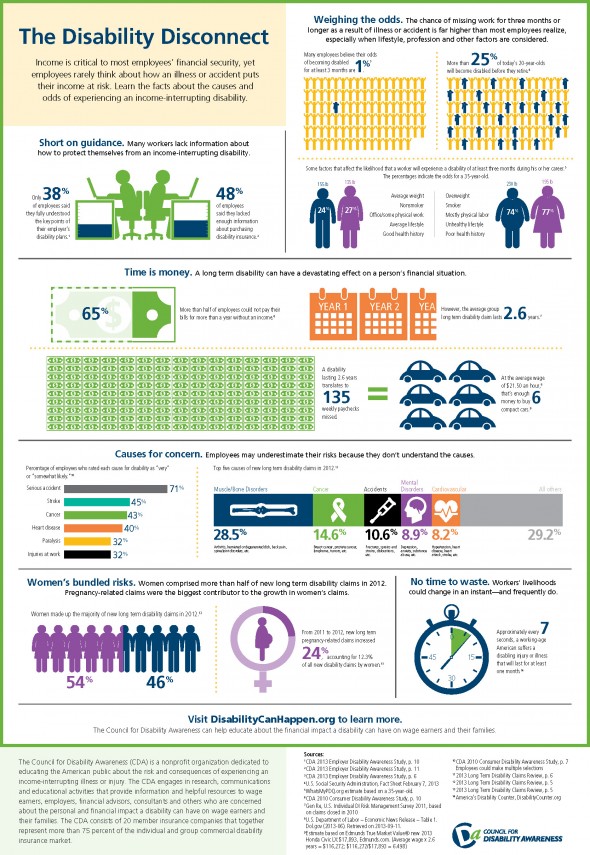
Think you’re invincible? You’re not alone. Most working Americans, and even some physicians, drastically underestimate the odds of experiencing an income-interrupting injury or illness that will last an extended period of time.

***

acccidents

***

Now consider that more than one in four of today’s 20-year-olds will have their income interrupted by a disability before they retire. That’s because some top causes of long-term disabilities aren’t catastrophic accidents, but common, everyday health issues like back pain, heart disease, arthritis, cancer, even pregnancy.

Yet; no matter how healthy, everybody has a risk that is too high to ignore.

***

Ankle-Leg Trauma

[Copyright David Edward Marcinko and iMBA Inc., All rights reserved. USA]

***

Assessment

You’ve probably protected your most prized possessions from damages and accidents, but what about the resource that makes all others possible — your paycheck? Learn more about the causes of disability and how you can defend your income from them at DisabilityCanHappen.org

***

disability

[Click to Enlarge]

More:

Conclusion

Your thoughts and comments on this ME-P are appreciated. Feel free to review our top-left column, and top-right sidebar materials, links, URLs and related websites, too. Then, subscribe to the ME-P. It is fast, free and secure.

Speaker: If you need a moderator or speaker for an upcoming event, Dr. David E. Marcinko; MBA – Publisher-in-Chief of the Medical Executive-Post – is available for seminar or speaking engagements. Contact: MarcinkoAdvisors@msn.com

OUR OTHER PRINT BOOKS AND RELATED INFORMATION SOURCES:

Comprehensive Financial Planning Strategies for Doctors and Advisors: Best Practices from Leading Consultants and Certified Medical Planners(TM) 

Do You Have These Horrible Investments in Your Portfolio?

Join Our Mailing List 

Beware Structured Products and Annuities

By Michael Zhuang

Principal of MZ Capital Management

[Contributor to Morningstar and Physicians Practice]

Recently, I had a new client. As part of the on-boarding process, I examined her old portfolio and found some things I didn’t recognize.

***

Cusip Symbol Description Return
25190A104 N/A Deutsche Bk AG London BRH Ret Opt Secs Lkd Ishare MSCI Mexico Capped -21.15%
25190A203 N/A Deutsche Bk AG London BRH Ret Opt Secs Lkd Ishare Euro STOXX 50 Idx -26.60%
90273L815 N/A USB AG London BRH Notes Five 15 -22.30%

***

Structured Products

What these products have in common is they don’t have a ticker symbol, meaning they are not publicly traded securities. They also have weird descriptions and they all lost a lot of money.

I called Fidelity (my custodian firm) to find out what they were and how I could get rid of them. I was told that they are structured products created by the bank(s) to shove into their clients’ accounts (The managing “advisor” works for UBS).

That rang a bell! My very first job was a financial engineer for a French bank – Societe Generale. My job was to create structured products that had appealing features and made the bank a lot of profits. Now, that I finally see them in action from, the client side of the equation; I am not proud.

Annuities

But, these structured products are not nearly as bad as an Allianz annuity that a client bought from an insurance agent “friend” a while back. He bought the annuity eleven years ago for $150-k, and over the years, saw it steadily increases in value to $189-k.

Then, there came a time when he needed the money. So, he called to cash out and was shocked to discover there was a $62-k surrender charge. In other words, he was able to get $127-k back. I subsequently called Allianz on his behalf to find out when the surrender charge would end and was told there was no end! In other words, there would always be a huge surrender charge.

***

insurance

***

What the Heck!

So, what in the heck does that value of $189-k really mean, when every time you want to take out the “value”, you have to pay a hefty ⅓ surrender charge?

Alas, Allianz explained the client can annuitize and take the amount out over ten years (or twenty years,) during which no interest will be accrued.  So, they will take your principal -or- they will take your interest, either way they screw you.

More:

Assessment 

Do you have structured products or annuities in your portfolio? Don’t know – Find out, now!

Conclusion

Your thoughts and comments on this ME-P are appreciated. Feel free to review our top-left column, and top-right sidebar materials, links, URLs and related websites, too. Then, subscribe to the ME-P. It is fast, free and secure.

Speaker: If you need a moderator or speaker for an upcoming event, Dr. David E. Marcinko; MBA – Publisher-in-Chief of the Medical Executive-Post – is available for seminar or speaking engagements. Contact: MarcinkoAdvisors@msn.com

OUR OTHER PRINT BOOKS AND RELATED INFORMATION SOURCES:

Comprehensive Financial Planning Strategies for Doctors and Advisors: Best Practices from Leading Consultants and Certified Medical Planners(TM)

On Physicians and Automobile Leases

Join Our Mailing List

Advantages, Disadvantages and Types

[By Dr. David Edward Marcinko MBA CMP™]

Dr. Marcinko 1972 VetteThe Rites of Spring!

As a former licensed state insurance agent, and financial advisor, I know that leasing a car may have advantages to a physician – and others – such as convenient maintenance, low down and monthly payments, no resale responsibility, and tax savings since you pay sales tax on the lease portion rather than the purchase price of the car.

It might also be worthwhile if the after tax borrowing cost of a home equity loan is less than the lease financing rate.

***

Spring 2011 - NIH

[First Days of Spring 2017]

May Day Weekend 2011 [Dr. David E. Marcinko MBA]

***

Types of Leases

There are two major types of leases: open and closed ended. In the former type, if the car is worth more than the set price upon expiration of the lease, you are responsible for the underage or coverage. In the more advantages later type, the responsibility of the value of the car is shifted to the leasing company. Other tips on care leasing include:

  • Inform the lessor how you want the auto equipped; do not accept unwanted options.
  • Obtain all delivery, and other, charges in advance, including down payment, security.
  • Deposit, registration fees, interest rates, residual value, rebates and all taxes (sales, personal property, use and gross receipt).
  • Know the capitalized cost (selling price) of the car
  • Know annual mileage limits, usually 15-18,000 miles, and all excess use charges.
  • Avoid maintenance and service contracts, and arrange for your own insurance.
  • Understand that terms, such as money factor, or interest factor, may be used instead of the term interest rate. In this case, simply multiple the rate by 24 for an estimate of the true interest rate involved.
  • Read the contract and understand all penalties, especially for premature or late termination, purchase or return terms, and consequences of theft.
  • Check the lease terms through an independent company, such as First National Lease Systems.

Rough Rules of Thumb

A rough rule of thumb to determine whether to buy or lease involves multiplying all the payments required by the number of months you will have to pay, and add the down payment to yield the total amount of the purchase. Then, multiply the lease payment by the number of months, and add required up-front costs, as well as residual value (end of lease buyout cost), to determine the total amount to lease. Compare the two figures to determine the most economical deal.

Typically, a cash deal is less expensive in the long run, providing a higher after tax rate of return is not available, as an alternate investment, for the funds.

***

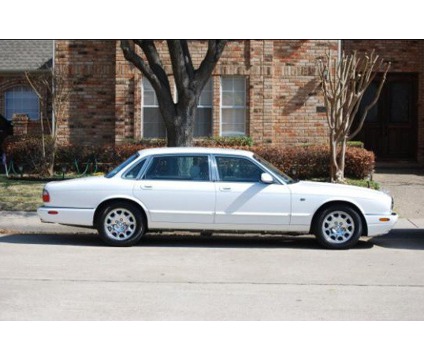
Jaguar Touring sedan XJ-V8-LWB***

Dis-Advantages

But, there are dis-advantages to auto leasing, too!

Perhaps the worse reason to lease a car is to drive one that you could not otherwise afford to drive. This is because most low monthly payments are only composed of two portions: interest on the note and the prorated cost of auto depreciation. No money is applied to ownership of the vehicle.

Assessment

Finally, beware Spring-Fever and do not likely buy “gap” insurance to cover the difference between what your auto insurer would pay if your car was totaled, and what you would owe the leasing firm. It’s usually too expensive and the risk is minimal.

More:

Channel Surfing the ME-P

Have you visited our other topic channels? Established to facilitate idea exchange and link our community together, the value of these topics is dependent upon your input. Please take a minute to visit. And, to prevent that annoying spam, we ask that you register. It is fast, free and secure.

Conclusion

Your thoughts and comments on this ME-P are appreciated. Feel free to review our top-left column, and top-right sidebar materials, links, URLs and related websites, too. Then, subscribe to the ME-P. It is fast, free and secure.

Speaker: If you need a moderator or speaker for an upcoming event, Dr. David E. Marcinko; MBA – Publisher-in-Chief of the Medical Executive-Post – is available for seminar or speaking engagements. Contact: MarcinkoAdvisors@msn.com

OUR OTHER PRINT BOOKS AND RELATED INFORMATION SOURCES:

Comprehensive Financial Planning Strategies for Doctors and Advisors: Best Practices from Leading Consultants and Certified Medical Planners(TM)

***

Seeking Peer Reviewers for New Medical Risk Management Text Book

Join Our Mailing List 

Our Newest Text Book-in-Production

http://www.CertifiedMedicalPlanner.org

[By Ann Miller RN MHA]

CMP logo

***

RISK MANAGEMENT, LIABILITY INSURANCE, AND ASSET PROTECTION STRATEGIES FOR DOCTOR AND ADVISORS

[Best Practices from Leading Consultants and Certified Medical Planners™]

***

***

Skills Needed

If you are a physician, nurse, accountant, attorney, medical risk manager or healthcare executive, we need you.

Form below or contact us for details to peer-review, etc. MarcinkoAdvisors@msn.com

Assessment

Channel Surfing the ME-P

Have you visited our other topic channels? Established to facilitate idea exchange and link our community together, the value of these topics is dependent upon your input. Please take a minute to visit. And, to prevent that annoying spam, we ask that you register. It is fast, free and secure.

Conclusion

Your thoughts and comments on this ME-P are appreciated. Feel free to review our top-left column, and top-right sidebar materials, links, URLs and related websites, too. Then, subscribe to the ME-P. It is fast, free and secure.

Speaker: If you need a moderator or speaker for an upcoming event, Dr. David E. Marcinko; MBA – Publisher-in-Chief of the Medical Executive-Post – is available for seminar or speaking engagements. Contact: MarcinkoAdvisors@msn.com

OUR OTHER PRINT BOOKS AND RELATED INFORMATION SOURCES:

Comprehensive Financial Planning Strategies for Doctors and Advisors: Best Practices from Leading Consultants and Certified Medical Planners(TM)

[Companion Text Book]


← Back

Thank you for your response. ✨

Warning
Warning
Warning
Warning

Warning.

What’s New with Renter’s Insurance?

Join Our Mailing List 

Affordable and Ideal for Future Physicians

[By Thomas A. Mudlowney MSFS CLU AIF® CFP® CMP™]

http://www.SavantCapital.com

Muldowney

Renters insurance can protect you from damage caused by weather events like wind, rain, snow or lightning, as well as fire, vandalism or theft.

Some policies also include liability protection. This would be valuable if someone got injured in your home and sued you; doctor’s are at high-risk for this sort of liability.

Costs

Renters insurance tends to be cheap. For a low payment, usually annually, you can often get replacement coverage for your belongings and living expenses if you are displaced.

This means that you can get money to replace a damaged or stolen item as well as paying for a hotel or alternative rent if you are forced to leave your home because of damage.

Assessment

Renter’s insurance may be ideal for medical residents, fellows and interns etc; as they travel around the country for education and post-graduate training; etc.

Renter's Insurance

Channel Surfing the ME-P

Have you visited our other topic channels? Established to facilitate idea exchange and link our community together, the value of these topics is dependent upon your input. Please take a minute to visit. And, to prevent that annoying spam, we ask that you register. It is fast, free and secure.

More: http://www.CertifiedMedicalPlanner.org

Conclusion

Your thoughts and comments on this ME-P are appreciated. Feel free to review our top-left column, and top-right sidebar materials, links, URLs and related websites, too. Then, subscribe to the ME-P. It is fast, free and secure.

Speaker: If you need a moderator or speaker for an upcoming event, Dr. David E. Marcinko; MBA – Publisher-in-Chief of the Medical Executive-Post – is available for seminar or speaking engagements. Contact: MarcinkoAdvisors@msn.com

OUR OTHER PRINT BOOKS AND RELATED INFORMATION SOURCES:

Comprehensive Financial Planning Strategies for Doctors and Advisors: Best Practices from Leading Consultants and Certified Medical Planners(TM)

Beware Dubious Insurance Policies for Doctors

Join Our Mailing List

Careful Consideration is Required

[By Dr. David Edward Marcinko MBA MBBS] http://www.CertifiedMedicalPlanner.org

Dr. David E. Marcinko MBAThe following insurance policies should be carefully considered before purchase, since they may be unnecessary, too expensive, provide only minimal benefits, or be duplicated in your other policies.

The Culprits

Disclosure: I was a licensed insurance agent for more than a decade.

So, the culprits include: credit life or home mortgage insurance  (decreasing term), life insurance for children, accident policies for students, hospital indemnity policies, dread disease insurance, credit card insurance, pet health insurance, life insurance for the elderly, funeral insurance, flight insurance, pre-paid legal insurance and most extended warranties on automobiles, televisions, stereos, home computers; other gadgets and the like.

New wave Health 2.0 culprits include: terrorist insurance, cyber security insurance and reputation management policies.

Assessment

On the other hand, the following types of coverage may be important, for some medical professionals, and in selected cases: trip cancellation insurance, termite insurance and flood and earthquake insurance.

Channel Surfing the ME-P

Have you visited our other topic channels? Established to facilitate idea exchange and link our community together, the value of these topics is dependent upon your input. Please take a minute to visit. And, to prevent that annoying spam, we ask that you register. It is fast, free and secure.

***

Insurance

***

Conclusion

Your thoughts and comments on this ME-P are appreciated. Feel free to review our top-left column, and top-right sidebar materials, links, URLs and related websites, too. Then, subscribe to the ME-P. It is fast, free and secure.

Speaker: If you need a moderator or speaker for an upcoming event, Dr. David E. Marcinko; MBA – Publisher-in-Chief of the Medical Executive-Post – is available for seminar or speaking engagements. Contact: MarcinkoAdvisors@msn.com

OUR OTHER PRINT BOOKS AND RELATED INFORMATION SOURCES:

Comprehensive Financial Planning Strategies for Doctors and Advisors: Best Practices from Leading Consultants and Certified Medical Planners(TM)

*** Risk Management, Liability Insurance, and Asset Protection Strategies for Doctors and Advisors: Best Practices from Leading Consultants and Certified Medical Planners™

How to Protect Your Vehicle During Long-Term Storage

 Join Our Mailing List

Hibernation and Your Luxury Car

silver balls on snow with snowfall - blue heaven

[By Dr. David Edward Marcinko MBA]

[By Nalley-Lexus Roswell, GA]

An ME-P Special Winter Report

***

DEM at Univ of Pittsburgh

***

I was speaking at a seminar in Pittsburgh PA recently, and I realized how cold it gets there. Moreover, I just learned of an impeding Christmas Eve storm this year.

Hence this ME-P.

***

Many car drivers use their vehicle every day, but from time to time – and during the winter – it’s necessary to consider long-term storage. Some physicians however, don’t use their car over the winter months, or need to leave the country for a while on vacation, and this means that it’s time to store away that luxury automobile.

The Storage Steps:

So, if you need to put your car into long-term storage, use the following tips to make sure that your vehicle remains in excellent working order.

Find a good place to store the car

You probably won’t want to leave your car exposed to the elements if you’re not going to use it. Find a sheltered place to keep the car like a garage, shed, or outhouse that can protect the vehicle from the rain. Search local ads for reasonably priced accommodation if you don’t have your own garage. If there’s nothing available, invest in a high-quality weatherproof car cover which will at least protect your car from the weather.

Thoroughly clean the car

Dirt and debris on your car may cause damage, so give the car a thorough clean before storing it. Remove bird droppings or tree sap, which can both damage paint work, and get rid of mud or oil from the wheels and fenders. Apply a good quality wax or sealant to the exterior, as this will protect the paint from any dirt or dust that accumulates in storage.

Fill up your gas tank

Some doctors and other drivers make the mistake of emptying the gas tank when they put their cars into storage.

Follow your car dealer recommendations but use premium if you can. Topping off your gas tank stops moisture from accumulating inside the tank, and will also make sure the seals don’t dry out. Gas is cheap currently, so do not forget this step.

And, consider adding a fuel stabilizer, which may protect the engine from rust and ensure the fuel doesn’t deteriorate [debatable issue].

Charge the battery

Even though you aren’t going to drive the car for a while, it’s a good idea to make sure the battery charge doesn’t run out. If you can’t get somebody to come and visit the car, charge and disconnect the battery completely.

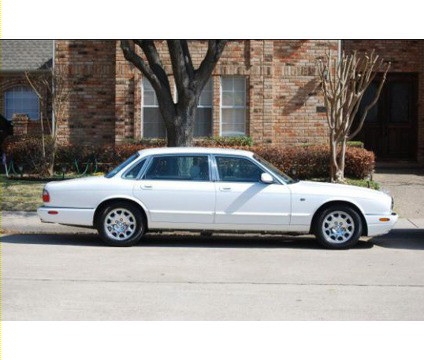
Otherwise, you can buy a battery tender [not trickle charger] that plugs into the electricity supply and continuously gently charges the battery. I have one for my vintage 2000 Jaguar XJ-V8-XL and they are great.

Inflate your tires

It’s always a good idea to inflate your tires to the manufacturer’s recommended pressure. While the car is stationary, the weight of the vehicle pressing on the tires can cause damage, particularly in cold temperatures.

Another solution to consider is removing all four wheels and jacking the car up on all four corners. This is hard work, but it’s worth it for cars that will be stored for a month or more.

***

My Jaguar XJ-V8

***

My Jaguar***

JaguarBoot

***

Protect the car from pests

Cars give rats and mice lots of places to hide and keep warm and these creatures can cause damage if they gnaw at wires. Plug obvious places (like the exhaust pipe) where rodents could get in, and consider laying traps or poison. Make sure you close all the car windows tightly and remove any food or trash from the car that may attract pests.

Don’t cancel your insurance

Your car is a valuable asset. Even though it’s not on the road, it could still suffer damage in storage. If you cancel your insurance, you may have to pay more when you decide to start driving it again. Talk to your insurance company about the options available to you.

More:

Assessment

It’s important to prepare your car properly for long-term storage. Your vehicle is probably worth a lot of money, so protect your investment and make sure your car is just the way you left it when you come back.

Channel Surfing the ME-P

Have you visited our other topic channels? Established to facilitate idea exchange and link our community together, the value of these topics is dependent upon your input. Please take a minute to visit. And, to prevent that annoying spam, we ask that you register. It is fast, free and secure.

Conclusion

Your thoughts and comments on this ME-P are appreciated. Feel free to review our top-left column, and top-right sidebar materials, links, URLs and related websites, too. Then, subscribe to the ME-P. It is fast, free and secure.

Speaker: If you need a moderator or speaker for an upcoming event, Dr. David E. Marcinko; MBA – Publisher-in-Chief of the Medical Executive-Post – is available for seminar or speaking engagements. Contact: MarcinkoAdvisors@msn.com

OUR OTHER PRINT BOOKS AND RELATED INFORMATION SOURCES:

Product DetailsProduct DetailsProduct Details

Product DetailsProduct Details

Product Details

***

The PP-ACA [Game Changer for Health Care Financing]

Join Our Mailing List 

The fuel which fires the self-funded engine of employee health and welfare plans

[By William Rusteberg]

A SPECIAL ME-P REPORT

PP-ACA Taxes for 2015

Introduction

The Affordable Care Act (ACA) has had a fundamental impact on health care financing in this country. It has effectively provided added incentives for plan sponsors to consider modified self-funding arrangements for their employee health and welfare plans in lieu of fully-insured plans. The advantages of doing so are clear.

Health care costs continue to rise despite passage of the ACA. While the ACA addresses many aspects surrounding the delivery of health care, it does little or nothing to identify and offer solutions to constantly rising costs. On the contrary, many ACA provisions are driving cost up.

Plan sponsors have a choice between assuming a passive strategy with little or no control through fully-insured funding arrangements or the alternative. The alternative affords more control and less cost. It rewards innovation and creativity. It utilizes all the tools a risk manager requires as part of his trade.

More plan sponsors are turning to self-funding in response to the ACA.

Product DetailsProduct DetailsProduct Details

The Market Leading Up To the ACA

The financial and benefit advantages of self-funded health and welfare plans became evident with the passage of the Employee Retirement Income Security Act (ERISA) of 1974. Dramatic growth in self-funding occurred when ERISA preemption, clarified legal environment, rising health care costs, widespread use of risk management, the cost containment movement (Managed Care) and high interest rates were all being experienced.

Fully insured plans continued to be a large segment of the market, especially among smaller employer groups. However, a significant number larger groups remaining fully-insured moved towards minimum premium plans, or plans which were rated retrospectively on an administration cost plus basis. This approach among larger employers mirrored self-funding advantages to some degree, however the insurance companies ultimately bore the entire risk and maintained full control over plan expenses and claim costs. These types of fully-insured funding arrangements were the carrier’s response to the growing phenomenon and popularity of self-funding.

With the advent of managed care in the early 1980’s, the entire dynamics of health care delivery changed. Third party intermediaries became an important element in the health care equation.  These intermediaries performed valuable services in cost containment which initially had a positive impact on health care benefits and costs to the advantage of both the consumer and payer.

Carefully selected health care givers were aggregated into exclusive networks of preferred providers. The theory behind the scheme was valid; selected health care providers would agree to discount their usual fees for service in return for more patients. Steerage was accomplished by rewarding consumers with improved benefits when seeking care through these “preferred” providers. All worked well, with health care costs temporarily softening.

Consumers no longer had to satisfy deductibles to receive most care. Instead, co-pays as low as $10 to see a doctor became the norm. Prescription drugs benefits, now accounting for as much as 25% of a plan’s total spend in today’s market, were easily accessed by paying a small co-pay. Access to care became easier and affordable. Utilization increased.

With increased utilization, consumers began to demand more doctors and hospitals to be added to networks. Over time, just about every doctor and hospital in a given geographic area were all on networks. Competition among insurance companies hinged upon who had the broadest network. The pressure to add medical providers became intense. A seller’s market for medical providers became an established trend that continues to this day. Preferred Provider Organizations (PPO) thus gained the advantage of a seller’s market they created while end users became subject to a weakened and impotent buyer’s market.

Over time PPO’s lost their core characteristic. There was no longer any steerage. The scheme that worked so well in the beginning began to unravel. Costs increased dramatically, year after year.

Plan sponsors failed to recognize the slow progression towards failure of managed care. They continued to subscribe to the theory behind managed care based upon reliance of advice and guidance from “trusted” insurance companies, third party administrators, agents, brokers and insurance experts posing as consultants. Unfortunately, and unknown to plan sponsors, these trusted advisors maintained a vested interest in continuing the scheme. A de facto conspiracy of third party intermediaries formed. The conspiracy continues to this day. It is one of the health care industry’s best kept secrets.

No one can dispute that managed care has failed. Health care costs have continued to increase at double digits year after year, becoming unaffordable for most Americans. Plan Sponsors, concerned and desperate for answers and solutions continue to rely on advice and guidance from third party intermediaries whose vested interests is in maintaining the status quo. To more and more employers health care costs can mean the difference between profit and loss.

The perception that private enterprise has failed in reining in costs is widespread. Private and public budgets can no longer sustain the current level of spending, let alone future health care inflation.

Pointing to failure of the market to keep medical costs affordable, many looked to government for solutions.

Product DetailsProduct Details

The Affordable Care Act & The Impact on Health Care Financing

With the passage of the ACA, we find ourselves in a dynamic and somewhat unpredictable market, particularly the political dimensions as the ACA continues to evolve. However, we do know to a large degree, how the market will be affected and what plan sponsors must do to maintain affordable health care for their employees.

The ACA’s most significant impact centers upon how group medical plans will be financially structured for years to come. The ACA effectively makes fully-insured plans less attractive while providing advantages to self-funded arrangements. Carriers have come to recognize this and are moving to increase their market share. Currently the BUCA’s (Blue Cross, United HealthCare, Cigna and Aetna) administer more self-funded business than fully-insured business on their respective large group blocks of business. They are now actively expanding this funding method to the small group market.

The ACA’s universal intent is to provide government mandated means for affordable health care for all Americans. However, the ACA as it is now written does not address cost of care nor does it mandate parameters around which cost of care is to be based. Instead, the ACA mandates rigid requirements that address what insurance companies can offer in the way of benefits, as well as profit and operating margins. There is nothing in the Act that addresses what medical providers charge and what they are paid.

These far reaching rules have dramatically impacted fully-insured plans. All ACA mandates apply to these plans, whereas self-funded plans are exempt from many of them. Fully-insured plans are effectively handcuffed affording little leeway to be proactive and innovative in plan design and cost basis. Unlike self-funded plans, little can be done to control costs under fully insured plans.

An example of a reverse outcome of good intentions pertains to the Minimum Loss Ratio mandate required of all fully insured plans but exempted under self-funded plans. Fully insured large groups are required to maintain a loss ratio wherein health care claims cannot be less than 85% of premium leaving insurance companies with15% of premium to cover their costs and earn profits. However this has had a reverse effect, the opposite of which is higher costs. The greater the cost (claims), the greater the profit to the insurance company. Fifteen percent of a larger number is larger than 15% of a smaller number.

Insurance companies remaining in the fully-insured market have little or no incentive to reduce health care costs except to remain competitive in the market. With only a handful of fully-insured carriers in any given market there is less competition. Shadow pricing between competitors can very often be an effective means of maximizing insurance company profits at the expense of the plan sponsor and plan participants. A 15% operating and profit margin becomes greater when insurance rates are higher.

A good example of a constricted market can be found in San Antonio, Texas, a market we know well. There are only four major players in the fully-insured market: Blue Cross, United Healthcare, Aetna and Humana. Employer groups who continue to fully-insure will contract with one of these four carriers.

The Lower Rio Grande Valley in deep South Texas, on the other hand, has only one major carrier in the fully-insured market. Blue Cross is the dominant carrier, with occasional, cyclical and short lived forays into the Valley by Aetna and Humana..

Fully insured health insurance carriers have developed proprietary provider networks as an integral part of their insurance plans. None to our knowledge market plans that do not utilize their PPO network as part of the offering. There is an economic reason for this and it has nothing to do with lowering health care costs.

To insure continuing higher profits, health claim costs must continue to escalate. Third party intermediaries negotiate provider agreements in secrecy with both parties agreeing to non-disclose of terms, conditions and pricing to the public. It is our opinion that if you are not allowed to see a contract you are probably paying more than you should. Plan sponsors have simply become third party beneficiaries, accessing provider agreements they cannot see, examine or audit.

Fully insured group medical insurance in today’s market requires accessing proprietary, secretive PPO contracts. These contracts drive costs up each year primarily due to automatic escalator clauses. Other contract provisions include provider re-pricing fees and shared savings provisions based on egregious charge master rates no one ever pays. There are other contract provisions that guarantee continued cost increases but we will save that discussion for another day.

Self-funding provides plan sponsors a means to comply with the ACA with less restrictive mandates and lower costs. In addition, plan sponsors have the ability to design benefits that are far more flexible. They gain the freedom to choose provider reimbursement methods based on transparency, benchmarked off costs instead of phony discounts based on inflated sticker prices no one ever pays. They have the ability to eliminate expensive third party intermediaries that bring no value, They have the ability to directly contract with willing providers based on transparent benchmarking, achieving savings of 20% or more.

The ACA’s adverse impact on fully insured plans include community rating and minimum essential benefit requirements, 3:1 age band rating, pre-existing condition inclusion, and benefit expansions. All of these mandates drive cost up.

A self-funded plan is not subject to community rating nor are they required to include all ten (10) essential benefits. In addition, self-funded plans are not subject to the 3:1 rating rule and can mitigate pre-existing inclusion through selective lasers. Lasers are an underwriting technique that increases exposure/costs only when a loss occurs. If no loss occurs, there is no effective additional load to plan costs unlike fully-insured plans that load the premium costs at the beginning of the plan year, effectively passing on a cost that may or may not be necessary.

Complementing the advantages of self-funding under the ACA, ERISA preempts the state’s ability to mandate health insurance contract terms and benefits, impose premium taxes, impose underwriting constraints and mandated premiums (varies by state) and limit employee benefit plan options.

Product Details  Product Details

The Future under the ACA

Health care costs continue to escalate. Both private and public sector budgets can no longer sustain the current level of spending, let alone future health care inflation.

Over 170 million Americans are insured through employer sponsored health plans today. These employers, fearing the effects of the ACA on their bottom line, are concerned and desperate for answers and solutions to ever increasing health care costs. To more and more of them health care costs can mean the difference between profit and loss.

Acceptance to change, historically, has been slow among employers who have traditionally relied on third party intermediaries to guide them through the complicated maze of our health care system. The ACA has effectively changed that mindset among many plan sponsors.

We are seeing a movement away from managed care by some employers, and to a lesser degree, by health care providers, particularly health care professionals. Employers, for the first time, are questioning managed care contracts they cannot see but upon which their health care costs are based.

We are seeing a major shift to self-funded arrangements which enable plan sponsors to effectively manage costs through avoidance of certain ACA requirements, underwriting advantages, and pro-active risk management.

Assessment

Product Details

Although ERISA was passed into law over 35 years ago, with the advent of the ACA more plan sponsors are accepting full fiduciary responsibility to assure that plan assets are expended prudently and in the best interests of plan participants.

Conclusion

As it stands today, the ACA is the fuel which fires the self-funded engine of employee health and welfare plans, providing flexibility, control and lower costs. It is the parking brakes of fully-insured plans.

About the Author

Bill Rusteberg is a fee based insurance consultant and principal of RiskManagers.us since 1998. He has been involved in the insurance industry for over 41 years specializing in self-funded employee welfare plans. Bill has spoken nationally on continuing changes affecting our health care delivery system, most recently at the Physician Hospital of America (PHA) annual forum in 2013 and the Health Care Administrators Association (HCAA) Executive Forum in 2014. Bill walks his audience through the complicated maze of the American health care delivery system. He exposes industry secrets that drive costs by outlining specific findings not generally known to Plan Sponsors. Bill offers common sense solutions to ever increasing health care costs. Armed with the knowledge industry insiders have kept hidden for years, Plan Sponsors are, for the first time, empowered to negotiate with insurance companies, managed care organizations and other third party intermediaries from a position of strength and can better achieve cost effective health care for their employees while often improving benefits at the same time. Bill is a licensed Risk Manager, Life & Health Counselor, Property & Casualty / Life & Health Insurance agent and Surplus Lines broker in Texas. He holds reciprocal licenses in several other states.

About RiskManagers.us

RiskMangers.us is a specialty company in the benefits market that, while not an insurance company, works directly with health entities, medical providers, and businesses to identify and develop cost effective benefits packages, emphasizing transparency and fairness in direct reimbursement compensation methods

Conclusion

Your thoughts and comments on this ME-P are appreciated. Feel free to review our top-left column, and top-right sidebar materials, links, URLs and related websites, too. Then, subscribe to the ME-P. It is fast, free and secure.

Speaker: If you need a moderator or speaker for an upcoming event, Dr. David E. Marcinko; MBA – Publisher-in-Chief of the Medical Executive-Post – is available for seminar or speaking engagements. Contact: MarcinkoAdvisors@msn.com

OUR OTHER PRINT BOOKS AND RELATED INFORMATION SOURCES:
Financial Planning MDs 2015

Comprehensive Financial Planning Strategies for Doctors and Advisors: Best Practices from Leading Consultants and Certified Medical Planners™

Reviewing Physician Disability Insurance Policies

Join Our Mailing List

Including Policy Checklist

By Dr. David Edward Marcinko MBA http://www.CertifiedMedicalPlanner.org

Dr. DEM

The Basic Premise 101

Could you continue to support your family and pay your bills if you were unable to work for any length of time because of illness or injury? If you were to become disabled, do you know how much money would be coming in each month and from what sources?

The Checklist

As a doctor I covered the ER, and was an insurance agent, for almost a decade. But, I reformed and am now a Certified Medical Planner™ and B-school professor. And, I know that every disability insurance policy has different features.

The following checklist will help you compare policies you may be considering:

  1. How is disability defined? Is it defined as the inability to perform your own job, or inability to do any job? We recommend all our clients, as physicians, to obtain a policy that protects them in their own specialty. This kind of policy is defined as an own-occupation policy, which protects the income you earn in your own specialty and continues to pay benefits if your disability requires that you choose a new specialty or occupation.
  2. Are benefits available for partial or residual disability, as well as for full disability? The most comprehensive policies will pay you a benefit even if you are not completely disabled. If you can only earn up to 20% of your income you are deemed totally disabled; if you can earn 80% or more you are deemed totally well. Partial or residual policies pay benefits when you fall in the category between 20-80%.
  3. Are full benefits paid, whether or not you are able to work, for loss of sight, loss of hearing, or loss of limbs? This is called presumptive disability. Some policies do not cover presumptive disability, some cover you for a specified amount of time, and some protect you for life.
  4. What is the maximum benefit I am eligible for? The amount is based on your income to a maximum of $15,000 per month for one company, and $20,000 total.
  5. Is the policy non-cancelable, guaranteed renewable, or conditionally renewable? The most comprehensive policies are non-cancelable and guaranteed renewable; these put you in total control, not the insurance company, practice or association. The insurance company cannot raise rates, cannot reduce benefits, add exclusions, or cancel your policy at anytime. You are in control, and the policy is portable and goes wherever you go.
  6. How long must you be disabled before premiums are waived? Premiums are waived at the end of the waiting period and refunded for the amount paid during the waiting period.
  7. Is there an option to buy additional coverage, without undergoing additional medical tests or examinations, at a later date? This kind of coverage is called guaranteed issue disability insurance and is available to those who qualify.
  8. Does the policy offer an inflation adjustment feature? If so, what is the rate of inflation? Is there a maximum? This feature is available by an added rider. Ask a licensed DI4MDs.com agent if inflation protection fits your needs at this time.

***

Ankle-Leg Trauma

[Back When I Covered the ER]

[Copyright David Edward Marcinko and iMBA Inc., All rights reserved. USA]

***

Other Items

  • What is an adequate level of benefits in relation to your present and future obligations?
  • How long a waiting period (until benefits begin) should you select to fit your situation?
  • How long do you want to receive disability income should it become necessary? How much coverage can you get at your current salary?

More: More on Disability Insurance for Physicians

Conclusion

Your thoughts and comments on this ME-P are appreciated. Feel free to review our top-left column, and top-right sidebar materials, links, URLs and related websites, too. Then, subscribe to the ME-P. It is fast, free and secure.

Speaker: If you need a moderator or speaker for an upcoming event, Dr. David E. Marcinko; MBA – Publisher-in-Chief of the Medical Executive-Post – is available for seminar or speaking engagements. Contact: MarcinkoAdvisors@msn.com

OUR OTHER PRINT BOOKS AND RELATED INFORMATION SOURCES:

Financial Planning MDs 2015

Comprehensive Financial Planning Strategies for Doctors and Advisors: Best Practices from Leading Consultants

Much More Ado About Healthcare Business Buy–Sell Insurance Agreements

Join Our Mailing List 

HOW THEY SHOULD BE STRUCTURED?

By Dr David Edward Marcinko MBA CMP™

Dr. DEMwww.CertifiedMedicalPlanner.org

A buy–sell agreement provides a ready market for the sale of a medical practice or healthcare business interest, provides liquidity on a timely basis, and provides for a smooth transfer to the desired successors.

A buy–sell agreement may be funded to insure retirement, disability, and death protection. A properly designed agreement may help provide for a smooth financial and managerial transition.

The buy–sell agreement should also include the method for determining the value of the medical office or healthcare business-entity; and the payment terms. A buy–sell agreement may be structured in one of two ways: [1] redemption or a [2] cross-purchase agreement.

Redemptions

A redemption is an agreement between the medical business owner in which insurance proceeds, or other corporate funds, are used to buy out the deceased or retired physician owner’s interest. If life insurance proceeds are to be used to fund the buy-out of a deceased owner, the potential risks that need to be considered include:

  • The possibility of alternative minimum tax (AMT) that would only affect a C corporation.
  • The potential for insurance proceeds to be exposed to corporate creditors.
  • The possibility that undesirable dividend treatment may occur if the constructive ownership rules of Code Section 318 are met. (This requires close scrutiny of Sections 302, 303, and 318 when structuring a plan.)

Private medical business owners who currently have redemptions in their estate plans may desire to switch to a cross-purchase agreement. This modification prevents exposure of the insurance proceeds to corporate creditors and the potential for corporate AMT.

Cross-Purchase Agreements

A cross-purchase agreement between or among the parties, unlike the redemption agreement, provides a stepped-up outside basis. It may be cumbersome to coordinate funding with many shareholders because life insurance policies must be acquired on each particular life. Some CPAs, financial advisors, insurance agents and attorneys suggest that a business insurance trust can solve this, but the current popular solution is a partnership.

***

Buy-Sell

***

Example:

Drs. Jon, Bob, and Brent are three unrelated physicians who are shareholders in a professional corporation. They sign a cross-purchase buy–sell as shareholders, agreeing to purchase the outstanding stock of a deceased shareholder based upon a formula including the prior year’s earnings and the current net worth. They purchase life insurance policies on one another so that they have a way to fund the purchase of the shares from the decedent’s estate. The policies are an approximation of the required funds and are reviewed annually to verify that sufficient insurance exists to cover the needs. They have created a funded cross-purchase agreement.

The shareholders considered having a disability buy-out clause also, but have been unable to agree upon appropriate dollar amounts and have had problems selecting disability insurance coverage. They felt that it was best to have a signed contract on the portion that they could agree on, rather than tie the whole process up seeking agreement on everything.

“Wait and See” Buy–Sell Agreements

The less frequently used option of the “wait and see” buy–sell agreement postpones the decision on how to transfer the business until after the death of the business owner, when more information is available. The purchase price and funding are established currently, but the identity of the purchaser is left open. Typically, the business has the first option to buy. Then, after a set period, the owners have the option to buy. Finally, to protect the heirs of the deceased, if neither of the first two options is exercised, the business must purchase the stock.

Estate Valuation

Certain criteria must be met for a buy–sell to fix the value of the medical business interest for estate tax purposes. For agreements entered before October 9, 1990, that have not been substantially modified, the values established in the buy–sell agreement should serve to establish the value for estate tax purposes, unless the agreement was a device to transfer the business to a family member below fair market value or if the agreement is not a bona fide business arrangement.

For agreements substantially modified after October 8, 1990, or those entered into after that date, the value of the property is determined without regard to any option, agreement, or right to acquire or use the property at less than fair market value or any restriction on the right to sell or use such property, unless the option, agreement, right, or restriction:

  • Is a bona fide business arrangement, and
  • Is not a device to transfer such property to members of a decedent’s family for less than full and adequate consideration in money or money’s worth, and
  • The terms of the option, agreement, right, or restrictions are comparable to similar arrangements entered into by persons in an arm’s length transaction.

If the buy–sell option meets these requirements, its terms may be utilized in the valuation of the interest transferred for estate or gift tax purposes. [IRC § 2703]

If these specific tests are not satisfied, the buy–sell agreement will not establish the value for estate tax purposes and the valuation factors of Revenue Ruling 59-60 probably would prevail. This may leave the estate in the position of having to litigate if the taxing authorities set a value higher than the actual sale value.

***

Business

***

To assist in meeting the three criteria, advisors should not encourage the use of formulas as in the past; but individual appraisals and personalized valuations. Some practices or entities even fix the value of the business annually and justify this by pointing out that nobody knows whether there will be a purchaser or a seller. They have every incentive to try to make a fair valuation. But, the advisor should keep in mind that such a valuation could be used against an owner in the event of a divorce or separation, so he or she should use prudence before publishing a stated value.

In most cases, the IRS will argue that the agreement doesn’t meet the requirements of Code Section 2703 because of the need for the agreement to be comparable to similar arrangements. This means the buy–sell agreement may not be solely determinative in valuation issues, regardless of how carefully it is constructed.

Assessment

A buy–sell between unrelated parties who are not the “natural objects of each other’s bounty” is deemed to have met the three tests for exclusion from Code Section 2703. This means that the new rules generally only apply to intrafamily transfers, although some experts believe that this term may be broad enough to include any potential heir.

More:

Conclusion

Your thoughts and comments on this ME-P are appreciated. Feel free to review our top-left column, and top-right sidebar materials, links, URLs and related websites, too. Then, subscribe to the ME-P. It is fast, free and secure.

Speaker: If you need a moderator or speaker for an upcoming event, Dr. David E. Marcinko; MBA – Publisher-in-Chief of the Medical Executive-Post – is available for seminar or speaking engagements. Contact: MarcinkoAdvisors@msn.com

OUR OTHER PRINT BOOKS AND RELATED INFORMATION SOURCES:

Product DetailsProduct DetailsProduct Details


Drilling Down on Camouflaged Annuity Taxation

Join Our Mailing List

A Fee by any other Name

[By Rick Kahler MS CFP®] http://www.KahlerFinancial.com

Rick Kahler CFPWe South Dakotans can be smug about the economic advantages of residing in our income tax-free state. While those advantages are big, we do have a few lesser-known taxes.

These include a 6% franchise tax on banks and a 4.5% energy minerals severance tax on mining and oil companies. Like many other states, we also tax life insurance premiums; our rate is 2.5%.

The Hidden Annuity Premium Tax

I recently learned about another “hidden” tax, one on annuity premiums. A recent article in Investment News lists the eight states or territories that have such a tax: California, Florida, Maine, Nevada, Puerto Rico, South Dakota, West Virginia, and Wyoming. The tax ranges from 1% in Florida, West Virginia, and Wyoming to a whopping 3.5% in Nevada. South Dakota’s rate is 1.25%.

If you have purchased an annuity while living in one of these jurisdictions, you’ve paid this tax. You may have not been aware of it, as there are many hidden fees associated with purchasing annuities.

The Fee that is a Camouflaged Tax

I learned about the tax when our client service specialist questioned a 1.25% expense charged by the company on a new “no load” annuity. I thought the company had charged a commission of some type to the account, which was puzzling since we don’t accept any commissions. After sorting things out, we discovered the fee was actually the 1.25% premium tax that South Dakota charges on every contribution going into an annuity.

Impact

While states charge the tax just once on new money invested into the annuity, it still serves to decrease the total return of the annuity. If you held an annuity for a year, the premium tax would reduce your overall return by 1.25%. If you held the annuity for 10 years, the overall impact would be much less, reducing the return by 0.125% annually.

Specifics

The states leave the method of collecting the tax up to the annuity company. Most annuity companies that pay a salesperson a commission to sell the product build the fee into the overall costs. This is often easy, since the upfront commissions can range up to 10% and annual expenses up to 7% a year. I have seen more than one annuity where the fees and commissions eat up the majority of any potential return. Many no-load annuities, like Jefferson National, charge the tax to their customers.

The States

If you live in a state that taxes annuity premiums, you might have the idea of buying an annuity in a non-taxing state. This isn’t an option, as companies must levy the tax based on your state of residency.

On the surface, there appears to be some good news for residents of Maine, Nevada, South Dakota, and Wyoming. Residents who purchase an annuity in a qualified plan like an IRA or 401(k) don’t pay the tax. That benefit is somewhat moot, as owning an annuity in a qualified plan is rare. It generally makes little sense for a tax-deferred qualified plan to own a tax-deferred annuity, especially considering the annuity fees.

***

Tax

***

Rule-Outs?

If you live in a state that taxes annuity purchases, should you automatically rule out annuities? Not necessarily. Just be aware you will have to pay the piper. For residents of South Dakota, Florida, and Wyoming, lawmakers argue that maybe the tax isn’t such a heavy burden since these states don’t have an income tax.

Assessment

Still, no matter how you want to figure it, a tax is a tax. It’s one more factor to consider in deciding whether a given annuity product is right for you. Whatever amount you pay in state taxes is just that much less of your money that goes to work for you.

Conclusion

Your thoughts and comments on this ME-P are appreciated. Feel free to review our top-left column, and top-right sidebar materials, links, URLs and related websites, too. Then, subscribe to the ME-P. It is fast, free and secure.

Speaker: If you need a moderator or speaker for an upcoming event, Dr. David E. Marcinko; MBA – Publisher-in-Chief of the Medical Executive-Post – is available for seminar or speaking engagements. Contact: MarcinkoAdvisors@msn.com

OUR OTHER PRINT BOOKS AND RELATED INFORMATION SOURCES:

Financial Planning MDs 2015

Comprehensive Financial Planning Strategies for Doctors and Advisors: Best Practices from Leading Consultants

Physician Creditor Protection for IRAs, Annuities and Insurance for 2014-15

Join Our Mailing List

A SPECIAL ME-P REPORT

###

Asset Protection Planning for Qualified and Non-Qualified Retirement Plans, IRAs, 403(b)s, Education IRAs (Coverdell ESAs), 529 Plans, UTMA Accounts, Health/Medical Savings Accounts (MSA/HSAs), Qualified and Non-Qualified Annuities, Long-Term Care Insurance, Disability Insurance and Group, Individual and Business Life Insurance [Ohio Focus]

By Edwin P. Morrow III; JD LLM MBA CFP® RFC®

[©2007-12-14. All rights reserved. USA]

EDITOR’S NOTE:

Hi Ann,

A couple years ago you posted an earlier version of the attached Asset Protection Outline. I updated it to include quite a bit more discussion of different protection levels for various kinds of accounts, and included more discussion of states other than Ohio, including a 50 state chart with IRA/403b protections.

So please delete the old one and replace with this one which contains more topics, including some substantial discussion of issues regarding current class action litigation jeopardizing asset protection for Schwab and Merrill Lynch IRAs.

Regards
Ed

###

The Importance of Asset Protection as Part of Financial and Estate Planning for Doctor’s and Medical Professionals

Asset Protection has become a ubiquitous buzz-word in the legal and financial community. It often means different things to different people. It may encompass anything from buying umbrella liability insurance to funding offshore trusts.

What is most likely to wipe out a client’s entire net worth? An investment scam, investment losses, a lawsuit, divorce or long-term health care expenses? “Asset Protection” may be construed to address all of these scenarios, but this outline will cover risk from non-spousal creditors as opposed to risk from bad investments, divorce, medical bills or excessive spending. Prudent business practice and limited liability entity use (LP, LLP, LLC, Corporation, etc) is the first line of defense against such risks. Similarly, good liability insurance and umbrella insurance coverage is paramount.

However, there is a palpable fear among many of frivolous lawsuits and rogue juries [especially among physicians and medical professionals]. Damages may exceed coverage limits. Moreover, insurance policies often have large gaps in coverage (e.g. intentional torts, “gross” negligence, asbestos or mold claims, sexual harassment).

As many doctors in Ohio know all too well, malpractice insurance companies can fail, too. Just as we advise clients regarding legal ways to legitimately avoid income and estate taxes or qualify for benefits, so we advise how to protect family assets from creditors. Ask your clients, “What level of asset protection do you want for yourself?

For the inheritance you leave to your family?” Do any clients answer “none” or “low”? Trusts that are mere beneficiary designation form or POD/TOD substitutes are going out of style in favor of “beneficiary-controlled trusts”, “inheritance trusts” and the like.

Table of Contents

While effort is made to ensure the material is accurate, this material is not intended as legal advice and no one may rely on it as such. Sections II(d), II(i), V, VI and XI were updated Feb 2012, but much of the material and citations have not been verified since 2010. Permission to reprint and share with fellow bar members is granted, but please contact author for updates if more than a year old.

T.O.C. [Page Number]

I. Importance of Asset Protection 2

II. State and Federal Protections Outside ERISA or Bankruptcy 4

a. Non-ERISA Qualified Plans: SEP, SIMPLE IRAs 5

b. Traditional and Roth IRAs, “Deemed IRAs” 7

c. Life Insurance 9

d. Long-Term Care, Accident/Disability Insurance 13

e. Non-Qualified Annuities 13

f. Education IRAs (now Coverdell ESAs) 16

g. 529 Plans 17

h. Miscellaneous State and Federal Benefits 18

i. HSAs, MSAs, FSAs, HRAs 18

III. Federal ERISA Protection Outside Bankruptcy 20

IV. Federal Bankruptcy Scheme of Creditor Protection 26

V. Non-Qualified Deferred Comp – Defying Easy Categorization 30

VI. Breaking the Plan – How Owners Can Lose Protection 32

(incl Prohibited Transactions and Schwab/Merrill Lynch IRA problems) 35

VII. Post-Mortem – Protections for a Decedent’s Estate 51

VIII. Post-Mortem – State Law Protections for Beneficiaries 52

IX. Post-Mortem – Bankruptcy Protections for Beneficiaries 54

X. Dangers and Advantages of Inheriting Through Trusts 56

XI. Piercing UTMA/UGMA and Other Third Party Created Trusts 59

XII. Exceptions for Spouses, Ex-Spouses and Dependents 61

XIII. Exceptions when the Federal Government (IRS) is Creditor 62

XIV. Fraudulent Transfer (UFTA) and Other Exceptions 68

XV. Disclaimer Issues – Why Ohio is Unique 69

XVI. Medicaid/Government Benefit Issues 71

XVII. Liability for Advisors 72

XVIII. Conflicts of Law – Multistate Issues 73

XIX. Conclusions 75

Appendices

A. Ohio exemptions – R.C. §2329.66 (excerpt), §3911.10, §3923.19 78

B. Bankruptcy exemptions – 11 U.S.C. § 522 excerpts 80

C. Florida IRA exemption – Fla Stat. § 222.21 (note-may be outdated) 85

D. Sal LaMendola’s Inherited IRA Win/Loss Case Chart 86

E. Multistate Statutory Debtor Exemption Chart 88

###

Assessment

This outline will discuss the sometimes substantial difference in legal treatment and protection for various investment vehicles and retirement accounts, with some further discussion of important issues to consider when trusts receive such assets.

Beware of general observations like: “retirement plans, insurance, IRAs and annuities are protected assets” – that may often be true, but Murphy’s law will make your client the exception to the general rules. The better part of this outline is pointing out those exceptions.

2012 WHITE PAPER LINK:

Creditor Protection for IRAs Annuities Insurance Nov 19 2010 WC CLE Feb 2012 update

***

2014 WHITE PAPER LINK UPDATE:

Optimal Basis Increase Trust Aug 2014

***

ABOUT THE AUTHOR:

Mr. Edwin P. Morrow III, a friend of the Medical Executive-Post, is a Wealth Specialist and Manager, Wealth Strategies Communications Ohio State Bar Association Certified Specialist, Estate Planning, Probate and Trust Law Key Private Bank Wealth Advisory Services. 10 W. Second St., 27th Floor Dayton, OH 45402. He is an ME-P “thought leader”.

Constructive criticism or other comments welcome.

Conclusion

Your thoughts and comments on this ME-P are appreciated. Feel free to review our top-left column, and top-right sidebar materials, links, URLs and related websites, too. Then, subscribe to the ME-P. It is fast, free and secure.

Speaker: If you need a moderator or speaker for an upcoming event, Dr. David E. Marcinko; MBA – Publisher-in-Chief of the Medical Executive-Post – is available for seminar or speaking engagements. Contact: MarcinkoAdvisors@msn.com

OUR OTHER PRINT BOOKS AND RELATED INFORMATION SOURCES:

Product Details  Product Details

Five [5] Essential Tips for Doctors to Remember During an Auto Accident

Join Our Mailing List 

In My Dual Experience

[By Dr. David Edward Marcinko MBA CMP™]

[By Nalley Lexus, Roswell GA]

Dr. Marcinko 1972 VetteYou can’t be sure how you will react in a car accident until you have experienced one.

I should know – I’ve been in accidents, am a doctor who covered the ER, and was a licensed property-casualty insurance agent for a decade.

The Event

Even if you aren’t physically hurt, the trauma during any accident can cause shock or fuzzy thinking at a time when you need to keep your wits. If you ever find yourself in an accident, insurance protection is vital, but it’s also important to remember these five tips:

The Five Tips:

  1. Assess for accident injuries

If possible, assess yourself and any passengers for injuries and immediately call for medical assistance if necessary. Should anyone be seriously injured or unable to move, try not to move them unless there is threat of a fire or they are on the road where they could be hit by another car.  Act as a physician, if needed. OR, recall good Samaritan laws in your state?

  1. Safety first

For minor accidents, move both vehicles off the road for protection against moving traffic. If the damage to your vehicle is severe, keep it where it is until the police arrive. Turn on your emergency flashers to alert oncoming traffic.

  1. Stay calm and ask questions

This should not be difficult for physicians. No matter who is at fault during an accident, this is not the time to freak out or become overly emotional. Remain calm and with a clear head assess what happened and be ready to ask questions. Know exactly where your insurance information is located and other identification you’ll need to meet your legal requirements. Write down the names and contact information for all witnesses. If you are not at fault, and the accident wasn’t serious enough to involve a police report, do not let the other driver talk you into letting them mail you a check for the damage to your car. If they claim they don’t have insurance, ask questions about their car registration, name, and contact information, and give them your insurance information. Tell them you will be contacting your own agent to report the accident. If possible, take a photo of both cars showing the damage and license plates.

  1. Admit no fault

Answer no questions about fault with anyone except a police officer or your insurance company. Give no statements to the other driver’s insurance company or your words might be twisted and used against you. You also shouldn’t sign any legal documents from the other insurance company, especially if you feel they are pressuring you for an early settlement that you feel isn’t sufficient to cover your damage.

  1. Immediately report the accident to your insurance company

This is the moment when you’ll finally understand why you pay monthly premiums for insurance protection. Carry your agent’s name and phone number in our car and make the call as soon as possible. The sooner you contact them, the sooner they can help you with your claim. Keep a folder in your car with all your insurance contact information and this tip list. This way you’ll have all the information you need to help you think more clearly if you’re stressed during an accident.

***

2000

***

2000 Jag

***

More:

Assessment

The summer of 2014 is almost over – be careful out there.

Conclusion

Your thoughts and comments on this ME-P are appreciated. Feel free to review our top-left column, and top-right sidebar materials, links, URLs and related websites, too. Then, subscribe to the ME-P. It is fast, free and secure.

Speaker: If you need a moderator or speaker for an upcoming event, Dr. David E. Marcinko; MBA – Publisher-in-Chief of the Medical Executive-Post – is available for seminar or speaking engagements. Contact: MarcinkoAdvisors@msn.com

OUR OTHER PRINT BOOKS AND RELATED INFORMATION SOURCES:

Product DetailsProduct Details

What is a ‘Healthy’ Automobile Battery?

Join Our Mailing List

Ask a Battery Technician

By Dr. David Edward Marcinko MBA CMP™

By Nalley Lexus, Roswell, GA

Dr. Marcinko 1972 Vette

You know that sinking feeling when you turn your key in the ignition, and instead of the roar of the engine, all you hear is a sad, defeated gurgle?

That’s a dead car battery, and it’s enough to ruin anyone’s day.

I should know. I own a vintage 2000 XJL-V8 luxury Jaguar vintage touring sedan; electrical gremlins are the norm. So, routine battery maintenance and regular battery checks will significantly lower your risk for the battery blues.

How it works

As you probably already know, the car battery is the essential component that starts your vehicle’s engine. Within the battery, a chemical reaction creates an electrical charge, which subsequently starts the car’s motor. Battery power is also required for your car’s electrical components like cabin and headlights.

Healthy Battery

Your battery is in the clear if it is consistently working, and clean. Your battery and its cables should be cleaned on a monthly basis with a small, stiff brush like a toothbrush to clear out dirt and debris from the road. Never use any sort of cleanser when cleaning. Healthy batteries should also be clear of corrosion. Brush away the corrosion from battery terminals by dipping a toothbrush into flat dark soda, or a mixture of water and baking soda, before scrubbing. Apply petroleum jelly on the surface after cleaning to prevent future build-up.

Unhealthy Battery

If your battery is displaying any of these symptoms, it’s time for a check-up. So, I asked my dealer and received these tips:

  • Low water in the battery cell could be affecting battery performance. Check the indicator on the side of the battery for the water level. If it needs filling, stop by our service department for a special tool to fill it up.
  • Age is a huge factor in battery health. Batteries are designed to last about five years, but this lifespan could shorten based on use and maintenance habits. If your battery is five or older, consider getting it checked out.
  • Cracks in the battery’s plastic casing or other wear on the battery connections could mean damage and are worth a second look.
  • Loose tie straps need adjusting. Make sure your battery is tightly secured, because engine vibration could knock the battery around and cause damage.

Assessment

Of course, the biggest sign of an unhealthy battery is a dead one, but it’s much better to routinely maintain your battery than to be left in a lurch without power. Get peace of mind with a power-up at your service department; or DIY.

***

My Jaguar's engine after a steam

***

More:

Assessment

The summer of 2014 is almost over – drive safely.

Conclusion

Your thoughts and comments on this ME-P are appreciated. Feel free to review our top-left column, and top-right sidebar materials, links, URLs and related websites, too. Then, subscribe to the ME-P. It is fast, free and secure.

Speaker: If you need a moderator or speaker for an upcoming event, Dr. David E. Marcinko; MBA – Publisher-in-Chief of the Medical Executive-Post – is available for seminar or speaking engagements. Contact: MarcinkoAdvisors@msn.com

OUR OTHER PRINT BOOKS AND RELATED INFORMATION SOURCES:

Product DetailsProduct Details

Why You Should [Still] Know Your Marginal Tax Rate?

Join Our Mailing List

And … Other Financial Planning Topics of Import

Lon JefferiesBy Lon Jefferies MBA CFP®

In 2014, the federal tax brackets are 10%, 15%, 25%, 28%, 33%, 35%, and 39.6%. For a taxpayer who is married and files jointly, regardless of how much the household makes, the first $18,150 of income after accounting for deductions and exemptions will only be taxed at the 10% rate.

Similarly, any income the household makes that is more than $18,150 but less than $73,800 is taxed at the 15% rate. At that point, the next $75,050 is taxed at 25%, and so on.

Consequently, not all income a household makes during the course of the year is taxed at the same rate. A marginal tax bracket is the tax rate that applies to the last dollar the household made.

It is crucial for all taxpayers to know their marginal tax rate. This information can help a client identify which type of investment accounts fits their situation best, how to structure an investment portfolio, and how to determine the value of certain deductions when filing their tax return.

Roth or Traditional Retirement Accounts

Contributions to traditional retirement accounts like IRAs and 401(k)s allow taxpayers to avoid recognizing income earned during the tax year and push the need to acknowledge the revenue into a future year. This is valuable because many people are in a higher tax bracket during their working years than they are during retirement. For instance, for a person who is currently in the 25% marginal tax bracket, it may be advantageous to delay recognizing the income until the investor retires and has less income, causing him to be in only the 15% marginal tax bracket. Doing this would enable the taxpayer to pay taxes at only 15% as opposed to 25%.

Alternatively, a Roth IRA or Roth 401(k) allows an investor to pay taxes on contributed income during the year it was earned but the money then grows tax-free. Consequently, a Roth retirement account is great for someone who believes they may be in a higher marginal tax bracket in the future. For example, a young employee in the early stages of his career who is in the 15% tax bracket but believes he may be in the 25% or 28% bracket in the future would benefit from paying all taxes on the income at his current rate of 15% and then getting tax-free investment growth. This would prevent the investor from having to pay the higher future tax rate of 25% or 28% on the invested dollars.

Knowing your marginal tax bracket can help you determine if you would favor paying taxes on your invested dollars at your current tax rate or if you believe you may benefit from pushing the need to recognize the income into a future tax year. This is a critical decision when planning for retirement and it can’t accurately be made without knowing your marginal tax rate.

Capital Gains Rate

A long term capital gains tax rate is the rate that applies to the growth of any asset held for longer than a year that is not within a tax-advantaged account. If you buy stock outside a tax-advantaged account, or purchase investment property, any growth in the value of the investment will be taxed as capital gains when sold.

An investor’s capital gains tax rate is determined by the investor’s marginal tax rate. For most taxpayers the long term capital gains tax rate is 15%. However, if a taxpayer is in the 10% or 15% marginal tax bracket, the long term capital gains tax rate is an amazing 0%! Additionally, many taxpayers in either the 35% or 39.6% tax bracket may end up paying capital gains at a rate of 20%.

Clearly, knowing your marginal tax bracket will help you analyze the appeal of making investments outside of tax-advantaged accounts. People who qualify for the 0% capital gains tax should actively search for ways to take advantage of this benefit.

Additionally, knowing your marginal tax rate can help you determine the best time to recognize long-term capital gains. If your marginal tax rate will be 25% in 2014 — leading to a capital gains tax rate of 15% — but you believe your marginal rate will be 15% in 2015 — leading to a capital gains tax rate of 0% — it would save you money and lower your tax bill to defer recognizing long-term capitals gains until next year.

***

FP

***

Annuities

Annuities are promoted as a way for invested dollars to obtain tax-deferred growth. However, when money is withdrawn from an annuity it is taxed at the investor’s marginal tax rate as opposed to his long term capital gains tax rate. Knowing your marginal tax bracket can help determine whether an annuity adds any value to your portfolio, or whether it could actually be detrimental.

Suppose an investor is in the 15% marginal tax bracket. If this person invests in an annuity, he will avoid paying taxes on any of the investment’s growth until the funds are withdrawn from the annuity. However, at that point the investment’s growth will be taxed at the taxpayer’s marginal income tax bracket of 15%. Alternatively, if this same investor utilized a taxable investment account rather than an annuity, the investment’s growth would be taxed at the investor’s capital gains tax rate of 0% when sold. In this case, investing in an annuity actually created a tax bill for this investor!

Clearly, knowing your marginal tax rate and your resulting capital gains tax rate can help you determine the best type of investment accounts for your personal situation.

Itemized Deductions

The value of your itemized deductions is essentially determined by your marginal tax bracket. For a simplified example, consider a taxpayer who could generate an additional $10,000 of deductions. Doing so would mean the individual would pay taxes on $10,000 of income less than he would without the deduction. If the individual is in the 15% tax bracket, generating the deduction would lower the person’s tax bill by $1,500 dollars ($10,000 x 15%). However, if the individual is in the 25% tax bracket, the same deduction would lower the person’s tax bill by $2,500 ($10,000 x 25%).

Consequently, knowing your marginal tax bracket can help determine when large itemized deductions should be taken. If you would like to donate funds to your favorite charitable institution, knowing which year you will be in the highest marginal tax bracket can help you determine the best time to make the contribution.

***

FA

***

Marginal Tax Rates Change

Many people’s income is relatively constant year-after-year. For these people, there may not be much fluctuation in their marginal tax bracket. However, any time you have a significant increase or decrease in income recognized during a year, your marginal tax rate may change. Whenever possible, it is best to anticipate how your current marginal tax rate might compare to your future marginal tax rate.This is another strong factor that can impact all the key financial decisions effected by your marginal tax rate.

Conclusion

Your thoughts and comments on this ME-P are appreciated. Feel free to review our top-left column, and top-right sidebar materials, links, URLs and related websites, too. Then, subscribe to the ME-P. It is fast, free and secure.

Link: http://feeds.feedburner.com/HealthcareFinancialsthePostForcxos

Speaker: If you need a moderator or speaker for an upcoming event, Dr. David E. Marcinko; MBA – Publisher-in-Chief of the Medical Executive-Post – is available for seminar or speaking engagements. Contact: MarcinkoAdvisors@msn.com

OUR OTHER PRINT BOOKS AND RELATED INFORMATION SOURCES:

Product DetailsProduct DetailsProduct Details

Product DetailsProduct Details

Product Details

Critical Illness Insurance Coverage

Join Our Mailing List

Financially Coping with Illness

[By Staff Reporters]

From 2015 to 2020, medical expenses are expected to outpace inflation at an annual rate of 5.3 percent versus 2.1 percent for general inflation, according to the Department of Labor [DOC]. As a result, most Americans will be unprepared financially to cope with an illness without significant savings.

So now, Prudential Group Insurance is offering critical illness insurance through employers.

***

doctors

***

For about $200 to $250 per year or $8 to $10 a month, employees who fall ill with cancer, kidney failure, stroke, heart attack, coronary artery disease and other serious illnesses, can receive a lump-sum payment upon documented diagnoses.

Assessment

Although Prudential does not offer the product to individuals, insurers, such as Mutual of Omaha, do.

Link: http://www.criticalinsurance.com/

Conclusion

Your thoughts and comments on this ME-P are appreciated. Feel free to review our top-left column, and top-right sidebar materials, links, URLs and related websites, too. Then, subscribe to the ME-P. It is fast, free and secure.

Link: http://feeds.feedburner.com/HealthcareFinancialsthePostForcxos

Speaker: If you need a moderator or speaker for an upcoming event, Dr. David E. Marcinko; MBA – Publisher-in-Chief of the Medical Executive-Post – is available for seminar or speaking engagements. Contact: MarcinkoAdvisors@msn.com

OUR OTHER PRINT BOOKS AND RELATED INFORMATION SOURCES:

 Product DetailsProduct Details

The [Financial] Case Against Marriage?

Join Our Mailing List 

Popular with Older Couples

By Rick Kahler MS CFP® http://www.KahlerFinancial.com

Rick Kahler CFP“Two can live as cheaply as one.”

This old saying is mostly true. However, when it comes to death, divorce, and taxes; two people are probably better off financially if they don’t marry. Intentionally or not, many federal and state laws reward couples who choose to live together without marriage.

Insurance and Tax Examples

Laws relating to Worker’s Compensation insurance are one example of this. Someone whose spouse has died in a work-related accident may be eligible to receive a monthly benefit, paid for the rest of his or her life. However, most state laws provide that the benefits end if the recipient remarries. This puts a real cost to remarrying.

Example:

Consider as an example a woman who at age 50 loses her husband to a work-related accident and receives a settlement of $2,000 a month for life. Assuming she will live another 35 years and could invest the proceeds in a 3% bond, the present value of that income stream is $520,000. That means a person would need $520,000, invested at 3%, to give a monthly income of $2,000 for 35 years.

Therefore, if this woman fell in love and wanted to remarry two years into receiving the payments, the remaining 33 years of monthly payments she would forfeit has a value of $502,000. This puts a rather quantifiable cost on one’s social, emotional, and religious values.

Tax Code

The tax code also encourages couples to remain unmarried.

Example:

Take a couple who both earn high incomes. Suppose each has taxable income of around $400,000, which is the breakpoint where the 39.6% tax bracket begins. As two singles, as long as their taxable income is $400,000 or less, they both remain in the 35% tax bracket. However, if they marry, their joint income goes to $800,000 while the 35% tax bracket only expands to $450,000 for couples. That means they now pay an additional 4.6% in federal income taxes on the excess of $350,000, or $12,600. Some may be quick to dismiss that amount as trivial, given their income level, but the point is still that marriage for them brings a tangible cost in higher taxes.

###

Heart

###

Prior Marriages

Those with previous marriages may find another disincentive to marriage in the challenge of passing on assets to children upon your death or if the new marriage should end in divorce. If leaving assets to children is a priority, you will probably need to negotiate a prenuptial agreement with your finance. This is especially important for couples with unequal assets.

A prenuptial agreement is a real romance killer. It highlights the reality that every marriage is a business deal, with the added emotional weight of negotiating the divorce settlement before there is a wedding. Some couples find it easier to live together without marriage and keep their assets largely separate.

The Un-Marrieds

For couples that decide not to marry, the potential tax planning is ripe with opportunity.  Such couples can do anything that the tax code or state statutes prohibit married or related parties from doing. This provides some great tax savings and asset protection opportunities.

For example, spouses cannot be the trustees of each other’s irrevocable or asset protection trusts, but unmarried partners absolutely can.

Choosing not to marry is becoming especially popular with older couples. This is because many older people with previous marriages have accumulated two things: assets and children. They find marriage less compelling when they and their new partner won’t have children together.

Assessment

Younger couples who do plan to have children still recognize that marriage is important. For many reasons, marriage isn’t going out of style any time soon. Few of those reasons, however, are financial ones.

Conclusion

Your thoughts and comments on this ME-P are appreciated. Feel free to review our top-left column, and top-right sidebar materials, links, URLs and related websites, too. Then, subscribe to the ME-P. It is fast, free and secure.

Link: http://feeds.feedburner.com/HealthcareFinancialsthePostForcxos

Speaker: If you need a moderator or speaker for an upcoming event, Dr. David E. Marcinko; MBA – Publisher-in-Chief of the Medical Executive-Post – is available for seminar or speaking engagements. Contact: MarcinkoAdvisors@msn.com

OUR OTHER PRINT BOOKS AND RELATED INFORMATION SOURCES:

DICTIONARIES: http://www.springerpub.com/Search/marcinko
PHYSICIANS: www.MedicalBusinessAdvisors.com
PRACTICES: www.BusinessofMedicalPractice.com
HOSPITALS: http://www.crcpress.com/product/isbn/9781466558731
CLINICS: http://www.crcpress.com/product/isbn/9781439879900
BLOG: www.MedicalExecutivePost.com
FINANCE: Financial Planning for Physicians and Advisors
INSURANCE: Risk Management and Insurance Strategies for Physicians and Advisors

Product Details  Product Details

On Investment Insurance?

Join Our Mailing List

Guaranteed living Benefits

Rick Kahler CFPBy Rick Kahler CFP® www.KahlerFinancial.com

Many investors, panicked by the market crash of 2008-2009, started a search for some type of investment vehicle to protect them from the next market downturn. Some decided the answer was a variable annuity with a “guaranteed living benefit” rider.

Insurance

At first blush, this seems to be a good use of insurance. For a nominal cost, insurance helps us spread the risk of a catastrophe. Consider auto insurance. There is a very small chance I will total my car in the next year. It’s hard to predict whether that will happen, but one thing is sure, it is all or nothing. Either I will or I won’t.

However, predicting the number out of a large group of people who will total their cars becomes much easier. While we don’t know who will total their cars, we do know about what percentage of people will. This predictability allows an insurance company to determine the average number of claims and set an annual premium that covers the anticipated claims and generates the company a profit.

Market Crashes

Insuring market crashes works much differently. Michael Kitces, in his Nerd’s Eye View blog post of November 20, explains, “The problem with trying to insure against a market catastrophe is that the risks don’t ‘average out’ over time, instead, they clump together.” In other words, the insurance company has either no claims or 100% of their policy holders having claims.

Why? When insuring against a stock market decline, there are absolutely no claims when markets trend upward. However, when markets head down, every policyholder potentially has a claim. Kitces notes that usually “companies are very cautious not to back risks that could result in a mass number of claims all at once. This is why most insurance policies have exclusions for terrorist attacks and war.”

Policies

To help insure against this concentrated risk, the companies use several methods to design these policies. One is to collect a fee for the guarantee that funds a reserve to offset potential losses. Kitces says this fee is so “tiny” that it “just doesn’t cut it.” He gives an example of a company with $300 billion of guaranteed annuities where the market declines 25%, exposing the company to a $75 billion loss. A guarantee fee of 0.5% is only $1.5 billion, not enough to even begin to cover the losses.

Loss Mitigation

Another way the companies mitigate their loss is that, unlike auto insurance, these policies do not pay immediate benefits. If the market drops by 50%, you don’t get a check for your original investment plus a fair return for the time they had your money. What you get is a promise to pay you a lifetime stream of income, usually at some date in the future. If you had a portfolio of mutual funds holding thousands of companies and purchased a “guaranteed living benefit,” you actually transfer the diversified risk to one insurance company that has actually concentrated, rather than spread, the risk.

Variable Annuities?

Does this mean you should avoid variable annuities? No, as not all of them concentrate their risk. Most allow you to invest in a broad range of securities and spread your risk. Consider avoiding annuities that have a “guaranteed living benefit” and fees of over 1%.

Stock Market

Other Options

Kitces cites two other options for investors. One is to keep your portfolio invested in mutual funds that hold a broad selection of securities and simply lower your risk by owning less equity and equity-like investments and more bonds.

A second is to spend less, keeping your withdrawal rate under 3%.

Assessment

Practicing both of these strategies is a way of providing your own insurance against market crashes.

More:

Conclusion

Your thoughts and comments on this ME-P are appreciated. Feel free to review our top-left column, and top-right sidebar materials, links, URLs and related websites, too. Then, subscribe to the ME-P. It is fast, free and secure.

Link: http://feeds.feedburner.com/HealthcareFinancialsthePostForcxos

Speaker: If you need a moderator or speaker for an upcoming event, Dr. David E. Marcinko; MBA – Publisher-in-Chief of the Medical Executive-Post – is available for seminar or speaking engagements. Contact: MarcinkoAdvisors@msn.com

OUR OTHER PRINT BOOKS AND RELATED INFORMATION SOURCES:

DICTIONARIES: http://www.springerpub.com/Search/marcinko
PHYSICIANS: www.MedicalBusinessAdvisors.com
PRACTICES: www.BusinessofMedicalPractice.com
HOSPITALS: http://www.crcpress.com/product/isbn/9781466558731
CLINICS: http://www.crcpress.com/product/isbn/9781439879900
BLOG: www.MedicalExecutivePost.com
FINANCE: Financial Planning for Physicians and Advisors
INSURANCE: Risk Management and Insurance Strategies for Physicians and Advisors

Product Details  Product Details

Unusual Forms of Property and Liability Insurance for Doctors

Join Our Mailing List 

Coverage Types

By Dr. David Edward Marcinko MBA CMP™

[Editor-in-Chief]

www.CertifiedMedicalPlanner.org

Dr. Marcinko 1972 VetteObviously, not all forms of insurance coverage can be described in detail on this ME-P. That’s where our books are useful.

However, as a licensed P&C insurance agent for more than a decade, the healthcare professional or medical practitioner should consider other forms of commercial property and liability coverage not considered the “norm.”

Directors and Officers Liability Insurance

The officers and directors of large practices, or healthcare facilities can be held personally accountable, and thus liable, for breaches of their duties by a number of parties.

Commercial Automobile / Vehicle Insurance

As the name suggests, this coverage provides protection for any commercial vehicles owned and operated by the healthcare corporation.  If the practice or facility owns automobiles or other vehicles that are used in the “usual and customary” business activities, this coverage is required.  The policyowner should be aware of the nine classifications of automobiles insured to ensure that coverage is appropriate.

Commercial Umbrella Liability Insurance

This coverage is very similar to the umbrella coverage discussed under the personal coverage area.  Again, risks above the limits established by the underlying commercial liability coverage trigger the umbrella policy.  The word of caution for this coverage is “Read the Provisions Carefully” as there is little standardization among insurance companies.  Make sure the umbrella policy covers what you want it to cover, with the right limits of benefits and “trigger” points, with proper exclusions, and proper endorsements (if being used specifically for a medical practice).

Employee Benefits Liability Insurance

Virtually each medical practice or healthcare facility has employee non-cash benefits in addition to their payroll.  These benefits usually include group insurance and some form of retirement plan (a 401(k), for example).

However, each of these benefit packages exposes the employer to liabilities under state and federal statutes.  Employee Benefits Liability Insurance covers an employer, or if so stipulated by some policies, the employees who act on behalf of the employer, against liability claims involving alleged errors or omissions, or improper advice or administration of the employee fringe benefit plans.

For example, an employer may be liable for not enrolling an employee on a timely manner resulting in no medical coverage.  Frequent litigation also arises out of violations of the Employee Retirement Income Security Act (ERISA) of 1974.  Since 1974, the provisions and reach of this Act has become massive and errors can occur.

WELCOME: The ME-P Insider's Network

Assessment

Can you think of any other forms?

Conclusion

Your thoughts and comments on this ME-P are appreciated. Feel free to review our top-left column, and top-right sidebar materials, links, URLs and related websites, too. Then, subscribe to the ME-P. It is fast, free and secure.

Link: http://feeds.feedburner.com/HealthcareFinancialsthePostForcxos

Speaker: If you need a moderator or speaker for an upcoming event, Dr. David E. Marcinko; MBA – Publisher-in-Chief of the Medical Executive-Post – is available for seminar or speaking engagements. Contact: MarcinkoAdvisors@msn.com

OUR OTHER PRINT BOOKS AND RELATED INFORMATION SOURCES:

DICTIONARIES: http://www.springerpub.com/Search/marcinko
PHYSICIANS: www.MedicalBusinessAdvisors.com
PRACTICES: www.BusinessofMedicalPractice.com
HOSPITALS: http://www.crcpress.com/product/isbn/9781466558731
CLINICS: http://www.crcpress.com/product/isbn/9781439879900
BLOG: www.MedicalExecutivePost.com
FINANCE: Financial Planning for Physicians and Advisors
INSURANCE: Risk Management and Insurance Strategies for Physicians and Advisors

Product Details  Product Details

How You Can Financially Profit from the PP-ACA?

Join Our Mailing List 

An Obamacare Sales Opportunity

By Dr. David Edward Marcinko MBA CMP™

[Editor-in-Chief] www.CertifiedMedicalPlanner.org

Dr. MarcinkoPresumably, as a result of my financial advisory activities, I received this email solicitation the other day,

So, I thought I’d pass it along [unchanged] to our ME-P readers, FAs, insurance agents and subscribers for comment.

USA BENEFITS GROUP EAGLE DIVISION  ………. PROVIDING CAREER SOLUTIONS FOR 36 YEARS 

[Better Contracts + Better Schedule + Better Career Opportunities] 

Dear Prospect [that would be ME],

I received your resume on Monster.  You already know that the real money in any organization is in sales. The salespeople of the world make things happen and are highly rewarded for that work.  But it’s hard work.

The Product

What if you could find a product that everybody needs, that they have money budgeted to purchase, and are looking for someone to help them buy it?  Do you think you could help that person? That’s exactly  the situation in the health insurance industry today!

Our government is telling people they HAVE to have it.  Folks are either buying it now from somewhere or will soon be eligible for subsidies so they CAN buy it.  And EVERYONE is confused and looking for someone with answers on how to get this product!

You can be that Person

Over the next sixty months, billions of dollars are going to change hands as people readjust to a dynamic health care environment.  How can you get into the river and get your hands on some of that money?  By preparing to serve people!

USA Benefits Group 

The USA Benefits Group is a highly successful team of insurance brokers who are “reform ready” – staying up to date on this perhaps once-in-a-lifetime shift in this industry.  We are independent, non-captive agents who are setting up qualified, turn-key “private exchanges” to help people obtain health insurance in a webinar-based setting from our home offices.

I’m encouraging you to click here: www.usabg.net/dcollins to learn more. If you’re serious and ready to make a move, you can call me toll-free now at 866-328-6182. If you’re qualified, I also have Regional Management positions available.

Advantages of working with my Eagle Division 

  1. 1. 36 year old system for success
  2. 2. 100% control of your future
  3. 3. Equal opportunity
  4. 4. Recession proof
  5. 5. Top Companies to represent
  6. 6. Excellent co-op lead program
  7. 7. Weekly advance commissions ($2,000 To $4,000 Net Weekly)
  8. 8. Vested Lifetime Renewals ($10,000 To $20,000 Monthly In Under 3 Years)
  9. 9. Annual Incentive Trips
  10. 10. Annual Production Bonuses to $50,000+

I’m looking forward to talking to you.
David Collins
DIVISION MANAGER
866.328.6182
DC@usabg.net

Assessment

  • Is this a good product to sell? If so, why does it need an intermediary to push it?
  • Don’t subsidies, carve-outs, exemptions and sales commissions serve to jack-up price and lower quality? [think eMRs]? What about the overall cost of healthcare delivery; up or down?
  • What about the USA Benefits Group; credible or not? Are cold calls the way to go?
  • What is your impression of Division Manager Mr. David Collins and his Eagle Division? Feel free to contact him … and tell him what you think.

Conclusion

Your thoughts and comments on this ME-P are appreciated. Feel free to review our top-left column, and top-right sidebar materials, links, URLs and related websites, too. Then, subscribe to the ME-P. It is fast, free and secure.

Link: http://feeds.feedburner.com/HealthcareFinancialsthePostForcxos

Speaker: If you need a moderator or speaker for an upcoming event, Dr. David E. Marcinko; MBA – Publisher-in-Chief of the Medical Executive-Post – is available for seminar or speaking engagements. Contact: MarcinkoAdvisors@msn.com

OUR OTHER PRINT BOOKS AND RELATED INFORMATION SOURCES:

DICTIONARIES: http://www.springerpub.com/Search/marcinko
PHYSICIANS: www.MedicalBusinessAdvisors.com
PRACTICES: www.BusinessofMedicalPractice.com
HOSPITALS: http://www.crcpress.com/product/isbn/9781466558731
CLINICS: http://www.crcpress.com/product/isbn/9781439879900
BLOG: www.MedicalExecutivePost.com
FINANCE: Financial Planning for Physicians and Advisors
INSURANCE: Risk Management and Insurance Strategies for Physicians and Advisors

Product DetailsProduct DetailsProduct Details

Product Details  Product Details

Product DetailsProduct Details

Product Details

On Childhood Life Insurance Policies

Join Our Mailing List 

A “Gift’ from Loving Parents?

By Rick Kahler CFP® www.KahlerFinancial.com

Rick Kahler CFPWhen Susan came into the world in 1974, of course her physician parents wanted the best for her. At that time, one of the loving things many parents did for their children was to purchase life insurance policies on them.

The Reasons

Parents had two reasons for these policies. The first was to pay for the funeral if a child were to die prematurely. The second was to build a little nest egg that the child might use later in life for college or a down payment on a home.

Growing Up

When Susan was six months old, her parents bought a $2,500 whole life policy on her. That amount would actually have purchased two funerals in 1974. The premium was $38 a year. If we adjust these numbers for inflation, they are comparable to a current policy with a death benefit of $12,000 and an annual premium of about $180.

Agent Explanation

The insurance agent explained they could purchase term insurance on Susan for $12 a year, but this would not accumulate anything to help Susan with a down payment on a home or college tuition.

For an additional investment of $26 a year, Susan’s policy would grow and accumulate dividends, giving her the cash she would need for that down payment.

Letting it “Grow”

Susan never did tap her policy for college or her first home. Instead she let it grow and accumulate, doing nothing but toss her annual statements into a file folder. Even so, Susan’s parents dutifully paid the premiums every year.

Today

This year, Susan became curious about her policy and dug out her most recent annual statement. She learned that if she died today her death benefit would be $2,945.90. This was the original $2,500 face value of the policy, plus dividends of $445.90 that had accumulated over 39 years. If she wanted to cancel the policy, the company would send her a check for the “surrender value” of $1,120.45.

Crunching Numbers

Susan grabbed a calculator and figured that the total premiums paid were $1,482. At first glance it would appear the policy may not have been a great investment, since the cash value in the policy was less than the sum of the payments.

But, to make a fair comparison, she needed to subtract the cost of providing the insurance ($12 a year, or a total of $468) from the total premiums. Only $26 a year, or a total of $1014, had gone toward accumulating the cash value. It was actually the $1,014 that grew to $1,120.45, which represented an annual return of about 0.25%.

Life Insurance Policy

Alternatives

Susan was curious what the $26 a year might have grown to if her parents had purchased only the term insurance and invested the difference in a stock mutual fund. She did some research and found there was a reasonable chance stocks might have returned 8% annually, meaning she would have $6,212 today. That would make a down payment on a small house and might pay for one semester of tuition at a state school. The death benefit of almost $3,000 from the term life policy would pay about half the cost of a proper funeral.

Assessment

Susan realized cancelling the policy and adding the money to her savings or investment portfolio would be the best financial decision. She was surprised at how difficult it was to carry out that decision. The policy had “always been there.” Cancelling it felt like rejecting a loving gift from her parents, especially since her father had died a few years earlier. The policy was part of her security. Giving it up was an emotional as well as a financial decision.

Susan said, “It was like saying goodbye to an old friend.”

Conclusion

Your thoughts and comments on this ME-P are appreciated. Feel free to review our top-left column, and top-right sidebar materials, links, URLs and related websites, too. Then, subscribe to the ME-P. It is fast, free and secure.

Link: http://feeds.feedburner.com/HealthcareFinancialsthePostForcxos

Speaker: If you need a moderator or speaker for an upcoming event, Dr. David E. Marcinko; MBA – Publisher-in-Chief of the Medical Executive-Post – is available for seminar or speaking engagements. Contact: MarcinkoAdvisors@msn.com

OUR OTHER PRINT BOOKS AND RELATED INFORMATION SOURCES:

DICTIONARIES: http://www.springerpub.com/Search/marcinko
PHYSICIANS: www.MedicalBusinessAdvisors.com
PRACTICES: www.BusinessofMedicalPractice.com
HOSPITALS: http://www.crcpress.com/product/isbn/9781466558731
CLINICS: http://www.crcpress.com/product/isbn/9781439879900
BLOG: www.MedicalExecutivePost.com
FINANCE: Financial Planning for Physicians and Advisors
INSURANCE: Risk Management and Insurance Strategies for Physicians and Advisors

Product Details  Product Details

Recommended Readings for Financial Advisors from the No. 1 NBER Bulletin on Aging and Health for 2013

Join Our Mailing List

By Staff Reporters

The 2013 No. 1 Bulletin includes the articles below:

1)  Do Retirement Savings Policies Increase Total Retirement Saving?
by Raj Chetty, John Friedman, Soren Leth-Petersen, Torben Nielsen, and Tore Olsen

http://www.nber.org/bah/2013no1/w18565.html

2)  Behavioral Hazard in Health Insurance
by Katherine Baicker, Sendhil Mullainathan, and Joshua Schwartzstein

http://www.nber.org/bah/2013no1/w18468.html

3)  The Revenue Demands of Public Employee Pension Promises
by Robert Novy-Marx and Joshua Rauh

http://www.nber.org/bah/2013no1/w18489.html

4)  What Makes Annuitization More Appealing?
by John Beshears, James Choi, David Laibson, Brigitte Madrian, and Stephen Zeldes

http://www.nber.org/bah/2013no1/w18869.html

5)  The Prevalence and Economic Consequences of Disability
by Bruce Meyer and Wallace Mok

http://www.nber.org/bah/2013no1/w18575.html

Source: View a printable PDF copy of the at: http://www.nber.org/aginghealth/2013no1/2013no1.pdf

Conclusion

Your thoughts and comments on this ME-P are appreciated. Feel free to review our top-left column, and top-right sidebar materials, links, URLs and related websites, too. Then, subscribe to the ME-P. It is fast, free and secure.

Link: http://feeds.feedburner.com/HealthcareFinancialsthePostForcxos

Speaker: If you need a moderator or speaker for an upcoming event, Dr. David E. Marcinko; MBA – Publisher-in-Chief of the Medical Executive-Post – is available for seminar or speaking engagements. Contact: MarcinkoAdvisors@msn.com

OUR OTHER PRINT BOOKS AND RELATED INFORMATION SOURCES:

Health Dictionary Series: http://www.springerpub.com/Search/marcinko

Practice Management: http://www.springerpub.com/product/9780826105752

Physician Financial Planning: http://www.jbpub.com/catalog/0763745790

Medical Risk Management: http://www.jbpub.com/catalog/9780763733421

Hospitals: http://www.crcpress.com/product/isbn/9781439879900

Physician Advisors: www.CertifiedMedicalPlanner.org

Product DetailsProduct DetailsProduct Details

Product Details  Product Details

Twelve Steps of Financial Independence for Doctors

Join Our Mailing List

A Basic Guide

By Lon Jefferies  MBA CFP® CMP®

Lon JeffriesWant to get your finances in order? Consider this comprehensive 12-step guide to address each element of your personal financial situation. In most cases, you should not address a step until all previous steps are satisfied.

1. 401(k) 403(b) Match: Without exception, if your employer matches 401(k) contributions, you should maximize whatever they’re offering. If it’s a dollar-for-dollar match, that’s an instant 100 percent return! Even the 50 percent return of a two-for-one match is irresistible.

2. Consumer Debt: Pay off your credit cards and all other unsecured loans, prioritizing the debts with the highest interest rates. Credit cards frequently charge rates as high as 30 percent. Paying off a card with 30 percent APR is comparable to getting a 30 percent investment return. Not completing this step will hamper your entire financial plan.

3. Cash Flow: You can’t develop wealth if you spend more than you make. Construct and follow a written budget to ensure you are living within your means. Your budget should include saving at least 10 percent of your gross income for retirement. Constantly compare actual spending with your budget and hold yourself accountable! Mint.com is an excellent free tool for this step.

4. Emergency Reserve: Develop a liquid savings account consisting of enough money to cover three to six months of expenses. These funds should only be utilized in crisis such as a job loss or medical emergency.

5. Life Insurance: If you have dependent children, you likely need life insurance. Cost-efficient coverage can frequently be obtained via your employer. To calculate the amount of coverage to purchase, first determine how much money your survivors would need to maintain a comfortable lifestyle, and then subtract any income they will generate as well as any savings you’ve accumulated. Alternatively, if you don’t have children in your household and your spouse is self-sufficient, you may not need life insurance coverage.

6. Disability Insurance: Getting hurt can completely derail your financial planning. A loss of income halts your savings and likely leads to increased debt. Obtain enough disability coverage to bridge the gap between earnings and expenses in the event of an injury. Coverage can frequently be purchased through your employer.

7. Estate Planning: Obtain a power of attorney, medical directive and living will. These documents allow you to designate the person you would like to make decisions for you if you become incapacitated. They also specify your preferences regarding life-prolonging medical treatments. Ensure both primary and contingent beneficiaries are assigned to your retirement accounts. Finally, develop a will or trust to ensure all other assets are distributed as you desire when you die.

8. Retirement Contributions: With risk exposures covered, it’s time to return to retirement planning efforts. Again, a 401(k) is an attractive retirement vehicle because it frequently offers an employer match and allows large annual contributions ($18,500 or $25,000 for individuals over age 50). If your employer doesn’t offer a 401(k), you can still contribute up to $6,500 (or $7,000 if over age 50) to an IRA. IRA contributions can be made on behalf of both spouses, even if only one is employed.

9. Traditional or Roth: The type of account that is best for you depends on when you want to pay taxes. A traditional retirement account allows an immediate tax deduction, the investments grow tax deferred, and the money isn’t taxed until the funds are withdrawn from the account. Alternatively, taxes are paid on Roth contributions immediately, but both contributions and growth are completely tax free when withdrawn during retirement. Put simply: will you be in a higher tax bracket now or when you withdraw the funds?

10. Asset Allocation: The most important investment decision you can make is how much of your portfolio will be invested in stocks versus bonds. A higher proportion of stocks leads to increased risk, but the potential for greater returns. The more time you have until the funds are needed, the more risk you can usually afford to take. Consequently, you should reduce the proportion of stocks in your portfolio as you approach retirement in order to minimize your risk factor. Identify an asset allocation that is aggressive enough to accomplish your investment goals while exposing you to an acceptable level of risk.

11. Get Caught Up: According to a recent Fidelity study, your nest egg should be one times your salary by age 35, three times your salary by 45, five times your salary by 55 and seven times your salary by 67.

12. Education Planning: Only after your retirement savings is where it should be can you focus on your children’s college education. At this point, explore a Utah Educational Savings Plan 529 (uesp.org) or a Coverdell Education Savings Account, both of which offer tax advantages if used for schooling.
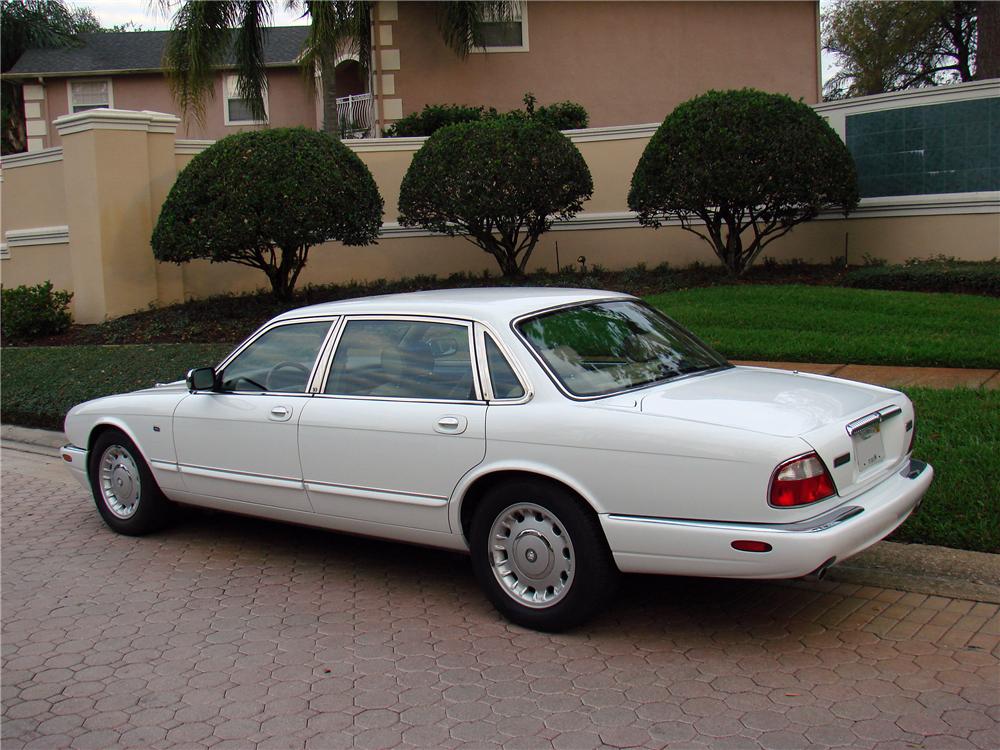
Assessment

Does this mean you don’t need a financial advisor? Of course not! A qualified, comprehensive financial planner can add value, address shortcomings, and answer questions in each of these areas. Once you have completed each of these steps, you can be confident you have your financial ducks in a row.

###

healthcare-business

Conclusion

Your thoughts and comments on this ME-P are appreciated. Feel free to review our top-left column, and top-right sidebar materials, links, URLs and related websites, too. Then, subscribe to the ME-P. It is fast, free and secure.

Link: http://feeds.feedburner.com/HealthcareFinancialsthePostForcxos

Speaker: If you need a moderator or speaker for an upcoming event, Dr. David E. Marcinko; MBA – Publisher-in-Chief of the Medical Executive-Post – is available for seminar or speaking engagements. Contact: MarcinkoAdvisors@msn.com

Product DetailsProduct DetailsProduct Details

Product Details  Product Details

Risk Management, Liability Insurance, and Asset Protection Strategies for Doctors and Advisors: Best Practices from Leading Consultants and Certified Medical Planners™8Comprehensive Financial Planning Strategies for Doctors and Advisors: Best Practices from Leading Consultants and Certified Medical Planners™

The Most Common Sites of Automobile Accidents

Join Our Mailing List 

Doctors Be Aware

[By Dr. David Edward Marcinko MBA]

By Nalley Collision Center

Dr. David E. Marcinko jpeg

Even with the latest safety features, the risk of an automobile crash or collision is never far away from the minds of most drivers. This is especially the case for some doctors who may have a proclivity to drive expensive automobiles.

But, where are the most common sites for automobile accidents? With the summer upon us – and the long Independence Day weekend – we may have the answers.

The Sites

One popular old statistic suggested that most accidents occur near the home, and numerous road safety campaigns have encouraged drivers not to be complacent as they drive along the streets in their local neighborhood. But, there are also several more specific places where automobile accidents are most common.

Car Parks

Car parks and lots are confined spaces full of motorists engaging in difficult maneuvers around other vehicles, while pedestrians walk around them. In general, the accidents are minor scrapes and dents, but they are very common indeed.

Junctions

It’s not surprising that intersections between roads are likely to produce more than their fair share of accidents. Whether it’s a rear end crunch for the driver suddenly forced to stop while turning, or a side-impact caused by a momentary loss of concentration, junctions are common crash locations.

The good news is that traffic should normally be moving relatively slowly at intersections, so damage is often limited to little more than scratched paintwork and injured pride.

Stoplights

Although unregulated intersections can pose safety problems for drivers, stoplights themselves bring their own challenges. They regulate traffic flow, and can lead to rear end collisions when drivers have to stop suddenly. Sometimes one rear end impact can result in a pile-up as the cars behind also fail to stop in time in a chain reaction. As many stoplights are associated with pedestrian crossings, these accidents have the potential to be serious.

Country Roads

Driving along an empty country road, a driver could be forgiven for thinking that the risk of auto accidents would be low. Unfortunately this appears not to be the case. Country roads are common accident sites for two reasons.

The fact that they are so quiet, and often straight with little variety in the landscape, means that motorists can find themselves losing concentration (often even falling asleep) for just a couple of moments, which is all it takes for a car to end up in a ditch by the side of the road.

Also, of course, rural highways tend not to be as well maintained as busy urban routes, and potholes and other debris also contribute to accidents.

Busy Roads

But, if quiet country roads are common accident sites, so are busy two (or more) lane roads. The reason why busy roads are dangerous is that with several lanes of traffic in each direction, sometimes with no barrier, drivers have no way of avoiding a head-on collision if, for example, a vehicle drifts towards the road’s center, or if a car pulls out into oncoming traffic to overtake the vehicle in front without checking the road ahead.

###

jaguar

###

DEM's Jaguar

More:

Assessment

Doctors, medical professionals and all motorists, have their work cut out, with quiet roads, busy roads, unregulated junctions, stoplights and car parks all providing rich scope for accidents. What this really illustrates, however, is the extent to which drivers cannot afford to let their attention slip for an instant when behind the wheel.

Conclusion

Your thoughts and comments on this ME-P are appreciated. Feel free to review our top-left column, and top-right sidebar materials, links, URLs and related websites, too. Then, subscribe to the ME-P. It is fast, free and secure.

Link: http://feeds.feedburner.com/HealthcareFinancialsthePostForcxos

Speaker: If you need a moderator or speaker for an upcoming event, Dr. David E. Marcinko; MBA – Publisher-in-Chief of the Medical Executive-Post – is available for seminar or speaking engagements. Contact: MarcinkoAdvisors@msn.com

OUR OTHER PRINT BOOKS AND RELATED INFORMATION SOURCES:

Product Details  Product Details


Safe Driving Tips all Doctor’s May Learn from Bus Drivers

Join Our Mailing List 

On Physicians Driving Safely

By Dr. David Edward Marcinko MBA

By Nalley Collision Center

Dr. MarcinkoBus drivers take their lives into their hands every day on city streets and interstate highways. Despite challenging traffic conditions and the responsibility of a large vehicle and numerous passengers, bus drivers find ways to stay safe while keeping up with demanding routes and schedules. These unsung heroes of the road universally command respect, but they also offer important lessons to ordinary drivers who share busy roads with buses every day.

So – as summer is upon us – and in the spirit of safe driving – allow our ME-P team at to share a few bus-driver inspired driving tips with you.

Distracted Driving

Modern technology has caused an addiction for many bus drivers as they struggle to communicate while safely driving a bus.

An Italian bus driver was caught on video simultaneously using two cell phones while steering his bus with his elbows. This talent showed the world that cell phone use behind the wheel might not present the extreme danger most people expect.

Seriously, bus drivers can provide some good examples of how not to drive. Although many states have laws in place restricting the use of electronic devices while driving, many states do not. All drivers, and every doctor, should avoid risking their lives and the lives of passengers by reserving cell phone use to emergencies while driving.

Road Rage

A New York City school bus driver named Juan DelValle side-swiped a car on a crowded city street and was subsequently attacked by the offended driver. DelValle was within days of his long-awaited retirement and died from severe injuries to his brain.

This one example shows how a minor traffic incident can quickly escalate into a life-changing event for unprepared drivers. Drivers should exercise extreme caution every time they have an incident with another driver. After an accident, drivers who feel threatened can call police and wait in their cars until help arrives.

Rest                                             

Bus drivers illustrate why no one should sit behind the wheel of a vehicle when fatigued.

Investigators determined that a tour bus crash in New York that killed 15 passengers was caused by a sleepy driver. The bus driver, Ophadell Williams, was charged with criminally negligent homicide. His life might never return to its previous state.

Drivers who spend time getting the sleep they need might arrive late at their destination, but they also arrive with a clear conscience, an alert mind, and living passengers.

Defensive Driving

A Transit bus in Los Osos, California rolled down an embankment after colliding with a car on a dark and wet stretch of road. Bus drivers know they cannot count on the driving skills of other motorists for safety, so they drive defensively. In the Los Osos case, the bus driver managed to stay alive after the Mercedes crossed the center line.

Although the driver of the automobile died in the wreck, all the bus passengers lived.

DEM's Jag XJ-V8-LMore

Assessment

Every driver should periodically take time to review defensive-driving tactics or to attend a defensive driving class to improve their ability to respond to unexpected circumstances on the highway.  

Conclusion

Your thoughts and comments on this ME-P are appreciated. Feel free to review our top-left column, and top-right sidebar materials, links, URLs and related websites, too. Then, subscribe to the ME-P. It is fast, free and secure.

Link: http://feeds.feedburner.com/HealthcareFinancialsthePostForcxos

Speaker: If you need a moderator or speaker for an upcoming event, Dr. David E. Marcinko; MBA – Publisher-in-Chief of the Medical Executive-Post – is available for seminar or speaking engagements. Contact: MarcinkoAdvisors@msn.com

OUR OTHER PRINT BOOKS AND RELATED INFORMATION SOURCES:

Health Dictionary Series: http://www.springerpub.com/Search/marcinko

Practice Management: http://www.springerpub.com/product/9780826105752

Physician Financial Planning: http://www.jbpub.com/catalog/0763745790

Medical Risk Management: http://www.jbpub.com/catalog/9780763733421

Hospitals: http://www.crcpress.com/product/isbn/9781439879900

Physician Advisors: www.CertifiedMedicalPlanner.org

Product Details  Product Details


On the “Selling Points” for Whole-Life and Universal-Life Insurance

Join Our Mailing List 

De-Bunking Conventional Sale Wisdom

By Rick Kahler MS CFP® ChFC CCIM http://www.KahlerFinancial.com

Rick Kahler CFP“You need to protect yourself and your family with life insurance that you won’t outlive.”

This is one of the common selling points for whole life or universal life rather than term life insurance. At first glance, it seems to make a lot of sense. Of course you don’t want to outlive your life insurance. Having it pay benefits upon your death is the reason you buy it.

This statement, however, misses one essential fact. Many people don’t need to worry about outliving their life insurance, because they outlive their need for life insurance.

Outliving the Need

We don’t all need life insurance throughout our entire lives, any more than we do auto or homeowners’ insurance. If you no longer drive a car, you don’t need auto insurance. If you no longer own a home, you don’t need homeowners’ insurance.

For example, in circumstances like the following, you may no longer need life insurance:

  • First;  when you and your spouse have accumulated enough assets and income streams to independently care for yourselves.
  • Second;  when your children are self-sufficient adults.
  • Third;  when your estate is too small to owe estate taxes or liquid enough to pay the estate taxes.

Primary Purpose

The primary purpose of life insurance is to replace the future income of a primary breadwinner. Two groups most likely to need it are middle-aged couples saving for retirement and parents of minor children. Ideally, most young families should have over $-1 million in life insurance to provide for the children if either parent should die prematurely.

Yet many of them are unable to afford the higher premiums for this much “permanent” insurance. Their choices are to underfund their needs with a smaller permanent policy or purchase an affordable 30-year term policy.

As we age, the probability of dying becomes greater. Therefore, a $1 million life policy costs much less for a 25-year-old than a 75-year-old. It doesn’t matter if the policy is cash value, whole life, universal life, or level term, the cost of providing the life insurance component increases every year.

Psychological Aversions

Yet most human brains have a psychological aversion to price increases. In order to please their customers with life insurance premiums that didn’t increase every year, insurance companies came out with level term policies. Essentially, the premiums are averaged out by overcharging in the early years of the policy and undercharging in the later years.

insurance

Higher  Premiums

Whole life and universal life insurance policies don’t have that same averaging. To be “permanent,” the premiums must be much higher in order to fund a savings account that grows over time and is often used to offset a significant portion of the death benefit in the later years of the insured’s life. Usually, if the insured cancels the policy, a portion of the premiums will be refunded.

Cash Value

A cash value policy may occasionally be a good estate planning tool, generally for those with substantial wealth. It might be used to fund an irrevocable life insurance trust upon the second spouse’s death, perhaps to pay taxes on an illiquid estate like a family farm or other property. It also can be used for those wanting to leave the bulk of an estate to charity and still provide income to their children. These strategies rarely apply to those whose primary goal is basic income replacement for their families.

Assessment

One of the ironies of insurance in general is that we all know it’s essential and we all hope never to need it. For most people, life insurance is not really an exception to this. Its primary purpose is not to provide us with investment income, but to provide our families with income if we aren’t there.

More:

Conclusion

Your thoughts and comments on this ME-P are appreciated. Feel free to review our top-left column, and top-right sidebar materials, links, URLs and related websites, too. Then, subscribe to the ME-P. It is fast, free and secure.

Link: http://feeds.feedburner.com/HealthcareFinancialsthePostForcxos

Speaker: If you need a moderator or speaker for an upcoming event, Dr. David E. Marcinko; MBA – Publisher-in-Chief of the Medical Executive-Post – is available for seminar or speaking engagements. Contact: MarcinkoAdvisors@msn.com

OUR OTHER PRINT BOOKS AND RELATED INFORMATION SOURCES:

Product Details  Product Details

Risk Management, Liability Insurance, and Asset Protection Strategies for Doctors and Advisors: Best Practices from Leading Consultants and Certified Medical Planners™
Comprehensive Financial Planning Strategies for Doctors and Advisors: Best Practices from Leading Consultants and Certified Medical Planners™

Cell Phone Usage In Car Crashes Massively Underreported

Join Our Mailing List

Are You Guilty – Doctor?

[An NSC Infographic]

COM-Cell-Phone-Crash-Underreporting

Conclusion

Your thoughts and comments on this ME-P are appreciated. Feel free to review our top-left column, and top-right sidebar materials, links, URLs and related websites, too. Then, subscribe to the ME-P. It is fast, free and secure.

Link: http://feeds.feedburner.com/HealthcareFinancialsthePostForcxos

Speaker: If you need a moderator or speaker for an upcoming event, Dr. David E. Marcinko; MBA – Publisher-in-Chief of the Medical Executive-Post – is available for seminar or speaking engagements. Contact: MarcinkoAdvisors@msn.com

OUR OTHER PRINT BOOKS AND RELATED INFORMATION SOURCES:

Health Dictionary Series: http://www.springerpub.com/Search/marcinko

Practice Management: http://www.springerpub.com/product/9780826105752

Physician Financial Planning: http://www.jbpub.com/catalog/0763745790

Medical Risk Management: http://www.jbpub.com/catalog/9780763733421

Hospitals: http://www.crcpress.com/product/isbn/9781439879900

Physician Advisors: www.CertifiedMedicalPlanner.org

Product Details  Product Details

When did you last Review your Insurance Coverage – Doctor?

Join Our Mailing List 

Why shopping around periodically is a smart move

By Lon Jefferies, MBA CFP™  http://www.NetWorthAdvice.com

Lon JeffriesWhen is the last time you compared rates on your home and auto insurance policies – doctors and all ME-P readers? Unfortunately, a stellar safety record doesn’t always translate into lower insurance rates. Even if you think you have a good rate, shopping around periodically is smart.

A Reader’s Query

After attempting to follow my advice of maintaining an umbrella insurance policy, one of our ME-P readers contacted his insurer to add coverage. This reader was shocked when his insurer informed him that he didn’t qualify for an umbrella policy because he didn’t carry sufficient liability insurance on his auto policy. (Minimum auto liability insurance – frequently $500,000 – is required in order to purchase umbrella coverage.) Although this individual had owned his policy for eight years, he was unaware that the policy only provided $50,000 of liability coverage. This amount was clearly insufficient for an individual approaching retirement.

In addition to realizing that he was severely under-insured, this individual discovered he was also paying excessive premiums. For only $50,000 of auto liability coverage, this person was paying $914 per year. Moreover, the individual realized he was paying $351 per year for the $350,000 of liability coverage the individual had on his condo. Consequently, in total, this person was paying $1,265 per year for $50,000 of auto liability and $350,000 of home liability coverage.

Case Model

This individual then spoke with an independent insurance agent to increase auto liability coverage to an amount that enabled him to obtain an umbrella policy. This was critical, as it dramatically decreased the individual’s liability exposure, a risk an individual with accumulated assets clearly shouldn’t have. Even better, the individual was able to obtain dramatically improved rates on his policies. For a total of $1,207 (less than he was previously paying!), the individual was able to secure $1,000,000 of auto liability coverage, $350,000 of home liability, and an additional $1,000,000 umbrella policy.

policy insurance

Assessment

Clearly, it can be beneficial to occasionally review and compare rates on your insurance policies. People tend to believe that policies that have been owned for extended periods of time are efficiently priced, but it may be the opposite. If you haven’t verified that you are adequately insured and conducted a cost comparison recently, speak to an independent insurance agent and minimize your exposure with cost-effective policies.

More

Conclusion

Your thoughts and comments on this ME-P are appreciated. Feel free to review our top-left column, and top-right sidebar materials, links, URLs and related websites, too. Then, subscribe to the ME-P. It is fast, free and secure.

Speaker: If you need a moderator or speaker for an upcoming event, Dr. David E. Marcinko; MBA – Publisher-in-Chief of the Medical Executive-Post – is available for seminar or speaking engagements. Contact: MarcinkoAdvisors@msn.com

OUR OTHER PRINT BOOKS AND RELATED INFORMATION SOURCES:

Product Details  Product Details

Automobile Safety, Financial and Related Topics of Import for Physicians

Join Our Mailing List

Leisure and LifeStyle Activities

By Dr. David Edward Marcinko MBA

[ME-P Publisher and Editor-in-Chief]

DEM's Jaguar

My Vintage British circa 2000 Jaguar Touring Sedan

XJ-V8-LWB Jaguar touring sedan

Hood Ornament “The Leaper”

DEM's Jaguar

Inner and Outer Glass Headlight Globes

Classic XJ-V8-WB Jaguar

“Saw Toothed” Grill with Curve-Lined Bonnett [Hood]

DEM's Jaguar

Extended Antenna with Satellite – SiriusXM Radio

More:

Assessment

GAMy near showroom and mint conditioned 2000 Jaguar XJ-V8-L is a full-size luxury sedan, offers sporting drive characteristics, mixed with a classic style and interior comfort. It was available in multiple trims which all came very well equipped with upscale amenities.

And, this extended wheelbase version offers much more rear seat leg room for long and winding Georgia road trips. The standard steel engine [not nikasil] in this XJ is a 4.0L V8 which produces 290 hp. The upper and lower timing chain tensioners are original, second generation metal, not plastic.

There is also a supercharged version of this vehicle which bumps output to an impressive 370 hp. Even with all of its power and weight, my XJ-8-L is still rated at over 20 mpg on the highway. Ammenities and upgrades include a mobile phone, Magellan GPS, LoJack theft recovery system, CD and MP-3 players, with internal and external cable antenna for satellite radio.

What a Cat? She is my third favorite female after my intelligent and beautiful wife, and smart and lovely daughter.

Wikipedia link: http://en.wikipedia.org/wiki/Jaguar_XJ8

Conclusion

Your thoughts and comments on this ME-P are appreciated. Feel free to review our top-left column, and top-right sidebar materials, links, URLs and related websites, too. Then, subscribe to the ME-P. It is fast, free and secure.

Link: http://feeds.feedburner.com/HealthcareFinancialsthePostForcxos

Speaker: If you need a moderator or speaker for an upcoming event, Dr. David E. Marcinko; MBA – Publisher-in-Chief of the Medical Executive-Post – is available for seminar or speaking engagements. Contact: MarcinkoAdvisors@msn.com

Our Other Print Books and Related Information Sources:

Health Dictionary Series: http://www.springerpub.com/Search/marcinko

Practice Management: http://www.springerpub.com/product/9780826105752

Physician Financial Planning: http://www.jbpub.com/catalog/0763745790

Medical Risk Management: http://www.jbpub.com/catalog/9780763733421

Hospitals: http://www.crcpress.com/product/isbn/9781439879900

Physician Advisors: www.CertifiedMedicalPlanner.org

Product Details  Product Details

Books for Savvy Doctors and their Financial Advisors and Management Consultants

Join Our Mailing List

Learn and Prosper from the ME-P

By Ann Miller RN MHA

Product DetailsProduct DetailsProduct Details

Product Details  Product Details

Product DetailsProduct Details

Assessment

Click on each image for more information.

Feel free to write a review and tell us what you think?

Conclusion

Your thoughts and comments on this ME-P are appreciated. Feel free to review our top-left column, and top-right sidebar materials, links, URLs and related websites, too. Then, subscribe to the ME-P. It is fast, free and secure.

Speaker: If you need a moderator or speaker for an upcoming event, Dr. David E. Marcinko; MBA – Publisher-in-Chief of the Medical Executive-Post – is available for seminar or speaking engagements. Contact: MarcinkoAdvisors@msn.com

OUR OTHER PRINT BOOKS AND RELATED INFORMATION SOURCES:

Product Details

How to Protect Your Interests in Insurance Claims

Join Our Mailing List

Don’t Be a Victim Twice

By Rick Kahler MS CFP® ChFC CCIM http://www.KahlerFinancial.com

Rick Kahler CFPHurricane Sandy attacked the East Coast, did her worst, and disappeared. Yet cleaning up the mess she left behind will take months and even years.

When Disaster Strikes

Even dealing with damage from much smaller disasters can take a long time. As an example, in July 2011 a severe storm with baseball-sized hail moved through southern Rapid City. It only took nature a few minutes to flatten gardens, beat up vehicles, and damage buildings. It will probably take until the second anniversary of the storm to repair all the damage to our house.

Such a delay isn’t unusual. The most common reasons are finding a contractor and negotiating with your insurance company.

Rapid Response

Moving quickly to report a claim after a disaster is important. In fact, you should probably call a contractor even before you call your insurance agent. Insurance companies are fast to respond to disasters and easily move adjusters in from other areas. Local, credible contractors, on the other hand, fill their schedules fast. We spent hours on the phone to get bids from beleaguered roofers, painters, and carpenters.

Low Balls

These bids were worth our time, because they showed us that the initial repair estimates from our insurance company were low—usually by 50% to 66%.

For example, our roof had cedar shake shingles. The company’s replacement estimate was for much cheaper asphalt shingles. Estimates to repair our siding and deck were also low. It took us 15 months to come to an agreement on the cost of replacing the deck. The work probably won’t be done until summer of 2013.

Switching Gears

Does this difficulty in getting a full settlement mean it’s time to switch insurance companies? Certainly, I thought so more than once during the negotiating process. However, that isn’t necessarily the case. It’s important to remember that getting compensation from an insurance company is just business. And good business means not necessarily accepting the first offer. Negotiating will take time and effort, but it eventually should get you full compensation.

Competing Claims Interests

When you file a claim, you and your insurance company have competing interests. The company is not your advocate. You want as much money as possible from them for repairs, while they want to repair your damage for the lowest cost. There’s nothing out of place with either motivation.

Once I understood that the insurance company and I were natural adversaries, not friends, it helped me feel less victimized and more empowered. While getting the money we needed to make the repairs certainly took time and perseverance, the company readily acquiesced when we presented the facts. After all, their best interest also included keeping us as customers. We did not have to threaten a lawsuit or go to court.

###

policy insurance

Assessment

Certainly, when it’s time to renew my home insurance I will ask my agent to investigate other companies. That’s just business. However, I won’t change companies just because I had to argue with this one.

Understanding your role in negotiating an insurance claim helps bring a healthy perspective to your relationship with any service provider. Unless they are a fiduciary to you (like an attorney or doctor, or some a fee-only financial advisors], they have no responsibility to look out for you. Someone selling you something has no duty to put your interests before theirs. Protecting your interests is your duty and yours alone.

More:

Conclusion

When a natural disaster strikes, whether it’s a hail storm or a hurricane, we are certainly victims of nature’s whims. When it’s time to clean up the mess, though, we’re not victims. We’re our own advocates, with the responsibility and ability to look out for our own best interests.

Your thoughts and comments on this ME-P are appreciated. Feel free to review our top-left column, and top-right sidebar materials, links, URLs and related websites, too. Then, subscribe to the ME-P. It is fast, free and secure.

Link: http://feeds.feedburner.com/HealthcareFinancialsthePostForcxos

Speaker: If you need a moderator or speaker for an upcoming event, Dr. David E. Marcinko; MBA – Publisher-in-Chief of the Medical Executive-Post – is available for seminar or speaking engagements. Contact: MarcinkoAdvisors@msn.com

OUR OTHER PRINT BOOKS AND RELATED INFORMATION SOURCES:

DICTIONARIES: http://www.springerpub.com/Search/marcinko
PHYSICIANS: www.MedicalBusinessAdvisors.com
PRACTICES: www.BusinessofMedicalPractice.com
HOSPITALS: http://www.crcpress.com/product/isbn/9781466558731
CLINICS: http://www.crcpress.com/product/isbn/9781439879900
BLOG: www.MedicalExecutivePost.com
FINANCE: Financial Planning for Physicians and Advisors
INSURANCE: Risk Management and Insurance Strategies for Physicians and Advisors

Product Details  Product Details


What to do if You Rear End the Car in Front of You?


Join Our Mailing List

By Dr David Edward Marcinko MBA via Nalley Collision Center

[Editor-in-Chief]

dr-david-marcinko21As a doctor, driver and former insurance agent, I know that any car accident, no matter the point of impact, is frightening and inconvenient. But, rear-end accidents (frequently referred to as “fender benders”) are a common occurrence on the road and form a significant proportion of all road collisions.

According to a report on the Science Daily website, there were nearly two   million rear-end collisions in 2006, comprising nearly 30% of all crashes on   U.S. roads. Here’s how to deal if you rear-end another vehicle on the road.

First Things First

In the event that you rear-end the car in front of you, you will likely be very dazed or shocked, especially initially. Unless there are life-threatening reasons why you must exit the vehicle immediately, try to pause for a moment in an effort to gather your breath and calm down. You will   need to be able to make a number of decisions related to the situation, and the clearer your head, the more likely you are to act appropriately.

Your first consideration must always be to the welfare and safety of yourself and your passengers, as well as the passengers in any other vehicle involved in the accident.

According to the severity of the accident, the range of personal injuries caused by rear-end collisions can be significant, ranging from bruises and grazes to whiplash, broken bones, and even death. When you rear-end a car, the impact from your vehicle is transferred to the car in front, lifting passengers and drivers sharply forwards and upwards at the same time. Whiplash injuries are common, difficult to treat, and may not be immediately obvious. If you are in any doubt as to the severity of any injury incurred during the collision, call the emergency services and request an ambulance. Some injuries can be worsened if the injured party is moved awkwardly, for example.

When exiting the vehicle, ensure that you and your passengers can move to a safe place, away from any remaining traffic. Move completely off the road or highway, and as far away from the vehicles as you can. If the impact is minor, you may be able to drive the vehicle to the side of the road, or onto a side road, but remember that, in some states, it is illegal to move your car from the scene of a collision until the police have attended, so don’t do anything hasty. Regardless of where your car is, ensure that when leaving the vehicle you do not exit into moving traffic. Pay particular attention to children or animals who may be frightened by the collision, and will require additional supervision.

If you have an emergency kit, use this to alert other drivers to your vehicle. Ensure that the engine is turned off, that your hazard lights are on and that you have placed emergency cones or warning triangles at an appropriate distance from the car.

Road traffic safety regulations stipulate that, regardless of the driving conditions, you must be able to stop safely if the car in front of you comes to a halt, even if that car brakes very sharply. It is only in the event that a vehicle rear-ends your vehicle, causing you to shunt into the car in front, that your insurance company may not conclude that the accident was your fault. Like any other type of   collision, you will need to surrender your insurance and driver details to the other driver. Even if you are assuming that the accident was your fault, you will need to collect the other driver’s details, too. You will need their license number, their name, address, phone number, insurance company, insurance policy number, and license plate number. You should also establish whether the other driver owns the vehicle.

If possible, and if it is safe to do so, take photographs of the accident scene with your cell phone, showing the road conditions, the position of the cars, and any specific damage noted.

Remember that most modern mobile phones include a camera. Insurance companies suggest that you do not admit liability (and that could mean not even apologizing). They also often request detailed descriptions of what happened and the scene of the incident so try and write down some notes.

Once you have established that nobody needs medical attention, taken all the relevant details, and the police have attended the scene (if necessary), you will need to think about taking your car away. A breakdown recovery service may be needed if the damage is extensive, but you should also contact your insurance company as soon as possible, as they may have specific instructions on where to take your vehicle, outlining which dealers can and cannot carry out any necessary repair work.

###

DEM in his 1990 Miata

Assessment

A rear-end collision may be inconvenient and embarrassing, and it could even be traumatic and dangerous. Keep a cool head, complete all the steps necessary to ensure the safety of your passengers, and ensure that you comply with both the law and the requirements of your insurance company to insure that it doesn’t escalate into a bigger problem.

More: Automobile Safety, Financial and Related Topics of Import for Physicians

Conclusion

Your thoughts and comments on this ME-P are appreciated. Feel free to review our top-left column, and top-right sidebar materials, links, URLs and related websites, too. Then, subscribe to the ME-P. It is fast, free and secure.

Link: http://feeds.feedburner.com/HealthcareFinancialsthePostForcxos

Speaker: If you need a moderator or speaker for an upcoming event, Dr. David E. Marcinko; MBA – Publisher-in-Chief of the Medical Executive-Post – is available for seminar or speaking engagements. Contact: MarcinkoAdvisors@msn.com

Our Other Print Books and Related Information Sources:

Health Dictionary Series: http://www.springerpub.com/Search/marcinko

Practice Management: http://www.springerpub.com/product/9780826105752

Physician Financial Planning: http://www.jbpub.com/catalog/0763745790

Medical Risk Management: http://www.jbpub.com/catalog/9780763733421

Hospitals: http://www.crcpress.com/product/isbn/9781439879900

Physician Advisors: www.CertifiedMedicalPlanner.org

Product Details  Product Details

The Evolution of Automobile Safety

Join Our Mailing List

Technology Rolls On

By Dr. David Edward Marcinko MBA

By Matthew Pelletier [safety consultant]

DEM in his 1990 MiataMost ME-P readers are aware that I am a vintage Jaguar and automobile [sober] fanatic. And, after years of covering the local Emergency Room, I am glad to be retired from that job … Much better suited for the next-gen ED physician.

Perhaps, that’s why we occasionally post such leisure and lifestyle info-graphics for our audience and members.

History

Fortunately, much progress has been substantial since the automobile first made its mark on the transportation of people. The technology in auto safety has accelerated, especially over the last ten years, and with better engineering and consumer demand for safer vehicles there has been a reduction in the number of deaths and injuries from automobiles.

The Olden Days – Not so Golden

It seems absurd to hear people say cars aren’t made the way they used to be. Enhanced safety features show how inferior vehicles from the past are. Seat belts, overall structure, airbags and crash tests have saved lives and made car transportation safer for all drivers. Many find driving safety videos also help make everyone safer.

###

Evolution-Of-Auto-Safety

Review

The above infographic provides information on the changes in safety to automobiles throughout history.

• Government legislation and automakers have continually worked on improving automobile safety features over the last 100 years.
• States like Michigan implement drivers education programs before licenses are issued helping to educate in safe driving practices.
• New technology and engineering meet consumer demand and show automakers are listening to their customers by designing safer cars with the newest and best safety systems available.

Continuing Development of Safety Features

The continuing development of safety features and engineering are driving car makers to give consumers the safety features and peace of mind they want for themselves and their families when they travel on the road. Automakers and engineers understand crashes and vehicle motion which then applies to a better and more advanced understanding during the design and constructing of new vehicle models.

Assessment

Be safe GOMER … and Get Out of My Emergency Room … with these helpful links:

Conclusion

Your thoughts and comments on this ME-P are appreciated. Feel free to review our top-left column, and top-right sidebar materials, links, URLs and related websites, too. Then, subscribe to the ME-P. It is fast, free and secure.

Speaker: If you need a moderator or speaker for an upcoming event, Dr. David E. Marcinko; MBA – Publisher-in-Chief of the Medical Executive-Post – is available for seminar or speaking engagements. Contact: MarcinkoAdvisors@msn.com

OUR OTHER PRINT BOOKS AND RELATED INFORMATION SOURCES:

Product Details  Product Details

The Monetary Value of Human Life

Join Our Mailing List
How Much are We Worth?
By Matthew Pelletier
[Director of Public Relations]
Compliance and Safety LLC

###

Monetary-Value-of-a-Human-Life
 Assessment

• Japan places the highest value on a human life, spending $11,728,000 to save a single life through improvements in public safety.
• South Korea spent the least, at a measly $878,000.00 per life saved.
• Health insurance companies value life at $50,000 per year of quality life, a depressingly low number compared to what government entities will pay. Keep your workforce healthy with proper Health & Wellness training.
• The families of suicide bombers receive just $25,000 per suicide.
• While the families that lossed a loved one on 9/11 received an average of $2.1 million per death, families of fallen soldiers receive a maximum of just $400,000. Rush Limbaugh did an interesting piece about this huge disparity back in 2002.

Conclusion

Your thoughts and comments on this ME-P are appreciated. Feel free to review our top-left column, and top-right sidebar materials, links, URLs and related websites, too. Then, subscribe to the ME-P. It is fast, free and secure.

Link: http://feeds.feedburner.com/HealthcareFinancialsthePostForcxos

Speaker: If you need a moderator or speaker for an upcoming event, Dr. David E. Marcinko; MBA – Publisher-in-Chief of the Medical Executive-Post – is available for seminar or speaking engagements. Contact: MarcinkoAdvisors@msn.com

OUR OTHER PRINT BOOKS AND RELATED INFORMATION SOURCES:

DICTIONARIES: http://www.springerpub.com/Search/marcinko
PHYSICIANS: www.MedicalBusinessAdvisors.com
PRACTICES: www.BusinessofMedicalPractice.com
HOSPITALS: http://www.crcpress.com/product/isbn/9781466558731
CLINICS: http://www.crcpress.com/product/isbn/9781439879900
BLOG: www.MedicalExecutivePost.com
FINANCE: Financial Planning for Physicians and Advisors
INSURANCE: Risk Management and Insurance Strategies for Physicians and Advisors

  Risk Management, Liability Insurance, and Asset Protection Strategies for Doctors and Advisors: Best Practices from Leading Consultants and Certified Medical Planners™ Risk Management, Liability Insurance, and Asset Protection Strategies for Doctors and Advisors: Best Practices from Leading Consultants and Certified Medical Planners™

Invite Dr. Marcinko

Building Up to the Fiscal Cliff

Join Our Mailing List

A Historic Review

Fiscal Cliff

Assessment

Doctors, FAs and all ME-P readers. What is your strategy for the fiscal cliff situation?

Conclusion

Your thoughts and comments on this ME-P are appreciated. Feel free to review our top-left column, and top-right sidebar materials, links, URLs and related websites, too. Then, subscribe to the ME-P. It is fast, free and secure.

Link: http://feeds.feedburner.com/HealthcareFinancialsthePostForcxos

Speaker: If you need a moderator or speaker for an upcoming event, Dr. David E. Marcinko; MBA – Publisher-in-Chief of the Medical Executive-Post – is available for seminar or speaking engagements. Contact: MarcinkoAdvisors@msn.com

Our Other Print Books and Related Information Sources:

Health Dictionary Series: http://www.springerpub.com/Search/marcinko

Practice Management: http://www.springerpub.com/product/9780826105752

Physician Financial Planning: http://www.jbpub.com/catalog/0763745790

Medical Risk Management: http://www.jbpub.com/catalog/9780763733421

Hospitals: http://www.crcpress.com/product/isbn/9781439879900

Physician Advisors: www.CertifiedMedicalPlanner.org

Product Details  Product Details

Another Property-Casualty Insurance Claims Experience

Join Our Mailing List

A Personal Scenario

By Rick Kahler MS CFP® ChFC CCIM www.KahlerFinancial.com

Rick Kahler CFPHurricane Sandy attacked the East Coast, did her worst, and disappeared. Yet cleaning up the mess she left behind will take months and even years. And, even dealing with damage from much smaller disasters can take a long time.

As an example, in July 2011 a severe storm with baseball-sized hail moved through southern Rapid City. It only took nature a few minutes to flatten gardens, beat up vehicles, and damage buildings. It will probably take until the second anniversary of the storm to repair all the damage to our house.

Such a delay isn’t unusual. The most common reasons are finding a contractor and negotiating with your insurance company.

Reporting Claims

Moving quickly to report a claim after a disaster is important. In fact, you should probably call a contractor even before you call your insurance agent. Insurance companies are fast to respond to disasters and easily move adjusters in from other areas. Local, credible contractors, on the other hand, fill their schedules fast. We spent hours on the phone to get bids from beleaguered roofers, painters, and carpenters.

These bids were worth our time, because they showed us that the initial repair estimates from our insurance company were low—usually by 50% to 66%.

For example, our roof had cedar shake shingles. The company’s replacement estimate was for much cheaper asphalt shingles. Estimates to repair our siding and deck were also low. It took us 15 months to come to an agreement on the cost of replacing the deck. The work probably won’t be done until summer of 2013.

Switching Companies?

Does this difficulty in getting a full settlement mean it’s time to switch insurance companies?  Certainly, I thought so more than once during the negotiating process. However, that isn’t necessarily the case. It’s important to remember that getting compensation from an insurance company is just business. And good business means not necessarily accepting the first offer. Negotiating will take time and effort, but it eventually should get you full compensation.

When you file a claim, you and your insurance company have competing interests. The company is not your advocate. You want as much money as possible from them for repairs, while they want to repair your damage for the lowest cost. There’s nothing out of place with either motivation.

Once I understood that the insurance company and I were natural adversaries, not friends, it helped me feel less victimized and more empowered. While getting the money we needed to make the repairs certainly took time and perseverance, the company readily acquiesced when we presented the facts. After all, their best interest also included keeping us as customers. We did not have to threaten a lawsuit or go to court.

Certainly, when it’s time to renew my home insurance I will ask my agent to investigate other companies. That’s just business. However, I won’t change companies just because I had to argue with this one.

policy insurance

The [Doctor’s] Claimant Role

Understanding your role in negotiating an insurance claim helps bring a healthy perspective to your relationship with any service provider. Unless they are a fiduciary to you (like an attorney, a doctor, or a fee-only financial planner), they have no responsibility to look out for you. Someone selling you something has no duty to put your interests before theirs. Protecting your interests is your duty and yours alone.

Assessment

When a natural disaster strikes, whether it’s a hail storm or a hurricane, we are certainly victims of nature’s whims. When it’s time to clean up the mess, though, we’re not victims. We’re our own advocates, with the responsibility and ability to look out for our own best interests.

Related: Dr. Marcinko Invites Mr. Wilson [CEO Allstate] to Debate

Related: As an Ex Agent – Why I’m Still Protesting My Open Allstate Home Owner’s Insurance Claim

Conclusion

Your thoughts and comments on this ME-P are appreciated. Feel free to review our top-left column, and top-right sidebar materials, links, URLs and related websites, too. Then, subscribe to the ME-P. It is fast, free and secure.

Link: http://feeds.feedburner.com/HealthcareFinancialsthePostForcxos

Speaker: If you need a moderator or speaker for an upcoming event, Dr. David E. Marcinko; MBA – Publisher-in-Chief of the Medical Executive-Post – is available for seminar or speaking engagements. Contact: MarcinkoAdvisors@msn.com

Our Other Print Books and Related Information Sources:

Health Dictionary Series: http://www.springerpub.com/Search/marcinko

Practice Management: http://www.springerpub.com/product/9780826105752

Physician Financial Planning: http://www.jbpub.com/catalog/0763745790

Medical Risk Management: http://www.jbpub.com/catalog/9780763733421

Hospitals: http://www.crcpress.com/product/isbn/9781439879900

Physician Advisors: www.CertifiedMedicalPlanner.org

Product Details  Product Details

Is a Captive Insurance Company (CIC) Right for Your Medical Practice?

 Join Our Mailing List

A Medical Practice Risk Management Strategy

By Guy P. Jones CFP®

Successful practices face multiple risks in their daily operations including loss of a medical license or professional certification, legal defense reimbursement, medical/Medicare collections risk, HIPAA violations, and reputational risk. Small- to medium-sized practices can benefit from risk-management tools that can help them handle such risks more effectively and reduce their overall insurance costs. To that end, the practice may want to consider the establishment of a Captive Insurance Company (CIC) to protect themselves from risks not typically covered by traditional insurance companies.

Captive Insurance Planning

Captive insurance planning is a strategy for physicians to manage risk through the purchase of a property-casualty insurance policy. Premiums paid by the practice to a properly structured CIC should be tax-deductible to the practice under section 162(a) of the IRS code just like their workers’ compensation or malpractice coverage.

When the practice forms a CIC, it receives premium income tax-free up to $1,200,000 per year, per captive. Profits that come out of the CIC come out as a distribution from a C-corp. as qualifying dividends or long-term capital gains, which are currently 15%. Furthermore, the CIC may retain surplus from underwriting profits within reserve accounts, free from income tax. Profits that accumulate within the CIC can be used as a tax-deductible sinking fund in order to save money on malpractice premiums by shifting to a high deductible policy and/or insuring that deductible through the CIC.

No Rules – Just Right

There are no hard-and-fast rules regarding the minimum amount of gross revenue from a practice or the minimum amount of insurance premiums paid by a practice before considering the establishment of a CIC.

Planning Opportunities

The establishment of a CIC creates immense planning opportunities for physicians because of the flexible ownership of the CIC. The CIC is set up as a C-Corp and someone or some entity owns the shares of the C-Corp While it’s important to keep in mind the primary business purpose of the CIC is for risk management, some potential planning opportunities include the following:

  • Wealth Accumulation/Surplus Retirement Income: Physicians own the CIC outside the practice for surplus dollars in retirement.
  • Asset Protection Planning: Most physicians have the CIC owned inside an asset protection trust to potentially shield pre-tax dollars and assets from judgment creditors or litigation.
  • Estate Planning/Wealth Transfer: Physicians who don’t need access to this money may be interested in having the CIC owned outside of their estate to also bypass gift and estate taxes with each premium payment.
  • Practice-Owner Benefits: By the CIC not being an employee benefit plan, it is not subject to the non-discrimination rules of ERISA, and therefore only benefits the owners of the practice.
  • Non-Mandatory Participation for Practice Doctors: Doctors at smaller levels can join together to create a CIC for economies of scale.

Enter the Experts

Physicians would be encouraged to discuss the various CIC planning strategies with their tax, estate planning, and other legal professionals to ensure that the most appropriate structure is utilized to fit their unique planning objectives. As part of our services to the practice, we would be happy to meet with the practice management and advisors to answer any questions and start the process of the feasibility of a CIC for the practice. As reassurance, this is already IRS-tested, and we strictly adhere to each IRS Safe Harbor Revenue Ruling for a conservative model offering very predictable risk management and tax planning results.

Assessment

While this is not intended to be a thorough discussion of CICs, it is meant to initiate a conversation with practices or conduct due diligence with their key advisors as to the many potential benefits of establishing a Captive Insurance Company.

About the Author

Mr. Guy P. Jones is a Certified Financial Planner in Houston, TX who has specialized in serving the financial planning needs of medical professionals and their families since 1990.  He can be reached at 832.677.1692, email: guypjones@guypjones.com, or by visiting his website: www.guypjones.com

Conclusion

Your thoughts and comments on this ME-P are appreciated. Feel free to review our top-left column, and top-right sidebar materials, links, URLs and related websites, too. Then, subscribe to the ME-P. It is fast, free and secure.

Link: http://feeds.feedburner.com/HealthcareFinancialsthePostForcxos

Speaker: If you need a moderator or speaker for an upcoming event, Dr. David E. Marcinko; MBA – Publisher-in-Chief of the Medical Executive-Post – is available for seminar or speaking engagements. Contact: MarcinkoAdvisors@msn.com

OUR OTHER PRINT BOOKS AND RELATED INFORMATION SOURCES:

LEXICONS: http://www.springerpub.com/Search/marcinko
PHYSICIANS: www.MedicalBusinessAdvisors.com
PRACTICES: www.BusinessofMedicalPractice.com
HOSPITALS: http://www.crcpress.com/product/isbn/9781466558731
CLINICS: http://www.crcpress.com/product/isbn/9781439879900
ADVISORS: www.CertifiedMedicalPlanner.org
BLOG: www.MedicalExecutivePost.com

Product DetailsProduct DetailsProduct Details

Product Details  Product Details

Product Details

Top Ten Wealth Management Posts for Doctors

Join Our Mailing List

By Michael Zhuang

Conclusion

Your thoughts and comments on this ME-P are appreciated. Feel free to review our top-left column, and top-right sidebar materials, links, URLs and related websites, too. Then, subscribe to the ME-P. It is fast, free and secure.

Speaker: If you need a moderator or speaker for an upcoming event, Dr. David E. Marcinko; MBA – Publisher-in-Chief of the Medical Executive-Post – is available for seminar or speaking engagements. Contact: MarcinkoAdvisors@msn.com

OUR OTHER PRINT BOOKS AND RELATED INFORMATION SOURCES:

Product Details  Product Details

Death Takes a [Variable Annuity] Insurance Policy

Join Our Mailing List

How a Lawyer Exploited the Fine Print and Found Himself Facing Federal Charges

By Jake Bernstein / @Jake_Bernstein / ProPublica

The Industry

The life insurance industry tried to make variable annuities irresistible to investors and was enraged when a Rhode Island lawyer exploited the fine print for his own profit.

The Story

This story was co-reported with This American Life from WBEZ Chicago and NPR’s Planet Money.

Video: Excerpts of Video Depositions in the Case Against Joseph Caramadre

Link: http://www.propublica.org/article/death-takes-a-policy-how-a-lawyer-exploited-the-fine-print

 skeleton

Conclusion

Your thoughts and comments on this ME-P are appreciated. Feel free to review our top-left column, and top-right sidebar materials, links, URLs and related websites, too. Then, subscribe to the ME-P. It is fast, free and secure.

Speaker: If you need a moderator or speaker for an upcoming event, Dr. David E. Marcinko; MBA – Publisher-in-Chief of the Medical Executive-Post – is available for seminar or speaking engagements. Contact: MarcinkoAdvisors@msn.com

OUR OTHER PRINT BOOKS AND RELATED INFORMATION SOURCES:

Product Details  Product Details

The Science and Some Medicine Behind Seat Belt Use

Join Our Mailing List

It’s All About Saving Lives and Ankle Bones

By Muhammad Saleem, and

By Dr. David Edward Marcinko FACFAS MBA CMP™

[Editor-in-Chief]

Vintage 2000 Jaguar XJ-V8-LWB Touring Sedan

The Ankle Bone is Connected to the Foot [er –ah] Leg Bone

The talus is one of the important bones that makes up the ankle joint. Over one half of the talus is covered with cartilage–it serves as an important link between the leg and the foot. The talus moves not only at the ankle joint, but also below the ankle and in the midfoot. Therefore, injuries to the talus can affect motion of the ankle and foot joints.

‘Aviators Astragalus’

Talus [astragalus ankle bone] fractures were almost unheard of a hundred years ago. The first series of talus fractures was described, by Dr. WD Coltart, in men who were injured in the British Royal Air Force in the early 1900s. The term ‘aviators astragalus’ was used to describe these fractures that happened as old war planes made crash landings.

Original Historic Reference Link: AA

Today, talus fractures are seen in high speed car accidents when you don’t-buckle up that seat belt or shoulder harness. I’ve seen far too many during my days covering the local Emergency Room.

So, here is an infograhic on the science behind seat belts. It contains some interesting and some encouraging facts that we wanted to share with our ME-P readers and subscribers.

Mechanism of Injury: Hawkins classification Talar fractures (C) iMBA Inc

The Facts

  • National seat belt use has increased from 69% in 1998 to 84% in 2010.
  • Automotive fatalities rank third in terms of lives lost per year, behind cancer and heart disease.
  • Seat belts are responsible for saving between12,000 to 16,000 lives each year.
  • Most crash deaths occur within 25 miles of home and at speeds below 40 miles per hour.

Conclusion

Your thoughts and comments on this ME-P are appreciated. Feel free to review our top-left column, and top-right sidebar materials, links, URLs and related websites, too. Then, subscribe to the ME-P. It is fast, free and secure.

Speaker: If you need a moderator or speaker for an upcoming event, Dr. David E. Marcinko; MBA – Publisher-in-Chief of the Medical Executive-Post – is available for seminar or speaking engagements. Contact: MarcinkoAdvisors@msn.com

OUR OTHER PRINT BOOKS AND RELATED INFORMATION SOURCES:

Product Details  Product Details


###

Vital iMBA Inc Links for Savvy Doctors and their Financial Advisors

Join Our Mailing List

An Educational Resource Supporting Doctors and their Consulting Advisors 

Healthcare OrganizationsMedical Business AdvisorsCertified Medical PlannerHDS

We are an emerging online and onground community that connects medical professionals with financial advisors and management consultants. We participate in a variety of insightful educational seminars, teaching conferences and national workshops. We produce journals, textbooks and handbooks, white-papers, CDs and award-winning dictionaries. And, our didactic heritage includes innovative R&D, litigation support, opinions for engaged private clients and media sourcing in the sectors we passionately serve.

Through the balanced collaboration of this rich-media sharing and ranking forum, we have become a leading network at the intersection of healthcare administration, practice management, medical economics, business strategy and financial planning for doctors and their consulting advisors. Even if not seeking our products or services, we hope this knowledge silo is useful to you.

In the Health 2.0 era of political reform, our goal is to: “bridge the gap between practice mission and financial solidarity for all medical professionals.”

Join the ME-P Nation today … and tell us what you think!

###

We are sponsored by the Institute of Medical Business Advisors, Inc

www.MedicalBusinessAdvisors.com

INSTITUTE OF MEDICAL BUSINESS ADVISORS, INC.
Suite #5901 Wilbanks Drive
Norcross, Georgia, 30092-1141 USA
Phone: 770.448.0769

ADMINISTRATORS: http://www.springerpub.com/Search/marcinko
PHYSICIANS:www.MedicalBusinessAdvisors.com
PRACTICE: www.BusinessofMedicalPractice.com
PODIATRISTS: www.PodiatryPrep.com
HOSPITALS:http://www.crcpress.com/product/isbn/9781439879900
ADVISORS:www.CertifiedMedicalPlanner.org
BLOG: www.MedicalExecutivePost.com

Assessment

Link: Letterhead.iMBA_Inc.

Link: Letterhead CMP

Conclusion

Your thoughts and comments on this ME-P are appreciated. Feel free to review our top-left column, and top-right sidebar materials, links, URLs and related websites, too. Then, subscribe to the ME-P. It is fast, free and secure.

Link: http://feeds.feedburner.com/HealthcareFinancialsthePostForcxos

Speaker: If you need a moderator or speaker for an upcoming event, Dr. David E. Marcinko; MBA – Publisher-in-Chief of the Medical Executive-Post – is available for seminar or speaking engagements. Contact: MarcinkoAdvisors@msn.com

Our Other Print Books and Related Information Sources:

Health Dictionary Series: http://www.springerpub.com/Search/marcinko

Practice Management: http://www.springerpub.com/product/9780826105752

Physician Financial Planning: http://www.jbpub.com/catalog/0763745790

Medical Risk Management: http://www.jbpub.com/catalog/9780763733421

Hospitals: http://www.crcpress.com/product/isbn/9781439879900

Physician Advisors: www.CertifiedMedicalPlanner.org

Product DetailsProduct DetailsProduct Details

Product Details  Product Details

Product Details

Product Details 

How to Calculate your Financial APGAR Score

Join Our Mailing List

Using a Well-Known Medical Model for Personal Financial Planning

By Andrew D. Schwartz CPA

The term “APGAR Score” should already be familiar to people who’ve experienced the birth of a child and to people in the medical community. Immediately after birth, every baby is evaluated by a doctor to determine its medical condition. The evaluation consists of the following five signs: appearance, pulse, grimace, activity, and respiration. The the eponymous Dr. Virginia APGAR score, developed in 1952, ranges from 0 to 10 and serves as an initial indication of the baby’s overall health.

The Financial Affairs Paradigm Shift

Anyone looking to gain control of their financial affairs must first get a sense of where they stand. And so, we’ve developed a variation of the APGAR test to help people make an initial self-evaluation of their financial condition. The five financial attributes of our APGAR test are as follows:

  1. Accumulated Wealth
  2. Payment of Credit Card and Consumer Debt
  3. Got Life and Disability Insurance
  4. Automobile Habits
  5. Residential Equity
Accumulated Wealth

In this first step, you compare your net investments, your age, and your income. You first need to calculate the total fair market value of all of your investments assets, excluding your principal residence and your cars. Make sure to include non-retirement savings, retirement savings, and any other investments that you may own. You should then calculate the total of all of your debts, excluding any loans on your principal residence and your cars. Don’t forget to include your student loans and your credit card debts.

You should then subtract your total debts (excluding loans on your principal residence and your cars) from your total assets (excluding your principal residence and your cars) and:

  • Give yourself 2 points if your net assets divided by your annual household income exceeds
    {[(your age – 30) * .2] +1}. Married couples should use the average of their two ages.
  • Give yourself 1 point if your net assets are greater than $0 but not enough to qualify you for 2 points.
  • Give yourself 0 points if your net assets are less than $0.
Payment of Credit Card and Consumer Debt

In this step, you’ll take a look at your credit card habits. Always maintaining a balance on your credit cards can really cause your financial position to erode significantly.

  • Give yourself 2 points if you generally pay off your credit cards each month.
  • Give yourself 1 point if you owe money on your credit cards, but will have them all paid off within 6 months.
  • Give yourself 0 points if there is no way that you’ll be out of credit card debt within 6 months.
Got Life and Disability Insurance

Life insurance and disability insurance are two key ingredients to a successful financial plan. Generally, a person will obtain life insurance and disability insurance either as part of their benefits package provided by their employer or on their own through an insurance salesperson or financial advisor.

  • Give yourself 2 points if you have purchased life insurance or disability insurance on your own.
  • Give yourself 1 point if you have life and/or disability insurance through the benefits package offered by your employer.
  • Give yourself 0 points if you have no life or disability insurance at all.
Automobile Habits

Besides one’s home, automobiles are generally a person’s largest purchase. The car you drive is also perceived as a status symbol and can be an area where even the most frugal person would consider being extravagant. How long do you generally hold onto your cars for?

  • Give yourself 2 points if you hold onto your cars for more than 5 years, are provided with a company car from your employer, or don’t own a car and spend less than $300 per month on rentals and cabs.
  • Give yourself 1 point if you generally hold onto your cars for less than 5 years, but more than 3 1/2 years or, if you don’t own a car, you spend more than $300 per month but less than $500 per month on car rentals and taxis.
  • Give yourself 0 points if you generally hold onto your cars for less than 3 1/2 years or, if you don’t own a car, spend more than $500 per month on car rentals and taxis.
Residential Equity

Owning a home is an essential component to most financial plans. Home ownership provides a hedge against inflation and a tax-free means of accumulating wealth. For this step, you’ll need to know the fair market value of your home and the current balance of any mortgages and equity loans on that property.

If you own a home, you must calculate the value of your home’s equity by subtracting the current balance of your mortgages and equity loans from the current fair market value of the home.

  • Give yourself 2 points if the equity in your home divided by the home’s fair market value exceeds {[(your age – 30) * 2.5%] +25%}.
  • Give yourself 1 point if the home’s value exceeds the current balance of the mortgage and equity loans but you don’t have enough equity to qualify for 2 points.
  • Give yourself 0 points if you do not own a home, or if the amount that is owed on your home exceeds its fair market value.

Your APGAR Score Card

A: _____________

P: _____________

G: _____________

A: _____________

R: _____________

TOTAL: ______________

 Assessment and Score Interpretation
  • If your score is 8 or higher, you appear to be on the right track with your finances. Take a look at any attribute that didn’t score a 2, and see if you should make any changes.
  • If your score is between 5 and 7, you have a pretty big job ahead of you. You should try to determine which of the financial attributes need work and put together a plan to make improvements in those areas.
  • If your score is 4 or less, you have lots of work to do. Take a deep breath, and make a commitment to get your finances on track. Keep in mind that the challenge you face may be daunting, but it is not insurmountable.

About the Author

Andrew D. Schwartz, CPA is founder and managing partner of Schwartz & Schwartz, PC, in Woburn, MA. Since 1993, Andrew has provided tax, practice management, payroll, and basic financial planning services to healthcare professionals and their practices. Andrew is also the founder of The MDTAXES Network, a national association of CPAs that specialize in the healthcare profession. Andrew is a frequent speaker at national and area conferences (including the Yankee Dental Congress and the 2012 National Audiology Conference), medical and dental schools, and community events.  Andrew is the author of many tax and basic financial planning articles on a variety of issues that impact healthcare professionals. He is frequently interviewed as a tax advisor on current topics in national media, such as ABCNews.com, Washington Post and Wall Street Journal, and local media, such as Greater Boston Radio 92.9 and Boston.com.  Andrew graduated from the Wharton School at the University of Pennsylvania. He is a member of the Massachusetts Society of CPAs (MSCPA) and the American Institute of CPAs (AICPA). Andrew was selected as a 2011 and a 2010 winner of Boston Magazine’s “Five-Star Wealth Manager – Best in Client Satisfaction” award.

Conclusion

Your thoughts and comments on this ME-P are appreciated. Feel free to review our top-left column, and top-right sidebar materials, links, URLs and related websites, too. Then, subscribe to the ME-P. It is fast, free and secure.

Link: http://feeds.feedburner.com/HealthcareFinancialsthePostForcxos

Speaker: If you need a moderator or speaker for an upcoming event, Dr. David E. Marcinko; MBA – Publisher-in-Chief of the Medical Executive-Post – is available for seminar or speaking engagements. Contact: MarcinkoAdvisors@msn.com

***

Risk Management, Liability Insurance, and Asset Protection Strategies for Doctors and Advisors: Best Practices from Leading Consultants and Certified Medical Planners™8Comprehensive Financial Planning Strategies for Doctors and Advisors: Best Practices from Leading Consultants and Certified Medical Planners™

***

About the Institute of Medical Business Advisors, Inc

Join Our Mailing List

iMBA, Inc

[www.MedicalBusinessAdvisors.com]

Championing the Financial Success of

Doctors and their Consulting Advisors

[Career Development Products and Services]

Comprehensive Financial Planning Strategies for Doctors and Advisors: Best Practices from Leading Consultants and Certified Medical Planners(TM)

Your Personal DR. Invitation: Letterhead.iMBA_Inc.

A Review of LP / LLC Transfer Hazards for Physicians

Join Our Mailing List

Can standard boilerplate and default corporate law provisions inadvertently disinherit your family from controlling the business or cost millions in additional estate/gift tax?

By Ed Morrow, JD, LL.M. (tax), MBA, CFP®

[Manager, Wealth Strategies Communications, Key Private Bank]

Many physicians use limited liability companies, limited liability partnerships or limited partnerships (“LLCs”, “LLPs” and “LPs”) to operate a trade or business, to hold real estate, or even to hold investment assets.  When only immediate family are owners, these are often referred to as family limited partnerships or limited liability companies (“FLPs” and “FLLCs”).  There are numerous business, asset protection and estate planning reasons for using these entities (hereinafter lumped together for simplicity as “LLCs”).  In many cases, these are preferable to old-fashioned corporations (see separate companion article on LP/LLC Advantages).

As a doctor – you must be very careful, however, when transferring LLC shares during lifetime or at death, to your spouse, children, trusts or others.  Especially when there are co-owners outside the immediate family.  This is due to a stark difference between LLC/partnership law and corporate law and the concept known as “assignee interests”.  Understanding this is even more crucial in 2012 because of the overwhelming demand and interest in transferring LLC interests to irrevocable trusts to exploit the $5.12million gift tax exclusion, which is slated to reduce to only $1 million in 2013.

An LLC owner (called a “member”, not a “stockholder”) has two bundles of rights:

  1. Economic rights – which are the rights to receive property from the LLC both during existence and upon liquidation, along with tax attributes and profit/losses; and
  2. Management rights – the right to vote, participate in management and receive reports and accountings.

It is the latter category that can cause problems when transferring LLC interests by gift or at death.

Members of an LLC usually establish an Operating Agreement to set the rules for transfer of interests.  State statutes (such as the Uniform Limited Liability Company Act) usually provide default rules where the document is silent.

The problem occurs when an LLC member transfers a portion of his or her ownership interest in the LLC to another person, either during lifetime or at death.  At that point, the transferee may become a “mere assignee” of the LLC interest, and not a full “substitute member.”  Under the laws of most states, unless the Operating Agreement provides or parties otherwise agree, an assignee only receives the transferor’s economic rights in the LLC, but not the management rights.

In fact, some court cases require member consent even if the operating agreement seems to otherwise permit such transfers (Ott v. Monroe, 719 S.E.2d 309, 282 Va. 403 (2011).  These state laws were enacted to protect business owners from unwillingly becoming partners with someone they never intended or contracted to be partners with.

This treatment is completely different from transferring C or S corporation stock – when you buy P&G stock, you get the same rights as the previous owner.  S Corporation stock is not even allowed to have differing classes of ownership interests (although voting/non-voting is permitted).  Usually, this quirk in the law has numerous asset protection benefits to LLC owners (discussed in the companion article), but it can cause havoc to one’s business planning in unforeseen circumstances.

Examples of Inadvertent Loss of Control

#1- Doctors Able and Baker, unrelated parties, form and operate an LLC.  Able owns 49% and Baker owns 51%.  Baker has a controlling interest in the LLC.  Baker dies and his 51% interest in the LLC is transferred to his revocable living trust.  Now, the trust is a “mere assignee” and while the trust receives 100% of Baker’s economic rights in the LLC (51% of the total LLC economic rights), it has none of the management rights.  After Baker’s death, Able will have 100% of the LLC’s management rights.  The trustee may have serious difficulty even getting books and records of the LLC, much less have any say on reviewing Able’s business decisions (including new hire and new salary expectations).

#2 – Same ownership structure as above, but Baker leaves assets via Transfer on Death designation or via Will to his spouse, children or others directly.  Same result.

#3 – Same ownership scenario as above, but Baker gifts his membership interests during life to his spouse, children, UTMA account or an irrevocable grantor trust.  Same result.

#3a – Same scenario as above, but Baker simply transfers his shares to his revocable living trust (called “funding”) via Schedule A attached to trust or other assignment.  Same result.

#4 – Same scenario, but Dr. Baker got express permission of Able to transfer his LLC interest to his revocable living trust and have it remain a full substitute member.  No issue – until Baker dies and the LLC interests pass to a new subtrust, such as a bypass, marital, QTIP, or other irrevocable trust, or to beneficiaries outright.  Able must have agreed to this subsequent transfer as well, otherwise the transfer to the new subtrust will be a mere assignee interest and the Baker family loses control.

Creditor Issues

Again, Able and Baker own 49%/51%.  Baker has some creditor issues from a tort claim and co-signed loans unrelated to the LLC.  He files bankruptcy to reorganize or get a clean start (or perhaps the creditor forces a bankruptcy).  This is probably another trigger that causes Baker to lose all of his management rights in the LLC.

Incapacity Issues

Again, Able and Baker own 49% and 51% economic and management rights respectively.  This time, Baker has a stroke or an accident and his wife or one of his family takes over as guardian or conservator.  Similar result.  Able now has 100% controlling management rights, even though Baker still keeps the same economic rights.  He can fire Baker and raise his own salary.

Estate/Gift Tax Issues 

Able and Baker’s company is worth $10Million.  Baker’s 51% interest gets marketability discount, but a controlling premium, so valuation experts and the IRS agree it is worth $4Million.  Able’s 49% interest gets a marketability and lack of control discount, so his interest is only worth $3 million.  Yet when Baker dies, he leaves this 51% interest to his spouse (or marital trust) as a mere assignee, and because the interest has no voting control or management rights, it may be worth only about $3 million in the hands of the spouse/trust (because there is no “control” or management rights, the 51% is worth considerably less).  Thus, Baker’s 51% interest is taxed at $4 million, but only gets a $3 million marital deduction (this same discrepancy is true for charitable gifts, which is why physicians should also be careful gifting LLC interests to charities or charitable trusts).  Did $1 million in value inadvertently pass to Able?  At best, this wastes Baker’s estate tax exemption.  At worst, it may lead to an additional 55% tax (and probably penalties, since it would unlikely be reported and caught on audit) on $1million, or $550,000 additional tax that could easily be avoided.

This same issue arises in gifting shares to a spouse or to a trust for a spouse that is intended to qualify for the marital deduction (or to charities or charitable trusts).

In addition, gifting a mere “assignee” interest risks disqualifying any LLC/LP gifts for the “present interest” annual exclusion under IRC 2503(e) ($13,000 per donor per donee) pursuant to the recent IRS wins in the Hackl, Fisher and Price cases.

Furthermore, it adds grist to a favorite line of attack that the IRS uses to add to taxpayers’ estate tax bill.  If a taxpayer has a “retained interest” in a gift, the IRS has been successful in pulling such gifts back into a taxpayer’s estate (therefore causing additional 35-55% estate tax).

What Can Physicians Who Own LP/LLCs Do?

If you want to transfer both economic rights and management rights in your LLCs, similar to shares of stock of a corporation, then the LLC’s written Operating Agreement should be reviewed and/or revised to admit certain transferees or assignees (like a guardian/conservator, spouse, children, trust, subtrusts, etc) as full “substitute members”, while other transferees (like creditors, ex-spouses) can remain “mere assignees”, with no management rights.

LLC owners may decide on other variations on the above solution if desired.  For instance, some owners might prefer to exclude a surviving spouse or children from management rights, but be perfectly comfortable with having an independent or agreed upon trustee of a marital trust accede to those rights.  The key to good planning is to know the consequences of gifts/bequests beforehand to adequately plan.

Make sure your entire wealth management team is on the same page when orchestrating your wealth planning.  Ask whether they use a checklist of any sorts in their planning, or even if they do, whether they communicate the checklist with other advisors on your team – many do not.

Assessment

As noted in Atul Gawande’s The Checklist Manifesto, simple checklists can often prevent mistakes and miscommunications among even the most educated of professionals – this is certainly true for asset protection and tax planning for LLC interests, and at no time more than in 2012 with all of the anticipated tax changes and proposals threatening to snare any missteps in planning.

ABOUT THE AUTHOR

© 2012 Edwin P. Morrow III and KeyBank, NA.  The author holds the following designations:  J.D., LL.M. (masters in tax law), MBA, CFP® and RFC®.  He is a Board Certified Specialist in Estate Planning, Probate and Trust Law through the Ohio State Bar Association.  He is an approved arbitrator for the Financial Industry Regulatory Association (FINRA).  He currently provides educational and consultative services nationwide for the financial advisors and clients of Key Private Bank.  Contact:  (937) 285-5343 or:  Edwin_P_Morrow@KeyBank.com Ed is also a friend of the ME-P and designated “thought-leader”. 

Conclusion

Your thoughts and comments on this ME-P are appreciated. Feel free to review our top-left column, and top-right sidebar materials, links, URLs and related websites, too. Then, subscribe to the ME-P. It is fast, free and secure.

Link: http://feeds.feedburner.com/HealthcareFinancialsthePostForcxos

Speaker: If you need a moderator or speaker for an upcoming event, Dr. David E. Marcinko; MBA – Publisher-in-Chief of the Medical Executive-Post – is available for seminar or speaking engagements. Contact: MarcinkoAdvisors@msn.com

OUR OTHER PRINT BOOKS AND RELATED INFORMATION SOURCES:

DICTIONARIES: http://www.springerpub.com/Search/marcinko
PHYSICIANS: www.MedicalBusinessAdvisors.com
PRACTICES: www.BusinessofMedicalPractice.com
HOSPITALS: http://www.crcpress.com/product/isbn/9781466558731
CLINICS: http://www.crcpress.com/product/isbn/9781439879900
BLOG: www.MedicalExecutivePost.com
FINANCE: Financial Planning for Physicians and Advisors
INSURANCE: Risk Management and Insurance Strategies for Physicians and Advisors

Product Details  Product Details

Do Clients Trust Financial Advisors More than Doctors or CPAs?

Join Our Mailing List

I Think … Not in My Universe

By Dr. David Edward Marcinko MBA CMP™

[Editor-in-Chief]

www.CertifiedMedicalPlanner.org

Survey after survey has shown that the public does not trust the financial services industry; it was – in fact, the least trusted industry in a recent Rick Edelman survey.

John Hancock?

But, perhaps they were looking at the wrong industries, or maybe investors just don’t trust your firm. A new survey by John Hancock shows that investors with assets of $200,000 or more, trust their financial advisor [FA] more than their primary doctor, accountant, contractor/handyman, boss and real estate agent. It was penned by one young staff writer named Diana Britton.

Link: http://wealthmanagement.com/blog/clients-trust-you-more-doctors-cpas?NL=WM-04&Issue=WM-04_20120611_WM-04_597&YM_RID=marcinkoadvisors%40msn.com&YM_MID=1318408

My View Point is Pretty Unique

Now, I am a doctor and board certified surgeon who held Series #7, #63 and #65 securities licenses, and was a Certified Financial Planner® for more than a decade. I was registered with a BD, SEC and NASD/FINRA, and held life, health and PC insurance licenses. This is the so-called “dual registration” to earn commissions and fees.

And, I’ve got a current partner who is a doctor-CPA who has a Master’s Degree in Accounting.  So, I know from whence I speak.

An Insurance Company!

Now, I resigned all of the above financial services monikers because of their lack of education and fiduciary accountability. These are sales licenses, certifications to hold a certification, and related gimmicks, all. Insurance agents have a duty to the company, not the client. Always ask them to put your best interests ahead of their own – in writing before hire – and watch them run.

Assessment

I suspect this study from an insurance company is less than accurate. How do I know? My gut heuristics tell me. Agency law tells me. No surveys needed or damn statistics for me. How about you? OR, are the marketing and PR gurus winning the public opinion battle with their insurance company advertising chicanery? ie., Hancock’s the future is yours!

If really so, here is my razzy for them.

 
Note: It is for the above reasons, and more, that we started the www.CertifiedMedicalPlanner.org online education program for financial advisors and management consultants that truly want to be trusted.

Conclusion

Your thoughts and comments on this ME-P are appreciated. Diana – call me.  Feel free to review our top-left column, and top-right sidebar materials, links, URLs and related websites, too. Then, subscribe to the ME-P. It is fast, free and secure.

Link: http://feeds.feedburner.com/HealthcareFinancialsthePostForcxos

Speaker: If you need a moderator or speaker for an upcoming event, Dr. David E. Marcinko; MBA – Publisher-in-Chief of the Medical Executive-Post – is available for seminar or speaking engagements. Contact: MarcinkoAdvisors@msn.com

OUR OTHER PRINT BOOKS AND RELATED INFORMATION SOURCES:

DICTIONARIES: http://www.springerpub.com/Search/marcinko
PHYSICIANS: www.MedicalBusinessAdvisors.com
PRACTICES: www.BusinessofMedicalPractice.com
HOSPITALS: http://www.crcpress.com/product/isbn/9781466558731
CLINICS: http://www.crcpress.com/product/isbn/9781439879900
BLOG: www.MedicalExecutivePost.com
FINANCE: Financial Planning for Physicians and Advisors
INSURANCE: Risk Management and Insurance Strategies for Physicians and Advisors

Product DetailsProduct DetailsProduct Details

Product Details  Product Details

Product Details

The Centenarian Diet

Join Our Mailing List

Is There Such a Thing?

By Muhammad Saleem

Source: www.TermLifeInsurance.org

Conclusion

Your thoughts and comments on this ME-P are appreciated. Feel free to review our top-left column, and top-right sidebar materials, links, URLs and related websites, too. Then, subscribe to the ME-P. It is fast, free and secure.

Link: http://feeds.feedburner.com/HealthcareFinancialsthePostForcxos

Speaker: If you need a moderator or speaker for an upcoming event, Dr. David E. Marcinko; MBA – Publisher-in-Chief of the Medical Executive-Post – is available for seminar or speaking engagements. Contact: MarcinkoAdvisors@msn.com

Our Other Print Books and Related Information Sources:

Health Dictionary Series: http://www.springerpub.com/Search/marcinko

Practice Management: http://www.springerpub.com/product/9780826105752

Physician Financial Planning: http://www.jbpub.com/catalog/0763745790

Medical Risk Management: http://www.jbpub.com/catalog/9780763733421

Hospitals: http://www.crcpress.com/product/isbn/9781439879900

Physician Advisors: www.CertifiedMedicalPlanner.org

Product Details  Product Details


How Doctors and Advisors are Defending Themselves Online

Join Our Mailing List

About www.Reputation.com

Medical professionals, financial advisors and management consultants can now get instant results and find out about their reputation on the Internet.

Why?

Patients, people and clients are posting new content on the Internet every day. Keeping tabs on a personal or professional reputation, with this Internet monitoring service, may be vital to your reputation and practice success.

Why you may need Internet Monitoring

  • Finds existing posts about YOU online
  • Sends alerts whenever new posts appear
  • Finds exposed personal info in databases
  • Identifies and alerts you to damaging posts

Assessment

No one asks for job references, patient or client referrals, or background information anymore; they ask Google. And so, if your name turns up negatively in news or CRD reports, patient complaints, messy divorces, bankruptcies, legal filings, embarrassing photos or other questionable material, you’re likely to get passed over.

Check out www.Reputation.com and tell us what you think?

Conclusion

Your thoughts and comments on this ME-P are appreciated. Feel free to review our top-left column, and top-right sidebar materials, links, URLs and related websites, too. Then, subscribe to the ME-P. It is fast, free and secure.

Speaker: If you need a moderator or speaker for an upcoming event, Dr. David E. Marcinko; MBA – Publisher-in-Chief of the Medical Executive-Post – is available for seminar or speaking engagements. Contact: MarcinkoAdvisors@msn.com

OUR OTHER PRINT BOOKS AND RELATED INFORMATION SOURCES:

Product Details

The Anatomy of a DUI

Join Our Mailing List

Do Not Drink and Drive

Drinking and driving has been one of America’s top issues in recent years. Just ask any emergency room doctor or nurse.

The current generation has been told over and over again about the dangers of drinking and driving. They’ve seen videos, brutal live-action plays, heart-wrenching self testimonies and even real life examples. Although, this infection of automobile alcoholism has managed to decrease fatalities by 5% in the last 3 years, the sheer amount of people who still drink and drive is astounding.

In fact, some universities have escort programs where students volunteer to be a ride home for those under the influence on Friday and Saturday nights.

Assessment

The battle against drunk drivers is one steep uphill treck. Alcohol has always been rooted in American tradition, but luckily taxies are too.

Conclusion

Your thoughts and comments on this ME-P are appreciated. Feel free to review our top-left column, and top-right sidebar materials, links, URLs and related websites, too. Then, subscribe to the ME-P. It is fast, free and secure.

Link: http://feeds.feedburner.com/HealthcareFinancialsthePostForcxos

Speaker: If you need a moderator or speaker for an upcoming event, Dr. David E. Marcinko; MBA – Publisher-in-Chief of the Medical Executive-Post – is available for seminar or speaking engagements. Contact: MarcinkoAdvisors@msn.com

OUR OTHER PRINT BOOKS AND RELATED INFORMATION SOURCES:

DICTIONARIES: http://www.springerpub.com/Search/marcinko
PHYSICIANS: www.MedicalBusinessAdvisors.com
PRACTICES: www.BusinessofMedicalPractice.com
HOSPITALS: http://www.crcpress.com/product/isbn/9781466558731
CLINICS: http://www.crcpress.com/product/isbn/9781439879900
BLOG: www.MedicalExecutivePost.com
FINANCE: Financial Planning for Physicians and Advisors
INSURANCE: Risk Management and Insurance Strategies for Physicians and Advisors

Product Details

Ten Ways to Prevent Consumer Financial Fraud Transactions

By Dr. David Edward Marcinko MBA CMP™

[Publisher-in-Chief]

Join Our Mailing List

Avoid Being Ripped-Off in the Modern Era

OK, I grew up on the “mean streets” of Baltimore City and took public transportation to high school through the crack addled neighborhoods, and drug-induced “zombies”, of West Baltimore.

I played stick ball in the parking lot of Johns Hopkins Medical School and Hospital, and watched the gang bangers “groan in – and bail out” of the ER.

Later, I attended Loyola University, daily also via public bus, and then came of age on the streets of South Philadelphia long before attending Temple University. And, I walked to work in the emergency room of Pennsylvania Hospital through it all.

So, as a journalist, doctor and financial advisor today, I guess I’ve got some street credibility or some sort of rep [good or bad]!

Accordingly, it is not unusual for me to be asked to speak or write about modern financial fraud prevention. Simple really … Street smarts!

Assessment

Link: Ten Ways to Prevent Fraud

What else can you add in sanitized form.

Conclusion

Your thoughts and comments on this ME-P are appreciated. Feel free to review our top-left column, and top-right sidebar materials, links, URLs and related websites, too. Then, subscribe to the ME-P. It is fast, free and secure.

Link: http://feeds.feedburner.com/HealthcareFinancialsthePostForcxos

Speaker: If you need a moderator or speaker for an upcoming event, Dr. David E. Marcinko; MBA – Publisher-in-Chief of the Medical Executive-Post – is available for seminar or speaking engagements. Contact: MarcinkoAdvisors@msn.com

OUR OTHER PRINT BOOKS AND RELATED INFORMATION SOURCES:

LEXICONS: http://www.springerpub.com/Search/marcinko
PHYSICIANS: www.MedicalBusinessAdvisors.com
PRACTICES: www.BusinessofMedicalPractice.com
HOSPITALS: http://www.crcpress.com/product/isbn/9781466558731
CLINICS: http://www.crcpress.com/product/isbn/9781439879900
ADVISORS: www.CertifiedMedicalPlanner.org
BLOG: www.MedicalExecutivePost.com

Product Details  Product Details