Joint vs. Separate Ownership of Physician Assets

DOCTORS MUST KNOW THE DIFFERENCE

 Dr. David Marcinko MBA CMP®

https://i0.wp.com/images.lawyers.com/LBM_Images/Lawyers/lawyer-j-christopher-miller-photo-1613768.jpg

J. Christopher Miller; JD

HISTORY

Do you remember when Andy DuFresne confronts the chief guard of his prison in The Shawshank Redemption and tells him to divert an inherited sum of money into his wife’s name? Even sixty-five years after the 1949 setting of that conversation, a common means of protecting assets from the reach of creditors is to transfer property into a spouse’s name. Assuming that the spouse is not also at substantial risk of being the target of lawsuits because of the spouse’s profession or lifestyle, it is an effective means of accomplishing that goal. Creditors with valid judgments against an individual may only attach and seize those assets owned by that individual.  Anything worth doing is worth doing right, however, and there are several pointers to structuring asset ownership in a way that maximizes its protective value.

STATES

A small number of states, such as Hawaii, Pennsylvania, and Florida, have statutes that automatically protect property jointly owned by spouses from creditors of either spouse, but often not from creditors of both spouses together. Property that benefits from this characterization is held in as a “tenancy by the entirety,” and prevents only one spouse from transferring away property that the married couple obtained together.  Again, variation in state law determines just how beneficial the formation of a “tenancy by the entirety” can be from an asset protection standpoint.  This protection comes from a public interest in the preservation of marital assets, such that one spouse’s indiscretion may not harm the position of the other spouse. 

The most significant limits to the advantage provided by the tenancies of the entirety are first, that the creditors with claims against both spouses may seize such jointly held property, and second, that upon the first death between the spouses, the property flows directly to the surviving spouse alone, who then no longer has the benefit of the creditor protection.  Moreover, in April of 2002, the U.S. Supreme Court sharply curtailed the benefit provided by tenancies by the entirety by ruling that it does not shield an asset from the federal authorities, even if the tax liability was incurred only by one spouse.[1]

Some states in the South and West are community property states, which is similar to, but not the same as, tenancy by the entirety.  Under the community property theory, all property acquired by either spouse during the residency in that state (or in some states, prior to or during the residency), will be considered jointly owned property even if titled to an individual spouse. Merely by moving to one of these community property states, a person can automatically shift assets, thus reducing the quantity of assets subject to the creditors of the wealthier spouse.

PROPERTY

Community property and land owned as tenants-by-the-entirety is different from a third type of ownership called Joint Tenancy with Rights of Survivorship, sometimes abbreviated as “JTWROS”.  Joint tenancy with rights of survivorship may ease some burdens associated with probating a decedent’s estate, but this form of ownership is not ideal when viewed through the asset protection prism.

An alternative is to hold assets in the name of one spouse or the other, or as “tenants-in-common.”  Tenancy-in-common is best described as a situation in which each spouse owns a one-half undivided share in the property, but does not have the automatic right to full ownership at the death of the other spouse. 

Three advantages flow from this form of ownership:

Asset Protection-Protect Your Assets from Lawsuits ...
  • Neither spouse owns the property exclusively.

A creditor seizing the interest of one spouse would not have a valuable asset because it could not evict the remaining spouse, so creditors will attack these assets only as a last resort to satisfy their claims. However, a lien recorded against either fractional interest would have to be satisfied upon its sale, so that the net proceeds would be reduced by the amount of the lien.  For this reason, tenancy-in-common is only a temporary means of protecting an asset from an adverse judgment, and not quite the same as fully separate ownership.  This flaw is one reason why many estate planners recommend the funding of property into the name of a spouse or family member less vulnerable to adverse judgments.

  • If either spouse were to die, only half of the property would be subject to estate tax.

Ownership of property as tenants-in-common helps in the estate planning arena by facilitating the process of equalizing the assets held by each spouse. Changes made during 2010 and 2013 to the estate tax laws have pushed the federal estate tax exemption above $5 million, so fewer individuals (less than ½ of 1% of the general public by some estimates) will realize an actual tax savings from such planning. Even more appealing is that surviving spouses can now claim the unused exemption left behind by a deceased spouse. Estate tax concerns are now playing a much smaller role in recommending how spouses own their property.

  • A dying spouse has the ability to control how his or her interest is distributed.

In many simple Wills, all property of a spouse is given by bequest to the surviving spouse.  Such a bequest could include partial ownership interests in real estate.  If the surviving spouse is concerned about asset protection, this additional property would not be beneficial because it would easily be sacrificed to the survivor’s creditors.  One way of avoiding this result is to build an estate plan in which each spouse bequests the partial interest owned by that spouse to a trust.  At the first death between two spouses, the trust will hold the partial ownership interest for the benefit of the surviving spouse.  The trust holding the partial residence interest preserves the deterrent faced by creditors of the surviving spouse because seizure of the surviving spouse’s interest would not terminate the spouse’s right to use the land provided for in the trust.

A different set of rules applies to property held jointly by medical professionals who are not married to each other. If property is owned jointly among siblings or business associates instead of a business entity, the owners should make sure that the deed names them as tenants-in-common.  Otherwise, each successive death among the owners will shift the ownership to the survivors, and leave the family of the deceased owner with no lasting value from the owner’s investment into the property and its improvements.

LONG TERM

Assets should be held in a way that protects them from creditors for the long term. The form of asset holdings should thus be a significant part of the discussions held with professional advisors, so that the protection lasts beyond your death or that of your spouse. Structure the protected assets so that they do not flow back to you if your spouse should pass away.  In this manner, integrated asset protection, estate planning, and financial planning unite to protect the family’s interests by extending the benefits of creditor protection for the long term.

ASSESSMENT: Your comments are appreciated.

****


[1] See United States v. Craft, 535 U.S. 274 (Apr. 17, 2002).

Risk Management, Liability Insurance, and Asset Protection Strategies for Doctors and Advisors : Best Practices from Leading Consultants and Certified Medical Planners™ book cover

ORDER Textbook: https://www.routledge.com/Risk-Management-Liability-Insurance-and-Asset-Protection-Strategies-for/Marcinko-Hetico/p/book/9781498725989

THANK YOU

***

The BUSINESS of Medical Practice

BY DR. David Edward Marcinko MBA

***

RELATED TEXTS: https://medicalexecutivepost.com/2021/04/29/why-are-certified-medical-planner-textbooks-so-darn-popular/

INVITE DR. MARCINKO: https://medicalexecutivepost.com/dr-david-marcinkos-

Second Opinions: https://medicalexecutivepost.com/schedule-a-consultation/

THANK YOU!

***

HOSPITAL OPERATIONS: Organizations, Strategies, Techniques, Tools, Templates and Case Models

YOUR COMMENTS ARE APPRECIATED.

RELATED TEXTS: https://medicalexecutivepost.com/2021/04/29/why-are-certified-medical-planner-textbooks-so-darn-popular/

INVITE DR. MARCINKO: https://medicalexecutivepost.com/dr-david-marcinkos-

THANK YOU!

***

PODCAST: The Principal-Agent Problem in Healthcare!

By Eric Bricker MD

***

***

Your thoughts and comments are appreciated.

THANK YOU

***

***

FINANCIAL PLANNING: Strategies for Physicians and their Advisors

A Textbook Review

SECOND OPINIONS: https://medicalexecutivepost.com/schedule-a-consultation/

INVITE DR. MARCINKO: https://medicalexecutivepost.com/dr-david-marcinkos-bookings/

SPONSOR: http://www.CertifiedMedicalPlanner.org

CMP logo

THANK YOU

***

PODCAST: Health Insurance Customer Service Rankings

INDUSTRY RANKINGS

According to Forrester Research, Health Insurance Customer Service is Ranked 15th Out of 19 Industries.

Image result for eric bricker

BY DR. ERIC BRICKER MD

Specifically, Forrester Research Says That Customer Service is ‘Poor’ at Blue Cross of Texas and Illinois, Blue Shield of California, CareFirst Blue Cross, Anthem, United Healthcare, Cigna and Aetna.

Hospital Billing Customer Services Is Bad Too.

Hospital Billing Complexity is So Troublesome to Patients, that 40% Say They Avoid Preventive Care and Screening Tests Just to Avoid the Billing Headache.

Healthcare Customer Service is Terrible Because Health Insurance Companies and Hospitals Do Not Need Good Billing Customer Service to Be Successful, As Demonstrated by High and Rising Health Insurance Stock Prices and Large and Growing Hospital System Revenue.

For Health Insurance Companies and Hospitals, Not Fixing Their Poor Customer Service May Be a Calculated Business Decision.

Implications: To Help Make Their Employees’ Lives Better, Employers May Need to 1) Hire a Healthcare Navigation Company or 2) Deliver More Care to Their Plan Members Outside of the Traditional Health Insurance and Hospital Systems… and Avoid the Terrible Customer Service All Together.

Disclaimer: Dr. Bricker is the Chief Medical Officer of Virtual Care Company First Stop Health and is the Former Co-Founder of Compass Professional Health Services.

Your thoughts and comments are appreciated.

THANK YOU

***

Hospitals and Health Care Organizations

MANAGEMENT STRATEGIES, OPERATIONAL TECHNIQUES, TOOLS, TEMPLATES AND CASE STUDIES

TEXTBOOK REVIEWS:

Hospitals and Health Care Organizations is a must-read for any physician and other health care provider to understand the multiple, and increasingly complex, interlocking components of the U.S. health care delivery system, whether they are employed by a hospital system, or manage their own private practices.

The operational principles, methods, and examples in this book provide a framework applicable on both the large organizational and smaller private practice levels and will result in better patient care. Physicians today know they need to better understand business principles and this book by Dr. David E. Marcinko and Professor Hope Rachel Hetico provides an excellent framework and foundation to learn important principles all doctors need to know.
―Richard Berning, MD, Pediatric Cardiology

… Dr. David Edward Marcinko and Professor Hope Rachel Hetico bring their vast health care experience along with additional national experts to provide a health care model-based framework to allow health care professionals to utilize the checklists and templates to evaluate their own systems, recognize where the weak links in the system are, and, by applying the well-illustrated principles, improve the efficiency of the system without sacrificing quality patient care. … The health care delivery system is not an assembly line, but with persistence and time following the guidelines offered in this book, quality patient care can be delivered efficiently and affordably while maintaining the financial viability of institutions and practices.
―James Winston Phillips, MD, MBA, JD, LLM

Risk Management, Liability Insurance, and Asset Protection Strategies for Doctors and Advisors : Best Practices from Leading Consultants and Certified Medical Planners™ book cover

ORDER HERE: https://www.amazon.com/Hospitals-Health-Care-Organizations-Operational-ebook/dp/B0091ICH30/ref=sr_1_8?dchild=1&keywords=david+marcinko&qid=1626110965&sr=8-8

ASSESSMENT: Your comments and thoughts are appreciated.

INVITATIONS: https://medicalexecutivepost.com/dr-david-marcinkos-bookings/

CONTACT: Ann Miller RN MHA

MarcinkoAdvisors@msn.com

Ph: 770-448-0769

Second Opinions: https://medicalexecutivepost.com/schedule-a-consultation/

THANK YOU

***

DICTIONARY: Health Insurance and Managed Care

INVITE DR. MARCINKO: https://medicalexecutivepost.com/dr-david-marcinkos-

CONTACT: Ann Miller RN MH

[Executive Director]

PODCAST: Established Sales Strategies That Are Effective When Applied to Healthcare

HEALTHCARE SALES TECHNIQUES

***

Learn Established Sales Strategies That Are Effective When Applied to Healthcare:

1) Prospecting: The Strategy of Aaron Ross in Dividing Prospecting into Seeds, Nets and Spears Was Effective in Generating Leads at Compass Professional Health Services.

2) Pitching: The Miller-Heiman Strategy of Identifying Economic, Outcome and Technical Buyers Allows for Effective Pitching to a Buying Team.

3) Closing: The Model of ‘Fit-Risk-Price’ is Essential To Understanding How and When to Close a Sale.

Image result for eric bricker

BY ERIC BRICKER MD

THANK YOU

***

ME-P Speaking Invitations

Dr. David E. Marcinko is at your Service

thumbnail_IMG_1663.edit1

Dr. David Edward Marcinko MBA CMP® enjoys personal coaching and public speaking and gives as many talks each year as possible, at a variety of medical society and financial services conferences around the country and world.

These have included lectures and visiting professorships at major academic centers, keynote lectures for hospitals, economic seminars and health systems, keynote lectures at city and statewide financial coalitions, and annual keynote lectures for a variety of internal yearly meetings.

His talks tend to be engaging, iconoclastic, and humorous. His most popular presentations include a diverse variety of topics and typically include those in all iMBA, Inc’s textbooks, handbooks, white-papers and most topics covered on this blog.

CONTACT: Ann Miller RN MHA

MarcinkoAdvisors@msn.com

Ph: 770-448-0769

Abbreviated Topic List: https://medicalexecutivepost.com/wp-content/uploads/2009/02/imba-inc-firm-services.pdf

Second Opinions: https://medicalexecutivepost.com/schedule-a-consultation/

DIY Textbooks: https://medicalexecutivepost.com/2021/04/29/why-are-certified-medical-planner-textbooks-so-darn-popular/

THANK YOU

***

OVERHEARD IN THE FINANCIAL ADVISOR’S LOUNGE

On Asset Protection FOR PHYSICIANS

From my perspective, asset protection is a team sport, and lawyers rely on financial advisers all the time to spot issues for clients. We do not all share the opinion that non-lawyers are incapable of giving good advice.

J. Chris Miller JD

Alpharetta, GA

ORDER TEXTBOOK: https://www.routledge.com/Risk-Management-Liability-Insurance-and-Asset-Protection-Strategies-for/Marcinko-Hetico/p/book/9781498725989

THANK YOU

***

HUMANITARIAN WISDOM IN PATIENT CARE AS AN ETHICAL AND MORAL IMPERATIVE!

AND … RISK MANAGEMENT TOOL?

7f4a80b3-c6c3-49b5-9cdd-9f8e116683cd-original

BY DR. DAVID EDWARD MARCINKIO MBA CMP®

CMP logo

SPONSOR: http://www.CertifiedMedicalPlanner.org

To start, let us all recall the Canadian physician Sir William Osler MD, one of the founders of Johns Hopkins Hospital in my hometown of Baltimore Maryland, and where I played stickball in the parking lot as a kid. He left a sizeable body of wisdom that has guided many physicians in the practice of medicine. So, allow me to share with you some of that accumulated wisdom and the quotes that have served me well over the years.

From Dr. Osler, I learned the art of putting myself in the patient’s shoes. “The motto of each of you as you undertake the examination and treatment of a case should be ‘put yourself in his place.’ Realize, so far as you can, the mental state of the patient, enter into his feelings.” Osler further stresses that we should “scan gently (the patient’s) faults” and offer the “kindly word, the cheerful greeting, the sympathetic look.”1

“In some of us, the ceaseless panorama of suffering tends to dull that fine edge of sympathy with which we started,” writes Osler in his famous essay “Aequanimitas.”2 “Against this benumbing influence, we physicians and nurses, the immediate agents of the Trust, have but one enduring corrective — the practice towards patients of the Golden Rule of Humanity as announced by Confucius: ‘What you do not like when done to yourself, do not do to others.’”

Medicine can be both art and science as many physicians have discovered. As Osler tells us, “Errors in judgment must occur in the practice of an art which consists largely of balancing probabilities.”2 Osler notes that “Medicine is a science of uncertainty and an art of probability” and also weighs in with the idea that “The practice of medicine is an art, based on science.”3,4

Osler emphasized that excellence in medicine is not an inheritance and is more fully realized with the seasoning of experience. “The art of the practice of medicine is to be learned only by experience,” says Osler. “Learn to see, learn to hear, learn to feel, learn to smell, and know that by practice alone can you become expert.”5

Finally, some timeless wisdom on patient care came from Osler in an address to St. Mary’s Hospital Medical School in London in 1907: “Gain the confidence of a patient and inspire him with hope, and the battle is half won.”6

***

0

***

Osler has also imparted plenty of advice on the business of medicine. In “Aequanimitas,” Osler says there are only two types of doctors: “those who practice with their brains, and those who practice with their tongues.”7

In a valedictory address to medical school graduates at McGill University, Osler suggested treating money as a side consideration in a medical career.8 “You have of course entered the profession of medicine with a view of obtaining a livelihood; but in dealing with your patients let this always be a secondary consideration.”

“You are in this profession as a calling, not as a business: as a calling which exacts from you at every turn self-sacrifice, devotion, love and tenderness to your fellow man,” explains Osler in the address to St. Mary’s Hospital Medical School.6 “Once you get down to a purely business level, your influence is gone and the true light of your life is dimmed. You must work in the missionary spirit, with a breadth of charity that raises you far above the petty jealousies of life.”

It is not easy for doctors to combine a passion for patient care, a knowledge of science and the maintenance of business, according to Osler in the British Medical Journal.9 “In the three great professions, the lawyer has to consider only his head and pocket, the parson the head and heart, while with us the head, heart, and pocket are all engaged.”

While some aspects of practice may fall short or be devoid of appropriate financial remuneration, the giving of one’s time, expertise and experience in improving patient outcomes and the quality of their lives may be the greatest gift. “The ‘good debts’ of practice, as I prefer to call them … amount to a generous sum by the end of each year,” says Osler.9

And so, as you practice medicine and reflect on your career, always remember the words and wisdom of Dr. William Osler, and keep patient welfare as your first priority.

References

1. Penfield W. Neurology in Canada and the Osler centennial. Can Med Assoc J. 1949; 61(1): 69-73

2. Osler W. Aequanimitas. Chapter 9, P. Blakiston’s Son and Co., Philadelphia, 1925, p. 159

3. Bean WB. William Osler: Aphorisms, CC Thomas, Springfield, IL, p. 129.

4. Osler W. Aequanimitas. Chapter 3, P. Blakiston’s Son and Co., Philadelphia, 1925, p. 34

5. Thayer WS. Osler the teacher. In: Osler and Other Papers. Johns Hopkins Press, Baltimore, 1931, p. 1.

6. Osler W. The reserves of life. St. Mary’s Hosp Gaz. 1907;13 (1):95-8.

7. Osler W. Aequanimitas. Chapter 7, P. Blakiston’s Son and Co., Philadelphia, 1925, p. 124

8. Osler W. Valedictory address to the graduates in medicine and surgery, McGill University. Can Med Surg J. 1874; 3:433-42.

9. Osler W. Remarks on organization in the profession. Brit Med J. 1911; 1(2614):237-9.

10. Jacobs. AM: PMNews, April, 2015.

ASSESSMENT: Your thoughts are appreciated.

Risk Management, Liability Insurance, and Asset Protection Strategies for Doctors and Advisors : Best Practices from Leading Consultants and Certified Medical Planners™ book cover

ODER TEXTBOOK: https://www.routledge.com/Risk-Management-Liability-Insurance-and-Asset-Protection-Strategies-for/Marcinko-Hetico/p/book/9781498725989

INVITE DR. MARCINKO: https://medicalexecutivepost.com/dr-david-marcinkos-

THANK YOU

***

A FRUSTRATED PHYSICIAN ASKS: How Much Insurance is Enough?

OVER HEARD IN THE DOCTOR’S LOUNGE

Image result for Doctor Lounge Signs

I currently have no fewer than 10 separate insurance policies associated with my plastic surgery practice. I understand very little about the policies other than that somebody at some point told me I needed each and every one of them, and each made sense when I bought it. But, I often wonder:  

  • Am I over-insured and thus wasting money? 
  • Am I under-insured and thus at risk for a liability disaster? 

I never really had the means of answering these questions …. Until Now!

Lloyd M. Krieger; MD MBA

[Beverly Hills, CA]

***

Risk Management, Liability Insurance, and Asset Protection Strategies for Doctors and Advisors : Best Practices from Leading Consultants and Certified Medical Planners™ book cover

ORDER TEXTBOOK: https://www.routledge.com/Risk-Management-Liability-Insurance-and-Asset-Protection-Strategies-for/Marcinko-Hetico/p/book/9781498725989

SECOND OPINIONS: https://medicalexecutivepost.com/schedule-a-consultation/

INVITE DR. MARCINKO: https://medicalexecutivepost.com/dr-david-marcinkos-bookings/

***

Financing LONG-TERM CARE Needs?

AGING AND RETIREMENT

Long-term care (LTC) may not be the first thing individuals or couples think about as they approach retirement, but the costs for those who needs it can disrupt and derail retirement security. A good plan for long-term care requires many decisions over an extended period of time, and well before retirement.

In this article, Milliman consultant Robert Eaton discusses the major considerations and options for financing LTC needs in retirement.

***

ASSESSMENT: Your thoughts are appreciated.

THANK YOU

Risk Management, Liability Insurance, and Asset Protection Strategies for Doctors and Advisors: Best Practices from Leading Consultants and Certified Medical Planners™

ORDER: https://www.routledge.com/Risk-Management-Liability-Insurance-and-Asset-Protection-Strategies-for/Marcinko-Hetico/p/book/9781498725989

***

The Business of Medical Practice [3rd. edition]

SPONSOR: http://www.CertifiedMedicalPlanner.org

CMP logo

ORDER TEXTBOOK: https://www.amazon.com/Business-Medical-Practice-Transformational-Doctors/dp/0826105750/ref=sr_1_9?ie=UTF8&qid=1448163039&sr=8-9&keywords=david+marcinko

SECOND OPINIONS: https://medicalexecutivepost.com/schedule-a-consultation/

INVITE DR. MARCINKO: https://medicalexecutivepost.com/dr-david-marcinkos-bookings/

THANK YOU

***

PODCAST: Medicare Advantage Plans [Insurance Company Goldmine]

Medicare Advantage PART C

Insurance Carriers Want Medicare-For-All to Happen?

https://roundstoneinsurance.com/wp-content/uploads/2020/01/Eric-Bricker-Headshot_500x500-480x480.png

By Eric Bricker MD

A Commonwealth Fund Study Found Insurance Carrier Revenue from Medicare Advantage Plans Increase 5X More Than Revenue from Employer Sponsored Health Plans.

In Fact, Government Sources (Medicare Advantage, Medicaid Managed Care, ACA/Obamacare Plans) Make Up More Revenue ($213B) for the 5 Largest Insurance Carriers Than Revenue from Employers ($148B).

Government Payers Are the New Cash Cow for Health Insurance Companies.  
And so, Medicare-Advantage-for-All May Happen … Because Insurance Carriers WANT It to Happen.

PODCAST: A Commonwealth Fund Study Found Insurance Carrier Revenue from Medicare Advantage Plans Increased 5X More Than Revenue from Employer Sponsored Health Plans.

Your thoughts are appreciated.

THANK YOU
***

PODCAST: Healthcare Artificial Intelligence, Machine Learning and Natural Language Processing

PODCAST ON UnitedHeathcare Group Annual Report

Dr. Eric R. Bricker, Internist in Dallas, TX | US News Doctors

By Eric Bricker MD

An Annual Report from UnitedHealth Group Says United is Going Drive Growth by Using AI and Machine Learning to 1) Help High Risk Patients, 2) Assist Patients with Multiple Chronic Diseases, 3) Partner with Providers and 4) Be More Patient-Centric.

Some More Concrete Examples of How AI and Machine Learning Can Be Used in Healthcare and Health Insurance Are:

1) Better Underwriting of Risk

2) More Highly Focused Prior Authorization

3) Cherry-Pick the Individual Health Insurance Market

However, the Execution of AI’s and Machine Learning’s Finding Requires Human Behavior Modification–an Almost Impossible Task for Any Insurance Carrier to Accomplish Because of Their Low Credibility with Patients, Doctors and Nurses. Without Credibility and Trust, All the AI and Machine Learning in the World Will NOT Change People’s Behavior.

PODCAST LINK: https://www.youtube.com/watch?v=c9knoA30sD4

Disclaimer: Dr. Bricker is the founder of Texas Family Insurance – an independent insurance agent that sells Oscar Health.

ASSESSMENT: Your comments are appreciated.

THANK YOU
***

Occupational Violence Against Health Workers in India

Global Insights with Focus on India

Gopukrishnan Pillai

By Gopukrishnan Pillai

PRESENTED: International Course in Health Development 16 September 2019 – 04 September 2020. KIT Royal Tropical Institute: Health Education/Vrije Universiteit Amsterdam

Occupational Violence against Health Workers (global insights with focus on India

A thesis submitted in partial fulfilment of the requirement for the degree of Master of Science in Public Health by Gopukrishnan S. Pillai,

Declaration: Where other people’s work has been used (from either a printed source, internet or any other source), this has been carefully acknowledged and referenced in accordance with departmental requirements.

The thesis “Occupational Violence against Health Workers (global insights with focus on India)” is my own work.

56th Master of Public Health/International Course in Health Development (MPH/ICHD)

16 September 2019 – 04 September 2020: KIT (Royal Tropical Institute)/Vrije Universiteit Amsterdam Amsterdam, The Netherlands.

Organized by: KIT (Royal Tropical Institute) Amsterdam, The Netherlands in co-operation with: Vrije Universiteit Amsterdam (VU) Amsterdam, The Netherlands.

EDITOR’S NOTE: We recently received a request to demonstrate an authentic master’s degree thesis. So, we are delighted to present this manuscript for your educational edification and review. The topic and country is timely considering the prior state of medical tourism and the current corona virus pandemic. We appreciate the author’s contribution to the ME-P.

How to Read a Scientific Paper: https://medicalexecutivepost.com/2021/04/09/how-to-read-and-understand-a-scientific-paper/

Dr. David E. Marcinko MBA CMP®

[Editor-in-Chief]

MPH THESIS: https://medicalexecutivepost.com/wp-content/uploads/2017/02/violence-pillai-thesis-mph.pdf

MEDICAL TOURISM: https://medicalexecutivepost.com/2008/02/28/healthcare-tourism/

DOMESTIC MEDICAL WORKPLACE VIOLENCE: https://medicalexecutivepost.com/2012/12/20/assessment-of-workplace-violence-in-healthcare/

Assessment: Your thoughts are appreciated.

RELATED: https://vidhilegalpolicy.in/wp-content/uploads/2020/01/200131_Violence-against-Healthcare-Professionals-Recent-Legal-and-Policy-Issues.pdf

THANK YOU

***

ABOUT THE Institute of Medical Business Advisors, Inc

About iMBA, Inc

By Staff Reporters

iMBA Inc., is a healthcare consulting and financial planning analytics firm specializing in medical practice management and physician alignment.

Our mission is to empower physician colleagues and healthcare organizations to drive clarity, improve performance, and create accountability.

Our team combines a cross-section of skill-sets including public and population health, financial operations, business intelligence, and data science.

And, our diverse background of experience includes advanced academic training, economic and financial research, global marketing, management consulting, and entrepreneurial spirit.

INSTITUTE WEB: www.MedicalBusinessAdvisors.com

***

SCHEDULE A MEDICAL PRACTICE & FINANCIAL PLANNING CONSULTATION TODAY!
Courtesy: https://lnkd.in/eBf-4vY
For Doctors – By Doctors – Confidential – Video Conference
WEB: https://lnkd.in/eVGcji5

BUSINESS, FINANCE, INVESTING AND INSURANCE TEXTS FOR DOCTORS:
1 – https://lnkd.in/ebWtzGg
2 – https://lnkd.in/ezkQMfR
3 – https://lnkd.in/ewJPTJs

HOSPITAL MANAGEMENT TEXTS FOR PHYSICIAN CXOs:
1 – https://lnkd.in/eEf-xEH
2 – https://lnkd.in/e2ZmewQ

DICTIONARY OF TERMS FOR THE BUSINESS OF MEDICINE:
DHEF: https://lnkd.in/dqdbWM9
DHIMC: https://lnkd.in/e9AmEhd
DHITS: https://lnkd.in/eWx3WjZ

INVITATION: https://lnkd.in/d2SefCY
SPEAKING TOPIC LIST: https://lnkd.in/e7WrDj9
MY “AVATAR“: https://lnkd.in/d6BU-TQ

***

DR. DAVID EDWARD MARCINKO MBA CMP®

[Chief Executive Officer]

***

CONTACT: MarcinkoAdvisors@msn.com
Thank You
***

On Medical Office Fire Drills and Training

Office Fire Drills

By Dr. David E. Marcinko MBA

Fire Drills should be performed at least annually and documented.

When first opening an office or when a new employee is brought onboard, staff need to be trained on the use of a fire extinguisher, location of the nearest fire extinguisher and location of alarm pull station (if any) on the first day. Training should be documented and placed in the employee file.

Generally speaking, a fire extinguisher is required every 75 feet in office space and be the appropriate type for the nature of business and equipment in use. Most offices use a multi-purpose ABC extinguisher that can be used on most types of fires.

The types of fires are listed below:

  • Class A fires are for ordinary combustible materials such as paper, wood, cardboard, and most plastics.
  • Class B fires involve flammable or combustible liquids (gasoline, kerosene, oil, and grease).
  • Class C fires are those caused by electrical equipment (wiring, appliances, and outlets).
  • Class D fires are chemical fires that involve combustible metals i.e. potassium, sodium, and magnesium.

EXTINGUISHERS

Carbon Dioxide (CO2) extinguishers can be used for class B and C fires. These extinguishers are highly pressurized and are best suited for electrical or computer equipment. They have an advantage over dry chemical extinguishers for this use since they do not leave damaging residue. However, they are not effective for Class A fires.

It is important to know which type of extinguisher is best for the office and equipment since using the wrong type can be critical in an emergency.

***

***

THE EMERGENCY LIST:

At a minimum, a physician office should have a safety program that addresses the following in the event of an emergency:

  1. Written Program
  2. Emergency Notification Procedures
  3. Warning and Evacuations Process
  4. Evacuation Procedures
  5. Facility/Department Evaluation or site review
  6. Means of egress clearly marked (map posted with exit route and nearest exit)
  7. Emergency Action Plan
  8. Fire Prevention Plan
  9. Fire extinguisher location(s), types and use (P.A.S.S. Pull, Aim, Spray & Sweep)

If you are in an area susceptible to weather emergencies such as tornadoes, the emergency plan should address these as well.

Assessment: Your thoughts are appreciated

***

Product DetailsProduct Details

***

Five Ways to Protect Your Vehicle’s Exterior from Dings, Scrapes and Grime

Join Our Mailing List

But, Don’t be Obsessive

By Dr. David Edward Marcinko MBA with Nalley Collision Center, GA.

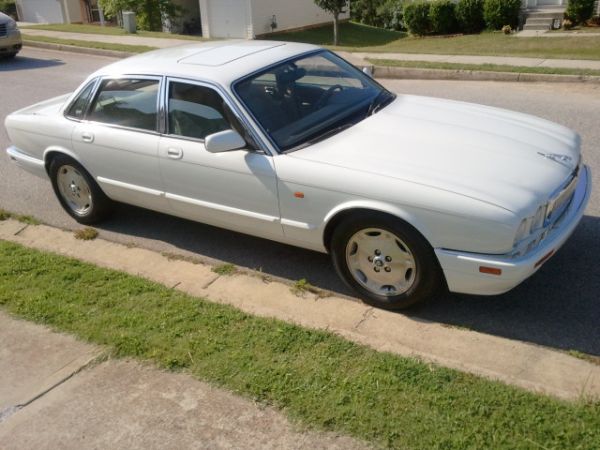
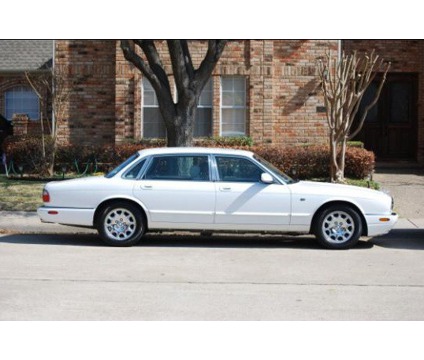
DEM with JAGSome automobile owners, like me and other medical professionals, take pride in their cars. Regardless of whether you bought a new car from the showroom or bought your car used, you want to keep your vehicle looking like new for a long time.

Unfortunately, modern life is the enemy of a great-looking car. Tar and stones from roadways can wreak havoc on beautiful finishes. Other drivers can carelessly dent your car in hospital or mall parking lots, and refuse to accept responsibility for the damage. Debris flying out of trucks, birds, and other problems add to the long list of threats to your car.

The Steps

Rather than accepting dings, scrapes and grime on your car as a fact of life, follow these five steps to keep the exterior of your car looking fabulous.

1. Get Covered

Rain, snow, and sunshine can all adversely affect the exterior of your car. You can do little about the weather while driving your car, but when you get home, you can cover your car to protect its beautiful finish. Although garages offer the best protection against outside forces for your car, you might find out that you can get similar results by using a car port or a portable garage. A portable garage is a flexible cover that you can put over your vehicle to protect its exterior while not in use.

2. Paint Protection Film 

Special products exist that help protect the finish of your car at all times, even while you drive. Paint protection film creates a layer of protection between the exterior surfaces of your car and the environment, so your car can withstand an array of road hazards. This type of product eliminates expensive trips to your dealer’s body shop for touchup work and preserves the resale value of your car.

3. Wash Your Car

Although a carwash can put the exterior of your car in jeopardy, it can help prevent harmful grime build up. If you care a lot for your car, you will give it a loving hand-wash, detail and wax periodically to keep its finish looking great. While you wash, you can look for new scrapes and dents that either you or your dealer can quickly repair before they become ugly and embarrassing.

4. Cautious Parking

Parking lots pose some of the most severe threats to auto exteriors. It is my pet peeve. Regardless of how carefully you park, someone else will come along and park too close to your car, giving your car a free dent. Although often minor, parking-lot damage can cost a lot to repair. Motorists these days live with the fear that a claim will cause their insurance premiums to rise, so they might not take responsibility for denting or scraping your car.

It’s time to take parking into your own hands. You can try taking up two spots when you park, making it impossible for other car doors to reach your vehicle. Also, you can park far away from other cars where most people will never park. The long walk will give you valuable health benefits, and the remote parking spot can help prevent damage to your car.

5. Common Sense

Your best defense against scrapes, dents, and grime might reside under your own hat. Common sense should tell you to avoid roads while they undergo paving line-painting work. Avoid attempting to enter narrow alleys and resist the temptation to drive up to your mailbox when you get home at the end of the day. Never drive your car near trees and bushes. Always avoid dirt or gravel roads. Also, keep your garage and carport clear of tools and other objects that can easily fall and damage your car.

###

Classic XJ-V8-WB Jaguar

###

DE's Jaguar Touring Sedan

###

Jaguar front seat

###

My Jaguar's engine after a steam

###

More

Conclusion

Your thoughts and comments on this ME-P are appreciated. Feel free to review our top-left column, and top-right sidebar materials, links, URLs and related websites, too. Then, subscribe to the ME-P. It is fast, free and secure.

Link: http://feeds.feedburner.com/HealthcareFinancialsthePostForcxos

Speaker: If you need a moderator or speaker for an upcoming event, Dr. David E. Marcinko; MBA – Publisher-in-Chief of the Medical Executive-Post – is available for seminar or speaking engagements. Contact: MarcinkoAdvisors@msn.com

OUR OTHER PRINT BOOKS AND RELATED INFORMATION SOURCES:

DICTIONARIES: http://www.springerpub.com/Search/marcinko
PHYSICIANS: www.MedicalBusinessAdvisors.com
PRACTICES: www.BusinessofMedicalPractice.com
HOSPITALS: http://www.crcpress.com/product/isbn/9781466558731
CLINICS: http://www.crcpress.com/product/isbn/9781439879900
BLOG: www.MedicalExecutivePost.com
FINANCE: Financial Planning for Physicians and Advisors
INSURANCE: Risk Management and Insurance Strategies for Physicians and Advisors

Product DetailsProduct DetailsProduct Details

Product Details  Product Details

Product DetailsProduct Details

Annuities Do Not Belong In 401(k) Plans

Here is Why?

By Rick Kahler CFP

Several weeks ago I wrote about the Setting Every Community Up for Retirement Enhancement (SECURE) Act, which will reform various aspects of US retirement laws. The Act was passed by the House in May and is currently stalled in the Senate.

One of the most troubling of the SECURE Act’s 29 provisions is that it will ease regulations to make it easier for financial salespeople to sell annuities to 401(k) plan participants.

This is alarming, as the act creates a safe harbor for annuities inside 401(k) plans. That means companies choosing to offer annuities would be shielded from liability—no matter how terrible an investment the annuity products may be. This provision has great potential for harm.

Annuities seem always to be a hot financial product in the market place. It’s rare when I interview a new client that they don’t have at least one in their portfolio. Often, it’s the only investment they own. Annuities are not hot because consumers are clamoring to buy them, but rather because annuity sales people love to sell them.

While I rarely recommend them, there are some good things about annuities, especially that earnings grow tax deferred until distributed. They can be useful in this regard in special situations—when stripped of their high fees and commissions. Therein lies the problem.

Sales

Most annuities sold by salespeople inherently contain high fees, big commissions, and high penalties to consumers for taking money out early. What that means for the investor is low returns. For those reasons, the negative aspects of annuities far outweigh any good.

Even worse, annuities have no place being owned by an IRA or, as the SECURE Act would allow, a 401(k) plan. Regardless of fees or commissions, no annuity belongs in a retirement plan. One of my top pet peeves as a financial planner is so-called “financial advisors” who sell people fixed and variable annuities for a retirement account. This makes no sense.

An annuity is a tax-deferred container to put investments in, not an investment itself. It’s what investments are inside it that matters. The same is true of  IRAs and 401(k) retirement plans. Since a retirement plan is already a tax-deferred investment container, it makes no sense to put an annuity—another tax-deferred investment container—inside of it. The silliness of this is obvious to even the most casual observer, unless your livelihood comes from selling these products.

Agents and their companies spare no expense in developing convincing storylines, half-truths, and slight-of-hand explanations of why it makes perfect sense for a retirement plan to own an annuity.

The bottom line is that annuities are sold, they are not bought. The only reason annuities are purchased in someone’s retirement account is because the salesperson receives a much higher commission from the transaction than selling a mutual fund, individual stocks, or CDs.

Why?

So why did our Representatives vote 417-3 to open up investors’ 401(k) plans to these high-cost, high-commissioned, financially disastrous products? I can only surmise that most of them didn’t fully understand what they were voting on and that the insurance lobby did their normal amazing job of selling the alleged benefits of annuities. Oh, and maybe there was a campaign contribution or two.

Assessment

Most annuities are expensive investment vehicles that benefit the salesperson and the company far more than they benefit you. If you are thinking of buying one, or in the future your 401(k) offers the option of buying an annuity, do some digging before you sign on the dotted line. Make sure you get advice first from someone other than the annuity salesperson—someone with no vested interest in selling you this product.

Your thoughts are appreciated.

Risk Management, Liability Insurance, and Asset Protection Strategies for Doctors and Advisors: Best Practices from Leading Consultants and Certified Medical Planners™8Comprehensive Financial Planning Strategies for Doctors and Advisors: Best Practices from Leading Consultants and Certified Medical Planners™

***


What is Cryonics?

Cryonics: Using low temperatures to care for the critically ill

By Aschwin de Wolf

Introduction

In contemporary medicine terminally ill patients can be declared legally dead using two different criteria: whole brain death or cardiorespiratory arrest. Although many people would agree that a human being without any functional brain activity, or even without higher brain function, has ceased to exist as a person, not many people realize that most patients who are currently declared legally dead by cardiorespiratory criteria have not yet died as a person. Or to use conventional biomedical language, although the organism has ceased to exist as a functional, integrated whole, the neuroanatomy of the person is still intact when a patient is declared legally dead using cardiorespiratory criteria.

It might seem odd that contemporary medicine allows deliberate destruction of the properties that make us uniquely human (our capacity for consciousness) unless one considers the significant challenge of keeping a brain alive in a body that has ceased to function as an integrated whole. But what if we could put the brain “on pause” until a time when medical science has become advanced enough to treat the rest of the body, reverse aging, and restore the patient to health?

Myths: https://www.alcor.org/cryomyths.html#myth6

MORE: https://www.alcor.org/

Assessment

Your thoughts are appreciated.

Risk Management, Liability Insurance, and Asset Protection Strategies for Doctors and Advisors: Best Practices from Leading Consultants and Certified Medical Planners™8Comprehensive Financial Planning Strategies for Doctors and Advisors: Best Practices from Leading Consultants and Certified Medical Planners™

***


What is the Feres Doctrine of Medical Malpractice?

The Feres Doctrine

A doctrine that bars claims against the federal government by members of the armed forces and their families for injuries arising from or in the course of activity incident to military service.

***

***

https://en.wikipedia.org/wiki/Feres_v._United_States

***

Risk Management, Liability Insurance, and Asset Protection Strategies for Doctors and Advisors: Best Practices from Leading Consultants and Certified Medical Planners™  Risk Management, Liability Insurance, and Asset Protection Strategies for Doctors and Advisors: Best Practices from Leading Consultants and Certified Medical Planners™

***

LINK: http://www.msn.com/en-us/news/us/dying-us-soldier-fighting-for-the-right-to-sue-military-over-medical-malpractice/ar-AAAZ09p?li=BBnb7Kz

UPDATES

LINK: https://connectingvets.radio.com/articles/feres-doctrine-closer-being-overturned-supreme-court

***

Invite Dr. Marcinko

***

Biohazard Insurance on Rental Property Protects Owners, Tenants

Expensive and Emotional

By Rick Kahler CFP®

The call I recently received from a distraught client dealt with a disturbing question I’d never heard in all my 45 years of owning and selling real estate and my 35 years in financial planning. “Rick, my tenant committed suicide in my rental house. He shot himself. It was such a shock.

And then the biohazard clean up and repairs cost $30,000. My insurance only paid $10,000. What can I do to cover the difference?”

This client, who does not earn a high income, saved for several years to buy her first rental. One year ago she proudly put $30,000 down and borrowed $120,000 to buy a two-bedroom home for $150,000. Like most rentals financed with a loan, excess cash flow is nonexistent; her expenses and loan payment basically equal the rent. Her intention was to eventually have a paid-off rental property to help provide her retirement income.

We explored some options. She could borrow $20,000 with a five-year loan and monthly payments of $377. This would definitely mean reducing her lifestyle. She could sell the house and probably net enough from the proceeds to pay the difference. This would seriously impact her future retirement income goal. She could consider asking the estate of the deceased to cover the costs. The phone went silent as she pondered this idea. “That would be hard.”

The thought of who is legally liable for the damages of such a terrible tragedy is not a pleasant subject to ponder. Compared to the emotional costs for the victim’s loved ones, of course, the financial costs are insignificant. Yet they still must be dealt with.

In a home where a violent death occurs or a natural death goes undiscovered for some time, the owner of the property faces significant biohazard cleanup costs that must be done by specialists. In addition, repairs and replacement furnishings are often required.

Bringing an action against someone’s estate to recover such costs is a choice anyone would be reluctant to make. The estate may not have the means to pay such costs. Even if funds were available, asking for payment could seem cruel, callous, and heartless.

As my daughter said to me, “Put yourself in the shoes of that man’s family for a moment. Imagine the expenses you already have to take care of: the funeral, a casket, a headstone, a cemetery plot, and other duties that you have to carry out while you’re still grieving—only to be told you need to cough up an additional $20,000 dollars on top of it all.”

Certainly, my client is in an unenviable lose/lose position. Through no fault of her own, she either suffers a significant financial setback or faces the possibility of filing a lawsuit against the estate of the deceased.

Sadly, all of this could have been avoided if my client had purchased the proper insurance. She thought she had, because her policy had a rider covering damages from a crime scene and biohazard clean-up. Unfortunately, the coverage capped at $10,000.

I asked Amy Borella, a property casualty agent with Great Western Insurance, what the industry standard is for this kind of coverage. She said, “Every policy can have different endorsements and every company can cover claims differently. There is no standard for how a claim like this would be handled.”

***

***

Assessment

It was a relief to learn that my homeowners and rental policies did have coverage, with no cap. I strongly suggest, if you own rental property, to be sure the same is true for your policies. In case a tragedy should happen, adequate insurance provides protection for both you and your tenants.

Conclusion

Your thoughts and comments on this ME-P are appreciated. Feel free to review our top-left column, and top-right sidebar materials, links, URLs and related websites, too. Then, subscribe to the ME-P. It is fast, free and secure.

Speaker: If you need a moderator or speaker for an upcoming event, Dr. David E. Marcinko; MBA – Publisher-in-Chief of the Medical Executive-Post – is available for seminar or speaking engagements.

Book Marcinko: https://medicalexecutivepost.com/dr-david-marcinkos-bookings/

Subscribe: MEDICAL EXECUTIVE POST for curated news, essays, opinions and analysis from the public health, economics, finance, marketing, IT, business and policy management ecosystem.

MORE FOR DOCTORS:

“Insurance & Risk Management Strategies for Doctors” https://tinyurl.com/ydx9kd93

“Fiduciary Financial Planning for Physicians” https://tinyurl.com/y7f5pnox

“Business of Medical Practice 2.0” https://tinyurl.com/yb3x6wr8

THANK YOU

Risk Management, Liability Insurance, and Asset Protection Strategies for Doctors and Advisors: Best Practices from Leading Consultants and Certified Medical Planners™8Comprehensive Financial Planning Strategies for Doctors and Advisors: Best Practices from Leading Consultants and Certified Medical Planners™

***

National Collector Car Appreciation Day

Join Our Mailing List

Doctors … and their Cars

By Dr. David Edward Marcinko MBA

[Publisher-in-Chief]

Friday July 13th, marks the eighth year in a row the Specialty Equipment Market Association (SEMA) has secured federal acknowledgement of “National Collector Car Appreciation Day (NCCAD),” an annual opportunity to recognize and generate awareness for the collector car hobby.

American Collectors Insurance has partnered with Rides.com to commemorate the occasion at its Cherry Hill, NJ headquarters with a night of cool rides and hot rods.

###

Dr. Marcinko 1972 Vette

###

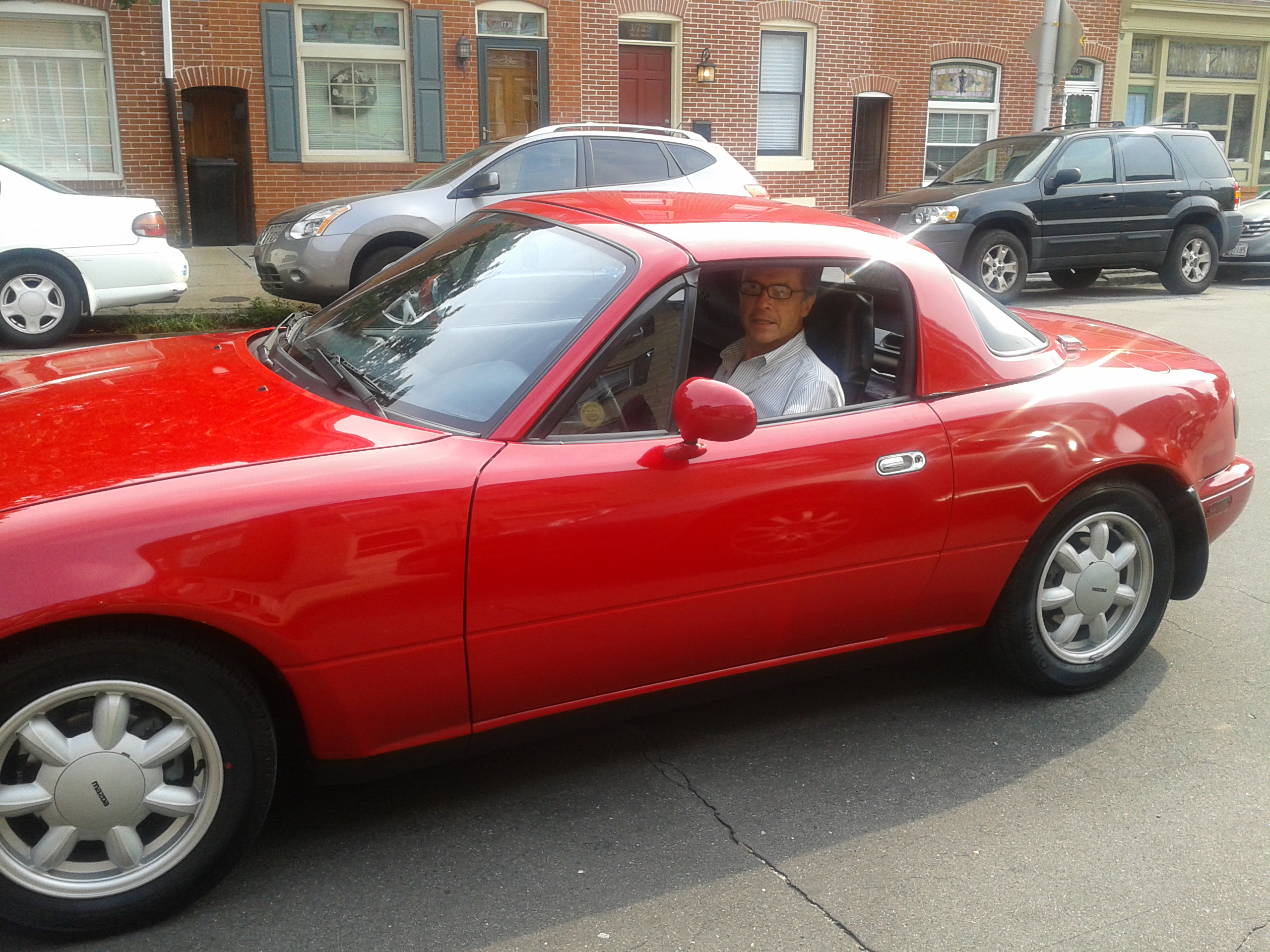
DEM in his 1990 Miata

###

3K33If3L35L75I45F2d5pcefa680cfd0b1c86

###

Assessment

For details on the celebration at the American Collectors Insurance headquarters in Cherry Hill, NJ visit http://www.AmericanCollectors.com/NCCAD/ 

To learn more about National Collector Car Appreciation Day events across the country, visit: www.semaSAN.com/CCAD

MORE: https://www.worldnationaldays.com/collector-car-appreciation-day-2018/

Conclusion

Your thoughts and comments on this ME-P are appreciated. Feel free to review our top-left column, and top-right sidebar materials, links, URLs and related websites, too. Then, subscribe to the ME-P. It is fast, free and secure.

Speaker: If you need a moderator or speaker for an upcoming event, Dr. David E. Marcinko; MBA – Publisher-in-Chief of the Medical Executive-Post – is available for seminar or speaking engagements. Contact: MarcinkoAdvisors@msn.com

OUR OTHER PRINT BOOKS AND RELATED INFORMATION SOURCES:

Product DetailsProduct DetailsProduct Details

Product Details  Product Details

Product DetailsProduct Details

Risk Management, Liability Insurance, and Asset Protection Strategies for Doctors and Advisors: Best Practices from Leading Consultants and Certified Medical Planners™8Comprehensive Financial Planning Strategies for Doctors and Advisors: Best Practices from Leading Consultants and Certified Medical Planners™

Life insurance issues that salespeople would prefer you NOT know!

More on Life Insurance

Rick Kahler MS CFP

By Rick Kahler MSFS, CFP®

Here are three points about life insurance that many life insurance salespeople would prefer you not to know:

  1. Not everyone needs it.
  2. Those who most need it are often least able to afford it.
  3. It is not a good investment.

Let’s take a deeper look at each point.

Not everyone needs life insurance. You probably don’t if you are single, financially independent, don’t have large debts, or own property or a business that will be liquidated upon your death. You need life insurance only if anyone would be put at risk or suffer financially because of your death.

Here are four circumstances when insurance is typically necessary:

  1. Parents with young children. Before the kids are born young couples, who typically are both employed, may not really need life insurance. However, when the first child comes along it’s imperative that there is enough insurance to raise each child to financial self-sufficiency.
  2. Business owners with large debts, key employees, or partners. Without life insurance to pay off business debts, an owner’s heirs might struggle to keep a company going or be forced to sell it. Companies often insure the lives of key employees whose loss would severely affect the business. Life insurance is also routinely used to fund “buy/sell” agreements which specify that the estate of the deceased will sell and the surviving partner(s) will buy the decedent’s interest in the company. This is especially important for a minority partner who could not afford to buy the shares of a deceased majority owner.
  3. Employed spouses close to retirement who haven’t fully funded their retirement plans. This is one that is commonly missed. If a surviving spouse depends upon several more years of retirement plan contributions from a partner’s salary in order to fund an adequate retirement, life insurance could make up the difference.
  4. People with large estates (over about $11 million per individual) in assets that can’t be easily liquidated. This need is rare, but we do see it occasionally. It may apply to farms or ranches where nearly 100% of the value of the estate is in land or a closely held business. In order for someone to pass the land or business on to heirs, it is important to have enough life insurance to cover estate taxes.

Those who most need insurance but can least afford it are often young couples with young children.

Typically these are the years when couples struggle to make ends meet with the demands of student loans, house payments, and the costs of a growing family. The good news is that term insurance is usually very inexpensive.

Life insurance is not a good investment.

In my 35-plus years of doing financial planning I have never, not once, seen anyone fully or partially retire on a life insurance investment.

One reason why is that a significant portion of the premiums in the early years of the policy go to paying out commissions. The loss is really never made up, and it takes years just to get back to even. This fact is cleverly hidden in the sales materials that lead you to believe you will never lose a dime, receive guaranteed returns, and get a tax-free income for life. These claims are true, but they are not the whole story.

Assessment

When making decisions about life insurance, remember that it is not meant as a source of income, but as a means to replace income or to pay taxes or debts. Used appropriately, life insurance is a valuable and affordable financial planning resource.

Conclusion

Your thoughts and comments on this ME-P are appreciated. Feel free to review our top-left column, and top-right sidebar materials, links, URLs and related websites, too. Then, subscribe to the ME-P. It is fast, free and secure.

Speaker: If you need a moderator or speaker for an upcoming event, Dr. David E. Marcinko; MBA – Publisher-in-Chief of the Medical Executive-Post – is available for seminar or speaking engagements. https://medicalexecutivepost.com/dr-david-marcinkos-bookings/


Contact: MarcinkoAdvisors@msn.com

https://www.crcpress.com/Risk-Management-Liability-Insurance-and-Asset-Protection-Strategies-for/Marcinko-Hetico/p/book/9781498725989

***

USA Trends in Disability

Adjusted-Life-Years

***

***

Conclusion

Your thoughts and comments on this ME-P are appreciated. Feel free to review our top-left column, and top-right sidebar materials, links, URLs and related websites, too. Then, subscribe to the ME-P. It is fast, free and secure. 

Speaker: If you need a moderator or speaker for an upcoming event, Dr. David E. Marcinko; MBA – Publisher-in-Chief of the Medical Executive-Post – is available for seminar or speaking engagements. https://medicalexecutivepost.com/dr-david-marcinkos-bookings/

 Contact: MarcinkoAdvisors@msn.com

  Risk Management, Liability Insurance, and Asset Protection Strategies for Doctors and Advisors: Best Practices from Leading Consultants and Certified Medical Planners™

***

Insurers Can Break the Gordian Knot of Commoditization

How Insurers Can Break the Gordian Knot of Commoditization

[A Bain Infographic]

Insurance companies don’t have much contact with customers, making it hard to build loyalty.

But, this Bain research shows how insurers can build loyalty by focusing on ecosystem services.

***

***

http://www.bain.com/publications/articles/insurance-loyalty-2017-infographic.aspx

***

https://www.crcpress.com/Comprehensive-Financial-Planning-Strategies-for-Doctors-and-Advisors-Best/Marcinko-Hetico/p/book/9781482240283

Royal College of General Practitioners Recommends: “Comprehensive Financial Planning Strategies for Doctors and Advisors”

 Join Our Mailing List

Comprehensive Financial Planning Strategies for Doctors and Advisors

RECOMMENDATION

***

rcgp-logo

Drawing on the expertise of multi-degreed doctors, and multi-certified financial advisors, Comprehensive Financial Planning Strategies for Doctors and Advisors [Best Practices from Leading Consultants and Certified Medical Planners™] will shape the industry landscape for the next generation as the current ecosystem strives to keep pace.

Traditional generic products and sales-driven advice will yield to a new breed of deeply informed financial advisor or Certified Medical Planner™.

The profession is set to be transformed by “cognitive-disruptors” that will significantly impact the $2.8 trillion healthcare marketplace for those financial consultants serving this challenging sector. There will be winners and losers.

The text, which contains 24 chapters and champions healthcare providers while informing financial advisors, is divided into four sections compete with glossary of terms, Certified Medical Planner™ curriculum content, and related information sources.

cmp

http://www.CertifiedMedicalPlanner.org

1. For ALL medical providers and financial industry practitioners
2. For NEW medical providers and financial industry practitioners
3. For MID-CAREER medical providers and financial industry practitioners
4. For MATURE medical providers and financial industry practitioners

Using an engaging style, the book is filled with authoritative guidance and healthcare-centered discussions, providing the tools and techniques to create a personalized financial plan using professional advice.

Comprehensive coverage includes topics likes behavioral finance, modern portfolio theory, the capital asset pricing model, and arbitrage pricing theory; as well as insider insights on commercial real estate; high frequency trading platforms and robo-advisors; the Patriot and Sarbanes–Oxley Acts; hospital endowment fund management, ethical wills, giving, and legacy planning; and divorce and other special situations.

The result is a codified “must-have” book, for all health industry participants, and those seeking advice from the growing cadre of financial consultants and Certified Medical Planners™ who seek to “do well by doing good,” dispensing granular physician-centric financial advice:

Omnia pro medicus-clientis

  Risk Management, Liability Insurance, and Asset Protection Strategies for Doctors and Advisors: Best Practices from Leading Consultants and Certified Medical Planners™8Comprehensive Financial Planning Strategies for Doctors and Advisors: Best Practices from Leading Consultants and Certified Medical Planners™

DR. DAVID EDWARD MARCINKO MBA CMP™

ISBN Number: 9781482240283

Number of pages: 744

Publisher: CRC Press

reward

AWARDS

***

Home Owner’s Inventory

More on Home Owner’s Insurance

By Rick Kahler CFP®

In my experience, the number-one reason people engage a financial planner is to sleep better at night. That doesn’t mean planners give advice on what kind of mattress to buy. The sleep aids we provide are more about peace of mind.

Example:

For example, you may be sleeping just fine, thank you, because your home and contents are covered by homeowners insurance. A planner might disturb your sleep by helping you look at whether you’re getting the most protection from that insurance.

The first is having a detailed listing of all your home’s contents, along with proofs of purchase and serial numbers. If a fire or flood destroys some possessions, the insurance company will need a detailed list of everything that was lost.

You have that list, right? It’s safely stored in a secure location other than your home, correct? And you update it annually? Congratulations, you are one of the .01% of homeowners that do!

Now, let’s be serious. There is a high probability you don’t do this and you are not losing sleep over it. Last time you checked, the amount of insurance to cover your home’s contents seemed so high you could replace everything in your house and have enough left over to furnish your neighbor’s place.

While you may be right about that, you could be terribly wrong.

Do you know for sure?

Maybe, if you don’t have expensive artwork or jewelry, you assume your ordinary belongings wouldn’t be that expensive to replace. This isn’t necessarily the case. If your refrigerator or washer and dryer are old enough to vote, you might be shocked at what it would cost to buy new ones today. Or think about what you might spend if you had to replace all the tools in your garage at once. How can you know the true cost of replacing all the contents in your home and that your insurance is high enough to replace them? By having an inventory of them and a reasonable idea of their current replacement cost.

If that isn’t enough to disturb your sleep, consider this: A fire doesn’t burn your house to the ground, but the contents in just a portion of it are destroyed. Now you really need that list. How are you going to prove that your $5,000 upscale mattress wasn’t a generic $800 version, or that your silverware was actually made from silver, not steel? Just having enough coverage won’t help you in this situation. This may leave you thinking maybe you should have a better plan than praying, “If there is a disaster to my home, please let it be a complete one.”

***

***
The good news is there is an easy way to document everything in your home without having to make a detailed list with attached receipts and serial numbers. Simply get out your smartphone, walk through your house, and make a video recording of everything in it. In addition to filming furniture, fixtures, and wall hangings, be sure to open drawers, closets, and boxes. Capture the serial numbers of big ticket items and be sure to include the garage, all collections, china, silverware, and expensive antiques. Then store copies of the video in several places, including on the cloud and at least one flash drive located outside your home. Update your video once a year.

Assessment

If updating the contents portion of your insurance and making a video inventory don’t help you sleep better, maybe the problem really is your mattress. My advice is to do some research through Consumer Reports before you buy a new one—and be sure you add it to your home-contents video. 

Conclusion

Your thoughts and comments on this ME-P are appreciated. Feel free to review our top-left column, and top-right sidebar materials, links, URLs and related websites, too. Then, subscribe to the ME-P. It is fast, free and secure.

Speaker: If you need a moderator or speaker for an upcoming event, Dr. David E. Marcinko; MBA – Publisher-in-Chief of the Medical Executive-Post – is available for seminar or speaking engagements. Contact: MarcinkoAdvisors@msn.com

OUR OTHER PRINT BOOKS AND RELATED INFORMATION SOURCES:

Risk Management, Liability Insurance, and Asset Protection Strategies for Doctors and Advisors: Best Practices from Leading Consultants and Certified Medical Planners™8Comprehensive Financial Planning Strategies for Doctors and Advisors: Best Practices from Leading Consultants and Certified Medical Planners™

***

Leading Causes of Unintentional Injury Death

Ages 15-24 in 2015

By http://www.MCOL.com

***

***

Conclusion

Your thoughts and comments on this ME-P are appreciated. Feel free to review our top-left column, and top-right sidebar materials, links, URLs and related websites, too. Then, subscribe to the ME-P. It is fast, free and secure.

Speaker: If you need a moderator or speaker for an upcoming event, Dr. David E. Marcinko; MBA – Publisher-in-Chief of the Medical Executive-Post – is available for seminar or speaking engagements. Contact: MarcinkoAdvisors@msn.com

OUR OTHER PRINT BOOKS AND RELATED INFORMATION SOURCES:

Risk Management, Liability Insurance, and Asset Protection Strategies for Doctors and Advisors: Best Practices from Leading Consultants and Certified Medical Planners™         Risk Management, Liability Insurance, and Asset Protection Strategies for Doctors and Advisors: Best Practices from Leading Consultants and Certified Medical Planners™

***

MARCINKO’s Upcoming WEBINARS from MentorHealth

Join Our Mailing List

Sponsored Advertisement

MentorHealth

MentorHealth, the sponsor of these ME-P webinars, is a comprehensive training source for healthcare professionals that is high on value, but not on cost. MentorHealth is the right training solution for physicians and healthcare professionals. With MentorHealth webinars, doctors can make the best use of time, talent and treasure to benefit their continuing professional education needs.

So, it is no wonder why they partnered up with the ME-P to produce these three exciting and timely Webinars, delivered by our own Publisher-in-Chief and Distinguished Professor David Edward Marcinko.

***

A Medical Malpractice Trial From The Doctor’s POV

Even among the sciences, medicine occupies a special position. Its practitioners come into direct and intimate contact with people in their daily lives they are present at the critical transitional moments of existence.

For many people, they are the only contact with a world that otherwise stands at a forbidding distance. Often in pain, fearful of death, the sick have a special thirst for reassurance and vulnerability to belief.

When this trust is violated, whether rooted in factual substance or merely a conclusion lacking in reality, American jurisprudence offers several remedies with the core being civil litigation. We have personally witnessed a spectrum of reasons that prompts a patient to seek the counsel of an attorney.

Monday, February 6, 2017

10:00 AM PST | 01:00 PM EST

60 Minutes

$139.00

Medical Workplace Violence Issues

Violence in hospitals usually results from patients, and occasionally family members, who feel frustrated, vulnerable, and out of control. Transporting patients,long waits for service,inadequate security, poor environmental design, and unrestricted movement of the public are associated with increased risk of assault in hospitals and may be significant factors in social services workplaces as well.

A lack of staff training and the absence of violence prevention programming are also associated with the elevated risk of assault in hospitals.

Although anyone working in a hospital may become a victim of violence, nurses and aides who have the most direct contact with patients are at higher risk.

Wednesday, February 22, 2017

10:00 AM PST | 01:00 PM EST

60 Minutes

$139.00

Romantic Patient Advances

Within the medical practice, clinic, hospital or university setting, faculty and supervisors exercise significant power and authority over others. Therefore, primary responsibility for maintaining high standards of conduct resides especially with those in faculty and supervisor positions.

Members of the medical faculty and staff, including graduate assistants, are prohibited from having “Amorous Relationships”with students over whom they have “Supervisory Responsibilities.” “Supervisory Responsibilities”are defined as teaching, evaluating, tutoring, advocating, counseling and/or advising duties performed currently and directly, whether within or outside the office, clinic or hospital setting by a faculty, staff member or graduate assistant, with respect to a medical, nursing or healthcare professional student.

Such responsibilities include the administration, provision or supervision of all academic, co-curricular or extra- curricular services and activities, opportunities, awards or benefits offered by or through the health entity or its personnel in their official capacity.

Monday, March 13, 2017

10:00 AM PST | 01:00 PM EST

60 Minutes

$139.00

***

MORE:

http://www.mentorhealth.com/control/webinarsearch?speaker_id=41224

***

WEBINAR NOTE: These are online interactive training courses using which, professionals from any part of the world have the opportunity to listen to and converse with some of the best-known experts in the HR Industry. These are offered in live & recorded format for single & multiple users (corporate plans ). Under recorded format each user gets unlimited access for six months. Corporate plans give you the best return on your investment as we do not have upper limit on the number of participants who can take part in webinar.

***

Vital Financial Texts for Doctors

SPONSORED

http://www.CertifiedMedicalPlanner.org

Join Our Mailing List

PHYSICIAN FOCUSED FINANCIAL PLANNING AND RISK MANAGEMENT COMPANION TEXTBOOK SET

***

 Risk Management, Liability Insurance, and Asset Protection Strategies for Doctors and Advisors: Best Practices from Leading Consultants and Certified Medical Planners™           Comprehensive Financial Planning Strategies for Doctors and Advisors: Best Practices from Leading Consultants and Certified Medical Planners™

[Dr. Cappiello PhD MBA] *** [Foreword Dr. Krieger MD MBA]

Front Matter with Foreword by Jason Dyken MD MBA

Enter the CMPs

***

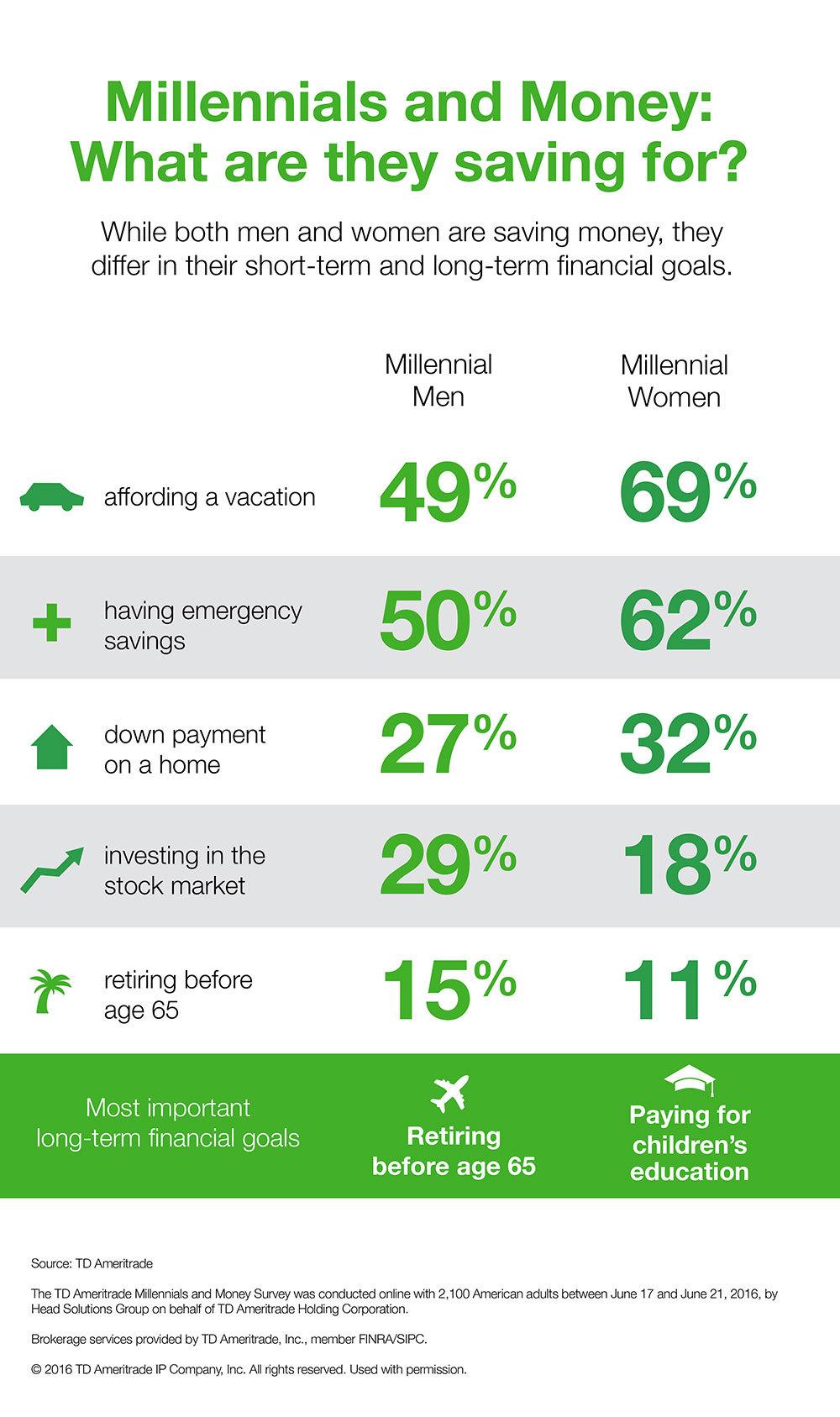
Money and Millennials?

Join Our Mailing List

By TD Waterhouse

Savings Goals

***

***

Conclusion

Your thoughts and comments on this ME-P are appreciated. Feel free to review our top-left column, and top-right sidebar materials, links, URLs and related websites, too. Then, subscribe to the ME-P. It is fast, free and secure.

Speaker: If you need a moderator or speaker for an upcoming event, Dr. David E. Marcinko; MBA – Publisher-in-Chief of the Medical Executive-Post – is available for seminar or speaking engagements. Contact: MarcinkoAdvisors@msn.com

OUR OTHER PRINT BOOKS AND RELATED INFORMATION SOURCES:

***

Risk Management, Liability Insurance, and Asset Protection Strategies for Doctors and Advisors: Best Practices from Leading Consultants and Certified Medical Planners™8Comprehensive Financial Planning Strategies for Doctors and Advisors: Best Practices from Leading Consultants and Certified Medical Planners™

***

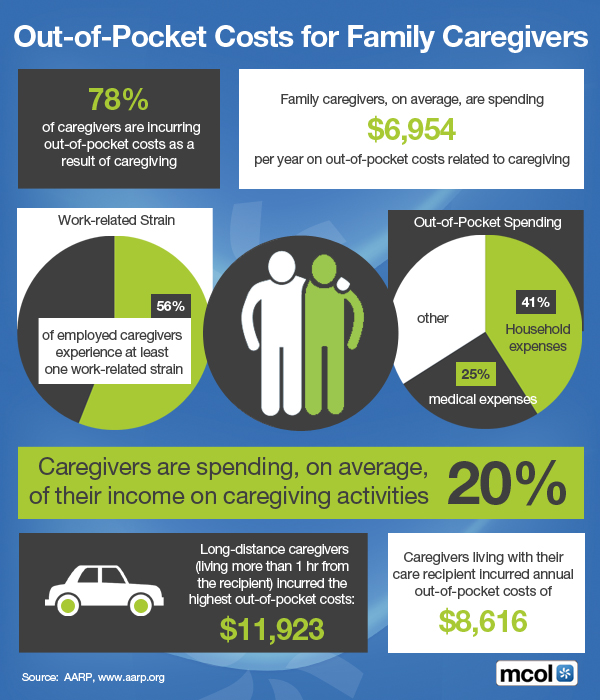
Family Caregivers Costs

Join Our Mailing List

By http://www.MCOL.com

Out-of-Pocket Expenses

***

graphoid112316

***

Conclusion

Your thoughts and comments on this ME-P are appreciated. Feel free to review our top-left column, and top-right sidebar materials, links, URLs and related websites, too. Then, subscribe to the ME-P. It is fast, free and secure.

Speaker: If you need a moderator or speaker for an upcoming event, Dr. David E. Marcinko; MBA – Publisher-in-Chief of the Medical Executive-Post – is available for seminar or speaking engagements. Contact: MarcinkoAdvisors@msn.com

OUR OTHER PRINT BOOKS AND RELATED INFORMATION SOURCES:

Risk Management, Liability Insurance, and Asset Protection Strategies for Doctors and Advisors: Best Practices from Leading Consultants and Certified Medical Planners™8Comprehensive Financial Planning Strategies for Doctors and Advisors: Best Practices from Leading Consultants and Certified Medical Planners™

***

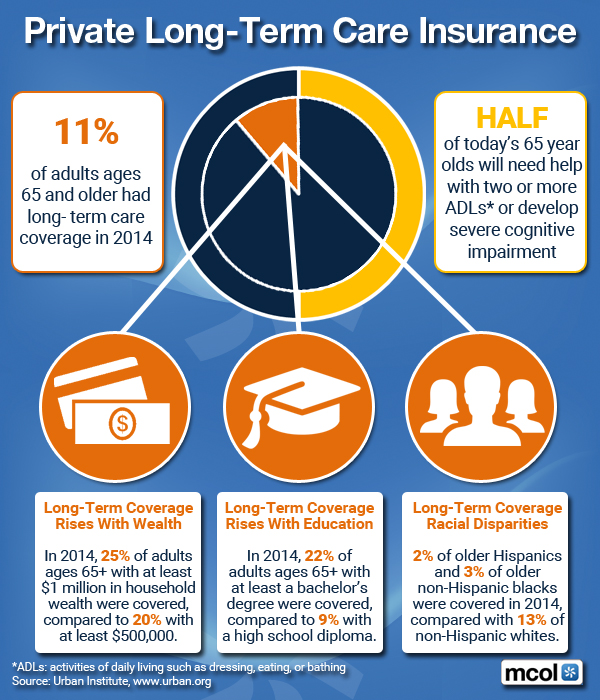
More on Private LTCI

Join Our Mailing List

By http://www.MCOL.com

***

graphoid082416

***

Conclusion

Your thoughts and comments on this ME-P are appreciated. Feel free to review our top-left column, and top-right sidebar materials, links, URLs and related websites, too. Then, subscribe to the ME-P. It is fast, free and secure.

Speaker: If you need a moderator or speaker for an upcoming event, Dr. David E. Marcinko; MBA – Publisher-in-Chief of the Medical Executive-Post – is available for seminar or speaking engagements. Contact: MarcinkoAdvisors@msn.com

OUR OTHER PRINT BOOKS AND RELATED INFORMATION SOURCES:

Comprehensive Financial Planning Strategies for Doctors and Advisors: Best Practices from Leading Consultants and Certified Medical Planners™

***

A Distracted Driving Video

Join Our Mailing List

By Amanda Scherer

#PutDownthePhone 

***

00E0E_98z7qbolIeM_600x450

***

#PutDownthePhone – Canada Distracted Driving Video

Conclusion

Your thoughts and comments on this ME-P are appreciated. Feel free to review our top-left column, and top-right sidebar materials, links, URLs and related websites, too. Then, subscribe to the ME-P. It is fast, free and secure.

Speaker: If you need a moderator or speaker for an upcoming event, Dr. David E. Marcinko; MBA – Publisher-in-Chief of the Medical Executive-Post – is available for seminar or speaking engagements. Contact: MarcinkoAdvisors@msn.com

OUR OTHER PRINT BOOKS AND RELATED INFORMATION SOURCES:

***

Comprehensive Financial Planning Strategies for Doctors and Advisors: Best Practices from Leading Consultants and Certified Medical Planners™

American Mortality Trends

Join Our Mailing List

For 2000 – 2015

By http://www.MCOL.com

***

ImageProxy

***

Conclusion

Your thoughts and comments on this ME-P are appreciated. Feel free to review our top-left column, and top-right sidebar materials, links, URLs and related websites, too. Then, subscribe to the ME-P. It is fast, free and secure.

Speaker: If you need a moderator or speaker for an upcoming event, Dr. David E. Marcinko; MBA – Publisher-in-Chief of the Medical Executive-Post – is available for seminar or speaking engagements. Contact: MarcinkoAdvisors@msn.com

OUR OTHER PRINT BOOKS AND RELATED INFORMATION SOURCES:

 Product DetailsProduct DetailsProduct Details

***

Auto Rental Insurance Warnings!

Join Our Mailing List

Rick Kahler MS CFPBy Rick Kahler MS CFP®

Doctors and many other travelers, including me, rarely purchase the insurance offered by the car rental company. The daily charge of $20-$40 is expensive, and the coverage often unnecessarily duplicates that provided by your credit cards and personal auto policy.

No Assumptions!

Before you assume you don’t need the rental insurance, though, it’s wise to take a closer look at where you’ll be traveling and whether your existing coverage will take care of all potential costs. There are times that taking the insurance can alleviate some nasty surprises.

The insurance can be a good idea if you rent a car outside of the US. As I’ve discovered first-hand, being in a country where roads double as paths for livestock, or one where people drive on the “wrong” side of the road, can increase your risk of minor accidents. While in some countries my US policy will cover damage, I don’t enjoy the prospect of spending countless frustrating hours as an intermediary between the foreign rental company and my US insurance carrier. I am happy to pay for the insurance and avoid heated arguments with the rental company over whether any damage was pre-existing, much less the hassle of negotiating repair bills.

It is important, though, to buy insurance carefully. On a recent trip to South Africa I rented a car and purchased the insurance online. When I returned the car, the agent said I had scratched the paint. Not wanting to waste time arguing, I pointed out I had purchased their insurance, thinking that was the end of the discussion. It wasn’t. The insurance offered on the site where I rented the car was a third party policy, not one offered by the car rental company. That meant the car rental company would charge me for the alleged damage. Then it was up to me to slug it out with the third party insurer. This left me taking pictures of the alleged damage, filling out damage reports, and arguing with the rental company agent. By the time I checked in for my flight home, I was tense and stressed: exactly what I intended to avoid by purchasing the insurance.

Beware loss-of-use Charges

Another instance where taking the rental company’s insurance can be beneficial is to avoid loss-of-use charges if you damage a rental vehicle. This is a fee the rental company charges to cover the income it loses while a vehicle is in the repair shop. Companies used to absorb this cost, but in recent years they have begun to charge consumers for it. The catch is that the coverage you have through your regular auto insurance or your credit card may not pay loss-of-use charges.

A few states (Alaska, Connecticut, Louisiana, Minnesota, New York, North Dakota, Rhode Island and Texas) mandate that insurers automatically pay loss-of-use claims. If you don’t live in one of these states, it’s a good idea to verify whether your credit card will cover these fees.

***

DEM's Jag XJ-V8-L

***

Visa and MasterCard Card?

According to AutoSlash.com, a website focused on helping consumers save money on car rentals, Visa does cover loss-of-use charges. However, it uses “fleet utilization logs” from the car rental company to verify the claim. Obtaining those records can take time and be a hassle.

MasterCard may cover some loss-of-use charges, but check the restrictions. American Express offers a separate car rental protection policy; the premium is likely to be cheaper than the premium charged by a car rental company.

Assessment

Never buying car rental insurance isn’t necessarily a wiser choice than always buying it. As the consumer, it’s up to you to do enough research to decide whether the insurance is a product you need.

Conclusion

Your thoughts and comments on this ME-P are appreciated. Feel free to review our top-left column, and top-right sidebar materials, links, URLs and related websites, too. Then, subscribe to the ME-P. It is fast, free and secure.

Speaker: If you need a moderator or speaker for an upcoming event, Dr. David E. Marcinko; MBA – Publisher-in-Chief of the Medical Executive-Post – is available for seminar or speaking engagements. Contact: MarcinkoAdvisors@msn.com

OUR OTHER PRINT BOOKS AND RELATED INFORMATION SOURCES:

Risk Management, Liability Insurance, and Asset Protection Strategies for Doctors and Advisors: Best Practices from Leading Consultants and Certified Medical Planners™8Comprehensive Financial Planning Strategies for Doctors and Advisors: Best Practices from Leading Consultants and Certified Medical Planners™

***

Life Expectancy Income Disparities

Join Our Mailing List

By http://www.MCOL.com

***

***

Conclusion

Your thoughts and comments on this ME-P are appreciated. Feel free to review our top-left column, and top-right sidebar materials, links, URLs and related websites, too. Then, subscribe to the ME-P. It is fast, free and secure.

Speaker: If you need a moderator or speaker for an upcoming event, Dr. David E. Marcinko; MBA – Publisher-in-Chief of the Medical Executive-Post – is available for seminar or speaking engagements. Contact: MarcinkoAdvisors@msn.com

OUR OTHER PRINT BOOKS AND RELATED INFORMATION SOURCES:

Product DetailsProduct DetailsProduct Details

***
Physician Characteristics Prone to Malpractice Claims

Join Our Mailing List

By http://www.MCOL.com

***

ImageProxy

***

Conclusion

Your thoughts and comments on this ME-P are appreciated. Feel free to review our top-left column, and top-right sidebar materials, links, URLs and related websites, too. Then, subscribe to the ME-P. It is fast, free and secure.

Speaker: If you need a moderator or speaker for an upcoming event, Dr. David E. Marcinko; MBA – Publisher-in-Chief of the Medical Executive-Post – is available for seminar or speaking engagements. Contact: MarcinkoAdvisors@msn.com

OUR OTHER PRINT BOOKS AND RELATED INFORMATION SOURCES:

  Risk Management, Liability Insurance, and Asset Protection Strategies for Doctors and Advisors: Best Practices from Leading Consultants and Certified Medical Planners™

***
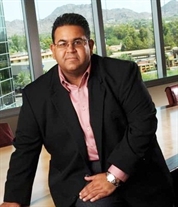
The Importance of Talking about End-of-Life Care

Join Our Mailing List

By Samantha Wanner  [VITAS Healthcare]

Watch this short animation to learn why advance directives are so important.

***

What Do You Want?

It’s not easy, but the medical treatments you would want near the end of life need to be discussed with others. If you never bring up the topic and you were unexpectedly incapacitated and unable to speak for yourself, your medical wishes would never be known.

Despite the topic’s importance, only 27% of Americans report having talked with their families about end-of-life care. The best way to make your medical wishes known is to create an advance directive and share it with your family and your doctor.

Advance Directives

An advance directive is actually two legal documents that enable you to plan and communicate your end-of-life wishes.  When you create your advance directive, you are being proactive about your medical care and sparing your loved ones from having to make difficult medical decisions in a time of crisis.

***

end_of_life_infographic

***

Assessment

Don’t wait for a crisis. Create your advance directive, share copies with your loved ones and doctor and keep your copy in an accessible location others can find.

Conclusion

Your thoughts and comments on this ME-P are appreciated. Feel free to review our top-left column, and top-right sidebar materials, links, URLs and related websites, too. Then, subscribe to the ME-P. It is fast, free and secure.

Speaker: If you need a moderator or speaker for an upcoming event, Dr. David E. Marcinko; MBA – Publisher-in-Chief of the Medical Executive-Post – is available for seminar or speaking engagements. Contact: MarcinkoAdvisors@msn.com

OUR OTHER PRINT BOOKS AND RELATED INFORMATION SOURCES:

            Risk Management, Liability Insurance, and Asset Protection Strategies for Doctors and Advisors: Best Practices from Leading Consultants and Certified Medical Planners™    Risk Management, Liability Insurance, and Asset Protection Strategies for Doctors and Advisors: Best Practices from Leading Consultants and Certified Medical Planners™

 Harvard Medical School

Yale University

***

How Much Will a Ticket Raise My Car Insurance Rates?

Join Our Mailing List

[By Dr. David E. Marcinko MBA]

Be careful out there!

A GMAC survey revealed that 1 in 5 drivers would not pass the written driver’s test if they took it today. And, getting a ticket will raise your car insurance rate, but by how much?

The Survey

The survey found that reckless driving triggers the highest hike — an average increase of 22 percent — yet many drivers aren’t even sure what constitute reckless driving?

***

DEM in his 1990 Miata

***

Reckless Driving

Depending on state laws, reckless driving can be defined as: driving over 80 mph, driving too fast for weather conditions, knowingly driving in a way that endangers others.

Conclusion

Your thoughts and comments on this ME-P are appreciated. Feel free to review our top-left column, and top-right sidebar materials, links, URLs and related websites, too. Then, subscribe to the ME-P. It is fast, free and secure.

Speaker: If you need a moderator or speaker for an upcoming event, Dr. David E. Marcinko; MBA – Publisher-in-Chief of the Medical Executive-Post – is available for seminar or speaking engagements. Contact: MarcinkoAdvisors@msn.com

OUR OTHER PRINT BOOKS AND RELATED INFORMATION SOURCES:

Risk Management, Liability Insurance, and Asset Protection Strategies for Doctors and Advisors: Best Practices from Leading Consultants and Certified Medical Planners™

***

The 5 – 100 Rule

Join Our Mailing List

Don’t Fall Asleep on Variable Life Insurance Policies

DEM white  shirt

[By Dr. David E. Marcinko MBA CMP®]

http://www.CertifiedMedicalPlanner.org

cmp-logo16

OK; I admit it. I held life insurance license for almost a decade. But, don’t hold that against me.

With any universal life insurance policy (and certainly all variable life policies), fluctuating rates of return, the actual timing of the premium payments, and potential internal policy changes by the insurance company, all contribute to results that will probably differ substantially from the original illustration. So, be sure to monitor them periodically.

The Rule

As a professor of health economics, I know the 5 – 100 Rule states that as a result of accounting for these elements, all initial projections of cash value beyond 5 years, will necessarily be 100 percent incorrect when compared to actuality.

***

1447962729383

[Don’t Fall Asleep on Variable Life Insurance Policies]

***

Assessment

A prudent physician policy owner should therefore keep on top of any changes and react accordingly.  If a policy owner ignores his/her policy for even 5 years, any adverse changes could be so drastic as to make rectifying them very costly.

Conclusion

Your thoughts and comments on this ME-P are appreciated. Feel free to review our top-left column, and top-right sidebar materials, links, URLs and related websites, too. Then, subscribe to the ME-P. It is fast, free and secure.

Speaker: If you need a moderator or speaker for an upcoming event, Dr. David E. Marcinko; MBA – Publisher-in-Chief of the Medical Executive-Post – is available for seminar or speaking engagements. Contact: MarcinkoAdvisors@msn.com

OUR OTHER PRINT BOOKS AND RELATED INFORMATION SOURCES:

Risk Management, Liability Insurance, and Asset Protection Strategies for Doctors and Advisors: Best Practices from Leading Consultants and Certified Medical Planners™8Comprehensive Financial Planning Strategies for Doctors and Advisors: Best Practices from Leading Consultants and Certified Medical Planners™

***

Managing Risks as [Doctor] Parent

Join Our Mailing List

Kids Create Substantial Risks for 

[Physician] Parents!

IKE

A Special ME-P Report

[By Ike Devji JD]

The number of ways that children are creating substantial risks for their [physician] parents is at an all-time high as many parents are unfortunately aware; as we begin 2016. Increased defensive planning or education by most parents despite increasingly common litigation for this vicarious liability has not increased commensurately with this risk.

Some of you believe that your kids are better behaved, smarter, and more sensible than those we hear about in the news. Such exposures are unpredictable and often arise from mundane activities you never imagined could be so serious.

Part of the discussion we encourage [physician] parents to have with their children includes a detailed explanation of the fact that you as a parents are personally financially and legally responsible (up to the level of criminal liability) for any harm, damage, or loss cause by their minor children.

Example:

In one example; a successful physician left town for the weekend with his wife, and his 17-year-old daughter threw a party at their home in a pattern repeated in nearly city in the country every weekend. Tragically, a teenager whom she had never met before crashed the party and died after he overdosed on drugs he brought with him resulting is a lawsuit against the young lady’s parents that sought damages in excess of three million dollars. Neither the young lady, nor her parents, nor anyone else in the tony private-school community of gated homes imagined that something like could happen in their nice neighborhood and the resulting claim was in excess of the limits of the homeowner’s liability policy the family had in place. Dozens of other parentally liability exposures seen over the years have come from much more mundane issues.

Negligent Supervision and Negligent Entrustment

Two ways liability is linked back to parents include negligent entrustment (providing the means or access to things or situations where some reasonably anticipatable harm occurs) and negligent supervision (basically infers that the harm would not have occurred if the minor had been properly supervised). This liability extends to others that have custody or are entrusted with supervision, so any guardian is at risk if the harm would have been prevented absent the access to the thing that created the harm and/or inadequate supervision. It also creates potential liability for you for the children of others you have custody of, even overnight for a slumber party.

Some Specific Recurring High Risk Issues:

  1. Automobiles: Minor children must be specifically named and insured on any vehicle they drive. Parents are generally liable for what minors do behind the wheel, permitted or not. If they are irresponsible drivers or if they take the car without permission you must take control of the car and treat it like a loaded weapon that’s pointed at everything you own and possibly their very own survival. Your high school senior cutting class with her friends and piling them into your car to go to Starbucks for “ditch day” is remarkably less charming when, for instance, she loses control of the vehicle on the way back to school and two of her passengers are critically injured as happened in one recent case. Thanks to commonly available and inexpensive software and tracking devices, not to mention the tracking software on your kid’s iPhones you can know where they and your vehicle are at all times.

***

Waxed Jaguar

***

  1. Access to Firearms and Other Dangerous Items: If you have guns in your home (or bows and arrows, ATVs, jet skis, a swimming pool, prescription drugs, or anything else that can be misused) you are legally and financially responsible for not only personal injury and property damage but in some states and fact patterns even criminal liability for the actions of your child and his friends. The cost of defense counsel alone could be financially fatal considering the possibility of someone getting injured or killed and the resulting liability and consequences.

***

glock-23-3rd-gen-guns-14515485-2175-1425

***

Conclusion

Your thoughts and comments on this ME-P are appreciated. Feel free to review our top-left column, and top-right sidebar materials, links, URLs and related websites, too. Then, subscribe to the ME-P. It is fast, free and secure.

Speaker: If you need a moderator or speaker for an upcoming event, Dr. David E. Marcinko; MBA – Publisher-in-Chief of the Medical Executive-Post – is available for seminar or speaking engagements. Contact: MarcinkoAdvisors@msn.com

OUR OTHER PRINT BOOKS AND RELATED INFORMATION SOURCES:

***

Risk Management, Liability Insurance, and Asset Protection Strategies for Doctors and Advisors: Best Practices from Leading Consultants and Certified Medical Planners™8Risk Management, Liability Insurance, and Asset Protection Strategies for Doctors and Advisors: Best Practices from Leading Consultants and Certified Medical Planners™

***

The “Perfect” Holiday Gift for your Favorite Doctor – YES REALLY!

http://www.CertifiedMedicalPlanner.org

Now, is the perfect time of year to consider one, or all, of these texts as the perfect holiday gift for your favorite doctor, or allied health care professional.

Also, may be used as a client-prospecting tool for Financial Advisors, Wealth and Practice Managers, and CPAs, etc.

Smile, learn and prosper with iMBA in 2016.

***holiday_gift***

Last Generation Holiday Gift for MDs

***

RECENT BOOKS FROM iMBA, Inc.

Comprehensive Financial Planning Strategies for Doctors and Advisors: Best Practices from Leading Consultants and Certified Medical Planners(TM)      

Product DetailsProduct Details

Product DetailsProduct DetailsProduct Details

    Product Details

  Next Generation Holiday Gifts for MDs

***

14 Smart Things to Consider for Your 2015 Year-End Financial Checklist

Join Our Mailing List

Be Ready for a Great 2016!

pat

[By Patrick Bourbon CFA]

1. IRA – 401(k) / 403(b) retirement accounts – Are you on track for a comfortable retirement?   You could increase the funding of your IRA and company retirement plan like a 401(k) or 403(b) accounts.   401(k) and 403(b) accounts allow individuals younger than 50 to contribute $18,000 each year, and individuals 50 and older to contribute $24,000. Some plans allow workers to make additional contributions of after-tax money.

For those under 50, the maximum is $53,000 for 2015. Doing so does not reduce your taxable income, but taxes are deferred on any earnings that the after-tax money makes. Later, some people roll these contributions into a Roth IRA, tax-free so the money would then grow tax-free.   Traditional and Roth IRAs allow individuals younger than 50 to contribute $5,500 each year and individuals 50 and older to contribute $6,500. Even if you earn too much to contribute to a Roth IRA directly, you can open a traditional nondeductible IRA and convert it to a Roth; there is no income limit on traditional nondeductible IRAs or conversions.    Returns generated in IRA and 401(k) / 403(b) accounts compound tax-free over their entire life.

2. Start tax planning! It’s not too early to think about taxes. Asset location & Tax efficiency   Review your taxable and non-taxable accounts to ensure they are optimized for tax efficiency. If you have foreign bank accounts, make sure you comply with FATCA and FBAR (forms FinCEN 114, 8938, 8621…). If you have forgotten, you may look into the Offshore Voluntary Disclosure Program (OVDP) or Streamlined procedures.

3. Portfolio rebalancing   Make sure you have rebalanced your portfolios to keep them in line with your goals, time horizon and risk tolerance. The market movements this summer may have thrown off your portfolio balance between stocks and bonds.   David Swensen, the Chief Investment Officer at the Yale Endowment, performed an analysis that showed optimal rebalancing could add 0.4% to your annual return.

4. Harvest your capital losses   Maybe it is time to sell some funds, ETF, stocks to generate some capital losses?   Tax-loss harvesting is a method of reducing your taxes by selling an investment that is trading at a significant loss.  Find out if you have any loss carryovers from prior years to be applied against capital gains (from sale of funds, ETF, stocks… in your taxable/brokerage accounts). If your current year’s capital losses exceed your capital gains, you have a net capital loss. You can use up to $3,000 of that loss ($1,500 if you are married filing separately) to offset other taxable income such as your salaries, wages, interest and dividends. If the capital loss is more than $3,000, you can carry over the excess and apply it against capital gains next year.

5. Emergency fund   Don’t forget to establish or tune up your emergency fund. This is a good time to set aside money for next year’s cash needs. It is an account that is used to set aside funds to be used in an emergency, such as the loss of a job, an illness or a major expense.

6. Review your insurance policies   Do you have a life, disability and long term care insurance? Make sure you and your loved ones are well protected if something happens to you. Your life may have changed (birth, marriage …). If you do have enough coverage it is also a good time simply to review the different types of coverage you have. Whole life or Variable Universal Life may help you reduce your taxes.

7. Health Spending Account   Did you maximize your contribution to your healthcare HSA? The interest and earnings in this account are tax free! The maximum contribution for 2015 is $3,350 for an individual and $6,650 for a family ($1,000 catch-up over 55). The contributions are tax deductible and withdraws are non-taxable if they are used for medical expenses. Over the age of 65 you can withdraw funds at your ordinary tax rate (if the distribution is not used for unreimbursed medical expenses). Fidelity estimates that a 65-year-old couple retiring in 2014 will need $220,000 for health care costs in retirement, in addition to expenses covered by Medicare. The HSA can be a great source of tax-free money to pay those bills.

8. Required Minimum Distribution   If you are age 70.5 or older, remember to take your required minimum distribution to avoid a potential 50% penalty.

9. 529 Plan   Did you contribute to your 529 educational plan for your child/children?   You can contribute $14,000 per year (annual limit) for each parent or you can pre-fund in a single instance up to five years’ worth of contributions, up to $70,000 (5 x $14,000). Together, that means a married couple can open a 529 plan with $140,000.   Money saved in a 529 plan grows tax-free when used for eligible educational expenses, and some states have additional tax benefits for residents who contribute to a plan in that state.

10. Determine your net worth   Add up what you own (home, car, savings, investments…) and subtract what you owe (mortgage, loans, credit cards, …).   This will allow you to track your progress year to year. It may also give you some incentive to save more and create a better budget for next year.

11. Check your credit score Go to annualcreditreport.com and request a free credit report from each of the three nationwide credit reporting agencies. You’re entitled to one free report from each agency every 12 months.

12. Check your beneficiaries   You can check the beneficiaries on your retirement accounts or insurance policies at any time, but it’s a good idea to do this at least annually.

13. Update your estate plan   New baby? Newly married or divorced? Make sure your beneficiary designations reflect any changes. Don’t yet have an estate plan? Make that a new year’s resolution!  Estate planning may include updating or establishing a “will” or trust that can help avoid public disclosure of assets in probate.

14. Spending and automated savings – You want to look ahead   Did you review your budget and set up automated savings?   You may have started the year with a clear budget, but did you to stick to it?    Fall can be a good time of the year for your financial checkup and to reflect on your spending and develop a budget for next year.  It is also a very good time to put whatever you can on automatic. Bills, recurring payments, even savings—the more you can put on auto pay now, the easier your financial life will be next year.   With this year’s facts and figures in front of you, it will be easier to plan and prioritize your expenditures for next year.

Assessment

198174

Conclusion

Your thoughts and comments on this ME-P are appreciated. Feel free to review our top-left column, and top-right sidebar materials, links, URLs and related websites, too. Then, subscribe to the ME-P. It is fast, free and secure.

Speaker: If you need a moderator or speaker for an upcoming event, Dr. David E. Marcinko; MBA – Publisher-in-Chief of the Medical Executive-Post – is available for seminar or speaking engagements. Contact: MarcinkoAdvisors@msn.com

OUR OTHER PRINT BOOKS AND RELATED INFORMATION SOURCES:

 ***

Comprehensive Financial Planning Strategies for Doctors and Advisors: Best Practices from Leading Consultants and Certified Medical Planners(TM)

Front Matter with Foreword by Jason Dyken MD MBA

logos

“BY DOCTORS – FOR DOCTORS – PEER REVIEWED – FIDUCIARY FOCUSED

***

ME-P Health Economics, Financial Planning & Investing, Medical Practice, Risk Management and Insurance Textbooksfor Doctors and Advisors

ME-P At Your Service!

***

[PHYSICIAN FOCUSED FINANCIAL PLANNING AND RISK MANAGEMENT COMPANION TEXTBOOK SET]

  Risk Management, Liability Insurance, and Asset Protection Strategies for Doctors and Advisors: Best Practices from Leading Consultants and Certified Medical Planners™Comprehensive Financial Planning Strategies for Doctors and Advisors: Best Practices from Leading Consultants and Certified Medical Planners™

[HOSPITAL OPERATIONS, ORGANIZATIONAL BEHAVIOR AND FINANCIAL MANAGEMENT COMPANION TEXTBOOK SET]

Product DetailsProduct Details

[Foreword Dr. Phillips MD JD MBA LLM] *** [Foreword Dr. Nash MD MBA FACP]

[HEALTH INSURANCE, MANAGED CARE, ECONOMICS, FINANCE AND HEALTH INFORMATION TECHNOLOGY COMPANION DICTIONARY SET]

      Product DetailsProduct DetailsProduct Details

[Mike Stahl PhD MBA] *** [Foreword Dr.Mata MD CIS] *** [Dr. Getzen PhD]

***

Product Details

http://www.BusinessofMedicalPractice.com

***

Dr. David Edward Marcinko, editor-in-chief, is a next-generation apostle of Nobel Laureate Kenneth Joseph Arrow, PhD, as a health-care economist, insurance advisor, financial advisor, risk manager, and board-certified surgeon from Temple University in Philadelphia. In the past, he edited eight practice-management books, three medical textbooks and manuals in four languages, five financial planning yearbooks, dozens of interactive CD-ROMs, and three comprehensive health-care administration dictionaries. Internationally recognized for his clinical work, he is a distinguished visiting professor of surgery and a recipient of an honorary Bachelor of Medicine–Bachelor of Surgery (MBBS) degree from Marien Hospital in Aachen, Germany. He provides litigation support and expert witness testimony in state and federal court, with medical publications archived in the Library of Congress and the Library of Medicine at the National Institutes of Health.

***

How Companies Value Body Parts?

Join Our Mailing List
A ProPublica Price Check
By Lena Groeger and Michael Grabell
   ***
             

        ProPublica

                                                                      ***

Injured workers are entitled to compensation for permanent disabilities under state workers’ comp laws.

More:

***

body

Price Check: How Companies Value Body Parts

***

But – Texas has long allowed companies to opt out and write their own benefit plans.

More:

Assessment

Benefits for the same body part can differ dramatically depending on which company you work for.

Related Story »

Conclusion

Your thoughts and comments on this ME-P are appreciated. Feel free to review our top-left column, and top-right sidebar materials, links, URLs and related websites, too. Then, subscribe to the ME-P. It is fast, free and secure.

Speaker: If you need a moderator or speaker for an upcoming event, Dr. David E. Marcinko; MBA – Publisher-in-Chief of the Medical Executive-Post – is available for seminar or speaking engagements. Contact: MarcinkoAdvisors@msn.com

OUR OTHER PRINT BOOKS AND RELATED INFORMATION SOURCES:

 ***

[HEALTH INSURANCE, MANAGED CARE, ECONOMICS, FINANCE AND HEALTH INFORMATION TECHNOLOGY COMPANION DICTIONARY SET]

Product DetailsProduct DetailsProduct Details

[Mike Stahl PhD MBA] *** [Foreword Dr.Mata MD CIS] *** [Dr. Getzen PhD]

***