PODCAST: The AWS Model for Healthcare Change?

By Eric Bricker MD

***

***

BUSINESS MEDICINE: https://www.amazon.com/Business-Medical-Practice-Transformational-Doctors/dp/0826105750/ref=sr_1_9?ie=UTF8&qid=1448163039&sr=8-9&keywords=david+marcinko

***

COMMENTS APPRECIATED

Thank You

****

WHY: We Bought UBER as the Stock Fell?

By Vitaliy N. Katsenelson CFA

***

***

Uber is the second most controversial stock we’ve ever owned (first place goes to Softbank). Most people have used Uber’s service, and thus everyone has an opinion and the media loves writing articles about Uber. The company has a history of not making any money. I’ve written a long research piece on why Uber, despite (or maybe because of) being a controversial company, has the makings of being a terrific long-term investment.
 
The pandemic had a mixed impact on Uber. Its core ride sharing business, which was supposed to turn profitable right before the pandemic, was significantly affected by the virus. The impact was immediate – people stopped traveling and started socially distancing.
 
But even after the economy reopened and people were willing to take Ubers again, the company did not just snap to profitability; it had to rebuild its driver network. Uber had to pay extra bonuses to drivers, whose pockets had just been stuffed with government stimulus checks, to get them to put their Netflix remote controls down, get off the couch, and start driving again. This was very expensive but necessary – one of Uber’s competitive advantages lies in the depth of its driver network. Without drivers, Uber ride share has no product. Consumers expect to push the button on their Uber app and get a car in 15 minutes or less. I remember worrying in spring 2021 that Uber would take a conservative stance in bringing their drivers back, in order to preserve cash. Uber did anything but – it showered its drivers with cash, burning billions of dollars in the process. It was the right thing to do. Lyft has been slower to respond and today is still struggling with a driver shortage, where Uber doesn’t have this problem. We are glad that we bet on the right company and the right management.
 
At this point in time, Uber’s international ride share business has recovered to the pre-pandemic level, but the US business is lagging behind at 70% of its pre-pandemic highs.
 
The pandemic was a tremendous help to Uber Eats, which at the time was still a nascent food delivery business. Today Eats generates similar revenues to the rideshare business. During the pandemic Uber Eats was fighting with US competitor Doordash for market share and losing a lot of money in the process, but its profitability turned positive in the latest quarter.
 
Today, Uber Eats is barely profitable, but management believes this business has the potential to be very profitable, and it is profitable outside of the US. We’ll believe it when we see it. But we think Uber can build a very profitable advertising business on top of this. The Uber Eats app is a giant marketplace for restaurants, where they are competing for consumers’ dollars throughout the day. Just as Amazon is making billions on advertising on its platform, so can Uber. These advertising dollars come with an 80-90% margin, and it takes little effort (cost) to generate them. The bulk of these revenues will fall straight to Uber’s bottom line.
 
Recent Progress
 
Uber reported a terrific quarter in May. Its revenues and bookings were up 39%. It was the third positive EBITDA quarter in a row. The market yawned at these results and sent the stock down with the rest of the NASDAQ.
 
A week later, in a memo to Uber employees, CEO Dara Khosrowshahi admitted that the environment has changed – the market doesn’t want EBITDA profitability, it wants cash flows. EBITDA is an acronym; it stands for “earnings before a lot of important stuff,” like interest expense, taxes, depreciation, and amortization.
 
Dara pointed out in his memo that the company needs to pay attention to costs, to slow down driver incentives, to be more cautious in hiring (he wrote, “working at Uber is a privilege”); and the company needs to learn how to do more with less. In other words, EBITDA and the unlimited funding party are over; investors want the company to show them the money – free cash flows.
 
(Uber’s EBITDA is about $1 billion greater than the company’s free cash flows. Uber is guiding to be free cash flow positive by the end of 2022. It looks like an achievable goal.)
 
I feel somewhat conflicted about this memo. I really don’t like it when a company takes cues from the market on what to do. On one side, the company is owned by shareholders, so the management is hired by shareholders, so it should listen to them.
 
But!

Uber has roughly 2 billion shares outstanding. 35 million Uber shares change hands daily. A simple calculation would show that the Uber shareholder base turns over every 57 trading days. The reality is that maybe 20-40% of shares are owned by long-term shareholders (like us) and the rest of the volume comes from short-term renters who have never opened the company’s annual report and treat the stock as a four-letter trading vehicle.
 
Uber’s management works for this silent minority that does not vote every day on the stock market with their buys and sells. Those who trade Uber’s shares three times a day, the ones who sent Uber’s stock down, don’t know how to spell EBITDA or care about Uber’s free cash flows.
 
In Dara’s defense, I think he was reacting not just to the lower stock price but also to the meeting with shareholders he’d had the previous week (with the silent minority). Also, he was right with his message, which applies not only to Uber but to a lot of tech companies. The environment has changed.
 
Companies are complex organizations that are run not by computer-like superhumans but by regular people who are given as many hours in the day as everyone else. People who, in addition to managing thousands of employees, have families, drive kids to school, fight with their spouses, worry about their careers and retirement, etc. Yes, they may project the confidence of Greek gods; they may be more eloquent speakers, live in bigger houses, drive more luxurious cars than you and I and their poodles may get fancier haircuts; but their world is actually not all that different from ours. They are humans.
 
These people can only focus on so many things at a time. In a high-growth phase, when capital is abundant for everyone, their focus shifts to growth at any cost. There is a lot of competition for limited talent, and their hiring practices get loose. A lot of exciting ideas land on their desks, which results in too many balls in the air, too many projects with questionable profitability being funded. But more revenue rolls in every day. Capital markets are throwing money at you and everyone is fighting for market share, ignoring the cost.
 
I run a much smaller company, but I observed this in my own behavior a few years ago. As our growth accelerated, I found that I started paying less attention to our cost structure; I started working ungodly hours; I made questionable hiring decisions (which I have since resolved). I can only do so many things well. I have learned since to put many projects in the future pile, realizing that my team and I can only have so many balls in the air before we start dropping them.
 
Similar dynamics happen to executives of larger companies, just on a grander scale with more external pressure and more constituents to deal with.
 
Low interest rates are very stimulative to investors’ imagination. Low interest rates love the promised land, far far away. Nothing brings this imagination back to mother earth like rising interest rates. Uber and the rest of Silicon Valley have entered into “show me the (free cash flow) money” land. I would not be surprised if we started seeing minor layoffs coming from Uber as it rationalizes some of its pie in the sky projects and focuses on doing more with less.
 
This is great news for shareholders, not so good news for tech workers who got used to the idea of making three hundred thousand dollars a few years after college, and not so good for the Silicon Valley housing market.
 
Let me explain why we are not swayed by the recent decline in Uber’s stock price but actually welcomed it and bought more shares.
 
Uber is a dominant global business with a significant growth runway and an insurmountable competitive advantage. The rideshare and eats businesses still have a tiny share of the potential market and will be growing at a high rate for a long, long time (especially the rideshare business).
 
Uber’s competitive advantage comes from several sources:
 
Network Effect
 
Today a consumer pulls up an Uber app, taps a button, and a car shows up in 15 minutes or less. This two-sided network of consumers and drivers is incredibly difficult to build and disrupt.
 
Scale
 
Uber has the largest global platform. It is in 10,000 cities in 71 countries; thus it can spread its R&D across a large revenue base. Being in different markets allows the company to tinker with different business models and adapt what it learns in one market to others. For instance, in Japan Uber doesn’t have its own drivers but the service is used to hail taxis. In 2022 Uber announced that by 2025 it will do the unthinkable; it will bring taxis onto its app in all of its markets. Taxi drivers love this, because how much they make per ride will not change, but they’ll spend a lot less time driving without passengers. The user experience will not change, except that when you order a car, instead of a Toyota Corolla you’ll get picked by a taxi. Uber’s profit per ride will remain the same, but it will double the supply side of drivers in its network in 3 years.
 
On the last earnings call, Uber also announced that it will start pricing rides based not on miles traveled but on the attractiveness of the trip for the driver. For instance, when a driver drops off passenger at the airport, he can get pick up another passenger in a matter of minutes. Thus, he won’t be driving back empty. This ride is more attractive and will be priced on a lower per-mile basis. However, if the passenger is going to the outskirts of a city, where the driver would have to drive back for half an hour without a passenger, this ride will be more expensive on a per-mile basis, compensating the driver for lower utilization. This is a very difficult math and data problem that requires a tremendous amount of R&D effort. Uber can solve it for the US market and apply the algorithm to the rest of the world. Its competitors may not have the ability to do this.
 
Being in different markets also diversifies Uber’s regulatory and competitive risks. If a competitor in one market starts a price war, Uber can successfully wage this fight with other markets subsidizing the at-war market.
 
Name Recognition
 
Uber is synonymous with rides hare. Uber is not the company that invented the ride share business model – that was created by a company called Sidecar, which borrowed the concept from a nonprofit company called Homobile, which provided ride share services for that LGBTQ community in San Francisco. Both Homobile and Sidecar are lost as footnotes in the history books. Uber is the app most people think of when they… actually, Uber is trying to expand what people think about when they think of Uber. Today in some markets you can order a ride, food, alcohol, and groceries; send a package across town; rent a car from other private owners and rent-a-car companies; and even buy bus tickets.
 
Providing all these services helps to increase drivers’ earnings, as they drive people in the morning and evening and deliver food, packages, and groceries in between. Uber is achieving this by developing a super app – one app for everything. Super apps are very popular in China.
 
This brings us to another important advantage: UberOne, Uber’s version of Amazon Prime – you pay $9.99 a month or $99 a year and you get discounts across all of Uber’s offerings. Per Uber management, UberOne’s users spend 2.7 times more than an average user of Uber. Amazon trained us to default to its website when we need to buy something. We stopped comparison shopping (especially for low-ticket items) and now we just hop on Amazon and buy. Uber’s goal is to create a similar muscle memory with Uber customers, and UberOne may lead us there.
 
Uber competitors are coming out with their versions of loyalty products. This is good for the industry overall, as it will cement market shares and stop price wars.
 
Uber’s Valuation
 
To value a company, it needs to have earnings (free cash flow). This means that the company will stop relying on the kindness of strangers – capital markets. Very good news. But this doesn’t mean that the company is worth much above zero. Uber will be free cash flow breakeven by the end of 2022. Uber’s significant earnings (free cash flow) power doesn’t lie that far in the future.
 
Unlike a traditional digital business, Uber lives in both the analog (real) world and the digital one. The analog business (recruiting and supporting drivers) brings a higher fixed-cost structure, and this is why, till this day, Uber has been losing money.
 
Our analytical model is very simple: Today Uber is at scale, and so 40-60 cents of every incremental revenue dollar fall directly to Uber’s bottom line. Thus, Uber’s profitability will grow not at a linear but at an exponential rate. Wall Street estimates that Uber will generate $7 billion of free cash flows in 2026 (or about $3.50 per share). Our own estimates are not much different, though Dara’s focus on “showing the money” may lead to achieving this number sooner.
 
Uber owns a chunk of China’s Didi and other rideshare businesses, which a few months were worth as much as $7 per share.
 
We find ourselves in the somewhat uncomfortable place of not knowing how much Uber stock is worth. But, we know it is worth a lot more than the current price. Uber has a lot of optionality that lies in the future. For instance, grocery and alcohol delivery are in a nascent state which may turn into real businesses. Uber Freight has the potential to become a larger business than rideshare and food delivery combined. Freight shipping (think of all those semi-trucks you see out on the interstate) is a very fragmented market that is mostly operated with technological efficiencies from the 1970s. Uber has a good shot at transforming and dominating this market. This business broke even last quarter and has about $600 million of revenues.
 
A client asked about the risk of investing in autonomous driving. I spent a lot of time thinking about autonomous when I researched Tesla (we’d be delighted to mail you my Tesla book). It will be a long time before it becomes ubiquitous. The technology is not ready for prime time unless the weather is perfect (God forbid it rains or snows) and the car operates in a very discrete environment (within a few city blocks).
 
We still need to develop a legal framework to answer a simple question: Who is responsible for an accident caused by an autonomous vehicle? But let’s say autonomous cars hit the market tomorrow. There are 150 million cars on the road in the US today. You’ll need to have millions of auto-cars on the road to be a threat to Uber. Remember, the key to a successful rideshare business is the car showing up in less than 15 minutes after you request it. It would take a long time to build an autonomous fleet. The most likely scenario is that autonomous cars will join Uber’s platform as another, likely cheaper, service for brave souls.
 
We look at a portfolio as a portfolio. I know, this is the tritest sentence ever written. But it is important to remember that value comes in different shapes and sizes. Our goal is to build a diversified portfolio of high-quality, undervalued businesses. For a lot of stocks we own, value stares you in the face in the form of the earnings that are right in front of you. In fact, that is the case with almost all the stocks we own. Uber requires us to look a bit further, as its earnings power will be unveiled by revenue growth and time. In the context of the portfolio, Uber makes a lot of sense; and over the years, as the company shows us the money, it will look like a perfect fit in our portfolio; but at that point the stock price will, hopefully, be a lot higher.

***
COMMENTS APPRECIATED

Thank You

***

FINANCIAL PLANNING: https://www.routledge.com/Comprehensive-Financial-Planning-Strategies-for-Doctors-and-Advisors-Best/Marcinko-Hetico/p/book/9781482240283

BUSINESS MEDICINE: https://www.routledge.com/Comprehensive-Financial-Planning-Strategies-for-Doctors-and-Advisors-Best/Marcinko-Hetico/p/book/9781482240283

****

PODCAST: IC-HRA [Individual Coverage – Health Reimbursement Arrangement] Explained

Health Insurance Job Options

By Eric Bricker MD

***

***

DEFINITION: ICHRA (we pronounce it “ick-rah”) stands for “Individual Coverage Health Reimbursement Arrangement” (not the common misnomer of individual coverage health reimbursement accounts)  and is available for employers to start using as of January 2020. ICHRA is an evolution of another type of HRA, called a QSEHRA, that was created in 2017. Both allow employers to reimburse employees tax-free for individual health insurance, but ICHRA represents a “super-charged” version of QSEHRA with higher limits and greater design flexibility that will appeal.

More: https://www.takecommandhealth.com/ichra-guide

CITE: https://www.r2library.com/Resource/Title/082610254

***

***

COMMENTS APPRECIATED

Thank You

***

HEALTH INSURANCE: https://www.amazon.com/Dictionary-Health-Insurance-Managed-Care/dp/0826149944/ref=sr_1_4?ie=UTF8&s=books&qid=1275315485&sr=1-4

***

HOSPITALS: https://www.amazon.com/Financial-Management-Strategies-Healthcare-Organizations/dp/1466558733/ref=sr_1_3?ie=UTF8&qid=1380743521&sr=8-3&keywords=david+marcinko

***

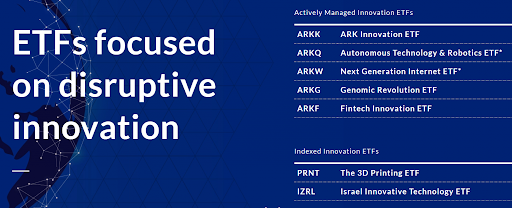
CATHIE WOOD: Speaks on ARK Innovation

By Staff Reporters

***

***

Cathie Wood, whose tech-heavy ARK Innovation ETF fell more than 60% this year after soaring during the pandemic, fired off an open letter to the Fed saying rapid rate rises are a mistake.

***

FINANCE: https://www.routledge.com/Comprehensive-Financial-Planning-Strategies-for-Doctors-and-Advisors-Best/Marcinko-Hetico/p/book/9781482240283

COMMENTS APPRECIATED

Thank You

***

PODCAST: The “Value Hole” in Health Insurance Plan Design

By Eric Bricker MD

***

***

COMMENTS APPRECIATED

Thank You

***

HEALTH INSURANCE: https://www.amazon.com/Dictionary-Health-Insurance-Managed-Care/dp/0826149944/ref=sr_1_4?ie=UTF8&s=books&qid=1275315485&sr=1-4

***

SPEAKER: Jamie Dimon at the JPM Techstars Conference

By Staff Reporters

***

***

PMorgan CEO Jamie Dimon just warned that the U.S. is headed for a recession in the next six to nine months as volatile markets coincide with disorderly financial conditions. Speaking to CNBC’s Julianna Tatebaum at the JPM Techstars conference in London, Dimon said U.S. consumers would be in better shape this time around than the 2008 global financial crisis but the current factors contributing to a recession were still a cause for concern. 

“But you can’t talk about the economy without talking about stuff in the future – and this is serious stuff,” Dimon said, citing inflation, quantitative easing, and Russia’s war with Ukraine

“These are very, very serious things which I think are likely to push the U.S. and the world – I mean, Europe is already in recession, and they’re likely to put the U.S. in some kind of recession six to nine months from now,” he said. 

NOTE: Dimon’s comments came after the September jobs report, released last Friday, showed that businesses kept hiring at a brisk pace, unemployment fell back to a half-century low and average pay rose.

***

COMMENTS APPRECIATED

Thank You

***

FINANCE: https://www.routledge.com/Comprehensive-Financial-Planning-Strategies-for-Doctors-and-Advisors-Best/Marcinko-Hetico/p/book/9781482240283

***

PODCAST: The MEDICARE COST REPORT Explained

Not For DoctorsNot Managerial Cost Accounting

By Eric Bricker MD

****

***

YOUR COMMENTS ARE APPRECIATED.

Thank You

HOSPITALS: https://www.amazon.com/Financial-Management-Strategies-Healthcare-Organizations/dp/1466558733/ref=sr_1_3?ie=UTF8&qid=1380743521&sr=8-3&keywords=david+marcinko

MORE: https://www.amazon.com/Hospitals-Healthcare-Organizations-Management-Operational/dp/1439879907/ref=sr_1_4?s=books&ie=UTF8&qid=1334193619&sr=1-4

***

VALUATION: Clinic and Medical Practice Worth

Plastic Surgery Proto-Type

***

See the source image

Download our Complimentary “Free” Resources

[Medical Practice Worth, Valuation, Sales and Succession Planning]

Part (1) – Part (2) – Part (3)

By Dr. David Edward Marcinko MBA DPM MBBS CMP

By Professor Hope Rachel Hetico RN MHA CPHQ CMP

By Robert James Cimasi MHA AVA CBA ASA FCBI MCMA CMP

YOUR THOUGHTS ARE APPRECIATED.

SECOND OPINIONS: https://medicalexecutivepost.com/schedule-a-consultation/

INVITE DR. MARCINKO: https://medicalexecutivepost.com/dr-david-marcinkos-bookings/

Thank You

***

SPEAKS: Mohamed El-Erian

By Staff Reporters

***

***

Mohamed El-Erian, Allianz’s chief economic advisor just opined that the U.S. is heading toward a recession that was “totally avoidable” amid ongoing concerns about inflation and economic stability. 

“I fear that we risk a very high probability of a damaging recession that was totally avoidable,” El-Erian told CBS’ “Face the Nation,” arguing that the Federal Reserve has made mistakes that will “go down in the history books.” 

“One is mis-characterizing inflation as transitory. By that, they meant it is temporary, it’s reversible, don’t worry about it. That was mistake number one. And then mistake number two, when they finally recognized that inflation was persistent and high. They didn’t act. They didn’t act in a meaningful way,” El-Erian said.  

***

COMMENTS APPRECIATED

FINANCE: https://www.routledge.com/Comprehensive-Financial-Planning-Strategies-for-Doctors-and-Advisors-Best/Marcinko-Hetico/p/book/9781482240283

Thank You

***

PODCAST: Hospital Finance 101 [Full Service Healthcare]

By Steve Febus

***

***

Hospital Finance 101: Understanding the Cost of Full-Service Healthcare in Pullman, WA Program by: Steve Febus, Pullman Regional Hospital Chief Financial Officer.

***

PODCAST: https://www.youtube.com/watch?v=N-SumPdb2PI

RELATED: https://www.youtube.com/watch?v=3vNThT8RJiQ

BUSINESS MEDICINE: https://www.amazon.com/Business-Medical-Practice-Transformational-Doctors/dp/0826105750/ref=sr_1_9?ie=UTF8&qid=1448163039&sr=8-9&keywords=david+marcinko

***

CITE: https://www.r2library.com/Resource/Title/0826102549

HOSPITAL FINANCE: https://www.amazon.com/Financial-Management-Strategies-Healthcare-Organizations/dp/1466558733/ref=sr_1_3?ie=UTF8&qid=1380743521&sr=8-3&keywords=david+marcinko

***

COMMENTS APPRECIATED

Thank You

***

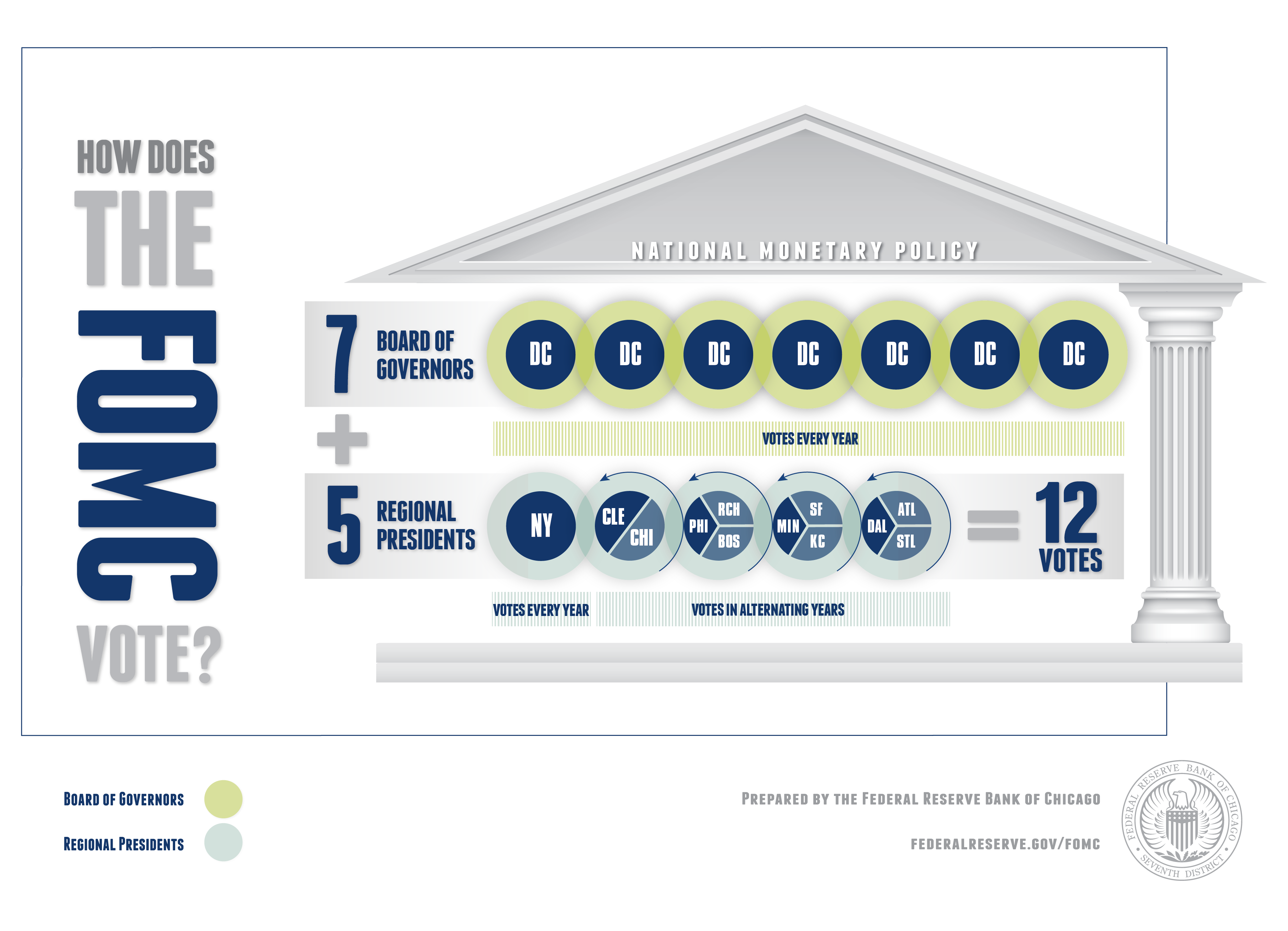
FOMC: Will Raise Interest Rates in November?

By Staff Reporters

***

The Fed is poised to raise interest rates just one more time in November before stopping, according to Ed Yardeni. That’s because there is a growing risk that financial markets are on the verge of instability due to a soaring US dollar.

“The soaring dollar has been associated in the past with creating financial crisis on a global basis,” Yardeni just told told Bloomberg.

CITE: https://www.yardeni.com/

***
COMMENTS APPRECIATED

Thank You

***
FINANCE: https://www.routledge.com/Comprehensive-Financial-Planning-Strategies-for-Doctors-and-Advisors-Best/Marcinko-Hetico/p/book/9781482240283

****

PODCAST: High Medical Debt Yet Hospitals Still Thrive!

By Eric Bricker MD

***

***

COMMENTS APPRECIATED

Thank You

***

HOSPITALS: https://www.amazon.com/Financial-Management-Strategies-Healthcare-Organizations/dp/1466558733/ref=sr_1_3?ie=UTF8&qid=1380743521&sr=8-3&keywords=david+marcinko

***

PODCAST: Hospital Executives Confess Fee-For-Service Care Drives Costs

By Eric Bricker MD

1) Fee-for-Services Motivates Hospitals to Increase Costs.
2) Medicare and Commercial Insurance Companies Have Not Changed That Motivation with ‘Value-Based’ Payments.
3) Hospital Prices Have NO Connection to the Underlying Cost of a Test or Procedure.
4) Most Don’t Even Know What the Underlying Test or Procedure Cost Is in the First Place.

***

***

COMMENTS APPRECIATED

Thank You

***

HOSPITALS: https://www.amazon.com/Financial-Management-Strategies-Healthcare-Organizations/dp/1466558733/ref=sr_1_3?ie=UTF8&qid=1380743521&sr=8-3&keywords=david+marcinko

***

PODCAST: Healthcare Selling Strategies

By Eric Bricker MD

***

***

COMMENTS APPRECIATED

Thank You

***

DICTIONARY: https://www.amazon.com/Dictionary-Health-Insurance-Managed-Care/dp/0826149944/ref=sr_1_4?ie=UTF8&s=books&qid=1275315485&sr=1-4

***

Ray Dalio SPEAKS

By Staff Reporters

***

***

  • Ray Dalio no longer believes “cash is trash” in light of tighter monetary policy.
  • He’s warmed to the greenback due to higher interest rates and the Fed shrinking its balance sheet.
  • However, Dalio is still only neutral on the dollar, likely because of stubborn inflation.

Ray Dalio, after repeatedly proclaiming “cash is trash” in recent years, has warmed to the US dollar and now views it as a passable investment.

“The facts have changed and I’ve changed my mind about cash as an asset: I no longer think cash is trash,” Dalio just tweeted.

***

COMMENTS APPRECIATED

Thank You

FINANCE: https://www.routledge.com/Comprehensive-Financial-Planning-Strategies-for-Doctors-and-Advisors-Best/Marcinko-Hetico/p/book/9781482240283

***

A Review of Mental Healthcare Provider Types

Join Our Mailing List

Implications for Staffing Modern Mental Health Facilities

[By Carol Miller RN MBA]

Carol S. MillerCommunity Mental Health Centers are also referred to as County Mental Health Centers and treat patients usually with no or limited insurance in a domiciliary setting versus an inpatient state or community facility.

And, both children and adults are eligible to receive such assistance.

These programs provide a wide range of psychiatric and counseling services to the residents in their community as well
as other types of assistance. But, what type of mental healthcare staff, and providers, are involved with these facilities?

Staffing

Staffing levels at community mental health facilities depend on the size and funding of each clinic, and vary in number, qualifications, and mix. Many personnel hold or are working on Master’s degrees and various professional certifications.

Typical staffing would include:

  • Administrative or Mental Health Director ¾ This individual, working under general policy directives, is responsible for planning, organizing, coordinating, and directing delivery of a community’s comprehensive mental health programs and services. This would include the development and implementation of goals, objectives, policies, procedures, budget, standard compliance, and work standards for mental health services. The Director is responsible not only for the services offered under the program, but also for extensive coordination with other county departments, public and private organizations, citizen groups, and the Board of Supervisors.
  • Case management staff ¾ These personnel are responsible for compiling all the services related to the treatment program.
  • Psychiatrists ¾ These individuals may work for a mental health center full or part time, and be Board-eligible or Board-certified in Psychiatry.
  • Psychologists ¾ These individuals will hold Ph.D., Psy.D. or Ed.D. qualifications and be licensed as clinical psychologists in the state.
  • Licensed Independent Social Worker (LISW) ¾ These individuals will have expertise in such services as family counseling, child psychology, geriatric dementia, psychological testing, and so on.
  • Licensed Marriage and Family Therapist (LMFT) — These individuals are specialized in various fields and provide an array of counseling services to patients, dependent on the nature of their problem.
  • Clinical Nurse Specialists ¾ These personnel are certified in psychiatric nursing by a national nursing organization such as the American Nurses Association to practice within the scope of these services and are licensed in the state.
  • Support staff ¾ These staff members would include an administrative assistant to the Director, medical billers, transcriptionist, and possibly a receptionist.
  • Substance Abuse Counselor or Licensed Professional Clinical Mental Health Counselor (LPC or LPCC) — An individual who takes a holistic approach where they exam a person’s external environmental and societal influences while also monitoring inner emotion, physical and behavioral health.

###

ME-P Careers

###

Counselor Qualifications

A licensed mental health counselor has met or exceeded the following professional qualifications:

  • earned a Master’s degree in counseling or a closely related mental health discipline;
  • completed a minimum of two years post-Master’s clinical work under the supervision of a licensed or certified mental health professional; and
  • passed a state-developed or national licensure or certification examination.

Assessment

Conclusion

Your thoughts and comments on this ME-P are appreciated. Feel free to review our top-left column, and top-right sidebar materials, links, URLs and related websites, too. Then, subscribe to the ME-P. It is fast, free and secure.

Speaker: If you need a moderator or speaker for an upcoming event, Dr. David E. Marcinko; MBA – Publisher-in-Chief of the Medical Executive-Post – is available for seminar or speaking engagements. Contact: MarcinkoAdvisors@msn.com

OUR OTHER PRINT BOOKS AND RELATED INFORMATION SOURCES:

Product Details

PODCAST: Doctors Split from Hospital

By Eric Bricker MD

***

The Story of Tryon Medical Partners shows us that if doctors don’t like the way a hospital is running their practice, they can leave and be successful.

Specifically, the 88 mostly primary care doctors of Tryon Medical Partners sued Atrium Health, the hospital system that owned them, in order to leave and become independent in 2018.

Some of their grievances against the hospital system were:
1. The hospital replaced the nurses in their clinics with medical assistants.
2. The hospital increased the number of patients they needed to see per day and decreased their visit times.

Atrium agreed to let the doctors separate in exchange for dropping the lawsuit.

Just one year later Tryon Medical Partners began to offer Direct Primary Care to local employers and have signed up 30 companies.

The program has been a huge success because an independent primary care practice can work to provide better care at lower costs. Conversely, physicians associated with a hospital system are incentivized to increase healthcare costs.

***

***

COMMENTS APPRECIATED

Thank You

***

HOSPITALS: https://www.amazon.com/Financial-Management-Strategies-Healthcare-Organizations/dp/1466558733/ref=sr_1_3?ie=UTF8&qid=1380743521&sr=8-3&keywords=david+marcinko

HEALTH INSURANCE: https://www.amazon.com/Dictionary-Health-Insurance-Managed-Care/dp/0826149944/ref=sr_1_4?ie=UTF8&s=books&qid=1275315485&sr=1-4

****

PODCAST: Inflation Reduction Act [IRA] and Healthcare

THE AGENDA 2022 AND BEYOND!

By Eric Bricker MD

***

***

COMMENTS APPRECIATED

Thank You

***

RELATED: https://www.amazon.com/Dictionary-Health-Insurance-Managed-Care/dp/0826149944/ref=sr_1_4?ie=UTF8&s=books&qid=1275315485&sr=1-4

***

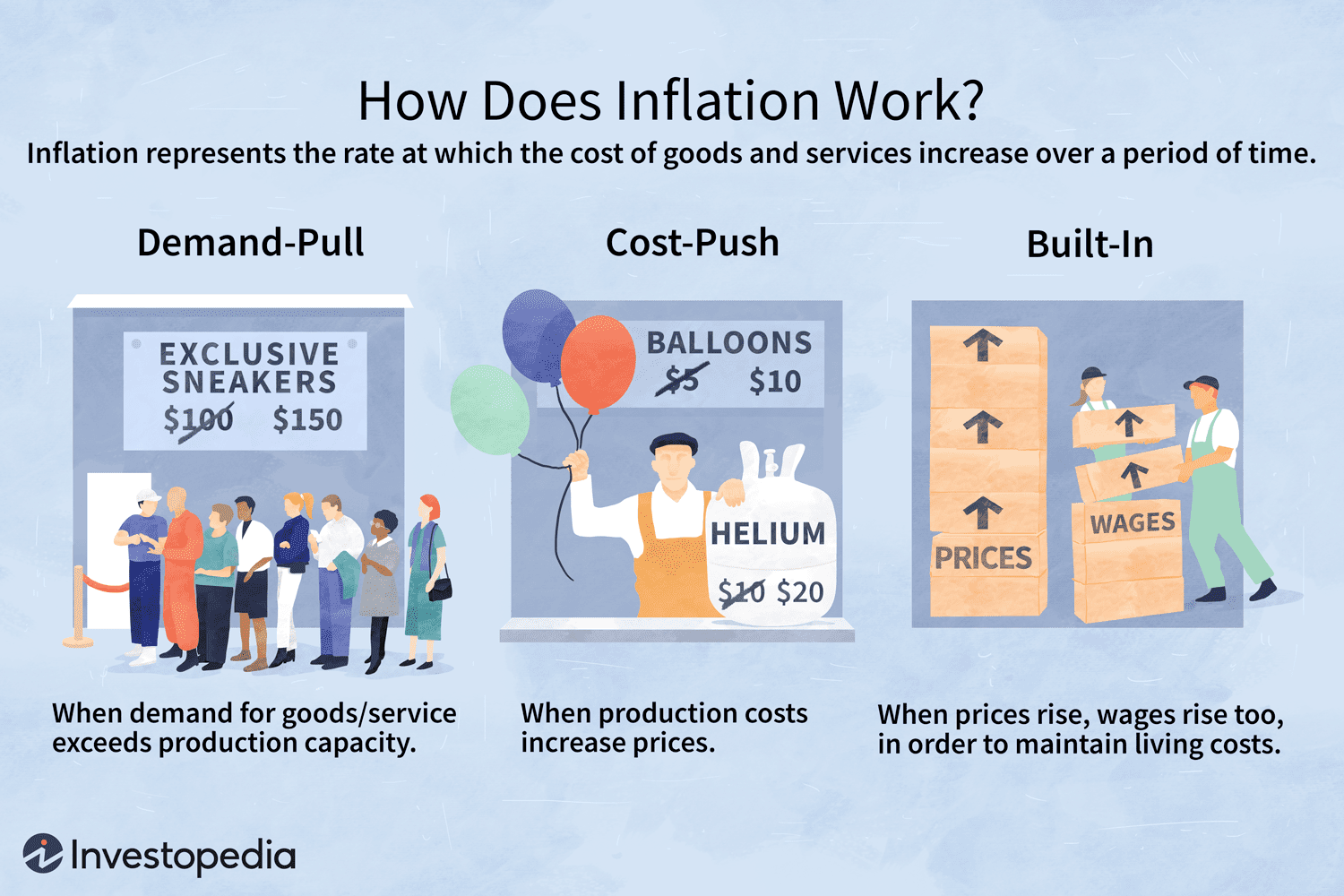
FIGHTING Inflation!

By Staff Reporters

Fed Official Says Inflation Fight Will Take Time, Despite Signs of Progress

Bringing inflation down from 40-year highs is likely to take time and will require a slowdown in economic growth and reduced demand for workers by employers, a Federal Reserve official said yesterday.

Those efforts are showing tentative signs of progress, said Fed governor Philip Jefferson, in his first public remarks since taking office in May. But Mr. Jefferson also said he remains concerned that higher prices could change consumer expectations around inflation in a way that makes further price increases self-fulfilling.

***

***

READ: Fed Official Says Inflation Fight Will Take Time, Despite Signs of Progress (msn.com)

COMMENTS APPRECIATED

Thank You

***

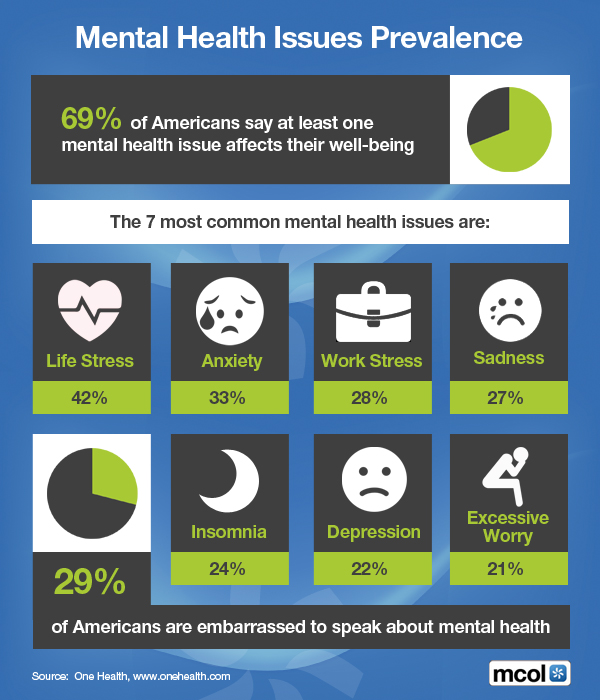
On the Prevalence of Mental Health Issues

 The 7 most common issues

By http://www.MCOL.com

*** 

 ***

Conclusion

Your thoughts and comments on this ME-P are appreciated. Feel free to review our top-left column, and top-right sidebar materials, links, URLs and related websites, too. Then, subscribe to the ME-P. It is fast, free and secure.

Speaker: If you need a moderator or speaker for an upcoming event, Dr. David E. Marcinko; MBA – Publisher-in-Chief of the Medical Executive-Post – is available for seminar or speaking engagements. Contact: MarcinkoAdvisors@msn.com

OUR OTHER PRINT BOOKS AND RELATED INFORMATION SOURCES:

Product DetailsProduct Details

***

Dentistry’s SECRET!

***

By Darrell Pruitt DDS

***

***

“Small- and medium-sized businesses with two to 200 employees suffered the most attacks during the period, accounting for 46%, or 2,300 ransomware attacks total, according to the report.” That’s us, Doc. Patterson and Schein won’t admit it, but if you don’t put patients’ information on a computer, you and your patients are completely safe from ransomware.

“US organizations hit by almost half of all ransomware since 2020 – American exceptionalism extends to ransomware as organizations based in the U.S. suffered the greatest number of attacks, ahead of Canada and the U.K.

By Matt Kapko: Cybersecurity Dive, Sept. 28, 2022.

Paper’s security“Report: 90% of companies affected by ransomware in 2022 – An annual SpyCloud survey found that 90% of organizations were impacted by ransomware over the past twelve months, an alarming increase from last year’s 72.5%.”

– Yet still none involved paper dental records –

***

COMMENTS APPRECIATED

Thank You

***

DHITS: https://www.amazon.com/Dictionary-Health-Information-Technology-Security/dp/0826149952/ref=sr_1_5?ie=UTF8&s=books&qid=1254413315&sr=1-5

***

DOCTOR SIEGEL Speaks

By Staff Reporters

***

Wharton professor Jeremy Siegel says predictions of a lost decade in the stock market are unfounded and 6% annual returns are likely after inflation.

READ: https://www.msn.com/en-us/money/markets/wharton-professor-jeremy-siegel-says-predictions-of-a-lost-decade-in-the-stock-market-are-unfounded-and-6-annual-returns-are-likely-after-inflation/ar-AA12rjKm?cvid=a220a2a6cd9f422686166062b87f7ebf

***
COMMENTS APPRECIATED

Thank You

***

INVESTING: https://www.routledge.com/Comprehensive-Financial-Planning-Strategies-for-Doctors-and-Advisors-Best/Marcinko-Hetico/p/book/9781482240283

***

PODCAST: What Hospital CEOs Should Do?

TOP 4 PRESUMPTIONS!

BY ERIC BRICKER, MD

***

***

YOUR COMMENTS APPRECIATED.

HOSPITALS:

https://www.amazon.com/Hospitals-Healthcare-Organizations-Management-Operational/dp/1439879907/ref=sr_1_4?s=books&ie=UTF8&qid=1334193619&sr=1-4

Thank You

HEALTHCARE:

https://www.amazon.com/Financial-Management-Strategies-Healthcare-Organizations/dp/1466558733/ref=sr_1_3?ie=UTF8&qid=1380743521&sr=8-3&keywords=david+marcinko

***

PODCAST: Medical Specialties with High Margin Hospital Power

By Eric Bricker MD

***

***

***

COMMENTS APPRECIATED

Thank You

***

HOSPITALS: https://www.amazon.com/Financial-Management-Strategies-Healthcare-Organizations/dp/1466558733/ref=sr_1_3?ie=UTF8&qid=1380743521&sr=8-3&keywords=david+marcinko

***

What IF the Bear Market is OVER?

***

By Michael A. Gayed, CFA

Portfolio Manager of the ATAC Rotation Funds

***

Bob Farrell is a legendary Wall Street trader and market analyst. He’s perhaps best-known for his “10 rules” of investing that he developed based on his 50-year career in the industry. One of the more popular rules says that “when all the experts and forecasts agree, something else is going to happen.”Right now, almost everyone is expecting a recession driven by high inflation, rising interest rates and geopolitical risks. The S&P 500 is still more than 10% off of its highs, while the NASDAQ 100 is down by more than 20%. Many feel as if more downside is ahead, but what if they’re wrong? What if the bottom is already in? What if the worst is over?

My take? I have no idea. I believe there’s still a bigger and more traditional classic “risk-off” period coming where stocks decline and Treasuries rally in price (which is what historically happens during periods of heightened equity volatility), but the path to get there is what drives investor sentiment. And like everyone else in this business, I can’t tell the future. All I can do is identify conditions in a rules-based fashion that favor an outcome.The important thing to remember here is that the market isn’t the economy. The financial markets are often leading indicators of where investors feel things are going. The actual data is only showing how conditions are or were.

Take the 2020 COVID recession, for example. Once the government announced its multi-trillion dollar stimulus program, stock prices shot higher even though the worst of the economic pain had yet to be experienced.Today, some of the data isn’t even indicating imminent danger.
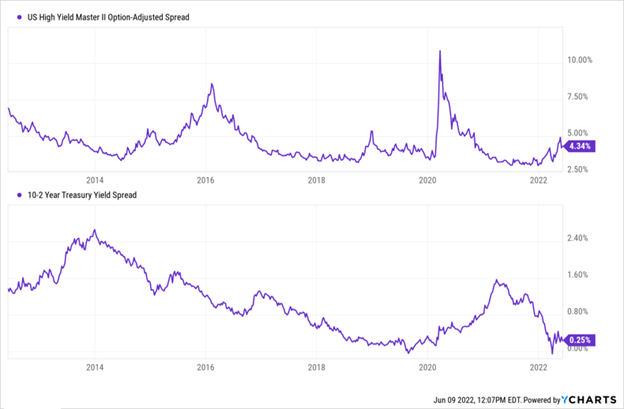
High yield spreads tend to blow out ahead of a recession. They’re currently not at the levels reached during 2016, 2018 or 2020. Investors often view the 10-year/2-year Treasury yield spread as the “recession indicator”. This number did briefly turn negative earlier this year, but has remained in positive territory ever since. While both of these numbers have teased the idea of higher risk conditions ahead, neither has done so in convincing fashion yet.Also consider that the markets tend to be very sensitive to what the Fed does. If the central bank ever decides that recession risk is too high and it hits the pause button on the rate hiking cycle, it could be off to the races again for equity prices. Risk asset prices have the ability to react favorably to looser monetary conditions. Any pivot in that direction could give a big boost to investor sentiment.

If the bear market is over, the ATAC Rotation Fund (ATACX), the ATAC U.S. Rotation ETF (RORO) and the ATAC Credit Rotation ETF (JOJO) could be primed to benefit.We believe all three funds use proven market signals to determine whether they should be positioned either offensively or defensively. Since investors often flock to safety in times of market volatility, the three funds use Treasuries as the “risk-off” or defensive asset class. Admittedly, Treasuries haven’t acted as they historically do relative to equities when in high volatility states. But that doesn’t mean things won’t revert back to historical behavior in the small sample of the here and now.When the signals suggest that conditions are more favorable, the funds can go “risk-on”.

In the case of RORO and ATACX, that could include some combination of large-cap stocks, small-caps and emerging markets. JOJO remains in the fixed income markets and targets junk bonds in this scenario.RORO and ATACX also use leverage, which offers higher return potential. Why? Because leveraging equities when risk-on helps to, over time, counter the impact of being in Treasuries when stocks continue to move higher and with hindsight, risk-off positioning there wasn’t warranted.

Of course this is a double-edged sword, since in a year like this year, the leveraged risk-on position in stocks earlier in the year led to a sizeable decline for both ATACX and RORO. However, over multiple roll of the die, it is that leverage which gives investors the opportunity to capture above average returns in more traditional markets when combined with occasional risk-off periods where Treasuries perform well.High volatility markets don’t need to be feared.

We believe strategies that add and remove market risk based on what the market is telling us give investors the opportunity to earn superior risk-adjusted returns while lowering downside risk. If the markets are ready to begin the next leg higher, the ATAC funds stand ready to benefit while (hopefully) Treasuries get back to doing what they normally would in true risk-off periods .

At some point.

***

COMMENTS APPRECIATED

Thank You

***

FINANCE: https://www.amazon.com/Comprehensive-Financial-Planning-Strategies-Advisors/dp/1482240289/ref=sr_1_1?ie=UTF8&qid=1418580820&sr=8-1&keywords=david+marcinko

***

A DENTIST ASKS: How to Invest When There’s Nowhere to Hide?

***

By Vitaliy Katsenelson CFA

***

How to Invest When There’s Nowhere to Hide
I was having lunch with a close friend of mine. He mentioned that he had accumulated a significant sum of money and did not know what to do with it. It was sitting in bonds, and inflation was eating its purchasing power at a very rapid rate.

He is a dentist and had originally thought about expanding his business, but a shortage of labor and surging wages turned expanding into a risky and low-return investment. He complained that the stock market was extremely expensive. I agreed.*

***

CITE: https://www.r2library.com/Resource/Title/082610254

COMMENTS APPRECIATED.

Subscribe to the Medical Executive-Post.

THANK YOU

***

INVESTING: https://www.amazon.com/Comprehensive-Financial-Planning-Strategies-Advisors/dp/1482240289/ref=sr_1_1?ie=UTF8&qid=1418580820&sr=8-1&keywords=david+marcinko

***

LAW: Introduced to Stop Medicare Physician Pay Cuts

By Health Capital Consultants, LLC

***

***

Law Introduced to Stop Medicare Physician Pay Cuts

On September 13, 2022, Representatives Ami Berra (D-CA-7) and Larry Bucshon (R-IN-8) introduced the Supporting Medicare Providers Act of 2022 (H.R. 8800), which aims to infuse the Medicare Physician Fee Schedule (MPFS) with a 4.42% funding increase for 2023. With a bipartisan coalition of 12 co-sponsors, the bill would have the practical effect of negating the impending 4.42% cut to the MPFS conversion factor. This Health Capital Topics article will review the bill, discuss its support, and examine its potential implications. (Read more…)

***
COMMENTS APPRECIATED

Thank You

***

HOSPITALS: https://www.amazon.com/Financial-Management-Strategies-Healthcare-Organizations/dp/1466558733/ref=sr_1_3?ie=UTF8&qid=1380743521&sr=8-3&keywords=david+marcinko

***

FEDERAL RESERVE: Keeps Buying Mortgages

***

The Federal Reserve Keeps Buying Mortgages

Alex J. Pollock

***

The Federal Reserve now owns $2.6 trillion in mortgages. That means about 24 percent of all outstanding residential mortgages in this whole big country reside in the central bank.

READ: https://mises.org/wire/federal-reserve-keeps-buying-mortgages

COMMENTS APPRECIATED

***

FINANCE; https://www.amazon.com/Comprehensive-Financial-Planning-Strategies-Advisors/dp/1482240289/ref=sr_1_1?ie=UTF8&qid=1418580820&sr=8-1&keywords=david+marcinko

***

Subscribe to the Medical Executive-Post.

Thank You

***

PODCAST: United Health Group Acquisition of “Change Healthcare”

A DATA GOLDMINE

By Eric Bricker MD

***

***

COMMENTS APPRECIATED

Thank You

HIT: https://www.amazon.com/Dictionary-Health-Information-Technology-Security/dp/0826149952/ref=sr_1_5?ie=UTF8&s=books&qid=1254413315&sr=1-5

***

PODCAST: Reference Based Pricing for Medical Facility Fees

By Eric Bricker MD

***

***

CITE: https://www.r2library.com/Resource/Title/082610254

COMMENTS APPRECIATED

Thank You

***

HOSPITALS: https://www.amazon.com/Financial-Management-Strategies-Healthcare-Organizations/dp/1466558733/ref=sr_1_3?ie=UTF8&qid=1380743521&sr=8-3&keywords=david+marcinko

***

BUSINESS MEDICINE: https://www.amazon.com/Business-Medical-Practice-Transformational-Doctors/dp/0826105750/ref=sr_1_9?ie=UTF8&qid=1448163039&sr=8-9&keywords=david+marcinko

***

PODCAST: Nurses Go on Strike

By Eric Bricker MD

***

***

COMMENTS APPRECIATED

Thank You

***

HOSPITAL: https://www.amazon.com/Financial-Management-Strategies-Healthcare-Organizations/dp/1466558733/ref=sr_1_3?ie=UTF8&qid=1380743521&sr=8-3&keywords=david+marcinko

***

PODCAST: Turning a PBS Interviewer into an NFT Interviewee

On the Non-Fungible Token Market

***

By Vitaliy Katseneson CFA

***

Turning a PBS Interviewer into Interviewee
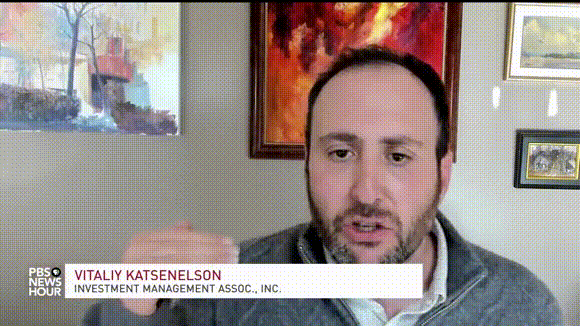
I was interviewed on PBS Newshour about the insanity that is happening in the NFT (non-fungible token) market. You can watch it here. If you read my “I Kid You Not Crazy” article, then you know everything I have to say about NFTs and cryptocurrency. I can sum up my thoughts on NFTs in one sentence: NFTs, just like cryptocurrencies, are a technology of the future, but a speculative bubble induced by excess global liquidity in the present. 

I encourage you to watch this eight-minute video – PBS did a great job. 

COMMENTS APPRECIATED

Thank You

***

https://www.amazon.com/Comprehensive-Financial-Planning-Strategies-Advisors/dp/1482240289/ref=sr_1_1?ie=UTF8&qid=1418580820&sr=8-1&keywords=david+marcinko

***

https://www.amazon.com/Dictionary-Health-Information-Technology-Security/dp/0826149952/ref=sr_1_5?ie=UTF8&s=books&qid=1254413315&sr=1-5

****

PODCAST: Patient Centricity in Value Based Care?

By Eric Bricker MD

***

Dr. Sachin MD MBA Jain wrote an outstanding article on Value Based Care in the April 12, 2022 issue of Forbes stating that the Patient Must Come First in Value Based Care.

***

***

COMMENTS APPRECIATED

Thank You

***

RELATED PODCAST: https://medicalexecutivepost.com/2021/12/13/podcasts-the-case-against-value-based-care/

RELATED: https://www.amazon.com/Financial-Management-Strategies-Healthcare-Organizations/dp/1466558733/ref=sr_1_3?ie=UTF8&qid=1380743521&sr=8-3&keywords=david+marcinko

MORE: https://www.amazon.com/Business-Medical-Practice-Transformational-Doctors/dp/0826105750/ref=sr_1_9?ie=UTF8&qid=1448163039&sr=8-9&keywords=david+marcinko

ADDITIONAL: https://www.amazon.com/Hospitals-Healthcare-Organizations-Management-Operational/dp/1439879907/ref=sr_1_4?s=books&ie=UTF8&qid=1334193619&sr=1-4

****

SPAC Popularity Soaring in Healthcare

By Health Capital Consultants, LLC

"Todd

Todd A. Zigrang, MBA, MHA, FACHE, CVA, ASA

[President]

The popularity of special purpose acquisition companies (SPACs) has been soaring in recent years. There are 35 times as many SPACs operating in 2020 as in 2010, and these companies seem poised for greater exponential growth in the future.

While many experts are predicting a continued, rapid increase in SPACs, this article will also examine the factors that could possibly slow SPAC growth and diminish their future prospects. SPACs span several market areas, including biotechnology and healthcare; this article will review SPAC trends generally as well as healthcare SPACs in particular. (Read more…)

Your thoughts are appreciated.

0 Ebook Website Banner 1600 375

RELATED: https://medicalexecutivepost.com/2021/04/21/spac-v-direct-listing-v-ipo/

Product Details

Order Textbook: https://www.amazon.com/Financial-Management-Strategies-Healthcare-Organizations/dp/1466558733/ref=sr_1_3?ie=UTF8&qid=1380743521&sr=8-3&keywords=david+marcinko

THANK YOU

***

PODCASTS: Signify Health Stock Market Debut

***

By Kyle Armbrester

By Eric Bricker MD

ME-P UPDATES

***

PODCAST 2: https://www.youtube.com/watch?v=-1_mBZLsKvU

***

COMMENTS APPRECIATED

Thank You

***

RELATED: https://www.amazon.com/Financial-Management-Strategies-Healthcare-Organizations/dp/1466558733/ref=sr_1_3?ie=UTF8&qid=1380743521&sr=8-3&keywords=david+marcinko

****

PODCAST: HEALTHCARE NFTs [How to Monitize Health Data?]

***

By Bertalan Meskó, MD

***

The Medical Futurist

***

NFTs IN HEALTHCARE: HOW PATIENTS COULD MONETISE THEIR HEALTH DATA


Personal health sensors and apps equip patients with personalised data so that they can become more proactive in managing their health. But what is still mostly the norm is that these sensitive data are governed by the companies providing these services; and they often profit out of it, oblivious to patients.

***

How NFTs will revolutionize medicine - YouTube

***

But even though NFTs are still in their infancy, the technology might evolve in the future to become more compelling for patients to favor the agency it provides over their data.

READ: https://medicalfuturist.com/nfts-an-health-data/?utm_source=The%20Medical%20Futurist%20Newsletter&utm_campaign=39c284a71e-EMAIL_CAMPAIGN_2022_01_18&utm_medium=email&utm_term=0_efd6a3cd08-39c284a71e-399696053&mc_cid=39c284a71e&mc_eid=40fee31c25

***

More NTFs: https://medicalexecutivepost.com/2021/05/04/what-is-a-non-fungible-token/

***

COMMENTS APPRECIATED.

Subscribe to the Medical Executive-Post

THANK YOU

***

Product Details

CITE: https://www.r2library.com/Resource/Title/082610254

PODCAST: https://www.youtube.com/watch?v=TnhmUltTGo8

***

HITS: https://www.amazon.com/Dictionary-Health-Information-Technology-Security/dp/0826149952/ref=sr_1_5?ie=UTF8&s=books&qid=1254413315&sr=1-5

***

PODCAST: Health Insurance Carrier Stock Performance Has Been Amazing!

By Eric Bricker MD

***

DJIA: 32,197.59 at close ‎+436.05 (‎+1.37%)

NASDAQ: 12,032.42 at close ‎+469.85 (‎+4.06%)

***

***

COMMENTS APPRECIATED

Thank You

***

CITE: https://www.r2library.com/Resource/Title/082610254

RELATED: https://www.amazon.com/Financial-Management-Strategies-Healthcare-Organizations/dp/1466558733/ref=sr_1_3?ie=UTF8&qid=1380743521&sr=8-3&keywords=david+marcinko

***

SCOTUS: Ruled on Opioid Prescriptions

By Jules Murtha

***

***

Here’s What Doctors Need to Know

The Supreme Court of the United States  (SCOTUS) has ruled that doctors must show intent to mis-prescribe opioids in order to face criminal charges.

  • Despite the drop in opioid prescriptions in recent years, opioid overdoses and deaths are on the rise, largely because of street drugs.
  • The CDC’s position is that physicians can better serve patients by focusing on when to initiate and continue opioid treatment, what type and dosage of opioid to use, and how to address risk of drug abuse when prescribing opioids.

Source: Jules Murtha, MD Linx [8/26/22] 

***

COMMENTS APPRECIATED

Thank You

***

DHITS: https://www.amazon.com/Dictionary-Health-Information-Technology-Security/dp/0826149952/ref=sr_1_5?ie=UTF8&s=books&qid=1254413315&sr=1-5

***

PODCAST: Deborah C. Peel MD on Patient Privacy

An Audio-Video Presentation

[Submitted via Darrell Pruitt DDS]

***

***

Conclusion

Your thoughts and comments on this ME-P are appreciated. Feel free to review our top-left column, and top-right sidebar materials, links, URLs and related websites, too. Then, subscribe to the ME-P. It is fast, free and secure.

Speaker: If you need a moderator or speaker for an upcoming event, Dr. David E. Marcinko; MBA – Publisher-in-Chief of the Medical Executive-Post – is available for seminar or speaking engagements.

Book Marcinko: https://medicalexecutivepost.com/dr-david-marcinkos-bookings/

Subscribe: MEDICAL EXECUTIVE POST for curated news, essays, opinions and analysis from the public health, economics, finance, marketing, IT, business and policy management ecosystem.

HOSPITALS:

“Financial Management Strategies for Hospitals” https://tinyurl.com/yagu567d

“Operational Strategies for Clinics and Hospitals” https://tinyurl.com/y9avbrq5

***

Product DetailsProduct Details

WHY? Give Up Tele-Medicine!

By Michael Kirsch, M.D

***

***

Why This Doctor Gave Up Telemedicine

During the pandemic, I engaged in telemedicine with my patients out of necessity.  This platform was already destined to become part of the medical landscape even prior to the pandemic.  COVID-19 accelerated the process.  The appeal is obvious.  Patients can have medical visits from their own homes without driving to the office, parking, checking in, finding their way to the office, biding time in the waiting room and then driving out afterwards.  And patients could consult physicians from far distances, even across state lines.  Most of the time invested in traditional office visits occurs before and after the actual visits.  So much time wasted! Indeed, telemedicine has answered the prayers of time management enthusiasts.

***

COMMENTS APPRECIATED

Thank You

***

RELATED: https://www.routledge.com/Risk-Management-Liability-Insurance-and-Asset-Protection-Strategies-for/Marcinko-Hetico/p/book/9781498725989

***

PODCAST: The Threat of Synthetic Fentanyl

***

An Interview with Retired DEA Agent Derek Maltz

By Richard Helppie

[The COMMON BRIDGE]

***

LISTEN PODCAST: https://thecommonbridge.substack.com/p/the-threat-of-synthetic-fentanyl

***

***

BALTIMORE “NOD”: https://medicalexecutivepost.com/2019/07/16/what-is-the-baltimore-nod/

***

COMMENTS APPRECIATED

Thank You

***

AMA Joins Class-Action Suit Against CIGNA

By Paige Minemyer

***

***

The AMA and 2 State Medical Societies Join Class-Action Suit Against CIGNA

The American Medical Association (AMA) has joined a class-action lawsuit against Cigna, alleging the insurer underpaid for claims filed by providers in the contracted MultiPlan network. MultiPlan is the country’s largest third-party network, and Cigna contracts with it to access providers. According to the lawsuit, which was initially filed in June, Cigna reimbursed for claims from providers in MultiPlan’s network at its non-participating providers rate rather than at the rate expected for a MultiPlan contract.

As such, the insurer “significantly underpaid claims, and put patients at risk of balance billing,” the plaintiffs claim. “It also breached its fiduciary duties, including its duty to honor written plan terms and its duty of loyalty, because its conduct serves Cigna’s own economic self-interest and elevates Cigna’s interests above the interests of plan member patients,” according to the lawsuit.

Paige Minemyer, Fierce Healthcare [9/13/22]

***
COMMENTS APPRECIATED

Thank You

***

BUSINESS MEDICINE: https://www.amazon.com/Business-Medical-Practice-Transformational-Doctors/dp/0826105750/ref=sr_1_9?ie=UTF8&qid=1448163039&sr=8-9&keywords=david+marcinko

***

More on the INFLATION REDUCTION ACT [IRA]

***

By Health Capital Consultants, LLC

***

***

President Biden Signs the Inflation Reduction Act into Law

On August 16, 2022, one week after Congress passed the Inflation Reduction Act of 2022 (IRA), President Joseph Biden signed the bill into law. The broad bill, which covers healthcare, taxes, and climate change, had been passed around Congress in assorted versions with varying support for months, but under the specter of a record 40-year-high inflation rate, congressional Democrats ultimately came together to pass the IRA; no Republicans voted for the bill.

The IRA aims, among other things, to fight against ever-increasing healthcare costs, by lowering prescription drug prices and extending federal health insurance subsidies. (Read more…)

***

COMMENTS APPRECIATED

Thank You

***

MORE: https://www.amazon.com/Financial-Management-Strategies-Healthcare-Organizations/dp/1466558733/ref=sr_1_3?ie=UTF8&qid=1380743521&sr=8-3&keywords=david+marcinko

***

Education, Degrees, Start-Ups, Entrepreneurs and IPOs?

FOR TOP MANAGERS AND BODs

By Dr. Jeffery Funk

Did you know that far more MBAs and bachelor-degree holders were among top managers and board of directors among startups filing for IPOs between 1990 and 2018 than were other degree holders?

About 55% of them had an MBA for their highest degree vs. 20% for bachelors, 7% for PhD, 3% for MD, 12% for MS, and 3% for JD. The high percentage of MBAs and bachelor-degree holders reflects the move away from #science-based #technologies such as semiconductors, and electronic, communications, and medical equipment that once dominated Silicon Valley (hence the name), and towards Internet commerce, content, and services over last 25 years.

In fact, most PhDs among top managers and board of directors at IPO time studied life sciences and were employed in #biotech #startups, a sector that continues to thrive. Creating successful science-based startups in other sectors continues to be a big challenge, one that may be partially overcome by #AI in near future.

As for which #universities train these people, Harvard, Stanford, Berkeley and MIT had the most graduates in many categories, representing almost 20% of PhDs for instance.

***

***

COMMENTS APPRECIATED

Thank You

***

PODCAST: Start-Ups & Healthcare Venture Capital in the COVID-19 Recession

By Eric Bricker MD

***

***

COMMENTS APPRECIATED

Thank You

***

RISK MANAGEMENT: https://www.routledge.com/Risk-Management-Liability-Insurance-and-Asset-Protection-Strategies-for/Marcinko-Hetico/p/book/9781498725989

***

VENTURE CAPITAL Funding Hits Two Year Low

By Dan McCarthy

***

***

Like everyone’s desire to work, venture funding sank to a new low during the dog days of summer. In August, global venture funding fell to $25.2 billion, per Crunchbase, less than half of the ~$53 billion invested one year prior, and the lowest monthly venture-funding total in two years. It’s down ~10% from the previous month.

Even so…The ongoing pullback didn’t stop several companies—including Adam Neumann’s, uh, controversial, comeback project Flow—from locking down significant investment rounds in August. Here are three rounds that stood out to us…all of which happen to play in the clean-energy space:

  • Terrapower, a nuclear tech developer founded by Bill Gates, raised $750 million. Gates co-led the round with SK Group, which plowed $250 million into the company. In addition to nuclear power generation, the company is also researching nuclear medicine techniques.
  • Longroad Energy, a renewable energy developer based in Boston, raised $500 million. The company said that the funding would catalyze a shift toward an owned-and-operated business model and enable it to grow the capacity of its wind, solar, and storage assets from 1.5 gigawatts (GW) to 8.5 GW in the next five years.
  • Lunar, a home-electrification startup founded by a former Tesla Energy exec, debuted with $300 million in funding, with residential solar bigwig Sunrun and SK Group (hello again) as investors. Later this year, Lunar plans to begin releasing hardware and software products that make it easier for homes to generate, use, and store carbon-free energy.

Monthly venture funding has been trending down since it hit a record high of $69.4 billion last November, as rising rates, inflation, and general economic uncertainty have turned the investing temperature from “deep summer” to “that first really cold day of winter where you neglect to wear a proper coat.” But it’s time for two of our most common refrains on this subject: 1) $25 billion in monthly VC funding is still a lot of money 2) VCs are sitting on a record high of more than half a trillion dollars in dry powder. Those reserves are unlikely to be emptied in 2022, but there is a lot of committed capital on hand for startups to vie for.

READ: https://www.emergingtechbrew.com/stories/2022/09/09/global-vc-funding-hit-a-two-year-low-in-august?mid=349b552221c994e2540a304649746d7c

***

COMMENTS APPRECIATED

Thank You

***

INVESTING: https://www.routledge.com/Comprehensive-Financial-Planning-Strategies-for-Doctors-and-Advisors-Best/Marcinko-Hetico/p/book/9781482240283

***

PODCAST: The “Common Bridge” Interviews Ken Cooper MD

By Rich Helppie

***

***
COMMENTS APPRECIATED

Thank You

***

***