PODCAST: High Cost Healthcare Claimants

By Eric Bricker MD

***

***

CITE: https://www.r2library.com/Resource/Title/082610254

COMMENTS APPRECIATED

Thank You

***

***

****

COVID, Inflation and Value Investing [Millennial Interview]

***

By Vitaliy Katsenelson CFA

***

COVID, Inflation, and Value Investing: Millennial Investing Interview
I was recently interviewed by Millennial Investors podcast. They sent me questions ahead of time that they wanted to ask me “on the air”. I found some of the questions very interesting and wanted to explore deeper. Thus, I ended up writing answers to them (I think through writing). You can listen to the podcast here

By the way, I often get asked how I find time to write. Do I even do investment research? Considering how much content I’ve been spewing out lately, I can understand these questions. In short – I write two hours a day, early in the morning (usually from 5–7am), every single day. I don’t have time-draining hobbies like golf. I rarely watch sports. I have a great team at IMA, and I delegate a lot. I spend the bulk of my day on research because I love doing it. 

This is not the first time I was asked these questions. If you’d like to adapt some of my daily hacks in your life, read this essay.

***

CITE: https://www.r2library.com/Resource/Title/082610254

***

COMMENTS APPRECIATED

Thank You

Subscribe to the Medical Executive-Post

***

***

PODCAST: The Dartmouth Atlas of Healthcare

Geographic Variation in Spine Surgery

By Dr. Eric Bricker MD

****

***

MORE: https://www.dartmouthatlas.org/

John Wennberg MD: https://tdi.dartmouth.edu/about/our-people/directory/john-e-wennberg-md-mph

CHECKLISTS: https://medicalexecutivepost.com/2009/01/20/a-homer-simpson-moment-of-clarity-on-medical-quality/

YOUR COMMENTS ARE APPRECIATED.

Thank You

****

***

Additional Disability Insurance Taxation for Medical Executives and Entrepreneurs

Join Our Mailing List

Additional Disability Insurance for Practice Owners and Physician Executives 

By Perry D’Alessio CPA

perry-dalessio-cpa

Some medical clinics, hospitals, health care employers and other business entities may offer disability insurance to their employees on a group basis as part of an employee benefit program. This is a good thing.

The expense for this coverage is typically deducted as an ordinary and necessary expense by the employer entity.

Additional DI

However, many entities also purchase additional disability insurance for the owners and executives; etc. This additional disability insurance expense should not be deducted on the entity’s tax return for two reasons.

  1. First, it would probably be considered a discriminatory benefit to the owners and, therefore, not be allowed as a deduction anyway.
  2. Second, and more importantly, when a person becomes disabled and qualifies for disability benefits whose premiums have been deducted as a business expense by the entity, the disability insurance proceeds are considered taxable income to the person receiving them.

A Catastrophe

This can be personally catastrophic since disability insurance covers only a portion (approximately 60 percent) of regular earnings. The coverage was designed to be paid on an after tax basis. The benefits would be tax free to the beneficiary and would be close to the disabled person’s net take home pay before being disabled.

***

BandagesX

***

Assessment

Here is one of those instances where the traditional tax planning thought process is overridden by a long term (potential) tax cost / benefit decision.

Channel Surfing the ME-P

Have you visited our other topic channels? Established to facilitate idea exchange and link our community together, the value of these topics is dependent upon your input. Please take a minute to visit. And, to prevent that annoying spam, we ask that you register. It is fast, free and secure.

More:

Conclusion

Your thoughts and comments on this ME-P are appreciated. Feel free to review our top-left column, and top-right sidebar materials, links, URLs and related websites, too. Then, subscribe to the ME-P. It is fast, free and secure.

Speaker: If you need a moderator or speaker for an upcoming event, Dr. David E. Marcinko; MBA – Publisher-in-Chief of the Medical Executive-Post – is available for seminar or speaking engagements. Contact: MarcinkoAdvisors@msn.com

OUR OTHER PRINT BOOKS AND RELATED INFORMATION SOURCES:

Comprehensive Financial Planning Strategies for Doctors and Advisors: Best Practices from Leading Consultants and Certified Medical Planners(TM)

PODCAST: Matrix of Healthcare Regulation VS Entrepreneurship

By Free Market Medical Association

***

***

CITE: https://www.r2library.com/Resource/Title/082610254

COMMENTS APPRECIATED

Thank You

***

***

***

Form ADV Part II [The Essential Document]

Join Our Mailing List

Lifting the “Veil of Secrecy” on Selecting Financial Advisors

[By Dr. David Edward Marcinko MBA CMP™]

DEM white  shirtBy law, financial advisors must provide you with a form ADV Part II or a brochure that covers the same information. Even if a brochure is provided, ask for the ADV. Today, it may even be online.

While it is acceptable, even desirable, for the brochure to be easier to read than the ADV, the ADV is what is filed with the appropriate state or SEC. If the brochure reads more like a slick sales brochure or the information in the brochure glosses over the items on the ADV to a high degree, one should consider eliminating the advisor from consideration.

Types of Advisors

Registering with a state or SEC gives an advisor a fiduciary duty to the client. This is a high standard under the law. There are several types of advisors who are exempt from registering and filing an ADV.

First, there are registered representatives (brokers).  Brokers have a fiduciary responsibility to their firms regardless of whether they are statutory employees or independent contractors.

Second are attorneys and accountants whose advice is “incidental” to their legal or accounting practices. But, why would one hire someone whose advice is “incidental” to his primary profession?

A top-notch advisor is a full-time professional and should be registered.  One should insist that their advisor be registered.

****

Lifting veil of secrecy

[The Author in Chicago Seeking Fiduciary Transparency]

***

The ADV will describe the advisor’s background and employment history, including any prior disciplinary issues. It will describe the ownership of the firm and outline how the firm and advisor are compensated. Any referral arrangements will be described. If an advisor has an interest in any of the investments to be recommended, it must be listed as well as the fee schedule. There is also a description of the types of investments recommended and the types of research information that is used.

Assessment

A review of the ADV should result in an alignment of what the advisor said during the interview and what is filed with the regulators. If there is a clear discrepancy, choose another advisor. If it is unclear, discuss the issue with the advisor.

  • SEC Headquarters
  • 100 F Street, NE Washington, DC 20549
  • (202) 942-8088

Channel Surfing the ME-P

Have you visited our other topic channels? Established to facilitate idea exchange and link our community together, the value of these topics is dependent upon your input. Please take a minute to visit. And, to prevent that annoying spam, we ask that you register. It is fast, free and secure.

Conclusion

Your thoughts and comments on this ME-P are appreciated. Feel free to review our top-left column, and top-right sidebar materials, links, URLs and related websites, too. Then, subscribe to the ME-P. It is fast, free and secure.

Speaker: If you need a moderator or speaker for an upcoming event, Dr. David E. Marcinko; MBA – Publisher-in-Chief of the Medical Executive-Post – is available for seminar or speaking engagements. Contact: MarcinkoAdvisors@msn.com

OUR OTHER PRINT BOOKS AND RELATED INFORMATION SOURCES:

Comprehensive Financial Planning Strategies for Doctors and Advisors: Best Practices from Leading Consultants and Certified Medical Planners(TM)

Tax Deductions versus Tax Credits

By Staff Reporters

***

What is a tax deduction?

A deduction reduces the amount of income you pay taxes on, which means you could pay less in taxes. You subtract deductions from your income before calculating how much taxes you owe. How much a deduction saves you depends on your income tax bracket.

To calculate how much a deduction could reduce your taxes, you multiply the amount of the deduction by your marginal tax rate. For example, if a deduction is worth $5,000 and you are in the 10% tax bracket (the lowest), the deduction would reduce your taxes by $500.

A deduction’s value to you is tied to your tax rate. So if you’re paying a higher tax rate, you can reap more of a deduction’s benefit. The lower your tax rate, the less benefit a deduction will have for you. Imagine that you take a $5,000 deduction, but you’re in the 35% tax bracket — the second highest. Now you’re saving $1,750 in taxes.

CITE: https://www.r2library.com/Resource/Title/082610254

What is a tax credit?

On the other hand, a credit is a dollar-for-dollar reduction in the amount of tax you owe. For example, if you qualify for a $1,000 tax credit of some kind and owe $5,000 in taxes, that credit will reduce your tax burden to $4,000.

***

But – Do Not Claim Too Many Tax Deductions

Deductions are enticing to taxpayers because they can reduce the amount of your income before you calculate the tax you owe, which in turn might significantly lower how much you have to pay in taxes or increase your refund. But that doesn’t mean you should go wild writing things off on your tax returns, as experts say claiming too many deductions is the most common reason people end up getting audited by the IRS.

Don’t try writing off deductions that are no longer accepted by the IRS. The tax code has changed over the years, and there are some things the tax agency no longer recognizes. You should remember that some of the tax write-offs were terminated by the IRS, including deductions on alimony, moving expenses, and any expenses related to investing, hobbies, and tax preparation.

***

Comments Appreciated

THANK YOU

Subscribe to the Medical Executive-Post

***

***

Income Tax Brackets for 2021

By Staff Reporters

***

CITE: https://www.r2library.com/Resource/Title/082610254

***

If taxable income is:The tax due is:
Under $9,95010% of the taxable income
Over $9,950 but under or equal to $40,525$995 plus 12% of the excess over $9,950
Over $40,525 but under or equal to $86,375$4,664 plus 22% of the excess over $40,525
Over $86,375 but under or equal to $164,925$14,751 plus 24% of the excess over $86,375
Over $164,925 but under or equal to $209,425$33,603 plus 32% of the excess over $164,925
Over $209,425 but under or equal to $523,600$47,843 plus 35% of the excess over $209,425
Over $523,600$157,804.25 plus 37% of the excess over $523,600

,

If taxable income is:The tax due is:
Not over $9,95010% of the taxable income
Over $9,950 but under or equal to $40,525$995 plus 12% of the excess over $9,950
Over $40,525 but under or equal to $86,375$4,664 plus 22% of the excess over $40,525
Over $86,375 but under or equal to $164,925$14,751 plus 24% of the excess over $86,375
Over $164,925 but under or equal to $209,425$33,603 plus 32% of the the excess over $164,925
Over $209,425 but under or equal to $314,150$47,843 plus 35% of the excess over $209,425
Over $314,150$84,496 plus 37% of the excess over $314,150

,

If taxable income is:The tax due is:
Not over $19,90010% of the taxable income
Over $19,900 but under or equal to $81,050$1,990 plus 12% of the excess over $19,900
Over $81,050 but under or equal to $172,750$9,328 plus 22% of the excess over $81,050
Over $172,750 but under or equal to $329,850$29,502 plus 24% of the excess over $172,750
Over $329,850 but under or equal to $418,850$67,206 plus 32% of the excess over $329,850
Over $418,850 but under or equal to $628,300$95,686 plus 35% of the excess over $418,850
Over $628,300$168,993.50 plus 37% of the excess over $628,300

,

If taxable income is:The tax due is:
Not over $14,20010% of the taxable income
Over $14,200 but under or equal to $54,200$1,420 plus 12% of the excess over $14,200
Over $54,200 but under or equal to $86,350$6,220 plus 22% of the excess over $54,200
Over $86,350 but under or equal to $164,900$13,293 plus 24% of the excess over $86,350
Over $164,900 but under or equal to $209,400$32,145 plus 32% of the the excess over $164,900
Over $209,400 but under or equal to $523,600$46,385 plus 35% of the excess over $209,400
Over $523,600$156,355 plus 37% of the excess over $523,600

***

COMMENTS APPRECIATED

Thank You

Subscribe to the Medical Executive-Post

***

***

MEDICAL PRACTICE: Business Uses of Life Insurance for Doctors

****

Dr. David Edward Marcinko | The Leading Business Education Network for  Doctors, Financial Advisors and Health Industry Consultants

By Dr. David E. Marcinko MBA CMP®

INVITE DR. MARCINKO: https://medicalexecutivepost.com/dr-david-marcinkos-

CMP logo

SPONSOR: http://www.CertifiedMedicalPlanner.org

[A] Key Person Insurance

Hospitals, a local family practice office, a pharmaceutical company, all likely have one thing in common. Somewhere within these companies or partnerships, there are key employees or profit makers. Due to their expertise, management skills, knowledge, or “history of why,” they have become indispensable to their employers.

If this key employee were to die prematurely, what would potentially happen to the company?  In many cases, especially in smaller companies, it would have a devastating effect on the bottom line, or even precipitate a bankruptcy. In these circumstances, a form of business insurance, called key person coverage, is recommended in order to alleviate the potential financial problems resulting from the death of that employee.

The business would purchase and own a life insurance policy on the key person. Upon the death of the employee, the life insurance proceeds could be used to:

  • Pay off bank loans.
  • Replace the lost profits of the company.
  • Establish a reserve for the search, hiring and training of a replacement.

[B] Business Continuation Funding

See the chapters on buy-sell agreements and asset protection planning.

[C] Executive Bonus Plan

An executive bonus plan (or § 162 plan) is an effective way for a company to provide valued, select employees an additional employment benefit.  One of the main advantages to an executive bonus plan, when compared to other benefits, is its simplicity. In a typical executive bonus plan, an agreement is made between the employer and employee, whereby the employer agrees to pay for the cost of a life insurance policy, in the form of a bonus, on the life of the employee.

The major benefits of such a plan to the employee are that he or she is the immediate owner of the cash values and the death benefit provided.  The only cost to the employee is the payment of income tax on any bonus received.  The employer receives a tax deduction for providing the benefit, improves the morale of its selected employees, and can use the plan as a tool to attract additional talent.

[D] Non-Qualified Salary Continuation

Commonly referred to as deferred compensation, this is a legally binding promise by an employer to pay a salary continuation benefit at a specific point in the future, in exchange for the current and continued performance of its employee.  These plans are normally used to supplement existing retirement plans.

Although there are different variations of deferred compensation, in a typical deferred compensation agreement, the employer will purchase and own a life insurance policy on the life of the employee. The cash value of the policy grows tax deferred during the employee’s working years. After retirement, these cash values can be withdrawn from the policy to reimburse the company for its after-tax retirement payments to the employee. 

Upon the death of the employee, any remaining death benefit would likely be received income tax free by the employer (Alternative Minimum Taxes could apply to any benefit received by certain larger C corporations).  The death benefit could then be used to pay any required survivor benefits to the employee’s spouse, or provide partial or total cost recovery to the employer.

In a typical plan, the terms of the agreement are negotiated as to the amount of benefit received by the employee, when retirement benefits can begin, how long retirement benefits will be paid, and if benefits will be provided for death or disability.  The business has established what is commonly referred to as “golden handcuffs” for the employee.  As a result, the benefit will only be received if the employee continues to work for the company until retirement. If the employee is terminated or quits prior to retirement, the plan would end and no benefits would be payed.

[E] Split Dollar Plans

Split dollar arrangements can be a complicated and confusing concept for even the most experienced insurance professional or financial advisor. This concept is, in its simplest terms, a way for a business to share the cost and benefit of a life insurance policy with a valued employee. In a normal split dollar arrangement, the employee will receive valuable life insurance coverage at little cost to them. The business pays the majority of the premium, but is usually able to recover the entire cost of providing this benefit at termination of employment, death or surrender of the policy.

Following the publication of IRS Notices 2002-8 and 2002-59, there are currently two general approaches to the ownership of business split-dollar life insurance: Employer-owned or Employee-owned.

***

[1] Employer-Owned Method

In the employer-owned method the employer is the sole owner of the policy. A written split-dollar agreement usually permits the employee to name the beneficiary for most of the death proceeds. The employer owns all the cash value and has the unfettered right to borrow or withdraw it as necessary. At the end of the formal agreement, the business can generally (1) continue the policy as key person insurance, (2) transfer ownership to the insured and report the cash values as additional income to the insured, (3) sell the policy to the insured, or (4) use a combination of these methods. This is commonly referred to as “rollout.”

Practitioners should be careful not to include rollout language in the split-dollar agreement. The reason the rollout should not be included is that if the parties formally agree that after a specified number of years—or following a specific event—related only to the circumstances surrounding the policy, that the policy will be turned over to the insured, the IRS could declare that the entire transaction was a sham and that its sole purpose was to avoid taxation of the premiums to the employee, generating substantial interest and penalties in addition to the additional taxes due.

The death proceeds available to the insured employee’s beneficiary is considered a current and reportable economic benefit (REB), and it is an annually taxable event to the employee. If an individual policy is involved, the REB is calculated by multiplying the face amount times the government’s Table 2004 rates or the insurance company’s alternative term rates, using the insured’s age. If a second-to-die policy is involved, the government’s PS38 rates or the company’s alternative PS38 rates will be used. Any part of the premium actually paid by the employee is used to offset any REB dollar-for-dollar.

[2] Employee-Owned Method

With the employee-owned method, the insured-employee is generally the applicant and owner of the policy. Any premiums paid by the business are deemed to be loans to the employee and the employee reports as income an imputed interest rate on the cumulative amount of loan based on Code § 7872. A collateral assignment is made for the benefit of the business to cover the cumulative loan amount. In some cases, the assignment may allow the assignee to have access to the cash values of the policy by way of a policy loan. This method is unavailable for officers and executives of publicly- held corporations because of the current restrictions on corporate loans (the Sarbanes-Oxley Act of 2002).

The employee-owned method is somewhat similar to the older collateral assignment form of split-dollar. The benefits for the employee are both the ability to control large amounts of death proceeds as well as developing equity in the policy. Whether or not this new method catches on will depend greatly on the imputed interest rate published by the IRS every July. If set low enough, this may be an excellent opportunity for the employee to use inexpensive business dollars to pay for life insurance. 

***

CITE: https://www.r2library.com/Resource/Title/0826102549

***

Your Comments are appreciated.

Risk Management, Liability Insurance, and Asset Protection Strategies for Doctors and Advisors : Best Practices from Leading Consultants and Certified Medical Planners™ book cover

Risk Management Textbook: https://www.routledge.com/Risk-Management-Liability-Insurance-and-Asset-Protection-Strategies-for/Marcinko-Hetico/p/book/9781498725989

THANK YOU

***

PODCAST: High Per-Capita Metropolitan Healthcare Costs

SPUR INNOVATION

The Dallas Morning News Reported that Healthcare Costs Per Capita in the Dallas-Fort Worth Metro Area are Higher than New York City, Houston, Miami, Chicago, Atlanta and Washington, D.C.

By Eric Bricker MD

***

***

Citation: https://www.r2library.com/Resource/Title/0826102549

COMMENTS APPRECIATED

Thank You

***

***

***

***

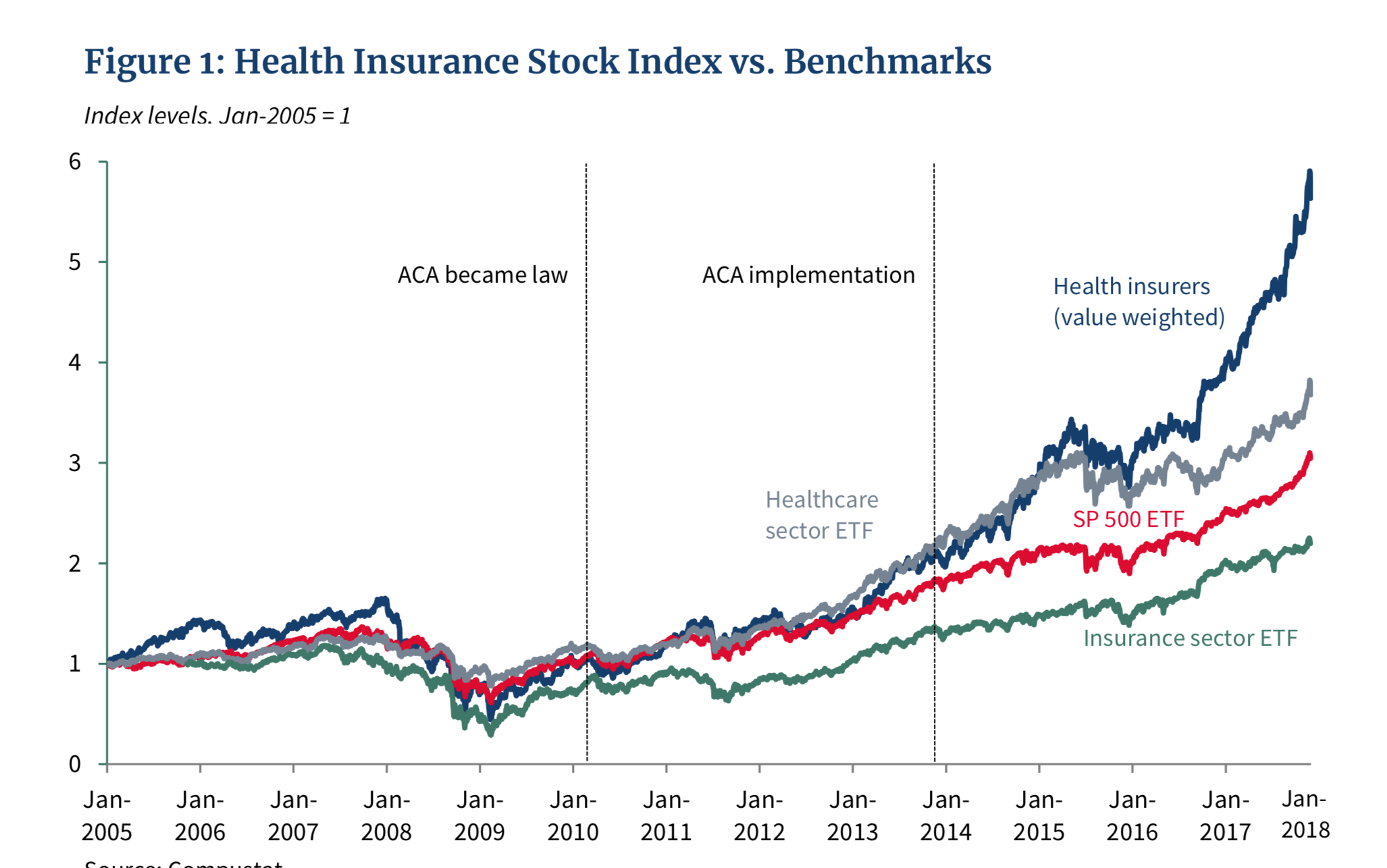
The Health Insurance Stock Index

Versus Industry Benchmarks

[By staff reporters]

***

***

Assessment

Your thoughts are appreciated.

RESOURCES:

“Insurance & Risk Management Strategies for Doctors” https://tinyurl.com/ydx9kd93

“Fiduciary Financial Planning for Physicians” https://tinyurl.com/y7f5pnox

“Business of Medical Practice 2.0” https://tinyurl.com/yb3x6wr8

THANK YOU

***

Comprehensive Financial Planning Strategies for Doctors and Advisors: Best Practices from Leading Consultants and Certified Medical Planners™

Risk Management, Liability Insurance, and Asset Protection Strategies for Doctors and Advisors: Best Practices from Leading Consultants and Certified Medical Planners™

The “INVERTED” Yield Curve?

By Staff Reporters

***

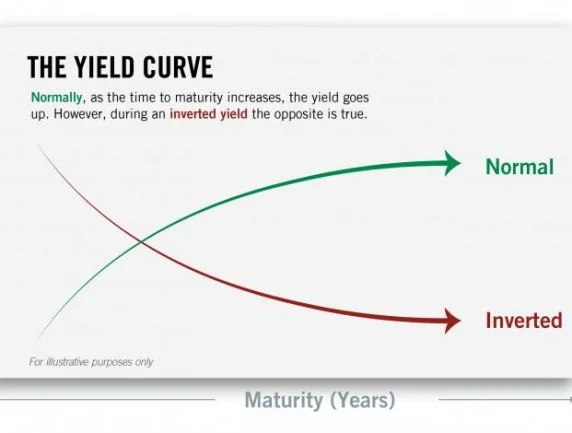
In finance, the yield curve according to Wikipedia is a graph which depicts how the yields on debt instruments – such as bonds – vary as a function of their years remaining to maturity. Typically, the graph’s horizontal or x-axis is a time line of months or years remaining to maturity, with the shortest maturity on the left and progressively longer time periods on the right. The vertical or y-axis depicts the annualized yield to maturity.

Currrently 10 year T-bonds are about 2.7%

***

***

According to finance scholar Dr. Frank J. Fabozzi, investors use yield curves to price debt securities traded in public markets and to set interest rates on many other types of debt, including bank loans and mortgages. Shifts in the shape and slope of the yield curve are thought to be related to investor expectations for the economy and interest rates.

And, Ronald Melicher and Merle Welshans have identified several characteristics of a properly constructed yield curve. It should be based on a set of securities which have differing lengths of time to maturity, and all yields should be calculated as of the same point in time. All securities measured in the yield curve should have similar credit ratings, to screen out the effect of yield differentials caused by credit risk.

For this reason, many physician investors and traders closely watch the yield curve for U.S. Treasury debt securities, which are considered to be risk-free. Informally called “the Treasury yield curve”, it is commonly plotted on a graph such as the one on the right. More formal mathematical descriptions of this relationship are often called the term structure of interest rates.

CITE: https://www.r2library.com/Resource/Title/082610254

MORE: https://www.msn.com/en-us/money/topstocks/is-a-yield-curve-inversion-a-foreboding-sign-for-mortgage-rates-does-it-really-signal-a-recession-economists-weigh-in/ar-AAVLg5j?li=BBnb7Kz

***

COMMENTS APPRECIATED

Thank You

Subscribe to the Medical Executive-Post

***

***

INDUSTRIAL ORGANIZATION: For Hospitals, Clinics and Healthcare CXOs, CEOs, CMOs and CTOs, etc.

MANAGEMENT STRATEGIES, TOOLS TEMPLATES AND CASE STUDIES

***

Reviews:

Hospitals and Health Care Organizations is a must-read for any physician and other health care provider to understand the multiple, and increasingly complex, interlocking components of the U.S. health care delivery system, whether they are employed by a hospital system, or manage their own private practices.

The operational principles, methods, and examples in this book provide a framework applicable on both the large organizational and smaller private practice levels and will result in better patient care. Physicians today know they need to better understand business principles and this book by Dr. David E. Marcinko and Professor Hope Rachel Hetico provides an excellent framework and foundation to learn important principles all doctors need to know.
―Richard Berning, MD, Pediatric Cardiology

… Dr. David Edward Marcinko and Professor Hope Rachel Hetico bring their vast health care experience along with additional national experts to provide a health care model-based framework to allow health care professionals to utilize the checklists and templates to evaluate their own systems, recognize where the weak links in the system are, and, by applying the well-illustrated principles, improve the efficiency of the system without sacrificing quality patient care. … The health care delivery system is not an assembly line, but with persistence and time following the guidelines offered in this book, quality patient care can be delivered efficiently and affordably while maintaining the financial viability of institutions and practices.
―James Winston Phillips, MD, MBA, JD, LLM

***

***

***

PURCHASE: https://www.amazon.com/dp/B00BC9IIUM?ref_=k4w_oembed_faGUzLlJ9ojLIx&tag=kpembed-20&linkCode=kpd

***

PODCAST: Training the Next Generation of Public Health Professionals

By American Journal of Public Health

***

***

DEFINITION: Public health is “the science and art of preventing disease, prolonging life and promoting health through the organized efforts and informed choices of society, organizations, public and private, communities and individuals”.

CITE: https://www.r2library.com/Resource/Title/082610254

CDC: https://www.cdcfoundation.org/what-public-health

PODCASTS: https://www.apha.org/what-is-public-health

***

READ HERE: https://ajph.aphapublications.org/doi/10.2105/AJPH.2022.306756

***

COMMENTS APPRECIATED

Thank You

***

***

***

Doctors “Pay Up” OR ELSE “Don’t Work”

Physicians Suspected of Mental Health Issues

J. Wesley Boyd M.D., Ph.D.

I used to be an Associate Director in a state physician health program (PHP) and I served as a consultant when the state of North Carolina audited its PHP. Now, roughly twice a month I am contacted by a physician somewhere in the U.S. who is, effectively, being extorted.

How are they being extorted? These physicians are forced to either pay tens of thousands of dollars to for-profit evaluation/treatment centers or else lose their ability to practice medicine.

LINK: https://www.psychologytoday.com/us/blog/almost-addicted/201912/doctors-pay-or-else-dont-work#=

MD Mental CARE: https://www.psychologytoday.com/us/blog/almost-addicted/201904/why-physicians-who-need-psychiatric-care-go-kansas

MEDICAL BOARDS: https://medicalexecutivepost.com/2016/07/14/a-brief-history-of-medical-boards/

EDITOR’S NOTE: Colleague J. Wesley Boyd, M.D., Ph.D., is a professor of psychiatry and medical ethics at Baylor College of Medicine. He is also a lecturer on global health and social medicine at Harvard Medical School. He writes on issues of social justice, human rights, immigration and asylum, access to care, and substance use disorders. And, he is the author of the book, Almost Addicted, which won the Will Solemine Award for Excellence in Medical Writing from the New England American Medical Writer’s Association. Dr. Boyd also contributed to our major textbook on Risk Management, Liability Insurance and Asset Protection Strategies for Doctors and Advisors. We appreciate his work and contributions.

Dr. David E. Marcinko MBA

***

Risk Management, Liability Insurance, and Asset Protection Strategies for Doctors and Advisors: Best Practices from Leading Consultants and Certified Medical Planners™

ORDER TEXTBOOK: https://www.routledge.com/Risk-Management-Liability-Insurance-and-Asset-Protection-Strategies-for/Marcinko-Hetico/p/book/9781498725989

INVITE DR. MARCINKO: https://medicalexecutivepost.com/dr-david-marcinkos-

THANK YOU

***

CELEBRATE: National Public Health Week 2022

By Dr. David Edward Marcinko MBA

***

***

National Public Health Week is observed during the first week of April every year. That’s seven days to champion the health of all Americans. It’s a week to recognize that everyone should lead healthier lives, irrespective of where they live, work, or come from. Since its founding in 1955, the initiative has become an important movement to highlight issues that can improve the health and happiness of a nation. You could choose to crush a workout or any workout challenge today. It’s a great week to start eating healthy and stick to it. Whatever you do, remember to involve your friends, family, and the larger community. It’s also a week when we campaign for health policies that are fair, inclusive, and accessible to all communities in the United States.

CITE: https://www.r2library.com/Resource/Title/082610254

HISTORY

The first National Public Health Week took place in April 1955 and was organized by the American Public Health Association (A.P.H.A.). Since then, the initiative has received tremendous support from civil societies and administrations across the United States. The day recognizes the long history and achievements in public health. It also serves to highlight critical issues to help people lead healthier and happier lives.

In attempting to reach these goals, National Public Health Week seeks to address the root causes of poor health, disease, and lifestyles. It starts with recognizing that healthcare is still a privilege many cannot afford. Where people are born, their neighborhoods, places of work, different lives, and backgrounds determine the quality of healthcare access.

For example, a child who goes to school hungry will not be an engaged student. People working for minimum wages sacrifice health for the sake of an income. It’s thousands of families who have no access to nutritious food in their communities. Or those without the means to travel to access quality healthcare, often located far away.

National Public Health Week is committed to making health inclusive and equitable. It hopes to foster decision-making that considers the health of all communities — irrespective of income, race, or gender. Each year, the first full week in April celebrates the power of the community in realizing this vision. The A.P.H.A. usually announces different themes for each day of the week. From fitness challenges and discussions to sharing healthy recipes — it’s seven days of committing to health as a country.

So, no matter where you are, APHA invites you to join us as we celebrate National Public Health Week! This year’s theme, Public Health Is Where You Are, celebrates what we know is true: The places where we are, physically, mentally and societally, affect our health and our lives.

Celebrate and promote health in your community by hosting your own NPHW event!

***


Here are a few ideas:

  1. Host virtual health panels and discussions. …
  2. Team up to reach new audiences and build community. …
  3. Take advantage of Student Day. …
  4. Organize around the daily themes. …
  5. Make advocacy easy. …
  6. Find movement opportunities.

***

COMMENTS APPRECIATED

Thank You

Subscribe to the Medical Executive-Post

***

****

Healthcare Career Positions With The Highest Demand

By Staff Reporters

***

AKASA: Healthcare Positions With The Highest Demand

 •  Registrars: 59.6%
 •  Billing specialists: 54.7%
 •  Follow-up: 42.4%
 •  Front staff: 38.7%
 •  Central scheduling: 37.8%
 •  Denial specialists: 37.1%
 •  Authorization staff: 36.1%
 •  Claims specialists: 35.2%
 •  Collections: 34.4%
 •  Financial counselors: 26.9%
 •  Cash posters: 25.2%
 •  Underpayments: 17.8%
 •  Patient advocates: 11.7%
 •  Pre-filing: 7.7%

Source: AKASA Via PR Newswire, March 17, 2022

CITE: https://www.r2library.com/Resource/Title/082610254

***

COMMENTS APPRECIATED

Thank You

***

***

***

Why 75+ Years of American Finance Should Matter to Physician Investors

A Graphic Presentation [1861-1935] with Commentary from the Publisher

By Dr. David Edward Marcinko FACFAS MBA CPHQ CMP™

http://www.CertifiedMedicalPlanner.org

As our private iMBA Inc clients, ME-P subscribers, textbook and dictionary purchasers, seminar attendees and most ME-P readers know, Ken Arrow is my favorite economist. Why?

About Kenneth J. Arrow, PhD

Well, in 1972, Nobel Laureate Kenneth J. Arrow, PhD shocked Academe’ by identifying health economics as a separate and distinct field. Yet, the seemingly disparate insurance, asset allocation, econometric, statistical and portfolio management principles that he studied have been transparent to most financial professionals and wealth management advisors for years; at least until now.

Nevertheless, to informed cognoscenti, they served as predecessors to the modern healthcare advisory era. In 2004, Arrow was selected as one of eight recipients of the National Medal of Science for his innovative views. And, we envisioned the ME-P at that time to present these increasingly integrated topics to our audience.

Healthcare Economics Today

Today – as 2022 passes – savvy medical professionals, management consultants and financial advisors are realizing that the healthcare industrial complex is in flux; along with the Russian war, domestic inflation and this dynamic may be reflected in the overall flagging economy.

Like many laymen seeking employment, for example, physicians are frantically searching for new ways to improve office revenues and grow personal assets, because of the economic dislocation that is Managed Care, Medi Care and Obama Care [ACA], the depressed business cycle, etc.

Moreover, the largest transfer of wealth in US history is – or was – taking place as our lay elders and mature doctors sell their practices or inherit parents’ estates. Increasingly, the artificial academic boundary between the traditional domestic economy, financial planning and contemporaneous medical practice management is blurring.

I’m Not a Cassandra

Yet, I am no gloom and doom Cassandra like I have been accused, of late. I am not cut from the same cloth as a Jason Zweig, Jeremy Grantham or Nouriel Roubini PhD, for example.

However, I do subscribe to the philosophy of Hope for the Best – Plan for the Worst.

And so dear colleagues, I ask you, “Are the latest swings in the economic, healthcare and financial headlines making you wonder when it will ever stop?”

The short answer is: “It will never stop” because what’s been happening isn’t any “new normal”; it’s just the old normal playing out before a new audience; sans the war.

What audience?

The next-generation of investors, FAs, management consultants and the medical professionals of Health 2.0.

How do I know all this?

History tells me so! Just read this work, and opine otherwise, or reach a different conclusion.

Evidence from the American Financial Scene, circa 1861-1935

The work was created by L. Merle Hostetler in 1936, while he was at Cleveland College of Western Reserve University (now known as Case Western Reserve University). I learned of him while in B-School, back in the day.

At some point after it was printed, he added the years 1936-1938. Mr. Hostetler became a Financial Economist at the Federal Reserve Bank of Cleveland in 1943. In 1953 he was made Director of Research. He resigned from the Bank in 1962 to work for Union Commerce Bank in Cleveland. He died in 1990.

The volume appears to be self published and consists of a chart, approximately 85′ long, fan-folded into 40 pages with additional years attached to the last page. It also includes a “topical index” to the chart and some questions of technical interest which can be answered by the chart.

Link: http://fraser.stlouisfed.org/75years

Assessment

And so, as with Sir John Templeton’s [whose son is an MD] four most dangerous words in investing (It’s different this time), Hostetler effectively illustrates that it wasn’t so different in his era, and maybe—just maybe—it isn’t so different today for all these conjoined fields.

Conclusion      

Your thoughts and comments on this ME-P are appreciated. While not exactly a “sacred cow,” there is a current theory that investors will experience higher volatility and lower global returns for the foreseeable future.

In fact, it has gained widespread acceptance, from the above noted Cassandra’s and others, as problems in Europe persist and threats of a double-dip recession loom. But, how true is this notion; really?

Is Hostetler correct, or not; and why?

Feel free to review our top-left column, and top-right sidebar materials, links, URLs and related websites, too. Then, subscribe to the ME-P. It is fast, free and secure.

Speaker: If you need a moderator or speaker for an upcoming event, Dr. David E. Marcinko; MBA – Publisher-in-Chief of the Medical Executive-Post – is available for seminar or speaking engagements. Contact: MarcinkoAdvisors@msn.com

Our Other Print Books and Related Information Sources:

DOCTORS:

“Insurance & Risk Management Strategies for Doctors” https://tinyurl.com/ydx9kd93

“Fiduciary Financial Planning for Physicians” https://tinyurl.com/y7f5pnox

“Business of Medical Practice 2.0” https://tinyurl.com/yb3x6wr8

HOSPITALS:

“Financial Management Strategies for Hospitals” https://tinyurl.com/yagu567d

“Operational Strategies for Clinics and Hospitals” https://tinyurl.com/y9avbrq5

Subscribe Now: Did you like this Medical Executive-Post, or find it helpful, interesting and informative? Want to get the latest ME-Ps delivered to your email box each morning? Just subscribe using the link below. You can unsubscribe at any time. Security is assured.

Link: http://feeds.feedburner.com/HealthcareFinancialsthePostForcxos

Sponsors Welcomed: And, credible sponsors and like-minded advertisers are always welcomed. Link: https://healthcarefinancials.wordpress.com/2007/11/11/advertise

Product DetailsProduct DetailsProduct Details

  Risk Management, Liability Insurance, and Asset Protection Strategies for Doctors and Advisors: Best Practices from Leading Consultants and Certified Medical Planners™8Comprehensive Financial Planning Strategies for Doctors and Advisors: Best Practices from Leading Consultants and Certified Medical Planners™

   Product Details

Do New Socialists Really Want Socialism?

Do New Socialists Really Want Socialism?

By Rick Kahler CFP®

Increasingly in the US, it’s becoming more socially acceptable—perhaps even fashionable—to be anti-wealth and anti-capitalism.

Even identifying as a socialist is no longer the dominion of the far left but is gaining popularity. A number of mainstream politicians, including Presidential candidates, are self-identifying as “socialist.” According to a February 19 article by Mike Allen in Google’s Axios, polling shows younger Americans are souring on capitalism and don’t find the label “socialist” scary or demeaning.

Interestingly, the meanings I see thrown about for socialism and capitalism rarely agree with the traditional definitions.

For example, some self-proclaimed socialists call for higher taxes on the rich, more funding for massive infrastructure improvements, and expanding social welfare programs with proposals like “Medicare for all.” These are not necessarily socialism, but rather an expansion of social programs. There is a difference.

Socialism is an economic system in which the means of production and distribution of goods are owned and controlled collectively or by the government. It is characterized by production for use rather than profit, equality of individual wealth and incomes, the absence of competitive economic activity, and government determination of investment, prices, and production levels.

A truly socialistic economy has no privately owned business. Since all business are government-owned, there is no competitive force serving to improve services or drive down prices. Prices are not set competitively but by government policy. Everyone is economically equal, with no rich or poor. At least in theory.

Embracing increased taxes on fossil fuels and more government spending for health care or green initiatives is not inherently a call for a socialistic economy. It is a call for bigger government and placing more restrictions on free enterprise, which is only a step toward socialism.

For example, the Scandinavian countries have massive social programs. Yet they are not socialistic economies. Their systems allow for free markets and the private ownership of business, meaning their social programs are funded by capitalism and free enterprise.

We have yet to see a society that has successfully tried real socialism. Countries that have attempted it, according to Forbes, are China, Cambodia, Cuba, East Germany, Ethiopia, North Korea, Poland, Romania, the USSR, and Venezuela. Even though many of them have abandoned socialism, the effects are long lasting. Of these countries, according to the Economist, in 2016 Poland had the highest standard of living, ranking at 68 worldwide.

Israeli David Rubin, author of the Trump and the Jews, says in a February Yonkers Tribune article, “I must warn my many American friends to learn some critical lessons from Israel’s socialist past.” He points out that Israel’s founders created a socialist-based economy intended to provide financial security for its new citizens, including millions of refugees. The country struggled with economic stagnation, soaring inflation, low wages, and high prices. In the 1980’s Israel began a shift to free market capitalism, and today its economy is thriving.

***

***

An idea strongly identified with today’s self-identified socialists in the US is the “Green New Deal” resolution which failed to pass in the Senate. In addition to proposals to aggressively reduce greenhouse gas emissions and require the use of renewable energy, it also calls for “guaranteeing a job with a family-sustaining wage, adequate family and medical leave, paid vacations, and retirement security to all people of the United States.”

Assessment

Imposing stringent regulations on property owners and businesses isn’t inherently socialistic, although it would raise prices for everyone, especially the low-income Americans the proposal intends to protect.

However, guaranteeing a lifelong sustainable income for every person in the US, and placing health care under the dominion of the government, does take a giant step toward socialism.

Your thoughts are appreciated

***

Risk Management, Liability Insurance, and Asset Protection Strategies for Doctors and Advisors: Best Practices from Leading Consultants and Certified Medical Planners™8Comprehensive Financial Planning Strategies for Doctors and Advisors: Best Practices from Leading Consultants and Certified Medical Planners™

***

Update on COVID-19 Booster Shots

***

***

Update on COVID-19 booster shots
In case you missed it: If you or a loved one are 50 or older, or are moderately or severely immunocompromised, you can get an additional Pfizer or Moderna COVID-19 booster shot at no cost to you.

The CDC recommends an additional booster shot for certain individuals to increase protection from severe disease from COVID-19. People over the age of 50, or who are moderately or severely immunocompromised, can get an additional booster of Pfizer or Moderna 4 months after their last dose.

This is especially important for those 65 and older who are at higher risk from severe disease and most likely to benefit from getting an additional booster.

Learn More: Remember: Medicare covers the COVID-19 vaccine, including booster shots, at no cost to you. Find a COVID-19 vaccine location near you.

Sincerely
The Medicare Team

COMMENTS APPRECIATED

Thank You

MORE: https://www.medicare.gov/medicare-coronavirus?utm_campaign=20220406_cvd_prv_gal&utm_content=english&utm_medium=email&utm_source=govdelivery

***

***

UPDATE: Domestic Stocks Fall Amid FOMC Comments

By Staff Reporters

***

***

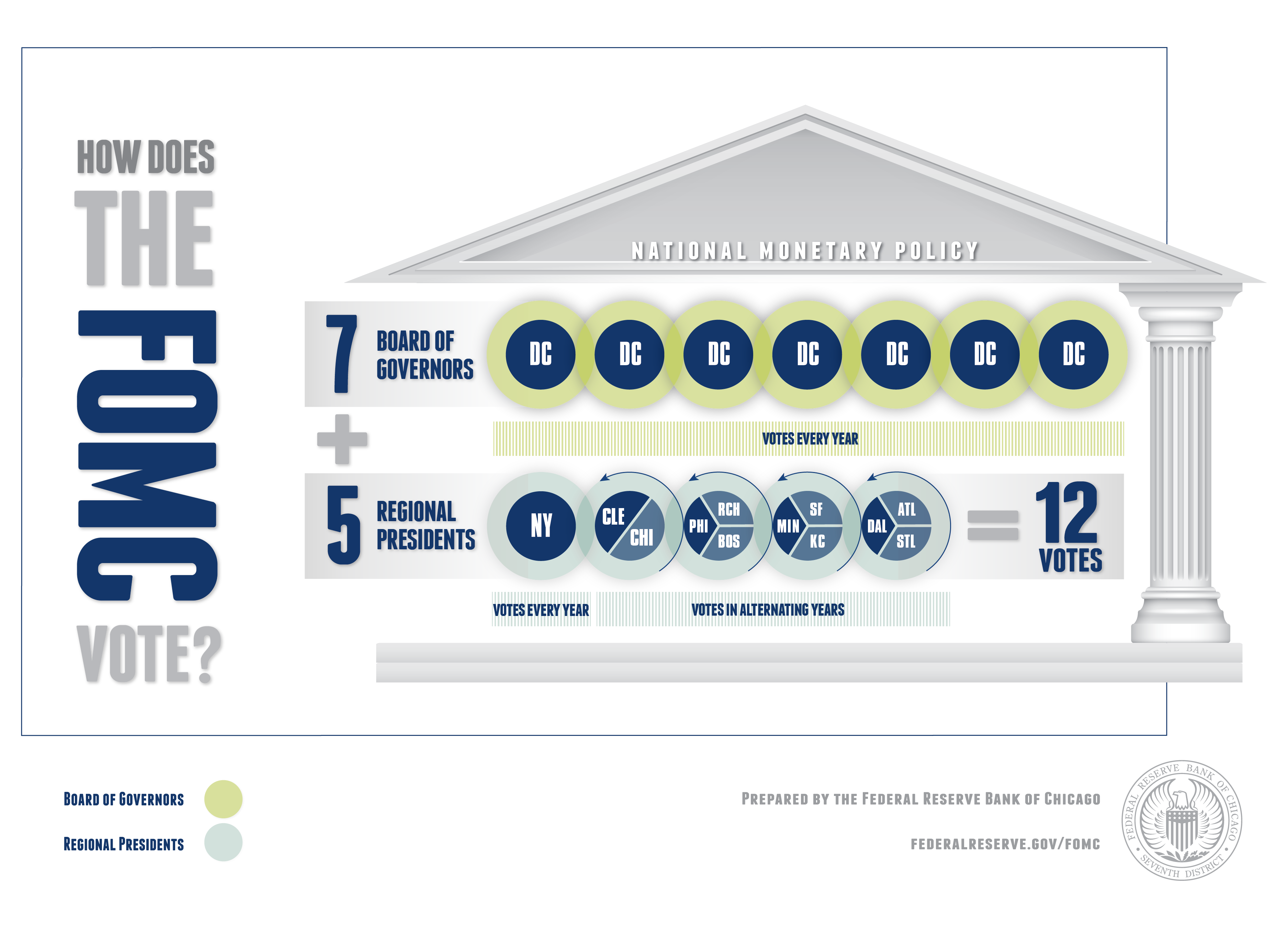
US. stocks faltered and were dragged down by losses in tech, as investors weighed remarks by Federal Reserve [FOMC] Governor Lael Brainard that indicated policymakers were ready to act more aggressively to rein in inflation. Investors also monitored reports indicating the U.S. and European Union are expected to unveil more sanctions against Russia on Wednesday.

The S&P 500 tumbled 1.3%, and the Dow Jones Industrial Average shed 280 points after climbing for two straight trading sessions. The NASDAQ Composite plunged 2.3% to log its biggest drop in three weeks and erase gains from a tech rally that helped the index pop on Monday. Meanwhile, the 10-year U.S. Treasury yield jumped to 2.56%, its highest level since May 2019.

CITE: https://www.r2library.com/Resource/Title/082610254

Brainard, who is awaiting a confirmation vote to serve in the central bank’s number two role, said at a conference on Tuesday that the Fed can raise interest rates more aggressively to dampen the high rate of inflation felt by Americans, also noting that officials will likely start shrinking asset holdings in a about a month (a move that could have the effect of further raising long-term interest rates).

“Currently, inflation is much too high and is subject to upside risks,” Brainard said. “The Committee is prepared to take stronger action if indicators of inflation and inflation expectations indicate that such action is warranted.”

***

COMMENTS APPRECIATED

Thank You

Subscribe to the Medical Executive-Post

***

***

UPDATE: The NASDAQ, Elon Musk and Twitter

By Staff Reporters

***

***

The NASDAQ composite booked its best day in more than a week after investors snapped up technology and communications shares on Elon Musk’s disclosure of a large stake in social media platform Twitter Inc. The NASDAQ, Dow industrials and S&P 500 all rose for a second straight trading day.

CITE: https://www.r2library.com/Resource/Title/082610254

What happened:

  • The NASDAQ Composite COMP, +1.90% finished up 271.05 points, or 1.9%, at 14,532.55. That’s the largest daily percentage gain since March 24, 2022, according to Dow Jones Market Data.
  • The Dow Jones Industrial Average DJIA, +0.30% added 103.61 points or 0.3%, closing at 34,921.88.
  • The S&P 500 SPX, +0.81% closed up 36.78 points, or 0.8%, at 4,582.64.

***

COMMENTS APPRECIATED

Thank You

Subscribe to the Medical Executive-Post

***

***

Primary Care in High-Income Countries [How the United States Compares?]

By Staff Reporters

***

***

Commonwealth Fund: % of Adults Who Have Regular Doctors

 •  Norway: 100%
 •  Netherlands: 99%
 •  U.K.: 97%
 •  New Zealand: 96%
 •  Germany: 96%
 •  France: 95%
 •  Australia: 93%
 •  Switzerland: 93%
 •  Canada: 90%
 •  U.S.: 89%
 •  Sweden: 87%

Source: The Commonwealth Fund, “Primary Care in High-Income Countries: How the United States Compares,” March 15, 2022

Citation: https://www.r2library.com/Resource/Title/0826102549

***

COMMENTS APPRECIATED

Thank You

Subscribe to the Medical Executive-Post

***

***

***

***

Types of Care Medical Providers Deliver Via Tele-Health

By Staff Reporters

***

***
1
.   Conduct primary care visits (75%)
2.  
Conduct chronic care visits (72%)
3.   Order prescription refills (64%)
4.   Conduct COVID-19 screenings (39%)
5.   Conduct urgent care visits (38%)
6.  
Address mental health concerns (36%)
7.   Conduct follow-up after a procedure or surgery care (28%)

Source: Optum Via UnitedHealth Group, March 15, 2022

***

COMMENTS APPRECIATED

Thank You

Subscribe to the Medical Executive-Post

***

***

***

About Twenty Successful Entrepreneurs

Share Their Best Advice

By staff reporters

Conclusion

Your thoughts and comments on this ME-P are appreciated. Feel free to review our top-left column, and top-right sidebar materials, links, urls and related websites, too. Then, subscribe to the ME-P. It is fast, free and secure.

Speaker: If you need a moderator or speaker for an upcoming event, Dr. David E. Marcinko; MBA – Publisher-in-Chief of the Medical Executive-Post – is available for seminar or speaking engagements. Contact: MarcinkoAdvisors@msn.com

OUR OTHER PRINT BOOKS AND RELATED INFORMATION SOURCES:

Product DetailsProduct Details

***

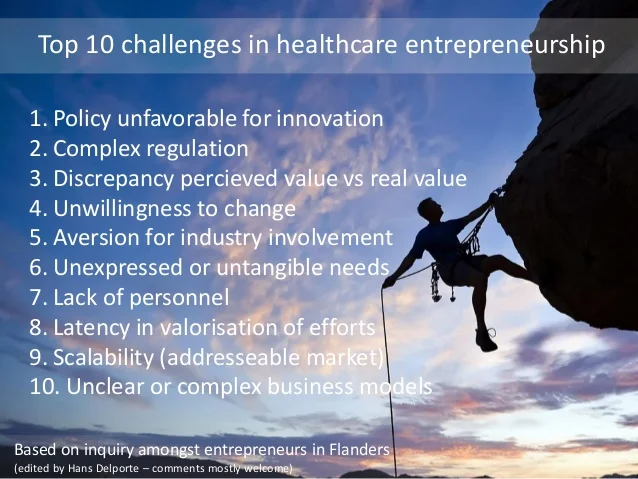
HEALTHCARE ENTREPRENEURS: “Top 10” Challenges

By Staff Reporters

***

***

COMMENTS APPRECIATED

Thank You

Subscribe to the Medical Executive-Post

***

***

***

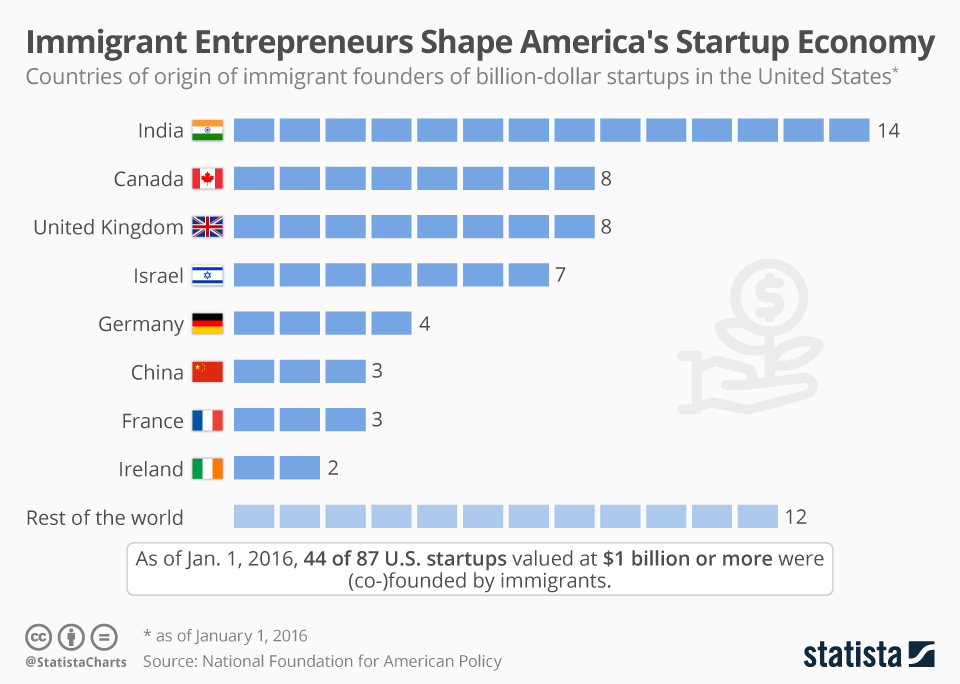
On Immigrant Entrepreneurs and the USA

Shape the Start-Up Economy

***

***

COMMENTS APPRECIATED

Thank You

***

***

30% of Adults Surveyed Would Give Up Their Current PCP

By Staff Reporters

***

***

Primary Care Providers

A survey was recently conducted by Centivo of 805 US adults ages 18-64 with employer-sponsored private health insurance. The survey found that respondents were willing to accept the following conditions in exchange for significant cost savings:

 •  50% would accept referrals for specialists as a requirement.
 •  47% would select a primary care physician (PCP) from a defined list.
 •  30% would give up their current PCP.
 •  28% would stop seeing a current specialist.

Source: Centivo Via PR Newswire, March 16, 2022

***

COMMENTS APPRECIATED

Thank You

Subscribe to the Medical Executive-Post

***

***

***

UPDATE: The Month of April with Chinese Stocks Update

By Staff Reporters

***

APRIL is the fourth month of the year in the Gregorian calendar, the fifth in the early Julian, the first of four months to have a length of 30 days, and the second of five months to have a length of less than 31 days.

April is commonly associated with the season of autumn in parts of the Southern Hemisphere, and spring in parts of the Northern Hemisphere, where it is the seasonal equivalent to October in the Southern Hemisphere and vice versa.

April is also National Afternoon Tea Month, National Canine Fitness Month, National Fresh Celery Month, International Guitar Month, and Records and Information Management Month.

CHINA: Didi Global Inc. led the advance in American depository receipts, rising 13%. E-commerce giant Alibaba Group Holding Ltd. climbed 1.3%, while JD.com Inc. gained 2.1% and Baidu Inc. jumped 6.6%. The NASDAQ Golden Dragon China Index rose 4.7%, just a day after locking in its worst start to a year since 2008.

CITE: https://www.r2library.com/Resource/Title/082610254

***

COMMENTS APPRECIATED

Thank You

Subscribe to the Medical Executive-Post

***

***

PODCASTS: All You Need to Know About Government Healthcare

By Eric Bricker MD

***

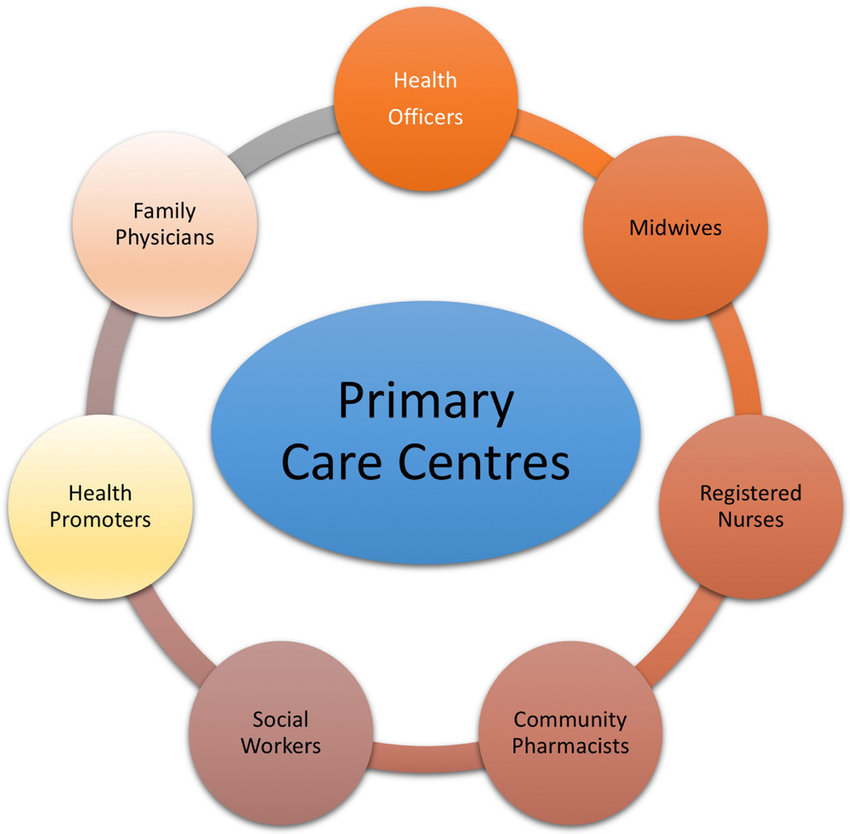
1) Traditional Medicare: Health Insurance for Seniors 65 and older. Medicare Part A is coverage for hospital services. Medicare Part B is coverage for doctor, physical therapist and other provider services and for outpatient services such as labs and imaging.
2) Medicare Advantage: Health Insurance for Seniors 65 and older administered through a private health insurance company. It is sometimes referred to as Medicare Part C. It can be chosen instead of Traditional Medicare and often includes Dental Insurance, Vision Insurance, Hearing Aid Insurance and Prescription Drug Coverage.

3) Medicare Part D Prescription Coverage: Additional insurance for people on Traditional Medicare to cover their prescription medications as well. Medicare Part D is administered by private insurance companies.

4) Medicare Supplement Plans: Insurance that can be purchased in addition to Traditional Medicare to cover the expenses that Traditional Medicare does not cover, such as hospitalization deductibles and Medicare Part B co-insurance.

5) Medicaid: The health insurance program administered by each state for it’s economically disadvantaged residents. It is funded in part by the Federal Government and in part by each state. It is administered by private health insurance companies.

6) Affordable Care Act (ACA) Exchange Plans: Health insurance for people under 65 who make too much money to qualify for Medicaid, but do not received health insurance through their employer. ACA Exchange Plans are subsidized by the Federal Government and administered by private insurance companies.


***

***

COMMENTS APPRECIATED.

Thank You

Subscribe to the Medical Executive-Post

***

***

***

****

The Subjective Theory of Bitcoin

By Michael Accad MD

***

***

In a recent article on the Mises Institute’s Power and Market blog, Kyle Ward appealed to the subjective theory of value to castigate Peter Schiff for his notorious skepticism of Bitcoin:

***

Schiff is quick to point out that gold has uses outside of being money. It is used in electronics, dentistry, and jewelry, to name a few…This leads Schiff to claim that bitcoin is unlike gold in that it has no fundamental (or objective) value. His mistake is obvious: there is no such thing as objective value, whether we’re talking about gold or bitcoin. Value is subjective and determined internally by individuals…Yes, gold can be used to build electronics, but that only has value because consumers subjectively value electronics. (emphasis in the original)

I believe Ward errs in how he relates the subjective theory of value to Bitcoin, but his error stems both from an ambiguity in phrases like “objective value” and from an ambivalence in how the founding fathers of Austrian economics themselves considered the relationship between the human agent and the good being valued.

In this article I will argue that the “orthodox” Austrian school position regarding the emergence of sound money from commodities—first proposed by Carl Menger, subsequently developed by Ludwig von Mises, and presumably adopted by Peter Schiff—is the correct one. But I will appeal to a Scholastic notion of the good to defend that view. That notion of the good is also critical to secure the foundation of a sound economic science.

***

READ: http://alertandoriented.com/the-subjective-theory-of-bitcoin/

***

EDITOR’S NOTE: Florida Podiatry Practice Now Accepts Bitcoin 

JAWSPodiatry is now one of the first medical practices in South Florida to accept Bitcoin! Bitcoin, as you know is a virtual currency that has generated a lot of headlines and has been growing in use and acceptance across the country and around the world. It is a distributed, peer-to-peer digital currency that functions without the intermediation of any central authority. 

***

COMMENTS APPRECIATED

Thank You

Subscribe to the Medical Executive-Post

***

****

UPDATE: First Quarter Stock Index Review & T-Bond Yields

By Staff Reporters

U.S. stocks fell Thursday afternoon to cap a quarter in which Federal Reserve monetary tightening and the Russian invasion of Ukraine have weighed on sentiment and has put the S&P 500 on track for its first quarterly loss in two years.

***

***

How stock indexes performed?

  • The Dow Jones Industrial Average fell 336 points, or 1%, to about 34,893.
  • The S&P 500 was down 38 points, or 0.8%, at 4,564.
  • The NASDAQ Composite shed 107 points, or 0.7%, to trade near 14,335.

BONDS: The yield on the 10-year Treasury fell to 2.331%, while the yield on the 2-year Treasury was at 2.337% at one point in late trading Thursday. After a brief inversion, both yields were basically trading at the 2.34% level in the latest trading.

CITE: https://www.r2library.com/Resource/Title/082610254

***

***

HAPPY APRIL 1st 2022

COMMENTS APPRECIATED

Thank You

Subscribe to the Medical Executive-Post

***

***

PODCAST: Health Care EMR and I.T. Inter-Operability Explained

By Eric Brikcer MD

***

Electronic Medical Record Interoperability is the Ability of Different Hospital Systems and Doctor Practices to Share Patient Data.

***

***

MEDICINE: https://www.amazon.com/Business-Medical-Practice-Transformational-Doctors/dp/0826105750/ref=sr_1_9?ie=UTF8&qid=1448163039&sr=8-9&keywords=david+marcinko

***

DHIT: https://www.amazon.com/Dictionary-Health-Information-Technology-Security/dp/0826149952/ref=sr_1_5?ie=UTF8&s=books&qid=1254413315&sr=1-5

***