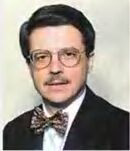
The DDS / Doctor [Salesman] will See [Up-Sell] you Now

Blurring the Line between Medical Professionalism … and Mercantilism

By Dr. David Edward Marcinko; MBA, CMP™

[Publisher-in-Chief]

Concerns and complaints about pushy dentists are apparently becoming more numerous among consumers, as elective cosmetic treatments and marginally effective tests and modalities are increasingly available from the same providers that patients formerly turned to for unbiased dental advice and oral healthcare. All for a price!

http://www.msnbc.msn.com/id/37198272/ns/health-oral_health

So, enter the cosmetic [rank-and-file] dentists and the elective renaissance of the profession – at least economically. An entire industry has even sprung up teaching dentists how to sell various products, and up-sell related services and procedures.

[picapp align=”none” wrap=”false” link=”term=dentists&iid=166771″ src=”0163/1731b859-b744-4a0e-b055-a9e985ad8673.jpg?adImageId=12959860&imageId=166771″ width=”372″ height=”459″ /]

Root-Cause [pun intended]  

Why is this happening? Economics of course! Dental profession success in eradicating cavities, caries and other common mouth disorders – which used to comprise 80% of dental procedures and income – is now a two-edge sword working against their financial self interests … damn!

In fact, I recall about three decades ago when the situation first became acute, as more than a few of our nation’s dental schools closed for lack of interest in matriculation. Right here in Atlanta, the prestigious Emory University School of Dentistry closed its doors while I myself was a patient there; and employed as a surgical resident at a nearby acute care hospital. Contemporaneous cocktail party talk and medical gossip centered on the “death of dentistry” as I exhaled a sigh of relief at my career choice.

Going forward, years later, far too many managed care contracts reimbursed so poorly that they became a loss-leader [access portal to a patient population] for dental practitioners. In other worlds, lose money or break-even on the covered services contract, but profit handsomely by offering [pushing] non-covered services to cohort contract members … and their sphere of influence.

One Word from Mrs. Robinson – Plastics

Plastic surgeons, of course, are still the doctors most commonly associated with non-covered and purely cosmetic and elective treatments such as Botox injections, facelifts and tummy tucks. But, similar elective procedures — which generally aren’t covered by insurance — are being offered by a wide variety of medical specialists.

For example, many dermatologists, who treat patients for skin cancer and other diseases, also promote treatments to smooth wrinkles, lighten age spots and remove hair. Otolarnygologists, who care for patients with conditions of the ear, nose and throat, commonly perform nose jobs, brow lifts and eyelid surgery. And, podiatrists, who are often experts at foot reconstructive, diabetic and ankle surgery, sell shoes, shoe-inserts, laser beam treatments for fungus toenails and various cosmetic and prosthetic devices for deformed toenails and crooked digits.

Medicare Limits – Privates Don’t

At least Medicare requires an ABN [advanced beneficiary notice] for non-covered medical services, and limits non-participating doctors to 115% of the Medicare fee schedule for all providers. Increasingly, some private health plans are doing and proposing, same.  

Practice Management Guru

Now, I have no issue with efficient medical practice management operations, for any specialty. In this era of managed care and health 2.0, governmental intervention is onerous, competition is fierce and patient empowerment is reversing the aging command-control medical establishment. Nor, do I have a problem with offering the entire range of therapeutic and/or elective options to any patient. This is a “good – better – best” elective marketing concept.

In fact, the third edition of our best-selling book, the Business of Medical Practice [Transformational Health 2.0 Skills for Doctors] will soon be released this autumn www.BusinessofMedicalPractice.com. In it, we seek to educate doctors about modern business, management and economics practices; as well as the emerging participatory health 2.0 philosophy and information technology skills. Our goal is enhancing the survival potential of the independent practicing medical professional.

But, the ever expanding menu of treatment options – promoted by a trusted medical professional – should include procedural risks and complications, period of recovery and alternatives, including benign neglect [watchful waiting], marginal benefit and marginal utility, as well as price transparency.

Call this new-wave litany, a type of “informed patient business consent”.

[picapp align=”none” wrap=”false” link=”term=doctor+money&iid=182012″ src=”0178/66353b45-9776-48b9-9bdd-2993a48f32bf.jpg?adImageId=12959922&imageId=182012″ width=”372″ height=”459″ /]

Aphorisms of the Past

Over the years, we have heard phrases like the following from all sorts of independent specialists. I know I have, and so have you. Many are the butt of “insider” jokes:

MD: I’m sure that appendix is hot – I have a car payment to make

DPM: Even the normal foot can be surgically improved

DO: Now, I can bill like a real MD

DDS: We can straighten out – the straightest teeth

DC: I’ll crack your back in only forty sessions … and I finance

But, these are aphorisms of the last-generation. Today we are responsible adults. Let’s grow up and become medical professionals and “DOCTORS” again … not healthcare merchants, sales sharks or equipment shills that offer strategic competitive advantages; but not real patient benefits.  

Join Our Mailing List

Assessment

The old practice management business adage of yesteryear – to work longer hours, see more patients quicker, up-sell marginally effective procedures, or do more treatments in order to realize more income – will not necessarily hold true in the modern era.

http://www.washingtonpost.com/wp-dyn/content/article/2010/05/17/AR2010051703034.html

According to colleague, financial advisor and ME-P thought leader Brian J. Knabe MD – a primary care physician and current www.CertifiedMedicalPlanner.com matriculant – and textbook chapter 27 co-author on physician compensation and salary:

In the environment of Healthcare 2.0, those doctors who embrace efficiency, innovation and appropriate business models will be better positioned to optimize their incomes. 

http://businessofmedicalpractice.com/chapter-27-salary-compensation-2/

Conclusion

Comments from our dental – and other – physician readers are requested. And, so are your general or specific thoughts on this ME-P. Feel free to review our top-left column, and top-right sidebar materials, links, URLs and related websites, too. Then, be sure to subscribe. It is fast, free and secure.

Speaker: If you need a moderator or speaker for an upcoming event, Dr. David E. Marcinko; MBA – Publisher-in-Chief of the Medical Executive-Post – is available for seminar or speaking engagements. Contact: MarcinkoAdvisors@msn.com

Get our Widget: Get this widget!

Our Other Print Books and Related Information Sources:

Practice Management: http://www.springerpub.com/prod.aspx?prod_id=23759

Physician Financial Planning: http://www.jbpub.com/catalog/0763745790

Medical Risk Management: http://www.jbpub.com/catalog/9780763733421

Healthcare Organizations: www.HealthcareFinancials.com

Health Administration Terms: www.HealthDictionarySeries.com

Physician Advisors: www.CertifiedMedicalPlanner.com

Subscribe Now: Did you like this Medical Executive-Post, or find it helpful, interesting and informative? Want to get the latest ME-Ps delivered to your email box each morning? Just subscribe using the link below. You can unsubscribe at any time. Security is assured.

Link: http://feeds.feedburner.com/HealthcareFinancialsthePostForcxos

Sponsors Welcomed

And, credible sponsors and like-minded advertisers are always welcomed.

Link: https://healthcarefinancials.wordpress.com/2007/11/11/advertise

Are Primary Care Doctors Becoming More Like Financial Advisors?

Hospitals [BDs] “versus” Family Practitioners [FAs]

By Dr. David Edward Marcinko; MBA, CMP™

[Editor-in-Chief]

The Big Mistake

Those who believe that hospitals need medical specialists like radiologists, pathologists and oncologists, more than primary care doctors, are mistaken. And, those doctors who believe that the majority of “financial advisors” work for their clients are also mistaken. Here’s why in analogy format.

Why Hospitals Need PCPs

Hospitals generally need primary care physicians, more than specialists, because insurance contracts can be negotiated from a position of strength. A solid [large] primary care panel is a must-have for most insurance contracts. Just recall more than a decade ago – when PCPs were told of an emerging new renaissance where they would reign in place of the medical specialists? It never happened then, but it may happen now following healthcare reform.

Also, recall that the growth of fiduciary Registered Investment Advisors [RIAs] was slow until the stock market collapse of 2008. The pace is accelerating today with the political dawn of financial reform.

Patient’s Love their PCPs – Not their Hospitals

Moreover, please realize that few patients shop around for specialists, or hospitals, as they do for PCPs. OK, the OB-GYNs are unique in that they can play a dual role – as specialist and primary care doctor – just ask my wife who would rather eat nails than change her [female] female doctor.

Hospitals also need PCPs as referring physicians to generate business through their ERs, admissions department, outpatient centers, and/or by ordering invasive and non-invasive radiology tests, images, scans or laboratory tests, and/or sending patients to specialists who will do expensive procedures or surgery in their ORs, hospital and/or related facilities.

Doesn’t this sound like a stock broker working for his wire-house or broker-dealer?  

www.HealthcareFinancials.com

The PCP Loss Leader

Primary care is a loss-leader to hospitals as they make little money directly off medical practices, but can generate a great deal from the referrals and procedures the grass-roots docs generate; especially if they “play the game” like commissioned stockbrokers. And, consider brilliant medical diagnosticians, like TV’s Gregory House MD, and all those tests and procedures they can do – just to be sure!

No wonder that physician-executives and hospital administrators like Dr. Lisa Cuddy of the Princeton-Plainsboro Teaching Hospital, in New Jersey, love them.

Ditto for wire-house office managers and stock-brokerage OSJs [Office of Supervisory Jurisdiction] who love their “top producers”, brokers and FAs.

[picapp align=”none” wrap=”false” link=”term=operating+room&iid=288202″ src=”0284/9dbd59b4-ffc4-49c4-8b2e-3b568f74dc9d.jpg?adImageId=12660700&imageId=288202″ width=”380″ height=”253″ /]

Conflicted Missions

Unfortunately, this shifts the mission of PCPs from keeping patients out of the hospital – as physical and fiscal advocate – to sending them to the hospital as a “heavy admitter-referrer” with resulting perks and swagger.

Thus, “success” of the PCP from a hospital perspective is not to avoid referrals or costly procedures, but to gather them.  However, success is a matter of perspective that may be very unfortunate for the patient, state or federal payer, private employer and/or insurance company.

Financial Advisor Analog

Does this PCP conundrum sound like the conflicted situation found with many “independent” financial advisors today? Are PCPs becoming mere patient gatherers, or profit generating shills, for their hospitals, employers or healthcare systems? Where does one’s duty rest? Are we doctor’s or medical product/procedure merchants?

www.CertifiedMedicalPlanner.com

Conclusion

And so, your thoughts and comments on this ME-P are appreciated. Is this analogy correct, or not. Is it too harsh or too gentle – and for whom?

Feel free to review our top-left column, and top-right sidebar materials, links, URLs and related websites, too. Then, be sure to subscribe. It is fast, free and secure.

Link: http://feeds.feedburner.com/HealthcareFinancialsthePostForcxos

Speaker: If you need a moderator or speaker for an upcoming event, Dr. David E. Marcinko; MBA – Publisher-in-Chief of the Medical Executive-Post – is available for seminar or speaking engagements. Contact: MarcinkoAdvisors@msn.com

Get our Widget: Get this widget!

Our Other Print Books and Related Information Sources:

Practice Management: http://www.springerpub.com/prod.aspx?prod_id=23759

Physician Financial Planning: http://www.jbpub.com/catalog/0763745790

Medical Risk Management: http://www.jbpub.com/catalog/9780763733421

Healthcare Organizations: www.HealthcareFinancials.com

Health Administration Terms: www.HealthDictionarySeries.com

Physician Advisors: www.CertifiedMedicalPlanner.com

Subscribe Now: Did you like this Medical Executive-Post, or find it helpful, interesting and informative? Want to get the latest ME-Ps delivered to your email box each morning? Just subscribe using the link below. You can unsubscribe at any time. Security is assured.

Link: http://feeds.feedburner.com/HealthcareFinancialsthePostForcxos

Sponsors Welcomed

And, credible sponsors and like-minded advertisers are always welcomed.

Link: https://healthcarefinancials.wordpress.com/2007/11/11/advertise

Understanding the Medical Career Choice!

Regrets and Recriminations – or Joy and Bliss?

By Eugene Schmuckler PhD, MBA

http://www.CertifiedMedicalPlanner.org

By Dr. David E. Marcinko MBA

www.MedicalBusinessAdvisors.com

Join Our Mailing List 

Jimmy’s mother called out to him at seven in the morning, “Jimmy, get up. It’s time for school.” There was no answer. She called again, this time more loudly, “Jimmy, get up! It’s time for school!” Once more there was no more answer. Exasperated, she went to his room and shook him saying, “Jimmy, it’s time to get ready for school.”

He answered, “Mother, I’m not going to school. There are fifteen hundred kids at that school and every one of them hates me. I’m not going to school.”

“Get to school!” she replied sharply.

“But, Mother, all the teachers hate me, too. I saw three of them talking the other day and one of them was pointing his finger at me. I know they all hate me so I’m not going to school,” Jimmy answered.

“Get to school!” his mother demanded again.

“But mother, I don’t understand it. Why would you want to put me through all of that torture and suffering?” he protested.

“Jimmy, for two good reasons,” she fired back. “First, you’re forty-two years old. Secondly, you’re the principal.”

Similar Physician Sentiments

Many of us have had conversations with medical colleagues at which time sentiments of those expressed by Jimmy have been voiced. The career choice that was made many years ago is now, for some reason, no longer as exciting, interesting and enjoyable, as it was when we first began in the field. The career that was undertaken with great anticipation is now something to dread.

The reason for this is occurrence is not that difficult to understand. Two of the most important decisions individuals are asked to make are ones for which the least amount of training is offered: choice of spouse and choice of career. How many college students receive a degree in the field they identified when they first enrolled at the college or university? In fact, how many entering freshmen list their choice of major as undecided? It is only during the sophomore year when a major must be declared is the choice actually made. So, career choices made at the age of 19 might be due to having taken a course that was interesting or easy, appeared to have many entry level jobs, did not require additional educational or professional training requirements, or was a form of the “family business.” Now as an adult, the individual is functioning in a career field that was selected for him or her by an eighteen-year-old.

Judging Career Success

How do we judge career success? A career represents more than just the job or sequence of jobs we hold in a lifetime. The typical standard for a successful career is by judging how high the individual goes in the organization, how much money is earned, or one’s standing attained in the medical profession.

Yet, career success actually needs to be judged on several dimensions. Career adaptability refers to the willingness and capacity to change occupations and/or the work setting to maintain a standard of career progress.  Many of you did not anticipate the managed care, Health 2.0, or political changes in your chosen medical profession, or specialty, when you began your training.

A second factor is career attitudes. These are your own attitudes about the work itself, our place of work, your level of achievement, and the relationship between work and other parts of your life.

Medical Career Identity

Career identity is that part of your life related to occupational and organizational activities. This is the unique way in which we believe that we fit into the world. Our career is only one part of our being. We play many roles in life each of which combine to make up or totality. At any point in time one role may be more important than another [life saving physicians versus retail sales clerk]. The importance of the roles will generally change over time. Thus at some point you may choose to identify more with your career, and at other times, with your family.

inheritance

Career Performance

A final factor is career performance, a function of both the level of objective career success and the level of psychological success.  How much you earn and your reputation factor into, and reflect, objective career success. To be recognized as a “leader” in a medical field and asked to submit chapters for inclusion in text-books, medical journals or new-wave blogs such as this may be a more important indicator of career success than money.

Psychological success is the second measure of career performance. It is achieved when your self-esteem, the value you place on yourself, increases. As you can see, there is a direct relationship between psychological success and objective success. It may increase as you advance in pay and status at work or decrease with job disappointment and failure. Self-esteem may also increase as one begins to sense personal worth in other ways such as family involvement or developing confidence and competence in a particular field, such as consistently shooting par on the golf course. At that point, objective career success may be secondary in your life. This is why many people choose to become active in their church or in politics. Even though one may have slowed down on the job, or in their professional career they can be extremely content with their life.

Case Model Scenario

Consider the following situation.

You are traveling on business. Although you are on a direct flight, you have a one-hour layover before the second leg of the flight and your final destination. Leaving the plane, after having placed the “occupied” card on your seat you walk down the concourse. On the way, you encounter a friend that you knew in high school. The two of you sit to have a cup of coffee and then you realize that your departure time is rapidly approaching. In fact, you will be cutting it quite close. Running down the concourse you return to the gate only to find that the door has been closed, the jetway is being retracted and the plane is being backed away from the gate. You stare out the window watching the plane go to the end of the runway and then begin its takeoff. Something goes horrible wrong and the plane crashes on takeoff, bursting into flames. It is apparent that there will be no survivors.

Join Our Mailing List

Assessment

To the world you are on that plane (remember the occupied card). Traveling on business your generous insurance policy will be activated. In anticipation of being in a location where they may not have ATM machines you have a good deal of cash, sufficient for at least a month.

Conclusion

Your thoughts and comments on this ME-P are appreciated. Feel free to review our top-left column, and top-right sidebar materials, links, URLs and related websites, too. Then, subscribe to the ME-P. It is fast, free and secure.

Link: http://feeds.feedburner.com/HealthcareFinancialsthePostForcxos

Speaker: If you need a moderator or speaker for an upcoming event, Dr. David E. Marcinko; MBA – Publisher-in-Chief of the Medical Executive-Post – is available for seminar or speaking engagements. Contact: MarcinkoAdvisors@msn.com

OUR OTHER PRINT BOOKS AND RELATED INFORMATION SOURCES:

DICTIONARIES: http://www.springerpub.com/Search/marcinko
PHYSICIANS: www.MedicalBusinessAdvisors.com
PRACTICES: www.BusinessofMedicalPractice.com
HOSPITALS: http://www.crcpress.com/product/isbn/9781466558731
CLINICS: http://www.crcpress.com/product/isbn/9781439879900
BLOG: www.MedicalExecutivePost.com
FINANCE: Financial Planning for Physicians and Advisors
INSURANCE: Risk Management and Insurance Strategies for Physicians and Advisors


McNally, D. Even Eagles Need A Push, New York, NY: Delacorte Press, 1991.

Product DetailsProduct DetailsProduct Details

Product Details  Product Details

   Product Details

Invite Dr. Marcinko

***

How to Post on the ME-P

A Post is not a Comment

By Ann Miller; RN, MHA

[Executive Director]

The number of comments to our ME-P posts has increased of late, and we are grateful.

Now, an increasing number of subscribers, readers and visitors are asking how they might contribute an original or modified post [not comment to a post] for our target MEP audience. And so, we offer the following guidelines.

Essay Format

Essays should be original and may not be submitted to other publications, blogs or listservs without permission. Essays must target our audience and be in the following format:

  • Topic Name
  • Subtopic Name
  • Author Name and Affiliation
  • Introduction
  • Body of Essay
  • Assessment:

Please be concise and limit your essay to 300-500 words or less. Use spell and grammar checker. A digital photo in JPEG format is optional.

Assessment

You must be a subscriber to post an essay or article. Subscribers are reminded that they have an ethical obligation to disclose any potential conflicts of interest when commenting on any product, company or service. So, be sure to subscribe to the ME-P. It is fast, free and secure.

Link: http://feeds.feedburner.com/HealthcareFinancialsthePostForcxos

Speaker: If you need a moderator or speaker for an upcoming event, Dr. David E. Marcinko; MBA – Publisher-in-Chief of the Medical Executive-Post – is available for seminar or speaking engagements. Contact: MarcinkoAdvisors@msn.com

Get our Widget: Get this widget!

Our Other Print Books and Related Information Sources:

Practice Management: http://www.springerpub.com/prod.aspx?prod_id=23759

Physician Financial Planning: http://www.jbpub.com/catalog/0763745790

Medical Risk Management: http://www.jbpub.com/catalog/9780763733421

Healthcare Organizations: www.HealthcareFinancials.com

Health Administration Terms: www.HealthDictionarySeries.com

Physician Advisors: www.CertifiedMedicalPlanner.com

Sponsors Welcomed

And, credible sponsors and like-minded advertisers are always welcomed.

Link: https://healthcarefinancials.wordpress.com/2007/11/11/advertise

Retirement Plan Risks for Physician-Employers

Join Our Mailing List

Advantages Well Known – Disadvantages Not So

By Brian J. Knabe, MD

[Certified Medical Planner™ candidate]

A source of risk often overlooked by the physician-employer is the risk involved in offering a retirement plan.

Medical practice owners, like other small business owners, find several advantages to starting a retirement plan. The plan can be used to allow the owners to save money in a tax-advantaged manner, and a generous retirement plan can help to attract and retain quality employees.

Administration Risks 

The recent “Great Recession” and turbulence in the stock market have highlighted the risks involved in administering these plans. There is a long history of fraud and neglect in the field of retirement savings plans, and a series of legislative efforts have been enacted to counter these abuses.

Current standards are based primarily on four federal laws, the Employee Retirement Income Security Act (ERISA), the Uniform Prudent Investors Act (UPIA), the Management of Public Employee Retirement Systems Act (MPERS), and the Pension Protection Act of 2006 (PPA).

ERISA Standards 

According to ERISA standards, you may be considered a fiduciary for a retirement plan if you meet any of the following tests:

  • You exercise discretionary authority or control over plan assets or plan management.
  • You are specifically identified in the written documents of a plan as a named fiduciary.
  • You have discretionary responsibility in the administration of the plan.
  • You manage the plan or its assets or render investment advice for a fee.

Recent court decisions have found fiduciaries to be personally liable, even for acts of which they were unaware or in areas not considered within their scope of responsibility. Acting with good intentions or in good faith is not an acceptable defense. Neither is ignorance of your responsibilities.

www.CertifiedMedicalPlanner.com

Liability Mitigation 

The liability of the administrator (or business owner) can be diminished by taking these steps:

  • Act in a procedurally prudent manner.
  • Diversify investments to minimize the risk of large losses.
  • Provide sufficient information and education to employees to enable them to exercise control over their investments.
  • Offer a broad, diversified investment menu having at least three (preferably five or six) “core” alternatives, each of which must be diversified.

Assessment

The most efficient way to meet these and other requirements is to hire a retirement plan provider which is a certified as a fiduciary, and which accepts “co-fiduciary” status along with the practice owner.  The Centre for Fiduciary Excellence (CEFEX) offers certification as a fiduciary.

For more information, see www.savantcapital.com/cefex.

Savant Capital Management, Inc®

190 Buckley Drive

Rockford, IL 61107

Tel 815-227-0300

Fax 815-226-2195

bknabe@savantcapital.com

Channel Surfing the ME-P

Have you visited our other topic channels? Established to facilitate idea exchange and link our community together, the value of these topics is dependent upon your input. Please take a minute to visit. And, to prevent that annoying spam, we ask that you register. It is fast, free and secure.

Conclusion

Your thoughts and comments on this ME-P are appreciated. Feel free to review our top-left column, and top-right sidebar materials, links, URLs and related websites, too. Then, subscribe to the ME-P. It is fast, free and secure.

Speaker: If you need a moderator or speaker for an upcoming event, Dr. David E. Marcinko; MBA – Publisher-in-Chief of the Medical Executive-Post – is available for seminar or speaking engagements. Contact: MarcinkoAdvisors@msn.com

OUR OTHER PRINT BOOKS AND RELATED INFORMATION SOURCES:

Product Details  Product Details

Modern Retirement Planning and “Banding” for Physicians

Join Our Mailing List

The “AgeBander” Approach Presents a More Accurate Portrayal

[By Somnath Basu, PhD, MBA]

A convergence of mega-trends will forever change the face of retirement planning and raise its importance in the pantheon of physician retirement planning and most all employee benefits. Chief among them: longer life expectancy, advances in medicine, healthier lifestyles and mounting concern about years of abysmally low savings rates.

What it all Means in Practical Terms

What this means in practical terms for future retired physicians and most all retirees is the need for employers, service providers and financial advisers [FAs] to plot a more accurate and thoughtful course to planning for retirement that acknowledges the necessity of pursuing an “age-banded” approach. The idea behind this new approach is that individuals undergo various changes in lifestyles during retirement that last for finite or “age-banded”, periods.

Example:

For example, doctors like most people spend more time and money on leisurely activities early on in retirement, while health care needs dominate the latter years. Further, the costs associated with these lifestyles also change at differential inflation rates than from the basic inflation rate. While the basic inflation rate is about 3%, the U.S. Census Bureau noted that annual recreation costs increased at 7.14% though most of the 1990s. Health care costs also increased by much higher rates than the basic rate. Since the traditional model bundles all costs (including leisure, health care, basic living, etc) and extrapolates at the basic rate, it tends to underestimate retirement expenses. The traditional model’s “static” approach to retirement can have dangerous implications since it may lead to under-funded retirement plans, especially those earmarked for the critical years.

A Flawed Model?

In a research paper published by the Association for Financial Counseling and Planning Education, I detailed the reasons why an age-banded approach is superior to the traditional view of retirement planning. This new model provides for a more accurate portrayal of retirement expenses and an algorithm to calculate the income-replacement ratio, as well as smaller resource requirements and greater flexibility in managing risk. It also allows easier incorporation of long-term care insurance (LTCI) and significantly reduces funding needs. Indeed, the funding needs of a husband and wife who are both age 60 and presumably five years away from retirement are reduced by more than 16% and contributions for a 35-year-old single woman are reduced by 42% compared with previous approaches.

Traditional Retirement Planning Weaknesses

There are five inherent weaknesses to the traditional approach to retirement planning. They include the assumption that all living expenses will increase at the overall rate of inflation as measured by the Consumer Price Index (CPI), bundling all expenses together and not allowing them to change based on the life-cycle, estimating those expenses as a fixed percentage (replacement ratio) of pre-retirement costs, investing in low-return assets and failing to consider contingencies such as LTCI benefits, which can have a significant impact on the amount of funding required for retirement.

Financial Advisory Estimates

When financial planners estimate how much income a client needs in retirement, the calculation hinges on their income just prior to retirement. The pre-retirement income is adjusted downward by 10% to 35%. This adjustment reflects the income necessary to maintain one’s standard of living and incorporates reductions in taxes and other work-related expenses that cease upon retirement. Unfortunately, there’s no objective way to estimate the replacement ratio. Aggressive financial planners typically use large ratios and conservative planners use smaller ones.

30-year Retirement Window

Under the age-banded model, an individual typically lives about 30 years in retirement (e.g., age 65 to 95) and experiences a lifestyle change every 10 years at 65, 75 and 85. Of course, both the retirement period and the width of the age bands are arbitrary but can be subjectively changed to fit each retiree as closely as possible. In addition, a number of steps are taken to produce a clearer picture of retirement costs by categorizing them based on taxes, living expenses, health care and leisure, as well as calculating anticipated expenses using the appropriate rate of inflation for each category, which is adjusted to reflect post-retirement lifestyle changes.

Those expenses are extrapolated through 30 years of retirement and the present value of post-retirement expenses are calculated at an amount deemed sufficient to finance the three following decade (each age band). Instead of discounting these values to the year of retirement (the traditional model), the age banding considers them to be three retirement portfolios that require funding.

Since the portfolio required to fund the expenses during the years 86 to 95 is 20 years behind the first band (66 to 75), investors can seek marginally higher rates of return to reflect the longer terms. Contributions toward these amounts can now be calculated.

Example:

For example, the couple mentioned earlier is able to seek higher rates of return for longer-term investment portfolios which more than mitigate the effects of escalating health care costs. In the case  of the 35-year-old single woman, since the funds required for these three portfolios are 30, 40 and 50 years away she should be willing to take on more risk since she has ample time to manage the portfolio risk.

The expenses for the age-banded method become considerably higher at the latter stages of retirement as compared to the traditional model. This is desirable since the over-funding is associated with an age at which one cannot afford to be out of funds. The higher estimate of the age band comes from higher inflation rates for health care and the incorporation of lifestyle changes that imply accelerated costs such as increased leisure spending upon retirement and higher health care costs in the latter years.

Thus, these higher costs are not only more realistic but they incorporate the dynamics of a retired life, unlike the traditional model. Incredible as it might seem, the ability to assume a marginally higher risk leads to an actual decrease in the funding requirements versus the traditional plan.

Join Our Mailing List 

Assessment

One caveat that doctors need to know, and that financial planners will need to keep in mind, is that their clients may be reticent to buy equities when markets are underperforming. Clear explanations are required regarding why it may still be beneficial for the long run and that the risk will be managed on an ongoing basis. But, the results will be well worth the effort for the multiple stakeholders involved in assuring that tomorrow’s retirees are able to live more comfortable after their working years. It’s a small price to pay for the peace of mind associated with knowing retirement expenses will be portrayed more accurately and plan participants will be afforded greater flexibility in managing their risk.

Table [Comparison of growth in retirement expenses]

Link: Age-Banded Retirement Planning FINAL[1]

Editor’s Note: Somnath Basu PhD is program director of the California Institute of Finance in the School of Business at California Lutheran University where he’s also a professor of finance. He can be reached at (805) 493 3980 or basu@callutheran.edu. See the agebander at work at www.agebander.com

Conclusion

And so, your thoughts and comments on this ME-P are appreciated. Financial advisors please chime in on the debate? Is Basu correct; why or why not? Review our top-left column, and top-right sidebar materials, links, URLs and related websites, too. Then, be sure to subscribe to the ME-P. It is fast, free and secure.

Speaker: If you need a moderator or speaker for an upcoming event, Dr. David E. Marcinko; MBA – Publisher-in-Chief of the Medical Executive-Post – is available for seminar or speaking engagements. Contact: MarcinkoAdvisors@msn.com

OUR OTHER PRINT BOOKS AND RELATED INFORMATION SOURCES:

Product Details  Product Details

Risk Management, Liability Insurance, and Asset Protection Strategies for Doctors and Advisors: Best Practices from Leading Consultants and Certified Medical Planners™8Comprehensive Financial Planning Strategies for Doctors and Advisors: Best Practices from Leading Consultants and Certified Medical Planners™

***

On Disruptive Healthcare Innovators and Financial Industry Change Agents

Calling all Young Doctors, FAs and Medical Executives with “FLY”

By Dr. David Edward Marcinko; MBA, CMP™

[Publisher-in-Chief]

In my real-job travels as a medical management consultant, speaker and physician focused financial advisor, my clients and their healthcare practices / financial services business models run the gamut from the sublime to the ridiculous; from pegboards to eMRs and clinical groupware; from cash/bond holders to hedge fund devotees and IPO junkies.

And, from broker-sharks and commissioned sales agents, to fee-only financial advisors and fiduciary RIAs. Fortunately, we see much more of what’s in-between than the latter [www.MedicalBusinessAdvisors.com and www.CertifiedMedicalPlanner.org

Business Analogy

Nevertheless, I am always struck by the fact that change and disruptive innovation [both positive and negative] seems to be within the realm of the young, rather than the more “mature” [sic].

Why? Younger folks just don’t seem to have the mental baggage and fear of failure that older counterparts seem to harbor. THINK: Janis Joplin: Freedom is just another word for nothing left to loose.

For example, Microsoft, Dell, Google, Yahoo, Facebook, Apple and Twitter, etc. No one told these young founders that “it can’t be done” – or – “we don’t do it that way around here.” Or, they did not listen to such talk. Unfortunately, this hubris [confidence or elan] is often just lost with age in the guise of political correctness.

Nevertheless, although started by folks in their youth, the professional management that most successful companies in the public domain ultimately require is from “older” folks.

Healthcare / Financial Services Analogy

Still, it is not surprising to learn that even some hospitals that house the most accomplished authorities in the fields of IT and quality care do not always follow their own advice when it comes to making improvements in the delivery of healthcare, or in their operational and delivery activities. THINK: Robert Wachter, MD.

And, it is not unusual for industries like the financial services and banking sectors, facing deep structural change, to be slow moving. THINK: Harry Markopolis.

Also, consider the auto industry – public education and labor unions – before the fall. Why – because the leaders of such sectors are typically promoted within, and because of past success, and not any ability to change the current environment?

IOW: They were hired for their ability to maintain the status quo, rather than for their ability to make constructive changes.

Assessment

Join Our Mailing List 

Do we call this need for young blood, the “theory of business evolution?” The dinosaur is dead … long live the dinosaur!

Moral: We can’t help getting physiologically old – but we can help getting cognitively old to the extent possible. Be disruptive – champion change – don’t settle and raise a little hell in the dual industries we love and serve!

Conclusion

And so, your thoughts and comments on this ME-P are appreciated. Get fly! Review our top-left column, and top-right sidebar materials, links, URLs and related websites, too. Then, be sure to subscribe to the ME-P. It is fast, free and secure.

Link: http://feeds.feedburner.com/HealthcareFinancialsthePostForcxos

Donate: www.e-junkie.com/ecom/gb.php?c=cart&i=641232&cl=109140&ejc=2

Speaker: If you need a moderator or speaker for an upcoming event, Dr. David E. Marcinko; MBA – Publisher-in-Chief of the Medical Executive-Post – is available for seminar or speaking engagements. Contact: MarcinkoAdvisors@msn.com

Our Other Print Books and Related Information Sources:

Practice Management: http://www.springerpub.com/prod.aspx?prod_id=23759

Physician Financial Planning: http://www.jbpub.com/catalog/0763745790

Medical Risk Management: http://www.jbpub.com/catalog/9780763733421

Subscribe Now: Did you like this Medical Executive-Post, or find it helpful, interesting and informative? Want to get the latest ME-Ps delivered to your email box each morning? Just subscribe using the link below. You can unsubscribe at any time. Security is assured.

Link: http://feeds.feedburner.com/HealthcareFinancialsthePostForcxos

Sponsors Welcomed

And, credible sponsors and like-minded advertisers are always welcomed.

Link: https://healthcarefinancials.wordpress.com/2007/11/11/advertise

Product DetailsProduct DetailsProduct Details

Physicians and FAs Dealing with Debt Collaboratively

A Holistic Approach to Financial Health Planning

[By Somnath Basu; PhD, MBA]

Financial Advisers [FAs] often feel helpless in the face of fierce resistance from clients, especially doctors, to rein in their spending, stop living beyond their means and salt away more of their paychecks. Even worse, the financial services industry’s less discerning practitioners are enabling reckless behavior for fear of losing business.

Psychological MoJo

A huge part of the problem is psychological. Look no further than the emerging field of behavioral finance to explain why average Americans of all ages and walks of life feel pressure to keep up with their neighbor. The unfortunate result, of course, is that consumers max out their credit cards, tap equity lines of credit or consolidate loans in pursuit of the American Dream. But, in the process, they often fall victim to over-consumption and under-saving.

Bad Faith Lenders

Unscrupulous lenders are exploiting doctors and consumers with interest-only loans and variable-rate home buying without a down payment – the latter labeled in one recent headline as a car-dealer tactic on the new-home lot. Another gimmick ties a home equity loan to life insurance with the promise of zero premiums, albeit no escape from a lien on equity no matter how it’s sold to an unsuspecting public.

Debt Consolidation Issues

There’s also the issue of determining whether it’s prudent for physicians to consolidate their debt. Many online calculators use the current monthly payment figure as the basis for comparison against monthly payments after debt consolidation, which is erroneous since payments in subsequent periods aren’t compared. This flawed approach is enough to convince unwary people they should consolidate their loans, and in many cases, it justifies a resumption of conspicuous consumption – leading to a vicious cycle.

Need for Discipline

Before a Financial Advisor even gets through a doctor-client’s front door, chances are that the person they’re meeting with might require the services of a psychotherapist and/or credit counselor (or require such a recommendation) to examine the root causes of their propensity for reckless spending and suggest a need for financial discipline.

Wants versus Needs

There must be a clear understanding of the difference between needs (i.e., retiring with peace of mind) and desires (i.e., living the high life), and a willingness to change. It means not eating out five times a week or financing a $75,000 kitchen remodeling makeover, cutting back on entertainment, or making more than the minimum payment on credit card balances. It means not rushing out to buy a house or perhaps finding a local college for children to attend and spare the added expense of housing them in a dormitory. Only then can physician’s and all of us, earmark increasing amounts from each paycheck to build a comfortable savings cushion.

A New Collaborative Approach

What’s needed is a collaborative approach [much like emerging Health 2.0 participatory medicine], since Financial Advisers cannot be the sole catalyst for change. The media too, needs to do much more reporting on the dangers of debt. Politicians need to make difficult choices [a balanced budget, for example] and business leaders need to be more vigilant about adopting ethical practices when it comes to lending, advertising or marketing products and services that feed the vicious cycle of indebtedness.

Join Our Mailing List 

The Courage to Deliver Tough Love

Astute Financial Advisers can take on a real collaborative leadership role with regard to helping doctors and other clients avoid or dig out of debt; but the FAs who have the intestinal fortitude tend to have the most affluent clients. So the question becomes, do they have the courage to deliver tough love to their working or upper-middle class, or affluent middle-class clients and prospects?

The Faithful

For doctors to have faith in their FAs, they need to trust their expertise as a financial health practitioner and believe in the power of a diversified investment portfolio. But, they also need to be repeatedly told to stick with their long-term financial plan whenever there’s a downturn in financial markets and not be swayed by fear or the lure of short-term gain.

Financial Advisers who are willing to recognize and treat the symptoms of irrational decision-making, and educate their physician-clients on the follies of making emotion-based decisions, will be able to distinguish themselves in a competitive market. They need to understand investor psychology, as well as identify behavioral biases and offer counsel about the perils and consequences of irrational decisions. They need to know their target physician market-audience, too. This will enhance the results of their long-term planning.

Rethinking Mission

At the end of the day, it’s not just a matter of offering financial planning. It’s as much about life planning as helping get a client’s financial house in order. Just ask Richard Wagner or George Kinder, who describe the movement they created as “the human side of financial planning” and holds workshops that teach advisers client-relationship skills.

But, an even better objective would be to offer financial health planning as part of a more holistic, and arguably, effective approach.

Avoiding Unscrupulous Lending Practices

The best Financial Advisers know how to steer their clients away from unscrupulous lending practices, resist the urge to over-consume and learn financial discipline; but unfortunately they’re a rare breed. Unless the status quo changes, financial planning runs the risk of irrelevance.

How can people possibly expect to amass adequate savings for a home, child’s education and/or retirement if they can’t first dig out of debt? The only possible result will be legions of unhappy clients.

NPOs?

One way to help combat the nation’s difficulty in dealing with debt would be through the creation of a quasi-governmental, nonprofit organization whose educational mission is to better understand the basic issues surrounding the need to borrow money.

But, perhaps the time has come for the some 200 educational institutions that teach financial planning to pool their resources in hopes of becoming a credible watchdog of the nation’s financial health.

Lawmakers increasingly have come to the realization that financial literacy needs to become a higher priority. Advisers should never forget that sound financial health is a necessary condition for good physical and mental health, especially since most married couples argue about money more than anything else and financial distress is a leading cause of depression.

Link: http://www.fa-mag.com/issues.php?id_content=2&idArticle=1640#

Assessment

In the future, Financial Advisers could serve as financial health practitioners in partnership with counselors, behavioralists and psychologists. The very health of financial planning just might depend upon it.

Somnath Basu, Ph.D., is program director of the California Institute of Finance in the School of Business at California Lutheran University where he’s also a professor of finance. He can be reached at (805) 493 3980 or basu@callutheran.edu.

Conclusion

Your thoughts and comments on this ME-P are appreciated. Feel free to review our top-left column, and top-right sidebar materials, links, URLs and related websites, too. Then, subscribe to the ME-P. It is fast, free and secure.

Link: http://feeds.feedburner.com/HealthcareFinancialsthePostForcxos

Speaker: If you need a moderator or speaker for an upcoming event, Dr. David E. Marcinko; MBA – Publisher-in-Chief of the Medical Executive-Post – is available for seminar or speaking engagements. Contact: MarcinkoAdvisors@msn.com

OUR OTHER PRINT BOOKS AND RELATED INFORMATION SOURCES:

Product Details  Product Details

Congratulations Harry Markopolos

A Future SEC Chairman?

By Dr. David Edward Marcinko; MBA, CMP™

[Editor-in-Chief]

www.CertifiedMedicalPlanner.com

Harry Markopolos is finally taking his victory lap. He is out hustling a new book about his nearly decade-long pursuit of Bernie Madoff, and rightful criticism of the Securities Exchange Commission [SEC].

And, he’s been on a whirlwind media and PR tour of sorts: CNBC, MSNBC, “The Daily Show with Jon Stewart”, etc. Still, we’ve written about him before on this ME-P

No Schadenfreude

According to one trade magazine essay, Markopolos finally seems relaxed and at peace. Bernie Madoff is in jail. The Feds are closing in on his accomplices. Markopolos clearly is having some fun. After being ignored for so long, he’s finally the center of attention – on his terms.

But to be sure, schadenfreude was not a philosophy taught to Harry and I, while students back-in-the-day, at Loyola University Maryland.

http://www.fa-mag.com/fa-news/5322-harry-markopolos-sec-chairman.html

Conclusion

And so, your thoughts and comments on this ME-P are appreciated. In my opinion, Harry would be a much better SEC chairman than Mary L. Schapiro, the 29th SEC Chairman [January 2009] -or- Christopher Cox, the 28th Chairman [June 2005].

Dare I say it … I’m just wild about Harry.

So, FAs, investors and doctor colleagues; what do you think about Harry? Feel free to review our top-left column, and top-right sidebar materials, links, URLs and related websites, too. Then, be sure to subscribe to the ME-P. It is fast, free and secure.

Link: http://feeds.feedburner.com/HealthcareFinancialsthePostForcxos

Get our Widget: Get this widget!

Our Other Print Books and Related Information Sources:

Practice Management: http://www.springerpub.com/prod.aspx?prod_id=23759

Physician Financial Planning: http://www.jbpub.com/catalog/0763745790

Medical Risk Management: http://www.jbpub.com/catalog/9780763733421

Healthcare Organizations: www.HealthcareFinancials.com

Health Administration Terms: www.HealthDictionarySeries.com

Physician Advisors: www.CertifiedMedicalPlanner.com

Subscribe Now: Did you like this Medical Executive-Post, or find it helpful, interesting and informative? Want to get the latest ME-Ps delivered to your email box each morning? Just subscribe using the link below. You can unsubscribe at any time. Security is assured.

Link: http://feeds.feedburner.com/HealthcareFinancialsthePostForcxos

Sponsors Welcomed

And, credible sponsors and like-minded advertisers are always welcomed.

Link: https://healthcarefinancials.wordpress.com/2007/11/11/advertise

Product Details  Product Details

New Regulations Needed For Financial Planners?

So Says New Coalition

By Dr. David Edward Marcinko; MBA, CMP™

[Publisher-in-Chief]

The Financial Planning Coalition [FPC] is pushing for a law that would require anyone calling themselves a financial planner to meet certain ethical and educational standards and to register with the Securities and Exchange Commission [SEC].

About the FPC

According to its’ website, the Financial Planning Coalition is a collaboration of Certified Financial Planner Board of Standards (CFP Board), the Financial Planning Association® (FPA), and the National Association of Personal Financial Advisors (NAPFA) to advise legislators and regulators on how to best protect consumers by ensuring financial planning services are delivered with fiduciary accountability and transparency. Americans have grown leery of those who work in financial services.

Currently, financial planning (the process of advising individuals and families across a range of personal finance topics in addition to investment advice) is unregulated as a profession, resulting in major gaps in current laws. So, is it really a “profession” many ask – void of any significant barrier to entry?

The Financial Planning Coalition intends to work with Congress to produce legislation that puts the interests of clients first and enables consumers to identify a trusted financial adviser.

To learn more about the Financial Planning Coalition’s purpose and mission, click here to read, or download the Statement of Understanding [PDF].

SEC Wrong Oversight Agency?

According to this report in Financial Advisor magazine, an advertiser-driven trade journal:

the standards would be set by a public oversight board that would be funded by small registration fees paid by the financial planners, said Robert Glovsky, chair of the Certified Financial Planner Board of Standards during a conference call today. The CFP Board, as well as the Financial Planning Association and the National Association of Personal Financial Advisors makes up the coalition.

Exemptions

However, brokers and insurance agents would not be forced to register as financial planners, but those who held themselves out as financial planners would have to meet the required minimum competency and ethics standards or stop using the financial planner title.

Assessment

And so, as we have noted, written, preached and warned for more than a decade – anyone can call themselves a financial planner, or financial advisor; so beware medical colleagues.

More: http://www.fa-mag.com/fa-news/5314-new-regs-needed-for-financial-planners-coalition-says.html

NOTE: The fiduciary definitional standard conundrum was not even addressed in the article or by the committee, as far as I know. Moreover, note that SEC oversight was in place before, during and now after the Bernie Madoff scandal – so enough said about competency! www.HealthDictionarySeries.com

Conclusion

Your thoughts and comments on this ME-P are appreciated. What do you think FAs, and CFPs®? Should all become an RIA or ERISA styled fiduciary? Or, will this be another CFP® lite fiasco?

Feel free to review our top-left column, and top-right sidebar materials, links, URLs and related websites, too. Then, be sure to subscribe to the ME-P. It is fast, free and secure.

Disclaimer: I am a former certified financial planner and CEO of the online www.CertifiedMedicalPlanner.com program for fiduciary advisors working in the healthcare space.

Link: http://feeds.feedburner.com/HealthcareFinancialsthePostForcxos

Speaker: If you need a moderator or speaker for an upcoming event, Dr. David E. Marcinko; MBA – Publisher-in-Chief of the Medical Executive-Post – is available for seminar or speaking engagements. Contact: MarcinkoAdvisors@msn.com

Get our Widget: Get this widget!

Our Other Print Books and Related Information Sources:

Practice Management: http://www.springerpub.com/prod.aspx?prod_id=23759

Physician Financial Planning: http://www.jbpub.com/catalog/0763745790

Medical Risk Management: http://www.jbpub.com/catalog/9780763733421

Healthcare Organizations: www.HealthcareFinancials.com

Health Administration Terms: www.HealthDictionarySeries.com

Physician Advisors: www.CertifiedMedicalPlanner.com

Subscribe Now: Did you like this Medical Executive-Post, or find it helpful, interesting and informative? Want to get the latest ME-Ps delivered to your email box each morning? Just subscribe using the link below. You can unsubscribe at any time. Security is assured.

Link: http://feeds.feedburner.com/HealthcareFinancialsthePostForcxos

Sponsors Welcomed

And, credible sponsors and like-minded advertisers are always welcomed.

Link: https://healthcarefinancials.wordpress.com/2007/11/11/advertise


Product DetailsProduct DetailsProduct Details

Product Details  Product Details

Product Details

Seeking your Medical Practice Management [Horror] Story

Help us Find a Case Report Learning Experience

By Ann Miller; RN, MHA

We at the ME-P have been reporting for the past four years on the troubles in which medical professionals often find themselves while running a private medical practice. It’s difficult for doctors to stay abreast of the healthcare industrial complex, or always select the right consultants. And, it’s often more difficult – once consultants are retained – to have expectations met or exceeded.

Often, it is a matter of not knowing, what you don’t know.

Difficult Doctor Clients

And, it is true that doctors make difficult clients in some instances. This occurs because some are desperate for practice enhancement solutions, but don’t know where to turn for help? Others, may have had a prior negative experienced with a business consultant, or management guru, more interested in their bottom line than the doctor’s success?

Assessment

Read this Federal Government report to learn what can happen when your consultant is not an informed medical management practitioner. Although almost a decade old, its’ premise is still fresh today [ie., buyer beware]!

Full Article: http://oig.hhs.gov/fraud/docs/alertsandbulletins/consultants.pdf

Call to Action

To illustrate the problem, we’re looking to shine a light on the [un] lucky doctor who has dealt with poor managerial advice from a consultant, or had a bad experience with one. Give us the gory details and journalistic 5Ws of your ordeal so that others may learn. You may be named, or remain anonymous, as you wish.

Submissions

Please submit your best [worst] case study exprience to me at: MarcinkoAdvisors@msn.com If appropriate, we will publish in an upcoming edition of the ME-P, so that we might all humbly learn from you.

Related: www.CertifiedMedicalPlanner.com

Speaker: If you need a moderator or speaker for an upcoming event, Dr. David E. Marcinko; MBA – Publisher-in-Chief of the Executive-Post – is available for seminar or speaking engagements. Contact: MarcinkoAdvisors@msn.com 

Get our Widget: Get this widget!

Our Other Print Books and Related Information Sources:

Practice Management: http://www.springerpub.com/prod.aspx?prod_id=23759

Physician Financial Planning: http://www.jbpub.com/catalog/0763745790

Medical Risk Management: http://www.jbpub.com/catalog/9780763733421

Healthcare Organizations: www.HealthcareFinancials.com

Health Administration Terms: www.HealthDictionarySeries.com

Physician Advisors: www.CertifiedMedicalPlanner.com

Subscribe Now: Did you like this Medical Executive-Post, or find it helpful, interesting and informative? Want to get the latest ME-Ps delivered to your email box each morning? Just subscribe using the link below. You can unsubscribe at any time. Security is assured.

Link: http://feeds.feedburner.com/HealthcareFinancialsthePostForcxos

Sponsors Welcomed

And, credible sponsors and like-minded advertisers are always welcomed.

Link: https://healthcarefinancials.wordpress.com/2007/11/11/advertise

Healthcare Organizations [A Journal on CD-ROM]

Journal of Financial Management Strategies

By Ann Miller; RN, MHA

[Executive-Director]

ADVERTISEMENT

www.HealthcareFinancials.com

All hospitals, healthcare systems and organizations use a variety of teaching, educational and didactic techniques to bring value to patients, payers, providers, governments and third-party intermediaries. This Intellectual Capital is the sum total of all knowledge and expertise used to serve society and stakeholders. Leaders, CXOs and employees provide almost all of this Intellectual Capital.

Our Beliefs 

We believe that Healthcare Organizations: [Journal of Financial Management Strategies] adds to this Intellectual Capital by guiding you, empowering your organization, and creating value for your patients, employees, investors and clients by bridging the intersection of medical mission and profit margin.

Our Vision

To be the pre-eminent interpretive guide for financial management strategies, and the enduring business analytics guide for all healthcare organizations; and to promote related enterprise-wide health economics initiatives.

Our Mission

Healthcare Organizations: [Journal of Financial Management Strategies] promotes and integrates academic and applied research, and serves as a multi-disciplined forum for the dissemination of economic, financial, business, management, IT and administration information to all healthcare organizations; both emerging and mature.

Join Our Mailing List

Assessment

Our goal is: “Bridging the Intersection of Medical Mission and Profit Margin”

Conclusion                                               

So, feel free to give em’ a click and be sure to review our top-left column, and top-right sidebar materials, links, URLs and related websites, too. Then, subscribe to the ME-P. It is fast, free and secure.

Link: http://feeds.feedburner.com/HealthcareFinancialsthePostForcxos

Speaker: If you need a moderator or speaker for an upcoming event, Dr. David E. Marcinko; MBA – Publisher-in-Chief of the Executive-Post – is available for seminar or speaking engagements. Contact: MarcinkoAdvisors@msn.com 

Get our Widget: Get this widget!

Our Other Print Books and Related Information Sources:

Practice Management: http://www.springerpub.com/prod.aspx?prod_id=23759

Physician Financial Planning: http://www.jbpub.com/catalog/0763745790

Medical Risk Management: http://www.jbpub.com/catalog/9780763733421

Healthcare Organizations: www.HealthcareFinancials.com

Health Administration Terms: www.HealthDictionarySeries.com

Physician Advisors: www.CertifiedMedicalPlanner.com

Subscribe Now: Did you like this Medical Executive-Post, or find it helpful, interesting and informative? Want to get the latest ME-Ps delivered to your email box each morning? Just subscribe using the link below. You can unsubscribe at any time. Security is assured.

Link: http://feeds.feedburner.com/HealthcareFinancialsthePostForcxos

Sponsors Welcomed

And, credible sponsors and like-minded advertisers are always welcomed.

Link: https://healthcarefinancials.wordpress.com/2007/11/11/advertise

Our Newest ME-P Milestone

Growing and Thriving – Thanks to You!

By Ann Miller; RN, MHA

[Executive Director]Congratulations

This month we passed the 145,000 reader mark. As you know, the ME-P was launched in 2007 and initially reached about a thousand Internet pioneers. It has grown exponentially, from our initial list-serve, to more than one hundred thousand readers and subscribers today.

A Thriving Community

The ME-P is now a thriving online and onground community that connects physicians with financial advisors and management consultants.

Our goal in the modern Health 2.0 era is to: “bridge the gap between medical mission and profit margin.”

Since inception, we have become one of the most popular and influential electronic networks in the healthcare administration, economics and financial planning space. 

Assessment

ME-P would like to thank all of our devoted readers, zealot subscribers, authors and participants as well as our advertisers for making this publication possible:

Channel Surfing

Join Our Mailing List

Have you visited our other topic channels? Established to facilitate idea exchange and link our community together, the value of these topics is dependent upon your input. Please take a minute to visit. And, to prevent that annoying spam, we ask that you register. 

Link: http://feeds.feedburner.com/HealthcareFinancialsthePostForcxos

Get our Widget: Get this widget!

Sponsors Welcomed

And, credible sponsors and like-minded advertisers are always welcomed.

Link: https://healthcarefinancials.wordpress.com/2007/11/11/advertise

New-Wave ME-P Sponsorship Opportunities

Invest in the ME-P

By Ann Miller; RN, MHA

[Executive Director]Doctor-Business

Next year’s budgets are being planned now. Will your company receive a portion of your clients’ budget? Do you have the market presence to attract new clients? Or, to have your electronic message seen by the busy decision makers you want to influence? 

If so, our ME-P suite of solutions may right for you. 


Link: https://healthcarefinancials.wordpress.com/2007/11/11/advertise 

Advocacy

Reach out and impress more than 100,000 physician and nurse-executives, financial advisors, CEOs and medical management consultants in the Health 2.0 space. Our premium institutional e-journal: www.HealthcareFinancials.com and complimentary companion newsletter blog: www.HealthcareFinancials.wordpress.com has limited sponsorship and advertising opportunities available; So; be sure to act now! We advocate for your cause.

Advertise with us! Reserve your space today.HOFMS

For more information please contact:

Edward: MarcinkoAdvisors@msn.com

Speaker: If you need a moderator or speaker for an upcoming event, Dr. David E. Marcinko; MBA – Publisher-in-Chief of the Executive-Post – is available for seminar or speaking engagements.

Get our Widget: Get this widget!

Our Other Print Books and Related Information Sources:

Practice Management: http://www.springerpub.com/prod.aspx?prod_id=23759

Physician Financial Planning: http://www.jbpub.com/catalog/0763745790

Medical Risk Management: http://www.jbpub.com/catalog/9780763733421

Healthcare Organizations: www.HealthcareFinancials.com

Health Administration Terms: www.HealthDictionarySeries.com

Physician Advisors: www.CertifiedMedicalPlanner.com

Subscribe Now: Link: http://feeds.feedburner.com/HealthcareFinancialsthePostForcxos

First Annual iMBA, Inc Educational Cruise

Meet, Greet, Lunch and Learn from the Experts

By Ann Miller; RN, MHA

[Executive-Director]

CruiseSome time ago, a CPA, CFP® and fellow Certified Medical Planner™ suggested that we hold annual meetings, or education seminars, for all our colleagues. As a nascent organization at the time, this was considered a “pipe dream.” But, it may now become a reality depending on your response. All interested stakeholders are invited. 


The Cruise

Currently, we are soliciting interest in a – Princess – Caribbean cruise [Southern] for 2010. This would afford us the opportunity to meet  you on both a formal or informal basis. Educational and other activities would then be scheduled,  as-needed or requested. Departure from Ft. Lauderdale, Florida. All info subject to change without notice, at this time.

www.CertifiedMedicalPlanner.comcmp-logo

For example, activities could be arranged for CMP™ program credits in health economics and medical management; or simply on an ad-hoc [audit] informational basis. We will also attempt to individualize and accommodate personal situations and professional needs. 

Seeking Interest and Input

And so, your thoughts, ideas and comments on this Medical Executive-Post cruise idea and opportunity are appreciated. Please email me your ideas; or contact us for more information with details. Serious inquiries only:

MarcinkoAdvisors@msn.com

And, feel free to review our top-left column, and top-right sidebar materials, links, URLs and related websites, too. Then, be sure to subscribe to the ME-P. It is fast, free and secure.

Link: http://feeds.feedburner.com/HealthcareFinancialsthePostForcxos

Seeking Sponsors

Ship Solstice

We are also seeking sponsors for this cruise, and other iMBA corporate engagements.

https://healthcarefinancials.wordpress.com/2007/12/11/support-the-executive-post

Speaker: If you need a moderator or speaker for an upcoming event, Dr. David E. Marcinko; MBA – Publisher-in-Chief of the Executive-Post – is available for seminar or speaking engagements. Contact: MarcinkoAdvisors@msn.com  or Bio: www.stpub.com/pubs/authors/MARCINKO.htm

Get our Widget: Get this widget!

Our Other Print Books and Related Information Sources:

Practice Management: http://www.springerpub.com/prod.aspx?prod_id=23759

Physician Financial Planning: http://www.jbpub.com/catalog/0763745790

Medical Risk Management: http://www.jbpub.com/catalog/9780763733421

Healthcare Organizations: www.HealthcareFinancials.com

Health Administration Terms: www.HealthDictionarySeries.com

Physician Advisors: www.CertifiedMedicalPlanner.com

Subscribe Now: Did you like this Medical Executive-Post, or find it helpful, interesting and informative? Want to get the latest ME-Ps delivered to your email box each morning? Just subscribe using the link below. You can unsubscribe at any time. Security is assured.

Link: http://feeds.feedburner.com/HealthcareFinancialsthePostForcxos

Off-Road Touring with Dr. Marcinko [Final Part 2009]

Hello Everyone and Thank You!

By Ann Miller; RN, MHAOff Road Touring '09

To all of you who made it to one of our venues for an Off Road Tour segment with our Publisher Dr. David E. Marcinko, or to those who just read his posts, we wanted to thank you for your support and for supporting each other!

Our mission – is to bridge the gap between financial planning and medical practice management, and to serve as a networking resource for medical, managerial and financial advisory colleagues who possess the ethics and intellect to serve in a fiduciary capacity.

The Next Step

Ready for the next step? Just visit www.HealthcareFinancials.com and subscribe to the Journal of Financial Management Strategies, to create a roadmap to success for your healthcare organization.

Thanks with a Shout-Out

Finally; we give a hearty shout-out to www.MedicalBusinessAdvisors.com who made the book “signing and opining” tour possible. We are so proud of our partnership with an institute whose team learning approach creates such rich success for students, both in the virtual and real-world classroom and in their personal and professional lives www.CertifiedMedicalPlanner.com

Online Certified Medical Planner Program

Interested in becoming a Certified Medical Planner ™ or to learn about how your broker-dealer, advisory firm or company can build an educational partnership with us? Call me at 770.448.0769 (9am – 5pm EST).

Channel Surfing

Have you visited our other topic channels? Established to facilitate idea exchange and link our community together, the value of these topics is dependent upon your input. Please take a minute to visit. And, to prevent that annoying spam, we ask that you register. 

Link: http://feeds.feedburner.com/HealthcareFinancialsthePostForcxos

Assessment

Thanks so much for your interest in our Summer 2009 tour, and the ME-P. We hope it, and all our books, texts, dictionaries, products and educational formats serve you well!

Speaker: If you need a moderator or speaker for an upcoming event, Dr. David E. Marcinko; MBA – Publisher-in-Chief of the Executive-Post – is available for seminar or speaking engagements. Contact: MarcinkoAdvisors@msn.com 

Get our Widget: Get this widget!

Our Other Print Books and Related Information Sources:

Practice Management: http://www.springerpub.com/prod.aspx?prod_id=23759

Physician Financial Planning: http://www.jbpub.com/catalog/0763745790

Medical Risk Management: http://www.jbpub.com/catalog/9780763733421

Healthcare Organizations: www.HealthcareFinancials.com

Health Administration Terms: www.HealthDictionarySeries.com

Physician Advisors: www.CertifiedMedicalPlanner.com

Subscribe Now: Did you like this Medical Executive-Post, or find it helpful, interesting and informative? Want to get the latest ME-Ps delivered to your email box each morning? Just subscribe using the link below. You can unsubscribe at any time. Security is assured.

Link: http://feeds.feedburner.com/HealthcareFinancialsthePostForcxos

Sponsors Welcomed

And, credible sponsors and like-minded advertisers are always welcomed.

Link: https://healthcarefinancials.wordpress.com/2007/11/11/advertise

Understanding Expenses and Investment Portfolio Performance

A Direct Relationship

By Clifton N. McIntire, Jr.; CIMA, CFP®

By Lisa Ellen McIntire; CIMA, CFP®fp-book

Expenses can play an important role in portfolio performance. You don’t hear much about expense ratios in an up market, like early 2007. If your account was up +28 percent, whether the expense was 3 percent or 1 percent doesn’t seem to make much difference. But, let the market decline, like it did later on in October 2007 and we change our perspective. A 10 percent portfolio decline plus charges of 3 percent equals a 13 percent decline. Now we need a 15 percent increase net of fees just to get even.

The Four Cost Horsemen

Basically you have four cost areas:

  1. Custody—someone must hold the stocks and bonds, collect dividends and interest, prepare tax information for the government, issue monthly statements, and send checks.
  2. Commissions—orders must be executed, transfer securities into and out of your account, trades settled.
  3. Investment Decisions—the money manager must be paid.
  4. Monitoring Performance and Advice—usually an investment management analyst is engaged to provide this service; as well as write the investment policy statement and prepare the asset allocation study.

Portfolio Size

Naturally, size makes a difference. For a doctor’s stock account with a $200,000 total value, all of the above can be accomplished for annual fees between 2.00 and 3.00 percent. An account with $1,500,000 in total assets part bonds and part stocks would pay annual fees between 1.25 and 1.75 percent depending on the ratio of stocks and bonds. These are annual fees and are all-inclusive. Commissions, portfolio management fees, and statements check charges are all included. One quarter of the annual fee is charged every three months. Family related accounts are generally grouped for a quantity fee discount.

Assessment

Some financial consultants prefer to use mutual funds with smaller accounts. A charge of 1 percent per year for their service with a stated minimal fee is common practice. This does not include fees deducted from the account by the mutual fund (anywhere from .50 to 2.50 percent) or commissions paid by the fund managers for trade executions. 

Morningstar Report: Morningstar Expense Ratio Results

Conclusion

And so, your thoughts and comments on this Medical Executive-Post are appreciated. How much do you pay for this service? Feel free to review our top-left column, and top-right sidebar materials, links, URLs and related websites, too. Then, be sure to subscribe to the ME-P. It is fast, free and secure.

Link: http://feeds.feedburner.com/HealthcareFinancialsthePostForcxos

Speaker: If you need a moderator or speaker for an upcoming event, Dr. David E. Marcinko; MBA – Publisher-in-Chief of the Executive-Post – is available for seminar or speaking engagements. Contact: MarcinkoAdvisors@msn.com 

Get our Widget: Get this widget!

Our Other Print Books and Related Information Sources:

Practice Management: http://www.springerpub.com/prod.aspx?prod_id=23759

Physician Financial Planning: http://www.jbpub.com/catalog/0763745790

Medical Risk Management: http://www.jbpub.com/catalog/9780763733421

Healthcare Organizations: www.HealthcareFinancials.com

Health Administration Terms: www.HealthDictionarySeries.com

Physician Advisors: www.CertifiedMedicalPlanner.com

Introducing Somnath Basu; PhD MBA

Our Newest ME-P Thought-Leader in Finance and Economics

By Ann Miller; RN, MHA

[Executive Director]Dr. Basu

Dr. Somnath Basu is a Professor of Finance at California Lutheran University and the Director of its California Institute of Finance. Dr. Basu is also a Professor of the Helsinki School of Economics Executive MBA Program. He earned his BA in Economics, University of Delhi, MBA (Finance), Marquette University and a PhD (Finance), University of Arizona.

Publications and Experience

Dr. Basu is extensively published in the field of investments and financial planning and is an award winning teacher. He has significant consulting experience with US Fortune 100 companies, advising institutional money managers and in developing proprietary personal investment software. Dr. Basu is actively involved with financial planning organizations including the National Endowment for Financial Education (NEFE), the CFP Board of Standards, International CFP Board and the Financial Planning Association. He coauthored the book (with Block and Hirt), “Investment Planning for Financial Professionals” McGraw Hill, May 2006 which is widely used by financial planning programs nationwide. 

AssessmentCLU

To regular our ME-P readers, Dr. Basu’s opinions are well known and not without controversy. But, whether you agree with him or not, his commitment to the industry and his economics and financial planning students is solid. And, always adhering to the Socratic dialog tradition of candor intelligence and goodwill.

Link: https://healthcarefinancials.wordpress.com/2009/04/09/i-jealously-shake-my-fist-at-somnath-basu/

Link: https://healthcarefinancials.wordpress.com/2009/04/16/dr-somnath-basu-replies-to-the-cfp%c2%ae-mis-trust-controversy/ 

Conclusion

And so, your thoughts and comments on this Medical Executive-Post are appreciated. Pleas give Somnath a warm ME-P welcome and electronic “shout-out”. Then, be sure to subscribe to the ME-P. It is fast, free and secure.

Link: http://feeds.feedburner.com/HealthcareFinancialsthePostForcxos

Get our Widget: Get this widget!

Our Other Print Books and Related Information Sources:

Practice Management: http://www.springerpub.com/prod.aspx?prod_id=23759

Physician Financial Planning: http://www.jbpub.com/catalog/0763745790

Medical Risk Management: http://www.jbpub.com/catalog/9780763733421

Healthcare Organizations: www.HealthcareFinancials.com

Health Administration Terms: www.HealthDictionarySeries.com

Physician Advisors: www.CertifiedMedicalPlanner.com

Do Financial Advisors Add Value to Retail Portfolios?

Some Consultants Emphatically Say … No!

By Staff Reportersfp-book1

Nope! So says Andre’ Cappon, Guy Manual, Stephan Mignot and Seth Varnhagen of the CBM Group, Inc; a consulting firm in Manhattan, New York. In fact, while writing in Registered Rep – a trade magazine for FAs in September 2009 – they estimate that long-term real (adjusted for inflation), actual (after taxes, fees and market timing) returns for the average retail investor, to be around 0 percent. That’s right; not the 8-12 percent usually attributed to long term investing trends.

Or; do you simply have the wrong type of Financial Advisor [FA]?

Visit: www.CertifiedMedicalPlanner.com Do you need a fiduciary advisor? Who really knows for sure?

About the CBM Group

Founded in 1992, the CBM Group is a general management consulting firm specialized in the financial services industry. Their goal is to help leading financial institutions, and their financial advisors, create and sustain the competitive advantages necessary to thrive in the global marketplace.

Link: www.theCBMGroup.com

Assessment

Despite the math, and numerics like Ibbotson charts showing impressive long-term gains, on average retail investors — like doctors, medical professionals and ME-P readers — have made very little actual return on their savings; according to CMB.

Link: http://registeredrep.com/advisorland/marketing_selling/0901-small-investment-return/index.html

Conclusion

And so, your thoughts and comments on this Medical Executive-Post are appreciated. Does your FA add value to his/her fees of 1-3%; or are they a drag on your portfolio’s performance. Ever consider “doing it yourself”  like some medical institutions www.HealthcareFinancials.com 

Feel free to review our top-left column, and top-right sidebar materials, links, URLs and related websites, too. Then, be sure to subscribe to the ME-P. It is fast, free and secure.

Link: http://feeds.feedburner.com/HealthcareFinancialsthePostForcxos

Speaker: If you need a moderator or speaker for an upcoming event, Dr. David E. Marcinko; MBA – Publisher-in-Chief of the Executive-Post – is available for seminar or speaking engagements. Contact: MarcinkoAdvisors@msn.com 

Get our Widget: Get this widget!

Our Other Print Books and Related Information Sources:

Practice Management: http://www.springerpub.com/prod.aspx?prod_id=23759

Physician Financial Planning: http://www.jbpub.com/catalog/0763745790

Medical Risk Management: http://www.jbpub.com/catalog/9780763733421

Healthcare Organizations: www.HealthcareFinancials.com

Health Administration Terms: www.HealthDictionarySeries.com

Physician Advisors: www.CertifiedMedicalPlanner.com

Product Details  Product Details

Medical Inventory Management Methodologies

Understanding Traditional Costing Methods

By David J. Piasecki, with
Hope Rachel Hetico; RN MHA, CMP™cmp-logo1

A good inventory management system offers opportunities for improved efficiency in any healthcare organization. The following traditional methods of inventory cost accounting and management are useful when one is calculating the cost of supplies (as opposed to medical items for resale and DME).

a. LIFO

The last-in first-out (LIFO) inventory costing method means the last items purchased are the first to be used (at least for cost calculations if the inventory consists of identical units). In times of rising prices, a lower total cost inventory is produced with a higher cost of goods sold. The last items purchased are most often the most expensive, and used first for the calculation. This happens because LIFO increases an expense (cost of goods sold) and decreases taxable income. Given the same revenue, higher expenses mean less profit. Deflation has the opposite effect.

b. FIFO

The first-in first-out (FIFO) inventory costing method means the first items purchased are the first to be used (at least for cost calculations if the inventory consists of identical units). In times of rising prices, a higher total cost inventory is produced with a lower cost of goods sold. This happens because FIFO decreases an expense (cost of goods sold) and increases taxable income. Deflation has the opposite effect.

Note: Any switch from FIFO to LIFO does not change reality, and although a decrease in reported incomes occurs, it does not increase cash outflows. However, for a taxable healthcare entity, after-tax net cash flow does increase.

c. Specific Identification

Specific identification is used for larger pieces of equipment, as it traces actual costs to an identifiable unit of product and is usually applied with an identification tag, serial plate, or radio frequency identification device (RFID) scanner. It does not involve flow-of-cost analysis. It does, however, permit the manipulation of income because healthcare entities state their cost of goods sold, and ending inventory, at the actual cost of specific units sold.

d. Average Cost

Average costing calculates ending inventory using a weighted average unit cost. When prices are rising, cost of good sold is less than under LIFO, but more than that under FIFO, and hence income manipulation is also possible.

e. Just-in-time Management

Although technically not a costing technique, JIT inventory management means that inventory supplies like DME are delivered as soon as needed by the healthcare organization, the prescribing doctor, or the patient. In JIT, inventory is “pulled” through the flow process. This is contrasted to the “push” approach used by conventional IM. In the push system, DME is already on-site, with little regard to when it is actually needed. In the JIT “pull” system, the overriding concern is to keep a minimum cost inventory, so that means having a system in which inventory is obtained on an as-needed basis.

The key elements of JIT consist of six parts:

1. a few dependable vendors or suppliers willing to ship with little advance notice;

2. total sharing of demand information throughout the supply chain;

3. more frequent orders;

4. smaller size of individual orders;

5. improved physical plant (hospital or clinic) layout to reduce travel flow distance; and

6. use of a total quality control system to reduce flawed medical products.

Using the JIT method, inventory is delivered when needed, rather than in advance, saving handling and storage costs. The healthcare entity never needs to stockpile inventory, and cash flow is enhanced. JIT is further characterized as follows:

  • little or no work orders;
  • little or no tracing of materials;
  • fewer inventory accounts or accounts payables;
  • reduction or elimination of work-in-progress or handling activities; and
  • no tracing of overhead and direct labor costs

JIT requires a dependable working relationship with suppliers and the precise calculation of inventory needs, especially for the following:

  • sterile surgical packs;
  • gastro-intestinal and gastro-urinary instrumentation;
  • orthopedic and OB-GYN inventory;
  • invasive heart and lung equipment;
  • radio isotopes and trace radiographic materials; and
  • equipment for almost all pre-schedule medical interventions and procedures.

Assessment

This means that, when JIT inventory monitoring is used, healthcare managers are better prepared with the proper inputs to control and reduce inventory, including when dramatic bursts or declines occur. This means a more rapid and higher cash flow balance, rather than inventory balance. Each of these traditional methods of inventory cost accounting is adequate for most healthcare facilities, but as inventory orders and costs continue to increase, economic order quantity [EOQ] costing may be the most effective means of accounting for inventory in DME-intensive organizations.

Conclusion

And so, your thoughts and comments on this Medical Executive-Post are appreciated. Can you think of any other inventory management technologies?  Tell us what you think. Feel free to review our top-left column, and top-right sidebar materials, links, URLs and related websites, too. Then, be sure to subscribe to the ME-P. It is fast, free and secure.

Link: http://feeds.feedburner.com/HealthcareFinancialsthePostForcxos

Speaker: If you need a moderator or speaker for an upcoming event, Dr. David E. Marcinko; MBA – Publisher-in-Chief of the Executive-Post – is available for seminar or speaking engagements. Contact: MarcinkoAdvisors@msn.com

Subscribe Now: Did you like this Medical Executive-Post, or find it helpful, interesting and informative? Want to get the latest ME-Ps delivered to your email box each morning? Just subscribe using the link below. You can unsubscribe at any time. Security is assured.

Link: http://feeds.feedburner.com/HealthcareFinancialsthePostForcxos

Sponsors Welcomed

And, credible sponsors and like-minded advertisers are always welcomed.

Link: https://healthcarefinancials.wordpress.com/2007/11/11/advertise

Product DetailsProduct Details

***

Off-Road Touring with Dr. Marcinko [Part I]

“Using-Up” Health Insurance

By Dr. David Edward Marcinko; MBA, CMP™

[Publisher-in-Chief]

Dateline: June 18-19th, 2009dem24          

I flew into Marquette Michigan last night on a puddle jumper from Chicago, Illinois. Marquette will be the home base on my current book promotion and public/private  speaking tour. This second leg of our trip, from Atlanta, was delayed for mechanical reasons. So, rather than follow directions from American Airlines regarding new arrangements, and rushing to wait in a long line of humanity for a new boarding pass on a much later flight, I simply called the travel assistance number on my cell phone. We were re-routed by computer from American, to a Delta Airlines flight, that caused no additional time lag as we later learned the other passengers boarded their American flight three hours late. Many of the elderly and slower moving folks even missed connecting flights which necessitated overnight hotel stays, in some cases.

THINK: outside the box independently, and don’t follow directions mindlessly.  

About Marquette, Michigan

The City of Marquette is located in the central region of Michigan’s Upper Peninsula. With a population of 20,714, it is the UP’s largest community. In addition to being a population center, it serves as the regional center for education, health care, recreation, and retail. This regional draw is particularly evident due to Northern Michigan University and Marquette General Hospital, both of which are located in the City of Marquette. Of course, I visited both.

Quality Healthcare for the Upper PeninsulaUPHC

So, the next morning I called some friends who suggested we head over to the Marquette Upper Peninsula  Healthcare Network System, on Washington Street, for an unplanned and unofficial stop on our current “signing and opining” tour. It seemed very busy for a Friday morning; so we gathered some colleagues and ambled over to Viering’s Restaurant where we discussed the local economy, current state of the healthcare industry and the Obama Administration’s ideas for healthcare reform. When I expressed my surprise at the number of patients in the clinic waiting room areas, I was informed that an unexpected corporate layoff resulted in patients “wanting to use their health insurance, before being RIFed [Reduced-in-Force].” Now, as a doctor, and insurance agent, I find this attitude both very strange; yet not uncommon.

“Using-Up” Health Insurance

I can honestly say that after more than three-decades in the business, I have never heard a single soon-to-be unemployed client say,” I need to use up my life insurance”, or “auto insurance”, or “homeowner’s insurance”, etc. So, what gives with health insurance?

Health Insurance IS Different

Insurance of all types is sold to economically protect against catastrophic events like pre-mature death, auto accidents, or home destruction. But life insurance doesn’t pay for non-lethal issues; auto insurance doesn’t pay for new tires, tune-ups or oil changes; and home owner’s insurance doesn’t pay for regular upkeep and maintenance, etc. So, why do some patients believe that health insurance necessarily needs to be used-up? Were they not healthy before the lay-off announcement; or did they suddenly become ill, thereafter? What do you think? Is this just a local phenomenon, or would it be [is it] pandemic in any community given the same or similar circumstances?

AssessmentUPHC-DEM

For me, this scenario clearly demonstrates two things. First, that Health Insurance is thought of as a personal right and/or corporate fringe-benefit; rather than true financial indemnification. Second, it demonstrates the ability of patients to think ahead; unlike the airline customers on my initial trip here. So, if patients can be forward thinking about their health insurance needs, why don’t they think ahead about their personal health care needs? Why don’t more of us exercise regularly, watch our blood pressure and weight, and/or avoid drugs, alcohol and promiscuous sex, etc.  If we can monitor and pay for routine auto and home maintenance ourselves; why not our routine health needs?  Isn’t good health our most important personal asset? Aren’t we worth it? Do we really want to abrogate our very lives to others? Do we want to concede our responsibilities to a third party, ie, a national [single-payer] governmental controlled healthcare? Those patients wanting to “use their health insurance”, before unemployment, certainly seem to think so.

About Off Road with Dr. Marcinko

These sporadic off-road segments will continue through-out my 2009 summer promotional tour. On the one hand, formal attendance at several engagements was initially a bit sparse because of the death of several recent celebrities and entertainer types. On the other hand, local book stores and sponsors noted a spike in our CD and book sales, as well as interest in our online www.CertifiedMedicalPlanner.com program and premier quarterly guide: Healthcare Organizations [Journal of Financial Management Strategies] www.HealthcareFinancials.com

Conclusion

And so, your thoughts and comments on this Medical Executive-Post are appreciated. Tell us what you think. Feel free to review our top-left column, and top-right sidebar materials, links, URLs and related websites, too. Then, be sure to subscribe to the ME-P. It is fast, free and secure.

Link: http://feeds.feedburner.com/HealthcareFinancialsthePostForcxos

Speaker: If you need a moderator or speaker for an upcoming event, Dr. David E. Marcinko; MBA – Publisher-in-Chief of the Executive-Post – is available for seminar or speaking engagements. Contact: MarcinkoAdvisors@msn.com 

Get our Widget: Get this widget!

Our Other Print Books and Related Information Sources:

Practice Management: http://www.springerpub.com/prod.aspx?prod_id=23759

Physician Financial Planning: http://www.jbpub.com/catalog/0763745790

Medical Risk Management: http://www.jbpub.com/catalog/9780763733421

Healthcare Organizations: www.HealthcareFinancials.com

Health Administration Terms: www.HealthDictionarySeries.com

Physician Advisors: www.CertifiedMedicalPlanner.com

Subscribe Now: Did you like this Medical Executive-Post, or find it helpful, interesting and informative? Want to get the latest ME-Ps delivered to your email box each morning? Just subscribe using the link below. You can unsubscribe at any time. Security is assured.

Link: http://feeds.feedburner.com/HealthcareFinancialsthePostForcxos

Sponsors Welcomed

And, credible sponsors and like-minded advertisers are always welcomed.

Link: https://healthcarefinancials.wordpress.com/2007/11/11/advertise

Understanding the Need for Onsite Practice Management Visits

Interview Information also Important

By Dr. David E. Marcinko and Staff Reporters

SPONSOR: http://www.CertifiedMedicalPlanner.org

According to Robert James Cimasi MHA, ASA, AVA, CMP™ of Health Capital Consultants, LLC, in St. Louis, MO, the following types of information specific to medical practices should be gathered by the financial executive, financial advisor or healthcare consultant when performing a practice enhancement engagement, or especially, an economic valuation and appraisal. This information may be obtained through an interview, questionnaire, or preferably a site visit:

  • Background Information: Include such information as the number of years the entity has operated at its current location and in the community, as well as the office hours.
  • Building Description: Include the location (urban/suburban), proximity to hospitals and other medical facilities, and its size, construction, electrical and computer wiring, age, access to parking, and so on.
  • Office Description: Approximate acquisition details and price, as well as ownership or lease details should be included.  The square footage and number of rooms, and a description of different office areas should be outlined, including, where applicable: medical equipment, including all diagnostic imaging and major medical equipment; pharmacy, laboratory, examination rooms, waiting rooms, and other areas.
  • Management Information Systems: Document types of hardware and software and the cost, age, and suitability of all components, including their management functions, reporting capabilities, and integration between programs.
  • History of the Entity: Give the date founded and by whom, the number of full-time equivalent (FTE) physicians in practice by year, the physicians who have joined and left the entity, the dates they practiced at the entity, and their relationship and practice arrangement with the entity.
  • Staff Description: Include the number and types of non-physician positions as well as the tenure and salary of all current employees.
  • Competitive Analysis: Include details of hospital programs impacting practice, growth or decline in the volume of business and the reasons, association with other physicians, competitive strengths and threats, the number and volume of procedures performed, any change in the number and volume, and the corresponding fees.
  • Patient Base Information: Encompass income distribution and percentages from different payors, the number of new patients and total patients seen per week, the age mix of patients, the number of hours spent in patient care per week, and the number of surgeries performed.
  • Managed Care Environment: Details the terms and conditions of all managed care contracts including discounts and withholds, the impact on referral patterns and revenues, willingness to participate in risk sharing contracts and capitation, and the entity’s managed care reporting capabilities.
  • Hospital Privileges and Facilities: List all hospital privileges held by physician members of the medical practice and the requirements for acquiring privileges at the different local hospitals.
  • Credit Policy and Collections: Include practice policies for billing and payment, use of collection agencies, acceptance of assignments, other sources of revenues, and an aged breakdown of accounts receivable.
  • Financial Management: Include cash management procedures and protections, credit lines and interest, controls to improve payment of accounts payable, late payment frequency, formal or informal financial planning methods, and budgeting processes.
  • Operational Assessment: Include governance structure for the entity, detailing responsibilities and procedures for performance, conflicts, recruitment, outcomes measures, case management, reimbursement; income, continuing medical education (CME), credentialing, and utilization review.

Assessment

http://www.CertifiedMedicalPlanner.org

The financial advisor must also allow for discussion of overall relationships with physicians in the community, practice concerns, and needs.

Conclusion

And so, your thoughts and comments on this Medical Executive-Post are appreciated. Have you ever had such an onsite visit? Was it by a fiduciary financial advisor or medical management consultant; or other? What was the outcome? Feel free to review our top-left column, and top-right sidebar materials, links, URLs and related websites, too. Then, be sure to subscribe to the ME-P. It is fast, free and secure.

Speaker: If you need a moderator or speaker for an upcoming event, Dr. David E. Marcinko; MBA – Publisher-in-Chief of the Executive-Post – is available for seminar or speaking engagements. Contact: MarcinkoAdvisors@msn.com

Subscribe Now: Did you like this Medical Executive-Post, or find it helpful, interesting and informative? Want to get the latest ME-Ps delivered to your email box each morning? Just subscribe using the link below. You can unsubscribe at any time. Security is assured.

Link: http://feeds.feedburner.com/HealthcareFinancialsthePostForcxos

Sponsors Welcomed

And, credible sponsors and like-minded advertisers are always welcomed.

Link: https://healthcarefinancials.wordpress.com/2007/11/11/advertise

Discount Brokerages versus On-Line Brokerages

Physicians Must Appreciate the Differences

By Daniel B. Moisand; CFP® and the ME-P StaffME-P Blogger

Here are a few questions for all physician-investors to consider in 2009:

1. True or False? 

The key to investment success is to pay as little for a trade as possible.

2. True or False? 

The higher the number of trades in an investment account, the better the investment results.

3. True or False? 

The majority of revenue of a discount or on-line brokerage comes from trades. 

A: The answers should be crystal clear! False, False and True. It is almost entirely that simple.

Cost Control

Much like a medical practice, keeping costs down is an important objective of personal finance but, it is certainly not the key to success.  There are many studies that show that active trading garners inferior results compared to a longer term buy and hold type of strategy. One of the most publicized recently was conducted by a UC-Davis team led by Dr. Terrance Odean. The study examined the actual tracing activity of thousands of self-directed accounts at a major discount brokerage over a six-year period. The results were clear. Regardless of trading level, most of the accounts underperformed the market and showed that the higher the number of trades, the worse the result.

Of Bulls and Bears

While the U.S. markets were on a dramatic upswing a decade ago, the general interest level in them increased as well.  More households owned financial assets than ever before. Demographics drive much of this surge. The older edge of the baby boom generation is finding that as the children leave home, they have more income than ever before and saving for retirement becomes a higher priority. The proliferation of defined contribution [401-k, 403-b] retirement plans has also forced more people to take responsibility for their long-term security. When, the US stock market was on a tear; one would have be wise to remember an old Wall Street saying – “Don’t confuse brains with a bull market.” Unfortunately today, far too many self-directed investors did not heed the warnings. The media is full of stories about investors whose portfolios were decimated by the recent bear market. While this loss of wealth is somewhat tragic, in almost all cases the losses were made possible by poor planning and/or poor execution that a mediocre advisor would have avoided.

The Business of Advice

One also cannot conclude that everyone is acting as his or her own investment advisor. The advice business continues to thrive. Sales of load mutual funds have continued to grow, as has commission revenue at full-service firms. No-load funds have continued to grow as well and gain market share from the load funds. However, it would be inaccurate to tie that growth to do-it-yourselfers. Much of the growth of no-load funds can be attributed to the advice of various types of advisors who are recommending the funds. In addition, several traditionally no-load fund families have begun to offer funds through brokers for a load.

The Discounters

For physicians and all clients, the primary attraction to a discounter is cost. Everyone loves a bargain. Once it is determined that it is a good idea to buy say 100 shares of IBM, the trade needs to get executed. When the trade settles one owns 100 shares of IBM, regardless of what was paid for the trade. There is no harm in saving a few bucks. However, the decision to buy the IBM shares and when to sell those shares will have a far greater impact on the investment results than the cost of the trade as long as the level of trading is kept at a prudent level. The fact is that most good advisors use discount firms for custodial and transaction services. The leading providers to advisors are Schwab, Fidelity, and Waterhouse.fp-book1

Ego Driven

In addition to cost savings, discounters appeal to one’s ego for business. Everyone wants to feel like a smart investor; especially doctors. Often, marketing materials will cite the IBM example and portray the cost difference as an example of how the investor is either stupid or being ripped off. There is also a strong appeal to one’s sense of control. An investor is made to feel like they are the masters of their own destiny.  All of this is a worthy goal. One should feel confident, in control, and smart about financial issues. Hiring a professional should not result in losing any of these feelings, rather solidify them. Getting one’s affairs in order is smart. The advisor works for the client so a client should maintain control by only delegating tasks to the extent one is comfortable. Knowing that the particular circumstances are being addressed effectively should yield enhanced confidence.

Sales Pressure Release

The final reason people turn to discount and on-line brokerages is to avoid sales pressure. Unlike the stereotypical stockbroker, no one calls to push a particular stock. Instead, sales pressure is created within the mind of the investor. By maintaining a steady flow of information about stocks and the markets to the account holders, brokerages keep these issues in the forefront of the investor’s minds. This increases the probability that the investor will act on the information and execute a trade. Add some impressive graphics and interfaces and the brokerage can keep an investor glued to the screen. The Internet has made this flow easier and cheaper for the brokerages, lowering costs and increasing the focus on trade volume to achieve profitability.

Assessment

The pressurized information flow however, does little to protect investors during a bear market. Ironically, this focus on trading is one of the very conflicts investors are trying to avoid by fleeing a traditional full service broker.

Conclusion

And so, your thoughts and comments on this Medical Executive-Post are appreciated. What are your feelings on discount and internet brokers? Tell us what you think. Feel free to review our top-left column, and top-right sidebar materials, links, URLs and related websites, too. Then, be sure to subscribe to the ME-P. It is fast, free and secure.

Link: http://feeds.feedburner.com/HealthcareFinancialsthePostForcxos

Speaker: If you need a moderator or speaker for an upcoming event, Dr. David E. Marcinko; MBA – Publisher-in-Chief of the Executive-Post – is available for seminar or speaking engagements. Contact: MarcinkoAdvisors@msn.com 

Get our Widget: Get this widget!

Our Other Print Books and Related Information Sources:

Practice Management: http://www.springerpub.com/prod.aspx?prod_id=23759

Physician Financial Planning: http://www.jbpub.com/catalog/0763745790

Medical Risk Management: http://www.jbpub.com/catalog/9780763733421

Healthcare Organizations: www.HealthcareFinancials.com

Health Administration Terms: www.HealthDictionarySeries.com

Physician Advisors: www.CertifiedMedicalPlanner.com

Subscribe Now: Did you like this Medical Executive-Post, or find it helpful, interesting and informative? Want to get the latest ME-Ps delivered to your email box each morning? Just subscribe using the link below. You can unsubscribe at any time. Security is assured.

Link: http://feeds.feedburner.com/HealthcareFinancialsthePostForcxos

Sponsors Welcomed

And, credible sponsors and like-minded advertisers are always welcomed.

Link: https://healthcarefinancials.wordpress.com/2007/11/11/advertise

Essential Insights on Successful Physician Budgeting

fp-book5Special Report for all Medical Professionals

By Dr. David Edward Marcinko; MBA

By Hope Rachel Hetico; RN, MHA

What: A Special Report Prepared upon the Request of “Podiatry Today”

Who: Dr. David E Marcinko and Hope Rachel Hetico; MHA


Topic: Essential Insights on Successful Budgeting

Reporter: Jeffrey Hall [Editor “Podiatry Today” Magazine]

Where: Internet Ether

Although some doctors might view a budget as unnecessarily restrictive, sticking to a spending plan can be a useful tool in enhancing the wealth of a medical practice. These authors emphasize keys to smart budgeting and how to track spending and savings in these tough economic times. The universal applicability to all doctors is obvious.

Read the Report Here

Link: http://www.podiatrytoday.com/essential-insights-on-successful-budgeting

Conclusion

And so, your thoughts and comments on this Medical Executive-Post are appreciated?

Subscribe: Link: http://feeds.feedburner.com/HealthcareFinancialsthePostForcxos

Speaker: If you need a moderator or speaker for an upcoming event, Dr. David E. Marcinko; MBA – Publisher-in-Chief of the Executive-Post – is available for seminar or speaking engagements. Contact: MarcinkoAdvisors@msn.com  or Bio: www.stpub.com/pubs/authors/MARCINKO.htm

Get our Widget: Get this widget!

Our Other Print Books and Related Information Sources:

Practice Management: http://www.springerpub.com/prod.aspx?prod_id=23759

Physician Financial Planning: http://www.jbpub.com/catalog/0763745790

Medical Risk Management: http://www.jbpub.com/catalog/9780763733421

Healthcare Organizations: www.HealthcareFinancials.com

Health Administration Terms: www.HealthDictionarySeries.com

Physician Advisors: www.CertifiedMedicalPlanner.com

Subscribe Now: Did you like this Medical Executive-Post, or find it helpful, interesting and informative? Want to get the latest ME-Ps delivered to your email box each morning? Just subscribe using the link below. You can unsubscribe at any time. Security is assured.

Link: http://feeds.feedburner.com/HealthcareFinancialsthePostForcxos

Non-Traditional Property and Liability Insurance Coverage for Doctors

Review of Other Insurance Forms for Medical Providers

By Dr. David Edward Marcinko; MBA, CMP™

Publisher-in-Chief

dem23Obviously, not all forms of P and L insurance coverage can be described in detail on this post. However, the healthcare professional or medical practitioner should consider these other forms of commercial property and liability coverage.

Directors and Officers Liability Insurance

The officers and directors of large practices, or healthcare facilities can be held personally accountable, and thus liable, for breaches of their duties by a number of parties.

Commercial Automobile / Vehicle Insurance

As the name suggests, this coverage provides protection for any commercial vehicles owned and operated by the healthcare corporation. If the practice or facility owns automobiles or other vehicles that are used in the “usual and customary” business activities, this coverage is required.  The policy-owner should be aware of the nine classifications of automobiles insured to ensure that coverage is appropriate.

Commercial Umbrella Liability Insurance

This coverage is very similar to the umbrella coverage that falls under the personal coverage area. Again, risks above the limits established by the underlying commercial liability coverage trigger the umbrella policy. The word of caution for this coverage is “Read the Provisions Carefully” as there is little standardization among insurance companies. Make sure the umbrella policy covers what you want it to cover, with the right limits of benefits and “trigger” points, with proper exclusions, and proper endorsements (if being used specifically for a medical practice.)

Employee Benefits Liability Insurance

Virtually each medical practice or healthcare facility has employee non-cash benefits in addition to their payroll. These benefits usually include group insurance and some form of retirement plan (a 401(k), for example). Nevertheless, each of these benefit packages expose the employer to liabilities under state and federal statutes. Employee Benefits Liability Insurance covers an employer, or if so stipulated by some policies, the employees who act on behalf of the employer, against liability claims involving alleged errors or omissions, or improper advice or administration of the employee fringe benefit plans.  For example, an employer may be liable for not enrolling an employee on a timely manner resulting in no medical coverage. Frequent litigation also arises out of violations of the Employee Retirement Income Security Act (ERISA) of 1974.  Since 1974, the provisions and reach of this Act has become massive and errors can occur.insurance-book3

Disclaimer: The author is a former licensed insurance agent and certified financial planner and advisor.

Conclusion

And so, your thoughts and comments on this Medical Executive-Post are appreciated. What have we missed, and who might wish to update this post?

Speaker: If you need a moderator or speaker for an upcoming event, Dr. David E. Marcinko; MBA – Publisher-in-Chief of the Executive-Post – is available for seminar or speaking engagements. Contact: MarcinkoAdvisors@msn.com  or Bio:

Our Other Print Books and Related Information Sources:

Practice Management: http://www.springerpub.com/prod.aspx?prod_id=23759

Physician Financial Planning: http://www.jbpub.com/catalog/0763745790

Medical Risk Management: http://www.jbpub.com/catalog/9780763733421

Physician Advisors: www.CertifiedMedicalPlanner.org

Subscribe Now: Did you like this Medical Executive-Post, or find it helpful, interesting and informative? Want to get the latest E-Ps delivered to your email box each morning? Just subscribe using the link below. You can unsubscribe at any time. Security is assured.

Link: http://feeds.feedburner.com/HealthcareFinancialsthePostForcxos

Product Details  Product Details

About Certified Medical Planner™


SPONSOR NOTICE


Top 10 Reasons to Become a

Certified Medical Planner™


1. Expertise: Provide health economics, business and financial advice to physicians.

2. Credibility: Gain health industry recognition and fiduciary clout.

3. Opportunity: Focus on the lucrative and expanding physician advisory niche.

4. Recognition: Join a select group of advisory experts.

5. Distinction: Become quality; rather than product driven.

6. Achievement: 500 hours of financial, health economics and management education.

7. Evidence: Validate deep healthcare industry knowledge.

8. Resource: CMP™ text and hand books, dictionaries, and institutional print journal.

9. Distinction: Set yourself apart with our chartered logo and trade-mark identity.

10. Commitment: Become the “go-to” financial advisor for all medical professionals.


www.CertifiedMedicalPlanner.com


cmp-logo3

 Speaker: If you need a moderator or speaker for an upcoming event, Dr. David E. Marcinko; MBA – Publisher-in-Chief of the Executive-Post – is available for seminar or speaking engagements. Contact: MarcinkoAdvisors@msn.com  or Bio: www.stpub.com/pubs/authors/MARCINKO.htm

Get our Widget: Get this widget!

Subscribe Now: Did you like this Medical Executive-Post, or find it helpful, interesting and informative? Want to get the latest ME-Ps delivered to your email box each morning? Just subscribe using the link below. You can unsubscribe at any time. Security is assured.

Link: http://feeds.feedburner.com/HealthcareFinancialsthePostForcxos

Inspect our 2-Volume Hospital Print Guide [for Free]

ADVETISEMENT

Evaluate “Healthcare Organizations” [Financial Management Strategies] AND Order Now!

By Dr. David Edward Marcinko; MBA

By Professor Hope Rachel Hetico; RN, MHA

[Editor and Managing Editor]ho-journal10

As healthcare continues to evolve, leaders and executives have the formidable and immediate challenge of creating both short-term and long-term financial strategies. Given that today’s knowledge-base is different from that of even six-months ago, and the need is for solutions to tomorrow’s economic problems, success seems always just beyond your grasp!

Why Subscribe?

But fortunately, you can be ready; Healthcare Organizations: [Financial Management Strategies] is your blueprint for success. To ensure your organization’s competitive edge and perhaps even its survival, you must quickly gain the financial management tools and techniques necessary to lead in the 21st century. What you learn and implement using this Guide enables you to respond proactively to the rapidly changing healthcare environment. Your subscription to Healthcare Organizations: [Financial Management Strategies] not only helps you lead, it brings together healthcare executives and visionary thought leaders to help you develop essential models and successful financial management strategies, going forward.

www.HealthcareFinancials.com

Subscription Support

Specialty Technical Publishers is pleased to provide customer information and support services for Healthcare Organizations: [Financial Management Strategies] by phone, fax, or e-mail. Customer information services hours are between 7 am and 5 pm Pacific Standard Time; or http://www.stpub.com/pubs/custinfo.htm
Testimonials

“This well-organized financial management guide is easy to use and perfect for the healthcare organization, hospital or clinic manager; CFO, CEO, administrator or comptroller; CNO, CMO or physician-executive  who is tasked with developing, implementing and extending a comprehensive (and integrated) financial, accounting, health economics and enterprise-wide business management program.”

Operating Room Supervisor

Hospital Administrator

Baltimore, Maryland

Assessment 

For today … for tomorrow … for all healthcare organizations … for you! Remember, the Guide is available on a 30-day, risk-free trial. You may contact http://www.STPub.com at (604) 983-3434, fax (604) 983-3445, or e-mail at custinfo@stpub.com to place an order, or ask questions regarding pricing and/or availability. All shipments arrive within 5 to 10 days. Prepayment is required for all international shipments and a courier charge will be added to the subscription price. After hours, we suggest you review the STP website FAQs section for answer to your inquiry: www.stpub.com/pubs/custinfo.htm

Specialty Technical Publishers

8 – 14th Street

Blaine, WA 98230

1-800-251-0381 

orders@stpub.com

http://www.stpub.com/pubs/ho.htm

TOC: http://www.stpub.com/pdfs/toc_ho.pdf

Speaker: If you need a moderator or speaker for an upcoming event, Dr. David E. Marcinko; MBA – Publisher-in-Chief of the Executive-Post – is available for seminar or speaking engagements. Contact: MarcinkoAdvisors@msn.com  or Bio: www.stpub.com/pubs/authors/MARCINKO.htm

Get our Widget: Get this widget!

Subscribe Now: Did you like this Medical Executive-Post, or find it helpful, interesting and informative? Want to get the latest E-Ps delivered to your email box each morning? Just subscribe using the link below. You can unsubscribe at any time. Security is assured.

Link: http://feeds.feedburner.com/HealthcareFinancialsthePostForcxos

Agenda for Financial Healthcare Change

coinsQuality Guru John Wennberg MD Targets Health Economics

By Staff Reporters

According to the New England Journal of Medicine, and as reported by blogger Matthew Holt in December 2008, the Dartmouth Atlas team has offered an “Agenda for Change” which laid out some practical tactics – for reducing medical practice variation – leading  to more standardized care patterns and rational economic spending.

Link: http://www.healthcarefinancenews.com/news/controlling-variations-spending-critical-healthcare-reform

The Original Pioneer

Written by oft cited John Wennberg MD (the godfather of medical practice variation research), Shannon Brownlee [author of the seminal book “Overtreated”] and colleagues, the “Agenda” includes financial incentives for Medicare providers that would share savings resulting from better organizing patient care and improving outcomes and efficiencies especially for people managing chronic conditions.

www.MedicalBusinessAdvisors.com

Note: Efficiency here means the best outcomes and quality at the lowest cost and resource utilization; and we might add at the most appropriate venue, delivery vehicle and time.

www.HealthDictionarySeries.com

Assessment

Until now, experts have blamed the healthcare growth in spending on advances in medical technology, but Elliott Fisher MD, another one of the study’s authors, says that differences in financial growth rates across regions show that advancing technology is only part of the explanation.

IOW: Controlling financial variations in spending, like those clinical variations in medical care via EBM, is critical to any type of healthcare reform.

Be sure to download and read the 25 page report here.

Link: http://www.dartmouthatlas.org/topics/agenda_for_change.pdf

Conclusion

Your thoughts and comments on this Medical Executive-Post are appreciated.

Speaker: If you need a moderator or speaker for an upcoming event, Dr. David E. Marcinko; MBA – Publisher-in-Chief of the Executive-Post – is available for seminar or speaking engagements. Contact: MarcinkoAdvisors@msn.com  or Bio: www.stpub.com/pubs/authors/MARCINKO.htm

Get our Widget: Get this widget!

Our Other Print Books and Related Information Sources:

Practice Management: http://www.springerpub.com/prod.aspx?prod_id=23759

Physician Financial Planning: http://www.jbpub.com/catalog/0763745790

Medical Risk Management: http://www.jbpub.com/catalog/9780763733421

Healthcare Organizations: www.HealthcareFinancials.com

Health Administration Terms: www.HealthDictionarySeries.com

Physician Advisors: www.CertifiedMedicalPlanner.com

Subscribe Now: Did you like this Medical Executive-Post, or find it helpful, interesting and informative? Want to get the latest E-Ps delivered to your email box each morning? Just subscribe using the link below. You can unsubscribe at any time. Security is assured.

Link: http://feeds.feedburner.com/HealthcareFinancialsthePostForcxos

On Emergency Funds for Physicians

dr-david-marcinko3Cash Reserves Now More Important Than Ever!

By Dr. David Edward Marcinko; MBA, CMP™

[Publisher-in-Chief]

CEO: www.MedicalBusinessAdvisors.com

This is a basic question in financial planning circles that has generated much activity in the medical community, of late. Previously considered so mundane – as to be dismissed by some haughty physicians – it has acquired increased urgency with the current financial meltdown.

What Security Level Desired?

Yet, the answer to this question is dependent upon the security level desired by the medical provider and his/her family. Traditionally, financial planners suggested most people with solid employment, and transferrable skills, have at least three months of living expenses (not including taxes) in a reserve fund that is easily accessible (i.e., liquid). The amount needed for a one-month reserve is equal to the amount of expenses for the month, rather than the amount of monthly income. This is because during no-income months – there is no income tax.

The Usual Checklist

We suggest the following questions as helpful in determining the amount of reserve needed by medical professionals:

1. How many incomes do you have in your household?

2. How secure is your current practice, or medical job?

3. Do you have other unrelated sources of income; medically or non-medically related?

4. How long would it take you to find another position in your specialty, if suddenly unemployed? [Hint: Assume one month per ten grand of income; at $150-k annually, this means searching for 15 months].

5. How much money do you spend, and save, each month?

6. Would you be willing [able] to lower your monthly [fixed or variable] expenses, if you were unemployed?

Many Factors to Considerinsurance-book1

But, many other factors come into play when determining how much money a particular physician and his/her family should have on hand. Does the family have one income or two? How stable is this income source? Does the doctor work for himself [managing partner], or is she employed [minority partner, associate, etc]? What kind of firm, company or hospital employs him; private, HMO, MCO, Federal or State entity? Does the family use all of the income each month? What about, life, health, disability or LTC insurance as fringe benefits? Does the family anticipate the possibility of large liability exposures and expenses occurring in the future (i.e., medical school or practice start-up debt, private tuition for the kids, medical expenses, liability suits etc.)? Are you willing to relocate for a new job?

Family Situation Appraisal

If the doctor is in a dual-income family – with stable incomes – and/or lives on a single income – the need for a liquid reserve is minimal; but still much more than for the average layman. On the other hand, if the doctor is a single individual, with an unstable income and she spends everything each month, the need for a liquid cash reserve is higher.

In the previous example, and in the stable past, the doctor may have opted for a six-to-nine month reserve if the need for security was high; and a three-to-six month reserve if the need for security was low. For the last five to seven years however, we have suggested to our medical clients that they expand this reserve cash corpus to 12-24 months; and as a blanket rule of thumb for all medical professionals. Of course, I was roundly criticized for it; until now.

Today, we are suggesting 3-5 years; with considerably less criticism. Cash is power, choice, swagger, potency, freedom and represents options. Acquire it!

Stashing the Cash

Once the amount of reserve is determined, the doctor should consider the appropriate investment vehicles for the reserve fund. At minimum, the reserve should be invested in a money market mutual fund with NAV @ 1.00 USD. Larger income earners may opt for tax-exempt money market mutual funds, as needed.  For larger reserves, an ultra-short term, no-low bond fund, might be appropriate for amounts over three months – in periods of deflation; not so during inflationary periods.

Assessment

Today, we recommend doctors keep 3-5 years of cash-on-hand. Yes, I am aware of the “paradox-of-thrift” conundrum. But, do you want to help the domestic GDP, or your family; you decide? Personally, my own concern is not the macro-economic milieu.

Full disclosure: I am a former insurance agent, registered investment advisor; board certified surgeon and Certified Financial Planner™

Conclusion

And so, your thoughts and comments on this Medical Executive-Post are appreciated. How stressed out are you, right now? You are sleepless if previously considered cash, as trash.

But, if sitting on a little pile; you should be sleeping like a baby.    

Link: http://feeds.feedburner.com/HealthcareFinancialsthePostForcxos

Speaker: If you need a moderator or speaker for an upcoming event, Dr. David E. Marcinko; MBA – Publisher-in-Chief of the Medical Executive-Post – is available for seminar or speaking engagements. Contact: MarcinkoAdvisors@msn.com

OUR OTHER PRINT BOOKS AND RELATED INFORMATION SOURCES:

LEXICONS: http://www.springerpub.com/Search/marcinko
PHYSICIANS: www.MedicalBusinessAdvisors.com
PRACTICES: www.BusinessofMedicalPractice.com
HOSPITALS: http://www.crcpress.com/product/isbn/9781466558731
CLINICS: http://www.crcpress.com/product/isbn/9781439879900
ADVISORS: www.CertifiedMedicalPlanner.org
BLOG: www.MedicalExecutivePost.com

***

Comprehensive Financial Planning Strategies for Doctors and Advisors: Best Practices from Leading Consultants and Certified Medical Planners(TM) 

Front Matter with Foreword by Jason Dyken MD MBA

logos

“BY DOCTORS – FOR DOCTORS – PEER REVIEWED – FIDUCIARY FOCUSED”

***

Annuity Insurance Products

Join Our Mailing List

A Brief Overview of Annuities for Physicians

[By Gary A. Cook, MSFS, CFP®, CLU, ChFC, RHU, LUTCF, CMP™ (Hon)]

[By Kathy D. Belteau, CFP®, CLU, ChFC, FLMI]

[By Philip E. Taylor, CLU, ChFC, FLMI]fp-book1

 Introduction

Annuities were reportedly first used by Babylonian landowners to set aside income from a specific piece of farmland to reward soldiers or loyal assistants for the rest of their lives.

Today’s annuities substitute cash for farmland; however the concept is the same. In 1770, the first annuities were sold in the United States and were issued by church corporations for the benefit of ministers and their families. Annuities have grown on a tax-deferred basis since enactment of the Federal Income Tax Code in 1913.  They began to gain widespread acceptance in the early 1980s when interest rates credited exceeded 10%.  During the last two decades, annuities have been the fastest growing sector of premiums for life insurance companies.

Nevertheless, are they actually “needed” by contemporary physicians – – or merely “sold” to them? 

An annuity is a legal contract between an insurance company and the owner of the contract. The insurance company makes specific guarantees in consideration of money being deposited with the company.

Annuities are generally classified as fixed or variable – deferred or immediate.  As their names indicate, deferred annuities are designed as saving funds to accumulate for future use.They are growth-oriented products where the tax on the interest earned is deferred until the money is withdrawn.  An immediate annuity is used for systematically withdrawing money without concern for the money lasting until the end.  The insurance company assumes this risk.

Deferred Annuities

The deferred annuity contract, like a permanent life insurance policy, has been found by some to be a convenient method of accumulating wealth.  Funds can be placed in deferred annuities in a lump sum, called Single Premium Deferred Annuities, or periodically over time, called Flexible Premium Deferred Annuities.  Either way, the funds placed in a deferred annuity grow without current taxation (tax-deferred).  .

Fixed Deferred Annuity

Fixed deferred annuities provide a guaranteed minimum return of return (usually around 3 percent per year) and typically credit a higher, competitive rate based on the current economic conditions.

Fixed annuities are usually considered conservative investments as the principal (premium) is guaranteed not to vary in value. Insurance companies are required by state insurance laws to maintain a reserve fund equal to the total value of fixed annuities.  Fixed annuities are also protected by State Guaranty Fund Laws. 

Example: 

Dr. Park, a retired physician, desires a safe financial vehicle for $100,000 of her excess savings.  She doesn’t need the earnings of this investment for current income and also wants to reduce her income tax liability.  She decides to purchase a fixed deferred annuity with her $100,000.  The annuity guarantees a 3 percent annual return and the current rate is 6 percent. 

After the first year, $6,000 of interest is credited to the annuity and Dr. Park has no current income taxes as a result.  If the 6 percent interest rate does not change, after 3 years, the annuity will have $119,102 of value.

Variable Deferred Annuity

Recently, variable deferred annuities have become very popular.  Like fixed annuities, variable deferred annuities offer tax-deferred growth, but this is where the similarities end.  Variable annuities are not guaranteed.  The appreciation or depreciation in value is totally dependent on market conditions.

Variable deferred annuities assets are maintained in separate accounts (similar to mutual funds) that provide different investment opportunities.  Most of the separate accounts have stock market exposure, and therefore, variable annuities do not offer a guaranteed rate of return.

But, the upside potential is typically much greater than that of a fixed annuity. The value of a variable deferred annuity will fluctuate with the values of the investments within the chosen separate accounts.  Although similar to mutual funds, there are some key differences.  These include:

·  A variable annuity provides tax deferral whereas a regular mutual fund does not

·  If a variable annuity loses money because of poor separate account performance, and the owner dies, most annuities guarantee at least a return of principal to the heirs.  This guarantee of principal only applies if the annuity owner dies.  If the annuity value decreases below the amount paid in, and the annuity is surrendered while the owner is alive, the actual cash value is all that is available.

·  When money is eventually withdrawn from a deferred annuity, it is taxable at ordinary income tax rates.  With taxable mutual funds, they can be liquidated and taxed at lower, capital gains rates.

·  There is also a 10 percent penalty if the annuity owner is under 59½ when money is withdrawn.  There is no such charge for withdrawals from a mutual fund.

· The fees charged inside of a variable annuity (called mortality and expense charges) are typically more than the fees charged by a regular mutual fund. 

Assessment

Variable deferred annuities are sensible for physicians who want stock market exposure while minimizing taxes.  Most financial advisors and Certified Medical Planners™ [CMP™] recommend regular mutual funds when the investment time horizon is under 10 years.  But if the time horizon is more than 10 years, variable annuities may occasionally become more attractive because of the additional earnings from tax-deferral. 

Both types of deferred annuities are subject to surrender charges.  Surrender charges are applied if the annuity owner surrenders the policy during the surrender period, which typically run for 5 to 10 years from the purchase date.  The charge usually decreases each year until it reaches zero.  The purpose of the charge is to discourage early surrender of the annuity. 

Equity Index Annuity 

The equity index annuity combines the basic elements of both the variable and the fixed annuity. The credited interest earnings are generally linked to a percent of increase in an index, such as the Standard & Poor’s 500 Composite Stock Price Index (S&P 500). This percentage is called the Participation Rate and may be guaranteed for a specified period of up to 10 years or adjusted annually. Thus, the physician annuity owner is able to participate in a portion of market gains while limiting the risk of loss. 

Typically, the indexed annuity has a fixed principal, with the insurance company and contract owner sharing the investment risk.  If the S&P 500 Index goes up, so do interest earnings.  If it declines, the insurance company guarantees the principal.   

So, the physician contract owner accepts the risk of an unknown interest yield based on the growth or decline of the S&P 500.  Medical professionals and healthcare practitioners should pay particular attention to surrender penalties, asset management fees and any monthly caps on appreciation. 

Immediate Annuities

Immediate annuities provide a guaranteed income stream.  An immediate annuity can be purchased with a single deposit of funds, possibly from savings or a pension distribution, or it can be the end result of the deferred annuity, commonly referred to as annuitization.  Just like deferred annuities, immediate annuities can also be fixed or variable.  

Immediate annuities can be set up to provide periodic payments to the policy owner annually, semiannually, quarterly or monthly.  The annuity payments can be paid over life or for a finite number of years.  They can also be paid over the life of a single individual or over two lives. 

Insurance Agent Commissions

Immediate Fixed Annuity

Immediate fixed annuities typically pay a specified amount of money for as long as the annuitant lives.They may also be arranged to only pay for a specified period of time, i.e., 20 years.  They often contain a guaranteed payout period, such that, if the annuitant lives less than the guaranteed number of years, the heirs will receive the remainder of the guaranteed payments. 

A note of caution here, as the selection of an immediate annuity is an irrevocable decision! 

Example: 

Dr. Jones is 70 years old and retired.  He is only of average wealth, but is concerned that if he lives too long, he could deplete his savings.  He decides to use $100,000 and purchase a lifetime immediate annuity with 20 years certain.  The insurance company promises to pay him $7,000 per year as long as he lives. If Dr. Jones dies four years after purchase, he would only have received $28,000 out of a $100,000 investment.  However, his heirs will receive $7,000 for the next 16 years.  If Dr. Jones survives to the age of 98, he would have received $196,000 (or 28 years of $7,000).

Immediate Variable Annuity

Immediate variable annuities provide income payments to the annuitant that fluctuates with the returns of the separate accounts chosen.  The theory is that since the stock market has historically risen over time, the annuity payments will rise over time and keep pace with inflation.   If this is indeed what happens, it is a good purchase, but it cannot be guaranteed. 

Some companies will, at a minimum, provide a guarantee of a low minimum monthly payment no matter how poorly the separate accounts perform.

Split annuities

A popular method of adding income and yet still accumulating savings is through the use of two separate annuity policies.  Part of the funds is placed in an immediate annuity to provide monthly income.  The balance is placed in a deferred annuity grows to the total value of the premium paid for both annuities.  

The income that is received from the Immediate Annuity includes a portion of the initial premium, as well as the taxable interest earned.   Only the portion of income that is interest is taxable. The ratio between the annuity principal and interest being paid out is called an Exclusion Ratio. 

Example:

Dr. Jeanne Jones has put $100,000 into a 5-year non-tax deferred vehicle at 5%. The earnings to supplement Jeanne’s retirement is $25,000.  With a combined federal and state tax of 33%, the net after tax income would be $16,750. Jeanne takes the same $100,000 using the split annuity concept she would receive $24,444 over the 5 years.  Based on an exclusion ration of 89%, her total taxable amount is $2,797.  This would yield $923 in taxes at the same 33% tax rate.  Jeanne would have $23,521 of spendable income with the split annuity compared to the $16,750.

Qualified Annuities

The term qualified refers to those annuities which permit tax-deductible contributions under one of the Internal Revenue Code (IRC) sections, i.e., § 408 Individual Retirement Accounts (IRA), § 403(b) Tax Sheltered Annuities, § 401(k) Voluntary Profit Savings Plans.  Qualified annuities can also result from a rollover from such a plan.  

Assessment

Currently, there is much lively debate in the industry as to whether an annuity, which is tax-deferred by nature, should be used as a funding vehicle within a tax-qualified plan, i.e., a tax-shelter within a tax-shelter.  Since the investment options within the annuity are also generally available to the plan participant without the additional management expenses of the annuity policy, it is felt this could be a breach of fiduciary responsibility. And, most insurance agents are not fiduciaries. 

Both the National Association of Securities Dealers (NASD) and the Securities and Exchange Commission (SEC) have gone on record as criticizing these sales.  

However, there are numerous examples of deferred annuities that have outperformed similar investment-category mutual funds, even after taking the annuity expenses into account. 

Conclusion

Your thoughts and comments on this ME-P are appreciated. Feel free to review our top-left column, and top-right sidebar materials, links, URLs and related websites, too. Then, subscribe to the ME-P. It is fast, free and secure.

Speaker: If you need a moderator or speaker for an upcoming event, Dr. David E. Marcinko; MBA – Publisher-in-Chief of the Medical Executive-Post – is available for seminar or speaking engagements. Contact: MarcinkoAdvisors@msn.com

OUR OTHER PRINT BOOKS AND RELATED INFORMATION SOURCES: