BOARD CERTIFICATION EXAM STUDY GUIDES Lower Extremity Trauma
[Click on Image to Enlarge]
ME-P Free Advertising Consultation
The “Medical Executive-Post” is about connecting doctors, health care executives and modern consulting advisors. It’s about free-enterprise, business, practice, policy, personal financial planning and wealth building capitalism. We have an attitude that’s independent, outspoken, intelligent and so Next-Gen; often edgy, usually controversial. And, our consultants “got fly”, just like U. Read it! Write it! Post it! “Medical Executive-Post”. Call or email us for your FREE advertising and sales consultation TODAY [678.779.8597] Email: MarcinkoAdvisors@outlook.com
Medical & Surgical e-Consent Forms
ePodiatryConsentForms.com
iMBA Inc., OFFICES
Suite #5901 Wilbanks Drive, Norcross, Georgia, 30092 USA [1.678.779.8597]. Our location is real and we are now virtually enabled to assist new long distance clients and out-of-town colleagues.
ME-P Publishing
SEEKING INDUSTRY INFO PARTNERS?
If you want the opportunity to work with leading health care industry insiders, innovators and watchers, the “ME-P” may be right for you? We are unbiased and operate at the nexus of theoretical and applied R&D. Collaborate with us and you’ll put your brand in front of a smart & tightly focused demographic; one at the forefront of our emerging healthcare free marketplace of informed and professional “movers and shakers.” Our Ad Rate Card is available upon request [678-779-8597].
Posted on November 21, 2025 by Dr. David Edward Marcinko MBA MEd CMP™
By Dr. David Edward Marcinko MBA MEd
***
***
In the realm of finance and investment, the pursuit of profit is inseparable from the presence of risk. Every investor, whether an individual or an institution, must grapple with the reality that higher returns often come with greater uncertainty. To evaluate investments effectively, it is not enough to look at raw returns alone. Instead, one must consider how much risk was undertaken to achieve those returns. This balance is captured by the concept of the risk-adjusted rate of return, a cornerstone of modern portfolio theory and investment analysis.
The risk-adjusted rate of return measures the profitability of an investment relative to the risk assumed. Unlike simple return calculations, which only show the percentage gain or loss, risk-adjusted metrics incorporate volatility and other forms of uncertainty. For example, two investments may both yield a 10% annual return, but if one is highly volatile and the other is stable, the stable investment is more attractive when viewed through a risk-adjusted lens. This approach ensures that investors are not misled by high returns that are achieved through excessive risk-taking.
Several tools have been developed to calculate risk-adjusted returns. The Sharpe Ratio is among the most widely used. It measures excess return per unit of risk, with risk defined as the standard deviation of returns. A higher Sharpe Ratio indicates that an investment is delivering better returns for the level of risk taken. Another measure, the Treynor Ratio, evaluates returns relative to systematic risk, using beta as the risk measure. The Sortino Ratio refines the Sharpe Ratio by focusing only on downside volatility, thereby distinguishing between harmful risk and general fluctuations. Each of these metrics provides a different perspective, but all share the same goal: to assess whether the reward justifies the risk.
The importance of risk-adjusted returns extends beyond individual securities to entire portfolios. Portfolio managers use these metrics to compare strategies, evaluate asset allocations, and determine whether their investment approach aligns with client objectives. For instance, a hedge fund may report impressive raw returns, but if those returns are accompanied by extreme volatility, its risk-adjusted performance may be inferior to that of a conservative mutual fund. By incorporating risk-adjusted measures, investors can make more informed decisions and build portfolios that reflect their risk tolerance and long-term goals.
Risk-adjusted returns also play a vital role in distinguishing skill from luck in investment management. A manager who consistently delivers high risk-adjusted returns demonstrates genuine expertise in navigating markets. Conversely, a manager who achieves high raw returns through excessive risk-taking may simply be gambling with investor capital. This distinction is critical for institutions and individuals alike, as it ensures that performance evaluations are grounded in sustainability rather than short-term speculation.
Of course, risk-adjusted metrics are not without limitations. They often rely on historical data, which may not accurately predict future outcomes. Market conditions can change rapidly, and past volatility may not reflect future risks. Additionally, different metrics may yield conflicting results, complicating the decision-making process. Despite these challenges, risk-adjusted returns remain indispensable because they encourage investors to look beyond superficial gains and consider the broader context of risk management.
In conclusion, the risk-adjusted rate of return is a fundamental concept in investment analysis. By integrating both risk and reward into a single measure, it empowers investors to evaluate opportunities more effectively, compare diverse assets, and build resilient portfolios. While no metric is flawless, the emphasis on risk-adjusted performance ensures that investment decisions are not driven solely by the pursuit of high returns but by the pursuit of sustainable, well-balanced growth. In a financial landscape defined by uncertainty, the ability to measure success in terms of both profit and prudence is what ultimately separates wise investing from reckless speculation.
SPEAKING: Dr. Marcinko will be speaking and lecturing, signing and opining, teaching and preaching, storming and performing at many locations throughout the USA this year! His tour of witty and serious pontifications may be scheduled on a planned or ad-hoc basis; for public or private meetings and gatherings; formally, informally, or over lunch or dinner. All medical societies, financial advisory firms or Broker-Dealers are encouraged to submit an RFP for speaking engagements: CONTACT: Ann Miller RN MHA at MarcinkoAdvisors@outlook.com -OR-http://www.MarcinkoAssociates.com
Diworsification is a term coined by Peter Lynch to describe when investors over‑diversify their portfolios, adding too many holdings and ultimately reducing returns instead of improving them.
Diversification has long been heralded as one of the cornerstones of sound investing. By spreading capital across different asset classes, industries, and geographies, investors can reduce risk and protect themselves against the volatility of individual securities. Yet, as with many strategies, there exists a point where the benefits diminish and the practice becomes counterproductive. This phenomenon, known as diworsification, was popularized by legendary investor Peter Lynch to describe the tendency of investors and corporations to dilute their strengths by expanding too broadly.
At its core, diworsification occurs when the pursuit of safety leads to excessive complexity. For individual investors, this often manifests in portfolios bloated with dozens or even hundreds of stocks, mutual funds, or exchange‑traded funds. While the intention is to minimize risk, the result is frequently a portfolio that mirrors the market index but with higher costs and less focus. Instead of achieving superior returns, the investor ends up with average performance weighed down by management fees, trading expenses, and the difficulty of monitoring so many positions. In essence, the investor has sacrificed the potential for meaningful gains in exchange for a false sense of security.
Corporations are not immune to this trap. In the corporate world, diworsification describes the tendency of firms to expand into unrelated businesses, diluting their competitive advantage. A company that excels in consumer electronics, for example, may attempt to branch into unrelated industries such as food services or real estate. Without the expertise, synergies, or strategic fit, these ventures often fail to deliver value, distracting management and eroding shareholder wealth. History is replete with examples of conglomerates that grew too large, too fast, only to later divest their non‑core businesses in recognition of the inefficiencies created.
The dangers of diworsification are not merely theoretical. They highlight the importance of discipline in both investing and corporate strategy. For investors, the lesson is clear: diversification should be purposeful, not indiscriminate. A well‑constructed portfolio might include a mix of equities, bonds, and alternative assets, but each holding should serve a specific role—whether it is growth, income, or risk mitigation. Beyond a certain point, adding more securities does not reduce risk meaningfully; instead, it complicates decision‑making and reduces the chance of outperforming the market.
Similarly, for corporations, strategic focus is paramount. Expansion should be guided by core competencies and long‑term vision rather than the allure of short‑term growth. Firms that resist the temptation to chase every opportunity are better positioned to strengthen their brand, innovate within their domain, and deliver sustainable value to shareholders.
In conclusion, diworsification serves as a cautionary tale against the excesses of diversification. While spreading risk is essential, overdoing it can undermine performance and clarity. Both investors and corporations must strike a balance between breadth and focus, ensuring that every addition to a portfolio or business strategy enhances rather than dilutes overall strength. In other words, “diversification means you will always have to say you’re sorry.”
True wisdom lies not in owning everything, but in owning the right things.
SPEAKING: Dr. Marcinko will be speaking and lecturing, signing and opining, teaching and preaching, storming and performing at many locations throughout the USA this year! His tour of witty and serious pontifications may be scheduled on a planned or ad-hoc basis; for public or private meetings and gatherings; formally, informally, or over lunch or dinner. All medical societies, financial advisory firms or Broker-Dealers are encouraged to submit an RFP for speaking engagements: CONTACT: Ann Miller RN MHA at MarcinkoAdvisors@outlook.com -OR-http://www.MarcinkoAssociates.com
The following are 4 common financial psychological biases. Some are learned while others are genetically determined (and often socially reinforced). While this essay focuses on the financial and investing implications of these biases, they are prevalent in most areas in life.
Loss aversion affected many investors during the stock market crash of 2007-08 or the flash crash of May 6, 2010 also known as the crash of 2:45. During the crash, many people decided they couldn’t afford to lose more and sold their investments.
Of course, this caused the investors to sell at market troughs and miss the quick, dramatic recovery.
Overconfident investing happens when we believe we can out-smart other investors via market timing or through quick, frequent trading.
Data convincingly shows that people who trade most often under-perform the market by a significant margin over time.
Mental accounting takes place when we assign different values to money depending on where we got it.
For instance, even though we may have an aggressive saving goal for the year, it is likely easier for us to save money that we worked for than money that was given to us as a gift.
Herd mentality makes it very hard for humans to not take action when everyone around us does.
For example, we may hear stories of people making significant profits buying, fixing up, and flipping homes and have the desire to get in on the action, even though we have no experience in real estate.
Since the financial crisis in 2008, several start-up companies from Silicon Valley and Boston [Learn Vest, Betterment, Financial Guard, Quovo, WealthFront, Nest Egg Wealth. Wealth-Front and Personal Capital] have emerged with the mantra that individual investors, younger and informed clients will receive portfolio strategies, financial advice and performance metrics directly from various internet and online advisory platforms. Termed “robo-advisors” by some, their existence heralds the doom of financial advisors; or at least drives down the value of Financial Advisory guidance; reduces fees and holds them more accountable to clients.
On the other hand, detractors say the financial advice may not be as good because the personalization will not be there; but pricing fees will be more competitive, at least initially. Going forward price will get even lower and service better. And ultimately, as consumers get more information on line, product and service will improve and be delivered to them faster than thru traditional human channels of distribution. The era of quarterly client meetings with TAMPs is fading. Clients will have access to their portfolios; in real time, all the time.
Turnkey Asset Management Program (TAMP) Defined
A turnkey asset management program offers a fee-account technology platform that financial advisers, broker-dealers, insurance companies, banks, law firms, and CPA firms can use to oversee their clients’ investment accounts.
Turnkey asset management programs are designed to help financial professionals save time and allow them to focus on providing clients with service in their areas of expertise, which may not include asset management tasks like investment research and portfolio allocation. In other words, TAMPs let financial professionals and firms delegate asset management and research responsibilities to another party that specializes in those areas.
The growth of more traditional direct to investment platforms like E-Trade and Schwab has outpaced Financial Advisors and recently human advisors must have the technology and niche space specificity to survive in the future. Realistically, robo-advisors, Artificial Intelligence and traditional flesh-and-blood FAs will seamlessly merge into a hybrid platform indistinguishable to most all.
SPEAKING: Dr. Marcinko will be speaking and lecturing, signing and opining, teaching and preaching, storming and performing at many locations throughout the USA this year! His tour of witty and serious pontifications may be scheduled on a planned or ad-hoc basis; for public or private meetings and gatherings; formally, informally, or over lunch or dinner. All medical societies, financial advisory firms or Broker-Dealers are encouraged to submit an RFP for speaking engagements: CONTACT: Ann Miller RN MHA at MarcinkoAdvisors@outlook.com -OR-http://www.MarcinkoAssociates.com
One of the major concepts that most investors should be aware of is the relationship between the risk and the return of a financial asset. It is common knowledge that there is a positive relationship between the risk and the expected return of a financial asset. In other words, when the risk of an asset increases, so does its expected return. What this means is that if an investor is taking on more risk, he/she is expected to be compensated for doing so with a higher return. Similarly, if the investor wants to boost the expected return of the investment, he/she needs to be prepared to take on more risk.
Harry Max Markowitz (August 24, 1927 – June 22, 2023) was an American economist who was a professor of finance at the Rady School of Management at UCSD. He is best known for his pioneering work in modern portfolio theory, studying the effects of asset risk, return, correlation and diversification on probable investment portfolio returns.
One important thing to understand about Modern Portfolio Theory (MPT) is Markowitz’s calculations treat volatility and risk as the same thing. In layman’s terms, Dr. Markowitz uses risk as a measurement of the likelihood that an investment will go up and down in value – and how often and by how much. The theory assumes that investors prefer to minimize risk. The theory assumes that given the choice of two portfolios with equal returns, investors will choose the one with the least risk. If investors take on additional risk, they will expect to be compensated with additional return.
According to MPT, risk comes in two major categories:
Systematic risk – the possibility that the entire market and economy will show losses negatively affecting nearly every investment; also called market risk
Unsystematic risk – the possibility that an investment or a category of investments will decline in value without having a major impact upon the entire market.
***
***
Diversification generally does not protect against systematic risk because a drop in the entire market and economy typically affects all investments. However, diversification is designed to decrease unsystematic risk. Since unsystematic risk is the possibility that one single thing will decline in value, having a portfolio invested in a variety of stocks, a variety of asset classes and a variety of sectors will lower the risk of losing much money when one investment type declines in value. Thus putting together assets with low correlations can reduce unsystematic risks.
Although broad risks can be quickly summarized as “the failure to achieve spending and inflation-adjusted growth goals,” individual assets may face any number of other subsidiary risks:
Call risk – The risk, faced by a holder of a callable bond that a bond issuer will take advantage of the callable bond feature and redeem the issue prior to maturity. This means the bondholder will receive payment on the value of the bond and, in most cases, will be reinvesting in a less favorable environment (one with a lower interest rate)
Capital risk – The risk an investor faces that he or she may lose all or part of the principal amount invested.
Commodity risk – The threat that a change in the price of a production input will adversely impact a producer who uses that input.
Company risk – The risk that certain factors affecting a specific company may cause its stock to change in price in a different way from stocks as a whole.
Concentration risk – Probability of loss arising from heavily lopsided exposure to a particular group of counterparties
Counterparty risk – The risk that the other party to an agreement will default.
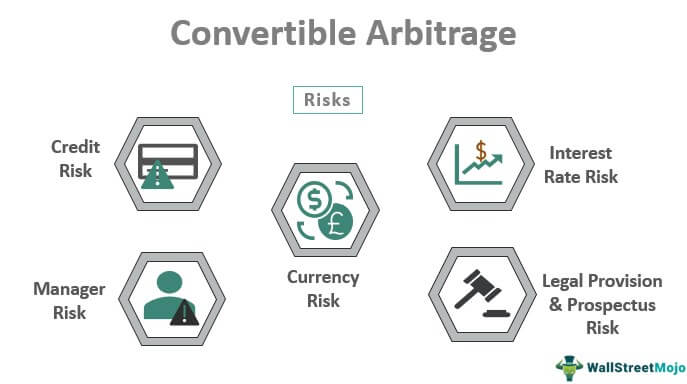
Credit risk – The risk of loss of principal or loss of a financial reward stemming from a borrower’s failure to repay a loan or otherwise meet a contractual obligation.
Currency risk – A form of risk that arises from the change in price of one currency against another.
Deflation risk – A general decline in prices, often caused by a reduction in the supply of money or credit.
Economic risk – the likelihood that an investment will be affected by macroeconomic conditions such as government regulation, exchange rates, or political stability.
Hedging risk – Making an investment to reduce the risk of adverse price movements in an asset.
Inflation risk – The uncertainty over the future real value (after inflation) of your investment.
Interest rate risk – Risk to the earnings or market value of a portfolio due to uncertain future interest rates.
Legal risk – risk from uncertainty due to legal actions or uncertainty in the applicability or interpretation of contracts, laws or regulations.
Liquidity risk – The risks stemming from the lack of marketability of an investment that cannot be bought or sold quickly enough to prevent or minimize a loss.
SPEAKING: Dr. Marcinko will be speaking and lecturing, signing and opining, teaching and preaching, storming and performing at many locations throughout the USA this year! His tour of witty and serious pontifications may be scheduled on a planned or ad-hoc basis; for public or private meetings and gatherings; formally, informally, or over lunch or dinner. All medical societies, financial advisory firms or Broker-Dealers are encouraged to submit an RFP for speaking engagements: CONTACT: Ann Miller RN MHA at MarcinkoAdvisors@outlook.com -OR-http://www.MarcinkoAssociates.com
In order to create and monitor an investment portfolio for personal or institutional use, the physician executive, financial advisor, wealth manager, or healthcare institutional endowment fund manager, should ask three questions:
How much do we have invested?
How much did we make on our investments?
How much risk did we take to get that rate of return?
Introduction to the IPS
Most doctors, and hospital endowment fund executives, know how much money they have invested. If they don’t, they can add a few statements together to obtain a total. But, few can answers the questions above or actually know the rate of return achieved last year; or so far this year. Everyone can get this number by simply subtracting the ending balance from the beginning balance and dividing the difference. But, few take the time to do it. Why? A typical response to the question is, “We’re doing fine.”
Now, ask how much risk is in the portfolio and help is needed [risk adjusted rate of return]. In fact, Nobel laureate Harry Markowitz, Ph.D. said, “If you take more risk, you deserve more return.” Using standard deviation, he referred to the “variability of returns;” in other words, how much the portfolio goes up and down, its volatility [Markowitz, H: Portfolio Selection. Journal of Finance, March, 1952].
SPEAKING: Dr. Marcinko will be speaking and lecturing, signing and opining, teaching and preaching, storming and performing at many locations throughout the USA this year! His tour of witty and serious pontifications may be scheduled on a planned or ad-hoc basis; for public or private meetings and gatherings; formally, informally, or over lunch or dinner. All medical societies, financial advisory firms or Broker-Dealers are encouraged to submit an RFP for speaking engagements: CONTACT: Ann Miller RN MHA at MarcinkoAdvisors@outlook.com -OR-http://www.MarcinkoAssociates.com
We make second investment portfolio opinions affordable
Approximately 1 million allopathic physicians, 150,000 dentists, 200,000 osteopaths, 15,000 podiatrists and 6 million nurses often find it difficult to get an unbiased and fiduciary second opinion on their retirement or brokerage accounts. By offering second opinions for a flat fee, the monetary barriers that prevented colleagues from receiving a second opinion in the past have been removed.
We make second investment portfolio opinions convenient
Here’s how we work: you book an initial appointment with us, answer a few preliminary questions and email us your portfolio information. We then provide a second opinion. It is then up to you to incorporate or not.
We make second investment portfolio opinions timely
Financial markets, jobs and colleague age change like the weather. It is not always okay to wait a week, year or more, to seek a professional second financial portfolio opinion. You need to receive an opinion now. That’s where we come in. We are standing by, ready to take your email [MarcinkoAdvisors@outlook.com] and schedule a free initial consultation within two or three days, or less.
We make second investment portfolio opinions accurate
Fiduciary and non-sales orientated second opinions have the power to change financial lives in the long term. We’ve seen it happen many times. What characterizes a good second opinion? Three things: the opinion must be individualized to your investment portfolio[s], informed and results-oriented. That’s the informed fiduciary approach we take. We are colleagues and look forward to working with you.
Many doctors are surprised to learn of an alternative investment known as a hedge fund, pooled investment vehicle or private investment fund. Unlike mutual funds, they can be structured in many ways. However, these funds cannot be marketed or advertised, but they are far from illegal or illicit.
In fact, physicians were among the early investors in one the most successful hedge funds. Warren Buffett got his start in 1957 running the Buffett Partnership, a hedge fund not open to the public. His first appearance as a money manager was before a group of physicians in Omaha, Nebraska. Eleven decided to invest some money with him. A few then followed into Berkshire Hathaway Inc, now among the most highly valued companies in the world.
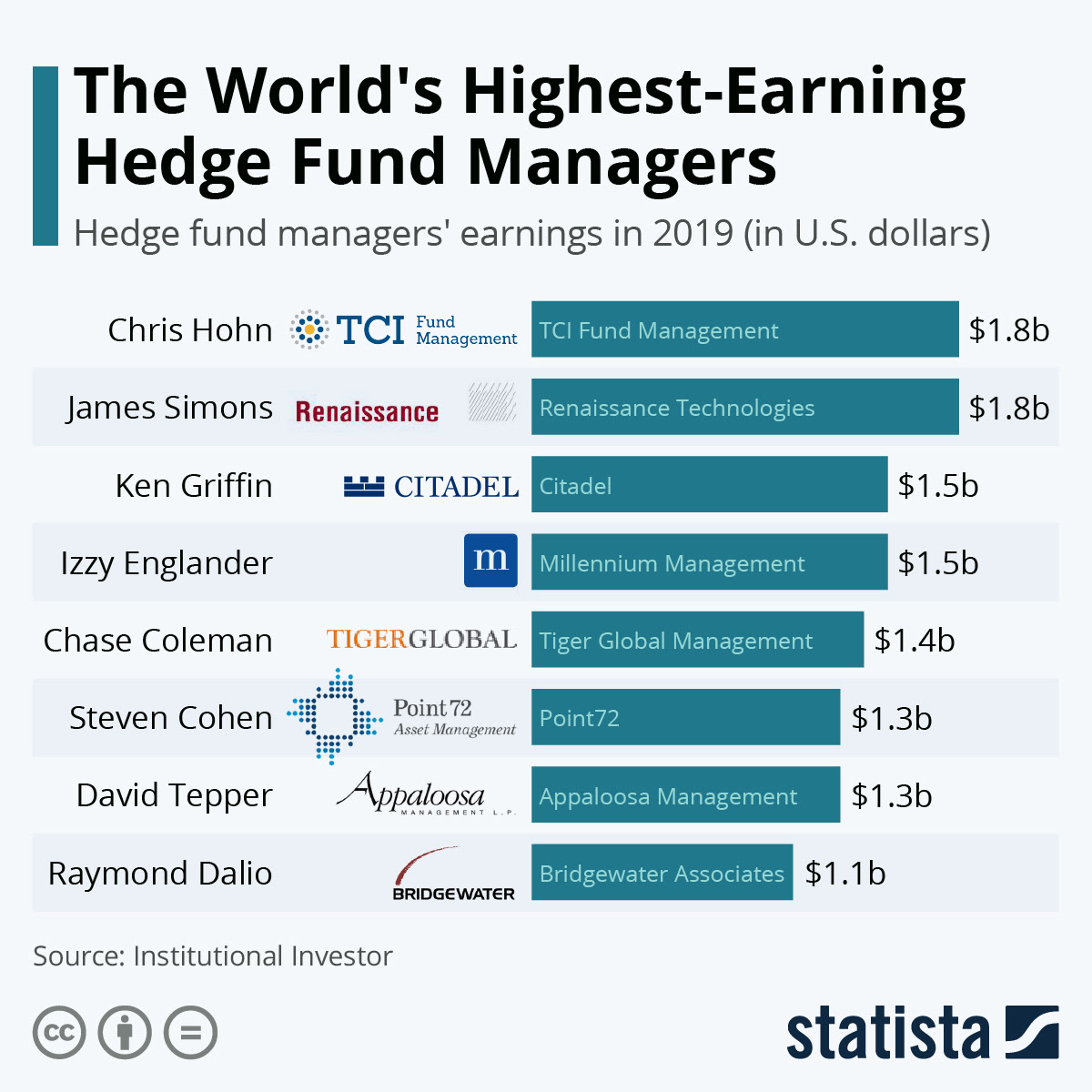
And, more recently, Scion Asset Management® LLC, is a private investment firm founded and led by my eloquent colleague Michael J. Burry, MD and featured in the movie, The Big Short. Other hedge fund mangers of note include: George Soros, Carl Icahn, Ken Griffin, David Tepper, John Paulson and Bill Ackman.
A hedge fund is a limited partnership of private investors whose money is managed by professional fund managers who use a wide range of strategies; including leveraging [debt] or trading of non-traditional assets [real-estate, collectible, commodities, cyrpto-currency, etc] to earn above-average returns. Hedge funds are considered a risky alternative investment and usually require a high minimum investment or net worth. This person is known as an “accredited investor” or “Regulation D” investor by the US Securities Exchange Commission and must have the following attributes:
A net worth, combined with spouse, of over $1 million, not including primary residence
An income of over $200,000 individually, or $300,000 with a spouse, in each of the past two years
The hurdle rate is part of the fund manager’s performance incentive compensation. Also known as a “benchmark,” it is the amount, expressed in percentage points an investor’s capital must appreciate before it becomes subject to a performance incentive fee. Podiatrists should view the hurdle rate as a form of protection or the fee arrangement.
The hurdle rate benchmarks a single year’s performance and may be considered mutually exclusive of any other year, or the hurdle rate may compound each year. The former case is more common. In the latter case, a portfolio manager failing to attain a hurdle rate in the first year will find the effective hurdle rate considerably higher during the second year.
Once a fund manager attains the hurdle rate, the investor’s capital account may be charged a performance incentive fee only on the performance above and beyond the hurdle rate. Alternatively, the account may be charged a performance fee for the entire level of performance, including the performance required to attain the hurdle rate. Other variations on the use of the hurdle rate exist, and are limited only by the contract signed between the fund manager and the investor. The hurdle rate is not generally a negotiating point, however.
Example: A fund charges a performance fee with a 6 percent hurdle rate, calculated in mutually exclusive manner. A podiatrist places $100,000 with the fund. The first year’s performance is 5 percent. The doctor therefore owes no performance fee during the first year because the portfolio manager did not attain the hurdle rate. During year two, the portfolio manager guides the fund to a 7 percent return. Because the hurdle rate is mutually exclusive of any other year, the portfolio manager has attained the 6 percent hurdle rate and is entitled to a performance fee.
High Water Mark
Some hedge funds feature a “high water mark” provision known as a ”loss-carry forward.” As with the hurdle rate, the high water mark is a form of protection. It is an amount equal to the greatest value of an investor’s capital account, adjusted for contributions and withdrawals. The high water mark ensures that the manager charges a performance incentive fee only on the amount of appreciation over and above the high water mark set at the time the performance fee was last charged. The current trend is for newer funds to feature this high water mark, while older, larger funds may not feature it.
Example: A fund charges a 20 percent performance fee with a high water mark but no hurdle rate. A podiatrist contributes $100,000 to the fund. During the first year, the hedge fund manager grows that capital account to $110,000 and charges a 20 percent performance fee, or $2,000. The ending capital account balance and high water mark is therefore $108,000. During year two, the account falls back to $100,000, but the high water mark remains $108,000. During year three, in order for the manager to charge a performance fee, the manager must grow the capital account to a level above $108,000.
Claw Back Provision
Rarely, a hedge fund may provide investors with a “claw back” provision. This term results in a refund to the investor of all or part of a previously charged performance fee if a certain level of performance is not attained in subsequent years. Such refunds in the face of poor or inadequate performance may not be legal in some states or under certain authorities.
ASSESSMENT
Managers of hedge funds, like colleague Dimitri Sogoloff MBA who is the CEO of Horton Point investment-technology firm, often aim to produce returns that are relatively uncorrelated with market indices and are consistent with investors’ desired level of risk.
While hedging may reduce some risks overall, they cannot all be eliminated. According to a report by the Hennessee Group, hedge funds were approximately one-third less volatile between 1993 and 2010.
For a podiatrist who already holds mutual funds and/or individual stocks and bonds, a hedge fund may provide diversification and reduce overall portfolio risk. Consider investing in them with care.
2. Burry, Michael, J: Hedge Funds [Wall Street Personified]. In, Marcinko, DE and Hetico, HR: Comprehensive Financial Planning Strategies for Doctors and Advisors [Best Practices from Leading Consultants and Certified Medical Planners™] Productivity Press, New York, 2017.
3. Marcinko, DE and Hetico, HR: Risk Management, Liability Insurance, and Asset Protection Strategies for Doctors and Advisors [Best Practices from Leading Consultants and Certified Medical Planners™]. Productivity Press, New York, 2015.
4. Marcinko, DE: Dictionary of Health Economics and Finance. Springer Publishing Company, NY 2006
SPEAKING: Dr. Marcinko will be speaking and lecturing, signing and opining, teaching and preaching, storming and performing at many locations throughout the USA this year! His tour of witty and serious pontifications may be scheduled on a planned or ad-hoc basis; for public or private meetings and gatherings; formally, informally, or over lunch or dinner. All medical societies, financial advisory firms or Broker-Dealers are encouraged to submit a RFP for speaking engagements: MarcinkoAdvisors@outlook.com
A hedge fund is a limited partnership of private investors whose money is pooled and managed by professional fund managers. These managers use a wide range of strategies, including leverage (borrowed money) and the trading of nontraditional assets, to earn above-average investment returns. A hedge fund investment is often considered a risky, alternative investment choice and usually requires a high minimum investment or net worth. Hedge funds typically target wealthy investors.
I want to invest with a manager that has the skills to “hedge” a portfolio, but I do not wish to mix my money with other investors as in a hedge fund.
QUESTION:Can I hire hedge fund managers to manage my account separately?
Some hedge fund managers do take the time to recruit and manage separate accounts, with or without the help of referring brokers.
However, before long the administrative burden of managing so many separate accounts can become quite significant. Hence, the minimums for such separate accounts are generally much higher than if one were to invest in the manager’s hedge fund.
The best feature of these separate accounts is that potentially every aspect of the investment account, including fees, is negotiable. Other features include greater transparency and increased liquidity, since separately managed accounts can often be shut down on short notice.
Investors must be aware, however, that for practical purposes the portfolio manager generally will buy and sell the same securities in the separately managed accounts that the portfolio manager buys and sells in the hedge fund, yet the expenses incurred by the investor will likely be higher.
Posted on April 14, 2025 by Dr. David Edward Marcinko MBA MEd CMP™
OVER HEARD IN THE FINANCIAL ADVISOR’S LOUNGE
***
***
By Perry D’Alessio, CPA [D’Alessio Tocci & Pell LLP]
What I see in my accounting practice is that significant accumulation in younger physician portfolio growth is not happening as it once did. This is partially because confidence in the equity markets is still not what it was; but that doctors are also looking for better solutions to support their reduced incomes.
For example, I see older doctors with about 25 percent of their wealth in the market, and even in retirement years, do not rely much on that accumulation to live on. Of this 25 percent, about 80 percent is in their retirement plan, as tax breaks for funding are just too good to ignore.
What I do see is that about 50 percent of senior physician wealth is in rental real estate, both in a private residence that has a rental component, and mixed-use properties. It is this that provides a good portion of income in retirement.
***
***
QUESTION: So, could I add dialog about real estate as a long term solution for retirement?
Yes, as I believe a real estate concentration in the amount of 5 percent is optimal for a diversified portfolio, but in a very passive way through mutual or index funds that are invested in real estate holdings and not directly owning properties.
Today, as an option, we have the ability to take pension plan assets and transfer marketable securities for rental property to be held inside the plan collecting rents instead of dividends.
Real estate holdings never vary very much, tend to go up modestly, and have preferential tax treatment due to depreciation of the property against income.
Posted on April 13, 2025 by Dr. David Edward Marcinko MBA MEd CMP™
By Staff Reporters
***
***
Convertible Arbitrage
Convertible arbitrage is the oldest market-neutral strategy. Designed to capitalize on the relative mispricing between a convertible security (e.g. convertible bond or preferred stock) and the underlying equity, convertible arbitrage was employed as early as the 1950s.
Since then, convertible arbitrage has evolved into a sophisticated, model-intensive strategy, designed to capture the difference between the income earned by a convertible security (which is held long) and the dividend of the underlying stock (which is sold short). The resulting net positive income of the hedged position is independent of any market fluctuations. The trick is to assemble a portfolio wherein the long and short positions, responding to equity fluctuations, interest rate shifts, credit spreads and other market events offset each other.
***
***
Hedge Fund Research (HFR) New York, offers the following description of the strategy
Convertible Arbitrage involves taking long positions in convertible securities and hedging those positions by selling short the underlying common stock. A manager will, in an effort to capitalize on relative pricing inefficiencies, purchase long positions in convertible securities, generally convertible bonds, convertible preferred stock or warrants, and hedge a portion of the equity risk by selling short the underlying common stock. Timing may be linked to a specific event relative to the underlying company, or a belief that a relative mispricing exists between the corresponding securities. Convertible securities and warrants are priced as a function of the price of the underlying stock, expected future volatility of returns, risk free interest rates, call provisions, supply and demand for specific issues and, in the case of convertible bonds, the issue-specific corporate/Treasury yield spread. Thus, there is ample room for relative mis-valuations.
Because a large part of this strategy’s gain is generated by cash flow, it is a relatively low-risk strategy.
Posted on April 10, 2025 by Dr. David Edward Marcinko MBA MEd CMP™
By Staff Reporters
***
***
Treasury notes are typically considered one of the world’s safest safe-haven assets—the US has always repaid bondholders on their investment, plus yield (interest). That’s why you can usually count on the bond market to rally when the stock market craters. And, vice-versa. But not this time:
The benchmark 10-year bond yield, which moves inversely to bond prices, had its steepest spike this week since the 2008 financial crisis. The 10-year yield is more closely watched than the 30-year yield (which also spiked) in part because it influences home and auto loan rates.
A Treasury auction of 3-year bonds on Tuesday was met with the softest demand since December 2023. That helped drive the bond sell-off on fears of a pullback among international investors, who hold $8.5 trillion in US Treasuries (Japan and China lead the pack).
Posted on April 3, 2025 by Dr. David Edward Marcinko MBA MEd CMP™
BREAKING NEWS – MARKET VOLATILITY
By Staff Reporters
***
***
US stocks nosedived on Thursday, with the Dow tumbling more than 1,200 points as President Trump’s surprisingly steep “Liberation Day” tariffs sent shock waves through markets worldwide. The tech-heavy NASDAQ Composite (IXIC) led the sell-off, plummeting over 4%. The S&P 500 (GSPC) dove 3.7%, while the Dow Jones Industrial Average (^DJI) tumbled roughly 3%. [ongoing story].
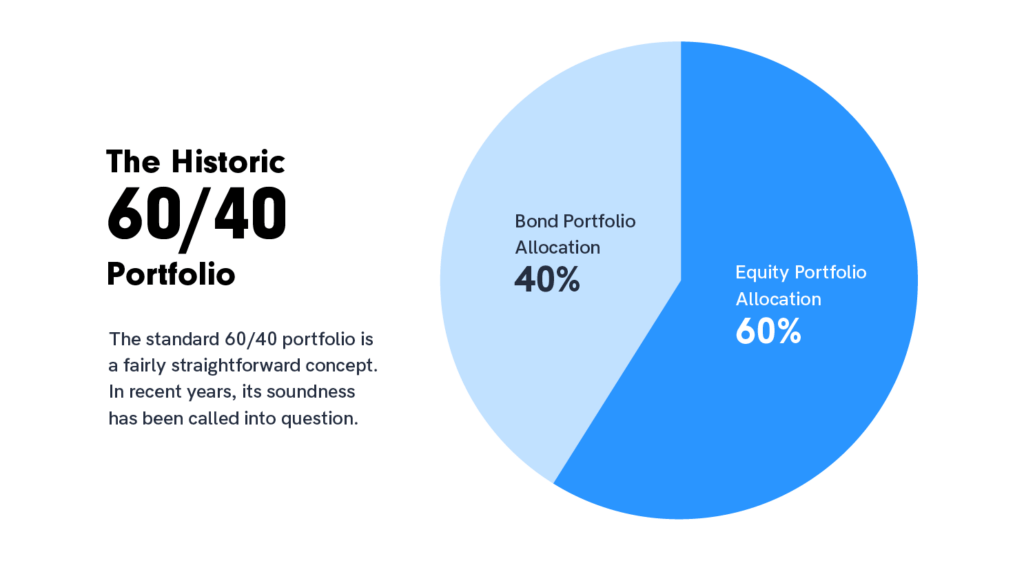
So, does the traditional 60 stock / 40 bond strategy still work or do we need another portfolio model?
***
The 60/40 strategy evolved out of American economist Harry Markowitz’s groundbreaking 1950s work on modern portfolio theory, which holds that investors should diversify their holdings with a mix of high-risk, high-return assets and low-risk, low-return assets based on their individual circumstances.
While a portfolio with a mix of 40% bonds and 60% equities may bring lower returns than all-stock holdings, the diversification generally brings lower variance in the returns—meaning more reliability—as long as there isn’t a strong correlation between stock and bond returns (ideally the correlation is negative, with bond returns rising while stock returns fall).
For 60/40 to work, bonds must be less volatile than stocks and economic growth and inflation have to move up and down in tandem. Typically, the same economic growth that powers rallies in equities also pushes up inflation—and bond returns down. Conversely, in a recession stocks drop and inflation is low, pushing up bond prices.
***
But, the traditional 60/40 portfolio may “no longer fully represent true diversification,” BlackRock CEO Larry Fink writes in a new letter to investors.
Instead, the “future standard portfolio” may move toward 50/30/20 with stocks, bonds and private assets like real estate, infrastructure and private credit, Fink writes.
Here’s what experts say individual investors may want to consider before dabbling in private investments.
It may be time to rethink the traditional 60/40 investment portfolio, according to BlackRock CEO Larry Fink. In a new letter to investors, Fink writes the traditional allocation comprised of 60% stocks and 40% bonds that dates back to the 1950s “may no longer fully represent true diversification.“
SPEAKING: Dr. Marcinko will be speaking and lecturing, signing and opining, teaching and preaching, storming and performing at many locations throughout the USA this year! His tour of witty and serious pontifications may be scheduled on a planned or ad-hoc basis; for public or private meetings and gatherings; formally, informally, or over lunch or dinner. All medical societies, financial advisory firms or Broker-Dealers are encouraged to submit a RFP for speaking engagements: MarcinkoAdvisors@outlook.com
*** Several years ago we noted that far too many mid-career, mature and physician clients using traditional stock brokers, management consultants and “financial advisors”, seemed to be less successful than those who went it alone. These Do-it-Yourselfers [DIYs] had setbacks and made mistakes, for sure. But, the ME Inc,. doctors seemed to learn from their mistakes and did not incur the high management and service fees demanded from general or retail one-size-fits-all “advisors.”
In fact, an informal inverse related relationship was noted, and dubbed the “Doctor Effect.” In other words, the more consultants an individual doctor retained; the less well they did in all disciplines of the financial planning, professional portfolio and investing continuum.
Of course, the reason for this discrepancy eluded many of them as Wall Street brokerages and wire-houses flooded the media with messages, infomercials, print, radio, TV, texts, tweets, and internet ads to the contrary. Rather than self-learn the basics, the prevailing sentiment seemed to purse the holy grail of finding the “perfect financial advisor.” This realization was a confirmation of the industry culture which seemed to be: Bread for the advisor – Crumbs for the client!
And so, we at the the Institute of Medical Business Advisors Inc. (iMBA), and this Medical Executive-Post, formed a cadre’ of technology focused and highly educated doctors, financial advisors, attorneys, accountants, psychologists and educational visionaries who decided there must be a better way for their healthcare colleagues to receive financial planning advice, products and related management services within a culture of fiduciary responsibility.
We trust you agree with this ME Inc philosophy as illustrated in this free white paper available upon request.
PROFESSIONAL PORTFOLIO CONSTRUCTION [Investing Assets and their Management] Subscribe, Read, Like and Refer
Email whiote paper request here:MarcinkoAdvisors@outlook.com
Absolute Return – the goal is to have a positive return, regardless of market direction. An absolute return strategy is not managed relative to a market index.
Accredited Investor – wealthy individual or well-capitalized institutions covered under Regulation D of the Securities Act of 1933.
Alpha – the return to a portfolio over and above that of an appropriate benchmark portfolio (the manager’s “value added”).
Arbitrage – any strategy that invests long in an asset, and short in a related asset, hoping the prices will converge.
Attribution – the process of “attributing” returns to their sources. For example, did the returns to a portfolio (over and above some benchmark) come from stock selection, industry/sector over- or under-weighting or factor weighting. Software programs are helpful in reporting an attribution.
Beta – a measure of systematic (i.e., non-diversifiable) risk. The goal is to quantify how much systematic risk is being taken by the fund manager vis-à-vis different risk factors, so that one can estimate the alpha or value-added on a risk-adjusted basis.
Correlation – a measure of how strategy returns move with one another, in a range of –1 to +1. A correlation of –1 implies that the strategies move in opposite directions. In constructing a portfolio of hedge funds, one usually wants to combine a number of non-correlated strategies (with decent expected returns) to be well diversified.
Drawdown – the percentage loss from a fund’s highest value to its lowest, over a particular time frame. A fund’s “maximum drawdown” is often looked at as a measure of potential risk.
Hurdle Rate – the return where the manager begins to earn incentive fees. If the hurdle rate is 5% and the fund earns 15% for the year, then incentive fees are applied to the 10% difference.
Leverage – one uses leverage if he borrows money to increase his position in a security. If one uses leverage and makes good investment decisions, leverage can magnify the gain. However, it can also magnify a loss.
Opportunistic – a general term that describes an aggressive strategy with a goal of making money (as opposed to holding on to the money one already has).
***
***
Pairs Trading – usually refers to a long/short strategy where one stock is bought long, and a similar stock is sold short, often within the same industry. Buying the stock of Home Depot and shorting Lowe’s in an equal amount would be an example.
Portfolio Simulation – involves testing an investment strategy by “simulating” it with a database and analytic software. Often referred to as “backtesting” a strategy. The simulated returns of the strategy are compared to those of a benchmark over a specific time frame to see if it can beat that benchmark.
Sharpe Ratio – a measure of risk-adjusted return, computed by dividing a fund’s return over the risk-free rate by the standard deviation of returns. The idea is to understand how much risk was undertaken to generate the alpha.
Short Rebate – if you borrow stock and then sell it short, you have cash in your account. The short rebate is the interest earned on that cash.
R-Squared – a measure of how closely a portfolio’s performance varies with the performance of a benchmark, and thus a measure of what portion of its performance can be explained by the performance of the overall market or index. Hedge fund investors want to know how much performance can be explained by market exposure versus manager skill.
Transportable Alpha – the alpha of one active strategy can be combined with another asset class. For example, an equity market-neutral strategy’s value-added can be “transported” to a fixed income asset class by simply buying a fixed income futures contract. The total return comes from both sources.
Value at Risk – a technique which uses the statistical analysis of historical market trends and volatilities to estimate the likelihood that a specific portfolio’s losses will exceed a certain amount.
According to Patricia Salber MD [personal communication], there are a number of reasons why direct patient access to laboratory medical results is a good idea:
Between 8 and 26% of abnormal test results, including those suspicious for cancer, are not followed up in a timely manner. Direct access could help reduce the number of times this occurs
Self-management, particularly of chronic illness has known benefits. Just like the QS people, many folks with chronic illness obtain and manage to self-acquired lab results every day via gluco-meters, home pulmonary function tests, blood pressure measurements, and so forth. Direct access to laboratory-acquired data, one could argue is a continuation of that personal responsibility
Patients want to be notified about their results in what they perceive as a timely fashion. In one study, patients who received direct notification of their bone density tests results were more likely to perceive they had timely notification compared to usual care even though there was no measurable effect on actual treatment received after three months
Being more responsible for test results could encourage consumers to try to learn more about the meaning of the test results, conceivably increasing their health literacy.
But, the arguments against direct access discussed include the following:
Patients prefer their physicians contact them directly when they have abnormal test results, although the major studies published in 2005 and 2009, preceded the extraordinary use of the internet to access health information that exists today.
There is concern over whether patients will know what to do when they receive the results – will they make erroneous interpretations or fail to contact their docs? This could be, but the intent of the proposed rule is shared access to the results. We suspect if the rule become law, docs will develop better notification mechanisms so that they reach the patient before the patient directly accesses the results or lab companies will design better lab test notifications with easy-to-understand interpretations or a whole new industry will appear that can provide instantly available individualized lab interpretation…or maybe all three of these would happen and that would be a very good thing.
Unknown impact of dual notification (doctors and patients) of lab test results on physician behavior…would docs simply shift responsibility for initiating follow-up care from themselves to their patients?
Would direct access of life-changing lab tests, such as HIV or malignancy, lead to unnecessary patient anxiety – or worse? (Conversely, is there less anxiety, desperation, or suicidal ideation if the bad news is delivered face to face?
Individuals likely may contact their physicians immediately after getting the lab results asking for a telephonic or face-to-face interpretation … it is not known how this would impact physician workload and/or potential for reimbursement [personal communication, Richard Hudson DO, Atlanta, GA].
SPEAKING: Dr. Marcinko will be speaking and lecturing, signing and opining, teaching and preaching, storming and performing at many locations throughout the USA this year! His tour of witty and serious pontifications may be scheduled on a planned or ad-hoc basis; for public or private meetings and gatherings; formally, informally, or over lunch or dinner. All medical societies, financial advisory firms or Broker-Dealers are encouraged to submit a RFP for speaking engagements: CONTACT: MarcinkoAdvisors@outlook.com
The ICE 3-Month USD LIBOR interest rate is the average interest rate at which a selection of banks in London are prepared to lend to one another in American dollars with a maturity of 3 months.
The Bank of America US High Yield Constrained Index is a market value-weighted index of all domestic high-yield bonds and Yankee high-yield bonds (issued by a foreign entity and denominated in U.S. dollars), including deferred interest bonds and payment-in-kind securities.
The ICE BofA BB-B US High Yield Constrained Index is composed of U.S. dollar-denominated corporate debt publicly issued in the U.S. market rated BB through B, based on an average of Moody’s, S&P and Fitch ratings, with issuer exposure capped at 2%.
ICE BofA U.S. Convertible Index tracks the performance of publicly issued, exchange-listed US dollar denominated convertible securities of US companies with at least $50 million face amount outstanding and at least one month remaining to the final conversion date. Index constituents are market capitalization-weighted and rebalanced monthly.
ICE BofA ML MOVE Index is a widely used measure of bond market volatility, similar to the VIX Index for stocks. The MOVE Index (also known as the Merrill Lynch Option Volatility Estimate) is a yield-curve-weighted index that tracks the market’s expectation of volatility in the U.S. bond market based on 1-month Treasury options.
ICE Exchange-Listed Preferred & Hybrid Securities Index tracks the performance of exchange-listed US dollar denominated hybrid debt, preferred stock and convertible preferred stock publicly issued by corporations in the US domestic market. Preferred stock and notes must have a minimum amount outstanding of $100 million; convertible preferred stock must have at least $50 million face amount outstanding. Index constituents are market capitalization-weighted subject to certain constraints. The index is re-balanced monthly.
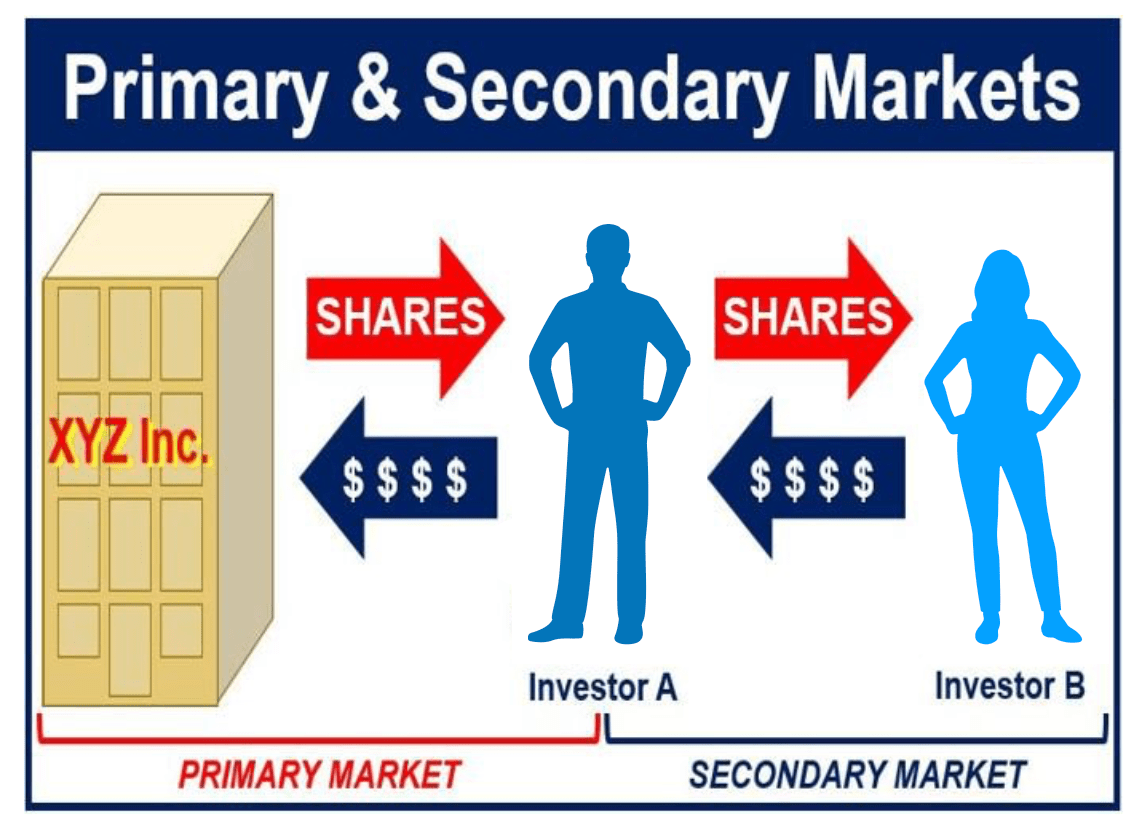
Primary Market: The primary market is also part of the stock market but differs from the secondary market because it only sells newly issued stocks.
Primary Market for Exchange Traded Funds: The primary market is where ETF shares are created and redeemed amongst ETF issuers and authorized participants. This is where the underlying basket of securities that make up an ETF is created. Shares of ETFs are made in large batches called Creation Units—usually 25,000 to 600,000 ETF shares are created at a time through this process.
Collateralized Mortgage Obligations (CMOs) are a form of securitized debt derived from mortgage-backed securities. It’s a form of derivative security. Like most MBS pass-through securities, CMOs are typically backed by pools of residential mortgages and their payments. But not all investors want to receive the monthly payments of principal and interest that “plain vanilla” MBS pass-throughs offer–some prefer just the principal, some prefer just the interest, or some want payments with other particular/special characteristics.
For them, the cash flows from MBS can be pooled and structured into many classes of CMOs with different maturities and payment schedules, creating securities with very specific characteristics and behaviors. These characteristics and behaviors can vary widely. Some CMOs can offer less risk than “plain-vanilla” MBS, or can help offset other forms of risk in a diversified portfolio, but others can be much more volatile.
CMOs typically have two or more bond classes, called tranches. Each tranche has its own expected maturity and cash flow pattern. The unique cash flow patterns of each CMO tranche allow investors to tailor their mortgage exposure to meet a range of investment objectives, since different classes can have different risk/return characteristics.
Municipal Securities (munis): Debt securities typically issued by or on behalf of U.S. state and local governments, their agencies or authorities to raise money for a variety of public purposes, including financing for state and local governments as well as financing for specific projects and public facilities. In addition to their specific set of issuers, the defining characteristic of munis is their tax status. The interest income earned on most munis is exempt from federal income taxes. Interest payments are also generally exempt from state taxes if the bond owner resides within the state that issued the security. The same rule applies to local taxes.
Another interesting characteristic of munis: Individuals, rather than institutions, make up the largest investor base. In part because of these characteristics, munis tend to have certain performance attributes, including higher after-tax returns than other fixed income securities of comparable maturity and credit quality and low volatility relative to other fixed-income sectors.
The two main types of munis are general obligation bonds (GOs) and revenue bonds. GOs are munis secured by the full faith and credit of the issuer and usually supported by the issuer’s taxing power. Revenue bonds are secured by the charges tied to the use of the facilities financed by the bonds.
Municipal Yield Curve: The yield curve that illustrates the yields of a certain type of municipal security at its various maturities.
Municipal Yield Ratio: A yield ratio most often used to determine the relative value of municipal securities compared with U.S. Treasury securities. The ratio consists of the yield of a municipal security of a certain maturity divided by the yield of a U.S. Treasury security of the same maturity.
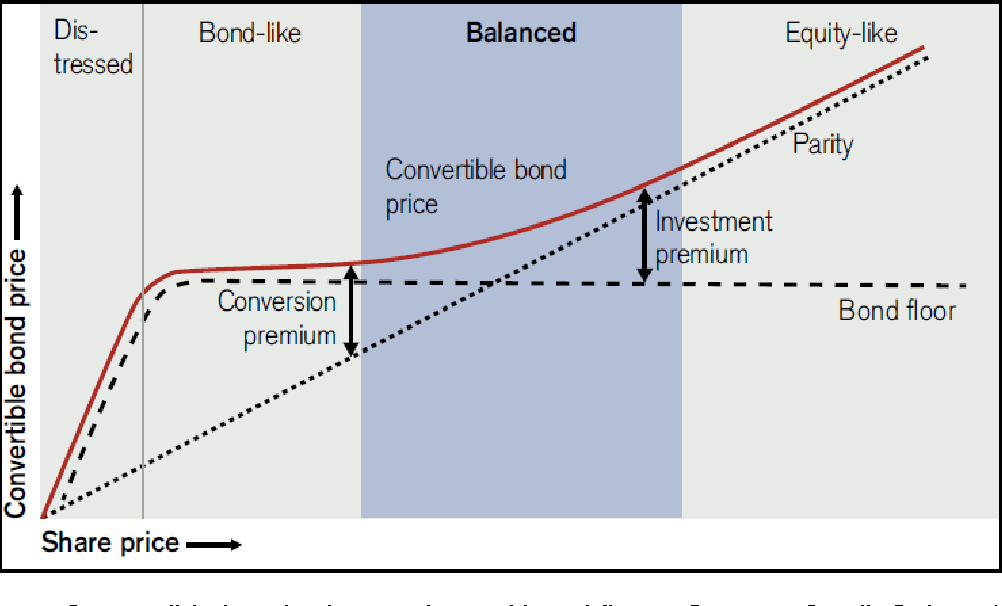
Convertible securities are those that can be converted at the investor’s choice into other investments, normally into shares of the issuer’s underlying common stock. Convertibles are typically issued as bonds or preferred stock.
Convertible bonds, which provide an ongoing stream of income, can be converted into a preset number of shares of the company’s common stock and have a maturity date. Unlike common stock, which pays a variable dividend depending on a corporation’s earnings, convertible preferred stock pays a fixed quarterly dividend. It can be converted into common stock at any time, but often are perpetual.
Corporate securities (corporate bonds and notes) are debt instruments issued by corporations, as distinct from those issued by governments, government agencies, or municipalities.
Corporate securities typically have the following features: 1) they are taxable, 2) they tend to have more credit (default) risk than government or municipal securities, so they tend to have higher yields than comparable-maturity securities in those sectors; and 3) they are traded on major exchanges, with prices published in newspapers.
“Bad financial advice by unscrupulous financial advisers driven by their own self-interest can cost a retiree up to 1.2% per year in lost investment,” President Biden said. “That doesn’t sound like much but if you’re living long, it’s a lot of money.
“Over a lifetime, it can add up to 20% less money when they retire. For a middle-class household, that can amount to tens of thousands of dollars over time.”