BOARD CERTIFICATION EXAM STUDY GUIDES Lower Extremity Trauma
[Click on Image to Enlarge]
ME-P Free Advertising Consultation
The “Medical Executive-Post” is about connecting doctors, health care executives and modern consulting advisors. It’s about free-enterprise, business, practice, policy, personal financial planning and wealth building capitalism. We have an attitude that’s independent, outspoken, intelligent and so Next-Gen; often edgy, usually controversial. And, our consultants “got fly”, just like U. Read it! Write it! Post it! “Medical Executive-Post”. Call or email us for your FREE advertising and sales consultation TODAY [678.779.8597] Email: MarcinkoAdvisors@outlook.com
Medical & Surgical e-Consent Forms
ePodiatryConsentForms.com
iMBA Inc., OFFICES
Suite #5901 Wilbanks Drive, Norcross, Georgia, 30092 USA [1.678.779.8597]. Our location is real and we are now virtually enabled to assist new long distance clients and out-of-town colleagues.
ME-P Publishing
SEEKING INDUSTRY INFO PARTNERS?
If you want the opportunity to work with leading health care industry insiders, innovators and watchers, the “ME-P” may be right for you? We are unbiased and operate at the nexus of theoretical and applied R&D. Collaborate with us and you’ll put your brand in front of a smart & tightly focused demographic; one at the forefront of our emerging healthcare free marketplace of informed and professional “movers and shakers.” Our Ad Rate Card is available upon request [678-779-8597].
The Doctor of Science (ScD) degree occupies a distinctive place within the landscape of advanced academic and professional education. Although less commonly discussed than the PhD, the ScD represents a rigorous pathway for individuals seeking to contribute original, high‑level research to scientific and technical fields. Its history, structure, and contemporary relevance reveal a degree designed to cultivate deep expertise, methodological sophistication, and the capacity to solve complex problems through systematic inquiry.
At its core, the ScD is a research doctorate. Like the PhD, it requires candidates to demonstrate mastery of a discipline, identify a meaningful research question, and produce a dissertation that advances knowledge. The distinction between the two degrees is often more cultural than structural. In many institutions, the ScD is awarded in fields with a strong quantitative or applied scientific orientation, such as engineering, public health, computer science, or biostatistics. This association with technical disciplines has shaped the perception of the ScD as a degree emphasizing analytical rigor and practical impact.
The structure of ScD programs typically mirrors that of PhD programs: coursework, comprehensive examinations, and a multi‑year research project culminating in a dissertation. However, the ScD often places additional emphasis on methodological training and the application of scientific principles to real‑world challenges. Students may engage in interdisciplinary collaborations, work with industry or government partners, or contribute to large‑scale research initiatives. This applied orientation reflects the degree’s historical roots in scientific problem‑solving and its ongoing relevance in fields where research is closely tied to practice.
***
***
One of the defining features of the ScD is its flexibility across institutions. Some universities treat the ScD and PhD as interchangeable, differing only in name. Others reserve the ScD for specific departments or use it to signal a particular research tradition. This variability can create confusion, but it also highlights the degree’s adaptability. Rather than being constrained by a single definition, the ScD evolves to meet the needs of the disciplines it serves. In engineering, for example, the ScD may emphasize design, modeling, and innovation. In public health, it may focus on epidemiological methods, population‑level analysis, and the development of evidence‑based interventions.
Despite these variations, the ScD consistently demands a high level of intellectual independence. Candidates are expected not only to master existing knowledge but also to generate new insights. This process requires creativity, persistence, and the ability to navigate uncertainty. The dissertation, as the capstone of the degree, serves as a demonstration of these qualities. It is both a scholarly contribution and a testament to the candidate’s readiness to join the community of researchers and practitioners who shape scientific progress.
The value of the ScD extends beyond academia. Graduates often pursue careers in government agencies, research institutes, private industry, and nonprofit organizations. Their training equips them to analyze complex systems, design data‑driven solutions, and lead interdisciplinary teams. In an era defined by rapid technological change and global challenges—from climate science to public health—these skills are increasingly essential. The ScD prepares individuals not only to understand scientific problems but to address them with rigor and creativity.
Another important dimension of the ScD is its role in promoting scientific leadership. The degree cultivates the ability to communicate research findings, mentor emerging scholars, and contribute to the development of scientific policy and practice. Graduates may become faculty members, research directors, or technical experts whose work influences both scientific understanding and societal outcomes. The ScD thus serves as a bridge between advanced scholarship and practical impact.
In contemporary discussions about doctoral education, the ScD stands as a reminder that scientific inquiry is both a theoretical and applied endeavor. While the PhD remains the most widely recognized research doctorate, the ScD offers an alternative pathway that aligns closely with the needs of technical and scientific fields. Its emphasis on methodological depth, interdisciplinary collaboration, and real‑world application makes it a compelling option for individuals committed to advancing science in ways that directly benefit society.
Ultimately, the Doctor of Science degree represents a commitment to rigorous research and meaningful contribution. It embodies the belief that scientific knowledge, when pursued with discipline and imagination, has the power to illuminate complex problems and drive innovation. For students drawn to this mission, the ScD offers a challenging and rewarding journey into the heart of scientific discovery.
SPEAKING: Dr. Marcinko will be speaking and lecturing, signing and opining, teaching and preaching, storming and performing at many locations throughout the USA this year! His tour of witty and serious pontifications may be scheduled on a planned or ad-hoc basis; for public or private meetings and gatherings; formally, informally, or over lunch or dinner. All medical societies, financial advisory firms or Broker-Dealers are encouraged to submit an RFP for speaking engagements: CONTACT: Ann Miller RN MHA at MarcinkoAdvisors@outlook.com -OR-http://www.MarcinkoAssociates.com
A multiple‑choice test is one of the most widely used assessment formats in education, professional certification, and psychological measurement. Its defining feature is simple: each question presents a prompt and a set of possible answers, from which the test‑taker must select the correct or best option. Although the structure appears straightforward, the multiple‑choice test is a sophisticated tool shaped by decades of research on learning, cognition, and measurement. Understanding what a multiple‑choice test is requires looking beyond its surface format and examining its purpose, design, strengths, limitations, and the ways it influences how people learn and demonstrate knowledge.
The Structure and Purpose of Multiple‑Choice Tests
At its core, a multiple‑choice test is designed to measure knowledge, skills, or reasoning in a standardized and efficient way. Each question—often called an “item”—contains two main parts: the stem and the alternatives. The stem presents the problem, scenario, or question. The alternatives include one correct answer, known as the key, and several incorrect answers, known as distractors. The test‑taker’s task is to identify the key among the distractors.
This structure serves a clear purpose: to evaluate whether someone can recognize accurate information or apply knowledge to a specific situation. Because the answer choices are predetermined, scoring can be objective and consistent. This makes multiple‑choice tests particularly useful in large‑scale settings such as school exams, professional licensing tests, and standardized assessments. They allow thousands—or even millions—of people to be evaluated using the same criteria, with results that can be compared fairly across individuals and groups.
Designing Effective Multiple‑Choice Questions
Although the format seems simple, writing high‑quality multiple‑choice questions is a demanding process. A good item must be clear, unambiguous, and aligned with the skill or concept being assessed. The stem should present a meaningful problem rather than a trivial fact, and the distractors must be plausible enough to challenge someone who has not fully mastered the material.
The best multiple‑choice questions do more than test memorization. They can assess higher‑order thinking by asking test‑takers to analyze scenarios, apply principles, evaluate evidence, or solve problems. For example, a question in a biology exam might present a real‑world situation and ask which explanation best fits the observed data. In this way, multiple‑choice tests can measure complex reasoning when they are carefully constructed.
Another important aspect of design is fairness. A well‑designed test avoids cultural bias, overly tricky wording, or clues that unintentionally reveal the answer. The goal is to measure knowledge or skill—not reading speed, test‑taking tricks, or familiarity with a particular cultural reference. Achieving this level of fairness requires careful review, pilot testing, and revision.
***
***
Strengths of Multiple‑Choice Tests
One of the major strengths of multiple‑choice tests is efficiency. They allow instructors and institutions to assess a large amount of content in a relatively short time. Because scoring is objective, results can be processed quickly and consistently, reducing the potential for human error or subjective judgment.
Another advantage is reliability. When items are well‑designed, multiple‑choice tests can produce stable and repeatable results. This reliability is crucial in high‑stakes settings such as medical licensing exams or university admissions, where decisions must be based on trustworthy measures.
Multiple‑choice tests also offer diagnostic value. Patterns of correct and incorrect responses can reveal which concepts students understand and which require further instruction. For teachers, this information can guide lesson planning and targeted support. For learners, it can highlight strengths and weaknesses, helping them focus their study efforts more effectively.
Finally, multiple‑choice tests can assess a wide range of cognitive skills. While they are often associated with factual recall, they can also measure comprehension, application, analysis, and even aspects of critical thinking. The key is thoughtful item design that challenges students to use knowledge rather than simply recognize it.
Limitations and Criticisms
Despite their strengths, multiple‑choice tests are not without limitations. One common criticism is that they encourage guessing. Because the correct answer is always present, a test‑taker might select it by chance rather than through understanding. While this effect can be reduced by including more distractors or using statistical scoring methods, it cannot be eliminated entirely.
Another limitation is that multiple‑choice tests may oversimplify complex skills. Some abilities—such as writing, creativity, collaboration, or open‑ended problem solving—cannot be captured well through fixed response options. For example, evaluating a student’s ability to construct a persuasive argument or design an experiment requires formats that allow for extended responses.
Multiple‑choice tests can also create a narrow focus on test preparation. When students know they will be assessed through this format, they may prioritize memorizing isolated facts rather than developing deeper understanding. This phenomenon, sometimes called “teaching to the test,” can limit the richness of learning experiences.
Additionally, poorly written items can introduce bias or confusion. Ambiguous wording, irrelevant details, or distractors that are obviously incorrect can distort results. In such cases, the test may measure test‑taking ability more than actual knowledge.
The Role of Multiple‑Choice Tests in Learning
Multiple‑choice tests influence not only how knowledge is measured but also how it is learned. When used thoughtfully, they can reinforce learning by encouraging retrieval practice—the act of recalling information from memory. Research shows that retrieval strengthens memory and improves long‑term retention. Taking a multiple‑choice test can therefore help students learn, not just demonstrate what they know.
However, the impact depends on how the tests are integrated into instruction. Frequent low‑stakes quizzes can support learning by providing regular opportunities for practice and feedback. In contrast, high‑stakes exams that determine grades or advancement may create anxiety and narrow students’ focus to short‑term performance.
Multiple‑choice tests can also support metacognition. When students review their results, they gain insight into what they understand and where they need improvement. This self‑awareness is a key component of effective learning.
Why Multiple‑Choice Tests Persist
Despite ongoing debates about their limitations, multiple‑choice tests remain a central part of modern assessment. Their persistence is not simply a matter of convenience. They offer a combination of efficiency, reliability, and scalability that few other formats can match. In large educational systems, they provide a practical way to evaluate learning across diverse populations.
Moreover, advances in test design have expanded what multiple‑choice tests can measure. Computer‑based testing allows for adaptive assessments that adjust difficulty based on performance, providing a more precise measure of ability. Scenario‑based items can simulate real‑world decision‑making, making the test more authentic and meaningful.
Conclusion
A multiple‑choice test is far more than a set of questions with predetermined answers. It is a carefully designed tool for measuring knowledge, reasoning, and understanding. Its structure allows for efficient, objective, and reliable assessment, making it invaluable in educational and professional contexts. At the same time, its limitations remind us that no single format can capture the full range of human abilities.
When used thoughtfully, multiple‑choice tests can support learning, provide meaningful feedback, and help institutions make informed decisions. Understanding what they are—and what they are not—allows educators and learners to use them more effectively. Ultimately, the multiple‑choice test endures because it strikes a balance between practicality and precision, offering a structured way to evaluate what people know in an increasingly complex world.
SPEAKING: Dr. Marcinko will be speaking and lecturing, signing and opining, teaching and preaching, storming and performing at many locations throughout the USA this year! His tour of witty and serious pontifications may be scheduled on a planned or ad-hoc basis; for public or private meetings and gatherings; formally, informally, or over lunch or dinner. All medical societies, financial advisory firms or Broker-Dealers are encouraged to submit an RFP for speaking engagements: CONTACT: Ann Miller RN MHA at MarcinkoAdvisors@outlook.com -OR-http://www.MarcinkoAssociates.com
A medical economic white elephant is a healthcare-related investment—such as a hospital, device, or system—that consumes vast resources but fails to deliver proportional value, often becoming a financial burden rather than a benefit to public health.
In economic terms, a white elephant refers to an asset whose cost of upkeep far exceeds its utility. In the medical field, this concept manifests in projects or technologies that are expensive to build, maintain, or operate, yet offer limited practical use, accessibility, or return on investment. These ventures often begin with noble intentions—improving care, advancing technology, or expanding access—but end up draining resources due to poor planning, misaligned incentives, or lack of demand.
One prominent example is the construction of underutilized hospitals or specialty centers in regions with low patient volume. Governments or private entities may invest heavily in state-of-the-art facilities without conducting thorough needs assessments. The result: gleaming buildings with advanced equipment but few patients, high operating costs, and staff shortages. These facilities often struggle to stay open, becoming financial sinkholes that divert funds from more pressing healthcare needs.
Medical devices and technologies can also become white elephants. For instance, robotic surgical systems or high-end imaging machines are sometimes purchased by hospitals to boost prestige or attract patients, despite limited clinical necessity or trained personnel. These devices require costly maintenance, specialized training, and may not significantly improve outcomes compared to traditional methods. When reimbursement rates don’t justify their use, they become liabilities.
***
***
Electronic health record (EHR) systems offer another cautionary tale. While digitizing patient records is essential, some EHR implementations have ballooned into multi-million-dollar projects plagued by inefficiencies, poor interoperability, and user dissatisfaction. Hospitals may invest in proprietary systems that are difficult to integrate with others, leading to fragmented care and wasted resources. In extreme cases, these systems are abandoned or replaced, compounding the financial loss.
The consequences of medical white elephants are far-reaching. They can strain public budgets, increase healthcare costs, and erode trust in institutions. In developing countries, such projects may be funded by international aid or loans, saddling governments with debt while failing to improve population health. Even in wealthier nations, misallocated resources can mean fewer funds for primary care, preventive services, or community health initiatives.
***
***
Avoiding medical white elephants requires rigorous planning, stakeholder engagement, and evidence-based decision-making. Health systems must assess actual needs, forecast demand, and consider long-term sustainability. Cost-benefit analyses should include not only financial metrics but also health outcomes, equity, and accessibility. Transparency and accountability are key to ensuring that investments serve the public good.
In conclusion, the concept of a medical economic white elephant highlights the importance of aligning healthcare investments with real-world needs and outcomes. While innovation and expansion are vital, they must be grounded in practicality and sustainability.
By learning from past missteps, health systems can prioritize value-driven care and avoid the costly pitfalls of overambitious or poorly conceived projects.
SPEAKING: Dr. Marcinko will be speaking and lecturing, signing and opining, teaching and preaching, storming and performing at many locations throughout the USA this year! His tour of witty and serious pontifications may be scheduled on a planned or ad-hoc basis; for public or private meetings and gatherings; formally, informally, or over lunch or dinner. All medical societies, financial advisory firms or Broker-Dealers are encouraged to submit an RFP for speaking engagements: CONTACT: Ann Miller RN MHA at MarcinkoAdvisors@outlook.com -OR-http://www.MarcinkoAssociates.com
The compensation of college professors in the United States is a complex system shaped by multiple factors. Unlike many professions with standardized pay scales, professor salaries vary significantly depending on academic rank, institution type, discipline, and geographic location. Understanding how professors are paid requires examining these dimensions in detail.
Academic Rank
Professors’ salaries are closely tied to their academic rank. Instructors and lecturers, who often hold temporary or non-tenure-track positions, typically earn the lowest salaries. Assistant professors, usually early in their careers, earn more as they begin to establish themselves in academia. Associate professors, often mid-career and tenured, receive higher pay, while full professors, who are senior faculty members, earn the most. This progression reflects both experience and the responsibilities associated with each rank.
Institution Type
The type of institution also plays a major role in determining pay. Public universities often provide competitive salaries, while private universities vary widely depending on prestige and resources. Elite private schools, such as Ivy League institutions, tend to offer the highest salaries. Community colleges generally pay less than four-year universities, reflecting differences in funding and mission. Research universities, which emphasize scholarship and grant acquisition, often provide the most lucrative compensation packages.
Field of Study
Discipline is another key factor. Professors in high-demand or lucrative fields such as medicine, law, business, and engineering earn significantly more than those in education, humanities, or the arts. This disparity reflects market demand and the potential for outside earnings. For example, medical school faculty may earn well above six figures, while professors in the humanities often earn considerably less.
Geographic Location
Location influences pay through cost of living and state funding. Professors in states with strong economies and large populations tend to earn higher salaries, while those in rural or less affluent states may earn less. Metropolitan areas often provide higher wages to offset living expenses, though this does not always guarantee greater financial comfort.
Tenure and Unionization
Tenure provides job security and often comes with higher pay. Unionized faculty also tend to earn more, as collective bargaining can secure better salary increases and benefits. Non-tenure-track faculty, adjuncts, and graduate assistants often earn far less, with adjuncts frequently paid per course and graduate assistants receiving modest stipends. This creates a significant divide between tenured professors and contingent faculty.
CONCLUSIONS
Professors may supplement their income through research grants, consulting work, publishing books or articles, and administrative roles such as serving as department chair. These opportunities can add substantially to their base salary, especially at research-focused institutions.
SPEAKING: Dr. Marcinko will be speaking and lecturing, signing and opining, teaching and preaching, storming and performing at many locations throughout the USA this year! His tour of witty and serious pontifications may be scheduled on a planned or ad-hoc basis; for public or private meetings and gatherings; formally, informally, or over lunch or dinner. All medical societies, financial advisory firms or Broker-Dealers are encouraged to submit an RFP for speaking engagements: CONTACT: Ann Miller RN MHA at MarcinkoAdvisors@outlook.com -OR-http://www.MarcinkoAssociates.com
In the digital era, the pursuit of accessible and reliable health information has become a cornerstone of public empowerment. HealthDictionarySeries.org stands as a conceptual beacon in this landscape, offering a structured and comprehensive approach to understanding the complex vocabulary of healthcare. By presenting medical, financial, technological, and policy-related terms in dictionary format, the platform bridges the gap between professional jargon and everyday comprehension. Its mission is not simply to define words, but to cultivate health literacy, foster confidence, and encourage informed decision-making among diverse audiences.
At its core, HealthDictionarySeries.org embodies the principle that knowledge is power. Healthcare systems are notoriously complex, filled with acronyms, specialized terminology, and evolving concepts that can intimidate even seasoned professionals. For patients, this complexity often creates barriers to understanding diagnoses, insurance policies, or treatment options. A dictionary series dedicated to health provides clarity, transforming intimidating language into approachable explanations. This empowers individuals to engage meaningfully with their providers, ask informed questions, and take active roles in their own care.
The scope of such a series is expansive. HealthDictionarySeries.org does not limit itself to clinical medicine alone; it extends into related domains such as health economics, insurance, and information technology. This breadth reflects the reality that healthcare is not confined to the doctor’s office. It is shaped by financial systems, policy frameworks, and digital infrastructures. By offering dictionaries across these domains, the platform acknowledges the interconnectedness of modern healthcare and equips users with tools to navigate it holistically.
***
***
Equally important is the educational dimension. Students in health sciences, public health, or medical administration benefit from concise, reliable definitions that support their learning. Teachers can integrate dictionary entries into coursework, using them as building blocks for deeper exploration. Professionals, meanwhile, gain quick access to standardized terminology that enhances communication across disciplines. In this way, HealthDictionarySeries.org functions as both a study aid and a professional resource, reinforcing its value across multiple levels of expertise.
Accessibility is another defining feature. By existing online, the series ensures that knowledge is available to anyone with an internet connection. This democratization of information reduces disparities, particularly for individuals who may lack access to formal education or specialized libraries. The platform’s design likely emphasizes clarity, simplicity, and inclusivity, ensuring that definitions are not only accurate but also understandable to readers with varying literacy levels. Such accessibility is vital in promoting equity within healthcare, where misunderstandings can have serious consequences.
The dynamic nature of an online dictionary also allows for continual updates. Medicine and healthcare evolve rapidly, with new technologies, treatments, and policies emerging regularly. A digital platform can adapt to these changes, revising entries and adding new ones as needed. This ensures that users are not relying on outdated information, but instead have access to current knowledge that reflects the latest developments in the field. In this way, HealthDictionarySeries.org remains relevant and trustworthy over time.
Beyond individual empowerment, the platform contributes to broader societal goals. Health literacy is increasingly recognized as a determinant of public health outcomes. Communities with higher levels of understanding are better equipped to adopt preventive measures, comply with treatment regimens, and advocate for systemic improvements. By providing accessible definitions and explanations, HealthDictionarySeries.org supports these outcomes, fostering healthier populations and more resilient healthcare systems.
The project also highlights the importance of language in shaping perception. Words carry weight, and in healthcare, they can influence emotions, decisions, and trust. A dictionary series that carefully defines terms helps to neutralize confusion and reduce anxiety. For example, a patient encountering a complex insurance term may feel overwhelmed until they find a clear explanation that restores confidence. Similarly, professionals working across disciplines benefit from standardized definitions that minimize miscommunication. In both cases, language becomes a tool for clarity rather than a barrier.
In conclusion, HealthDictionarySeries.org represents more than a collection of definitions. It is a platform dedicated to empowerment, education, and equity. By simplifying complex terminology, covering diverse domains, and maintaining accessibility, it transforms healthcare language into a resource for all. Its impact extends from individual patients to entire communities, reinforcing the idea that informed people are healthier people. In a world where healthcare continues to grow in complexity, such initiatives are not merely helpful—they are essential.
The Evolving Landscape of Broker-Dealer Recruitment
Broker-dealer recruitment has become a dynamic and competitive arena within the financial services industry. As firms vie for top talent, the strategies and incentives used to attract and retain financial advisors have evolved significantly. In an environment shaped by regulatory changes, technological innovation, and shifting advisor expectations, broker-dealers must continuously refine their recruitment approaches to remain competitive and relevant.
At the heart of broker-dealer recruitment is the pursuit of experienced financial advisors who bring with them established client relationships and significant assets under management. These advisors are highly sought after because they can generate immediate revenue and enhance a firm’s market presence. According to recent industry reports, firms like LPL Financial, Commonwealth, and Cetera have ramped up their recruitment efforts by investing in platform enhancements, rebranding initiatives, and technology upgrades to appeal to both seasoned professionals and the next generation of advisors.
One of the most significant trends in broker-dealer recruitment is the emphasis on value-added services. Advisors today are not merely looking for the highest payout or signing bonus; they are increasingly drawn to firms that offer robust support systems, including compliance assistance, marketing resources, and advanced technology platforms. Broker-dealers that can demonstrate a commitment to advisor growth and client service excellence are more likely to attract top-tier talent.
The competitive nature of the industry has also led to the rise of aggressive recruitment tactics, including lucrative transition packages and equity offers. While these financial incentives can be effective, they are increasingly being supplemented by strategic differentiators such as flexible affiliation models, access to alternative investment platforms, and opportunities for practice acquisition or succession planning.
Moreover, the recruitment landscape is being reshaped by broader economic and regulatory forces. The implementation of Regulation Best Interest (Reg BI) and the ongoing impact of high interest rates have prompted advisors to reassess their affiliations and seek firms that provide clarity, stability, and strategic guidance. Broker-dealers that proactively address these concerns and offer transparent, advisor-centric solutions are better positioned to succeed in the recruitment race.
In conclusion, broker-dealer recruitment is no longer just about offering the biggest check. It is about creating a compelling value proposition that resonates with advisors’ professional goals and personal values. Firms that invest in technology, culture, and advisor support—while remaining agile in response to industry trends—will be best equipped to attract and retain the talent necessary for long-term success.
SPEAKING: Dr. Marcinko will be speaking and lecturing, signing and opining, teaching and preaching, storming and performing at many locations throughout the USA this year! His tour of witty and serious pontifications may be scheduled on a planned or ad-hoc basis; for public or private meetings and gatherings; formally, informally, or over lunch or dinner. All medical societies, financial advisory firms or Broker-Dealers are encouraged to submit an RFP for speaking engagements: CONTACT: Ann Miller RN MHA at MarcinkoAdvisors@outlook.com -OR-http://www.MarcinkoAssociates.com
Doctorate, or doctoral, is an umbrella term for many degrees — PhD among them — at the height of the academic ladder. Doctorate degrees fall under two categories, and here is where the confusion often lies.
The first category, Research (also referred to as Academic) includes, among others:
Doctor of Philosophy (PhD)
Doctor of Business Administration (DBA)
Doctor of Education (EdD)
Doctor of Theology (ThD)
The second category, Applied (also referred to as Professional) includes, among others:
Doctor of Medicine (MD)
Doctor of Podiatric Medicine (DPM)
Doctor Of Osteopathic Medicine (DO)
Doctor of Dental Surgery (DDS)
Doctor of Optometry (OD)
Doctor of Psychology (PsyD)
Juris Doctor (JD)
As you can see, applied doctorates are generally paired with very specific careers – medical doctors, podiatrists, dentists, optometrists, psychologists, and law professionals.
When it comes to outlining the differences between a PhD and doctorate, the real question should be, “What is the difference between a PhD and an applied doctorate?” The answer, again, can be found in the program outcomes. The online Doctor of Psychology at UAGC, for example, lists outcomes that are heavily focused on the ability to put theory into practice in a professional setting. For example:
Apply best practices in the field regarding professional values, ethics, attitudes, and behaviors
Exhibit culturally diverse standards in working professionally with individuals, groups, and communities who represent various cultural and personal backgrounds
Utilize a comprehensive psychology knowledge base grounded in theoretical models, evidence-based methods, and research in the discipline
Integrate leadership skills appropriate in the field of psychology
Critically evaluate applied psychology research methods, trends, and concepts
Bottom line: As the PhD is more academic, research-focused, and heavy on theory, an applied doctorate degree is intended to master a subject in both theory and practice.
Can a PhD Be Called a Doctor?
The debate over whether a PhD graduate should be called a doctor has existed for decades, and if you’re a member of this exclusive club, you’ll no doubt hear both sides of the argument during your lifetime. After all, if a PhD is a doctor, can a person with a doctoral degree in music – the Doctor of Musical Arts (DMA) – be called a doctor as well?
Those in favor argue that having “Dr.” attached to your name indicates that you are an expert and should be held in higher regard. For some, the debate is at the heart of modern gender disparity. For example, on social media and in some academic circles, there is an argument that female PhD holders should use the “Dr.” title in order to reject the notion that women are less worthy of adding the title to their name once they have earned a doctoral degree.
Critical thinking allows a Financial Advisor [FA] to analyze information and make an objective judgment. By impartially evaluating the facts related to a matter, Financial Planners [FPs] can draw realistic conclusions that will help make a sound decision. The ability of being able to properly analyze a situation and come up with a logical and reasonable conclusion is highly valued by employers, as well as current and potential clients.
Now, according to Indeed, we present the six main critical thinking and examples that will help you evaluate your own thought process as a FA, FP or Wealth Manager, etc.
What is critical thinking?
Critical thinking is the ability to objectively analyze information and draw a rational conclusion. It involves gathering information on a subject and determining which pieces of information apply to the subject and which don’t, based on deductive reasoning. The ability to think critically helps people in both their personal and professional lives and is valued by most clients and employers.
Why do employers value critical thinking?
Critical thinking skills are a valuable asset for an employee, as employers, brokerages and Registered Investment Advisors [RIAs] typically appreciate candidates who can correctly assess a situation and come up with a logical resolution. Time is a valuable resource for most managers, and an employee able to make correct decisions without supervision will save both that manager and the whole company much valuable time.
***
***
Six main types of critical thinking skills
There are six main critical thinking skills you can develop to successfully analyze facts and situations and come up with logical conclusions:
1. Analytical thinking
Being able to properly analyze information is the most important aspect of critical thinking. This implies gathering information and interpreting it, but also skeptically evaluating data. When researching a work topic, analytical thinking helps you separate the information that applies to your situation from that which doesn’t.
2. Good communication
Whether you are gathering information or convincing others that your conclusions are correct, good communication is crucial in the process. Asking people to share their ideas and information with you and showing your critical thinking can help step further towards success. If you’re making a work-related decision, proper communication with your coworkers can help you gather the information you need to make the right choice.
3. Creative thinking
Being able to discover certain patterns of information and make abstract connections between seemingly unrelated data helps improve your critical thinking. When analyzing a work procedure or process, you can creatively come up with ways to make it faster and more efficient. Creativity is a skill that can be strengthened over time and is valuable in every position, experience level and industry.
4. Open-mindedness
Previous education and life experiences leave their mark on a person’s ability to objectively evaluate certain situations. By acknowledging these biases, you can improve your critical thinking and overall decision process. For example, if you plan to conduct a meeting in a certain way and your firm suggests using a different strategy, you should let them speak and adjust your approach based on their input.
5. Ability to solve problems
The ability to correctly analyze a problem and work on implementing a solution is another valuable skill.
6. Asking thoughtful questions:
In both private and professional situations, asking the right questions is a crucial step in formulating correct conclusions. Questions can be categorized in various forms as mentioned below:
***
***
* Open-ended questions
Asking open-ended questions can help the person you’re communicating with provide you with relevant and necessary information. These are questions that don’t allow a simple “yes” or “no” as an answer, requiring the respondent to elaborate on the answer.
* Outcome-based questions
When you feel like another person’s experience and skills could help you work more effectively, consider asking outcome-based questions. Asking someone how they would act in a certain hypothetical situation, such as a stock market correction, can give you an insight into their perspective, helping you see things you hadn’t thought about before.
Reflective questions
You can gain insight by asking a client to reflect and evaluate an experience and explain their thought processes during that time. This can help you develop your critical thinking by providing you real-world examples.
* Structural questions
An easy way to understand something is to ask how something works. Any working system results from a long process of trial and error, and properly understanding the steps that needed to be taken for a positive result could help you be more efficient in your own endeavors.
CONCLUSION
Critical thinking is like a muscle that can be exercised and built over time. It is a skill that can help propel your career to new heights. You’ll be able to solve workplace issues, use trial and error to troubleshoot ideas, and more.
SPEAKING: Dr. Marcinko will be speaking and lecturing, signing and opining, teaching and preaching, storming and performing at many locations throughout the USA this year! His tour of witty and serious pontifications may be scheduled on a planned or ad-hoc basis; for public or private meetings and gatherings; formally, informally, or over lunch or dinner. All medical societies, financial advisory firms or Broker-Dealers are encouraged to submit a RFP for speaking engagements: MarcinkoAdvisors@outlook.com
Sometimes debt is a necessary tool in building wealth
Using debt to build wealth might seem counterintuitive. After all, when you calculate your wealth, you look at what you own (assets) and subtract what you owe (debts and liabilities) to determine what your net worth (wealth) is.
It’s easy to oversimplify that debt is bad and is harmful to your wealth. Because some debt is really harmful, like credit cards, automobile, debt gets lumped into the category of “bad.”
But some types of debt can be useful and sometimes necessary to create wealth; home, education, business, etc. For folks that don’t readily have access to large sums of cash or capital, debt may be the tool that allows them to expand.
The Memory Palace Fallacy – Learning Styles Don’t Actually Exist
Remember being told you’re a “visual learner” or an “auditory learner”? Well, turns out that whole learning styles theory is pretty much bunk.
Common Learning Myths have been thoroughly debunked by modern educational research, and this is a big one. Studies consistently show that matching teaching methods to supposed learning styles doesn’t improve outcomes at all.
What actually matters is matching the teaching method to the content itself – you learn geography better with maps because geography is visual, not because you’re a “visual person.” It’s like trying to learn piano by reading about it versus actually playing keys. The activity should match what you’re trying to learn, not some made-up category about how your brain supposedly works.
In the early 1980s, Daniel Kahneman and Amos Tverskey proved in numerous experiments that the reality of decision making differed greatly from the assumptions held by economists. They published their findings in Prospect Theory: An analysis of decision making under risk, which quickly became one of the most cited papers in all of economics.
To understand the importance of their breakthrough, we first need to take a step back and explain a few things. Up until that point, economists were working under a normative model of decision making. A normative model is a prescriptive approach that concerns itself with how people should make optimal decisions. Basically, if everyone was rational, this is how they should act.
Amanda, an RN client, was just informed by her financial advisor that she needed to re-launch her 403-b retirement plan. Since she was leery about investing, she quietly wondered why she couldn’t DIY. Little does her Financial Advisor know that she doesn’t intend to follow his advice, anyway! So, what went wrong?
The answer may be that her advisor didn’t deploy a behavioral economics framework to support her decision-making. One such framework is the “prospect theory” model that boils client decision-making into a “three step heuristic.”
According to colleague Eugene Schmuckler PhD MBA MEd CTS, Prospect theory makes the unspoken biases that we all have more explicit. By identifying all the background assumptions and preferences that clients [patients] bring to the office, decision-making can be crafted so that everyone [family, doctor and patient] or [FA, client and spouse] is on the same page.
1. Simplify choices by focusing on the key differences between investment [treatment] options such as stock, bonds, cash, and index funds.
2. Understanding that clients [patients] prefer greater certainty when it comes to pursuing financial [health] gains and are willing to accept uncertainty when trying to avoid a loss [illness].
3. Cognitive processes lead clients and patients to overestimate the value of their choices thanks to survivor bias, cognitive dissonance, appeals to authority and hindsight biases.
CITE: Jaan E. Sidorov MD [Harrisburg, PA]
Assessment
Much like in healthcare today, the current mass-customized approaches to the financial services industry fall short of recognizing more personalized advisory approaches like prospect theory and assisted client-centered investment decision-making.
SPEAKING: Dr. Marcinko will be speaking and lecturing, signing and opining, teaching and preaching, storming and performing at many locations throughout the USA this year! His tour of witty and serious pontifications may be scheduled on a planned or ad-hoc basis; for public or private meetings and gatherings; formally, informally, or over lunch or dinner. All medical societies, financial advisory firms or Broker-Dealers are encouraged to submit an RFP for speaking engagements: CONTACT: Ann Miller RN MHA at MarcinkoAdvisors@outlook.com -OR-http://www.MarcinkoAssociates.com
The vast majority of physicians and medical professionals major in one of the hard science while in college; biology, engineering, chemistry, mathematics, computer science or physics; etc. Few take undergraduate courses in finance, business management, securities analysis, accounting or economics; although this paradigm is changing with modernity. These course are not particularly difficult for the pre-medical baccalaureate major, they are just not on the radar screen for time compressed and highly competitive students; nor are they needed for medical or nursing school admission, or the many related allied health professional schools.
In fact, William C. Roberts MD, originally from Emory University in Atlanta, and former editor for the Baylor University Medical Center Proceedings and The American Journal of Cardiology, opined just a decade ago:
“Of the 125 medical schools in the USA, only one of them to my knowledge offers a class related to saving or investing money.”
And so, it is important to review some basic principles of economics, finance and accounting as they relate to financial planning in thees two textbooks; and this ME-P.
Posted on March 2, 2025 by Dr. David Edward Marcinko MBA MEd CMP™
By Staff Reporters
***
***
Classic Definition: Social status snowballs in either direction because people like associating with successful people, so doors are opened for them, and avoid associating with unsuccessful people, for whom doors are closed.
Modern Circumstance: Education’s positive effect on health gets larger as people age. The large socioeconomic differences in health among older Americans mostly accrue earlier in adulthood on gradients set by educational attainment. Education develops abilities that help individuals gain control of their own lives, encouraging and enabling a healthy life.
Paradox Example: The health-related consequences of education accumulate on many levels, from the socioeconomic (including work and income) and behavioral (including health behaviors like exercising) to the physiological and intra-cellular. Some accumulations influence each other.
In particular, a low sense of control over one’s own life accelerates physical impairment, which in turn decreases the sense of control. That feedback progressively concentrates good physical functioning and a firm sense of personal control together in the better educated while concentrating physical impairment and a sense of powerlessness together in the less well educated, creating large differences in health in old age.
Posted on February 24, 2025 by Dr. David Edward Marcinko MBA MEd CMP™
By Staff Reporters
***
***
The Reform of “Free” State Education: Arthur Seldon and the Education Voucher Scheme (1957-88), Hsiao-Yuh KuHistory of Education: , v53 n4 p748-772 2024
***
Arthur Seldon (1916-2005) was a significant British neo-liberal economist in the second half of the twentieth century. From 1957 to 1988, as the “engine room” of the Institute of Economic Affairs, Seldon had been advocating the reform of “free” state education. He vigorously argued for education vouchers, by which each parent could be provided with purchasing power and school choice.
From the mid-1960s, his ideas gradually attracted the attention of the Conservatives and contributed to the rise of the New Right and Thatcherism in the 1980s. Despite this, previous literature seldom explores Seldon’s work in relation to education in greater depth. To fill the lacuna, this paper aims to provide a deeper understanding of Seldon’s neo-liberal ideas about education and his approaches in promoting reform agenda.
Posted on February 18, 2025 by Dr. David Edward Marcinko MBA MEd CMP™
LEGIT or NOT?
By Staff Reporters
***
***
A new pathway will result in a degree called the “Doctor of Medical Science” (DMS); this training is designed for someone—not a physician—to practice clinical medicine with all of the privileges afforded to a medical doctor in the discipline of primary care.
Lincoln Memorial University (LMU) recently announced the start of this new program. In a recent press release they stated, “Lincoln Memorial University is pleased to announce a new type of medical training with its launch of the brand new Doctor of Medical Science (DMS) degree. The only one of its kind, this program bridges the gaps between physician and physician assistant (PA) training for the development of a new type of doctoral trained provider to aid Appalacia and other health care shortage areas.”
The DMS will be for Physician Assistants who have at least three years experience in clinical practice. The curriculum will be a two year program and will consist of 50 credits. The first year will have online didactics delivered by clinical and PhD specialists on staff at LMU-DeBusk College of Osteopathic Medicine and other teaching hospitals. The second year will be more online didactics specific to a clinical specialty.
LMU has already received approval for this program from the Southern Association of Colleges and Schools Commission on Colleges.
Posted on February 9, 2025 by Dr. David Edward Marcinko MBA MEd CMP™
ACADEMIC DEFINITIONS
By Staff Reporters
***
***
What Is a PhD?
A PhD is a doctorate degree and is the highest postgraduate qualification awarded by universities. It involves undertaking original research in a narrow subject field and typically takes 4 years to complete.
A PhD in Business Administration provides an individual with a specialized and research-based background for a topic in the business management field. This is one of the key reasons it’s sought after by those who wish to work in business-related academia or research.
What Is a DBA?
A Doctor of Business Administration (DBA) is a business-orientated professional doctorate. Like a PhD, it is the highest-level postgraduate qualification which you can obtain from a university.
The degree program focuses on providing practical and innovative business management knowledge which can apply to any workplace. DBAs are designed for experienced practitioners such as senior managers, consultants and entrepreneurs who want to further their practical abilities.
This form of doctorate was first introduced as a way of allowing a distinction to be made between experienced practitioners and expert practitioners. The doctorate is an equal alternative to a traditional PhD and is an advanced follow-up for a Master’s in Business Administration (MBA).
Is a DBA and PhD Equivalent?
A Doctor of Business Administration (DBA) is equivalent to a Doctor of Philosophy (PhD); however, there are fundamental differences between these two doctoral degrees. These differences are nearly always at the center of DBA vs PhD discussions, and they stem from the intended career path of the student following their degree.
A PhD focuses on the ‘theory’ underpinning business management, whereas a DBA focuses on the ‘practical’ concepts. Those who complete a PhD in business management usually do so as they wish to pursue a career in research or academia. Those who complete a DBA do so as they want to pursue a more advanced role in the business industry or within their organization.
Book Dr. David E. MarcinkoMBA MEd CMPfor your Next Medical, Pharma or Financial Services Seminar orPersonal and Corporate Coaching Sessions
Dr. Marcinko enjoys personal coaching and public speaking and gives as many talks each year as possible, at a variety of medical society and financial services conferences around the country and world. These have included lectures and visiting professorships at major academic centers, keynote lectures for hospitals, economic seminars and health systems, keynote lectures at city and statewide financial coalitions, and annual keynote lectures for a variety of internal yearly meetings.
His talks tend to be engaging, iconoclastic, and humorous. His most popular presentations include a diverse variety of topics and typically include those in all iMBA, Inc’s textbooks, handbooks, white-papers and most topics covered on this blog.
Posted on January 27, 2025 by Dr. David Edward Marcinko MBA MEd CMP™
DEFINITIONS
By Staff Reporters
***
***
Registered Nurse [RN]
RNs must complete an accredited Associate Degree in Nursing (ADN) or Bachelor of Science in Nursing (BSN) program (or, in rare cases, diploma programs). After that, they become eligible to sit the NCLEX-RN exam and apply for registered nurse licensure in their state.
As a registered nurse, duties include basic patient care but expand to more technical responsibilities like medication administration, performing diagnostic tests, and operating medical equipment. Depending on the role, one may also supervise other healthcare workers like LPNs, certified nursing assistants (CNAs), or even other RNs.
Licensed Practical Nurses [LPN]
LPNs may also be called licensed vocational nurses (LVNs), and like registered nurses, LPNs must also complete an education program before becoming eligible for licensure. LPN programs typically take around one year, and you can find them at community colleges or vocational schools.
Prospective LPNs must then take and pass the NCLEX-PN exam to become licensed. As an LPN, focus is on patient care tasks like monitoring vitals and changing bandages as part of a care team supervised by a physician or RN.
MBA is the common abbreviation for a Master of Business Administration degree, and recipients typically stop attending school after receiving it.
However, those who are interested in conducting business research may decide to pursue a doctorate in business or management. Such students can earn a Ph.D. or a Doctor of Business Administration degree, commonly known as a DBA.
What ‘MSHA’ Stands For?
Master of Health Administration (MHA) and Master of Science in Health Administration (MSHA) are largely equivalent designations for degree programs that focus primarily on leadership and management of hospitals, healthcare organizations, and businesses that operate in the healthcare sector.
In contrast, an MBA in Health Administration is a Master of Business Administration degree program with a concentration, track, or specialization that provides students with several courses in topics specific to healthcare management and administration. Most of the coursework in an MBA program is devoted to general training in business functions, such as accounting, finance, logistics, marketing, personnel and project management.
MHA and MHSA programs devote all or most of their curriculum to studying the healthcare system, healthcare policy, and the application of business principles in the field of healthcare. MBA in Healthcare Administration programs devote only a portion of their curricula to topics specific to the healthcare sector.
MBBS Degree [Bachelor of Medicine, Bachelor of Surgery]
The MBBS is usually a five-year undergraduate degree that medical students complete when they want to become doctors. However, some programs take six years to complete because the institution expects you to earn a Bachelor of Science (BSc) in your training.
By the time a student applies to a medical program, they have likely taken several foundational science courses as part of their high school (or secondary) education. For example, medical applicants in the United Kingdom are often expected to show high scores on their General Certificate of Secondary Education (GCSE) and A-levels.
Earning an MBBS means that students are certified to care for patients as junior physicians without specialized training. Graduates are expected to complete two years of additional training, which rotates them through different specialties. Once they identify a specialty they like, they can apply for additional training, which can take anywhere between three and eight years.
MD Degree [Doctor of Medicine]
The acronym “MD” stands for the Latin term “Medicinae Doctor,” which translates to “Doctor of Medicine” in English.
It refers to the title that students from the United States of America obtain after finishing medical school. Some countries consider the “MD” title a postgraduate doctoral degree that MBBS graduates can obtain with additional years of training.
A new kind of school with fewer pupils is becoming increasingly popular. They’re called micro-schools, and they serve between five and 25 children following home-schooling curricula. There are at least 125,000 micro-schools in the US with ~1.5 million students, the head of the National MicroSchooling Center, Don Soifer, toldEducationWeek.
Many parents turned to home schooling during the pandemic, and now there’s money flowing into these smaller learning environments.
As states adopt voucher systems for private schools, roughly a dozen of them allow that cash to be used for home schooling and, therefore, at micro-schools.
And venture capitalists have plowed tens of millions of dollars into companies that serve this market, per the Washington Post. That includes businesses like Prenda and KaiPod that help parents to set up their own micro-schools.
Micro-school advocates say that their size allows for more individualized, student-focused environments. But critics note that, although it varies by state, the may follow fewer standards than public and private schools, leading to the possibility of poorer education.
***
MICRO-CREDENTIALS FOR ADULTS
***
On the other hands, Stock-Brokers, Financial Advisors, Investment Advisors, Accountants, Consultants, Financial Analysts and Financial Planners need to enhance their knowledge skills to better serve the changing and challenging healthcare professional ecosystem. Doctors, dentists and allied healthcare professionals are in need, as well.
But, it can be difficult to learn and demonstrate mastery of these new skills to employers, clients, physicians or medical prospects. This makes professional advancement difficult.
That’s where Micro-Certification and Micro-Credentialing enters the online educational space. It is the process of earning a Micro-Certification, which is like a mini-degree or mini-credential, in a very specific topical area.
A new kind of school with fewer pupils is becoming increasingly popular. They’re called micro-schools, and they serve between five and 25 children following home-schooling curricula. There are at least 125,000 micro-schools in the US with ~1.5 million students, the head of the National MicroSchooling Center, Don Soifer, toldEducationWeek.
Many parents turned to home schooling during the pandemic, and now there’s money flowing into these smaller learning environments.
As states adopt voucher systems for private schools, roughly a dozen of them allow that cash to be used for home schooling and, therefore, at micro-schools.
And venture capitalists have plowed tens of millions of dollars into companies that serve this market, per the Washington Post. That includes businesses like Prenda and KaiPod that help parents to set up their own micro-schools.
Micro-school advocates say that their size allows for more individualized, student-focused environments. But critics note that, although it varies by state, the may follow fewer standards than public and private schools, leading to the possibility of poorer education.
***
MICRO-CREDENTIALS FOR ADULTS
***
On the other hands, Stock-Brokers, Financial Advisors, Investment Advisors, Accountants, Consultants, Financial Analysts and Financial Planners need to enhance their knowledge skills to better serve the changing and challenging healthcare professional ecosystem. Doctors, dentists and allied healthcare professionals are in need, as well.
But, it can be difficult to learn and demonstrate mastery of these new skills to employers, clients, physicians or medical prospects. This makes professional advancement difficult.
That’s where Micro-Certification and Micro-Credentialing enters the online educational space. It is the process of earning a Micro-Certification, which is like a mini-degree or mini-credential, in a very specific topical area.
A Chief Strategy Officer [CSO], or chief strategist, is the senior executive responsible for assisting the Chief Executive Officer [CEO] with developing, communicating, executing, and sustaining corporate strategic initiatives. Some companies give the title Chief Business Officer [CBO] to its’ senior executives who are holding the top strategy role.
My opinion in academia
A few decades ago, the role of university Chief Strategy Officer [CSO] did not exist or marginally existed as a mid-level project manager in the communications department. It may have consisted of a formal background in teaching and education exhibited by the BA and/or B.Ed degrees or HR certification.
A first generation didactic CSO 1.0; if you will.
Then, as academic competition and granularity increased along with new technology information exchange, the need for deeper subject matter expertise arose. Next – generation business, under/graduate LAs, HUMANITIES, modern culture, psychology / sociology and STEM expertise arose to create and explore new – real or perceived – strategic advantages for university public relations in the form of the M.Ed, MA or MBA degrees in marketing, advertising, sales or competitive analysis.
THINK: Michal Porter PhD, known for his theories on economics, business strategy, and social causes. He is the Bishop William Lawrence University Professor at Harvard Business School, and a social impact consultant. He is credited for creating Porter’s five forces analysis, which is instrumental in business strategy development today.
Also, consider traditional S.W.O.T analysis, as well. SWOT analysis (alternatively SWOT matrix) is an initialism for strengths, weaknesses, opportunities, and threats—and is a structured planning method that evaluates those four elements of a project or business venture. A SWOT analysis can be carried out for a product, place, industry, university or person.
So, let’s call this a second generation expert CSO 2.0
However, as the complex business of running any college or university is ever changing, the ideal profile of CSO is still morphing to face modern business and management challenges like: physical and cyber security; culture and organizational behavior; gender differences, racial disparities and workplace violence issues; enrollment and international expansion; corporatization and competition; online and e-learning initiatives; with accounting, financial and economic pressures, etc.
Consequently, BODs are now seeking and embracing a new kind of CSO with advanced PhD or DBA degrees; and college and university experience. In fact, the role of contemporary CSO is emerging and becoming closer to that of an experienced corporate Chief Executive Officer, than the mere educator, academician or manager of the past.
Insightful academic search committees are now seeking a new type of modern CSO who can build university and college rankings, maintain relationships with stakeholders, and project a positive image as a “celebrity university”.
This means shepherding students and attracting qualified youth, and faculty, for matriculation as areas of particular importance. This new entrepreneurial CSO must focus on business management, economics and finance – operational, marketing, advertising and consultative sales strategies to attract a qualified, protean and diverse student / professional staff that sets it apart from the competition; as well as more meaningfully interacting within [research and development], and without the university [outreach].
Accordingly, this modern CSO must be a combination and protean surrogate for the university CEO / CFO / CMO / COO / CAO and leader – NOT just a teacher or manager – who will help run it like a matrix business unit that makes a profit to generate needed capital and ROI.
Multiple lines of business – tuition; certifications; worker-placement; grants and endowments; CEUs and non-degree program fees; as well as for-profit R&D, publications, patents, copyrights and trade-marks; and applied business incubators – must ALL be created and managed as a diversified portfolio. S/he must lead in the implementation, planning and operations of systemic community responsive programs, as well as policy interventions requiring advocacy, political action and public analysis.
I prefer the moniker – CSO 3.0
Assessment
This academic CSO 3.0 must be a change-agent, crisis manager, corporate strategist, Machiavellian devotee and/or seasoned C-suite executive with the required inter – disciplinary skills outlined for this important position.
Above all – the modern CSO 3.0 must be pro-active, flexible and market responsive. This is not the place for tenure tracking.
***
MEDICAL PRACTICE AND HOSPITAL OPERATIONS, STRATEGIC DEVELOPMENT, ORGANIZATIONAL BEHAVIOR AND FINANCIAL MANAGEMENT COMPANION TEXTBOOK SET
Your thoughts and comments on this ME-P are appreciated. Feel free to review our top-left column, and top-right sidebar materials, links, URLs and related websites, too. Then, subscribe to the ME-P. It is fast, free and secure.
Speaker: If you need a moderator or speaker for an upcoming event, Dr. David E. Marcinko; MBA – Publisher-in-Chief of the Medical Executive-Post – is available for seminar or speaking engagements.
Posted on November 23, 2022 by Dr. David Edward Marcinko MBA MEd CMP™
It is NOT the Boyer Model
[By Dr. David E. Marcinko MBA]
The Boyer Model of Education and Scholarship
OK – I may subscribe to the Boyer Model but with several specific personal variations which I will keep propriety and not disclose here. But, I will discuss my teaching pragmatism, below.
Definition
Boyer’s Model of scholarship and education is an academic model advocating expansion of the traditional definition of scholarship and research into four types of scholarship. It was introduced in 1990 by Ernest Boyer.
According to Boyer, traditional research, or the scholarship of discovery, had been the center of academic life and crucial to an institution’s advancement but it needed to be broadened and made more flexible to include not only the new social and environmental challenges beyond the campus but also the reality of contemporary life.
His vision was to change the research mission of universities by introducing the idea that scholarship needed to be redefined.
Your thoughts and comments on this ME-P are appreciated. Feel free to review our top-left column, and top-right sidebar materials, links, URLs and related websites, too. Then, subscribe to the ME-P. It is fast, free and secure.
Speaker: If you need a moderator or speaker for an upcoming event, Dr. David E. Marcinko; MBA – Publisher-in-Chief of the Medical Executive-Post – is available for seminar or speaking engagements.
Subscribe: MEDICAL EXECUTIVE POST for curated news, essays, opinions and analysis from the public health, economics, finance, marketing, IT, business and policy management ecosystem.
Posted on September 15, 2022 by Dr. David Edward Marcinko MBA MEd CMP™
FOR TOP MANAGERS AND BODs
By Dr. Jeffery Funk
Did you know that far more MBAs and bachelor-degree holders were among top managers and board of directors among startups filing for IPOs between 1990 and 2018 than were other degree holders?
About 55% of them had an MBA for their highest degree vs. 20% for bachelors, 7% for PhD, 3% for MD, 12% for MS, and 3% for JD. The high percentage of MBAs and bachelor-degree holders reflects the move away from #science-based #technologies such as semiconductors, and electronic, communications, and medical equipment that once dominated Silicon Valley (hence the name), and towards Internet commerce, content, and services over last 25 years.
In fact, most PhDs among top managers and board of directors at IPO time studied life sciences and were employed in #biotech#startups, a sector that continues to thrive. Creating successful science-based startups in other sectors continues to be a big challenge, one that may be partially overcome by #AI in near future.
As for which #universities train these people, Harvard, Stanford, Berkeley and MIT had the most graduates in many categories, representing almost 20% of PhDs for instance.
Posted on February 25, 2022 by Dr. David Edward Marcinko MBA MEd CMP™
ON EDUCATION – The Difference Among Pedagogy, Andragogy, And Heutagogy
[By David E. Marcinko and Terry Heick]
***
Jackie Gerstein’s passionate thinking about learning is some of my favorite to read. She is rarely pulled down by trend or fad, but is unquestionably progressive and forward-thinking in her approaches to learning and thinking about learning.
She and I also share a passion: self-directed learning. (As does the original summarizer/author of the thinking embedded in table below, Lindy, McKeown Orwin).
I’m embarrassingly interested in any kind of learning at all–formal or informal, self-directed or teacher-centered, authentic or academic. Doesn’t mean I regard them all equally, but I do see a role for almost any system or approach that can cause, support, or glorify the processes of understanding.
Gerstein’s presentation, “Education 3.0 and the Pedagogy of Mobile Learning” uses the concept of mobile learning as a spearhead into a broader discussion of how people learn–different approaches, different domains, and different technologies.
With the progress of technology and the rise in mobile learning, now more than ever Self-Directed Learning–or Heutagogy–isn’t just possible, but natural, and almost awkward to not use, something Gerstein capture’s thoroughly and with her characteristic passion in the presentation below.
Your thoughts and comments on this ME-P are appreciated. Feel free to review our top-left column, and top-right sidebar materials, links, URLs and related websites, too. Then, subscribe to the ME-P. It is fast, free and secure.
Speaker: If you need a moderator or speaker for an upcoming event, Dr. David E. Marcinko; MBA – Publisher-in-Chief of the Medical Executive-Post – is available for seminar or speaking engagements.
Subscribe: MEDICAL EXECUTIVE POST for curated news, essays, opinions and analysis from the public health, economics, finance, marketing, IT, business and policy management ecosystem.
Posted on August 30, 2021 by Dr. David Edward Marcinko MBA MEd CMP™
Distinct Fields Bound by Certain Parallels
[By Jeffrey M. Hartman] [Dr. David Marcinko MBA]
The fields of education and medicine are distinct, yet bound by certain parallels. In particular, litigation has shaped present practices in each field. Case law has expanded the rights of students and parents while increasing protections for patients. Resulting improvements in the quality of education or health care vary depending on perspective.
Of greater certainty is the comparable increase in procedures, protocols, and overall bureaucracy needed in each field as a result of litigation.
Compensation Culture
Throughout the 1980s and 1990s, a perceived rise in civil cases led some pundits to ascribe a compensation culture to certain segments of America. Sensationalistic stories about plaintiffs seeking outrageous damages generated concern that this compensation culture was real and threatening to business interests across the country.
Media outlets frequently portrayed those behind the questionable suits as poor but entitled people looking to take advantage of tort law for personal gain. Pundits claimed these cases represented a decline in personal responsibility matched by an increase in shameless greed. At the same time, the notion of frivolous litigation creating unnecessary layers of bureaucracy took hold in the American conscious and remained there.
Predatory Litigation
The actual incidence and impact of supposedly predatory litigation remains debatable. Some civil liberties advocates suggest American companies created smear campaigns in the media to make the issue appear more prevalent than it was while attempting to curtail future suits. Without question, some companies have had to pay significant damages, particularly in class action cases.
However, the claims against these companies typically haven’t materialized without cause. Tort law always has existed as a protection. A few plaintiffs and attorneys may have exploited these laws and others may continue to do so. Such exploitative cases haven’t outnumbered cases built around legitimate claims.
Ethics
Questions about the ethics and even the prevalence of civil suits are the stuff of legal philosophy. The more immediate question is whether or not such cases have impacted particular fields and if so, what has been the nature of the impact. Legal precedents often lead to regulation of industries. Some forms of regulation can alter business practices. This can be for the better of all involved. Even if regulation increases costs, it often improves safety or quality.
In fields such as education and medicine, litigation has profoundly influenced practices. Influence on quality is another matter.
***
***
Education
The impact of litigation on education has been most apparent in special education. Class action suits resulted in the foundational special education law in America. Case law continues to establish precedents and corresponding mandates that states and school districts must follow. Many of the cases parents bring against districts stem from these districts struggling to abide by demanding mandates. Large districts retain teams of attorneys who spend a disproportionate amount of their time handling special education cases. Special education bureaucracy requires many schools to employ administrators who deal solely with compliance and protocol. In special education, litigation has led to more litigation.
Special Education
Special education litigation affects school practices in several additional ways. Compensatory education losses in special education pull from overall budgets. Teachers need to compile data on special education students not just for planning, but to protect themselves and their schools in disputes with parents. School members of IEP teams construct programs from the perspective of how readily they can defend themselves should a legal case develop. Decisions about goals for students are often based on the likelihood of students appearing to make progress in a way that prevents potential conflict. When lawsuits do emerge, school districts have demonstrated a historic willingness to settle and give parents what they want rather than getting involved in lengthy and costly legal battles.
Medicine
In medicine, public perception of the effects of litigation are somewhat skewed. Malpractice cases make for attention-getting headlines. However, the number of malpractice suits has decreased in recent years. The average amount for damage claims has leveled off as well. These cases tend to be reserved for incidents involving serious injury and death. Although this might seem counter-intuitive, plaintiffs often lose malpractice cases. Preventable mistakes still account for a massive amount of loss in medicine, but the public perception of malpractice suits driving up insurance costs isn’t exactly accurate.
Malpractice Liability
This isn’t to say litigation has had no effect. Some health care professionals have had their careers upended by ruinous malpractice suits. A few states have enacted damage caps to limit what plaintiffs can claim. Expensive malpractice insurance has become ubiquitous for health care professionals. Many physicians have been suspected of practicing defensive medicine, or over-diagnosing for their own protection from suits. Defensive medicine resembles the tendency of special education teachers to write IEPs that ensure student progress. Layers of bureaucracy weigh on health care systems. Much of this exists as liability protections. Again, this parallels how schools have to handle special education.
***
***
Improvements?
So, has litigation improved either field? In education, programs for students with special needs have expanded opportunities for equitable education. The expansion stems directly from litigation. However, special education has not solved the dearth of opportunities waiting for students with special needs after high school. At the same time, the expense of special education—including the continuing need for defense against further litigation—mires the most vulnerable school districts.
Health care has improved in many ways in recent decades, but most of these improvements are tied to technological advancements rather than litigation. Technological innovations also have contributed to increases in costs. The surge in bureaucracy does more to protect health care systems than patients, but patients have indirectly benefitted somewhat from the precautions litigation has made necessary. Patient behavior continues to drive the incidence of illness, but widespread health education campaigns have made some impact in behaviors such as smoking. Litigation has aided the creation of such public campaigns through pressure on lawmakers.
Imperfect Analogues
Education and medicine aren’t perfectly analogous, so certain comparisons can’t be made fairly. Despite differences, each field has had to respond in similar ways to changes in society. Pressure from litigation is just one of these changes. Other changes have involved how each field interacts with the public it serves. Schools and hospitals have increasingly become de facto social service providers for needy communities. Educators and physicians have had to become wary of their reputations via online ratings sites and their presence in social media in general.
Experts in both fields have their positions challenged by what information parents and patients find online. These similarities might be more analogous than similarities wrought by litigation.
Although the effects of litigation have been different in the two fields, the response in each field has been noteworthy. Litigation more or less created special education. The burgeoning field has improved equitable opportunities while creating logistical quagmires for schools. Outcomes for students have been limited by factors schools can’t control, thus derailing some of the idealistic aims of litigation. Poor outcomes haven’t lessened the burden special education law places on schools.
Meanwhile, public perception of how malpractice has affected medicine differs from the actual effects. Litigation has affected physician practices more than it has affected costs. Patient care has improved through technology more than through legal mandates. Protections have improved vicariously through the threat of litigation, but this might be inadvertently affecting how physicians offer treatment.
Assessment
Overall, litigation has complicated each field by adding layers of protective bureaucracy. Improvements in quality might not be commensurate with the effort expended. Often what the public gains in protection is loses in simplicity and effectiveness. These fields exemplify this maxim.
Your thoughts and comments on this ME-P are appreciated. Feel free to review our top-left column, and top-right sidebar materials, links, URLs and related websites, too. Then, subscribe to the ME-P. It is fast, free and secure.
Speaker: If you need a moderator or speaker for an upcoming event, Dr. David E. Marcinko; MBA – Publisher-in-Chief of the Medical Executive-Post – is available for seminar or speaking engagements. Contact: MarcinkoAdvisors@msn.com
OUR OTHER PRINT BOOKS AND RELATED INFORMATION SOURCES:







 Support our online development, and advance our onground research initiatives in free market economics, as we seek to showcase the brightest Next-Gen minds.
THE ME-P DISCLAIMER: Posts, comments and opinions do not necessarily represent iMBA, Inc., but become our property after submission. Copyright © 2006 to-date. iMBA, Inc allows colleges, universities, medical and financial professionals and related clinics, hospitals and non-profit healthcare organizations to distribute our proprietary essays, photos, videos, audios and other documents; etc. However, please review copyright and usage information for each individual asset before submission to us, and/or placement on your publication or web site. Attestation references, citations and/or back-links are required. All other assets are property of the individual copyright holder.
Support our online development, and advance our onground research initiatives in free market economics, as we seek to showcase the brightest Next-Gen minds.
THE ME-P DISCLAIMER: Posts, comments and opinions do not necessarily represent iMBA, Inc., but become our property after submission. Copyright © 2006 to-date. iMBA, Inc allows colleges, universities, medical and financial professionals and related clinics, hospitals and non-profit healthcare organizations to distribute our proprietary essays, photos, videos, audios and other documents; etc. However, please review copyright and usage information for each individual asset before submission to us, and/or placement on your publication or web site. Attestation references, citations and/or back-links are required. All other assets are property of the individual copyright holder.









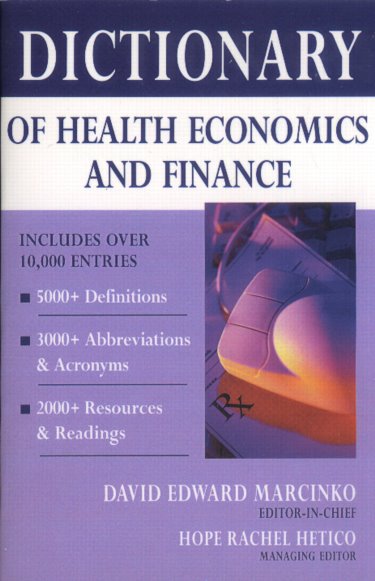






























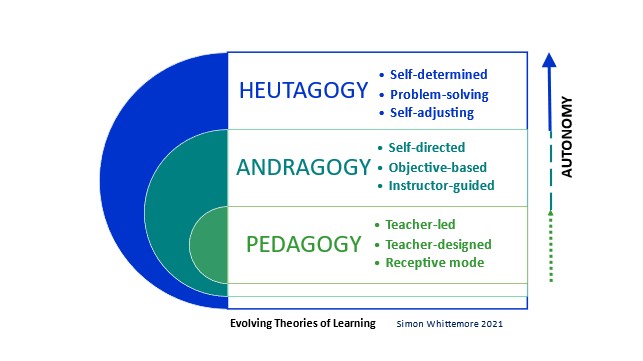
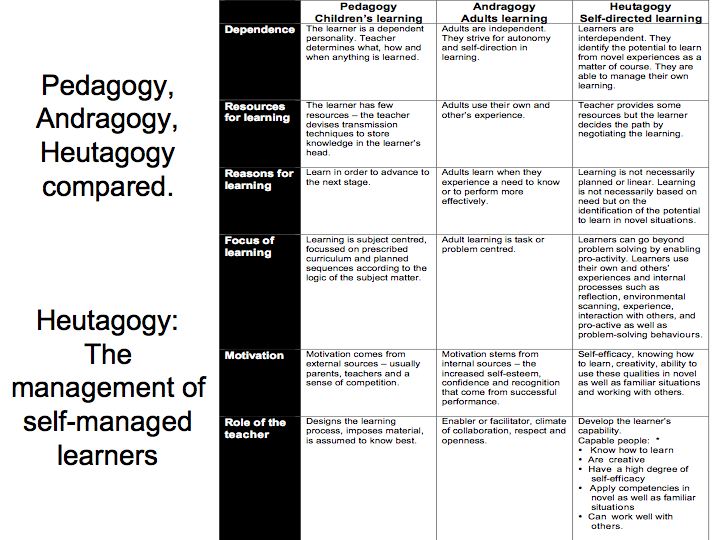





 The Leading Business Education Network for Doctors, Financial Advisors and Health Industry Consultants