BOARD CERTIFICATION EXAM STUDY GUIDES Lower Extremity Trauma
[Click on Image to Enlarge]
ME-P Free Advertising Consultation
The “Medical Executive-Post” is about connecting doctors, health care executives and modern consulting advisors. It’s about free-enterprise, business, practice, policy, personal financial planning and wealth building capitalism. We have an attitude that’s independent, outspoken, intelligent and so Next-Gen; often edgy, usually controversial. And, our consultants “got fly”, just like U. Read it! Write it! Post it! “Medical Executive-Post”. Call or email us for your FREE advertising and sales consultation TODAY [678.779.8597] Email: MarcinkoAdvisors@outlook.com
Medical & Surgical e-Consent Forms
ePodiatryConsentForms.com
iMBA Inc., OFFICES
Suite #5901 Wilbanks Drive, Norcross, Georgia, 30092 USA [1.678.779.8597]. Our location is real and we are now virtually enabled to assist new long distance clients and out-of-town colleagues.
ME-P Publishing
SEEKING INDUSTRY INFO PARTNERS?
If you want the opportunity to work with leading health care industry insiders, innovators and watchers, the “ME-P” may be right for you? We are unbiased and operate at the nexus of theoretical and applied R&D. Collaborate with us and you’ll put your brand in front of a smart & tightly focused demographic; one at the forefront of our emerging healthcare free marketplace of informed and professional “movers and shakers.” Our Ad Rate Card is available upon request [678-779-8597].
Posted on May 31, 2022 by Dr. David Edward Marcinko MBA MEd CMP™
By Staff Reporters
***
***
Since the year began, the iconic Dow Jones Industrial Average entered correction territory with a decline of greater than 10%, while the S&P 500 (very briefly, on an intra-day basis) and NASDAQ Composite both pushed into a bear market. The latter has endured a peak-to-trough drop of as much as 31% in six months.
Terra launched a new version of its failed luna cryptocurrency, which plunged to $0. At its height, the old luna — “luna classic” — had a circulating supply of over $40 billion. The revived luna token is already trading on exchanges but its price is crashing.
Oil prices rose to a two-month high over the holiday weekend, while the average cost of a gallon of gas in the US hit a record of $4.62.
Americans say it takes exactly $2.2 million in net worth to be considered “wealthy,” according to a new Charles Schwab study. The figure is up slightly from 2021, when it sat at $1.9 million, but down from a pre-pandemic “wealthy” high of $2.6 million in 2019. The average net worth it takes to be “financially comfortable” sat at $774,000 in 2022 and is up from $624,000 in 2021, but down from a pre-pandemic high of $1.4 million in 2018.
Welcome, and thank you for joining us for the 5th annual Top Economics Blogs list! We are happy, once again, to introduce you to a freshly updated list of economics blogs for 2022. As always, our winners list provides blogs for many different audiences, ranging from the budding economic enthusiast to the seasoned academic. The list also covers a variety of economics topics, whether it be traditional economic theory or the application of economics to current events and issues. In this meticulously curated list, we’ve condensed the most unique elements of each blog into short descriptions, so that you can see which ones catch your eye.
For 2022, a few newcomers have emerged, while many mainstays from previous years are present as well. Like previous years, we’ve done our best to capture the blogs which stand out for their quality rather than their popularity. As such, the list is an eclectic group that represents a wide range of tastes and perspectives.
***
Regardless of your school of thought or political affiliation, you can find valuable new content in this list of engaging, high-quality economics blogs.
Posted on May 29, 2022 by Dr. David Edward Marcinko MBA MEd CMP™
By Staff Reporters
***
Crypto-currency trader Capo reported that Bitcoin (CRYPTO: BTC) is poised to hit a new 52-week low as another sell-off event is insight. The prediction comes as the market is showing signs of weakness, and as Bitcoin managed to trade above $28,400, slightly higher than its 52-week low of $26,910. Capo warned that the support area of around $28,000 is flashing signs of demand exhaustion, as BTC has revisited the price level six times quickly.
***
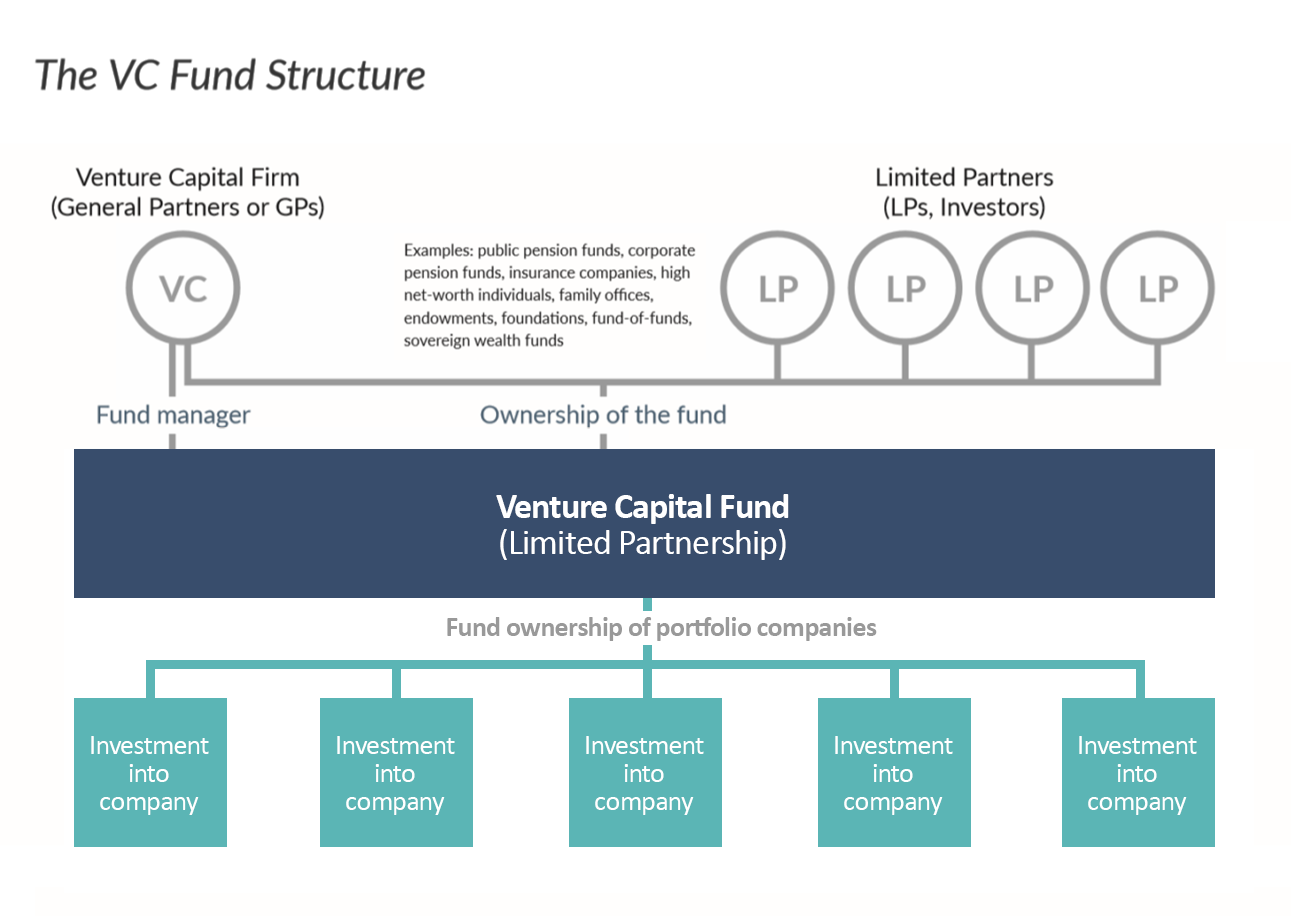
Finally, some venture capital firms are telling their portfolio companies to start cutting costs and looking for ways to cushion their cash position. It’s a stark contrast to last year, when IPOs were raising record amounts of cash, valuations were sky high and venture firms’ wallets were wide open. For example, Y Combinator said companies have to “understand that the poor public market performance of tech companies significantly impacts VC investing.”
Posted on May 28, 2022 by Dr. David Edward Marcinko MBA MEd CMP™
RICH HELPPIE: The COMMON BRIDGE
Featuring Beata Kirr
This is the first of a two part series with Rich’s special guest, Beata Kirr, the co-head of investment strategies and national managing director in the Chicago office of Bernstein. We think you’ll find this conversation very fascinating.
Posted on May 26, 2022 by Dr. David Edward Marcinko MBA MEd CMP™
–OR–
Worse Care for All?
THE CBO OPINES
***
***
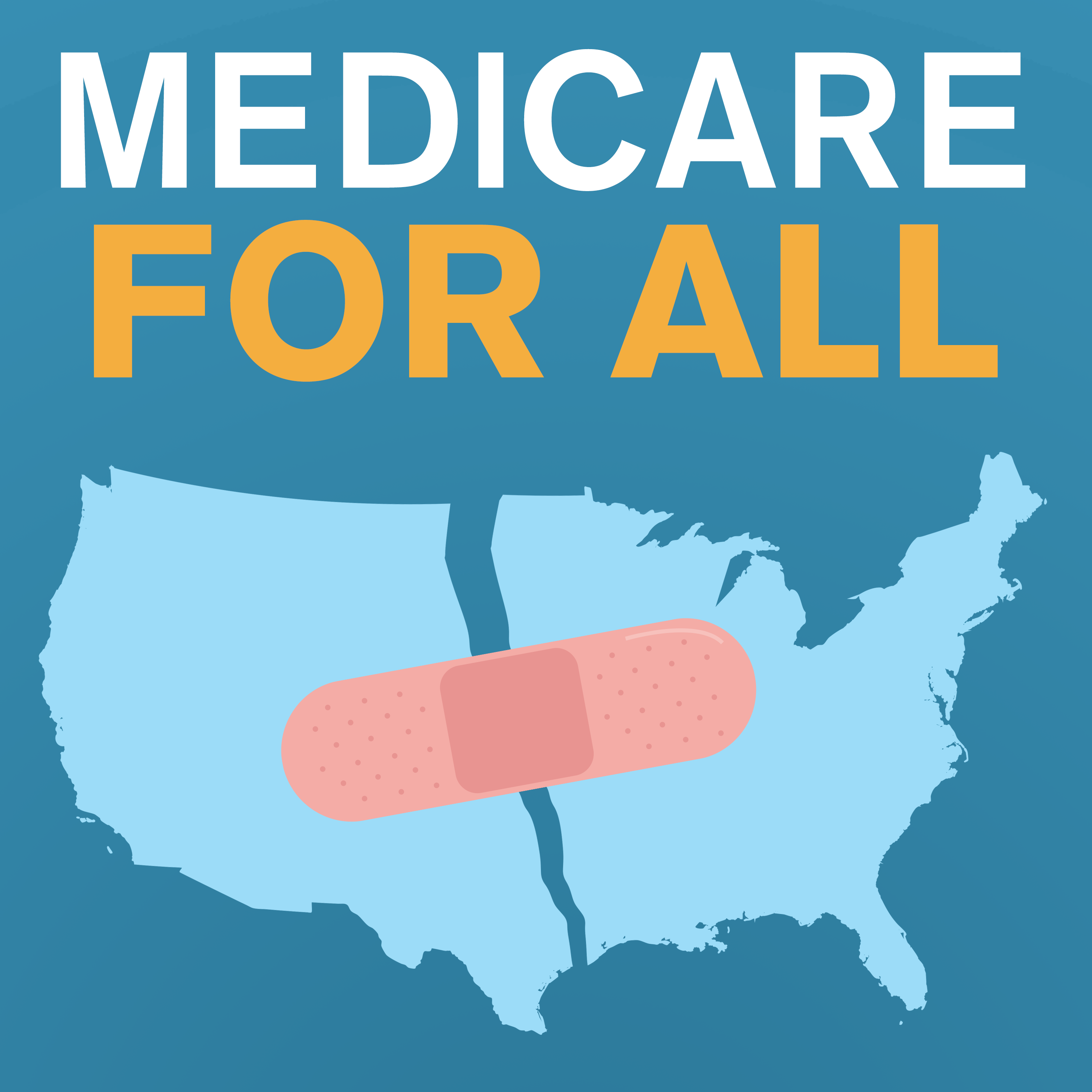
Senate Budget Committee Chairman Bernie Sanders (I-Vt.) has announced that as early as next week, his committee will hold a hearing “on the need to pass a Medicare for All single-payer program.”
Sanders gets an “A” for passion, but an “F” in compassion.
But, the non-partisan Congressional Budget Office has cautioned that Sanders’ Medicare for All bill would create “a shortage of providers, longer wait times, and changes in the quality of care.”
Posted on May 25, 2022 by Dr. David Edward Marcinko MBA MEd CMP™
SPECIAL EDITION
By Staff Reporters
***
At least 19 children and two adultswere killed after a gunman opened fire at Robb Elementary School in Uvalde, Texas, a town about 80 miles west of San Antonio. It was deadliest school shooting since Sandy Hook Elementary, when 20 children and six staff members were killed in Newtown, CT, in 2012.
The gunman in Uvalde, an 18-year-old man who was a native of the area, also died after being fatally wounded by police who were responding to the scene. He was armed with a handgun and an AR-15 semiautomatic rifle, according to CBS News.
Guns surpassed car accidents as the No. 1 cause of death among children in 2020, jumping nearly 30% between 2019 and 2020, per a research letter in the New England Journal of Medicine.
REST IN PEACE
***
The Treasury Department will not allow Russia to pay its debt-holders through American banks beginning today, revoking a special license that it had granted Russia since sanctions were first placed. Because Russia can’t use American banks to pay its IOUs, it’s almost guaranteed to default on its debts for the first time since the Bolshevik Revolution.
And, you’re probably not going to get monkeypoxfrom someone by brushing past them in the grocery store, CDC official Dr. Jennifer McQuiston said yesterday. It’s mostly spread through continuous physical contact with a person who has an active rash, and sometimes can be spread through respiratory droplets, but that’s “not the predominant worry,” according to McQuiston.
Posted on May 22, 2022 by Dr. David Edward Marcinko MBA MEd CMP™
***
By Dr. David Edward Marcinko MBA
***
Big Short’ investor Michael Burry MD warns stocks will crash and rallies won’t last.
“The Big Short” investor Michael Burry expects a far steeper decline in the stock market.
The Scion Asset Management chief’s view is based on how past crashes have played out.
Burry warned brief rallies were likely, and joked about his penchant for premature predictions.
Michael Burry, the hedge fund manager of “The Big Short” fame, rang the alarm on the “greatest speculative bubble of all time in all things” last summer. He warned the retail investors piling into meme stocks and cryptocurrencies that they were careening towards the “mother of all crashes.”
***
Mike also wrote a popular chapter in our financial planning textbook for physician investors. With our appreciation and gratitude.
Conclusion: Feel free to review our top-left column, and top-right sidebar materials, links, URLs and related websites, too. Then, subscribe to the ME-P. It is fast, free and secure.
Speaker: If you need a moderator or speaker for an upcoming event, Dr. David E. Marcinko; MBA – Publisher-in-Chief of the Medical Executive-Post – is available for seminar or speaking engagements. Contact: MarcinkoAdvisors@msn.com
OUR OTHER PRINT BOOKS AND RELATED INFORMATION SOURCES:
Posted on May 20, 2022 by Dr. David Edward Marcinko MBA MEd CMP™
SIX REASONS
By Vitaliy Katsenelson CFA
***
DEFINITION: In economics, inflation is a general increase in the prices of goods and services in an economy. When the general price level rises, each unit of currency buys fewer goods and services; consequently, inflation corresponds to a reduction in the purchasing power of money.
The war in Ukraine will likely pour more gasoline on the already raging inflationary fire, threatening to send the global economy into stagflation. Stagflation is a slowdown of economic activity caused by inflation.
Posted on May 18, 2022 by Dr. David Edward Marcinko MBA MEd CMP™
Is Stagflation Risk Real?
By Merk Insight
***
DEFINITION: In economics, stagflation or recession-inflation is a situation in which the inflation rate is high, the economic growth rate slows, and unemployment remains steadily high. It presents a dilemma for economic policy, since actions intended to lower inflation may exacerbate unemployment.
A few days ago, I had the pleasure of attending the Hoover Monetary Conference – I would call it a Powwow of central bankers, if there had not been an actual Powwow a few steps outside the venue. While Hoover is known to reflect “hawkish” views, “hawks” and “doves” alike used the question of whether the Fed is “behind the curve” to argue all things inflation and stagflation.
I left the conference even more concerned about the risk of stagflation; let me explain.
Here were a few floating around the internet this week, according to Neal Freyman:
When Matt Damon said, “Fortune favors the brave” in a Crypto.com commercial in October 2021. (It actually was kinda the top, because bitcoin peaked at $69,000 a few weeks later.)
When one investor went on CNBC last year to promote his investment in a lending platform called Upstart, he was asked what Upstart does. He hesitated, told the anchor his audio had cut out, and never responded.
When Dogecoin surged more than 10,000% to become the fourth most valuable cryptocurrency ahead of Elon Musk hosting SNL.
When electric vehicle startup Rivian was worth more than $110 billion and didn’t bring in any revenue.
When NFT platform OpenSea raised money at a $13.3 billion valuation—more than the value of American Airlines.
Posted on May 15, 2022 by Dr. David Edward Marcinko MBA MEd CMP™
By Staff Reporters and MCOL
***
***
Outcomes of In-Person and Tele-Health Encounters During COVID-19
• Ambulatory encounters decreased by 1.0% and the number of in-person encounters per enrollee decreased by 17.0% from 2019 to 2020. • For members with an initial telehealth encounter for a new acute condition, the adjusted odds ratio was 1.44 for all follow-ups combined and 1.11 for an emergency department encounter. • For members with an initial telehealth encounter for a new chronic condition, the adjusted odds ratios were 0.94 for all follow-ups combined and 0.94 for in-patient admissions.
A recent study examined the growth in hospital prices paid by commercial health insurance companies compared to Medicare over a seven-year period and found that commercial health plan rates were, on average, 180% higher than Medicare rates as of 2019.
While the national ratio between commercial and Medicare hospital payment growth rates remained relatively stable during the seven-year study period, ratios varied widely on a regional basis. This Health Capital Topics article will discuss this recent study and its implications. (Read more…)
In a recent article on the Mises Institute’s Power and Market blog, Kyle Ward appealed to the subjective theory of value to castigate Peter Schiff for his notorious skepticism of Bitcoin:
Posted on May 4, 2022 by Dr. David Edward Marcinko MBA MEd CMP™
The great vizier of Persia, Abdul Qassim Ismail (who lived in the 10th century), never parted with his library. If he went anywhere, the library “followed” him. The library was made up of 117,000 volumes of books and was transported by 400 camels. And the books (together with the camels) were arranged in alphabetical order. […]
Posted on May 4, 2022 by Dr. David Edward Marcinko MBA MEd CMP™
***
In this podcast, host Dara Albright and guest, Eric Satz, Founder and CEO of Alto IRA, discuss how modern Self-Directed IRAs (SDIRAs) are democratizing retirement planning by providing all Americans with the ability to add non-correlated alternative asset classes to tax-advantaged accounts.
The single greatest – and free – investment tool is also disclosed.
***
Discussion highlights include:
How SDIRAs offer wealth building opportunities for “not-yet accredited investors”;
How SDIRAs have evolved to accommodate micro-sized alternative investments;
Why alternative assets belong in retirement vehicles;
Three reasons most retirement savers are underweighted in non-correlated assets;
Trading cryptocurrencies without tax consequences;
Why RIAs are looking to ALTO for clients’ crypto allocation;
Posted on May 3, 2022 by Dr. David Edward Marcinko MBA MEd CMP™
RIP NAOMI JUDD
[Original Rebroadcast]
The Common Bridge by Rick Helppie
Mental Health, Jury Bias, and Judicial Reform, with the Honorable Milton L. Mack Jr.
Rich brings back the Honorable Milton L. Mack, Jr. for a discussion on Mental Health, Jury Bias, and Judicial Reform. Judge Mack has been a leading voice on how mental health issues affect over half of the court cases in the US and how this needs to be addressed in judicial reform. He has also been on the forefront of bringing cutting edge technology into the courtroom.
During this period, the standard deviation of quarterly real gross domestic product (GDP) declined by half and the standard deviation of inflation declined by two-thirds, according to figures reported by former U.S. Federal Reserve Chair Ben Bernanke. The Great Moderation can be summed up as a multi-decade period of low inflation and positive economic growth.
But, what about health economics, writ large? And, the actual practice of medicine by physicians in the trenches. Consider this historical review.
GOLDEN AGE OF MEDICINE
The ‘golden age of medicine’ – the first half of the 20th century, reaching its zenith with Jonas Salk’s 1955 polio vaccine – was a time of profound advances in surgical techniques, immunization, drug discovery, and the control of infectious disease; however, when the burden of disease shifted to lifestyle-driven, chronic, non-communicable diseases, the golden era slipped away. Although modifiable lifestyle practices now account for some 80% of premature mortality, medicine remains loathe to embrace lifestyle interventions as medicine Here, we argue that a 21st century golden age of medicine can be realized; the path to this era requires a transformation of medical school recruitment and training in ways that prioritize a broad view of lifestyle medicine. Moving beyond the basic principles of modifiable lifestyle practices as therapeutic interventions, each person/community should be viewed as a biological manifestation of accumulated experiences (and choices) made within the dynamic social, political, economic and cultural ecosystems that comprise their total life history. This requires an understanding that powerful forces operate within these ecosystems; marketing and neoliberal forces push an exclusive ‘personal responsibility’ view of health – blaming the individual, and deflecting from the large-scale influences that maintain health inequalities and threaten planetary health. The latter term denotes the interconnections between the sustainable vitality of person and place at all scales. We emphasize that barriers to planetary health and the clinical application of lifestyle medicine – including authoritarianism and social dominance orientation – are maintaining an unhealthy status quo.
To listen to all those desperate to reform health care, you get the impression that physicians are pretty horrible people. We are all sexist, greedy, money grubbing tyrants who will perform unnecessary tests and procedures just to make money. We don’t care about quality or cost. We are killing off 250,000 patients every year with our ignored “errors.”
We purposely keep our patients in pain, or we addict them to narcotics just to shut them up. We are constantly told by lawyers that lawsuits are necessary to protect patients from doctors. We provide unsafe drugs just because the drug reps give us free pens and coffee cups. The government must step in to clean up the mess.
The U.S. government is the largest payor of medical costs, through Medicare and Medicaid, and has a strong influence on reimbursement for home healthcare services. In 2020, Medicare and Medicaid accounted for an estimated $829.5 billion and $671.2 billion in healthcare spending, respectively. The outsized prevalence of these public payors in the healthcare marketplace often results in their acting as a price setter, and being used as a benchmark for private reimbursement rates. This effect may be even stronger in the home health industry.
The third installment of this home health valuation series will discuss the reimbursement environment in which these organizations operate. (Read more…)
Posted on April 30, 2022 by Dr. David Edward Marcinko MBA MEd CMP™
How the government’s accelerating takeover of private medicine destroys doctors and threatens the health and well-being of every American.
By Leonard Peikoff
This lecture was delivered at Boston’s Ford Hall Forum in April 1985, published in the April – June 1985 issues of The Objectivist Forum and anthologized in The Voice of Reason.
Posted on April 29, 2022 by Dr. David Edward Marcinko MBA MEd CMP™
By Staff Reporters
***
Medicare Advantage Organizations (MAOs) delayed or denied payments and services to patients, even when these requests met Medicare coverage rules, according to a report released by federal investigators on Thursday.
Posted on April 28, 2022 by Dr. David Edward Marcinko MBA MEd CMP™
***
By Eric Bricker MD
***
According to One Survey, only 4% of People Understand the Basic Insurance Terms of Deductible, Co-Insurance, Copay and Out-of-Pocket Maximum.
In Another Survey by United Healthcare Itself, Only 9% Understood the Terms Premium, Deductible, Co-Insurance and Out-of-Pocket Max.
This Lack of Understanding is Not the Fault of the Employee Benefits Professionals or the Employees… Rather, the Health Insurance Plan Designs Are Just Too Complicated.
Can you imagine that you might get your 3D-printed prosthesis in an hour instead of 4-5 sessions at the dentist? How about having a tele-dentist consultation? Or being able to grow new teeth at the age of 80?
Here are 9 technologies that will shape the future of dentistry!
Posted on April 19, 2022 by Dr. David Edward Marcinko MBA MEd CMP™
***
***
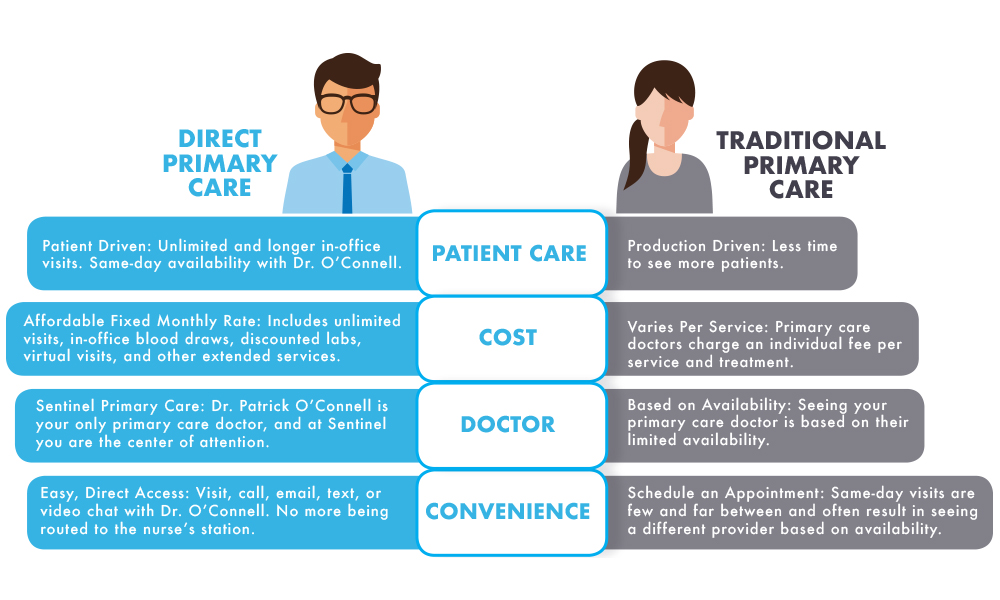
DEFINITION: Direct Medical Specialty Care (DMSC) is an innovative alternative payment model improving access to high functioning healthcare with a simple, flat, affordable membership fee. No fee-for-service payments. No third party billing. The defining element of DPC is an enduring and trusting relationship between a patient and his or her primary care provider. Patients have extraordinary access to a physician of their choice, often for as little as $70 per month, and physicians are accountable first and foremost their patients. DPC is embraced by health policymakers on the left and right and creates happy patients and happy doctors all over the country!
Doug Geinzer, Founder and President of High Performance Providers, specializes in high-cost, steerable surgeries. During the episode, Geinzer and host Chris Habig discuss the direct alignment between the specialty care community and the direct primary care community, as well as Geinzer’s job as a consultant to surgeons.
Posted on April 18, 2022 by Dr. David Edward Marcinko MBA MEd CMP™
Follow The Money!
***
***
By Jonathan Burroughs MD MBA
For those seeking to better understand the US healthcare system, national healthcare consultant Dr. Jonathan Burroughs suggests playing a game of “follow the money.” He asserts that whenever healthcare appears illogical, following the money will make it all rational and clear. The U.S. spends 2x as much money as the rest of the industrialized world, yet its citizens do not live as long as they do in 36 other nations. Dr. Burroughs gives an overview on how to fix the system.
Dr. Burroughs has worked with over 1,100 hospitals across the country to help healthcare leaders navigate the 21st century. He is a popular national speaker, who speaks to the impact of healthcare reform on hospitals, physicians and patients. Jonathan is a healthcare legal expert, who has participated in over 65 cases across the country. He is the winner of the James A Hamilton Award in 2016 awarded by the American College of Healthcare Executives titled “Redesign the Medical Staff Model”. This talk was given at a TEDx event using the TED conference format but independently organized by a local community. Learn more at https://www.ted.com/tedx
Posted on April 17, 2022 by Dr. David Edward Marcinko MBA MEd CMP™
By staff Reporters
***
39% of Providers Conduct Covid-19 Screens Via Telehealth
In a recent survey providers were asked what types of patient care they deliver via telehealth. The survey found:
• Conduct primary care visits (75%) • Conduct chronic care visits (72%) • Order prescription refills (64%) • Conduct COVID-19 screenings (39%) • Conduct urgent care visits (38%) • Address mental health concerns (36%) • Conduct follow-up after a procedure or surgery care (28%)
Posted on April 14, 2022 by Dr. David Edward Marcinko MBA MEd CMP™
By Staff Reporters
***
***
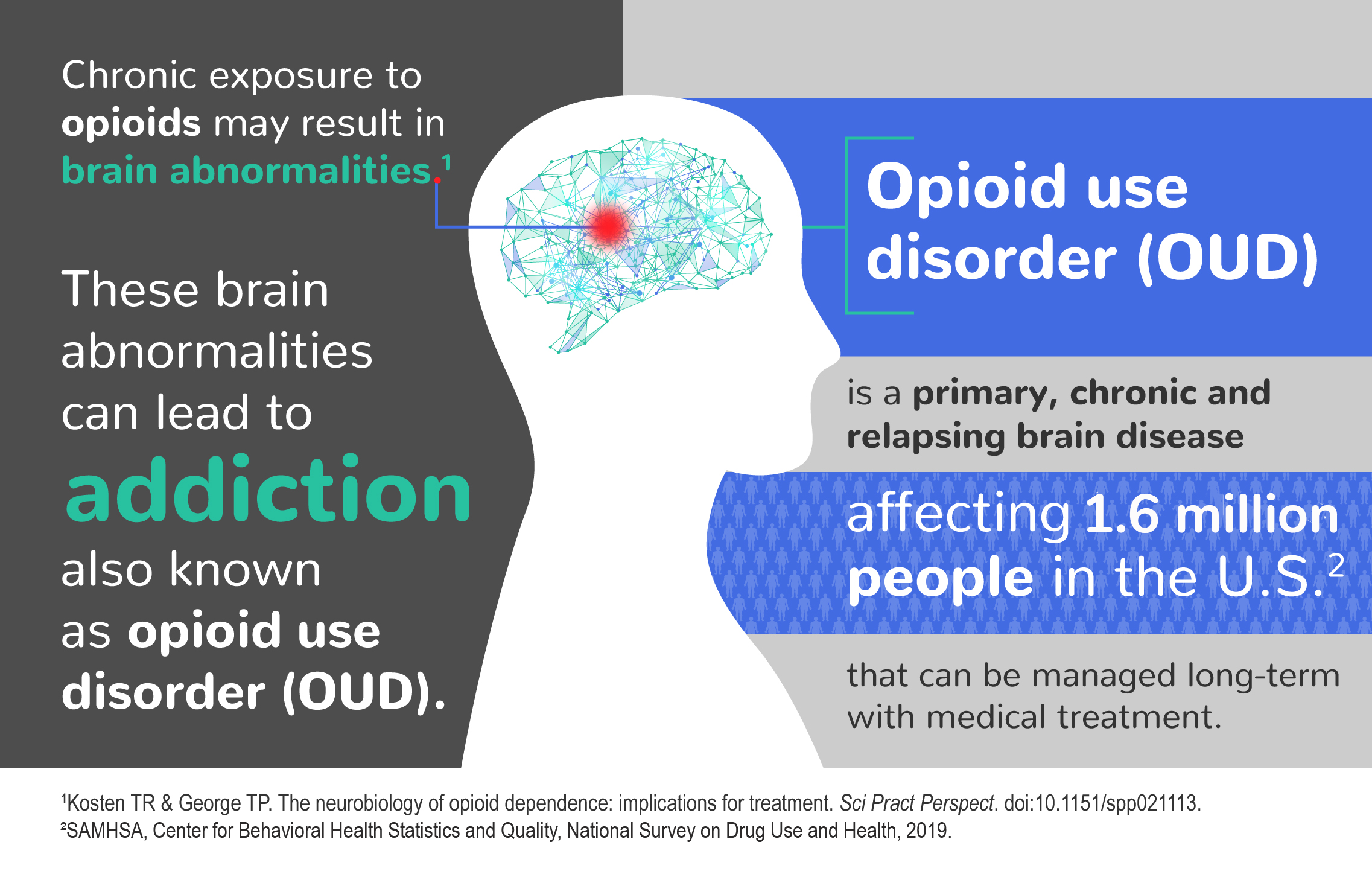
DEFINITION: Physical and psychological reliance on opioids, a substance found in certain prescription pain medications and illegal drugs like heroin.
Opioids are prescribed to treat pain. With prolonged use, pain-relieving effects may lessen and pain can become worse. In addition, the body can develop dependence. Opioid dependence causes withdrawal symptoms, which makes it difficult to stop taking them. Addiction occurs when dependence interferes with daily life. Taking more than the prescribed amount or using illegal opioids like heroin may result in death.
Symptoms of addiction include uncontrollable cravings and inability to control opioid use even though it’s having negative effects on personal relationships or finances.
Treatment varies but may include discontinuing the drug. Medications such as methadone can help alleviate the symptoms of withdrawal and cravings. Pairing medication with inpatient or support programs generally has the most success.
A recent survey of nearly 1,000 patients with opioid use disorder (OUD) about recovery, telehealth, and stigma found in regards to recovery:
• 95% Describe their overall outlook on recovery as positive; just 1% describe as negative. • 76% Report having a strong support system to help navigate treatment. • 43% Returned to treatment immediately after relapse, 34% took over 3 months to start over. • 30% Blame individuals for the opioid crisis (over drug companies, doctors, and the government.)
Posted on April 14, 2022 by Dr. David Edward Marcinko MBA MEd CMP™
By Staff Reporters
***
***
DEFINITION: A rate of return (RoR) is the net gain or loss of an investment over a specified time period, expressed as a percentage of the investment’s initial cost. When calculating the rate of return, you are determining the percentage change from the beginning of the period until the end.
***
And so, according to Greg McBride CFA, before you invest your money, you’re likely wondering how much you’re going to earn. This is known as the rate of return. The rate of return is expressed as a percentage of the total amount you invested. If you invest $1,000 and get back your original investment plus an additional $100 in interest, you’ve earned a 10 percent return.
However, numbers don’t always tell the full story. You’ll also need to think about how long you plan to keep the money invested, how your investment options have performed historically and how inflation will impact your bottom line.
Key return on investment statistics
When you’re trying to get the best return on your investment, you’ll likely start combing through loads of data. A good place to start is looking at the past decade of returns on some of the most common investments:
Posted on April 13, 2022 by Dr. David Edward Marcinko MBA MEd CMP™
By Ahmed Aboulenein
***
***
WASHINGTON (Reuters) – The United States on Wednesday renewed the COVID-19 public health emergency, allowing millions of Americans to keep getting free tests, vaccines and treatments for at least three more months.
The public health emergency was initially declared in January 2020, when the coronavirus pandemic began. It has been renewed each quarter since and was due to expire on April 16.
The Department of Health and Human Services (HHS) in a statement said it was extending the public health emergency and that it will give states 60 days notice prior to termination or expiration.
This could be the last time HHS Secretary Xavier Becerra extends it, policy experts have said.
The term “step-up” refers to the difference in value and tax liability that an asset has when it is acquired and when it is transferred to an inheritor.
EXAMPLE #2: The proverbial millionaire Doctor Joe, for example, could buy a home for $350,000 and sell it for $1 million, after which he’d pay taxes on the $650,000 gain. But if Dr. Joe passes the home onto his daughter Ella, and she has it appraised at $1 million, its value has taken a “step up” in value to $1 million. If Ella sells the home for $1 million or less, she wouldn’t owe anything in taxes.
ASSESSMENT: For billionaires like Jeff Bezos, Bill Gates and Elon Musk who earn far more through their investments than their salaries, this loophole is a perfect way to shield their wealth. Intergenerational wealth has contributed to surging inequality in America, which grew wider during the pandemic. Since 2019, the wealth of the top 400 richest people in the US increased by $1.4 trillion, per research from Gabriel Zucman and Emmanuel Saez, a pair of left-leaning economists at the University of California, Berkeley.
“Often, for these people, wealth accumulates tax-free their entire lives,” Frank Clemente, executive director at the left-leaning advocacy group Americans for Tax Fairness, opined. President Joe Biden proposed ending this loophole and making billionaires “pay their fair share,” so why does it look like his party won’t touch it?
I was recently interviewed by Millennial Investors podcast. They sent me questions ahead of time that they wanted to ask me “on the air”. I found some of the questions very interesting and wanted to explore deeper. Thus, I ended up writing answers to them (I think through writing). You can listen to the podcast here.
By the way, I often get asked how I find time to write. Do I even do investment research? Considering how much content I’ve been spewing out lately, I can understand these questions. In short – I write two hours a day, early in the morning (usually from 5–7am), every single day. I don’t have time-draining hobbies like golf. I rarely watch sports. I have a great team at IMA, and I delegate a lot. I spend the bulk of my day on research because I love doing it.
This is not the first time I was asked these questions. If you’d like to adapt some of my daily hacks in your life, read this essay.
Posted on April 10, 2022 by Dr. David Edward Marcinko MBA MEd CMP™
SPUR INNOVATION
The Dallas Morning News Reported that Healthcare Costs Per Capita in the Dallas-Fort Worth Metro Area are Higher than New York City, Houston, Miami, Chicago, Atlanta and Washington, D.C.
I used to be an Associate Director in a state physician health program (PHP) and I served as a consultant when the state of North Carolina audited its PHP. Now, roughly twice a month I am contacted by a physician somewhere in the U.S. who is, effectively, being extorted.
How are they being extorted? These physicians are forced to either pay tens of thousands of dollars to for-profit evaluation/treatment centers or else lose their ability to practice medicine.
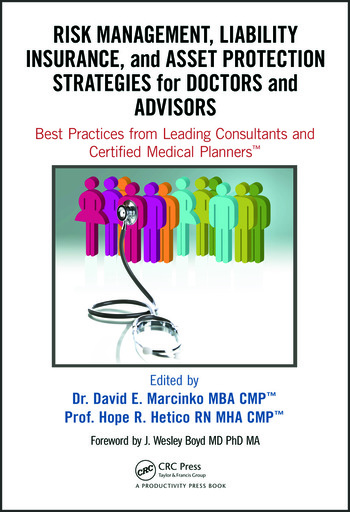
EDITOR’S NOTE: Colleague J. Wesley Boyd, M.D., Ph.D., is a professor of psychiatry and medical ethics at Baylor College of Medicine. He is also a lecturer on global health and social medicine at Harvard Medical School. He writes on issues of social justice, human rights, immigration and asylum, access to care, and substance use disorders. And, he is the author of the book, Almost Addicted, which won the Will Solemine Award for Excellence in Medical Writing from the New England American Medical Writer’s Association. Dr. Boyd also contributed to our major textbook on Risk Management, Liability Insurance and Asset Protection Strategies for Doctors and Advisors. We appreciate his work and contributions.
Posted on April 2, 2022 by Dr. David Edward Marcinko MBA MEd CMP™
By Eric Bricker MD
***
1) Traditional Medicare: Health Insurance for Seniors 65 and older. Medicare Part A is coverage for hospital services. Medicare Part B is coverage for doctor, physical therapist and other provider services and for outpatient services such as labs and imaging.
2) Medicare Advantage: Health Insurance for Seniors 65 and older administered through a private health insurance company. It is sometimes referred to as Medicare Part C. It can be chosen instead of Traditional Medicare and often includes Dental Insurance, Vision Insurance, Hearing Aid Insurance and Prescription Drug Coverage.
3) Medicare Part D Prescription Coverage: Additional insurance for people on Traditional Medicare to cover their prescription medications as well. Medicare Part D is administered by private insurance companies.
4) Medicare Supplement Plans: Insurance that can be purchased in addition to Traditional Medicare to cover the expenses that Traditional Medicare does not cover, such as hospitalization deductibles and Medicare Part B co-insurance.
5) Medicaid: The health insurance program administered by each state for it’s economically disadvantaged residents. It is funded in part by the Federal Government and in part by each state. It is administered by private health insurance companies.
6) Affordable Care Act (ACA) Exchange Plans: Health insurance for people under 65 who make too much money to qualify for Medicaid, but do not received health insurance through their employer. ACA Exchange Plans are subsidized by the Federal Government and administered by private insurance companies.
Posted on April 1, 2022 by Dr. David Edward Marcinko MBA MEd CMP™
By Michael Accad MD
***
***
In a recent article on the Mises Institute’s Power and Market blog, Kyle Ward appealed to the subjective theory of value to castigate Peter Schiff for his notorious skepticism of Bitcoin:
***
Schiff is quick to point out that gold has uses outside of being money. It is used in electronics, dentistry, and jewelry, to name a few…This leads Schiff to claim that bitcoin is unlike gold in that it has no fundamental (or objective) value. His mistake is obvious: there is no such thing as objective value, whether we’re talking about gold or bitcoin. Value is subjective and determined internally by individuals…Yes, gold can be used to build electronics, but that only has value because consumers subjectively value electronics. (emphasis in the original)
I believe Ward errs in how he relates the subjective theory of value to Bitcoin, but his error stems both from an ambiguity in phrases like “objective value” and from an ambivalence in how the founding fathers of Austrian economics themselves considered the relationship between the human agent and the good being valued.
In this article I will argue that the “orthodox” Austrian school position regarding the emergence of sound money from commodities—first proposed by Carl Menger, subsequently developed by Ludwig von Mises, and presumably adopted by Peter Schiff—is the correct one. But I will appeal to a Scholastic notion of the good to defend that view. That notion of the good is also critical to secure the foundation of a sound economic science.
EDITOR’S NOTE: Florida Podiatry Practice Now Accepts Bitcoin
JAWSPodiatry is now one of the first medical practices in South Florida to accept Bitcoin! Bitcoin, as you know is a virtual currency that has generated a lot of headlines and has been growing in use and acceptance across the country and around the world. It is a distributed, peer-to-peer digital currency that functions without the intermediation of any central authority.
Posted on March 31, 2022 by Dr. David Edward Marcinko MBA MEd CMP™
***
A basic understanding of hospital finance is crucial as leaders continue to create policy that shapes healthcare financing. This updated 30,000-foot view of hospital finance is intended to shed some light on the complex system.
Posted on March 28, 2022 by Dr. David Edward Marcinko MBA MEd CMP™
BY HEALTH CAPITAL CONSULTANTS, LLC.
DEFINITION: The False Claims Act, also called the “Lincoln Law”, is an American federal law that imposes liability on persons and companies who defraud governmental programs. It is the federal Government’s primary litigation tool in combating fraud against the Government. The law includes a provision that allows people who are not affiliated with the government, called “relators” under the law, to file actions on behalf of the government. Persons filing under the Act stand to receive a portion of any recovered damages.
On February 1, 2022, the U.S. Department of Justice (DOJ) announced their recovery of $5.6 billion in settlements and judgments from civil cases involving fraud and false claims for fiscal year (FY) 2021. Over $5 billion was recouped from the healthcare industry for federal losses alone, and included recoveries from drug and medical device manufacturers, managed care providers, hospitals, pharmacies, hospice organizations, laboratories, and physicians.
***
This figure is more than double the amount of healthcare-related recoveries secured in FY 2020, which totaled $1.8 billion. (Read more…)
Posted on March 27, 2022 by Dr. David Edward Marcinko MBA MEd CMP™
****
There are a zillion digital health companies on the market, each praising their own solution/product as they can. It is up to the market to decide if these are any good. But how would patients, hospital systems, clinics or even investors decide on their added value? With the help of experts.
It is the 4th time we collect The TOP100 Digital Health Companies. A curated list of the best companies of the thousands we encounter while doing our work at The Medical Futurist. Of them, we chose a hundred that represent the following key values: mindset for innovation, truly disruptive technology, viable business model and a clear dedication to digital health.
Take care, Berci Bertalan Meskó, MD The Medical Futurist
Posted on March 26, 2022 by Dr. David Edward Marcinko MBA MEd CMP™
By Eric Bricker MD
Their 8 Point Strategy Included: 1) CDHP, 2) Centers-of-Excellence, 3) Narrow Network, 4) Rx Formulary Changes, 5) Spousal Surcharge, 6) COBRA Members to the Exchange, 7) 2nd Opinion Program … AND 8) Moved Health Plan Control from HR to a Chief Medical Officer AND Kept a Short Leash on their ASO Carrier.







 Support our online development, and advance our onground research initiatives in free market economics, as we seek to showcase the brightest Next-Gen minds.
THE ME-P DISCLAIMER: Posts, comments and opinions do not necessarily represent iMBA, Inc., but become our property after submission. Copyright © 2006 to-date. iMBA, Inc allows colleges, universities, medical and financial professionals and related clinics, hospitals and non-profit healthcare organizations to distribute our proprietary essays, photos, videos, audios and other documents; etc. However, please review copyright and usage information for each individual asset before submission to us, and/or placement on your publication or web site. Attestation references, citations and/or back-links are required. All other assets are property of the individual copyright holder.
Support our online development, and advance our onground research initiatives in free market economics, as we seek to showcase the brightest Next-Gen minds.
THE ME-P DISCLAIMER: Posts, comments and opinions do not necessarily represent iMBA, Inc., but become our property after submission. Copyright © 2006 to-date. iMBA, Inc allows colleges, universities, medical and financial professionals and related clinics, hospitals and non-profit healthcare organizations to distribute our proprietary essays, photos, videos, audios and other documents; etc. However, please review copyright and usage information for each individual asset before submission to us, and/or placement on your publication or web site. Attestation references, citations and/or back-links are required. All other assets are property of the individual copyright holder.














































 The Leading Business Education Network for Doctors, Financial Advisors and Health Industry Consultants