DAILY UPDATE: Stocks Slightly Up Awaiting CPI Report

By Staff Reporters

***

Boeing had yet another rough day, at one point dropping 2.5% to its lowest mark in five months after reports that the FAA is investigating a whistleblower’s claims about safety issues with the 787 Dreamliner.

***

***

And, US stocks on Tuesday ended with small moves, weighed down by the financial sector ahead of key earnings reports later this week. Market participants also exhibited caution a day before the latest consumer inflation data. Wall Street’s three major averages opened in the green but then spent most of the day languishing in negative territory.

Finally, the tech-heavy NASDAQ Composite (COMP:IND) eventually closed 0.32% higher at 16,306.64 points, while the benchmark S&P 500 (SP500) added 0.15% to settle at 5,209.94 points. The blue-chip Dow (DJI) fell marginally by 0.02% to conclude at 38,883.67 points.

CITE: https://www.r2library.com/Resource

Here’s where the major benchmarks ended:

  • The S&P 500® index (SPX) gained 7.52 points (0.1%) to 5,209.91; the Dow Jones Industrial Average® ($DJI) lost 9.13 points (0.02%) to 38,883.67; the NASDAQ Composite® ($COMP) rose 52.68 points (0.3%) to 16,306.64.
  • The 10-year Treasury note yield (TNX) fell more than 6 basis points to 4.358%.
  • The CBOE Volatility Index® (VIX) fell 0.21 to 14.98.

Financial and industrial shares led Tuesday’s decliners. Oil services stocks were also soft as WTI Crude Oil (/CL) futures dropped for a third consecutive trading session. The Philadelphia Oil Service Index (OSX) lost 0.7% and ended at its lowest point since April 1. 

In other markets, Gold (GC) futures neared $2,400 per ounce and hit a record high for the eighth consecutive trading session. Gold’s rally has been driven by factors including reports of purchases by China’s central bank as well as expectations for lower interest rates and escalating conflict in the Middle East. Bitcoin (BTC) tumbled about 3.5% and fell to less than $70,000, giving up much of Monday’s gain.

COMMENTS APPRECIATED

Thank You

***

***

PODCAST: Doctors, Money and Conflicts of Interest

Medical Ethics – Ever on Guard

***
By Aaron Carroll MD, MS
 ***
I’m a doctor. My father is a doctor. My colleagues are doctors, the people I train are doctors, lots and lots of my friends are doctors.
 ***
But, that doesn’t meant that doctors sometimes aren’t blind to certain issues like their own financial conflicts of interest. Sometimes we have to poke doctors with a stick. That’s how we show our love.
 ***
Conflicts of interest are the topic of this Healthcare Triage video.

PLAY VIDEO LINK

ECON

Assessment

This video episode is adapted from Aaron’s NYT piece on the topic. References can be found in the links there: http://www.nytimes.com/2014/09/09/ups…

John Green — Executive Producer
Stan Muller — Director, Producer
Aaron Carroll — Writer
Mark Olsen — Graphics

http://www.twitter.com/aaronecarroll
http://www.twitter.com/crashcoursestan
http://www.twitter.com/realjohngreen
http://www.twitter.com/olsenvideo

About the Author

Dr. Carroll has published some of the seminal work on various types of health care reform, and continues to be a sought after speaker on cost, quality and access-and the Affordable Care Act and its implications for our future. Considered one of the leading pediatric informaticists in the U.S. he has received millions of dollars in grants to explore the use of information technology in health care. Dr. Carroll was the Primary Investigator on a grant from the Agency for Healthcare Research and Quality to study the true impact of malpractice claims on the practice of medicine.

Conclusion

Your thoughts and comments on this ME-P are appreciated. Feel free to review our top-left column, and top-right sidebar materials, links, URLs and related websites, too. Then, subscribe to the ME-P. It is fast, free and secure.

Speaker: If you need a moderator or speaker for an upcoming event, Dr. David E. Marcinko; MBA – Publisher-in-Chief of the Medical Executive-Post – is available for seminar or speaking engagements. Contact: MarcinkoAdvisors@msn.com

OUR OTHER PRINT BOOKS AND RELATED INFORMATION SOURCES:

Product DetailsProduct Details

PHYSICIAN PAYMENTS: Drug and Device Makers

By Staff Reporters

***

***

Physicians Received $12 Billion from Drug & Device Makers in Less Than 10 Years

A review of the federal Open Payments database found that the pharmaceutical and medical device industry paid physicians $12.1 billion over nearly a decade. Almost two thirds of eligible physicians — 826,313 doctors — received a payment from a drug or device maker from 2013 to 2022, according to a study published online in JAMA on March 28th. Overall, the median payment was $48 per physician.

CITE: https://www.r2library.com/Resource

Orthopedists received the largest amount of payments in aggregate, $1.3 billion, followed by neurologists and psychiatrists at $1.2 billion, and cardiologists at $1.29 billion. To find out what any physician was paid, click here.

Source: Alicia Ault, MD Edge [4/3/24]

COMMENTS APPRECIATED

Subscribe Today

***

***

DAILY UPDATE: U.S.A. Stock Markets Little Changed

By Staff Reporters

***

***

Like use, investors were a little checked out yesterday, focusing on the eclipse or maybe the fact that earnings season starts later this week, and stocks were relatively flat. Diamondback Energy hit an all-time high following several other energy companies that did so last week as oil prices surge.

Here’s where the major benchmarks ended:

  • The S&P 500® index (SPX) lost 1.95 points (0.04%) to 5,202.39; the Dow Jones Industrial Average® ($DJI) eased 11.24 points (0.03%) to 38,892.80; the NASDAQ Composite® ($COMP) gained 5.44 points (0.03%) to 16,253.96.
  • The 10-year Treasury note yield rose more than 4 basis points to 4.422%.
  • The CBOE Volatility Index® (VIX) fell 0.84 to 15.19.

Bank shares were among Monday’s strongest performers, sending the KBW Regional Banking Index (KRX) up 1.5%. Consumer discretionary companies were also strong. WTI Crude Oil (/CL) futures fell sharply earlier in the session following reports Israel had removed some troops from Gaza but bounced back to end down 0.5% at around $86.47 per barrel.

CITE: https://www.r2library.com/Resource

COMMENTS APPRECIATED

Thank You

***

***

The Path to Successful Investing

By Vitaliy Katsenelson, CFA
***

***

Something weird happened to me on Twitter a few months ago. A “follower” started lashing out at me about a stock we own. When people attack me for my views it doesn’t bother me (I wrote several chapters in Soul in the Game on this topic). I don’t let personal attacks get to me, unless people start attaching bricks to their 280 characters. 

This person’s lambasting of me was different. He was upset about the decline of a stock I had never publicly discussed in any of my newsletters or talks. This person was not a client. I didn’t know who he was; I had never met him. I was really confused why a stock my clients and I personally owned was so important to him. It’s like someone being upset about the color my wife chose to paint our kitchen.

Once gently confronted, he apologized, said he was a big fan, and explained that he had read my 13F (a form we have to file with the SEC 45 days after the quarter end, where we have to report our holdings in US stocks). He saw that the stock was one of our top holdings, and he bought it. Because I owned it, he made it a disproportionately large position.

I was truly upset about this incident. One of my principles in life is to have a net positive impact on the people I touch. If every single stock I discussed only went straight up, I wouldn’t have to worry about it. But this is not how life works.

Let me give you an example: No Shortcuts to Greatness: The Path to Successful Investing

COMMENTS APPRECIATED

Thank You

***

***

DAILY UPDATE: Nvidia in Medicine, IRs and the Big Banks

By Staff Reporters

SAFE SOLAR ECLIPSE DAY

***

***


NVIDIA
is accelerating the pace of healthcare innovation! Last week they unveiled a suite of AI microservices for developers, launched cutting-edge healthcare AI tools, and deepened their collaborations with giants like Johnson & Johnson. Plus, they’re ramping up investment in clinical trials and drug design. 

Do you ever struggle with finding the best sources of information about healthcare AI? Check out my new video, where I share my favorite newsletters, websites, sub-reddits, and a list of must-follow experts. With this toolkit, you won’t miss anything important. Also, I hope you enjoyed a restful and Happy Spring Break – should you celebrate it!

Bertalan Meskó, PhD
The Medical Futurist

READ MORE: https://www.cnbc.com/2024/03/24/nvidias-ai-ambitions-in-medicine-and-health-care-are-becoming-clear.html?utm_source=The+Medical+Futurist+Newsletter&utm_campaign=f5908296a8-EMAIL_CAMPAIGN_2024_04_07_Resend&utm_medium=email&utm_term=0_efd6a3cd08-f5908296a8-399696053&mc_cid=f5908296a8&mc_eid=40fee31c25

***

Last week, several Fed officials said they were in no rush to slash interest rates in 2024, which investors have been banking on this year. Meanwhile, oil prices have risen to five-month highs due to concerns about supply shocks in key areas around the world.

And, Wall Street is preparing for a crammed week, with crucial inflation data dropping on Wednesday and big banks (JPMorgan, Wells Fargo, Citigroup) inaugurating earnings season on Friday. The pressure is on companies to post beefy profits to back up their strong stock performance in Q1.

CITE: https://www.r2library.com/Resource

COMMENTS APPRECIATED

Subscribe Today

Thank You

***

***

***

CMS Announces Updates to ACO REACH Model

By Health Capital Consultants, LLC

CMS Announces Updates to ACO REACH Model

On August 14, 2023, the Centers for Medicare and Medicaid Services (CMS) announced updates to their Accountable Care Organization Realizing Equity, Access, and Community Health (ACO REACH) model.

CITE: https://www.r2library.com/Resource

In response to feedback from stakeholders, starting in performance year (PY) 2024, the agency expects to increase the predictability for the model and further advance health equity. Only in its first PY, ACO REACH is a revision and replacement of the Global and Professional Direct Contracting (GPDC) model and the Geographic Direct Contracting (Geo Model) model, a subset of the GPDC model. This Health Capital Topics article will discuss the updates to the ACO REACH model and its implications for existing accountable care organizations (ACOs). (Read more…)

RISK MANAGEMENT: https://www.routledge.com/Risk-Management-Liability-Insurance-and-Asset-Protection-Strategies-for/Marcinko-Hetico/p/book/9781498725989

***

COMMENTS APPRECIATED

Thank You

***

***

PODCAST: Medicare CMS Innovation Center

By Eric Bricker MD

***

***

COMMENTS APPRECIATED

Thank You

***

***

***

DOCTORS FEELING WEALTHY: How Much is [Really] Enough?

By Staff Reporters

SPONSOR: http://www.MARCINKOASSOCIATES.com

***

***

What does wealth mean to you?

In a recent survey by Edelman Financial Engines, 57% of respondents said they’d feel wealthy if they had $1 million in the bank. But for many people, like doctors, that may not be enough.

Among those with $500,000 and $3 million in assets, 53% said it would take over $3 million in the bank for them to feel wealthy, and 33% said it would take over $5 million. Given that these are amounts some people will never even come close to amassing in their lifetimes, it may be hard to wrap your head around these answers.

***

***

COMMENTS APPRECIATED

Thank You

***

RETIREMENT: The New “Magic Number” in 2024

By Staff Reporters

Since 2013 Americans believe they now need $1.46 million to retire in style

***

***

The new magic number for retirement, found in a study by Northwestern Mutual, is 15% higher than what people thought they needed last year—and 53% higher than the amount people in 2020 pictured themselves needing to feel comfortable leaving the workforce to sit on a beach in Florida.

In fact, it’s also more than most people have socked away: On average, US adults have $88,400 saved for retirement.

CITE: https://www.r2library.com/Resource

QUESTION: But what about doctors and medical professionals?

HABITS: https://medicalexecutivepost.com/2020/01/22/twenty-20-habits-of-eventual-millionaires/

DOCTORS PATH: https://medicalexecutivepost.com/2013/07/11/the-doctors-path-to-wealth/

COMMENTS APPRECIATED

Subscribe Today

***

***

DAILY UPDATE: Stock Markets Surge

By Staff Reporters

***

***

Here’s where the major benchmarks ended:

  • Markets: Stocks pulled it out for a Friday win after the government dropped encouraging economic data. But all three major indexes were still down for the week, with the Dow enduring its worst of 2024.
  • Stock spotlight: Tesla took a wild ride, plunging after Reuters reported it had scrapped plans to produce its long-awaited Model 2 affordable EV only to regain some ground after Elon Musk denied it. The company then jumped after hours because Musk said it’ll debut a robotaxi on August 8.
  • The S&P 500 index gained 57.13 points (1.1%) to 5,204.34, down 1.0% for the week; the Dow Jones Industrial Average added 307.06 points (0.8%) to 38,904.04, down 2.3% for the week; the NASDAQ Composite® ($COMP) rose 199.44 points (1.2%) to 16,248.52, down 0.8% for the week.
  • The 10-year Treasury note yield (TNX) rose more than 8 basis points to 4.392%.
  • The CBOE Volatility Index® (VIX) fell 0.32 to 16.03.

Meta Platforms (META) and Netflix (NFLX), two members of the “Magnificent Seven” mega-cap group, both jumped around 3% Friday, helping lift the S&P 500 Communication Services Index ($SP500#50) 1.6% to lead top-performing sectors. Meta shares closed at a record above $527, up 49% for the year. 

CITE: https://www.r2library.com/Resource

COMMENTS APPRECIATED

Thank You

***

***

AUGMENTED INTELLIGENCE: In Medicine Today

THE AMA A.U.I. REPORT

***

By Staff Reporters

Doctors are excited—yet cautious—about the role augmented intelligence (AUI) could play in the future of healthcare. That’s the takeaway from an American Medical Association (AMA) survey released last month.

About two-thirds (65%) of 1,000+ physicians that the AMA surveyed in August 2023 agreed that there was at least some advantage to using AUI-powered tools, particularly when it comes to diagnostic ability (72%), work efficiency (69%), and clinical outcomes (61%). More than half (56%) of doctors said AUI tools could best help address administrative burdens.

COMMENTS APPRECIATED

Thank You

***

***

COMPUTING: Intel, Amazon and Microsoft

By Staff Reporters

***

***

Intel revealed that its semiconductor-making unit lost $7 billion last year. The news sent the company’s stock down.

And, Amazon is laying off hundreds of employees from its cloud computing division, including the team overseeing its cashierless tech (and not just the Just Walk Out feature it’s pulling from stores), as well as people sales and marketing roles.

Finally, Microsoft and Quantinuum said they’ve had a major quantum computing breakthrough.

COMMENTS APPRECIATED

Subscribe Today

***

***

DAILY UPDATE: The “Lipstick Index” and Stock Market Crash

By Staff Reporters

***

***

Ulta and other major beauty companies that thrived during the past few years of economic instability provided good fodder for the “lipstick index”—a duct-tape economic measure that assumes people still buy small indulgences (like lipstick) during tough times, keeping the beauty industry recession-proof.

However…it’s not. Ulta’s full-year sales growth target is just 4% to 5%, which falls below Wall Street’s estimates, and Estée Lauder announced in February it was laying off 3% to 5% of its workforce after some difficult months.

And, other consumer goods powerhouses are bracing for a slowdown, too. The parent company of Calvin Klein and Tommy Hilfiger said this week that it’s preparing for a 6% to 7% revenue drop this year.

***

MORE: https://medicalexecutivepost.com/2023/09/23/economic-indicators-lipstick-index-and-cosmetic-others/

***

Here’s where the major benchmarks ended:

  • The S&P 500 index dropped 64.28 points (1.2%) to 5,147.21; the Dow Jones Industrial Average® ($DJI) tumbled 530.16 points (1.4%) to 38,596.98; the NASDAQ Composite® ($COMP) sank 228.38 points (1.4%) to 16,049.08.
  • The 10-year Treasury note yield (TNX) fell more than 5 basis points to 4.303.%.
  • The CBOE Volatility Index® (VIX) surged 2.07 to 16.39.

Semiconductors were among Thursday’s weakest performers as a drop of more than 8% in Advanced Micro Devices (AMD) helped send the Philadelphia Semiconductor Index (SOX) down 3% to a two-week low. Retail shares were also soft. WTI Crude Oil futures rose for the sixth consecutive day and topped $87 per barrel, marking a gain of 4.3% so far this week. Volatility based on the VIX ended at its highest level since early November. Brent Crude Oil (/BZ) futures, the global benchmark, topped $90 for the first time since October.

CITE: https://www.r2library.com/Resource

COMMENTS APPRECIATED

Thank You

***

***

Why Some Career Doctors Still DO NOT Get Rich?

SOME DIFFERENT REASONS WHY DOCTORS DON’T GET RICH

“Physicians have a significantly low propensity to accumulate substantial wealth.”

Thomas Stanley – Author “The Millionaire Next Door”

[New York Times]

How come doctors fail to get rich? Re-read the above!

http://www.MarcinkoAssociates.com

By Dr. David Edward Marcinko MBA CMP®

CMP logo

SPONSOR: http://www.CertifiedMedicalPlanner.org

The Institute of Medical Business Advisors Inc identified several reasons based on observations working with medical professional and physician clients over the years.

A late start

By the time doctors finish medical school and residency they’re typically in their middle or late thirties. Many have families to feed, and substantial student loans to pay off. It will be years before they can even start accumulating wealth. Consider that physicians typically enter careers at later ages, often with larger debts from training. Some specialties may not lead a case until 10 years of practice, and many specialties have limited longevity. Peak earning years may also be shorter for health care providers than other professionals. Financial survival skills are paramount for converting the limited earnings time period to personal financial security.

Challenging socio-political environment

It is increasingly challenging to practice medicine. With the Medicare Trust Fund slated to go bust in 2019, the Center for Medicare and Medicare Service (CMS) is increasingly resorting to cutting physician reimbursements and implementing capitation and bundled value based medical payments models. The medical reimbursement effects of the PP-ACA are not yet fully discerned; but appear to continue the decline in compensation. And to illustrate this potential governmental control, in what other industry can participants debate the simple question, “who is the customer?”

Lifestyle expectations

Society expects a doctor to live like a doctor, dress like a doctor, and drive like a doctor. Meeting social expectations can be quite expensive.

Time and energy

A doctor can’t be just a doctor any more. S/he also has to deal with ever increasing regulatory mandates, paperwork requirements by state and federal agencies and capricious insurance companies. It is estimated that for every hour spent on patient care, and additional half-hour is spent on paperwork. To-date, the use of electronic medical records has exacerbated; not ameliorated this problem. The demand on their time is mind-boggling. A typical doctor works a ten- to twelve-hour day. After work and family, they simply don’t have time and energy left to do comprehensive financial planning.

Financially naïve

Doctors are smart. They’re highly trained in their area of expertise. But, that doesn’t translate into understanding about finance or economics. Because they are smart, it’s easy for them to think they can easily master and execute concepts of personal financial planning, as well. Often, they don’t.

Lack of trust and delegation

Many doctors don’t trust financial advisors working for major Wall Street banks. They have the good instinct to realize that their interests are not aligned. Not knowing there are independent advisors out there who observe a strict fiduciary standard, they tend to do everything by themselves.

In fact, Paul Larson CFP®, President-CEO of the firm LARSON Financial Group LLC, noted a disquieting trend among physician client in his firm [personal communication]. Almost 90% of them fail to take care of their own family finances in a comprehensive manner; while only 10% are succeeding.  The strategies in this chapter and book are common to their success.

Too Trusting

Another aspect of naivety, many physicians do not realize that the financial advisory industry lacks the same discipline and regulation that the average physician operates in. A primary care doctor would never even attempt a complicated surgery on a patient, but is trained to refer such patients to a specialist in the field with the proper training and experience. Financial Advisors often come from a sales background and are trained to keep a client in house even if the advisor is lacking in expertise. Also, many physicians are not trained to discern a qualified financial advisor from a sales person dressed up like a financial advisor. It is illegal to call yourself a physician in the United States unless you have the credentials to back it up; yet, anyone in the US can legally call themselves a financial advisor or a financial planner.

Your thoughts are appreciated.

Comprehensive Financial Planning Strategies for Doctors and Advisors : Best Practices from Leading Consultants and Certified Medical Planners™ book cover

SECOND OPINIONS: https://medicalexecutivepost.com/schedule-a-consultation/

INVITE DR. MARCINKO: https://medicalexecutivepost.com/dr-david-marcinkos-bookings/

DOCTORS ARE VERY DIFFERENT: https://marcinkoassociates.com/doctors-unique/

DIY Textbook Order: https://www.amazon.com/Comprehensive-Financial-Planning-Strategies-Advisors/dp/1482240289/ref=sr_1_1?ie=UTF8&qid=1418580820&sr=8-1&keywords=david+marcinko

THANK YOU

***

DAILY UPDATE: Iger Survives as Ulta Beauty and Stock Markets Stall

By Staff Reporters

***

***

Ulta Beauty plunged after its CEO revealed that, despite the resilience of the beauty category, sales have slowed.

And, Walt Disney’s current rulers will continue to oversee the kingdom. The company’s board, helmed by CEO Bob Iger, defeated activist investors and Nelson Peltz who had hoped to replace current board members and steer the company in a new direction.

Here’s where the major benchmarks ended:

  • The S&P 500 index rose 5.68 points (0.1%) to 5,211.49; the Dow Jones Industrial Average lost 43.10 points (0.1%) to 39,127.14; the NASDAQ Composite® ($COMP) added 37.01 points (0.2%) to 16,277.46.
  • The 10-year Treasury note yield fell more than 1 basis point to 4.351%.
  • The CBOE Volatility Index® (VIX) declined 0.28 to 14.33.

Energy shares remained one of the market’s strongest performers behind strength in WTI Crude Oil (/CL) futures, which rose a fifth consecutive day and ended above $85 per barrel, the highest since October. The Philadelphia Oil Service Index (OSX) jumped1.6%, extending its year-to-date gain to almost 14%. 

CITE: https://www.r2library.com/Resource

COMMENTS APPRECIATED

Thank You

***

***

FUTURISTIC Medical Careers

By Bertalan Meskó, MD PhD

***

***

What are you going to do 10-20 years from now? We toyed with the idea and came up with a list of healthcare jobs we think will be born in the coming decades. In case you want to become an organ designer or an end-of-life therapist. OR telesurgery VR planner.

And before you say I’m looking too far into the future, let me remind you that researchers are experimenting with a computer made of DNA-coated microbeads, with wireless charging of electronic implants, an Osaka hospital uses smart glasses to connect remote teams, while the FDA cleared an A.I. software automatically flagging cases of pneumothorax.

I hope you will find the newsletter useful!

Best regards,
Bertalan Meskó, MD PhD
The Medical Futurist

***

COMMENTS APPRECIATED

Thank You

***

***

***

DAILY UPDATE: Medicare Advantage Plans Down as Stocks Crash

By Staff Reporters

***

Medicare Part C papers, glasses and stethoscope.

***

Humana and other managed-care stocks were down sharply in trading Tuesday after the Centers for Medicare and Medicaid Services announced an average 3.7% increase in revenue for Medicare Advantage plans in 2025. That amount is the same as the proposed increase the government had announced in January, but it came as a shock to investors who were hoping for a slight bump.

Humana  (HUM)  shares fell sharply in early Tuesday trading, while rivals UnitedHealth UNH and CVS Health  (CVS)  traded firmly in the red, as the health insurance industry received yet another blow to its 2024 profit forecasts. All three major health insurance groups have trailed the broader market this year, with Humana down nearly 25%, amid concern that profit margins will be hit by a surge in medical costs tied to a rise in elective procedures. Those procedures had been delayed by the Covid pandemic. 

CITE: https://www.r2library.com/Resource

Here’s where the major benchmarks ended:

  • The S&P 500 index fell 37.96 points (0.7%) to 5,205.81; the Dow Jones Industrial Average lost 396.61 points (1.0%) to 39,170.24; the NASDAQ Composite slipped 156.38 points (1.0%) to 16,240.45.
  • The 10-year Treasury note yield was up almost 3 basis points to 4.357%.
  • The CBOE Volatility Index® (VIX) rose 0.96 to 14.61.

Retailer, biotechnology, and regional bank shares were among the weakest performers Tuesday, leading a broad market slump in which declining stocks outnumber advancers by a greater than three-to-one ratio. The small-cap Russell 2000® Index (RUT) lost 1.8% and settled at a two-week low. 

Energy companies, by contrast, extended recent strength behind an ongoing climb in WTI Crude Oil (/CL) futures, which surpassed $85 per barrel for the first time since late October. The Philadelphia Oil Service Index (OSX) advanced 2.1% and ended at a 5-½-month high. Oil prices have surged this year due to OPEC production cuts and concern over supply disruptions stemming from the Middle East conflict.

COMMENTS APPRECIATED

Thank You

***

***

PODCAST:Safety Net Hospitals Explained

By Eric Bricker MD

***

***

MORE: https://medicalexecutivepost.com/2023/06/16/safety-net-hospitals-drug-discount-programs/

COMMENTS APPRECIATED

Thank You

***

***

***

DAILY UPDATE: Truth Social and Weak Stock Markets

By Staff Reporters

***

***

Quote: “This is a very unusual situation. The stock is pretty much divorced from fundamentals.”Jay Ritter, finance professor and IPO expert at the University of Florida, on the surging value of the newly public Trump Media. Truth Social, its only active product, has been shedding both users and cash. (CNN)

Shares of Truth Social owner Trump Media & Technology Group plunged Monday after the company disclosed that it lost more than $58 million and generated very little revenue in 2023. Former President Donald Trump is the company’s majority shareholder, and his net worth tumbled by more than $1 billion Monday as a result.

CITE: https://www.r2library.com/Resource

Here’s where the major benchmarks ended:

Stocks started Q2 off soft yesterday, as investors continued to fret about inflation. Stock spotlight: Trump Media, the newly public company that owns Truth Social, plunged yesterday after revealing that it lost $58 million last year, generated just $4.1 million in revenue, and had 10 times fewer users than Threads.

  • The S&P 500 index fell 10.58 points (0.2%) to 5,243.77; the Dow Jones Industrial Average® ($DJI) shed 240.52 points (0.6%) to 39,566.85; the NASDAQ Composite® ($COMP) added 17.37 points (0.1%) to 16,396.83.
  • The 10-year Treasury note yield jumped 13 basis points to 4.323%.
  • The CBOE Volatility Index® (VIX) rose 0.64 to 13.65.

Banks were among the market’s weakest performers Monday, likely reflecting concern that elevated interest rates could pinch margins. The KBW Regional Bank Index (KRX) sank 2% after ending at a two-month high last week. The small-cap Russell 2000® Index (RUT) was also soft, dropping 1% after closing at a two-year high last week. 

Communication services and semiconductor shares turned in strong performances, as did energy, lifted by WTI Crude Oil (/CL) futures’ extending a rally to its highest level since late October. WTI Crude Oil is up almost 18% so far this year amid concern over supply disruptions stemming from the Russia-Ukraine war and Middle East conflict.

In other markets, the U.S. dollar index ($DXY) strengthened for the fourth straight day and reached its highest point since mid-November behind expectations the Fed will keep interest rates high.

COMMENTS APPRECIATED

Thank You

***

***

PODCAST: Why Doctors on Salary is a Bad Idea?

Is Fee-for-Service a Public Health Threat?

This Video Contains Feedback from Doctors Who Are Against Doctors on Salary.

By Eric Bricker MD

***

***

CITE: https://www.r2library.com/Resource/Title/0826102549

BUSINESS MEDICINE: https://www.amazon.com/Business-Medical-Practice-Transformational-Doctors/dp/0826105750/ref=sr_1_9?ie=UTF8&qid=1448163039&sr=8-9&keywords=david+marcinko

***

COMMENTS APPRECIATED

Thank You

***

CONGRESS: Increases 2024 Medicare Physician Pay

By Health Capital Consultants, LLC

***

***

On March 9th, 2024, President Biden signed into law a $460 billion spending package to continue funding the federal government for the remainder of the 2024 fiscal year. Contained within the spending package was legislation to cut in half the 2024 Medicare physician payment update of approximately -3.4%.

This Health Capital Topics article discusses the payment update, other healthcare provisions contained in the bipartisan spending bills, and responses from stakeholders. (Read more…)

***

COMMENTS APPRECIATED

Thank You

***

***

RIP: Daniel Kahneman PHD

NOBEL PRIZE WINNER AND FATHER OF BEHAVIORAL ECONOMICS

By Staff Reporters

DEFINITION: According to Wikipedia, behavioral economics is the study of the psychological, cognitive, emotional, cultural and social factors involved in the decisions of individuals or institutions, and how these decisions deviate from those implied by classical economic theory.

Behavioral economics is primarily concerned with the bounds of rationality of economic agents. Behavioral models typically integrate insights from psychology, neuroscience and microeconomic theory. The study of behavioral economics includes how market decisions are made and the mechanisms that drive public opinion.

Behavioral economics began as a distinct field of study in the 1970s and ’80s, but can be traced back to 18th-century economists, such as Adam Smith, who deliberated how the economic behavior of individuals could be influenced by their desires.

The status of behavioral economics as a subfield of economics is a fairly recent development; the breakthroughs that laid the foundation for it were published through the last three decades of the 20th century. Behavioral economics is still growing as a field, being used increasingly in research and in teaching.

***

***

Daniel Kahneman PhD, the father of behavioral economics, died yesterday at age 90 years old. He’s best known for applying psychology to economics and uncovering biases and mental shortcuts that make people act irrationally, as he chronicled in his best-selling book Thinking, Fast and Slow.

Kahneman, along with his long-time collaborator and friend Amos Tversky PhD, developed “prospect theory,” or loss-aversion theory, which earned him the Nobel Prize in Economics in 2002 (which he shared with fellow economist Vernon Smith). The idea is that people value losses and gains differently, so we feel more bad about losing $100 than we feel good about making the same amount. He applied this theory to investors, who had previously been considered rational decision-makers. It shows up elsewhere, too—for example, golfers putt better when they’re facing the loss of a stroke than when they might gain one.

Two other biases he identified include:

  • The “peak-end rule” that people remember an experience primarily based on how they felt at its most intense moment and the final part of it. It’s why you consider a whole vacation good if the last day was good—or the opposite.
  • The conjunction fallacy where people erroneously think the probability of two things being true is more likely than just one thing, which the famous “Linda the Bank Teller” problem illustrates.

COMMENTS APPRECIATED

Thank You

***

***

***

DAILY UPDATE: Independent Pharmacies Struggle as Stocks Hit New Highs

By Staff Reporters

***

***

Independent pharmacies have struggled in recent years to stay open—and new financial constraints may mean a record number of pharmacy closures in 2024. And, nearly a third of independent pharmacies are at risk of going out of business due in part to a new rule from the Centers for Medicare and Medicaid Services (CMS) that results in lower prescription reimbursements, according to the National Community Pharmacists Association (NCPA), a trade group that represents more than 19,400 US pharmacies.

“This is an emergency,” NCPA CEO B. Douglas Hoey said in a statement. “If Congress fails to act again, thousands of local pharmacies could be closed within months and millions of patients could be stranded without a pharmacy.” The CMS rule, which went into effect on January 1st, requires payers and pharmacy benefit managers (PBMs) to apply what’s called direct and indirect remuneration (DIR) fees at the time a patient picks up a prescription.

CITE: https://www.r2library.com/Resource

Here’s where the major benchmarks ended:

  • The S&P 500 index added 44.91 points (0.9%) to 5,248.49; the Dow Jones Industrial Average climbed 477.75 points (1.2%) to 39,760.08; the NASDAQ Composite added 83.82 points (0.5%) to 16,399.52. 
  • The 10-year Treasury note yield fell four basis points to just under 4.2%.
  • The CBOE Volatility Index® (VIX) dropped 0.48 to 12.76.

In addition to utility stocks, real estate, industrials, and materials were the strongest sectors. Information technology and communications were the weakest but found late-day strength to finish higher.

COMMENTS APPRECIATED

Thank You

***

***

PODCAST: Healthcare Costs are Crazy!

By Eric Bricker MD

***

***

COMMENTS APPRECIATED

Subscribe Today!

***

***

DAILY UPDATE: “Digital Markets Act” Violations as Stocks Slide

By Staff Reporters

***

***

The European Union is investigating Meta, Apple, and Alphabet for potential violations of its Digital Markets Act. And its regulators have started looking into Amazon as well.

The Digital Markets Act is the EU’s law to make the markets in the digital sector fairer and more contestable. In order to do so, the Digital Markets Act (“DMA”) establishes a set of clearly defined objective criteria to identify “gatekeepers”.

And, stocks were headed for a great Tuesday before investors sent stock indexes back down and leaving the Dow largely unchanged. Meanwhile, Donald Trump’s social media company, Truth Social, surged 16% in its first day of trading, just as the former president must pay $175 million as part of his civil fraud trial.

Here’s where the major benchmarks ended:

  • The S&P 500 index lost 14.61 points (0.3%) to 5,203.58; the Dow Jones Industrial Average dropped 31.31 points (0.1%) to 39,282.33; the NASDAQ Composite tumbled 68.76 points (0.4%) to 16,315.70. 
  • The 10-year Treasury note yield (TNX) fell two basis points to 4.23%.
  • The CBOE Volatility Index edged up 0.05 to 13.24.

In terms of sector performance, utilities, information technology, and energy were the weakest. Health care and financials saw relative strength.

CITE: https://www.r2library.com/Resource

COMMENTS APPRECIATED

Thank You

***

***

MEDICAL SCHOOLS: Why They Don’t Teach Business and How it’s Costing Doctors?

SPONSOR: http://www.MarcinkoAssociates.com

[THE MILLION DOLLAR MISTAKE]

By Curtis G. Graham MD

***

The fact that every physician in private medical practice, without a business education, leaves approximately a million dollars on the table and is unaware of it is well known to business experts who work with medical doctors experiencing financial difficulties.

Business experts such as Dan S. Kennedy, Peter Drucker, Michael Gerber, Maxwell Maltz, Neil Baum, William Hanson, Huss and Coleman, Steven Hacker, Thomas Stanley, Chris Hurn, Napoleon Hill, and Dave Ramsey, among others, understand the financial problems faced by medical practices and how to solve them.

READ HERE: https://www.kevinmd.com/2023/01/the-million-dollar-mistake-why-medical-schools-dont-teach-business-and-how-its-costing-physicians.html

***

COMMENTS APPRECIATED

Thank You

***

***

ORDER: https://www.amazon.com/Business-Medical-Practice-Transformational-Doctors/dp/0826105750/ref=sr_1_9?ie=UTF8&qid=1448163039&sr=8-9&keywords=david+marcinko

***

ORDER: https://www.routledge.com/Comprehensive-Financial-Planning-Strategies-for-Doctors-and-Advisors-Best/Marcinko-Hetico/p/book/9781482240283

***

ORDER: https://www.routledge.com/Risk-Management-Liability-Insurance-and-Asset-Protection-Strategies-for/Marcinko-Hetico/p/book/9781498725989

***

DAILY UPDATE: Nurses Strike as Stocks Decline

By Staff Reporters

***

***

About 1,300 nurses at Staten Island University Hospital (SIUH) will strike on April 2nd if contract negotiations fail, the New York State Nurses Association (NYSNA) announced Thursday. The union, which represents about 42,000 nurses across the state, is looking for higher wages and improved nurse-to-patient ratios for their members—sticking points for Northwell Health, according to NYSNA.

AI RN Replacements: https://gizmodo.com/nvidia-wants-replace-nurses-with-ai-1851347917?utm_campaign=hcb&utm_medium=newsletter&utm_source=morning_brew

CITE: https://www.r2library.com/Resource

Here’s where the major benchmarks ended:

  • The S&P 500 index sank 15.99 points (0.3%) to 5,218.19; the Dow Jones Industrial Average dropped 162.26 points (0.4%) to 39,313.64; the NASDAQ Composite lost 44.35 points (0.3%) to 16,384.47. 
  • The 10-year Treasury note yield (TNX) rose three basis points to 4.25% after a four-day retreat.
  • The CBOE Volatility Index® (VIX) edged up 0.14 to 13.20.

The energy sector followed crude oil prices and was the strongest sector Monday. Utilities and materials also saw strength. Weakest sectors included industrials, information technology, and real estate.

COMMENTS APPRECIATED

Thank You

***

***

PODCAST: Time To Get Serious About Healthcare Costs

By Eric Bricker MD

***

***

CITE: https://www.r2library.com/Resource

***

***

***

***

PODCAST: Small and Medium Medical Practices are Struggling

By Colin Hung

***

Small- and medium-sized medical practices are struggling. The uncertain economic environment, staffing challenges, and the increasing complexity of providing care is putting practice owners under tremendous stress. EverHealth, providers of end-to-end solutions for healthcare providers, believes that these practices need support from partners that can take on some of the administrative, operational, and financial tasks so they can continue to deliver care to patients.

CITE: https://www.r2library.com/Resource

Healthcare IT Today sat down with Adam Laskey, General Manager of EverHealth at EverCommerce, to find out more about the company’s work, their vision for medical practices, and how the acquisitions of DrChrono and Updox is progressing.

***

COMMENTS APPRECIATED

Sign-Up

***

***

PODCAST: Health Insurance Medical Policy Explained

GUEST

By Eric Bricker MD

***

***

COMMENTS APPRECIATED

Thank You

***

***

DAILY UPDATE: Senior Care Facility Bankruptcies Up with Recession Life Spans?

By Staff Reporters

***

***

Financial hardship has led dozens of operators of senior facilities to file for bankruptcy over the past three years, with 13 companies filing petitions in 2021, 12 debtors filing in 2022 and 15 more in 2023, according to Gibbins Advisors.

***

***

Notable Chapter 11 filings over the past year have included Evangelical Retirement Homes of Greater Chicago, which filed Chapter 11 in the U.S. Bankruptcy Court for the Northern District of Illinois in June 2023 to sell its assets at auction. Also, Windsor Terrace Health, an operator of 32 nursing homes in California and three in Arizona, filed its petition in the U.S. Bankruptcy Court for the Central District of California in August 2023 listing $1 million to $10 million in assets and liabilities and unable to pay its debts.

CITE: https://www.r2library.com/Resource/Title/082610254

More recently, Magnolia Senior Living, an operator of four facilities in Georgia, filed for Chapter 11 protection on March. 19 in the U.S. Bankruptcy Court for the Northern District of Georgia.

***

The Great Recession of 2008 had a lot of downsides: People lost homes, jobs, and retirement savings, had their careers derailed, and were forced to learn what the heck synthetic collateralized debt obligations are. But according to recent research, it also made people in the US live longer.

COMMENTS APPRECIATED

Thank You

***

***

INVESTING: Putting a Charge Back into the EV Market

By Vitaliy Katsenelson CFA

***

***

Over the last few months, electric car sales seem to have gone from hot to cold. Hertz is dumping 20% of its 100,000 Tesla fleet, and Ford is cutting production of its F-150 Lightning. Tesla has gone from raising prices to cutting them. In fact, Tesla is reducing prices so much that the CEO of Stellantis (a merger between Fiat and Peugeot) has expressed concern that if other automakers join Tesla CEO Elon Musk in implementing similar cuts, it will result in a bloodbath for the industry.

And so, are electric cars a fad, like beanie babies, pet rocks, or fidget spinners?
The short answer is no. The full answer comes with a lot of nuance. READ HERE:

Putting a Charge Back into the EV Market

COMMENTS APPRECIATED

Thank You

***

***

DAILY UPDATE: Weak Sock Markets Following a Good Week

By Staff Reporters

***

***

Investors slowed their roll yesterday but the Dow still pulled off its best week of the year. Lululemon reported a disappointing forecast and slowing US sales growth. The athleisure company suffered its worst day since March 2020.

Here’s where the major benchmarks ended:

  • The S&P 500 index sank 7.35 points (0.1%) to 5,234.18, up 2.3% for the week; the Dow Jones Industrial Average dropped 305.47 points (0.8%) to 39,475.90, up 2% for the week; the NASDAQ Composite rose 26.98 points (0.2%) to 16,428.82, up 2.9% for the week. 
  • The 10-year Treasury note yield dipped five basis points to 4.22%, down nearly nine basis points for the week.
  • The CBOE Volatility Index edged up 0.14 to 13.06, falling 1.34 points for the week.

Utilities, information technology, and communication services were among the strongest sectors. Real estate and financials saw relative weakness Friday.

CITE: https://www.r2library.com/Resource

COMMENTS APPRECIATED

Thank You

***

***

INVESTING: A New Era of Global Tensions

By Vitaliy Katsenelson CFA

***

***

You don’t have to worry about the market and its crazy valuations. That’s your neighbor’s problem, not yours. In building your portfolio, we are aiming for resilience.

READ: https://investor.fm/investing-in-a-new-era-of-global-tensions/?mc_cid=e9237c7145&mc_eid=671e2735cc

COMMENTS APPRECIATED

Thank You

***

***

Health Care Entity: Venture Capital Funding

http://www.MARCINKOASSOCIATES.com

***

***

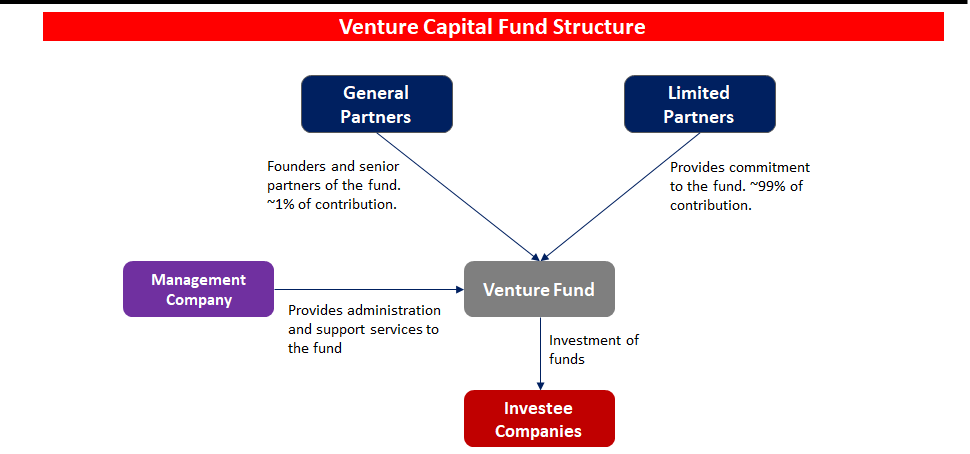
Venture capital funding in the digital health space cooled a bit in 2022 following a red-hot 2021. Overall, digital health companies raised $15.3 billion last year, down from the $29.1 billion raised in 2021—but still above the $14.1 billion raised in 2020, according to Rock Health a seed fund that supports digital health startups.

MORE: https://marcinkoassociates.com/fmv-appraisals/

Nevertheless, analysts predict VC investors and bankers will still put a good amount of money into digital health in 2024 and 2025, especially in alternative care, drug development, health information technology technology, EMRs and software that reduces physician workload.

CITE: https://www.r2library.com/Resource

Of course. an essential first part of attracting VC interest and money is the crafting and presentation of your formal business plan [“elevator pitch”]; as well as the needed technical and managerial experience. This is crucial for success and exactly where we can assist.

***

READ MORE: https://marcinkoassociates.com/welcome-medical-colleagues/

CONTACT: MarcinkoAdvisors@msn.com

***

***

PODCAST: Economic Cycles in Healthcare

By Eric Bricker MD

***

***

CITE: https://www.r2library.com/Resource

***

***

***

***

CITE: https://www.r2library.com/Resource

***
COMMENTS APPRECIATED

Thank You

***

DAILY UPDATE: Kroger Selling Pharma Business as Nvidia and Stock Markets Rise

By Staff Reporters

CHERRY BLOSSOM FESTIVAL, DC.

***

***

KROGER, the supermarket chain said it expects to close the sale of its specialty pharmacy business during the second half of 2024. Kroger said it is planning to sell its speciality pharmacy business to pharmacy benefit manager CarelonRx, a subsidiary of Elevance Health, the company just reported.

CITE: https://www.r2library.com/Resource

***

Nvidia continues its bid for world domination with the announcement of its new B200 “Blackwell” chip. The Blackwell is 2.5 times more powerful than the “Hopper” chip which helped it become a $2 trillion company. (Bloomberg)

Here’s where the major benchmarks ended:

  • The S&P 500 index added 46.11 points (0.9%) to 5,224.62; the Dow Jones Industrial Average gained 401.37 points (1%) to 39,512.13; the NASDAQ Composite rose 202.62 points (1.3%) to 16,369.41. 
  • The 10-year Treasury note yield slid two basis points to 4.27%.
  • The CBOE Volatility Index®(VIX) fell 0.77 to 13.06.
     

Health care was the biggest loser among the S&P 500 sectors. Energy was also lower after crude oil prices sank on the heels of weekly inventory data. Brent Crude Oil (/BZ) futures, the global benchmark, dropped 1.6% on the heels of five days of gains.

COMMENTS APPRECIATED

Thank You

***

***

DAILY UPDATE: Medicare Payment Policy and Inflation as the Stock Markets Gain

By Staff Reporters

***

***

MEDICARE: https://www.medpac.gov/wp-content/uploads/2024/03/Mar24_MedPAC_Report_To_Congress_SEC.pdf

The producer price index (PPI) rose 0.6% for the month, according to the Bureau of Labor Statisticsdouble the Dow Jones estimate, CNBC reported. February’s larger-than-expected PPI uptick follows a more modest 0.3% increase in January and a 0.1% decline in December. On an annual basis, the PPI increased 1.6%, “the largest rise since moving up 1.8% for the 12 months ended September 2023,” according to the BLS.

CITE: https://www.r2library.com/Resource

Here’s where the major benchmarks ended:

The market had a good Tuesday, with stocks climbing as investors await word from the Fed meeting today on any changes to interest rates. The bank is expected to keep rates the same for now, but could signal when (or how often) it’ll lower them later in the year. Meanwhile, Nordstrom shares surged following a report that the retailer’s founding family wants to take it private.
 

  • The S&P 500 index added 29.09 points (0.6%) to 5,178.51; the Dow Jones Industrial Average® ($DJI) gained 320.33 points (0.8%) to 39,110.76; the NASDAQ Composite® ($COMP) rose 63.34 points (0.40%) to 16,166.79.
  • The 10-year Treasury note yield (TNX) eased four basis points to just under 4.3%.
  • The CBOE Volatility Index® (VIX) lost 0.50 to 13.83. 

The energy sector was the top performer after crude oil prices notched multi-month highs ahead of weekly inventory data from the American Petroleum Institute. After a 2% rally to start the trading week, Brent Crude Oil (/BZ) futures, the global benchmark, added another 0.6% Tuesday.

Industrials, consumer discretionary, and utilities were among the other strong sectors. Communications, real estate, and materials finished modestly lower.

COMMENTS APPRECIATED

Thank You

***

***

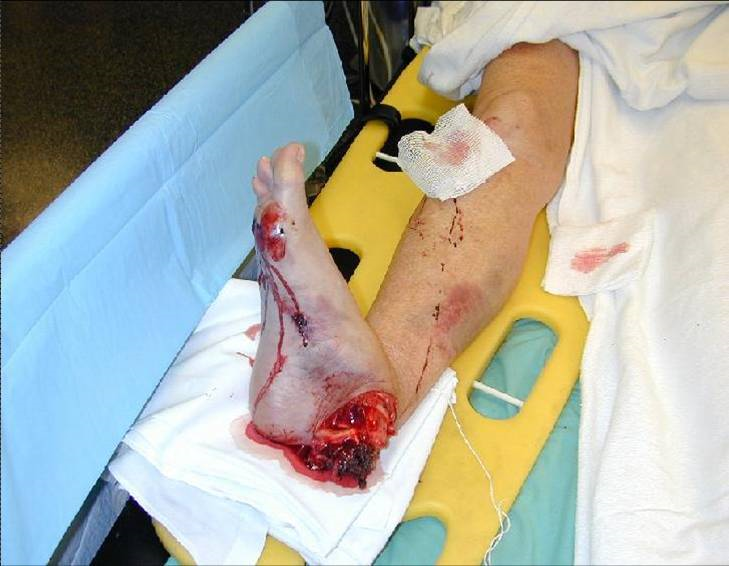
Is a Podiatrist …. A Physician?

By Staff Reporters

***

***

MD versus DO: https://medicalexecutivepost.com/2023/06/17/the-md-versus-do-degree/

***

Almost every medical profession has its fair share of grossness and unbelievable moments. But, when it comes to podiatrists, you could argue that they have it extra bad for the simple reason that they specialize in feet. Most people would probably agree feet can be one of the human body’s most disgusting parts. People often neglect or ignore their feet, which can suffer badly from some common diseases and become a hotbed for unsanitary practices. 

But, is a podiatrist really a physician?

You bet! Now, while the American Podiatric Medical Association [APMA] defines Doctor of Podiatric Medicine, or podiatrist, as “a physician and surgeon of the foot and ankle,” the The Social Security Administration’s Program Operations Manual System (POMS) legally defines a podiatrist as the following:

A podiatrist is a “physician” with respect to those functions which the podiatrist is legally authorized to perform in the State in which the individual performs them. Furthermore, the POMS states: A podiatrist is considered a “physician” for any of the following purposes: 1. for making the required physician certification and re-certifications of the medical necessity for Part A and Part B provider services. 2. for the purpose of establishing and periodically reviewing a home health plan of treatment; and for purposes of constituting a member of a Utilization Review (UR) committee but only if: a. the performance of these functions is consistent with the policy of the institution or agency with respect to which the podiatrist performs them; b. the podiatrist is legally authorized by the State to perform such functions; and c. at least two of the physicians on the Utilization Review  committee are doctors of medicine or osteopathy.

In the United States, podiatrists are educated and licensed as Doctors of Podiatric Medicine (DPM). After a 4-year bachelor’s degree, the preparatory education of most podiatric physicians — similar to the paths of traditional physicians (MD or DO) — includes four years of undergraduate work, followed by four years in an accredited podiatric medical school, followed by a three or four year hospital-based residency program.

Optional one to two-year fellowships in foot and ankle reconstruction, surgical limb salvage, sports medicine, plastic surgery, pediatric foot and ankle surgery, and wound care is also available. Podiatric medical residencies and/ or fellowships are accredited by the Council on Podiatric Medical Education (CPME). The overall scope of podiatric practice varies from state to state with a common focus on foot and ankle surgery. Podiatrists work in hospitals, private practices and clinics, university medical centers and/or specialized practices.

Generally podiatrists can:

  • Perform physical examinations and study medical histories
  • Order and interpret X-rays and also other imaging studies like MRIs, and CAT scans.
  • Giving podiatric advice, second opinions and diagnosis
  • Administer drugs, narcotics, anesthetics and also sedation
  • Perform surgery related to the foot, ankle and legs
  • Perform plastic, macro and micro-surgeries and reconstructive bone surgeries
  • Prescribe medications such as narcotic pain killers, sleep aides and antibiotics
  • Perform certain physical and occupational therapies
  • Be on hospital staffs and take Emergency Room hospital call
  • Be on health insurance plans for covered physicians and medical providers
  • Prescribe, order, and fit prosthetics, casts, insoles, and orthotic devices
  • Attest to physical disability, write a doctor’s medical, treatment or absentee note, etc

In fact, the American Board of Podiatric Medicine [ABPM] offers a comprehensive qualification and certification process in podiatric medicine and orthopedics. Sub-specialties of podiatry include:

  • General podiatry
  • Podiatric reconstructive surgery
  • Podiatric medicine
  • Podiatric orthopedics
  • Podiatric sports medicine
  • Podiatric high-risk wound care
  • Podiatric rheumatology
  • Podiatric oncology
  • Podiatric vascular medicine
  • Podiatric dermatology
  • Podiatric radiology
  • Podiatric gerontology
  • Podiatric diabetology (limb salvage)
  • Podiatric pediatrics
  • Forensic podiatry,
  • etc.

MD/DO: https://medicalexecutivepost.com/2023/06/17/the-md-versus-do-degree/

COMMENTS APPRECIATED

Thank You

***

***

DAILY UPDATE: Stock Markets Up Before FOMC Meeting

By Staff Reporters

***

***

Stocks started the week off strong yesterday as tech companies rose. Chipotle, Progressive, and more hit all-time highs. Tesla got a boost after announcing higher prices for its Model Y in the US and parts of Europe.

Here’s where major benchmarks ended yesterday:

  • The S&P 500 index rose 32 points (0.6%) to 5,149.42; the Dow Jones Industrial Average ($DJI) gained 75.66 points (0.2%) to 38,790.43; the NASDAQ Composite jumped 130.27 points (0.8%) to 16,103.45. 
  • The 10-year Treasury note yield rose nearly four basis points to 4.34%. 
  • The CBOE Volatility Index® (VIX) dipped 0.08 to 14.33.

All but two S&P 500 sectors finished in the green, with communications, information technology, consumer discretionary, and consumer staples leading the advance. Health care and real estate finished modestly lower.

Crude oil prices rose to multi-month highs on the heels of stronger-than-expected industrial production data from China and concerns over potential supply disruptions.

According to Reuters, a Ukrainian strike sparked a fire at the Slavyansk refinery in Krasnodar on Saturday and ongoing attacks have now idled around 7% of Russia’s refining capacity so far this year. Brent Crude Oil (/BZ) futures, the global benchmark, gained 2% Monday.

CITE: https://www.r2library.com/Resource

COMMENTS APPRECIATED

Thank You

***

***

PODCAST: Sage Transparency Hospital Pricing Tool

By Eric Bricker MD

HOSPITAL PRICE COMPARISONS

***

***

COMMENTS APPRECIATED

Thank You

***

***

DAILY UPDATE: Salesforce Health Care AI and the National Association of Realtors Rebuke

By Staff Reporters

***

Salesforce just announced new AI solutions for health-care workers that could help automate some of the manual administrative tasks that are driving physician burnout. READ MORE

***

***

***

On Friday, National Association of Realtors (NAR) agreed to pay $418 million over the next four years to settle several lawsuits alleging it artificially inflated realtor commissions. Included in the deal is a policy change that will likely obliterate agents’ 5%–6% commissions.

CITE: https://www.r2library.com/Resource

***

***

COMMENTS APPRECIATED

Thank You

***

***

PODCAST: Risk Adjustment in Medicare Advantage [Part C] Plans

CMS PAYMENTS TO INSURANCE PLANS

By Eric Bricker MD

***

***

COMMENTS APPRECIATED

Thank You

CITE: https://www.r2library.com/Resource

COMMENTS APPRECIATED

Thank You

***

***

***

Paper is Immune to Ransomware

***

***

By Darrell Pruitt DDS

“A major cyberattack has caused a Pittsfield medical practice to run out of money. Staff are continuing to treat patients”

The extortionists are getting closer and closer to us, Doc. I’m surprised it has taken them this long.

READ: https://www.berkshireeagle.com/news/local/cyberattack-change-healthcare-united-ransomware-medical-insurance-payments-berkshire-allergy-care/article_a5547ef2-e302-11ee-9162-2b0ff10b145f.html

(Do you miss paper records yet? Give it a little more time.)

***

***

COMMENTS APPRECIATED

Thank You

***

DAILY UPDATE: Reddit IPO

By Staff Reporters

***

***

Stat: $748 million. That’s how much Reddit plans to raise ahead of its upcoming IPO, where the company is seeking an approximate $6.5 billion valuation. After a couple of rocky IPO years, investors have been hotly anticipating Reddit’s IPO, which would mark the first social media IPO since Pinterest’s in 2019.(CNBC)

But, The FTC is investigating Reddit’s policies of licensing data for training AI, the company said Friday as it gears up for an IPO.

CITE: https://www.r2library.com/Resource

COMMENTS APPRECIATED

Thank You

HAPPY ST. URHO’S DAY

***

***

DAILY UPDATE: The Ides of March as Stock Markets Slide

By Staff Reporters

***

***

Stocks fell yesterday after another round of hotter-than-expected inflation data chilled investors. But it was a tremendous Thursday for sporting goods store Dick’s, as it soared 15% after posting its largest sales quarter in history in Q4, thanks in part to consumers buying more expensive items.

Here’s where the major stock benchmarks ended:

  • The S&P 500 index fell 14.83 points (0.3%) to 5,150.48; the Dow Jones Industrial Average® ($DJI) declined 137.66 points (0.4%) to 38,905.66; the NASDAQ Composite shed 49.24 points (0.3%) to 16,128.53.
  • The 10-year Treasury note yield (TNX) rose about 10 basis points to 4.292%.
  • The CBOE Volatility Index® (VIX) rose 0.65 to 14.40.

Technology shares remained under pressure, as a pullback in Nvidia (NVDA) and other chip makers sent the Philadelphia Semiconductor Index (SOX) down almost 2% to its lowest close of the month. Nvidia fell 3.2% Thursday and has dropped nearly 10% from a record intraday high of $974 last Friday. Banks and small-cap stocks were also among the market’s weakest performers.

“Tech shares appear to be going through a corrective phase following last Friday’s key reversal day in Nvidia. The question remains whether a potential correction in tech will spill over into the broader market or whether money will rotate into other areas of the market.”

In other markets, WTI crude oil futures (/CL) extended this week’s rally with a gain of 1.7% and ended slightly above $81 per barrel, its highest level since early November. Oil’s strength has been driven by an unexpected drop in U.S. inventories and concerns over supply disruptions after Ukrainian strikes on oil refineries in Russia.

CITE: https://www.r2library.com/Resource

COMMENTS APPRECIATED

Thank You

***

***

PRIVATE EQUITY: Hospitals Experience Adverse Patient Outcomes

By Health Capital Consultants, LLC

***

***

On December 26, 2023, a study published in the Journal of the American Medical Association (JAMA) found concerning changes in patient outcomes and hospital adverse events associated with private equity (PE) acquisition and ownership of hospitals. Over the past ten years, PE firms have set their sights on hospitals as a lucrative investment opportunity, spending nearly $1 trillion to finance healthcare acquisitions, and purchasing more than 200 hospitals from non-PE owners.

CITE: https://www.r2library.com/Resource

This Health Capital Topics article reviews the JAMA study and the impact of PE ownership on the healthcare industry. (Read more…)

COMMENTS APPRECIATED

Thank You

***

***

DAILY UPDATE: Warm Inflation Mixes Stocks

By Staff Reporters

***

***

DEFINITION: Creeping, or mild, inflation occurs when prices rise slowly. According to the Federal Reserve, when prices increase by 2% or less, it benefits economic growth. This kind of mild inflation makes consumers expect that prices will keep going up, which boosts demand.

And so, inflation was a bit warmer last month as consumer prices rose 3.2% in February, the Labor Department just reported, up from the 3.1% that economists expected. That marks the second straight month that inflation came in higher than forecast. The data reinforces the Fed’s position to wait until inflation is tamed before cutting interest rates. Still, the central bank is widely expected to cut rates sometime later this year despite yesterday’s less-than-ideal report. It will meet next week to continue deliberations on a potential rate reduction.

CITE: https://www.r2library.com/Resource

Here’s where the major benchmarks ended:

  • The S&P 500® index (SPX) fell 9.96 points (0.2%) to 5,165.31; the Dow Jones Industrial Average gained 37.83 points (0.1%) to 39,043.32; the NASDAQ Composite® (COMP) declined 87.87 points (0.5%) to 16,177.77.
  • The 10-year Treasury note yield (TNX) rose almost 4 basis points to 4.192%.
  • The CBOE Volatility Index® (VIX) fell slightly to 13.75. 

Energy shares were among the market’s strongest performers Wednesday behind gains in crude oil prices. Brent crude futures (/BZ), the global benchmark, rose above $84 to end at their highest level since early November after Ukrainian strikes on oil refineries in Russia stirred concern over supply disruptions. The S&P Energy Index ($SP500#10) jumped 1.5% and reached its highest level since late October, while the S&P 500 Materials Index ($SP500#15) rose almost 1% and ended at a record high.

COMMENTS APPRECIATED

Thank You

***

***